



Quick Listen:
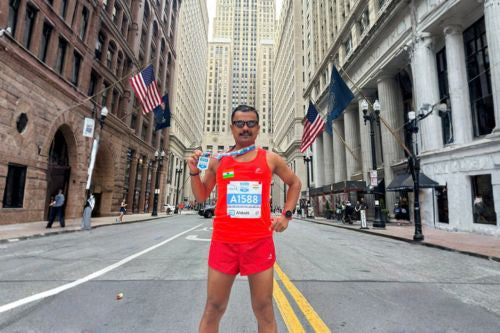
Picture this: you're threading through the bustling streets of Mumbai at sunrise, the air thick with humidity, and your budget t-shirt is already soaked, rubbing raw against your skin with each step. Or imagine starting your jog in Bangalore's crisp morning air, only for a thin jacket to let the chill seep in, transforming your workout into a test of endurance against the elements. In India's vibrant urban centers, runners are learning the hard way that cutting corners on gear doesn't just hinder comfort it sabotages your entire performance.
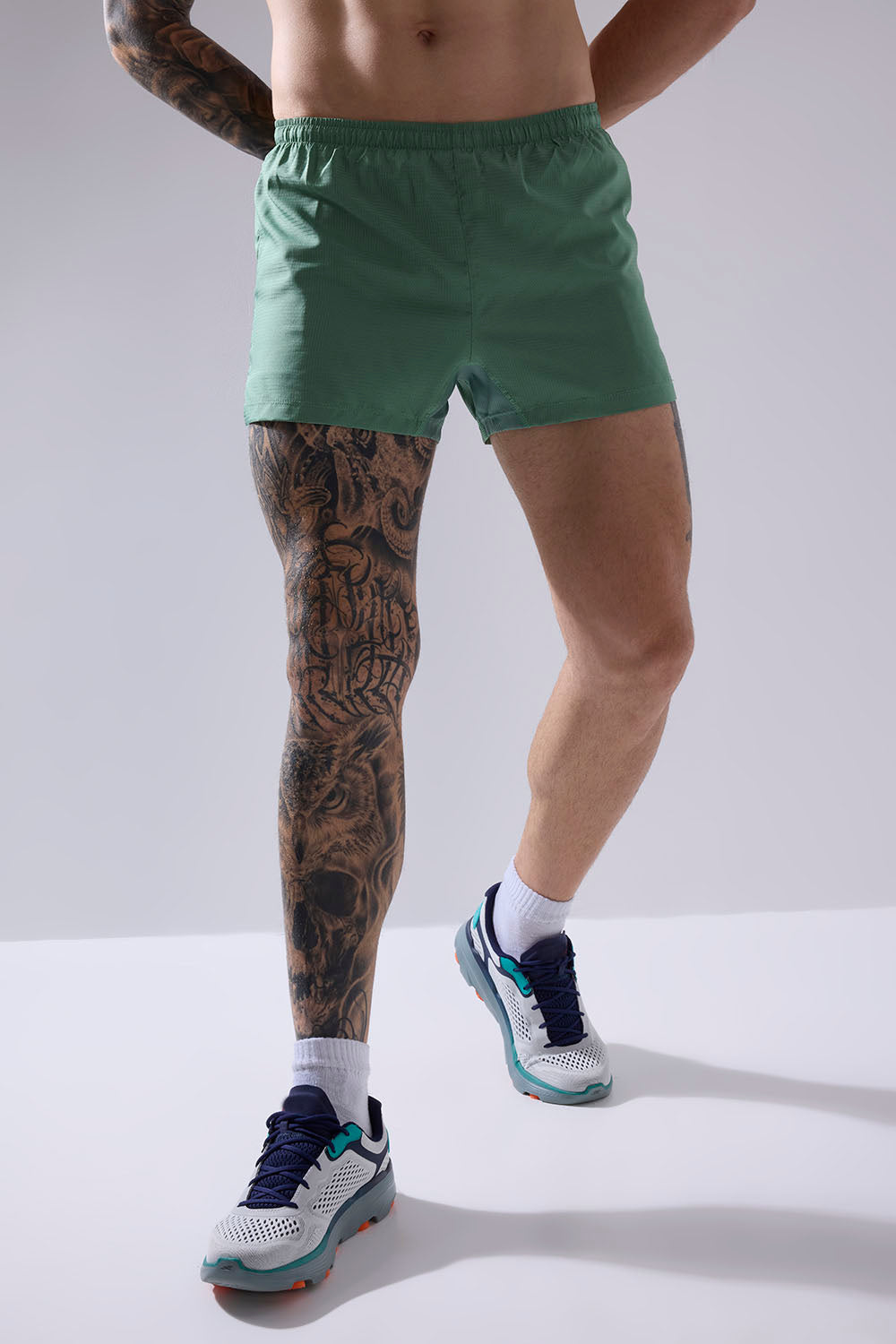
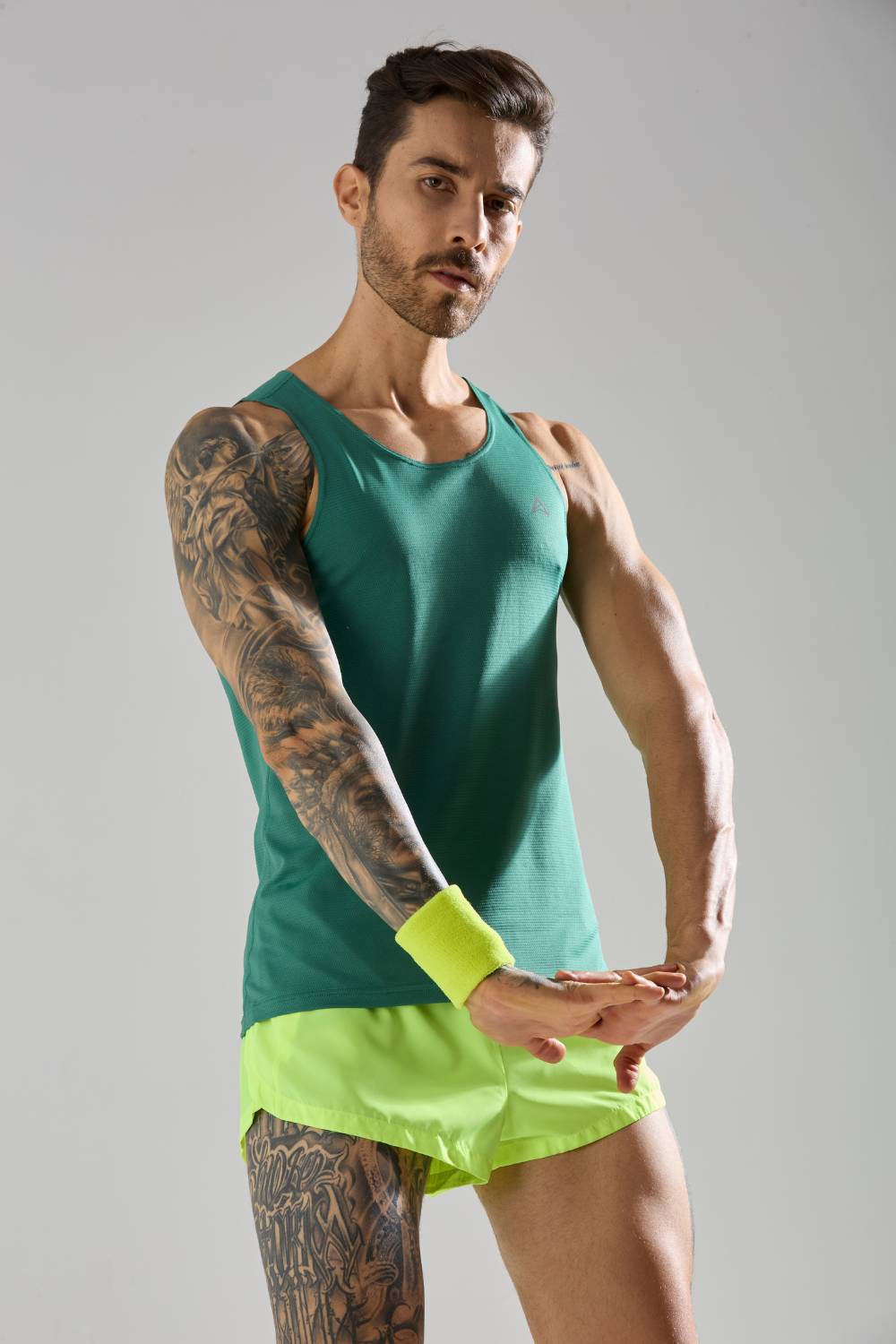
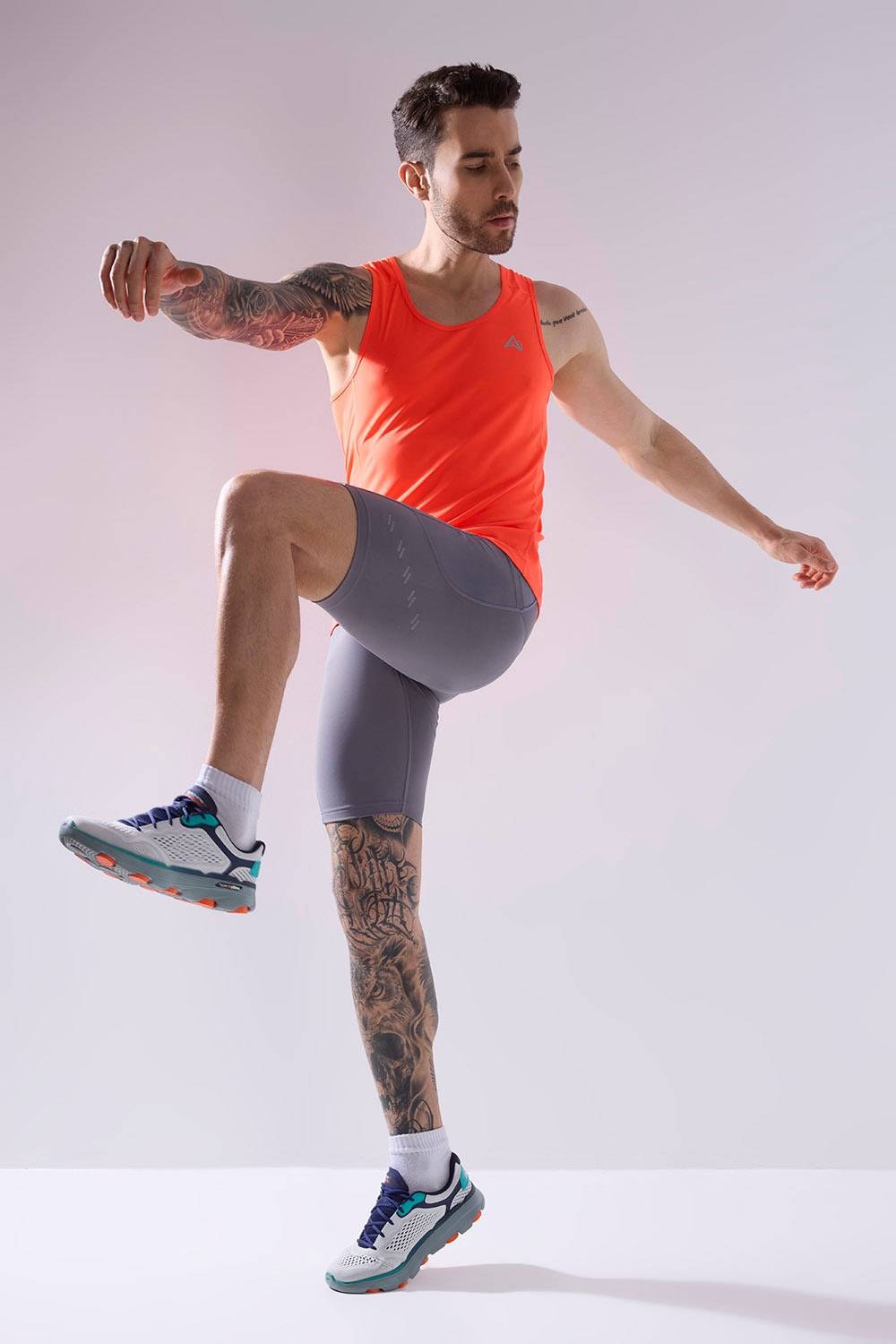
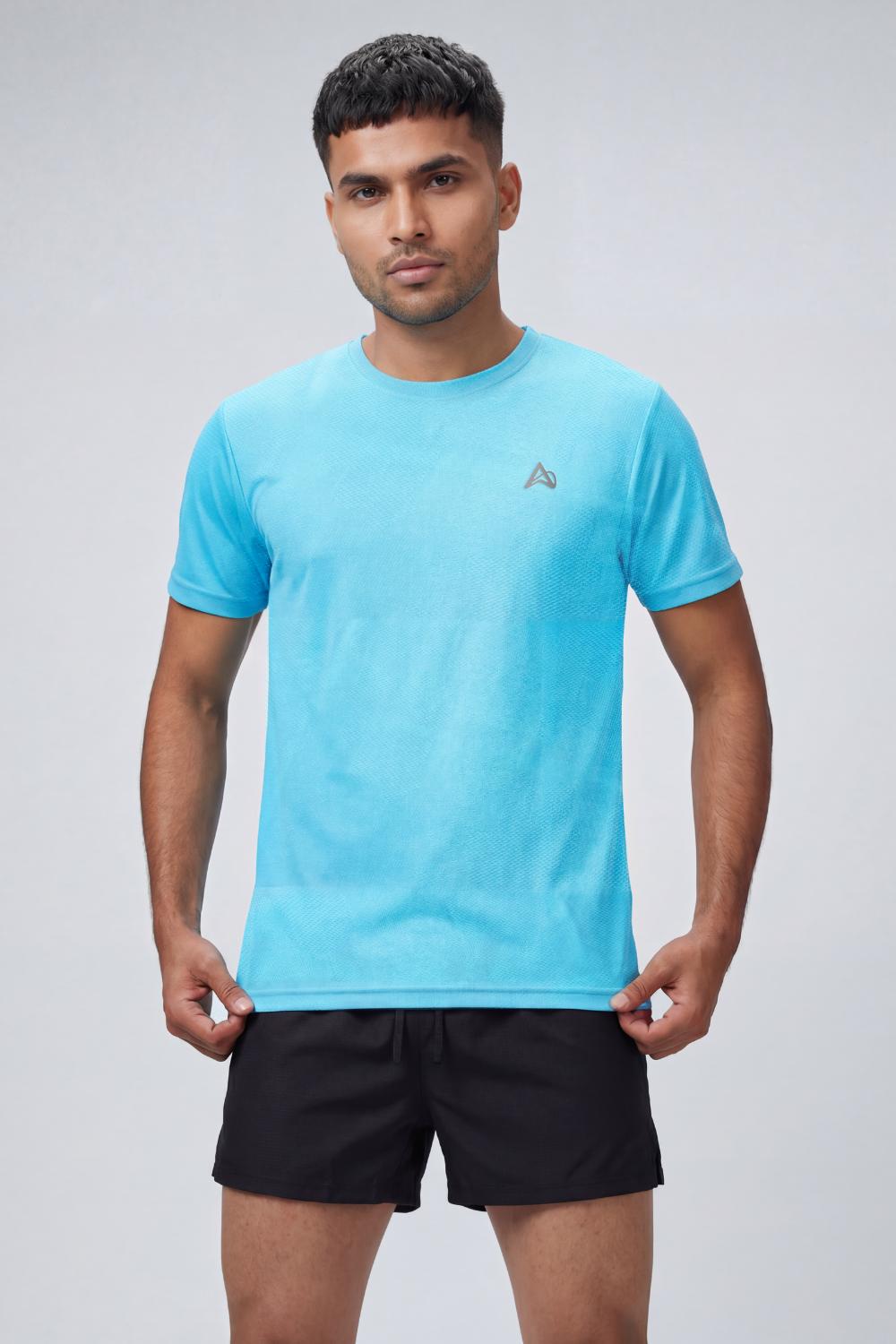
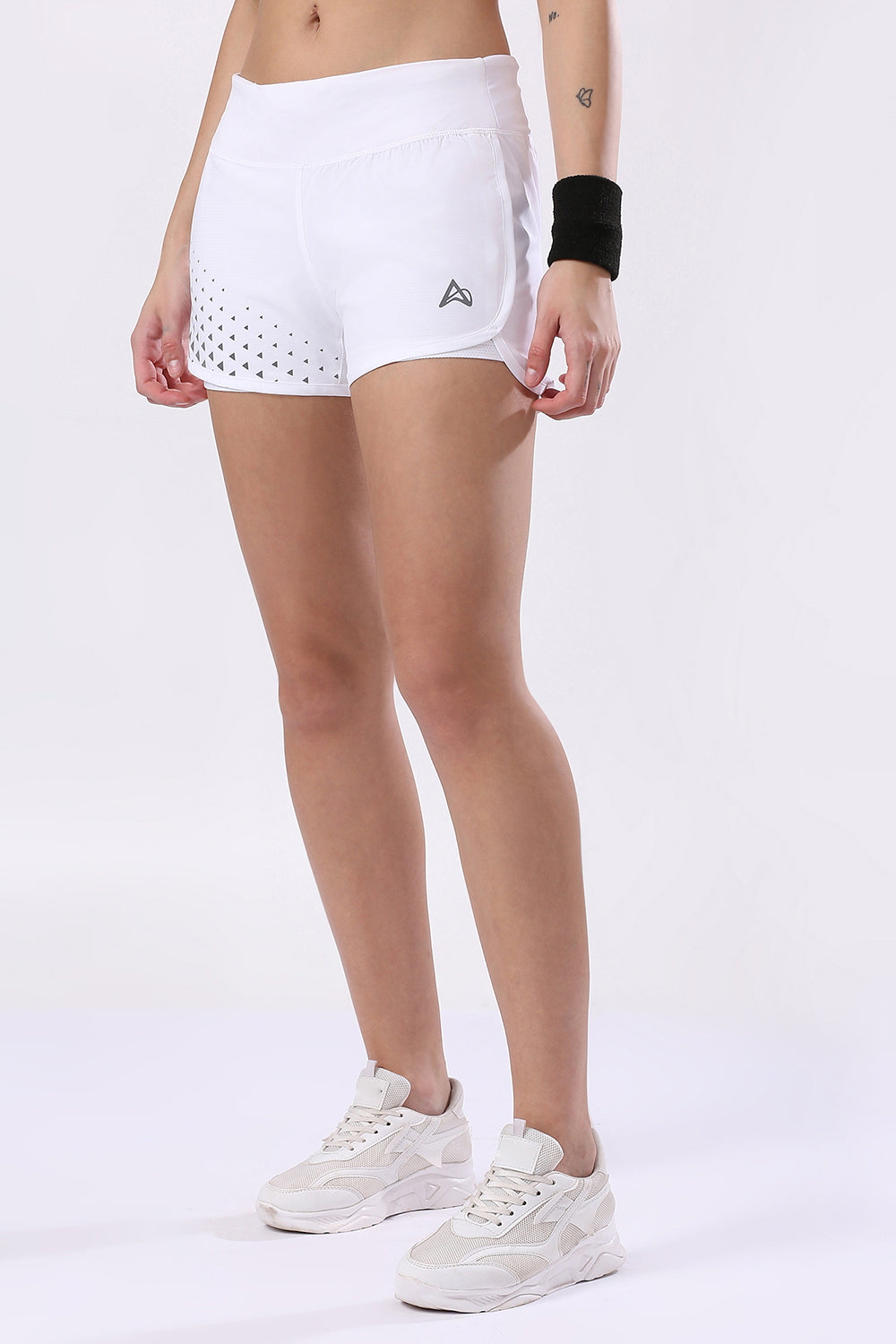
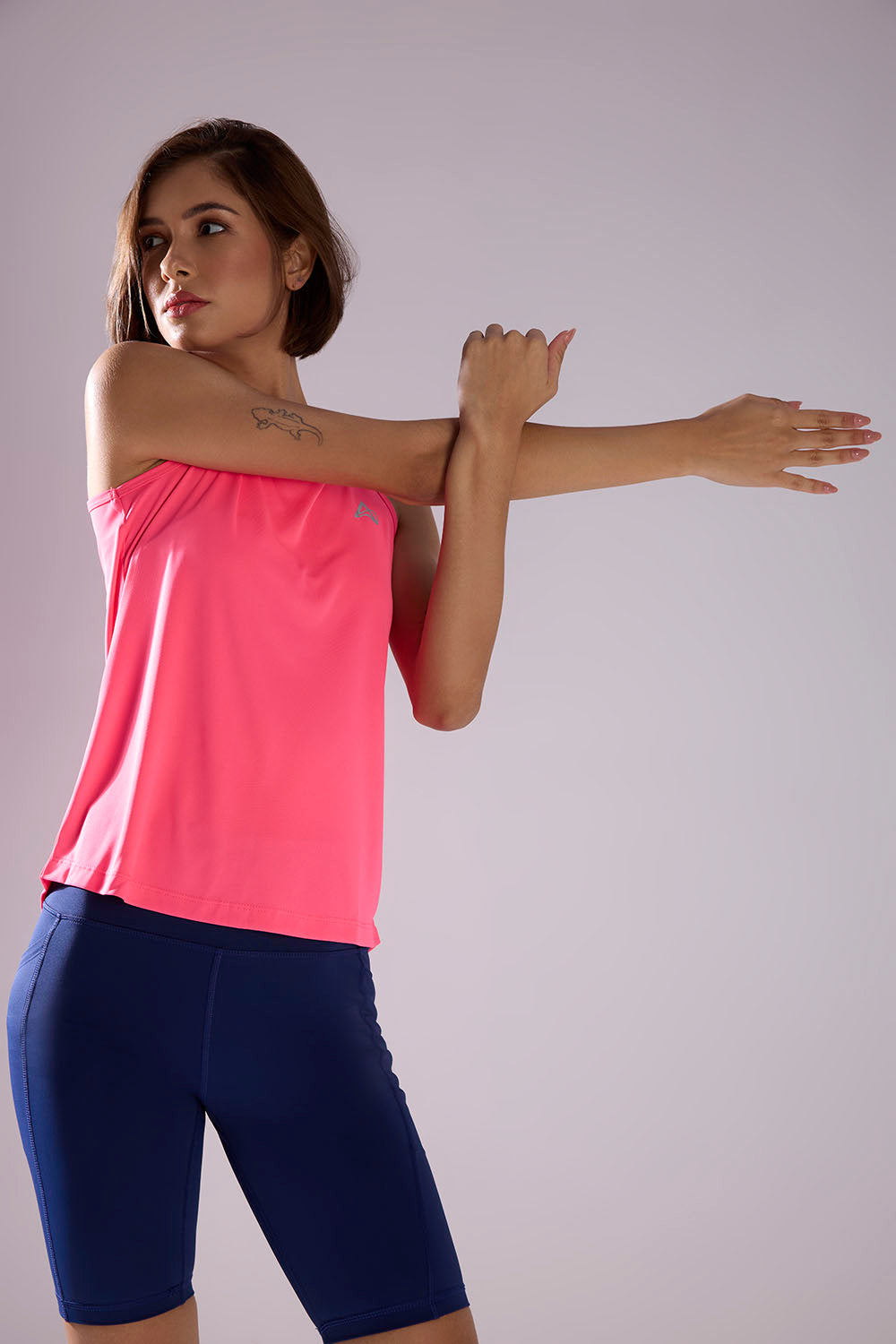
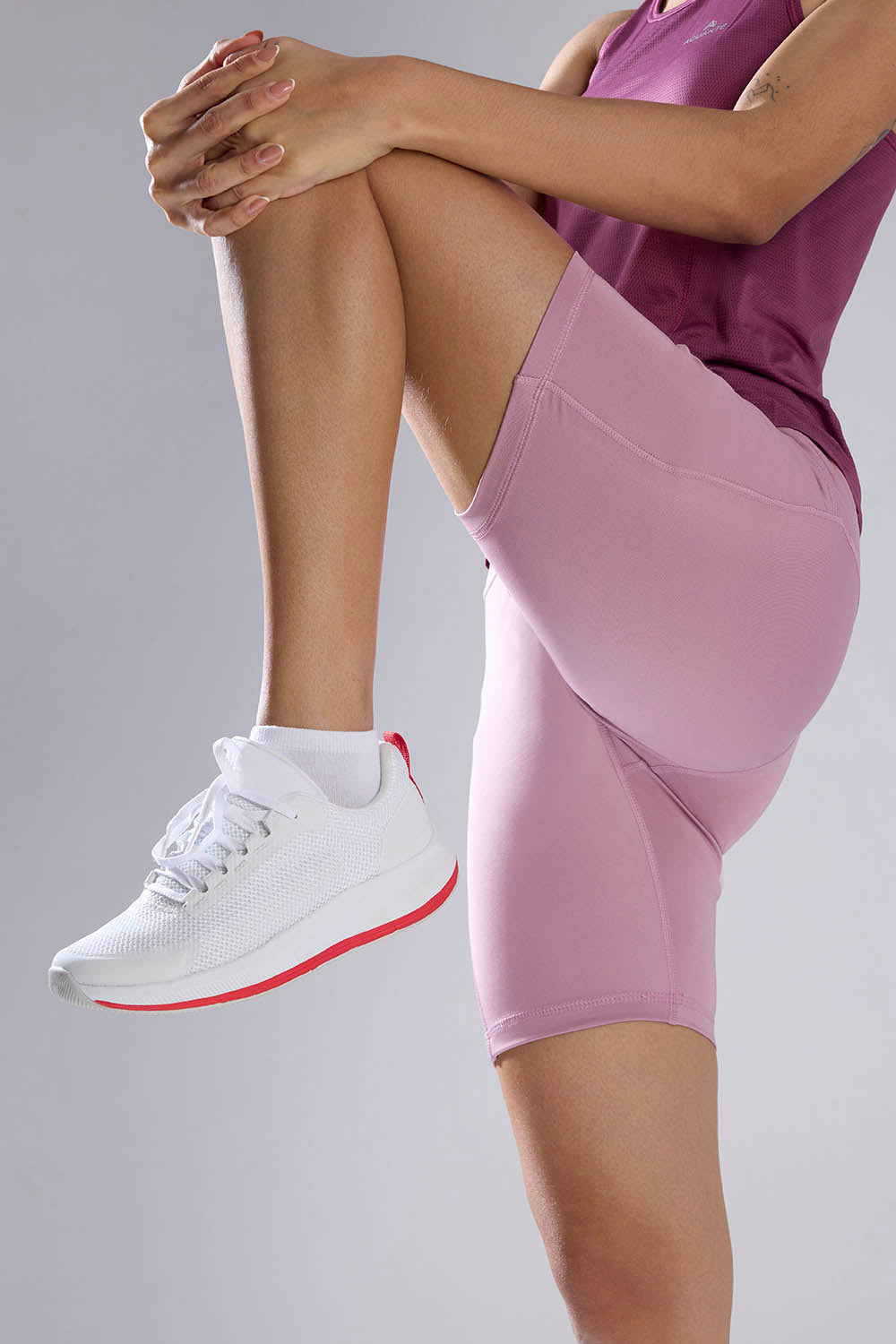
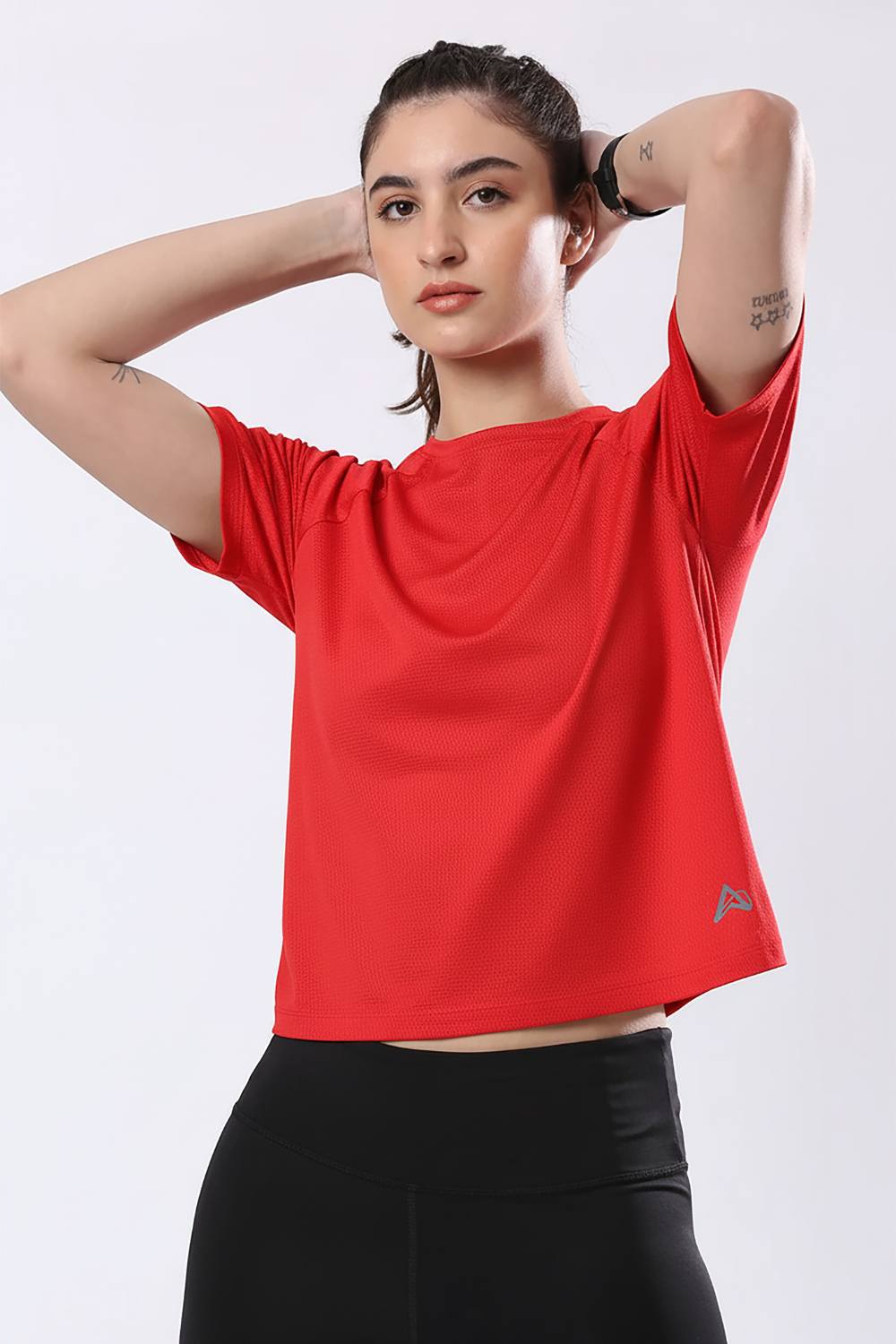
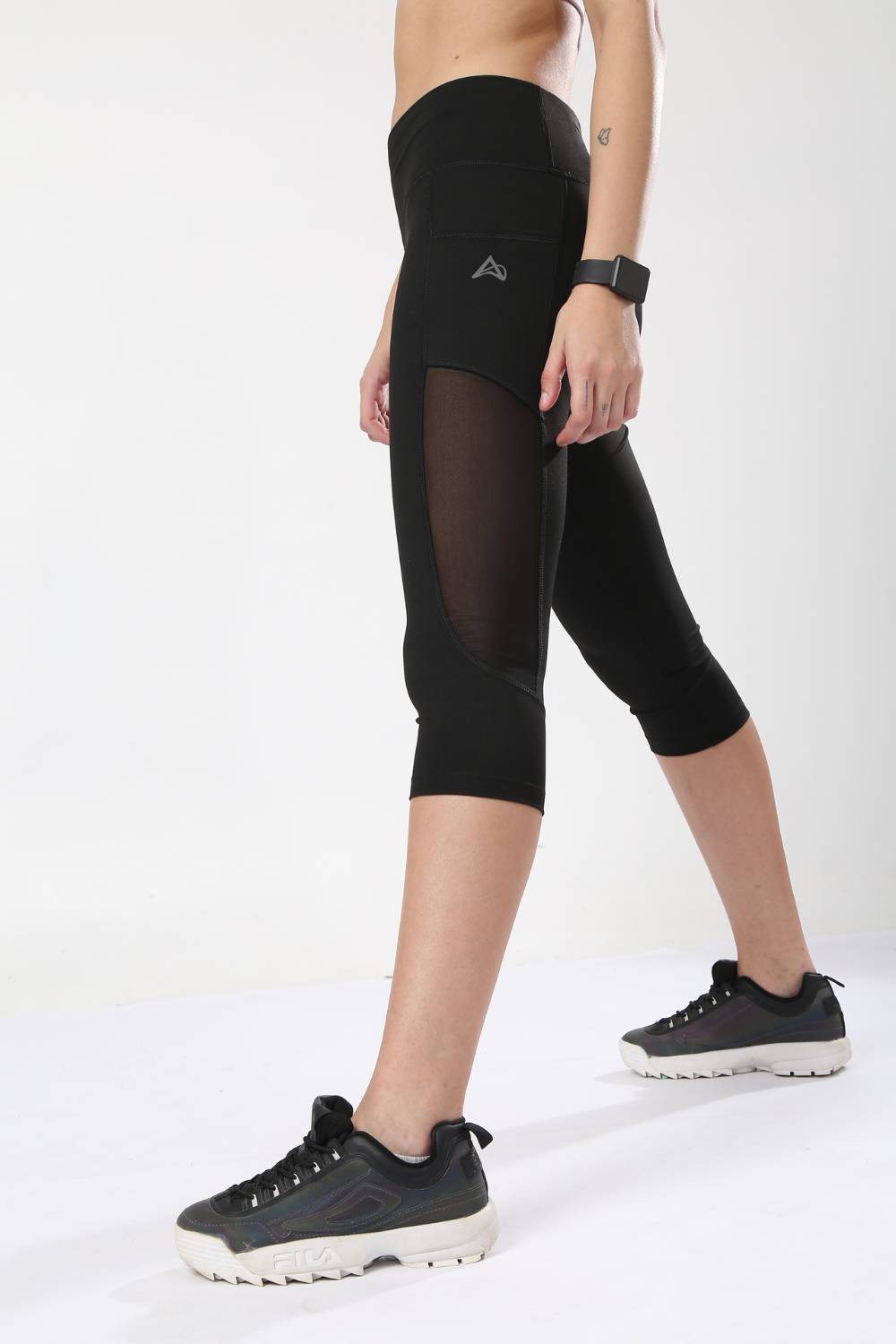
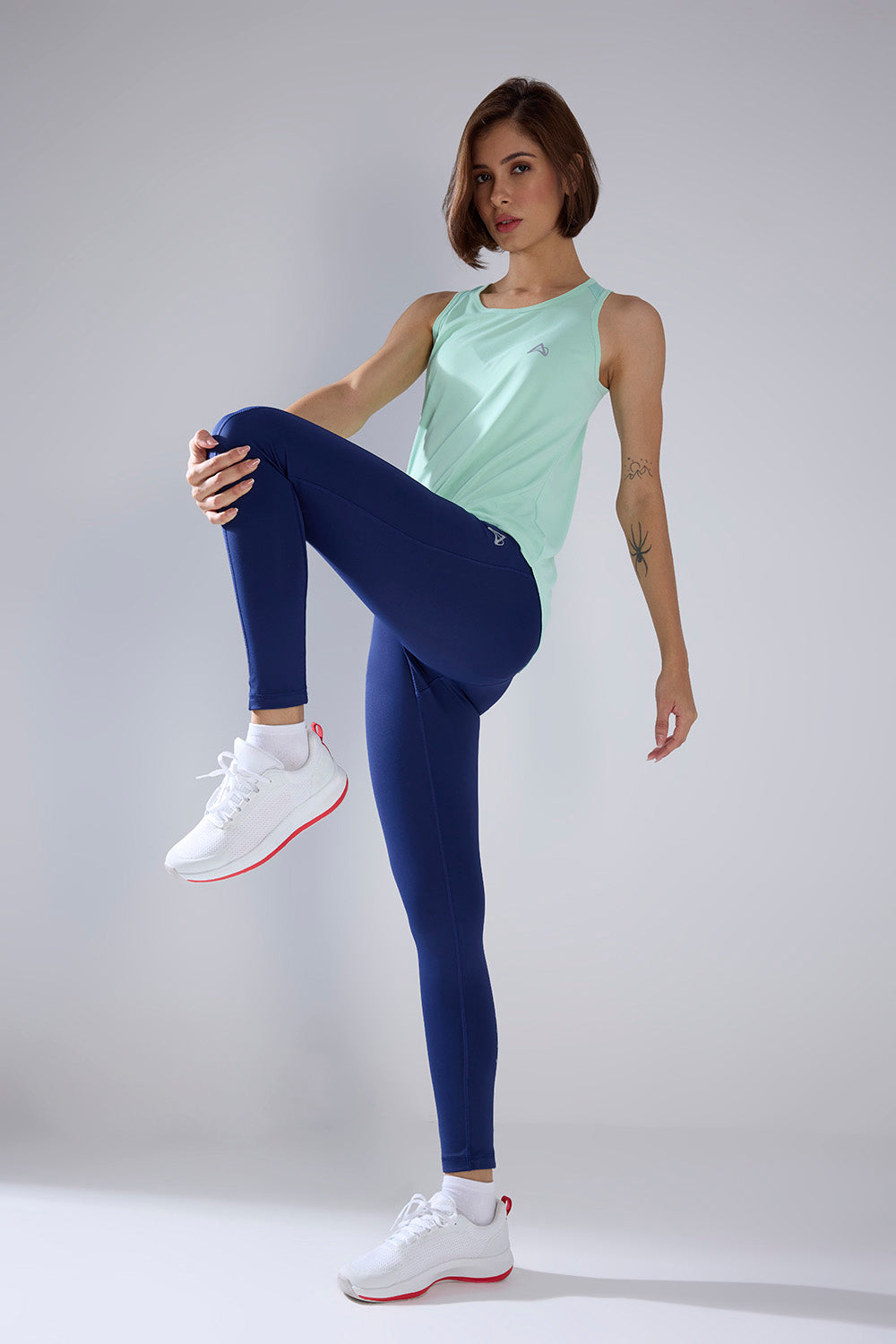
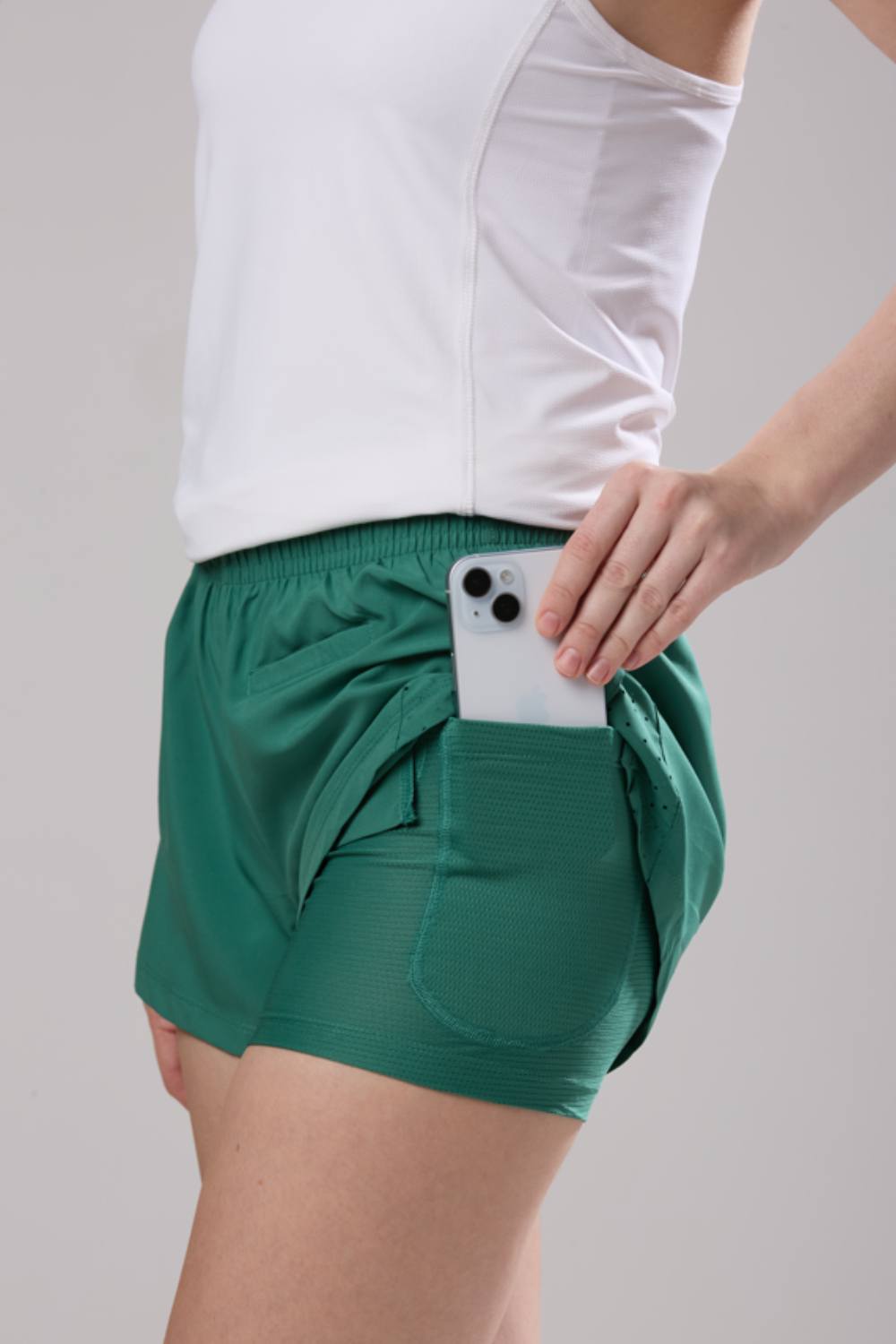
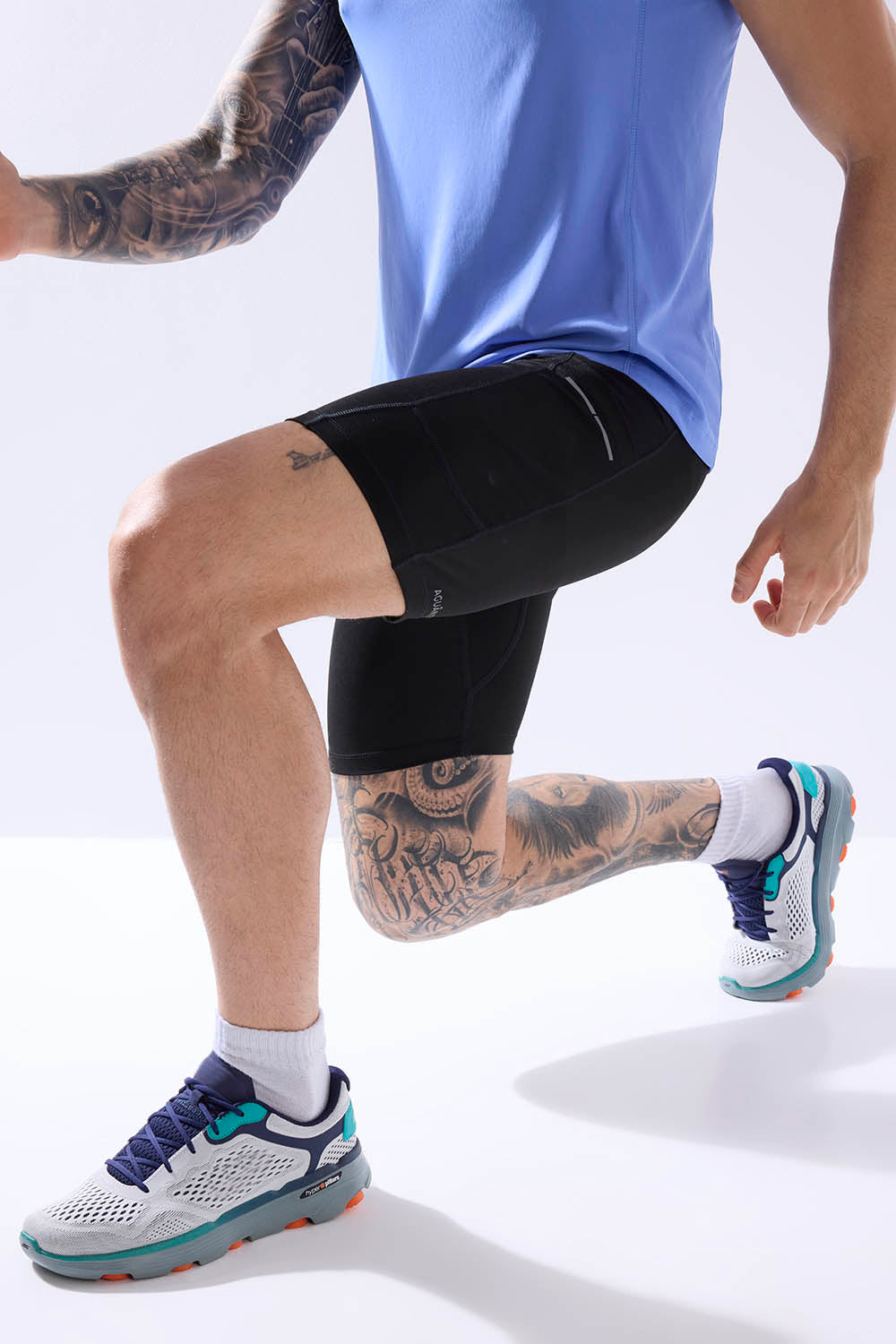
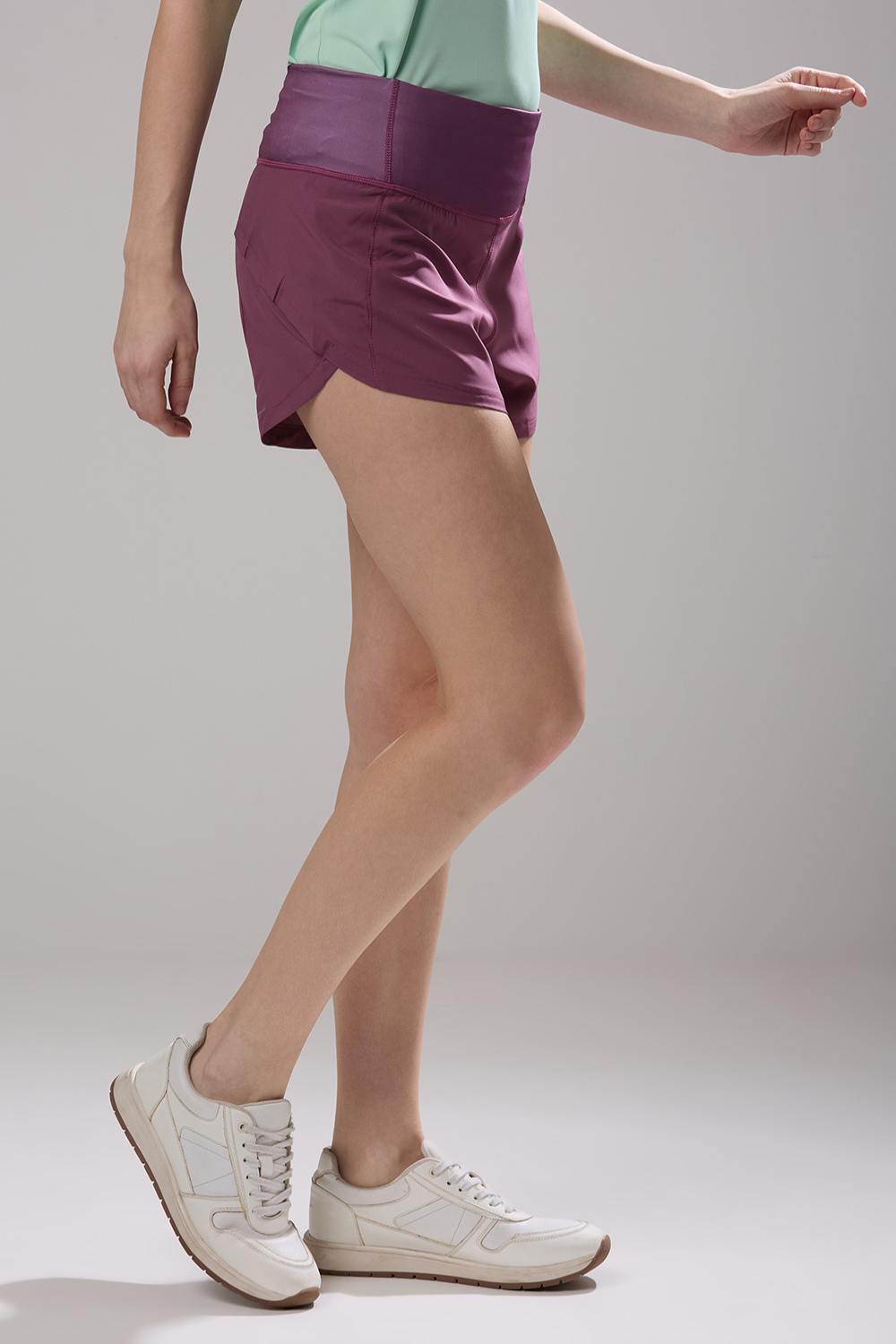
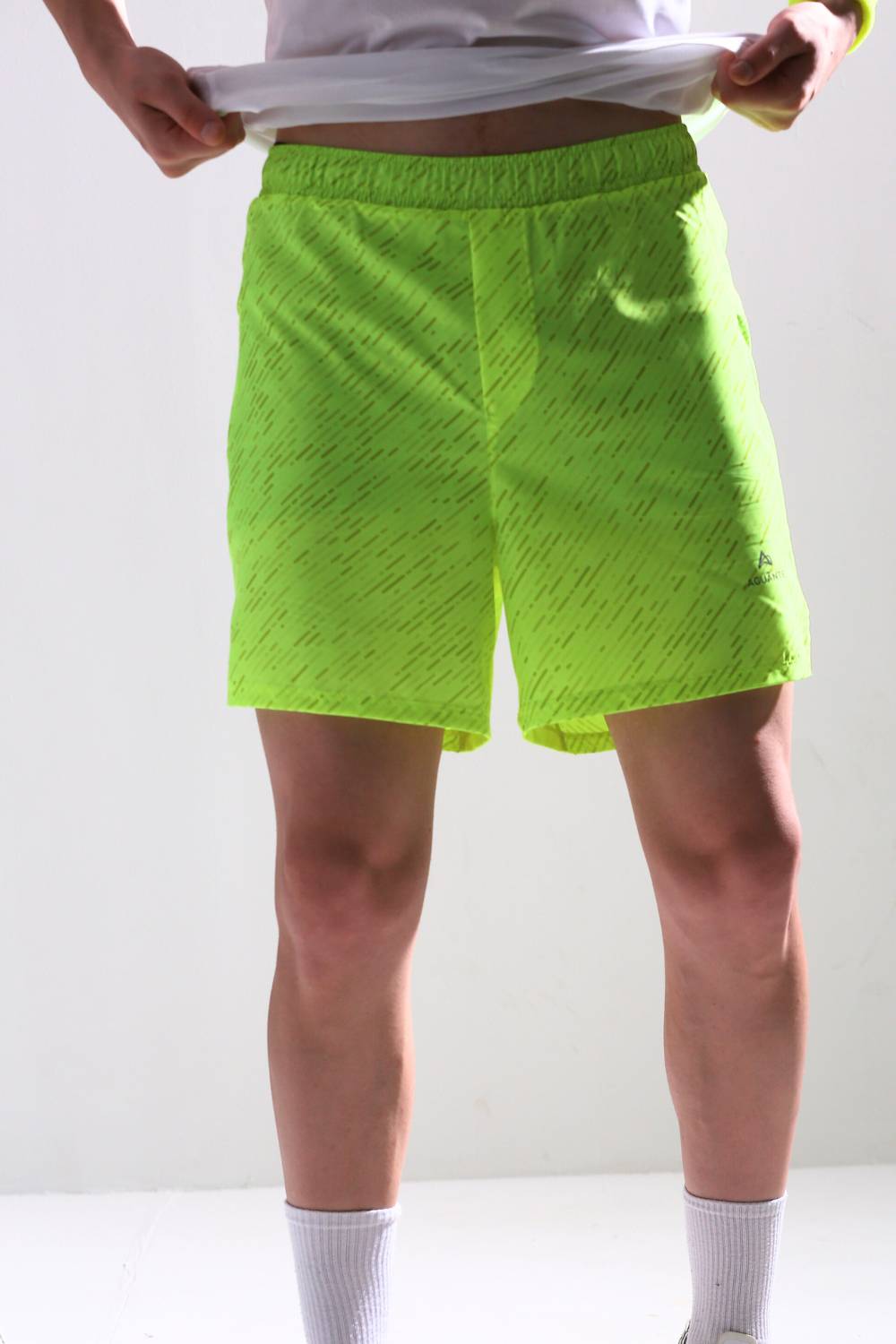
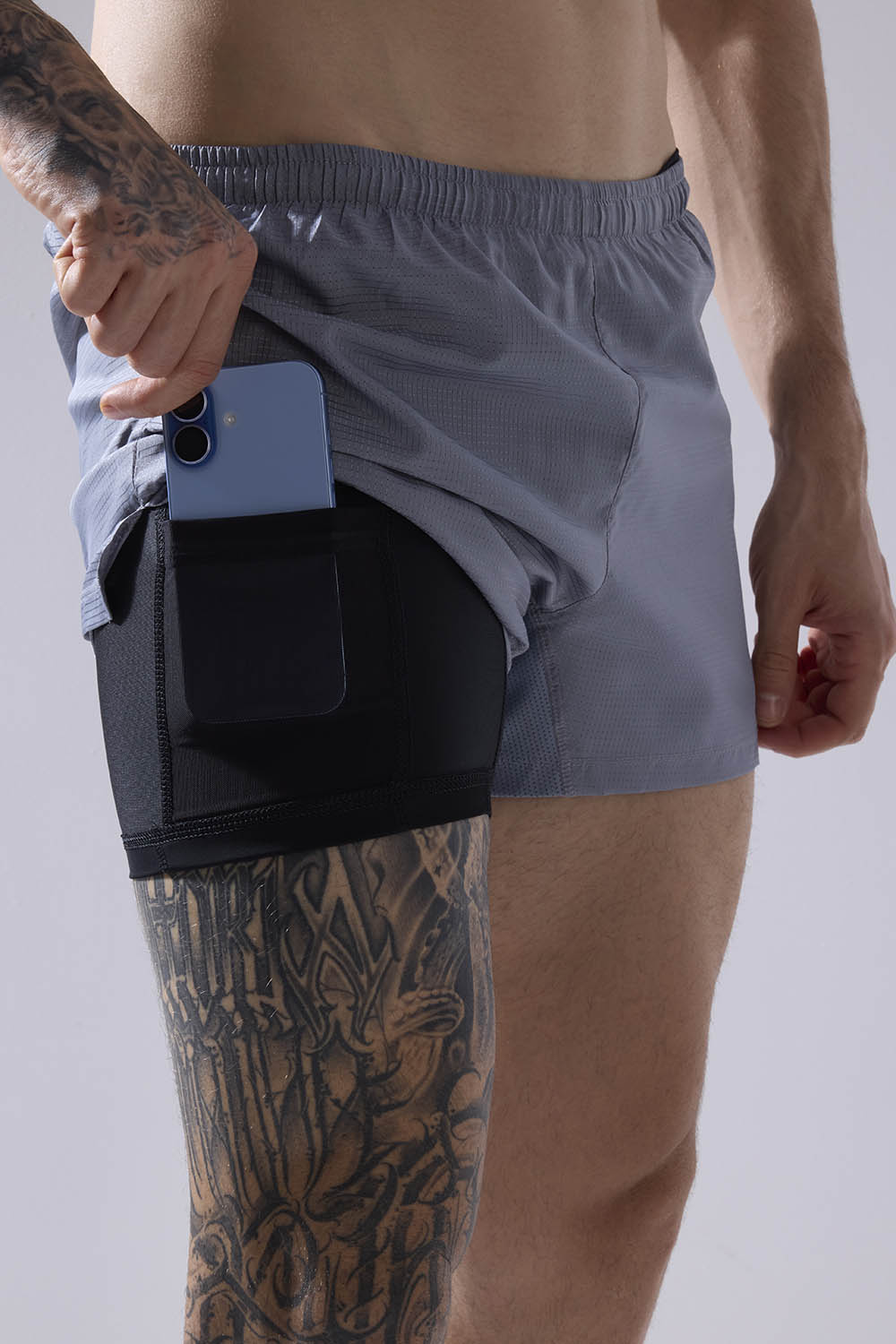
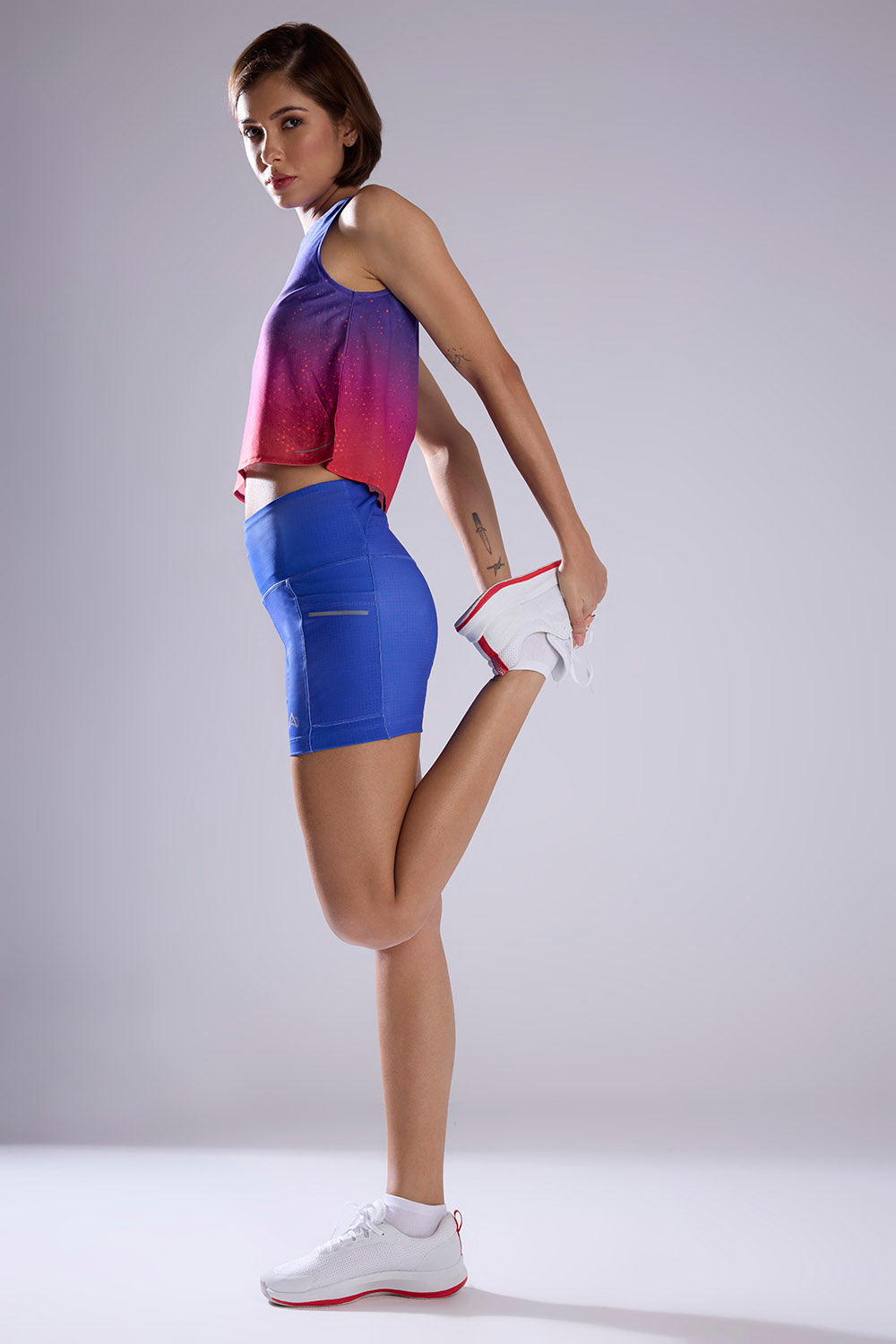
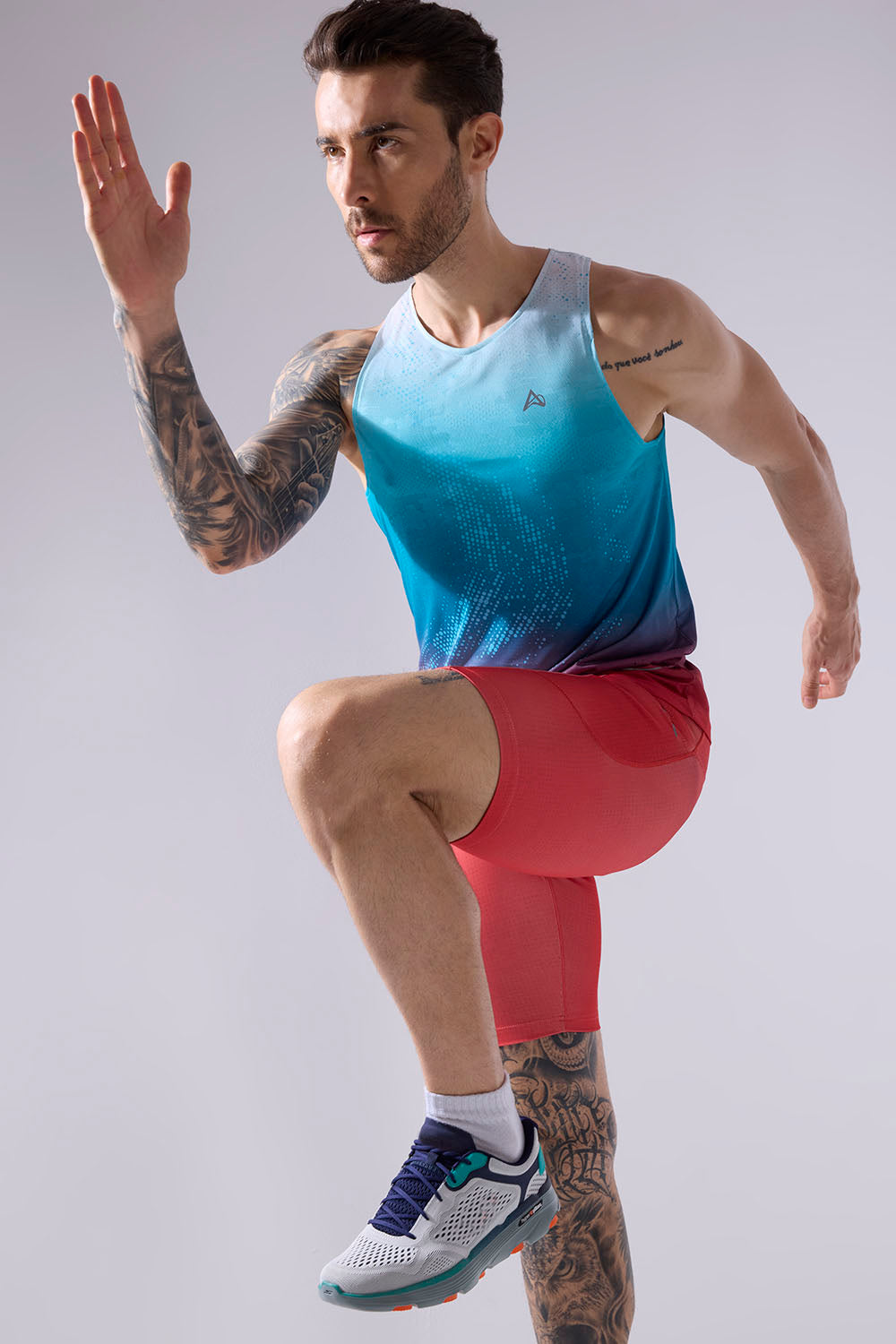
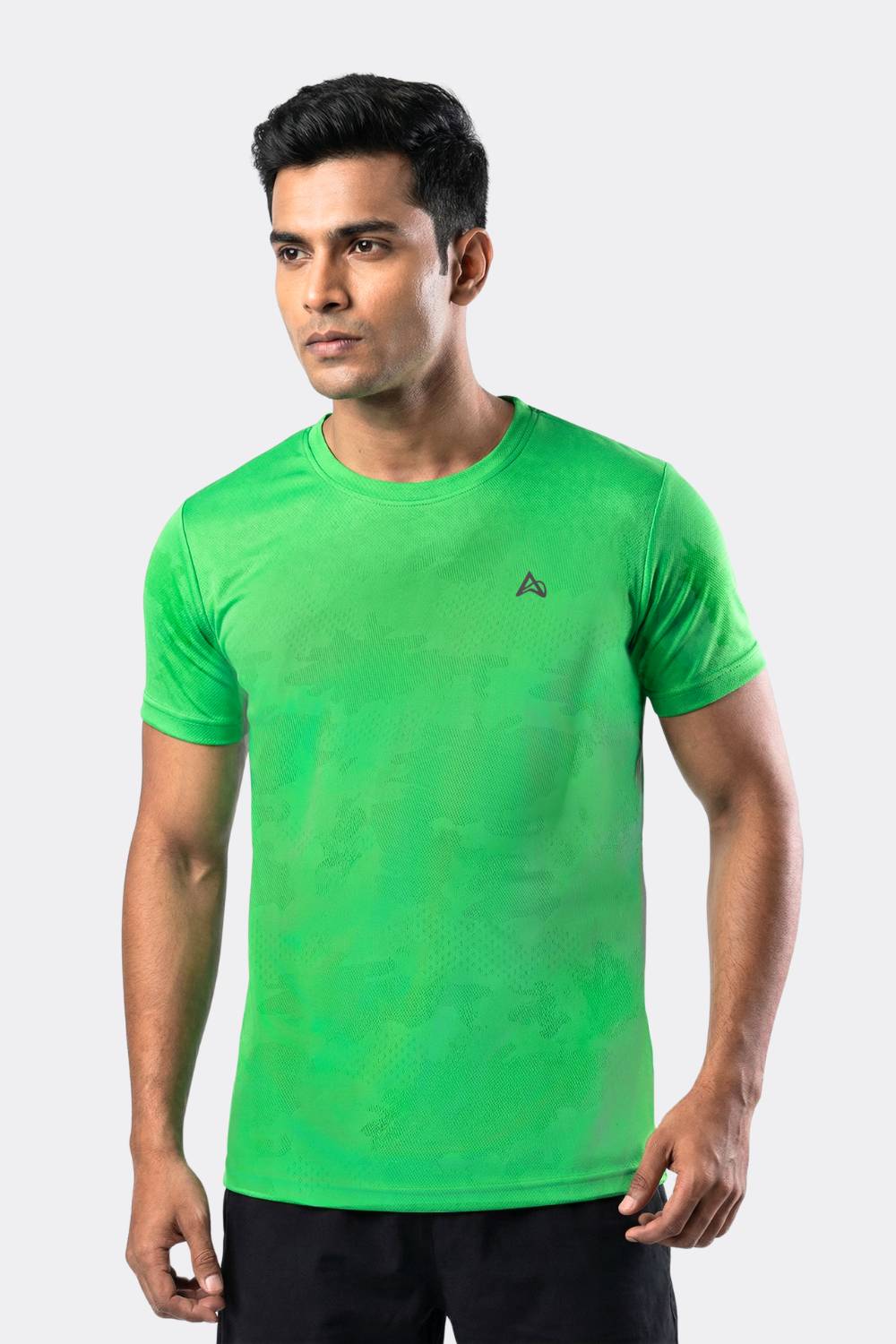
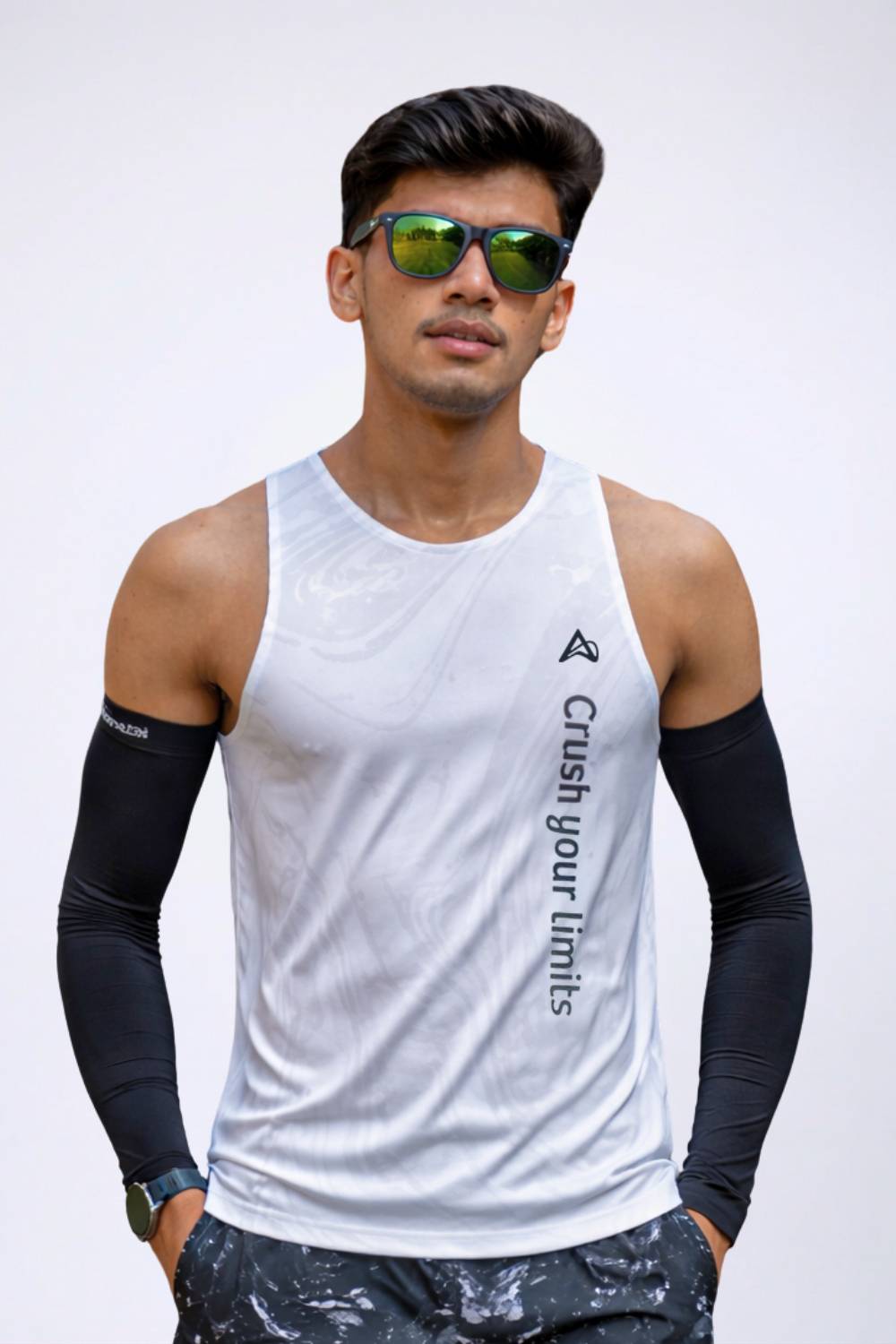
Tired of gear that slows you down? Chafing, soggy fabrics, and missing pockets kill your run's momentum. At Aguante, we're runners who get it. Our high-performance activewear features moisture-wicking fabrics, ergonomic designs, and smart storage to keep you focused. Shop Now!
Why Every Runner Needs to Invest in Quality Apparel: Unlocking Performance and Comfort
Investing in superior running apparel goes beyond mere style; it's a fundamental step toward elevating your runs, particularly amid the varied weather patterns of cities such as Bangalore, Hyderabad, Mumbai, Pune, and more. As the global running apparel market expands, driven by specialized clothing like moisture-wicking shirts and supportive socks, runners in India are reaping the benefits of gear tailored for both casual jogs and intense marathons.
The surge in running's popularity across India's metropolises is undeniable. From Delhi's chaotic avenues to Bangalore's innovative parks, health-conscious individuals are embracing running as a lifestyle, fueled by greater awareness of fitness benefits. This trend aligns with broader market growth, where the running apparel sector, valued at USD 16,012.1 million in 2024, is poised to climb to USD 25,053.7 million by 2033, achieving a compound annual growth rate of 5.1 percent. Such expansion underscores how proper attire designed for durability and functionality empowers runners to perform at their best in India's demanding climates.
This isn't merely about statistics; it's about everyday athletes breaking barriers. In Hyderabad's thriving fitness groups, enthusiasts gather for communal runs, while Pune's terrain challenges push limits. However, substandard clothing can derail these pursuits. Premium fabrics that manage sweat, maintain body temperature, and minimize injuries convert routine exercises into efficient, enjoyable sessions, perfectly suited to the tropical heat and humidity prevalent in many Indian cities.
Emerging Trends in Running Apparel
Running gear is advancing rapidly, with developments finely tuned to address India's specific environmental hurdles. Consider fabrics engineered for superior moisture management, drawing perspiration away from the body to keep you comfortable during sweltering afternoons in Mumbai or intense heat waves in Ahmedabad. Features like ventilated mesh and airy constructions promote better airflow, countering the sticky conditions in areas such as Surat and Gurugram.
Eco-friendly options are also on the rise, resonating in environmentally aware regions like Bangalore and Mumbai. Manufacturers are integrating recycled materials and natural fibers, merging high performance with sustainability. In Hyderabad and Pune, where wellness communities flourish, athletes demand clothing that withstands rigorous training without sacrificing aesthetics or longevity.
These innovations mirror larger transformations in the industry. With Asia-Pacific emerging as the fastest-growing market for running apparel, and Europe holding the largest share, global players like Nike, Adidas, Under Armour, Puma, Asics, and New Balance are innovating to meet diverse needs. Meanwhile, the overall running apparel market is projected to grow from USD 97.02 billion in 2026 to USD 137.98 billion by 2031, at a 7.28 percent CAGR, spurred by health consciousness and material advancements.
Breakthroughs such as seamless designs to prevent irritation and coatings for sun protection tackle common issues head-on. In Delhi's fluctuating seasons, adaptable clothing shines light for warm-weather dashes, insulated for cooler outings. This evolution positions running apparel not as accessories, but as essential tools for navigating India's multifaceted landscapes and weather variations.
Beyond basics, the integration of performance and everyday wear appeals to a broad demographic, including more women joining fitness regimes. This shift toward inclusive, specialized designs fosters growth in developing regions, where urbanization and higher earnings amplify demand for quality gear.
Real-World Examples, Applications, or Case Studies
Delhi's vibrant running circles illustrate the transformative power of targeted apparel. Participants rave about sweat-evaporating tops and protective outerwear, noting improved stamina and faster post-run recuperation. Similarly, in Gurugram and Surat, ergonomically designed footwear and ventilated garments have dramatically lowered injury occurrences, enhancing endurance for regular exercisers.
Leading brands are capitalizing on this momentum, with initiatives aimed at dominating India's running landscape through innovative products that ensure grip on city surfaces. This strategy dovetails with market projections highlighting apparel that averts skin friction and improves blood flow, contributing to sustained athletic progress.
In Mumbai, seasoned marathoners recount tales of how top-tier equipment turned grueling sessions into victories. Groups attribute their blister-free experiences in humid conditions to advanced anti-friction materials. Hyderabad's organized races, like 10K events, demonstrate how appropriate clothing maintains concentration, sidestepping distractions from unease.
These successes extend across Navi Mumbai and Ahmedabad, where practical uses reveal the value of resilient, weather-responsive attire in yielding better outcomes. On Pune's undulating trails, compressive legwear alleviates muscular fatigue, enabling extended, more fulfilling workouts.
To delve deeper, consider how the running apparel market's growth reflects real-world adoption. Valued at USD 90.44 billion in 2026, its trajectory emphasizes the role of innovative fabrics in appealing to varied age groups and promoting active lifestyles amid rising health priorities.
Key Challenges, Limitations, or Risks
Choosing inexpensive substitutes may appear economical initially, but the drawbacks are significant. Inferior materials retain moisture, fostering chafing that converts pleasurable runs into painful ordeals. In Mumbai's dampness or Ahmedabad's blistering sun, this intensifies unease, possibly leading to irritations or severe skin issues.
Misaligned clothing impedes circulation and overtaxes muscles, escalating chances of strains or tears. In Bangalore's milder weather, inadequate insulation from low-grade jackets can expose runners to cold-related risks during dawn sessions.
Harsh climates magnify these problems. Hyderabad's scorching periods necessitate permeable fabrics; lacking them drains vitality through overheating. Research highlights how synthetic materials excel over cotton in controlling heat and diminishing rubbing, underscoring the perils of suboptimal choices.
Moreover, budget apparel deteriorates quickly, necessitating repeated buys and escalating long-term expenses. In Delhi's smog-filled environment, robust clothing with shielding properties guards against pollutants, whereas fragile alternatives falter, endangering well-being.
As outlined in discussions on quality running fabric, selecting superior materials isn't optional it's vital for optimizing performance, ensuring comfort, and enhancing the overall experience, especially for joggers and marathon participants alike.
Opportunities, Efficiencies, or Business Impacts
The activewear surge in India presents vast prospects for both enterprises and enthusiasts. In Delhi, Hyderabad, and Bangalore, domestic creators customize offerings to metropolitan demands, from moisture-resistant shirts to multi-functional layers. This aligns with global trends where innovation drives loyalty and market expansion.
Companies channeling resources into development cultivate devotion by fulfilling niche requirements, such as green alternatives in sustainability-focused Mumbai. Improved efficiencies arise from enduring products that cut down on disposals and expenditures. Athletes benefit through enhanced capabilities, shorter downtimes, and reliable routines.
The sector's upward path, bolstered by programs promoting sports participation, amplifies the call for premium equipment that bolsters this movement. For firms, syncing with city-specific patterns translates to stronger foothold. In Pune, providers of flexible clothing witness loyal patronage, affirming that excellence nurtures sustained engagement in India's burgeoning running scene.
Looking globally, the emphasis on gender-tailored lines responds to increasing female involvement in sports, further propelling growth in nascent markets through economic progress and urban expansion.
Expert Insights and Future Outlook
Voices from Pune's industry circles stress that superior apparel signifies a move toward eco-conscious, efficiency-focused selections. This echoes India's wellness progression, where novices and experts alike favor resilient options over fleeting deals.
Forward-looking, the appetite for bespoke activewear is set to explode in Mumbai, Bangalore, and elsewhere. Anticipated advancements, including blended textiles and intelligent features by mid-decade, compel enterprises to pioneer, broadening their reach in a fertile arena.
Ultimately, as urbanites across India gear up for their next stride, the takeaway resonates: exceptional apparel transcends fabric it's the catalyst for realizing your utmost potential on the track.
Frequently Asked Questions
Why is quality running apparel important for performance?
Quality running apparel uses advanced moisture-wicking fabrics that draw sweat away from your body, helping regulate temperature and prevent chafing during runs. Premium materials also improve blood circulation, reduce muscle fatigue, and minimize injury risks especially crucial in India's demanding climates with high humidity and heat. Investing in proper gear transforms routine workouts into efficient, comfortable sessions that enhance both stamina and post-run recovery.
What are the key features to look for in running clothes for Indian weather conditions?
For India's tropical climate, look for breathable fabrics with superior moisture management, ventilated mesh panels, and lightweight construction that promotes airflow. Seamless designs help prevent skin irritation, while UV-protective coatings shield against intense sun exposure in cities like Mumbai and Ahmedabad. During cooler seasons, opt for adaptable layering options with insulation properties that work for early morning runs in cities like Bangalore and Delhi.
Is expensive running gear worth it compared to budget alternatives?
Yes, quality running apparel is a worthwhile long-term investment despite higher upfront costs. Budget clothing retains moisture, causing painful chafing and skin issues, while also deteriorating quickly and requiring frequent replacement ultimately costing more over time. Premium fabrics with anti-friction properties, proper ventilation, and durability not only prevent injuries and discomfort but also enhance your overall performance, making every run more enjoyable and effective in India's challenging weather conditions.
Disclaimer: The above helpful resources content contains personal opinions and experiences. The information provided is for general knowledge and does not constitute professional advice.
You may also be interested in: The Role of Community in India's Running Apparel Market
Tired of gear that slows you down? Chafing, soggy fabrics, and missing pockets kill your run's momentum. At Aguante, we're runners who get it. Our high-performance activewear features moisture-wicking fabrics, ergonomic designs, and smart storage to keep you focused. Shop Now!
Powered by flareAI.co