



Quick Listen:
Picture this: You're lacing up your sneakers for a morning run along the bustling streets of Mumbai, where the humid air from the Arabian Sea feels like a heavy blanket, making every step a battle against clinging sweat and discomfort. Or perhaps you're in Delhi, where winter mornings dip to near-freezing temperatures, only to give way to blistering summer heat that demands gear capable of adapting on the fly. In India's vast and varied climate from the relentless monsoons flooding Pune's paths to the arid scorchers baking Ahmedabad's landscapes creating activewear goes beyond mere aesthetics. It's about engineering performance apparel that empowers runners and fitness enthusiasts to thrive, fueling a wellness boom that's transforming millions of lives across the nation.
India's fitness revolution is in full swing, with millions flocking to gyms, parks, and trails, driving explosive growth in the activewear sector. The India activewear market clocked in at USD 15,107.3 million in 2024, poised to nearly double to USD 29,972.9 million by 2030, expanding at a robust compound annual growth rate of 12.2% from 2026 onward. This surge stems from heightened urban health awareness, rising disposable incomes, and supportive government programs like the Fit India Movement, which promote physical activity nationwide. In key urban hubs such as Bangalore, Hyderabad, Mumbai, Pune, Navi Mumbai, Delhi, Gurugram, Surat, and Ahmedabad, where weather patterns swing wildly from humid coasts to dry interiors, brands are compelled to innovate. Activewear here isn't just clothing it's specialized gear for runners and fitness buffs, blending cutting-edge technology with local needs to conquer Delhi's chilly winters or Surat's steamy summers.
The stakes couldn't be higher. As the India activewear market evolves, valued at USD 10.20 million in 2024 and projected to hit USD 16.60 million by 2033 with a 5.10% CAGR through 2026-2033, it reflects a broader shift toward health-conscious living. Similarly, the overlapping India sportswear market stands at USD 10.69 million in 2026, eyeing USD 16.65 million by 2034 at a 5.04% CAGR from 2026. Runners in Hyderabad contend with average yearly temperatures around 25.9°C and 745 mm of rainfall, necessitating moisture-wicking fabrics that keep performers dry and focused. Mumbai's humidity, hovering between 49% and 78%, transforms routine jogs into endurance tests, while Pune's hefty 1,200 mm monsoon rains call for quick-drying materials to avert chafing and injury. For the activewear industry focused on athletic clothing and gear for running and fitness tailoring to these diverse conditions involves fusing global advancements with region-specific insights, ensuring apparel boosts rather than burdens athletic pursuits.
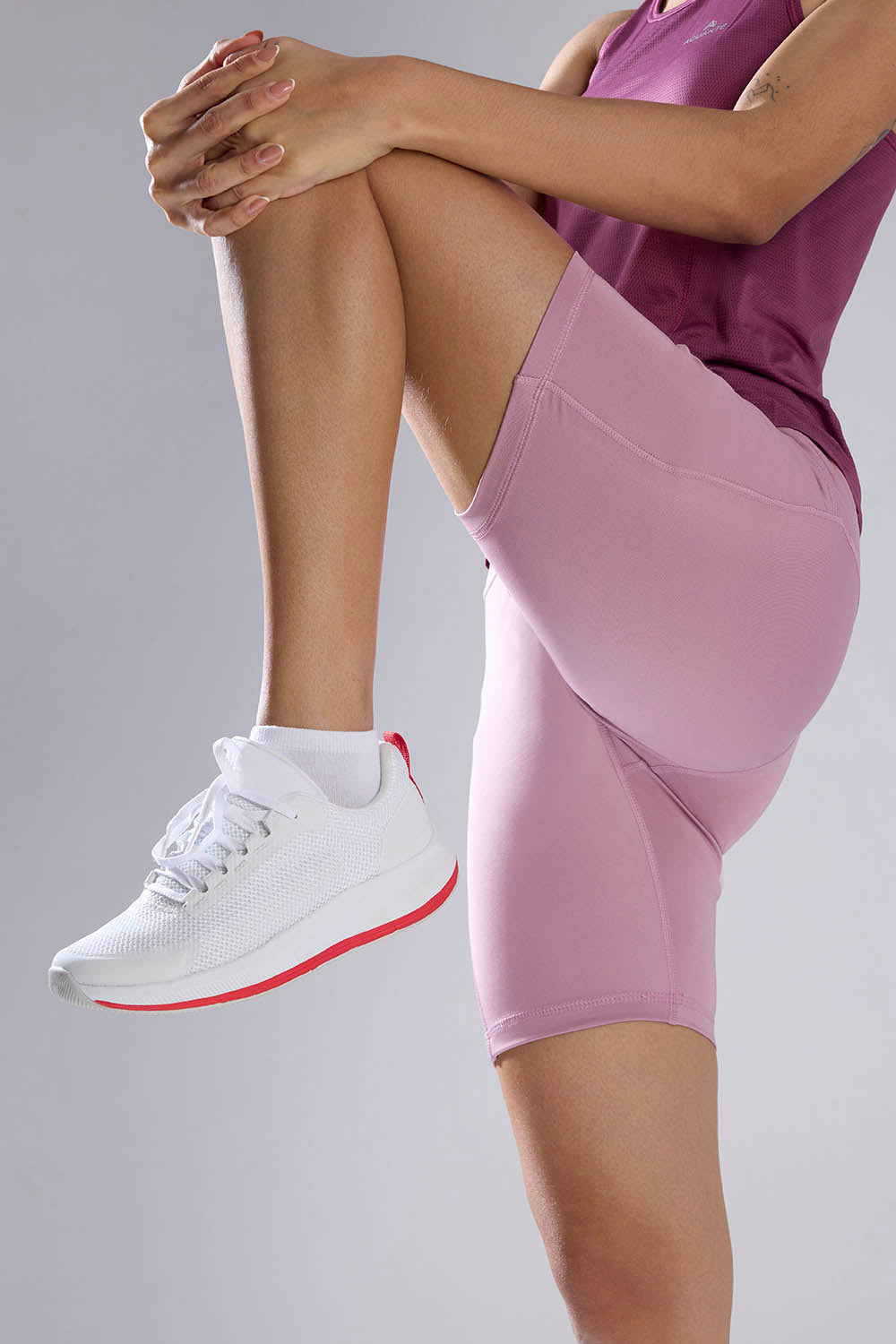
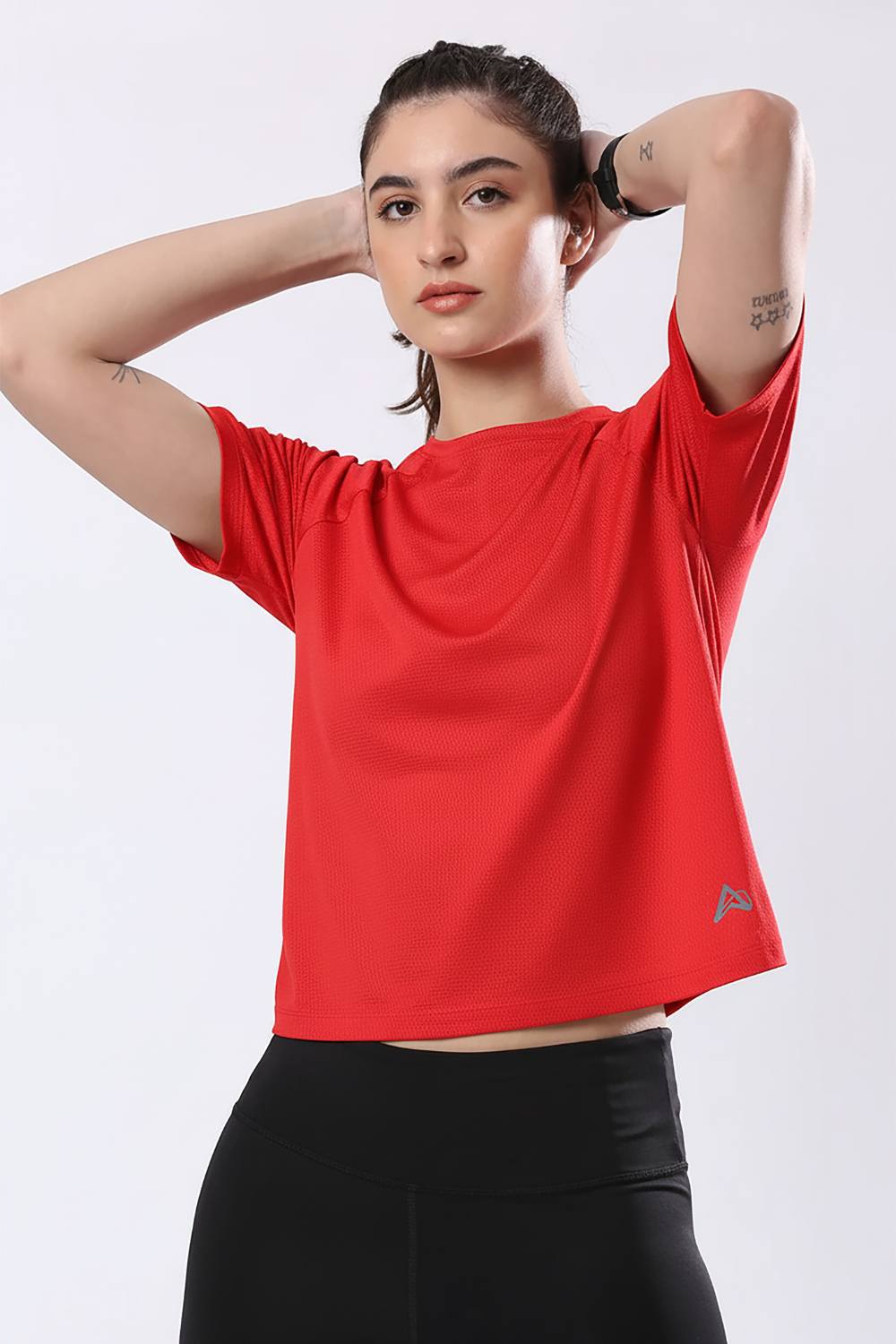
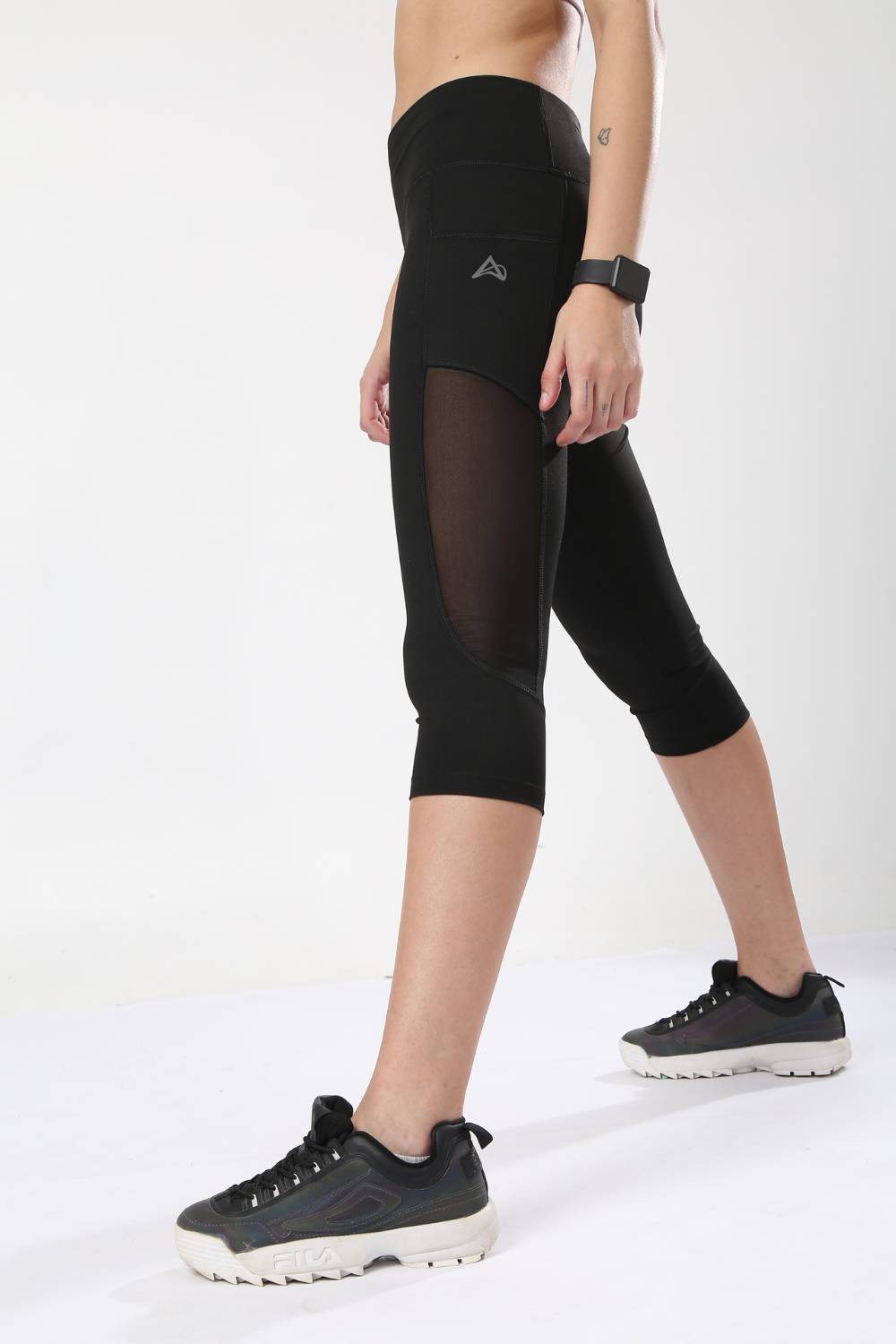
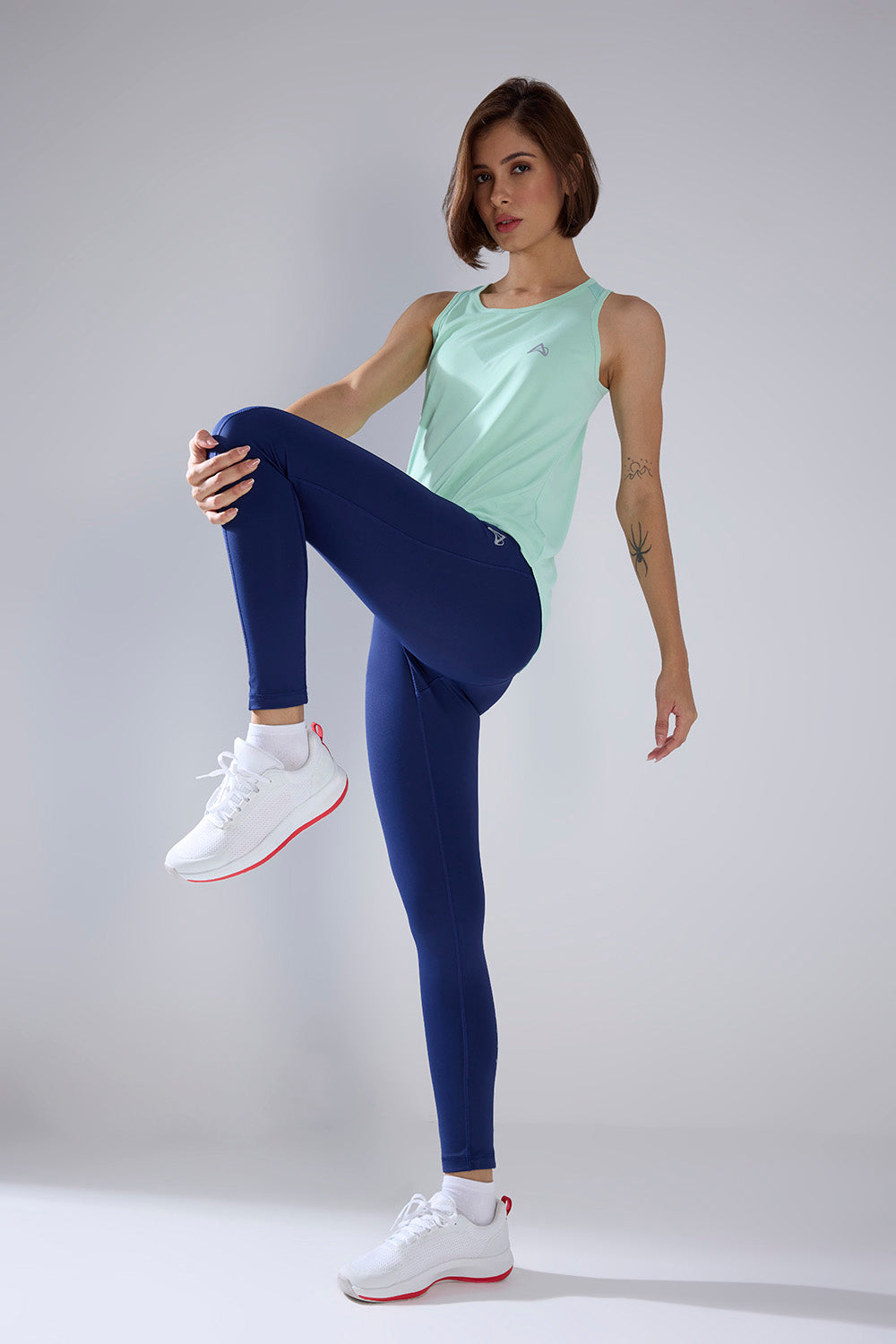
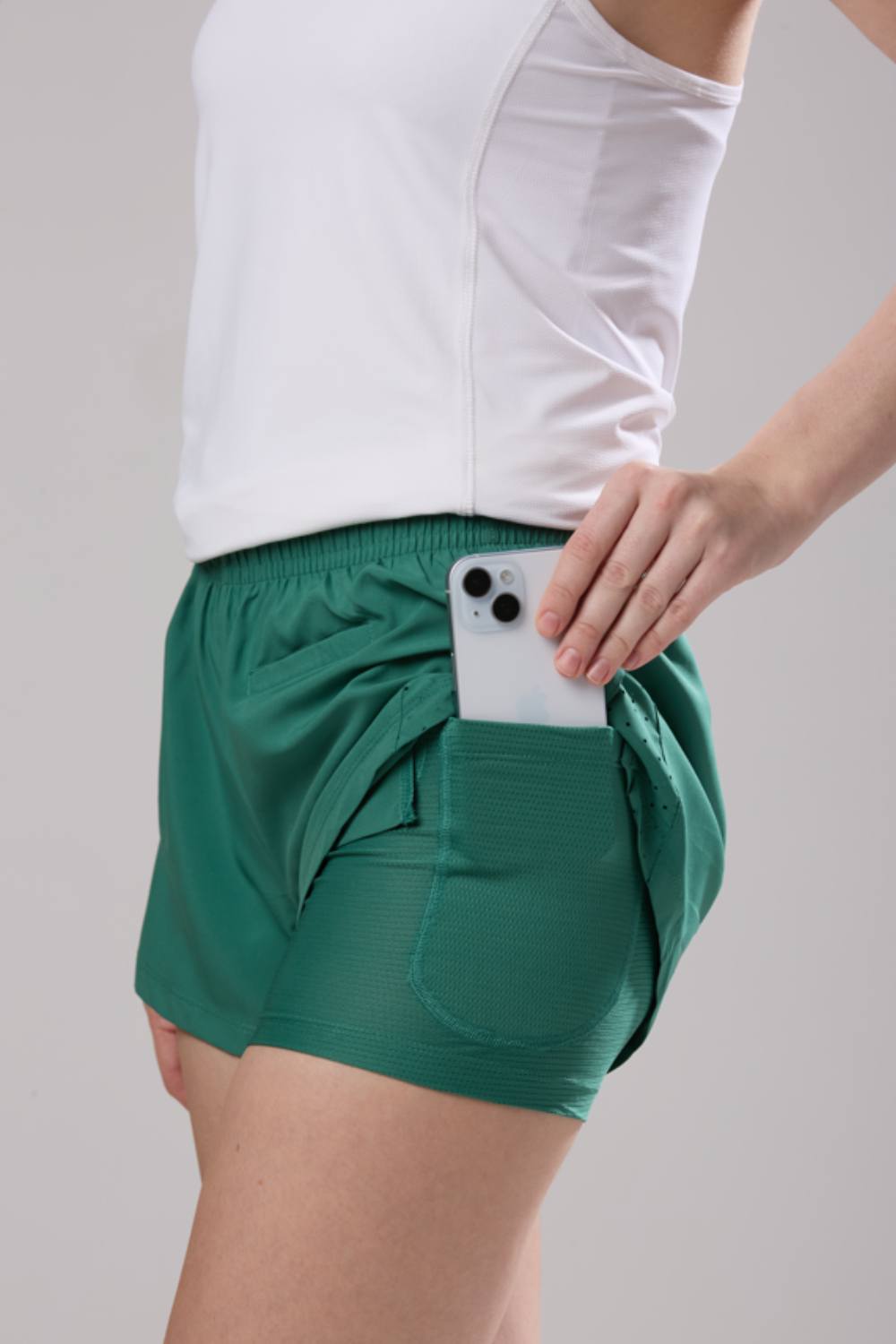
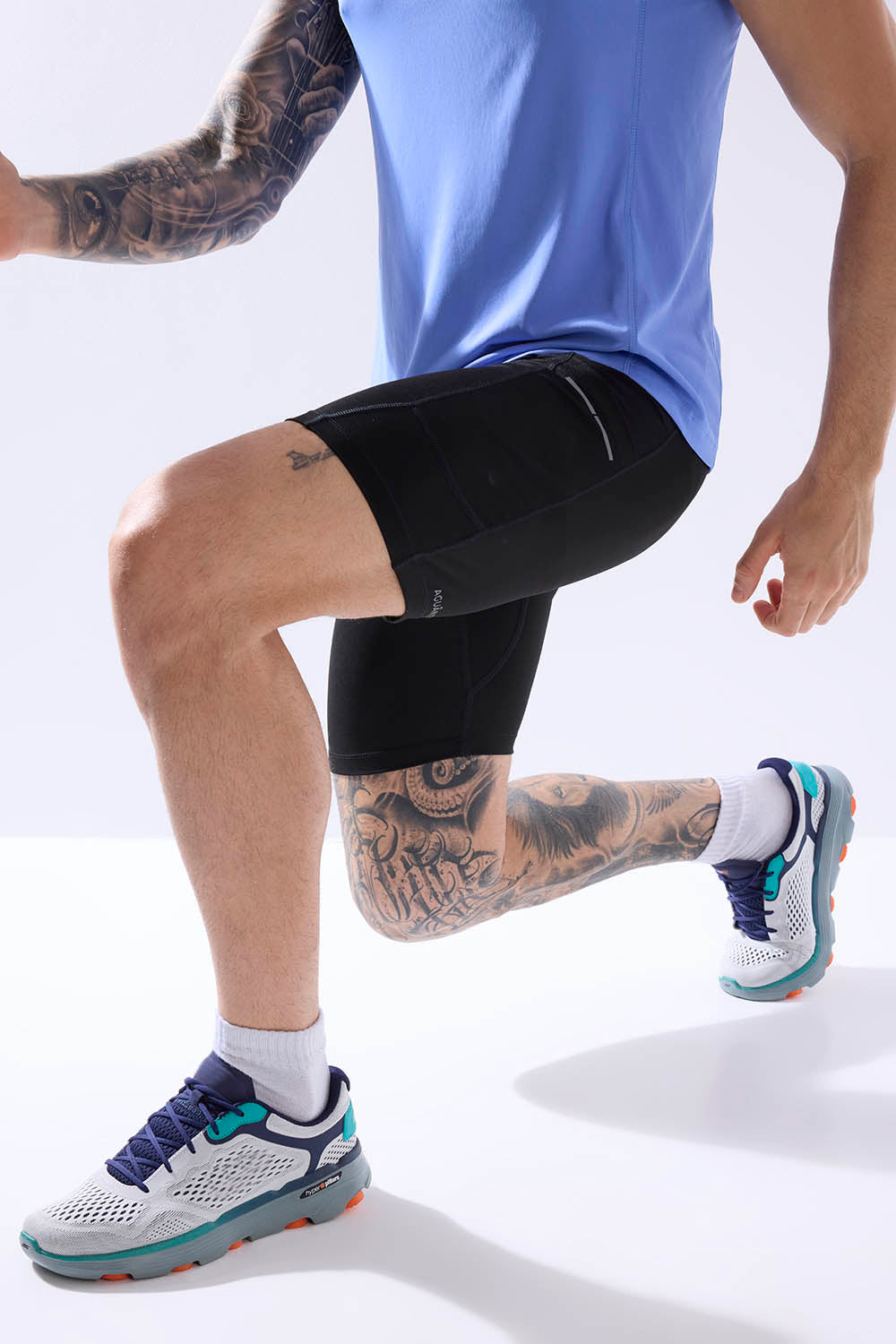
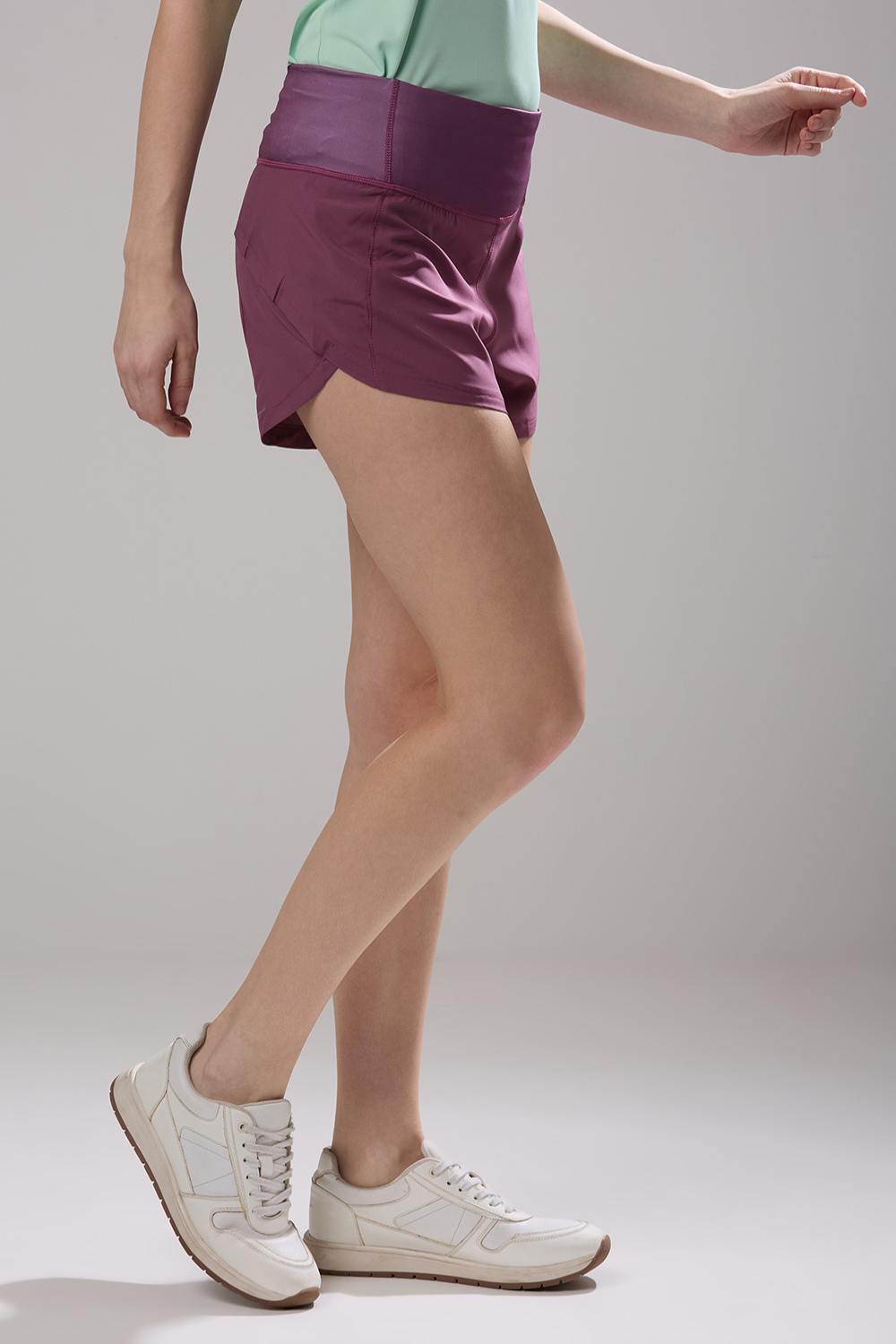
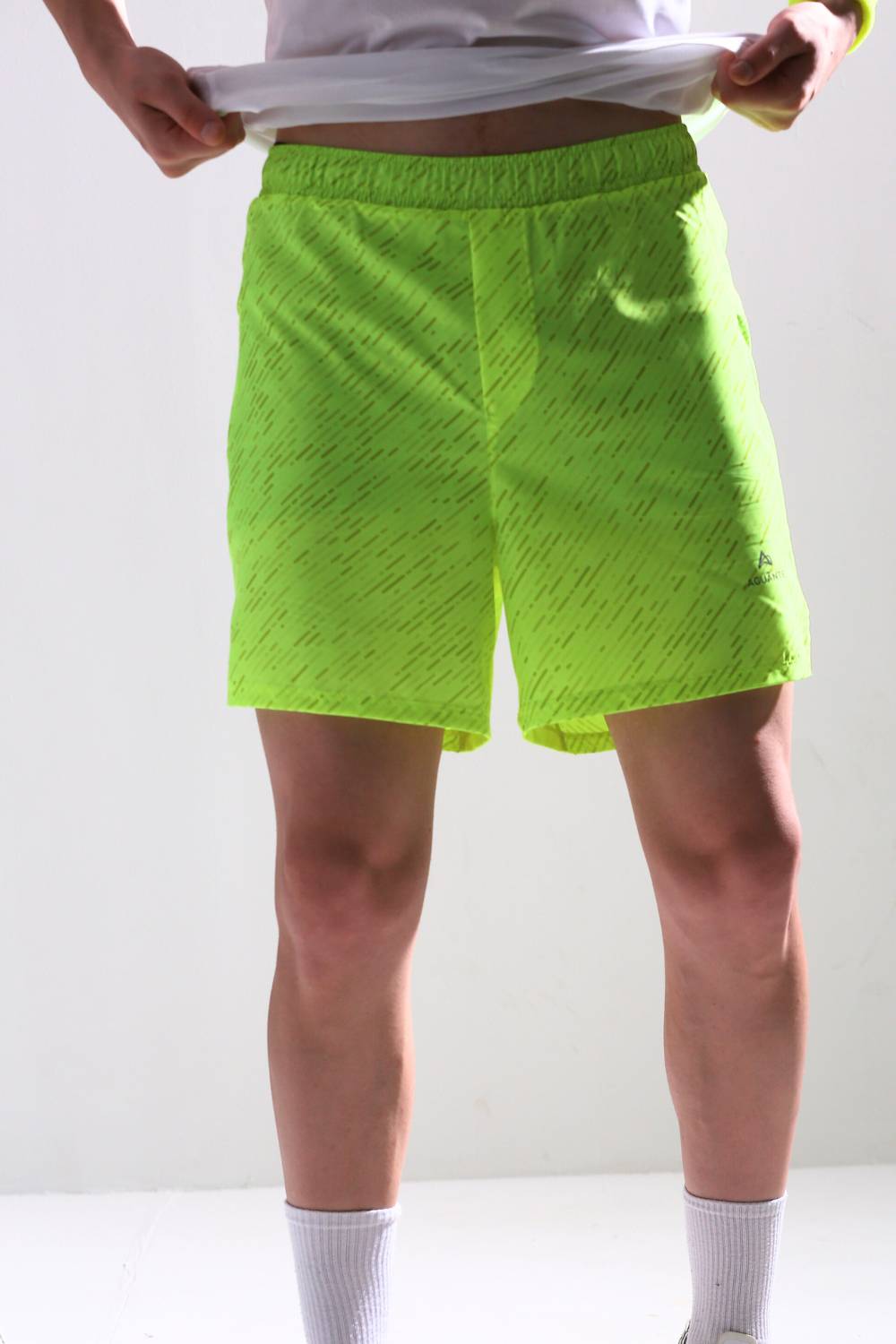
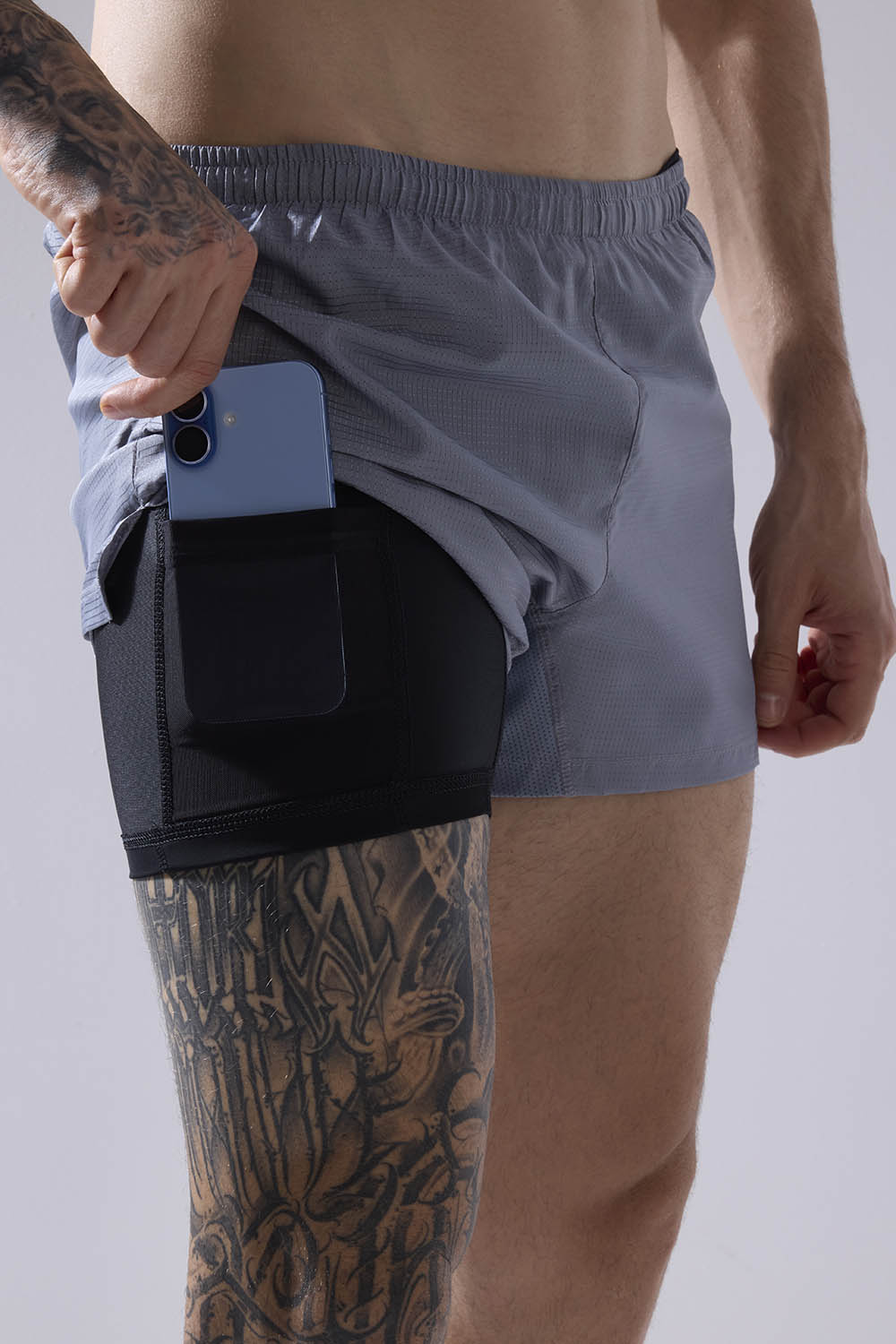
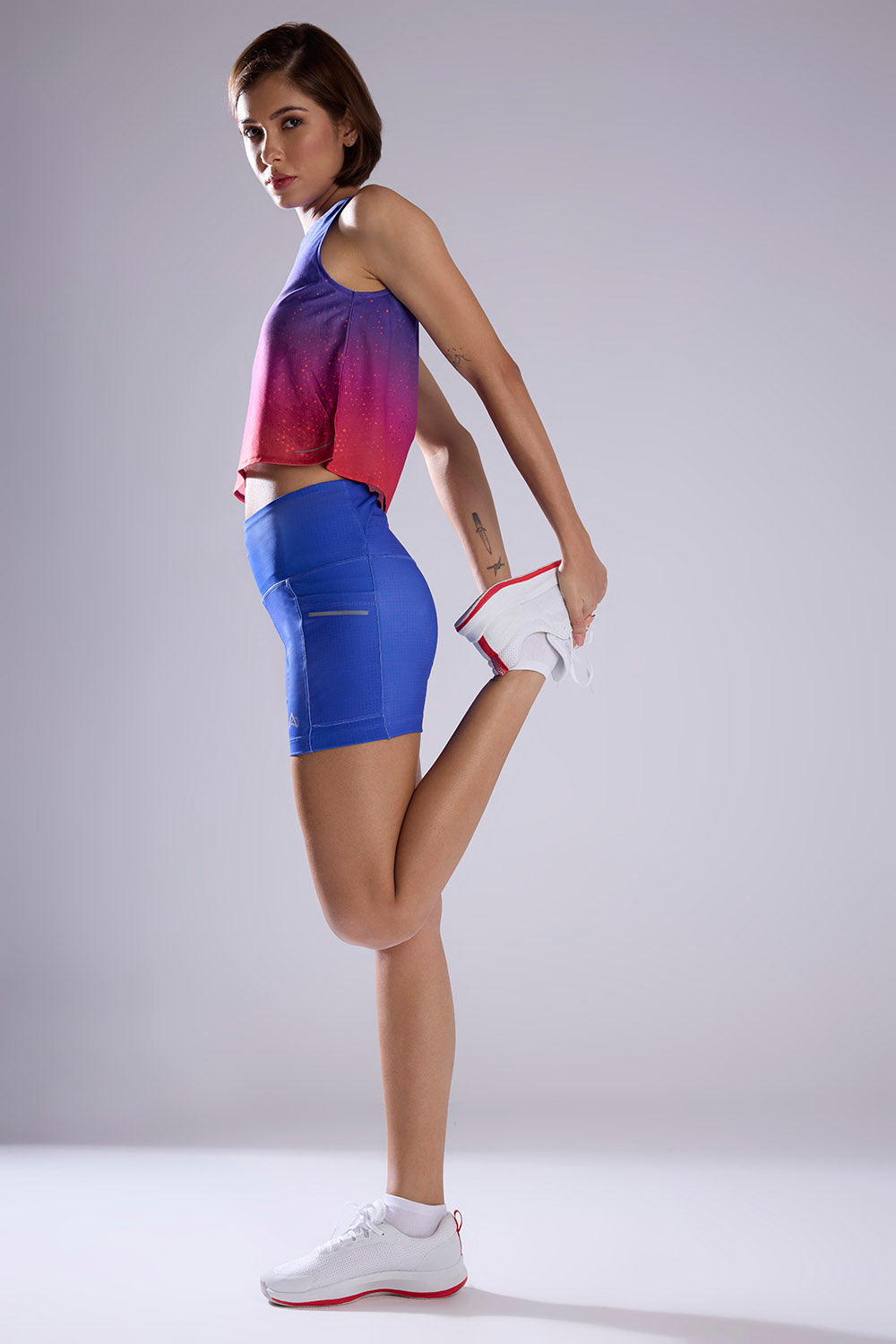
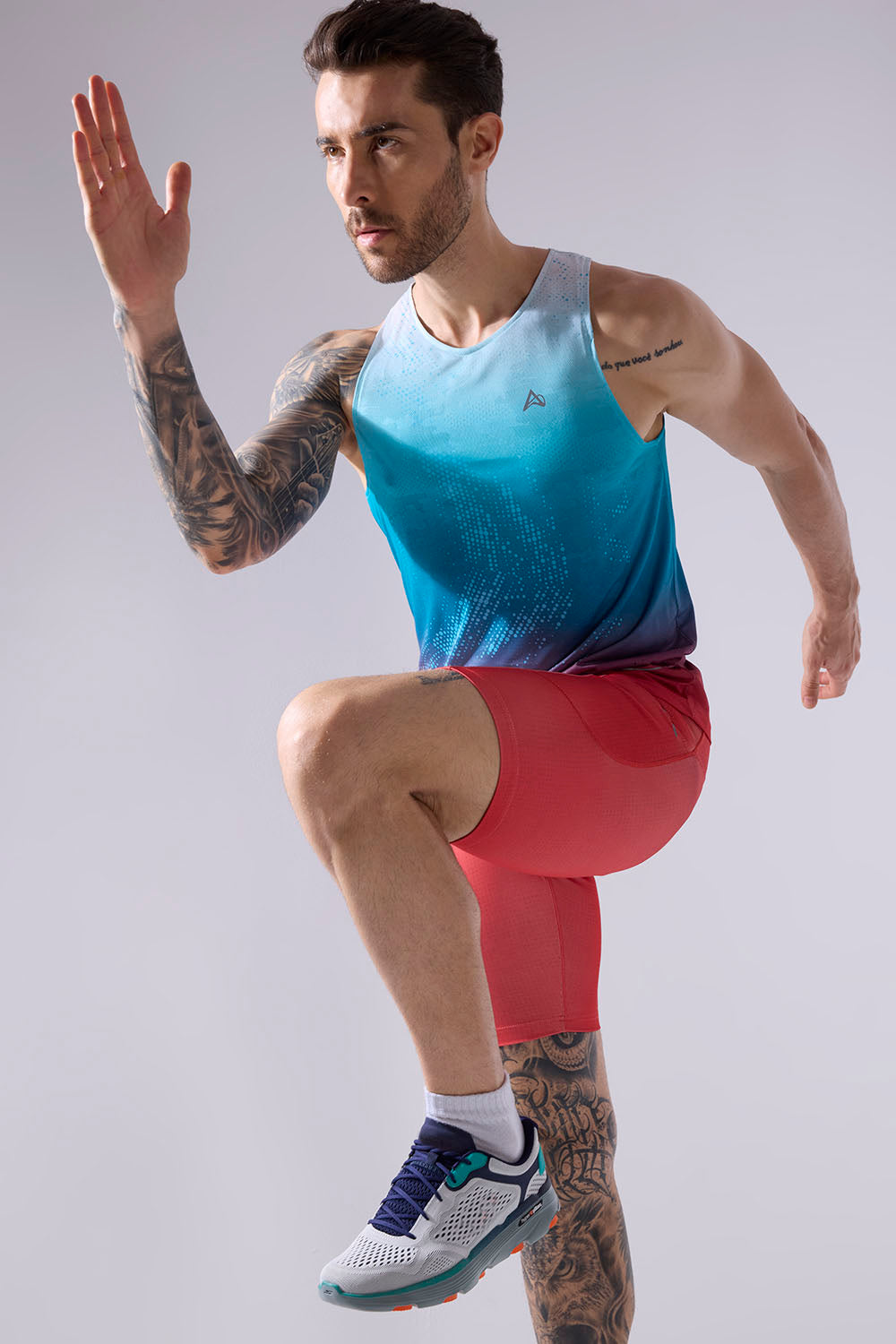
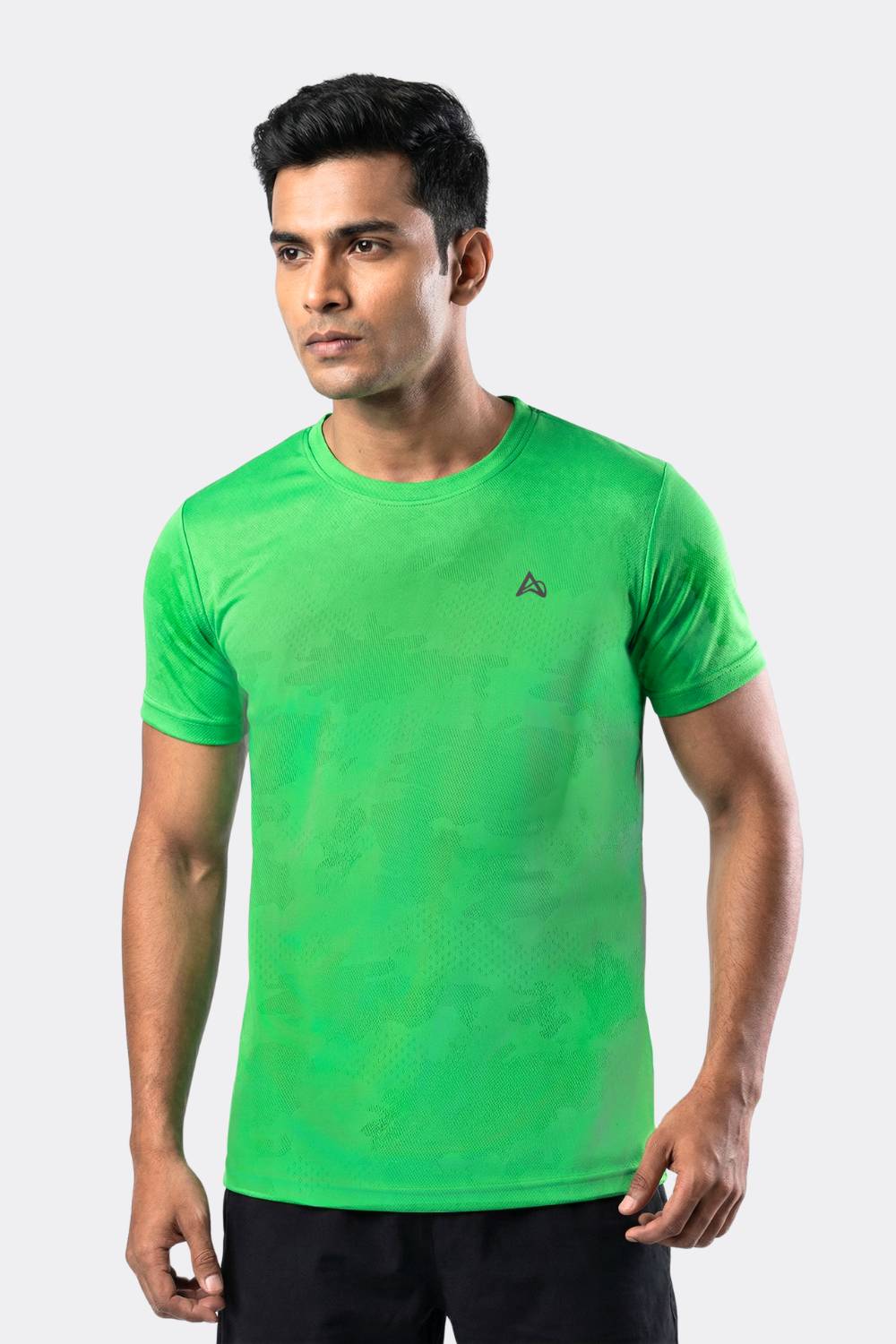
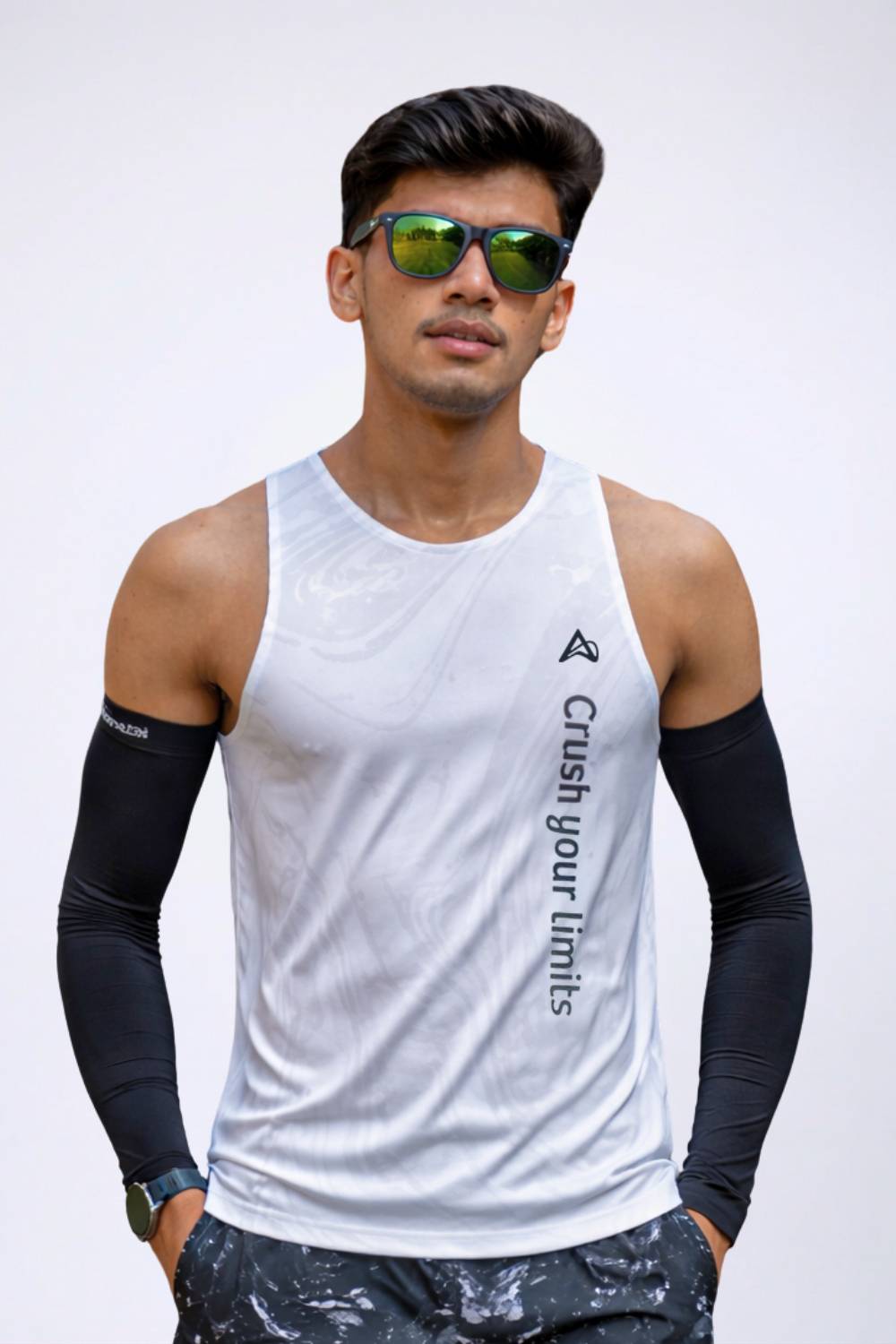
Tired of gear that slows you down? Chafing, soggy fabrics, and missing pockets kill your run's momentum. At Aguante, we're runners who get it. Our high-performance activewear features moisture-wicking fabrics, ergonomic designs, and smart storage to keep you focused. Shop Now!
Emerging Trends and Recent Developments
India's activewear scene is buzzing with innovation, propelled by breakthroughs in fabric tech and a strong push toward eco-friendliness. In tech-savvy Bangalore, part of South India, companies are rolling out moisture-wicking blends of polyester and spandex to tackle humidity levels from 48% to 78%. Reports from the India Meteorological Department underscore rising temperatures peaking at 91°F in March spurring demand for UV-protective clothing that shields runners from harsh sun exposure. Hyderabad's vibrant fitness community, facing annual averages of 78.7°F, is embracing antimicrobial fabrics that fend off odors in sticky environments, aligning with the sportswear market's emphasis on performance-driven materials.
Over in Mumbai and Navi Mumbai, within West India, where foggy humidity averages 49%, athleisure is merging workout functionality with everyday style through phase-change materials that regulate body temperature by absorbing and releasing heat. Pune, also in the West, with its 75.7°F average and intense rains, is seeing a rise in quick-dry technologies, backed by research from institutions like IIT Bombay on adaptive textiles. In North India's Delhi and Gurugram, enduring mean temperatures of 76.3°F and extremes from 2.9°C in winter to over 40°C in summer, hybrid fabrics such as recycled polyester-nylon are gaining traction for all-season use, supporting the women's segment which held 56.59% of the activewear market revenue in 2024 and is set to grow fastest.
Textile giants in Surat and Ahmedabad, key to West India, are pioneering sustainable options amid 80.7°F averages and 757 mm rainfall. Firms here experiment with bio-based fibers, echoing government drives for green textiles. The India sports apparel market, worth USD 0.71 billion in 2024 and forecasted to reach USD 1.59 billion by 2030 at a 14.52% CAGR, highlights 15% yearly growth in fitness apparel, spotlighting smart textiles with AI for customized comfort. These shifts signal a pivot to climate-resilient gear, meeting the needs of India's urban fitness wave through innovations like AI personalization based on regional weather and activity preferences.
Real-World Examples and Case Studies
Brands across India are rising to the occasion with climate-tailored solutions. In Pune, local outfits are launching monsoon-proof running shorts featuring anti-chafing meshes, rigorously tested against the region's 47.2-inch annual downpours. These pieces, popular among marathon participants, draw from university-led studies on fabric resilience, enhancing comfort in high-humidity scenarios. Hyderabad's market favors moisture-wicking tops made from recycled materials, showcased in partnerships with fitness influencers during peak summer heats, where breathable designs prevent overheating and boost endurance.
Mumbai's activewear adapts international styles for local humidity, incorporating antimicrobial finishes to maintain freshness in 30°C conditions and 49% moisture levels. Case studies from Navi Mumbai reveal coastal runners preferring these for salt-resistant performance on seaside trails. Bangalore's premium lines, like those using advanced polyester-spandex, cater to 60-78% humidity with adaptive leggings that have extended workout times in the city's tech-driven fitness hubs.
In Delhi, global players like Adidas customize cooling technologies for Gurugram's temperature swings, adding UV barriers for days exceeding 35°C. Surat and Ahmedabad's manufacturers blend traditional weaves with modern tech, producing quick-dry apparel that endures 44% humidity and seasonal rains, as seen in sustainability-focused trials supported by government incentives. Key players such as Nike, Puma, and Adidas dominate, with expansions like Adida's 100 new outlets emphasizing climate-responsive features for running and fitness across North and West India.
Key Challenges, Limitations, and Risks
Crafting activewear for India's climates presents formidable obstacles. Mumbai's humidity, climbing to 78%, makes fabrics prone to sticking and irritation, heightening risks of skin issues for runners, as noted in IIT Mumbai research. Monsoons in Pune and Bangalore, delivering up to 1,200 mm of rain, require breathable yet waterproof materials, but inadequate airflow often causes overheating and reduced performance.
Delhi and Gurugram's dramatic shifts from 2.9°C lows to 40°C+ highs test fabric longevity, with pollution and dust hastening degradation. Hyderabad's 42-60% humidity amplifies odor problems, while Ahmedabad's dry 80.7°F demands strong UV safeguards, though budget options frequently underperform, per IMD insights. Surat's production centers grapple with monsoon-induced supply disruptions, complicating timely deliveries.
In Tier II spots like Navi Mumbai, cost concerns restrict premium tech access, and fake products erode trust in quality. Sustainability poses another layer: Eco-materials must withstand India's rigors without sacrificing durability, as the push for recycled polyester and bamboo fibers intersects with performance demands in diverse regions like South and North India.
Opportunities, Efficiencies, and Business Impacts
These hurdles, however, unlock vast potential. With the activewear market surging at 12.2% CAGR toward USD 30 billion by 2030, specialized innovations reap rewards. In Bangalore and Hyderabad (South India), AI-enhanced meshes cut waste and improve retention by offering personalized fits for local climates, driving efficiency in production and sales.
Mumbai's fitness ecosystem, fueling much of the national revenue, thrives on hybrid athleisure via e-commerce, which saw 21% year-over-year growth in tier-three cities. Pune and Navi Mumbai carve niches in cost-effective, sturdy gear, bolstered by policies like the Khelo India Programme with its 1,045 centers. Delhi-Gurugram's upscale segment benefits from sustainable offerings, resonating with eco-aware buyers in North India, where the sportswear market holds a 32% share.
As manufacturing powerhouses, Surat and Ahmedabad leverage local resources for savings, anticipating 10.8% sales growth in activewear. Adapting to weather boosts loyalty, with 15% annual expansion forecasted for the fitness sector, supported by segments like shoes 55.74% of sportswear in 2026 for running culture and women's apparel for yoga and athleisure.
A Forward Path: Insights and Recommendations
As the sector accelerates, experts from IISc Bangalore advocate hybrid blends bamboo-synthetics for Mumbai's humidity or UV-infused cottons for Delhi's glare. Outlooks envision sweat-tracking smartwear transforming fitness in Hyderabad and Pune by 2030, with AR for climate-based customization.
To capitalize, brands should partner with IMD for weather-informed designs, fund R&D in Ahmedabad's facilities, and emphasize sustainability for Gurugram's green market. Ultimately, for those pounding pavements from Surat's hubs to Bangalore's greens, superior activewear unlocks India's athletic promise, stride by breathable stride.
Frequently Asked Questions
What are the main challenges of designing activewear for India's diverse climate?
India's activewear manufacturers face multiple climate-related challenges including extreme humidity (49-78%) in cities like Mumbai and Bangalore, dramatic temperature swings in Delhi-Gurugram (from 2.9°C to 40°C+), and heavy monsoon rains exceeding 1,200 mm in Pune. These conditions require specialized fabrics that are moisture-wicking, quick-drying, and breathable while also providing UV protection and antimicrobial properties. The varied regional climates across North, South, and West India demand tailored solutions rather than one-size-fits-all approaches.
Which fabric technologies work best for running in India's humid conditions?
Moisture-wicking blends of polyester and spandex are highly effective for India's humid regions, particularly in cities like Hyderabad (42-60% humidity) and Mumbai (49-78% humidity). Advanced activewear also incorporates antimicrobial finishes to prevent odor buildup, quick-dry technologies for monsoon conditions, and phase-change materials that regulate body temperature by absorbing and releasing heat. Hybrid fabrics like recycled polyester-nylon and bamboo-synthetic blends are gaining popularity for their durability and climate-adaptive properties across different seasons.
How is the Indian activewear market expected to grow in the coming years?
The India activewear market is experiencing robust growth, valued at USD 15,107.3 million in 2024 and projected to nearly double to USD 29,972.9 million by 2030, expanding at a 12.2% CAGR. This surge is driven by heightened urban health awareness, rising disposable incomes, and government initiatives like the Fit India Movement and Khelo India Programme. The women's segment currently holds 56.59% of market revenue and is expected to grow fastest, while e-commerce channels have seen 21% year-over-year growth, particularly in tier-three cities.
Disclaimer: The above helpful resources content contains personal opinions and experiences. The information provided is for general knowledge and does not constitute professional advice.
You may also be interested in: Heat and Humidity Pose Unique Challenges for Indian Marathoners
Tired of gear that slows you down? Chafing, soggy fabrics, and missing pockets kill your run's momentum. At Aguante, we're runners who get it. Our high-performance activewear features moisture-wicking fabrics, ergonomic designs, and smart storage to keep you focused. Shop Now!
Powered by flareAI.co