



Quick Listen:
From heat-adaptive textiles to advanced sweat-management systems, fabric innovation is transforming how Indian runners train, compete, and recover in the country's diverse urban climates.
Imagine heading out for a pre-dawn run in Mumbai, where humidity hangs heavy even before sunrise, or navigating Bangalore's rising temperatures on tree-shaded paths. In these settings, one element often determines whether a session feels empowering or exhausting: the fabric next to the skin. Fabric technology has evolved from a mere comfort factor into the core driver of performance in activewear, particularly suited to India's unique environmental challenges.
India's running scene thrives in varied conditions. Bangalore and Pune foster large endurance communities that prize breathable, flexible gear. Coastal Mumbai and Navi Mumbai test moisture-handling capabilities under relentless humidity. Delhi and Gurugram contend with fluctuating air quality and extreme seasons, while Hyderabad, Surat, and Ahmedabad deliver intense dry heat. Generic activewear falls short here; success depends on fabrics precisely engineered for these local realities.
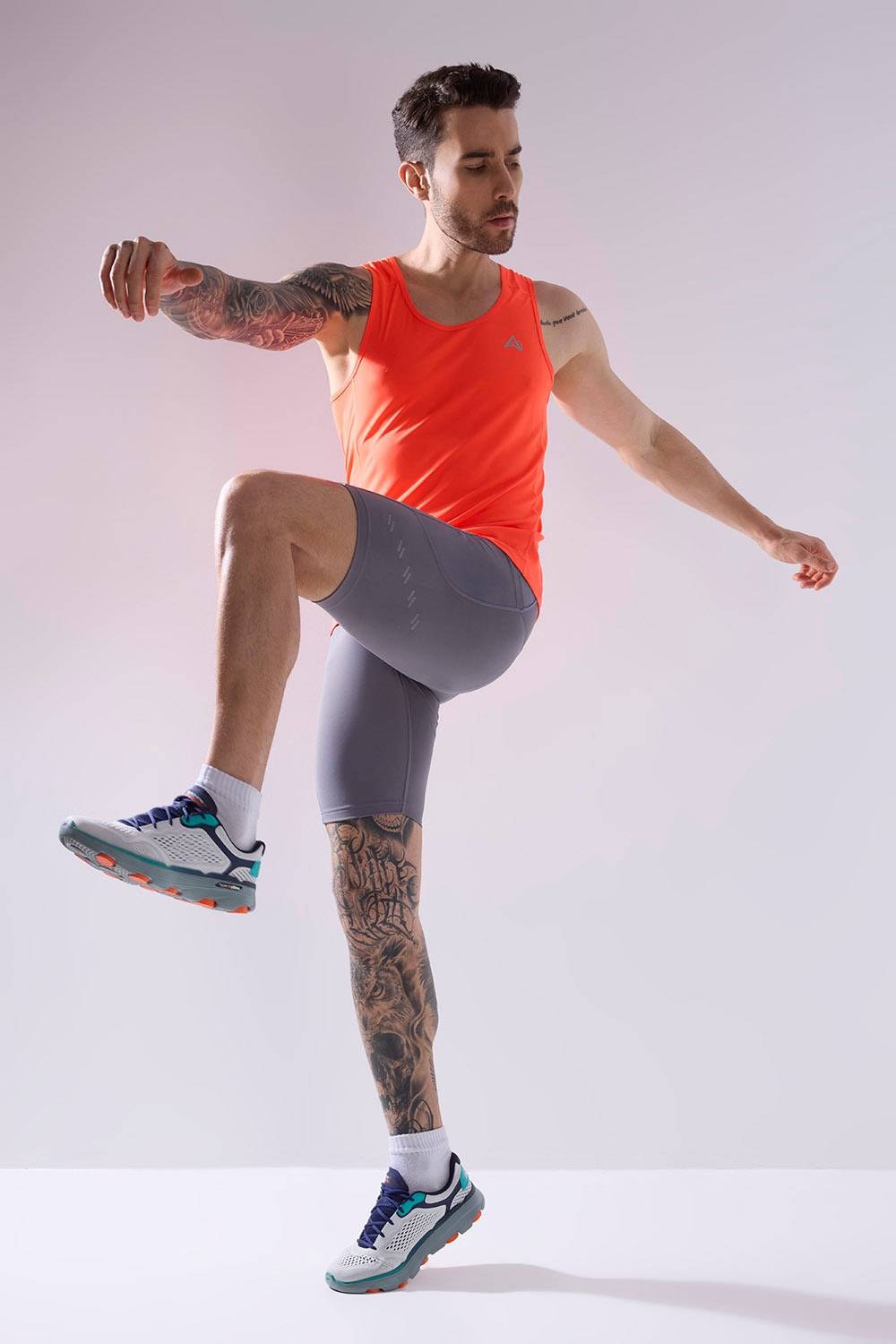
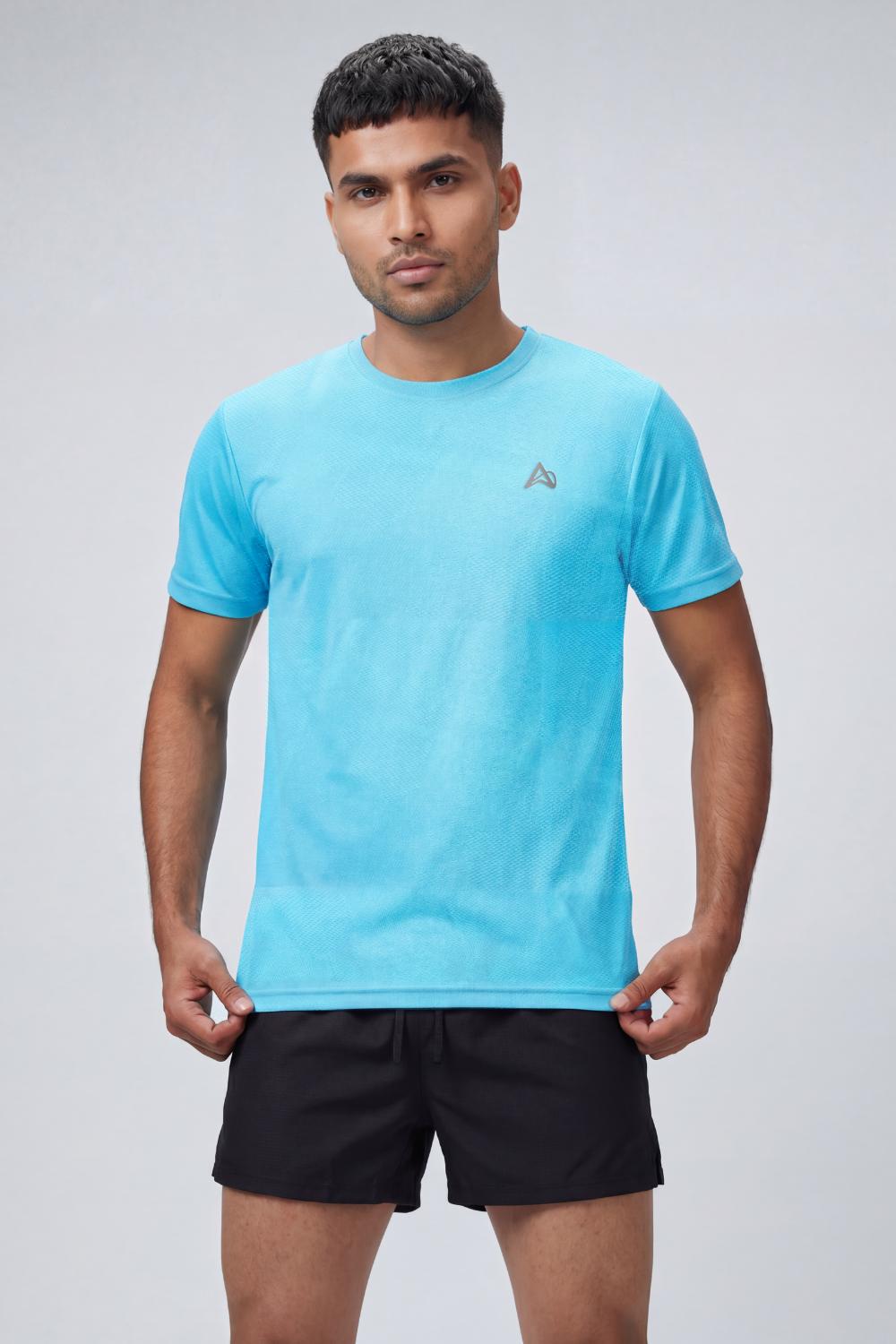
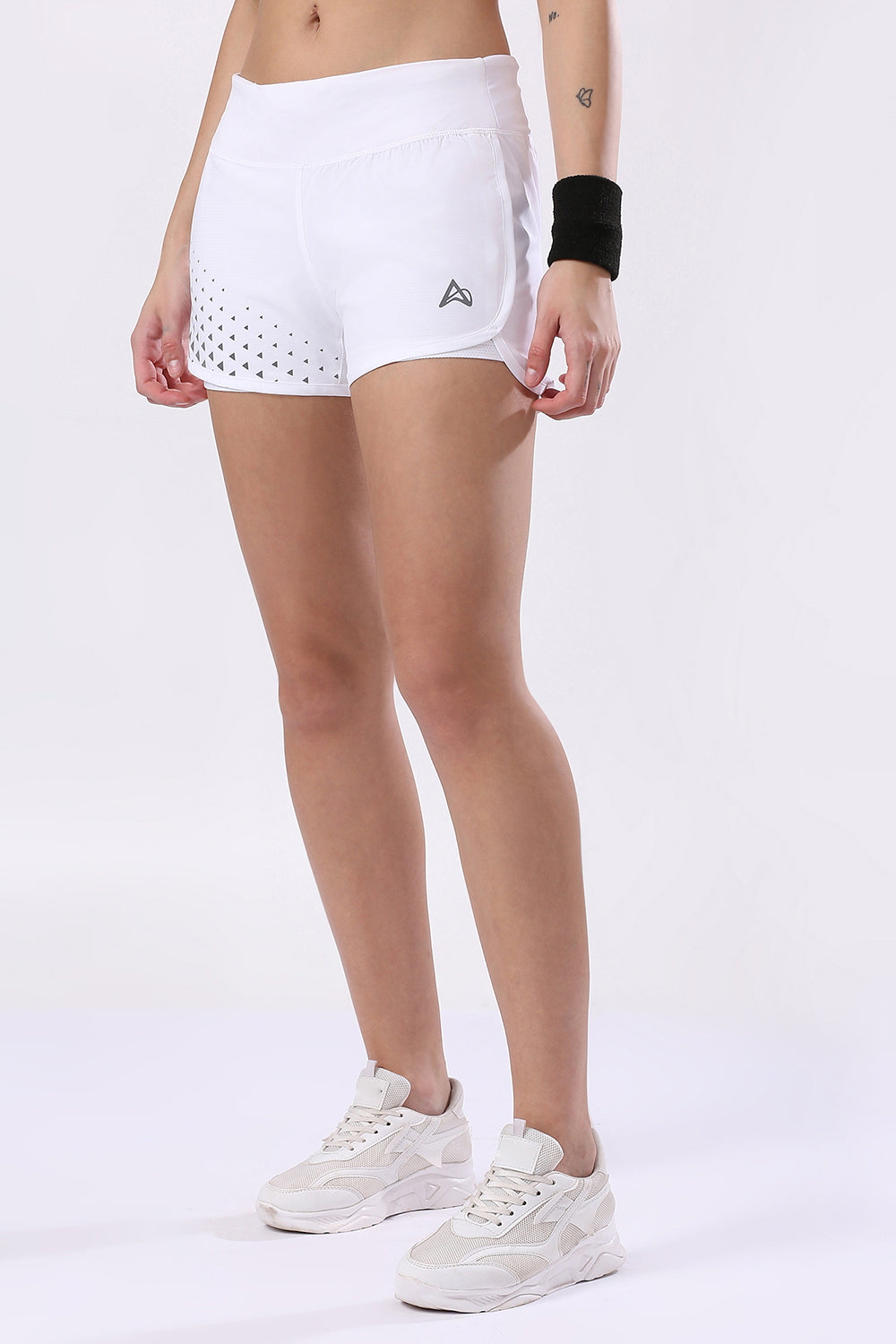
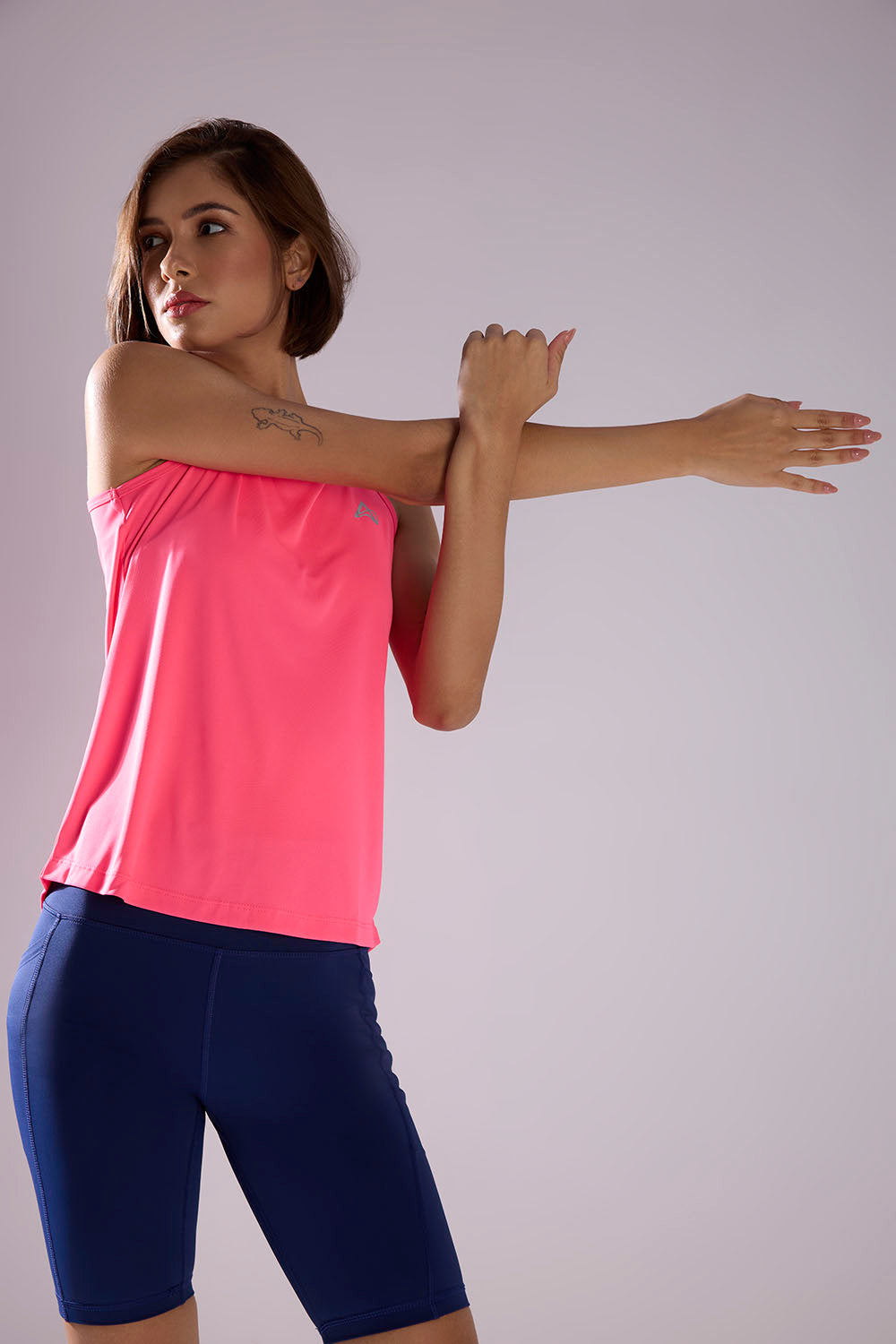
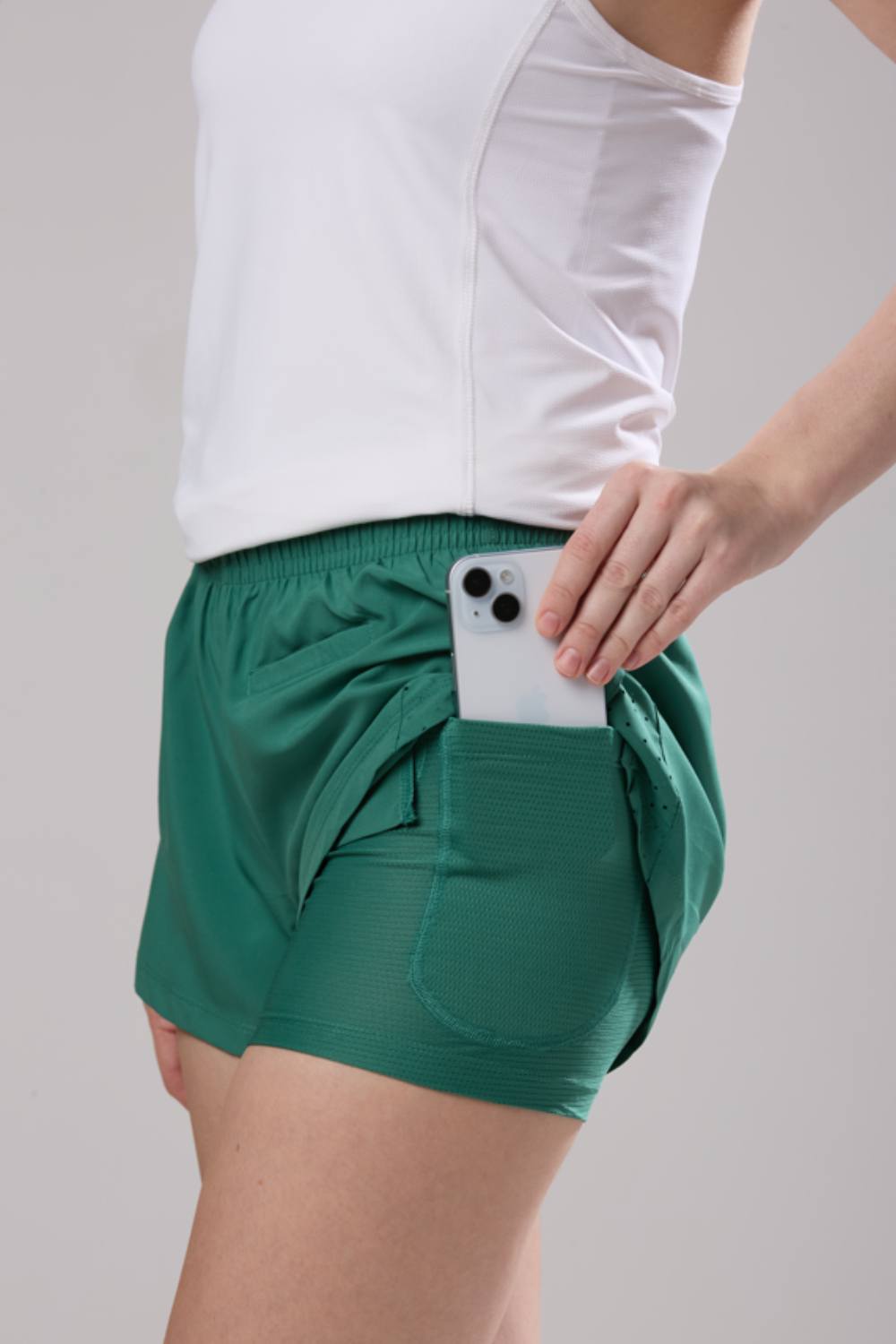
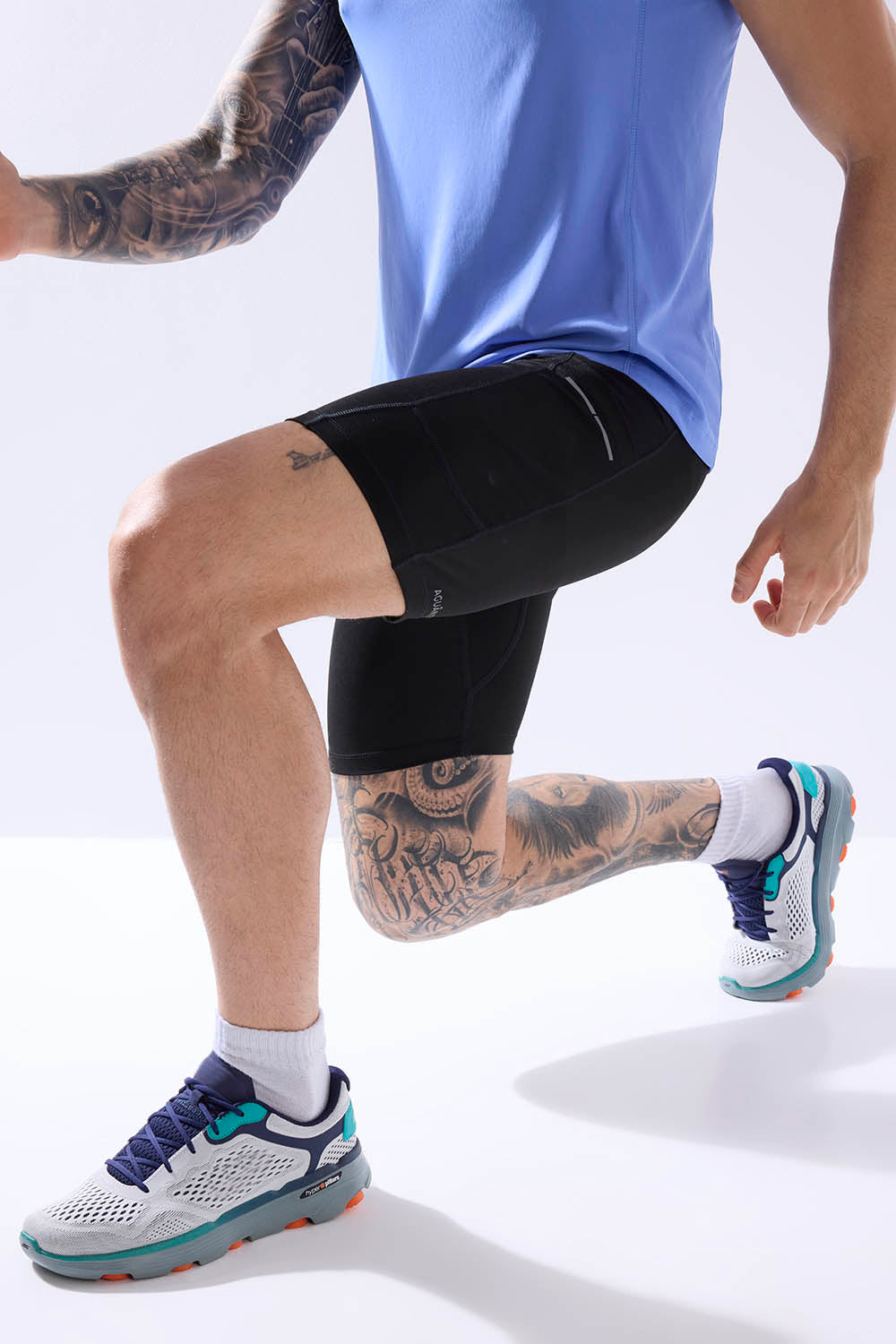
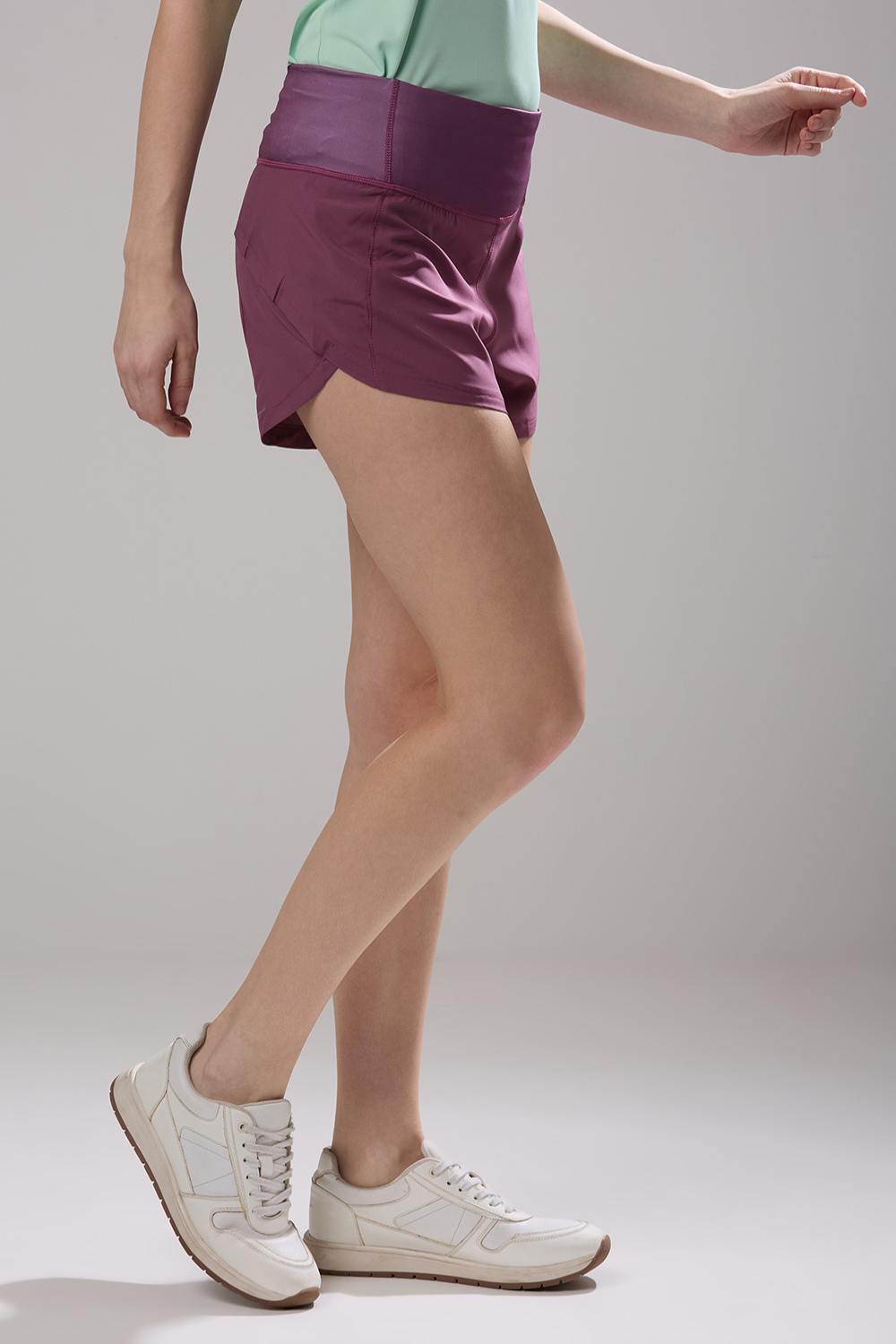
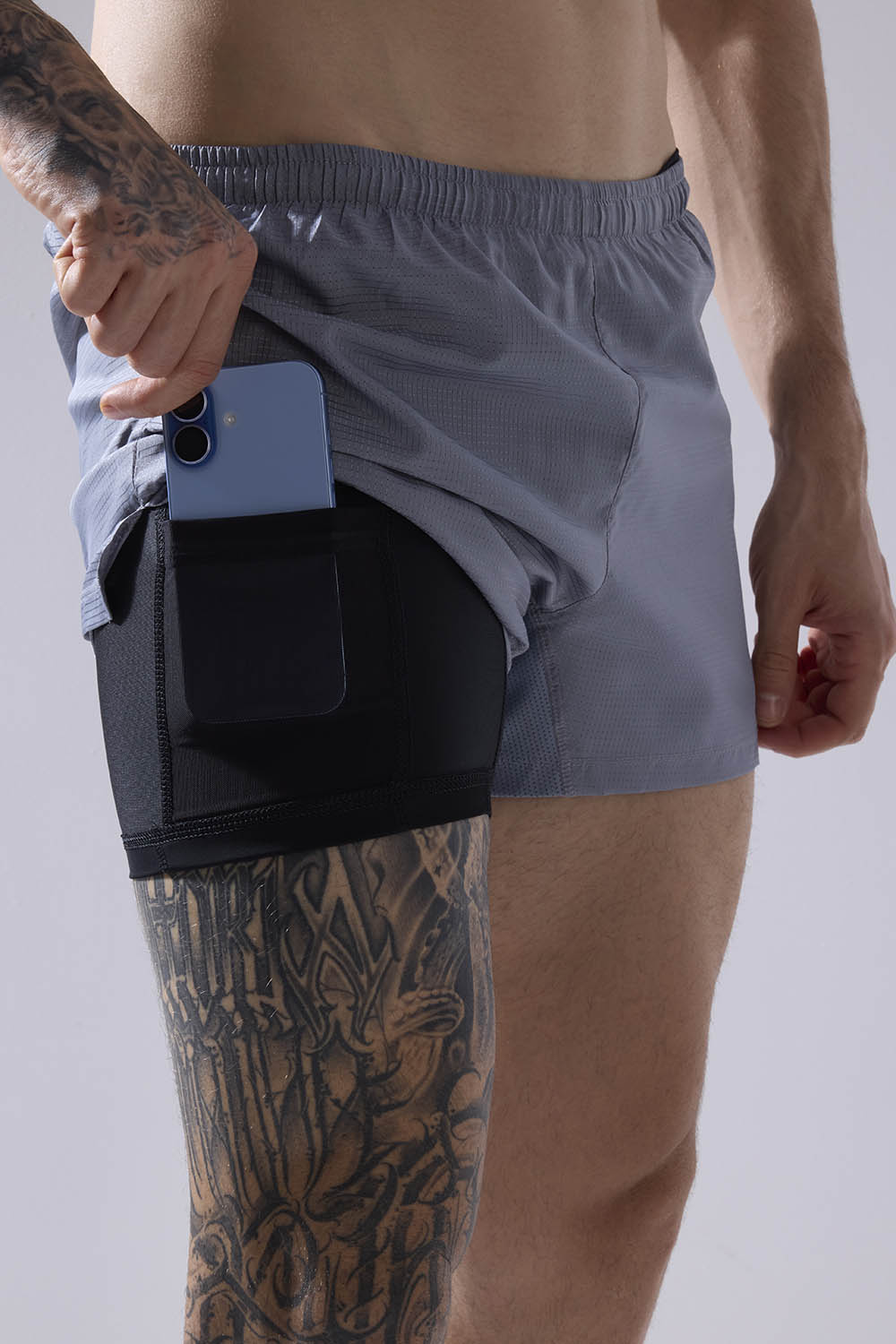
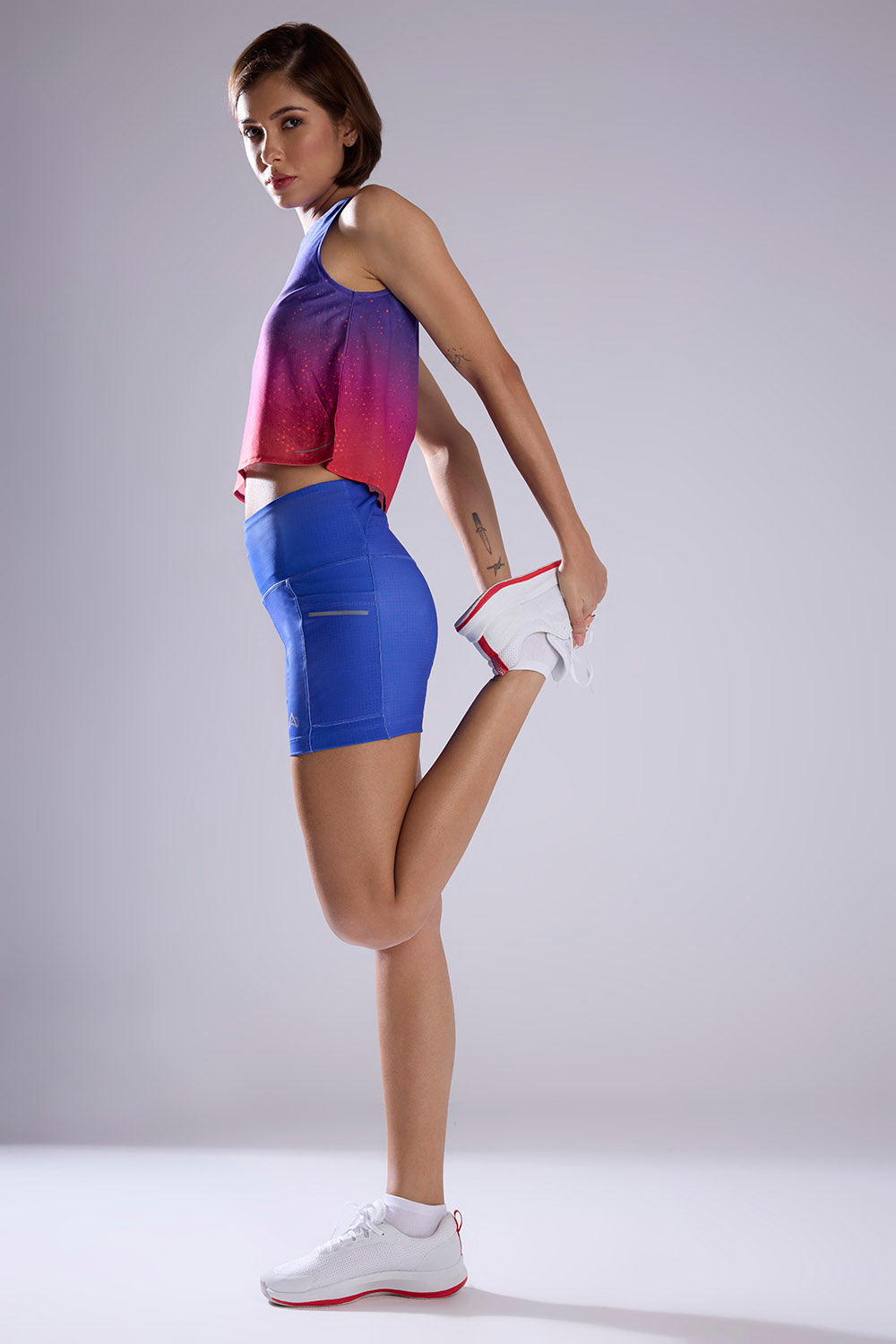
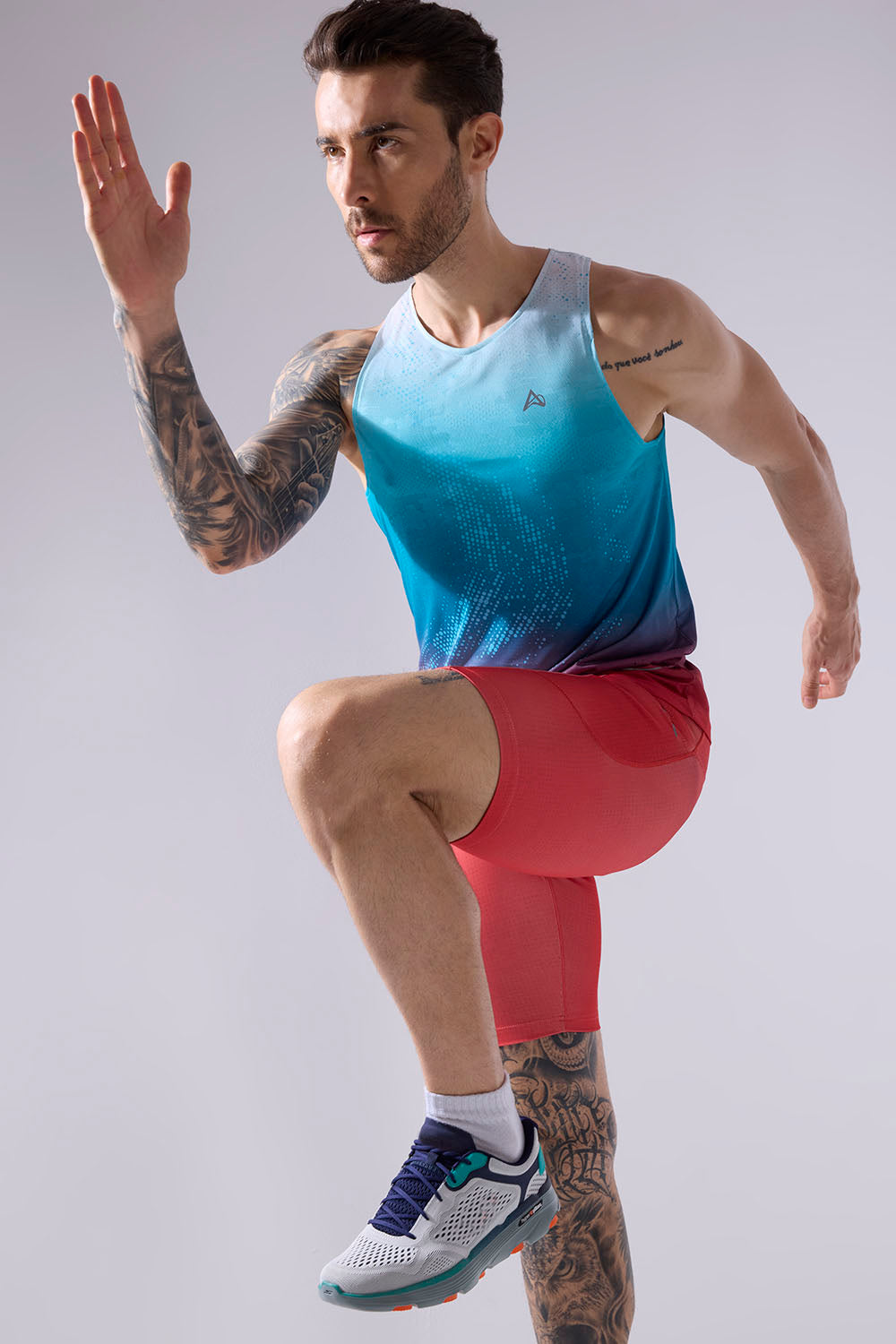
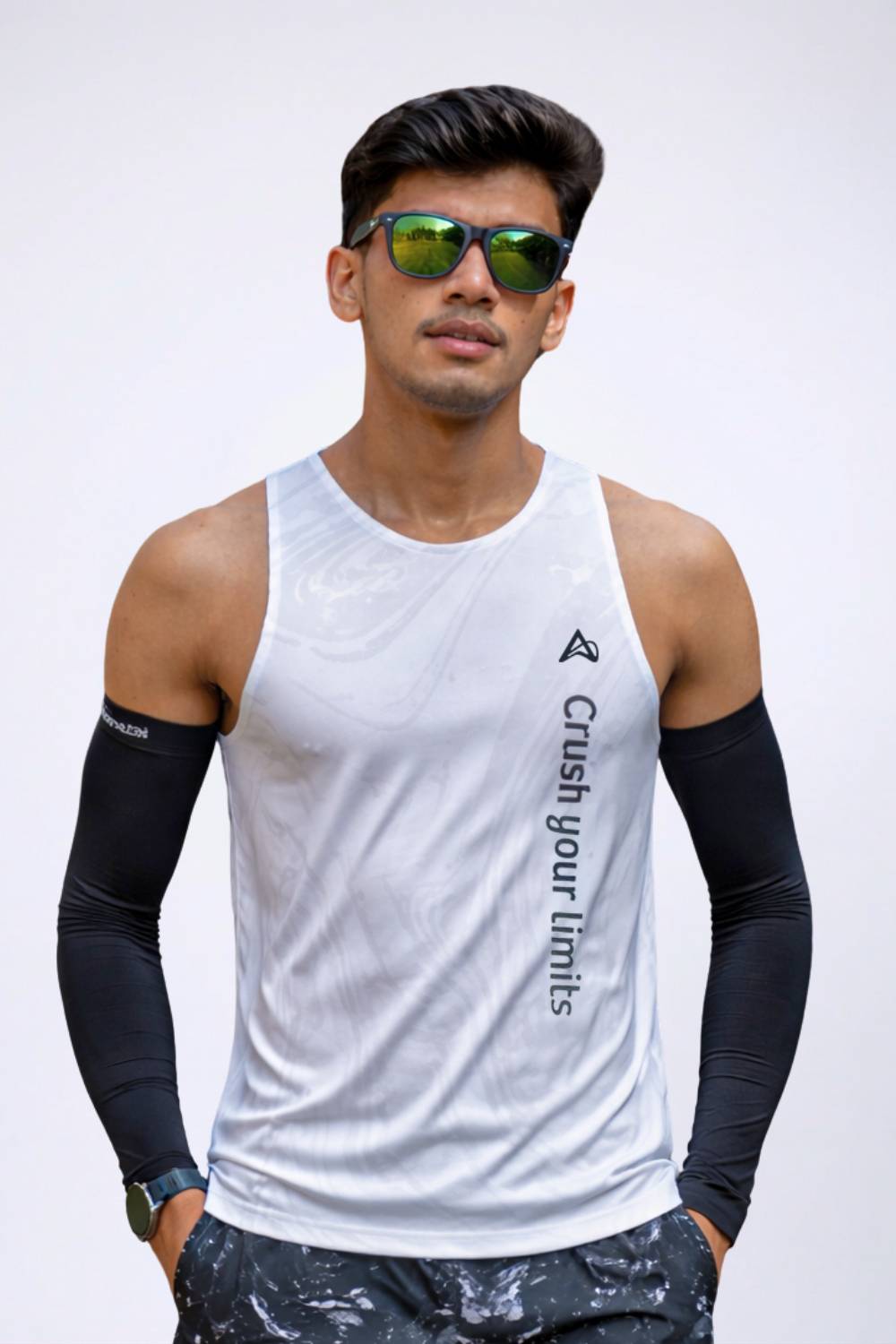
Tired of gear that slows you down? Chafing, soggy fabrics, and missing pockets kill your run's momentum. At Aguante, we're runners who get it. Our high-performance activewear features moisture-wicking fabrics, ergonomic designs, and smart storage to keep you focused. Shop Now!
Climate-Responsive Fabric Engineering in Indian Cities
Global designs frequently miss the nuances of India's climate mosaic. In humid coastal areas like Mumbai and Navi Mumbai, slow sweat evaporation soaks clothing, increasing weight and discomfort. Advanced moisture-wicking fabrics address this by drawing perspiration outward for quicker evaporation, minimizing chafing and stabilizing body temperature over extended runs.
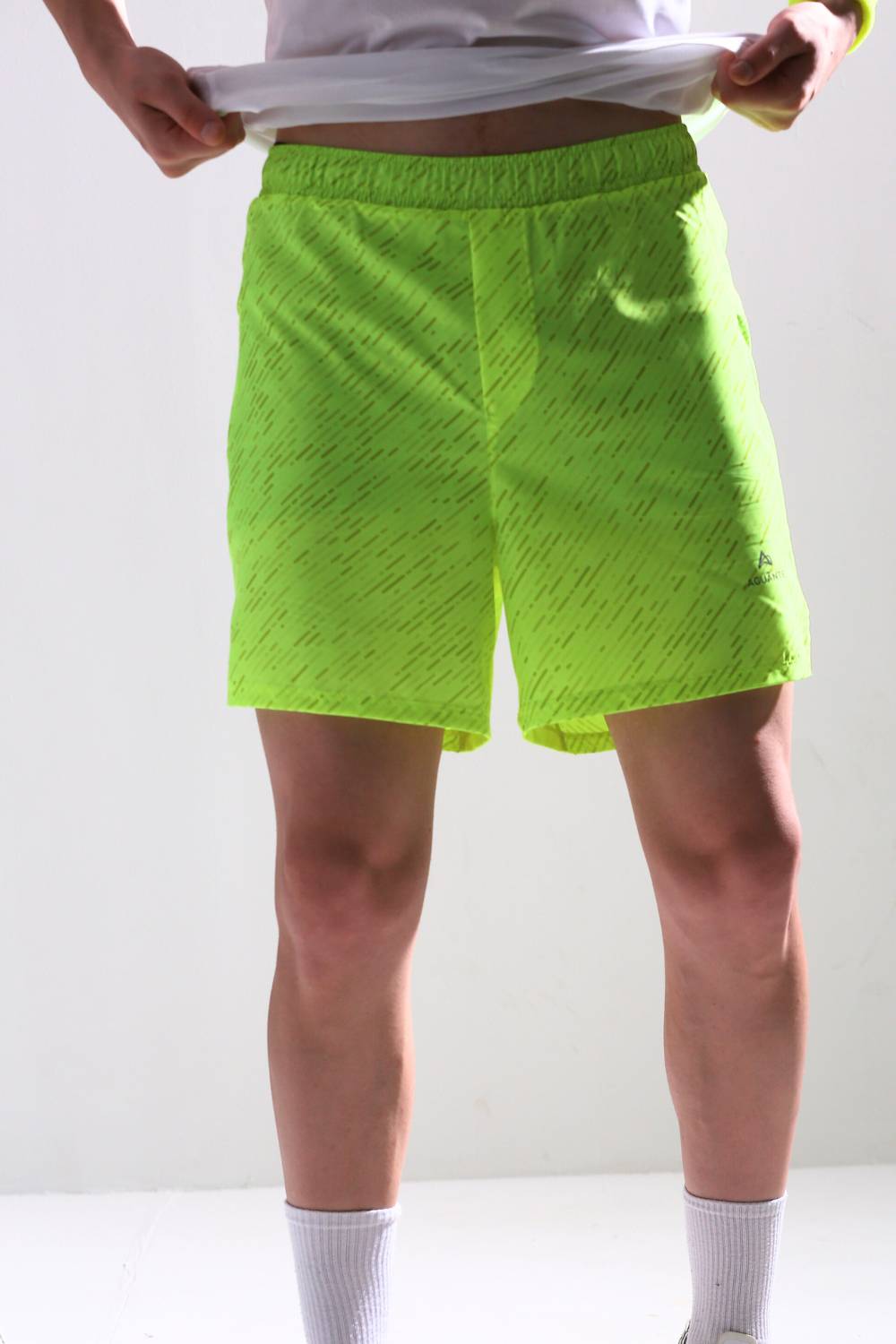
In the dry, scorching conditions of Ahmedabad, Surat, and Hyderabad where temperatures regularly exceed 35°C thermal regulation takes priority. Fabrics incorporating cooling technologies, reflective elements, or highly breathable open knits deflect heat and enhance airflow, helping runners sustain effort without rapid fatigue.
Bangalore and Pune, with their more moderate yet active climates, emphasize unrestricted breathability. These hubs of dedicated running boast trails busy from dawn to dusk, where lightweight engineered meshes and knits deliver consistent ventilation and freedom without added bulk.
Indian research institutions have been instrumental in customizing these approaches. Textile programs at IITs and NIFT examine fabric permeability in relation to regional sweat patterns and urban heat profiles, often informed by India Meteorological Department data. The outcome is apparel that truly supports runners rather than merely accommodating them.
Emerging Fabric Technologies Shaping Indian Activewear
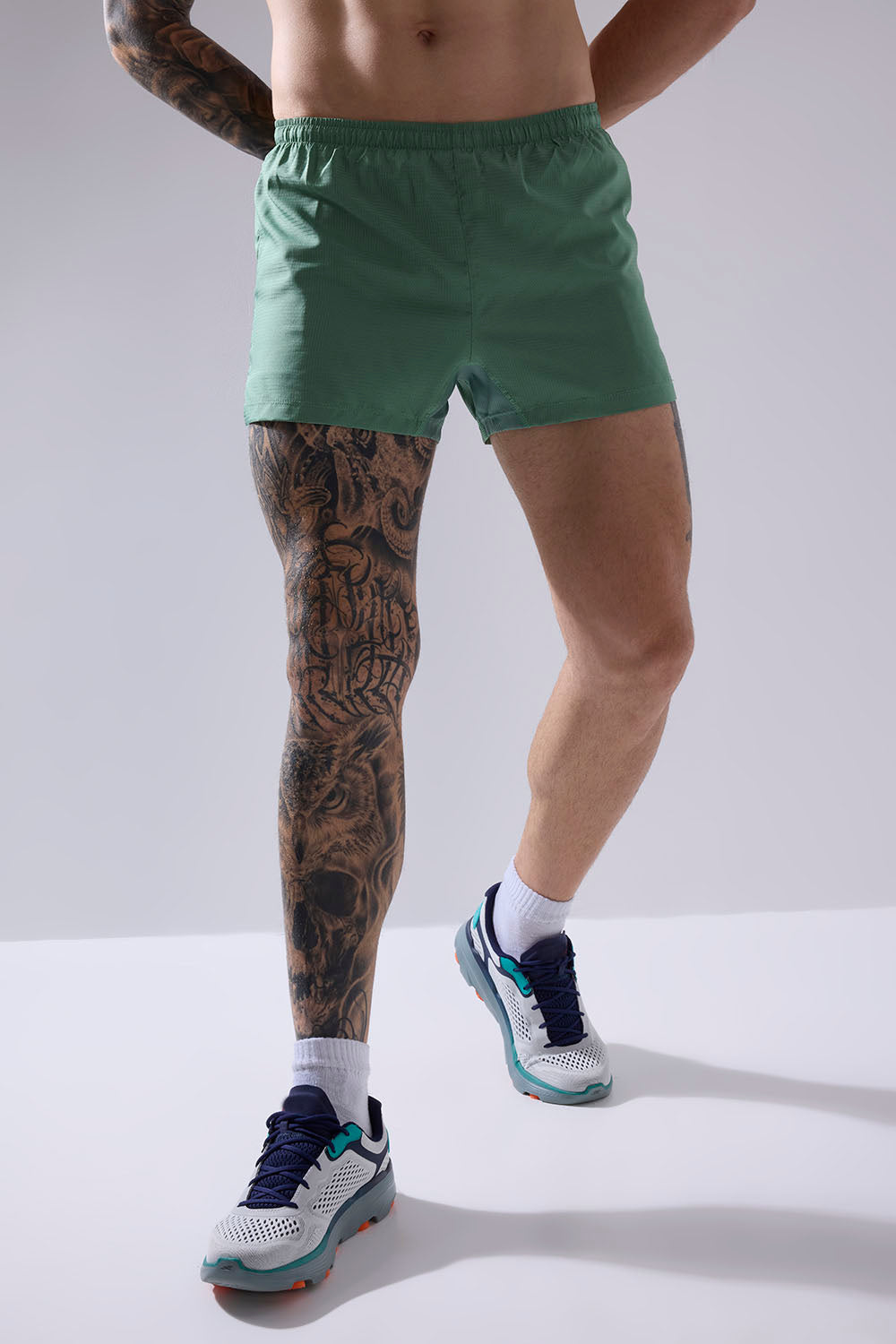
Today's performance apparel in India increasingly relies on advanced knits and zoned engineered meshes. These designs concentrate denser structures in sweat-prone zones while opening up others for targeted cooling, creating a noticeable difference in reduced cling and improved mobility.
Antimicrobial and anti-odor treatments have become essential, especially given the tendency to reuse kits in persistent warm weather. These finishes curb bacterial growth, maintaining freshness across multiple uses. Meanwhile, lightweight stretch fabrics promote biomechanical efficiency, offering unrestricted movement essential for dynamic running strides.
Surat and Ahmedabad, historic powerhouses of textile manufacturing, are adapting rapidly to these demands. Local producers are developing low-chemical, skin-friendly finishes tailored for prolonged wear in hot environments, aligning production with performance needs.
The broader market underscores this momentum. The global performance fabric market, valued at USD 80.70 billion in 2024, is projected to reach USD 114.66 billion by 2033, growing at a CAGR of 4.1% from 2025 to 2033, driven by rising demand for sportswear featuring moisture management, breathability, UV protection, and stretchability. Asia Pacific holds the largest share at 39.2% in 2024, with India contributing through increasing middle-class interest in high-performance apparel.
Real-World Applications Across India's Running Community
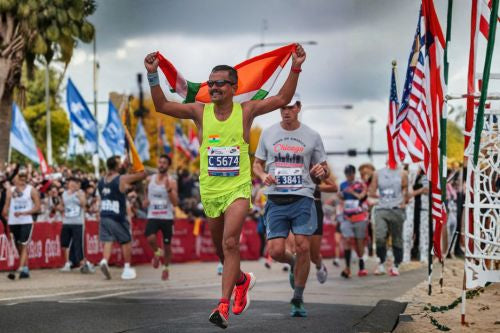
Urban runners manage unpredictable schedules, requiring gear that adapts seamlessly. In Delhi NCR, quick-dry, odor-resistant fabrics enable consistent training amid variable air quality. Mumbai's monsoon-season participants depend on materials that shed water rapidly without becoming heavy or chilling.
Bangalore and Pune endurance enthusiasts favor lightweight constructions that support prolonged efforts, allowing focus on rhythm rather than constant adjustments for soaked or irritating clothing during community events and marathons.
Athleisure extends these benefits into daily life, as many transition effortlessly from workouts to work or errands, seeking versatile performance without compromising on aesthetics.
Fabric Technology and Performance Outcomes
These innovations yield tangible gains: diminished chafing, enhanced muscle comfort, and reduced distractions that preserve form over distance. Strategic weight and stretch optimization combats fatigue, particularly in extended or frequent sessions, building cumulative advantages throughout training periods.
Insights from Indian runners, coaches, and ongoing evaluations by NIFT and IIT teams highlight how climate-aligned apparel fosters loyalty and motivation, while ill-suited options lead to frustration. This feedback loop continues to refine real-world effectiveness.
Challenges and Limitations in Fabric Innovation
Striking equilibrium among performance, durability, and affordability poses ongoing challenges. Premium technologies carry higher costs, yet price sensitivity persists among many consumers even as expectations grow.
Sustainability concerns loom large in high-output hubs like Surat and Ahmedabad, prompting shifts toward eco-conscious production. Moreover, laboratory simulations often fail to capture the full complexity of India's outdoor conditions from monsoon saturation to dust-charged heat making localized field testing critical for authentic validation.
Business Opportunities and Strategic Advantages
Brands embracing fabric-centric innovation position themselves strongly. Climate-specific designs lower return rates and cultivate credibility with dedicated runners. In India's expanding performance-oriented activewear segment, genuine results trump promotional claims.
Localized research and athlete collaboration provide competitive differentiation, nurturing enduring brand allegiance. The global activewear market, estimated at USD 406.83 billion in 2024 and forecasted to reach USD 677.26 billion by 2030 with a 9.0% CAGR from 2025 to 2030, reflects this trajectory, with Asia Pacific emerging as the fastest-growing region at 10.9% CAGR.
India itself shows robust potential, with projections indicating strong growth in the activewear sector driven by health awareness, urbanization, and athleisure adoption.
Fabric Technology as the Future of Indian Activewear Performance
Fabric advancement stands poised to lead the evolution of activewear in India. As participation in running surges nationwide, victory will belong to designs rooted in local conditions rather than adapted foreign benchmarks. Brands investing in regional climate studies, athlete-guided development, and responsible textile alliances will set the pace. For runners everywhere, the reward is clear: equipment that matches their dedication, stride after stride, in every Indian city and season.
Frequently Asked Questions
How does fabric technology improve running performance in India's humid climate?
Advanced moisture-wicking fabrics draw perspiration away from the skin and accelerate evaporation, which is crucial in humid cities like Mumbai and Navi Mumbai where slow sweat evaporation typically soaks clothing. This technology minimizes chafing, reduces garment weight, and helps stabilize body temperature during extended runs. By keeping runners drier and more comfortable, these climate-responsive fabrics enable better focus on form and performance rather than constant adjustments for wet, irritating clothing.
What are the latest fabric innovations in Indian activewear for hot weather running?
Current innovations include zoned engineered meshes that concentrate denser structures in sweat-prone areas while maximizing ventilation in others, and cooling technologies with reflective elements for cities like Ahmedabad and Surat where temperatures exceed 35°C. Antimicrobial treatments have become essential for maintaining freshness across multiple uses in warm weather, while lightweight stretch fabrics promote unrestricted movement and biomechanical efficiency. Indian textile hubs in Surat and Ahmedabad are also developing low-chemical, skin-friendly finishes specifically tailored for prolonged wear in hot environments.
Why is climate-specific activewear important for runners in different Indian cities?
India's diverse climate mosaic requires localized fabric solutions coastal Mumbai needs superior moisture management for humidity, Bangalore and Pune demand breathable lightweight materials for moderate climates, while Delhi NCR requires quick-dry fabrics for variable conditions and air quality. Generic global designs often miss these regional nuances, leading to discomfort and reduced performance. Research from IITs and NIFT, informed by India Meteorological Department data, shows that climate-aligned apparel significantly impacts runner motivation, reduces chafing and fatigue, and delivers cumulative training advantages over time.
Disclaimer: The above helpful resources content contains personal opinions and experiences. The information provided is for general knowledge and does not constitute professional advice.
You may also be interested in: How Indian Activewear Brands Balance Style and Function
Tired of gear that slows you down? Chafing, soggy fabrics, and missing pockets kill your run's momentum. At Aguante, we're runners who get it. Our high-performance activewear features moisture-wicking fabrics, ergonomic designs, and smart storage to keep you focused. Shop Now!
Powered by flareAI.co