












Quick Listen:
In the vibrant fitness hubs of Mumbai and the serene yoga centers of Bangalore, a transformative shift is taking shape, thread by thread. Fitness aficionados across India are increasingly choosing workout attire that delivers high performance while minimizing environmental impact. With worldwide fiber output reaching 132 million tonnes in 2024, as detailed in Textile Exchange's most recent Materials Market Report, the nation's apparel sector is embracing eco-conscious practices, particularly in activewear where functionality intersects with ethical responsibility.
Envision a dedicated athlete navigating the sweltering streets of Delhi at sunrise, dressed in form-fitting pants crafted from renewed viscose that rivals cotton's softness yet originates from sustainable timber sources. This scenario reflects current realities, driven by regulatory frameworks and evolving buyer preferences. Issued by the Ministry of Textiles through notification S.O. 6143(E) on December 29, 2022, the Viscose Staple Fibres (Quality Control) Order, 2022, mandates that every type of viscose staple fiber marketed domestically must adhere to Bureau of Indian Standards specifications and display the required certification mark, effective January 29, 2023 just one month after publication. Such regulations not only uphold product integrity but also steer the sector toward responsible and eco-friendly raw material procurement.
These domestic initiatives resonate with international movements aimed at overhauling the apparel industry. The prevailing model in fashion is predominantly take-make-dispose, resulting in vast quantities of garments millions of tonnes being manufactured, briefly used, and discarded each year, according to insights from the Ellen MacArthur Foundation. Their advocated circular economy approach envisions items designed for extended use, remanufacturing, and construction from non-toxic, reused, or naturally replenishable resources, offering businesses enhanced stability against economic fluctuations. In the realm of Indian athletic wear, this translates to garments that restore ecosystems rather than exhaust them, with companies innovating viscose-based composites that decompose more rapidly and alleviate landfill burdens.
To grasp the scale, consider the data revealing an alarming trajectory. Worldwide fiber manufacturing climbed from 125 million tonnes in 2023 to 132 million tonnes in 2024, per the Textile Exchange report, representing a doubling since the turn of the millennium and an additional 34 million tonnes post the 2015 Paris Agreement, where nations pledged to cap warming below 2°C, preferably 1.5°C. This equates to approximately four tonnes emerging every second. Amid this surge, non-renewable petroleum-derived synthetics expanded their portion in 2023, whereas cotton and reused variants saw marginal decreases, as noted in prior editions. As the globe's runner-up in textile exports, India feels these pressures acutely. The activewear niche, encompassing everything from stretchy leggings to supportive bras, stands poised for substantial evolution, especially as wellness trends accelerate.
Polyester emerges as a staple in sportswear for its resilience and ability to draw away moisture, yet its petroleum roots conflict with green objectives. Complementary quality directives for polyester fibers and yarns seek to enforce consistency. Exporters gained significant leeway when, starting June 6, 2024, imports of polyester staple fibers, continuous filaments, and spun yarns via the Advance Authorisation Scheme were freed from QCO compliance if utilized solely for exported products, addressing supply chain obstacles. This adjustment permits seamless international sourcing for outbound merchandise, free from local mandates, bolstering India's multi-billion-dollar export machinery while fostering advancements in environmentally sound substitutes.
Expanding on this, the exemption's implications ripple through the supply chain. Manufacturers can now procure high-grade materials abroad without immediate regulatory hurdles, provided the end products leave Indian shores. This flexibility is crucial in a market where global competition is fierce, and delays in compliance could erode margins. For domestic consumers, however, the focus remains on QCO-enforced standards that prioritize health and sustainability. Viscose, for instance, must now demonstrate conformity, encouraging mills to invest in low-impact processing techniques that reduce water usage and chemical runoff key concerns in India's textile hubs like Tirupur and Surat.
Globally, the Textile Exchange's annual analyses serve as critical benchmarks, guiding efforts to curb raw material emissions in pursuit of the 1.5°C trajectory. The 2024 report's projection of 160 million tonnes by 2030, if unchecked, underscores the need for intervention. In India, post-pandemic health booms have amplified demand for fitness gear, with sales in athleisure surging. Consumers, increasingly informed, seek transparency: Is the fabric sourced renewably? Does it align with circular principles? These questions drive brands to differentiate through certification and storytelling, turning regulatory compliance into a market advantage.
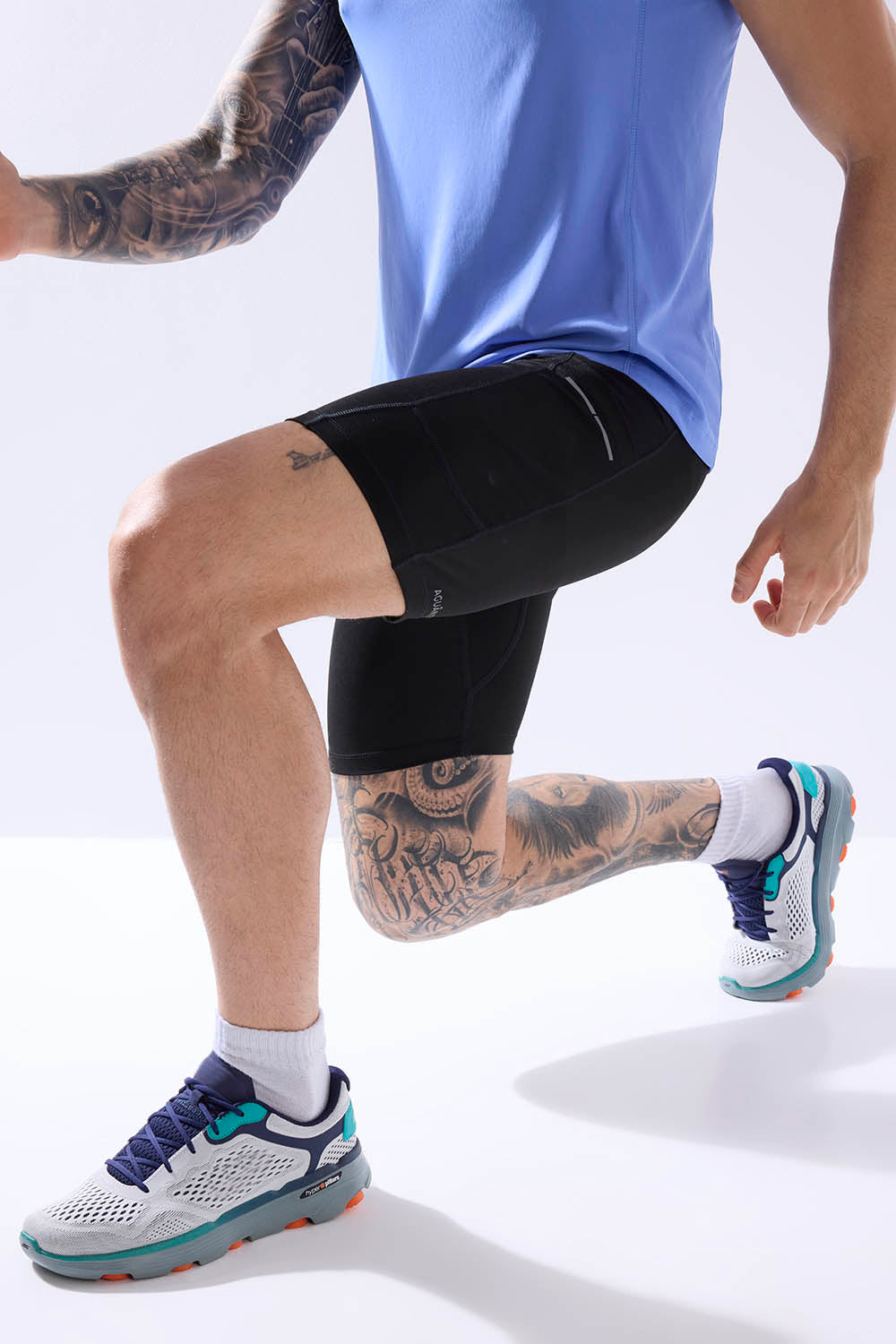
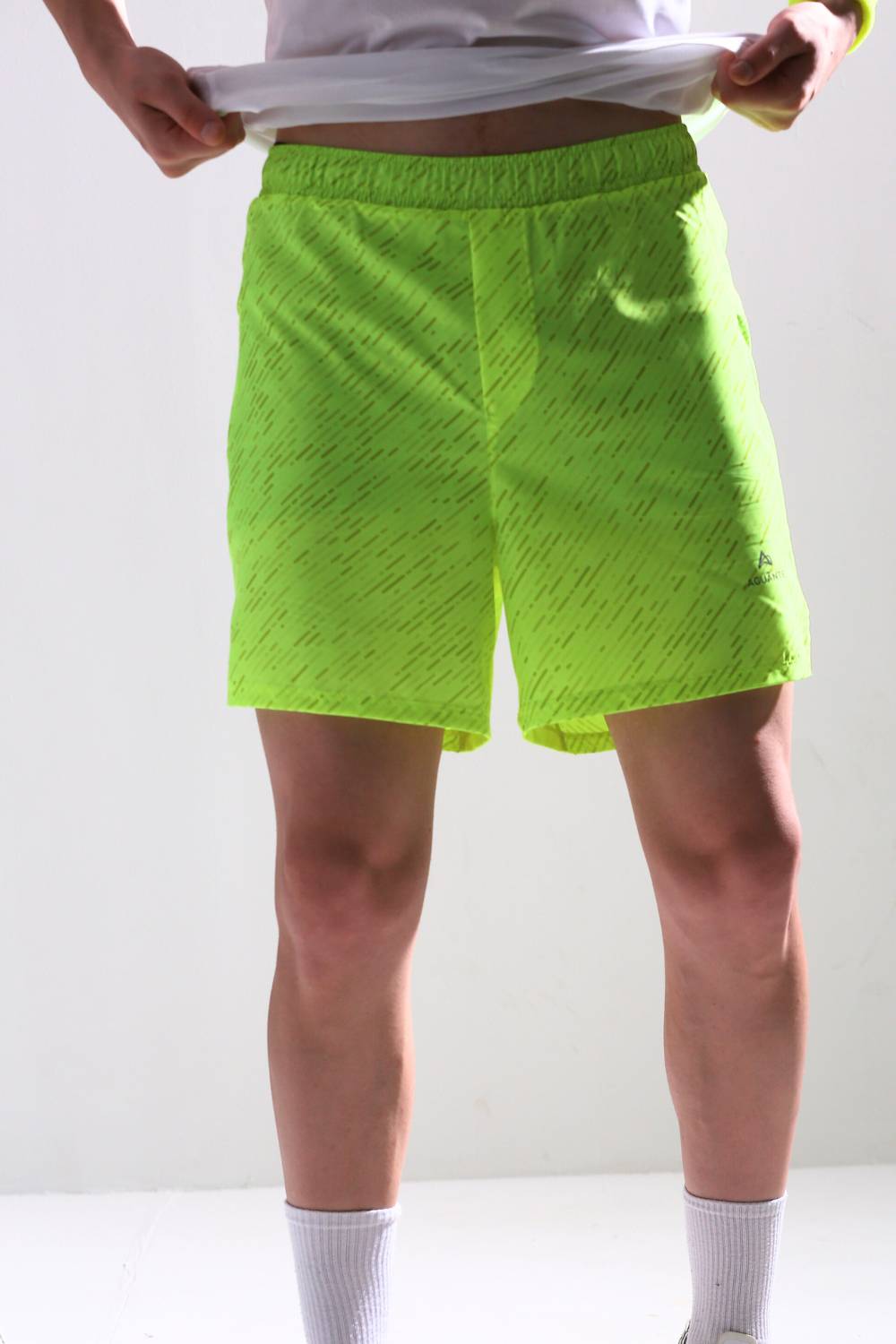
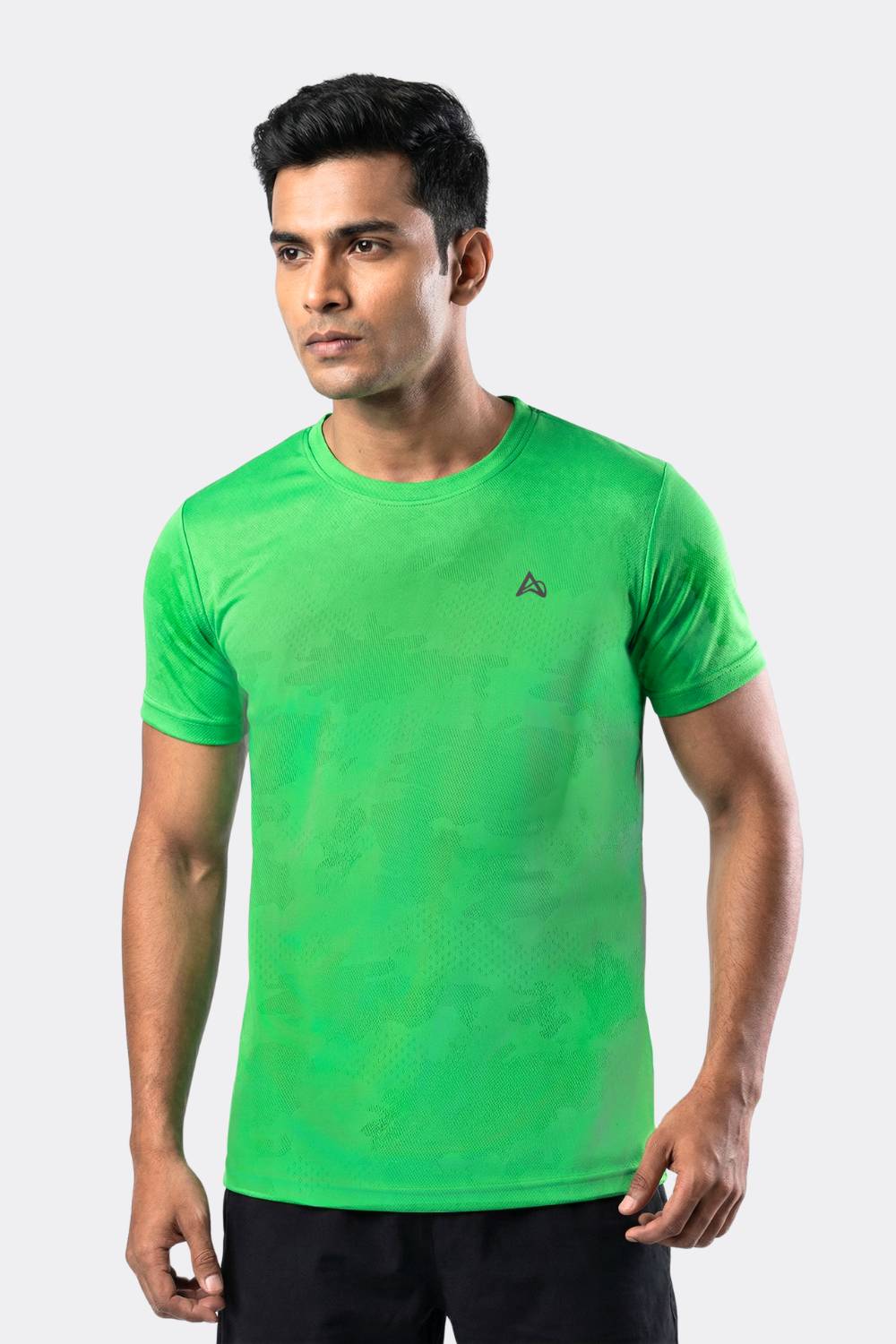
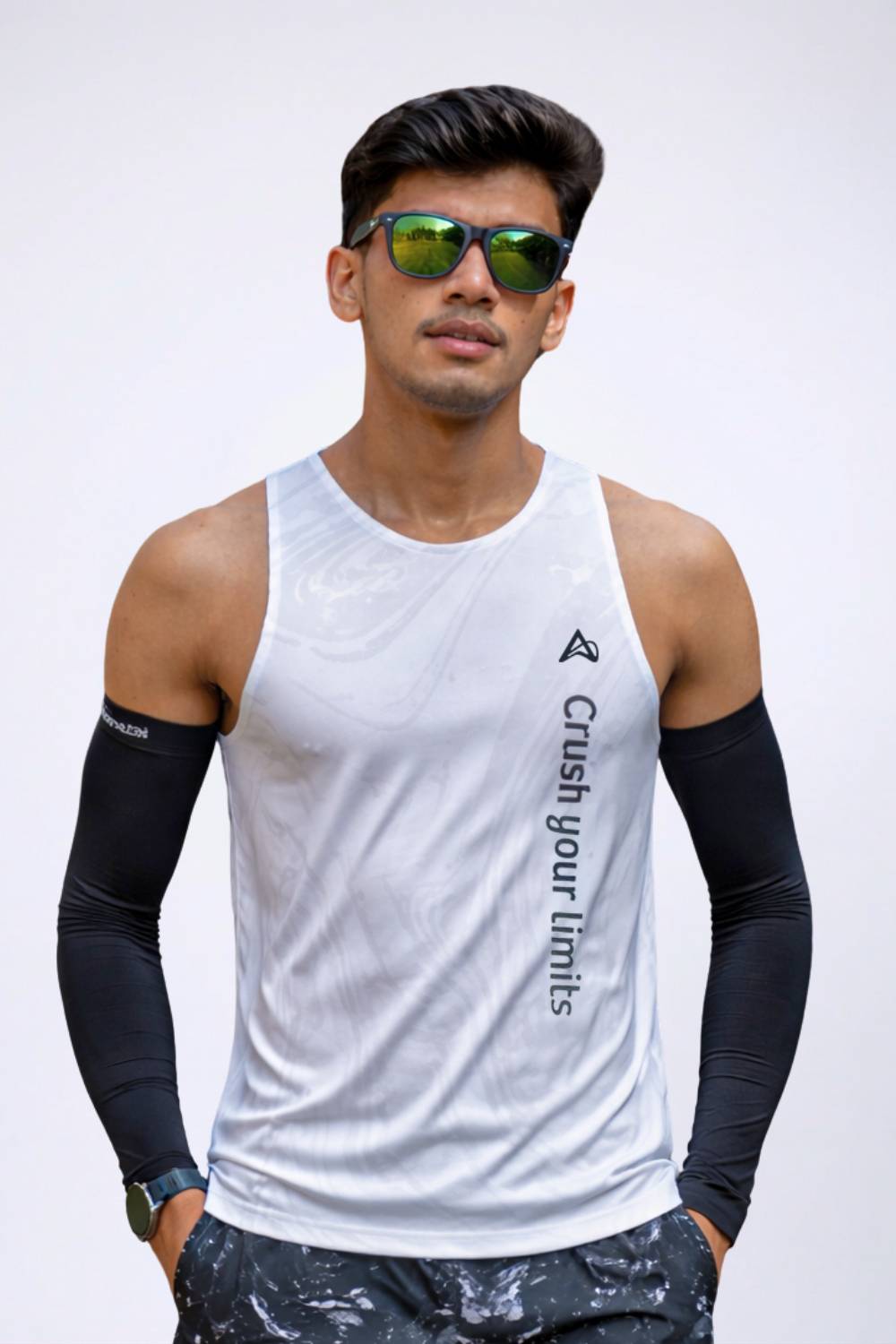
Tired of gear that slows you down? Chafing, soggy fabrics, and missing pockets kill your run's momentum. At Aguante, we're runners who get it. Our high-performance activewear features moisture-wicking fabrics, ergonomic designs, and smart storage to keep you focused. Shop Now!
The Rise of Circular Practices in Activewear
For everyday users whether during a brisk run or intense gym routine these developments enhance both experience and ethics. Materials like viscose staple fibers provide superior ventilation and suppleness sans ecological drawbacks, sourced from plant-based cellulose in certified sustainable woodlands. They embody the Ellen MacArthur Foundation's core tenets: eradicating waste and contaminants, keeping products and components in high-value loops, and revitalizing natural systems. Local labels are integrating these with post-consumer polyester to engineer tees and shorts that manage perspiration effectively, endure repeated cycles, and diminish reliance on virgin resources.
The figures highlight the imperative for action. From 116 million tonnes in 2022 to 124 million in 2023 a 7% uptick the momentum continues, risking a 160 million tonne peak by decade's end without course correction. Emissions tied to feedstocks hinder climate ambitions, yet India's QCO framework for viscose propels cleaner operations. Envision entering a premium sportswear outlet in a metropolitan mall: shelves display items boasting "eco-regenerated viscose," backed by verifiable standards rather than hollow claims. This responds to overproduction signals, like the 2023 decline in recycled fiber adoption, while export exemptions maintain operational agility.
Balancing rigorous internal policies with export leniency encapsulates India's strategic nuance. Industry bodies like the Confederation of Indian Textile Industry applaud QCOs for filtering inferior inflows, elevating overall quality. In athletic contexts, this yields dependable, greener alternatives think high-compression gear from exempted polyester infused with innovative recycled elements, sidestepping red tape for global outreach.
Delving deeper, the circular model's adoption requires systemic overhaul. Fashion's disposable nature generates annual waste mountains, as the Foundation emphasizes. In practice, BIS certification for viscose necessitates rigorous lab validations, costing time and capital but yielding long-term gains in consumer trust and environmental health. Exporters, leveraging the June 2024 waiver, can experiment with blended yarns that meet international eco-labels like GRS (Global Recycled Standard), then adapt for local sales under stricter viscose rules.
Consumer behavior amplifies this: Surveys indicate younger demographics prioritize sustainability, willing to pay premiums for verified low-impact items. Brands respond by highlighting how viscose from managed sources regenerates forests, contrasting with synthetic dominance. The Paris-era addition of 34 million tonnes serves as a cautionary metric India, contributing significantly via its mills, must innovate to reverse trends.
Challenges and Opportunities Ahead
Barriers remain formidable. Transitioning from linear to circular paradigms demands infrastructure upgrades and mindset shifts. Enforcing standard marks on viscose, while beneficial, strains smaller operators with compliance expenses. The Ellen MacArthur Foundation warns of pollution and biodiversity threats from unchecked waste, urging design-driven solutions. Domestically, while exporters celebrate exemptions, home-market advocates call for incentives to boost recycled polyester uptake, aiming to dent the 132 million tonne annual total.
Yet prospects shine brightly. With output at four tonnes per second, India positions itself as an Asian pioneer in green textiles. Incorporating compliant viscose, fitness lines promote remanufacturable designs, resonating with label scrutineers born post-1990. Small-scale triumphs accumulate: A Mumbai-based designer might use waived imports for overseas orders, then switch to certified local viscose for Indian retailers, delivering guilt-free performance wear.
Policy tweaks could accelerate this subsidies for recycling tech or R&D tax breaks. Globally, aligning with Textile Exchange goals means slashing emissions 45% by 2030, feasible through material swaps. In fitness fashion, where trends cycle rapidly, sustainability becomes a enduring edge.
Collaboration is key: Government, industry, and consumers must sync. QCOs set the floor; innovation raises the ceiling. As fiber volumes balloon, India's activewear sector can model restraint, blending tradition with tech for fabrics that endure washes and wastelands alike.
A Stitch Toward a Greener Future
India's integration of sustainable threads into fitness apparel extends influences worldwide, from quality mandates on viscose and polyester to circular strategies confronting the 132 million tonne fiber deluge. As you gear up next, ponder the material's path not merely encircling your form, but contributing to planetary longevity. This surging drive reorients India's sportswear landscape, not just advancing strides but reshaping the terrain, one conscientious fiber at a time.
Frequently Asked Questions
What sustainable fabrics are being used in India's fitness wear?
Eco-regenerated viscose is emerging as a popular sustainable fabric in Indian activewear, offering cotton-like softness while being sourced from sustainable timber. Additionally, post-consumer recycled polyester is being blended with viscose to create performance athletic wear that manages moisture effectively while reducing dependence on virgin materials. These fabrics must comply with Bureau of Indian Standards specifications under India's Quality Control Orders.
How do India's quality control orders impact sustainable activewear production?
The Viscose Staple Fibres (Quality Control) Order, 2022 mandates that all viscose fibers sold domestically must meet BIS standards and display certification marks, driving mills toward low-impact processing that reduces water usage and chemical runoff. However, from June 2024, polyester imports under the Advance Authorisation Scheme were exempted from QCO compliance if used solely for exports, allowing manufacturers flexibility for international sourcing while maintaining strict sustainability standards for domestic consumers.
What is the circular economy approach in fitness fashion and why does it matter?
The circular economy approach advocates for designing athletic wear for extended use, remanufacturing, and construction from non-toxic, recycled, or renewable resources, addressing the fashion industry's wasteful take-make-dispose model. With global fiber production reaching 132 million tonnes in 2024 four tonnes per second this approach helps India's activewear sector reduce landfill waste through biodegradable viscose and recycled materials that restore ecosystems rather than deplete them, offering businesses stability while meeting consumer demand for verified low-impact products.
Disclaimer: The above helpful resources content contains personal opinions and experiences. The information provided is for general knowledge and does not constitute professional advice.
You may also be interested in: Sustainable Activewear Gains Ground in India
Tired of gear that slows you down? Chafing, soggy fabrics, and missing pockets kill your run's momentum. At Aguante, we're runners who get it. Our high-performance activewear features moisture-wicking fabrics, ergonomic designs, and smart storage to keep you focused. Shop Now!
Powered by flareAI.co