



Quick Listen:
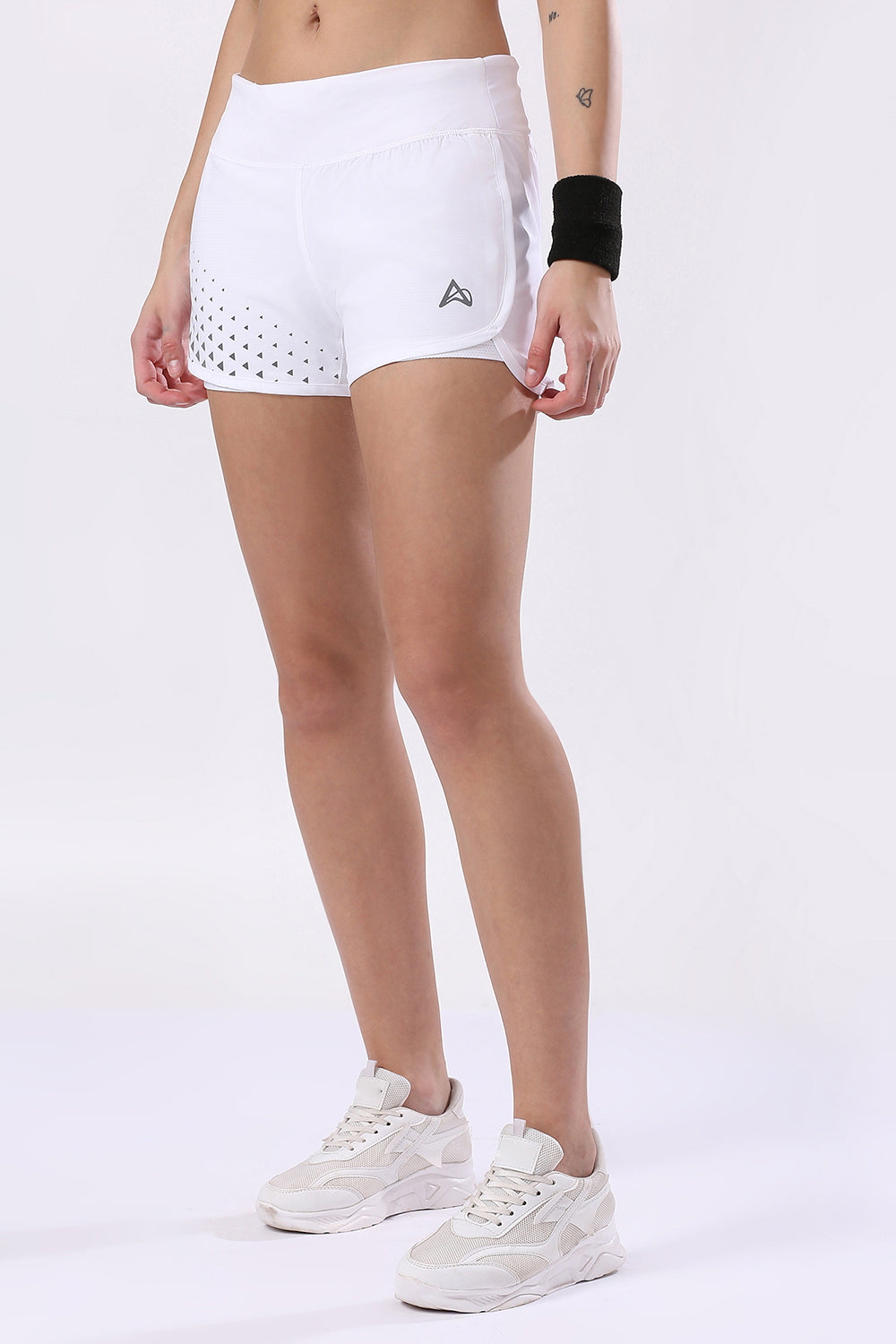
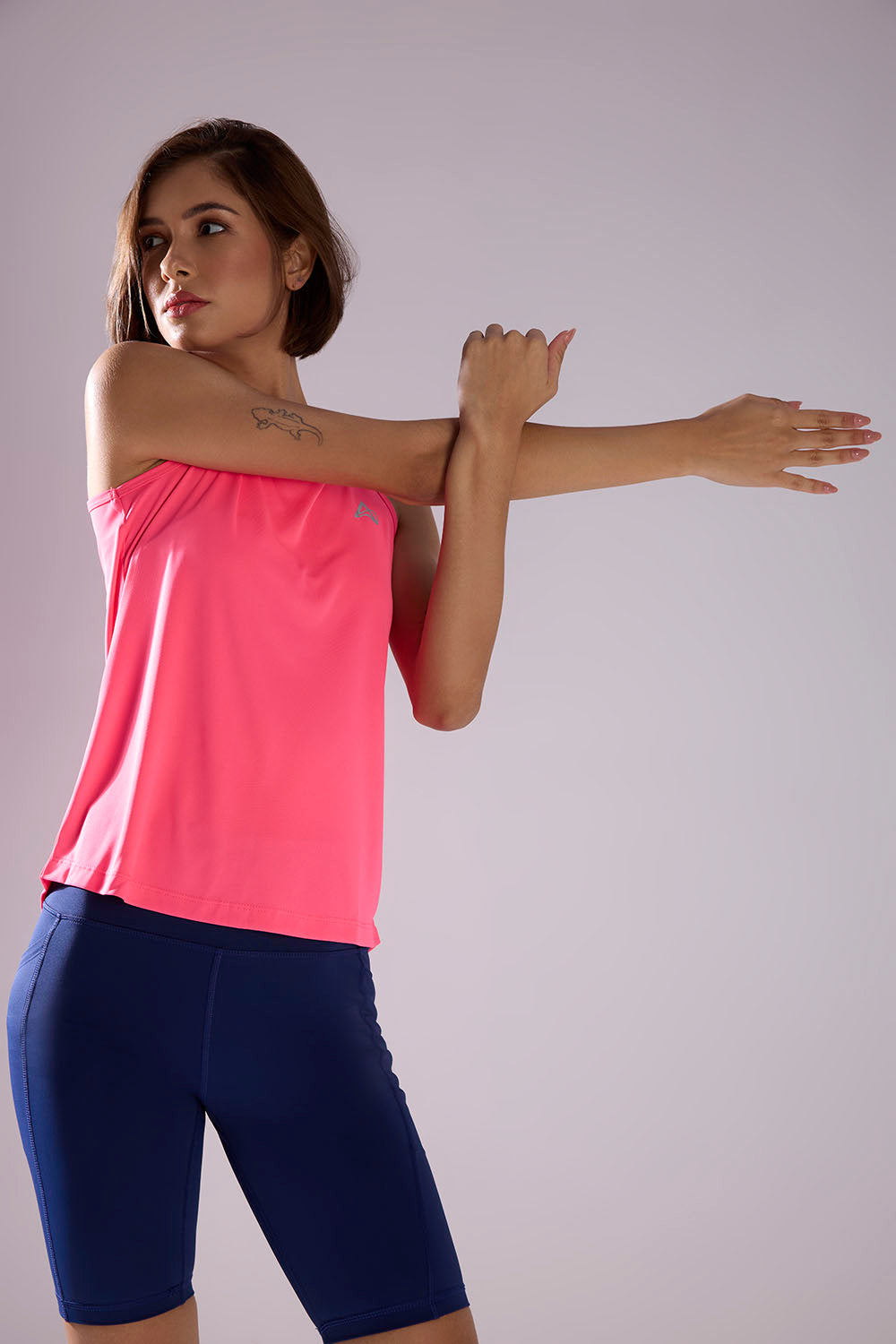
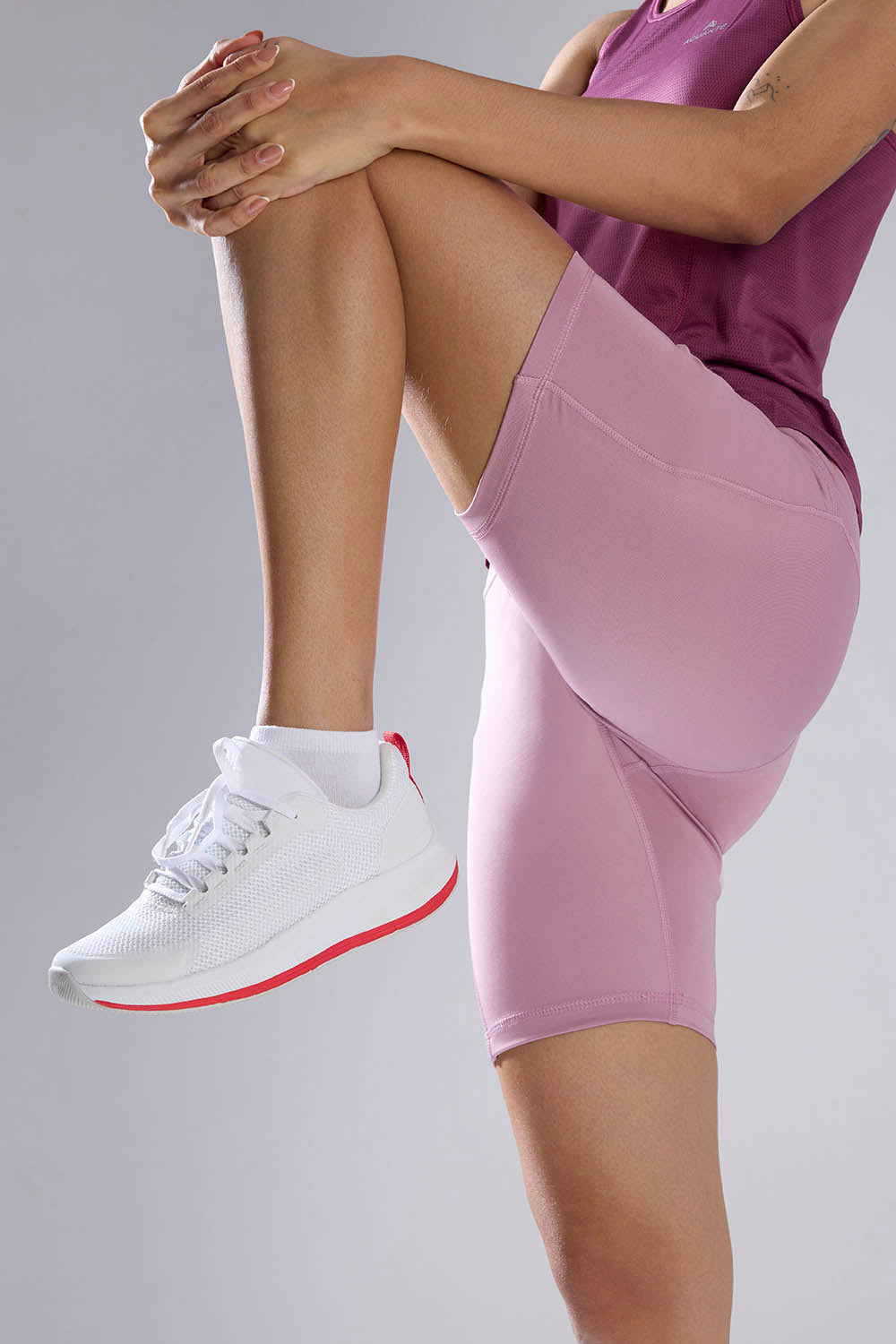
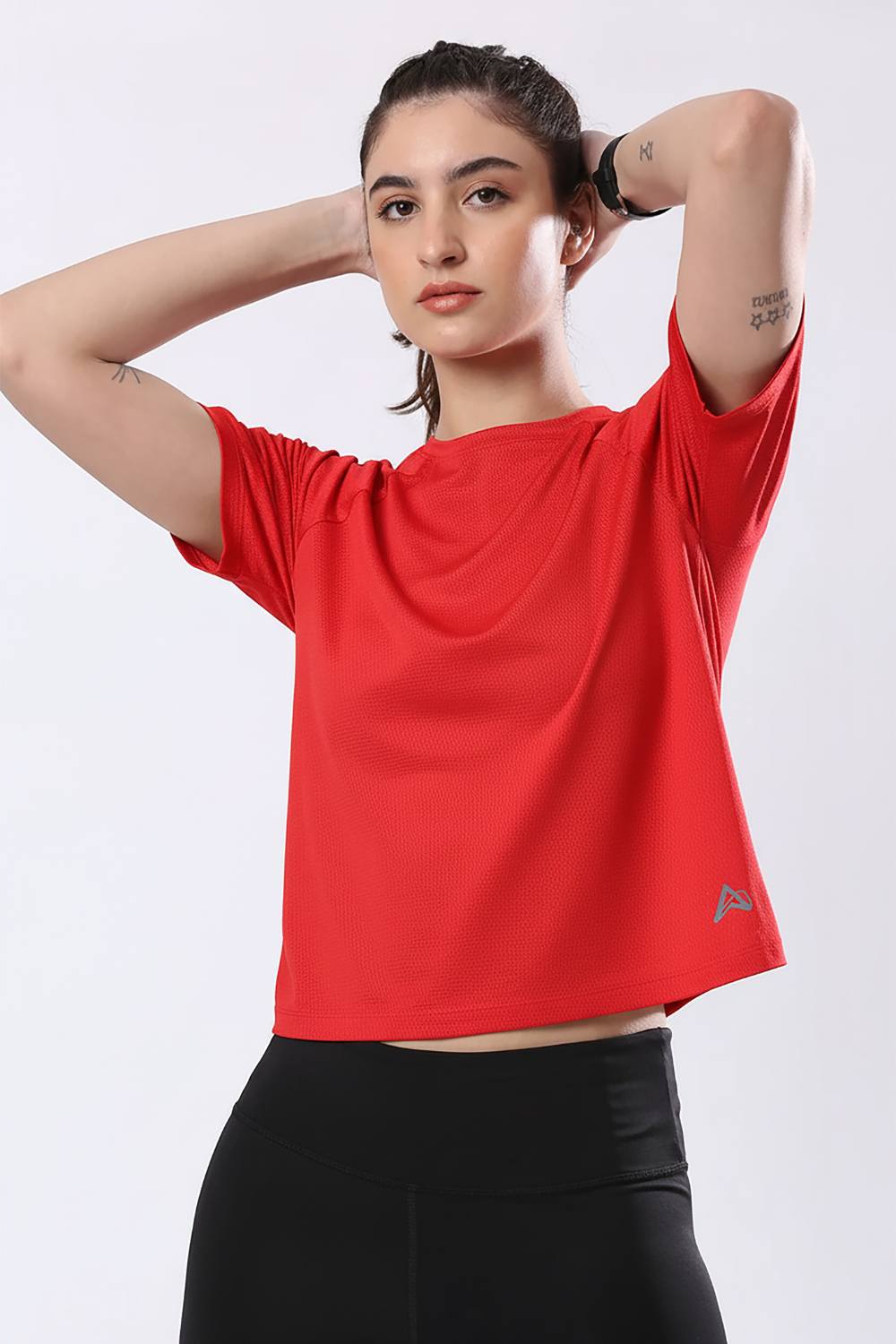
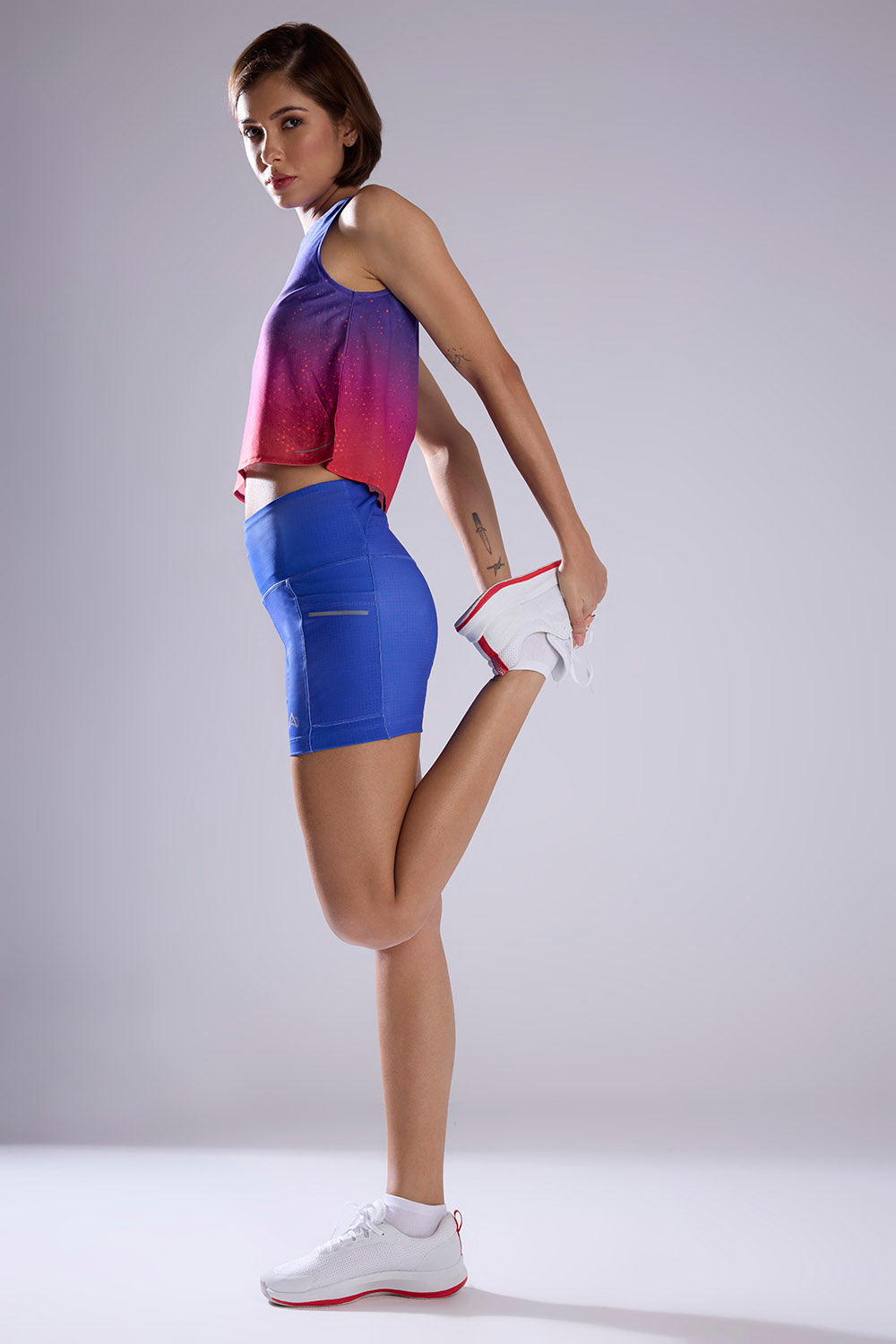
In the vibrant fitness hubs of Mumbai and the serene yoga centers of Delhi, a transformative movement gains momentum with every flexible seam and advanced fiber. Urban women in India embrace activewear that delivers on performance, merging functionality with fashion to support their dynamic lives and aspirations.
Imagine a corporate executive in Bangalore transitioning seamlessly from boardroom meetings to a rigorous workout, clad in leggings designed for optimal sweat evaporation and comfort. This scenario reflects a growing reality, propelled by the expansive growth of India's sports sector. A collaborative study by Google and Deloitte forecasts that India's sports ecosystem will expand to $130 billion by 2030, achieving a 14% compound annual growth rate almost twice the speed of the nation's GDP expansion. This acceleration stems from heightened government funding, the emergence of diverse sporting interests, extensive digital penetration, and abundant premium sports media. Such dynamics not only boost economic figures but also reshape daily routines, making high-performance activewear essential for urban women navigating busy schedules.
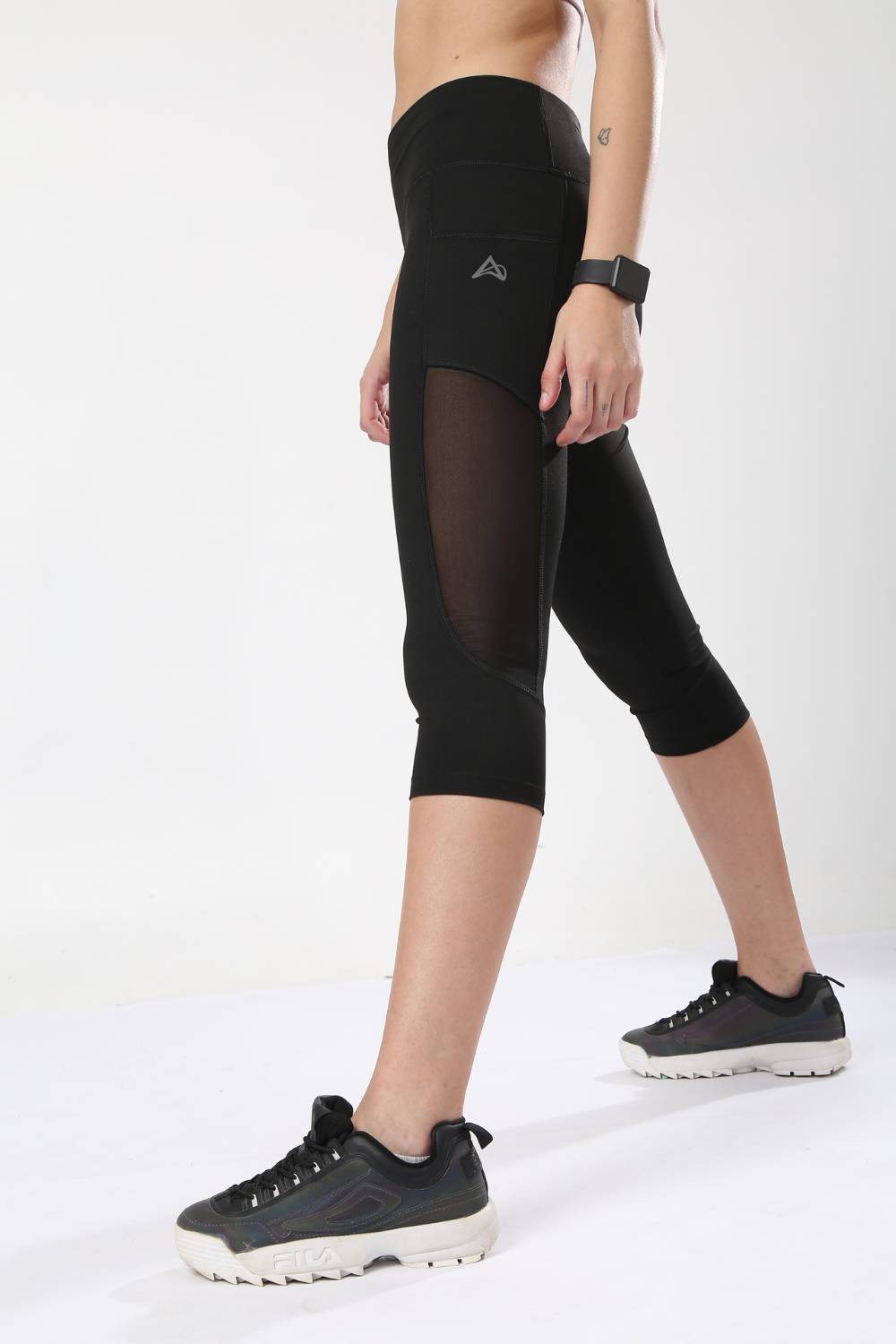
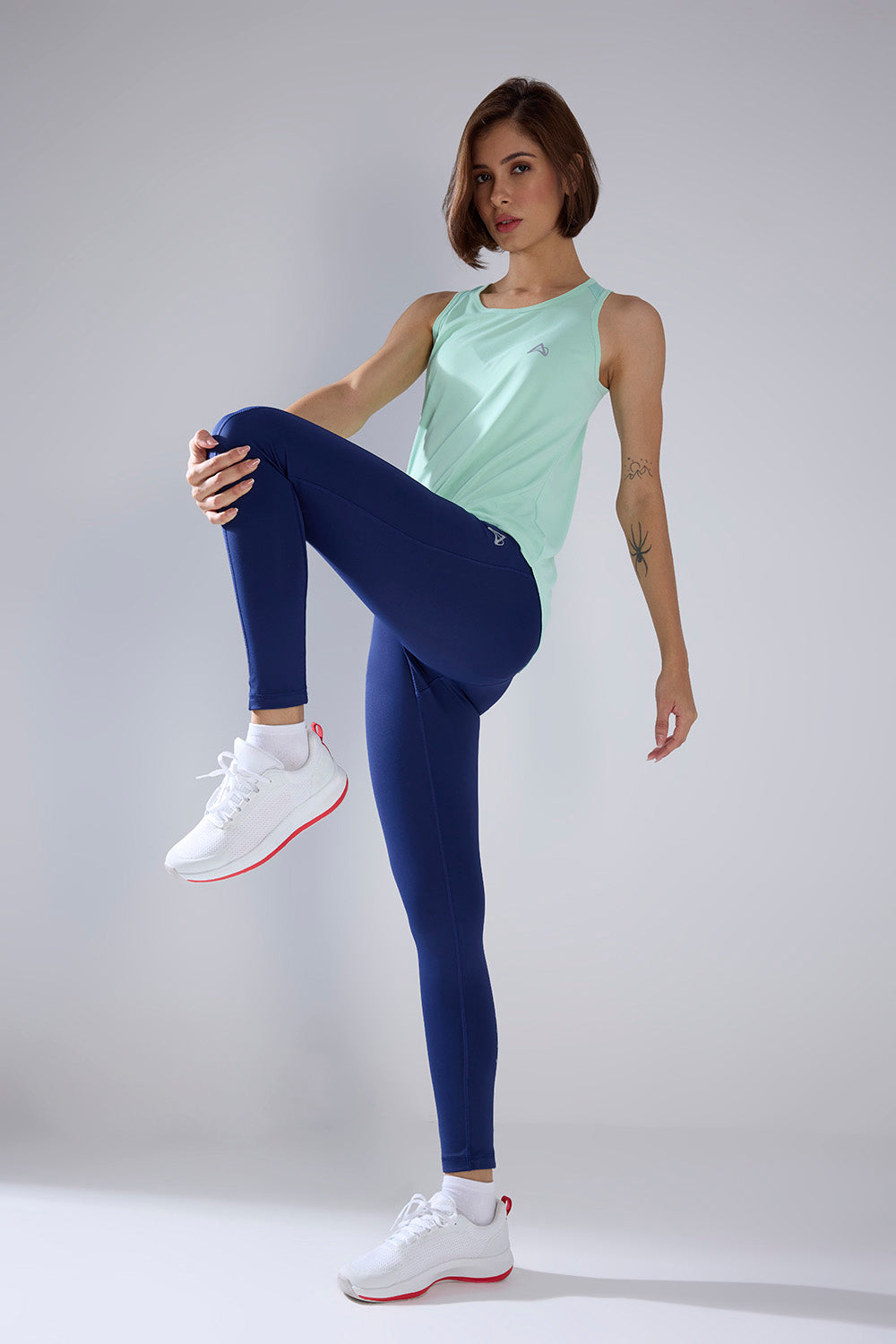
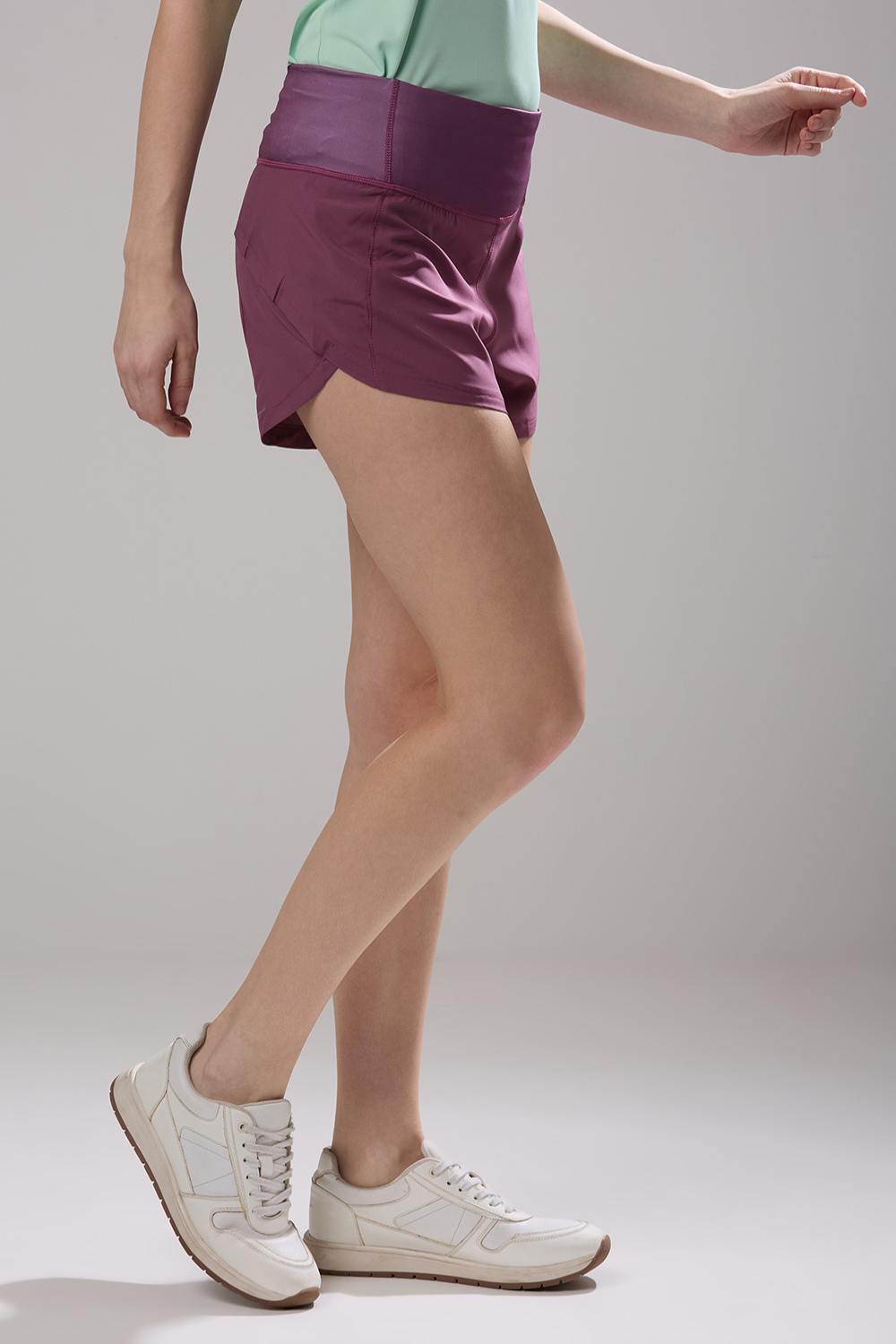
The evolution in women's fitness engagement drives this demand. No longer settling for ill-fitting men's apparel, modern consumers seek garments with specialized attributes like supportive compression, bacteria-resistant finishes, and sun-blocking properties suited to India's intense climate. Manufacturers target a younger, affluent audience prioritizing wellness, enabled by increasing disposable earnings that permit investments in durable items for endurance events or rainy-season jogs. This shift aligns with broader lifestyle changes, where health consciousness intersects with style, turning activewear into a wardrobe staple.
Public sector efforts significantly bolster this trend. In recent years, central and state allocations for sports have risen 1.6-fold, escalating from roughly $260 million to $405 million, channeling resources into facilities that promote wider involvement. Initiatives such as Khelo India and regional training centers indirectly fuel apparel needs by encouraging female participation in disciplines like kabaddi and football, which require dependable gear. Digital platforms exacerbate this, with social media personalities demonstrating ventilated tops and supportive bras, sparking widespread consumer interest and sales.
Expanding viewership beyond cricket to areas like football, kabaddi, and esports further diversifies participation, drawing women into varied physical pursuits. The overall industry, comprising six primary segments worth $31 billion and four supporting ones at $21 billion currently, is set to reach $71 billion and $59 billion respectively by 2030. These figures underscore a thriving environment where performance wear thrives.
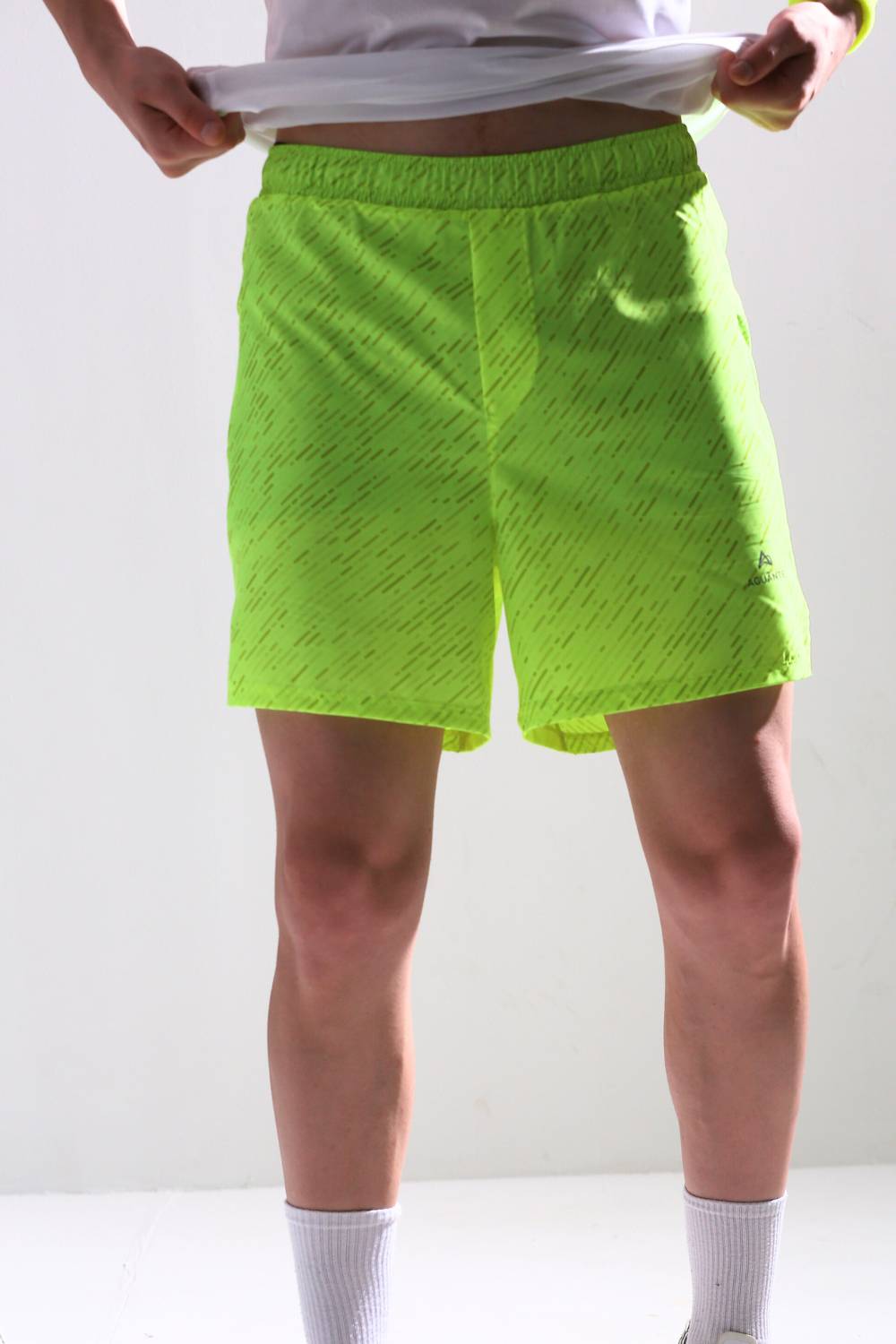
Tired of gear that slows you down? Chafing, soggy fabrics, and missing pockets kill your run's momentum. At Aguante, we're runners who get it. Our high-performance activewear features moisture-wicking fabrics, ergonomic designs, and smart storage to keep you focused. Shop Now!
Core and Allied Sectors Fueling Expansion
A closer examination of market segments explains the trajectory for women's activewear. Within key areas, sporting goods and clothing stood at $25 billion in 2023, projected to surge to $58 billion by 2030 via a 13% growth rate. This category directly encompasses advanced women's products, featuring ergonomic designs that prevent irritation during exercise and eco-friendly options resonating with environmentally conscious buyers in metropolises such as Hyderabad and Chennai.
Supporting sectors magnify these opportunities. Nutraceuticals encompassing performance-enhancing supplements and nutrient-rich foods are advancing at a 19% rate to attain $40.2 billion, as women integrate recovery aids with complementary clothing for holistic routines. Similarly, sports tourism is anticipated to grow to $13 billion at 9% annually, attracting enthusiasts to destinations like Goa's beaches or Himalayan trails, where multifunctional attire adapts from adventure to relaxation.
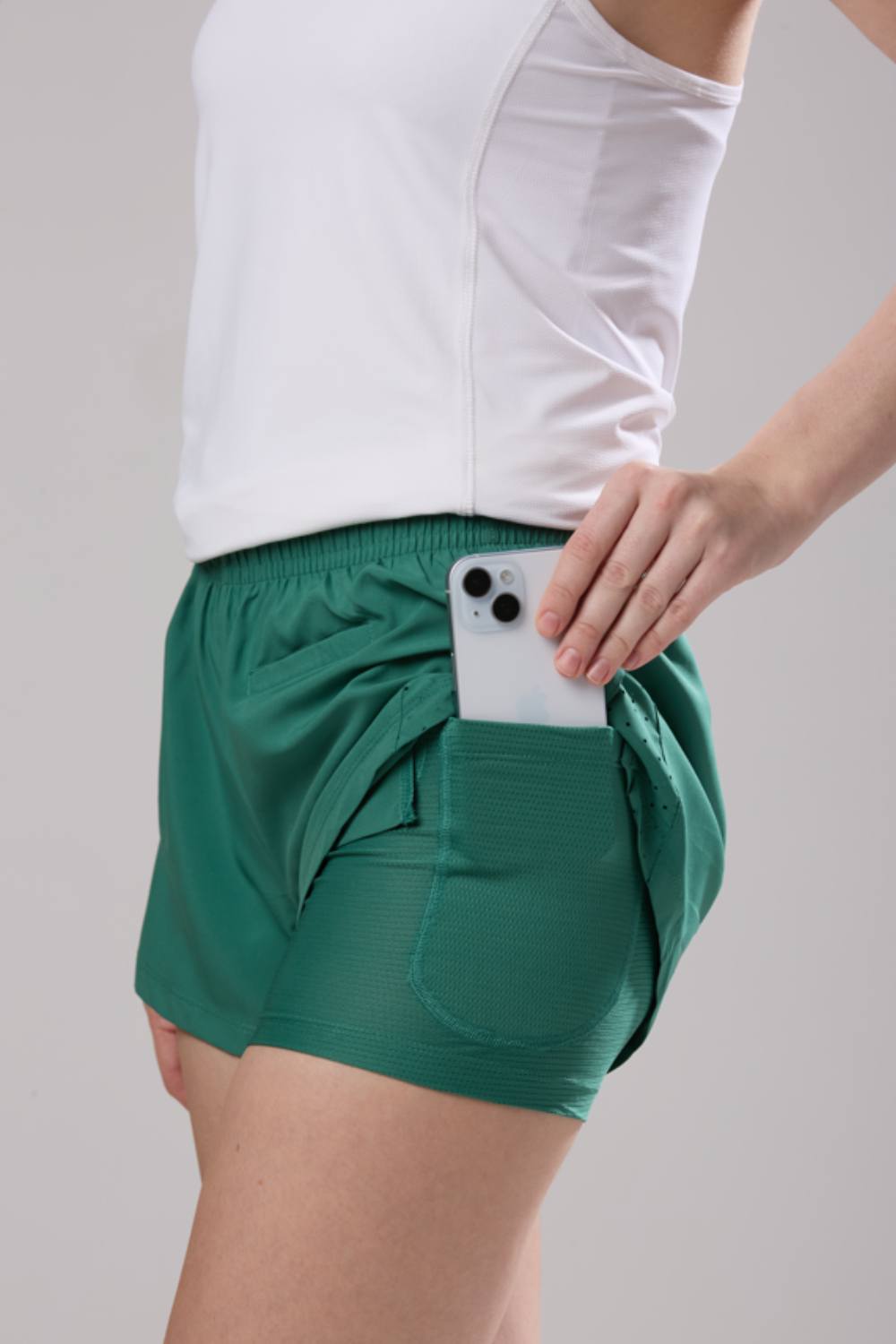
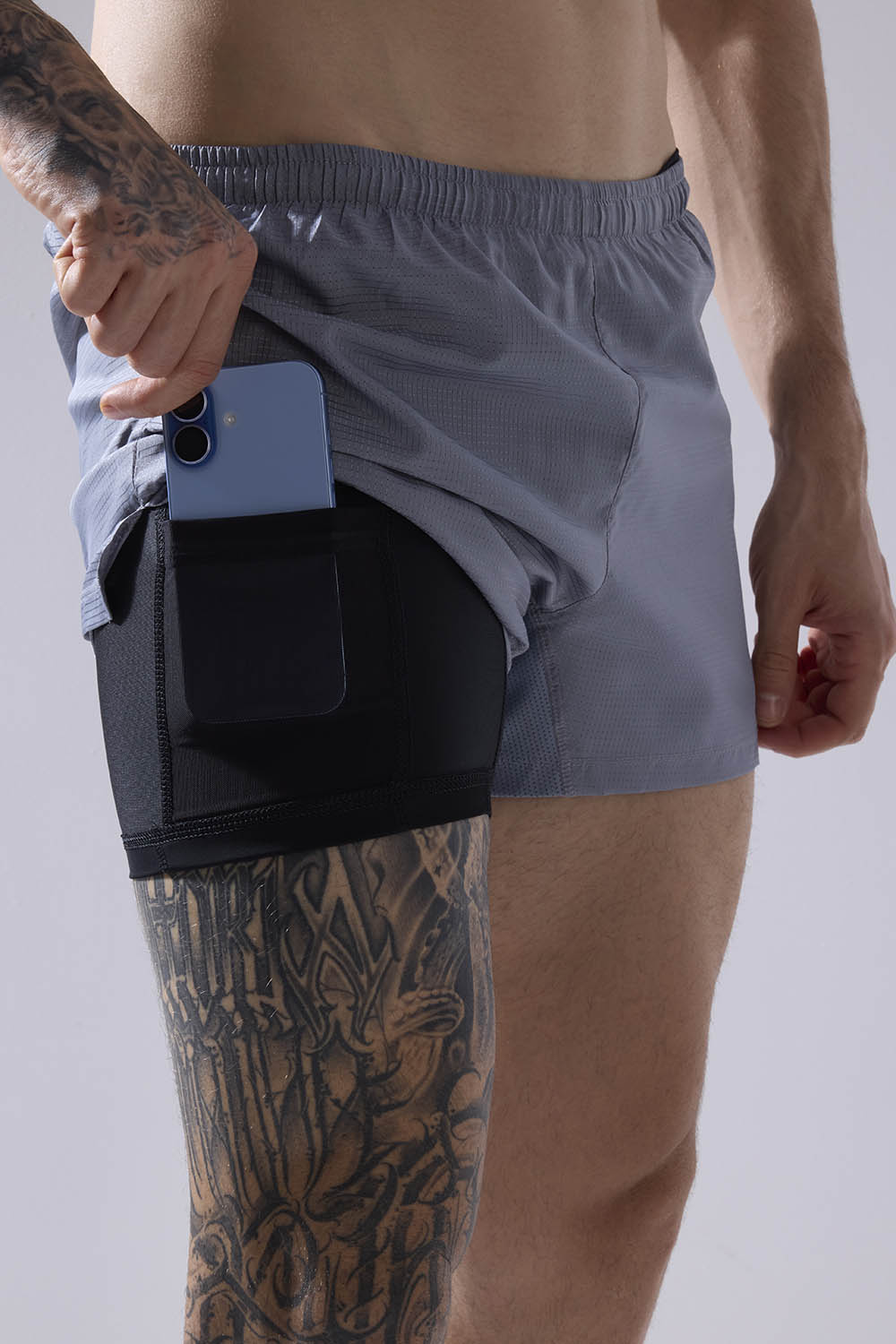
The rise of multi-sport engagement sustains this ecosystem. While cricket dominates, emerging interests in esports, badminton, and pickleball broaden appeal, enticing women to explore new activities. Media and promotion segments will advance to $6.7 billion with an 11% increase, delivering inspiring narratives that motivate equipment enhancements. For city-dwelling Indian women, inclusivity defines the market: tailoring for local physiques, vibrant hues suiting urban backdrops, and practical elements like secure storage for transit cards or wellness trackers.
Despite progress, hurdles persist. Reliance on imported advanced materials strains logistics, though domestic production gains traction through initiatives like Make in India. On a societal level, the Deloitte-Google analysis envisions up to 10.5 million employment opportunities and $21 billion in ancillary tax contributions by 2030, spanning creation, sales, and training positions that advance gender equity.
Healthier living patterns and surging quality content accelerate this rapid development, outpacing traditional sports boundaries. Urban women, empowered by these shifts, adopt gear that enhances performance while reflecting personal empowerment. The industry's core and allied components interconnect, creating a robust framework where activewear evolves from accessory to essential.
Technological Integration and Market Dynamics
Innovation in fabrics marks the next frontier. Brands incorporate smart technologies, such as moisture sensors or adaptive fits, responding to consumer feedback from digital channels. This tech-savvy approach appeals to tech-proficient urban demographics, where apps track progress and suggest gear upgrades. Economic drivers like rising incomes bolstered by a growing middle class enable premium purchases, with women investing in pieces that endure intense sessions or casual outings.
Government's role extends beyond budgets; policies fostering grassroots infrastructure indirectly spur apparel innovation. Women-only leagues in kabaddi or football highlight the need for specialized designs, prompting brands to develop lines addressing modesty, climate resilience, and cultural preferences. Digital adoption amplifies visibility, with e-commerce platforms offering customized options, from size-inclusive ranges to regionally inspired patterns.
The broader implications touch social transformation. As the joint report emphasizes, sports drive youth empowerment and community building, necessitating investments in foundational development. For women, this translates to activewear symbolizing independence, breaking barriers in patriarchal norms through visible participation.
Collaborations across stakeholders agencies, federations, enterprises, backers, media makers, and supporters will unlock this potential. Urban India's women lead this charge, their choices influencing global trends. From Mumbai's seafront runs to Delhi's park circuits, performance attire empowers, blending tradition with modernity.
A Future Woven in Empowerment and Innovation
The doubling market promises further advancements: intelligent textiles monitoring vitals or celebrity partnerships championing diversity. This progression redefines societal roles, fostering inclusive spaces where fitness transcends gender limits.
In essence, performance-driven women's activewear in urban India embodies a larger narrative of progress. It catalyzes economic vitality, social uplift, and personal growth, stride by empowered stride. As participation climbs, the fabric of change strengthens, heralding eras of vitality and equality in a nation on the move.
Frequently Asked Questions
Why is women's activewear becoming so popular in urban India?
The surge in women's activewear popularity is driven by India's booming sports ecosystem, projected to reach $130 billion by 2030 with a 14% annual growth rate. Urban women increasingly prioritize wellness and seek specialized garments with features like moisture-wicking, compression support, and UV protection suited to India's climate. Government initiatives like Khelo India, increased sports funding (rising from $260 million to $405 million), and the diversification of sports beyond cricket have encouraged more women to participate in fitness activities, creating demand for high-performance activewear.
What features should I look for in performance-driven activewear for Indian weather conditions?
Look for activewear with sweat-evaporating fabrics, bacteria-resistant finishes, and sun-blocking properties specifically designed for India's intense climate. Modern performance wear offers ergonomic designs that prevent irritation, supportive compression for various activities, and practical elements like secure pockets for transit cards or fitness trackers. Many brands now incorporate smart technologies such as moisture sensors and adaptive fits, while also offering eco-friendly options and designs tailored to local body types and cultural preferences.
How big is the sports and activewear market opportunity in India by 2030?
The sporting goods and clothing segment alone is expected to surge from $25 billion in 2023 to $58 billion by 2030, growing at 13% annually. The overall sports ecosystem will expand from $52 billion currently to $130 billion by 2030, creating up to 10.5 million employment opportunities and generating $21 billion in tax contributions. Supporting sectors like nutraceuticals (projected at $40.2 billion) and sports tourism ($13 billion) further amplify the market, making it a thriving environment for women's performance activewear brands.
Disclaimer: The above helpful resources content contains personal opinions and experiences. The information provided is for general knowledge and does not constitute professional advice.
You may also be interested in: Urban Running Culture Drives Social Media Apparel Trends
Tired of gear that slows you down? Chafing, soggy fabrics, and missing pockets kill your run's momentum. At Aguante, we're runners who get it. Our high-performance activewear features moisture-wicking fabrics, ergonomic designs, and smart storage to keep you focused. Shop Now!
Powered by flareAI.co