



Quick Listen:
Imagine pounding the pavement on a sweltering July morning in New Orleans, where the air hangs heavy with 90 percent humidity, turning every breath into a chore. Your cotton shirt clings like wet paper, sweat pools in your shoes, and before you know it, a sharp twinge in your calf halts your stride not from overexertion alone, but from the insidious way moisture amplifies injury risks. This isn't hyperbole; it's the reality for countless runners battling humid conditions. Yet, advanced moisture-wicking apparel emerges as a science-backed shield, actively transporting perspiration away from the skin to mitigate heat buildup, fatigue, and those preventable mishaps that sideline athletes.
Human physiology relies on sweat evaporation for thermoregulation, a process that cools the body efficiently in arid environments. However, in high-humidity settings levels often exceeding 70 percent during summer runs in coastal or southern regions evaporation grinds to a halt. Lingering moisture on the skin and garments elevates core body temperature rapidly, with research indicating an accelerated rise that can strain the cardiovascular system and impair muscular function.
Moisture-wicking fabrics counteract this by employing hydrophobic synthetic materials, such as specialized polyester blends, which draw sweat outward through capillary action. This facilitates faster drying even in saturated air, helping maintain lower skin temperatures and reducing the overall thermal load. Experts in sports medicine have connected such heat stress to heightened injury rates, including cramps and strains, during extended efforts in warm, moist conditions.
In humid runs, unchecked sweating leads to quicker dehydration, as the body perspires profusely without the perceived cooling benefit, resulting in thicker blood viscosity and elevated heart rates. Effective wicking gear preserves fluid equilibrium by promoting evaporative loss, allowing runners to sustain effort longer. Data from performance studies reveal that athletes donning these materials experience notably reduced fatigue in muggy weather, enabling consistent pacing and form that wards off common overuse ailments like patellar tendinitis or plantar fasciitis, which surge when exhaustion compromises biomechanics.
The advantages extend to electrolyte preservation; excessive sweat retention in ordinary clothes can disrupt sodium and potassium levels, triggering muscle spasms. By contrast, wicking technology supports balanced perspiration management, crucial for endurance athletes navigating humid trails or urban routes where every step counts toward safety.
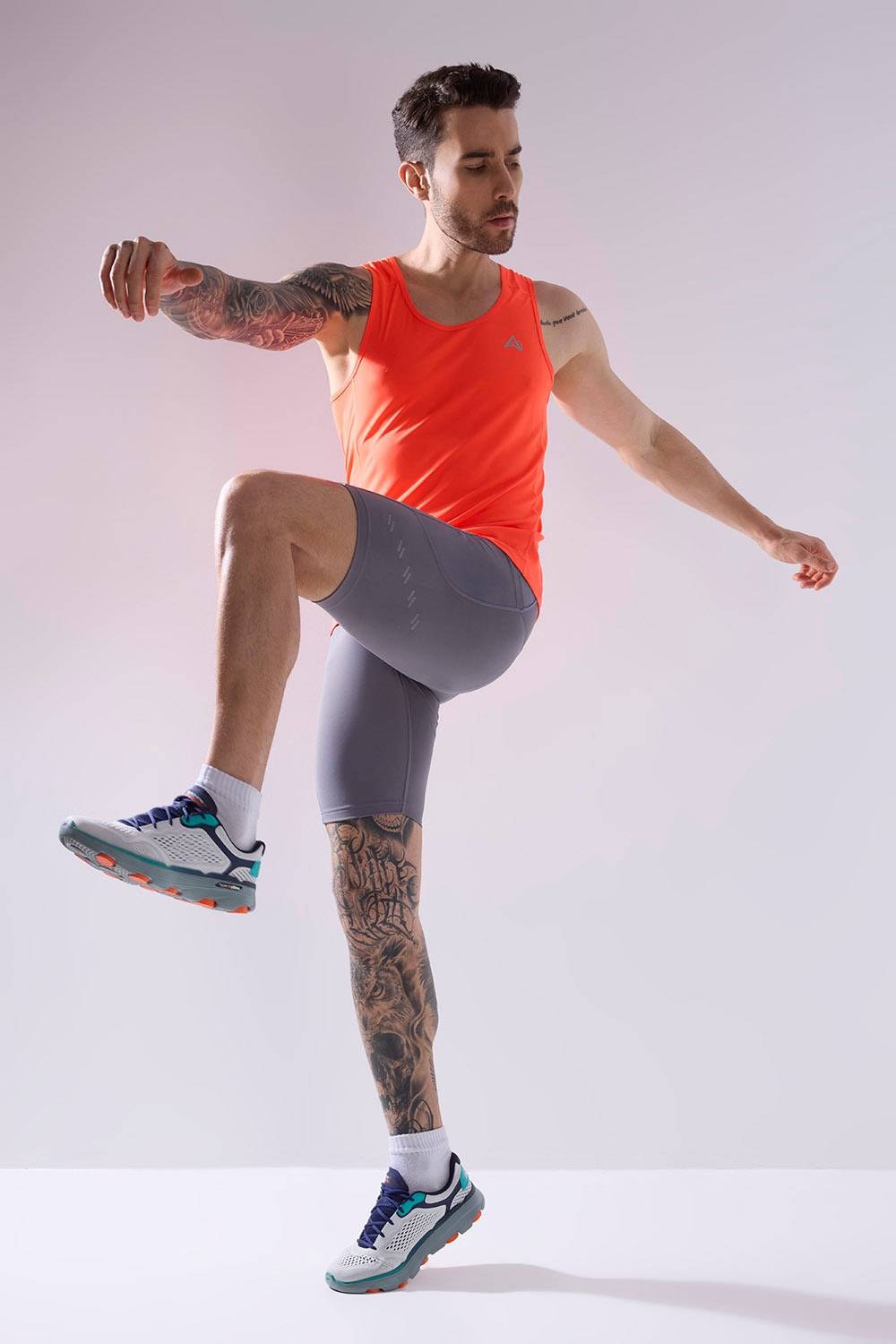
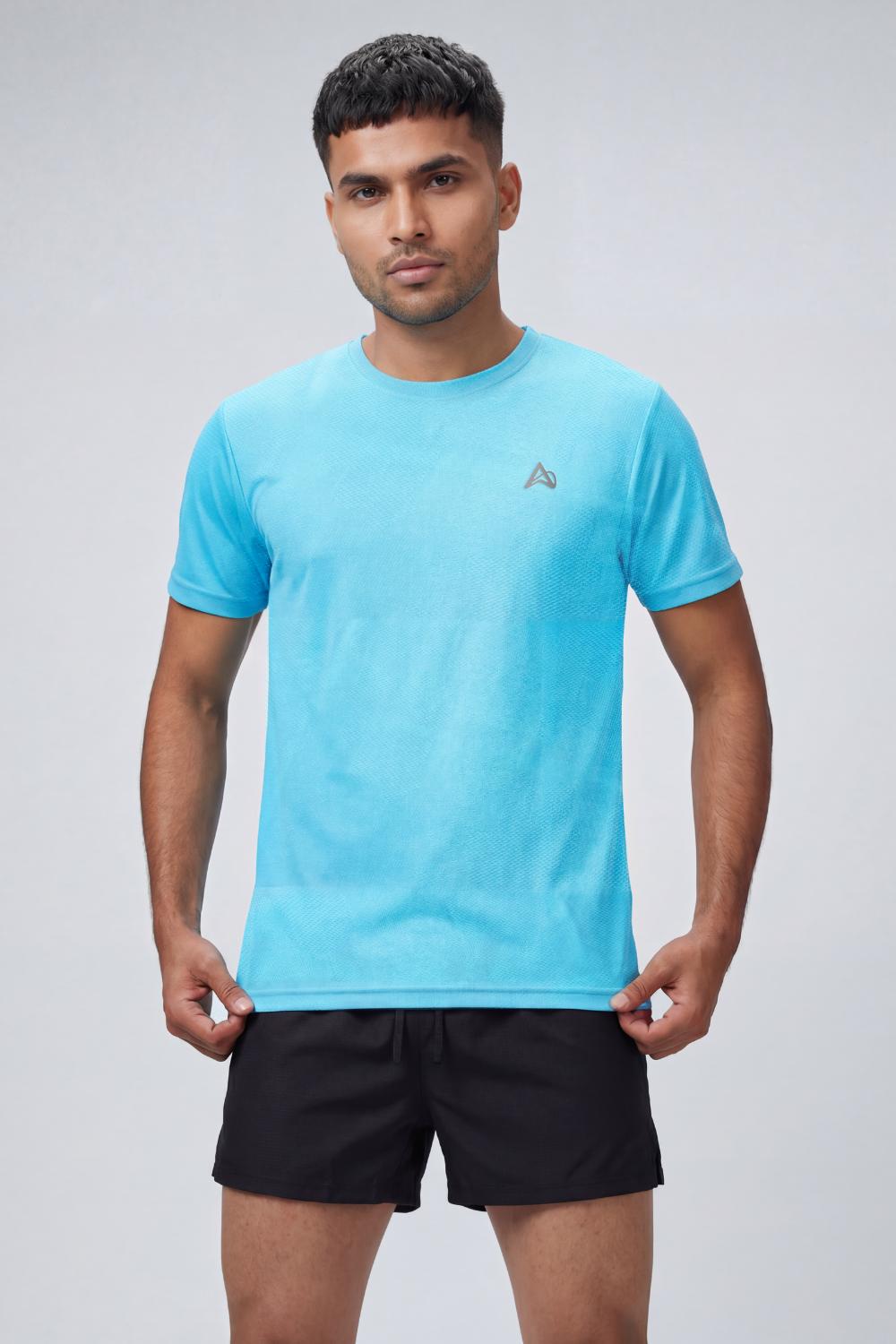
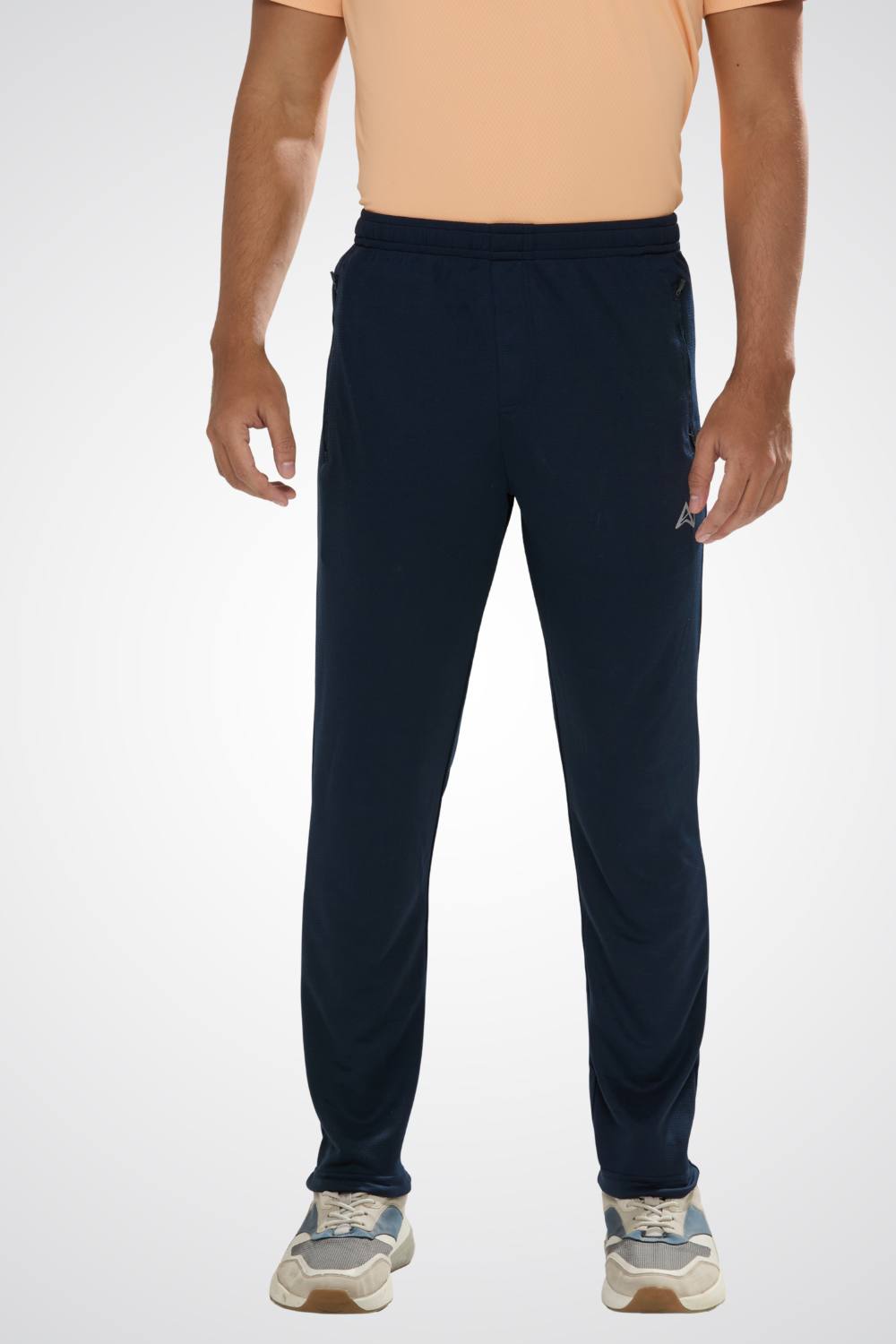
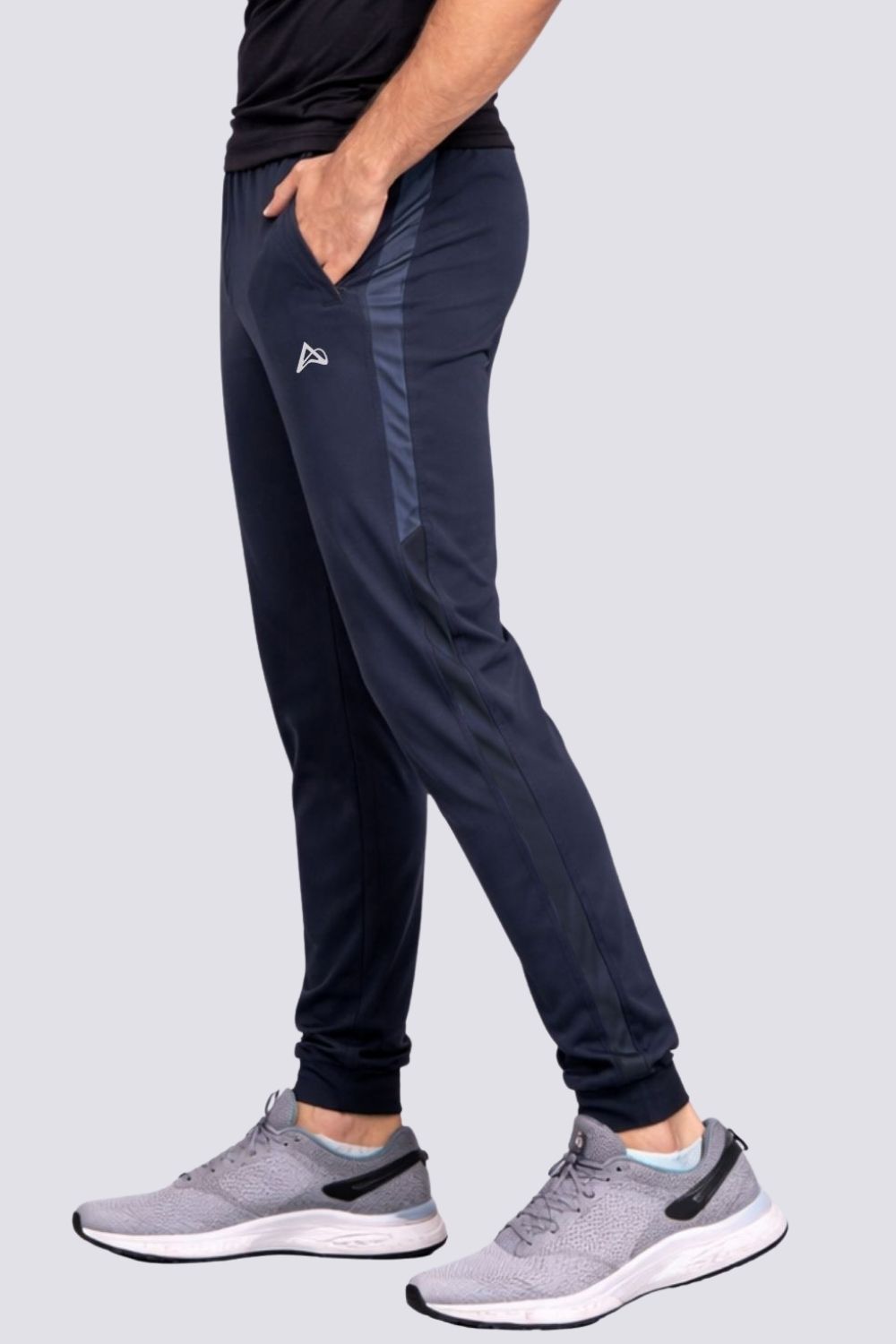
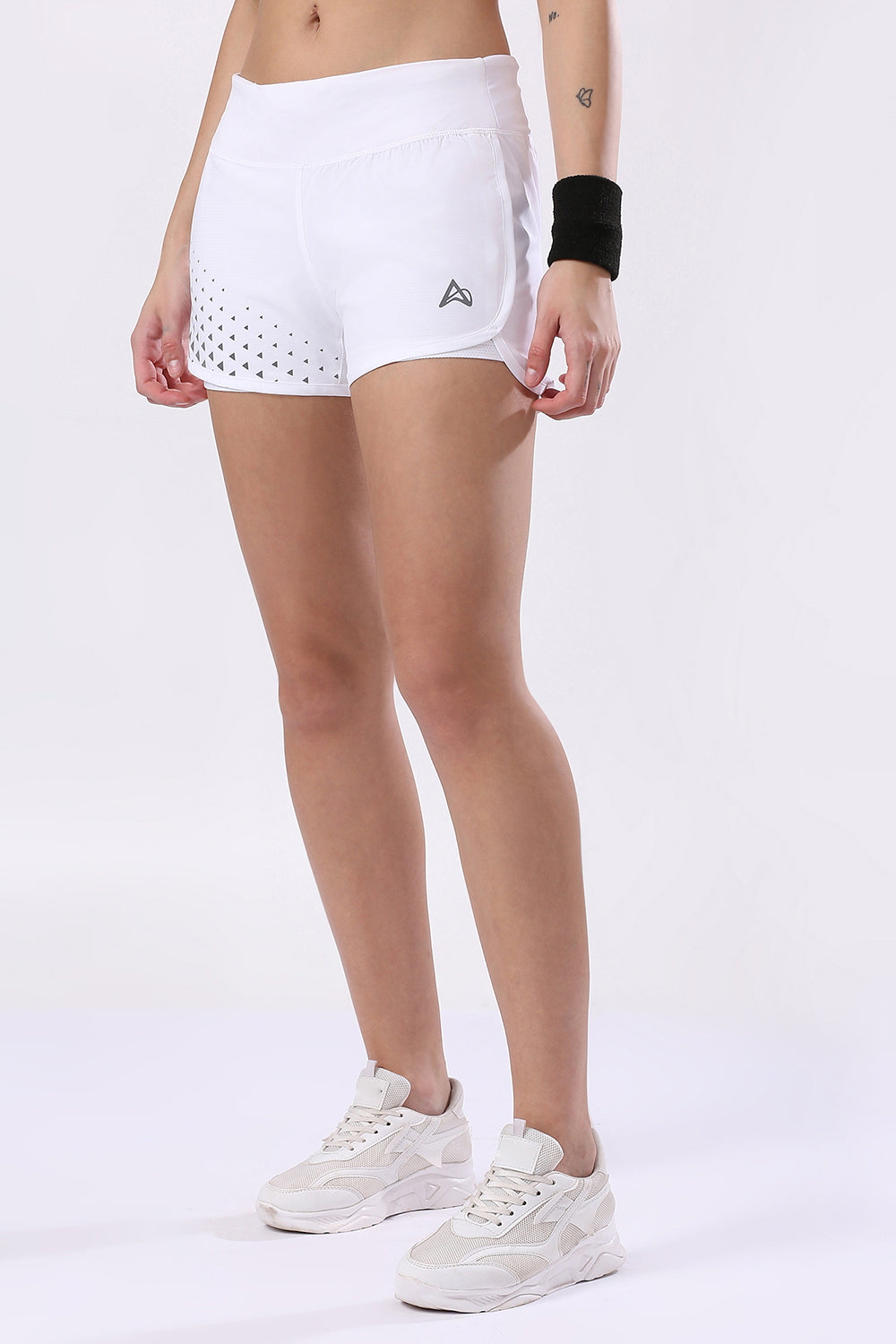
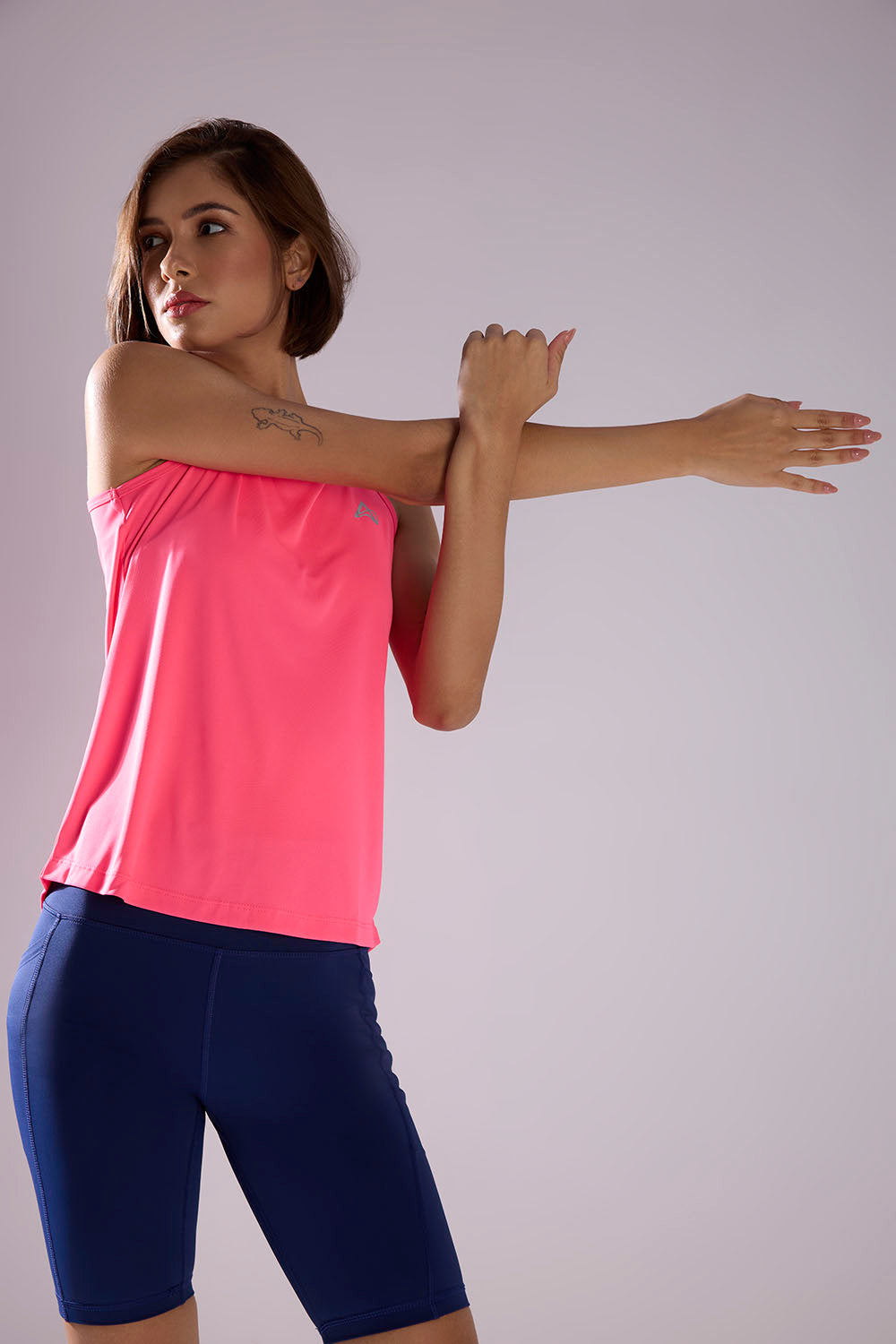
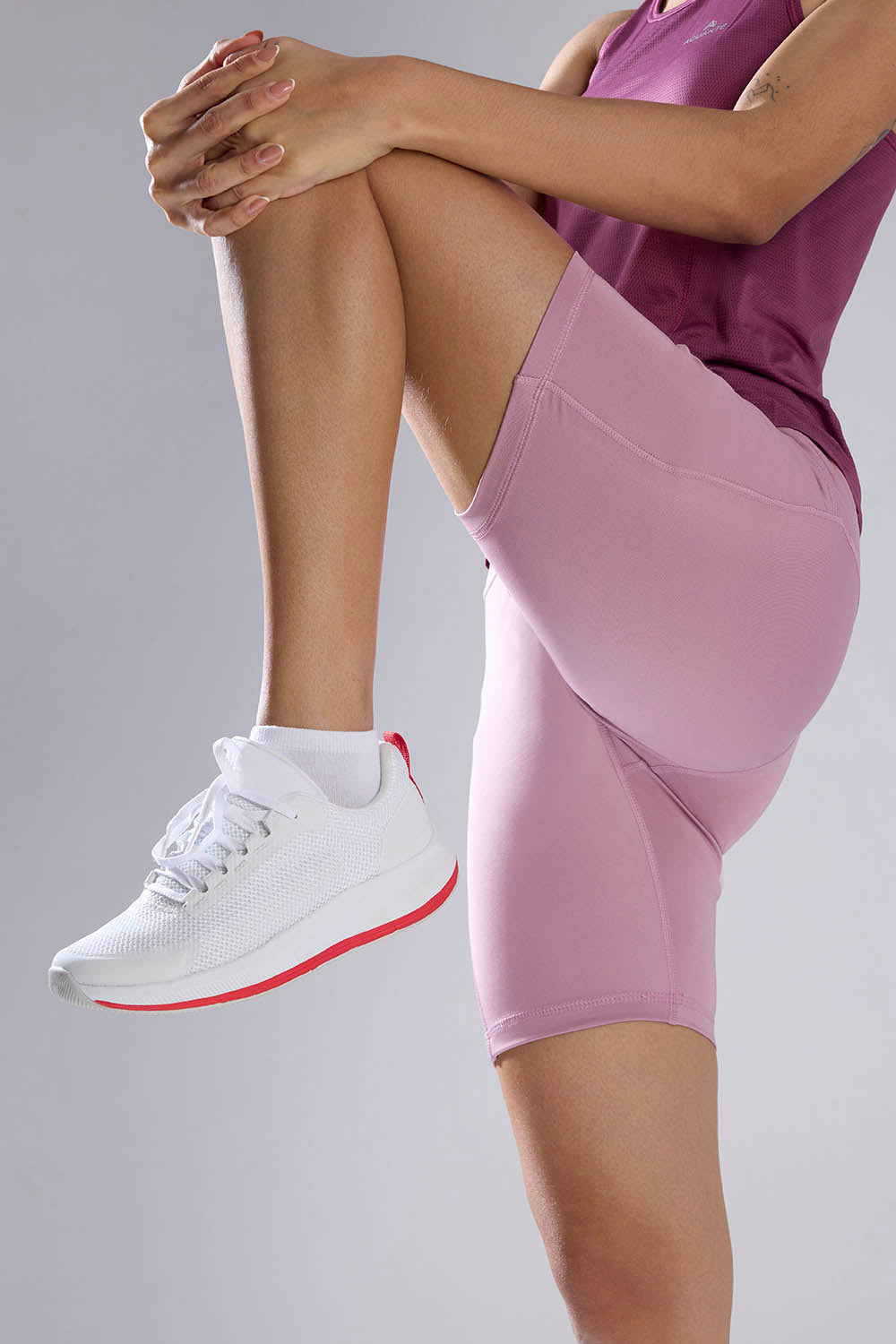
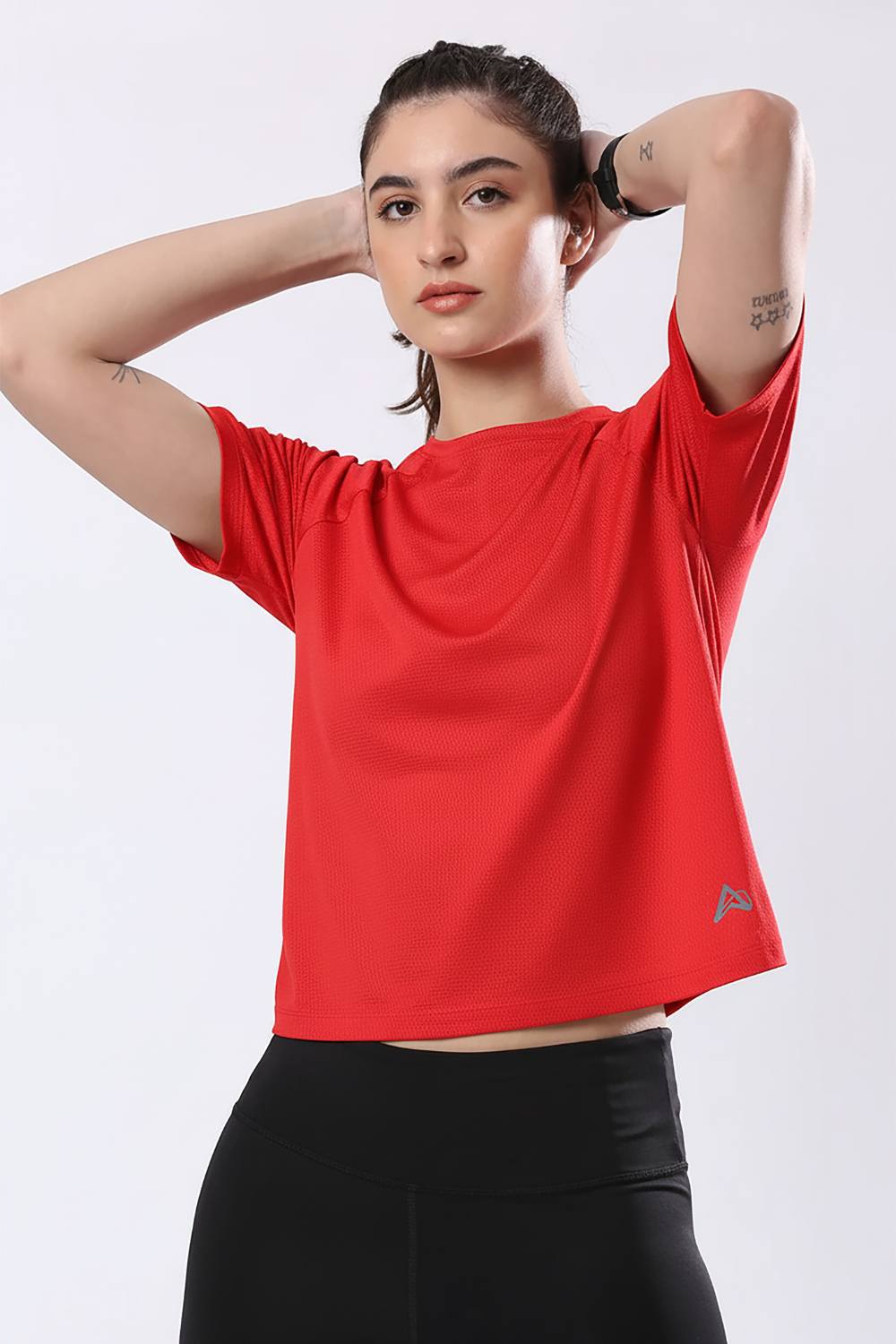
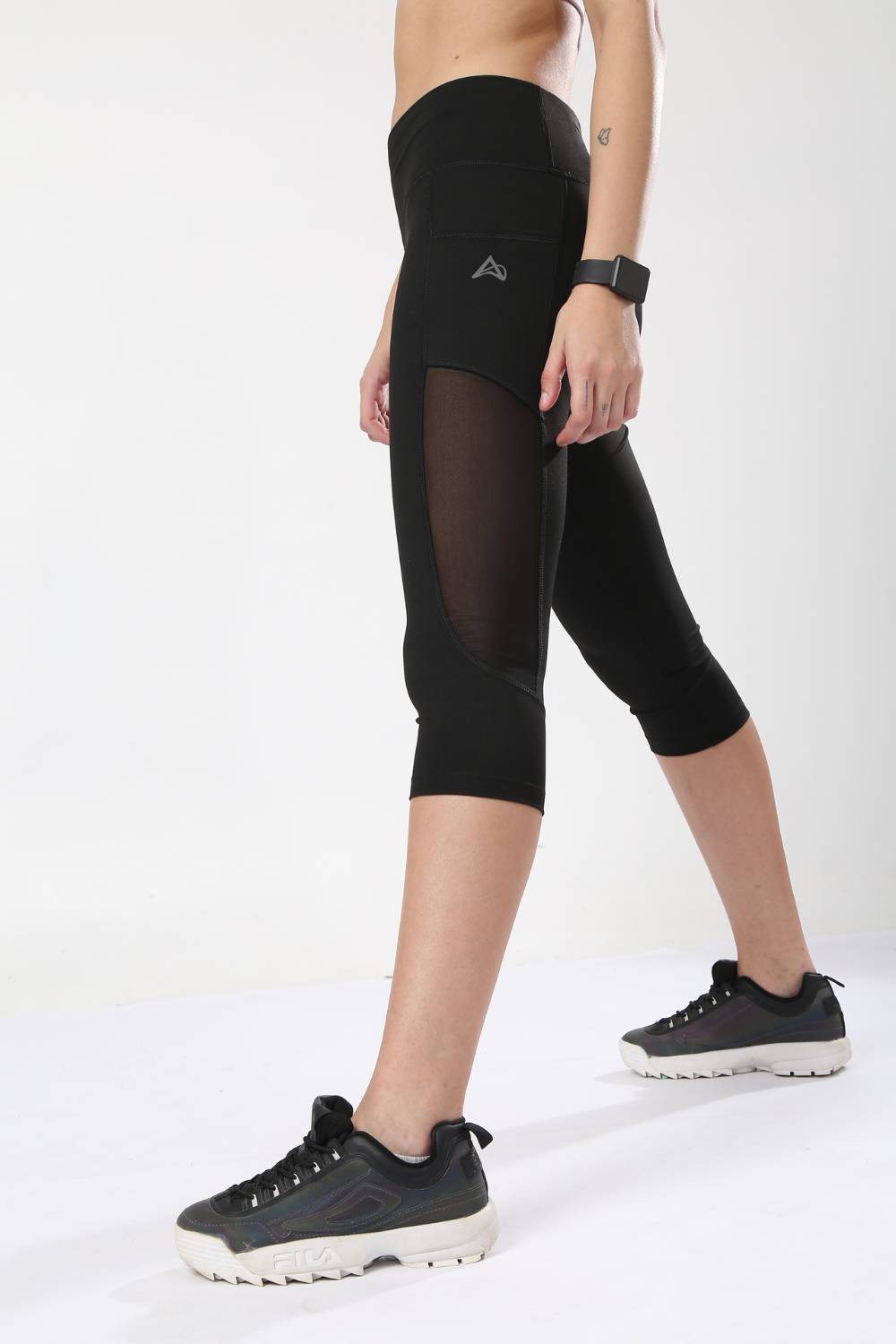
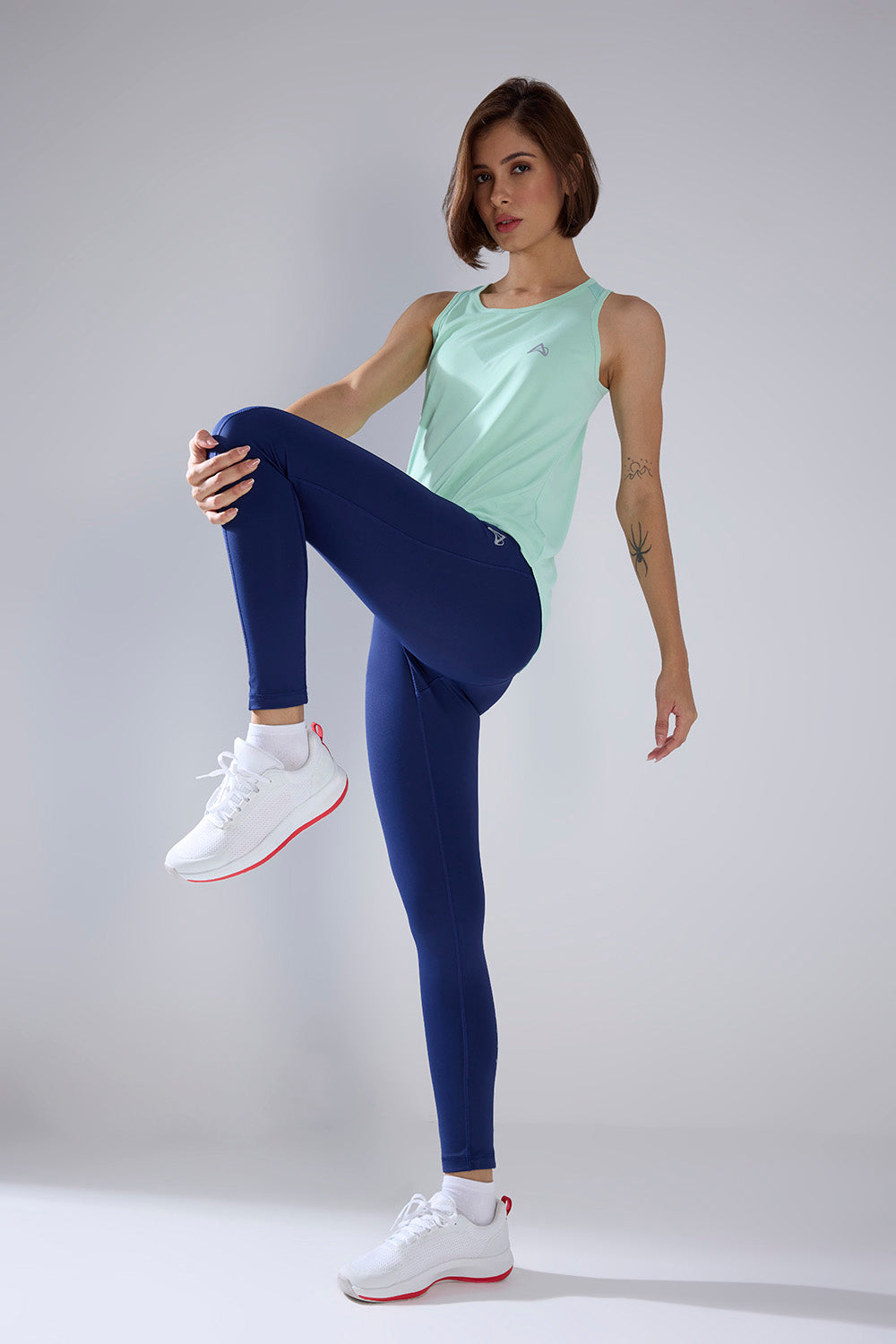
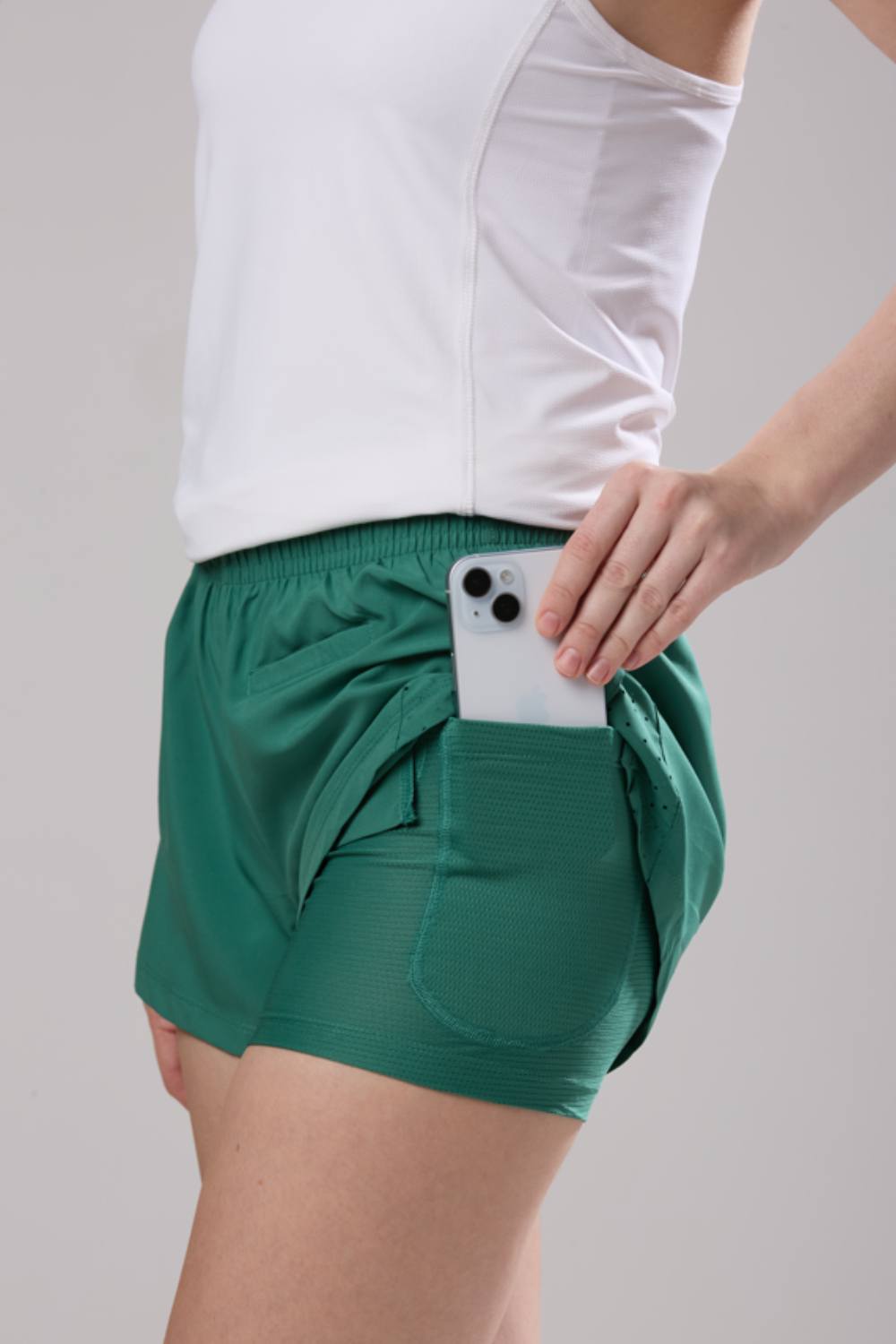
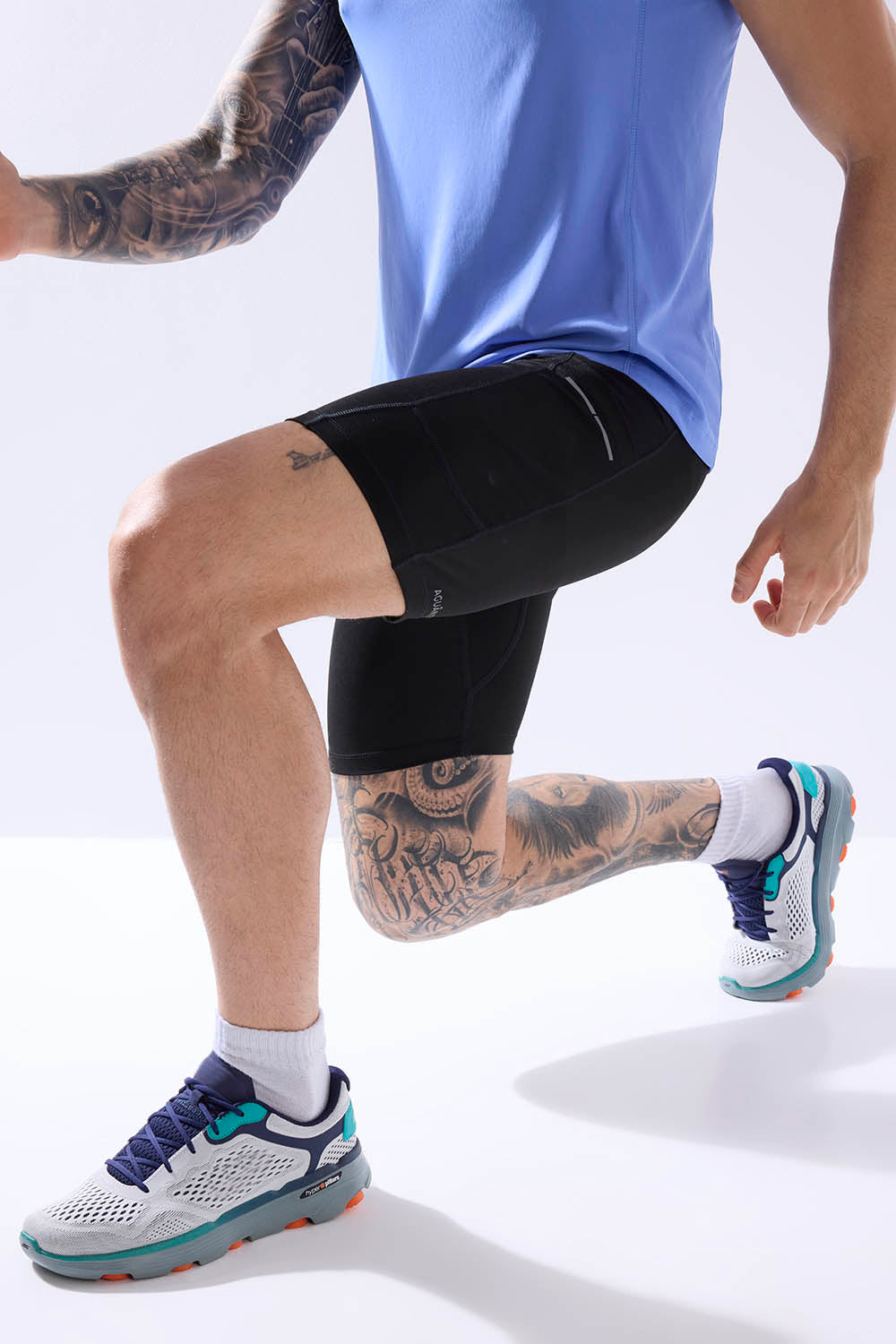
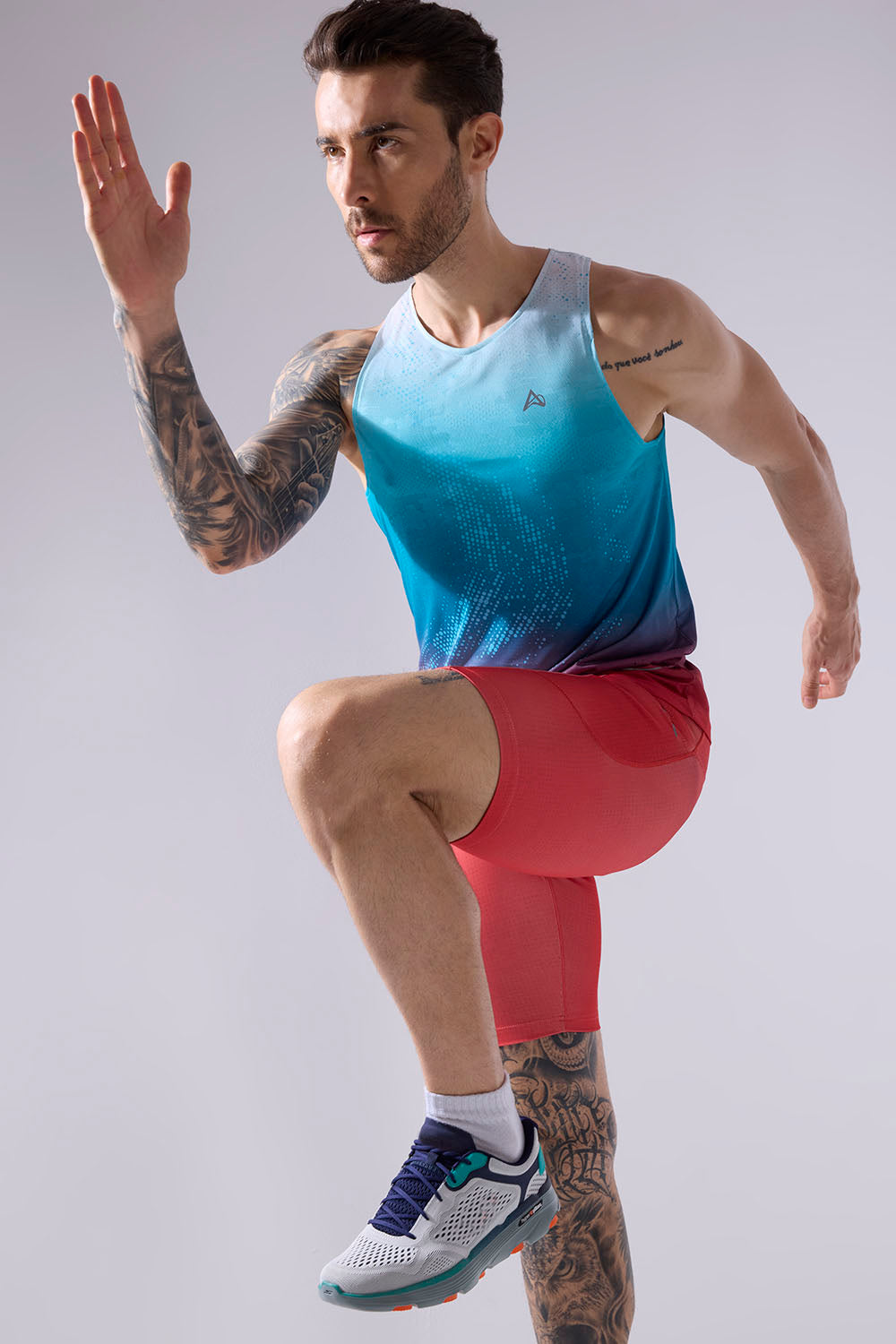
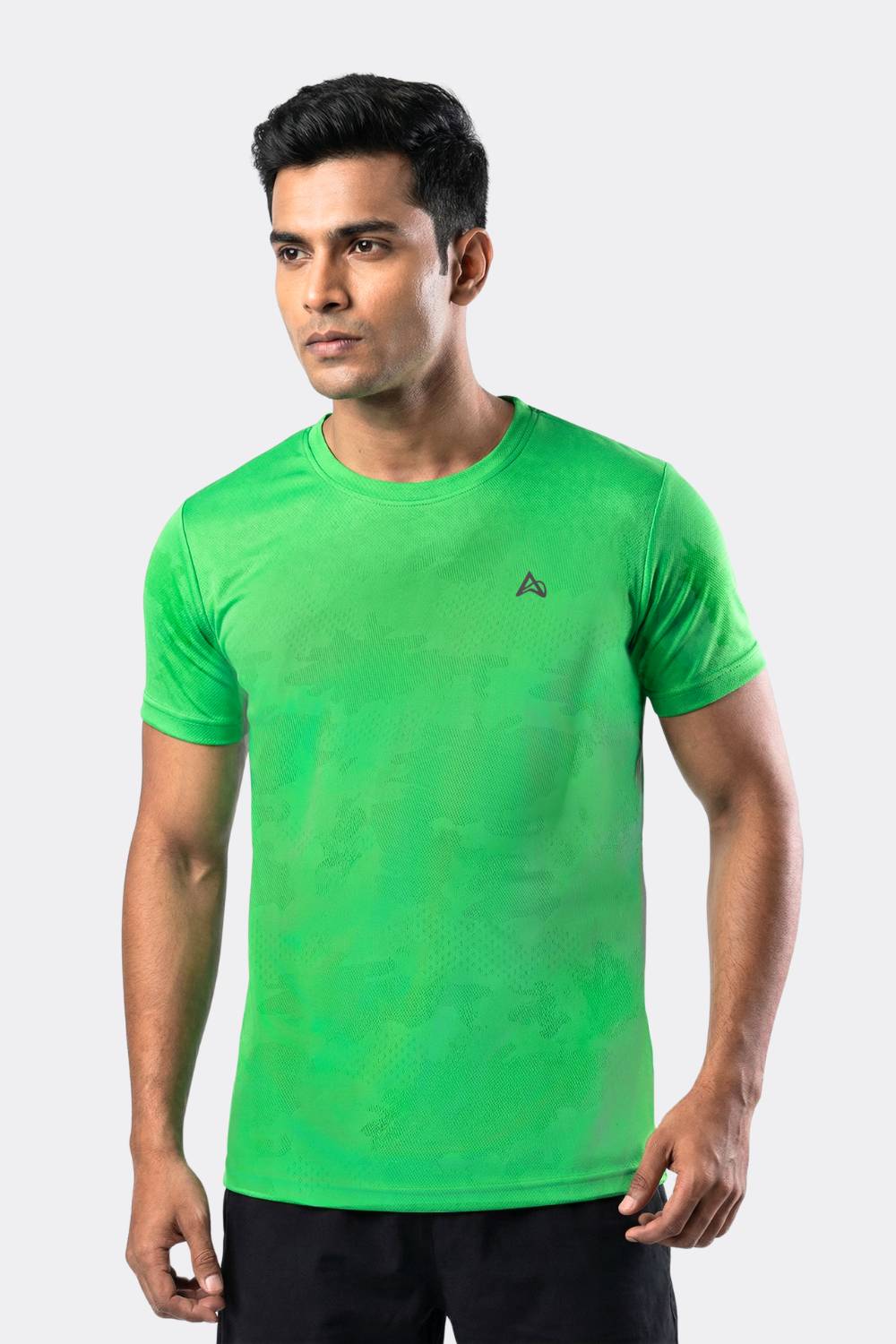
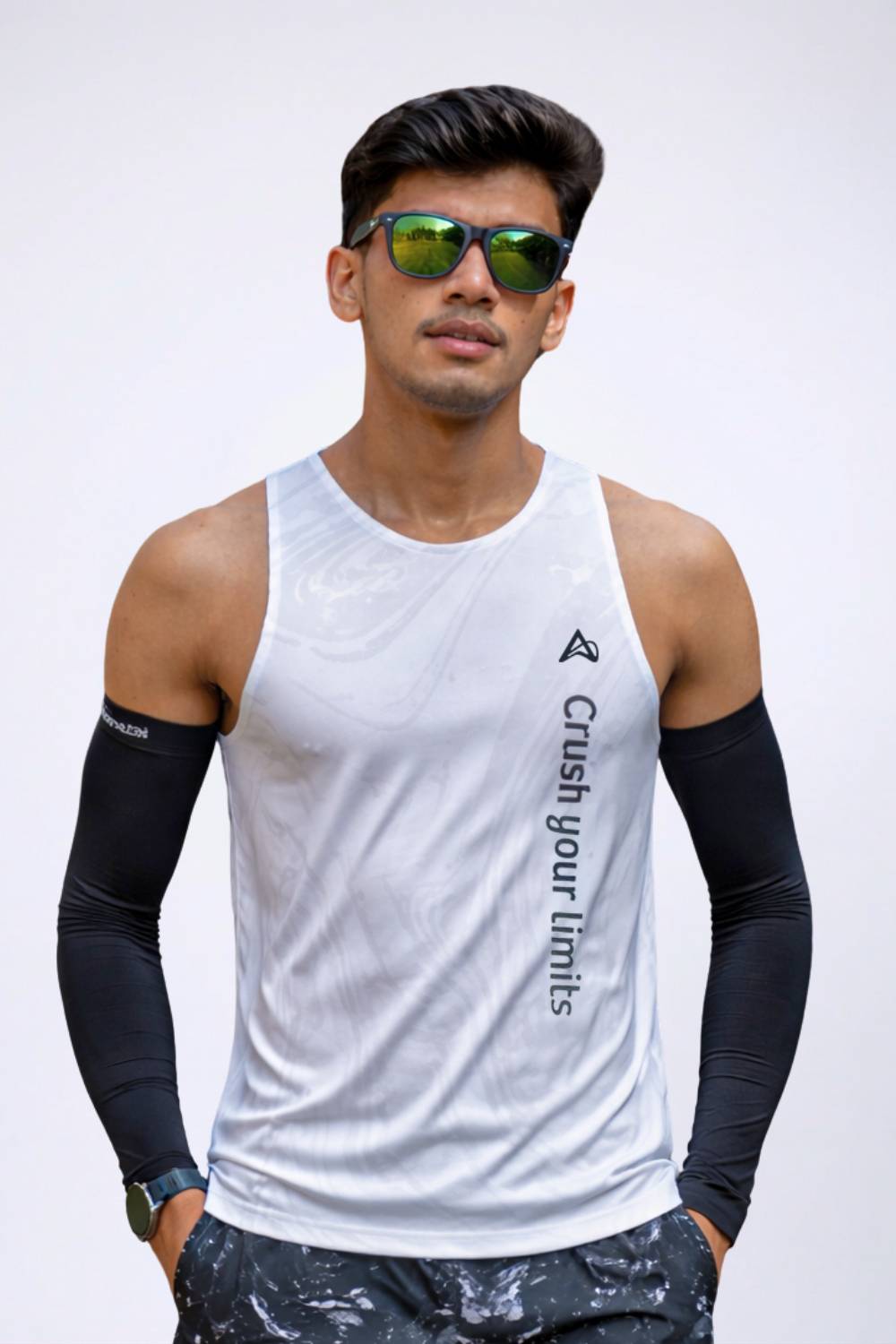
Tired of gear that slows you down? Chafing, soggy fabrics, and missing pockets kill your run's momentum. At Aguante, we're runners who get it. Our high-performance activewear features moisture-wicking fabrics, ergonomic designs, and smart storage to keep you focused. Shop Now!
The Science Behind the Sweat Transport
Conventional textiles falter in handling moderate to heavy sweating, exhibiting poor evaporation rates that lead to suboptimal cooling and potential health imbalances. This limitation stems from their absorbent nature, which saturates quickly and hinders heat dissipation. Innovative solutions address this through integrated designs that merge conductive pathways with efficient moisture channeling.
A pivotal advancement comes from academic research at prestigious institutions. Scientists developed an integrated cooling textile known as i-Cool, featuring a specialized architecture for simultaneous heat conduction and sweat migration. Submitted on September 13, 2020, this work by Yucan Peng, Yi Cui, and a multidisciplinary team from Stanford University's Departments of Materials Science and Engineering, Electrical Engineering, and Mechanical Engineering, alongside collaborators at UC Berkeley's Mechanical Engineering and Lawrence Berkeley National Laboratory's Energy Technologies Area, introduces a strategy for enhanced personal thermal regulation.
The team's approach, involving 29 authors including Wei Li, Bofei Liu, Joseph Schaadt, Jing Tang, Guangmin Zhou, Weiliang Jin, Yangying Zhu, Guanyang Wang, Wenxiao Huang, Chi Zhang, Tong Wu, Chris Dames, Ravi Prasher, and Shanhui Fan, relies on a novel structure that overcomes the drawbacks of standard fabrics. As detailed in the paper, everyday textiles struggle with sweat evaporation in profuse scenarios, causing inadequate cooling, body water loss, and mineral disturbances. The i-Cool paradigm shifts this by enabling rapid sweat evacuation and heat transfer, directly applicable to runners facing humid challenges where traditional gear exacerbates discomfort and risk.
In practical terms, this means superior perspiration handling that prevents the sticky residue fueling chafing or blisters. For humid runs, where skin moisture can escalate friction-related injuries, such fabrics promote a drier microclimate. The concept underscores how targeted engineering can transform apparel into an active ally for injury prevention, keeping joints and muscles less inflamed from heat-induced swelling.
Endurance events amplify these benefits. In marathons under humid skies, overheating contributes to a significant portion of abandonments, often intertwined with injuries like stress fractures from gait alterations. The i-Cool model, with its micro-structured transport, exemplifies how sweat is directed away promptly, sustaining evaporative efficiency and stabilizing core temps to avert such cascades.
Broader implications tie into environmental adaptations. As global temperatures rise, humid days become more frequent, demanding gear that evolves beyond passive absorption. This research, rooted in materials innovation at places like Stanford's Institute for Materials and Energy Sciences and SLAC National Accelerator Laboratory, provides a blueprint: fabrics that conduct heat while shuttling moisture, reducing the dehydration and electrolyte issues that compromise runner safety.
Beyond Cooling: Injury Prevention in Action
Humidity's toll isn't confined to internal heat; it creates external hazards too. Slick, sweat-saturated skin heightens blister formation, especially in footwear where moisture softens tissues and boosts shear forces. Wicking systems, extending to socks and underlayers, maintain grip and reduce slippage inside shoes, lowering the odds of ankle inversions on damp paths a frequent culprit in trail running mishaps.
Thermally, elevated humidity softens connective tissues, making them susceptible to micro-tears under load. By curbing temperature spikes through effective sweat management, wicking apparel preserves tissue integrity and neuromuscular precision. Observations from training regimens in high-humidity zones indicate fewer incidents of soft-tissue damage among users of advanced synthetics, attributing this to sustained hydration and reduced inflammatory responses.
Strategic layering amplifies protection: a moisture-transporting base topped with ventilated outerwear optimizes airflow. Eschew natural fibers like cotton, which can retain substantial water weight equivalent to a heavy burden after sustained exposure impeding movement and inviting form breakdown.
Integration with accessories matters. Hats and arm sleeves incorporating similar tech prevent localized overheating, which can radiate to impair overall coordination. In group settings, from Southeast humid hotspots to tropical races, participants equipped this way report smoother experiences, with diminished cramps and pulls that often derail momentum.
Choosing and Using the Right Gear
Selecting optimal wicking apparel requires discernment. Prioritize items with ultraviolet protection factors for dual sun and sweat defense, alongside construction that minimizes seams to curb irritation during long hauls. Drawing inspiration from the i-Cool framework, modern options incorporate nanoscale elements for enhanced capillary draw, ensuring sweat disperses widely for evaporation.
Fit and fabric blend are key opt for those tested in lab simulations mirroring real humid runs. Initial trials on shorter distances reveal subtleties: the lightweight feel persists, unlike saturating alternatives that grow cumbersome. Maintenance preserves efficacy; gentle washing avoids residues that block moisture pathways, sustaining performance over seasons.
In professional circles, coaches advocate starting with basics: replace everyday wear with targeted pieces for training in moisture-prone areas. User anecdotes from humid climates highlight transformative effects no more mid-run halts from electrolyte crashes or heat woes, fostering consistent training that builds resilience against injuries.
Cost considerations aside, the investment pays in longevity; durable wicking gear withstands repeated use, supporting runners through varying conditions. Pair with hydration strategies, like electrolyte supplements, for comprehensive risk reduction.
Stepping Into a Drier Future
With climate shifts intensifying humidity worldwide, moisture-wicking innovations stand as critical tools in the runner's arsenal, backed by rigorous science like the i-Cool developments. They transform potential vulnerabilities into strengths, enabling safer, more enjoyable pursuits amid challenging weather. Embrace these advancements thoughtfully select, maintain, and integrate them into your routine. The outcome: fewer injuries, stronger finishes, and a deeper appreciation for how smart textiles safeguard your stride in the face of nature's steamiest tests. As research progresses, expect even more refined solutions, but for now, this technology empowers you to run bolder, drier, and injury-free.
Frequently Asked Questions
How does moisture-wicking apparel actually prevent running injuries in humid weather?
Moisture-wicking fabrics use hydrophobic synthetic materials that draw sweat away from the skin through capillary action, helping maintain lower body temperatures and reducing thermal stress on muscles and joints. By preventing heat buildup and dehydration in high-humidity conditions, these fabrics help runners maintain proper form and biomechanics, which reduces the risk of overuse injuries like patellar tendinitis, plantar fasciitis, and muscle strains. The technology also helps preserve electrolyte balance and prevents the fatigue-related gait alterations that can lead to stress fractures.
What is i-Cool textile technology and how does it improve performance for humid runs?
i-Cool is an integrated cooling textile developed by researchers at Stanford University and UC Berkeley that features a specialized architecture for simultaneous heat conduction and sweat migration. Unlike conventional fabrics that absorb moisture and hinder evaporation, i-Cool's micro-structured design rapidly evacuates sweat and transfers heat away from the body, maintaining a drier microclimate even in high-humidity conditions. This advanced sweat transport system helps prevent chafing, blisters, and heat-induced inflammation while stabilizing core temperature during endurance activities.
Why is cotton a poor choice for running in humid conditions?
Cotton is highly absorbent and retains substantial water weight when saturated with sweat, which prevents effective evaporation and heat dissipation in humid environments. This moisture retention causes the fabric to cling to the skin, increasing friction that leads to chafing and blisters, while the added weight can impede movement and contribute to form breakdown. In high-humidity settings where evaporation is already limited, cotton's inability to wick moisture away from the skin accelerates dehydration, elevates core body temperature, and increases the risk of heat-related injuries and muscle cramps.
Disclaimer: The above helpful resources content contains personal opinions and experiences. The information provided is for general knowledge and does not constitute professional advice.
You may also be interested in: How Ergonomic Fit Improves Running Performance: A Deep Dive
Tired of gear that slows you down? Chafing, soggy fabrics, and missing pockets kill your run's momentum. At Aguante, we're runners who get it. Our high-performance activewear features moisture-wicking fabrics, ergonomic designs, and smart storage to keep you focused. Shop Now!
Powered by flareAI.co