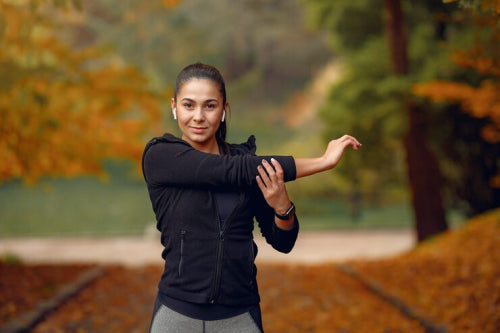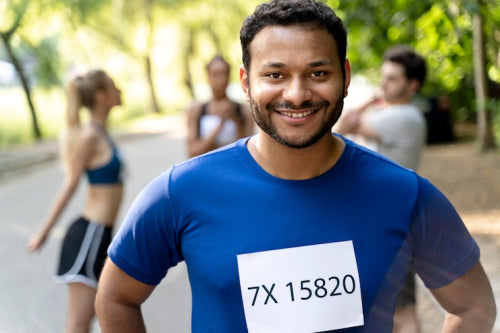
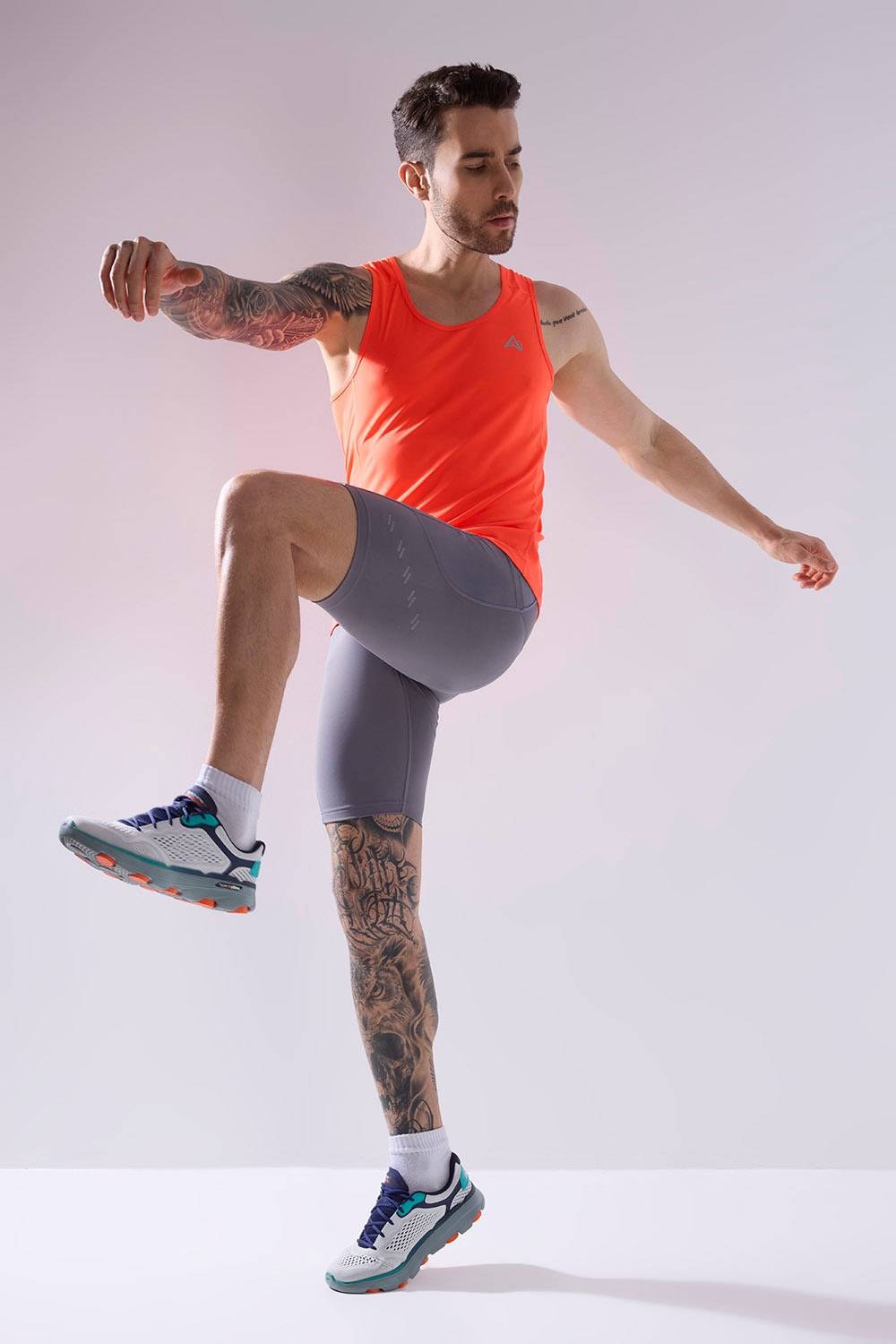
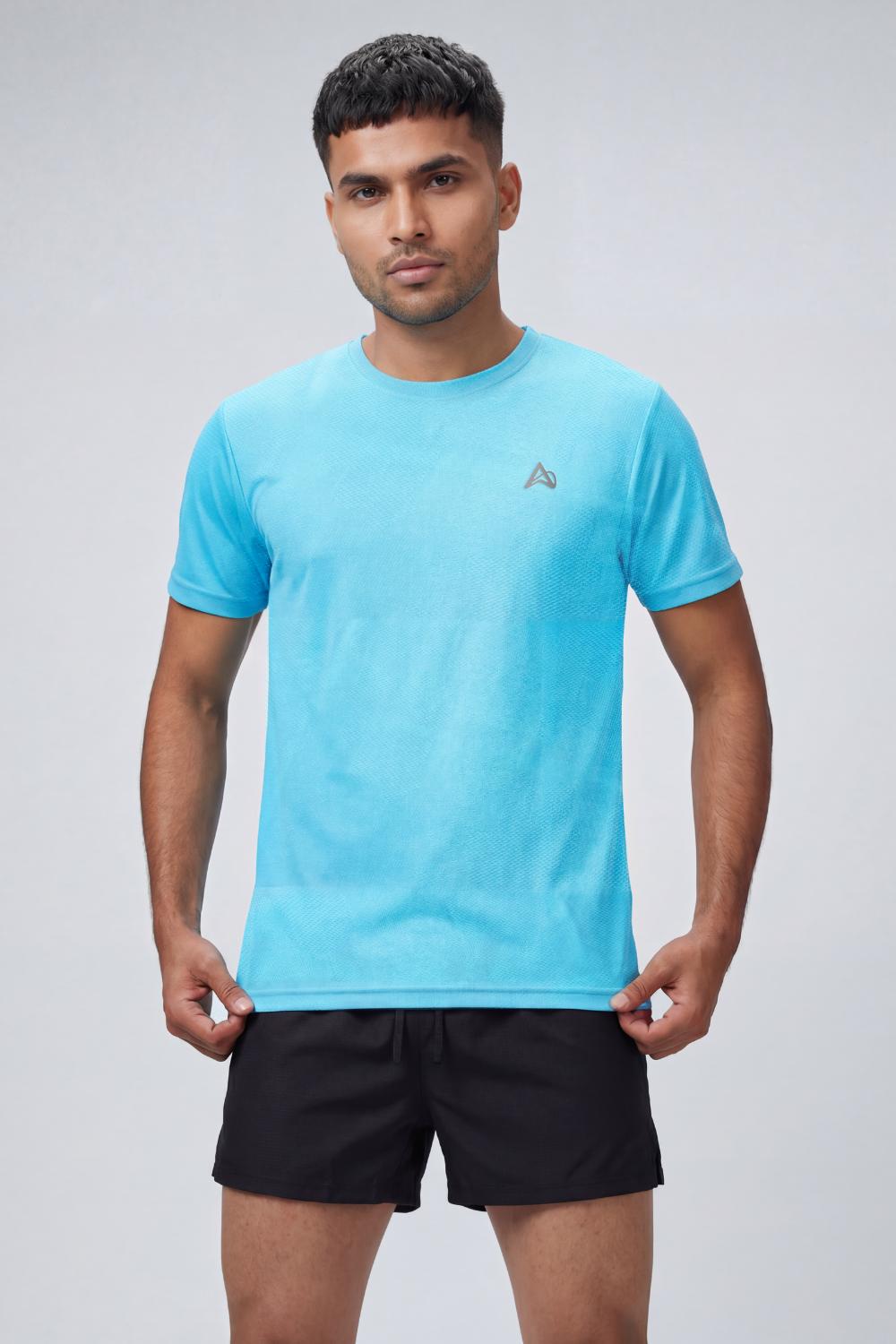
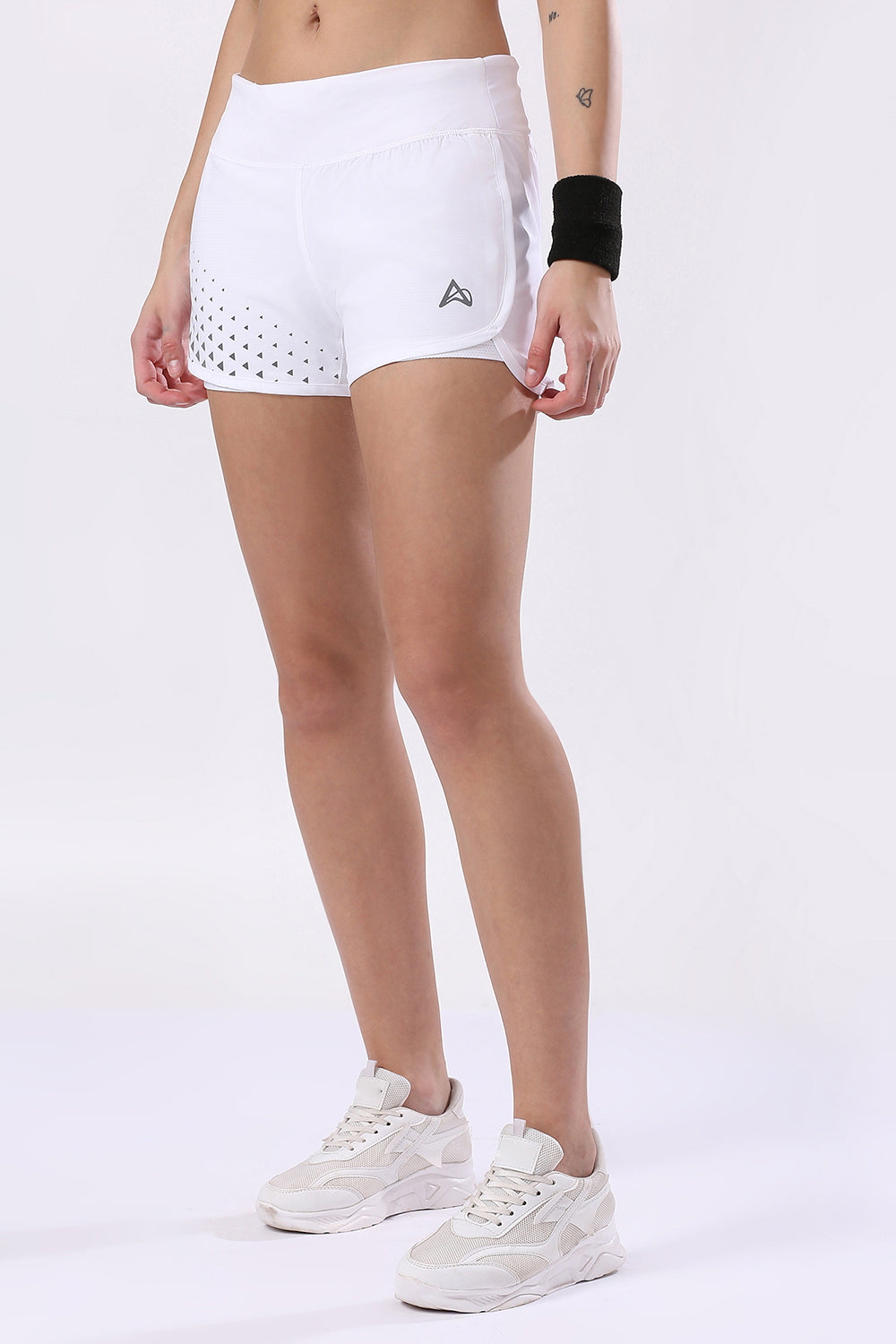
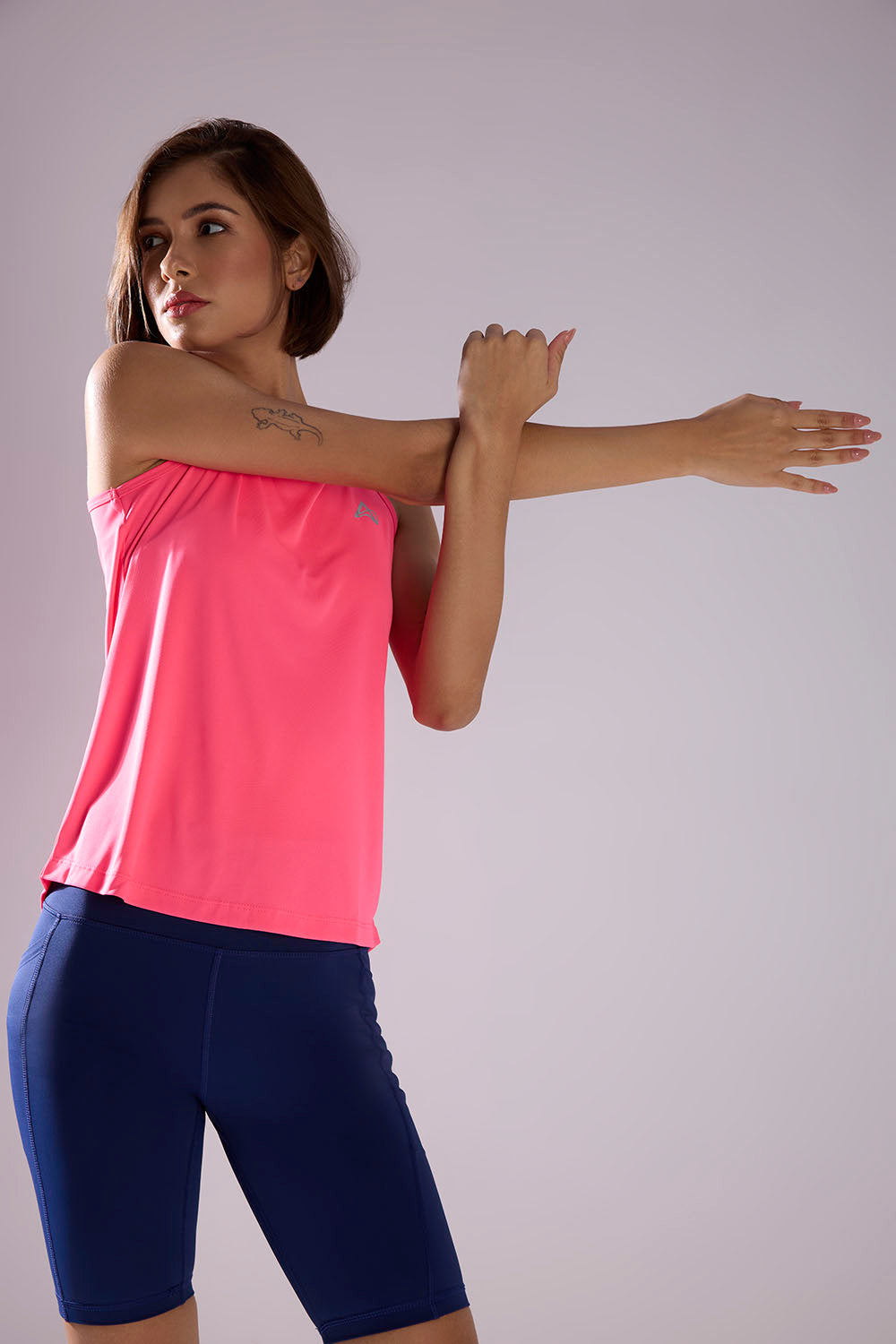
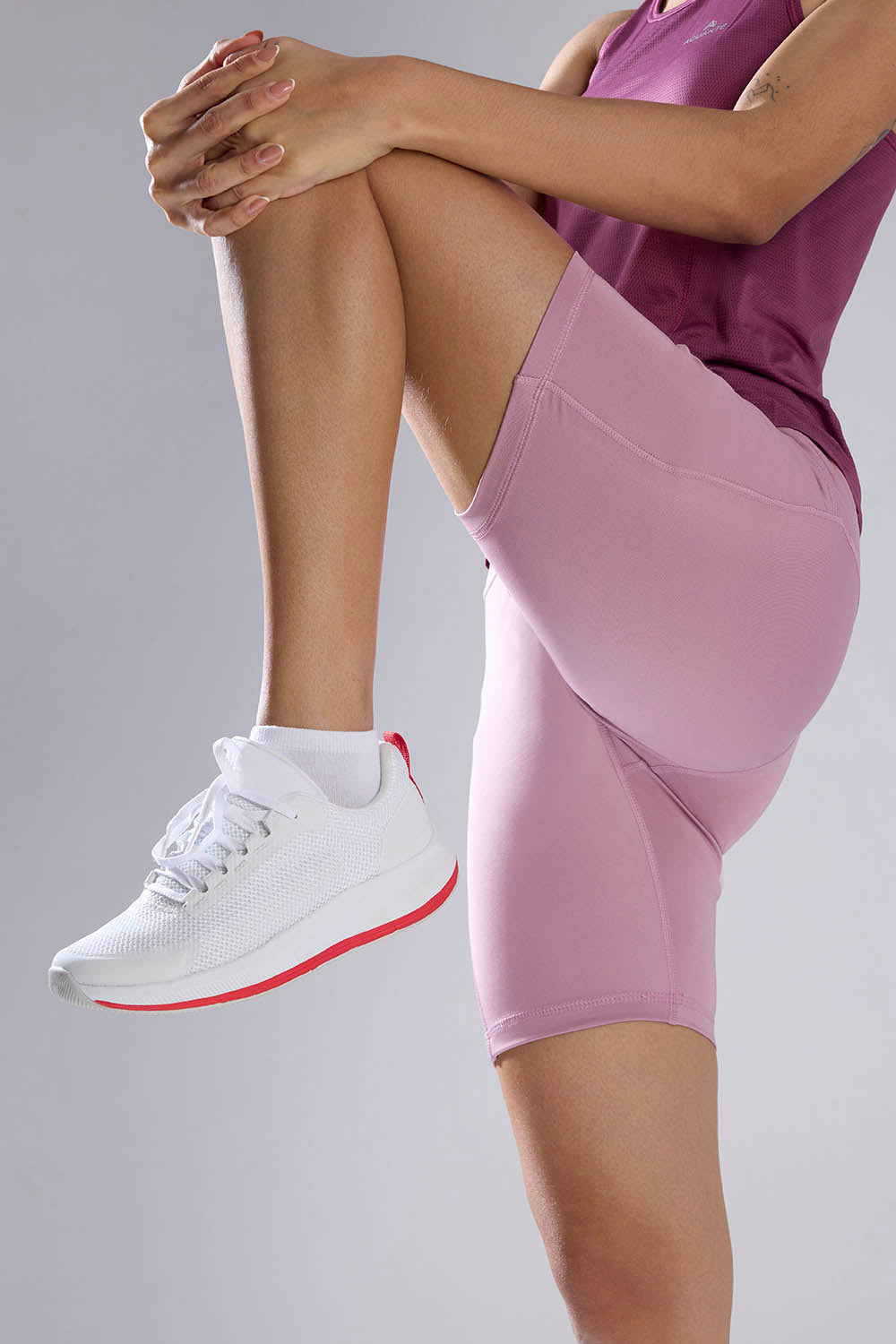
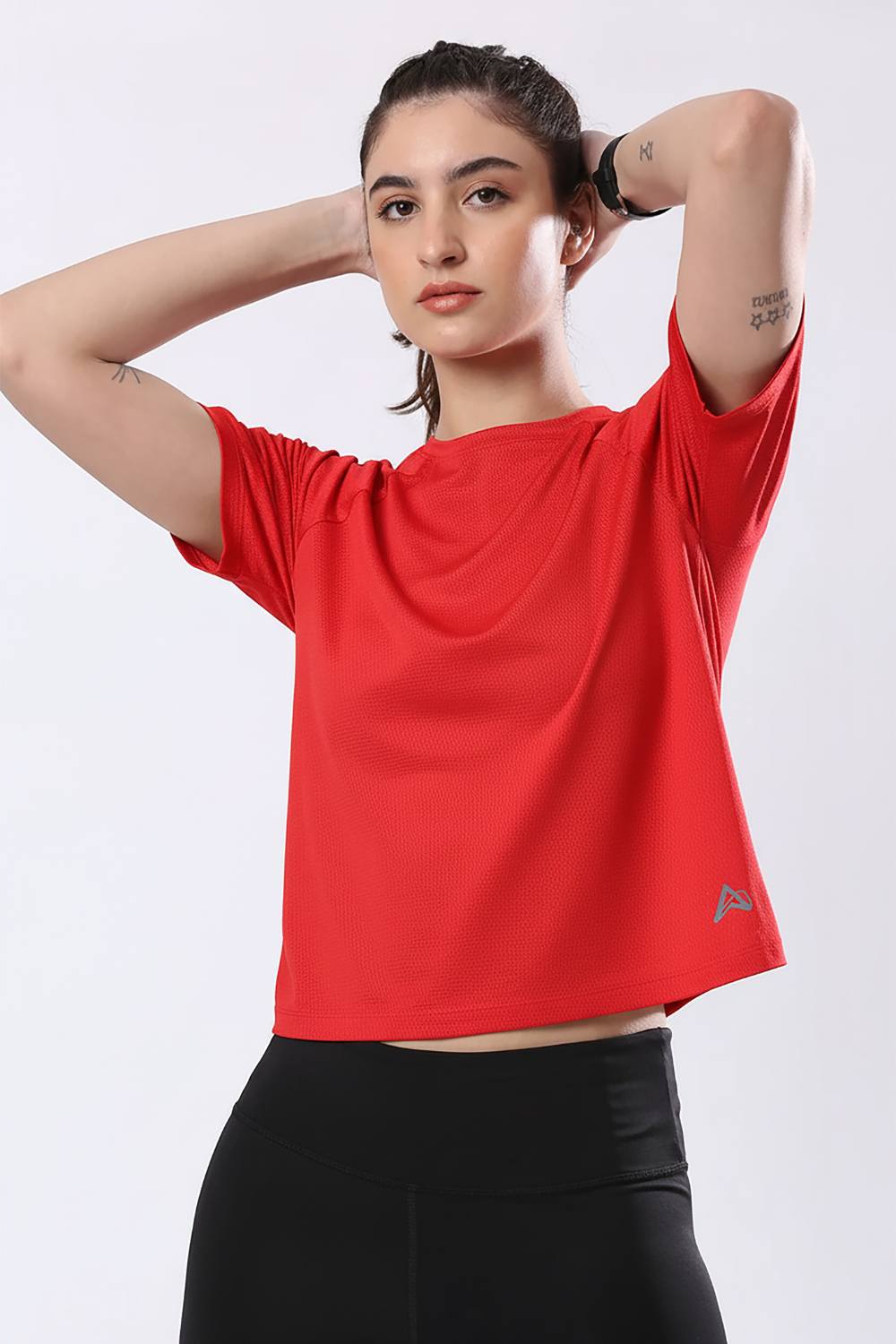

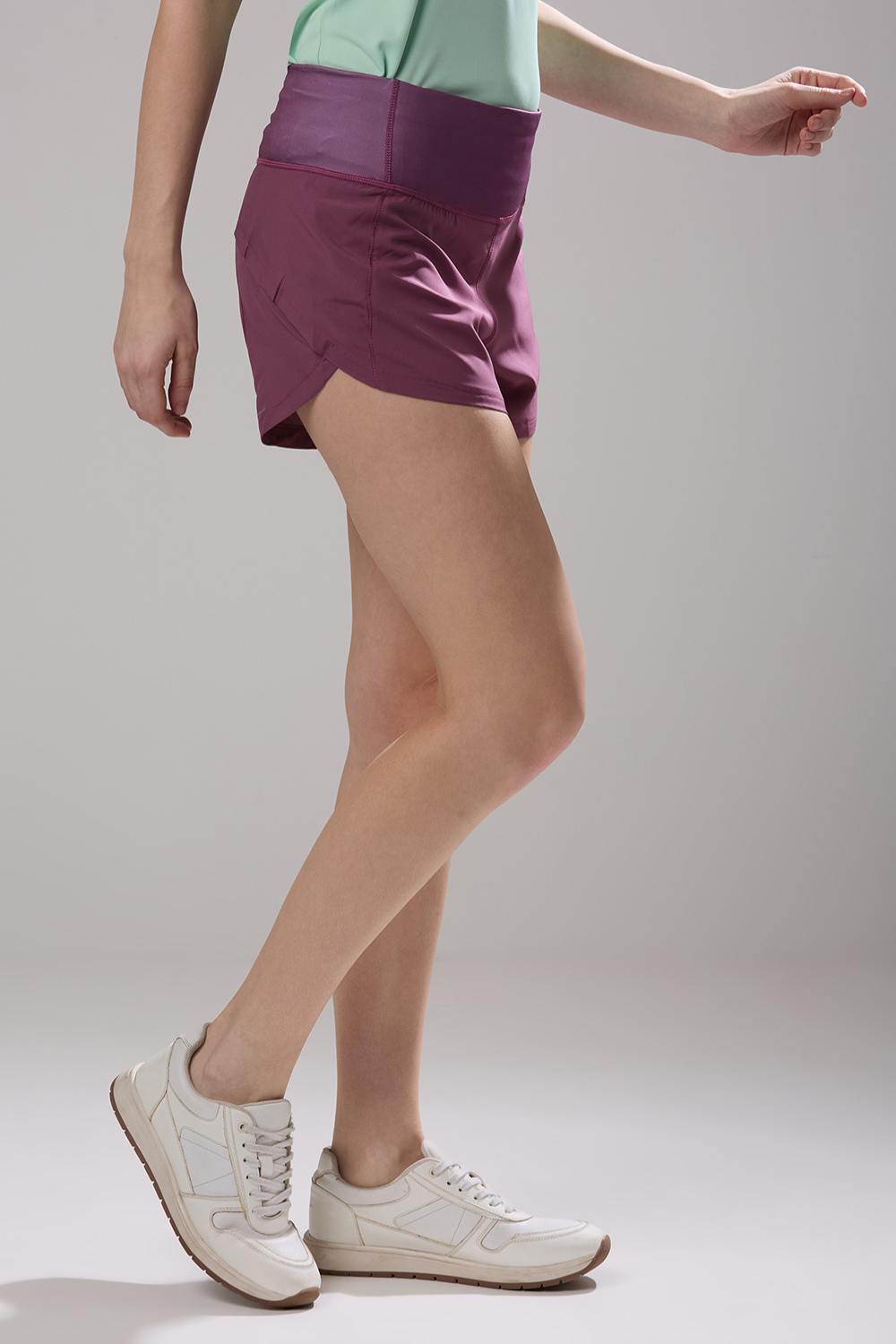
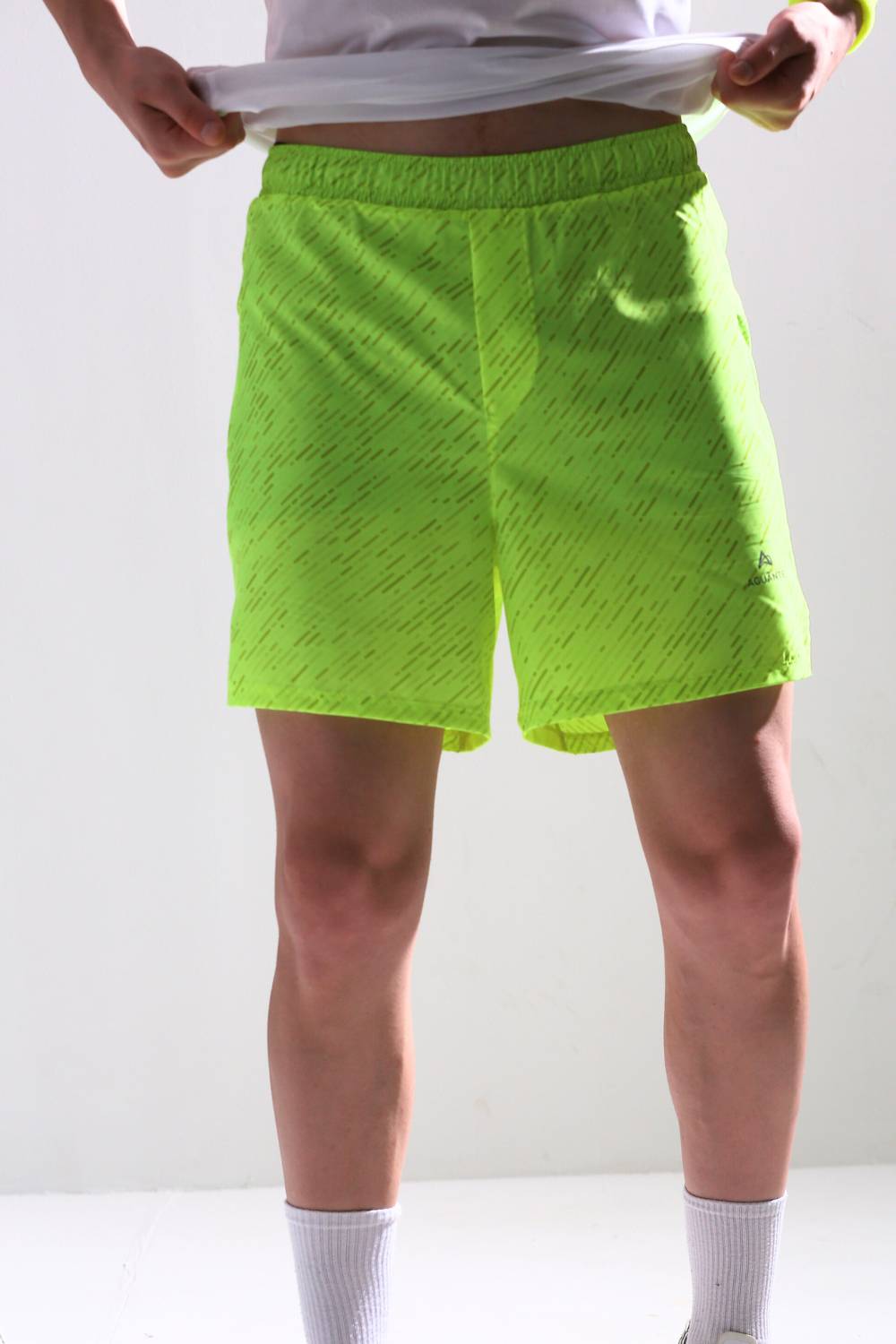

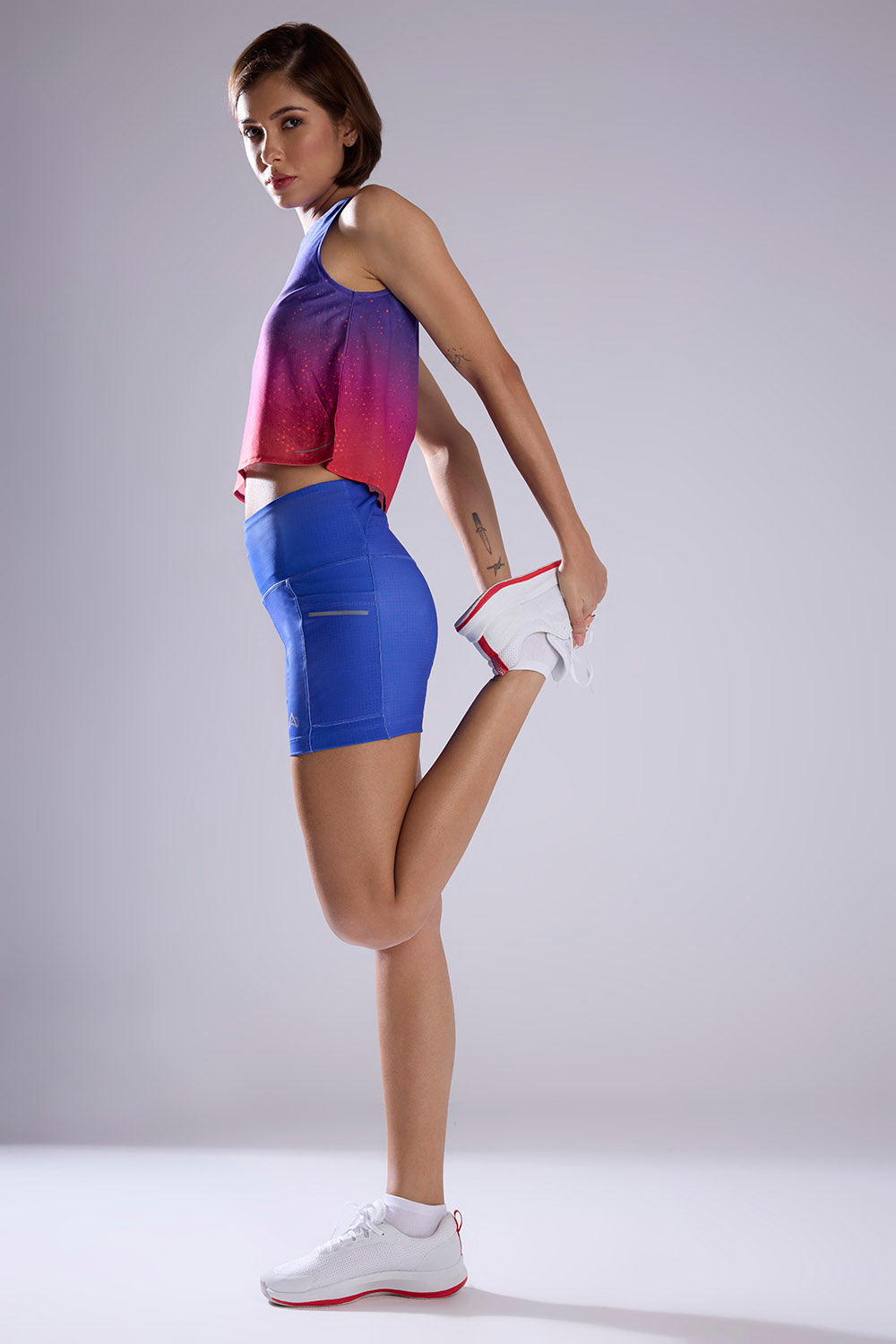
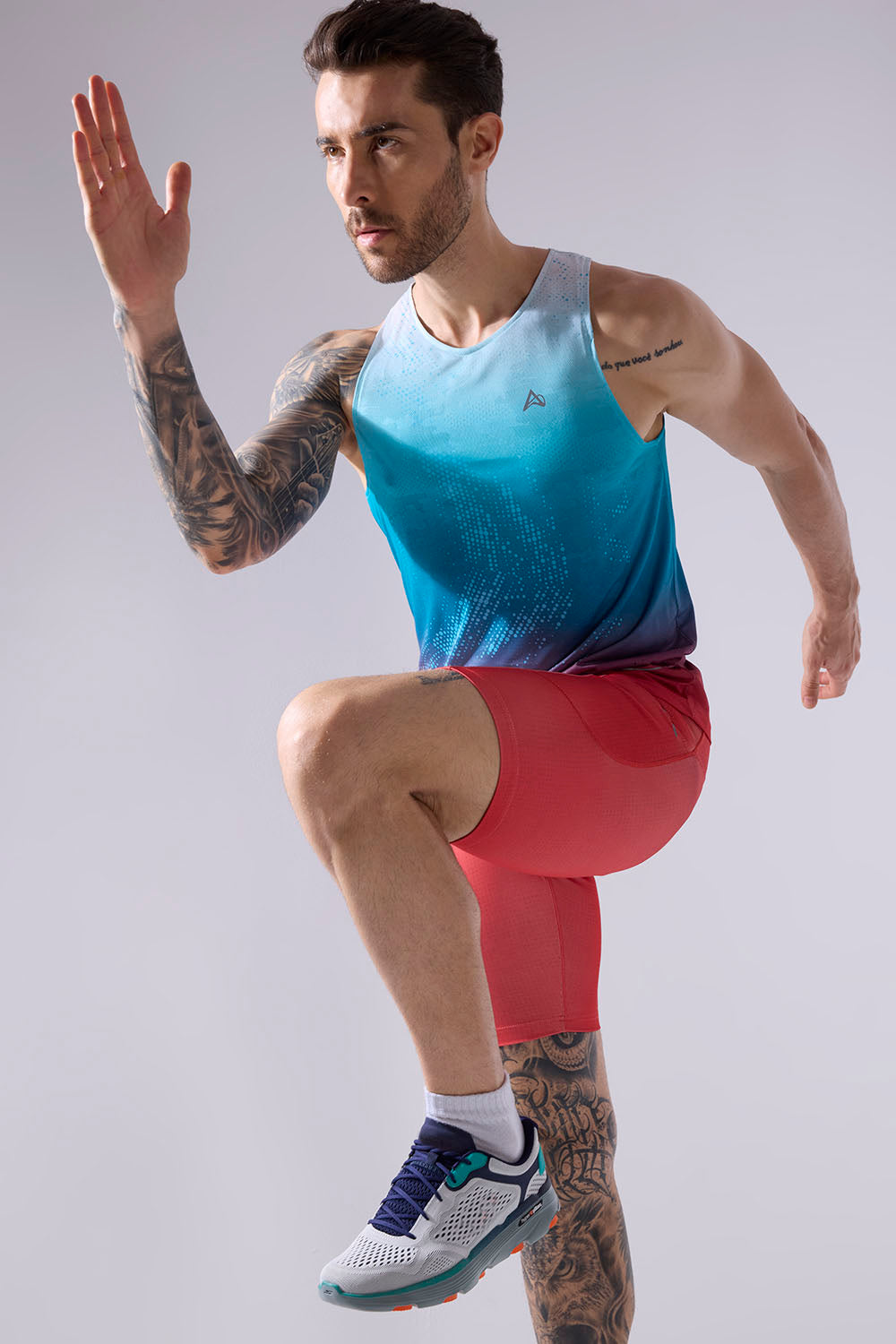

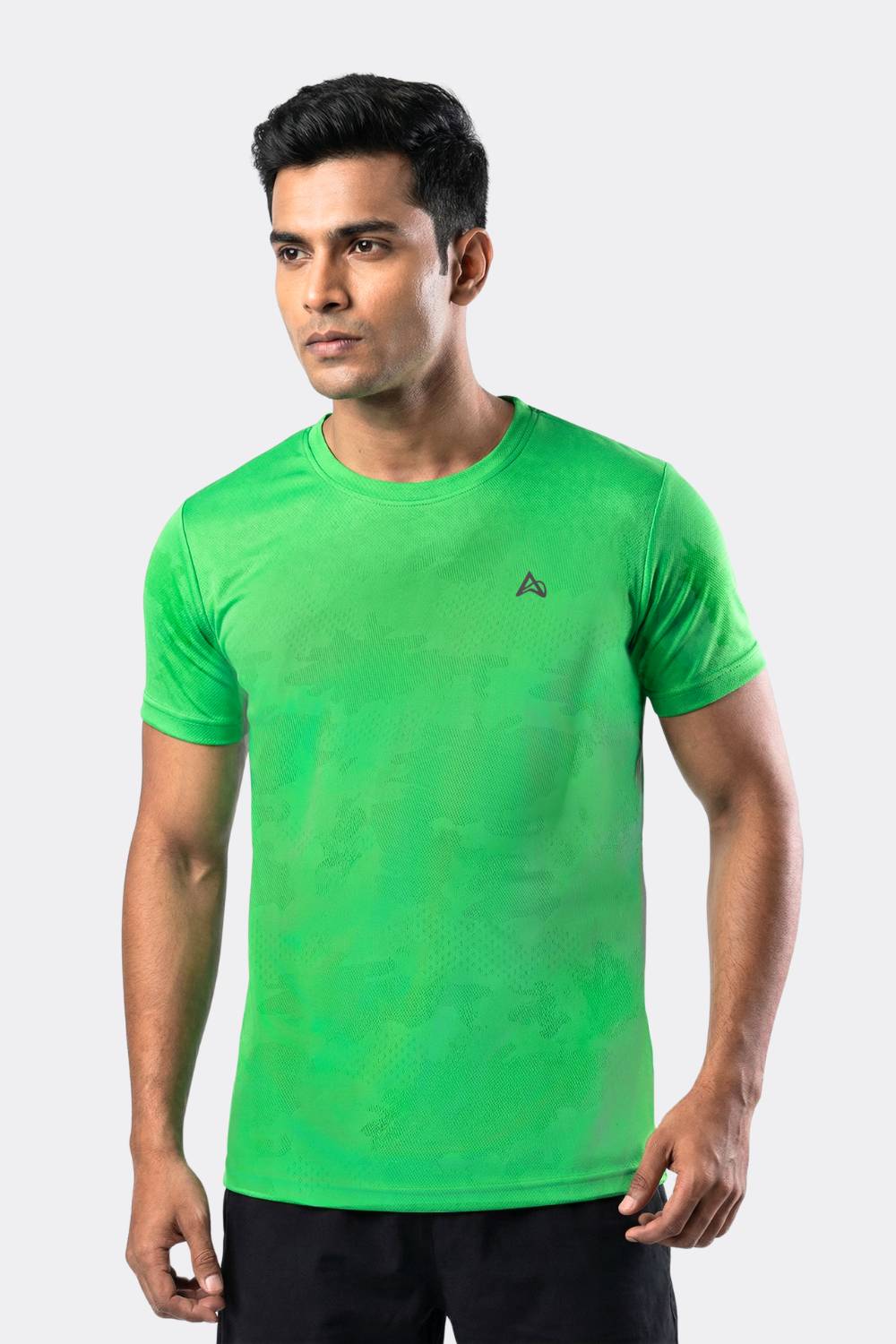
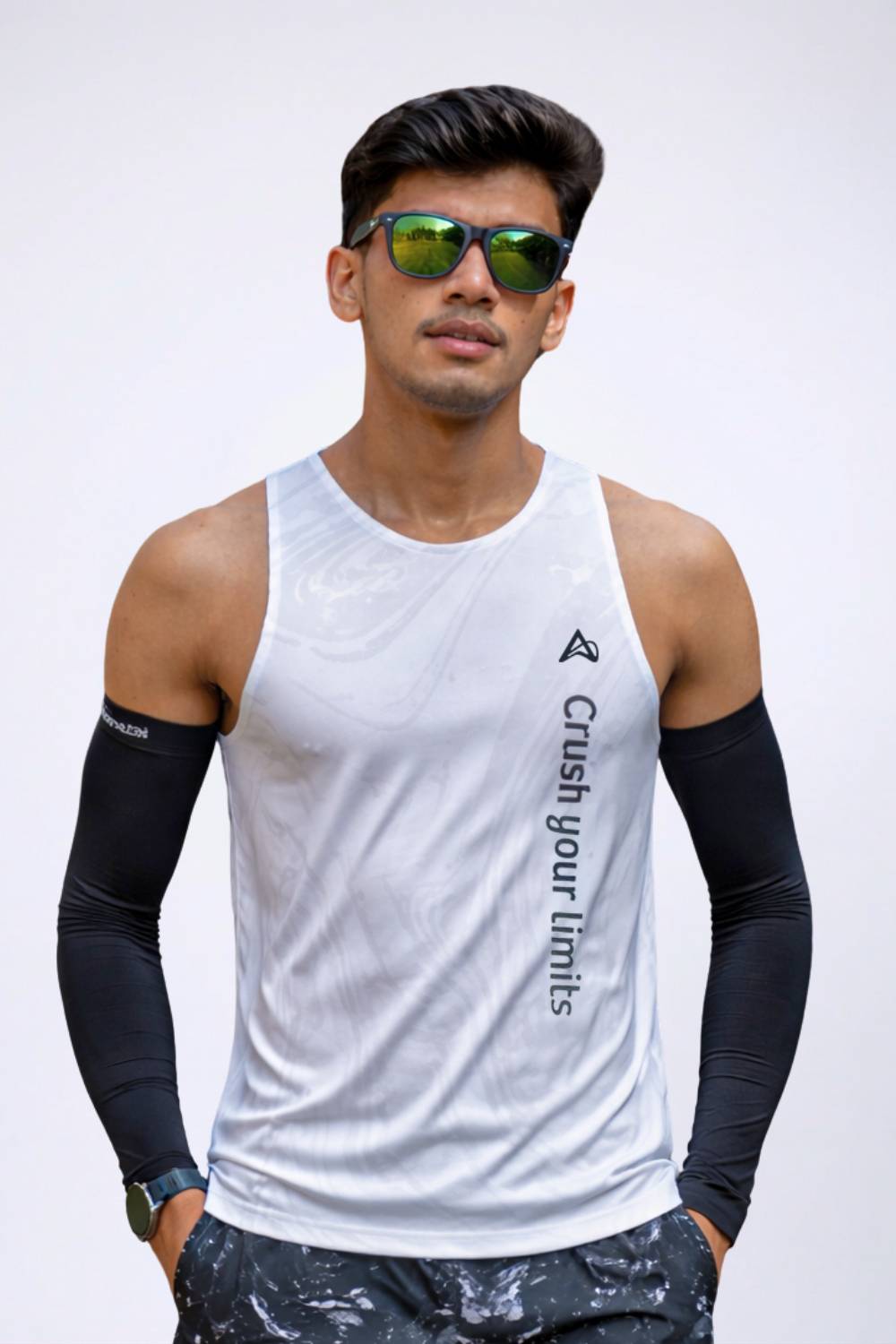

In the early morning haze of Bangalore's Cubbon Park, runners dart through the greenery, their outfits a vibrant mix of global brands and local designs tailored to India's humid climate. This scene, mirrored in Mumbai's Marine Drive, Delhi's Lodhi Gardens, and Hyderabad's Gachibowli trails, signals a seismic shift in India's fitness culture. The activewear market, once a footnote in fashion, is now a powerhouse, blending international trends with a distinctly Indian flair. From UV-protective gear in Surat's coastal heat to athleisure that flows from Gurugram's gyms to its coworking spaces, India's activewear revolution is redefining style and function for a nation on the move.
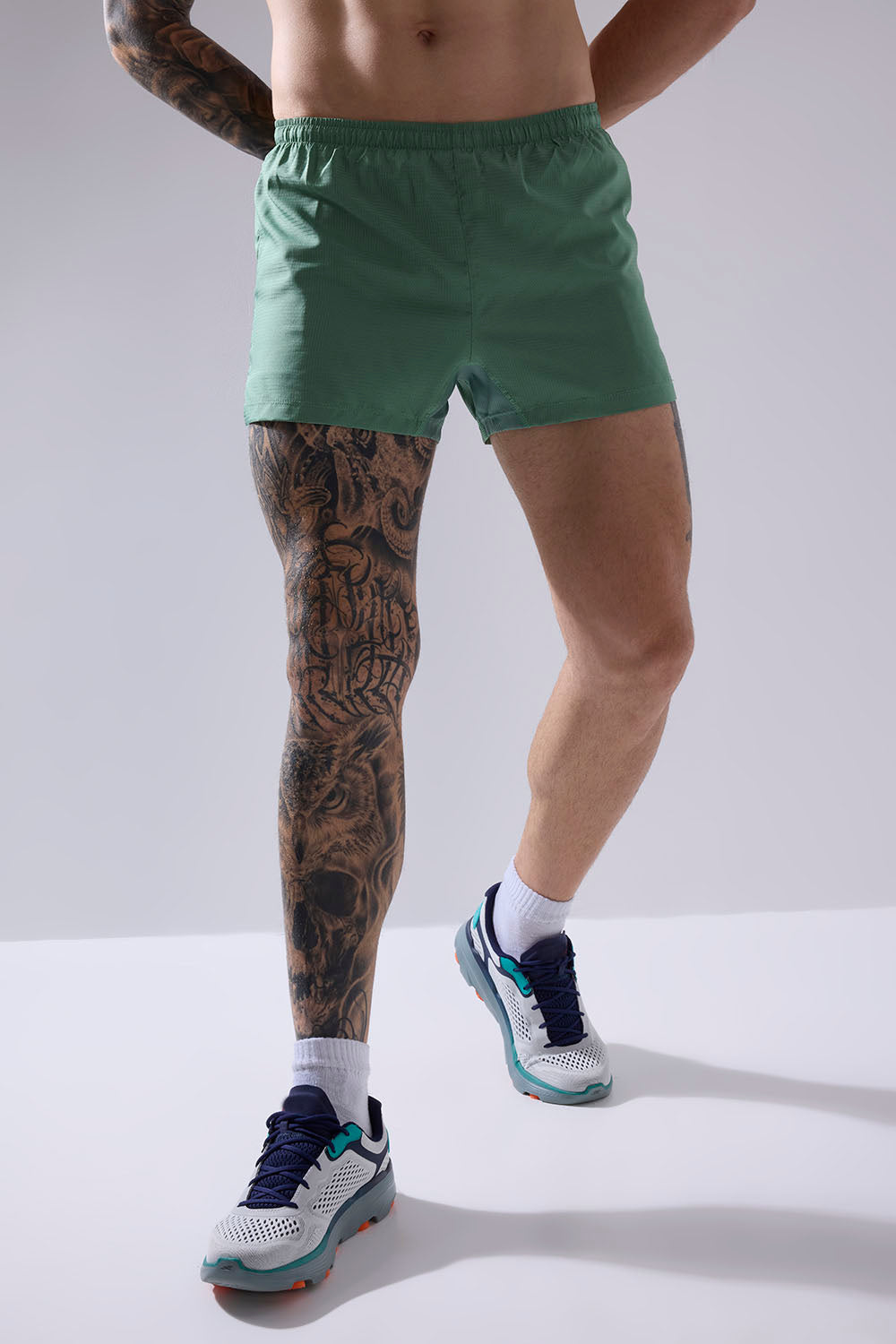
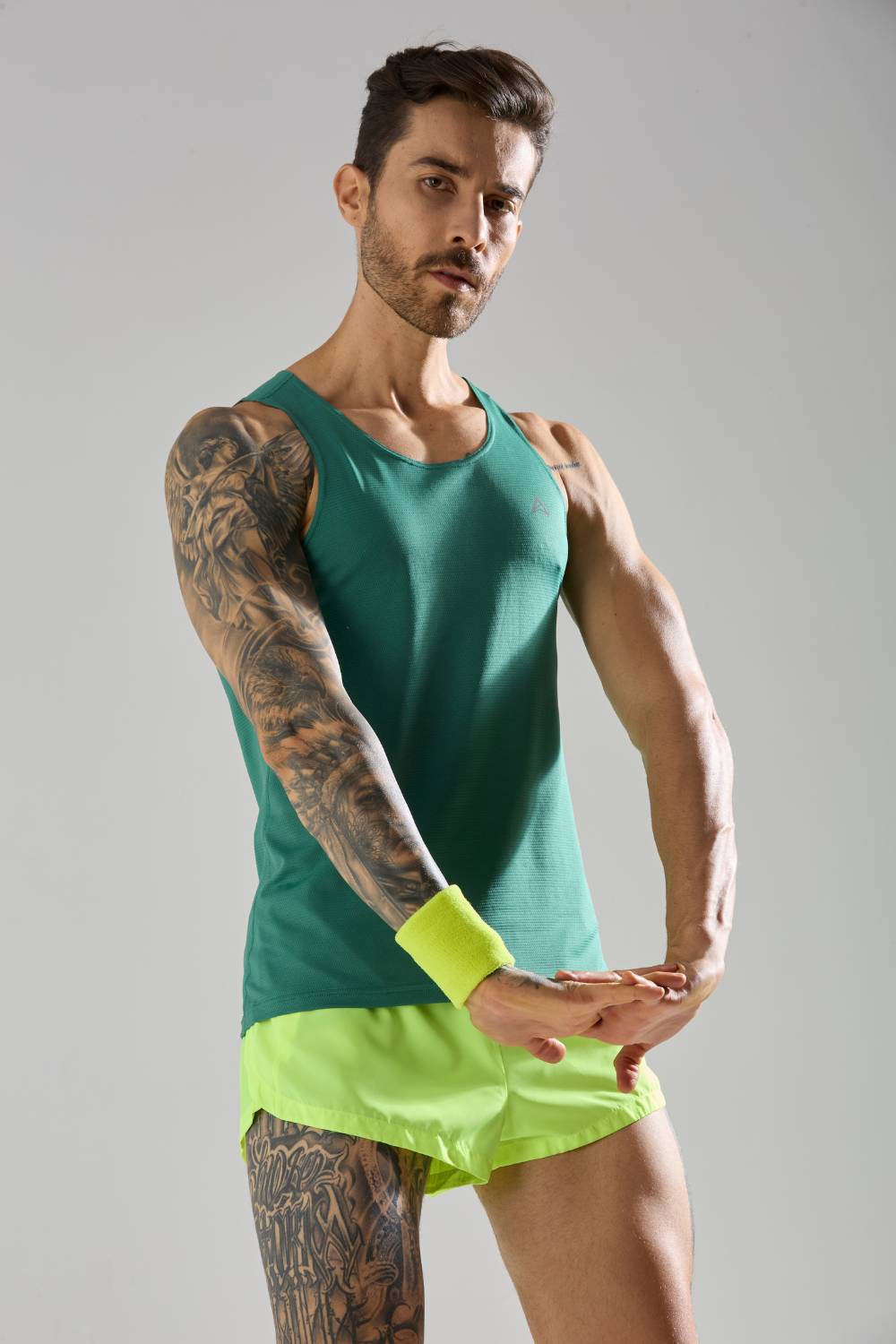
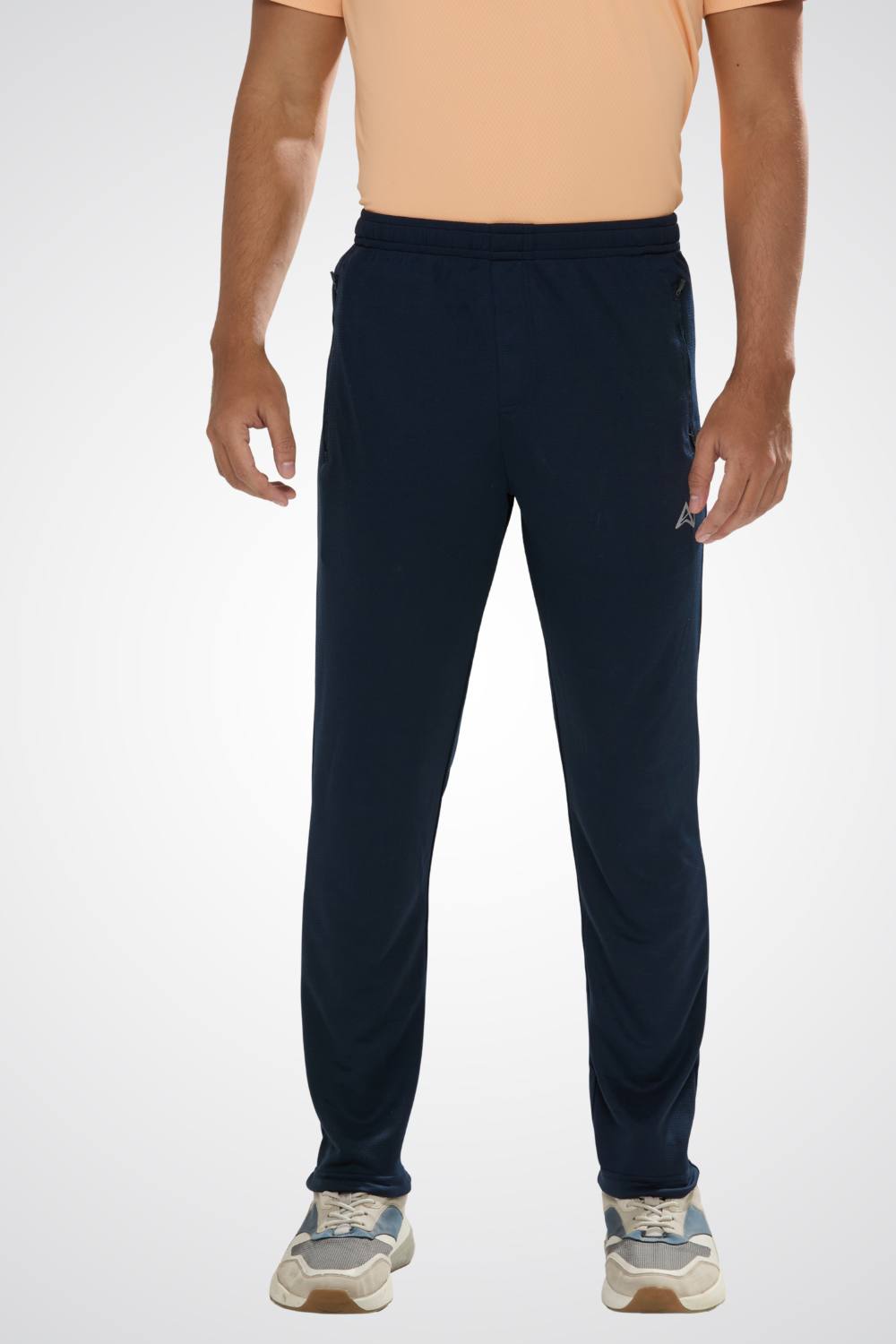
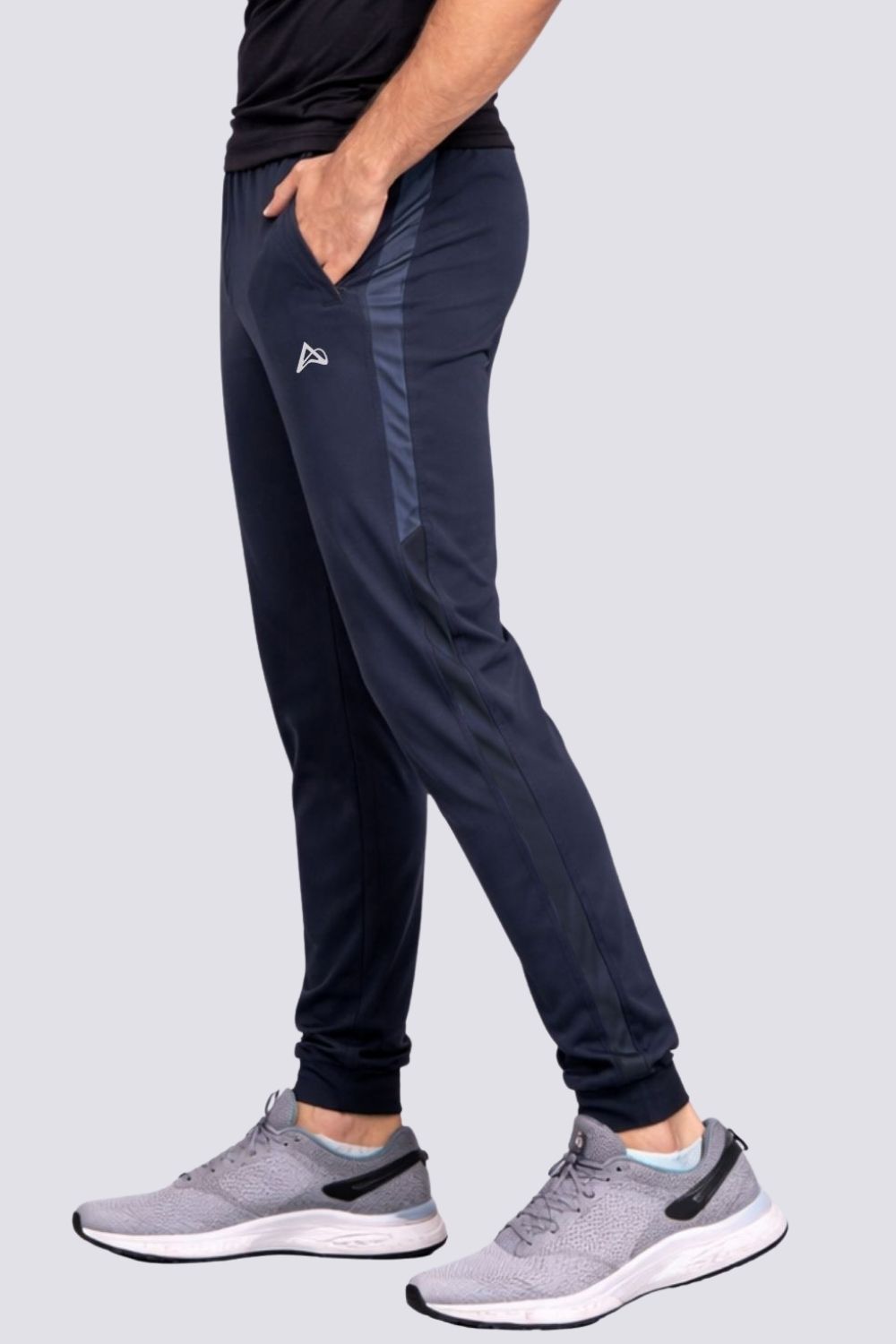
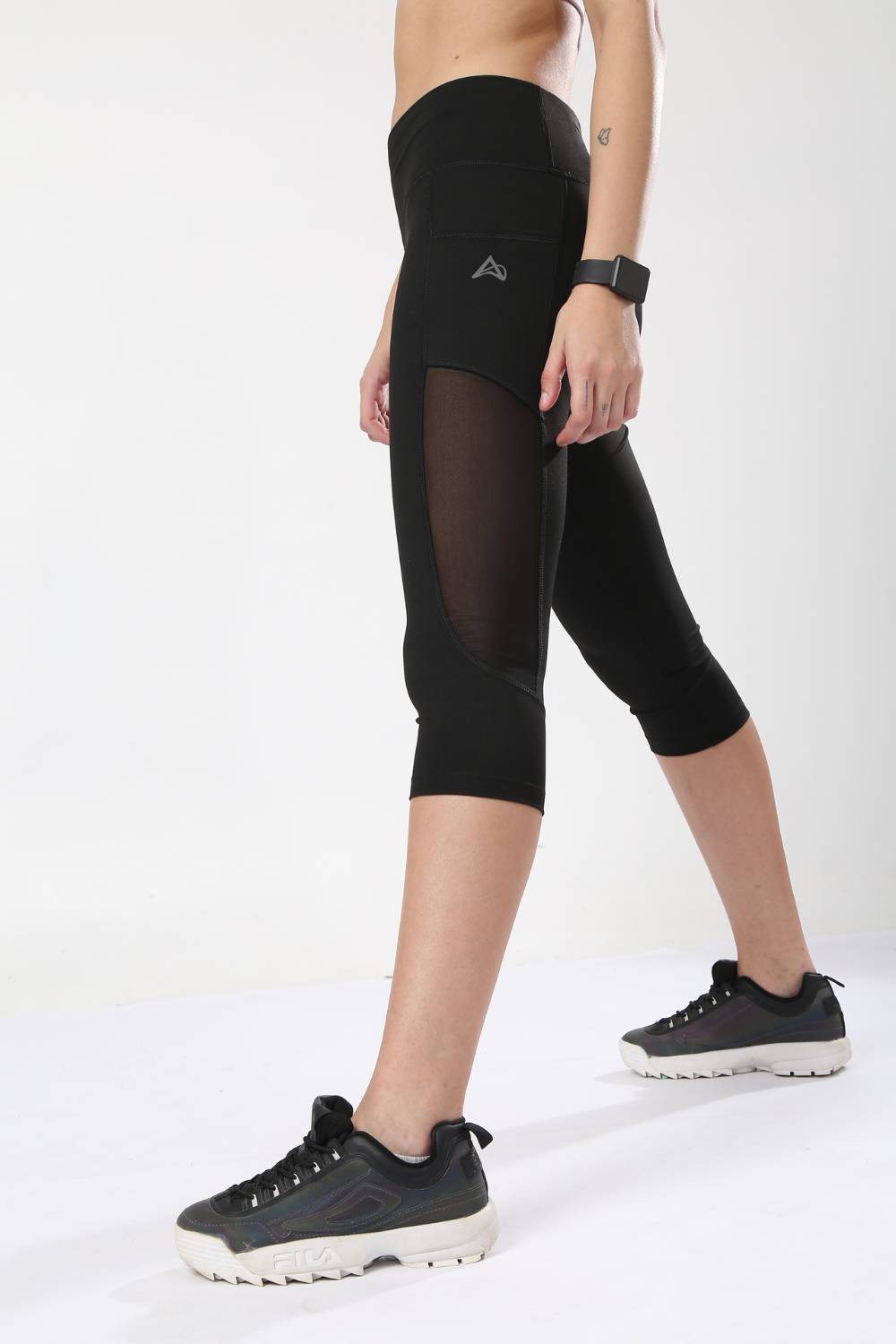
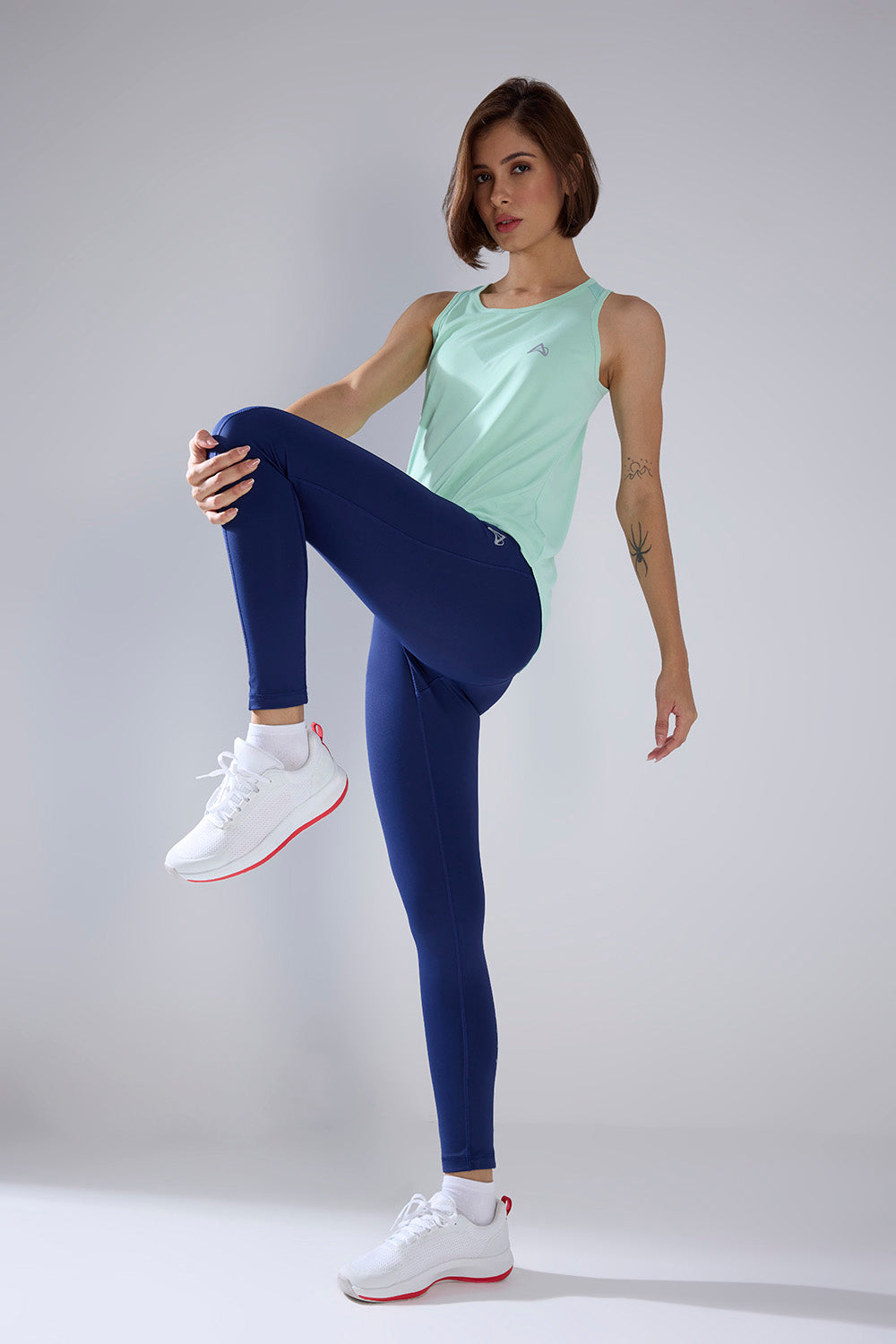
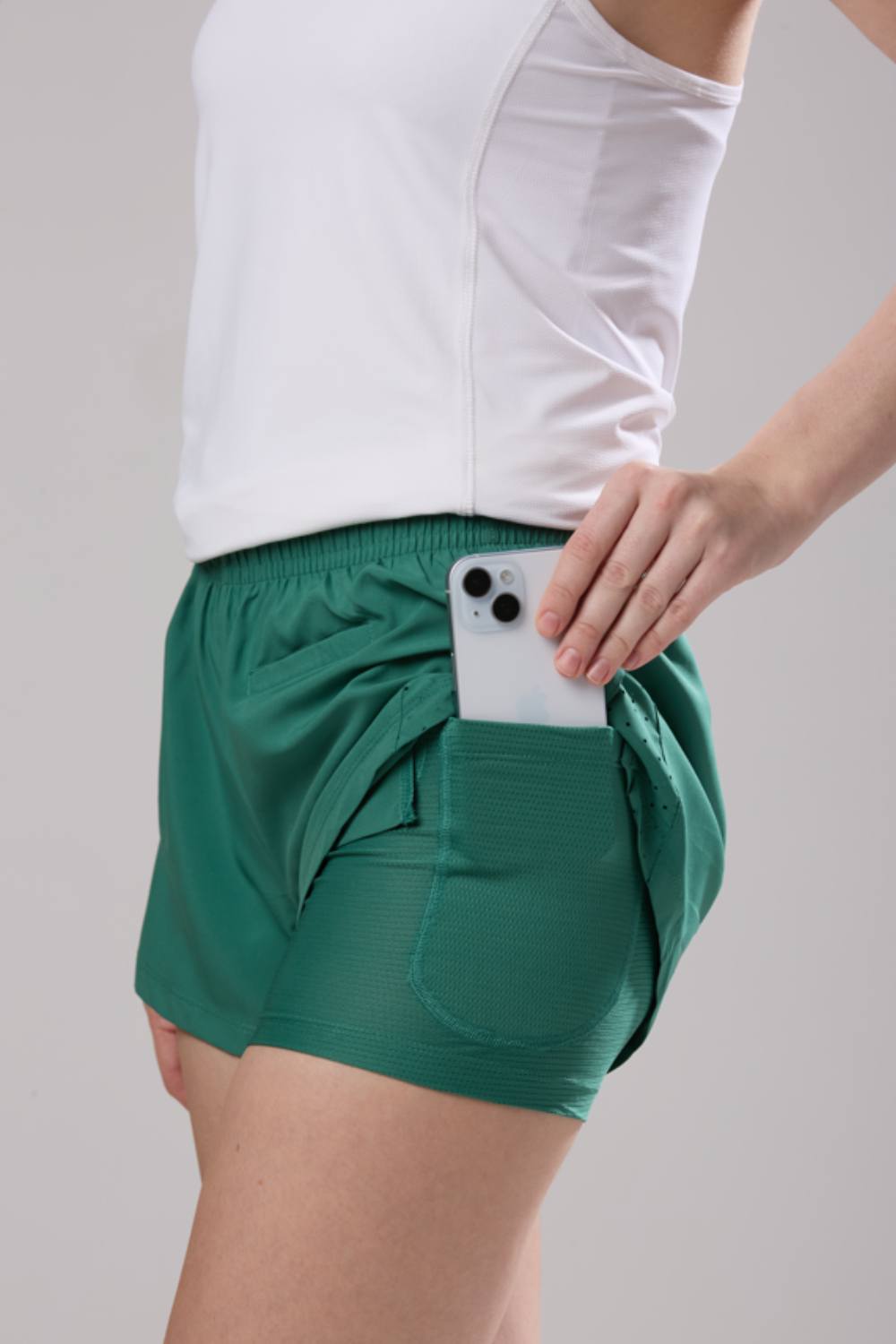
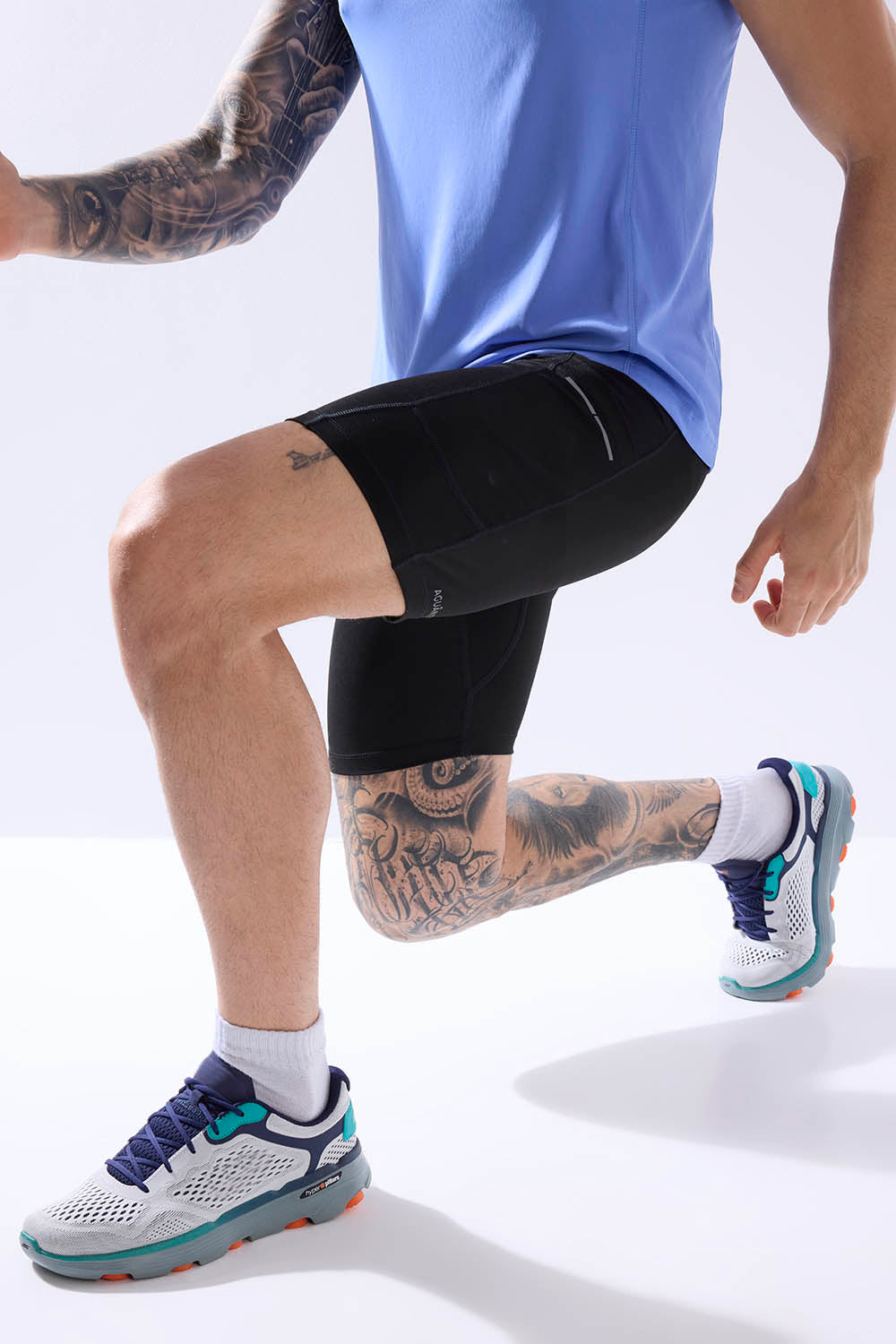
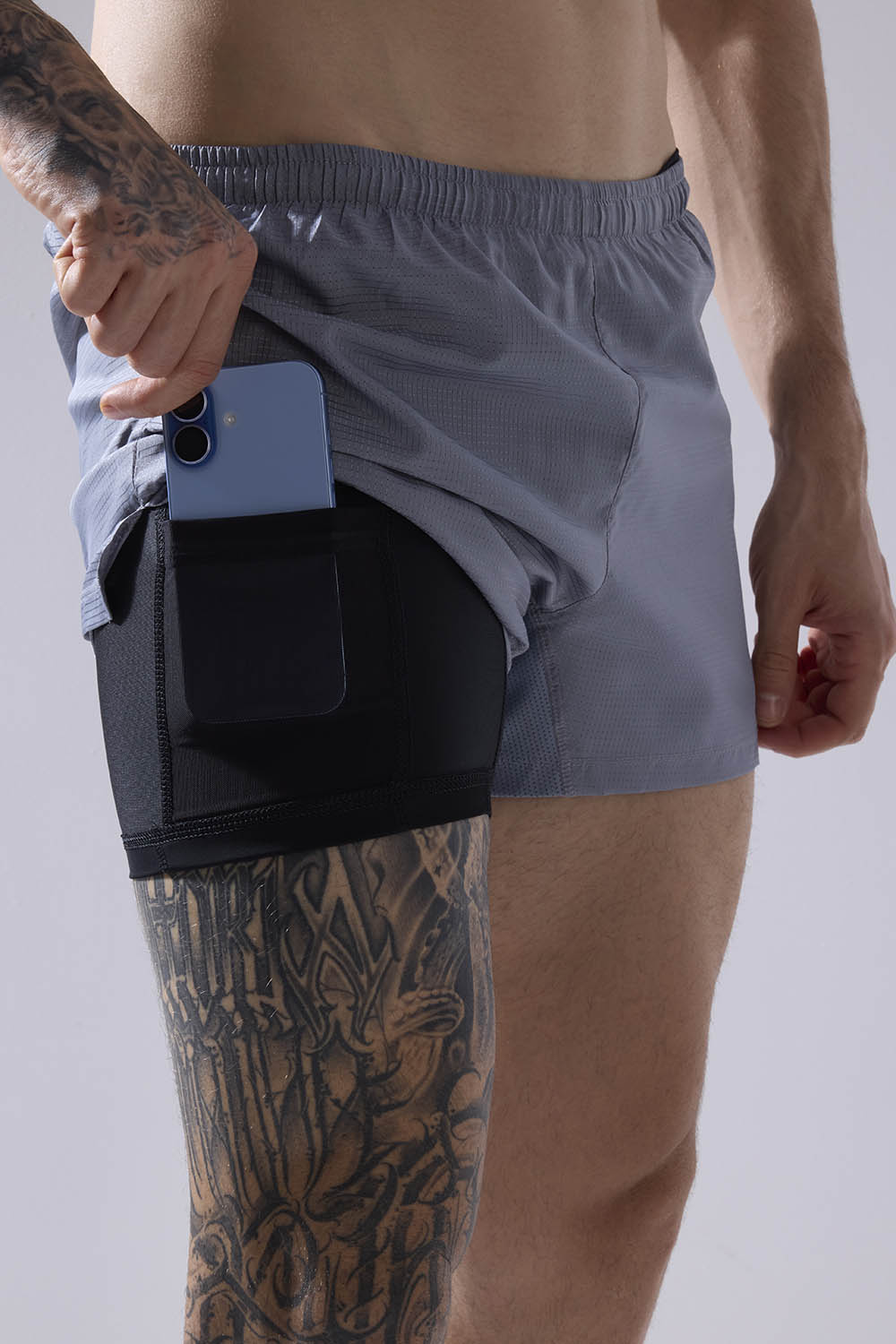
Tired of gear that slows you down? Chafing, soggy fabrics, and missing pockets kill your run's momentum. At Aguante, we're runners who get it. Our high-performance activewear features moisture-wicking fabrics, ergonomic designs, and smart storage to keep you focused. Shop Now!
Fitness Fever Grips Urban India
India's activewear market is charging ahead, propelled by a surge in health consciousness and fitness enthusiasm. According to a [market analysis by IMARC Group, the sector reached USD 10.2 million in 2024 and is projected to climb to USD 16.6 million by 2033, with a compound annual growth rate (CAGR) of 5.1%. This growth is rooted in urban centers like Bangalore, where marathon registrations for events like the TCS World 10K have soared, and Delhi, where yoga studios buzz with activity. Hyderabad's cycling clubs and Pune's CrossFit gyms are further proof of a fitness culture demanding apparel that balances performance with aesthetics.
The explosion of e-commerce has democratized access to activewear, with brands flooding platforms like Amazon and Myntra. A [report from Grand View Research values the market at USD 15.1 billion in 2024, forecasting a leap to USD 29.97 billion by 2030, with women leading the charge. Sports bras, in particular, are a standout, with Deep Market Insights analysis highlighting their rapid growth as women in Mumbai and Ahmedabad prioritize comfort and versatility. This trend reflects a broader shift: activewear isn't just for workouts it's a lifestyle statement.
Global Titans and Local Innovators Collide
Step into a mall in Navi Mumbai or Surat, and you'll find global giants like Nike and Adidas sharing shelf space with homegrown brands like Aguante. The global activewear market, valued at USD 425.5 billion in 2022 and projected to hit USD 771.8 billion by 2032, per Allied Market Research insights, sees India as a small but dynamic player, contributing 3.69% to the total. Yet, it's local brands that are capturing hearts by addressing India's unique needs. Aguante, for instance, has gained traction in Bangalore with breathable fabrics designed for the city's humidity, while its Pune campaigns resonate with the city's thriving running community.
Local innovation shines in response to India's diverse climates. In Hyderabad, where temperatures can be punishing, activewear incorporates UV-protective materials. Surat's coastal humidity demands moisture-wicking fabrics. According to TechSci Research findings , the sports apparel market, valued at USD 705.85 million in 2024, is set to reach USD 1.59 billion by 2030, fueled by the athleisure trend. In Mumbai, influencers sport leggings and crop tops that transition seamlessly from gym to cafe, embodying a fusion of fitness and fashion that's reshaping urban wardrobes.
Navigating Market Challenges
Despite its momentum, the activewear market faces significant obstacles. Sizing remains a thorny issue global standards often fail to accommodate the diverse body types found in Delhi and Ahmedabad, leaving consumers frustrated. Affordability is another hurdle, particularly in smaller cities like Surat and Hyderabad, where premium activewear feels like a luxury. Brands must navigate the delicate balance of maintaining quality while keeping prices accessible to a broader demographic.
Supply chain bottlenecks further complicate the landscape. In Mumbai and Pune, manufacturers grapple with sourcing high-quality materials and scaling production to meet surging demand. Cultural sensitivities also play a role Western-style activewear, often form-fitting, can clash with modesty preferences in Gurugram and Bangalore. Brands are adapting with longer tops and looser fits, but the challenge persists. As Allied Market Research notes, intense competition from low-cost brands and volatile raw material prices squeeze margins, even as social media fuels demand for premium gear.
Seizing Opportunities in a Growing Market
Yet, the opportunities are vast. India's urban middle class is expanding, and fitness is shedding its elite image. Hyderabad's community fitness events draw diverse crowds, while Delhi's marathon culture inspires novices to lace up. Brands are capitalizing on this shift through strategic partnerships, sponsoring events like Pune's fitness festivals and Navi Mumbai's coastal runs. Technology is a key driver smart fabrics with health-monitoring capabilities are gaining traction in tech-forward Gurugram, while eco-friendly materials resonate with sustainability-minded consumers in Bangalore and Ahmedabad.
Social media influencers are amplifying the trend. In Mumbai and Delhi, fitness bloggers and Instagram stars showcase activewear that's as photogenic as it is functional, boosting sales. The IMARC Group report underscores the appeal of multifunctional apparel, which seamlessly blends workout and casual wear, as a major growth driver. Government initiatives promoting sports, from school programs to community events, are also fueling demand, particularly in cities like Surat, where youth engagement in sports is on the rise.
Sustainability and Innovation Lead the Way
The future of activewear in India lies in innovation and responsibility. Brands are increasingly focusing on sustainable practices, responding to the eco-conscious consumer base in Bangalore and Ahmedabad. Organic cotton and recycled polyester are gaining popularity, aligning with global trends toward ethical sourcing. Meanwhile, the integration of smart technology fabrics that monitor heart rates or UV exposure is transforming activewear into a tool for health management, particularly in tech hubs like Gurugram and Pune.
Collaborations with local communities are also proving effective. In Hyderabad, brands sponsor cycling events, while in Mumbai, partnerships with yoga studios drive brand visibility. These efforts not only boost sales but also embed activewear into the cultural fabric of India's cities, making it a symbol of health, style, and aspiration.
A Revolution in Motion
India's activewear market is more than a commercial success it's a cultural phenomenon. From Bangalore's sweat-drenched running trails to Mumbai's fashion-forward streets, fitness apparel is becoming a cornerstone of modern Indian identity. Global and local brands are learning to navigate India's complex landscape, crafting gear that respects regional climates, diverse body types, and cultural values. Challenges like affordability, sizing, and supply chain logistics remain, but the market's trajectory is undeniable. With a projected value of nearly USD 30 billion by 2030, per Grand View Research projections, India's activewear revolution is charging toward a future that's bold, inclusive, and uniquely Indian. As runners pound the pavement in Surat and yogis find their zen in Delhi, the message is clear: this is a movement in full stride, and it's only just begun.
Frequently Asked Questions
Why is athleisure becoming so popular in India?
Athleisure’s popularity in India stems from its versatility, combining style and comfort for both workouts and casual settings. The blog explains that the rise of wellness culture, fueled by social media influencers and celebrity endorsements, has made athleisure a lifestyle choice. Additionally, India’s young, urban population is embracing global fashion trends while seeking affordable, locally relevant options.
What is driving the growth of the activewear market in India?
The growth of India's activewear market is fueled by rising fitness awareness, the influence of global athleisure trends, and a growing middle class with disposable income. Urbanization and social media have popularized gym culture and stylish activewear, while brands are increasingly incorporating Indian aesthetics like vibrant colors and traditional motifs. The blog highlights how this blend of global and local influences is shaping a unique market.
How are Indian activewear brands incorporating local identity into their designs?
Indian activewear brands are blending global functionality with local identity by using traditional elements like block prints, embroidery, and culturally inspired color palettes. The blog notes that brands are catering to Indian consumers by offering designs that resonate with regional preferences, such as modest silhouettes and breathable fabrics suited for India’s climate. This approach strengthens cultural connection while meeting modern fitness needs.
Disclaimer: The above helpful resources content contains personal opinions and experiences. The information provided is for general knowledge and does not constitute professional advice.
You may also be interested in: Urban Running Culture Drives Social Media Apparel Trends
Tired of gear that slows you down? Chafing, soggy fabrics, and missing pockets kill your run's momentum. At Aguante, we're runners who get it. Our high-performance activewear features moisture-wicking fabrics, ergonomic designs, and smart storage to keep you focused. Shop Now!
Powered by flareAI.co