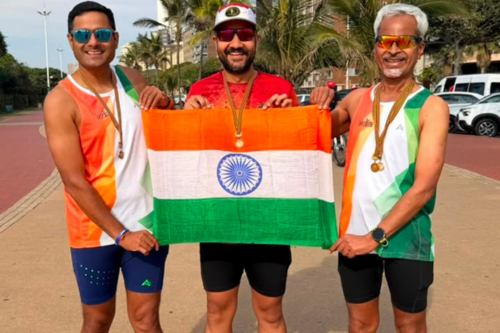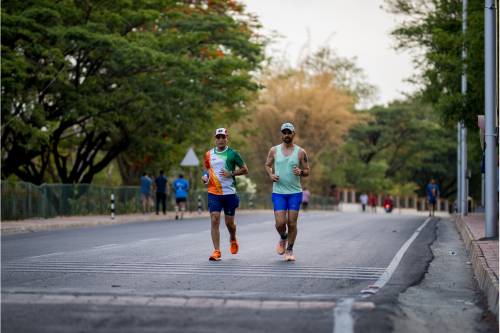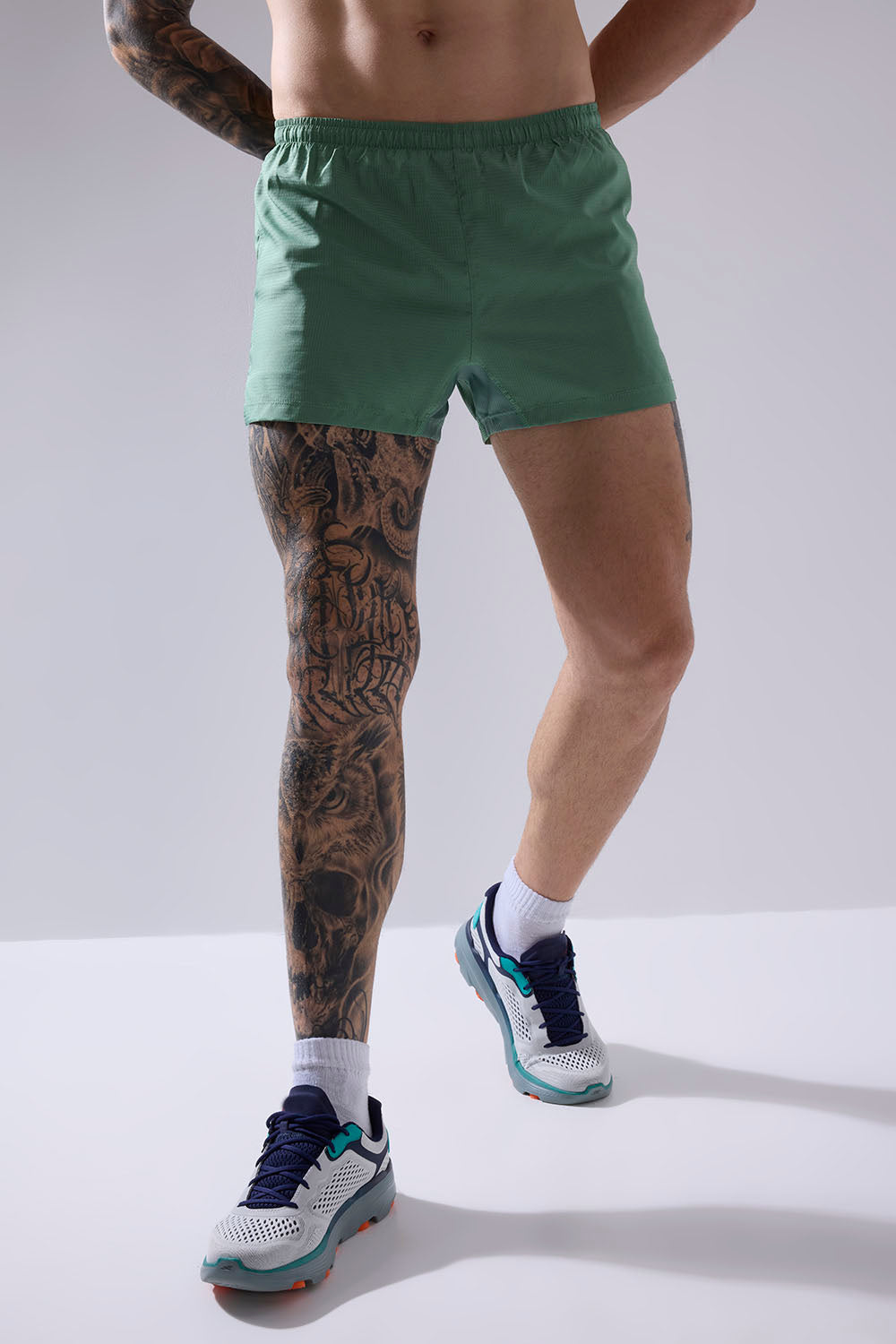


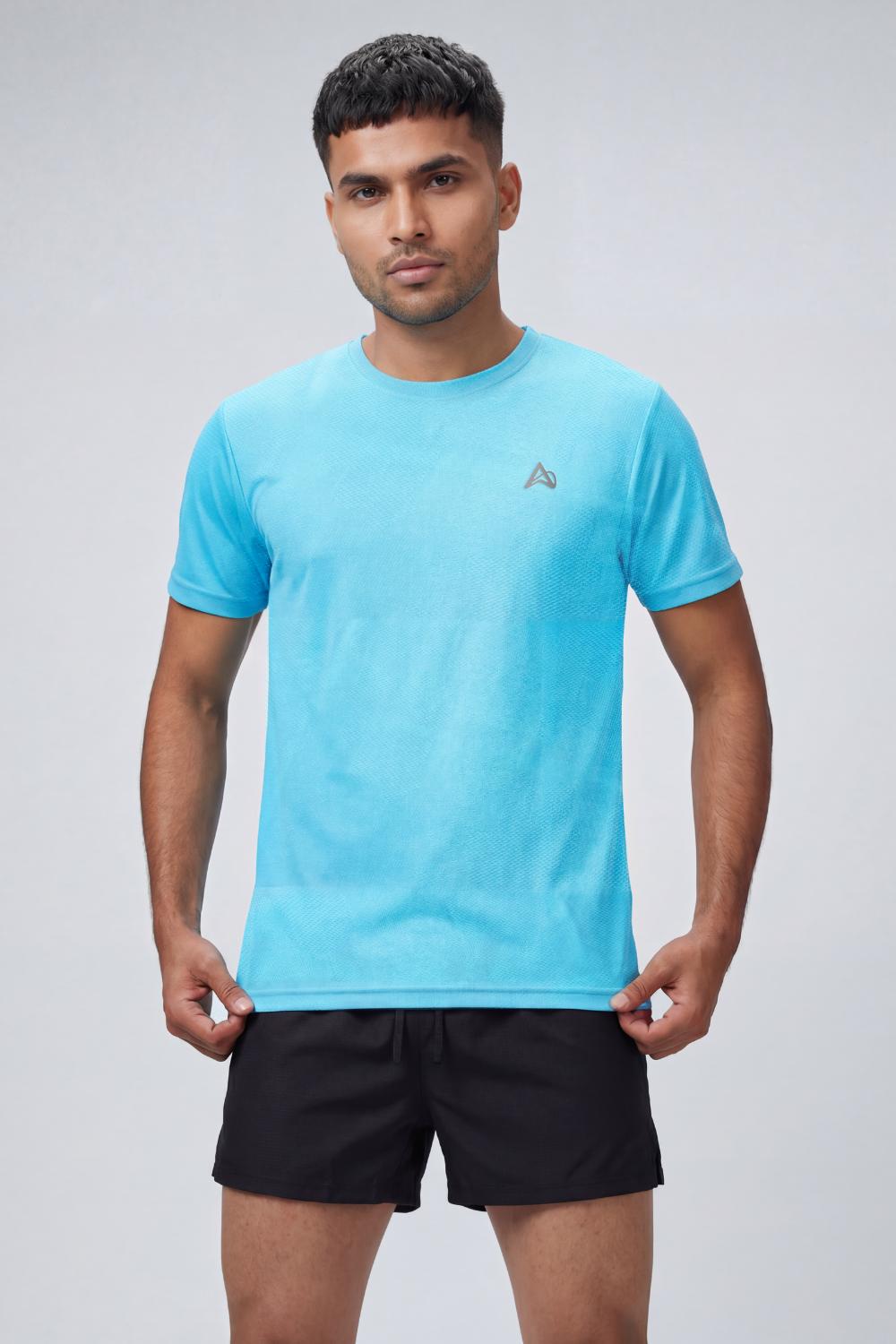













Across India's urban sprawl, from the misty trails of Bangalore's Cubbon Park to Mumbai's shimmering Marine Drive, a running revolution is underway. Runners, young and old, are pounding pavements, driven by a surge in fitness consciousness and a desire for gear that performs under India's unforgiving climate while respecting the planet. This isn't just a fitness trend it's a cultural shift, and brands like Aguante are at the forefront, crafting apparel that blends high performance with sustainable practices.
Tired of gear that slows you down? Chafing, soggy fabrics, and missing pockets kill your run's momentum. At Aguante, we're runners who get it. Our high-performance activewear features moisture-wicking fabrics, ergonomic designs, and smart storage to keep you focused. Shop Now!
Indian Running Apparel: Where Performance Meets Sustainability
India's running culture is sprinting ahead. The nation's sports apparel market, valued at USD 705.85 million in 2024, is projected to reach USD 1,592.58 million by 2030, growing at a robust 14.52% CAGR. This growth is fueled by rising health awareness, urbanization, and a boom in fitness activities like marathons and community runs, particularly in cities like Bangalore, Mumbai, and Delhi. Yet, today's runners demand more than just functional gear they want apparel that delivers top-tier performance while embracing eco-friendly principles. Aguante, a Pune-based brand founded in 2018, is meeting this challenge head-on.
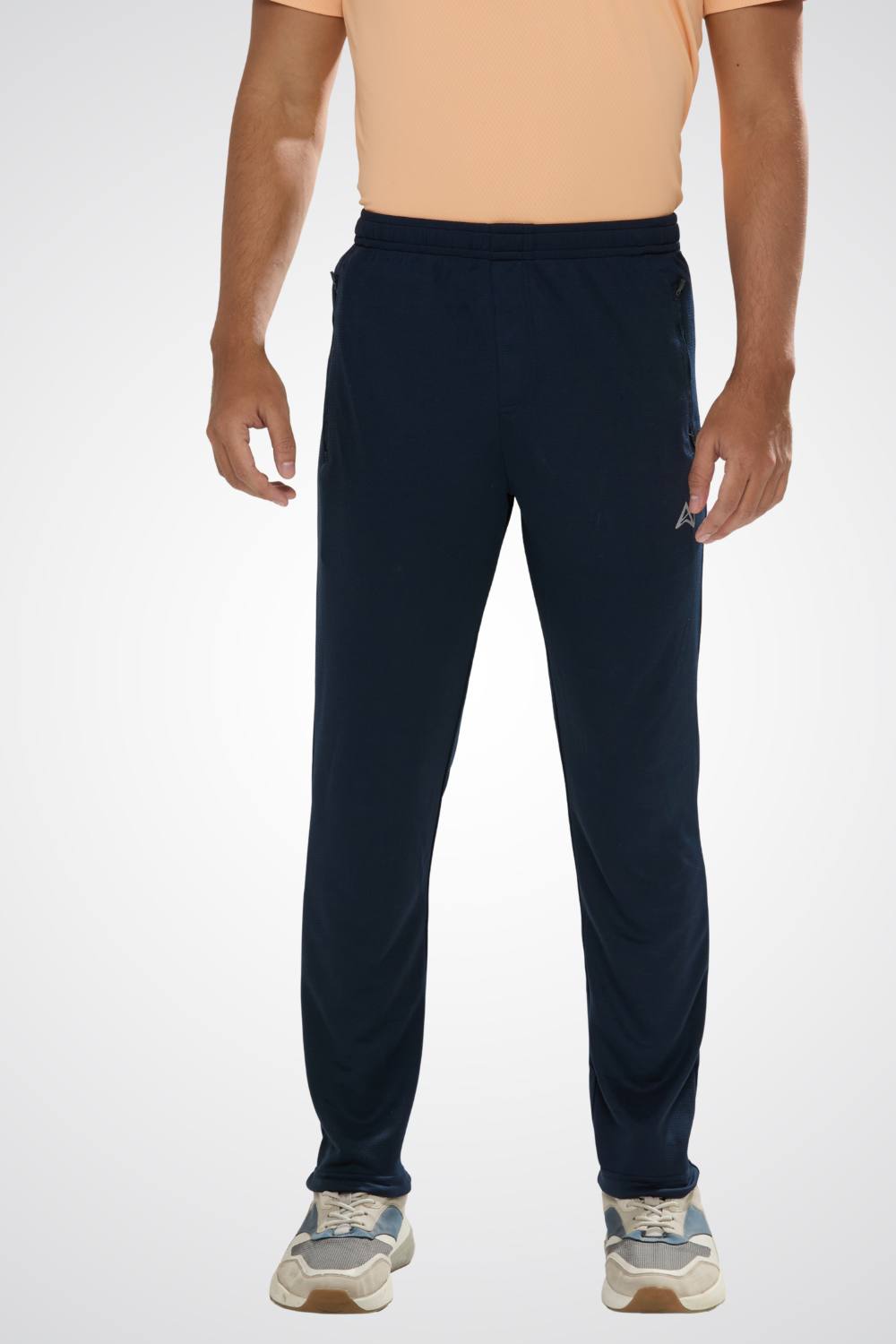
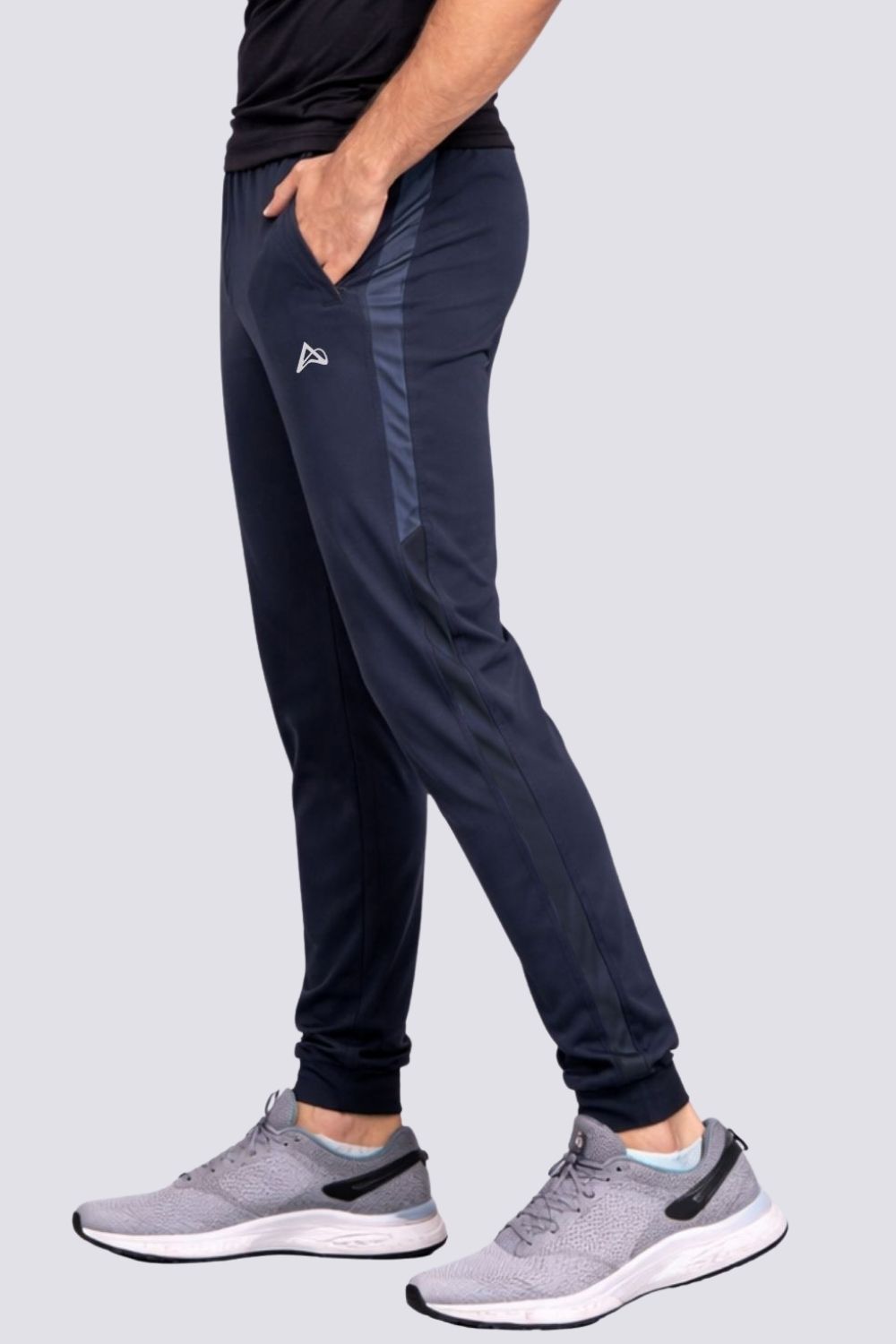
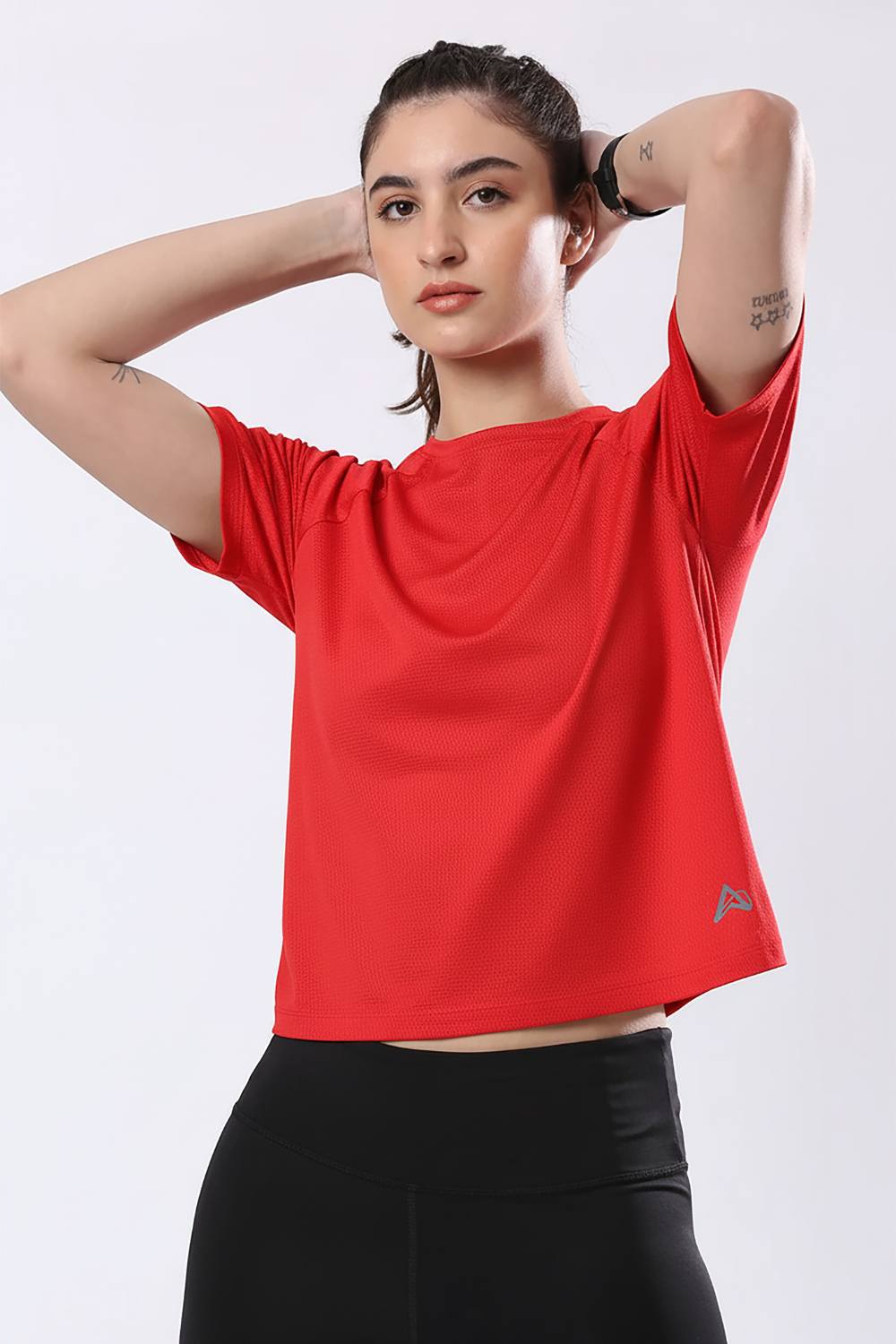
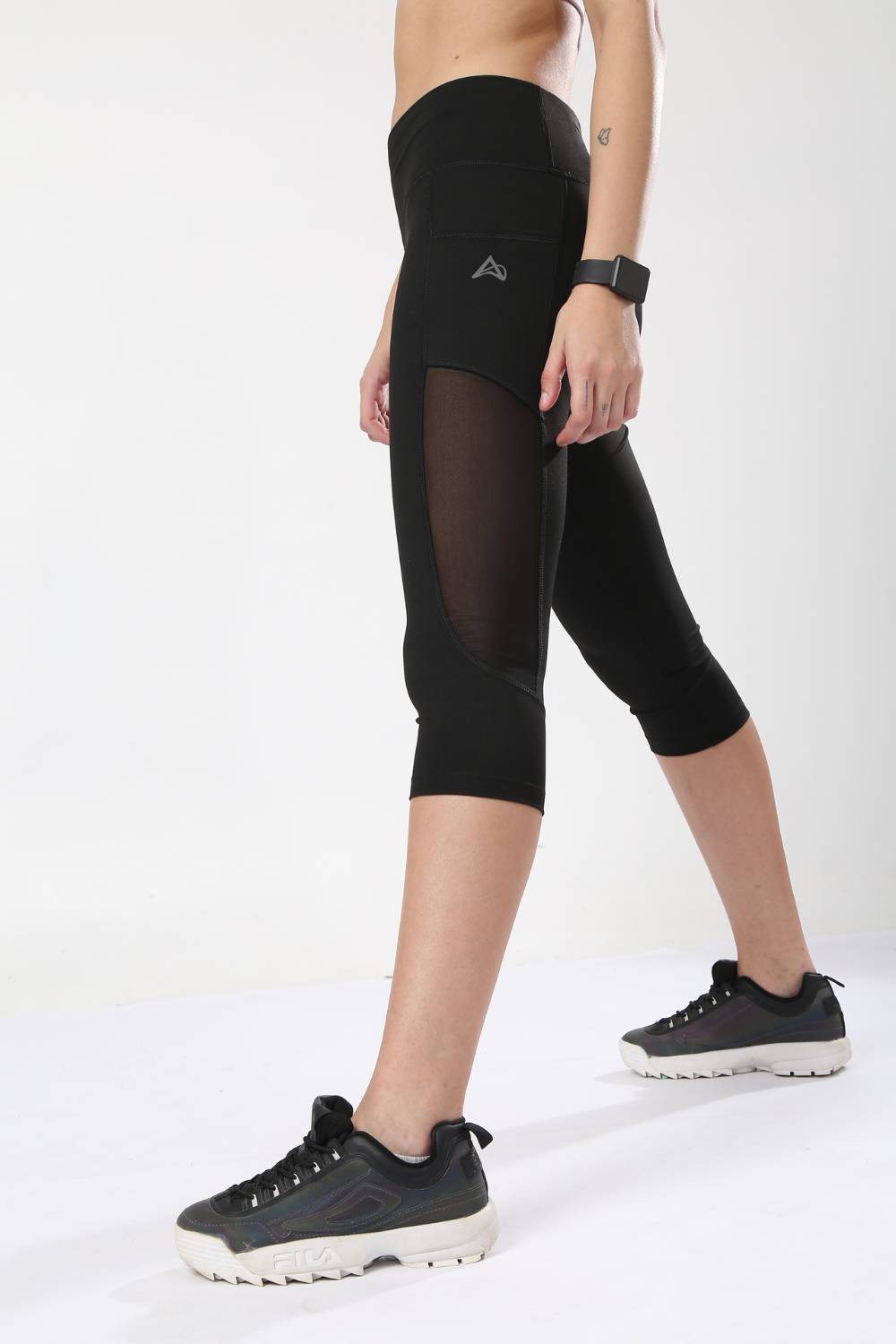
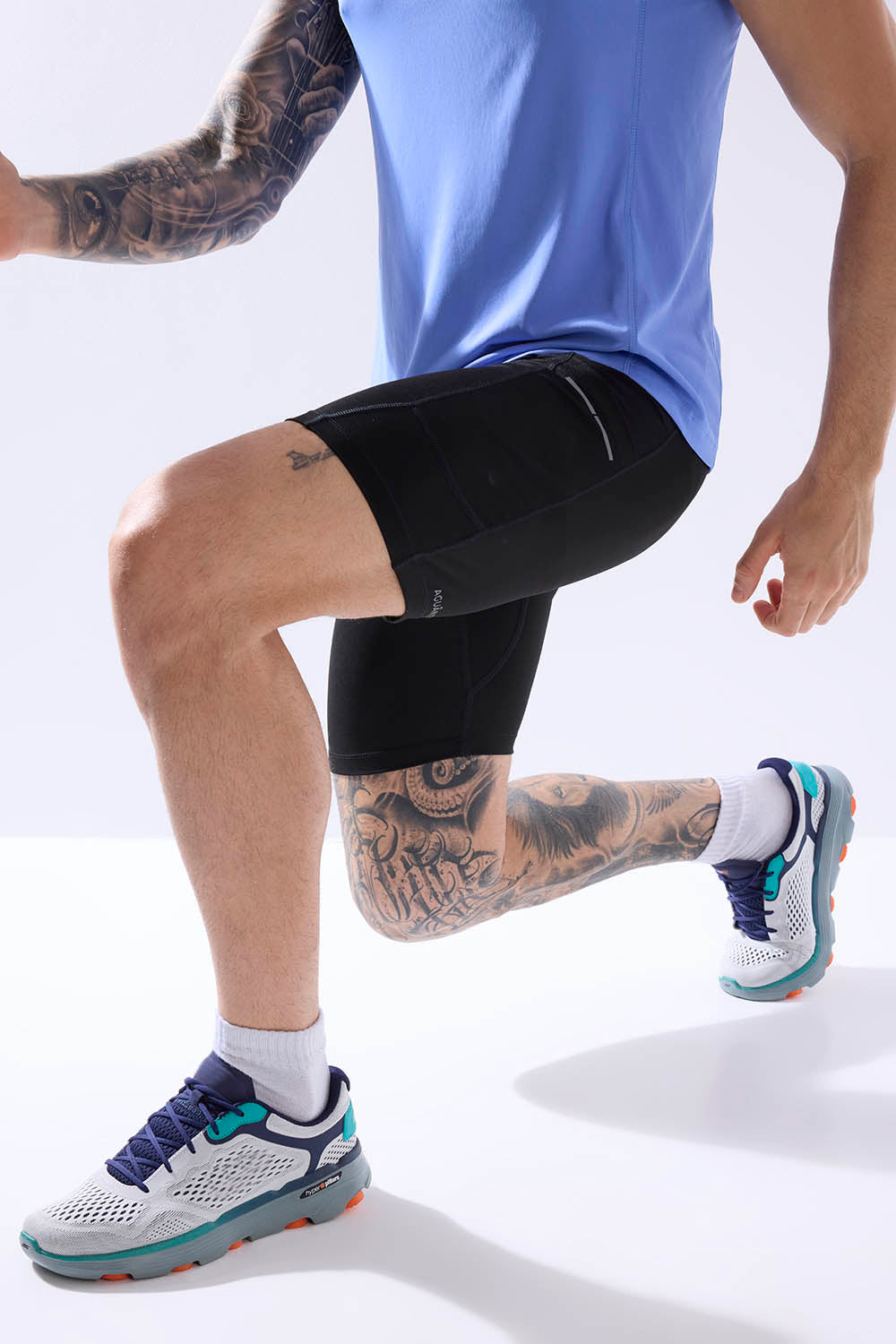
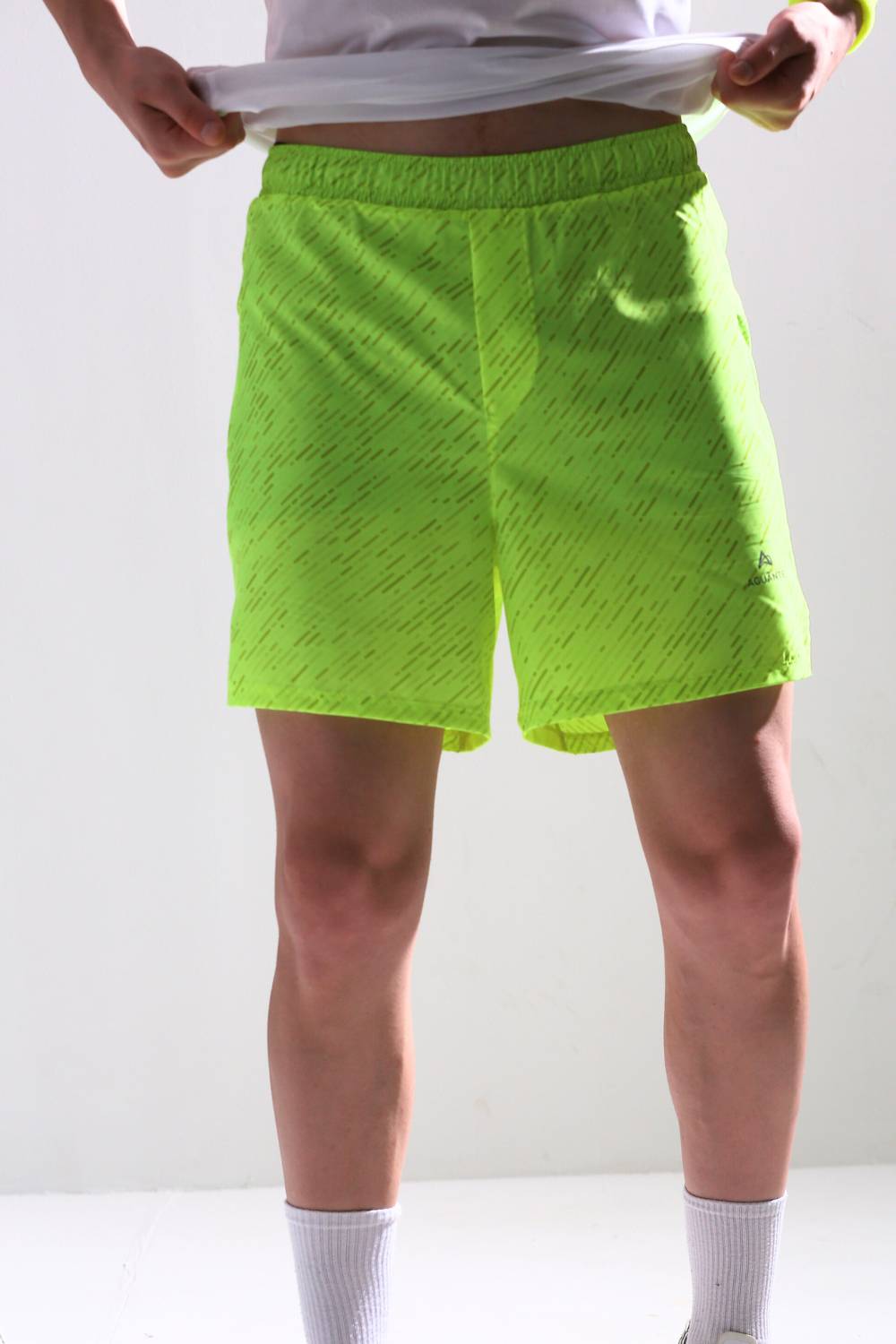
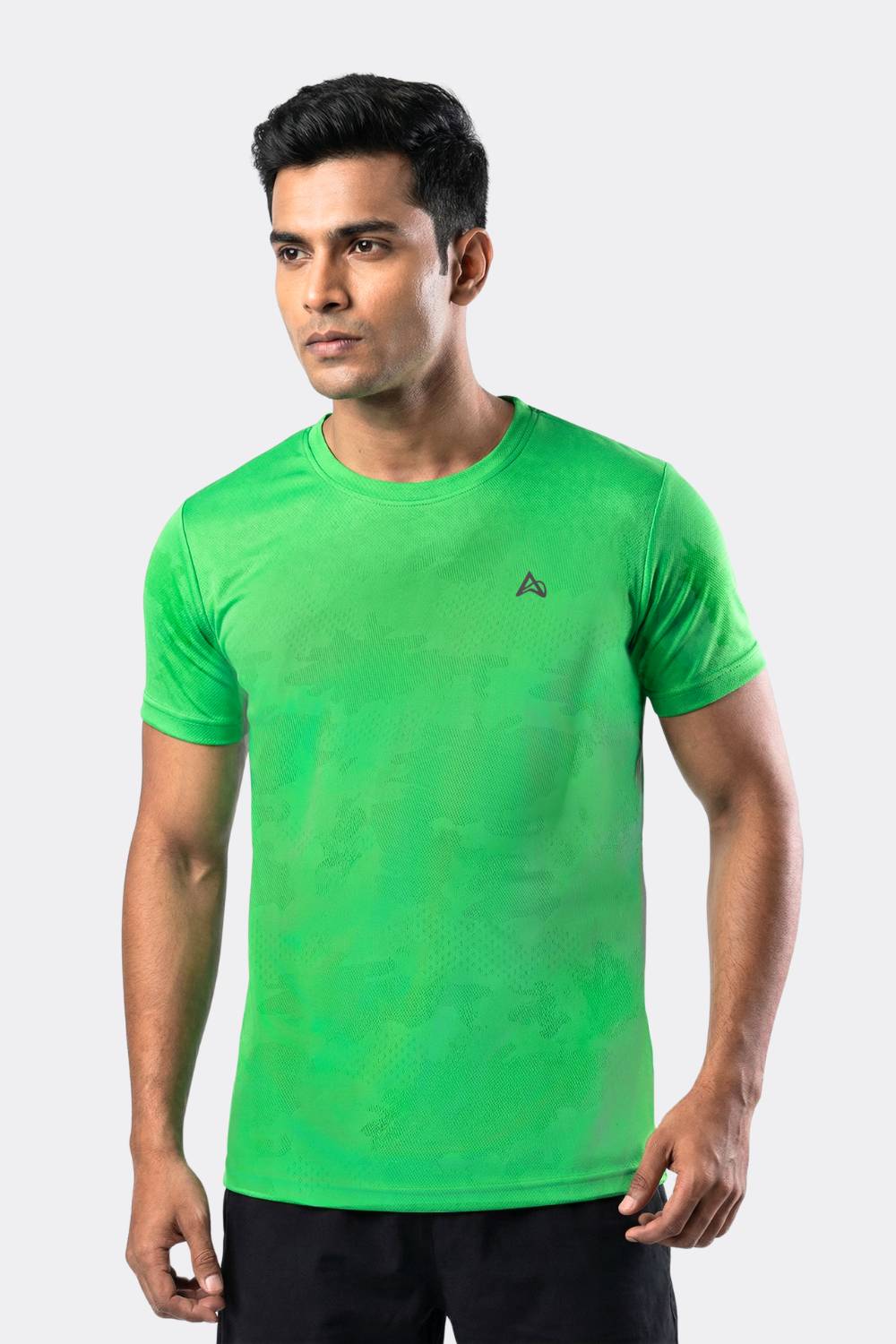
Aguante's mission is clear: design activewear by runners, for runners, tailored to India's unique conditions. Their product line singlets, shorts, half-tights, and track pants features moisture-wicking fabrics, anti-chafing linings, secure pockets, and reflective elements, all crafted to withstand scorching heat, humid monsoons, and rugged terrains. What distinguishes Aguante is its commitment to sustainability, using eco-friendly materials without compromising on quality. This balance is reshaping the future of Indian running apparel, offering a local alternative to global giants.
The Rise of Sustainable Activewear
Globally, the sustainable athleisure market was valued at USD 90.62 billion in 2022 and is expected to reach USD 134.67 billion by 2031, growing at a 4.5% CAGR. This growth is driven by eco-conscious consumers and the rise of e-commerce, trends that are taking root in India's urban centers like Hyderabad, Pune, and Gurugram. Runners in these regions seek gear made from recycled materials, free of toxic chemicals, and produced ethically. Aguante responds with apparel designed for India's climate, using sustainable fabrics that reduce environmental impact while ensuring durability and comfort.
Consider Aguante's running shorts, rigorously tested by athletes on Surat's humid tracks and Ahmedabad's dusty roads. These shorts combine ergonomic design with recycled materials, offering breathability and flexibility. Unlike international brands like Adidas or Nike, which often prioritize Western conditions, Aguante's gear is built for Indian runners. “We focus on what matters to local athletes,” says co-founder Manoj Thakur, a seasoned marathoner. “From sweat-wicking fabrics for 90% humidity to pockets that stay put, it's gear for Indian roads.” This hyper-local approach, paired with affordable pricing, makes Aguante a standout in a market where premium imports dominate.
A Community-Driven Movement
Running in India is more than a solitary pursuit it's a collective passion. The Tata Mumbai Marathon, hosting nearly 60,000 runners in 2025, and events like the Airtel Delhi Half Marathon underscore this shift. Aguante taps into this energy through partnerships with influencers like Barefoot Coach Shanth Koushik and Runholic Dev, whose Instagram presence amplifies the brand's runner-centric ethos. These collaborations build trust, resonating with communities in Navi Mumbai and Delhi, where running clubs are thriving.
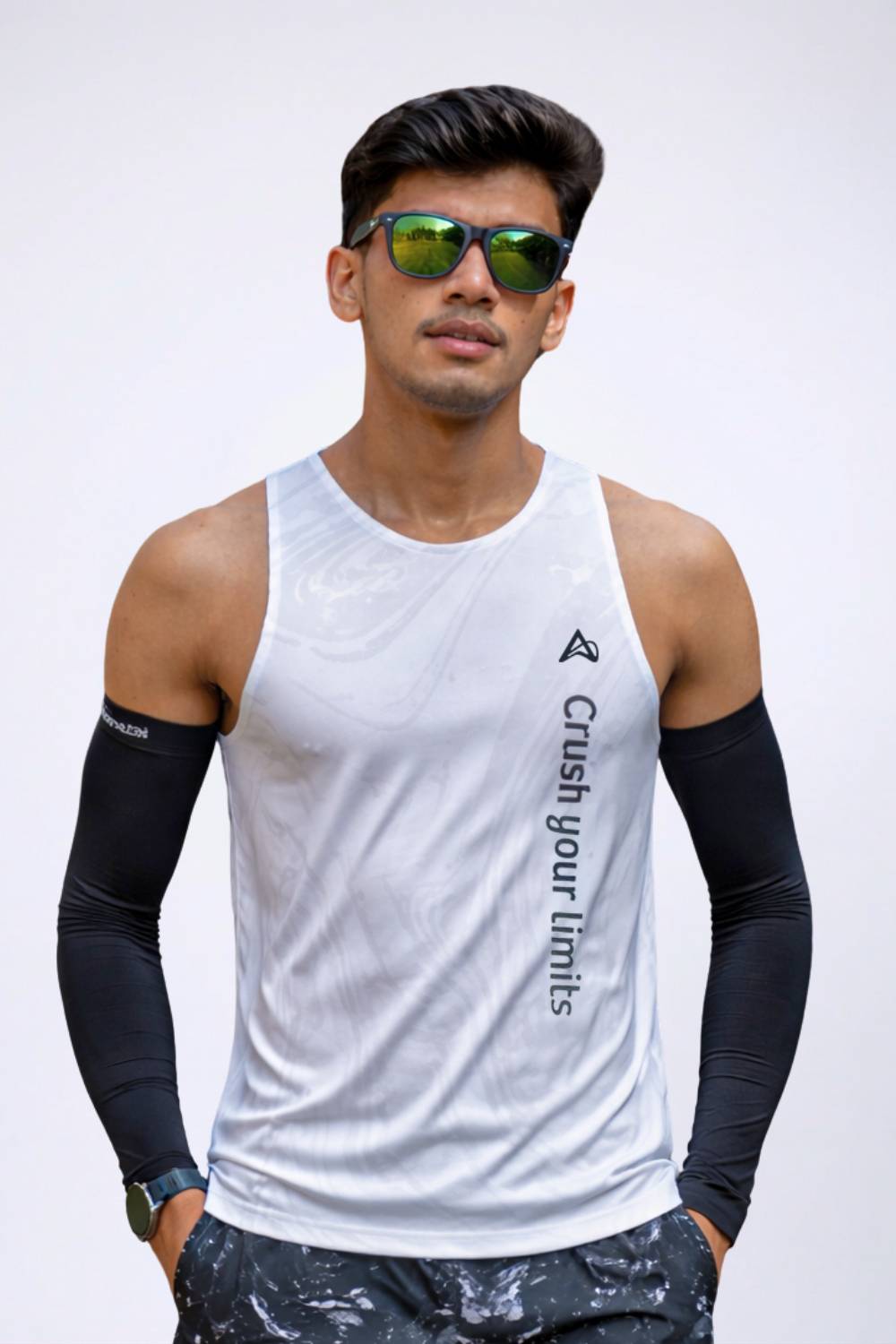
Aguante's social media strategy, spanning Instagram, Facebook, and YouTube, educates runners about sustainable gear. A recent campaign showcased how their recycled-material singlets cut plastic waste while keeping runners cool in Mumbai's humidity. Available on Myntra and Amazon, with free all-India shipping and a 14-day return policy, Aguante ensures accessibility across its target regions, from Surat to Bangalore. This blend of community engagement and e-commerce savvy aligns with India's digital retail boom, driving demand for performance-driven, eco-conscious apparel.
Navigating Sustainability Challenges
Creating sustainable running gear isn't without obstacles. Eco-friendly materials like recycled polyester or organic cotton are costlier, a significant challenge in India's price-sensitive market. The sports apparel sector, valued at USD 0.71 billion in 2024 and projected to hit USD 1.59 billion by 2030 at a 14.52% CAGR, grapples with balancing quality and affordability. Aguante mitigates this by streamlining local supply chains, but sourcing sustainable materials remains complex, often clashing with India's nascent activewear infrastructure.
Consumer awareness poses another barrier. While runners in Bangalore and Delhi embrace green gear, many prioritize performance over environmental impact. Aguante counters this through social media education, highlighting how sustainable apparel matches the quality of conventional options. Competition, however, is intensifying. Global brands like Puma, sponsoring Indian marathons in 2025, and Lululemon, eyeing a 2026 India entry, are raising the stakes. Aguante's strength lies in its local expertise and transparent pricing, but scaling while preserving authenticity remains a delicate task.
Seizing Market Opportunities
The future is bright for India's activewear market. Valued at USD 673.34 million in 2023, it's expected to reach USD 1,926.10 million by 2030, growing at a 16.2% CAGR. Urbanization, rising incomes, and a fitness surge 60% of urban Indians now engage in physical activities are driving demand. Aguante's runner-focused innovation positions it to capitalize on this growth. Their gear, tested in real-world conditions, meets global standards while remaining affordable, a rarity in a market dominated by high-end imports.
Aguante's commitment to social responsibility low-impact production and community engagement resonates with a new generation of runners who view purchases as votes for sustainability. By blending performance with eco-conscious practices, the brand is carving a niche, proving that local innovation can challenge global players. As India's running apparel market evolves, Aguante's model offers a blueprint for balancing purpose and performance.
Running Toward a Greener Future
From Pune's quiet lanes to Delhi's bustling parks, India's runners are redefining what it means to move with purpose. Brands like Aguante are paving the way, crafting gear that powers every stride while safeguarding the planet. The journey isn't easy cost, competition, and awareness remain hurdles but the momentum is unstoppable. As India's running culture surges, the right apparel doesn't just enhance performance; it shapes a future where every step counts, for athletes and the earth alike.
Frequently Asked Questions
What makes Indian running apparel sustainable in 2025?
Sustainable Indian running apparel in 2025 uses eco-friendly materials like recycled polyester, organic cotton, and biodegradable fabrics to reduce environmental impact. Brands are adopting low-waste manufacturing and water-saving dyeing processes to meet growing consumer demand for green products. These efforts align with global sustainability trends while catering to India's unique climate and running conditions.
How does performance-driven running apparel benefit Indian runners?
Performance-driven running apparel in India incorporates moisture-wicking fabrics, breathable meshes, and ergonomic designs to enhance comfort in diverse climates. Technologies like anti-slip grips and UV-protective coatings cater to Indian runners facing humid or sunny conditions. These features improve endurance and safety, making runs more efficient and enjoyable.
Why is balancing performance and sustainability important for Indian running apparel brands?
Balancing performance and sustainability allows Indian running apparel brands to meet consumer demands for high-quality, durable gear that's also eco-conscious. By integrating advanced performance features with sustainable practices, brands can reduce environmental footprints while appealing to India's growing fitness market. This dual focus ensures long-term competitiveness in a trend-driven industry.
Disclaimer: The above helpful resources content contains personal opinions and experiences. The information provided is for general knowledge and does not constitute professional advice.
You may also be interested in: Sustainable Fabrics Shape the Future of Indian Activewear
Tired of gear that slows you down? Chafing, soggy fabrics, and missing pockets kill your run's momentum. At Aguante, we're runners who get it. Our high-performance activewear features moisture-wicking fabrics, ergonomic designs, and smart storage to keep you focused. Shop Now!
Powered by flareAI.co