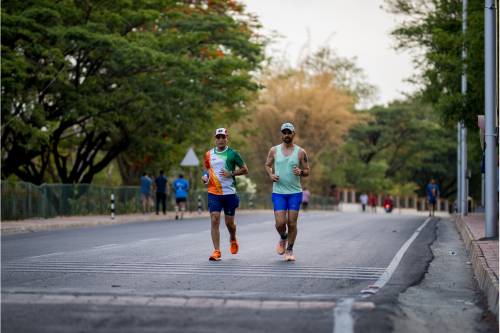
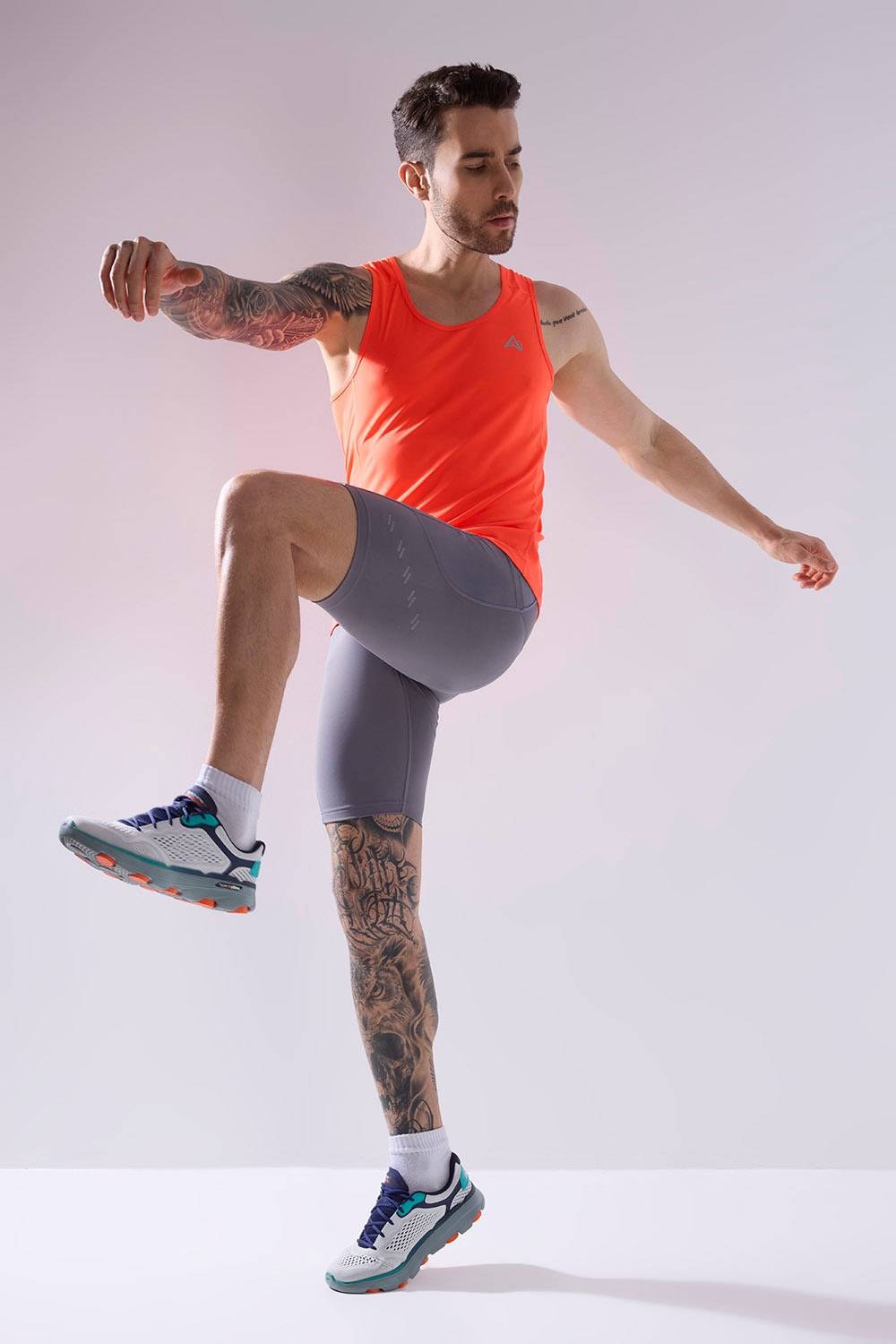
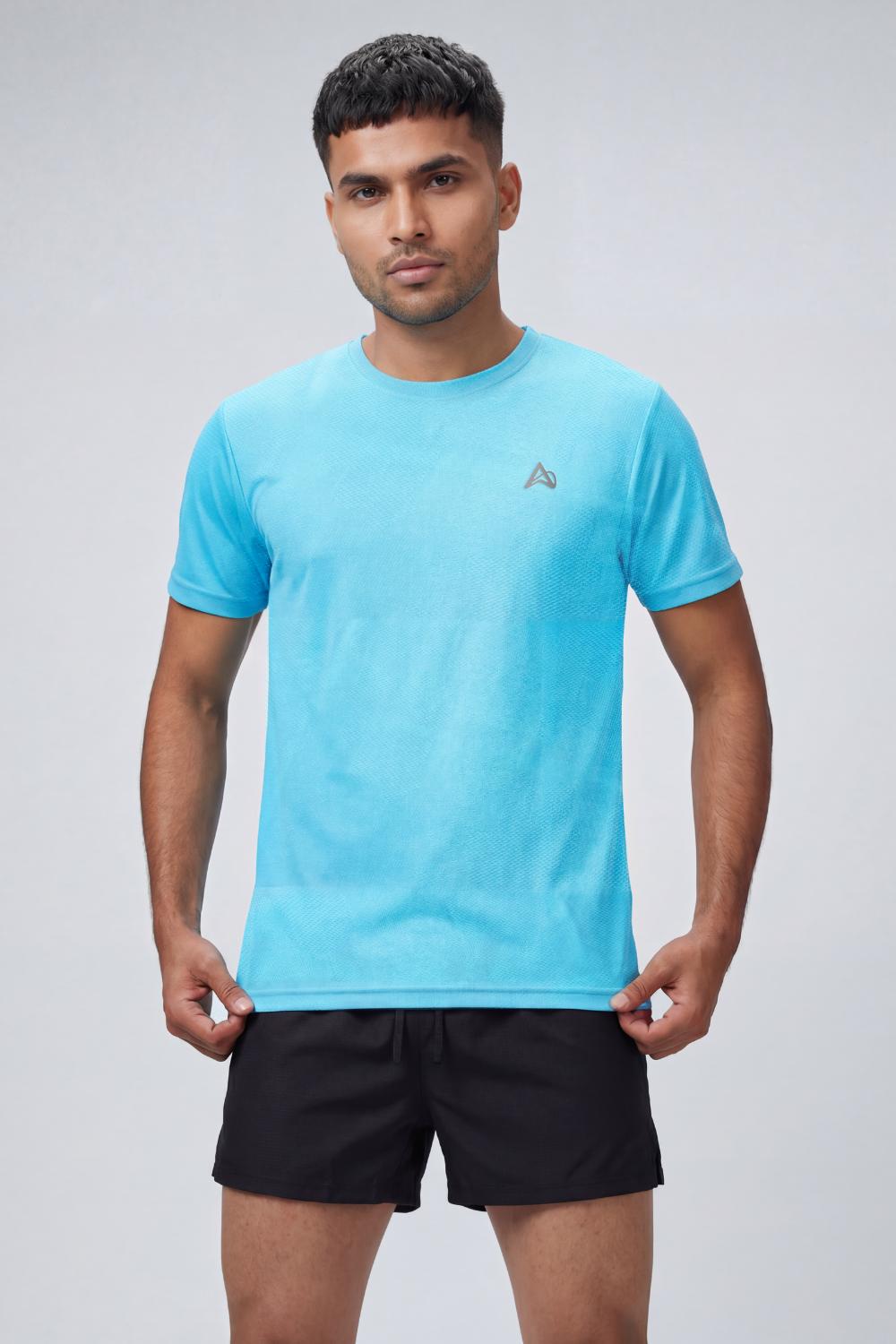
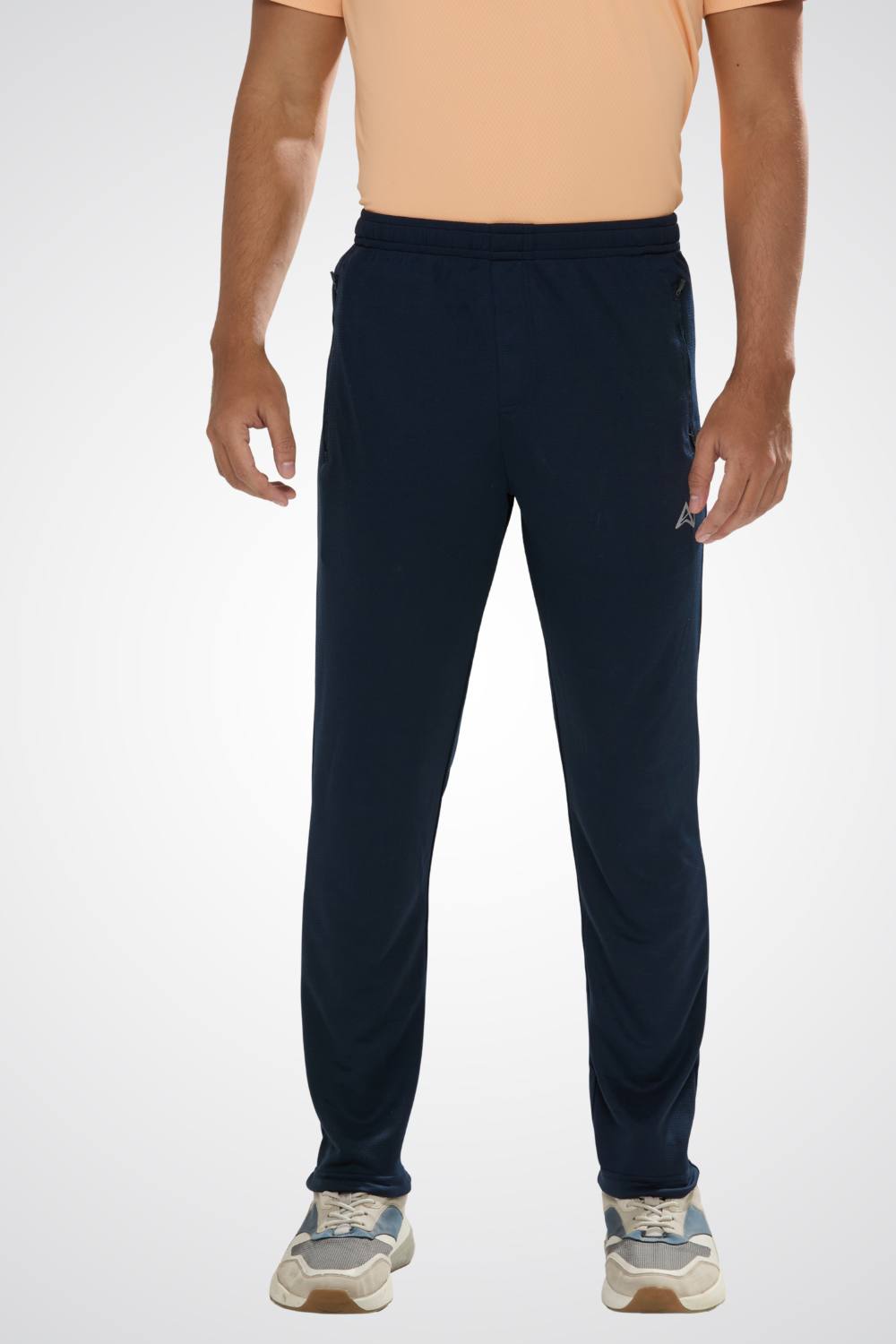
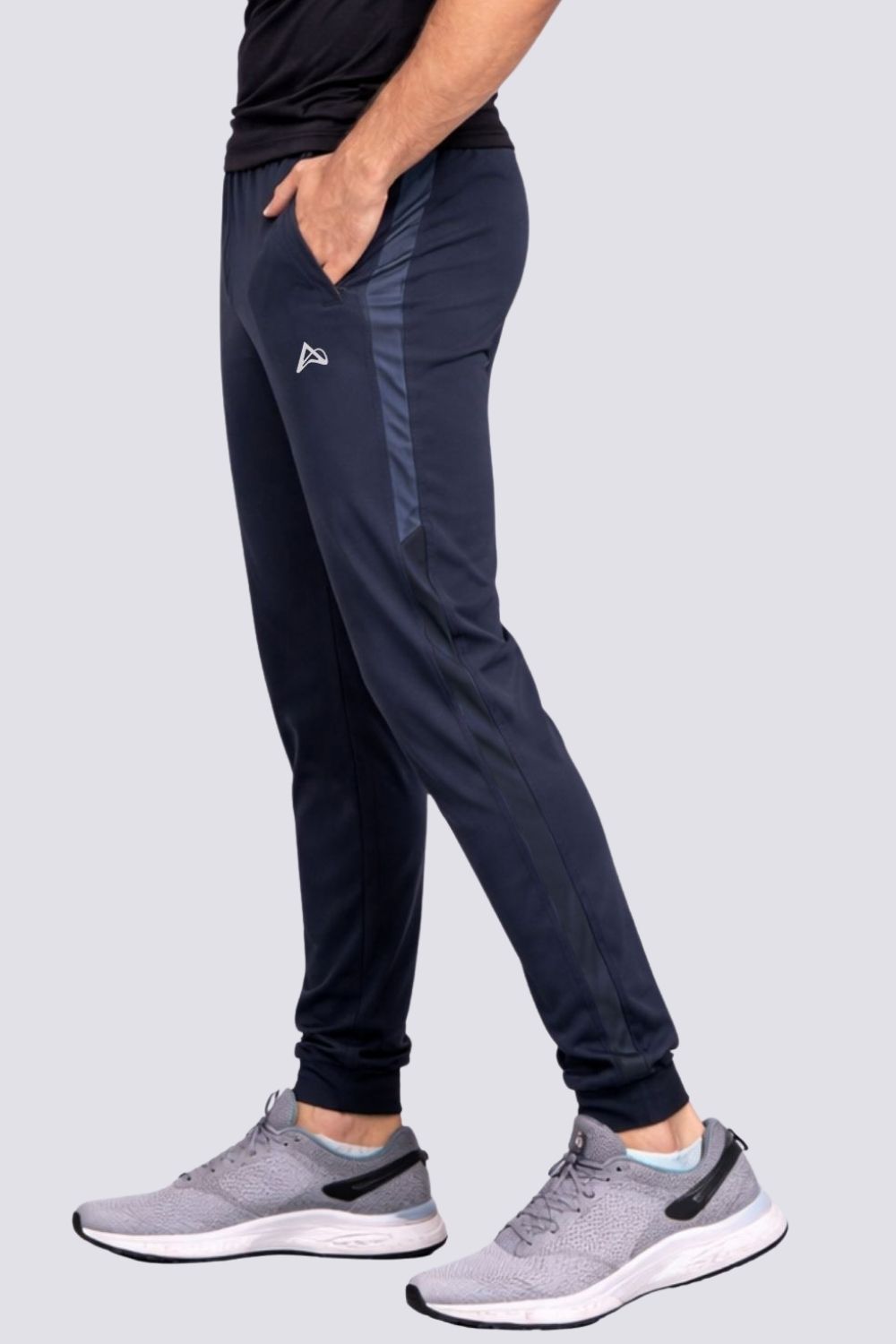
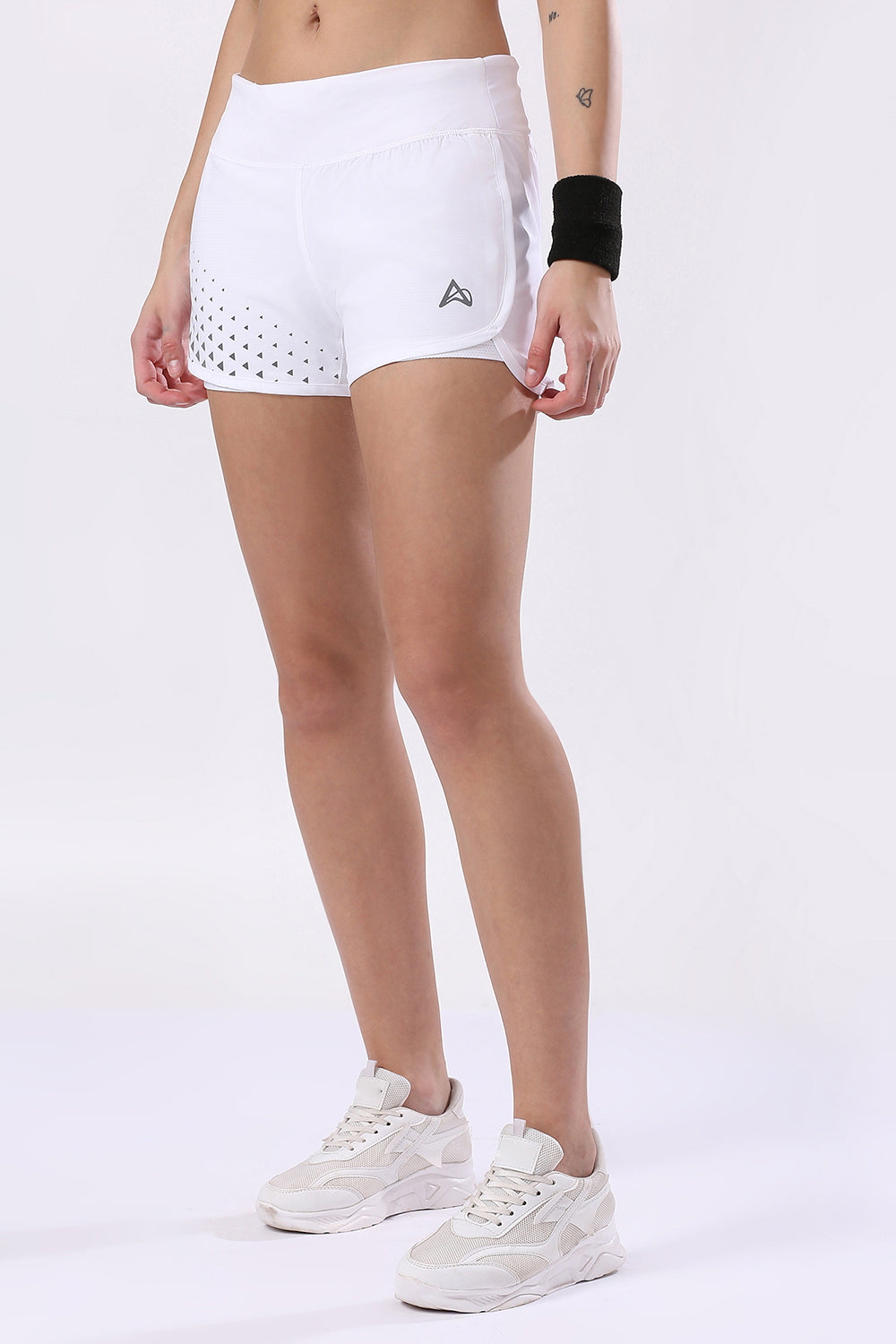
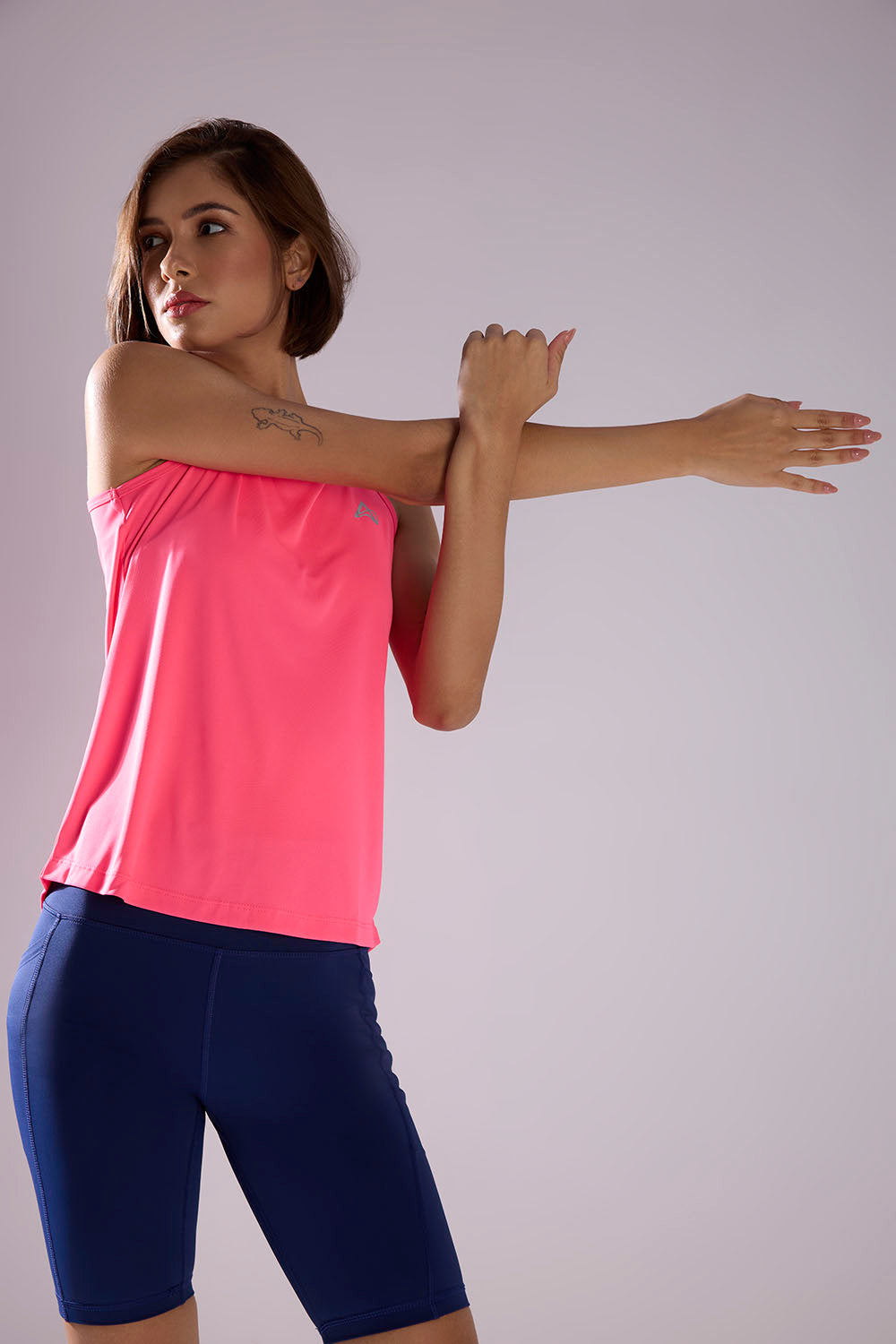
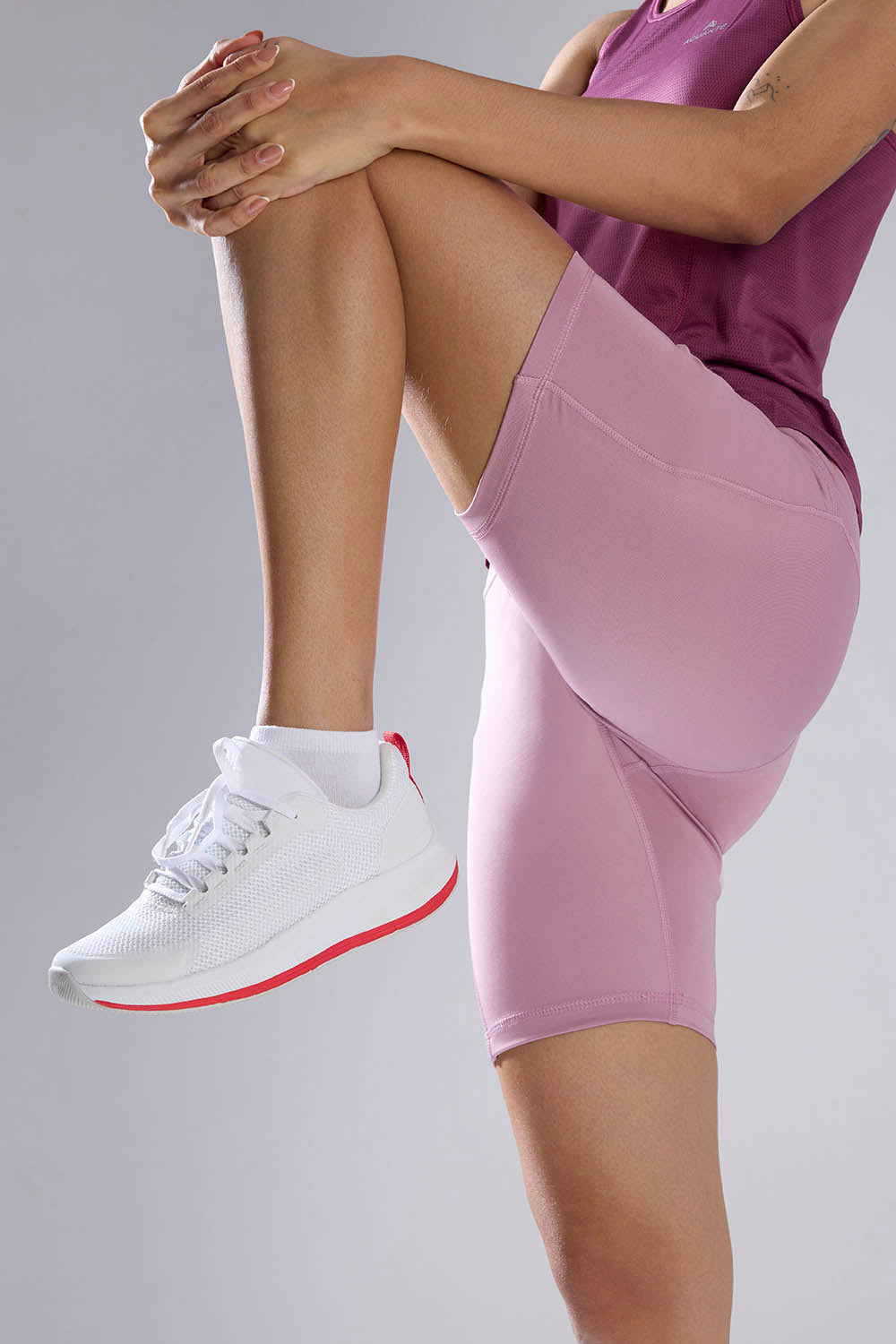
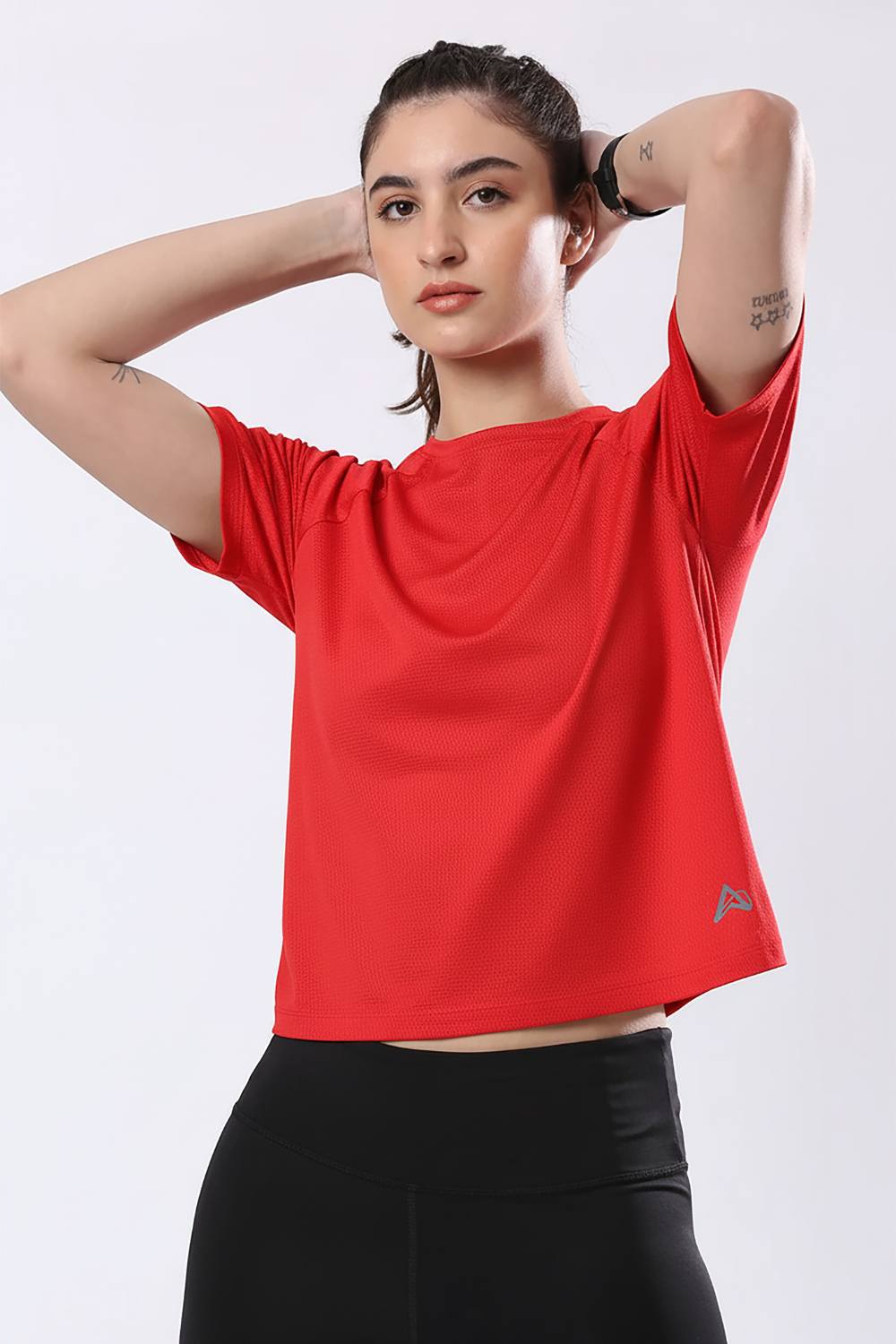


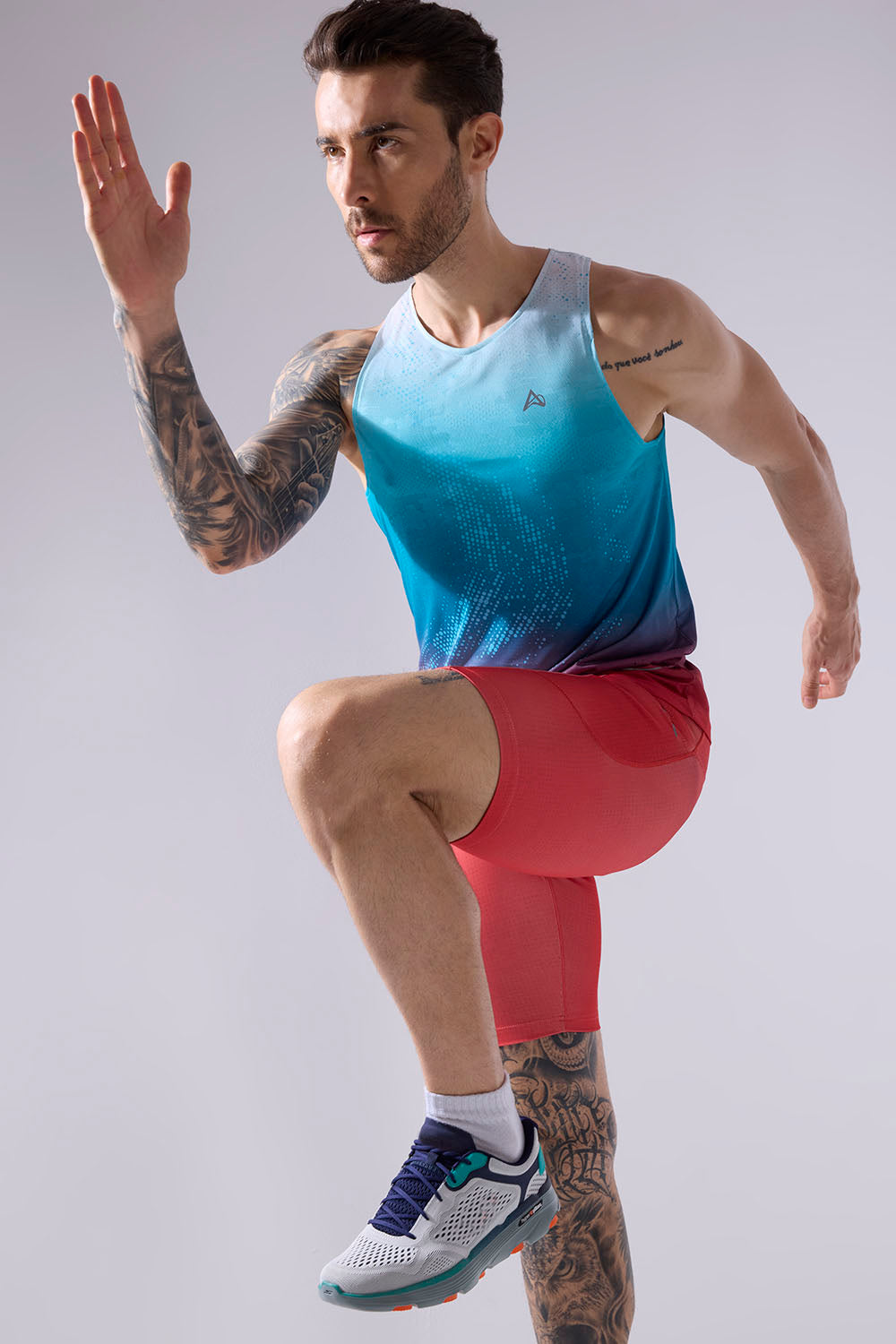

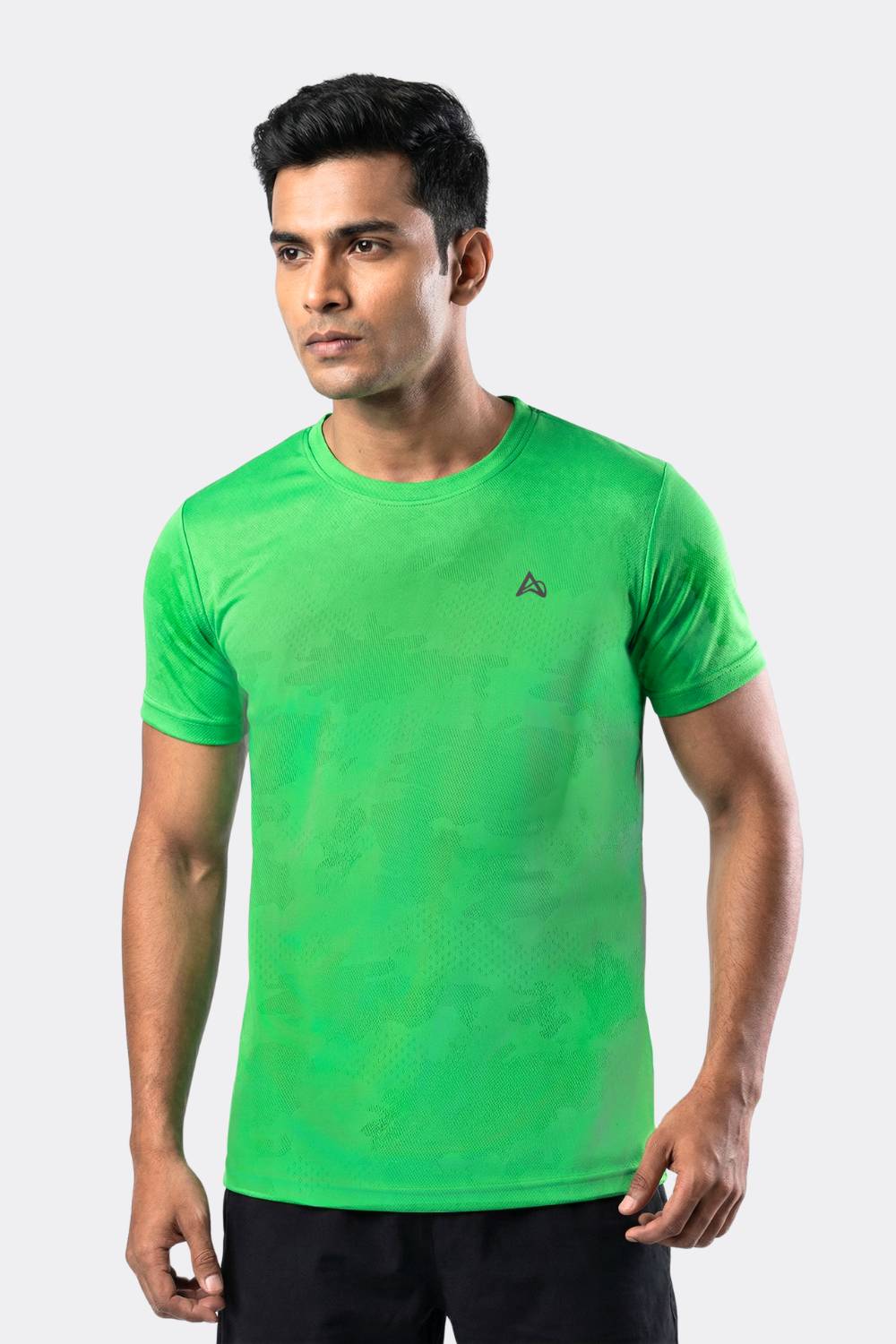
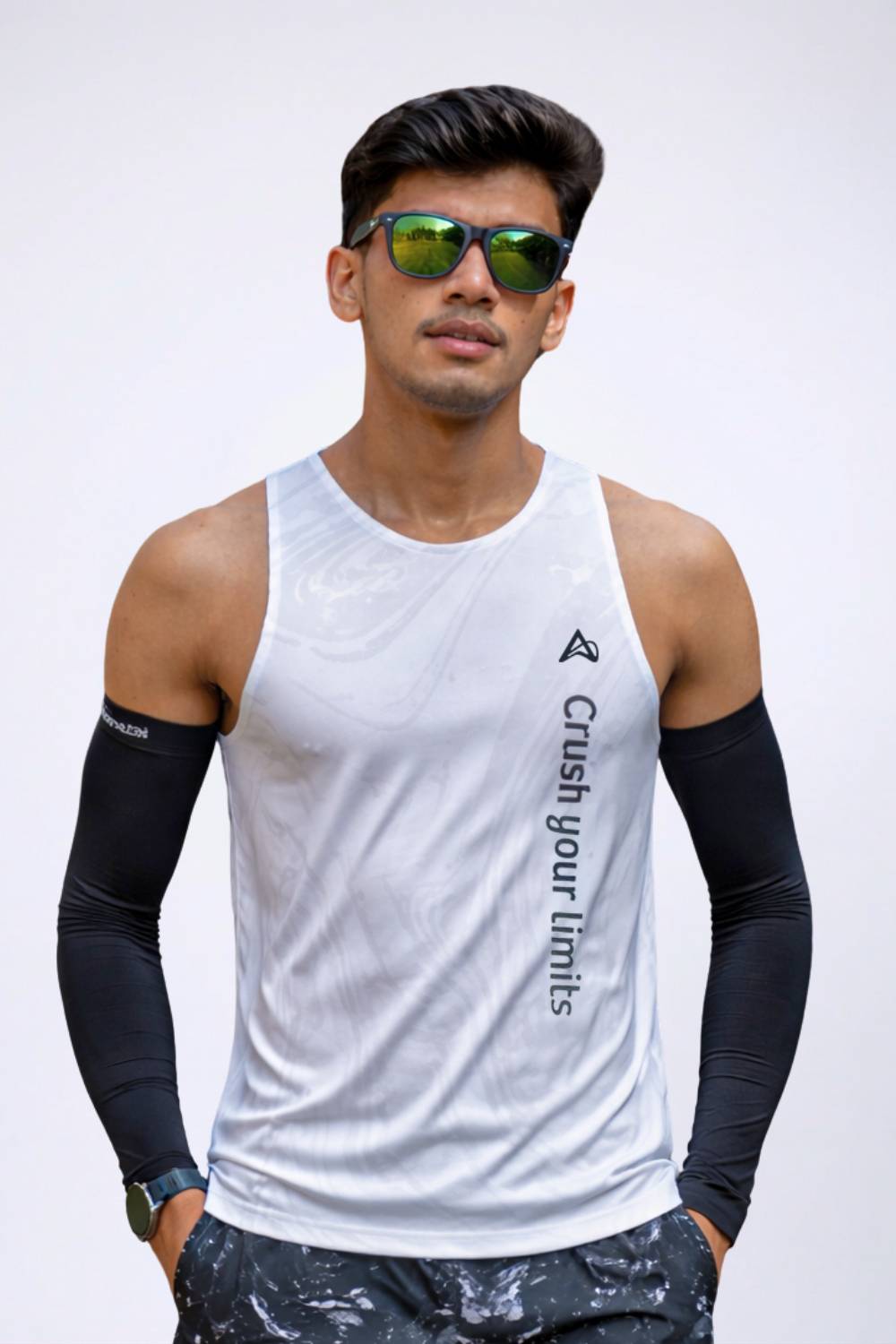

In the quiet predawn of Mumbai, runners carve paths through the humid air, their footsteps echoing past sleepy vendors and the briny scent of the Arabian Sea. In Bangalore's Cubbon Park, tech professionals and students lace up, exhaling clouds of breath before the sun ignites the day. From Hyderabad's rugged trails to Delhi's bustling streets, a running revolution is sweeping India. Yet, for years, the gear these runners relied on often imported, overpriced, or unsuited to India's punishing climate failed to match their drive. Enter Aguante, a homegrown brand redefining activewear by harnessing the voices of India's runners to craft gear as resilient as they are.
Tired of gear that slows you down? Chafing, soggy fabrics, and missing pockets kill your run's momentum. At Aguante, we're runners who get it. Our high-performance activewear features moisture-wicking fabrics, ergonomic designs, and smart storage to keep you focused. Shop Now!
A Running Culture on the Rise
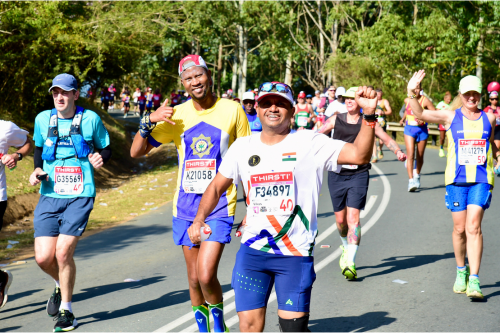
India's running scene has transformed from a niche hobby into a cultural force. The Indian running gear market reached USD 2.4 billion in 2024, with projections to double to USD 4.8 billion by 2033, driven by a 7.71% CAGR. This growth reflects rising health awareness, urban expansion, and increased disposable incomes, fueled by the popularity of marathons and local races. Cities like Mumbai, Delhi, and Bangalore lead the charge, hosting events like the Tata Mumbai Marathon, which draws over 50,000 participants annually. India also ranks among the top three nations for runners in South Africa's Comrades Ultra Marathon, a testament to its growing global presence.
Despite this boom, runners often grapple with gear that falls short. Imported apparel, designed for temperate climates or elite athletes, struggles in India's humid, chaotic conditions. Chafing fabrics, ill-fitting cuts, and premium price tags alienate everyday runners a teacher in Surat, a student in Ahmedabad, or a professional in Gurugram. Founded in 2018 by marathoner Manoj Thakur, Aguante bridges this gap by prioritizing runner feedback, delivering high-performance gear tailored to India's unique needs at accessible prices.
Feedback as the Blueprint for Innovation
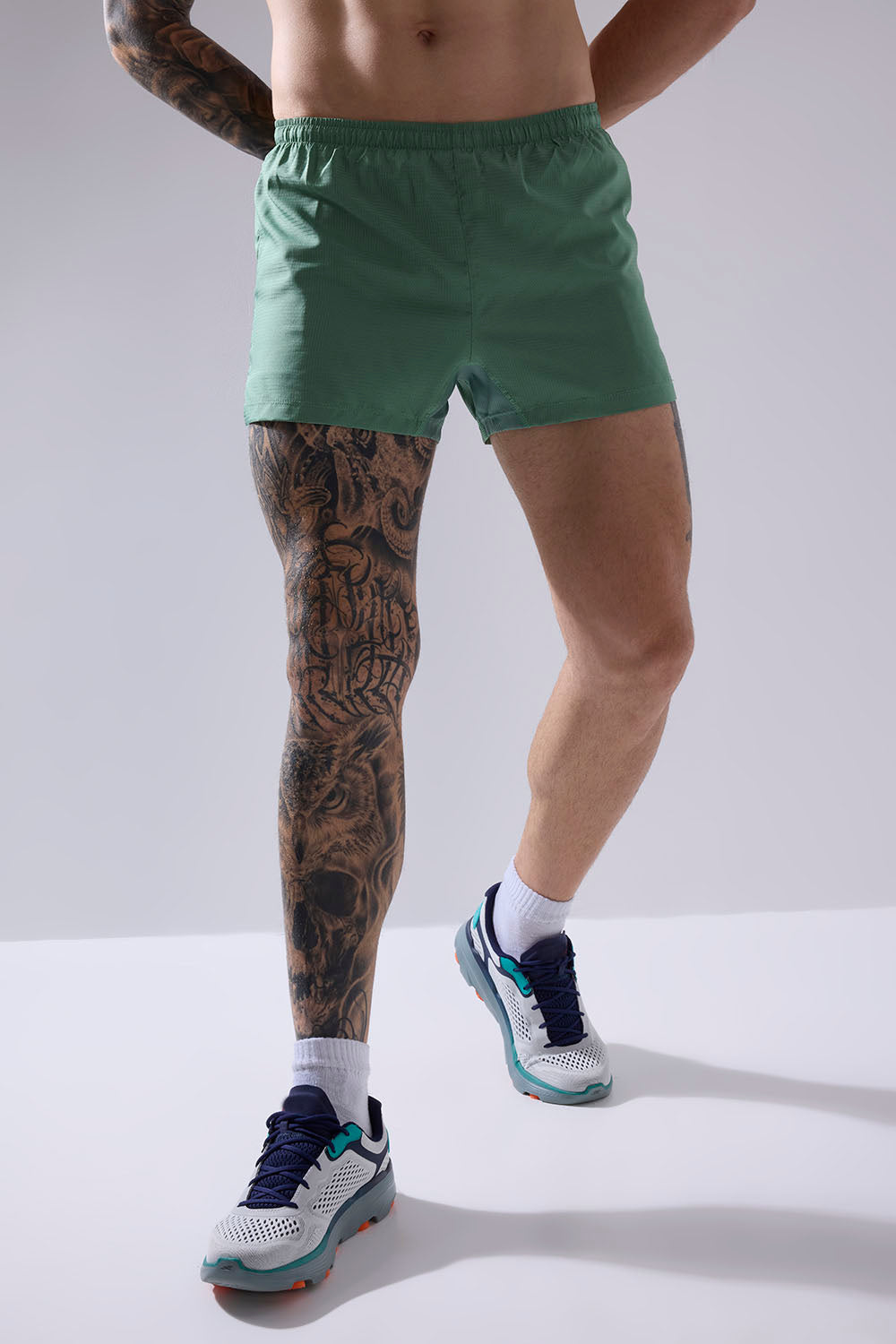
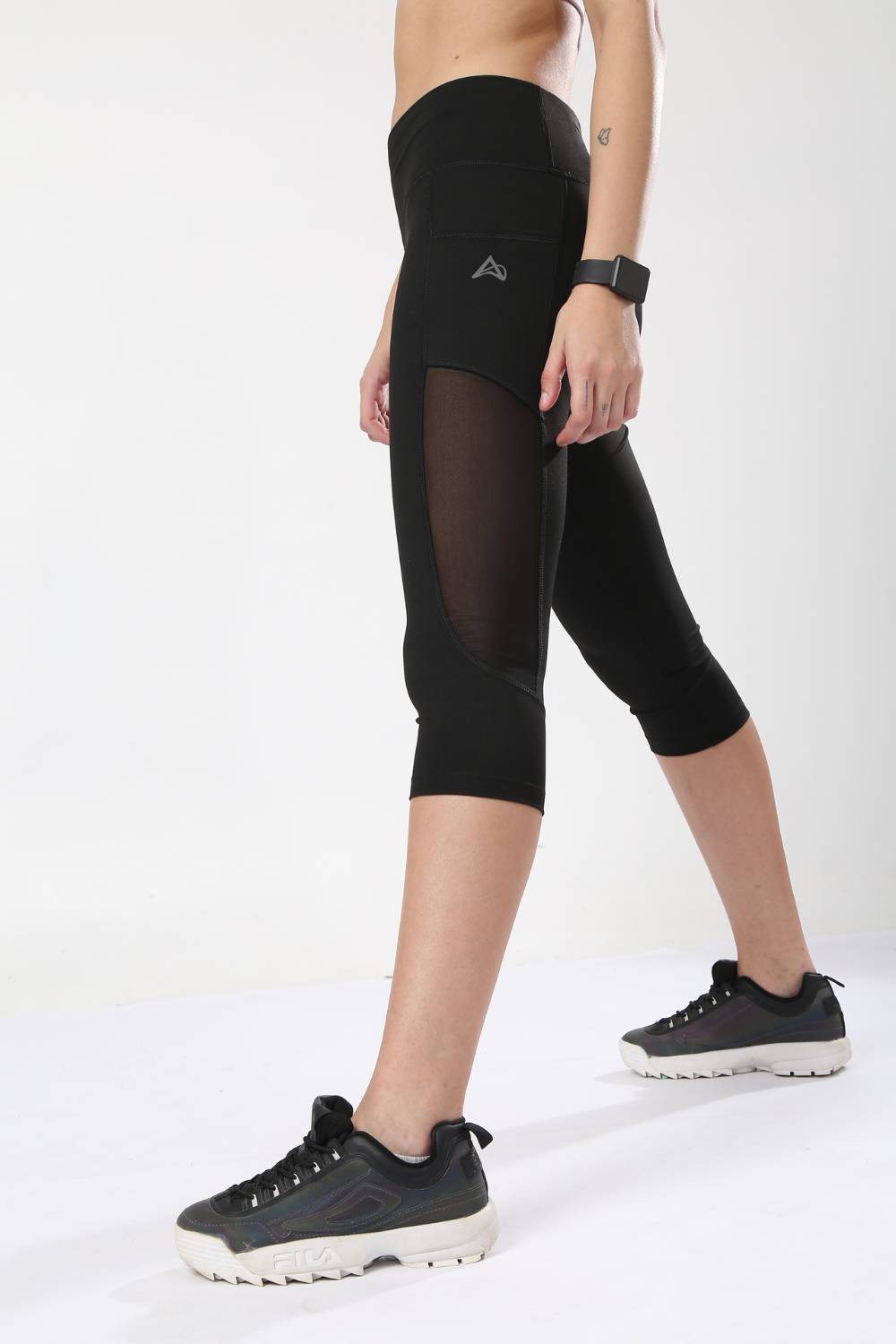
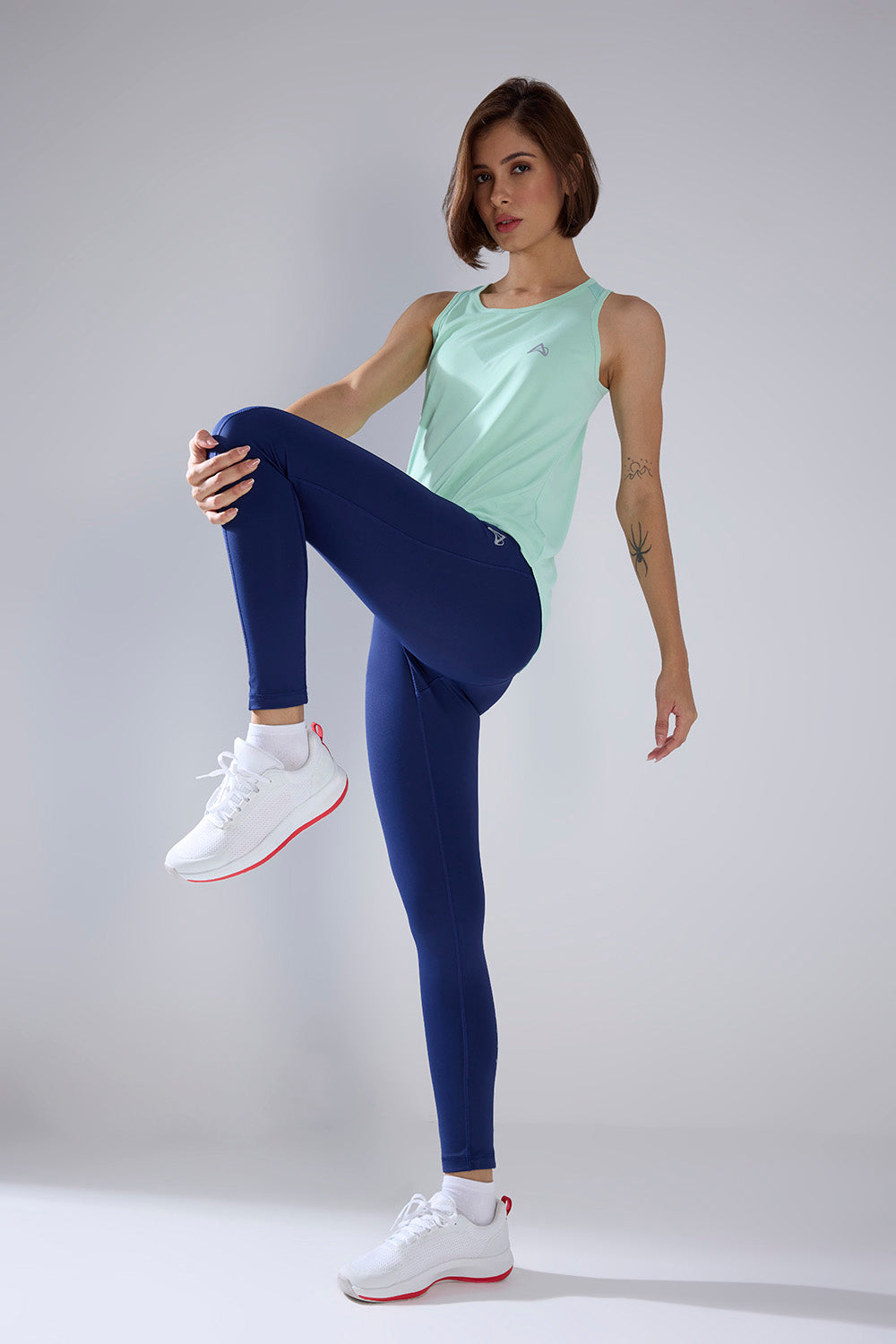
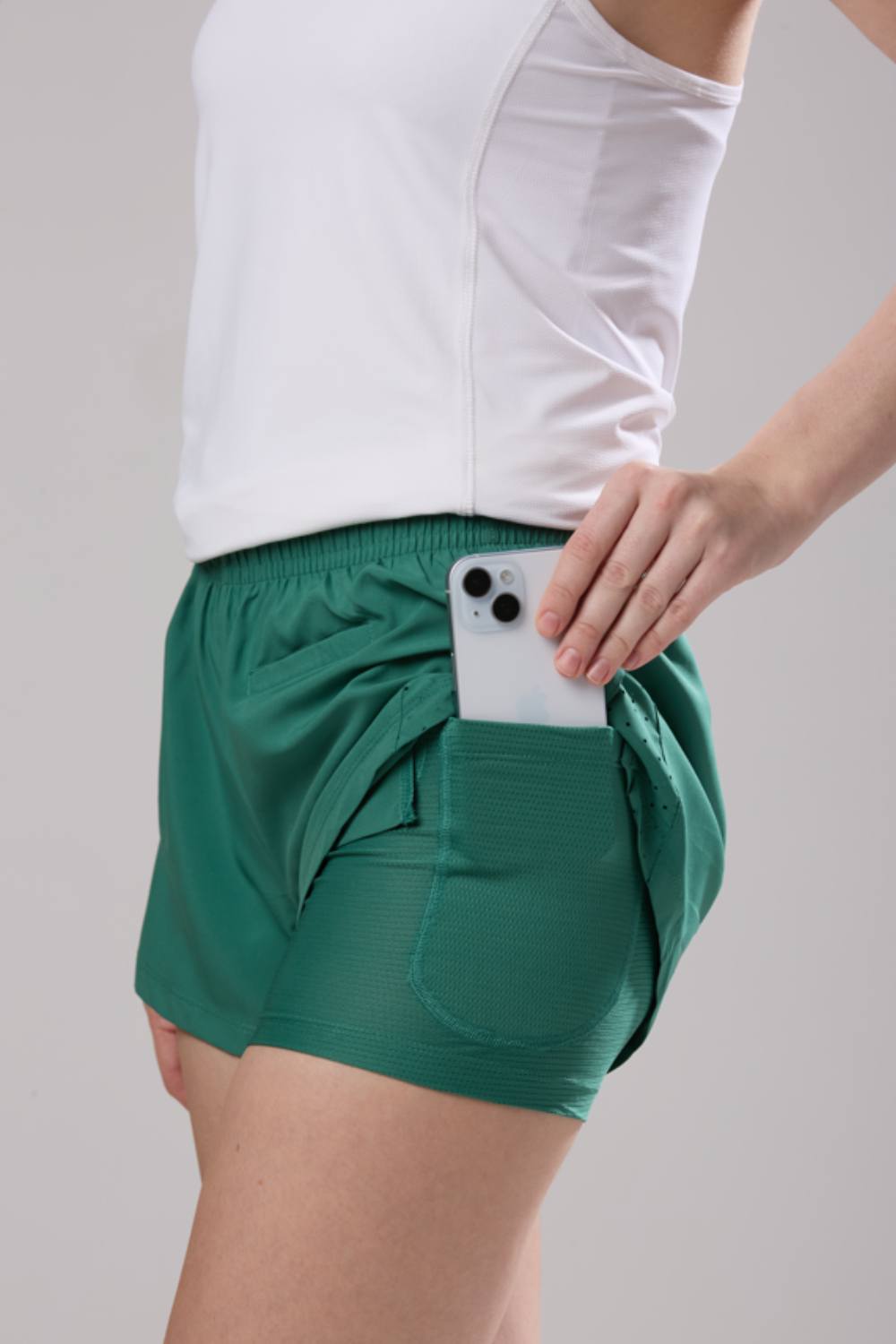
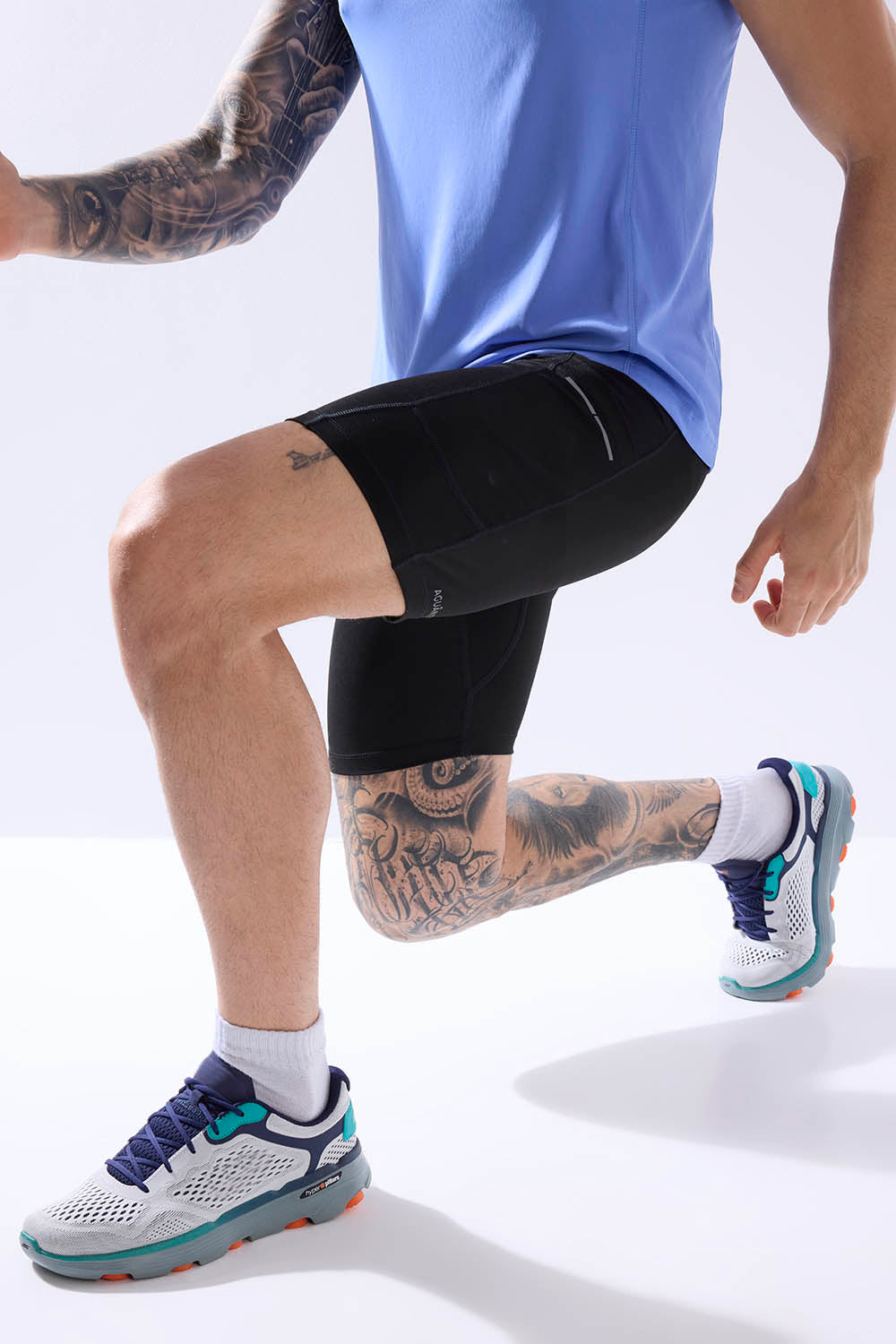
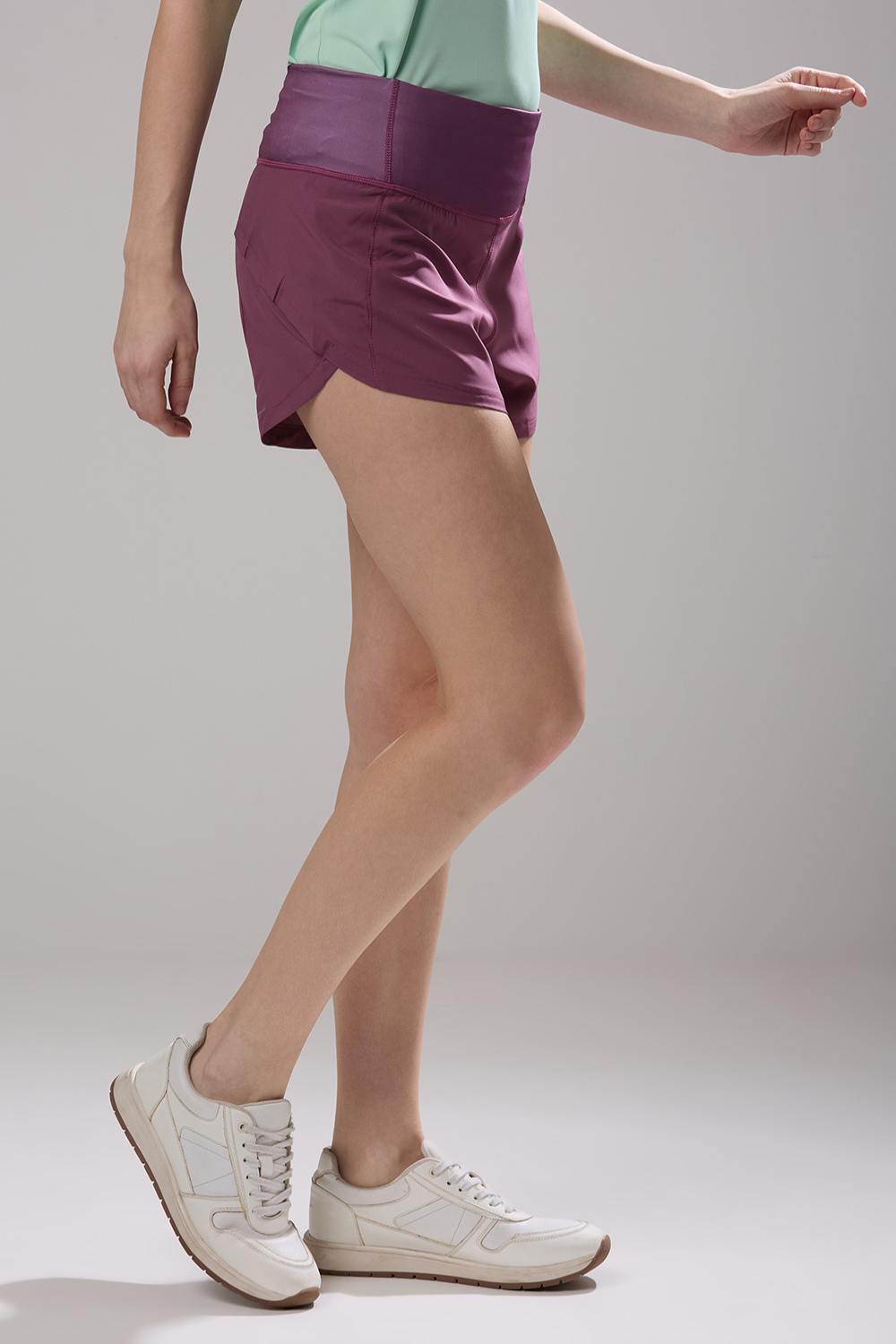
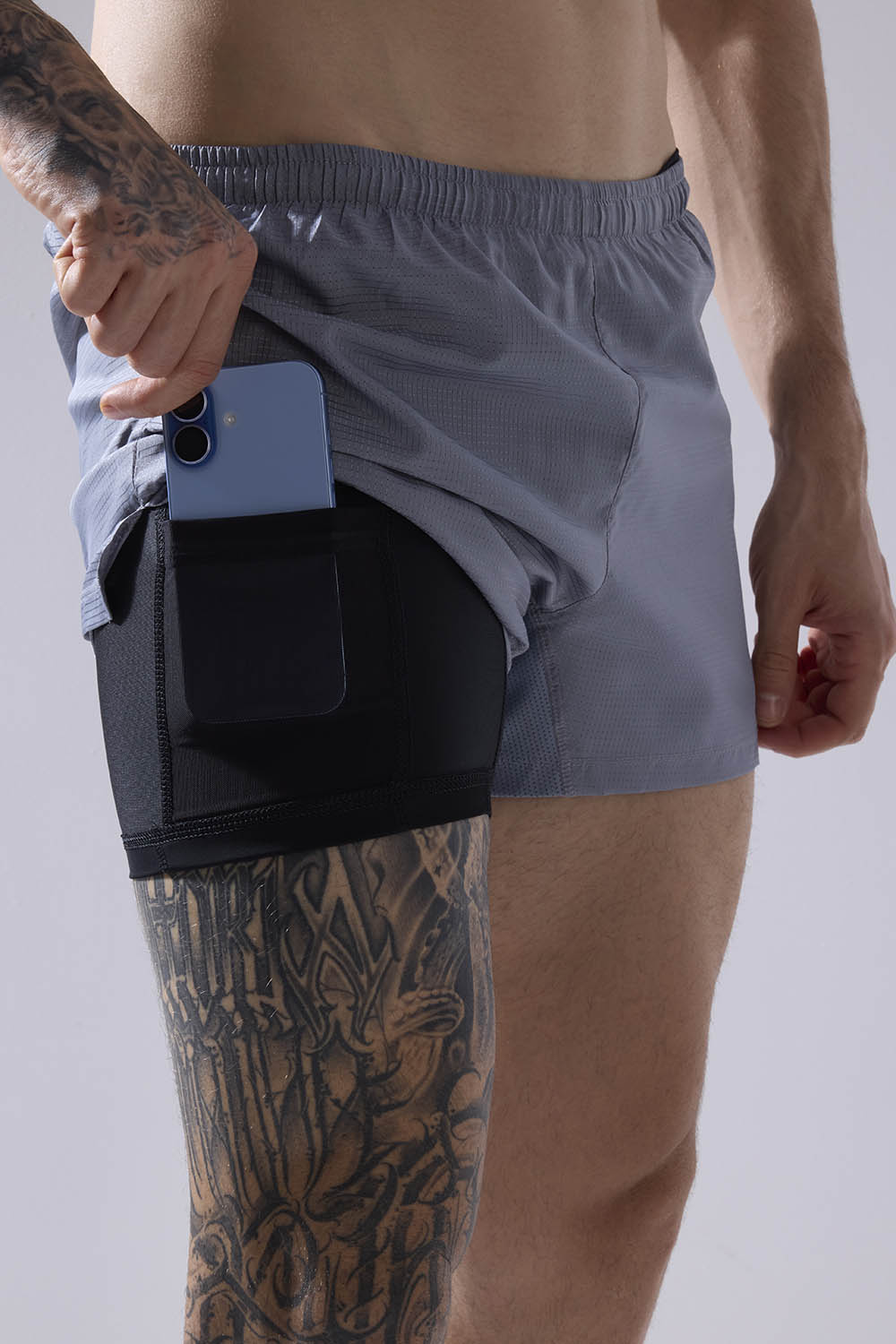
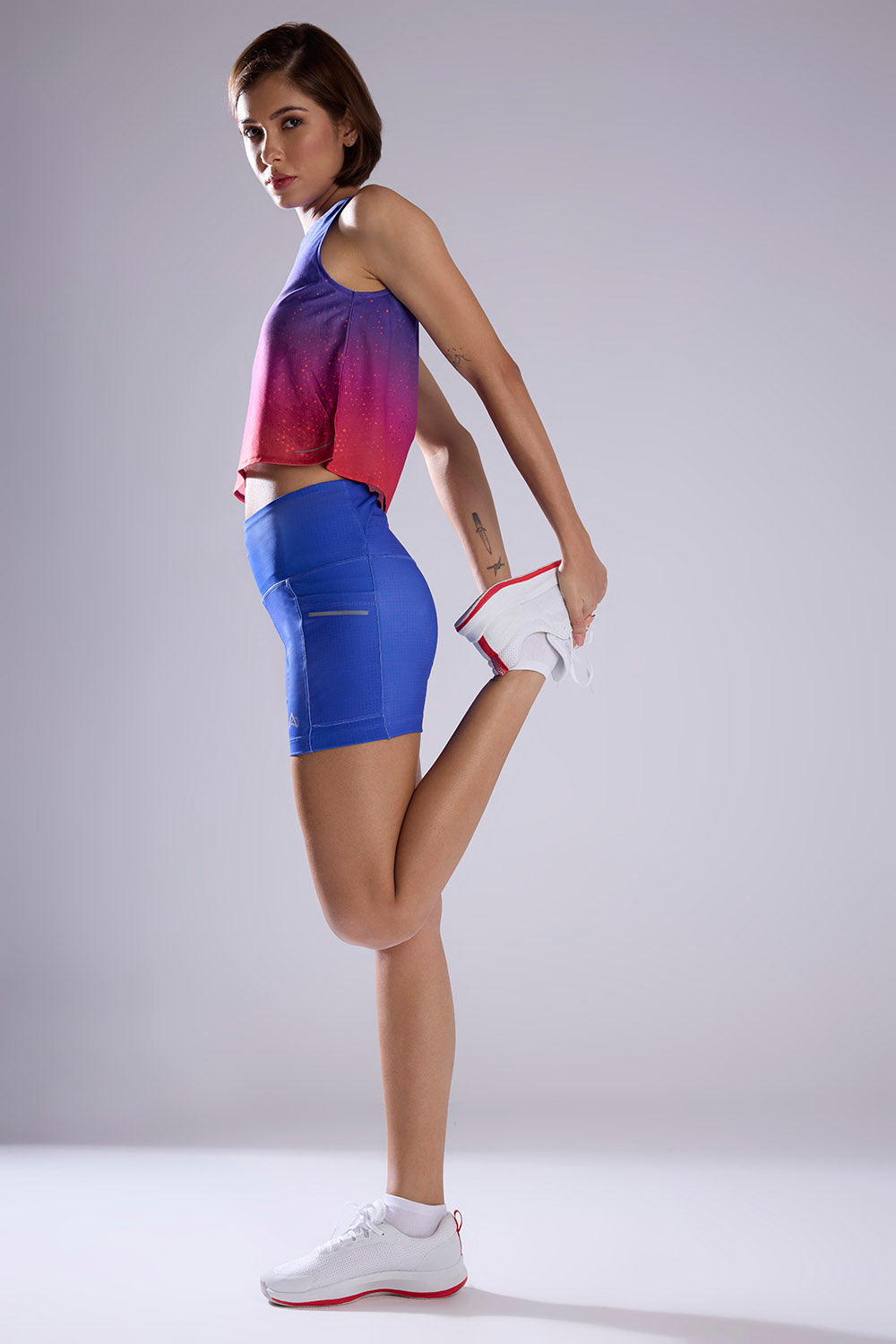
Aguante's design process is rooted in the real-world experiences of Indian runners. Unlike global brands that rely on distant R&D labs, Aguante tests its products split shorts with secure gel pockets, breathable singlets, durable compression tights in the crucible of India's diverse terrains: Mumbai's rain-slicked roads, Hyderabad's scorching heat, Pune's uneven paths. Thakur, a retail expert and avid runner, understands the frustration of gear that fails mid-stride. “We don't assume what runners want,” he told Local Samosa. “We listen, then deliver.”
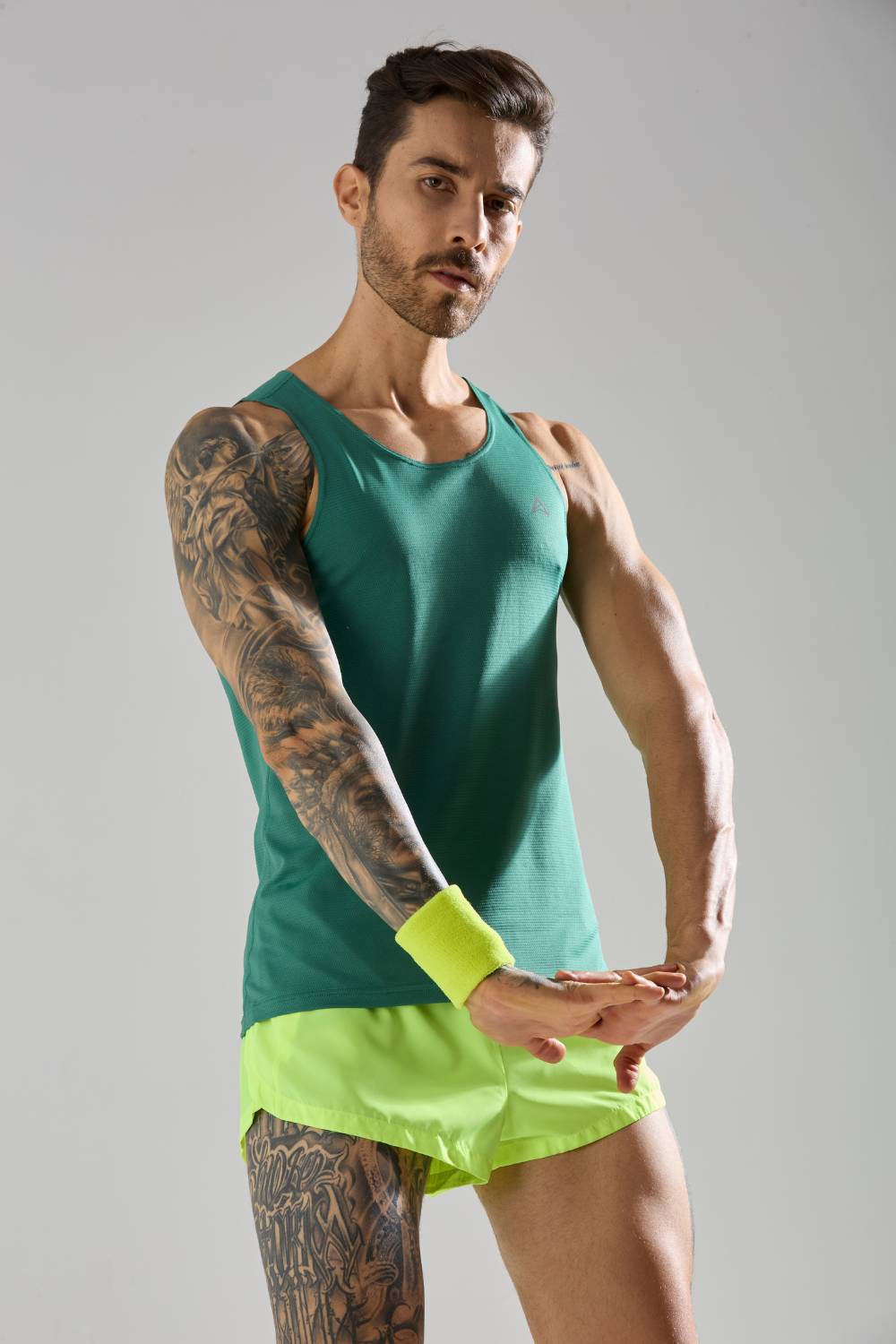
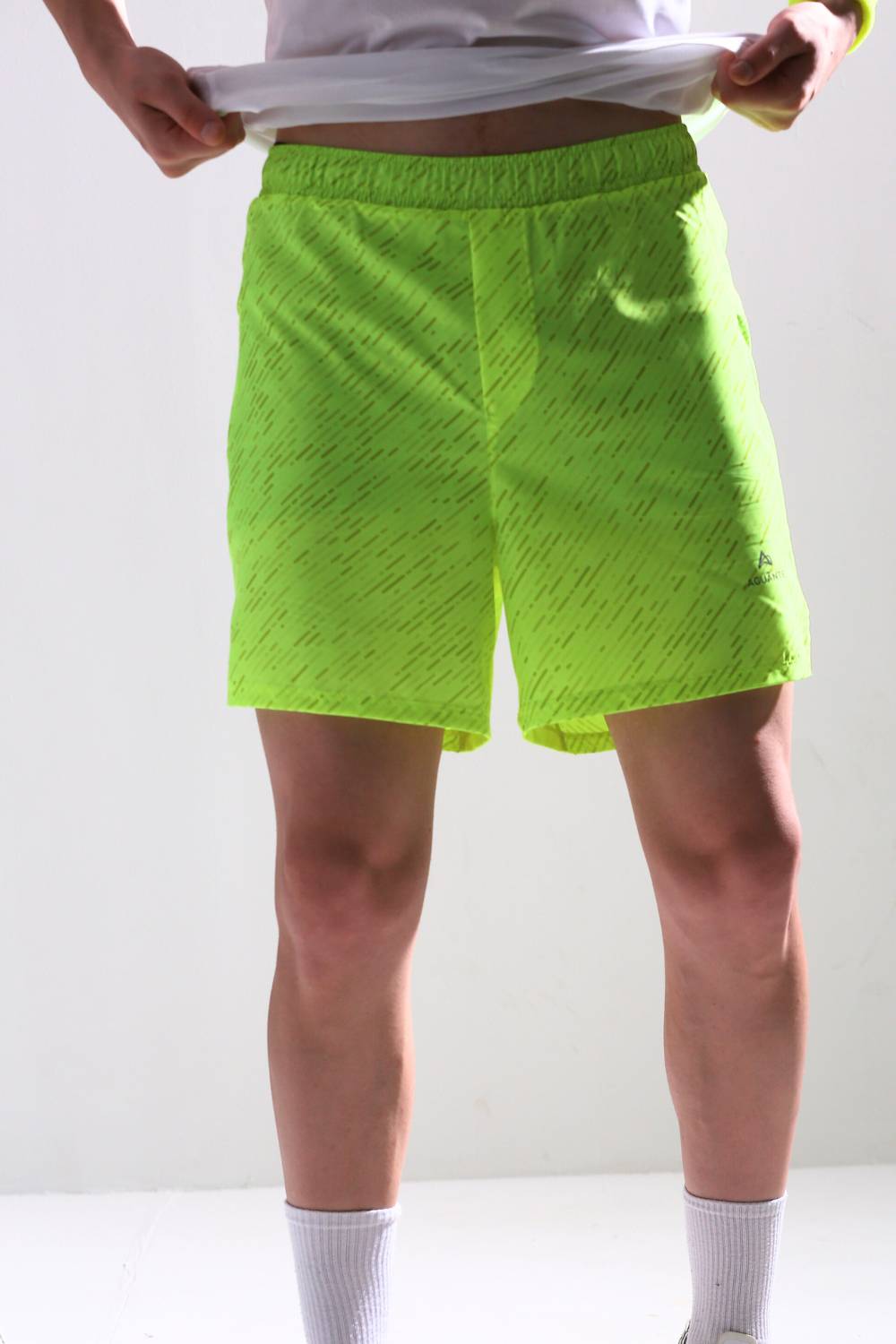
This approach shines through in real stories. Shanth Koushik, a Bangalore-based barefoot running coach (@barefoot_coach_shanth_koushik), emphasized breathability during testing, leading to Aguante's race-day singlets with perforated zones that thrive in India's sticky summers. In Hyderabad, Rajesh Parida (@rajesh84parida) advocated for reflective strips after navigating dimly lit roads, inspiring safer, high-visibility designs. Across Aguante's target cities Navi Mumbai, Delhi, Gurugram, Surat, and beyond hundreds of runners feed into a dynamic loop, ensuring gear evolves with their needs. The outcome is apparel that moves with the runner: moisture-wicking polyester, anti-chafe linings, and pockets that stay put through a full marathon.
This feedback-driven model sets Aguante apart. While international brands churn out standardized designs, Aguante's gear is a direct response to India's runners, from the college student in Pune to the retiree in Navi Mumbai. It's a philosophy that not only improves performance but also builds trust, turning customers into collaborators.
Navigating India's Design Challenges
Designing for India's runners is a complex puzzle. Mumbai's coastal humidity demands different fabrics than Delhi's dry, smoggy winters or Ahmedabad's searing summers. Indian body types, often slimmer or more varied than Western standards, require ergonomic fits that don't sag or pinch. Aguante tackles these challenges by rigorously testing in cities like Surat and Gurugram, ensuring gear performs across climates and physiques. Affordability remains central while global brands charge a premium for apparel, Aguante offers high-quality options that don't strain the wallets of everyday runners.
Yet, obstacles persist. Scaling production without compromising quality is a tightrope walk, particularly as Aguante commits to sustainability, aiming for 100% recycled fabrics by 2030. Eco-friendly materials often raise costs, a risk in India's price-sensitive market. Aguante mitigates this through a lean direct-to-consumer model, but the transition requires careful navigation. Awareness is another hurdle: while urban runners in Bangalore and Mumbai embrace specialized gear, rural newcomers to running may not yet see its value. Aguante counters this with partnerships local running clubs, influencer campaigns on Instagram, Facebook, and YouTube that amplify its reach, though building a broader audience demands patience.
A Market Poised for Local Champions
The Indian sports apparel market is surging, valued at USD 705.85 million in 2024 and projected to reach USD 1,592.58 million by 2030, with a 14.52% CAGR. This growth is driven by health consciousness, rising gym memberships, and a youth-driven sports culture, particularly in metropolitan hubs like Mumbai, Delhi, and Bangalore. The rise of athleisure, fueled by e-commerce and changing fashion preferences, further accelerates demand for functional yet stylish gear.
Aguante capitalizes on this shift with innovations tailored to India's realities: rain-resistant fabrics for monsoons, heat-regulating tops for summer, and inclusive sizing for diverse runners. Its community-driven ethos, amplified by influencers like Amit Kumar (@coach_amitkumar) and Dev (@runholic_dev), fosters loyalty that outshines the polished campaigns of global giants. In cities like Pune, Surat, and Ahmedabad, where running clubs and marathons are multiplying, Aguante's no-nonsense approach prioritizing function over flash resonates deeply.
Government initiatives, such as Khelo Bharat Niti 2025, which promote sports in daily life, add tailwinds, particularly for women, whose participation is reshaping the market. The sports apparel sector is also diversifying, with t-shirts and tops leading as the fastest-growing segment, generating USD 253 million in 2022 and projected to reach USD 399.5 million by 2030, per Grand View Research. Aguante's focus on practical, locally relevant gear positions it to claim a growing share of this dynamic market.
The Future of Indian Activewear
As the sun rises over Bangalore, a runner in Aguante shorts glides through the mist, unhindered by damp fabrics or shifting gear. In Mumbai, a marathoner crosses the finish line, his singlet dry despite the coastal heat. These moments small victories born of thoughtful design define Aguante's impact. By placing runners at the heart of its process, the brand isn't just crafting apparel; it's fueling a movement where every stride counts.
The road ahead is promising but demanding. As India's running culture expands, so will the need for gear that adapts to its evolving landscape urban and rural, male and female, elite and amateur. Aguante's commitment to listening ensures it will keep pace, delivering solutions that empower runners to push harder, go farther, and dream bigger. Join the conversation on Instagram, Facebook, or YouTube, and help shape the future of Indian activewear.
Frequently Asked Questions
What makes Indian running apparel different from global brands?
Indian running apparel is designed with regional needs in mind, incorporating feedback from local runners to address factors like high temperatures and diverse body shapes. Features like lightweight, breathable materials and vibrant, culturally inspired designs set it apart. Next-generation Indian apparel also emphasizes affordability without compromising on quality or performance.
How does runner feedback shape the design of next-generation Indian running apparel?
Runner feedback is collected through surveys, wear-testing, and online reviews to identify pain points like fit, comfort, and durability. This input directly informs design changes, such as improved moisture-wicking fabrics and ergonomic cuts tailored to Indian body types. Brands use this data to create apparel that enhances performance while addressing local climate challenges like heat and humidity.
What are the key features of next-generation running apparel inspired by runner feedback?
Next-generation running apparel includes advanced features like moisture-wicking fabrics, anti-slip waistbands, and reflective elements for safety, all driven by runner input. Feedback has also led to sustainable materials and better ventilation for comfort in India’s warm climate. These innovations ensure runners experience enhanced mobility and durability during their runs.
Disclaimer: The above helpful resources content contains personal opinions and experiences. The information provided is for general knowledge and does not constitute professional advice.
You may also be interested in: How Runner Feedback Drives Indian Activewear Innovation
Tired of gear that slows you down? Chafing, soggy fabrics, and missing pockets kill your run's momentum. At Aguante, we're runners who get it. Our high-performance activewear features moisture-wicking fabrics, ergonomic designs, and smart storage to keep you focused. Shop Now!
Powered by flareAI.co