










Quick Listen:
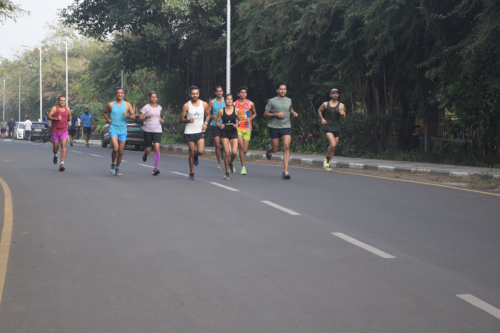
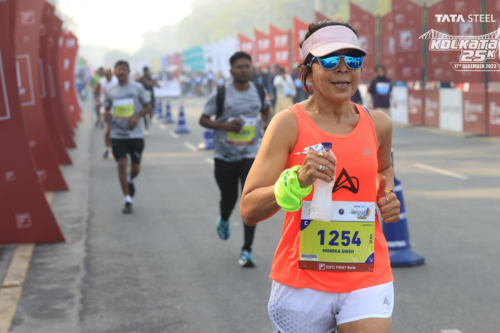
In the early morning haze of Bangalore, runners glide through the shaded trails of Cubbon Park, their strides rhythmic against the awakening city. The same energy pulses along Hyderabad's Necklace Road, Pune's scenic riverside, Mumbai's iconic Marine Drive, and the tree-lined avenues of Delhi and Gurugram. From the western hubs of Surat and Ahmedabad to the planned expanses of Navi Mumbai, India's urban fitness culture has transformed running and training into a shared ritual one that now demands more than just performance. Today's runners want gear that delivers on sweat-soaked miles while respecting the planet's limits.
This evolving expectation has given rise to brands like Aguante, a Pune-based label launched in 2018 by a dedicated long-distance runner tired of settling for inadequate options. Aguante engineers activewear specifically for India's demanding conditions, blending athletic functionality with a growing commitment to sustainability that resonates deeply in the country's major fitness centers.
Tired of gear that slows you down? Chafing, soggy fabrics, and missing pockets kill your run's momentum. At Aguante, we're runners who get it. Our high-performance activewear features moisture-wicking fabrics, ergonomic designs, and smart storage to keep you focused. Shop Now!
India's Booming Activewear Landscape and the Push for Responsibility
India's activewear and sports apparel sector is experiencing dynamic expansion. Recent industry analyses place the India activewear market at approximately USD 15.1 billion in 2024, with projections to reach nearly USD 30 billion by 2030, reflecting a strong compound annual growth rate driven by urbanization, rising disposable incomes, and a surge in health-conscious lifestyles. Cities such as Bangalore, Pune, Hyderabad, and Delhi NCR remain at the forefront, where weekend running crews and dawn fitness gatherings have become fixtures of daily life.
Runners in these metros confront distinct environmental tests: the oppressive humidity along Mumbai and Navi Mumbai's coastlines, the arid heat of Delhi and Ahmedabad, and the erratic monsoon shifts in Bangalore and Pune. Effective apparel must excel at moisture management, breathability, and resilience through repeated laundering in densely populated urban settings. Increasingly, consumers regard sustainability as integral to quality rather than an optional feature. Longer-lasting garments reduce the need for frequent replacements, curbing waste in a category where running shorts, tees, and training tops see heavy, regular use.
The textile production centers in Gujarat (notably Surat and Ahmedabad) and Maharashtra have historically faced scrutiny for substantial water use and pollution associated with traditional synthetic fabric processing and dyeing. These regional realities underscore the urgency for change. Alternatives like recycled polyester, low-impact dyes, and reduced-water techniques are steadily gaining ground, aligning with broader environmental priorities.
Meanwhile, the global sustainable athleisure market closely related to eco-conscious activewear was valued at USD 88.75 billion in 2024 and is projected to reach USD 176.05 billion by 2030, expanding at a CAGR of 12.5% from 2025 onward, according to Grand View Research. This momentum reflects heightened consumer demand for materials such as recycled polyester and organic options, a trend that is increasingly influential in India's performance-driven market.
Aguante's Strategy: Durability Meets Environmental Accountability
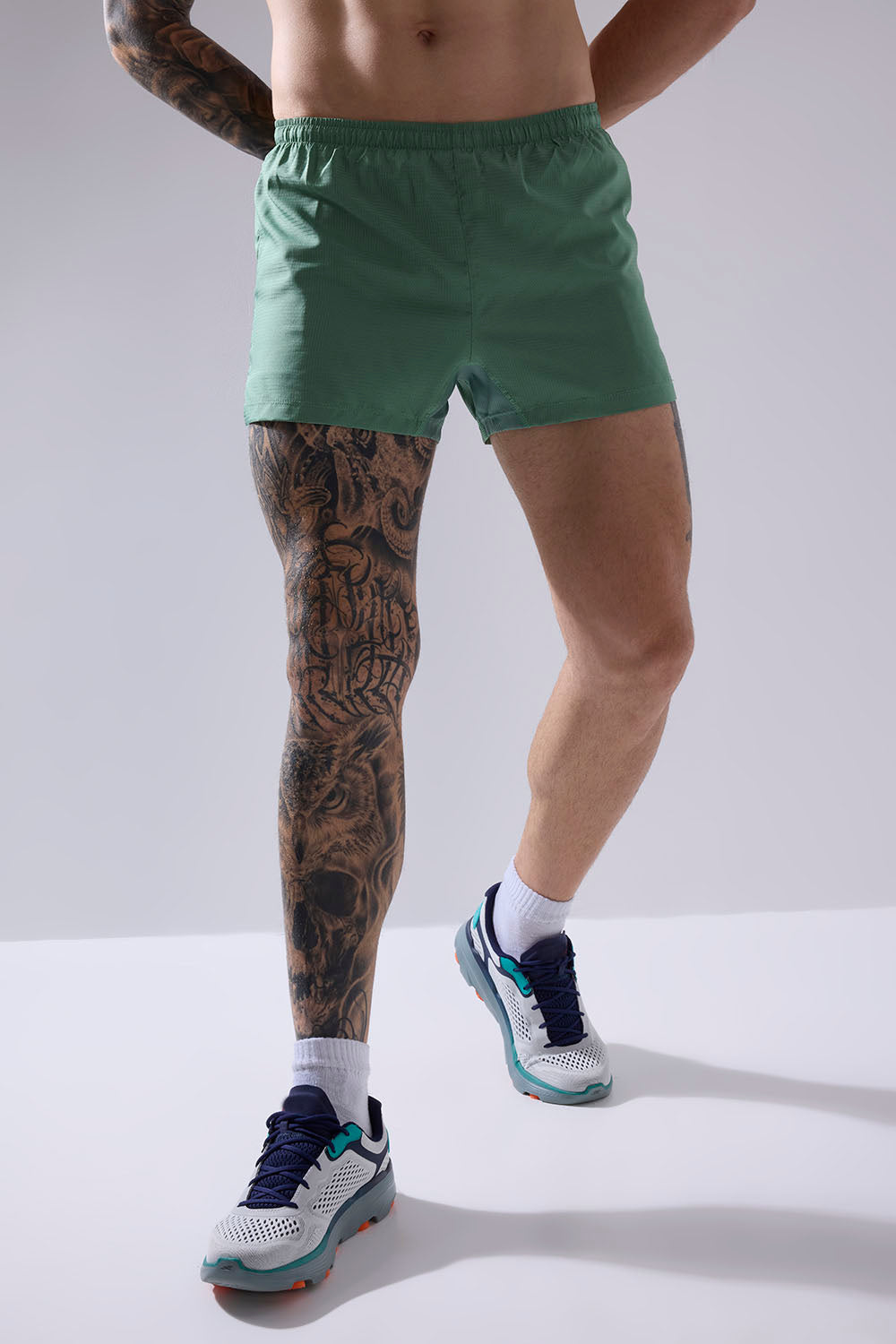
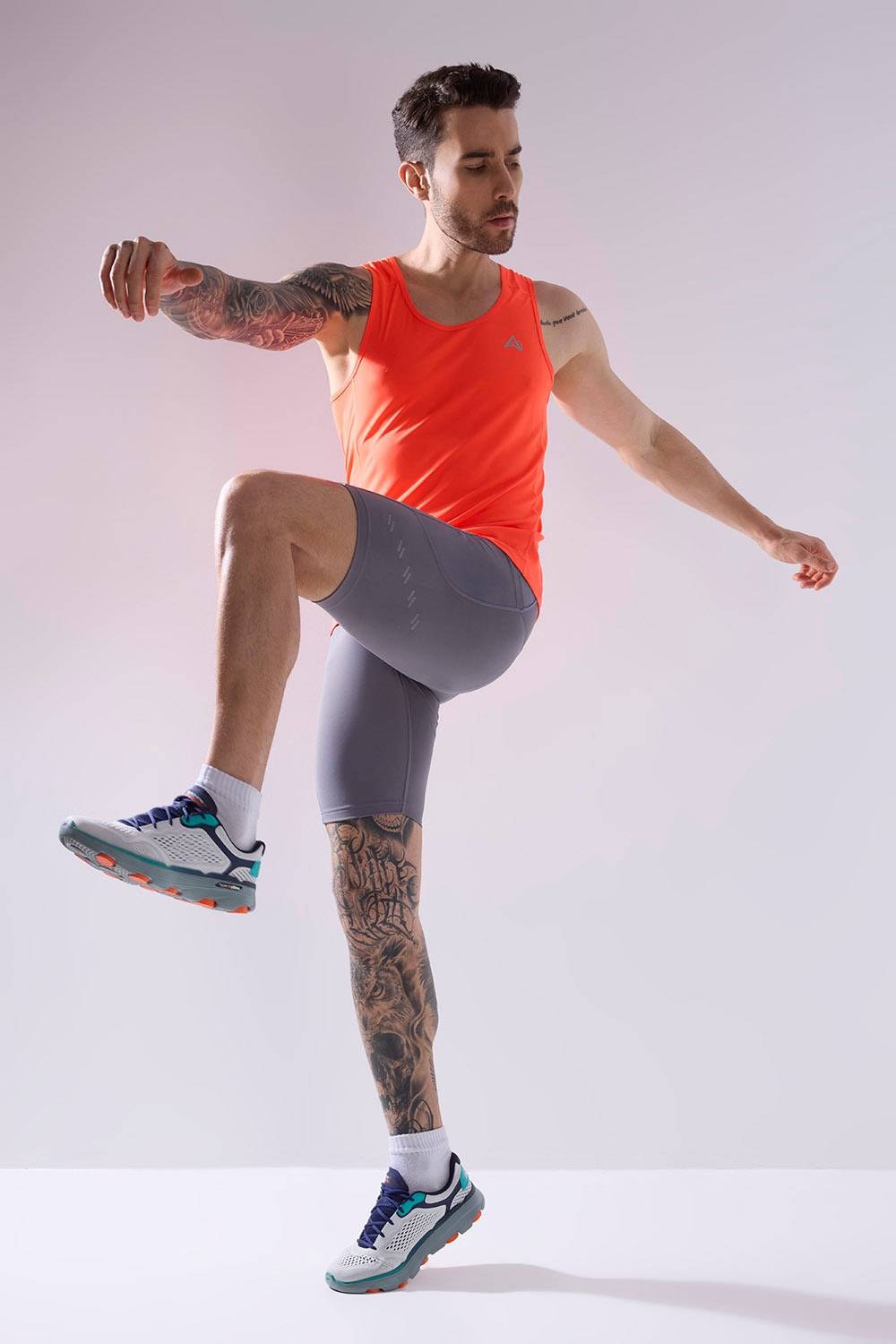
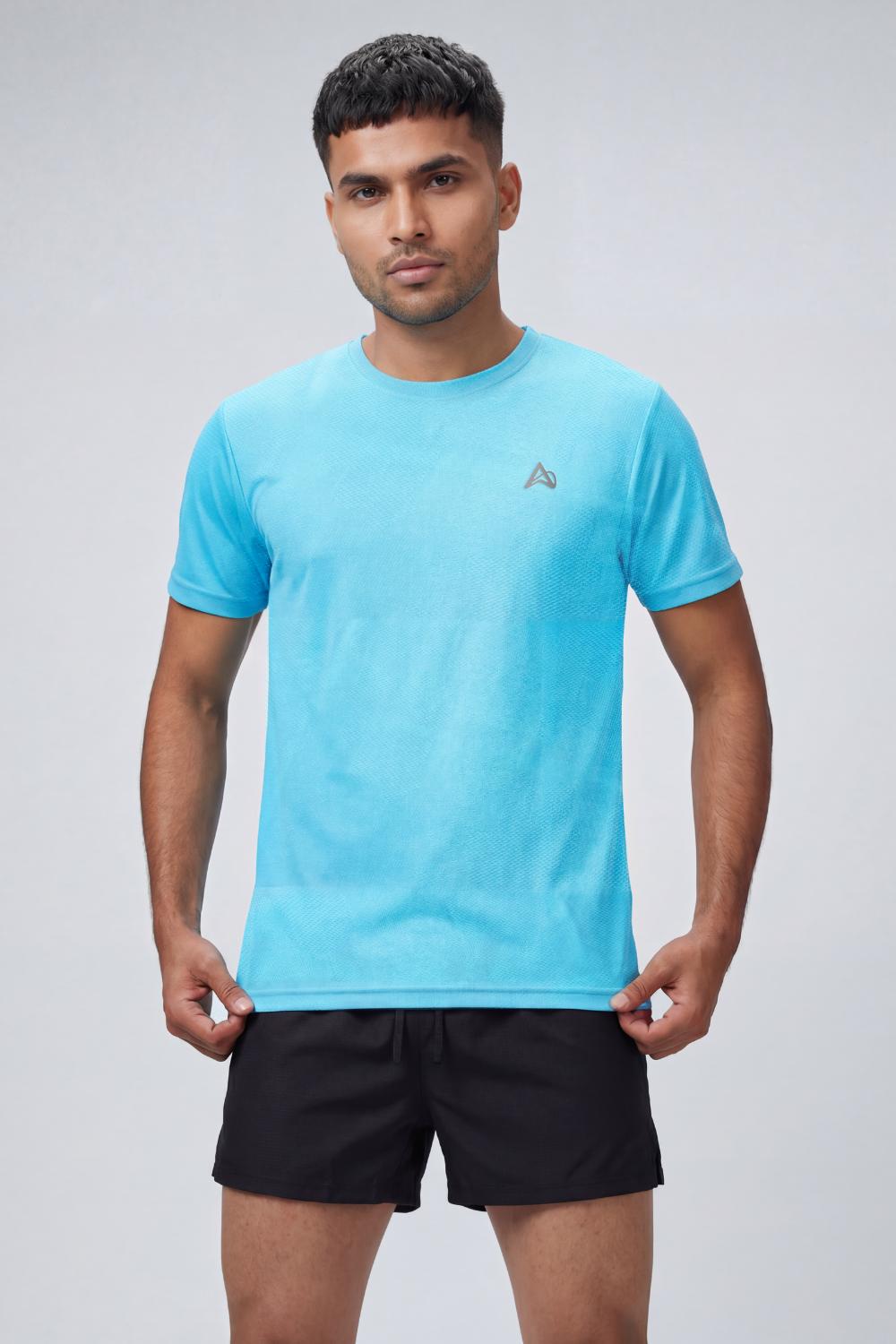
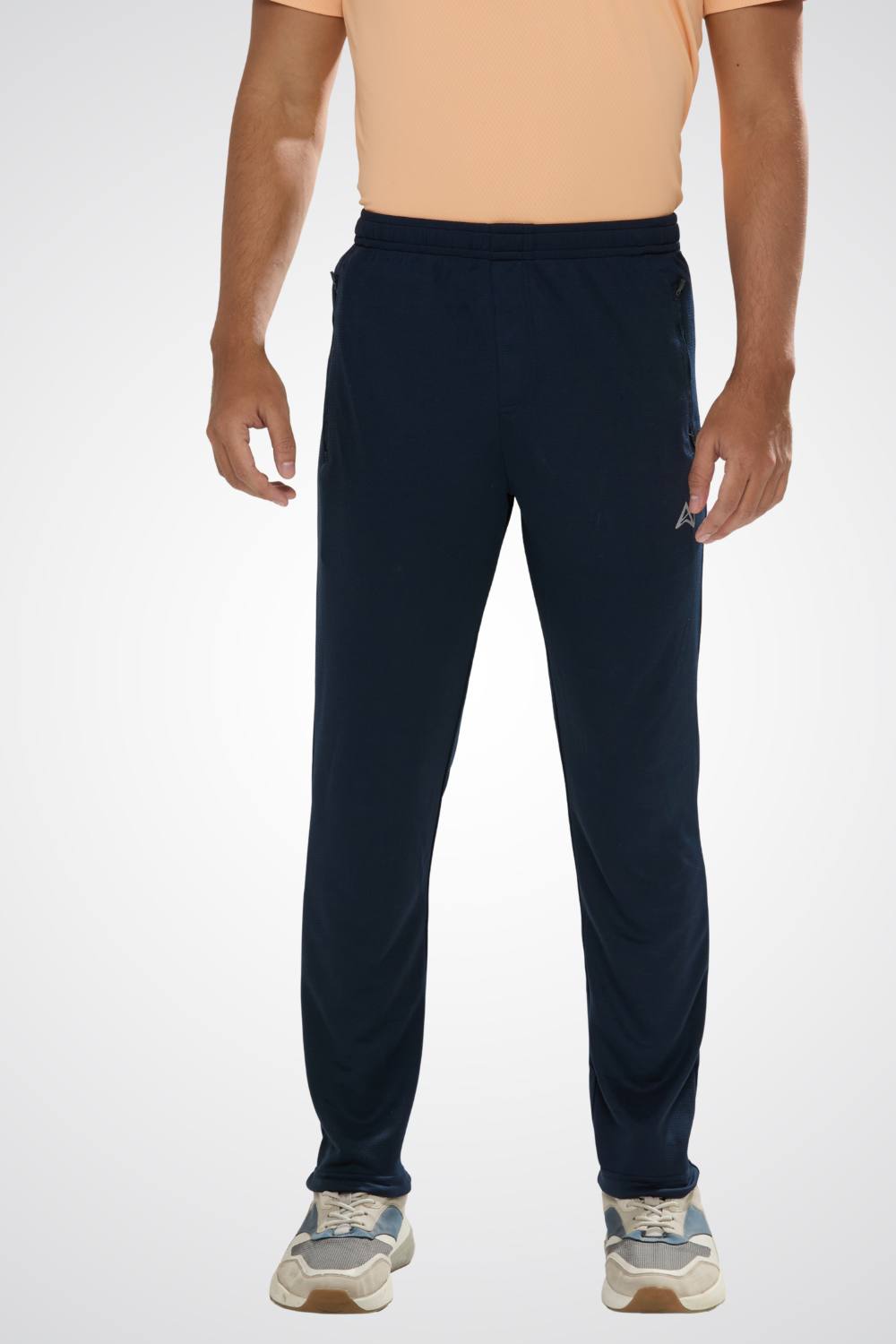
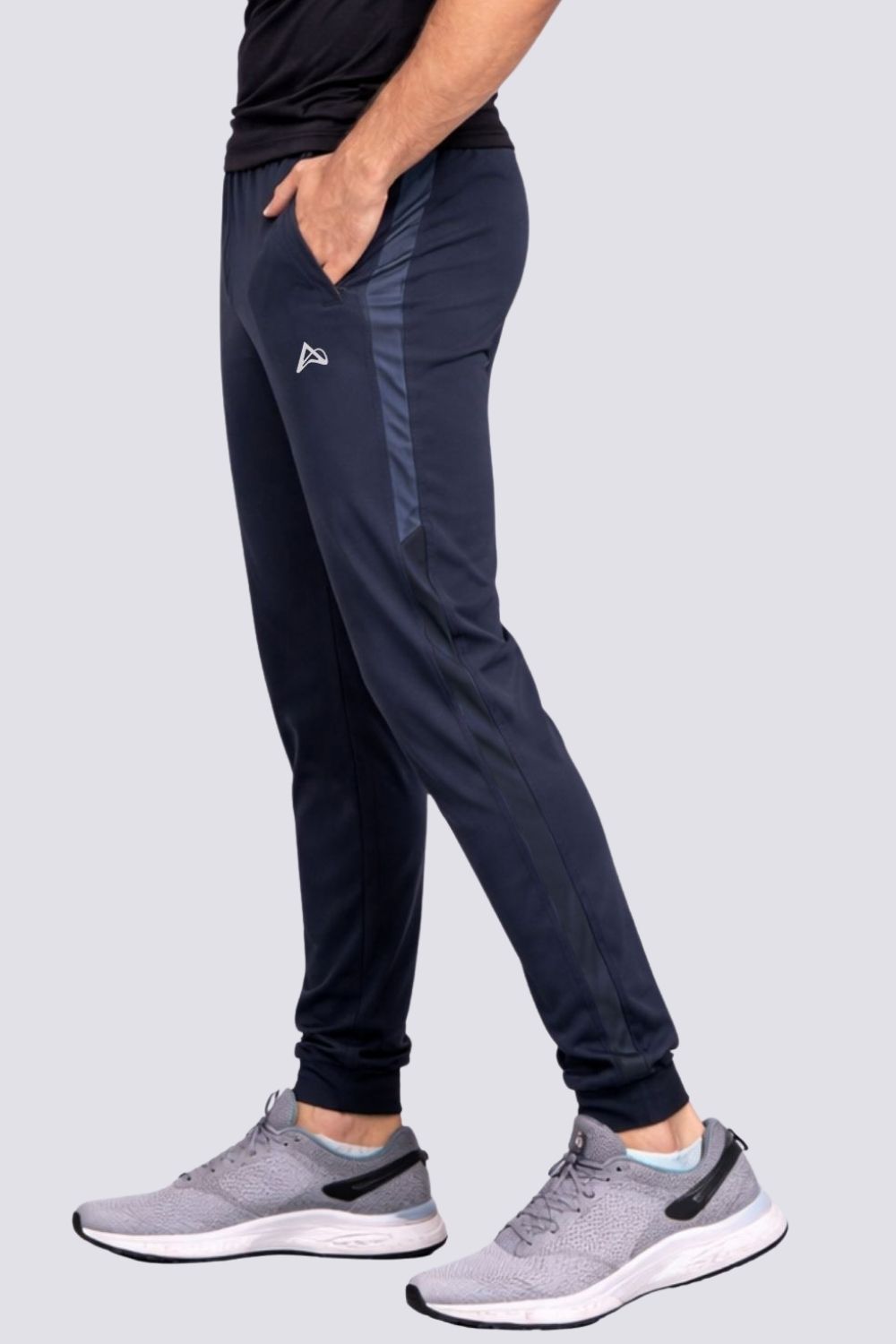
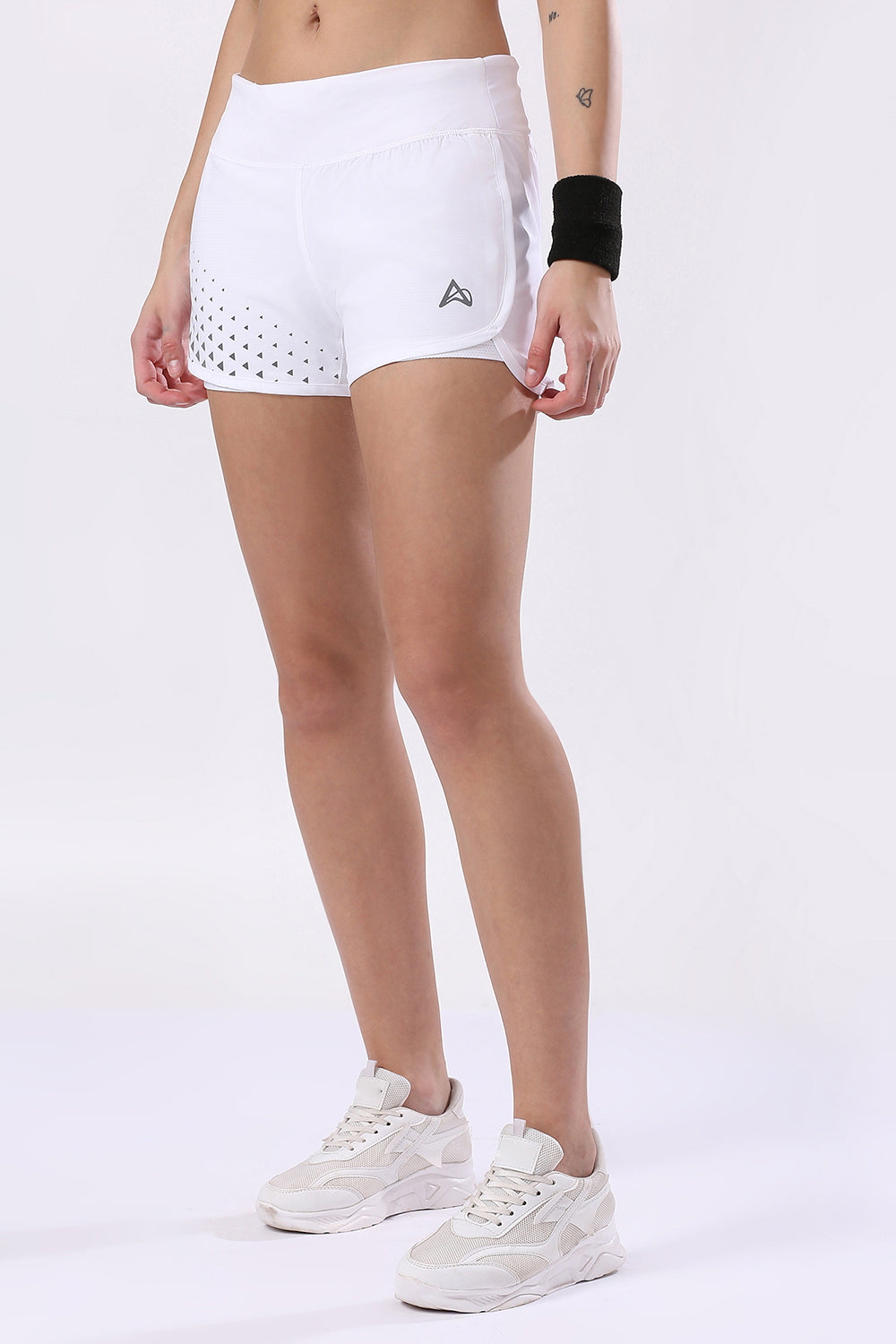
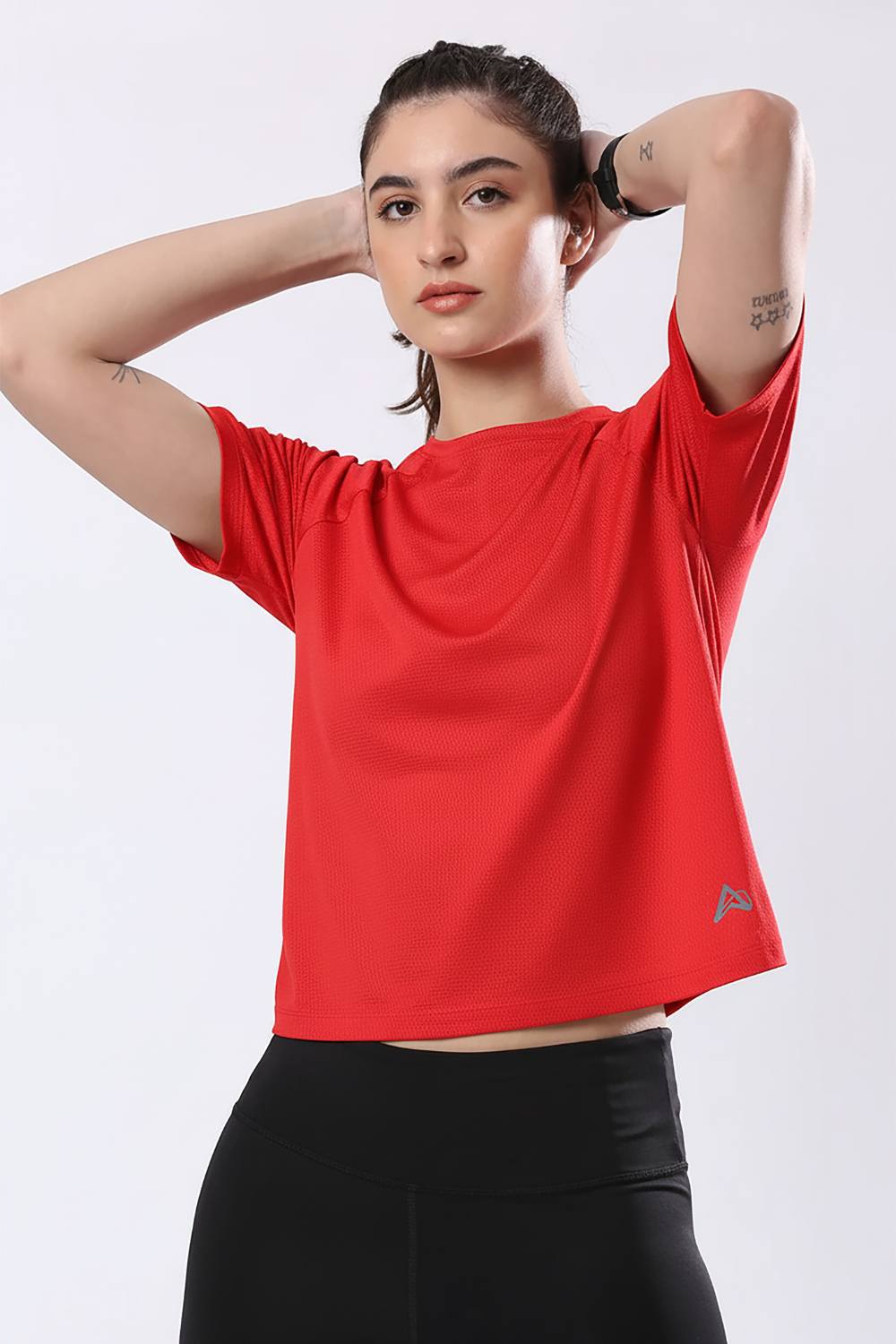
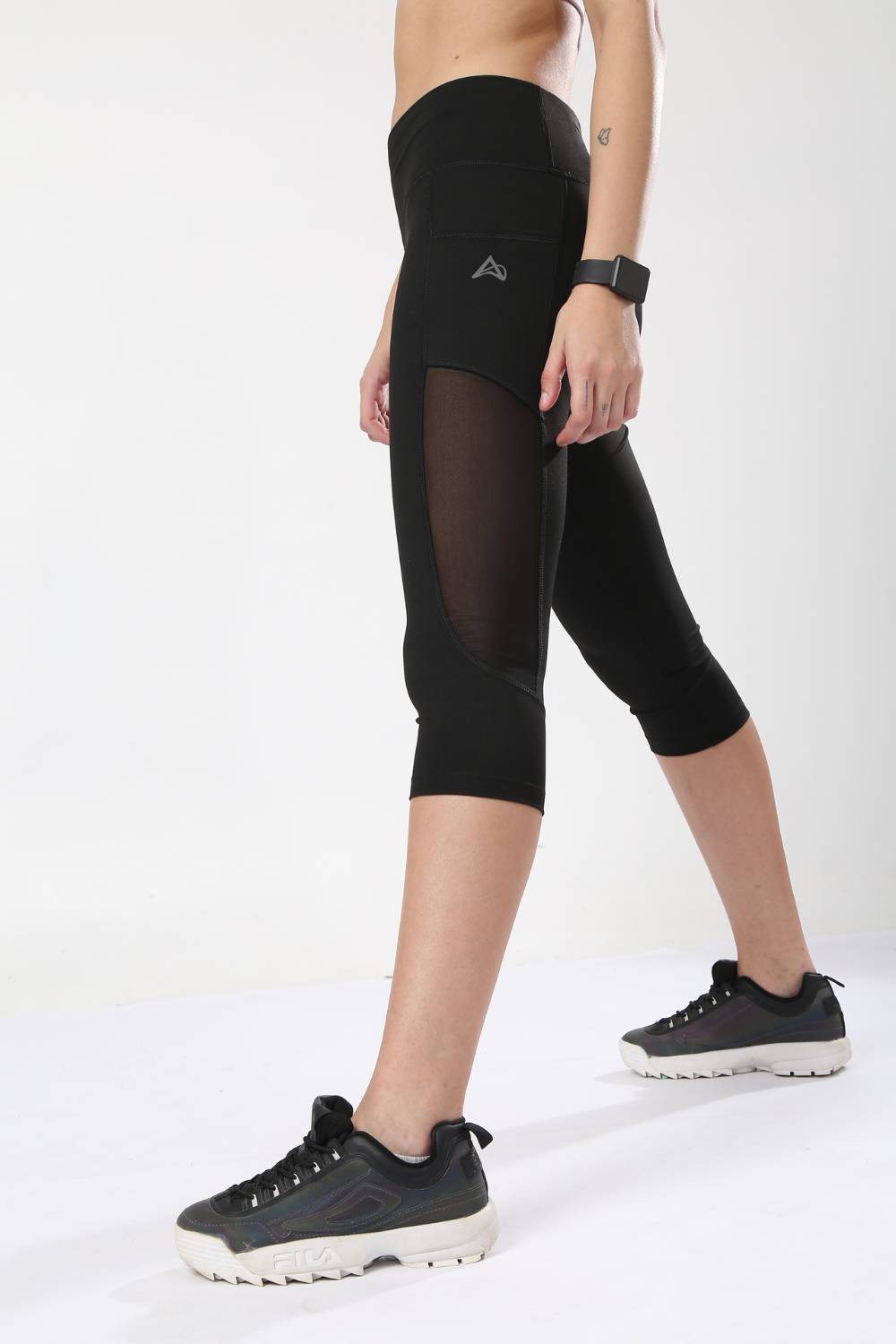
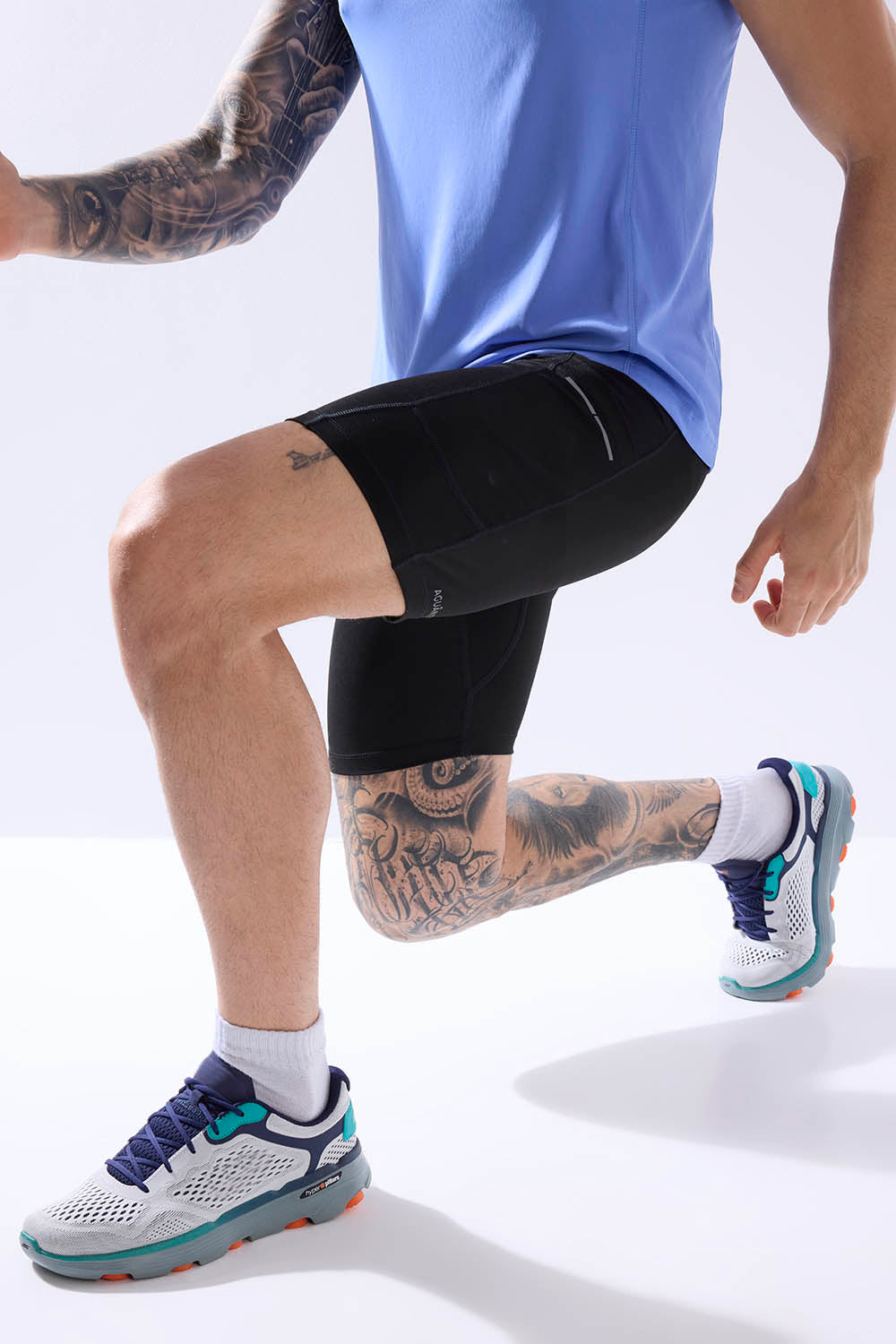
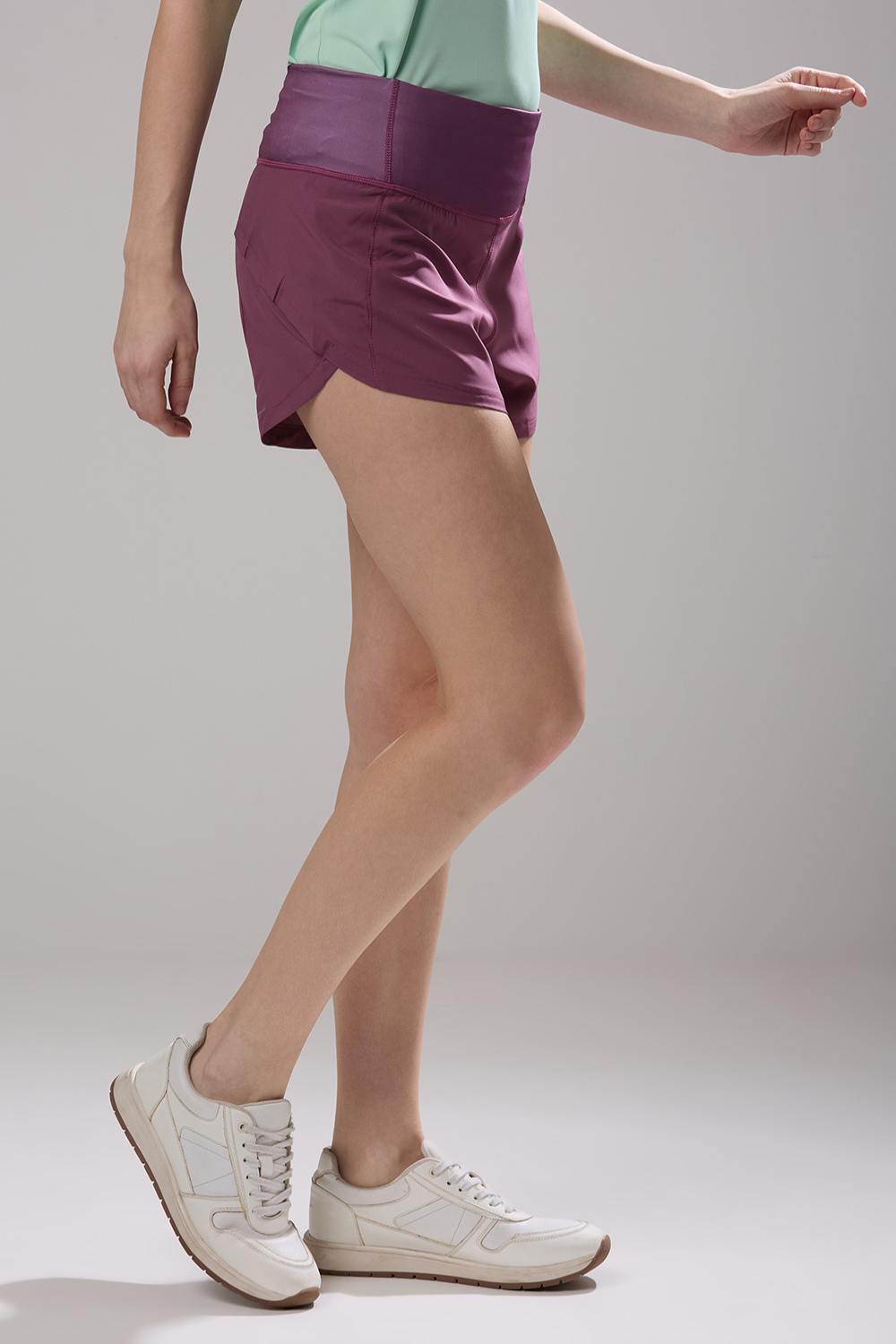
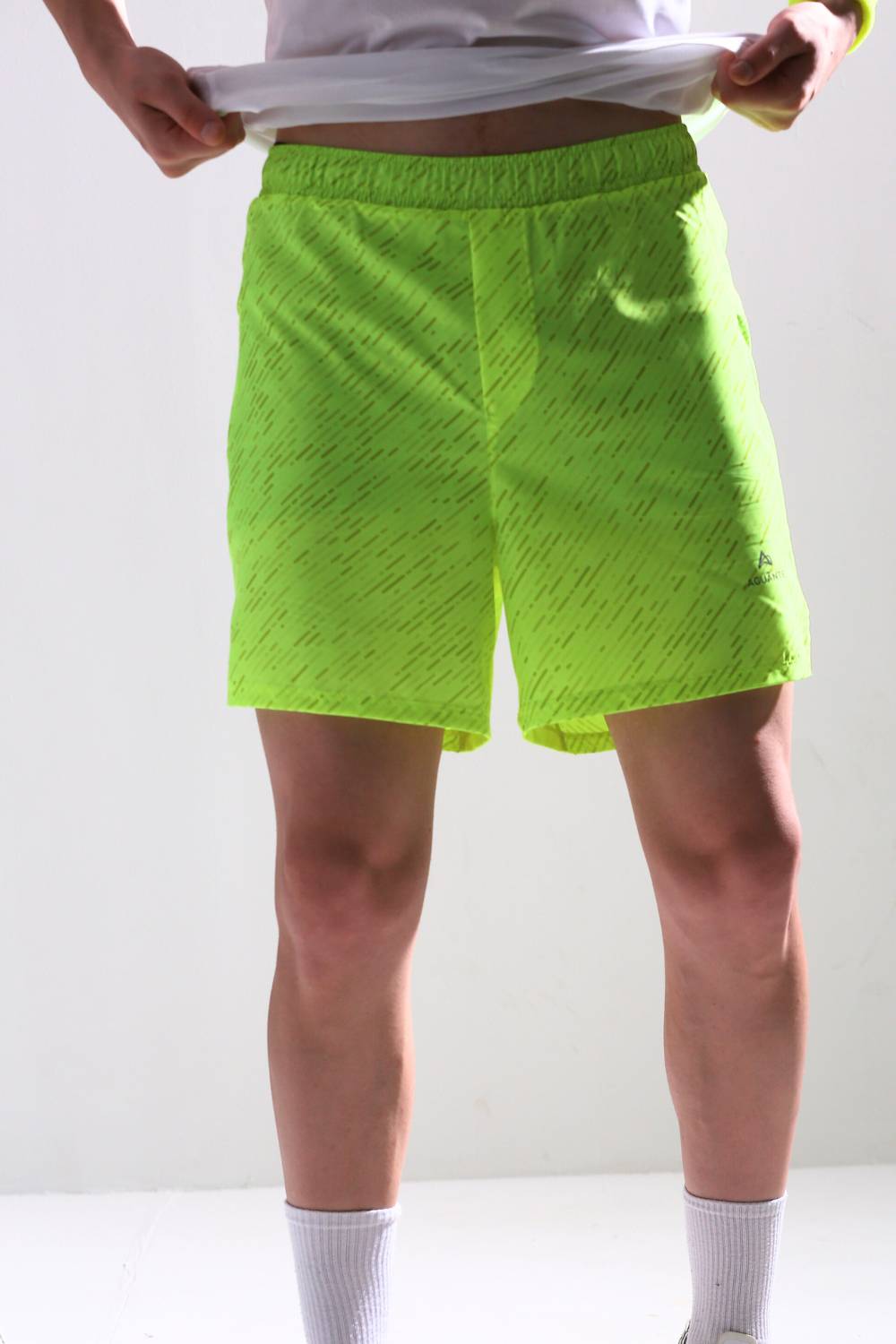
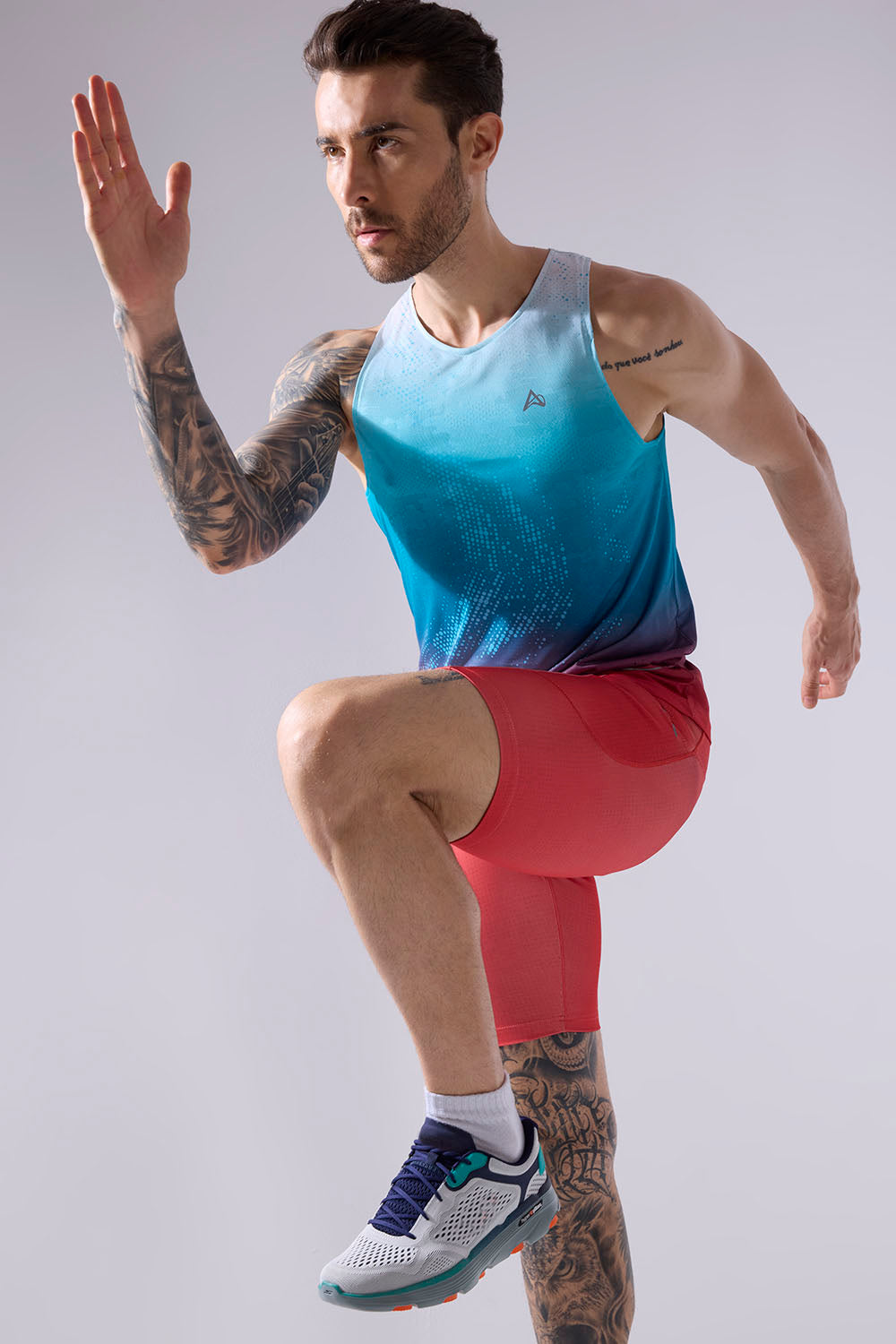
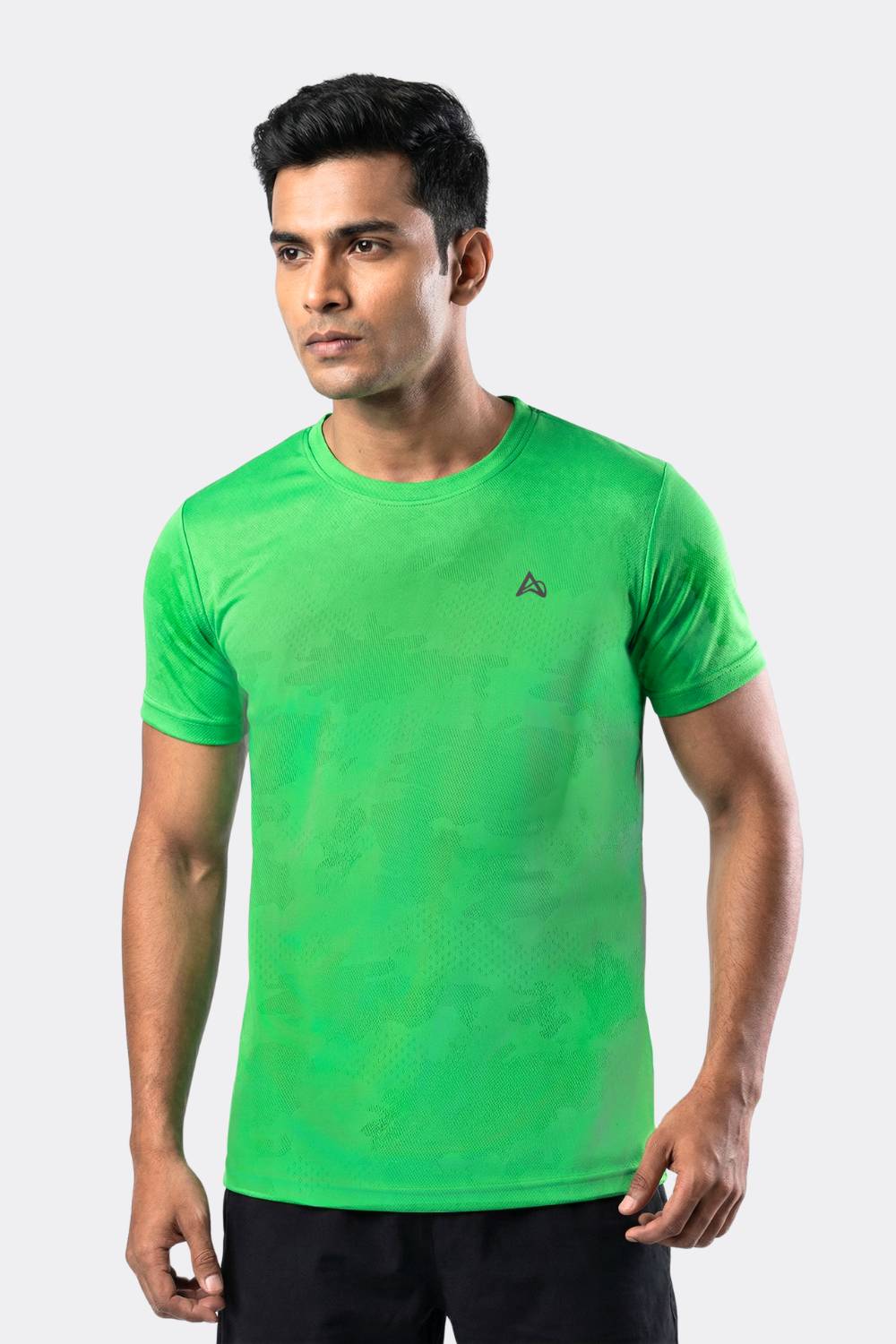
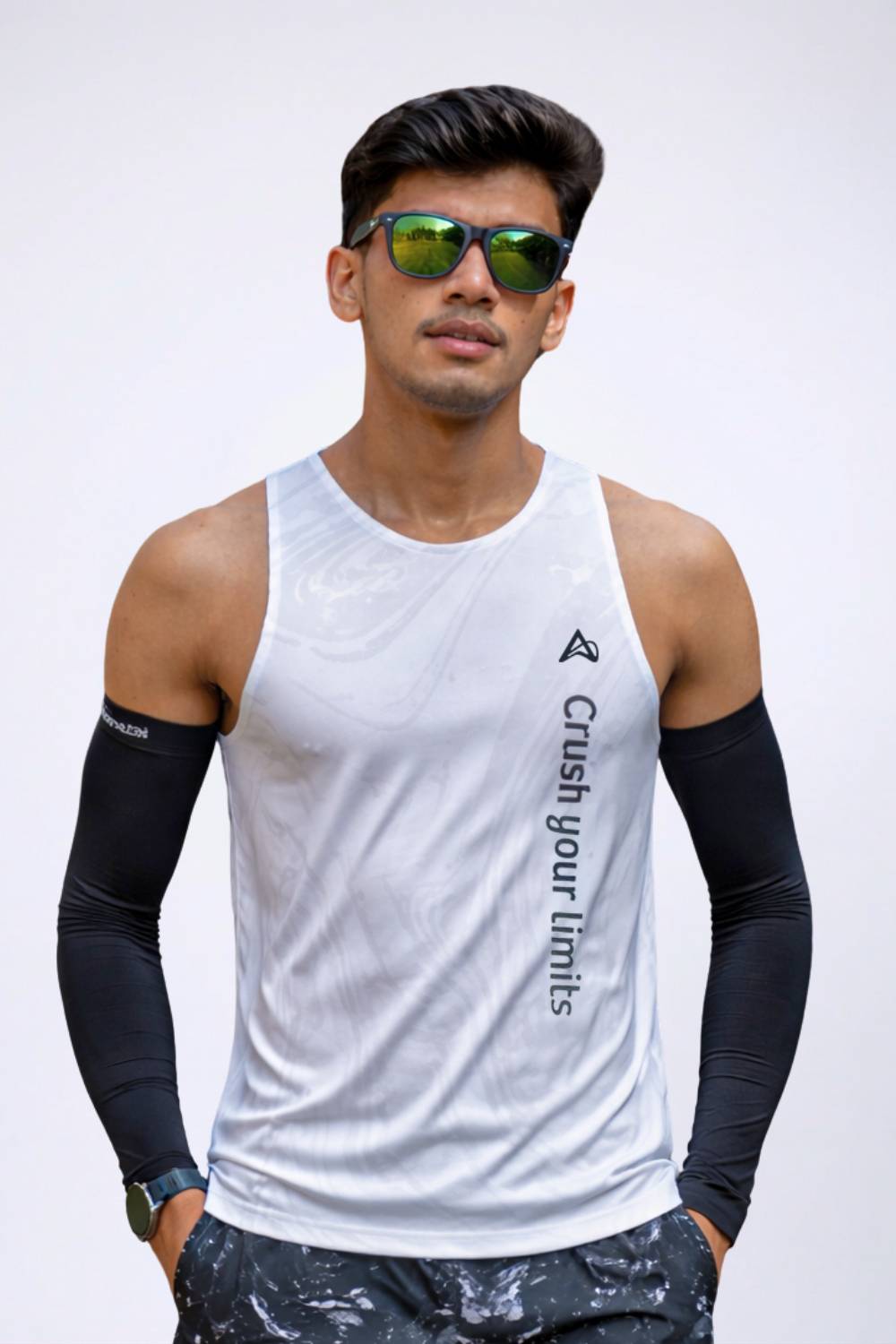
At the core of Aguante's philosophy lies a focus on longevity. The brand's lineup featuring moisture-wicking running shorts, highly breathable tees, and versatile training pieces employs robust construction techniques designed to withstand extended wear and minimize replacement frequency. Aguante is progressing steadily toward full adoption of eco-friendly materials, with a defined goal of achieving 100% recycled fabrics by 2030. All production occurs in-house, adhering to ethical labor standards that ensure oversight of both quality and working conditions.
This approach proves especially relevant across India's diverse climates. In humid coastal zones, the fabrics handle perspiration efficiently without rapid degradation. In drier continental areas, they sustain comfort during prolonged efforts. Urban professionals particularly value the multi-functional design, allowing seamless shifts from workouts to everyday activities a practical advantage in fast-paced city routines.
Local running communities amplify these benefits. Groups gathering on weekends in Bangalore and Pune, or early-morning enthusiasts in Gurugram and Hyderabad, consistently prioritize apparel that endures. Research into urban washing patterns reveals elevated laundering rates in crowded metropolitan areas, heightening the ecological footprint of short-lifespan products. Aguante addresses this directly by engineering items for repeated, reliable performance.
Overcoming Barriers to Broader Sustainable Adoption
Significant obstacles persist. Price sensitivity remains acute in India's competitive performance apparel segment, where budget-oriented mass-market alternatives abound. Access to certified recycled fabrics within the country is still developing, while textile manufacturing zones in Gujarat and Maharashtra contend with the complexities of shifting to more sustainable operations.
These constraints, however, also present openings for differentiation. Brands that authentically integrate sustainability cultivate greater consumer trust in an oversaturated field. Committed runners and fitness participants are gravitating toward options that combine long-term value with ethical considerations. Enhanced garment durability translates to reduced returns, bolstered brand loyalty, and conformity with mounting expectations for responsible business practices.
Insights from textile research institutions and fitness market observers suggest an accelerating trajectory toward stricter regulations on textile waste and water consumption. Partnerships between performance-oriented brands and innovative sustainable fabric developers are multiplying. Aguante occupies a strong position within this evolution, demonstrating that thoughtful, environmentally attuned design can elevate rather than limit athletic capability.
Setting the Pace for Tomorrow's Running Gear
Eco-conscious activewear has moved beyond niche status to emerge as a fundamental expectation in India's vibrant running ecosystem. As fitness enthusiasm continues to propel growth from Ahmedabad to Hyderabad, brands like Aguante illustrate the viability of harmonizing peak performance with genuine planetary responsibility. The countless runners lacing up each dawn are not merely pursuing faster times they are collectively steering the future of apparel toward durability, function, and stewardship. With every purposeful stride and every considered fabric choice, the path forward becomes clearer and more sustainable.
Frequently Asked Questions
What makes Aguante's activewear sustainable and eco-friendly?
Aguante focuses on durability and longevity as core sustainability principles, engineering moisture-wicking running gear that withstands extended wear and frequent washing to minimize replacement needs. The Pune-based brand is progressively transitioning to eco-friendly materials with a commitment to achieve 100% recycled fabrics by 2030. All production occurs in-house under ethical labor standards, ensuring quality control while reducing environmental impact through reduced-water techniques and responsible manufacturing practices.
How is India's sustainable activewear market growing in 2026 ?
India's activewear market is experiencing significant expansion, valued at approximately USD 15.1 billion in 2024 and projected to reach nearly USD 30 billion by 2030. The global sustainable athleisure market, which includes eco-conscious activewear, was valued at USD 88.75 billion in 2024 and is expected to reach USD 176.05 billion by 2030, growing at a CAGR of 12.5%. This growth is driven by urbanization, rising health consciousness in cities like Bangalore, Pune, Mumbai, and Delhi NCR, and increasing consumer demand for recycled polyester and organic materials.
Why is durable activewear important for Indian runners and the environment?
Durable activewear addresses India's diverse climate challenges from Mumbai's coastal humidity to Delhi's arid heat while significantly reducing textile waste and environmental impact. Research shows elevated laundering rates in crowded metropolitan areas increase the ecological footprint of short-lifespan products, making long-lasting gear essential. Longer-lasting garments reduce replacement frequency, minimize waste, and offer better value for runners, while also helping address water consumption and pollution concerns in traditional textile manufacturing centers like Surat and Ahmedabad.
Disclaimer: The above helpful resources content contains personal opinions and experiences. The information provided is for general knowledge and does not constitute professional advice.
You may also be interested in: The Environmental Impact of Running Apparel and What Aguante Is
Tired of gear that slows you down? Chafing, soggy fabrics, and missing pockets kill your run's momentum. At Aguante, we're runners who get it. Our high-performance activewear features moisture-wicking fabrics, ergonomic designs, and smart storage to keep you focused. Shop Now!
Powered by flareAI.co