



Quick Listen:
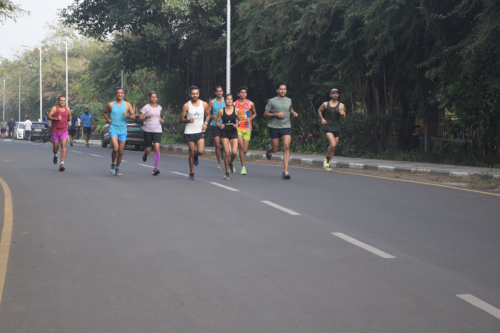
Picture this: the sky is just turning pink over Mumbai's Marine Drive, or the air is still cool in Bangalore's Cubbon Park. You tie your laces, push off, and everything just works. No clinging fabric, no irritating seams, no fumbling for keys. Your gear disappears into the background so you can disappear into the run.
That seamless experience defines the new era of running apparel. Across India's booming urban running scene from humid coastal cities to high-altitude trails runners are no longer satisfied with basic clothing. They demand intelligent design that anticipates every need. These innovative design features have evolved from optional extras into essential tools that enhance performance, comfort, and enjoyment.
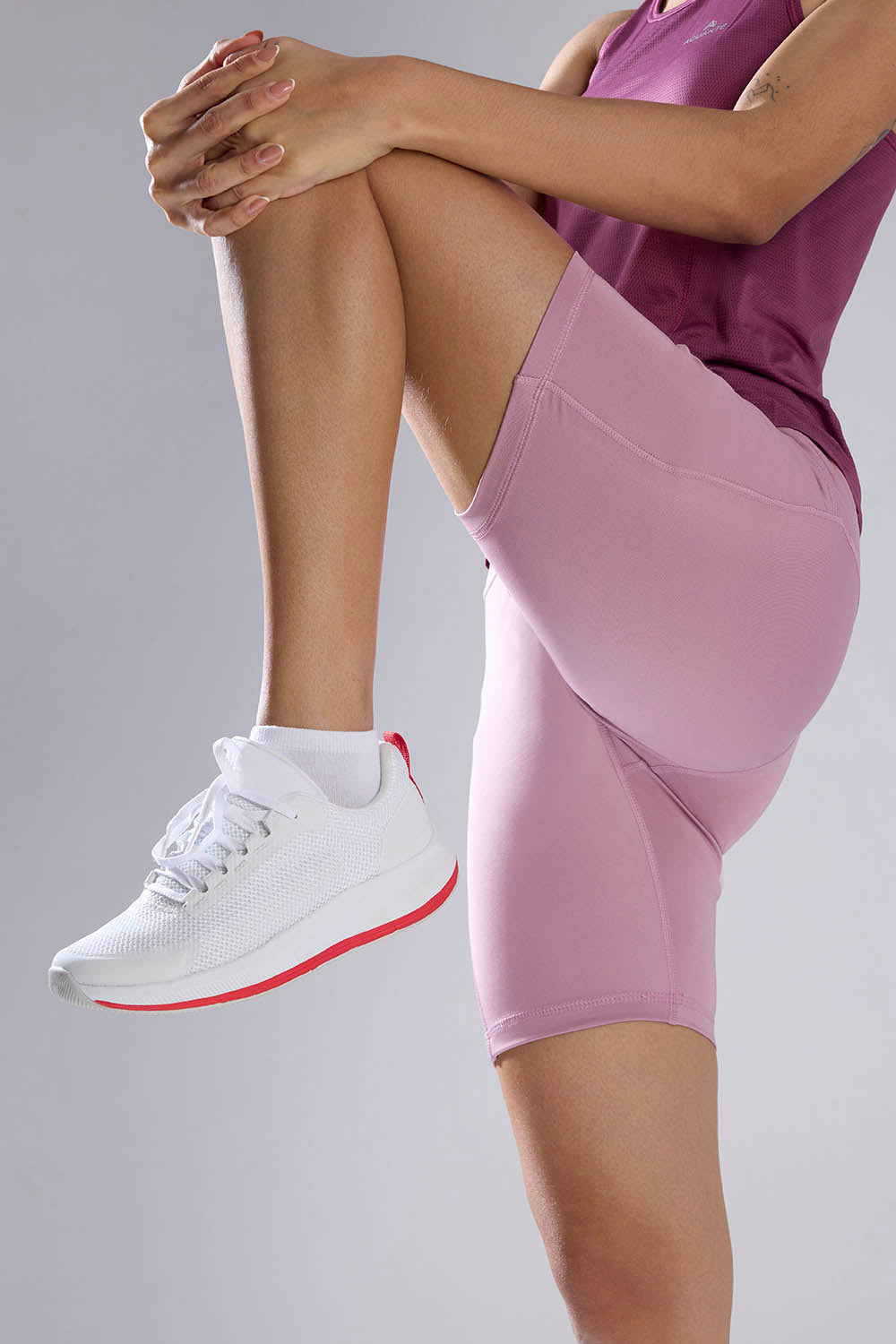
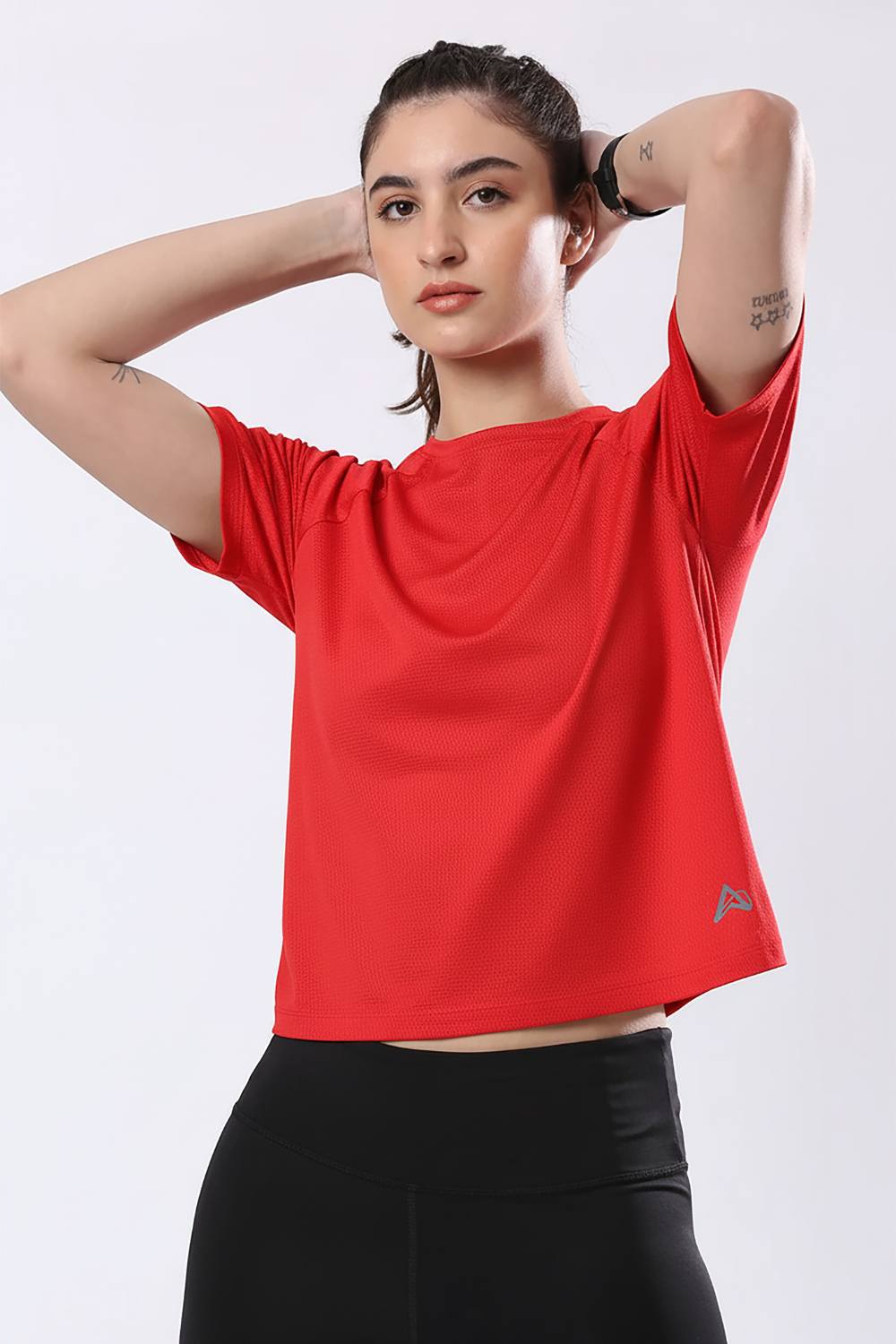
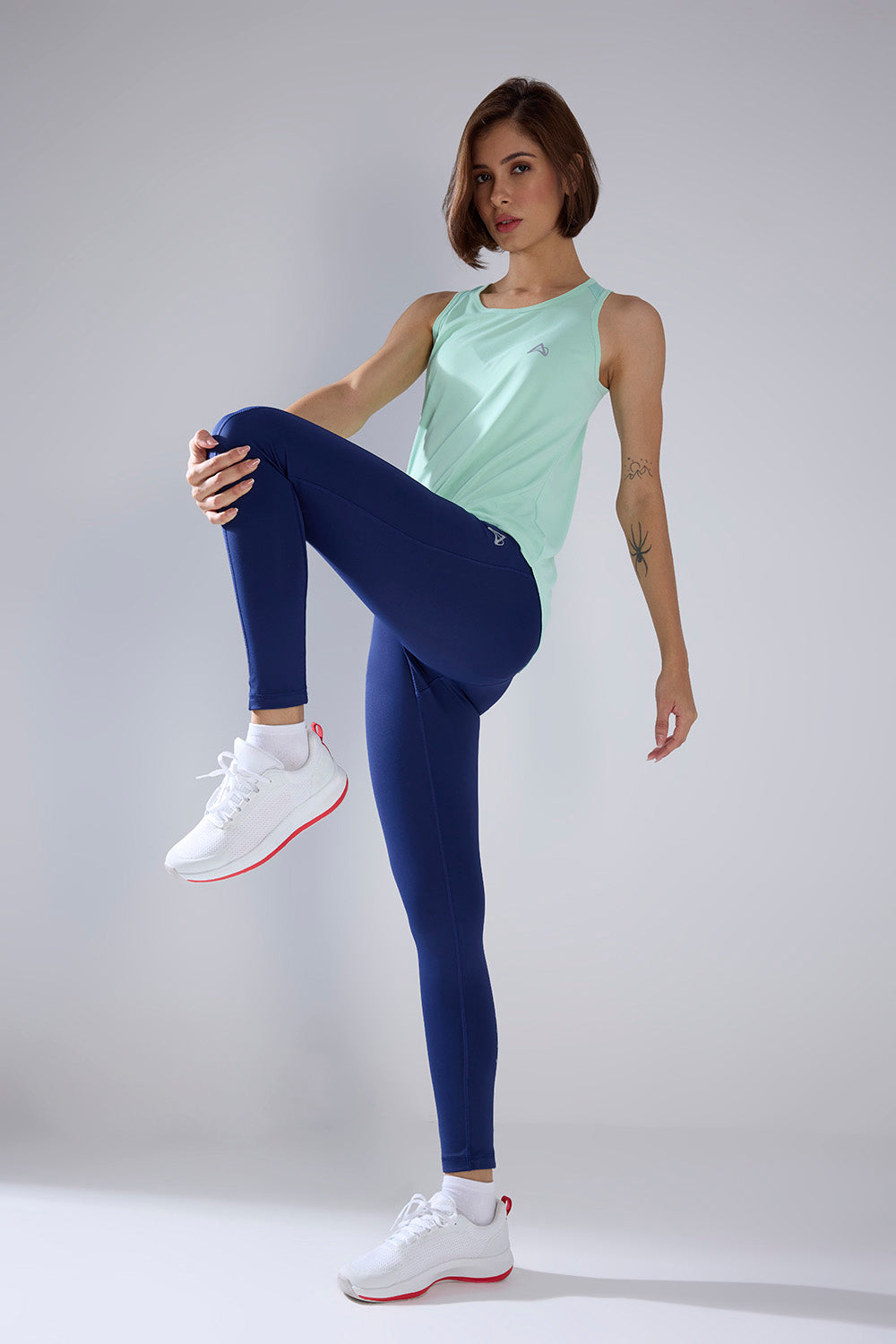
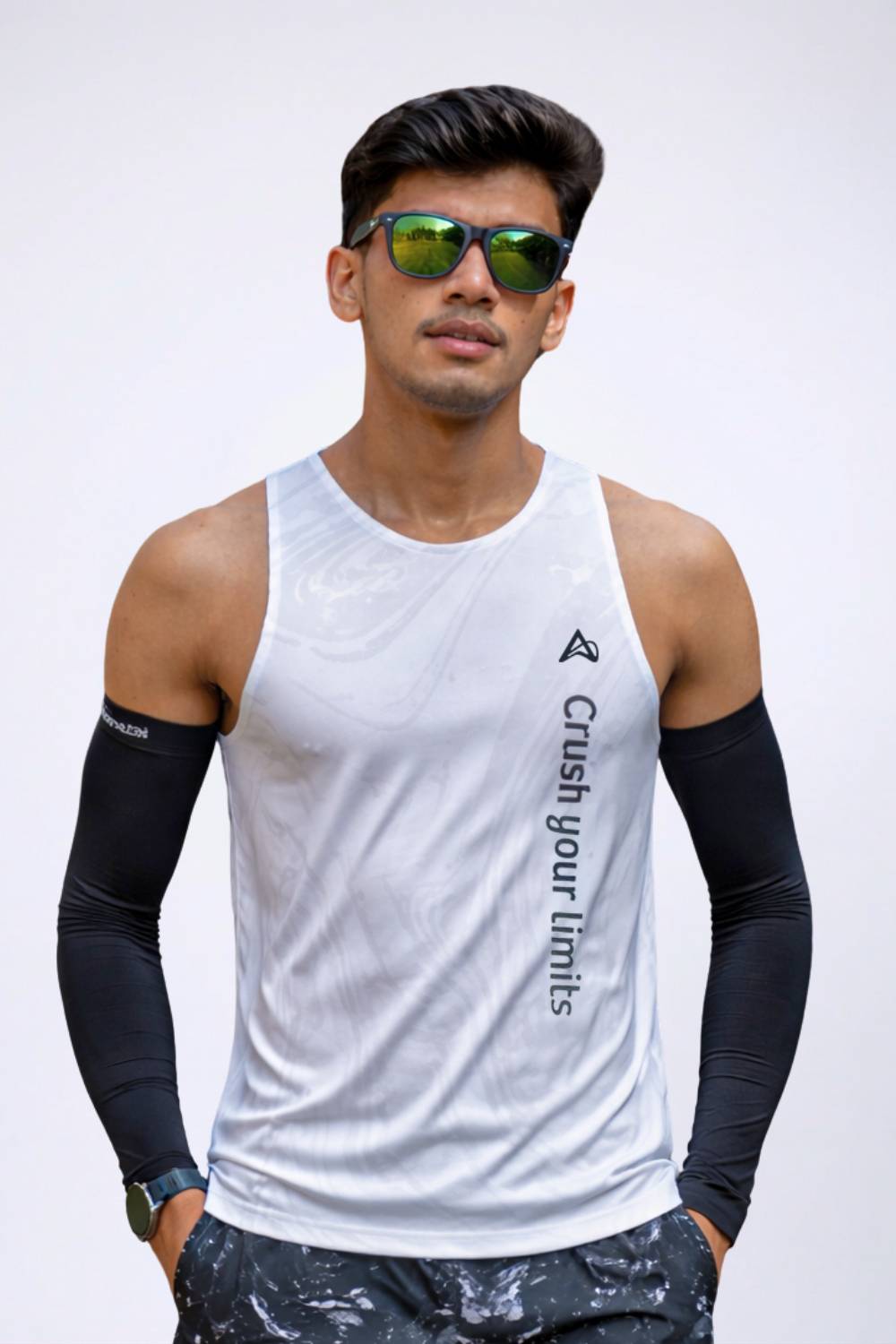
Tired of gear that slows you down? Chafing, soggy fabrics, and missing pockets kill your run's momentum. At Aguante, we're runners who get it. Our high-performance activewear features moisture-wicking fabrics, ergonomic designs, and smart storage to keep you focused. Shop Now!
Emerging Trends Shaping Activewear for Runners
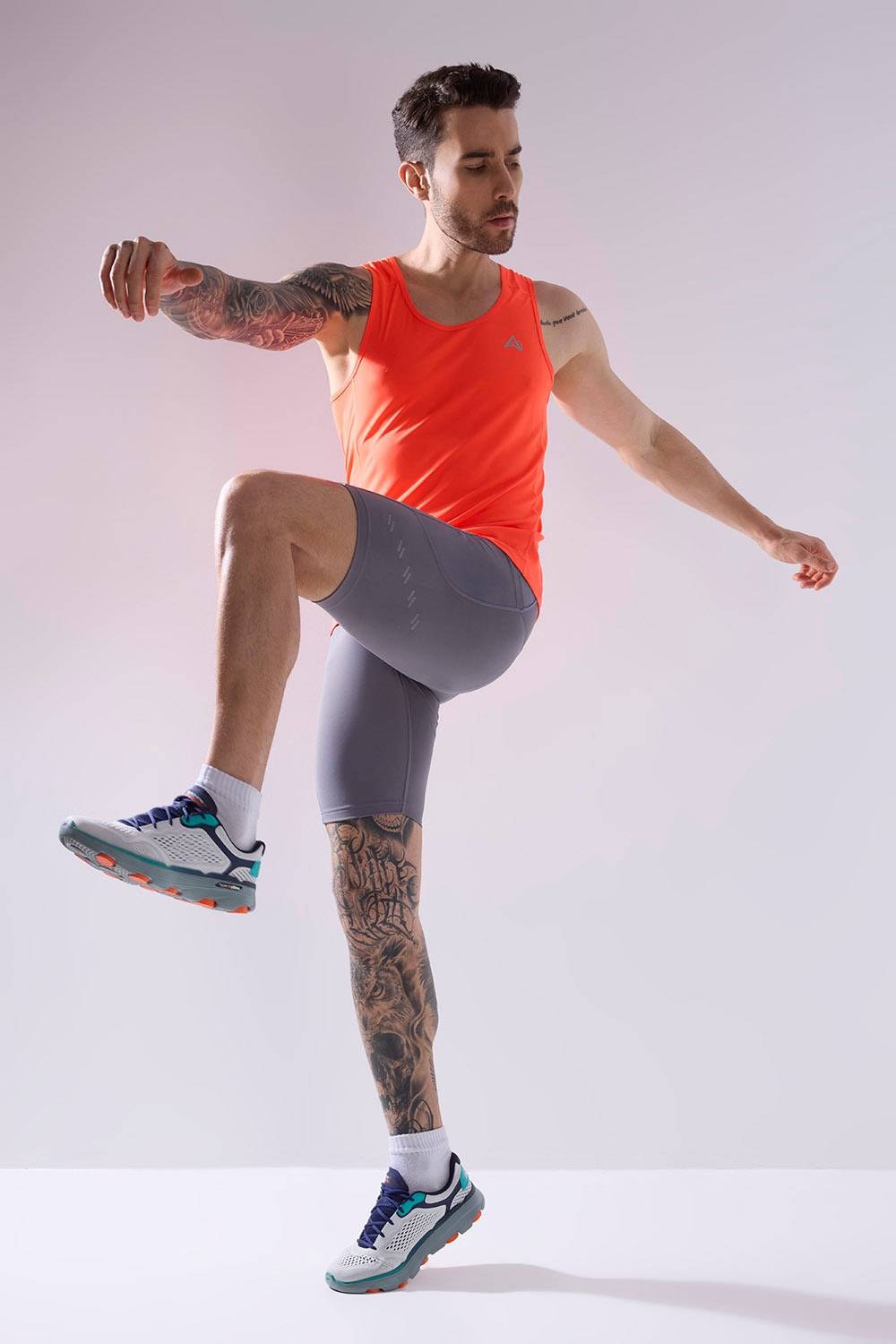
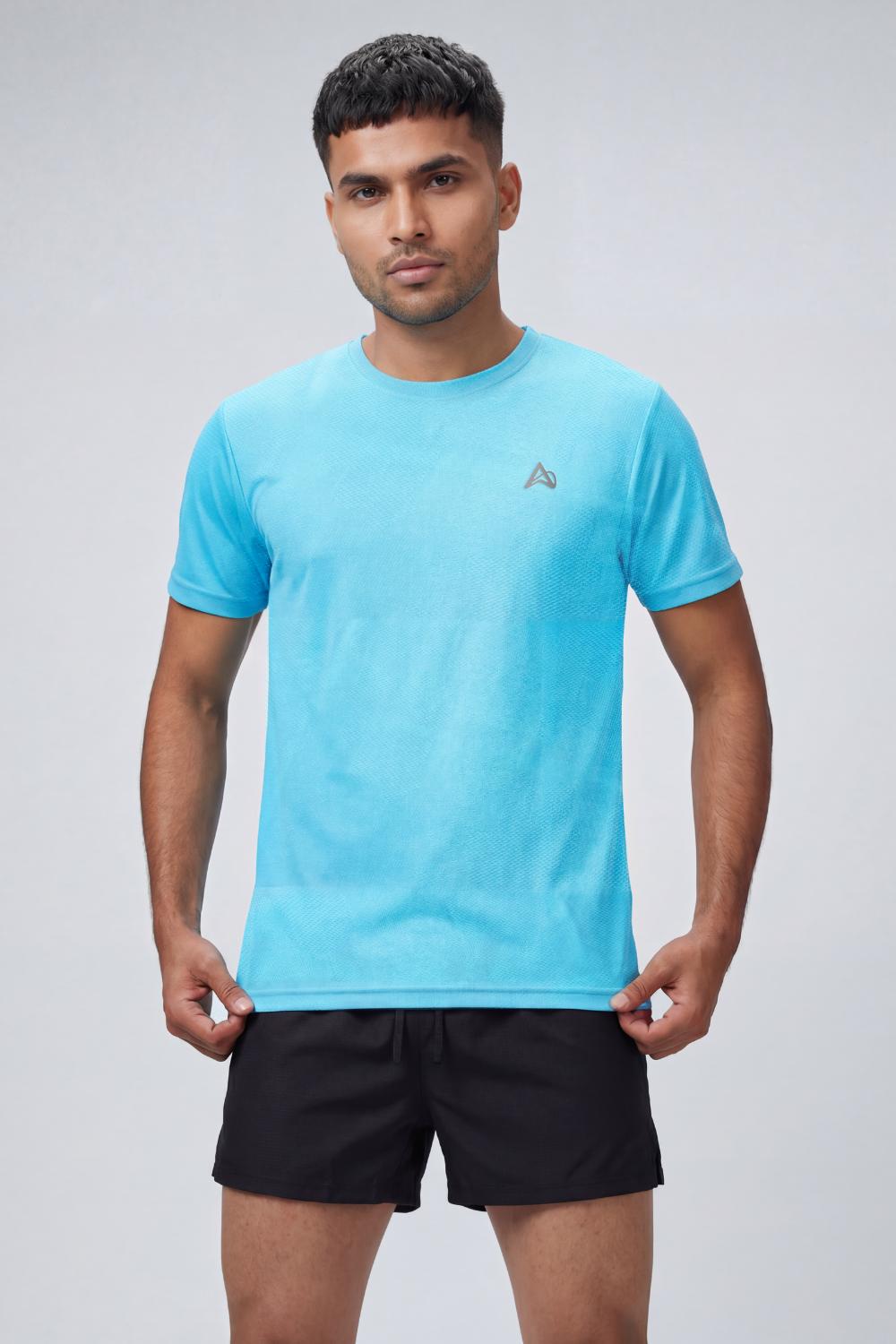
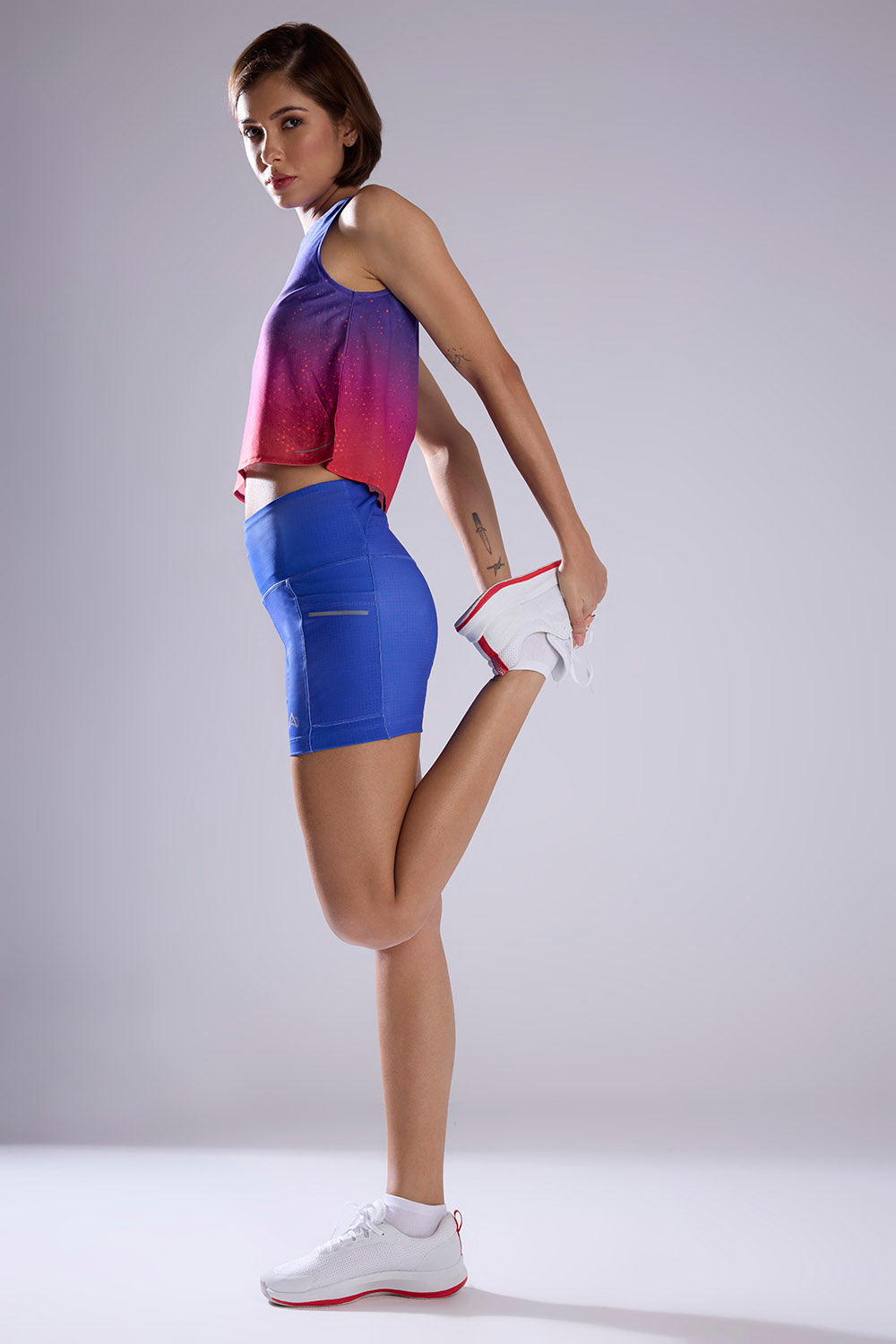
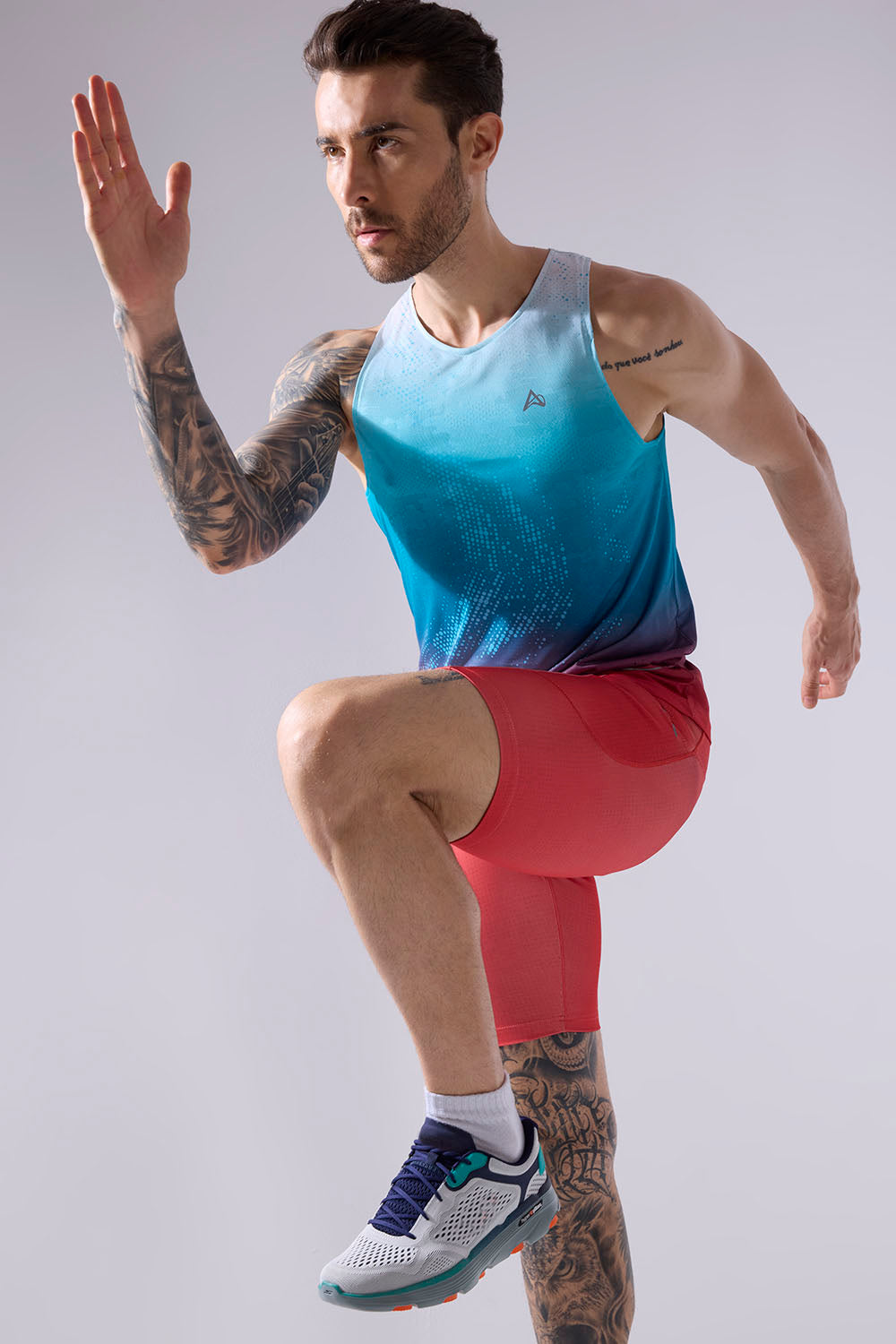
The transformation is clear and accelerating. Today's runners insist on apparel engineered to match the intensity of their efforts. Leading the way are advanced smart fabrics: moisture-wicking textiles that rapidly pull perspiration away from the body, targeted compression zones that stabilize muscles during impact, and antimicrobial treatments that keep garments fresh through multiple wears.
In high-humidity metros like Bangalore, Hyderabad, and Mumbai where relative humidity routinely exceeds 80% during monsoon and summer months these technologies shift from convenience to necessity. Brands now develop specialized weaves and treatments that excel in tropical conditions, ensuring runners stay drier, cooler, and more focused over extended distances.
Environmental responsibility has also moved to center stage. Materials such as recycled polyester derived from post-consumer plastic bottles, chemical-free organic cotton, and naturally breathable bamboo fibers are rapidly gaining adoption. Environmentally aware athletes seek products whose production story matches their personal values.
This trend resonates strongly in cities like Pune and Gurugram, where educated urban professionals prioritize sustainability alongside performance. Manufacturers respond with closed-loop processes, reduced water usage, and transparent ethical supply chains delivering durable, high-function gear with a significantly lighter ecological impact.
Real-World Impact: How Innovative Designs Perform on Indian Roads and Trails
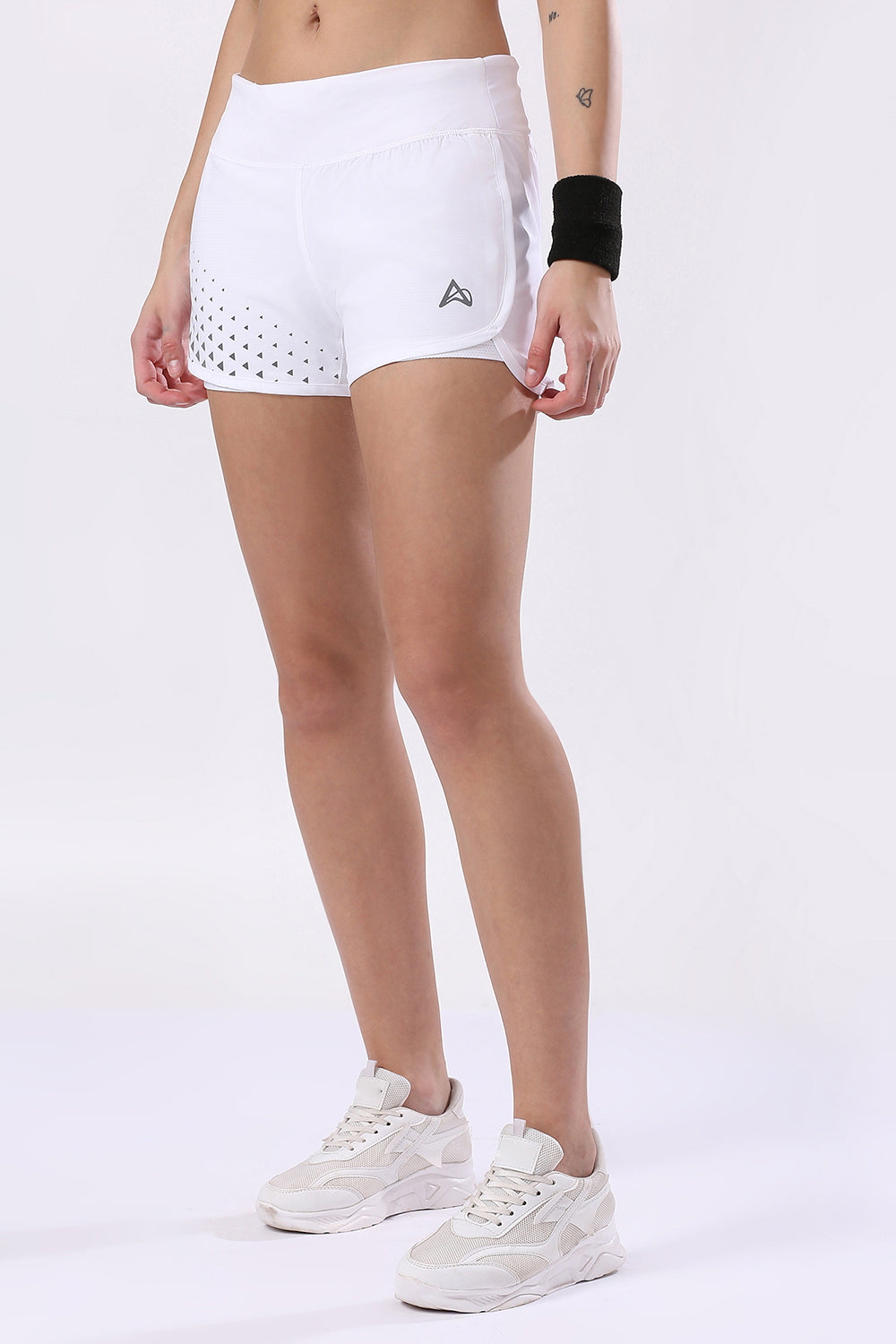
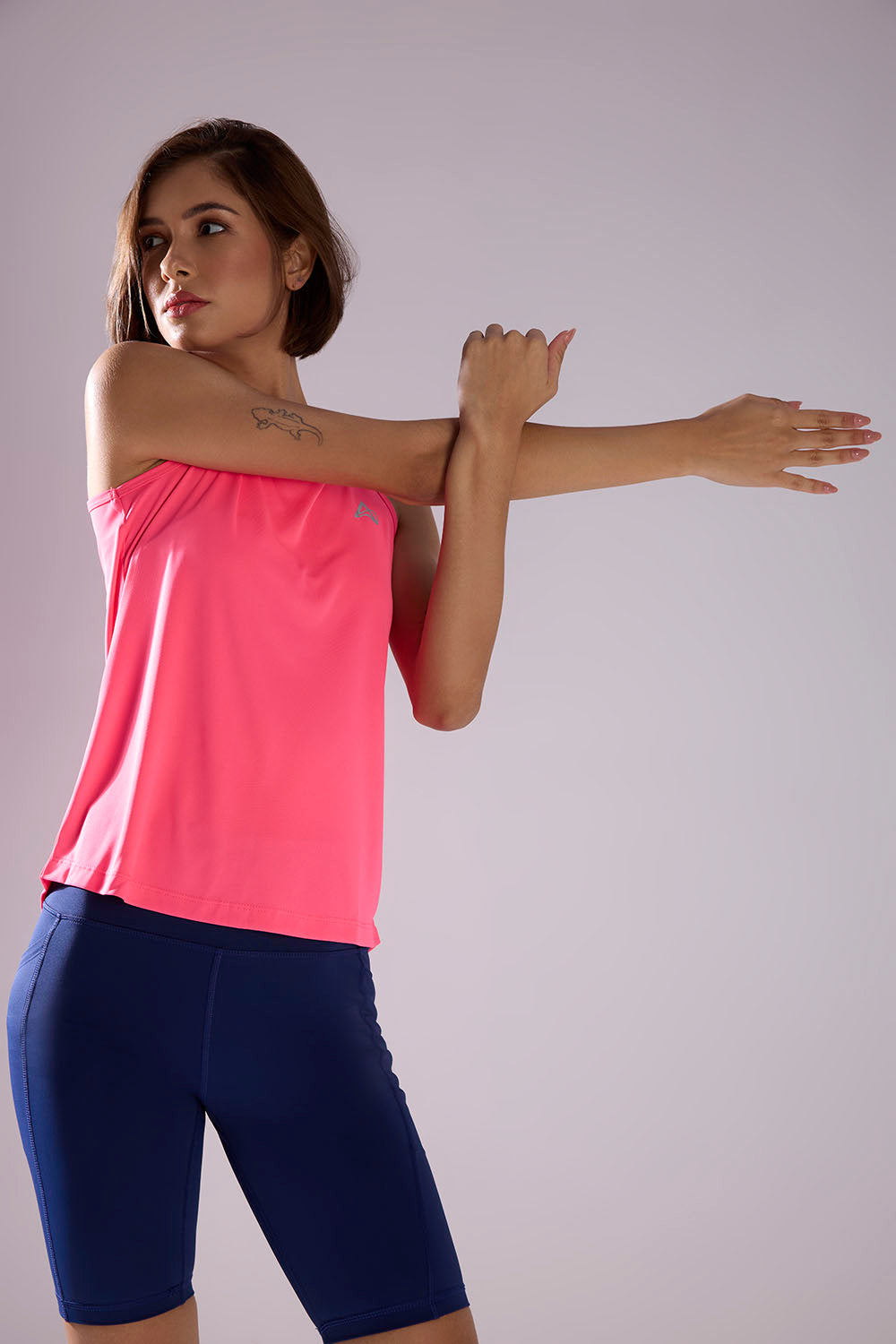
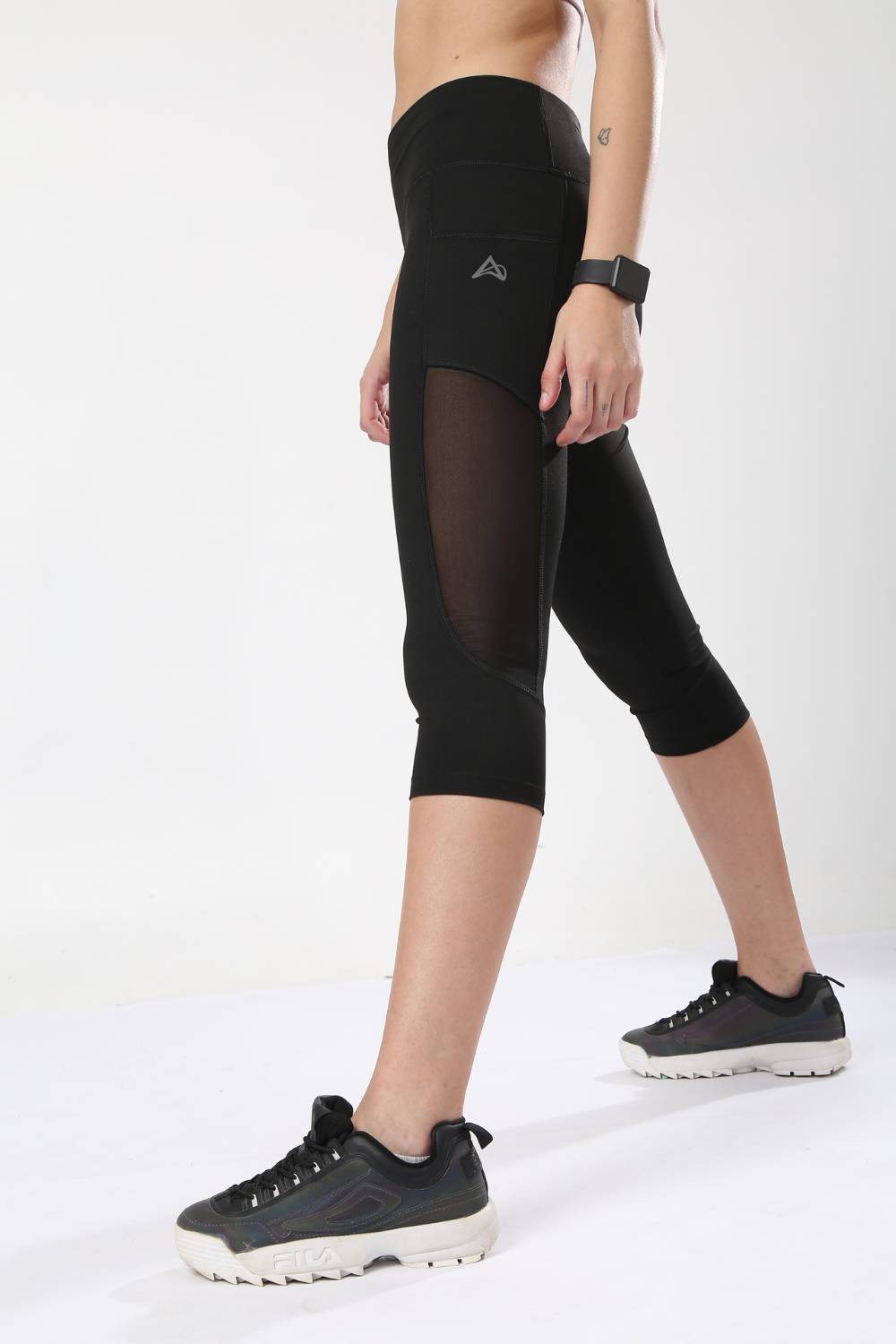
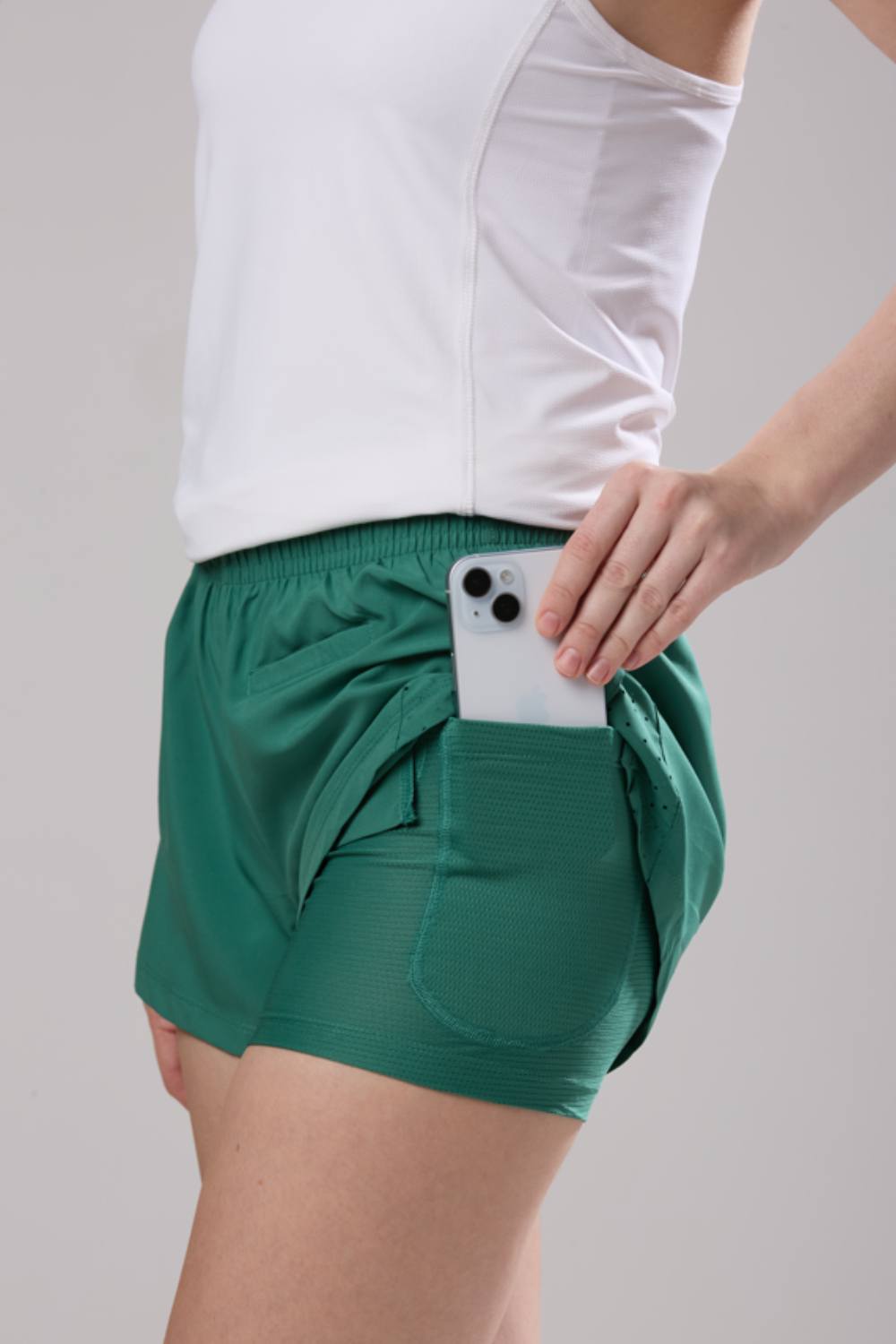
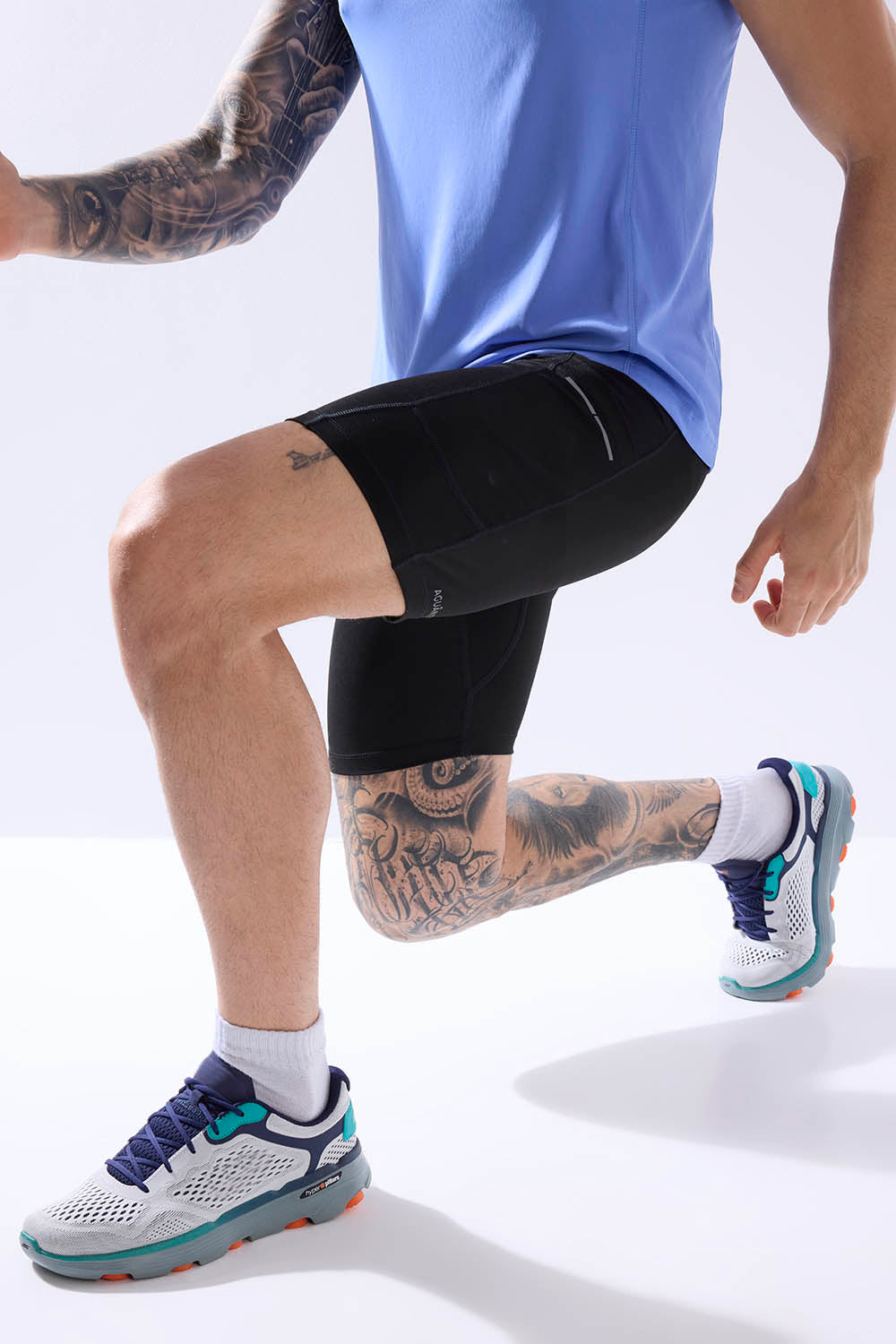
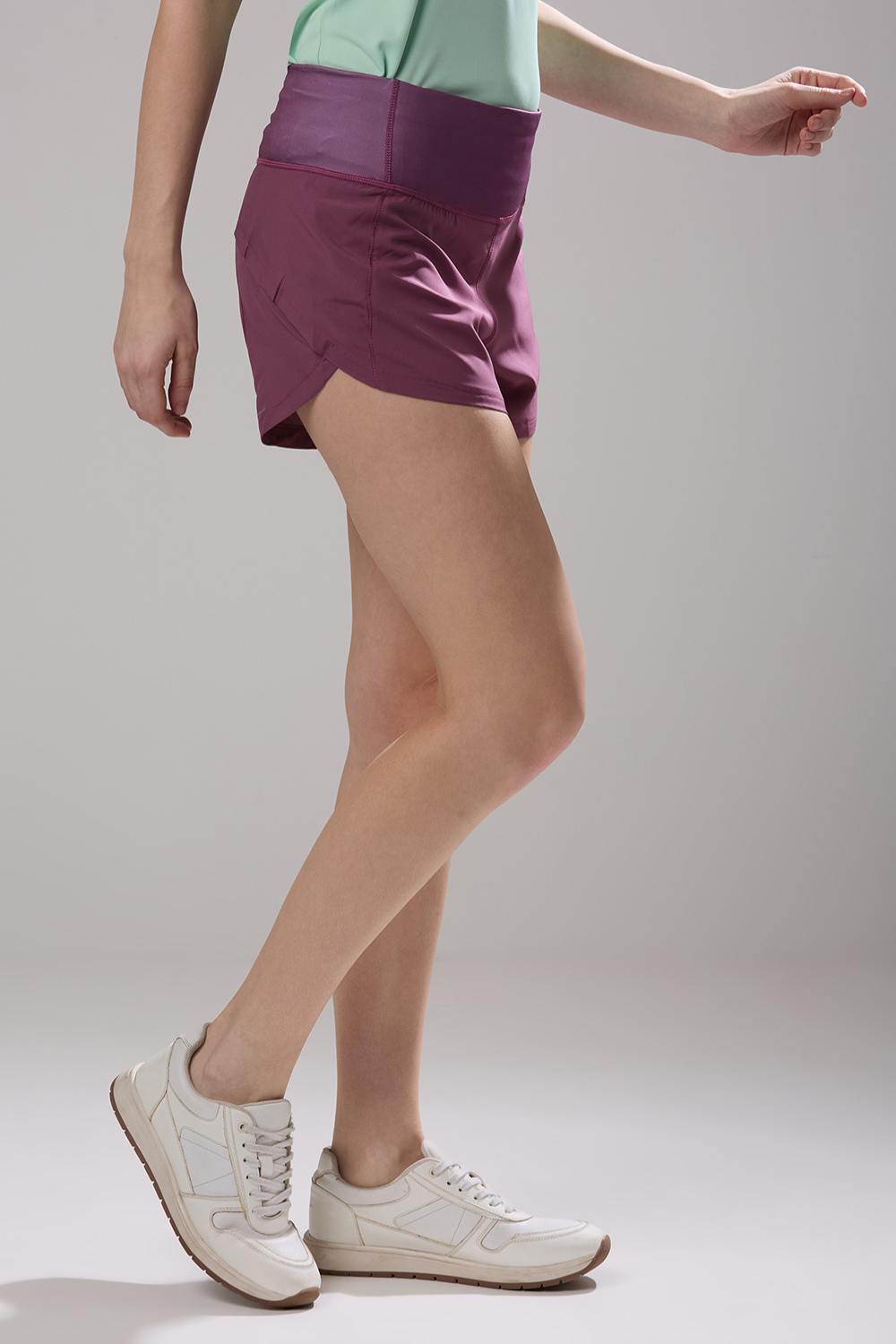
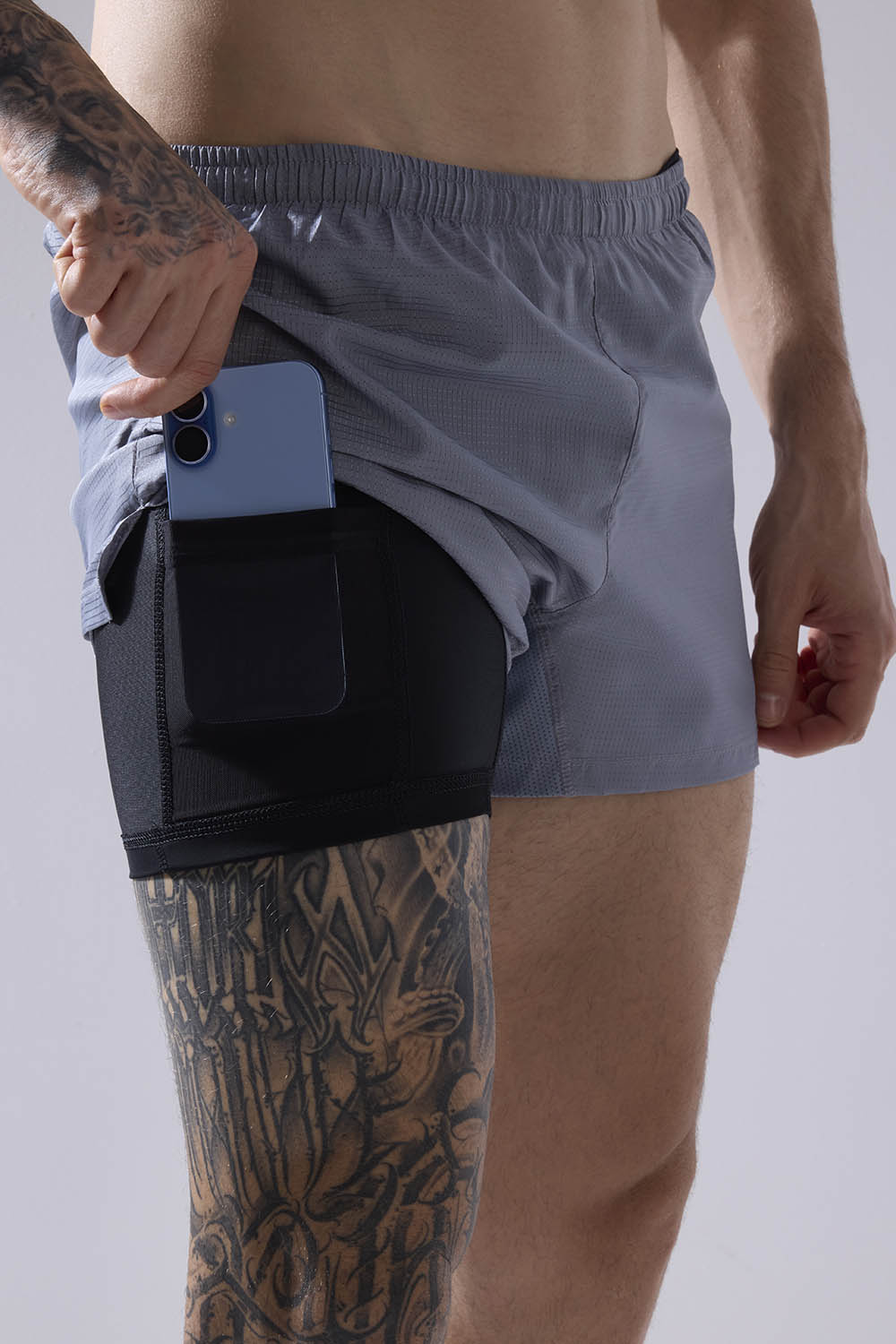
The true measure of innovation appears in everyday use. Ergonomic patterning minimizes fabric drag, strategic mesh ventilation zones increase airflow precisely where heat builds most, and carefully placed seams eliminate chafing even after hours of movement. Thoughtful pocket placement flat, secure, bounce-free keeps essentials accessible without disrupting stride.
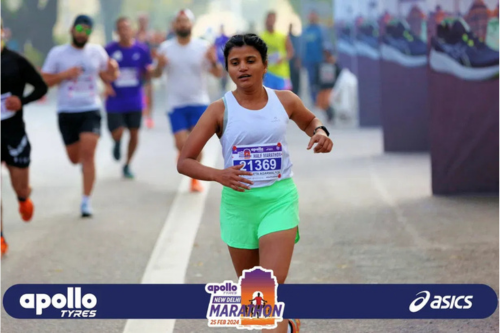
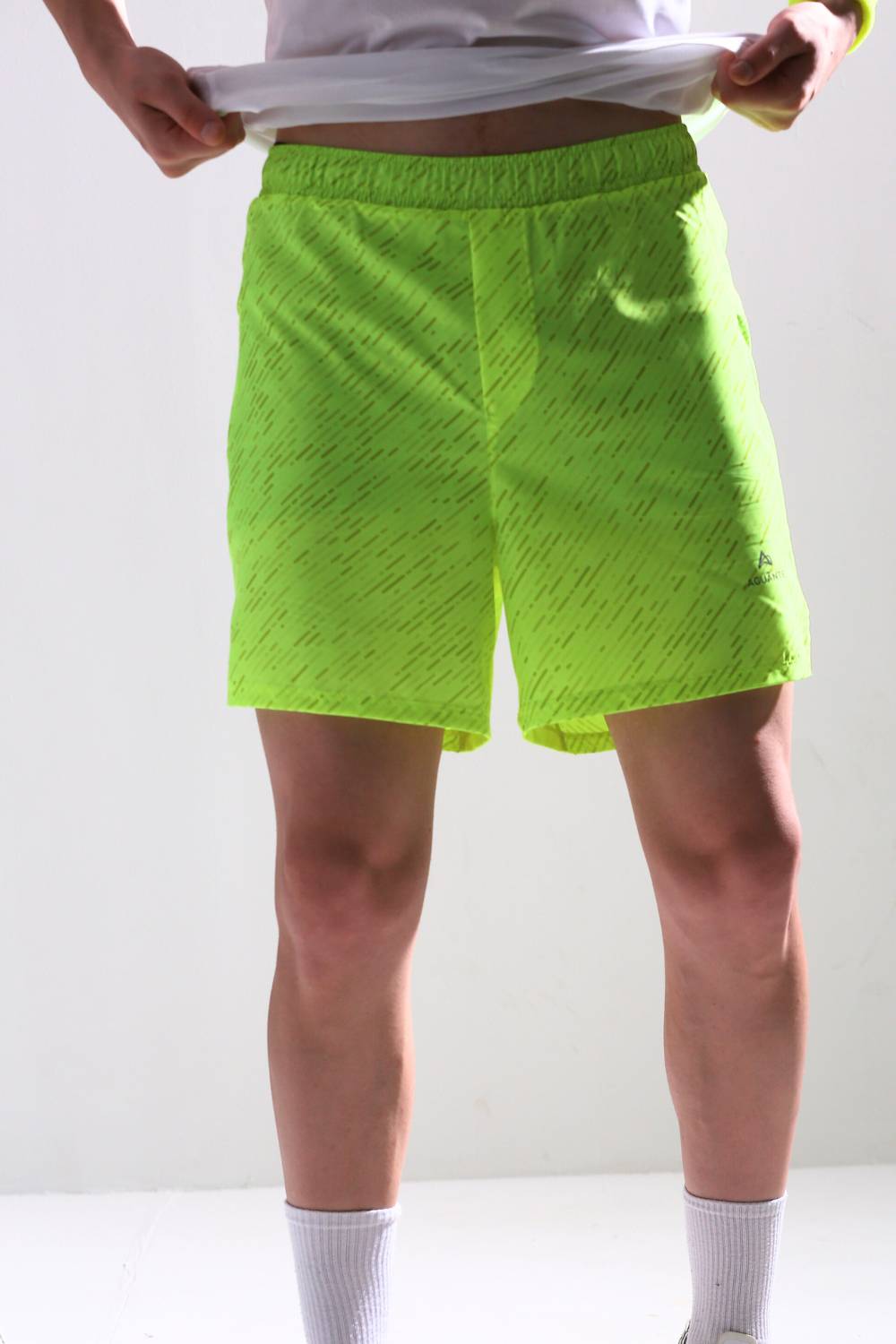
Competitive runners in Delhi and Surat particularly value these refinements, crediting them with reduced fatigue, fewer injuries, and measurable improvements in pace. Many brands now test prototypes extensively on actual Indian pavements, trails, and tracks, incorporating local feedback into final designs. Reflective elements for pre-dawn and post-sunset safety have become standard, addressing the reality of most urban running schedules.
Personalization represents another powerful evolution. Runners increasingly seek garments that fit their unique proportions, showcase preferred colors, and carry subtle custom branding. In entrepreneurial hubs like Ahmedabad, forward-thinking labels embrace made-to-measure options and configurable details, transforming mass-produced items into personal statements that deepen customer connection and brand loyalty.
Persistent Challenges Facing the Industry
Progress comes with trade-offs. Cutting-edge materials and sophisticated manufacturing processes inevitably raise retail prices, creating barriers in a market where value-for-money remains paramount. Premium innovations concentrate in affluent pockets of Delhi and Mumbai, while runners in Tier-2 and Tier-3 cities frequently must compromise on basic alternatives.
Size inclusivity continues to lag behind demand. Many collections still fail to adequately serve the full spectrum of body types, particularly plus-size participants. In rapidly expanding running communities in Hyderabad and Gurugram, this shortcoming discourages newcomers and frustrates experienced athletes. Although several progressive brands have begun expanding size ranges and adopting more diverse fit testing, the industry overall must accelerate efforts to ensure running remains accessible to everyone.
Significant Opportunities Driving Future Growth
Urban India's fitness awakening is unmistakable. Running has matured into a mainstream lifestyle activity among professionals in technology corridors like Bangalore, financial centers like Mumbai, and education hubs like Pune. This cultural shift creates substantial commercial potential for brands that consistently deliver superior products.
According to verified industry analysis from IMARC Group, the India running gear market reached USD 2.4 Billion in 2024 and is projected to reach USD 4.8 Billion by 2033, expanding at a compound annual growth rate (CAGR) of 7.71% during 2025-2033. National initiatives such as Khelo Bharat and the proliferation of city marathons, park runs, and community events continue to propel participation across demographics.
Technology integration opens additional frontiers. Smart textiles embedded with sensors work in harmony with wearables, delivering real-time insights about pace, heart rate, and form without requiring separate devices. Pioneering efforts in Delhi and Hyderabad point toward a future where apparel actively contributes to training intelligence, injury prevention, and performance optimization.
Looking Ahead: The Next Generation of Running Apparel
The horizon promises even greater sophistication. Artificial intelligence may soon enable hyper-personalized fit recommendations and performance predictions, while Internet of Things connectivity could produce fabrics that dynamically adjust ventilation, compression, or insulation in response to changing weather and exertion levels. Thought leaders based in innovation centers like Gurugram and manufacturing strongholds like Surat anticipate accelerated focus on climate-adaptive materials, deeper personalization, and circular sustainability practices.
Ultimately, exceptional running gear achieves something profound: it fades into the background so the experience of movement takes center stage. The right innovations don't merely support your stride they amplify the joy, freedom, and accomplishment that draw millions to the roads and paths each morning. Explore the latest collections at specialty retailers or trusted online platforms. Try pieces crafted with these forward-thinking features. The difference will be immediately apparent, and your next run will feel transformed.
Frequently Asked Questions
What are the most important design features to look for in running apparel?
Look for advanced moisture-wicking fabrics that pull sweat away from your body, strategic mesh ventilation zones for increased airflow, and ergonomic patterning that minimizes fabric drag. Additionally, secure pocket placement for essentials, reflective elements for safety, and flat seams to prevent chafing are crucial features that enhance both comfort and performance during runs.
How is sustainable running gear different from traditional activewear?
Sustainable running gear utilizes eco-friendly materials like recycled polyester from post-consumer plastic bottles, organic cotton, and bamboo fibers, while maintaining high performance standards. These products are manufactured through closed-loop processes with reduced water usage and transparent ethical supply chains, allowing environmentally conscious runners to choose gear that aligns with their values without compromising on quality or durability.
Why are smart fabrics and compression technology important for runners in humid climates?
In high-humidity cities where relative humidity exceeds 80% during monsoon and summer months, smart fabrics become essential rather than optional. Advanced moisture-wicking textiles and targeted compression zones help runners stay drier and cooler while stabilizing muscles during impact. Antimicrobial treatments also keep garments fresh through multiple wears, making these technologies particularly valuable for tropical conditions and extended training sessions.
Disclaimer: The above helpful resources content contains personal opinions and experiences. The information provided is for general knowledge and does not constitute professional advice.
You may also be interested in: Reflective Gear for Night Runs: Enhancing Safety and Visibility
Tired of gear that slows you down? Chafing, soggy fabrics, and missing pockets kill your run's momentum. At Aguante, we're runners who get it. Our high-performance activewear features moisture-wicking fabrics, ergonomic designs, and smart storage to keep you focused. Shop Now!
Powered by flareAI.co