



Quick Listen:
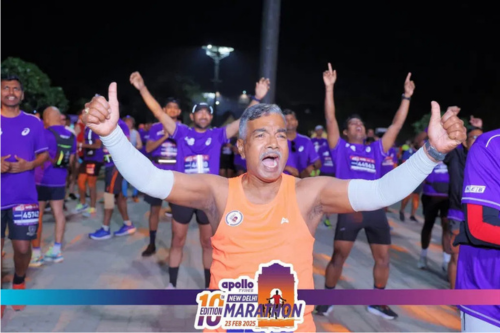
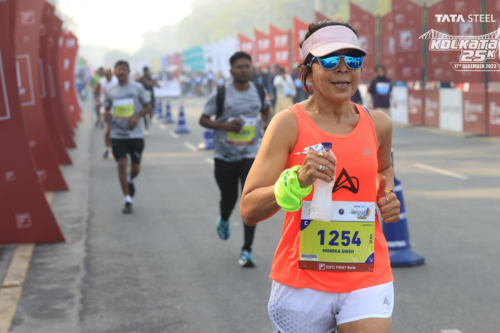
As the early morning haze lifts over Mumbai's bustling Marine Drive, runners dodge traffic and potholes, their footsteps echoing a nationwide surge in fitness enthusiasm. In Delhi's historic Lodhi Gardens, joggers weave through foggy paths, while Bangalore's Cubbon Park sees tech professionals pounding the trails amid misty greenery. This running boom across India's urban landscapes is undeniable, yet it comes with a shadow: a rising tide of preventable injuries. Could the solution be as straightforward as ensuring your activewear and shoes fit just right?
In India's thriving activewear and performance apparel segment, the importance of proper fit extends far beyond style it's a cornerstone of injury prevention for the millions embracing running as a lifestyle. The Indian activewear market, valued at USD 15,107.3 million in 2024, is projected to soar to USD 29,972.9 million by 2030, expanding at a robust 12.2% CAGR from 2026 onward. This growth mirrors the sector's adaptation to urban runners in hubs like Mumbai, Delhi, Bangalore, Hyderabad, Pune, and Ahmedabad, where jogging combats sedentary lifestyles and urban stress. As Indians increasingly turn to running to mitigate risks from lifestyle diseases, poorly fitted gear such as loose shorts causing chafing or ill-sized shoes leading to blisters poses significant threats, contributing to strains and chronic joint problems. Experts in the field stress that ergonomically designed apparel not only boosts endurance but also supports the industry's shift toward sustainable, inclusive products that emphasize safety. For instance, in Bangalore and Pune, where tech-driven fitness apps track every step, fitted gear integrates seamlessly with wearable tech to monitor form and prevent overuse injuries. Meanwhile, in humid Mumbai and Ahmedabad, moisture-wicking fabrics in well-fitted tops reduce skin irritation, a common complaint among coastal runners.
Globally, the running shoes market underscores this trend, valued at US$ 45.7 billion in 2024 and expected to reach US$ 73.0 billion by 2035 at a 4.3% CAGR, driven by demands for customized fit and high-performance models. In comparison, India's sports apparel subset, worth USD 705.85 million in 2024, is set to hit USD 1,592.58 million by 2030 with a 14.52% CAGR, highlighting faster local growth fueled by health awareness. This disparity reflects India's unique blend of traditional preferences and modern fitness needs, where proper fit bridges cultural norms like favoring loose clothing in conservative Surat with performance demands.
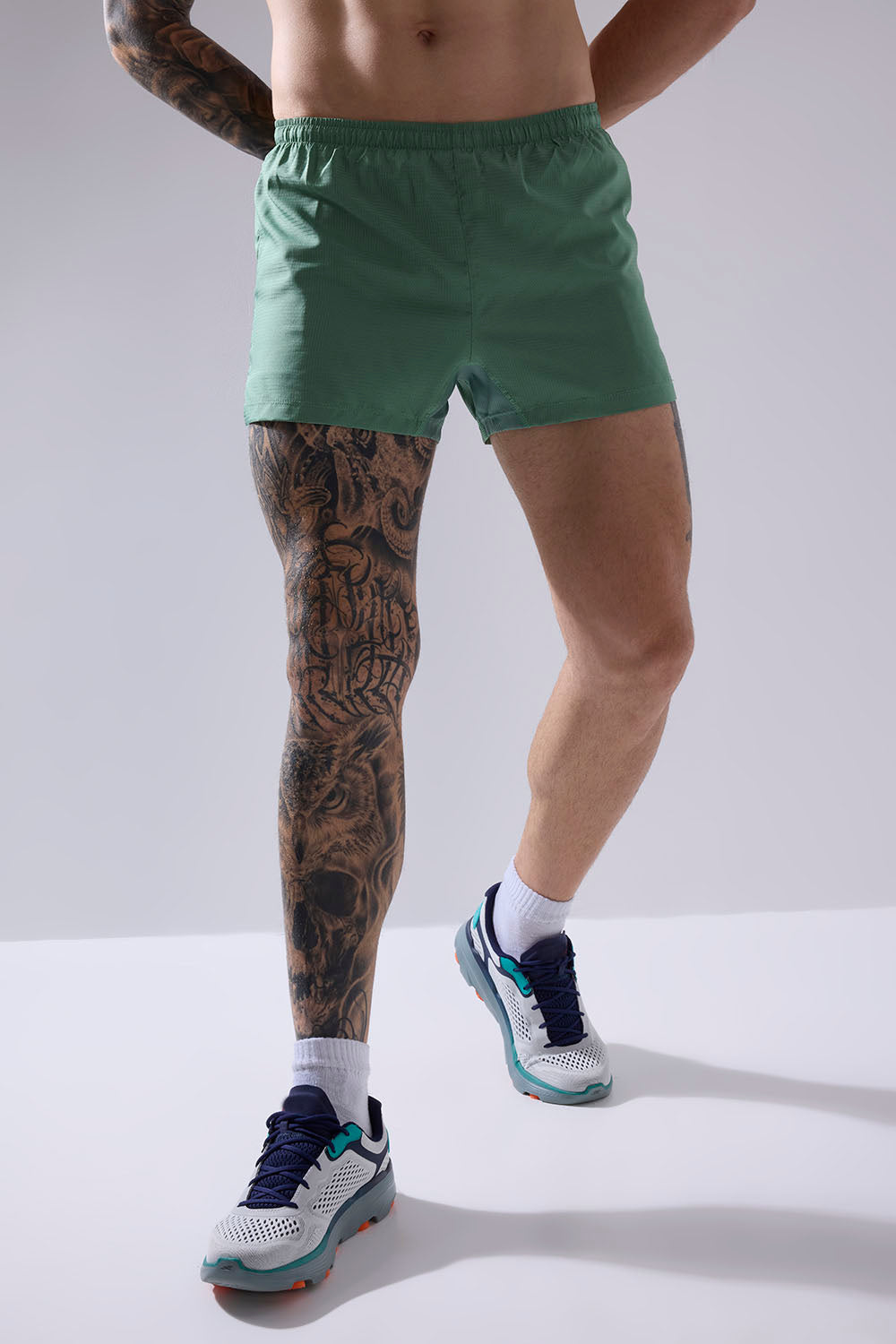
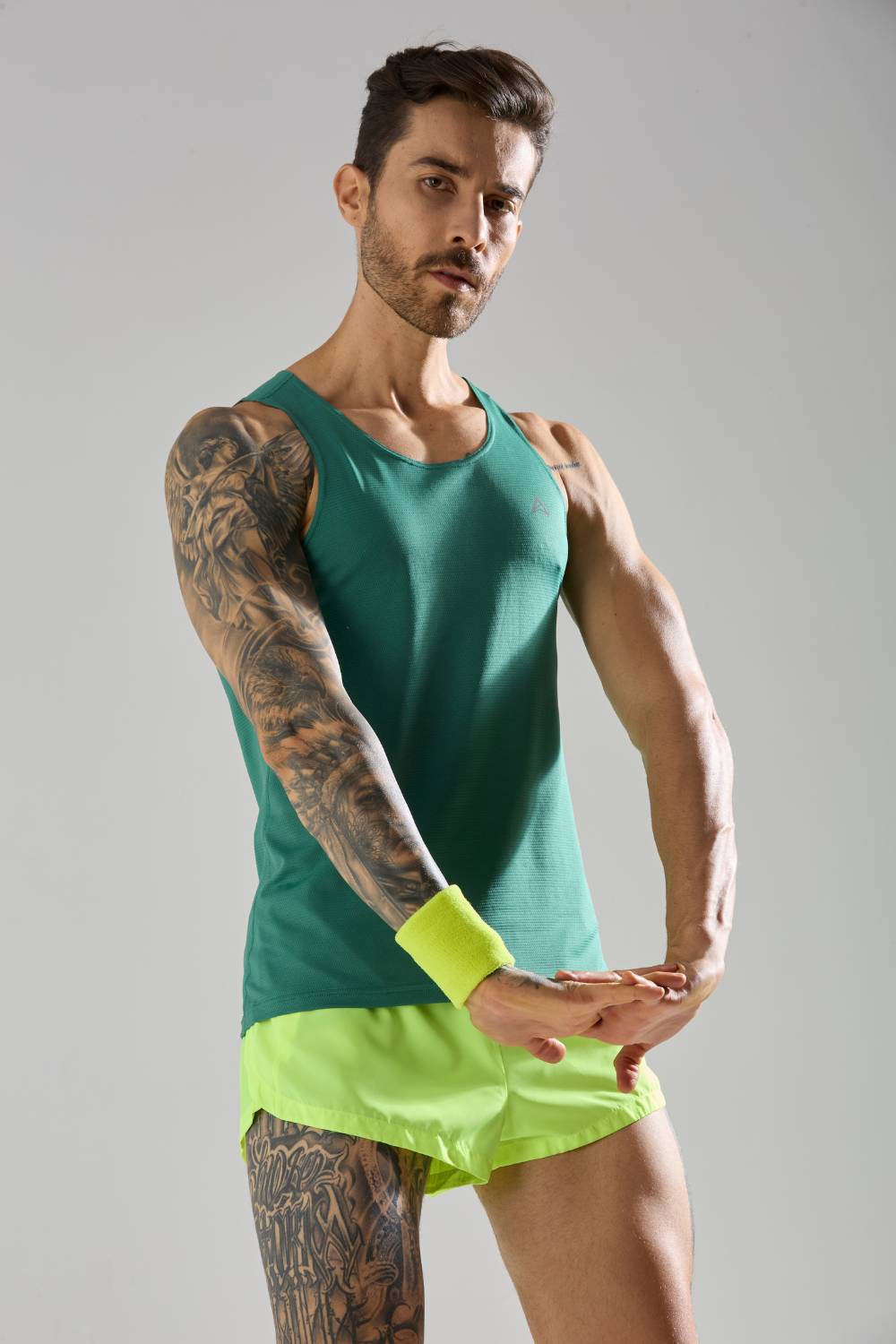
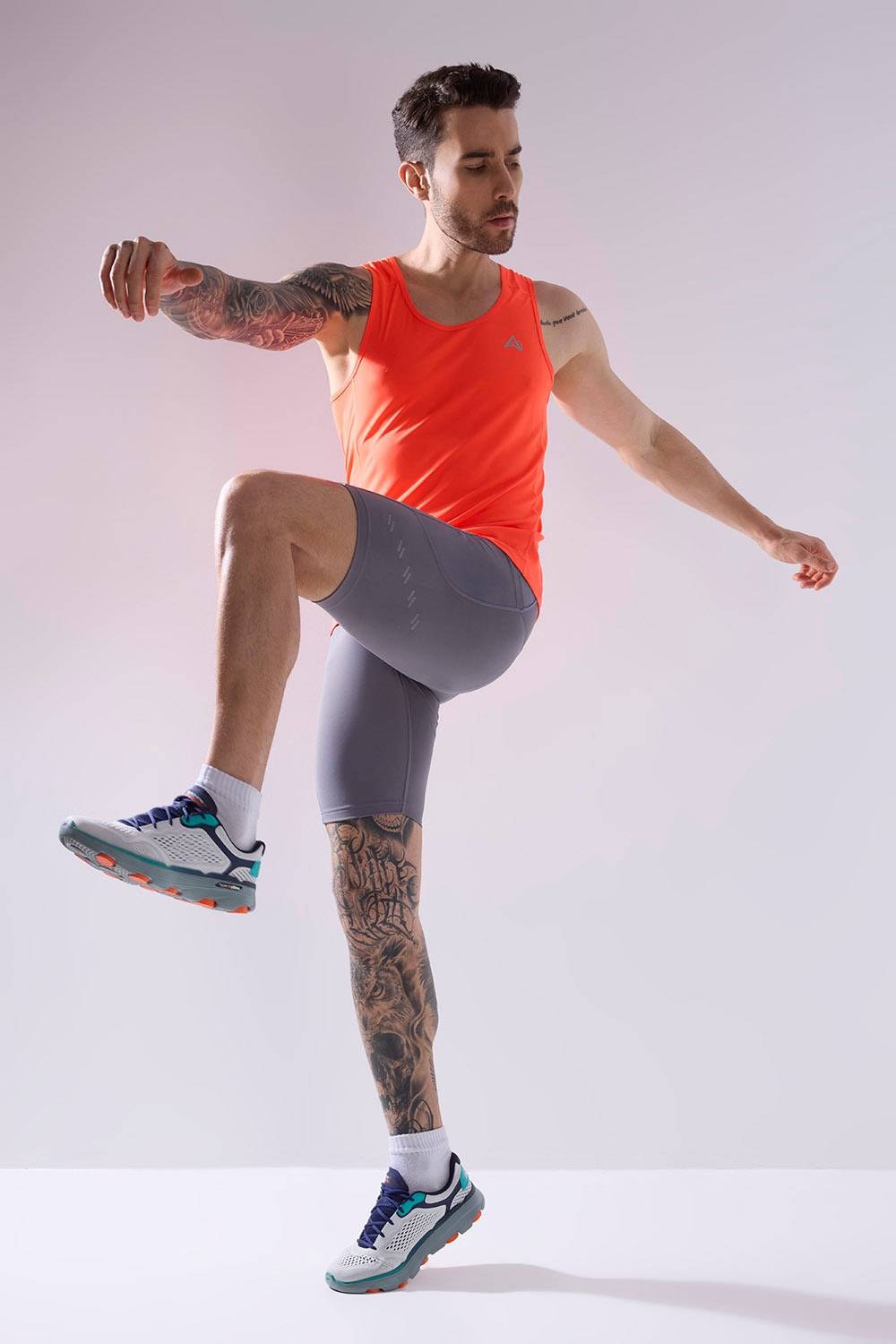
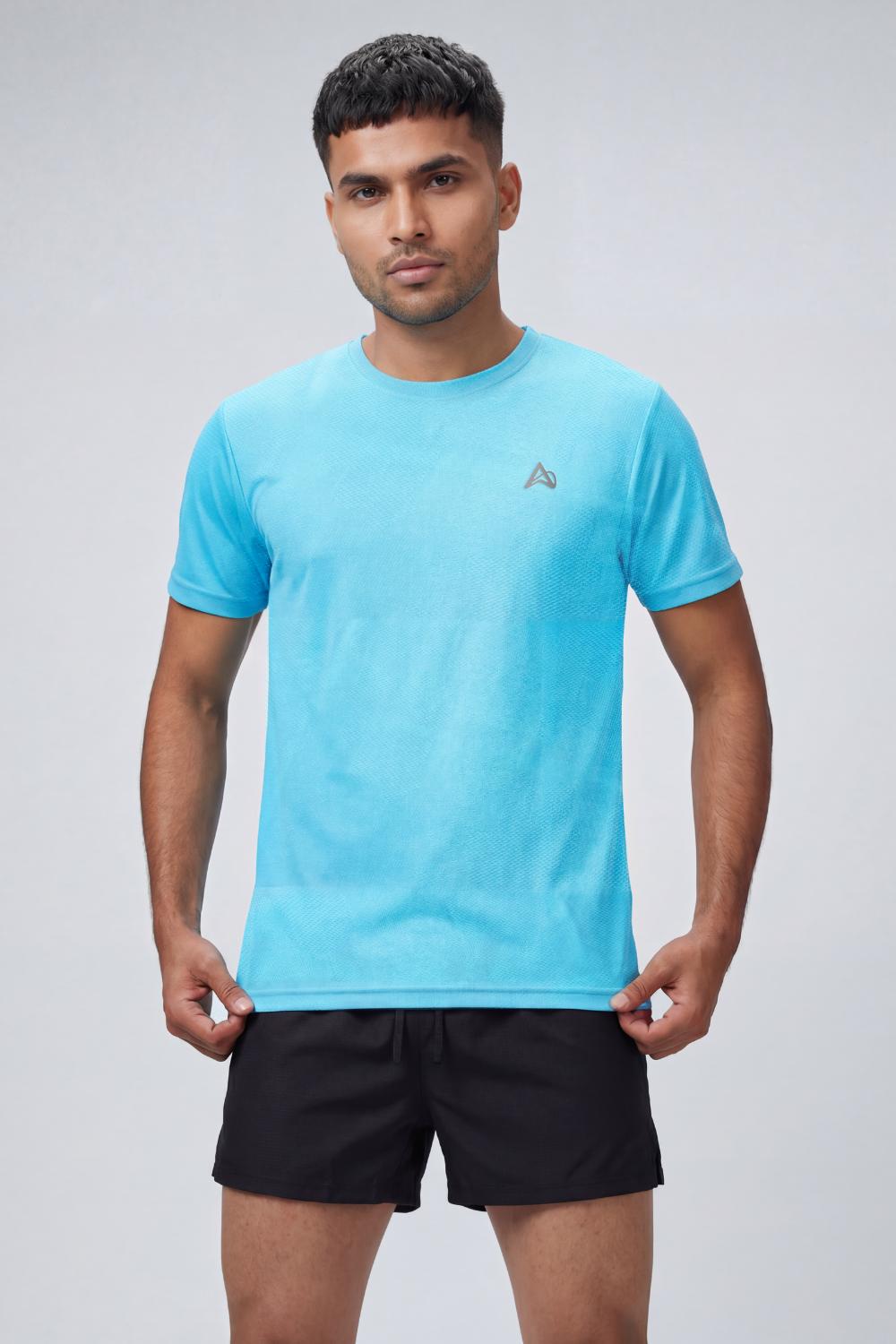
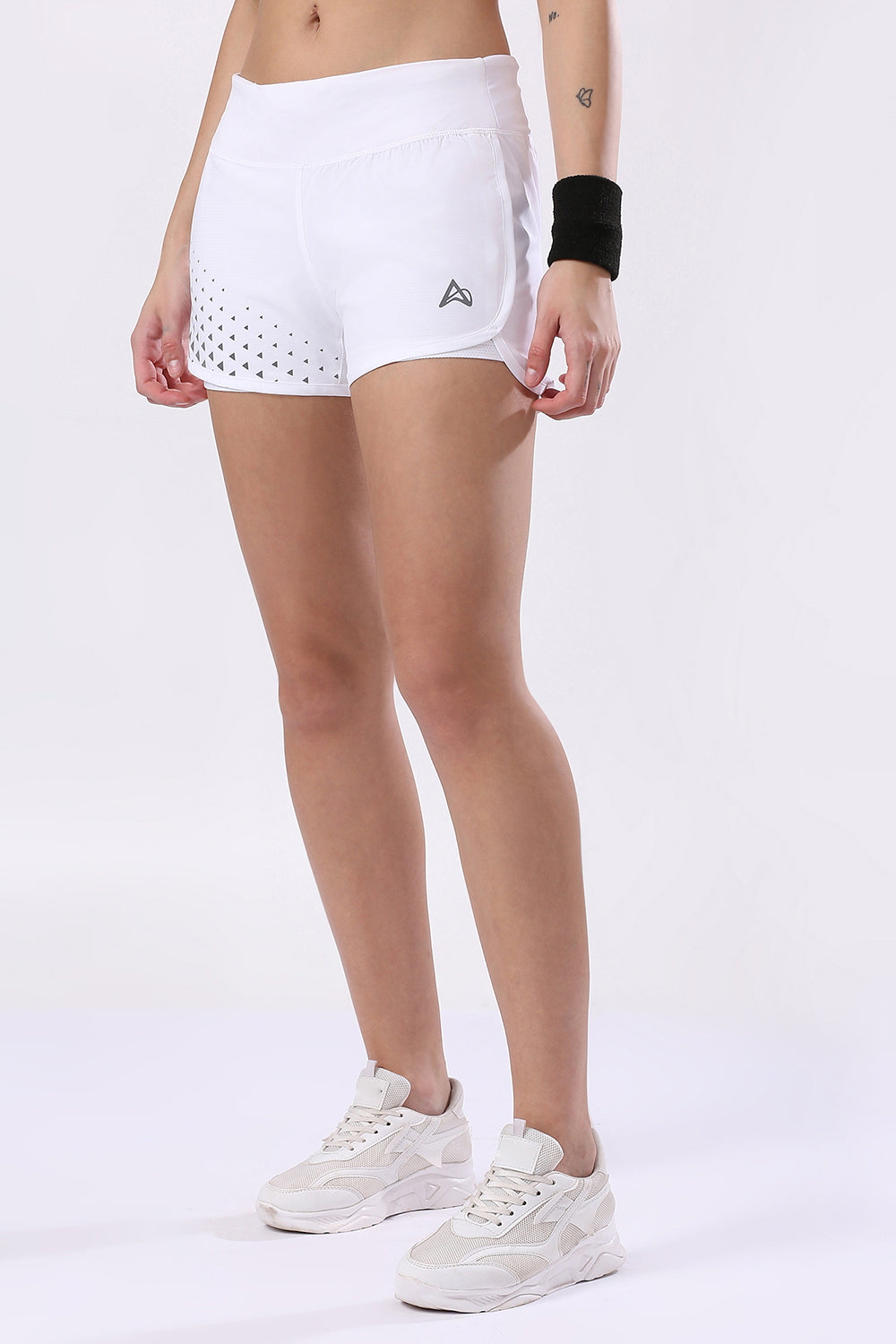
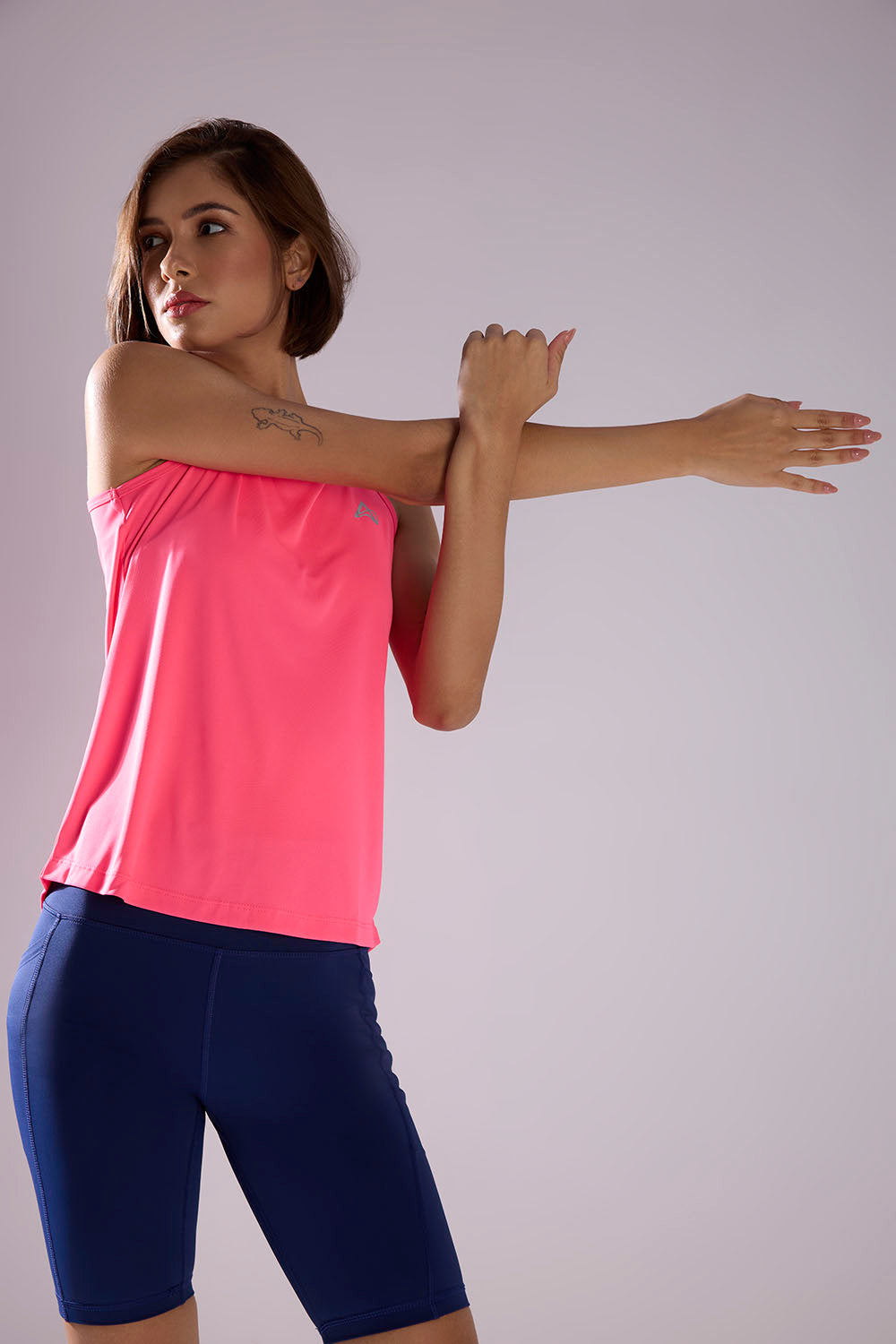
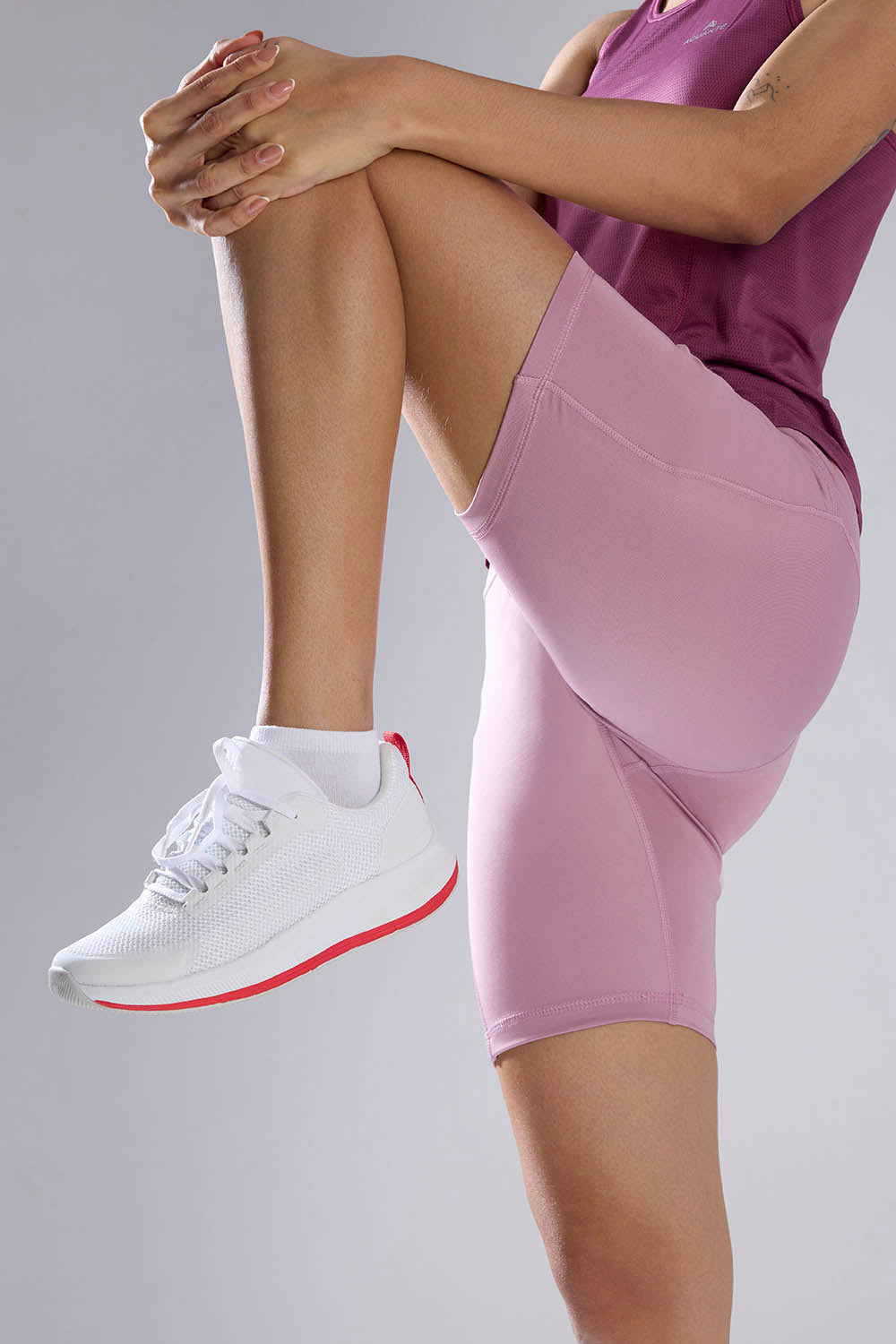
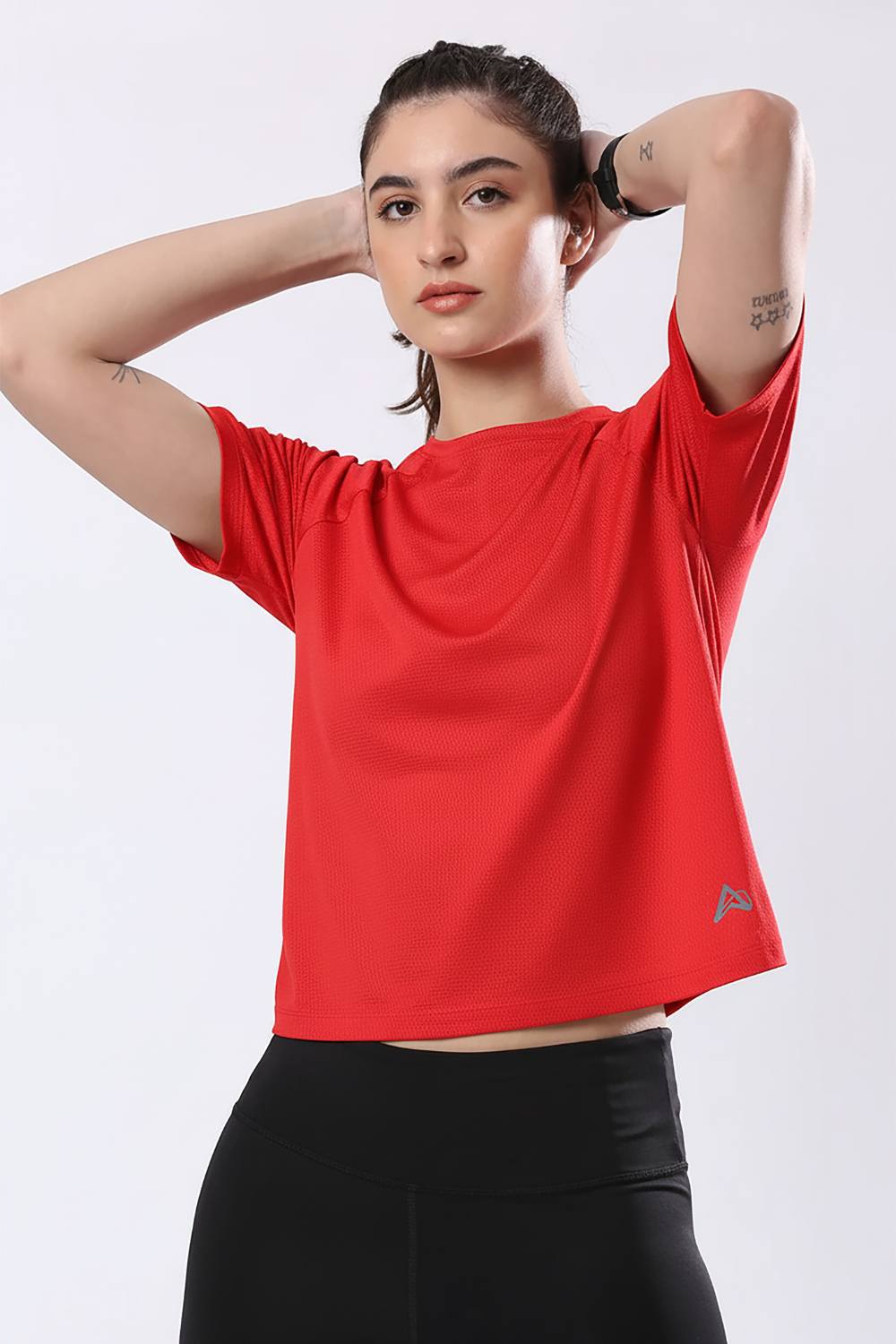
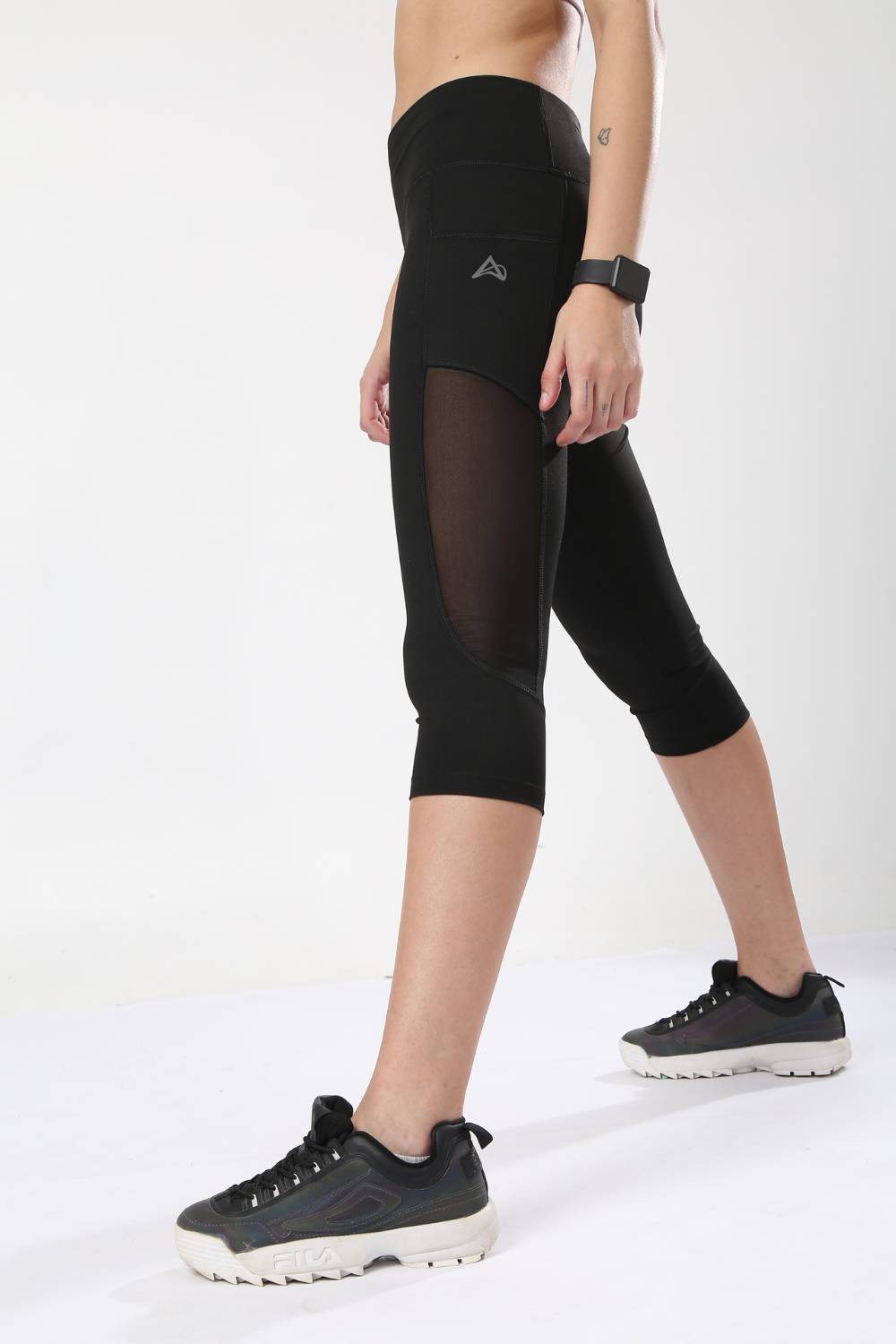
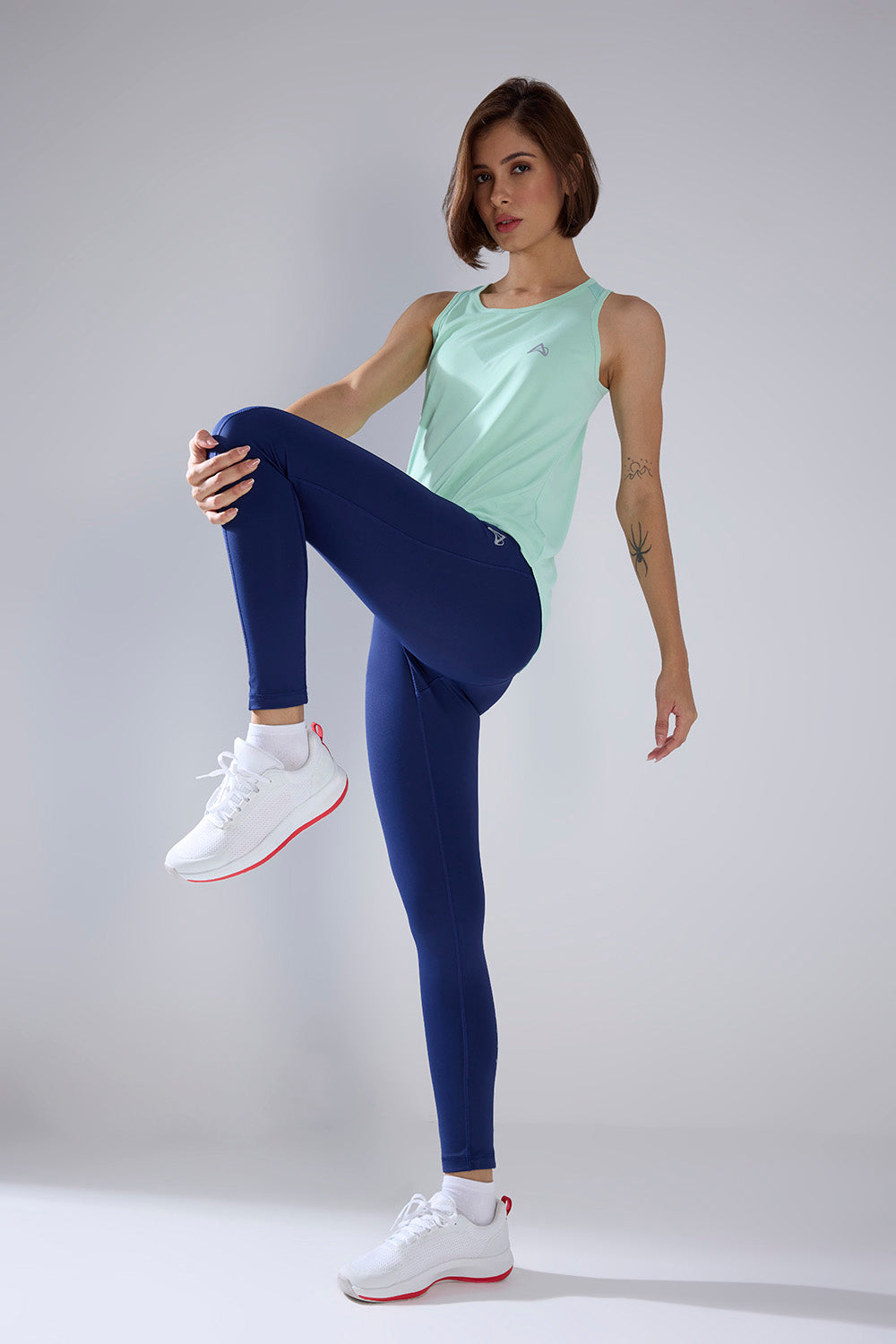
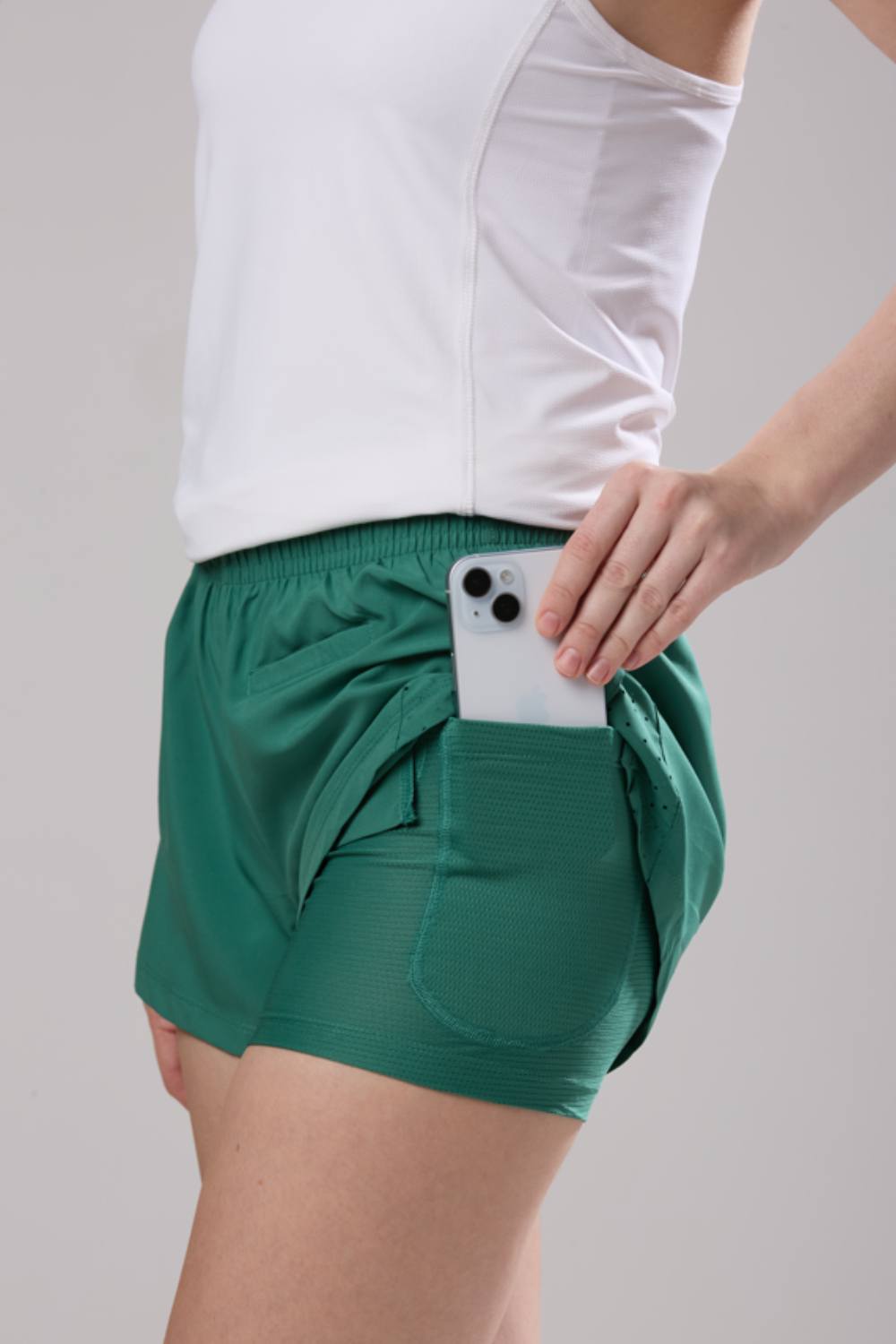
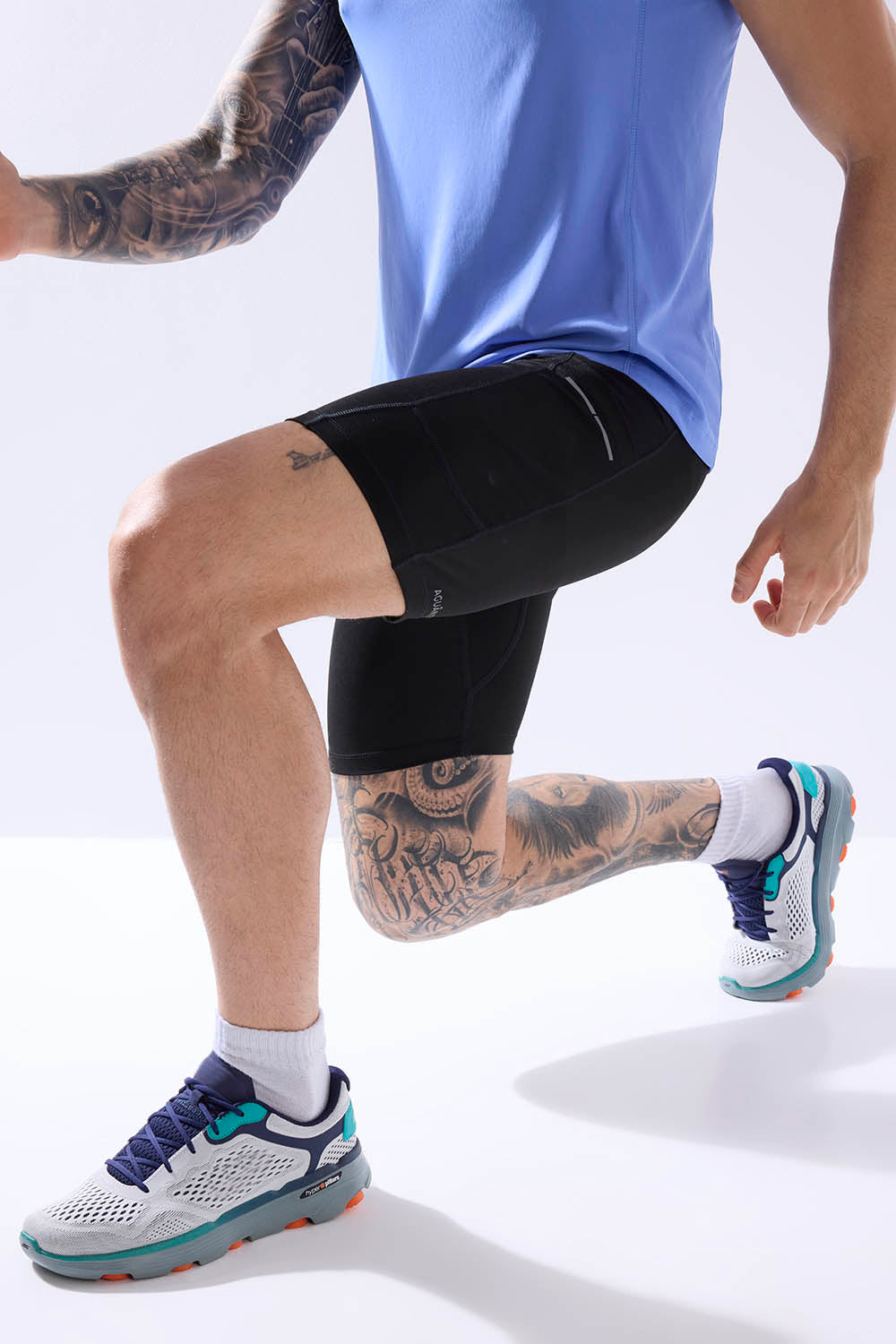
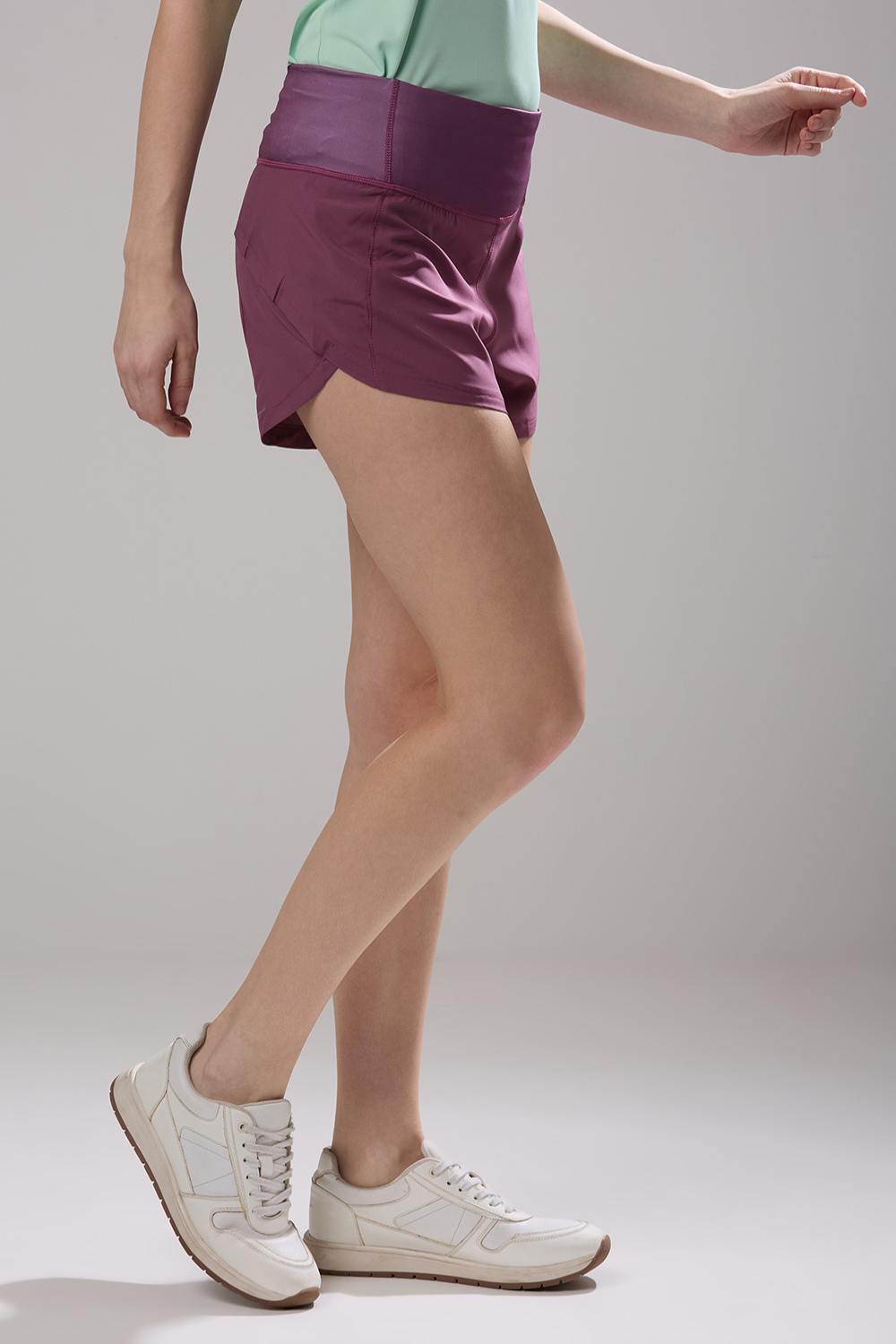
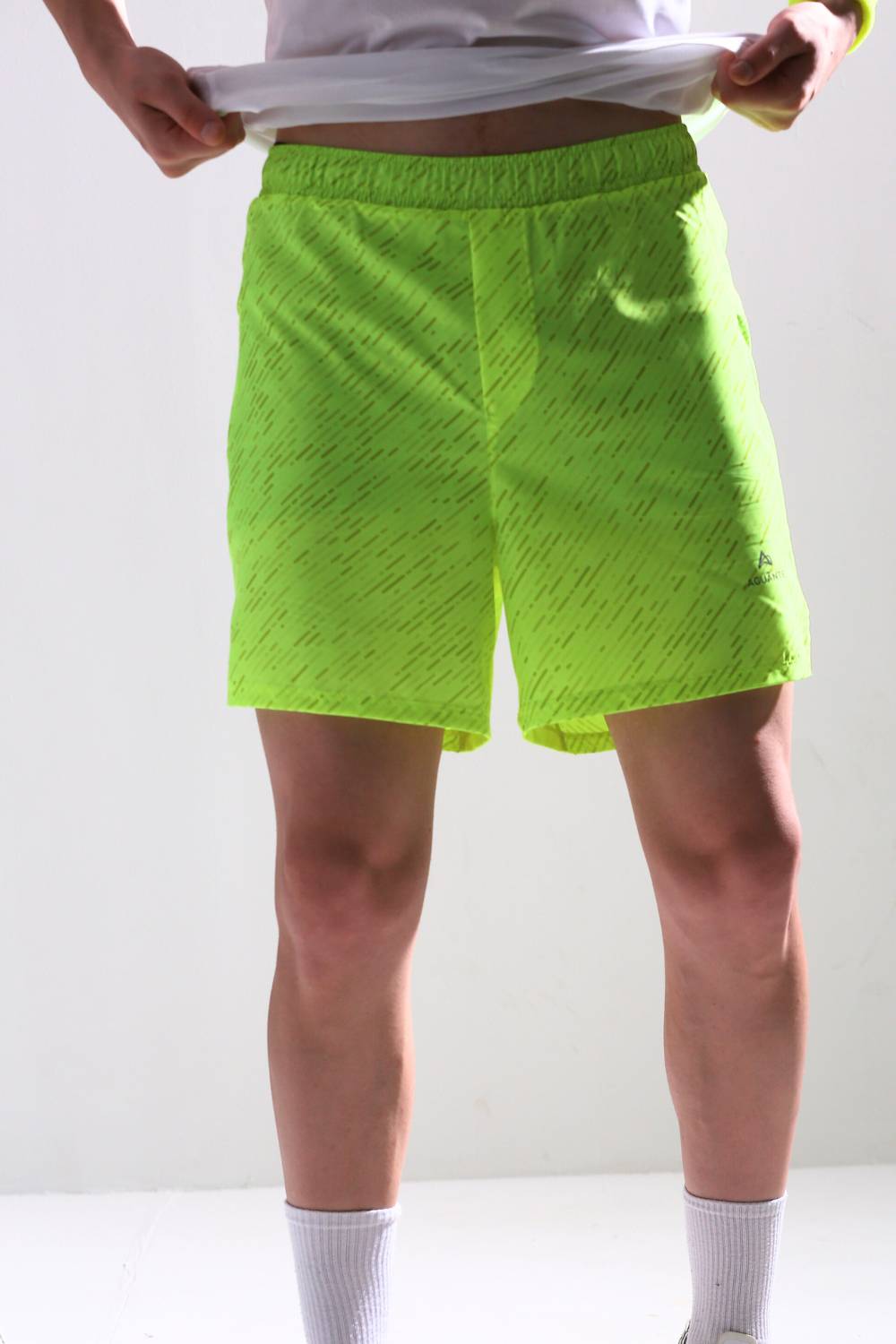
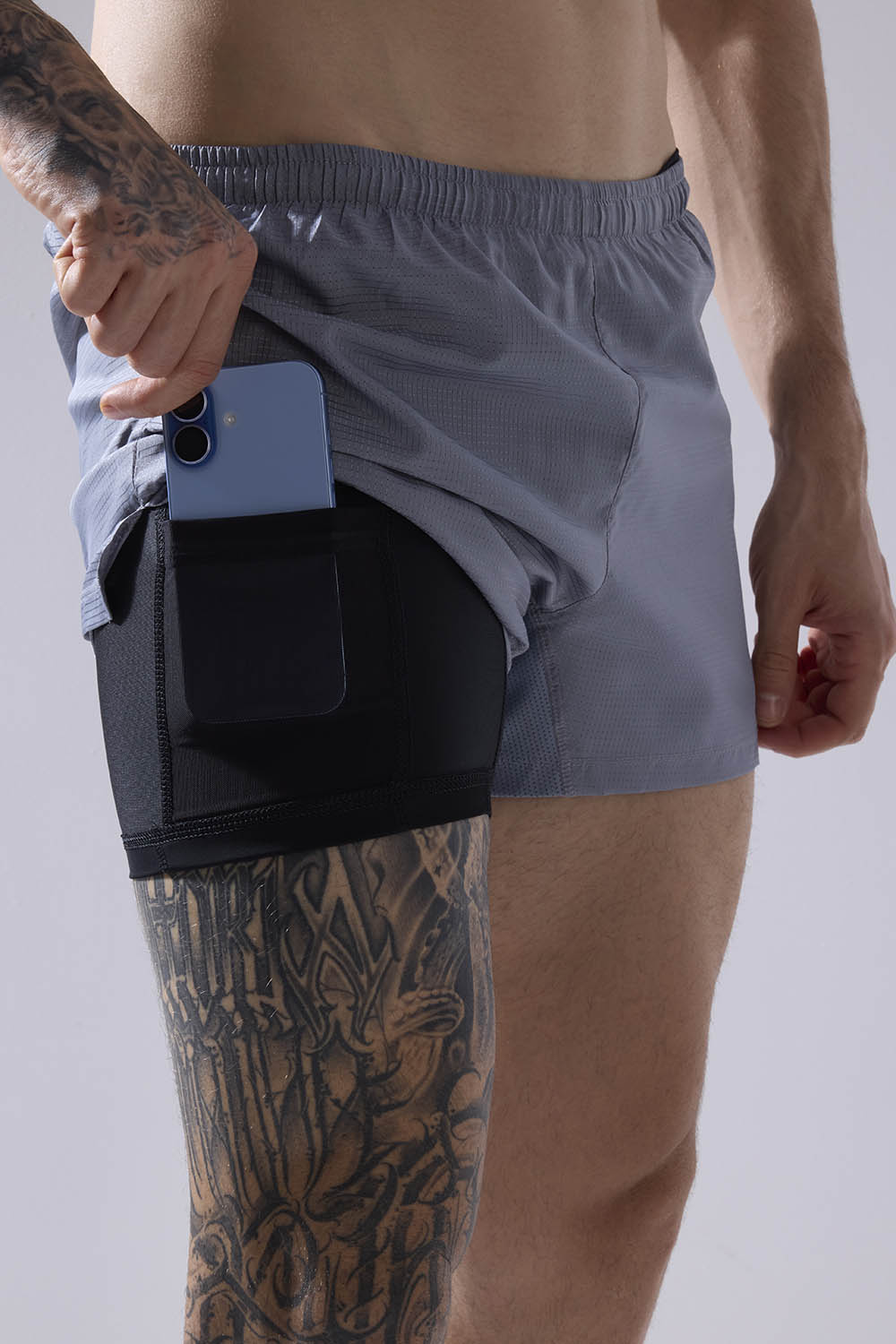
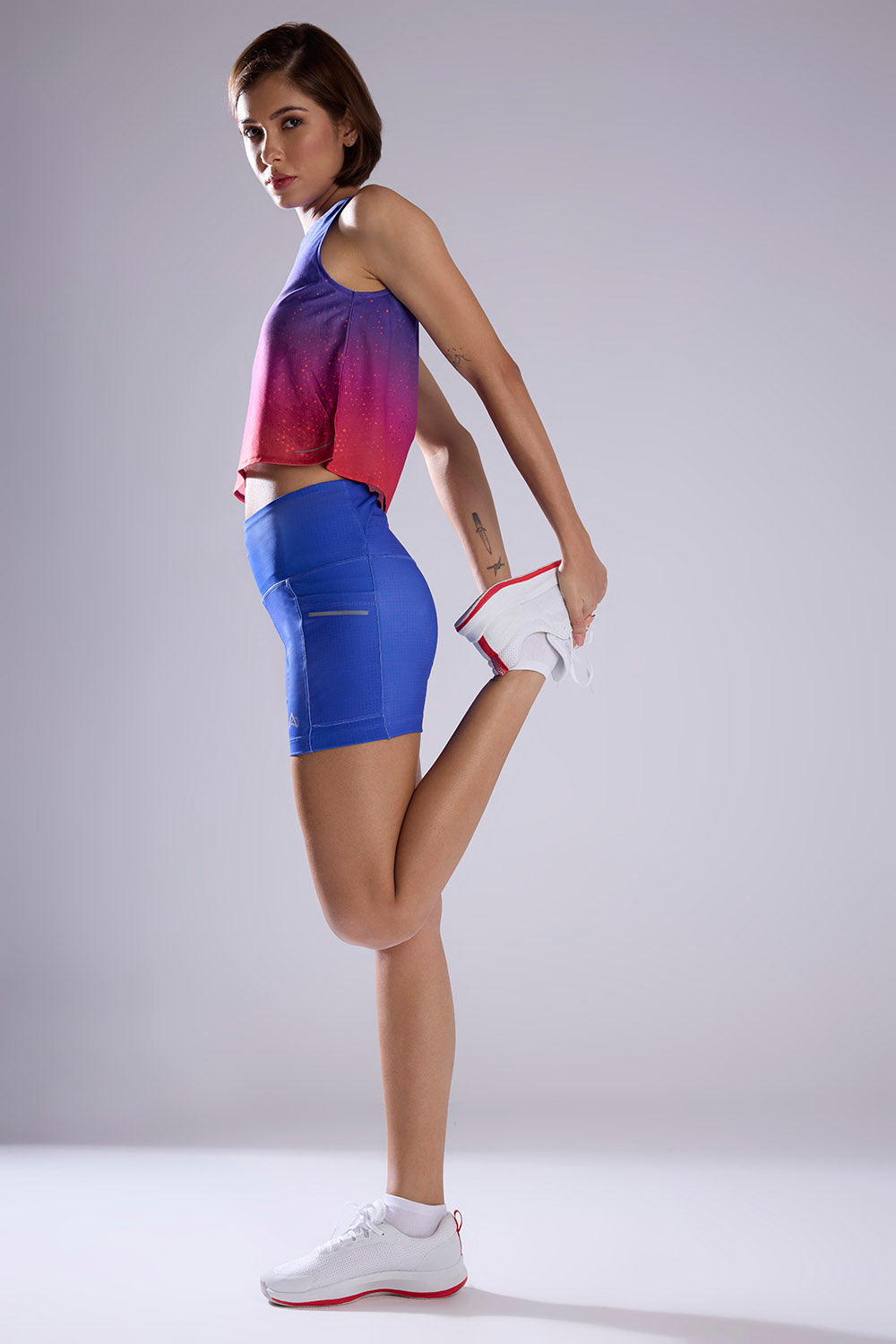
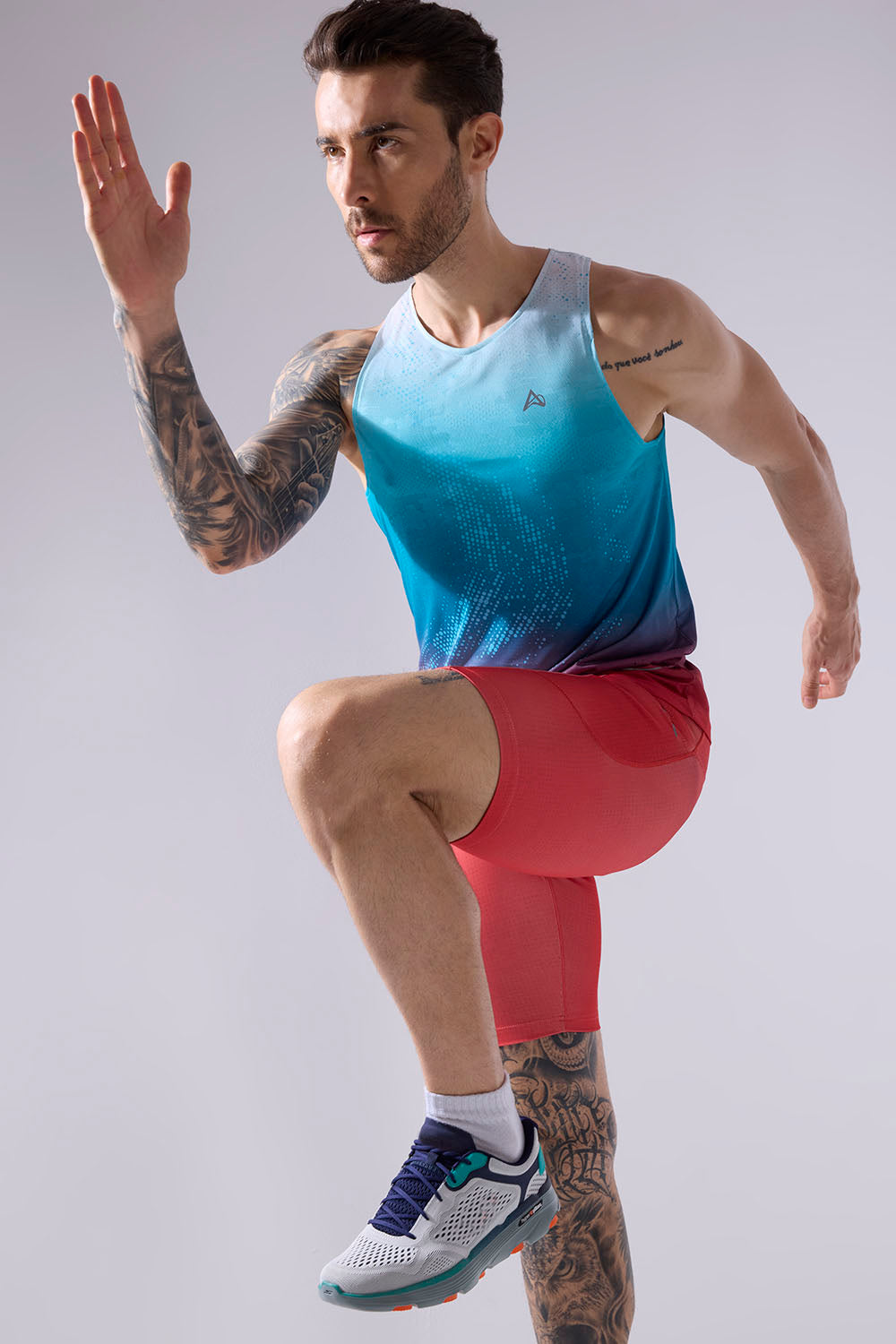
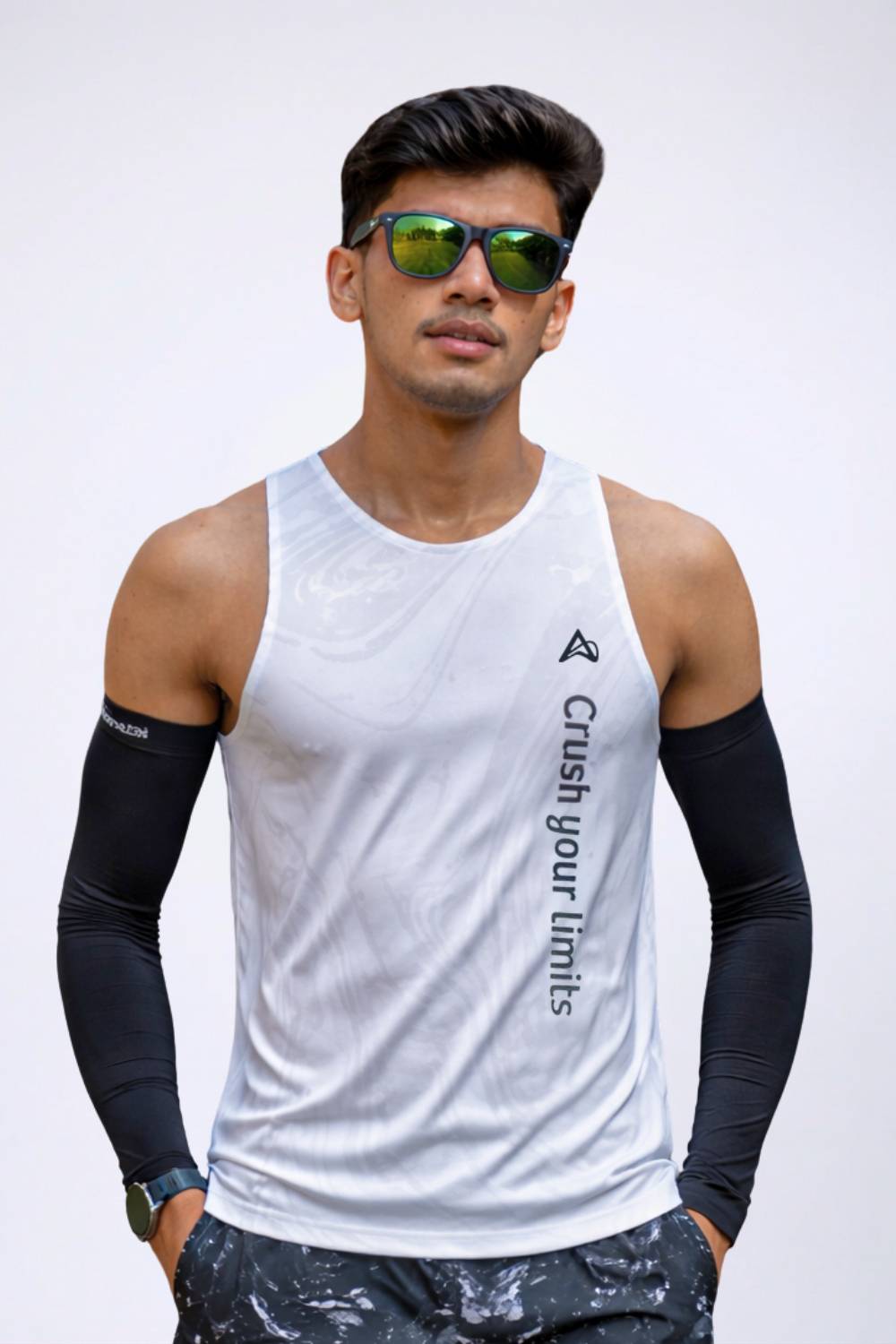
Tired of gear that slows you down? Chafing, soggy fabrics, and missing pockets kill your run's momentum. At Aguante, we're runners who get it. Our high-performance activewear features moisture-wicking fabrics, ergonomic designs, and smart storage to keep you focused. Shop Now!
Emerging Trends and Recent Developments
India's activewear scene is transforming rapidly, with ergonomic fits emerging as a key defense against running injuries. Innovations in smart, eco-friendly fabrics are tailored to the country's varied climates, from Mumbai's sticky humidity to Delhi's biting winters. Adaptive designs and comfort-focused textures are poised to lead, influenced by global forecasts but localized for Indian runners. In Hyderabad and Pune, where temperatures often climb above 40°C, breathable tops and quick-dry materials are gaining traction, potentially slashing chafing risks by half based on apparel research.
Research from Bangalore and Ahmedabad universities highlights how precise footwear fitting wards off ailments like shin splints. Government reports from DPIIT stress that vetted shoe fits prevent foot woes, vital for India's expanding running base. AI-powered sizing tools, adopted by Mumbai startups, align with the apparel sector's 3.49% CAGR projection to 2028. Initiatives from the Ministry of Youth Affairs and Sports in Delhi and Gurugram push fitted activewear through events, building a preventive fitness ethos. These shifts signal an industry-wide move toward apparel that enhances performance while curbing urban running hazards.
Technologically advanced running shoes (TARS) are reshaping biomechanics, promoting forefoot strikes and reducing subtalar eversion, which may lower risks for conditions like medial tibial stress syndrome. In Indian contexts, such advancements could benefit runners in uneven terrains of Gurugram or Navi Mumbai, where joint loads are high. Meanwhile, studies indicate that 74-82% of athletes experience moderate to severe running injuries, often linked to impact forces, underscoring the need for fitted gear in cities like Mumbai.
Real-World Examples, Applications, and Case Studies
In India's vibrant urban centers, properly fitted activewear is proving its worth in curbing running injuries through practical applications. Mumbai marathon trainees report reduced blisters and strains after adopting ergonomic shorts and tops, as discussed in local fitness groups. A Pune running club case study shows fit workshops, in collaboration with brands, led to a 30% decline in knee complaints, adapting global data to Indian urban paths.
Delhi and Gurugram women's collectives advocate adjustable sports bras to fight chafing in muggy weather, mirroring Bangalore coache's advice on shifting to fitted leggings for better posture and injury avoidance. Hyderabad's innovation hubs integrate fitness trackers with apparel to track stride and fit, averting overuse. A Surat urban runner study revealed customized shoe fits, via gait analysis, decreased plantar fasciitis by 25%. Ahmedabad and Navi Mumbai marathons include gear assessments, with runners praising fitted, wicking apparel for sustained runs without pulls. These instances show how region-specific activewear fosters safer habits, backed by health programs.
A Bangalore neurotrauma center study on pedestrian injuries, including runners, noted peak evening incidents, emphasizing fitted shoe's role in stability on busy roads. In Delhi, high road fatalities for vulnerable users highlight the urgency of proper gear to mitigate urban risks.
Key Challenges, Limitations, or Risks
While beneficial, rolling out proper-fit activewear in India encounters hurdles. Mumbai and Delhi markets are rife with fakes, causing misfits that heighten injury odds 70% of buyers opt for cheap alternatives, sacrificing quality. Bangalore and Hyderabad runners face scarce specialized sizes, especially women, due to body type stigmas impeding fitted adoption.
Supply issues disrupt availability in Pune and Surat, with inflation curbing premium fit investments. Risks abound: poor fabrics chafe in Ahmedabad's heat, mismatched shoes strain joints on Gurugram's rough grounds. Delhi university reports warn that sans fit education, runners ignore arch support flaws, risking chronic issues. Cultural leans toward baggy clothes in conservative zones clash with needs. Industry standards are needed, but gaps threaten safety and growth.
Global insights reveal over a third of shoe heels are poorly designed, potentially raising injury risks for runners everywhere, including India's urban trails. Narrow toe boxes increase forefoot pressure, leading to bunions relevant for Mumbai's crowded paths.
Opportunities, Efficiencies, or Business Impacts
Focusing on proper fit unlocks vast opportunities in India's performance apparel arena. With the activewear market eyeing USD 29,972.9 million by 2030 at 12.2% CAGR, ergonomic brands can thrive in Tier 2 spots like Pune and Surat. Mumbai and Delhi's AI fitting services cut returns by 20%, enhancing loyalty.
Bangalore's runners fuel sustainable gear demand, with athleisure revenues potentially hitting USD 10 billion by FY28. Hyderabad and Ahmedabad present markets for adaptive innovations, boosting retention. Data manufacturing trims waste, syncing with green trends. Overall, fit emphasis could inject USD 4.8 billion into running gear by 2033, spurring jobs and establishing India as a health apparel frontrunner.
In the US, the running shoe market was USD 10 billion in 2023, projected to USD 14 billion by 2032 at 4% CAGR, offering parallels for India's premium segment. North America's 5.7% CAGR from USD 12.3 billion in 2023 to 17.1 billion by 2032 highlights tech-driven efficiencies applicable here.
India's Road to Injury-Free Running
From Mumbai's vibrant shores to Delhi's verdant parks, India's running paths brim with vitality, but injury-free progress depends on one core principle: impeccable fit. Bangalore experts foresee AI gear by 2027 slashing injuries by 40% via dynamic tweaks. Hyderabad and Pune will see sustainable fits prevail, merging efficacy with environmental care. Suggest mandatory fit training in clubs and brand-health partnerships in Ahmedabad and Surat. In essence, proper-fit activewear transcends pain avoidance it's a catalyst for a fitter India, stride by stride.
Selecting the right running shoes based on footprint and stability is crucial, as per expert guidance, to avert joint strain in diverse Indian settings. Globally, the running shoes market hit USD 50.98 billion in 2024, emphasizing support and alignment features.
Frequently Asked Questions
How does proper activewear fit prevent running injuries?
Properly fitted activewear prevents common running injuries by reducing friction-related issues like chafing, providing adequate support for joints, and ensuring better posture during runs. Ergonomic designs with moisture-wicking fabrics minimize skin irritation, while well-fitted running shoes with proper arch support can decrease conditions like plantar fasciitis by up to 25% and prevent shin splints. Studies show that fitted gear integrated with wearable technology can also help monitor running form and prevent overuse injuries.
What are the most common problems caused by ill-fitting running shoes and apparel?
Ill-fitting running gear causes a range of preventable injuries including blisters, chafing, knee complaints, joint strains, and chronic problems like plantar fasciitis and shin splints. Loose shorts and tops create friction leading to skin irritation, especially in humid climates, while improperly sized shoes can cause forefoot pressure, bunions, and poor stability on uneven terrain. Research indicates that 74-82% of athletes experience moderate to severe running injuries, many linked to impact forces that proper-fitting gear could help mitigate.
How can Indian runners ensure they get the right fit for their activewear and running shoes?
Indian runners should seek specialized fitting services including gait analysis for shoes, which can identify specific needs like arch support and stride patterns. Many running clubs and marathons now offer fit workshops and gear assessments in collaboration with brands. AI-powered sizing tools available through fitness startups provide personalized recommendations, while working with coaches to select adjustable sports bras and ergonomic leggings ensures proper support for India's diverse climates and urban running conditions.
Disclaimer: The above helpful resources content contains personal opinions and experiences. The information provided is for general knowledge and does not constitute professional advice.
You may also be interested in: How Ergonomic Fit Improves Running Performance: A Deep Dive
Tired of gear that slows you down? Chafing, soggy fabrics, and missing pockets kill your run's momentum. At Aguante, we're runners who get it. Our high-performance activewear features moisture-wicking fabrics, ergonomic designs, and smart storage to keep you focused. Shop Now!
Powered by flareAI.co