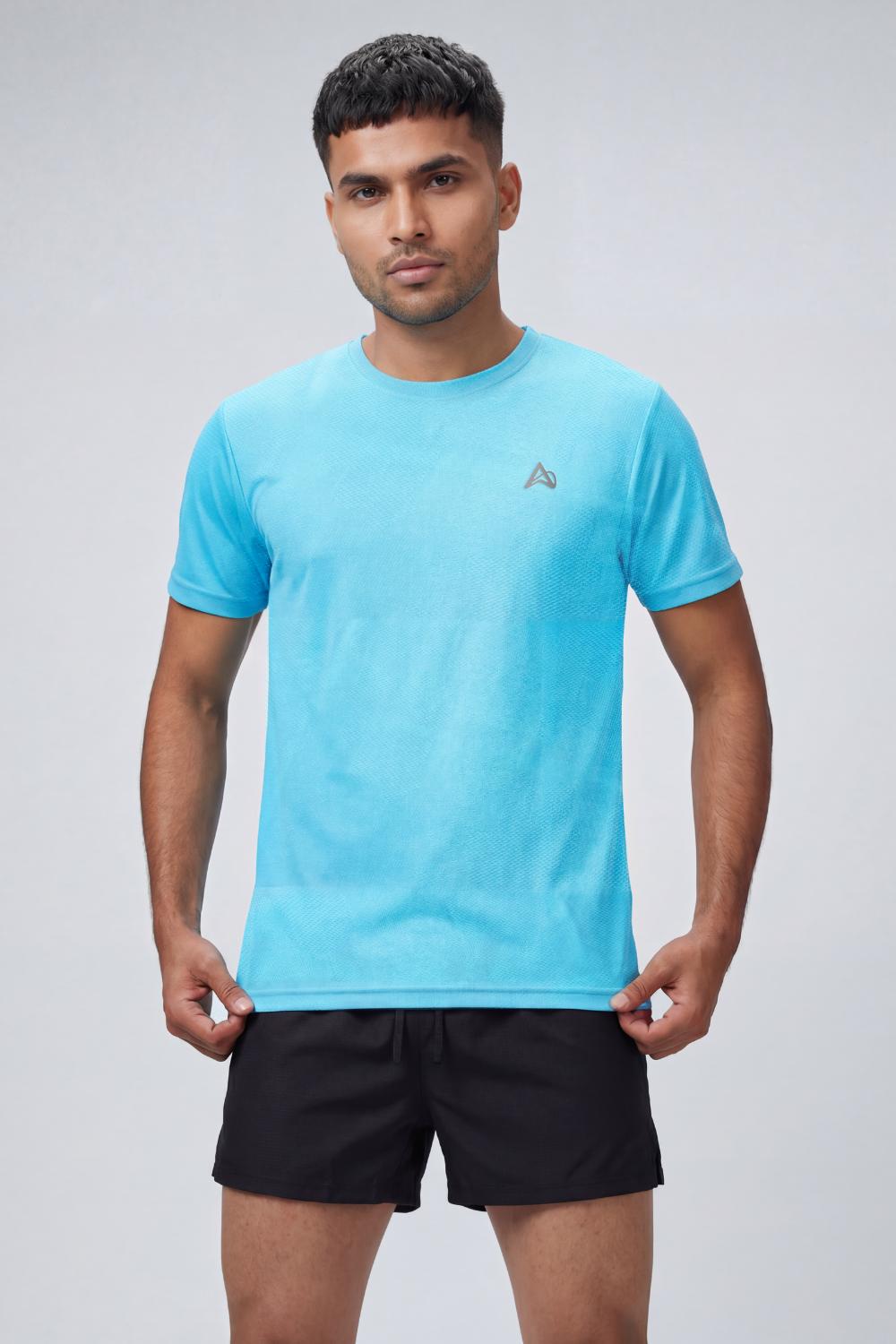
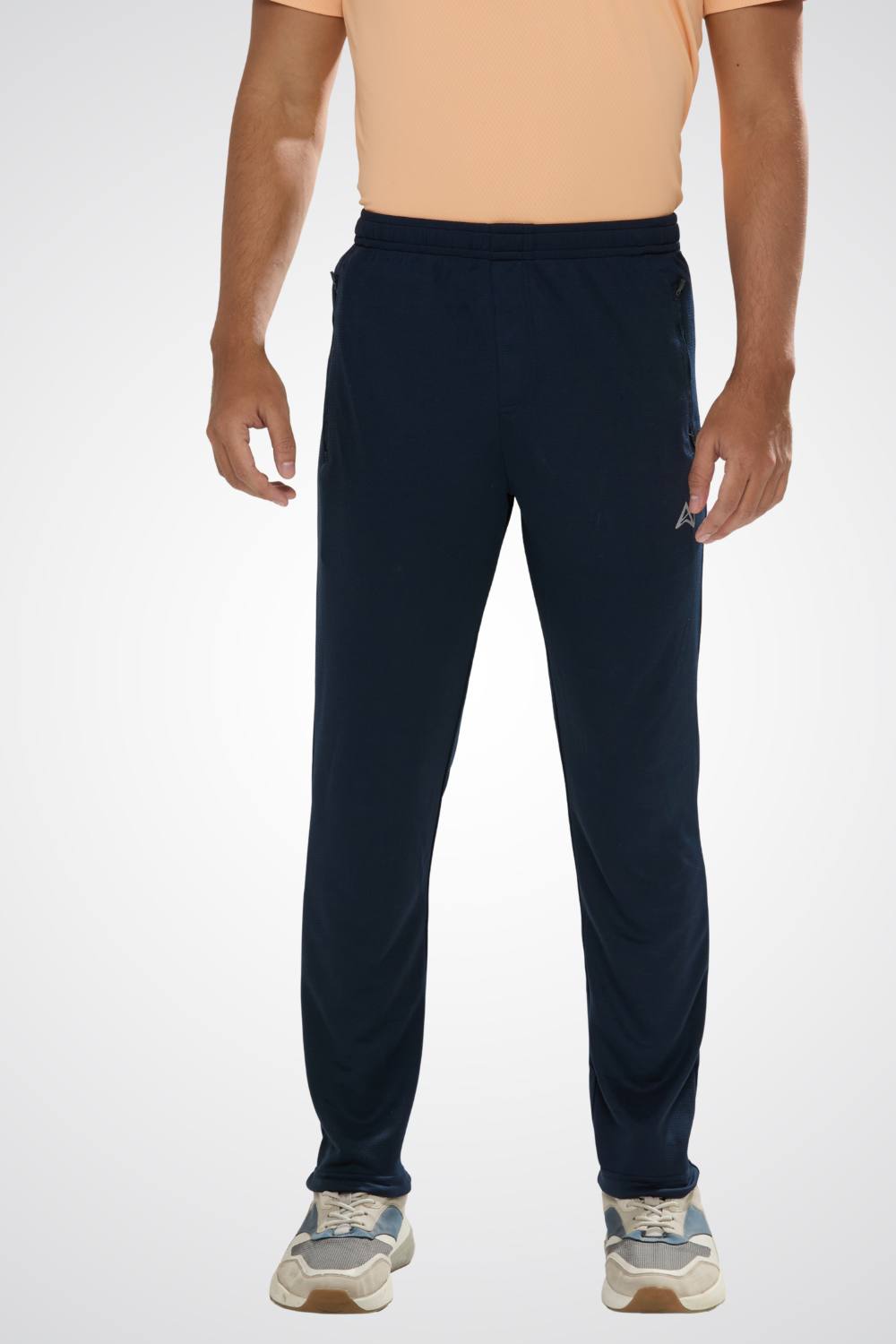
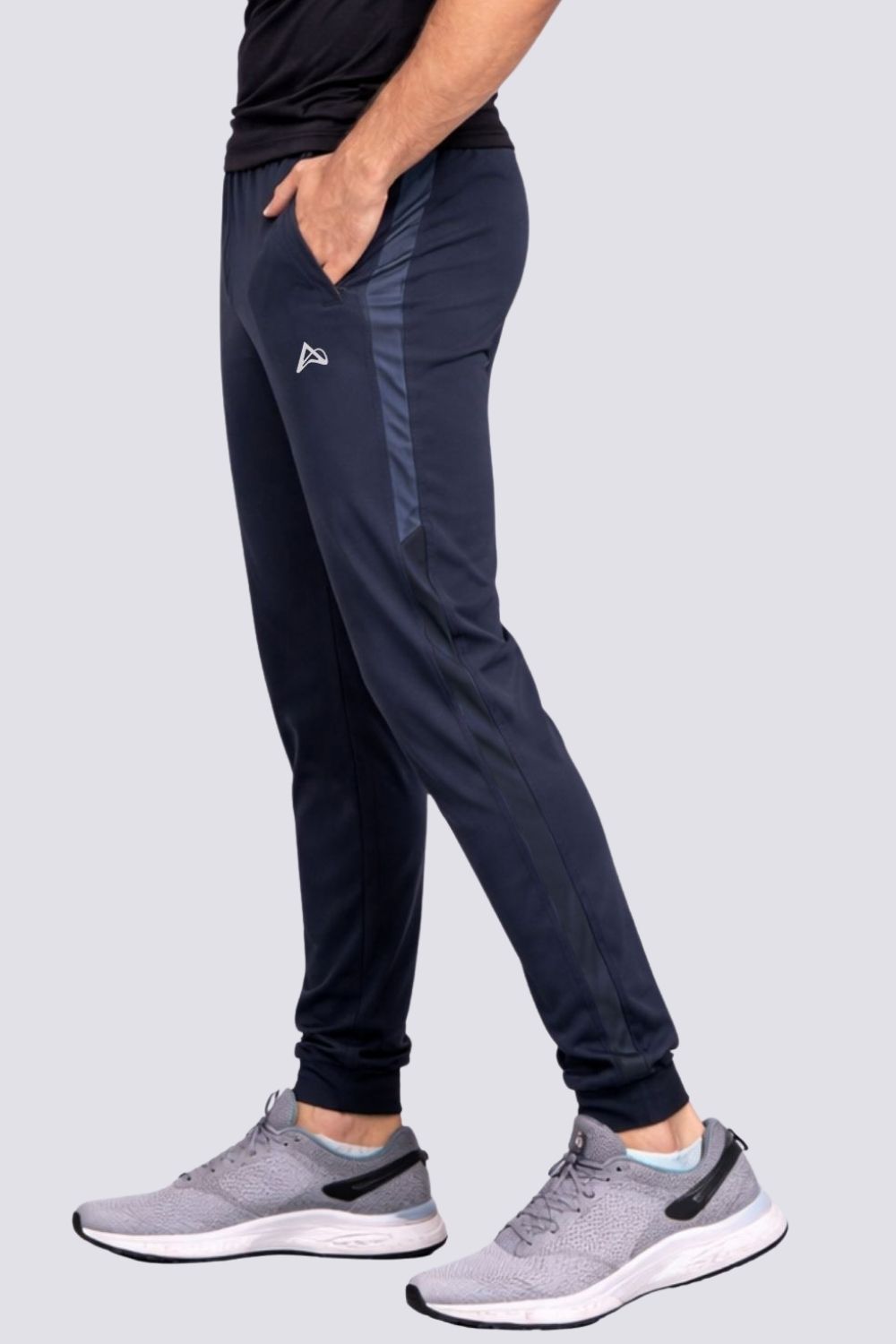
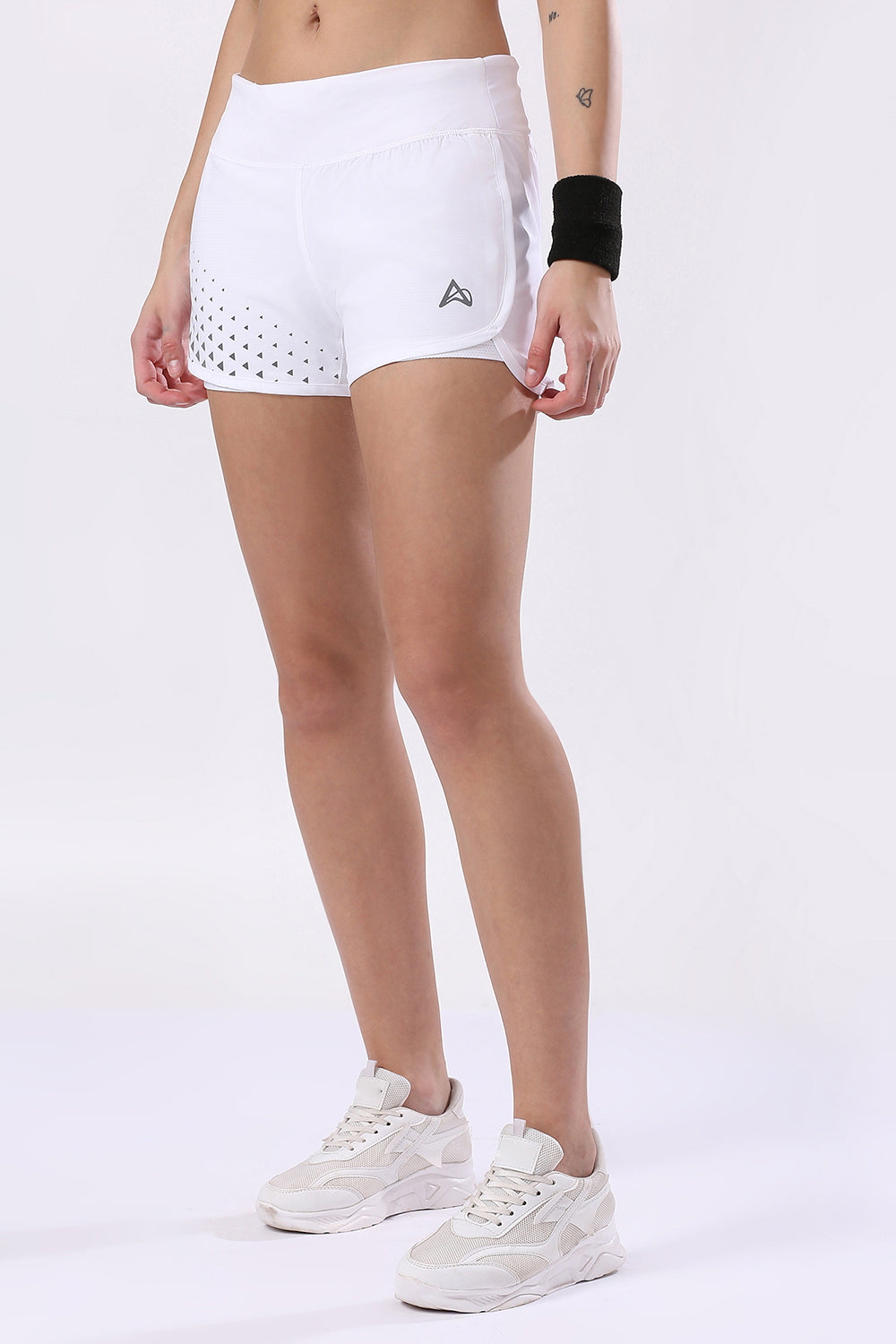

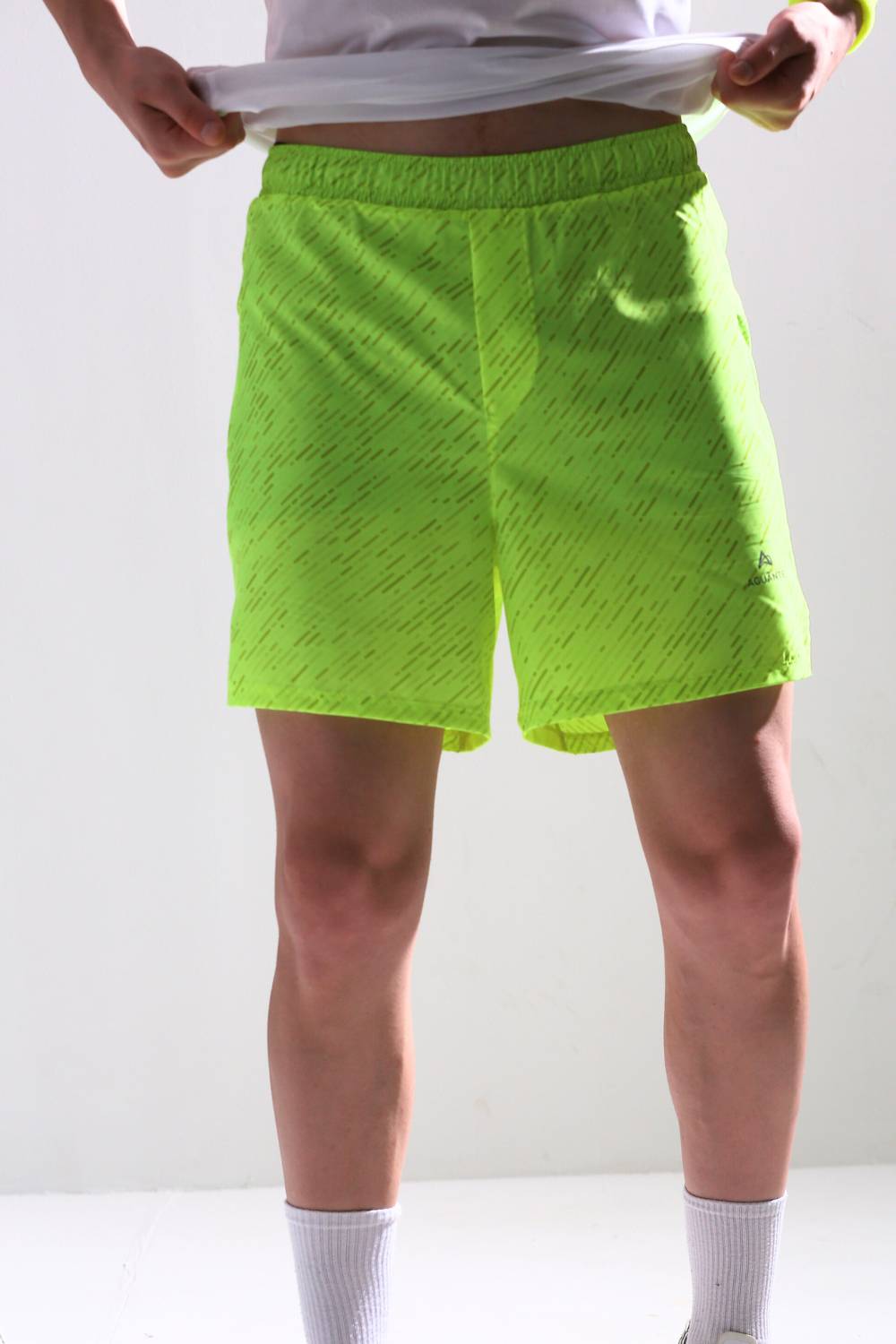
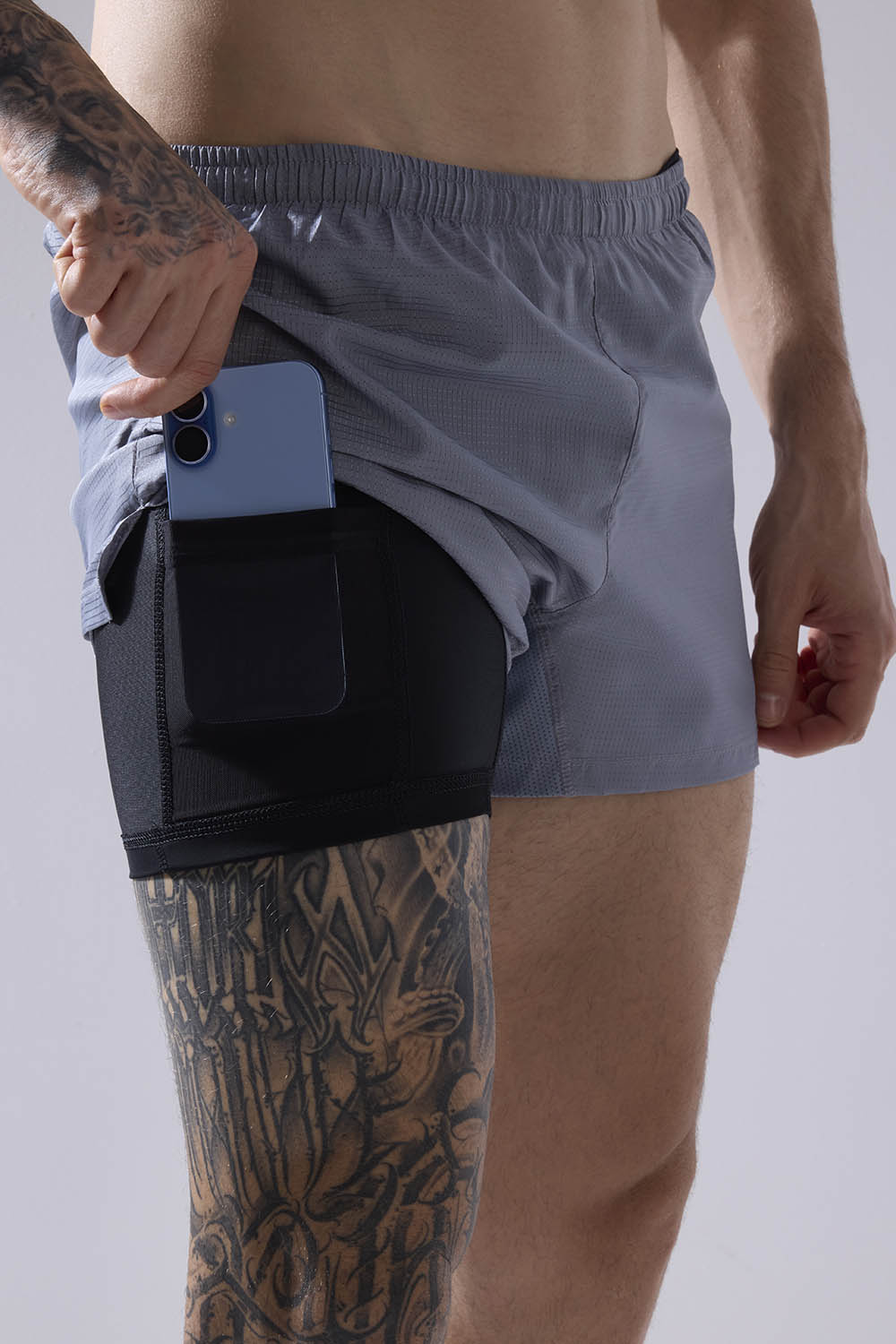

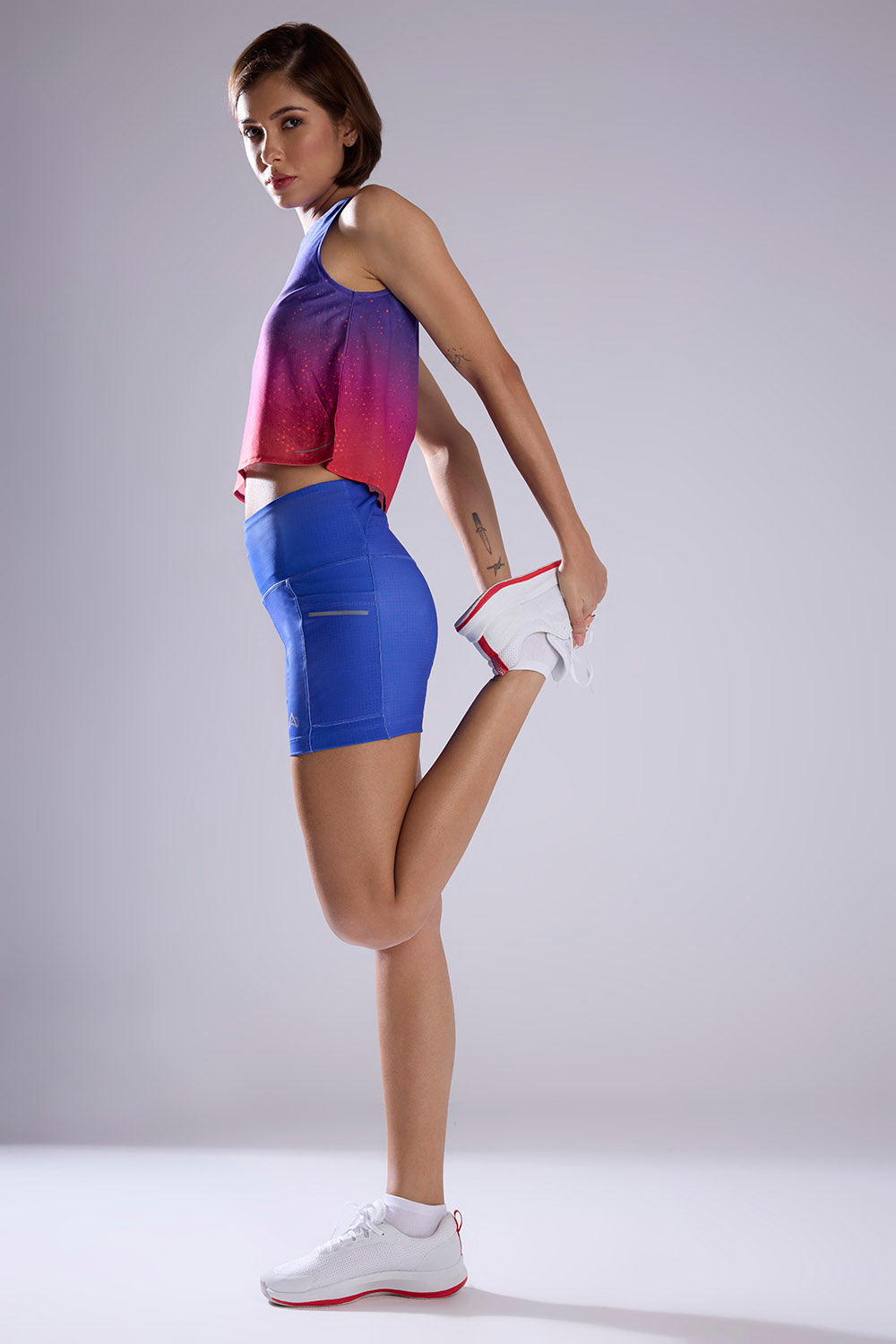
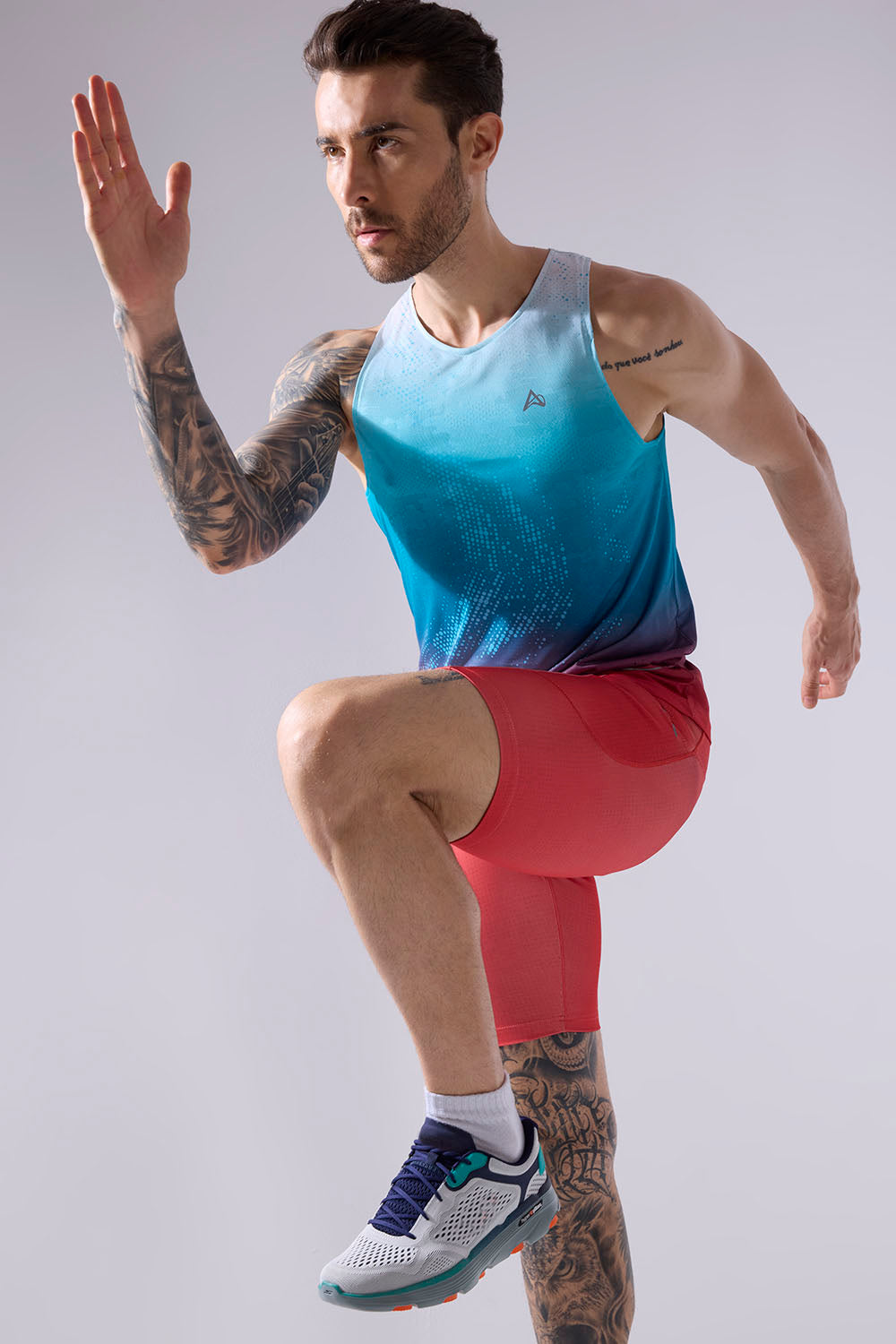

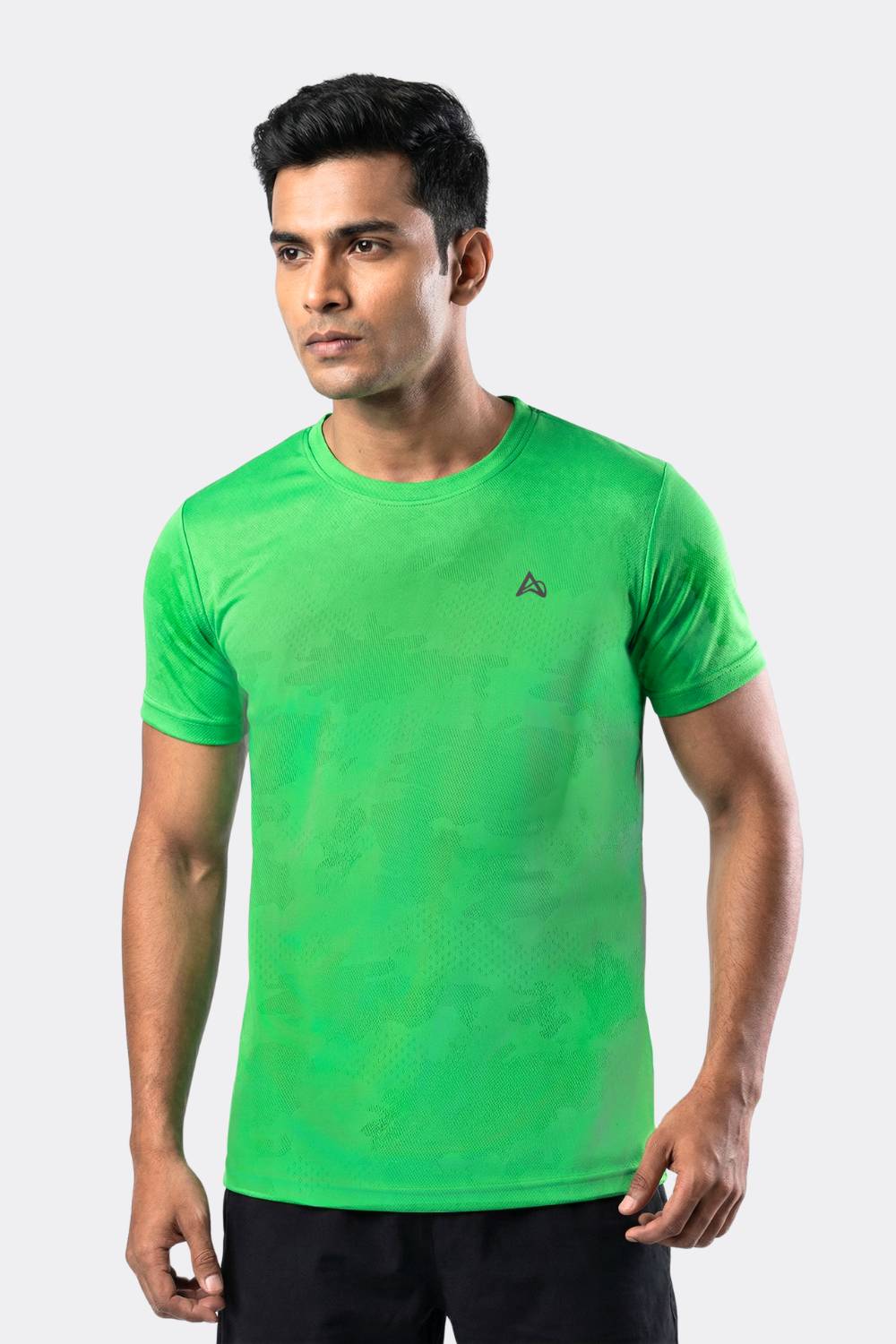
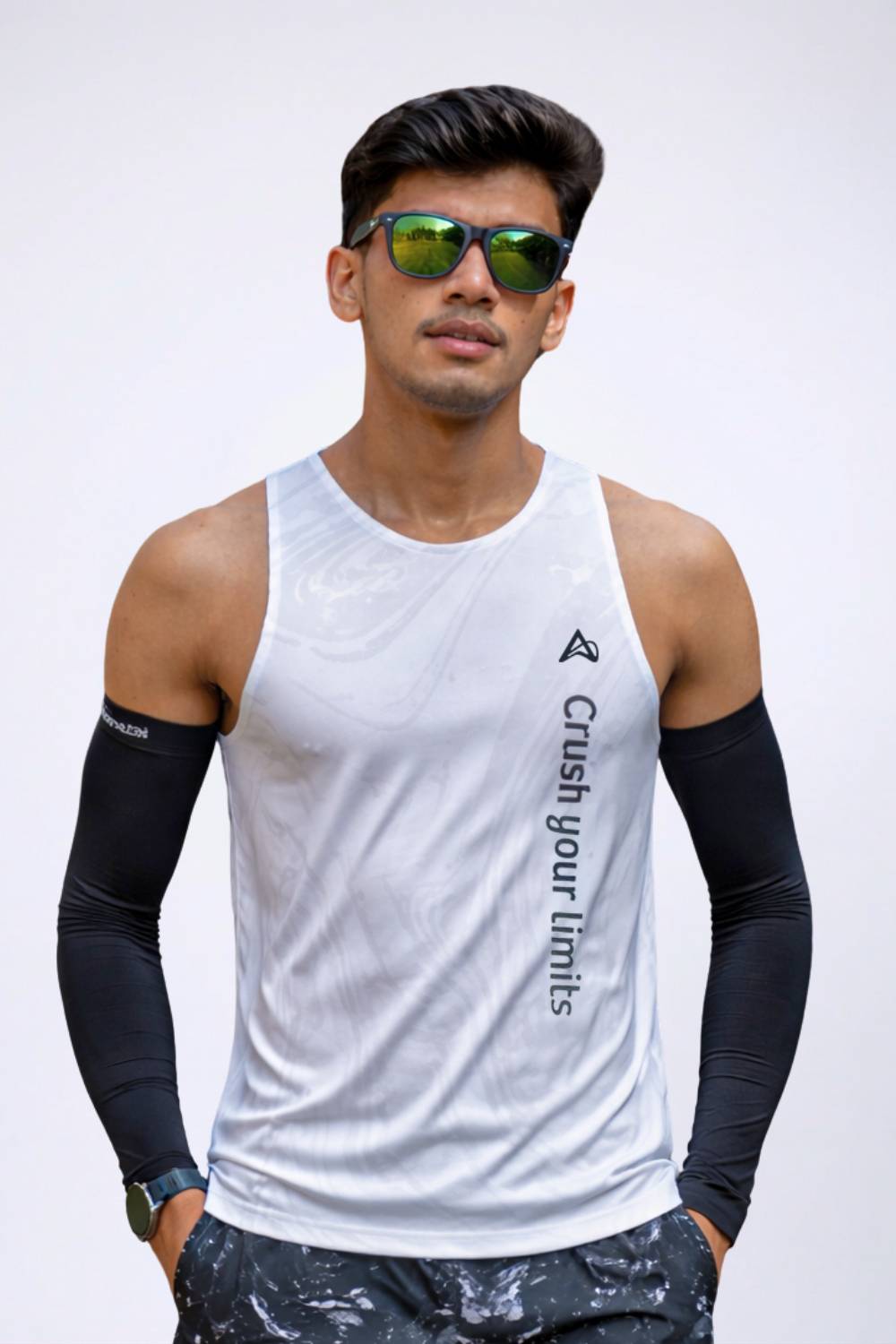

Thin, lightweight synthetic gear dries fastest specifically polyester and nylon in tightly-knit or mesh constructions. A lightweight technical singlet or a pair of thin quick-dry running shorts can be touch-dry in minutes, while cotton and thick fabrics can stay damp for hours. Three things decide dry speed: the fabric (synthetic beats natural), the weight (thinner dries faster), and the knit (open or mesh dries faster than a dense weave).
If you run in wet conditions or just sweat heavily in Indian heat and humidity dry time is one of the most underrated features of your kit. Here's exactly what dries fastest, why, and how to speed it up.
The 3 things that decide how fast gear dries
1. Fabric type. Synthetic fibres like polyester and nylon don't absorb much water into the fibre itself; the moisture sits on the surface and evaporates quickly. Natural fibres like cotton soak water into every fibre, so they hold far more and release it slowly.
2. Weight and thickness. A thin fabric simply holds less water and has less material to dry out. A lightweight singlet dries much faster than a thick hoodie made of the same fibre.
3. Knit and construction. Open, airy knits and mesh panels expose more surface area to air, so water evaporates faster. A dense, tightly-woven fabric traps moisture and dries slower.
Get all three working together thin, synthetic, open-knit and you get the fastest-drying running gear possible.
Running gear ranked by dry speed
From fastest to slowest:
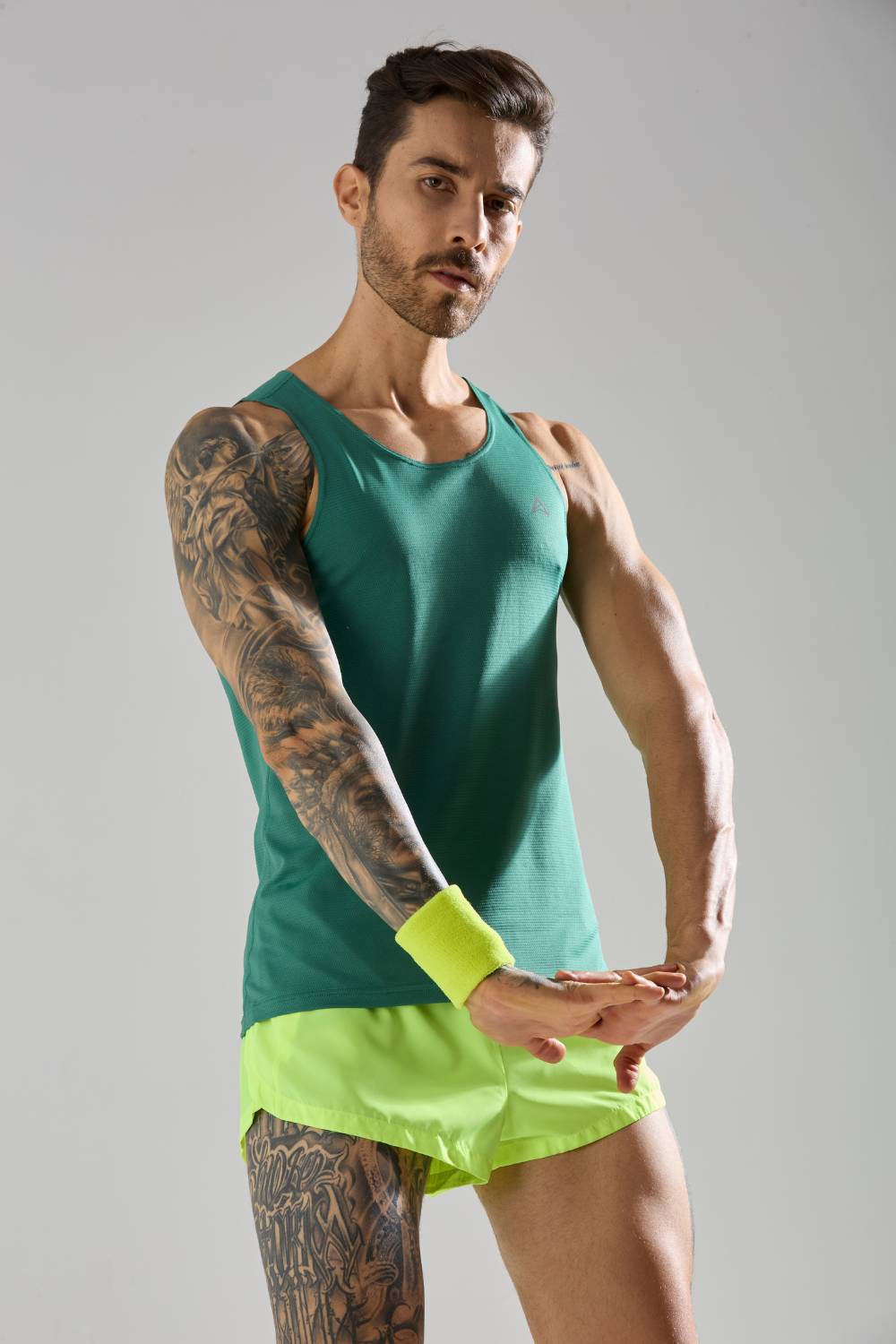
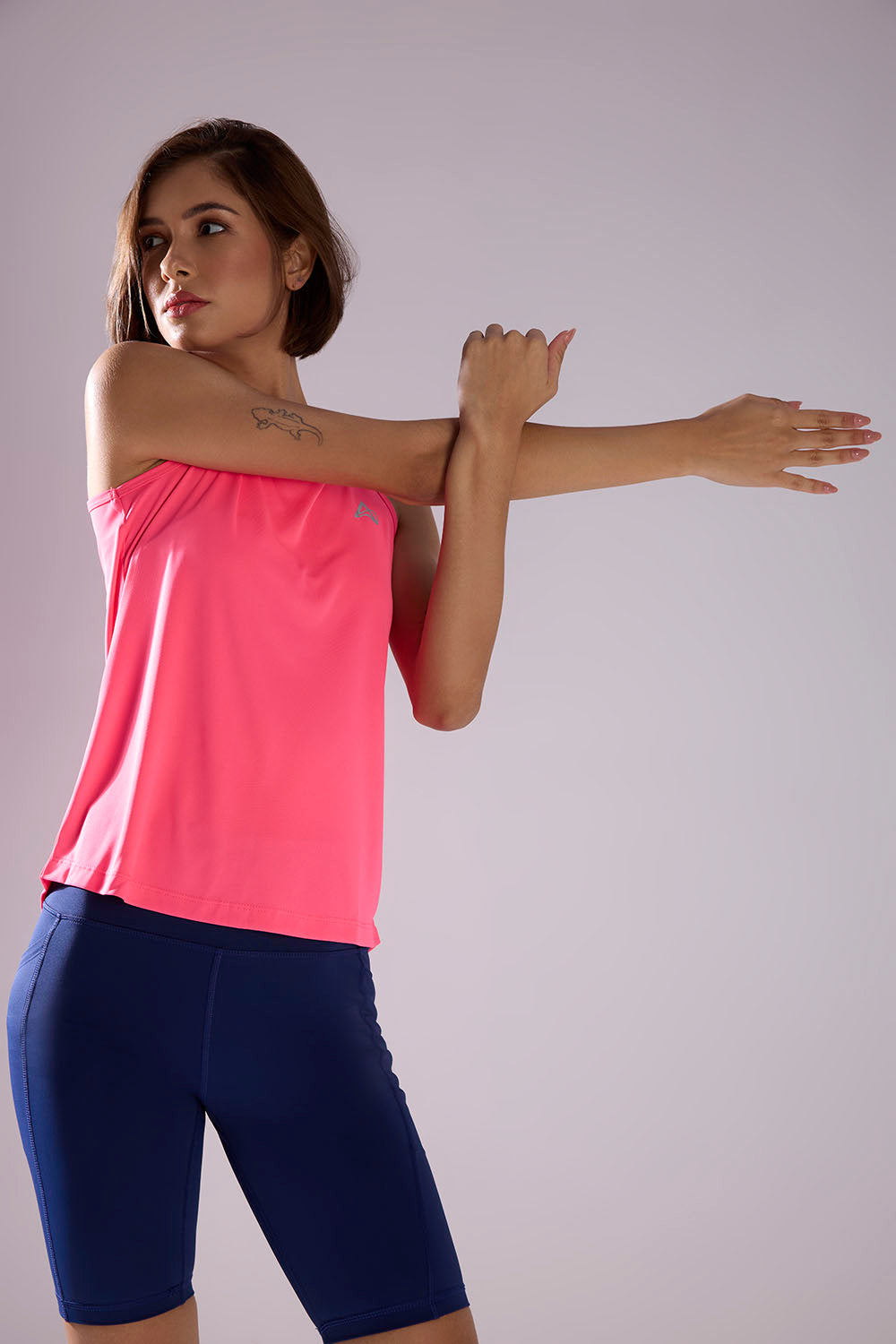
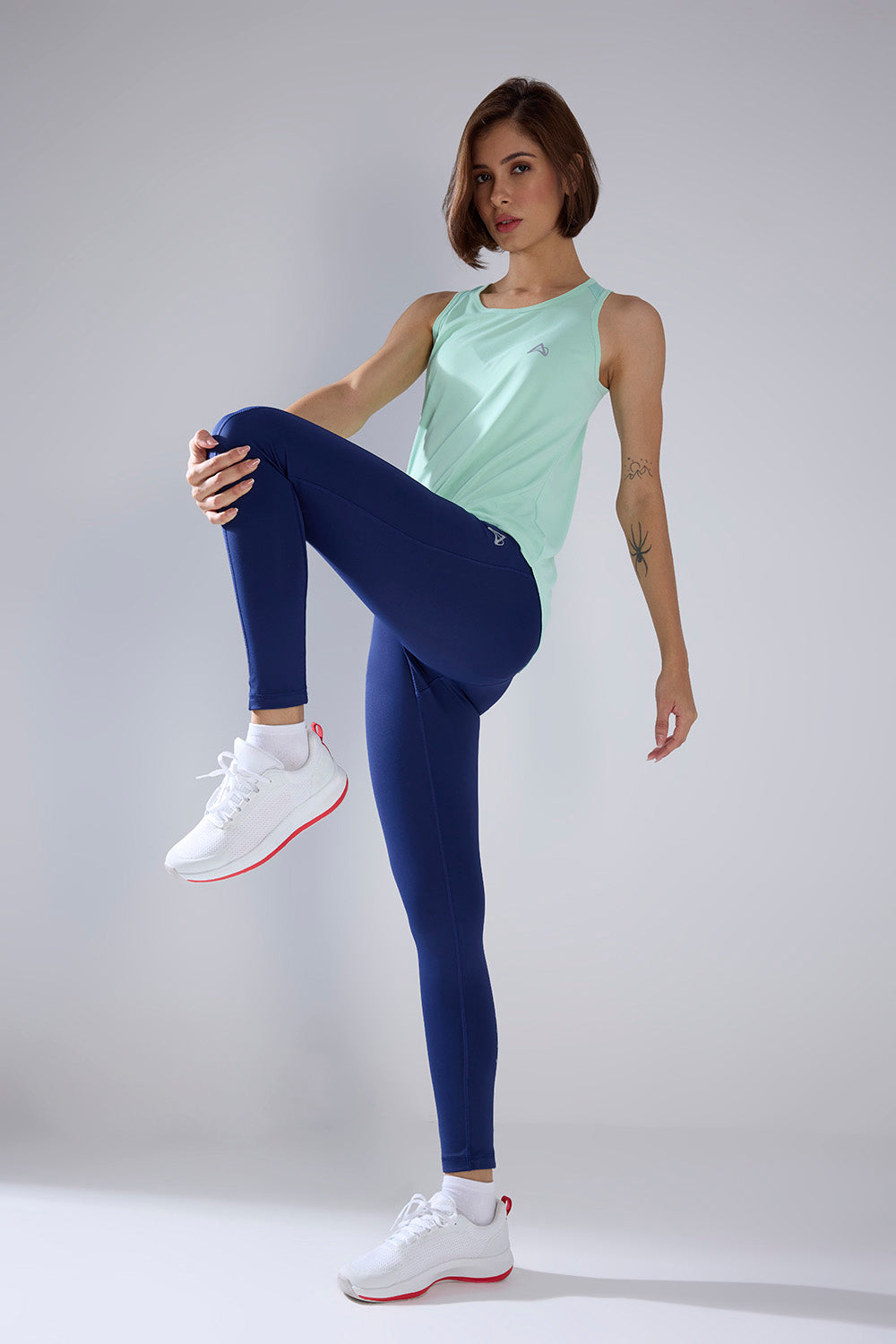
- Lightweight synthetic singlets and vests the quickest of all. Minimal fabric plus open knit means a thin technical singlet can be nearly dry in minutes. Aguante's Nova Tank and Race Singlet sit here.
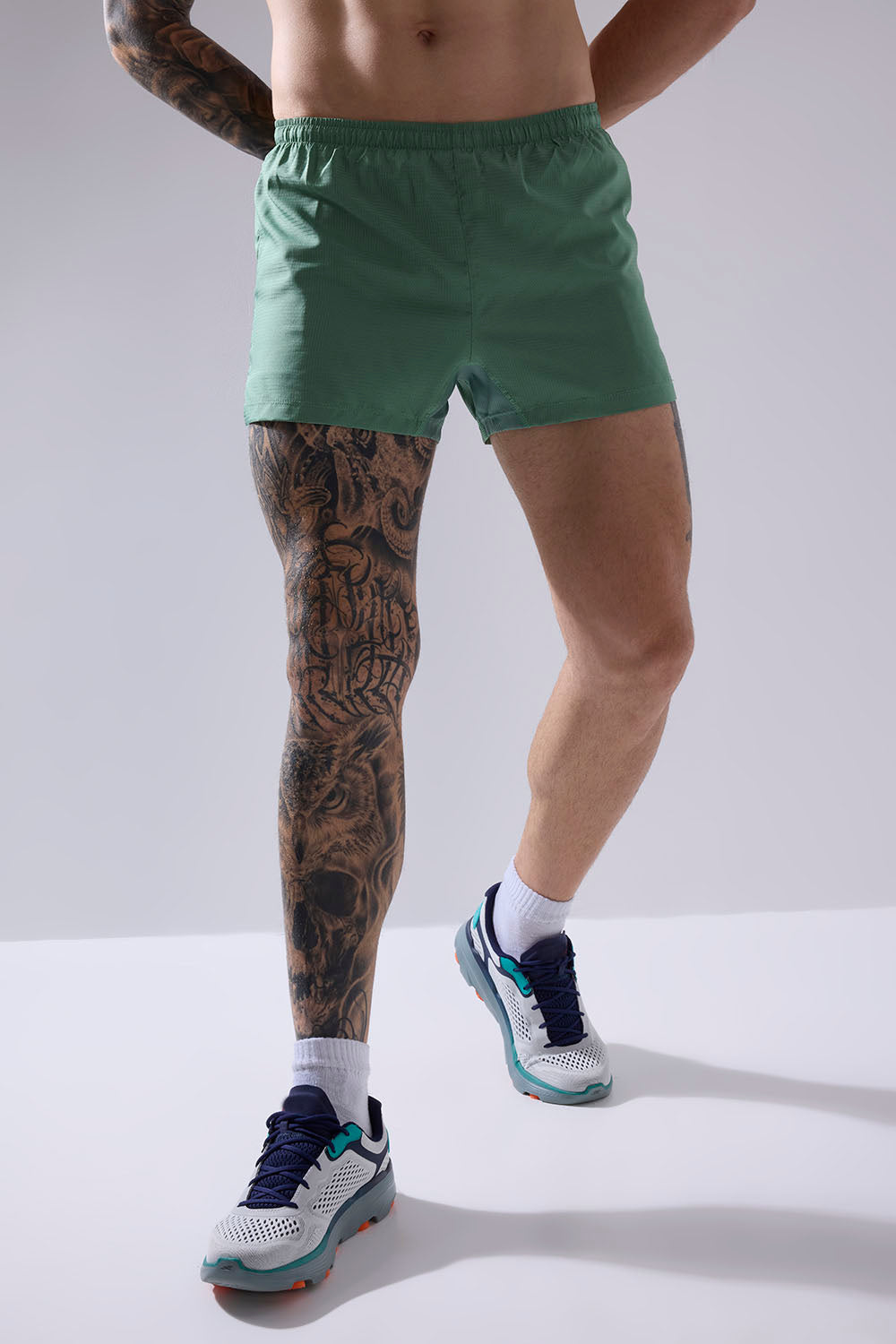
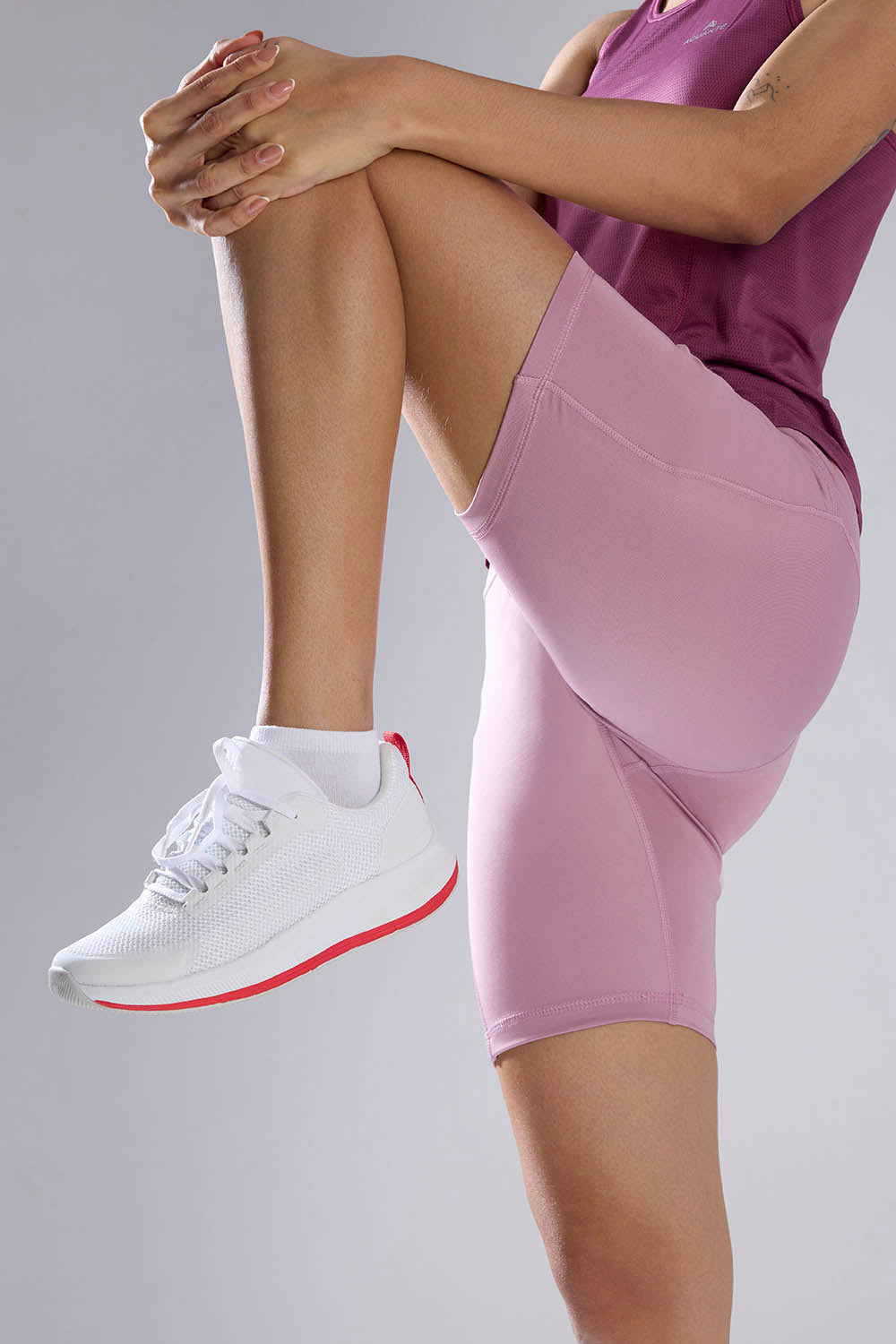
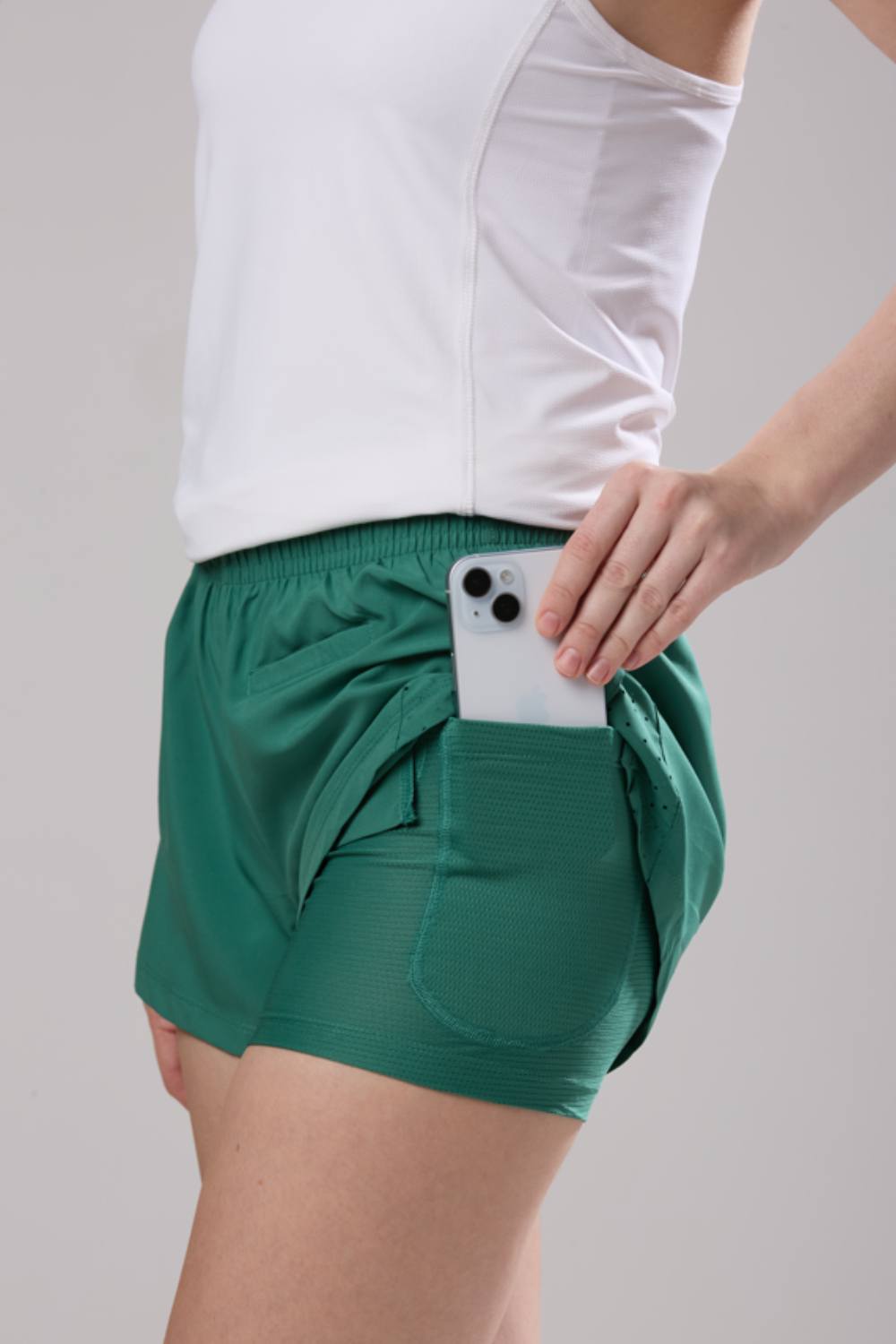
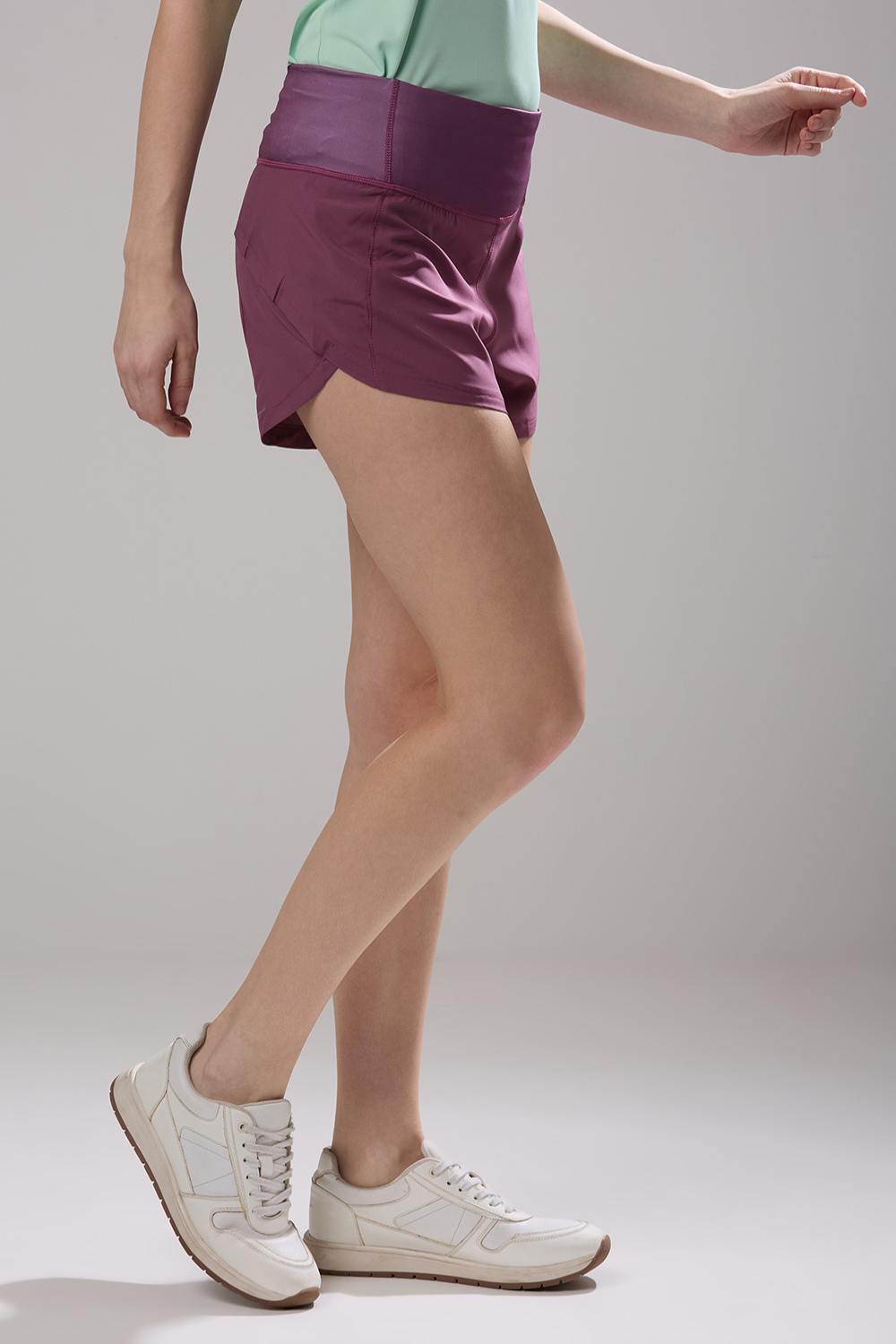
- Thin quick-dry running shorts very fast, especially with mesh liners and lightweight polyester shells. Aguante's shorts are built from quick-dry polyester for exactly this.
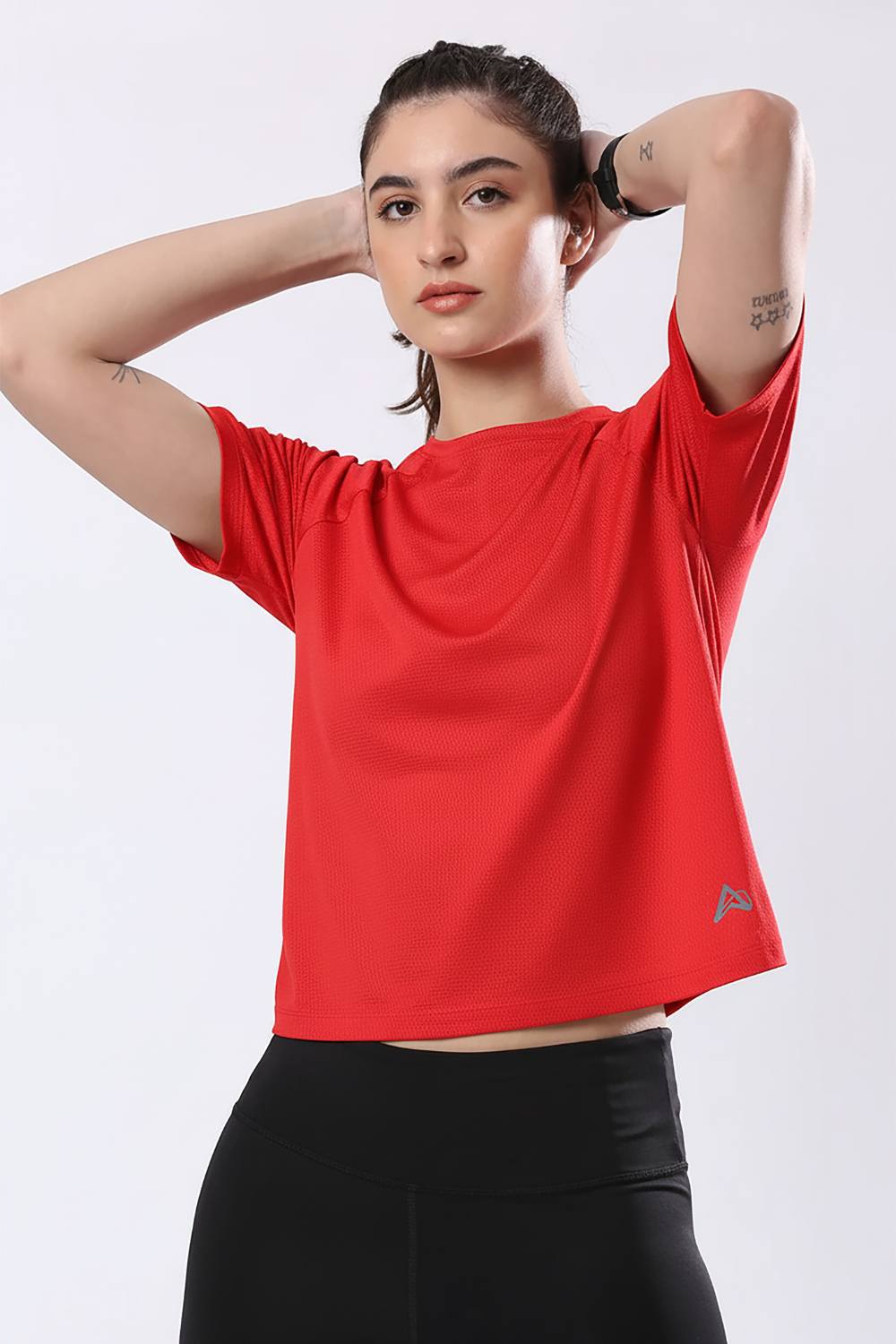
- Synthetic mesh tees and technical T-shirts fast, thanks to breathable construction, though slightly slower than a singlet due to more fabric (sleeves, coverage).
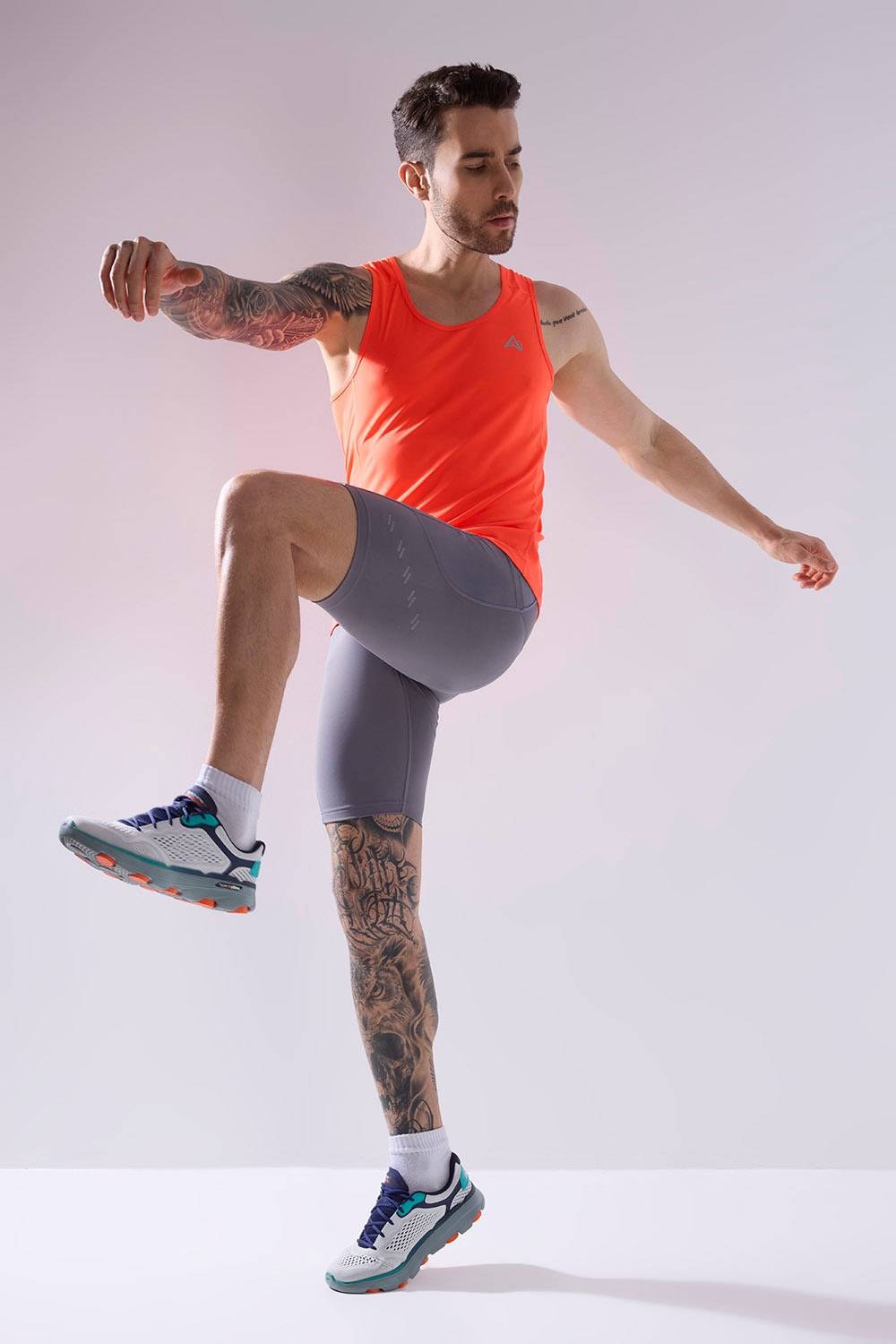
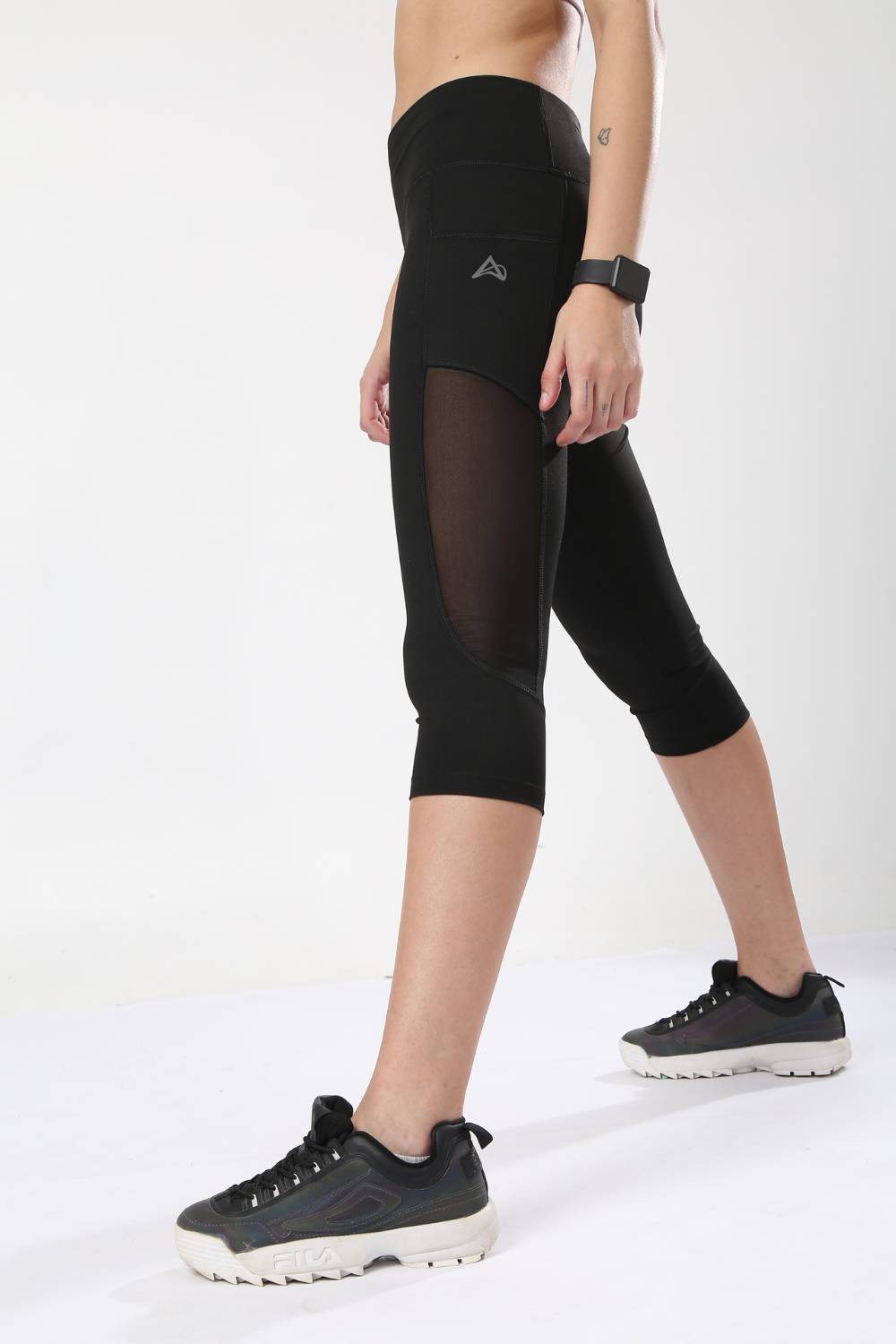
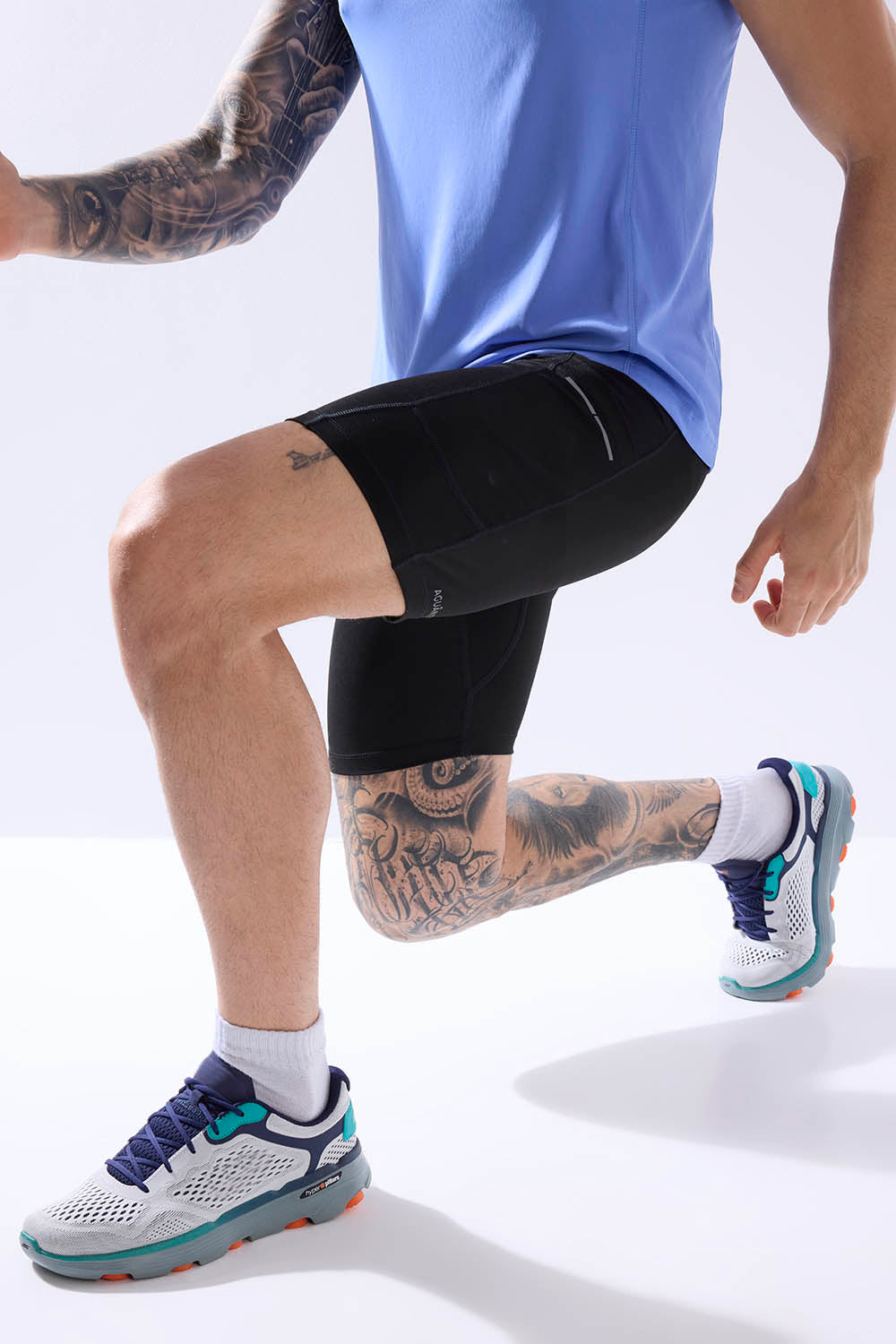
- Compression half tights dry well, but a denser, stretchier knit means marginally longer than a thin singlet. Still far faster than cotton.
- Synthetic running socks dry reasonably fast; look for thin, moisture-wicking pairs.
- Merino wool manages odour and temperature nicely, but dries slower than pure synthetics; less relevant for hot Indian running.
- Cotton and thick fabrics the slowest by a wide margin. Cotton tees, cotton socks, and heavy garments can stay wet for hours. Avoid entirely for wet or sweaty running.
Why synthetic beats cotton (simply put)
Think of a cotton fibre like a tiny sponge it pulls water inside and holds onto it. A polyester fibre is more like a raincoat water beads on the surface and rolls off or evaporates. That's why a cotton tee feels heavy and clammy long after a run, while a polyester singlet feels light again quickly. The same difference explains why cotton chafes and overheats you in humidity: it's holding water against your skin instead of moving it away.
This is the core reason performance activewear exists, and it's why Aguante builds its entire range from quick-dry, moisture-wicking polyester rather than cotton.
Does polyester or nylon dry faster?
Both are excellent and far ahead of cotton. In general, polyester dries slightly faster and wicks moisture more aggressively, which is why it's the workhorse fabric for running gear. Nylon is a touch more water-absorbent but tends to be softer and more durable, so it's often blended in. For most runners the practical difference is small either one dries dramatically faster than cotton, and well-designed gear often blends them for the best of both.
How to dry your gear faster after a wet run
A few simple tricks cut dry time significantly:
- Wring gently, then towel-roll. Lay the garment flat on a dry towel, roll it up, and press. The towel pulls out surface water fast.
- Hang it in moving air. A breezy spot, a fan, or an open window speeds evaporation far more than still air.
- Turn it inside out if the inside is damp with sweat and this also protects any printed graphics.
- Don't bunch it up. Spread it out so air reaches the whole surface.
- Avoid harsh direct sun for printed gear it dries fast but can fade prints over time. Shade with airflow is the sweet spot.
Because quick-dry fabric already does most of the work, these tricks mean your favourite kit is often ready to go again by the next morning.
Aguante: built to dry fast
Fast drying isn't an accident it's a design choice. Aguante's gear is engineered for Indian heat, humidity, and monsoon, where sweat and rain mean your clothing is constantly getting wet. That's why the range uses lightweight, quick-dry, moisture-wicking polyester, thin breathable singlets like the Nova Tank, and shorts with mesh liners that shed water rather than soak it. The result: gear that stays light through the run and dries quickly after it, so you're never stuck in cold, clammy kit.
When you're choosing running gear, dry time is a feature worth prioritising and the simple rule holds: the thinner, the more synthetic, and the more open-knit it is, the faster it'll be ready for your next run.
Frequently Asked Questions
How long does synthetic running gear take to dry? A thin synthetic singlet or pair of quick-dry shorts can be touch-dry in minutes with airflow, and fully dry within an hour or two after a run. Thicker synthetic items take a little longer, but all dry far faster than cotton, which can stay damp for many hours.
Does polyester or nylon dry faster? Both dry far faster than cotton. Polyester generally dries slightly faster and wicks moisture more aggressively, which is why it is the most common running fabric. Nylon is a little more absorbent but softer and durable, so the two are often blended.
Why does cotton take so long to dry? Cotton fibres absorb water deep into the fibre and hold onto it, so the fabric becomes heavy and releases moisture slowly. Synthetic fibres like polyester keep water on the surface where it evaporates quickly, making them dry much faster.
How can I dry my running clothes faster after a wet run? Gently wring the garment, roll it in a dry towel and press to remove surface water, then hang it inside out in moving air such as near a fan or open window. Spreading it out fully so air reaches all of it speeds drying further.
What is the fastest-drying type of running clothing? Lightweight synthetic singlets and thin quick-dry shorts dry fastest, because they combine a water-shedding fabric, minimal material, and an open knit. Aguante's singlets and quick-dry shorts are designed with these fast-drying properties.