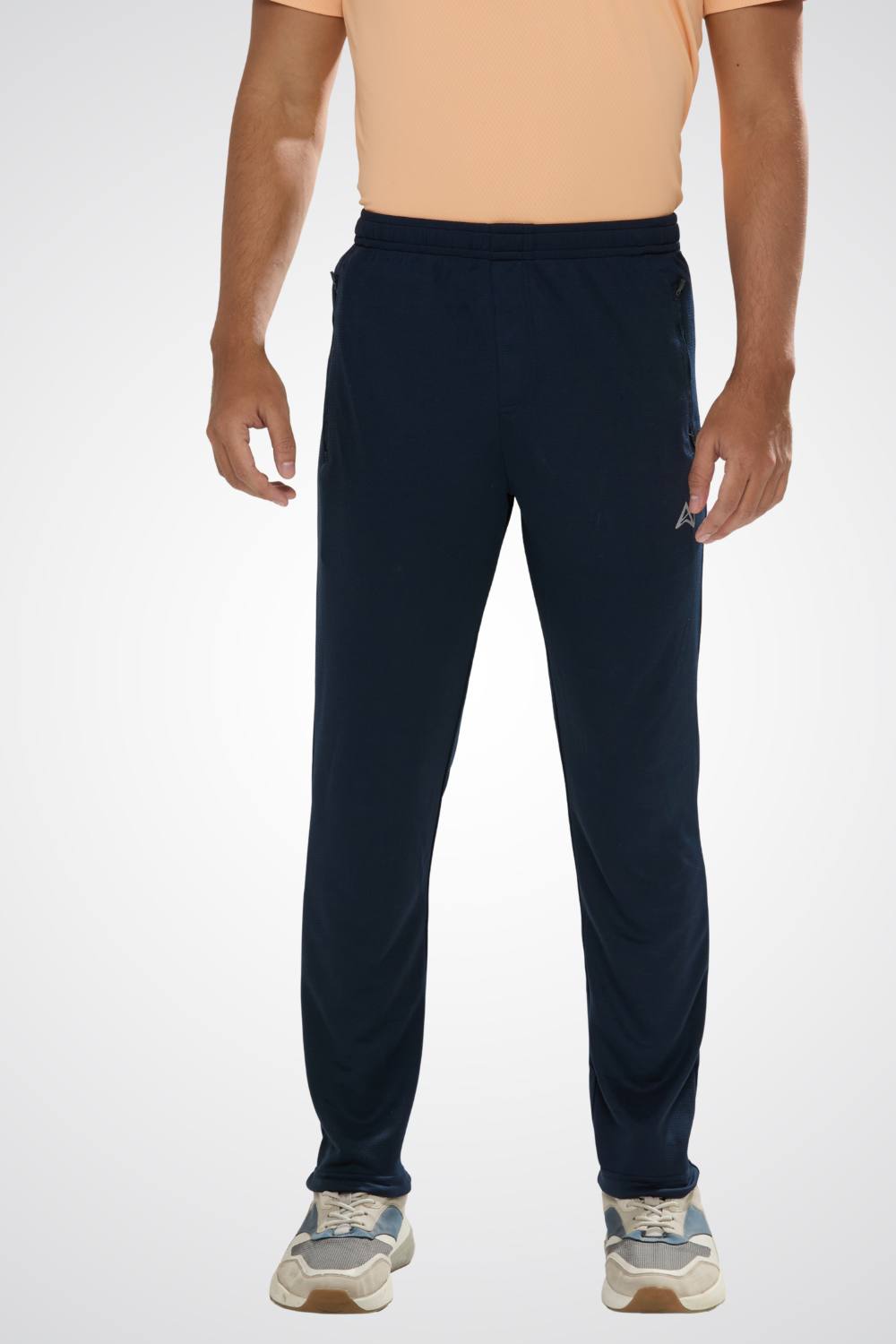
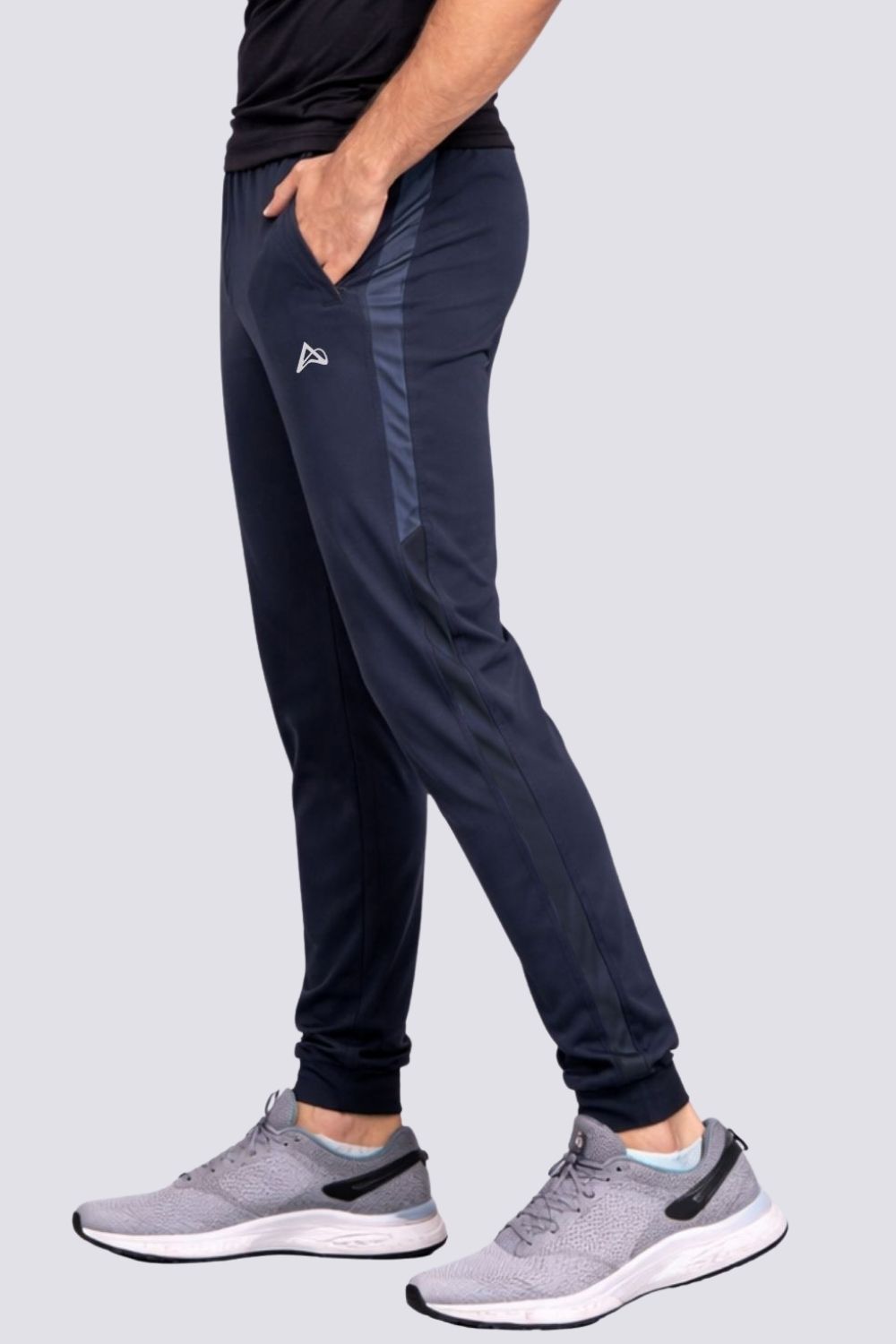





To keep chafing away on wet-weather runs, wear fitted, quick-drying synthetic gear with an inner liner or compression fit, apply an anti-chafe balm to your usual friction points before you head out, never run in cotton, and change out of wet kit promptly afterward. Wet weather makes chafing worse because soaked fabric, dried sweat-salt, and repeated friction all combine so the fix is to reduce all three: keep the skin dry-ish, cut the friction, and remove the rough, gritty fabric.
Chafing is the single most common complaint runners have in the rain, and it's almost entirely preventable. Here's the complete playbook.
Why wet weather makes chafing worse
On a dry run, your gear stays light and your skin stays relatively dry. In the rain, three things change at once. Your clothing absorbs water and gets heavier, so it rubs harder. Rain mixes with sweat and leaves fine salt crystals on your skin and fabric, which act like sandpaper. And wet skin is softer and more vulnerable to friction damage than dry skin. Put those together over thousands of strides and you get raw, stinging chafe — usually right where you least want it.
The good news: every one of those factors is something you can control.
Know your chafe hotspots
Chafing strikes the same places for most runners, so protect these first:
- Inner thighs — the most common spot, especially in shorts.
- Groin and waistband line — where seams and drawstrings sit.
- Nipples and chest — a classic problem on long runs, worsened by a wet, abrasive tee.
- Underarms — where the arm swings against the torso.
- Sports bra band and straps — for women, the underband and seams.
- Feet — wet socks and shoes cause blisters, chafing's cousin.
If you know your personal hotspots, you can pre-empt them every single run.
The prevention toolkit
1. Get the fabric right
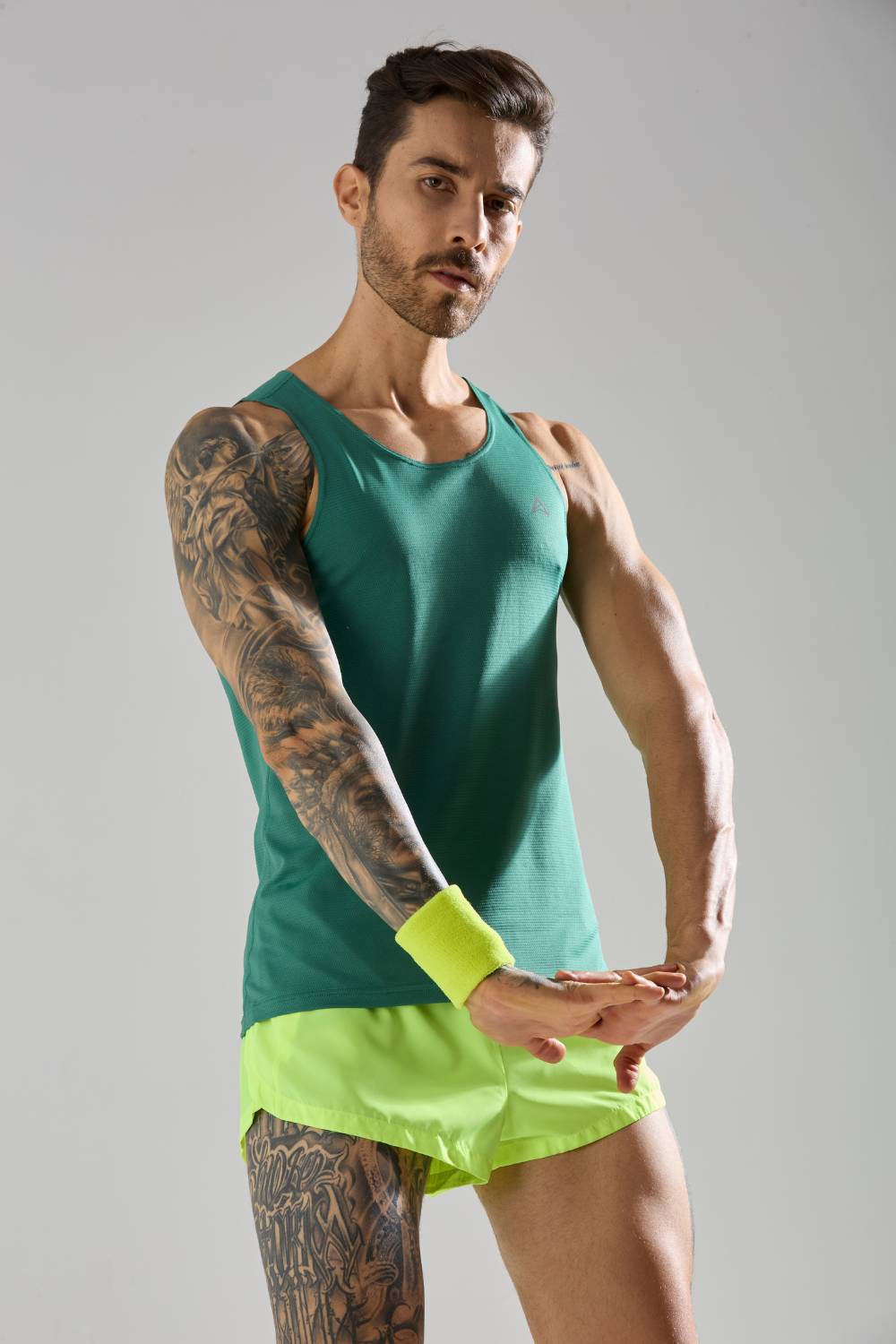
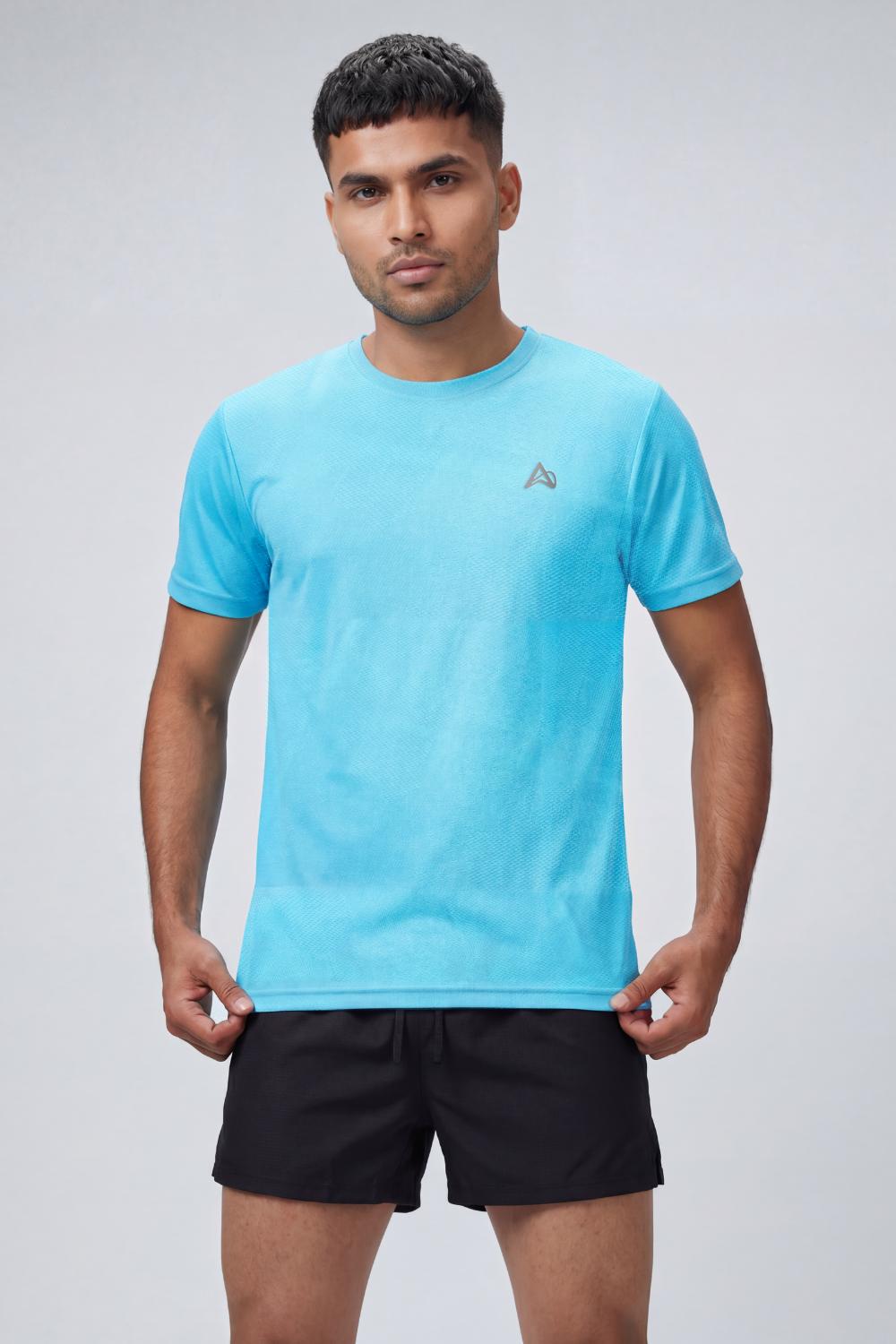
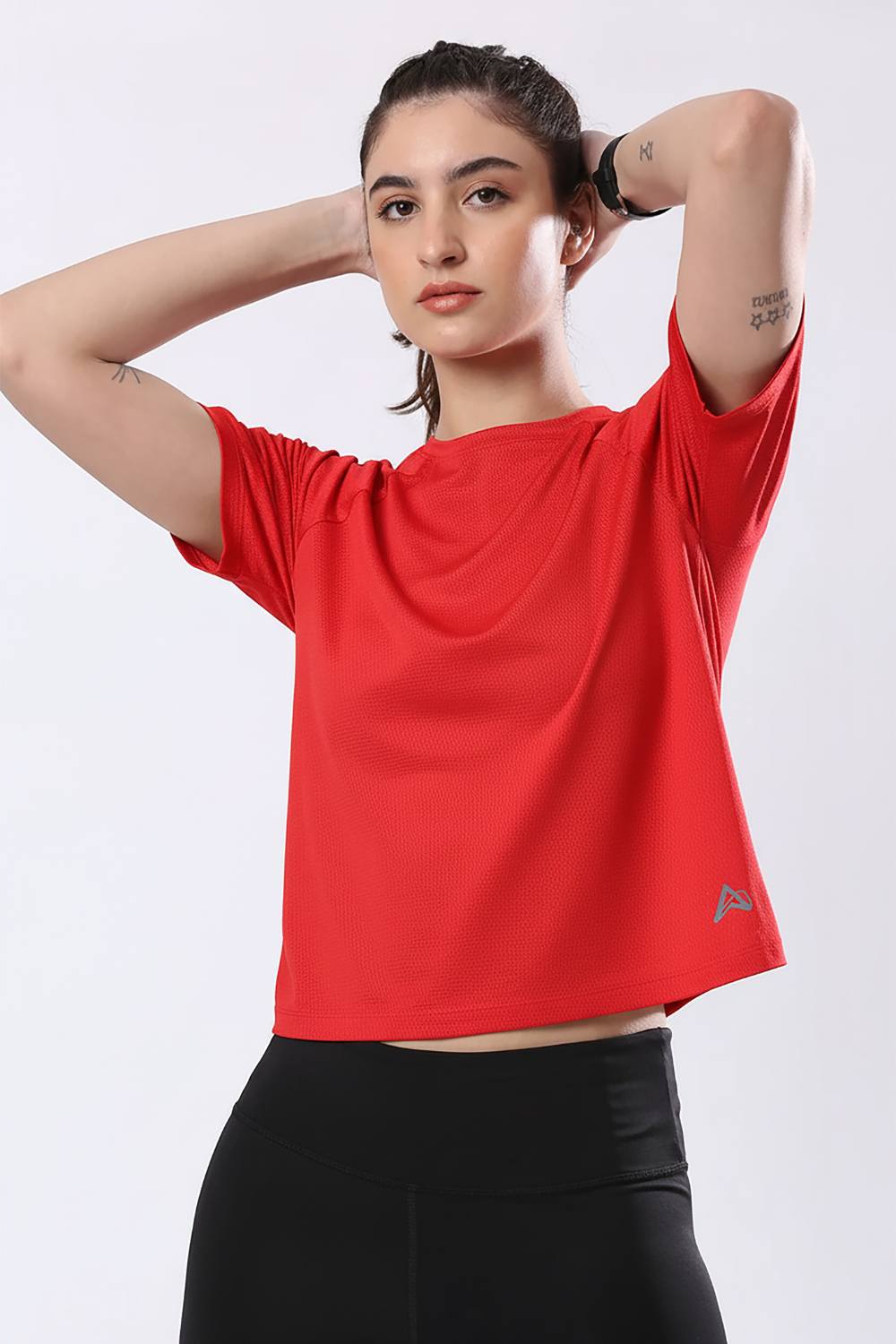
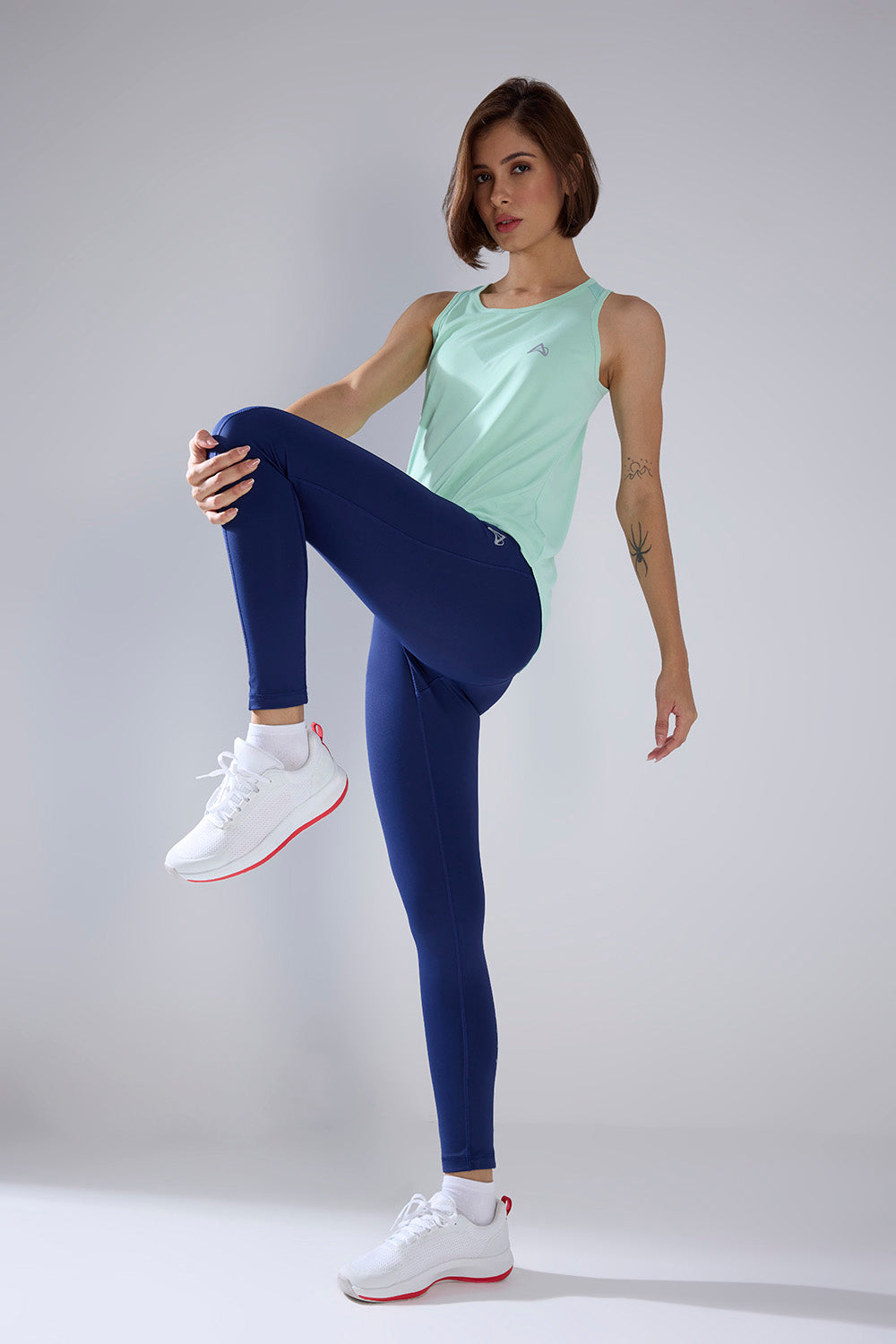
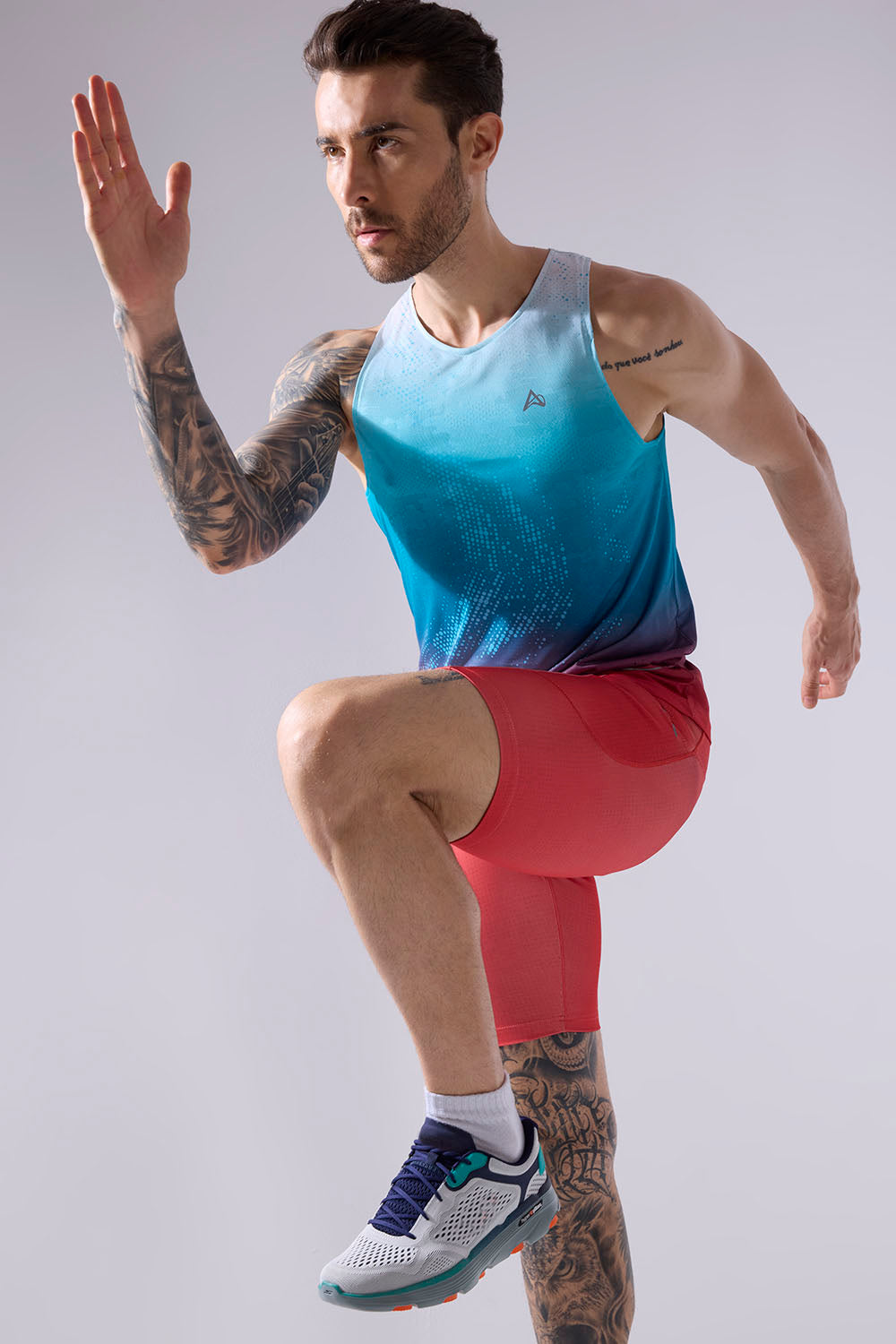
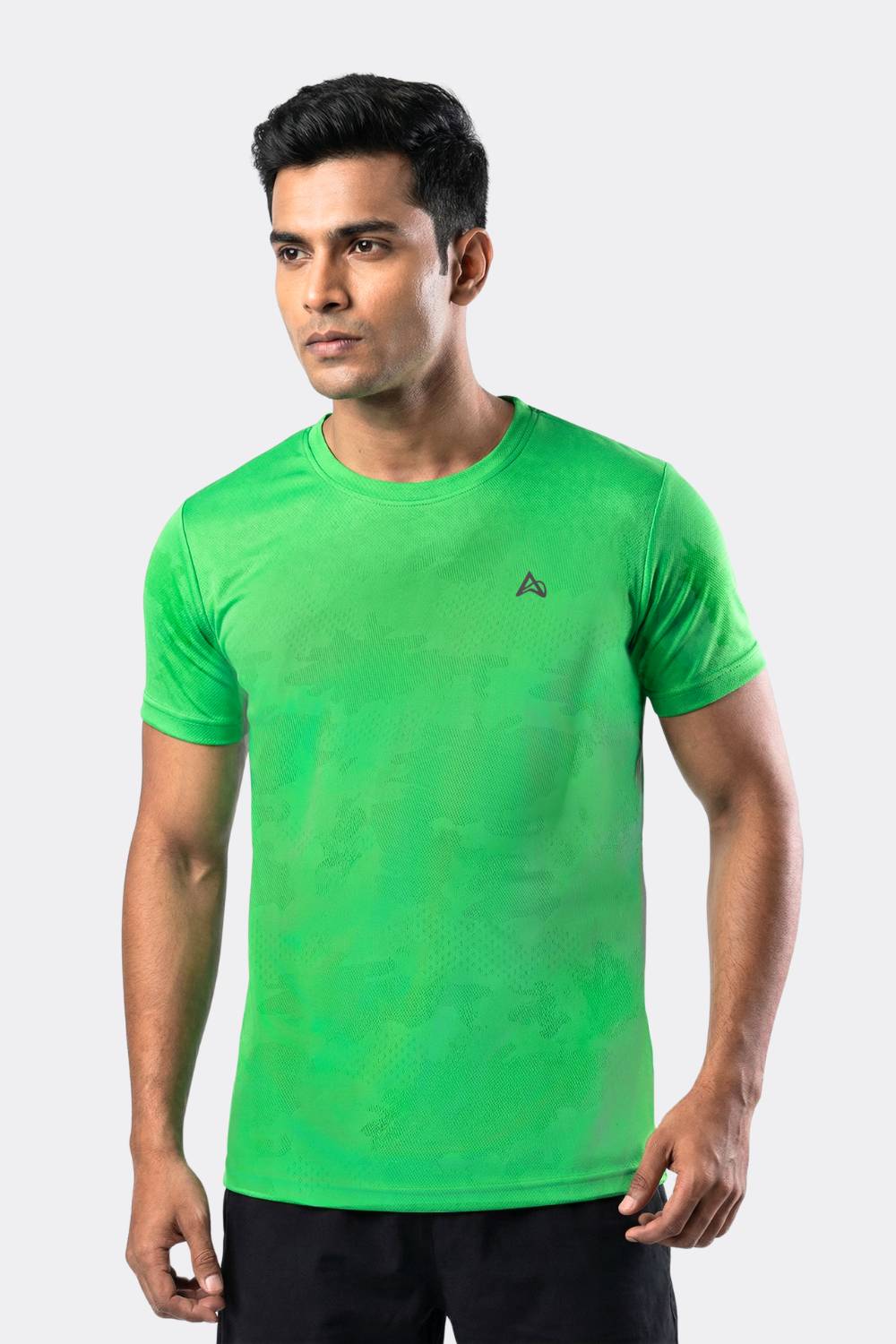
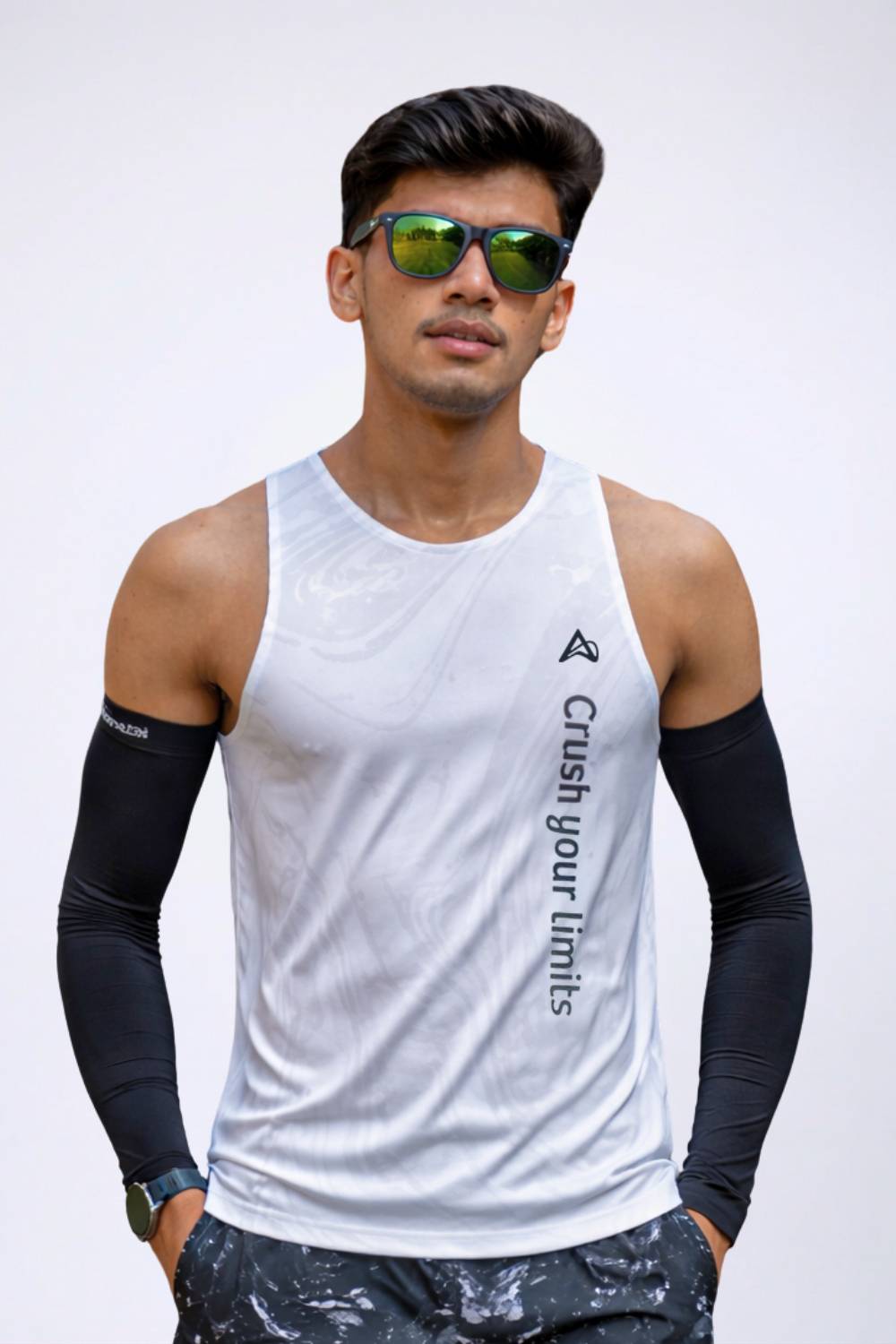
Fabric does most of the work. Cotton is the enemy in the rain — it absorbs water, gets heavy, holds sweat-salt, and rubs relentlessly. Choose quick-drying synthetic fabrics like polyester and nylon, which shed water, dry fast, and stay lighter against the skin. Aguante's entire range is built from quick-dry, moisture-wicking polyester for exactly this reason.
2. Choose a fit that removes the rub
The biggest structural fix for thigh chafe is what you wear on your legs. Two options work:
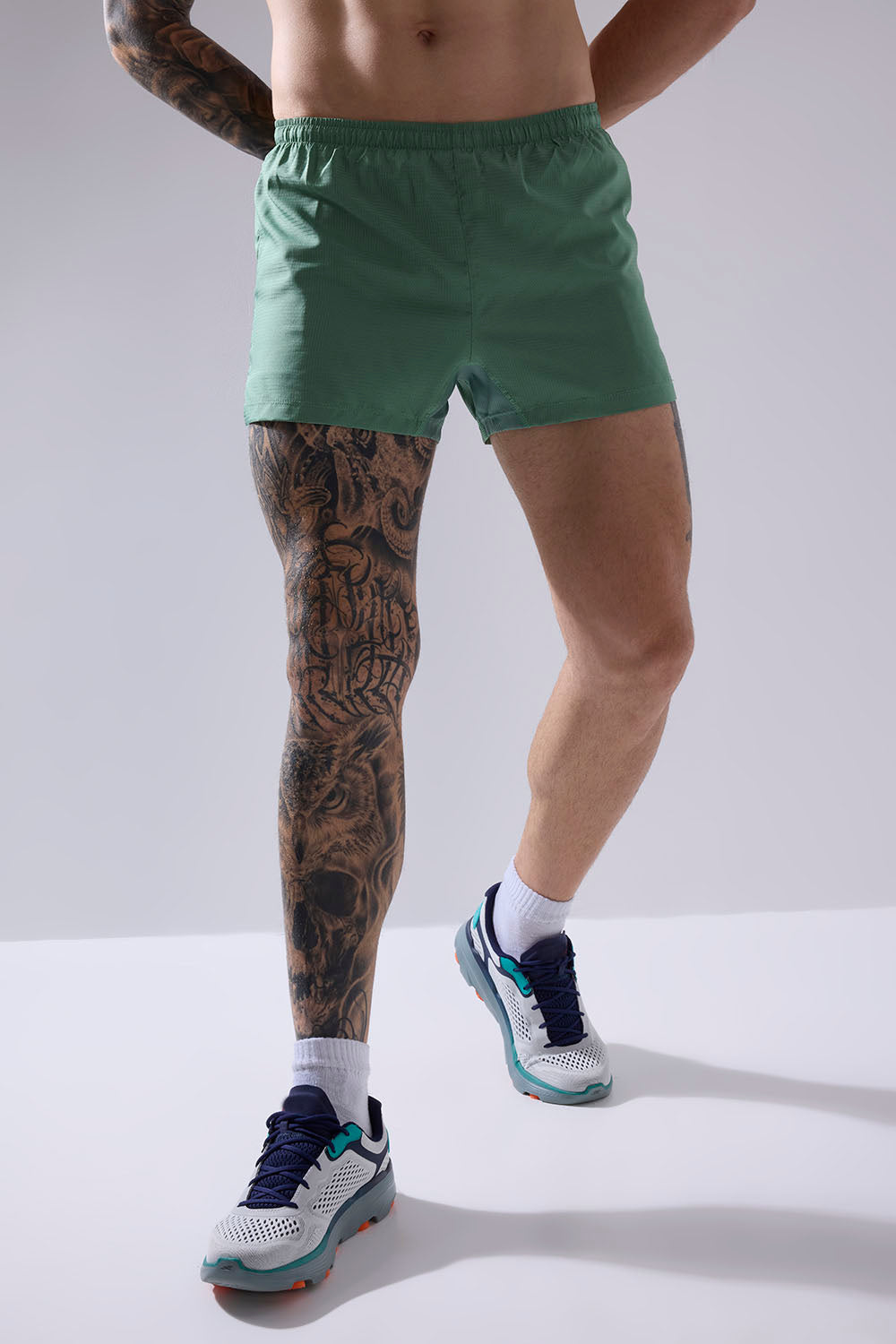
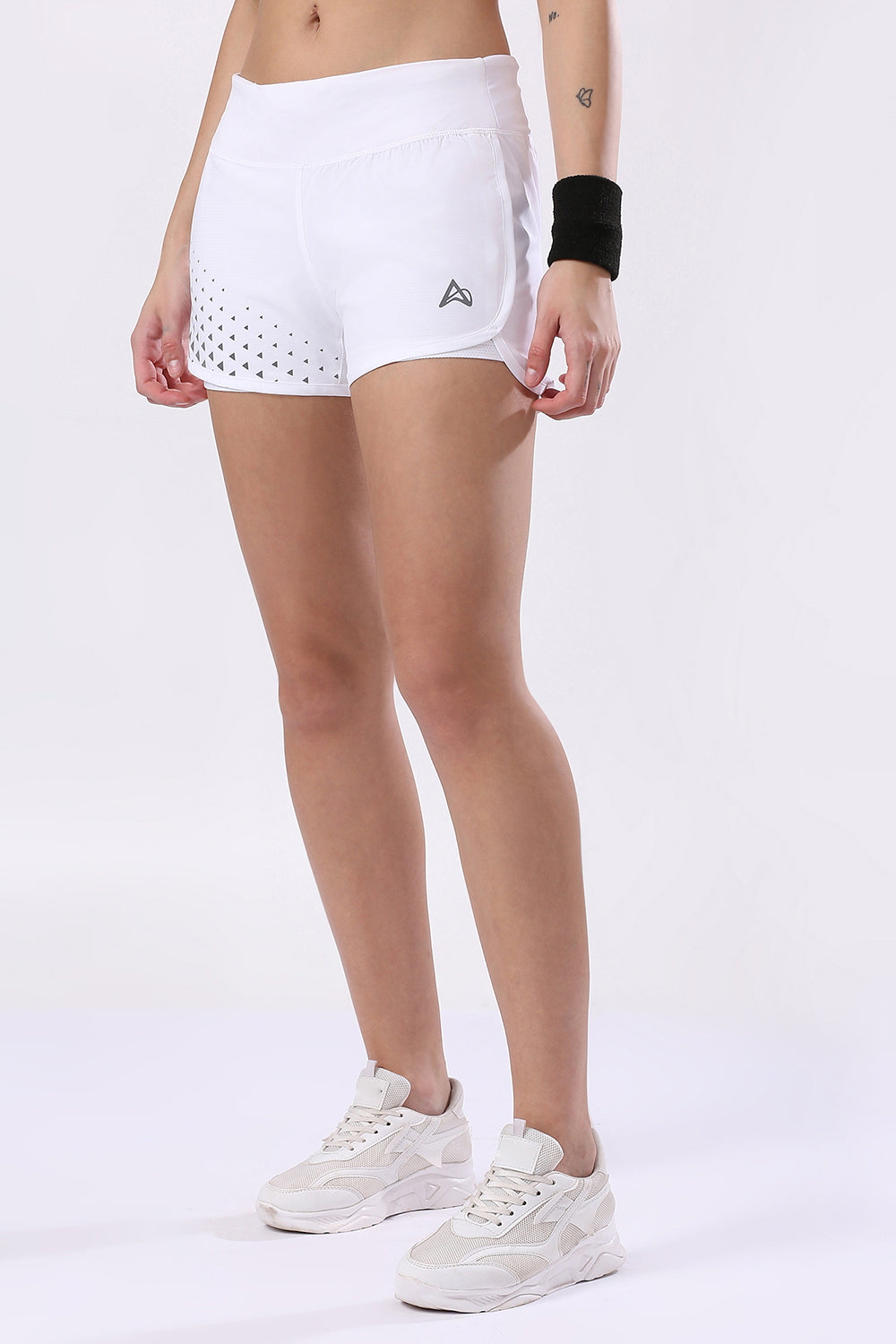
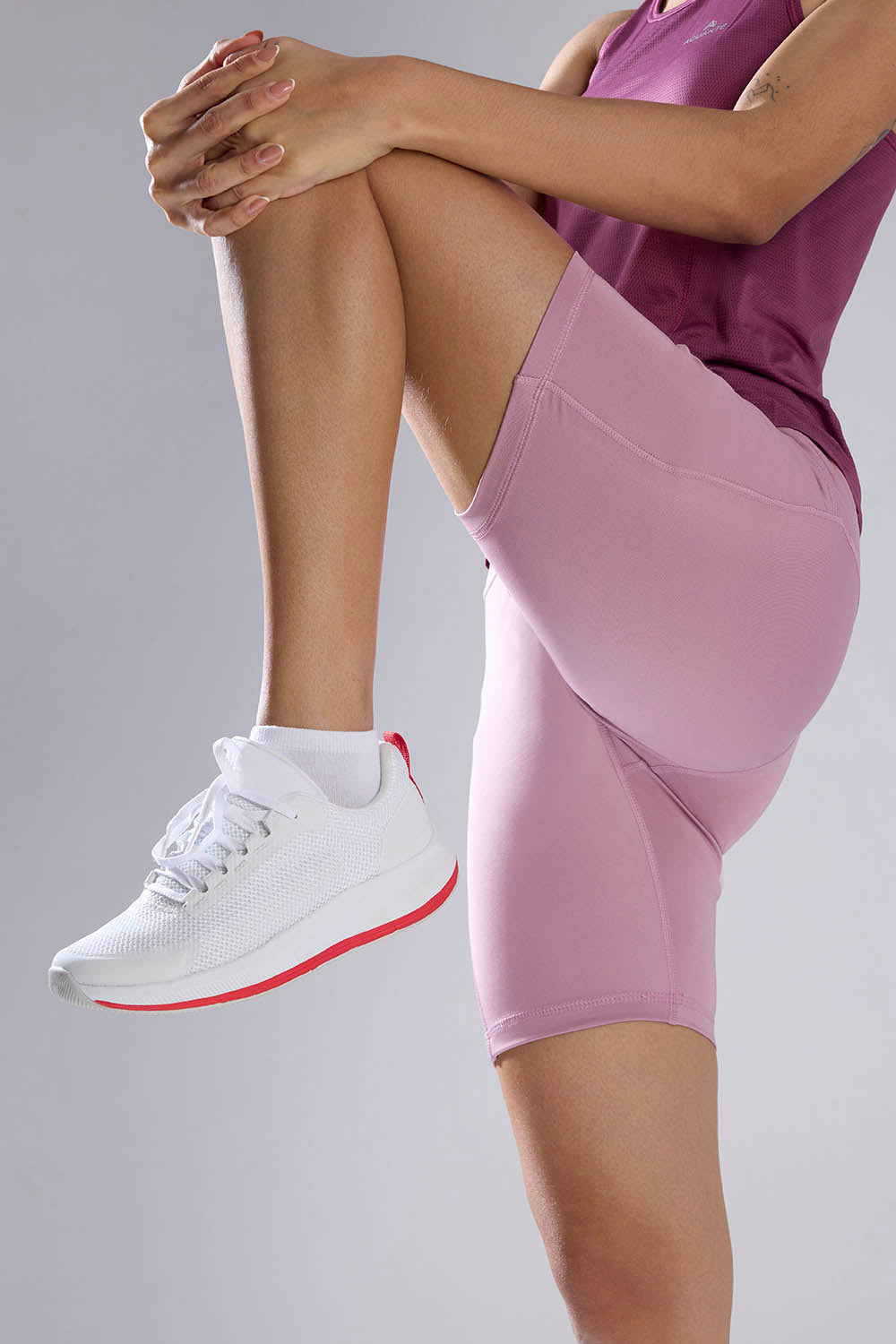
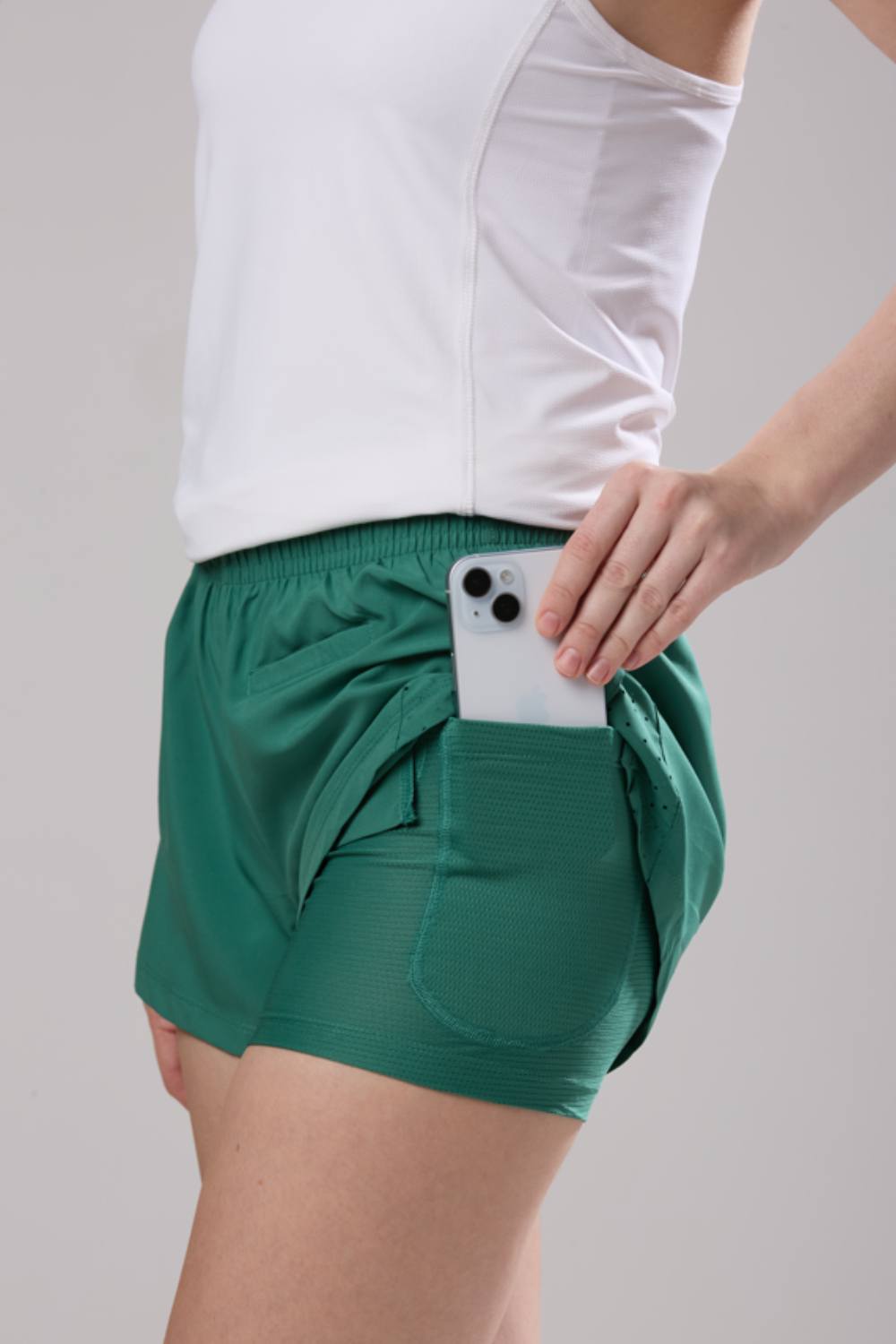
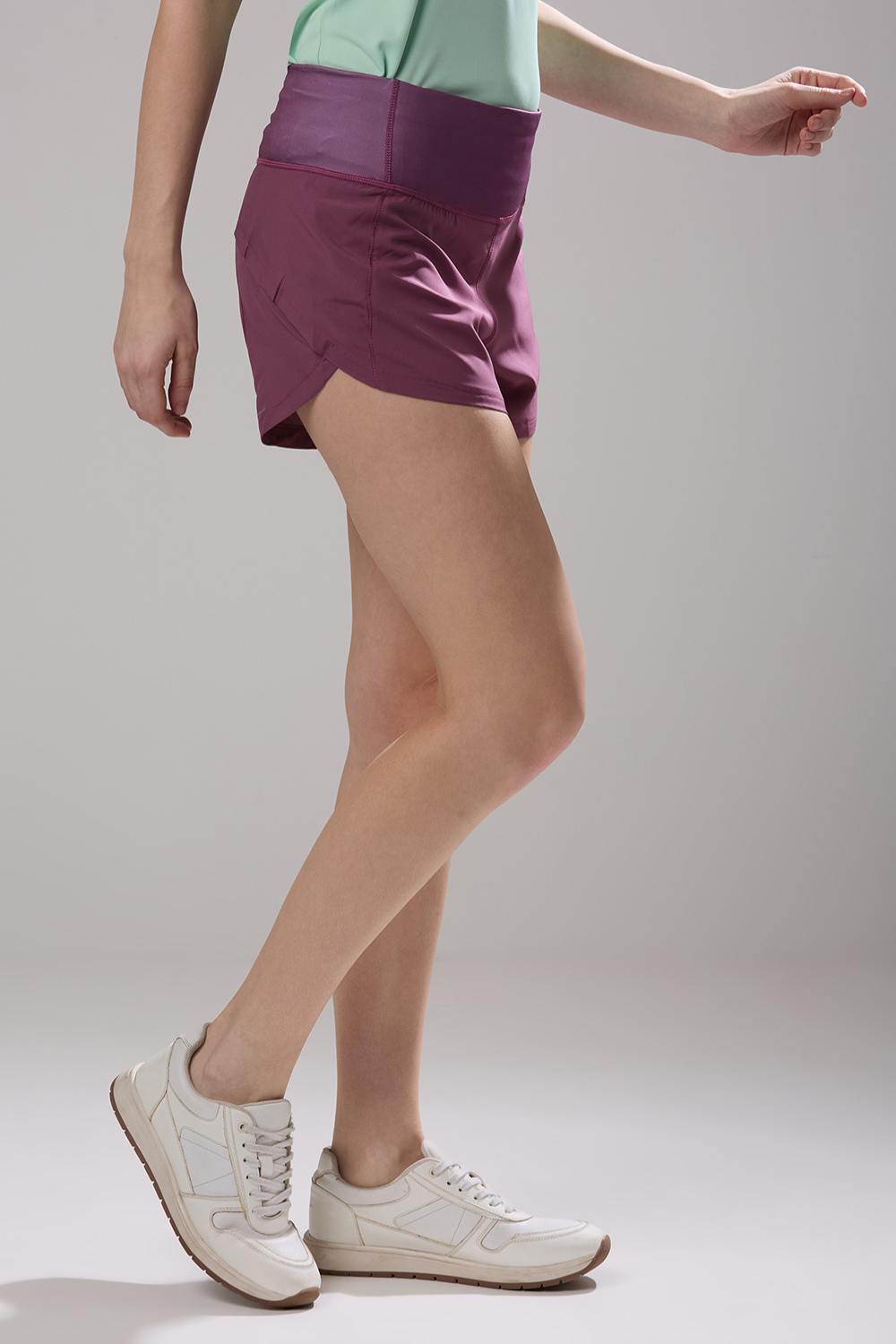
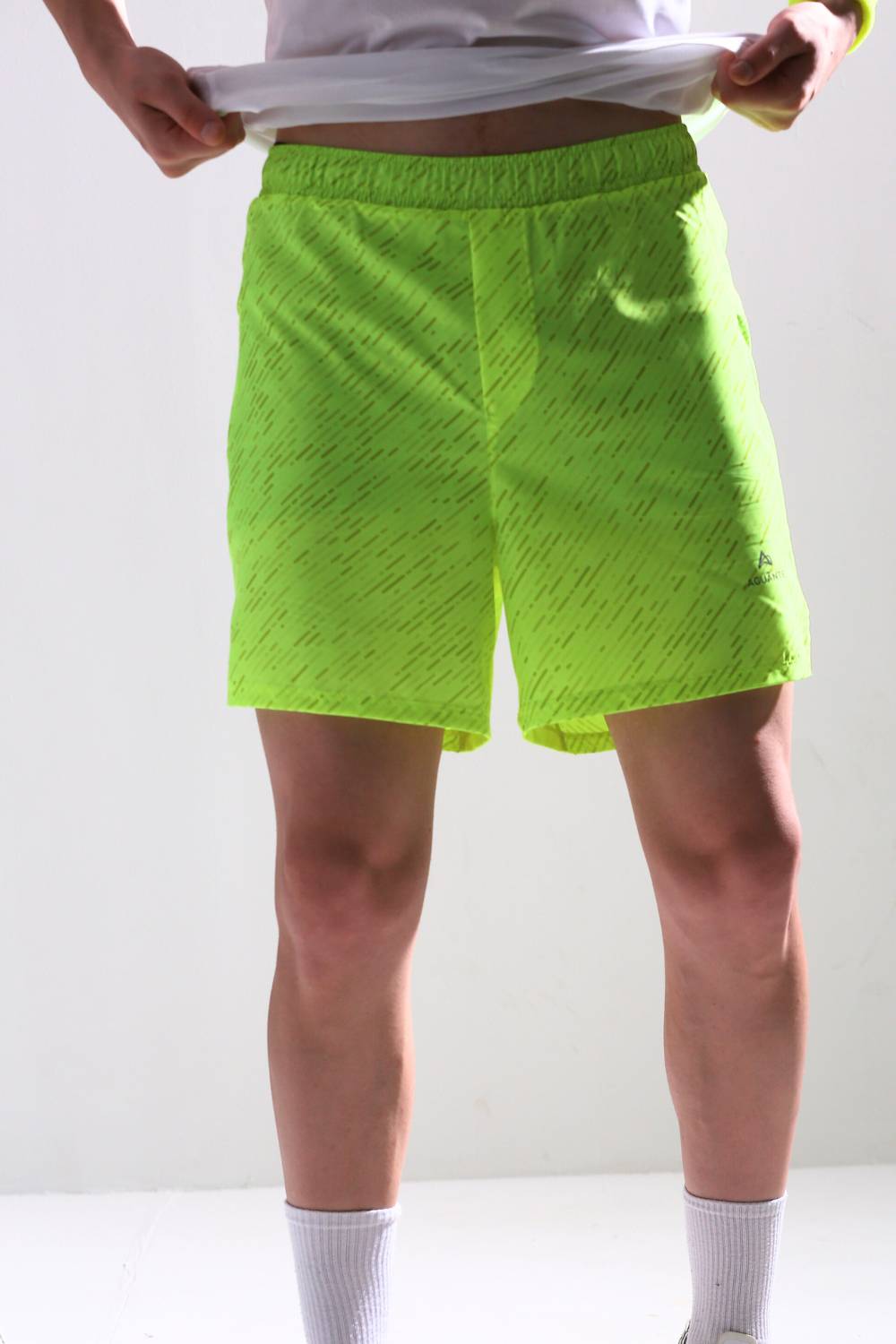
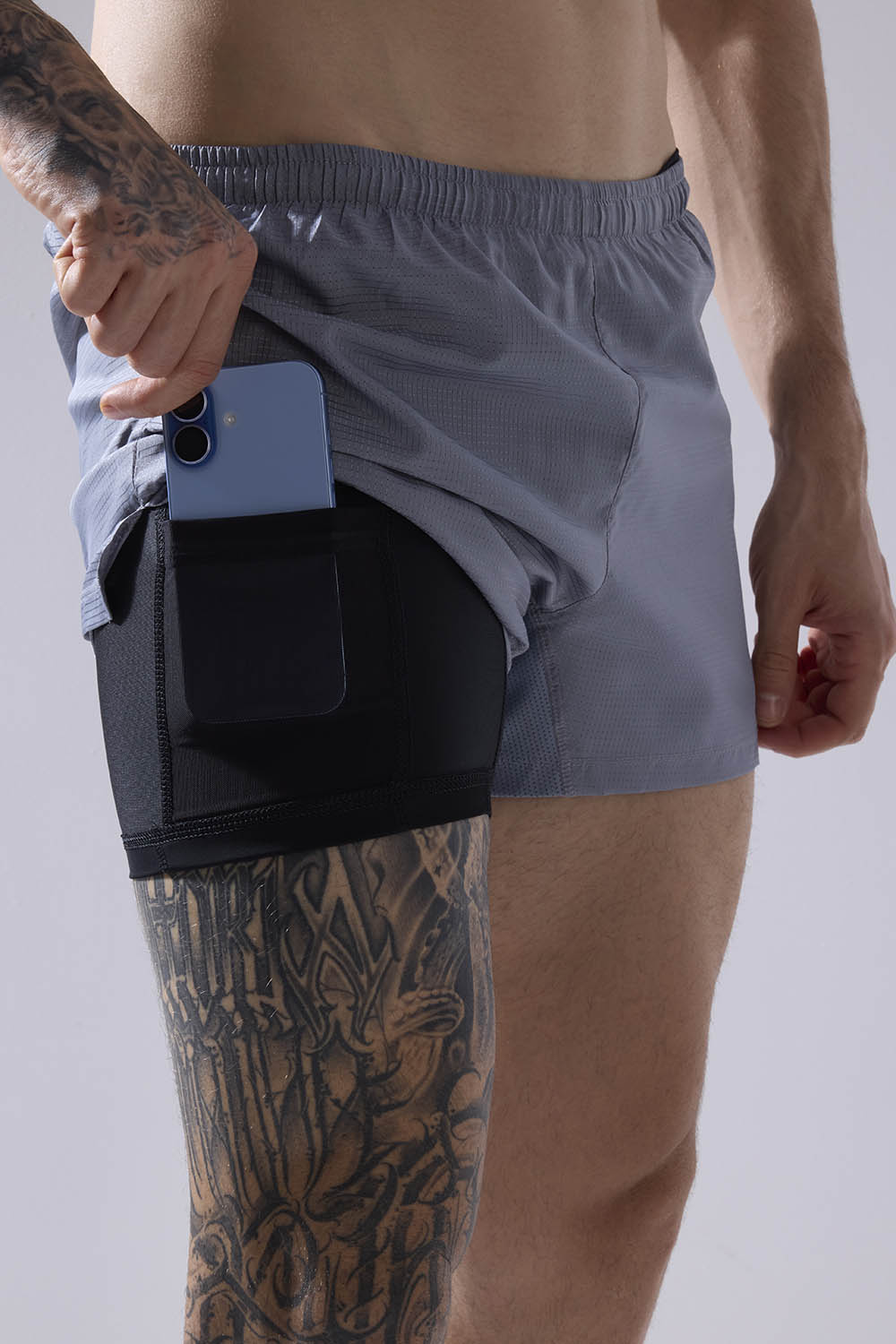
- Fitted shorts with a built-in inner liner — the liner covers the inner thigh so skin never rubs on skin. Aguante's EnduroFlex and Surge shorts include a breathable mesh inner liner designed for this.
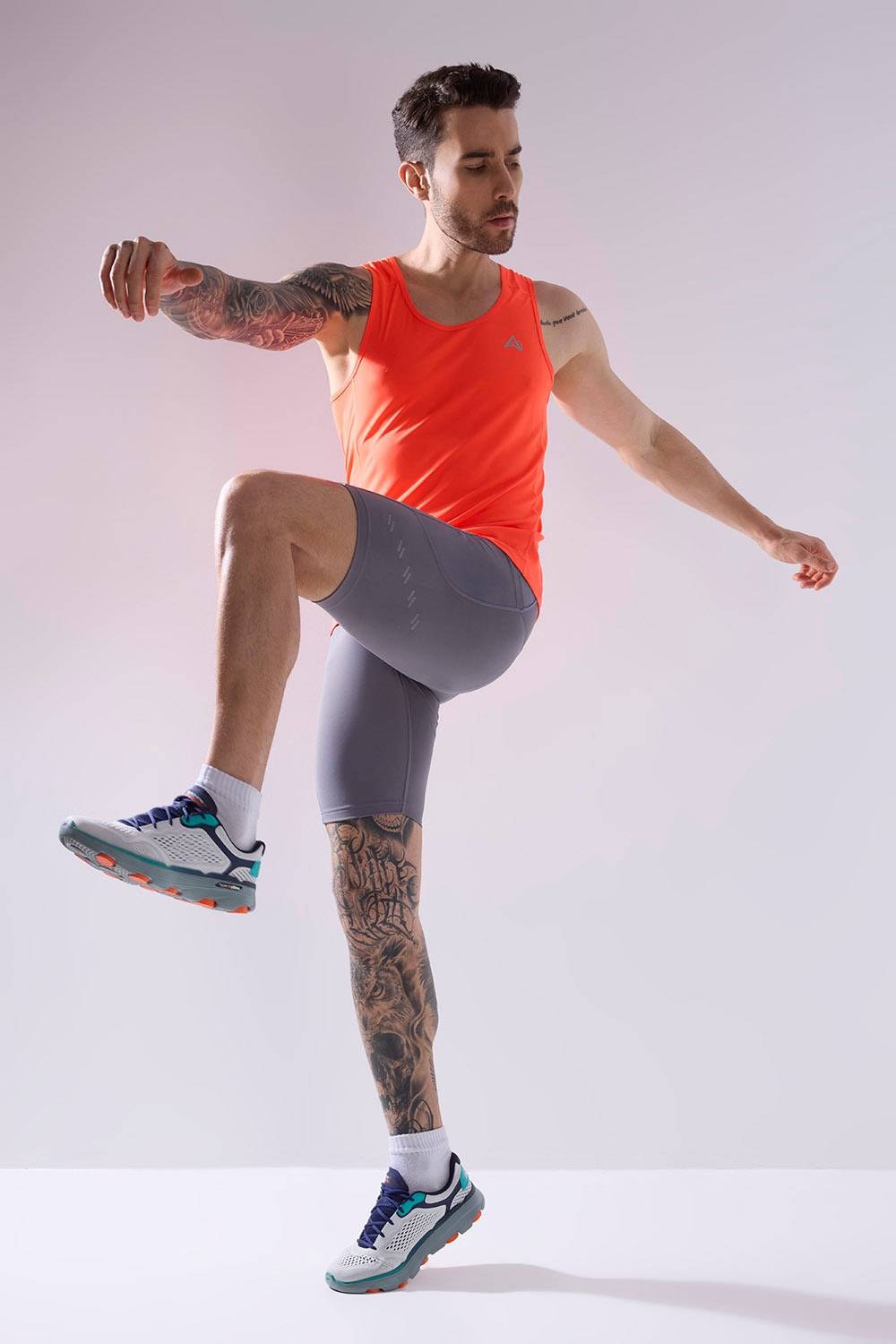
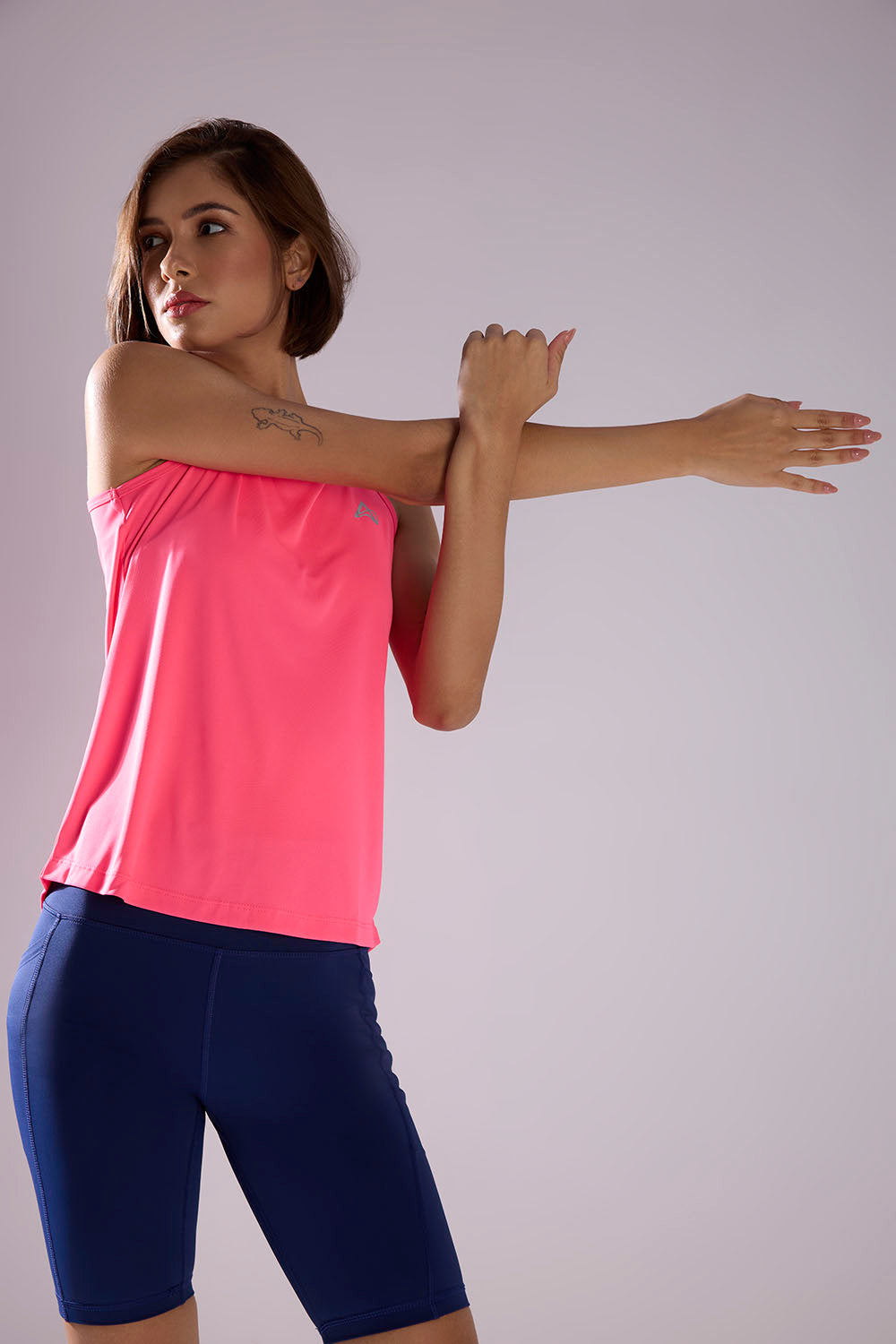
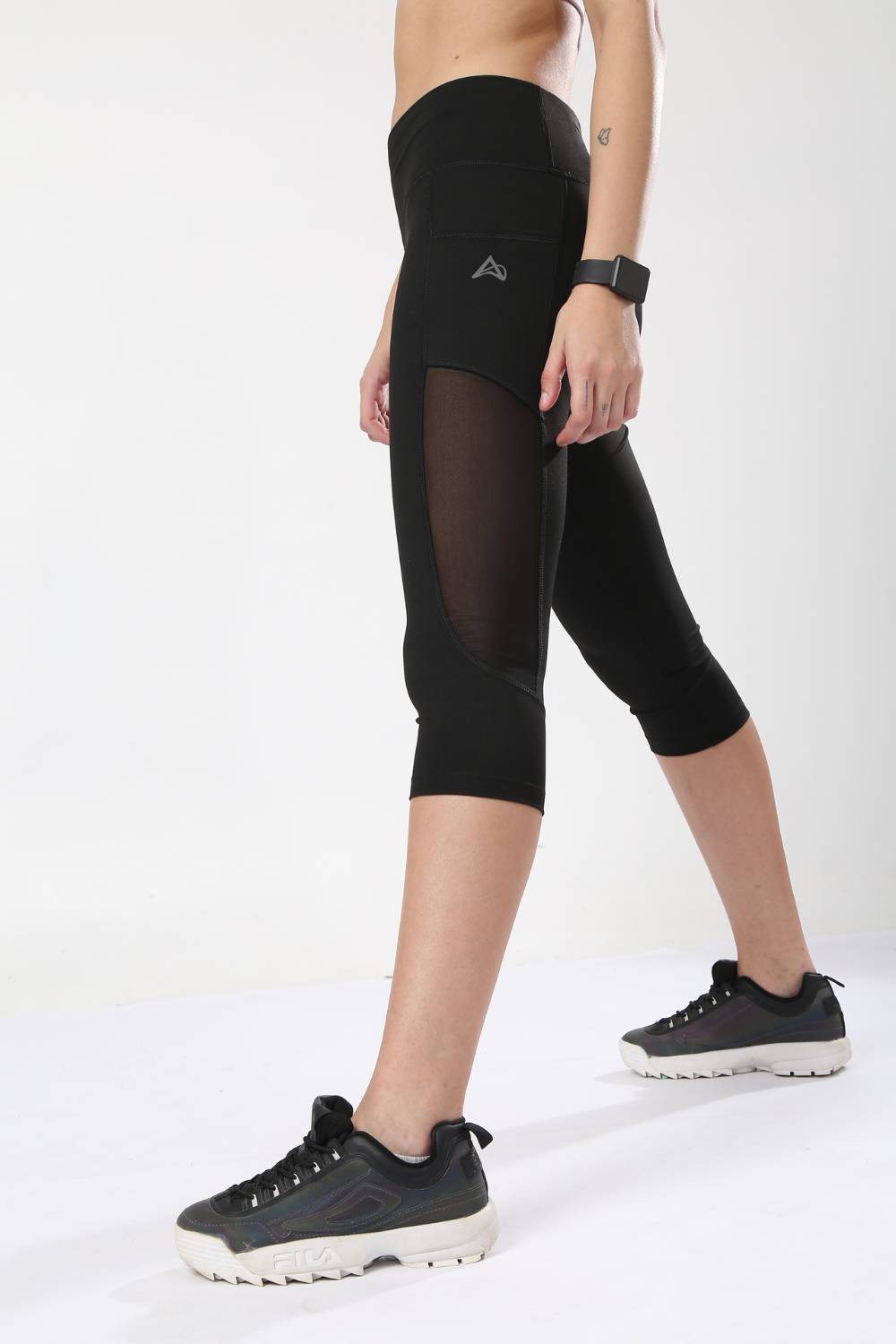
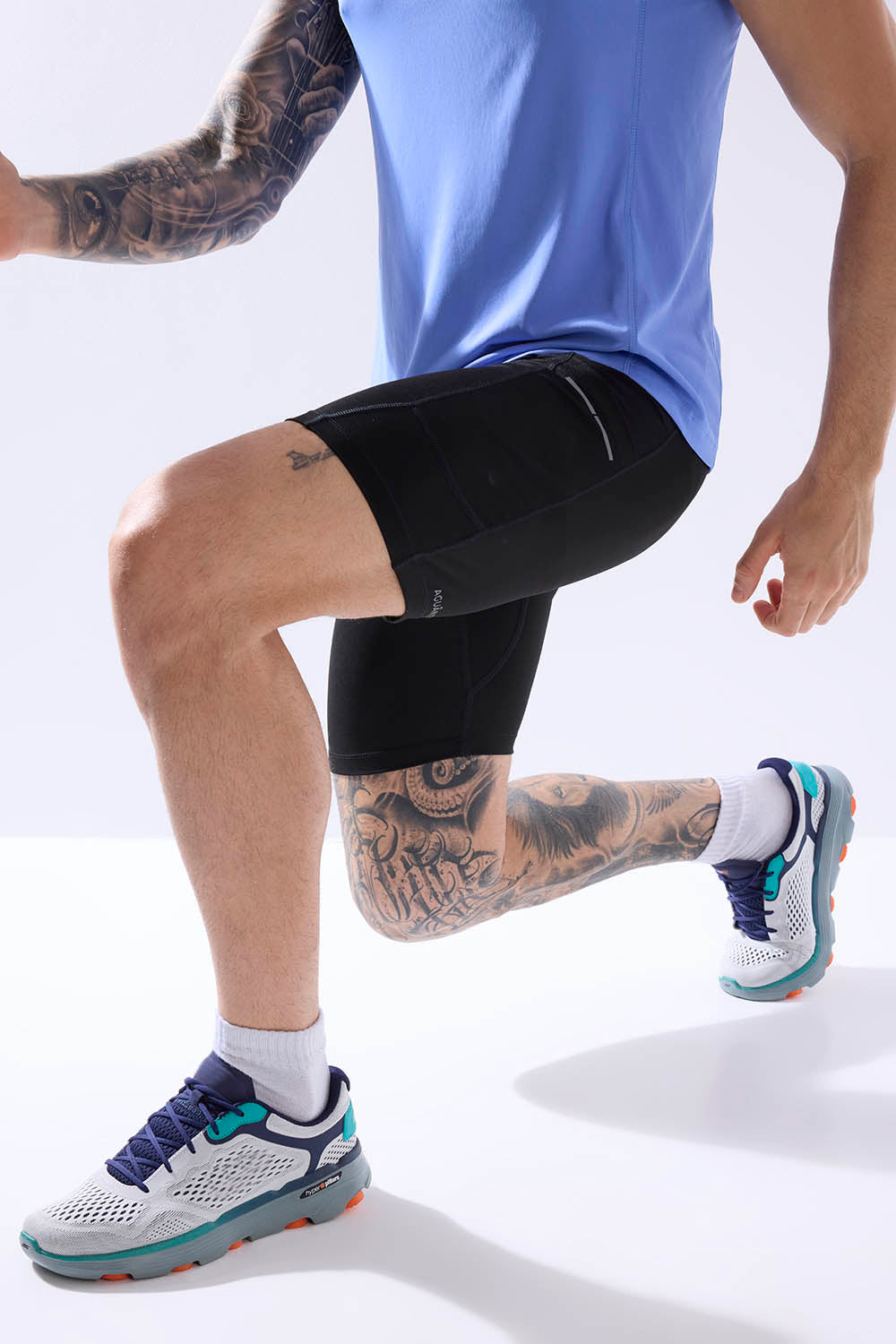
- Compression half tights — these hug the leg completely and eliminate thigh-on-thigh friction entirely. Aguante's Volt, CoreRun, and Distance half tights are built for chafe-free longer runs.
For many runners, switching from loose shorts to either of these solves the problem outright.
3. Mind the seams and fit
Rough seams, thick labels, and gear that shifts around are all chafe triggers. Look for smooth construction and a secure fit that stays in place a waistband that doesn't roll or slip means less rubbing at the hips. A close, stable fit beats loose, flapping fabric every time in wet conditions.
4. Lubricate your hotspots before you run
This is the step most runners skip and then regret. Before a wet run, apply an anti-chafe balm or barrier product to your known friction points inner thighs, groin, underarms, and anywhere your kit sits. For nipple chafe on long runs, protective tape or plasters work well. Reapply on very long or very wet runs if you can.
5. Sort out your feet
Wet feet blister and chafe fast. Wear synthetic, moisture-wicking socks (never cotton), and choose shoes that drain and dry rather than trapping water. This keeps your feet from turning into soft, waterlogged skin that rubs raw.
During and after the run
Chafe prevention doesn't stop at the start line:
- Don't let salt build up on very long wet runs, a quick rinse of a hotspot at a water stop can help if it's practical.
- Change out of wet kit promptly afterward. Sitting around in damp, salty gear is how a mild hotspot becomes a raw patch.
- Rinse and dry your gear inside out so no salt or grit is left in the fabric to abrade you next time.
How to treat chafing if it happens
Even careful runners get caught out sometimes. If you do chafe:
- Gently clean the area with mild soap and water.
- Pat it dry don't rub.
- Apply a soothing barrier cream to protect the skin.
- Give it time to heal, and protect the spot heavily on your next run so it doesn't reopen.
The Aguante approach to chafe-free running
Aguante designs its gear around Indian heat, humidity, and monsoon conditions where sweat and rain make chafing a year-round issue, not just a rainy-season one. That's why the shorts come with a breathable mesh inner liner, why the half-tights range uses a compression fit that removes thigh rub, and why every piece is cut from quick-dry, moisture-wicking fabric rather than water-hungry cotton. Get the gear right and the balm becomes a backup, not a rescue.
Wet-weather runs are some of the most rewarding of the year cooler, quieter, and satisfying. Don't let chafing be the reason you skip them.
Frequently Asked Questions
Where do runners chafe the most? The most common chafing spots are the inner thighs, groin and waistband line, nipples and chest, underarms, and for women the sports bra band. Feet are also prone to blistering when wet. Protecting these hotspots with the right fit and an anti-chafe balm prevents most problems.
What can I put on my skin to prevent chafing? Apply an anti-chafe balm or barrier product to your friction points before running inner thighs, groin, and underarms. For nipple chafe on long runs, protective tape or plasters work well. Reapply on very long or very wet runs where possible.
Why do I chafe more when running in the rain? Wet fabric gets heavier and rubs harder, rain mixes with sweat to leave abrasive salt on your skin, and wet skin is more vulnerable to friction. Together these make chafing far more likely, which is why quick-dry gear and lubrication matter more in the rain.
Do compression shorts or tights prevent chafing? Yes. Compression half tights hug the leg and eliminate skin-on-skin thigh friction, making them one of the most effective ways to prevent chafing. Aguante's half tights are built with a compression fit for chafe-free running.
Does cotton cause chafing when running? Yes, especially in the rain. Cotton absorbs water, becomes heavy, holds abrasive sweat-salt, and dries slowly, all of which increase friction. Quick-drying synthetic fabrics like polyester are far less likely to cause chafing.