



For a marathon in Indian weather, wear lightweight, moisture-wicking synthetic gear you've already trained in a breathable singlet or race tee, fitted shorts with an inner liner or half tights with pockets for your gels, and anti-chafe balm on every friction point. Add a cap and sunglasses for the sun, and a cheap throwaway layer for the cold early start you can toss once you warm up. The key rule: dress for the warm, humid conditions you'll finish in, not the cool conditions you start in.
A marathon is 42.2 km small gear mistakes that don't matter over 5 km become race-ruining over that distance. Here's how to get every layer right for Indian conditions.
First, understand Indian marathon conditions
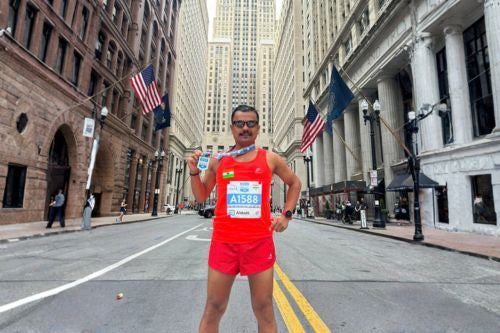
Most Indian marathons start early often before sunrise so the first few kilometres can feel cool, even chilly. But the sun climbs fast, and by the time you're deep into the race it's usually warm, bright, and humid. Winter races like the Mumbai Marathon in January start cold and warm up; monsoon-season events like the Hyderabad Marathon in late August are warm and humid from the gun.
The trap is dressing for that cold start. Runners who bundle up end up overheating by kilometre 15. Dress for the finish light and breathable and handle the cold start with a throwaway layer instead (more on that below).
The golden rule: nothing new on race day
Before anything else, memorise this: wear only gear you've already run long distances in. Race day is the worst possible time to test a new singlet, new shorts, or new shoes. A seam or fabric that feels fine for 5 km can rub you raw over 42. Everything below assumes you've trained in it first.
Your top: breathable, and probably not the event tee
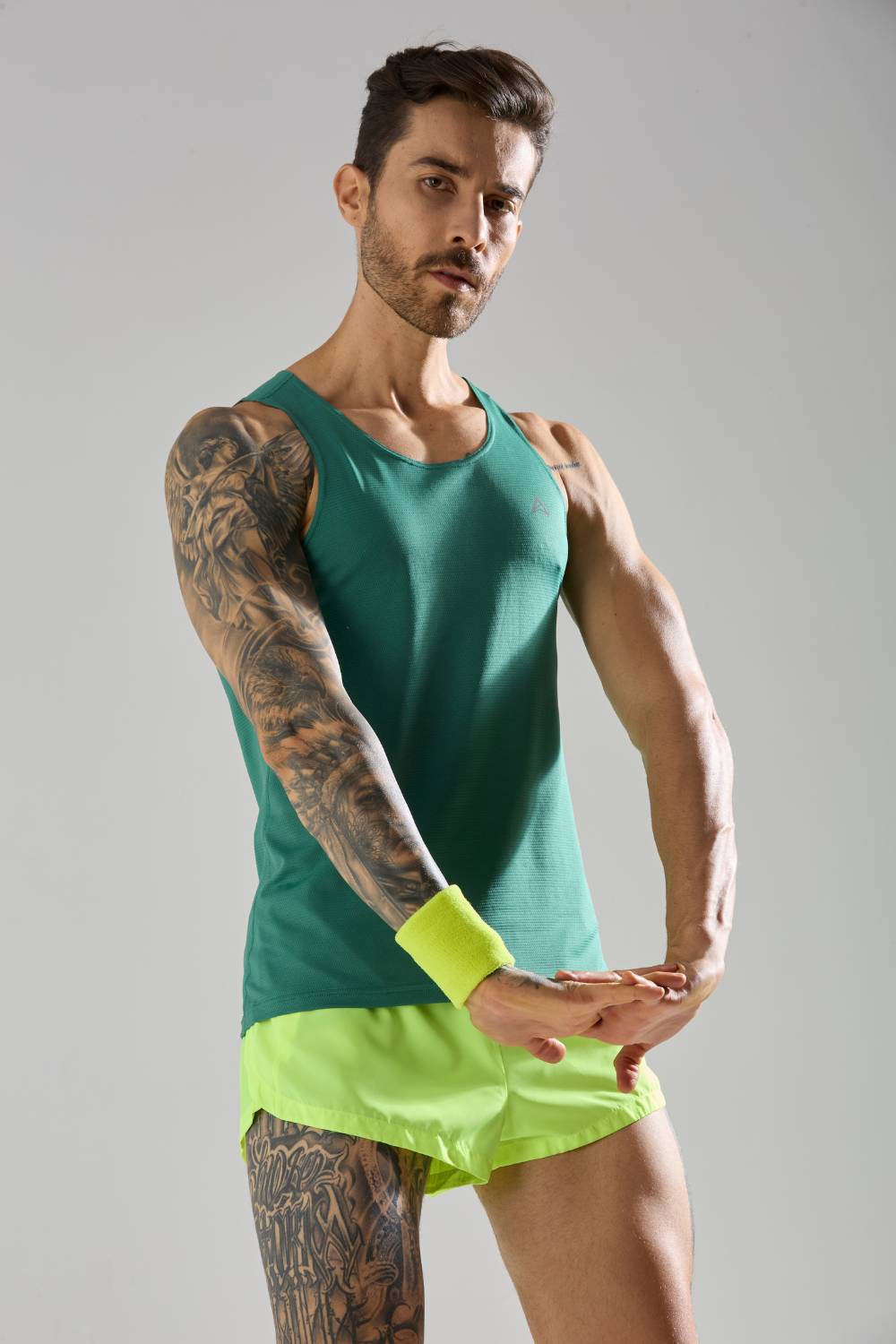
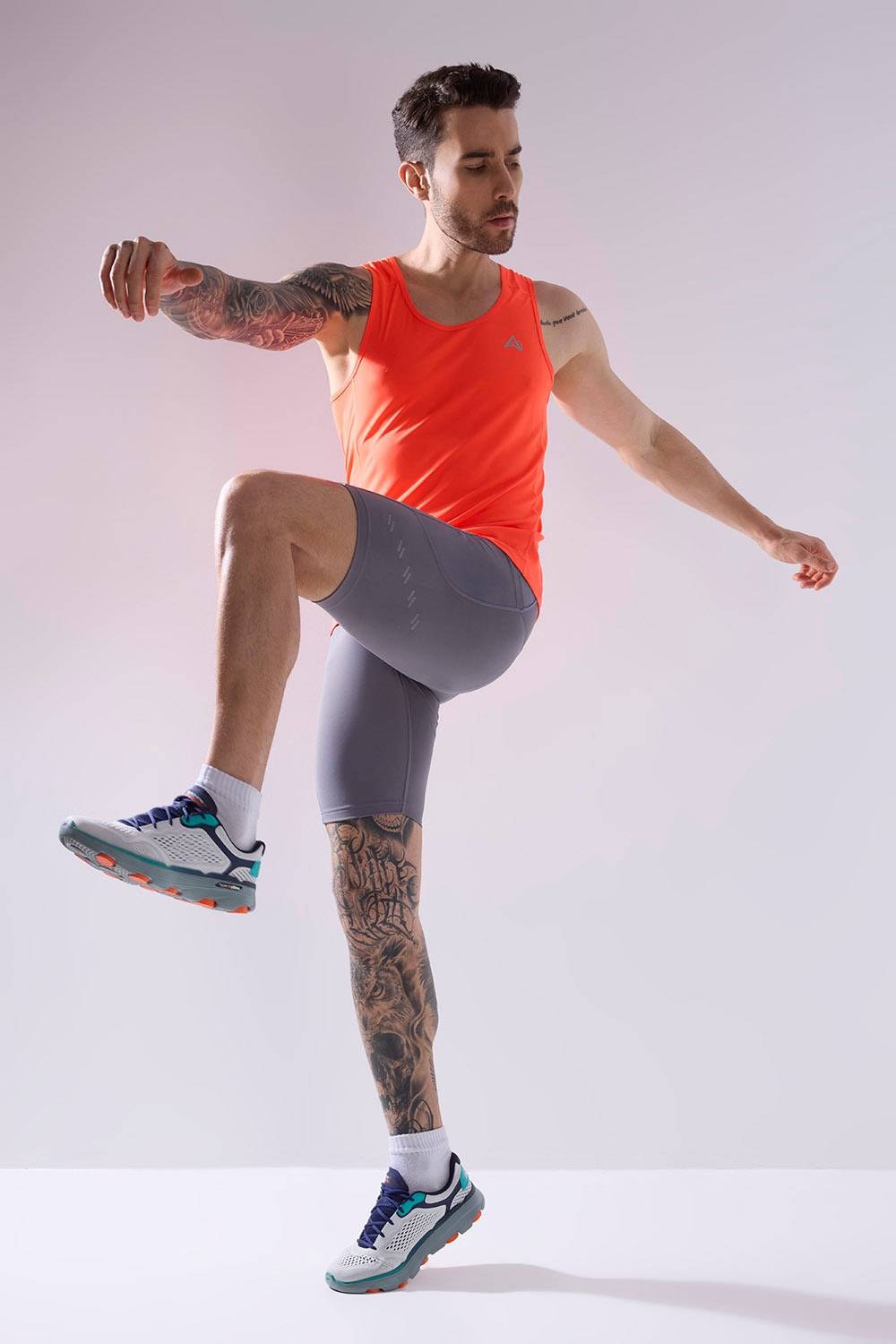
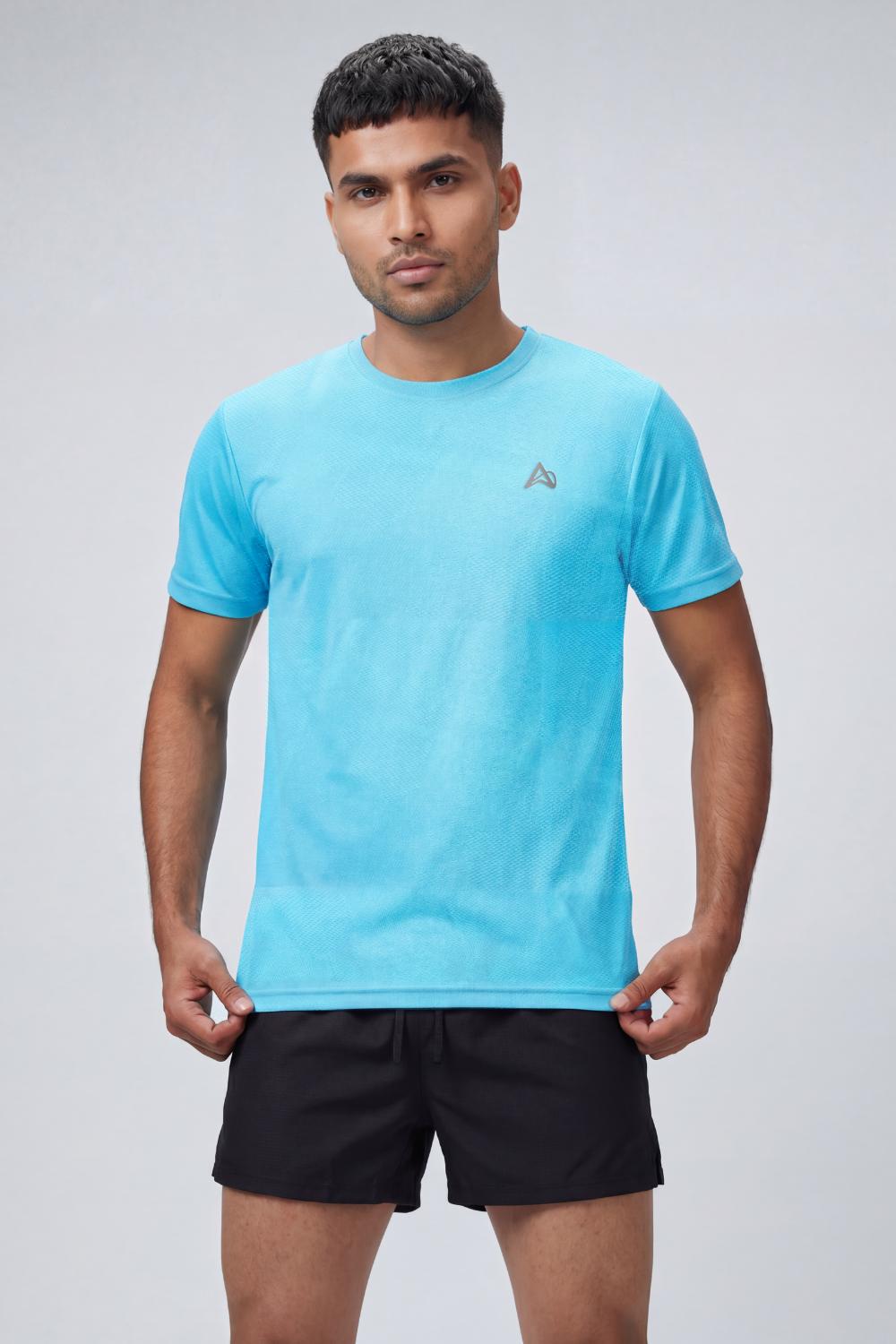
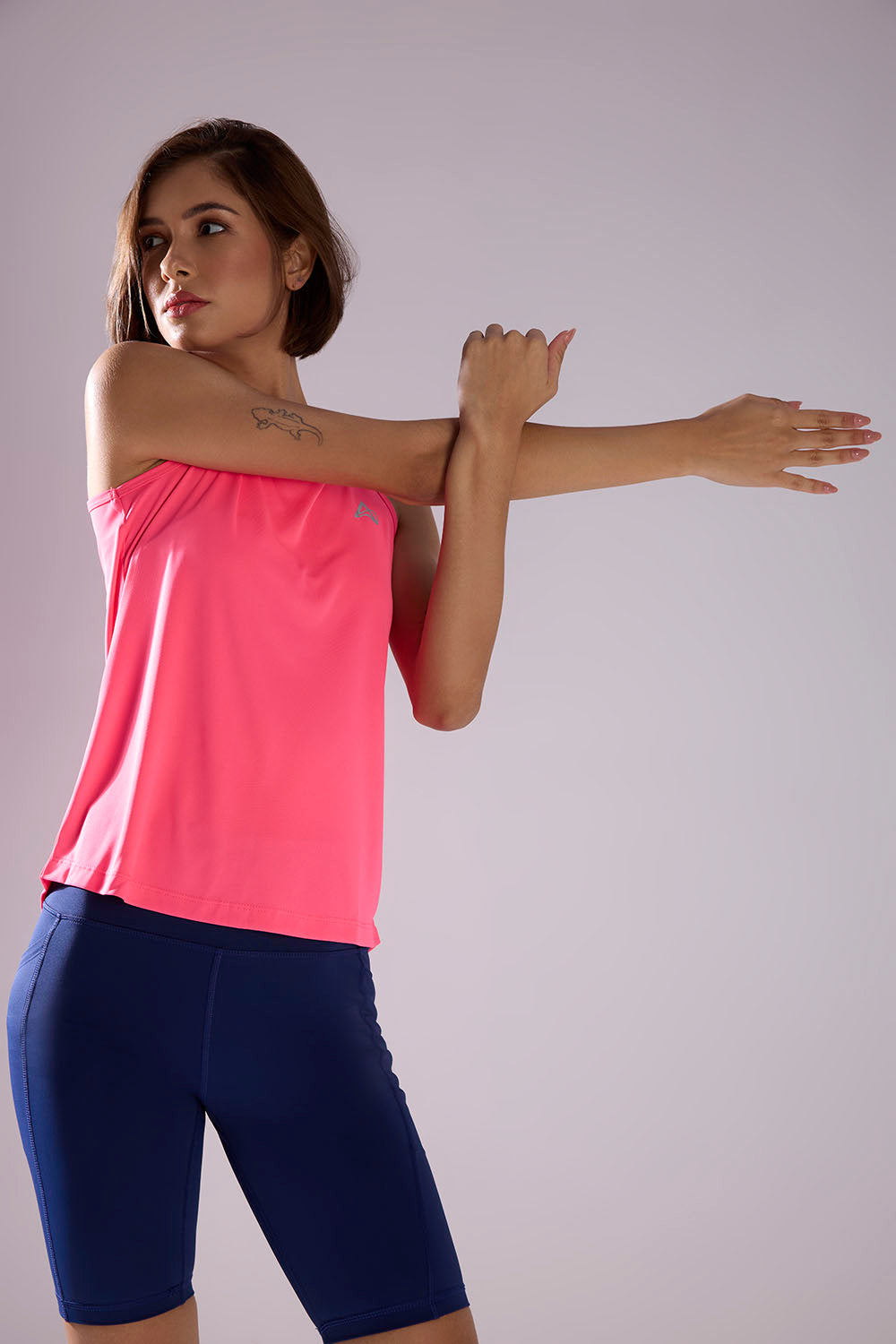
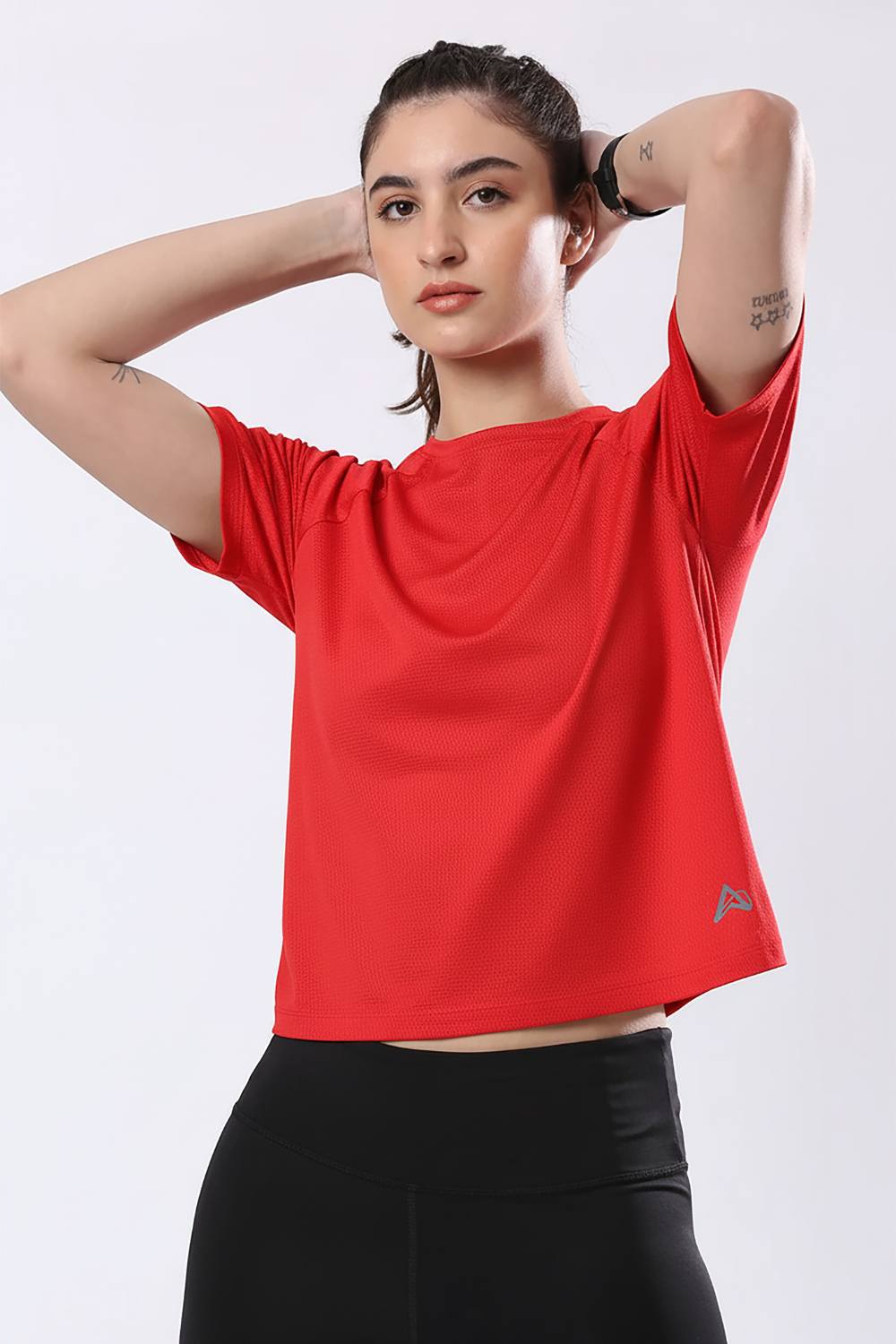
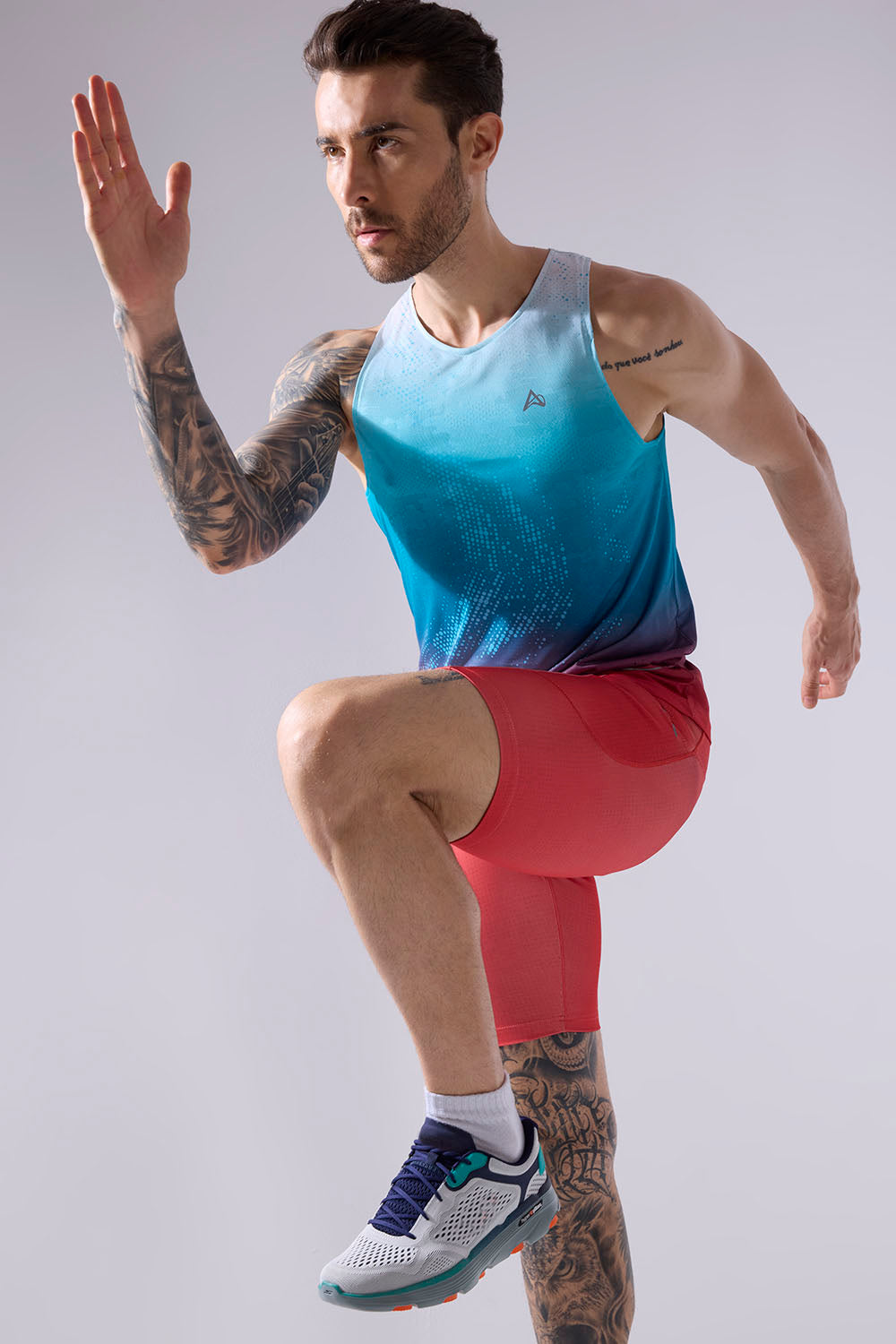
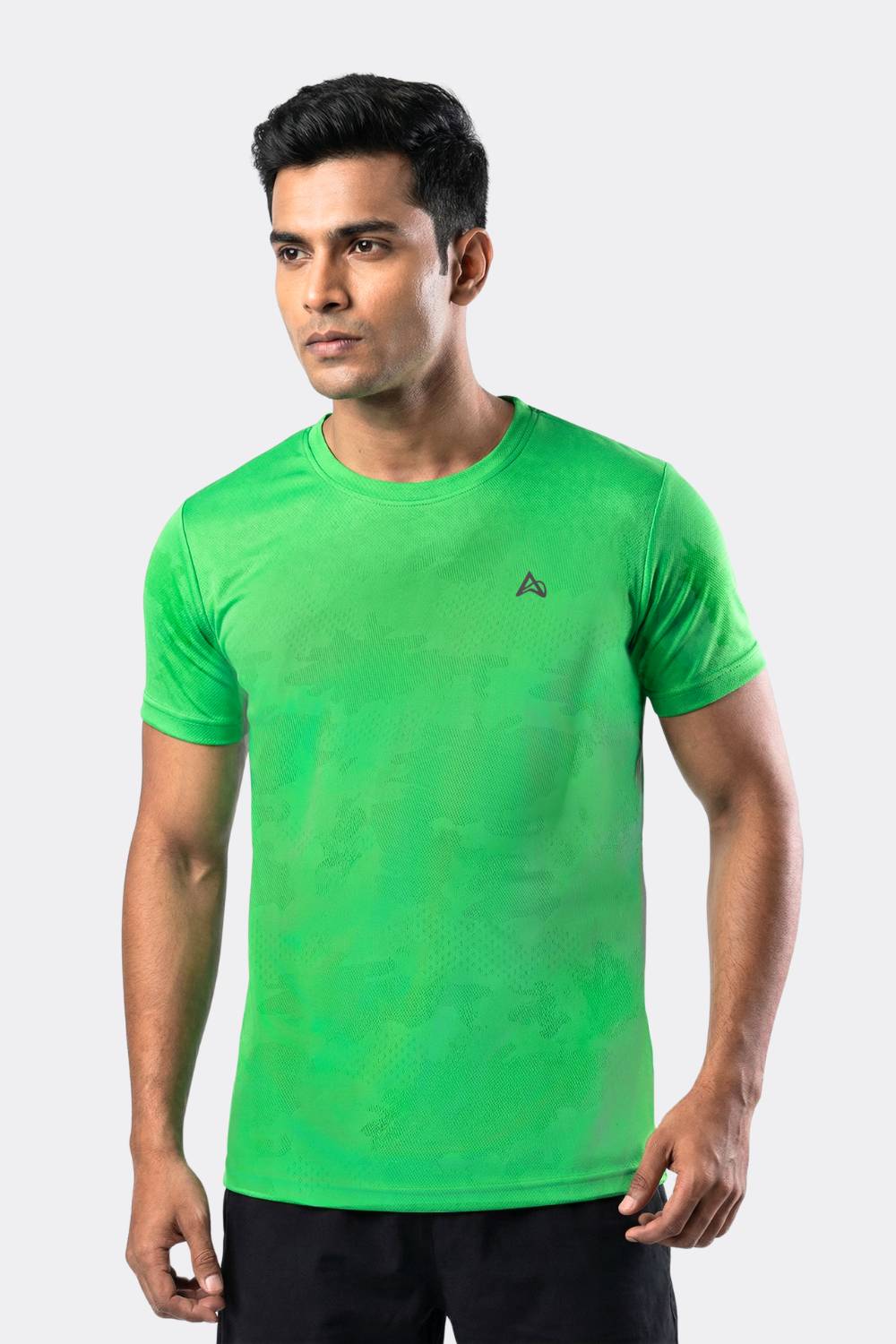
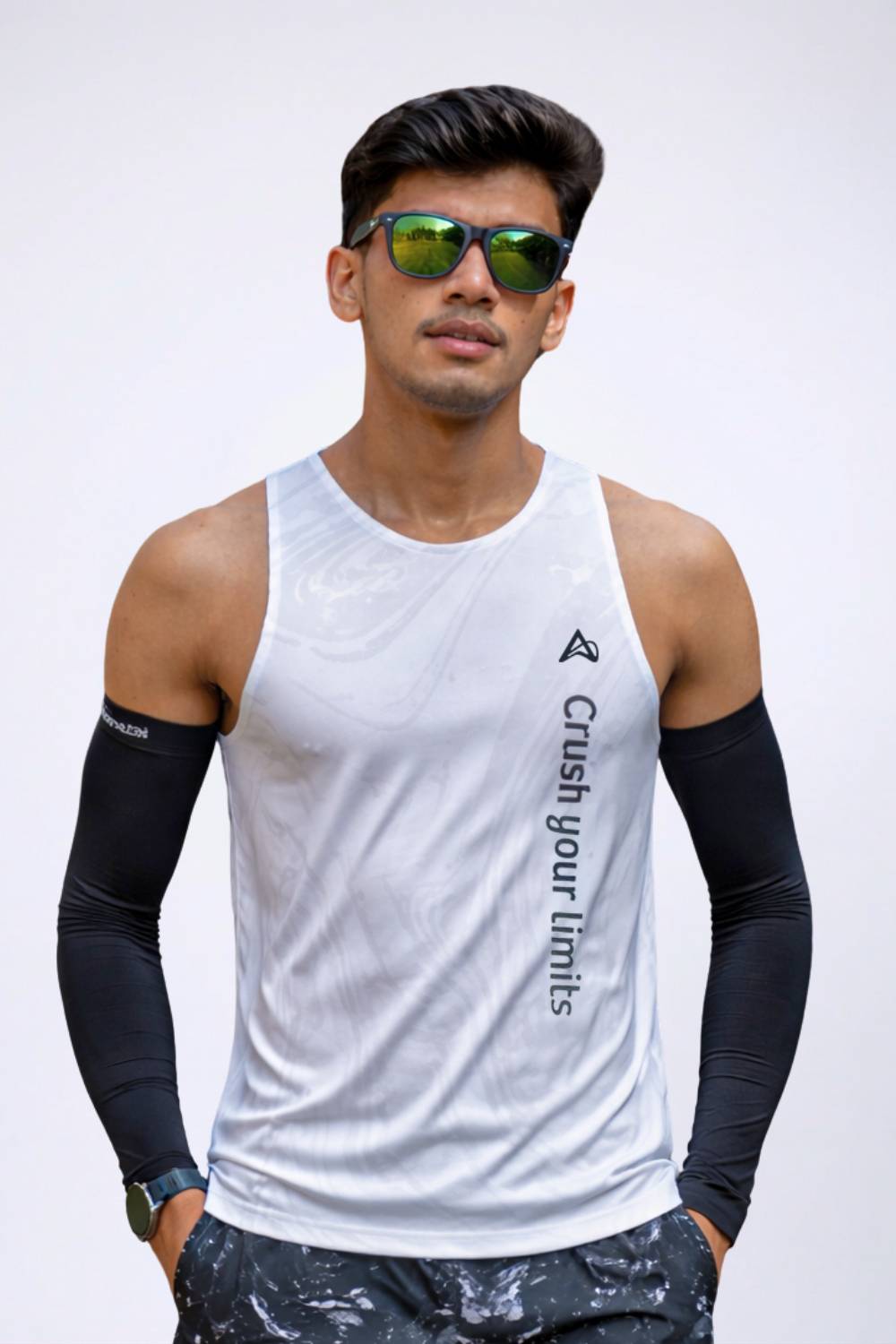
Up top, wear a lightweight, moisture-wicking singlet or technical tee. A singlet like the Aguante Race Singlet or Nova Tank maximises airflow and dries fast as you sweat ideal for warm, humid finishes.
One common mistake: don't race in the official cotton event T-shirt. Those are keepsakes, usually cotton, and cotton soaks up sweat, gets heavy, and chafes over long distances. Save it for after the finish line.
Your bottoms: shorts or half tights, with pockets
This is where marathon-specific needs really matter, because you have to carry nutrition.
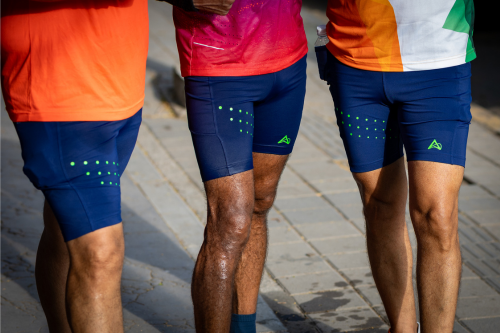
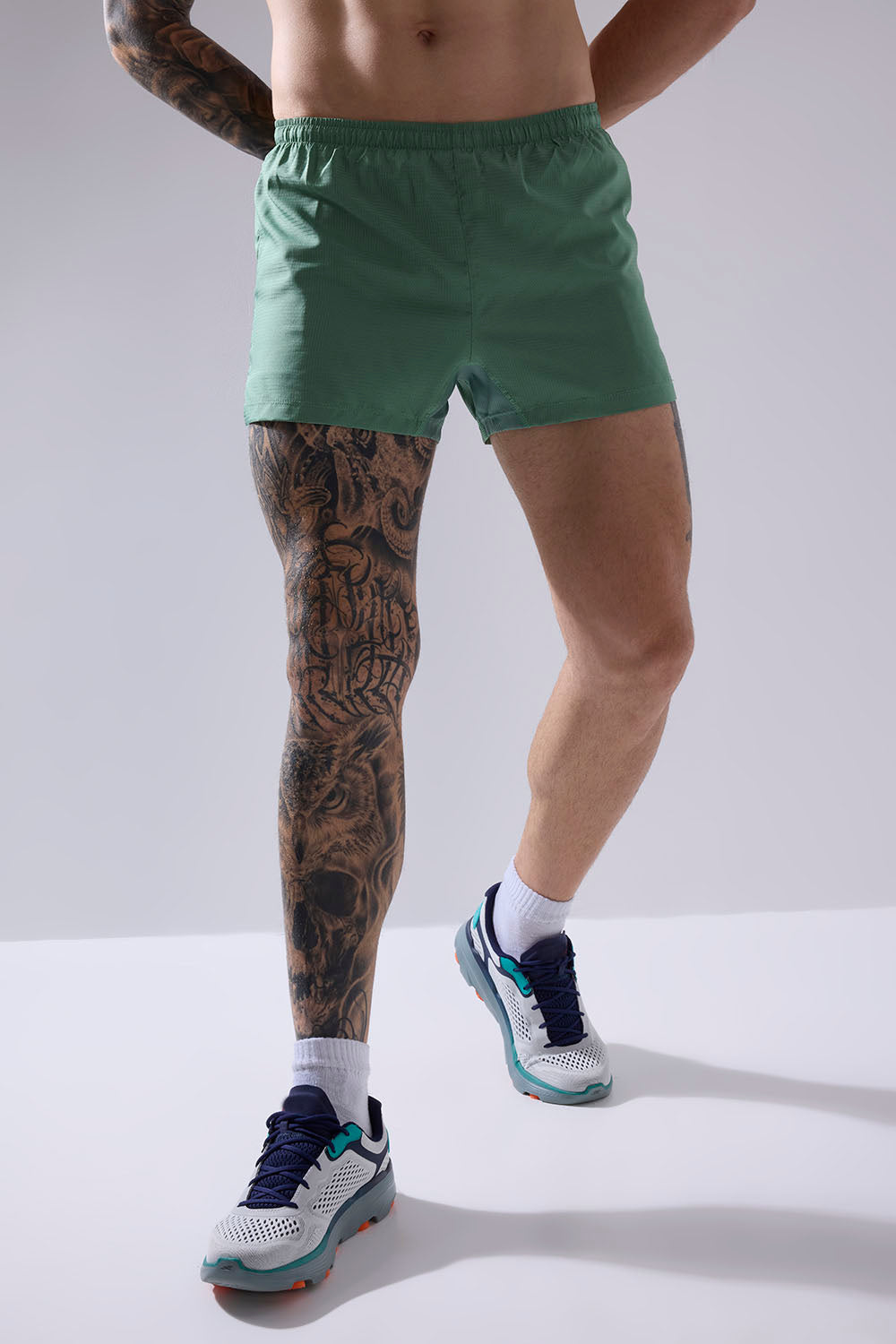
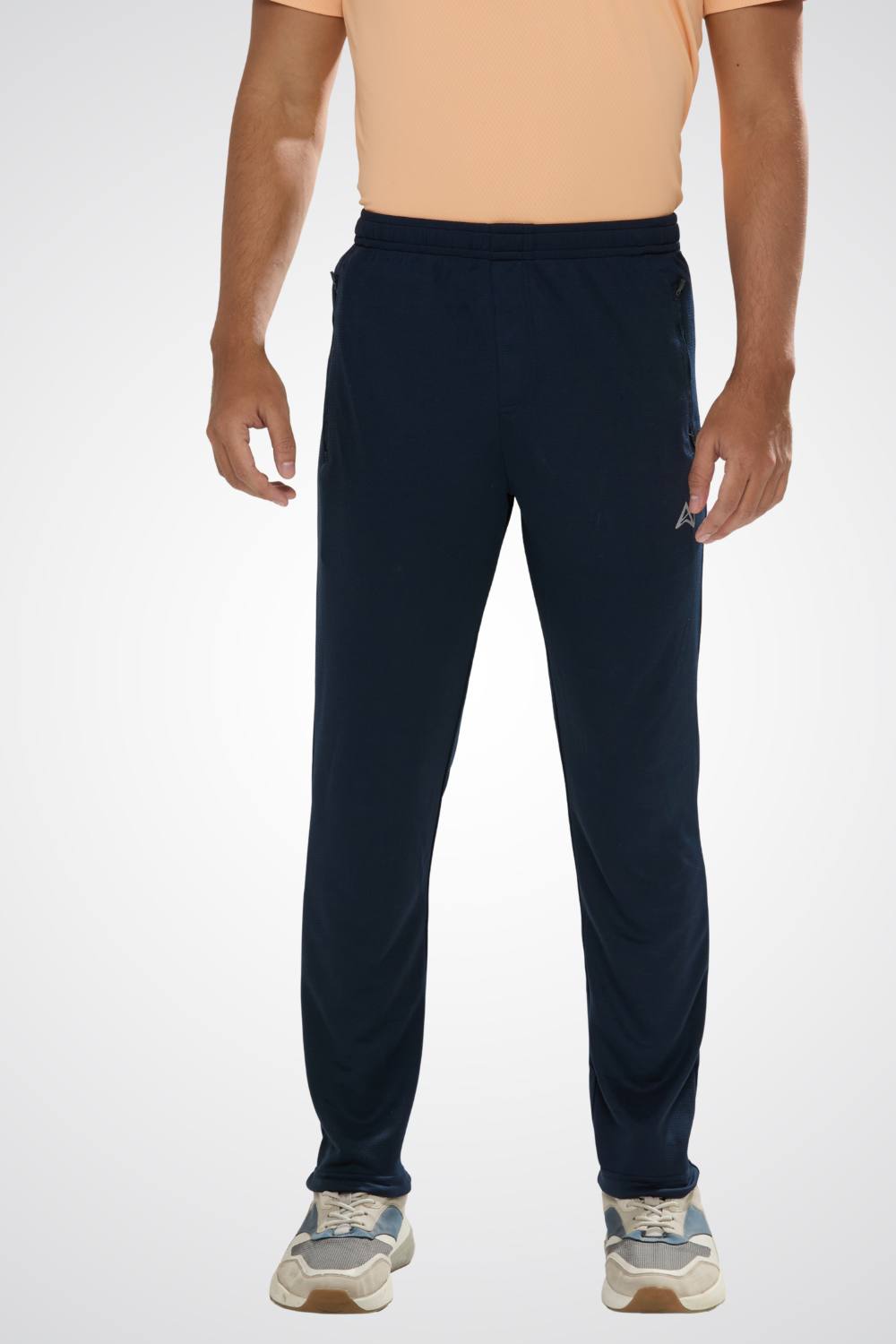
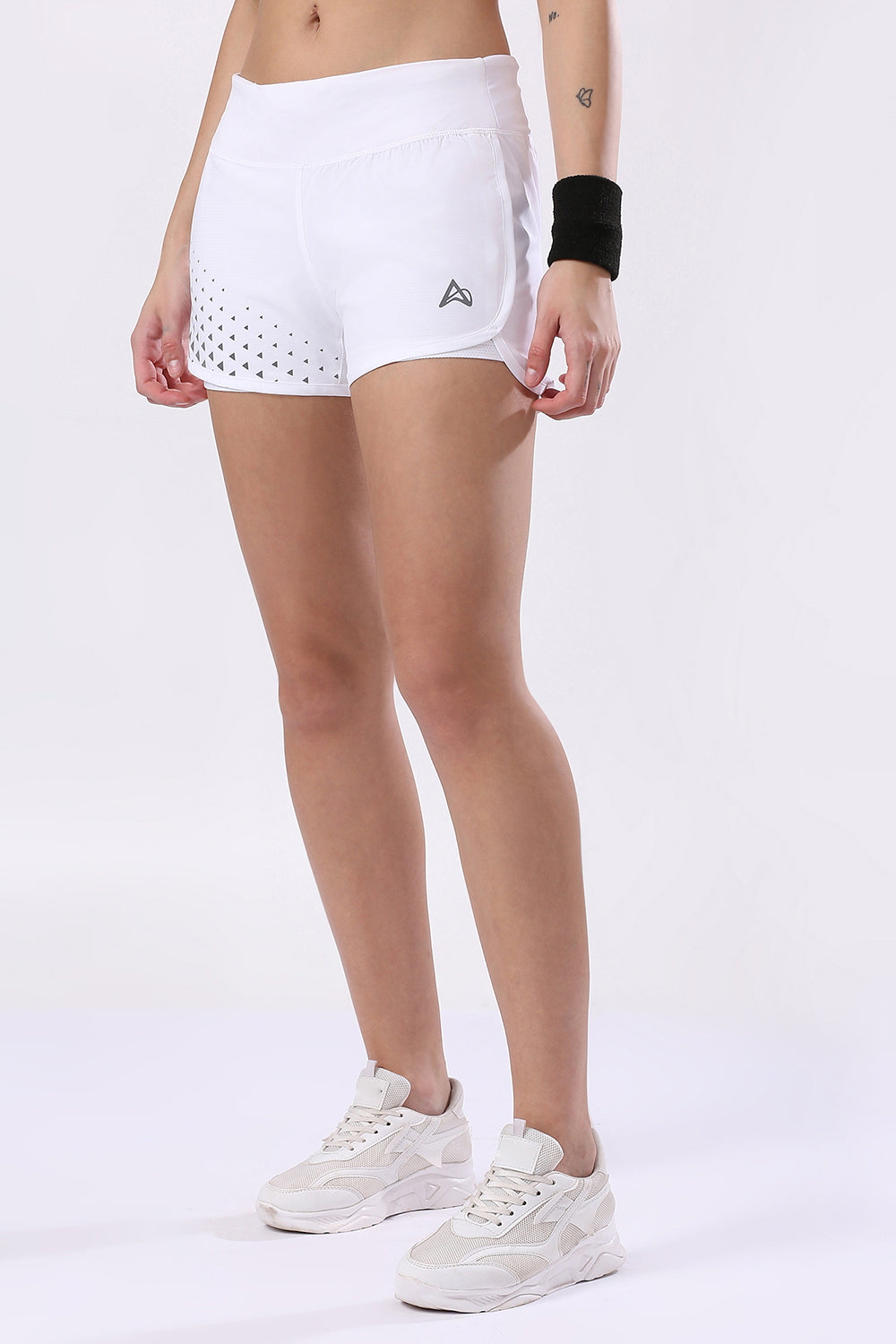
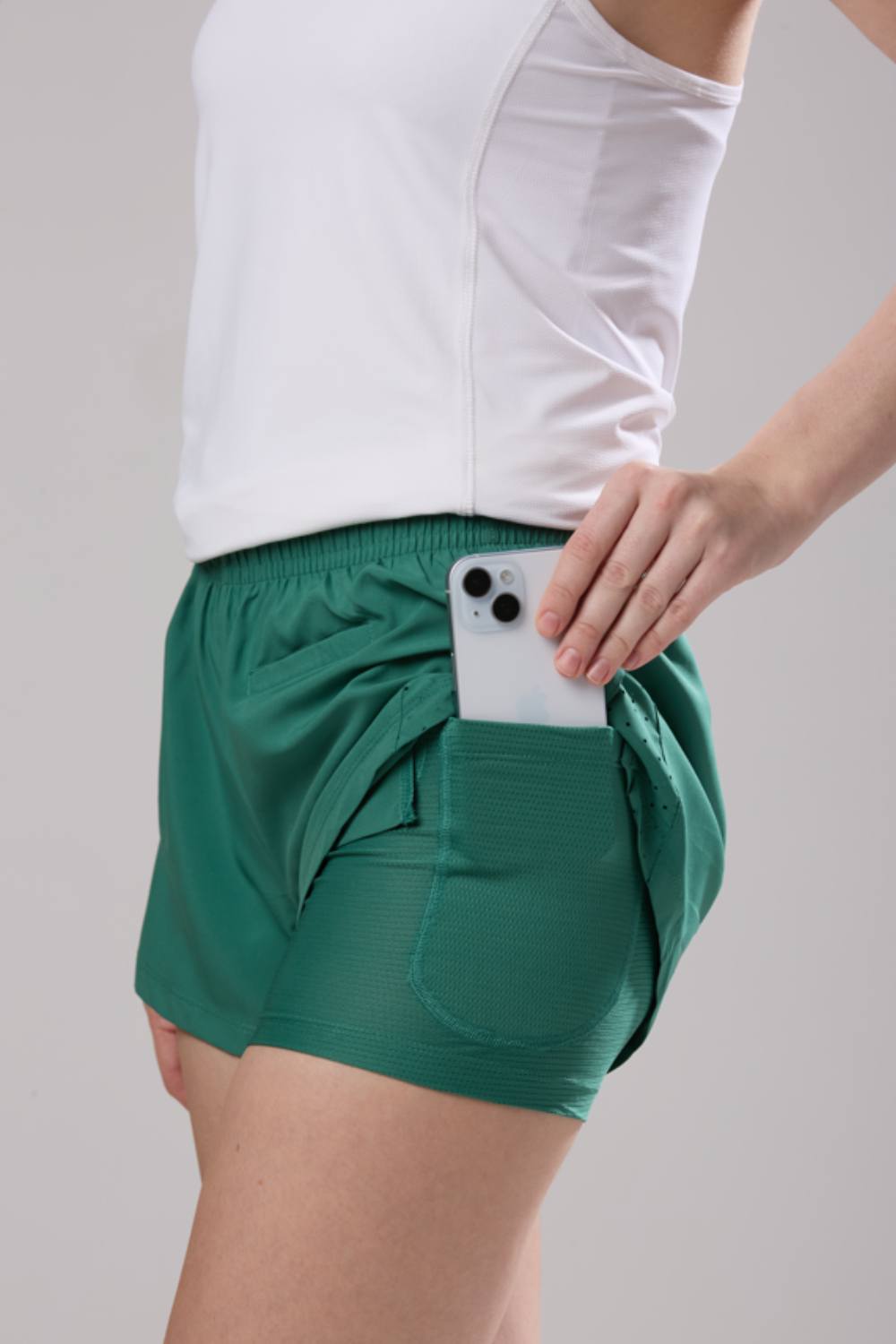
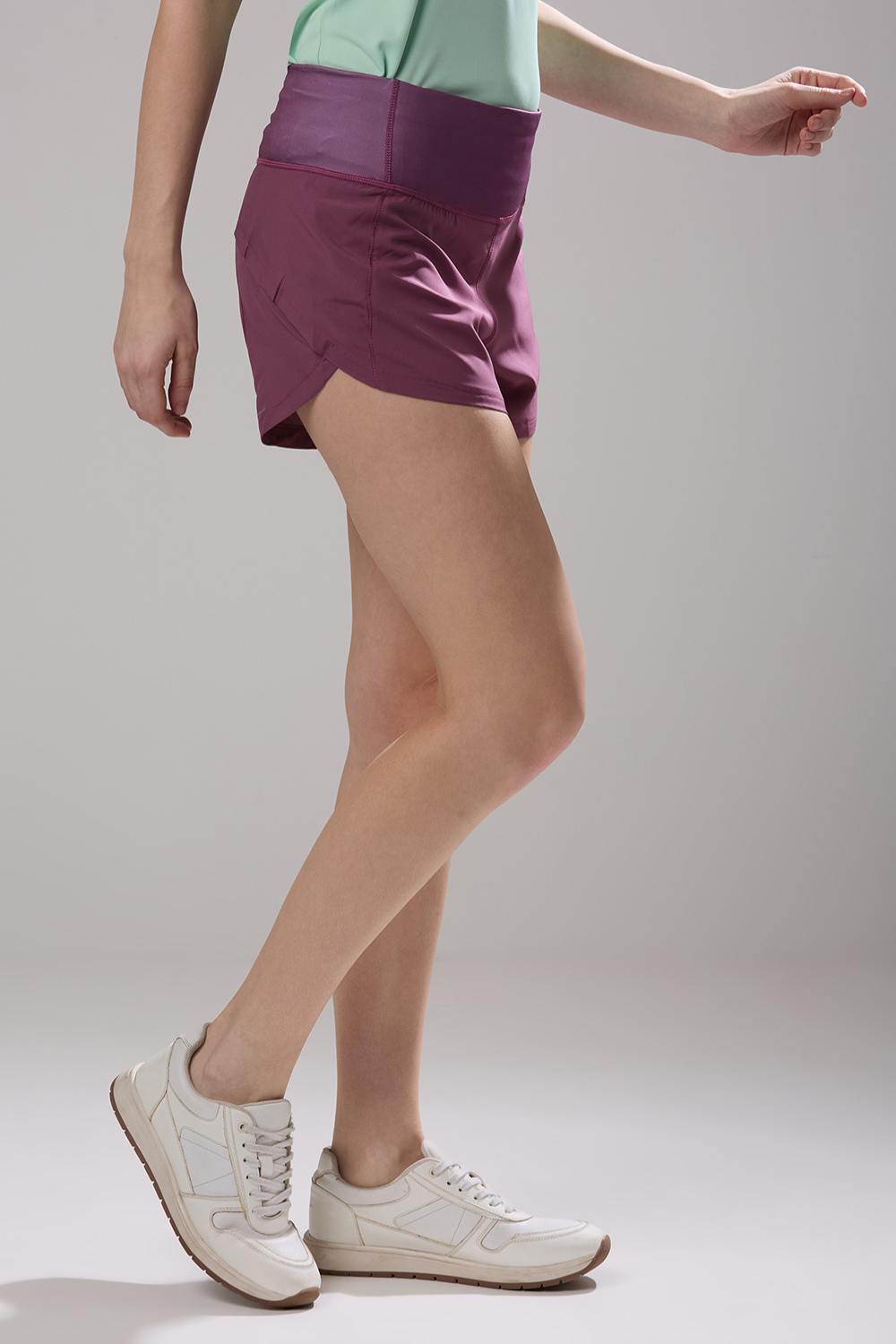
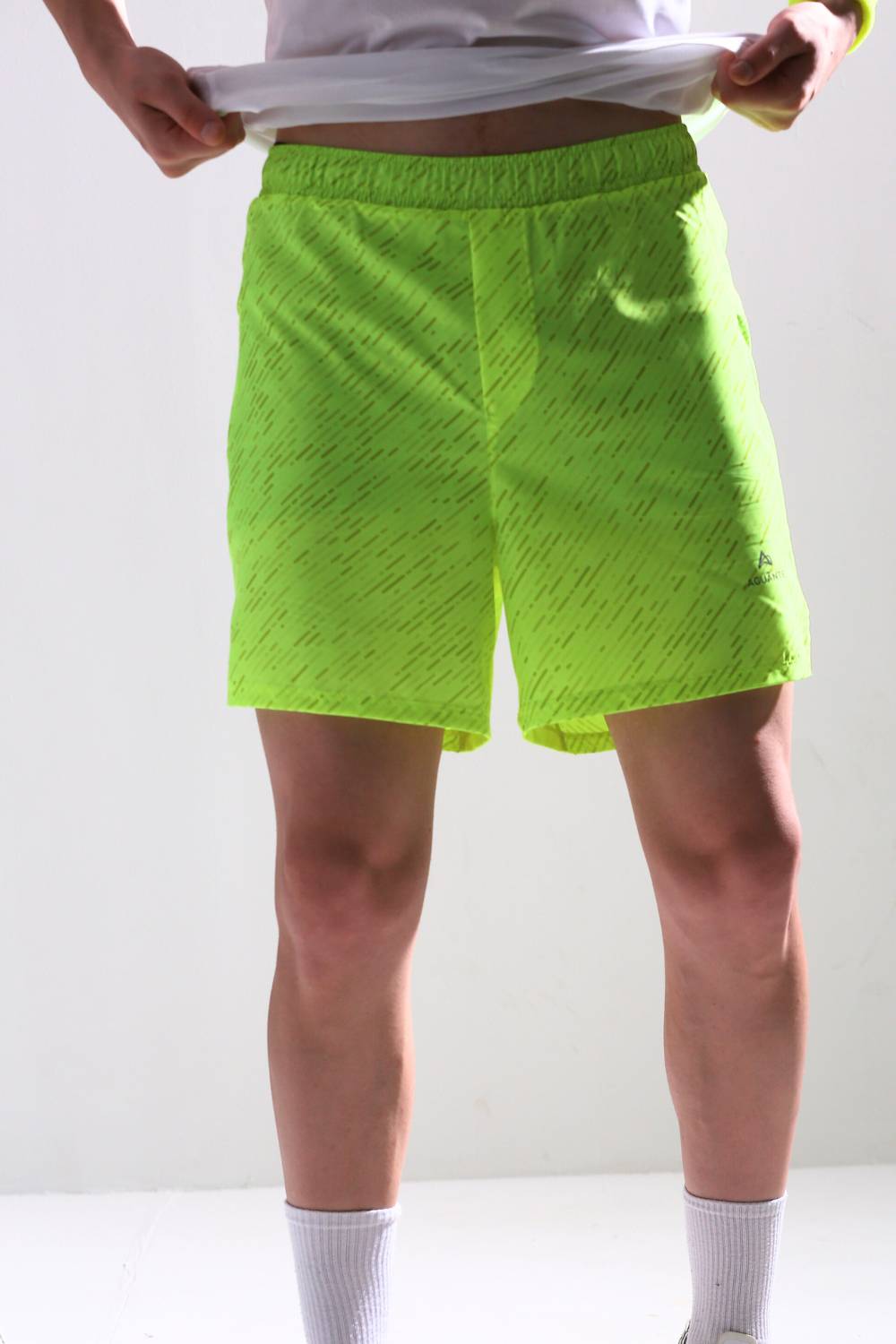
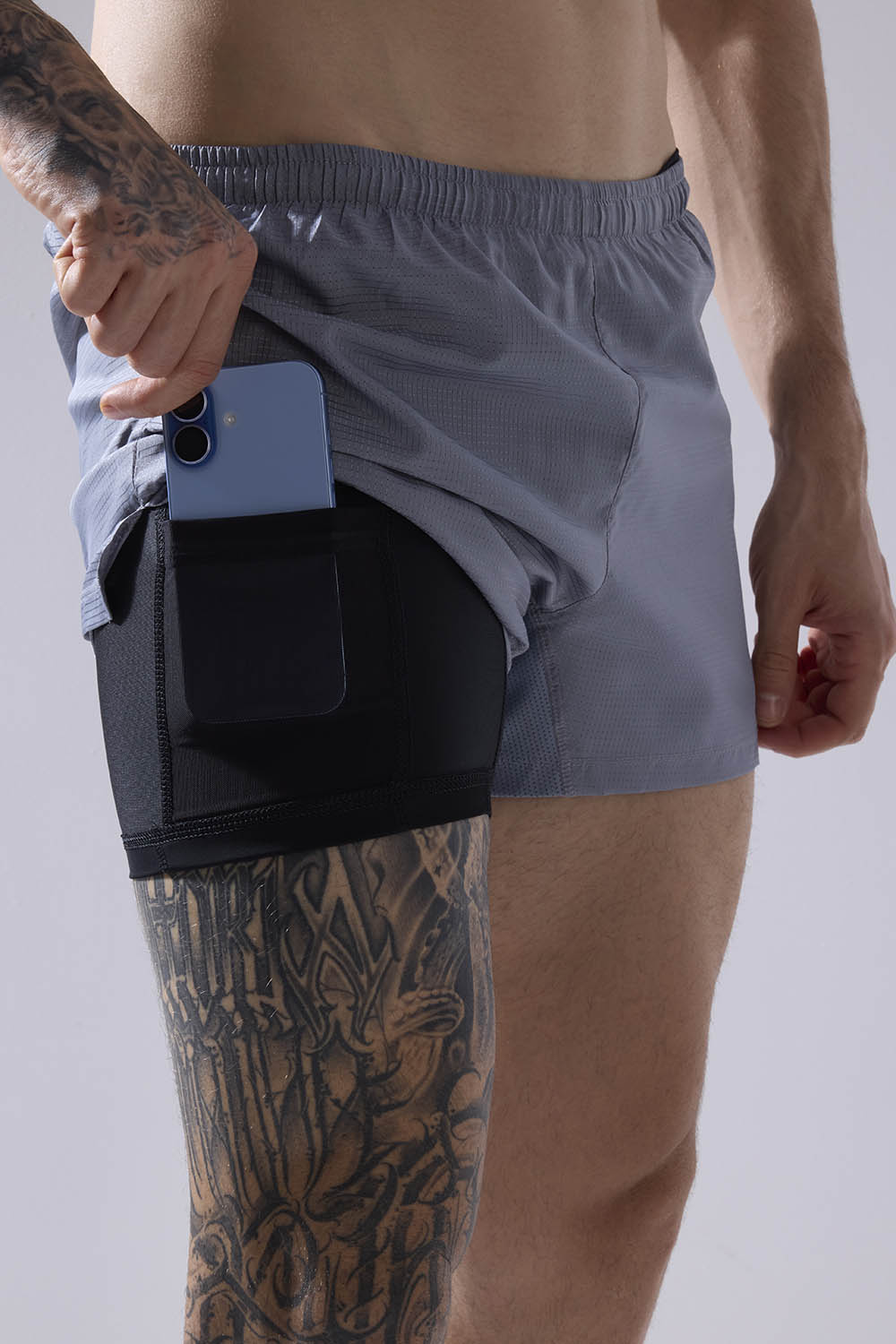
- Fitted shorts with an inner liner (like the Aguante EnduroFlex or Surge) are cool and free, with the liner preventing thigh chafe. The EnduroFlex's multiple pockets are built to carry gels, salt tabs, keys, and a phone.
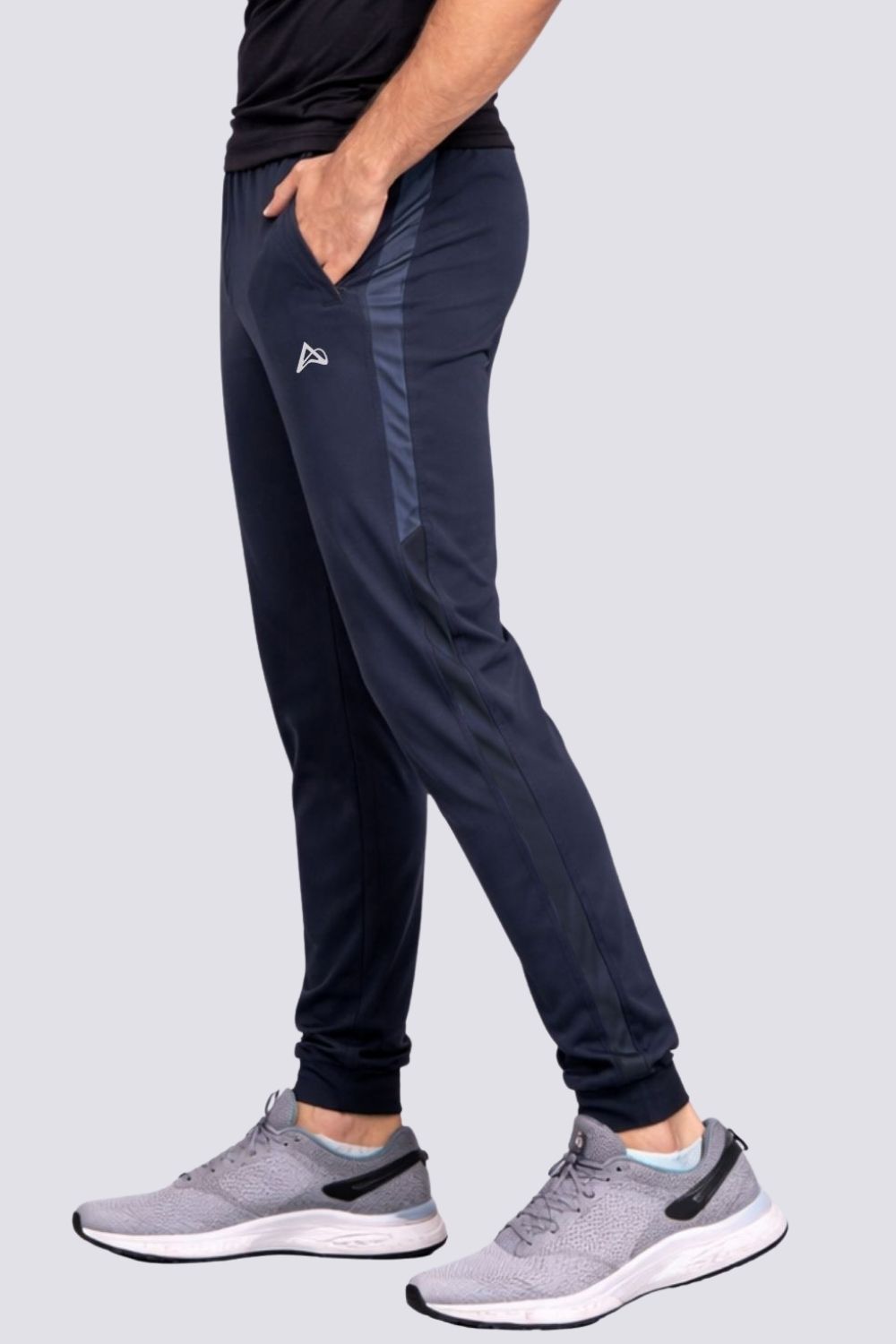
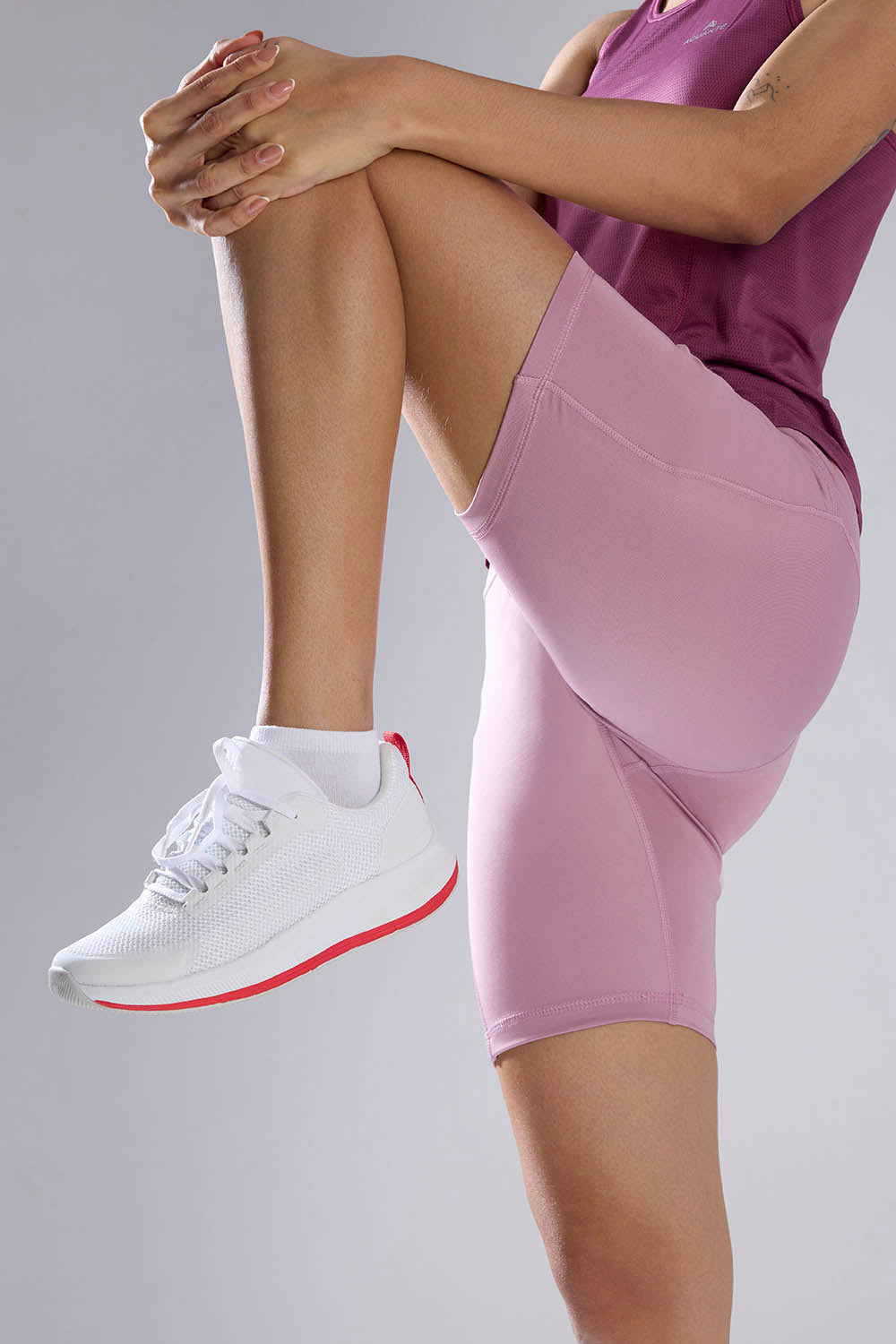
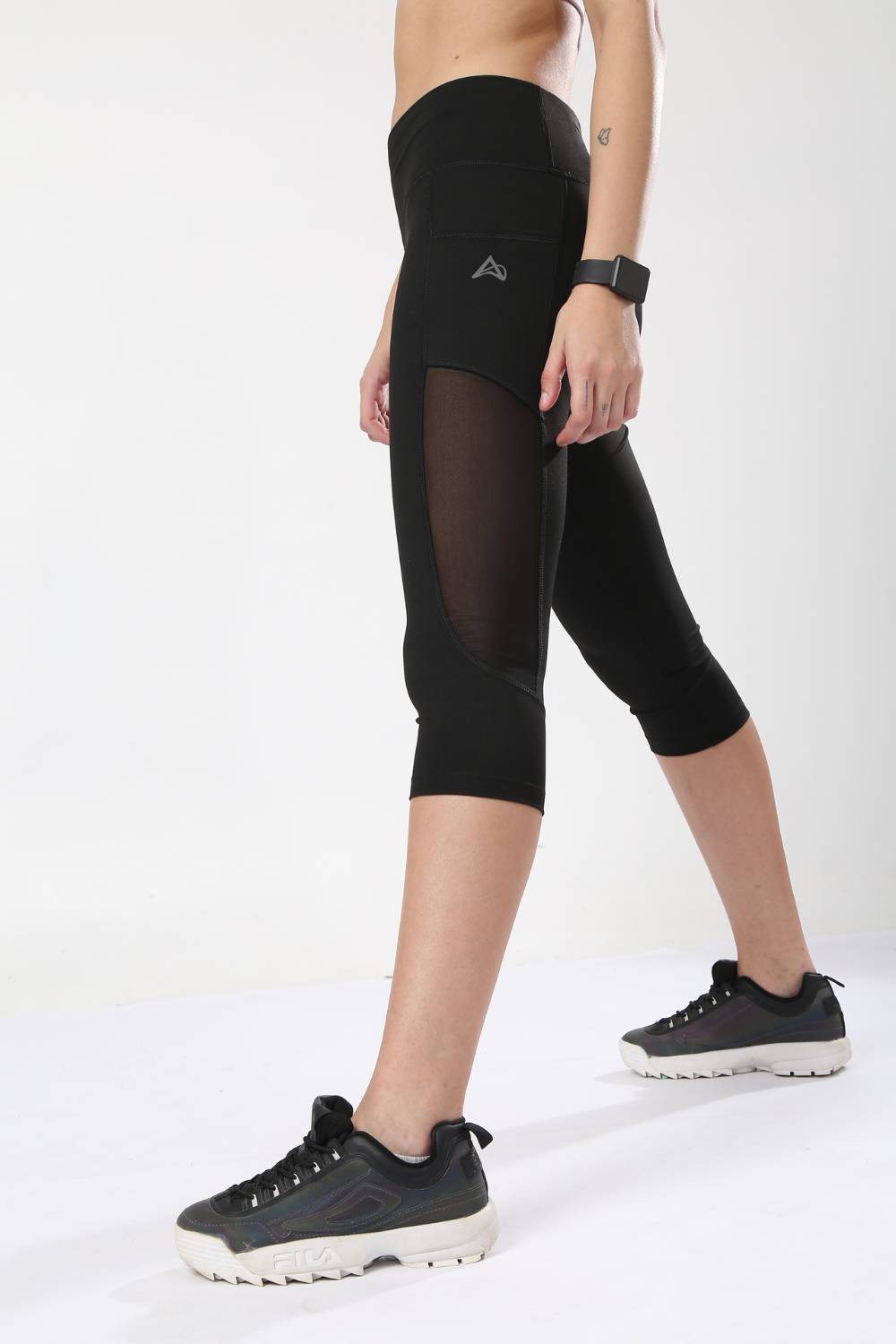
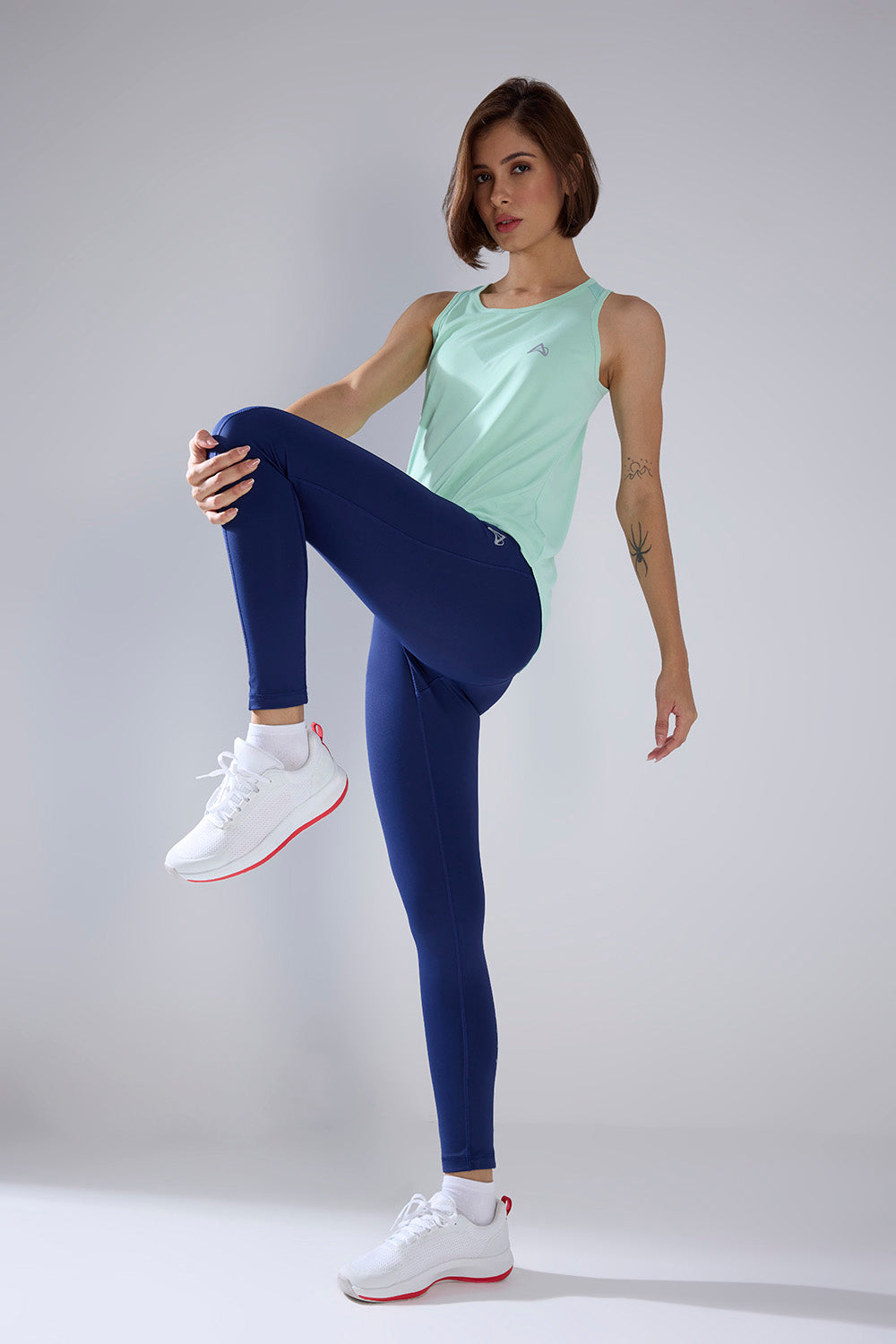
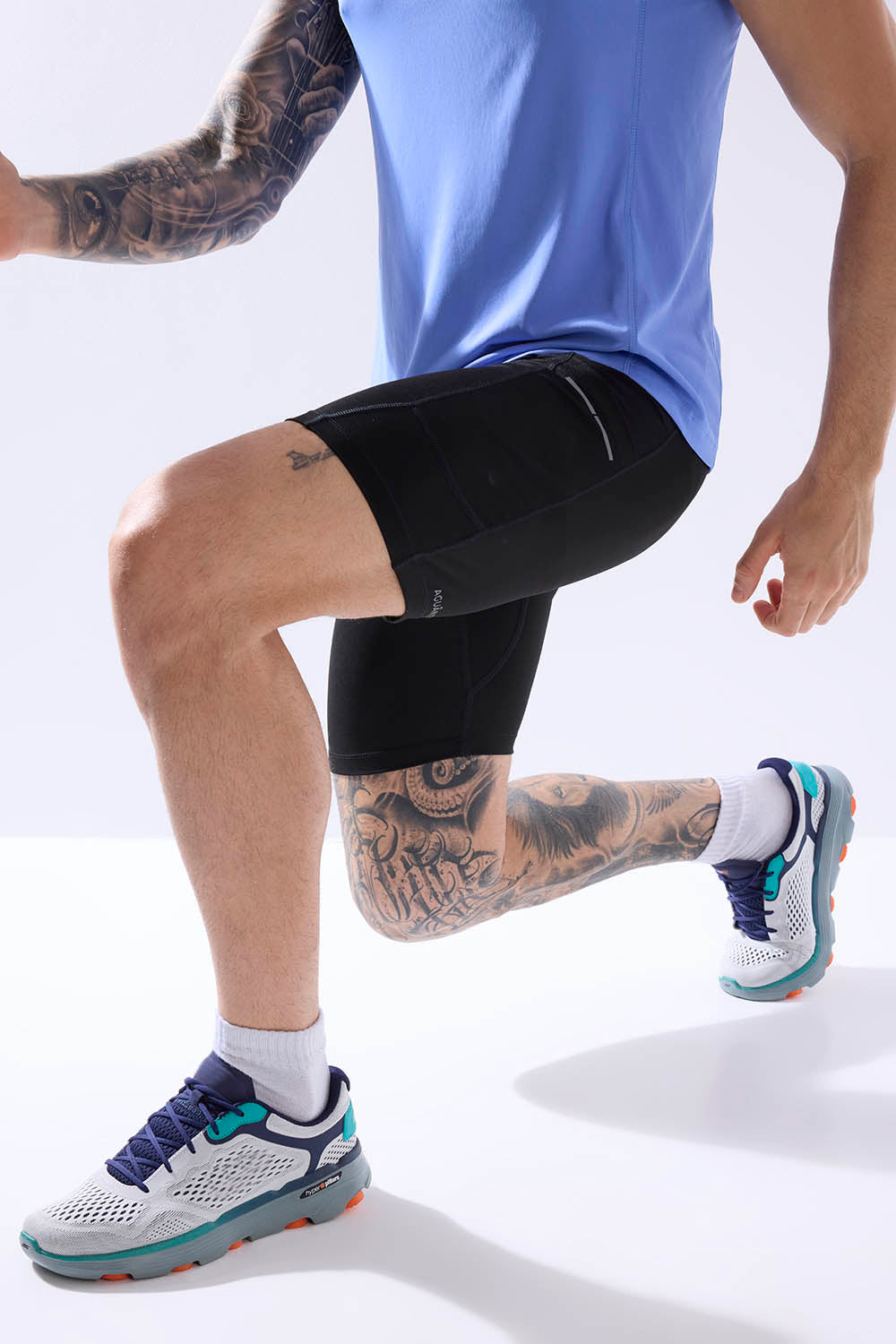
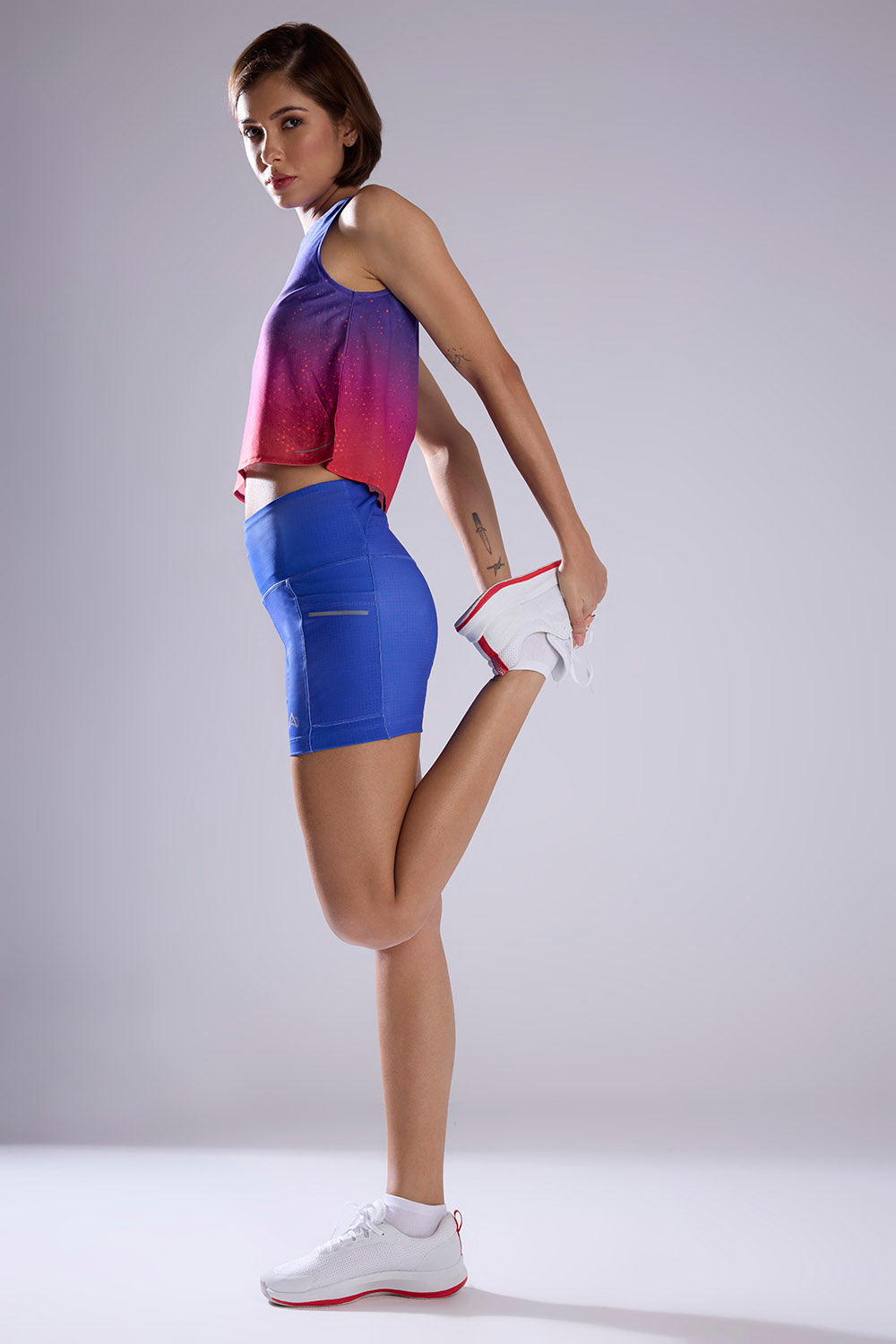
- Compression half tights (like the Aguante Distance Half Tights or Volt) give muscle support that many runners value late in a marathon, and eliminate thigh chafing entirely a big deal over 42 km.
Whichever you choose, pockets are non-negotiable for a marathon. You'll need to carry several gels, and secure pockets keep them from bouncing out.
Beat chafing over 42 km
Chafing is a minor annoyance at 5 km and a genuine race-ender at 42. Over marathon distance, protect yourself twice: choose fitted, quick-dry gear with an inner liner or compression fit and apply anti-chafe balm before the start to your inner thighs, groin, underarms, and for many runners nipples (tape works well here). Sweat and humidity make chafing far more likely, so don't skip this.
Carrying your essentials
A marathon means carrying fuel. Plan your storage before race day:
- Gels and salt tabs — in the built-in pockets of your shorts or tights.
- Phone — a secure, ideally zippered pocket.
- Keys — tuck them somewhere they won't jingle or dig in.
Pocketed running gear removes the need for a bulky belt for most runners, which means less to chafe and bounce.
Sun, heat, and the early start
- A cap or visor shades your face and keeps sweat out of your eyes as the sun rises.
- Sunglasses cut glare on bright, open race routes.
- A throwaway layer an old long-sleeve tee or a cheap disposable poncho, keeps you warm in the start corral, then gets tossed once you're moving. Many Indian races donate discarded layers, so this is both practical and kind.
- Reflective details matter for pre-dawn starts, so drivers and other runners can see you in low light. Aguante shorts include reflective elements for exactly this.
Your feet
Wear the socks and shoes you've trained in synthetic, moisture-wicking, blister-tested socks (never cotton), and well-broken-in shoes. New shoes on marathon day are the classic rookie mistake.
Your race-day kit, at a glance
- Top: lightweight moisture-wicking singlet Aguante Race Singlet or Nova Tank
- Bottom: pocketed quick-dry shorts (EnduroFlex) or compression half tights (Distance, Volt)
- Anti-chafe: balm on all friction points, tape for nipples
- Sun: cap or visor + sunglasses
- Start line: cheap throwaway layer
- Feet: tested synthetic socks + broken-in shoes
- Fuel storage: secure pockets for gels, salt, phone, keys
Nail these, and your gear becomes something you never think about on race day which is exactly the point. Aguante builds its race range around Indian heat, humidity, and terrain, so your kit works with the conditions and lets you focus on the finish line.
Frequently Asked Questions
What should I wear for an early morning marathon start? Dress for the warmer conditions you'll finish in a lightweight moisture-wicking singlet and quick-dry shorts or tights and handle the cold start with a cheap throwaway layer you can discard once you warm up. Avoid overdressing, which causes overheating later in the race.
Should I wear shorts or tights for a marathon? Both work if they are quick-dry and have pockets. Shorts with an inner liner are cooler and freer; compression half tights give muscle support and prevent thigh chafing over long distances, which many marathoners prefer. Choose whichever you have trained in.
How do I carry gels and my phone during a marathon? Use running shorts or half tights with secure, ideally zippered pockets to hold gels, salt tabs, keys, and a phone. Pocketed gear like Aguante's EnduroFlex shorts removes the need for a bulky running belt for most runners.
Should I wear the official event T-shirt during the race? No. Official event tees are usually cotton, which absorbs sweat, gets heavy, and causes chafing over a marathon. Wear a technical moisture-wicking singlet or tee you have trained in, and save the event shirt as a keepsake for after the race.
What should I wear for a winter marathon like the Mumbai Marathon? Winter marathons start cold and warm up quickly, so wear light moisture-wicking race gear and add a throwaway layer for the start. Dress for the warmer mid-race conditions rather than the chilly start line to avoid overheating.