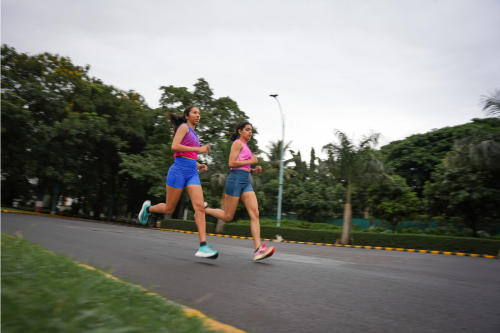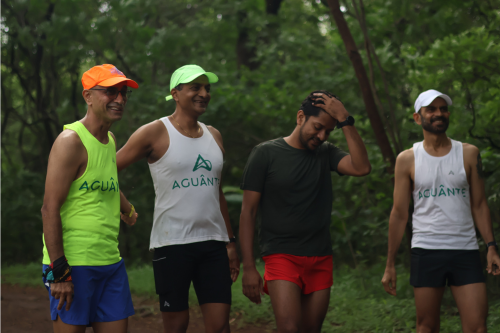




Across India's bustling metropolises, the pulse of running is stronger than ever. Misty morning circuits in Bangalore's Cubbon Park, sweat-drenched sprints along Mumbai's Marine Drive, and disciplined group sessions in Gurugram's corporate enclaves draw crowds of enthusiasts chasing endorphins and personal bests. Iconic events like the Tata Mumbai Marathon now see record participation, with over 69,000 runners confirmed for 2026, reflecting a broader trend where millions lace up annually amid a landscape of over 1,600 organized races nationwide. Yet this boom comes with a caveat: the country's diverse climates from sweltering humidity to arid heat and imperfect urban infrastructure turn routine runs into potential injury minefields.
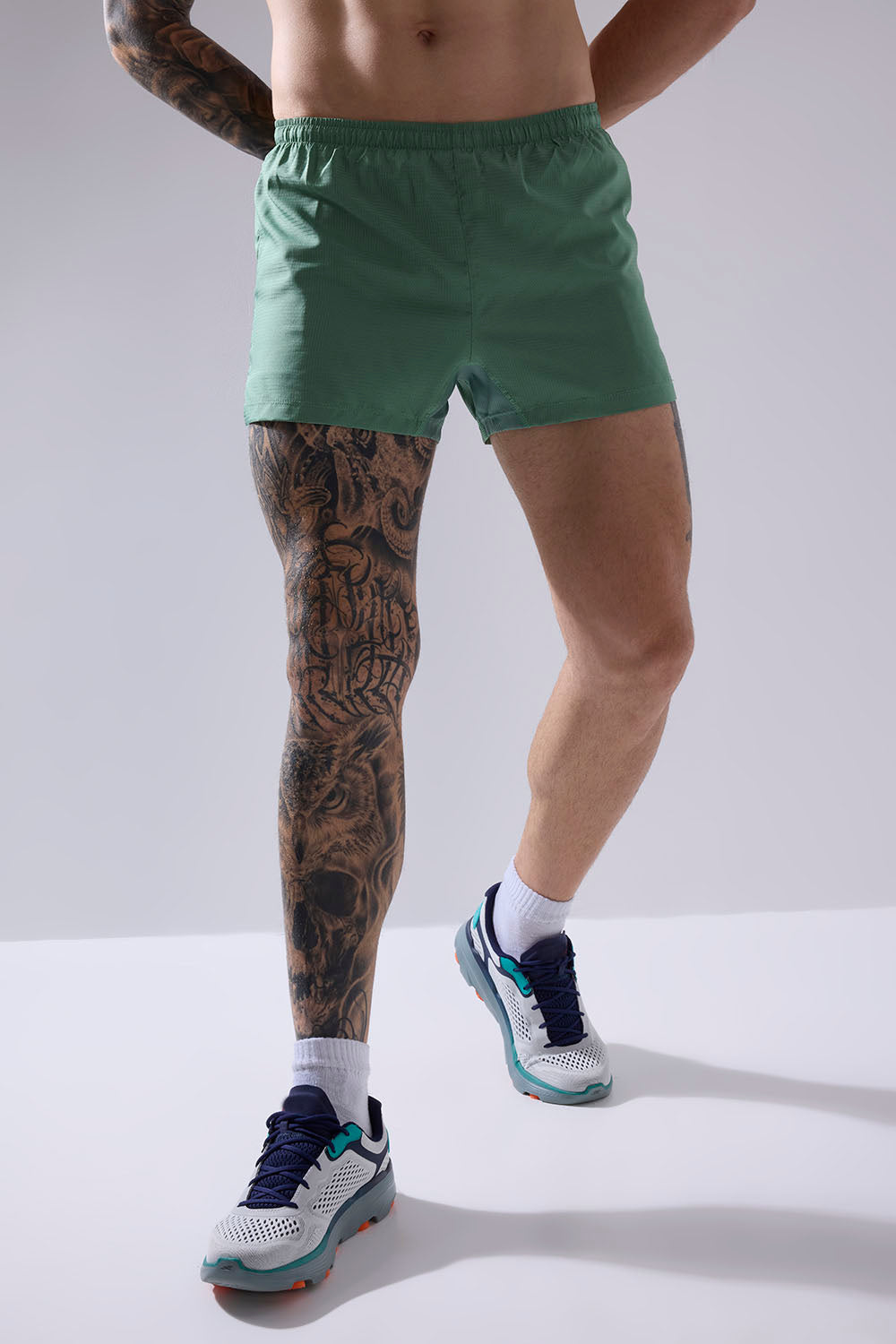
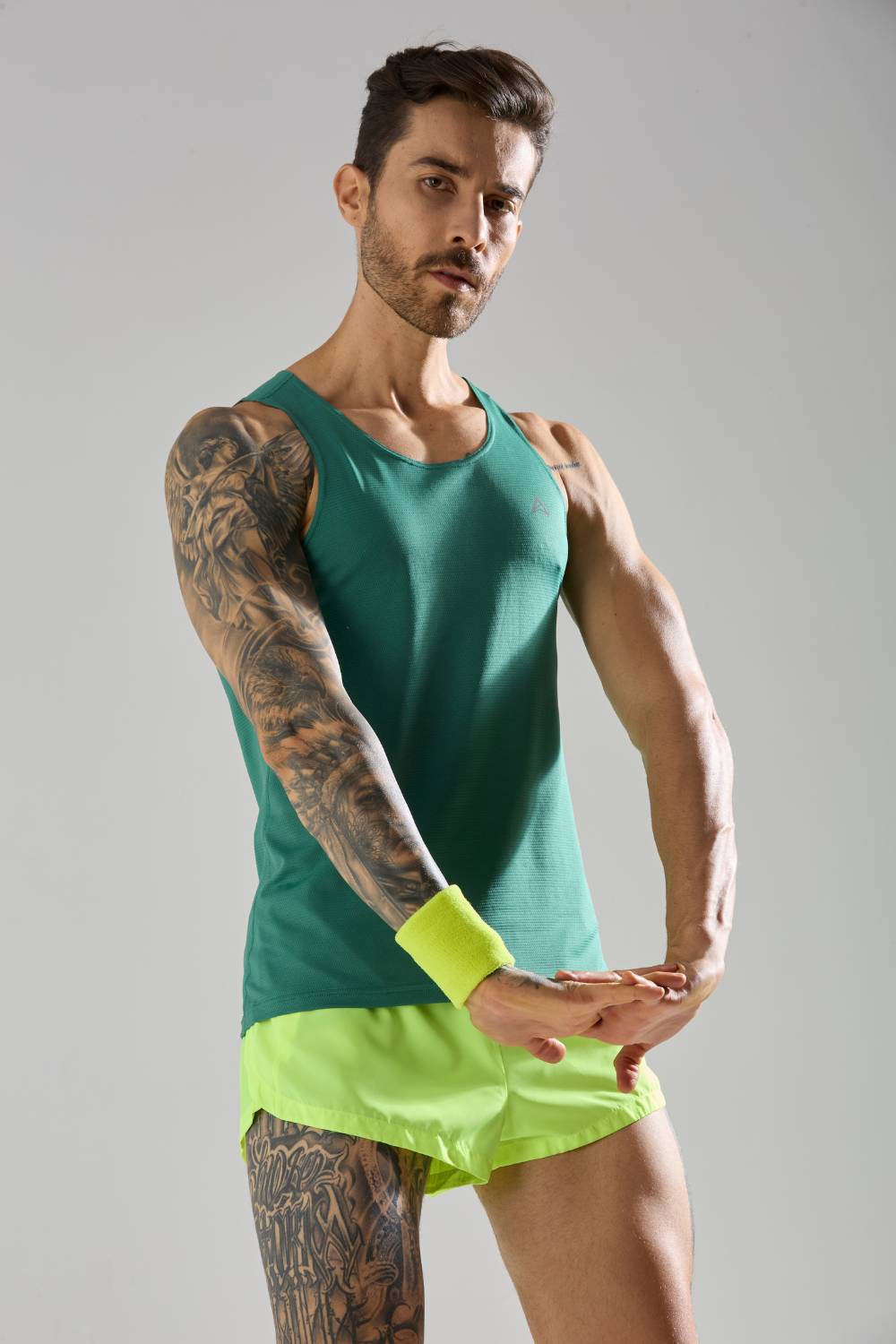
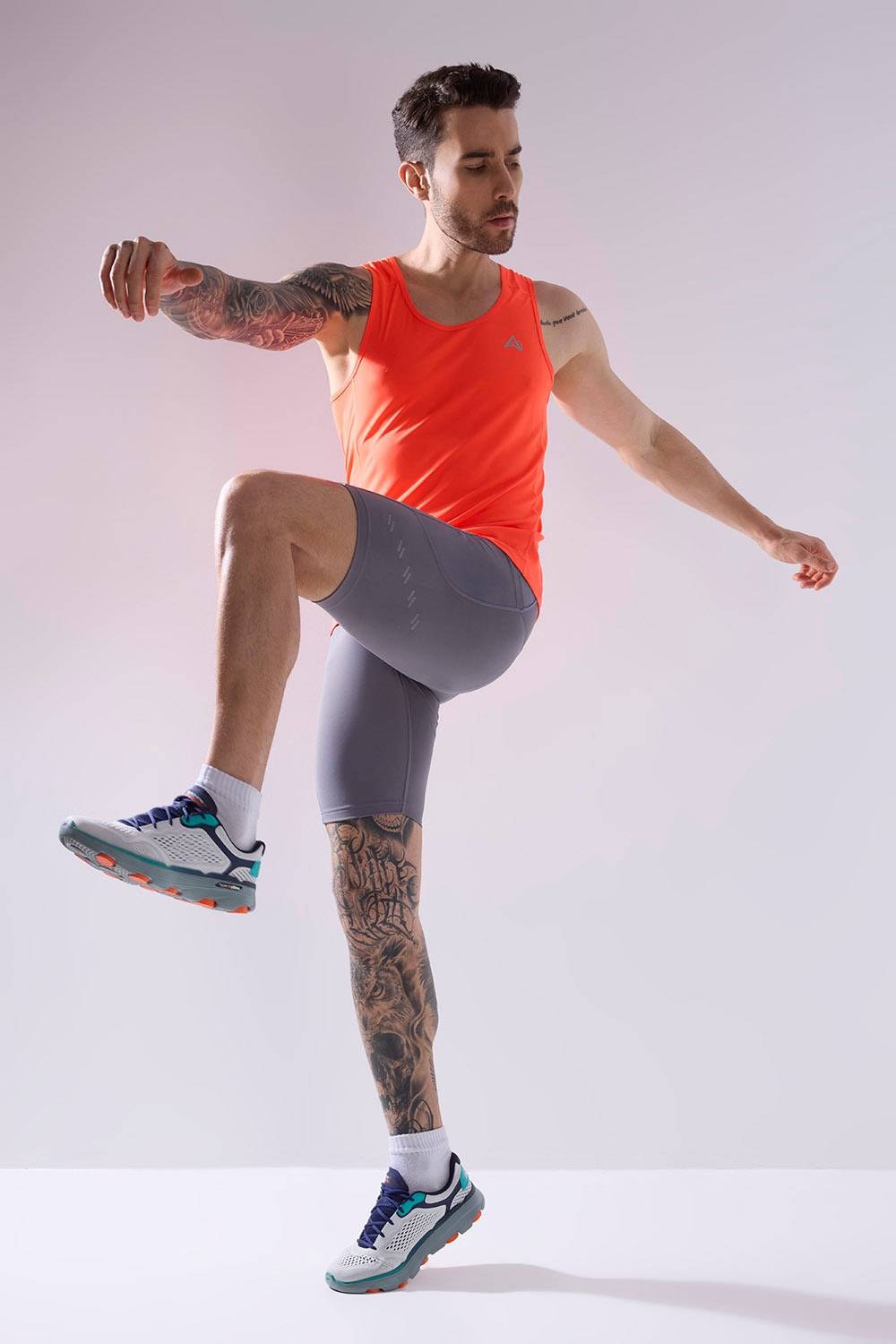
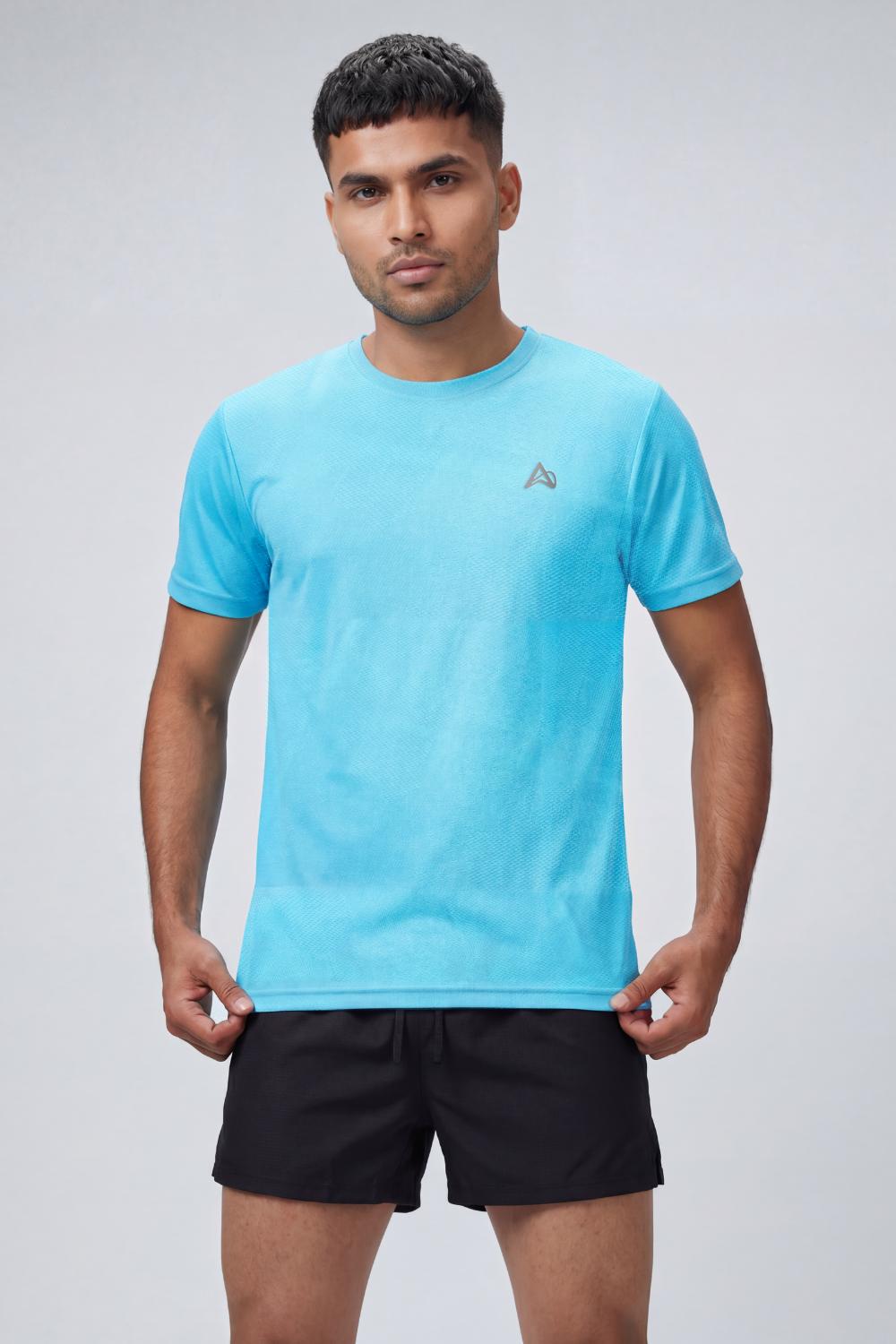
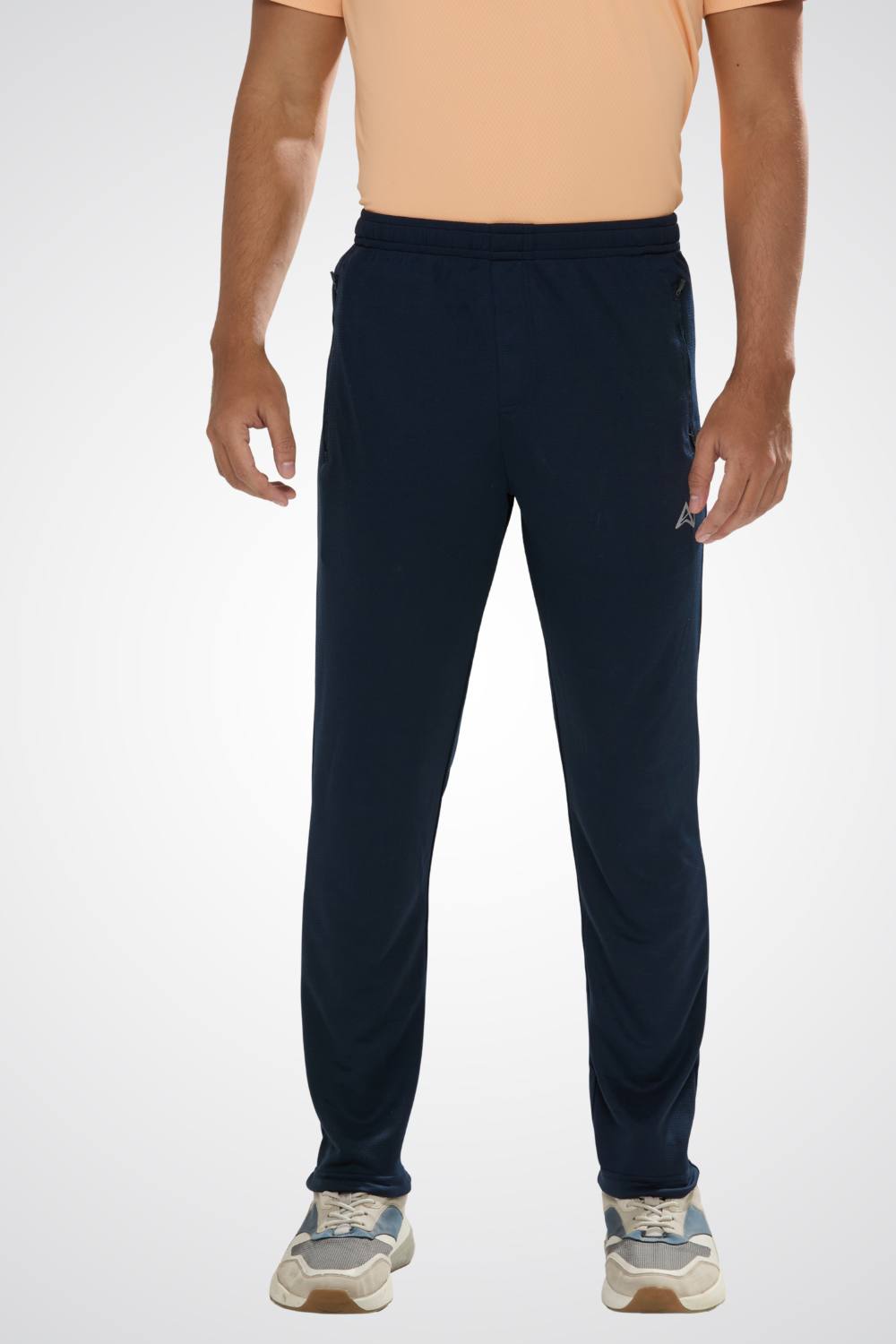
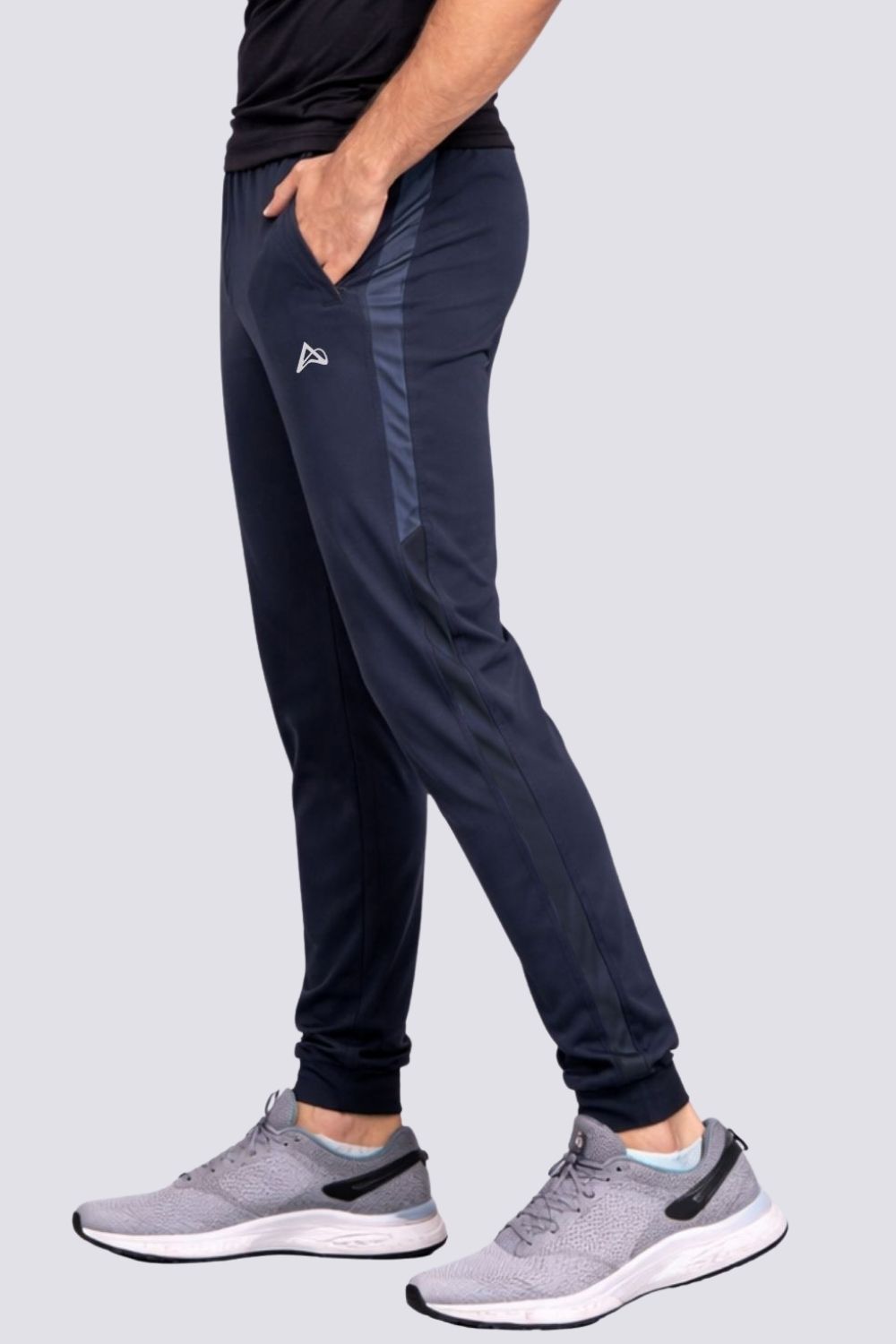
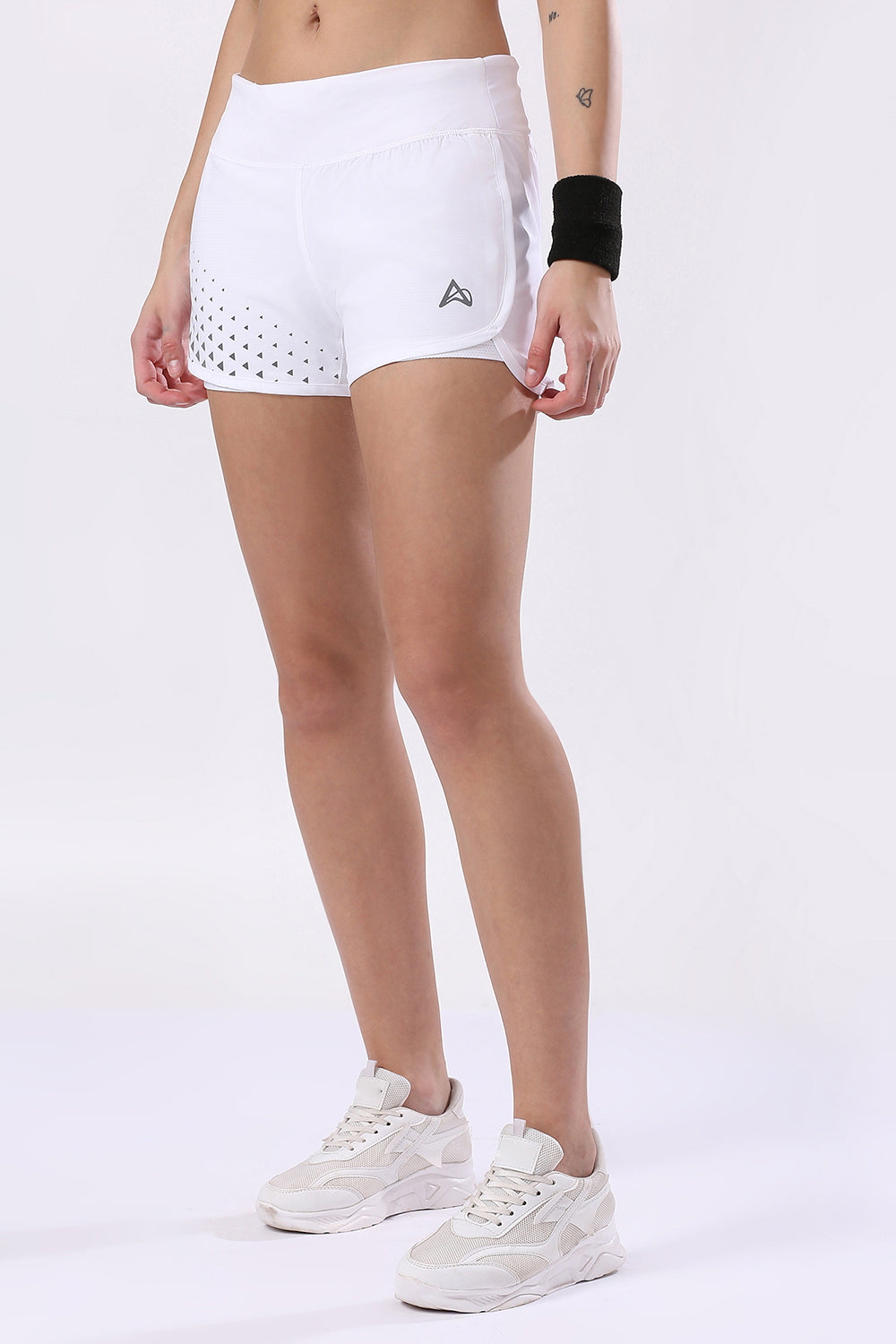
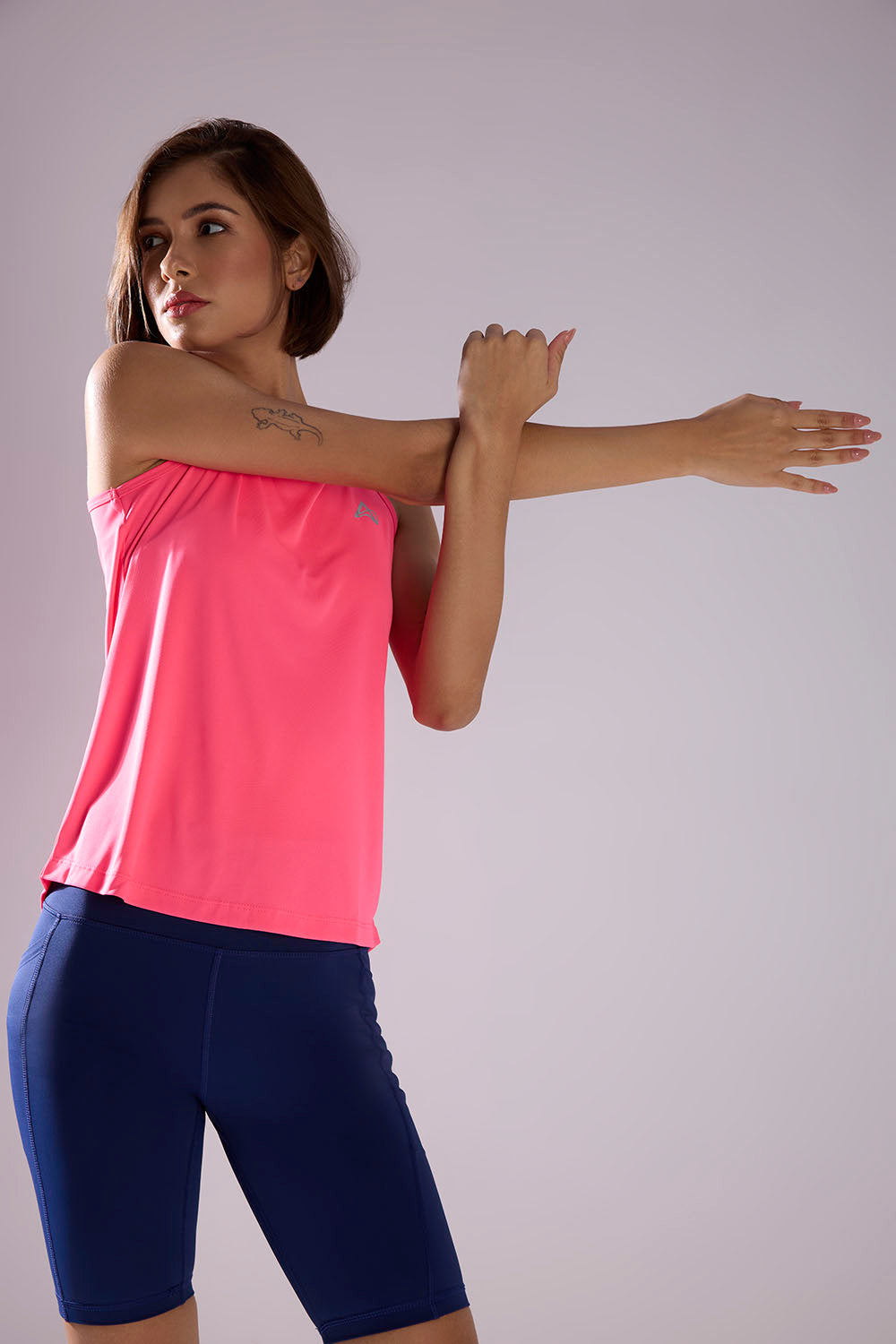
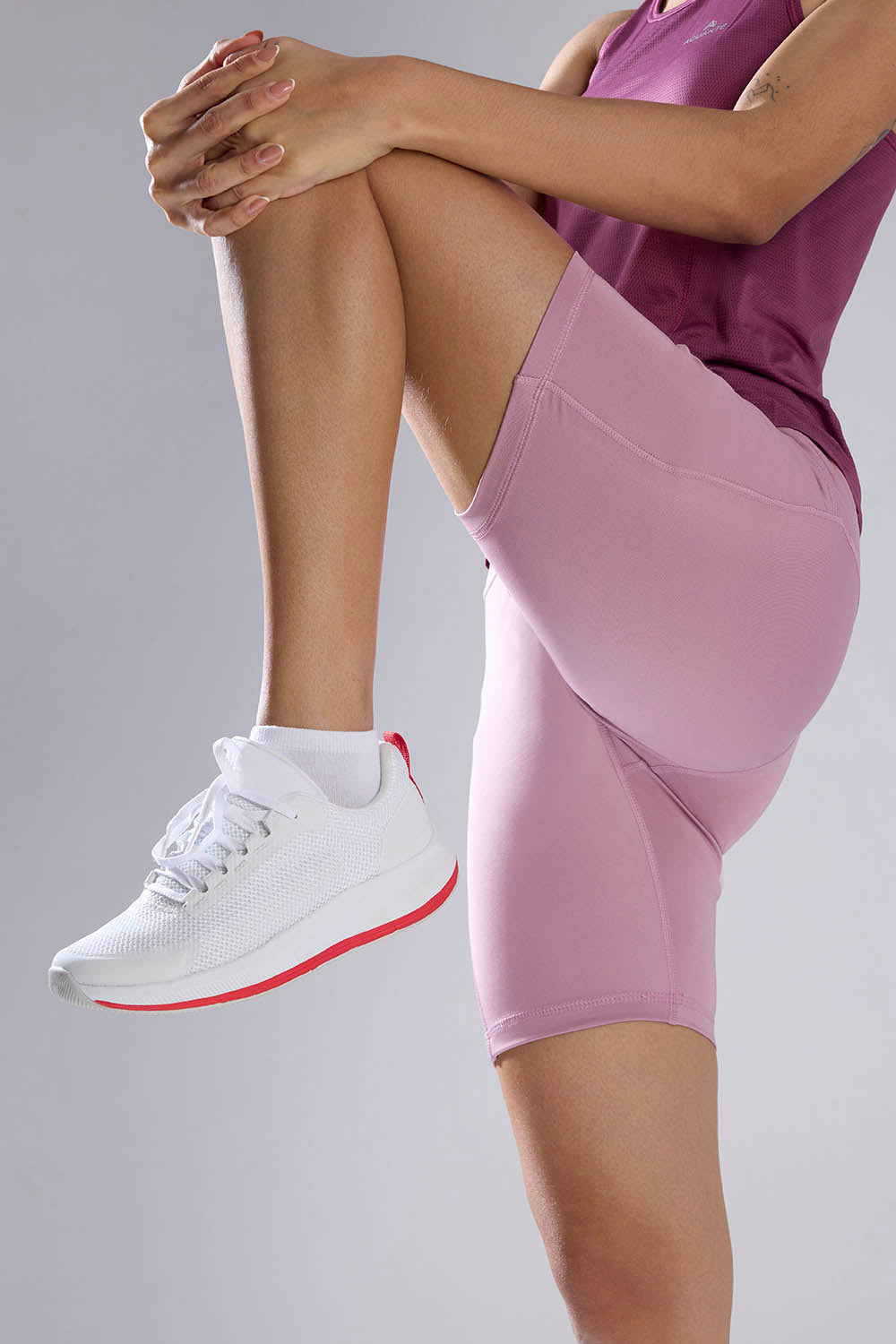
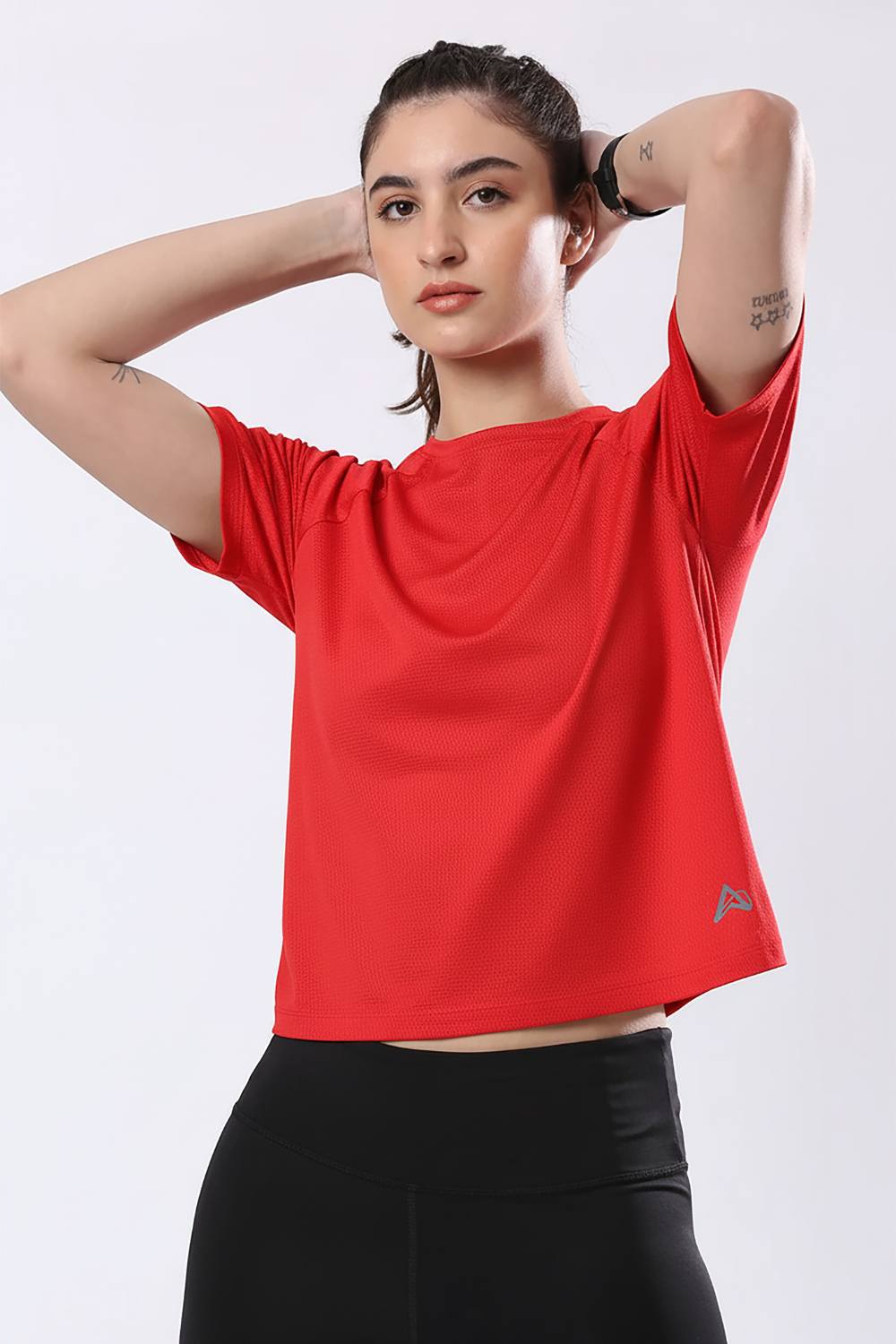
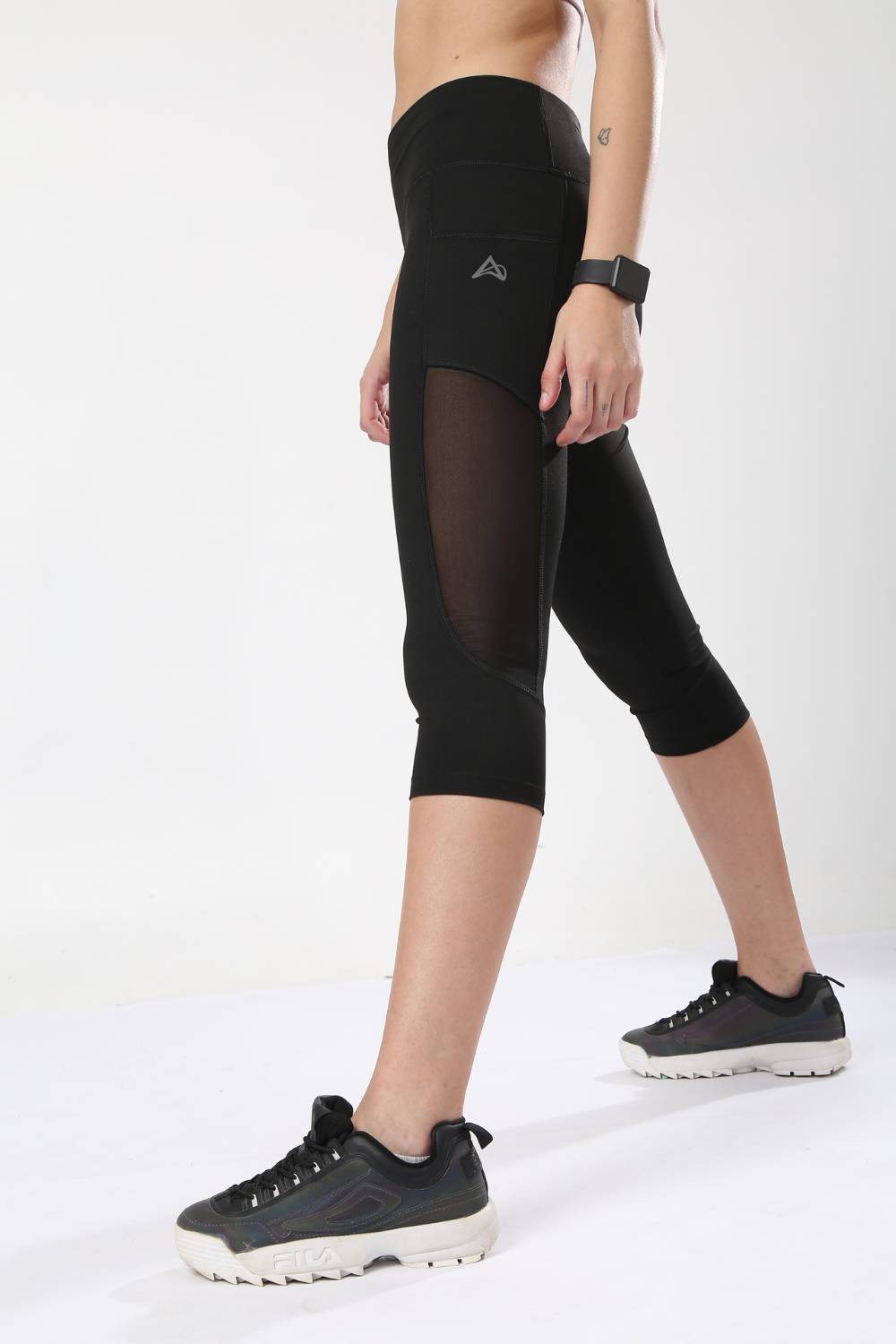
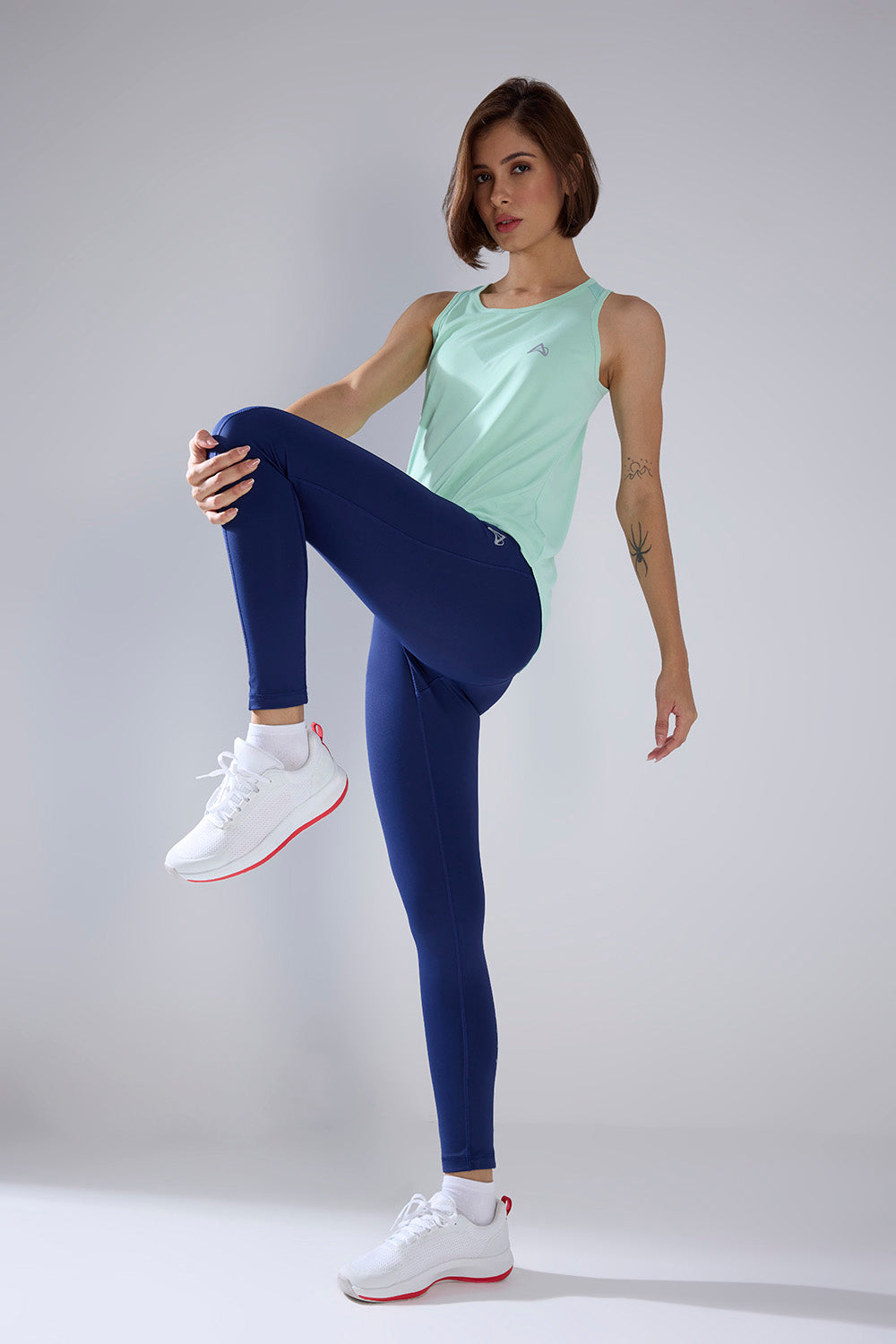
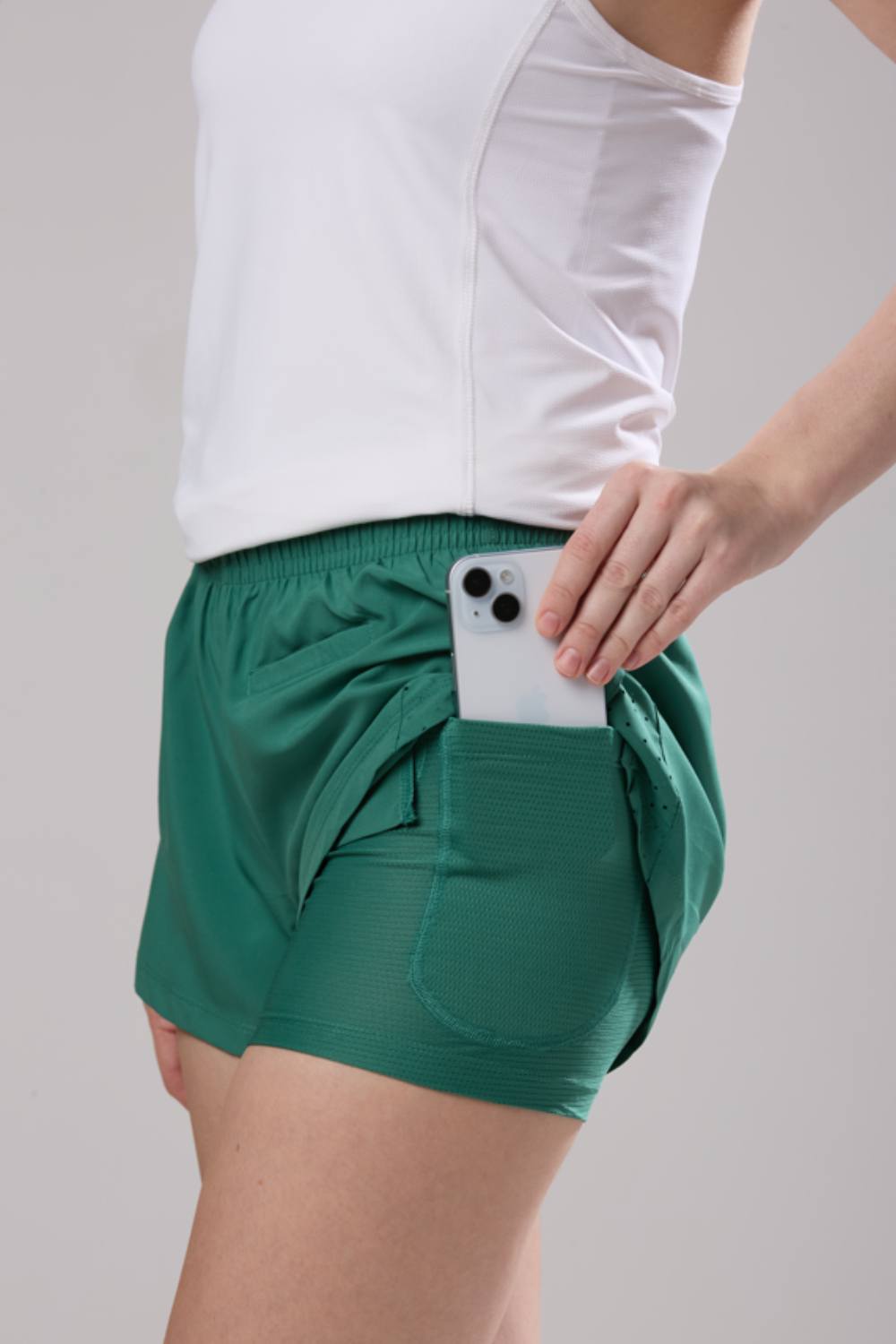
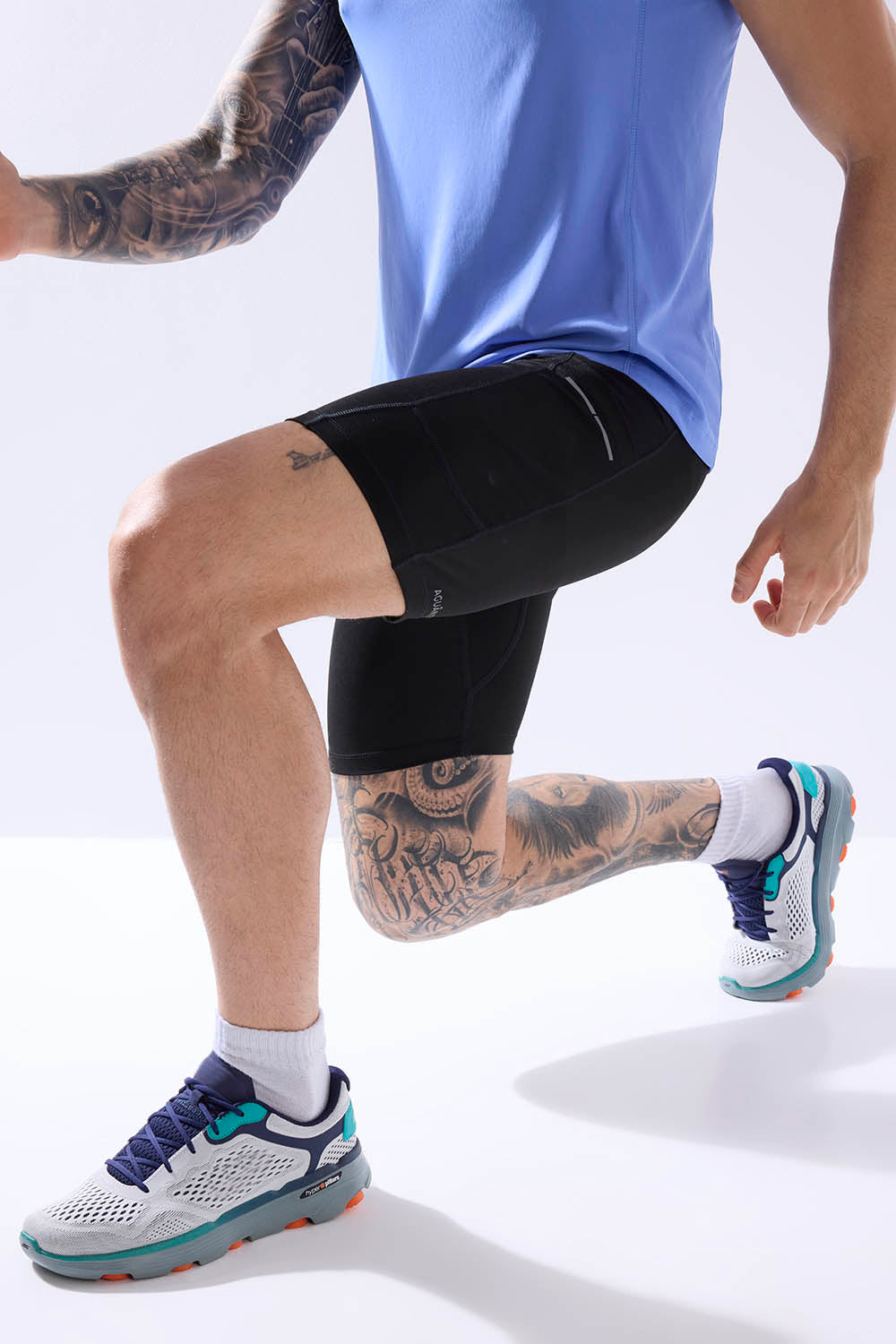
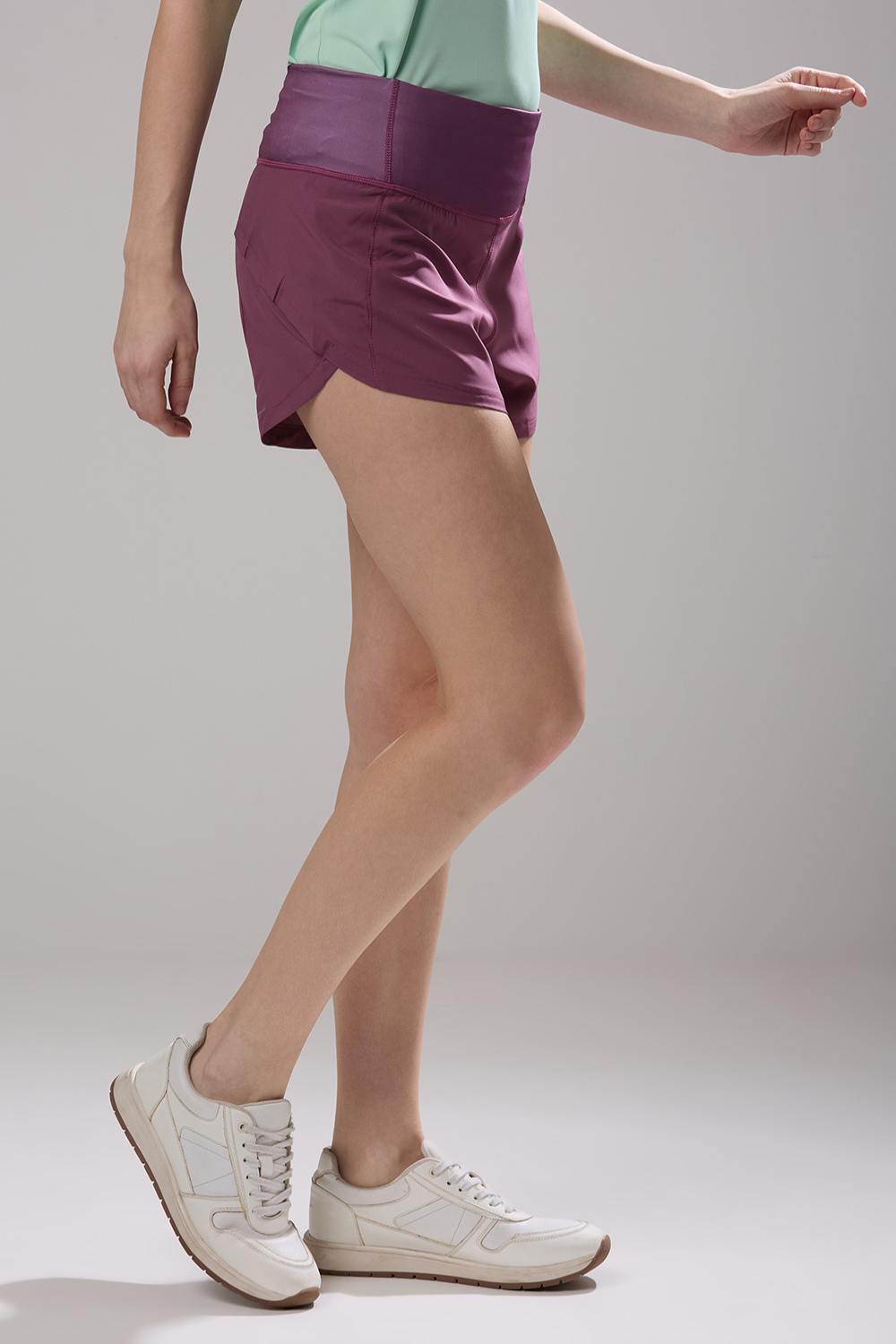
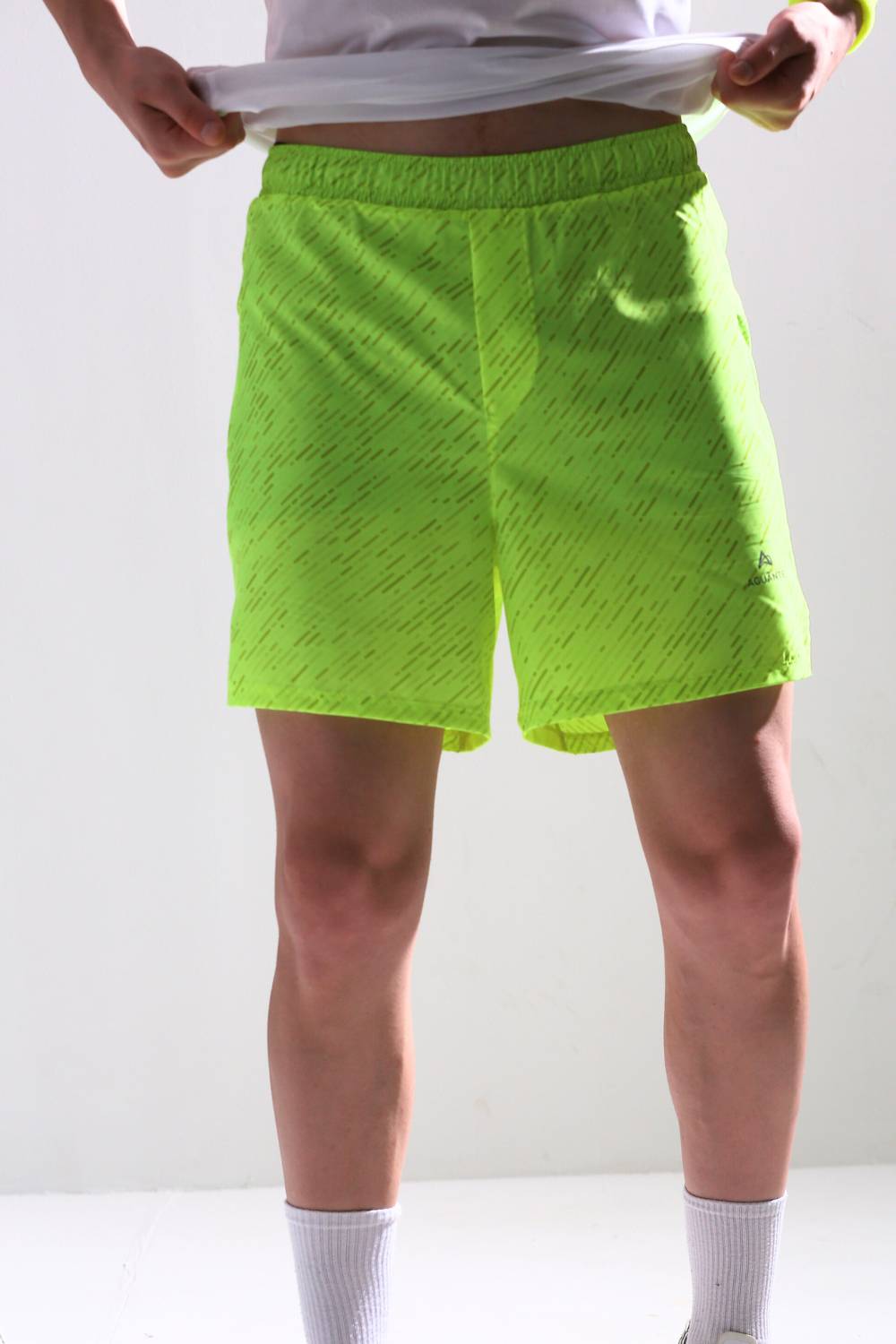
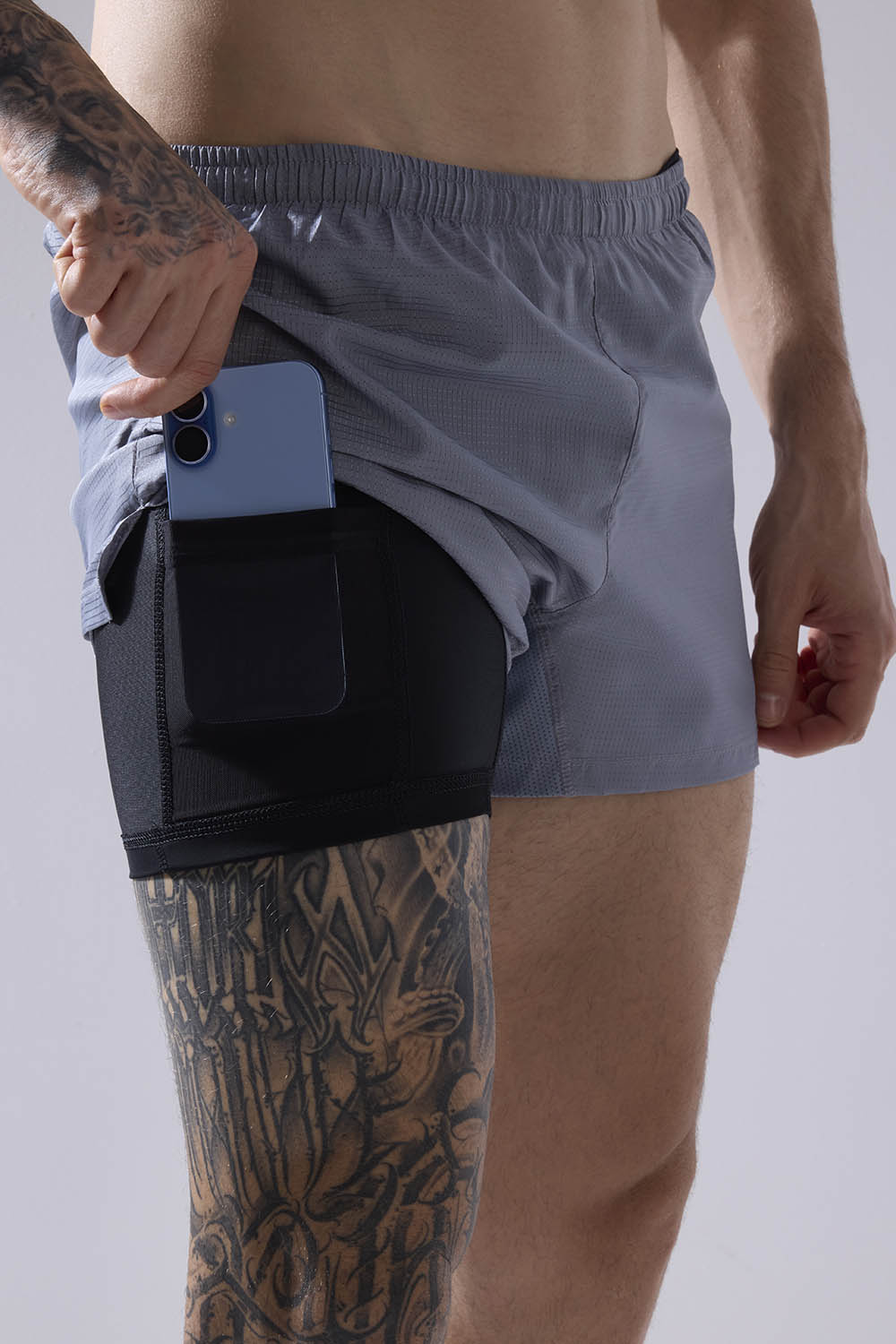
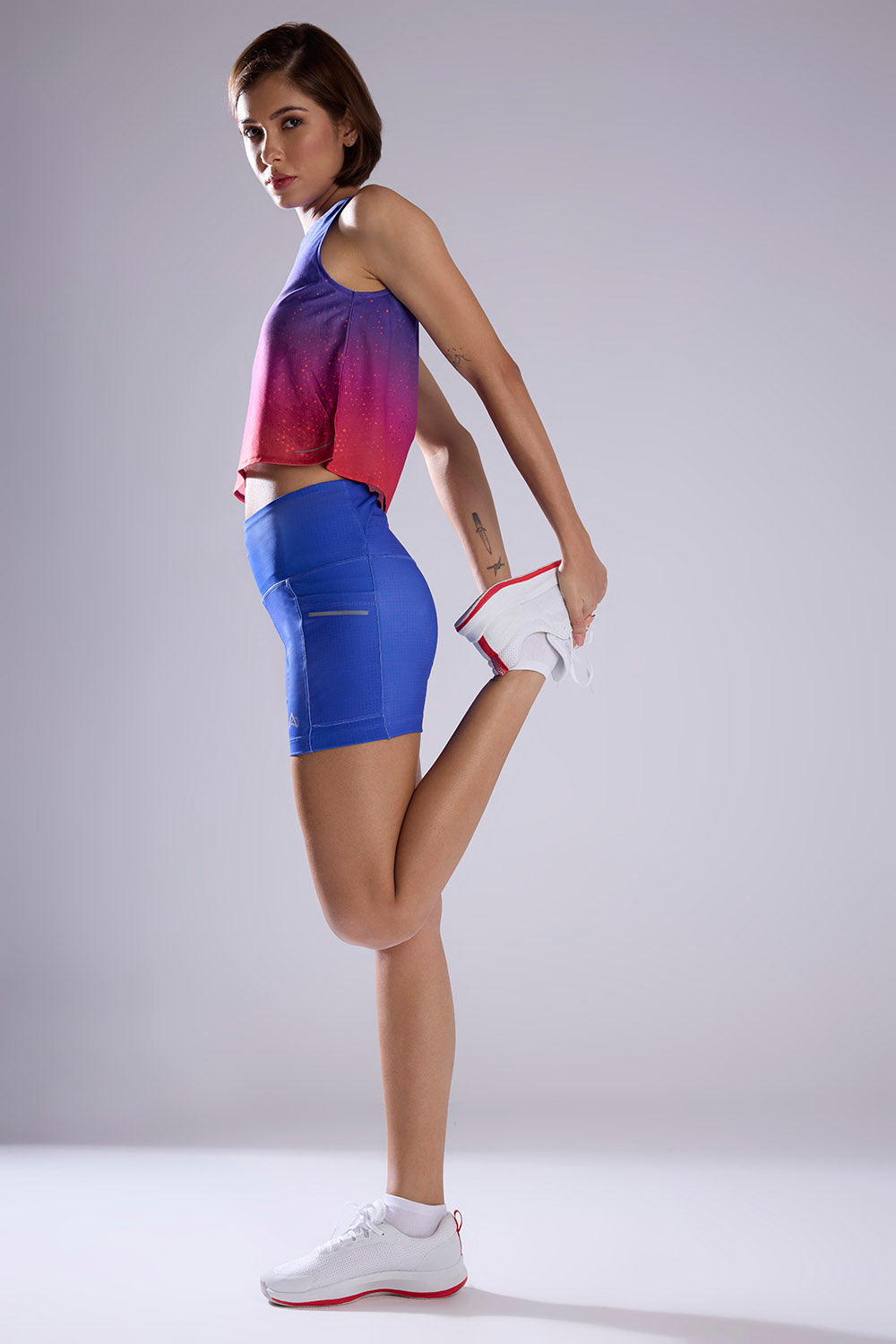
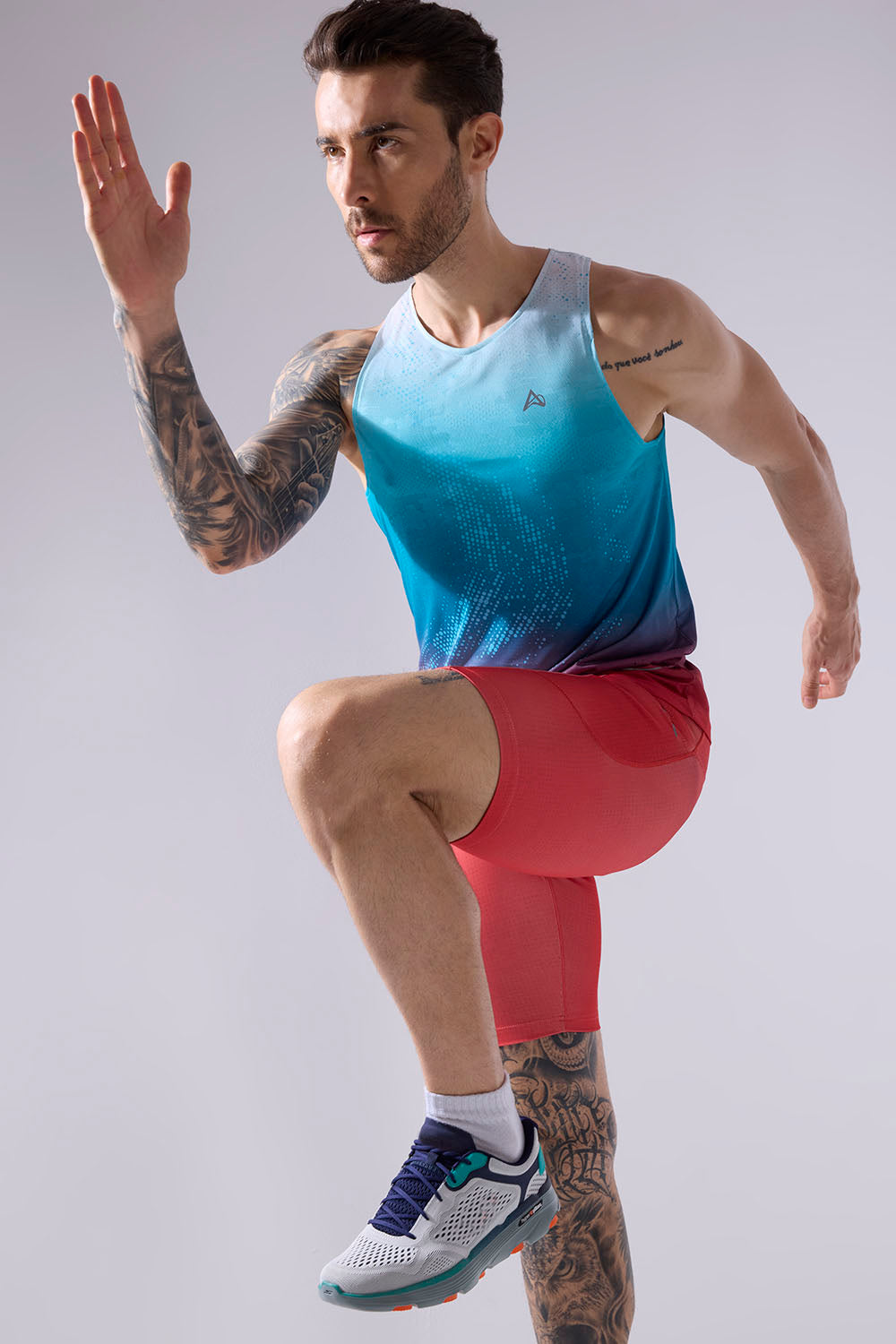
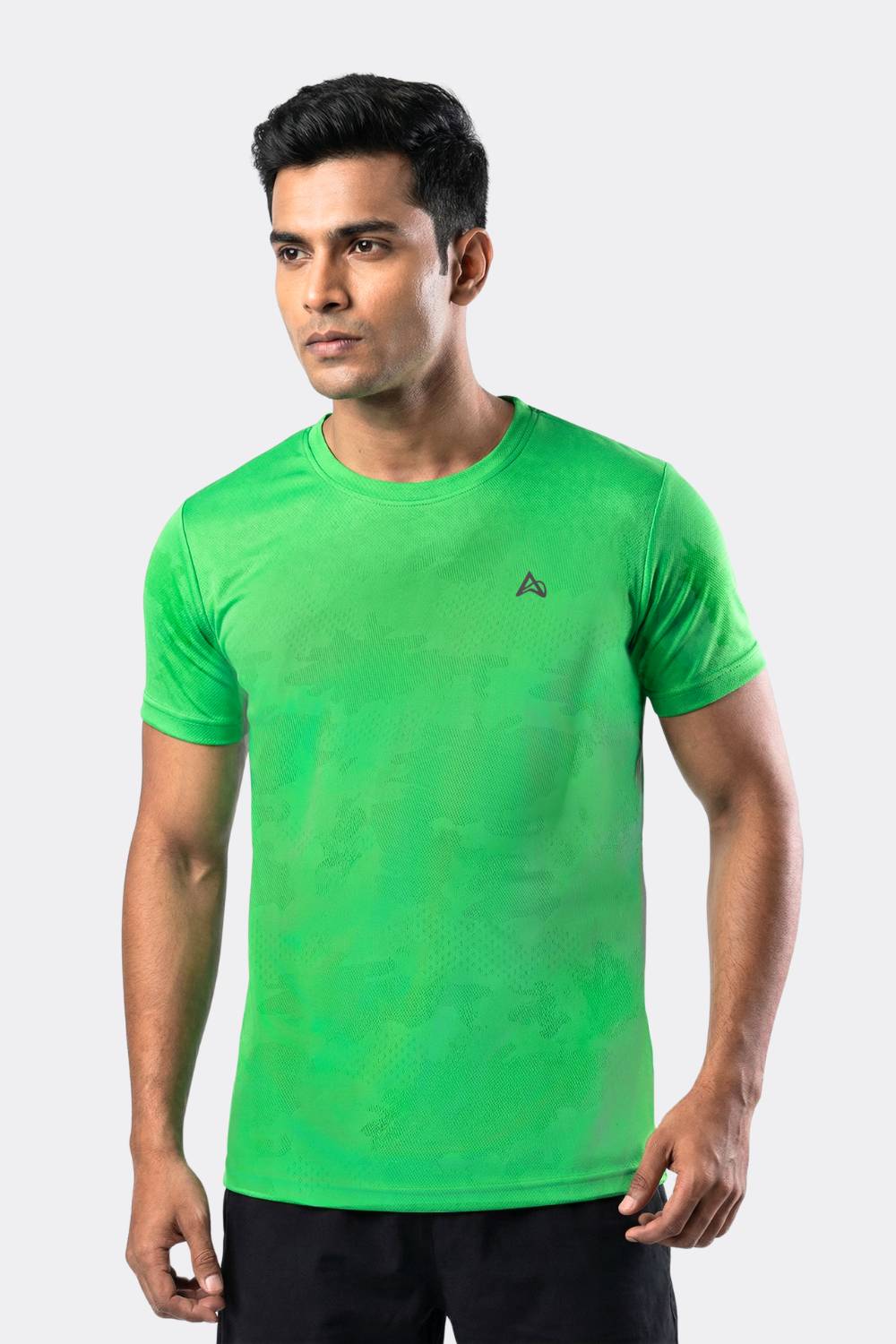
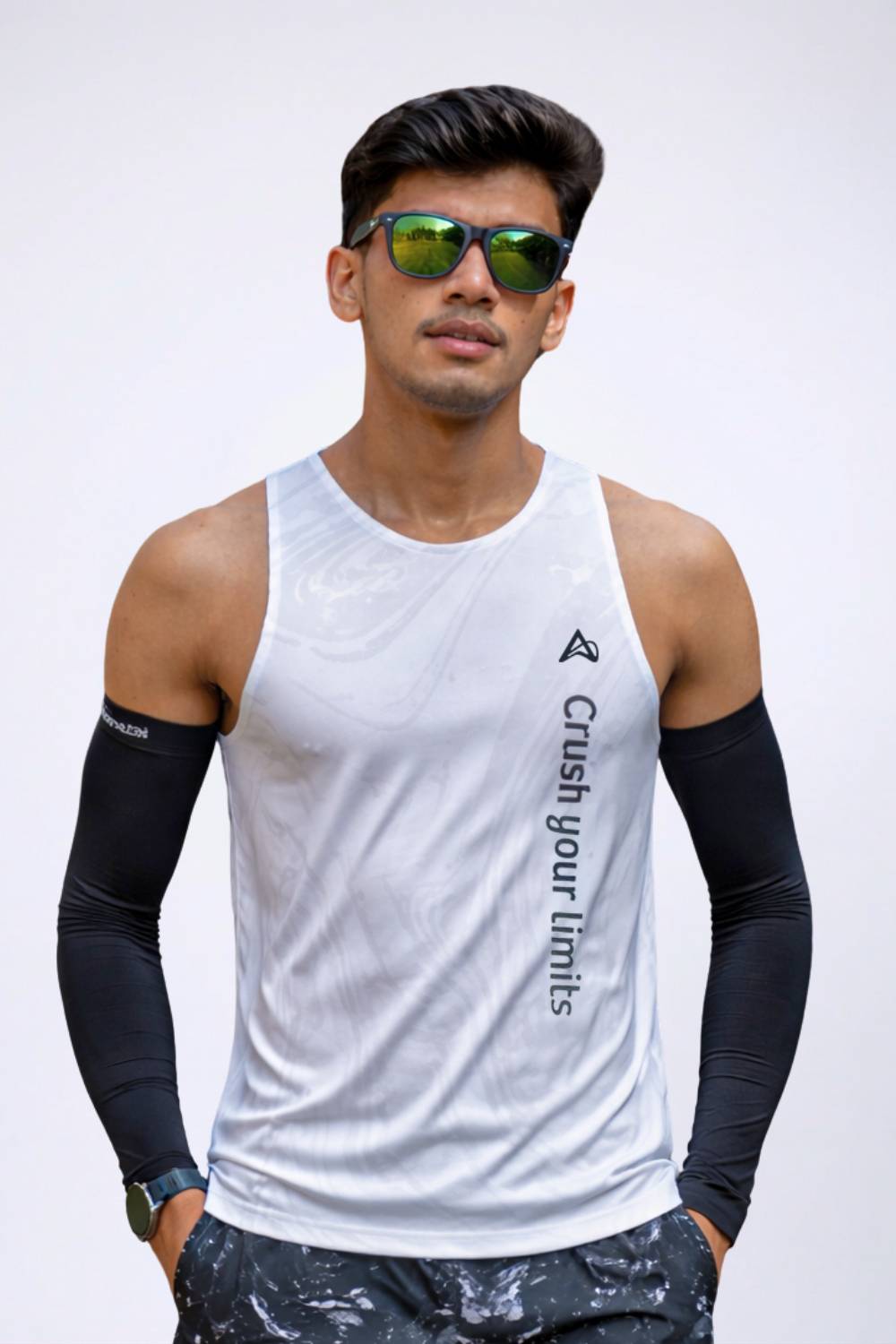
Enter ergonomic running apparel, a game-changer beyond mere style. Crafted to sync with the body's mechanics, it combats chafing, overheating, and biomechanical strains that fuel issues like shin splints or knee pain. Indian brand Aguante, founded in 2018 by runners for runners, exemplifies this with high-performance pieces such as singlets, shorts, half-tights, and tanks featuring moisture-wicking fabrics, anti-chafing linings, bounce-free pockets, reflective accents, and fits tailored to local physiques and punishing conditions. With free nationwide shipping, secure payments, and a 14-day return policy, Aguante empowers endurance athletes on platforms like Myntra and Amazon, aligning innovation with affordability to make every stride smoother.
Tired of gear that slows you down? Chafing, soggy fabrics, and missing pockets kill your run's momentum. At Aguante, we're runners who get it. Our high-performance activewear features moisture-wicking fabrics, ergonomic designs, and smart storage to keep you focused. Shop Now!
Decoding Ergonomic Running Apparel for India's Runners
Ergonomic running apparel goes beyond basic comfort it's engineered to support natural biomechanics while countering India's unique environmental demands. Think advanced synthetics that wick moisture swiftly, knit structures promoting airflow and rapid drying, mesh panels in sweat-prone areas, seamless designs to eliminate friction, and targeted compression for guided, unrestricted motion.
This approach resonates deeply in India, where designs stem from on-ground testing in cities like Bangalore, Hyderabad, Mumbai, and Pune. Coastal humidity in Mumbai and Navi Mumbai soaks gear quickly, calling for ultra-lightweight, vented fabrics; Ahmedabad and Surat's dry scorch demands heat-reflective materials to curb thermal spikes. Delhi and Gurugram's air quality fluctuations necessitate superior breathability, while uneven paths from Pune's potholes to Bangalore's trails require fits that minimize joint torque. The outcome? Apparel that molds like a second skin, letting runners maintain rhythm without constant adjustments or discomfort.
City-Specific Challenges: Climate, Terrain, and Injury Amplifiers
In India's running hubs, distinct conditions heighten risks. Mumbai and Navi Mumbai's unrelenting humidity transforms minor friction into severe chafing, necessitating quick-dry textiles with broad ventilation. Ahmedabad and Surat runners grapple with extreme dry heat, where thermal stress soars without heat-dissipating gear. Delhi and Gurugram demand fabrics that breathe amid erratic pollution, easing exertion during peak hours.
Bangalore and Pune's variable surfaces mild temps but bumpy paths benefit from ergonomic contours that cut muscle fatigue and twisting strains. Hyderabad communities report fewer pulls with tailored apparel that flows with the body. Yet urban perils loom large: Pune's residents decry jogging as perilous, citing broken pavements, debris-strewn paths, rash traffic, and dim lighting that force road running and spike joint wear. Orthopaedic experts warn these hard, uneven surfaces accelerate cartilage damage, back pain, and arthritis, underscoring apparel's role in visibility and support.
Linking Foot Health to Preventive Gear
Running's repetitive impact often manifests in foot woes, with global stats showing 75% of people facing issues like plantar fasciitis, heel spurs, or bunions over a lifetime. In India, where chronic conditions and an aging population drive demand, the orthopedic shoes market stood at USD 3.48 billion in 2024, projected to hit 9.128 billion by 2035 at a 9.16% growth rate, fueled by rising foot and ankle ailments. Similarly, the broader orthopedic footwear sector reached USD 5.11 billion in 2025, eyeing 13.5 billion by 2035 with 10.2% annual growth, as one in four older adults battles foot pain worldwide.
Ergonomic apparel complements this by preventing escalation stable fits and cushioning elements reduce overuse stresses leading to deformities or pain, especially amid diabetes surges (projected 700 million global cases by 2045) and sports injuries comprising over half of emergency orthopedic cases. For runners, this means fewer forced breaks and sustained training.
Emerging Trends in India's Running Landscape
India's activewear market mirrors this fervor, valued at USD 15.1 billion in 2024 and set to double by 2030, propelled by fitness awareness and urban lifestyles. Running-specific gear grows amid a surge in events, from local 5Ks to ultras, fostering communities on Instagram, Facebook, and YouTube where influencers like @barefoot_coach_shanth_koushik and @fit_kaur23 share tips.
Sports science from institutions like the Indian Institute of Science informs innovations, blending biomechanical data with local insights. Bangalore and Hyderabad groups note reduced strains with ergonomic shifts from generic wear, while coaches advocate gear that preserves gait and cuts fabric drag for consistent sessions. As participation swells evident in calendars packed with races like the Spiti Marathon or Indian Navy Half Marathon demand for adaptive apparel rises.
Tangible Benefits: From Thermoregulation to Injury Mitigation
- Heat Management Mastery: In steamy Mumbai or Hyderabad, ergonomic fabrics expedite heat release, slashing energy drain and effort perception for longer, steadier paces.
- Biomechanical Edge: Precise fits trim aerodynamic drag, boost economy, and postpone fatigue, with compression aiding circulation to ease overuse.
- Distraction-Free Focus: Secure pockets and anti-chafing builds eliminate mid-run fiddles, sharpening concentration when roads demand alertness.
Studies align: tailored gear curbs complaints like shin splints (affecting up to 24% of injured runners) and plantar fasciitis (15%), promoting unbroken mileage. Overall, 42-53% of runners face injuries yearly, with lower extremities hit hardest ergonomics offers a proactive shield.
Overcoming Hurdles: Generic Gear's Shortcomings in India
Imported one-size-fits-all often mismatches Indian builds, sparking chafing, slippage, or constriction that heightens risks. Mass-market items prioritize quantity over ergonomics, faltering in monsoons or heatwaves.
Optimized for milder climes, they underdeliver against India's extremes Pune's hazards, Delhi's traffic, Mumbai's dampness push limits. Locally tested ergonomics bridge this, but challenges persist: production scales sometimes dilute features, and urban threats like poor infrastructure demand holistic safety, including reflective gear.
Forward Stride: Ergonomics as Essential for India's Runners
Ergonomic running apparel stands as a vital ally in India's rigorous running arena, blending science with practicality to avert injuries, amplify comfort, and elevate performance across Bangalore, Hyderabad, Mumbai, Pune, Navi Mumbai, Delhi, Gurugram, Surat, and Ahmedabad.
As communities thrive bolstered by booming events and social platforms the push for India-centric innovations grows. Runners and experts concur: superior fit not only comforts but sustains, turning potential pitfalls into triumphant miles without undue strain holding back progress.
Frequently Asked Questions
How does ergonomic running apparel help prevent common running injuries like shin splints and plantar fasciitis?
Ergonomic running apparel is engineered to align with the body's natural biomechanics, reducing the strain that leads to overuse injuries. Features like targeted compression improve circulation, seamless designs eliminate friction-related chafing, and precision fits reduce the joint torque that contributes to shin splints (which affect up to 24% of injured runners) and plantar fasciitis (15%). Studies show that 42–53% of runners face injuries annually, primarily in the lower extremities making supportive, well-fitted gear a proactive line of defense for consistent, injury-free training.
Why is generic or imported running gear not suitable for runners in India's climate?
Most imported running apparel is designed for milder, Western climates and doesn't account for India's extreme conditions from Mumbai's coastal humidity and Ahmedabad's dry heat to Delhi's pollution and Pune's uneven urban terrain. Ill-fitting, one-size-fits-all gear can cause chafing, slippage, and constriction, all of which raise injury risk. Locally tested ergonomic apparel, by contrast, uses ultra-lightweight vented fabrics, heat-reflective materials, and city-specific design inputs to handle India's diverse running environments far more effectively.
What features should Indian runners look for in high-performance ergonomic running apparel?
Indian runners should prioritize moisture-wicking, quick-dry fabrics that manage sweat in humid or hot conditions, along with mesh panels and seamless construction to maximize airflow and prevent chafing. Anti-bounce secure pockets, reflective accents for low-light urban safety, and compression zones that support muscles without restricting movement are also key. Fits tailored to South Asian body types further ensure the apparel moves like a second skin, helping runners maintain their gait and focus especially on the uneven, debris-strewn paths common in Indian cities.
Disclaimer: The above helpful resources content contains personal opinions and experiences. The information provided is for general knowledge and does not constitute professional advice.
You may also be interested in: How Ergonomic Fit Improves Running Performance: A Deep Dive
Tired of gear that slows you down? Chafing, soggy fabrics, and missing pockets kill your run's momentum. At Aguante, we're runners who get it. Our high-performance activewear features moisture-wicking fabrics, ergonomic designs, and smart storage to keep you focused. Shop Now!
Powered by flareAI.co