



In the vibrant running communities across India, from the bustling streets of Mumbai to the serene paths of Bangalore, enthusiasts are lacing up more than ever. The global running gear market is experiencing significant expansion, with projections indicating it could reach substantial valuations by the next decade, driven by increasing health awareness and technological advancements in athletic wear. Amid this surge, one essential piece of advice stands out: selecting the right footwear tailored to your unique biomechanics. This guide, How to Find the Best Running Shoes for Your Foot Type, delves into the nuances of foot arches, pronation patterns, and how they influence your running experience, ensuring you step out with confidence and comfort.
Whether you're a seasoned marathoner tackling Hyderabad's humid routes or a beginner exploring Delhi's parks, mismatched shoes can lead to discomfort, inefficiencies, and even injuries. Understanding your foot's natural movement isn't just about performance it's about sustainability in your running journey, allowing you to enjoy longer distances without the nagging pains that sideline so many.
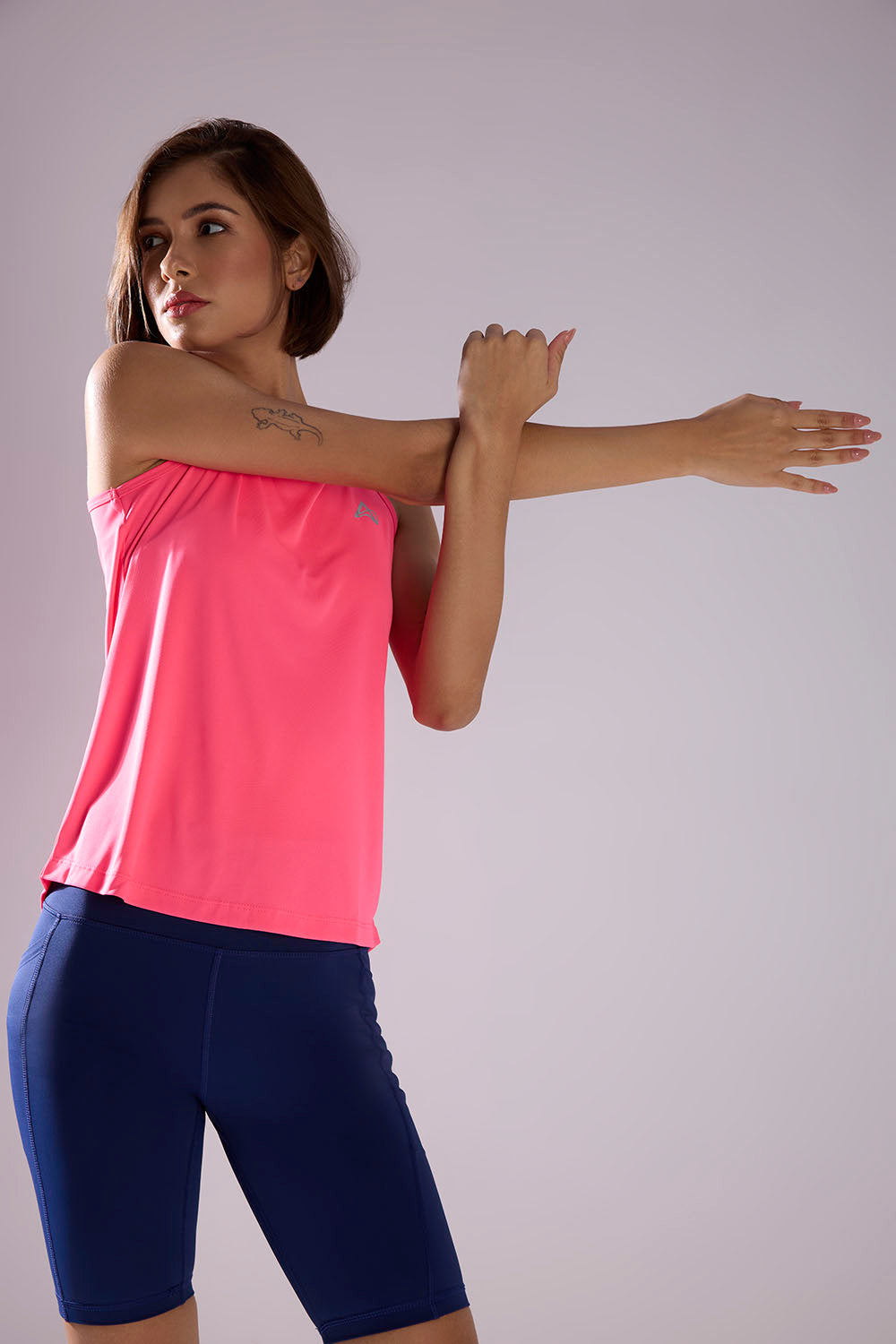
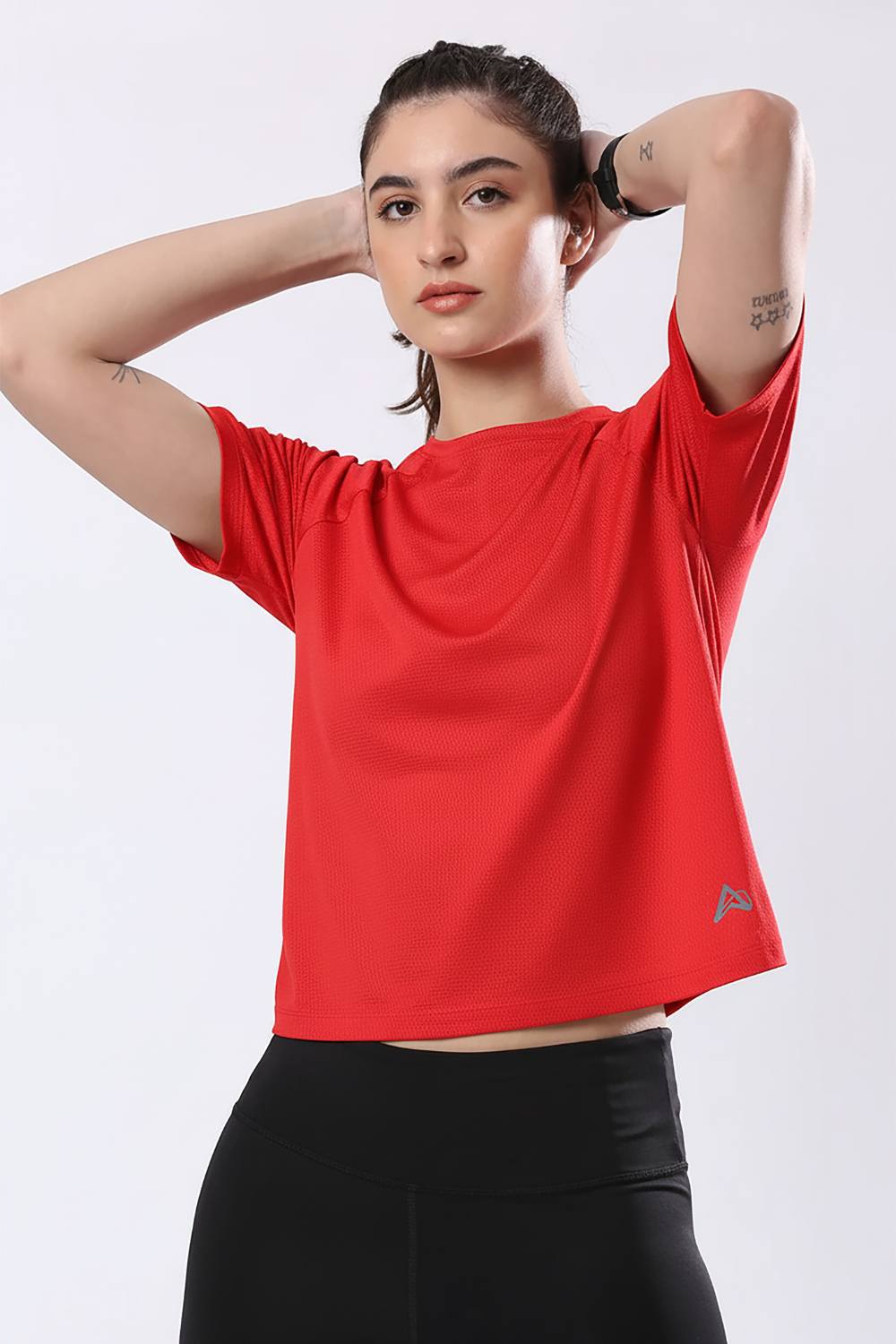
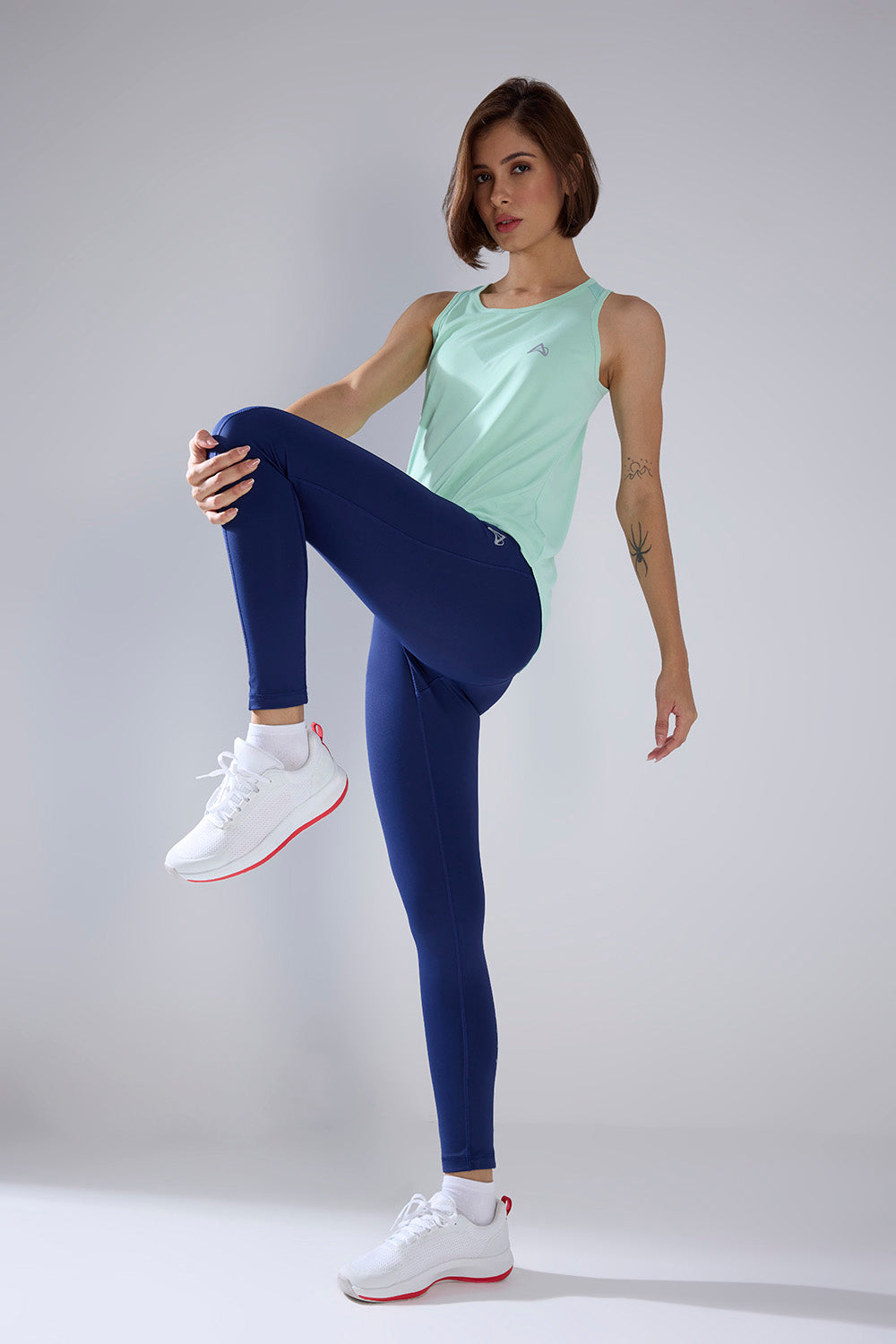
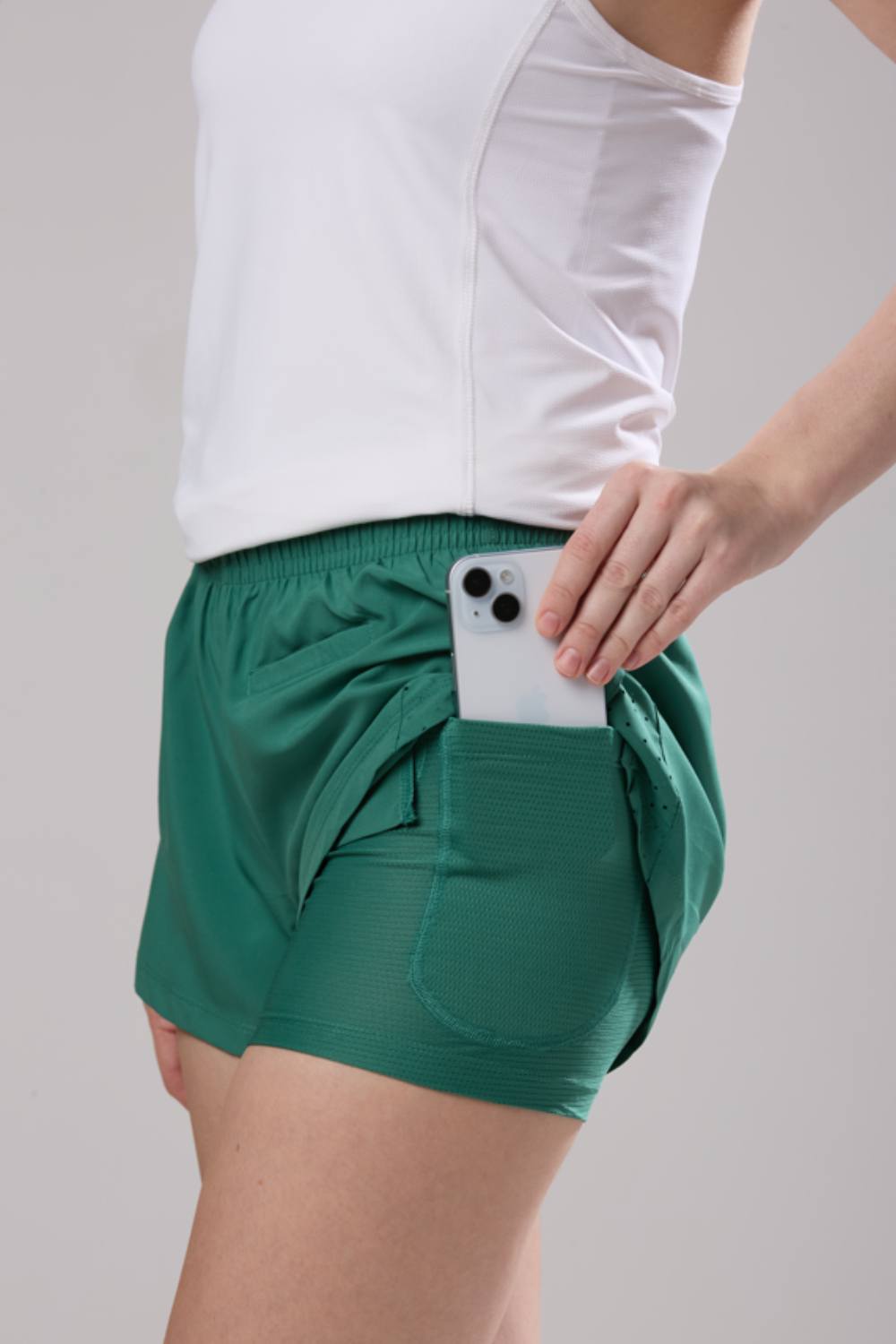
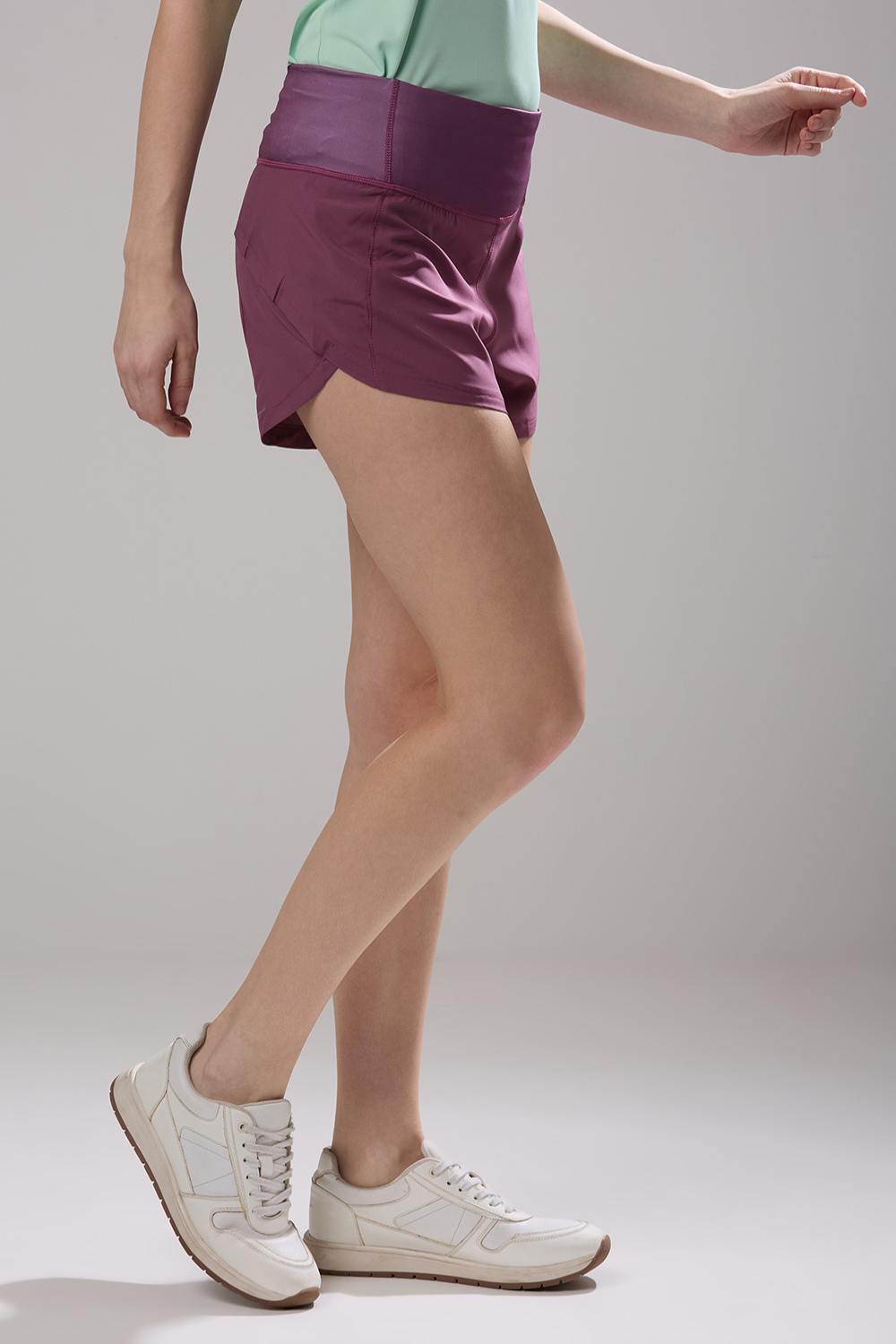
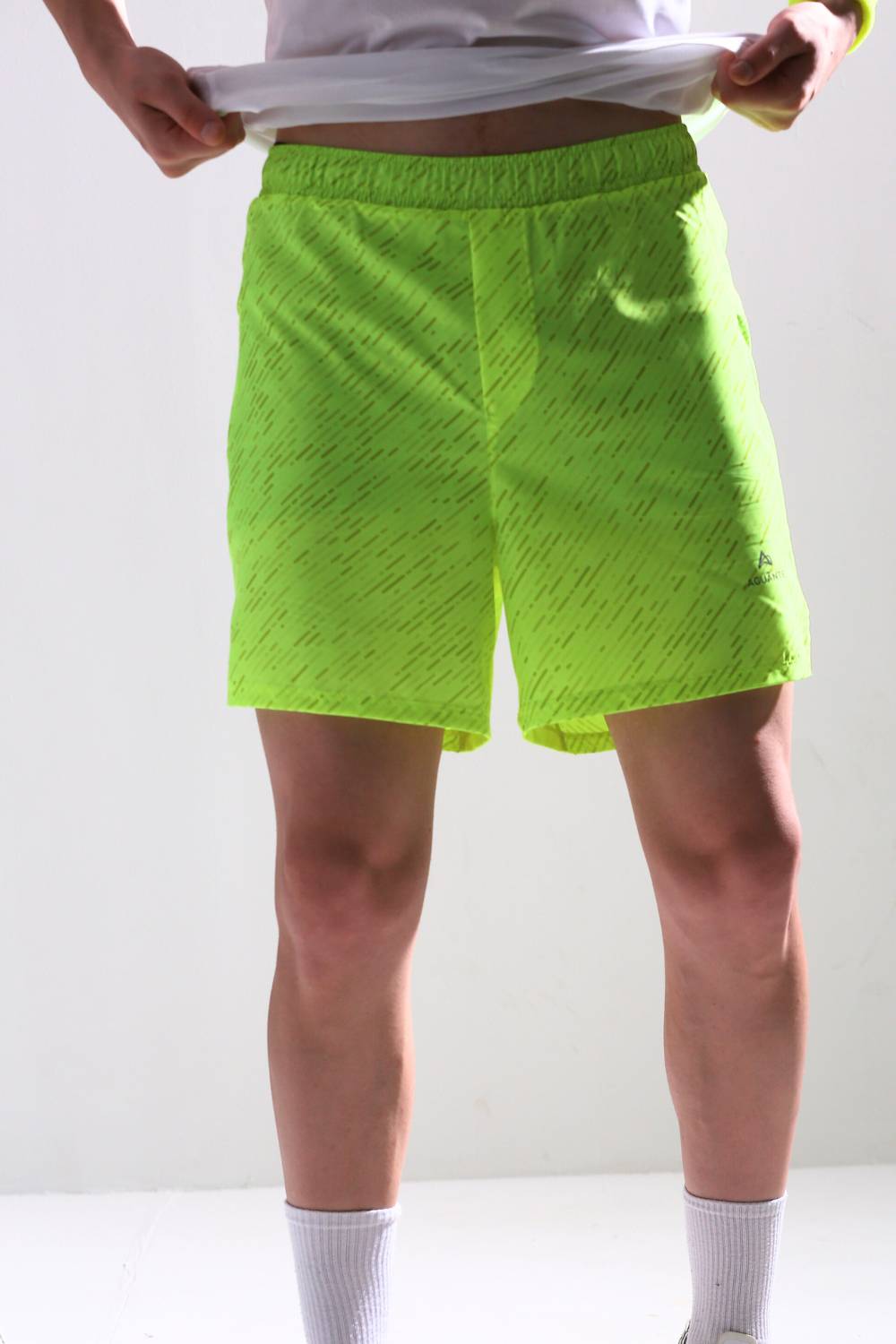
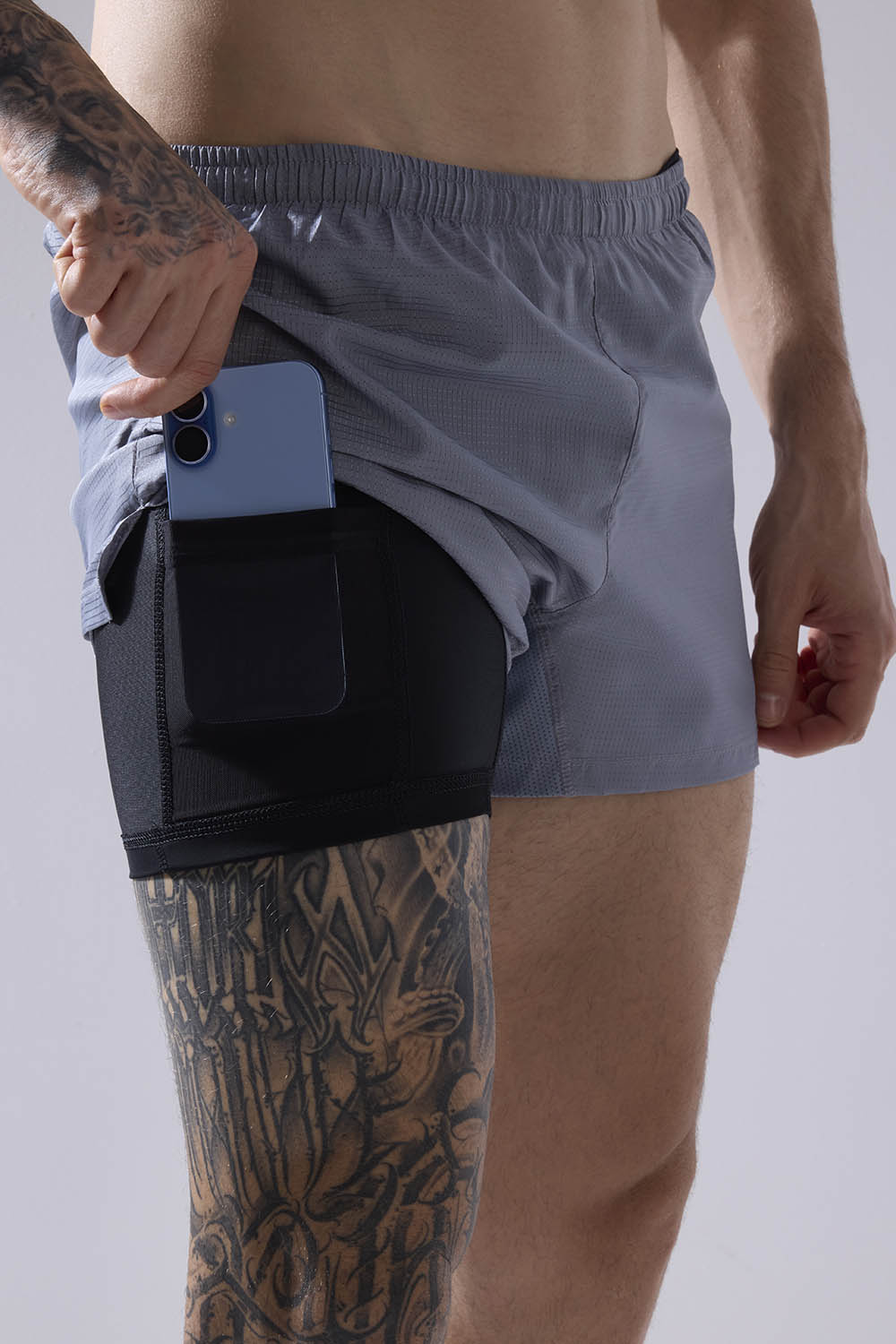
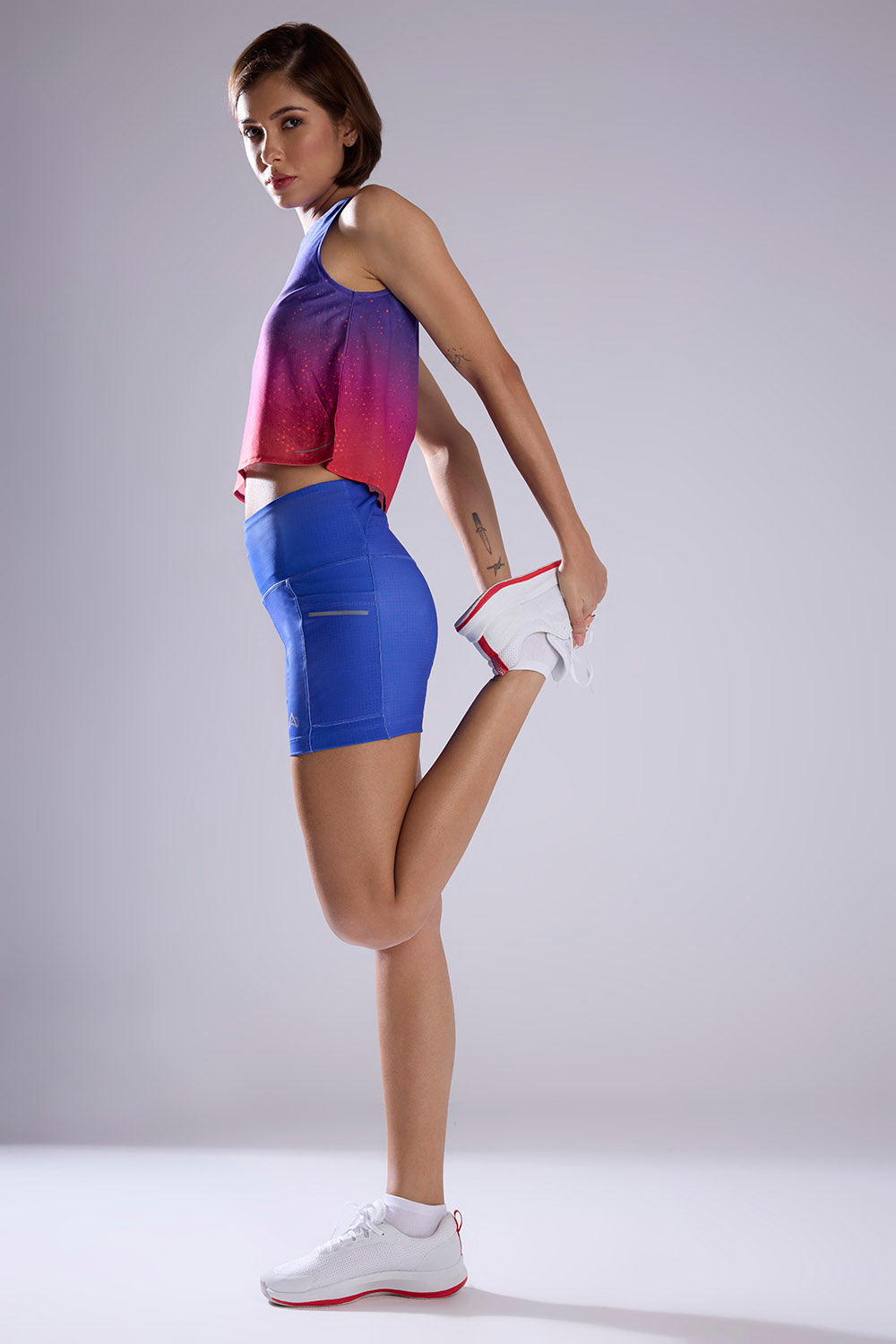
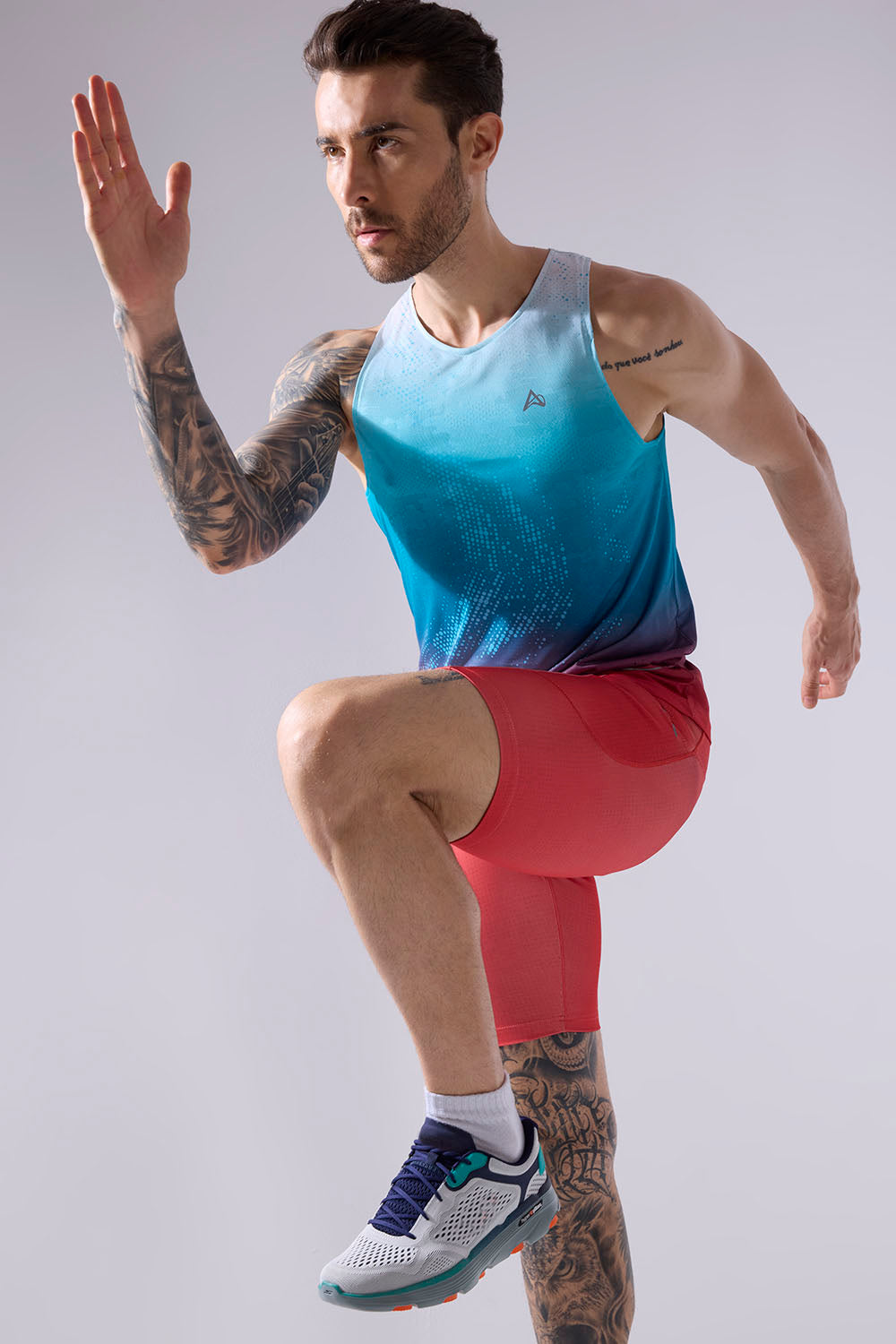
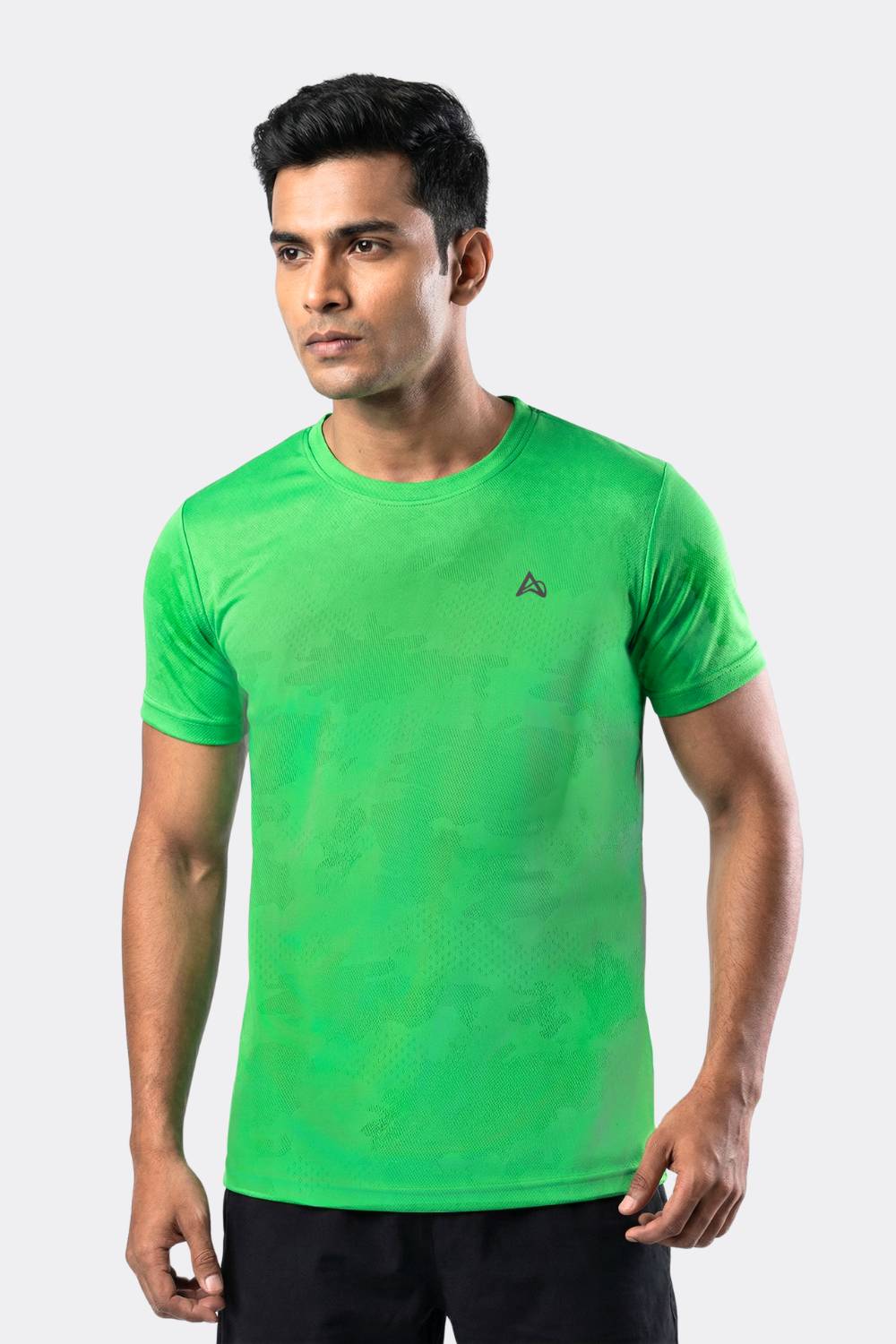
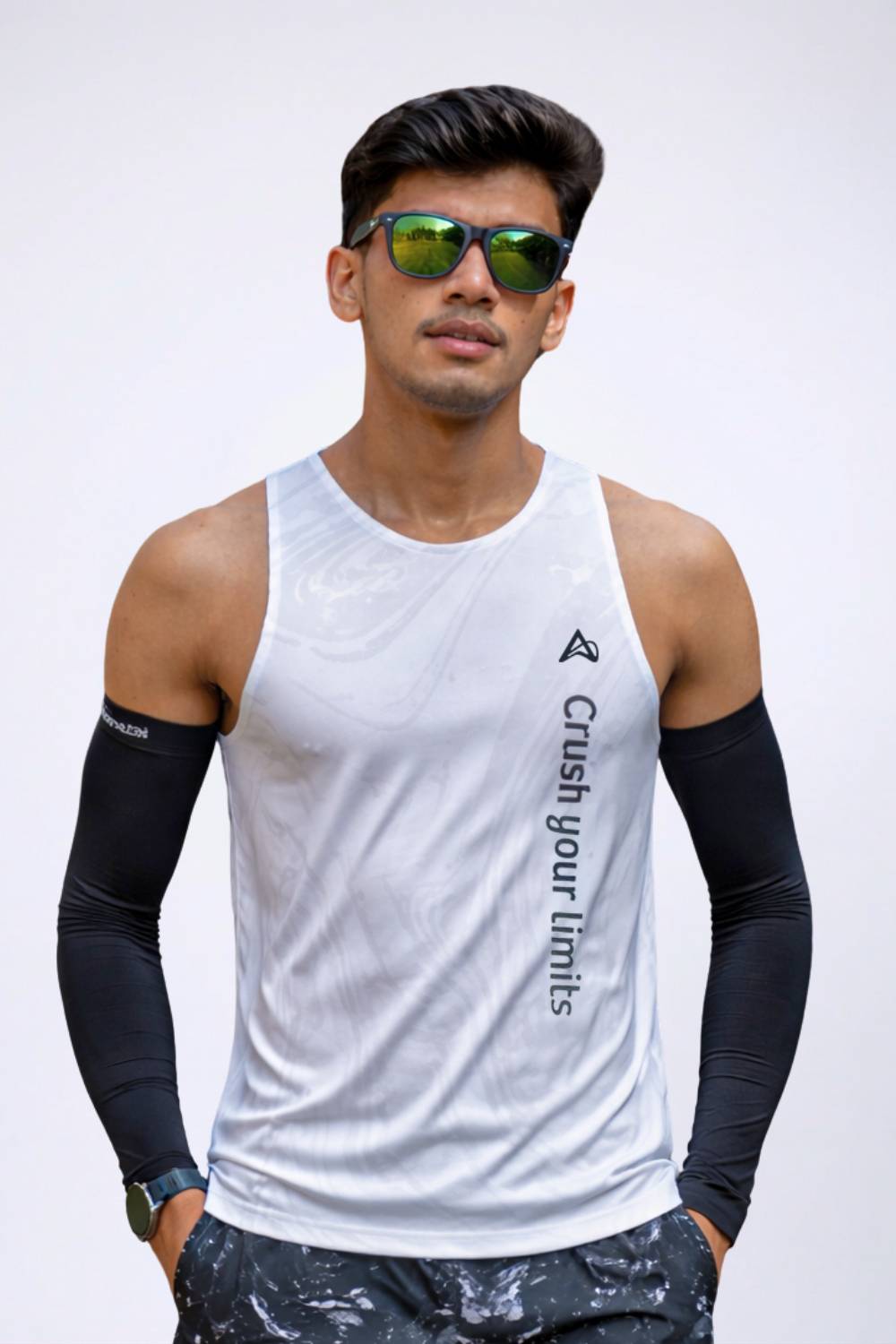
Tired of gear that slows you down? Chafing, soggy fabrics, and missing pockets kill your run's momentum. At Aguante, we're runners who get it. Our high-performance activewear features moisture-wicking fabrics, ergonomic designs, and smart storage to keep you focused. Shop Now!
Understanding the Importance of Foot Type in Running
Your foot type is the foundation of every stride. It determines how weight distributes across your feet, how shock is absorbed, and how efficiently you propel forward. Ignoring this can result in common issues like blisters, joint stress, or chronic conditions such as plantar fasciitis. Pronation, the natural rolling motion of the foot during landing, varies among individuals: neutral for balanced absorption, overpronation for excessive inward roll, and supination for outward tilt.
In the context of India's diverse terrains from the uneven trails in Pune to the monsoon-slicked pavements in Navi Mumbai choosing shoes that align with your pronation is crucial. Local brands like Aguante, established in 2018 by runners for runners, emphasize designs that cater to these conditions, incorporating features like breathable fabrics and secure fits to enhance every run.
The Science Behind Pronation
Pronation isn't a flaw; it's a natural mechanism for shock distribution. However, extremes can misalign your body, leading to inefficiencies. Studies from market research highlight how proper gear mitigates these risks, promoting better alignment and reducing injury rates among active populations.
Methods to Determine Your Foot Type
Identifying your foot type doesn't require fancy equipment. Begin with the tried-and-true wet test: submerge your foot in water, step onto a piece of absorbent paper, and analyze the imprint. A full outline suggests low arches and potential overpronation, a well-defined curve indicates neutral, while a disconnected heel and forefoot point to high arches and supination.
- Low Arches/Flat Feet: The imprint shows minimal curve, often associated with overpronation where the foot rolls inward too much.
- Neutral Arches: A moderate connection between heel and ball, signifying balanced mechanics.
- High Arches: A thin or broken line, linked to supination where shock absorption is limited.
Complement this by examining wear patterns on your current shoes. Uneven erosion on the inside edge signals overpronation, outside for supination, and uniform for neutral. For more accuracy, seek professional gait analysis at running stores in cities like Ahmedabad or Surat, where experts use video to assess your stride dynamics.
Advanced Assessment Techniques
If home tests leave doubts, consider podiatrist consultations or treadmill evaluations. These provide data-driven insights, ensuring your shoe choice is backed by precise measurements rather than guesswork.
Selecting Shoes Based on Pronation Types
Once your foot type is clear, match it to appropriate shoe categories. This alignment not only boosts comfort but also enhances performance, allowing you to focus on your run rather than foot fatigue.
Shoes for Neutral Pronation
Neutral runners benefit from cushioned shoes that offer even support without corrective elements. Look for models with ample foam in the midsole for shock absorption, ideal for consistent training on varied Indian surfaces.
Shoes for Overpronation
Stability or motion-control shoes are key here. Features like denser foam on the medial side or structured heels guide the foot, preventing excessive roll. These are particularly useful for runners in humid climates like Gurugram, where sweat and movement can exacerbate chafing without proper support.
Shoes for Supination
Opt for highly cushioned, flexible neutral shoes. Extra padding in the forefoot and heel compensates for poor natural absorption, while bendable outsoles promote better ground feel. Avoid rigid designs that could amplify outward rolling.
Always test fit in the late afternoon when feet are swollen, using your running socks, and take a short jog in-store to simulate real conditions.
Key Considerations for Indian Runners
India's climate and landscapes demand more from running gear. High humidity in regions like Mumbai calls for moisture-wicking materials that keep you dry, while unpredictable terrain requires grippy soles and reflective accents for safety during early or late runs.
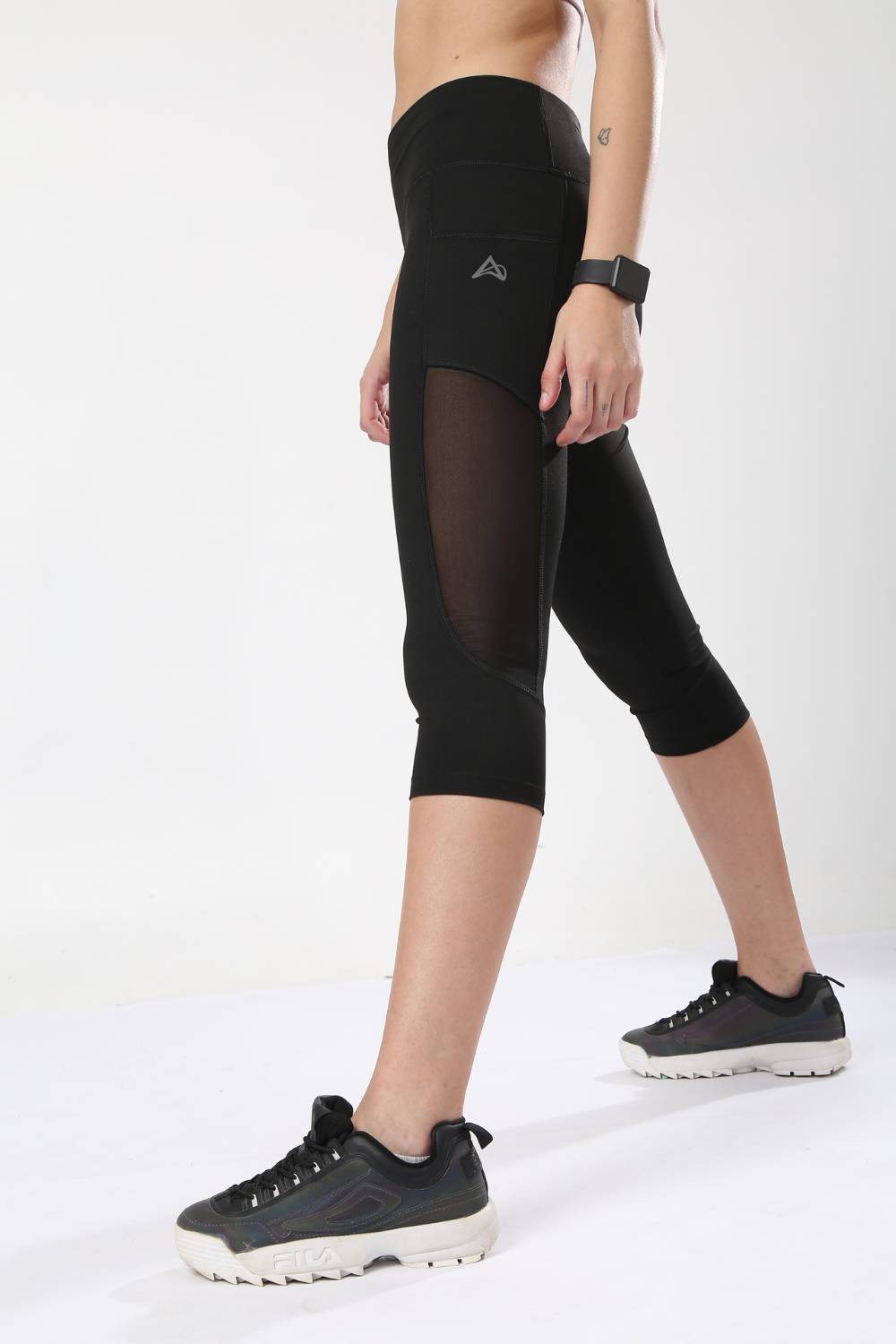
Aguante excels in addressing these, offering apparel with anti-chafing linings, multiple pockets for essentials, and ergonomic fits tested by actual runners. Their commitment to affordability and social responsibility makes high-performance gear accessible, aligning with the growing market where, as per industry reports, the sector is set to expand significantly, reaching around USD 51.28 billion by 2030 amid a shift toward wellness and innovation.
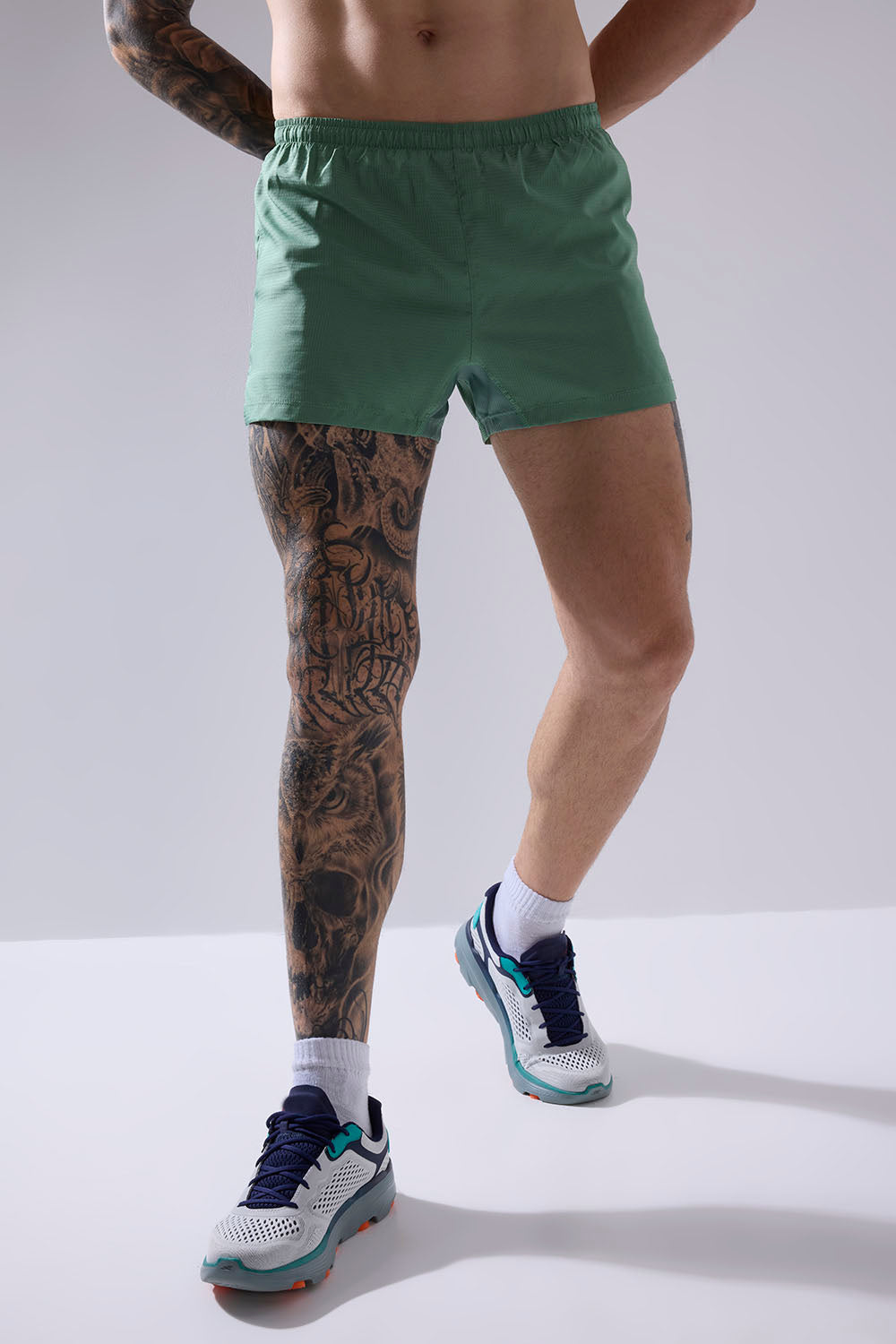
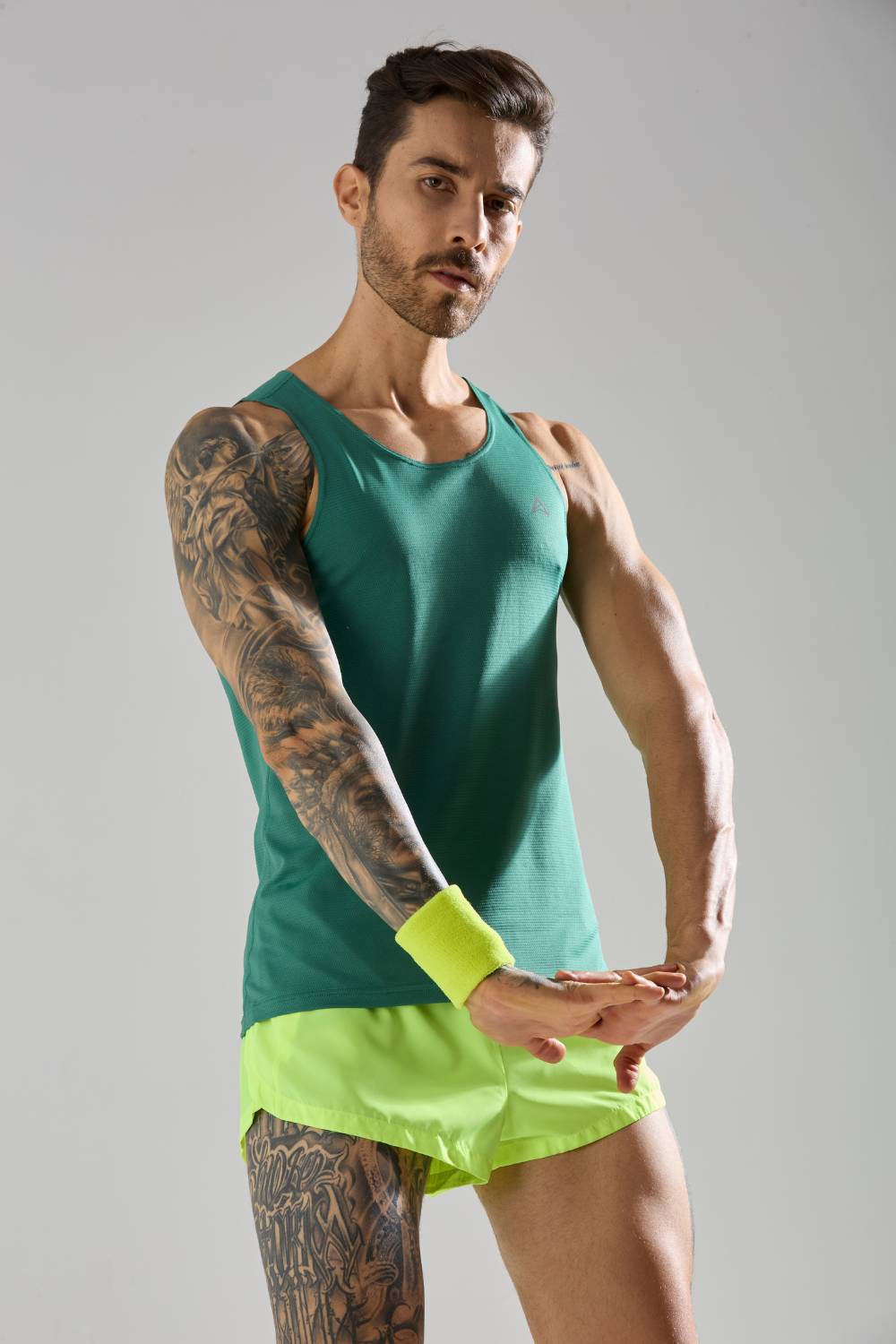
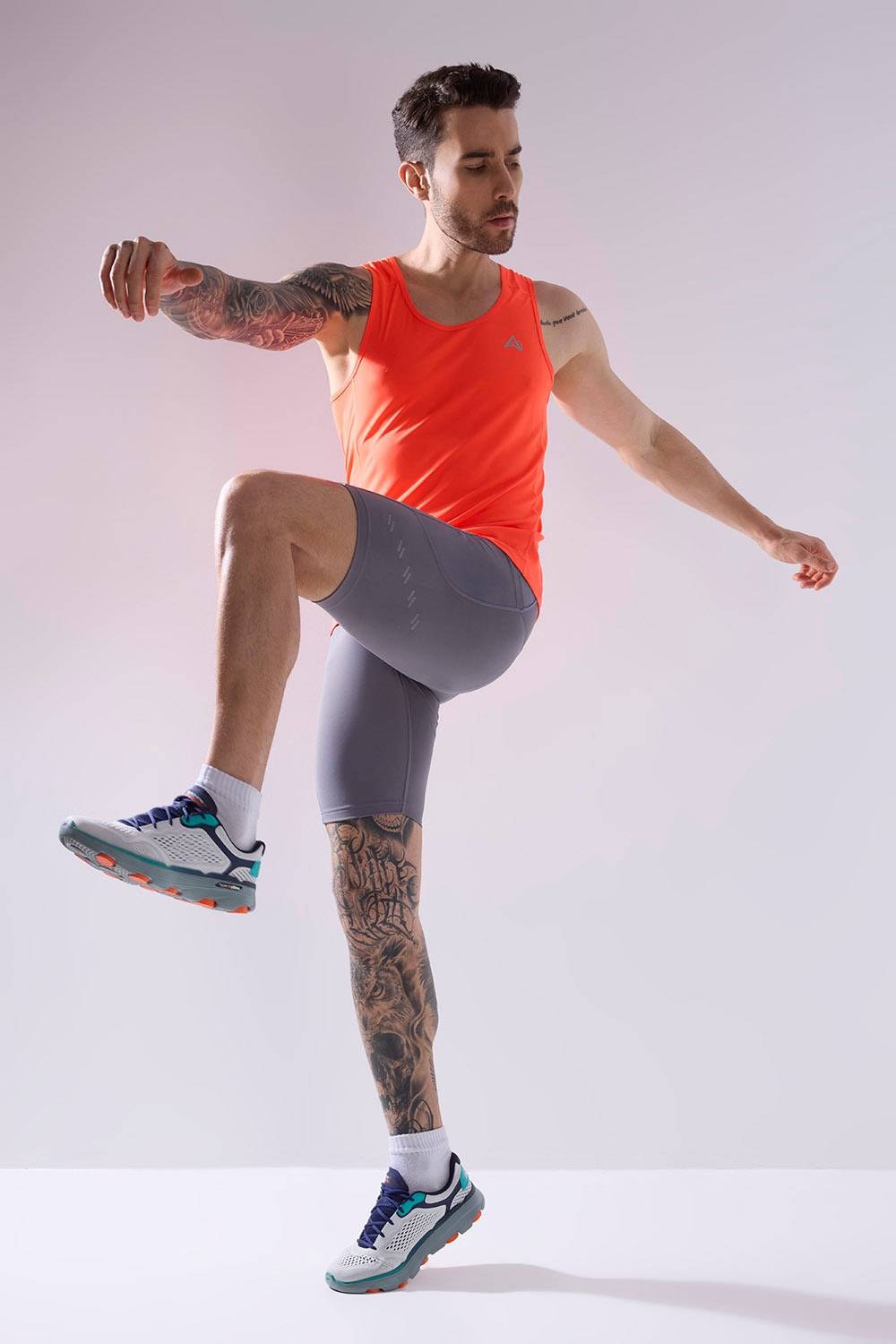
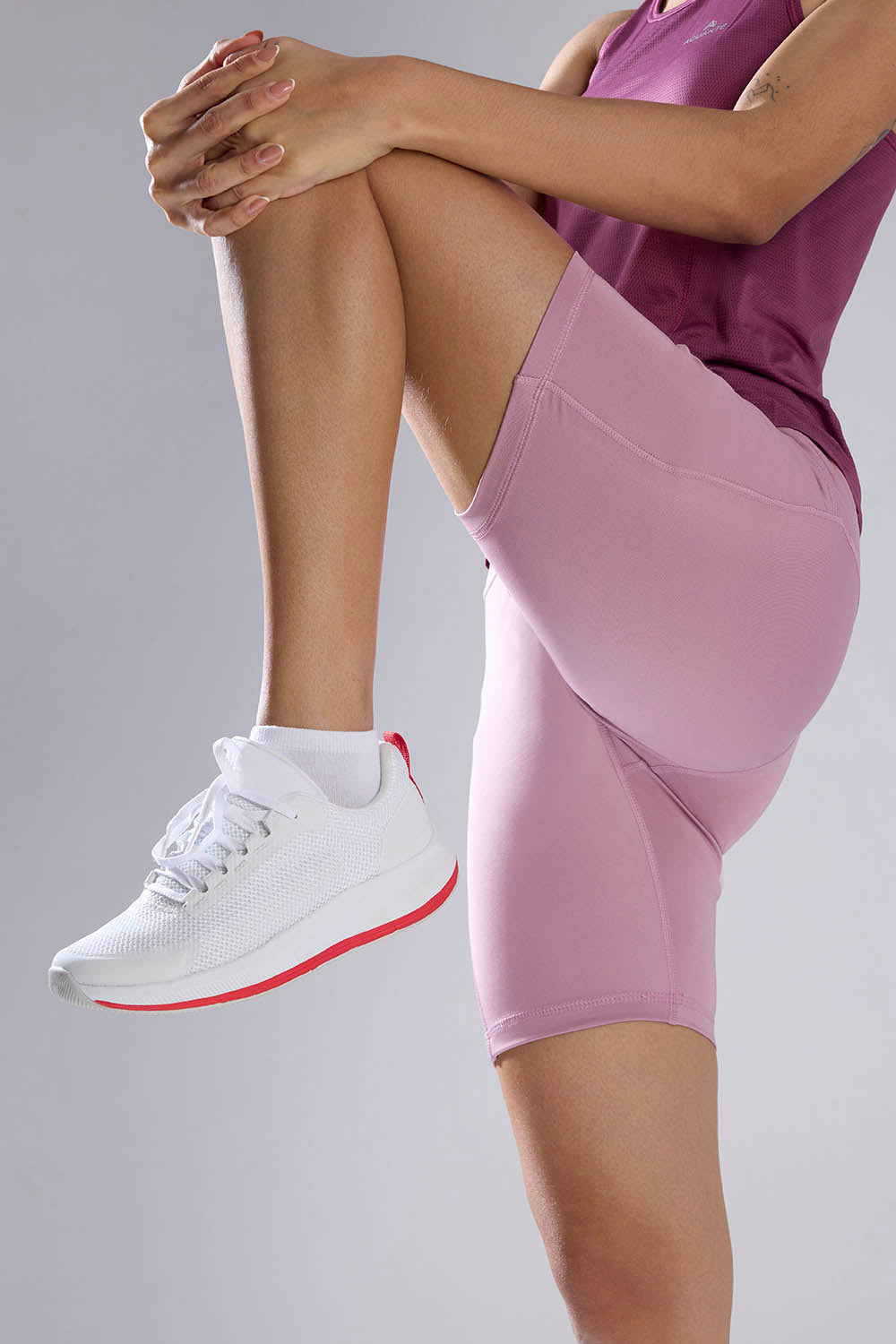
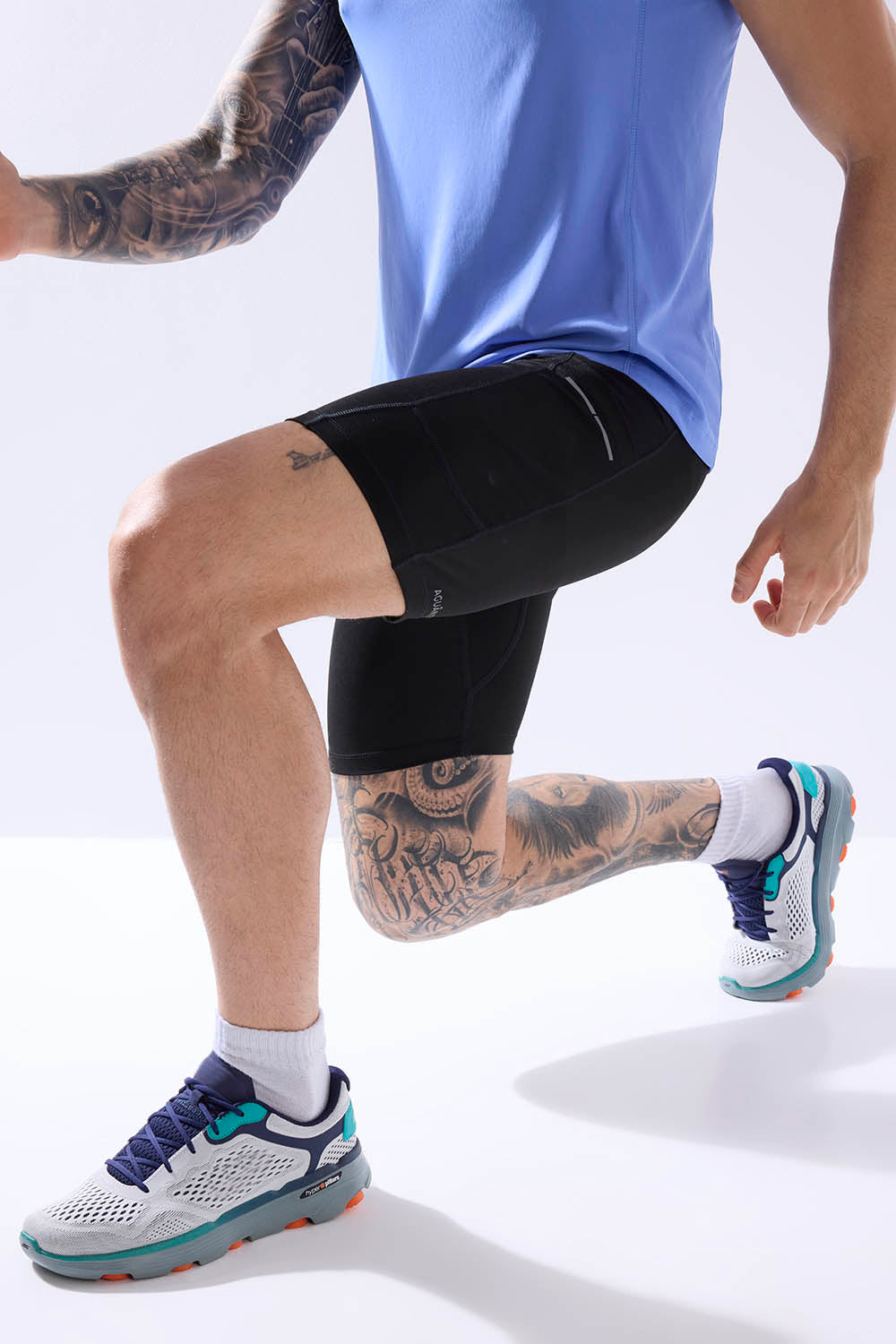
Beyond shoes, pair them with complementary items like half-tights or singlets that enhance overall comfort, ensuring your kit works as a cohesive unit.
Addressing Common Myths and Concerns
Many believe pricier shoes are inherently better, but value lies in fit and function over brand prestige. Imported options might not suit Indian body types or conditions, where local innovations often provide superior adaptation.
Is minimalist running the way to go? For some with neutral pronation, yes, but most benefit from cushioned support, especially on hard urban surfaces.
If pain persists despite proper shoes, it may signal underlying issues consult a professional rather than self-diagnose. Remember, gear evolves; periodic reassessments keep your setup optimal.
Practical Tips for Shoe Maintenance and Longevity
To maximize your investment, rotate pairs to allow recovery time, clean them regularly without submerging, and replace every 500-800 kilometers based on wear. Store in cool, dry places to preserve materials, extending their life in India's variable weather.
- Track mileage with apps or journals.
- Inspect for sole degradation or upper tears.
- Consider seasonal adjustments, like more breathable options for summer.
The Broader Impact of Proper Footwear
Beyond personal benefits, choosing right contributes to a sustainable running habit, reducing dropout rates and fostering community growth. With the Asia-Pacific region leading as the fastest-growing market for running gear, opportunities abound for enthusiasts to engage deeply, supported by innovations that prioritize runner needs.
Final Thoughts: Empower Your Runs
The quest for the ideal running shoe boils down to self-awareness and informed choices. By assessing your foot type and selecting gear that complements it like Aguante's thoughtfully designed products you transform potential obstacles into seamless strides. Embrace this knowledge, hit the roads of your city be it Bangalore's greens or Delhi's avenues and let every run invigorate rather than exhaust.
As the running movement swells, remember: the best gear fades into the background, letting your passion take center stage. Step wisely, and the path ahead unfolds with ease.
Frequently Asked Questions
How do I find out my foot type for running shoes?
The easiest way is the wet test wet your foot, step on absorbent paper, and analyze the imprint. A full outline indicates low arches (flat feet) with a tendency toward overpronation, a moderate curve signals neutral arches, and a thin or disconnected imprint points to high arches and supination. For greater accuracy, you can also check wear patterns on your existing shoes or visit a running store for a professional gait analysis.
What type of running shoes are best for overpronation?
Runners with overpronation where the foot rolls excessively inward should look for stability or motion-control shoes. These feature denser foam on the medial (inner) side and structured heels that guide the foot and prevent excessive rolling. This is especially important for runners in humid climates, where added movement and sweat can worsen chafing without proper medial support.
How often should I replace my running shoes?
Running shoes should generally be replaced every 500–800 kilometers, depending on how much the sole has degraded and whether the upper shows signs of tearing. To get the most out of your investment, rotate between two pairs to allow recovery time, clean them without fully submerging them in water, and store them in a cool, dry place particularly important in India's variable weather conditions. Tracking your mileage with an app or journal makes it easier to know when it's time for a new pair.
Disclaimer: The above helpful resources content contains personal opinions and experiences. The information provided is for general knowledge and does not constitute professional advice.
You may also be interested in: Running Gear for Beginners: Key Features to Consider - Aguante
Tired of gear that slows you down? Chafing, soggy fabrics, and missing pockets kill your run's momentum. At Aguante, we're runners who get it. Our high-performance activewear features moisture-wicking fabrics, ergonomic designs, and smart storage to keep you focused. Shop Now!
Powered by flareAI.co