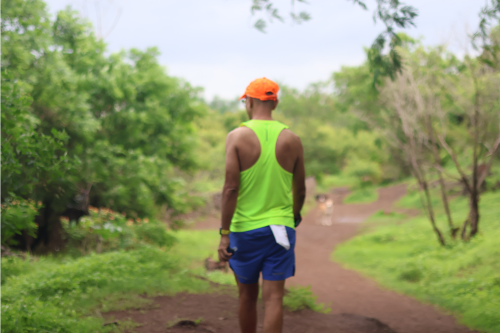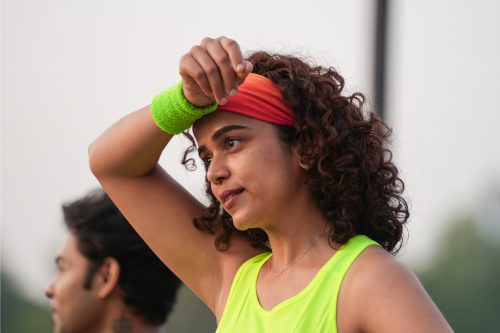




In the bustling streets of India's urban centers, a quiet revolution is underway. The role of local running communities in shaping gear preferences has emerged as a pivotal force in the fitness landscape. From Bangalore's misty parks to Mumbai's coastal promenades, and extending to Hyderabad, Pune, Navi Mumbai, Delhi, Gurugram, Surat, and Ahmedabad, runners converge at dawn not merely to exercise but to exchange experiences, advice, and critiques on their attire. These grassroots groups are subtly redirecting tastes from flashy international imports toward practical gear that withstands the rigors of Indian climates sweltering heat, oppressive humidity, and rugged terrains.
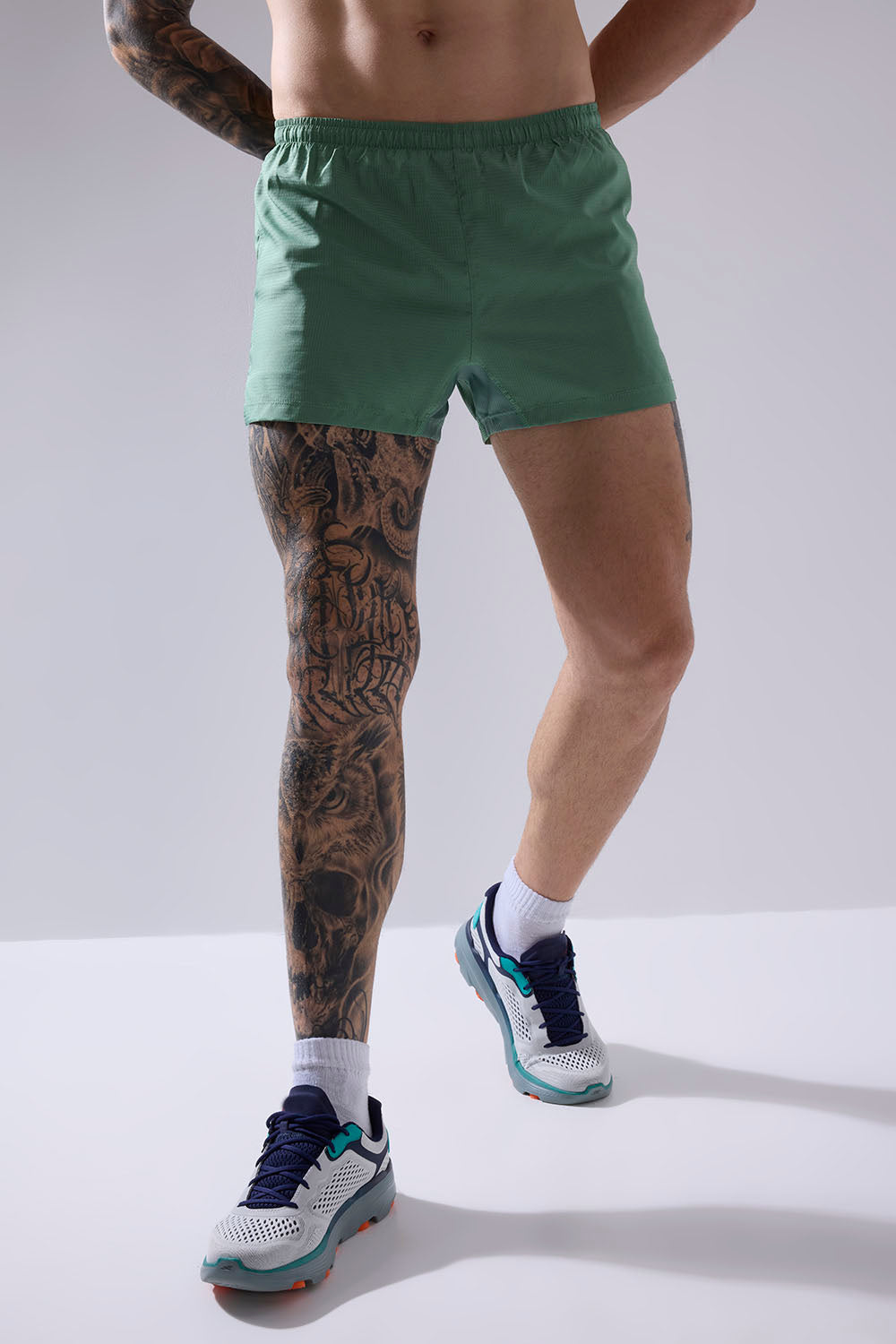
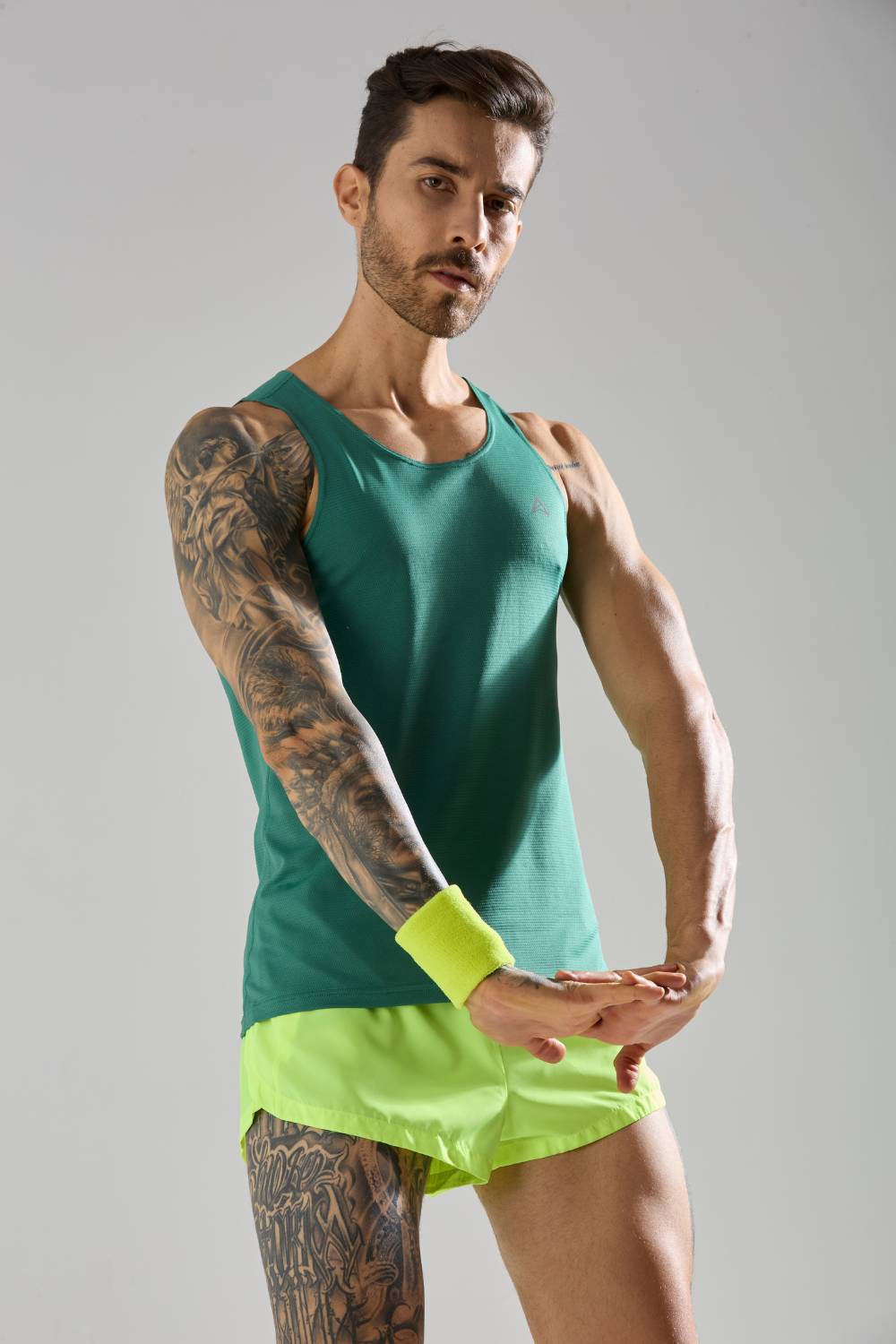
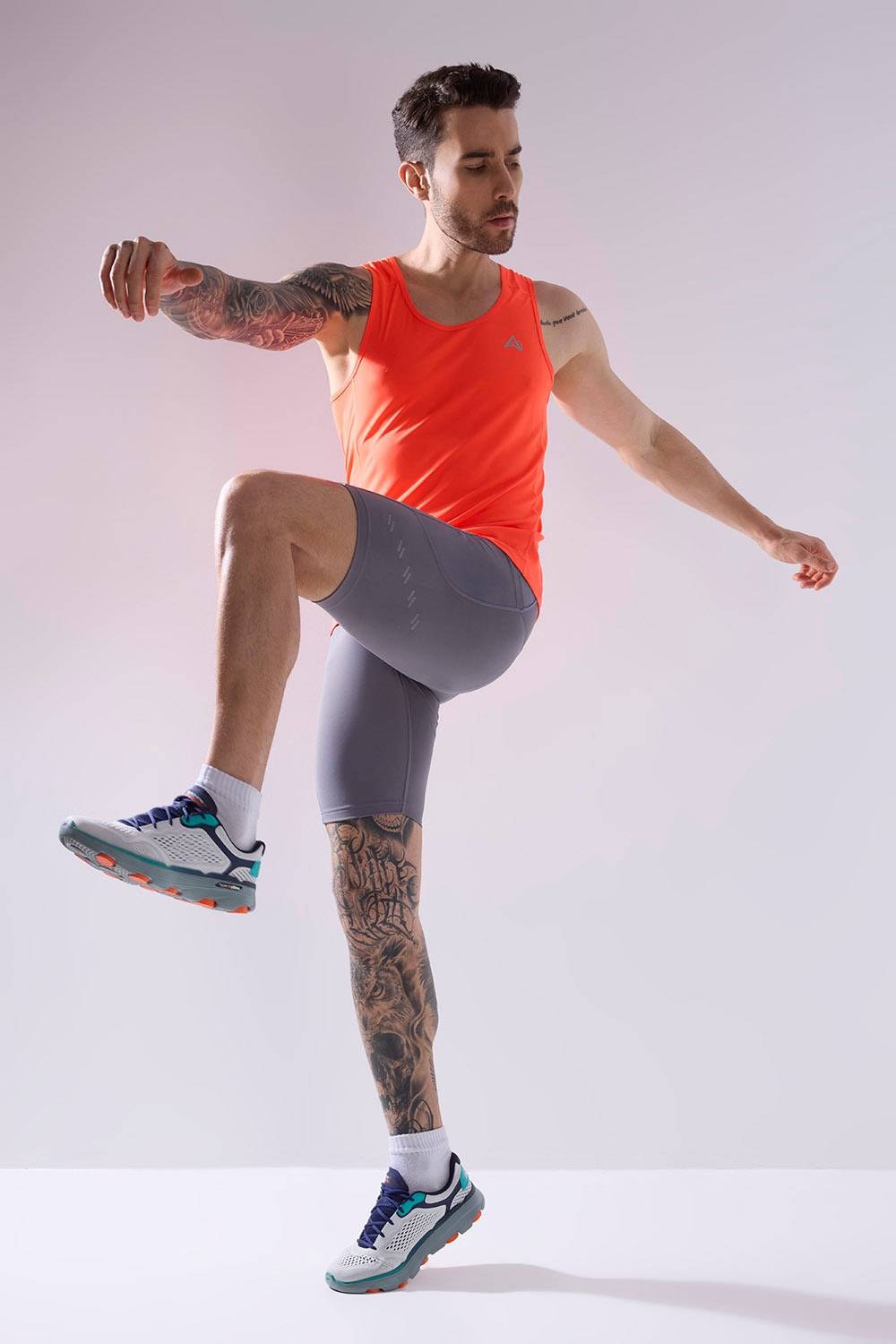
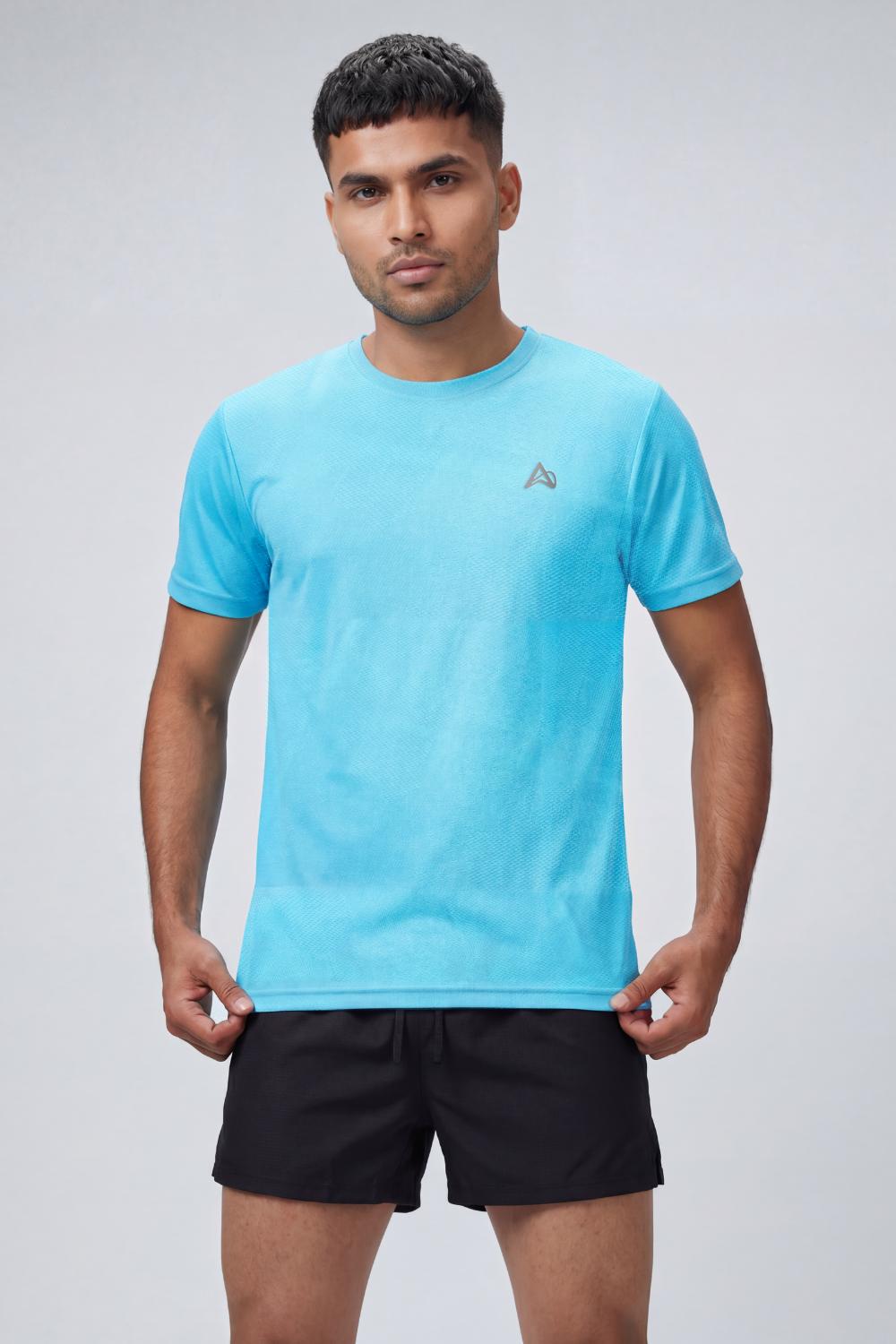
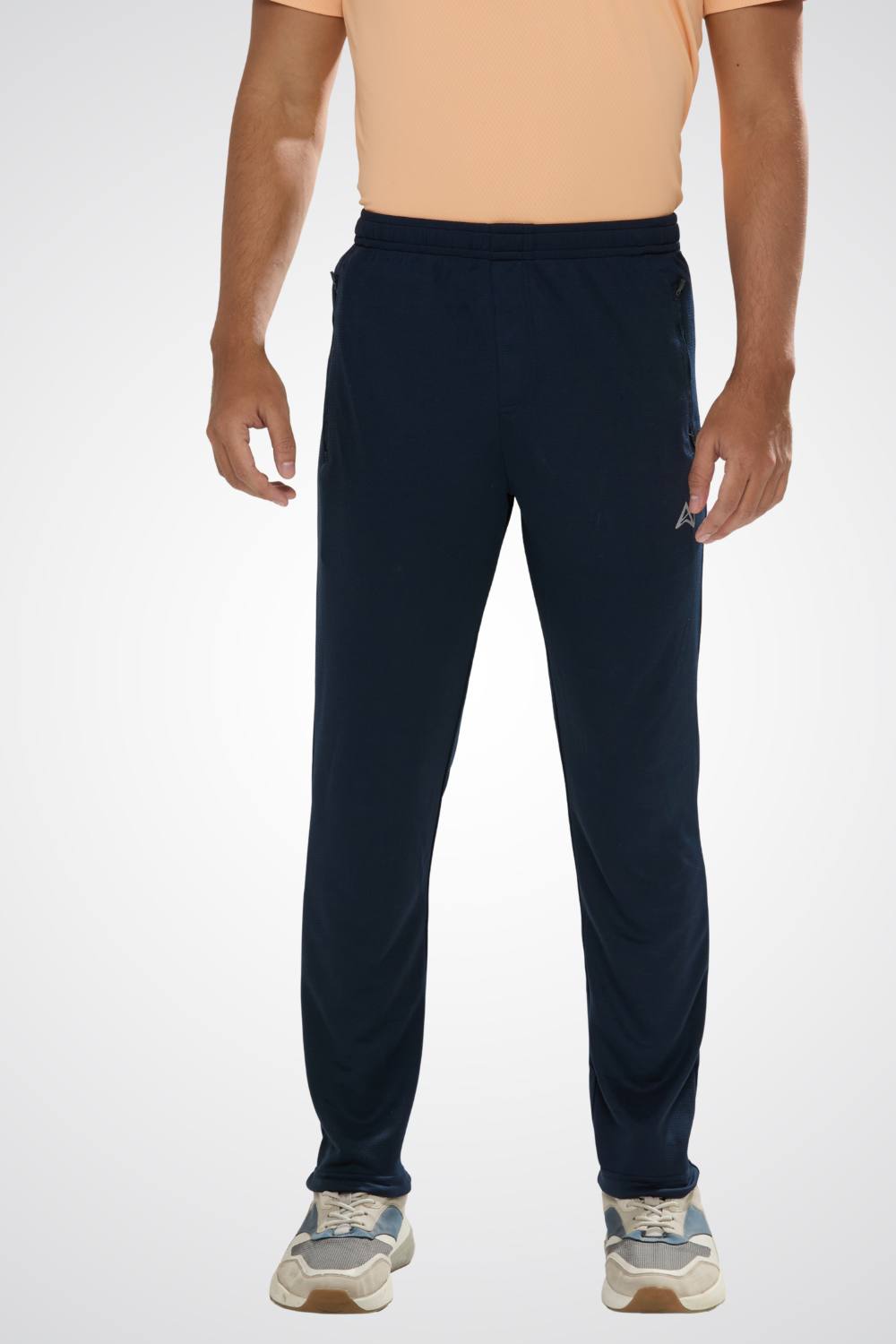
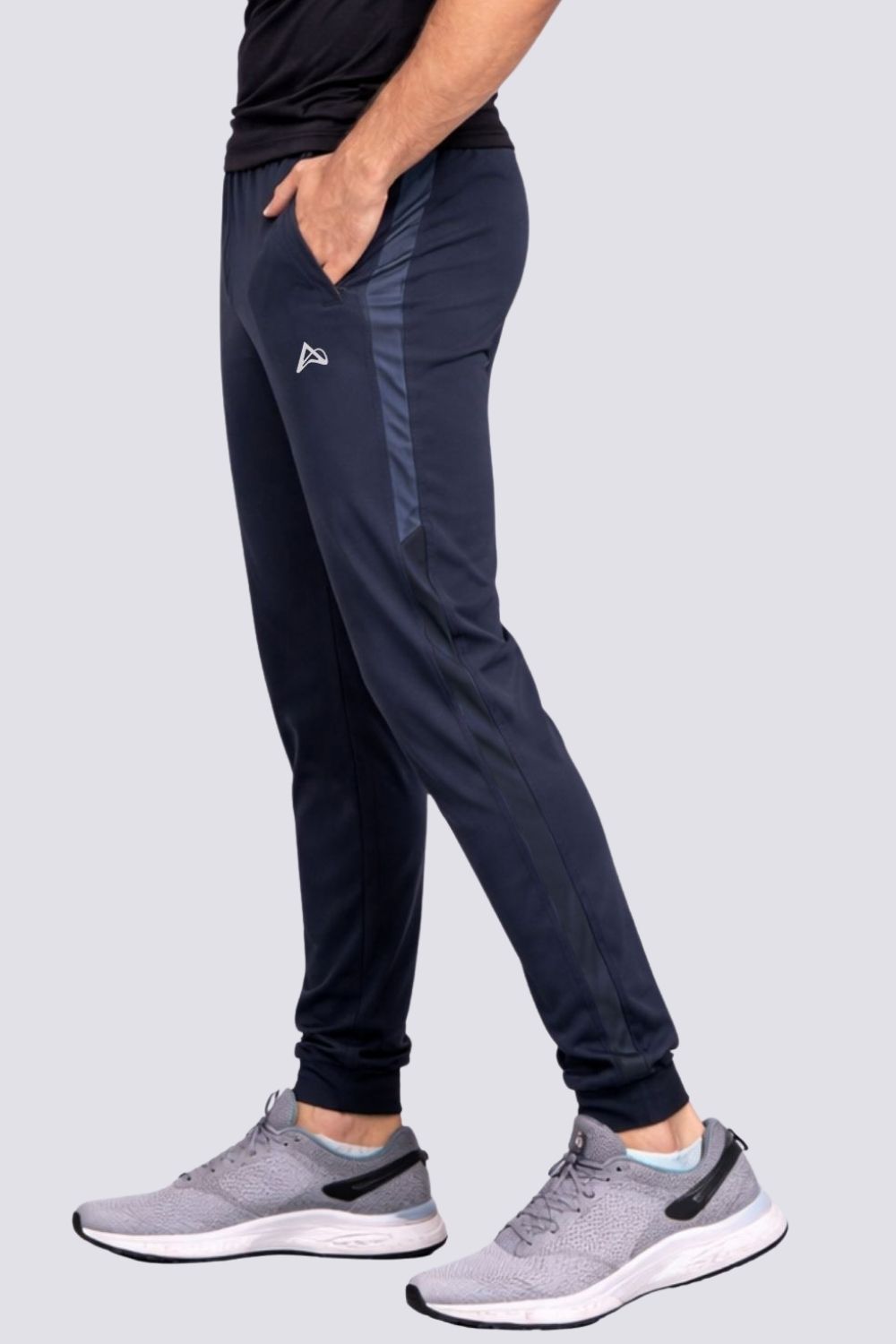
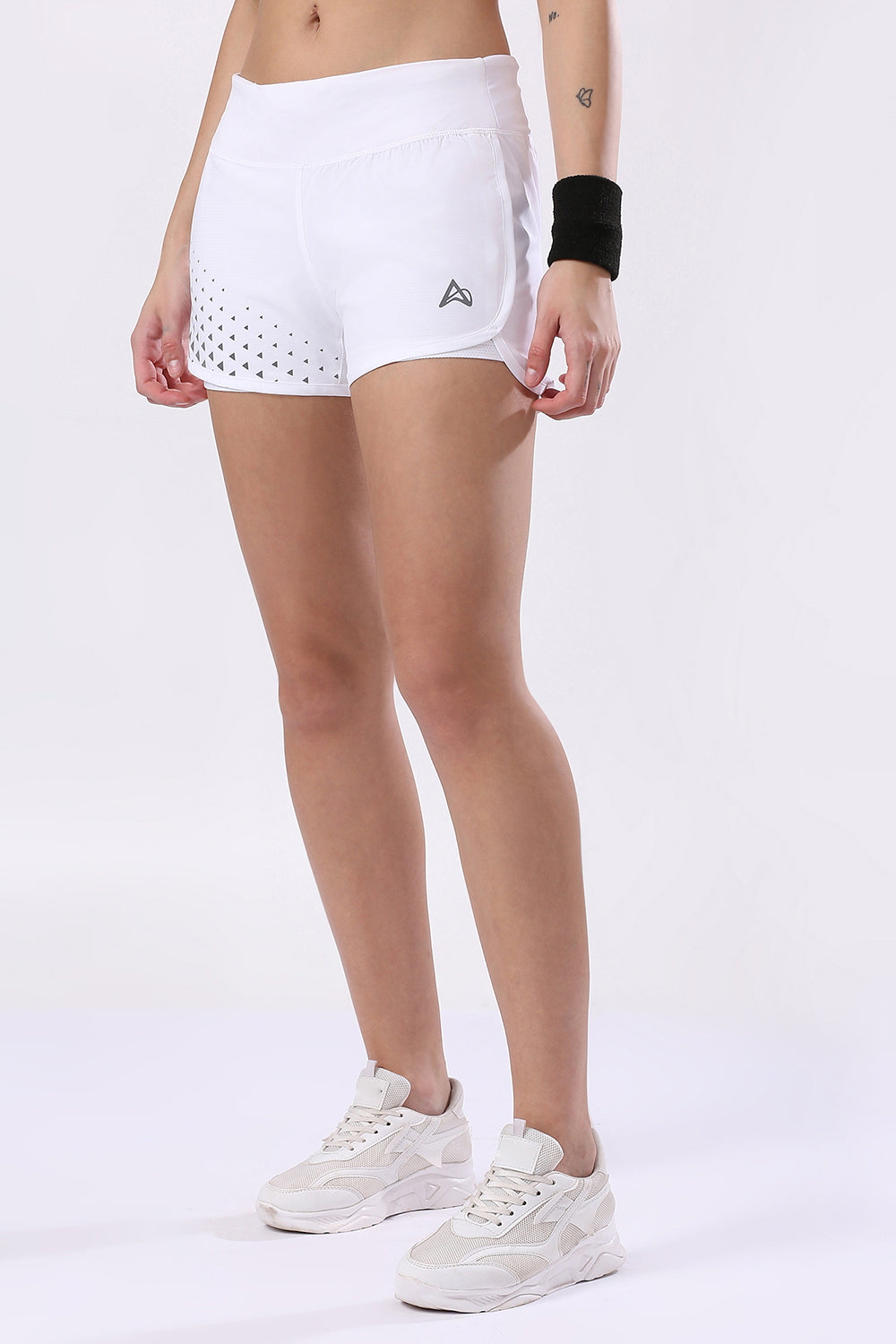
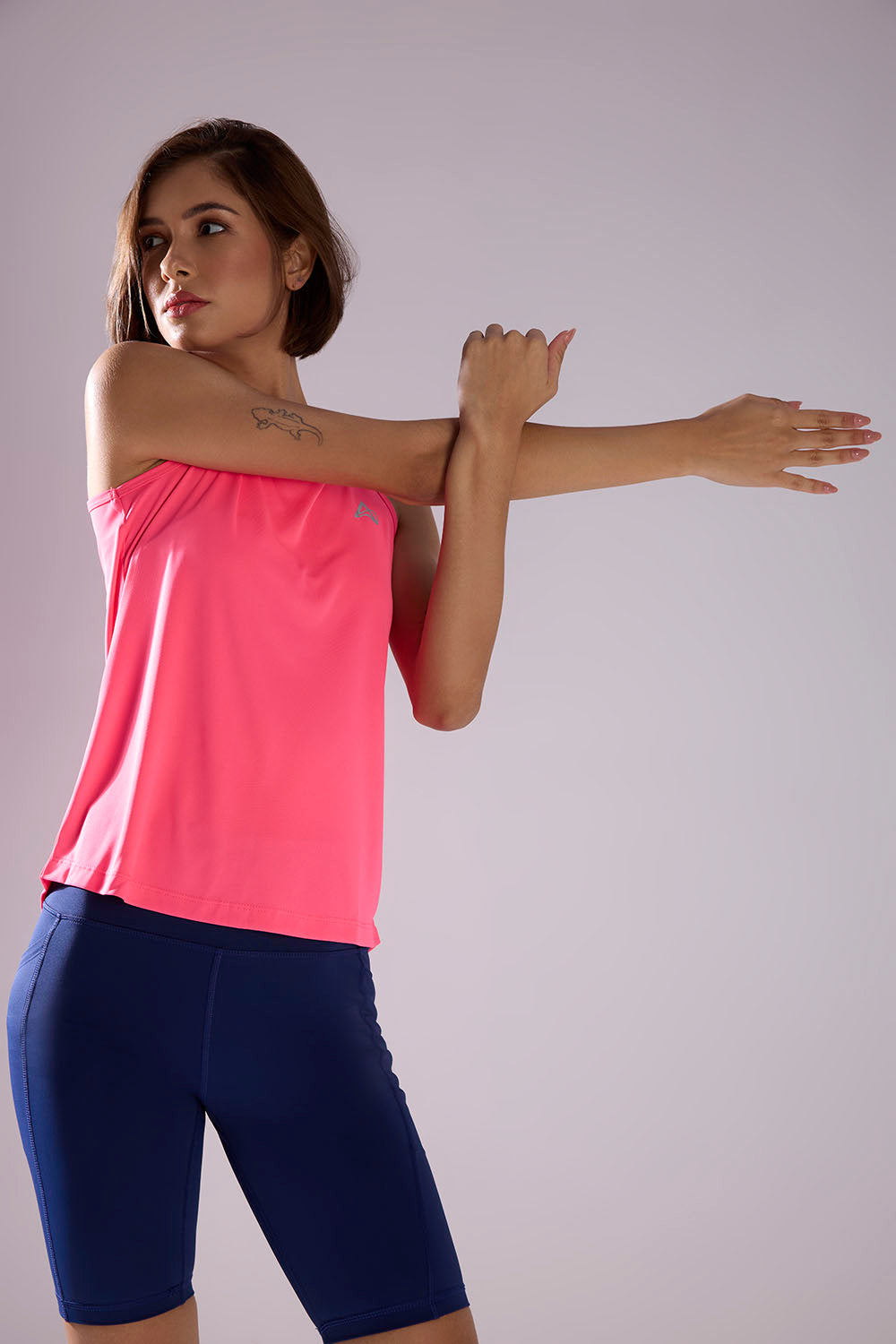
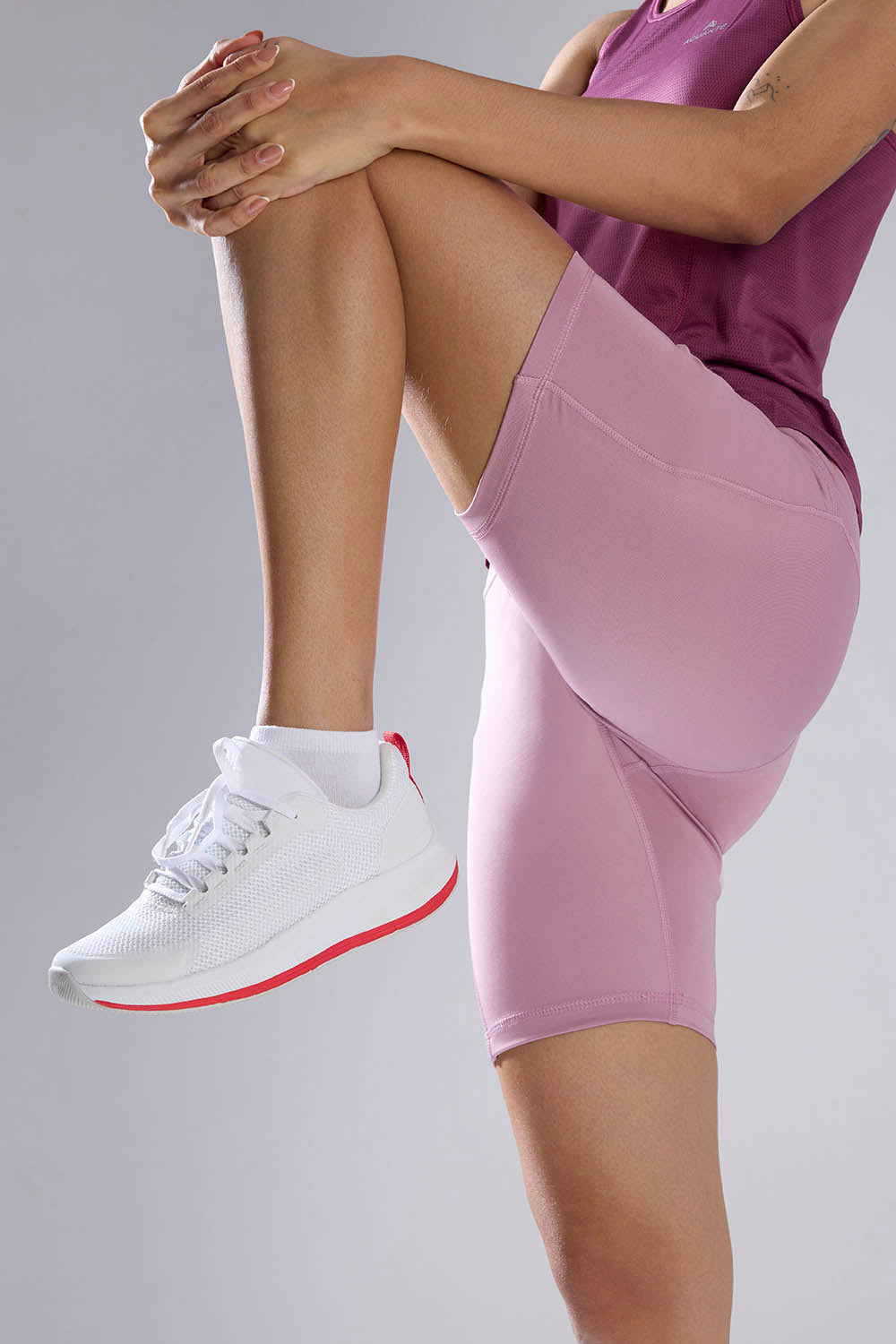
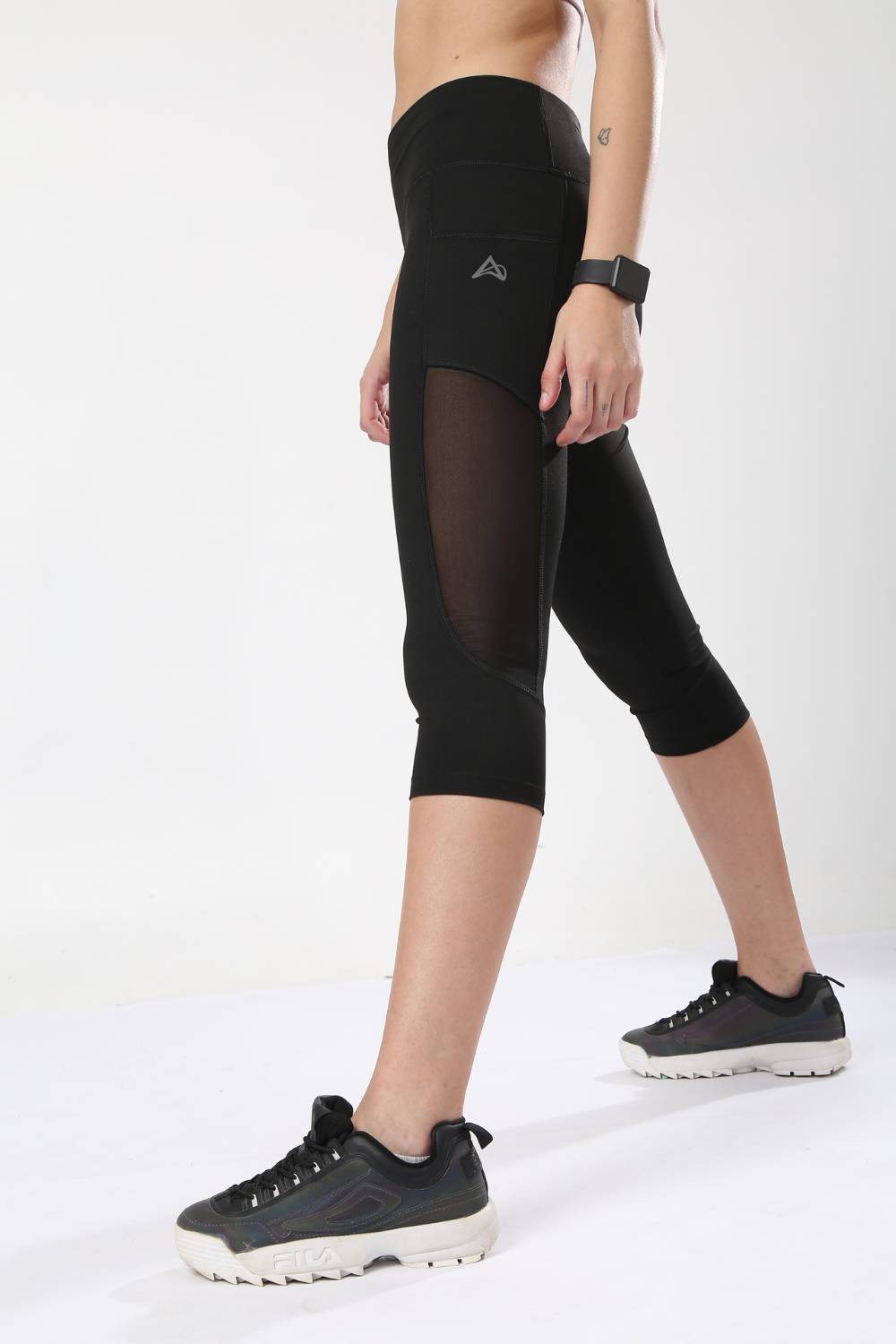
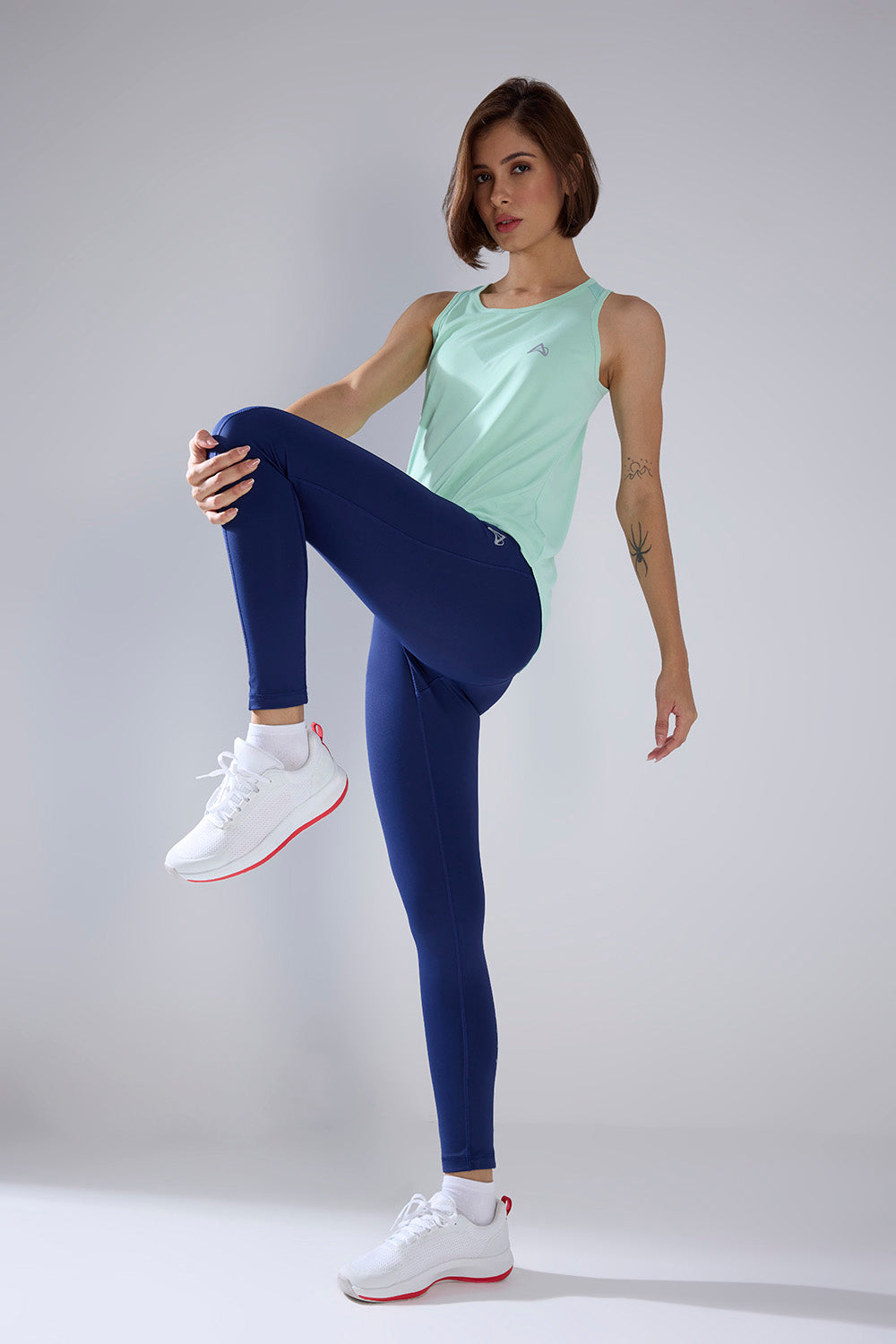
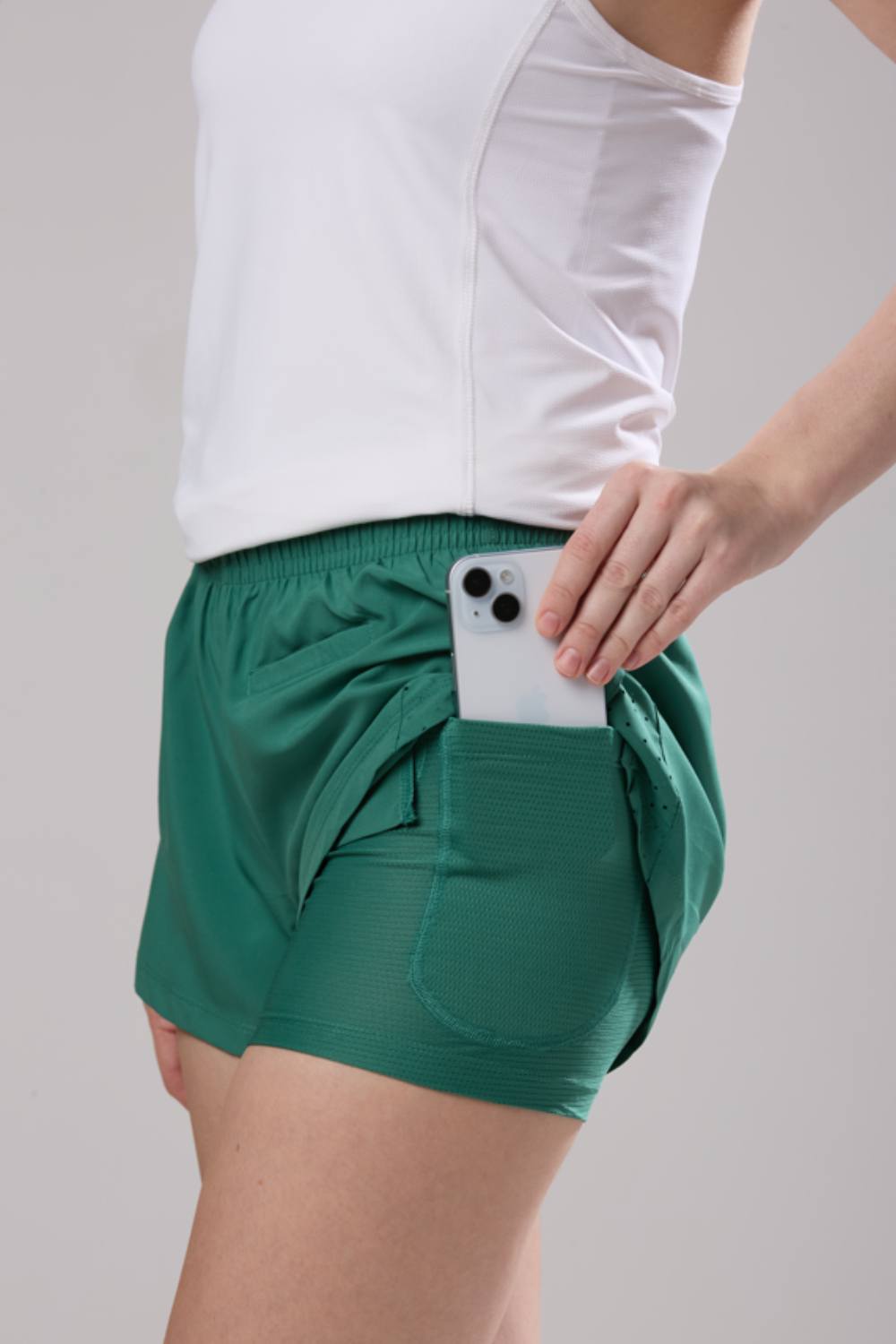
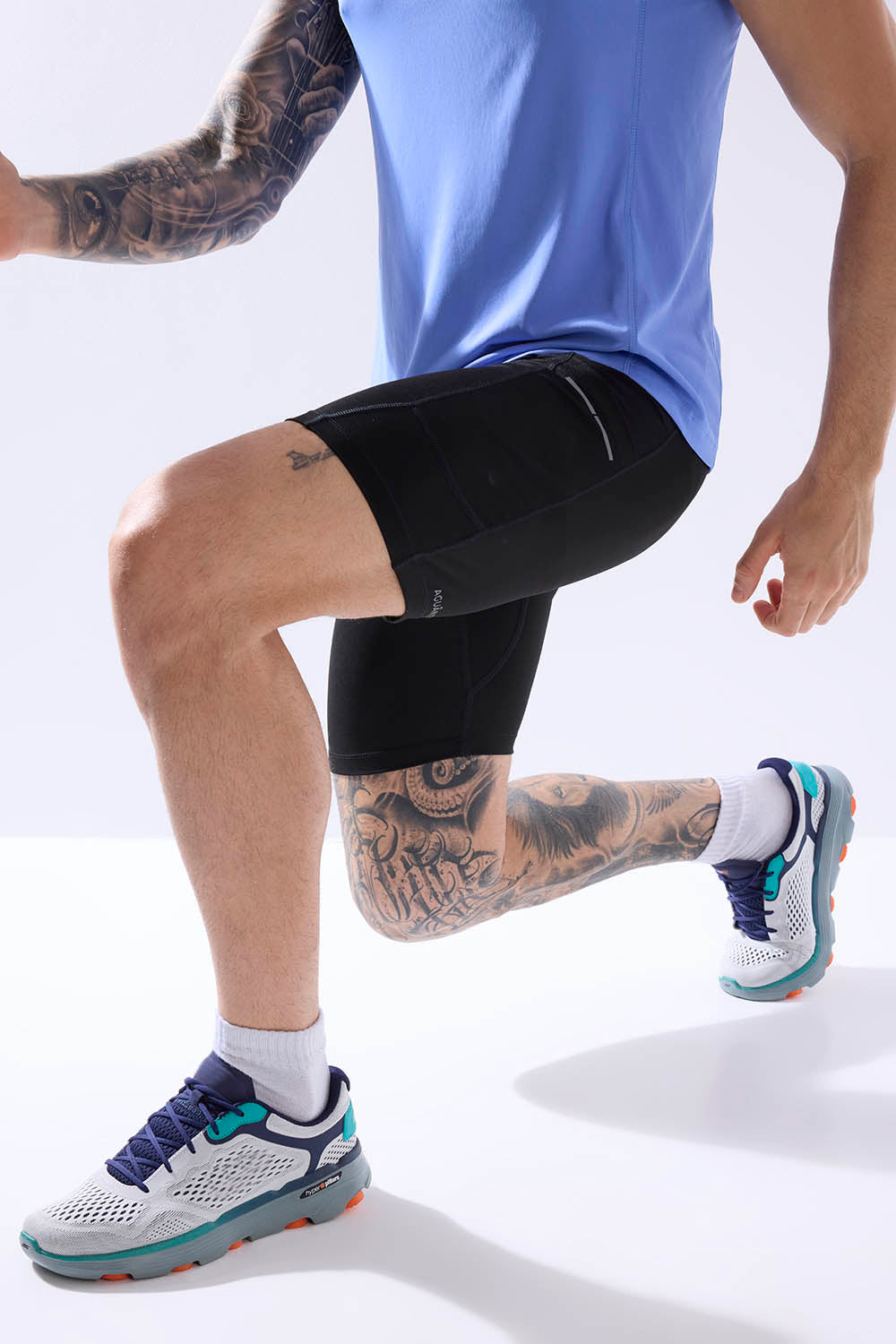
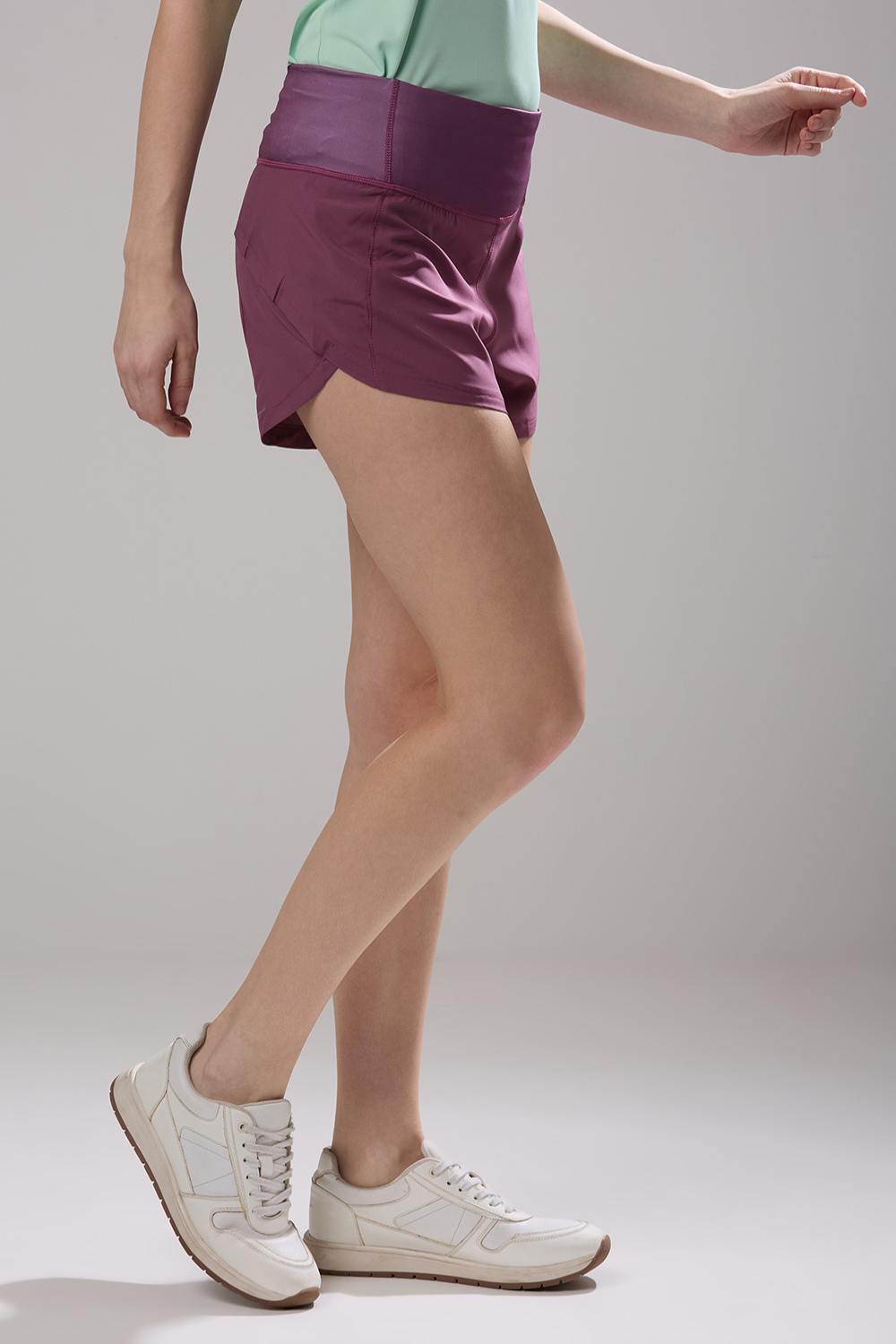
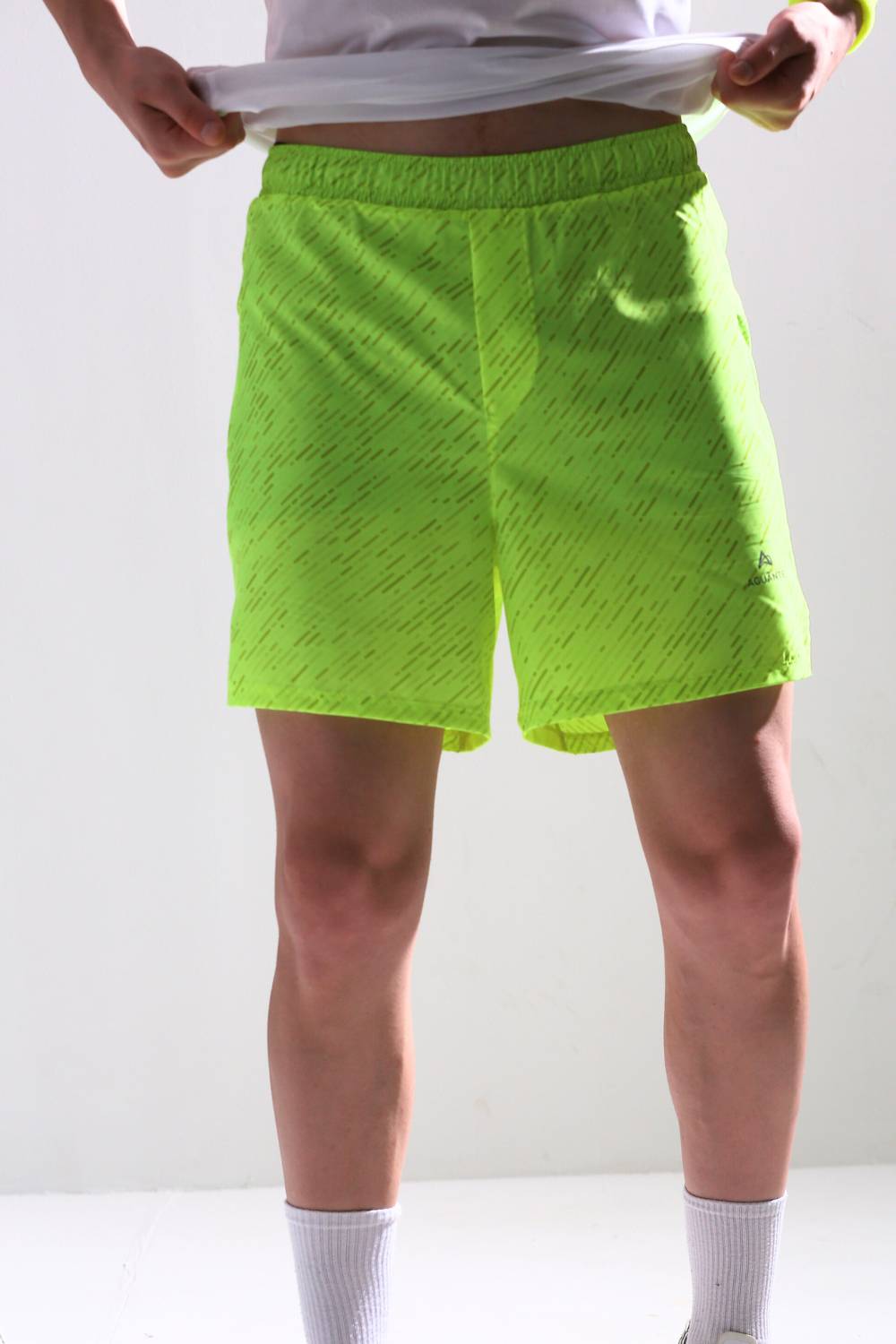
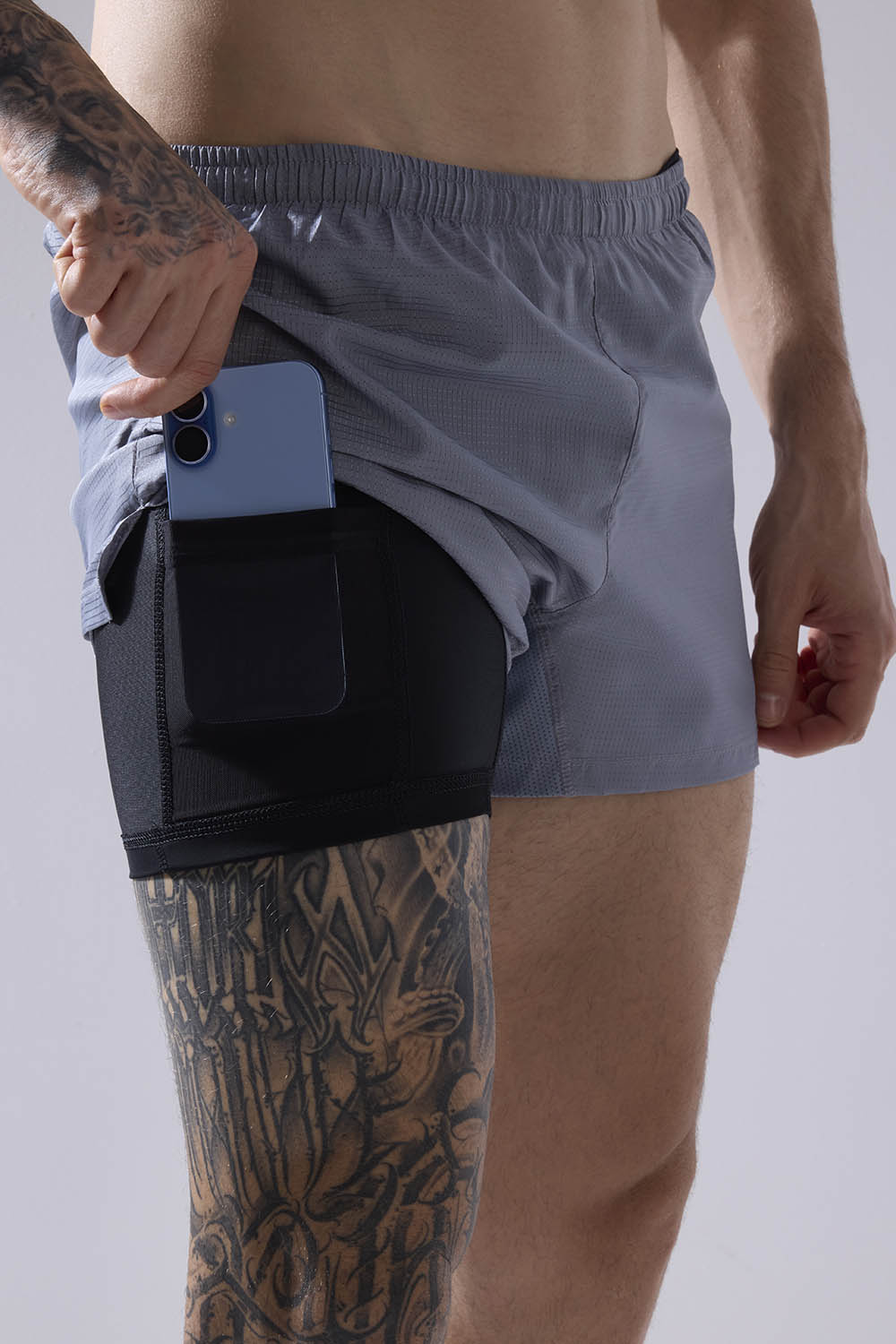
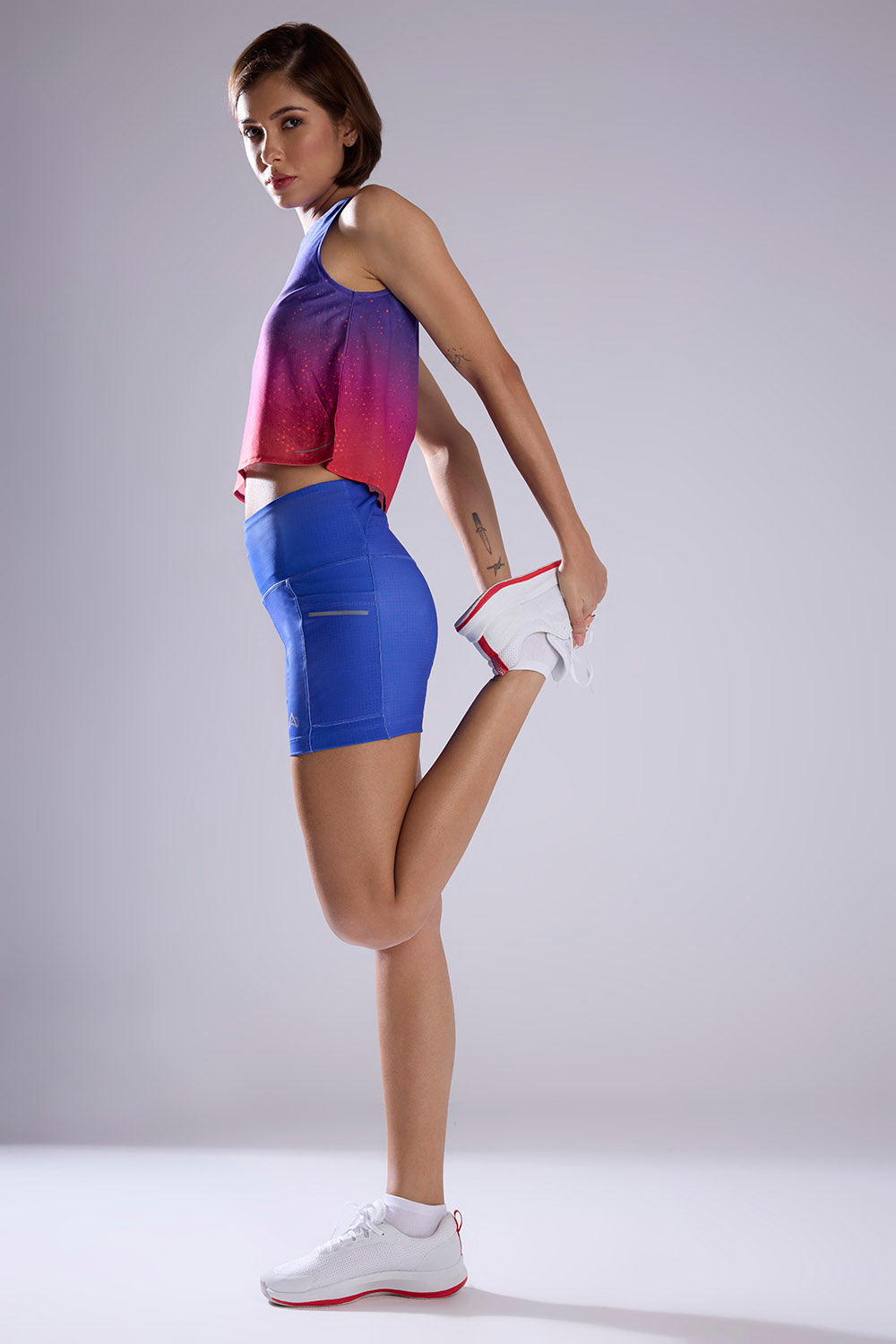
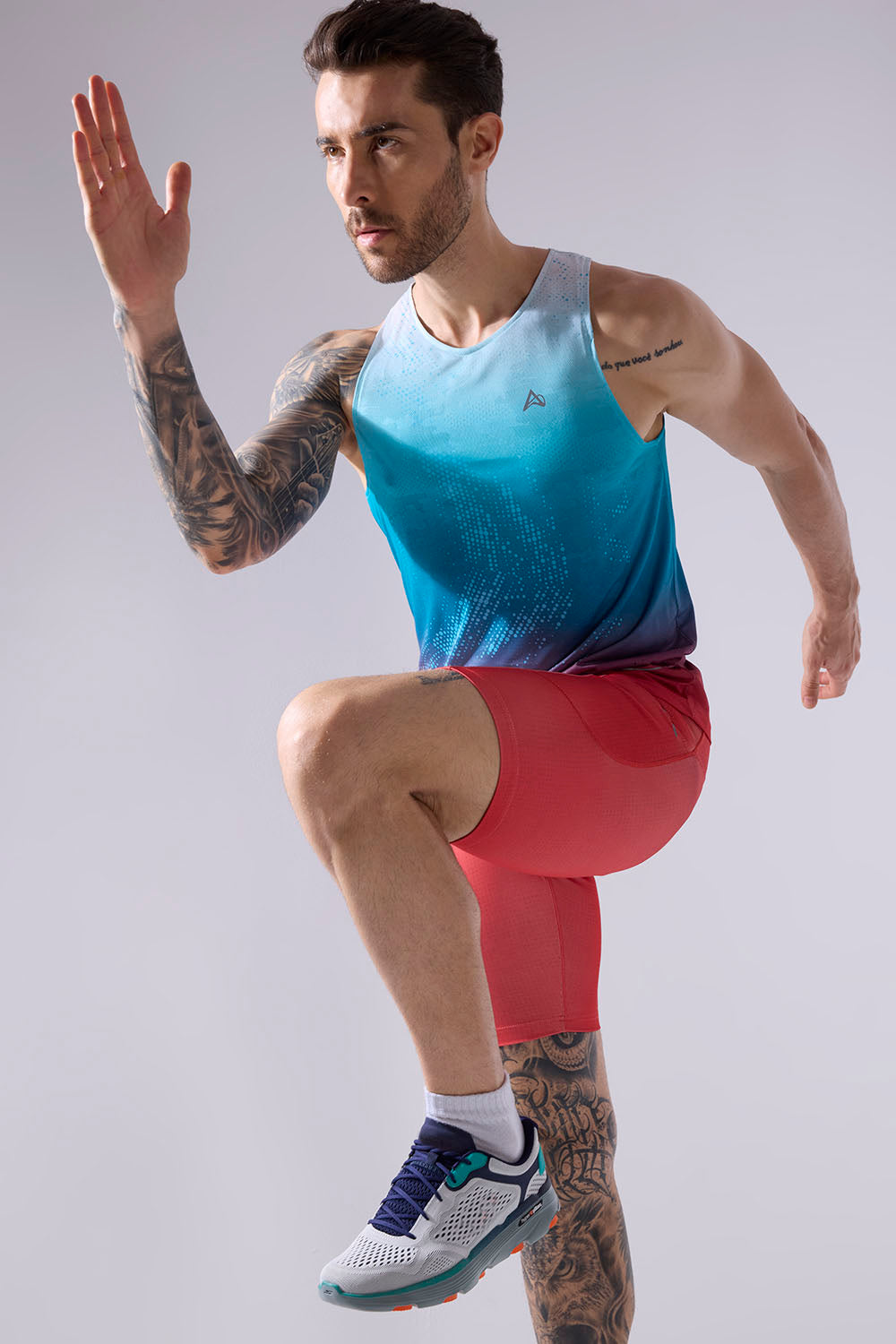
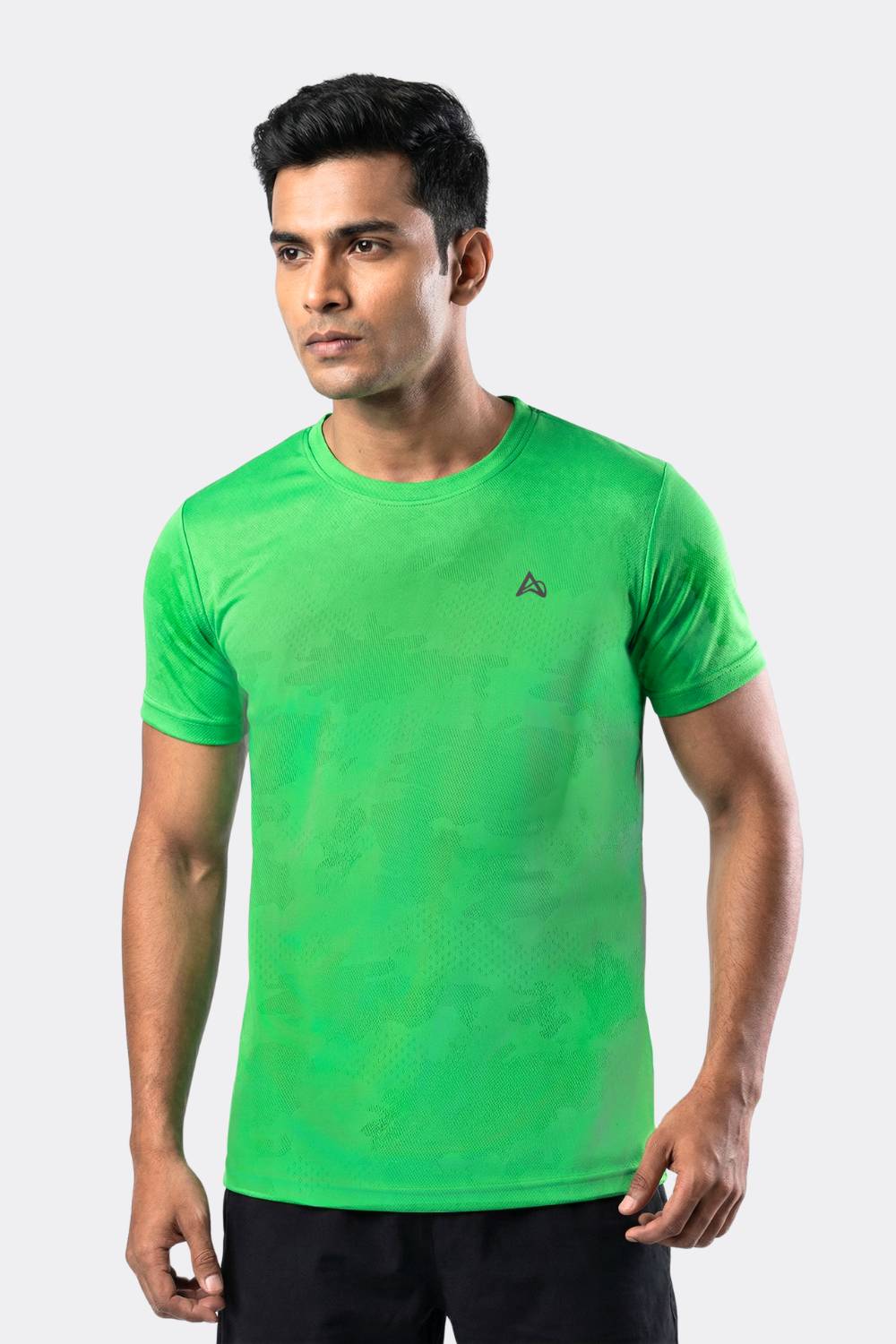
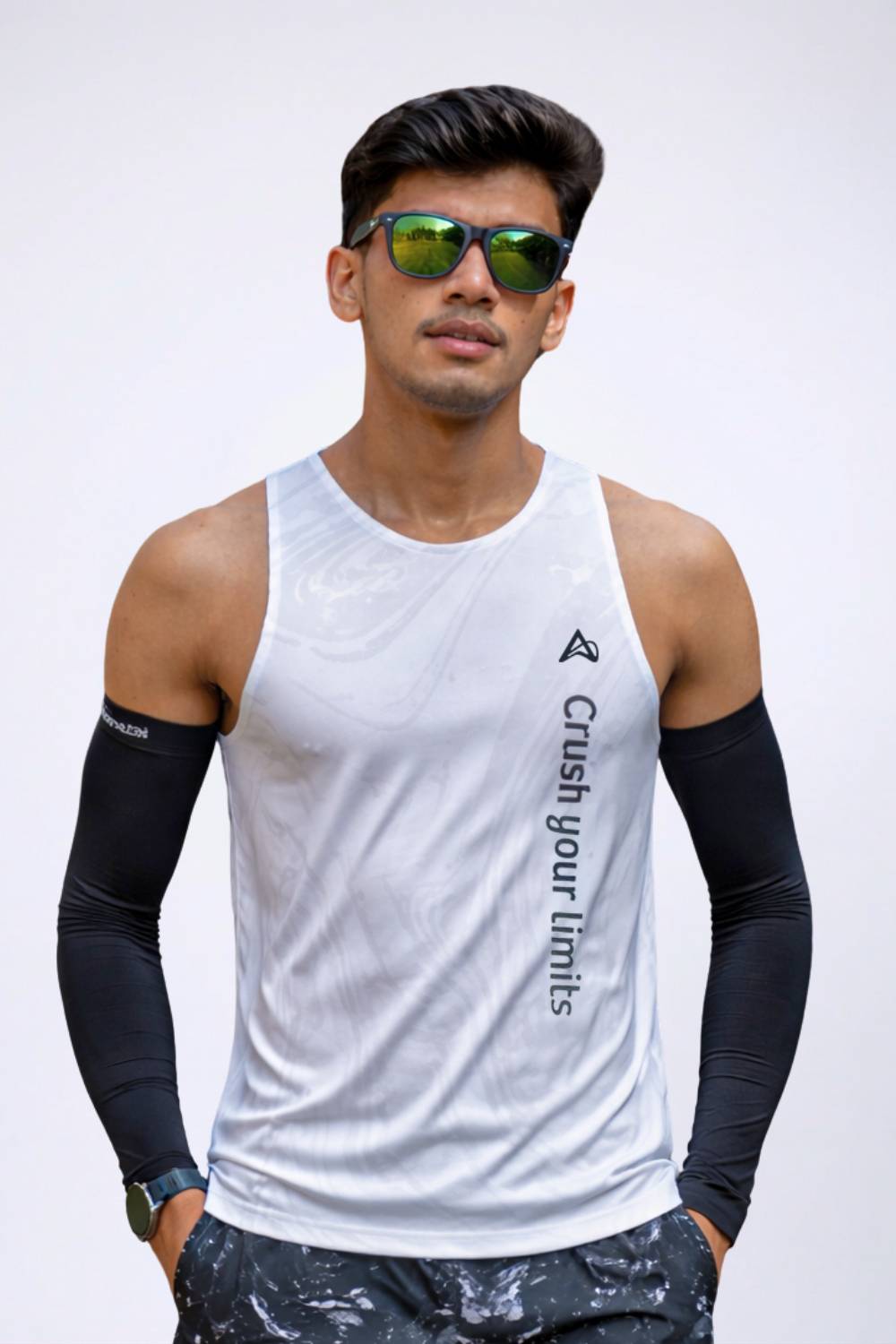
Aguante, an Indian activewear brand founded in 2018 by runners for runners, was born from this vibrant ecosystem. Specializing in high-performance items like singlets, shorts, half-tights, and track pants, the brand incorporates features tailored for endurance: moisture-wicking fabrics, bounce-free pockets, anti-chafing linings, reflective accents for visibility, and fits honed through real-world testing. Committed to innovation, integrity, and social responsibility, Aguante offers affordable options available online via platforms like Myntra and Amazon, or select stores, with perks such as free nationwide shipping, secure transactions, and a 14-day return window. Their ethos? Empowering athletes to elevate every stride.
Tired of gear that slows you down? Chafing, soggy fabrics, and missing pockets kill your run's momentum. At Aguante, we're runners who get it. Our high-performance activewear features moisture-wicking fabrics, ergonomic designs, and smart storage to keep you focused. Shop Now!
The Surge of Running in Urban India
India's running culture is experiencing unprecedented momentum, propelled by a collective push toward healthier lifestyles amid rapid urbanization and increasing affluence. The India running gear market, valued at USD 2.4 billion in 2024, is poised to double to USD 4.8 billion by 2033. This expansion reflects broader trends: more people embracing fitness to combat sedentary routines, the thrill of recreational runs, and a boom in organized events like marathons that draw thousands annually.
Government efforts, such as the Khelo Bharat Niti 2025 policy launched in July 2025, further fuel this by promoting sports participation nationwide. Meanwhile, endorsements from athletes and the ease of online shopping have made quality gear more accessible, encouraging even novices to lace up.
At the heart of this surge are local run clubs, transforming solitary jogs into communal rituals. In Bangalore, enthusiasts flock to Cubbon Park or Ulsoor Lake for group sessions that blend exercise with camaraderie. Mumbai's runners favor Marine Drive or Bandstand, where the sea breeze complements their efforts. Similar scenes unfold in Pune's hilly parks, Hyderabad's green spaces, and Delhi's Lodhi Gardens, attracting a diverse mix of professionals, students, and families seeking wellness and connection.
Spotlight on Key Citie's Running Scenes
Each city adds its unique flavor to the running narrative, influencing gear demands in distinct ways. Bangalore's tech-savvy crowd navigates variable weather, prizing versatile apparel that handles sudden showers or heat spikes. Hyderabad's groups emphasize breathability to counter humid mornings, while Pune's hilly routes call for durable shorts and supportive half-tights that endure inclines without compromise.
In Mumbai, coastal humidity drives preferences for quick-drying fabrics, as seen in clubs like Bombay Running or Pudhe Chala, where members share tips on gear that prevents chafing during long waterfront sessions. Delhi and Gurugram runners, battling pollution, seek easy-to-clean, breathable options for spots like Lodhi Gardens. Even in emerging hubs like Surat and Ahmedabad, communities are forming, demanding affordable yet robust gear for dusty paths.
How Conversations on the Run Shape Gear Choices
Post-run huddles are where the magic happens. Amid panting breaths and shared water bottles, discussions turn to gear performance: "These shorts chafed on that bumpy stretch," or "My tank wicked sweat perfectly in this humidity." Such candid exchanges, amplified through group chats and social media, form a real-time feedback loop that molds preferences.
Unlike generic advice, these insights stem from lived experiences in India's challenging conditions Mumbai's sticky air, Pune's uneven trails, or Delhi's polluted haze. Runners prioritize features like secure pockets for essentials, reflective elements for low-light safety, and fabrics that breathe through extended sessions. As one community leader noted, gear must enable distraction-free movement, turning potential annoyances into seamless support.
This organic dialogue often leads to collective shifts, with groups trialing new items during joint runs and dissecting results. The result? A preference for adaptable, runner-centric designs over one-size-fits-all imports.
From Global Imports to Homegrown Solutions
For decades, Indian runners relied on international brands, but escalating costs and ill-suited designs sparked discontent. Gear engineered for temperate climates faltered here clinging in heat, ill-fitting for local builds, or lacking durability on potholed roads.
Enter homegrown brands attuned to these realities. Aguante exemplifies this shift, crafting apparel specifically for Indian conditions: breathable materials combating heat and humidity, anti-chafing details for comfort, and ergonomic fits validated by actual runners. Priced accessibly without skimping on quality, it bridges the gap between global standards and local needs.
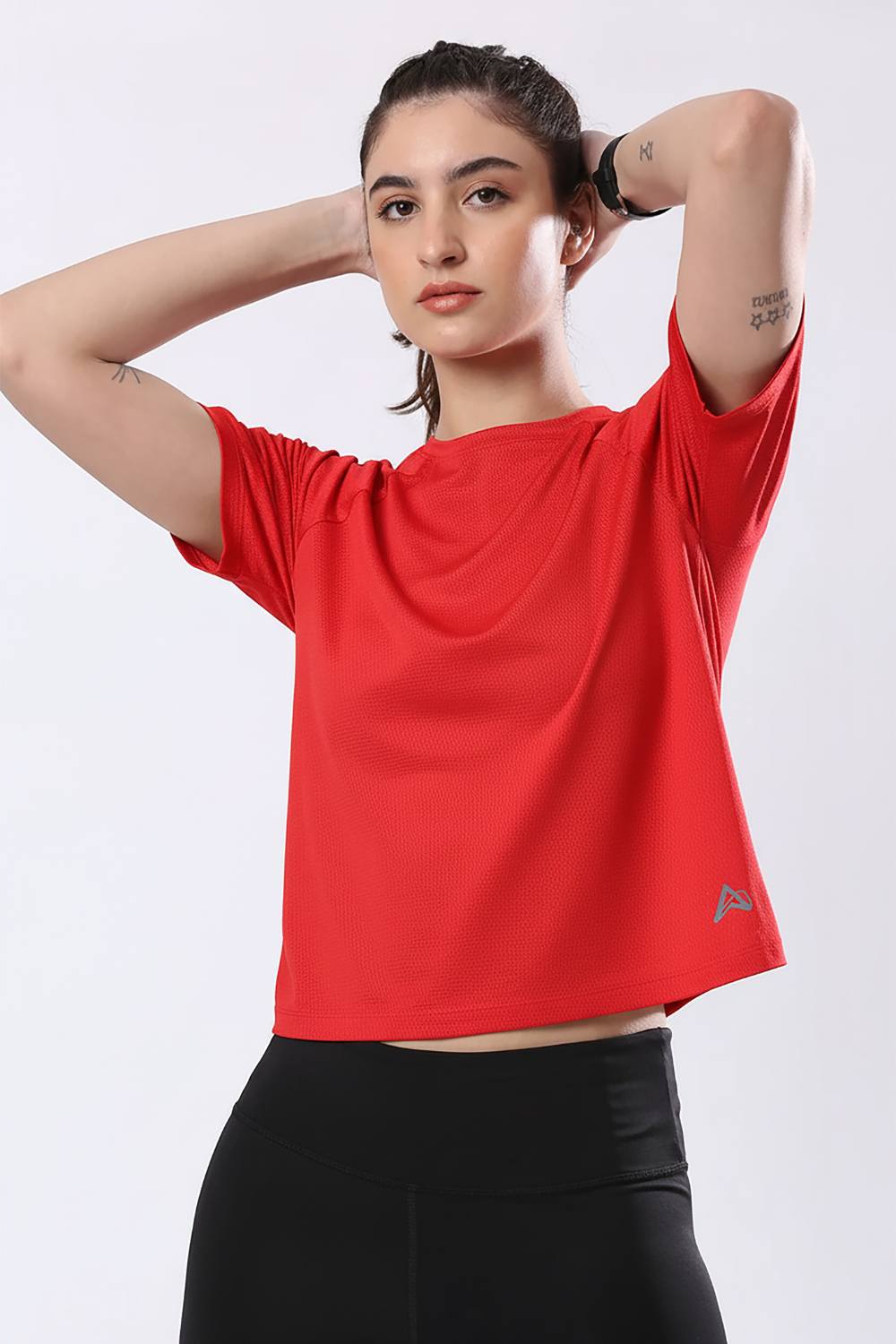
This resonates deeply in target regions. Bangalore runners appreciate weather-resilient t-shirts; Mumbai groups favor moisture-wicking shorts; Pune's terrain demands flexible half-tights. By focusing on these nuances, local brands foster loyalty through relevance.
Community-Driven Innovation in Action
Brands increasingly engage directly: sponsoring aid stations at races, hosting trials with clubs, or gathering input for product tweaks. For instance, feedback from Mumbai's run clubs led to demands for compact waist bags for keys and phones, influencing designs at retailers like Decathlon.
Pune's We Persist Club, blending runs with social after-parties, highlights how communities blend fitness with culture, prompting gear that doubles for performance and style. Such collaborations yield innovations like eco-friendly fabrics, aligning with growing sustainability concerns.
The Social Media Amplification
Social platforms turbocharge these influences. Instagram reels from Hyderabad showcase tanks in action during group outings; Facebook threads in Pune debate pocket efficacy on rough paths; YouTube reviews dissect half-tights post-real runs.marketresearchfuture.com
- Endorsements from influencers like those in Mumbai's Overlydaa community spark trends, emphasizing gear suited to urban challenges.
- Posts highlighting issues like poor footpaths or pollution in Delhi underscore needs for resilient apparel.
- Collaborations with athletes, as seen in partnerships like PUMA's in 2025, boost visibility and credibility.
This digital echo chamber turns local insights into national conversations, guiding brands toward responsive designs.
Overcoming Common Doubts
Doubts linger about whether local brands match international quality. Yet, validation from communities dispels this runners repeatedly choose Aguante for its proven performance on Mumbai's humid trails or Bangalore's variable climes, where details like non-bouncing pockets shine.
Affordability versus longevity is another concern, but Aguante counters with meticulous craftsmanship: premium fabrics and stitching at fair prices. Group endorsements and repeat purchases affirm this balance, proving value without compromise.
As Nithin Kamath of Zerodha noted, India's runner base, though small at under 0.3% of the population, is growing, with communities key to inclusivity, especially for women.
Looking Ahead: A Community-Powered Future
As running embeds deeper into India's cultural fabric, local communities will continue steering gear evolution. With more events, clubs, and dawn meetups, demands for adaptive, sustainable apparel will intensify. Brands ignoring this bottom-up input risk obsolescence; those embracing it, like Aguante, cultivate enduring allegiance.
Ultimately, superior gear arises not from distant boardrooms but shared journeys and forthright feedback. In India's dynamic cities, runners are authoring activewear's future one collective stride at a time.
Frequently Asked Questions
How do local running communities in India influence running gear preferences?
Local running clubs across Indian cities like Bangalore, Mumbai, Pune, and Hyderabad serve as real-time feedback hubs where runners exchange candid insights on gear performance during and after group runs. Post-run conversations shared on WhatsApp groups, Instagram, and YouTube highlight practical needs such as anti-chafing linings, bounce-free pockets, moisture-wicking fabrics, and reflective accents for low-light safety. This organic, community-driven dialogue consistently steers preferences away from generic international imports toward running apparel that is purpose-built for India's diverse climates and terrains.
Why are Indian runners shifting from international running brands to homegrown activewear?
Many international running gear brands are designed for temperate climates and fail to hold up against India's heat, humidity, and uneven terrain often clinging uncomfortably or wearing out quickly on potholed roads. Homegrown Indian activewear brands have stepped in to fill this gap by offering breathable, ergonomic designs validated through real-world testing in local conditions. With competitive pricing, features like moisture-wicking fabrics and anti-chafing details, and fits suited to Indian body types, domestic brands are earning lasting loyalty from the growing runner community.
What features should runners in Indian cities look for in running apparel?
Runners in Indian cities should prioritize moisture-wicking, quick-drying fabrics to manage heat and humidity, especially in coastal cities like Mumbai. Anti-chafing linings are essential for long runs on uneven surfaces, while secure, bounce-free pockets keep essentials in place without distraction. Additional features worth seeking include reflective accents for early-morning or low-light visibility, breathable materials for polluted urban environments like Delhi, and durable construction that holds up on hilly routes such as those found in Pune.
Disclaimer: The above helpful resources content contains personal opinions and experiences. The information provided is for general knowledge and does not constitute professional advice.
You may also be interested in: The Role of Community in India's Running Apparel Market - Aguante
Tired of gear that slows you down? Chafing, soggy fabrics, and missing pockets kill your run's momentum. At Aguante, we're runners who get it. Our high-performance activewear features moisture-wicking fabrics, ergonomic designs, and smart storage to keep you focused. Shop Now!
Powered by flareAI.co