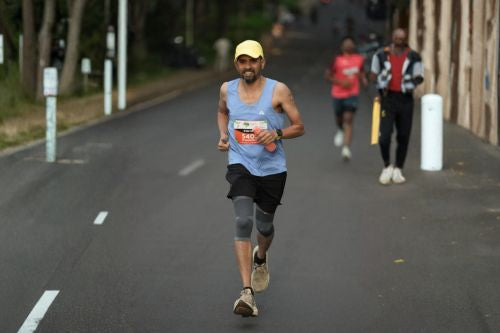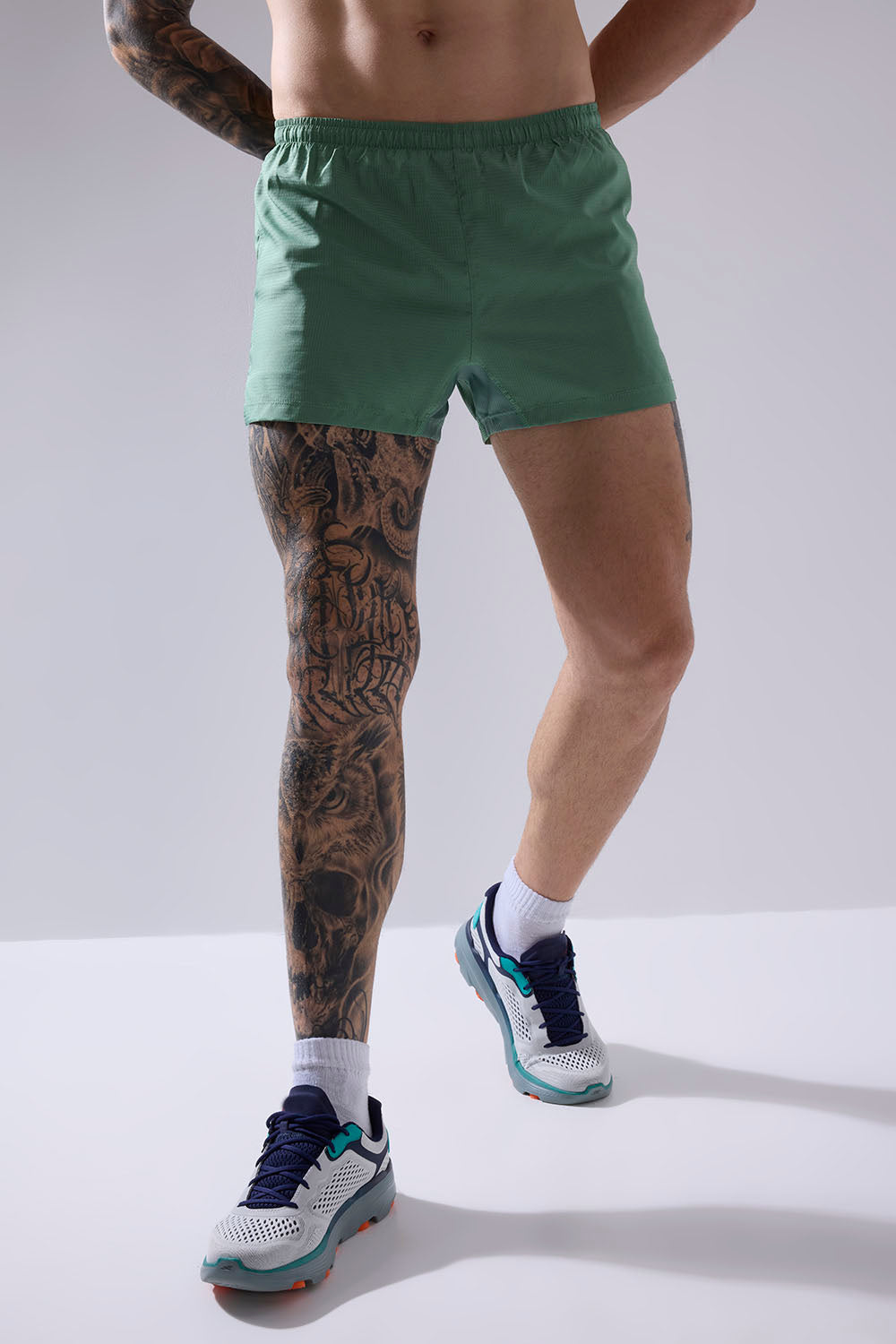
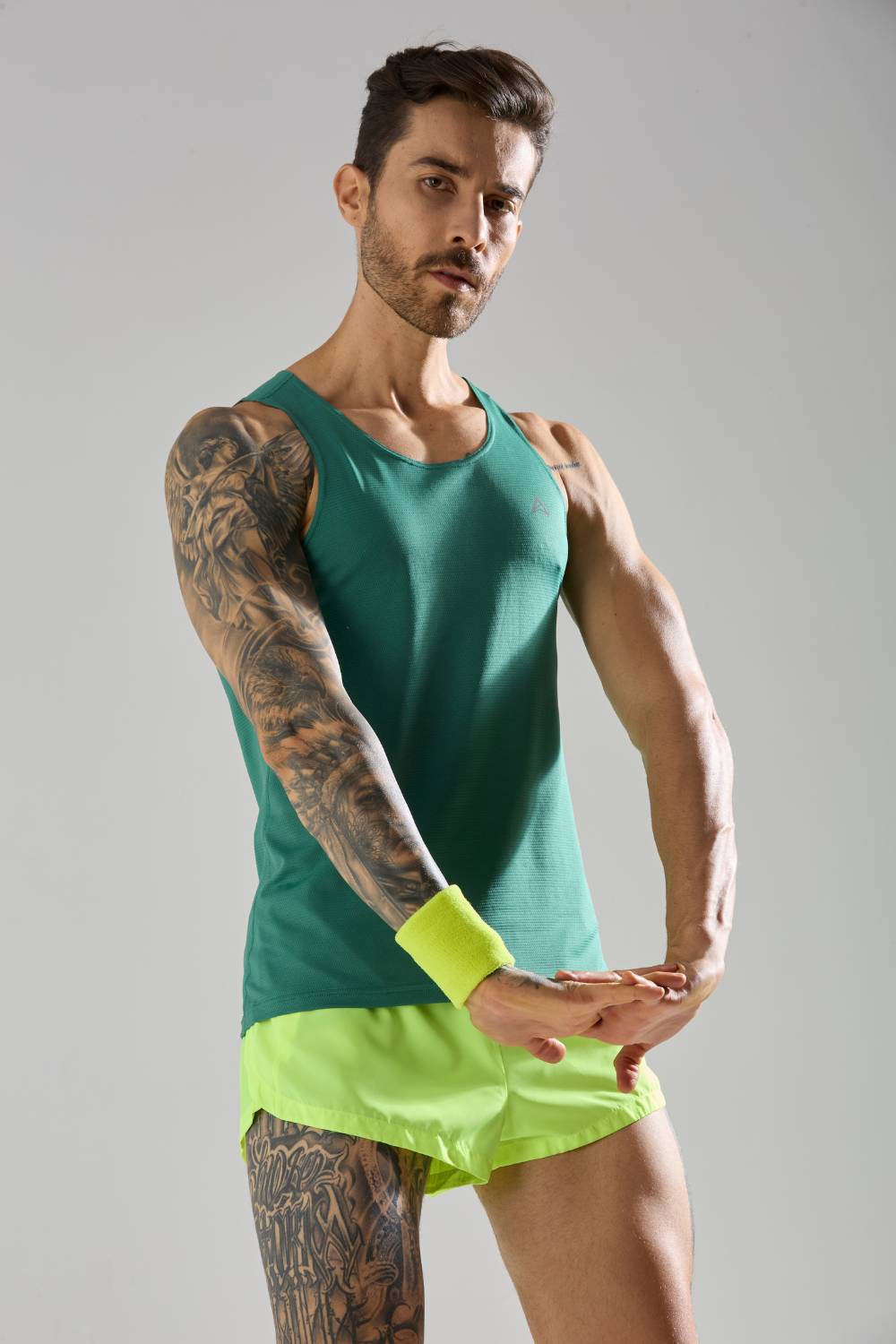
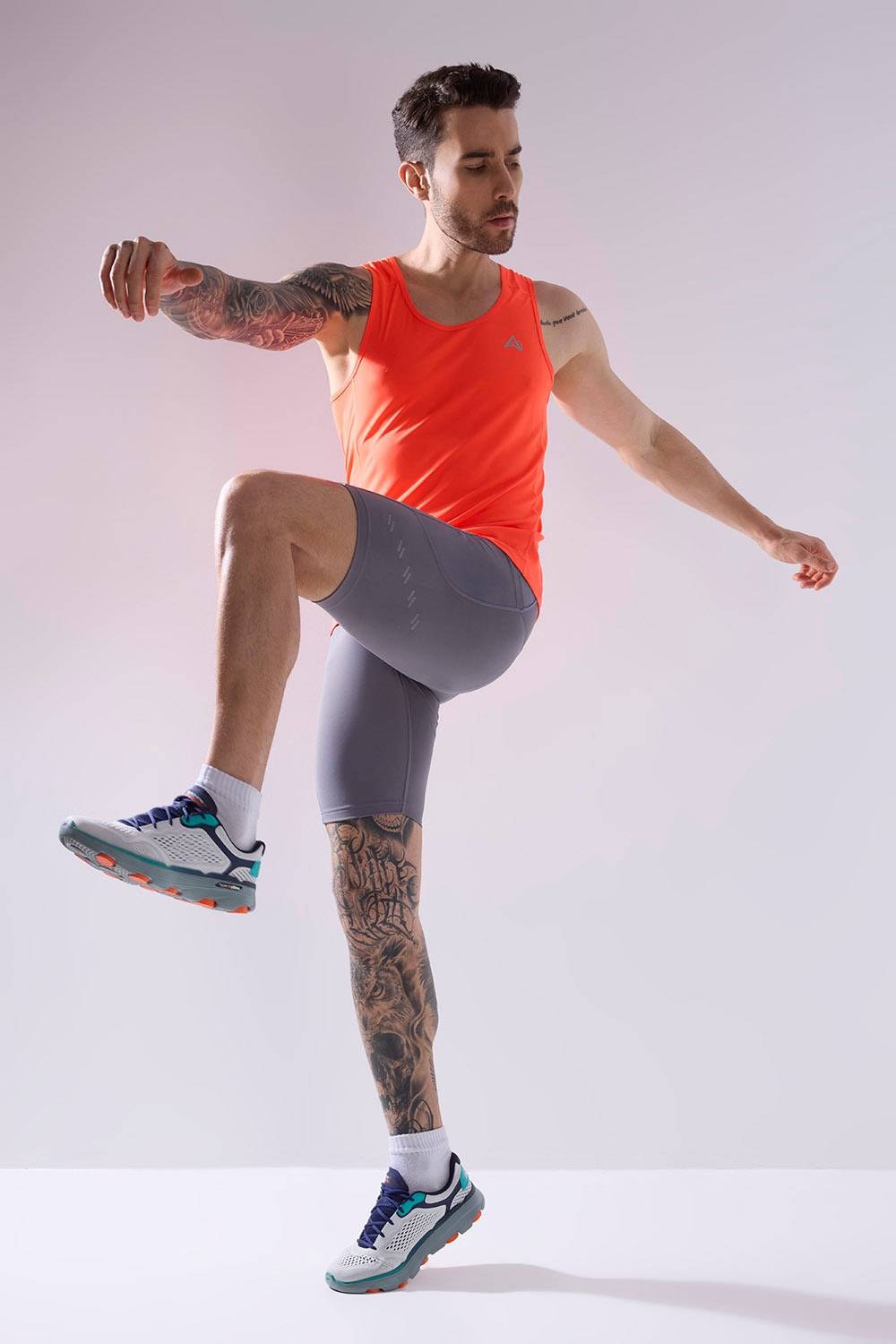
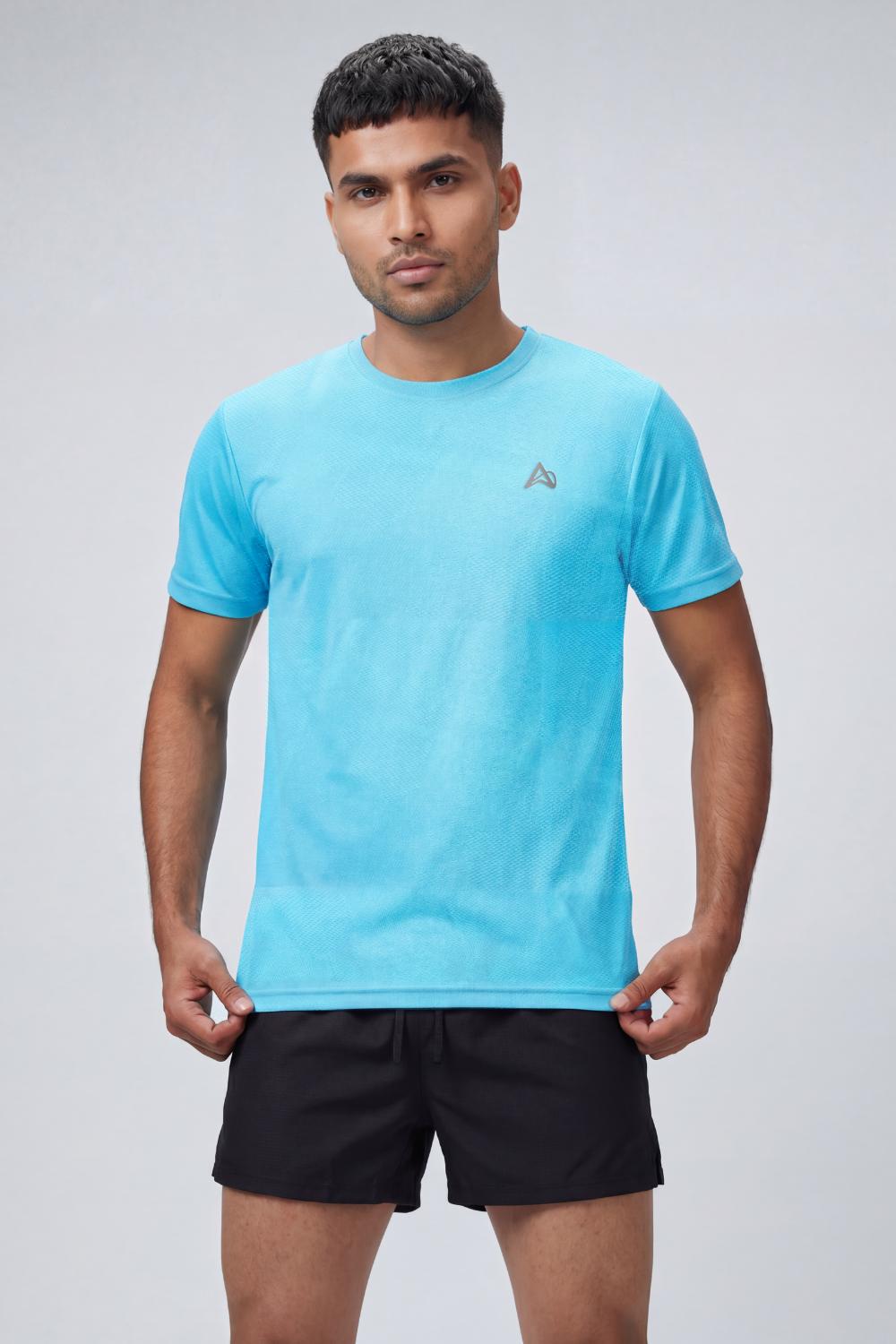
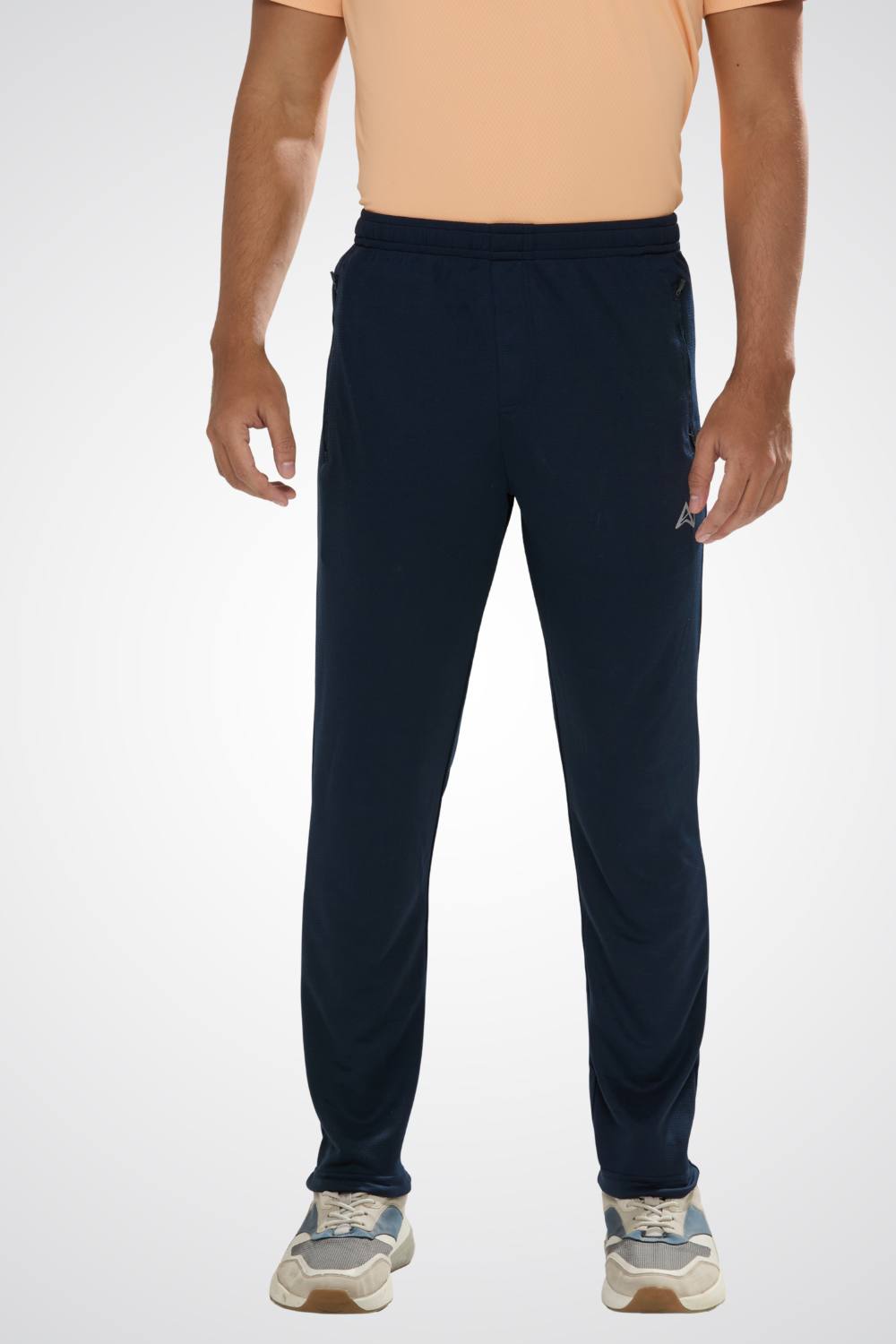
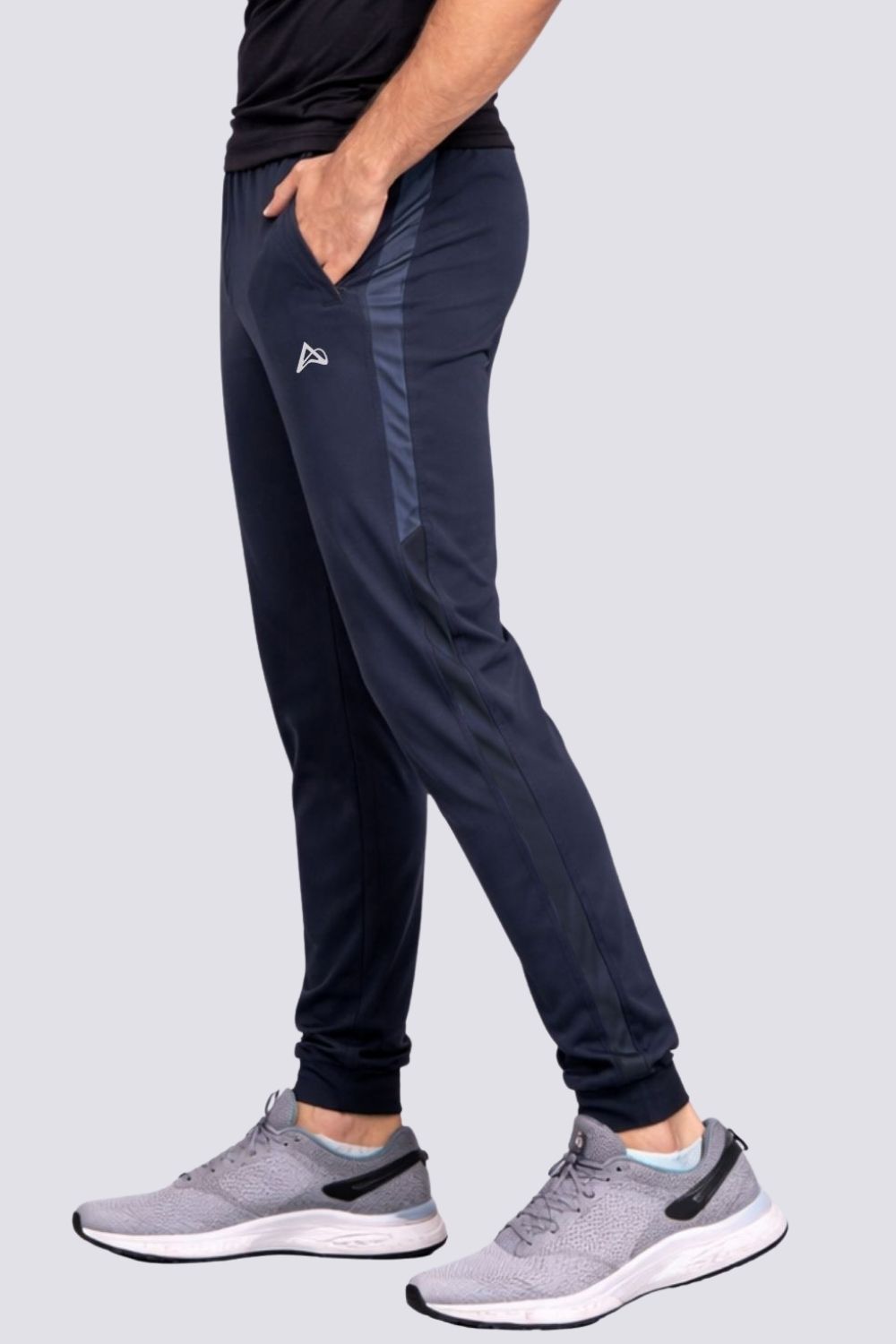
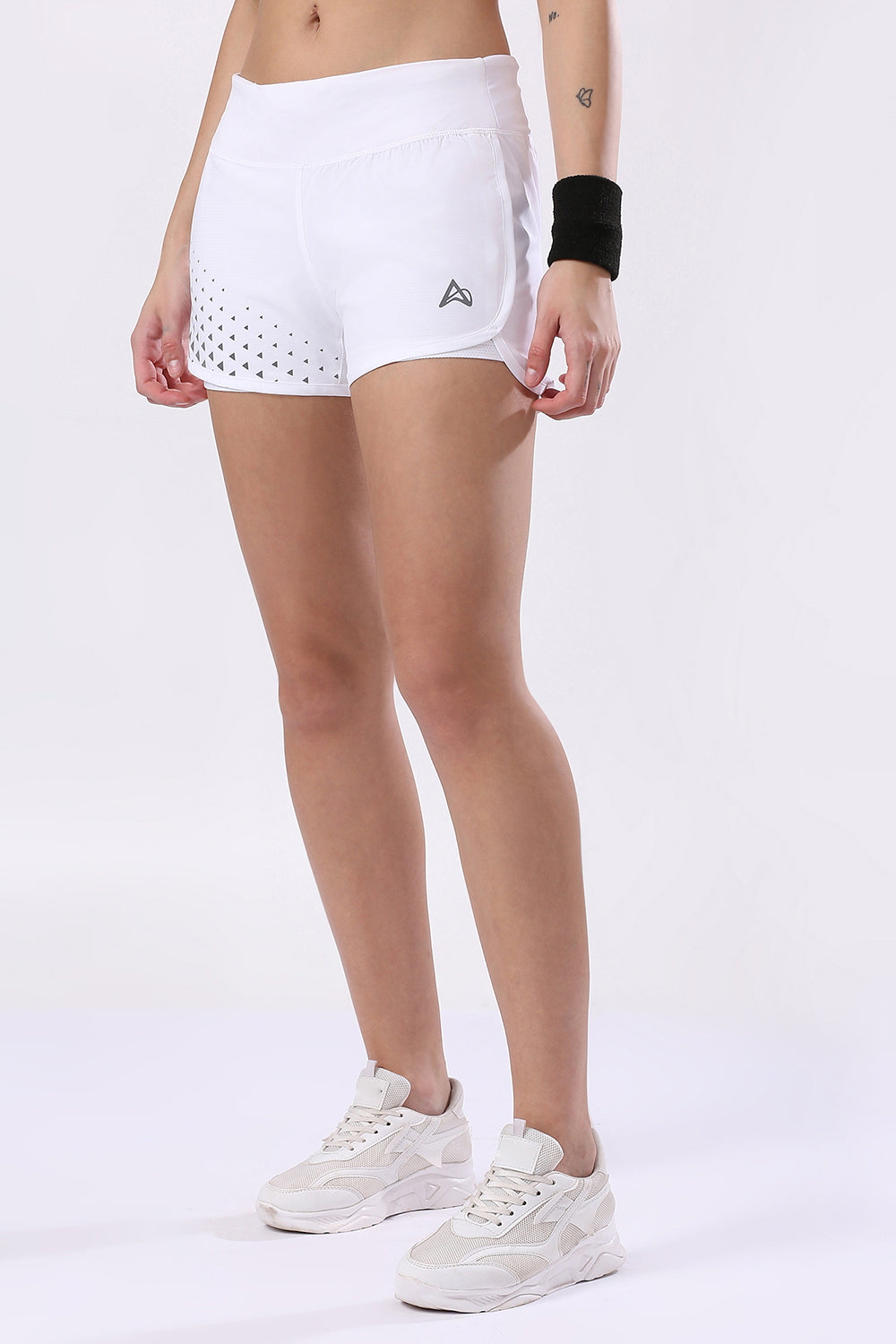
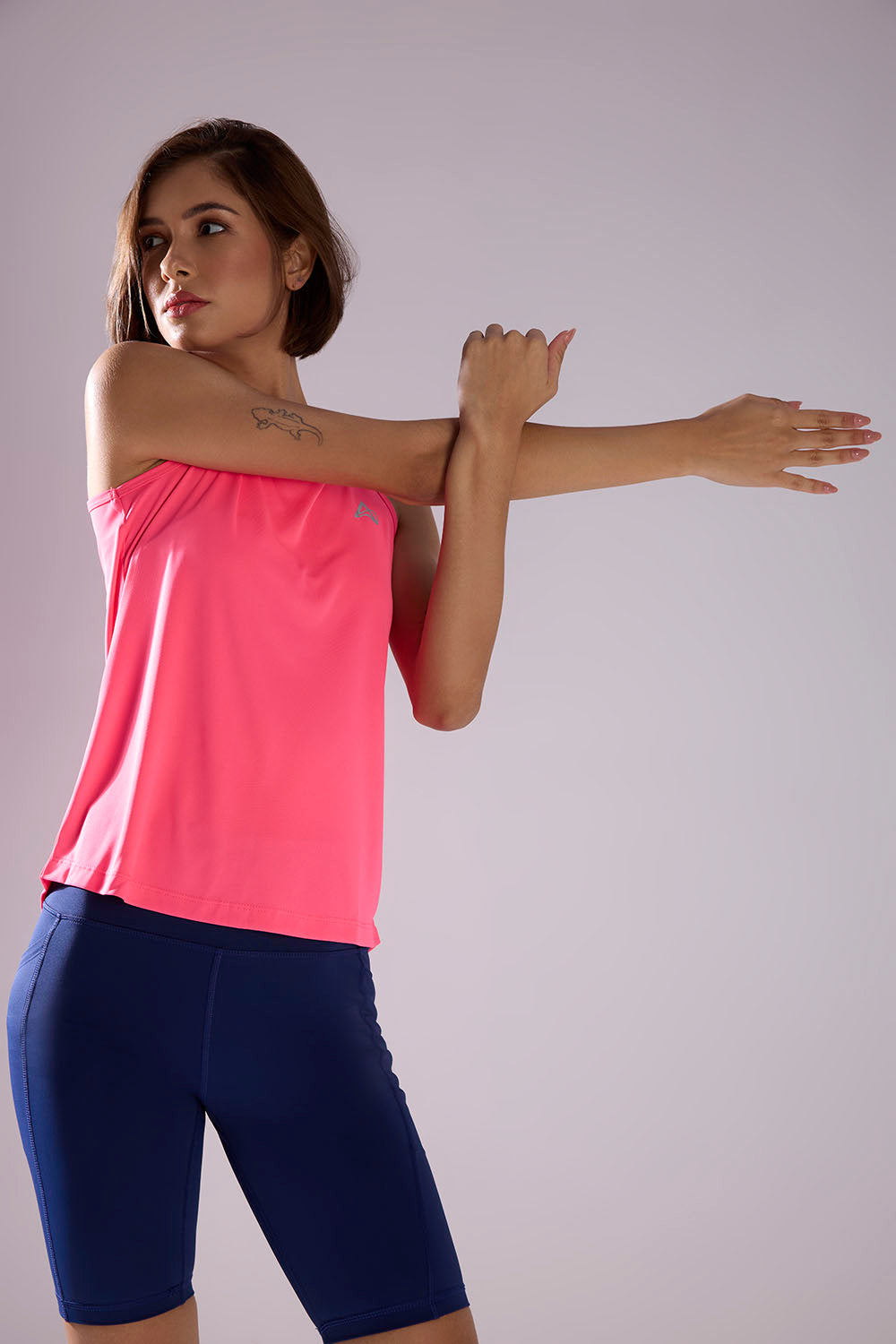
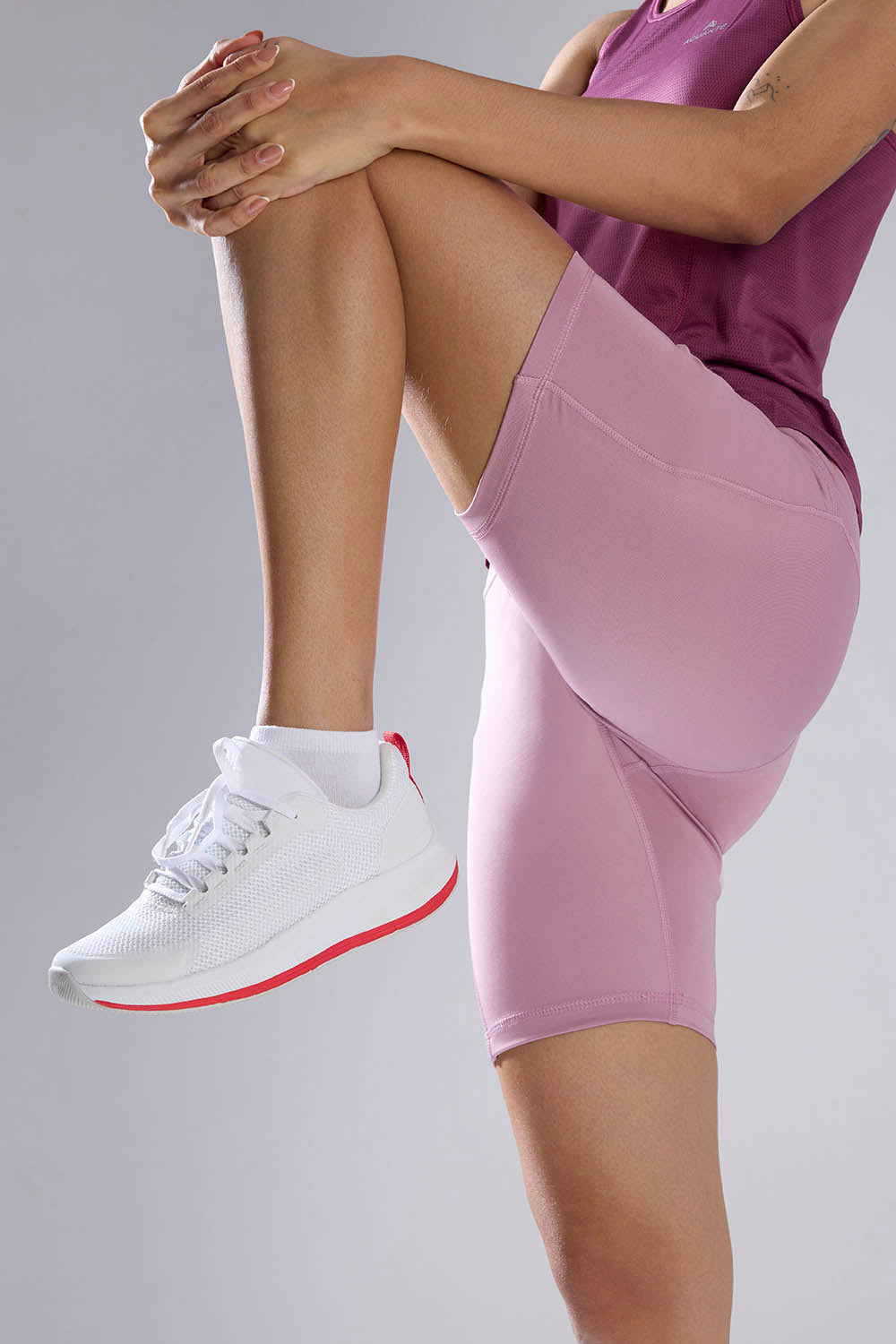
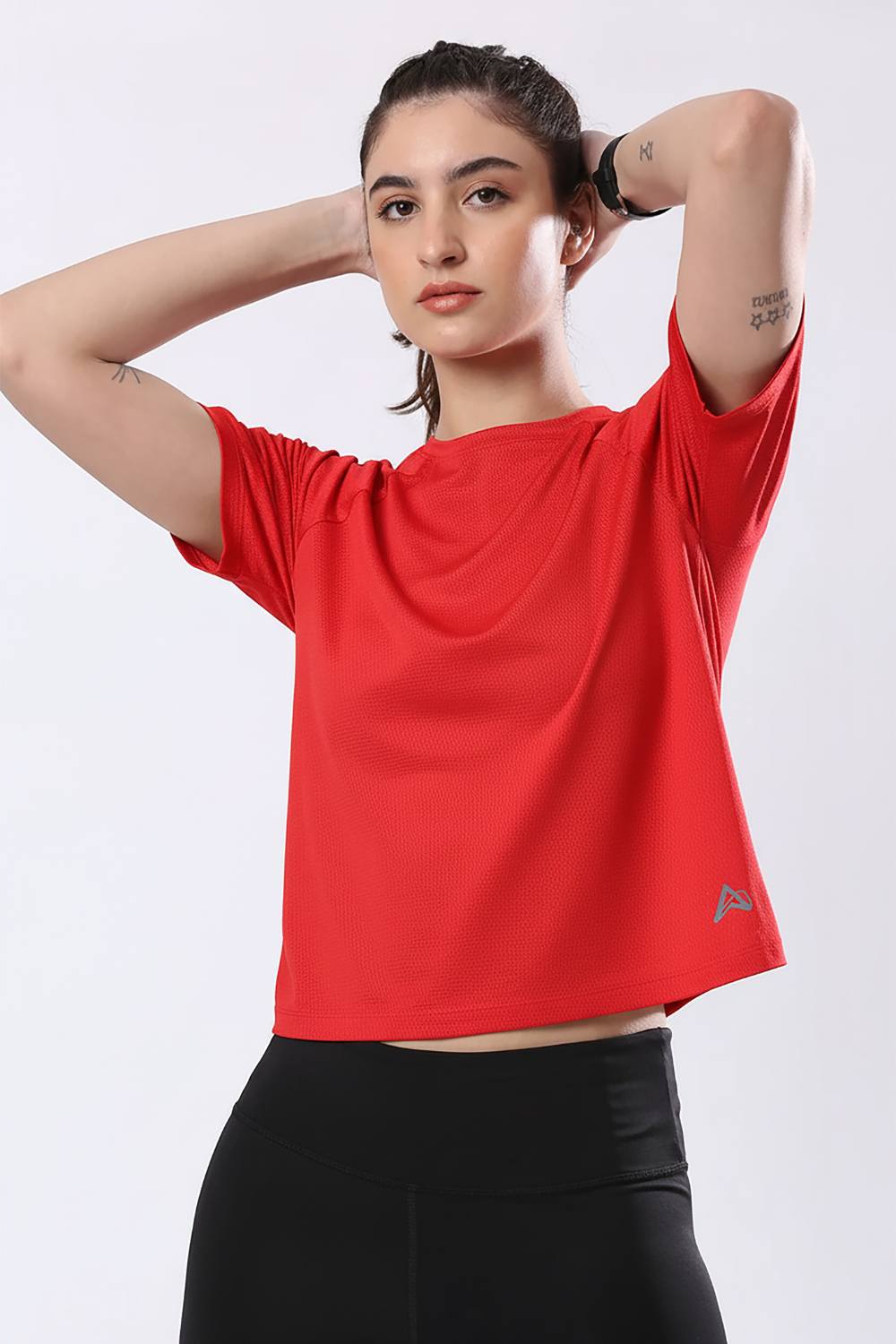
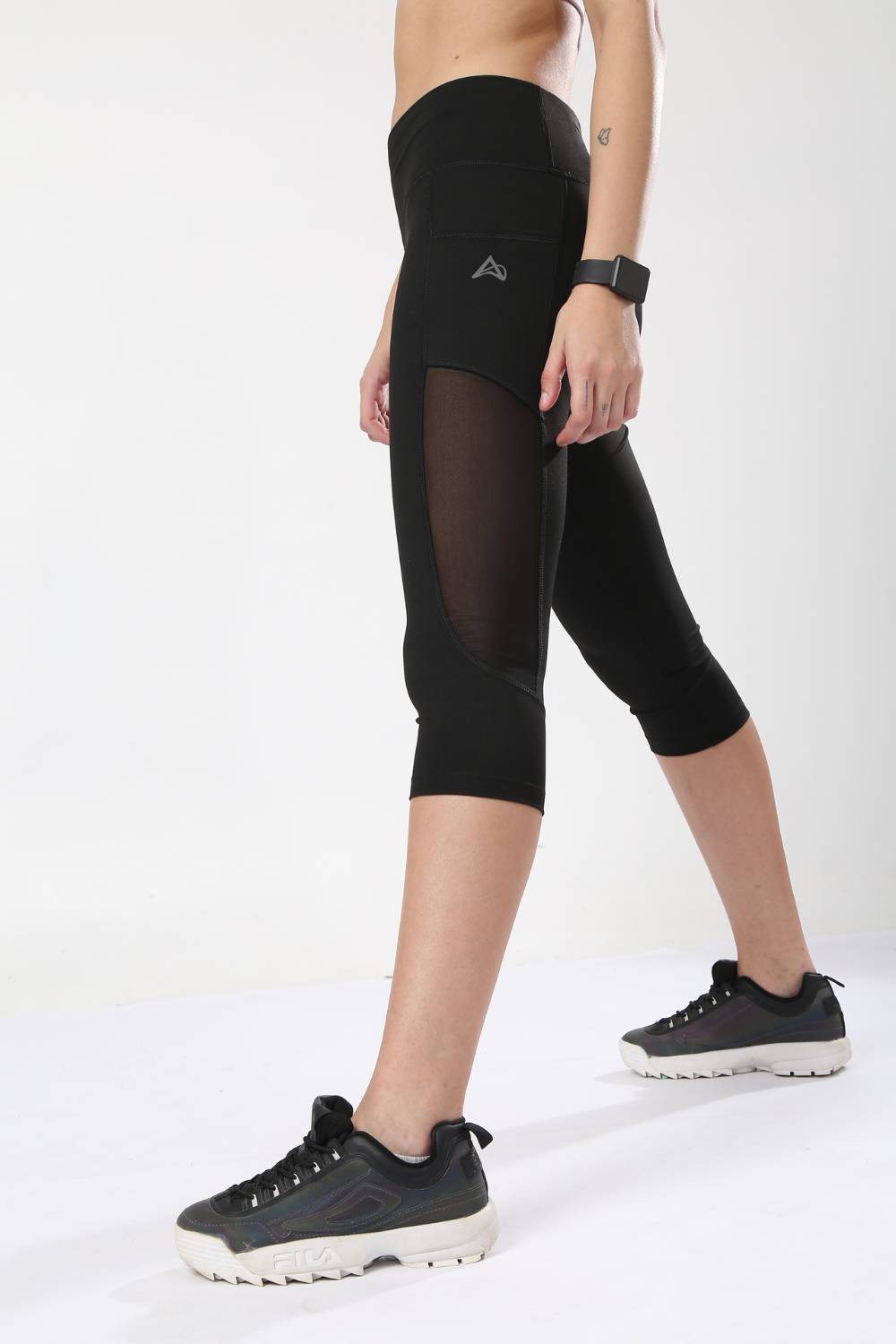
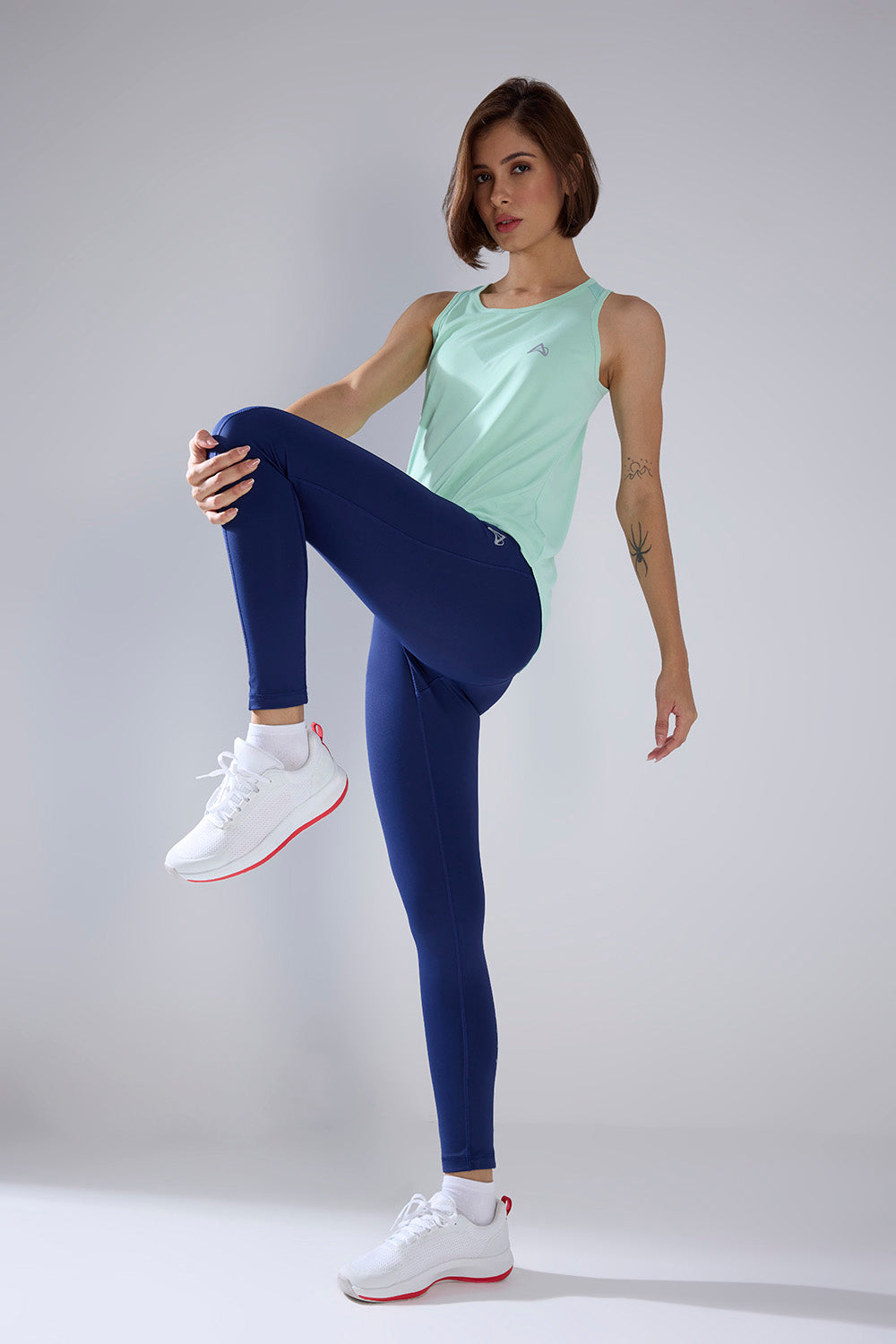

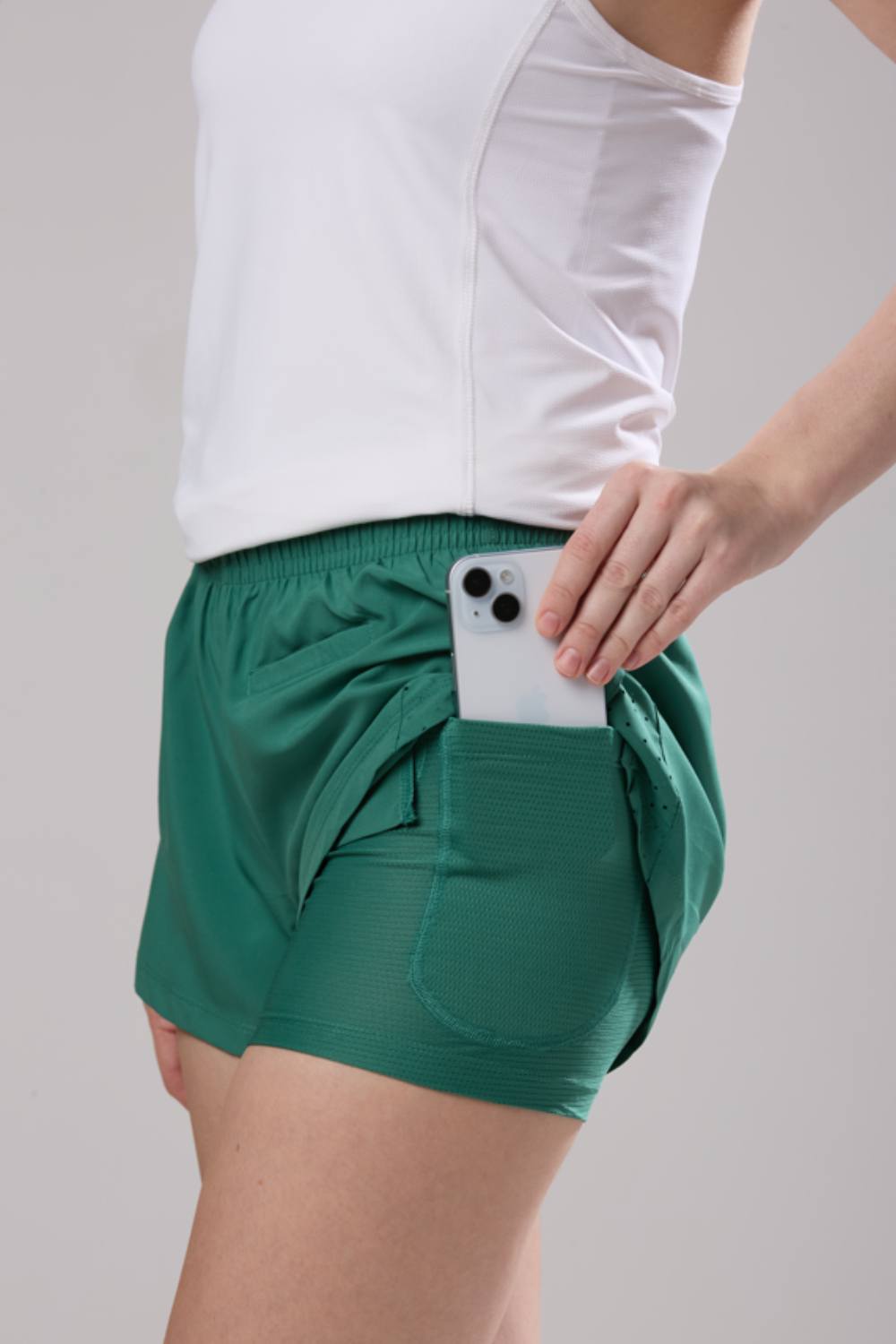
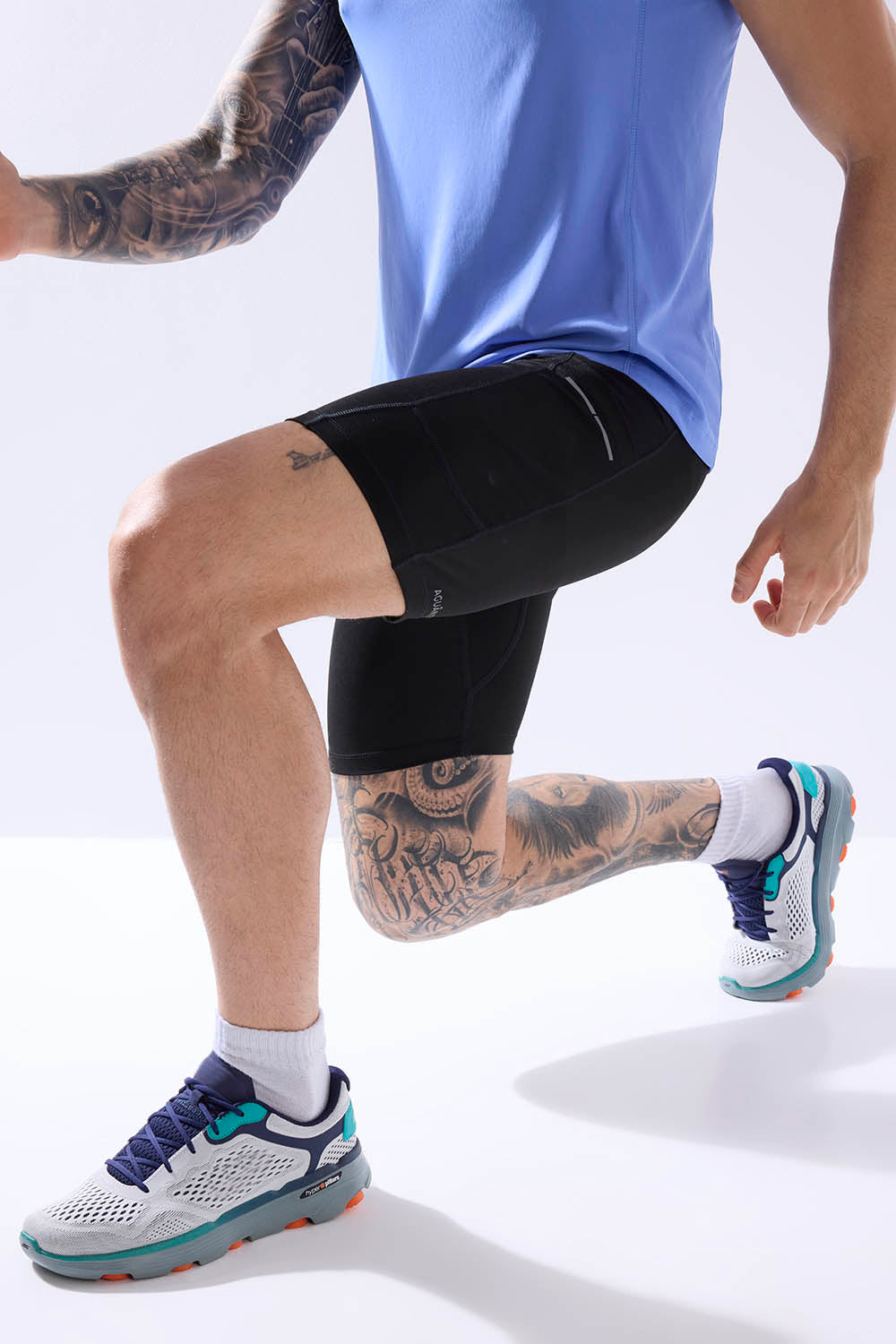
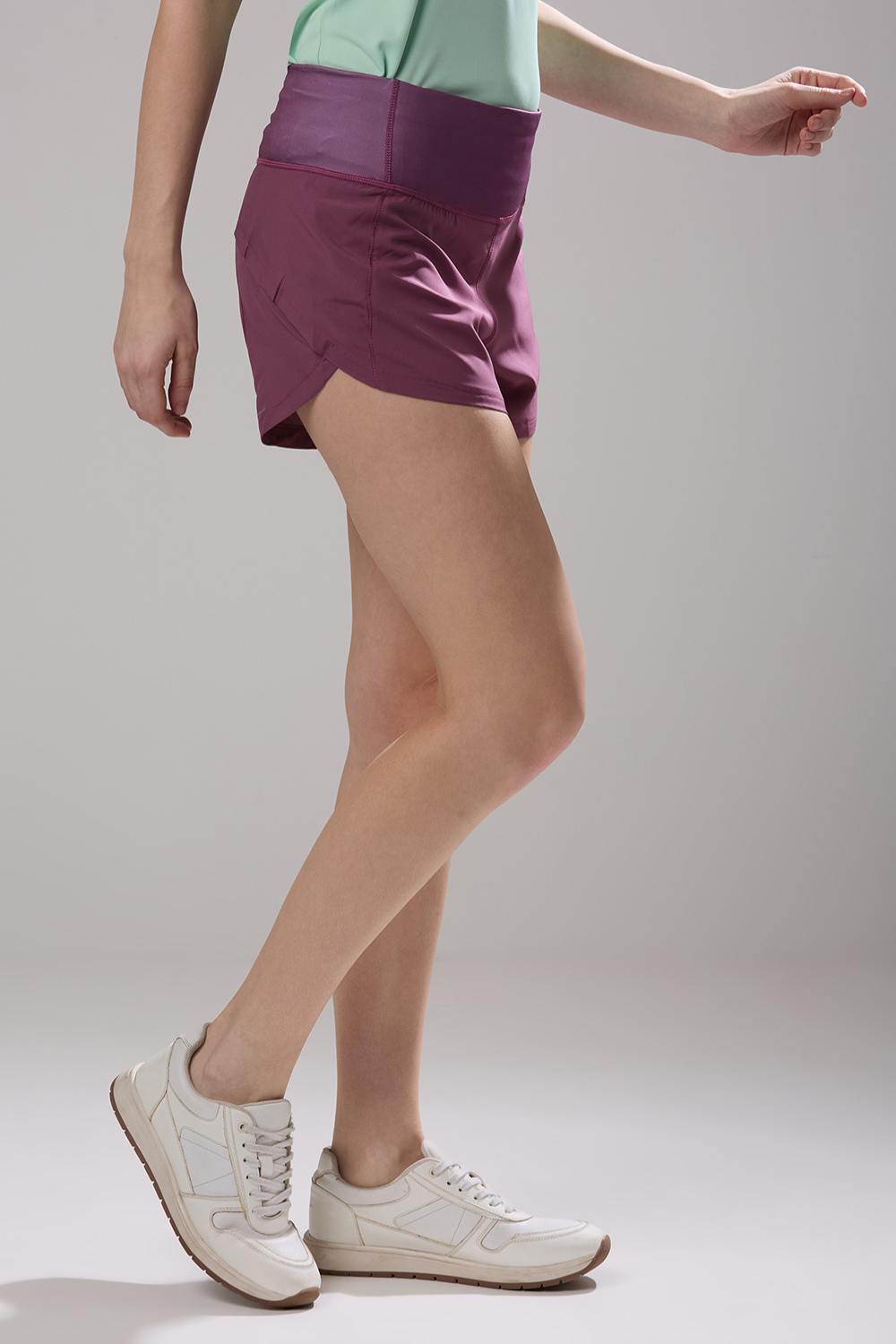
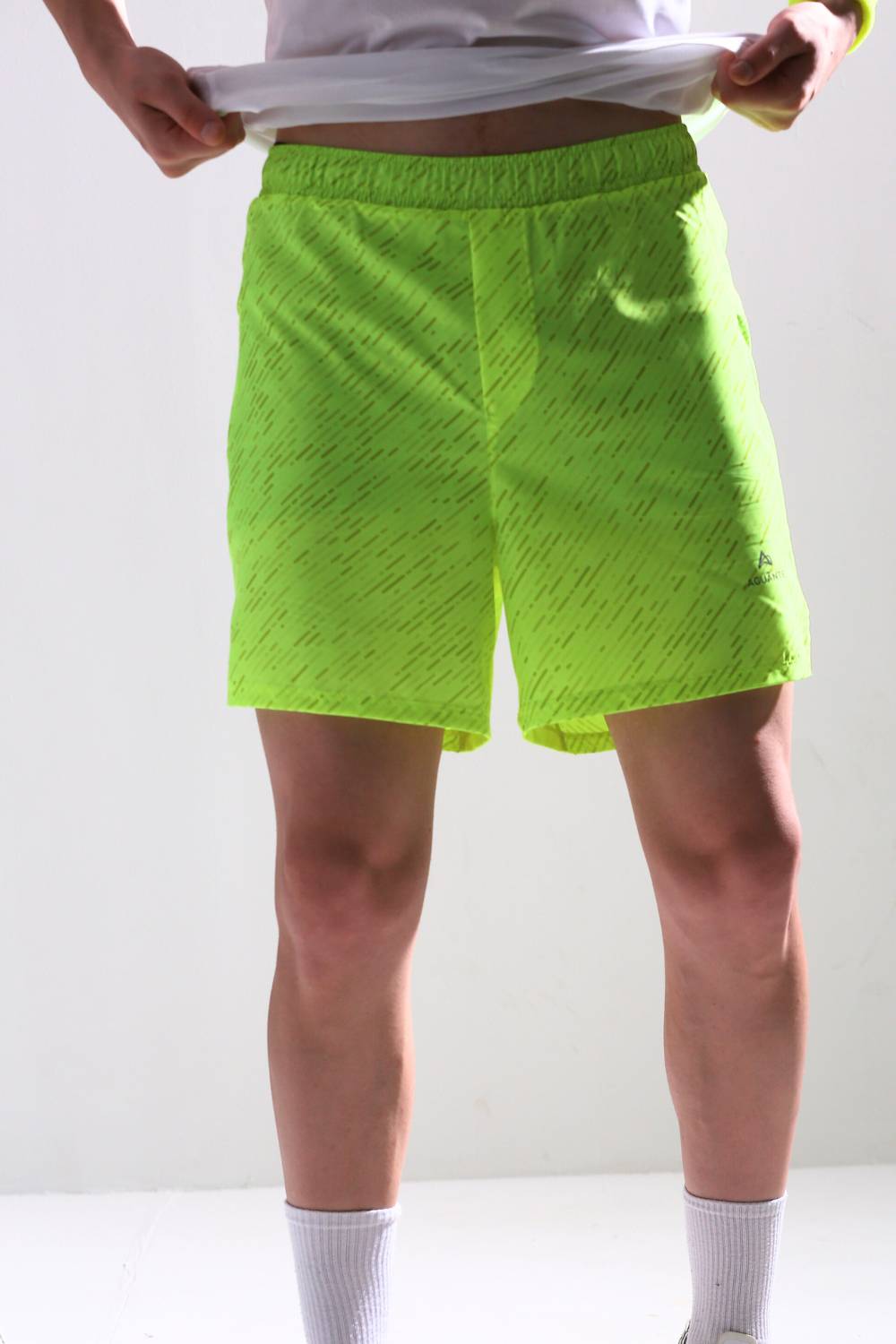
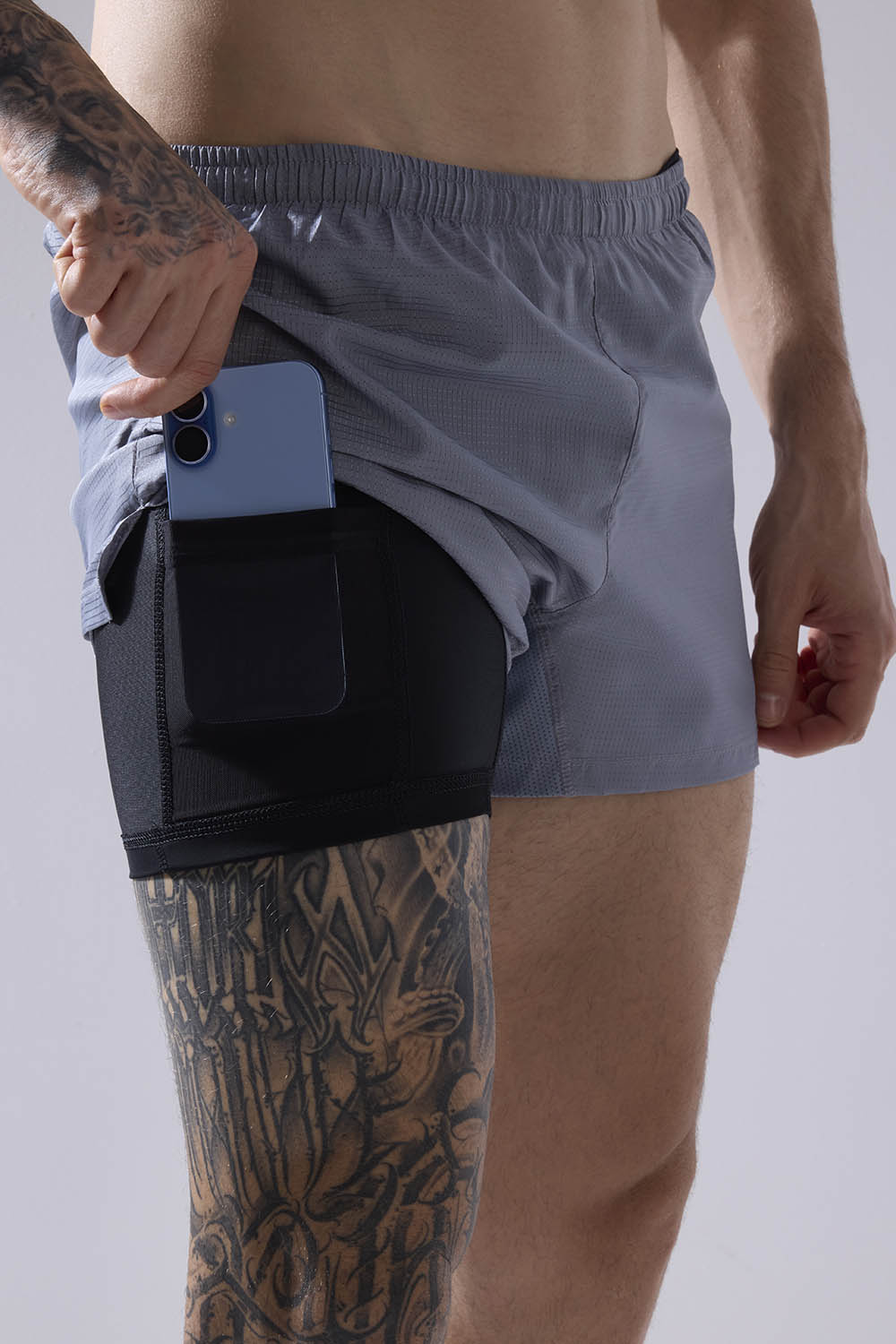

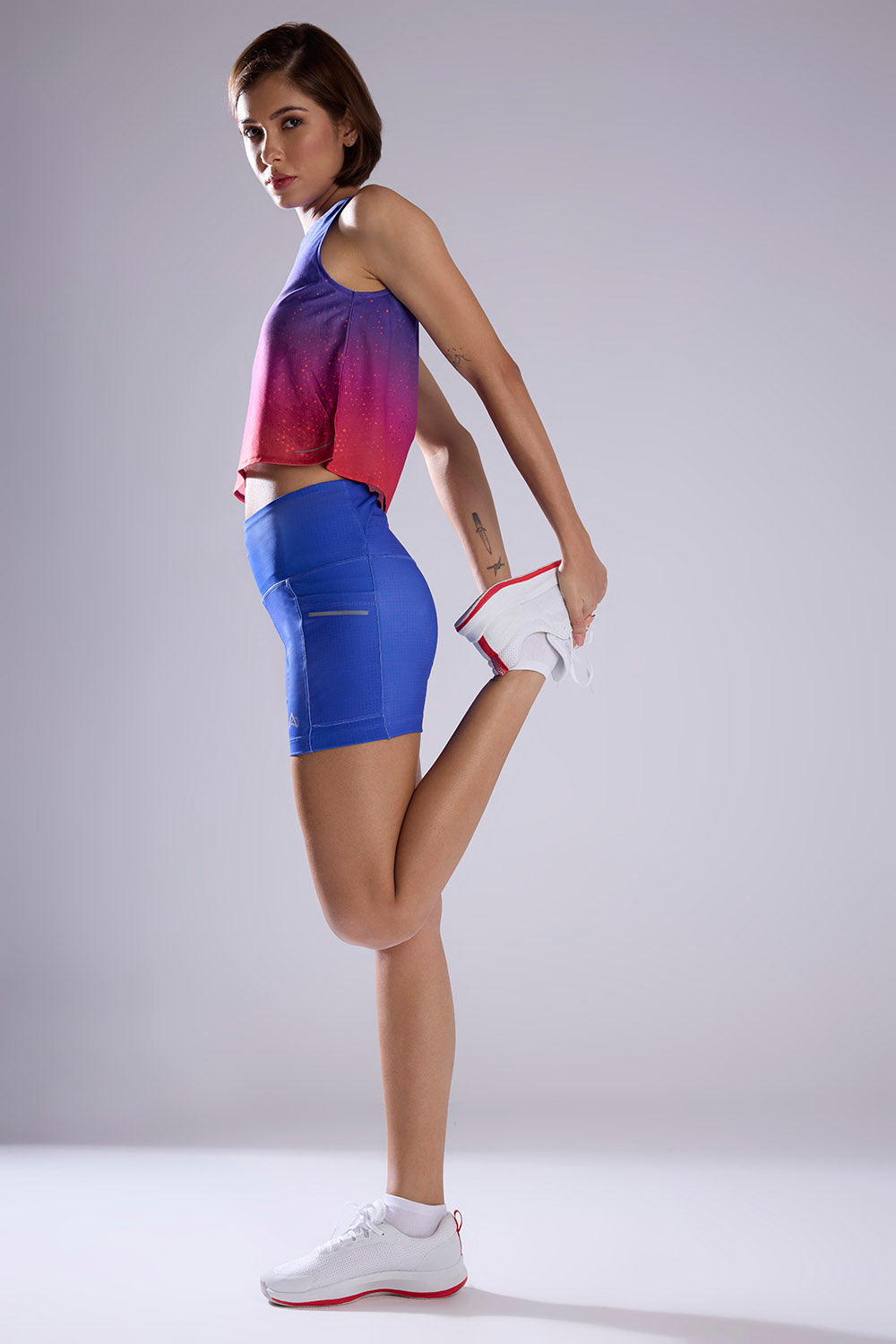
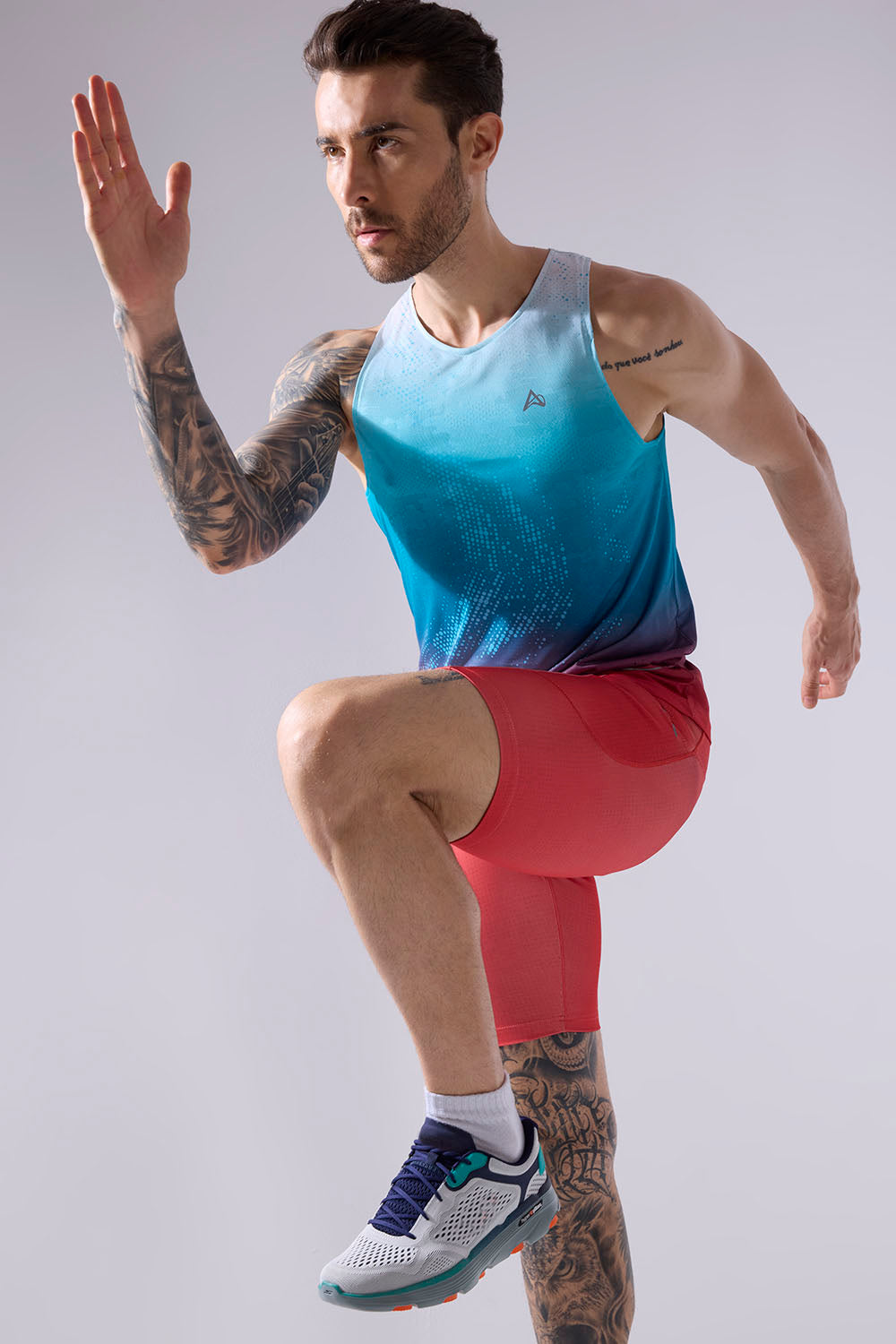

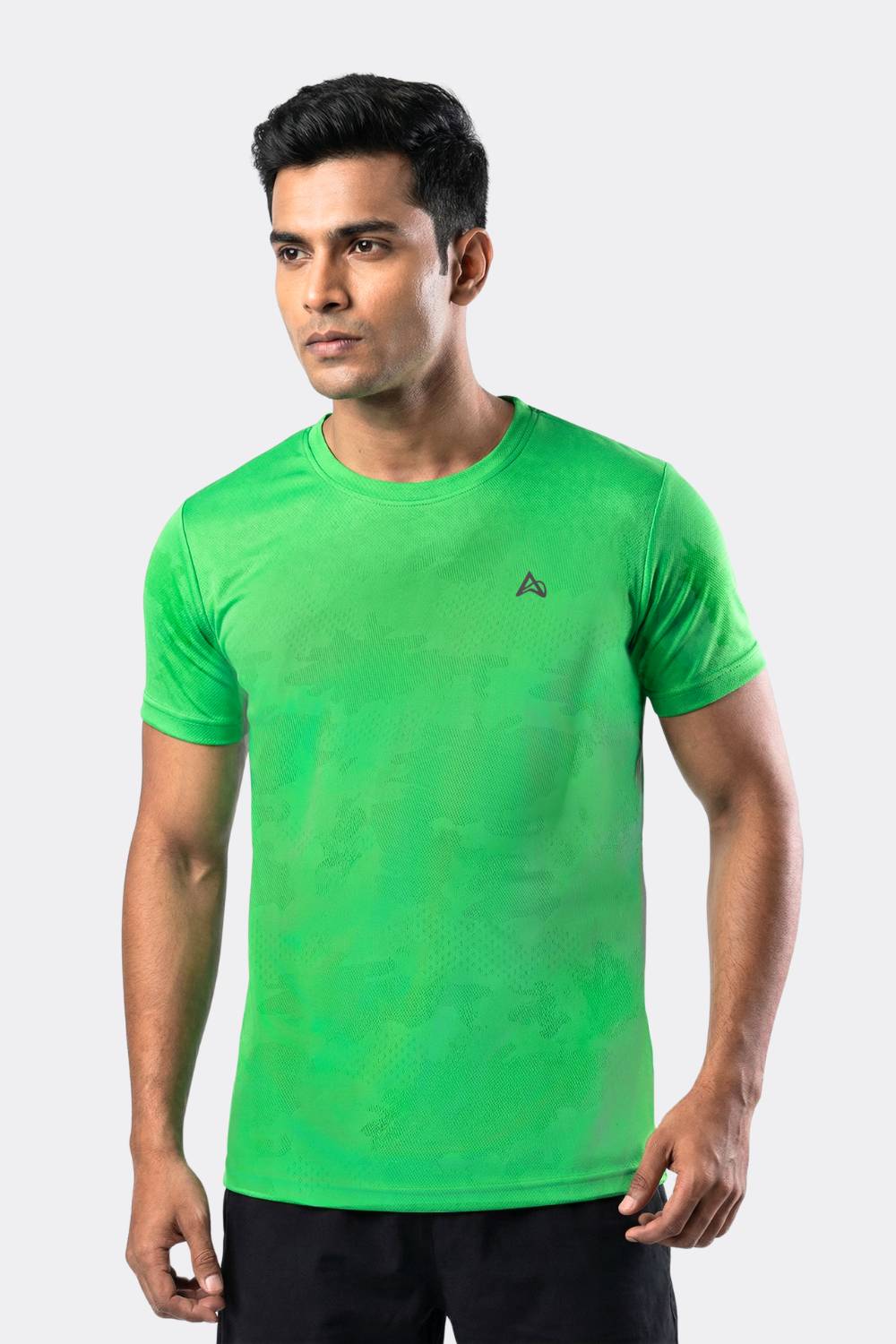
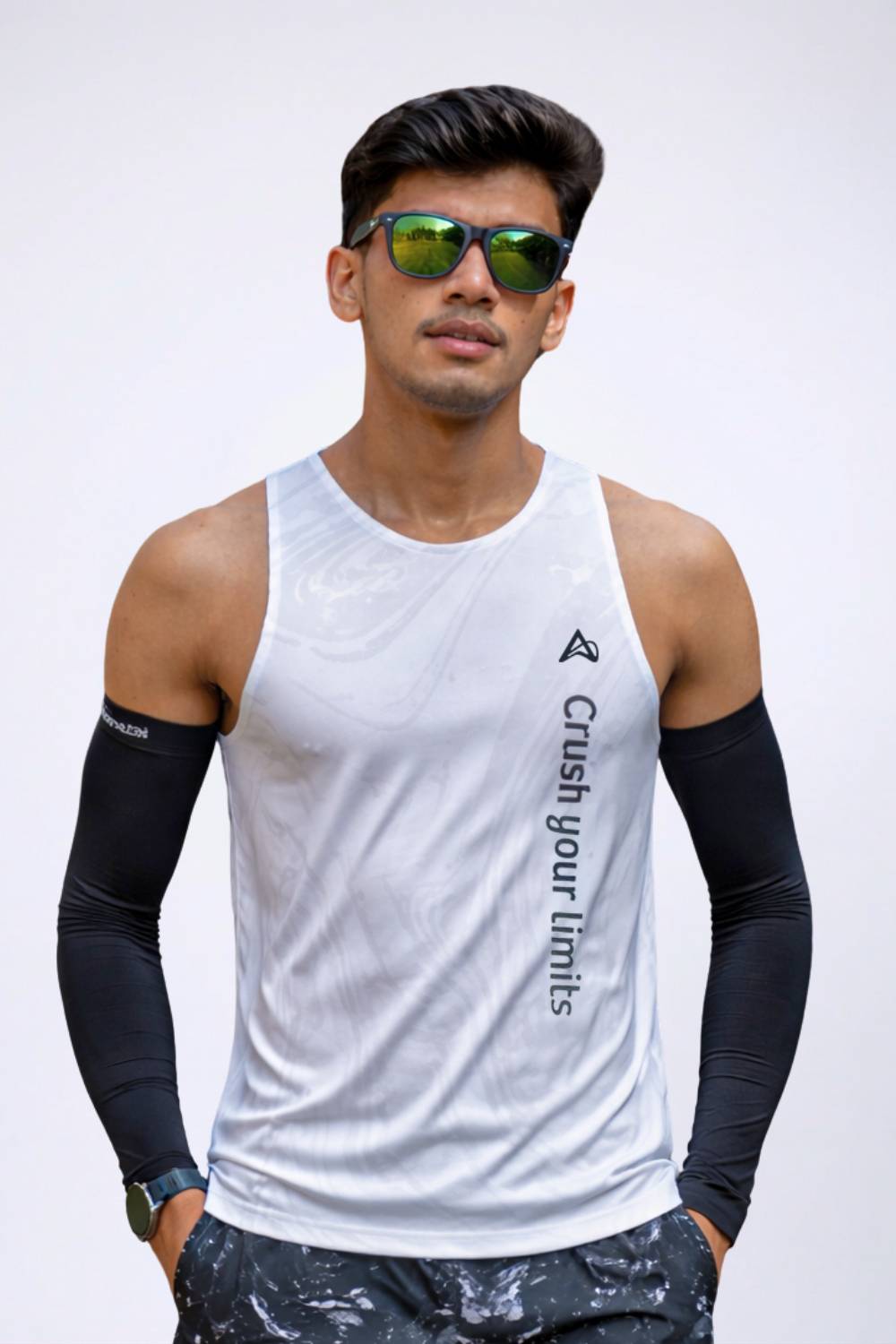

Reflective running gear plays an important role when training conditions make it harder for others to notice a runner. Early morning routes, evening sessions, and roads with limited lighting create situations where ordinary running clothing may not provide enough visual contrast. For runners, visibility is not only about being seen; it is about choosing apparel features that help create clearer recognition for drivers, cyclists, and other people sharing the road. Reflective running clothing addresses this challenge by using materials designed to respond to external light sources, helping runners maintain awareness and confidence during lower-light workouts.
Tired of gear that slows you down? Chafing, soggy fabrics, and missing pockets kill your run's momentum. At Aguante, we're runners who get it. Our high-performance activewear features moisture-wicking fabrics, ergonomic designs, and smart storage to keep you focused. Shop Now!
Why Visibility Matters During Low-light Runs
Running routines do not always happen in perfect daylight conditions. Many athletes schedule workouts before the day begins or after work hours, when natural light is reduced and visibility becomes more challenging. During these periods, a runner's movement, position, and distance from other road users can be harder to identify.
The challenge is not simply whether clothing appears bright. Visibility depends on how easily another person can recognize that they are approaching a runner rather than an unclear object near the roadside. This distinction is especially important in environments where vehicles rely on headlights or limited street lighting to identify movement.
Reflective running gear helps address this challenge by creating visual signals that respond when light reaches the material. Instead of relying only on colour, reflective elements can help communicate the presence and movement of a runner in conditions where visibility is reduced.
How Reflective Materials Improve Runner Visibility
Reflective materials work differently from standard fabric colours. They are designed to return incoming light toward its source, making them particularly useful when headlights or other artificial lighting are present. This is why reflective apparel can provide value during nighttime running, where normal colours may not stand out as effectively.
Research into night-time visibility highlights that the placement of reflective elements can be just as important as including reflective material itself. A study on reflective visibility involving runners and cyclists found that reflective strips placed on moving body areas can help create recognizable movement patterns. Positioning reflective details around areas such as arms and legs can make human movement easier for drivers to identify.
This concept, often referred to as biomotion, focuses on helping observers recognize the shape and movement of a person. For runners, this means visibility features are most effective when they support natural movement rather than simply adding reflective details in fixed locations.
The Difference Between Reflective and High-visibility Running Clothing
Runners often use the terms high visibility and reflective interchangeably, but they serve different purposes. High-visibility colours, such as bright fluorescent shades, are designed to stand out in environments with available daylight or ambient lighting. Reflective materials are designed to become more noticeable when illuminated by a direct light source.
Understanding this difference helps runners choose apparel based on when and where they train. A runner completing a sunrise workout may benefit from clothing that offers strong colour contrast, while someone running after sunset may need reflective features that interact with vehicle headlights.
The most practical approach is to consider visibility as a combination of factors. Running apparel with reflective details, suitable colours, and thoughtful placement can provide better support across different training conditions.
Why Reflective Placement Matters in Running Apparel
Effective visibility features depend on more than adding reflective panels to clothing. Placement influences how quickly another person can understand what they are seeing. Moving reflective areas on the body can create a clearer impression of a runner's stride and direction.
For example, reflective elements around the legs, ankles, arms, or wrists move naturally during a run. These changing patterns can help distinguish a runner from stationary objects near a road or pathway. Front and rear visibility also matter because runners may encounter traffic approaching from different directions.
For activewear designers, this creates an opportunity to integrate visibility features into garments without affecting comfort or performance. Reflective detailing should work alongside other running apparel priorities, including flexibility, breathability, and freedom of movement.
Choosing Running Gear for Safer Night-time Training
Selecting the right visibility-focused apparel starts with understanding personal running habits. Someone who regularly trains outdoors in darker conditions may have different needs from a runner who mainly exercises during daylight hours.
Consider Your Running Environment
Routes with vehicle traffic, limited street lighting, or shared roads require greater attention to visibility. Runners should think about how easily others can identify them from different distances and directions.
Look for Functional Visibility Features
When evaluating running visibility gear, consider whether reflective details are positioned where movement naturally occurs. Apparel designed with strategically placed reflective components can provide more meaningful visibility support than clothing that only includes a small reflective logo or isolated detail.
Balance Visibility with Comfort
Safety features should not compromise the qualities that make running apparel practical. Comfortable fabrics, appropriate fit, and functional construction remain important because runners are more likely to use gear consistently when it supports their overall experience.
How Reflective Apparel Supports Modern Running Habits
Running has become a flexible activity that adapts to busy schedules. Many people fit training sessions around work, family responsibilities, or other commitments, which can mean exercising outside traditional daylight hours.
This shift makes thoughtful apparel design increasingly important. Runners are not only looking for clothing that manages sweat or supports movement; they are also considering features that help them feel prepared for different environments.
Reflective apparel for runners represents this broader approach to performance clothing. It combines practical design with awareness of real-world conditions, helping athletes choose gear that matches how they actually train.
For brands focused on performance apparel, visibility features are an example of how small design decisions can solve everyday challenges. A reflective element may appear simple, but its value comes from how effectively it supports the .
Building Better Running Experiences Through Thoughtful Design
Performance running clothing continues to evolve as athletes expect more from their everyday gear. Features that address practical challenges, such as visibility during low-light conditions, show how apparel can become more responsive to real training needs.
For runners, choosing reflective running gear is not about adding unnecessary complexity to a workout routine. It is about understanding how clothing features can support confidence and awareness when conditions become more challenging.
A thoughtful approach to running apparel considers the full experience: comfort during movement, technical performance, and the ability to adapt to different environments. Reflective running clothing is one example of how design choices can help runners prepare for the conditions they encounter beyond the starting point of their route.
Reflective running gear improves visibility by making runners easier to recognize when light conditions reduce natural visibility. From strategically placed reflective materials to apparel designed around movement, these features help address a practical concern for outdoor athletes. As runners continue to train at different times of day, visibility-focused design remains an important consideration when choosing performance clothing that supports safer and more confident workouts.
Frequently Asked Questions
How does reflective running gear improve visibility during low-light runs?
Reflective running gear improves visibility by using materials that return light from sources such as vehicle headlights, making runners easier to recognize in darker conditions. Reflective elements help create clearer visual signals so drivers and other road users can better identify a runner's movement.
What is the difference between reflective running clothing and high-visibility running clothes?
Reflective running clothing is designed to become visible when illuminated by direct light sources, while high-visibility running clothes rely on bright colours to stand out in daylight or ambient lighting. Both features can support runner awareness, but they work differently depending on the training environment.
Where should reflective features be placed on running apparel for better visibility?
Reflective features are most effective when placed on moving areas such as the arms, legs, ankles, or wrists because they help create recognizable movement patterns. Strategic placement can make running visibility gear more useful by helping others identify a person's shape and direction during low-light conditions.
Disclaimer: The above helpful resources content contains personal opinions and experiences. The information provided is for general knowledge and does not constitute professional advice.
You may also be interested in: Performance Running Apparel Hyderabad: The Complete Guide for Every Runner
Tired of gear that slows you down? Chafing, soggy fabrics, and missing pockets kill your run's momentum. At Aguante, we're runners who get it. Our high-performance activewear features moisture-wicking fabrics, ergonomic designs, and smart storage to keep you focused. Shop Now!
Powered by flareAI.co