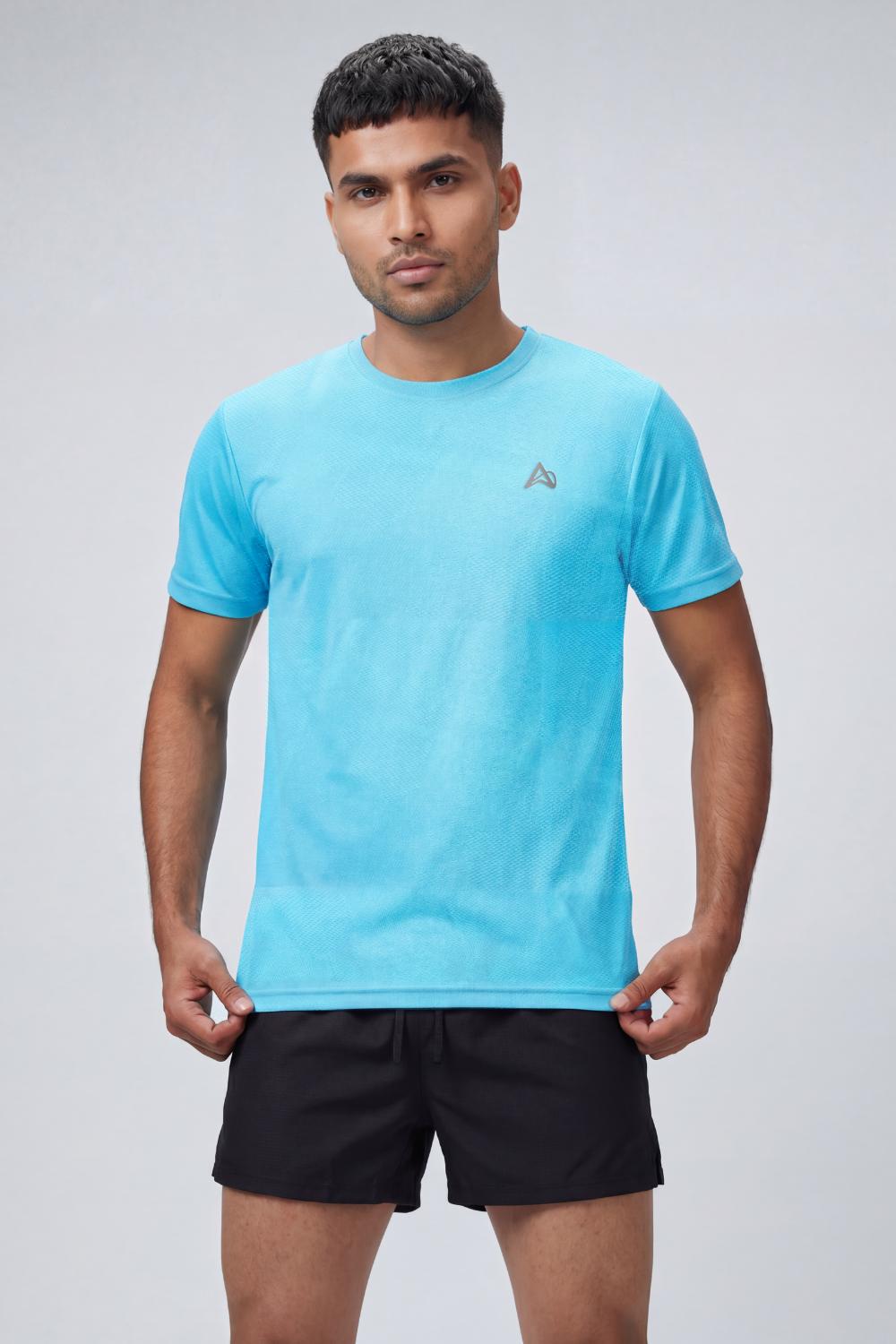
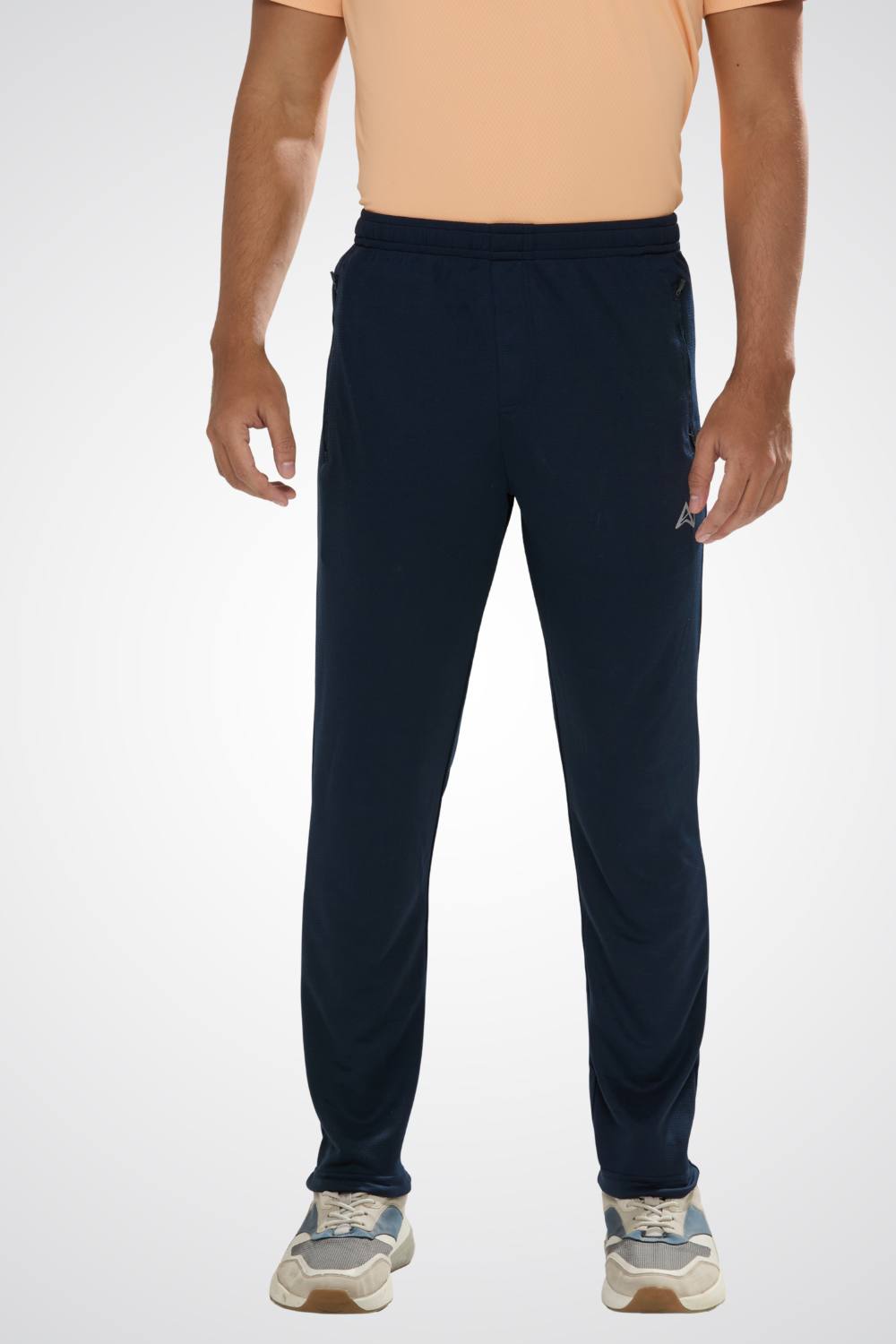
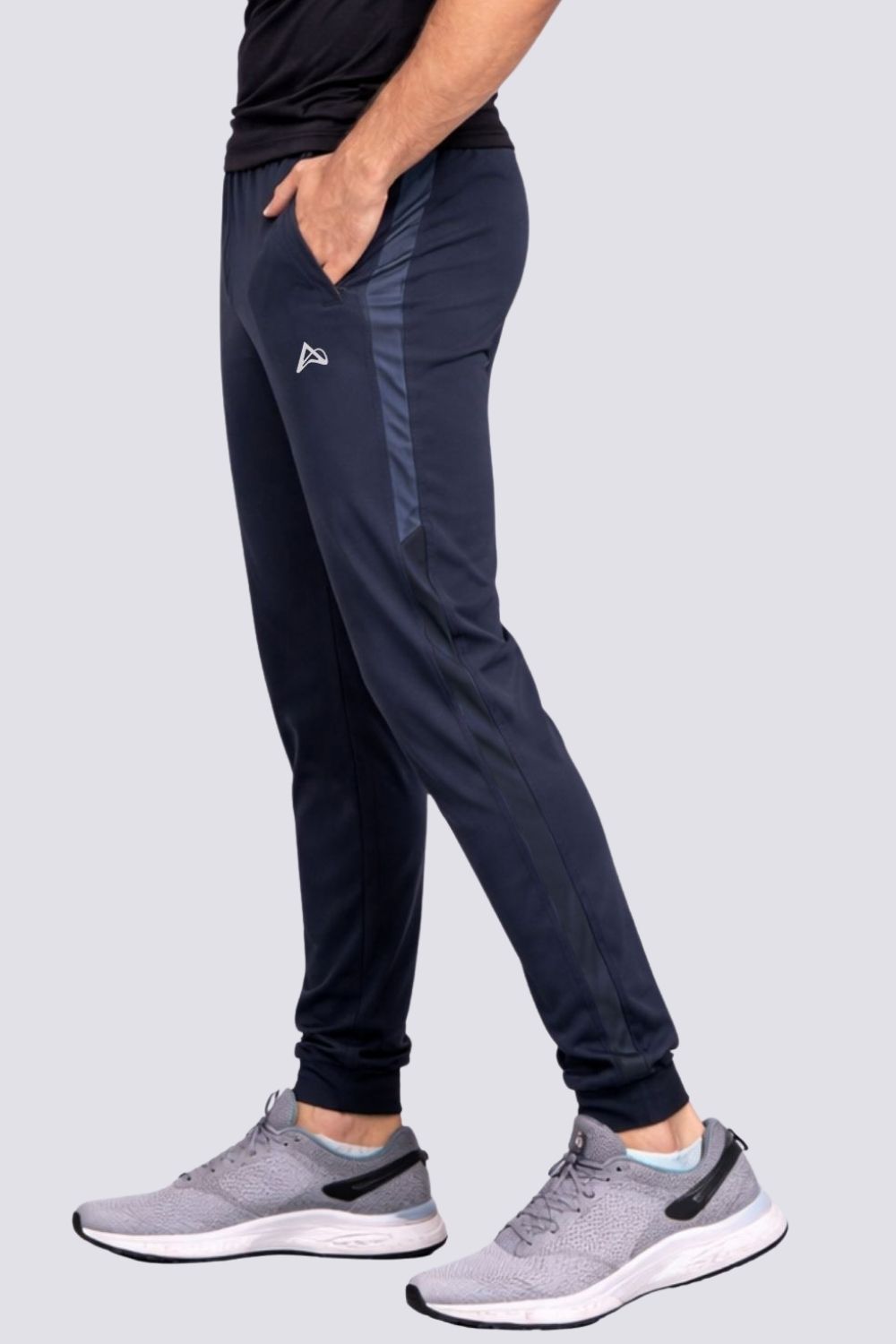
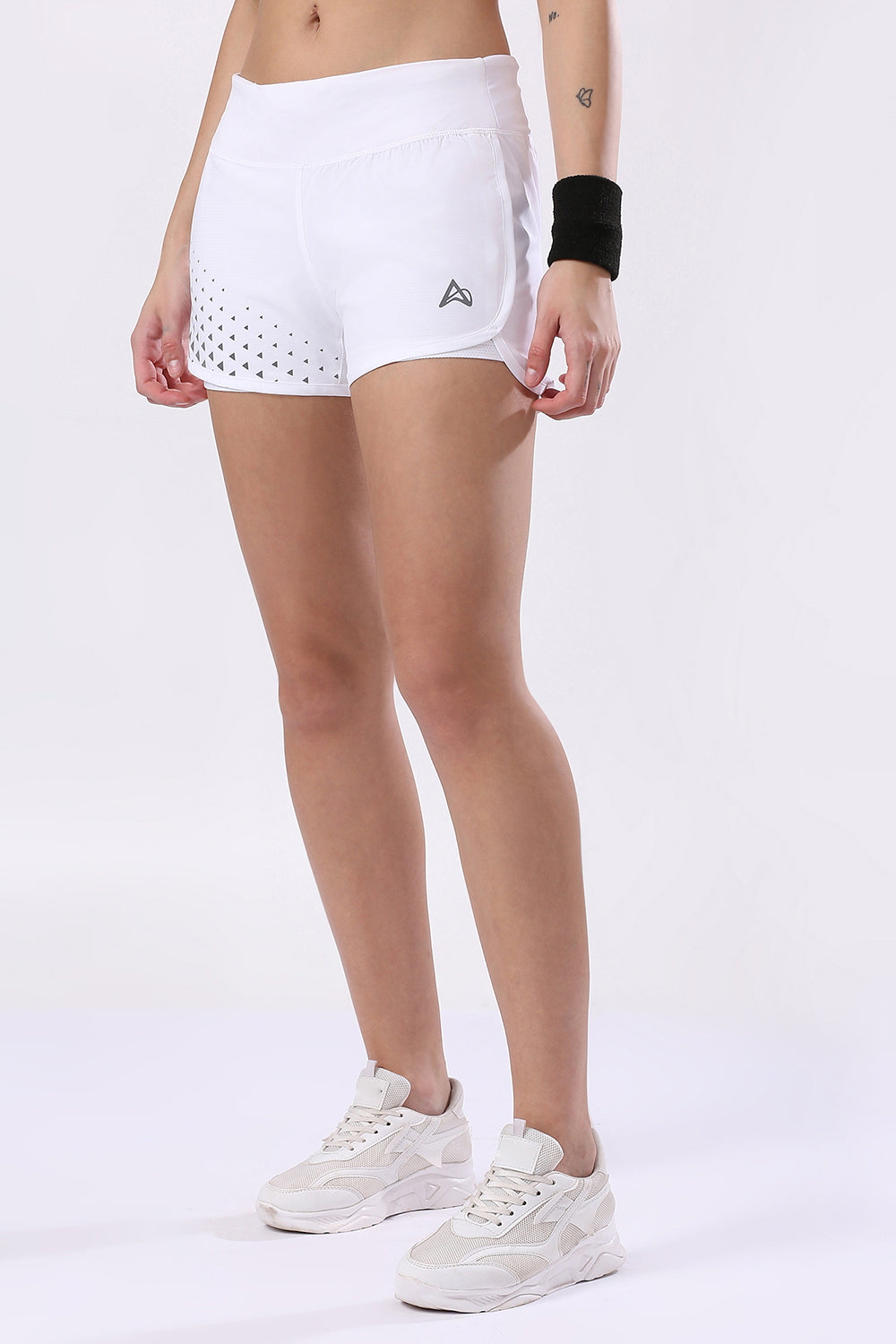
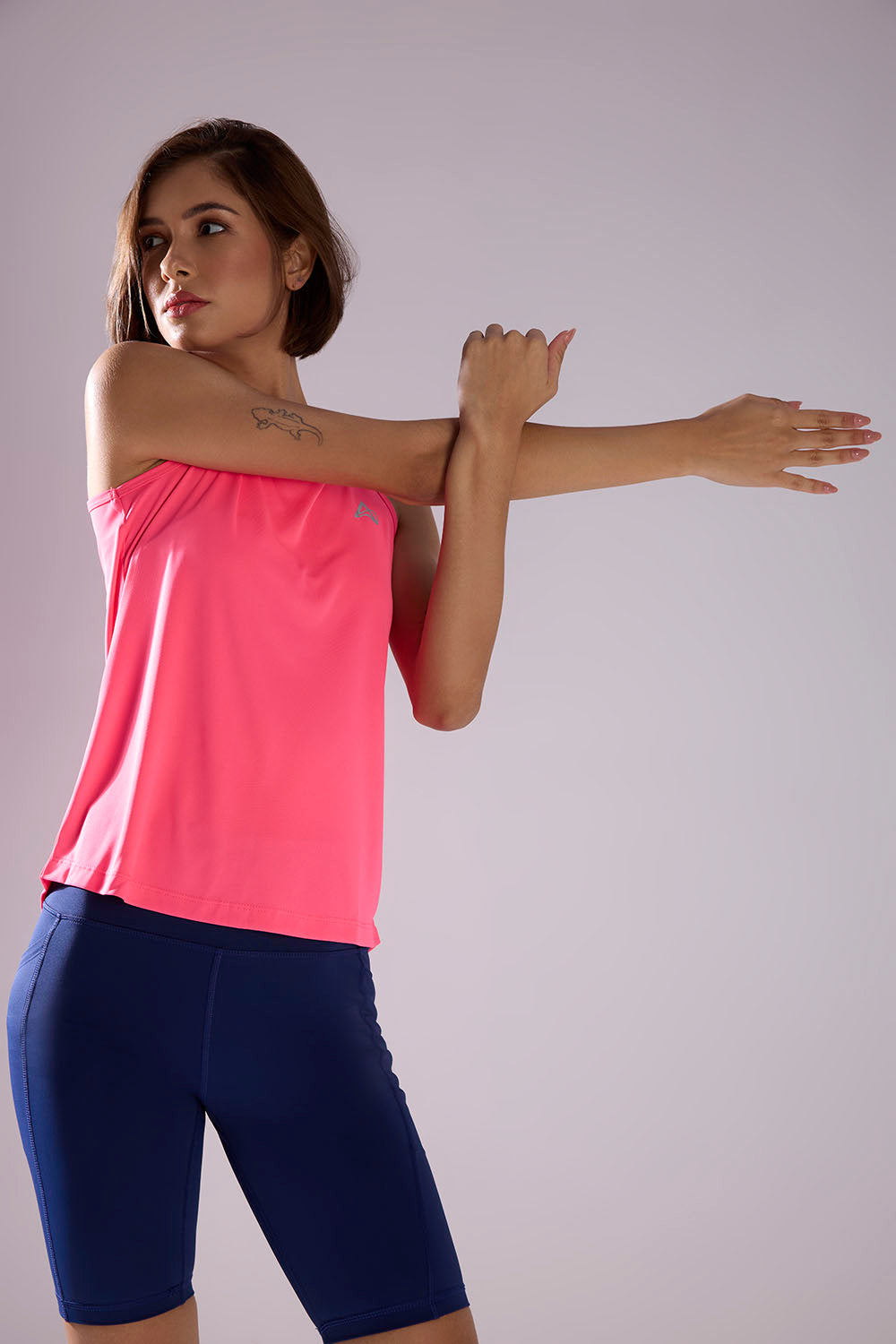
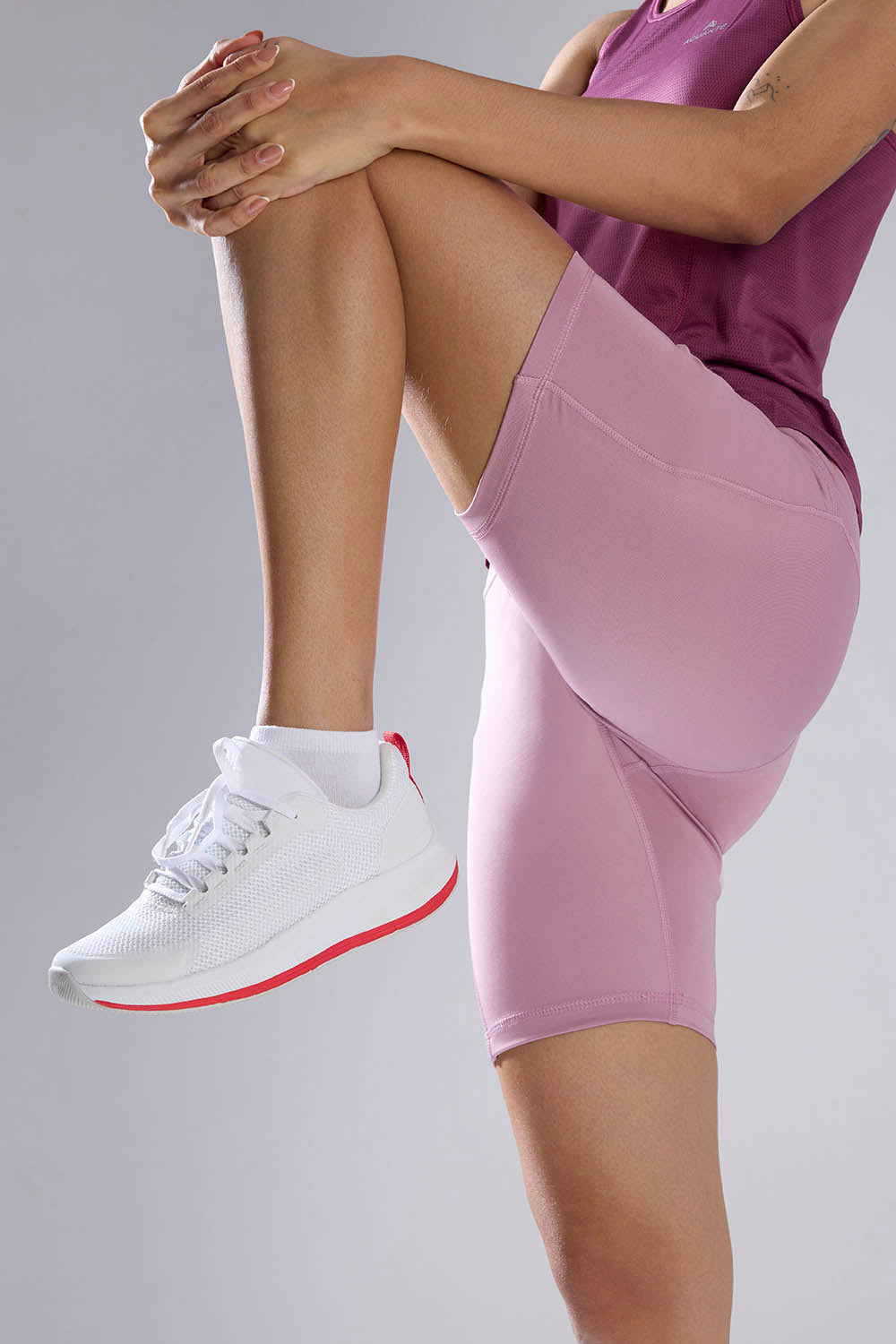
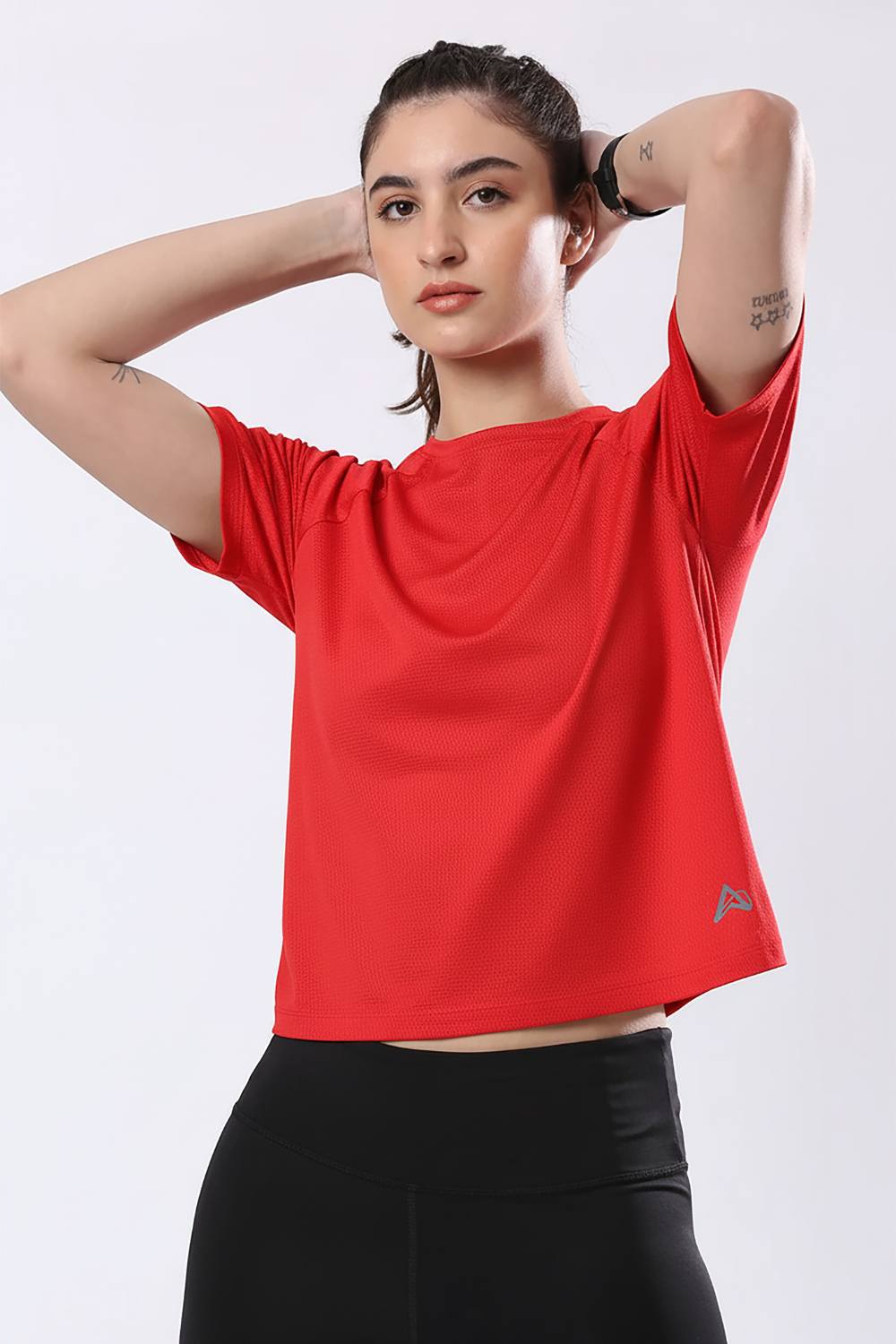
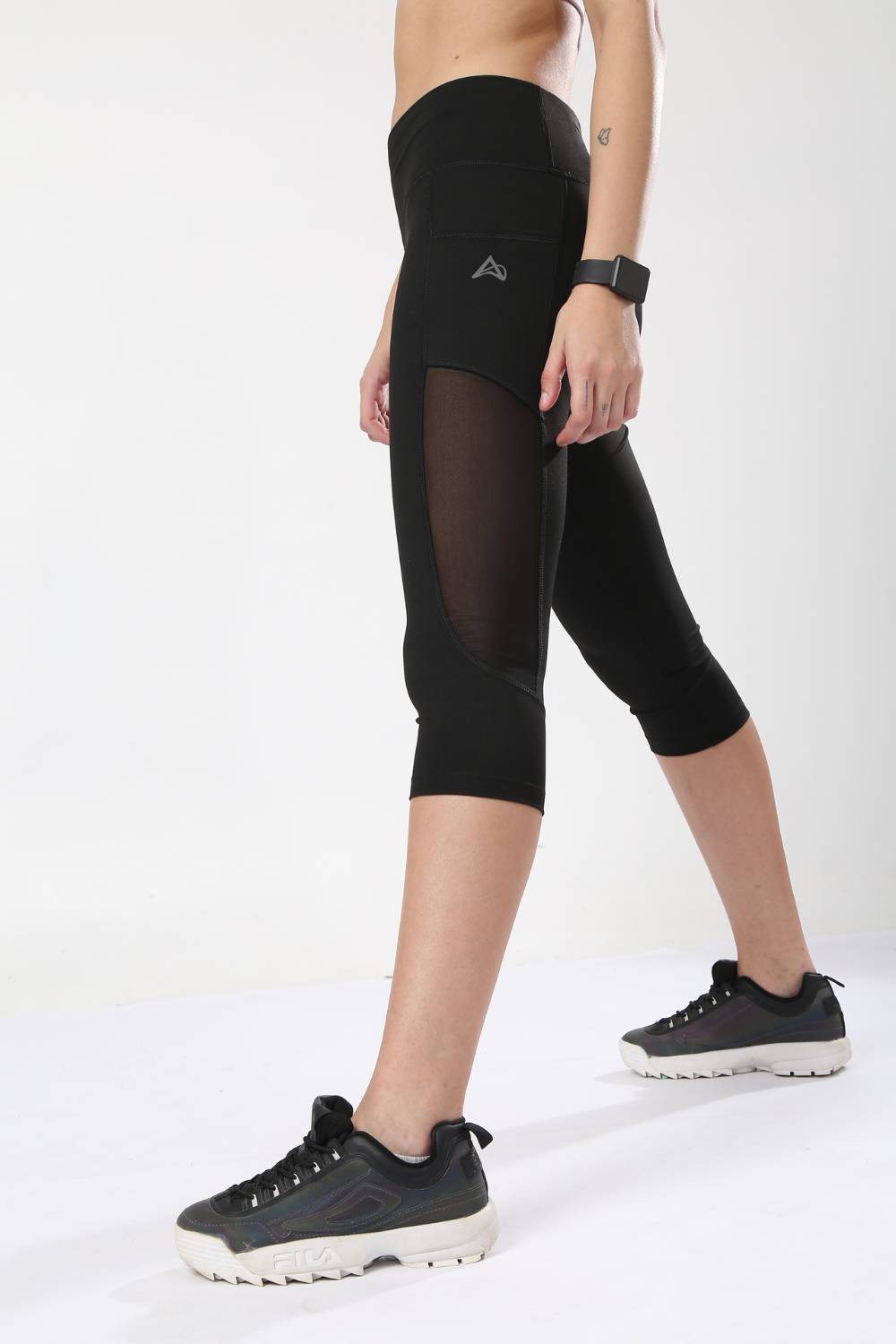
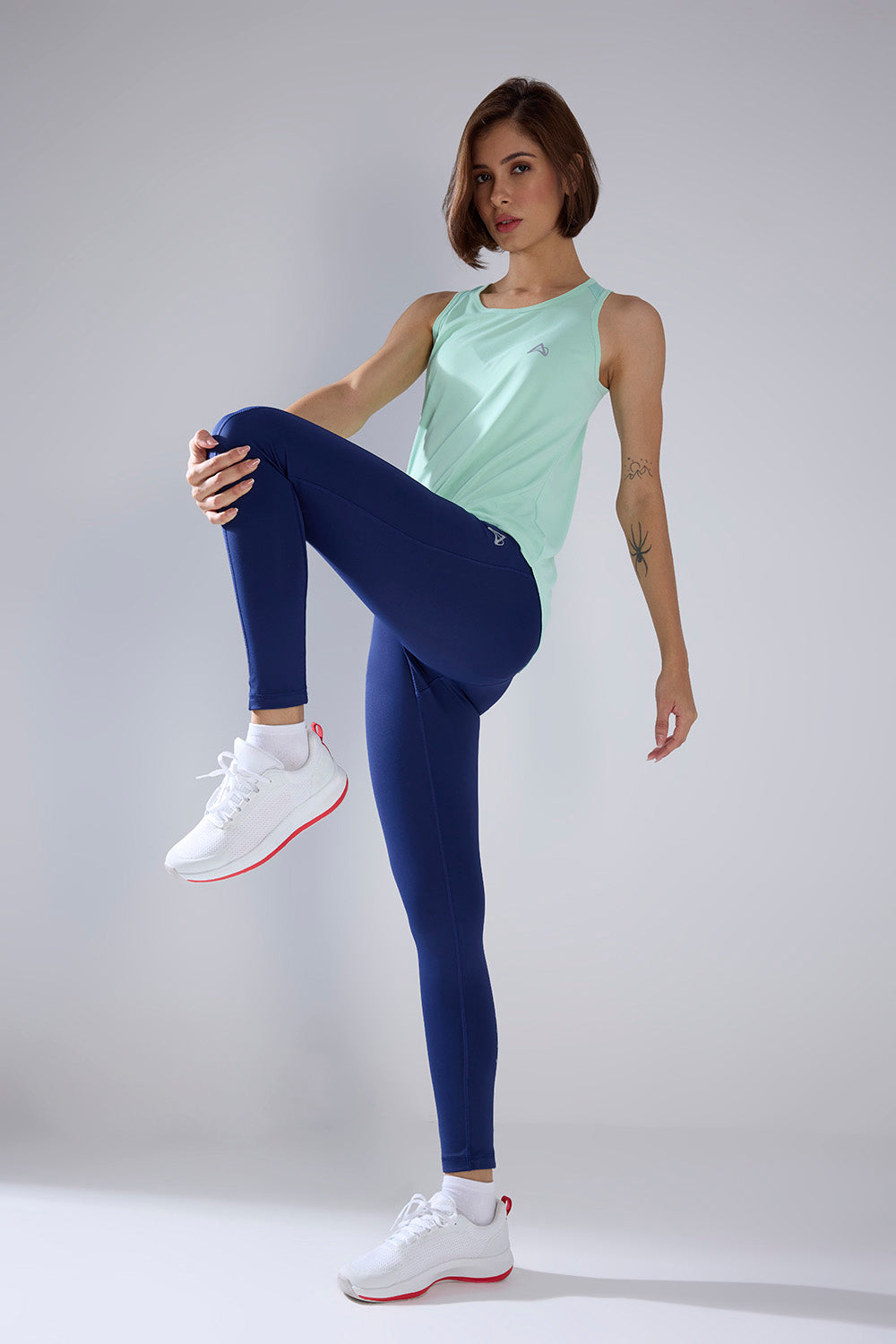

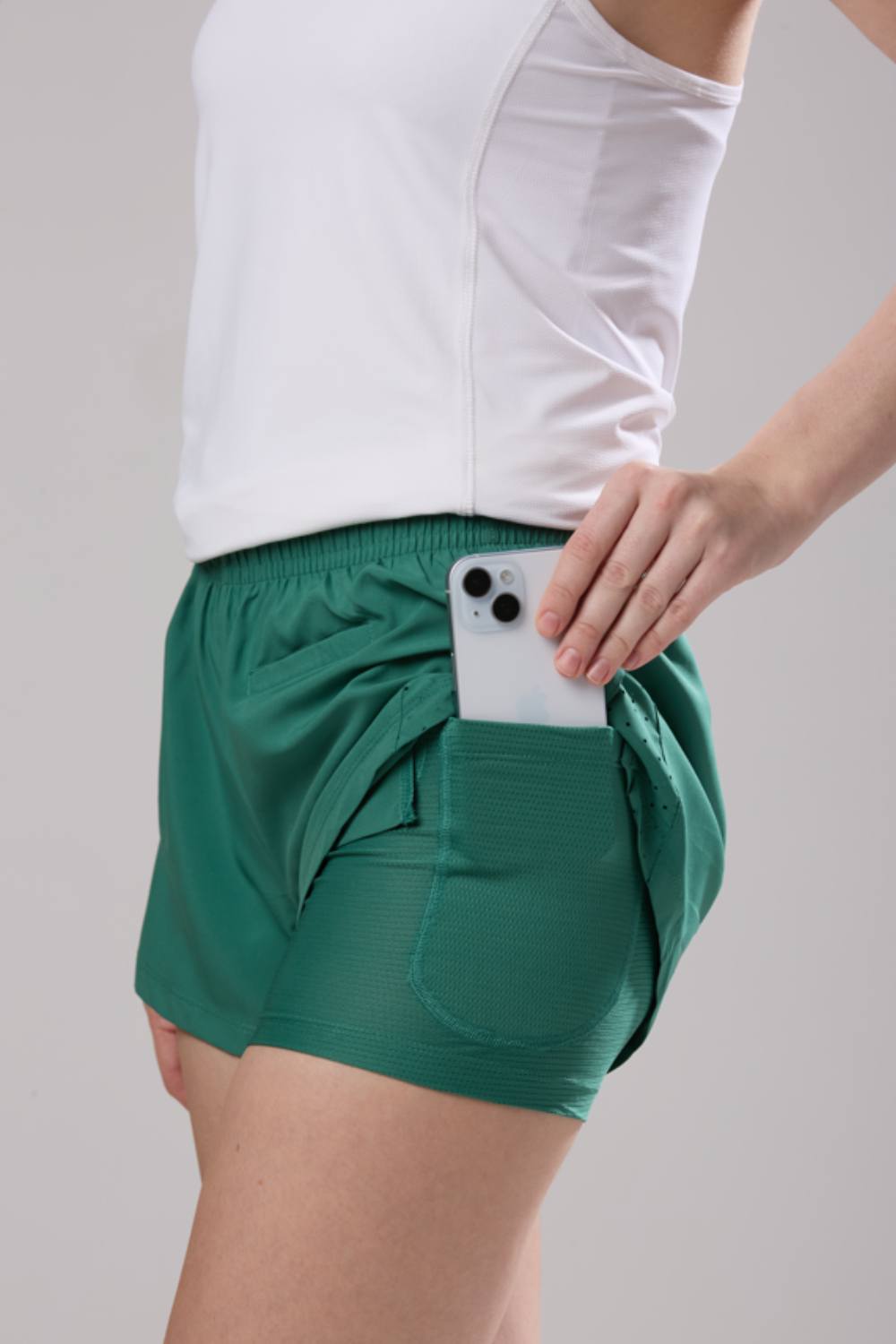
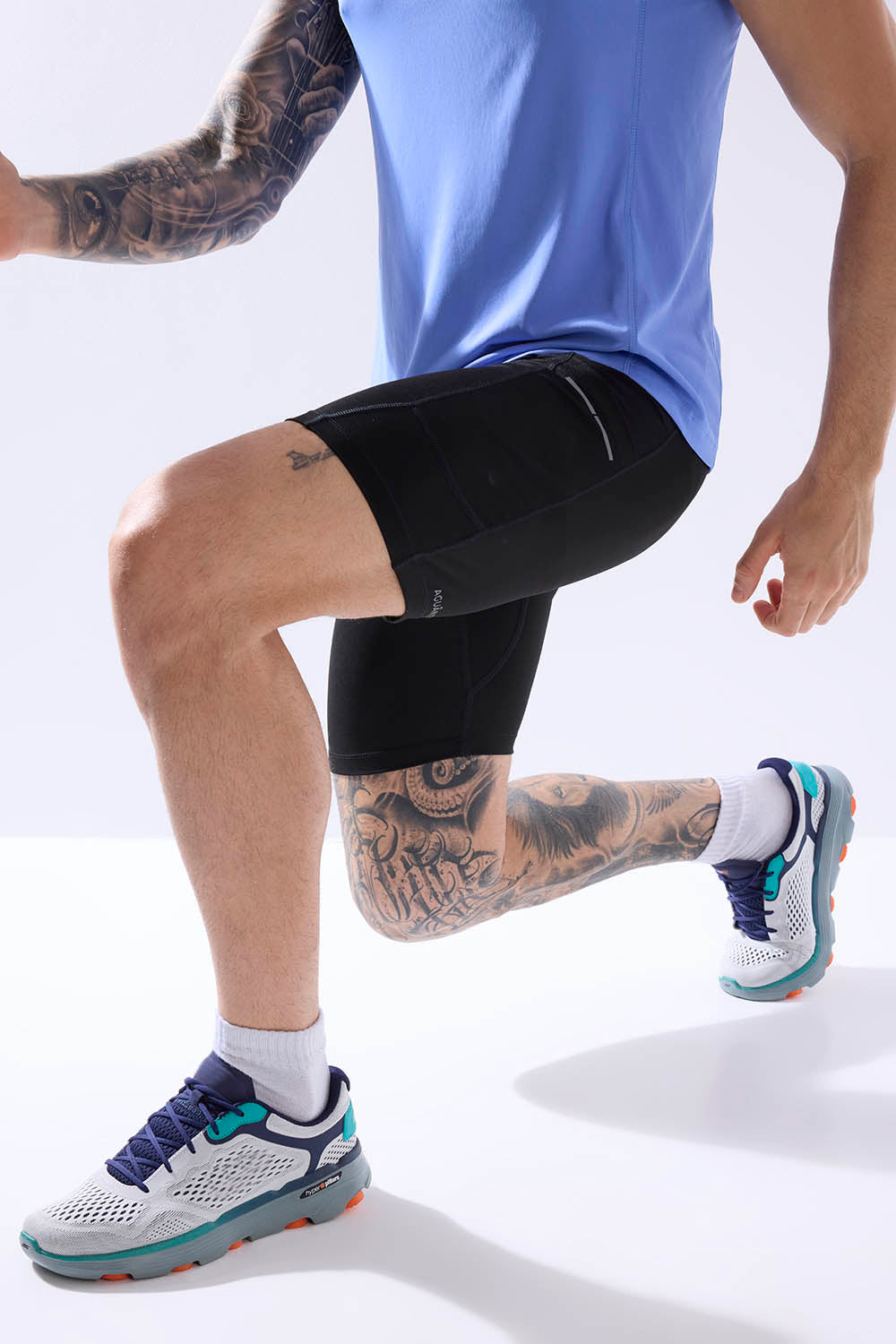
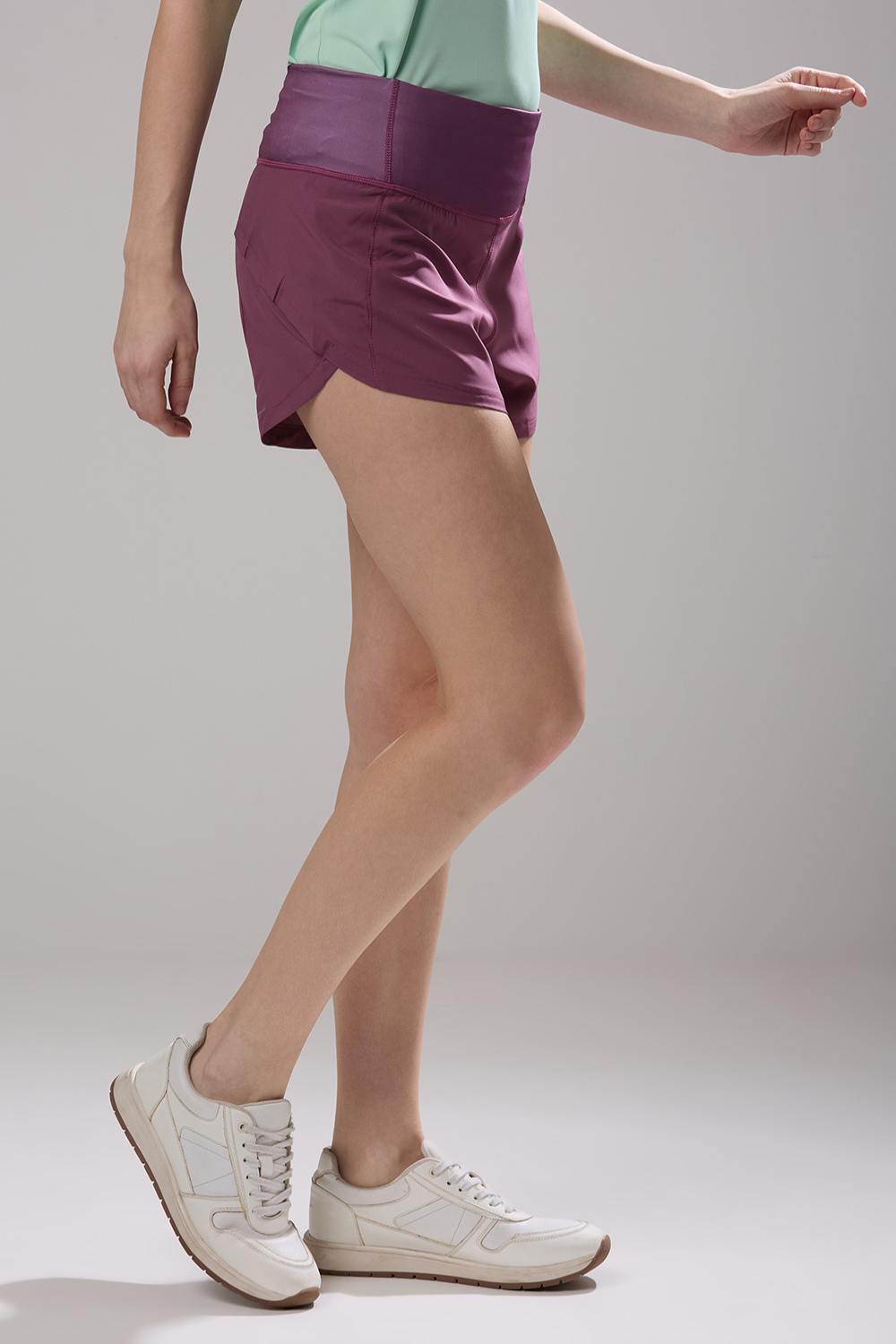
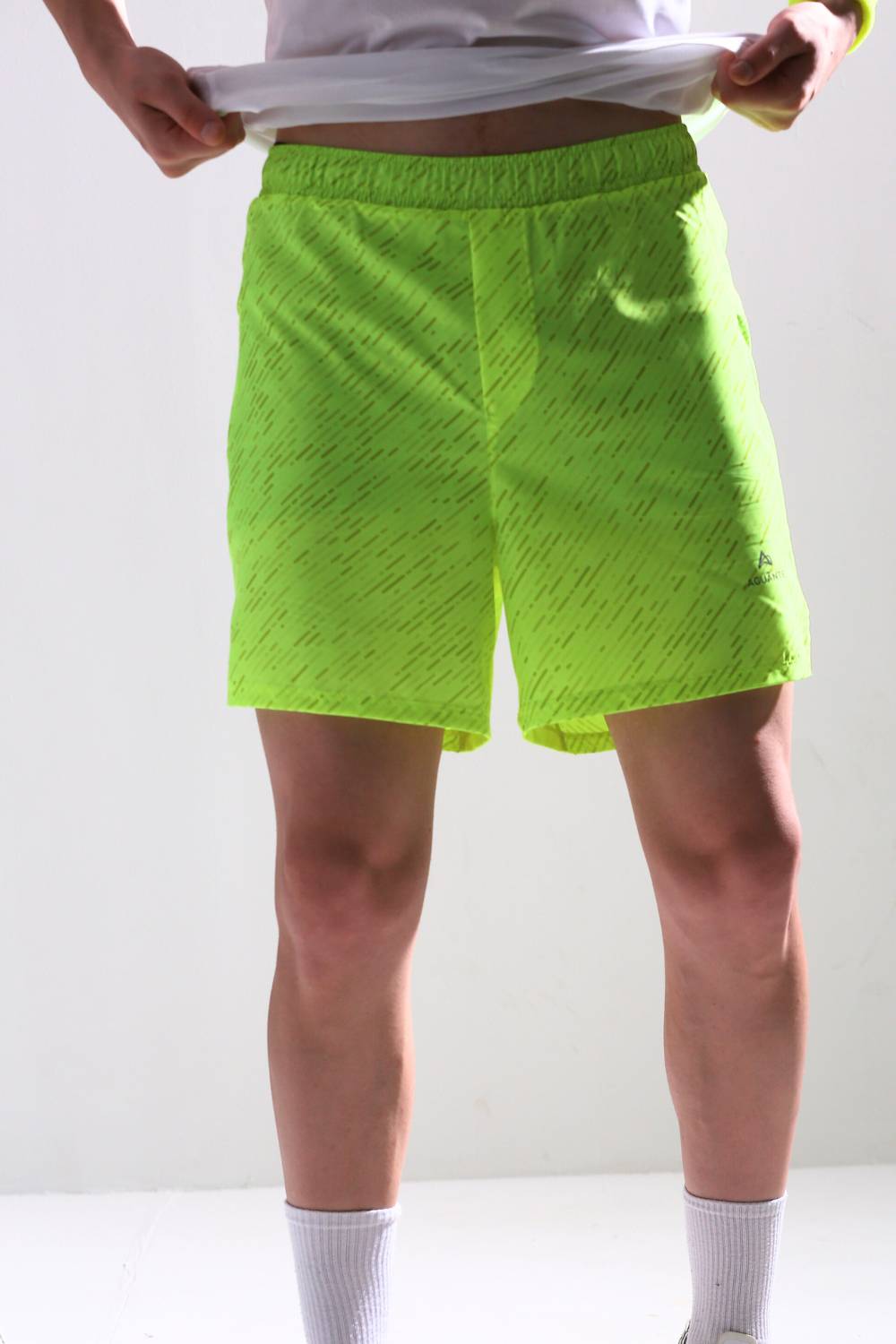
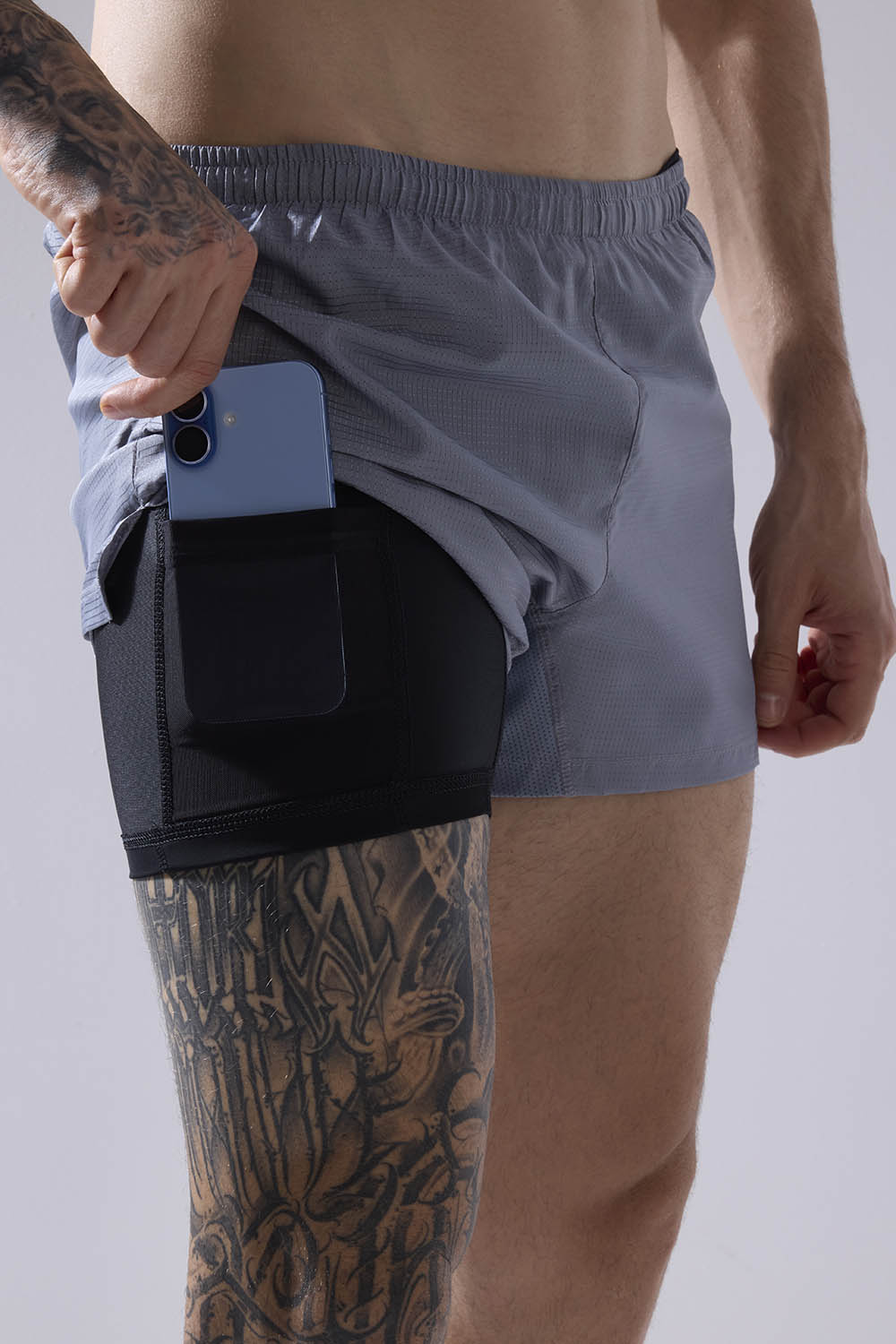

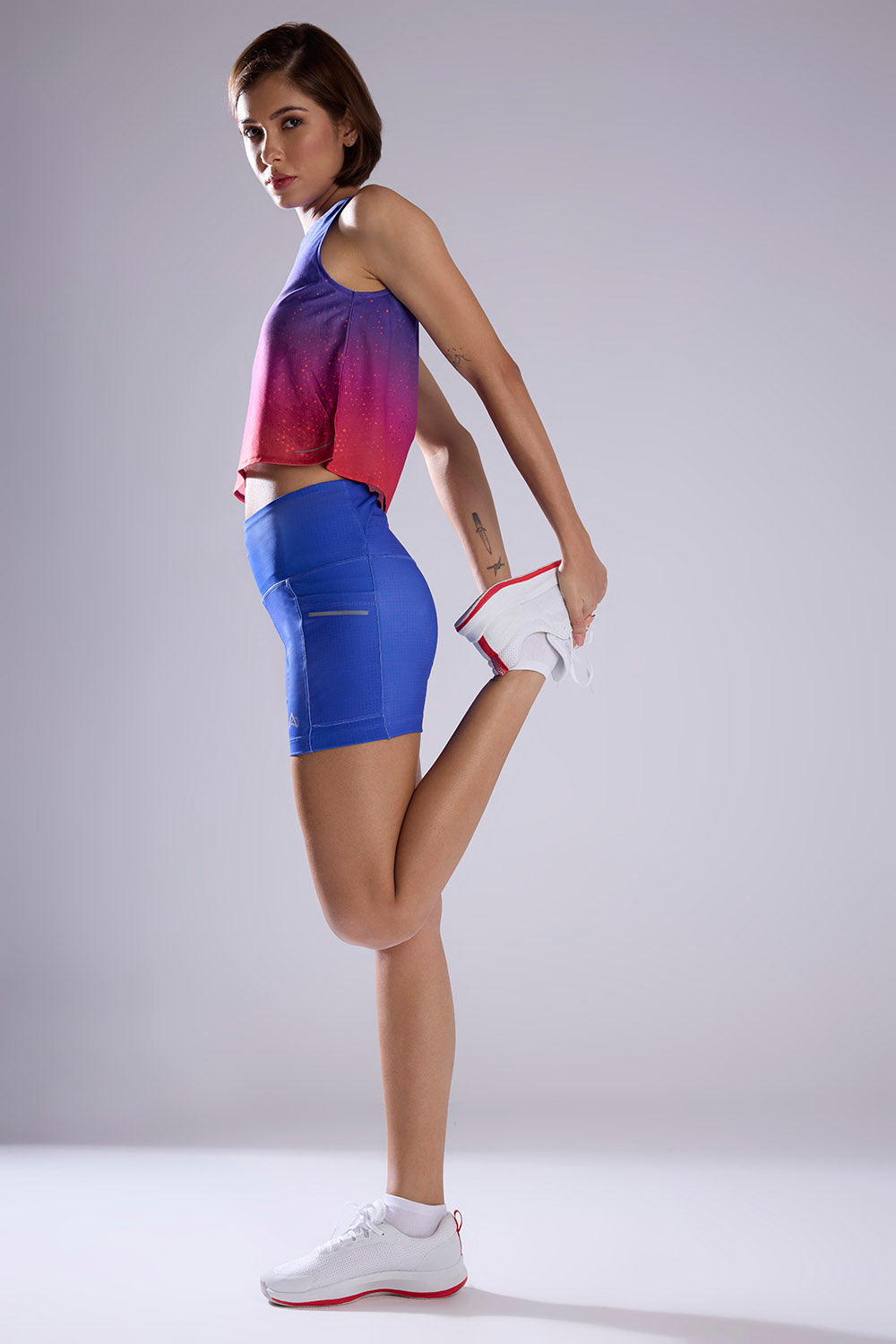
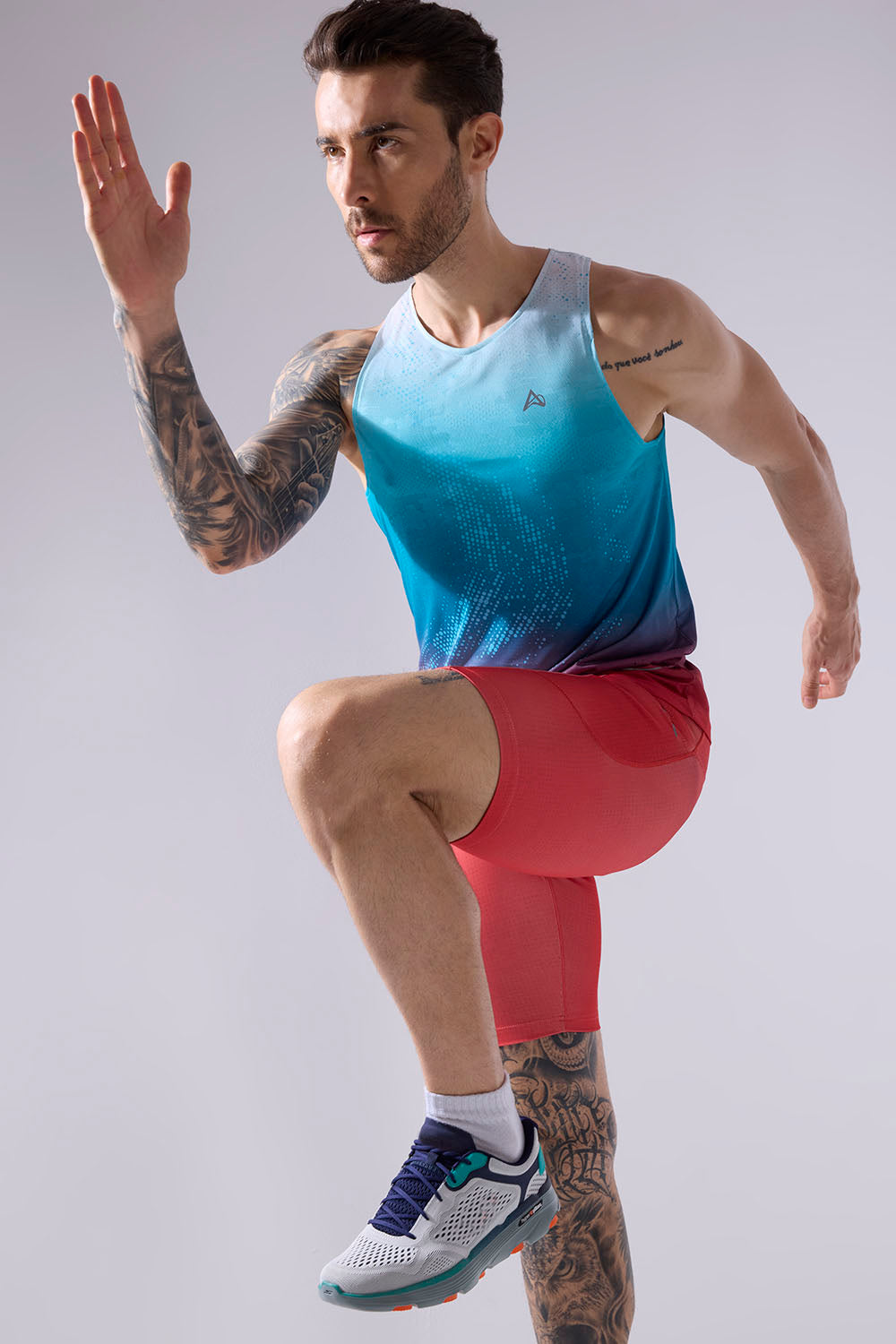

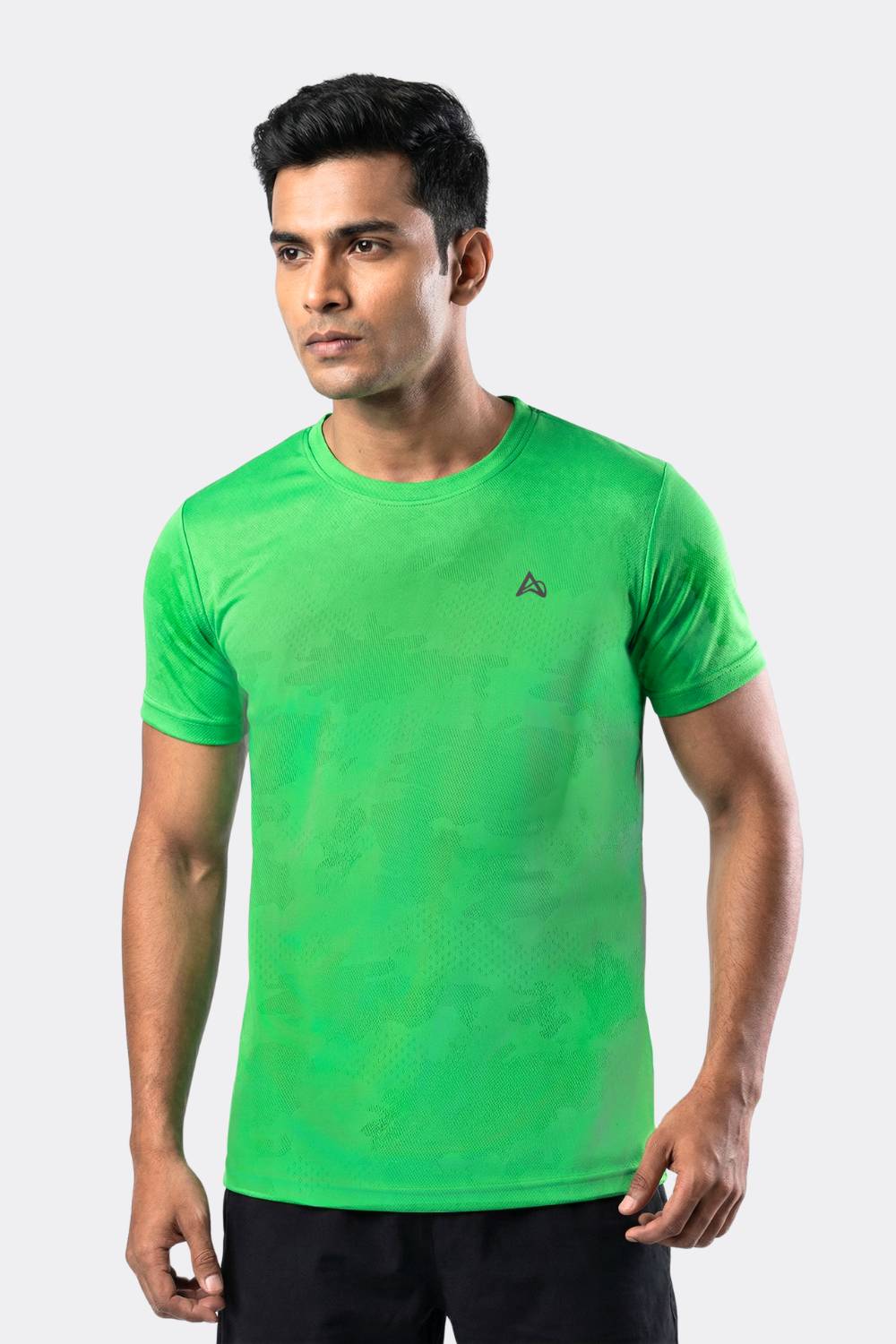
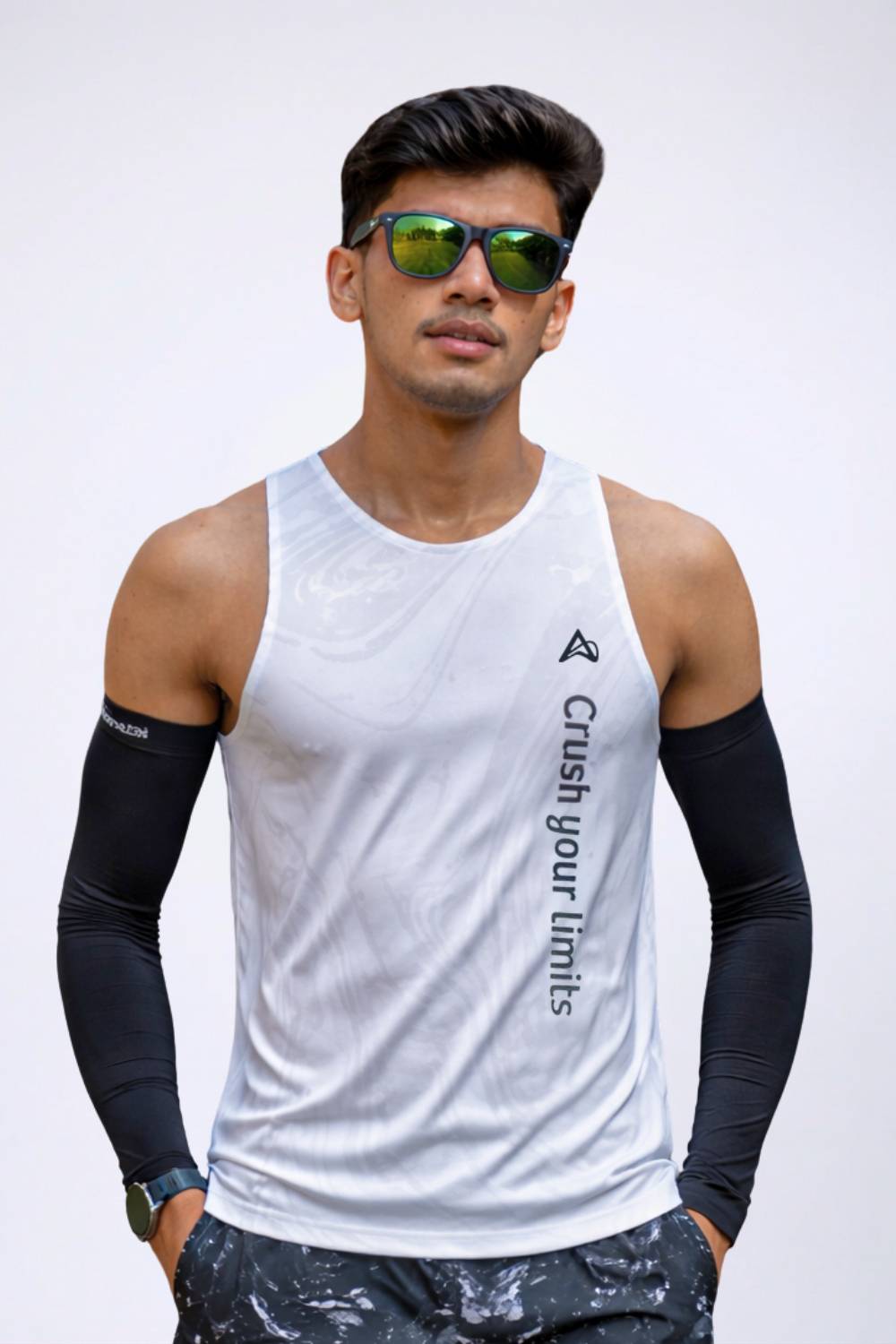

Choosing a running t-shirt is about more than finding a lightweight top that looks suitable for exercise. Comfort during a run depends on how well the fabric handles sweat, how the fit supports movement, and how the design responds to the conditions in which the shirt is worn. A comfortable running t-shirt should help runners stay focused on their training instead of adjusting clothing throughout a workout.
For beginners and experienced runners alike, understanding what separates everyday shirts from performance-focused options can make clothing choices easier. Factors such as breathability, moisture management, flexibility, and construction all influence how a shirt feels during short runs, long-distance sessions, or outdoor training.
Tired of gear that slows you down? Chafing, soggy fabrics, and missing pockets kill your run's momentum. At Aguante, we're runners who get it. Our high-performance activewear features moisture-wicking fabrics, ergonomic designs, and smart storage to keep you focused. Shop Now!
Understand What Makes a Running T-shirt Comfortable
Comfort in running apparel comes from a combination of materials and design choices rather than one single feature. A shirt may feel soft when first worn, but performance becomes more important once movement, heat, and sweat become part of the experience.
Fabric plays a central role because running creates continuous friction, body heat, and moisture. A suitable running t-shirt should help move sweat away from the skin and allow airflow to support a more comfortable feel during activity. Fabric performance in hot weather can influence how effectively clothing manages moisture, especially during extended outdoor activity.
Traditional cotton shirts can feel comfortable for everyday use, but they may absorb and retain sweat during intense exercise. This can make the garment feel heavier and less comfortable as a run continues. Performance fabrics are designed with different priorities, helping runners manage moisture and maintain a more consistent experience.
Choose the Right Fabric for Running Conditions
When comparing comfortable running t-shirts, fabric selection should be one of the first considerations. The right material can influence ventilation, drying speed, and overall comfort during training.
Look for Moisture Management
Running creates heat and perspiration, which means fabric needs to work with the body rather than against it. Moisture wicking running t-shirts are designed to move sweat away from the skin, helping reduce the uncomfortable feeling of damp clothing during exercise.
The best fabric for running t-shirts depends on factors such as workout intensity, climate, and personal preference. Lightweight technical materials are often preferred because they support quicker evaporation and reduce the feeling of heaviness that can occur with moisture-retaining fabrics.
For runners training in warm or humid environments, moisture control becomes even more important. A shirt that allows sweat to escape can help maintain comfort when temperatures rise or when workouts become longer.
Consider Breathability and Airflow
Breathability affects how well a shirt allows heat and moisture to move away from the body. A breathable running shirt should provide enough airflow without compromising fit or movement.
Good ventilation is especially valuable during outdoor runs because environmental conditions can change throughout the day. A fabric that feels comfortable during a short morning workout may perform differently during a longer session in warmer conditions.
Find a Fit That Supports Natural Movement
A running t-shirt should allow the body to move freely without creating distractions. Fit is one of the most overlooked parts of choosing workout clothing because runners often focus only on fabric technology.
A shirt that is too loose may move excessively while running, creating friction and requiring frequent adjustments. A shirt that is too tight can restrict movement and reduce airflow. The right balance provides enough room for natural movement while maintaining a comfortable feel.
A useful running t-shirt fit guide starts with understanding personal preference and running style. Some runners prefer a relaxed fit for casual training, while others prefer a closer fit that reduces excess movement during faster workouts.
Performance-focused designs often consider movement patterns, helping the shirt stay comfortable during repeated arm motion and changing body positions. This is particularly important for runners who train regularly and spend longer periods wearing their apparel.
Pay Attention to Details That Improve Everyday Running Comfort
Small design elements can have a significant impact on how a running t-shirt performs. Comfort is often created through several details working together rather than one noticeable feature.
- Seam placement: Well-positioned seams can help reduce irritation caused by repeated movement.
- Weight of the fabric: Lightweight shirts for running can feel less restrictive and support easier movement.
- Stretch and flexibility: Materials that move with the body can improve comfort during different running styles.
- Ventilation design: Airflow-focused construction can help manage heat during workouts.
Runners should also consider how often they train and where they typically run. Someone completing daily outdoor sessions may have different requirements from someone who runs occasionally indoors or during shorter workouts.
The most comfortable workout t-shirts are those that match the runner's routine. A practical choice considers the complete experience, including movement, weather, duration, and personal comfort preferences.
Choose Running Shirts Based on Weather and Training Environment
Weather conditions influence how a running t-shirt performs. A shirt designed for a cool indoor workout may not provide the same comfort during outdoor training in warm, humid conditions.
Running clothes for Indian weather often need to balance lightweight construction, breathability, and sweat management because many runners train in environments where heat and humidity can affect comfort. Choosing apparel based on the expected conditions can make workouts feel more manageable.
For warmer conditions, runners may prefer fabrics that dry quickly and allow airflow. For longer sessions, comfort becomes increasingly connected to how well the shirt handles moisture and repeated movement over time.
Understanding the environment where the shirt will be used helps runners make more practical decisions. The ideal choice is not always the thickest, softest, or most minimal option; it is the one that supports the runner's actual needs.
Evaluate Running T-shirts Through Real-world Use
Product descriptions can highlight technical features, but runners often understand comfort best through actual use. A shirt that performs well should feel natural during movement and require little attention once a workout begins.
Comfort-focused running apparel considers common challenges such as sweat buildup, friction, restricted movement, and changing temperatures. These factors become more noticeable during longer training sessions, where small discomforts can affect the overall experience.
Reviews and practical testing can help runners understand how a shirt behaves beyond initial impressions. Comfort features in running shirts highlight how elements such as lightweight construction, breathable materials, and moisture control contribute to a better running experience.
- Does the shirt stay comfortable after extended movement?
- Does the fabric manage sweat effectively?
- Does the fit support the way the body moves?
- Does the material feel suitable for the usual training environment?
These considerations help transform a simple clothing purchase into a more informed decision based on performance and personal requirements.
Build a Better Running Wardrobe with Purpose
Selecting comfortable running t-shirts becomes easier when runners understand their own habits and priorities. Someone training for endurance events may value moisture management and durability, while a casual runner may focus more on versatility and everyday comfort.
A thoughtful running wardrobe does not need unnecessary complexity. It should include clothing that supports regular activity, adapts to different conditions, and helps runners feel comfortable throughout their training routine.
For active individuals, the right running t-shirt can become an important part of maintaining consistency. When clothing supports movement instead of creating distractions, runners can focus more on enjoying their workouts and progressing toward their goals.
Choosing comfortable running t-shirts requires looking beyond appearance and considering how fabric, fit, and construction work together. By evaluating moisture management, breathability, movement support, and environmental suitability, runners can select apparel that feels better from the first step to the final stretch.
Frequently Asked Questions
What features should I look for when choosing comfortable running t-shirts?
Comfortable running t-shirts should offer breathable fabric, moisture management, lightweight construction, and a fit that supports natural movement. Features such as sweat control, ventilation, and flexible materials can help runners stay comfortable during different types of workouts.
How do I choose the best fabric for running t-shirts?
The best fabric for running t-shirts depends on factors such as climate, workout intensity, and personal comfort preferences. Moisture wicking running t-shirts made with performance fabrics can help move sweat away from the skin and support better comfort during longer runs.
Why is the fit important when selecting a running t-shirt?
A proper running t-shirt fit guide helps runners choose clothing that allows free movement without causing friction or restricting airflow. A well-fitted shirt should balance comfort, flexibility, and stability so runners can focus on their training without constant adjustments.
Disclaimer: The above helpful resources content contains personal opinions and experiences. The information provided is for general knowledge and does not constitute professional advice.
You may also be interested in: The Competitive Landscape for Performance Running Apparel in India
Tired of gear that slows you down? Chafing, soggy fabrics, and missing pockets kill your run's momentum. At Aguante, we're runners who get it. Our high-performance activewear features moisture-wicking fabrics, ergonomic designs, and smart storage to keep you focused. Shop Now!
Powered by flareAI.co