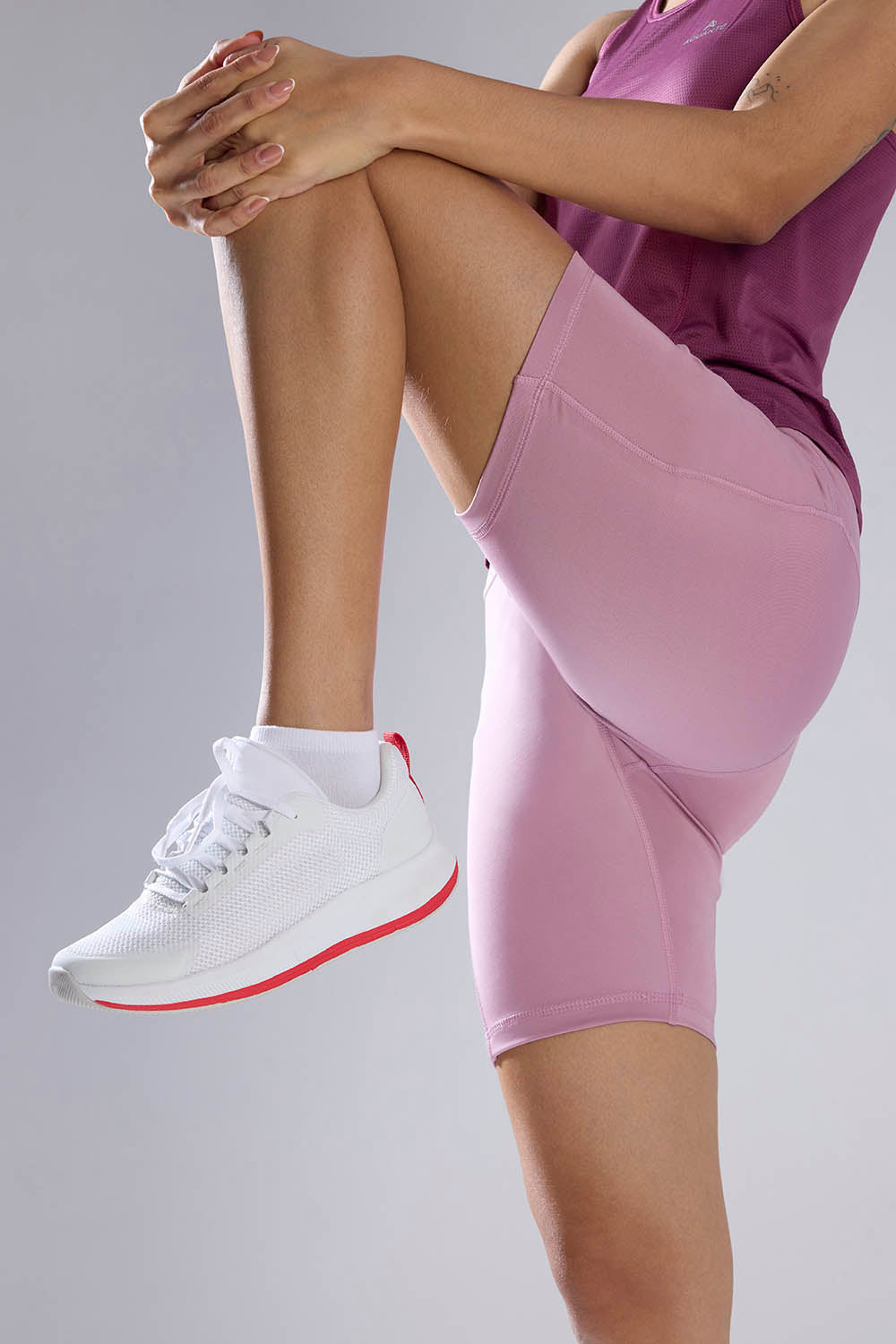
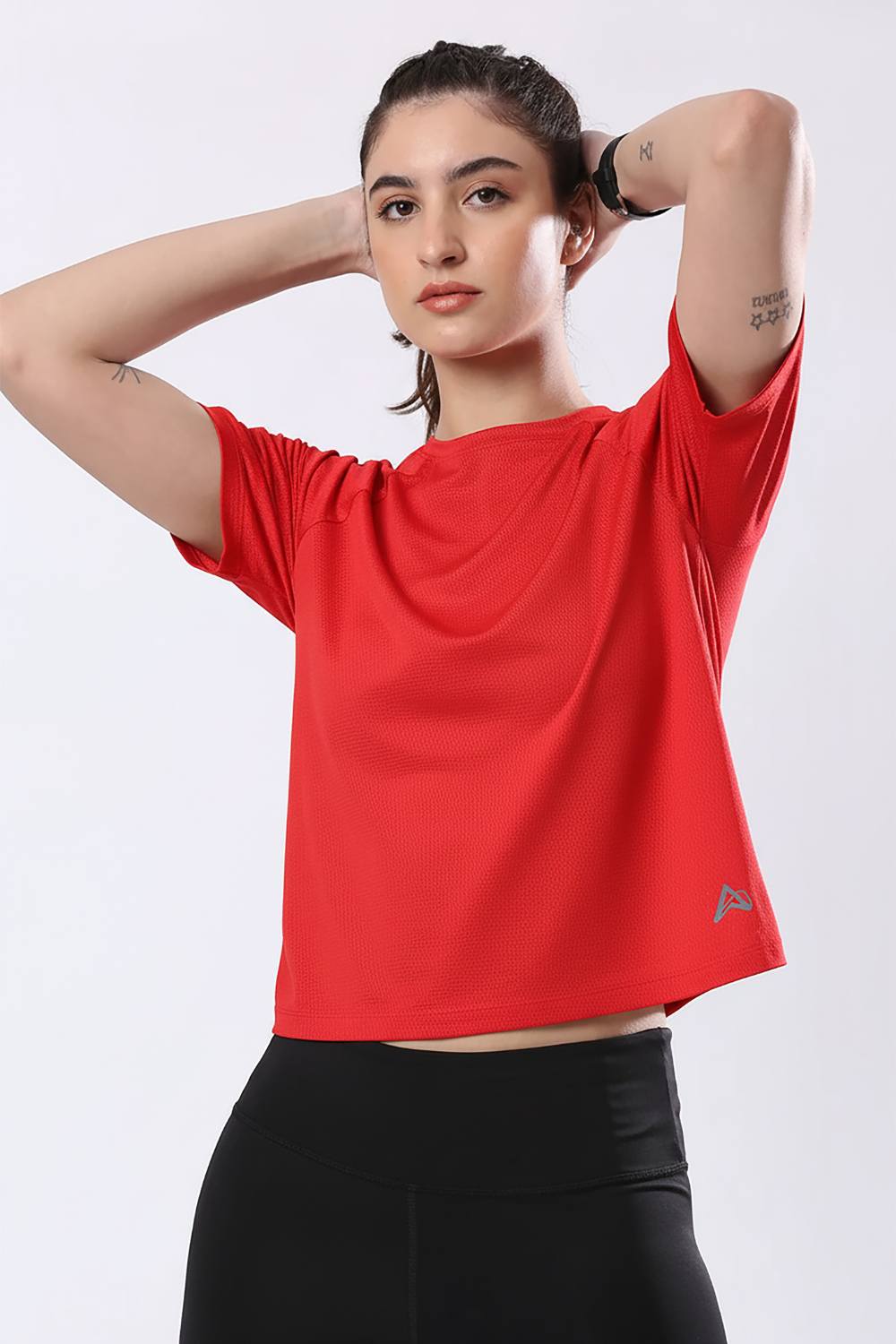
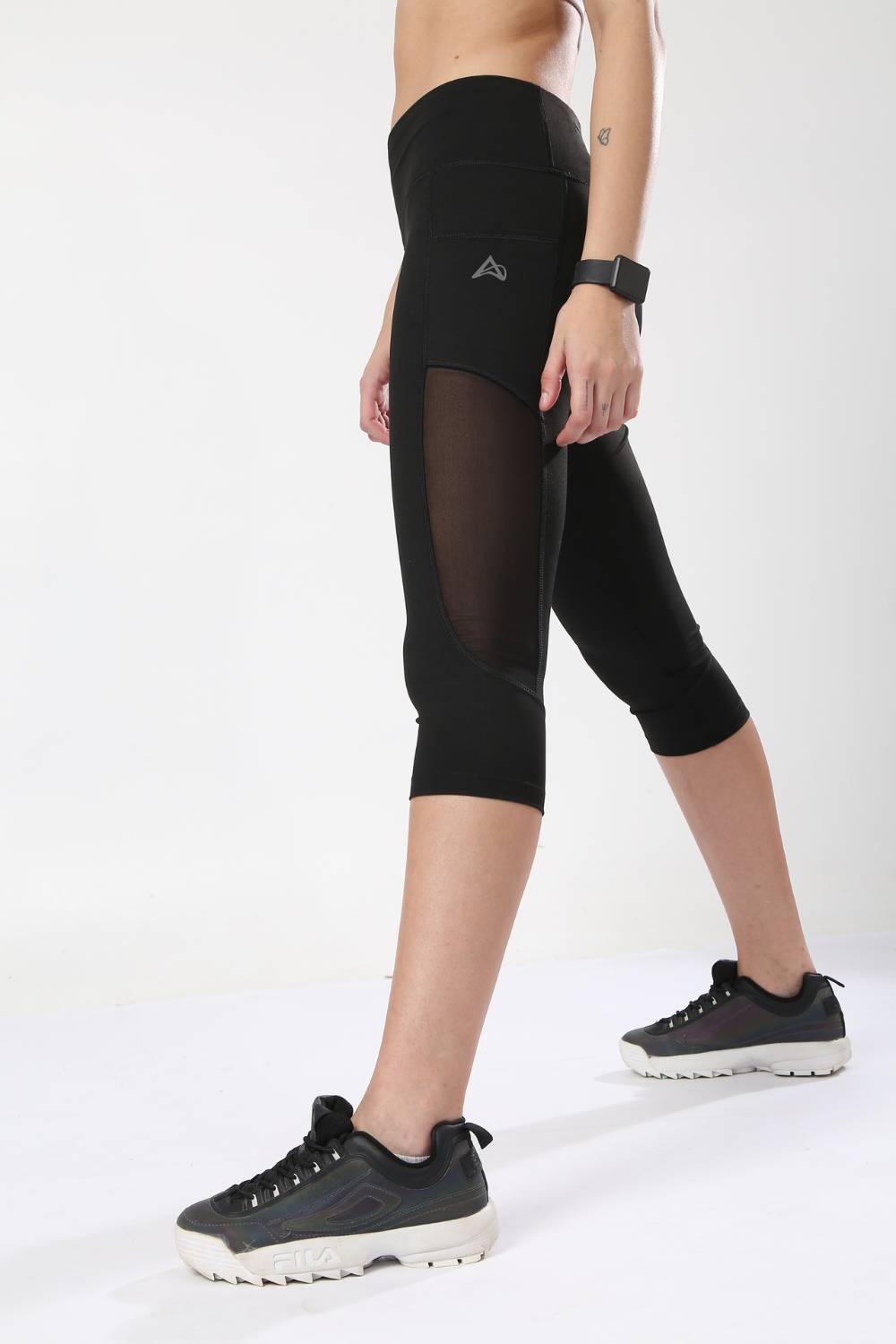
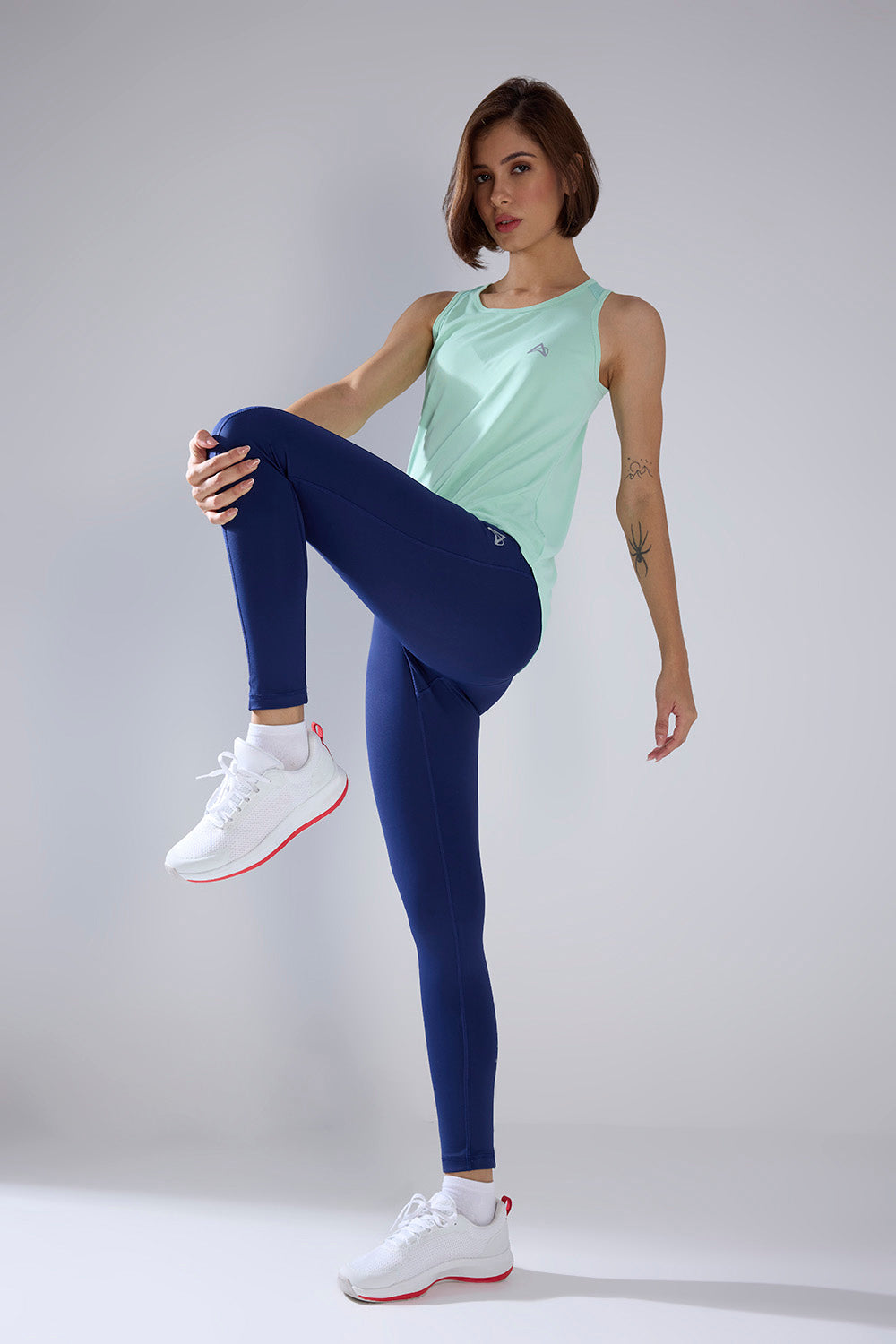



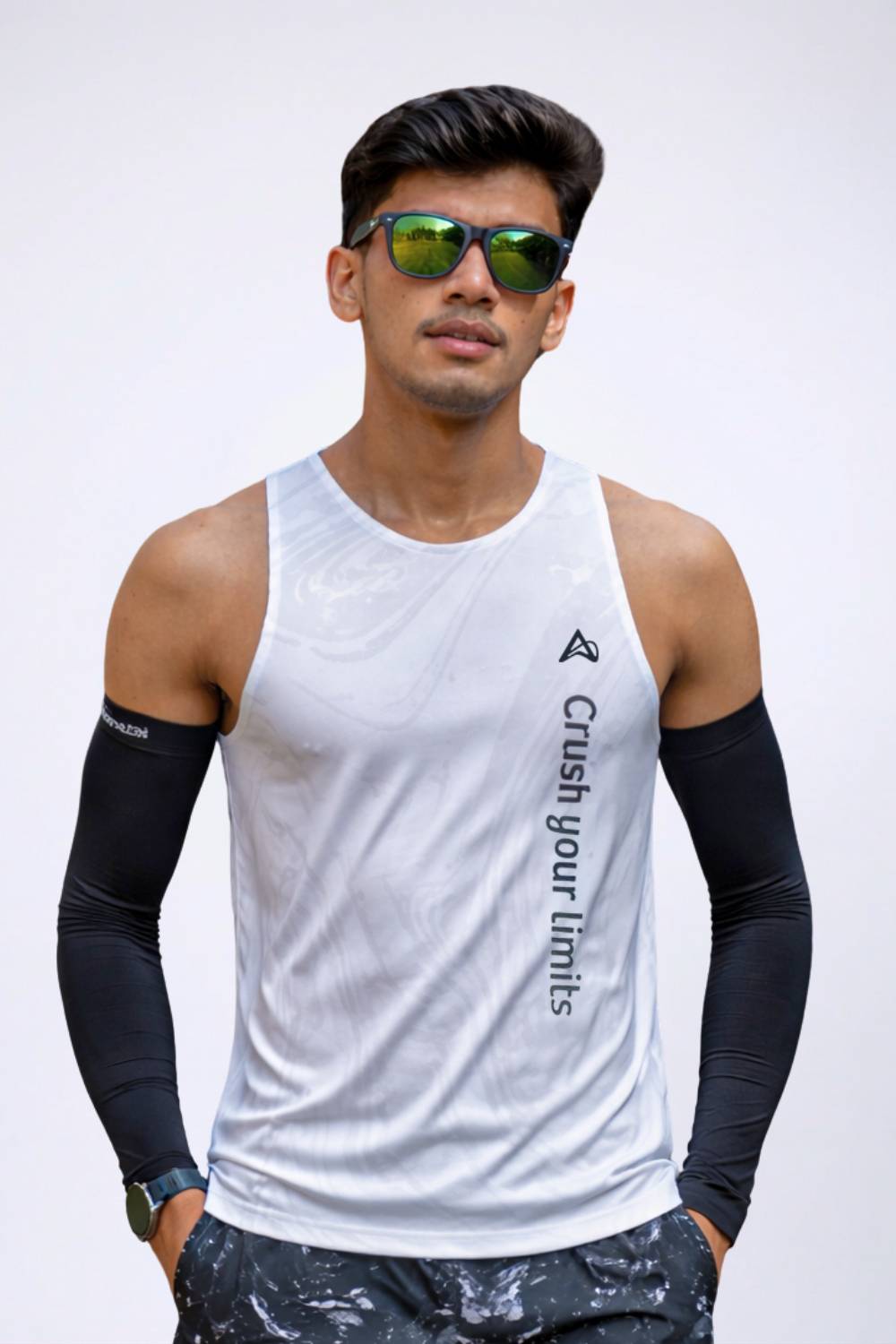

Marathon training is built around consistency, and every detail that affects a runner's ability to complete long sessions matters. While training plans often focus on mileage, pacing, recovery, and nutrition, running apparel is another important part of preparation. The right clothing choices can help runners stay comfortable during repeated workouts by supporting movement, managing sweat, and reducing distractions over longer distances. Understanding how running apparel supports endurance training allows athletes to choose gear that works with their training demands rather than against them.
Tired of gear that slows you down? Chafing, soggy fabrics, and missing pockets kill your run's momentum. At Aguante, we're runners who get it. Our high-performance activewear features moisture-wicking fabrics, ergonomic designs, and smart storage to keep you focused. Shop Now!
Why Running Apparel Matters During Marathon Preparation
Marathon training places unique demands on the body. Long runs can last for hours, creating repeated movement, continuous perspiration, and changing comfort needs throughout the session. Clothing that feels suitable for a short workout may not provide the same experience during extended training runs.
Proper running apparel is designed around the specific challenges runners face during endurance activities. Lightweight materials, comfortable construction, and functional designs can help athletes focus more on their training and less on unnecessary distractions caused by clothing.
For runners preparing for a marathon, apparel selection is not only about appearance. It is about creating a reliable training environment where clothing supports the effort required to build endurance. A runner who understands how different garments perform during long sessions can make better decisions about what to wear for regular workouts and race preparation.
How Clothing Supports Comfort During Long-distance Runs
Comfort becomes increasingly important as running distances increase. During shorter activities, minor issues with fit or fabric may seem manageable. However, repeated movement over longer periods can make small discomforts more noticeable.
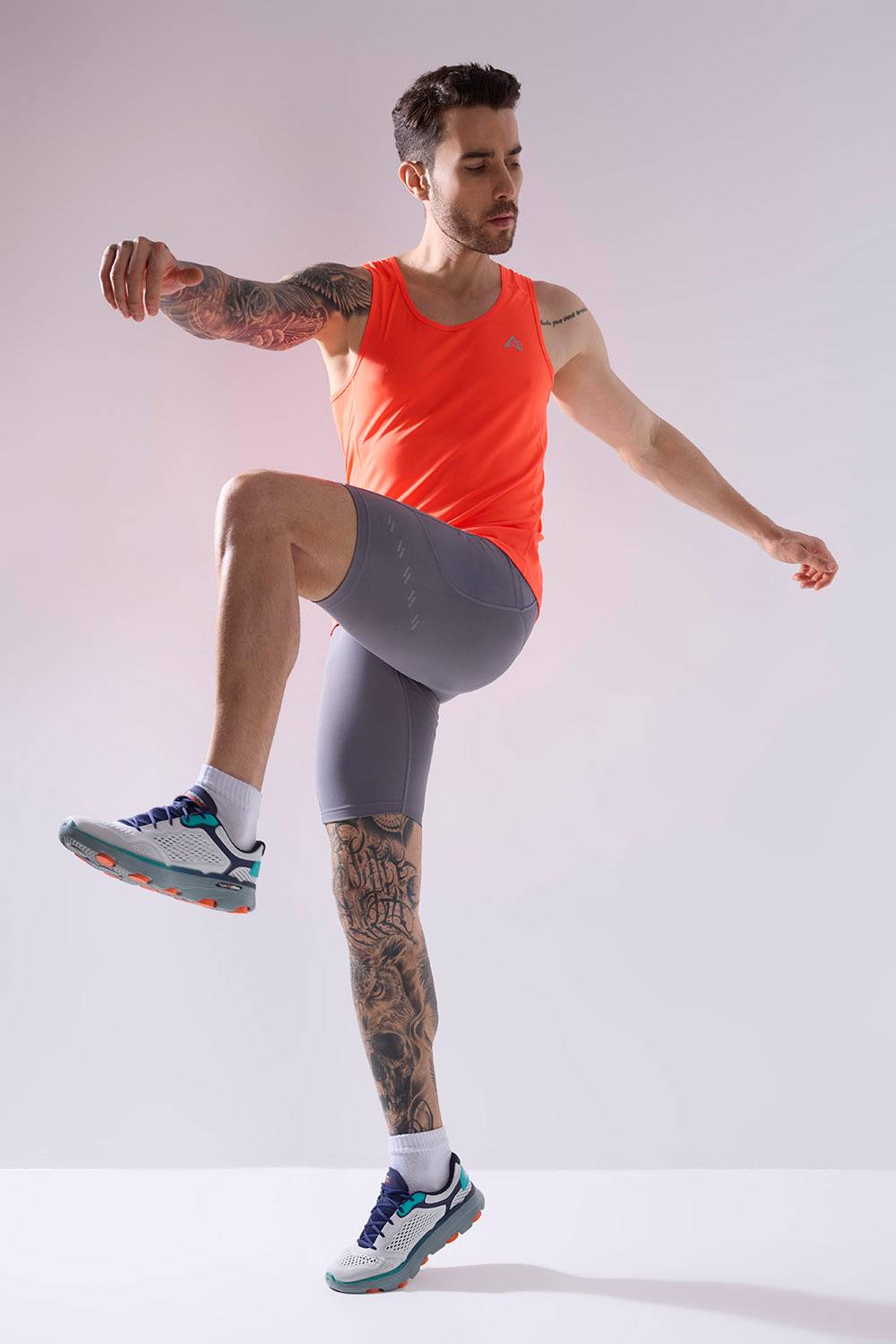
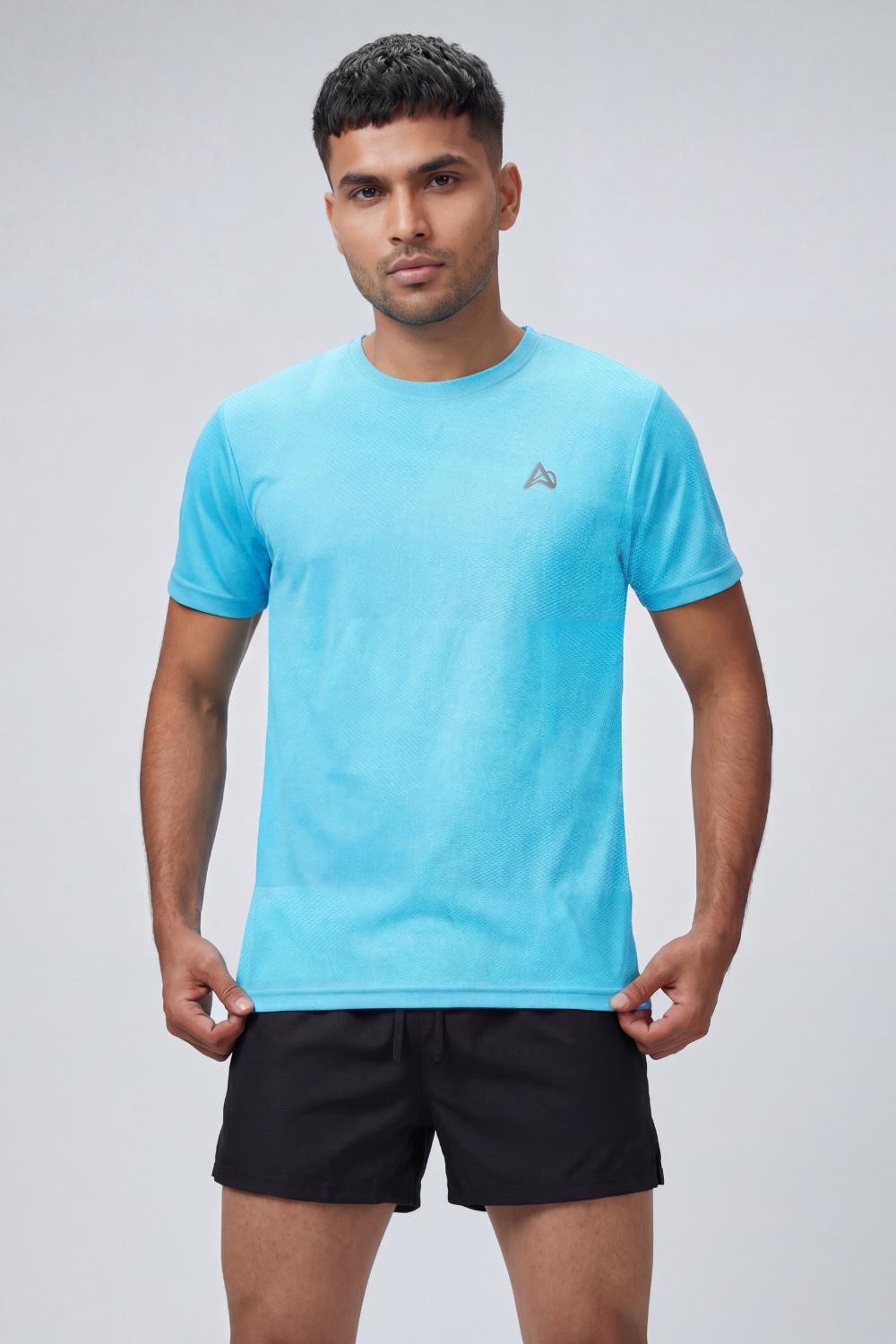
Comfortable running apparel for runners should allow natural movement while staying secure during activity. A good fit helps prevent constant adjustments and allows athletes to maintain focus on their pace and technique. Features such as flexible construction and thoughtful placement of seams can contribute to a smoother experience during demanding training sessions.
Runners also benefit from testing apparel during regular training rather than waiting until race day. Marathon preparation involves learning how the body responds to different conditions, and clothing is part of that learning process. Trying different tops, shorts, or other running layers during long runs helps athletes identify what works best for their individual needs.
The Role of Moisture Management in Marathon Training
Sweat management is one of the most important considerations when choosing running clothes for endurance activities. During long training sessions, moisture can build up and affect comfort, especially when clothing does not allow effective airflow or evaporation.
Moisture wicking running clothes are designed to help move perspiration away from the skin, supporting a more comfortable experience during extended workouts. While clothing cannot replace proper hydration strategies or environmental preparation, it can support the body's natural cooling process by reducing unnecessary moisture retention.
Heat management has become a significant consideration for endurance athletes. High temperatures and humidity can make cooling more difficult because sweat does not evaporate as effectively. Athletes are increasingly treating temperature management as part of preparation rather than only a race-day concern. Athlete cooling strategies highlight how runners combine training adjustments, environmental awareness, and cooling methods to better handle challenging conditions.
For marathon runners, this reinforces the importance of choosing apparel that performs well during realistic training environments. A lightweight garment that handles sweat effectively can help reduce discomfort when runners spend extended periods outdoors.
Choosing the Right Features for Marathon Training Gear
The best clothing for long distance running is not defined by one feature alone. Instead, effective running apparel combines multiple design elements that support an athlete throughout a workout.
Fit and Freedom of Movement
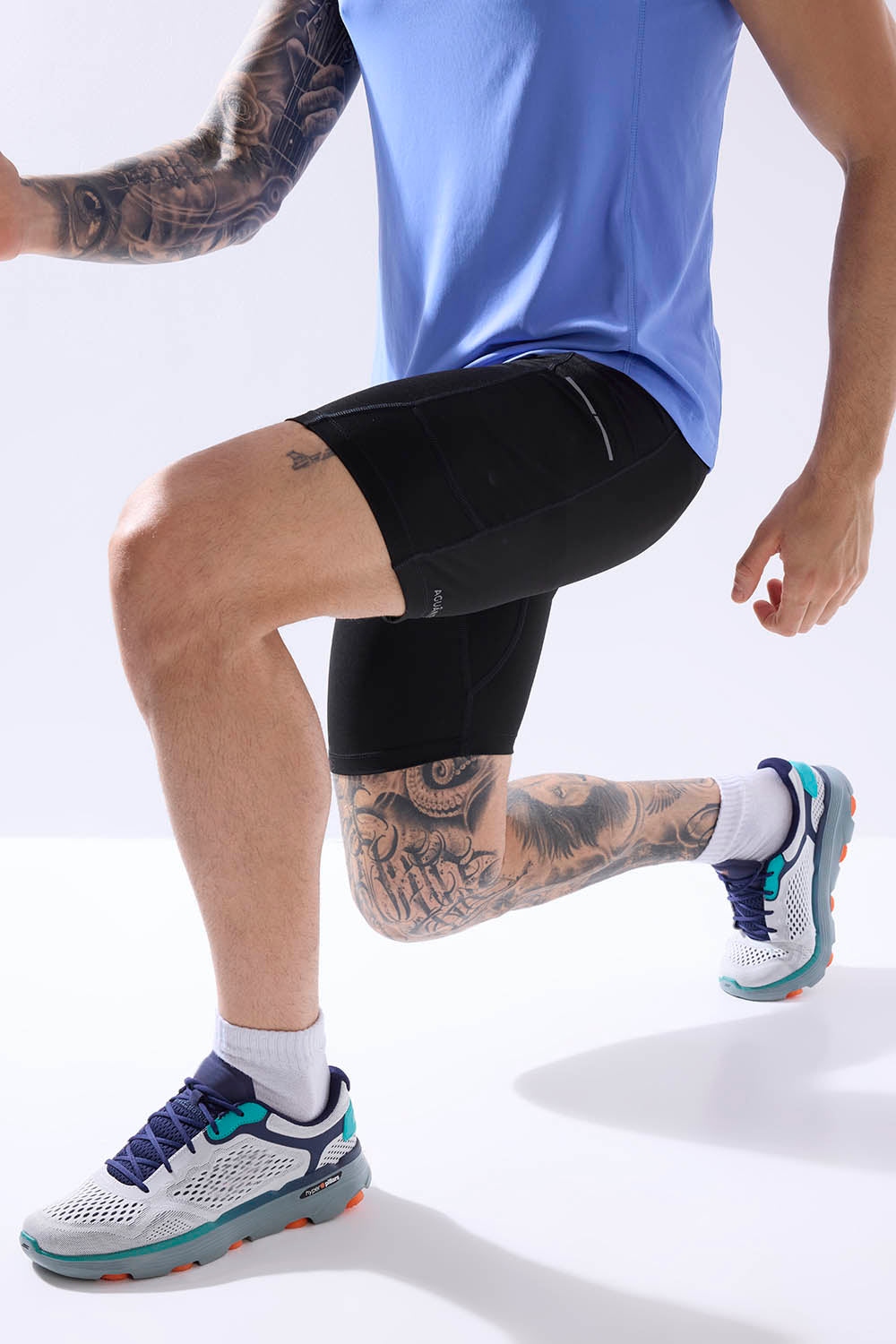
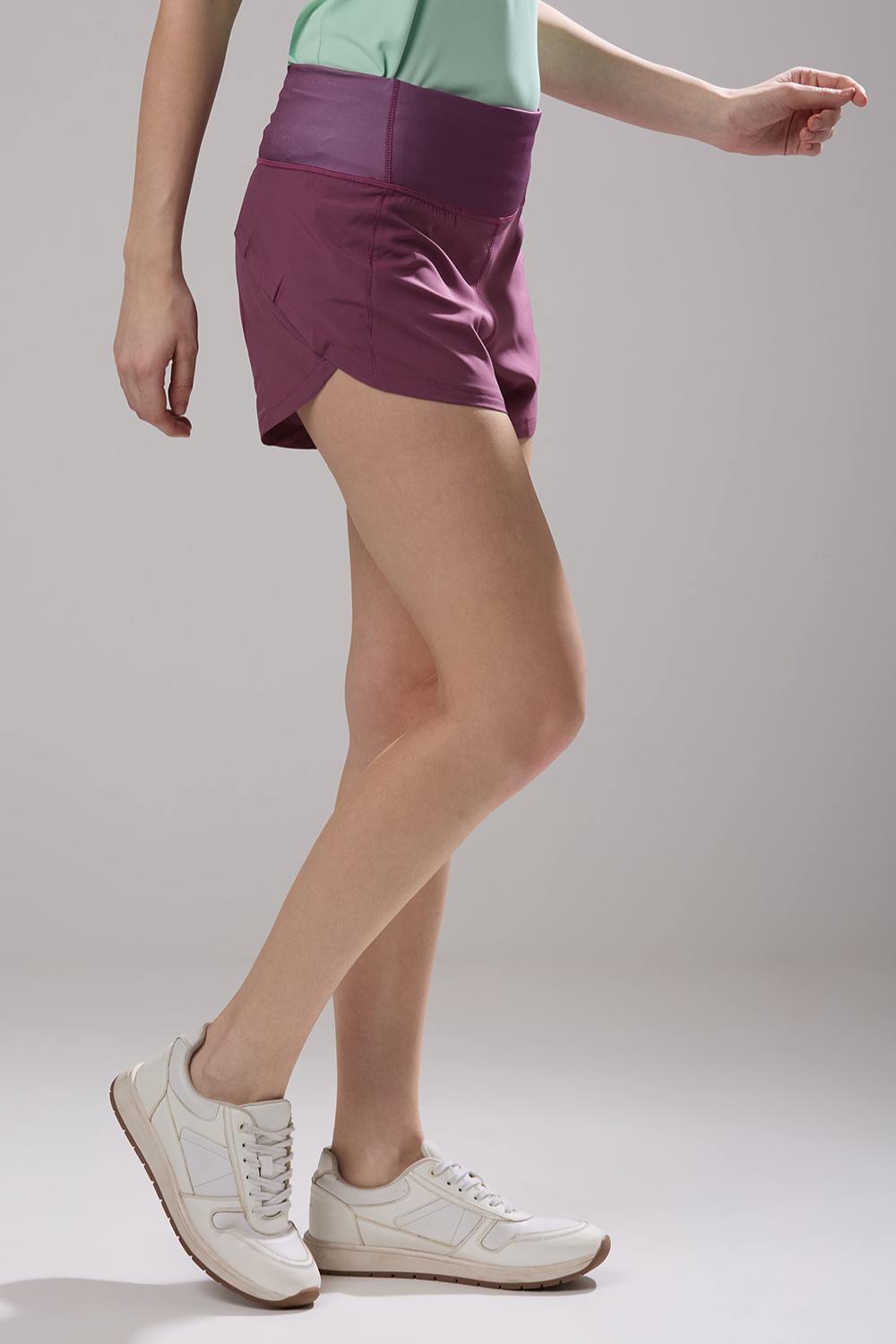
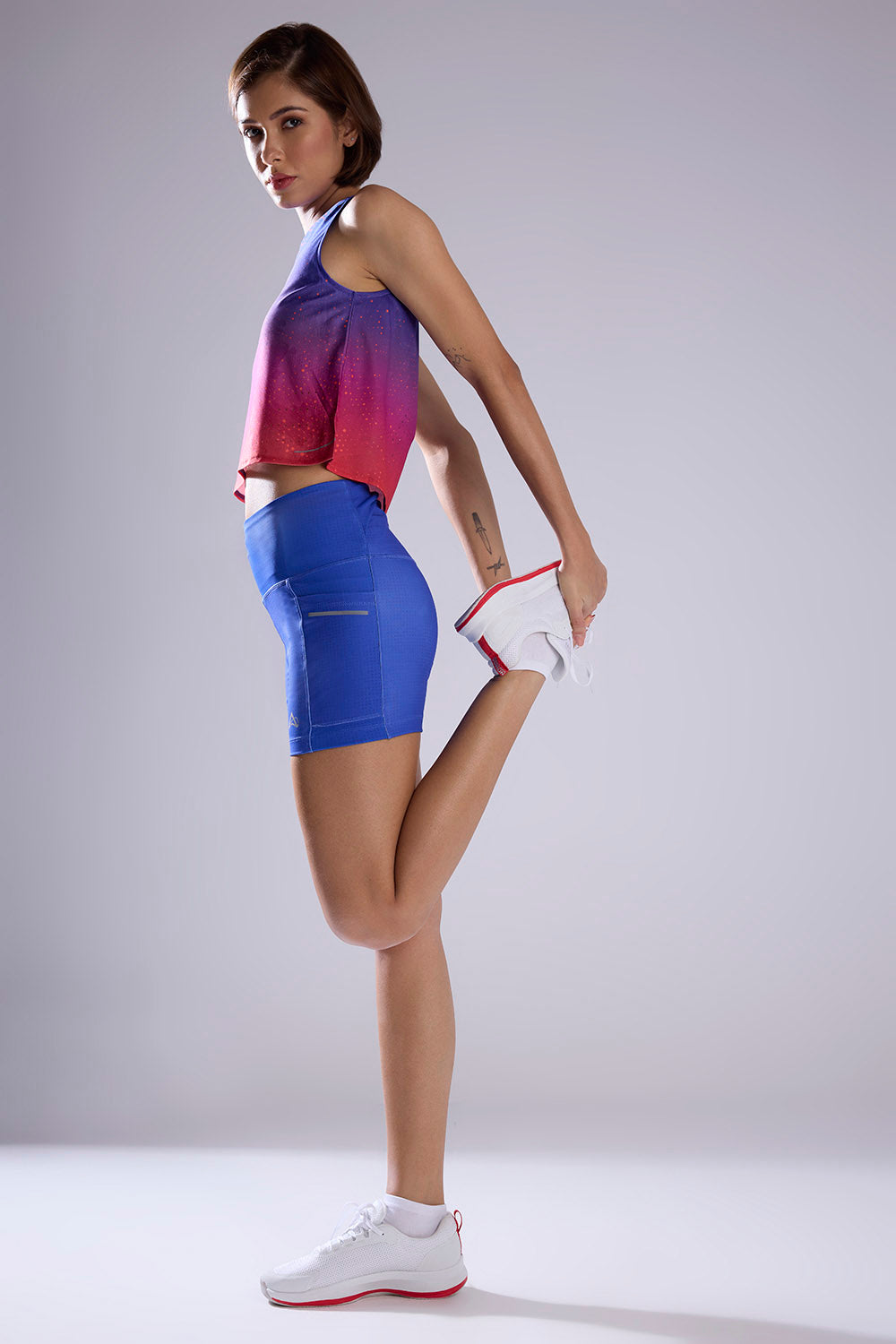
Marathon training requires thousands of repeated movements, making mobility an important consideration. Apparel should allow runners to maintain their natural stride without feeling restricted. A suitable fit can help runners move efficiently while avoiding distractions caused by loose or overly tight clothing.
Fabric Performance and Breathability
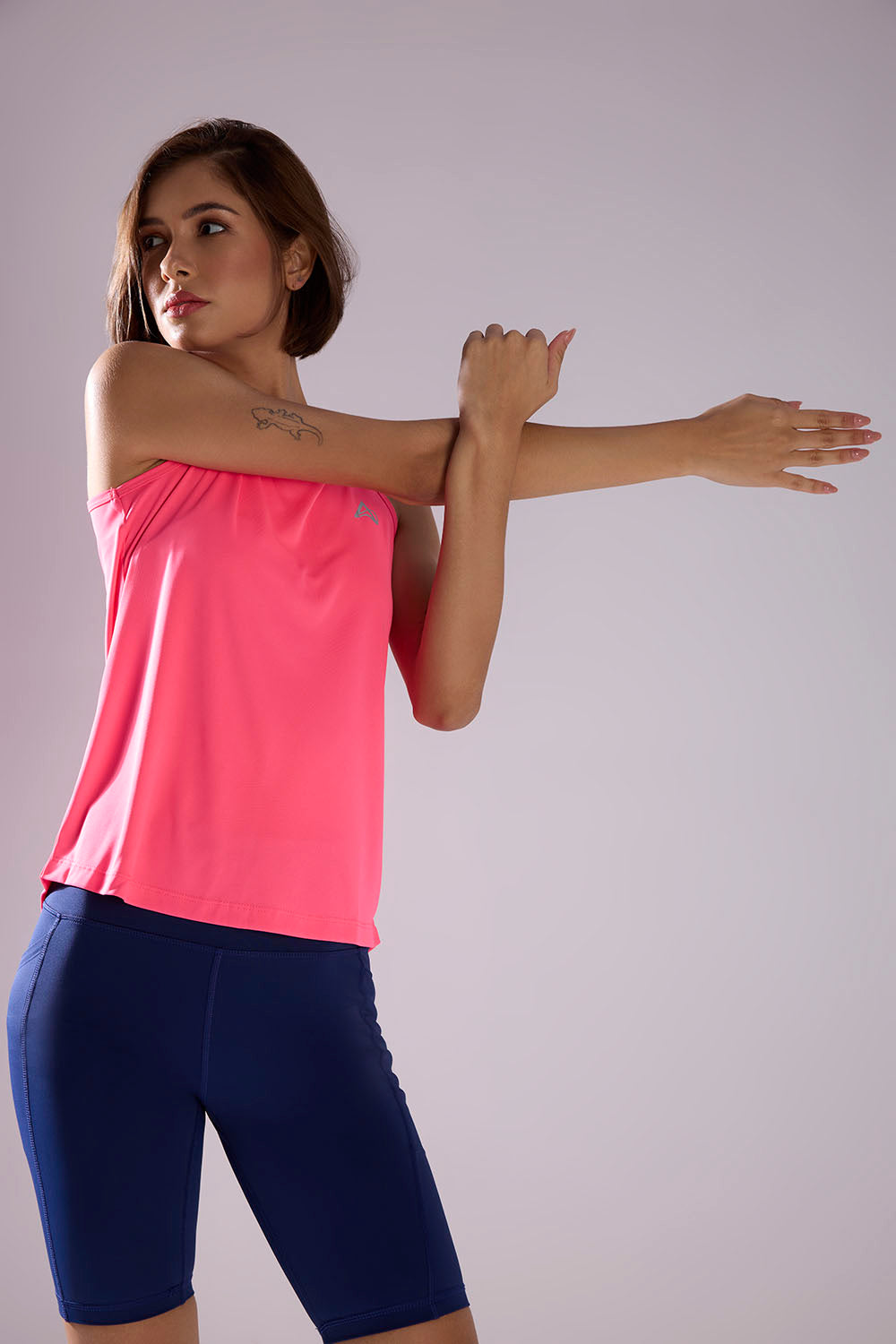
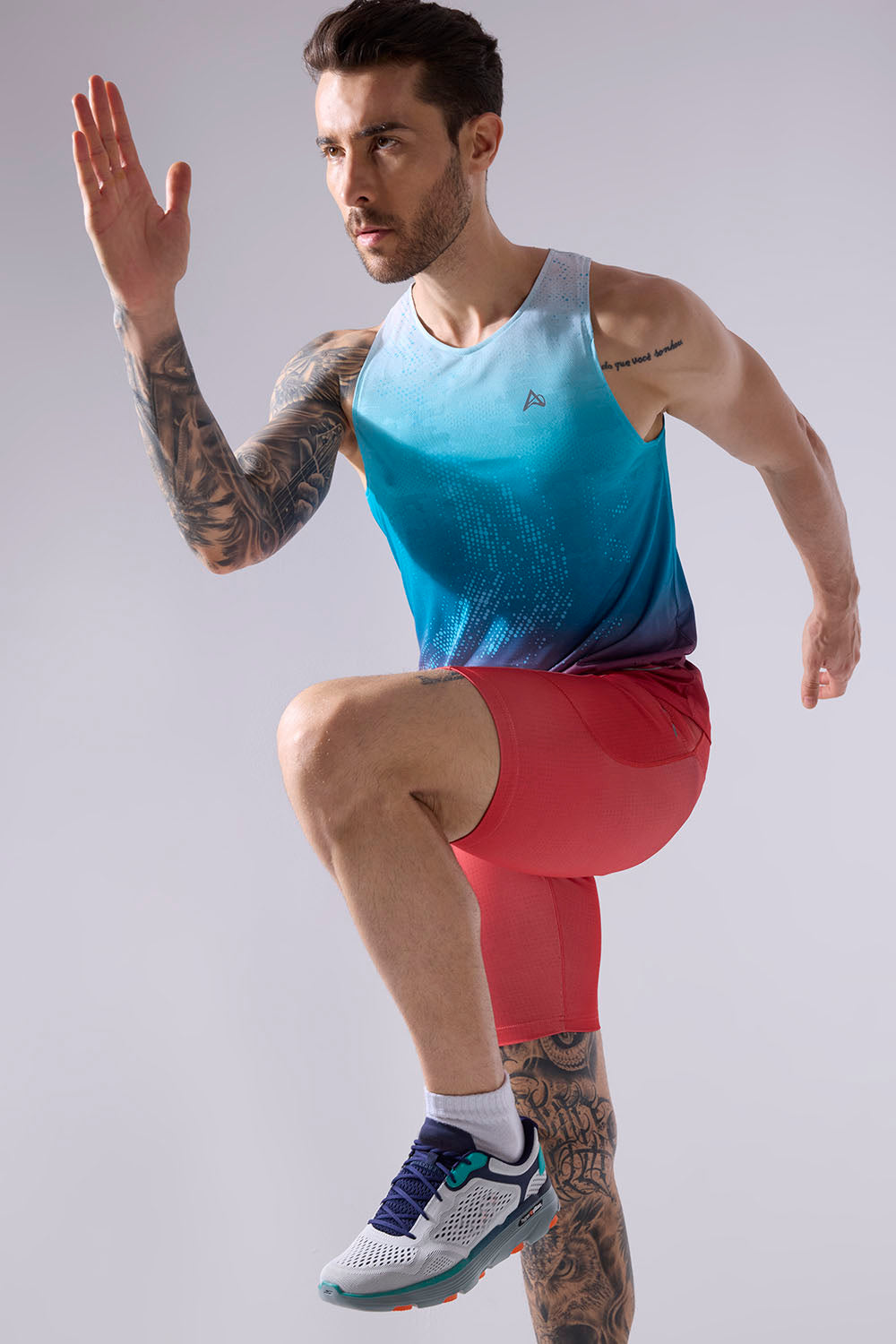
Fabric choice influences how clothing feels throughout a run. Breathable materials can help manage heat buildup, while lightweight designs can reduce the feeling of carrying unnecessary weight during longer sessions.
Performance wear for marathon runners should support changing conditions throughout training. A runner may begin a session feeling comfortable and later experience increased warmth, sweat accumulation, or fatigue. Apparel designed for endurance activities helps address these changes by focusing on comfort over extended use.
Practical Features for Training Needs
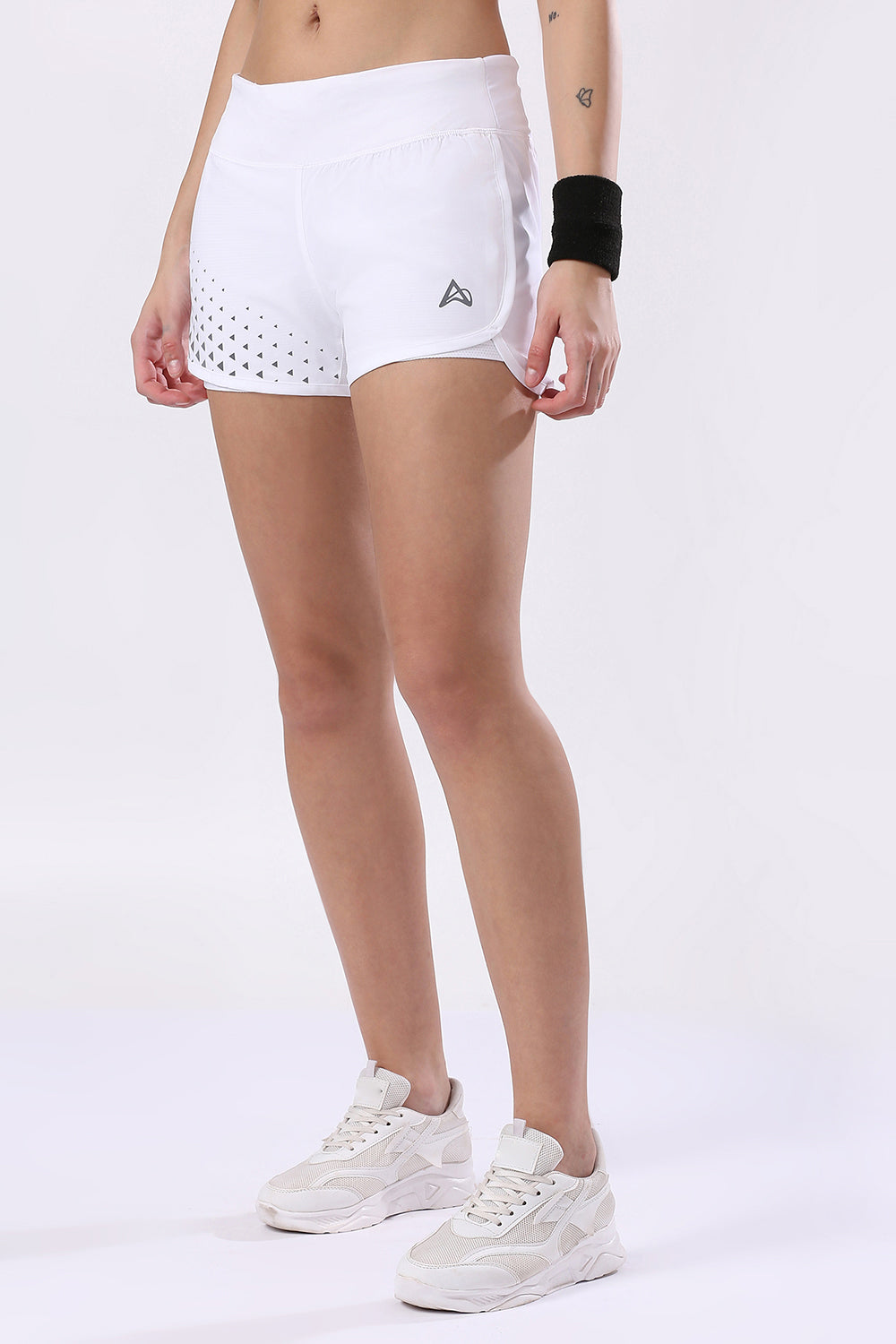
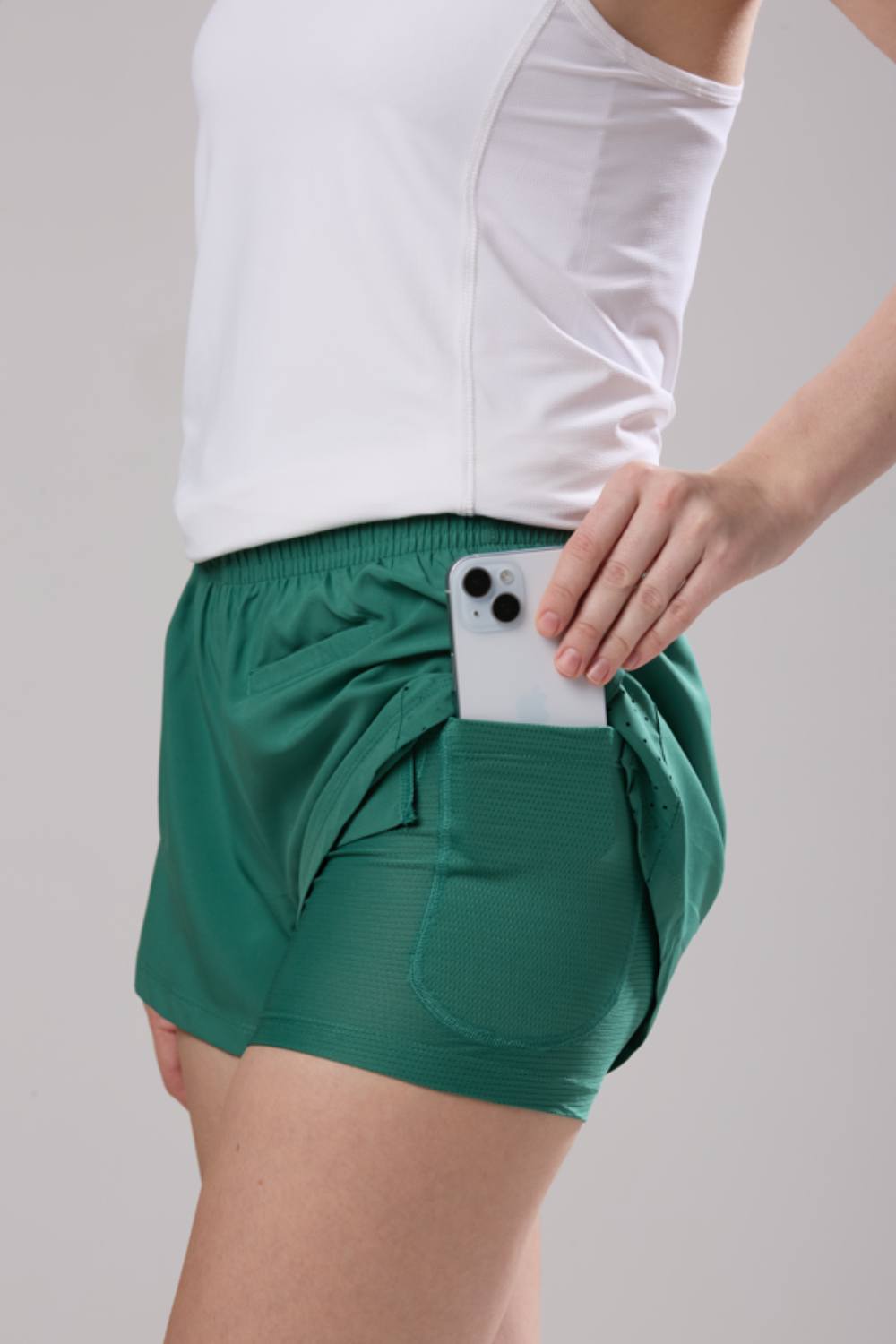
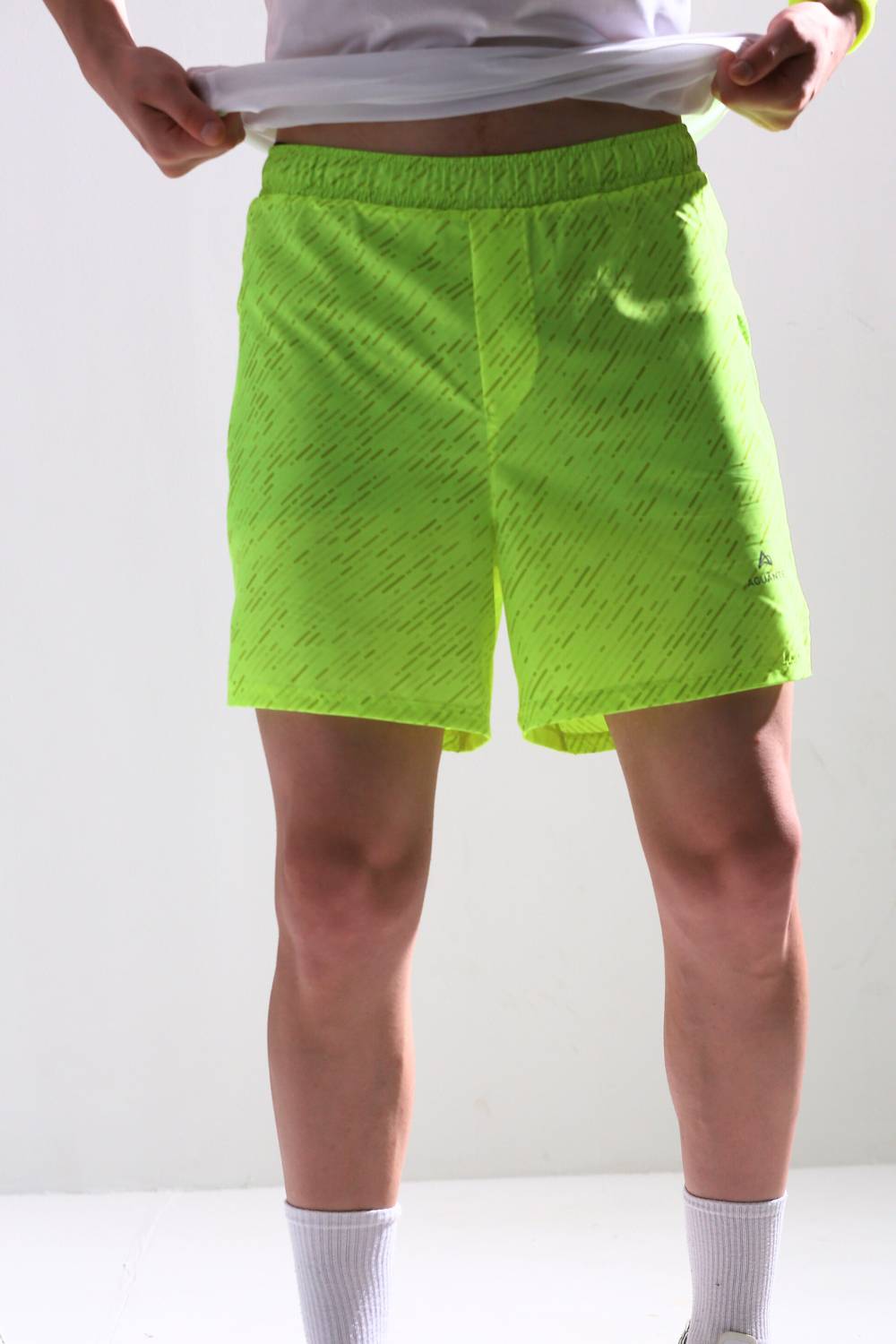
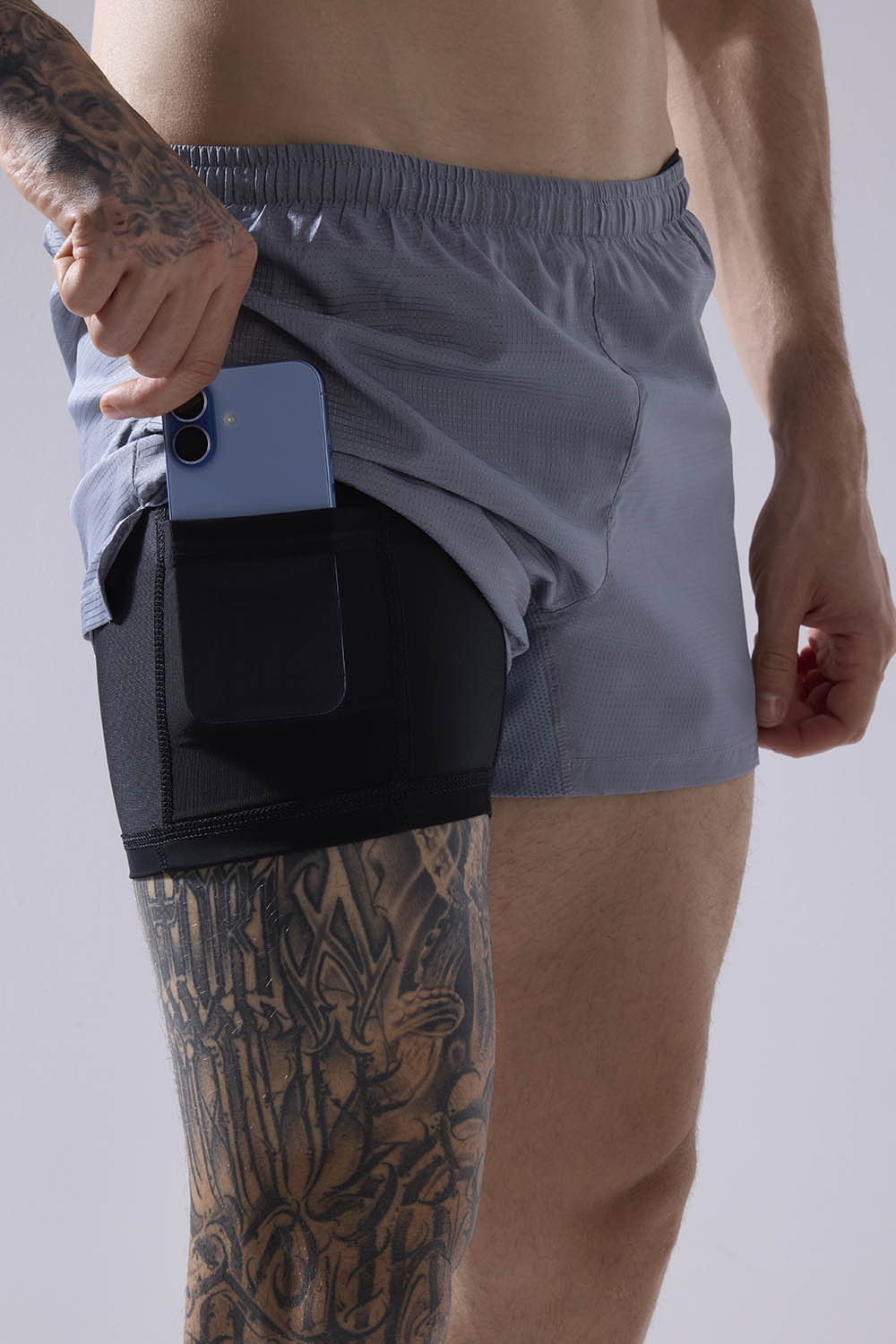
Small design features can have a meaningful impact during marathon preparation. Storage options, reflective elements, and functional details can improve convenience and confidence during training. Runners often need to carry essentials, train in different lighting conditions, or adapt to changing environments, making practical apparel features valuable additions to their routine.
How Weather Conditions Influence Apparel Choices
Marathon training does not always happen in ideal conditions. Runners may complete sessions in warm weather, changing temperatures, or humid environments. Because clothing interacts directly with the body, apparel choices should reflect the conditions in which training takes place.
Warm and humid conditions create additional challenges because the body relies heavily on sweat evaporation to regulate temperature. When humidity reduces evaporation, runners may experience greater difficulty maintaining comfort during prolonged efforts. Marathon heat challenges show why temperature management, pacing, hydration, and suitable apparel all play a role in endurance preparation.
Rather than searching for one universal outfit, runners can build an adaptable training wardrobe. Different conditions may require different clothing choices, allowing athletes to select apparel based on weather, workout intensity, and personal comfort preferences.
This approach is especially useful for marathon preparation because training schedules often include a variety of sessions. Easy recovery runs, speed workouts, and long-distance efforts may each create different apparel requirements.
Why Runners Should Test Apparel Before Race Day
Marathon day is not the right time to experiment with unfamiliar clothing. Even apparel that appears comfortable during a quick trial may feel different after several hours of continuous movement.
Testing running apparel during training helps runners understand how garments perform over realistic distances. It allows them to evaluate comfort, fit, sweat management, and practicality before committing to race-day choices.
This process also helps runners identify potential issues early. A garment that causes irritation, requires frequent adjustment, or does not perform well in certain conditions can be replaced before it affects important training sessions.
Marathon preparation is ultimately a process of building confidence. Familiar clothing can become part of a runner's routine, reducing uncertainty and allowing more attention to be placed on pacing, effort, and race strategy.
Building a More Effective Marathon Training Approach
Running apparel should be viewed as one component of a complete endurance strategy. Clothing works alongside training plans, recovery habits, hydration practices, and environmental preparation to support the overall running experience.
For new runners, understanding apparel basics can make marathon training feel more manageable. Instead of choosing clothing based only on style, runners can consider how each item contributes to comfort and performance during the demands of longer distances.
For experienced athletes, reviewing apparel choices can help improve consistency. Small improvements in comfort can make repeated training sessions easier to complete, which matters when preparation requires weeks or months of structured effort.
The connection between clothing and performance is not about expecting apparel to create results on its own. Rather, well-designed running apparel helps remove avoidable barriers, allowing runners to focus on the work required to achieve their goals.
Apparel as a Foundation of Marathon Readiness
Proper running apparel supports marathon training by helping runners manage comfort, movement, moisture, and changing conditions throughout their preparation. The right clothing choices allow athletes to approach long-distance training with fewer distractions and greater confidence.
For anyone preparing for a marathon, selecting apparel should be part of the broader training process. By testing clothing during workouts and choosing designs that match individual needs, runners can create a more reliable foundation for endurance development. Running apparel for marathon training is not simply about what athletes wear; it is about how clothing supports the journey from the first training session to the finish line.
Frequently Asked Questions
Why is proper running apparel important for marathon training?
Proper running apparel helps marathon runners improve comfort, manage sweat, and maintain better mobility during long training sessions. Choosing suitable clothing can reduce distractions and support a more consistent endurance training routine.
What features should runners look for in clothing for long distance running?
Runners should consider features such as moisture-wicking fabrics, breathable materials, comfortable fit, and practical details like storage or reflective elements. These features help create comfortable running apparel that performs well during extended workouts and changing conditions.
How does moisture-wicking running apparel support marathon preparation?
Moisture-wicking running clothes help move perspiration away from the skin, supporting comfort during longer runs. They can assist with temperature management by reducing moisture buildup, making them a useful part of marathon training gear essentials.
Disclaimer: The above helpful resources content contains personal opinions and experiences. The information provided is for general knowledge and does not constitute professional advice.
You may also be interested in: Moisture-wicking Running Clothes India: Why Every Runner Needs Them
Tired of gear that slows you down? Chafing, soggy fabrics, and missing pockets kill your run's momentum. At Aguante, we're runners who get it. Our high-performance activewear features moisture-wicking fabrics, ergonomic designs, and smart storage to keep you focused. Shop Now!
Powered by flareAI.co