



Quick Listen:
Picture this: You're dashing along Mumbai's Marine Drive as the sun rises, the sea wind offering scant relief from the oppressive humidity that wraps around you. In India's vibrant urban centers, exercise isn't merely routine it's a showdown with the elements, where dampness can transform a brisk run into an exhausting slog. Yet, advanced moisture-wicking fabrics emerge as key allies, swiftly evacuating perspiration and restoring control amid the chaos of monsoon-like conditions.
With Indian metropolises contending with escalating temperatures and moisture levels, fitness enthusiasts and casual joggers in Bangalore, Mumbai, and Delhi increasingly rely on moisture-wicking advancements to elevate ease and efficiency during activities.
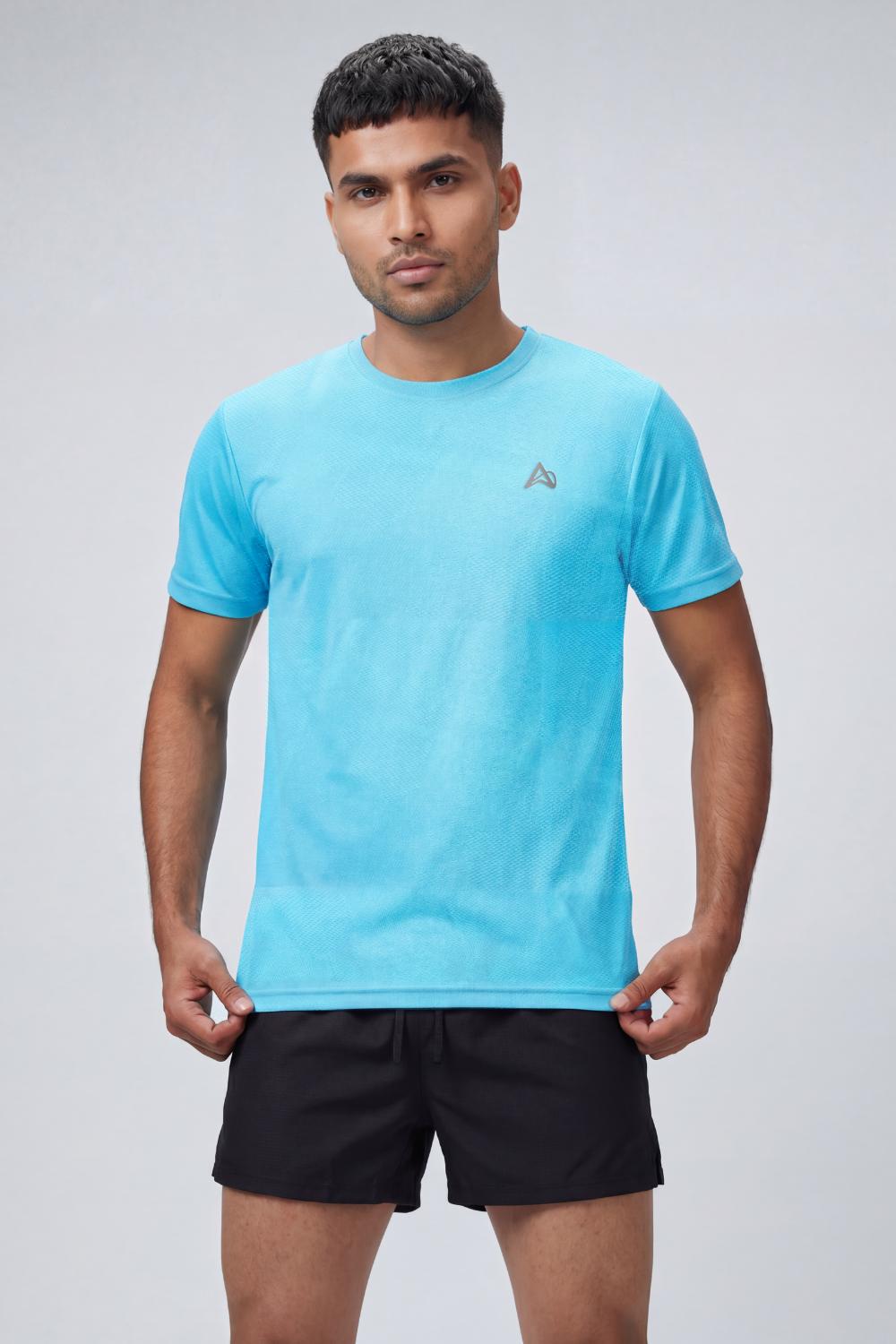
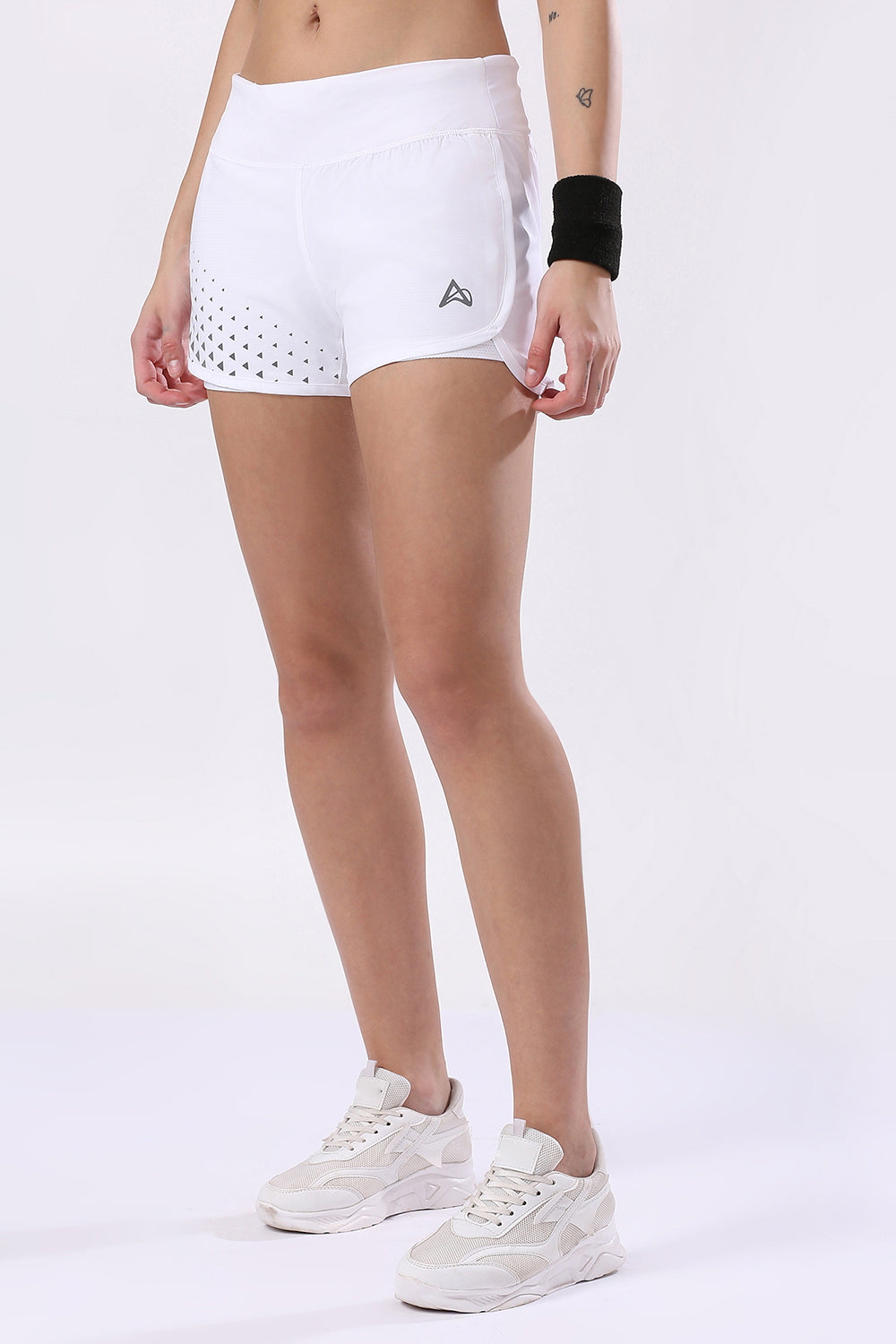
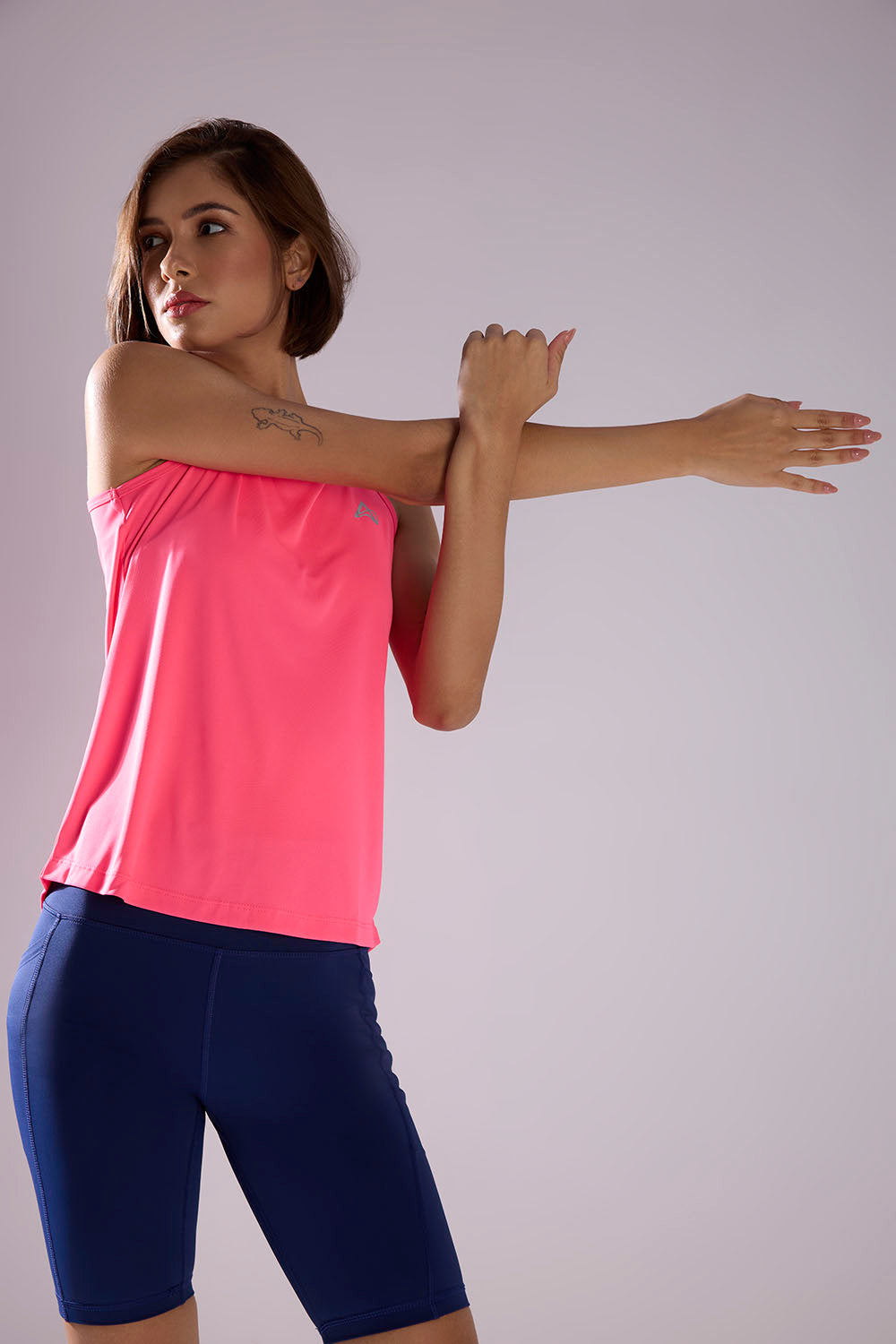
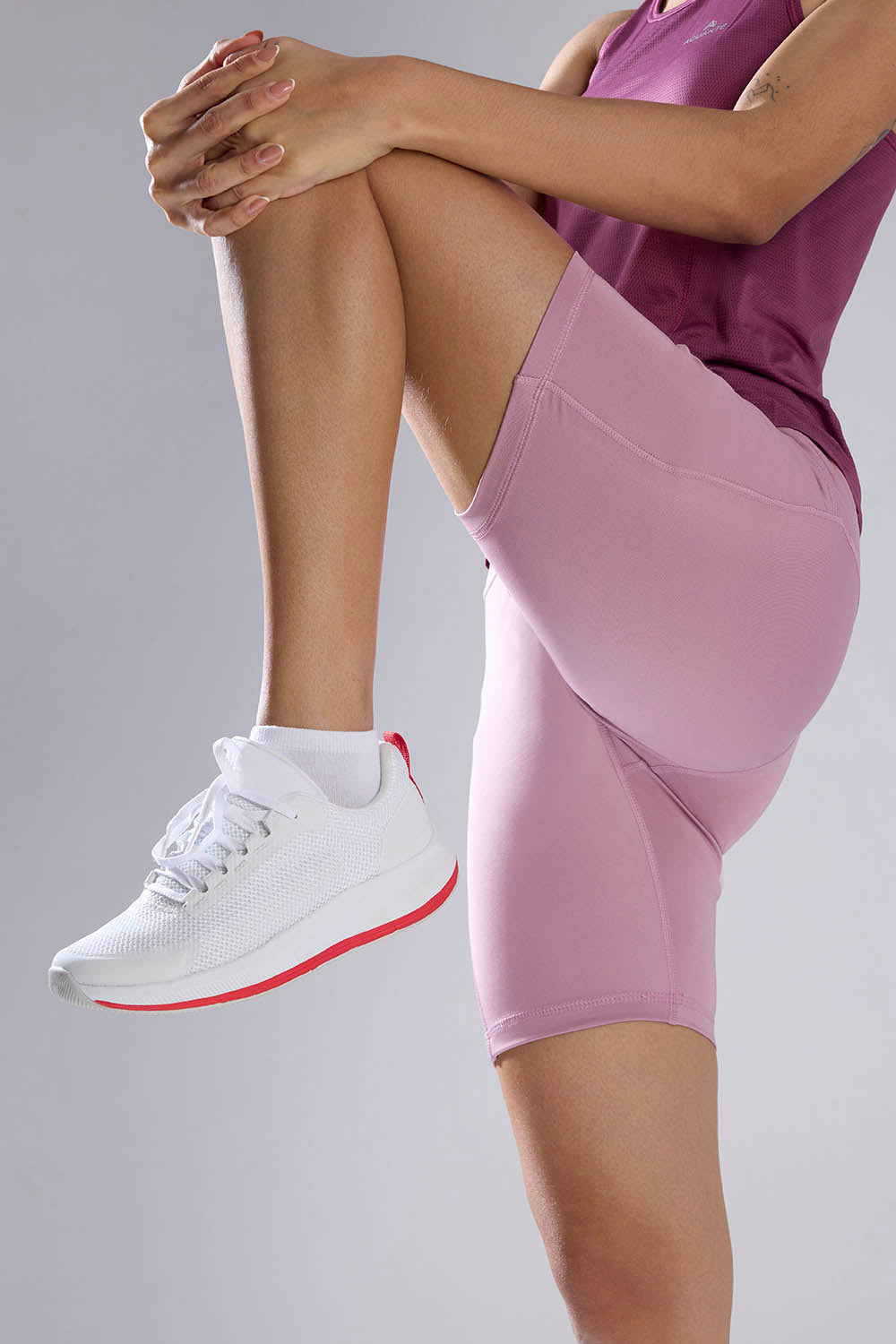
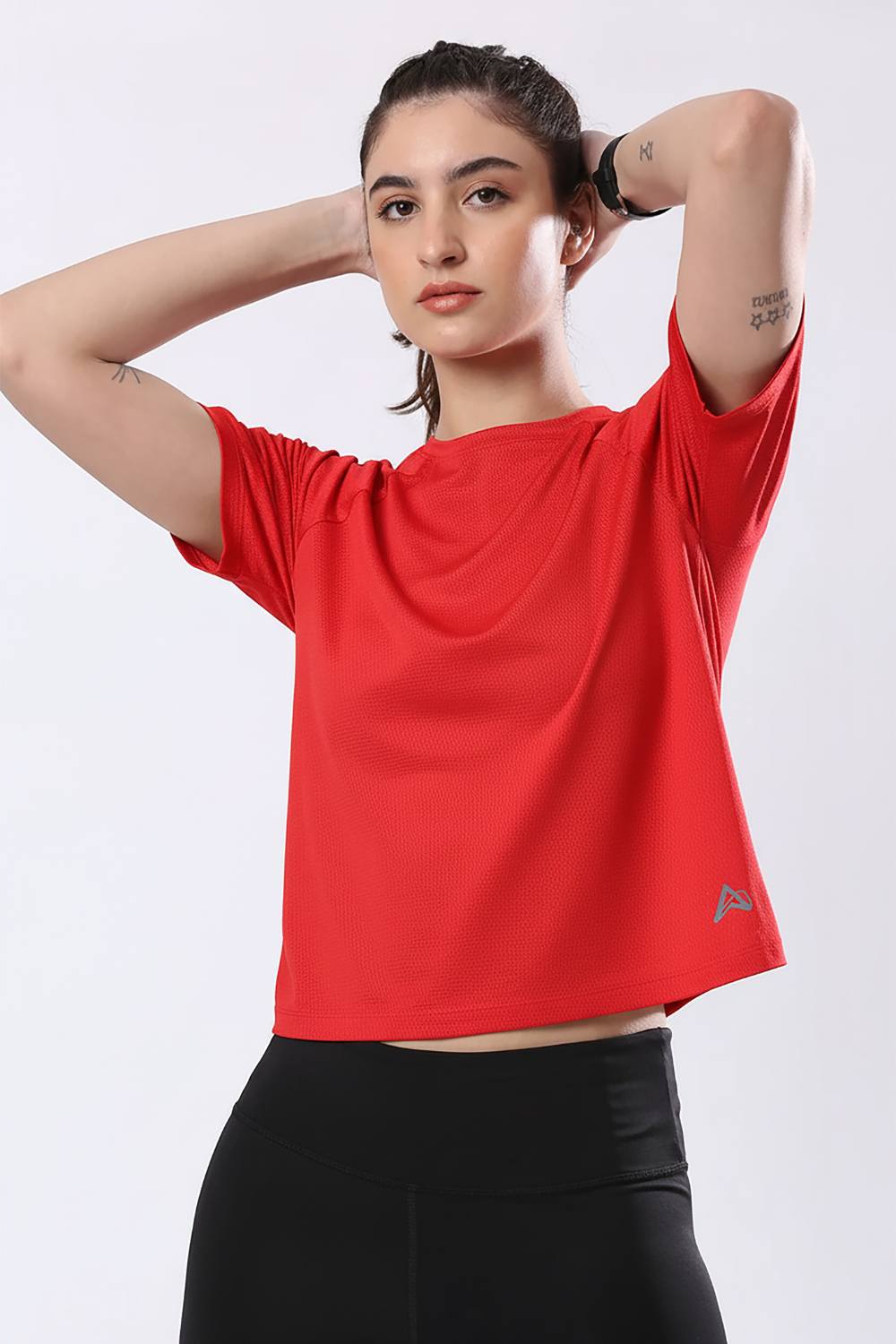
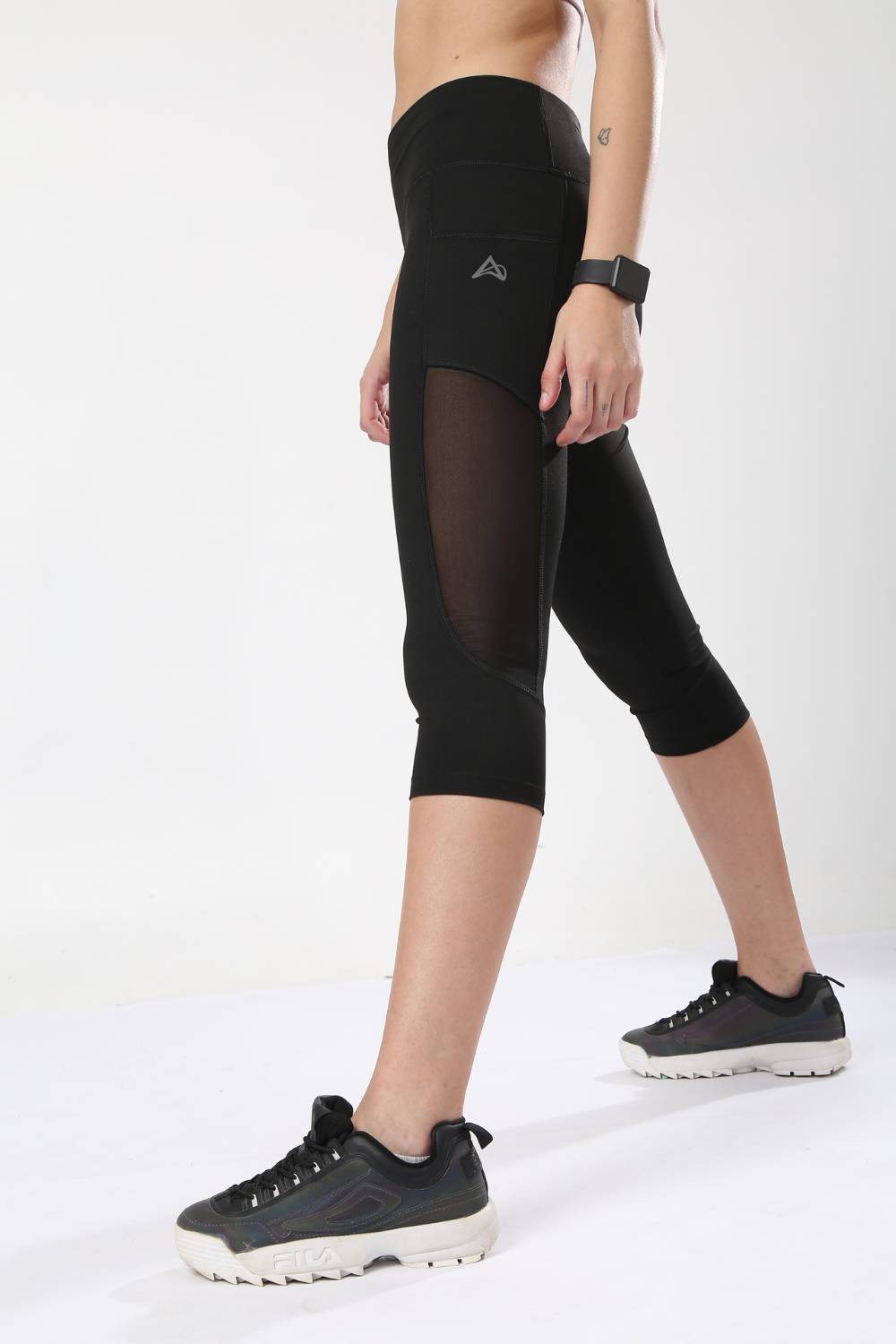
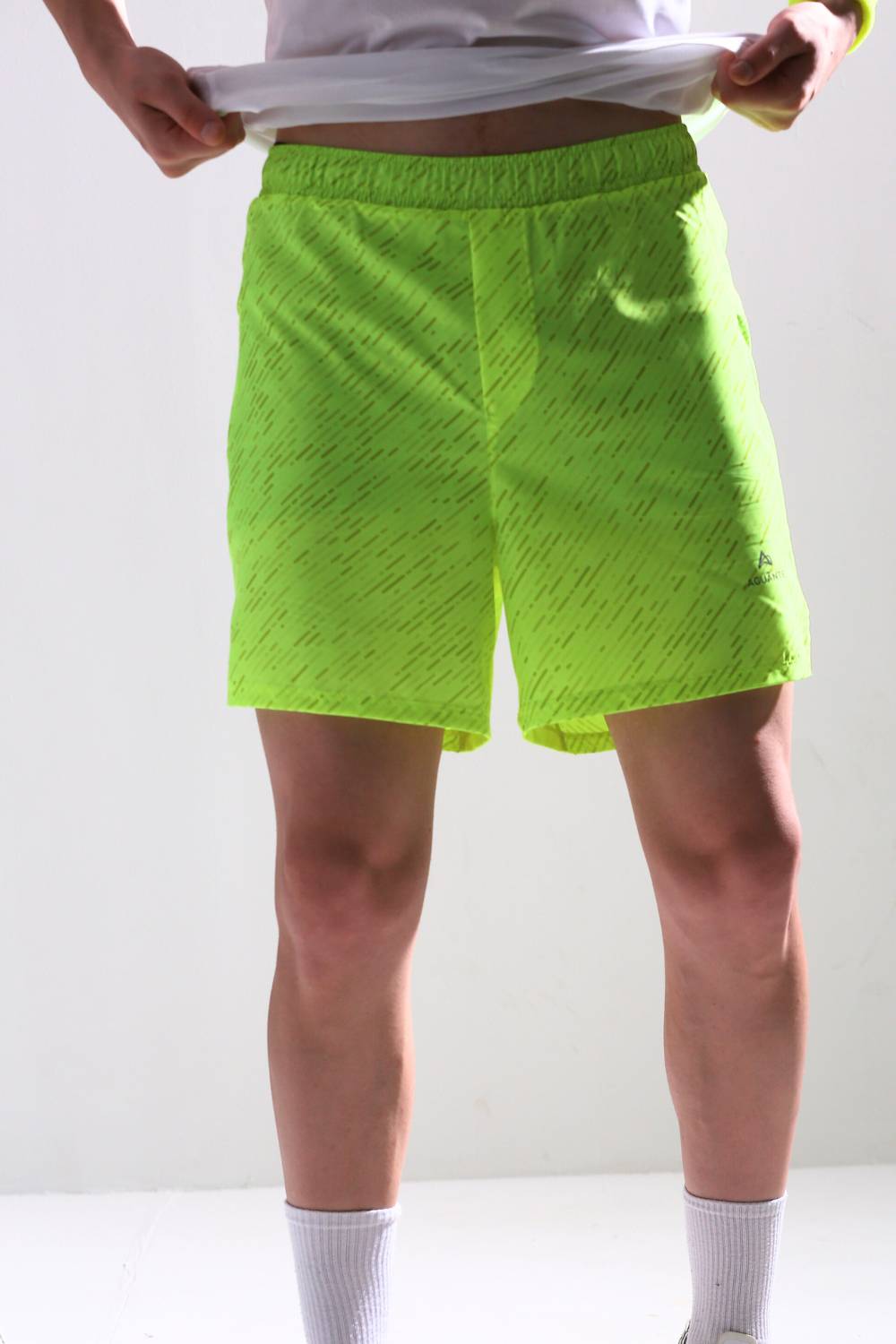
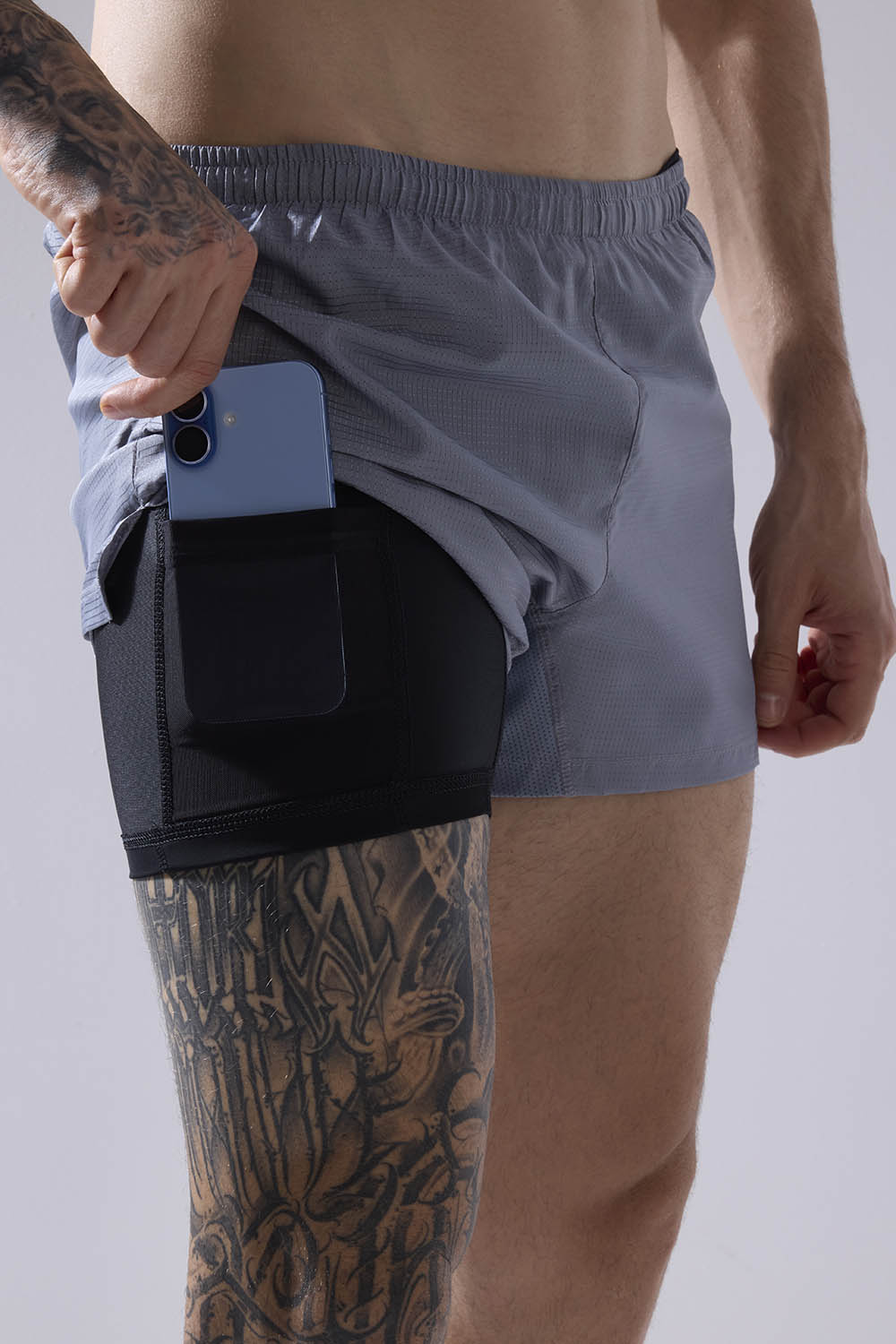
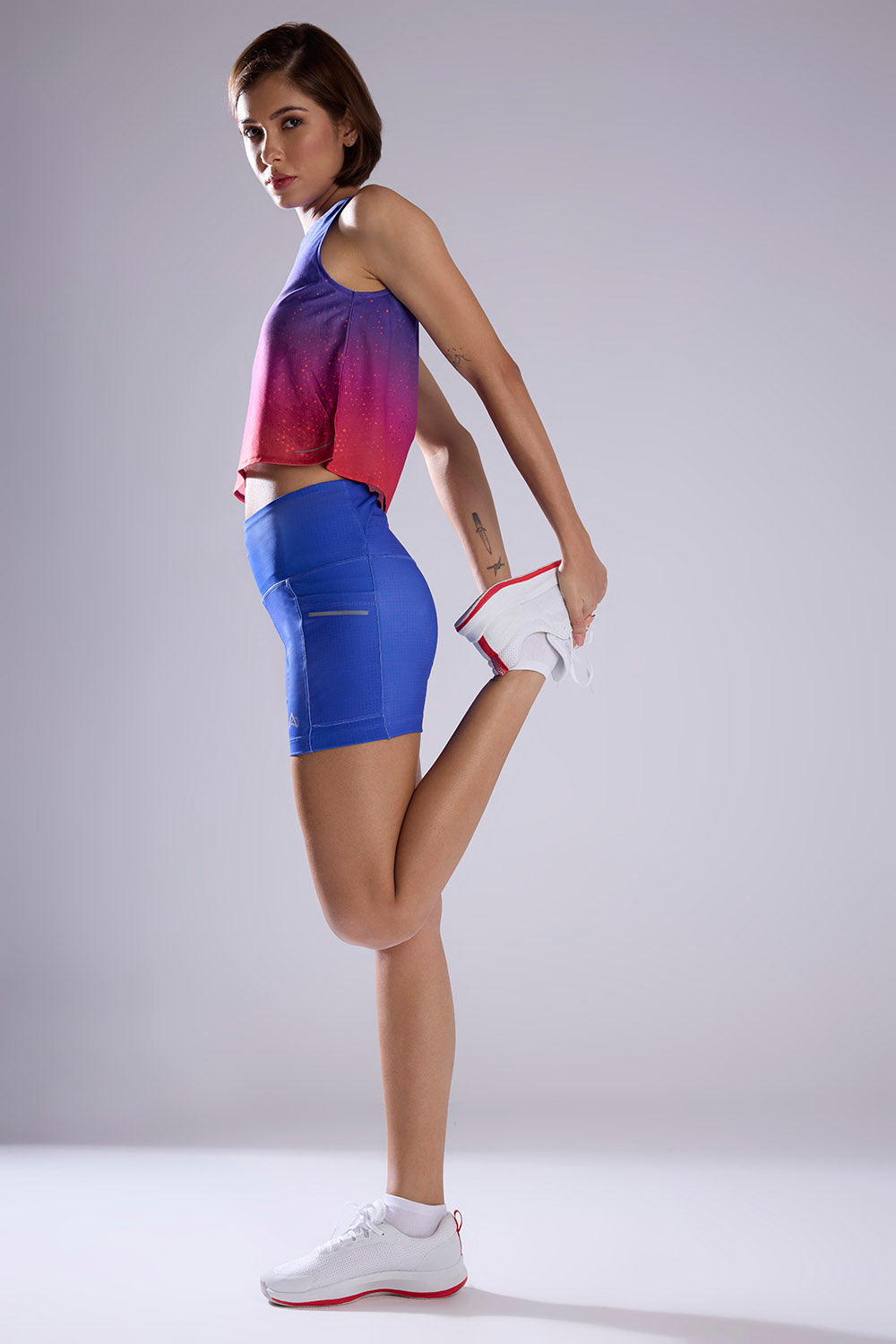
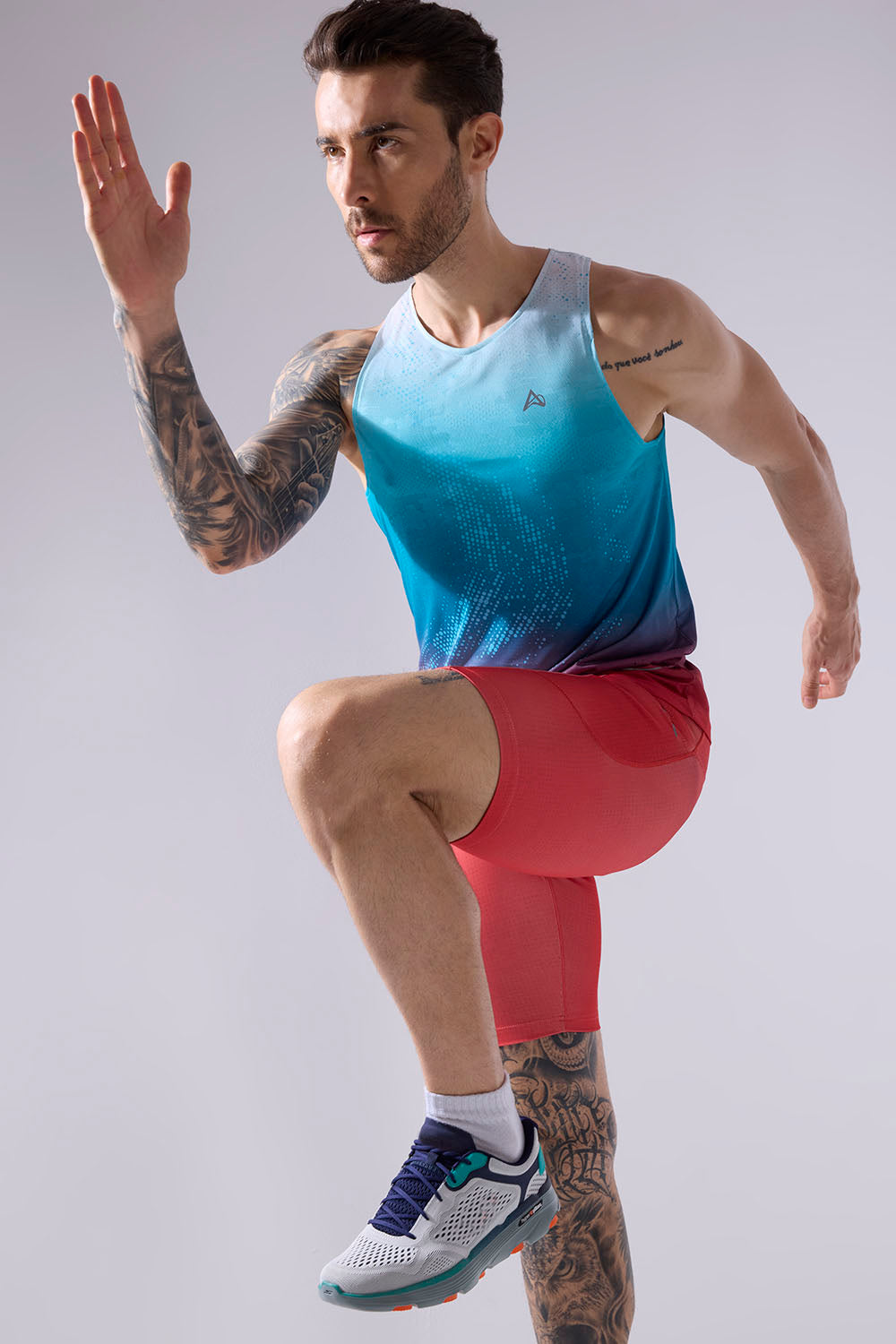
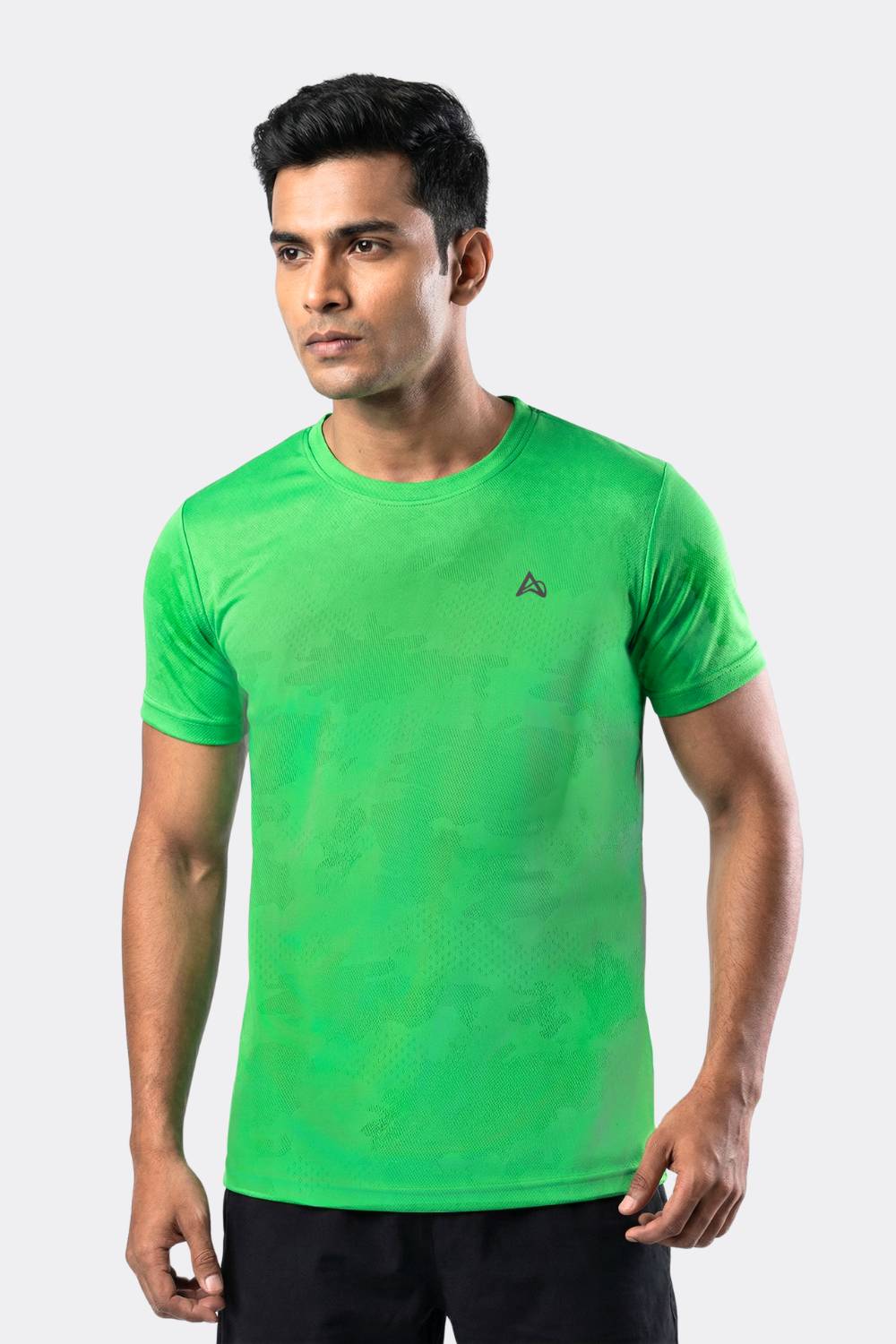
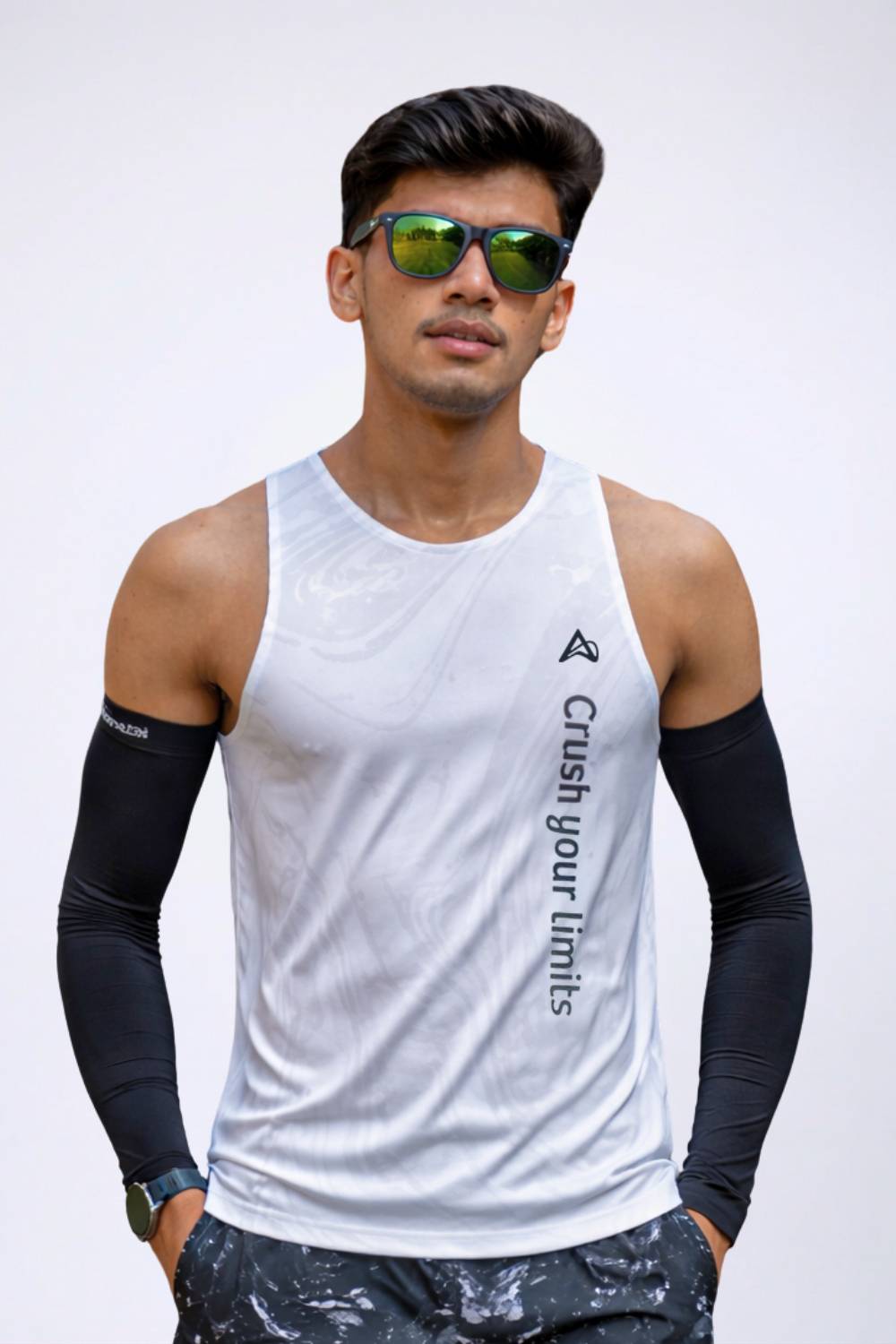
Tired of gear that slows you down? Chafing, soggy fabrics, and missing pockets kill your run's momentum. At Aguante, we're runners who get it. Our high-performance activewear features moisture-wicking fabrics, ergonomic designs, and smart storage to keep you focused. Shop Now!
The Climate Challenge in India's Fitness Hubs
India's meteorological variety packs a punch, from Delhi's blistering dry heat to Mumbai's persistent rains, where relative humidity frequently exceeds 70% annually, as reported by the India Meteorological Department (IMD). Hyderabad and Surat experience similar stifling conditions, rendering ordinary cotton garments sodden and uncomfortable within moments of exertion. Navi Mumbai's seaside location intensifies the issue, converting exercise sessions into draining, irritation-prone endeavors that drain vitality and provoke skin problems.
The surge in city-based wellness trends amplifies the need. In Bangalore, professionals gather in Cubbon Park for morning runs, and Pune's trail enthusiasts tackle elevations, both groups seeking apparel that counters environmental assaults. Fabrics that hold onto moisture exacerbate thermal buildup, elevate stress on the body, and impair output resulting in diminished speeds and rapid exhaustion. This reality drives companies such as Aguante.in to channel investments into specialized fibers crafted for equatorial strains, drawing from regional production facilities to ensure reliability and forward-thinking solutions.
Across Gurugram's fitness centers and Ahmedabad's developing paths, the transition proves essential rather than fashionable. The athletic clothing industry awakens to textiles attuned to weather patterns, empowering regular participants in these areas to remain arid, composed, and sharp.
Beyond comfort, these materials play a critical role in high-stakes environments. In scorching, moist conditions, altering attire stands out as a primary strategy to mitigate thermal strain, particularly through gear incorporating enduring moisture-evaporating strands that draw dampness from the body, as highlighted in expert discussions on industrial attire.
The Science Behind Moisture-Wicking Fabrics
Moisture-wicking operates on a sophisticated principle: Engineered strands utilize capillary forces to transport perspiration from the skin outward, facilitating rapid vaporization. Leading materials like polyester and nylon excel here, featuring water-repellent interiors that shunt liquid away while exterior surfaces disperse it for accelerated drying.
Within India's core weaving districts of Surat and Ahmedabad, facilities generate these high-function yarns, supported by investigations from NIT Surat and IIT Delhi's Textile Department. Innovations include dual-nature fiber combinations repelling water on one side, attracting it on another that perform optimally in damp settings, expelling sweat without retention.
Regional variances demand precision: Mumbai's over 70% relative humidity (RH) requires superior evaporation rates, based on IMD metrics, compared to Bangalore's more moderate 55–60% RH, prioritizing ventilation over intense extraction. Such textiles go further by stabilizing core temperatures, ensuring users stay parched and at ease amid exertion, according to sector reviews. On a worldwide scale, the moisture-wicking fabrics sector has expanded robustly, poised to hit $3.86 billion by 2029 with a compound annual growth rate (CAGR) of 6.4%. This expansion stems from heightened participation in outdoor leisure, where individuals seek to remain energetic, de-stress, and bond with the environment benefits that boost physical fitness, mental wellness, and overall vitality, aligning closely with India's escalating health movements.
These advancements not only enhance personal performance but also intersect with broader tech-driven shifts in textiles, where traditional materials like cotton dominate daily wear yet yield to technical alternatives amid rising costs, weather shifts, fashion evolutions, and technology integrations, as observed in India's dynamic fabric landscape.
Regional Adaptations in Performance Apparel
Customization to specific areas allows entities like Aguante.in to excel they evolve or fade in India's varied weather spectrum.
Mumbai & Navi Mumbai: Tackling Sweat Saturation
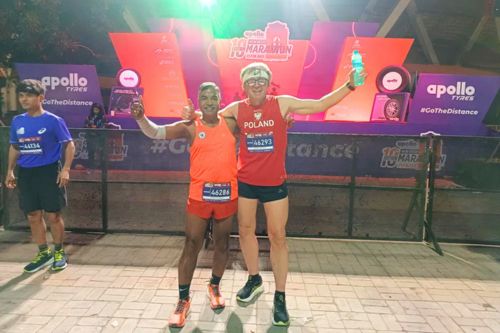
In these zones, rapid-drying fine-mesh structures and airflow channels dominate, addressing perpetual wetness. Events like the Tata Mumbai Marathon attract multitudes, boosting needs for equipment that manages oversaturation without added burden think apparel that sheds moisture en route.
Bangalore & Hyderabad: Balancing Breathability and UV Protection
Milder mugginess paired with warmth favors airy, sun-blocking weaves. Bangalore enterprises collaborate with the Central Silk Technological Research Institute (CSTRI) on naturally derived variants, incorporating bamboo for innate humidity regulation that soothes under southern rays.
Delhi, Gurugram & Pune: High Heat, Variable Moisture
Contaminants worsen matters, propelling scent-blocking and microbe-resistant treatments upward. Prolonged workouts in Gurugram facilities or Pune exteriors necessitate versatile types that evacuate dampness while shielding against grit and showers, alleviating dermal concerns.
Surat & Ahmedabad: Innovation at the Source
Production centers here yield water-averse polyester threads and routed patterns, supplying national labels. This bottom-up creativity spins threads for international markets yet refines them for domestic damp challenges.
Emerging Trends and Technological Developments
Environmentally conscious modifications take hold: Reused polyester fused with bamboo emerges from Ahmedabad and Pune operations, minimizing refuse alongside effective evaporation. Hyderabad innovation hubs incorporate intelligent humidity detectors, while Gurugram models employ heat distribution scans for customized suitability.
Policy supports such as the ‘Make in India' Textile Park in Surat propel eco-friendly functional cloths. Partnerships thrive Bangalore research facilities and new ventures develop weather-smart garments, merging heritage silk methods with modern intelligence. Related progress resonates: The international smart fabrics arena, valued at USD 2.48 billion in 2022, targets USD 21.85 billion by 2030 via a 31.3% CAGR from 2023 onward. Key drivers encompass surging wearable device popularity, textile production progresses, broadening industrial and defense uses, plus growing medical adoption elements that could invigorate India's sportswear domain. North America led with 48.4% share in 2022, while defense claimed 28.2% revenue, and active products 42.8% by category, underscoring potential crossovers.
Market Impact and Business Opportunities
The Indian athletic apparel market booms outlets in Mumbai, Pune, and Delhi NCR note 25–30% annual increases in humidity-handling assortments. Local producers ship climate-suited clothing abroad, branching from staples. For enterprises, prospects gleam: Harness metropolitan wellness in these locales, capitalize on IBEF textile expansion insights, and surf the tide of wellness-focused buyers using nature for tension relief and fitness gains.
Localization synergies abound Surat's textures converge with Bangalore's technology, spawning employment and inventive cycles. This echoes global patterns where defense and military segments drive shares, but in India, everyday athletic and health applications expand access.
Key Challenges and Limitations
Expenses challenge: Premium threads cost 15–20% more, pressuring budgets in cost-aware segments. Knowledge gaps endure in Surat and Ahmedabad's secondary markets, where moisture-wicking concepts seem alien beside conventional setups.
Validation hurdles linger scarce facilities in Bangalore and Delhi conduct heat-perspiration assessments, necessitating foreign dependencies for advanced verifications. Expanding green alternatives proves complex, though advancements creep ahead.
Real-World Applications and Brand Examples
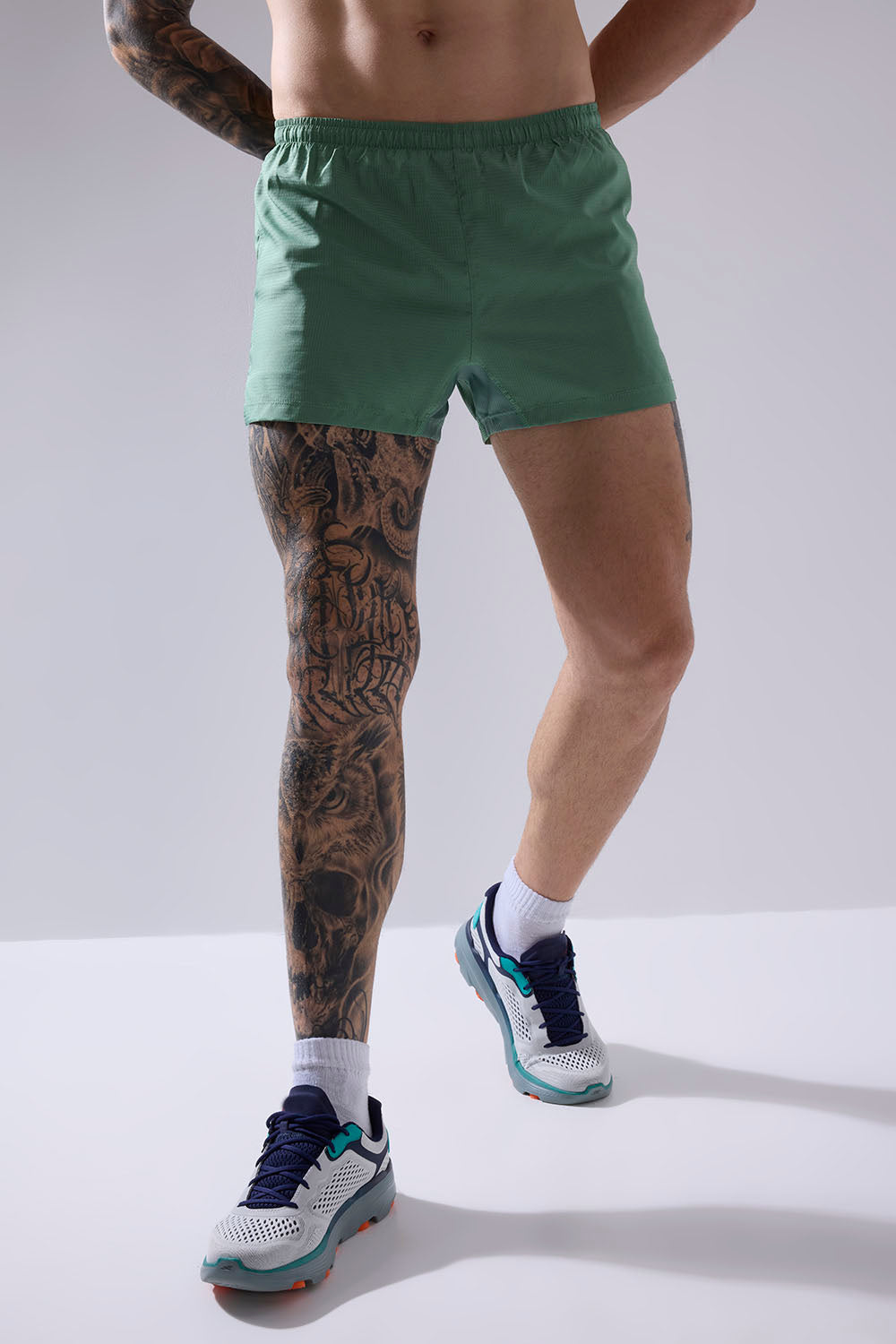
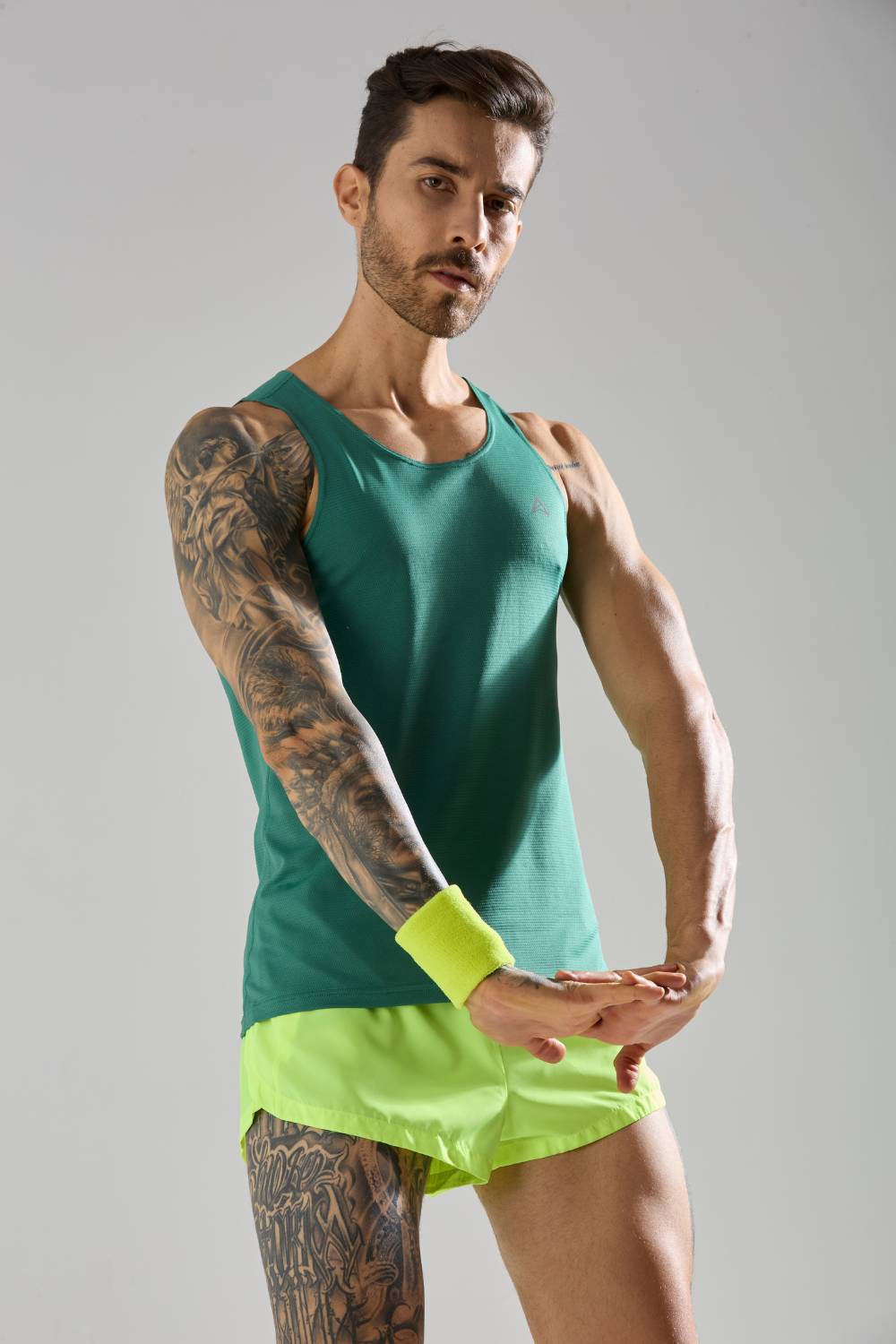
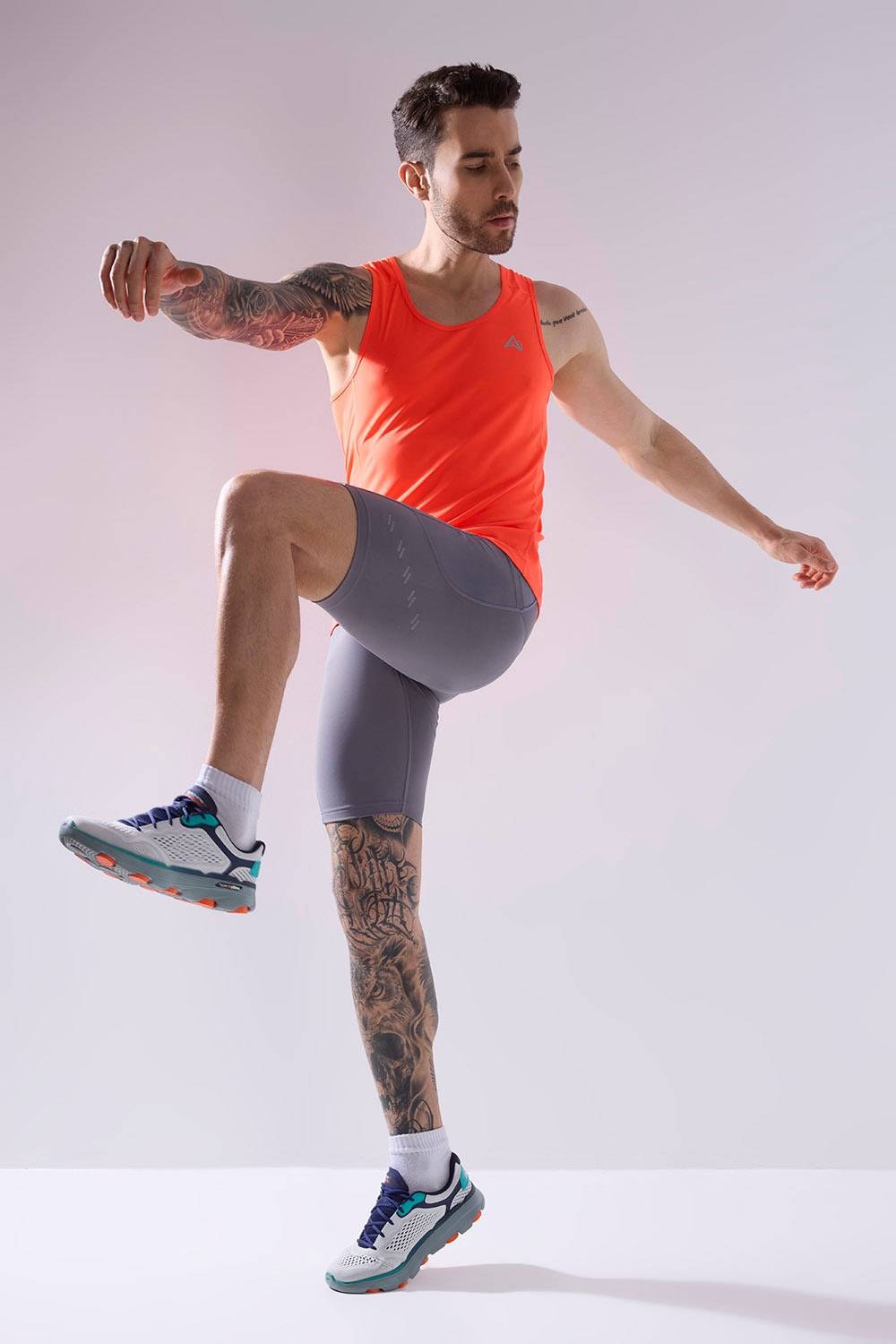
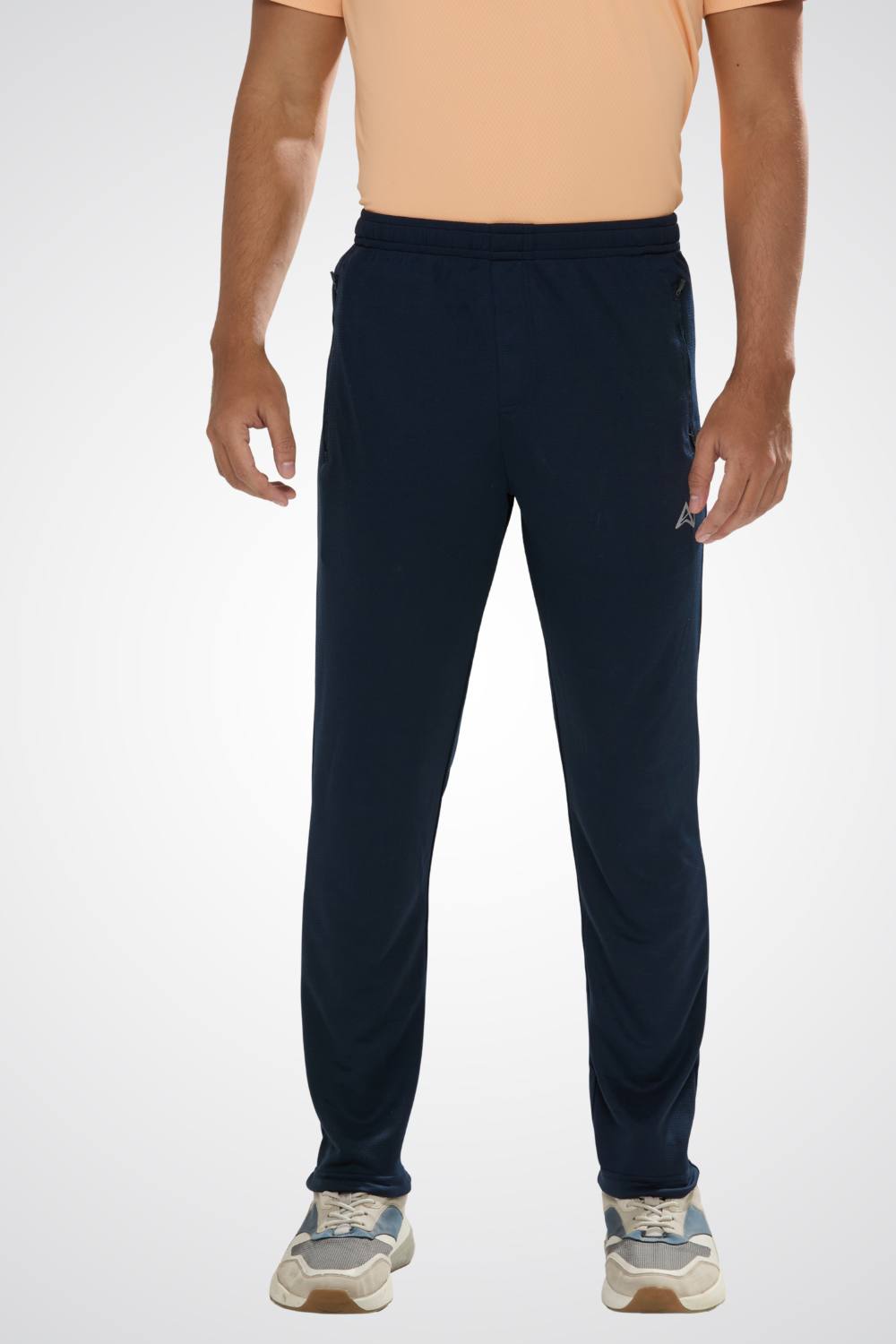
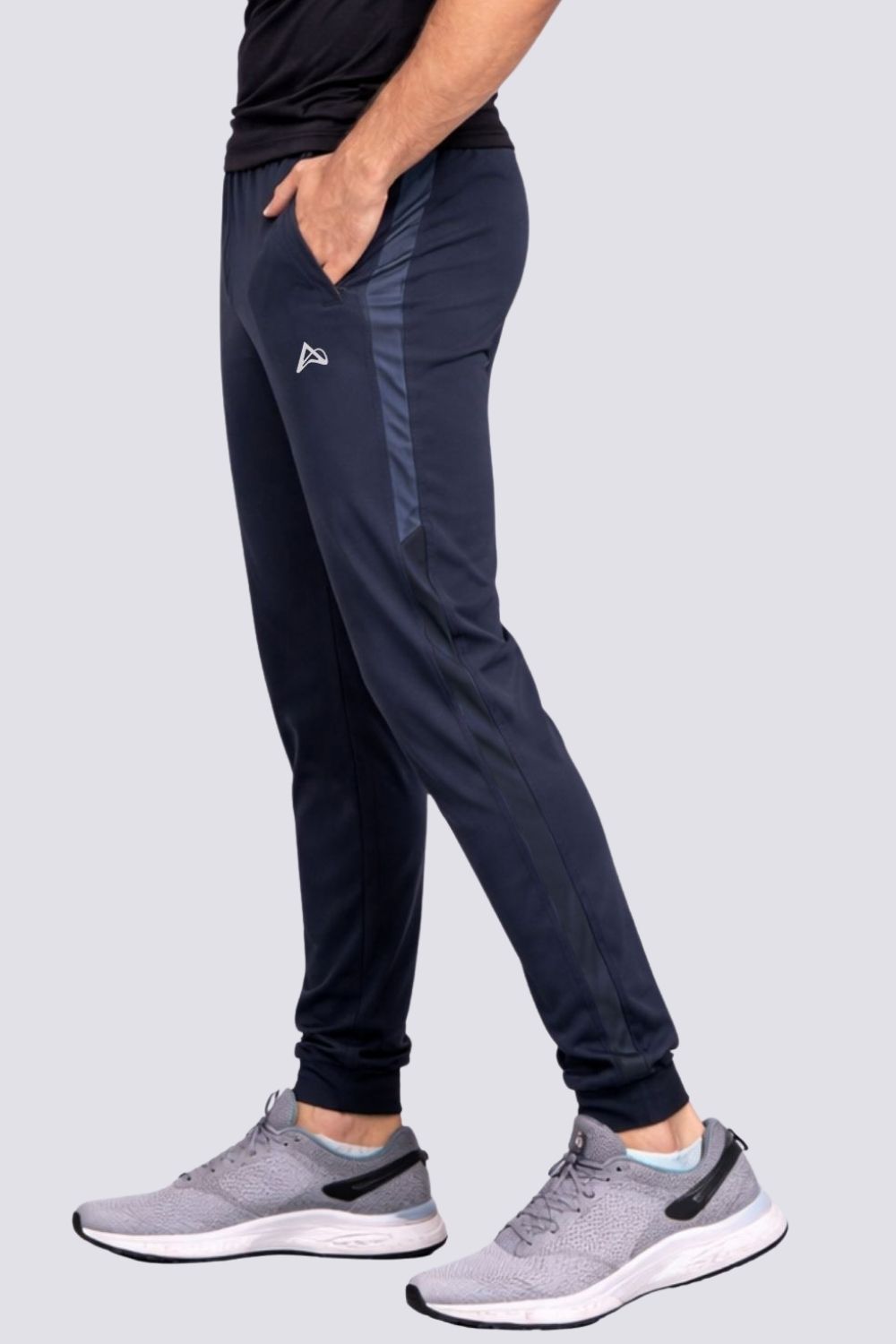
Aguante.in demonstrates practicality: Jogging bottoms and tops with indigenous dampness-regulating materials, rigorously evaluated in Pune's warmth and Hyderabad's mugginess. Input from endurance racing groups hones details sizing, ease, evaporation paced via participant experiments.
Decathlon India's Bangalore development mirrors this, employing area athletes to adjust equatorial equipment. On Delhi's tainted routes or Mumbai's races, items validate value, converting perspiration to momentum.
In professional realms, permanent wicking integrations in protective wear combat heat for workers like linemen, pulling away moisture to sustain coolness in humid peaks, extending principles to athletic contexts.
The Path Toward Climate-Adaptive Activewear
Looking to 2030, India's functional textile portion may achieve 11–12% CAGR, rooted in Surat, Bangalore, and Gurugram nuclei. Loop-based materials reprocessed threads, no-residue coloring promise prominence, with artificial intelligence-aided evaluations fine-tuning for RH nuances.
Academic and industry bodies forecast transformation: From foreign dependency to indigenous mastery in weather-resilient creation. As IMD projections signal damper tomorrows, India's clothing network advances dependable, innovative, equipped to dispel atmospheric burdens. In such urban strongholds, dryness transcends indulgence; it furnishes the advantage sustaining multitudes in motion, bridging daily tradition with cutting-edge utility.
Frequently Asked Questions
How do moisture-wicking fabrics work in India's humid weather?
Moisture-wicking fabrics use engineered synthetic fibers like polyester and nylon that employ capillary action to pull sweat away from your skin to the outer surface, where it evaporates quickly. These fabrics feature water-repellent interiors that transport moisture outward while exterior surfaces disperse it for rapid drying. In India's high-humidity cities like Mumbai (where relative humidity exceeds 70%) and Bangalore, this technology helps maintain core temperature stability and prevents the discomfort and thermal buildup caused by sweat-soaked cotton clothing during exercise.
Why is moisture-wicking activewear important for running in Indian cities like Mumbai, Delhi, and Bangalore?
India's diverse climate from Delhi's intense dry heat to Mumbai's persistent monsoon humidity and Bangalore's moderate conditions creates challenging environments where regular cotton clothing becomes sodden within moments of exertion. Moisture-wicking fabrics address region-specific needs: rapid-drying mesh for Mumbai's 70%+ humidity, breathable UV-protective weaves for Bangalore's milder climate, and odor-blocking treatments for Delhi and Gurugram where pollution intensifies discomfort. These specialized fabrics reduce thermal strain, prevent skin irritation, improve performance, and help athletes stay dry and focused during workouts in oppressive heat and humidity.
Are moisture-wicking fabrics more expensive than regular activewear in India?
Premium moisture-wicking fabrics typically cost 15–20% more than conventional materials, which can be a consideration for budget-conscious consumers in India's cost-aware market segments. However, the investment pays off through enhanced comfort, improved athletic performance, and durability in extreme humid conditions. Indian manufacturers in textile hubs like Surat and Ahmedabad are increasingly producing these high-performance fabrics locally, which helps manage costs while meeting the growing demand from fitness enthusiasts in metropolitan areas experiencing 25–30% annual growth in humidity-handling activewear sales.
Disclaimer: The above helpful resources content contains personal opinions and experiences. The information provided is for general knowledge and does not constitute professional advice.
You may also be interested in: How Indian Runners Benefit From Moisture-Wicking Tops
Tired of gear that slows you down? Chafing, soggy fabrics, and missing pockets kill your run's momentum. At Aguante, we're runners who get it. Our high-performance activewear features moisture-wicking fabrics, ergonomic designs, and smart storage to keep you focused. Shop Now!
Powered by flareAI.co