



Quick Listen:
In the crowded fitness centers of Mumbai and the serene yoga retreats scattered throughout Bangalore's innovation districts, a transformative shift is taking place. Ambitious professionals and fitness enthusiasts alike are increasingly choosing locally crafted activewear over international giants, combining traditional Indian aesthetics with cutting-edge performance materials. This movement extends beyond mere trends it's a reflection of India's burgeoning health and wellness culture, profoundly influencing apparel choices in Delhi's business districts and Pune's dynamic entrepreneurial ecosystems.
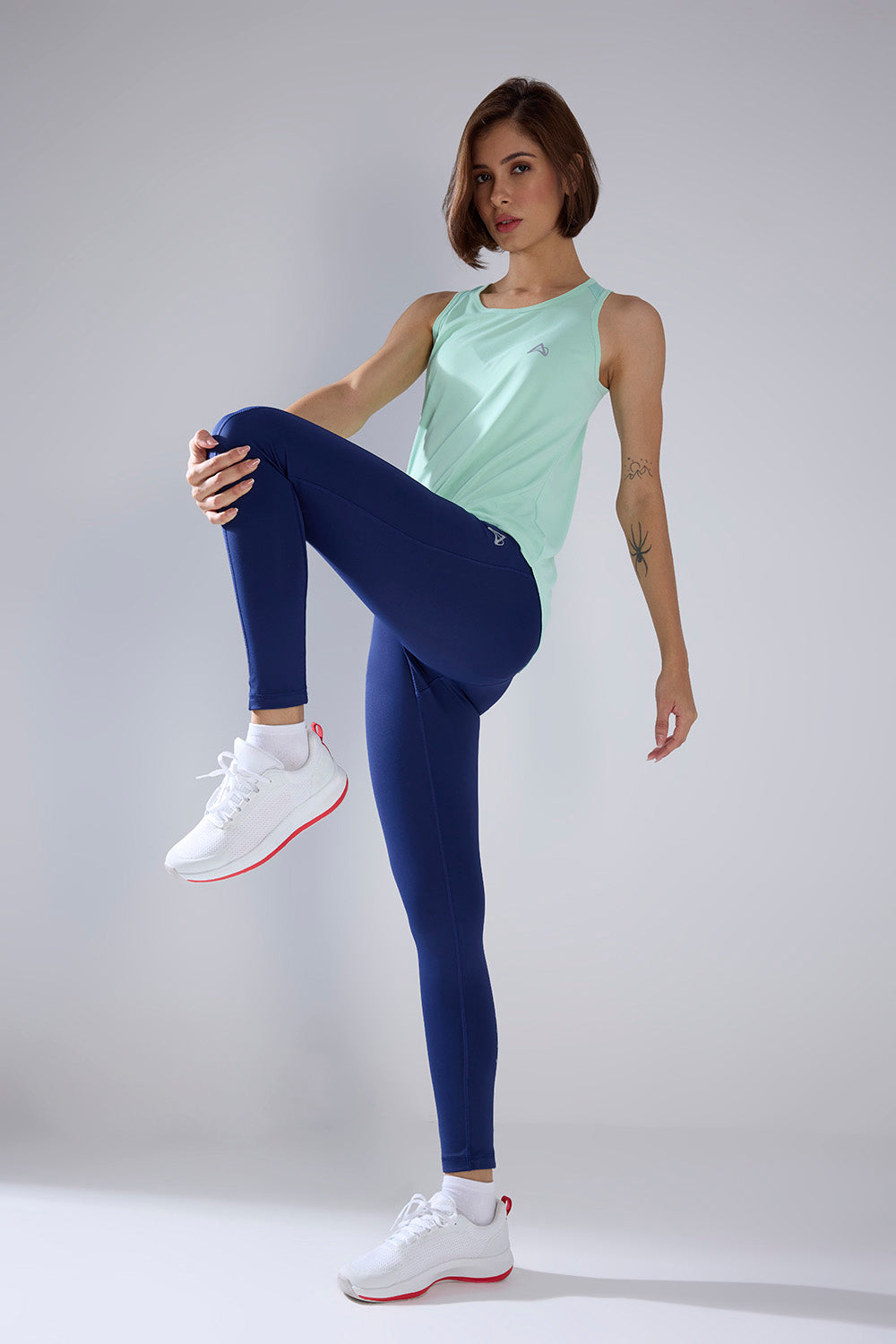
Imagine a busy executive in Gurugram changing into domestically produced athletic leggings post-workday, seamlessly transitioning to an intense workout session. The global health crisis expedited this evolution, embedding exercise into the daily lives of countless individuals. Today, indigenous companies are capitalizing on this momentum, propelled by a rapidly expanding sector in urban centers such as Hyderabad and Ahmedabad. Data indicates that the Indian activewear sector achieved revenues of USD 15,107.3 million in 2024, with projections to climb to USD 29,972.9 million by 2030, reflecting a compound annual growth rate (CAGR) of 12.2% over the 2025-2030 period. The women's category stands out as both the primary revenue driver and the most dynamic growth area. In North Indian locales like Delhi and Gurugram, heightened awareness of wellness amid high-pressure lifestyles fuels the need for versatile apparel that serves dual purposes in professional and recreational settings.
West India, including Mumbai, Pune, Navi Mumbai, Surat, and Ahmedabad, thrives on digital commerce dynamism that amplifies the allure of athleisure. This regional progress is bolstered by increasing fitness priorities and the proliferation of online retail platforms. In South India, Bangalore and Hyderabad contribute technological advancements, with products designed for challenging tropical conditions. While East India plays a role, the epicenter remains these metropolitan areas where performance wear has evolved into an essential lifestyle component.
Market segmentation reveals diverse product offerings, including top activewear, bottoms, innerwear, swimwear, and outerwear, catering to varied regional preferences. Another analysis pegs the sector at USD 10.20 million in 2024, anticipating growth to USD 16.60 million by 2033 at a CAGR of 5.10% from 2025 onward, driven by e-commerce expansion and the shift toward multifunctional clothing. This IMARC Group report underscores how rising health consciousness nationwide, particularly in urban North and West India, encourages apparel that effortlessly moves from exercise environments to daily routines.
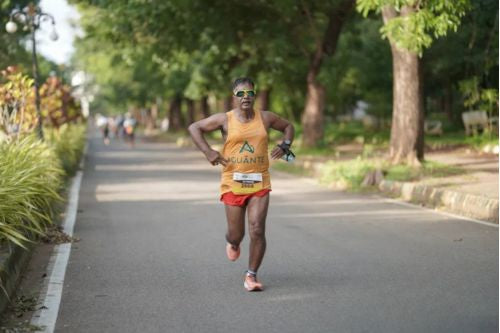
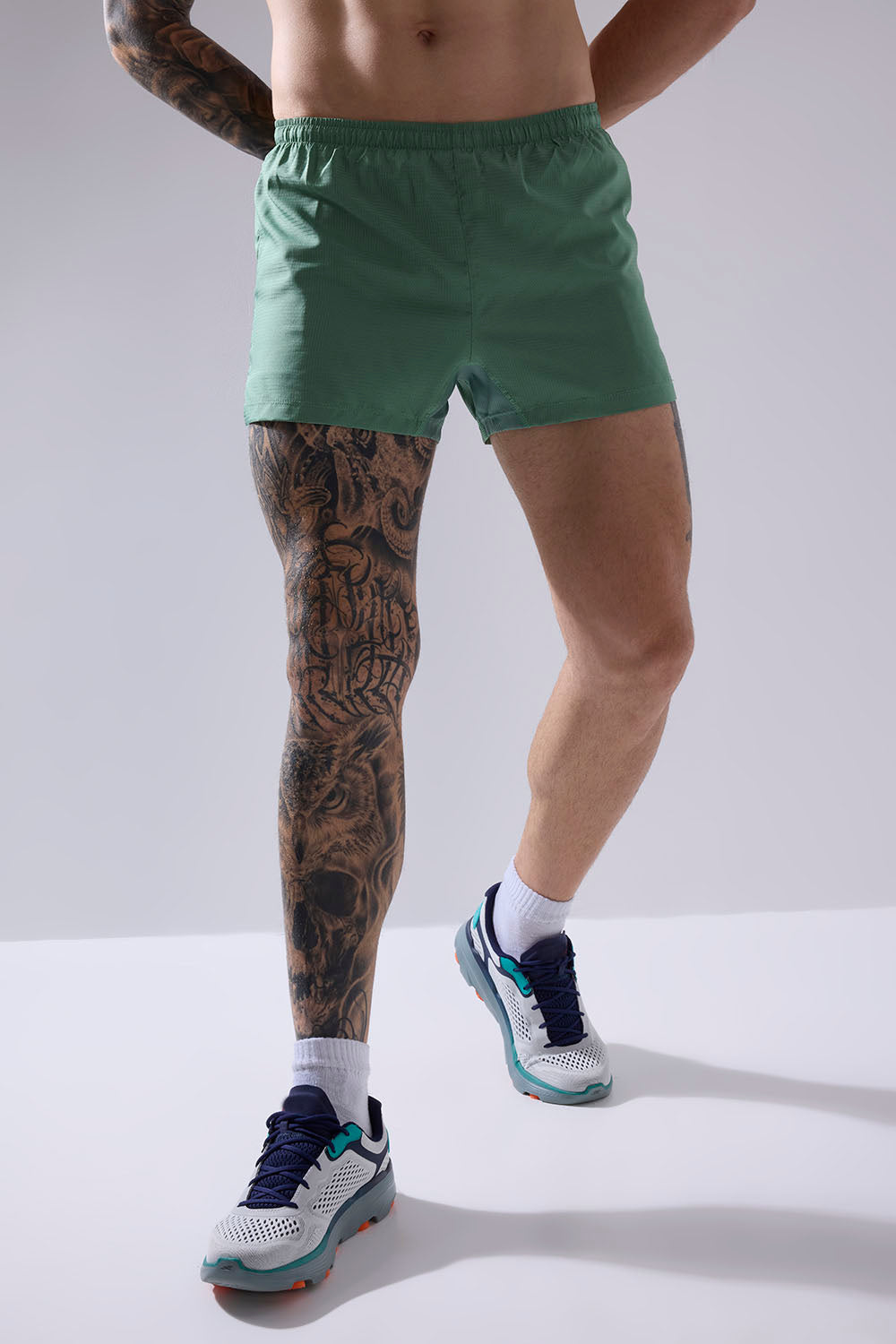
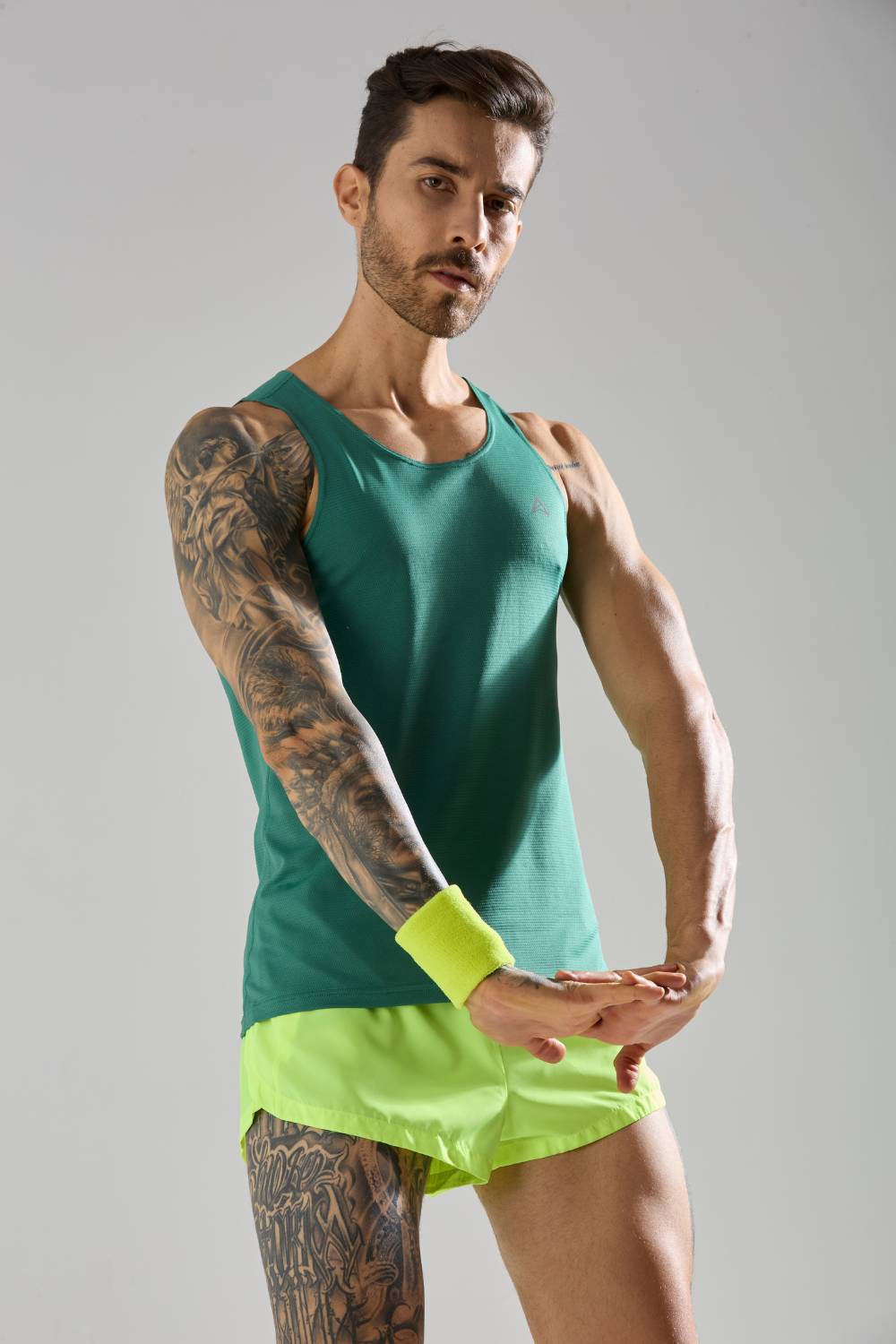
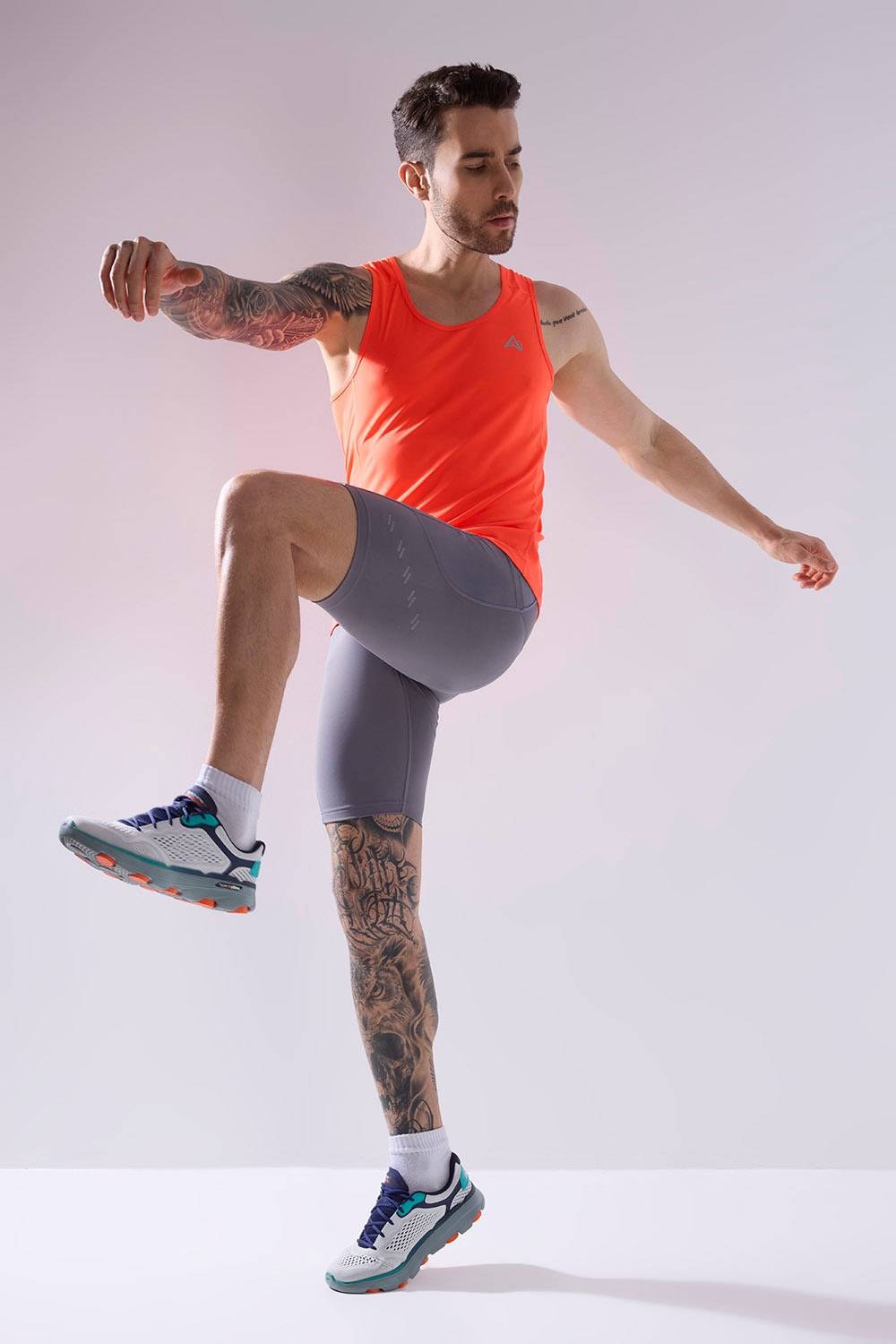
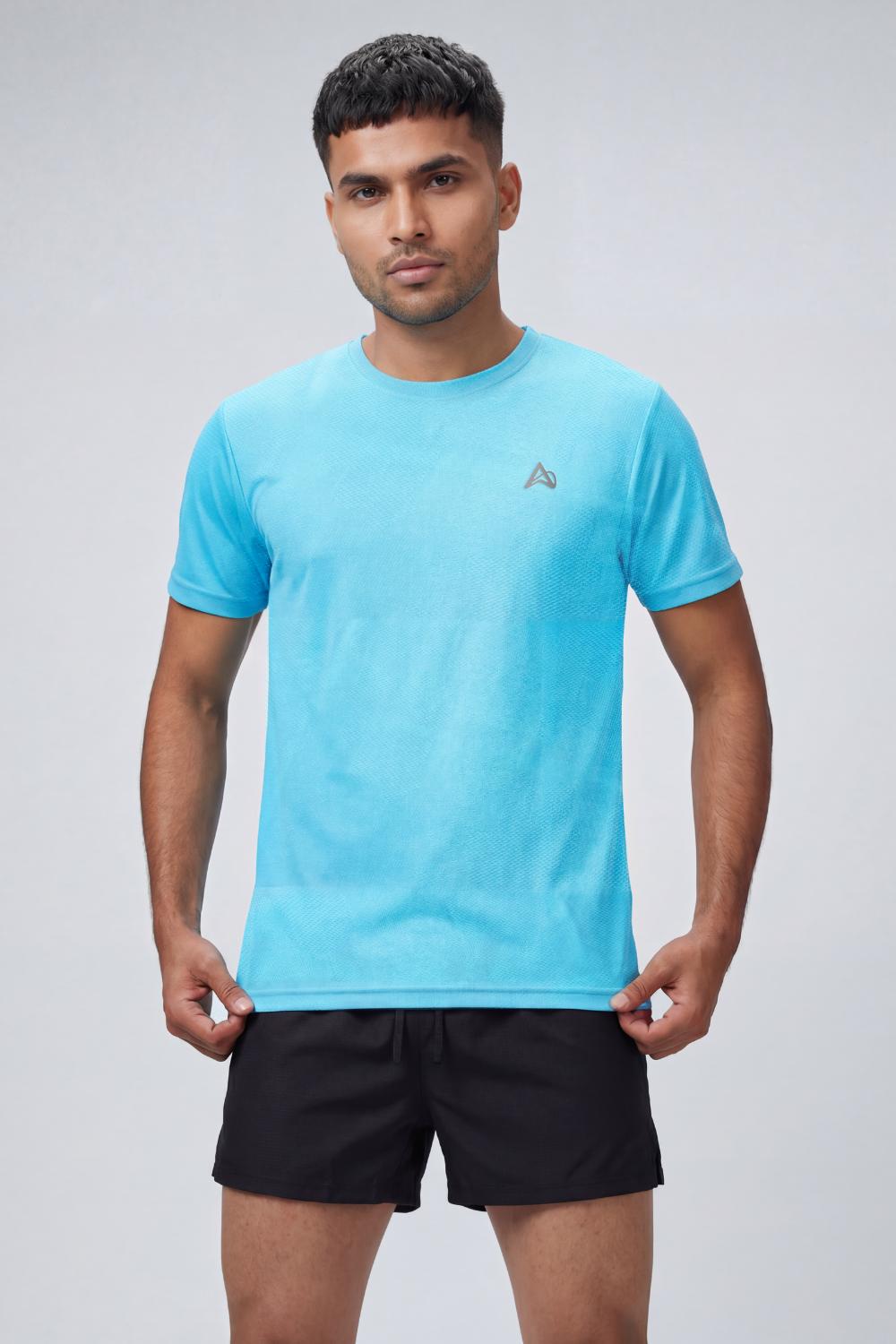
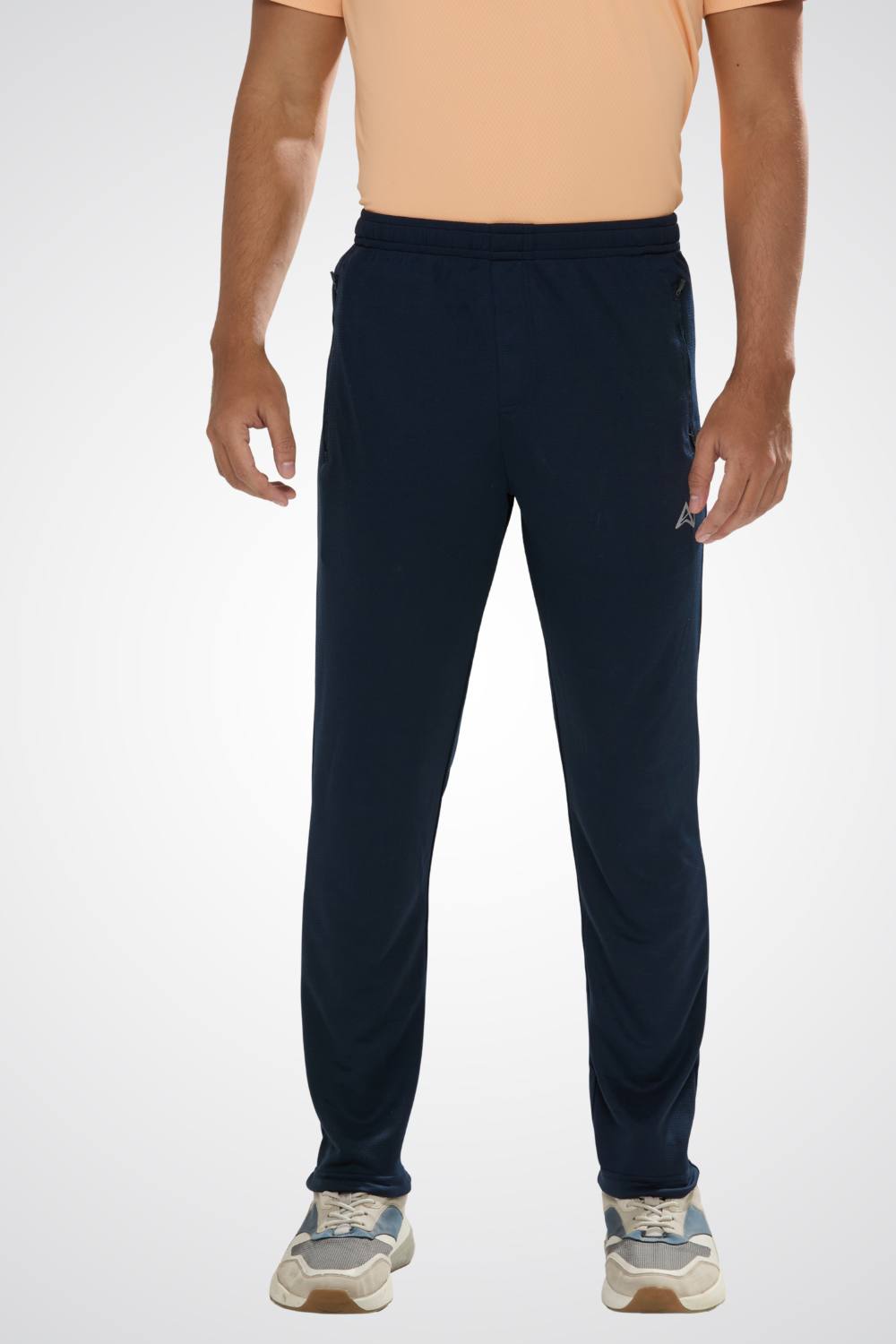
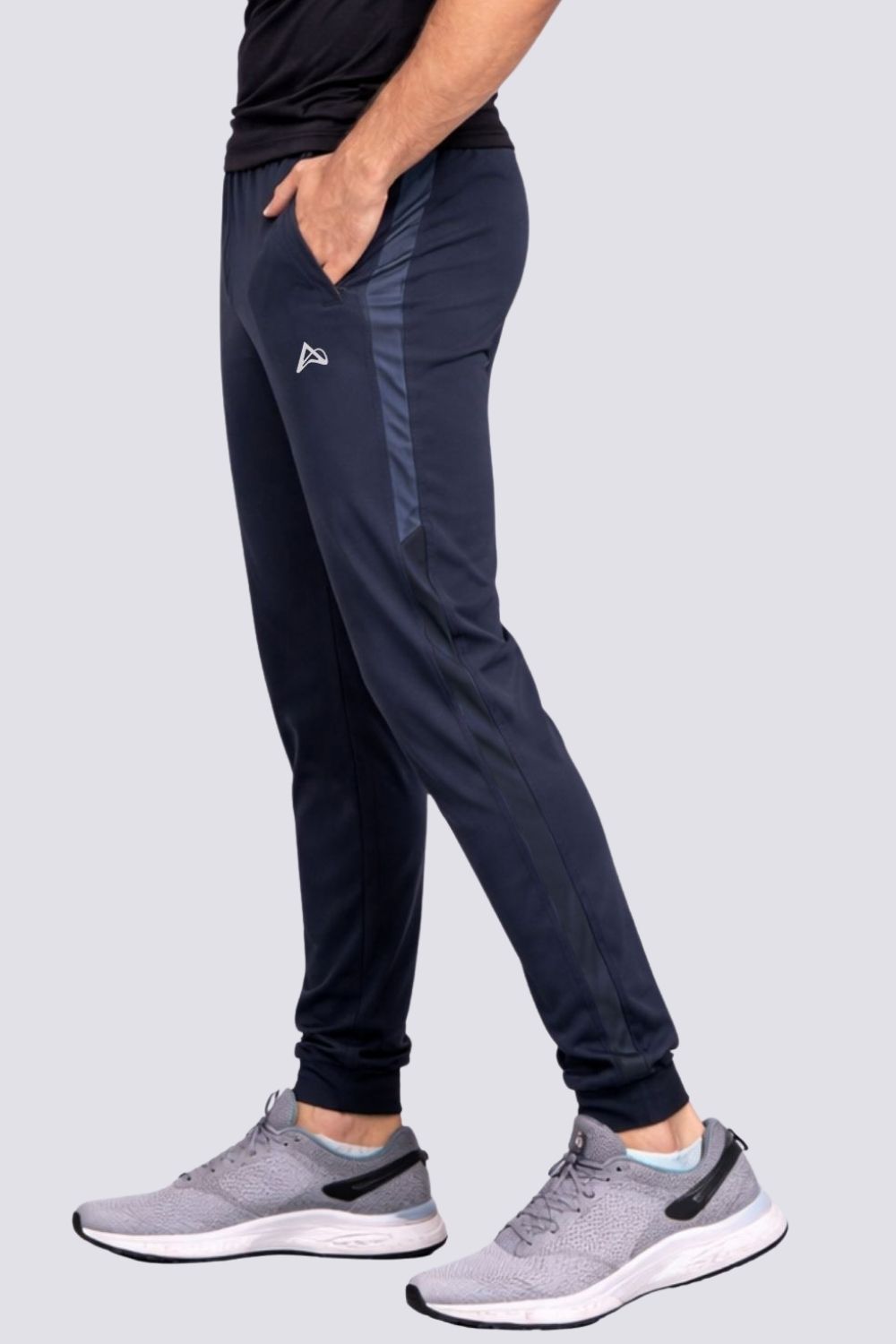
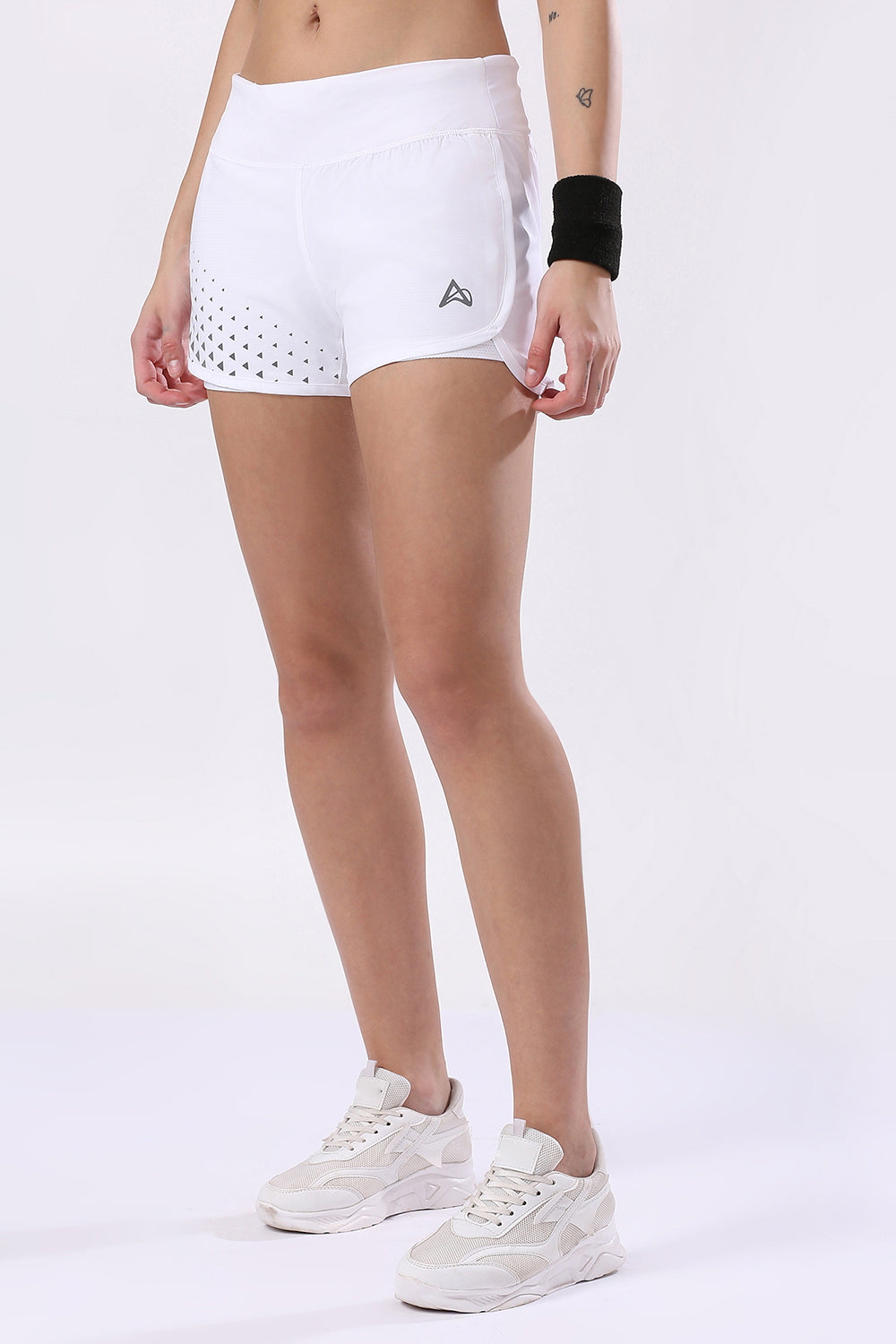
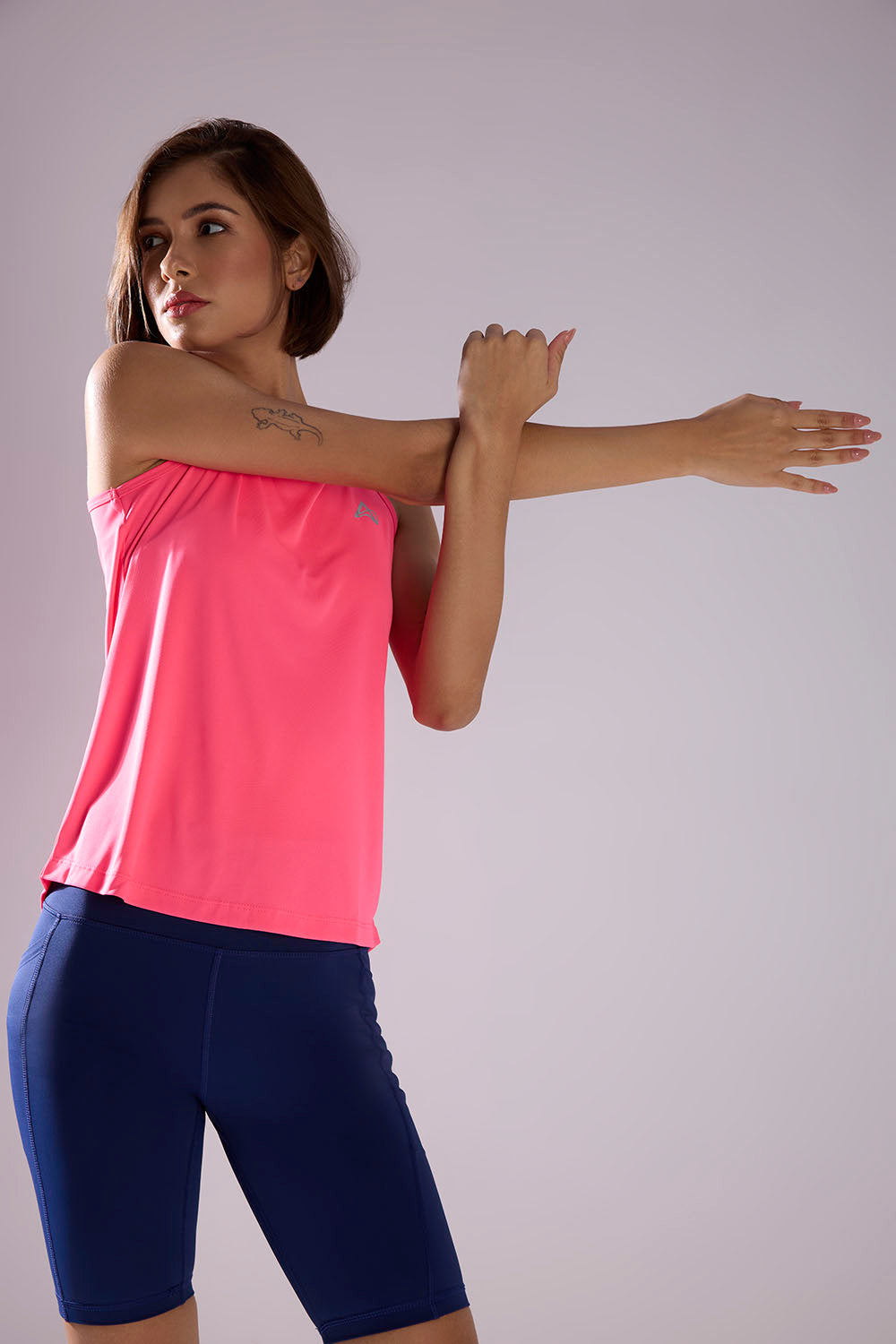
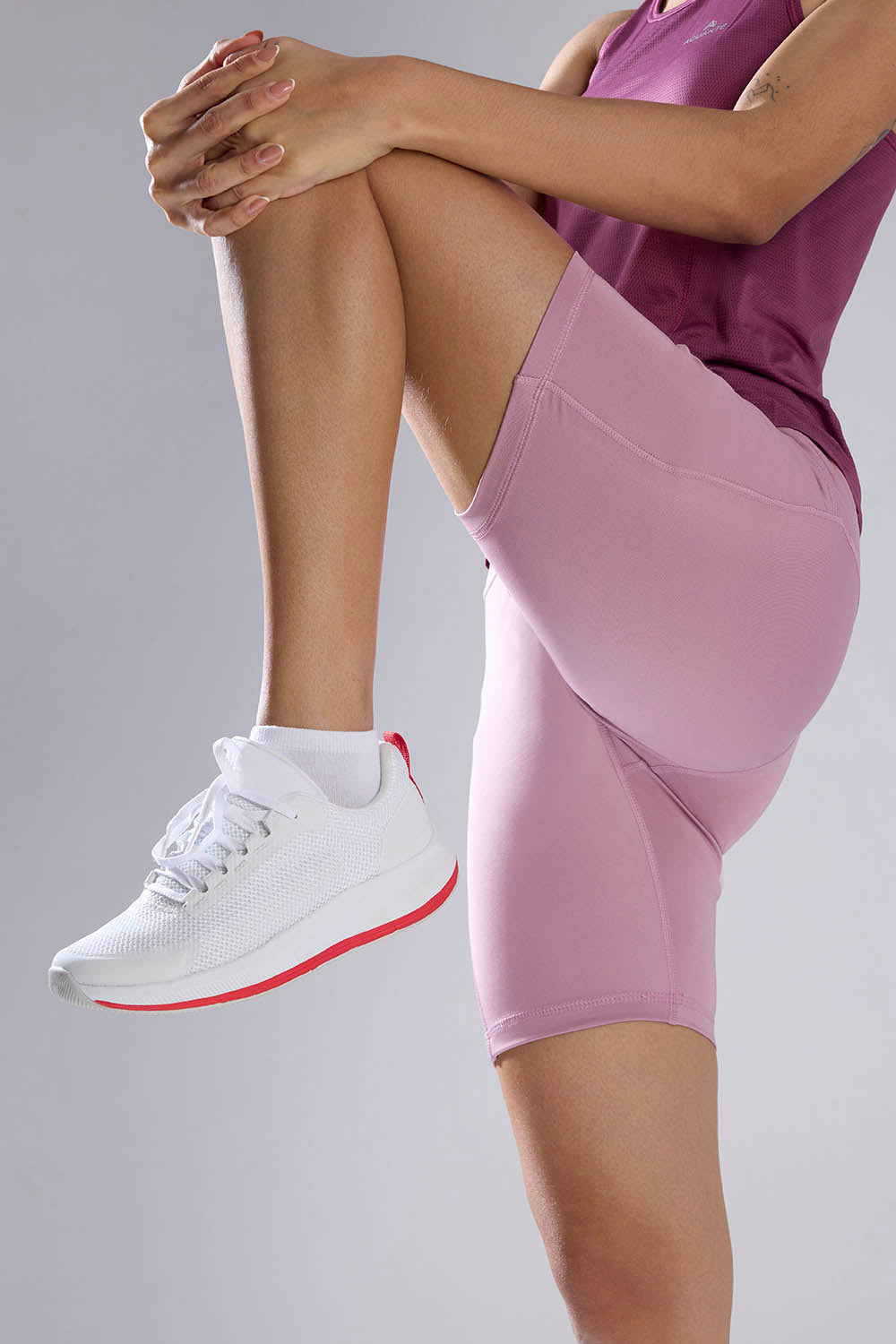
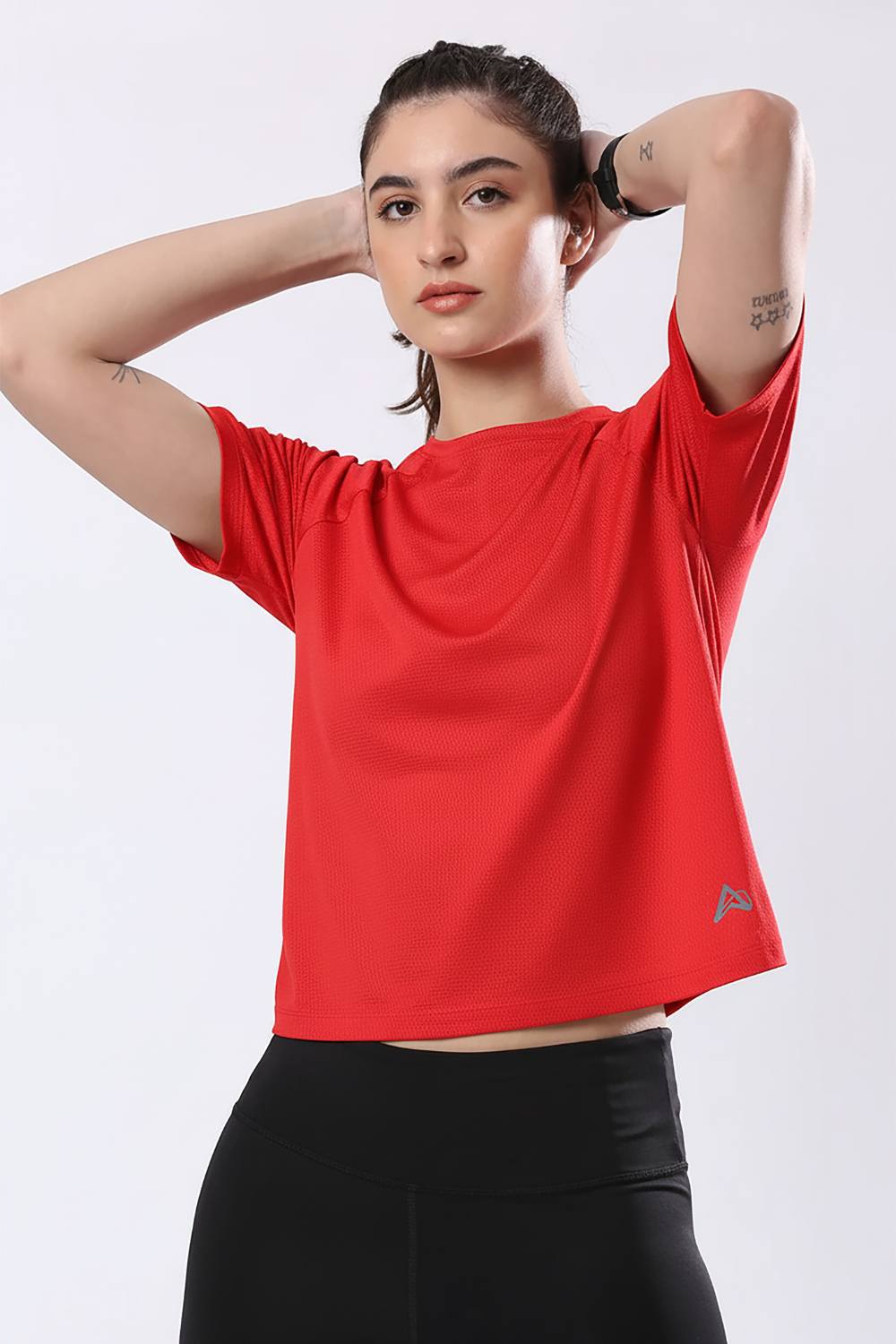
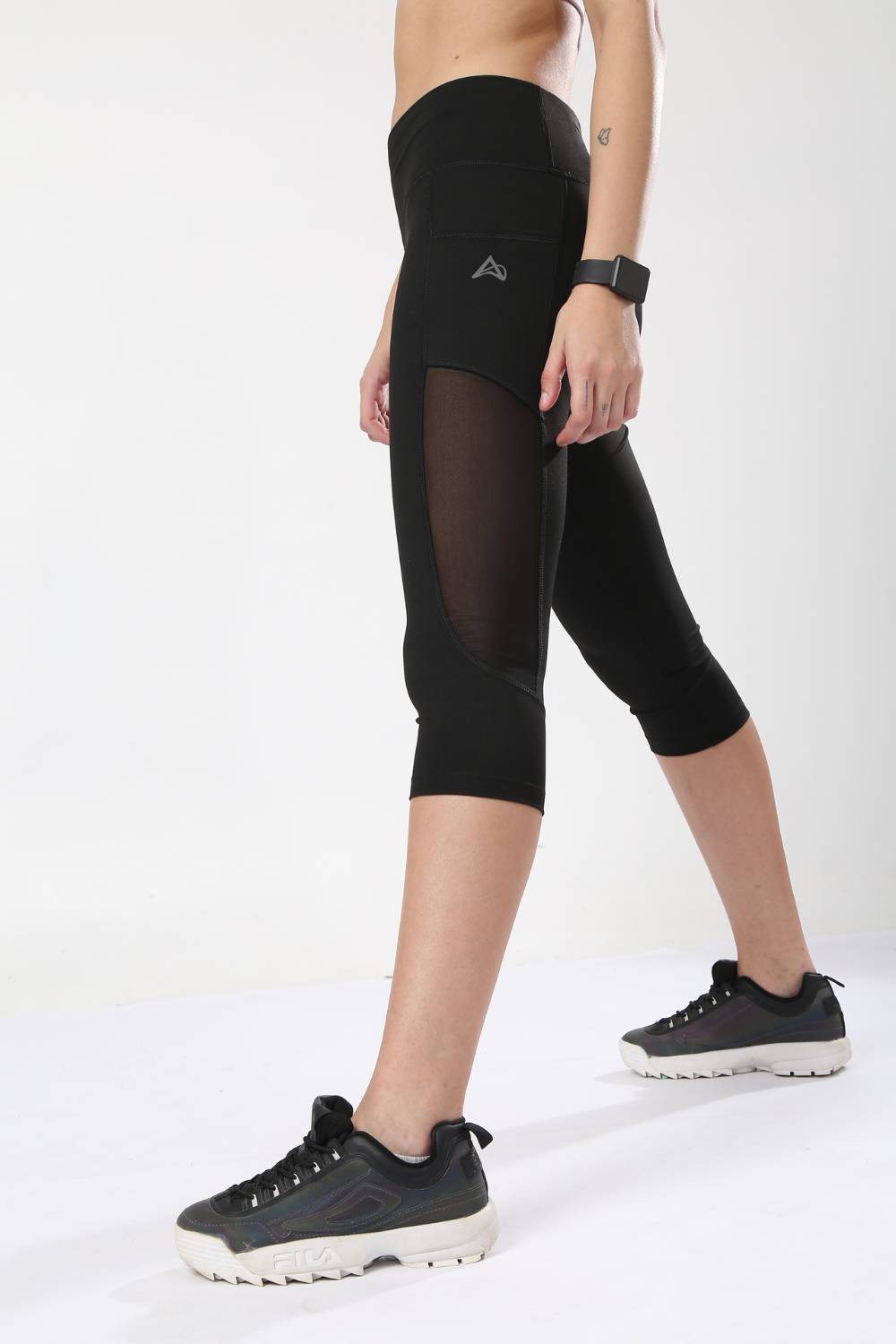
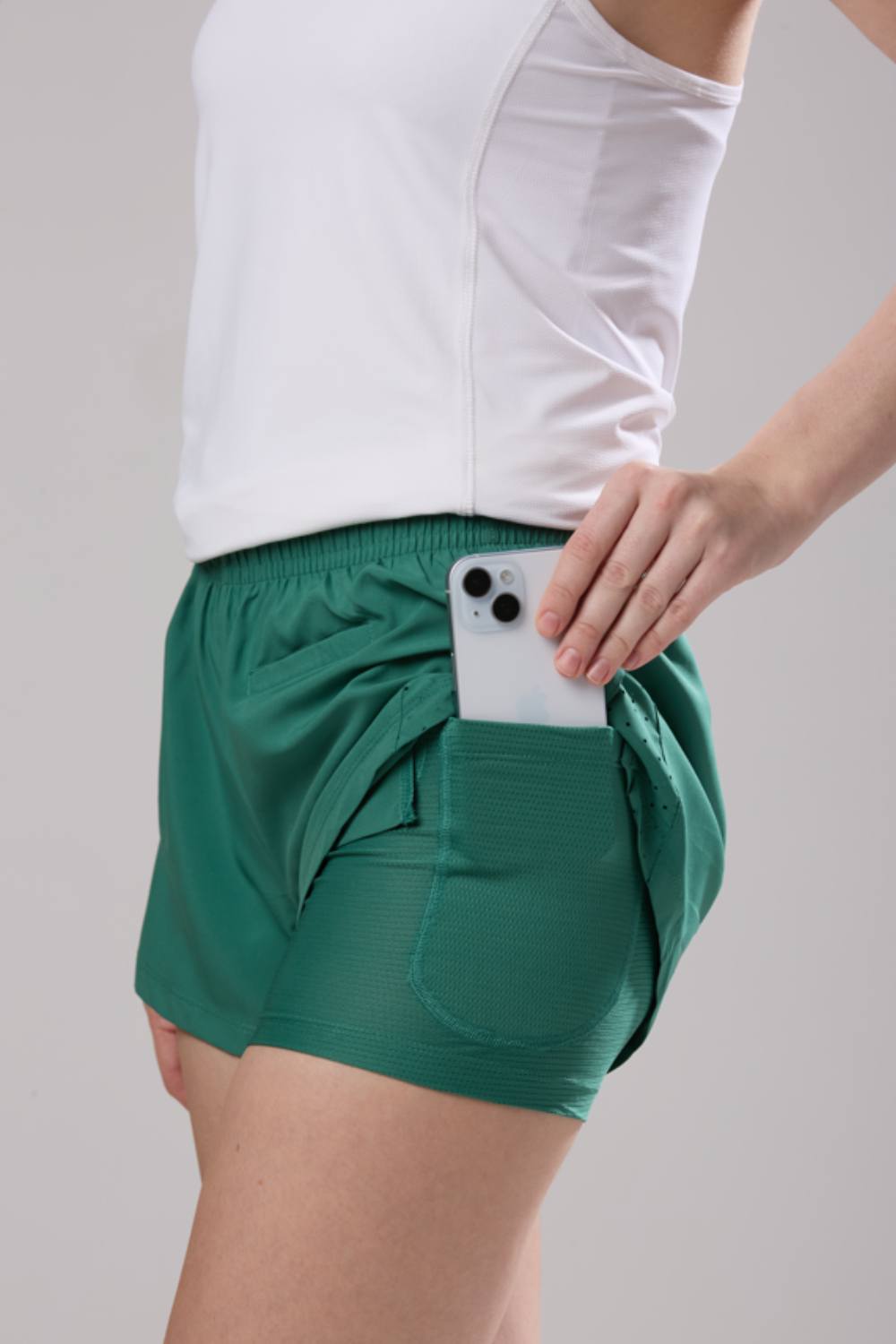
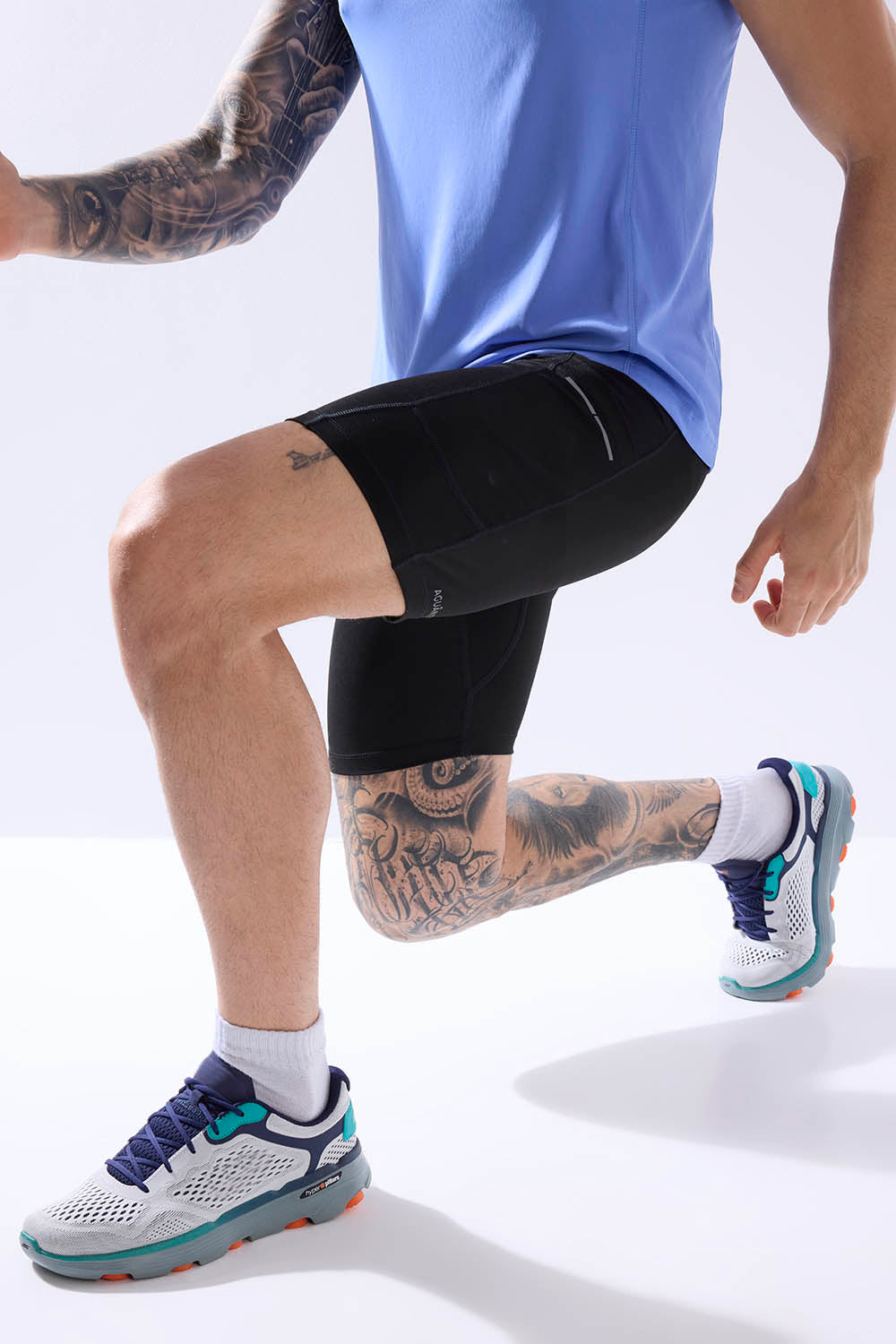
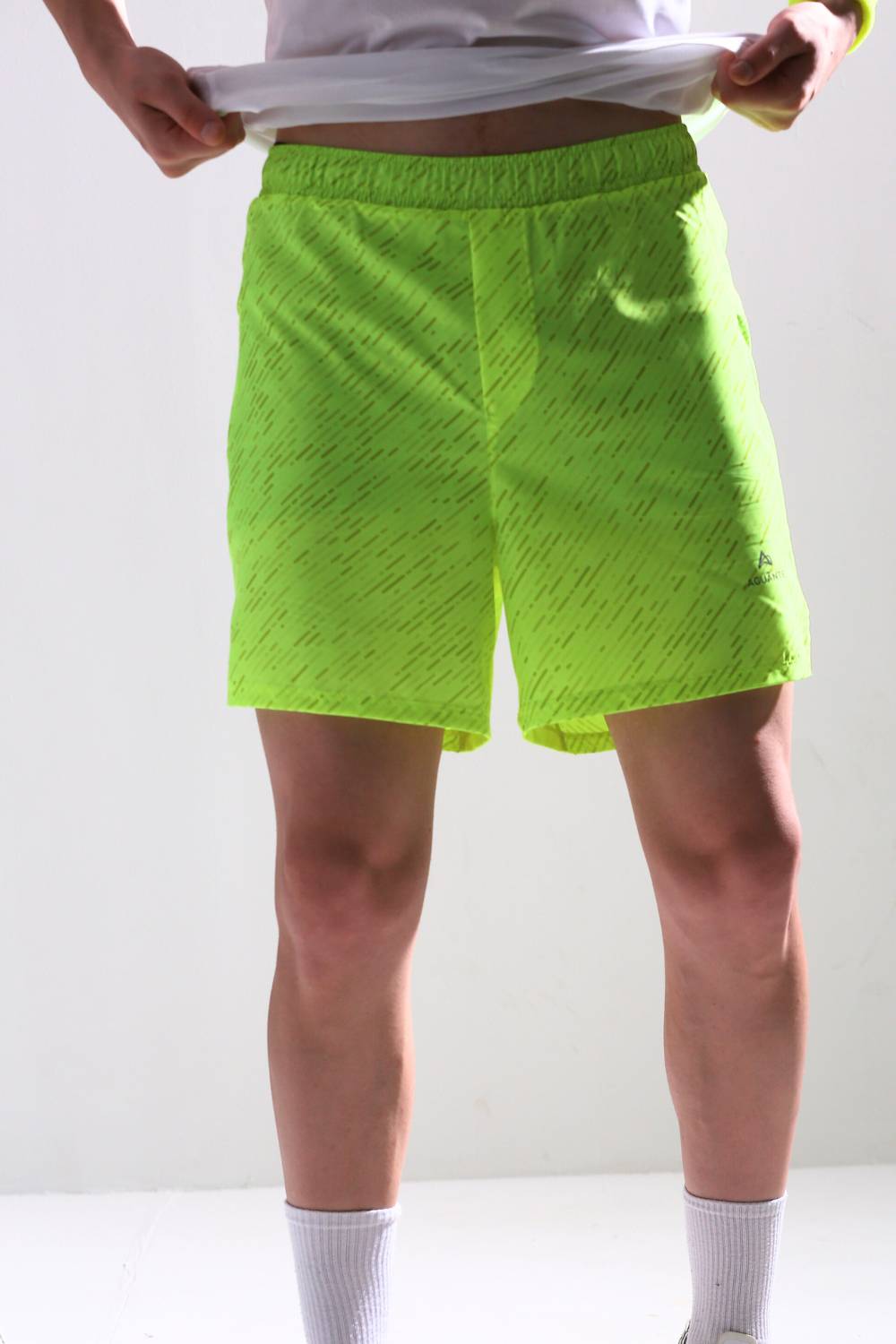
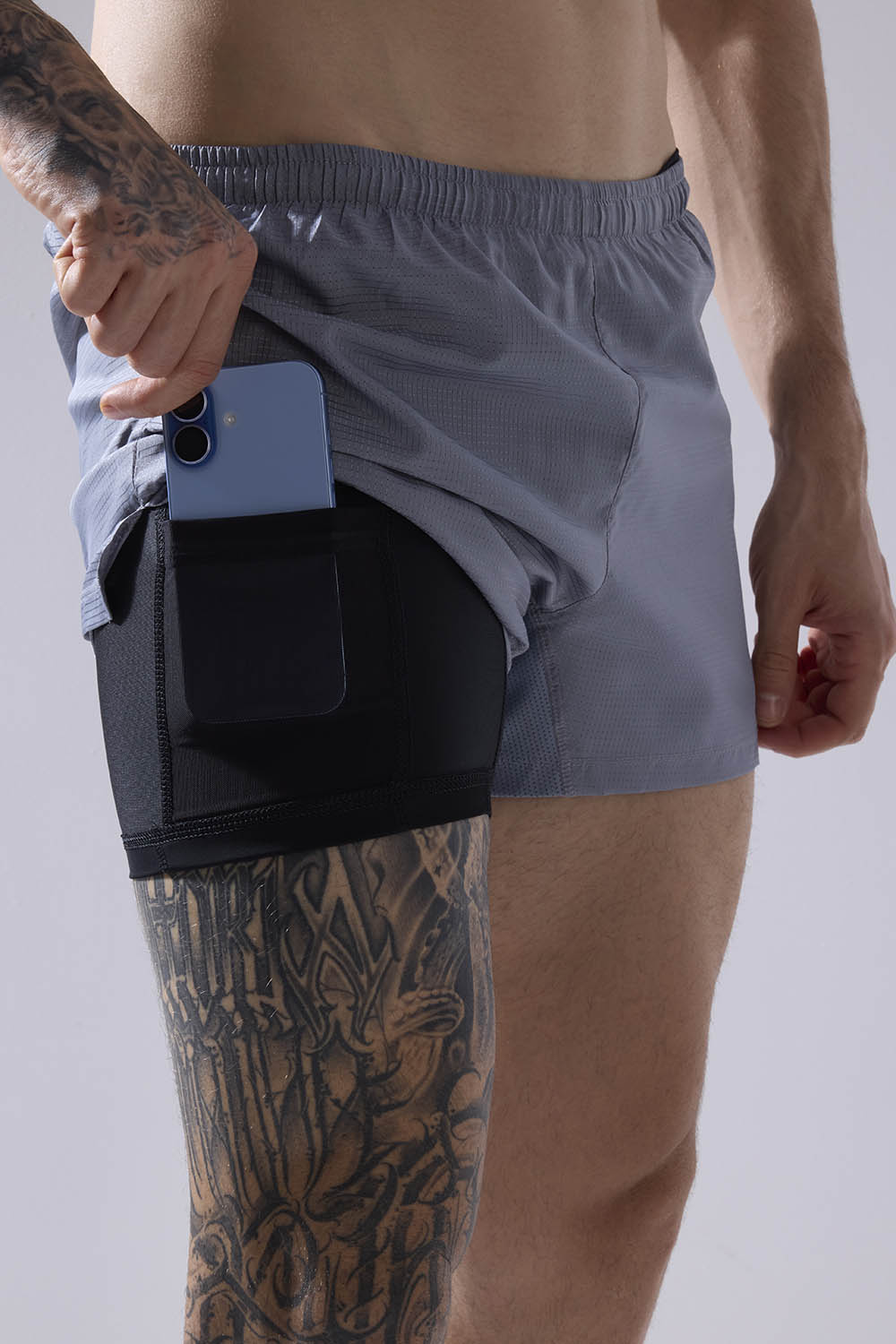
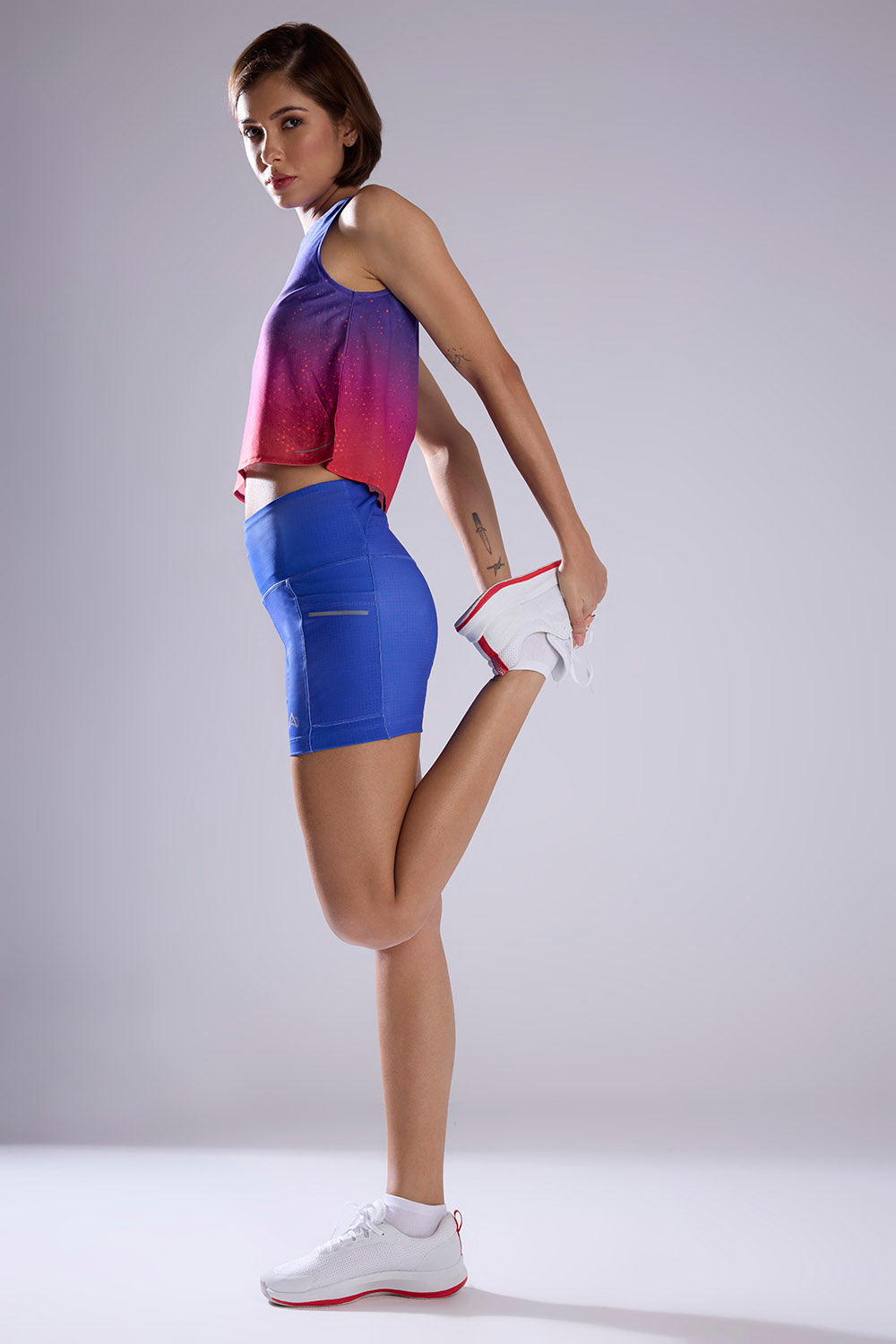
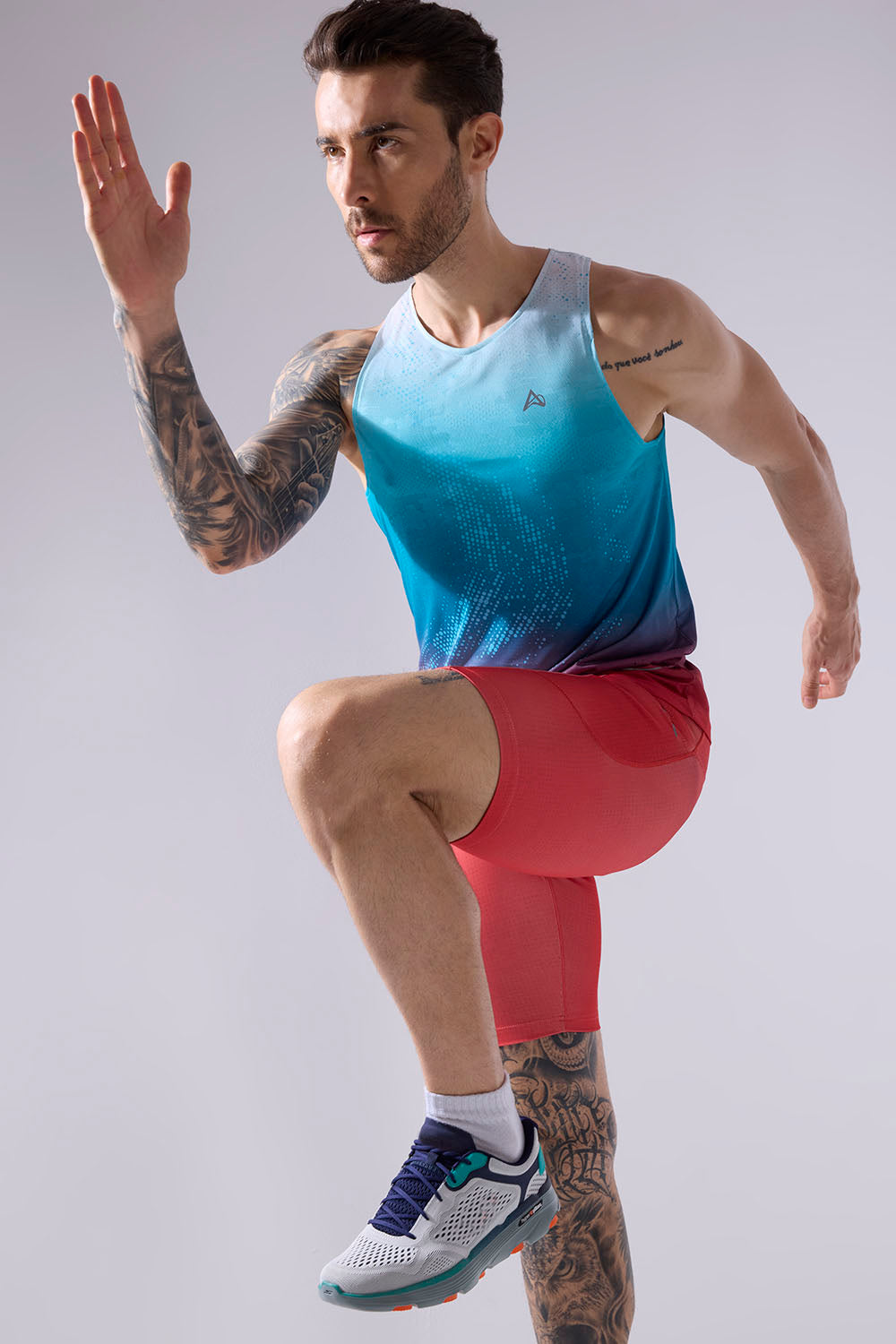
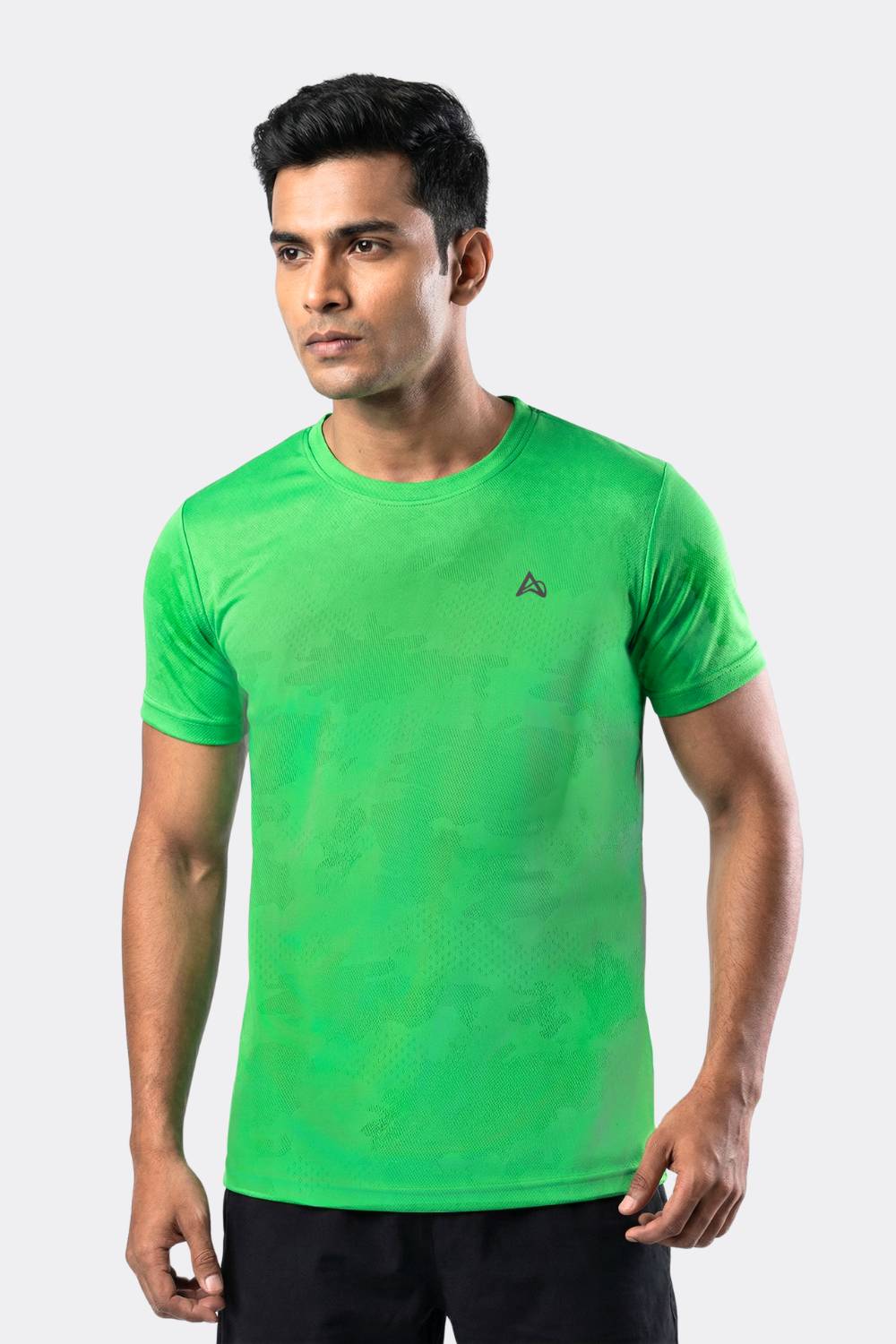
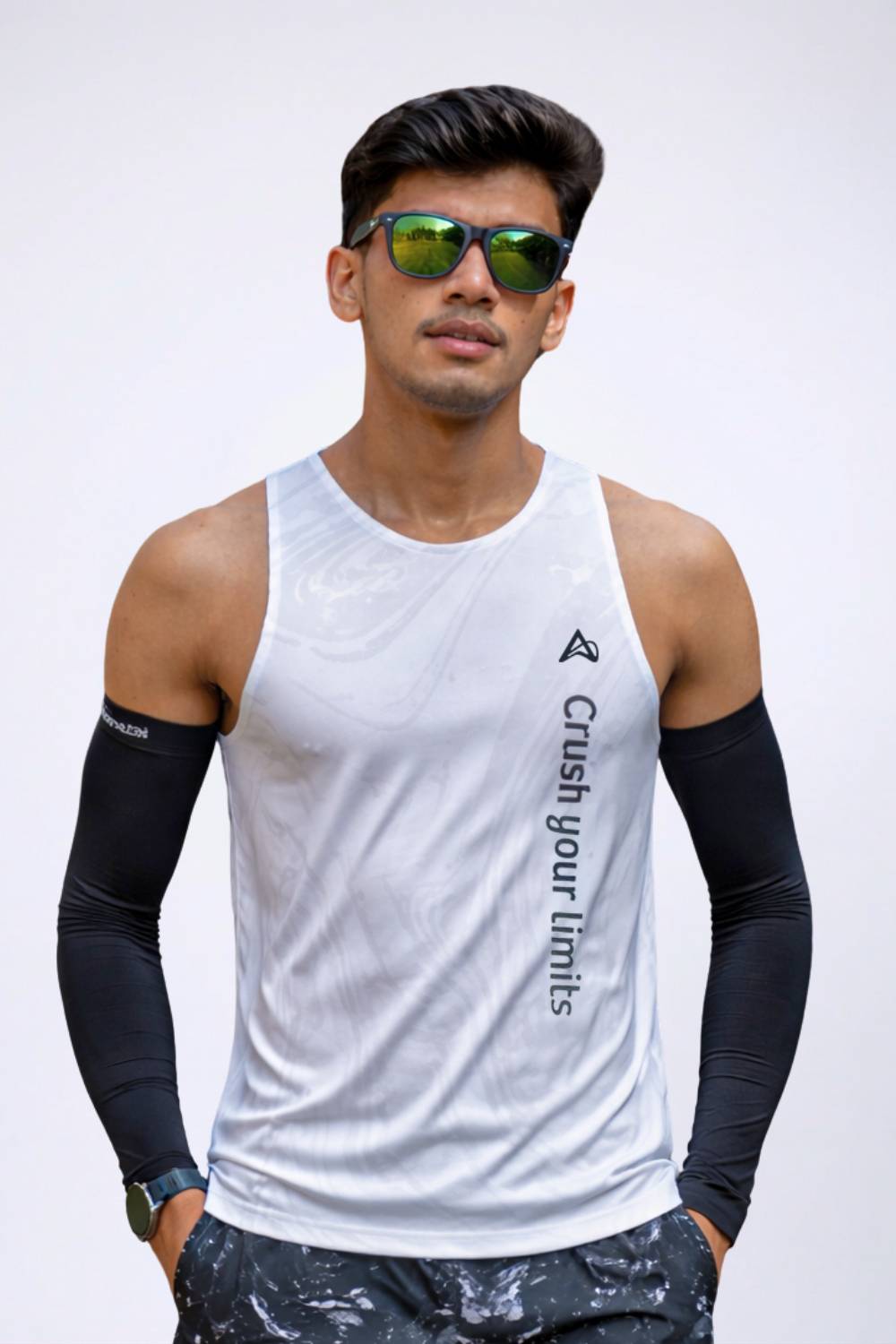
Tired of gear that slows you down? Chafing, soggy fabrics, and missing pockets kill your run's momentum. At Aguante, we're runners who get it. Our high-performance activewear features moisture-wicking fabrics, ergonomic designs, and smart storage to keep you focused. Shop Now!
Emerging Trends: Athleisure Dominates City Landscapes
Stroll along Mumbai's trendy Bandra neighborhoods or Delhi's upscale Connaught Place, and the fusion of gym attire with casual fashion becomes evident. The demand for adaptable, fashionable items suitable for routine wear is surging, notably in West India's style-centric hubs like Pune and Surat. Insights from industry studies show the market's value at USD 10.20 million in 2024, on track for USD 16.60 million by 2033 with a steady 5.10% CAGR, largely fueled by online retail giants operating in Bangalore's technology corridors and Hyderabad's research-driven ecosystems.
Post-health crisis health initiatives in North India's Delhi and Gurugram have boosted interest in categories such as tops, bottoms, innerwear, swimwear, and jackets. Women consumers in these zones outperform others, leading market segments for men and children. Ahmedabad's established fabric industry in West India integrates eco-conscious materials into domestic labels, whereas Navi Mumbai's seaside location enhances demand for aquatic gear. Innovations focus on versatility, ideal for Gurugram's remote workers incorporating quick fitness breaks.
Digital sales channels have become indispensable, especially in Bangalore and Hyderabad, where platforms have elevated athleisure beyond pandemic-era surges, frequently surpassing brick-and-mortar sales. This transformation is tangible: Apparel once confined to training sessions now features prominently in everyday ensembles on Pune's lively avenues. The Grand View Research outlook confirms women's dominance, with the segment poised for the swiftest expansion through 2030, aligning with urban India's evolving routines.
Furthermore, the push for stylish yet practical options resonates deeply. In Surat's textile heartland, synthetic innovations enhance durability, while Delhi's fast-paced environment demands quick-dry features. These trends not only reflect consumer preferences but also signal broader societal shifts toward holistic well-being in Ahmedabad's industrial settings and beyond.
Real-World Examples: Local Labels Gaining Traction Across Regions
Domestic enterprises are at the forefront, adeptly tapping into the nation's enthusiasm for physical activity. Mumbai's artistic communities foster brands delivering advanced moisture-management shirts and sustainable yoga bottoms. As highlighted in fashion commentary, a surge of Indian labels has seized post-pandemic opportunities, with the sector surpassing categories like rapid fashion, traditional attire, and office shoes, on a path to substantial rupee-based milestones in North and West India.
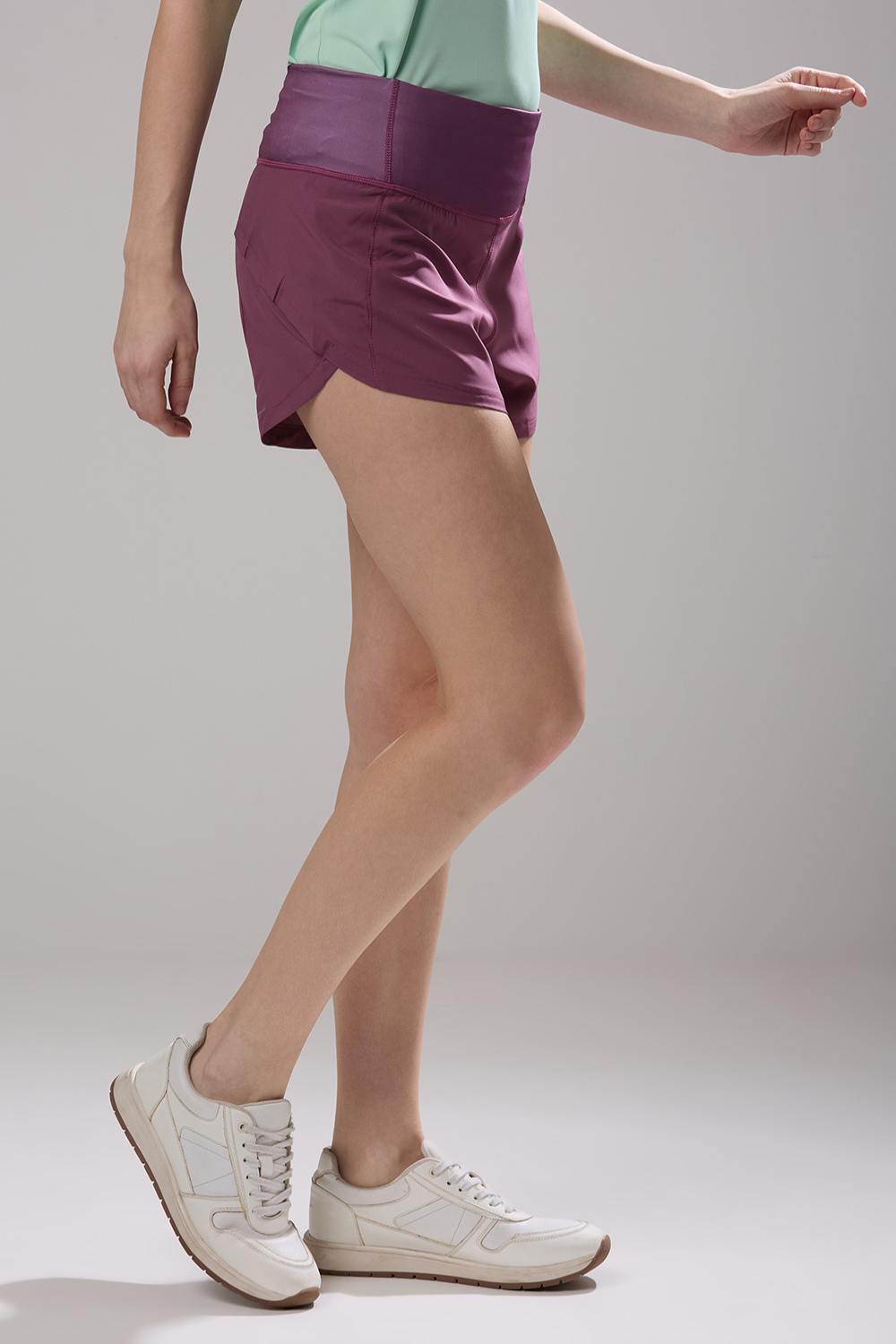
Regional variations are striking: North India's Delhi and Gurugram prefer striking, city-oriented designs for professional fitness buffs. South India's Bangalore and Hyderabad incorporate smart tech elements, such as wearable tech integrations for activity monitoring. West India's Mumbai, Pune, Navi Mumbai, Surat, and Ahmedabad shine in material advancements Surat's blends create resilient lower-body wear, for instance.
Women's lines account for the majority of earnings in these locales, with customizations addressing climate specifics. Breathable textiles prevail in Hyderabad's muggy weather, contrasting with Ahmedabad's emphasis on sun-shielding layers. These implementations manifest in real consumer behaviors, from Pune's student populations to Delhi's corporate leaders. International competitors like Adidas AG, Nike Inc., Puma SE, and Under Armour Inc. vie for space, yet local firms excel by grasping nuances, such as elevated swimwear interest in Navi Mumbai's waterfront areas.
The Vogue India article emphasizes how homegrown options abound, motivated by wardrobe and routine overhauls since the health upheaval. This coterie of brands addresses gaps left by globals, offering culturally attuned fits that resonate in Gurugram's wellness communities and Bangalore's tech gatherings.
Key Challenges: Overcoming Operational and Market Hurdles
Progress comes with obstacles. Disruptions in supply networks particularly affect West India's production centers in Surat and Ahmedabad, where input prices vary unpredictably. Fake products inundate online marketplaces in Bangalore and Mumbai, undermining consumer confidence. Inclusivity in sizing remains elusive, challenging brands to accommodate varied physiques in Delhi's diverse populace or Hyderabad's multicultural fabric.
Sustainability concerns persist as well. The influence of disposable fashion trends poses risks, limiting eco-friendly adoption among emerging players in Pune and Gurugram. Fierce rivalry from overseas entities like Columbia Sportswear Co., VF Corp, and ASICS Corp squeezes profit margins, intensified in cost-conscious extensions to adjacent areas. Port congestions in Navi Mumbai delay shipments, disrupting the prompt gratification expected by time-strapped athletes.
Additionally, raw material sourcing ethics and environmental compliance add layers of complexity, especially in Ahmedabad's textile clusters. These issues demand vigilant management to sustain growth trajectories amid the sector's rapid pace.
Opportunities: Unlocking Growth and Innovation Potentials
Conversely, prospects abound brilliantly. Booming online commerce in Delhi and Bangalore facilitates direct sales approaches, reducing expenses significantly. Indigenous brands can harness area-specific advantages Ahmedabad's fabric expertise for economical production, Mumbai's creative prowess for fashionable collections.
The implications for enterprises are profound. Explosive growth in women's apparel suggests targeted campaigns in Gurugram's health networks could deliver substantial returns. Eco-initiatives thrive in environmentally conscious Hyderabad, where reused resources lower expenditures over time. Collaborations with fitness facilities in Pune expand visibility, converting customers into advocates.
Collectively, these avenues offer financial gains alongside deeper cultural integration garments embodying Indian essence, from Surat's intricate patterns to Navi Mumbai's practical designs. Divergent CAGRs, from the measured 5.10% to the robust 12.2%, highlight pathways for localized scaling and efficiency enhancements.
Moreover, segmentation into men, women, and kids opens niche explorations, with North India's urban professionals ripe for premium multifunctional lines, while South India's tech integration could pioneer smart wear advancements.
Sustaining Momentum in a Thriving Sector
Watching dusk fall over Delhi's horizons or dawn break in Bangalore's green spaces, the permanence of local activewear becomes apparent far from transient, it's foundational. Analysts from IMARC and Grand View foresee ongoing expansion, advocating region-tailored innovations. Prioritize North India's city dwellers, emphasize sustainability in the South, and build on West's manufacturing strengths. For industry leaders, the advice is straightforward: Embrace domestic roots. India's fitness landscape echoes national vitality energetic, adaptable, poised for greater achievements. From Mumbai's bustling markets to Ahmedabad's factories, these labels do more than dress; they empower a nationwide wellness revolution, backed by solid data and regional insights.
Frequently Asked Questions
What is driving the growth of India's activewear market in 2025?
India's activewear market is experiencing rapid growth due to rising health consciousness, increased fitness priorities in urban areas, and the shift toward multifunctional athleisure clothing. The sector reached USD 15.1 billion in 2024 and is projected to grow to USD 29.97 billion by 2030, with a CAGR of 12.2%. E-commerce expansion and post-pandemic wellness initiatives have further accelerated demand, particularly among women consumers who represent the largest and fastest-growing segment.
Which Indian cities are leading the homegrown activewear trend?
Mumbai, Delhi, Bangalore, Pune, Gurugram, Hyderabad, and Ahmedabad are at the forefront of India's activewear revolution. North Indian cities like Delhi and Gurugram favor bold, professional designs suited to high-pressure lifestyles, while South India's Bangalore and Hyderabad incorporate tech innovations for tropical conditions. West India including Mumbai, Pune, Surat, and Ahmedabad excels in material advancements and digital commerce, with Ahmedabad's textile expertise supporting eco-conscious production.
How are Indian activewear brands competing with international giants like Nike and Adidas?
Homegrown Indian activewear brands are successfully competing by offering culturally attuned fits, region-specific designs, and products tailored to India's climate and lifestyle needs. Local brands excel at understanding nuances like breathable fabrics for humid climates, sun-protection features, and designs that transition seamlessly from workouts to daily wear. By leveraging India's textile expertise in cities like Surat and Ahmedabad, along with direct-to-consumer e-commerce strategies, domestic labels address gaps left by global competitors while resonating with urban professionals and fitness enthusiasts nationwide.
Disclaimer: The above helpful resources content contains personal opinions and experiences. The information provided is for general knowledge and does not constitute professional advice.
You may also be interested in: Sustainable Activewear Gains Ground in India
Tired of gear that slows you down? Chafing, soggy fabrics, and missing pockets kill your run's momentum. At Aguante, we're runners who get it. Our high-performance activewear features moisture-wicking fabrics, ergonomic designs, and smart storage to keep you focused. Shop Now!
Powered by flareAI.co