



Quick Listen:
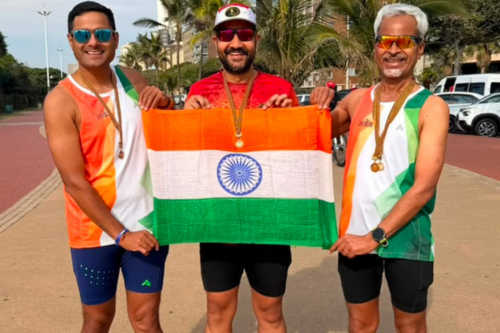
In the stifling humidity of Mumbai's Marine Drive at dawn, runners battle not just distance but the very air around them thick, unrelenting, and sweat-inducing. Here, amid the chaotic symphony of honking autos and crashing waves, a quiet revolution unfolds in the form of Indian-engineered activewear. Fabrics crafted in local mills are stepping up, turning tropical torment into tolerable training, and proving that innovation thrives where conditions are toughest.
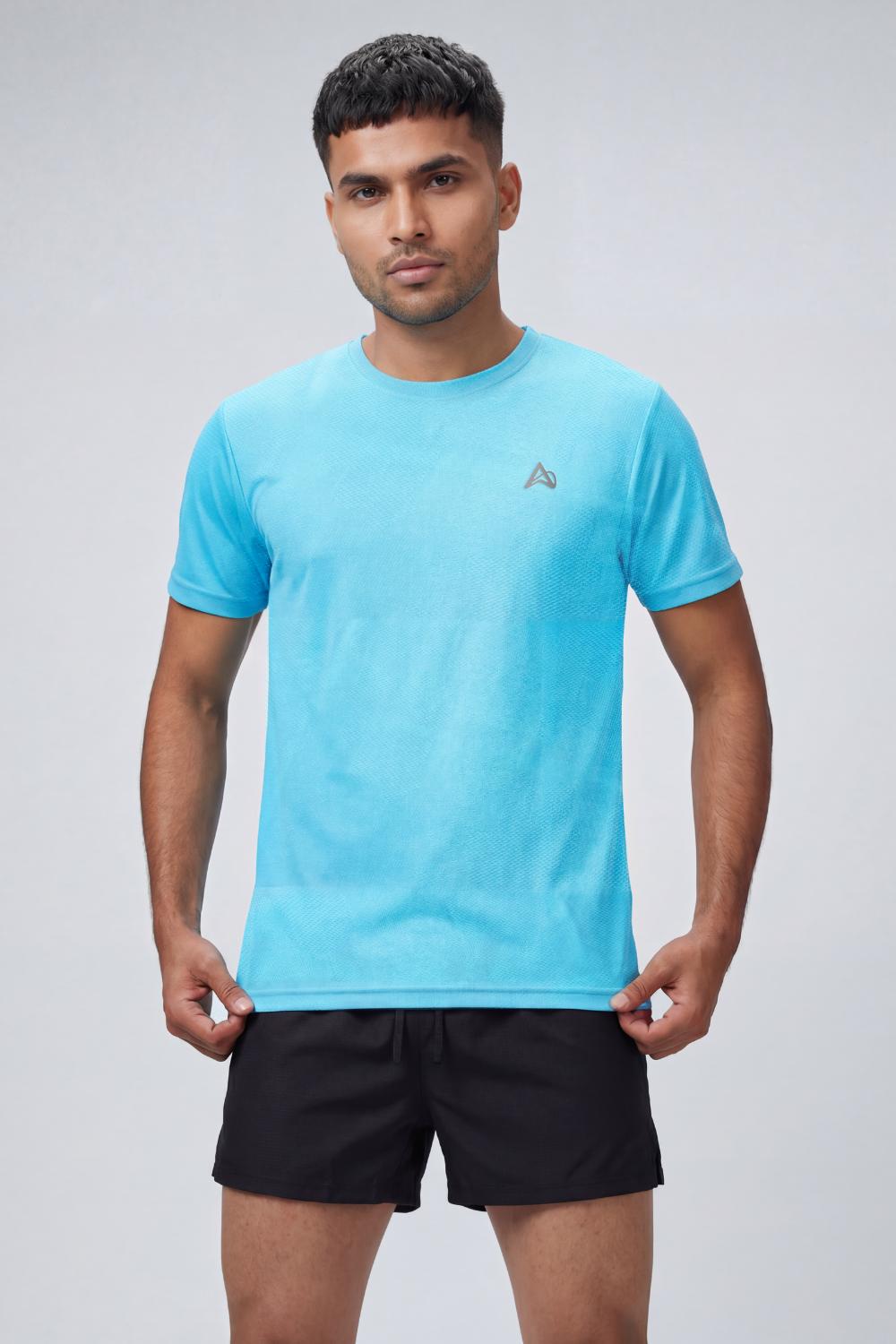
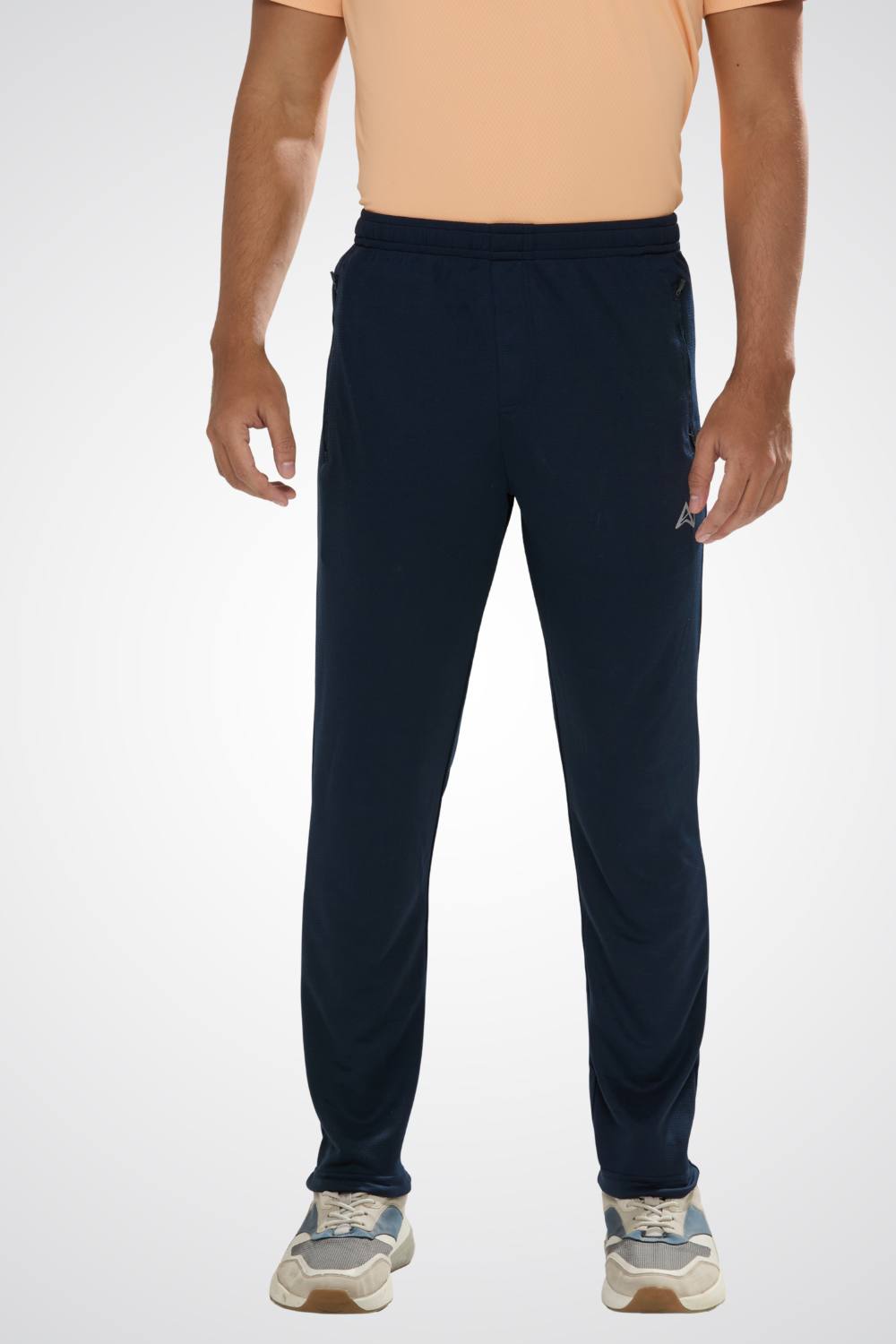
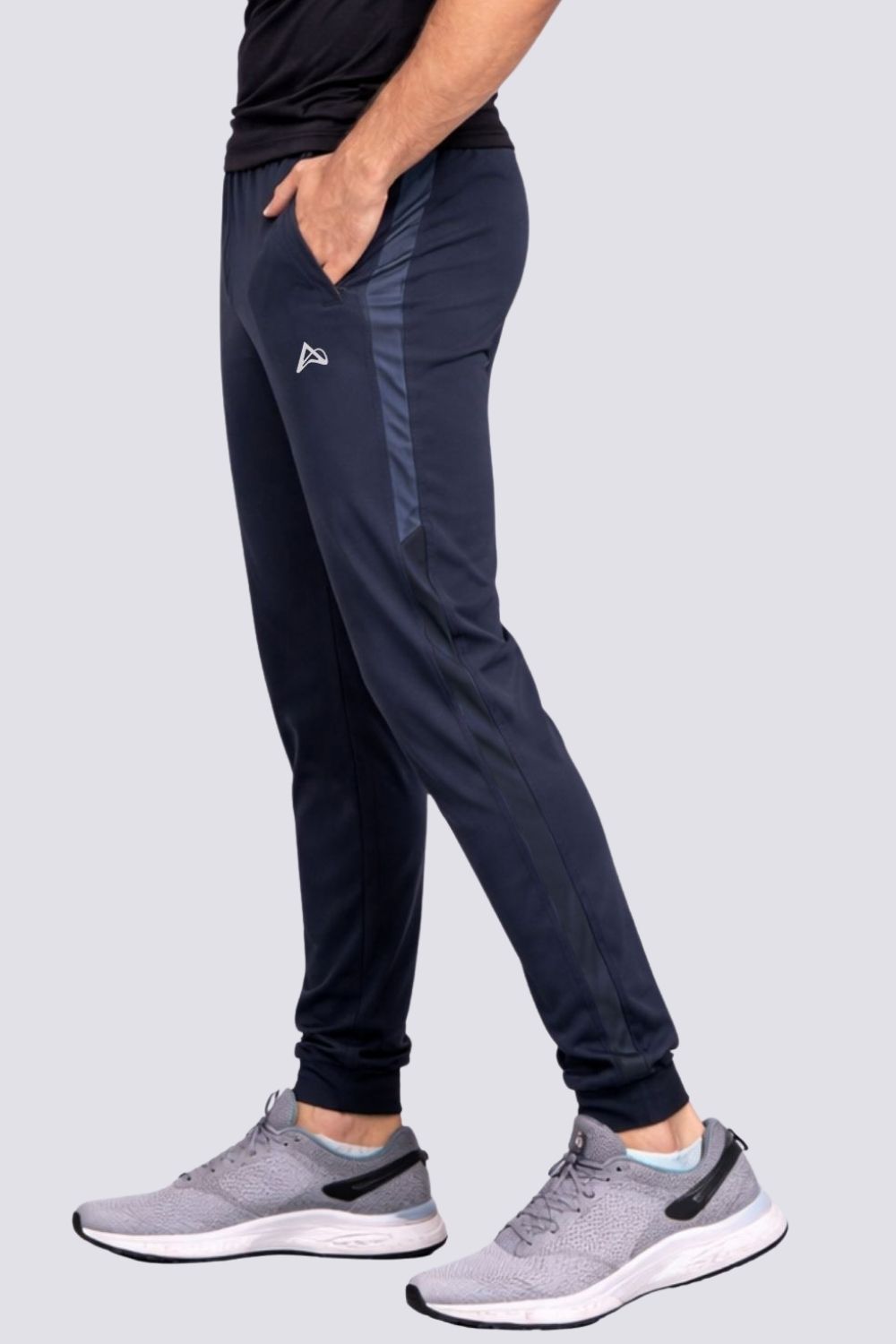
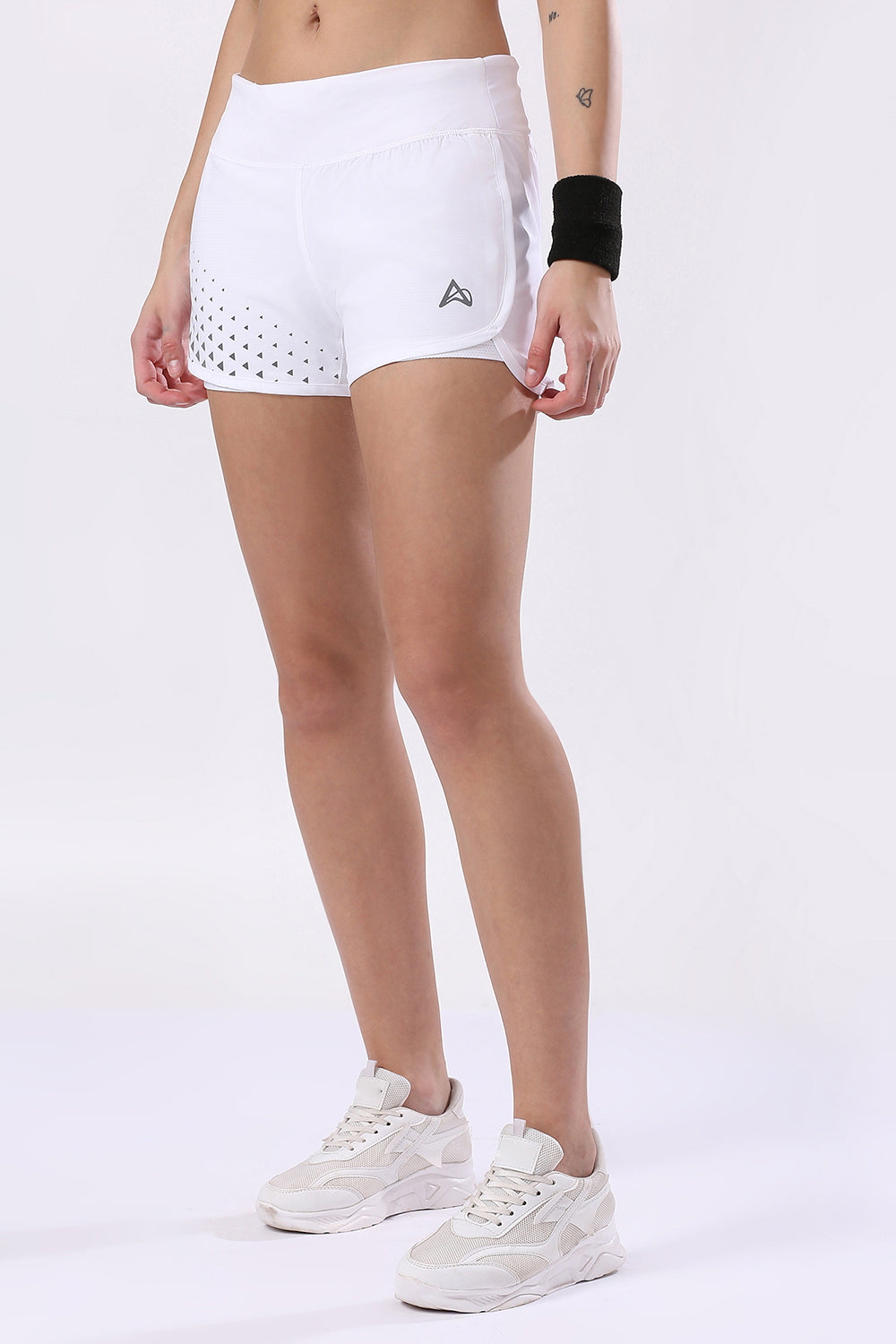
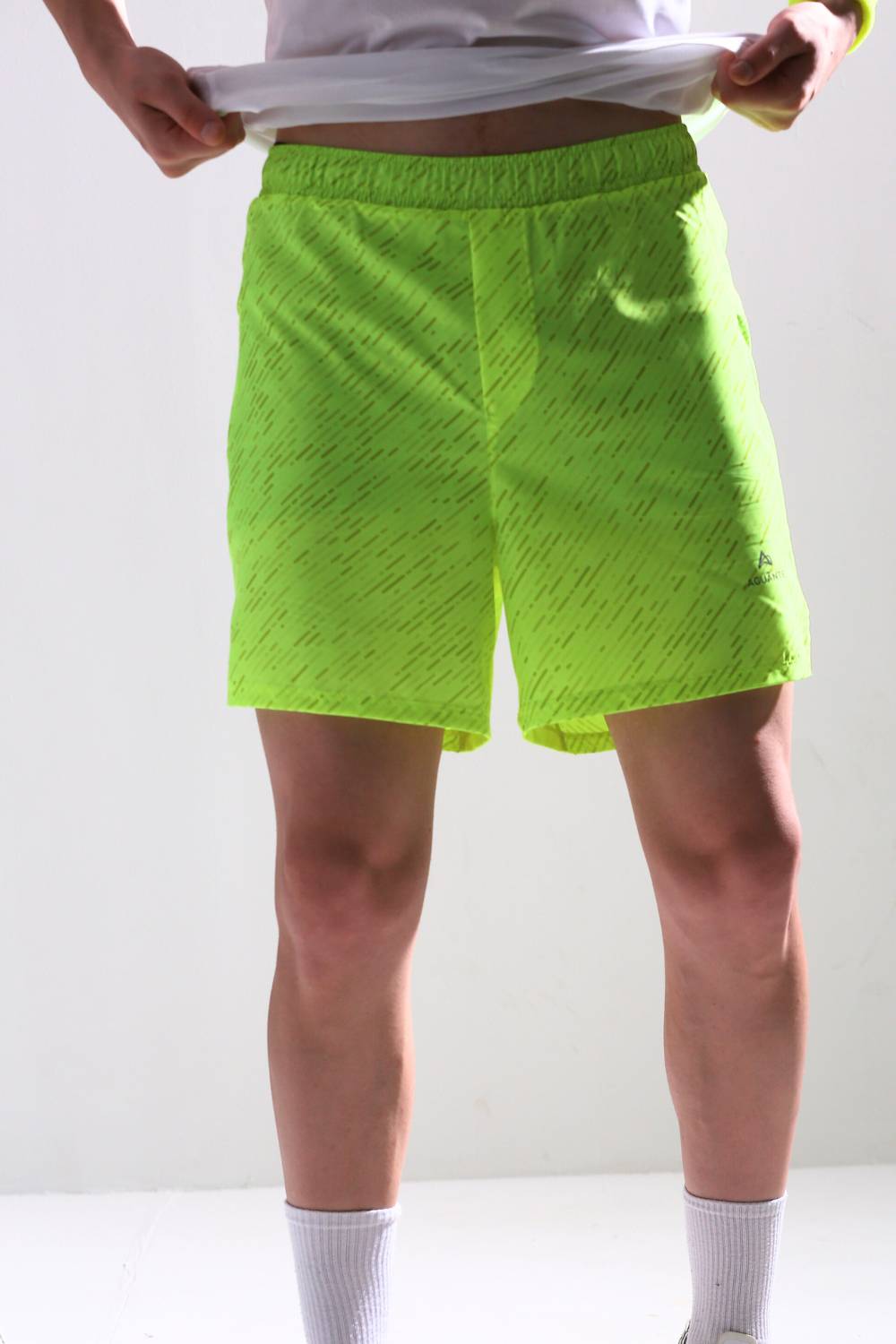
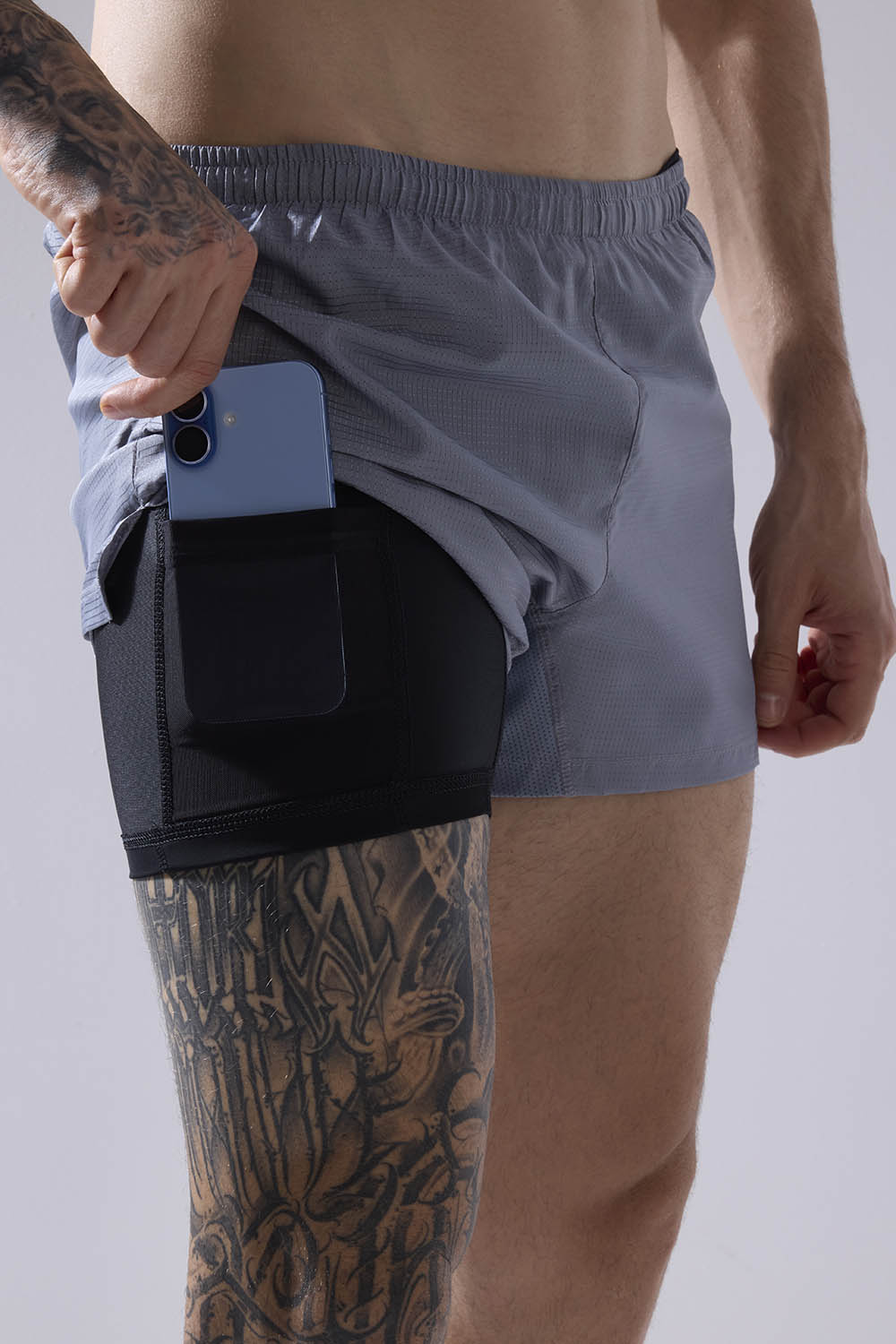
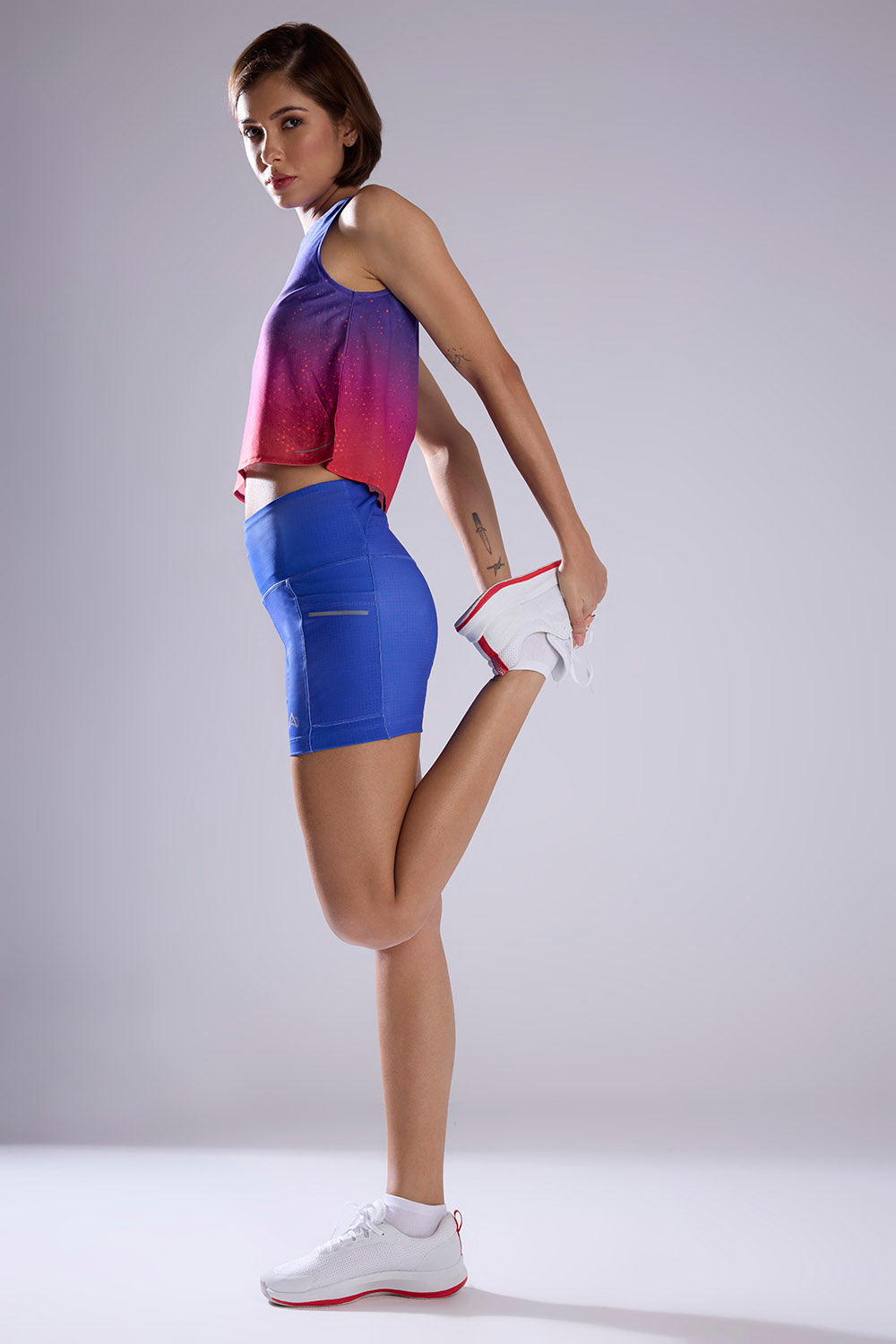
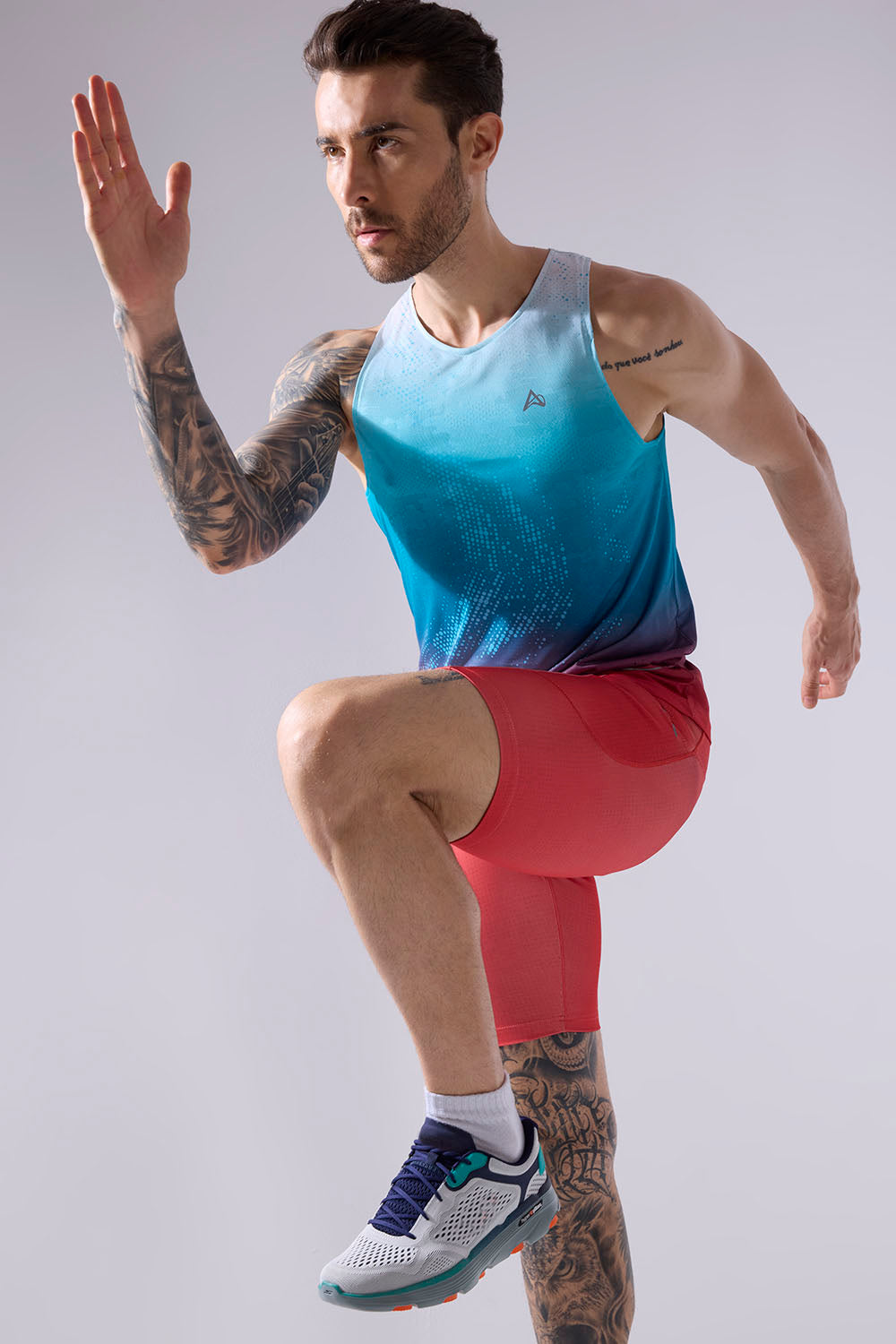
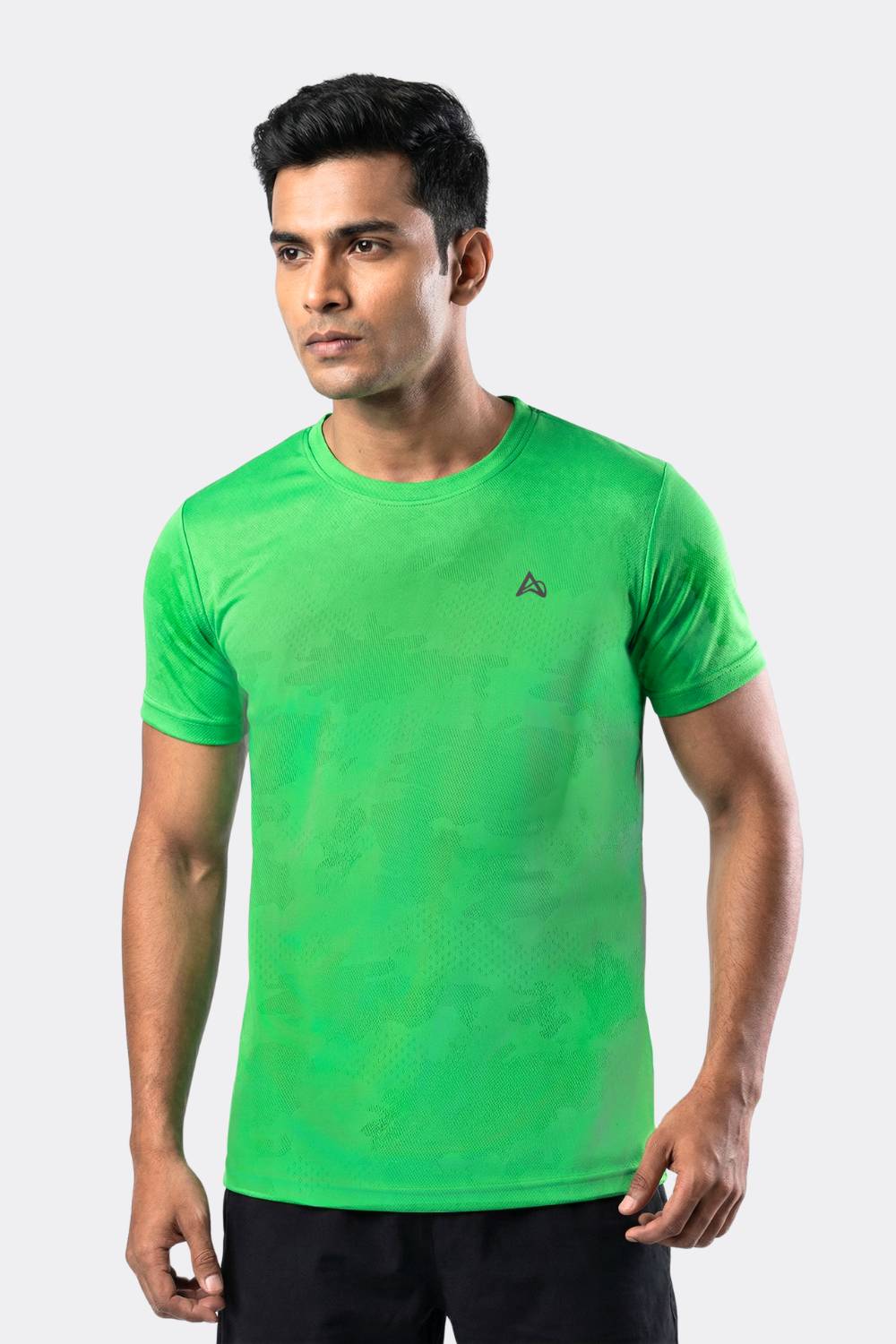
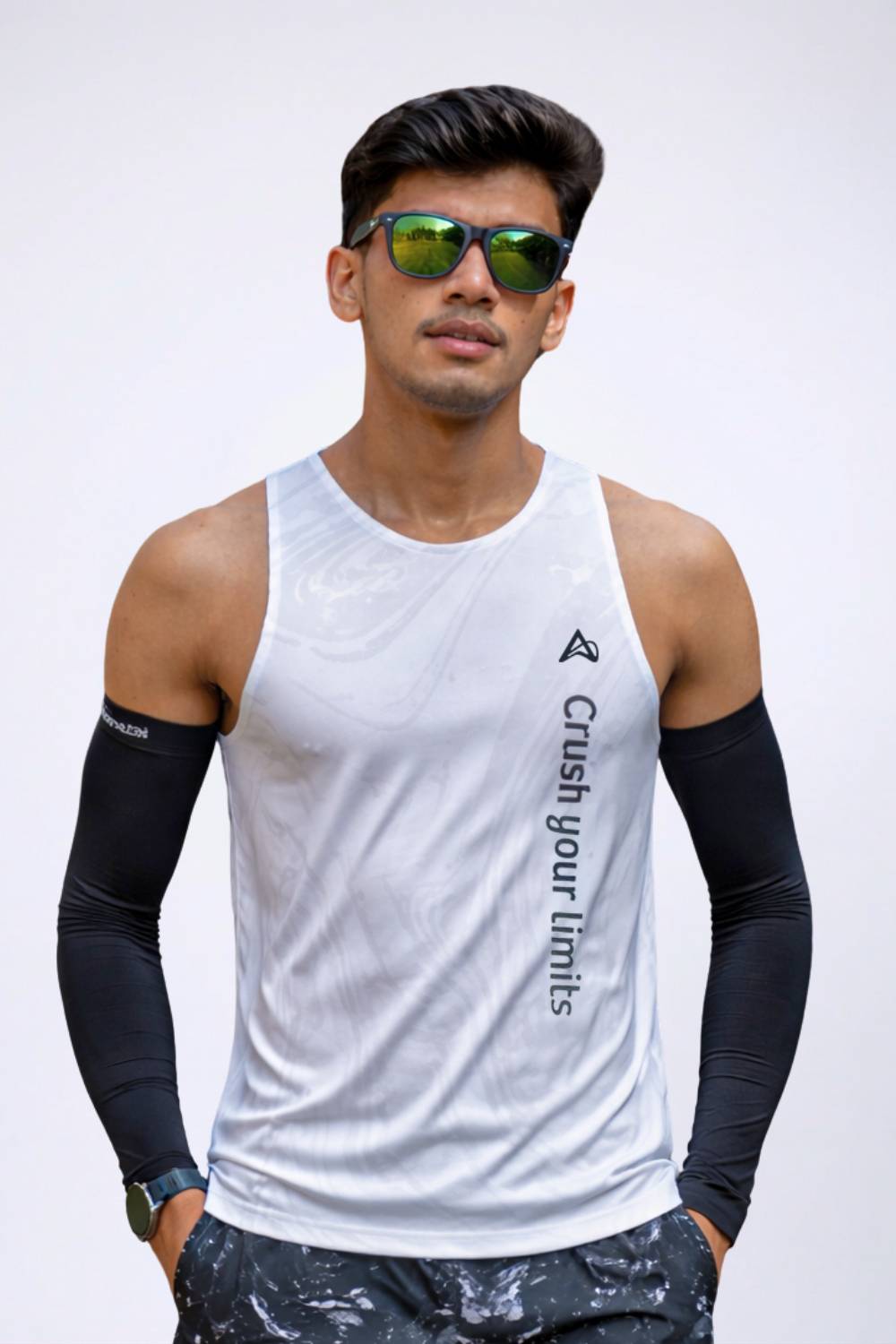
Tired of gear that slows you down? Chafing, soggy fabrics, and missing pockets kill your run's momentum. At Aguante, we're runners who get it. Our high-performance activewear features moisture-wicking fabrics, ergonomic designs, and smart storage to keep you focused. Shop Now!
How Indian-Made Running Gear Adapts to Tropical Heat and Humidity Across Urban Terrains
From the textile looms of Surat to the tech labs of Bangalore, Indian designers are pioneering fabrics and testing protocols that keep athletes cool and dry in India's diverse climates. This localized approach is reshaping performance for runners in cities like Bangalore, Mumbai, and Delhi, ensuring gear performs optimally year-round in heat that can cripple even the fittest.
Consider the everyday reality for India's runners. Mumbai and Kochi grapple with humidity levels soaring beyond 80% during the monsoon season, transforming a simple 5 km jog into a drenched ordeal where clothes weigh heavy and chafe mercilessly. In contrast, Delhi and Ahmedabad endure dry heat waves that push temperatures to 45°C, dehydrating bodies rapidly and dimming focus mid-stride. Bangalore's Cubbon Park sees early-morning groups weaving through misty trails, while Pune's half-marathon enthusiasts tackle undulating paths under unrelenting sun. This exploding running culture spanning casual enthusiasts and competitive ultrarunners demands more than generic imports. It requires apparel attuned to these microclimates, fueling a surge in homegrown research and development. Indian brands now pour resources into prototypes tested on actual streets, not simulated labs abroad, marking a pivotal shift toward self-reliant innovation in activewear.
The stakes are high: India's activewear market grows at 15% annually, driven by urban fitness booms in Hyderabad and Gurugram. According to the Textile Commissioner's Office, domestic production of performance fabrics has risen 25% in the past three years, reflecting investments that prioritize local weather patterns over global averages.
Emerging Trends: Climate-Engineered Fabrics and Design Innovations
At the forefront stand Surat and Ahmedabad's textile powerhouses, producing hydrophobic polyester blends that excel in repelling moisture amid coastal dampness. These advanced microfibers, engineered to minimize chafing, ensure garments remain lightweight even after heavy perspiration vital for Navi Mumbai runners navigating flooded sidewalks in 90% humidity. In Bangalore, startups harness computational fabric mapping to integrate strategic mesh panels, enhancing ventilation and preventing fabric adhesion during intense uphill efforts on Nandi Hills.
UV resistance receives an indigenous upgrade in Gurugram and Delhi mills, where plant-based coatings from neem and turmeric extracts reduce heat absorption significantly. National Institute of Fashion Technology (NIFT) research indicates these finishes can lower surface temperatures by up to 15%, allowing Hyderabad runners to train through semi-arid afternoons without overheating. This fusion of ayurvedic elements and modern tech isn't mere gimmickry; it's rolling out in budget-friendly collections, making high-performance accessible.
Breathability remains paramount in this equation. Scientific investigations underscore the potential: researchers tested a specialized T-shirt, the Dry Aeroflow (DAF), aimed at boosting ventilation when soaked in sweat during hot outdoor runs. In a single-blind, randomized crossover trial involving 11 male distance runners, participants completed two 30-minute sessions per day at heart rates of 120-130 bpm. They wore a standard polyester shirt first, then switched to either the DAF or another control. Results revealed enhancements in the garment's internal environment and reduced skin temperatures locally, though these benefits proved subtle and failed to influence broader physiological responses like core body temperature or sweat production substantially in high-heat settings. As the study study on functional apparel notes, intense ambient heat still drives up internal body heat, amplifying strain, impairing output, and raising heatstroke dangers but targeted designs ease immediate discomforts effectively.
These trends draw from Indian Meteorological Department (IMD) data, tailoring yarns to regional specifics: antimicrobial treatments in Surat combat bacterial growth in Mumbai's muggy air, while quick-wick structures suit Delhi's dust-laden winds.
Real-World Applications and Regional Case Studies
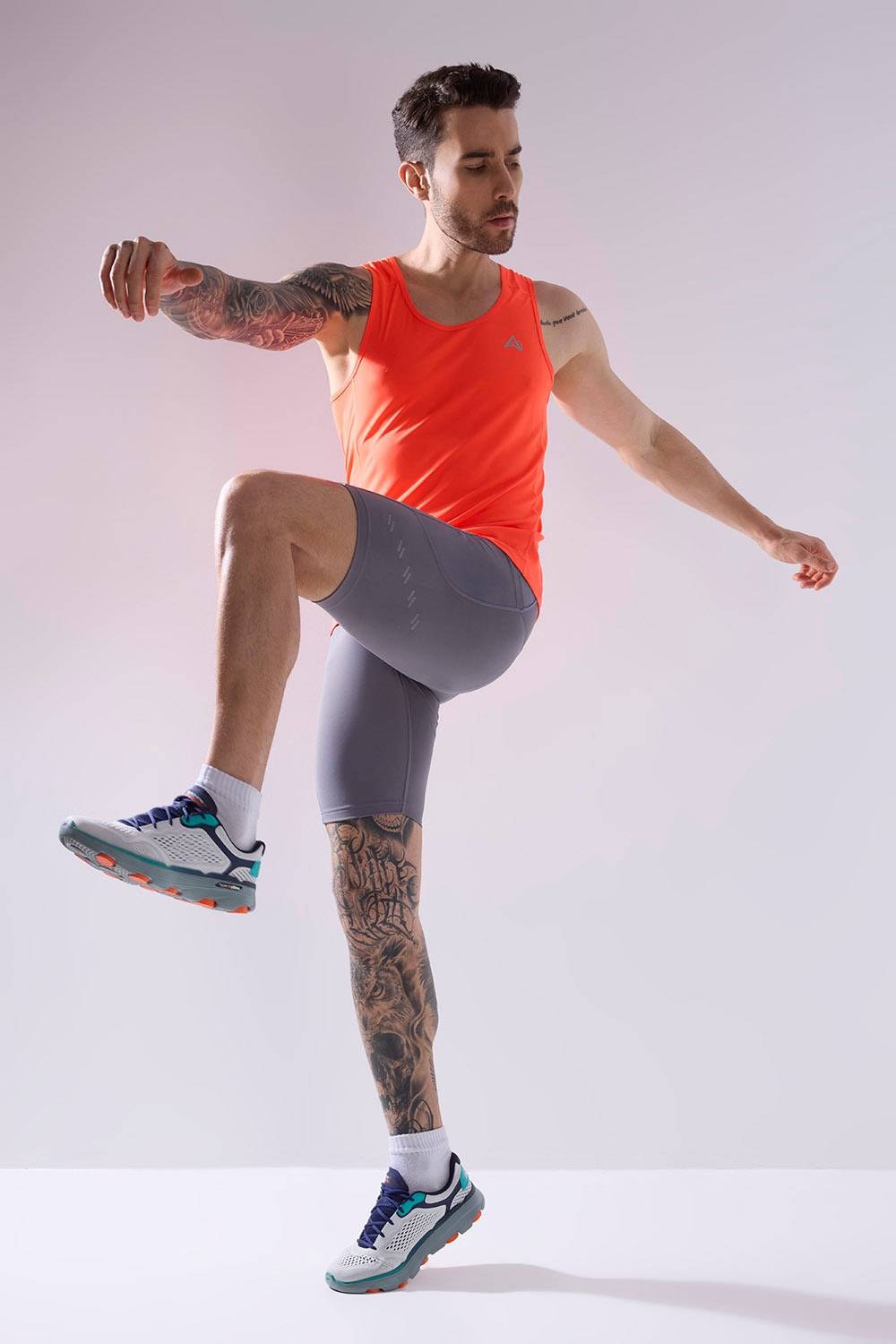
Bangalore exemplifies this in action. At the Nandi Hills Ultra, participants don quick-dry leggings that accelerate sweat evaporation by 20%, aligned with IMD recordings of 25-30°C mornings laced with Deccan fog. Local prototyping ensures these pieces withstand variable conditions, from cool dawns to sudden showers, empowering athletes to focus on form over fabric failure.
Mumbai's marathon squads put gear through rigorous paces along the Bandra-Worli Sea Link, assessing evaporation in humidity mimicking thick lentil soup. Collaborations with brands yield tops that preserve dryness at 85% relative humidity, informed by IMD coastal logs pinpointing maximum sweat peaks from 7 to 9 a.m. Suburban Navi Mumbai commuters double as testers, integrating runs into daily routines with apparel that dries mid-stride.
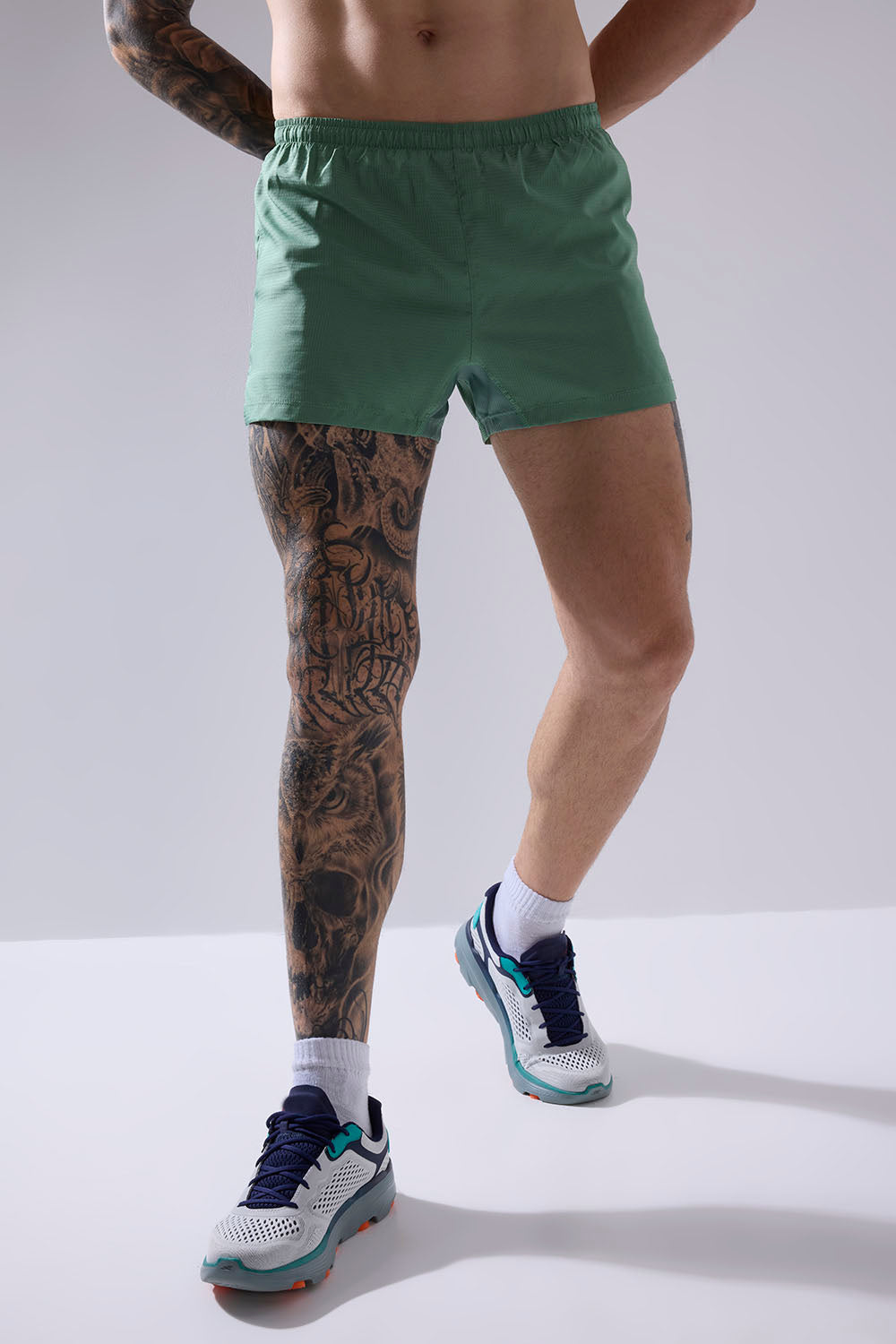
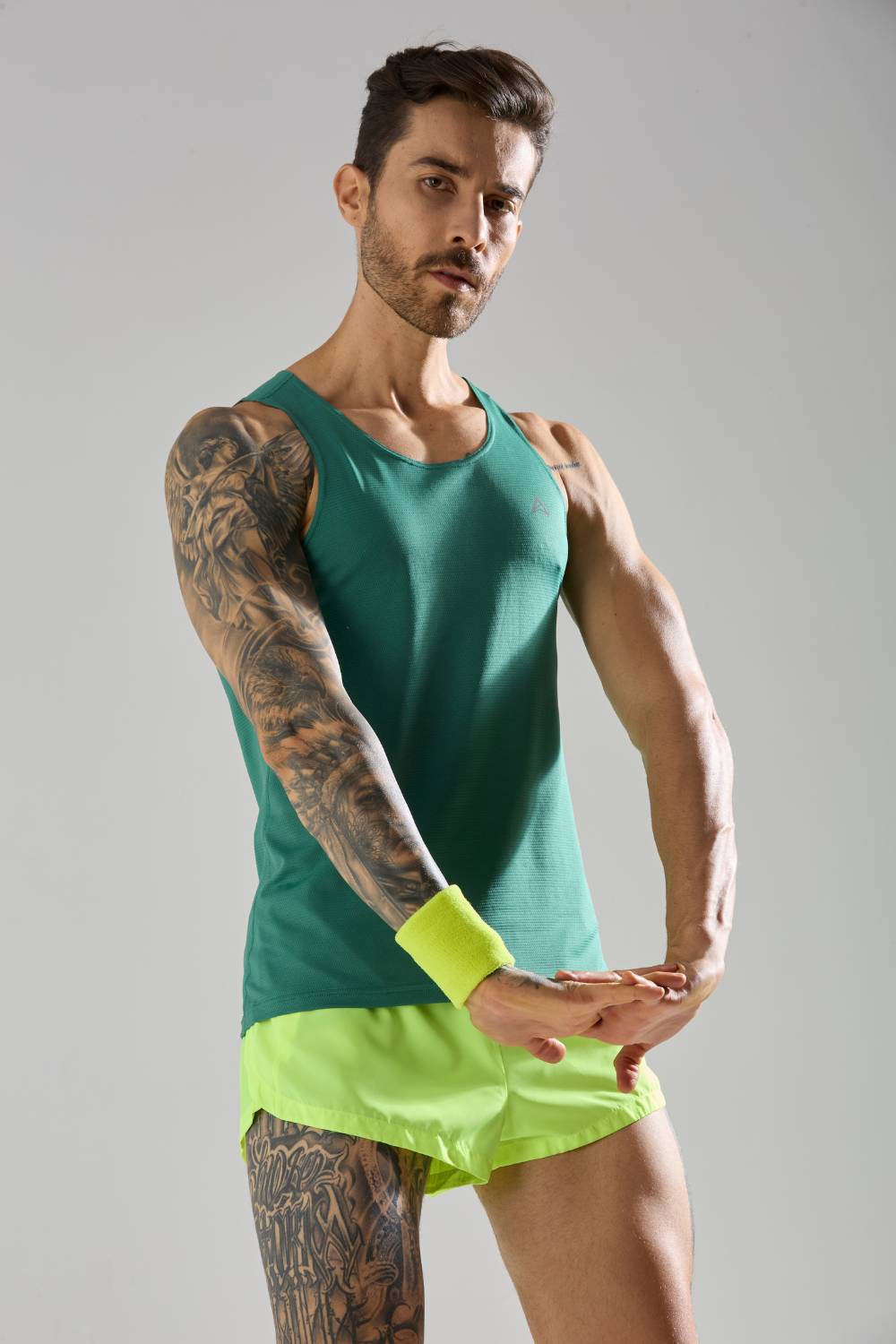
Hyderabad and Pune favor breathable tanks for their semi-arid demands. Odor management is key here; Surat-sourced yarns laced with silver ions keep freshness intact over 10 km circuits around Hussain Sagar Lake, where temperatures hit 38°C. In Delhi, Half Marathon runners opt for UV-protected singlets, their efficacy confirmed via IIT Delhi's field validations countering 40°C blasts. Ahmedabad's clusters contribute bacteria-resistant threads, boosting hygiene in prolonged humid exposures.
Surat and Ahmedabad's R&D ecosystems shine, with the Textile Commissioner's Office reporting a 30% export uptick in antimicrobial yarns. These case studies aren't isolated; they form a network of city-specific adaptations, grounding innovation in real IMD-tracked climates.
Key Challenges and Limitations
Despite strides, obstacles persist. Surat and Ahmedabad hubs still import premium fibers like specialized polyesters, inflating costs and complicating supply chains amid global disruptions. Mumbai's monsoon downpours highlight standardization voids how to benchmark across 95% humidity versus Delhi's arid 20% without consistent frameworks?
Emerging labels in Pune and Hyderabad bear the brunt. Cutting-edge materials push prices upward; a advanced quick-dry shirt might retail at 1,500 rupees, appealing to professionals but pricing out Cubbon Park regulars. Testing protocols lag, varying by region; NIFT calls for unified standards, as current discrepancies lead to inconsistent claims and consumer skepticism. Environmental factors add layers pollution in Delhi clogs meshes faster, while Kochi's salt air corrodes finishes prematurely.
Moreover, scaling remains tough. Small-scale operations lack the capital for extensive trials, relying on anecdotal feedback rather than robust data, which undermines credibility in a market flooded with imports.
Opportunities and Business Impacts
The potential, however, dazzles. Confining cycles within the Bangalore-Surat-Delhi axis cuts carbon footprints and accelerates refinements insights from a Marine Drive session reach manufacturers swiftly. Mumbai and Bangalore's running clubs amplify this, providing granular data on issues like seam irritation or dye longevity, fostering trust through transparency.
Such community engagement builds loyalty, converting users into brand ambassadors. On the global stage, "Made-in-India for tropical climates" resonates in Southeast Asia's steamy capitals or the Middle East's deserts. Industry analyses show exports leaped 25% recently, cementing India's role in heat-resilient apparel. This localization slashes lead times, enabling rapid responses to trends like sustainable dyeing, and opens doors to partnerships with regional giants.
Economic ripples extend: job creation in Gurugram mills, skill uplift in NIFT programs, and reduced import dependency bolster the economy, aligning with national self-reliance goals.
Future Outlook and Expert Insights
Collaborations between academia and industry promise acceleration. IIT Delhi's textile experts work alongside mills on eco-friendly cooling agents, embedding phase-change materials that absorb heat spikes. NIFT Bangalore delves into biodegradable meshes, ideal for Pune's eco-conscious trails. Emerging smart fabrics in Gurugram weave in IoT sensors monitoring sweat metrics and thermal stress, notifying Hyderabad runners via apps to prevent overexertion.
Experts foresee a tipping point. With IMD predicting intensifying summers up to 2°C warmer by 2030 Indian R&D positions the nation as a leader. Investments in AI-driven design could customize gear per city, from Mumbai's anti-mold coatings to Ahmedabad's dust-repellents. As consumer awareness grows, demand for verified, locally tested products will surge, potentially redefining Asian performance standards.
The Rise of Locally Tested, Climate-Smart Activewear
Across India's urban sprawls, from Mumbai's humid dashes to Delhi's scorched circuits, runners embrace gear forged in native fires. What once hindered sweltering heat and clinging damp now catalyzes breakthroughs, yielding apparel that's intuitive, durable, and proudly Indian. As climates shift globally, these innovations signal a broader truth: solutions to tomorrow's challenges often bloom in today's harshest grounds, positioning India's streets as the unlikely cradle of next-gen athletic evolution.
Frequently Asked Questions
How does Indian-made running gear handle extreme humidity during monsoon season?
Indian-engineered activewear uses hydrophobic polyester blends and advanced microfibers designed specifically for coastal humidity that exceeds 80%. These fabrics, produced in textile hubs like Surat and Ahmedabad, repel moisture and remain lightweight even after heavy perspiration, preventing the chafing and heavy, waterlogged feeling that plagues runners in cities like Mumbai and Kochi during monsoon season.
What makes locally tested running apparel better for Indian climates than imported brands?
Indian brands test prototypes on actual streets across diverse microclimates from Mumbai's 90% humidity to Delhi's 45°C dry heat rather than in simulated labs abroad. This localized approach allows manufacturers to tailor features like UV-resistant coatings with neem and turmeric extracts, antimicrobial treatments for muggy conditions, and quick-wick structures for dust-laden winds, ensuring gear performs optimally in India's extreme and variable weather patterns year-round.
Are climate-engineered running fabrics from India expensive compared to regular sportswear?
While advanced quick-dry shirts with specialized features can retail around ₹1,500, making them more expensive than basic sportswear, Indian manufacturers are increasingly rolling out budget-friendly collections that incorporate high-performance elements. The challenge remains balancing cutting-edge materials like plant-based UV coatings and antimicrobial yarns with affordability, though domestic production costs are generally lower than imported premium activewear, and the local supply chain helps reduce overall pricing.
Disclaimer: The above helpful resources content contains personal opinions and experiences. The information provided is for general knowledge and does not constitute professional advice.
You may also be interested in: Why Indian Marathoners Choose Aguante for Long Runs
Tired of gear that slows you down? Chafing, soggy fabrics, and missing pockets kill your run's momentum. At Aguante, we're runners who get it. Our high-performance activewear features moisture-wicking fabrics, ergonomic designs, and smart storage to keep you focused. Shop Now!
Powered by flareAI.co