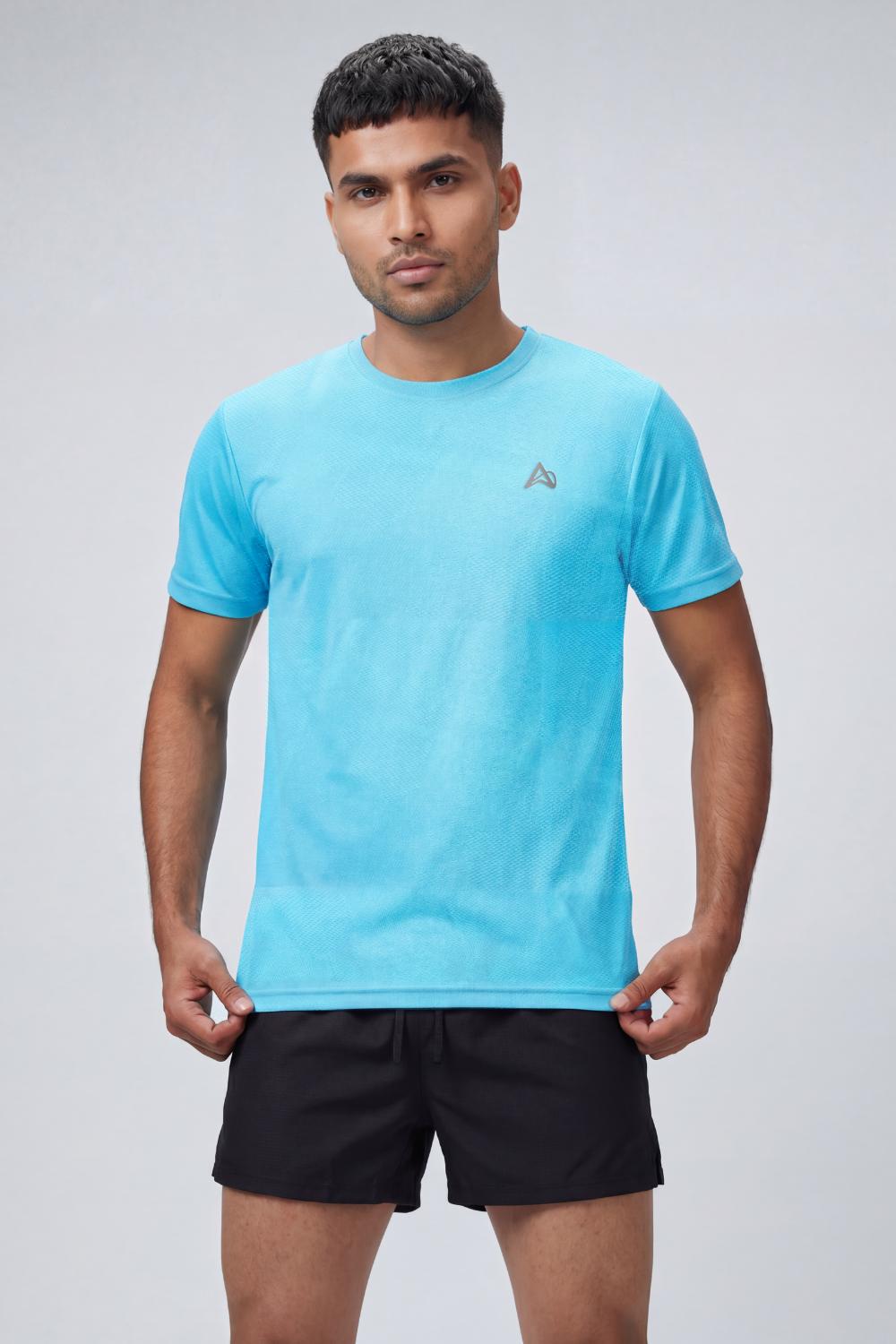
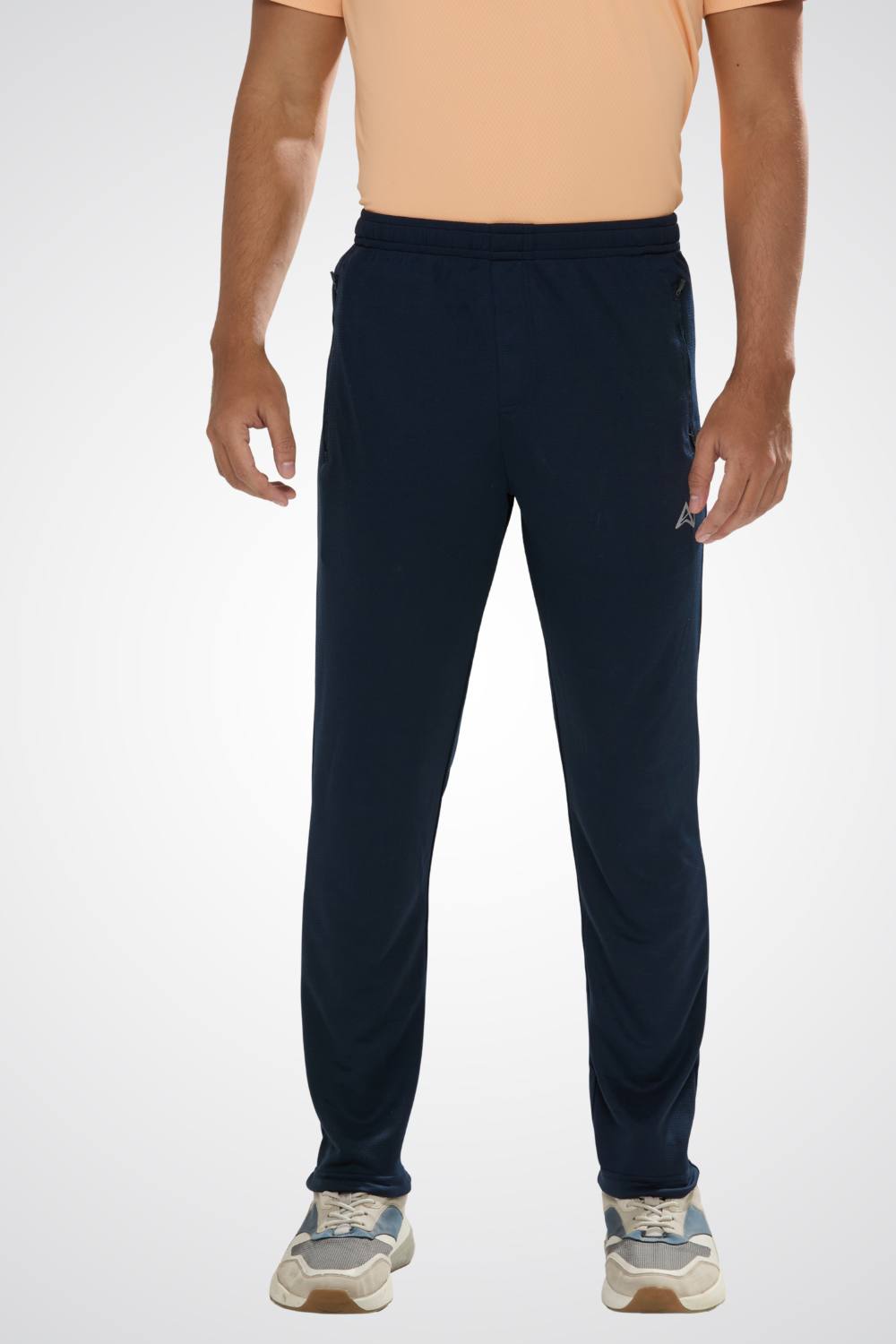
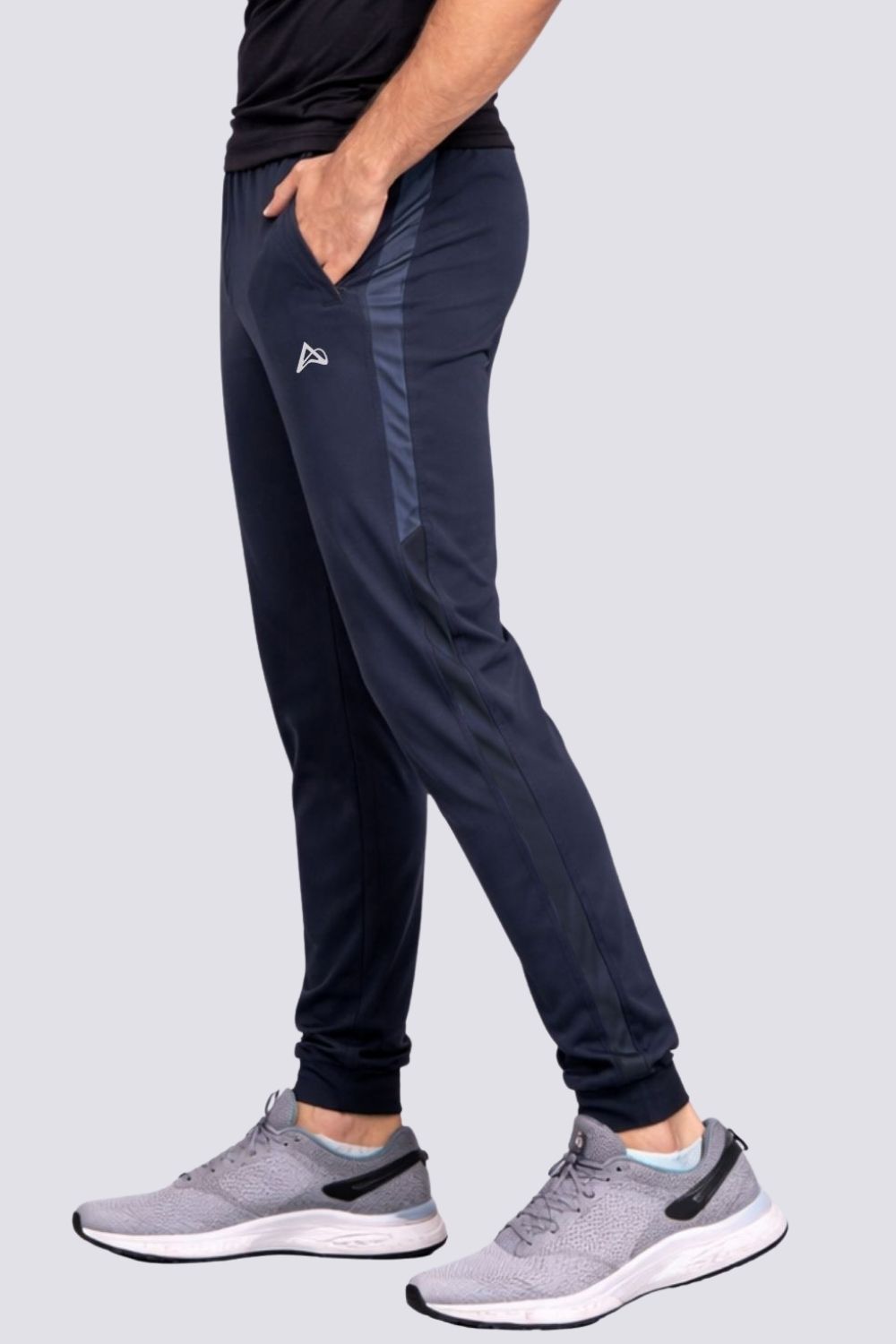
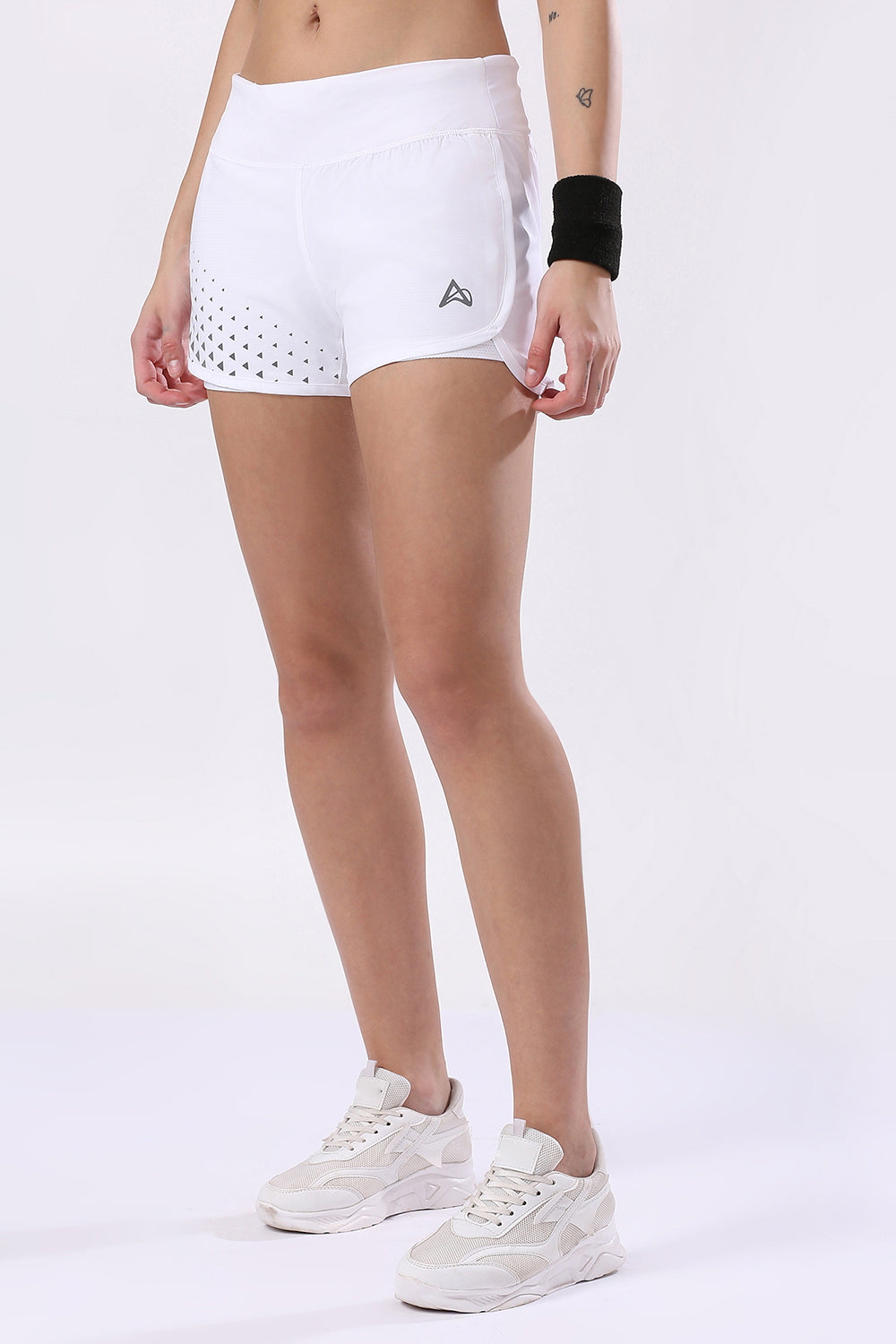
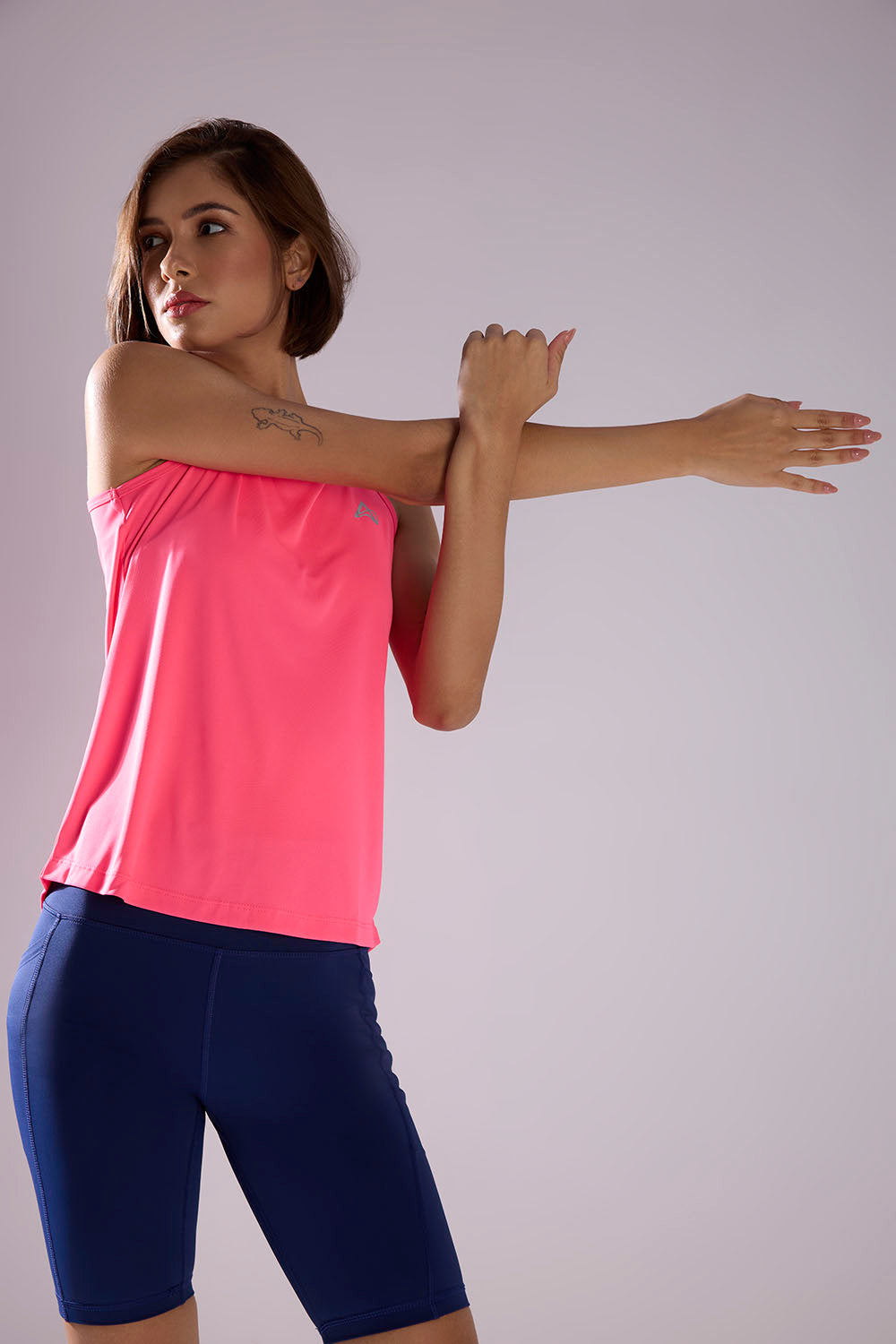
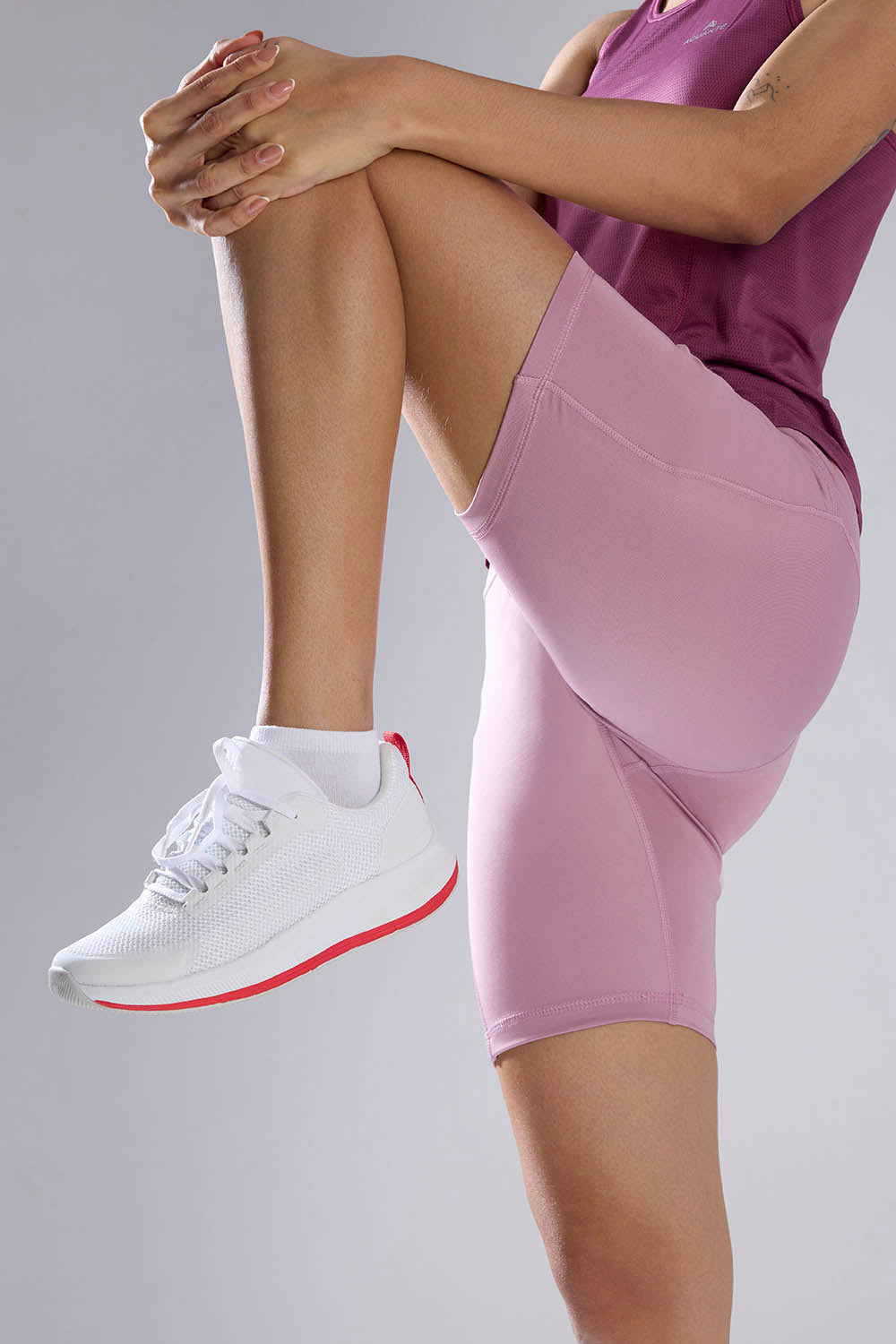
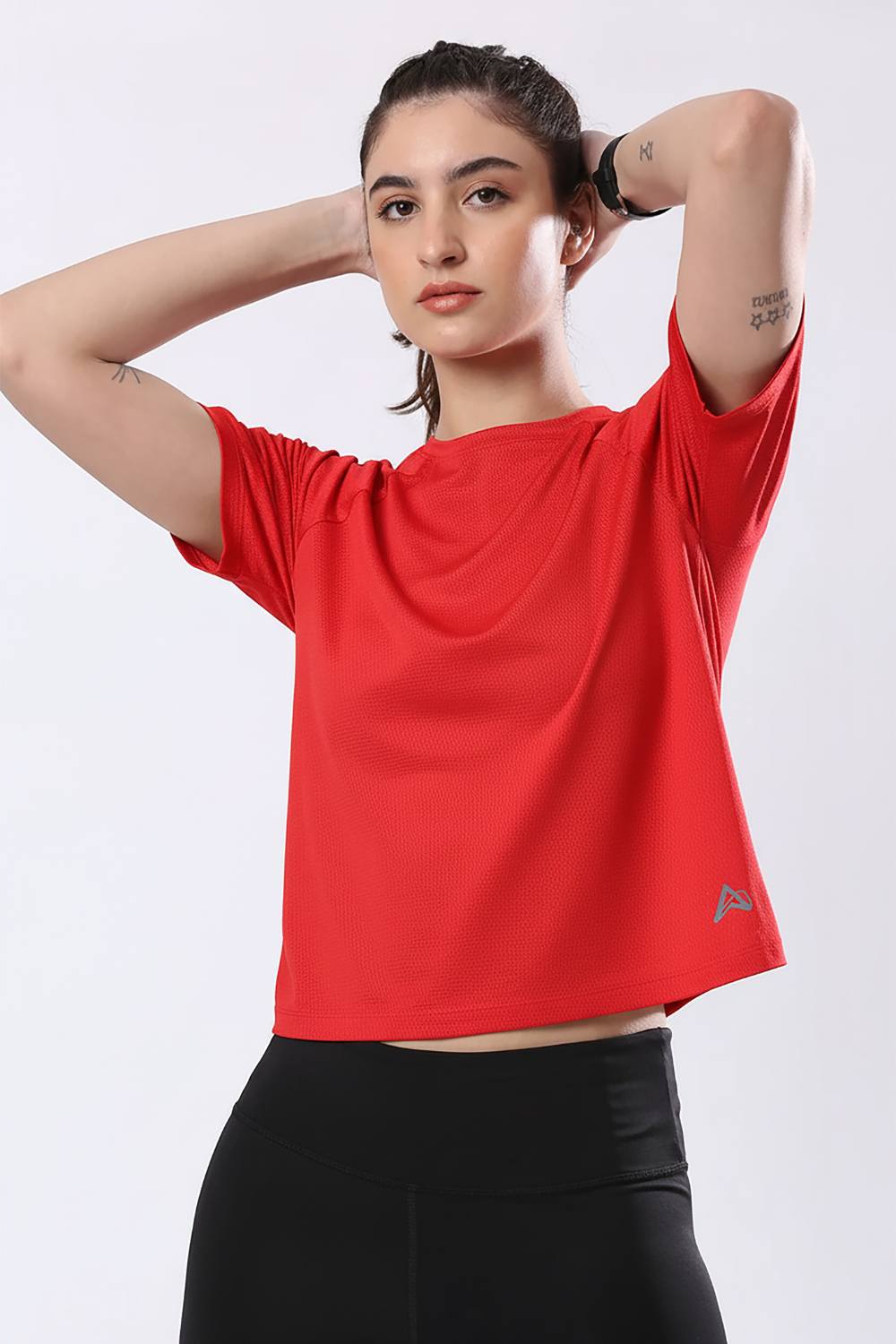
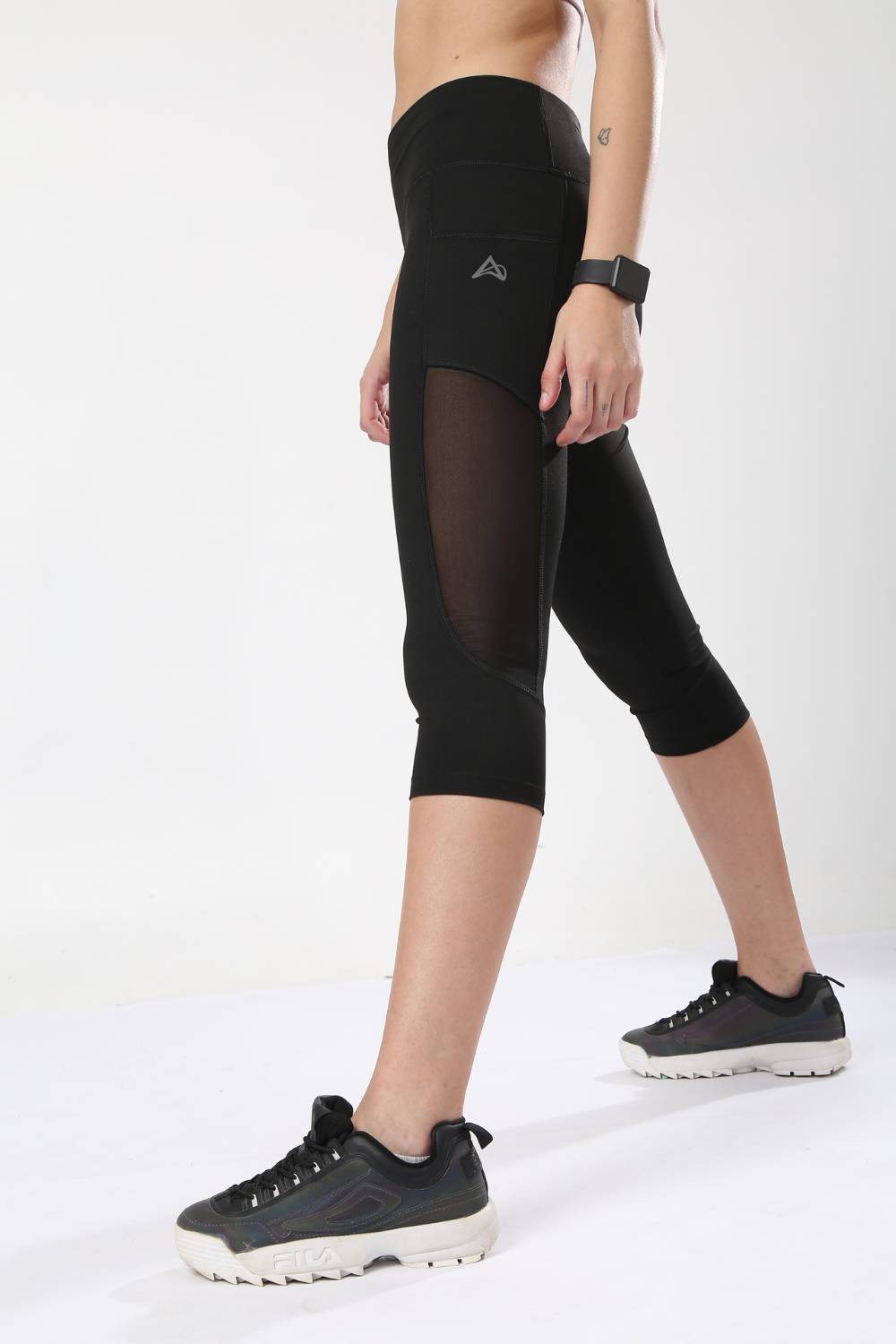
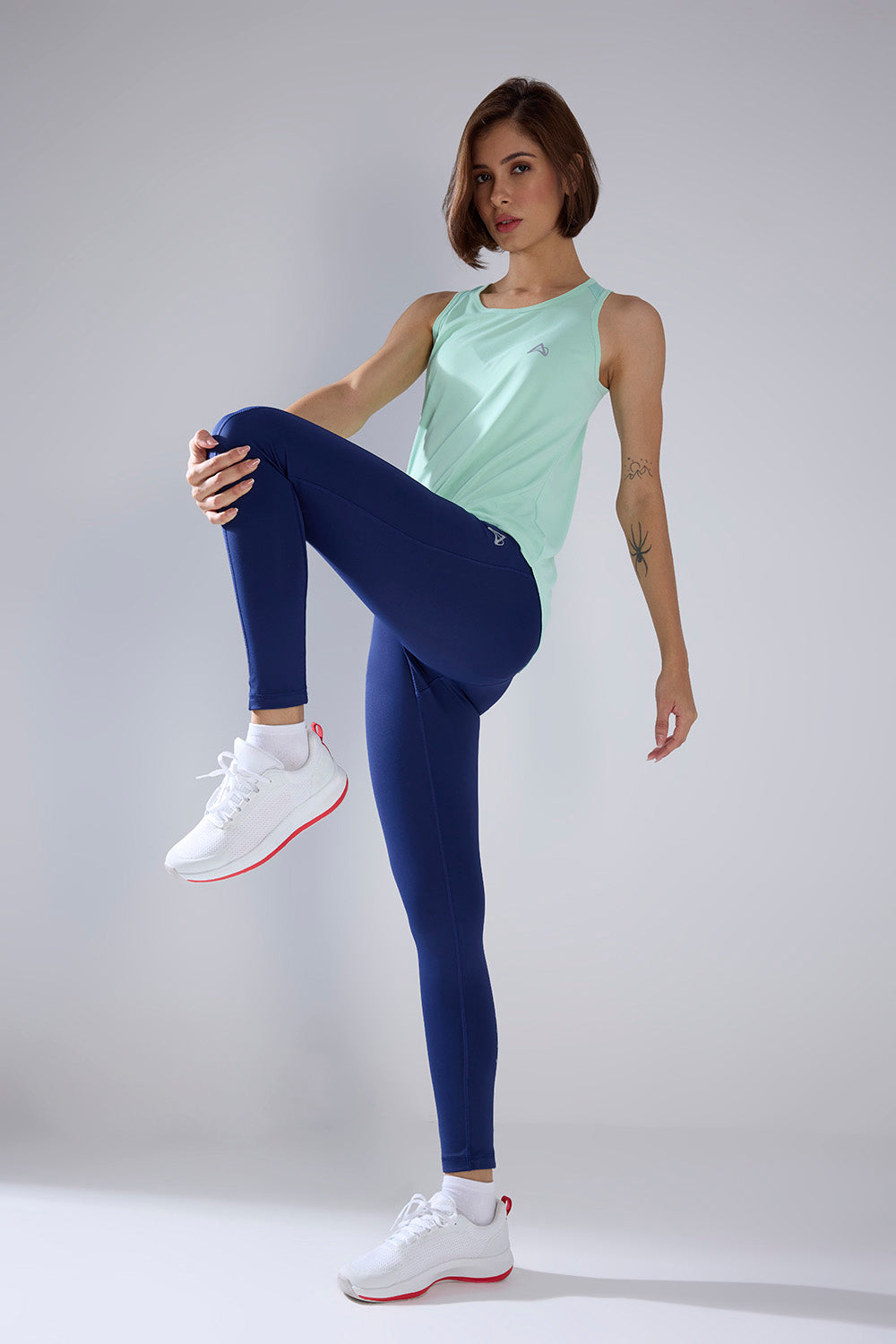

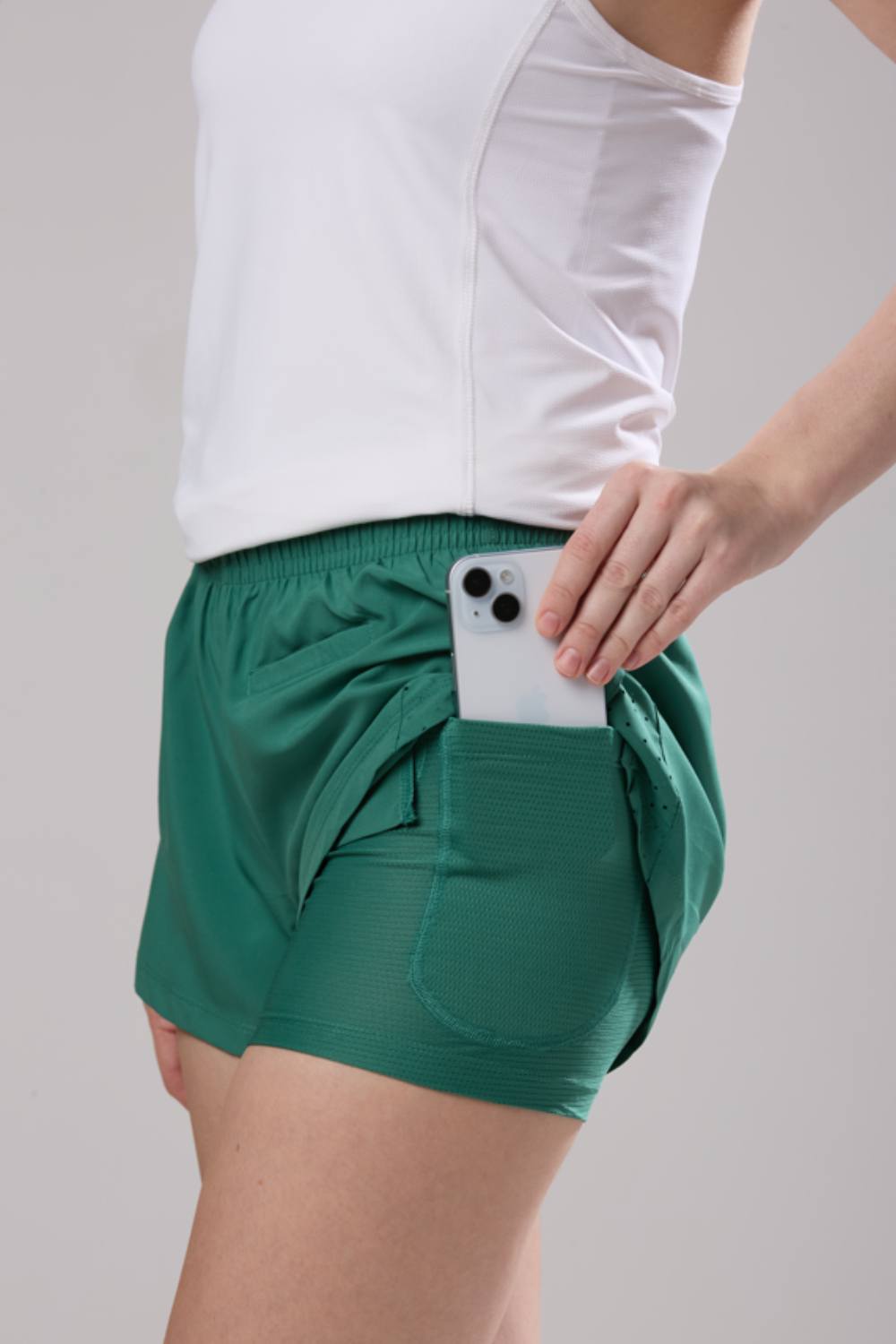
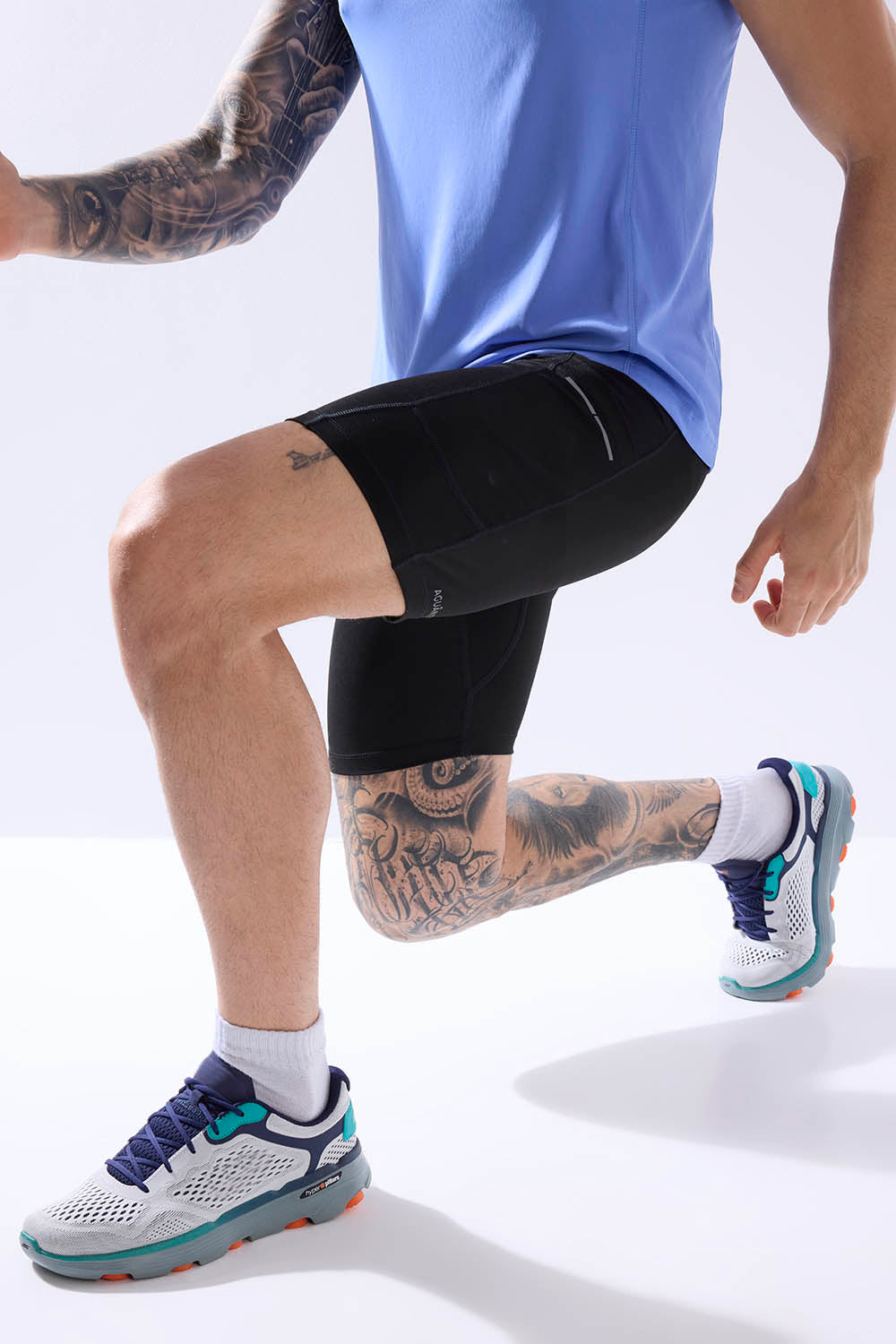
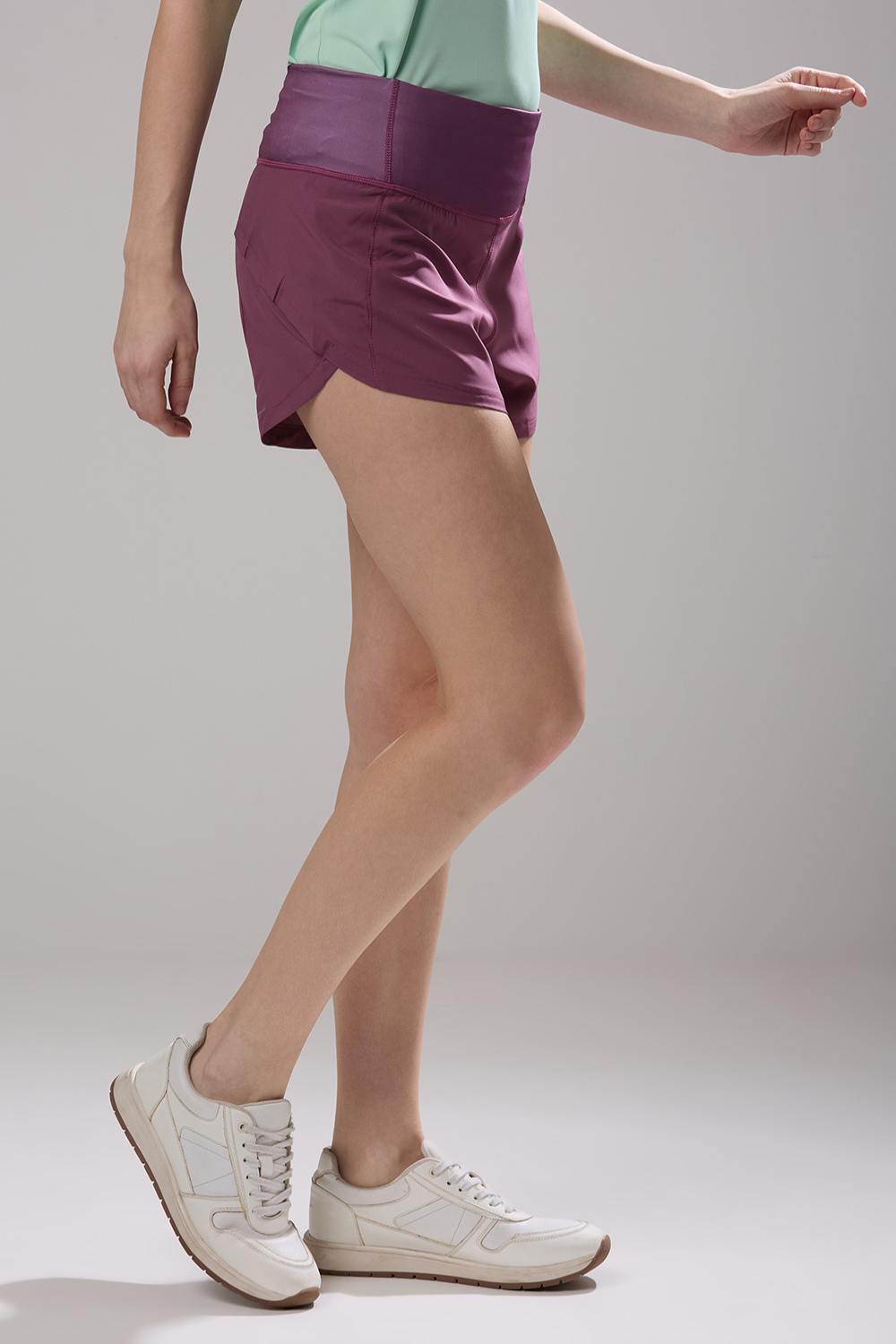
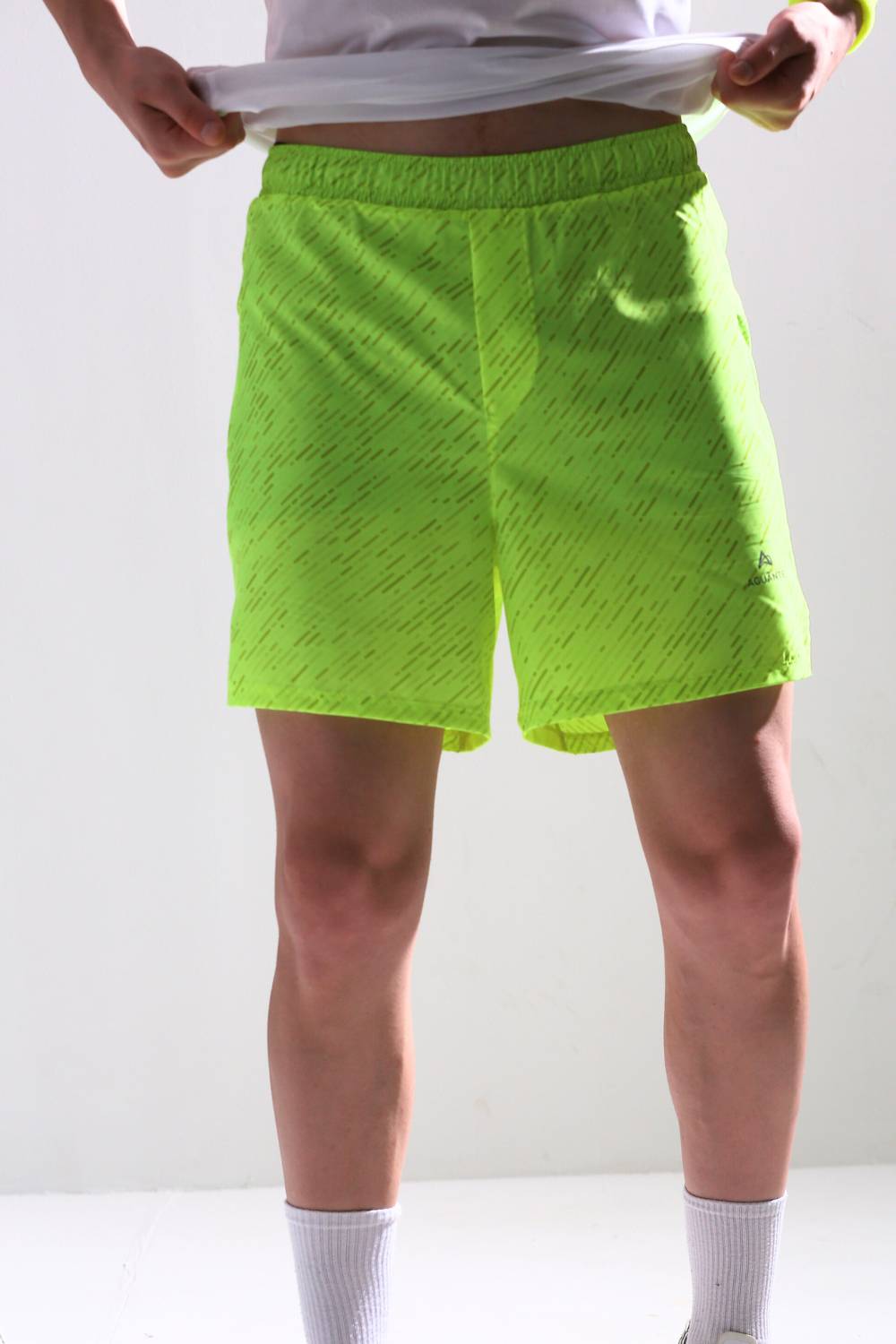
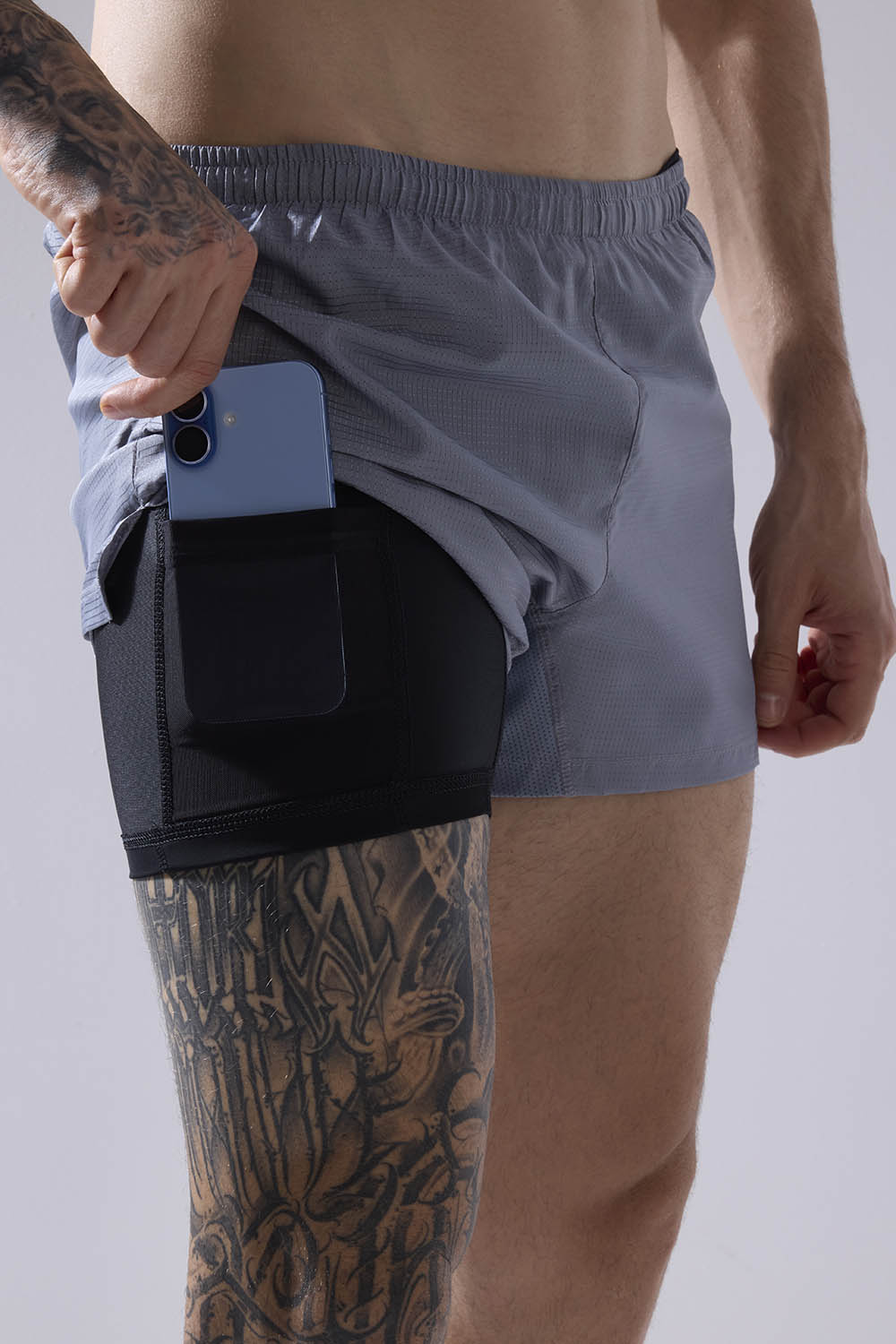

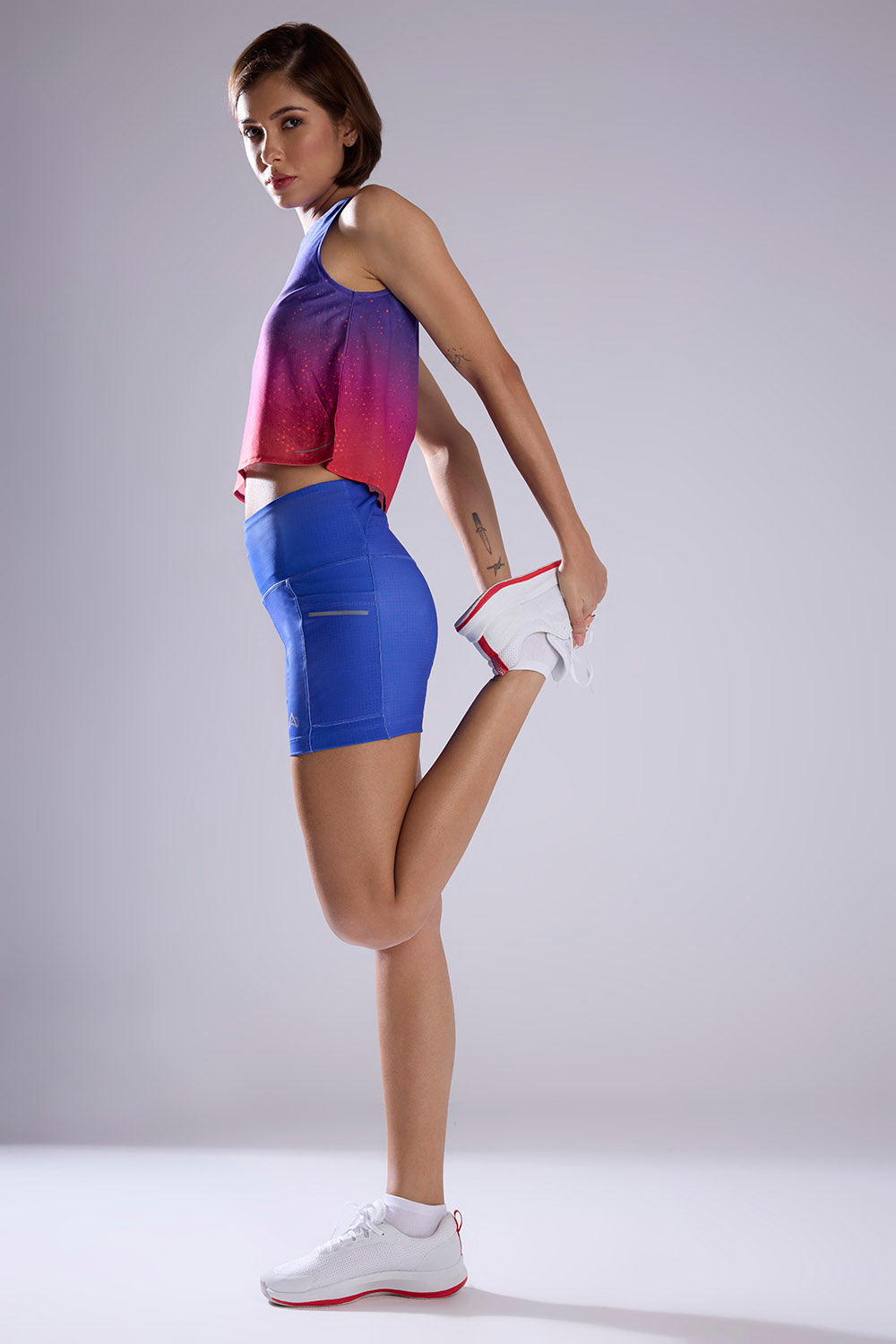
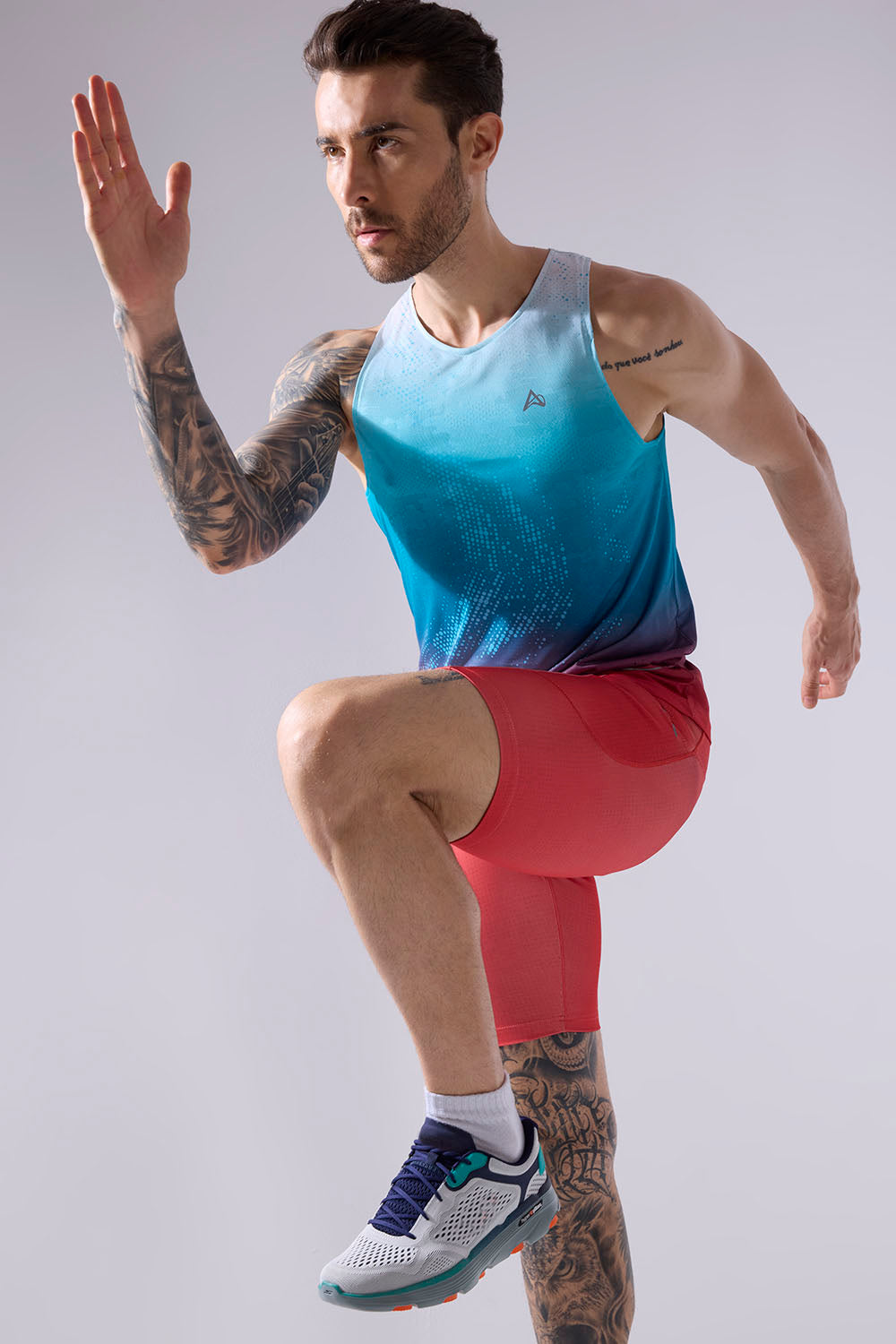

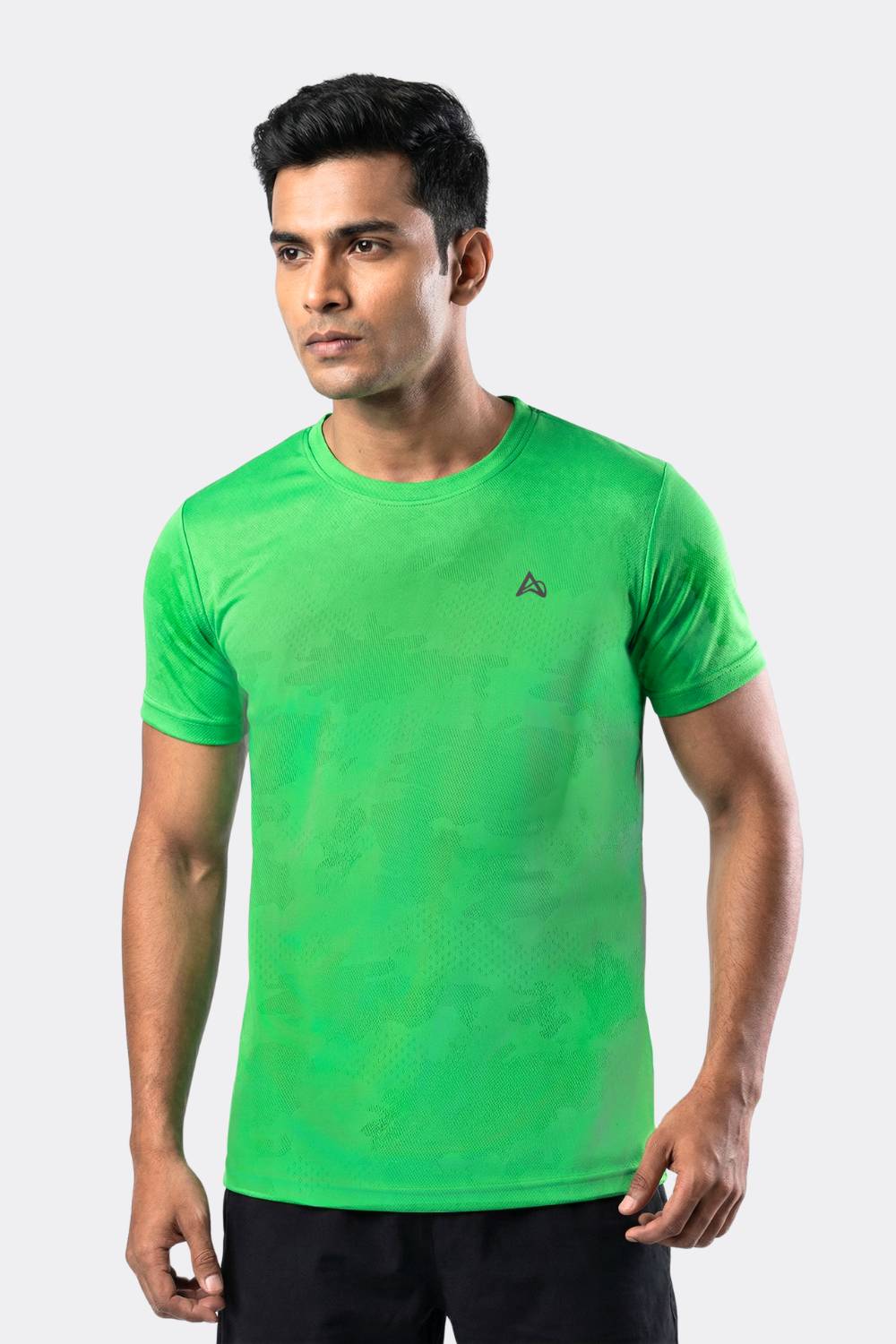
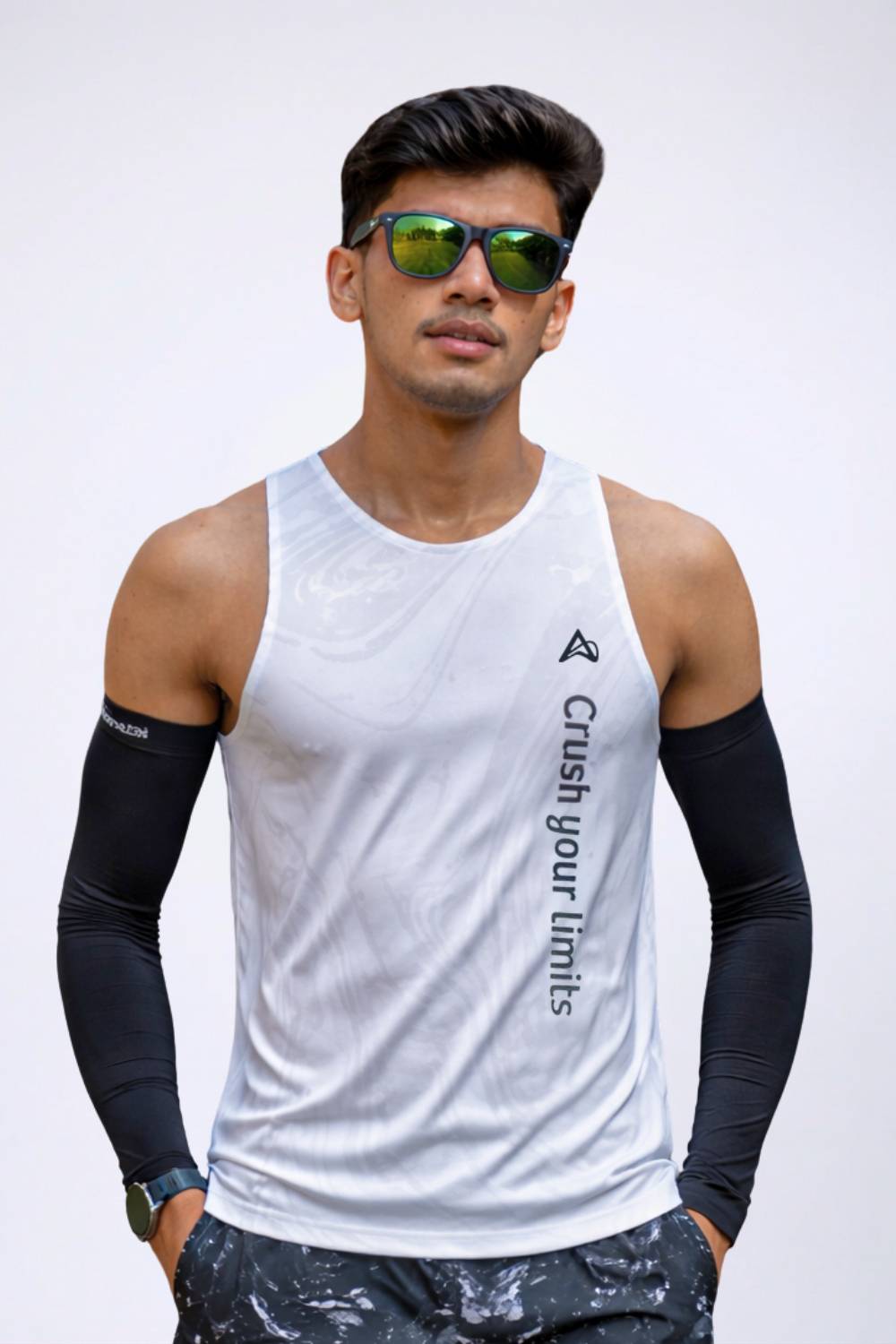

High-performance athletes and fitness enthusiasts in bustling urban centers like Bangalore, Hyderabad, Mumbai, Pune, Navi Mumbai, Delhi, Gurugram, Surat, and Ahmedabad often push their limits during intense training sessions and runs. The materials used in their activewear play a pivotal role in how well the body manages heat, moisture, and movement. Lightweight fabrics have emerged as a smart choice for enhancing overall performance, offering a practical edge that supports longer sessions, quicker recovery, and greater comfort without compromising on durability or style.
Tired of gear that slows you down? Chafing, soggy fabrics, and missing pockets kill your run's momentum. At Aguante, we're runners who get it. Our high-performance activewear features moisture-wicking fabrics, ergonomic designs, and smart storage to keep you focused. Shop Now!
The Science Behind Lightweight Materials
Lightweight fabrics allow sweat and heat to escape more effectively than heavier options. This property promotes natural cooling through evaporation, which is especially beneficial during physical activity in warmer conditions. Breathable, lightweight layers minimize the feeling of being damp or sticky, helping athletes stay focused and perform at their peak. Unlike heavier knits that can trap moisture, these materials facilitate better oxygen flow and reduce strain on the cardiovascular system, leading to faster recovery between workouts.
In practice, choosing these fabrics translates to better endurance and a more comfortable experience that encourages consistent training. The porosity of the material supports moisture vapor transmission and heat dissipation, which is why they have become a practical way to optimize performance and well-being across different seasons and environments.
Breathability: the Key to Temperature Control
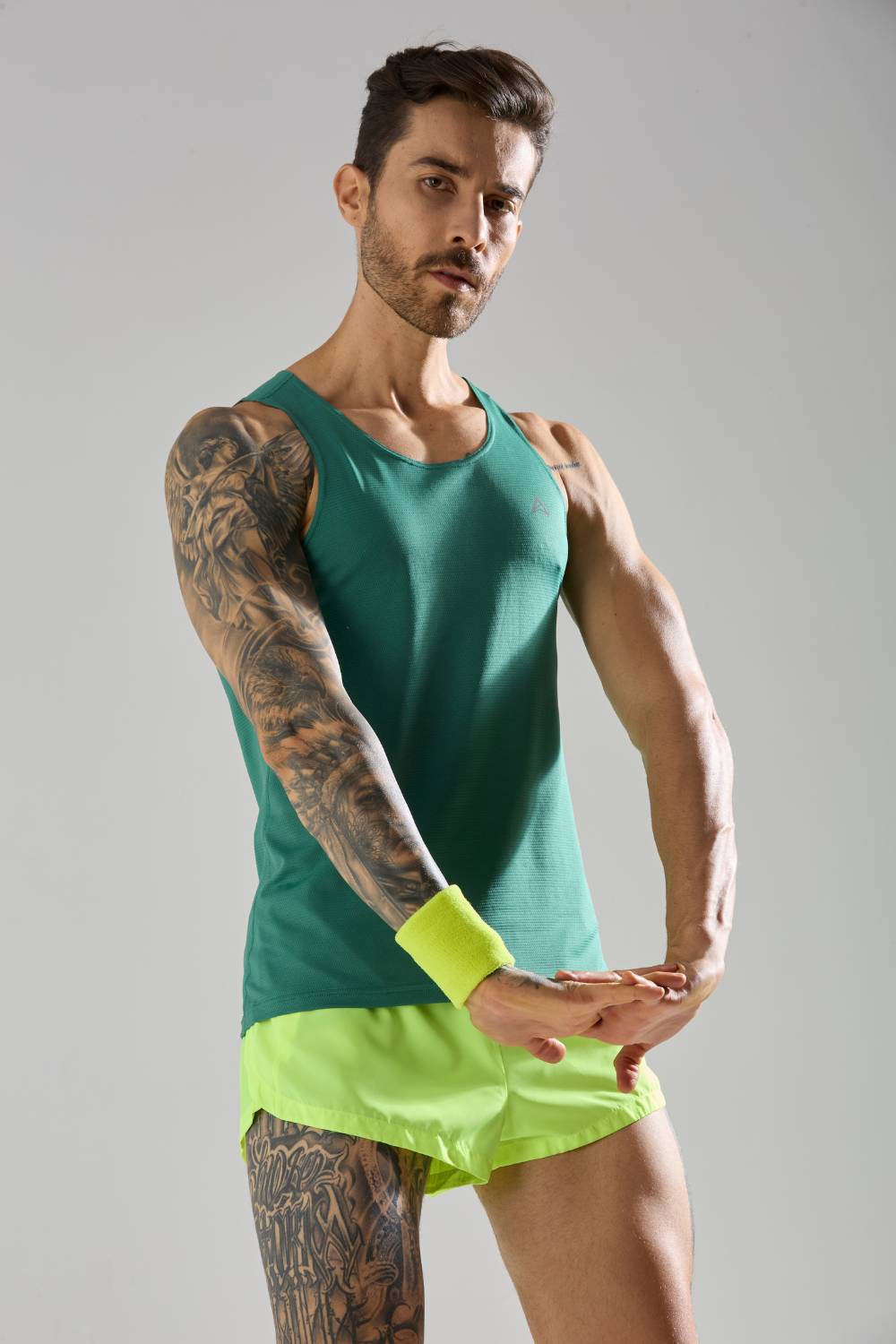
Selecting the right fabric can make a significant difference in how well the body handles heat during physical activity. Lightweight woven materials such as uncoated cotton, linen, nylon, and polyester allow sweat and heat to escape more effectively than heavier knits. These fabrics outperform traditional options by minimizing the feeling of being damp or sticky, which is crucial for athletes who sweat heavily during runs, lifts, or team sports.
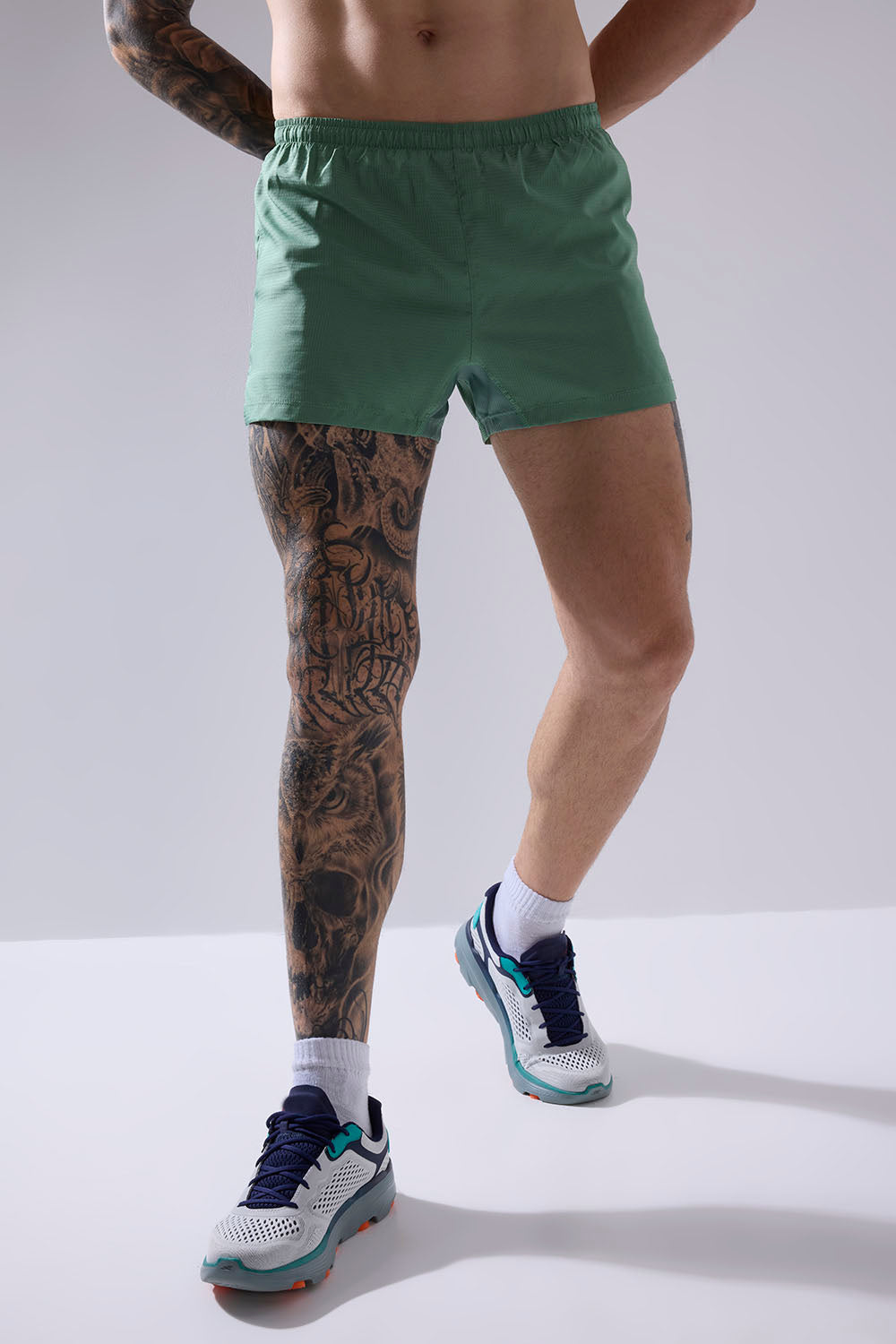
Merino wool stands out for its natural ability to wick moisture without trapping odor, while bamboo and other plant-based options provide a soft, airy feel that enhances flexibility and reduces fatigue. In practice, choosing breathable, lightweight layers prevents overheating, improves concentration, and supports longer sessions without compromising form. For instance, loose-fitting shirts or shorts made from these materials keep skin dry and cool, allowing better oxygen flow and less strain on the cardiovascular system.
Why Lightweight Fabrics Outperform Heavy Knits
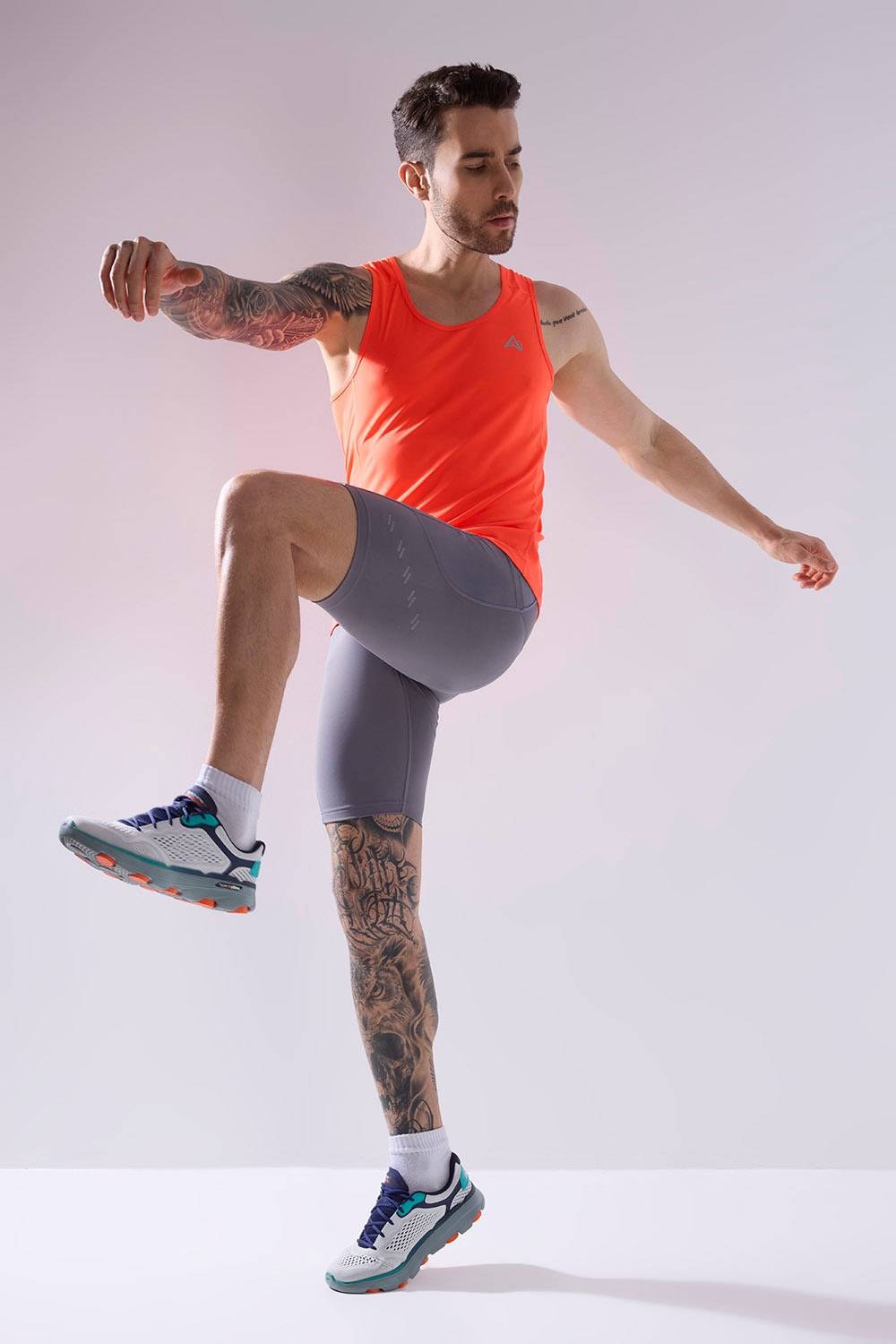
Heavy knits can create a restrictive feel that limits movement and traps heat and moisture. In contrast, lightweight fabrics offer a second-skin feel without the added weight, promoting full range of motion and quicker recovery. This difference is particularly noticeable in high-intensity activities where every second counts. Athletes who prioritize breathability often report fewer post-workout issues like chafing or overheating, making these materials a practical recommendation for anyone seeking optimal training conditions.
The preference for lightweight, natural alternatives reflects growing awareness of how fabric choices influence both immediate comfort and long-term well-being. While synthetic performance fabrics remain valuable for specific wicking needs, the broader shift toward lightweight constructions helps maintain core temperature stability and focus during workouts.
Improved Comfort and Reduced Fatigue
Loose cotton or modal shirts and shorts offer a comfortable, non-restrictive fit that allows full range of motion. This design prevents the irritation or chafing that can arise from tight synthetic materials during extended activity. Athletes appreciate how these fabrics promote better oxygenation and sweat evaporation, leading to less fatigue and sustained energy levels.
By supporting quicker recovery and reducing muscle strain, lightweight options help maintain consistent performance across multiple training cycles. For runners and activewear enthusiasts, this means better focus, fewer interruptions, and a more enjoyable experience overall.
Lightweight Fabrics for Daily Training and Running
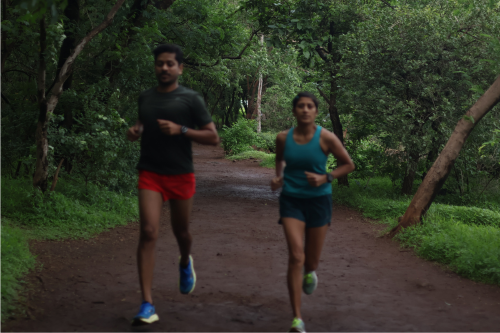
In urban settings where runners navigate crowded streets or head out early for sunrise sessions, lightweight fabrics provide an edge. They help regulate body temperature effectively, allowing runners to maintain pace without overheating. The breathable nature also reduces the risk of dehydration-related cramps, encouraging more frequent and longer runs.
Whether it's a morning jog in humid conditions or a midday session, these materials keep the athlete dry and comfortable. This practicality translates to better adherence to training routines and improved results over time.
Choosing the Right Lightweight Fabrics for Performance
Focus on fabrics with excellent moisture-wicking and ventilation properties. Natural or cellulosic materials like organic cotton, linen, and lyocell provide an open weave that allows air circulation, keeping skin drier and cooler while minimizing potential irritants. Loose, breathable styles limit occlusion and friction, supporting skin health and performance.
Experts recommend washing new garments before first use to remove any residues. For those concerned about synthetic alternatives, lighter options often deliver comparable performance with added comfort. This balanced approach helps athletes achieve their goals while prioritizing well-being.
Practical Tips for Maximizing Performance with Lightweight Fabrics
Start by assessing your workout style and choosing pieces that support your specific needs whether it's wicking for intense sessions or breathability for general fitness. Layering lightweight base garments with breathable outer shells can further enhance temperature regulation. Always ensure a good fit that allows full movement without restriction.
After workouts, change out of synthetic gear promptly to minimize any potential residue buildup. Pairing lightweight fabrics with proper hydration and recovery practices creates a comprehensive strategy for peak performance. Athletes who adopt these habits often notice improvements in endurance, recovery speed, and overall satisfaction with their training.
Lightweight fabrics represent a thoughtful investment in athletic performance. By focusing on breathability, comfort, and moisture management, they enable runners and fitness enthusiasts to train smarter, recover faster, and maintain consistency in their routines. As urban athletes in cities across India continue to push boundaries, choosing the right materials becomes an essential part of building sustainable, high-performance habits.
Concerns about chemical exposure in synthetic athletic wear have led many to explore alternatives, with lightweight breathable fabrics emerging as a preferred choice for better comfort and reduced potential irritants. Petroleum-based options like polyester and spandex, while durable and stretchy, can contain residues from manufacturing that may interact with skin, particularly in tight fits during high-movement activities. In contrast, natural or cellulosic materials such as organic cotton, linen, and lyocell provide a more open weave that allows air circulation, keeping skin drier and cooler while minimizing the chance of trapping moisture or releasing dyes that could cause irritation. Experts recommend washing new garments before first use and opting for looser, breathable styles to limit dermal absorption of any residues, including phthalates or antimony, which are more common in synthetics.
Selecting the right fabric can make a significant difference in how well the body handles heat during physical activity, especially in warmer conditions. Lightweight woven materials such as uncoated cotton, linen, nylon, and polyester allow sweat and heat to escape more effectively than heavier knits, promoting natural cooling through evaporation. These fabrics outperform traditional options by minimizing the feeling of being damp or sticky, which is crucial for athletes who sweat heavily during runs, lifts, or team sports. Merino wool stands out for its natural ability to wick moisture without trapping odor, while bamboo and other plant-based options provide a soft, airy feel that enhances flexibility and reduces fatigue. In practice, choosing breathable, lightweight layers prevents overheating, improves concentration, and supports longer sessions without compromising form.
Choose Fabrics That Perform
For instance, loose-fitting shirts or shorts made from these materials keep skin dry and cool, allowing better oxygen flow and less strain on the cardiovascular system. The science behind this involves the fabric's porosity, which facilitates moisture vapor transmission and heat dissipation, leading to faster recovery between workouts. Athletes and trainers increasingly prioritize such choices because they translate to better endurance, reduced risk of cramps from dehydration, and a more comfortable experience that encourages consistent training. Beyond immediate performance, these fabrics contribute to overall health by supporting the body's thermoregulation, making them a smart investment for anyone serious about athletic development or daily physical activity. As awareness grows, the focus on lightweight, moisture-manageable materials becomes a practical way to optimize performance and well-being in every season and environment.
Frequently Asked Questions
What are the benefits of lightweight fabrics for athletic performance?
Lightweight fabrics help athletes stay cool by improving breathability and allowing sweat to evaporate more efficiently. This reduces overheating and supports better temperature regulation during intense workouts. As a result, athletes often experience improved endurance, less fatigue, and faster recovery between sessions. These materials also enhance comfort by reducing weight and restricting movement less than heavy knits.
Which fabrics are best for breathable and moisture-wicking sportswear?
Some of the best breathable fabrics for sportswear include cotton, linen, nylon, polyester, merino wool, bamboo, and lyocell. These materials are designed to allow airflow and wick moisture away from the skin, keeping the body dry during exercise. Merino wool is especially effective for odor control, while synthetics like polyester excel in fast-drying performance. Choosing the right fabric depends on workout intensity and personal comfort preferences.
How do lightweight fabrics compare to heavy knits for workout clothing?
Lightweight fabrics outperform heavy knits by offering better ventilation, moisture management, and freedom of movement. Heavy knits tend to trap heat and sweat, which can lead to discomfort, chafing, and reduced performance. In contrast, lightweight materials help maintain stable body temperature and reduce strain during exercise. This makes them a preferred choice for running, training, and other high-intensity activities.
Disclaimer: The above helpful resources content contains personal opinions and experiences. The information provided is for general knowledge and does not constitute professional advice.
You may also be interested in: The Role of Lightweight Activewear in Improving Running Times
Tired of gear that slows you down? Chafing, soggy fabrics, and missing pockets kill your run's momentum. At Aguante, we're runners who get it. Our high-performance activewear features moisture-wicking fabrics, ergonomic designs, and smart storage to keep you focused. Shop Now!
Powered by flareAI.co