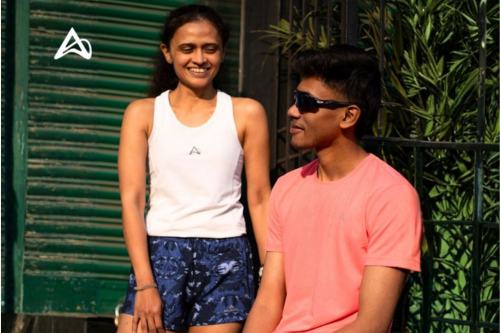
Long distance running demands more than just willpower. The clothing you choose can make or break your session, especially when urban heat, humidity, and the relentless pace of city training take their toll. From Bangalore's sticky mornings to Hyderabad's midday sun and Mumbai's coastal humidity, runners across India face unique challenges that standard gear often fails to address. The right apparel helps maintain performance, prevents common issues like chafing and overheating, and keeps you focused on the finish line.
Tired of gear that slows you down? Chafing, soggy fabrics, and missing pockets kill your run's momentum. At Aguante, we're runners who get it. Our high-performance activewear features moisture-wicking fabrics, ergonomic designs, and smart storage to keep you focused. Shop Now!
Understanding Your Body's Heat in Long Runs
Your muscles generate substantial internal heat the moment you begin moving. A practical rule of thumb is to dress as if the temperature feels 15 to 20 degrees warmer than the actual air temperature outside. This simple adjustment accounts for the fact that runners quickly warm up once they start. The sweet spot for comfortable long-distance running often falls between 45 and 59 degrees Fahrenheit, where well-trained athletes perform at their peak according to extensive race data analysis. In warmer conditions, prioritizing lightweight, quick-drying fabrics becomes essential to prevent sticky discomfort and chafing over hours of activity.
Choosing the Right Fabrics for Moisture Management
Modern running apparel focuses on fabrics that actively move sweat away from the skin. Recycled polyester blends with ripstop construction offer excellent breathability while resisting odor and maintaining shape through repeated washes. Look for durable water-repellent finishes that add a protective layer without trapping moisture. These materials allow air to circulate freely, reducing the risk of overheating during extended efforts in humid Indian cities. Layering strategies work best start with a base piece that wicks moisture and add a sun shirt or light outer layer only when the sun peaks. This approach supports better thermoregulation and helps you maintain steady energy levels throughout your run.
Selecting Lightweight Running Shorts That Minimize Chafing
Featherweight shorts in high-performance fabrics stand out for long-distance efforts. Models with a 5-inch inseam for men and 3½-inch options for women provide coverage without excess weight. The fabric feels light yet durable, weighing just a few ounces per pair. Multiple pockets, including one secure zippered compartment, let you carry gels, a phone, or essentials without bulk. An internal liner minimizes odor while promoting rapid drying and reducing friction against the skin. These shorts have proven reliable in demanding conditions, allowing runners to cover miles without the gear becoming a liability.
Protecting Against Sun Exposure and Heat
UV rays from the Indian sun accelerate dehydration and fatigue, especially during midday training. Lightweight shirts with perforated mesh panels create an open-weave effect that promotes constant ventilation while shielding the skin. Sun shirts featuring hoods and UPF ratings offer critical protection from intense sunlight. Wide-brim hats and neck gaiters further guard the head and neck. Pair these with moisture-wicking socks in quarter length to help control foot temperature. For women, supportive sports bras provide additional stability and dryness throughout the run. The combination keeps you cool, protected, and focused, encouraging longer training sessions even when temperatures climb.
Accessories That Complete the Performance System
Don't overlook the small details that make a big difference. Electrolyte-focused powders help maintain hydration without added bulk, keeping energy steady. Sunglasses with proper fit block glare and protect your eyes during high-output runs. Compression elements in socks or underwear maintain position and promote circulation. These layers work together to support consistent stride and reduce fatigue over the long haul. Testing shows that such thoughtful choices outperform basic options by reducing chafing, managing sweat effectively, and allowing you to remain composed when conditions turn challenging.
Building a Versatile Running Wardrobe for Year-round Training
Adaptability matters in India's diverse climate. A modular approach lets you adjust to shifting conditions without starting over each day. Base layers for cooler mornings, quick-dry tops for daytime heat, and protective sun gear for midday runs give you flexibility. Consider pieces with ripstop construction for longevity and moisture-wicking synthetics for comfort. This system supports consistent training year-round, whether you're logging easy miles before dawn in Delhi or pushing through evening runs in Pune. The result is better endurance efficiency and fewer setbacks from poor gear choices.
Practical Tips for Long Runs in Urban Settings
City running brings its own variables. Warm asphalt surfaces radiate heat, so prioritize open-weave fabrics and strategic ventilation. Fuel stops need easy access, which is why shorts with multiple pockets shine here. Pre-run routines that include light stretching and hydration checks help prevent common issues. Listen to your body if discomfort arises, adjust layers immediately rather than pushing through. These small adjustments compound into bigger gains in performance and enjoyment.
Long distance running in hot weather demands specialized apparel that prioritizes rapid moisture management, UV protection, and minimal weight to keep athletes safe and focused during extended efforts. Featherweight shorts in recycled polyester with ripstop construction and durable water-repellent finishes offer superior airflow while resisting chafing and odor, allowing runners to cover miles without the gear becoming a liability. These pieces often include multiple pockets for gels or essentials, ensuring quick access during fuel stops. Lightweight shirts, particularly those with perforated mesh panels, create an open-weave effect that promotes constant ventilation and prevents the fabric from sticking to sweaty skin. Sun shirts with hoods and UPF ratings add critical protection from intense sunlight, which can accelerate dehydration and fatigue over hours of exposure. Neck gaiters and wide-brim hats further shield the neck and head from UV rays, while moisture-wicking socks in quarter length help control foot temperature in warm conditions.
Sports bras designed for women or compression options for men provide additional support and dryness, maintaining fit through the entire race. Electrolyte-focused products paired with the clothing system promote hydration without bulk, keeping energy levels steady. The lightweight nature of these choices ensures no added drag on the body, preserving the natural stride that defines successful long runs. Testing over hundreds of miles confirms that such gear outperforms standard options in extreme heat by reducing chafing, managing sweat effectively, and allowing runners to remain cool and composed. For trail or road events alike, this combination supports consistent training even during peak summer months, when temperatures climb and humidity rises. Ultimately, investing in hot-weather-specific clothing transforms potential challenges into opportunities for confident performance, encouraging more mileage and better race results without the constant battle against the elements.
Long distance running thrives in a wide range of conditions, but the right clothing choices directly influence how your body responds to heat, cold, wind, or rain, helping you maintain pace and avoid unnecessary fatigue. A proven approach is to dress as if the temperature is 15 to 20 degrees warmer than the actual air temperature, since your muscles generate substantial internal heat as soon as you begin moving. The sweet spot for long runs and races falls between 45 and 59 degrees Fahrenheit, where well-trained athletes perform at their peak according to extensive race data analysis.
In warm weather, prioritize lightweight, quick-drying shorts and tanks made from moisture-wicking synthetics that pull sweat away from the skin to prevent sticky discomfort and chafing. Adding a sun shirt or light layer provides UV protection and extra coverage without adding bulk, which becomes critical as the day progresses. When temperatures drop, opt for base layers in merino wool or synthetic blends that insulate while still allowing breathability, paired with tights or leggings that wick moisture to handle sweat in cooler but still active conditions.
Reach Your Goals
The right running clothing transforms potential challenges into confident performance. By focusing on lightweight, moisture-wicking, and UV-protective options, you can train more consistently and reach your goals with less fatigue. Whether you're a recreational runner enjoying sunrise sessions or a dedicated athlete tackling long-distance challenges, investing in thoughtful apparel pays dividends in comfort, safety, and results. Take time to evaluate your current gear against these principles, and you'll soon experience the difference it makes on every run.
Frequently Asked Questions
What should I wear for long distance running in hot weather?
For long distance running in hot weather, choose lightweight, moisture-wicking clothing that helps regulate body temperature and prevents overheating. Fabrics like quick-dry polyester with mesh panels improve ventilation and reduce sweat buildup. It is also recommended to dress as if the temperature is 15–20 degrees warmer than it actually is and to use sun-protective gear like caps or UPF shirts for added protection.
How do moisture-wicking fabrics help prevent chafing and overheating during long runs?
Moisture-wicking fabrics are designed to pull sweat away from the skin, keeping you dry and reducing friction that causes chafing. Materials like recycled polyester blends improve breathability and allow air circulation, which helps regulate body heat during long runs. They also dry quickly, reducing discomfort and odor buildup over extended training sessions.
How should I layer clothing for long distance running in different weather conditions?
Layering for long distance running should start with a moisture-wicking base layer that keeps sweat off the skin. Depending on the weather, you can add lightweight outer layers like sun shirts, windbreakers, or insulating layers for colder conditions. This flexible approach helps maintain comfort and performance by allowing you to adjust to changing temperatures during your run.
Disclaimer: The above helpful resources content contains personal opinions and experiences. The information provided is for general knowledge and does not constitute professional advice.
You may also be interested in: A Guide to the Best Running Shorts for Long-distance Athletes
Tired of gear that slows you down? Chafing, soggy fabrics, and missing pockets kill your run's momentum. At Aguante, we're runners who get it. Our high-performance activewear features moisture-wicking fabrics, ergonomic designs, and smart storage to keep you focused. Shop Now!
Powered by flareAI.co