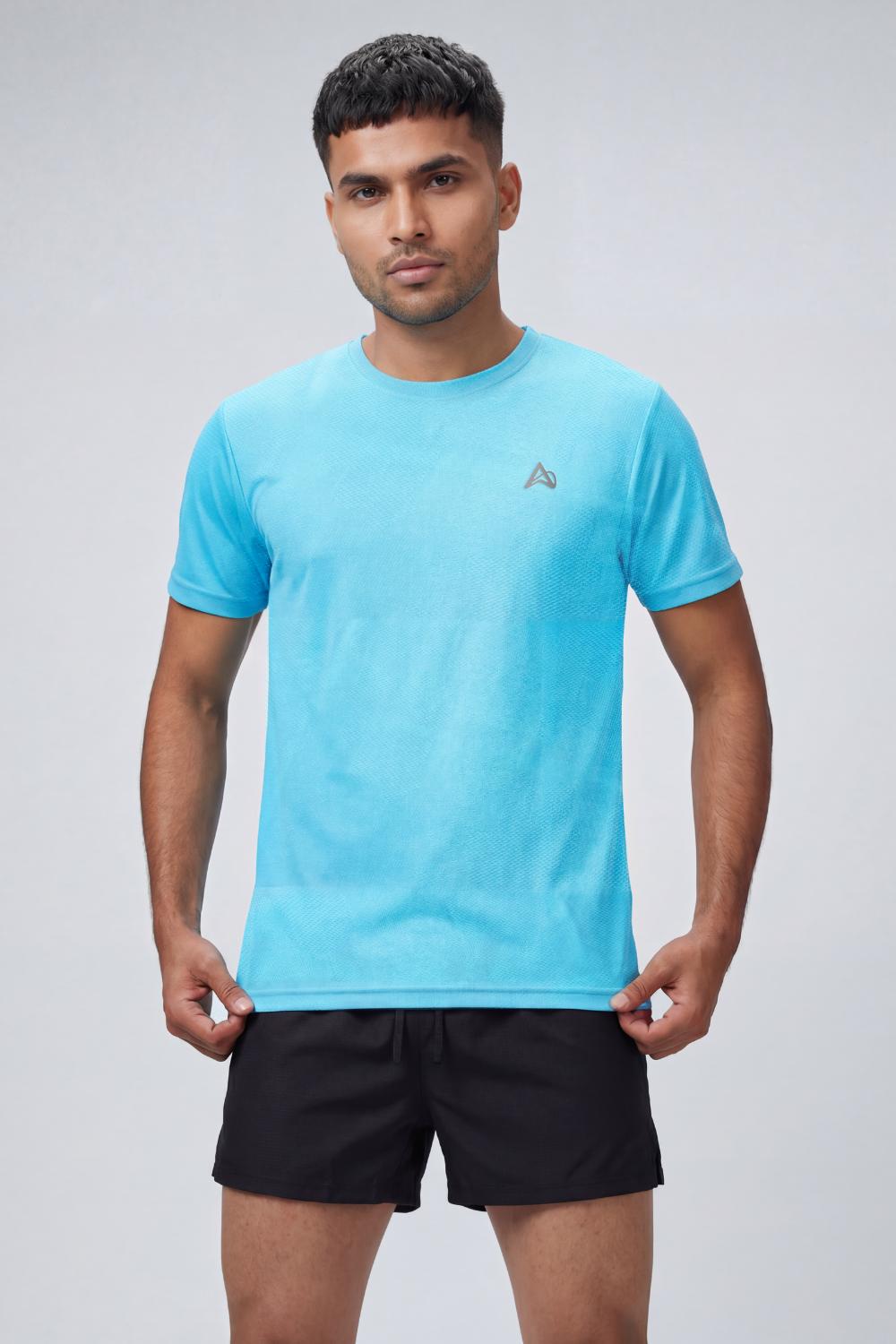
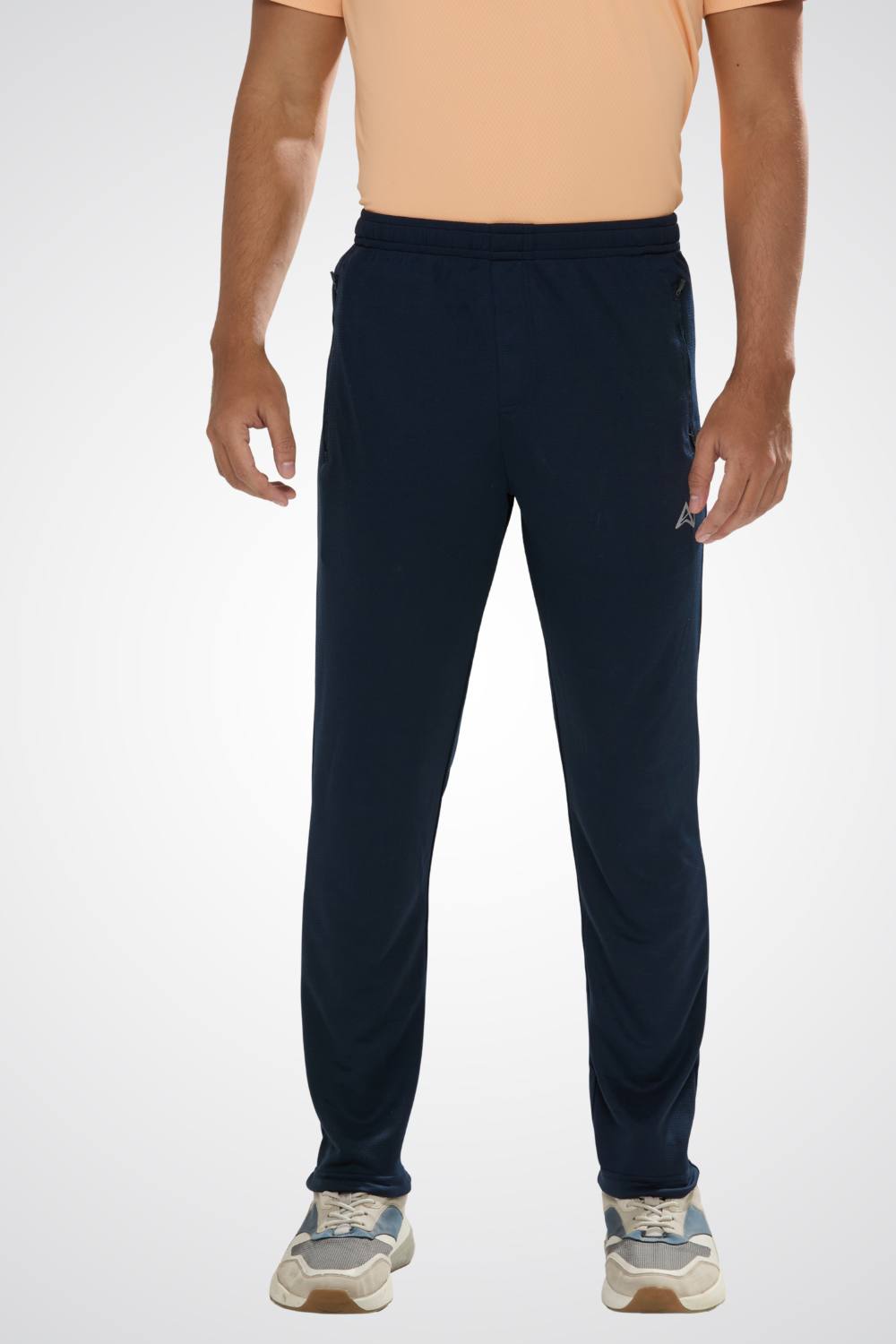
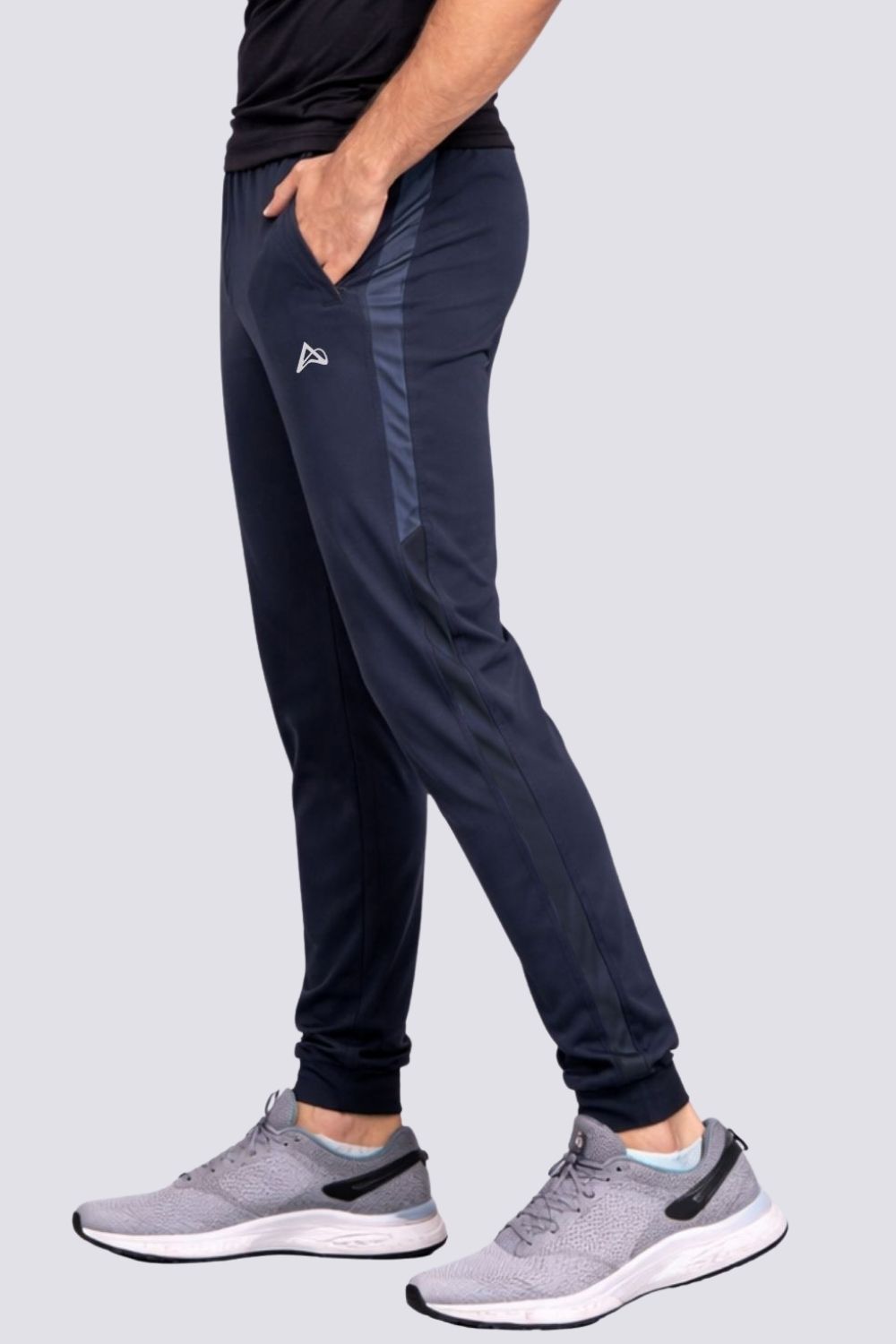
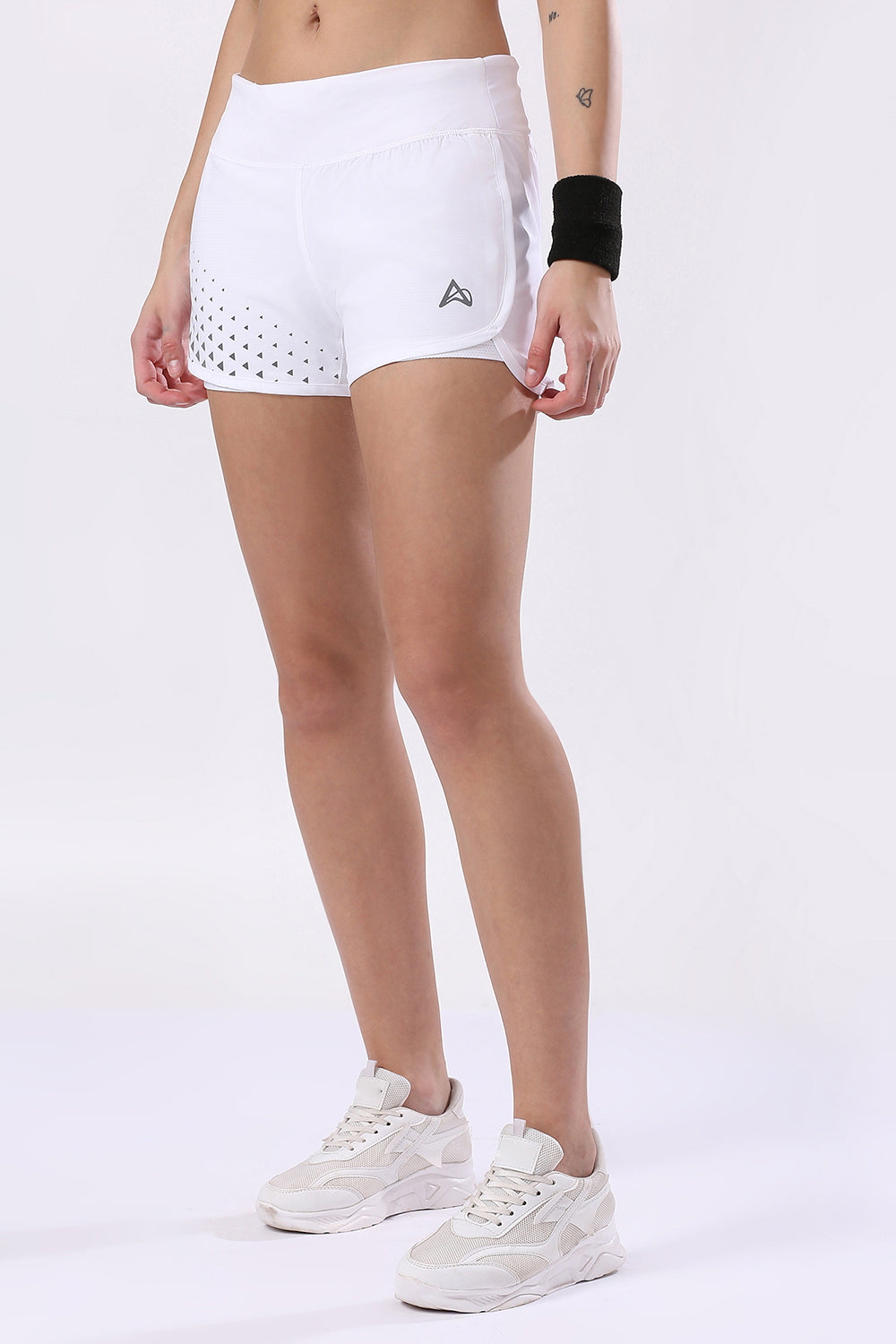



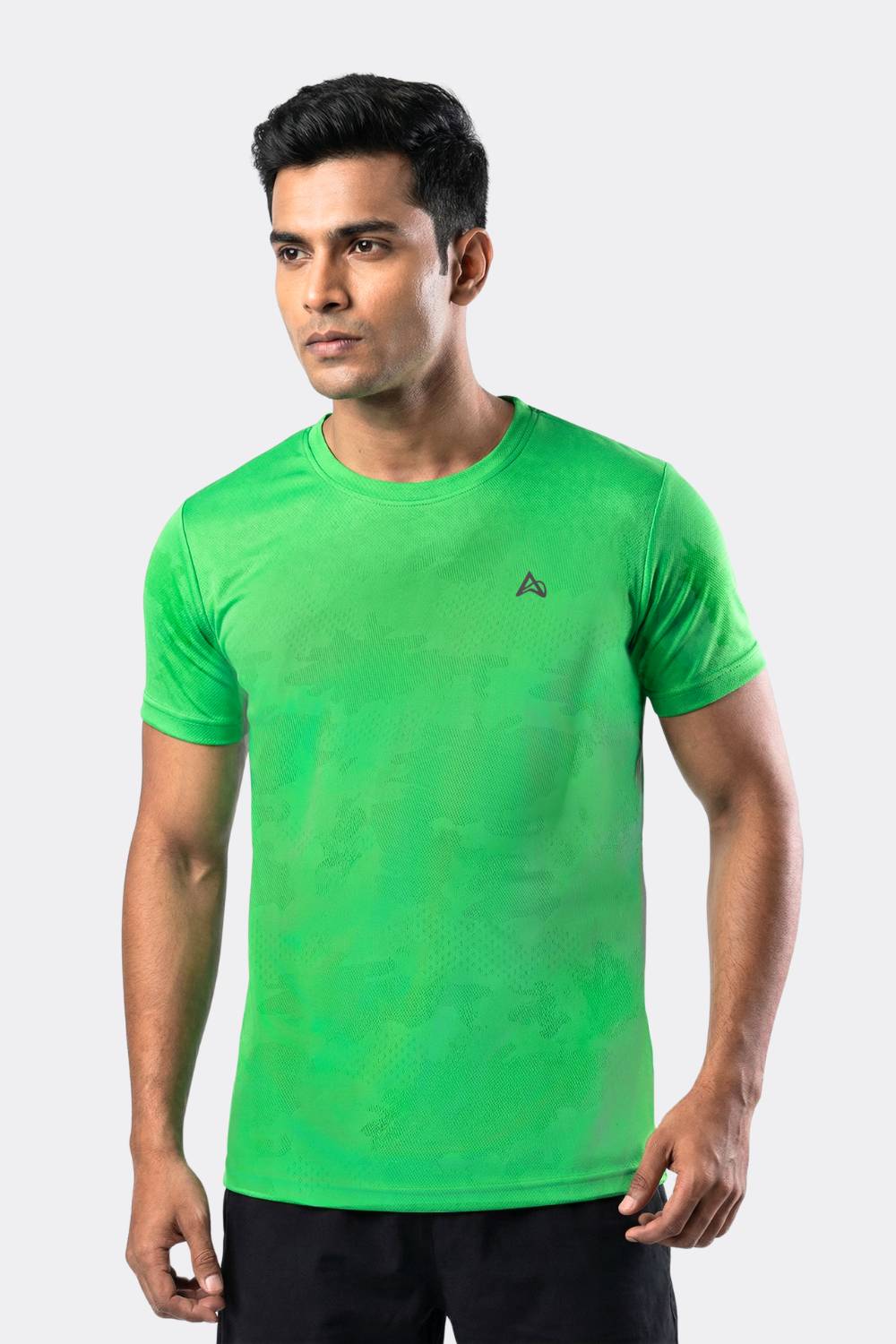
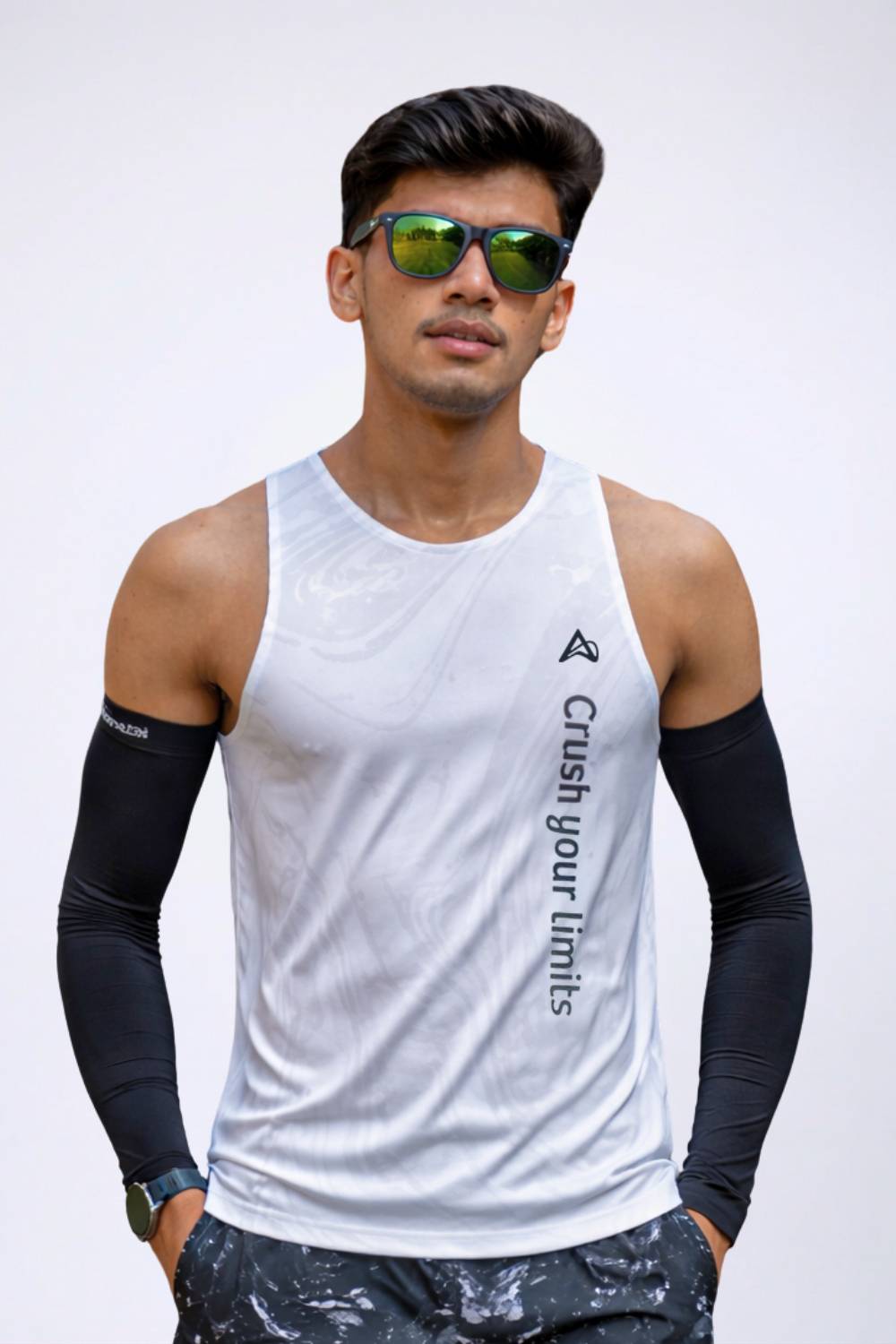

Running has always been more than just putting one foot in front of the other. What began as a simple means of transportation or escape has grown into a full lifestyle for millions of people in busy urban centers. Early runners relied on basic cotton shirts and shorts that quickly turned heavy and uncomfortable during long sessions. Over the decades, that raw simplicity has given way to thoughtful engineering that puts comfort, durability, and personal expression at the center of every stride.
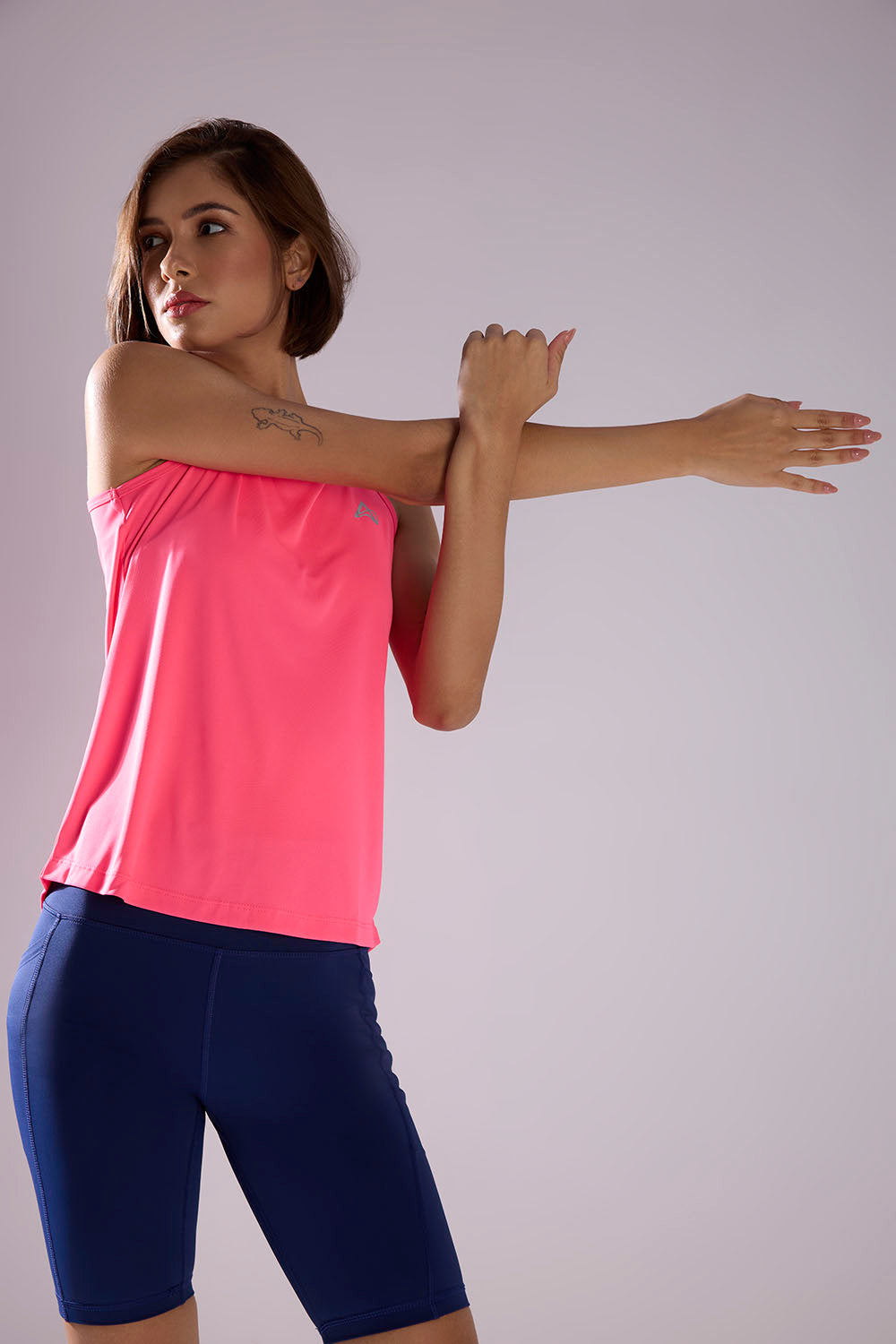
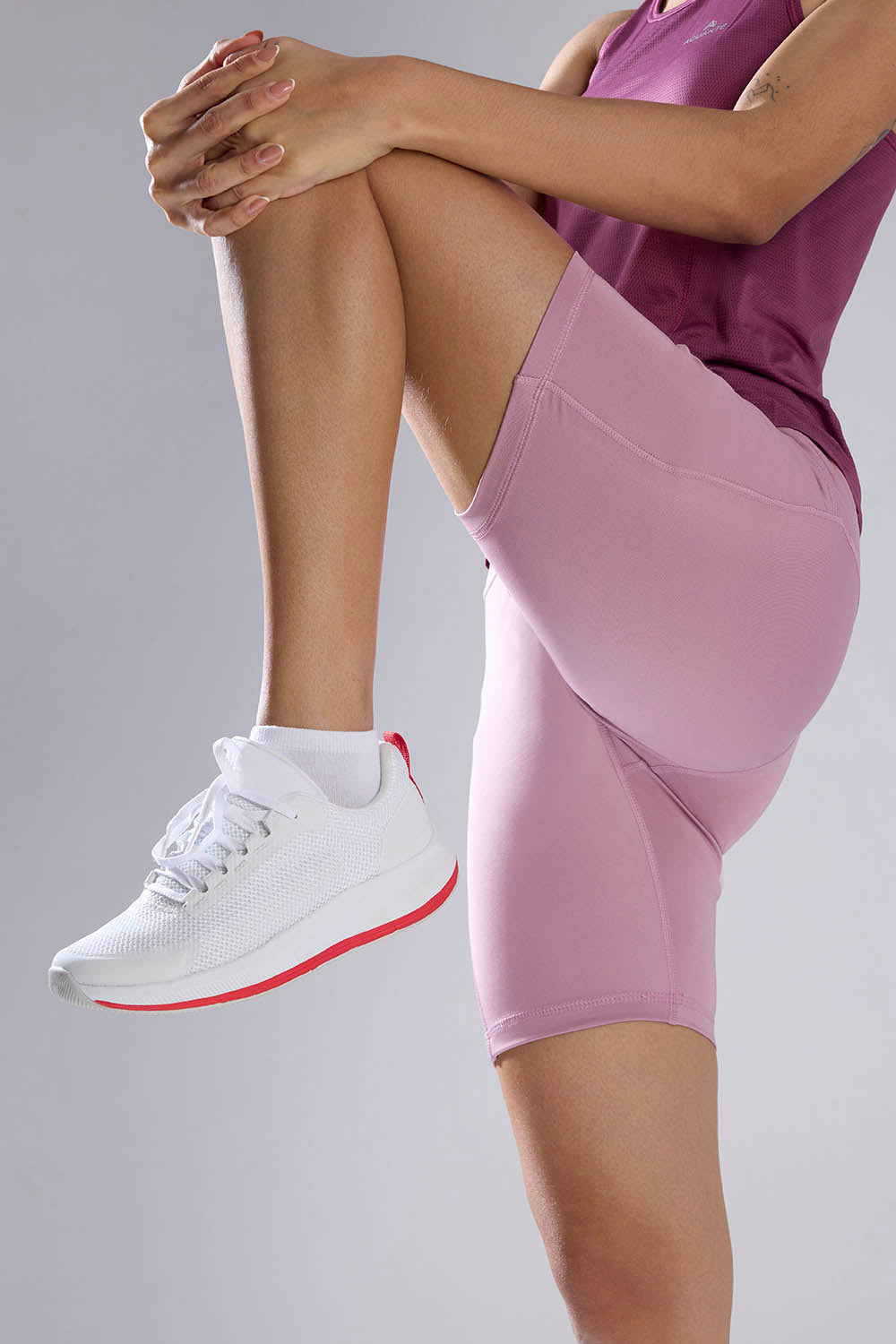
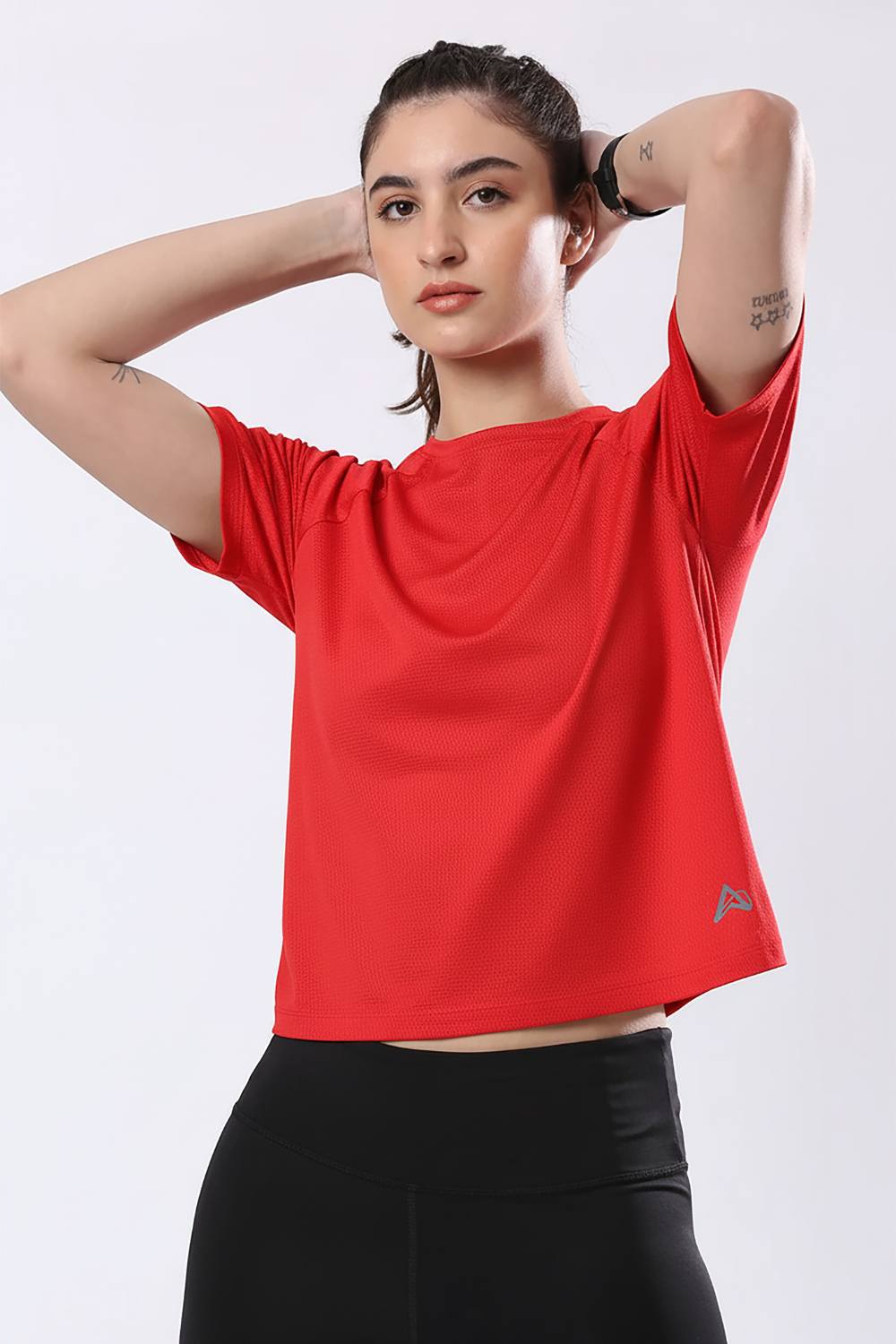
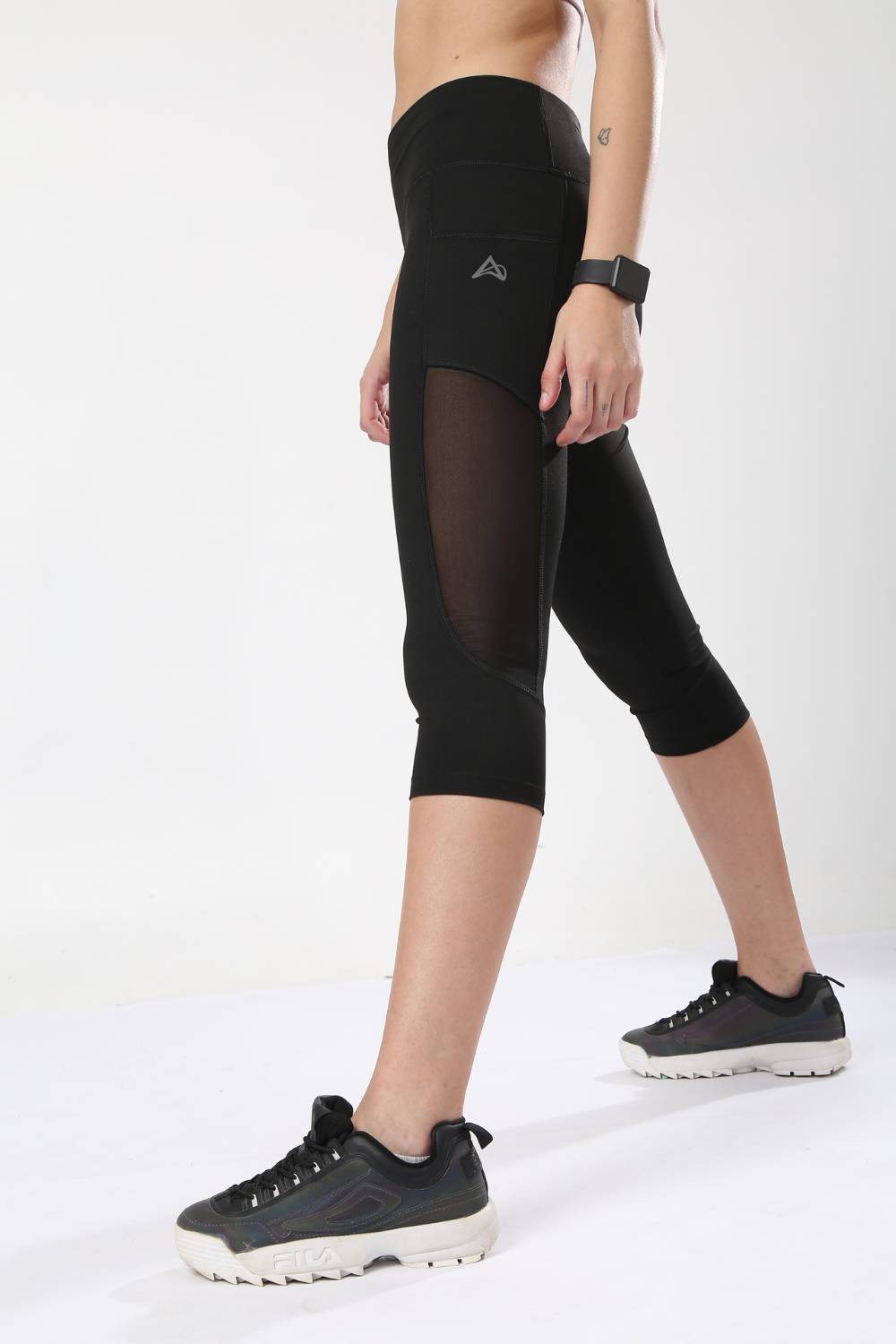
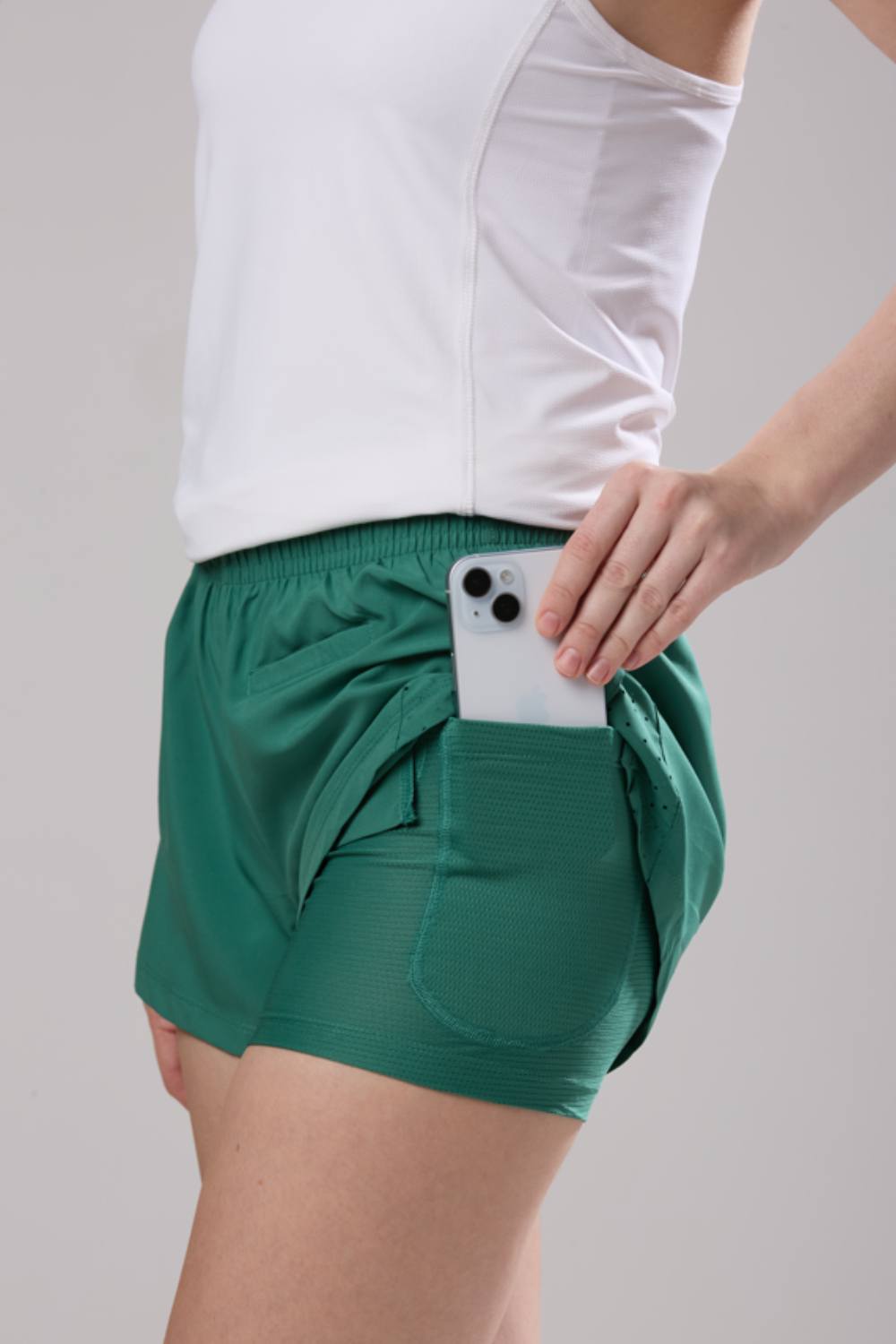
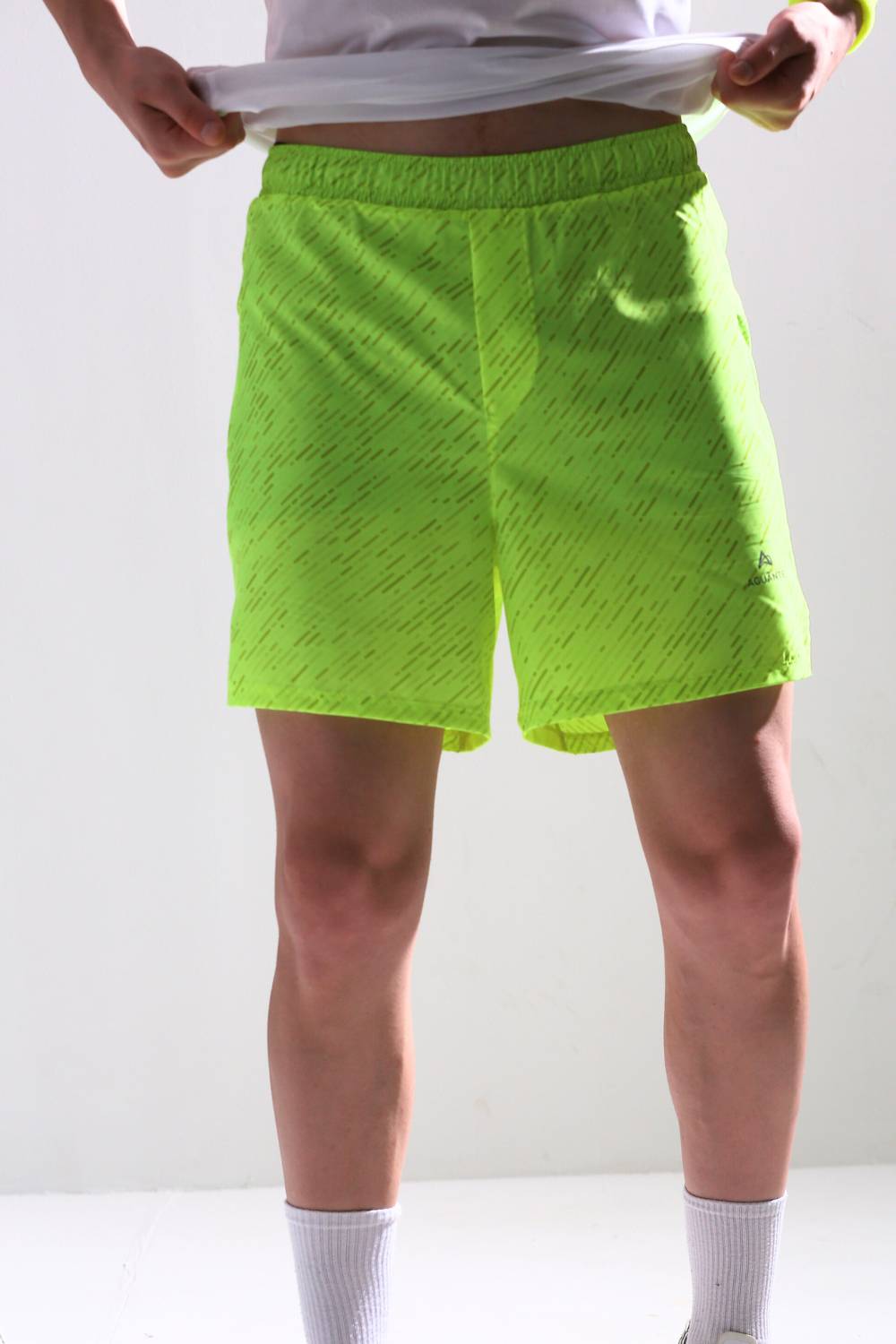
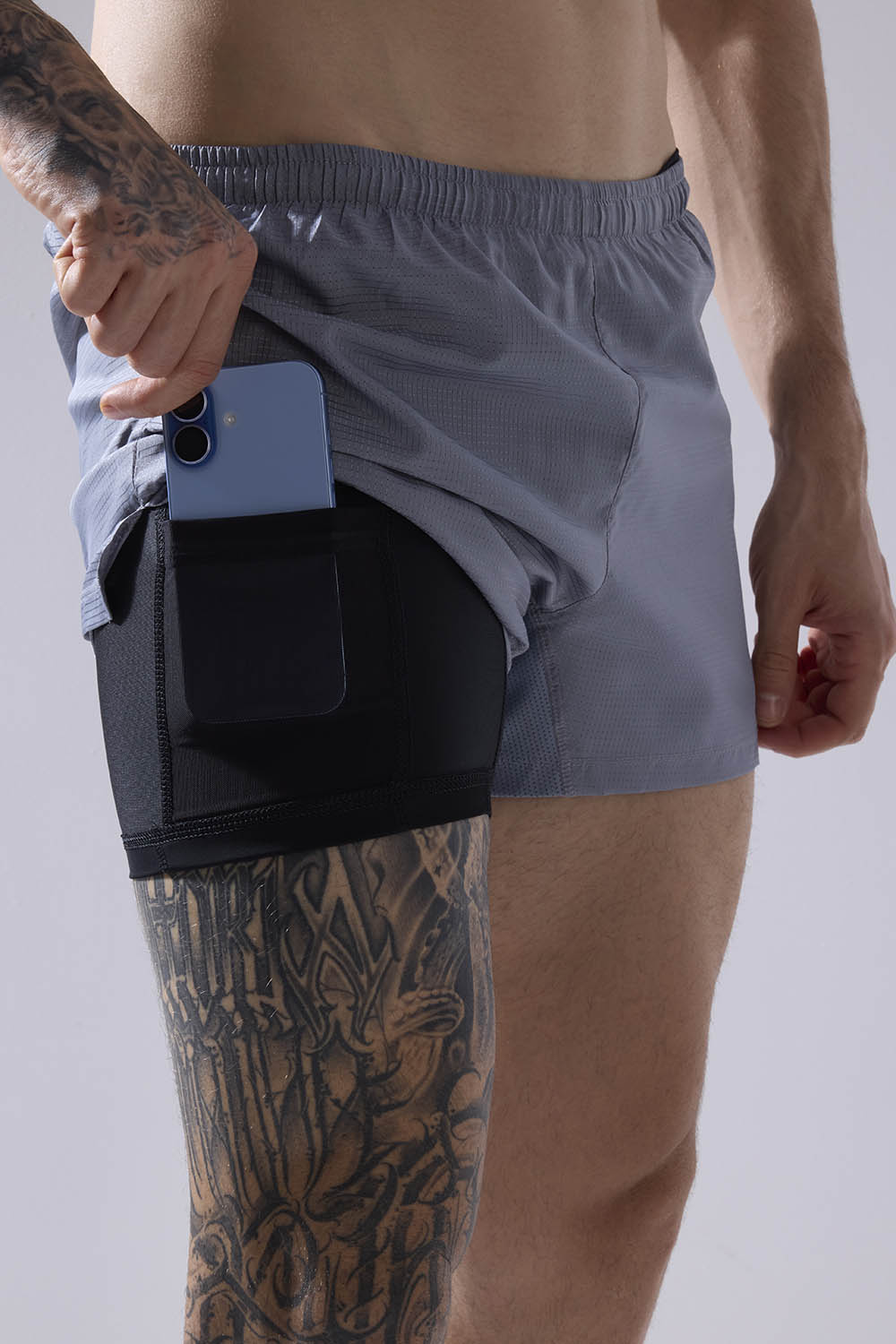
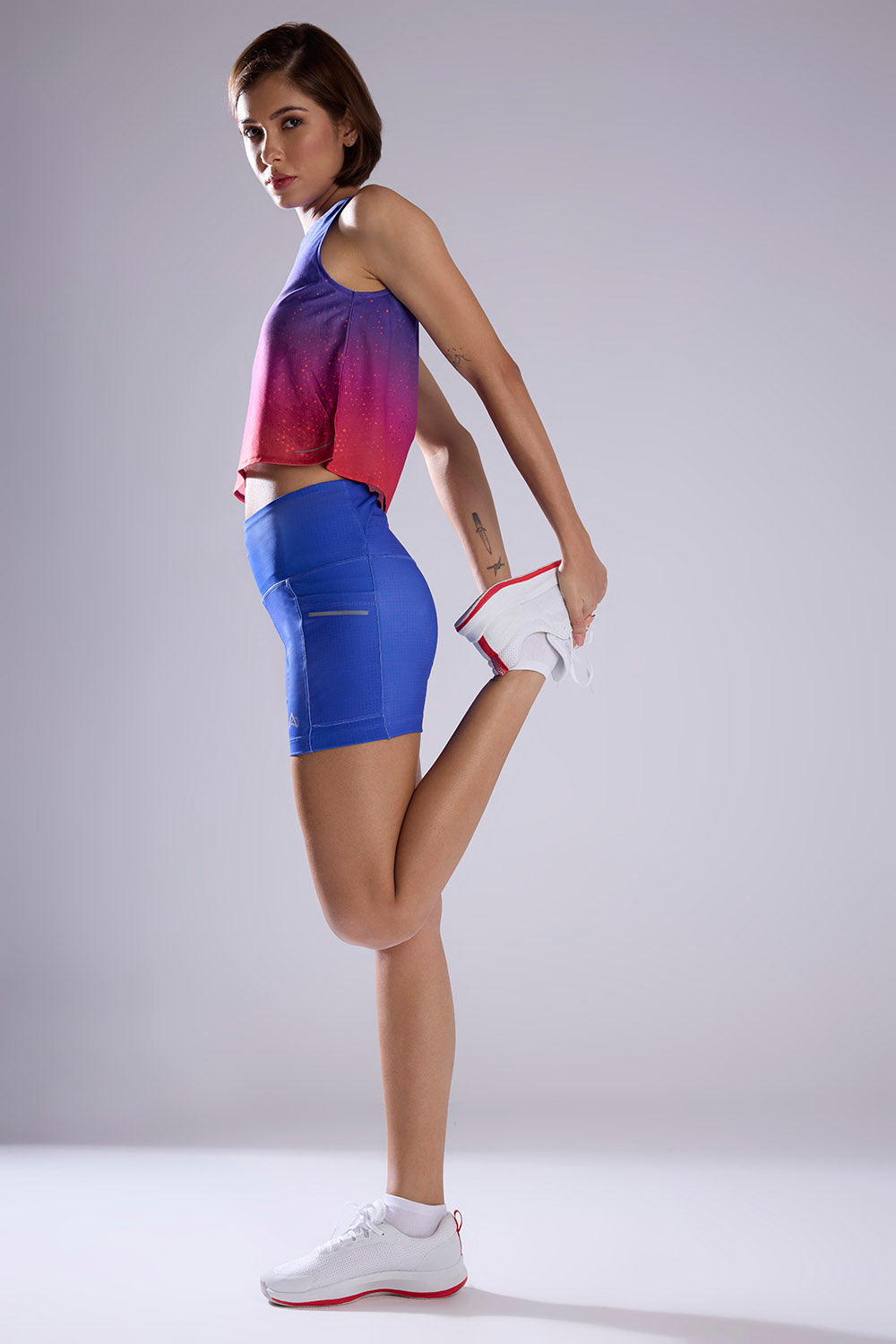
Tired of gear that slows you down? Chafing, soggy fabrics, and missing pockets kill your run's momentum. At Aguante, we're runners who get it. Our high-performance activewear features moisture-wicking fabrics, ergonomic designs, and smart storage to keep you focused. Shop Now!
Early Years: Simple, Practical Clothing for a Growing Hobby
In the late 19th and early 20th centuries, running remained an amateur pursuit for college athletes and military units. Gear was minimal by design. Shirts were typically made from lightweight wool or cotton that could absorb sweat, while shorts featured long legs for protection against weather and road hazards. These pieces worked well enough for the distances and speeds of the era, but they offered little in the way of stretch or breathability. Runners accepted the limitations because the activity itself demanded focus on pace and endurance.
By the 1920s, the first organized road races began appearing in major cities. The clothing of choice stayed utilitarian, with manufacturers emphasizing durability over style. The focus stayed on keeping the body cool enough to finish the distance rather than on how the outfit looked while doing it. This practical mindset laid the groundwork for everything that followed, yet it also created a clear opening for the next leap in technology.
The Sports Revolution: Nylon, Spandex, and the Birth of Performance Fabrics
The 1970s marked a turning point. The Olympic Games in Munich and the growing popularity of marathons introduced new demands for gear that could move with the athlete. Manufacturers responded by introducing nylon and polyester blends that were lighter, faster-drying, and more resistant to wear. Spandex, developed in the 1950s but refined for sportswear, allowed shorts and tights to stretch without bunching or riding up during high-intensity efforts.
These early synthetic fabrics represented a genuine step forward. They reduced chafing, improved airflow, and gave runners the freedom to move without the drag of traditional cotton. The shift was not dramatic at first, but it signaled the start of a broader conversation about what running clothing could become. Brands began experimenting with seam placement and fabric placement to target specific body zones, setting the stage for the next era.
Modern Innovations: Moisture-wicking and Lightweight Running Clothes
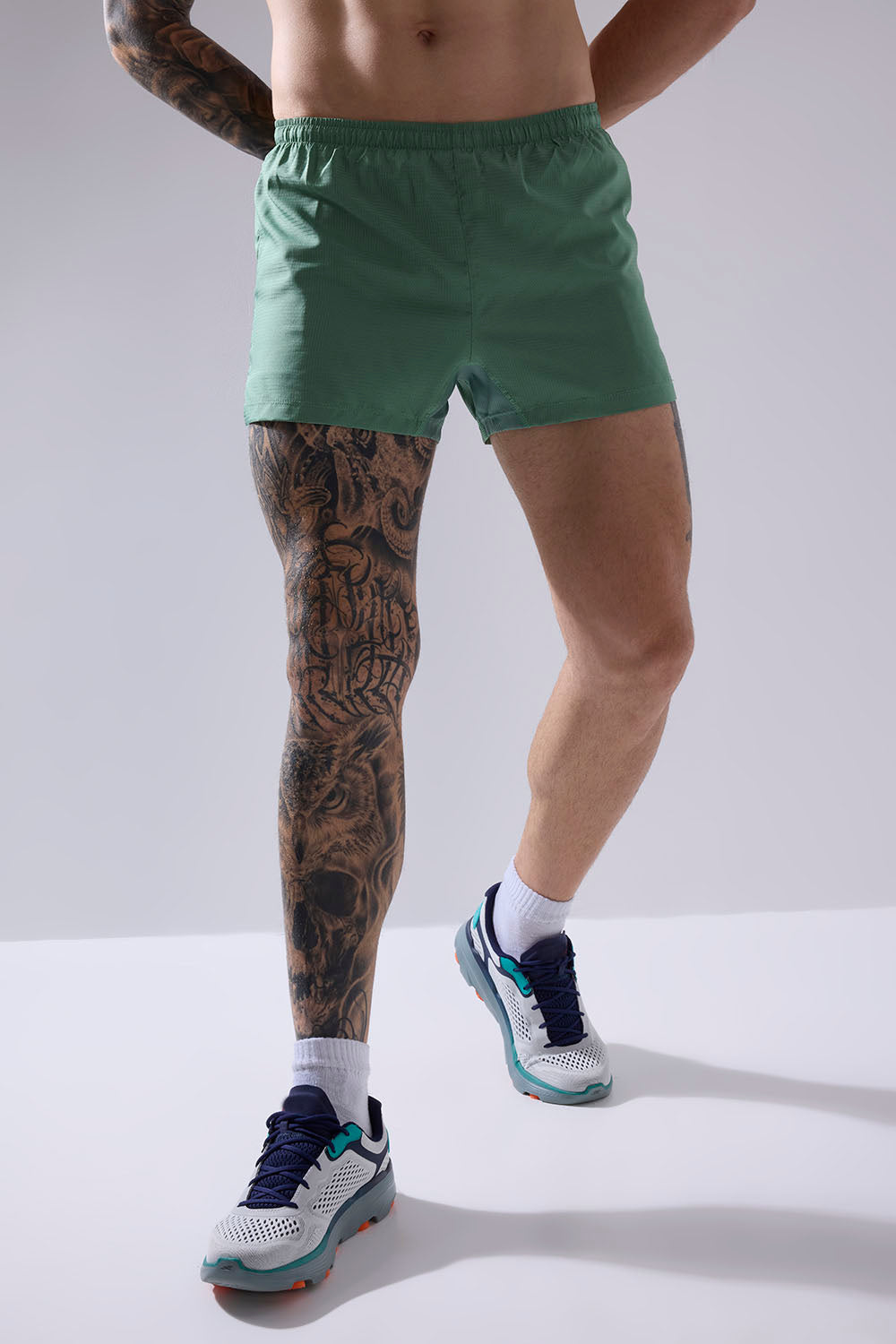
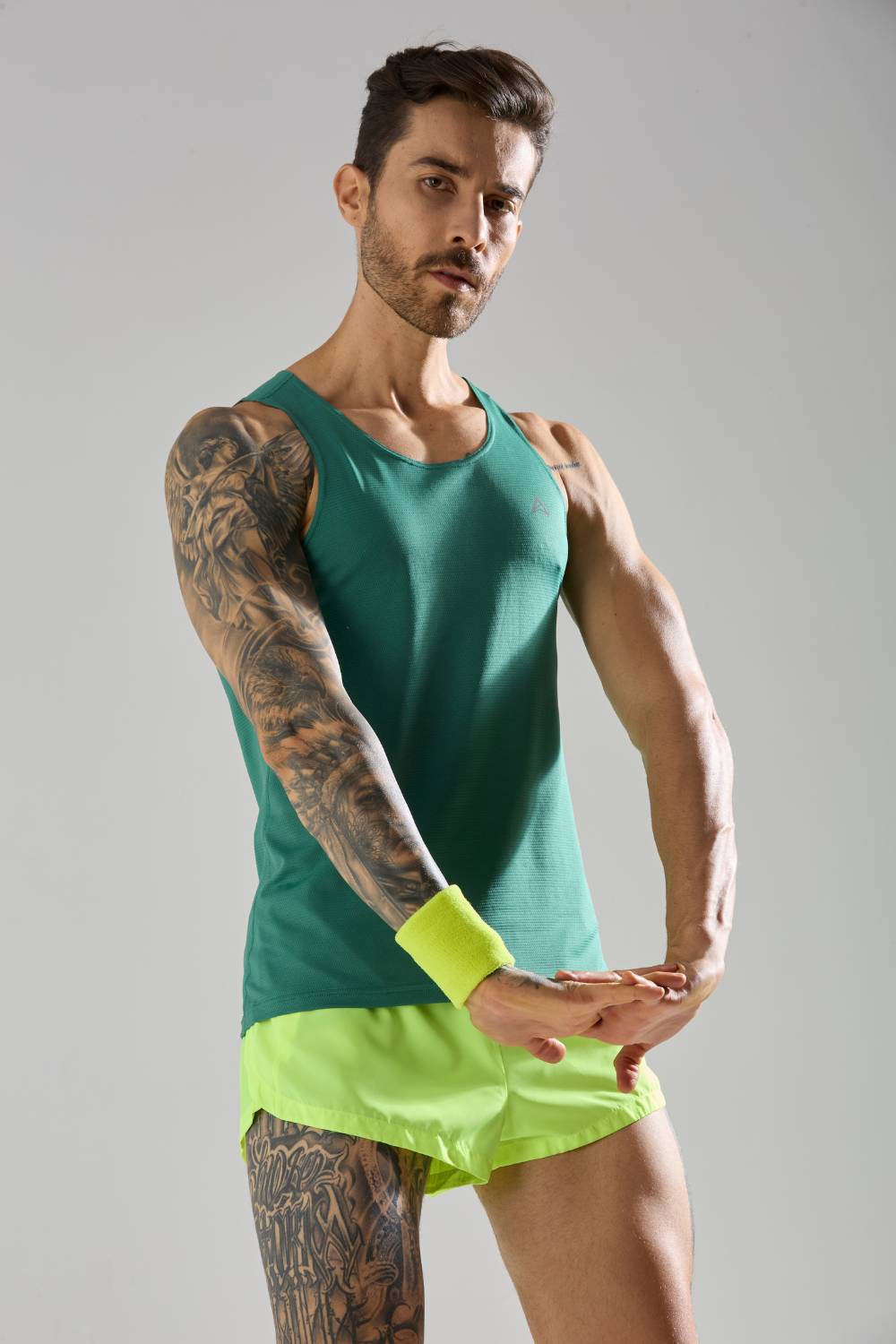
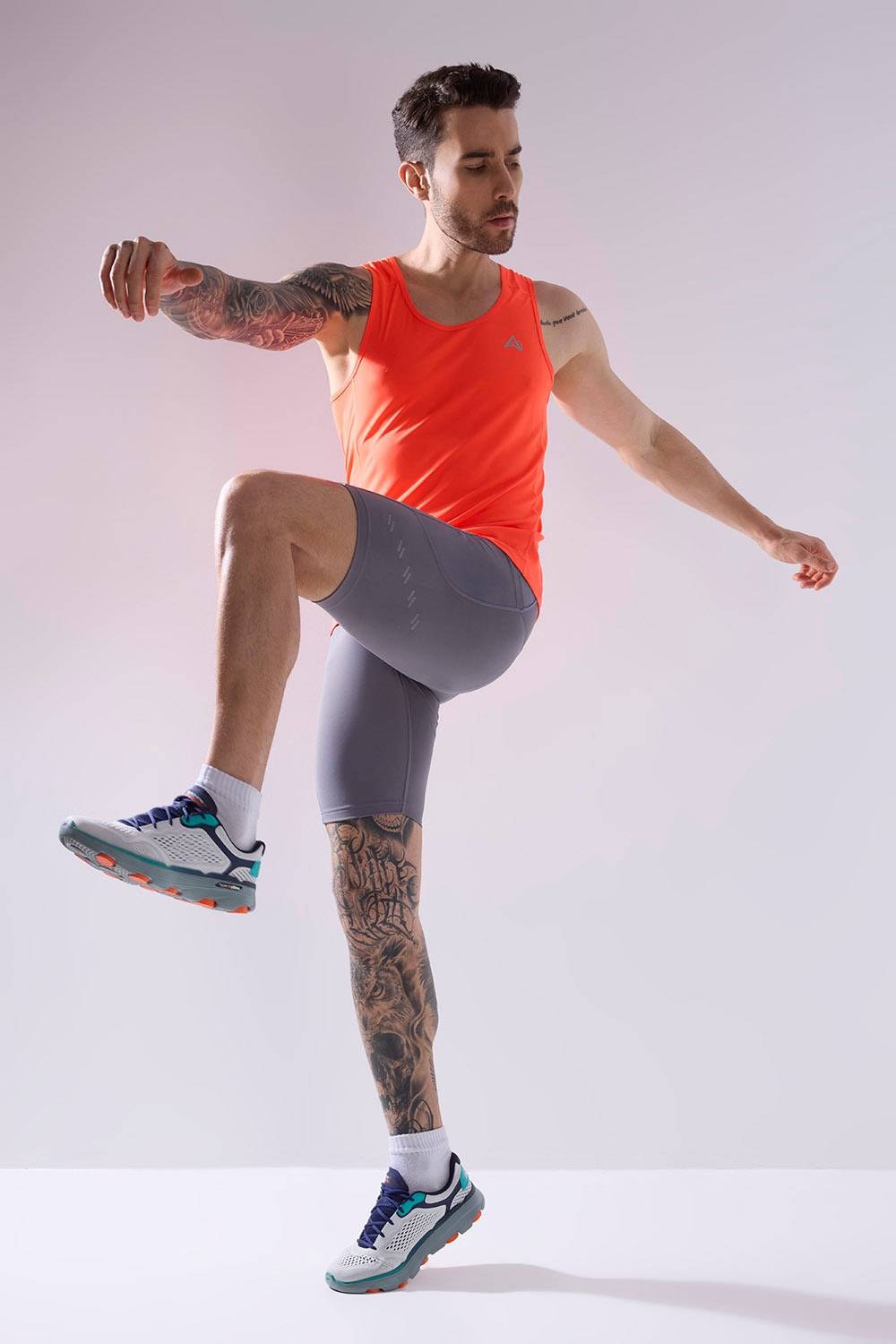
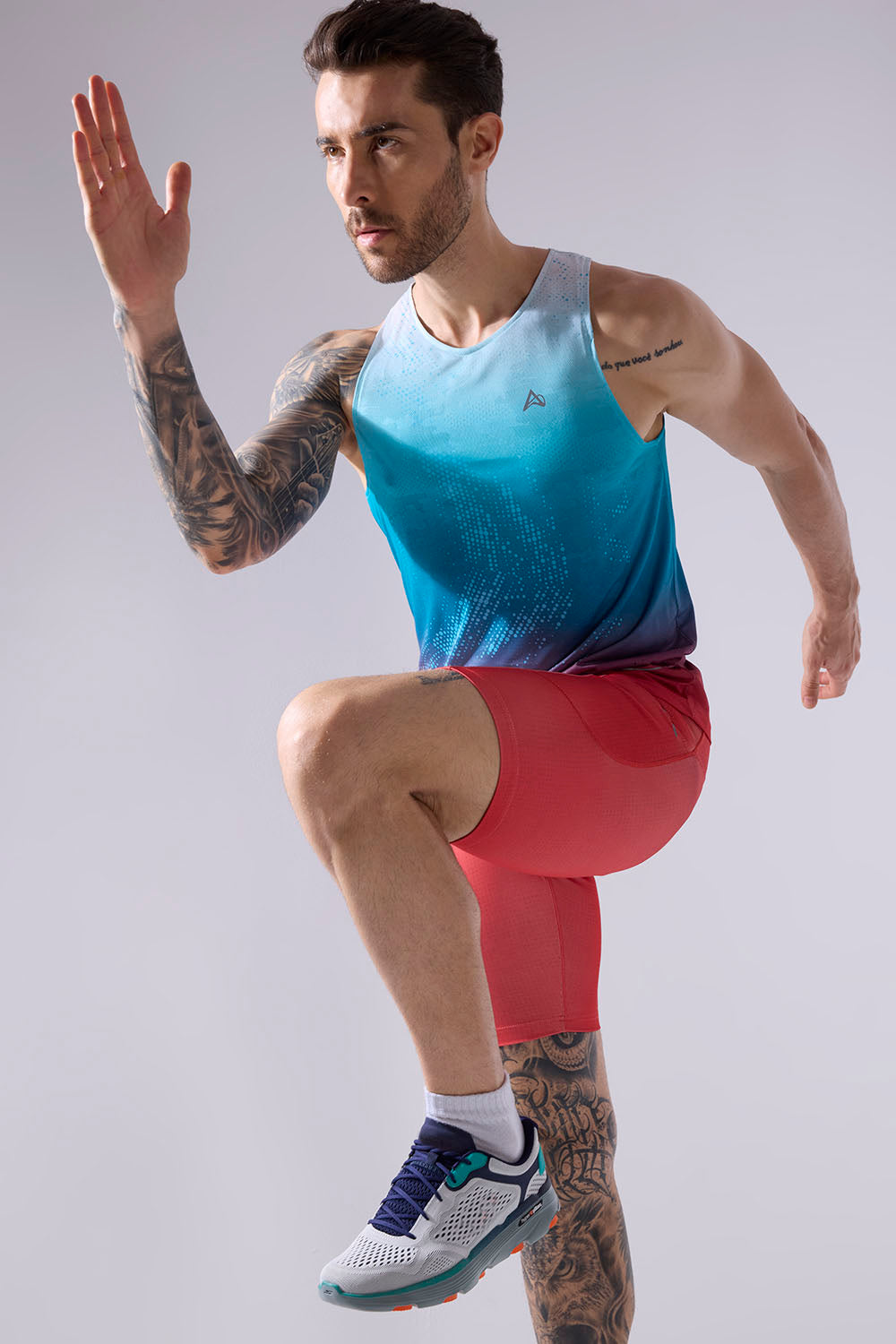
Today's running apparel stands on the shoulders of decades of refinement. Modern fabrics now incorporate advanced moisture-wicking technology that pulls sweat away from the skin and moves it toward the surface for evaporation. Layered constructions allow runners to adjust to changing temperatures while maintaining core warmth during cooler mornings and rapid cooling during intense intervals. Lightweight running clothes have become the norm, cutting unnecessary weight without sacrificing coverage.
These developments have practical consequences for everyday runners. A well-chosen piece can mean the difference between finishing a workout and stopping halfway because the shirt has turned into a soaked weight. For women and men who train on Indian city roads, where humidity can rise quickly, the ability to stay dry and comfortable is no longer optional. The evolution here has been quiet but essential, moving from “good enough” to “essential for performance.”
Personal Style Meets Performance: Boutique Brands Redefine Running Apparel
One of the most noticeable shifts in recent years is the rise of brands that treat running clothing as wearable art. Labels such as Tracksmith and Satisfy have built collections that blend technical performance with everyday appeal. Their designs feature clean lines, subtle color palettes, and thoughtful details that let runners express personality without sacrificing function. Minimalist aesthetics have replaced the oversized logos of past decades, creating pieces that look equally good on a training route or a city street.
This evolution supports a broader trend where running apparel now functions as an extension of personal identity. Runners today own versatile items they can wear daily rather than reserve strictly for the track or trail. The result is a more inclusive scene in which style and speed coexist. Brands that lean into this approach help expand the sport's appeal, turning running into a form of personal branding that connects with runners on emotional and visual levels.
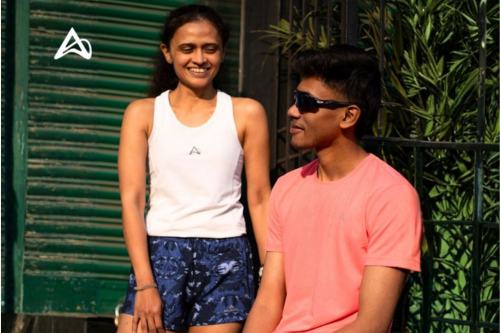
In cities like Delhi and Mumbai, where urban professionals juggle early morning runs with busy schedules, these pieces offer a practical advantage. The same outfit that performs on the road can transition seamlessly into casual wear, encouraging consistency without forcing runners to pack multiple sets of gear.
Run Clubs and Community: Social Running in the Digital Age
Run clubs have transformed how runners experience their activity. What began as private groups has grown into organized communities where participants share motivation, routes, and even social moments after the workout. Participation in these groups has surged in recent years, reflecting a clear desire among urban runners for connection beyond the screen or the treadmill.
Brands respond directly to this shift through pop-up events, Instagram collaborations, and creative activations. These engagements happen at local venues across major metros, giving runners the chance to try new gear in real settings and connect with others who share the same passion. The community aspect has become as important as the performance benefit, creating a cycle where social belonging strengthens commitment to the activity and to the brands that serve it.
The Future of Running Apparel
The trajectory points toward continued integration of technology and lifestyle. Future designs may focus even more on breathability, targeted temperature regulation, and subtle integration of smart features that monitor effort without distracting the runner. The emphasis will likely stay on authenticity, with brands continuing to prioritize real performance gains over fleeting trends.
For runners in Bangalore, Hyderabad, and the other metro cities that form the backbone of India's running community, this future represents both opportunity and responsibility. The clothing of tomorrow will need to perform reliably in humid conditions, withstand repeated washing, and remain comfortable during long hours on concrete or trails. Those who anticipate the next chapter and invest thoughtfully today will be best positioned to enjoy the full range of benefits that modern running apparel can deliver.
Ultimately, the story of running apparel is one of steady, meaningful progress. Each generation of fabric, cut, and design builds on what came before, delivering gear that supports both the body and the runner's evolving sense of self. The evolution continues, and the pieces that runners choose to wear today will shape how they experience the activity for years to come.
The explosive rise of run clubs and record marathon participation have transformed running from a purely performance-driven activity into a lifestyle pursuit where personal style plays a central role in daily life and social experiences. Participation in running clubs surged 59 percent globally in 2024, according to Strava data, while major cities like New York saw urban professionals flock to these communities for more than just fitness, often blending running with matchmaking and cultural vibes. Brands from established giants like Saucony and Brooks to innovative labels such as running apparel became fashionable, Bandit Running, and Mental Athletic now cater to this shift by launching collections that blend technical performance with everyday appeal. Performance sneaker collaborations and online directories for fashion-conscious runners highlight how running apparel has moved beyond day-glo colors and oversized logos toward minimalist designs, clean lines, and subtle cool factor.
Run clubs serve as powerful community hubs where brands engage directly through pop-ups, Instagram collaborations, and creative activations, helping runners style their gear for both training sessions and weekend outings. This evolution supports the broader trend where running apparel now functions as versatile pieces that runners own and wear daily, not just for races. At the same time, the rise of run clubs has pushed brands to prioritize authenticity over quick trends, ensuring that new offerings deliver real performance benefits like moisture management and breathability while appealing to a more diverse, lifestyle-oriented audience. The result is a thriving market where fashion and sport converge, encouraging runners to see their kit as an extension of their personality and culture rather than strict technical equipment. This shift reflects changing consumer expectations in the running industry, where apparel must balance functionality with fashion to drive loyalty and growth in an increasingly saturated space.
Wear Your Running Identity
This development shows how running apparel has shifted from utilitarian origins to a category that empowers runners to wear their style proudly on the trails or streets. The appeal lies in the brand's willingness to prioritize lifestyle elements while maintaining performance standards, allowing runners to own versatile pieces that work for races, daily commutes, or social outings. As the sport attracts new participants seeking community and self-expression, these brands fill a gap left by larger corporations by offering authentic, curated experiences that resonate with tastemakers and local run club scenes. This evolution underscores the broader industry trend where running clothing now serves as a platform for personal identity, driving engagement and loyalty among a generation that values style as much as speed. Brands that lean into this approach help expand the sport's appeal, turning running into a form of personal branding that connects with runners on emotional and visual levels.
Frequently Asked Questions
How has running apparel evolved over the years?
Running apparel has evolved from basic cotton and wool garments used in early amateur running to advanced synthetic performance fabrics. Over time, materials like nylon, polyester, and spandex were introduced to improve breathability, flexibility, and durability. Today's running clothing combines moisture management, lightweight design, and lifestyle aesthetics, reflecting both performance needs and personal style.
What are moisture-wicking fabrics in running clothes and why are they important?
Moisture-wicking fabrics are designed to pull sweat away from the skin and move it to the surface of the fabric where it can evaporate quickly. This helps runners stay dry, comfortable, and regulate body temperature during workouts. These materials are especially important in humid conditions, where traditional cotton clothing can become heavy and uncomfortable.
Why are boutique running brands and run clubs influencing modern running apparel fashion?
Boutique running brands like Tracksmith and Satisfy are reshaping the industry by blending high-performance materials with minimalist, stylish designs. At the same time, run clubs are turning running into a social lifestyle, increasing demand for apparel that works both for training and everyday wear. Together, they are pushing running gear toward identity-driven fashion that balances performance and personal expression.
Disclaimer: The above helpful resources content contains personal opinions and experiences. The information provided is for general knowledge and does not constitute professional advice.
You may also be interested in: How Running Apparel Has Evolved for Urban Runners - Aguante
Tired of gear that slows you down? Chafing, soggy fabrics, and missing pockets kill your run's momentum. At Aguante, we're runners who get it. Our high-performance activewear features moisture-wicking fabrics, ergonomic designs, and smart storage to keep you focused. Shop Now!
Powered by flareAI.co