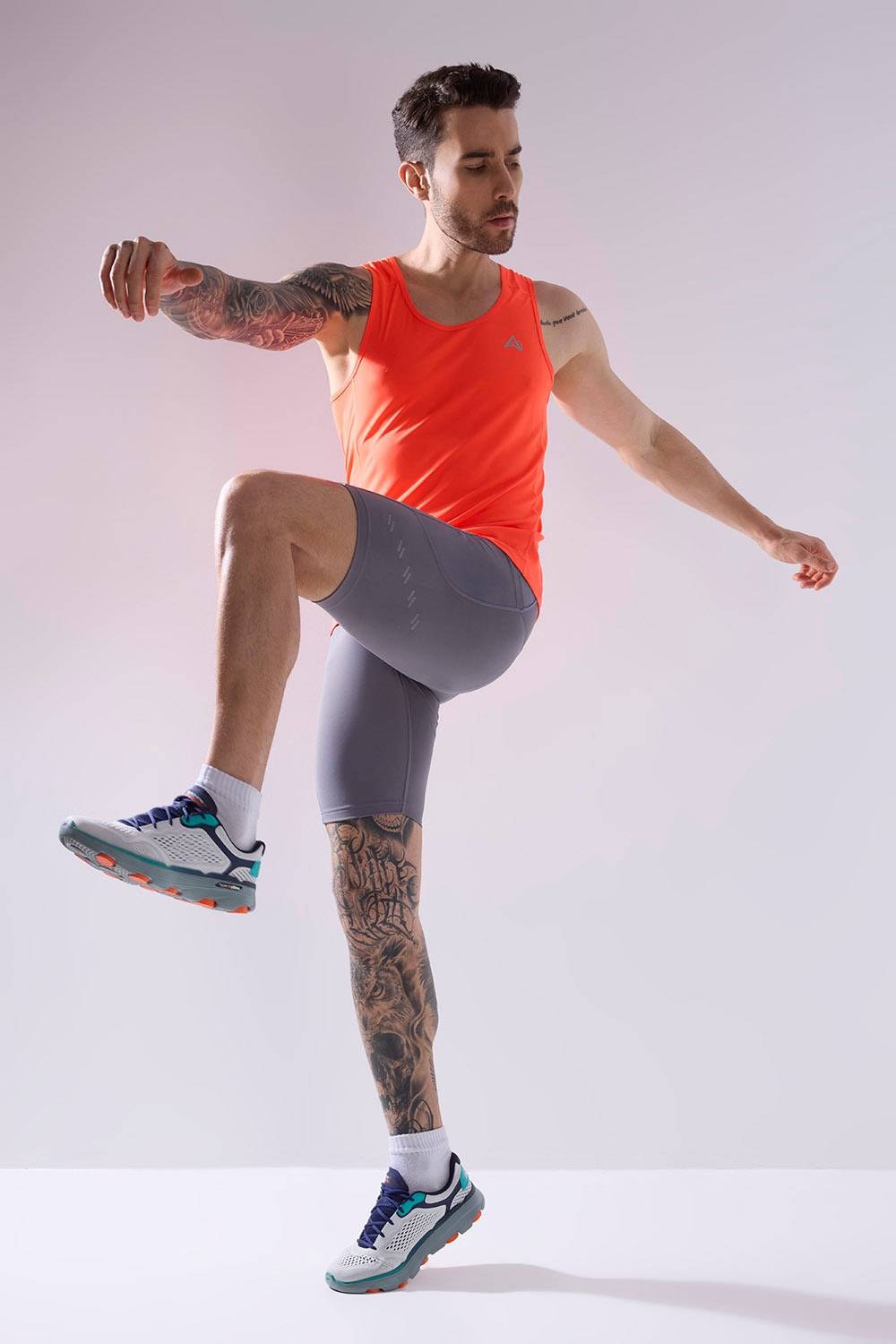
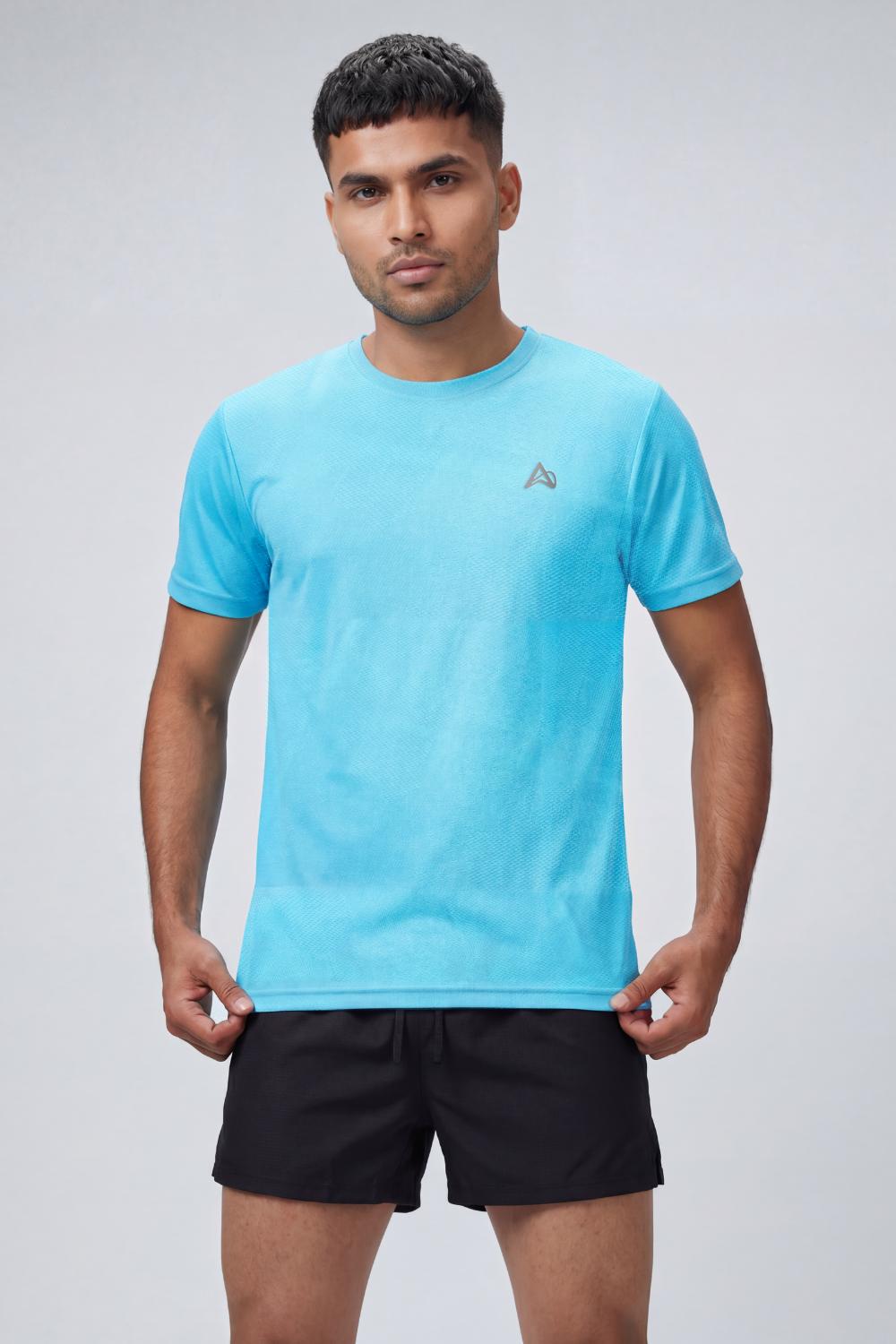
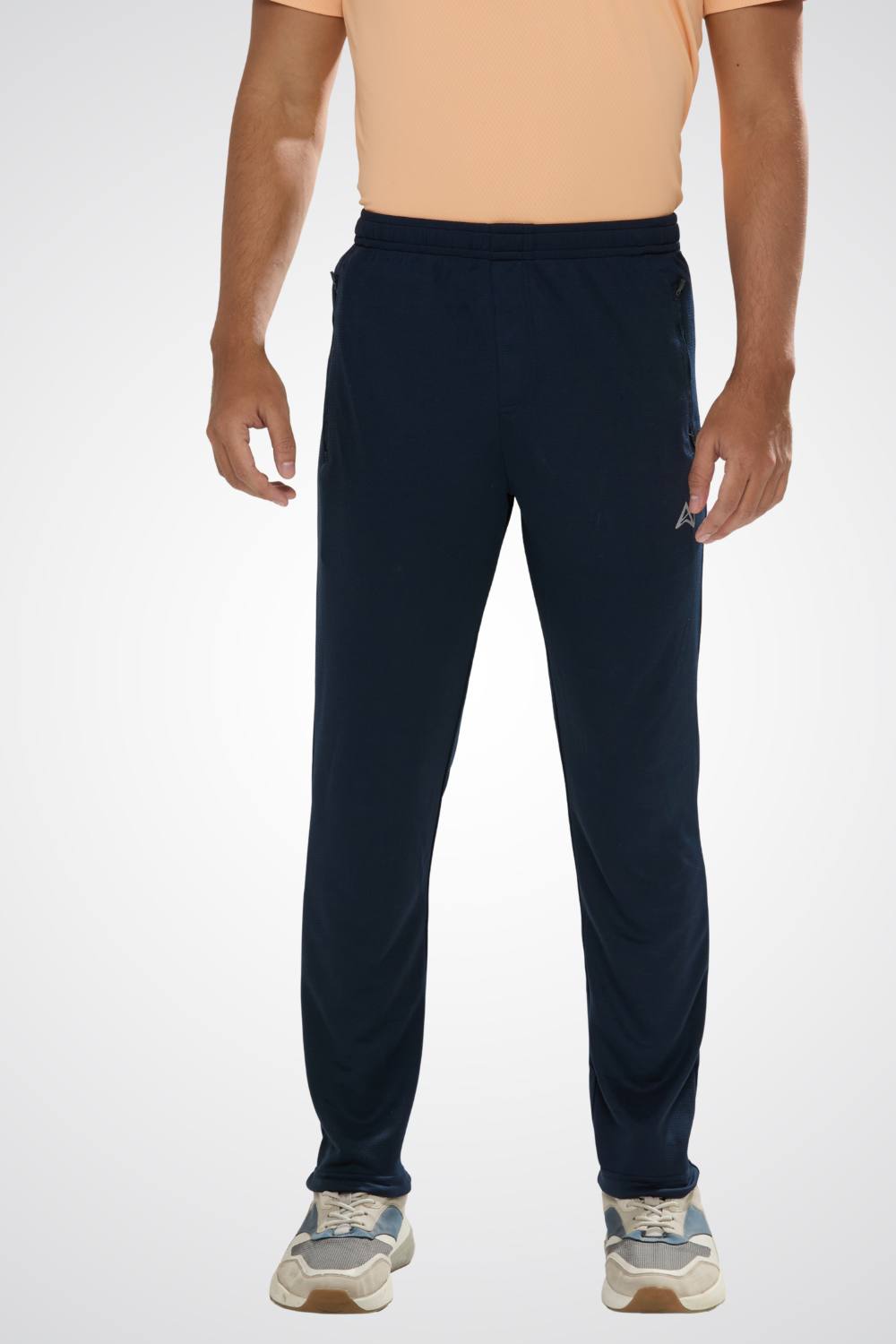
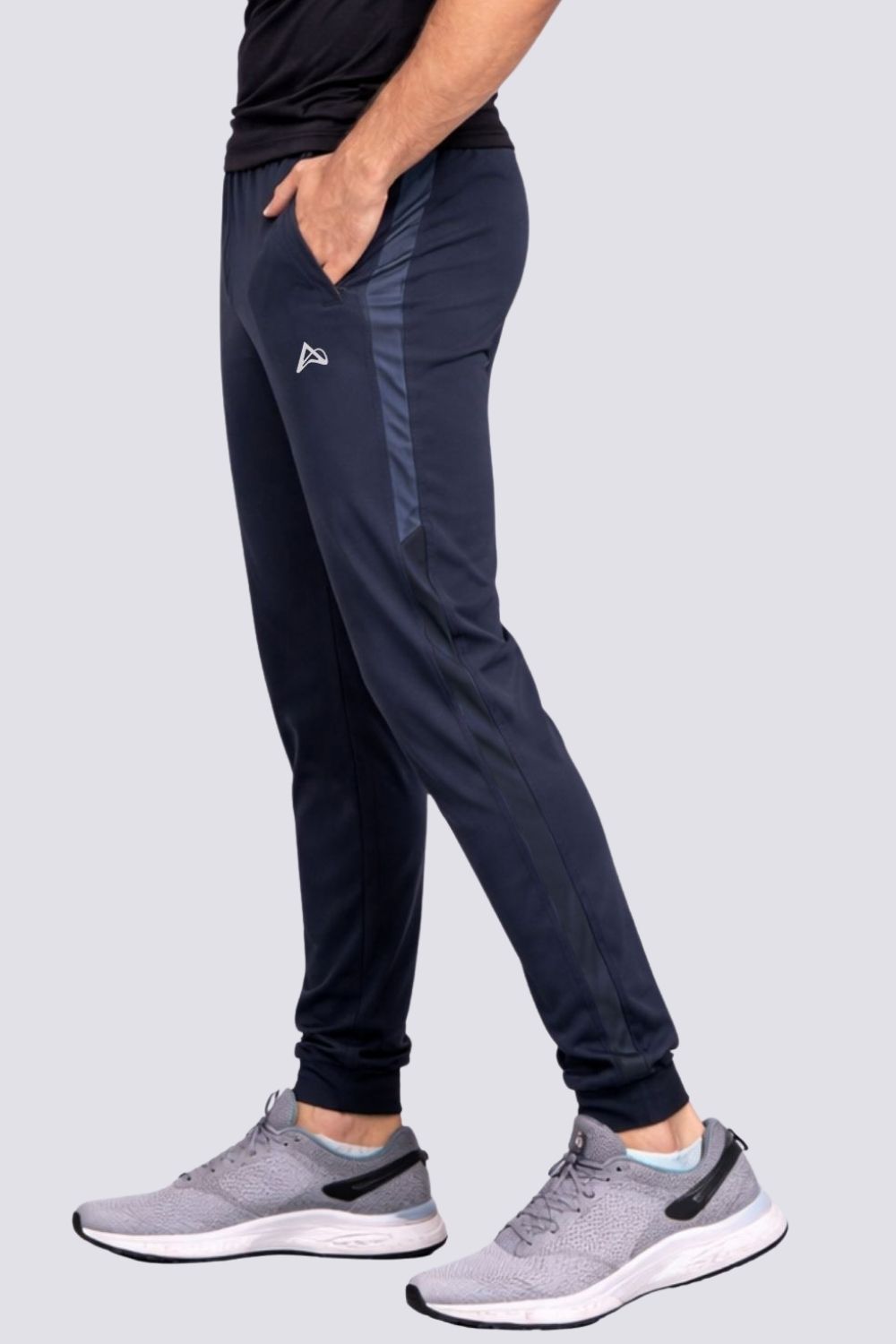
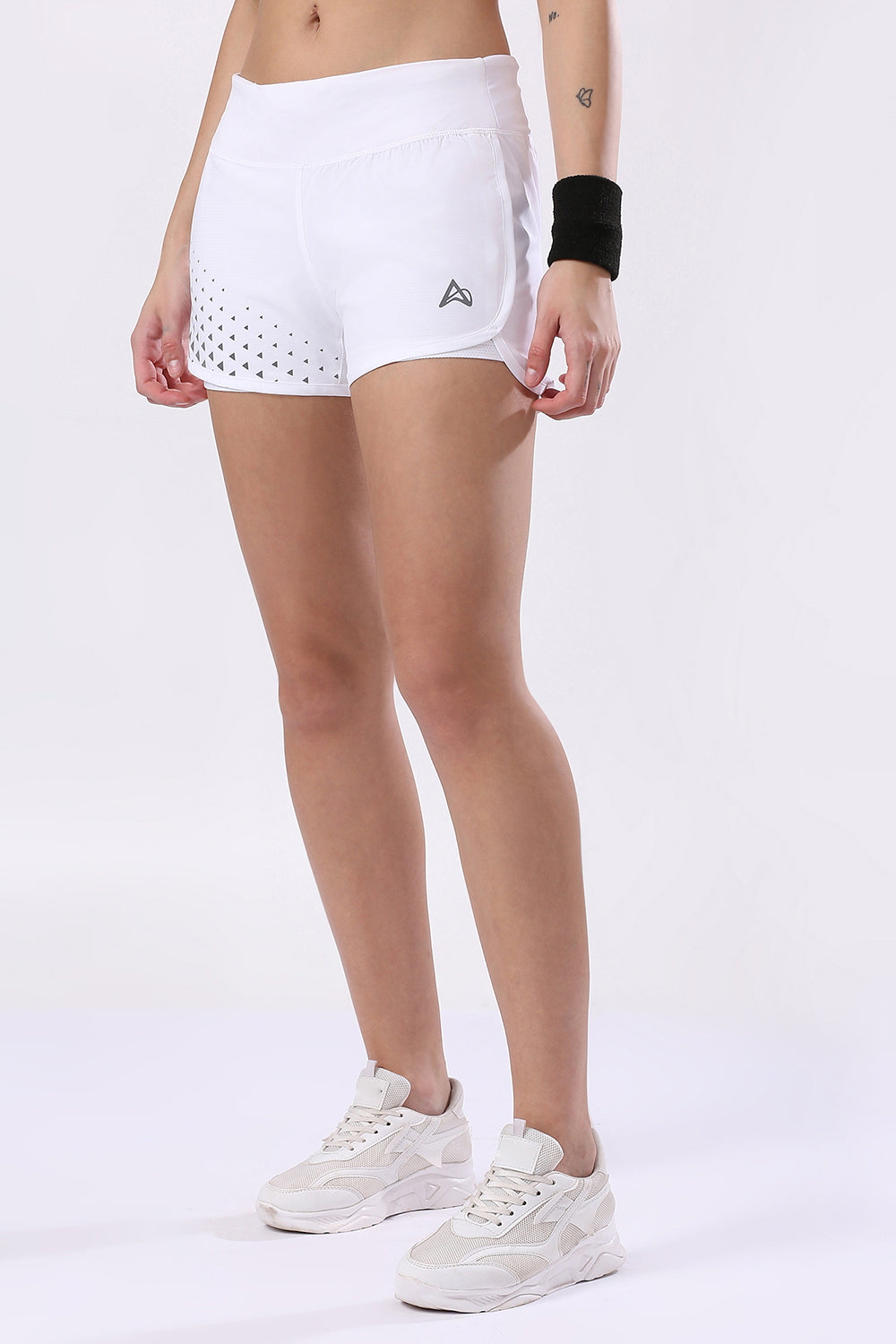
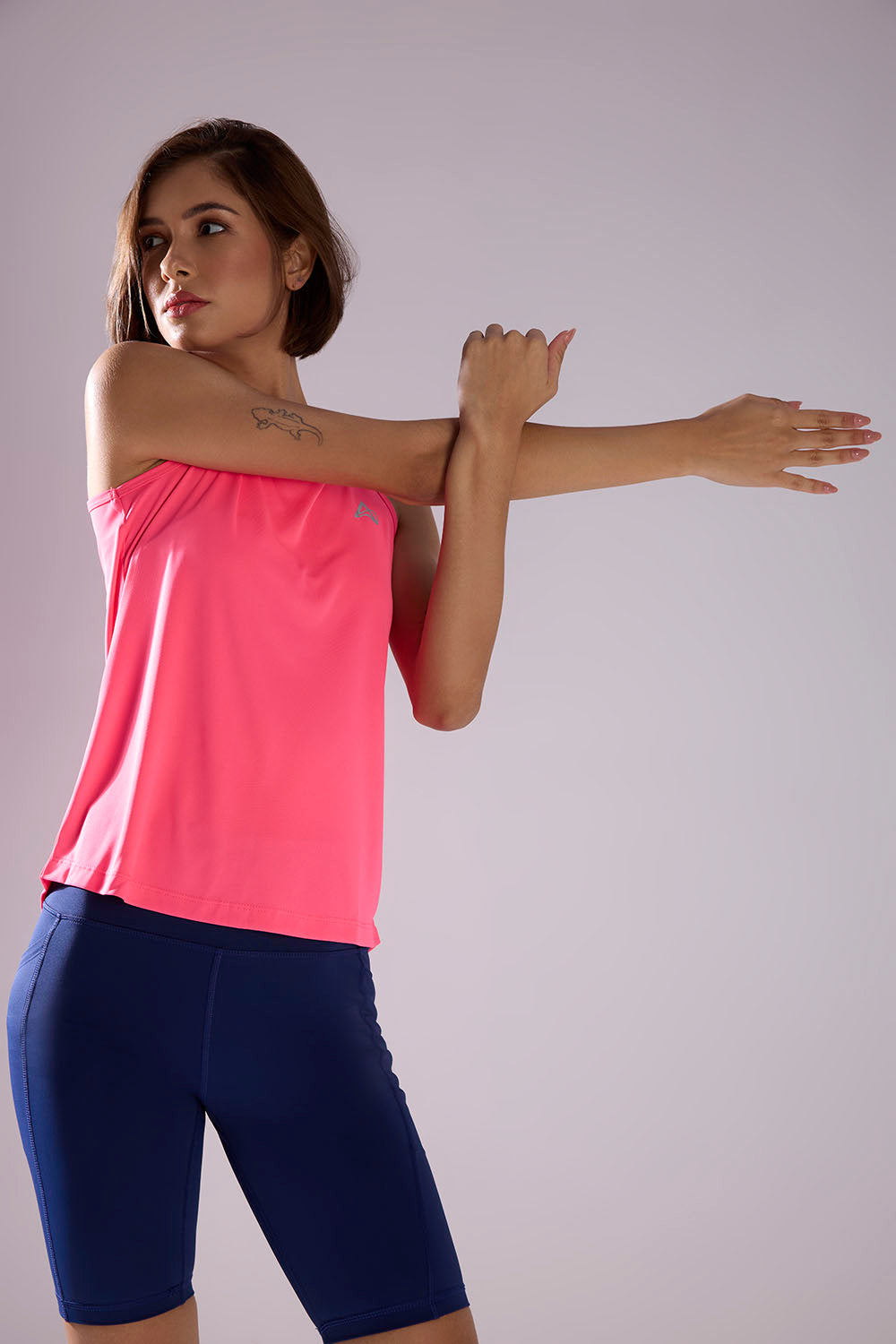
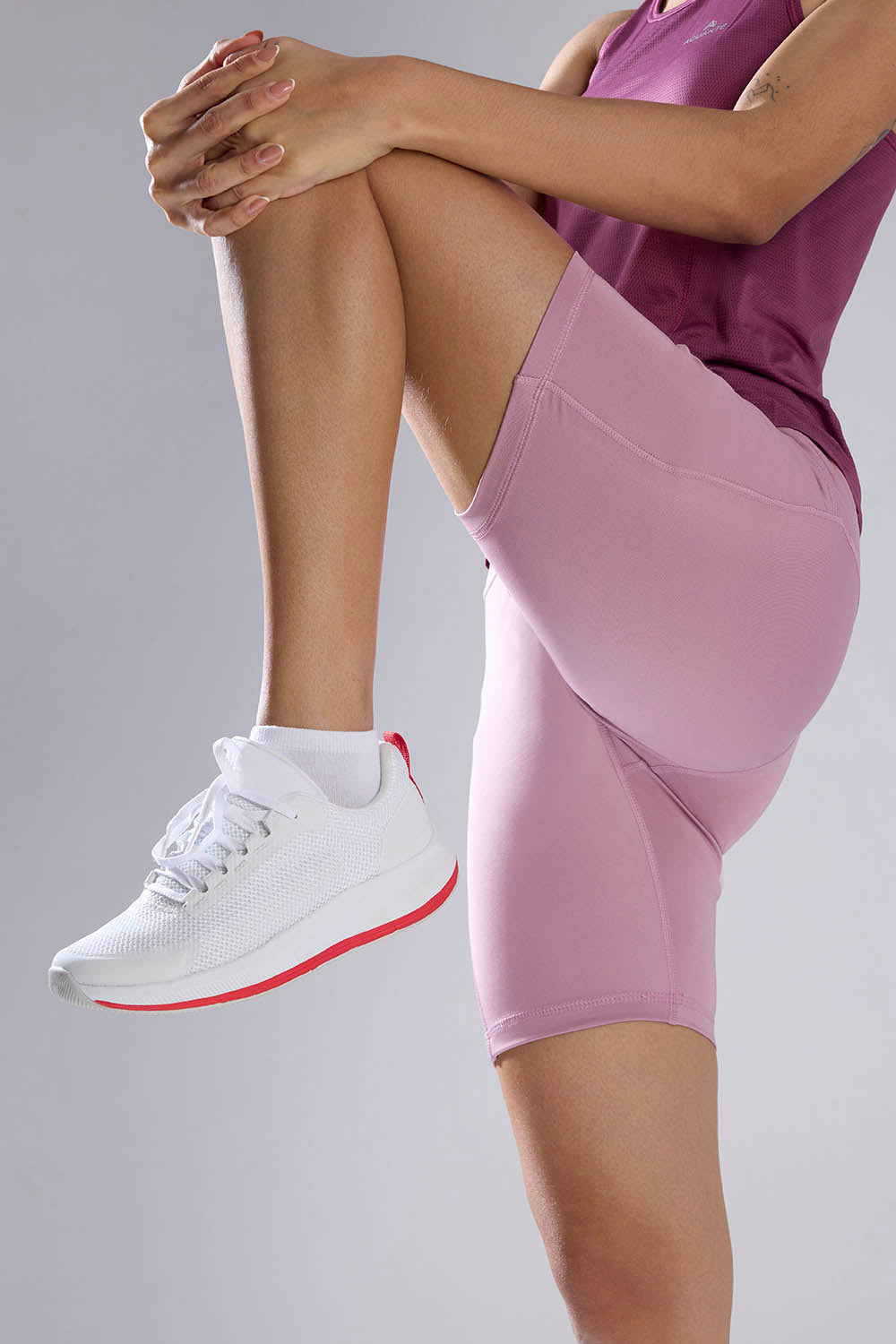
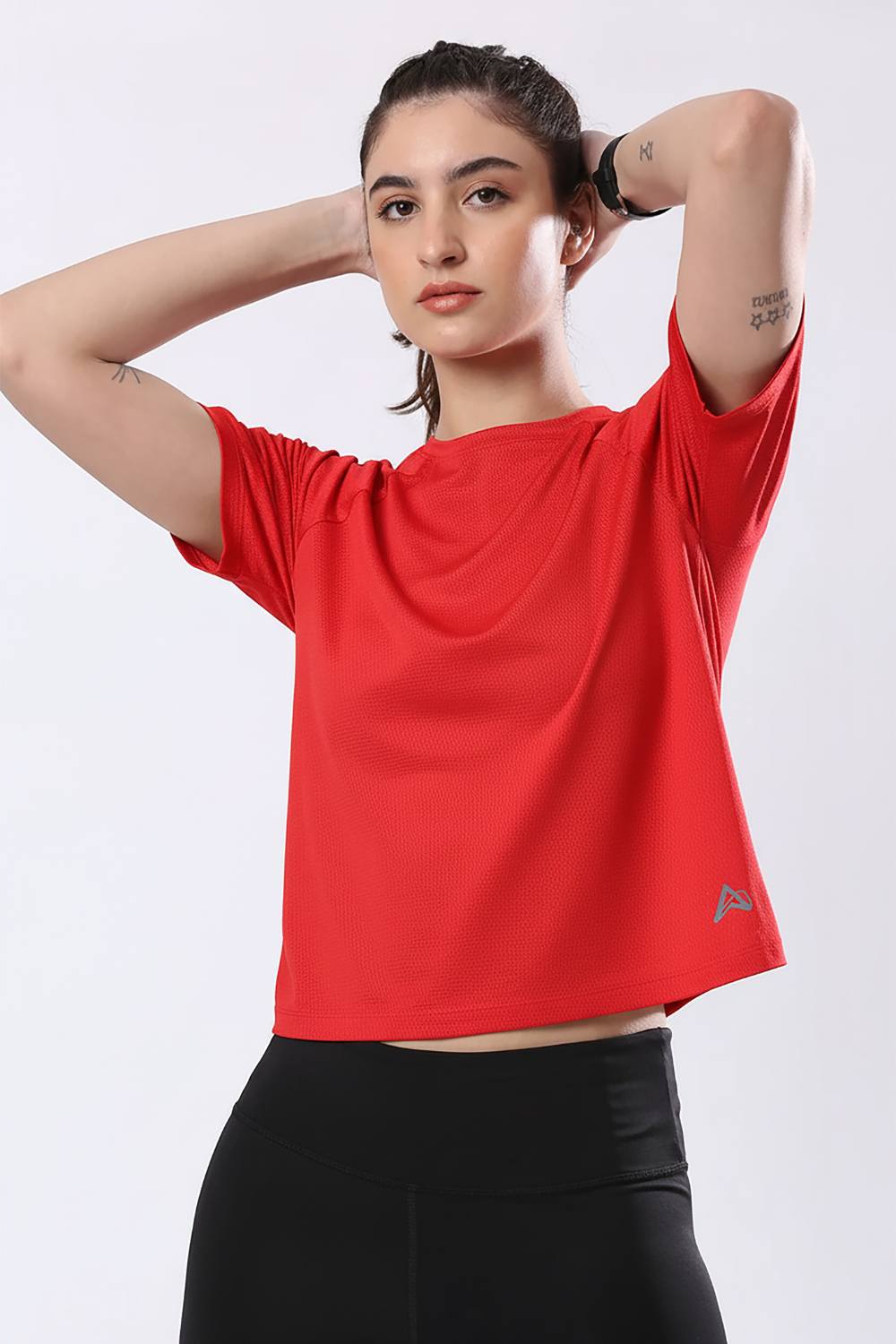

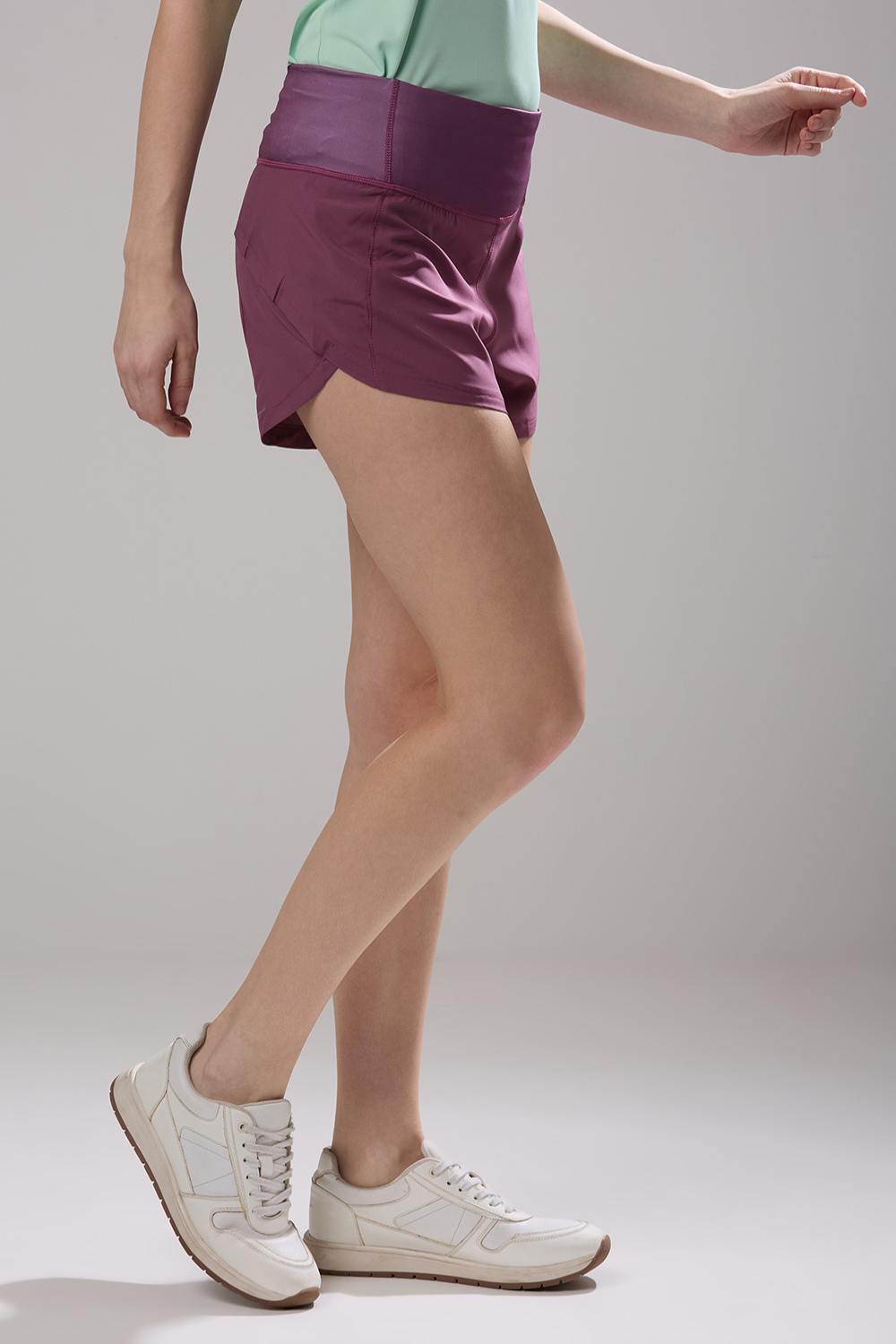
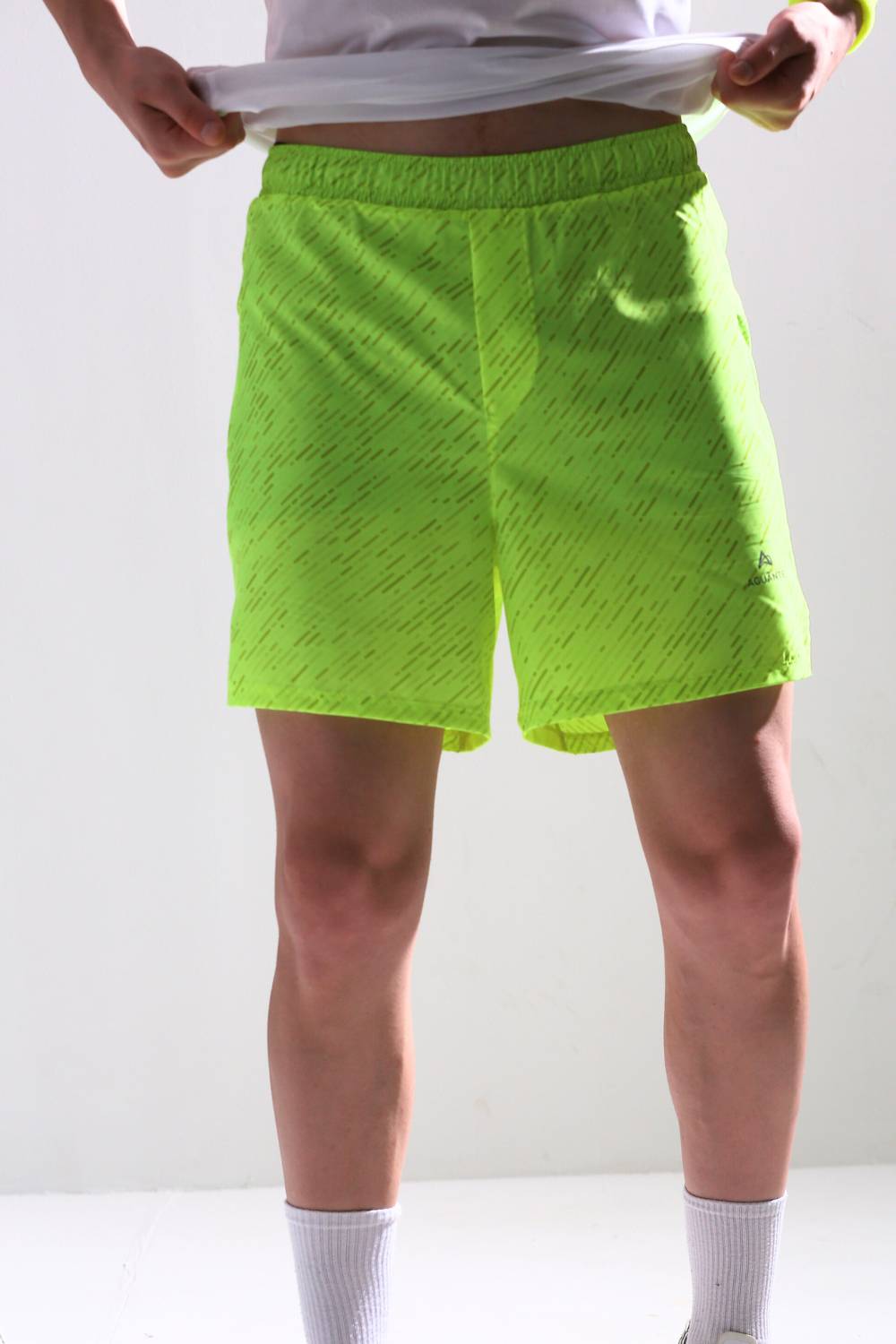

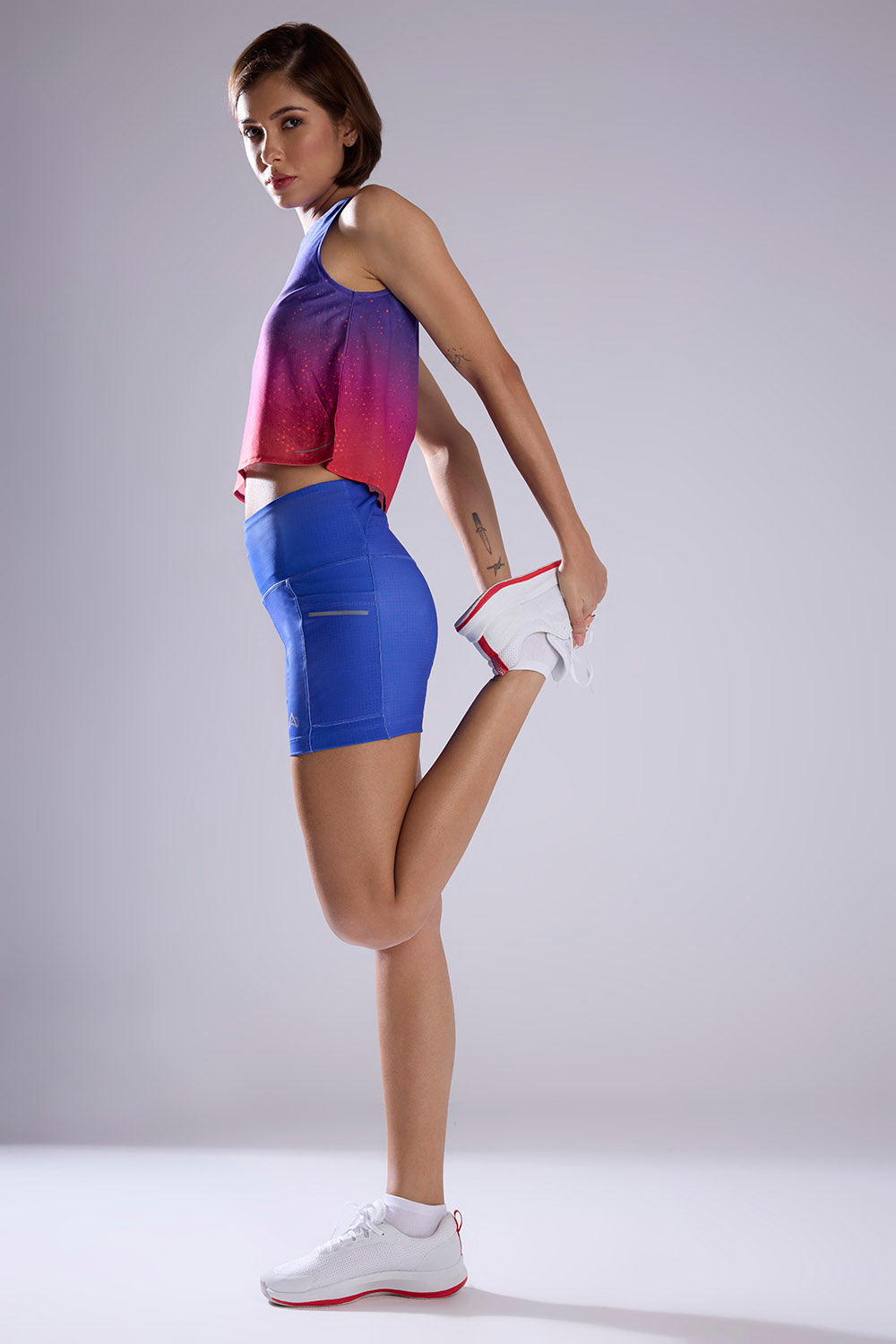
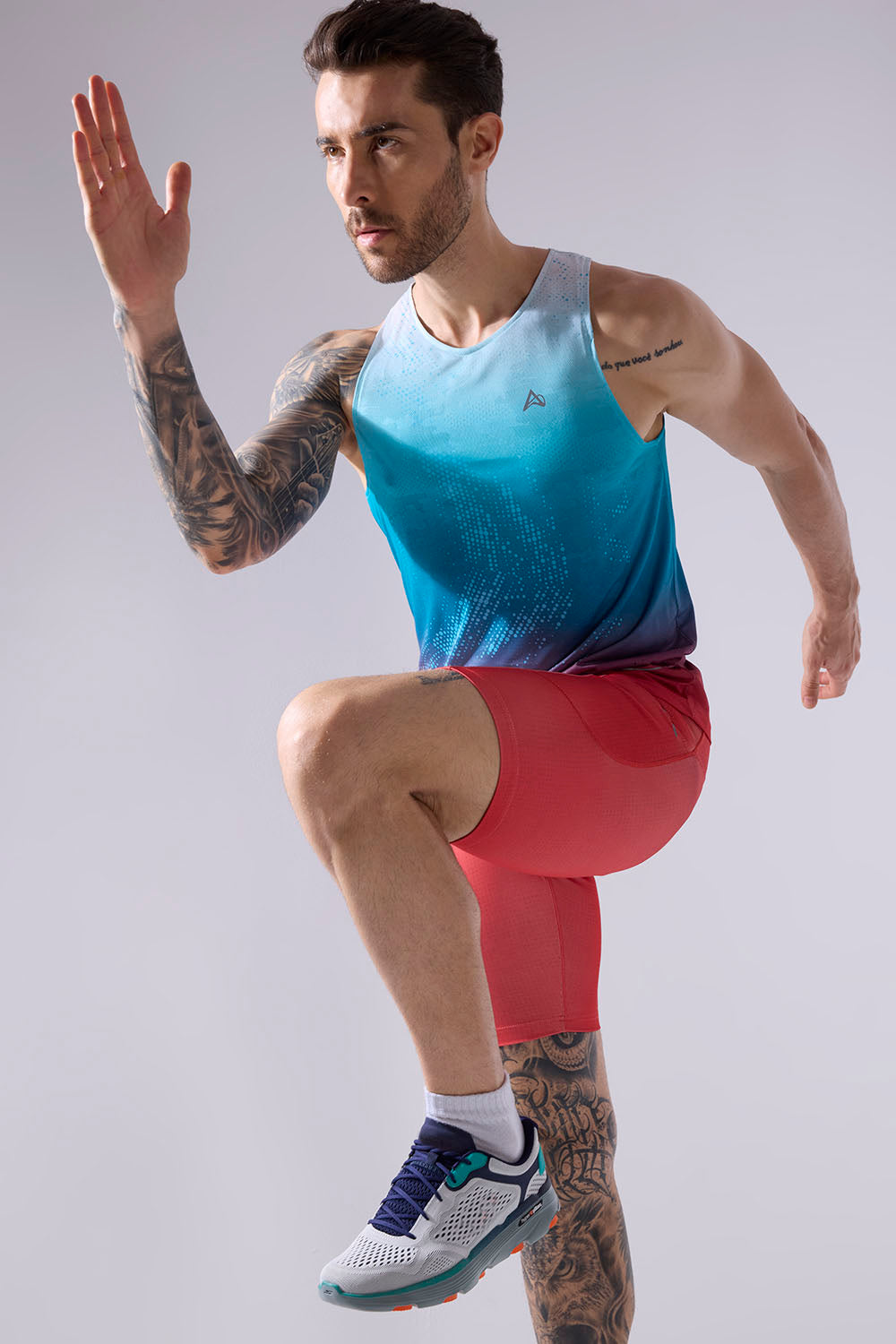

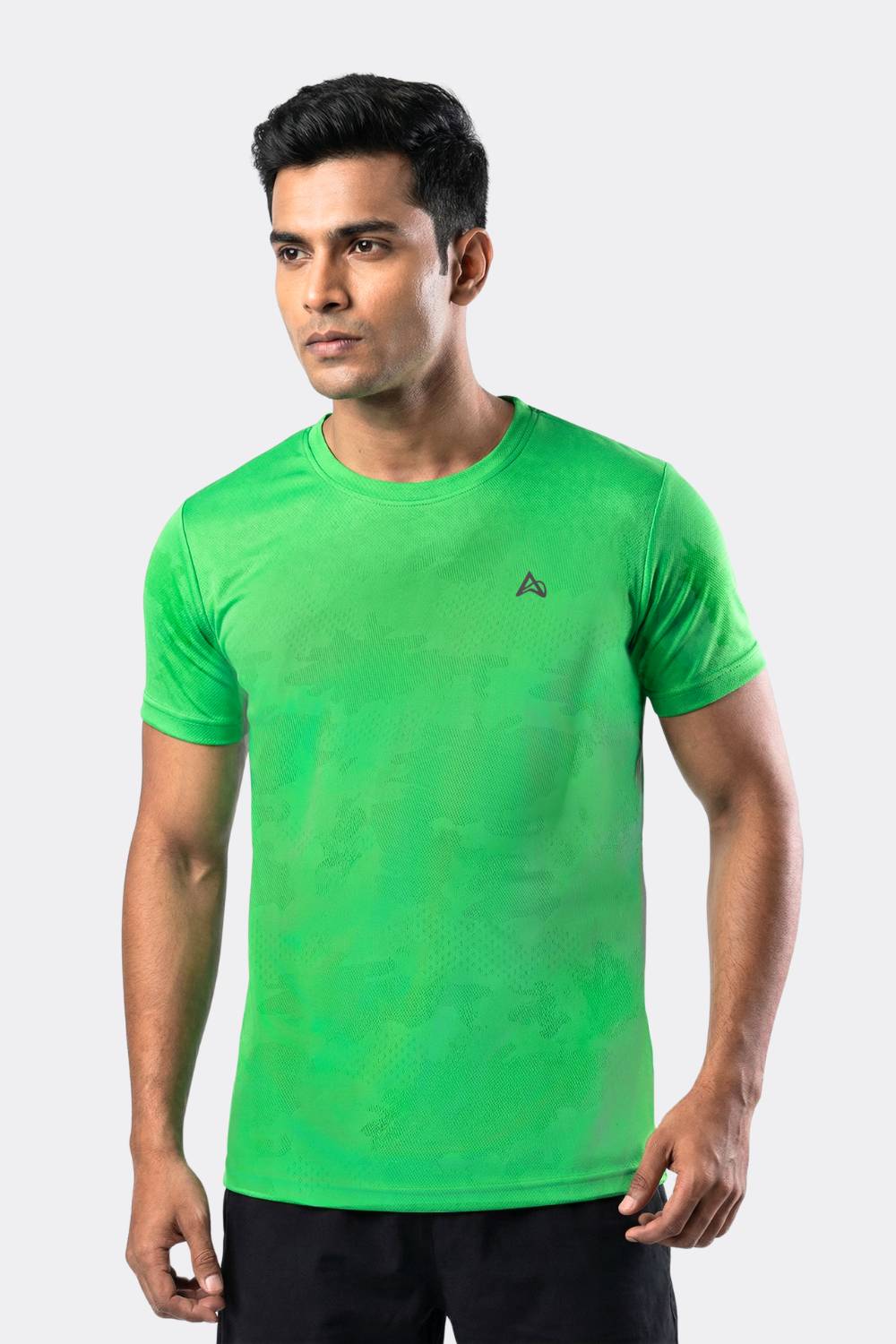
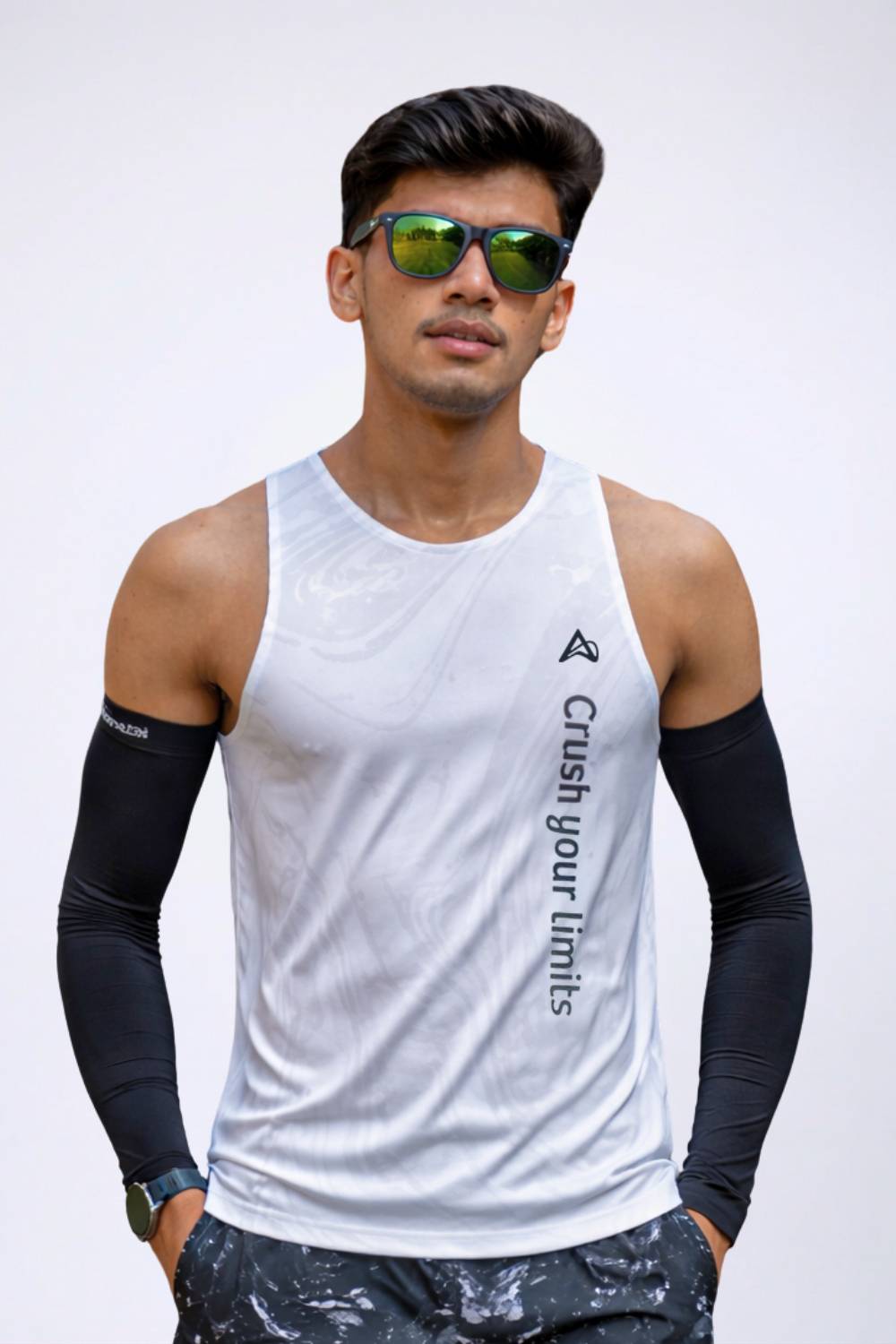

Distance running tests more than fitness and pacing. Every element a runner carries through a long session can influence comfort, focus, and consistency, including the clothing they wear. A lightweight running outfit is not simply about reducing fabric weight; it is about helping the body regulate temperature, move freely, and stay comfortable as effort increases over many kilometres.
For marathon trainees, endurance athletes, and everyday runners, clothing choices become more important as running duration increases. A shirt or pair of shorts that feels comfortable during a short workout may create distractions during a longer run through sweat buildup, restricted movement, or friction. Understanding why lightweight clothing matters for distance running helps athletes make more informed choices about their training gear.
Tired of gear that slows you down? Chafing, soggy fabrics, and missing pockets kill your run's momentum. At Aguante, we're runners who get it. Our high-performance activewear features moisture-wicking fabrics, ergonomic designs, and smart storage to keep you focused. Shop Now!
Why Clothing Weight Becomes More Important During Long Runs
During distance runs, small sources of discomfort can become more noticeable over time. Repeated arm movement, continuous strides, changing weather conditions, and sweat exposure all affect how clothing feels after the first few kilometres.
Lightweight apparel helps reduce unnecessary bulk, allowing runners to focus on rhythm, pacing, and endurance rather than adjusting their clothing throughout a session. The goal is not simply to wear the thinnest possible material. Effective running apparel balances low weight with durability, comfort, and functional performance.
Distance runners often choose garments designed with minimal excess fabric because reduced weight can support a more natural feeling during movement. Running singlets, lightweight shorts, and performance tops are popular examples because they provide coverage while allowing greater ventilation and freedom of movement. Lightweight race apparel has become a practical consideration for runners who spend extended periods training or competing outdoors.
The Role of Breathability and Moisture Management
Long-distance running generates heat and sweat, especially during intense training sessions or warmer conditions. Clothing that traps moisture can quickly become uncomfortable, adding weight and creating a feeling of heaviness as the run continues.
Lightweight running clothing is often designed around airflow and moisture management. Breathable fabrics help support evaporation, while quick-drying materials can help maintain comfort when runners are exposed to changing conditions.
The benefits of lightweight running clothes are closely connected to how well they manage the relationship between the body and the environment. A comfortable garment should allow heat and moisture to move away from the skin without creating unnecessary distractions.
This is why many runners look beyond appearance when selecting gear. Features such as ventilation zones, sweat management, stretch, and fabric construction can influence how clothing performs during longer efforts.
How Lightweight Apparel Supports Freedom of Movement
Distance running requires thousands of repeated movements. Each stride, arm swing, and change in pace depends on comfortable mobility. Clothing that feels restrictive can affect the overall running experience, particularly during longer training sessions.
Lightweight apparel supports movement by reducing excess material and allowing the body to move naturally. Flexible fabrics and ergonomic designs help runners maintain comfort without feeling limited by their clothing.
For runners preparing for longer distances, choosing appropriate distance running gear for comfort can make training sessions more manageable. Clothing should support the athlete's movement rather than compete with it.
This consideration is especially important for runners who spend several hours completing long runs. Small design decisions, such as reduced seams or carefully placed panels, can help minimise irritation and improve the overall experience.
Reducing Discomfort During Extended Training Sessions
Long-distance training requires consistency. When clothing causes distractions, runners may find it harder to maintain focus during important workouts. Issues such as fabric rubbing, excess moisture, or poor fit can affect confidence and enjoyment.
Performance-focused apparel addresses these challenges through thoughtful construction. Lighter materials, comfortable fits, and functional details are designed to help runners stay focused on their goals instead of managing avoidable clothing problems.
Why Small Details Matter Over Distance
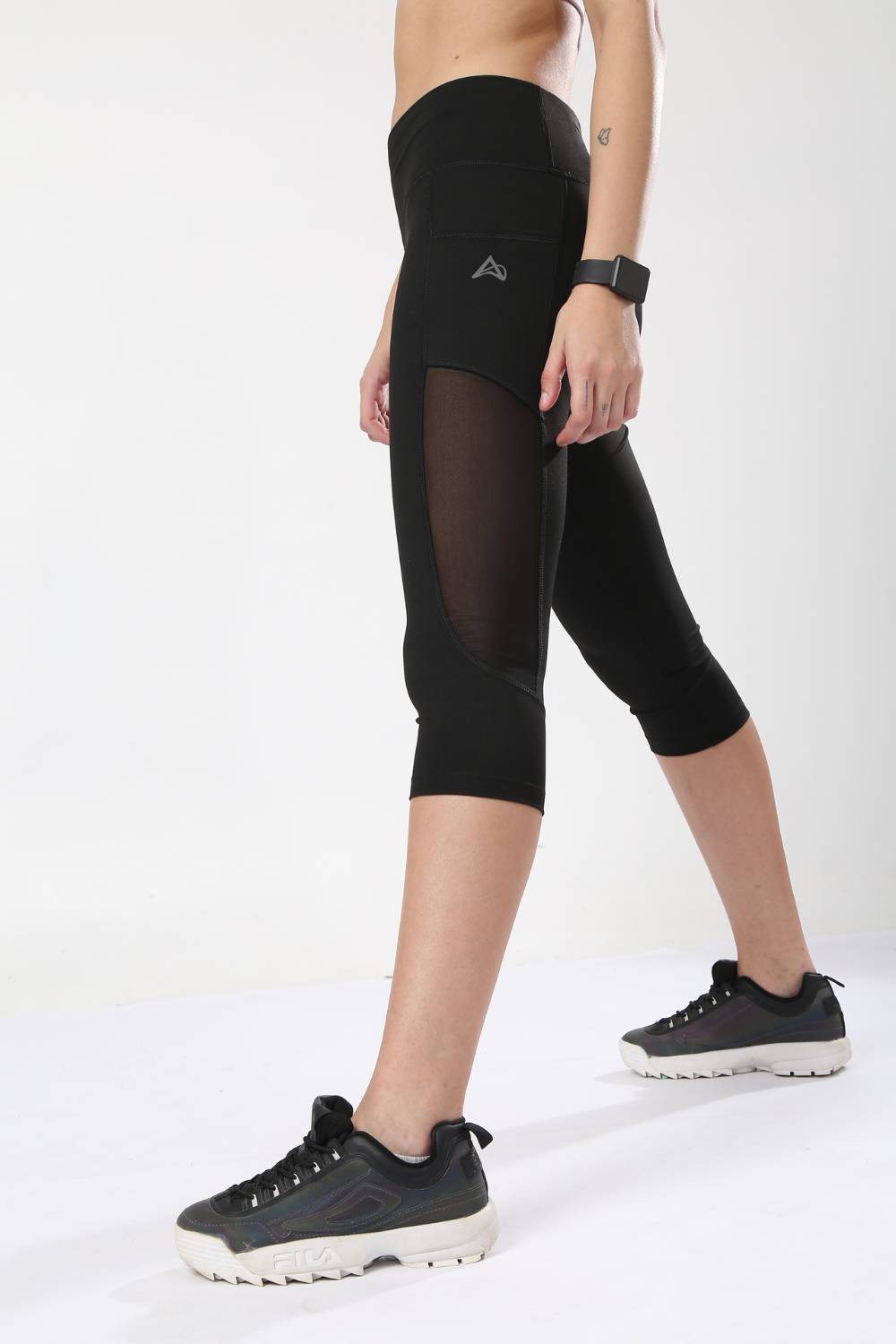
A garment's performance is often determined by details that may seem minor at first. Seam placement, pocket design, fabric stretch, and ventilation can all influence comfort during a long run.
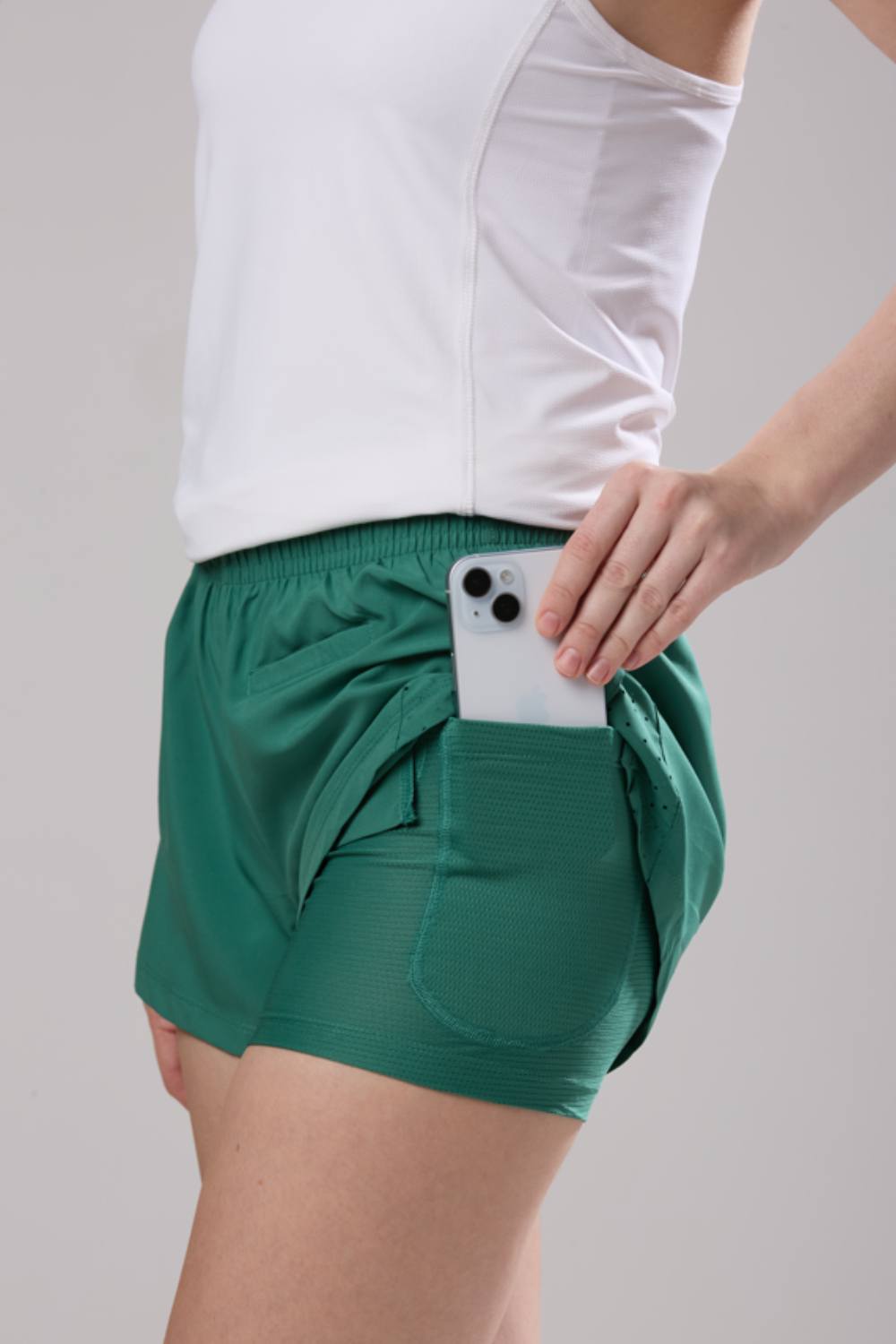
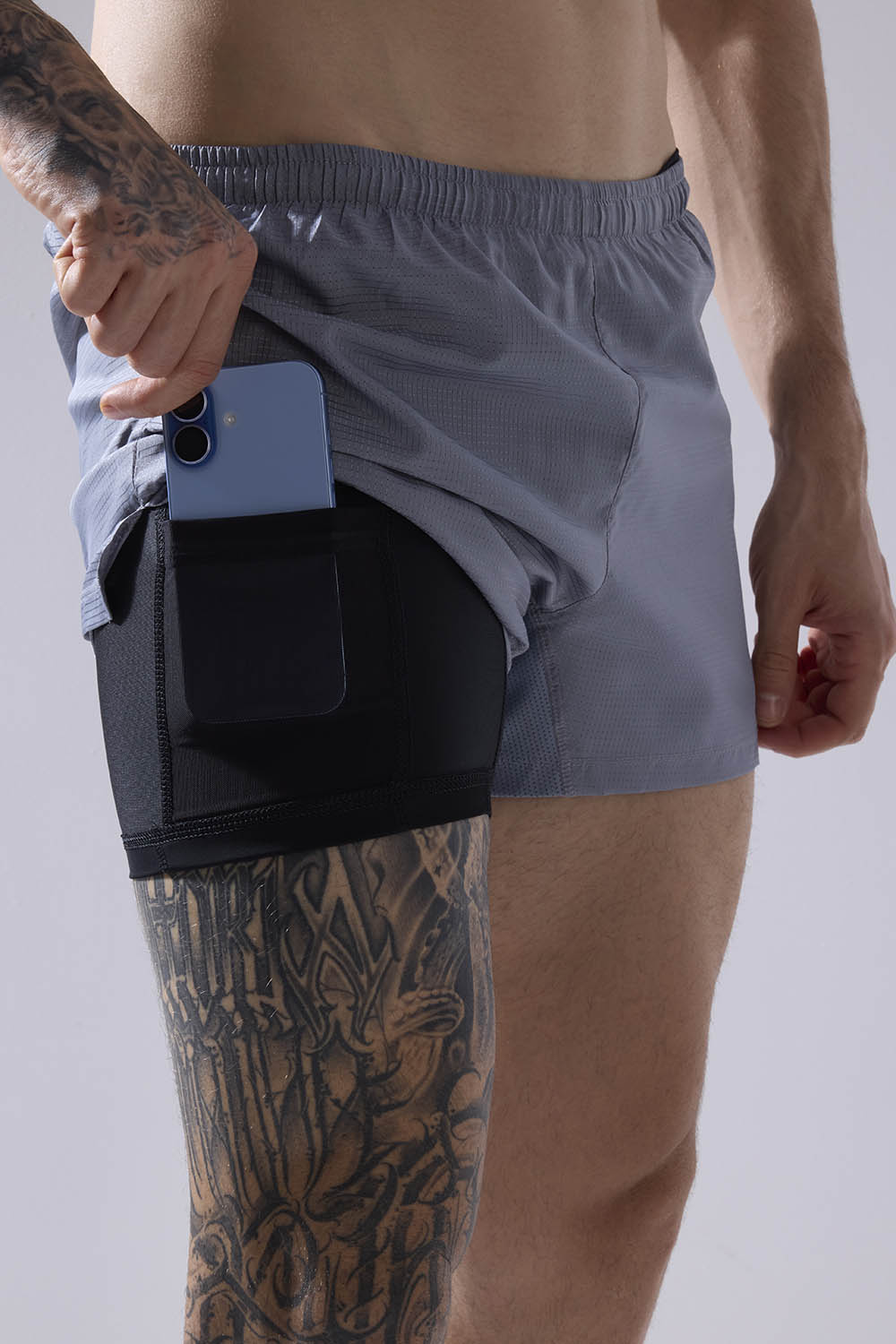
For example, runners carrying essentials may benefit from practical storage solutions that do not interfere with movement. Similarly, clothing that maintains its comfort after absorbing sweat can provide a better experience during longer sessions.
Lightweight design is therefore not only about reducing grams. It represents a broader approach to creating apparel that supports endurance, reliability, and everyday training demands.
Choosing the Right Running Clothes for Long Distance Training
Finding the best running clothes for long distance depends on individual needs, training conditions, and personal preferences. A runner preparing for a marathon may have different requirements from someone completing shorter recreational runs.
- Fabric performance: Look for materials that support breathability, sweat management, and comfort during extended activity.
- Fit and mobility: Clothing should allow natural movement without feeling restrictive.
- Weather conditions: Consider how materials perform in heat, humidity, wind, or changing temperatures.
- Practical features: Details such as secure pockets and comfortable construction can improve the overall running experience.
- Personal comfort: The best apparel is the clothing that allows a runner to focus on training without unnecessary distractions.
Understanding what to wear for marathon training is not only about following trends. It involves choosing equipment that supports the demands of endurance activity and matches the runner's environment and goals.
The Evolution of Performance Fabrics in Endurance Running
Running apparel continues to develop as athletes look for better combinations of comfort, durability, and adaptability. Modern endurance clothing focuses on creating materials that remain lightweight while handling the challenges of long training sessions.
The development of new endurance apparel reflects a shift toward fabrics that combine low weight, strength, airflow, and quick drying performance. Lightweight endurance fabric innovation demonstrates how running clothing design is moving beyond simple weight reduction toward more complete performance solutions.
For distance runners, this means apparel choices can become part of their broader preparation strategy. Training plans, footwear, nutrition, and recovery all matter, but comfortable clothing can help remove unnecessary barriers during the miles that build endurance.
Why Lightweight Clothing Is an Important Part of Running Preparation
Distance running requires attention to every factor that affects consistency. While clothing alone does not determine performance, the right apparel can support a better running experience by improving comfort, movement, and confidence.
Lightweight clothing matters because endurance athletes spend significant time in their gear. A well-designed running outfit should feel natural, manage moisture effectively, and support movement from the first kilometre to the final stretch of a long run.
For runners evaluating their training equipment, choosing lightweight running apparel is a practical step toward creating a more comfortable and focused approach to endurance running. The right clothing helps athletes spend less time thinking about what they are wearing and more time enjoying the run itself.
Frequently Asked Questions
Why is lightweight clothing important for distance running?
Lightweight clothing helps distance runners stay comfortable by reducing unnecessary bulk, supporting natural movement, and helping manage heat and sweat during longer runs. It allows runners to focus on pacing and endurance instead of dealing with clothing-related distractions.
What are the benefits of lightweight running clothes for marathon training?
The benefits of lightweight running clothes include improved breathability, better freedom of movement, and reduced discomfort during extended training sessions. For marathon training, choosing apparel that supports moisture management and comfort can help runners maintain consistency throughout their workouts.
How do moisture-wicking clothes help runners during long-distance runs?
Moisture-wicking clothes for runners help move sweat away from the skin, supporting better comfort and temperature management during long-distance activity. These fabrics can reduce the heavy feeling caused by moisture buildup and help runners stay focused during endurance sessions.
Disclaimer: The above helpful resources content contains personal opinions and experiences. The information provided is for general knowledge and does not constitute professional advice.
You may also be interested in: What Every Marathon Runner Should Pack
Tired of gear that slows you down? Chafing, soggy fabrics, and missing pockets kill your run's momentum. At Aguante, we're runners who get it. Our high-performance activewear features moisture-wicking fabrics, ergonomic designs, and smart storage to keep you focused. Shop Now!
Powered by flareAI.co