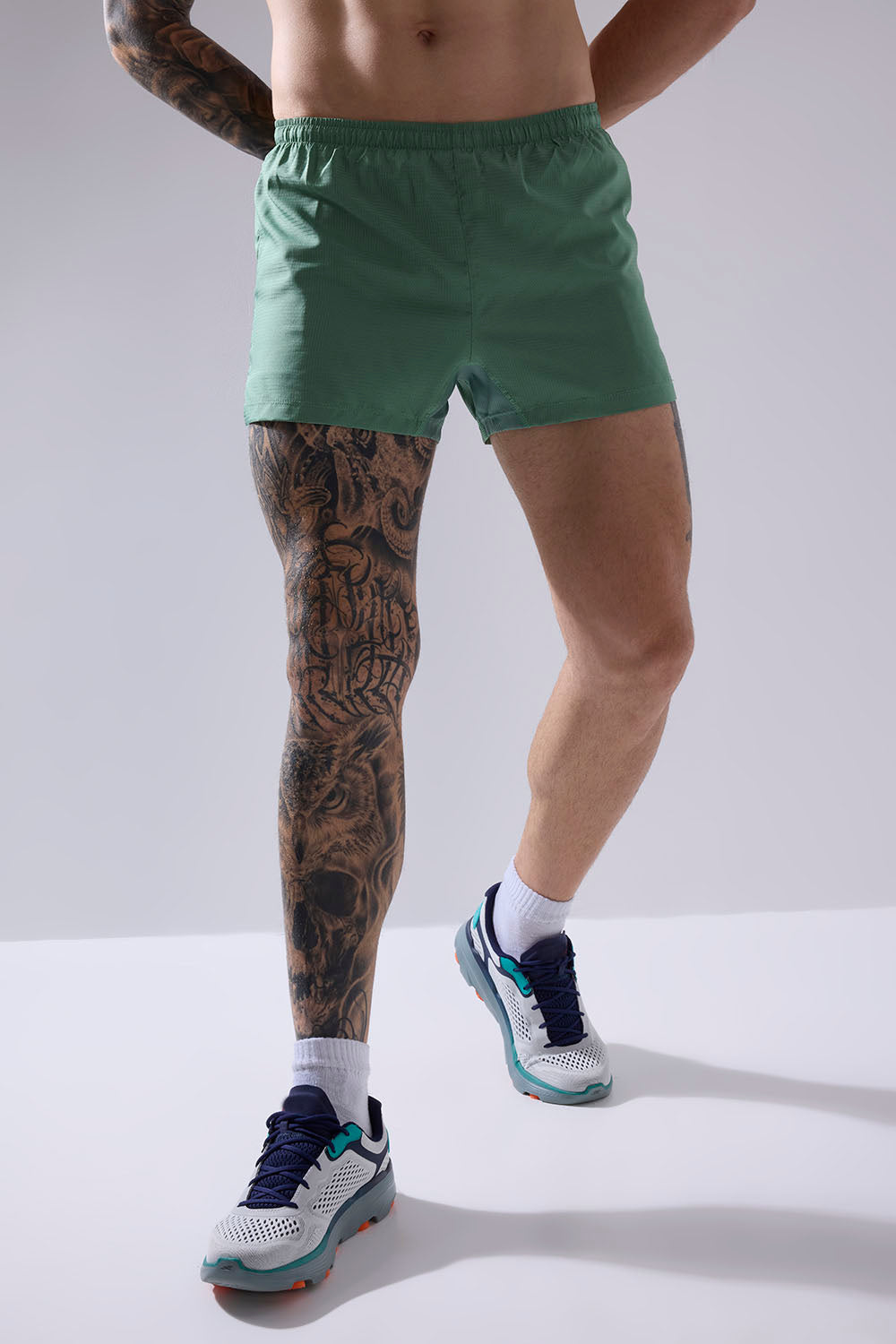
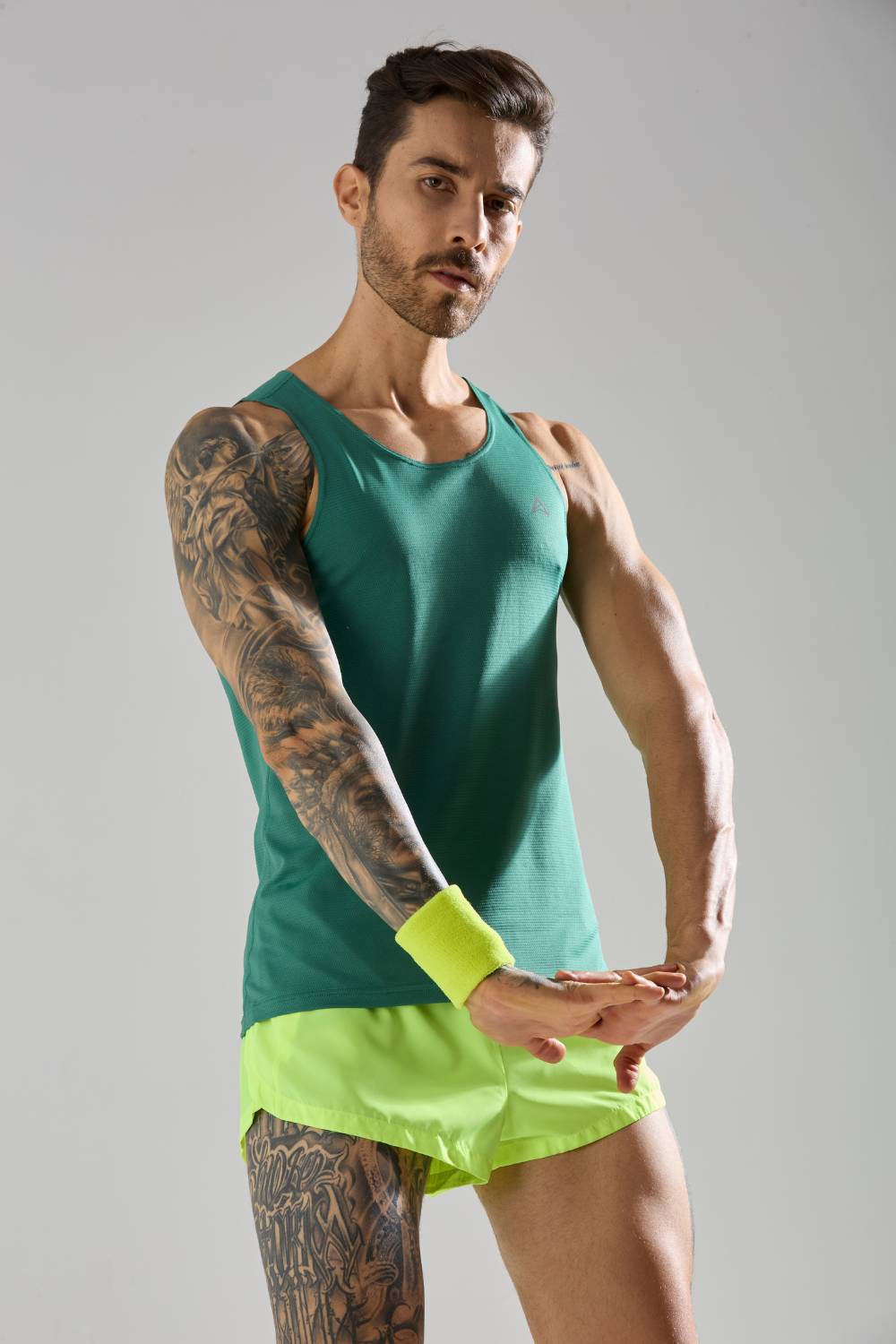
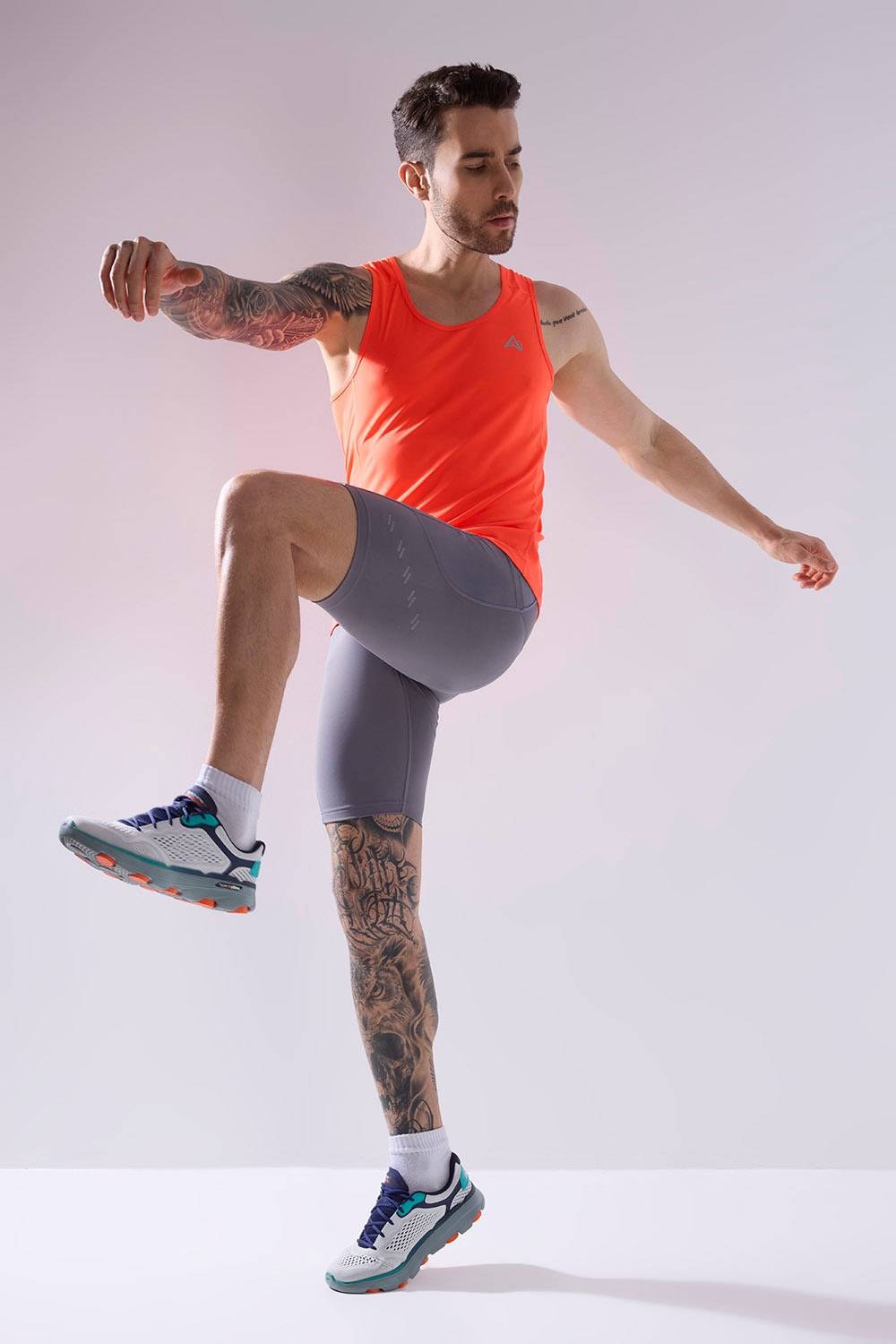
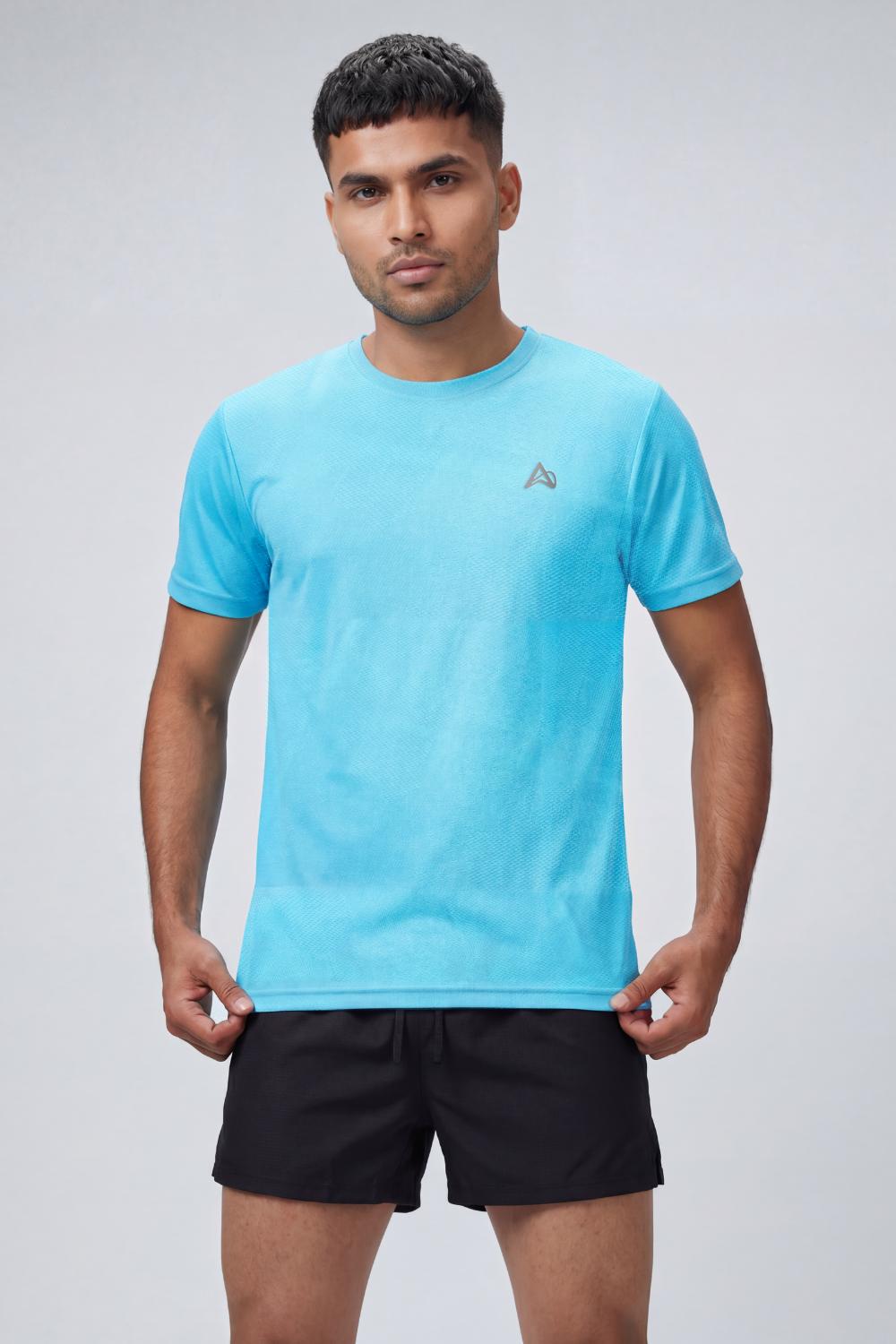
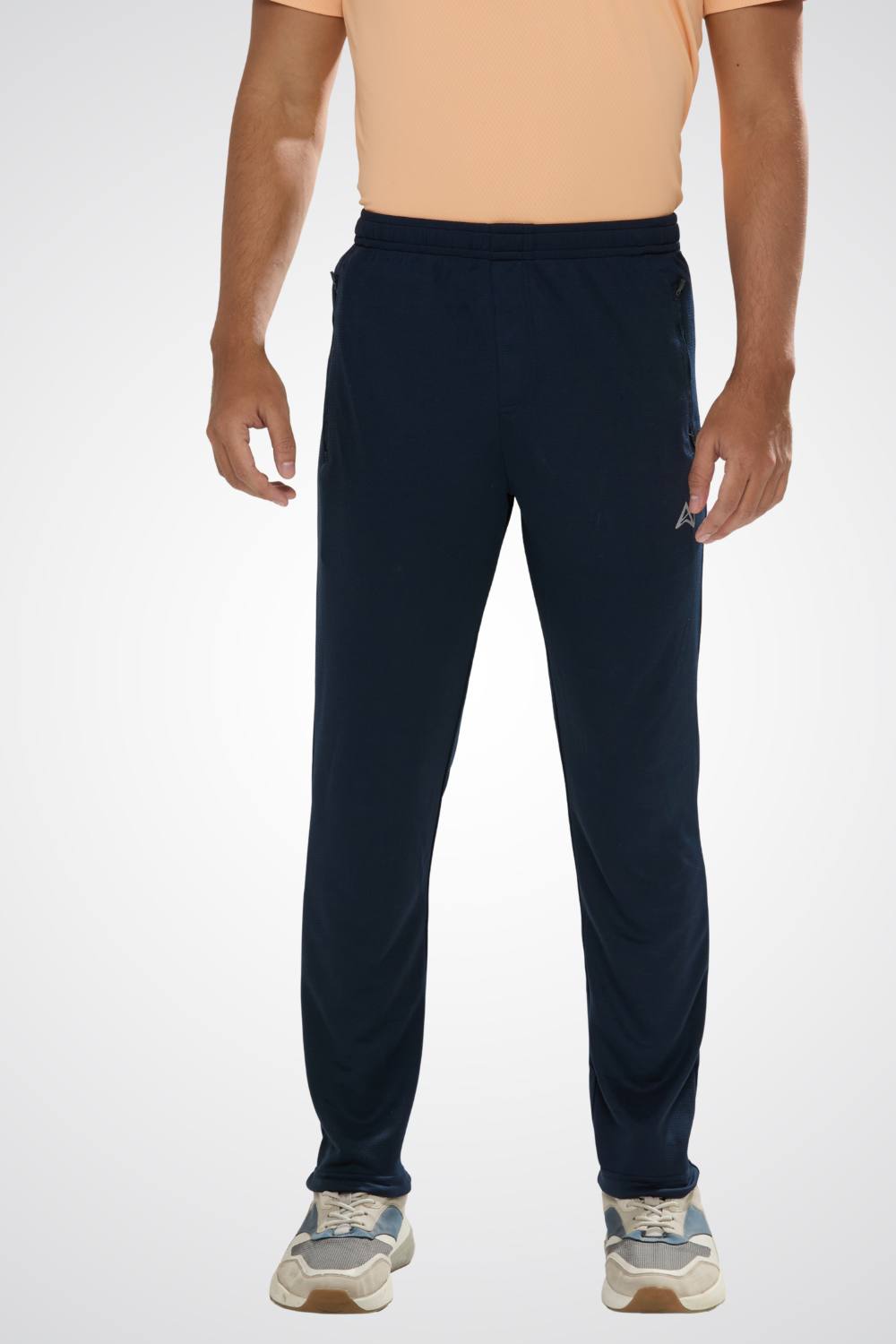
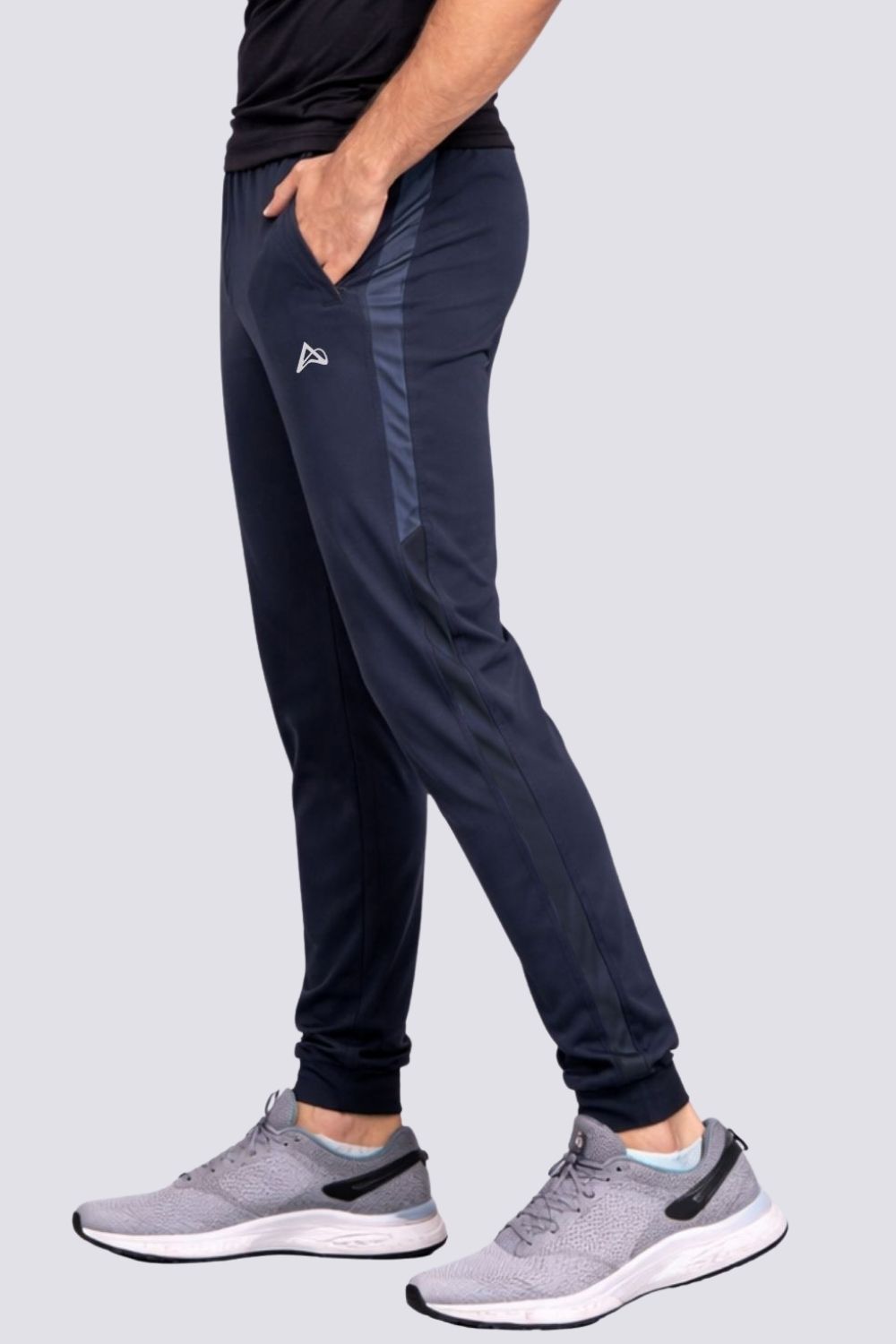
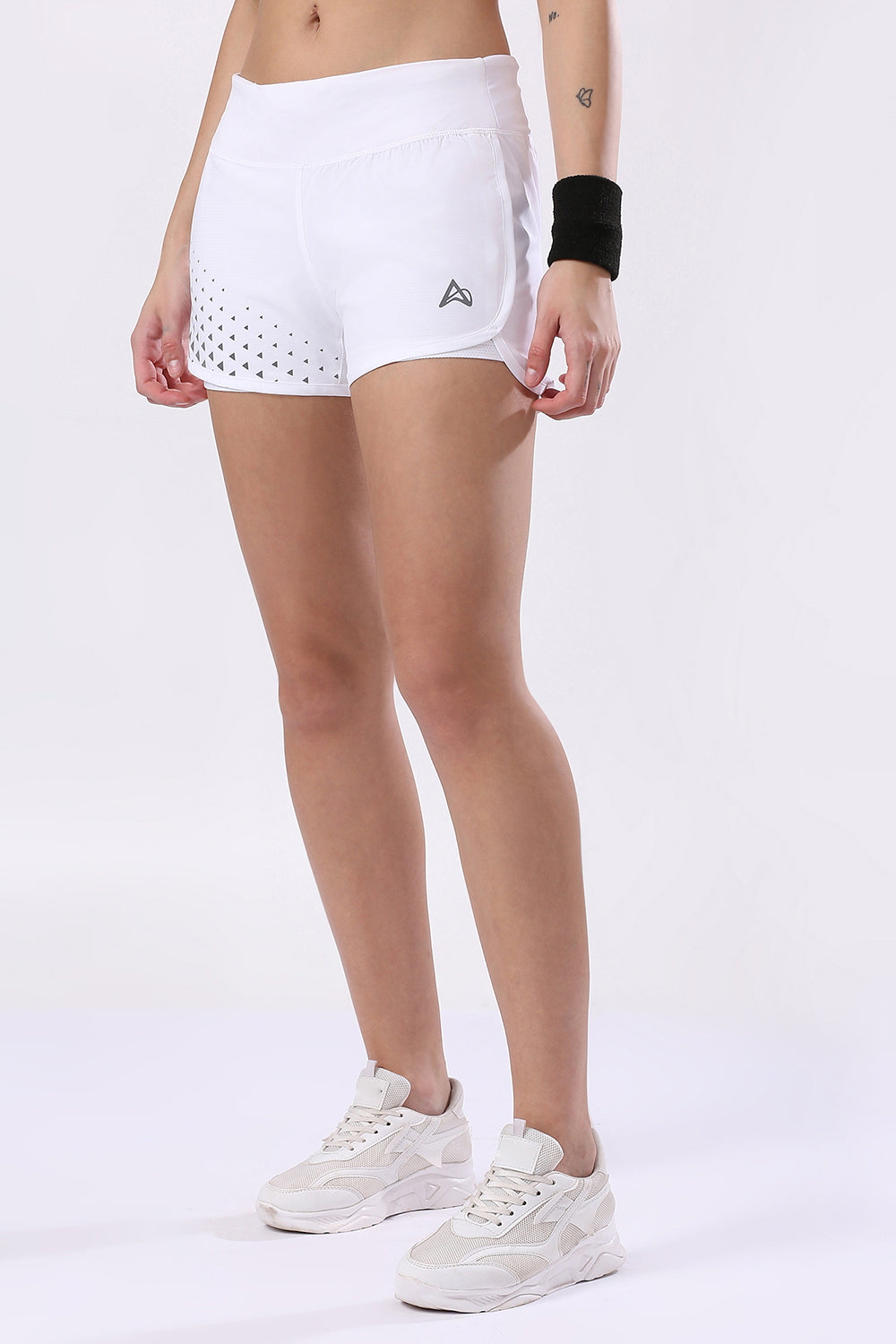
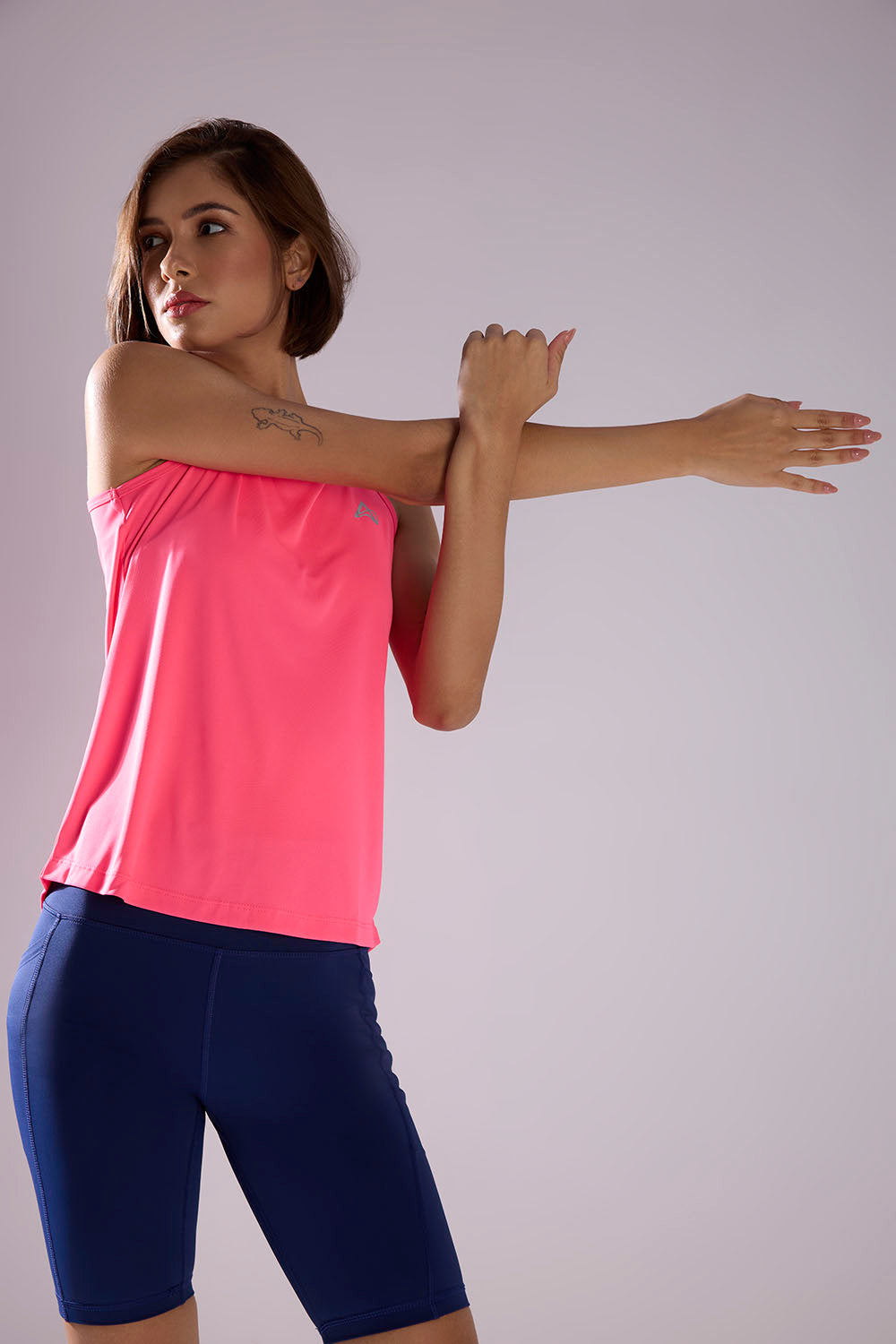
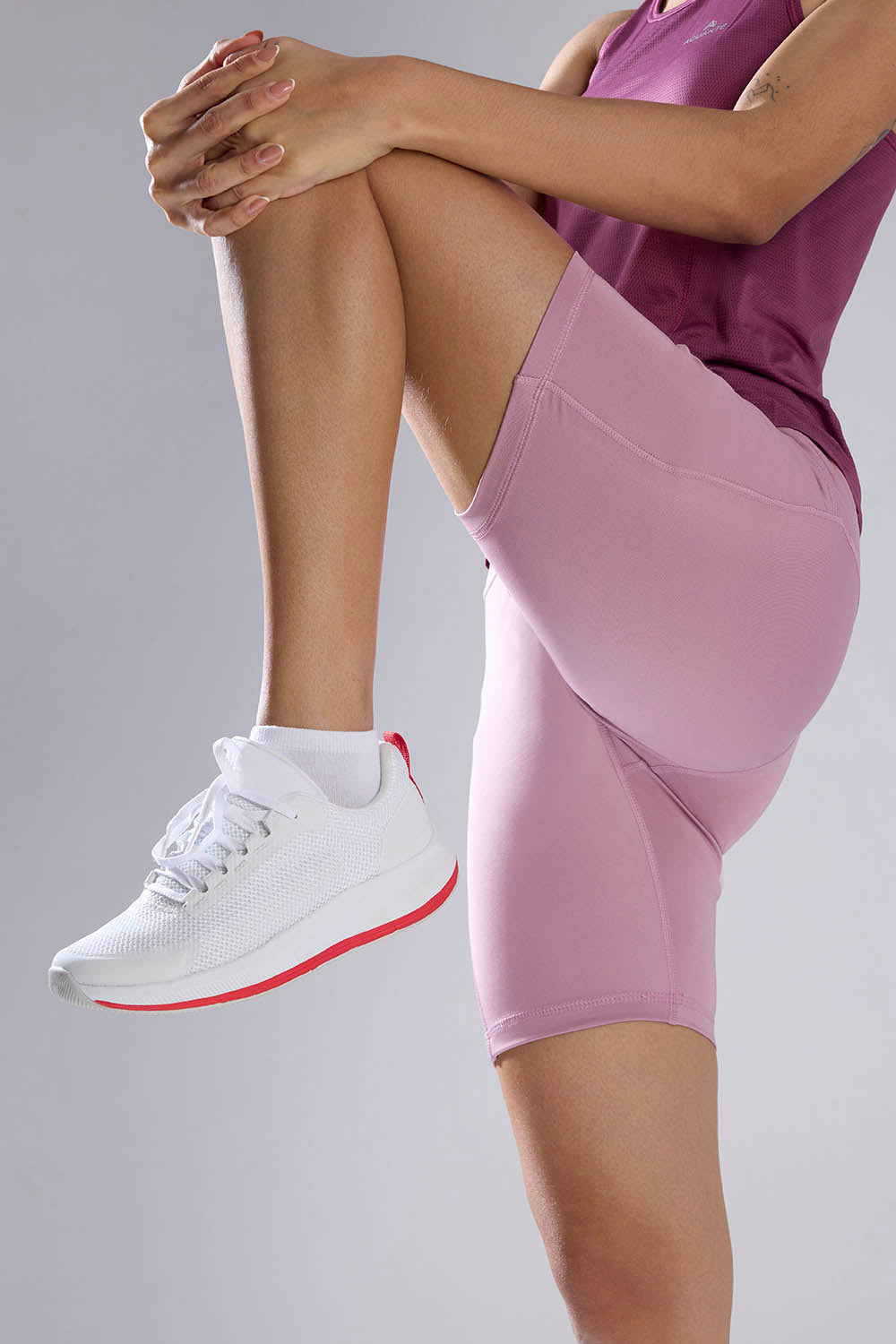
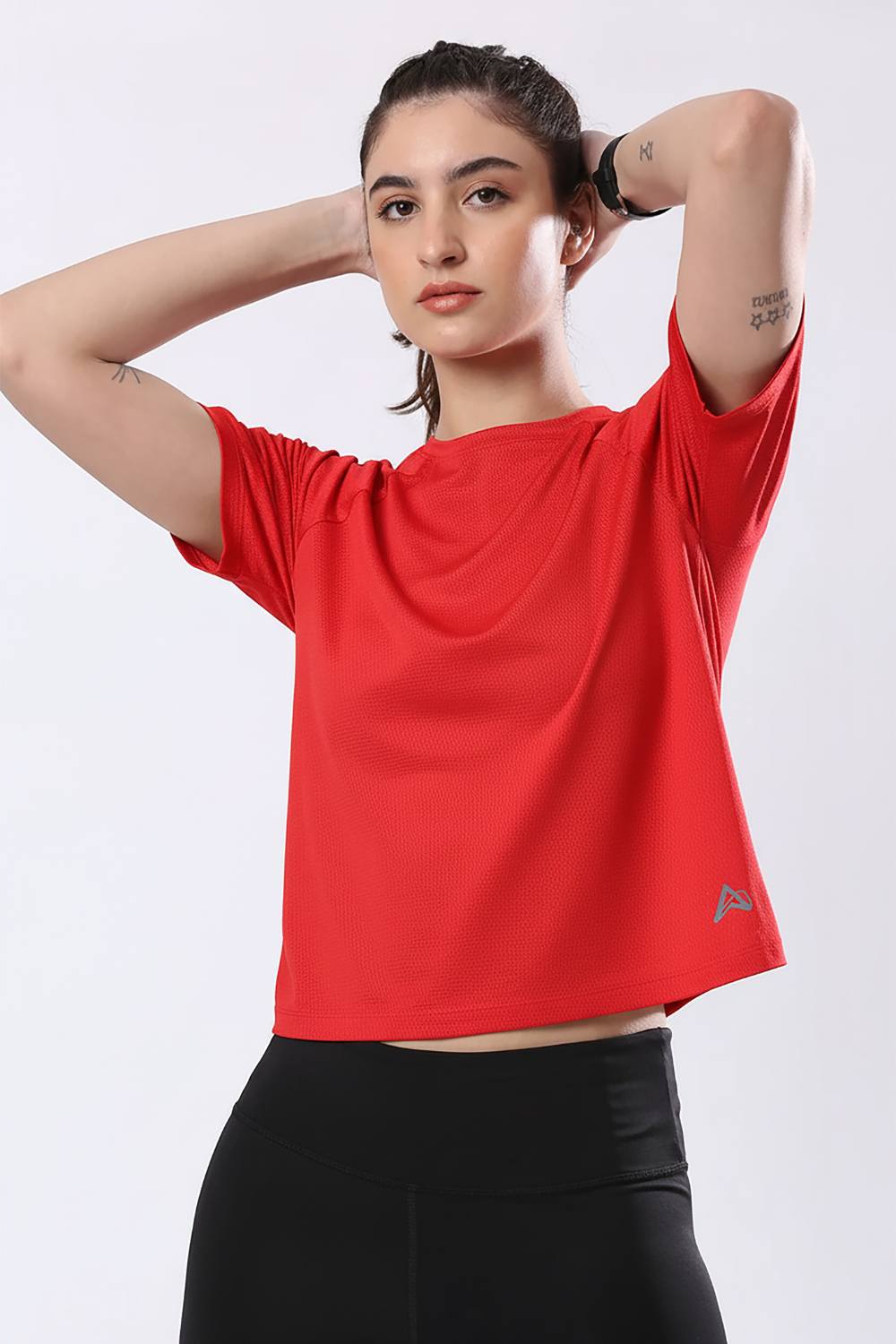
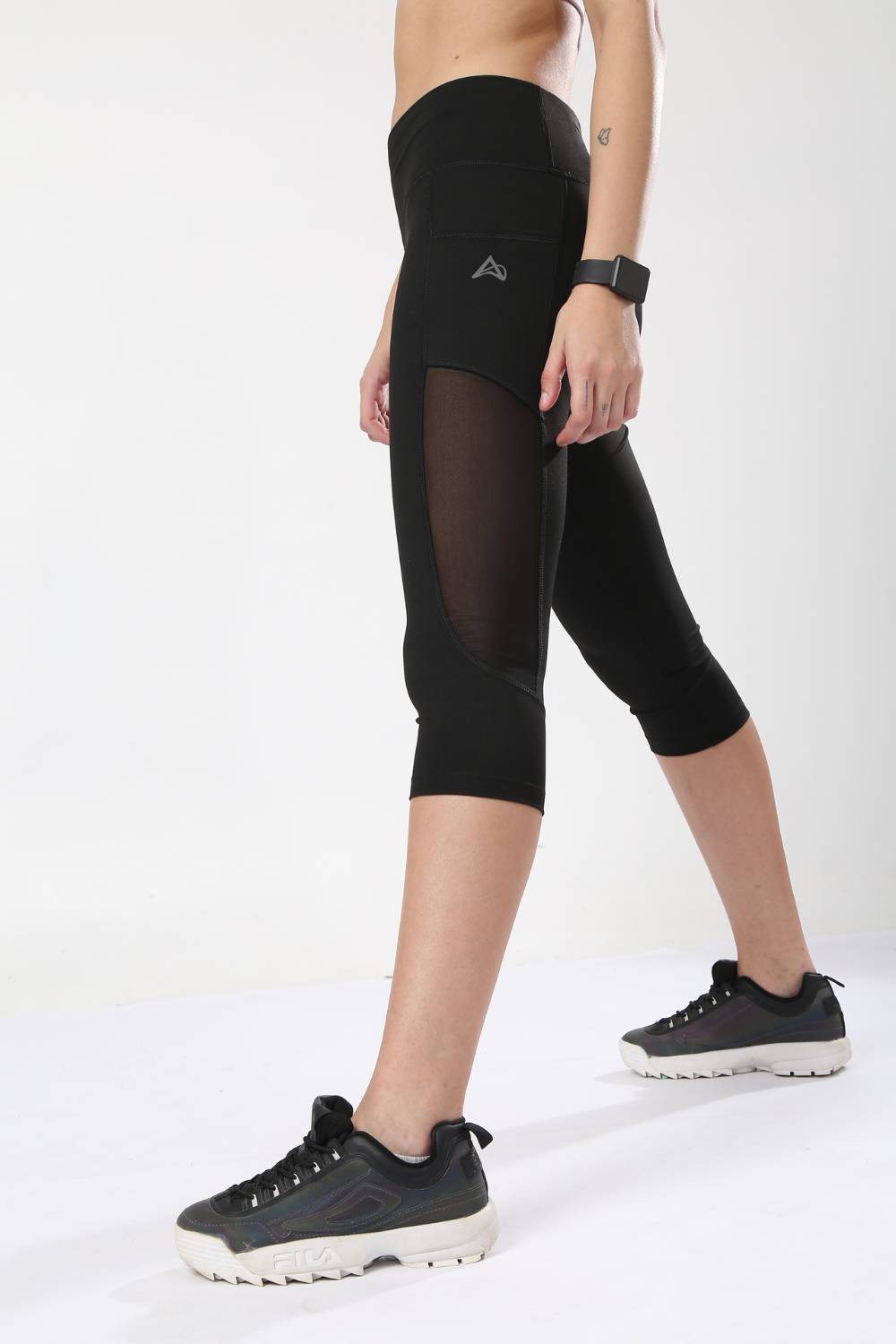
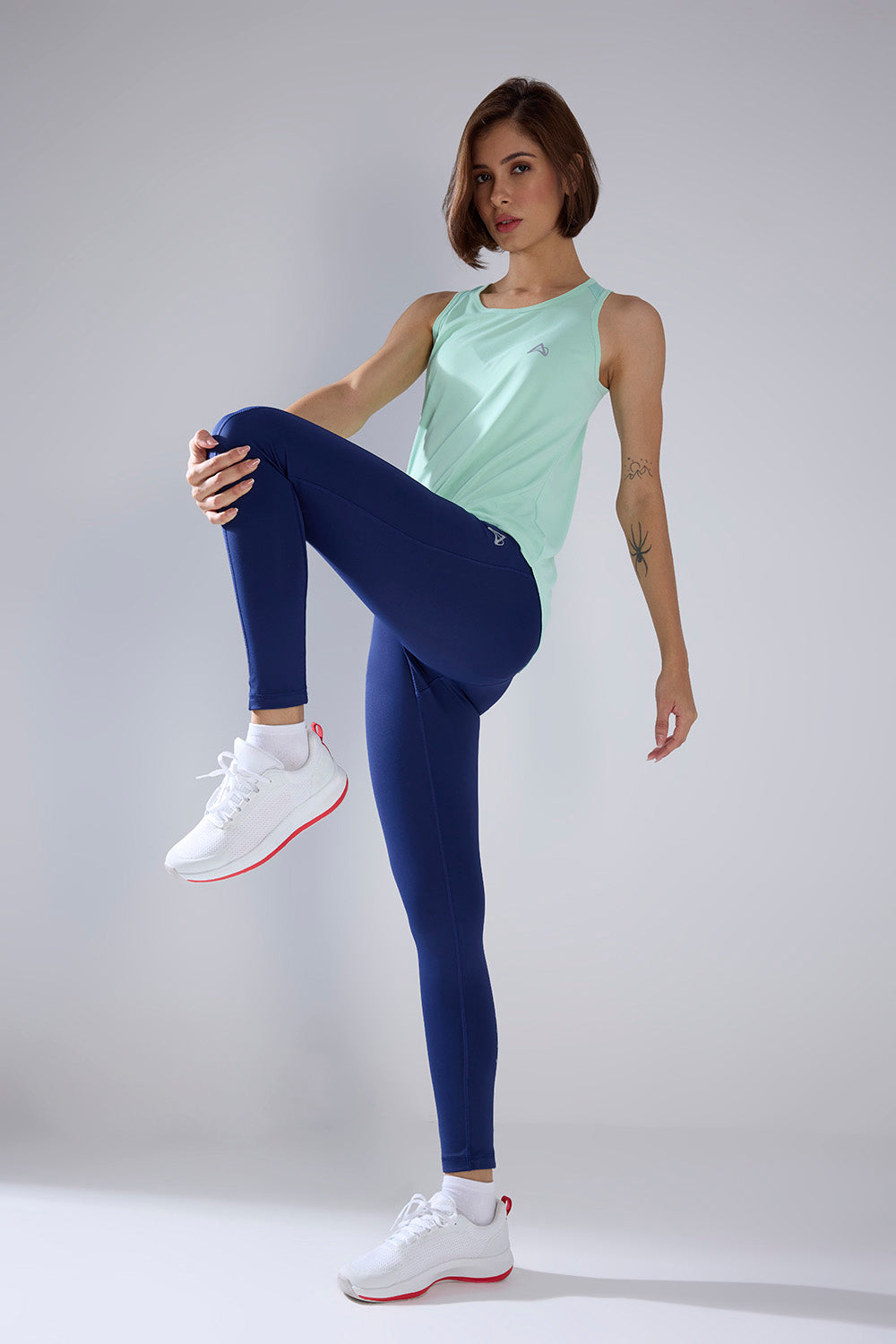

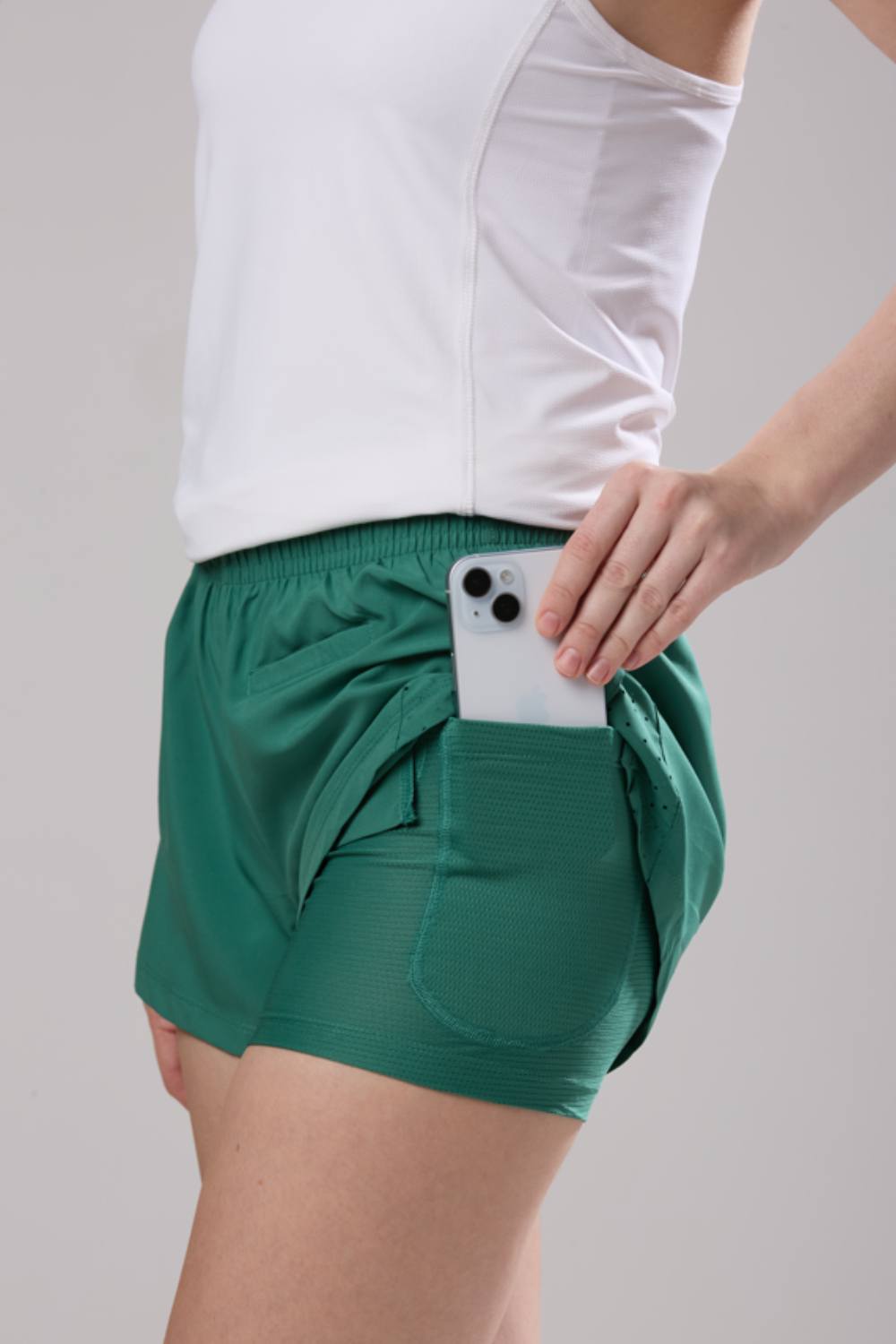
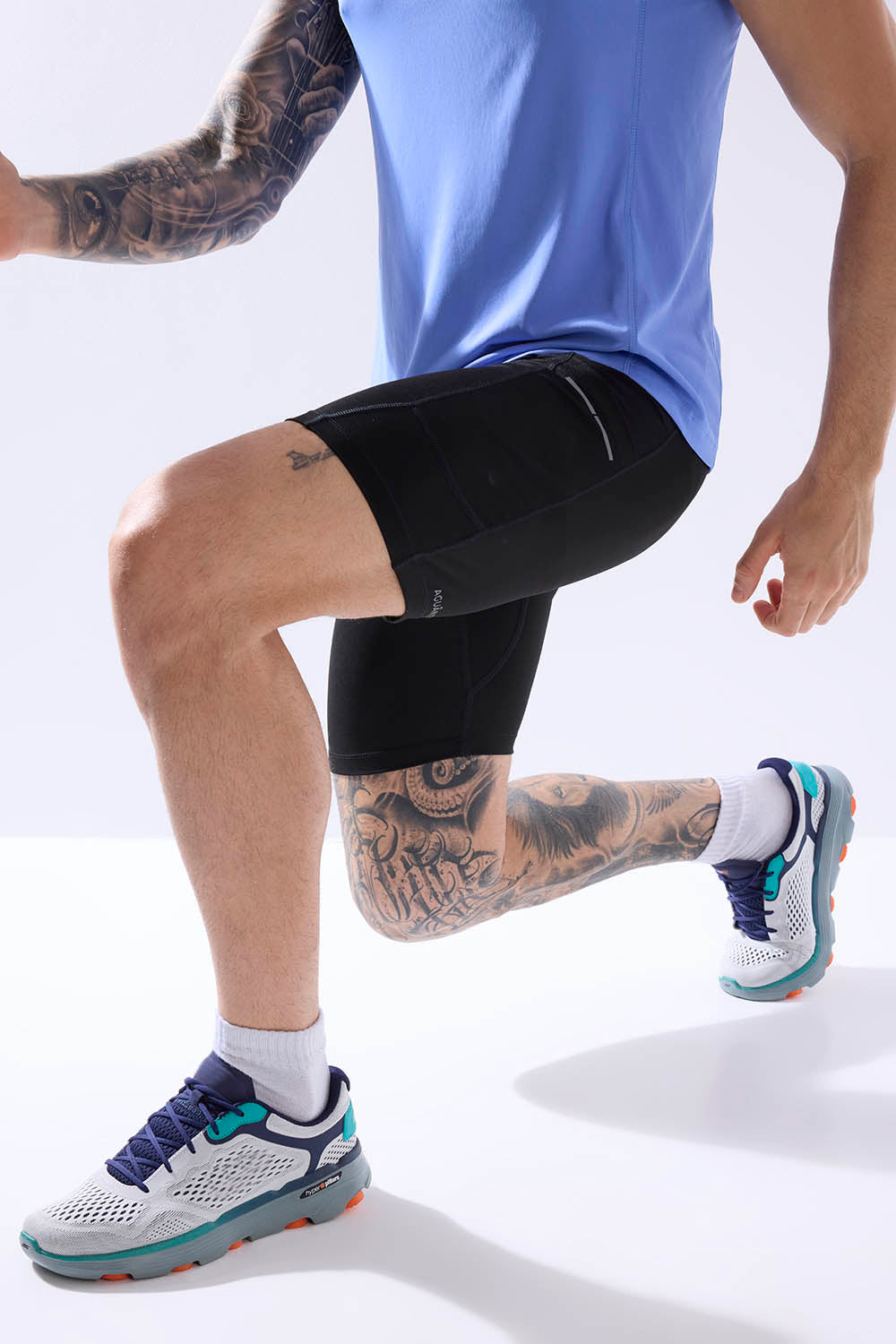
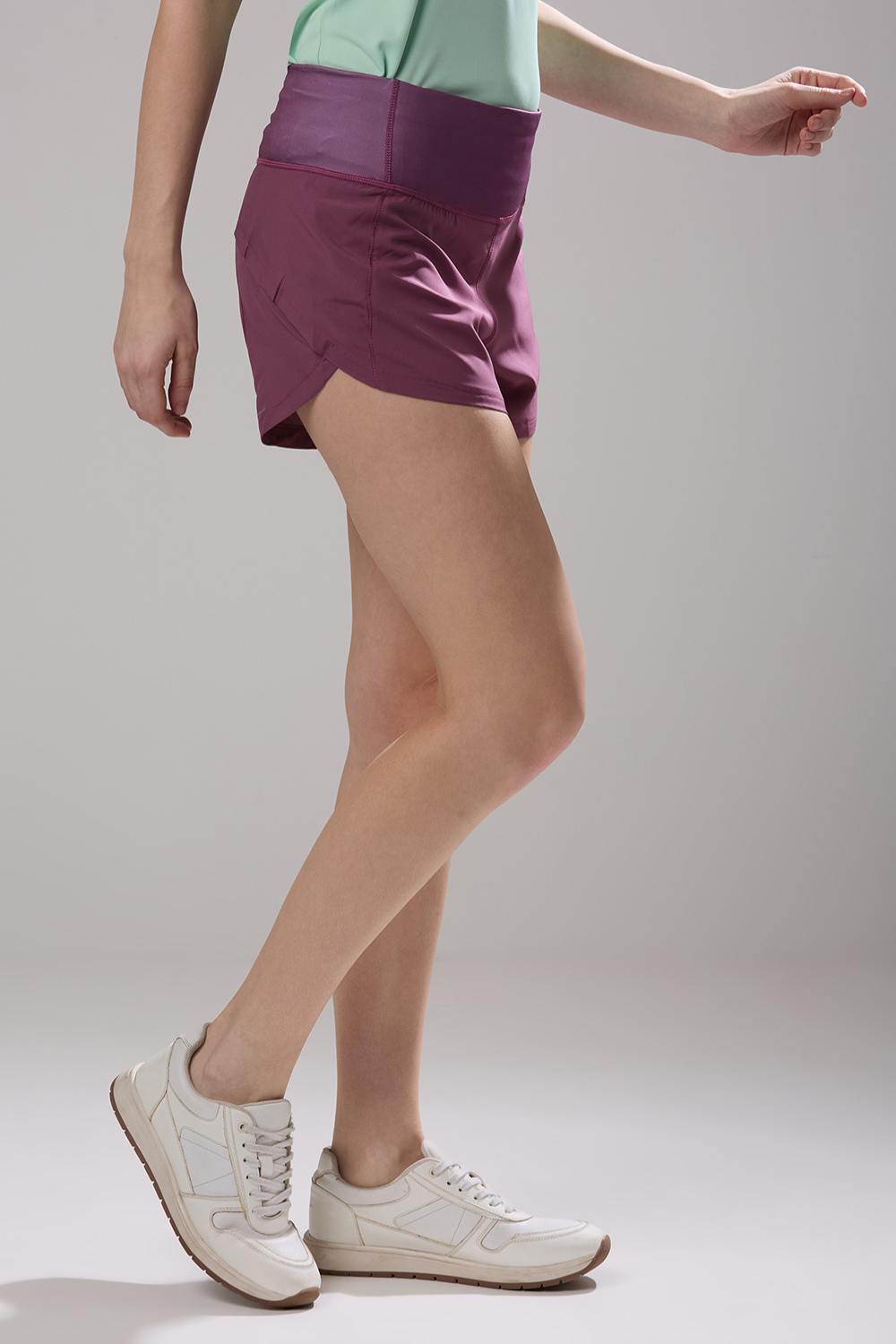
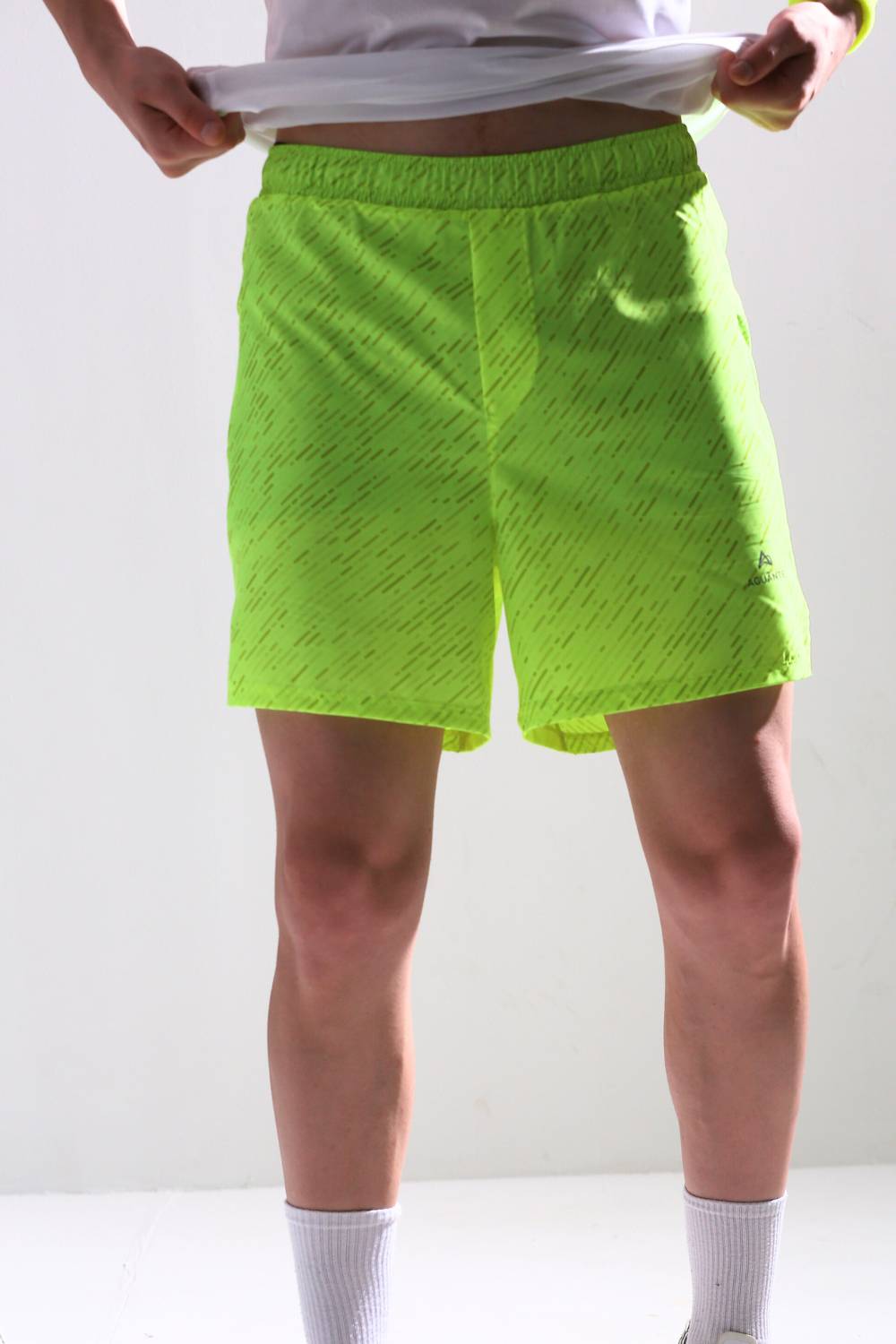
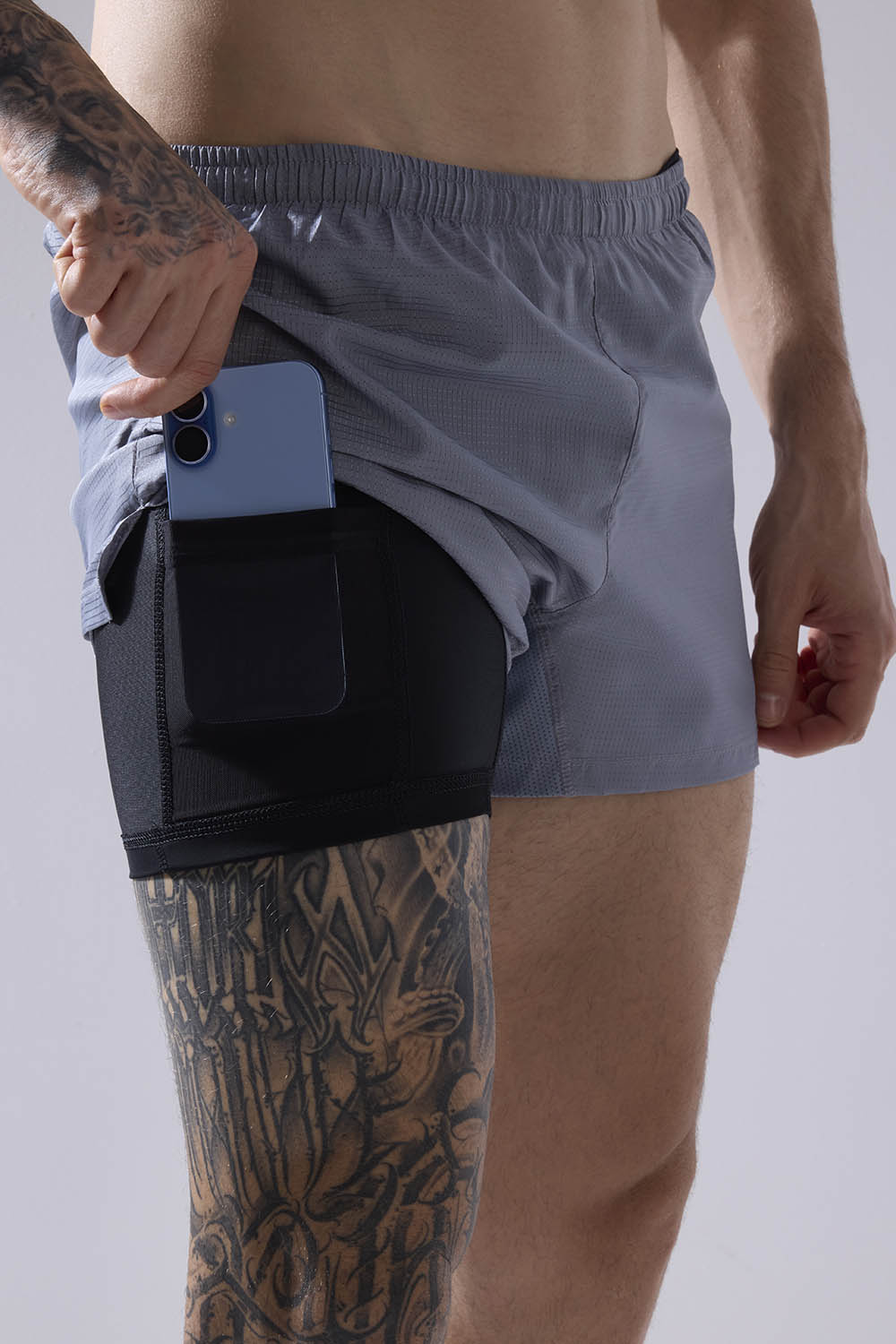

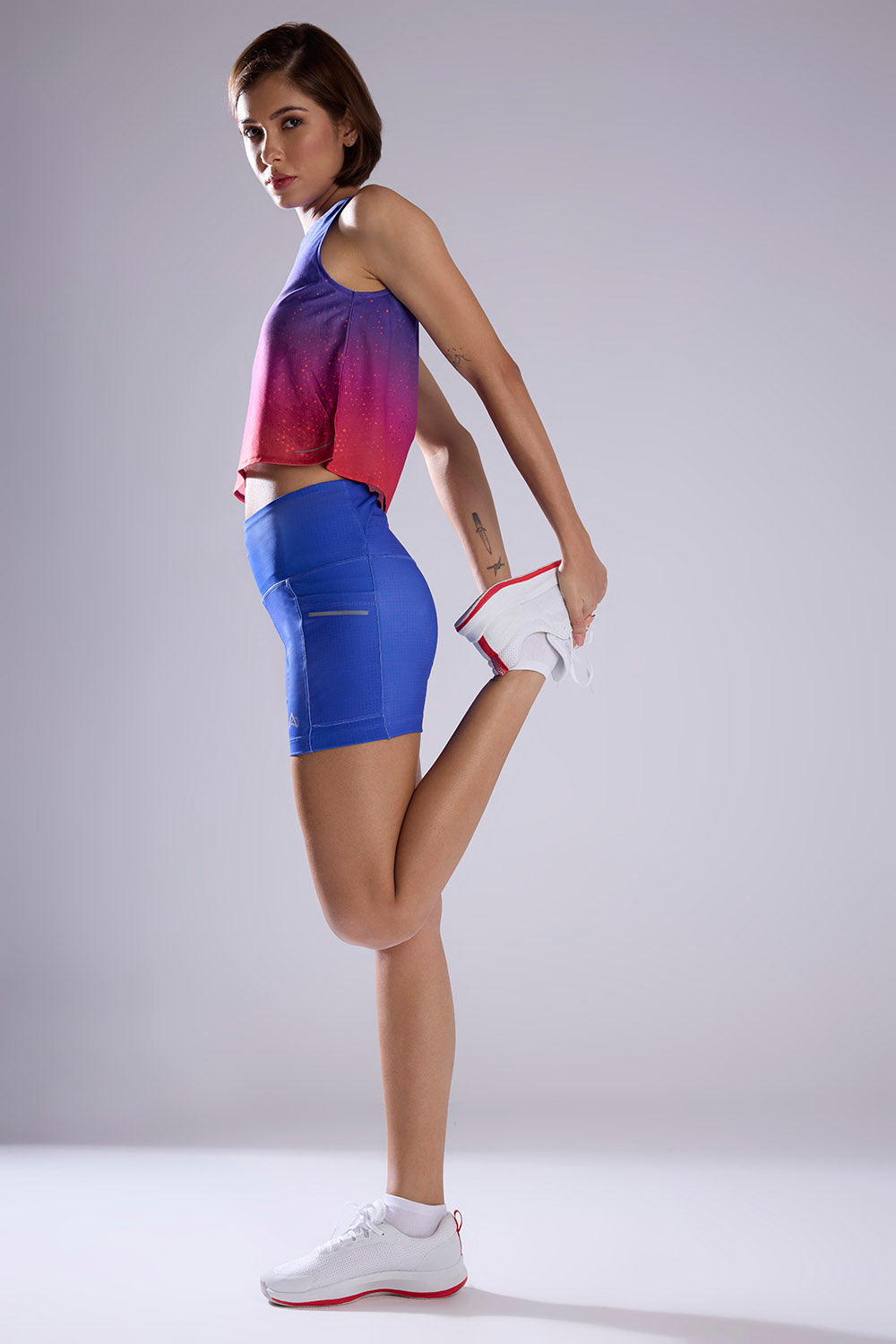
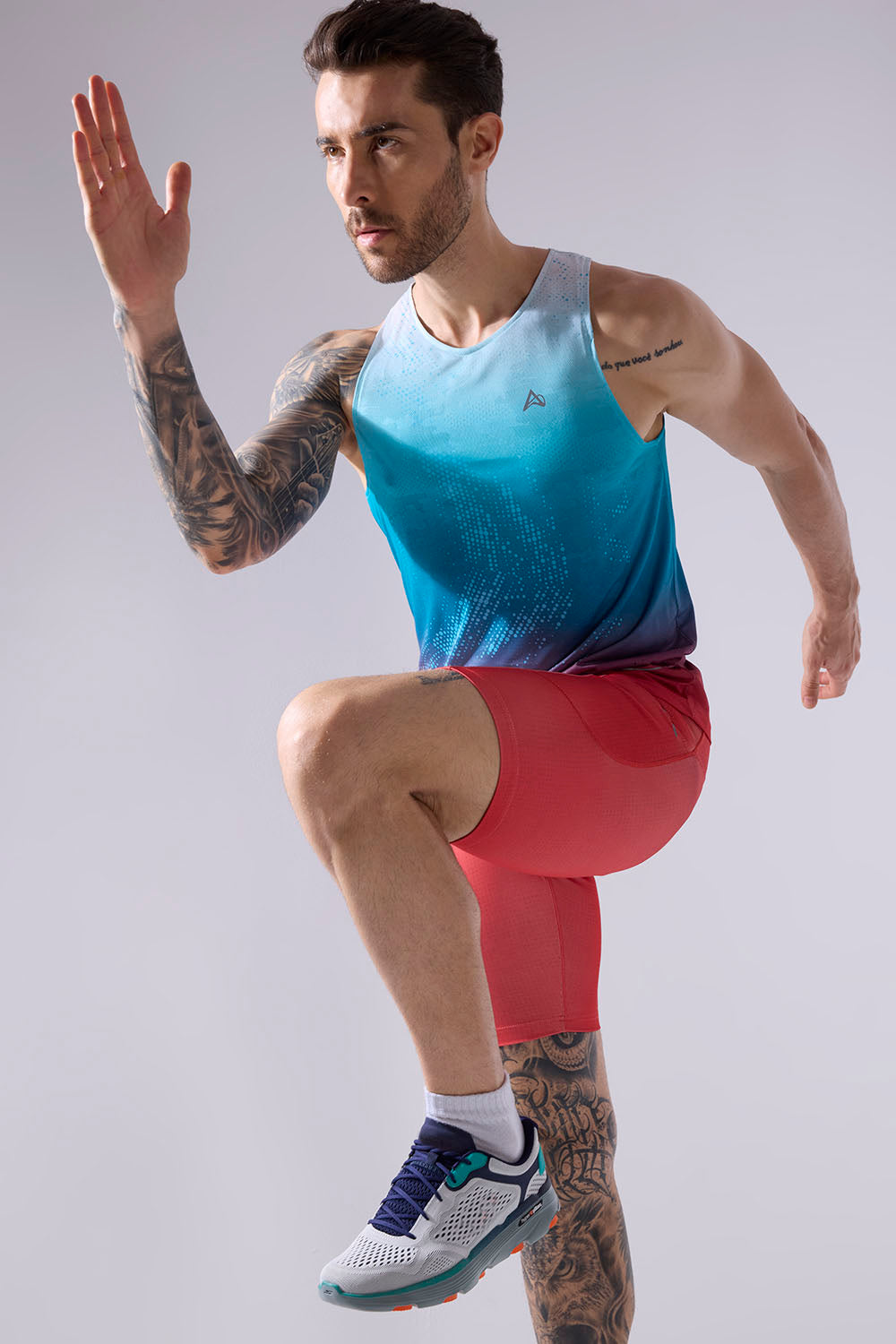

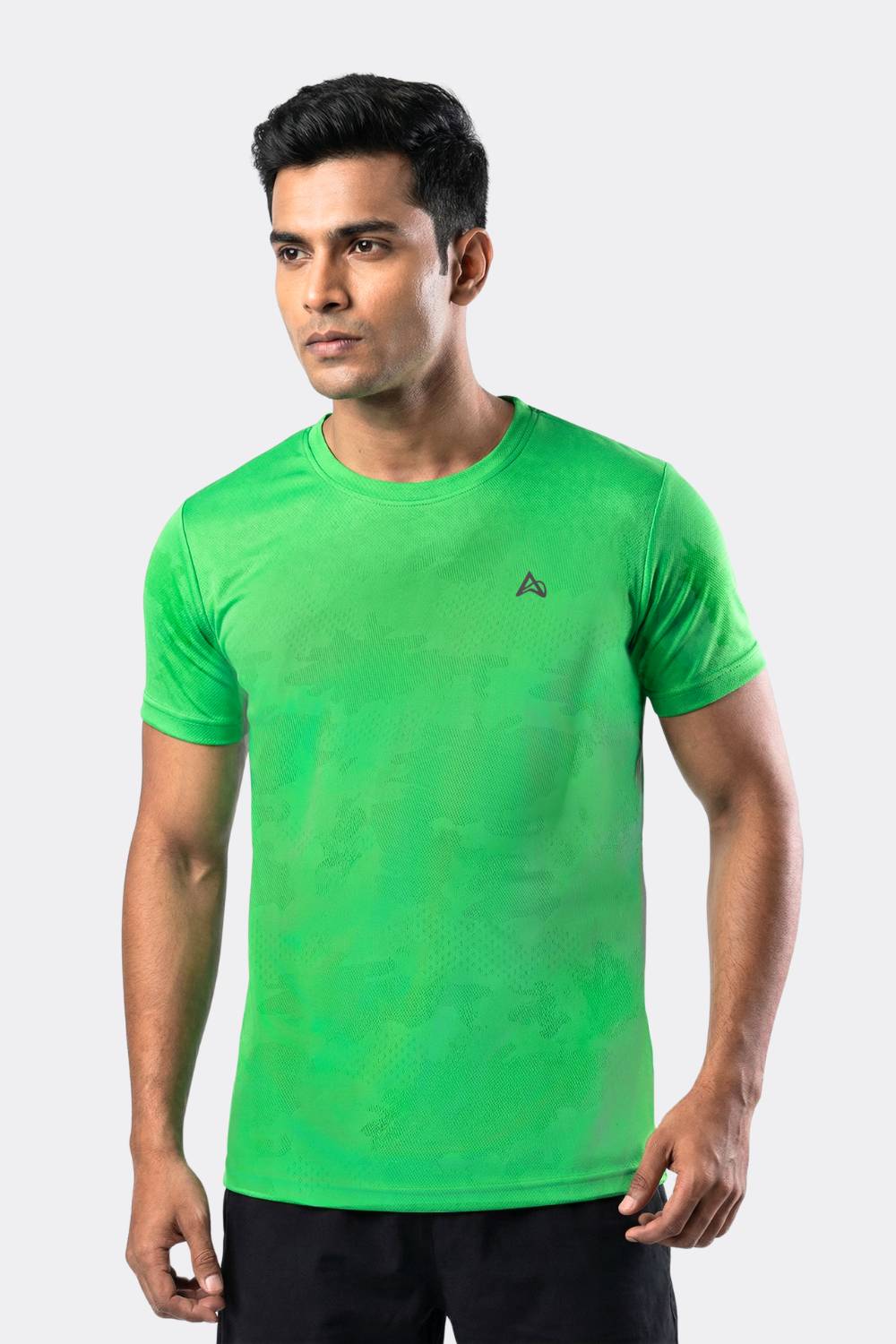
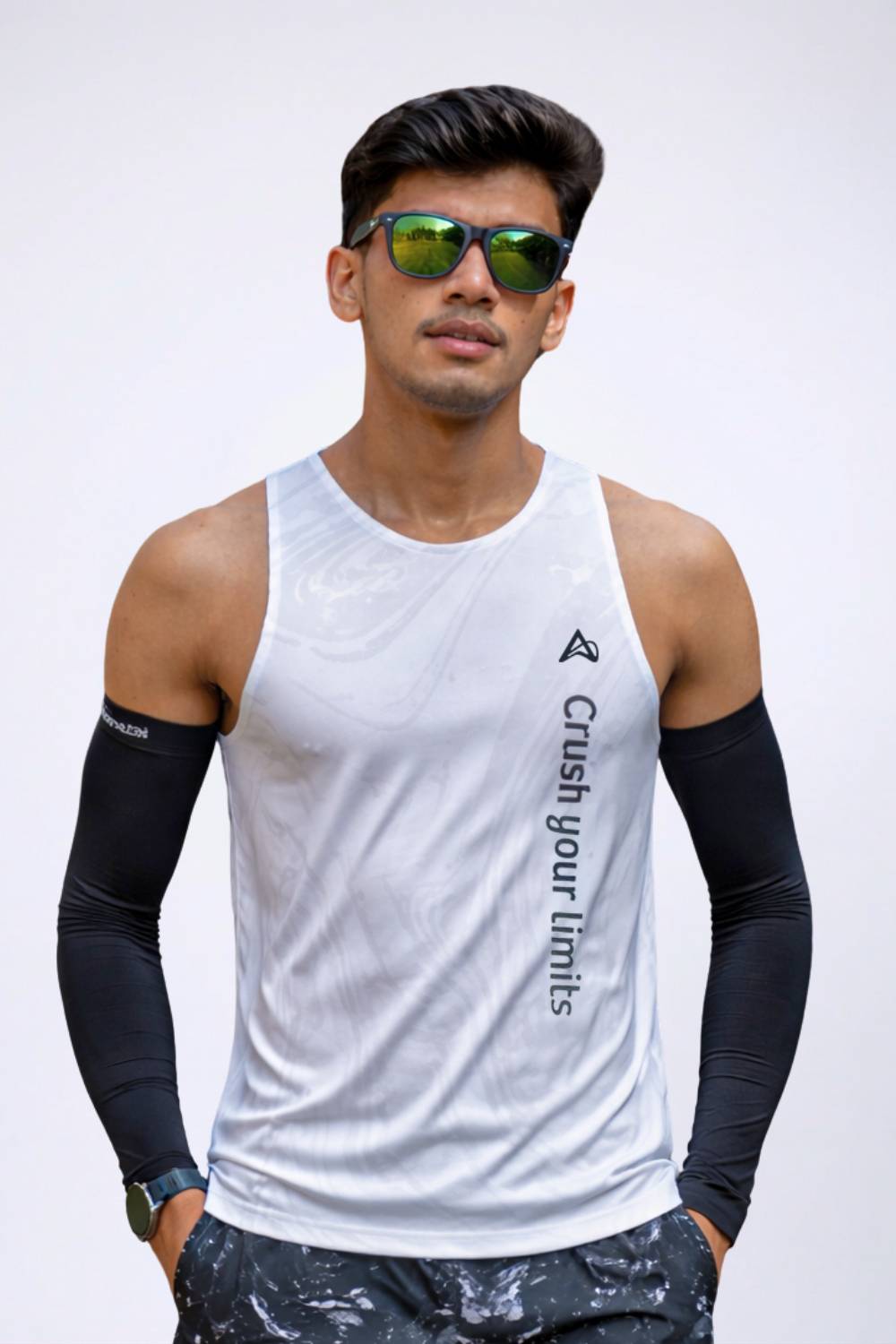

Quick-dry running T-shirts are designed to solve one of the most common challenges runners face during exercise: managing sweat. When the body heats up during a run, clothing needs to do more than simply cover the skin. It needs to help move moisture away, support airflow, and maintain comfort as intensity, distance, and weather conditions change. Understanding how quick-dry running T-shirts work helps runners make better choices when selecting performance apparel for training sessions, races, and everyday workouts.
Tired of gear that slows you down? Chafing, soggy fabrics, and missing pockets kill your run's momentum. At Aguante, we're runners who get it. Our high-performance activewear features moisture-wicking fabrics, ergonomic designs, and smart storage to keep you focused. Shop Now!
Why Sweat Management Matters in Running Apparel
Sweating is a natural part of exercise. The body releases moisture to regulate temperature, but the way clothing handles that moisture can significantly affect the running experience. A shirt that holds onto sweat can become heavy, uncomfortable, and restrictive, especially during longer runs or high-intensity workouts.
Traditional cotton clothing often absorbs moisture and retains it within the fabric. While cotton can feel comfortable during casual activities, it may not provide the same performance benefits when a runner needs clothing that dries efficiently and supports movement.
Quick-dry running T-shirts are built around a different approach. Instead of simply absorbing sweat, they are designed to help moisture move through the fabric and evaporate more effectively. This creates a lighter, more comfortable feel while helping runners stay focused on their activity.
How Quick-dry Fabrics Move Moisture Away From the Body
The key technology behind quick-dry running T-shirts is moisture management. Technical fabrics are engineered to control how sweat interacts with the material. Synthetic fibers such as polyester and nylon are commonly used because they absorb less water than traditional fabrics, allowing moisture to spread across the surface where it can dry more quickly.
Quick-dry fabrics manage sweat by using a process known as moisture wicking. Instead of allowing sweat to remain concentrated in one area, the fabric helps distribute moisture across a wider surface area. This increases exposure to air and supports faster evaporation.
The result is a shirt that feels less saturated during activity. For runners, this can make a noticeable difference during warm-weather training, longer distances, and workouts where maintaining comfort becomes increasingly important.
The Role of Fabric Structure
Fiber type is only one part of performance. The way those fibers are woven or constructed also affects how a running shirt performs. Lightweight fabric structures can improve airflow, while strategically designed areas may support ventilation where runners typically experience more heat buildup.
Modern performance apparel focuses on the relationship between fabric, body movement, and environmental conditions. A well-designed shirt does not simply react after sweat appears; it is created to help manage moisture throughout the workout.
The Science Behind Moisture-wicking Running Shirts
Many runners search for how moisture wicking fabric works because the term appears frequently in performance clothing descriptions. Moisture-wicking technology refers to the ability of fabric to pull moisture away from the skin and encourage evaporation through the outer surface.
This process depends on several factors, including fiber characteristics, fabric design, and airflow. Materials used in athletic apparel are selected because they can support faster drying compared with fabrics that retain large amounts of moisture.
Advanced cooling apparel innovation demonstrates how performance clothing design has expanded beyond basic sweat absorption. Modern athletic apparel combines specialized fibers, fabric structures, and ventilation strategies to improve comfort during intense activity.
For runners, this means a quick-dry shirt is not just about staying dry. It is about creating a more balanced relationship between the body, sweat, temperature, and movement.
Why Quick-dry Running T-shirts Perform Better in Warm Conditions
Weather conditions can strongly influence how clothing feels during a run. Heat and humidity can make sweat management more challenging because moisture may remain on the skin and fabric for longer periods. This is where quick-dry technology becomes especially useful.
Running shirts for hot weather are designed with comfort priorities such as breathability, lightweight construction, and moisture control. These features help reduce the discomfort that comes from wearing damp clothing during outdoor activities.
Runners training in warmer climates often look for apparel that allows freedom of movement while reducing distractions caused by sweat buildup. A technical running shirt can support this experience by helping moisture move away from the body and improving overall comfort throughout the session.
However, quick-dry fabric is only one part of choosing suitable running clothing. Fit, ventilation, fabric feel, and the type of activity all influence whether a shirt performs well for an individual runner.
Key Features to Consider When Choosing Performance Running Shirts
Understanding fabric technology makes it easier to evaluate different types of running apparel. Rather than choosing a shirt based only on appearance, runners can consider the features that support their specific needs.
- Moisture management: Look for fabrics designed to move sweat away from the skin and support evaporation.
- Breathability: Lightweight materials and airflow-focused designs can improve comfort during demanding workouts.
- Fit and mobility: Running apparel should allow natural movement without unnecessary restriction.
- Fabric durability: Performance clothing needs to maintain comfort and function through repeated training sessions.
- Activity suitability: A shirt designed for short runs may have different priorities from apparel intended for longer endurance activities.
The best fabric for running T-shirts depends on how and where the shirt will be used. A runner completing daily training sessions may prioritise lightweight comfort, while someone preparing for longer distances may focus more on moisture control and ventilation.
How Quick-dry Technology Supports Modern Running Needs
Running apparel has evolved from basic workout clothing into equipment designed around specific athlete challenges. Today's runners expect clothing to support comfort, movement, and consistency throughout different types of training.
Performance fabric technology reflects this shift. Instead of focusing only on appearance, designers consider how materials interact with the human body during exercise. Sweat control, airflow, and lightweight construction are now important parts of creating effective running gear.
This approach also explains why sweat-wicking sports clothing has become a common choice among people who regularly participate in running, fitness training, and outdoor activities. Functional design helps runners spend less time thinking about discomfort and more time focusing on their goals.
For activewear brands, understanding these needs is essential. Apparel designed around real runner experiences can create better connections with customers by addressing practical challenges rather than simply following style trends.
Choosing the Right Quick-dry Running T-shirt for Your Training
Selecting a running shirt begins with understanding personal requirements. The ideal option depends on factors such as workout intensity, climate, running duration, and individual comfort preferences.
Someone running shorter distances may value a lightweight shirt with excellent breathability, while endurance runners may prioritise stronger moisture management and comfort over extended periods. The right choice is not always the shirt with the most features, but the one that matches the runner's routine.
Quick-dry running T-shirts work because they combine material science with practical design. By helping manage sweat, improving airflow, and reducing the discomfort of damp fabric, they support a better running experience.
For runners exploring performance apparel, understanding these technologies provides a clearer way to evaluate clothing choices. A well-designed running shirt becomes more than a simple layer it becomes part of the equipment that helps athletes train comfortably and consistently.
Quick-dry running T-shirts use moisture-wicking fabrics, thoughtful construction, and airflow-focused design to help runners manage sweat during exercise. By moving moisture away from the skin and supporting faster evaporation, these shirts address one of the most common challenges in running comfort. Understanding how this technology works allows runners to choose apparel that better fits their training needs, whether they are preparing for longer distances, regular workouts, or everyday runs.
Frequently Asked Questions
How do quick-dry running T-shirts work?
Quick-dry running T-shirts use technical fabrics designed to move sweat away from the skin and help moisture evaporate faster. Materials such as polyester and nylon absorb less water than traditional fabrics, helping runners stay more comfortable during workouts.
How does moisture-wicking fabric help runners during exercise?
Moisture-wicking fabric spreads sweat across the surface of the material instead of allowing it to stay concentrated in one area. This helps improve drying, reduce the uncomfortable feeling of damp clothing, and support better comfort during runs.
What should I look for when choosing a quick-dry running T-shirt?
When choosing a quick-dry running T-shirt, consider features such as moisture management, breathability, fit, mobility, and fabric durability. The best option depends on factors like workout intensity, running distance, climate, and personal comfort preferences.
Disclaimer: The above helpful resources content contains personal opinions and experiences. The information provided is for general knowledge and does not constitute professional advice.
You may also be interested in: Understanding Anti-Chafing Clothing and Its Impact on Long Runs
Tired of gear that slows you down? Chafing, soggy fabrics, and missing pockets kill your run's momentum. At Aguante, we're runners who get it. Our high-performance activewear features moisture-wicking fabrics, ergonomic designs, and smart storage to keep you focused. Shop Now!
Powered by flareAI.co