

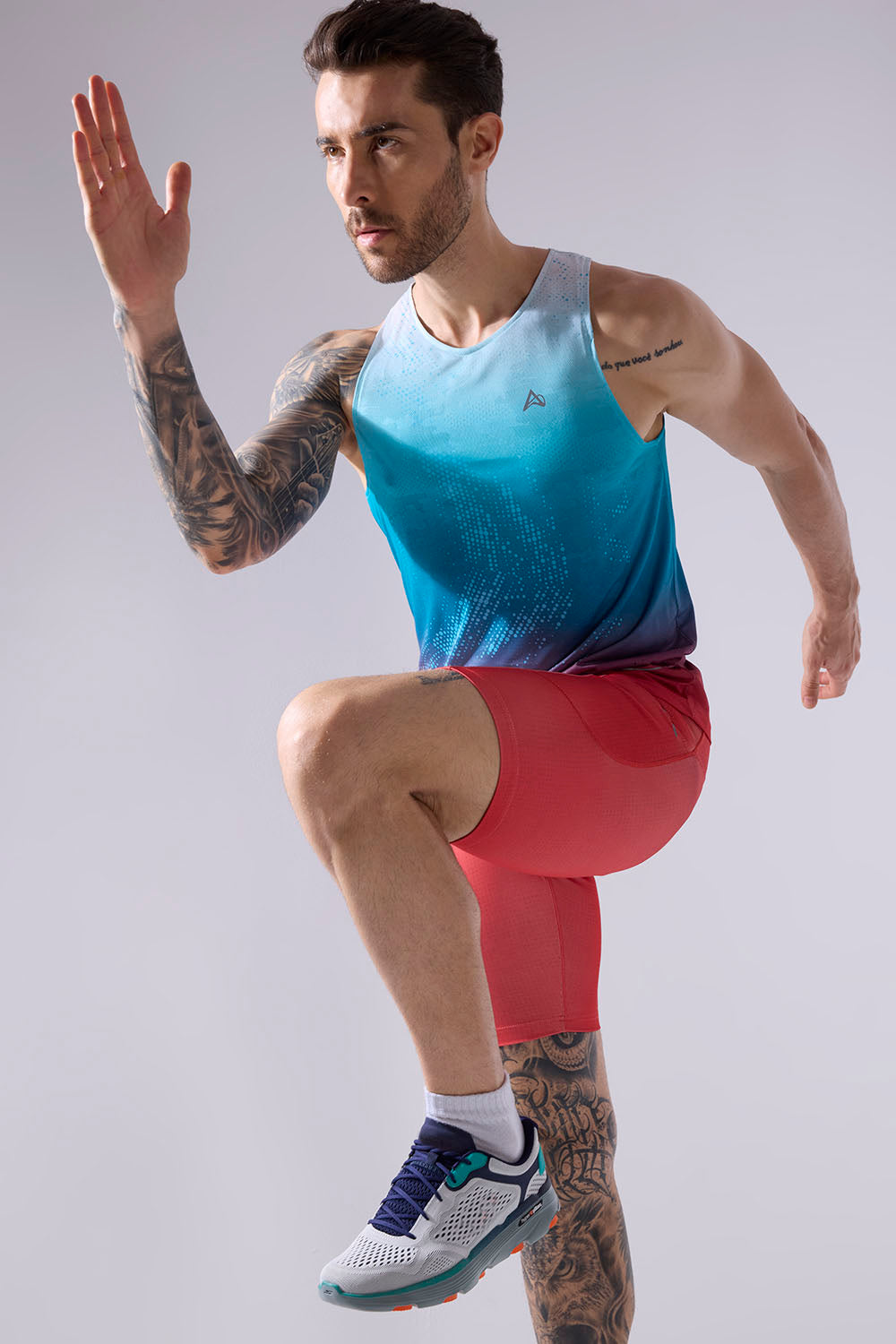

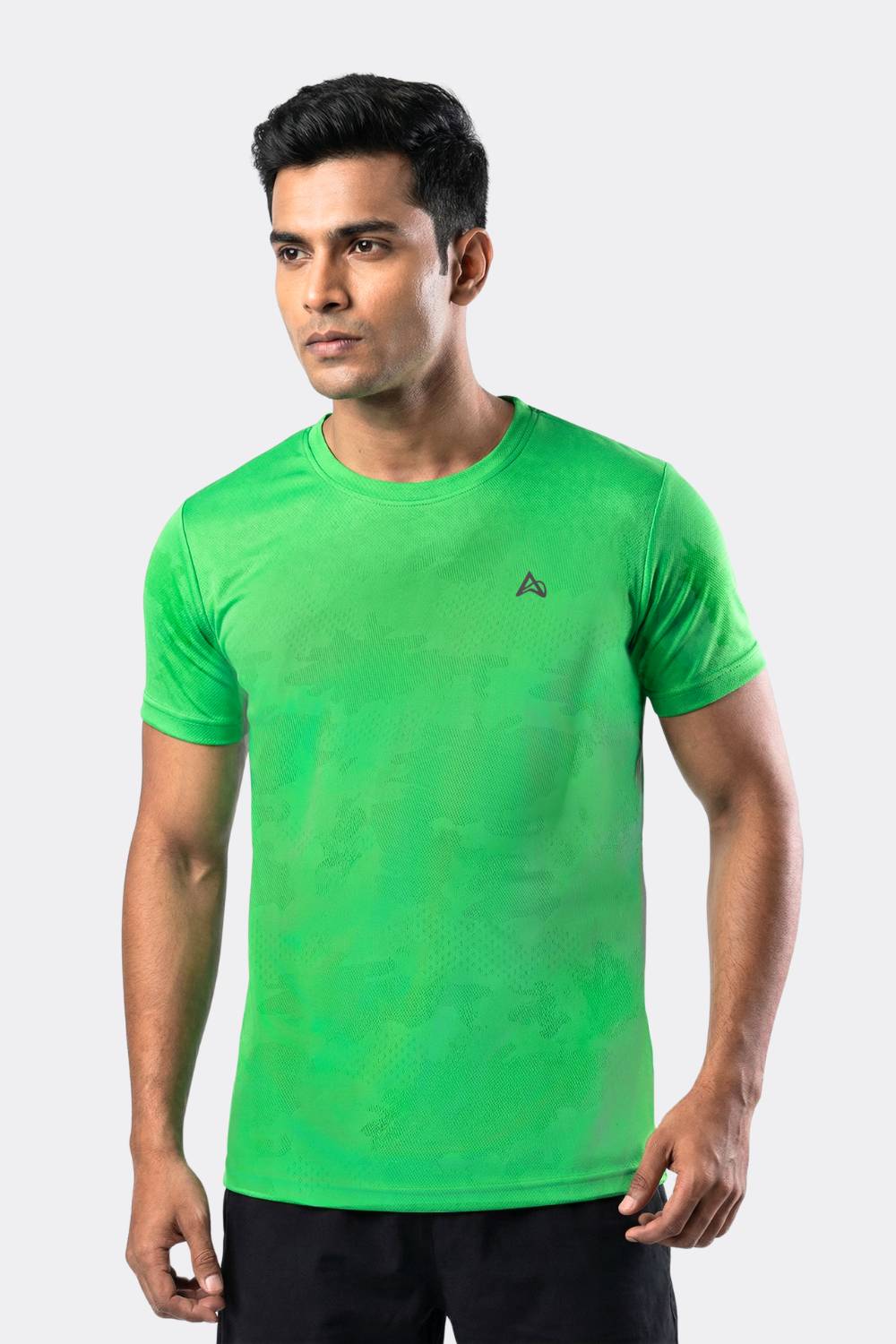
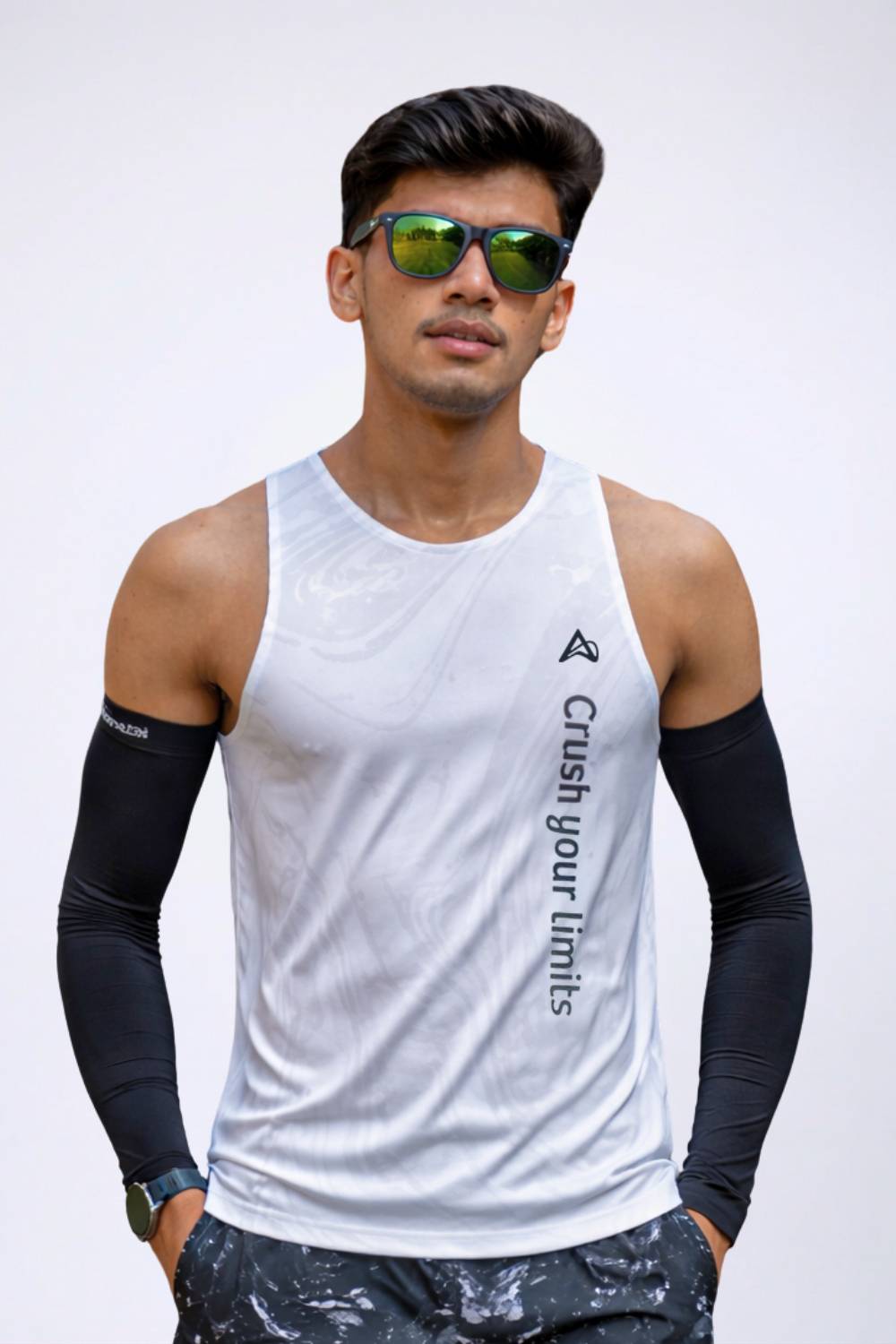

Long runs test more than endurance. They also test how well your clothing manages friction, moisture, and movement over extended periods. A small irritation that feels insignificant during the first few kilometres can become a painful distraction as distance increases. For runners building mileage, preparing for races, or simply spending more time outdoors, choosing the right apparel is an important part of creating a comfortable running experience. Understanding how running apparel can reduce chafing on long runs helps athletes make better decisions about fabric, fit, and design before discomfort affects training.
Chafing happens when repeated friction irritates the skin. During running, common problem areas include the inner thighs, underarms, waistband, and chest because these areas experience frequent movement and contact between skin, fabric, and sweat. Longer sessions create more opportunities for irritation because the same movement pattern continues thousands of times.
Running apparel is designed to manage the factors that contribute to discomfort. Unlike casual clothing, performance-focused garments are created around movement, ventilation, and moisture control. The goal is not only to make a runner feel comfortable at the start of a session but also to maintain that comfort as distance and effort increase.
For runners searching for running apparel to prevent chafing, the key considerations are often simple: choosing materials that manage sweat, selecting a fit that stays in place, and looking for construction details that minimise unnecessary rubbing.
Tired of gear that slows you down? Chafing, soggy fabrics, and missing pockets kill your run's momentum. At Aguante, we're runners who get it. Our high-performance activewear features moisture-wicking fabrics, ergonomic designs, and smart storage to keep you focused. Shop Now!
Why Moisture Management Matters During Long Runs
Sweat changes the way fabric interacts with skin. When clothing stays damp for a long period, it can become heavier and increase friction in areas where movement is repeated. This is why fabric choice plays such an important role in long-distance running comfort.
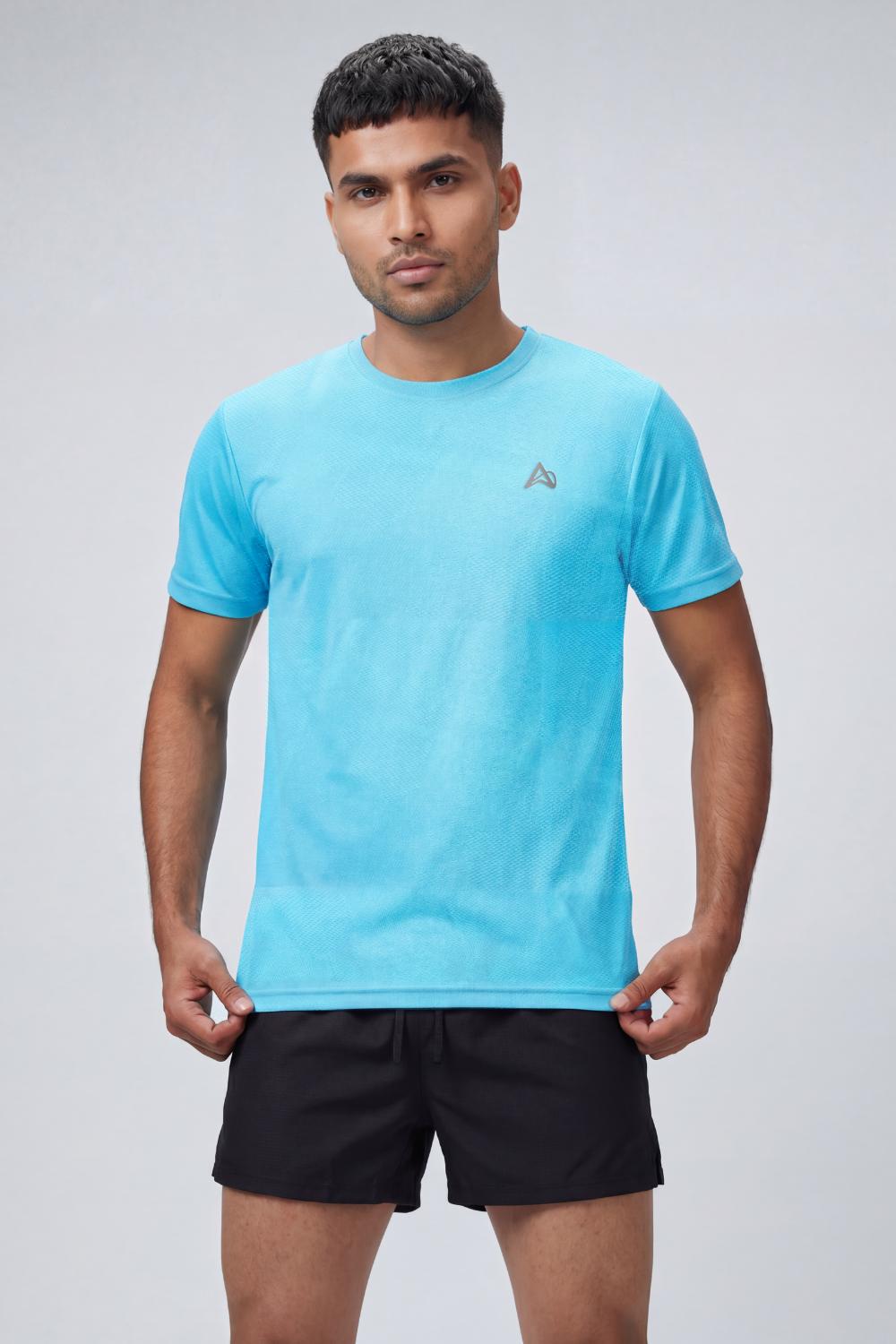
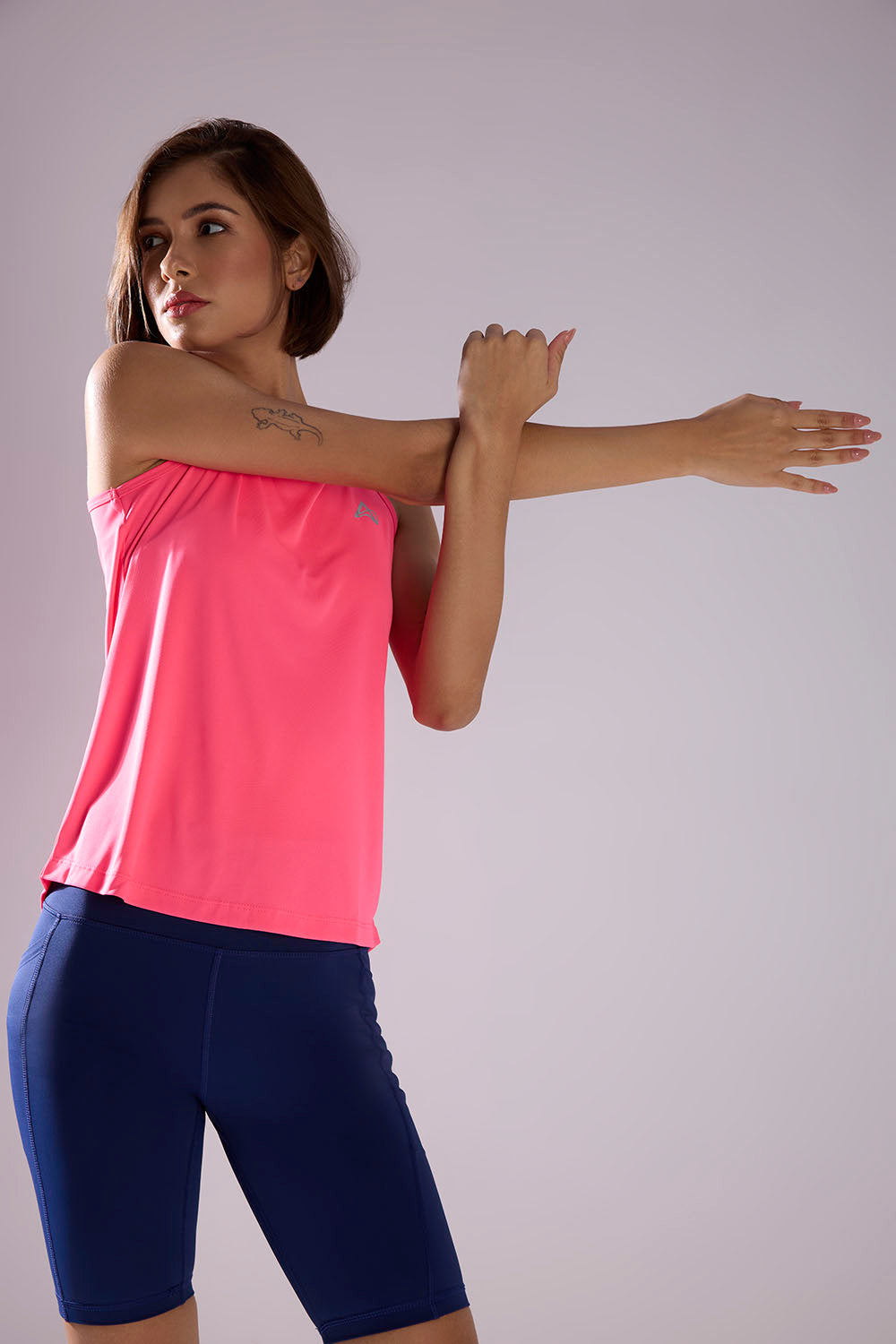
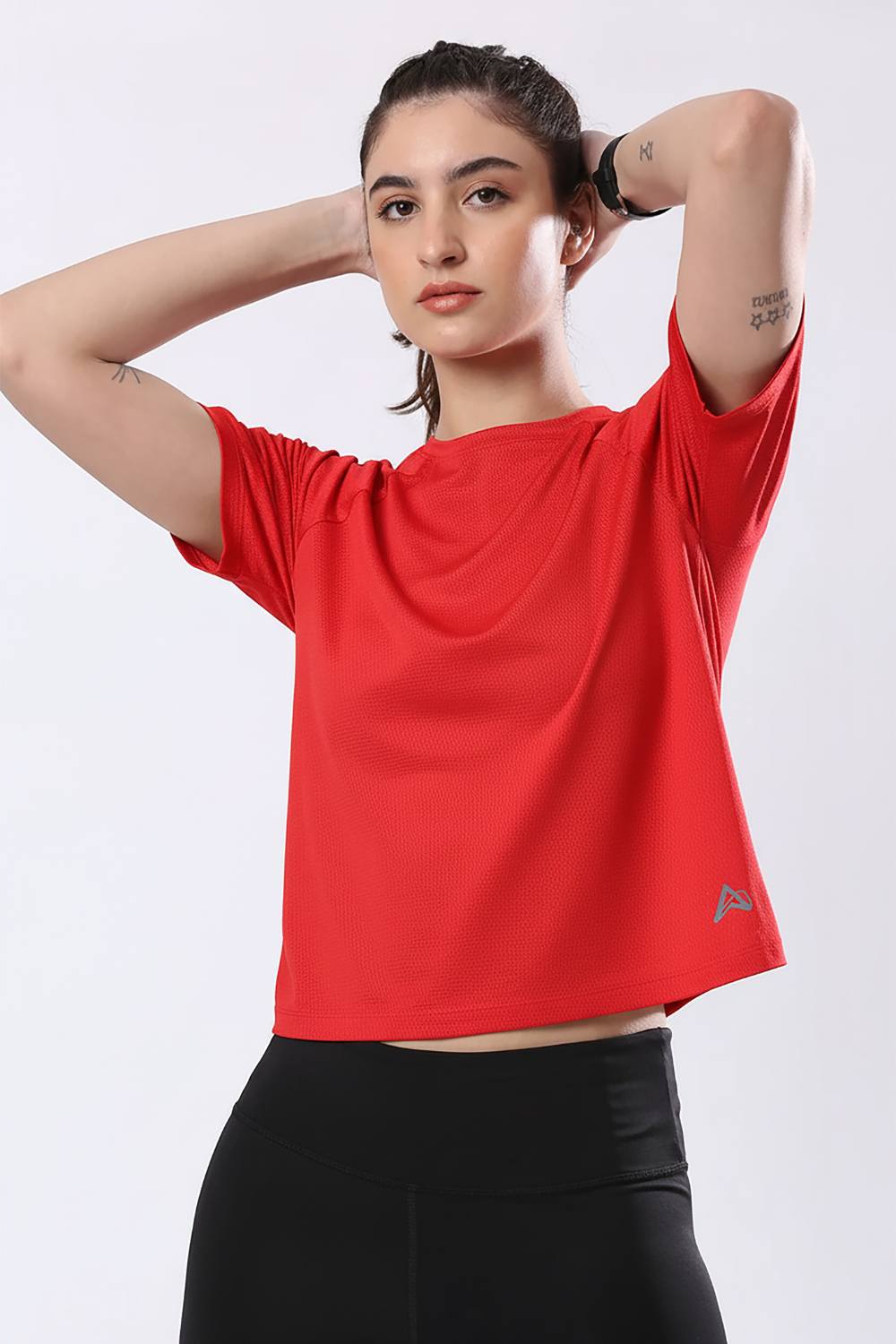
Moisture-wicking running gear helps move sweat away from the skin and allows fabric to dry more quickly. Lightweight synthetic materials are commonly preferred for endurance activities because they avoid the heavy, wet feeling that can occur with sweat-absorbing cotton garments.
For runners, this means apparel should support the body's natural cooling process instead of trapping moisture against the skin. Breathable materials and quick-drying construction can make a noticeable difference during long training sessions, especially when conditions are warm or humid.
When considering how to reduce chafing while running, moisture control is one of the first factors to evaluate. A garment that manages sweat effectively can help reduce the conditions that allow irritation to develop.
Fit and Fabric Design Can Reduce Unnecessary Friction
Fabric alone does not determine running comfort. The way apparel fits the body also influences how much friction occurs during movement. Clothing that shifts repeatedly can create additional rubbing, while garments that restrict natural movement may create pressure points.
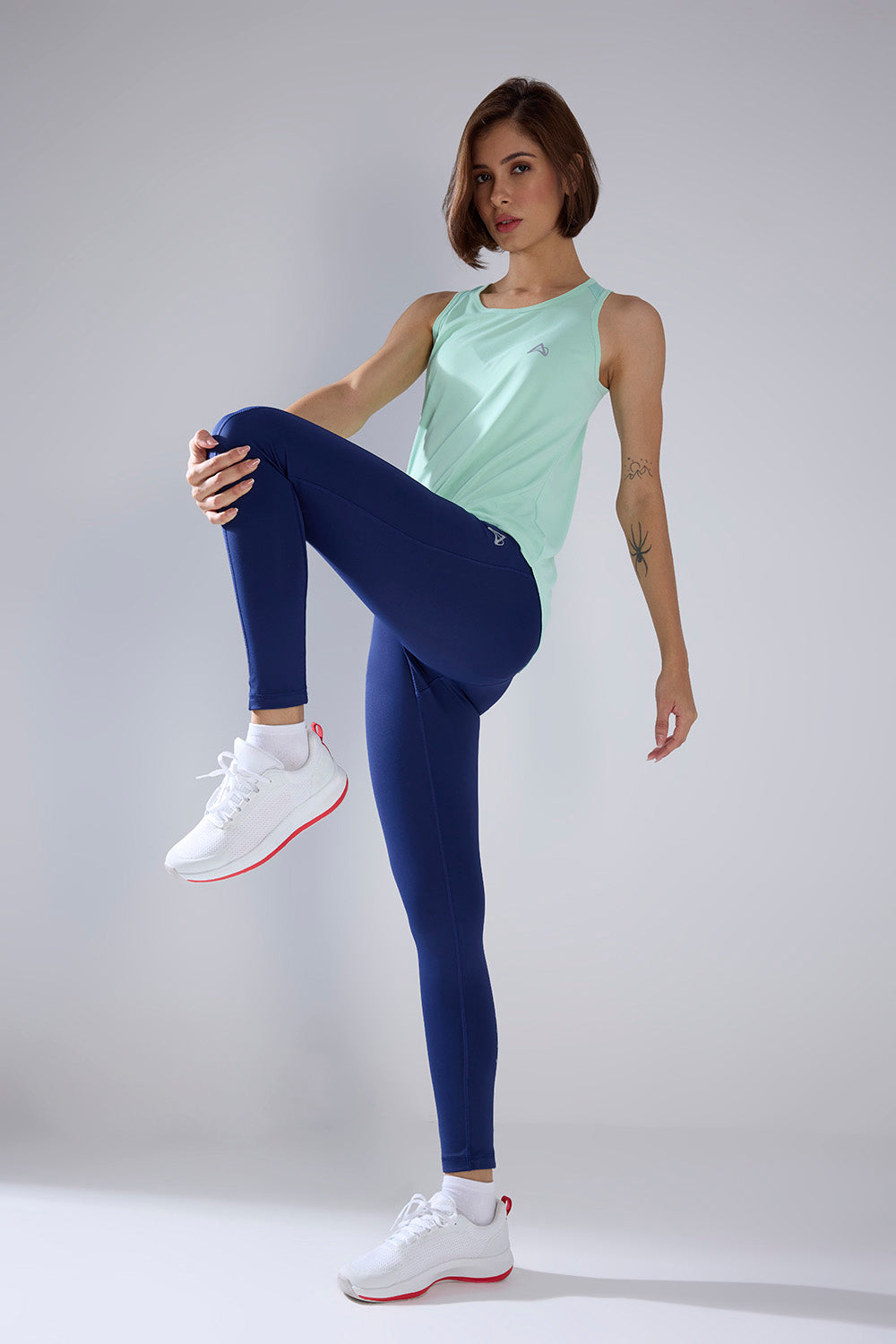
Well-designed running apparel focuses on creating a balance between support and freedom of movement. A secure fit helps clothing stay positioned correctly while allowing runners to maintain their natural stride. This is especially important for longer sessions when even minor movement issues can become noticeable over time.
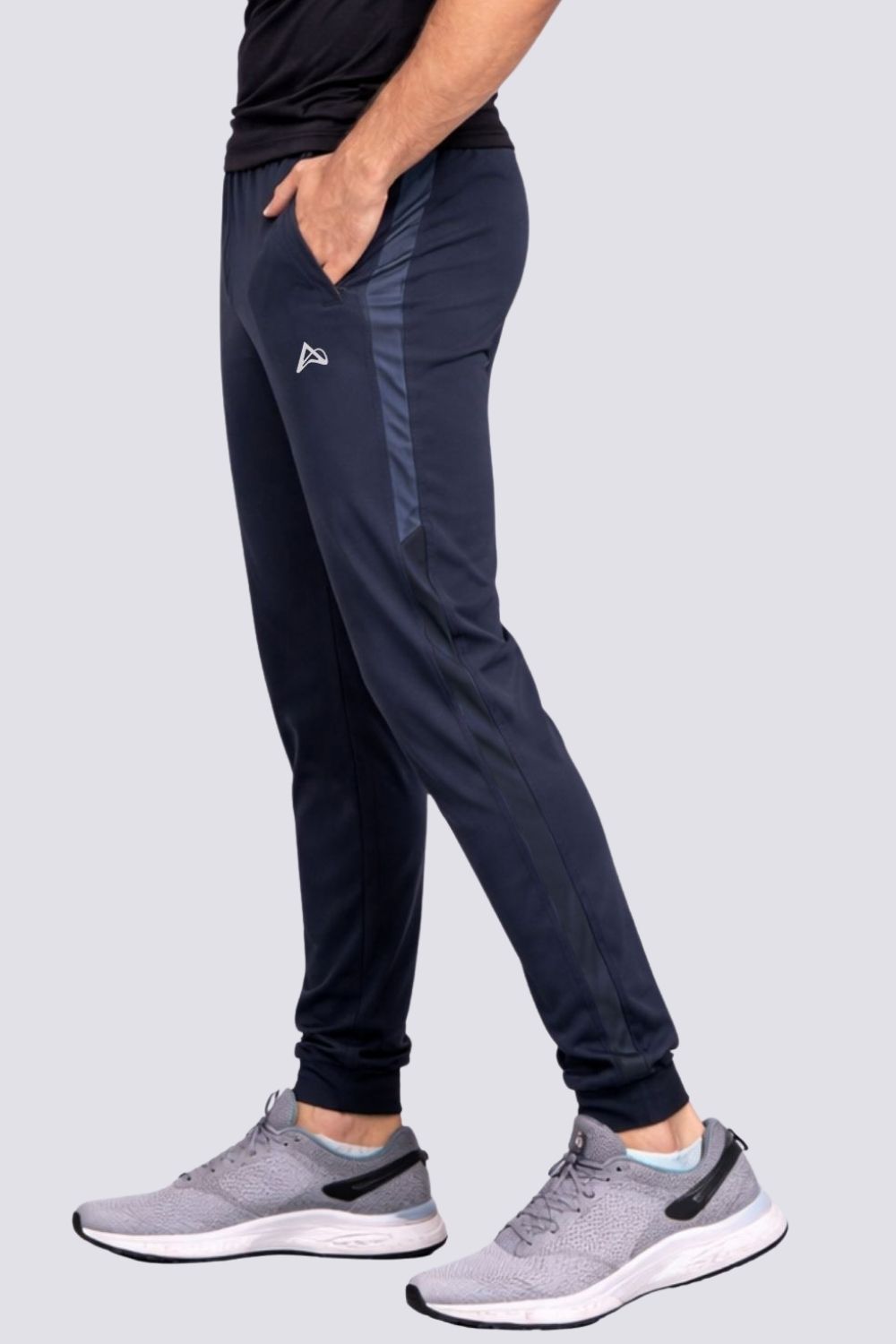
Features such as smooth fabrics, reduced seams, tag-free designs, and carefully positioned panels can help limit irritation. Preventing runner chafing often comes down to reducing the two major contributors: repeated friction and trapped moisture.
For those exploring anti chafing running clothes, the focus should be on how the garment performs during actual movement rather than how it feels while standing still. A comfortable fit during a short try-on does not always translate into comfort after an extended run.
Choosing Running Shorts and Layers for Distance Training
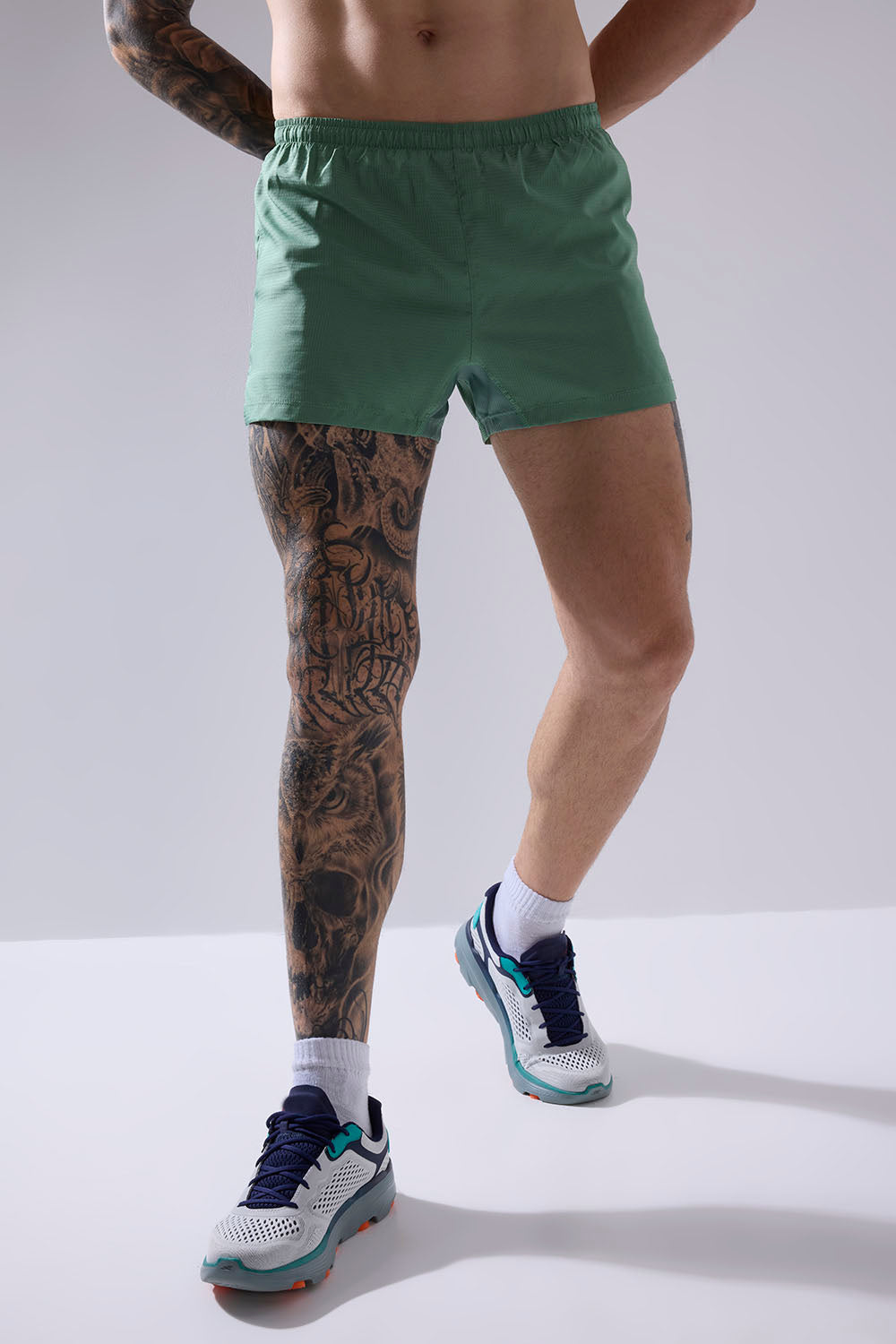
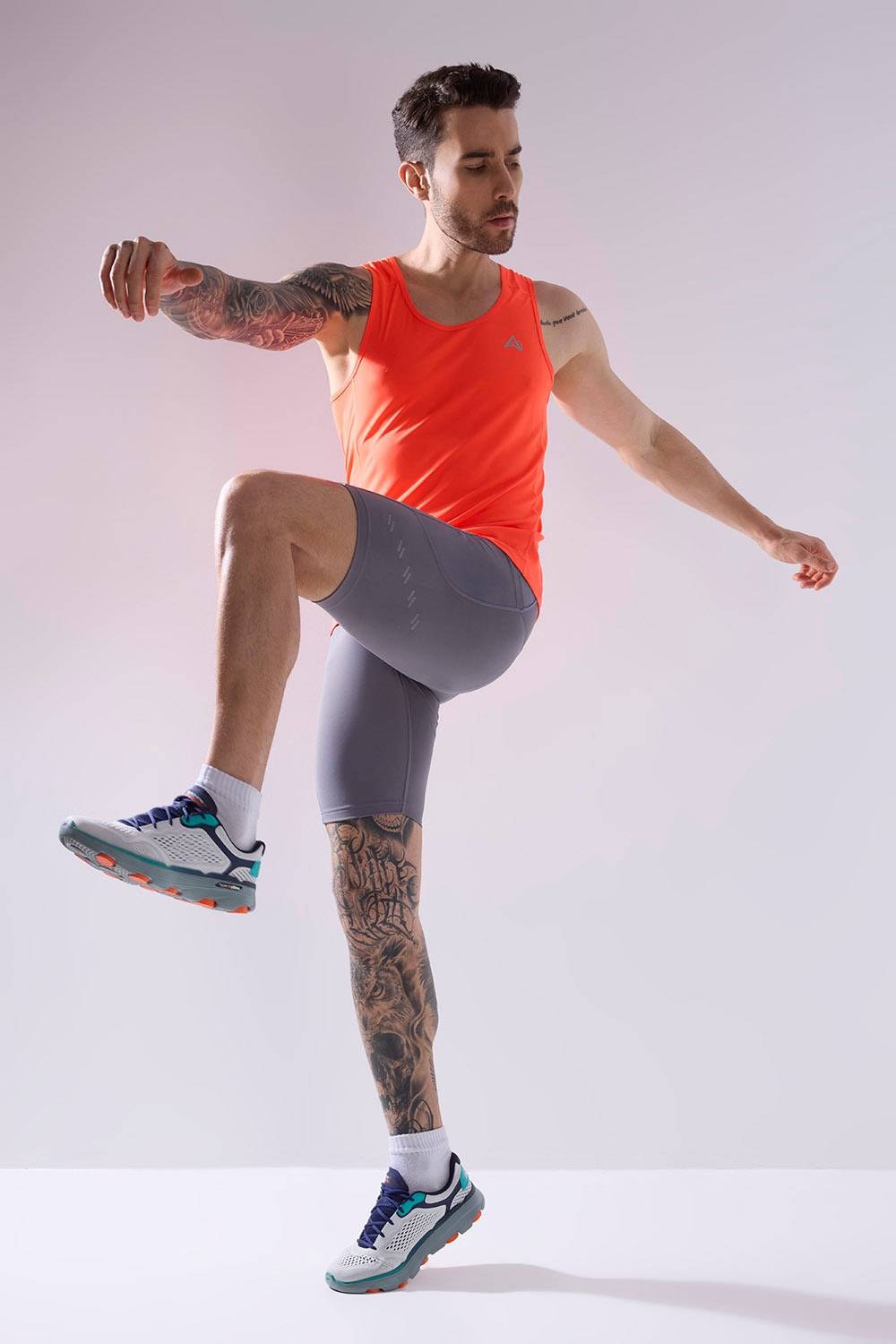
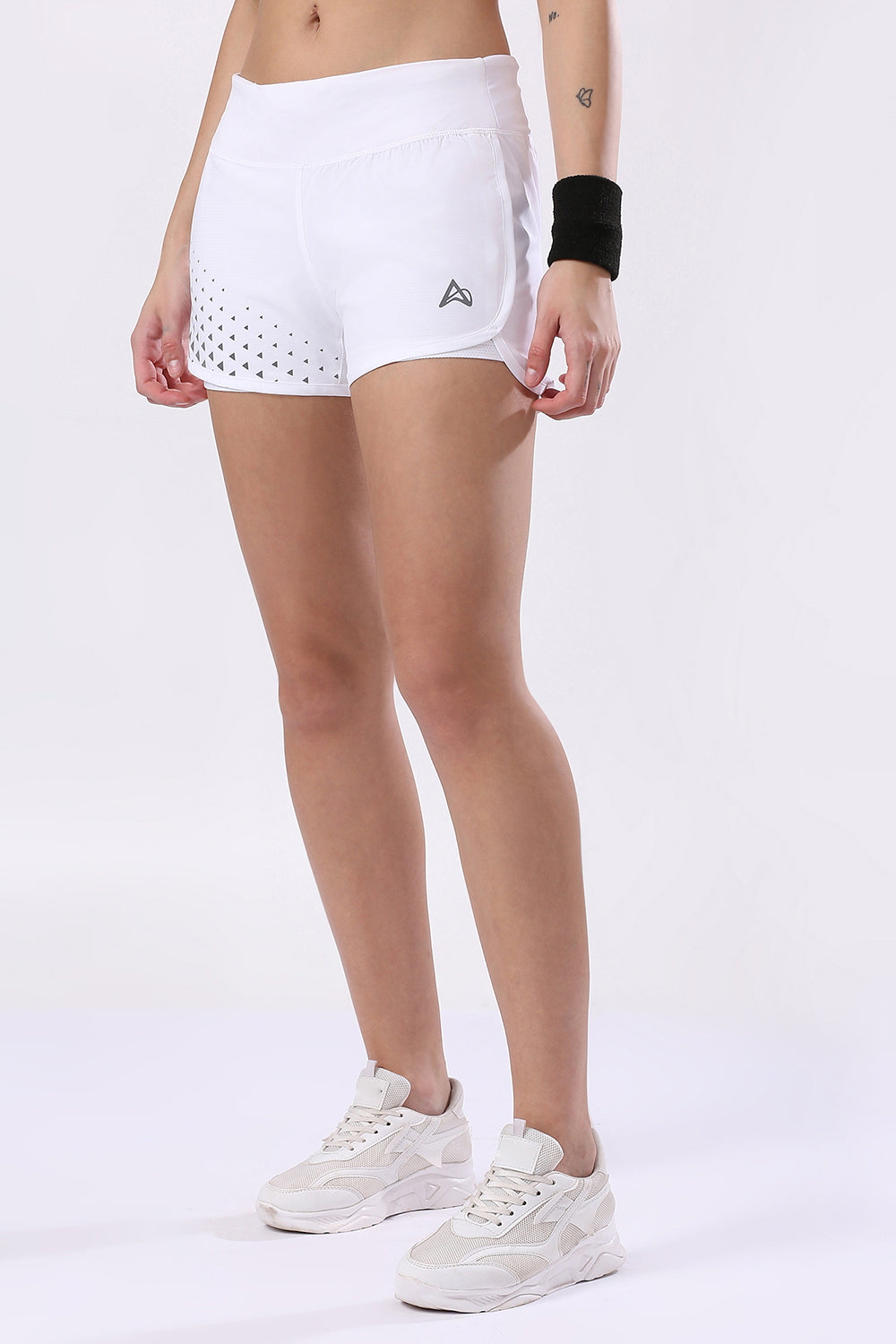
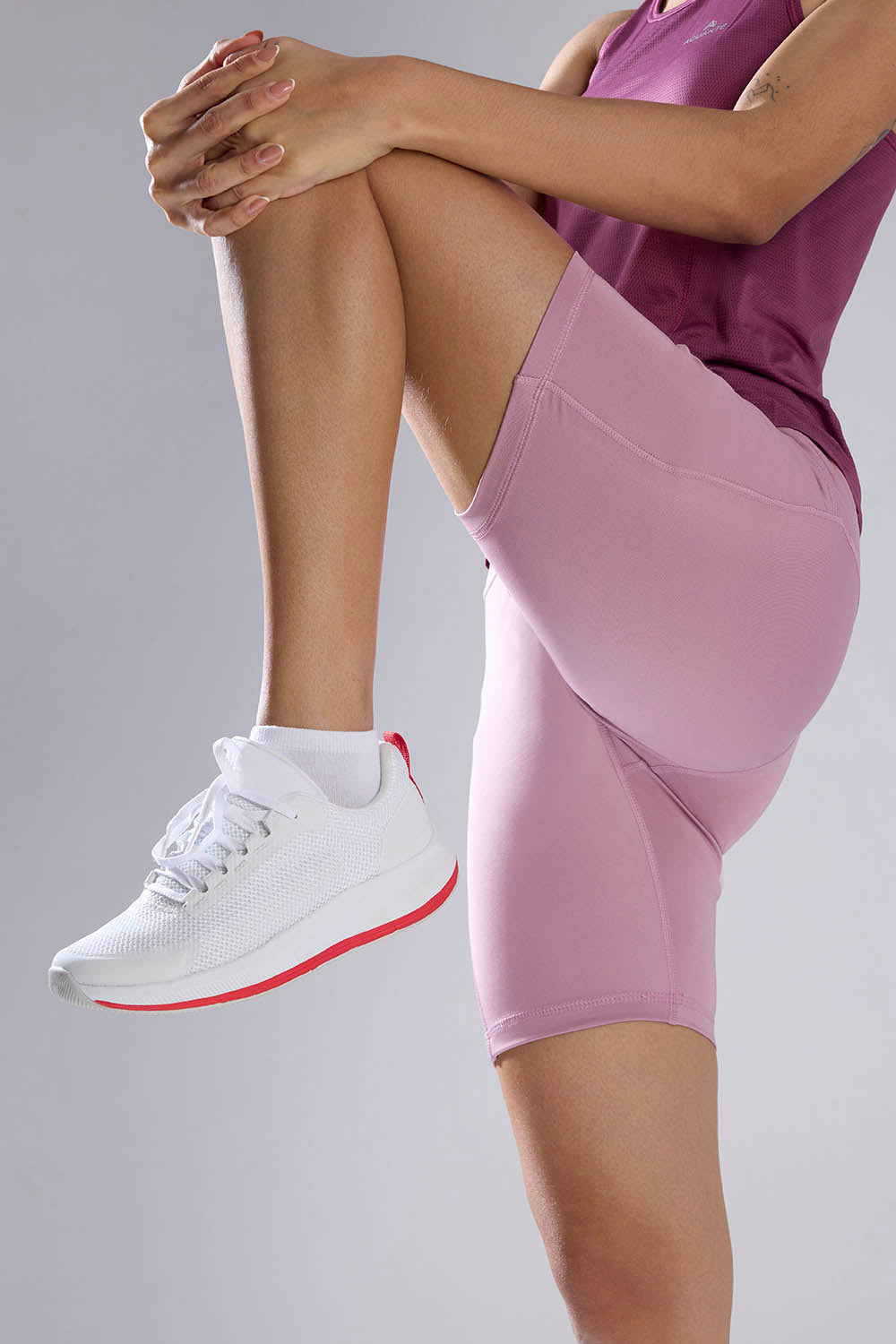
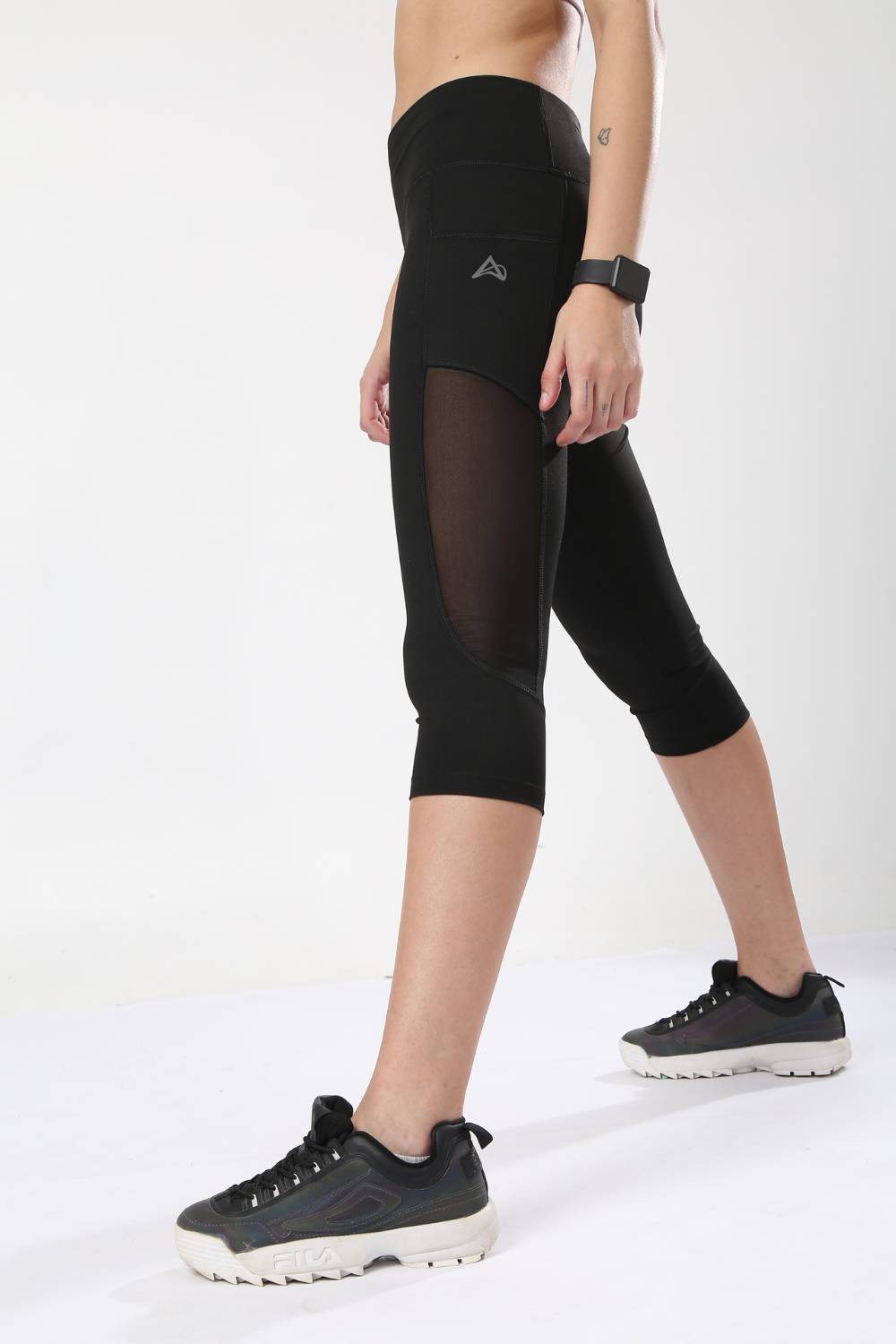
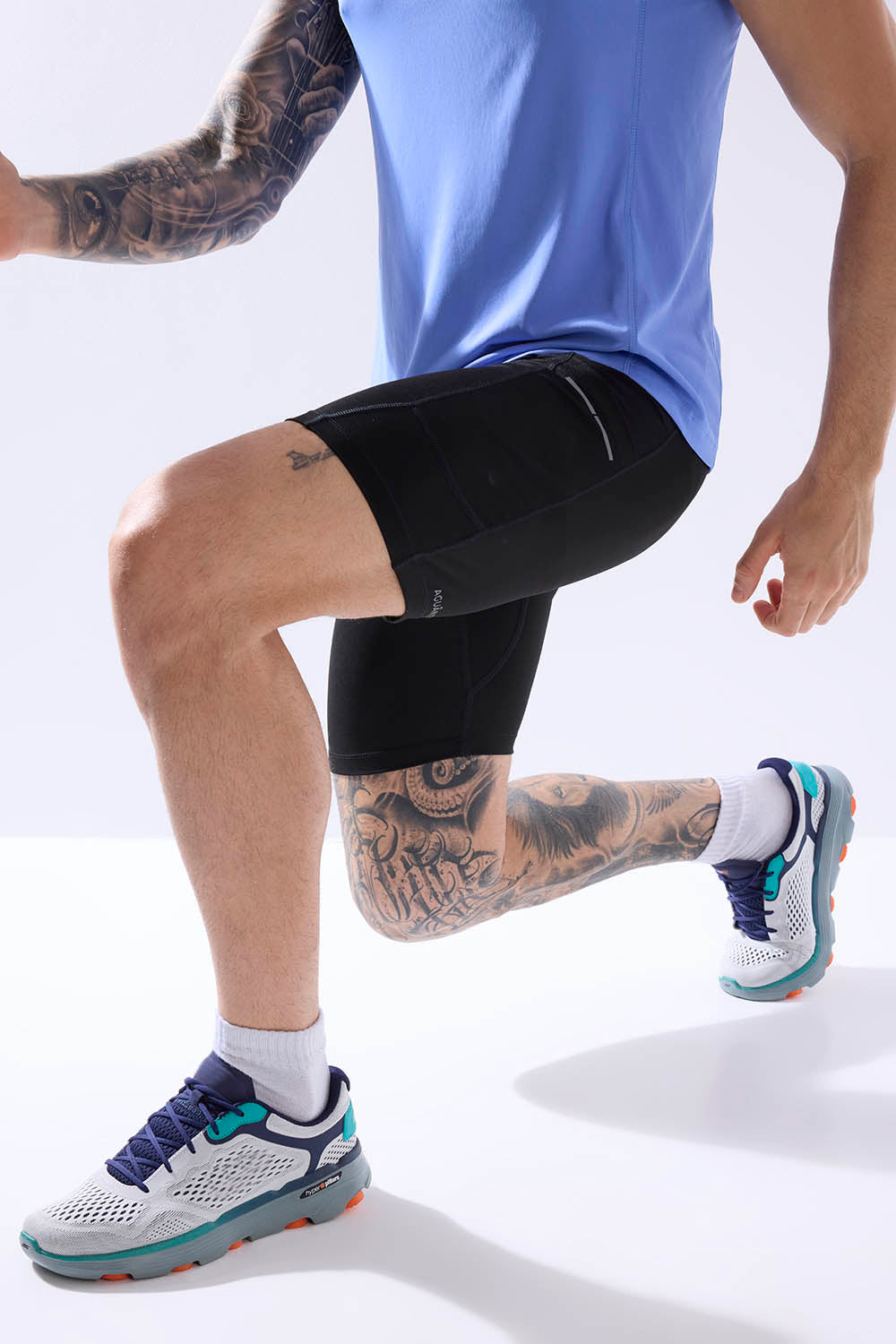
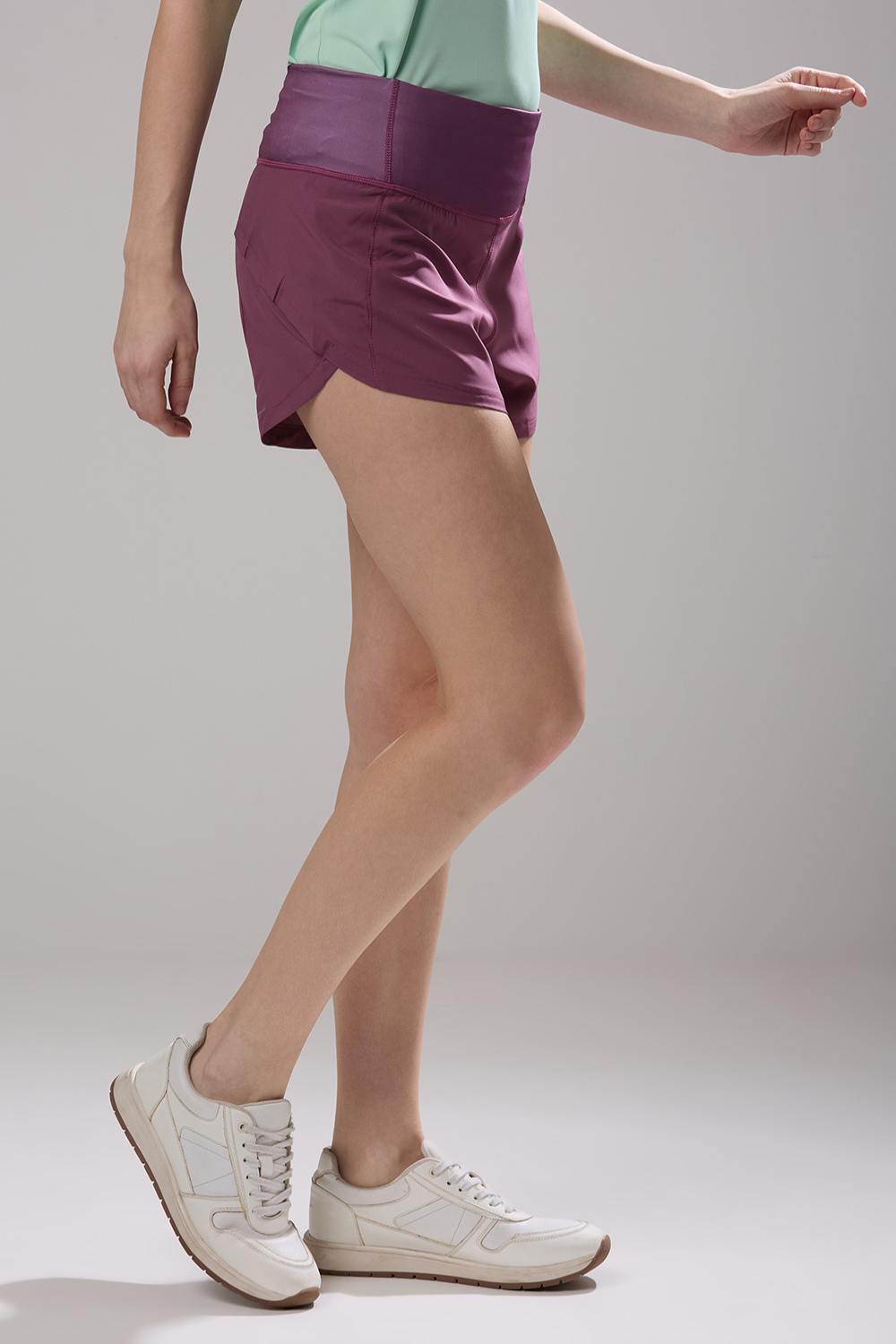
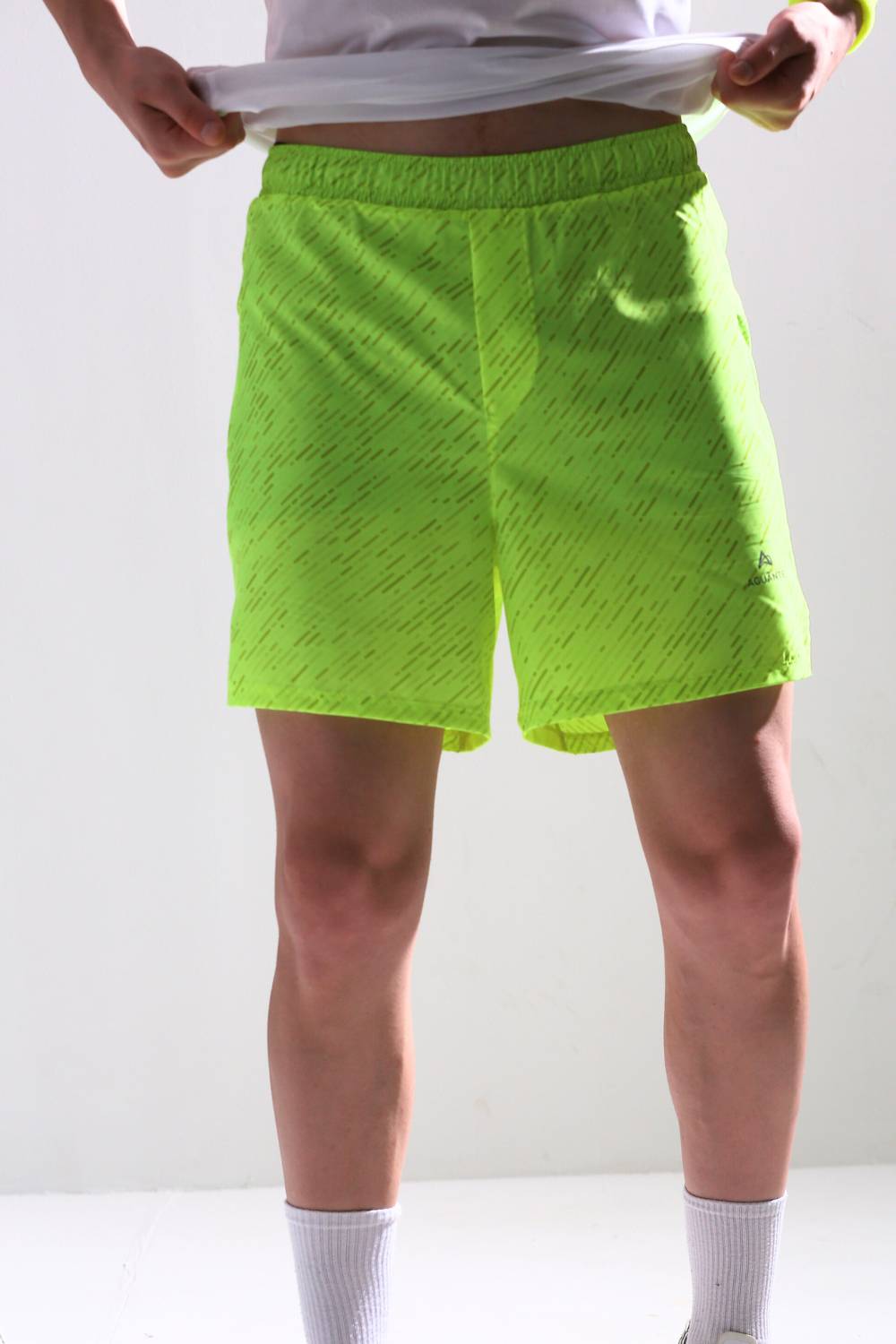
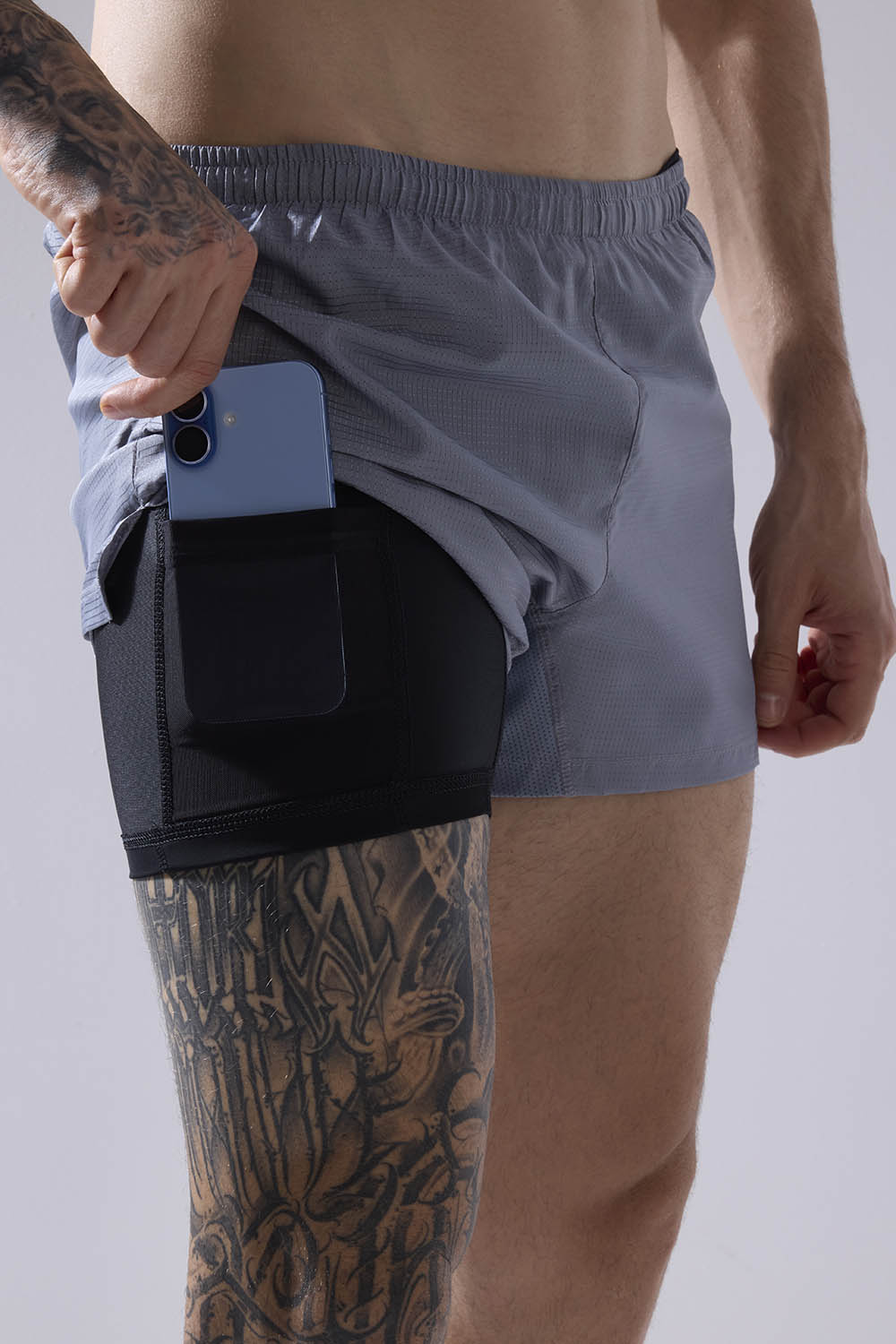
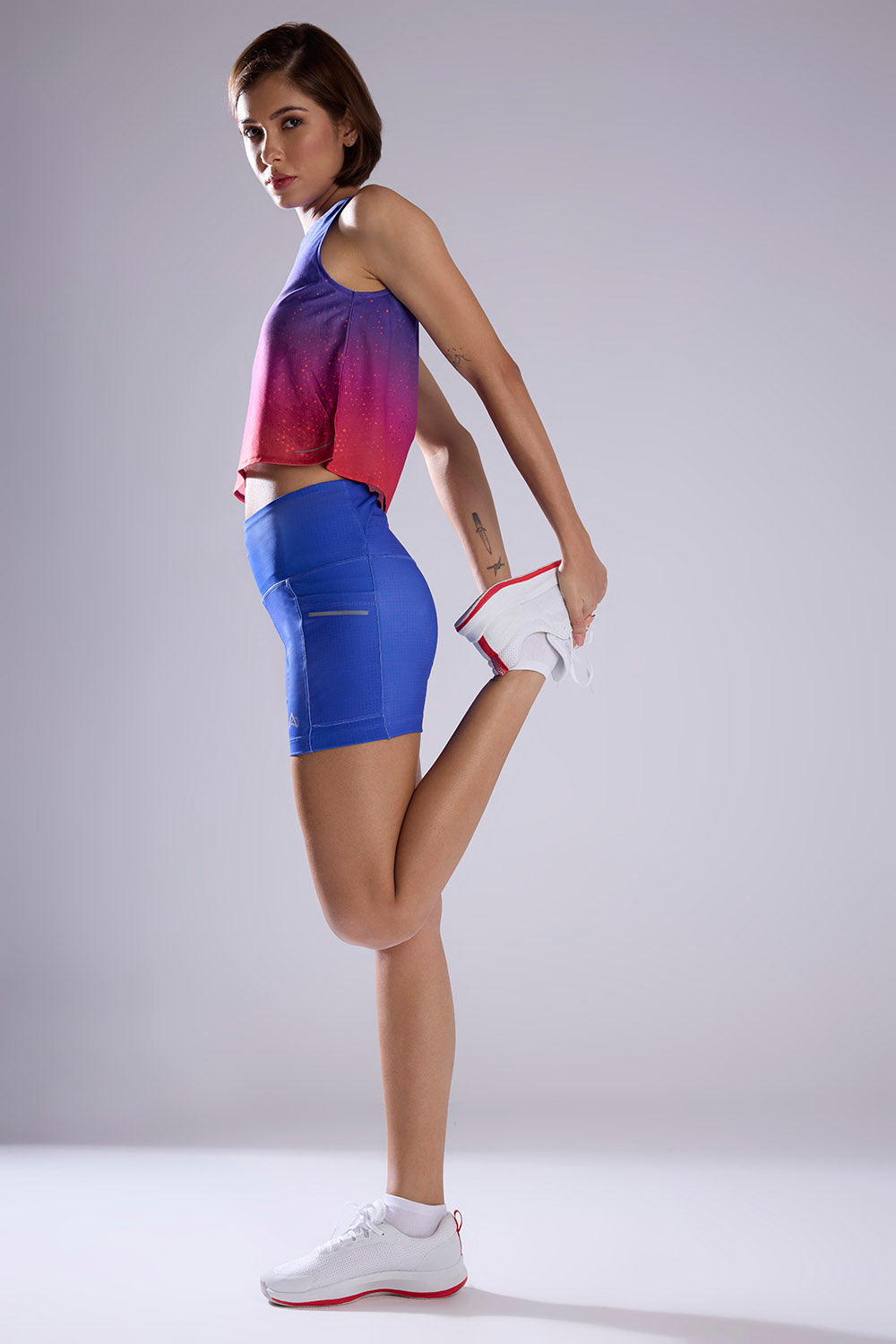
The lower body is one of the most common areas where runners experience irritation. Repeated leg movement can create friction between the thighs, particularly during longer distances or higher-volume training periods. Choosing running shorts that prevent thigh chafing requires attention to length, fit, fabric, and stability.
Shorts that move naturally with the body can help reduce unwanted fabric movement. Some runners prefer designs that provide more coverage, while others choose lightweight options that prioritise airflow. The right choice depends on personal comfort, running conditions, and the type of training being completed.
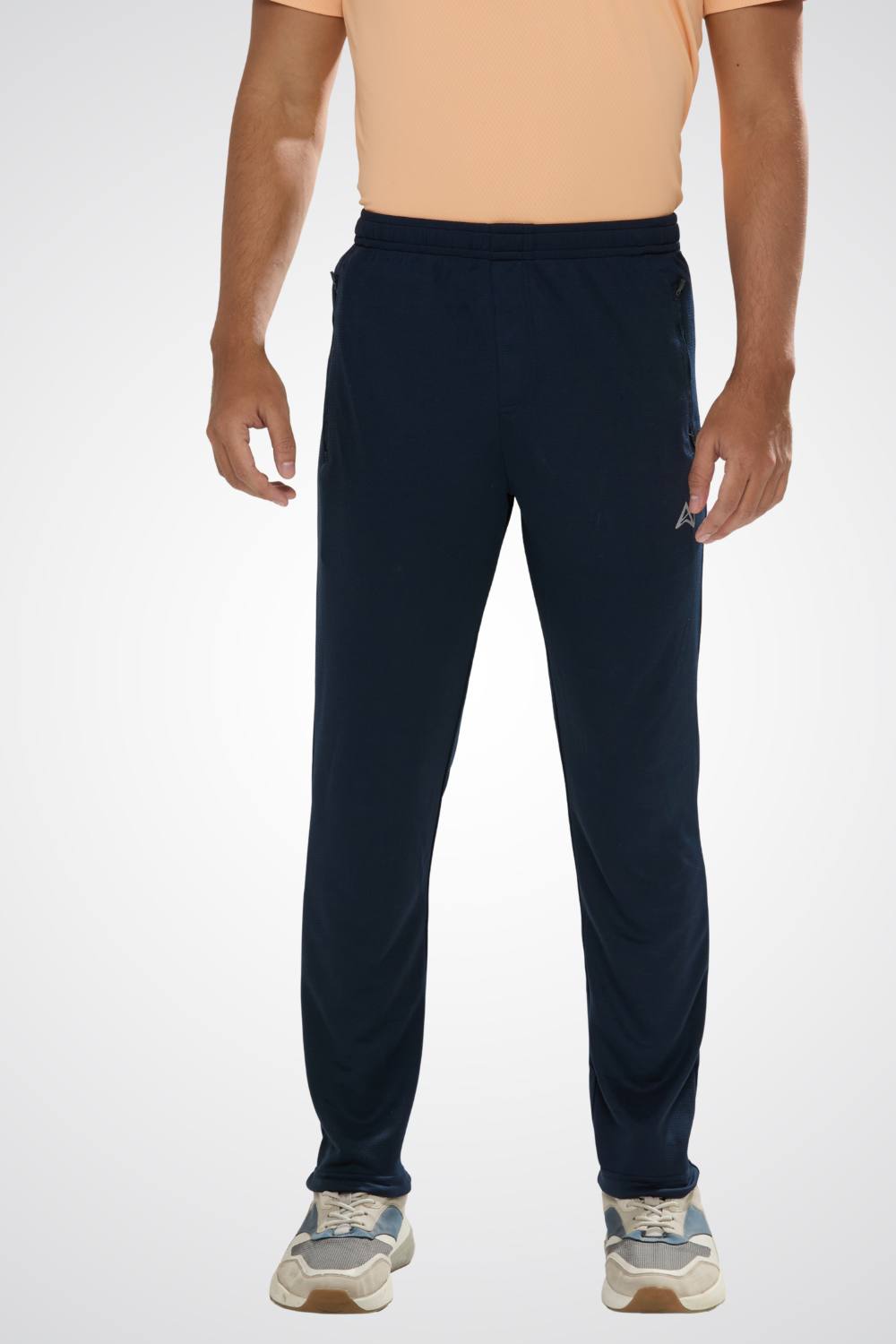
Layering decisions also matter. A runner preparing for a long session may need clothing that works across changing conditions without creating additional bulk or friction. Comfortable running gear for long distance should allow the athlete to focus on pacing, hydration, and training goals instead of adjusting clothing throughout the run.
Testing apparel during regular training is an important habit. Introducing unfamiliar clothing on race day can create unexpected discomfort because every runner's movement pattern and preferences are different.
Small Apparel Details That Make a Difference
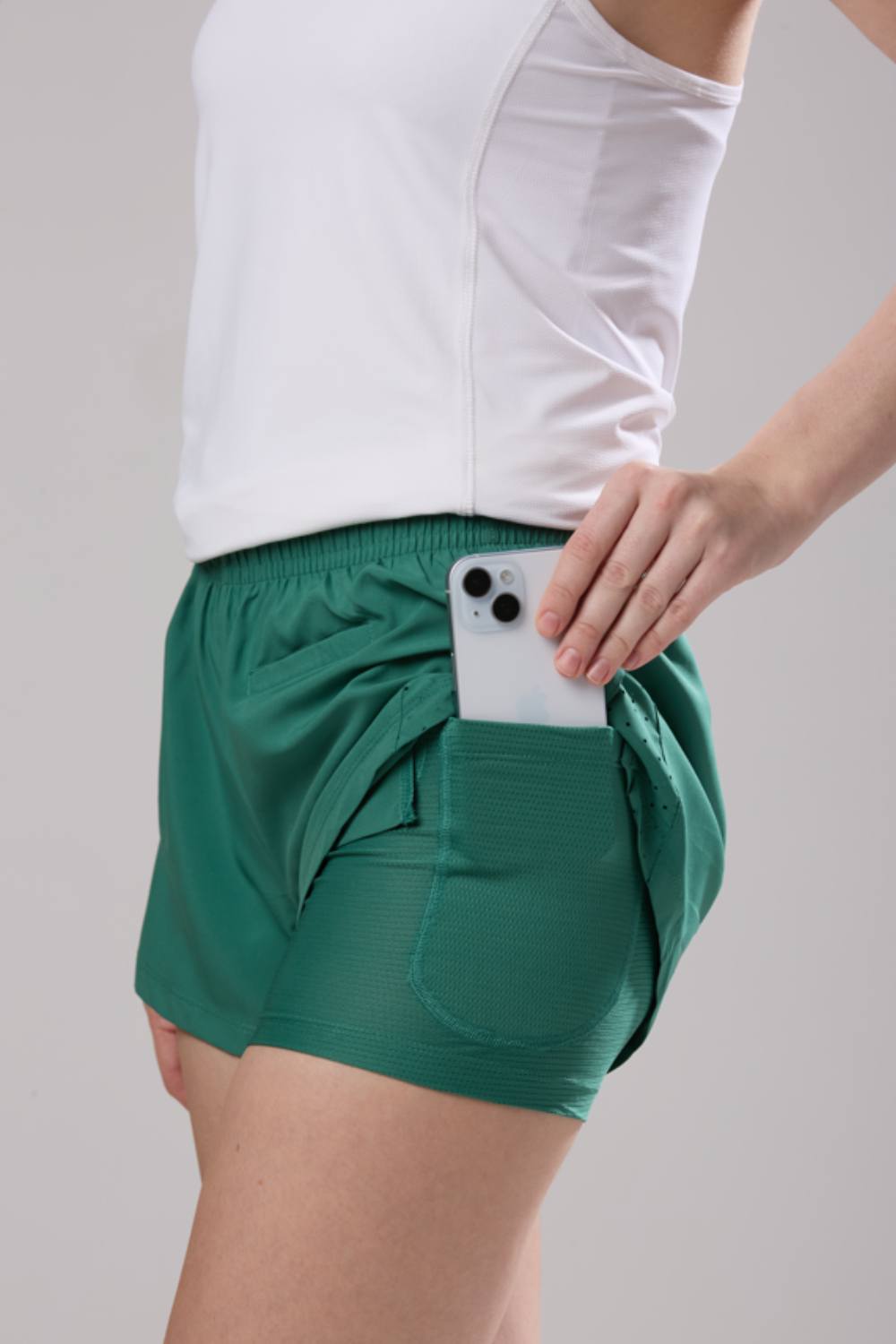
Long-distance comfort is often influenced by details that are easy to overlook. Seams, waistbands, pockets, and fabric placement can all affect how clothing interacts with the body during repeated movement.
For example, a poorly positioned seam may not feel noticeable during the first few minutes of a run, but repeated contact over a longer session can lead to irritation. Similarly, loose elements that move frequently may create additional friction.
Runners evaluating how running clothes affect chafing should consider the complete design rather than focusing only on appearance. Useful questions include:
- Does the fabric remain comfortable when sweat increases?
- Does the garment stay in place during repeated movement?
- Are seams and construction details designed to reduce irritation?
- Does the clothing support the runner's natural range of motion?
These considerations help runners build a practical approach to selecting apparel. Performance clothing is not only about appearance; it is about how well the garment supports the activity it is designed for.
Building a More Comfortable Long-run Routine
Reducing chafing is not usually about one single solution. It is the result of combining suitable clothing choices with good running habits. Apparel can support comfort, but runners should also pay attention to preparation, distance progression, and how their body responds during training.
Long run clothing tips often start with choosing reliable gear and using it consistently. Runners can identify what works by wearing apparel during normal training sessions and making adjustments before increasing distance or entering an event.
A thoughtful running wardrobe may include different options for different conditions, such as warmer-weather sessions, longer endurance workouts, and recovery runs. The objective is to have clothing that supports the runner's needs without becoming a distraction.
For brands focused on performance apparel, understanding these everyday challenges is essential. Runners are not only looking for clothing that looks athletic; they are looking for practical solutions that improve comfort throughout their training journey.
What Runners Should Look for in Performance Apparel
Selecting the right apparel starts with understanding personal requirements. A beginner increasing weekly distance may prioritise comfort and moisture management, while an experienced runner preparing for longer events may pay closer attention to durability, fit, and construction details.
- Moisture management: Fabrics should help move sweat away from the skin and support comfort during extended activity.
- Secure fit: Clothing should remain stable without limiting movement.
- Breathable construction: Materials and design should support airflow during exercise.
- Movement-friendly design: Apparel should work with the runner's stride rather than create additional friction.
These factors are particularly relevant for runners looking for the best running clothes for long runs because longer distances reveal problems that may not appear during shorter workouts.
Performance apparel continues to evolve around the practical needs of athletes. The most useful innovations are often those that solve everyday problems: helping runners stay comfortable, maintain focus, and spend more time enjoying the activity.
Running apparel to prevent chafing is ultimately about creating a better relationship between clothing and movement. When fabric, fit, and design work together, runners can approach long distances with greater confidence and fewer distractions caused by irritation. Choosing the right gear is a simple but valuable step toward making every run more comfortable.
Frequently Asked Questions
How can running apparel help prevent chafing on long runs?
Running apparel can help prevent chafing by managing moisture, reducing friction, and providing a secure fit during extended movement. Performance fabrics, breathable construction, and thoughtful design details can help keep runners more comfortable over longer distances.
What are the best running clothes for long runs to reduce skin irritation?
The best running clothes for long runs typically include moisture-wicking fabrics, comfortable fits, and features that reduce rubbing, such as smooth seams and stable construction. Choosing apparel that supports natural movement can help minimise irritation during endurance training.
How do running shorts prevent thigh chafing during distance running?
Running shorts can help prevent thigh chafing by reducing excess fabric movement and providing a fit that stays comfortable throughout a run. Factors such as fabric choice, length, and overall design influence how well shorts manage friction during longer sessions.
Disclaimer: The above helpful resources content contains personal opinions and experiences. The information provided is for general knowledge and does not constitute professional advice.
You may also be interested in: Why Running Apparel Should be Designed with Performance in Mind
Tired of gear that slows you down? Chafing, soggy fabrics, and missing pockets kill your run's momentum. At Aguante, we're runners who get it. Our high-performance activewear features moisture-wicking fabrics, ergonomic designs, and smart storage to keep you focused. Shop Now!
Powered by flareAI.co