



Quick Listen:
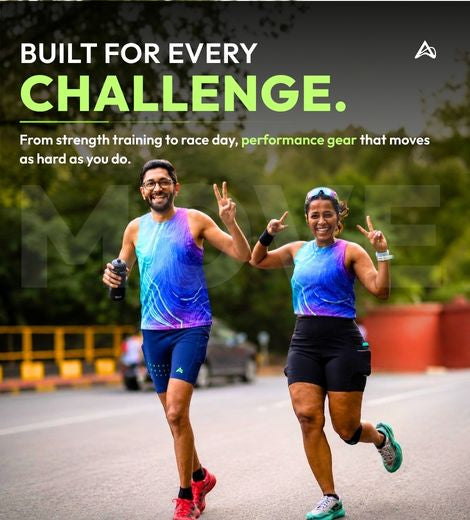
Picture this: It's a sweltering dawn on Mumbai's Marine Drive, where the salty breeze mixes with the relentless humidity of an Indian summer. Amid the steady rhythm of footfalls, a noticeable change unfolds fewer billowing shorts catching the wind, more form-fitting half-tights gliding smoothly with each step. This subtle evolution signals a broader transformation in how Indian runners approach their gear, prioritizing what truly enhances their experience on diverse and demanding terrains.
This exploration delves into the reasons runners in major urban centers are gravitating toward half-tights, seeking superior support, minimal interruptions, and apparel tailored to India's distinctive running environment.
Tired of gear that slows you down? Chafing, soggy fabrics, and missing pockets kill your run's momentum. At Aguante, we're runners who get it. Our high-performance activewear features moisture-wicking fabrics, ergonomic designs, and smart storage to keep you focused. Shop Now!
The Momentum Behind India's Running Surge
The enthusiasm for running in India continues to accelerate without pause. From casual weekend jogs to rigorous marathon preparations, individuals in bustling metropolises such as Bangalore, Mumbai, Pune, Delhi, and Hyderabad are increasingly committing to the sport. Data from the India running gear market indicates a valuation of USD 2.4 billion in 2024, with expectations to expand to USD 4.8 billion by 2033 at a compound annual growth rate of 7.71 percent. This expansion stems from heightened health consciousness, greater involvement in physical activities, urban development, higher disposable incomes, the appeal of leisure running, the spread of organized races, athlete promotions, and the rise of online shopping.
Parallel to this, the broader India sportswear market stood at USD 10.2 million in 2024, forecasted to climb to USD 16.6 million by 2033 with a 5.1 percent CAGR. Factors like a burgeoning fitness ethos, embrace of dynamic living, escalating consumer spending power, and a blend of utility and aesthetics in attire propel this sector forward.
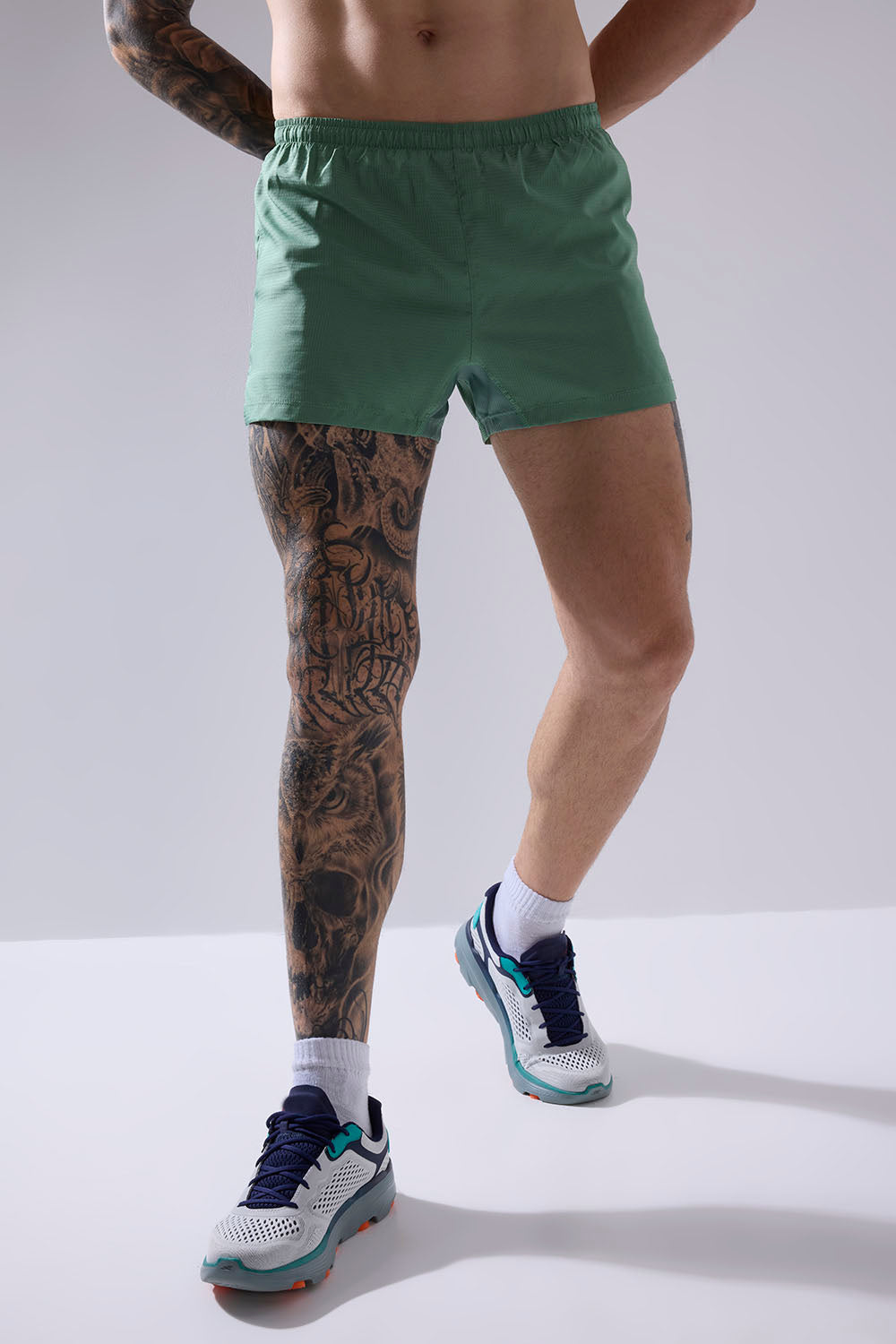
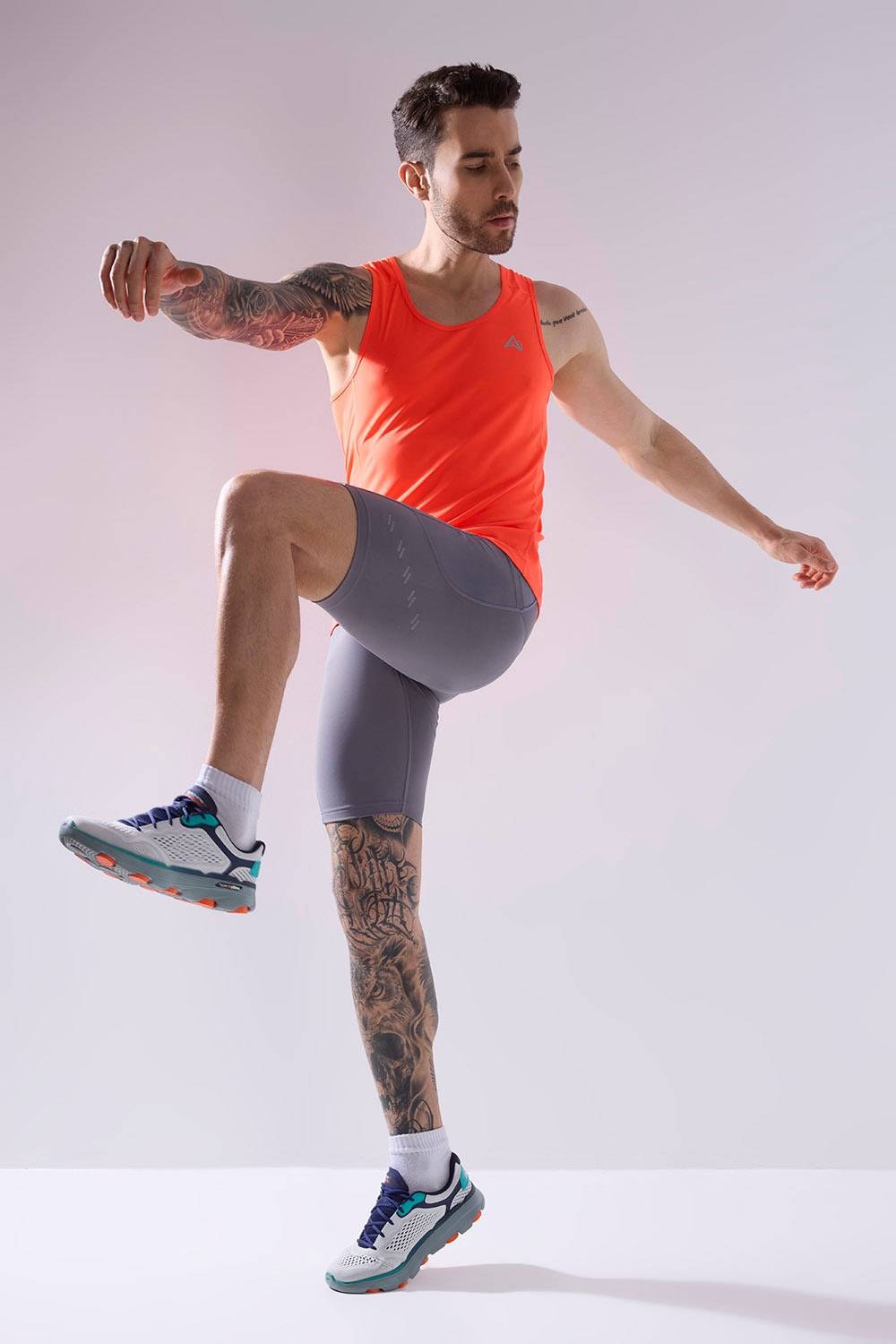
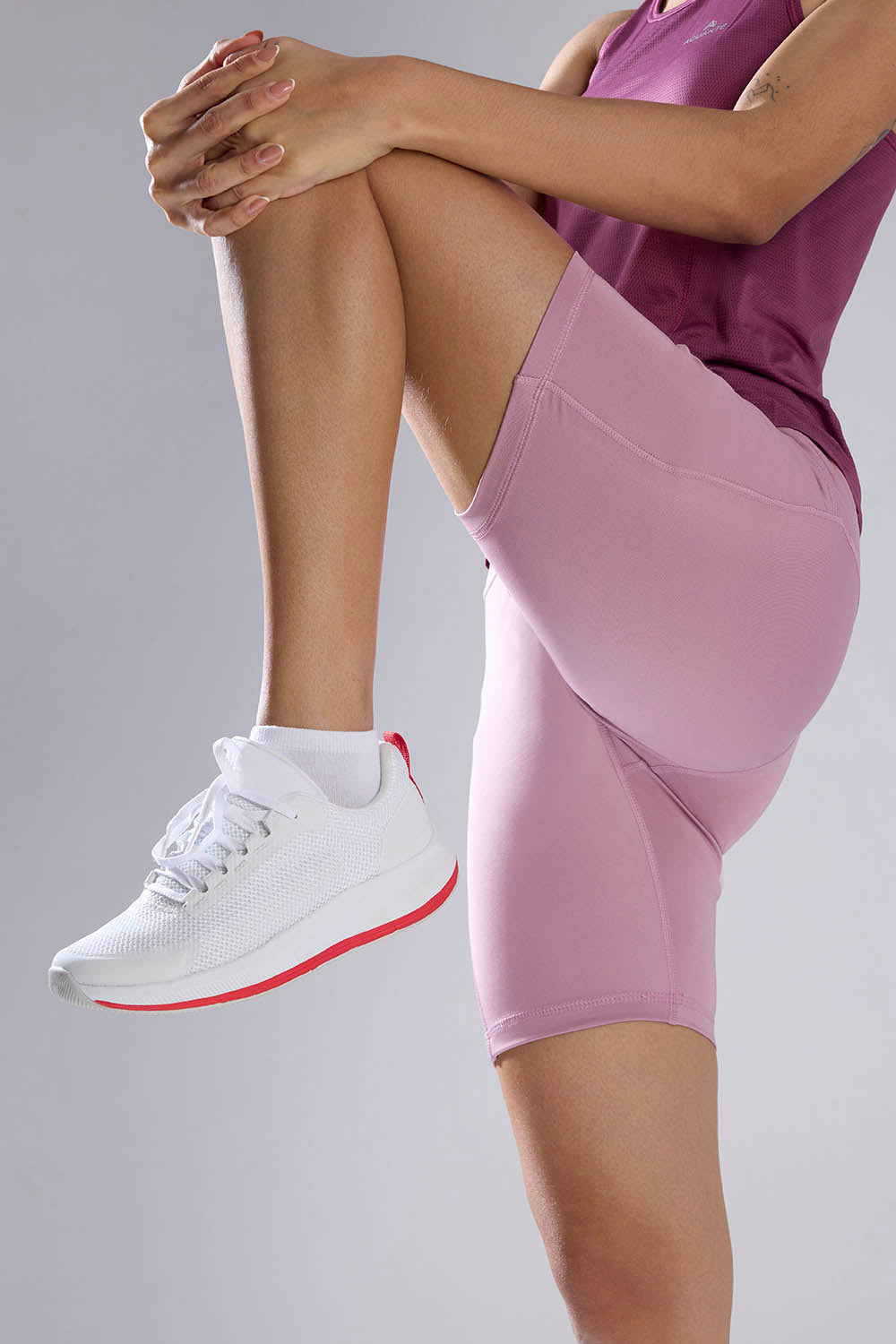
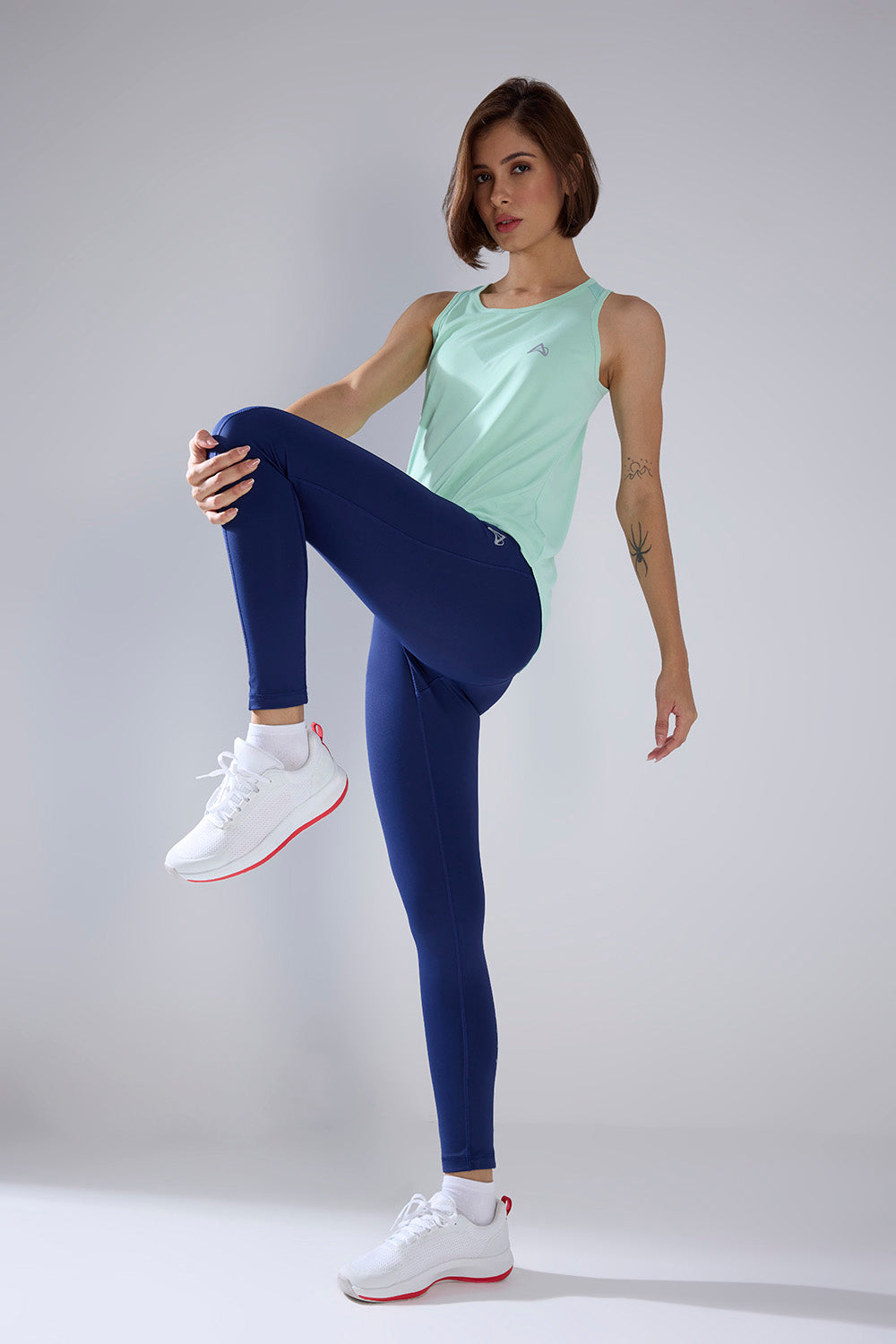
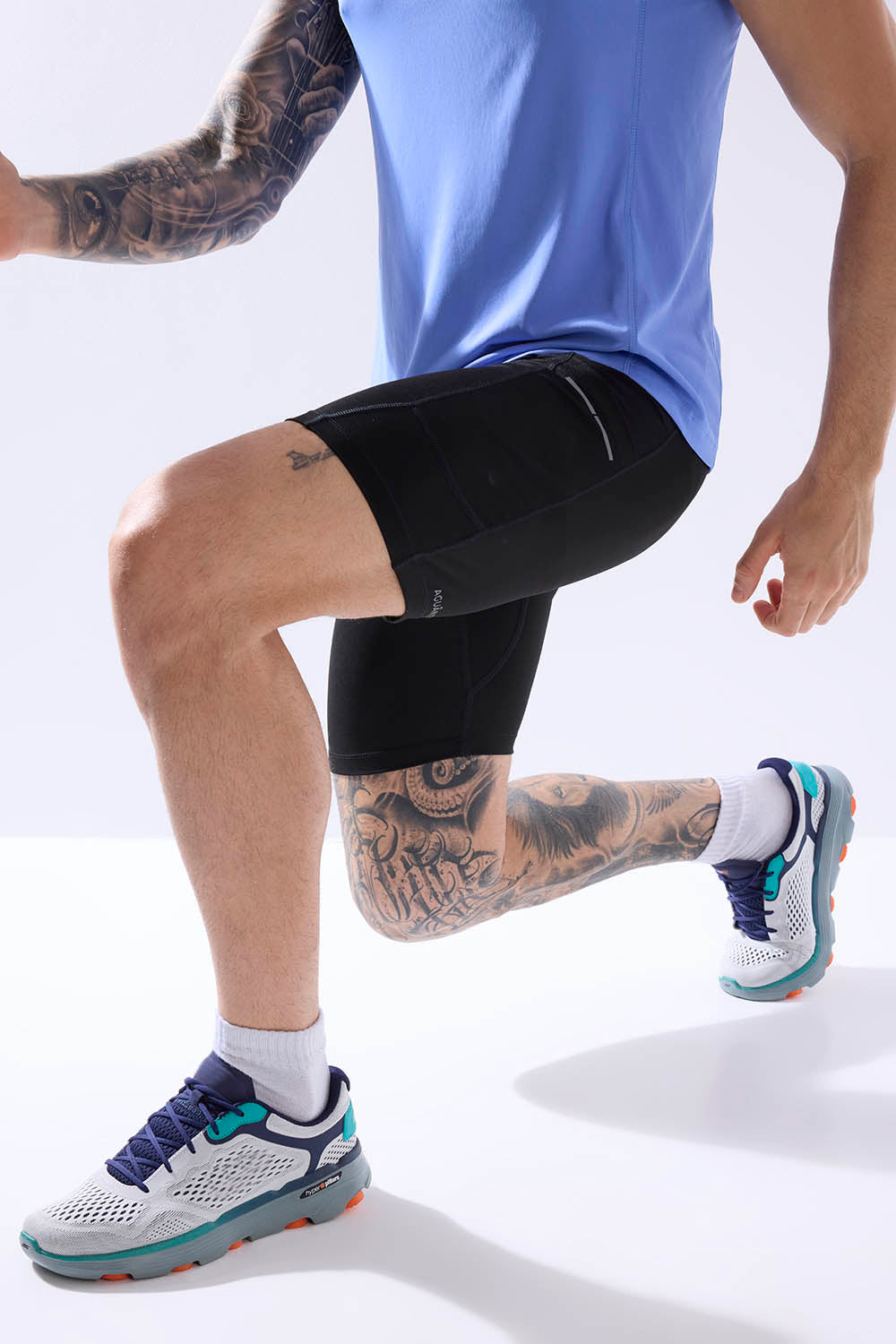
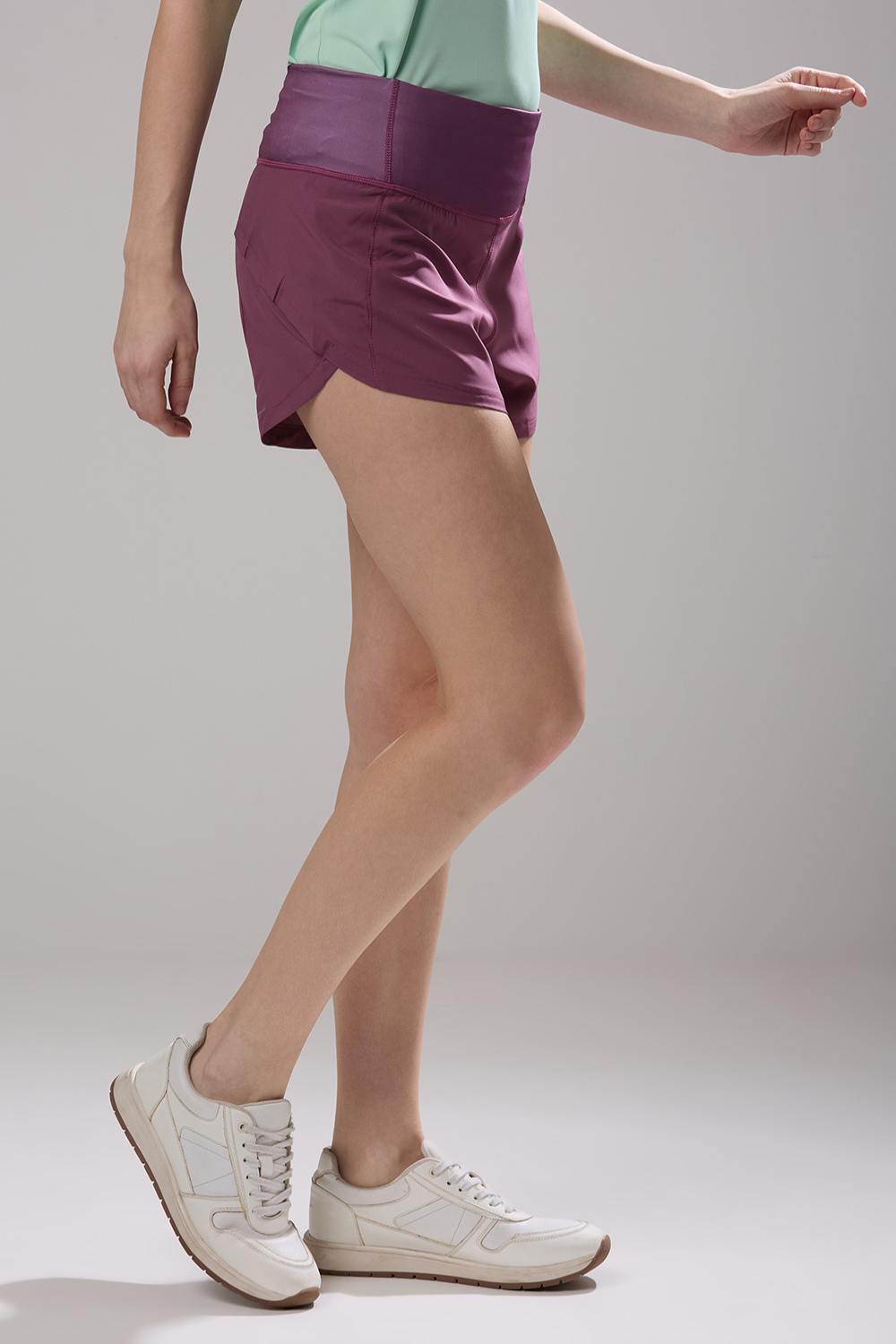
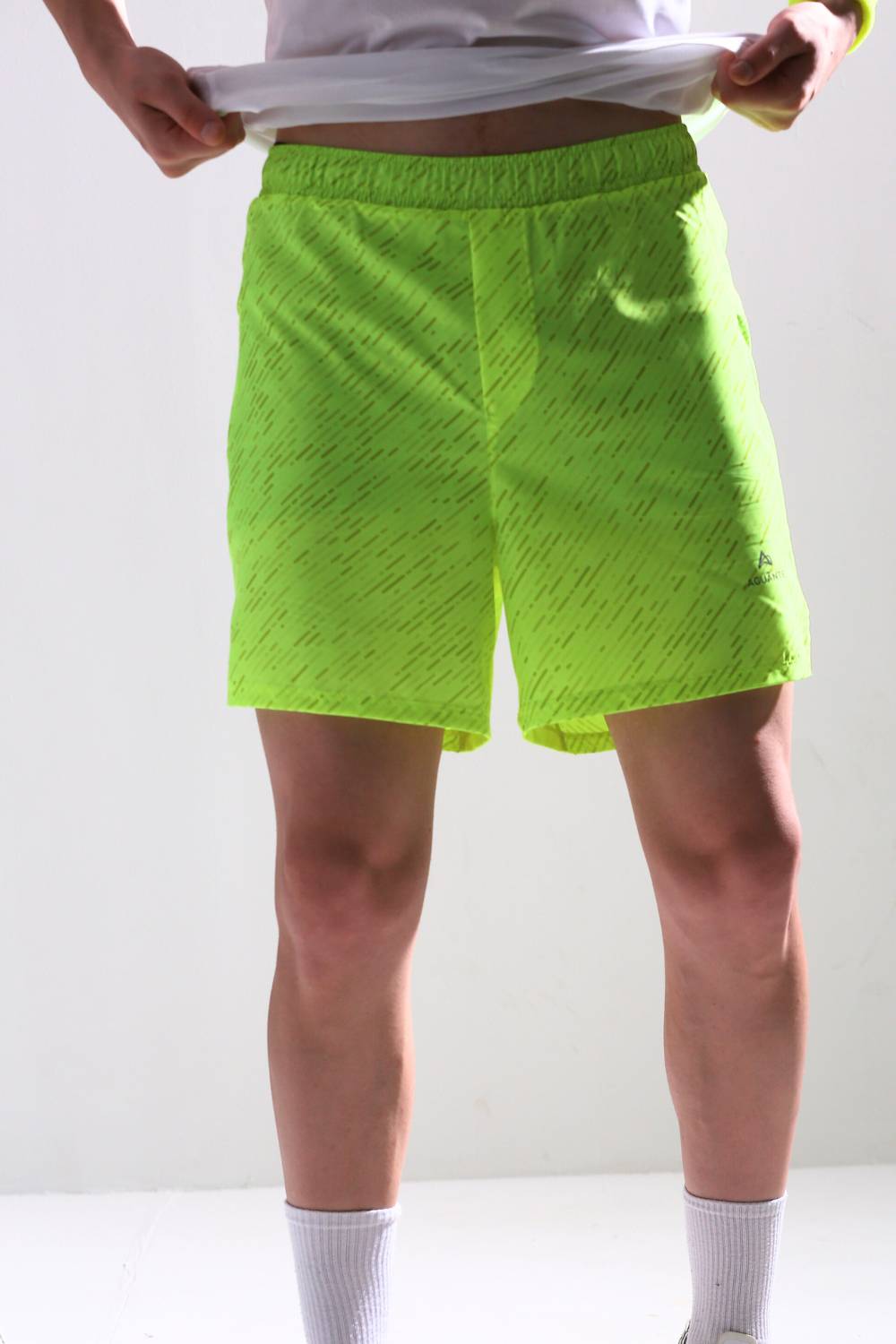
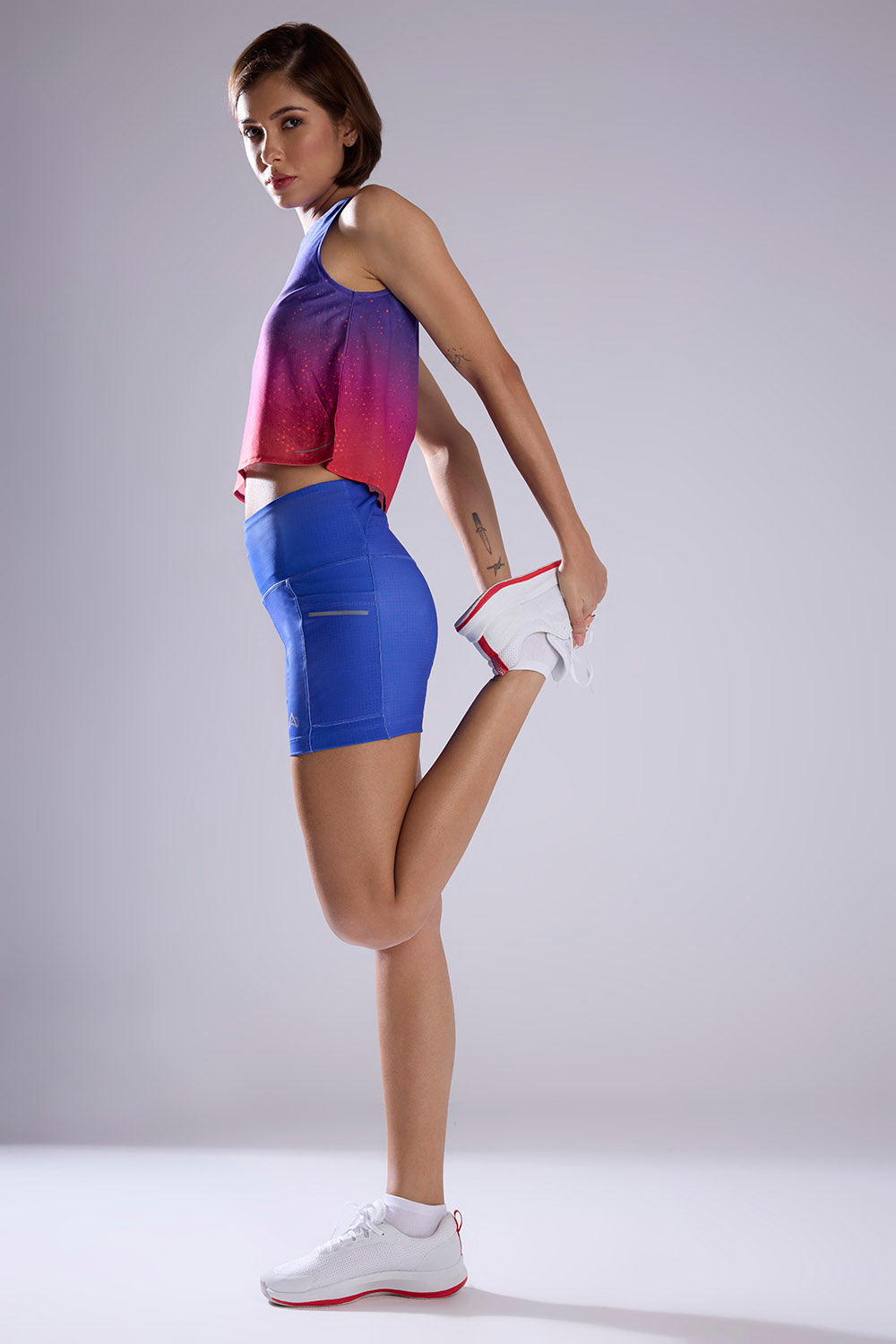
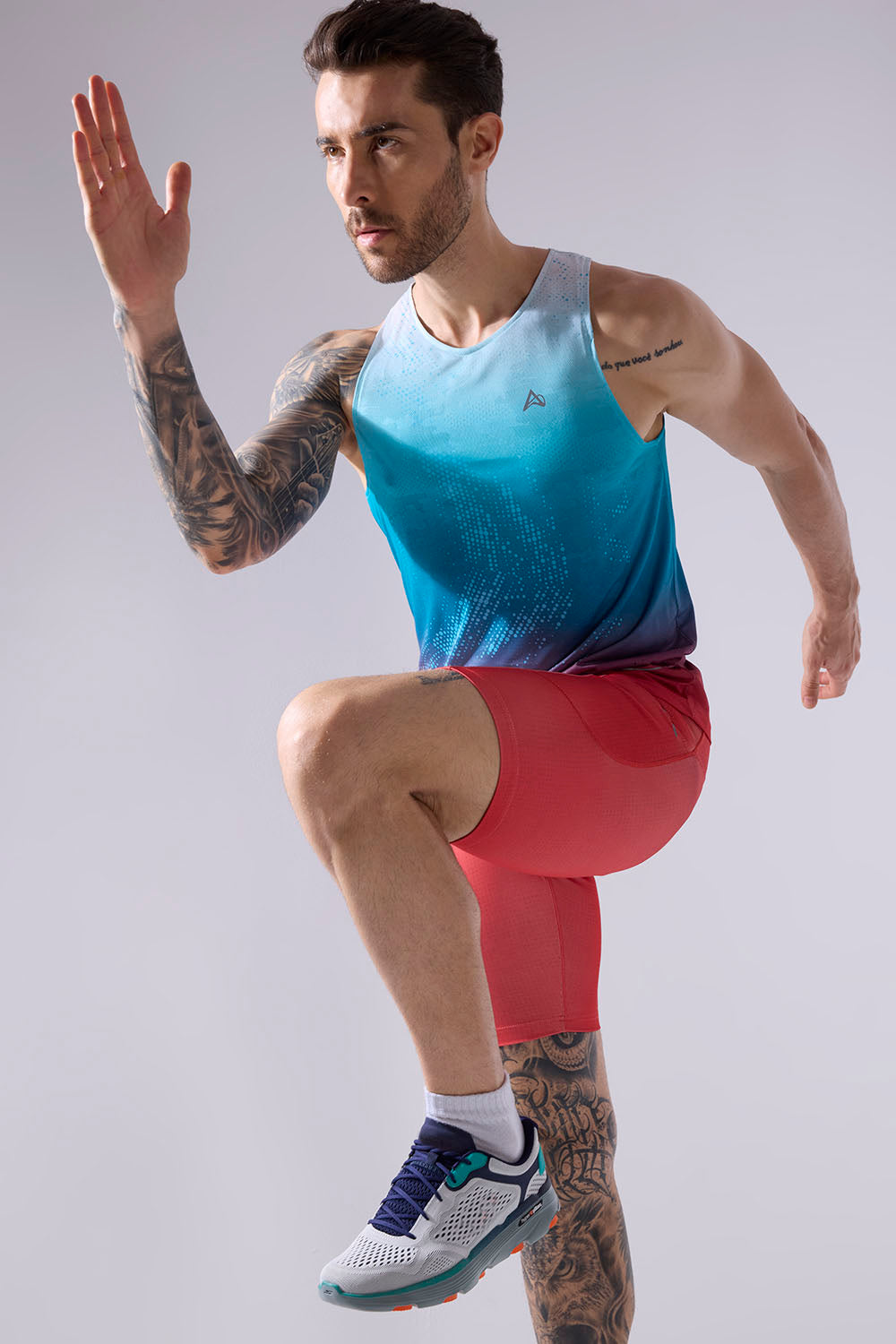
Amid these market dynamics, preferences in clothing are shifting rapidly. While classic shorts remain popular for their lightness and familiarity, half-tights are surging in appeal. They provide subtle compression, additional leg coverage sans the bulk of complete leggings, and functional elements crucial for navigating India's variable roadways.
Unique Advantages of Half-Tights in Indian Contexts
Running in India presents a host of distinct obstacles: intense solar heat, abrupt rain showers, uneven pavements riddled with obstacles, and oppressive moisture levels that amplify every exertion into a drenching ordeal. Conventional shorts might bunch up uncomfortably, cause skin irritation, or allow belongings in pockets to jostle disruptively. On the other hand, full-length tights can trap heat excessively as mercury rises.
Half-tights offer an optimal compromise. Their compressive material supports muscles and may mitigate minor oscillations that accumulate weariness during prolonged efforts. A study from The Ohio State University Wexner Medical Center investigated this concept, focusing on how such apparel might lessen muscle vibrations, thus reducing the energy muscles expend and curbing exhaustion. Led by Ajit Chaudhari, PhD, the research involved seasoned runners completing 30-minute treadmill sessions at 80 percent capacity, comparing vibrations in compression tights versus standard shorts. Measurements included motion capture for movement tracking, heart rate for peak speed assessment, force analysis on a specialized treadmill, and post-run strength and jump evaluations for fatigue indicators.
Although the findings showed no notable decrease in muscle tiredness or enhancements in jumping or aerodynamics for endurance athletes, participants noted a sense of increased speed and comfort, suggesting psychological advantages that could prove vital in extended distances or ultra-events.
An extensive analysis available on PubMed reviewed multiple investigations into compression attire, encompassing socks, sleeves, shorts, and tights, across running distances from 800 meters to full marathons. Compiled through searches in databases like MEDLINE and SPORTDiscus up to September 2015, the review utilized the PEDro scale for quality assessment and calculated effect sizes. It found no substantial impacts on direct performance metrics like race times, oxygen consumption, blood lactate, heart functions, body heat, or strength activities. However, modest improvements emerged in endurance duration, energy efficiency during runs, lactate removal, effort perception, muscular strength, and indicators of tissue damage and swelling. Moderate benefits were seen in maintaining core temperature, with significant reductions in delayed soreness and postponed fatigue onset. Overall, compression appears to subtly boost stamina through better mechanics, sensory feedback, and thermal regulation, while alleviating pain, injury, and inflammatory responses.
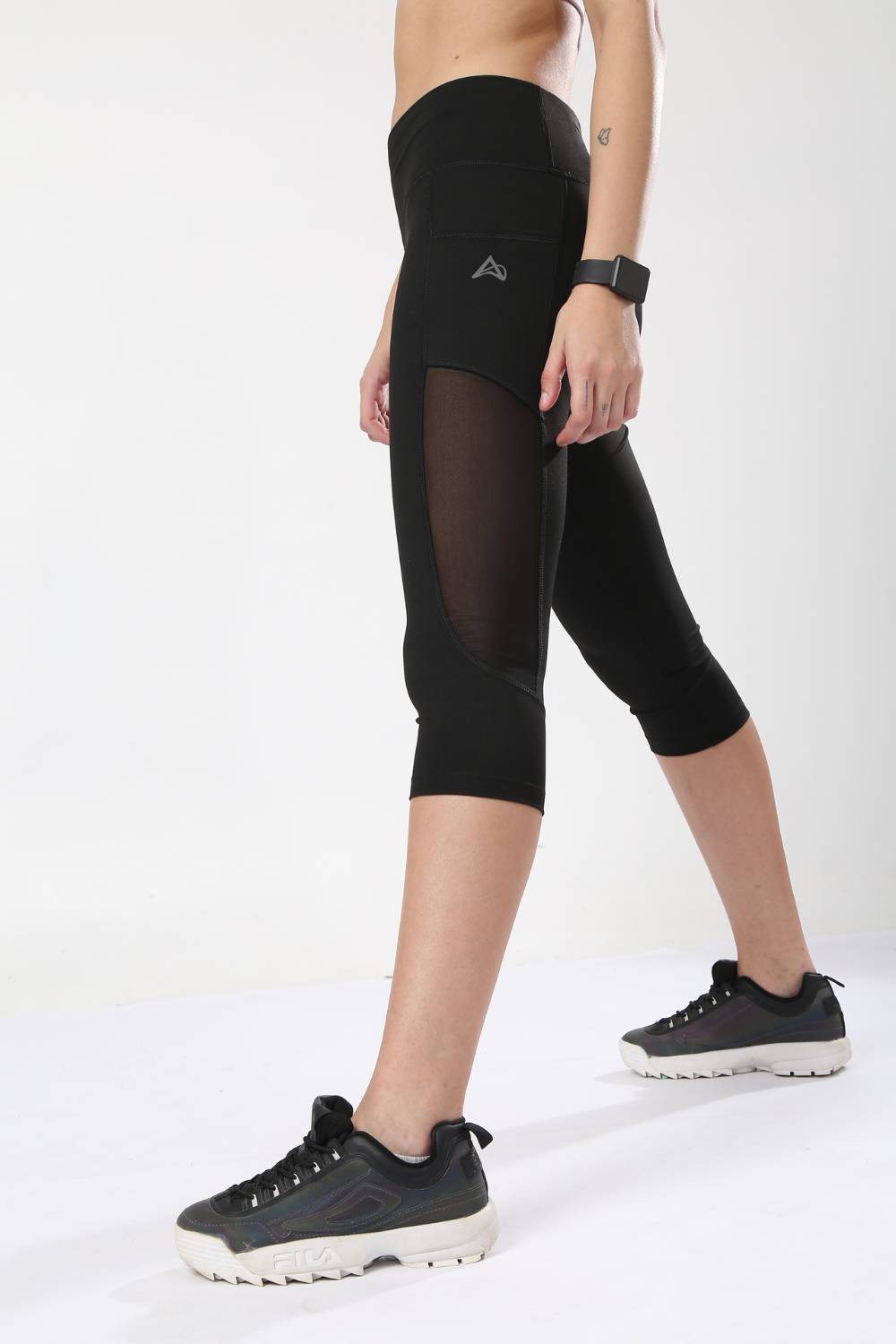
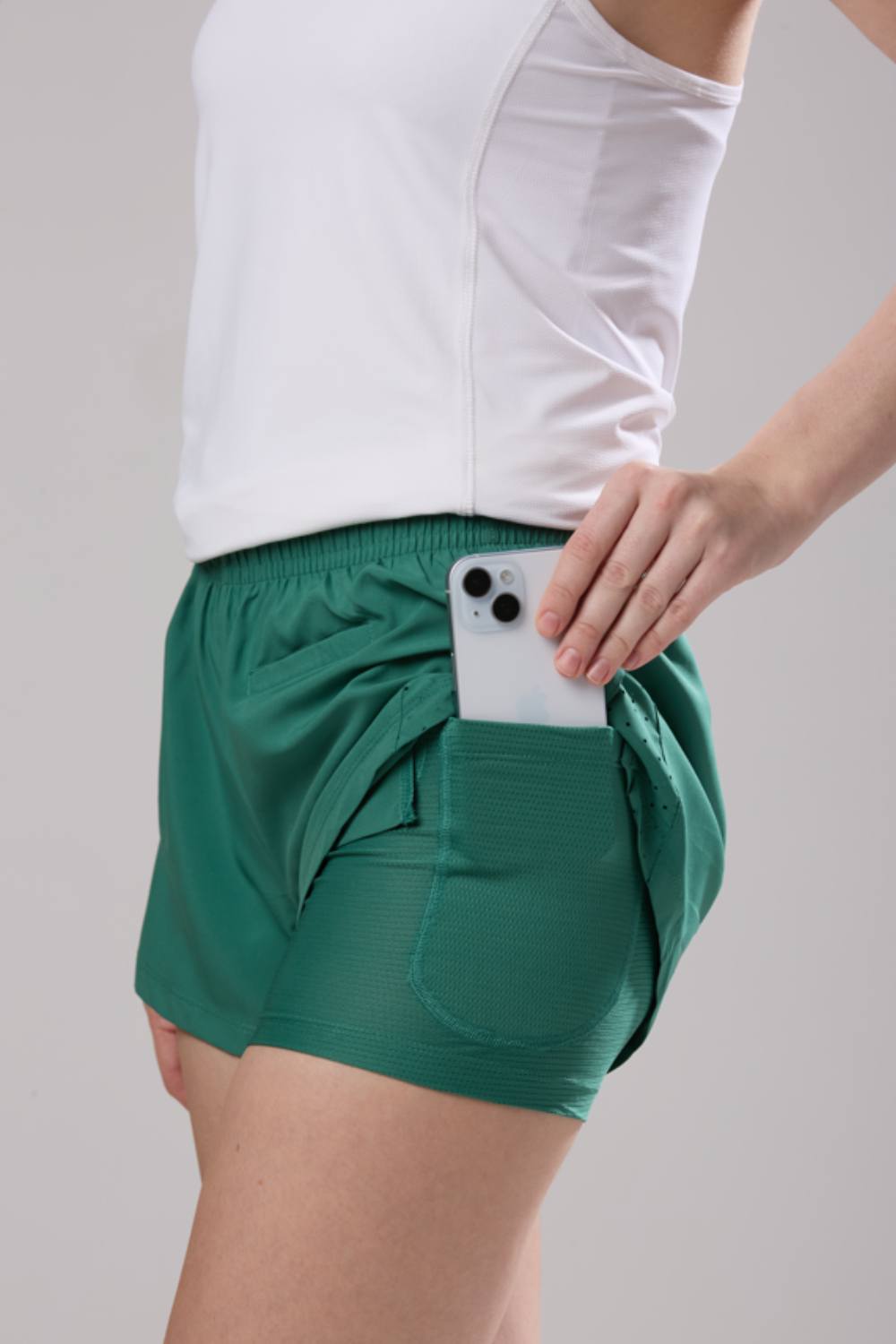
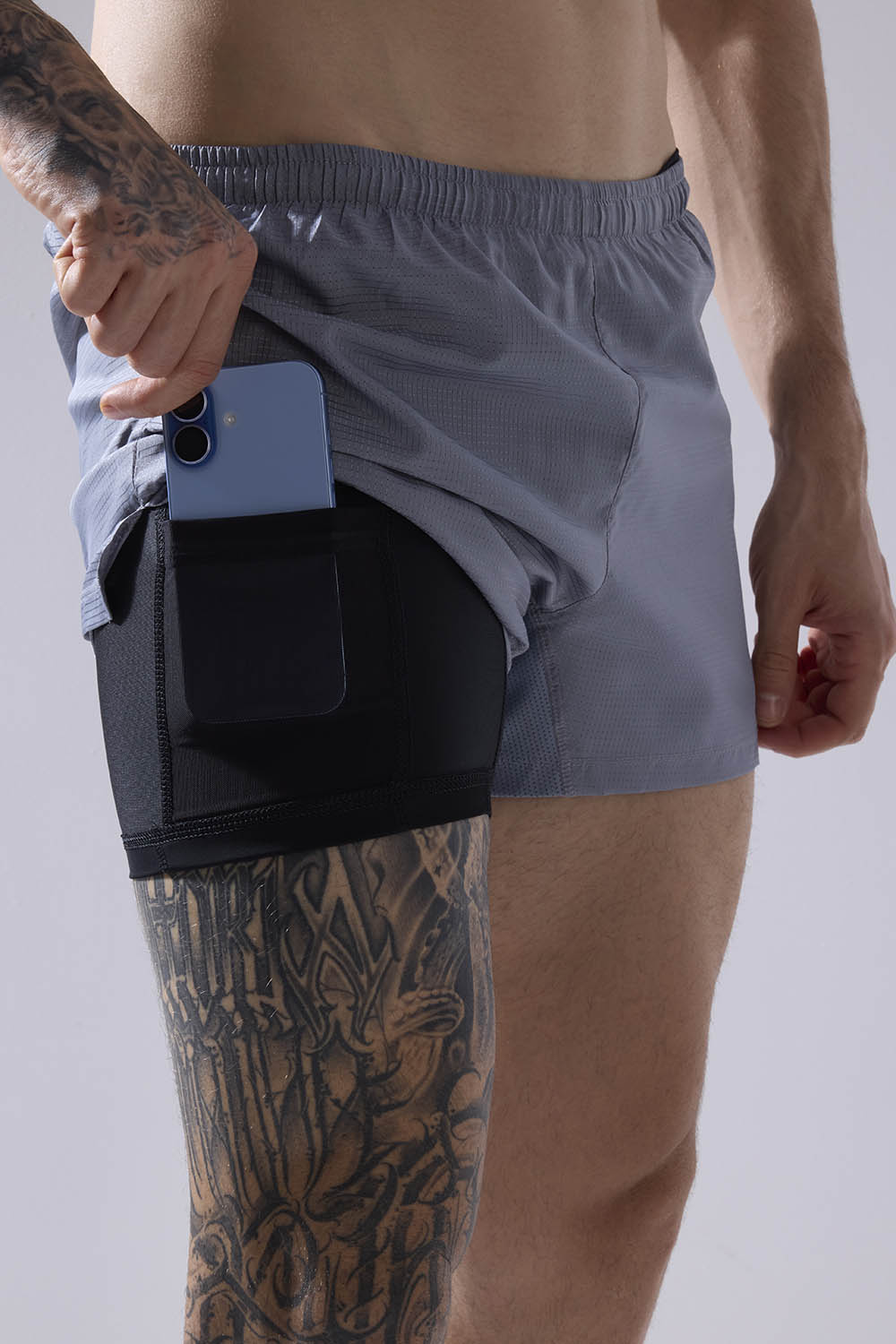
Moving past laboratory insights, practical aspects are paramount. Pockets designed to remain stable prevent essentials from shifting on busy city routes. Seams engineered against friction and textiles that draw away perspiration combat the clammy unease intensified by high humidity. Visibility-enhancing reflective elements are essential for low-light sessions amid heavy vehicular flow. Collectively, these features minimize hindrances, allowing runners to immerse fully in their activity.
Perspectives from Key Running Centers in India
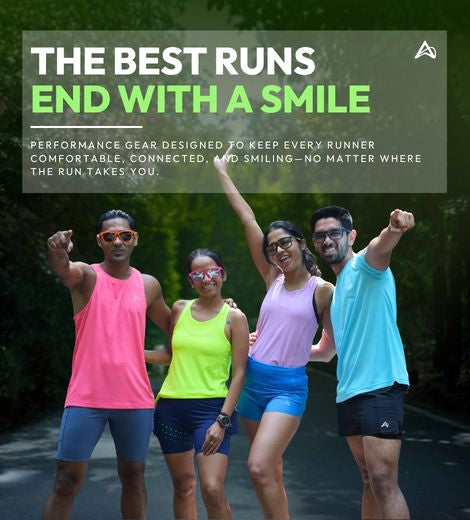
In Bangalore, the mild climate attracts throngs to spots like Cubbon Park and Ulsoor Lake, where communities favor half-tights emphasizing airiness over heaviness. In Hyderabad, where scorching temperatures prevail, athletes value quick-drying materials that efficiently manage sweat. Along Mumbai's iconic Marine Drive, devotees appreciate the added shield from coastal gusts and mist without risking overheating. Groups in Pune and Delhi, navigating inclines and congested walkways, emphasize the firmness and secure storage for gear on irregular surfaces.
Female participants have notably spearheaded this transition, drawn to the discretion and anti-irritation qualities sans the encumbrance of longer variants in tropical settings. Male counterparts, particularly those enduring extreme distances or intensive training, are also embracing them, placing efficacy above traditional norms.
Regional breakdowns highlight varying adoption rates. The running gear sector divides into North, West and Central, South, and East India, with West and Central leading. Products span footwear, apparel, accessories, and trackers, footwear dominating. Gender-wise, males lead, followed by females and unisex. Channels include specialized outlets, large stores, discounts, digital platforms, and more, with sports shops at the forefront.
Persistent Challenges in Adoption
Yet, this changeover remains incomplete. Certain runners perceive fitted clothing as overly audacious or foreign-influenced, especially in less urban areas. Concerns about amplified warmth in moist climates persist, though advanced permeable constructions have mitigated much of this.
Affordability poses another obstacle. Luxury imports frequently command exorbitant prices, excluding many from superior choices. Herein lies the potential for indigenous advancements to reshape accessibility.
Indigenous Solutions Meeting Evolving Demands
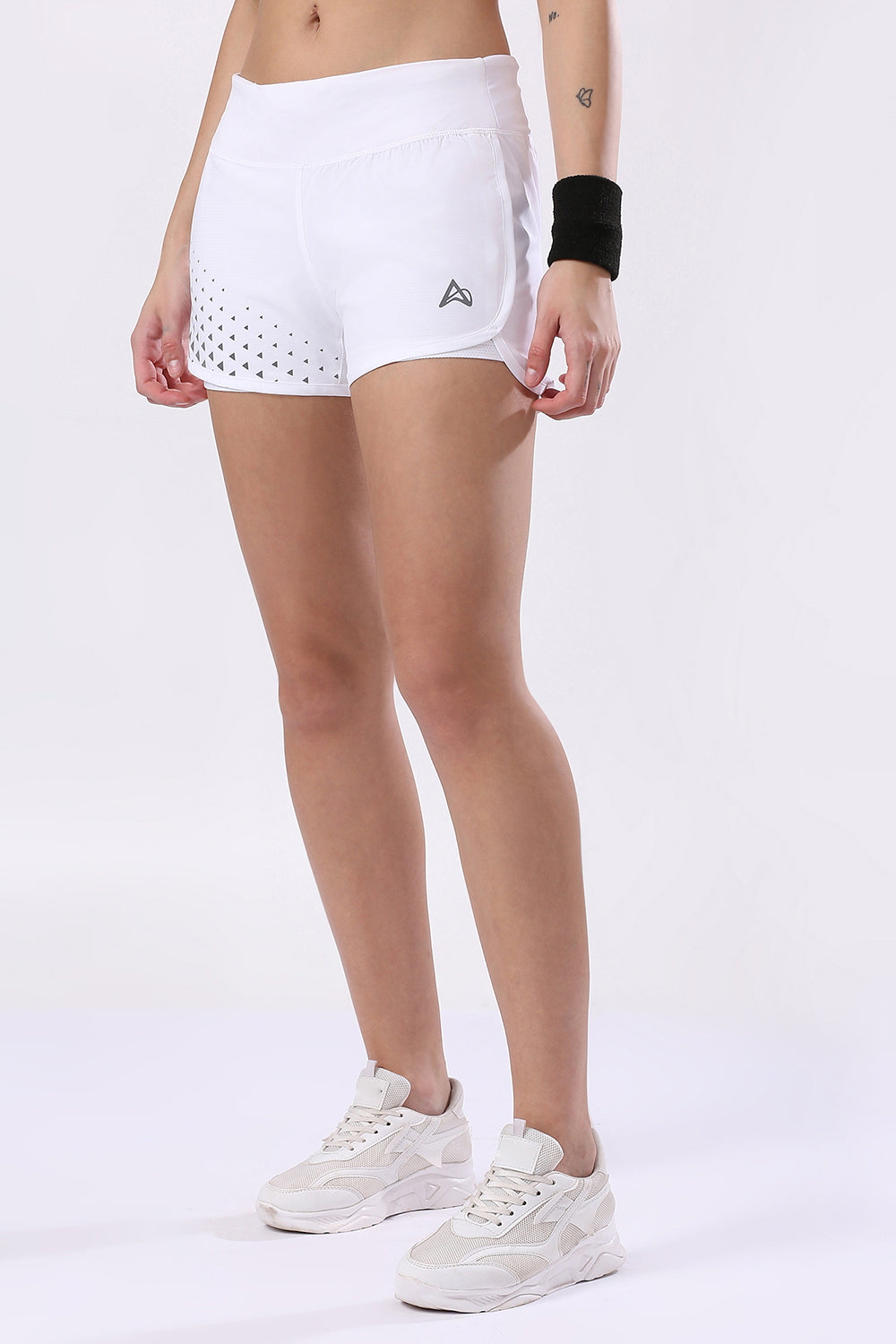
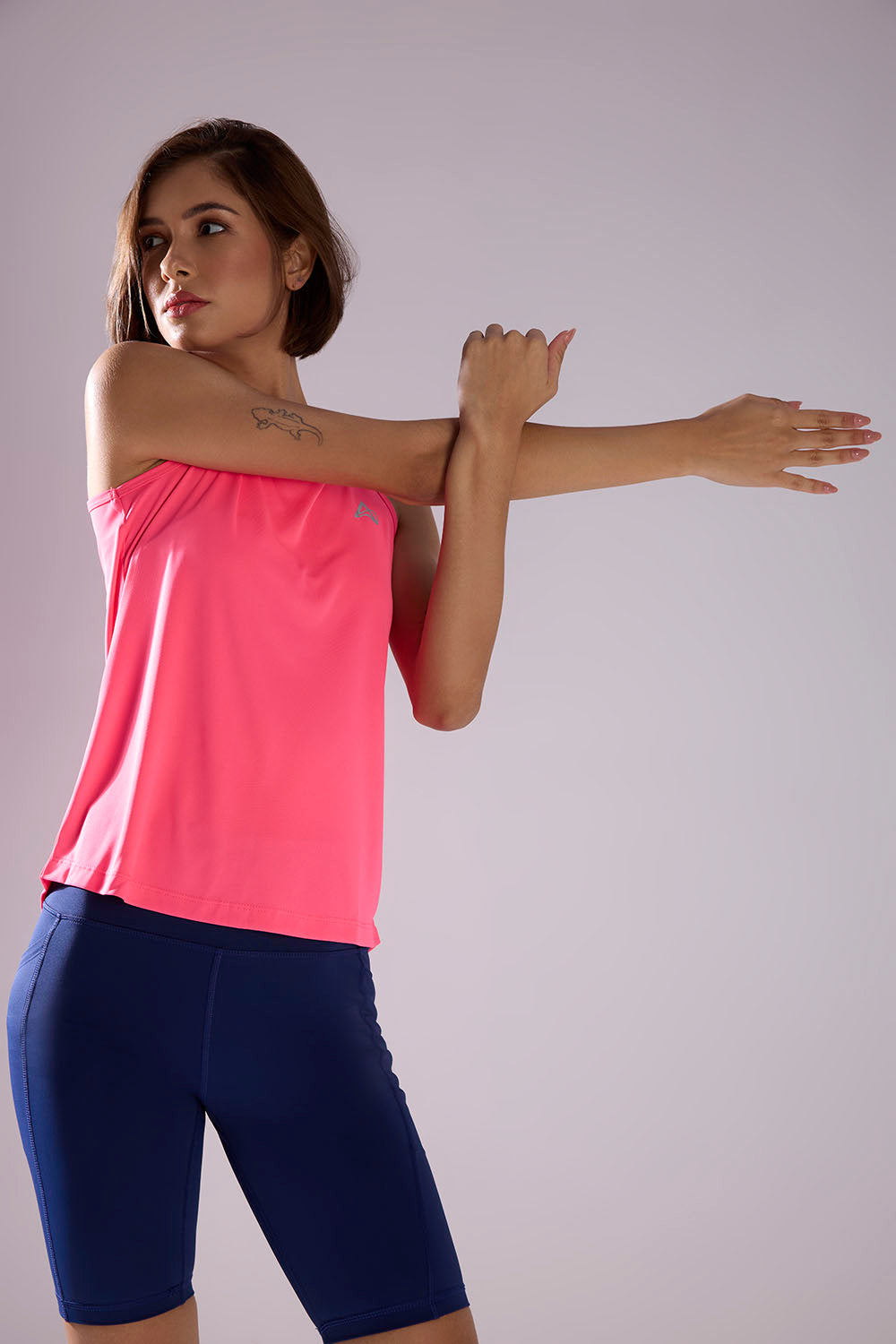
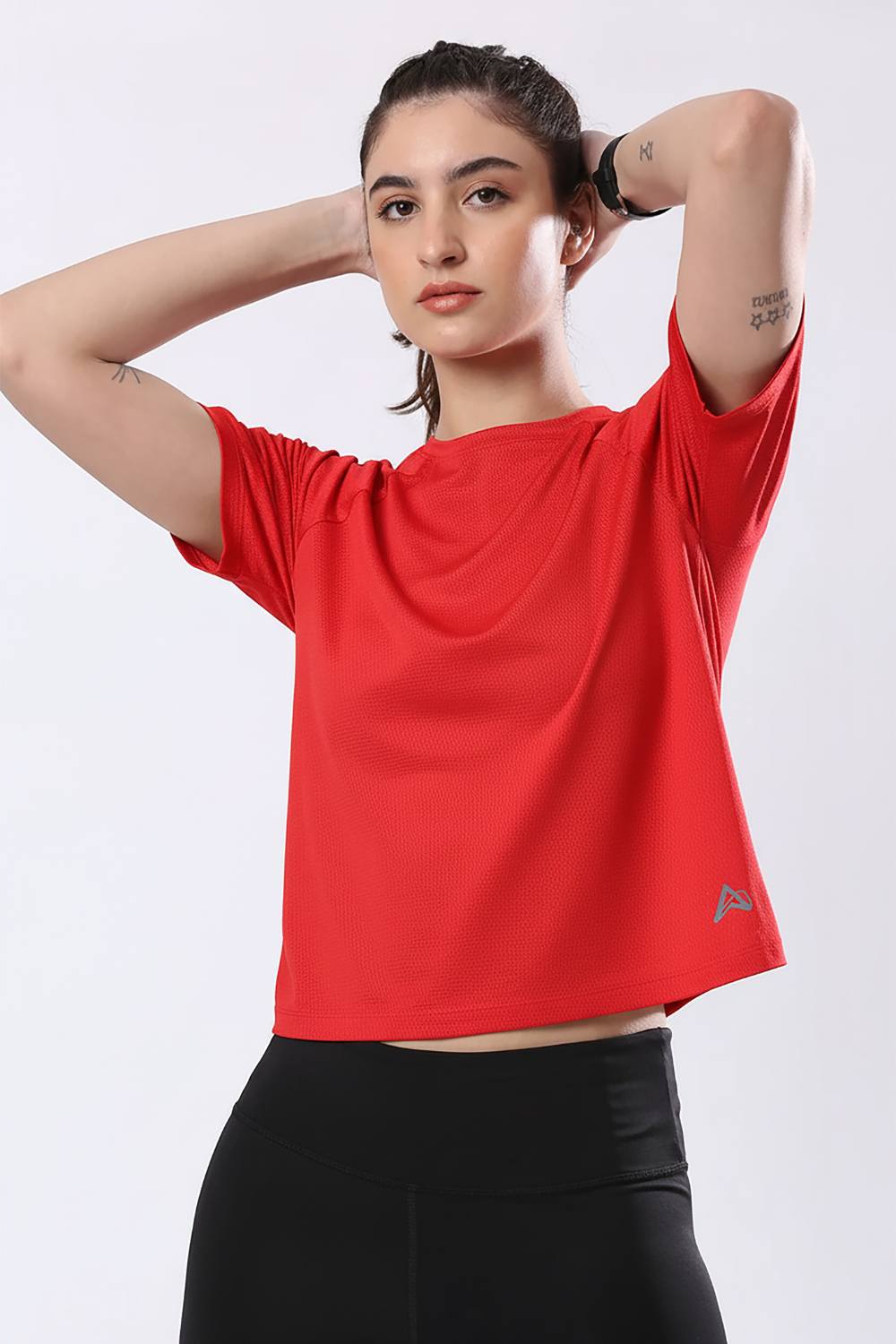
Enterprises such as Aguante are directly addressing this niche, crafting equipment specifically for Indian scenarios. Eschewing universal sportswear conceived overseas, each item considers regional warmth, dampness, and landscapes. Materials aggressively expel moisture, joints avert rubbing, compartments hold firm sans jiggle, and luminous accents boost security. Silhouettes are honed via input from genuine local runners, guaranteeing ease for varied physiques and gaits.
Importantly, costs remain transparent. Elevated functionality need not entail global premiums when creation is domestic. This fusion of worldwide excellence with India-centric adaptations renders the adoption of half-tights feasible, not merely desirable.
Forward-Looking on India's Pathways
The progression from conventional shorts to half-tights signifies a deeper demand: Indian enthusiasts seeking attire that authentically complements their pursuits, beyond adapted models. With sustained market vigor and expanding event schedules, the desire for considerate, regionally aligned clothing is set to escalate.
For those contemplating the change or merely desiring equipment that blends seamlessly into the effort rather than opposing it entities attuned to India's specific requirements are paving the path. The trails beckon, and an unprecedented number of runners are responding equipped for the authentic challenges of the locale.
Frequently Asked Questions
Why are Indian runners switching from shorts to half-tights?
Indian runners are choosing half-tights because they offer better muscle support, reduce chafing, and provide secure pockets that prevent items from bouncing during runs. Unlike traditional shorts that can bunch up or full-length tights that trap excessive heat, half-tights strike the optimal balance for India's hot and humid climate. They also feature moisture-wicking fabrics and compression benefits that help reduce muscle fatigue during long-distance runs.
Do compression half-tights actually improve running performance?
Research shows that compression half-tights provide modest improvements in running economy, lactate removal, and perceived exertion, though they don't significantly impact race times or oxygen consumption. Studies indicate they excel at reducing delayed onset muscle soreness (DOMS), decreasing muscle damage markers, and helping with temperature regulation. While performance gains may be subtle, runners consistently report feeling faster and more comfortable, which can be crucial during marathons and ultra-distance events.
Are half-tights suitable for running in India's hot and humid climate?
Yes, modern half-tights are specifically designed for hot, humid conditions like those in Indian cities. They feature advanced moisture-wicking fabrics that aggressively expel sweat, preventing the clammy discomfort that comes with high humidity. Unlike full-length tights that can cause overheating, half-tights provide muscle coverage and compression without trapping excess heat, making them ideal for cities like Mumbai, Bangalore, Hyderabad, and Delhi where temperatures and moisture levels are consistently high.
Disclaimer: The above helpful resources content contains personal opinions and experiences. The information provided is for general knowledge and does not constitute professional advice.
You may also be interested in: Why Indian Runners Are Moving Beyond Imported Activewear
Tired of gear that slows you down? Chafing, soggy fabrics, and missing pockets kill your run's momentum. At Aguante, we're runners who get it. Our high-performance activewear features moisture-wicking fabrics, ergonomic designs, and smart storage to keep you focused. Shop Now!
Powered by flareAI.co