






Quick Listen:
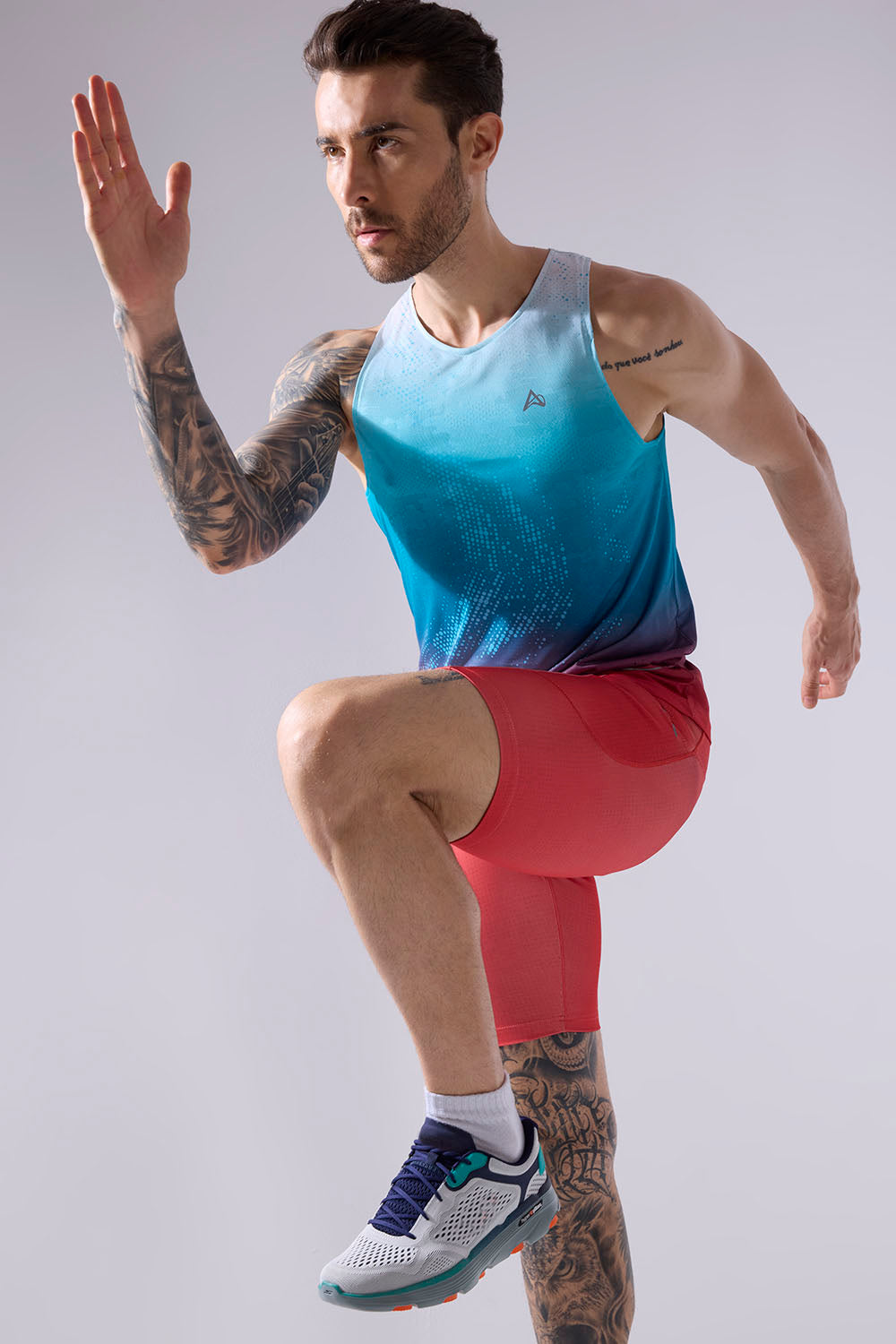
On a humid dawn in Bangalore, a pack of runners pounds the pavement, their strides cutting through the thick air. Sweat beads, but it doesn't cling their gear wicks it away, letting them focus on the rhythm of the run. In cities across India, from Mumbai's marine drive to Pune's hilly trails, this scene plays out daily. And increasingly, that gear isn't just performing; it's doing so with a lighter footprint on the planet. Enter brands like Aguante, pushing the boundaries of what eco-friendly running apparel can be.
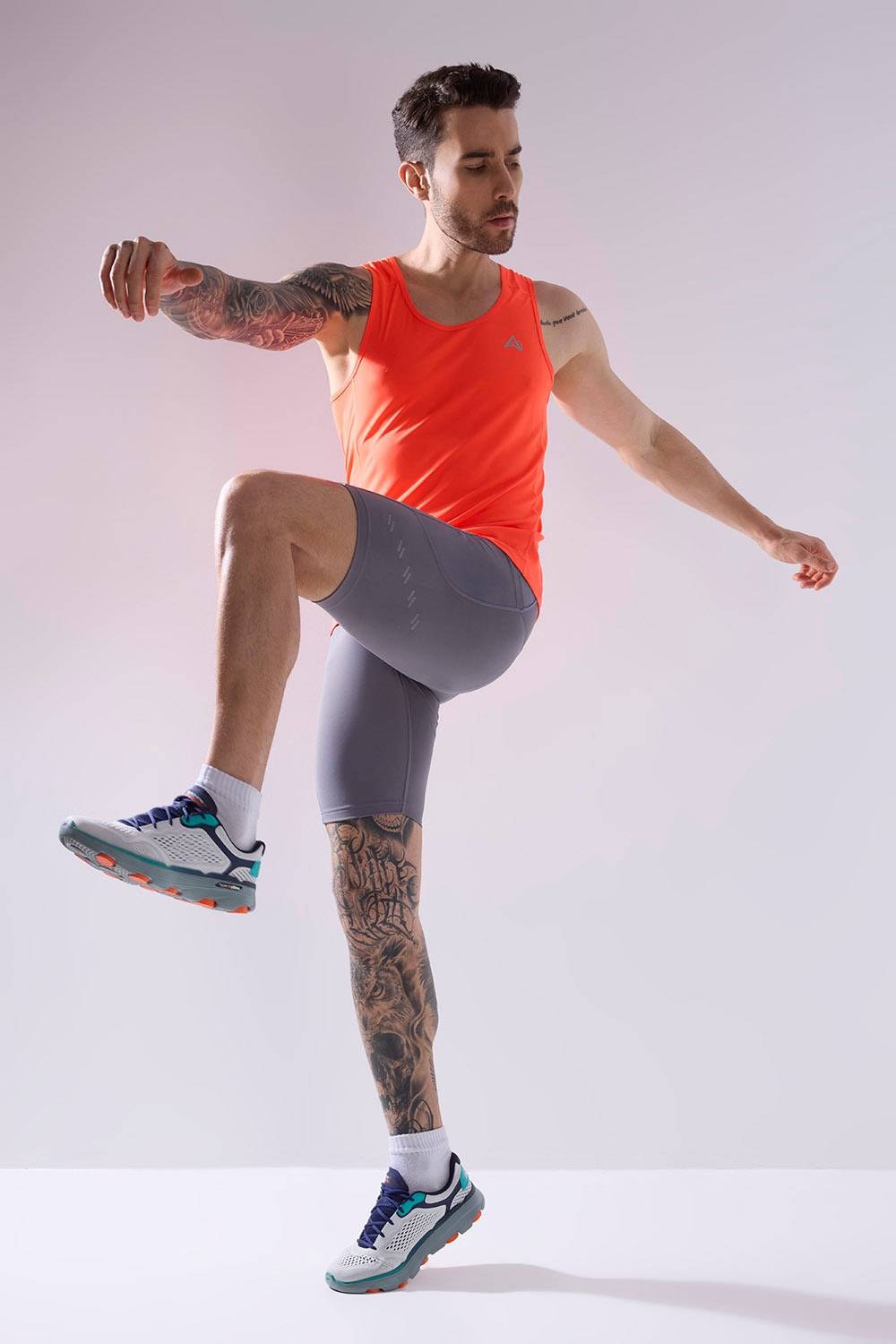
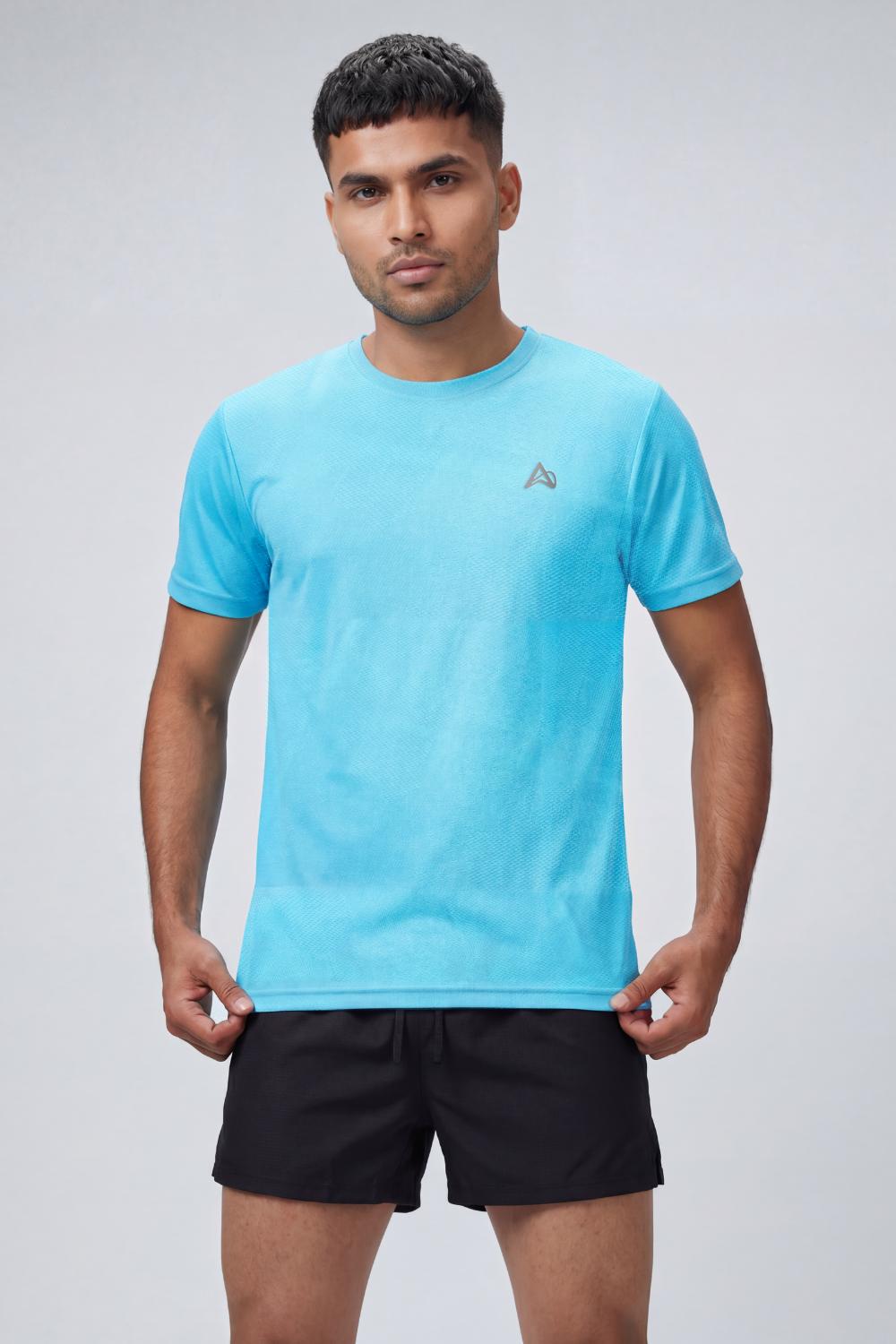
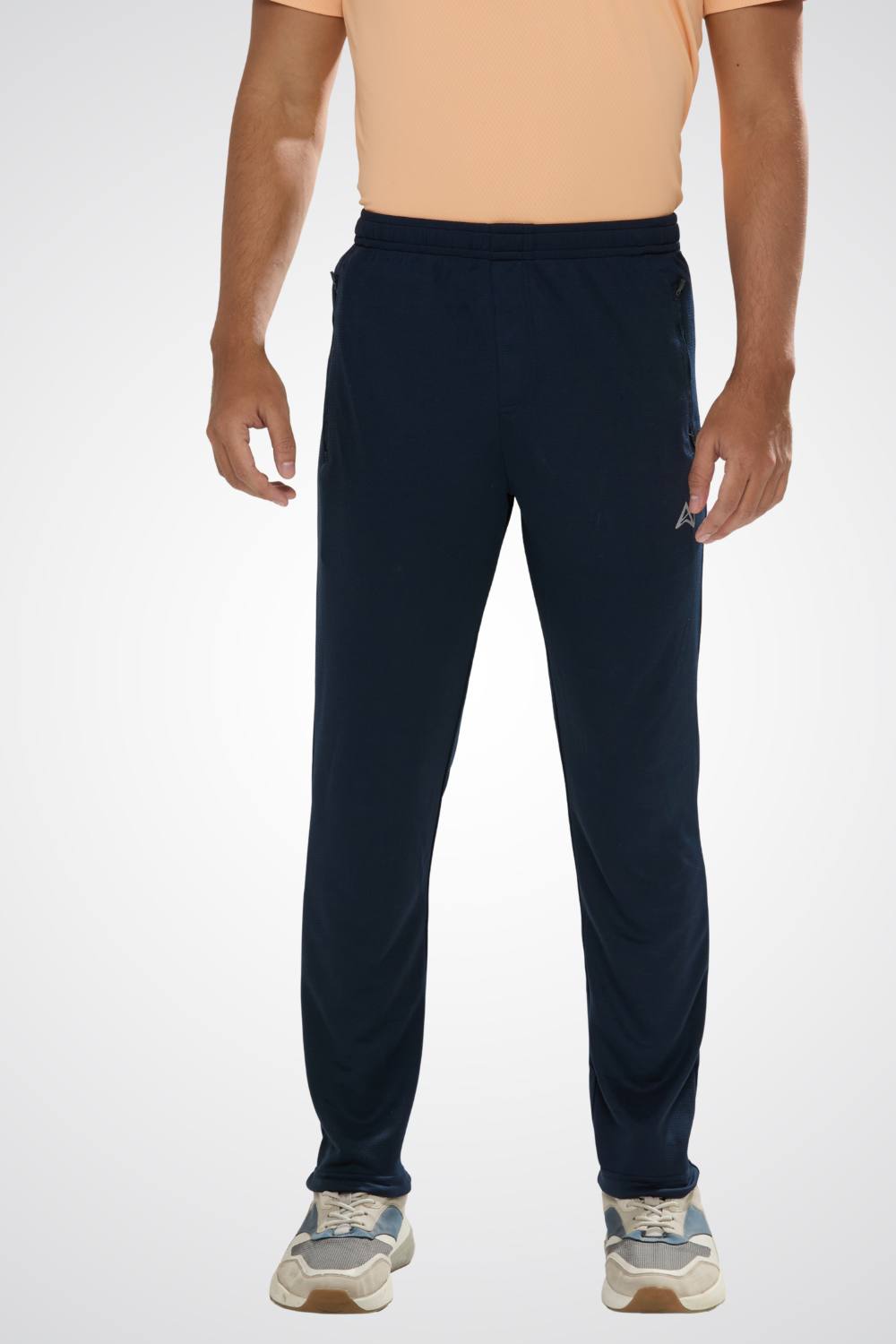
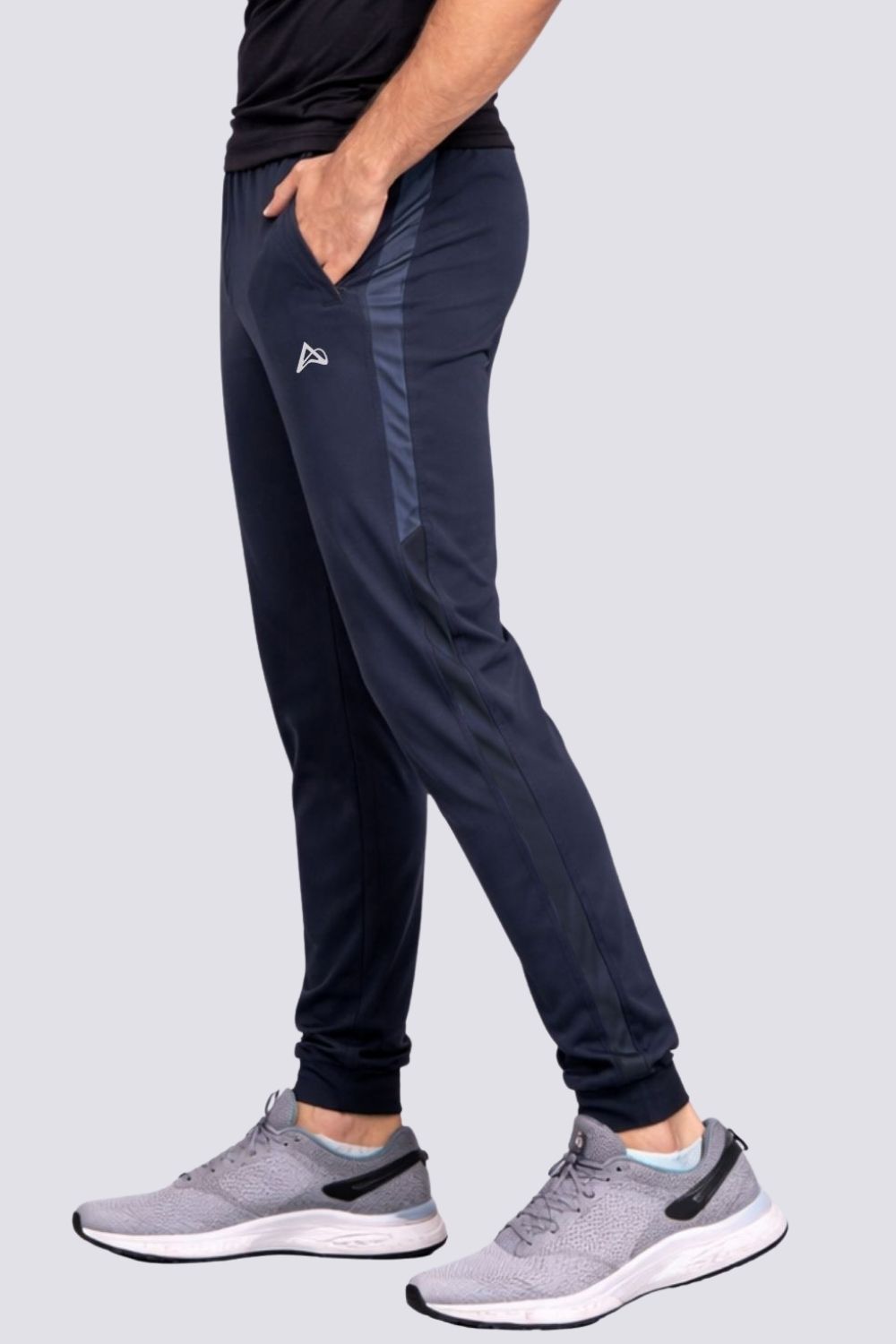
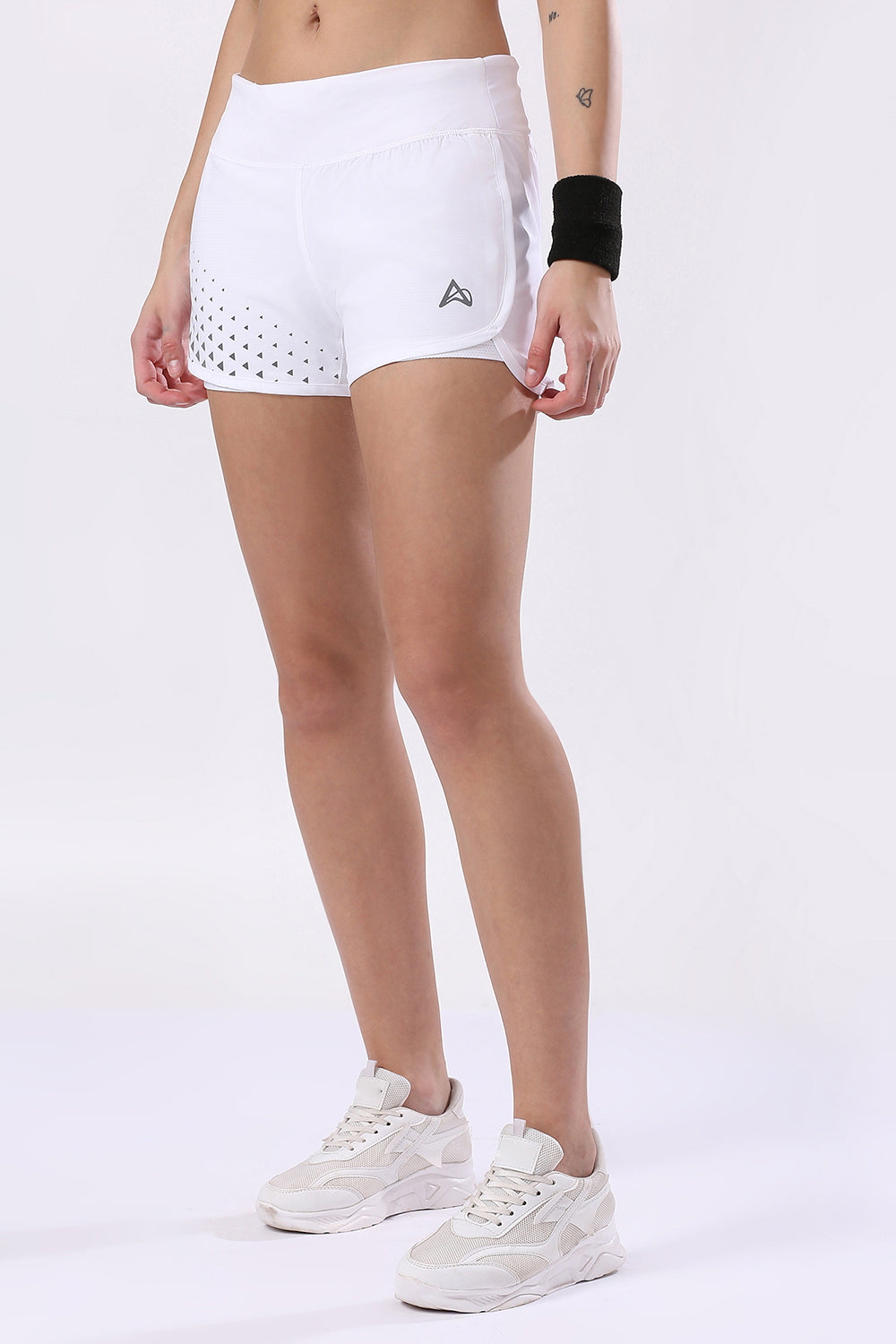
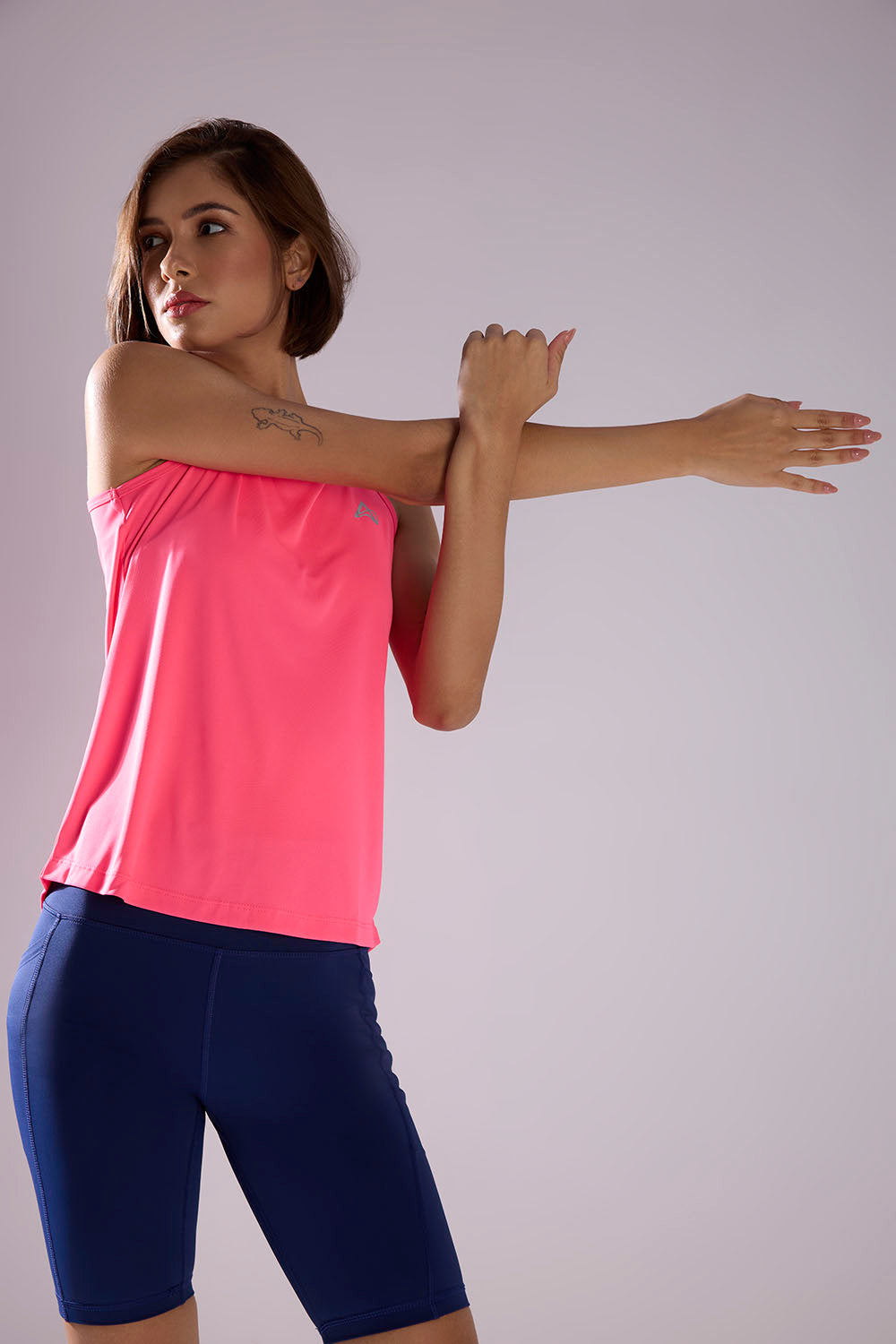
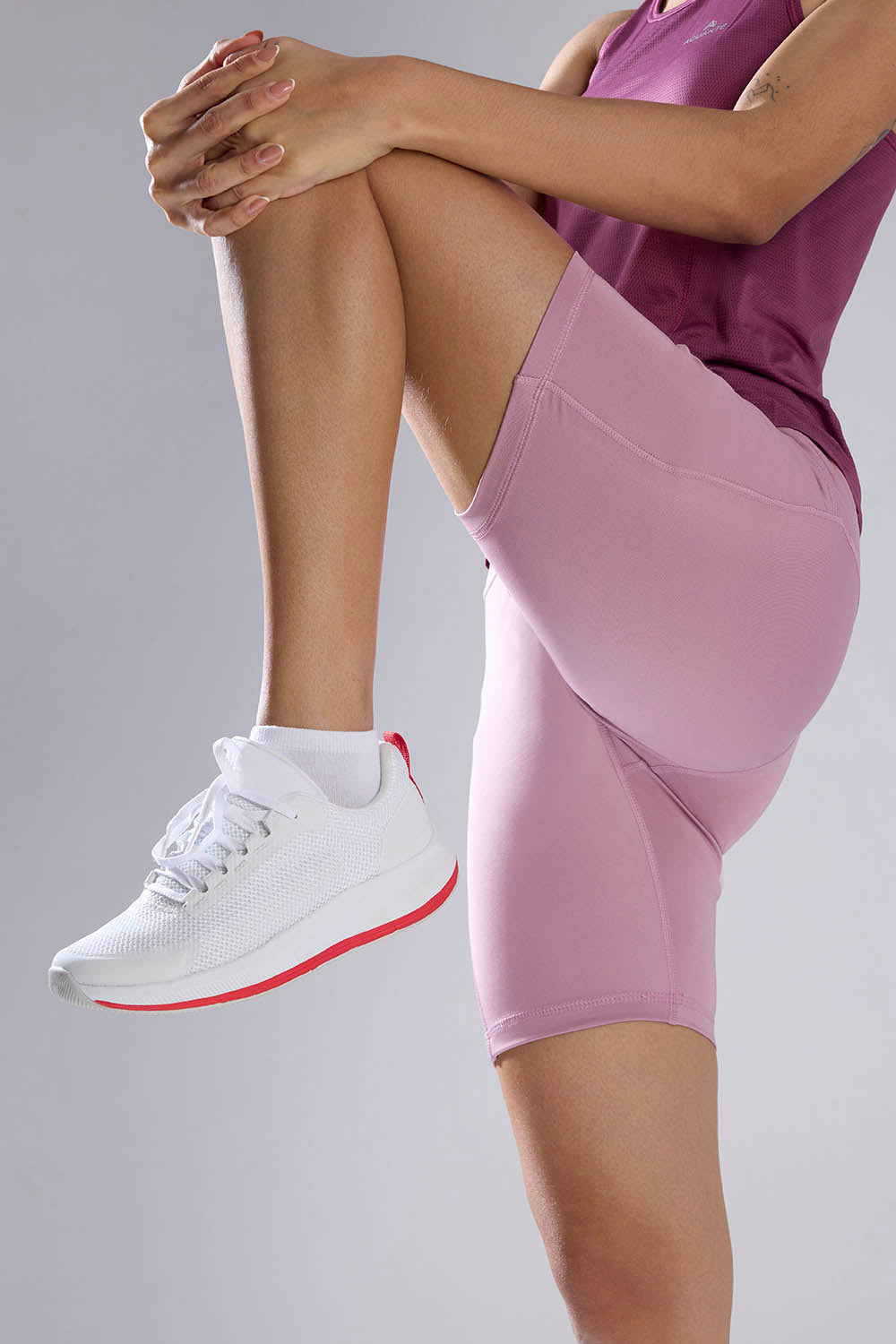
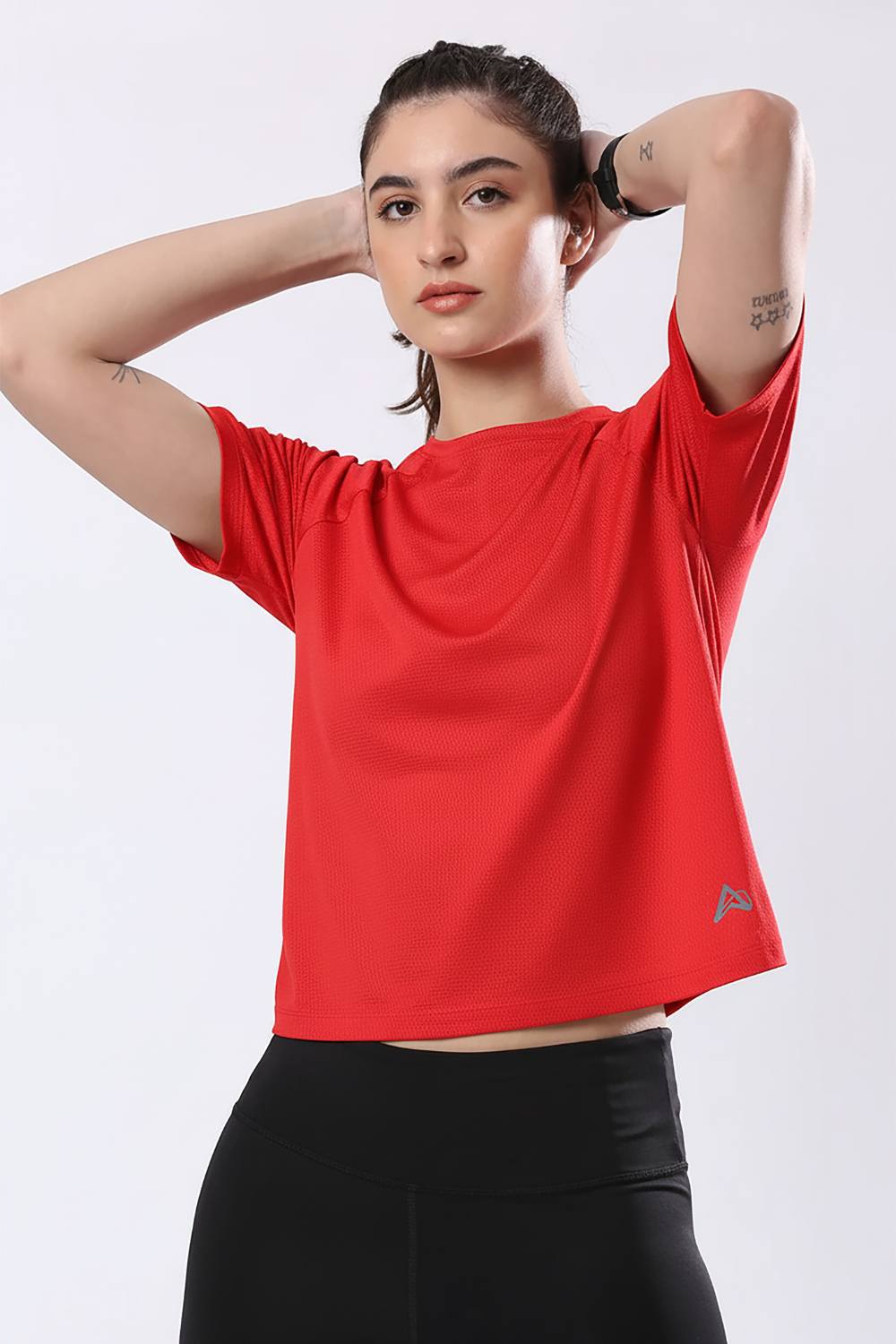
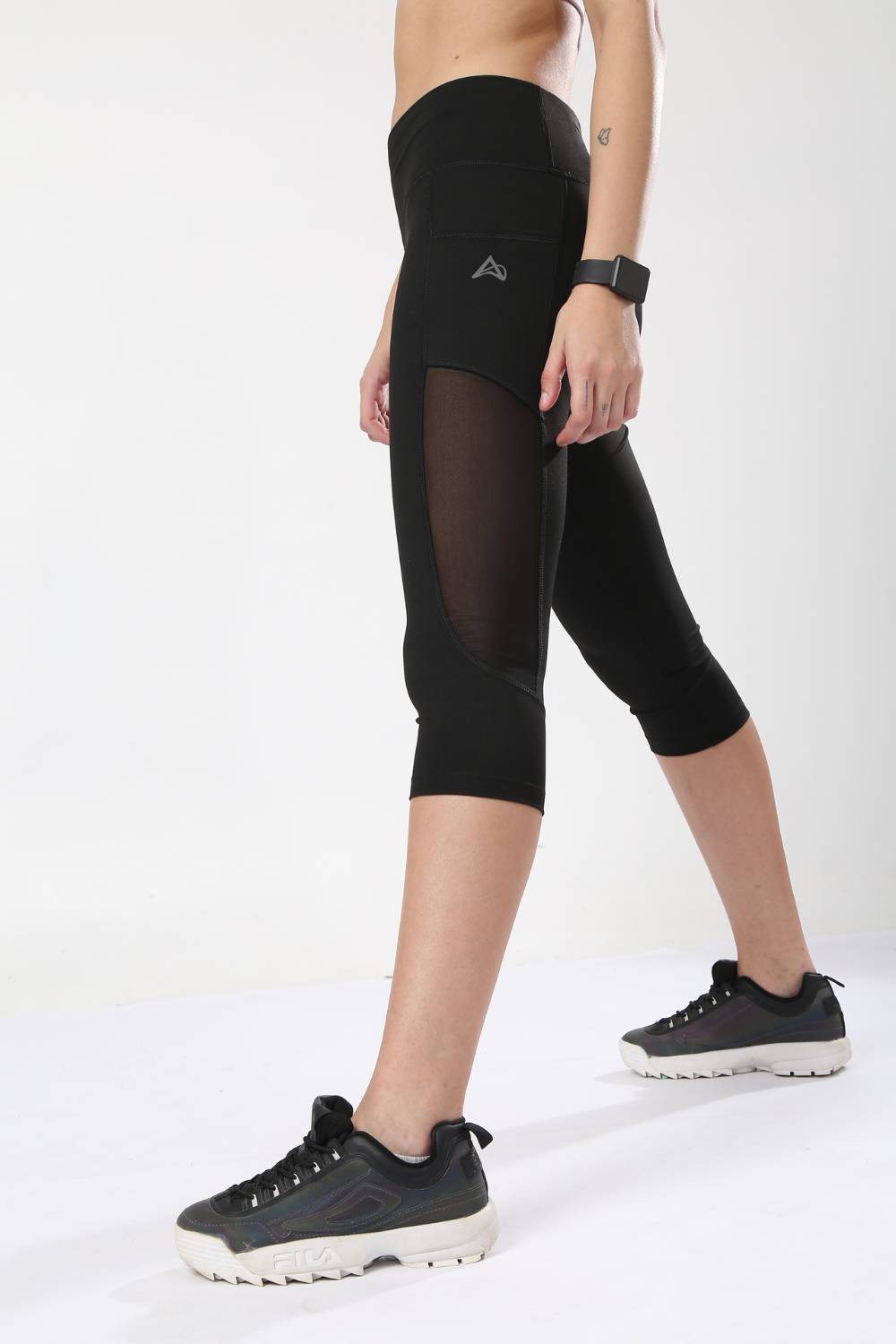
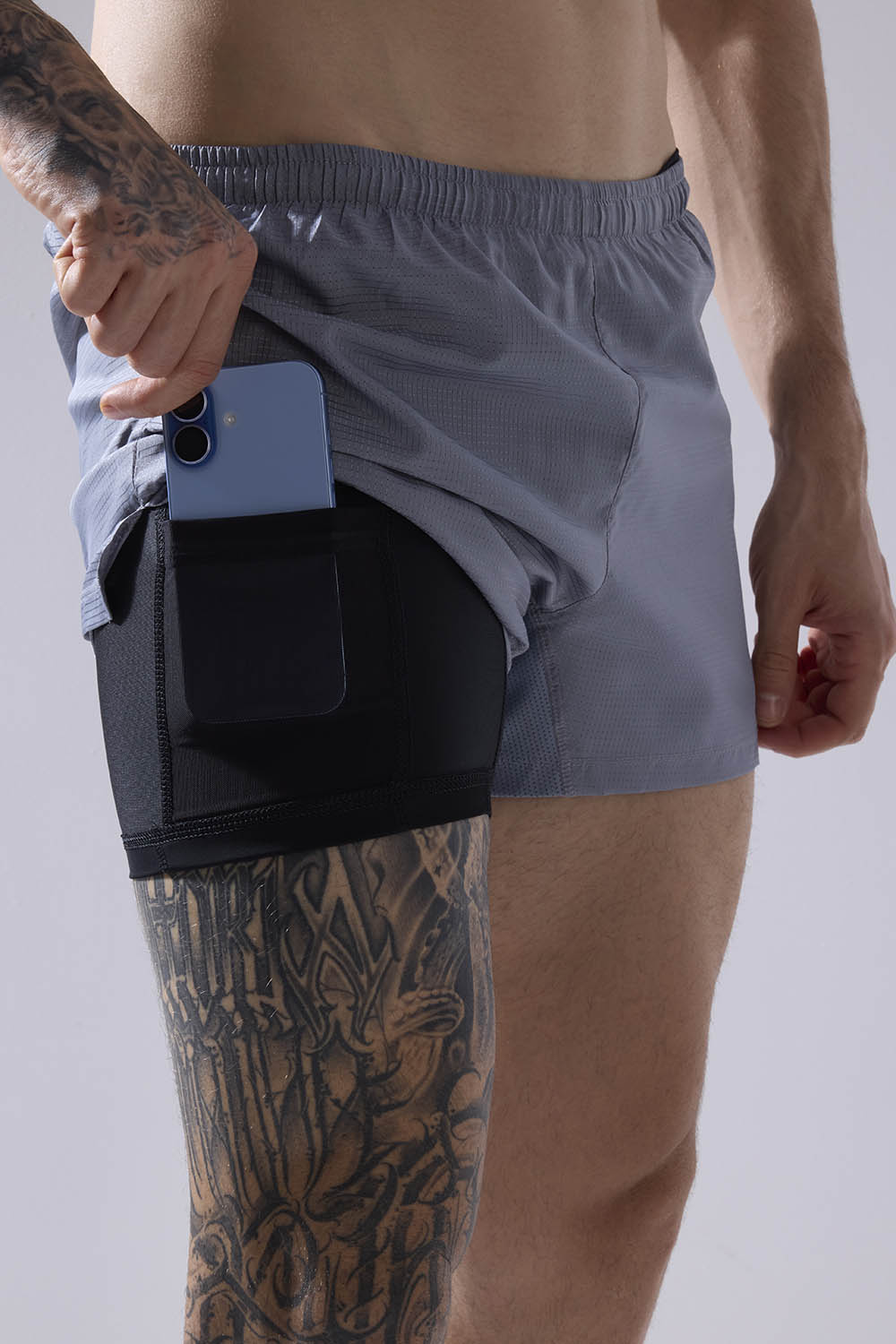
Aguante, a homegrown Indian activewear brand, stands out in this shift. Founded by runners frustrated with imported options that ignored India's heat, humidity, and uneven roads, it crafts performance-driven pieces tailored to local conditions secure pockets that don't bounce, anti-chafing linings, moisture-wicking fabrics, and reflective details for safety.
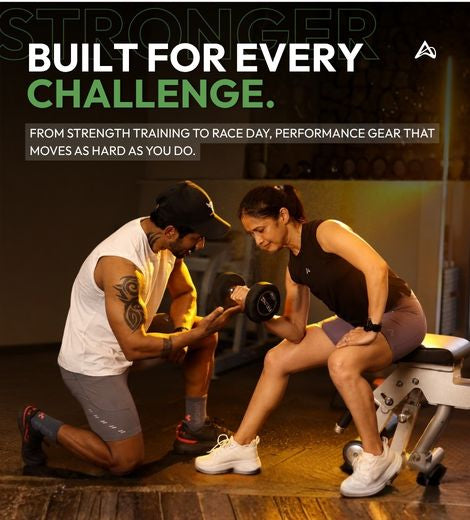
Tired of gear that slows you down? Chafing, soggy fabrics, and missing pockets kill your run's momentum. At Aguante, we're runners who get it. Our high-performance activewear features moisture-wicking fabrics, ergonomic designs, and smart storage to keep you focused. Shop Now!
The Growing Demand for Sustainable Activewear
The global athleisure market, blending athletic and leisure wear, sized up at USD 338.48 billion in 2024, is projected to climb from USD 368.61 billion in 2025 to USD 716.05 billion by 2032, with a CAGR of 9.82%. Asia Pacific led with 24.94% share in 2024. Closer home, the activewear apparel market hit around USD 406.83 billion globally in 2024, expected to reach USD 520 billion by 2034 at a 6.67% CAGR from 2025.
But sustainability is the real accelerator. The sustainable athleisure segment grew from $17,641.2 million in 2020 to a projected $53,431.5 million by 2030, at 11.6% CAGR. Meanwhile, eco-friendly sportswear is set to rise from USD 15.8 billion in 2025 to USD 35.2 billion by 2033, with a 10.5% CAGR. Runners aren't just chasing personal bests; they're demanding gear that aligns with environmental values fabrics from recycled sources, lower water use, ethical production.
In India, this resonates deeply. Urban runners in Delhi, Gurugram, Ahmedabad, and beyond seek apparel that handles oppressive humidity and variable terrain while treading lightly.
Emerging Trends in Sustainable Activewear
Fabrics are evolving fast. Recycled polyester from PET bottles leads the charge, offering durability and breathability without new petroleum. Bamboo fibers, organic cotton blends, and hemp bring natural alternatives. Brands innovate with eco-friendly dyes and waterless treatments to cut waste.
Circular approaches gain traction: recyclable materials, take-back programs. In India's metros Bangalore, Mumbai, Delhi, Pune fitness culture booms, pulling sustainable options into the mainstream. Runners share stories on Instagram, amplifying brands that deliver performance without compromise.
Aguante's Role in Sustainable Running Gear
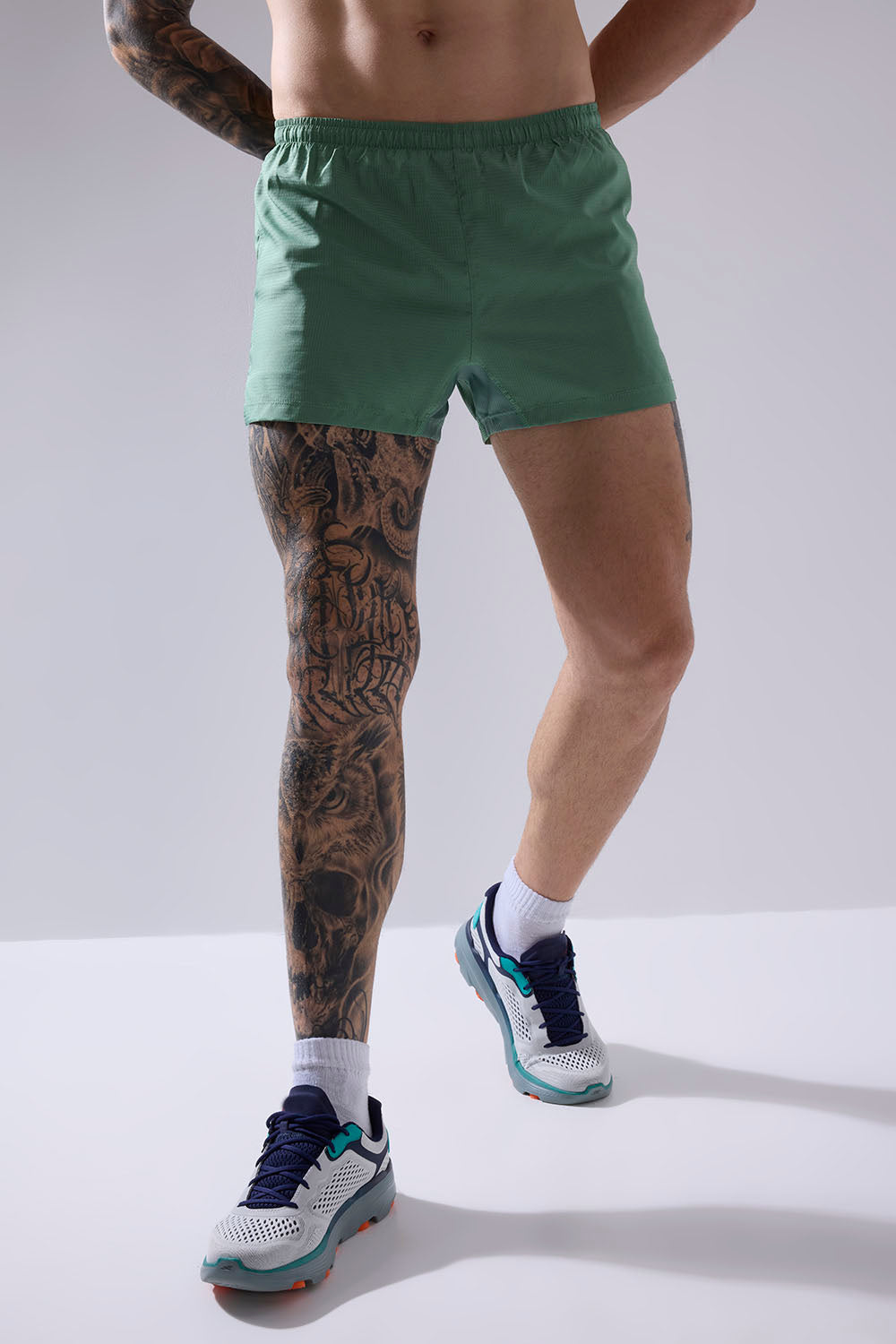
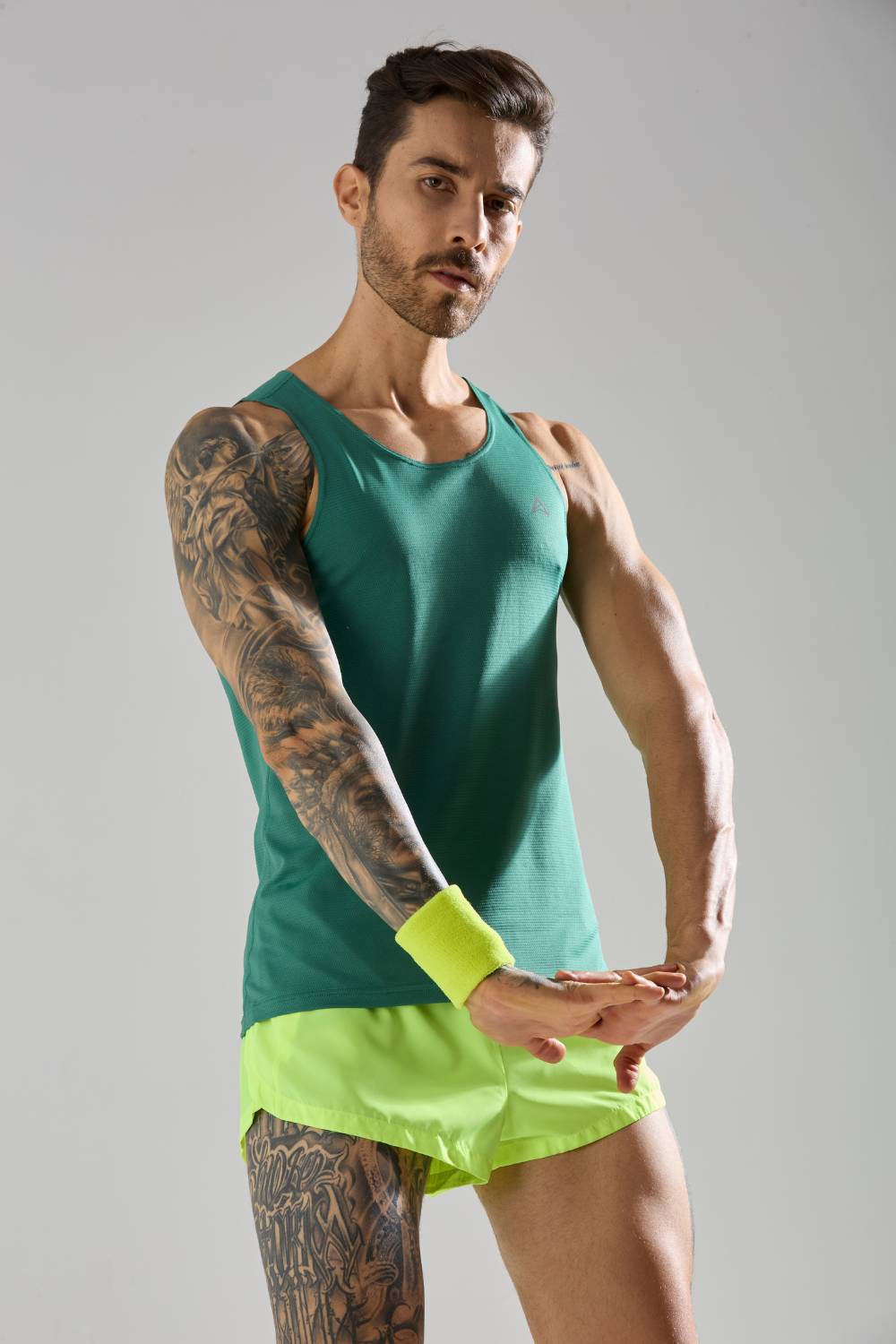
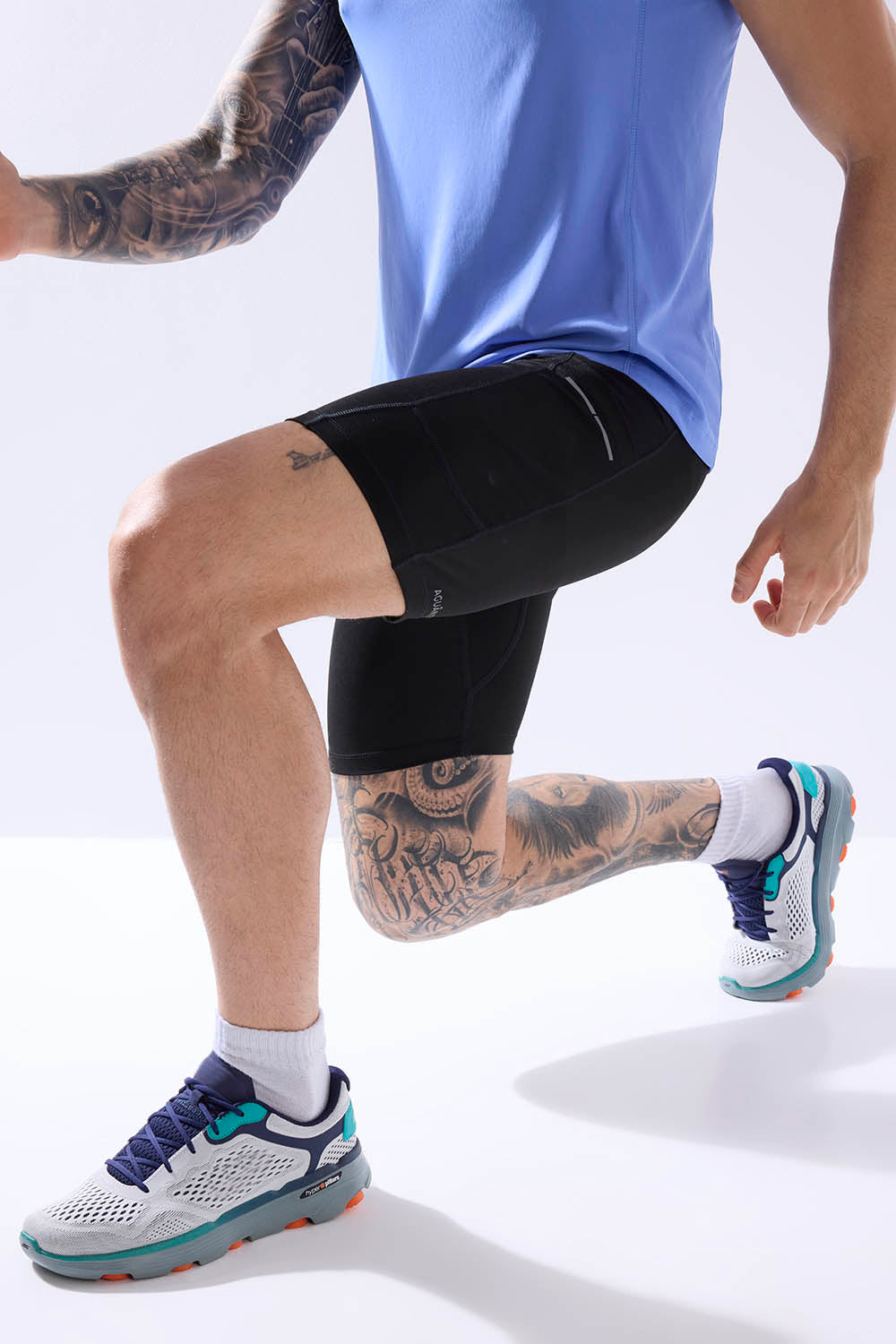
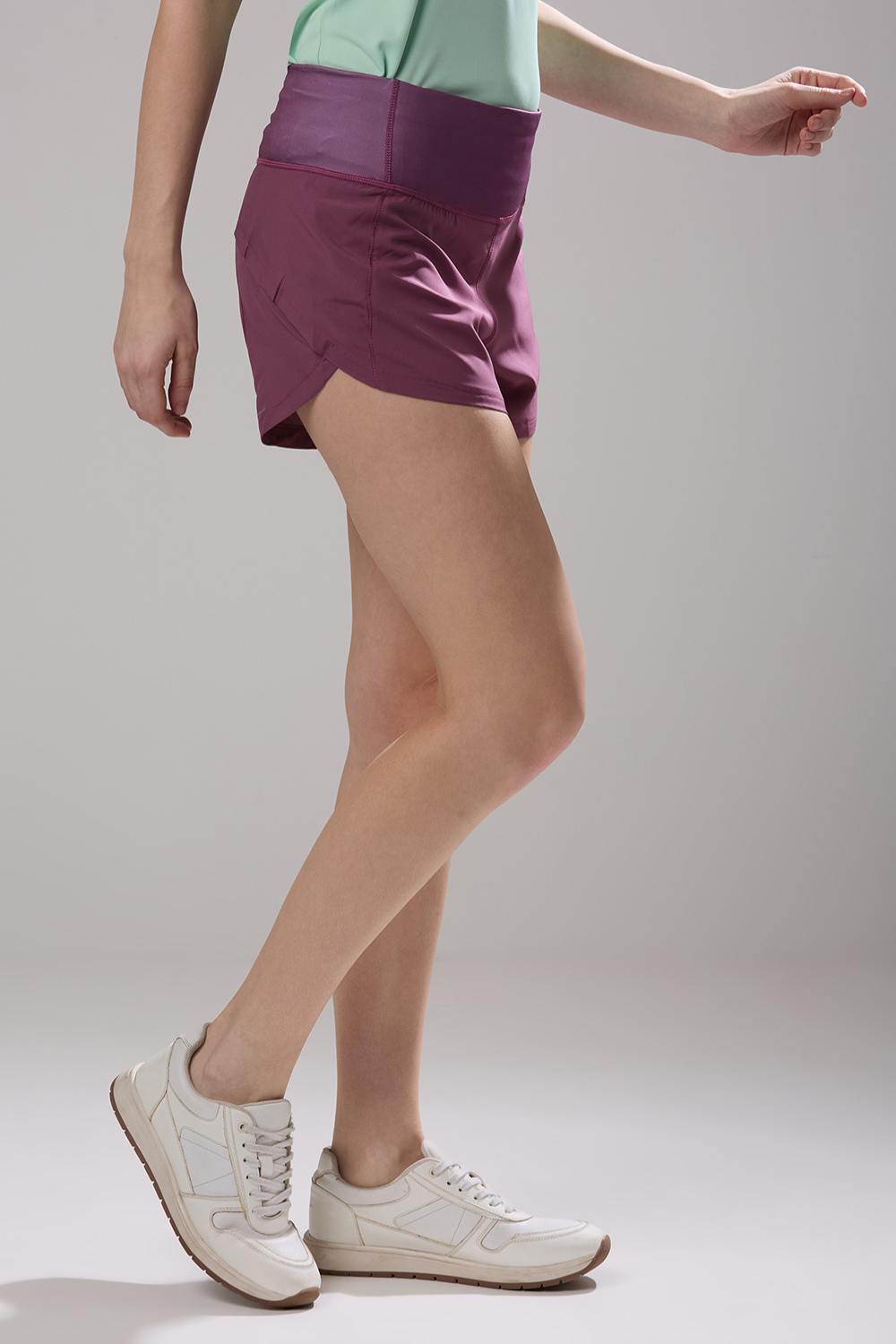
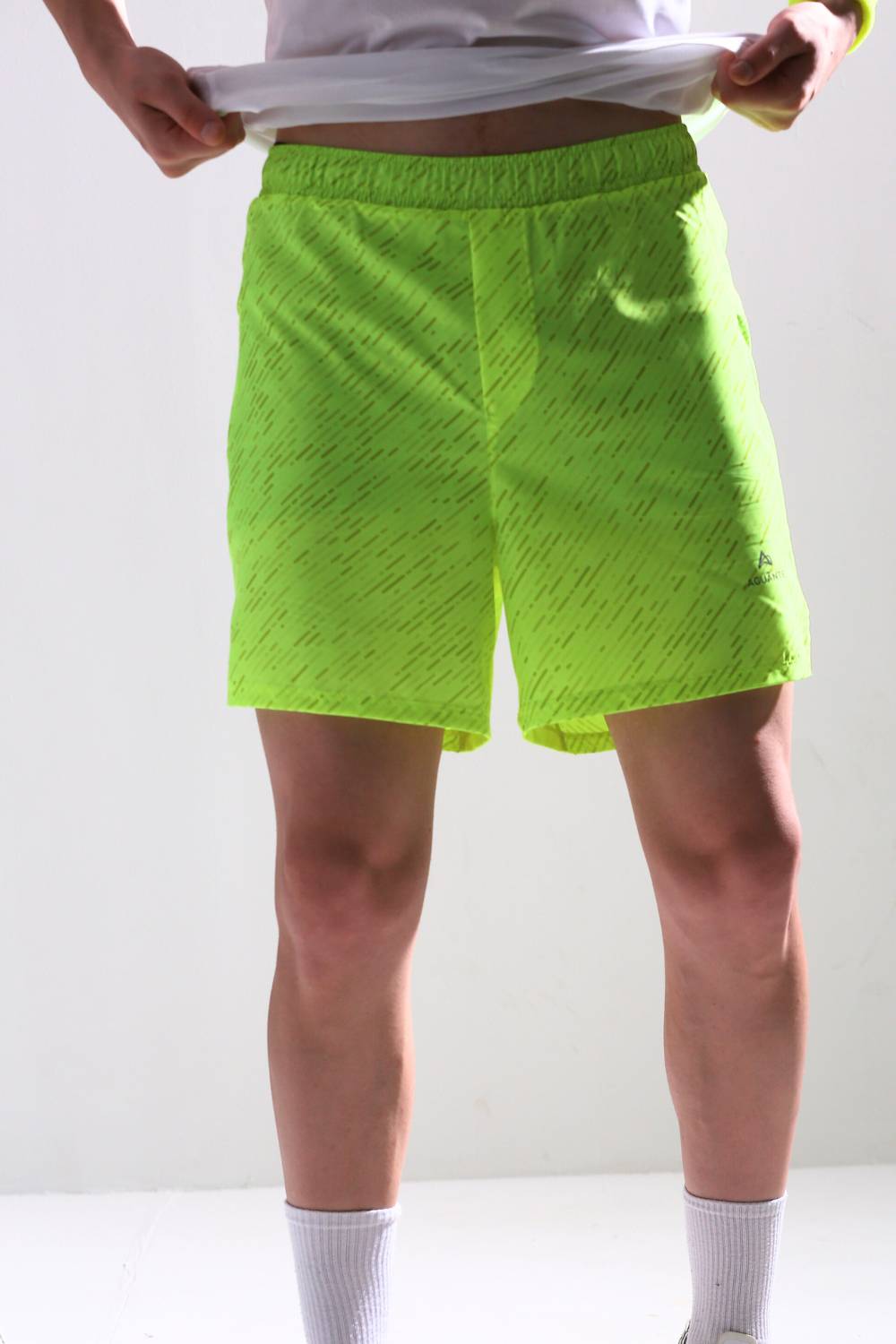
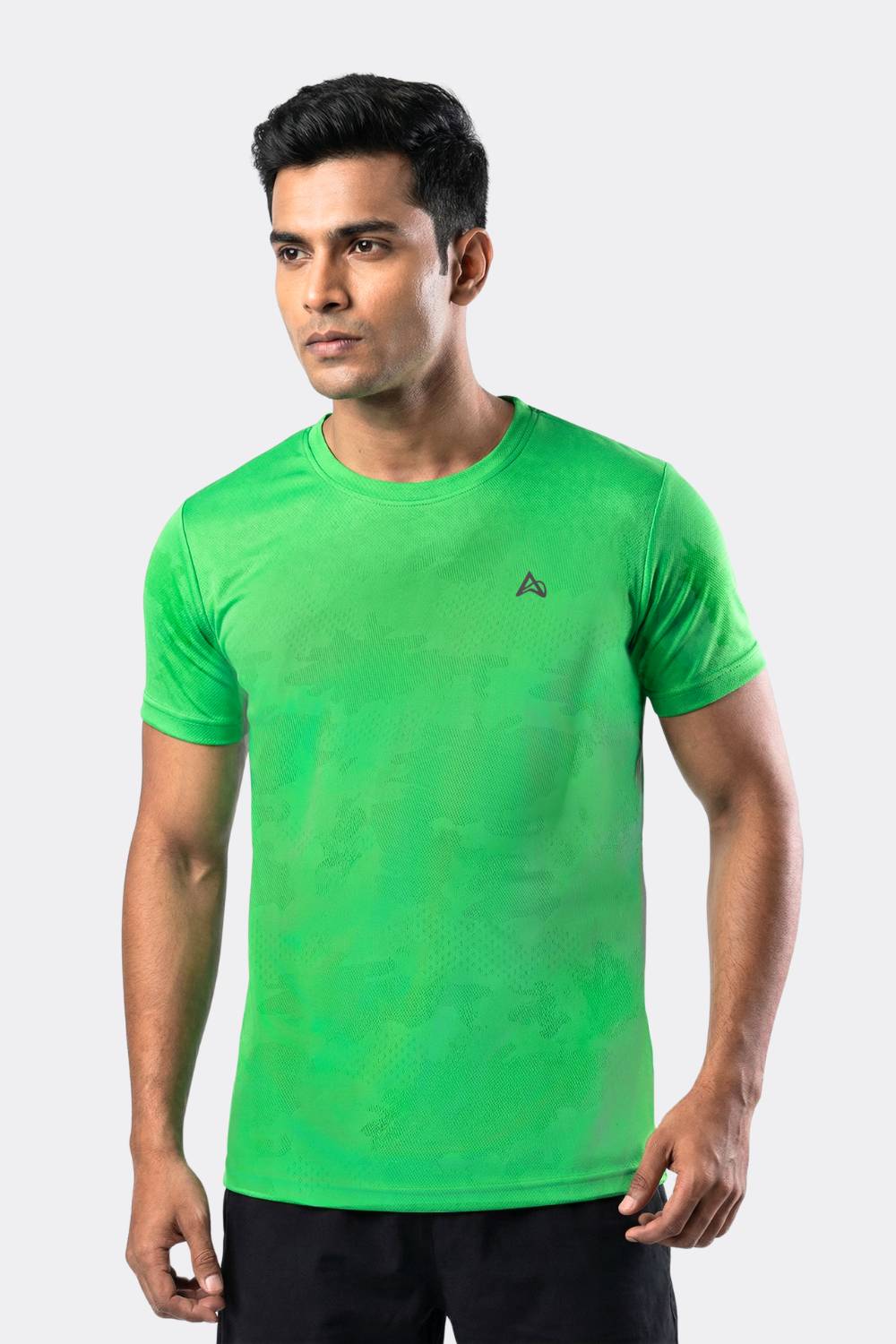
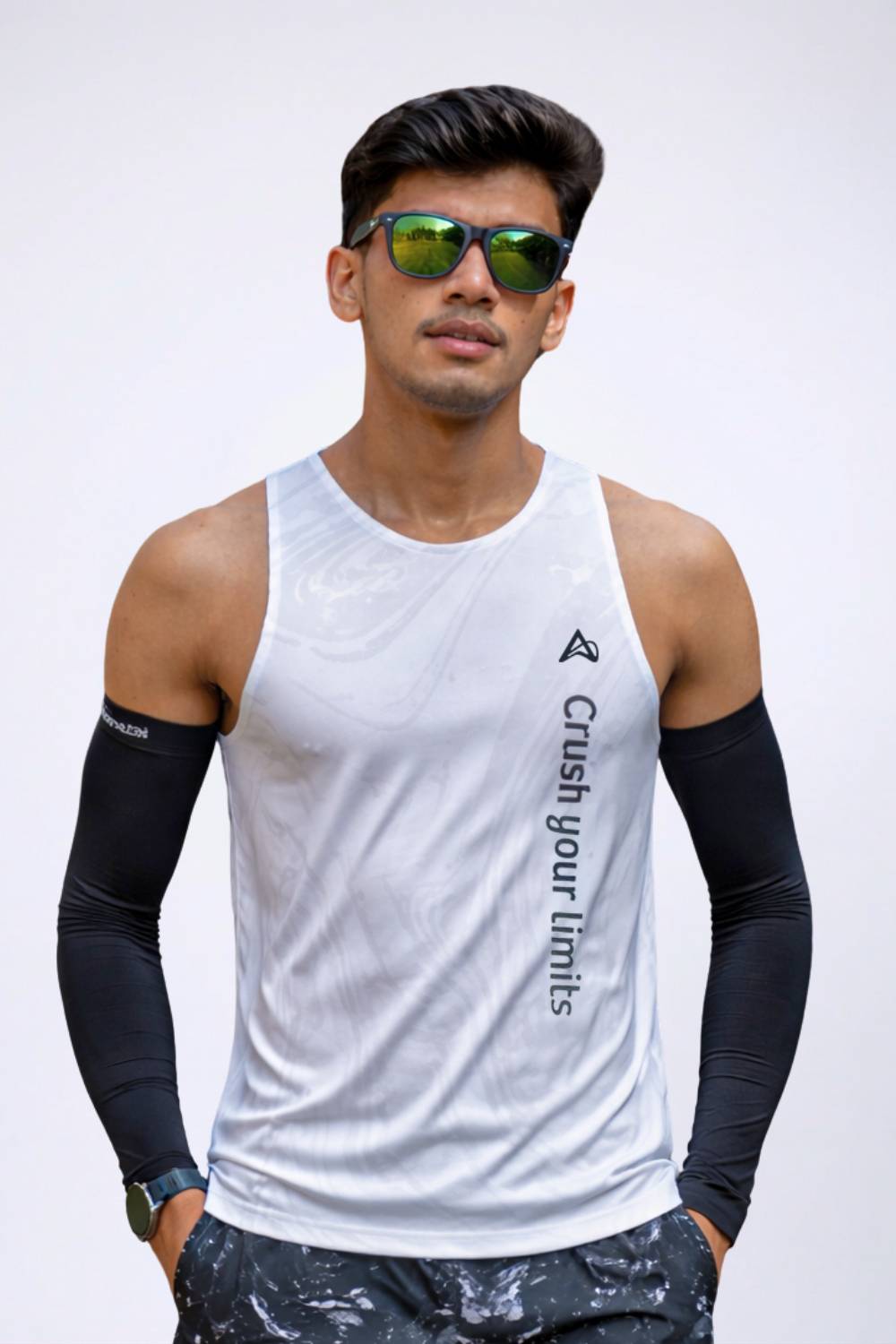
Aguante embodies this blend. Its lineup shorts, singlets, half-tights, t-shirts uses recycled materials where possible, with a pledge to reach 100% recycled fabrics by 2030. Ethical in-house manufacturing ensures quality control and fair practices.
Real runners test every piece on Indian roads, refining for no-bounce pockets, anti-chafe seams, and ventilation. Influencers and coaches, from @barefoot_coach_shanth_koushik to @runholic_dev and @fit_kaur23, showcase it in action, building organic credibility through Instagram, Facebook, and YouTube.
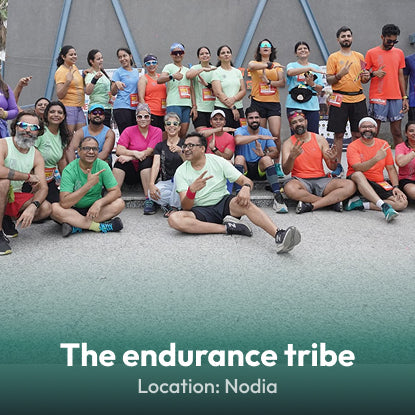
Feedback from communities in Surat, Navi Mumbai, Hyderabad highlights the difference: gear that stays dry in monsoons, visible in smog, comfortable over ultras. It's not flashy marketing it's grassroots impact in a crowded market.
Key Challenges in the Sustainable Activewear Market
Progress isn't seamless. Sourcing eco-fibers in India remains limited, driving up costs. Scaling ethical production while keeping prices honest core to brands like Aguante demands innovation.
Educating runners on why sustainable gear performs equally (or better) takes time. Durability concerns linger, though advancements prove otherwise. Certifications build trust, but navigating supply chains adds complexity.
Opportunities Ahead for Aguante
Yet the upside is massive. India's fitness surge opens doors in expanding metros. Aguante's local focus designed for Indian bodies, runs, roads sets it apart from abroad-designed imports, fostering loyalty at accessible prices.
Partnerships with running groups, influencers, and events amplify reach. Long-term, efficient supply chains and waste reduction promise savings. As eco-demand grows, differentiation through sustainability strengthens brand tribes.
The Future of Sustainable Activewear in India
Looking ahead, India's activewear story is just accelerating. With health awareness rising and marathons packing fields, runners will drive innovation demanding gear that's high-performance, affordable, and kind to the earth.
Brands like Aguante, rooted in real runs and real responsibility, point the way. They're not just clothing athletes; they're fueling a movement where every mile leaves a positive mark. In the end, the future isn't about running faster it's about running smarter, together.
Frequently Asked Questions
What makes Aguante's running gear sustainable and eco-friendly?
Aguante uses recycled materials in its activewear lineup and has pledged to reach 100% recycled fabrics by 2030. The brand focuses on ethical in-house manufacturing to ensure quality control and fair labor practices, while designing performance-driven pieces specifically for India's heat, humidity, and terrain. Their approach combines recycled polyester from PET bottles with features like moisture-wicking fabrics and anti-chafing linings.
How fast is the sustainable activewear market growing in India?
The sustainable athleisure segment is experiencing rapid growth, expanding from $17.6 billion in 2020 to a projected $53.4 billion by 2030 at an 11.6% CAGR. Eco-friendly sportswear specifically is expected to more than double from $15.8 billion in 2025 to $35.2 billion by 2033. This growth is driven by urban runners in Indian cities like Bangalore, Mumbai, Delhi, and Pune who increasingly demand gear that performs well while minimizing environmental impact.
Why is sustainable running gear better suited for Indian weather conditions?
Sustainable running gear from brands like Aguante is specifically designed and tested on Indian roads to handle the country's oppressive humidity, monsoon conditions, variable terrain, and urban pollution. Features include advanced moisture-wicking fabrics that manage sweat in humid conditions, reflective details for visibility in smog, anti-chafe seams for long runs, and secure pockets that don't bounce on uneven roads. This localized design approach, combined with eco-friendly materials, delivers performance advantages over imported options not built for India's unique climate challenges.
Disclaimer: The above helpful resources content contains personal opinions and experiences. The information provided is for general knowledge and does not constitute professional advice.
You may also be interested in: Sustainable Fabrics Shape the Future of Indian Activewear
Tired of gear that slows you down? Chafing, soggy fabrics, and missing pockets kill your run's momentum. At Aguante, we're runners who get it. Our high-performance activewear features moisture-wicking fabrics, ergonomic designs, and smart storage to keep you focused. Shop Now!
Powered by flareAI.co