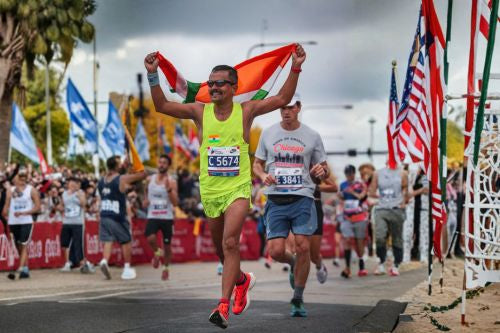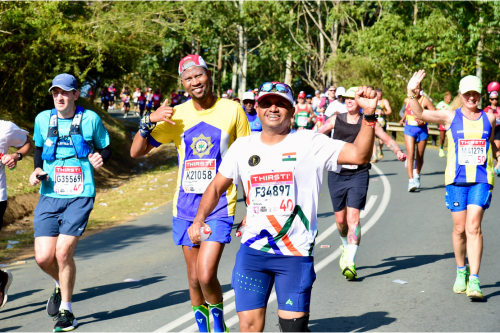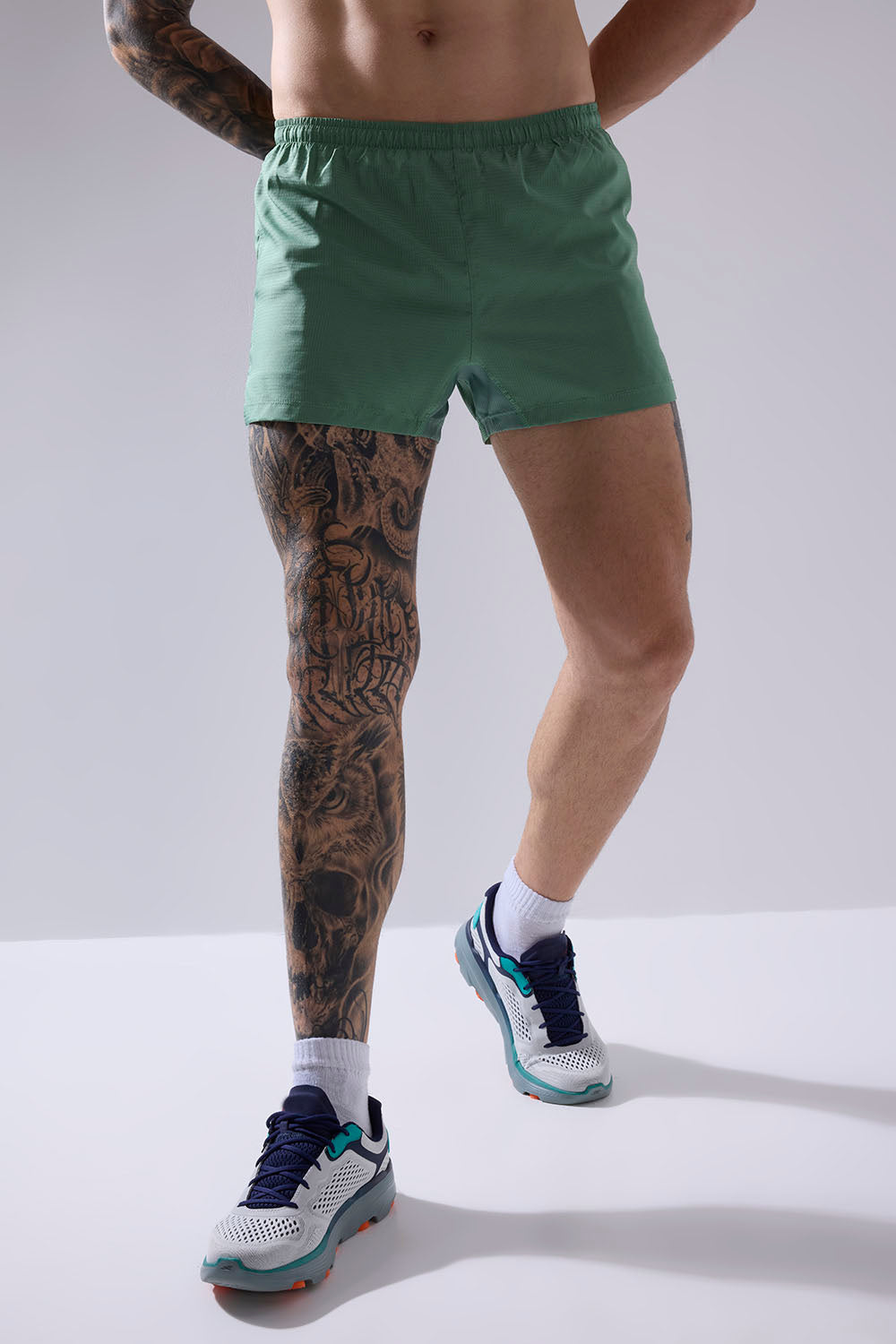
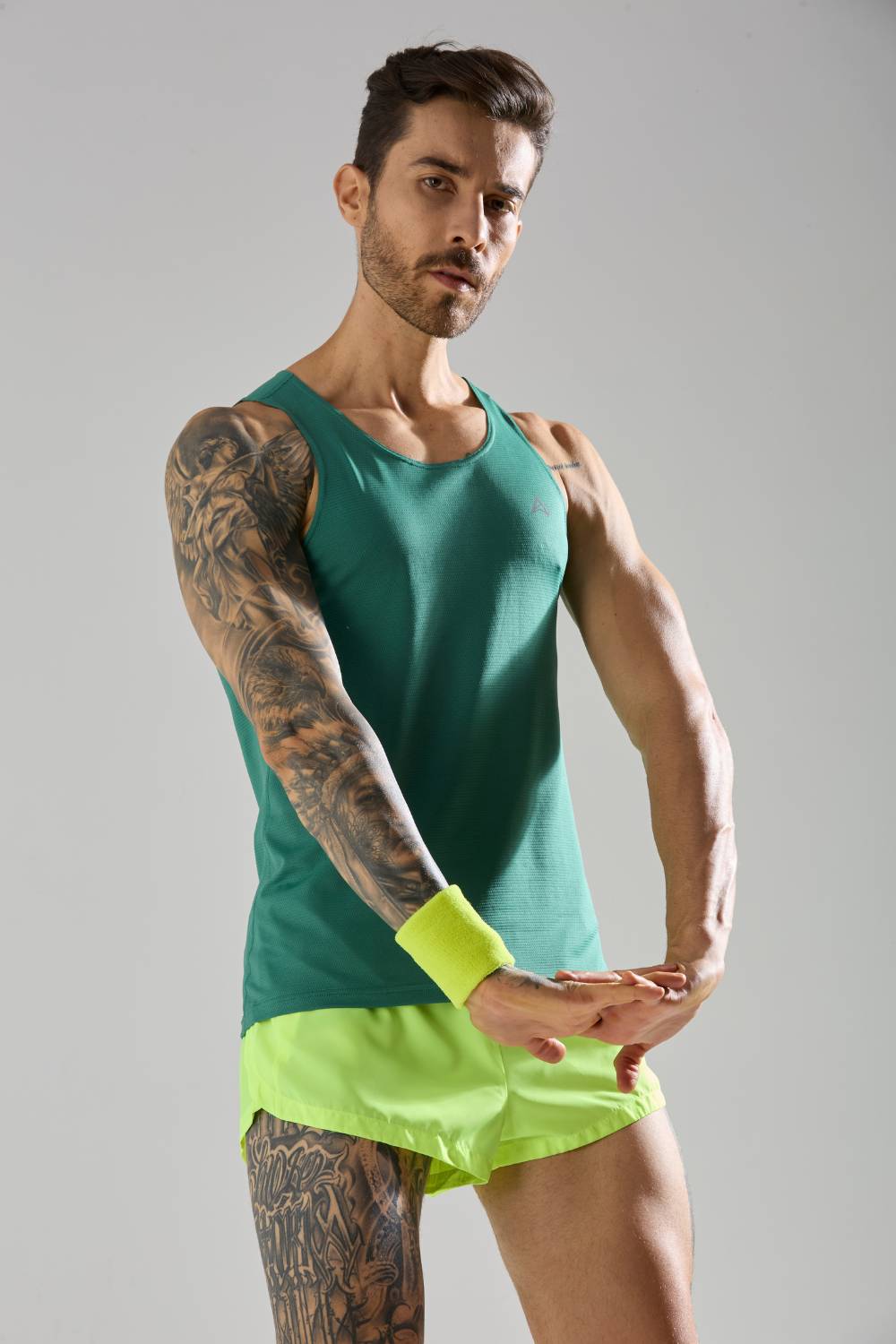
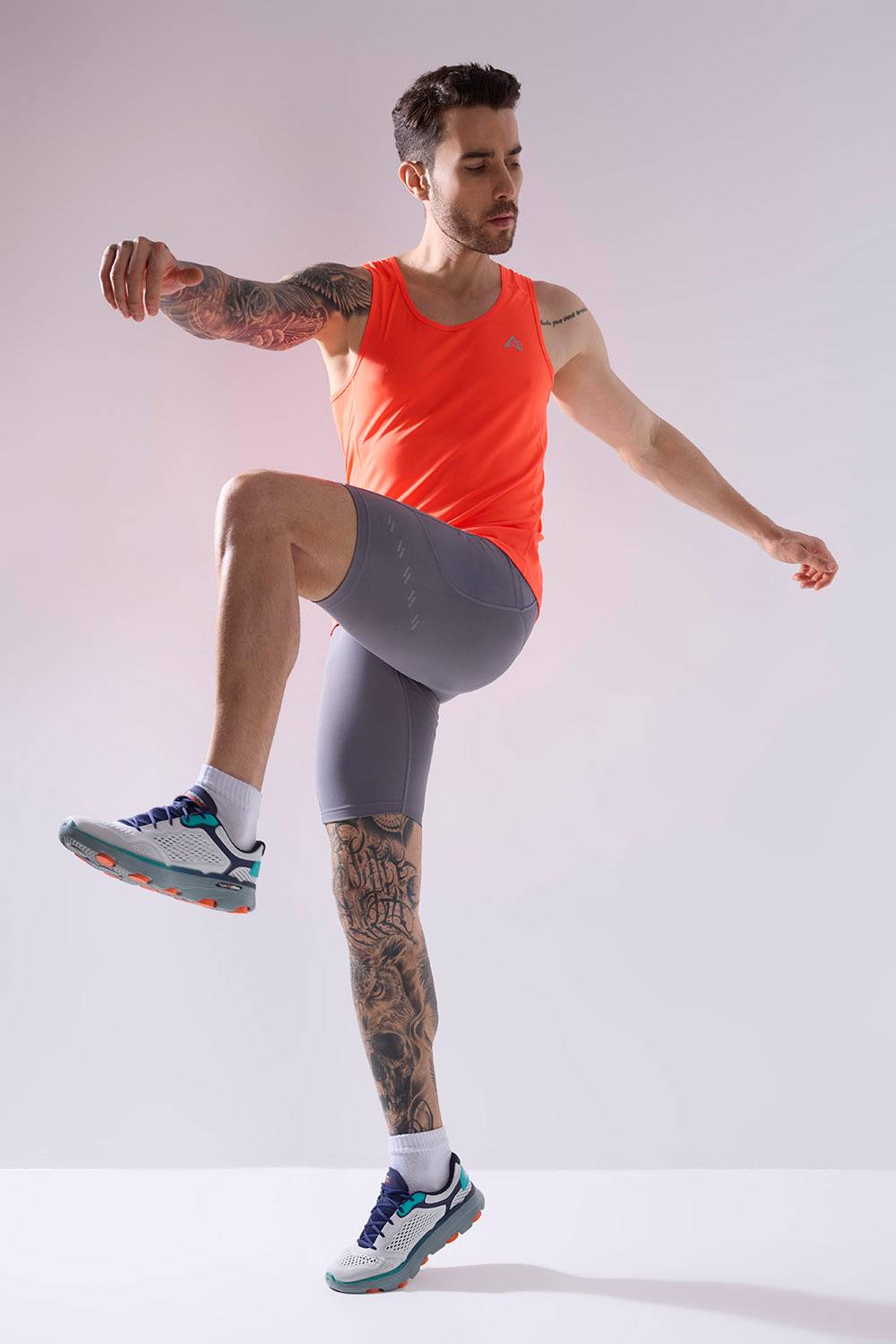
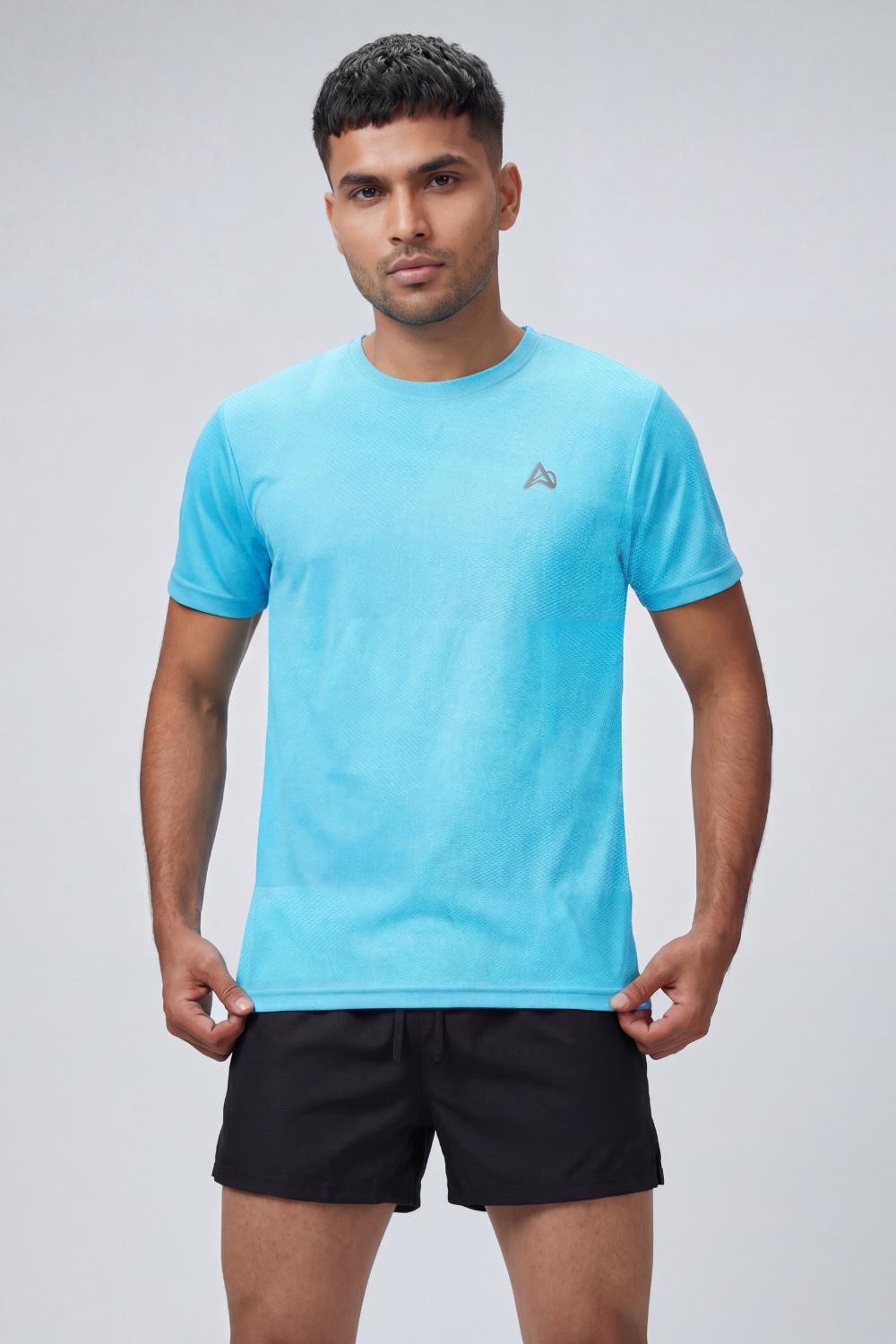
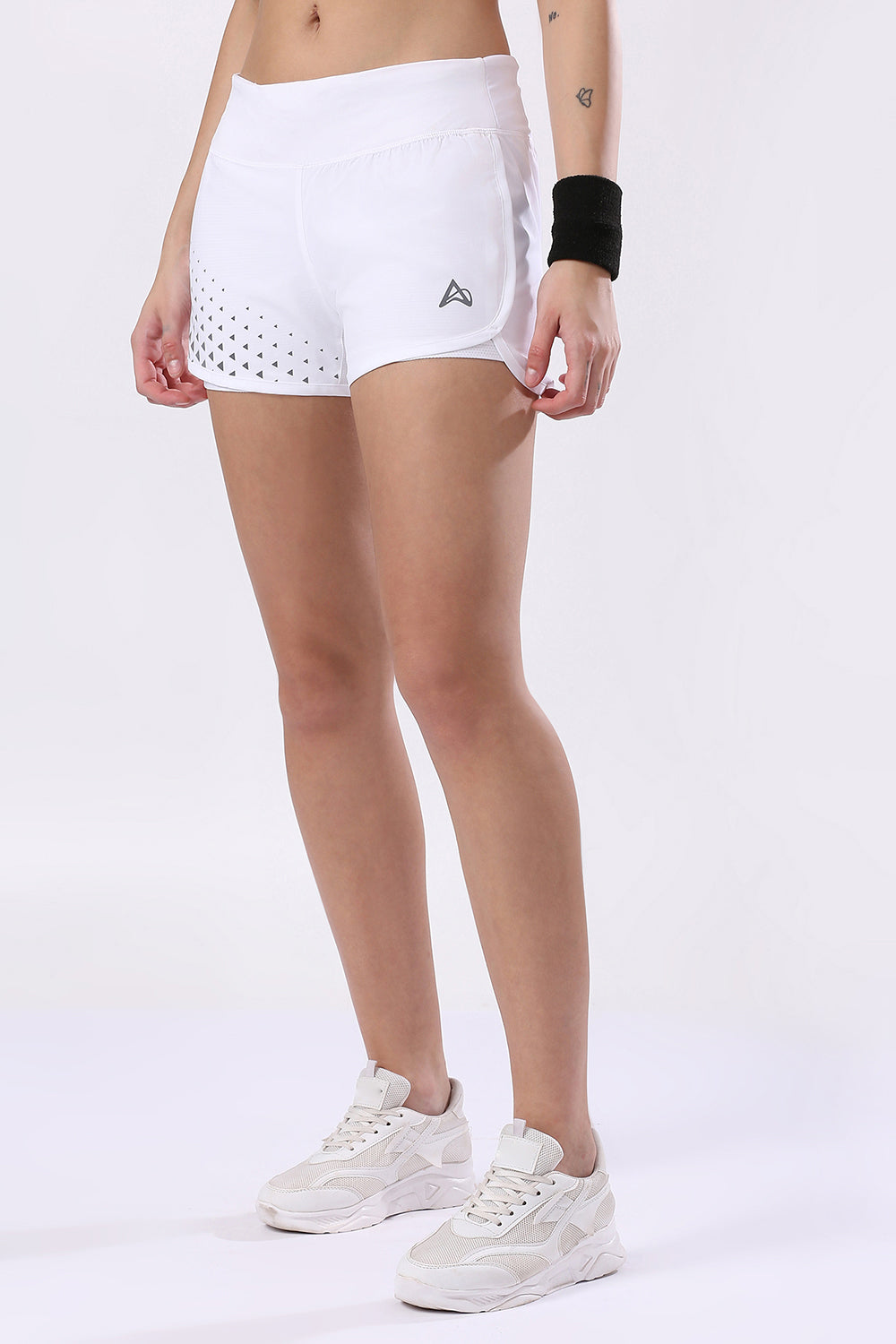
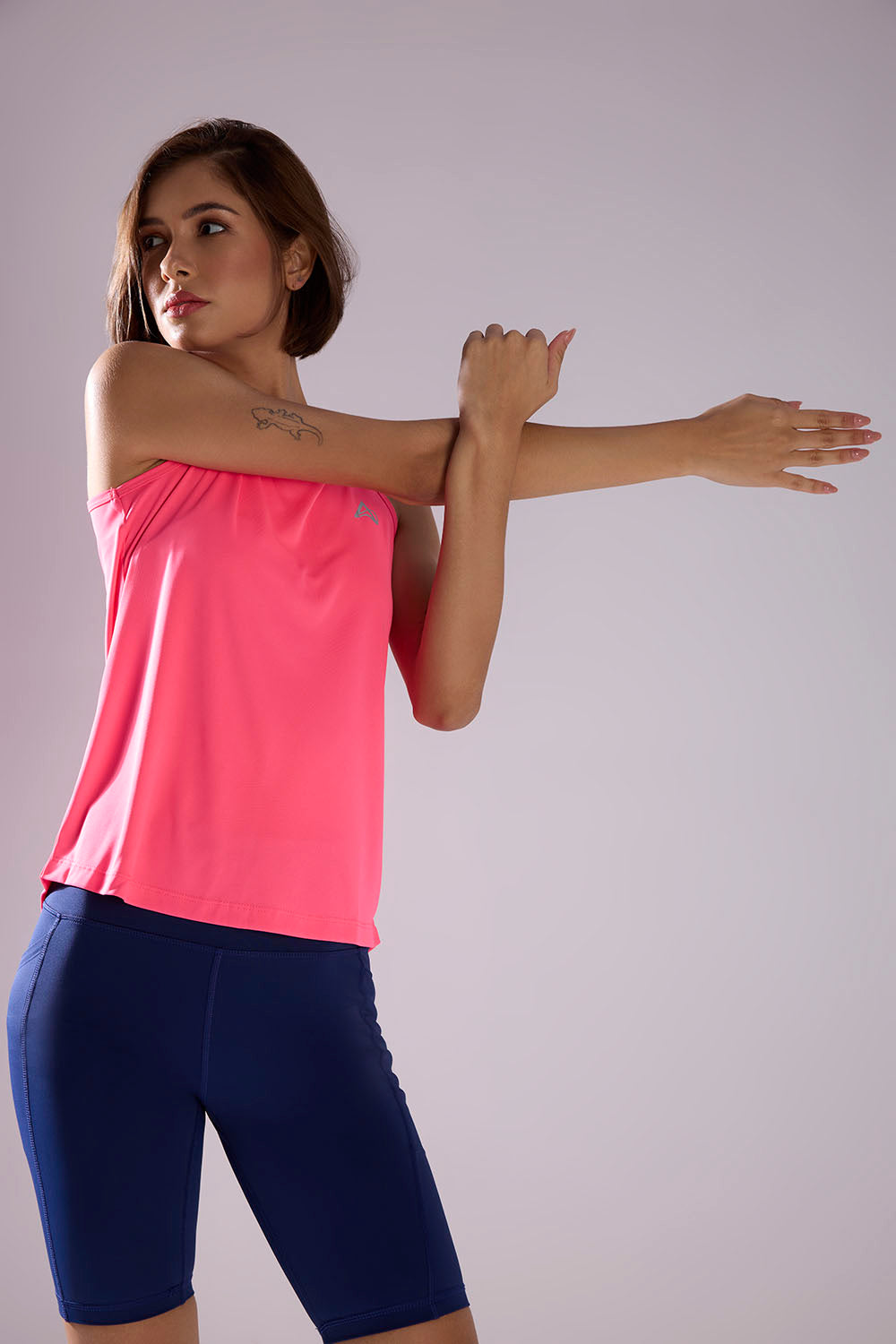



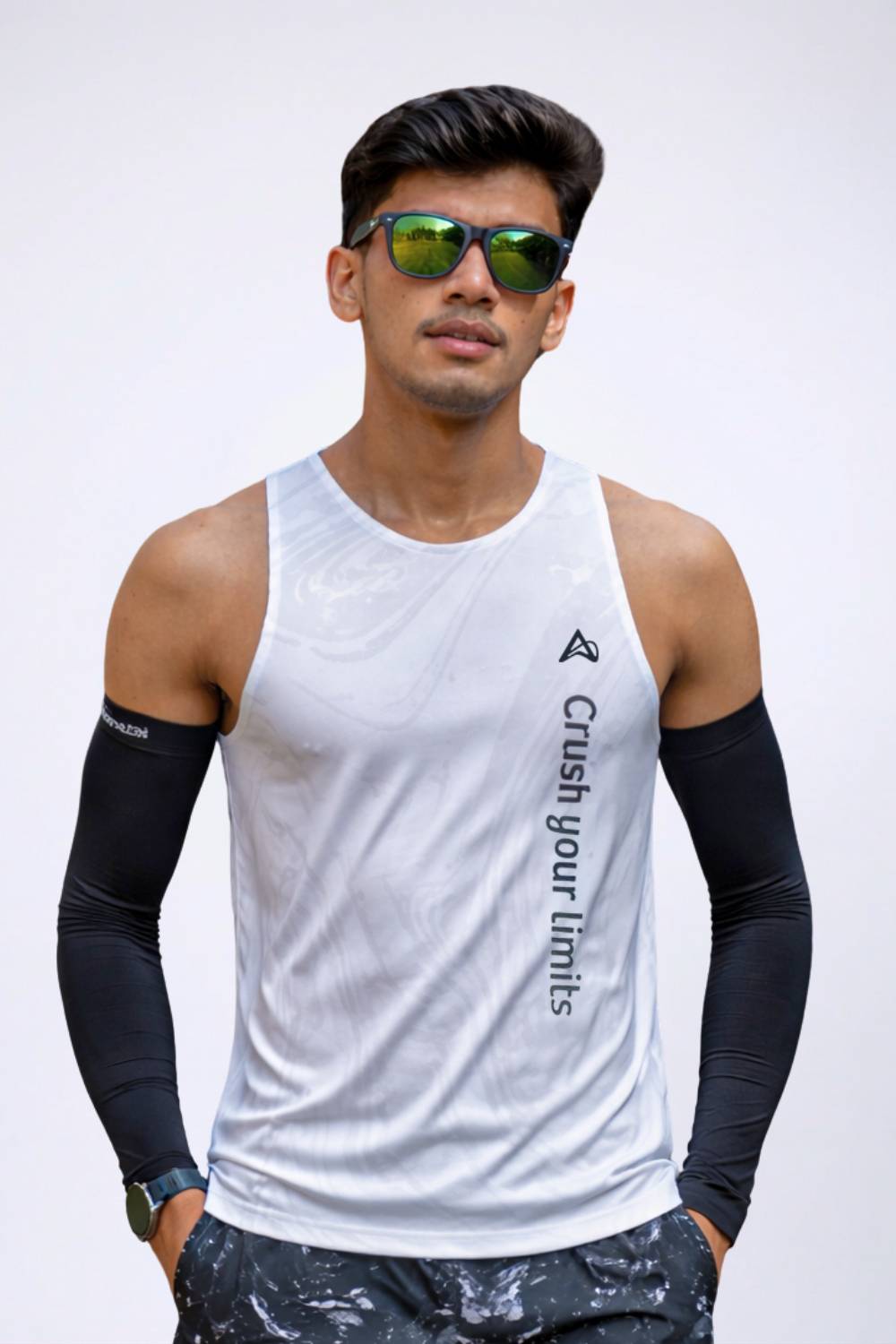

Why Fit Matters in Performance Running Apparel is a question every runner eventually encounters, whether they are preparing for a first training plan or refining the details of their regular runs. Running clothing is not simply a layer worn during exercise; it becomes part of how the body moves, manages effort, and responds to changing conditions. The right fit helps apparel work with the runner rather than creating distractions through unnecessary movement, restriction, or discomfort. For anyone choosing performance running apparel, understanding fit is an important step toward making more informed decisions about comfort, mobility, and long-term use.
Tired of gear that slows you down? Chafing, soggy fabrics, and missing pockets kill your run's momentum. At Aguante, we're runners who get it. Our high-performance activewear features moisture-wicking fabrics, ergonomic designs, and smart storage to keep you focused. Shop Now!
Fit Is More Than Size: It Shapes the Running Experience
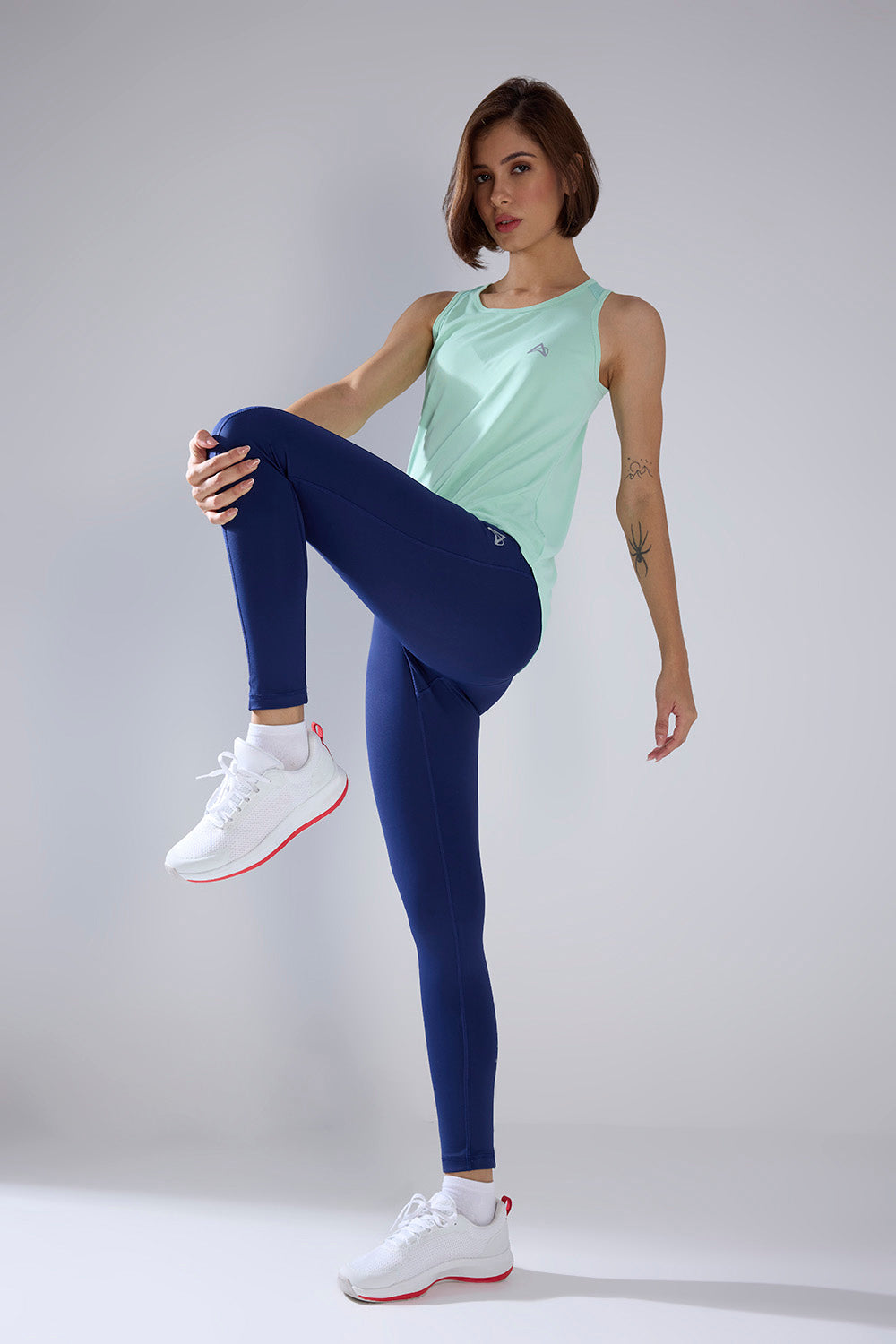
When people think about clothing fit, they often focus on basic measurements such as whether a garment feels tight or loose. Performance running apparel requires a broader perspective. Fit describes how a garment interacts with the body during repeated movement, from arm swing and stride patterns to changes in posture throughout a run.
A running top that shifts constantly, shorts that restrict movement, or a garment that does not sit comfortably during activity can become a source of distraction. Even small issues may become noticeable during longer sessions because runners repeat the same movements over extended periods. A well-designed fit supports freedom of movement while keeping the garment stable as the body changes position.
This is why the importance of running apparel fit extends beyond appearance. A runner needs clothing that feels natural while moving, allowing them to focus on their pace, training goals, and surroundings instead of adjusting their gear.
Why Performance Apparel Needs a Movement-focused Design
Everyday clothing is generally designed for standing, walking, and casual activities. Running apparel has different requirements because the body is continuously moving, producing heat, and experiencing repeated impact. A design that works for daily wear may not provide the same level of comfort during exercise.
Ergonomic running clothing considers how different parts of the body move together. Sleeves, waistbands, seams, and leg openings all influence whether a garment supports natural movement or creates limitations. The goal is not simply to create a close-fitting garment, but to create a balanced relationship between the fabric and the runner.
Fit also affects how technical features perform. Moisture management, ventilation, and lightweight construction depend partly on how the garment sits on the body. Research into clothing performance in demanding conditions highlights that factors such as air permeability, sweat evaporation, and garment construction influence comfort during exercise. The relationship between these elements shows why fit should be considered alongside fabric selection rather than separately. Heat clothing research demonstrates how garment design factors interact when managing comfort during physical activity.
How Running Clothes Should Fit for Better Comfort
Understanding how running clothes should fit starts with recognising that different runners may prefer different levels of support and freedom. A suitable fit should match the purpose of the garment, the type of activity, and the individual's movement preferences.
Running Tops Should Support Natural Motion
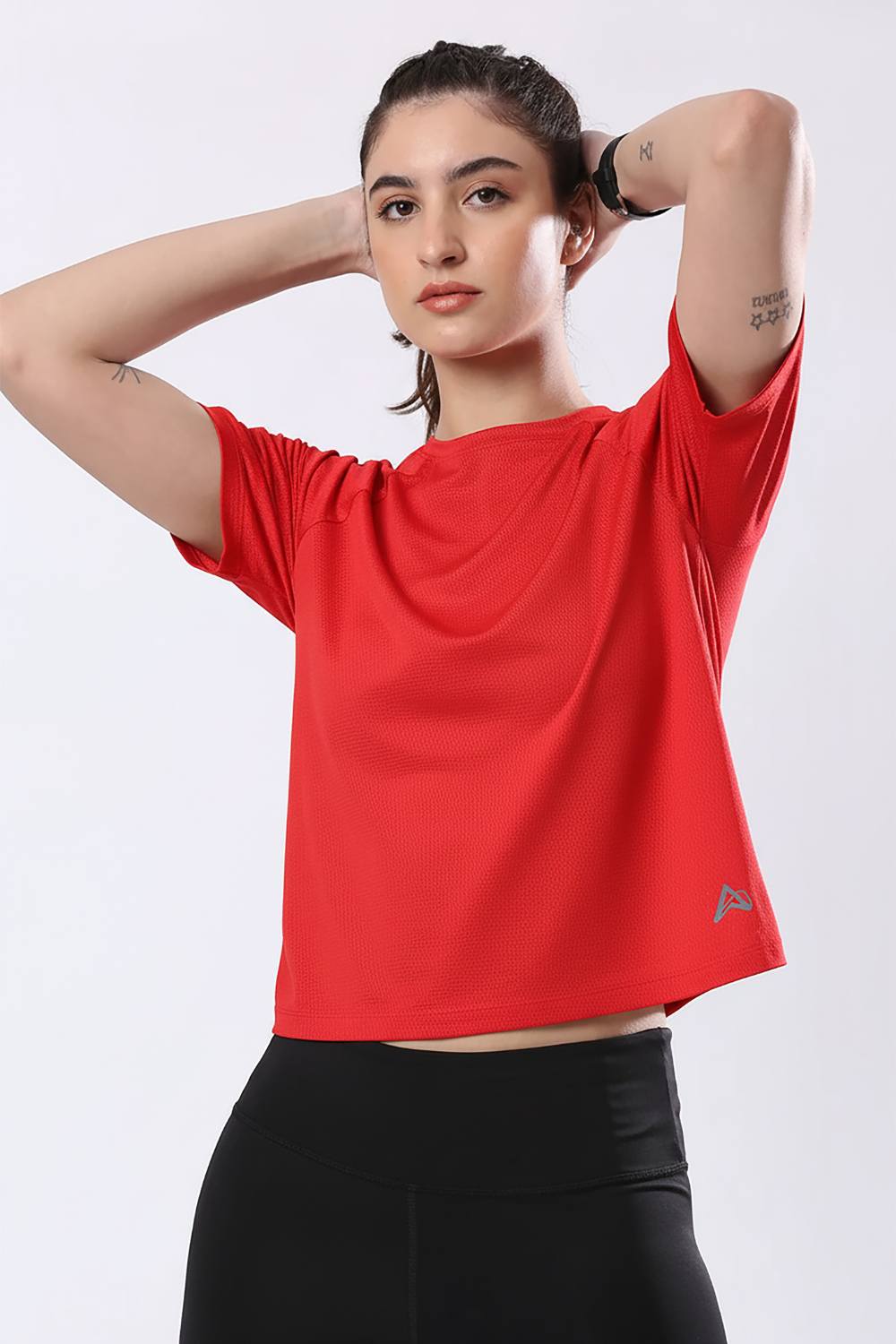
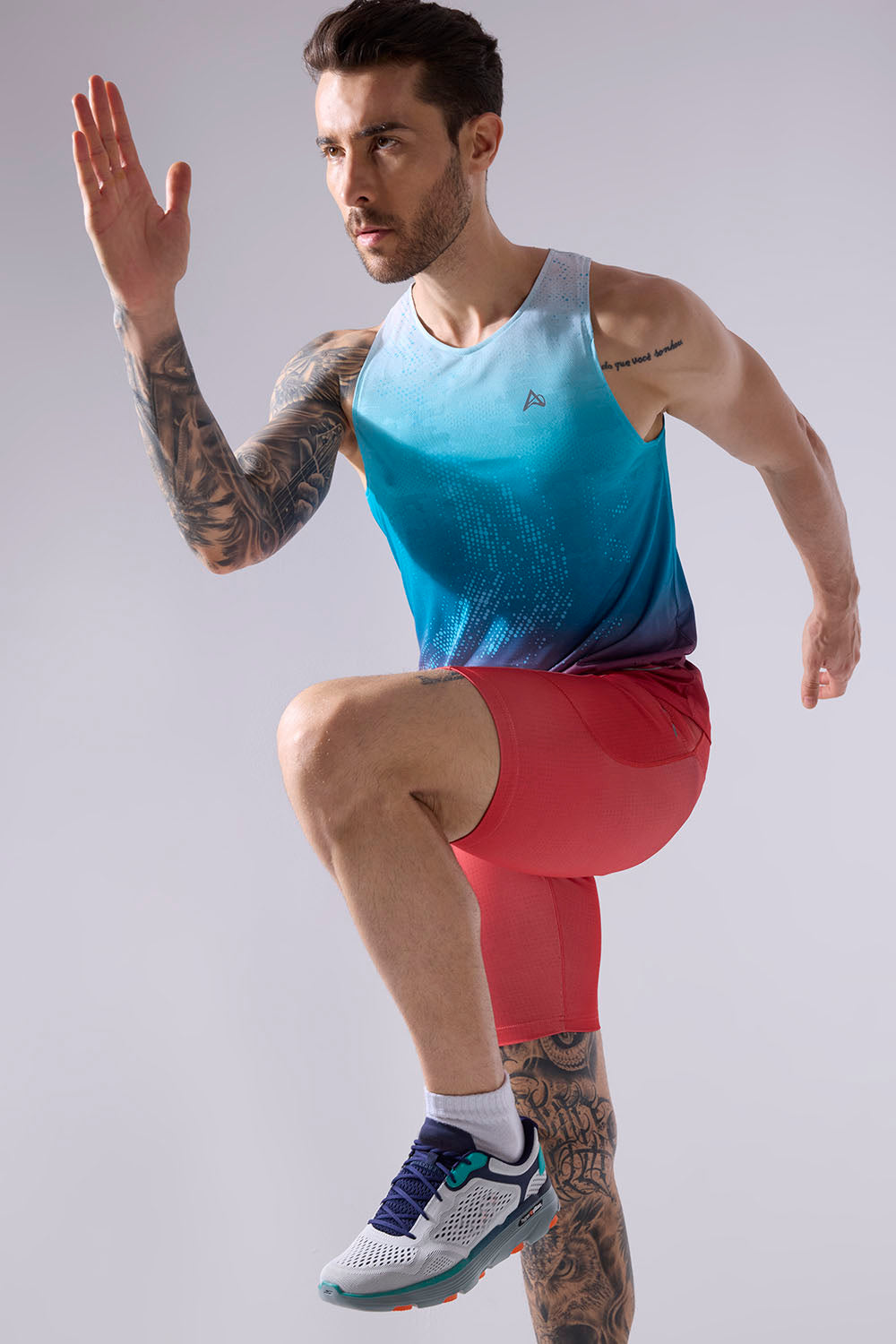
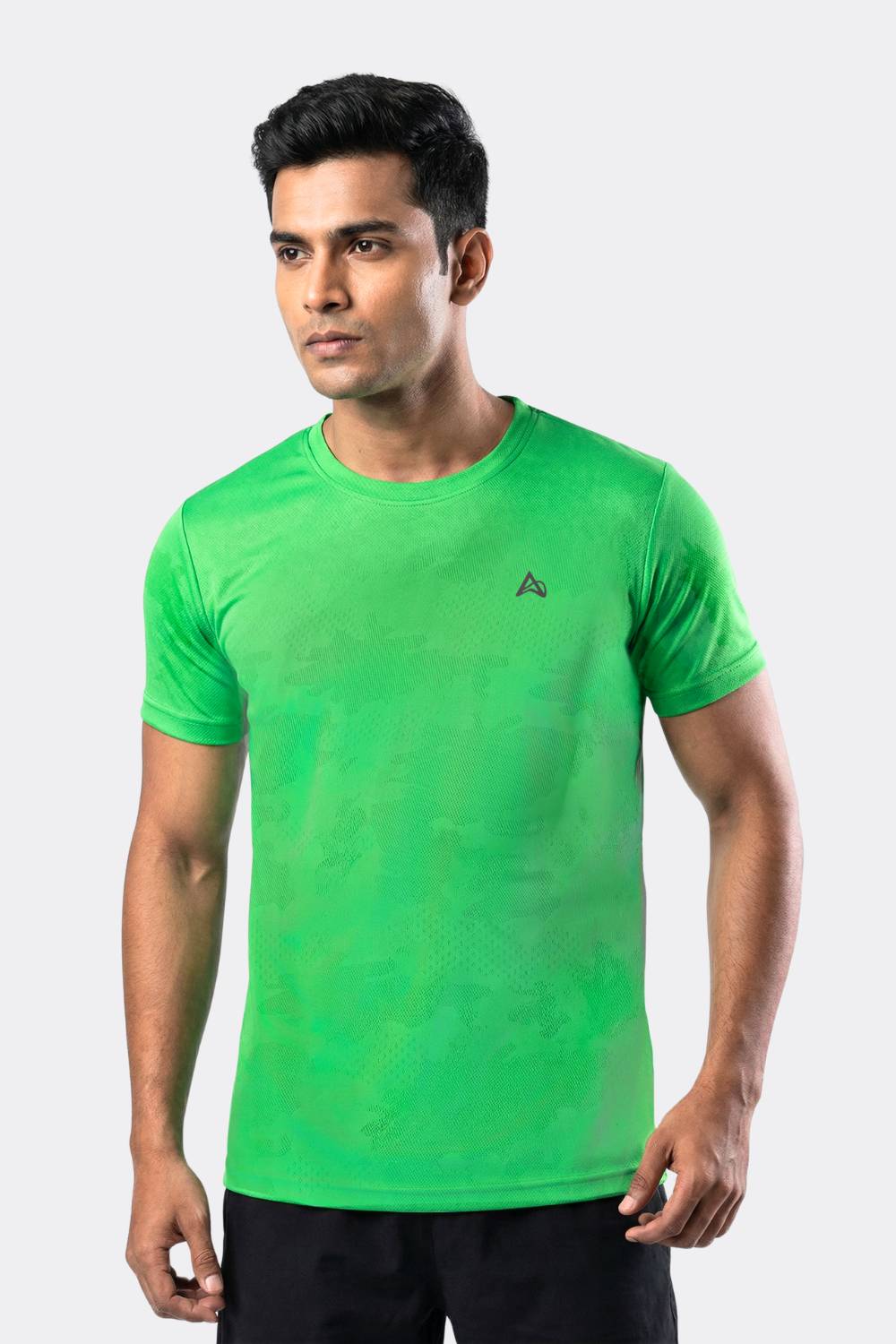
A running top should allow the shoulders and arms to move freely without excessive fabric movement. A fit that is too restrictive may interfere with comfort, while one that is too loose may create unnecessary movement during faster sessions.
The ideal balance depends on the runner and the conditions in which they train. Someone completing an easy outdoor run may prioritise airflow and relaxed comfort, while a runner focused on performance sessions may prefer a more secure athletic fit that stays in place during faster movement.
Running Bottoms Need Stability and Flexibility
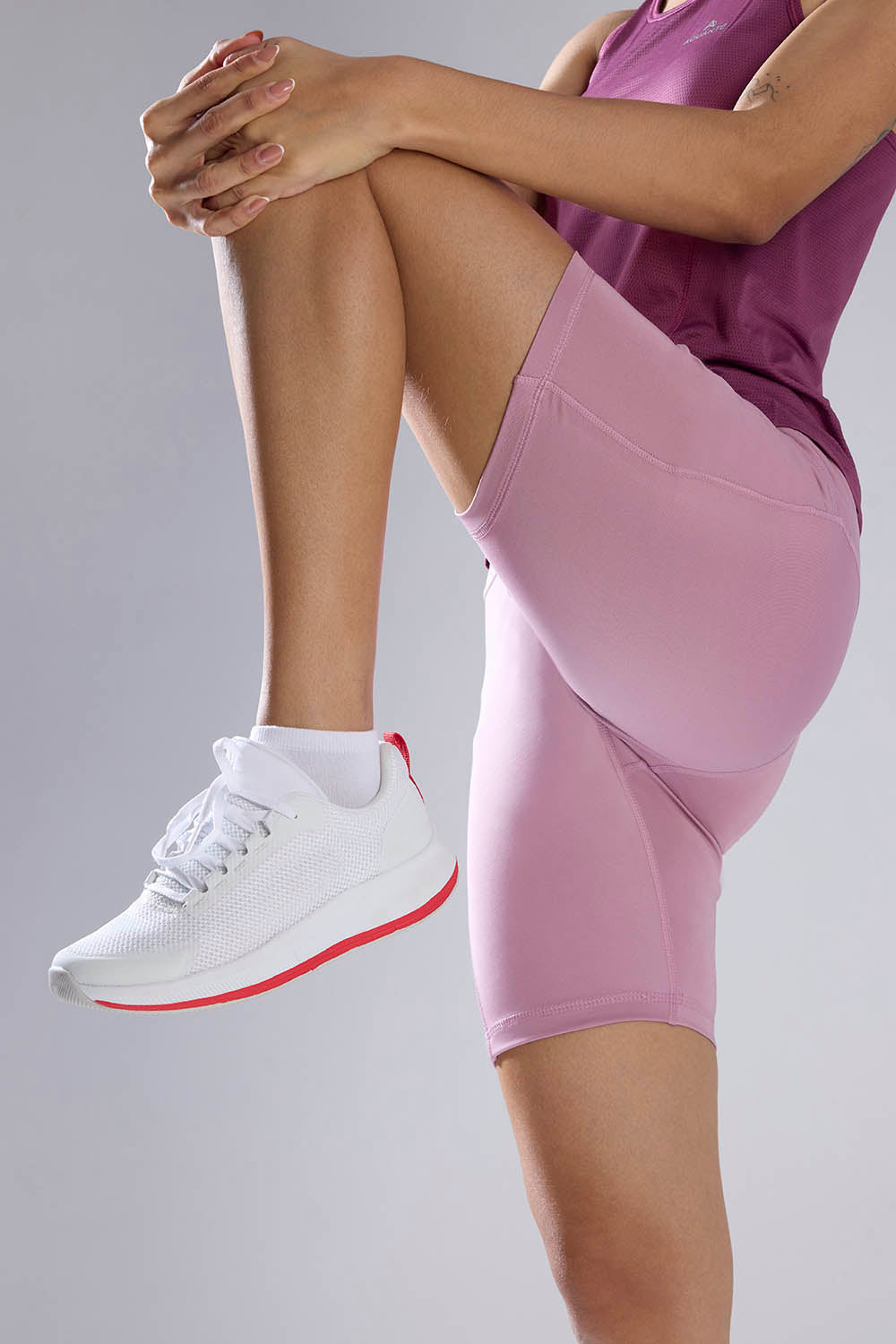
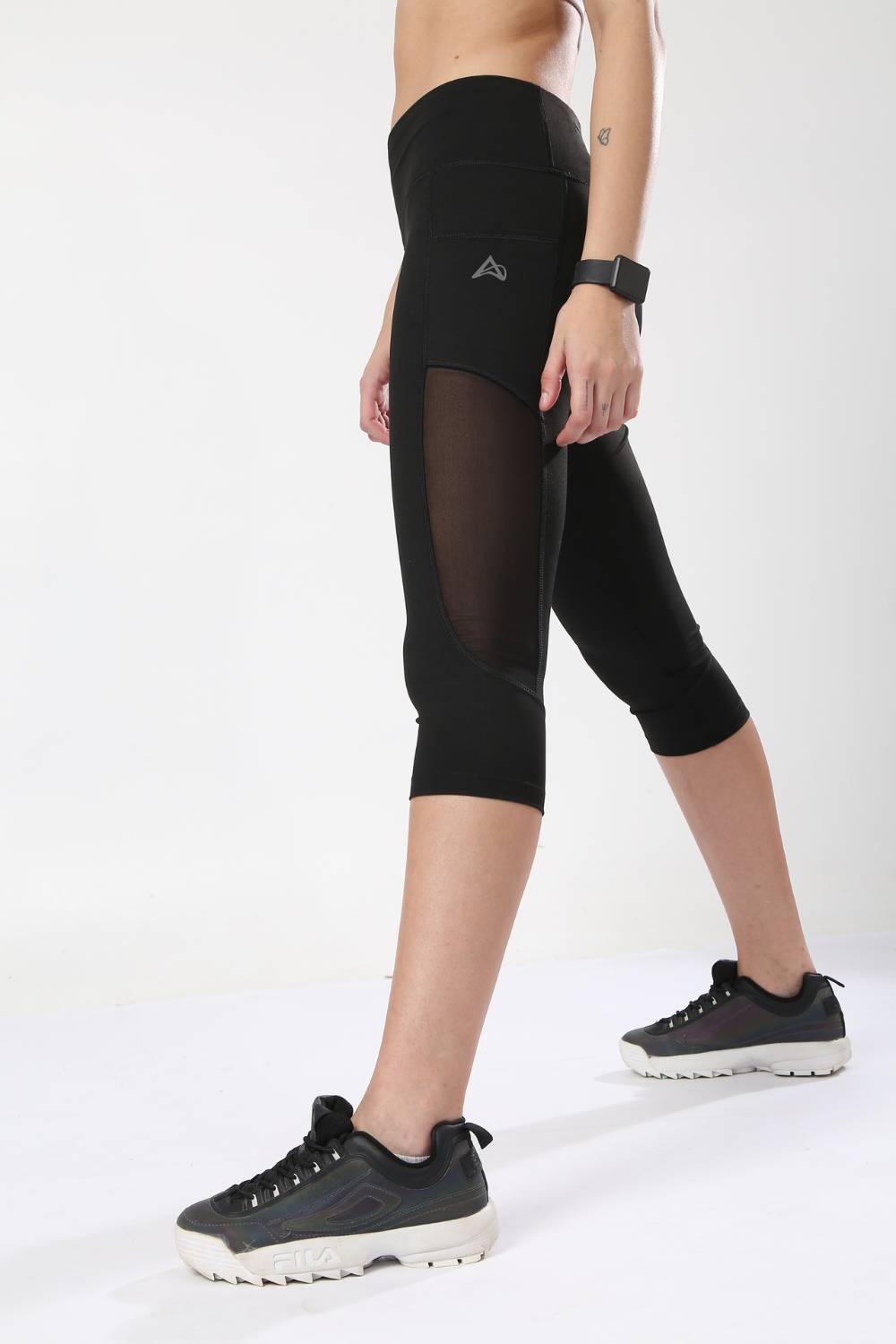
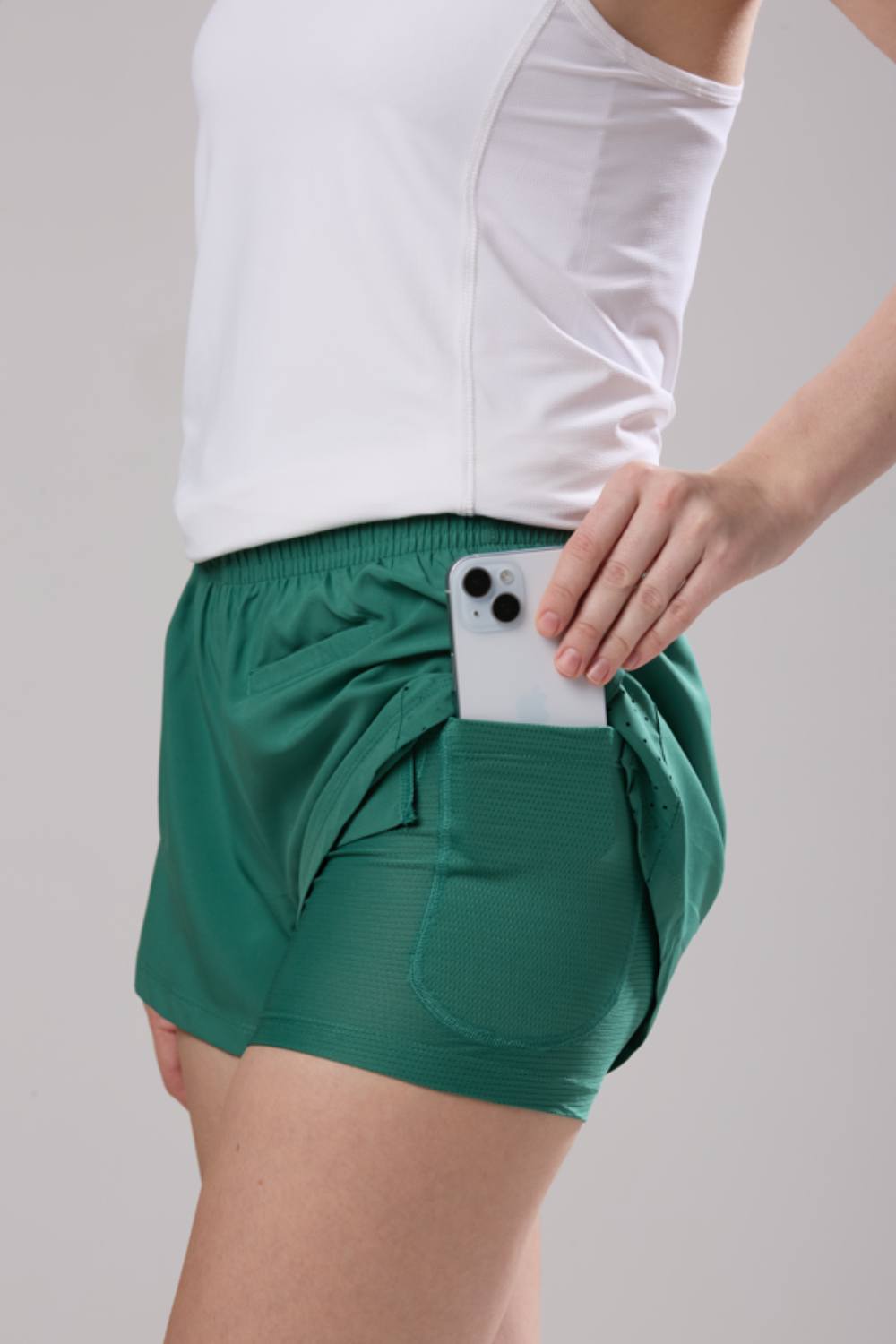
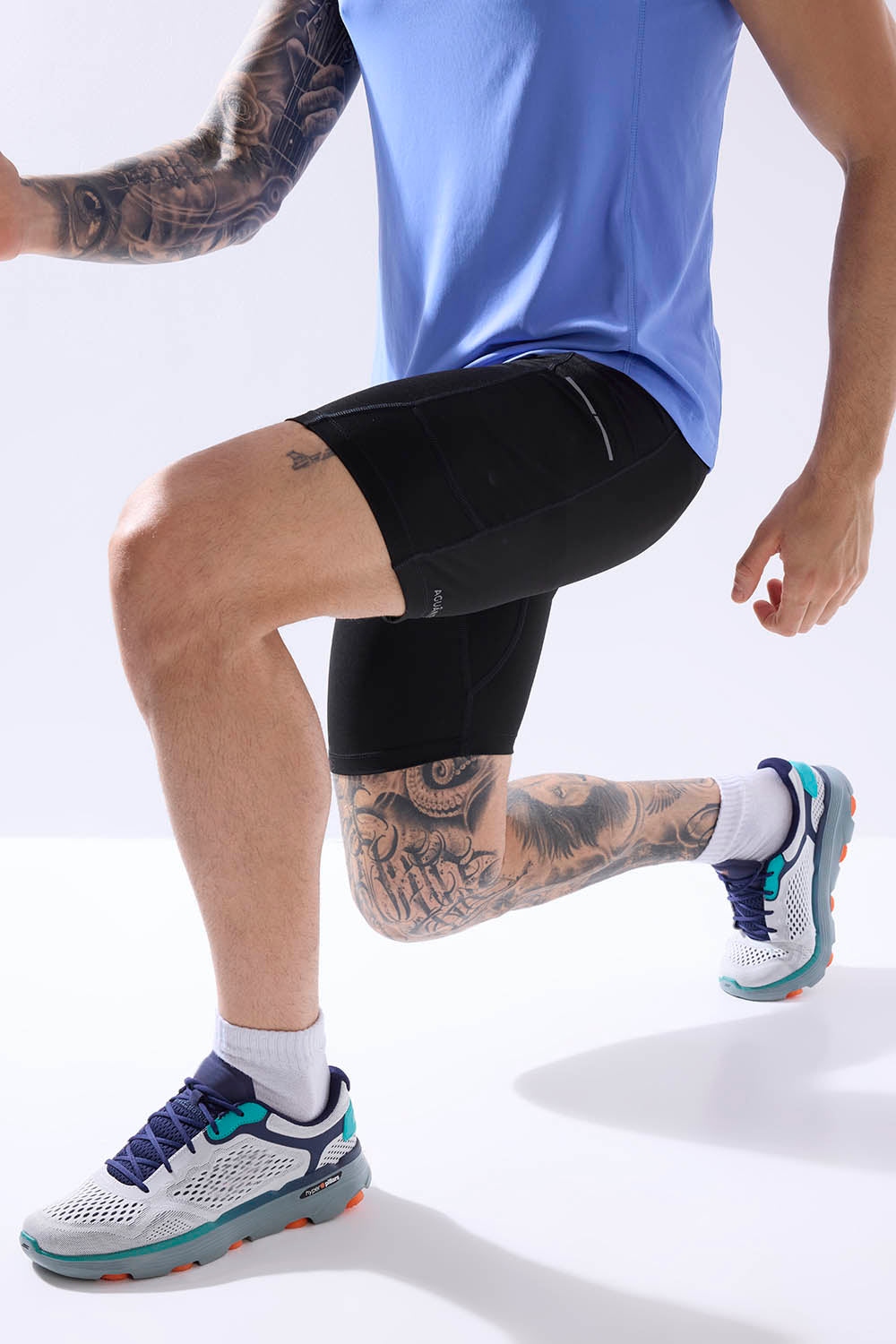
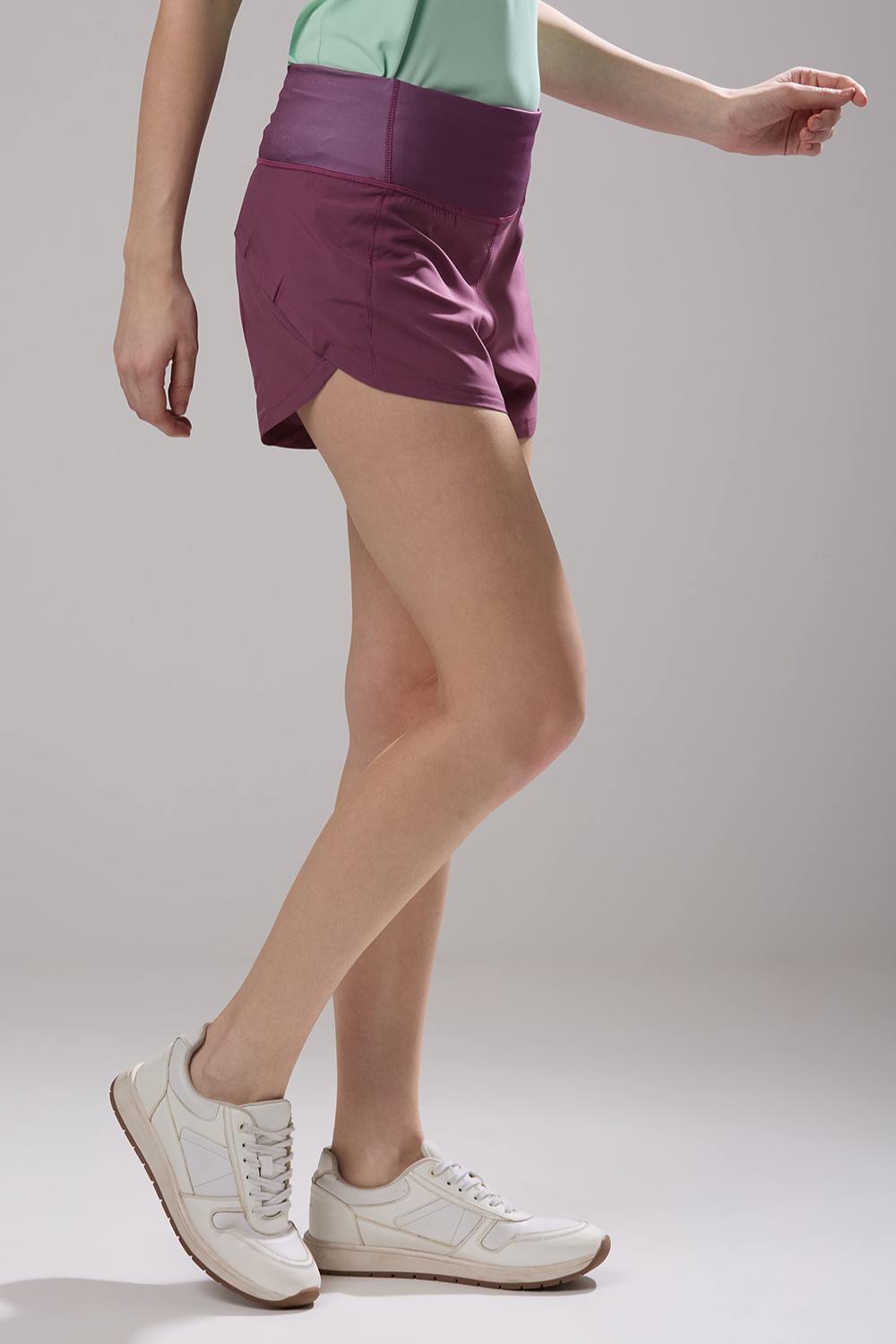
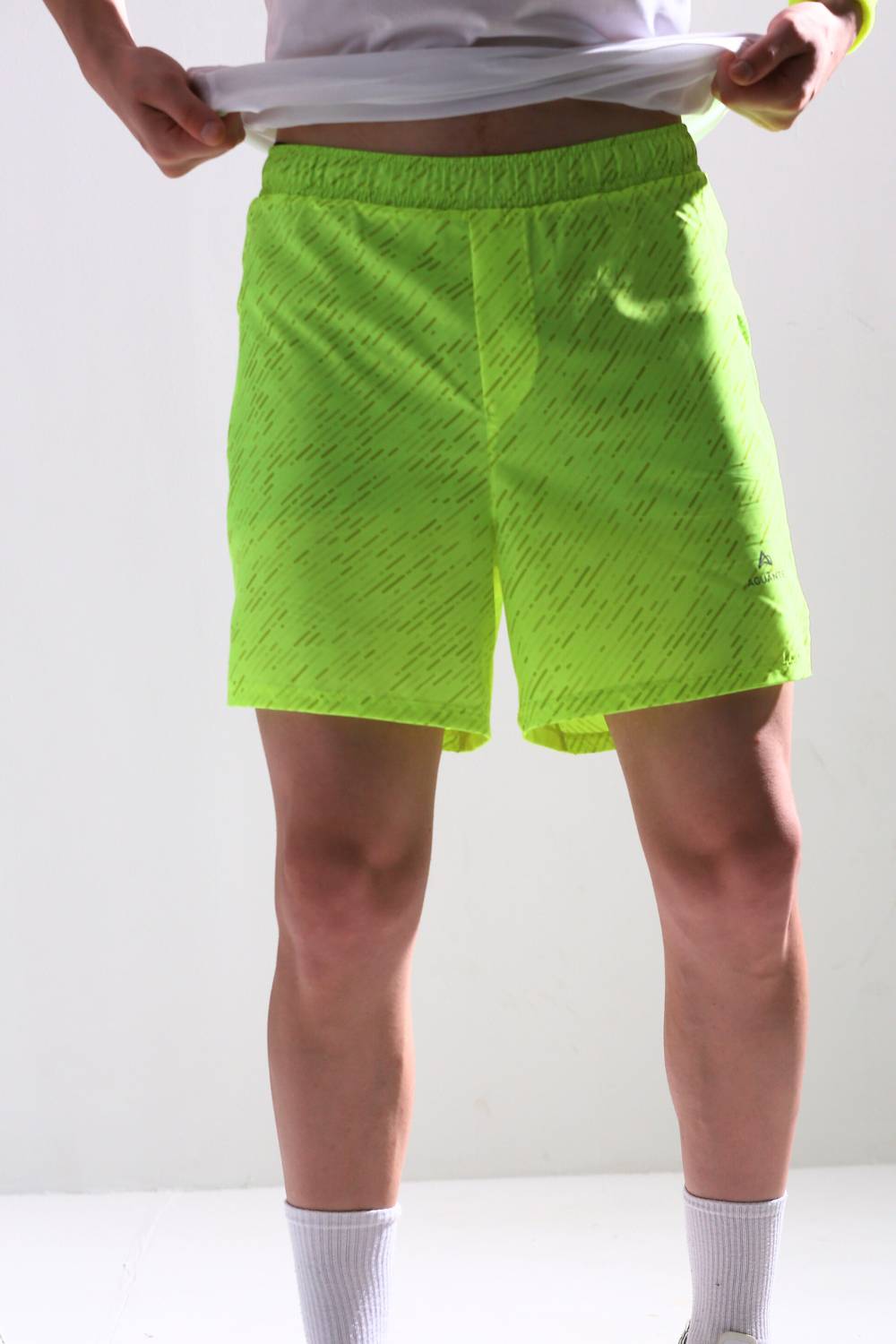
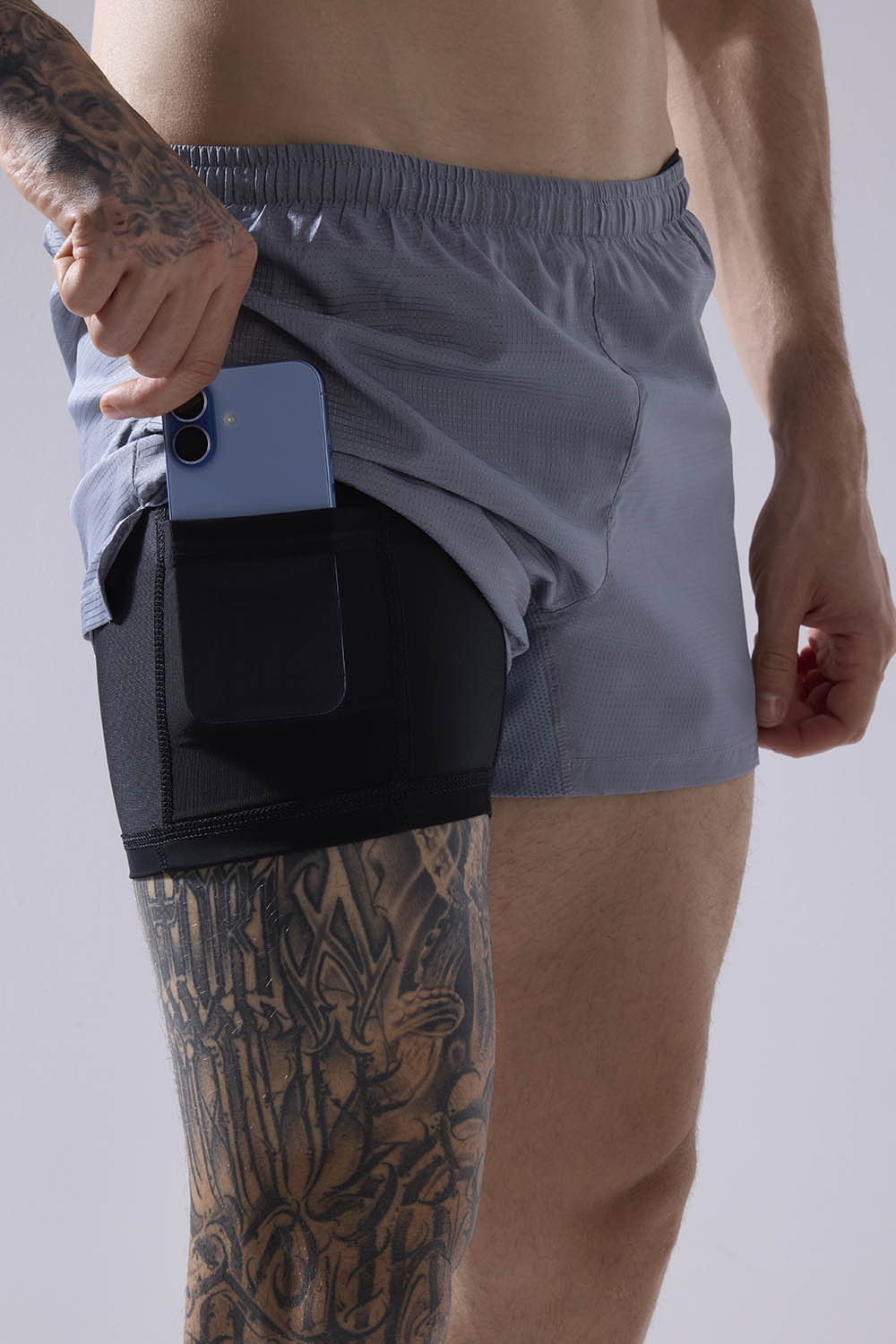
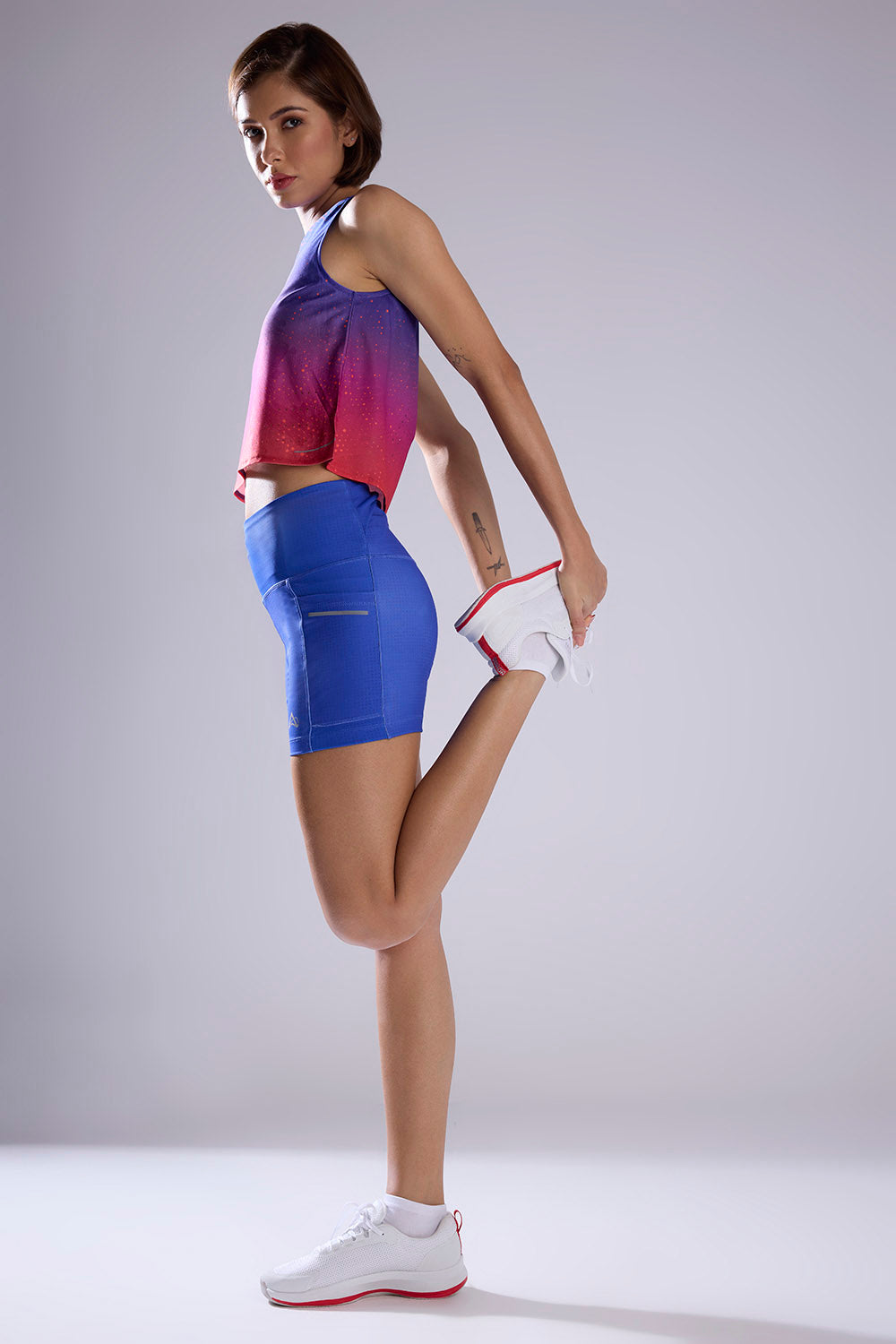
Shorts, half-tights, and track pants all need to support lower-body movement. The garment should allow the legs to move naturally through each stride without creating pressure points or limiting flexibility.
For runners evaluating the best fit for running clothes, attention should go beyond the first try-on. Walking, stretching, and moving through running motions can reveal whether the garment provides the support and flexibility needed for regular use.
Fit and Fabric Work Together During Training
Performance running apparel works as a system. Fabric properties matter, but the way a garment is designed and fitted determines whether those properties can be used effectively. A moisture-wicking material, for example, needs thoughtful construction to help manage sweat comfortably during activity.
The same principle applies to breathability. A garment may use lightweight materials, but its overall performance depends on how the fabric, structure, and fit interact. Runners often notice this connection during challenging conditions when comfort becomes a major factor in maintaining consistency.
For runners training in varied climates, clothing choices require attention to practical details. Heat, humidity, and workout intensity can all influence what feels comfortable. This is why choosing the right running clothes involves considering the complete design rather than focusing on a single feature.
Athlete Feedback Shows Why Fit Matters in Real Conditions
Professional sports apparel development often relies on testing and athlete feedback because performance cannot always be evaluated by appearance or specifications alone. Clothing needs to perform during real movement, where comfort, stability, and function are tested together.
Preparation for major sporting events has shown how athlete input can influence apparel design. During the development of Team Canada's kit for the Paris Olympics, designers considered factors including thermal comfort and fit while incorporating feedback from athletes across different sports. This approach highlights how performance apparel decisions are shaped through practical testing and real-world use. Athlete-tested apparel provides an example of how fit becomes part of performance preparation.
The same idea applies to everyday runners. While most runners are not competing at elite levels, their clothing still needs to respond to repeated movement, changing conditions, and personal comfort preferences. A garment that stays in position, supports movement, and feels natural can make training more enjoyable and consistent.
What Runners Should Consider When Choosing Performance Apparel
Selecting comfortable running apparel requires looking at how a garment performs beyond the fitting room. Runners can evaluate several practical factors before deciding whether a piece of clothing matches their needs.
- Movement: Consider whether the garment allows natural stride, arm movement, and flexibility.
- Stability: Check whether the apparel stays comfortably positioned during activity.
- Comfort: Pay attention to how the fabric and construction feel during longer sessions.
- Purpose: Match the garment style and fit to the type of running or training being performed.
- Design details: Look at features that support everyday usability, such as practical construction and runner-focused elements.
These considerations help runners move from simply buying sportswear to understanding what makes performance apparel effective. The right choice is not always about the tightest fit or the loosest design. It is about finding a balance that supports movement and confidence during activity.
Why Fit Remains a Key Factor in Better Running Experiences
Running apparel is most effective when it becomes almost unnoticeable during a run. When clothing fits properly, runners can focus less on adjusting their gear and more on their training experience. This is the central reason why fit in performance running apparel deserves attention when selecting sports clothing.
For brands designing running apparel, fit represents an opportunity to understand the real needs of athletes and active individuals. For runners, it provides a practical way to evaluate whether clothing will support their routines over time.
A thoughtful approach to fit combines comfort, mobility, fabric performance, and real-world usability. Whether someone is beginning their running journey or improving an established routine, choosing apparel designed around movement can help create a more comfortable and consistent experience.
Frequently Asked Questions
Why does fit matter in performance running apparel?
Fit matters in performance running apparel because it affects comfort, mobility, and how naturally clothing moves with the body during exercise. Properly fitted running clothes help reduce distractions, support movement, and allow technical features such as breathability and moisture management to work more effectively.
How should running clothes fit for better comfort and performance?
Running clothes should provide a balance between support and freedom of movement without feeling restrictive or excessively loose. The right fit allows natural stride, arm movement, and flexibility while keeping the garment stable during training sessions.
What should runners consider when choosing comfortable running apparel?
Runners should consider factors such as movement, stability, fabric performance, and overall comfort when choosing running apparel. Evaluating how clothing performs during actual movement helps identify options that support consistent training and a better running experience.
Disclaimer: The above helpful resources content contains personal opinions and experiences. The information provided is for general knowledge and does not constitute professional advice.
You may also be interested in: Unlocking Performance Through Moisture-wicking Athletic Wear
Tired of gear that slows you down? Chafing, soggy fabrics, and missing pockets kill your run's momentum. At Aguante, we're runners who get it. Our high-performance activewear features moisture-wicking fabrics, ergonomic designs, and smart storage to keep you focused. Shop Now!
Powered by flareAI.co