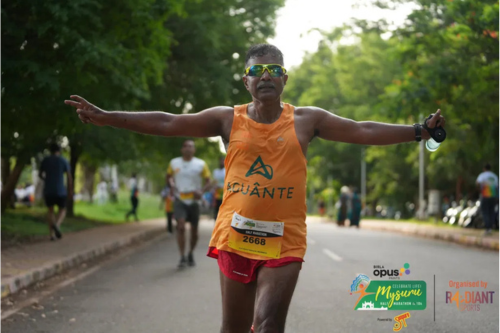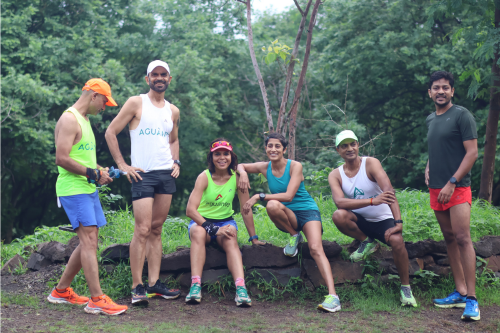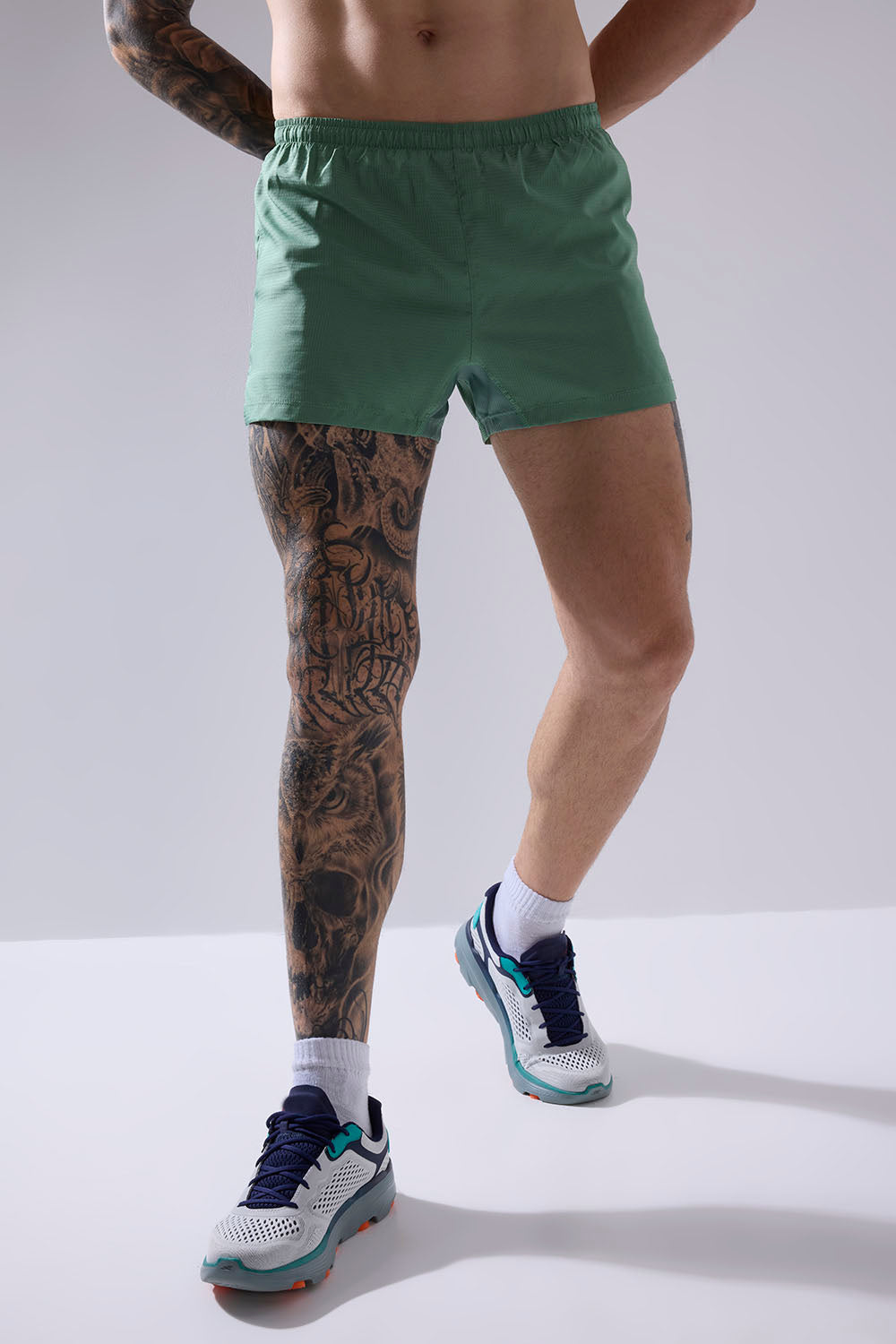
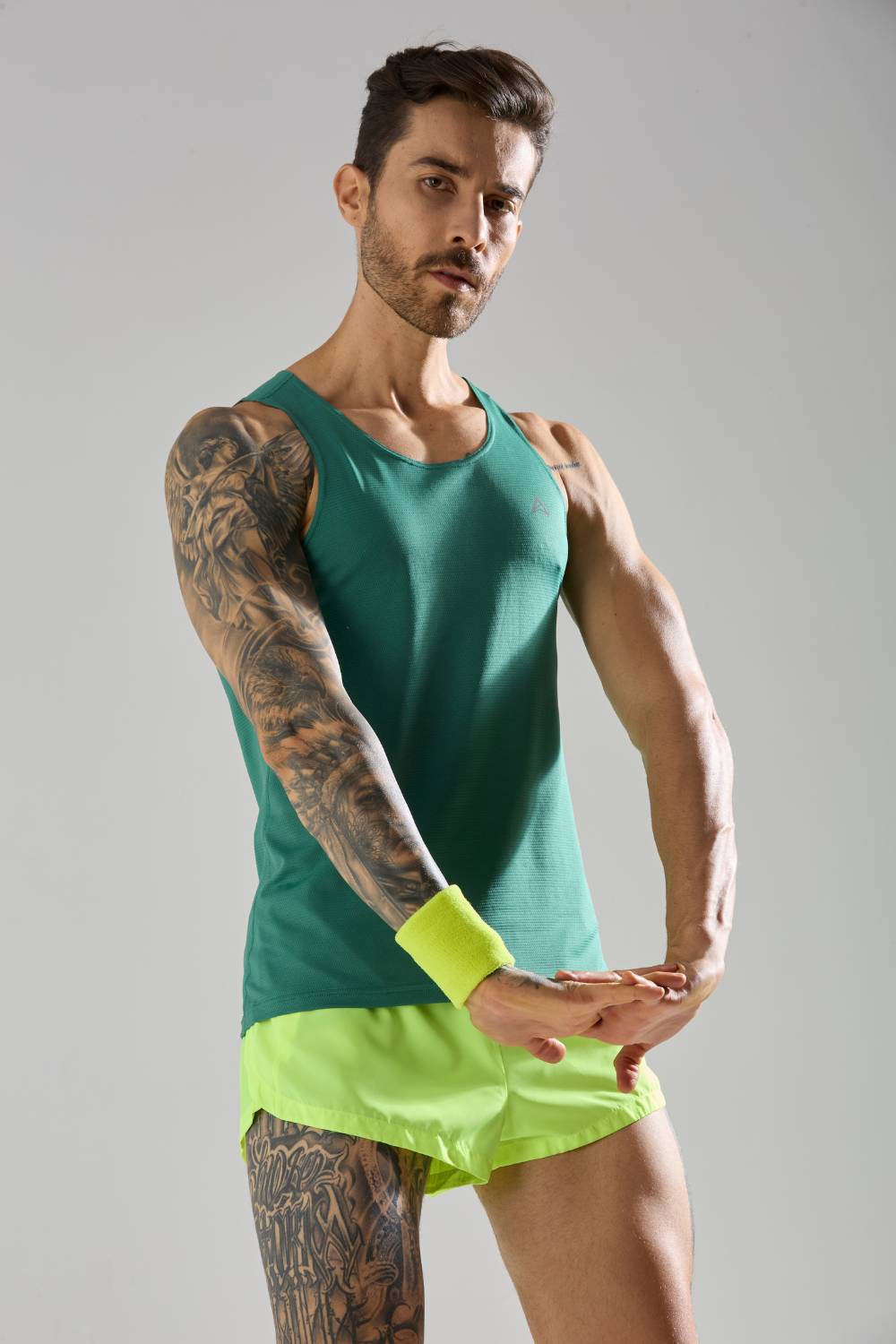
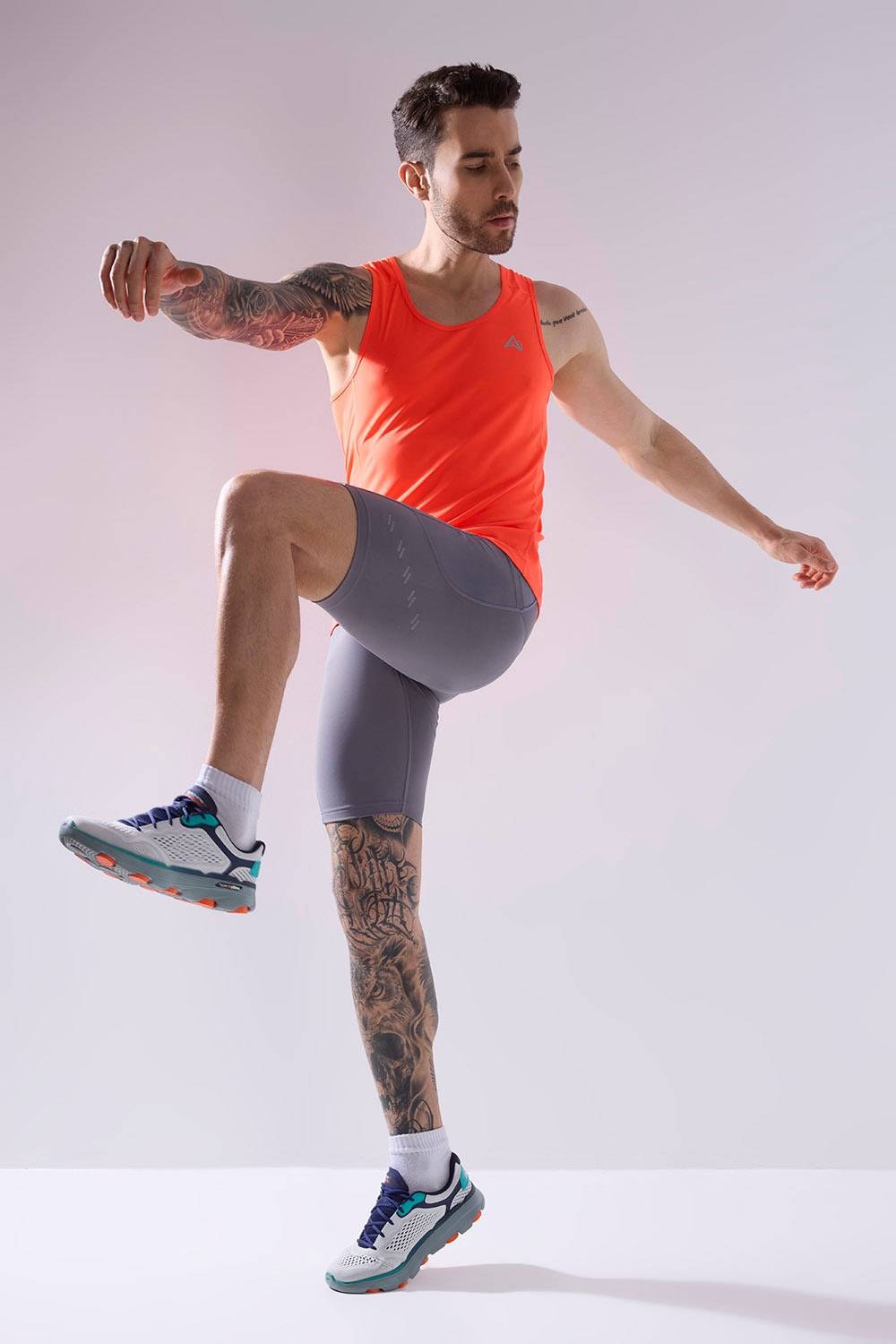
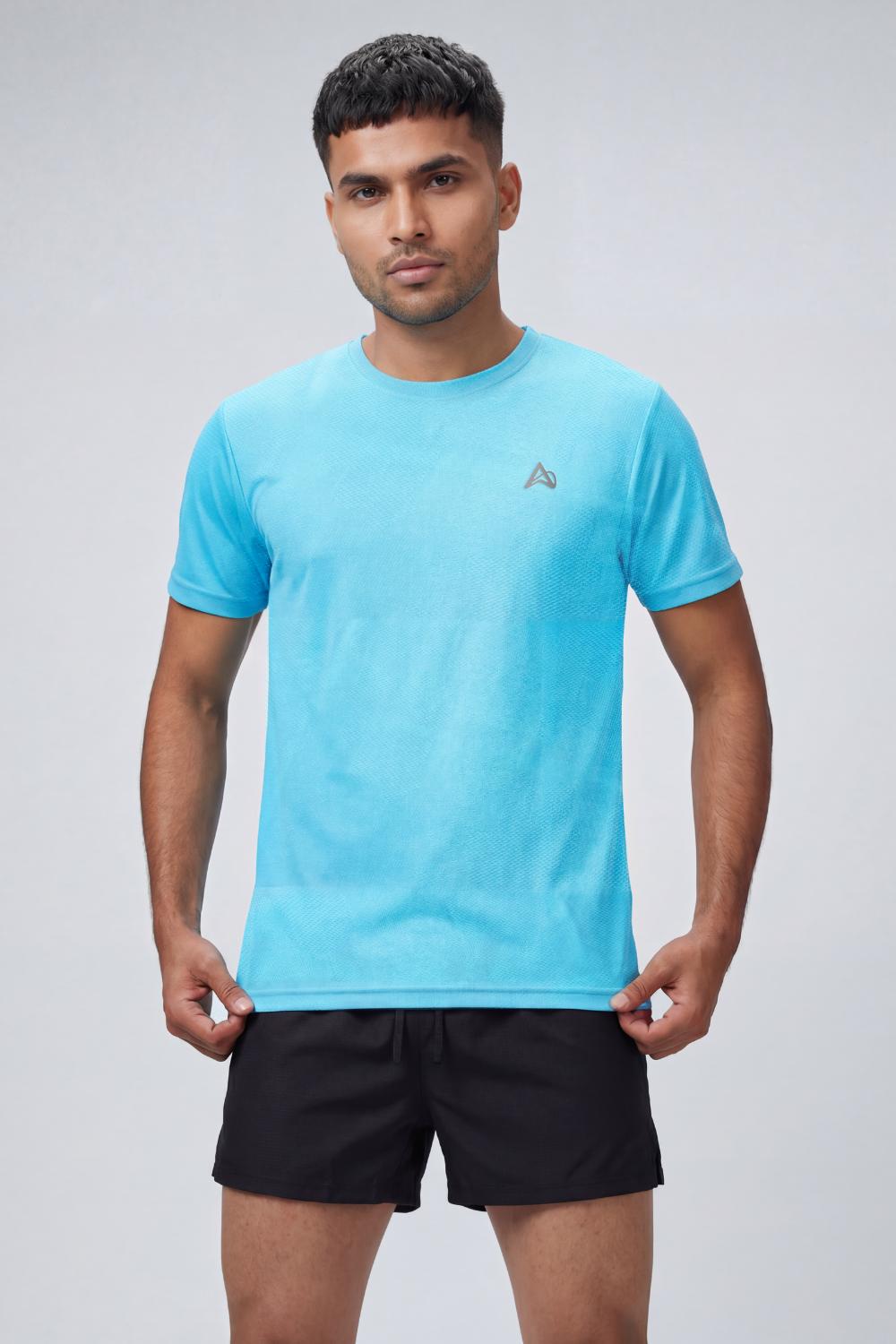
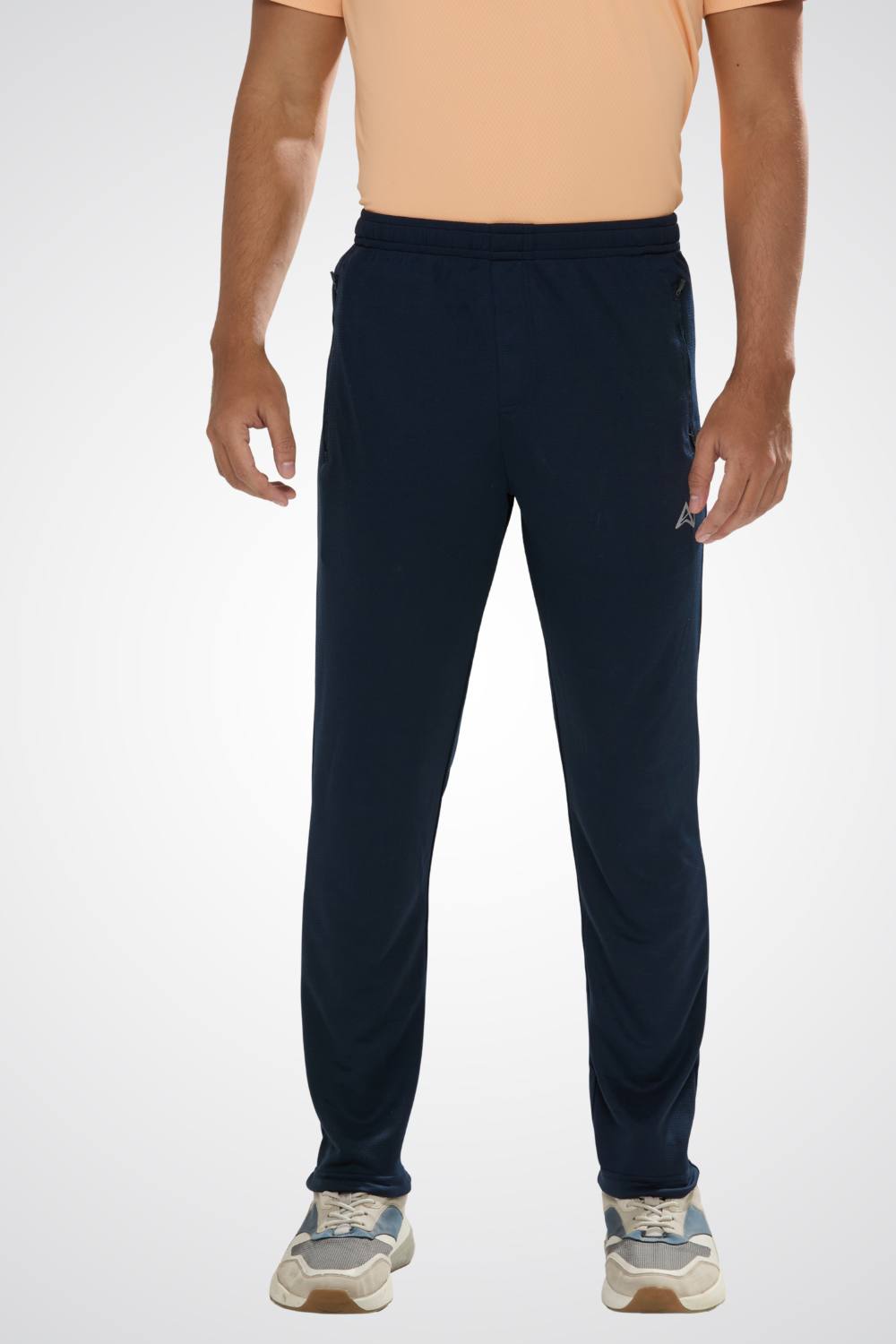
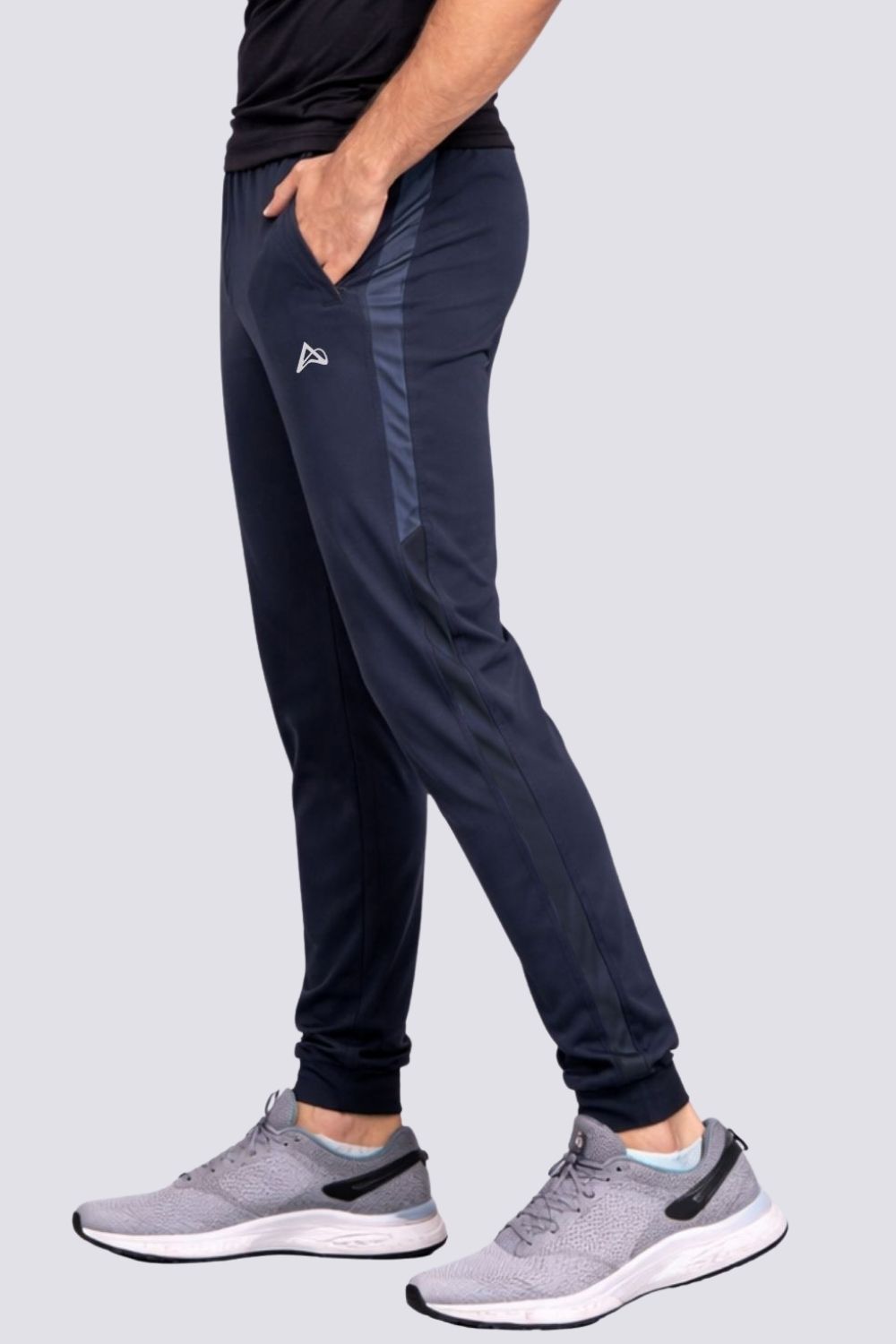

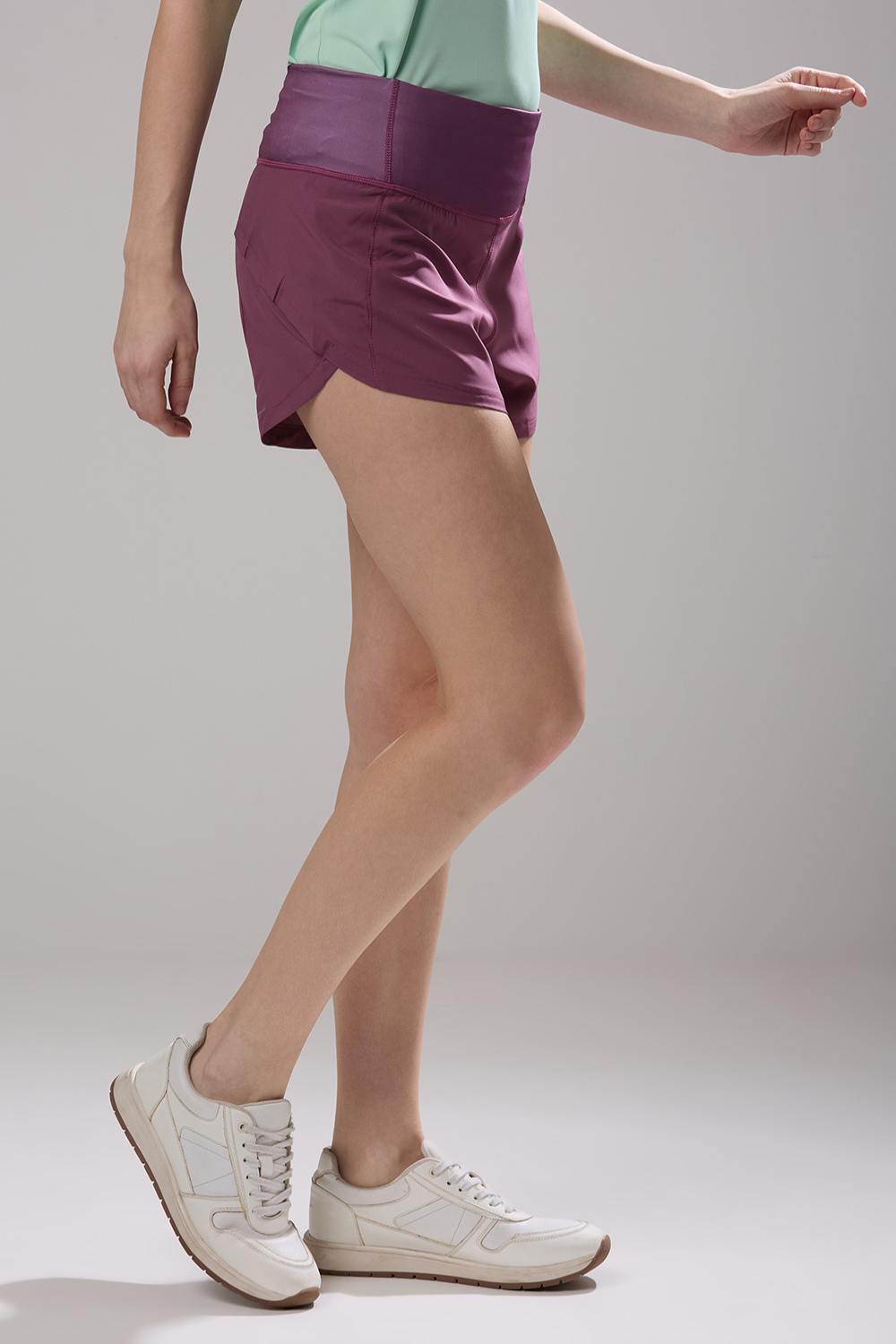
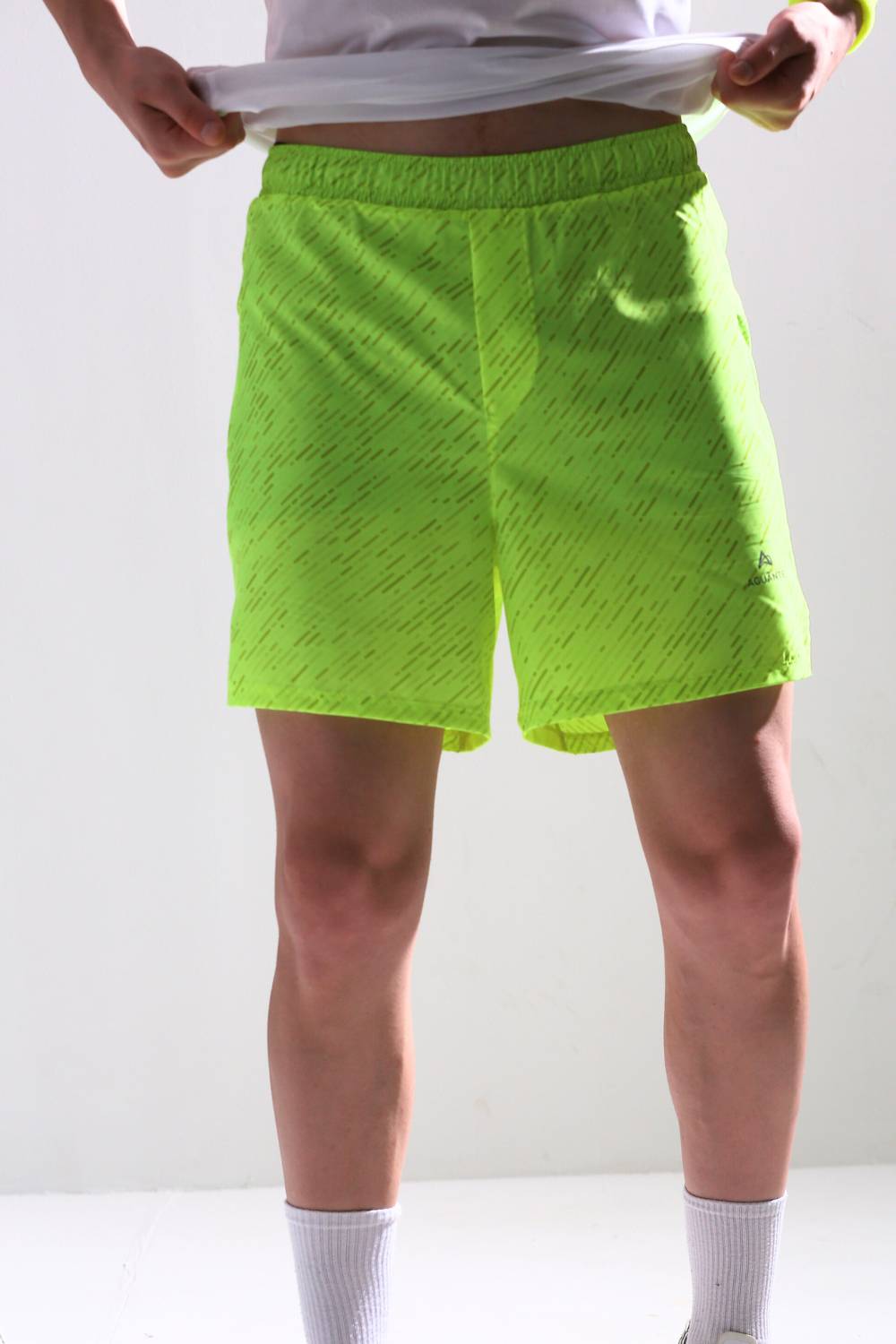

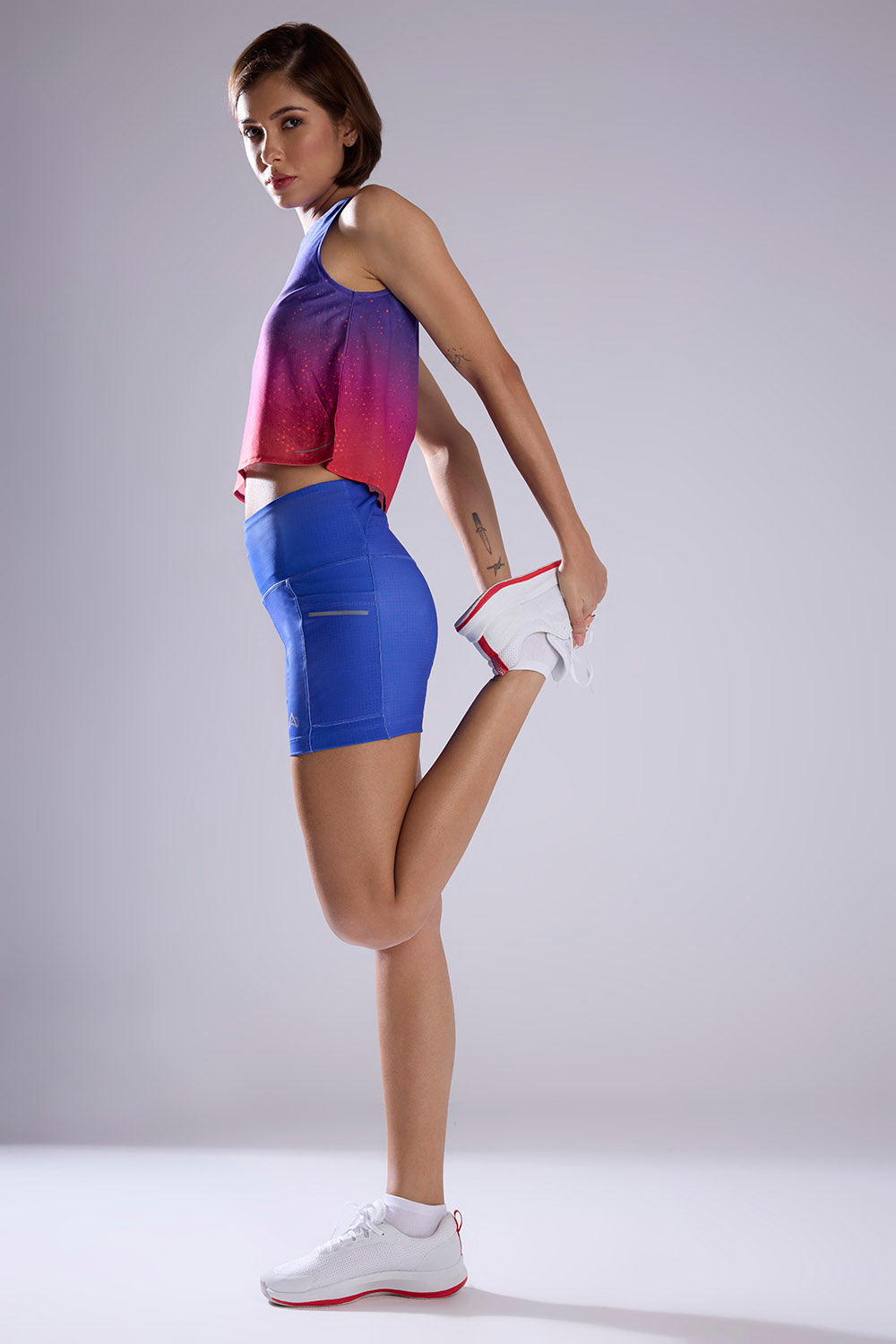
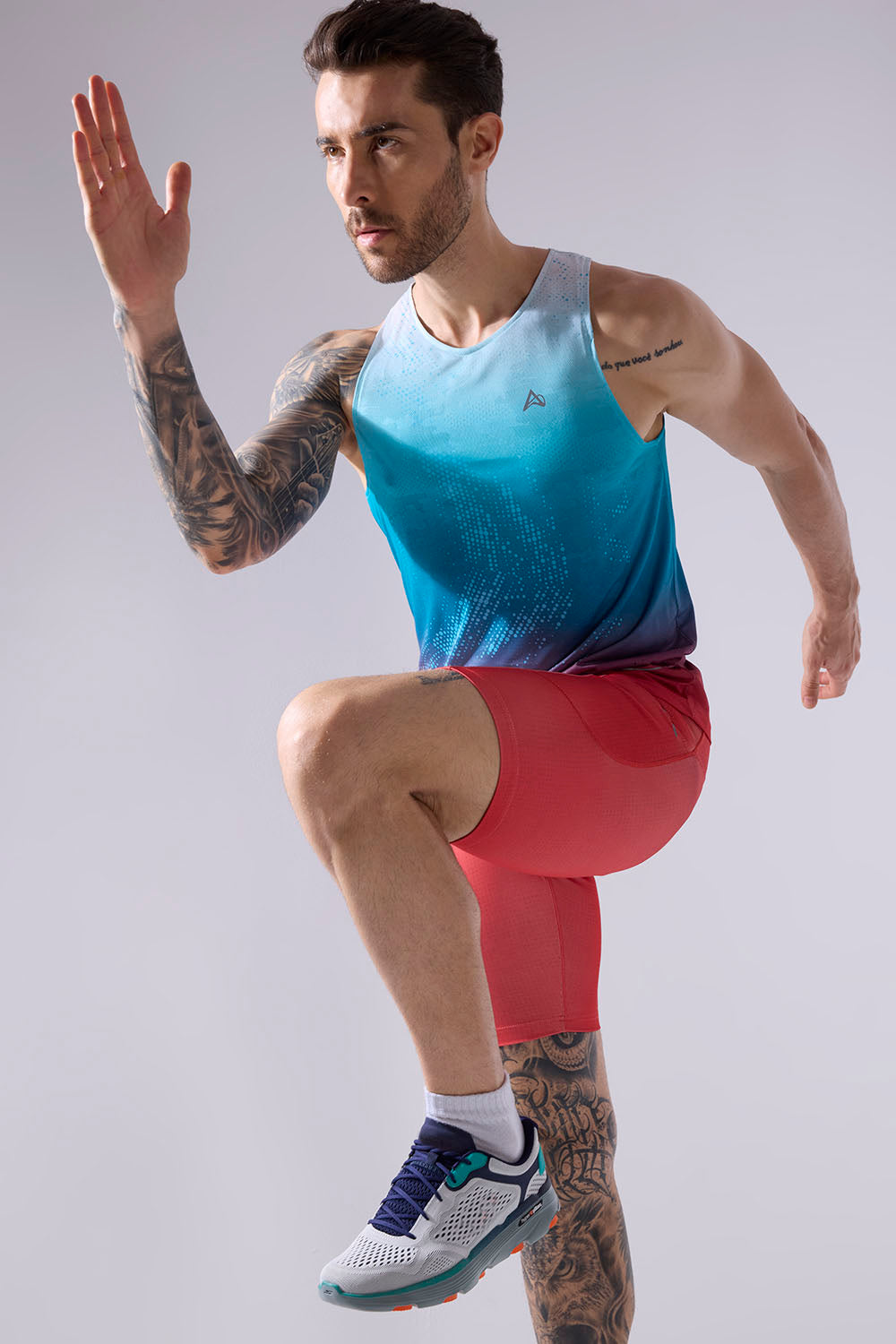

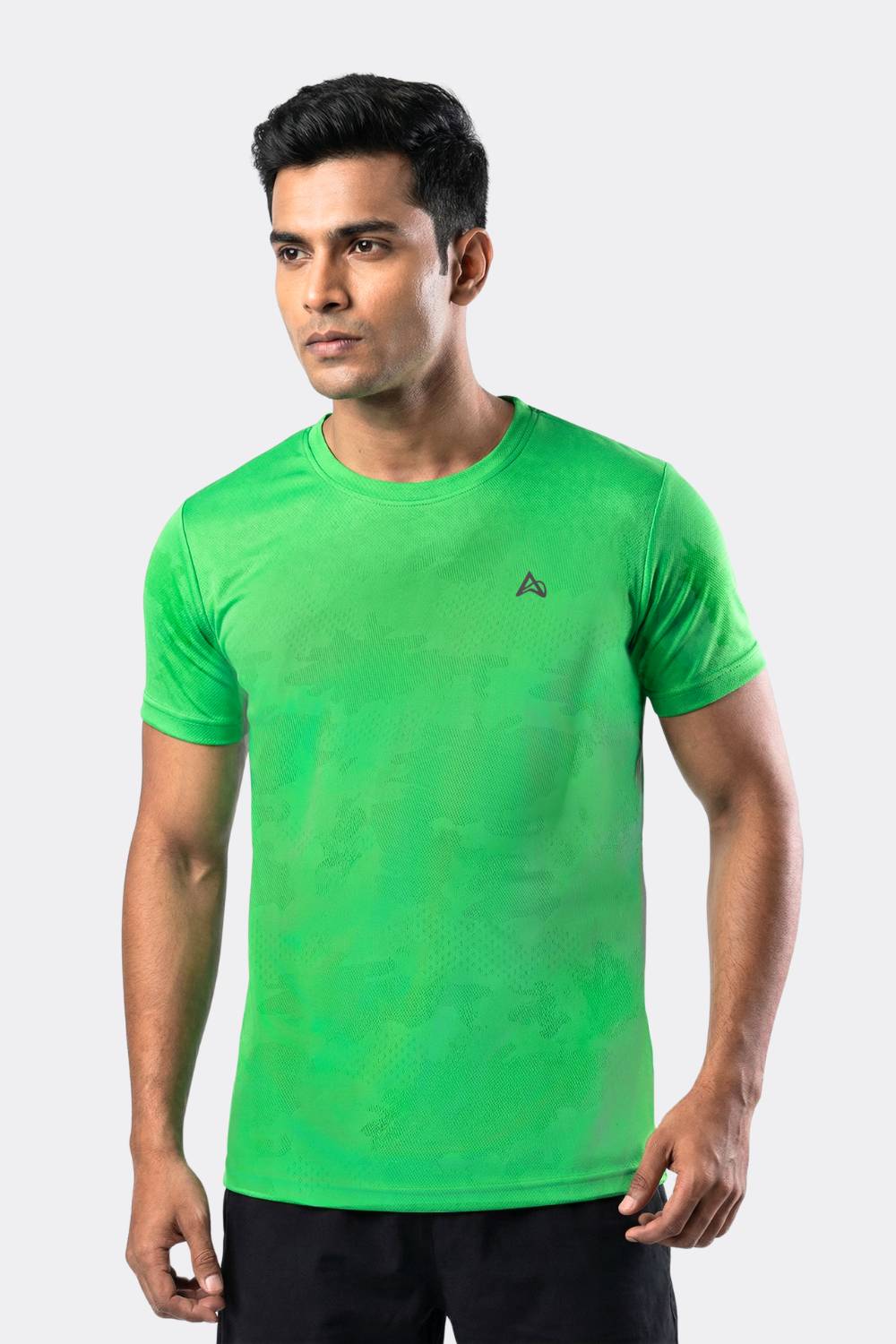
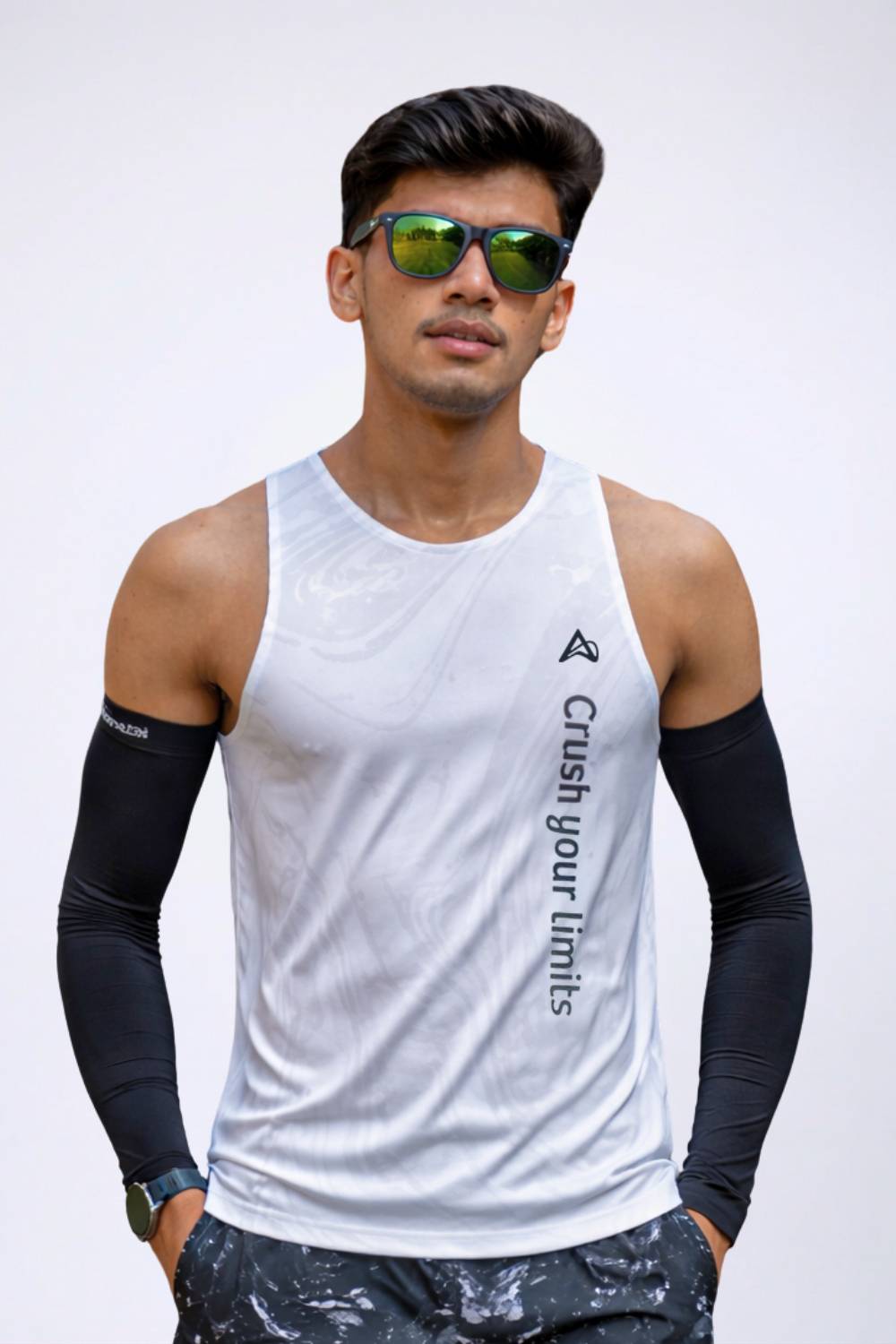

Running recovery is shaped by many factors, including training intensity, rest, nutrition, and the way runners manage physical stress. While clothing cannot replace recovery practices, the right running gear can make training sessions more comfortable and help runners move through their routines with fewer distractions. From managing sweat during demanding workouts to improving comfort after long runs, thoughtfully designed apparel supports a more consistent running experience.
Tired of gear that slows you down? Chafing, soggy fabrics, and missing pockets kill your run's momentum. At Aguante, we're runners who get it. Our high-performance activewear features moisture-wicking fabrics, ergonomic designs, and smart storage to keep you focused. Shop Now!
Why Comfort Matters During and After Running
Comfort is not simply about feeling good while wearing running clothes. It affects how runners approach training, maintain consistency, and recover between sessions. When apparel causes irritation, restricts movement, or traps excess moisture, it can make an already demanding workout feel more difficult.
Running creates repeated physical demands on the body. Every stride involves movement, impact, heat production, and muscle effort. Gear that supports natural movement allows runners to focus more on their training instead of adjusting clothing, dealing with discomfort, or managing avoidable distractions.
For recreational runners and endurance athletes, recovery often begins immediately after finishing a session. Changing out of uncomfortable, sweat-heavy clothing and choosing apparel designed for breathability and mobility can make the transition from activity to rest more comfortable.
How Running Clothes Improve Comfort Through Better Design
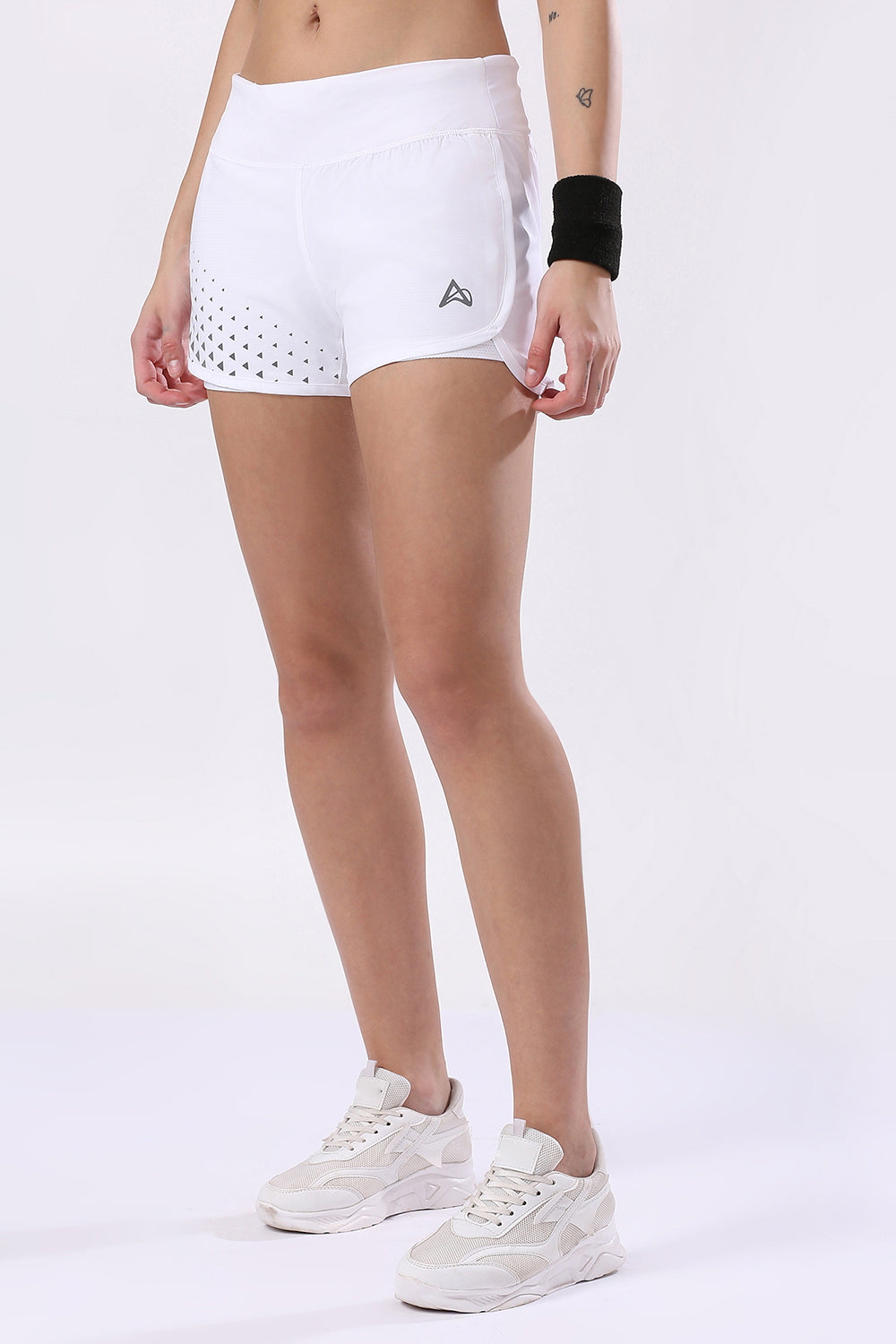
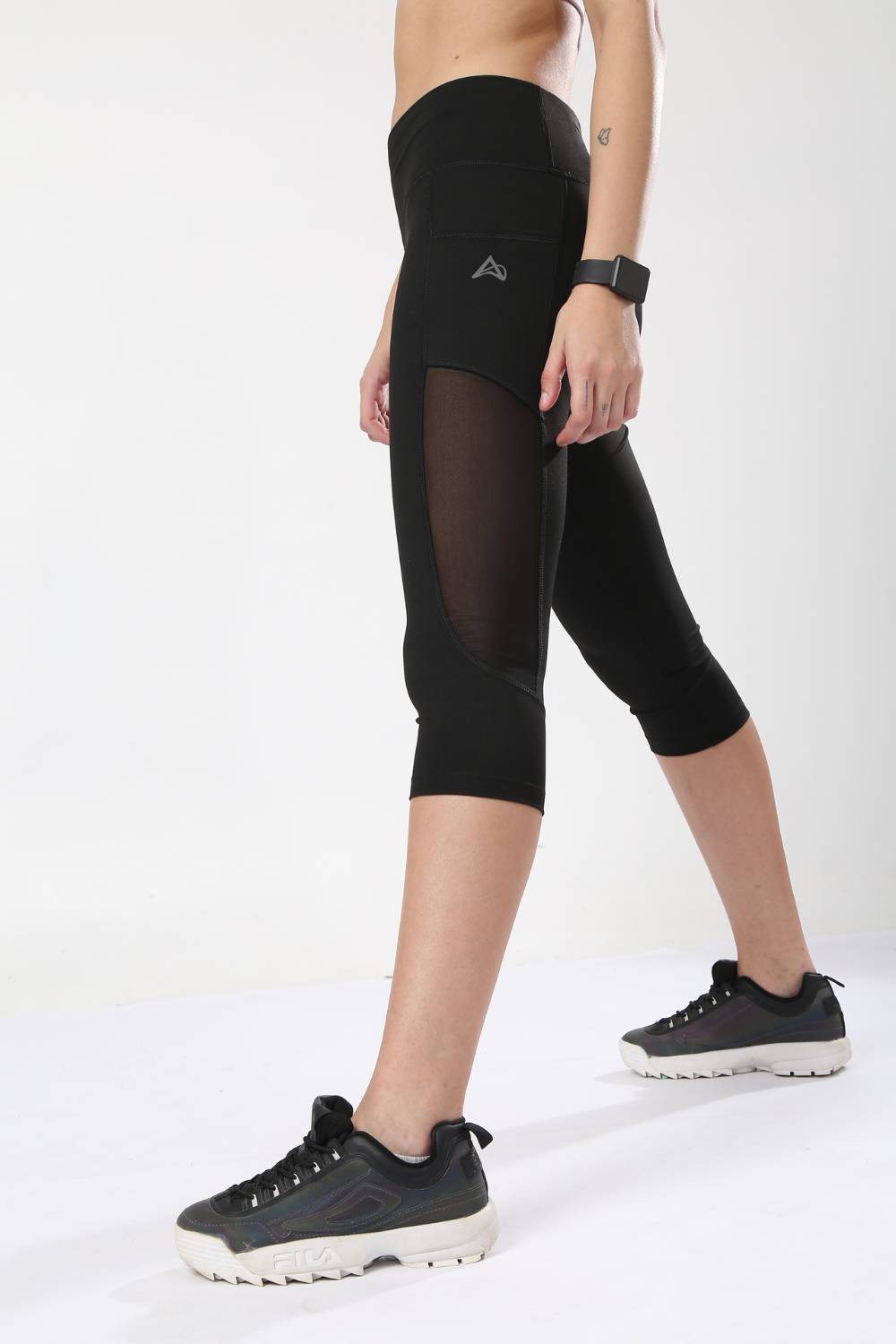
The design of running apparel influences how clothing performs during different stages of a workout. Features such as lightweight construction, moisture management, and an ergonomic fit help runners stay comfortable when training conditions become challenging.
Moisture management is one of the most important considerations for running apparel. When fabric absorbs or traps sweat, it can create discomfort through heaviness, friction, and reduced breathability. Cooling strategies used by athletes competing in demanding heat conditions highlight the importance of managing body temperature and comfort during intense exercise.
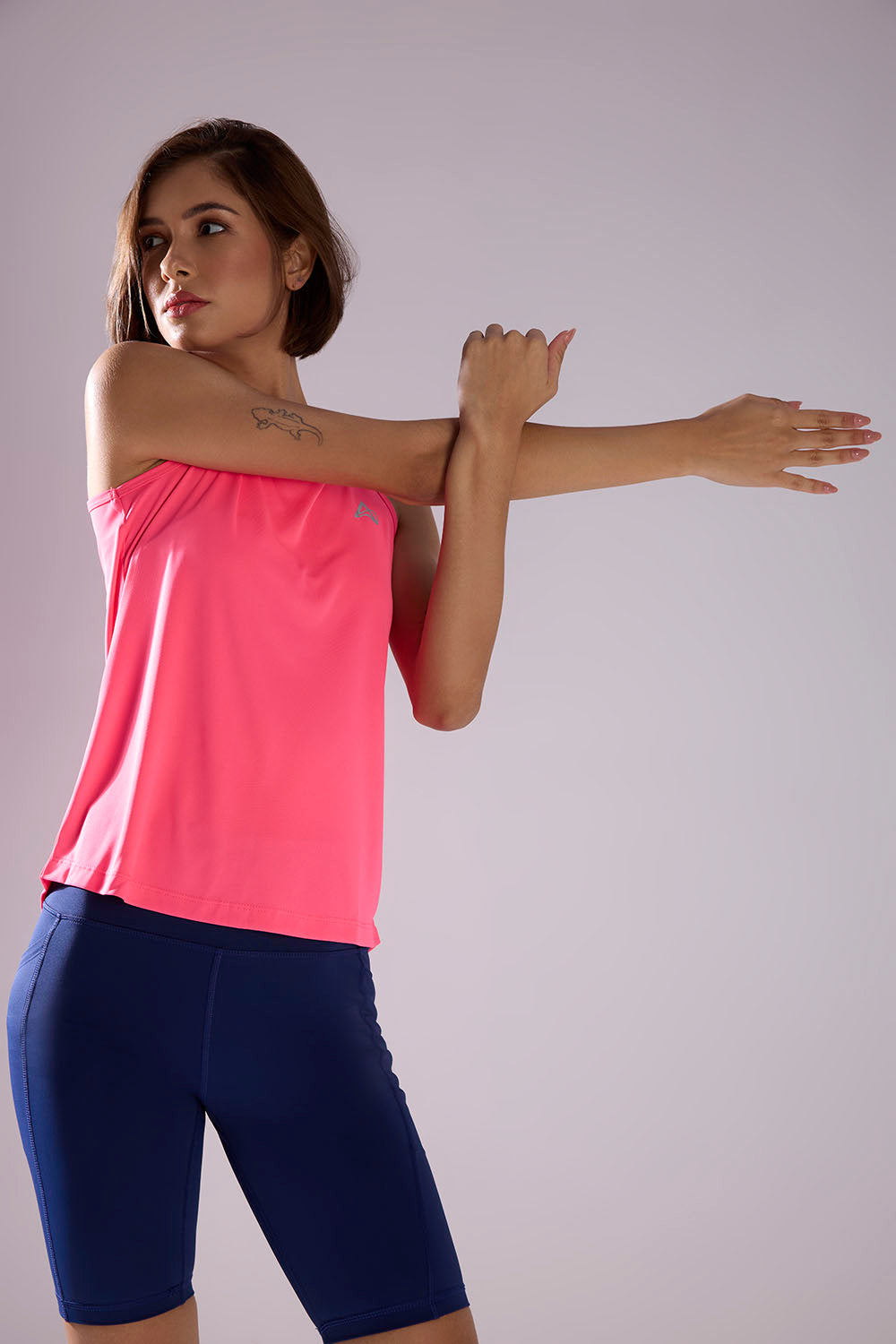
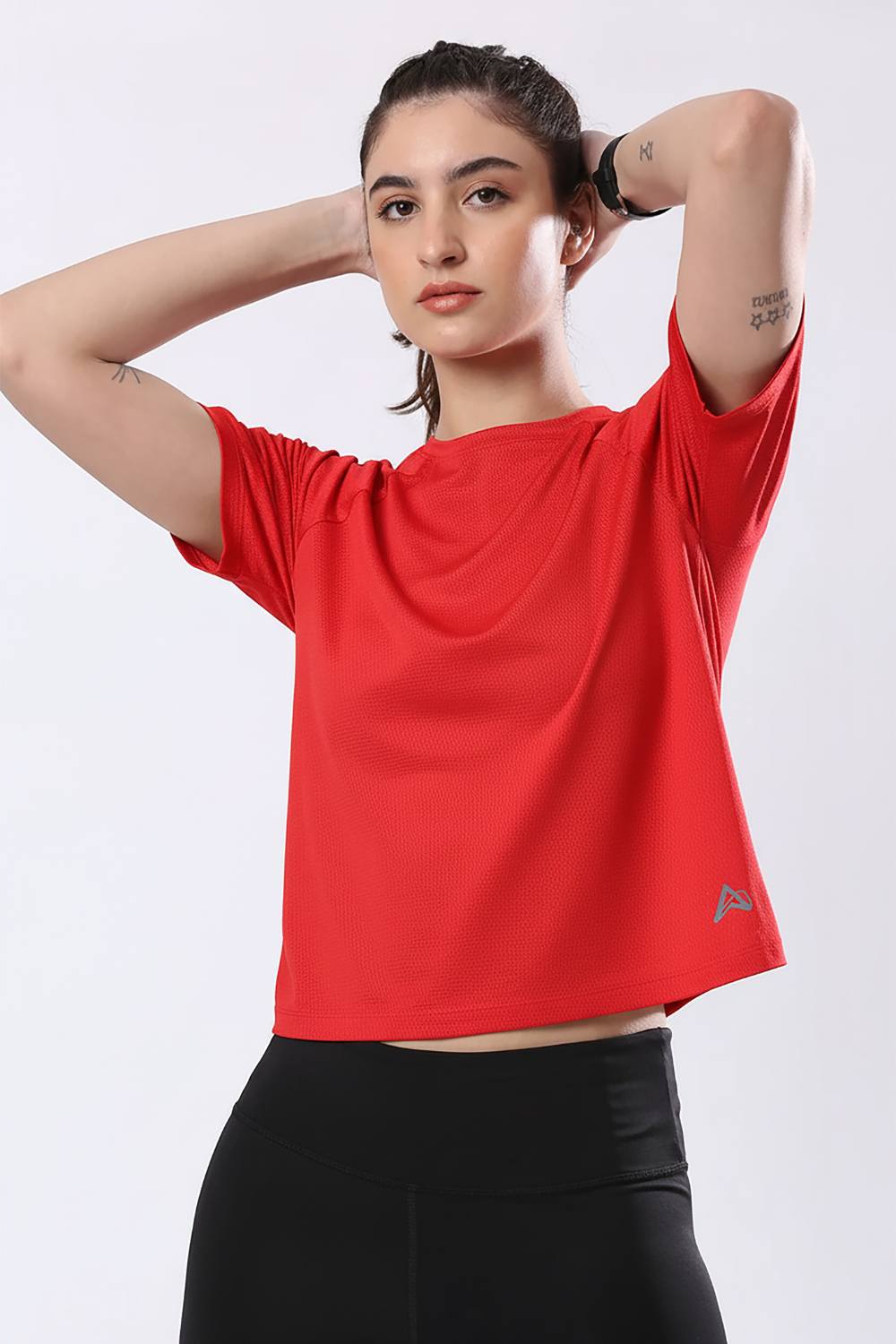
For everyday runners, this principle applies beyond extreme conditions. A breathable running top or lightweight bottom layer can help create a more comfortable experience during regular training sessions, especially when workouts involve longer distances or higher effort levels.
The Role of Fit and Freedom of Movement
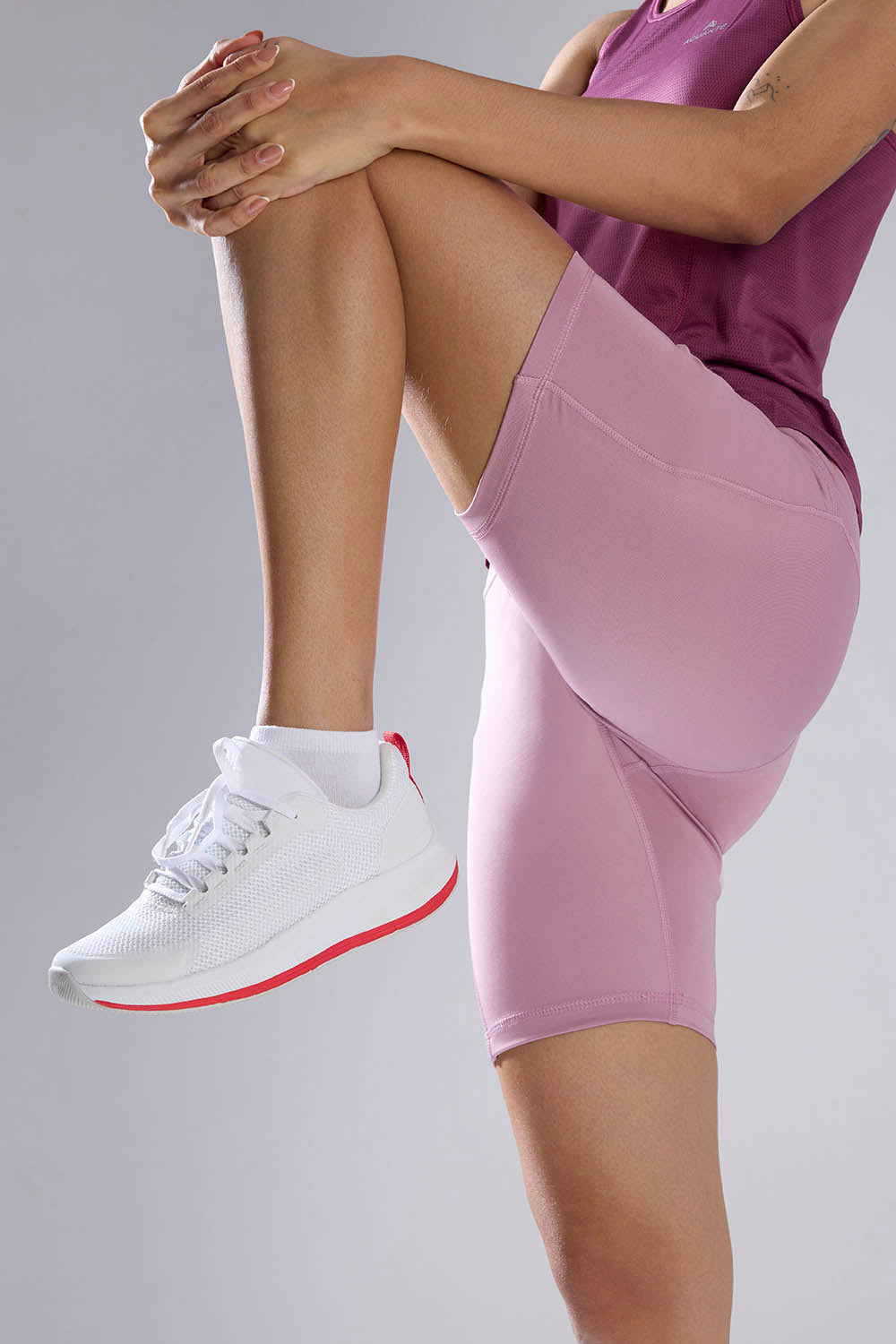
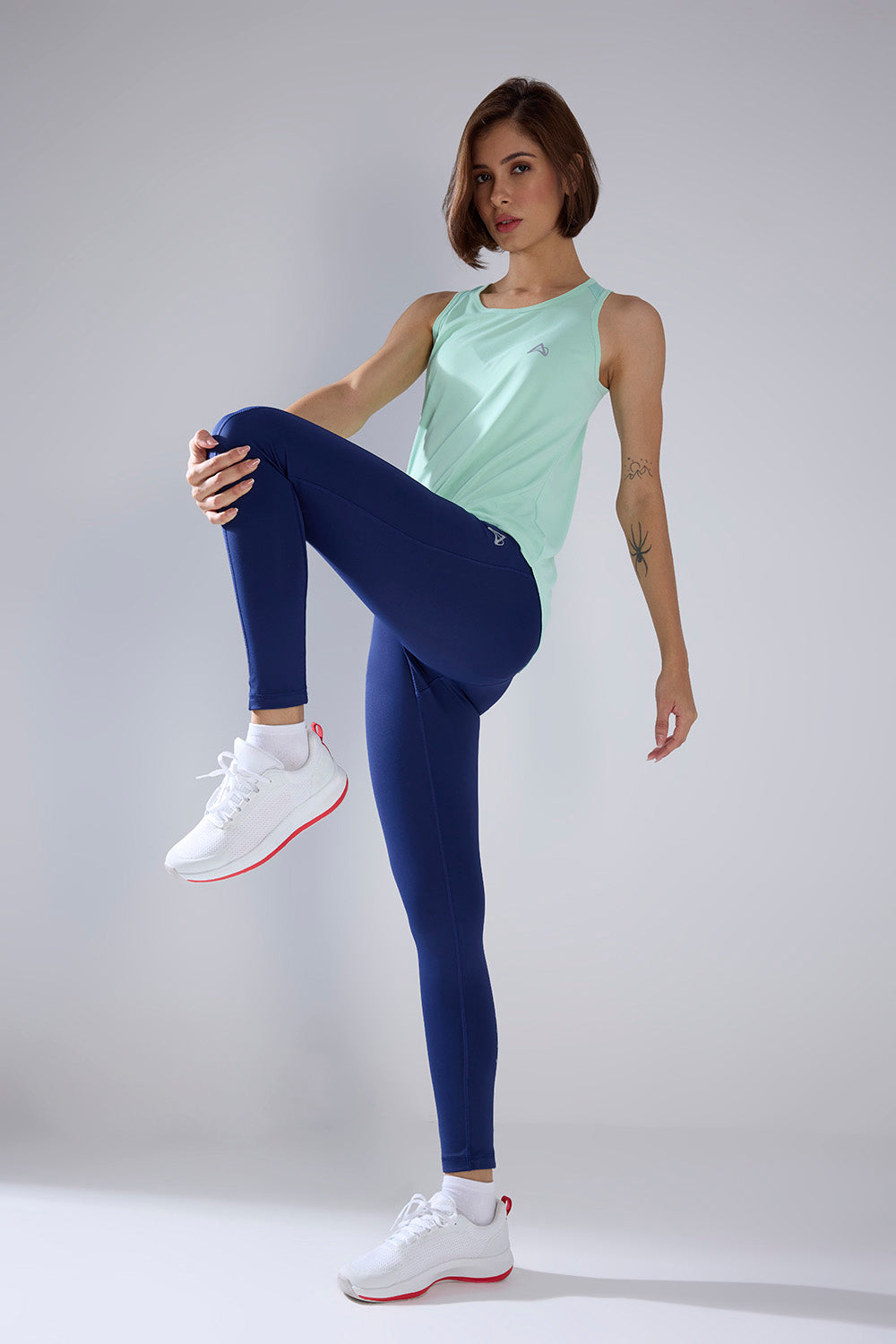
Running involves continuous motion, so clothing needs to work with the body rather than against it. An ergonomic fit can help reduce unnecessary adjustments while supporting a natural range of motion through different running movements.
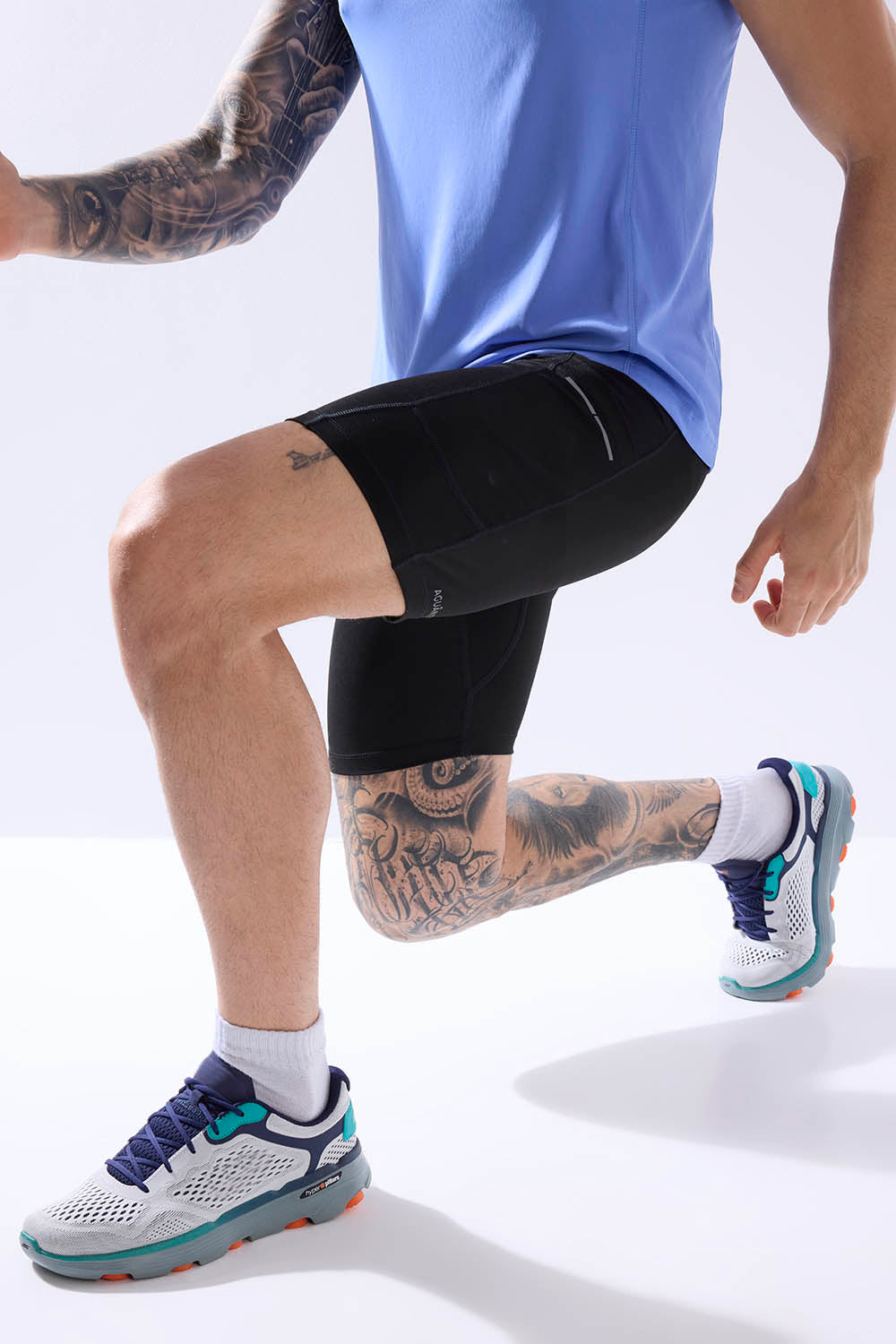
Well-designed running apparel considers details such as seam placement, stretch, and garment structure. These elements may seem small, but they can influence comfort over time, particularly during longer sessions where repeated friction or restricted movement becomes more noticeable.
How Performance Running Apparel Benefits Recovery Habits
Recovery is not limited to what happens after exercise. It is influenced by the quality of every training session and how effectively runners manage physical demands. Comfortable gear supports recovery habits by helping runners maintain a sustainable approach to training.
When clothing allows runners to move comfortably, manage sweat, and stay focused on their workout, it can contribute to a smoother training routine. Consistency matters because regular, manageable sessions are often more valuable than occasional workouts that create unnecessary discomfort.
Sports medicine guidance also highlights that runners should pay attention to discomfort and consider equipment choices as part of a broader training approach. Footwear and running recovery are connected with factors such as training load, mobility, strength, and recovery habits rather than being isolated solutions.
The same idea applies to running apparel. Clothing should support the overall running process without creating unrealistic expectations. Gear is one part of a complete routine that includes appropriate pacing, recovery time, and listening to the body's signals.
Choosing Running Gear for Long-distance Comfort
Long-distance running places different demands on clothing compared with shorter workouts. As distance increases, small discomforts can become more noticeable. A minor issue during a short run may become a major distraction during a longer training session.
Runners looking for the best running clothes for long distance comfort should consider how apparel performs over extended periods. Key factors include:
- Breathability: Fabrics that allow airflow can help runners stay more comfortable as body temperature rises.
- Moisture control: Moisture wicking running apparel helps manage sweat and reduce the discomfort associated with damp clothing.
- Mobility: Stretch and thoughtful construction allow natural movement throughout a stride.
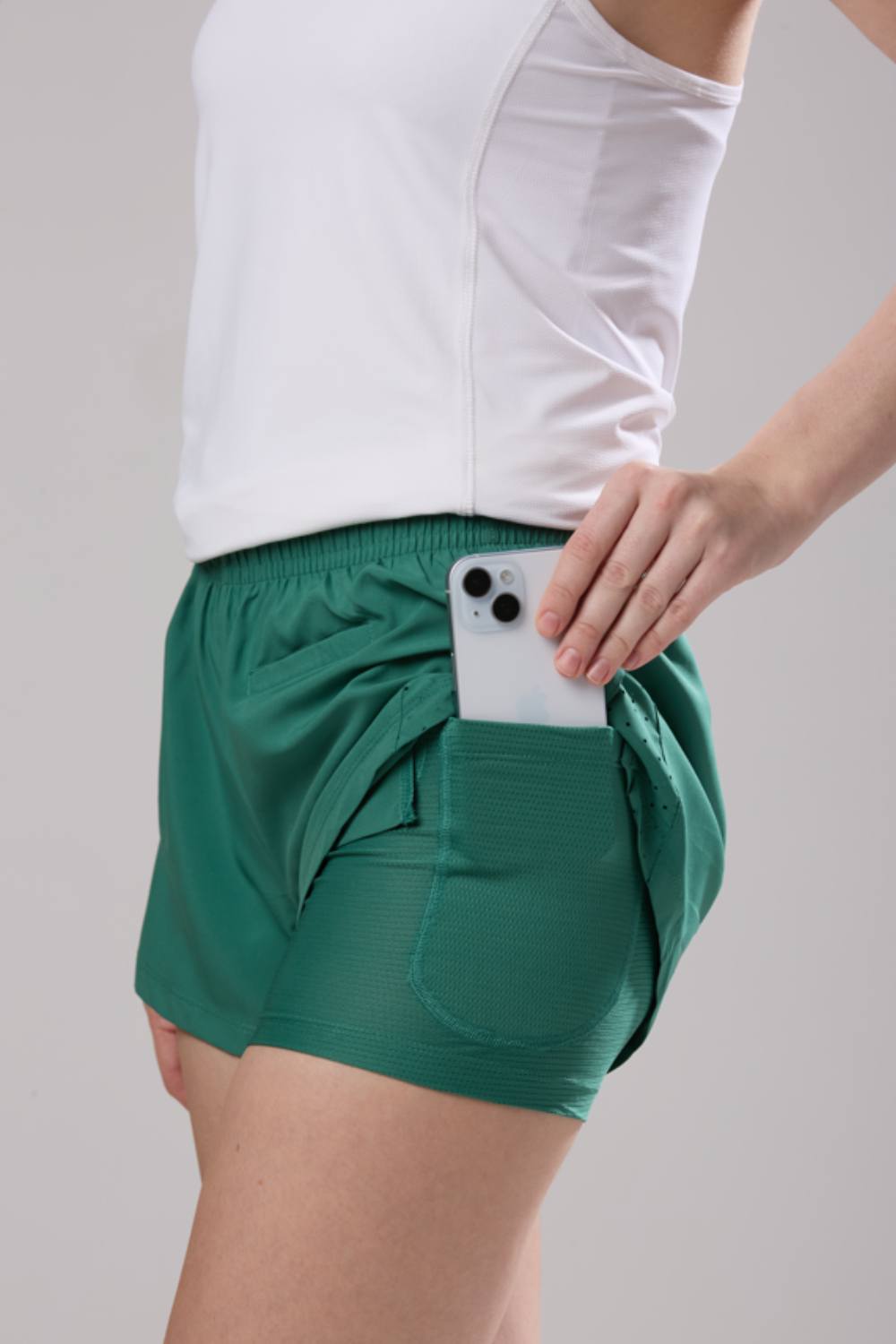
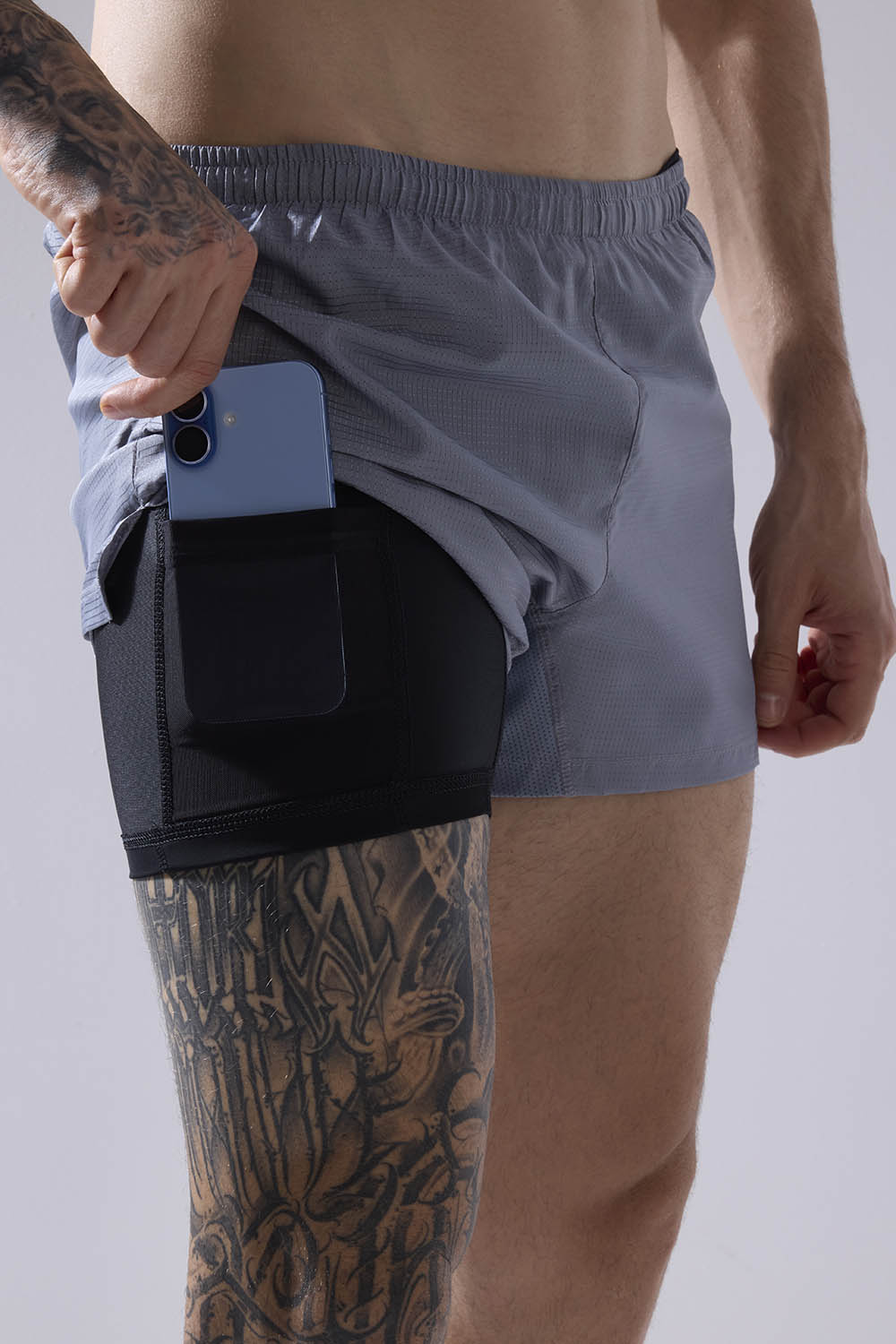
- Practical features: Useful design elements such as secure storage options can reduce distractions during longer runs.
The right choice depends on individual preferences, training conditions, and running goals. A marathon trainee, a weekend runner, and someone building a fitness routine may all value different features in their apparel.
How Running Gear Supports Sustainable Training
Many runners focus on improving pace, distance, or endurance, but sustainable progress also depends on comfort and consistency. Gear that supports a positive running experience can encourage runners to maintain their routines and approach training with confidence.
Comfortable running gear for athletes is not about adding unnecessary complexity to a workout. Instead, it helps remove common barriers that can interrupt training. Clothing that fits properly, manages sweat, and supports movement allows runners to concentrate on their goals.
This approach is especially valuable for runners who balance training with everyday responsibilities. When equipment works reliably, running becomes easier to integrate into a regular lifestyle rather than feeling like a separate challenge.
The Connection Between Running Apparel and Everyday Recovery
Recovery extends beyond the moments immediately after a workout. How runners feel throughout the day can influence their willingness to train again. Clothing choices can contribute to this experience by supporting comfort during activity and reducing avoidable sources of irritation.
For example, breathable apparel can make warm-weather sessions more manageable, while comfortable layers can support runners during different training environments. The goal is not for clothing to solve every recovery challenge but to create conditions where runners can better manage their overall routine.
Running apparel for better recovery should be viewed as part of a broader approach that includes proper rest, balanced training, and awareness of physical needs. When gear supports these habits, it becomes a practical tool rather than just another piece of equipment.
Building a Better Running Experience Through Smarter Gear Choices
Choosing running apparel requires understanding how different features contribute to comfort and performance. The most effective gear choices are based on the runner's needs, training style, and environment rather than trends alone.
For runners exploring performance running apparel benefits, the focus should be on functionality. Clothing that combines comfort, movement support, and practical design can help create a more enjoyable training experience.
Aguante's focus on runner-oriented apparel connects naturally with this approach. By considering the needs of people who run regularly, activewear can support everyday training through features that prioritise comfort, usability, and movement.
Running gear does not replace recovery fundamentals, but it can influence how runners experience their training. When apparel supports comfort, manages moisture, and allows natural movement, it helps create a stronger foundation for consistent running habits.
Frequently Asked Questions
How does running gear support recovery and comfort after a workout?
Running gear supports recovery and comfort by helping manage sweat, reducing irritation, and allowing natural movement after demanding sessions. Comfortable apparel with breathable fabrics and an ergonomic fit can make the transition from exercise to rest more manageable.
How do moisture wicking running apparel and breathable fabrics improve the running experience?
Moisture wicking running apparel helps manage sweat and reduces discomfort caused by damp or heavy clothing during workouts. Breathable fabrics can improve comfort by supporting airflow and helping runners stay focused during longer training sessions.
What features should runners look for in performance running apparel for long-distance comfort?
Runners should consider features such as ergonomic fit, mobility, moisture management, breathability, and practical design elements when choosing performance running apparel. These features can help create a more comfortable experience during extended runs and support consistent training habits.
Disclaimer: The above helpful resources content contains personal opinions and experiences. The information provided is for general knowledge and does not constitute professional advice.
You may also be interested in: Lightweight Running T-shirts for Long Training Sessions
Tired of gear that slows you down? Chafing, soggy fabrics, and missing pockets kill your run's momentum. At Aguante, we're runners who get it. Our high-performance activewear features moisture-wicking fabrics, ergonomic designs, and smart storage to keep you focused. Shop Now!
Powered by flareAI.co