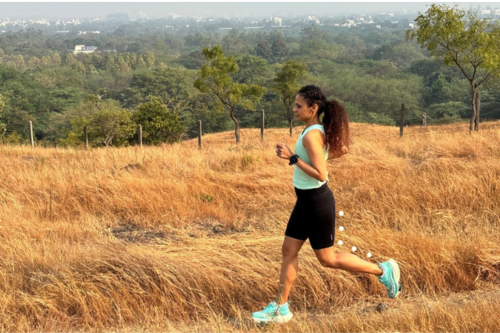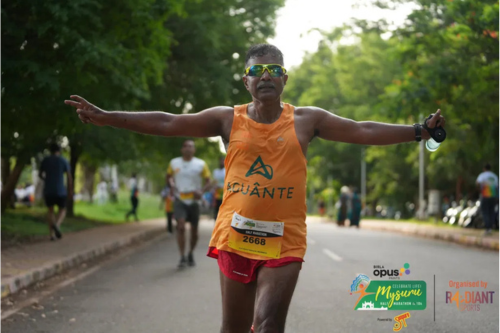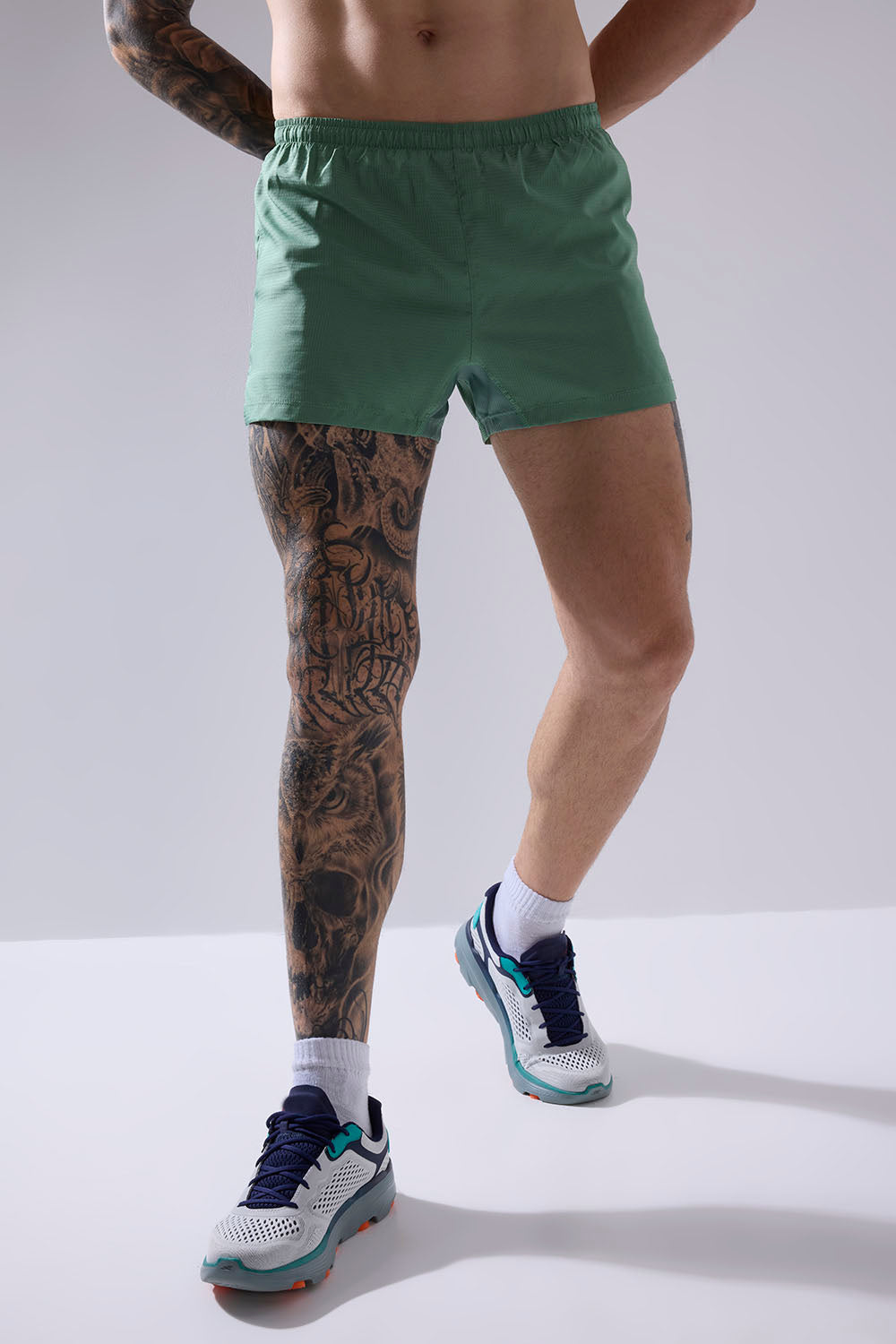
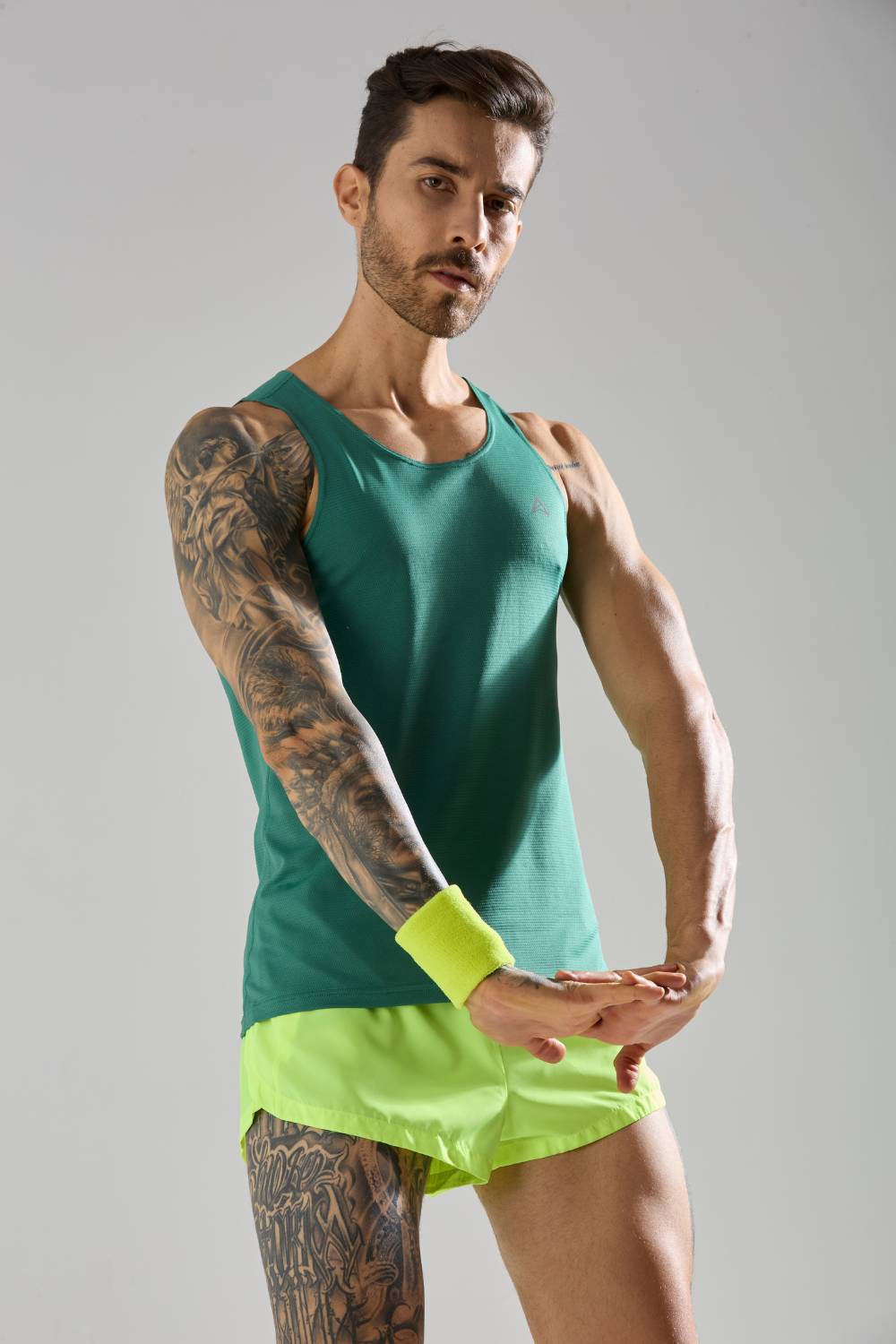
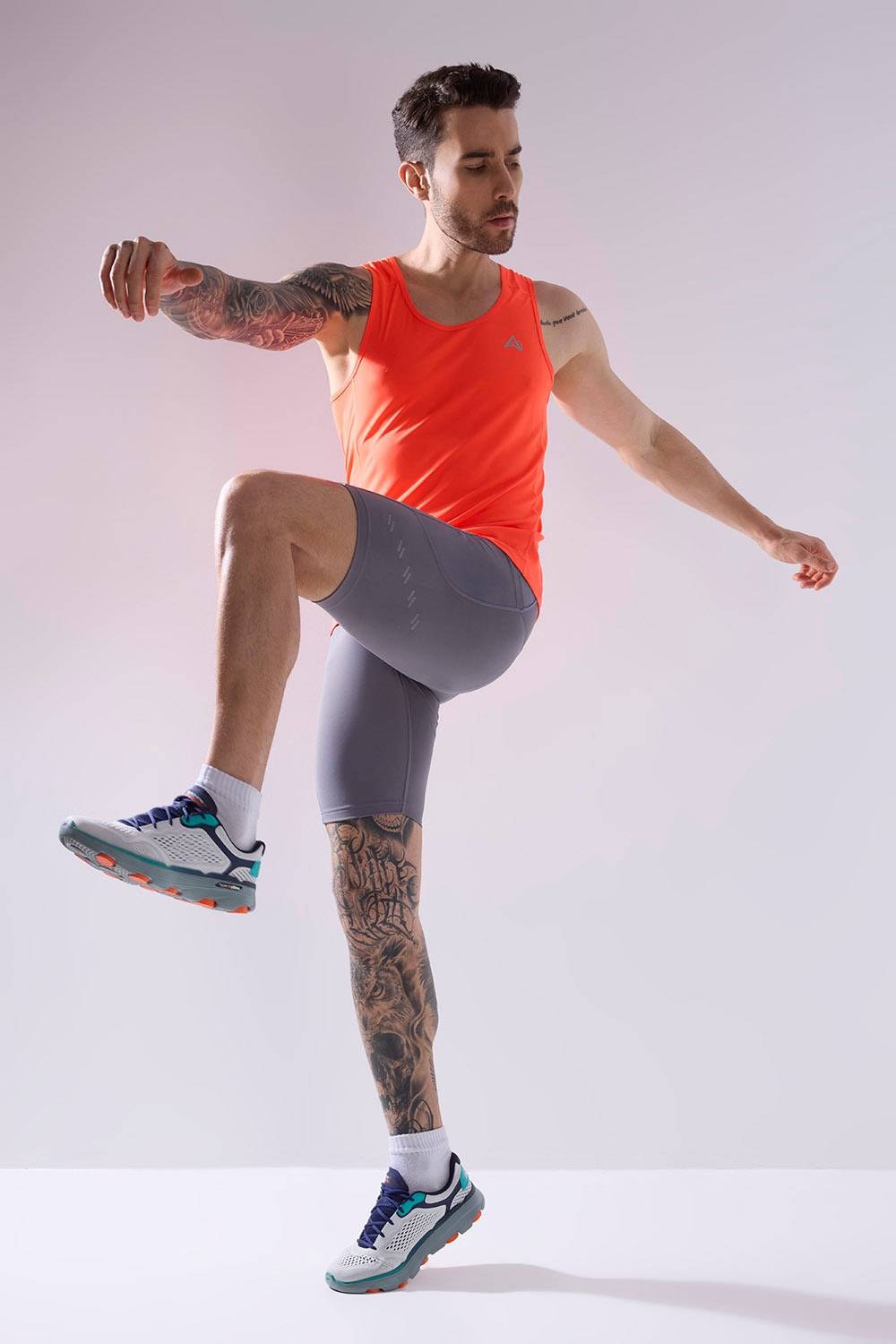
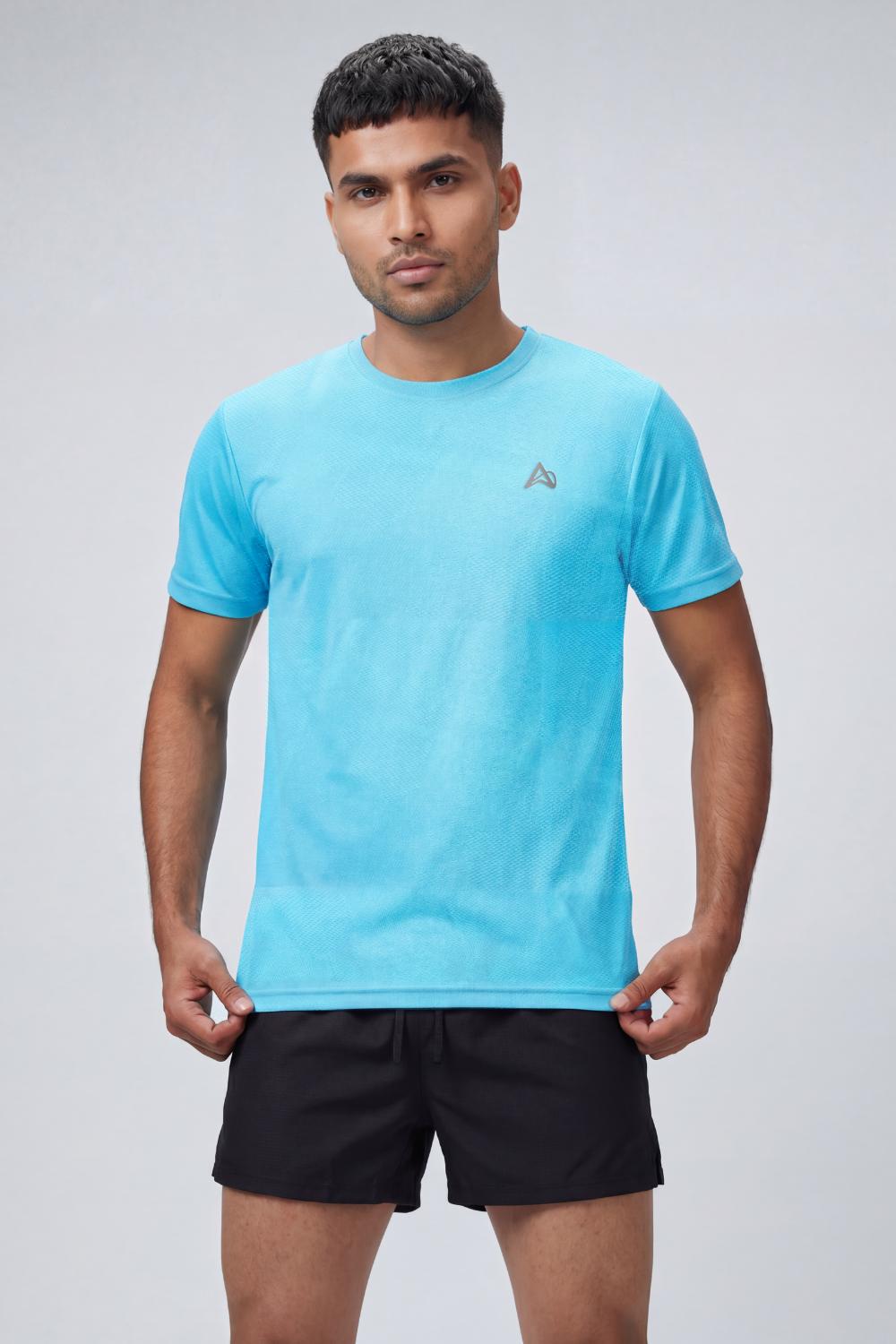
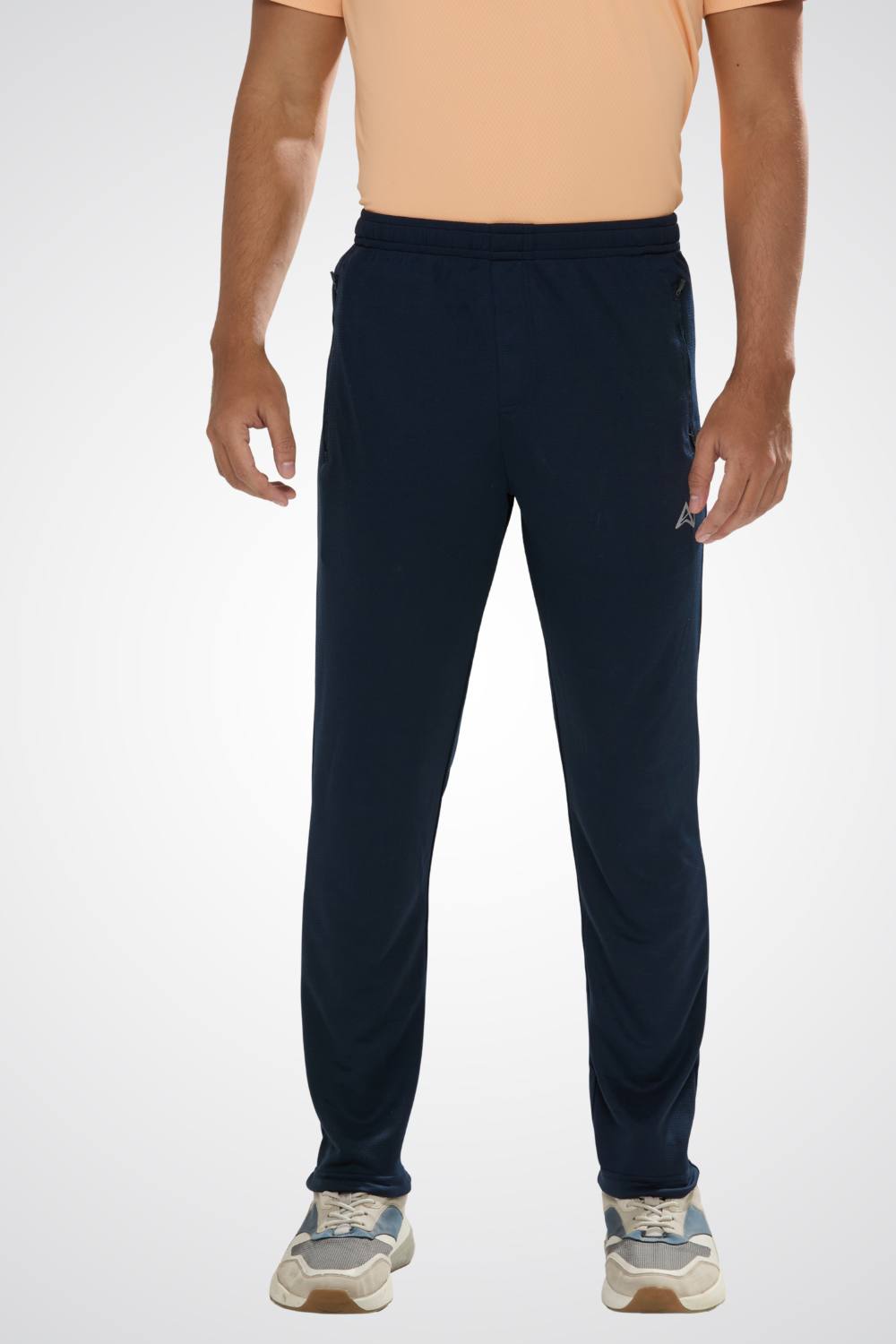
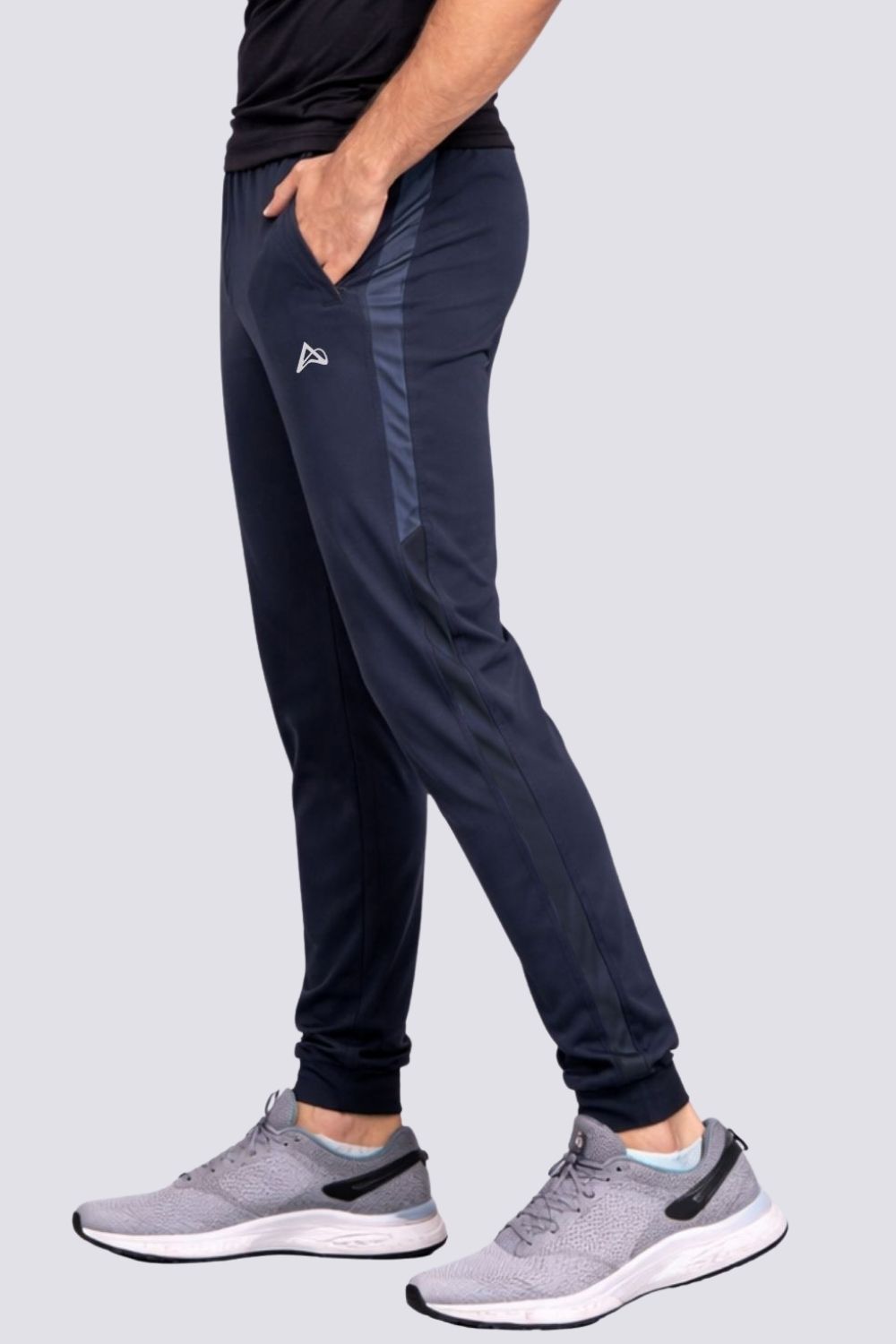


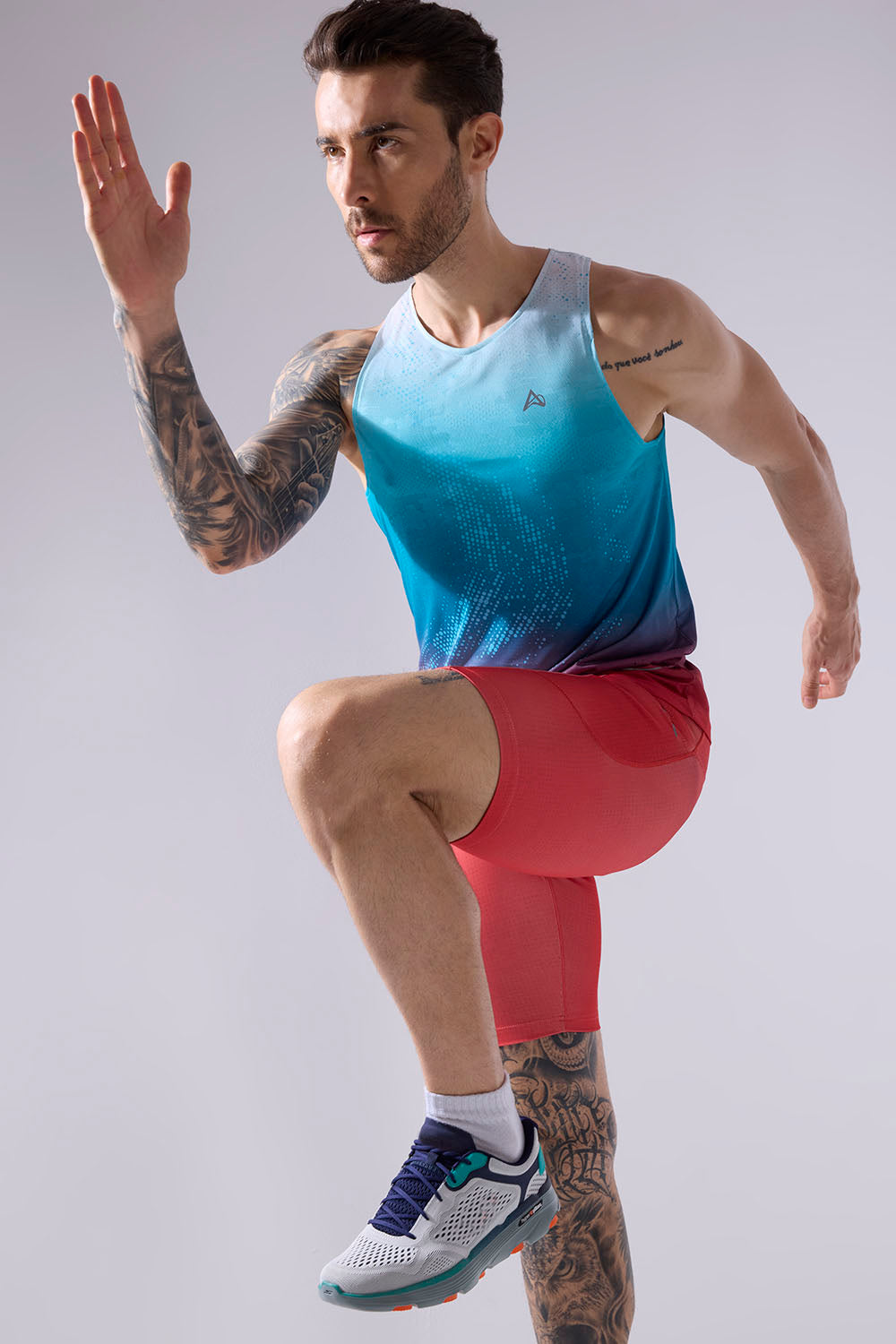

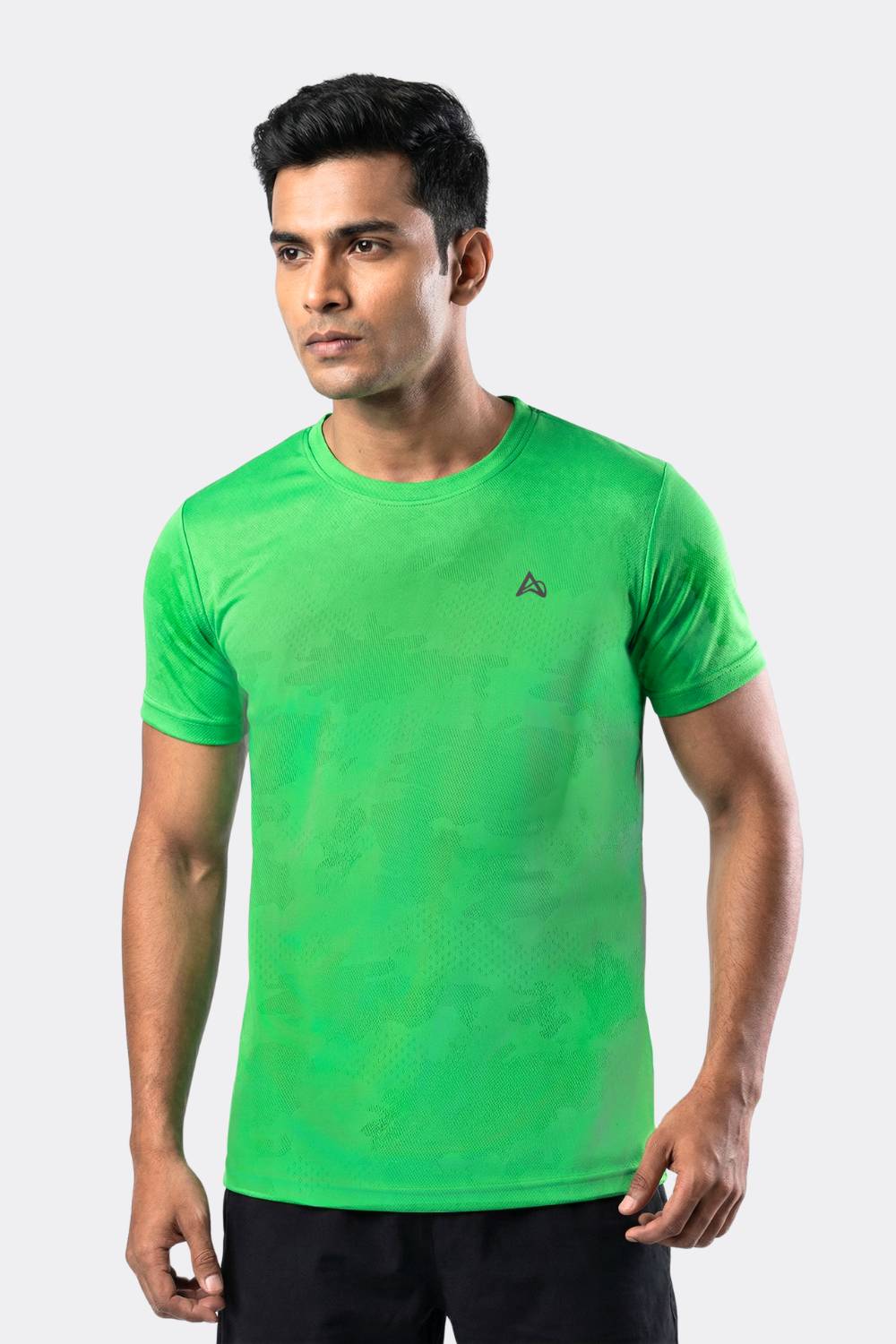
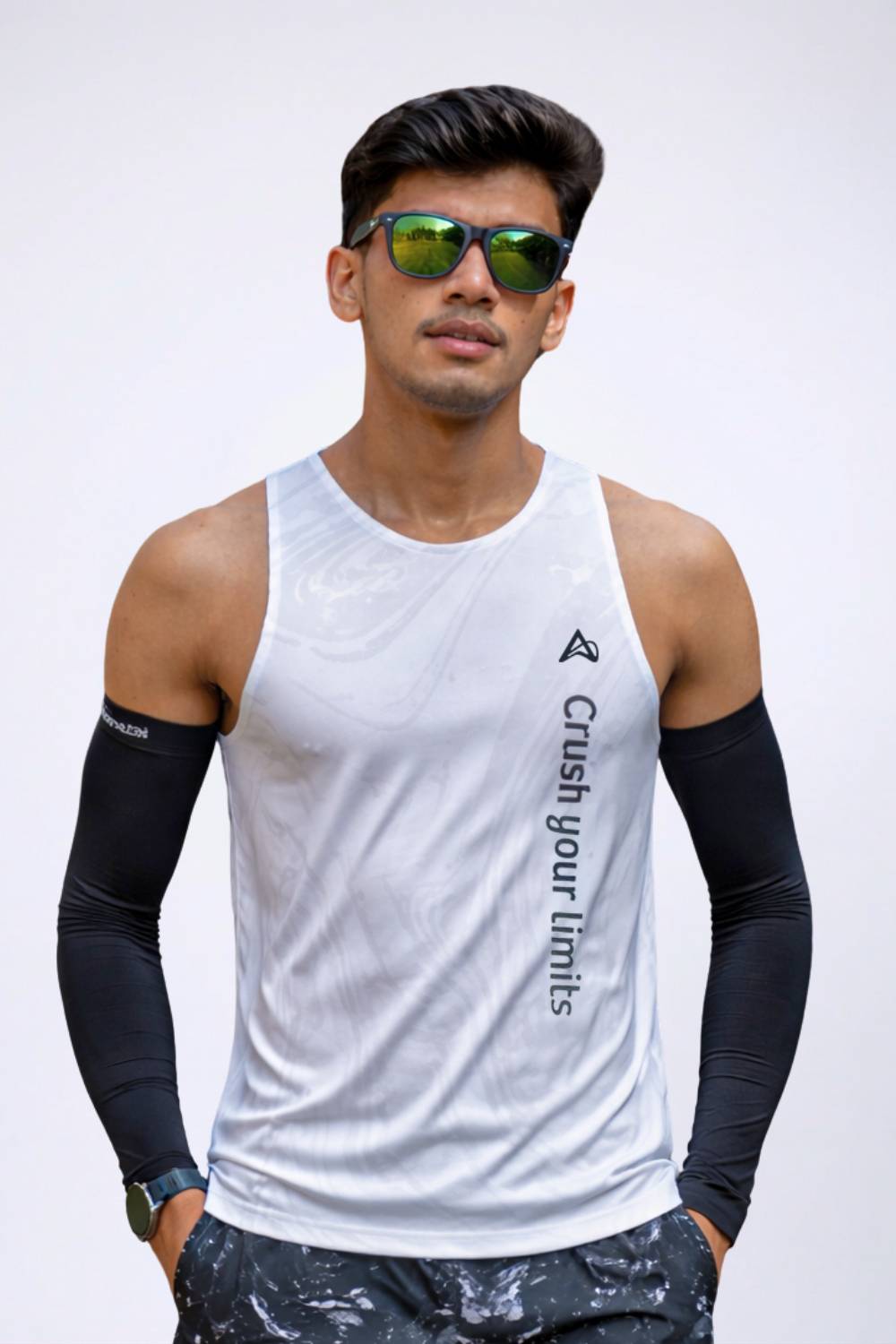

Long runs test more than endurance. They also test whether clothing can keep up with the demands of extended movement, changing weather conditions, and hours of repeated motion. A running outfit that feels comfortable for a short session may create distractions during a longer distance, where sweat buildup, friction, restricted movement, or poor temperature management can affect the experience.
Preparing for a long run starts before the first kilometre. Choosing the right clothing involves understanding how different fabrics, fits, and design features support comfort over time. For runners building distance, the goal is not simply to find something lightweight but to select apparel that works with the body's natural cooling process and movement patterns.
Tired of gear that slows you down? Chafing, soggy fabrics, and missing pockets kill your run's momentum. At Aguante, we're runners who get it. Our high-performance activewear features moisture-wicking fabrics, ergonomic designs, and smart storage to keep you focused. Shop Now!
Why Clothing Choices Matter More During Long Runs
Extended runs create conditions where small clothing issues become noticeable. A minor irritation at the beginning of a session can become a significant distraction after several kilometres. The right apparel helps runners stay focused on pacing, effort, and form rather than constantly adjusting their gear.
Long-distance running requires clothing that supports repeated movement. Fabric that manages moisture, construction that allows mobility, and a fit that stays comfortable throughout the run all contribute to a better experience. These considerations become especially important when training sessions increase in duration and intensity.
Heat management is another important factor. During exercise, the body produces additional heat and relies on sweating and heat transfer through the skin to regulate temperature. Research into athlete cooling strategies has highlighted how environmental conditions can make heat management more challenging during endurance activities. Cooling strategies for runners demonstrate why clothing should be considered part of overall preparation rather than an afterthought.
Start with Fabric That Supports Sweat Management
One of the first considerations when choosing clothing for long runs is how the fabric handles moisture. Sweat is a natural part of endurance exercise, but clothing that holds excessive moisture can feel heavier and less comfortable as the run continues.
Moisture wicking running wear is designed to move sweat away from the skin, allowing evaporation to support comfort during activity. However, the effectiveness of a garment depends on more than the fabric label. Construction, ventilation, and overall design influence how well clothing performs during sustained movement.
Runners often benefit from choosing materials that feel comfortable across different training conditions rather than selecting apparel based only on how it feels when standing still. A garment should support the demands of movement, airflow, and changing body temperature throughout the session.
Look Beyond Fabric Names
Two garments made from similar materials can perform differently depending on how they are constructed. Breathability, air movement, and the way fabric interacts with the skin all influence comfort during longer distances.
For runners preparing for endurance training, the better question is not simply whether a fabric is lightweight. It is whether the clothing system helps manage sweat, reduces discomfort, and supports consistent movement from the beginning to the end of a run.
Choose a Fit That Supports Natural Movement
Fit plays an important role in determining whether clothing supports or distracts from performance. Running apparel should allow freedom of movement without creating unnecessary friction or requiring constant adjustment.
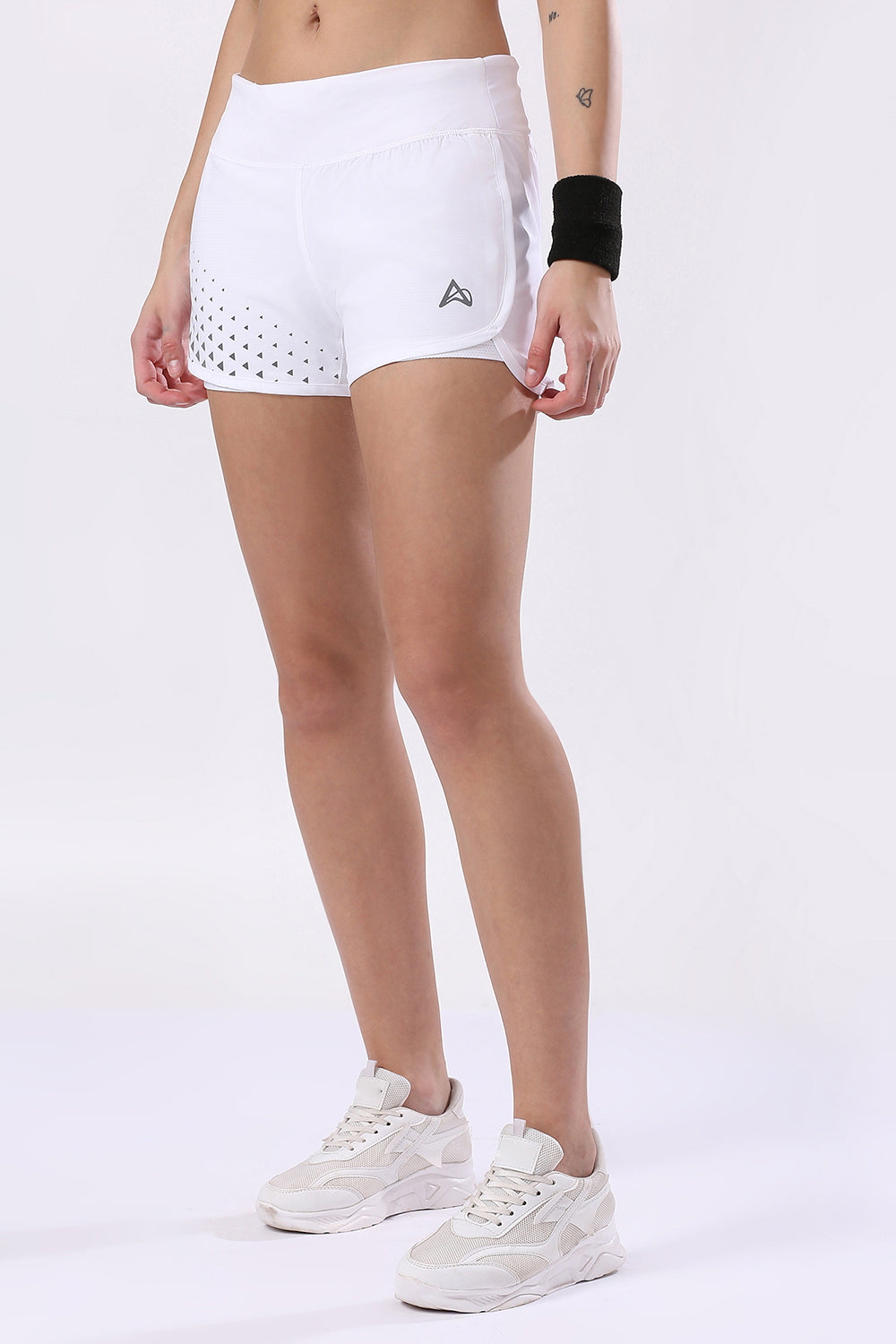
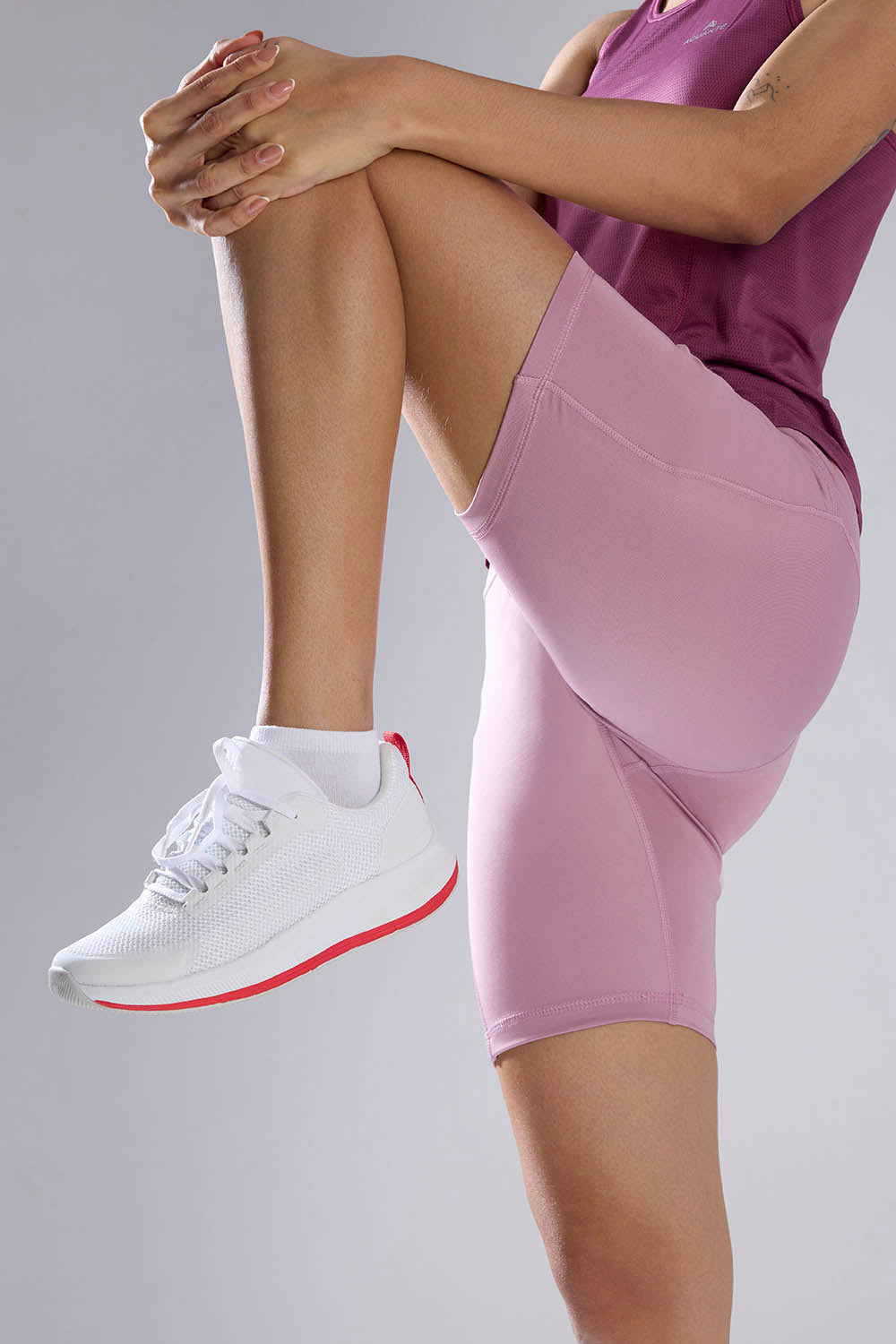
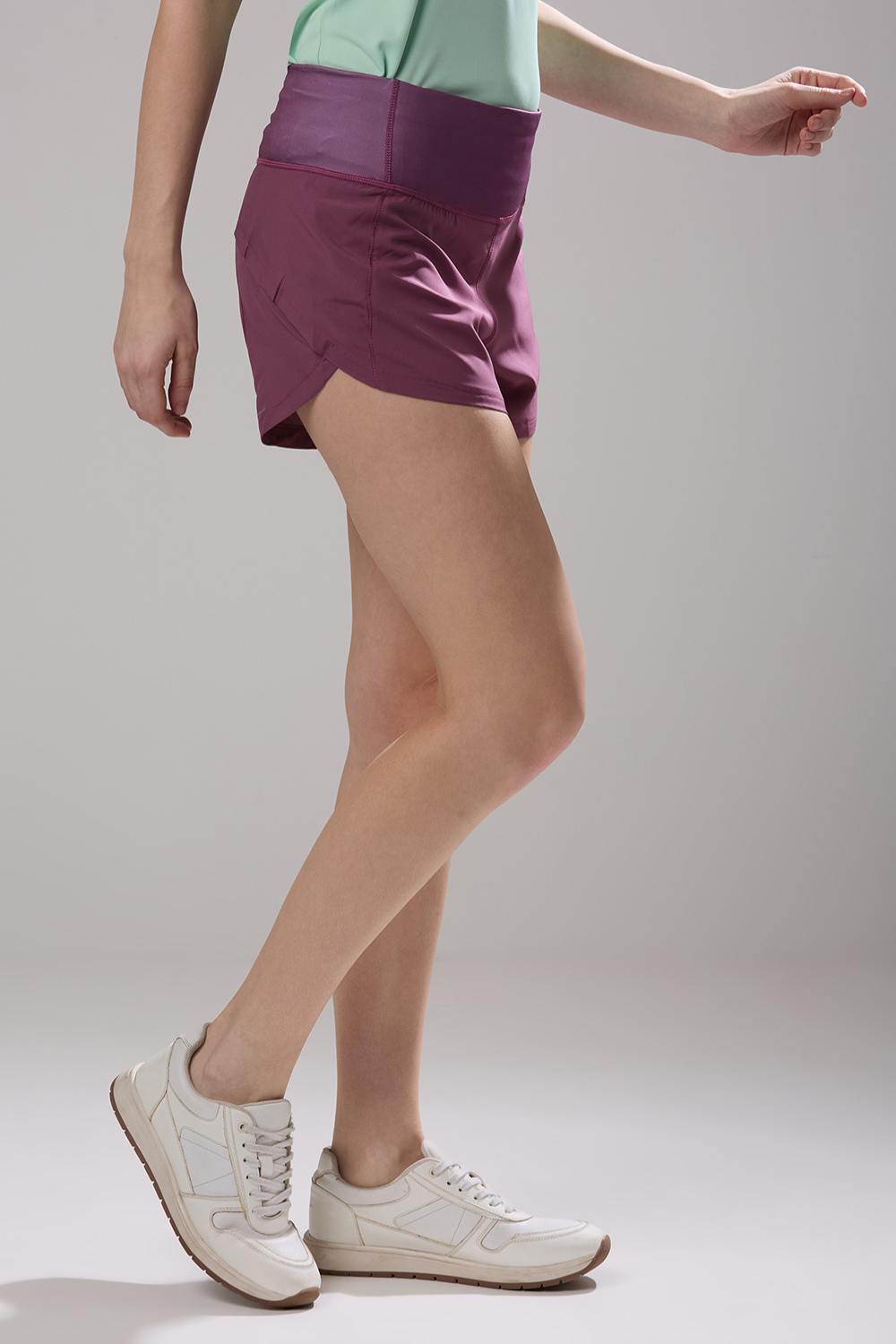
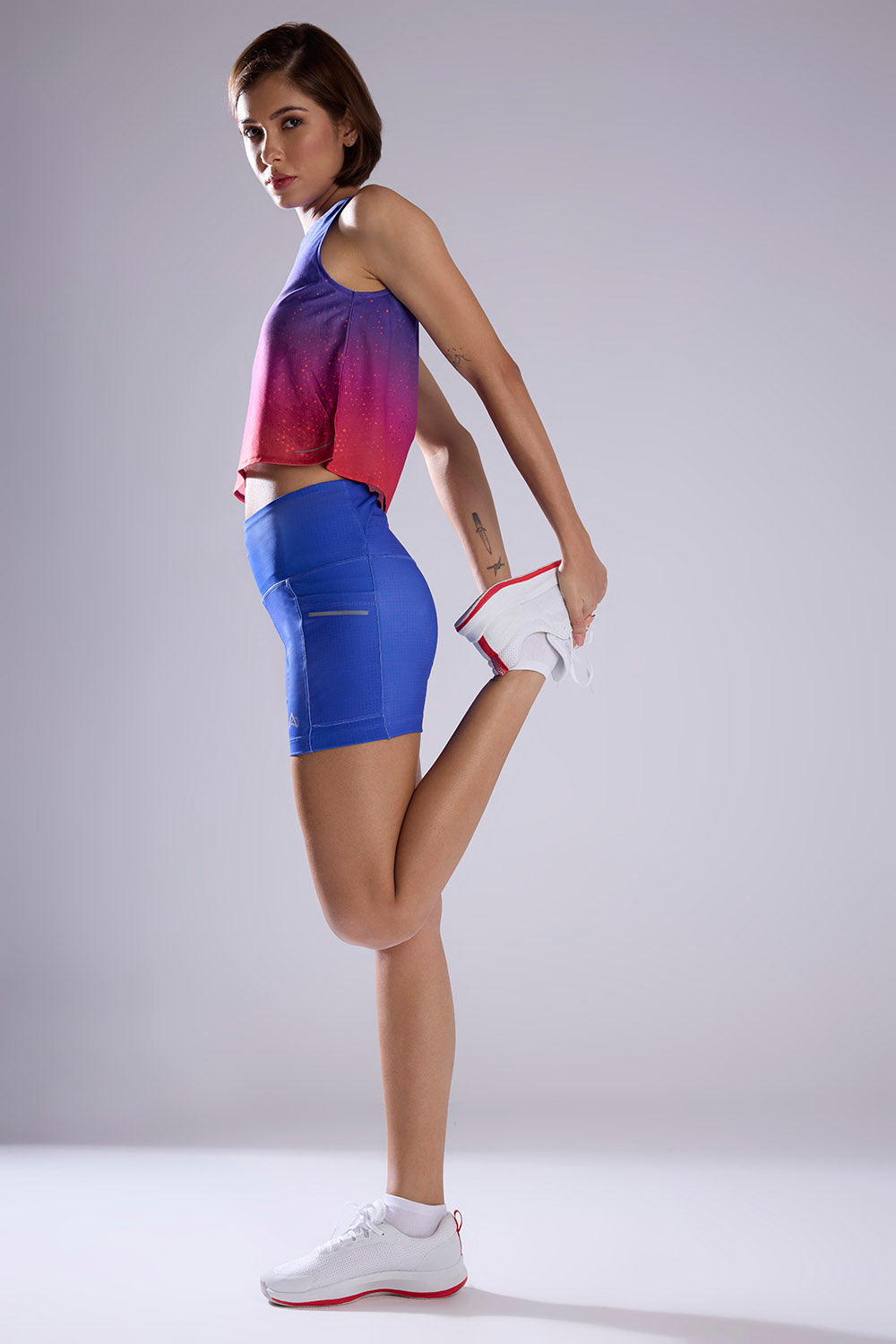
A well-designed running outfit for long distance training considers how the body moves repeatedly over time. Shorts, tights, tops, and other layers should work with a runner's stride rather than restricting motion or creating pressure points.
For runners searching for what to wear for long distance running, the answer depends on personal comfort, training conditions, and individual movement patterns. Some runners prefer a closer fit that stays stable during faster sessions, while others may prefer more relaxed designs for longer, steady efforts.
The key is consistency. Long runs are not the ideal time to test unfamiliar clothing. Runners should understand how garments feel after extended use before relying on them for demanding training sessions or events.
Consider Weather Conditions Before Every Long Run
Clothing decisions should reflect the conditions of the planned route. Temperature, humidity, sun exposure, and wind can all influence how a runner experiences a long session.
Research on extreme heat clothing shows that thermal comfort depends on several factors, including fabric permeability, garment construction, fit, and the activity being performed. Choosing fabrics for extreme heat highlights why runners should evaluate clothing as a complete system rather than focusing on one feature alone.
Hot and humid conditions may require clothing that prioritizes ventilation and sweat evaporation. Cooler conditions may require layering strategies that allow runners to manage changing temperatures throughout the workout.
The same clothing choice may not work equally well throughout the year. Successful long-run preparation involves adapting apparel choices to the environment instead of following a single routine for every session.
Build a Reliable Long-distance Running Clothing System
Preparing for longer distances becomes easier when runners develop a reliable clothing routine. Instead of choosing individual items randomly, they can think about how different pieces work together during training.
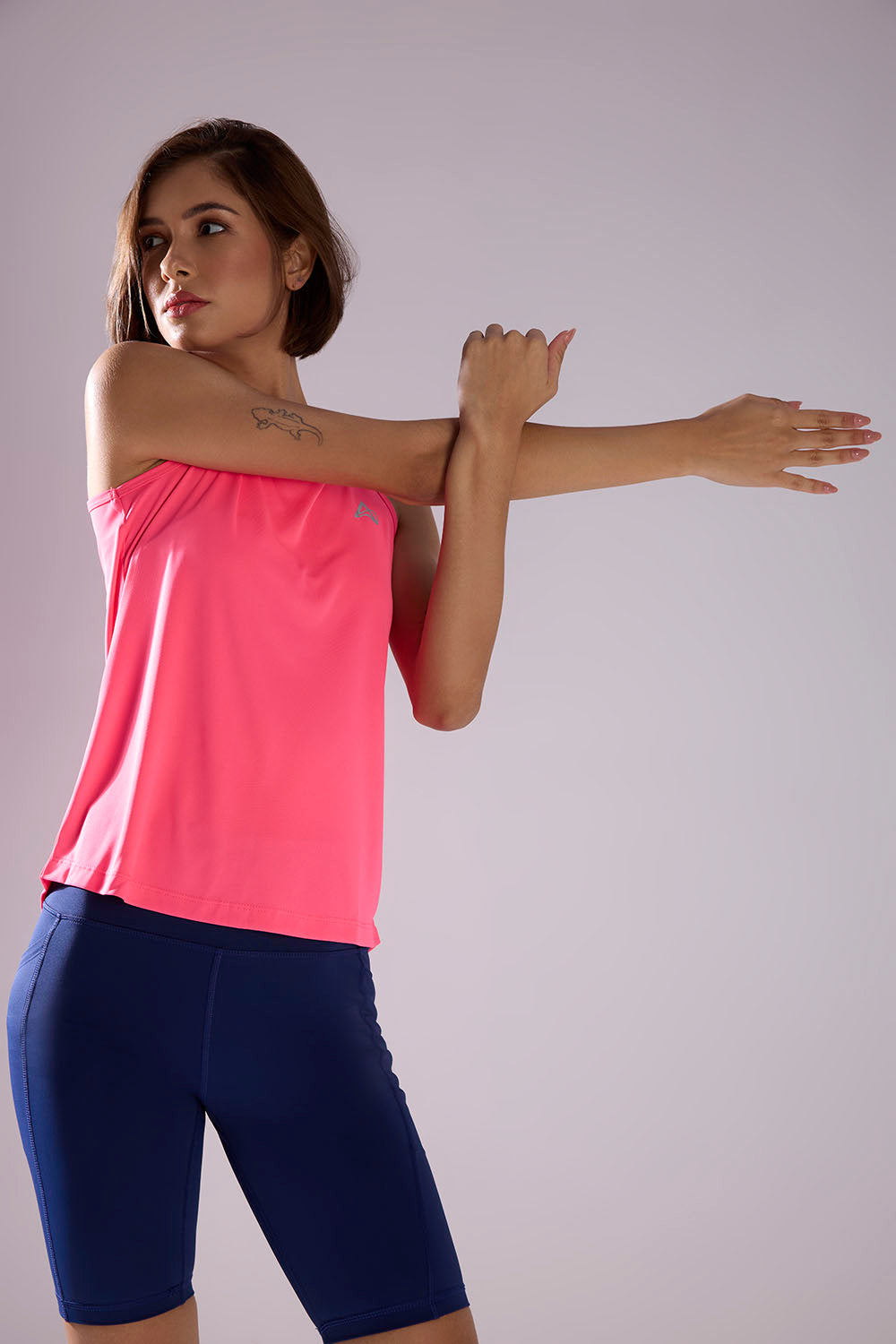
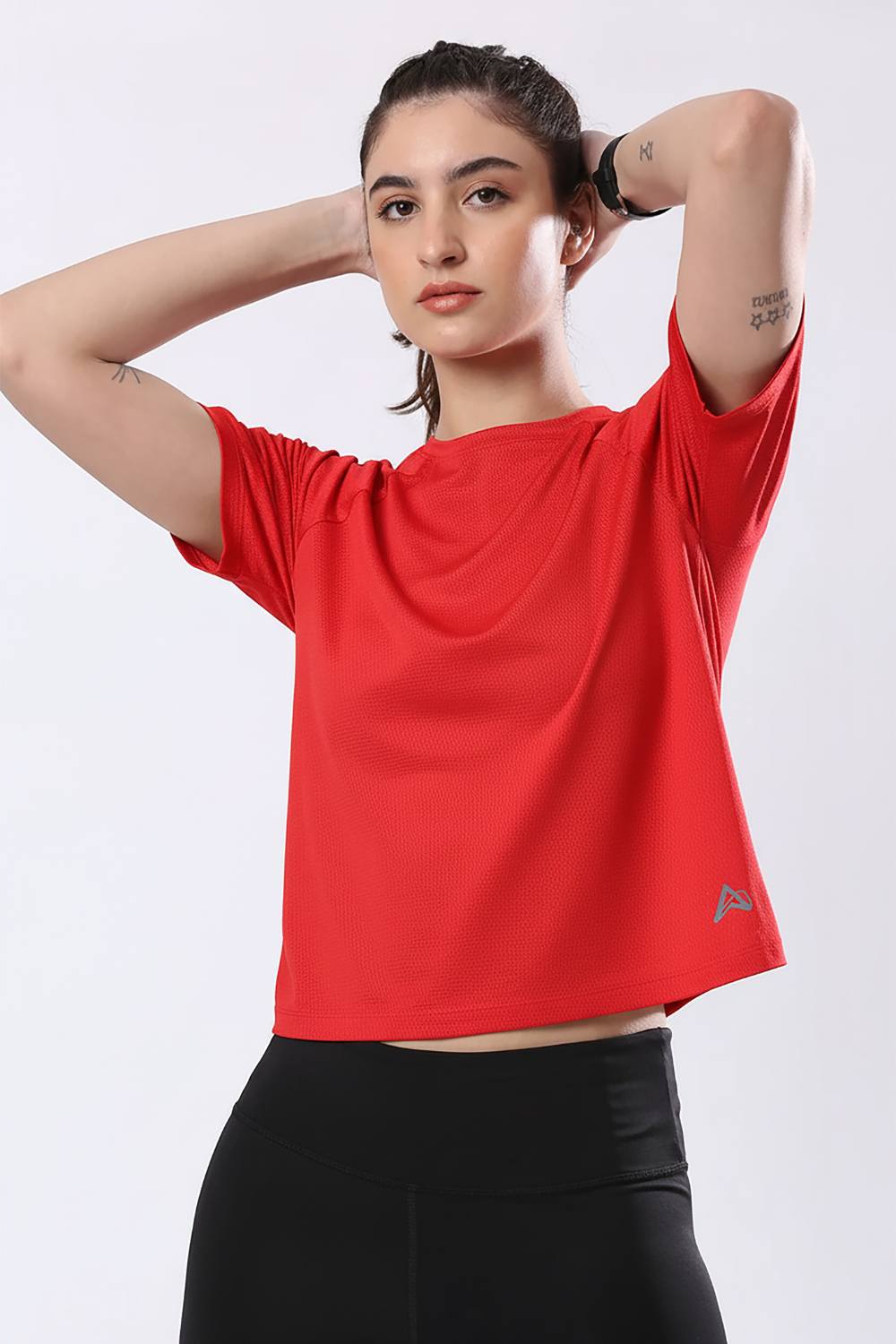
- Base layers: Select tops that support moisture management and comfort during extended movement.
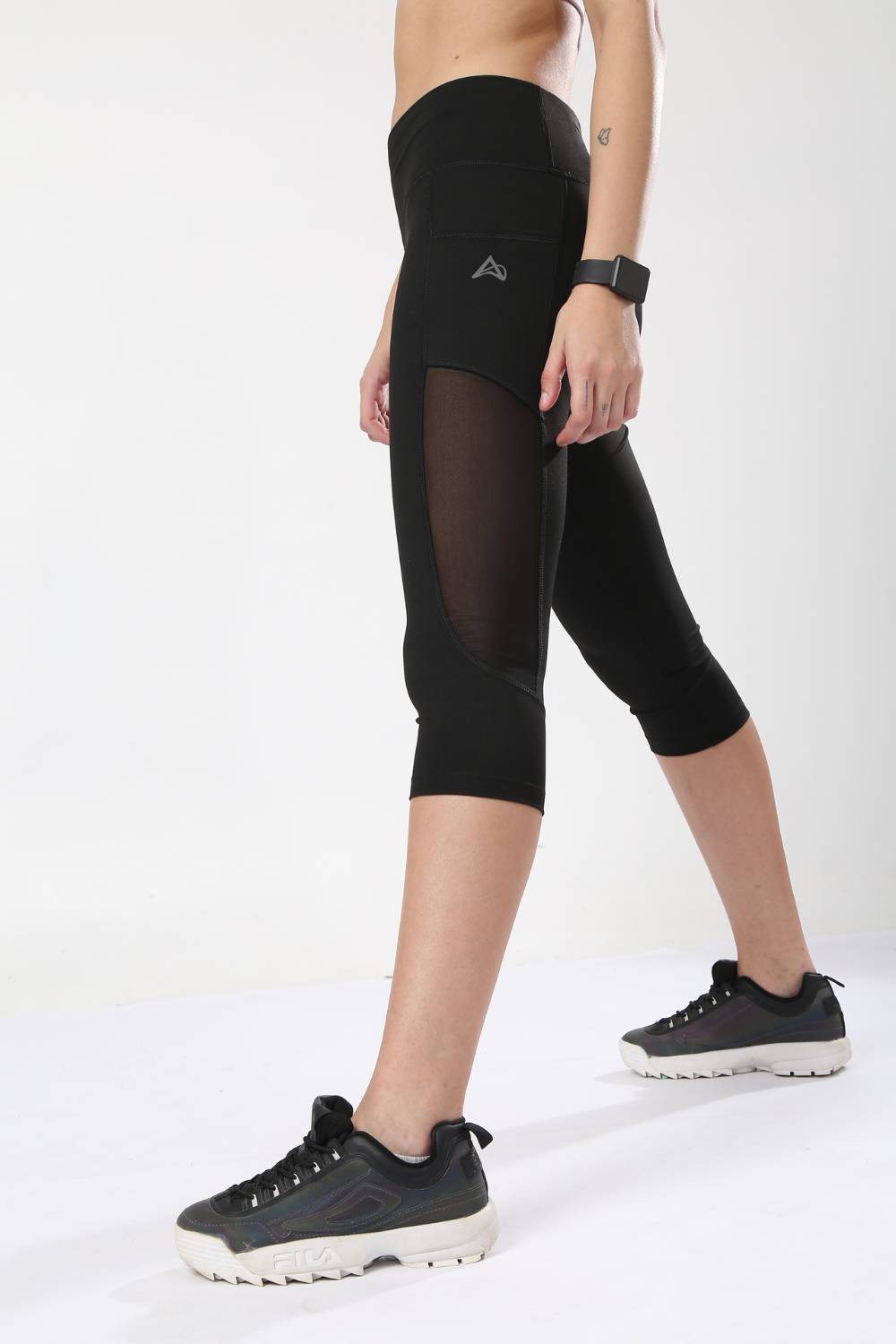
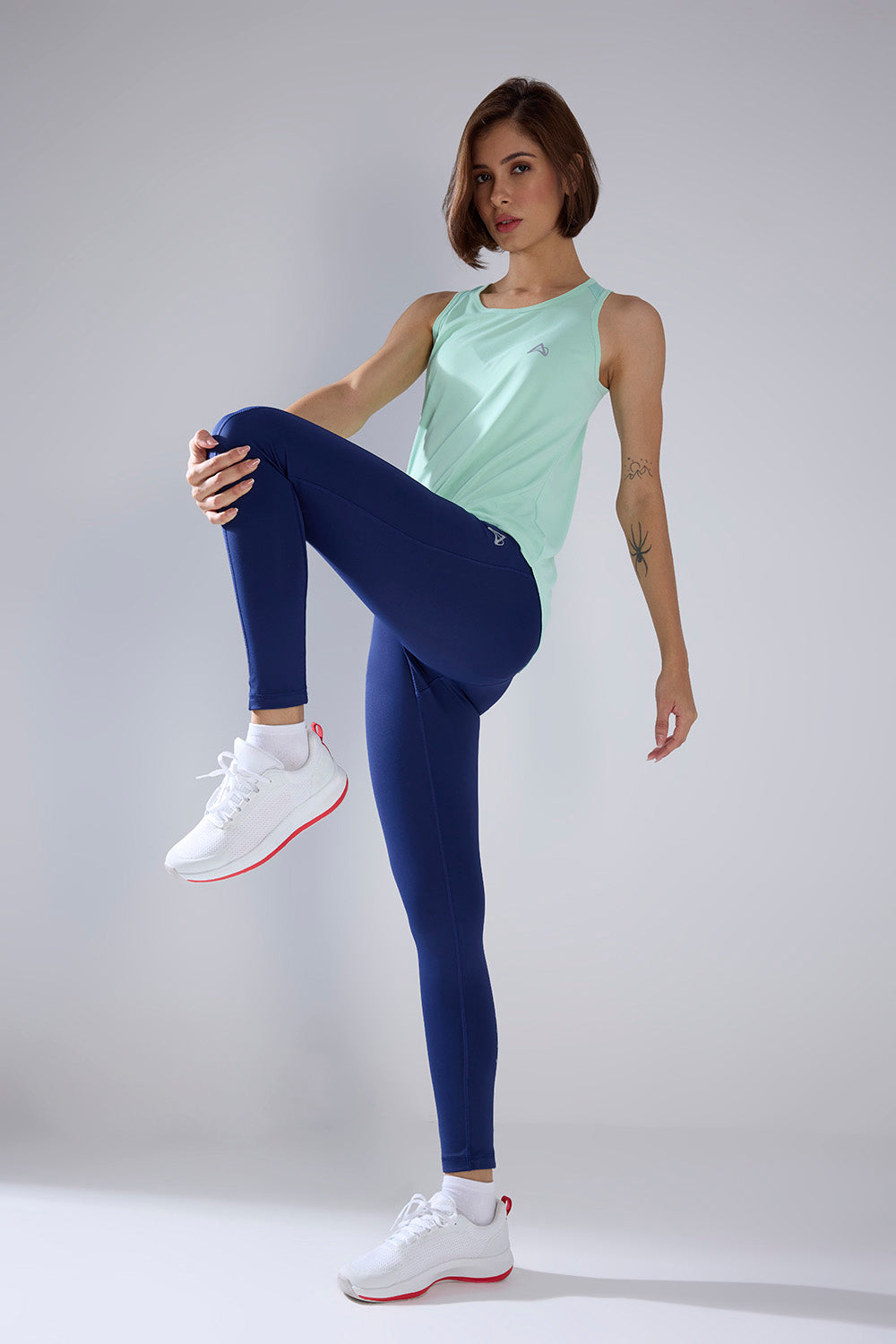
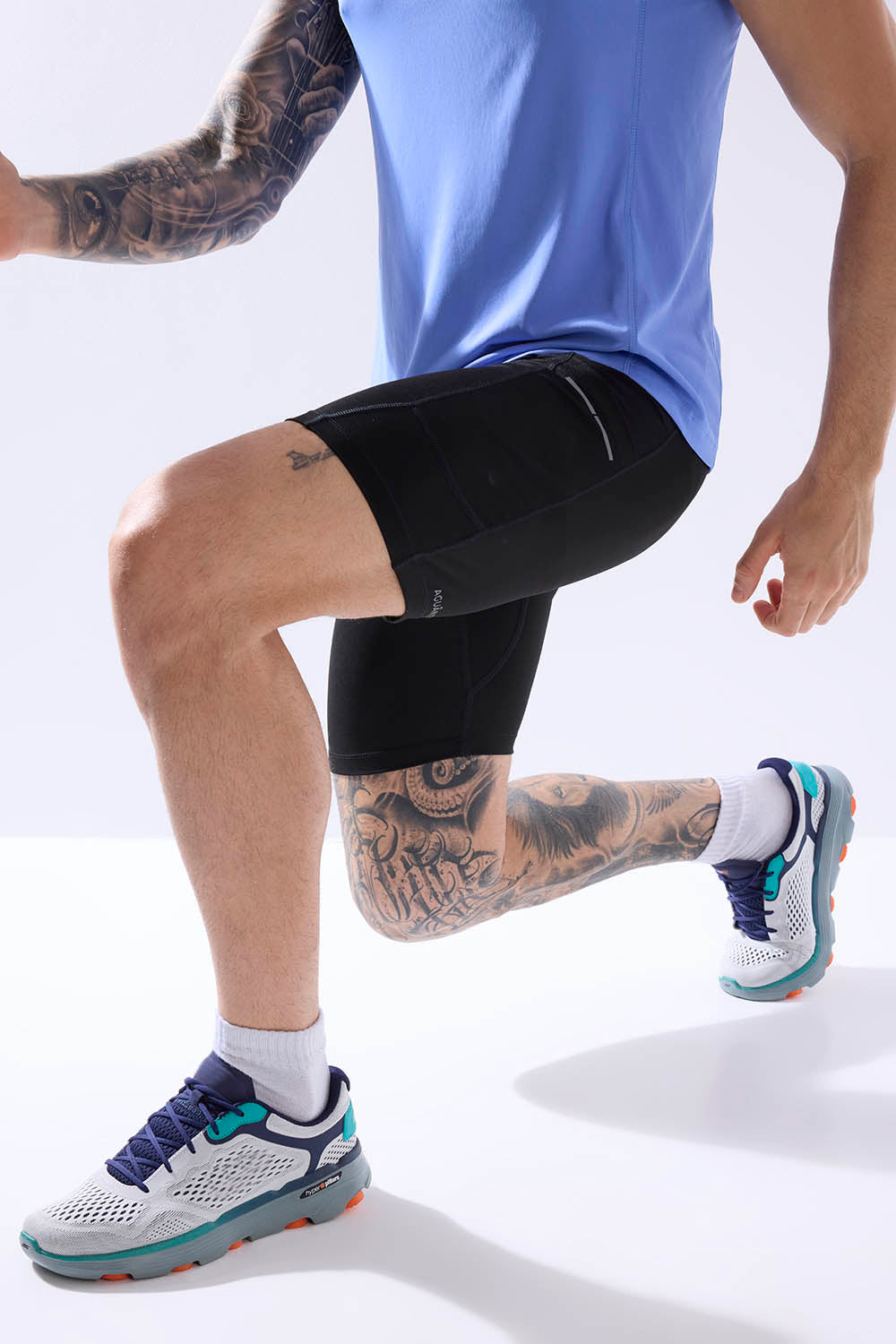
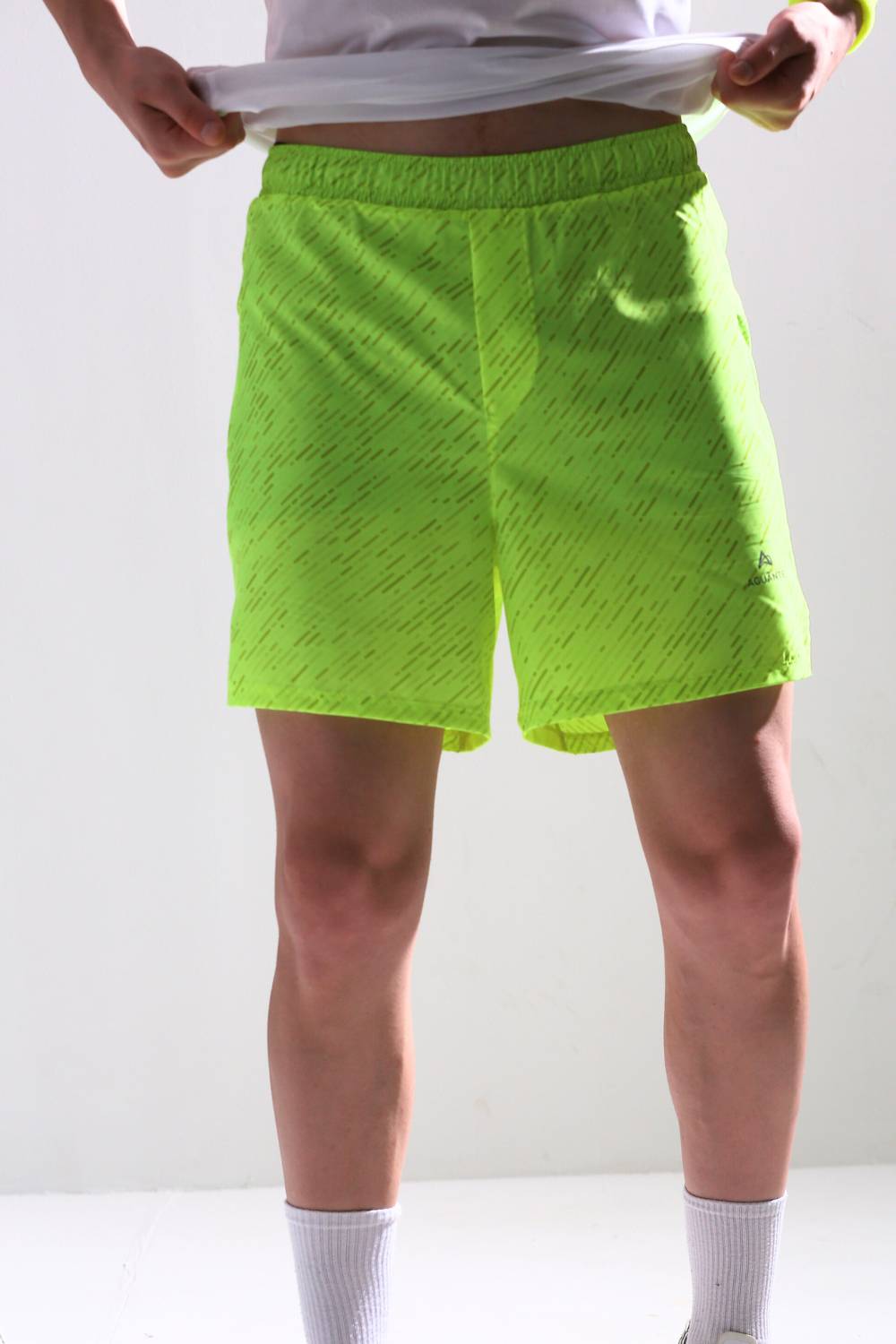
- Lower-body apparel: Choose shorts, tights, or track pants that allow natural stride movement and reduce irritation.
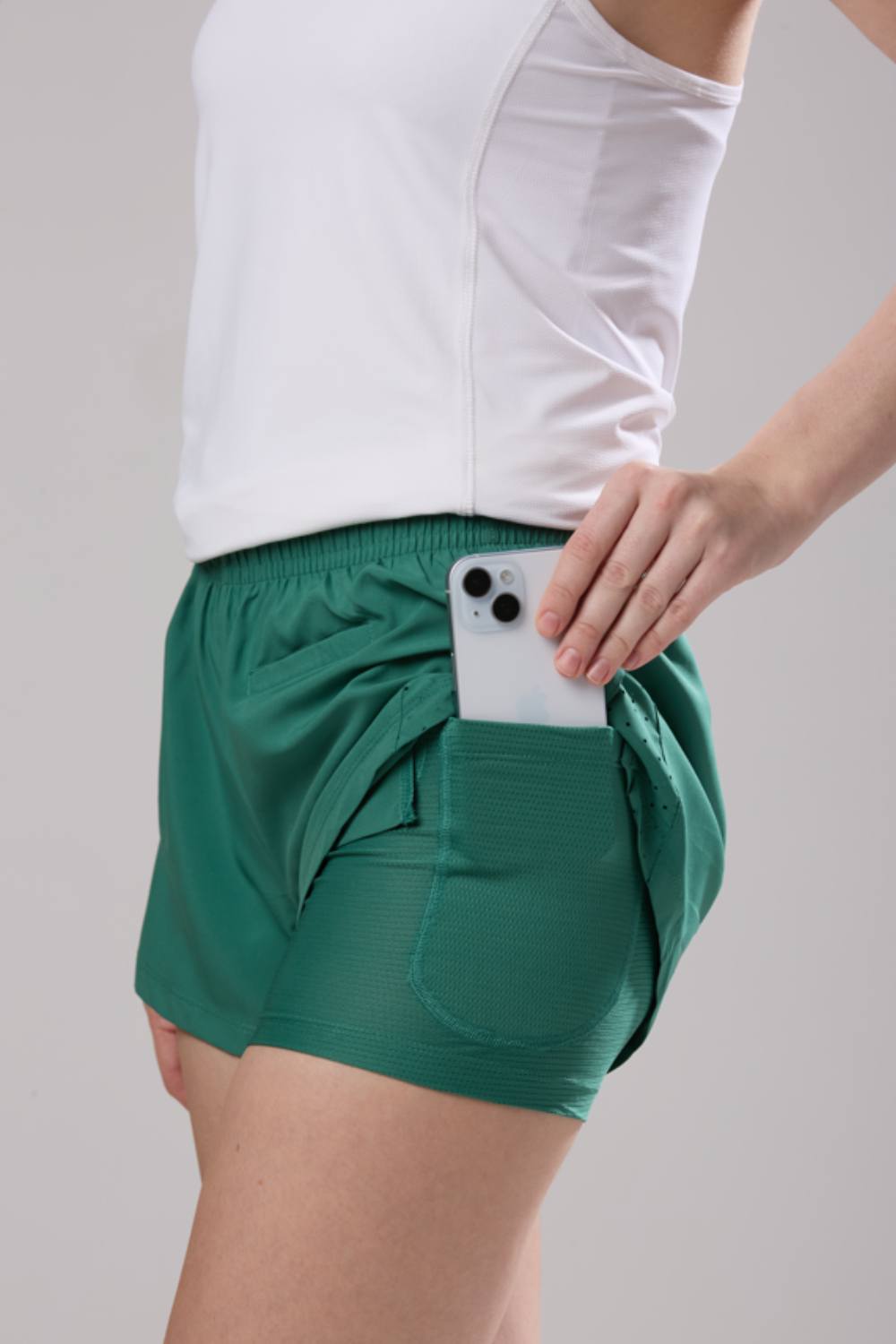
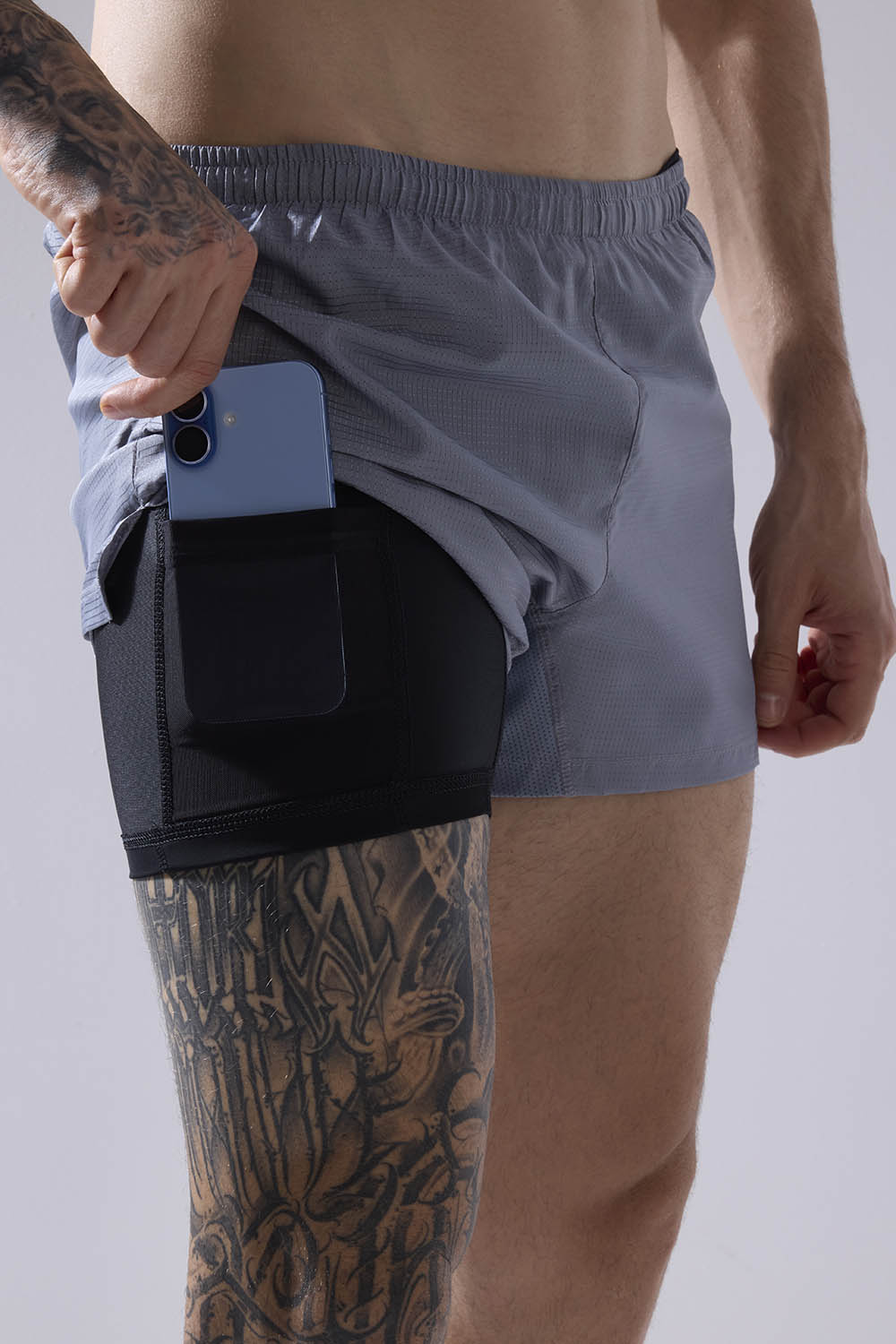
- Storage features: Consider practical details that help carry essentials without affecting movement.
- Visibility features: Reflective elements can be useful when running in lower-light conditions.
- Layering approach: Adjust clothing choices based on temperature, route conditions, and personal comfort.
These decisions help runners create a repeatable preparation process. The objective is not to wear the most complicated setup but to develop a combination that supports confidence and consistency.
Common Mistakes When Choosing Long Run Clothing
Many running clothing problems come from treating long runs like shorter workouts. Apparel that works for a quick session may not provide the same comfort over a much longer distance.
One common mistake is prioritizing appearance over function. While style can influence confidence, clothing performance depends on factors such as comfort, movement, and moisture management.
Another mistake is ignoring personal experience. Running apparel recommendations can provide guidance, but each runner responds differently to fabric textures, fits, and weather conditions. Testing clothing during training helps identify what works before important runs.
Runners should also avoid making major clothing changes immediately before a challenging session. Familiar equipment reduces uncertainty and allows attention to remain on training goals.
How the Right Apparel Supports Better Training Habits
The right clothing does more than improve physical comfort. It can support better training habits by reducing unnecessary distractions and helping runners approach long sessions with confidence.
For endurance athletes, preparation is built through small decisions. Planning hydration, route selection, pacing, and clothing together creates a more complete approach to long-distance running.
Aguante's focus on performance apparel connects with this preparation mindset by addressing the practical needs runners consider when selecting training clothing. Features such as comfortable construction, functional design, and runner-focused details align with the broader goal of helping athletes focus on the run itself.
Whether someone is preparing for a first long-distance milestone or building consistency through regular endurance training, clothing remains an important part of the process. The best running clothes for long runs are those that help runners feel comfortable, prepared, and ready to maintain their effort over distance.
The Right Apparel for Long Runs
Long runs require more than physical endurance. They require preparation that considers how the body moves, manages heat, and responds to hours of activity. Choosing the right clothing helps runners reduce discomfort and create a more consistent experience during training.
By focusing on moisture management, fit, weather conditions, and practical features, runners can build a dependable approach to long-distance preparation. The right apparel does not replace training, but it can help remove unnecessary barriers and allow runners to concentrate on reaching their goals.
Frequently Asked Questions
What clothing should I wear for long distance running?
For long distance running, choose clothing that supports comfort, movement, and sweat management throughout the entire session. Moisture wicking running wear, breathable fabrics, and a comfortable fit can help reduce distractions caused by sweat buildup, friction, and restricted movement.
How do I choose the best running clothes for long runs?
The best running clothes for long runs should match your training conditions, personal comfort, and movement needs. Consider factors such as fabric performance, fit, weather conditions, storage features, and whether the apparel remains comfortable after extended use.
Why is moisture management important in long distance running apparel?
Moisture management helps runners stay more comfortable by supporting sweat evaporation during extended activity. Long distance running apparel designed for effective moisture handling can help reduce discomfort and allow runners to focus on pacing and endurance goals.
Disclaimer: The above helpful resources content contains personal opinions and experiences. The information provided is for general knowledge and does not constitute professional advice.
You may also be interested in: How Fabric Choices Influence Comfort During Endurance Training
Tired of gear that slows you down? Chafing, soggy fabrics, and missing pockets kill your run's momentum. At Aguante, we're runners who get it. Our high-performance activewear features moisture-wicking fabrics, ergonomic designs, and smart storage to keep you focused. Shop Now!
Powered by flareAI.co