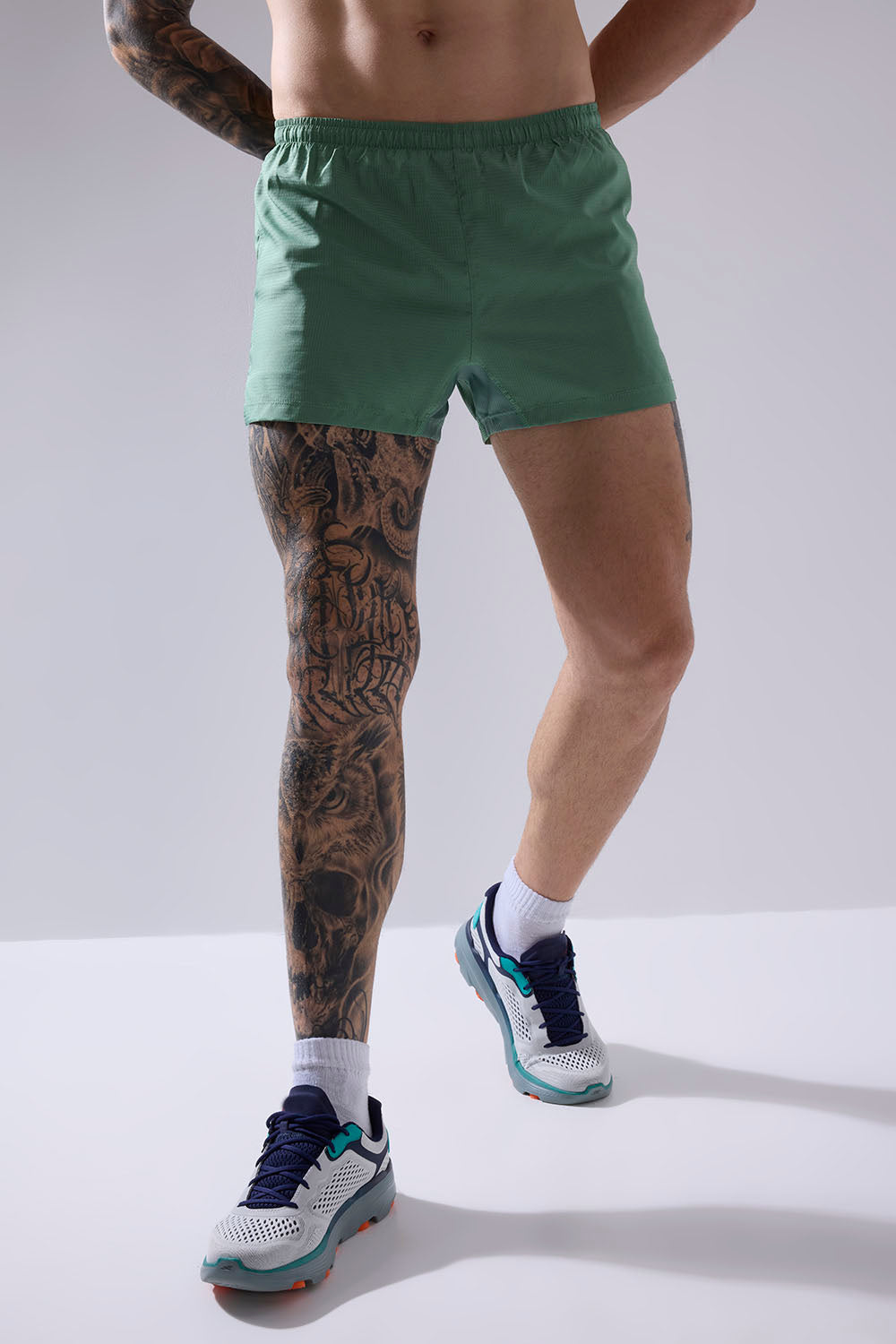
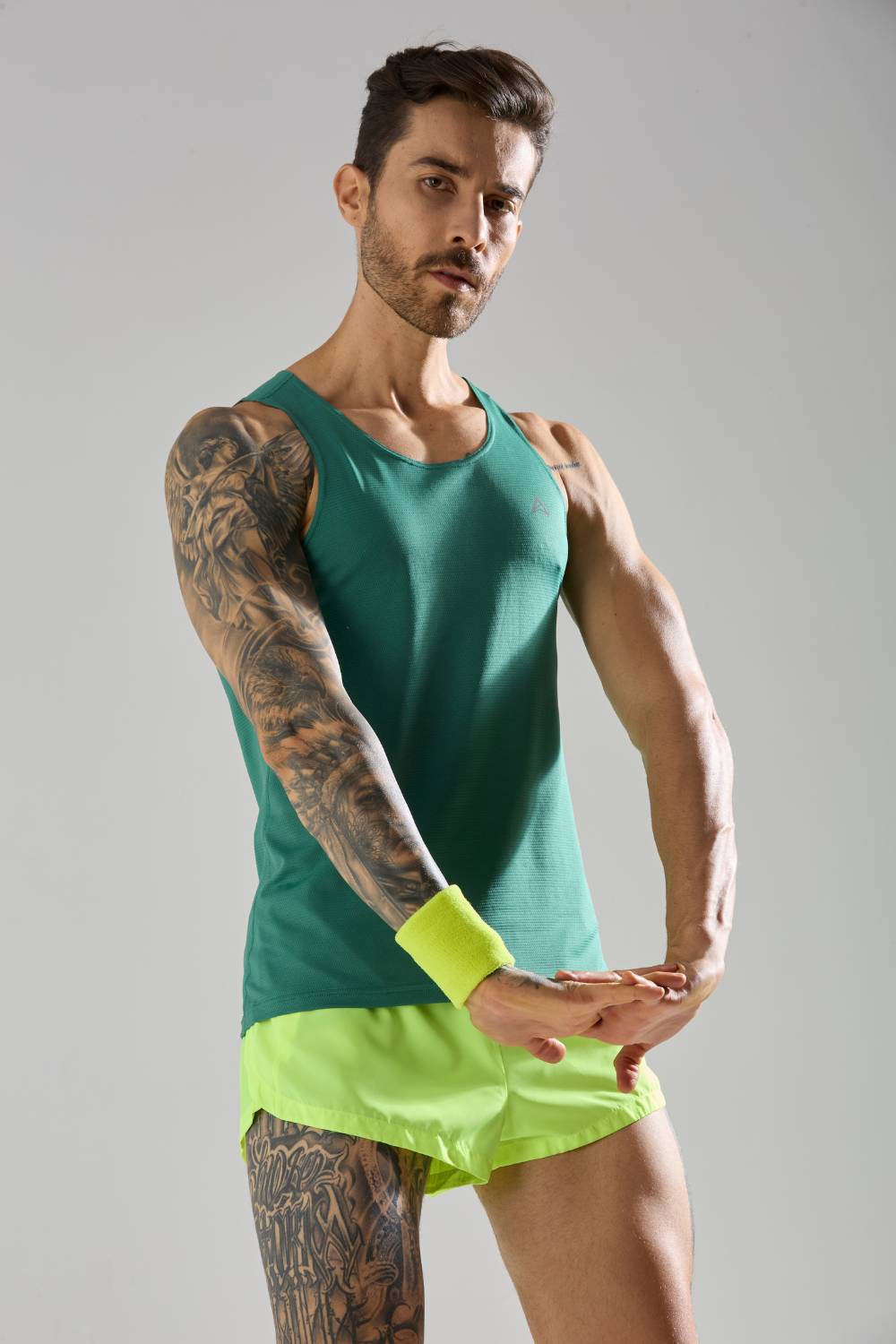
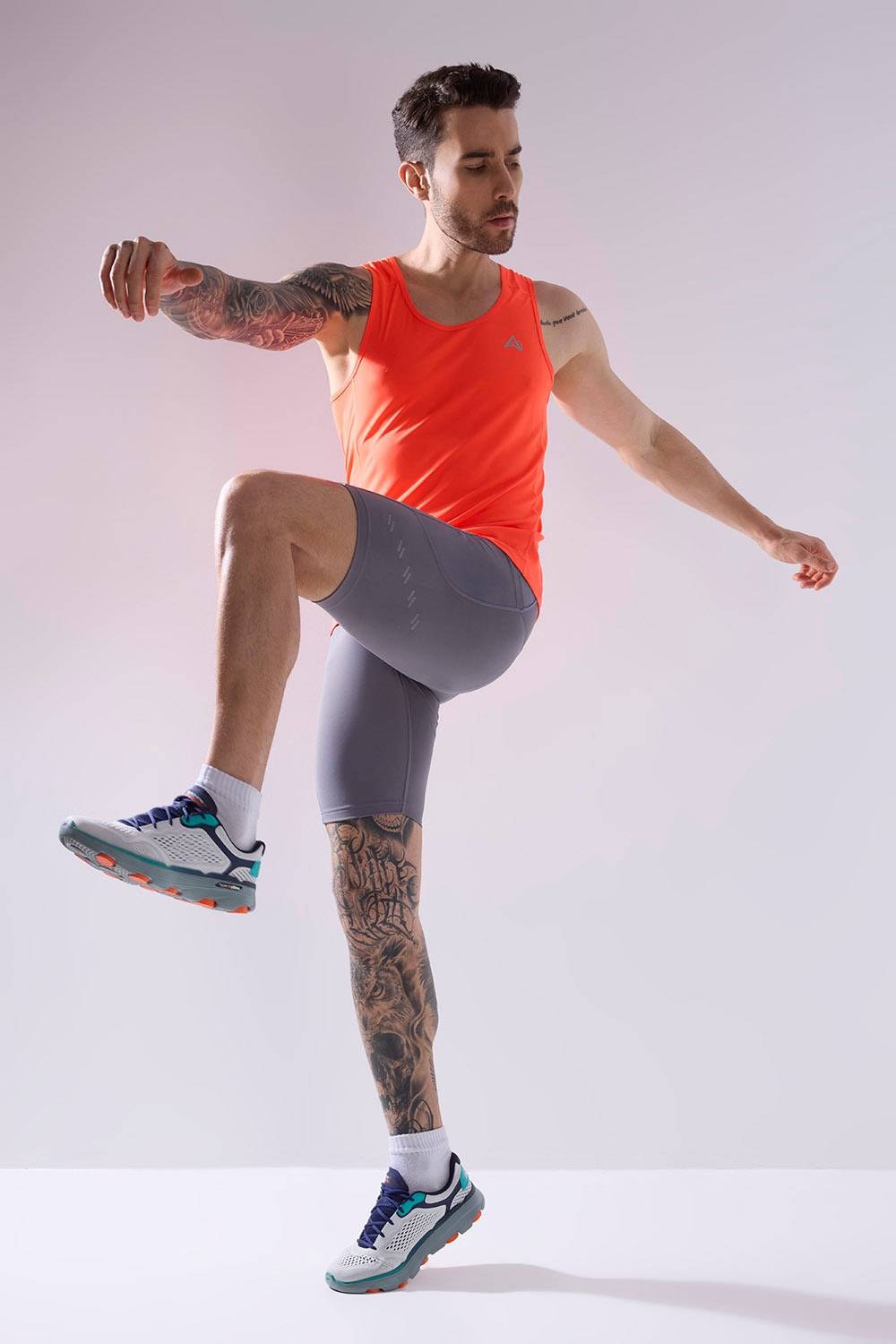
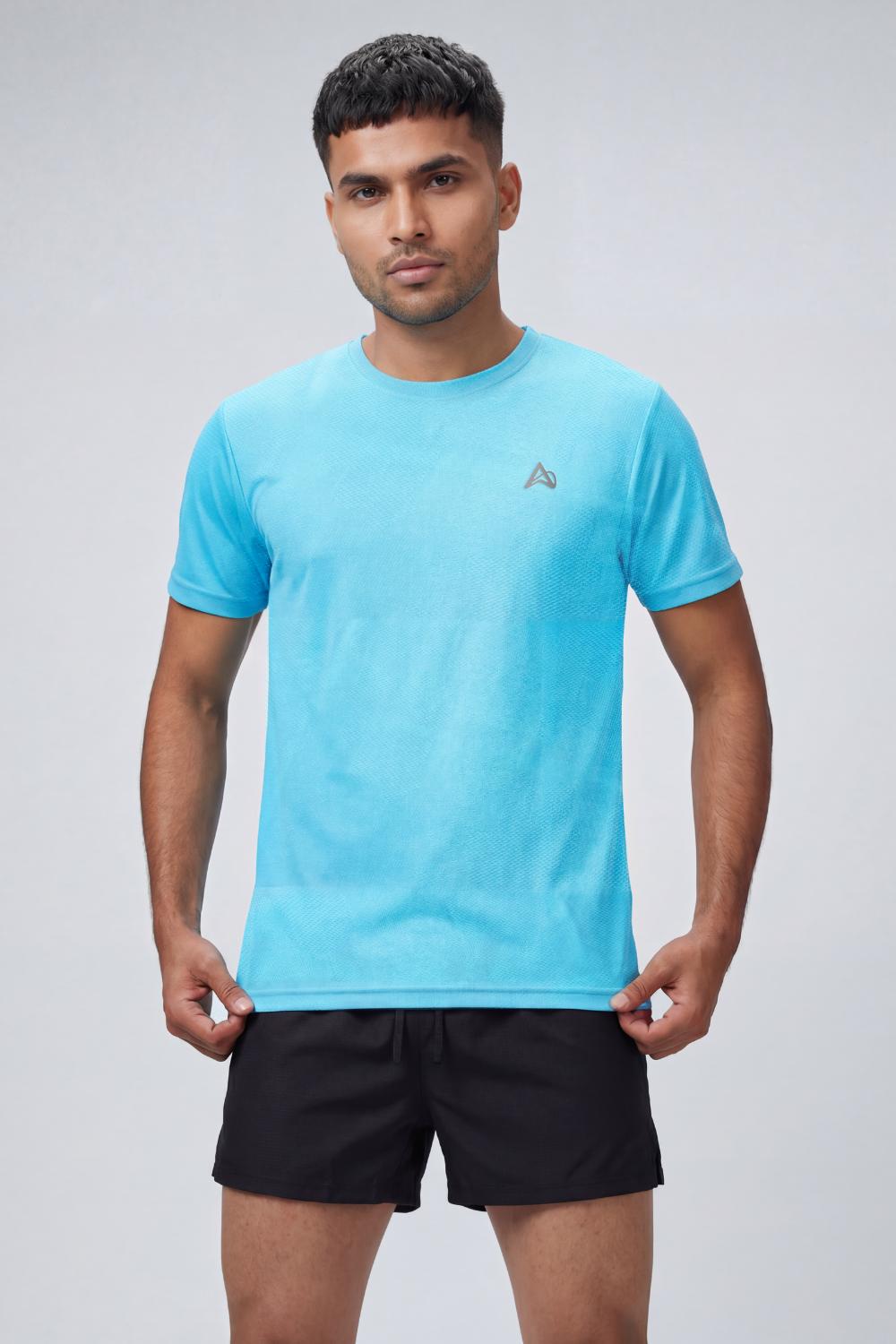
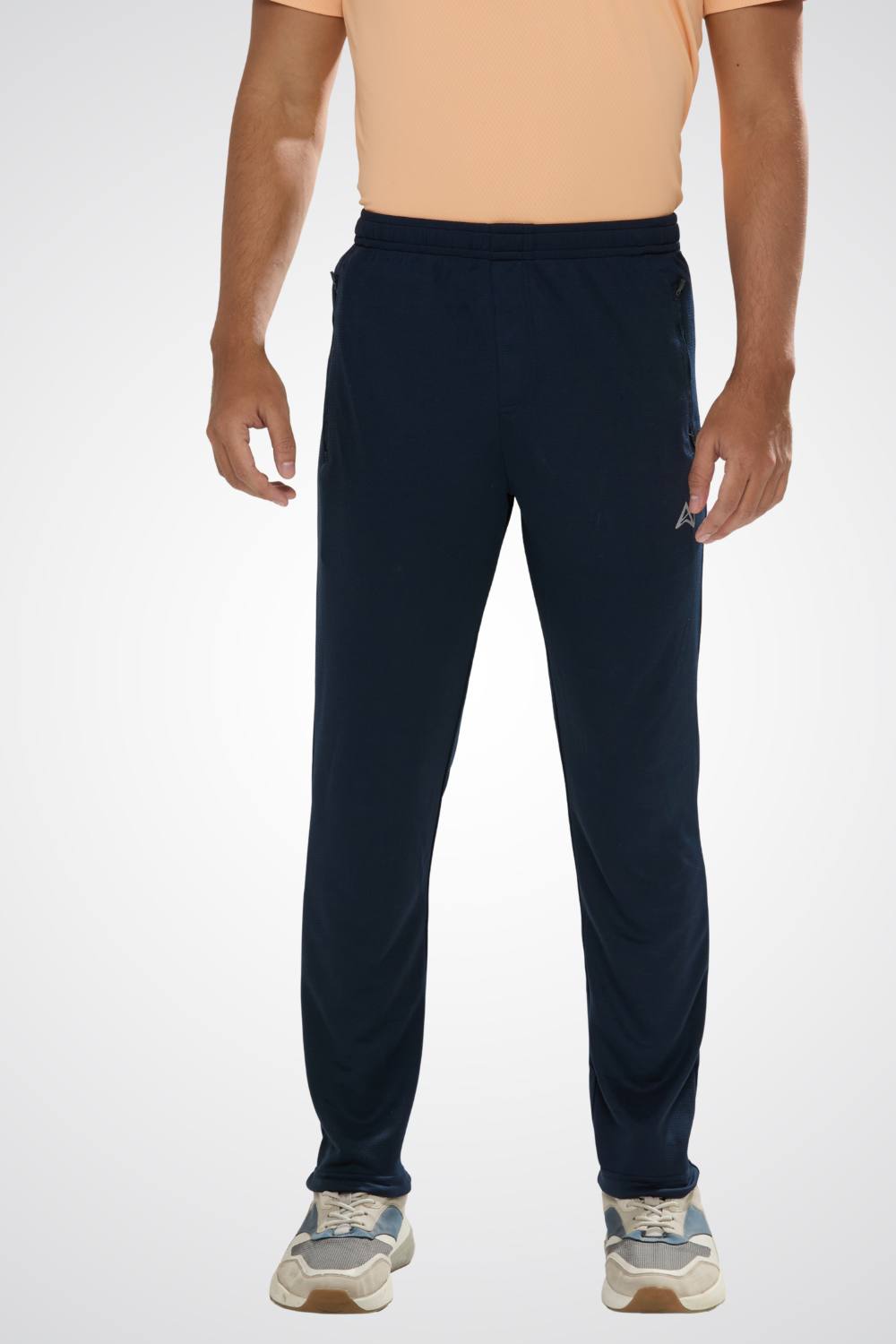
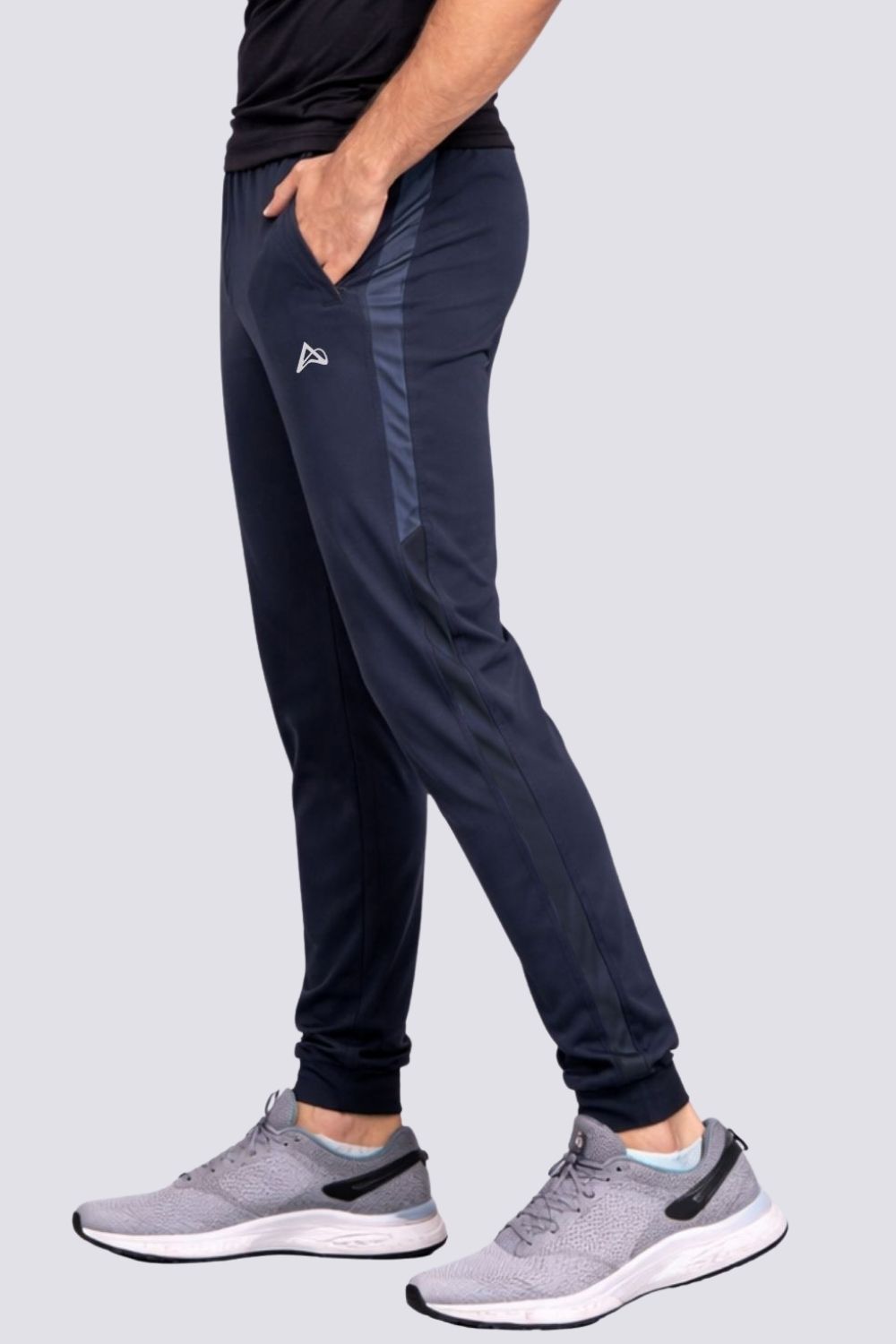
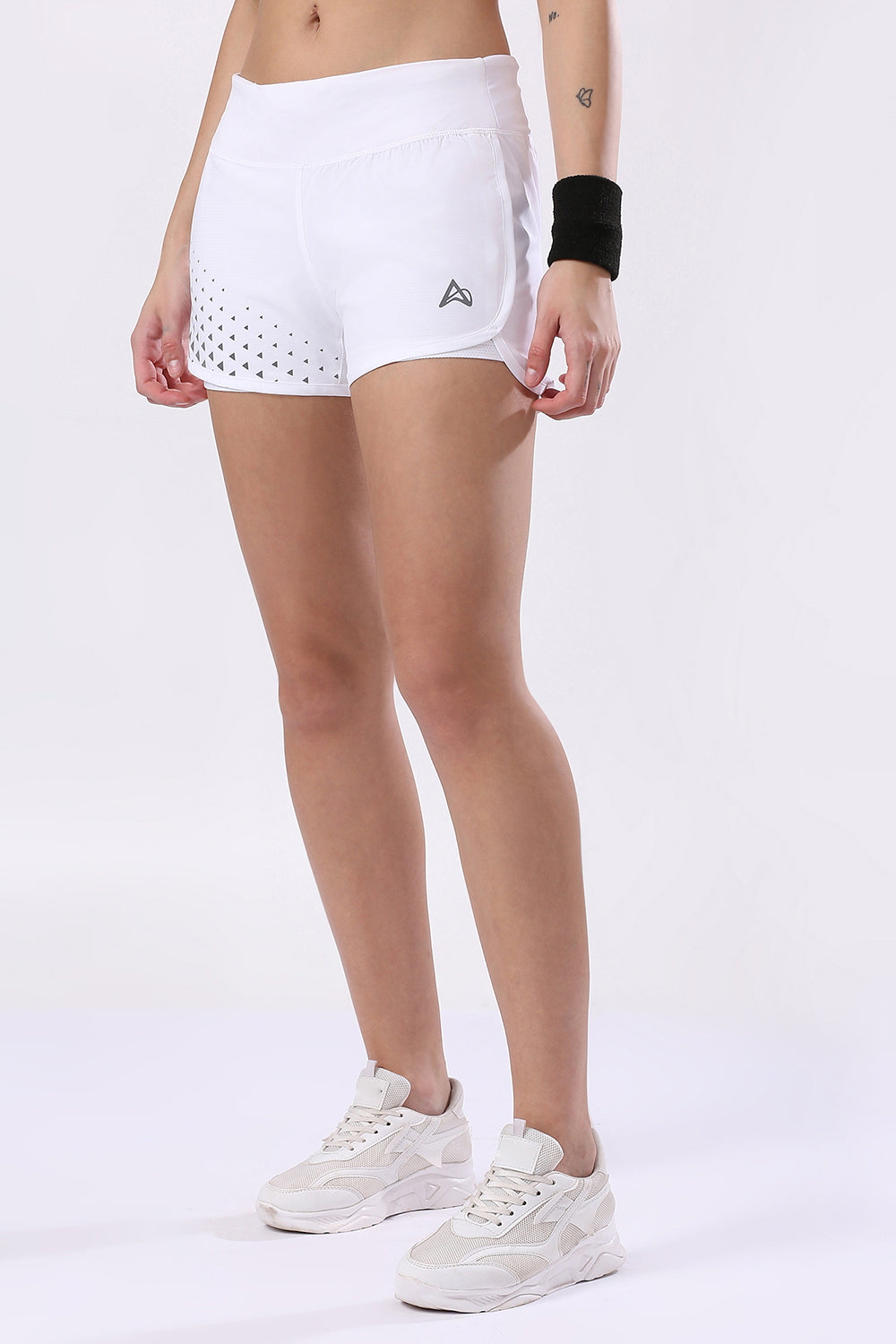
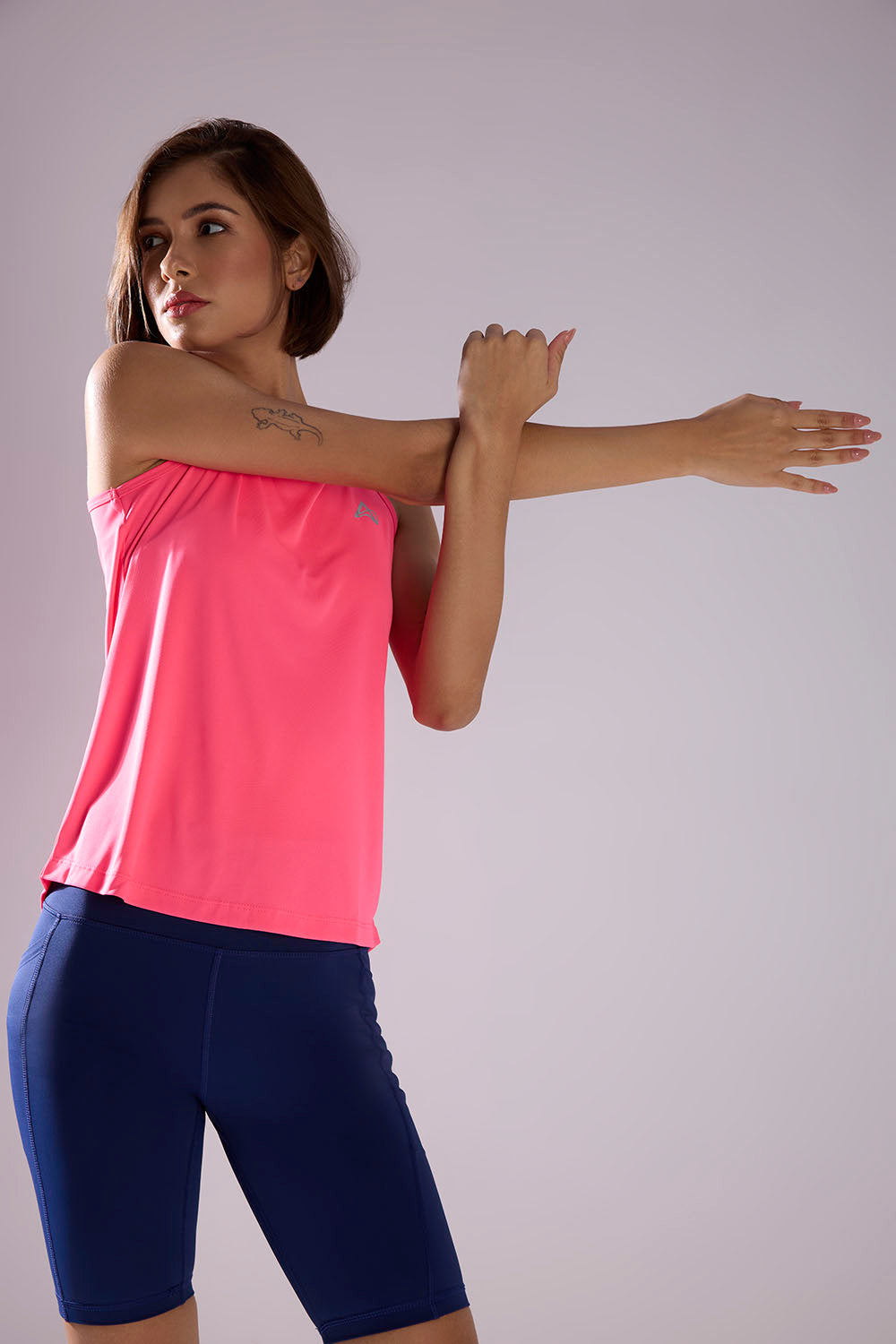



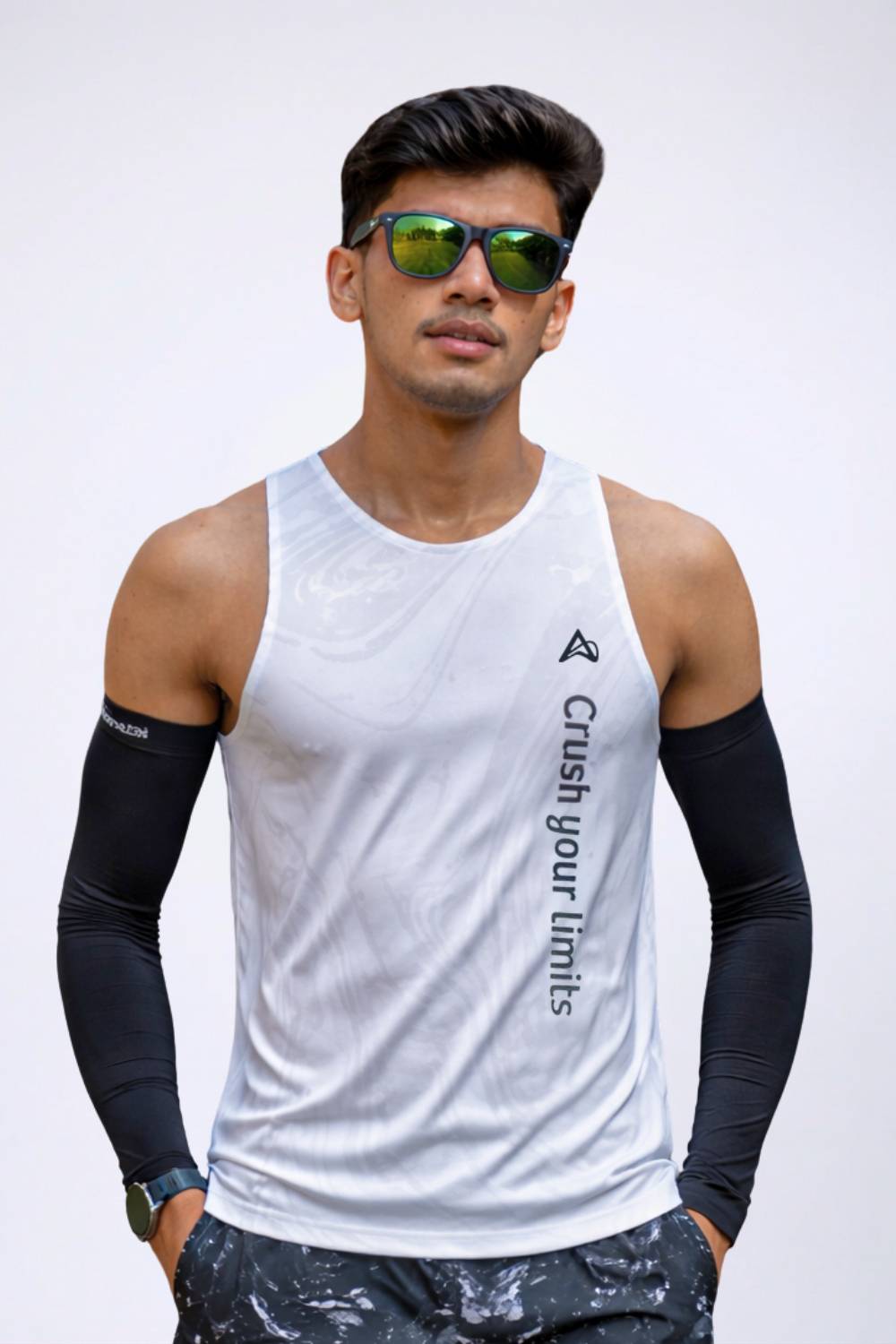

When selecting performance running shorts, the decisions go far beyond choosing a comfortable pair of bottoms. Runners and joggers in cities across India are turning to high-performance options that manage heat, wick moisture, and support long-distance runs without distraction. Understanding the technical features and how they interact with the body during activity can make the difference between a smooth training session and one that leaves you feeling restricted or overheated.
Tired of gear that slows you down? Chafing, soggy fabrics, and missing pockets kill your run's momentum. At Aguante, we're runners who get it. Our high-performance activewear features moisture-wicking fabrics, ergonomic designs, and smart storage to keep you focused. Shop Now!
The Critical Role of Moisture Management in Running Shorts
Moisture management sits at the heart of any performance running short. Sweat builds up during runs, and poor wicking leads to irritation, reduced comfort, and even chafing on long routes or intense sessions. Modern fabrics pull sweat away from the skin and promote quick evaporation, helping keep runners cooler and drier.
Engineered textiles now handle this task with precision. They move moisture outward so it can evaporate efficiently, which matters most in warm conditions common in urban running circuits. The right construction also reduces friction that can develop after extended miles, preserving the natural range of motion needed for stride efficiency.
Many runners report that shorts with superior wicking feel supportive from the first stride. Over time, they avoid the discomfort that comes from trapped sweat, allowing focus to stay on the run rather than on fabric adjustments.
Fabric Technologies That Set Performance Running Shorts Apart
Advanced fabrics have transformed running shorts by combining lightness with real functionality. Breathability, stretch, and construction details now work together to match the demands of repetitive movement.
One approach involves reactive materials that respond dynamically to body motion. These textiles stiffen under high intensity and relax during lower-impact phases, helping control muscle movement and reduce strain. Another popular option uses specialized knits that create raised textures for increased airflow while still drying rapidly.
Research into fabric behavior shows that the way shorts interact with the body during strides is more important than the material label alone. A pair that performs well at the start may change noticeably after prolonged activity if it traps moisture or limits freedom.
These innovations explain why technical choices matter so much. Brands that invest in research-driven designs deliver shorts that support better temperature regulation and a more natural running experience. New trends in running apparel show how innovation in running apparel is increasingly focused on improving how clothing supports athletic performance, comfort, and sustainability. Advances in textile development are creating garments that respond better to body movement, manage changing conditions, and provide runners with more specialized options. For people choosing performance running shorts, this trend demonstrates why fabric quality and construction techniques deserve careful attention. Features such as adaptive materials, improved stretch, lightweight structures, and enhanced support systems are becoming more common as brands invest in research-driven approaches to sportswear design.
The goal is not only to make clothing lighter but also to improve the overall relationship between the athlete and the garment during repetitive movement. Running involves thousands of strides, meaning small issues with fit, friction, or restricted motion can become noticeable over time. Understanding apparel innovation allows buyers to evaluate whether a pair of shorts offers meaningful performance benefits or simply adds marketing features without practical value. As running participation continues to grow, consumers are becoming more knowledgeable about technical clothing choices and are looking for products that balance comfort, durability, movement freedom, and responsible material decisions. These developments provide useful context for anyone researching what to look for before purchasing performance running shorts.
Fit Considerations That Impact Comfort and Performance
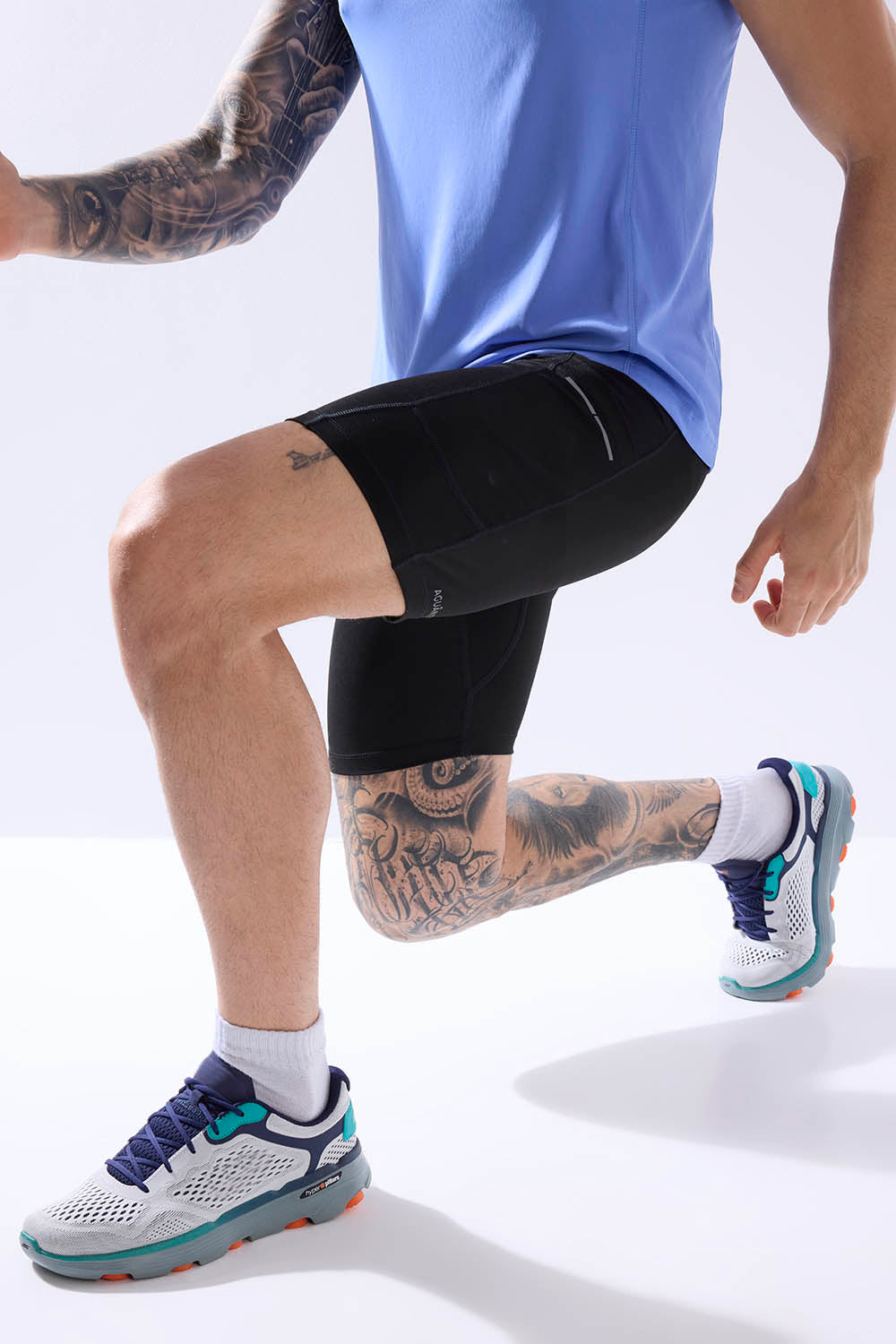
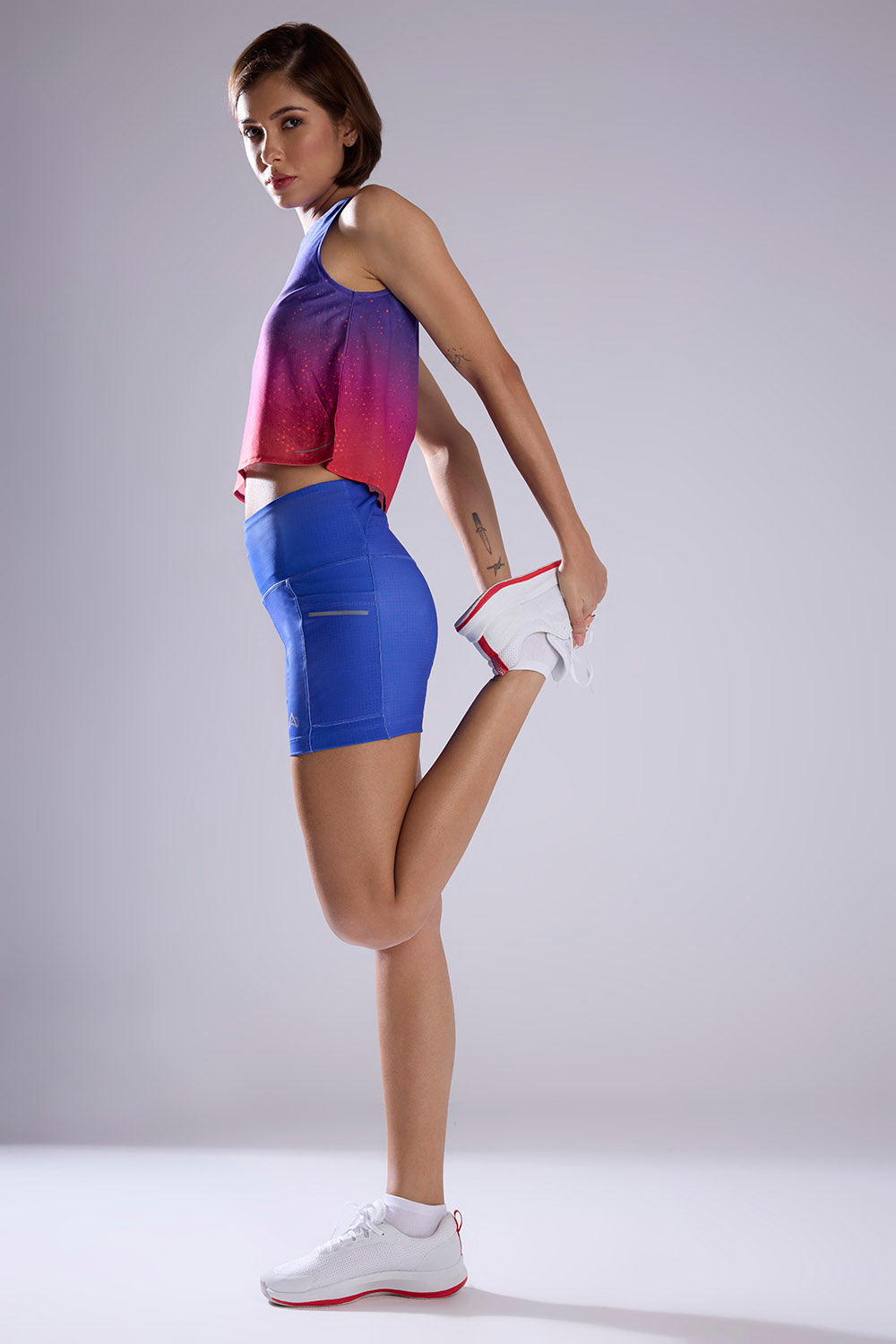
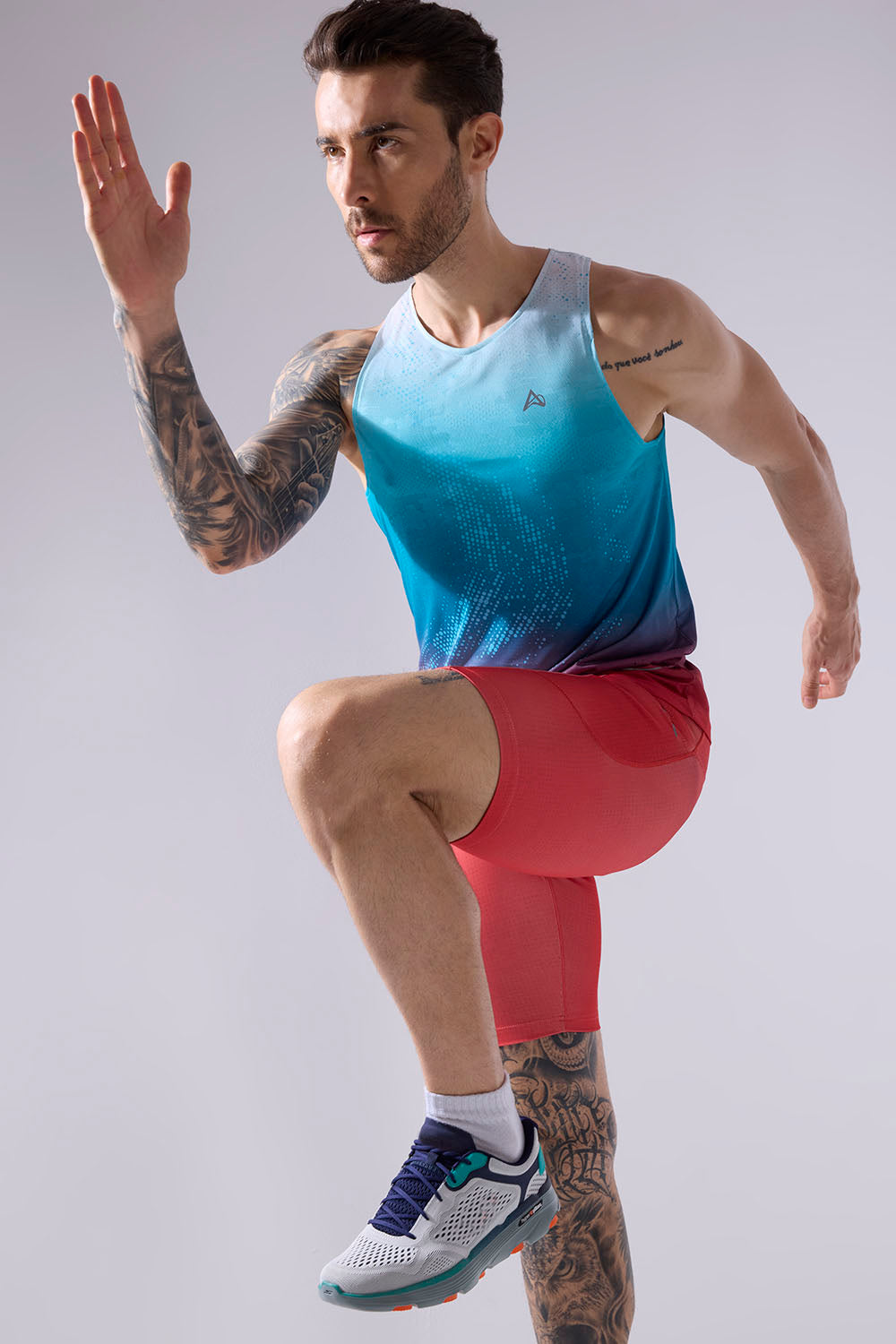
Fit in performance running shorts goes beyond basic sizing. The garment must move with the body while staying secure during powerful strides and directional changes. Poor fit can cause seams to rub or fabric to bunch, turning what should be a smooth run into something less enjoyable.
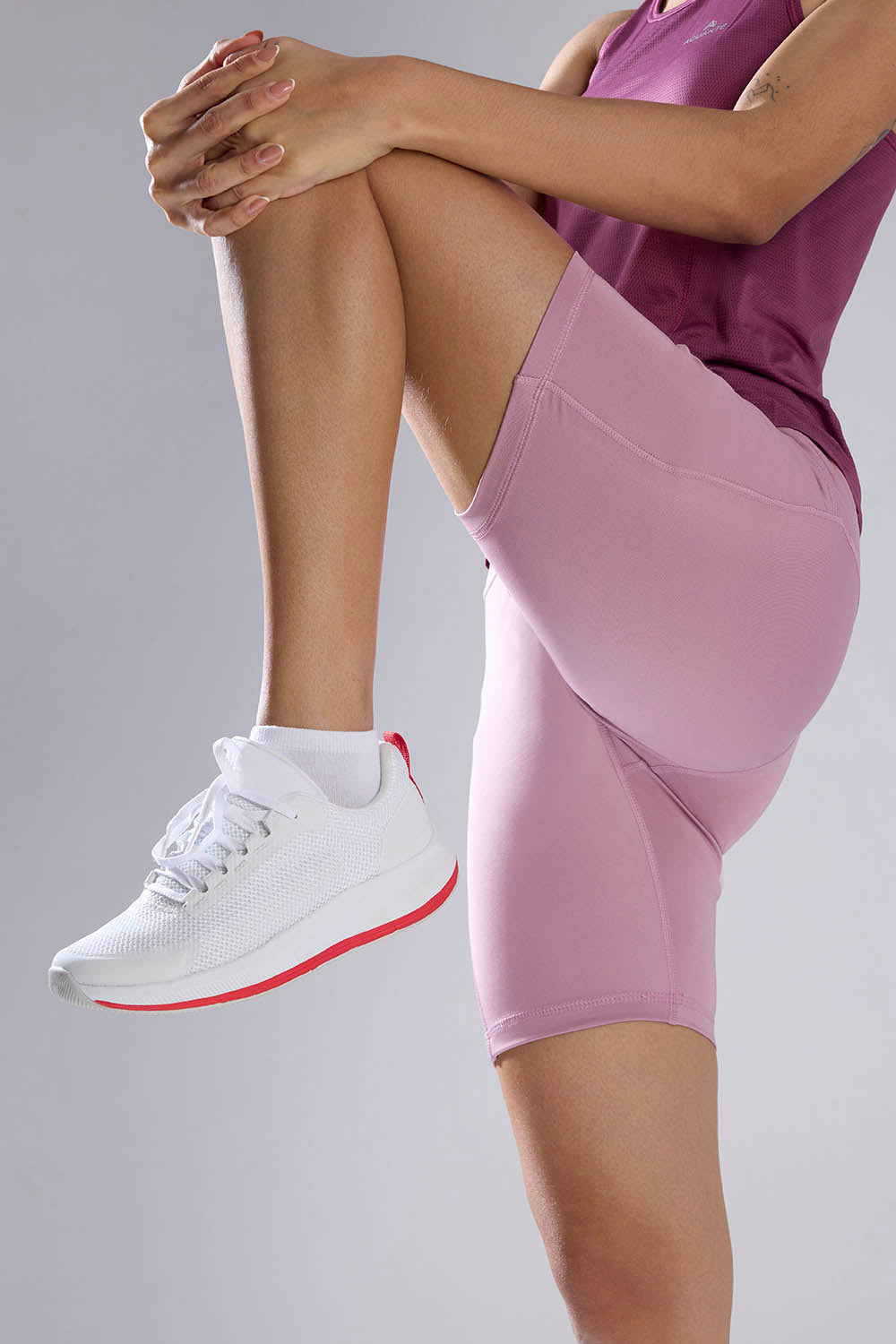
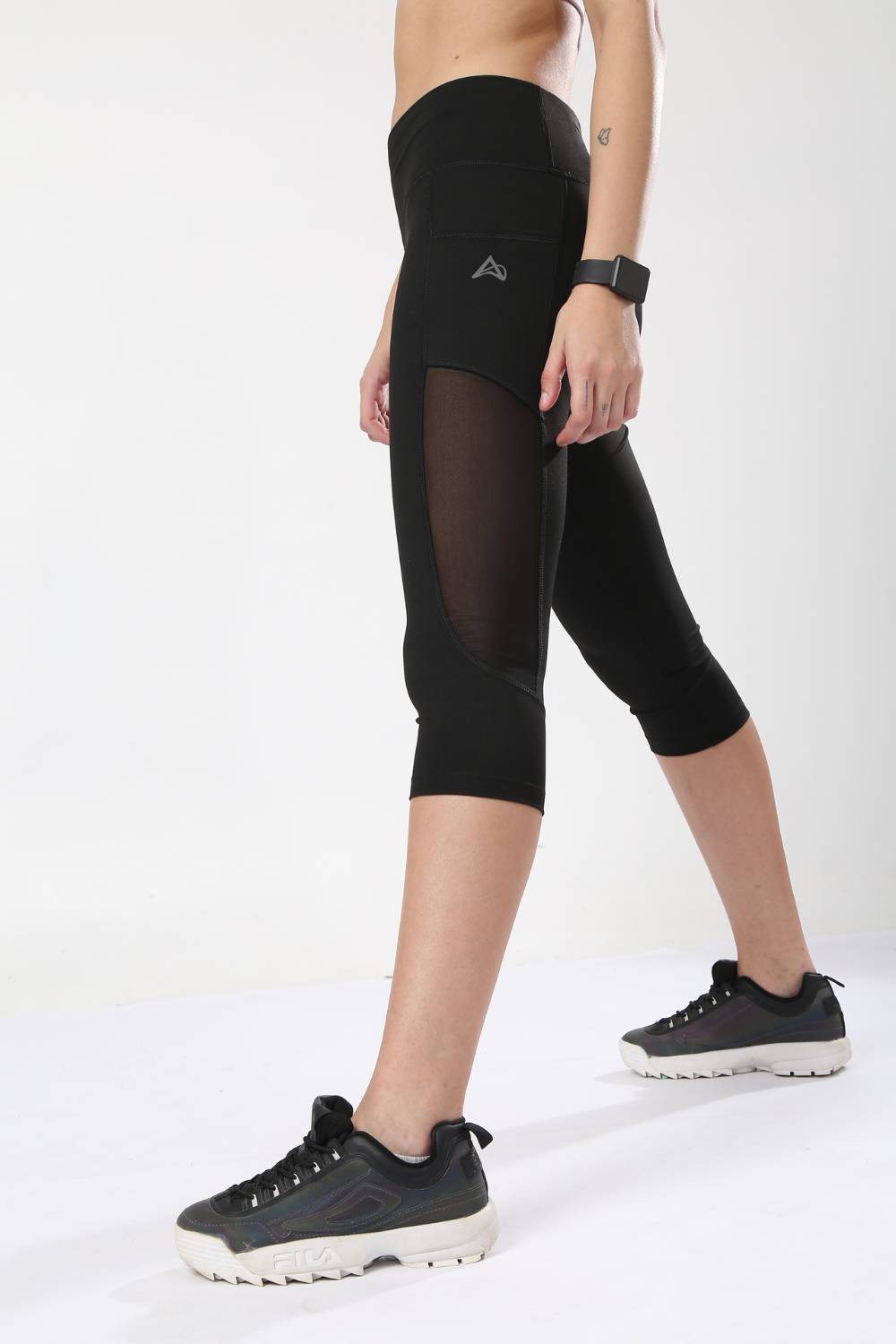
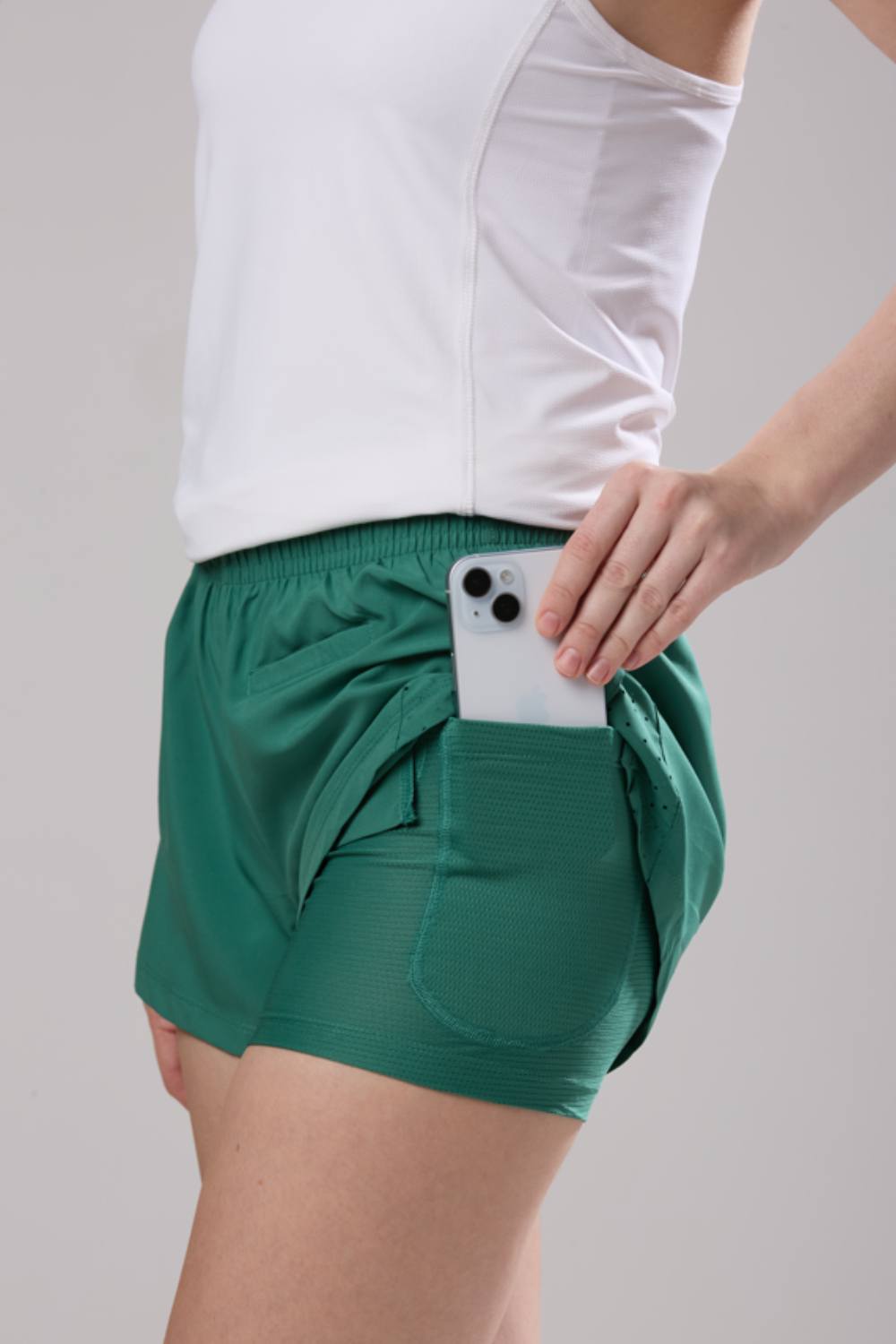
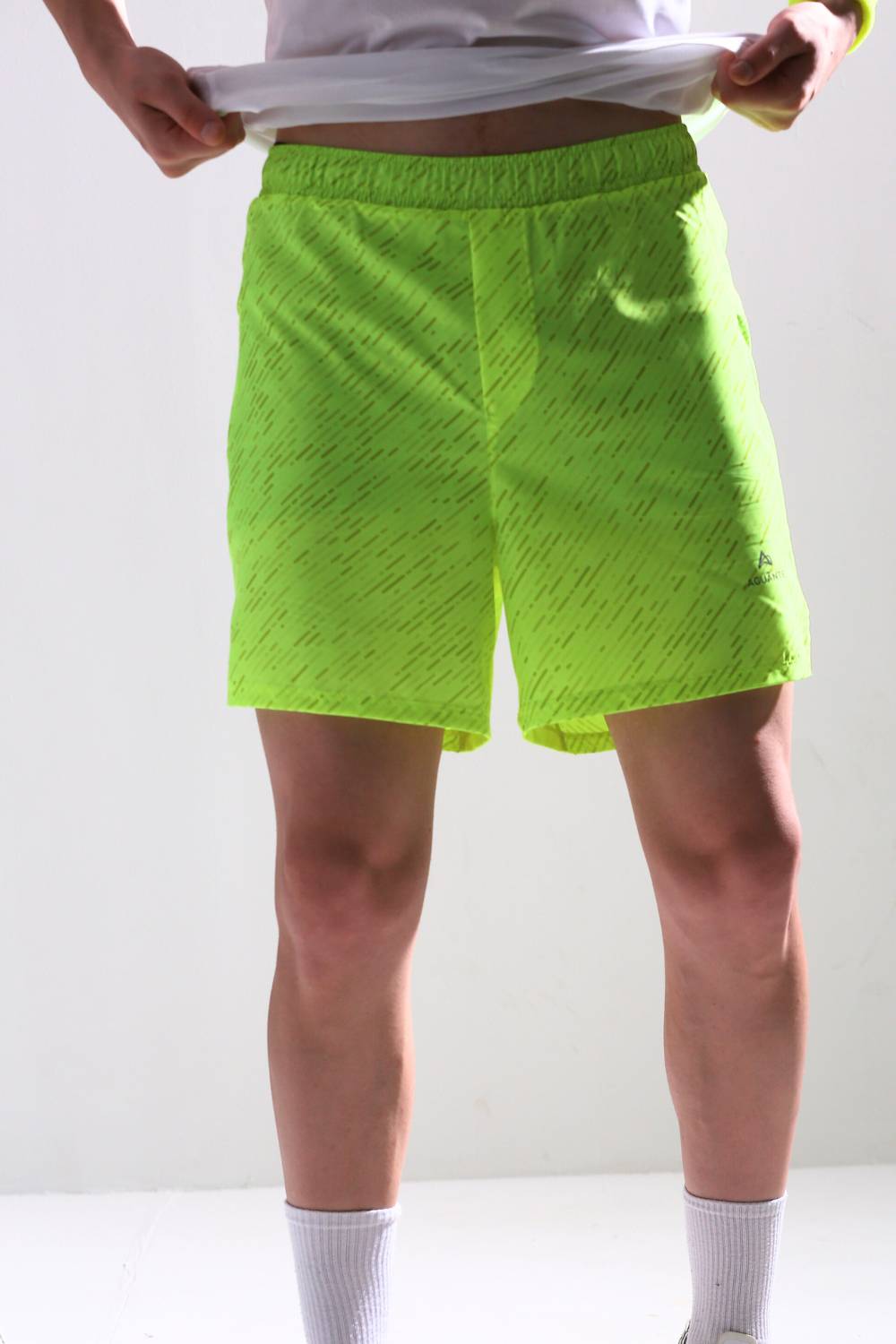
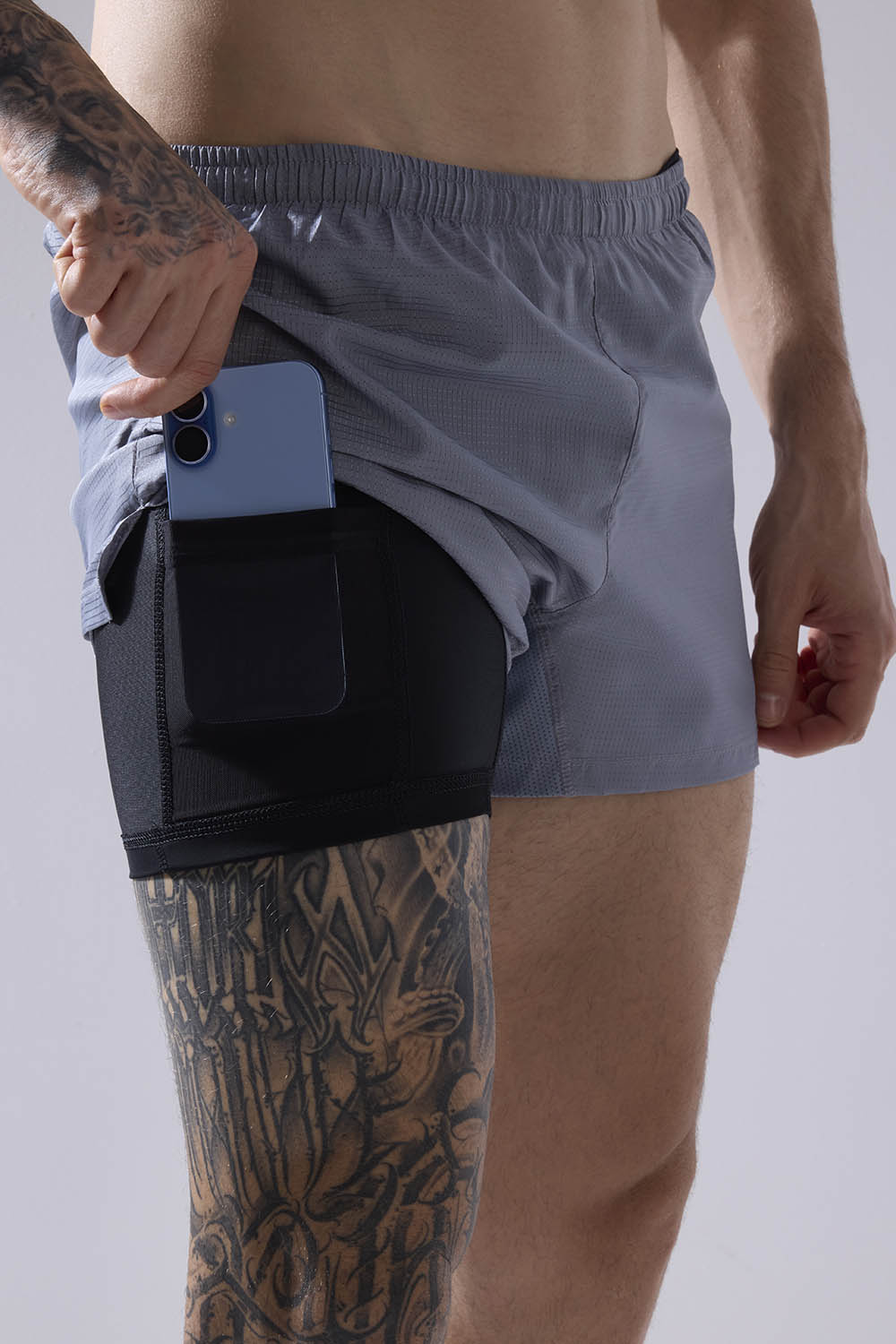
Look for shorts with strategic compression in key areas and enough stretch to follow muscle flexing. Some designs include internal pockets or reflective details that enhance visibility without adding bulk. The overall silhouette should feel supportive yet free-flowing, especially in warmer months when layering is unnecessary.
Testing fit on a short run helps reveal how the shorts behave. A pair that feels ideal at the start may shift if it lacks the right stretch or support after several miles. This attention to detail separates everyday shorts from those built for endurance.
Style, Design, and Functional Details That Matter
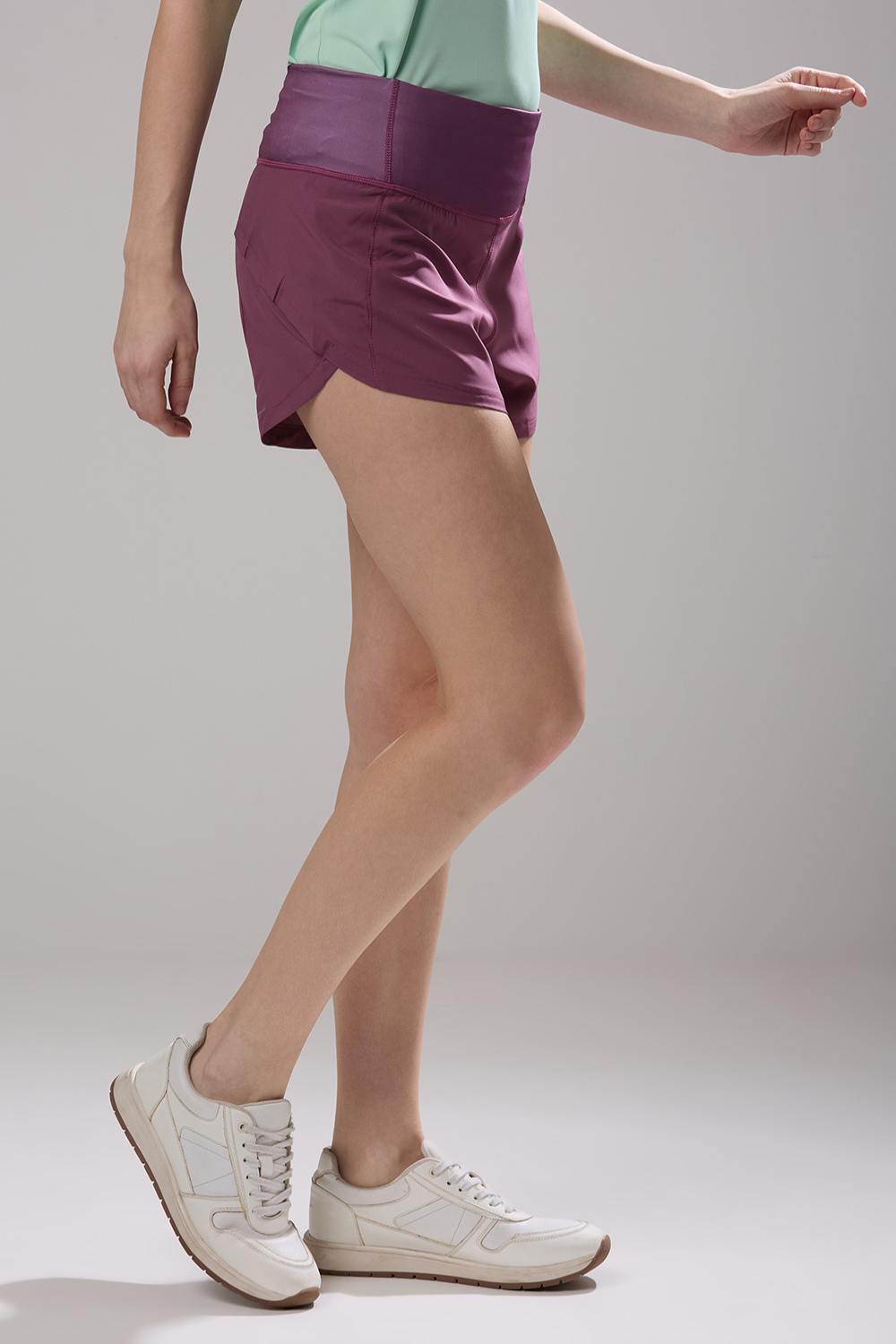
Style has become an integral part of performance running shorts. Modern designs blend athletic function with contemporary aesthetics, making them suitable for both workouts and casual outings. Features like side pockets for keys or gels, reflective accents, and slim silhouettes add practical value without compromising the sporty look.
Design elements such as gusset construction or flatlock seams prevent irritation and improve comfort during extended activity. Runners appreciate the ability to choose models that balance technical performance with the freedom to pair them with various tops or simply wear them on their own.
These practical details matter because runners spend hours in their gear. Features that reduce friction, offer ventilation, or provide light support enhance the overall experience and encourage consistent training.
How Fabric Innovation Is Shaping the Future of Running Apparel
Advances in textile development continue to push the boundaries of what running shorts can achieve. New approaches focus on creating garments that adapt to changing conditions, respond to body movement, and deliver both comfort and performance.
Materials inspired by natural solutions are gaining ground, offering quick-dry properties and enhanced airflow. Sustainability considerations are also rising, with recycled content and bio-based options appearing more frequently while maintaining the same moisture-wicking and stretch benefits.
These developments give runners more choices than ever before. Whether prioritizing heat management, durability, or eco-conscious manufacturing, there are now options that align with individual priorities and training styles.
Practical Tips for Selecting the Right Running Shorts
Start by identifying the primary challenges you face in your runs. Hot weather? Prioritize high breathability and rapid drying. Long-distance training? Look for superior wicking and supportive construction.
Compare technical features across brands rather than relying solely on style or price. Test how shorts feel during movement by wearing them on a short run if possible. Consider the fabric's response to sweat, its stretch during strides, and overall fit in relation to your body shape.
Reading reviews that focus on real-world use helps reveal how shorts hold up over time. The goal is to find options that enhance comfort and performance instead of detracting from the run.
Runners who approach selection with these considerations often discover shorts that feel like an extension of their bodies, supporting every stride and every mile with confidence.
Final Thoughts on Choosing Performance Running Shorts
Choosing the right running shorts is a strategic decision that directly affects how well you perform and feel during every session. By focusing on moisture management, fabric technology, fit, and practical design details, runners can create a wardrobe that supports their goals without compromise.
The evolution of athletic textiles means more options than ever, each designed to meet specific needs in today's diverse running community. Whether you train for speed, endurance, or daily fitness, the right shorts can transform the experience and help you stay consistent on the road ahead. Fabric technology and cooling performance explains that choosing performance running shorts requires more than simply looking for lightweight material or an attractive design. The way a garment manages heat, airflow, moisture, and movement has a major impact on comfort during training and racing. Modern athletic clothing increasingly uses engineered fabrics designed to move sweat away from the skin and help it evaporate more efficiently, which can be especially important during long runs, intense workouts, or hot weather conditions. Runners should consider factors such as breathability, fabric construction, stretch, and overall fit rather than focusing only on the material label.
A pair of shorts that feels comfortable at the start of a run may become distracting if it traps moisture, restricts movement, or creates friction after extended activity. The development of advanced sports textiles shows why performance apparel decisions should be based on how clothing interacts with the body during exercise. For shoppers comparing running shorts, understanding moisture management and ventilation helps identify products that support better temperature regulation and a more comfortable running experience. These considerations are particularly useful when evaluating technical features such as quick-drying fabrics, lightweight designs, and construction details intended for endurance activities.
Frequently Asked Questions
What features should I look for when choosing performance running shorts?
When choosing performance running shorts, look for moisture-wicking fabrics, breathable construction, stretch, and a comfortable fit that supports natural movement. Features like quick-drying materials, reflective details, and functional pockets can improve comfort and performance during different types of runs.
Why is moisture management important in performance running shorts?
Moisture management helps move sweat away from the skin and allows it to evaporate quickly, keeping runners cooler and more comfortable. Good moisture-wicking running shorts can reduce irritation, chafing, and discomfort during long-distance runs or intense workouts.
How does fabric technology affect running shorts performance?
Advanced fabric technology improves running shorts by enhancing breathability, flexibility, airflow, and temperature regulation. Modern materials are designed to support body movement, reduce friction, and provide better comfort during repetitive running activities.
Disclaimer: The above helpful resources content contains personal opinions and experiences. The information provided is for general knowledge and does not constitute professional advice.
You may also be interested in: Breathable Running Apparel for Hot and Humid Weather
Tired of gear that slows you down? Chafing, soggy fabrics, and missing pockets kill your run's momentum. At Aguante, we're runners who get it. Our high-performance activewear features moisture-wicking fabrics, ergonomic designs, and smart storage to keep you focused. Shop Now!
Powered by flareAI.co