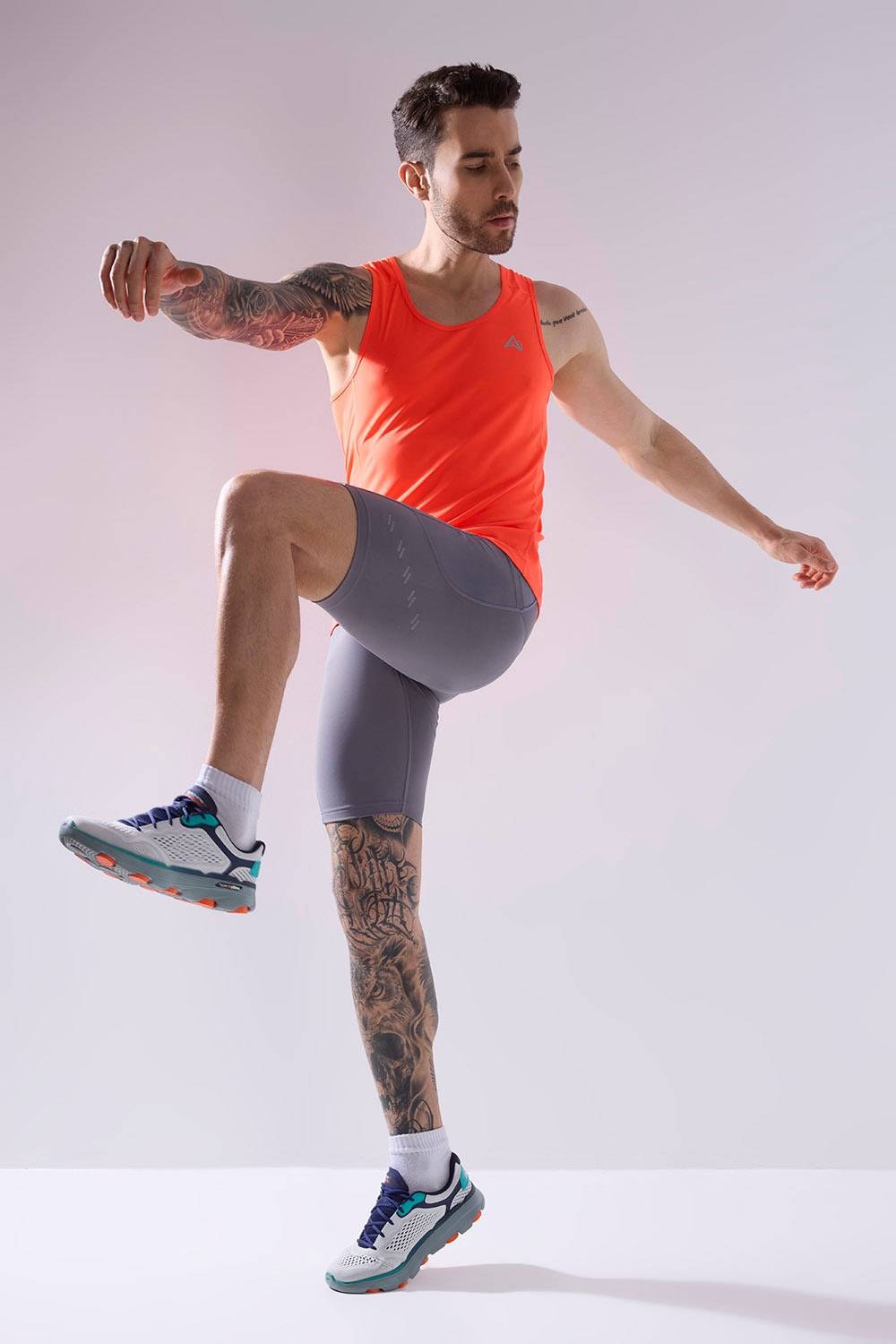
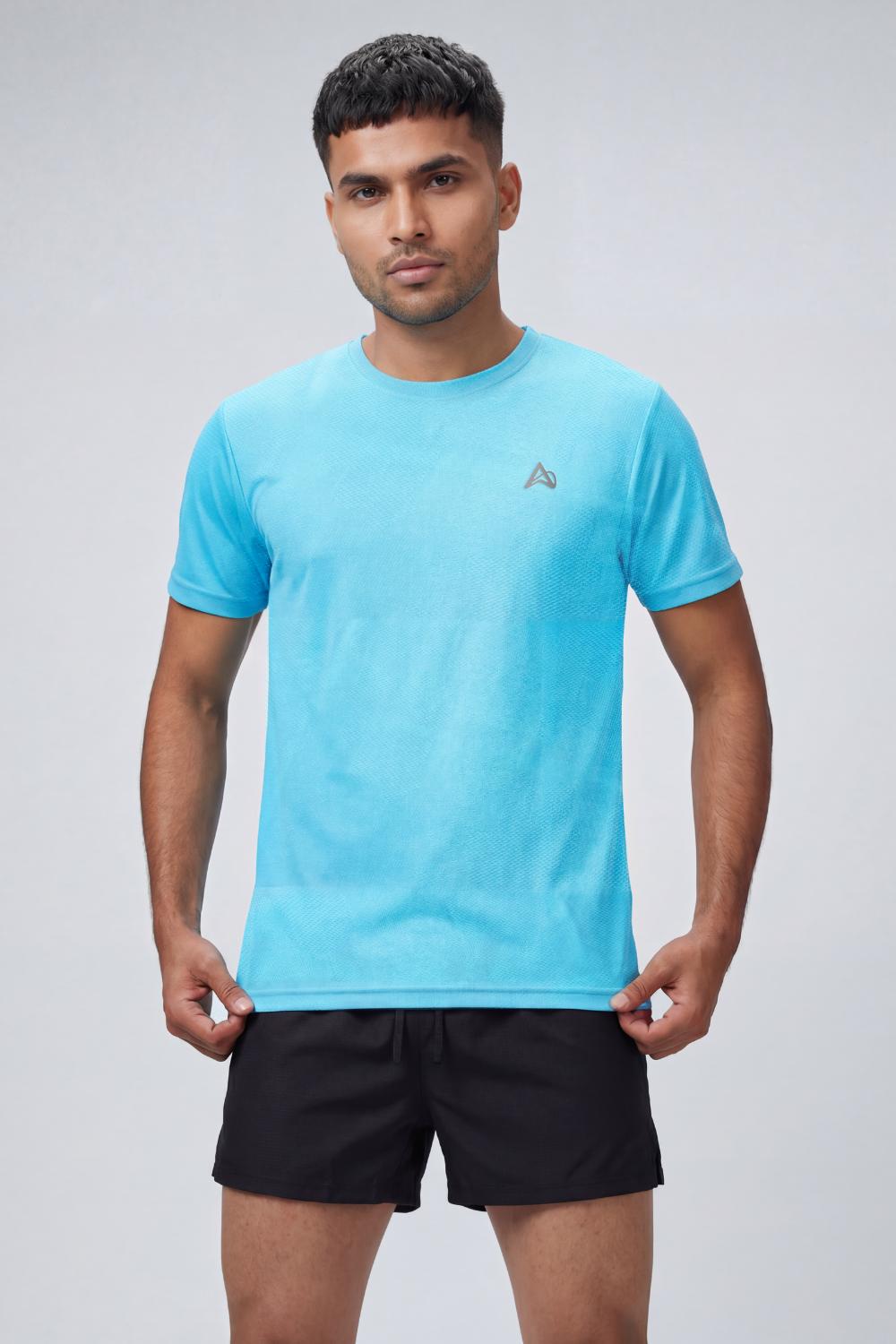
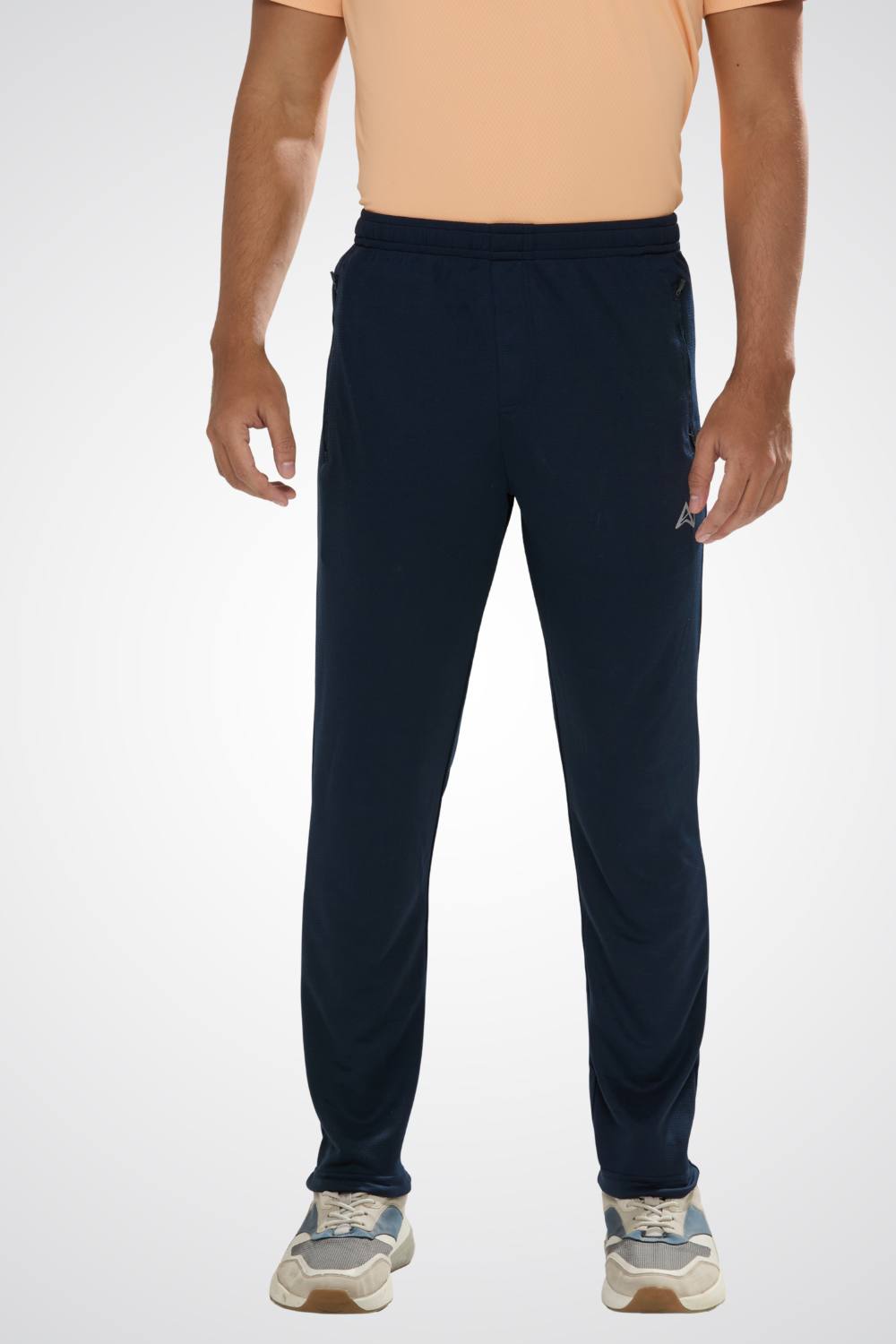
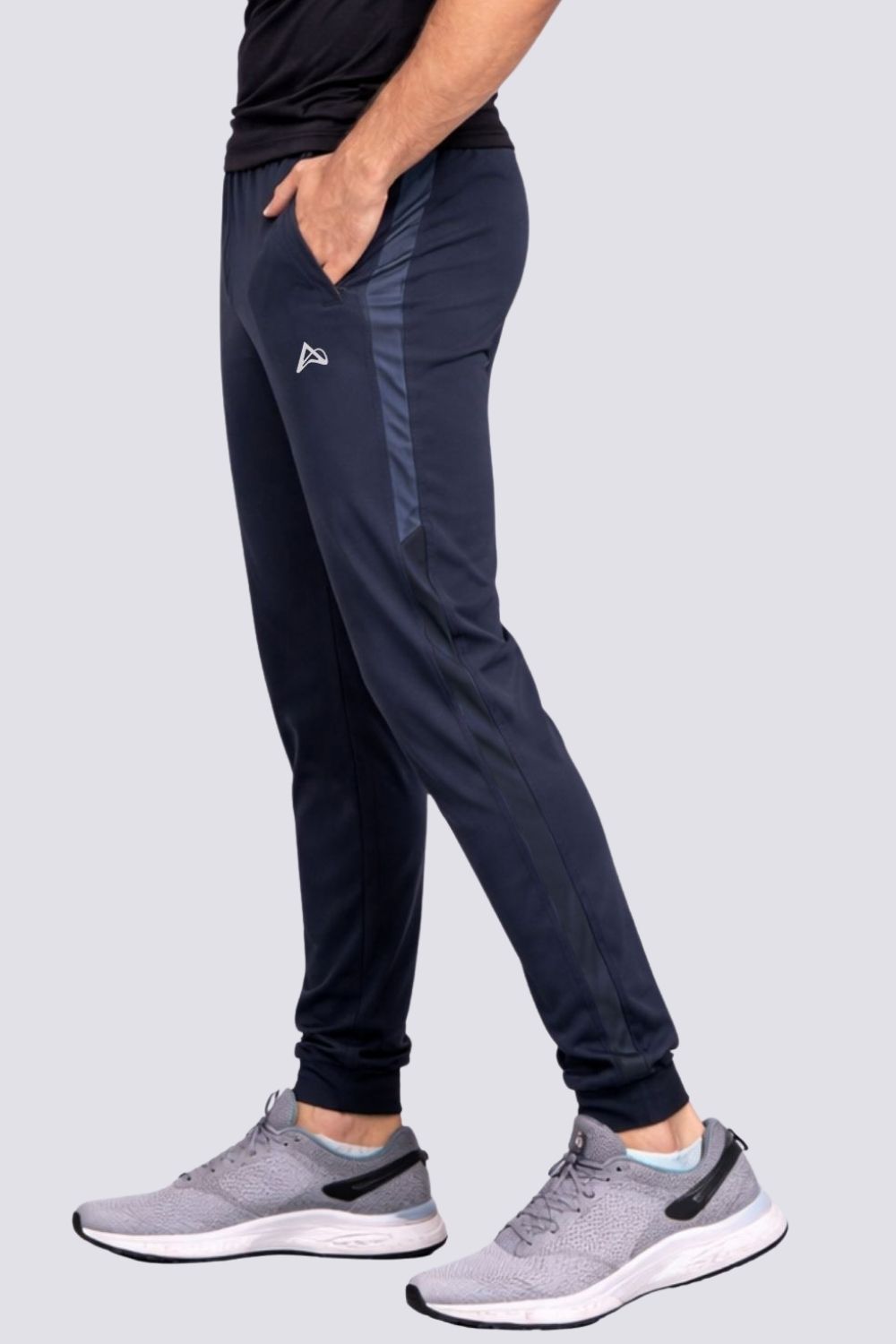

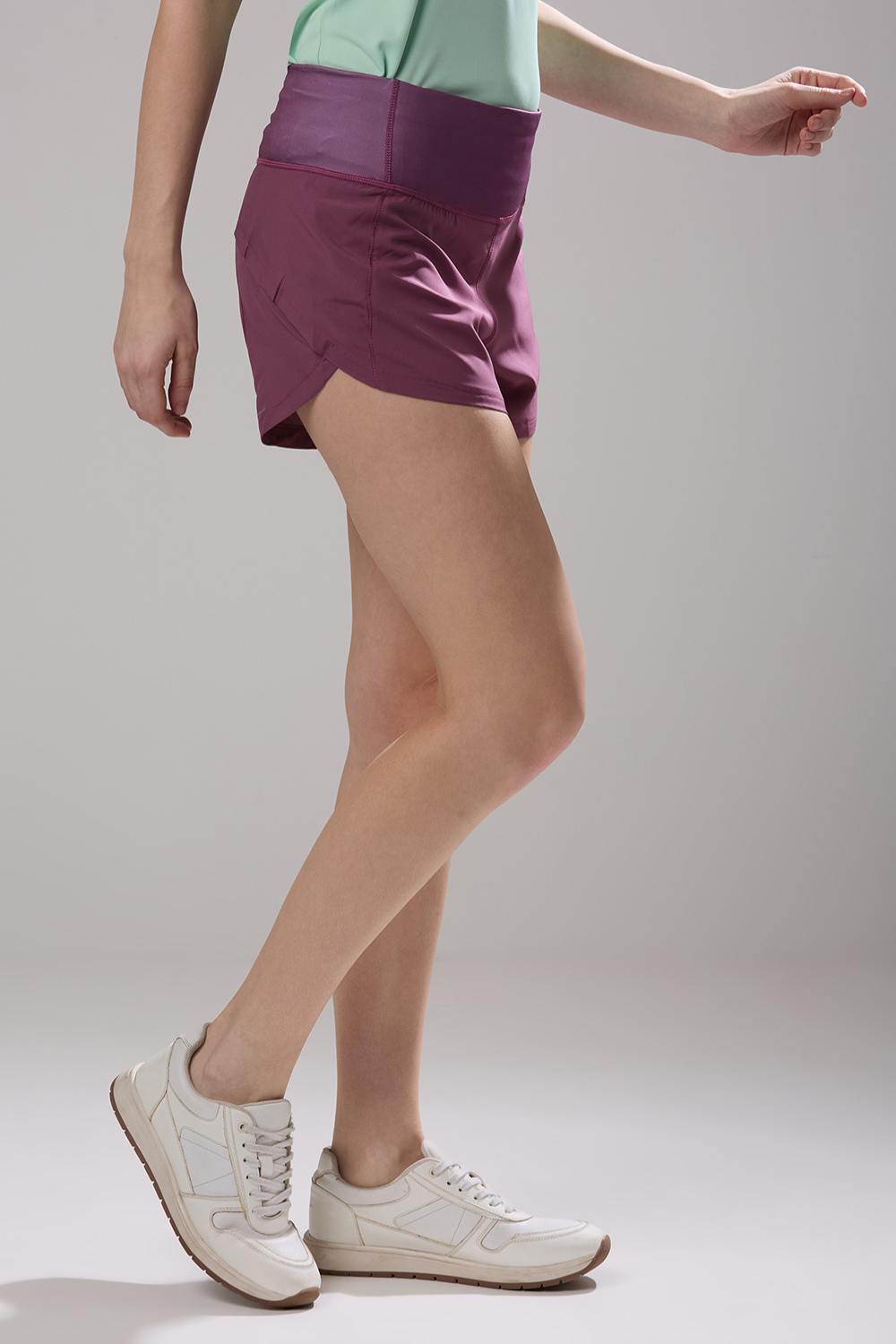
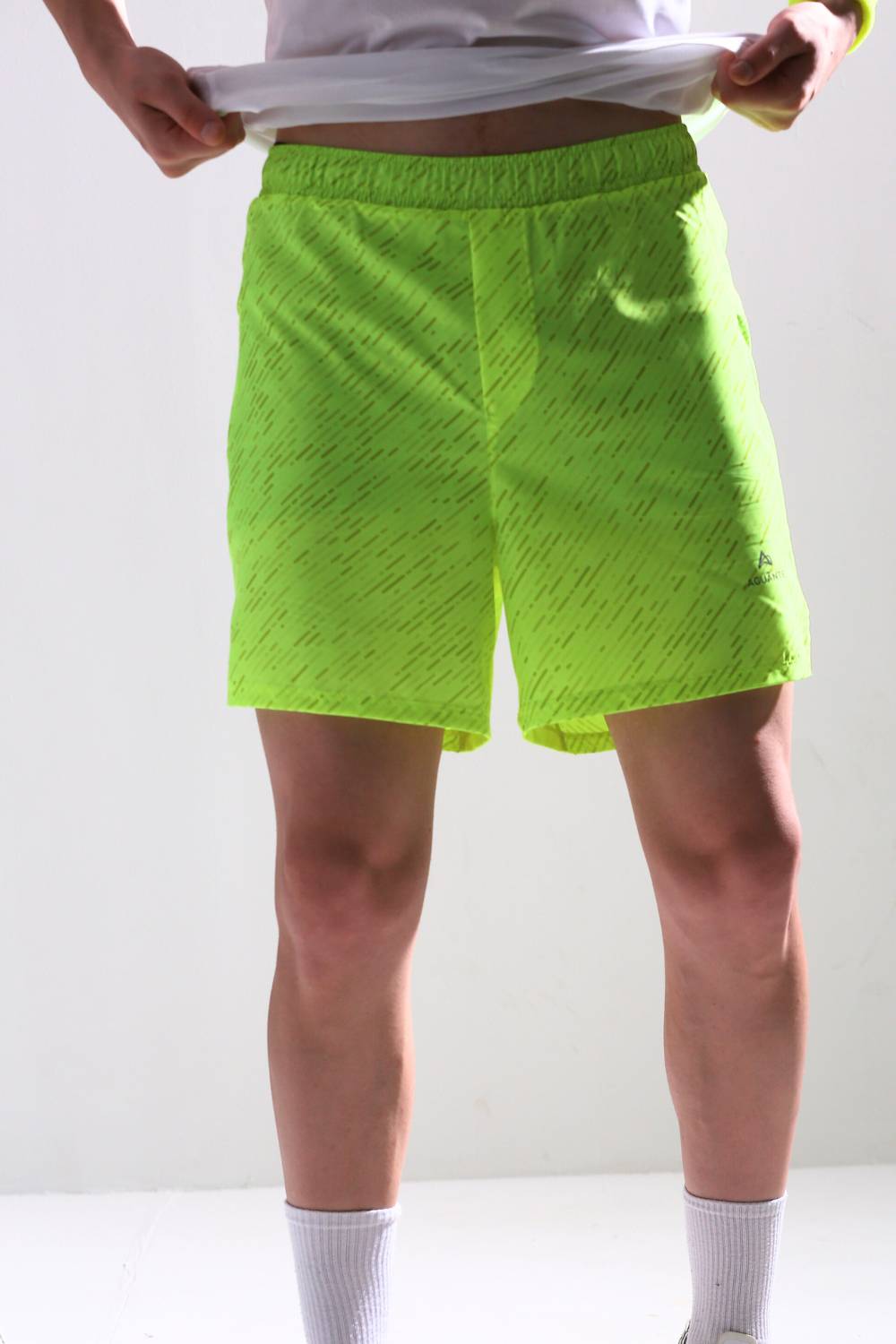

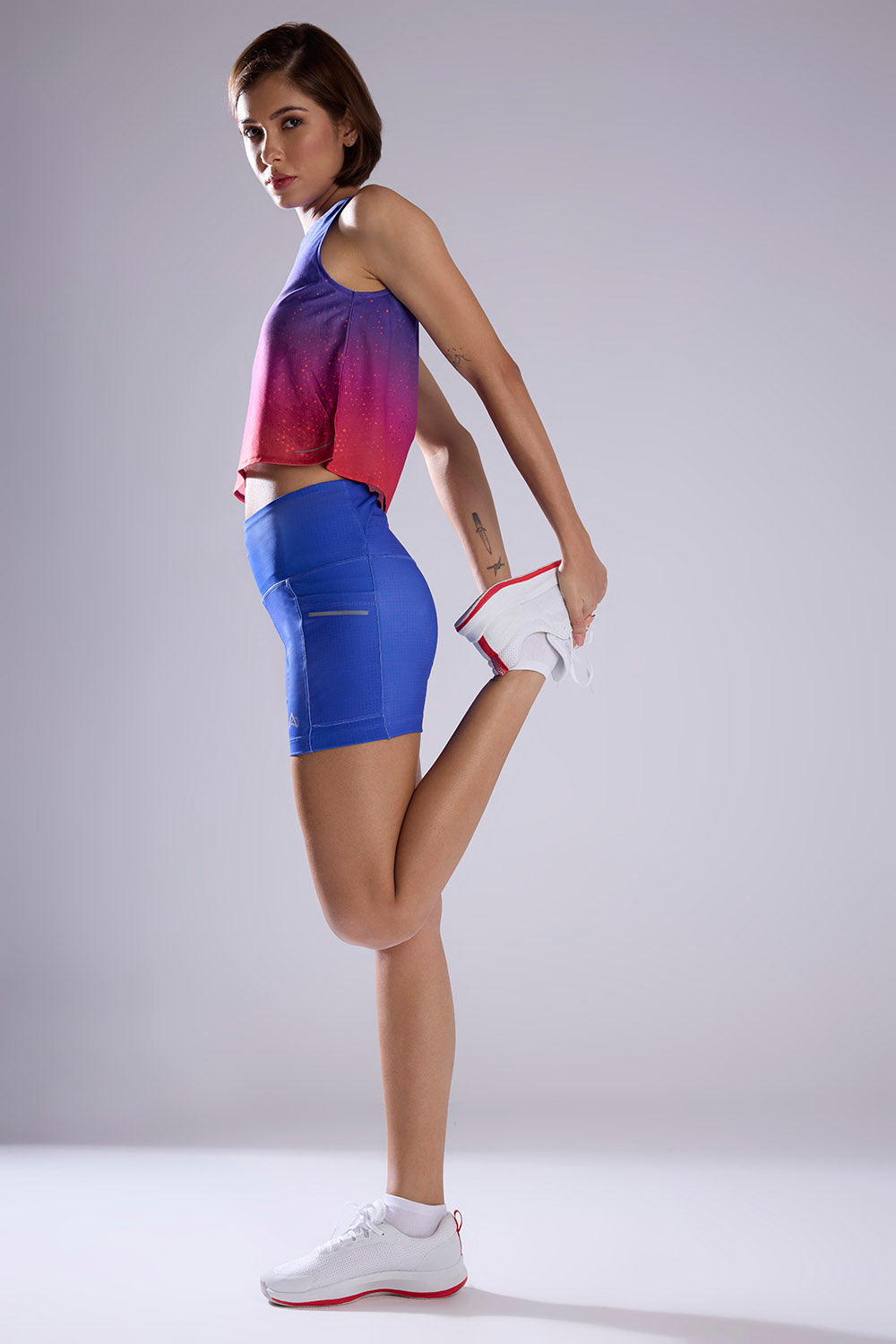
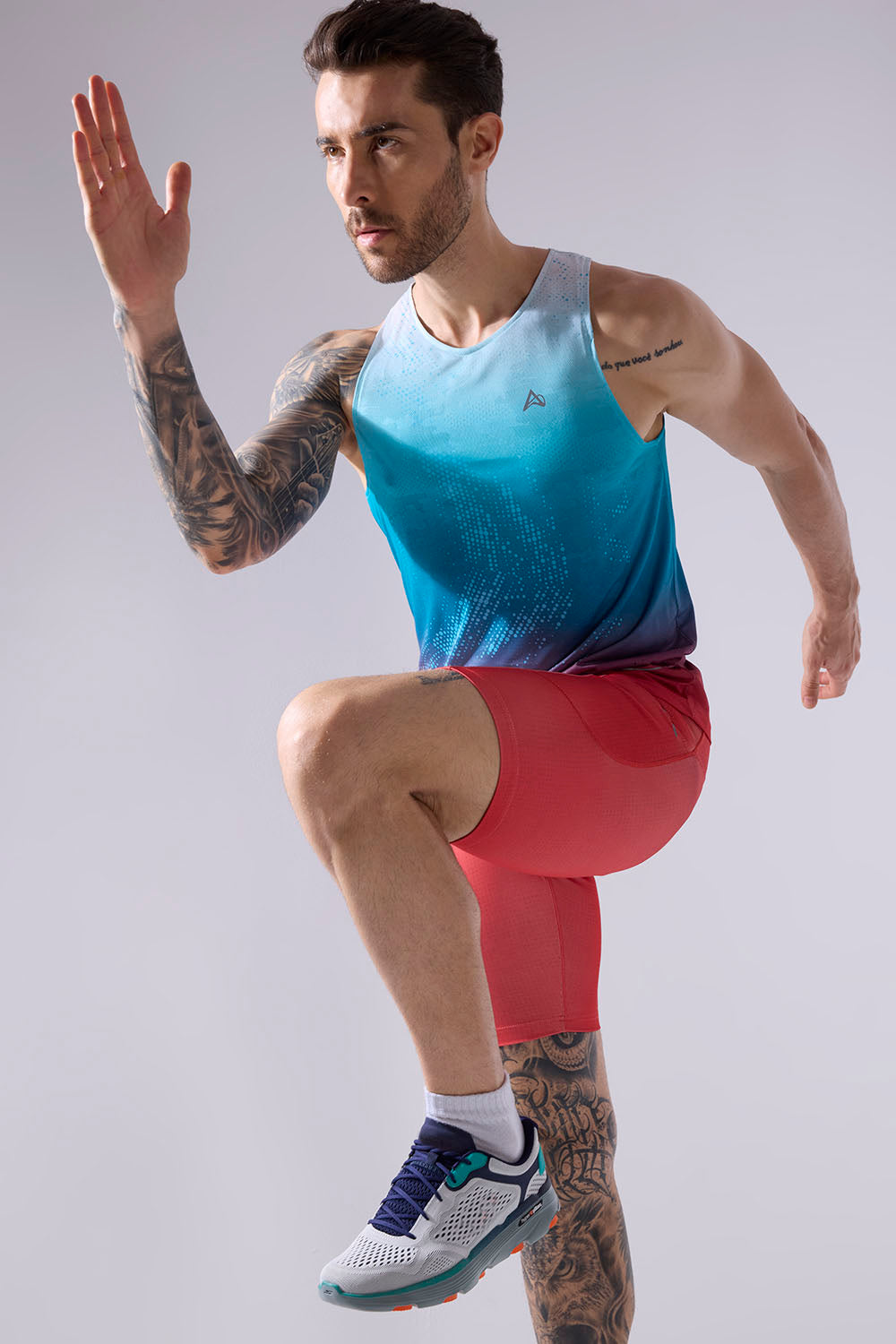

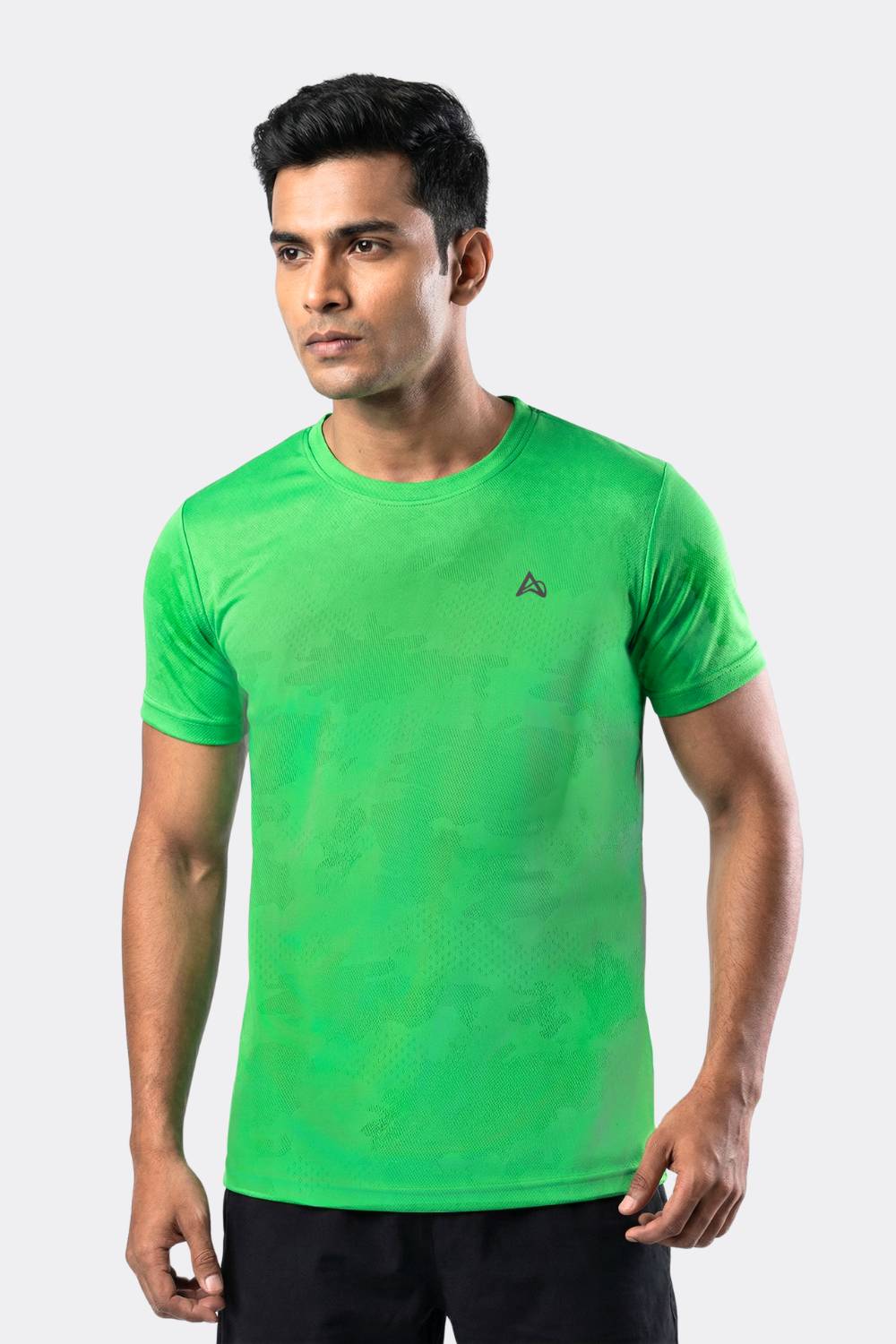
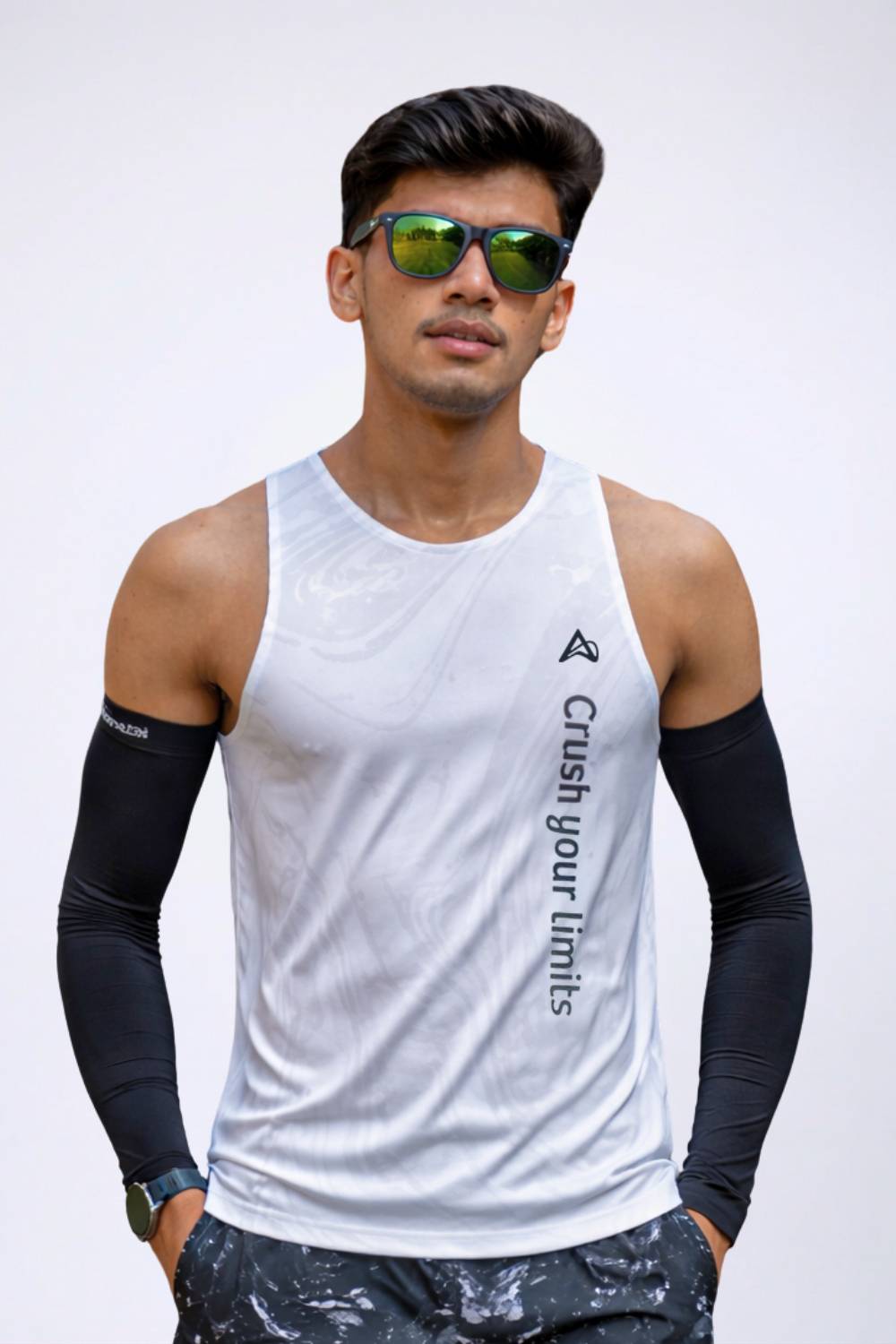

Choosing running apparel is not just about picking a lightweight shirt or a comfortable pair of shorts. The fabric technology behind a garment influences how it performs during movement, especially when runners need consistent comfort through changing temperatures, sweat levels, and training intensity. Understanding how to compare running clothes helps athletes look beyond surface-level features and evaluate the materials, construction, and design choices that affect performance.
For runners, the right fabric can support better moisture management, airflow, mobility, and overall comfort. Whether preparing for regular training sessions, long-distance events, or everyday fitness routines, knowing what makes one fabric different from another allows buyers to make more informed choices. A practical performance fabric comparison focuses on how materials work during activity rather than relying only on labels or marketing descriptions.
Tired of gear that slows you down? Chafing, soggy fabrics, and missing pockets kill your run's momentum. At Aguante, we're runners who get it. Our high-performance activewear features moisture-wicking fabrics, ergonomic designs, and smart storage to keep you focused. Shop Now!
Why Fabric Technology Matters in Running Apparel
Running creates a unique challenge for clothing because the body generates heat and perspiration while constantly moving. A fabric that feels comfortable while standing still may behave differently during a demanding run. The role of technical apparel is to manage these changes by helping control moisture, supporting airflow, and allowing unrestricted movement.
The best fabric for running apparel depends on the runner's environment, workout intensity, and personal preferences. A recreational runner completing short sessions may prioritise softness and comfort, while an endurance athlete may focus more heavily on sweat management, drying speed, and durability.
Modern technical fabrics for sportswear are designed with specific performance goals in mind. Material composition, surface structure, stretch properties, and garment construction all contribute to how clothing feels and performs during exercise.
Understanding the Core Features of Running Fabrics
When comparing running apparel fabric technology, it is useful to examine several performance factors rather than focusing on a single feature. A fabric's effectiveness comes from how different properties work together.
Moisture Management and Sweat Control
One of the most important considerations in running clothing is how effectively fabric manages perspiration. Moisture wicking fabric for running is designed to move sweat away from the skin, helping the garment dry more efficiently and keeping the wearer more comfortable during activity.
Fabric structure plays an important role in this process. Some materials are engineered to spread moisture across the surface, allowing it to evaporate faster. This can be particularly valuable during longer runs when accumulated sweat can affect comfort and body temperature.
However, moisture management is not determined only by the name of the fibre. Two garments made from similar materials can perform differently depending on the weave, finishing techniques, ventilation areas, and overall design.
Breathability and Airflow
Breathability is another key factor when evaluating breathable running clothes material. A fabric needs to allow heat and moisture vapour to escape while still providing enough structure and comfort for movement.
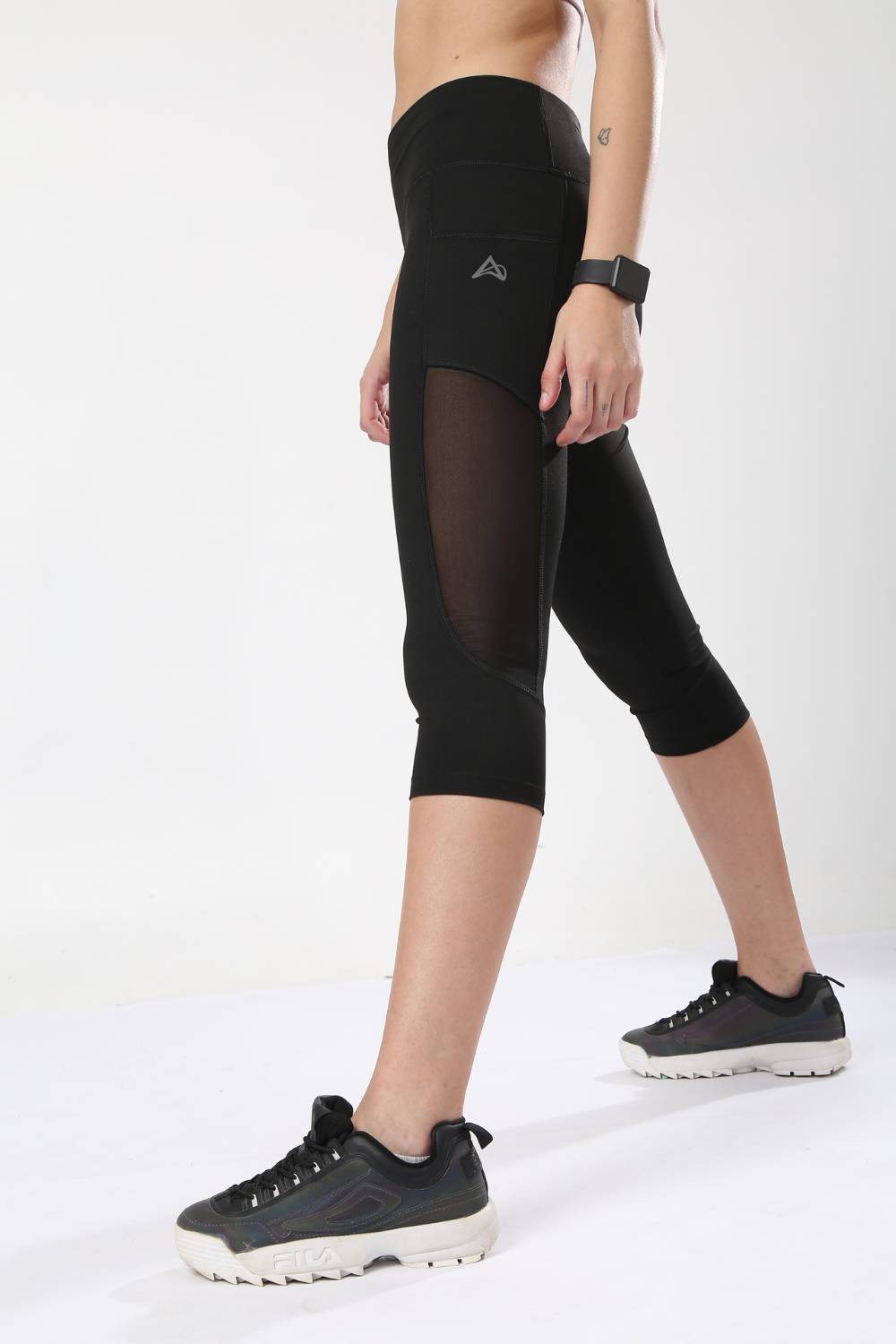
Ventilation can come from the fabric itself as well as the garment design. Lightweight materials, strategically placed panels, and construction techniques can influence airflow and help runners feel more comfortable during intense sessions.
Stretch, Weight, and Mobility
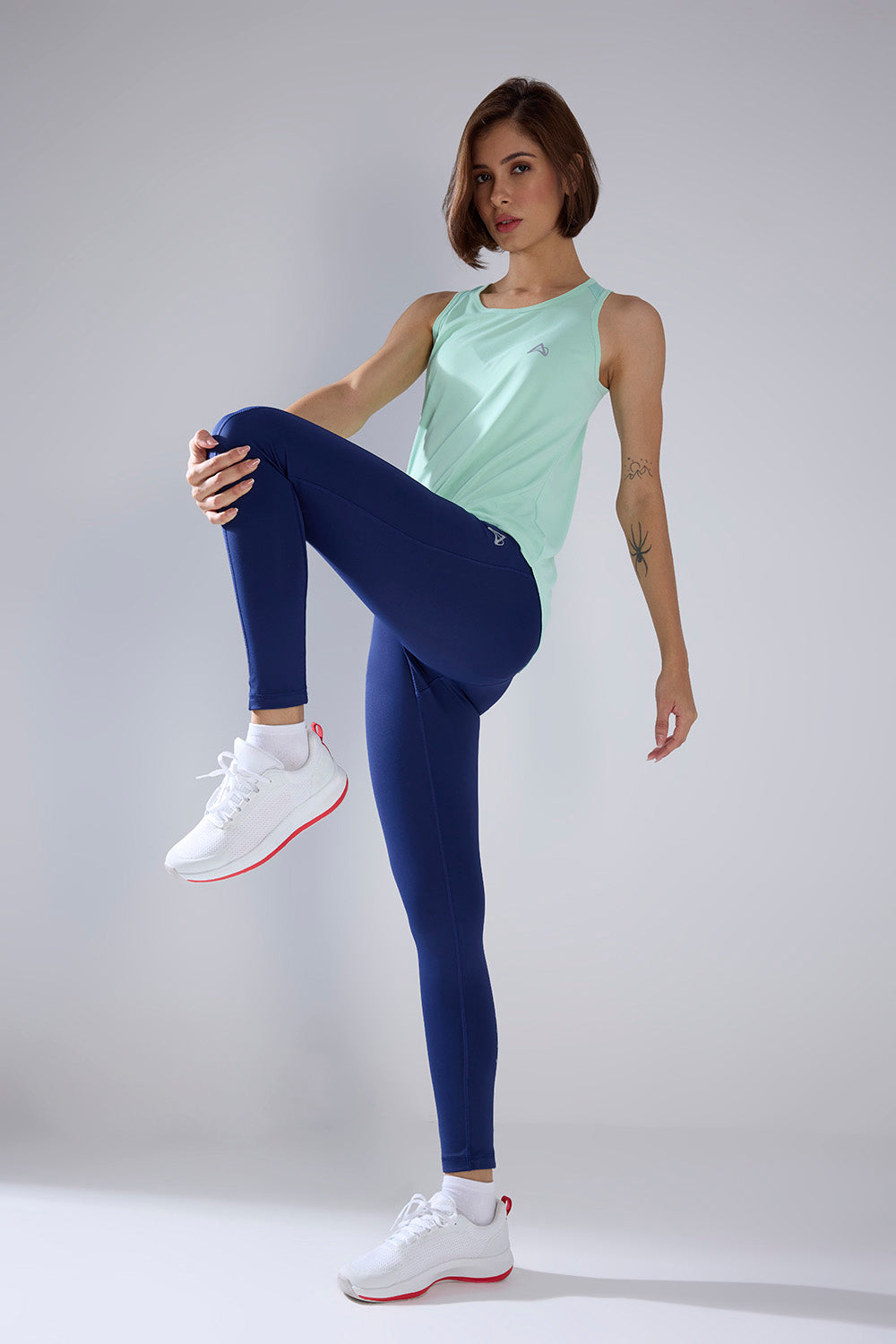
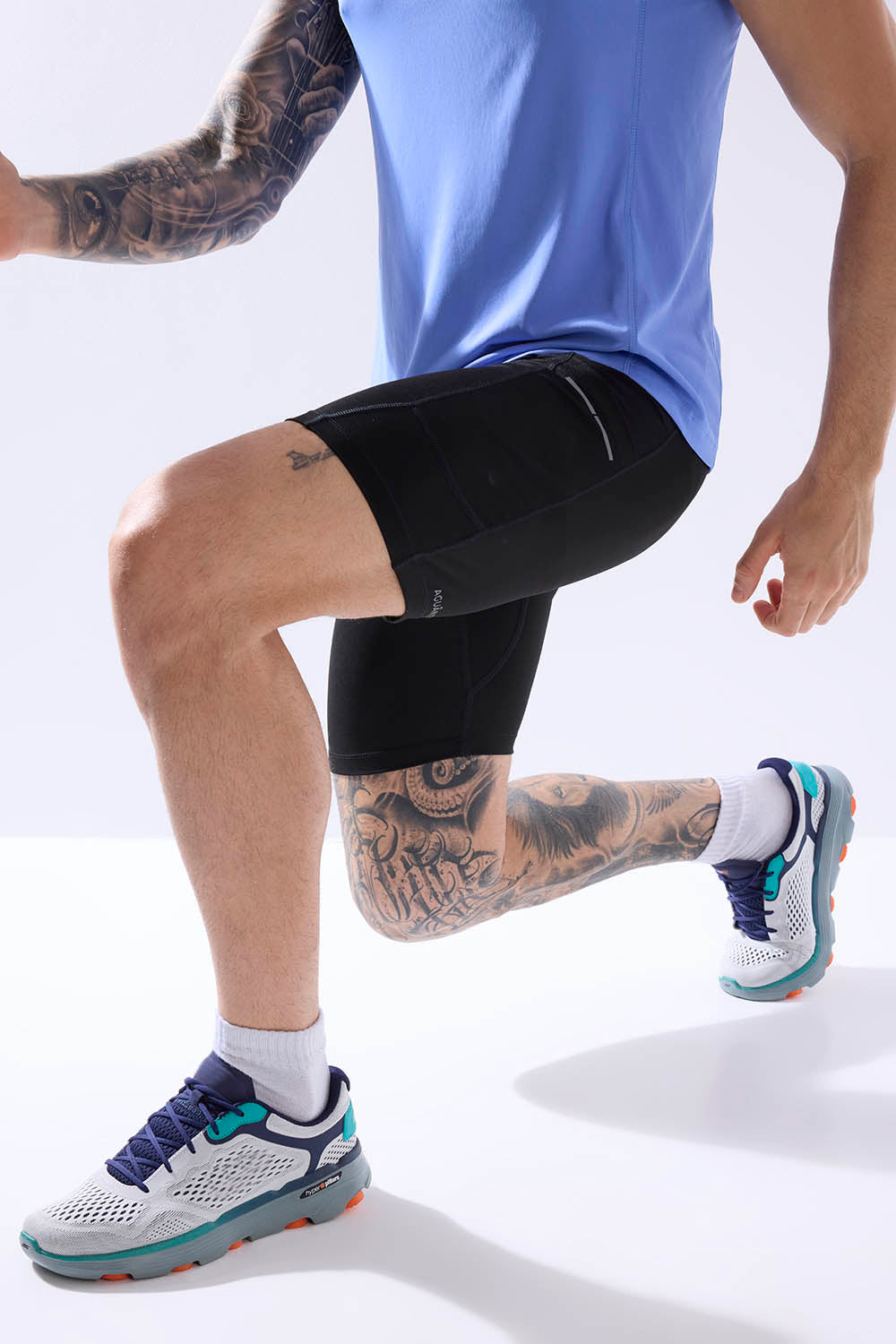
Running requires repeated movement, so fabric flexibility matters. Materials with appropriate stretch allow clothing to move naturally with the body without creating unnecessary restriction.
Weight is also important, but lighter does not automatically mean better. A successful running garment balances low weight with durability, comfort, and functional performance. A fabric that is extremely thin but does not manage moisture or movement effectively may not deliver the experience a runner expects.
How Technical Fabrics Differ From Everyday Clothing Materials
Many runners begin comparing apparel by looking at familiar material names such as cotton or polyester. While these labels provide useful information, they do not tell the complete story of how a garment will perform.
Natural fibres can offer softness and comfort for casual use, but some materials may retain moisture differently during high-intensity exercise. Technical synthetic blends are often developed specifically for active use because they can combine properties such as durability, flexibility, and sweat management.
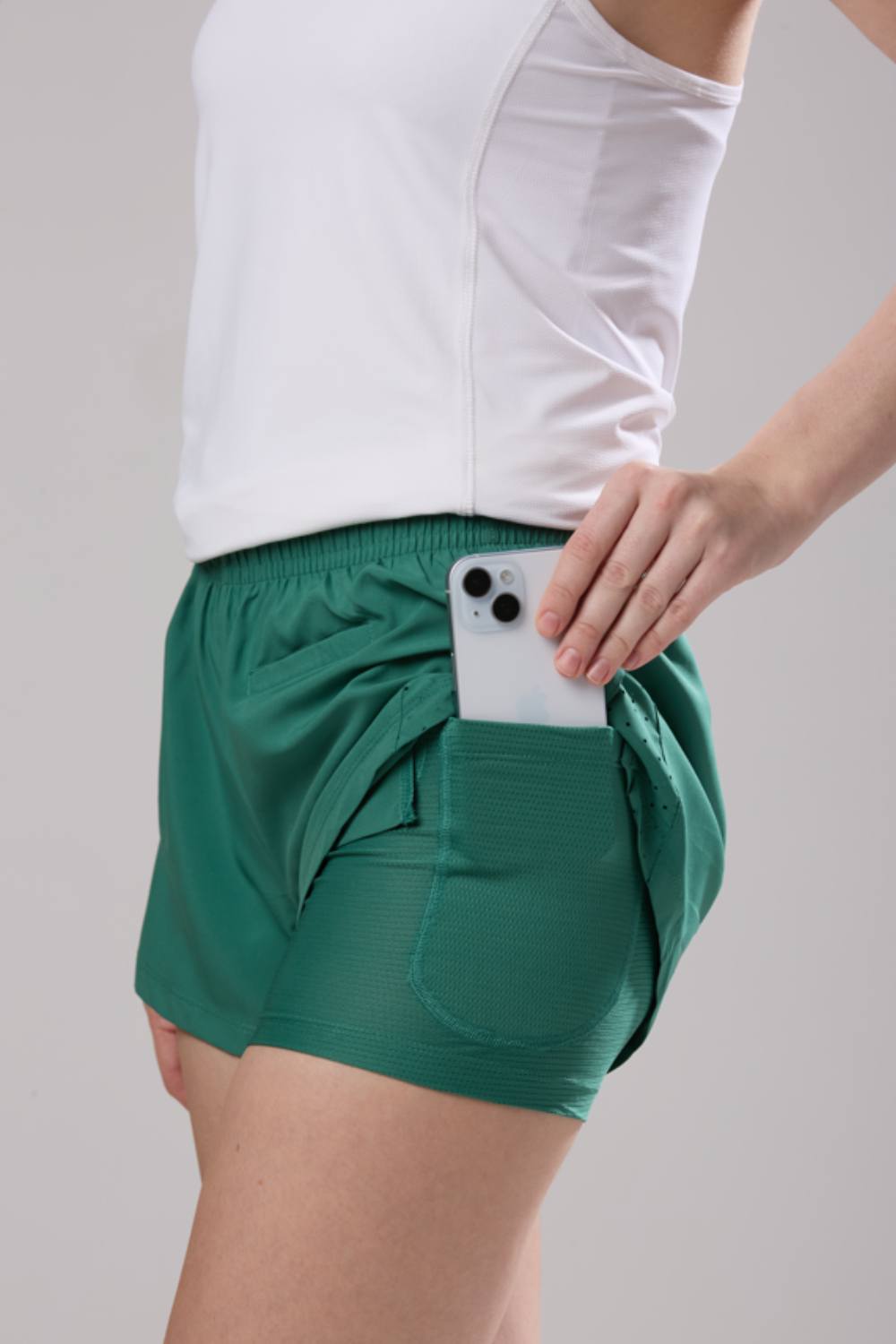
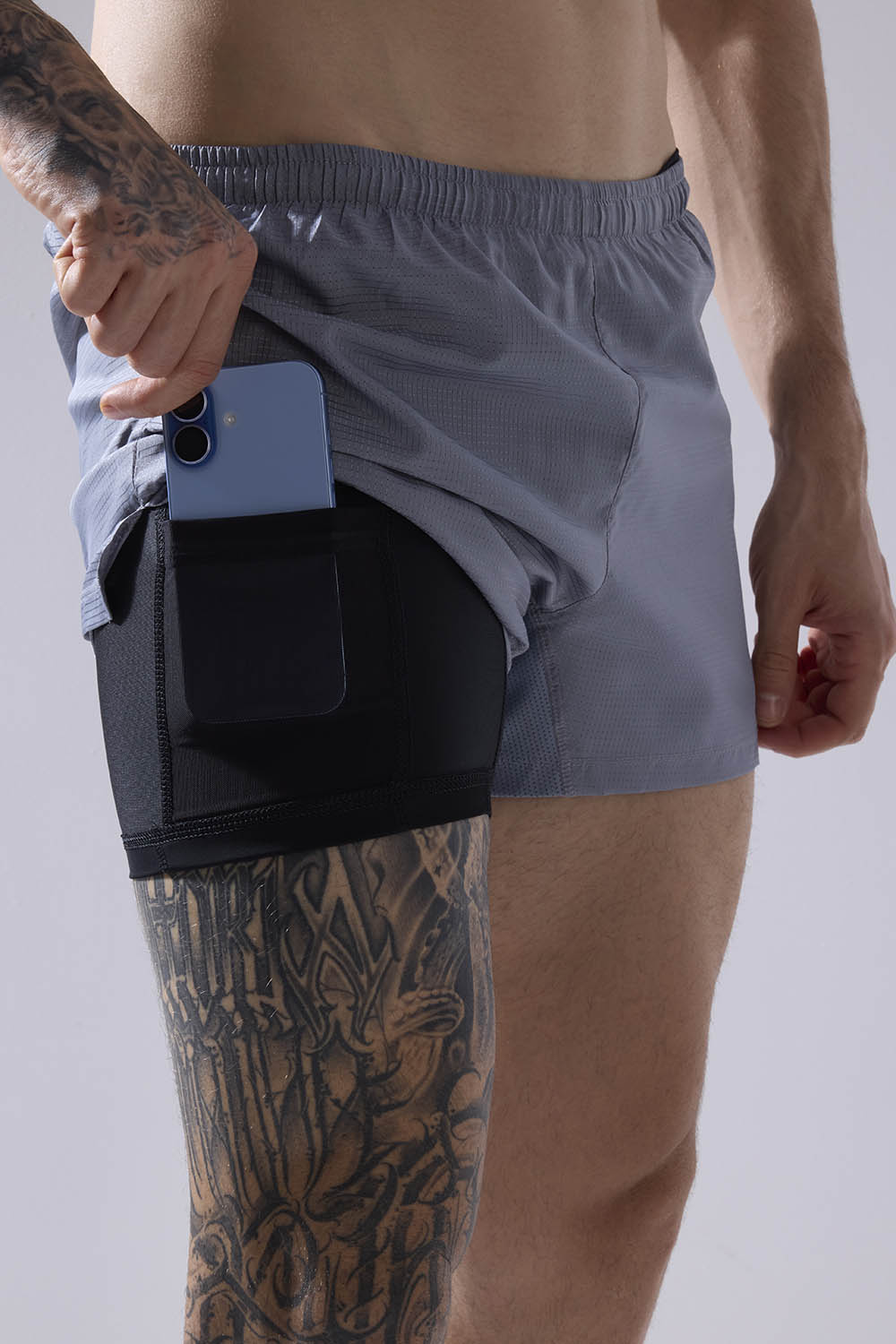
The difference between everyday clothing and performance apparel often comes down to engineering. A running garment is designed around movement, heat, and repeated use. Fabric selection is only one part of the equation; stitching, fit, pocket placement, ventilation zones, and reflective details can also influence the overall experience.
Research into fabric performance highlights that effective running apparel depends on more than appearance. Factors such as airflow, moisture movement, drying speed, and garment construction all contribute to how well clothing supports activity in challenging conditions. Fabric performance in heat can be affected by multiple design elements rather than a single material choice.
A Practical Method for Comparing Running Apparel
When deciding how to choose running apparel, runners can use a simple evaluation process. Instead of focusing only on brand names or fabric labels, consider how the garment matches your specific running needs.
- Identify your running conditions: Consider whether you usually train indoors, outdoors, in warm weather, or during longer endurance sessions.
- Evaluate moisture handling: Look for information about sweat management and drying performance.
- Check mobility: Assess whether the fabric allows comfortable movement through different running motions.
- Consider durability: Frequent runners need materials that maintain performance through repeated washing and use.
- Review construction details: Features such as ventilation zones, fit, and storage options can influence practical performance.
This approach helps runners compare garments based on function instead of relying on simple descriptions such as “lightweight” or “comfortable.” A fabric's real value becomes clearer when connected to the conditions in which it will be used.
The Growing Role of Sustainability in Performance Fabrics
Fabric technology is also being shaped by growing interest in responsible production and longer-lasting apparel. Performance clothing has traditionally focused on immediate athletic benefits, but buyers are increasingly considering how materials are created, maintained, and managed at the end of a garment's lifecycle.
New approaches in textile development are exploring improved recycling systems, material transparency, and manufacturing processes that aim to maintain technical performance while reducing waste. Circular textile innovation is influencing how brands think about future performance materials.
For runners comparing apparel, this adds another consideration. A fabric decision can involve not only how clothing performs during a workout but also how the material fits into broader expectations around product longevity and responsible design.
Matching Fabric Technology to Your Running Goals
There is no single fabric technology that works perfectly for every runner. The ideal choice depends on training habits, climate, comfort preferences, and performance expectations.
A runner completing shorter fitness sessions may value comfort, flexibility, and ease of care. Someone preparing for endurance events may place greater emphasis on moisture control, lightweight construction, and long-term durability.
Understanding these differences helps runners avoid choosing apparel based only on trends. A thoughtful performance fabric comparison considers the relationship between material technology and real-world use.
For active individuals building a running wardrobe, selecting apparel becomes easier when each piece has a clear purpose. Training gear should support the way a person actually runs, whether that means managing sweat during intense sessions, improving comfort on longer distances, or providing reliable everyday performance.
Making Smarter Choices When Buying Running Apparel
Comparing running apparel by fabric technology gives runners a clearer way to evaluate quality and performance. Instead of asking whether one material is simply better than another, the more useful question is whether a fabric's features match the demands of the activity.
Technical fabrics for sportswear continue to evolve, but the fundamentals remain consistent: effective moisture management, comfortable movement, breathability, and durable construction. By understanding these elements, runners can make choices based on practical performance rather than assumptions.
For brands focused on performance running apparel, educating customers about fabric technology creates a stronger connection between product design and athlete needs. Helping runners understand materials allows them to select clothing that supports their goals and improves their experience with every run.
Frequently Asked Questions
What should I look for when comparing running apparel fabric technology?
When comparing running apparel fabric technology, focus on features such as moisture management, breathability, stretch, weight, and durability. The right fabric should match your running conditions, workout intensity, and comfort preferences rather than relying only on material names or marketing claims.
What is the best fabric for running apparel to manage sweat and improve comfort?
The best fabric for running apparel depends on how well it manages moisture, supports airflow, and allows movement during activity. Moisture wicking fabric for running helps move sweat away from the skin, while breathable construction can improve comfort during longer or more intense runs.
How do technical fabrics for sportswear differ from regular clothing materials?
Technical fabrics for sportswear are designed around performance needs such as sweat management, mobility, airflow, and repeated use. Unlike everyday clothing materials, they often combine engineered fibres, specialised structures, and garment construction techniques to support active movement.
Disclaimer: The above helpful resources content contains personal opinions and experiences. The information provided is for general knowledge and does not constitute professional advice.
You may also be interested in: Running Apparel for Men: Style, Comfort, and Performance
Tired of gear that slows you down? Chafing, soggy fabrics, and missing pockets kill your run's momentum. At Aguante, we're runners who get it. Our high-performance activewear features moisture-wicking fabrics, ergonomic designs, and smart storage to keep you focused. Shop Now!
Powered by flareAI.co