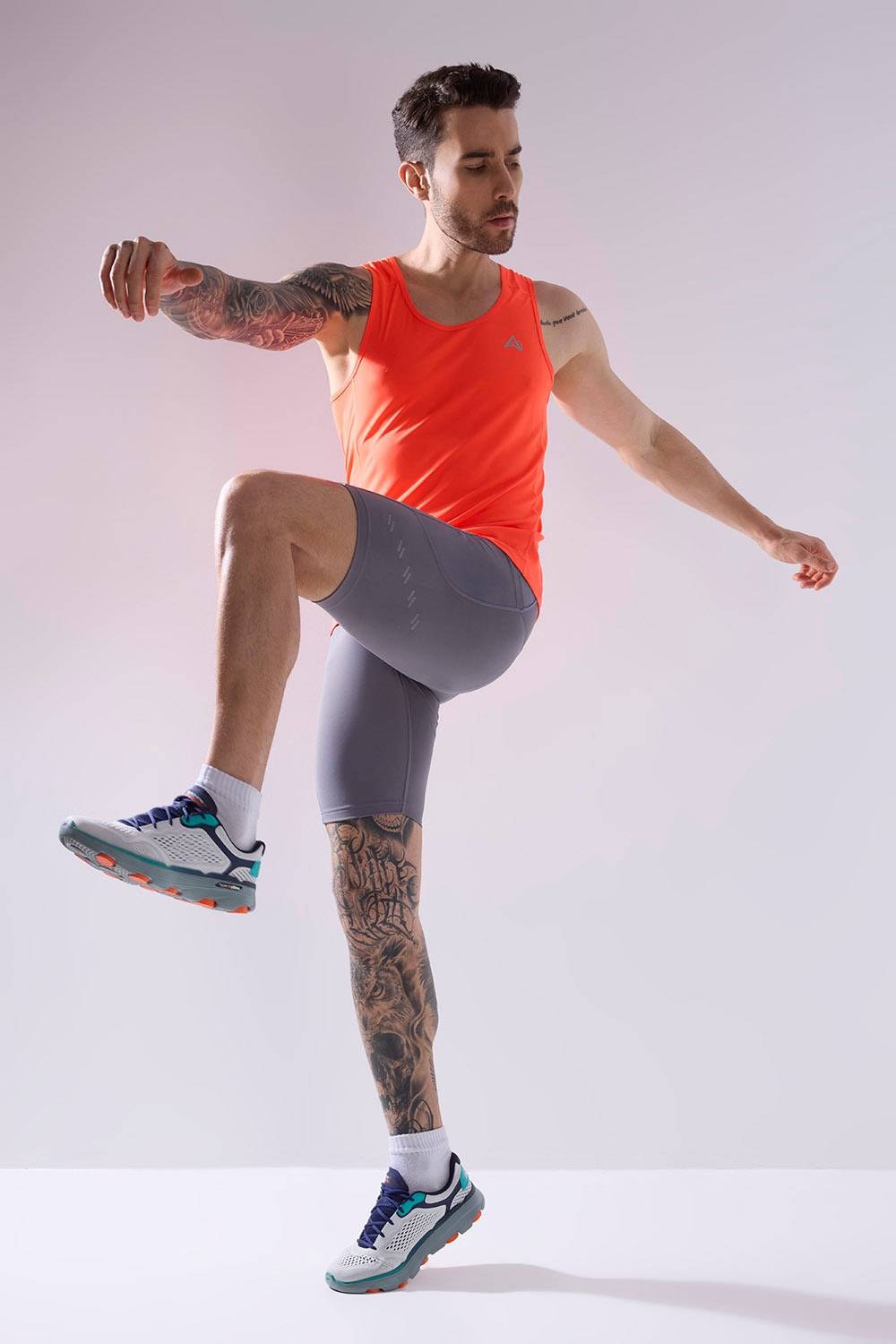
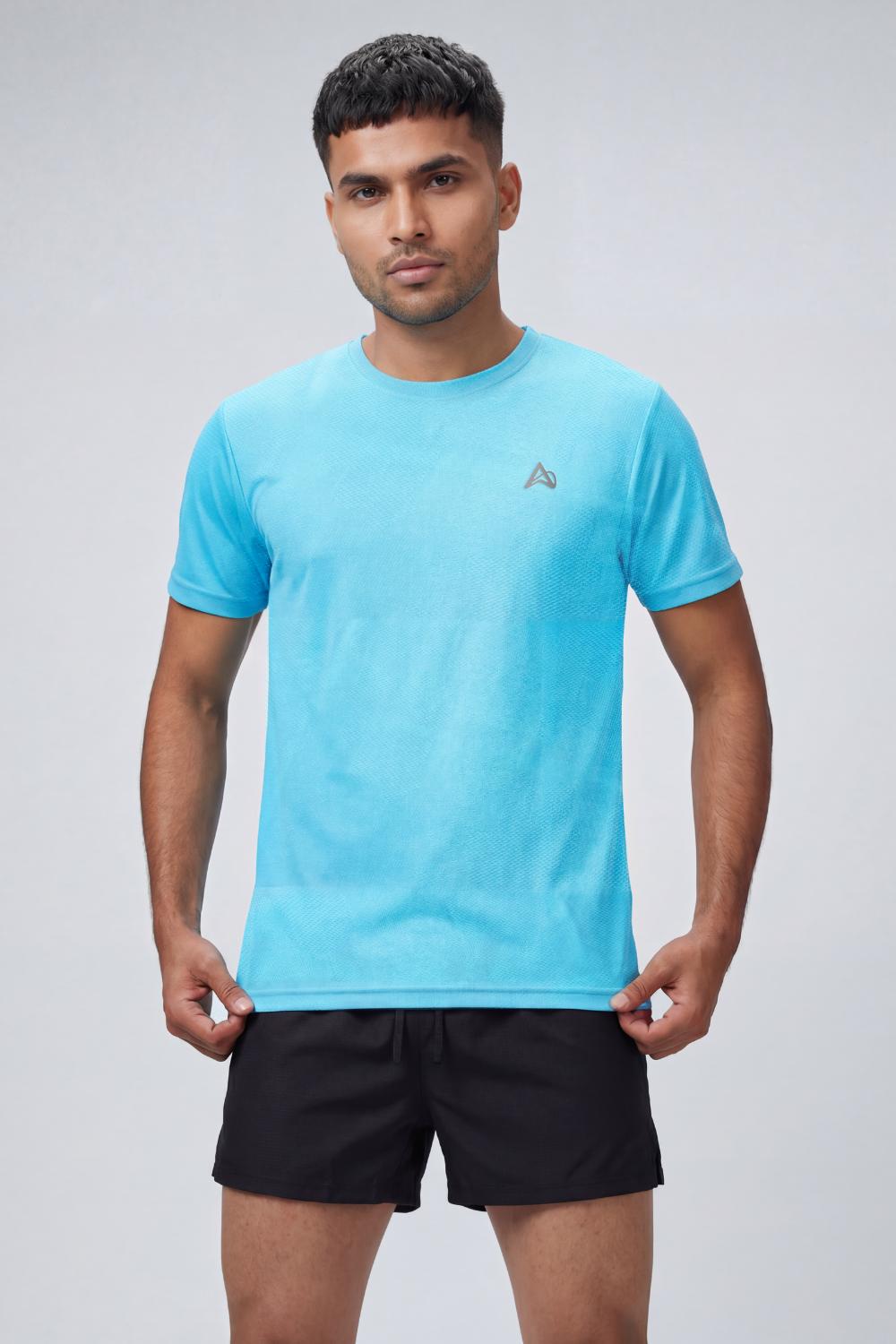
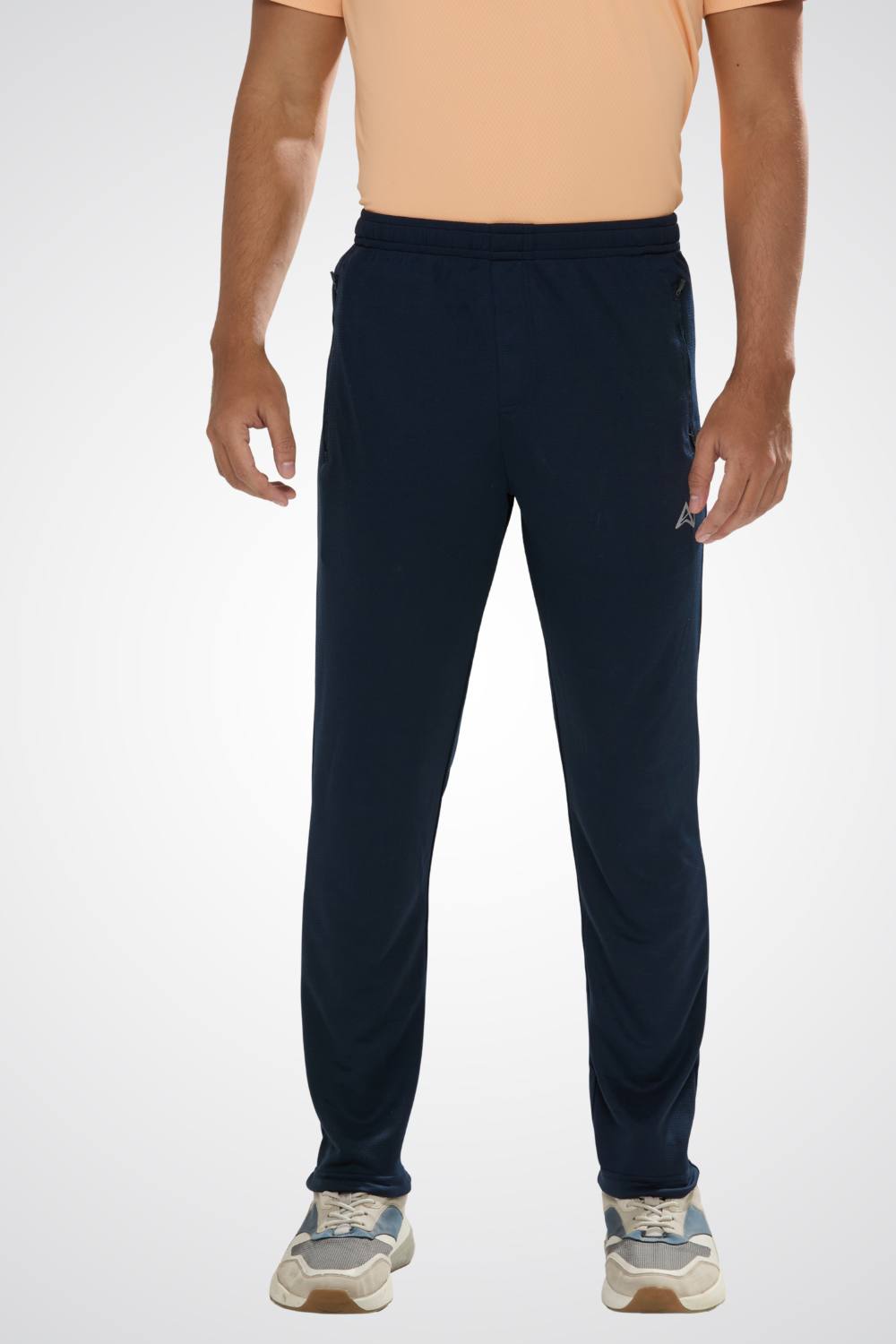
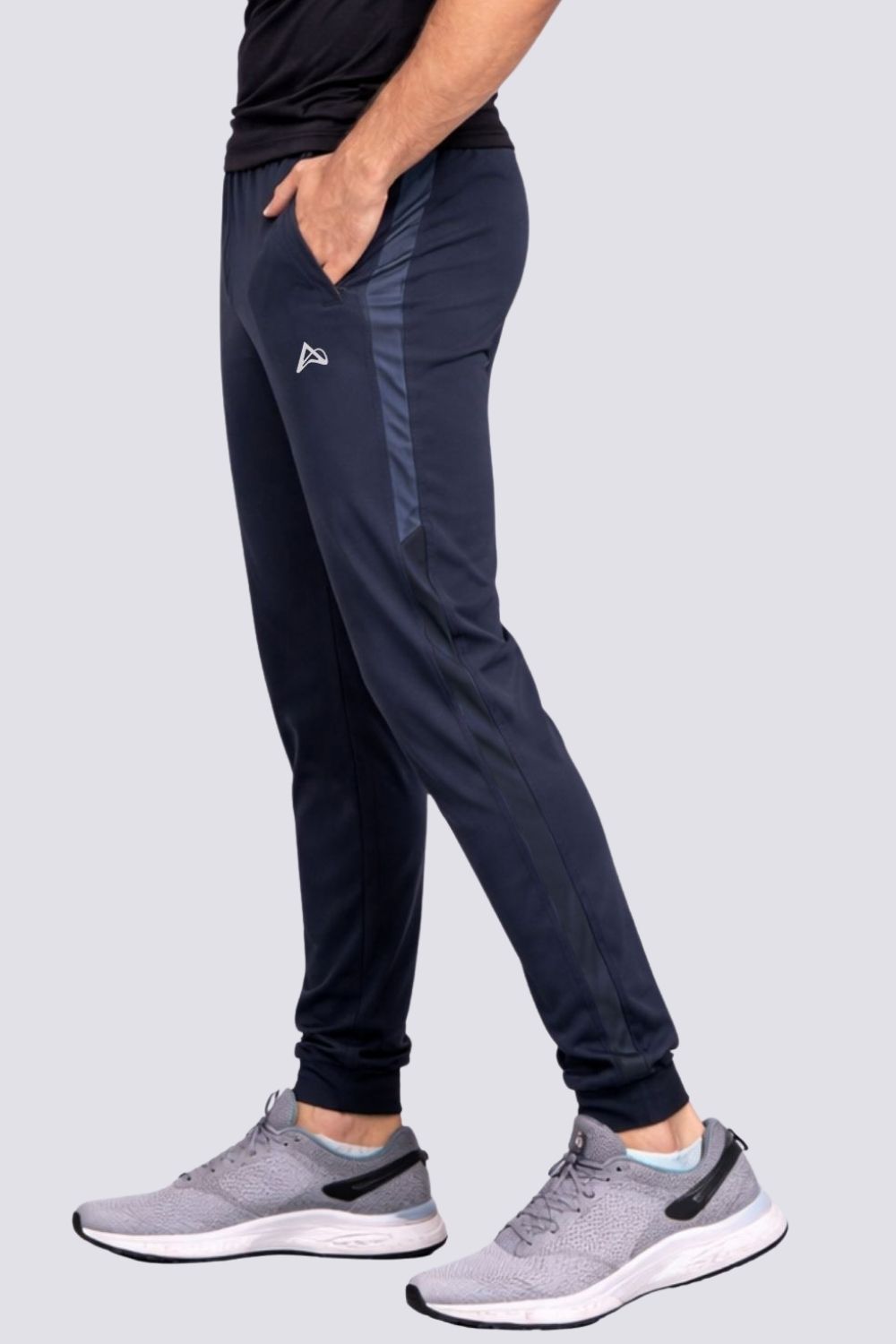


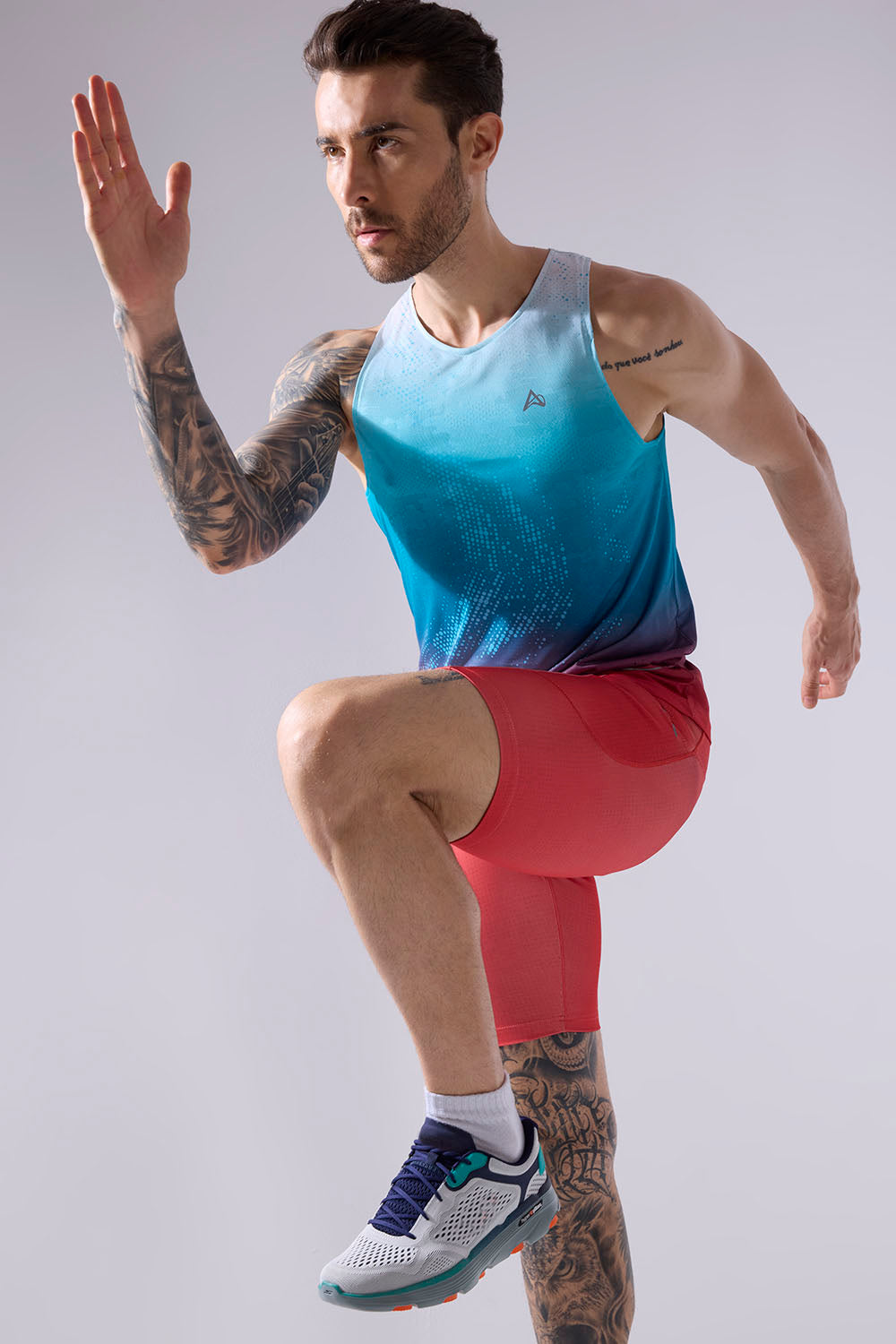

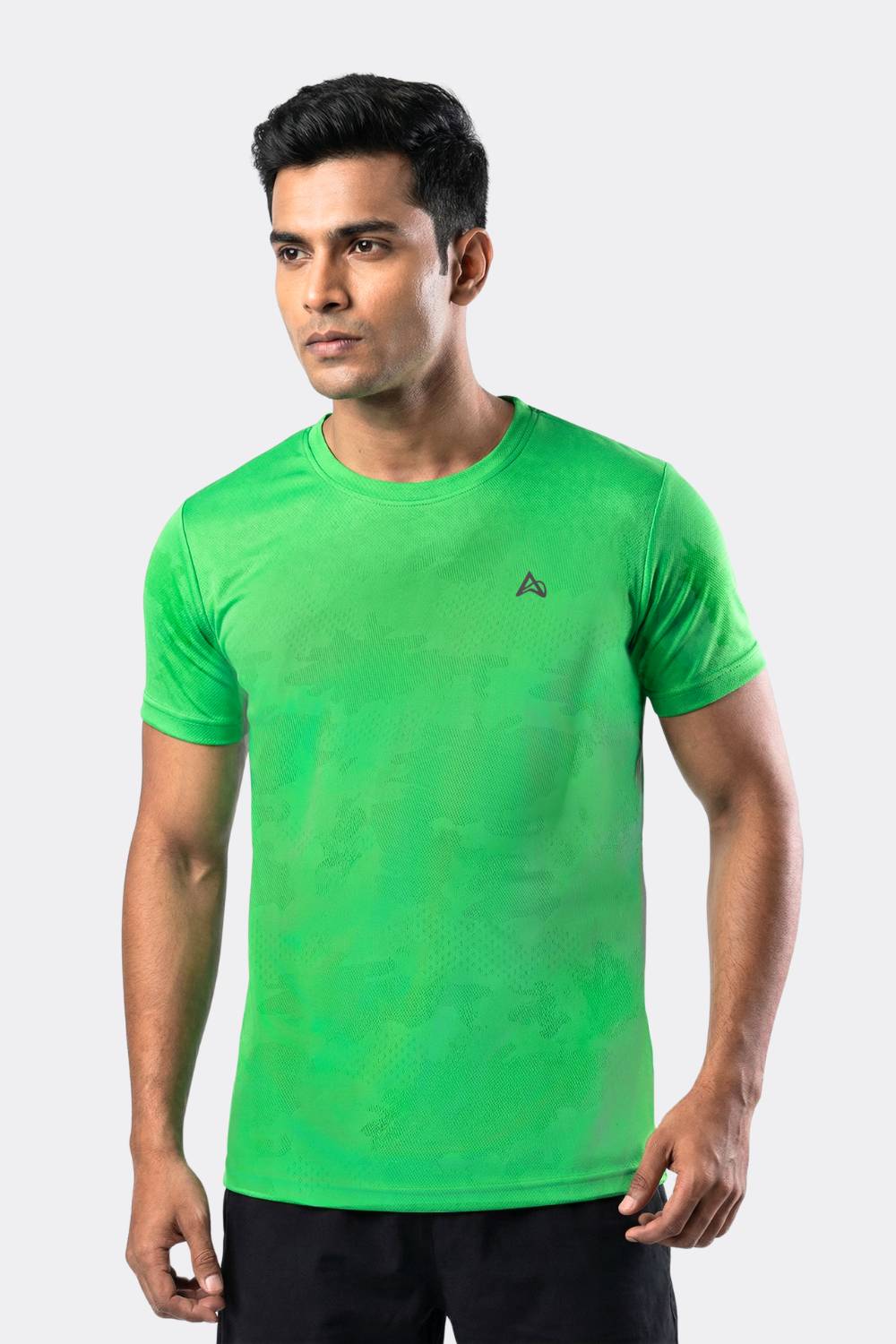
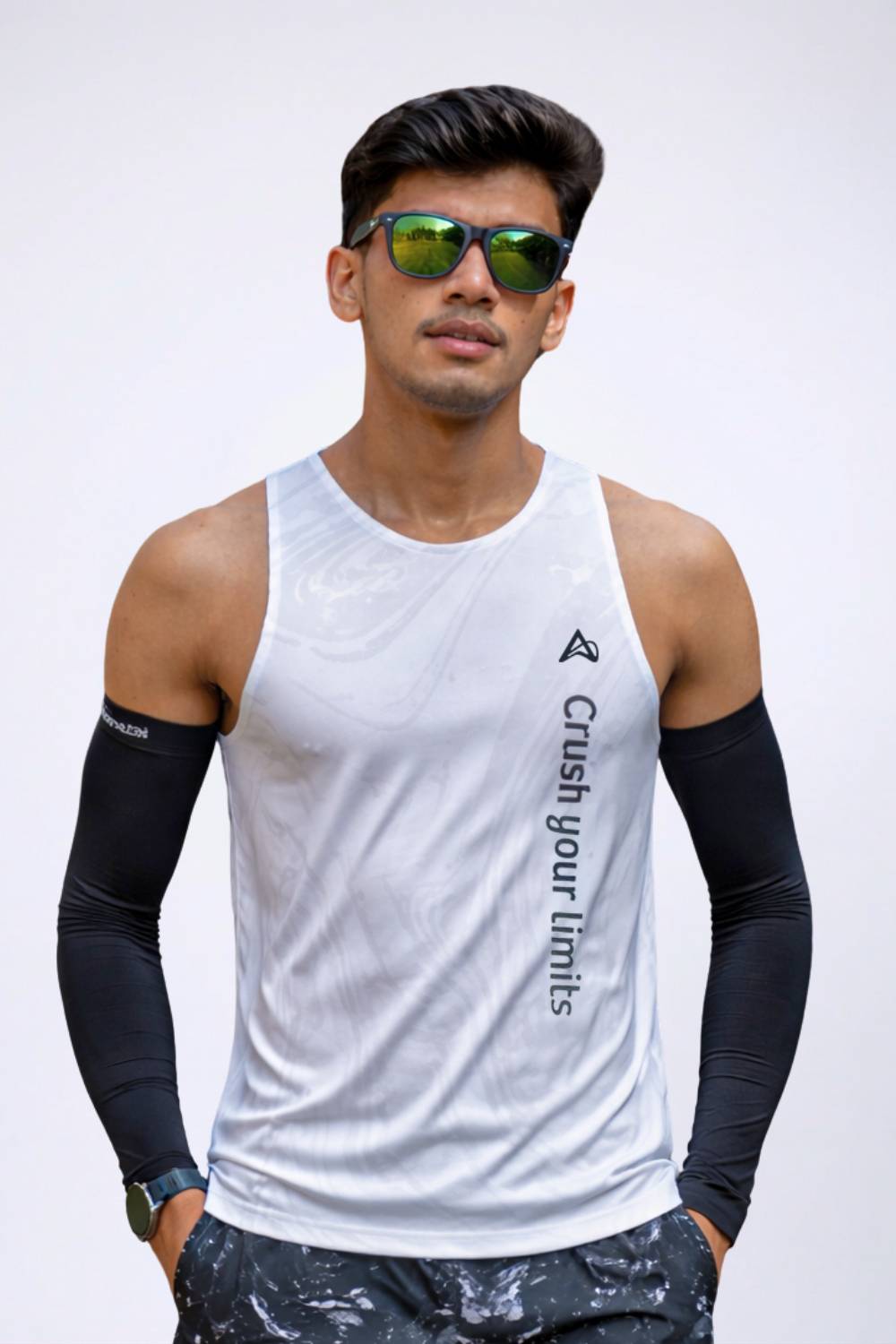

How to Choose Running Gear for Race Day starts with understanding that successful race preparation is not only about training harder. The equipment you wear and carry on event day can influence comfort, confidence, and focus throughout the run. From clothing choices to footwear decisions, every part of a race kit should support your individual goals, running style, and the conditions you expect to face. Whether you are preparing for your first organised event or refining your setup for a personal best, selecting the right gear requires a practical approach rather than simply choosing the most advanced option available.
Tired of gear that slows you down? Chafing, soggy fabrics, and missing pockets kill your run's momentum. At Aguante, we're runners who get it. Our high-performance activewear features moisture-wicking fabrics, ergonomic designs, and smart storage to keep you focused. Shop Now!
Start with Your Race Goals and Running Conditions
The right race-day setup depends on the type of runner you are and what you want to achieve. A beginner preparing for a first 5K may prioritise comfort and familiarity, while a more experienced runner may focus on reducing distractions during longer distances. Before choosing new equipment, consider the distance, expected weather, pace goals, and the features that matter most during your event.
Race day is not the time to experiment with unfamiliar gear. Clothing that feels comfortable during a short training run may behave differently over several hours of movement. The same applies to accessories, footwear, and layers. A reliable race kit is usually built through testing during training sessions, allowing runners to understand how each item performs when they are tired, moving at race pace, or dealing with changing conditions.
A useful approach is to evaluate gear based on function rather than appearance. Ask whether each item helps solve a specific need. Does it improve comfort? Does it allow unrestricted movement?
Does it manage moisture effectively? Does it help you carry essentials without creating distractions ? These questions help create a race-day running gear .
Choose Running Clothing That Supports Movement
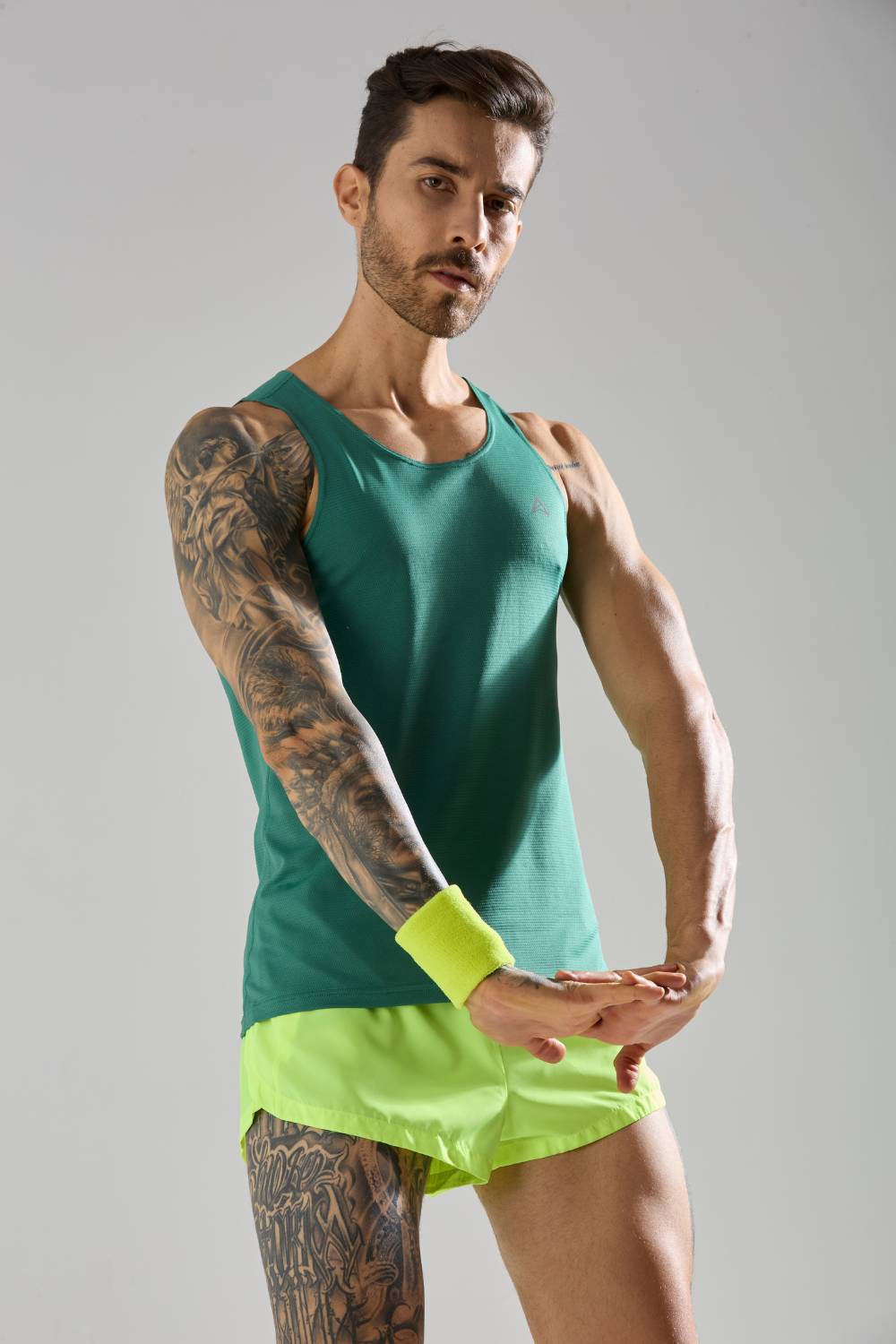
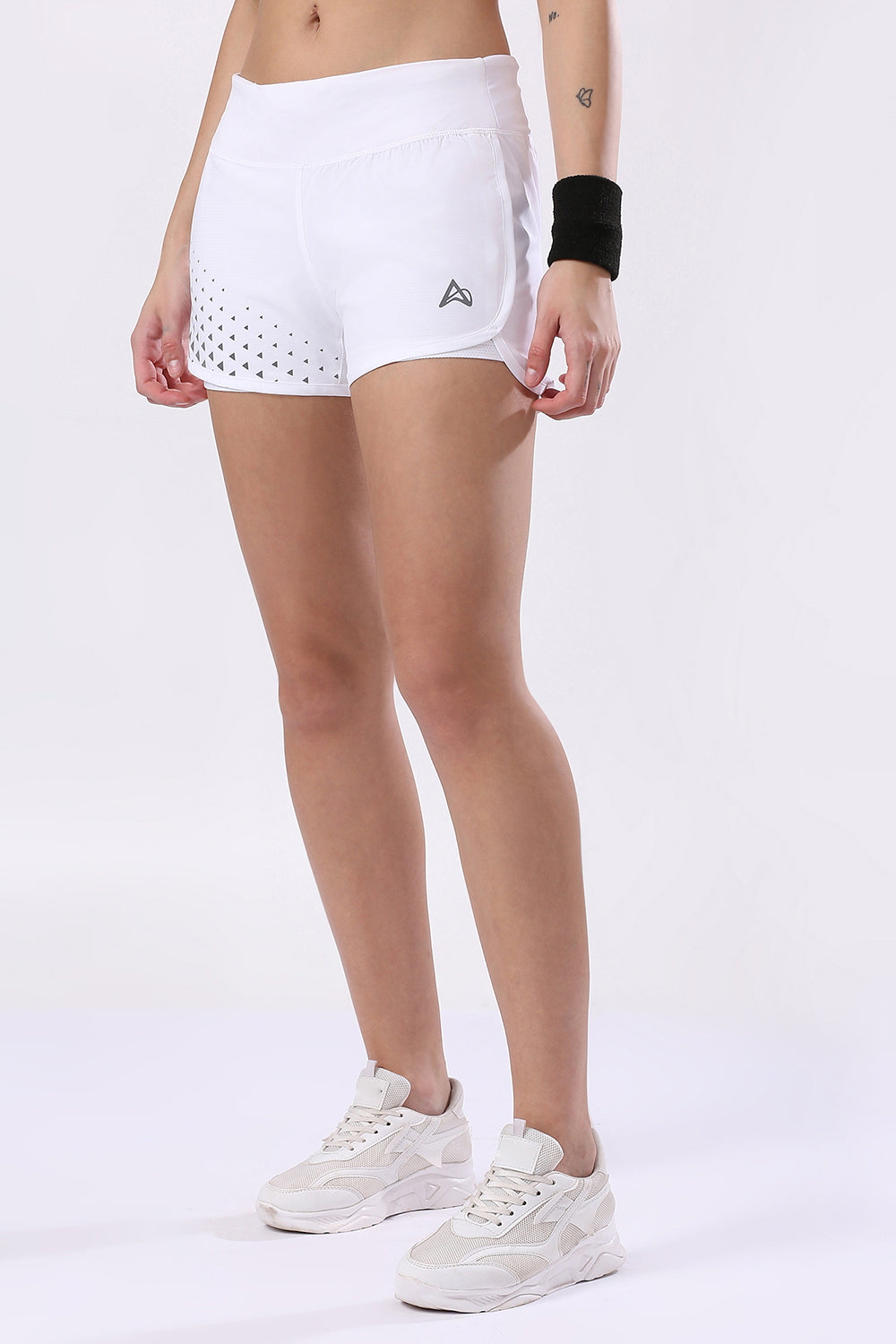
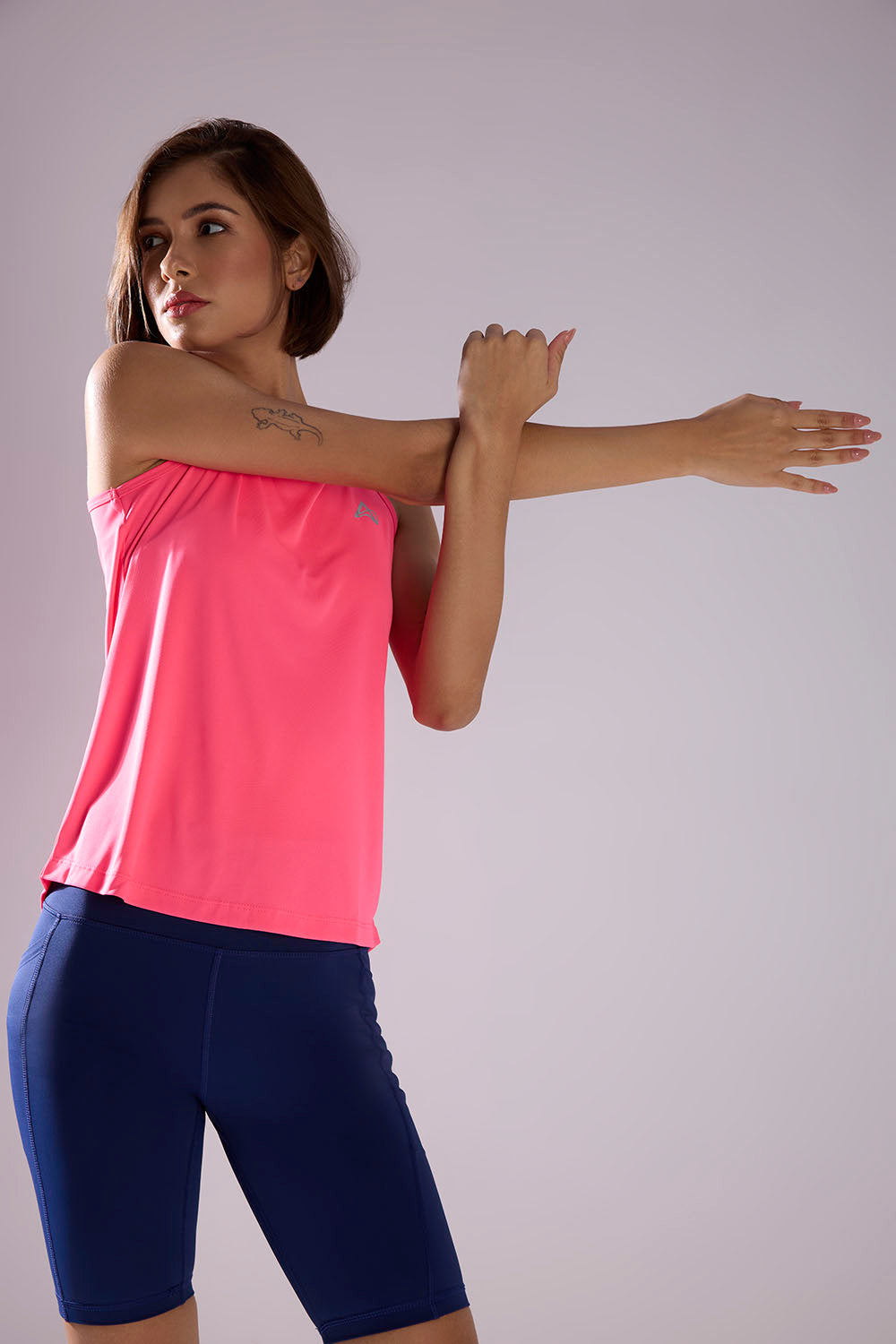
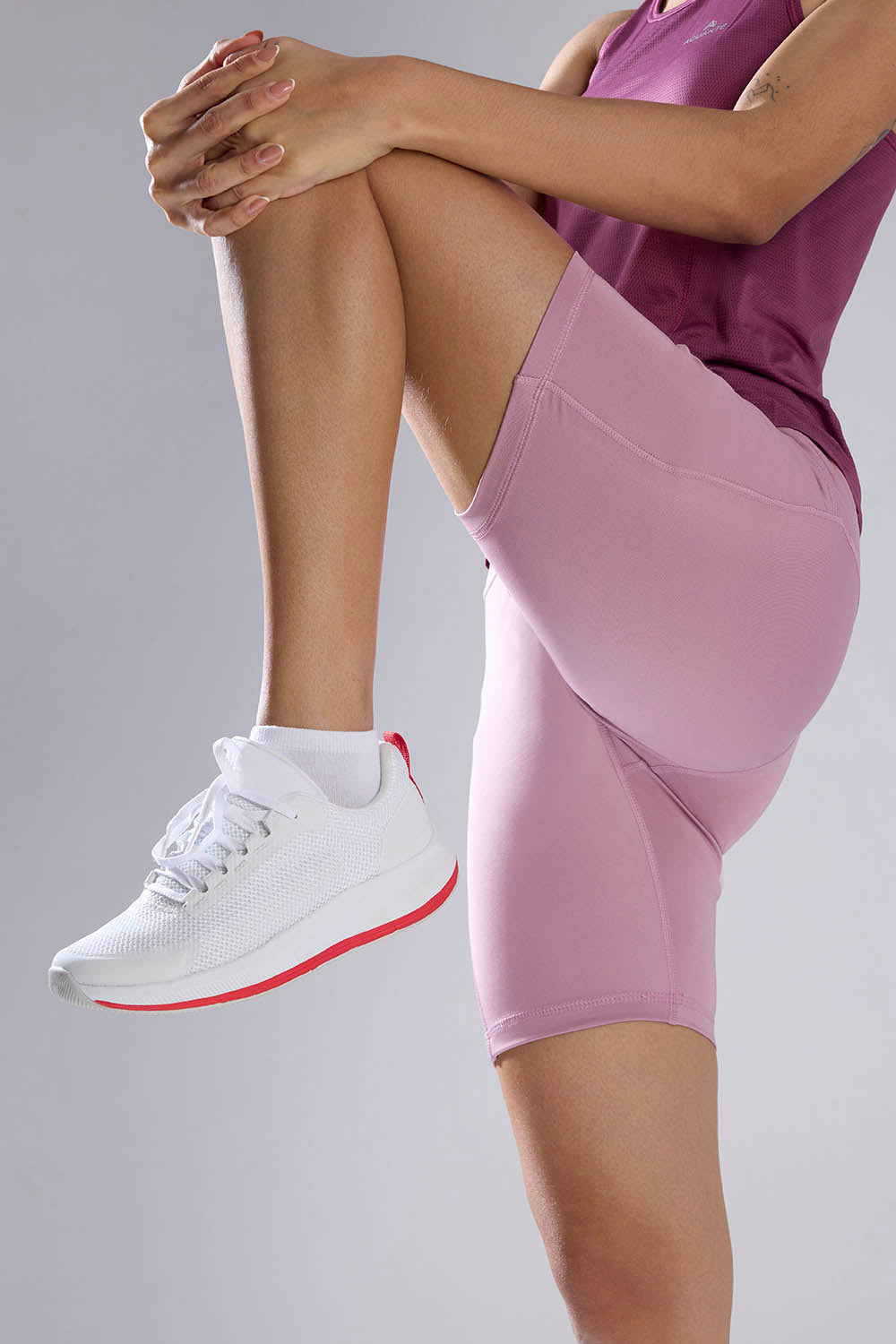
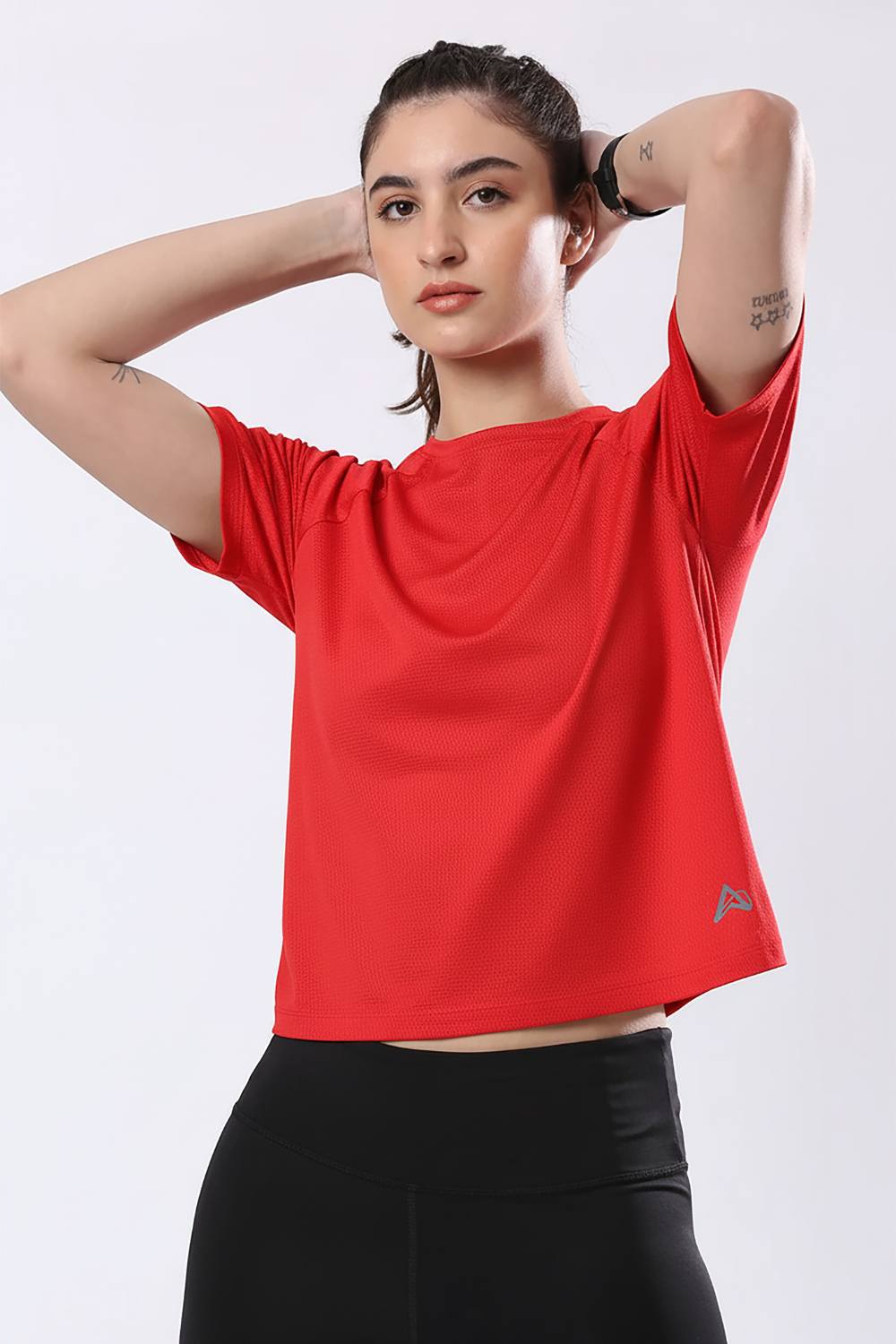
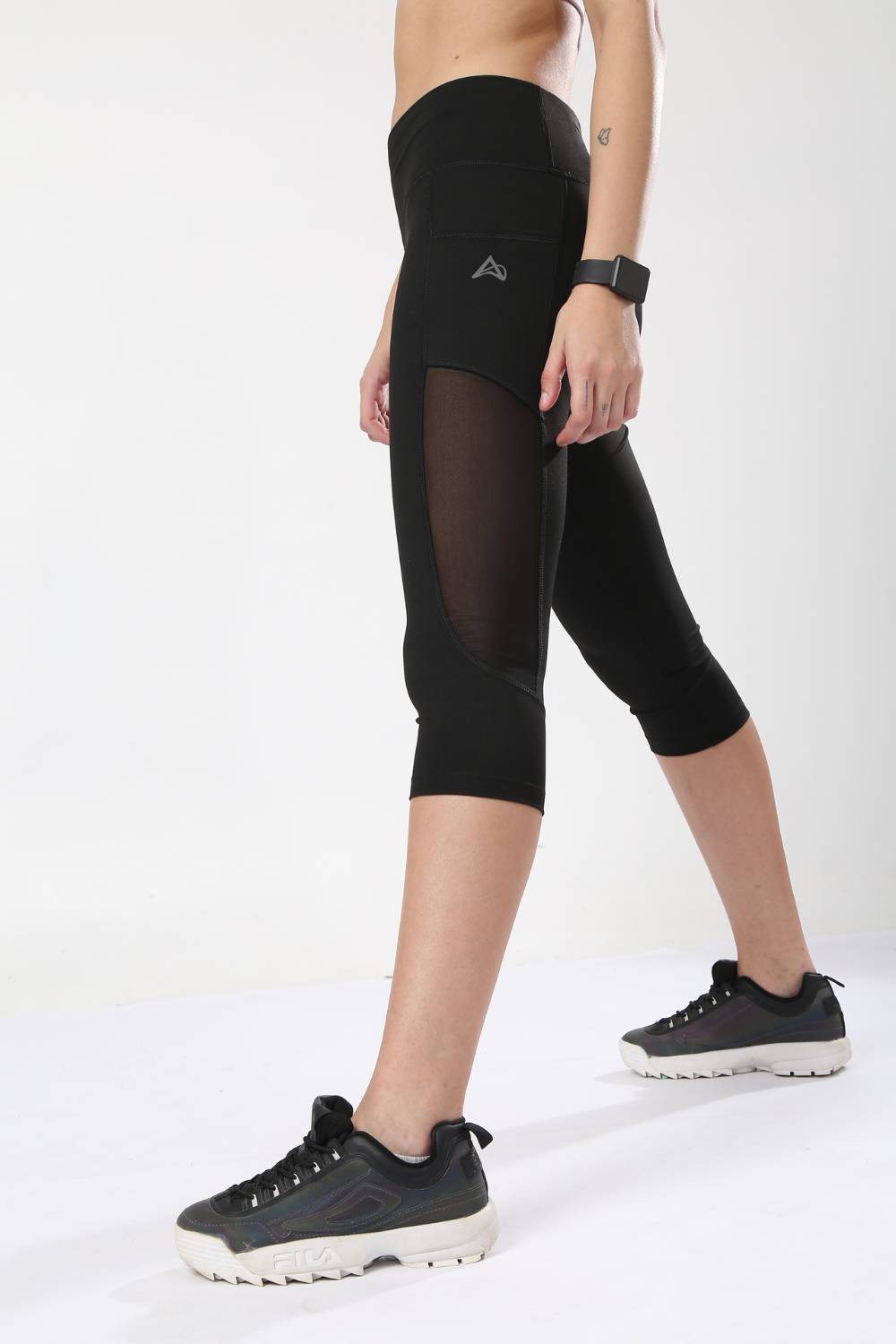
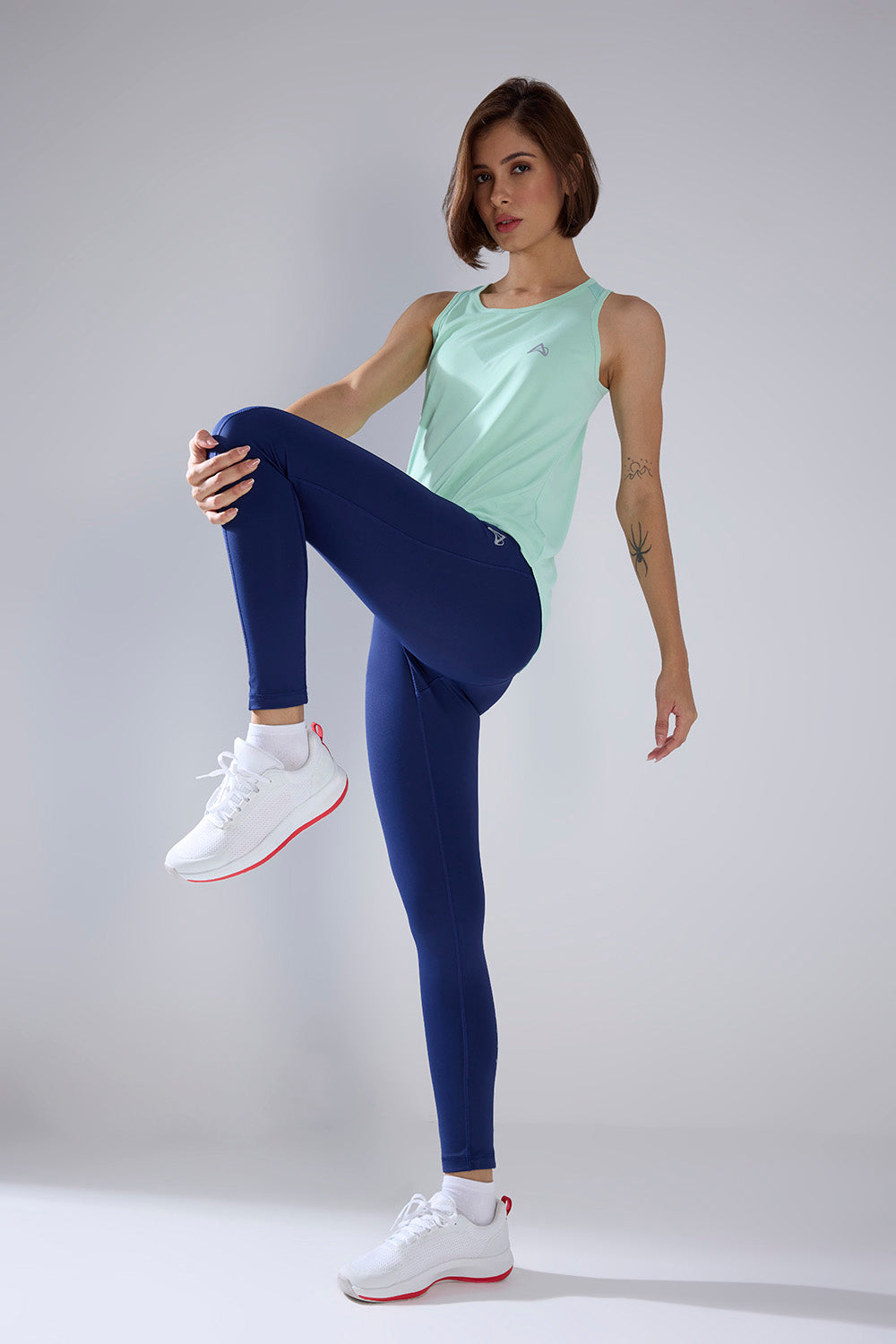
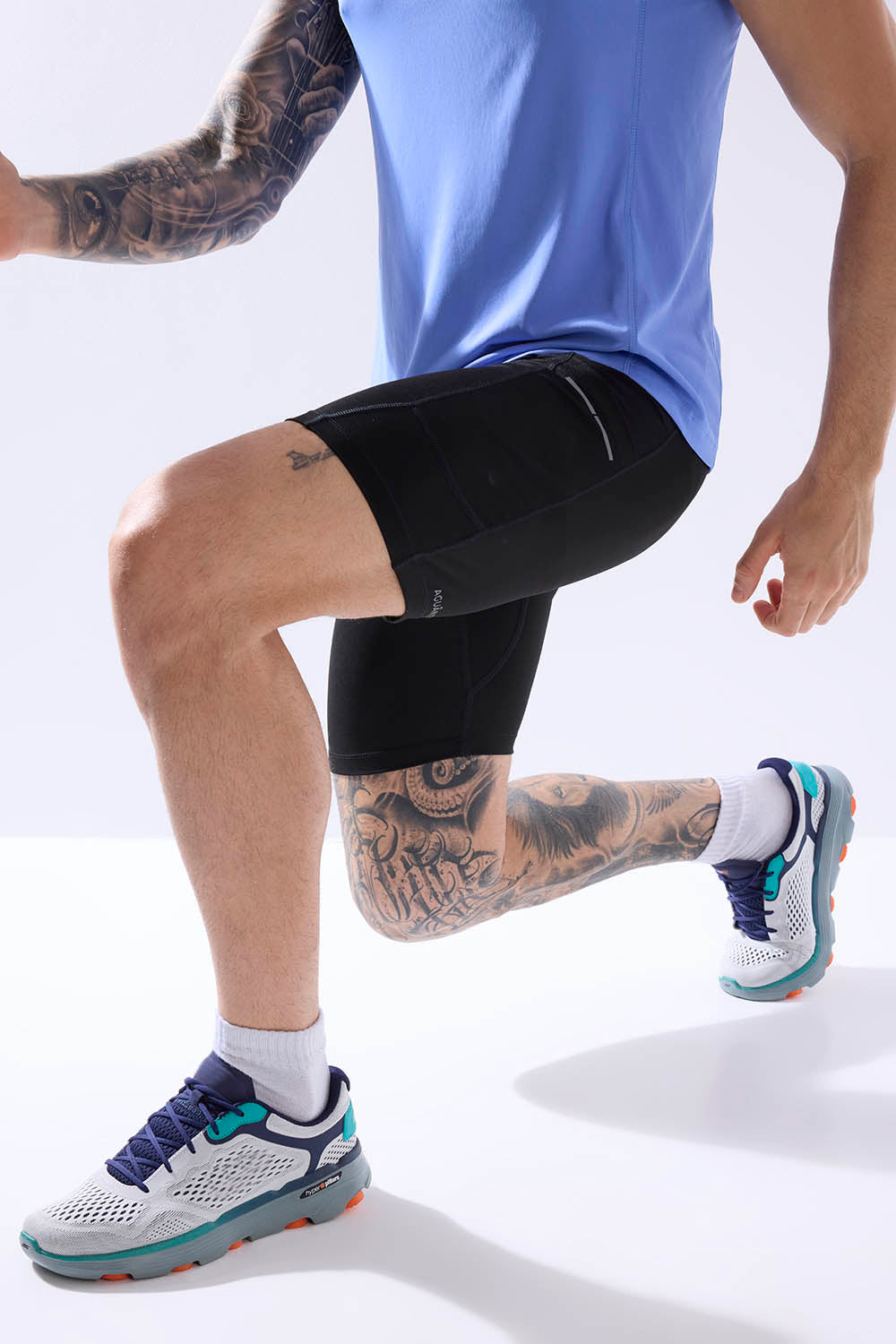
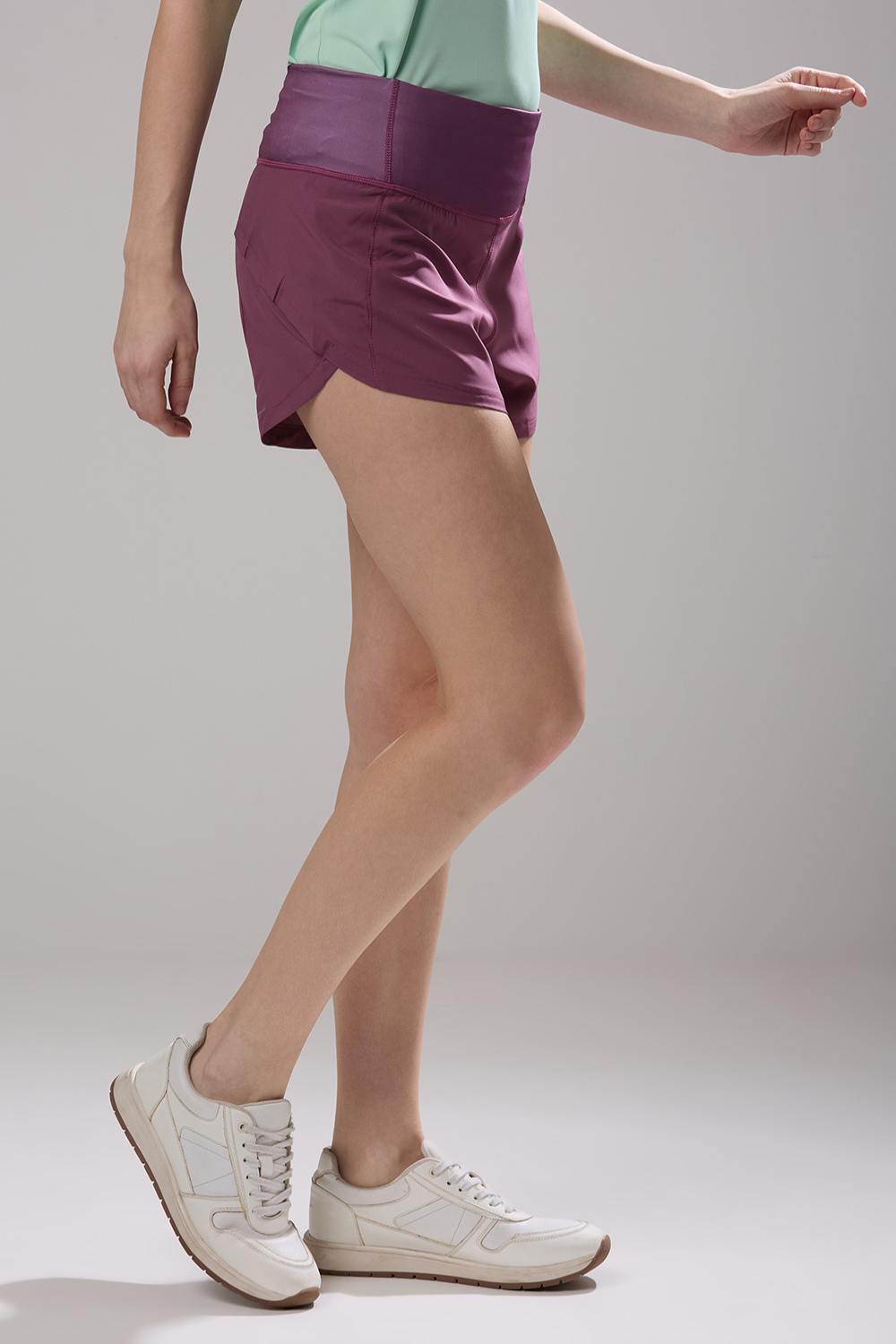
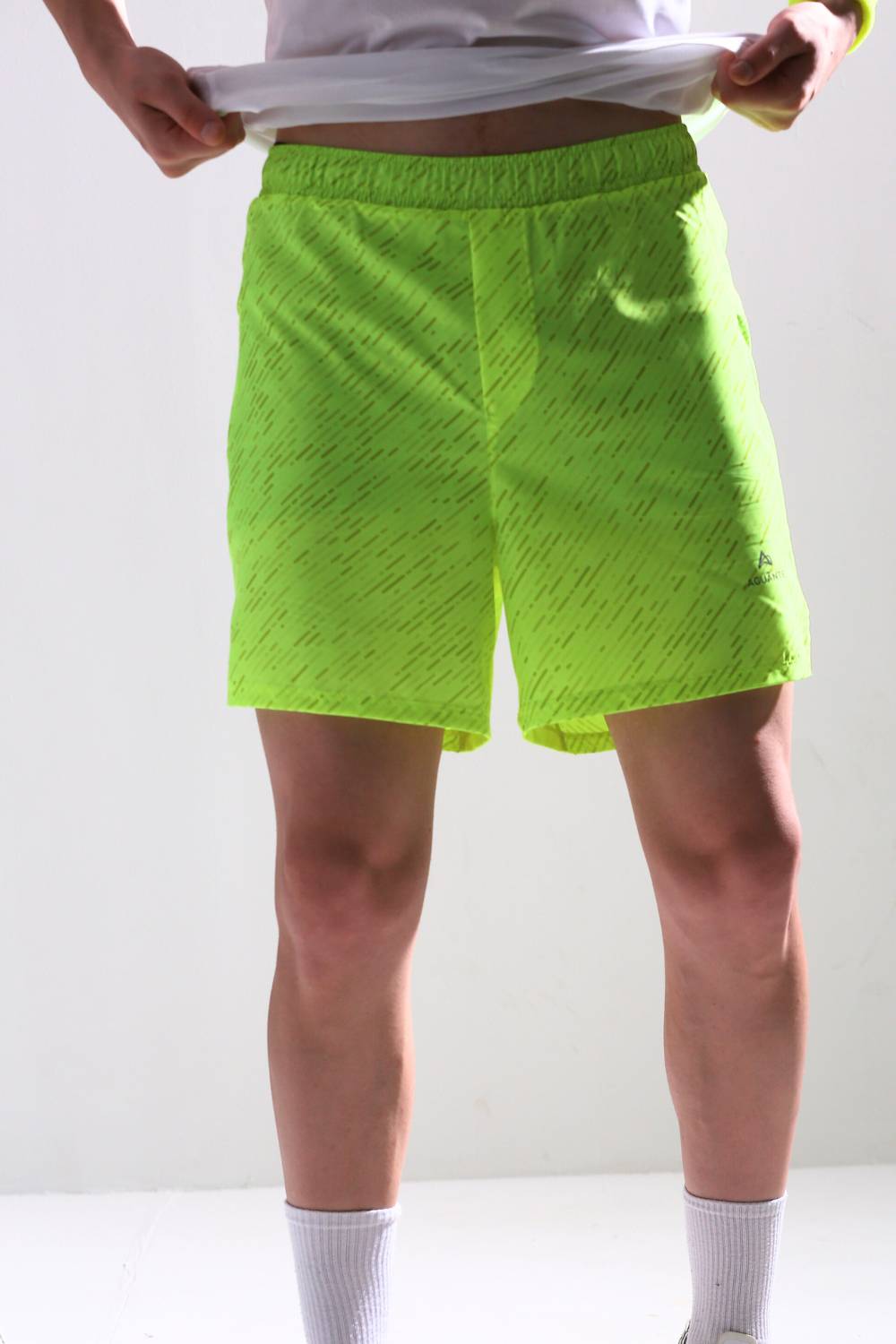
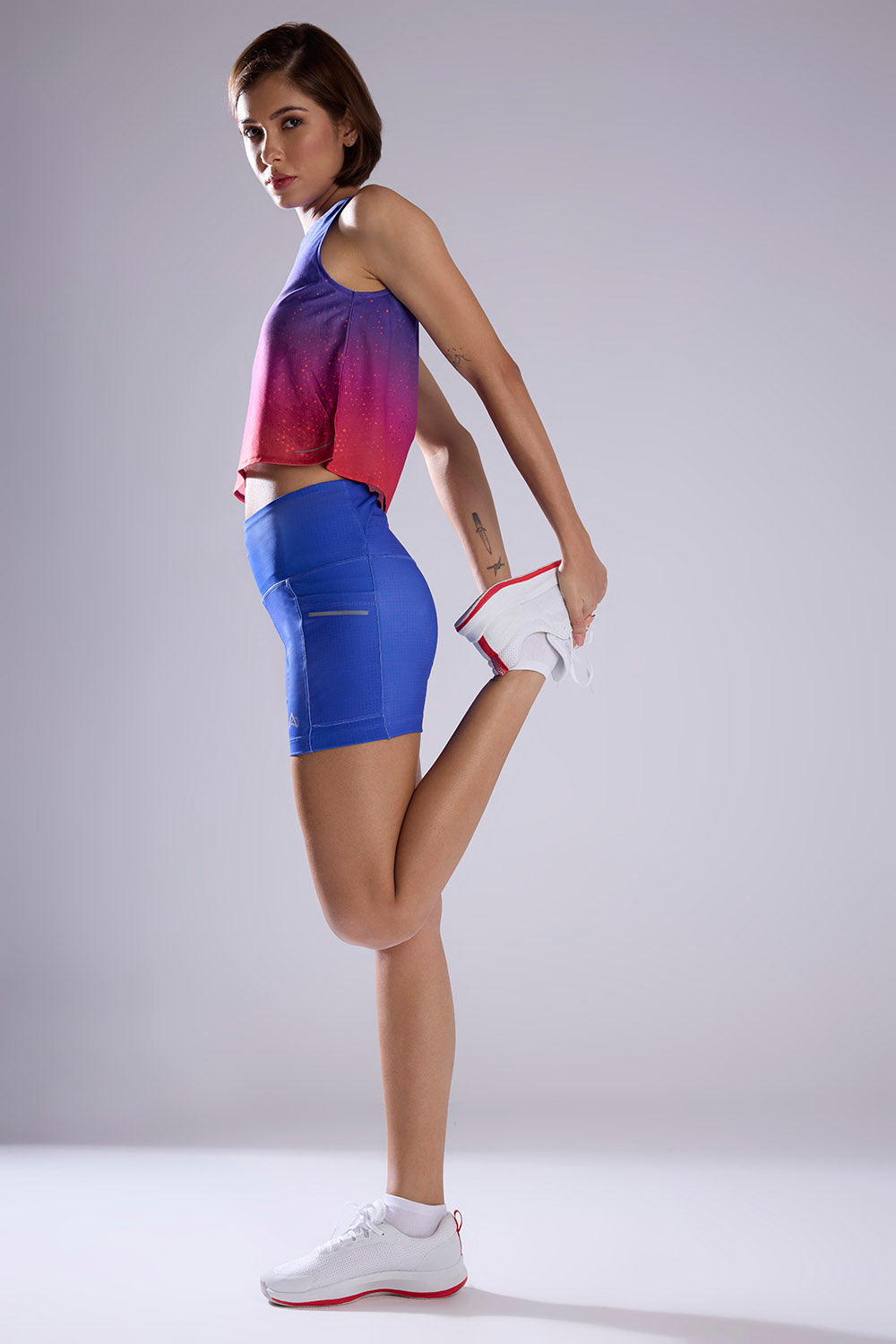
Running clothes for race day should feel like an extension of your training routine. The best choices allow natural movement, reduce irritation, and help maintain comfort throughout the event. Lightweight materials, breathable construction, and a suitable fit can make a meaningful difference when runners spend extended periods in motion.
Fit is especially important because race-day clothing should work with your body rather than against it. Loose garments may create unwanted movement, while overly tight clothing can restrict comfort. The ideal balance depends on personal preference, body shape, and running conditions. A runner preparing for a warm outdoor race may prefer clothing designed to support airflow, while someone racing in cooler conditions may need additional layering options.
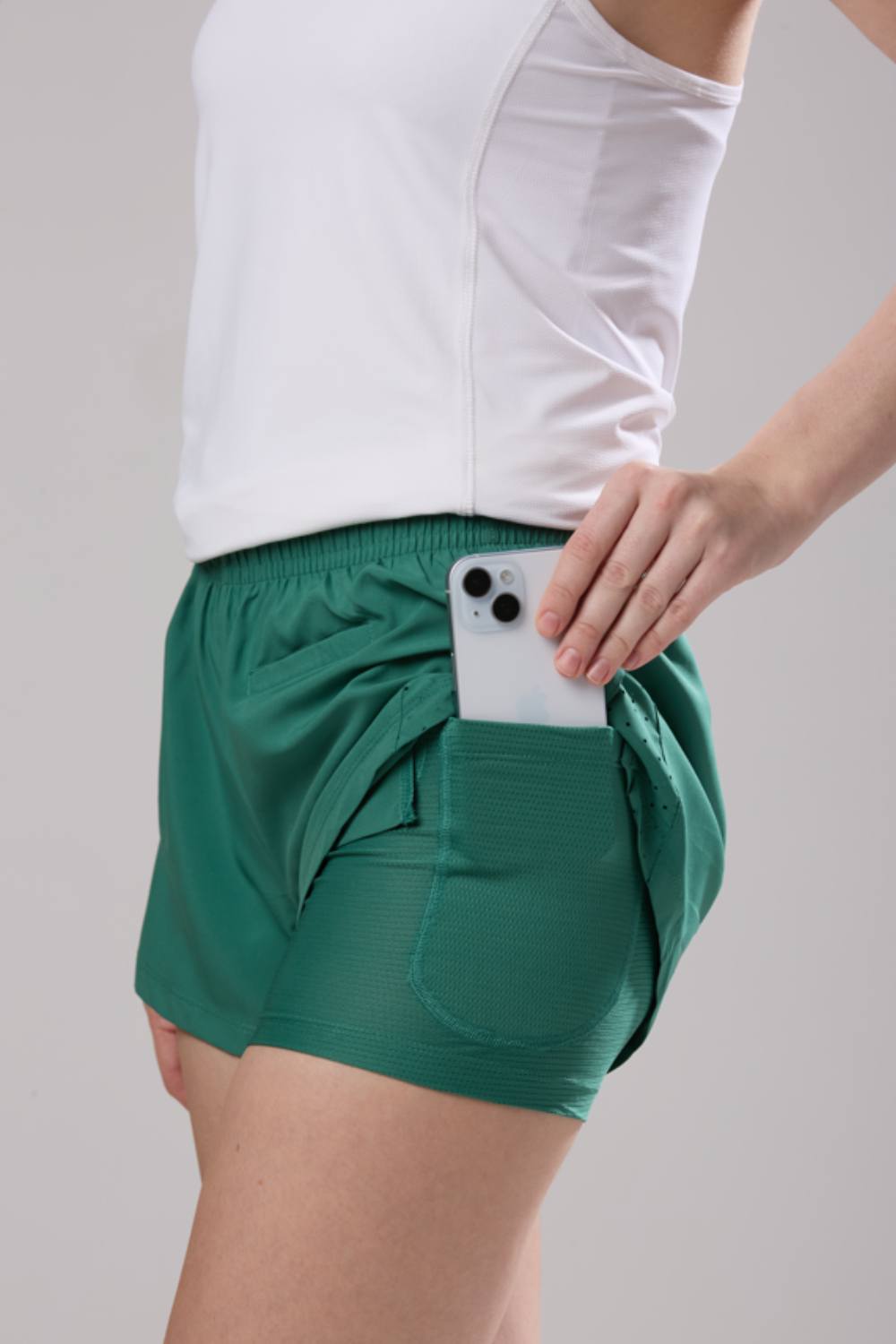
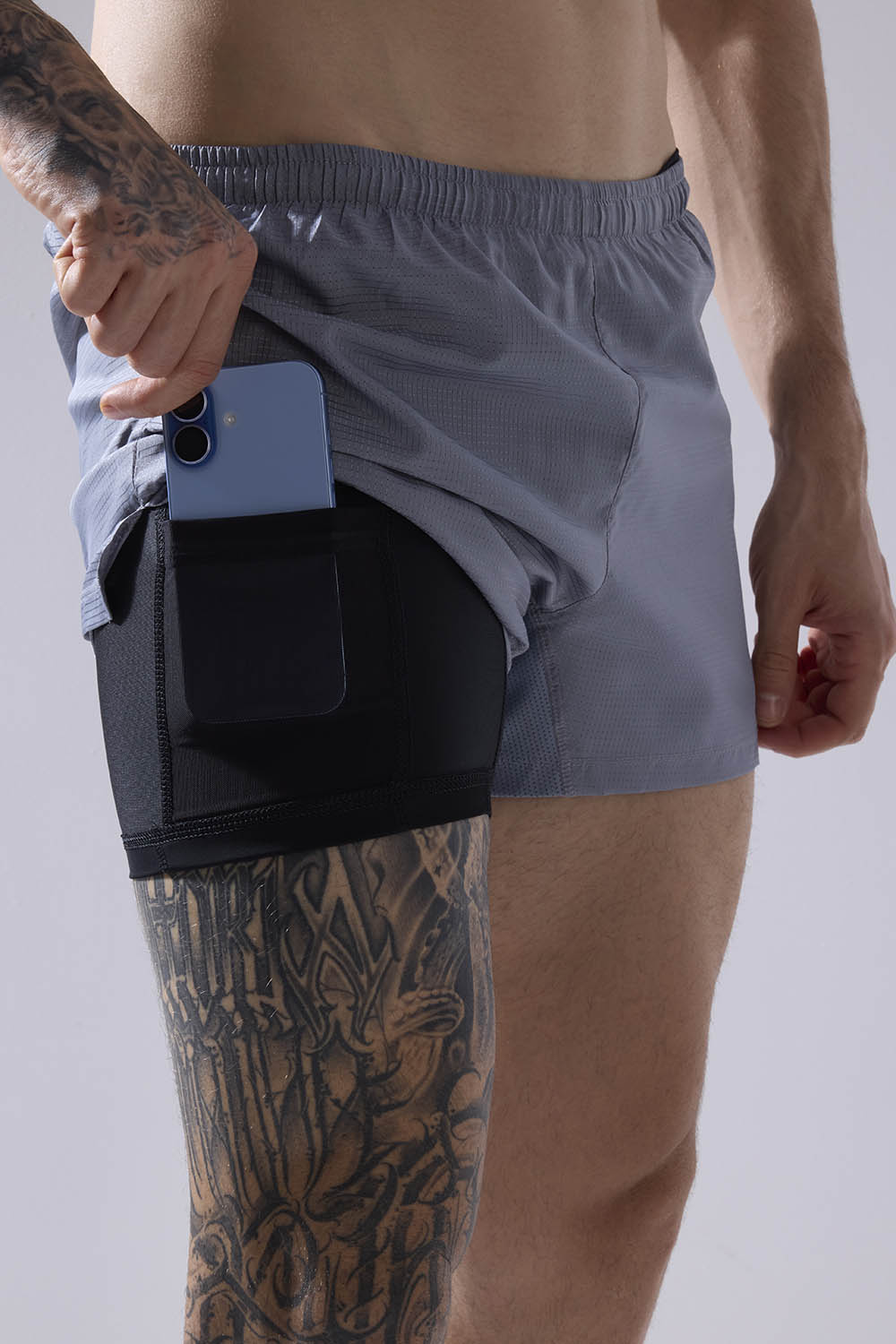
Technical features can also influence the overall experience. Details such as secure storage, reflective elements, and practical design features can help runners manage essentials while staying focused on the route. However, more features do not always mean better performance. The most effective gear is the equipment that matches the runner's needs and feels dependable during competition.
Understand the Role of Race-day Footwear
Footwear is one of the most important decisions in any race preparation plan. A shoe that works well for one runner may not provide the same experience for another because comfort, running style, distance, and personal biomechanics all influence performance.
When selecting race shoes, runners should consider factors such as the distance they are racing, their experience level, preferred feel, and whether they have already adapted to the footwear during training. Advanced shoe technologies can offer different sensations, but the newest option is not automatically the right choice for every athlete. The most suitable shoe is the one that feels natural and provides the support needed for the individual runner.
Expert guidance on choosing the right racing shoes highlights the importance of matching footwear decisions with personal requirements instead of selecting equipment based only on technology or popularity. Testing shoes before competition and avoiding major changes close to race day can help runners maintain confidence and consistency.
For many runners, footwear selection should be part of a broader race preparation strategy. Shoes, clothing, and accessories should work together as a complete system. When every item has been tested and trusted during training, runners can approach the .
Build a Practical Race Gear Checklist
A race gear checklist helps remove uncertainty before an event. Instead of making last-minute decisions, runners can prepare their equipment in advance and focus their attention on rest, nutrition, and race strategy.
- Running shoes: Choose a pair that has already been tested during training and feels comfortable at race intensity.
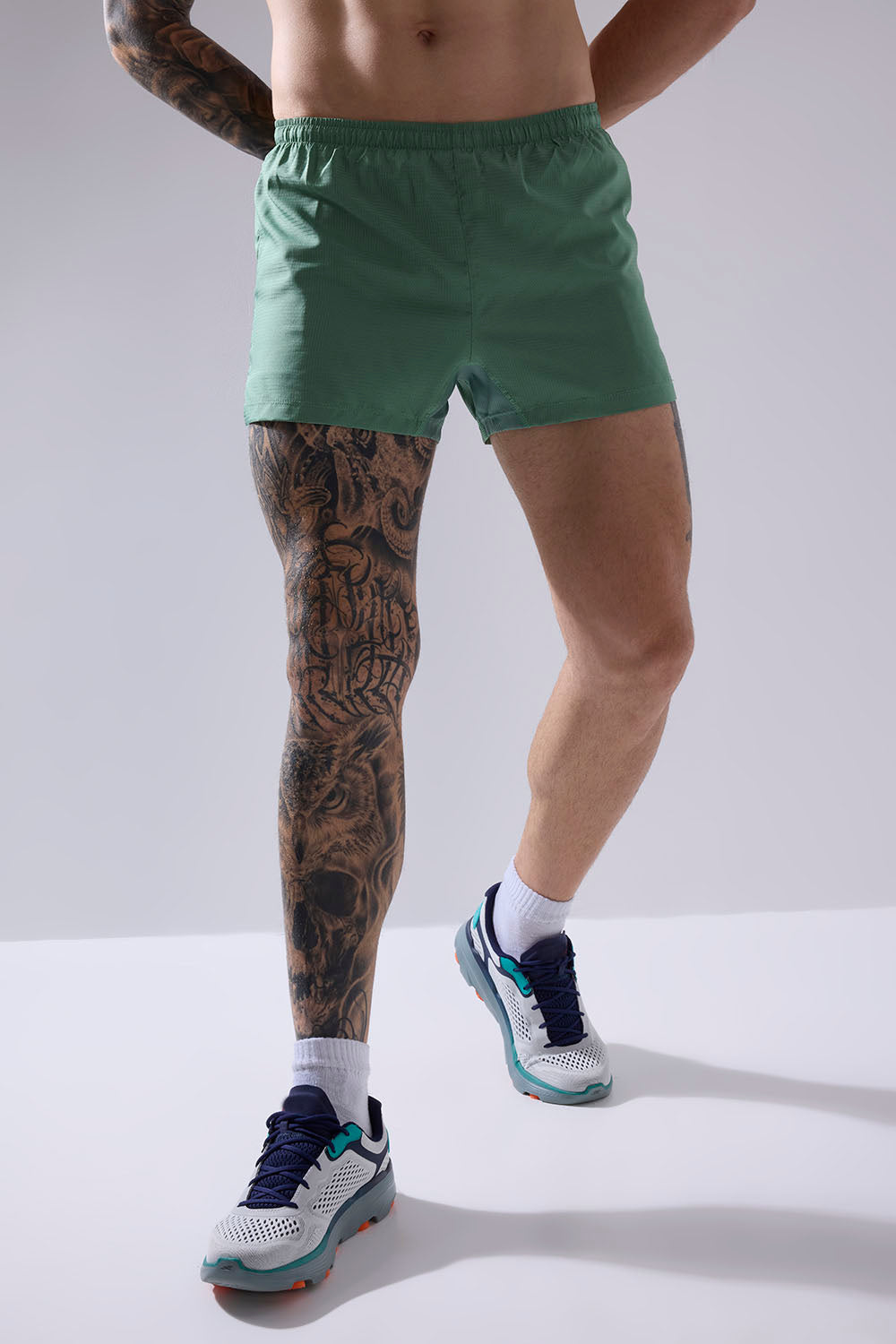
- Race clothing: Select apparel that supports movement and matches expected weather conditions.
- Socks: Use options that provide comfort and reduce potential irritation during longer runs.
- Accessories: Consider items such as hydration support, watches, or storage solutions based on personal needs.
- Weather protection: Prepare additional layers or protective items if conditions require them.
The goal of a running gear checklist is not to carry everything possible. It is to create a focused collection of reliable equipment. Extra items can become distractions, especially during a race where attention should remain on pacing, effort, and enjoyment.
Consider Comfort, Durability, and Responsible Choices
Performance is an important part of gear selection, but many runners are also becoming more thoughtful about how products are made and how long they can be used. Choosing durable equipment that performs well across multiple training sessions can support both practical value and more responsible consumption habits.
Sustainability considerations are becoming more visible in sports equipment decisions, with greater attention on materials, manufacturing processes, and product longevity. Developments in sustainable running gear show how performance products are increasingly evaluated beyond factors such as weight and comfort alone.
For runners, this does not mean every purchase needs to be based on sustainability alone. Instead, it means considering the full lifecycle of gear. A well-made item that remains comfortable and functional through multiple training cycles can provide long-term value. This mindset also encourages runners to invest in equipment that genuinely supports their goals rather than buying items they may rarely use.
Avoid Common Race-day Gear Mistakes
Many race-day problems come from choices made too close to the event. New shoes, unfamiliar clothing, or untested accessories can create unnecessary challenges when runners should be focused on performance. Building confidence in your equipment requires time and repetition.
One common mistake is prioritising appearance over function. While runners may want gear that looks good in race photos, comfort and reliability should remain the priority. A visually appealing item that causes discomfort during a race can quickly become a distraction.
Another mistake is carrying too much equipment. Every additional item should serve a clear purpose. A simple, tested setup often provides a better experience than a complicated collection of products that the runner has not fully evaluated.
Runners should also remember that race-day preparation begins well before the starting line. Equipment choices should be tested during training runs that reflect race conditions whenever possible. This allows adjustments to be made gradually and reduces uncertainty on the day of the event.
Choose Gear That Helps You Feel Ready
Selecting the best running gear for a race is ultimately about finding the right balance between performance, comfort, and confidence. The ideal race kit is different for every runner because individual goals, experience levels, and preferences shape what works best.
For runners preparing for events, the most effective strategy is to focus on essentials: dependable footwear, comfortable clothing, and equipment that has already proven itself during training. Thoughtful preparation can help remove distractions and allow runners to concentrate on the experience of racing.
Brands focused on performance apparel play an important role in helping runners understand these choices by creating products designed around real running needs. For a runner, choosing gear is not only about what is worn on race day. It is about building a setup that supports every step from preparation to finish line.
Frequently Asked Questions
What should I wear for a running race?
For a running race, choose clothing that supports movement, manages moisture, and feels comfortable throughout the event. Running clothes for race day should be tested during training so you can avoid discomfort caused by unfamiliar materials, fits, or designs.
How do I choose the best running gear for a race?
The best running gear for a race depends on your distance, running goals, weather conditions, and personal comfort preferences. Focus on reliable essentials such as tested footwear, suitable apparel, and accessories that solve specific needs without adding unnecessary distractions.
Should I buy new running shoes before race day?
It is better to avoid making major footwear changes right before a race. Choose running shoes that you have already tested during training and that provide the comfort, support, and feel you need for your event.
Disclaimer: The above helpful resources content contains personal opinions and experiences. The information provided is for general knowledge and does not constitute professional advice.
You may also be interested in: Running Half Tights and Their Role in Distance Training Comfort
Tired of gear that slows you down? Chafing, soggy fabrics, and missing pockets kill your run's momentum. At Aguante, we're runners who get it. Our high-performance activewear features moisture-wicking fabrics, ergonomic designs, and smart storage to keep you focused. Shop Now!
Powered by flareAI.co