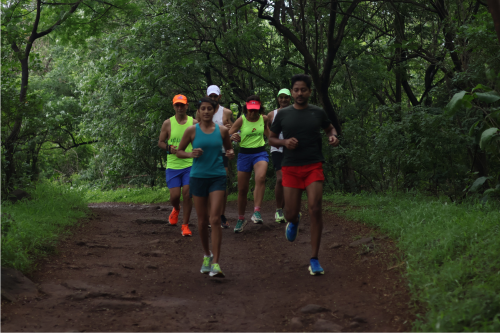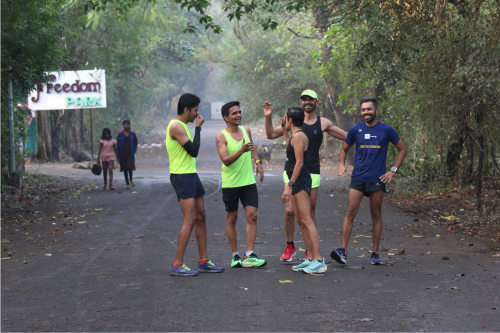
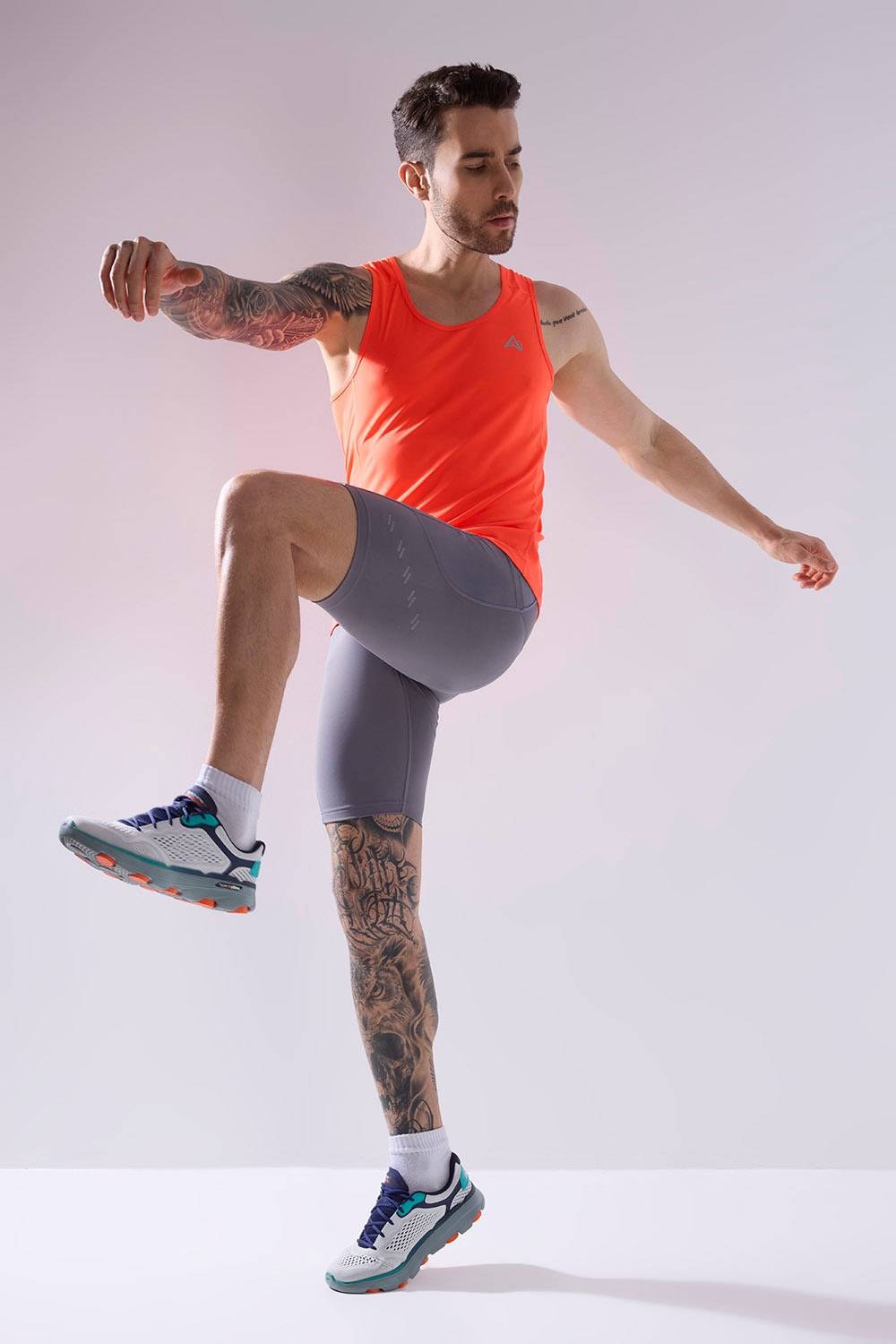
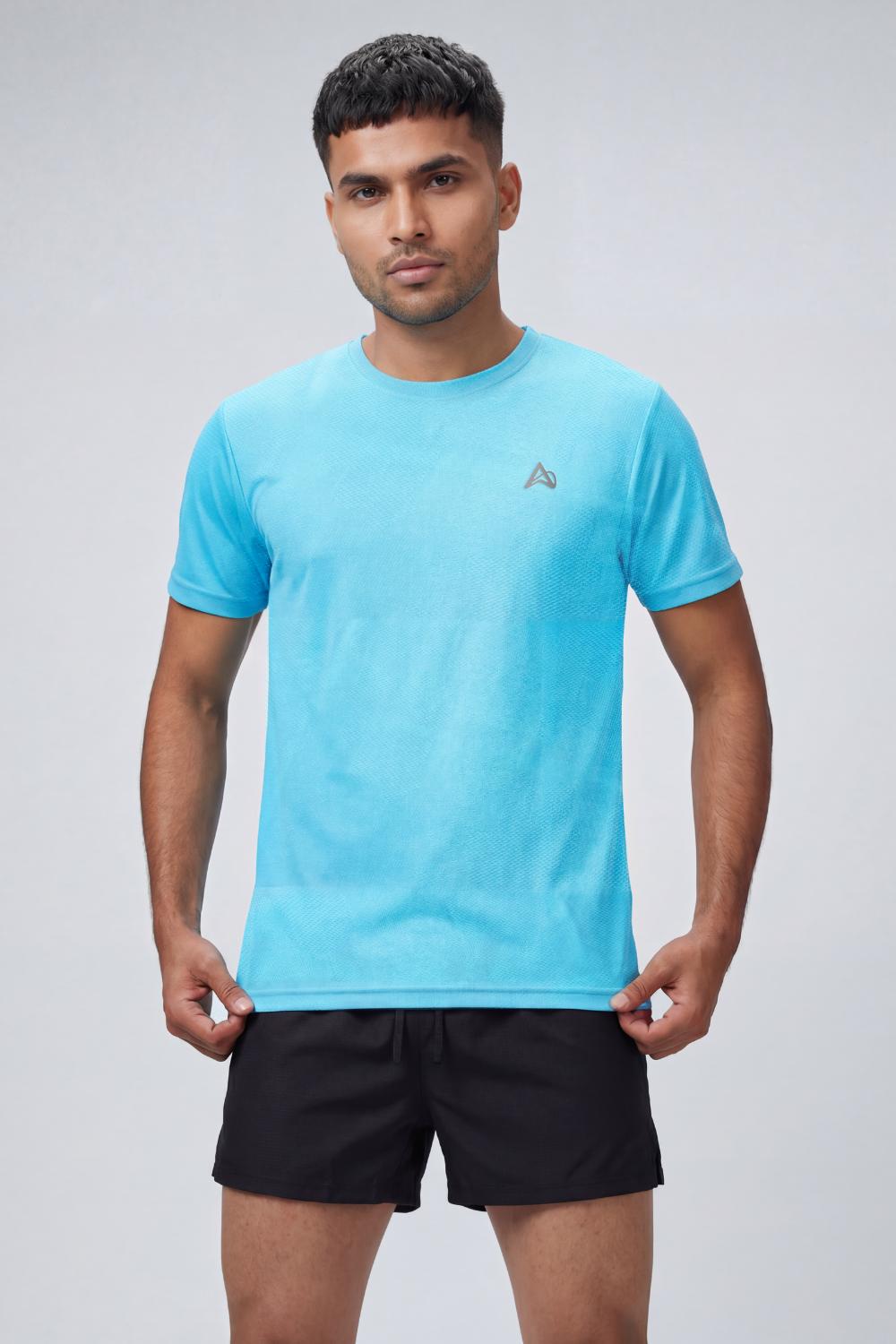
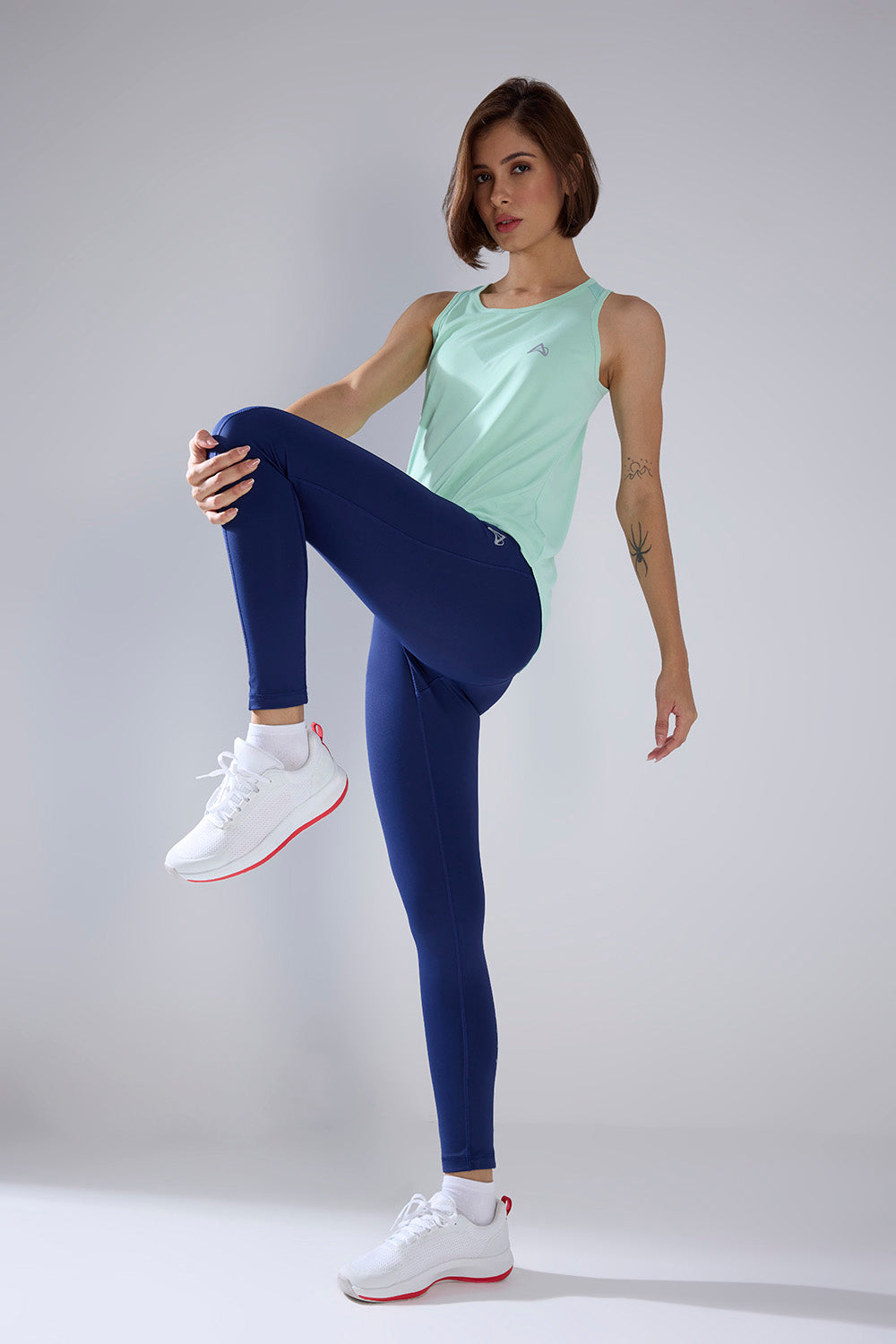

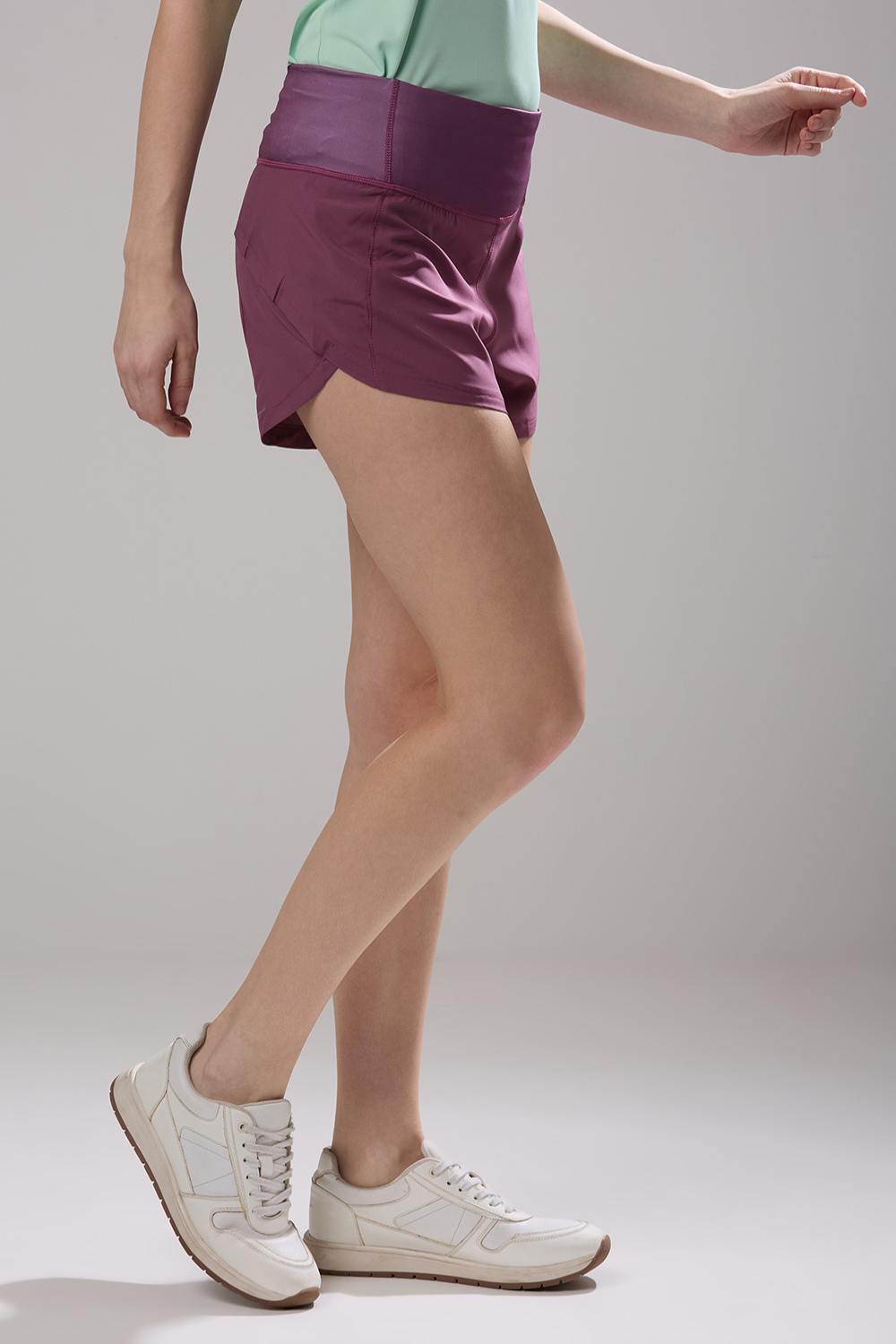
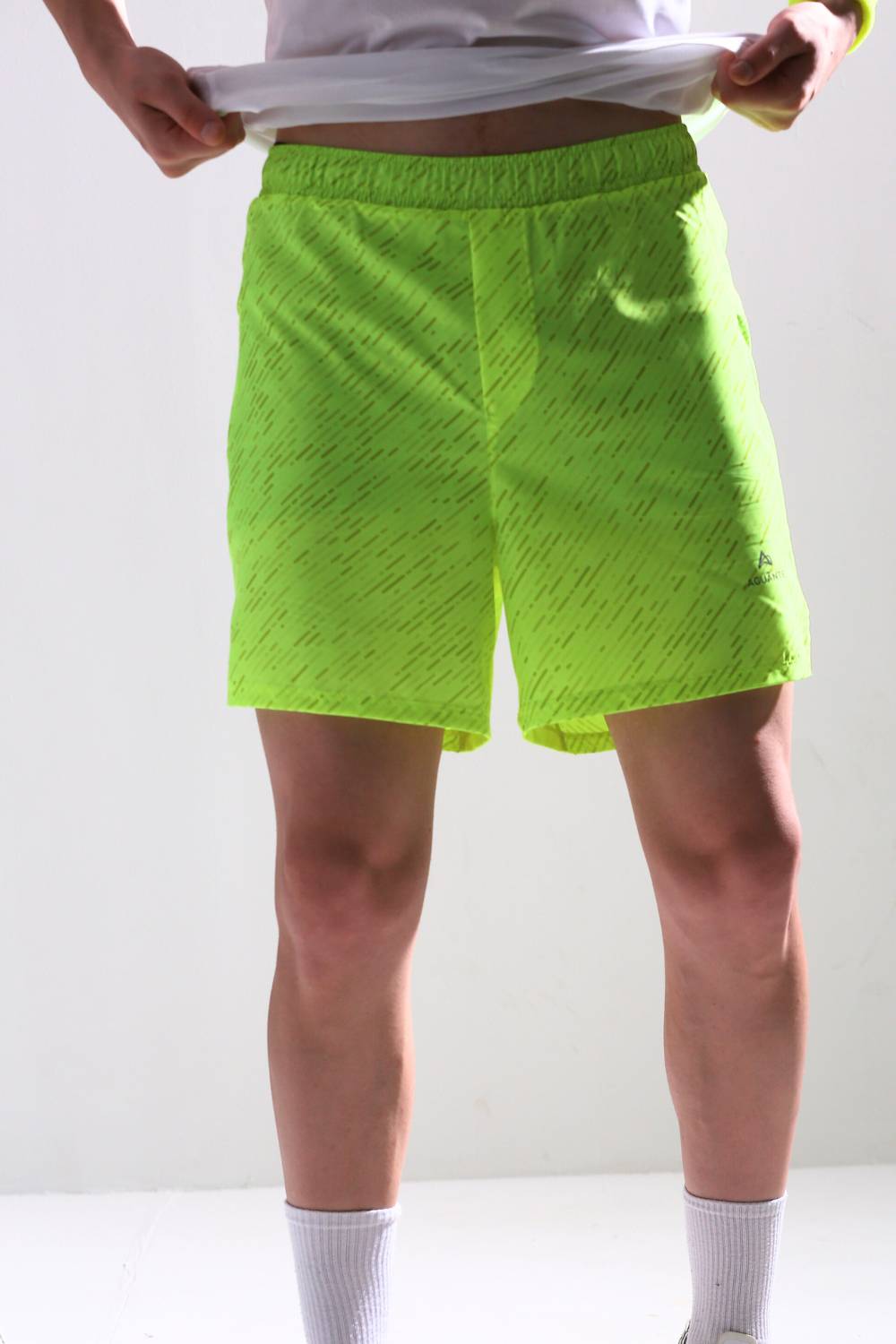

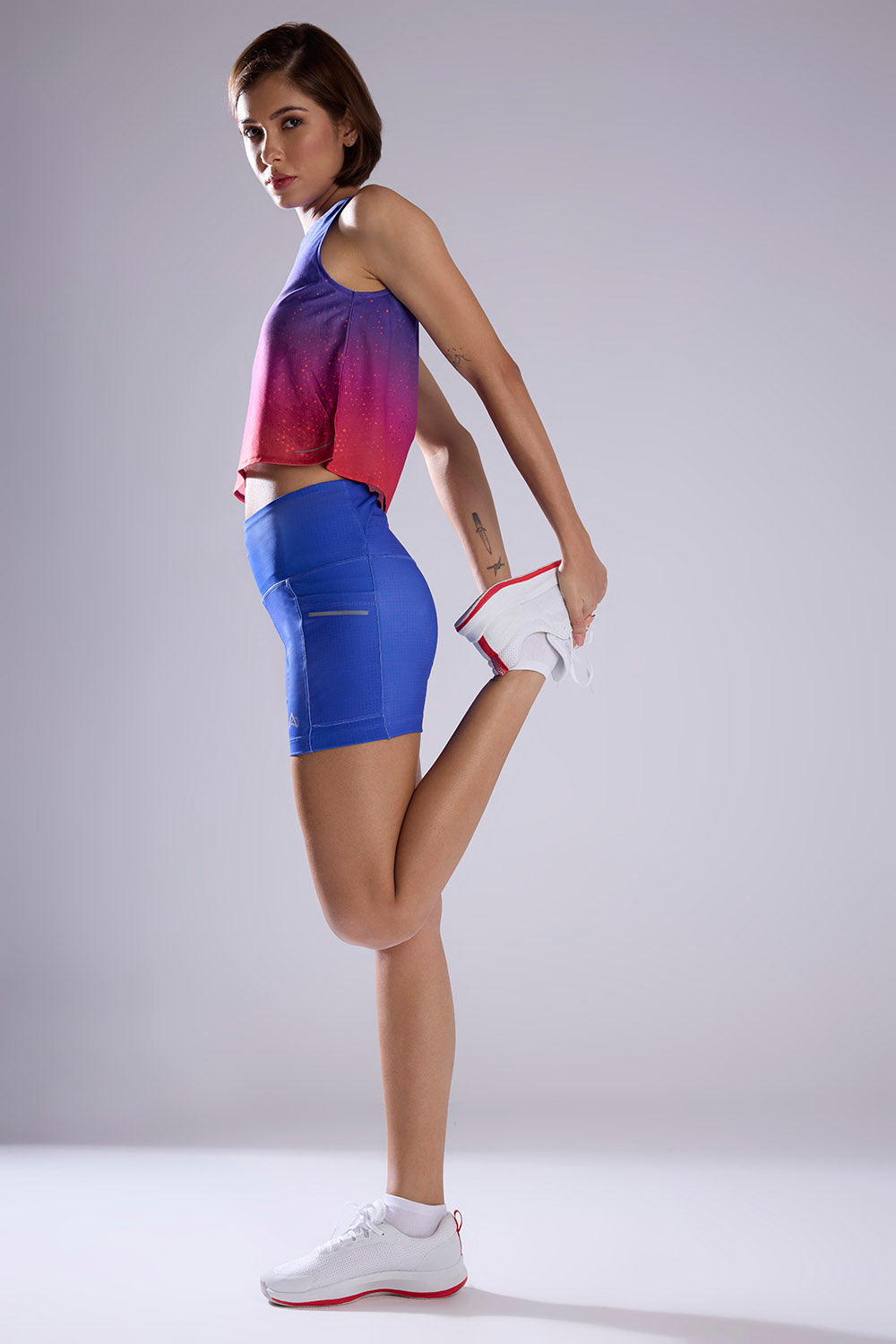
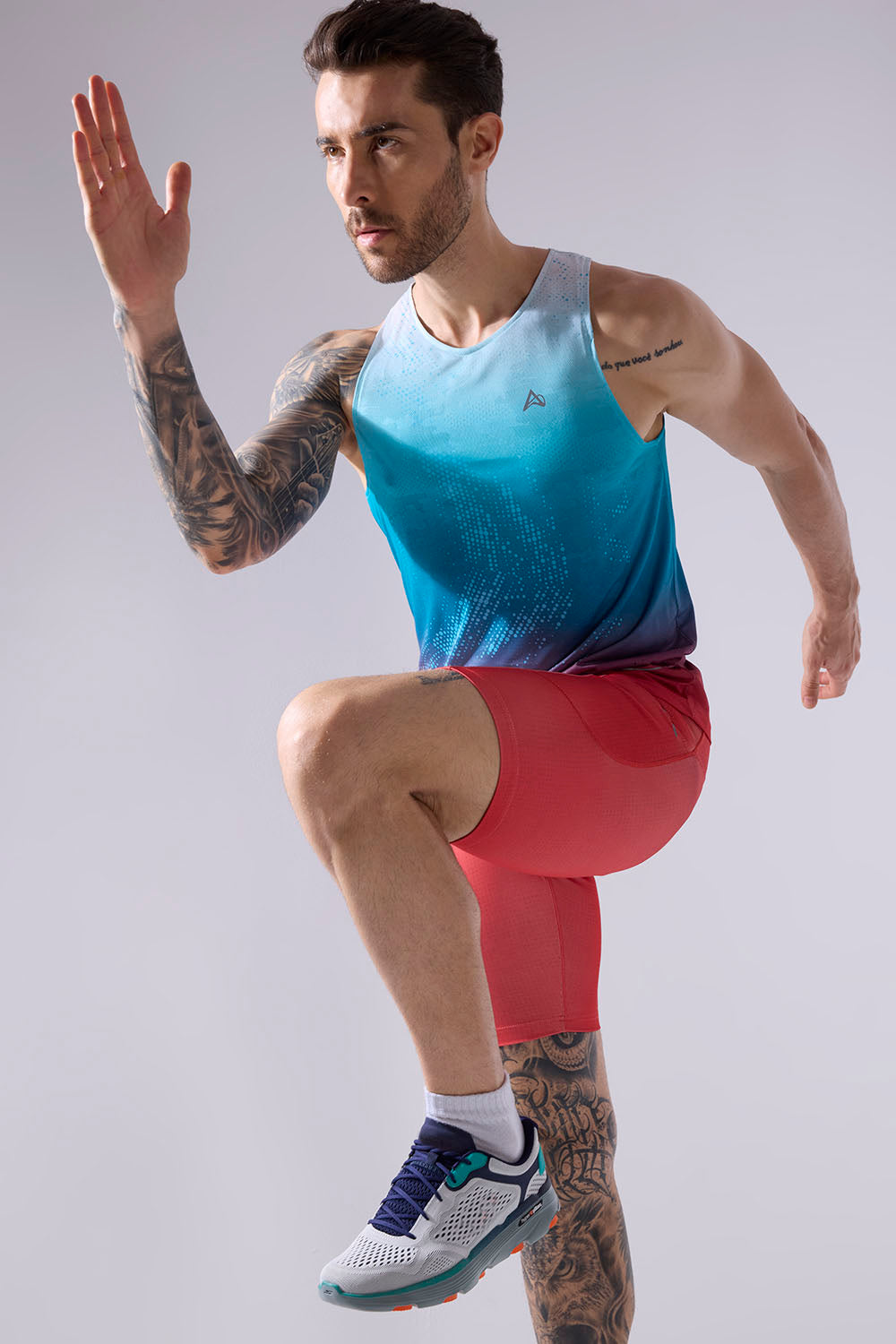

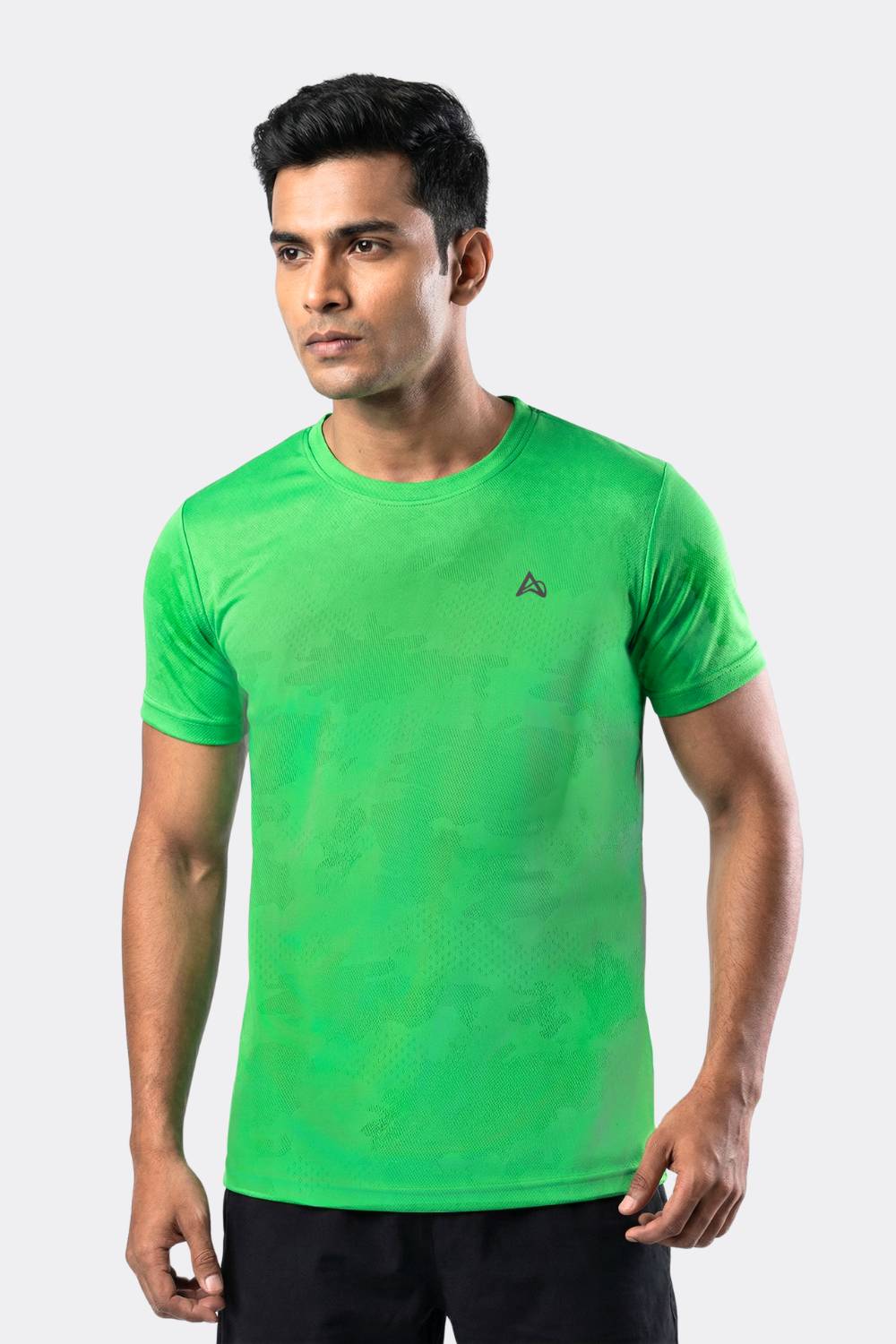
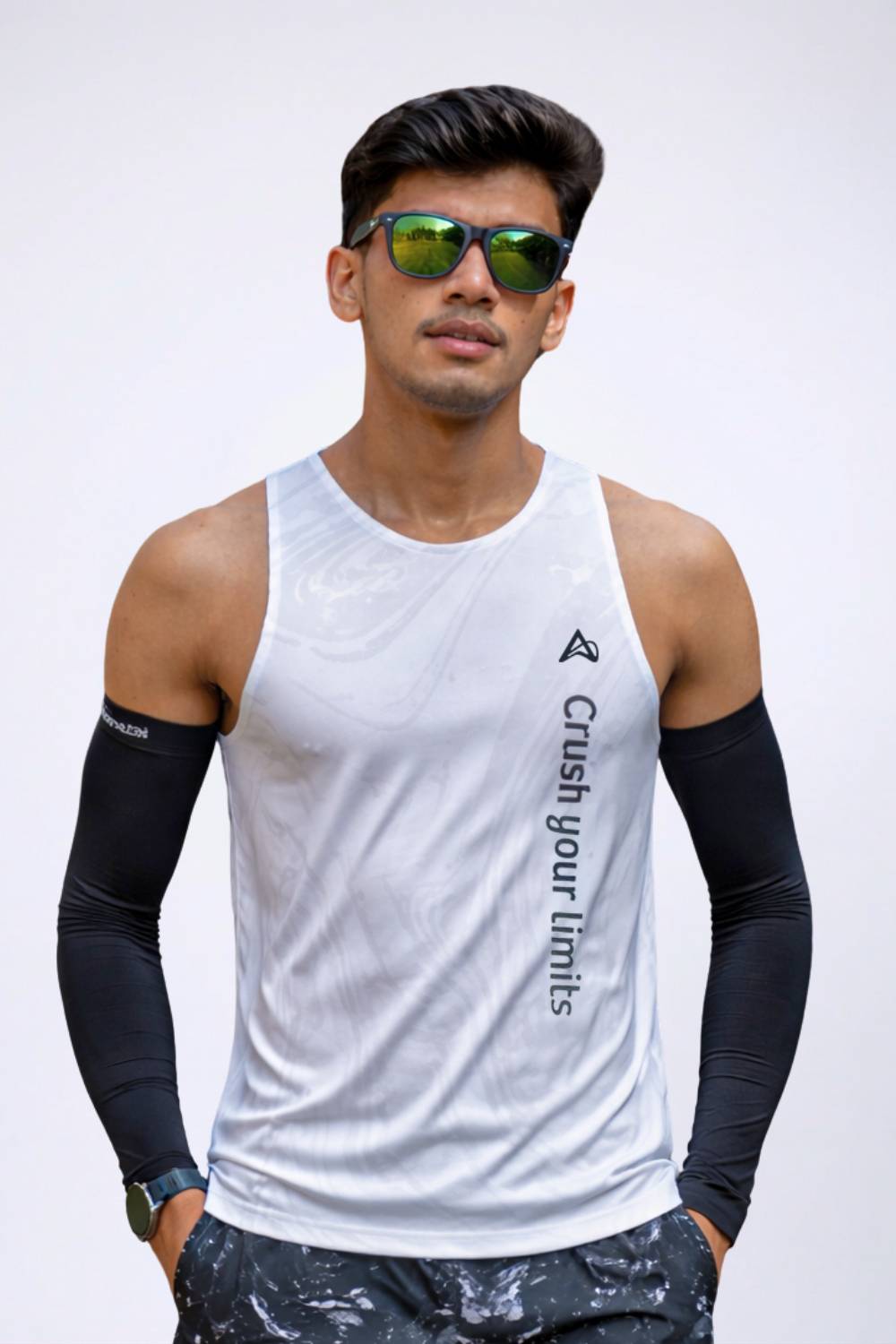

Knowing what to wear for running in the monsoon in India can make a huge difference to your comfort. Indian monsoon running combines rain, high humidity, sweat, wet roads, reduced visibility and sudden changes in weather. Wearing ordinary gym clothes or cotton T-shirts can leave you feeling heavy, uncomfortable and prone to chafing.
The good news is that you don't need complicated rain gear for most warm-weather monsoon runs. A lightweight, moisture-wicking and quick-drying running outfit is usually a better starting point.
Your basic monsoon running outfit can include:
Quick-dry running T-shirt or singlet + lightweight running shorts or half tights + moisture-wicking socks + suitable running shoes + cap/visor + reflective details + anti-chafing protection.
The objective isn't necessarily to stay completely dry. In warm Indian rain, that's often unrealistic. Instead, choose apparel that remains lightweight, breathable and comfortable when exposed to both sweat and rain.
Why Monsoon Running Needs Different Clothing
Running during India's monsoon season is different from running in dry weather.
You may encounter:
- High humidity
- Sudden rain showers
- Wet roads
- Puddles and standing water
- Mud and splashes
- Reduced visibility
- Clothing that stays damp
- Increased friction and chafing
Humidity also makes sweat evaporation less effective, which can make a run feel hotter and more uncomfortable even when rain is falling.
That's why your monsoon running clothes need to handle both sweat and rain.
1. Wear a Lightweight Quick-Dry Running T-Shirt
Your top is one of the most important parts of your monsoon running outfit.
Choose a T-shirt made from a lightweight technical fabric rather than cotton.
Look for:
- Moisture-wicking construction
- Quick-drying fabric
- Breathability
- Lightweight material
- Comfortable seams
- Mesh or ventilation panels
- Reflective details
A technical running T-shirt can continue to feel relatively light when wet, whereas cotton can absorb moisture and become heavy.
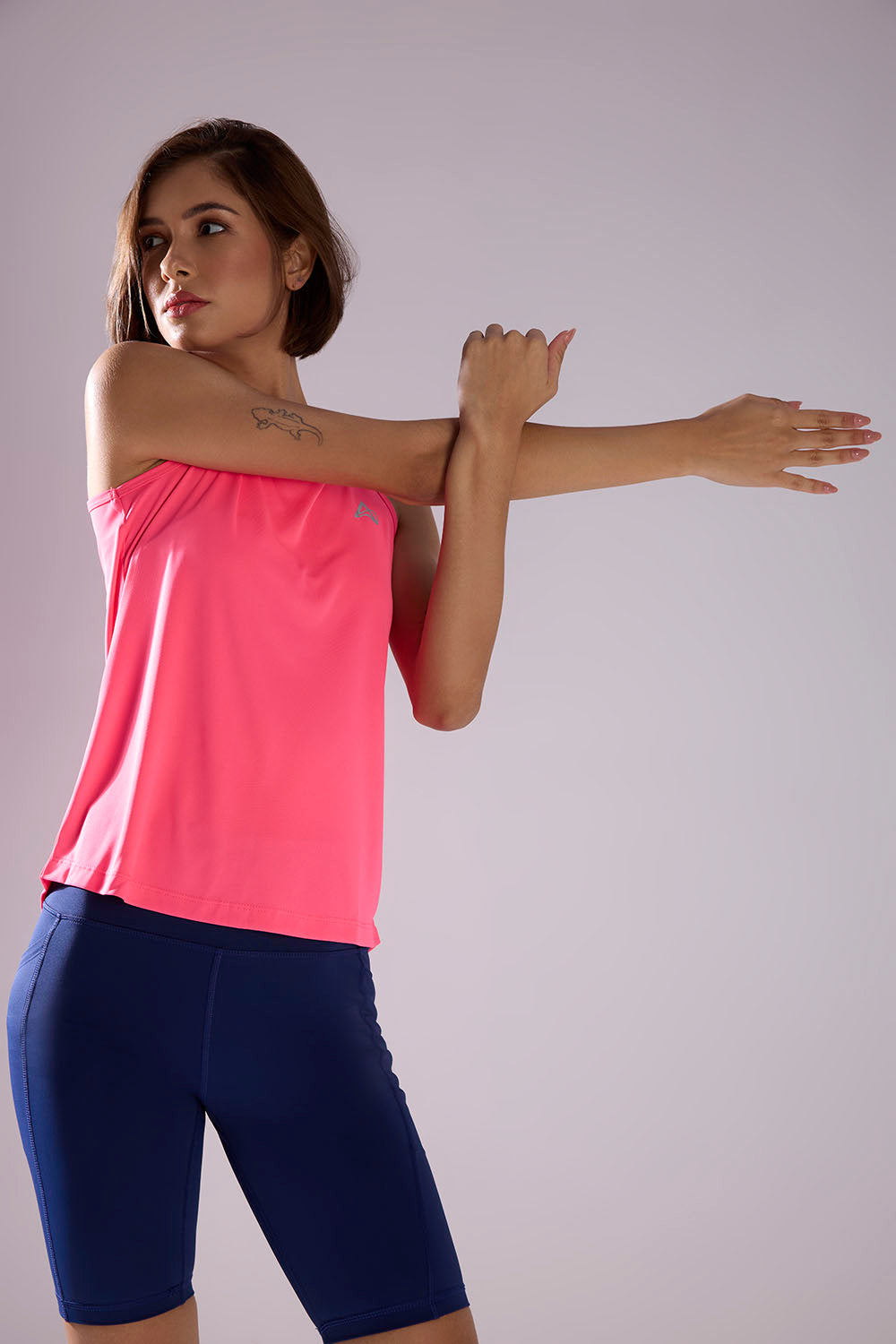
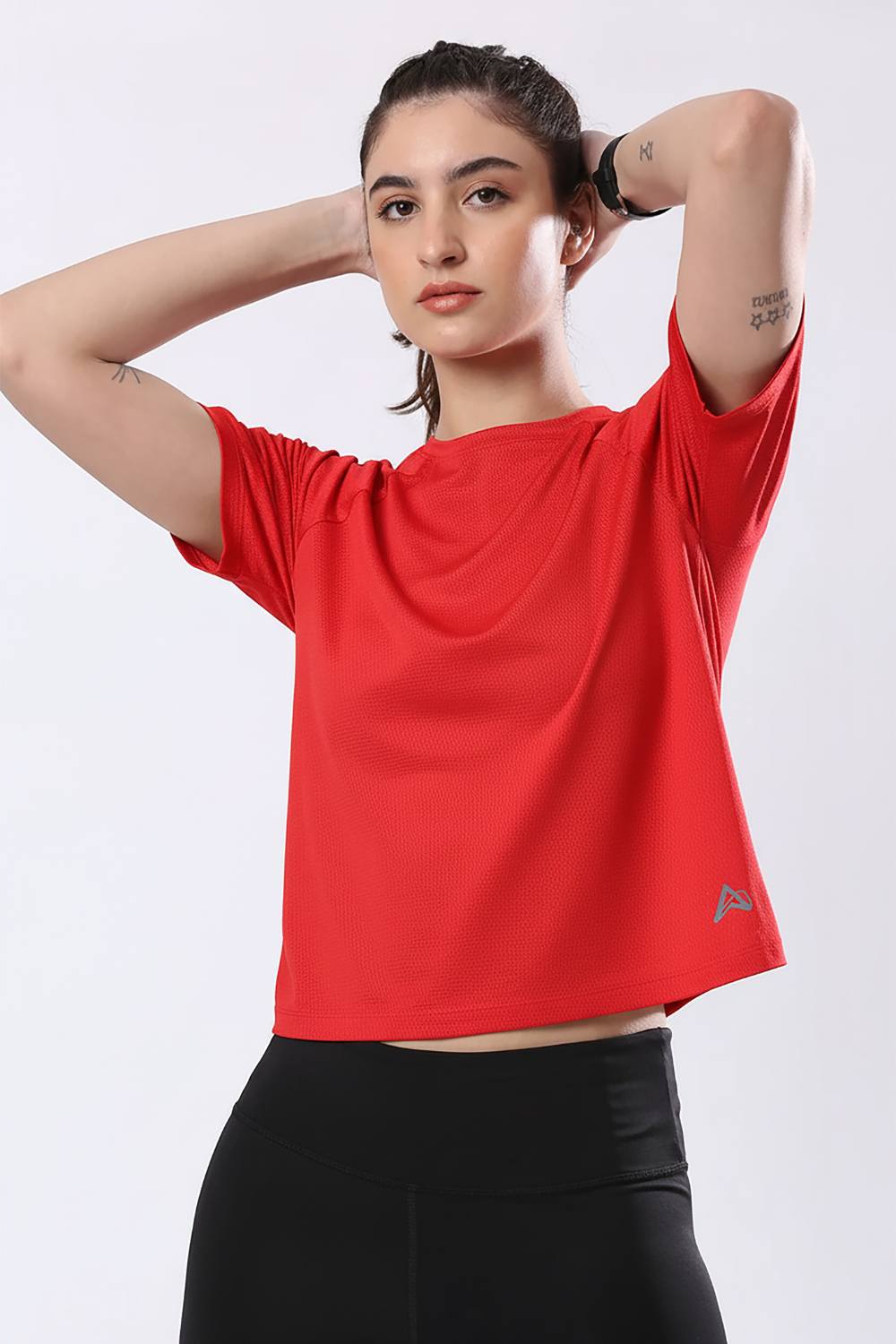
Aguante's running collection includes lightweight, moisture-wicking T-shirts designed for running and training.
Internal link: Aguante Running Collection
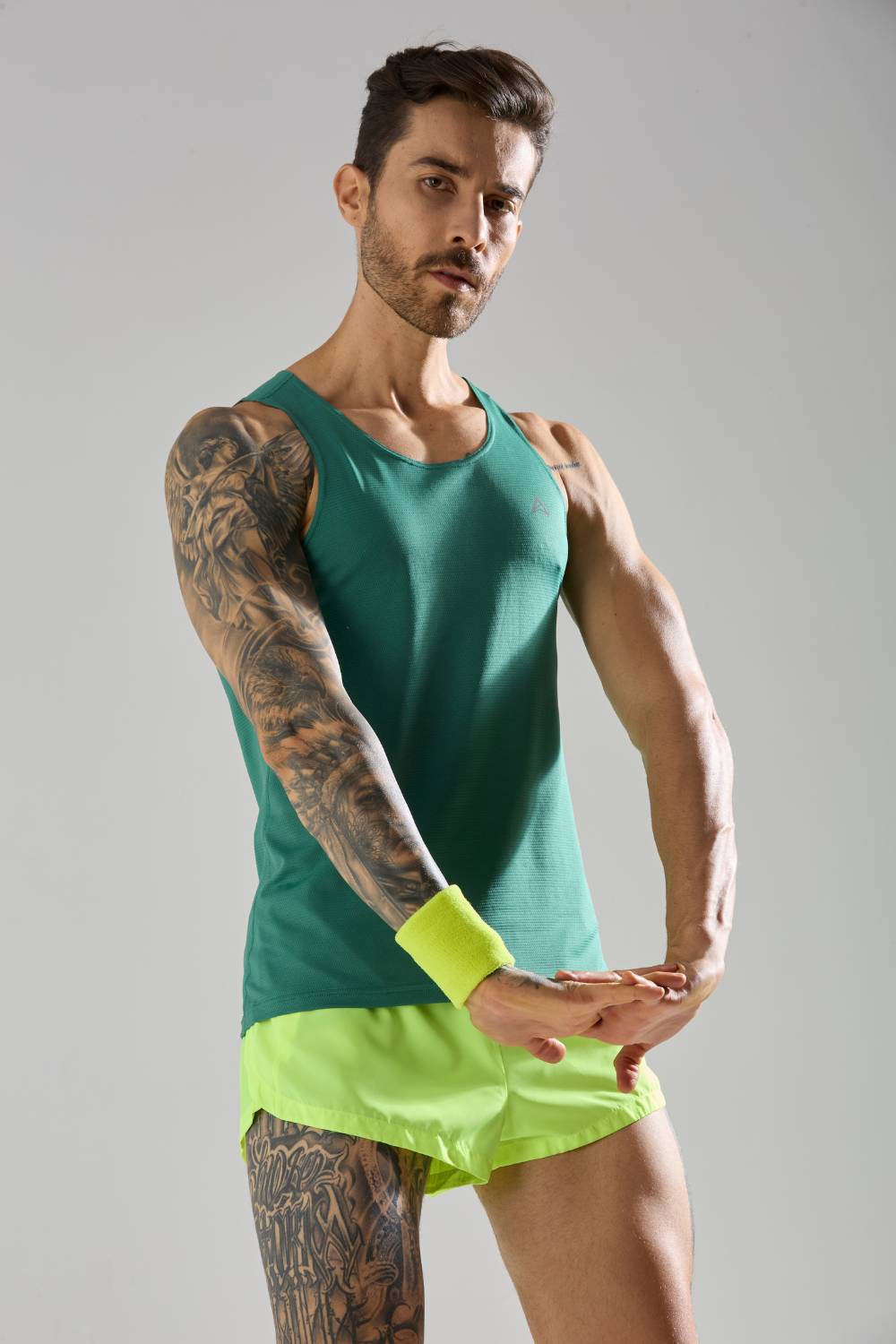
Should You Wear a Running Singlet?
If conditions are warm and humid, a singlet can be an excellent alternative to a T-shirt.
A singlet provides:
- Less fabric
- More ventilation
- Greater freedom around the shoulders
- A lightweight feel
If you are comfortable running sleeveless, a technical singlet can work particularly well during warm rain.
Internal links:
2. Avoid Cotton During Long Monsoon Runs
Cotton may feel comfortable when dry, but it isn't ideal for long runs in wet conditions.
When cotton gets wet, it can:
- Absorb significant moisture
- Become heavier
- Stay wet for longer
- Rub against the skin
- Increase discomfort
- Contribute to chafing
Instead, look for synthetic performance fabrics such as polyester or suitable nylon blends designed for moisture management and quick drying.
Simple Fabric Comparison
| Feature | Cotton | Technical Polyester/Nylon |
|---|---|---|
| Sweat management | Poor | Good |
| Drying speed | Slow | Fast |
| Weight when wet | Higher | Lower |
| Long-run comfort | Can decrease when wet | Generally better |
| Monsoon suitability | Low | High |
For Indian monsoon running, quick drying is usually more useful than simply being waterproof.
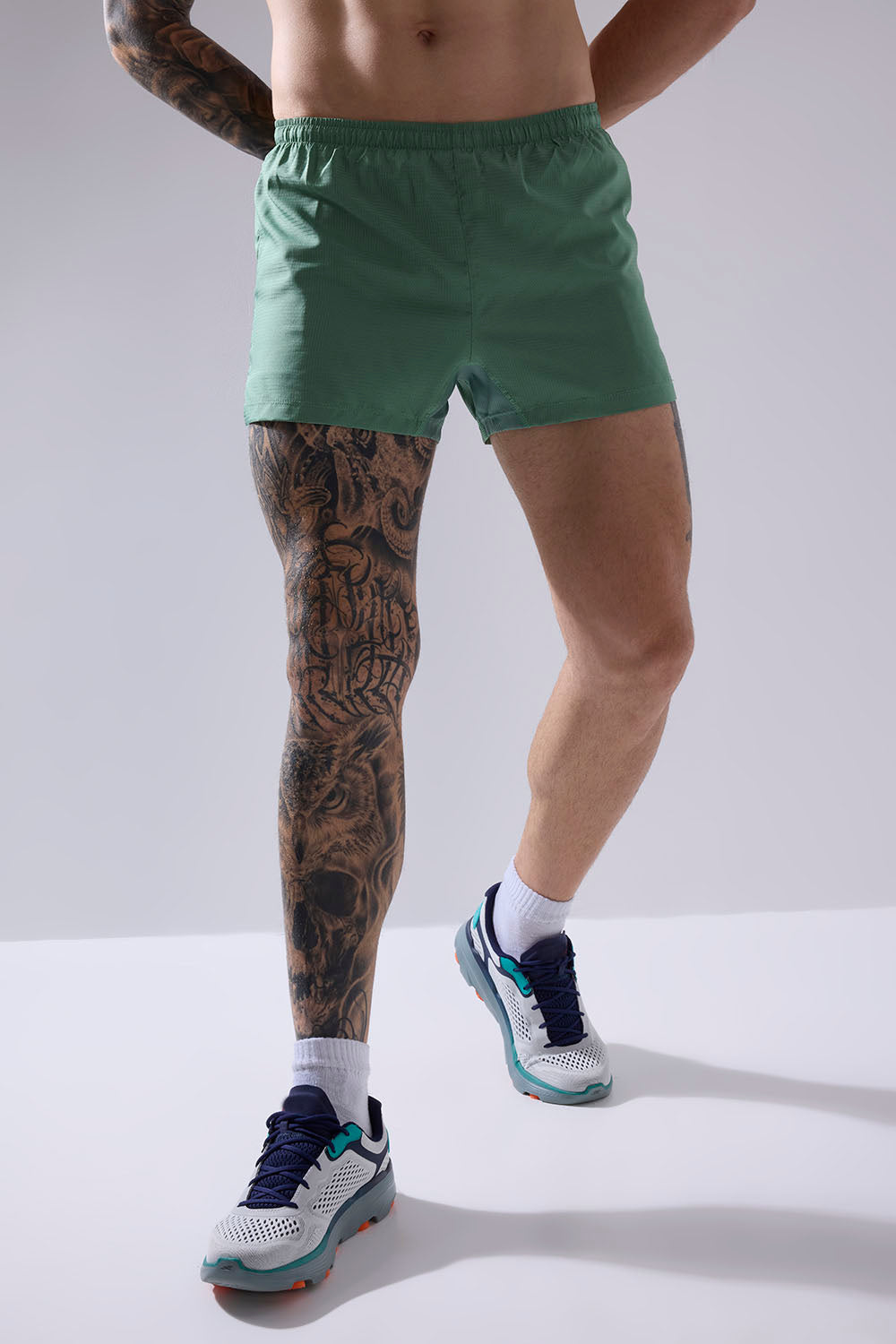
3. Choose Running Shorts or Half Tights
Your bottom layer is another major decision.
There are two practical options for most runners:
Running Shorts
Choose lightweight running shorts if you prefer:
- Maximum airflow
- Minimal fabric
- Freedom of movement
- A lighter feel
- Less coverage around the thighs
For warm rain, shorts can be particularly comfortable.
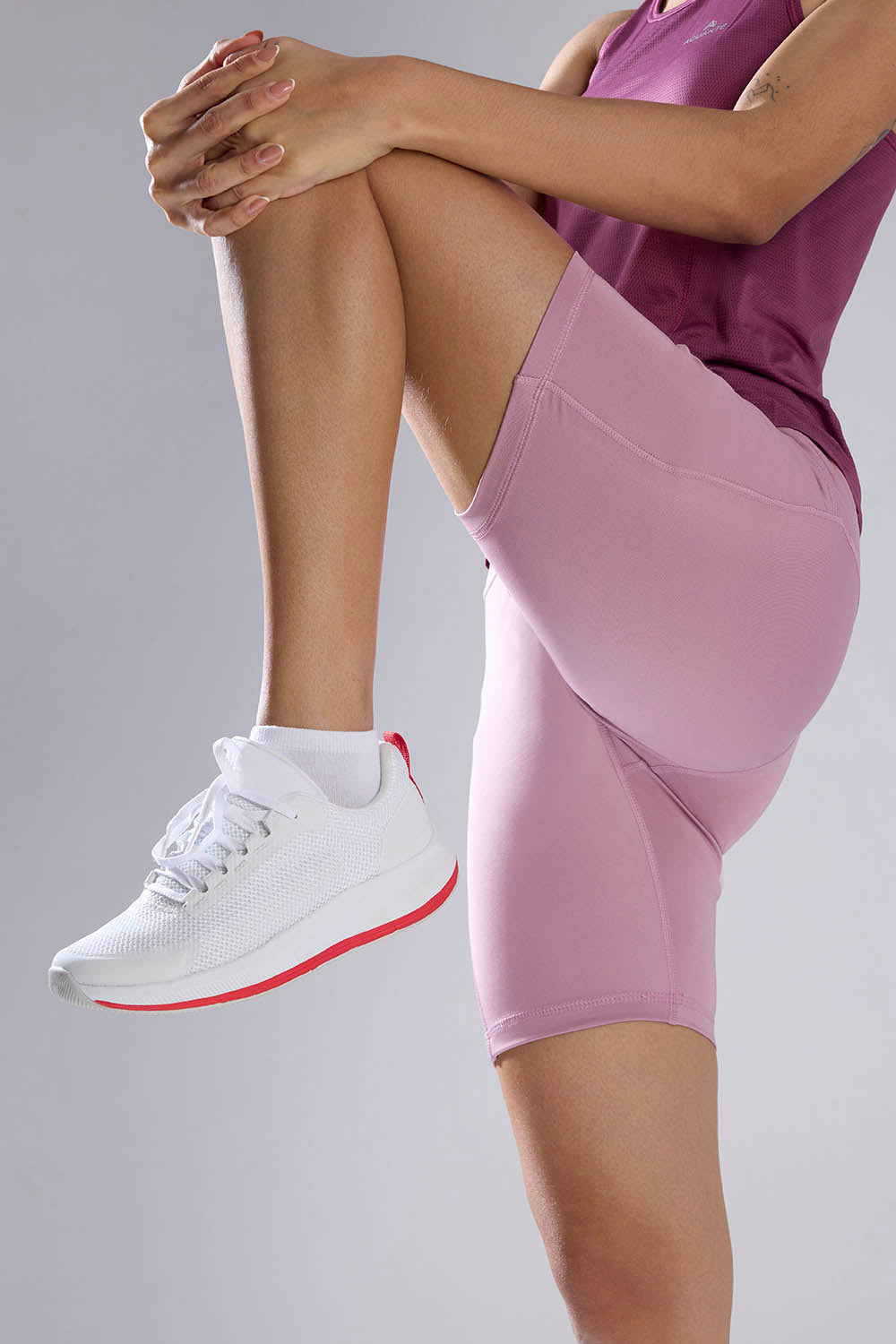
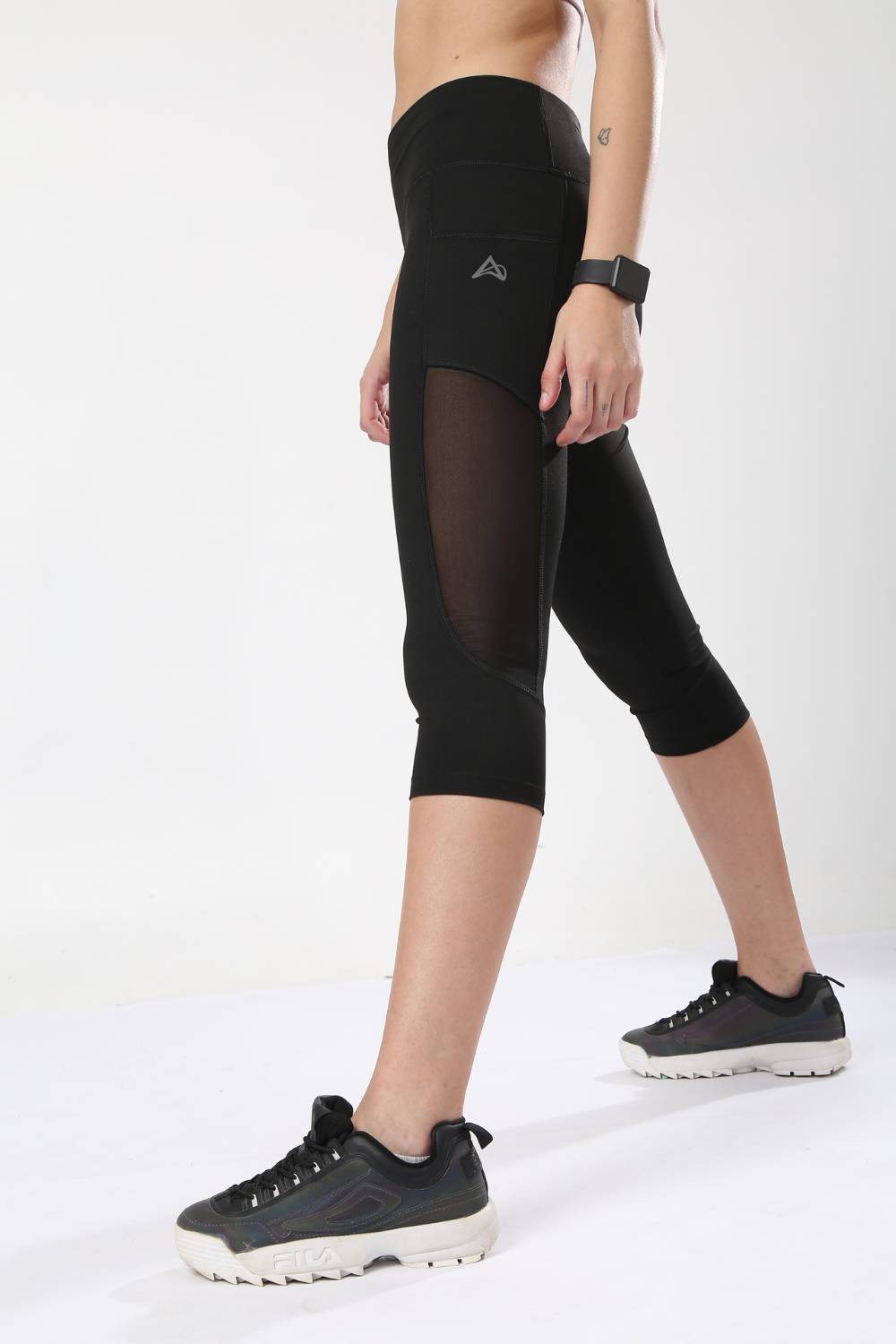
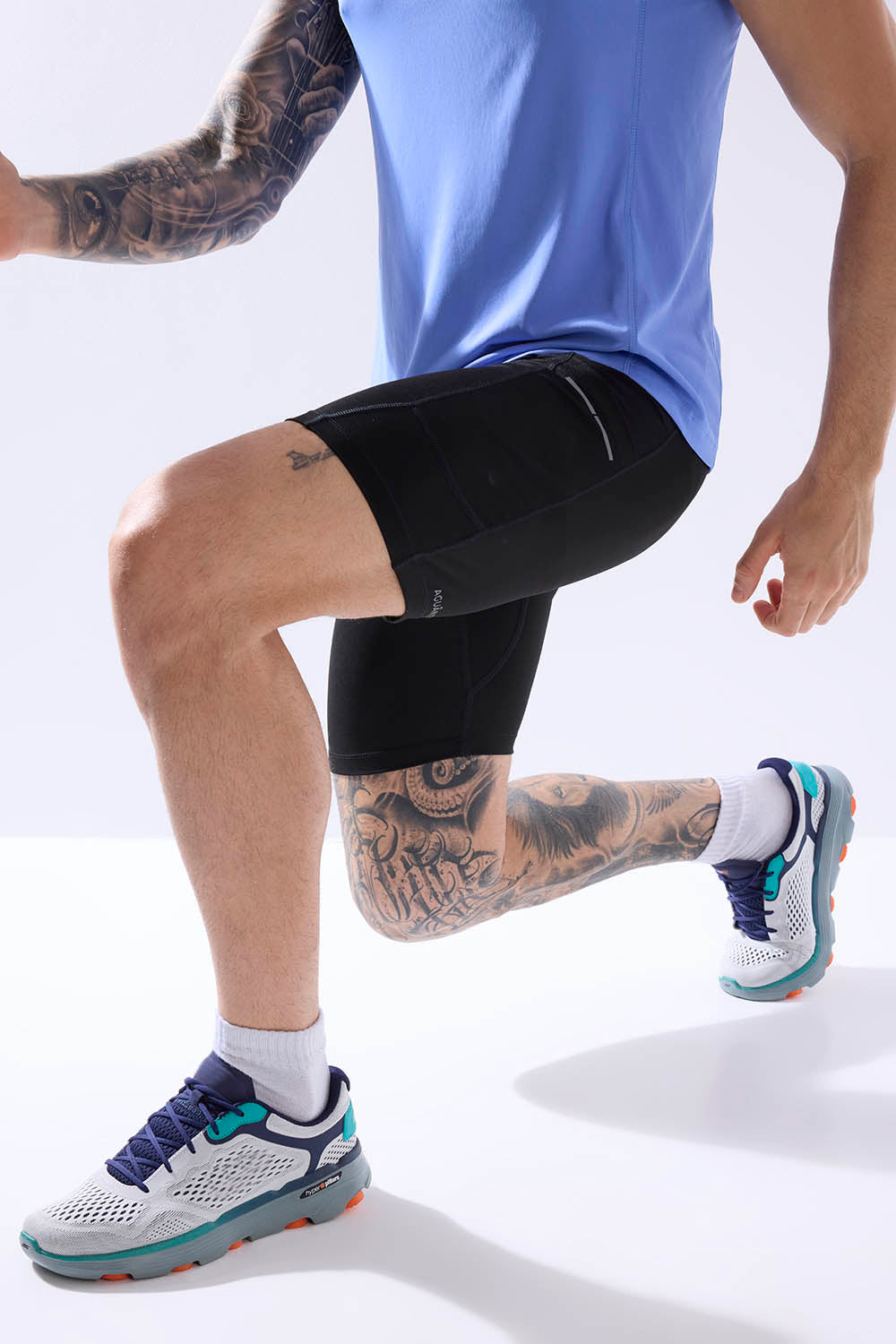
Half Tights
Half tights can be useful if you:
- Experience inner-thigh chafing
- Prefer more coverage
- Want a close-to-body fit
- Need additional storage
- Are going on a longer training run
Half tights can reduce skin-on-skin movement between the thighs, although fit and fabric still matter.
Shorts vs Half Tights for Monsoon Running
| Feature | Running Shorts | Half Tights |
|---|---|---|
| Airflow | Excellent | Very Good |
| Thigh coverage | Low–Moderate | High |
| Freedom of movement | Excellent | Excellent |
| Chafing protection | Depends on liner/fit | Often higher coverage |
| Storage | Varies | Often extensive |
| Hot-weather feel | Very light | Can feel warmer |
| Rain running | Excellent | Excellent |
There isn't one universally correct choice. Your experience during long runs should determine which feels better.
Internal links:
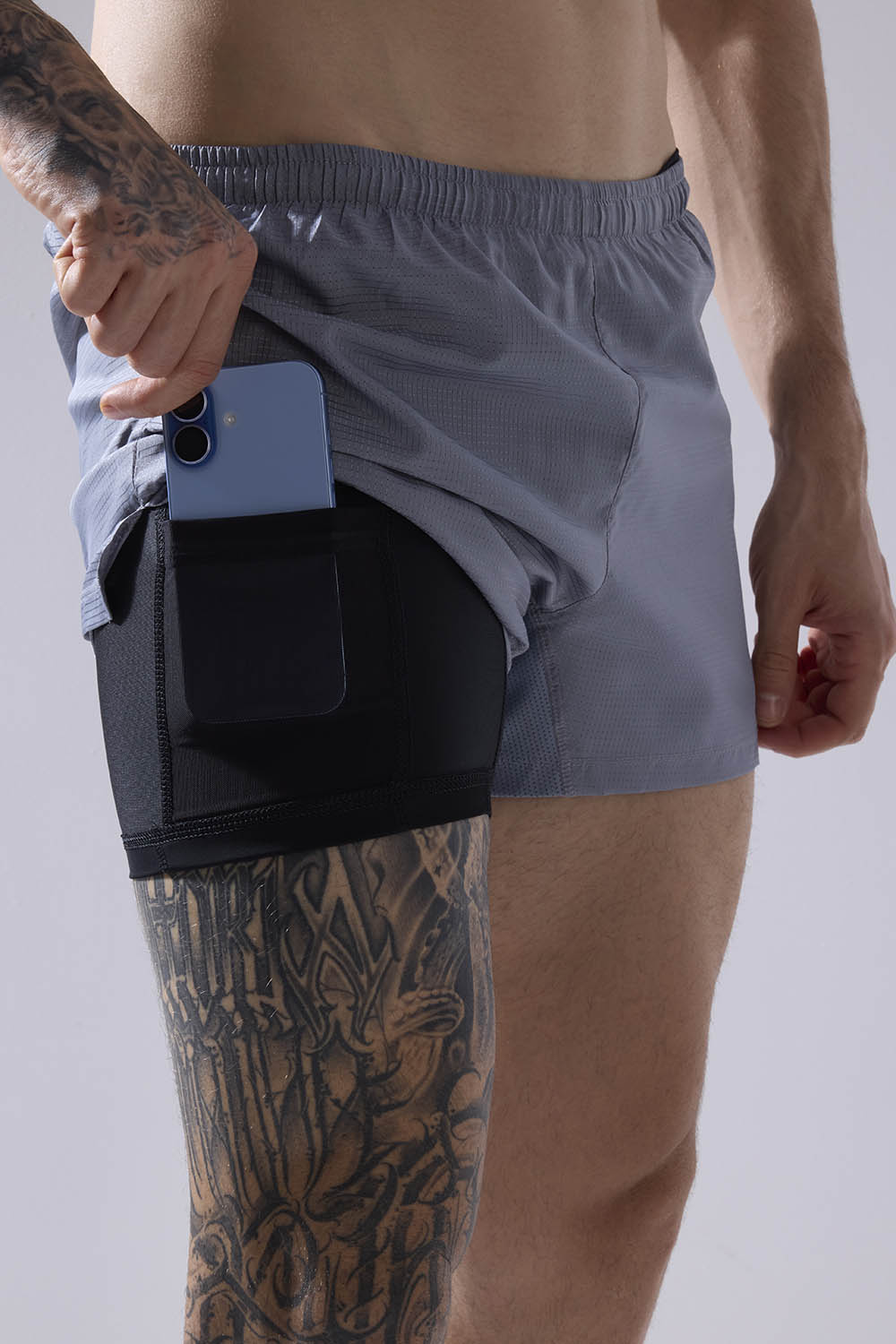
4. Look for an Inner Liner
If you choose running shorts, an inner liner can be particularly useful during wet-weather runs.
A good liner can provide:
- Additional coverage
- Support
- Reduced skin-on-skin friction
- Better comfort
- Moisture management
Wet skin combined with repetitive movement can increase the risk of chafing, so the liner should stay securely in place.
However, don't assume every liner will work for you.
Test it on a long run before using it for an important training session or race.
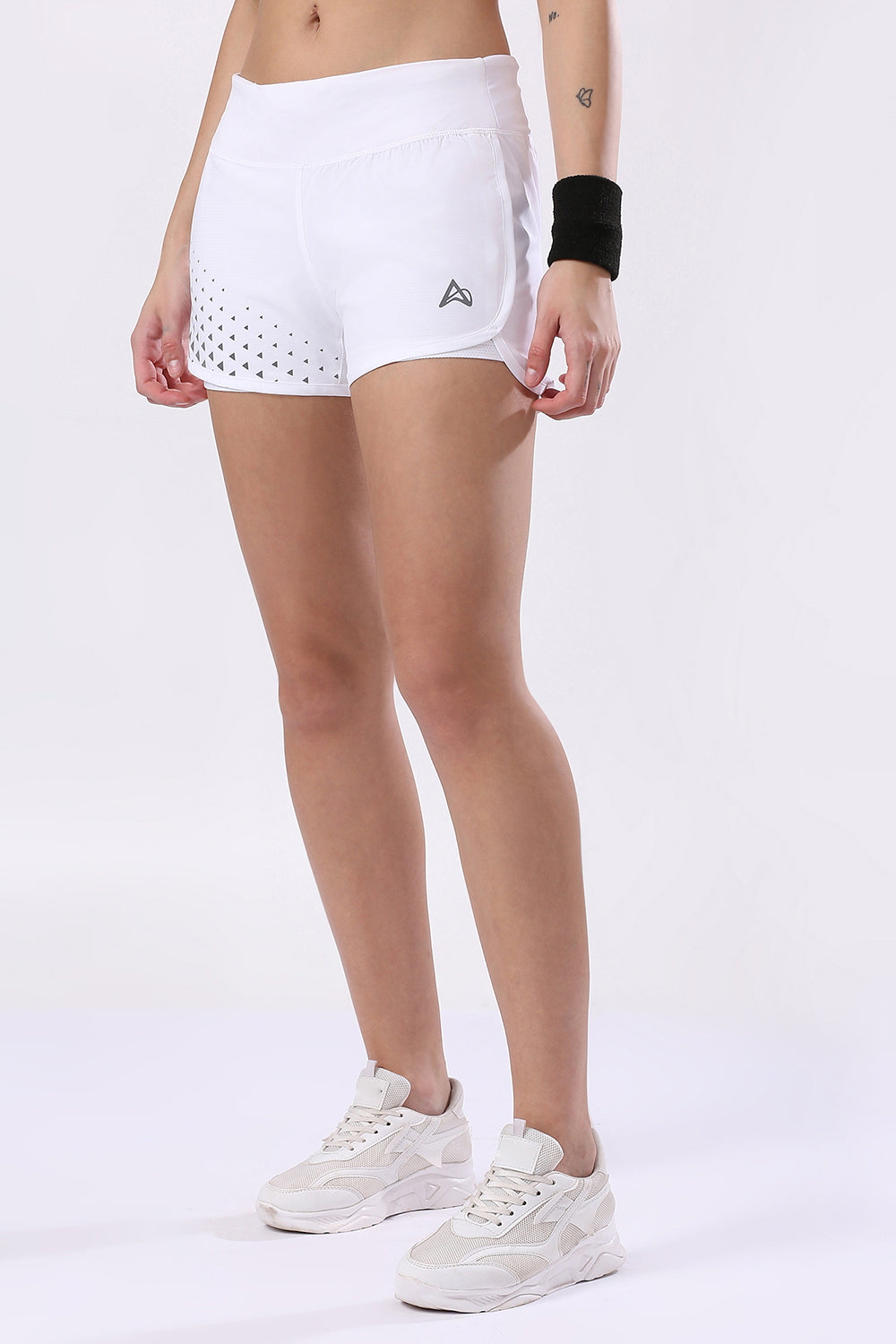
Aguante's running-short range includes products with inner liners designed for running comfort and chafe management.
5. Anti-Chafing Is Essential During Monsoon
Rain doesn't automatically prevent chafing.
In fact, wet skin, sweat and repeated movement can make friction more noticeable.
Common problem areas include:
- Inner thighs
- Groin
- Underarms
- Waist
- Bra line
- Nipples
- Feet
Your best defense is a combination of:
Correct fit + suitable fabric + comfortable seams + appropriate liner + anti-chafing balm where needed.
If your thighs rub during long runs, consider testing half tights or running shorts with a comfortable inner liner.
Internal link: Aguante Women's Anti-Chafing Shorts Guide
6. Wear Moisture-Wicking Running Socks
Your feet are another area that needs special attention during monsoon runs.
Wet socks can increase discomfort and friction, particularly on longer runs.
Choose socks that are:
- Moisture-wicking
- Breathable
- Comfortable around the toes
- Secure around the heel
- Suitable for your running shoes
- Already tested on long runs
Don't automatically choose thick socks because you expect rain.
A lightweight technical running sock may be more comfortable than a thick cotton sock that stays wet.
7. Choose Running Shoes Carefully
Monsoon running can mean wet roads, puddles and slippery surfaces.
Your shoes should provide a secure fit and appropriate traction for the surfaces you normally run on.
Look for:
- Comfortable fit
- Secure heel lockdown
- Adequate grip
- Breathable construction
- A familiar ride
- Enough space for your toes
Avoid experimenting with brand-new shoes during a long rainy run.
If you're training for a marathon, test your shoes in wet conditions before race day.
8. Do You Need a Waterproof Running Jacket?
For most warm Indian monsoon runs, a heavy waterproof jacket may not be necessary.
Why?
Because Indian rain is often accompanied by high temperatures and humidity. A highly waterproof outer layer can reduce airflow and leave you wet from sweat even if rain doesn't penetrate.
For a warm-weather run, your priority should usually be:
Breathability + quick drying + lightweight construction.
A lightweight water-resistant layer may make more sense when:
- Temperatures are genuinely cool
- Rain is heavy and prolonged
- Wind is strong
- You're particularly sensitive to cold
For most warm monsoon runs, don't confuse waterproof with comfortable.
9. Wear Reflective Details
Monsoon conditions can reduce visibility.
Dark clouds, rain and early-morning or evening running can make it harder for other road users to see you.
Look for:
- Reflective strips
- Reflective logos
- Reflective details on shorts
- Bright or visible colours
- Reflective accessories
Visibility is particularly important when running near traffic.
Aguante's running apparel includes reflective details on a number of running-focused products.
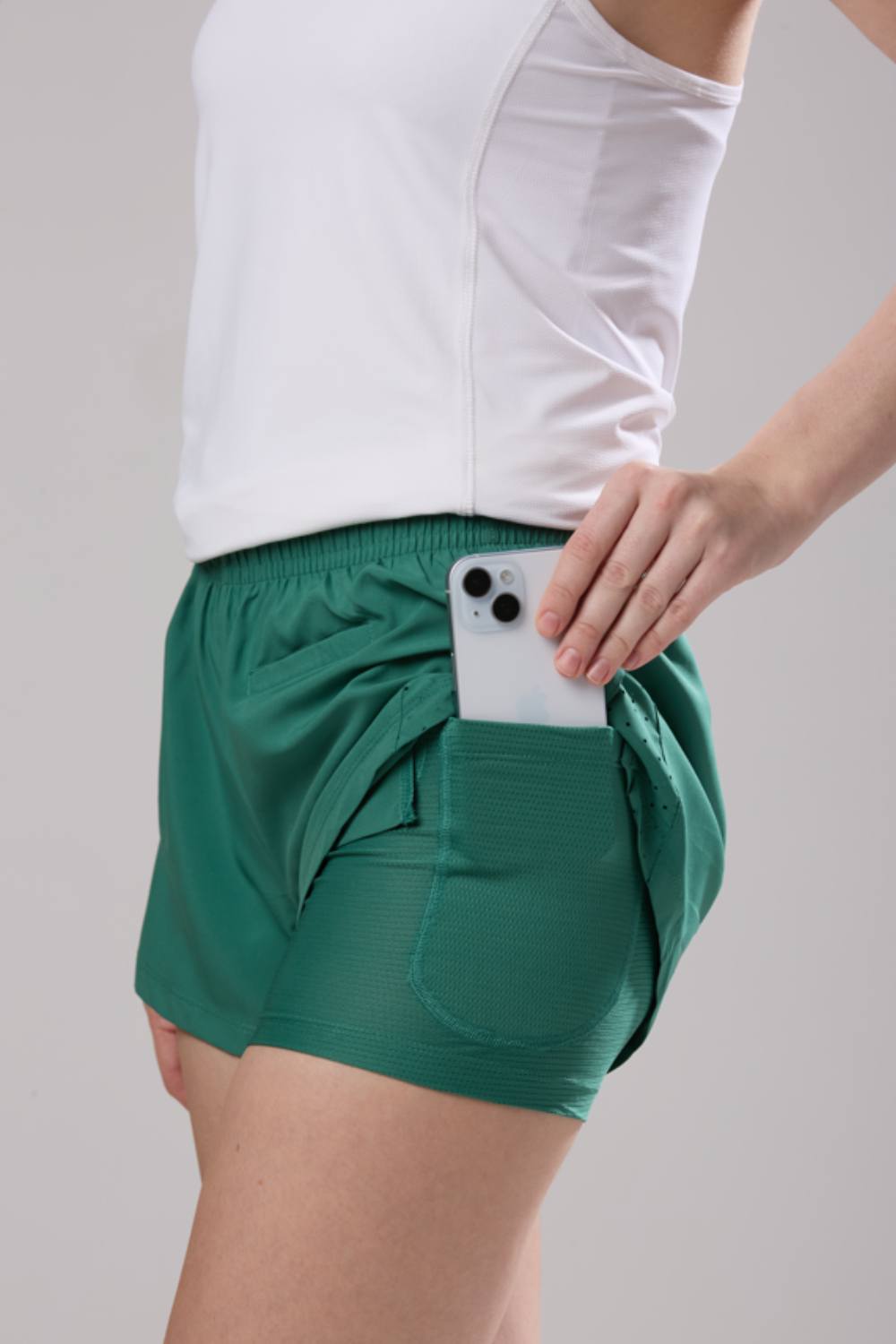
10. Use Secure Pockets
Rain doesn't mean you stop carrying your essentials.
Depending on your run, you may need:
- Phone
- Keys
- ID
- Card
- Energy gels
- Small nutrition items
Your pockets should hold these items securely.
Look for:
- Zippered pockets
- Deep pockets
- Close-to-body storage
- Multiple storage areas
- Low bounce
Aguante's running range includes shorts and half tights with storage designed for running essentials.
For example, the Aguante EnduroFlex Performance Shorts are listed with multiple pockets and a mesh inner liner.
Explore Aguante EnduroFlex Performance Shorts
11. Should You Wear a Cap or Visor?
A lightweight running cap or visor can be useful during monsoon runs.
It can help:
- Keep rain out of your eyes
- Manage sweat
- Provide some sun protection when clouds clear
- Make running more comfortable
Choose a lightweight, breathable option rather than a heavy cap that becomes waterlogged.
A visor can provide more ventilation if you prefer less coverage.
12. What Should Women Wear for Monsoon Running?
A practical women's monsoon running outfit can be:
Sports bra + quick-dry T-shirt or singlet + running shorts or half tights + technical socks + running shoes.
For the bottom, choose based on your experience.
Choose Shorts If:
- You prefer maximum airflow
- You like a lightweight feel
- You don't usually experience thigh chafing
- You're running in warm rain
Choose Half Tights If:
- Your thighs rub
- You want more coverage
- You prefer a close fit
- You want additional storage
Aguante's women's running collection includes lightweight tops, shorts and half tights for different running preferences.
Explore Aguante Women's Running
13. What Should Men Wear for Monsoon Running?
A simple men's monsoon running outfit is:
Quick-dry running T-shirt or singlet + lightweight running shorts or half tights + technical socks + suitable running shoes.
For hot rain, a lightweight singlet and shorts can provide maximum airflow.
For longer runs or runners who experience thigh friction, half tights are another option.
Explore Aguante Men's Running Gear
14. What Should You Wear for a Long Monsoon Run?
The longer the run, the more important your clothing choices become.
For a 5 km run, minor discomfort may be manageable.
For a 15–20 km run, that same problem can become painful.
For long monsoon training runs, prioritize:
- Quick-drying top
- Comfortable liner or half tights
- Anti-chafing protection
- Technical socks
- Secure pockets
- Tested shoes
- Reflective details
- Hydration strategy
Most importantly, don't test completely new clothing on your longest training run.
15. What to Wear for a Monsoon Marathon Training Run?
If you're preparing for a marathon during India's rainy season, your training outfit could look like:
Lightweight moisture-wicking T-shirt/singlet + running shorts with liner or half tights + technical socks + tested running shoes + anti-chafing balm + secure storage.
For longer sessions, practice carrying your gels and other essentials in the same pockets you plan to use during your race.
This allows you to identify problems before race day.
16. What Should You Avoid Wearing During the Indian Monsoon?
Avoid:
Cotton T-Shirts
They can absorb sweat and rain and become heavy.
Heavy Fabrics
They can hold water and increase discomfort.
Oversized Clothing
Loose, wet fabric can move around and increase friction.
Untested Rain Jackets
A jacket that traps heat can be uncomfortable in humid weather.
New Socks
You don't know how they'll behave after 10–15 km.
New Shoes
Wet conditions can expose fit or traction problems that you haven't noticed before.
Loose Accessories
Anything that moves or bounces can become distracting.
17. A Simple Monsoon Running Outfit
If you want to keep things simple, use this formula:
5K–10K Run
Quick-dry T-shirt/singlet + lightweight shorts + technical socks + running shoes + cap
10K–20K Run
Quick-dry T-shirt/singlet + shorts with liner or half tights + technical socks + running shoes + anti-chafing protection + secure storage
Marathon Training
Lightweight technical top + tested shorts/half tights + technical socks + tested shoes + anti-chafing protection + secure storage + hydration/fueling setup
The longer the run, the more important it becomes to test every part of the outfit.
18. Aguante Gear for Indian Monsoon Running
For runners looking for running apparel designed around Indian weather conditions, Aguante offers options across lightweight T-shirts, race singlets, shorts and half tights.
The brand's current running range includes products featuring moisture-wicking fabrics, breathable construction, reflective details and storage options.
Running Shorts
Aguante offers different running-short lengths and storage configurations.
Men's Half Tights
Half tights can be useful for runners who want greater thigh coverage or additional storage.
Women's Half Tights
Aguante's women's range includes multiple half-tights with different lengths, storage configurations and fits.
Race Singlets
For runners who prefer a minimal, breathable top during warm rain:
Monsoon Running Gear Checklist
Before heading out, check:
- ✅ Quick-dry running T-shirt or singlet
- ✅ Running shorts or half tights
- ✅ Comfortable inner liner
- ✅ Moisture-wicking socks
- ✅ Tested running shoes
- ✅ Anti-chafing balm
- ✅ Cap or visor
- ✅ Reflective details
- ✅ Secure phone/keys storage
- ✅ Hydration for longer runs
- ✅ Energy gels for appropriate long-distance sessions
- ✅ A dry change of clothes for after the run
And always check the route and weather conditions before setting out. Heavy rain, lightning, flooding or unsafe road conditions can be reasons to postpone or move the workout indoors.
Final Answer: What Should I Wear for Running in the Monsoon in India?
The simplest answer is:
Wear lightweight, quick-drying and moisture-wicking running apparel—not heavy or absorbent clothing.
A good Indian monsoon running outfit is:
Quick-dry T-shirt or singlet + breathable running shorts with an inner liner OR half tights + technical socks + suitable running shoes + anti-chafing protection + reflective details.
If you're running in warm rain, you generally don't need to completely waterproof yourself. Instead, choose clothing that remains comfortable when wet and dries quickly.
For runners dealing with thigh chafing, half tights can be a useful alternative to traditional shorts. If you prioritize airflow and a lightweight feel, running shorts with a comfortable liner may be preferable.
Aguante's running collection offers Indian runners options across quick-dry tops, running shorts, half tights and race apparel, with features such as moisture management, storage and reflective details.
Don't dress to stay perfectly dry. Dress to keep moving comfortably.
FAQs
What is the best fabric for running in the Indian monsoon?
Lightweight technical fabrics such as polyester and suitable nylon blends are commonly used for running because they can manage moisture and dry faster than cotton.
Should I wear a rain jacket while running in India?
Not necessarily. In warm, humid conditions, a heavy waterproof layer can trap heat and sweat. A lightweight water-resistant layer may be useful in cooler or prolonged rain, but breathability should remain a priority.
Are running shorts or half tights better for monsoon running?
Both can work. Running shorts generally provide more airflow, while half tights provide greater thigh coverage and can be useful for runners who experience chafing. Test both options during training.
Should I wear cotton while running in the rain?
Cotton is generally not ideal for long runs in wet conditions because it absorbs moisture and can remain wet for longer. Quick-drying technical apparel is usually more practical.
How do I prevent chafing during monsoon runs?
Use well-fitting running apparel, a comfortable liner or half tights, moisture-wicking fabrics and anti-chafing balm in areas where friction occurs. Test your complete setup on long runs.
What should I wear for a long run during monsoon?
Choose a lightweight quick-dry top, running shorts with a comfortable liner or half tights, technical socks and tested running shoes. For longer runs, also consider secure storage, hydration and fueling.
Should I carry my phone while running in the rain?
If you need your phone, use secure storage and protect it appropriately from water. Avoid carrying it in a loose pocket where it can bounce or become unnecessarily exposed to rain.
Is Aguante suitable for monsoon running?
Aguante offers running apparel featuring moisture-wicking fabrics, breathable construction, storage and reflective details. Its running collection includes shorts, half tights, T-shirts and singlets that can be considered for Indian monsoon training.