



Quick Listen:
Choosing the right gear can influence how comfortable and focused a runner feels throughout every session. What Runners Should Review Before Selecting Performance Clothing is a practical question for anyone comparing apparel for training, race days, and regular workouts. The right garment is not defined only by appearance or brand messaging; runners should examine how fabric, construction, fit, and functional details work together during actual movement. For runners evaluating performance clothing, understanding these factors makes it easier to select apparel that supports their goals and running environment.
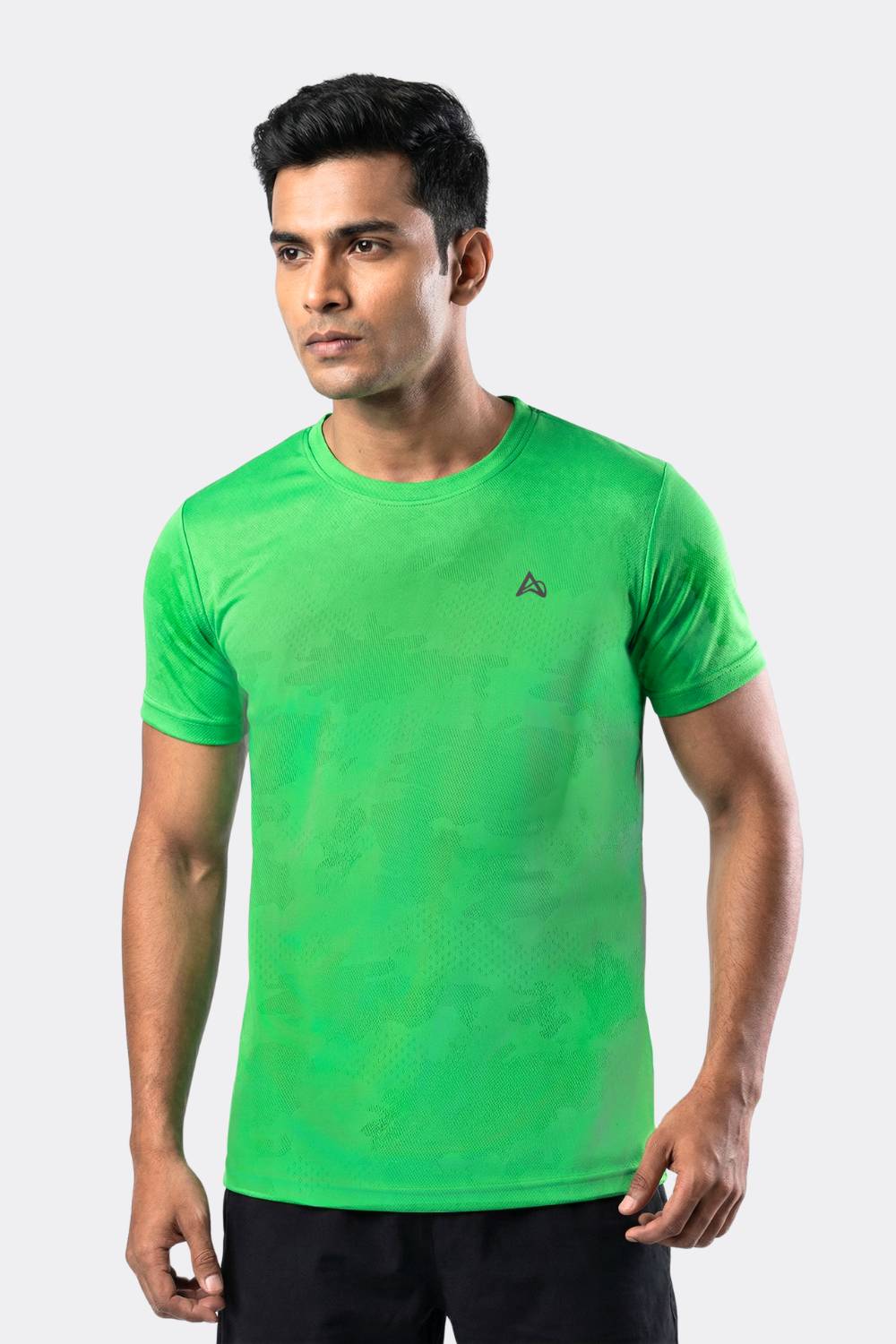
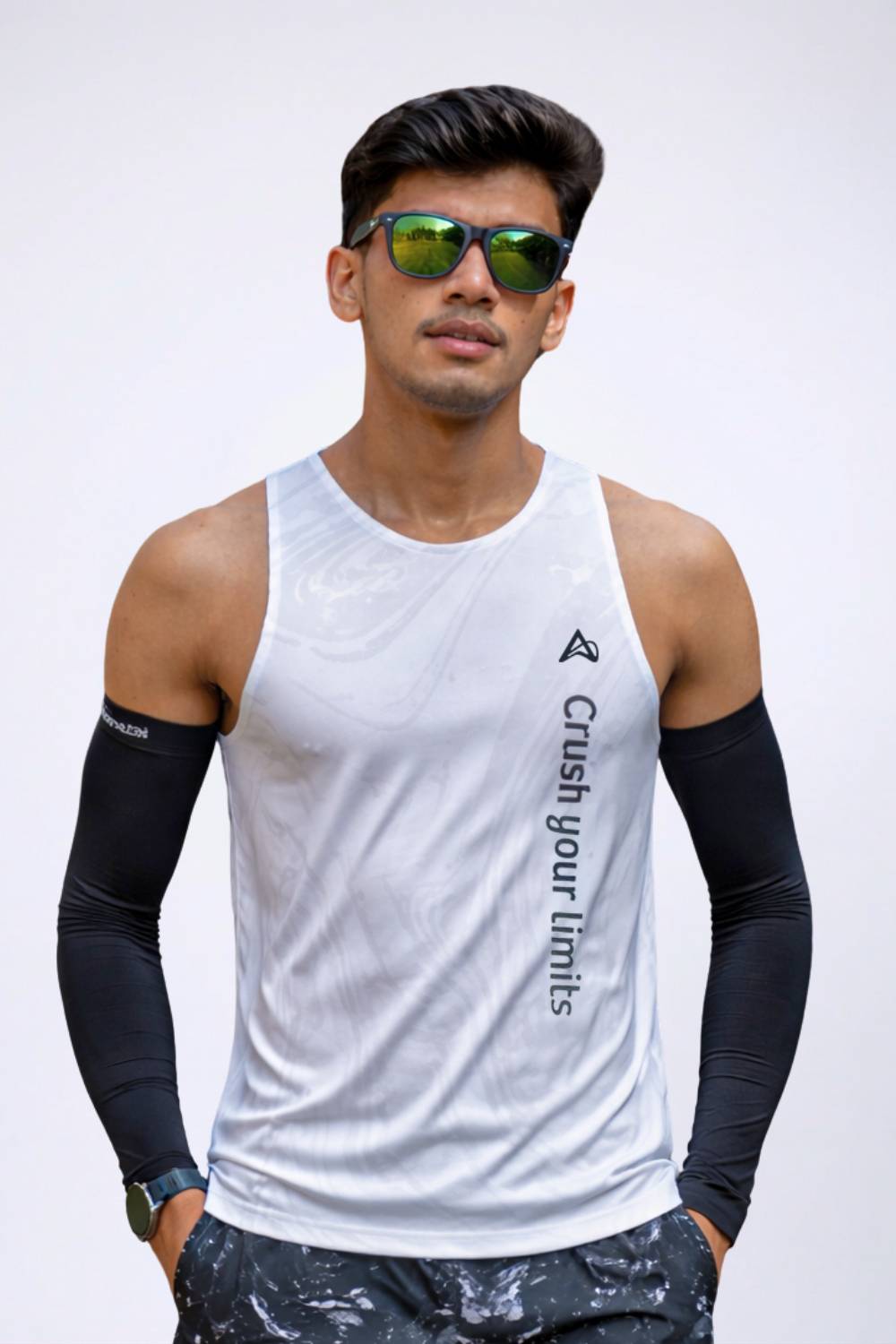
Tired of gear that slows you down? Chafing, soggy fabrics, and missing pockets kill your run's momentum. At Aguante, we're runners who get it. Our high-performance activewear features moisture-wicking fabrics, ergonomic designs, and smart storage to keep you focused. Shop Now!
Start with Fabric Performance, Not Just Fabric Names
One of the most important steps in understanding how to choose running clothes is learning how materials behave during activity. A fabric may sound technical, but its real value depends on how it manages sweat, heat, airflow, and repeated use.
Moisture management is a key consideration because running creates heat and perspiration. Fabric choices for extreme heat show that effective performance clothing depends on multiple elements working together, including air permeability, fabric construction, fit, and the ability to support sweat evaporation.
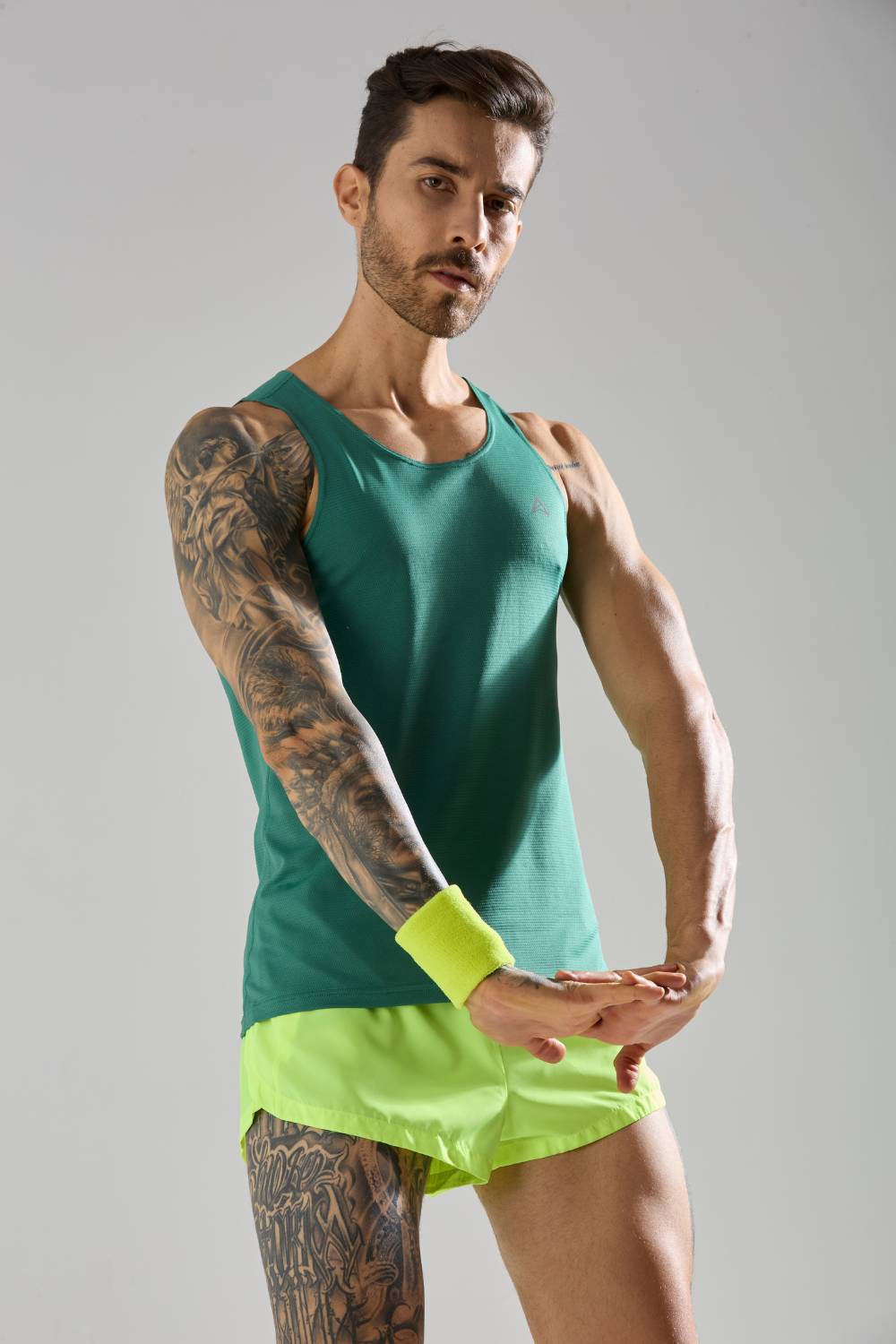
Many runners look specifically for moisture wicking clothes for runners because moving sweat away from the skin can improve comfort during longer efforts. However, the fibre itself is only one part of the equation. The way a fabric is woven, treated, and integrated into a garment can affect drying speed, ventilation, and overall feel.
When reviewing running apparel, consider where and when the clothing will be used. A lightweight top designed for warm outdoor runs may need different characteristics from a layer intended for cooler training conditions. The best fabric for running clothes is ultimately the one that matches the runner's activity level, climate, and personal comfort preferences.
Evaluate How the Garment Fits During Movement
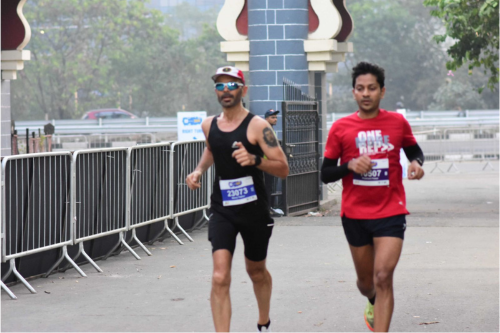
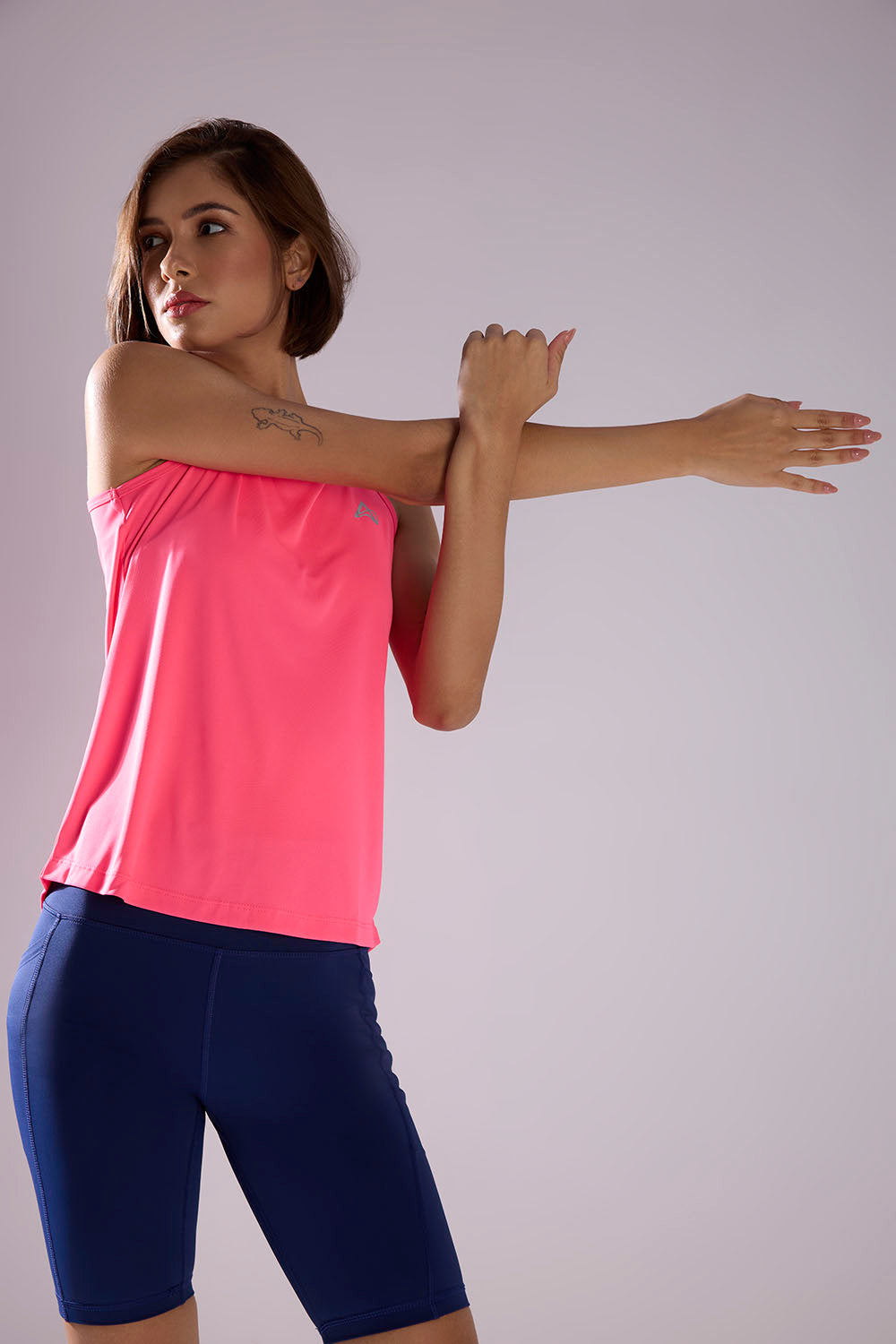
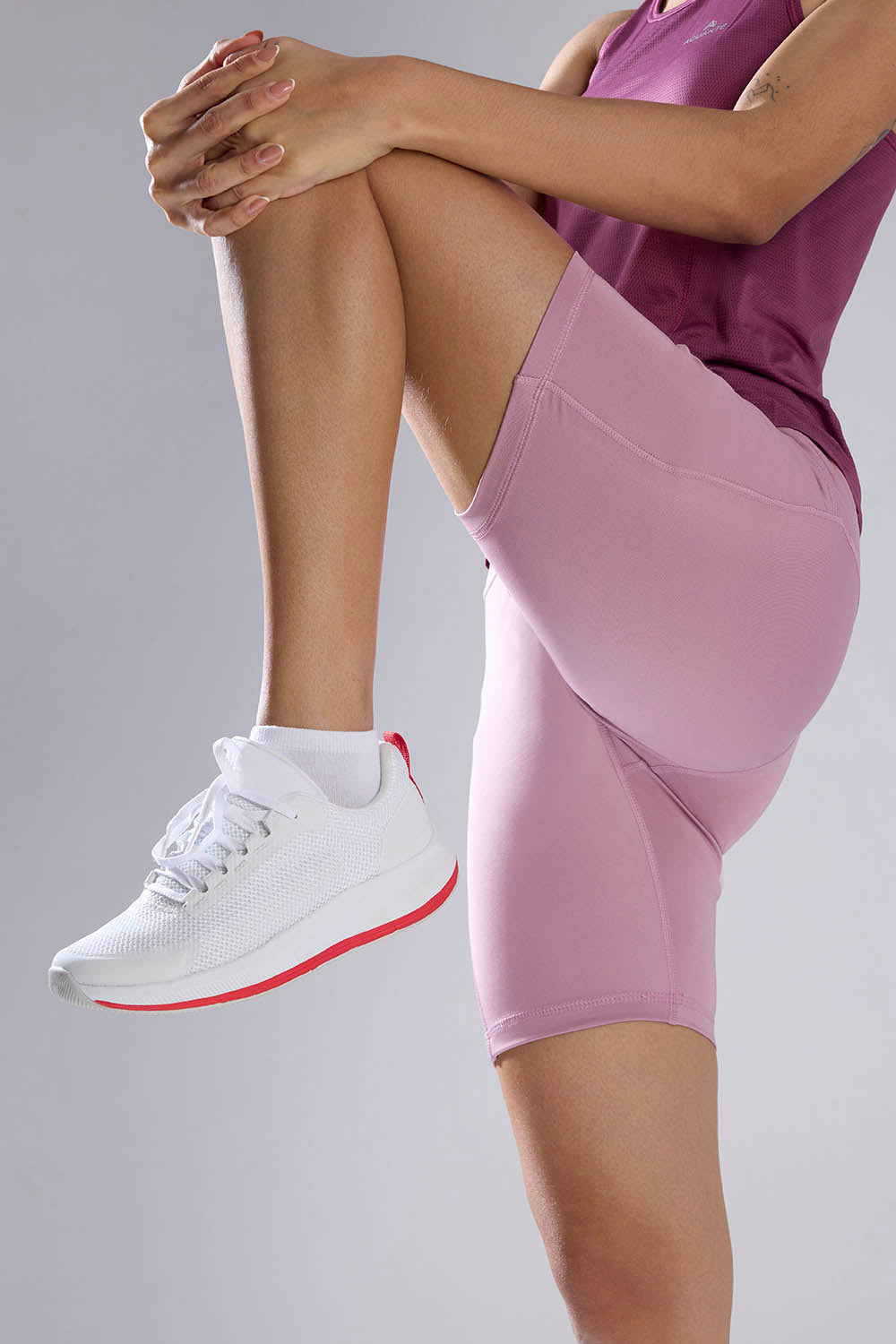
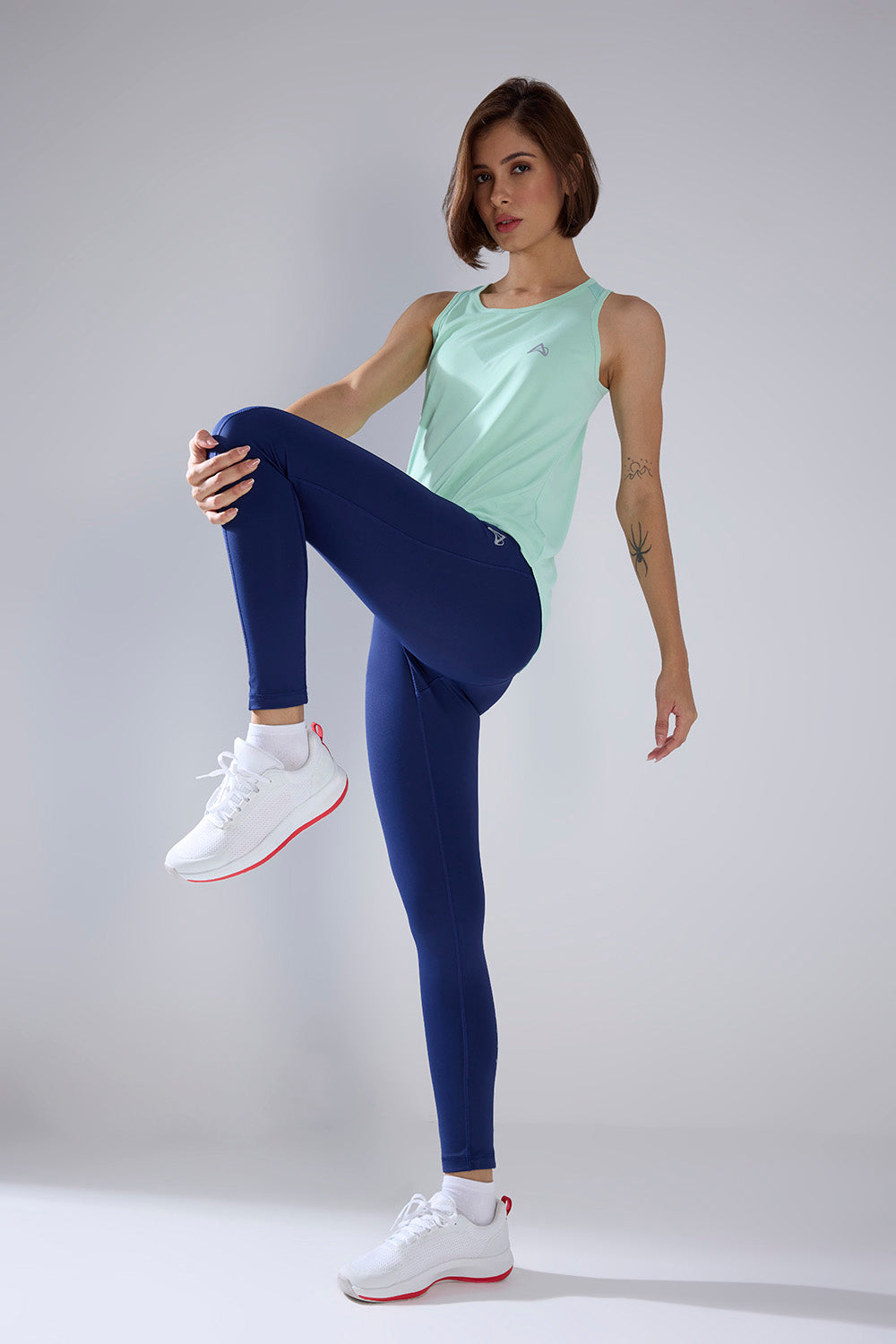
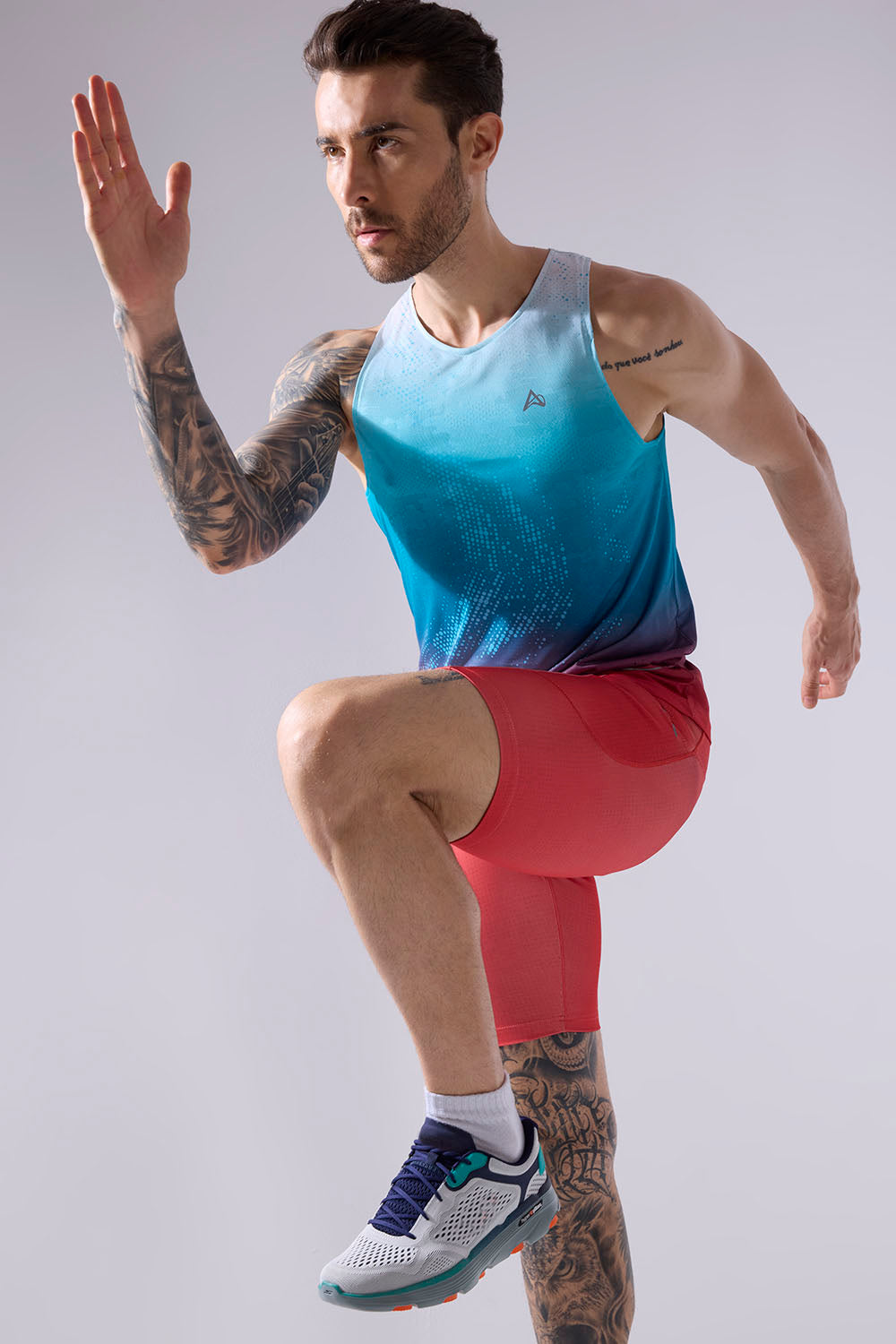
Understanding how running clothes should fit requires looking beyond how a garment feels while standing still. Running involves continuous movement, repeated arm swings, changes in posture, and thousands of steps. Clothing that looks suitable in a changing room may behave differently once a runner begins moving.
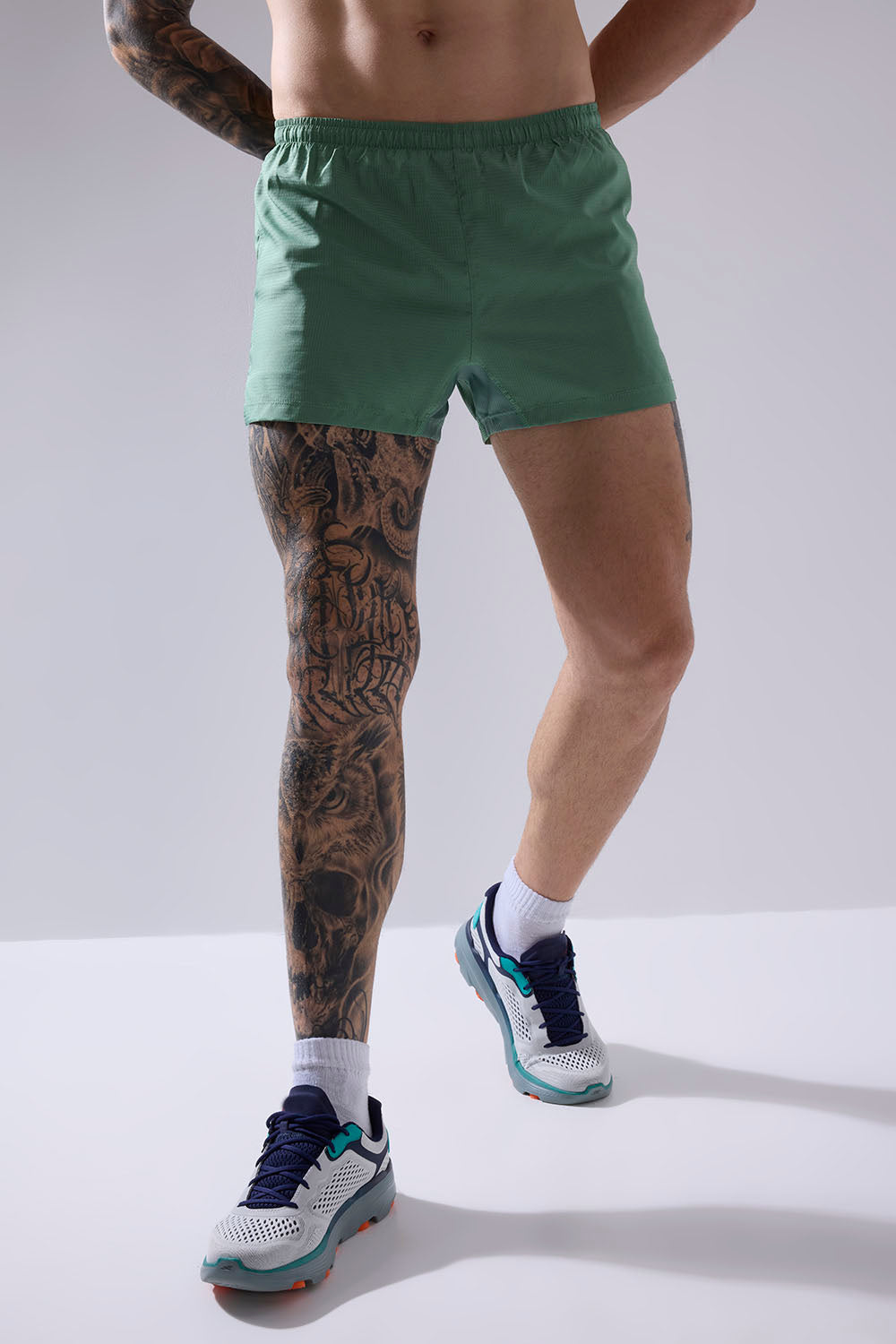
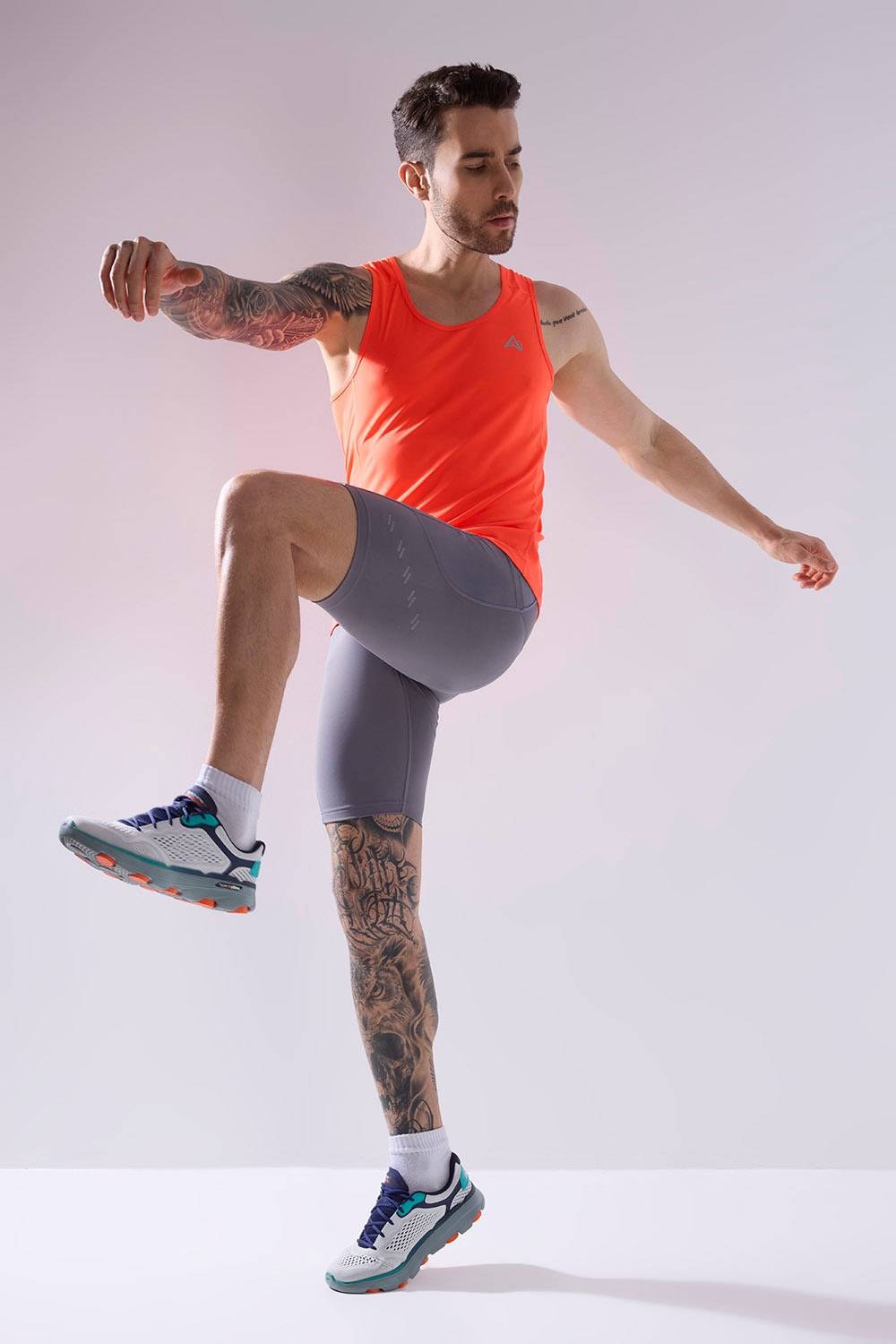
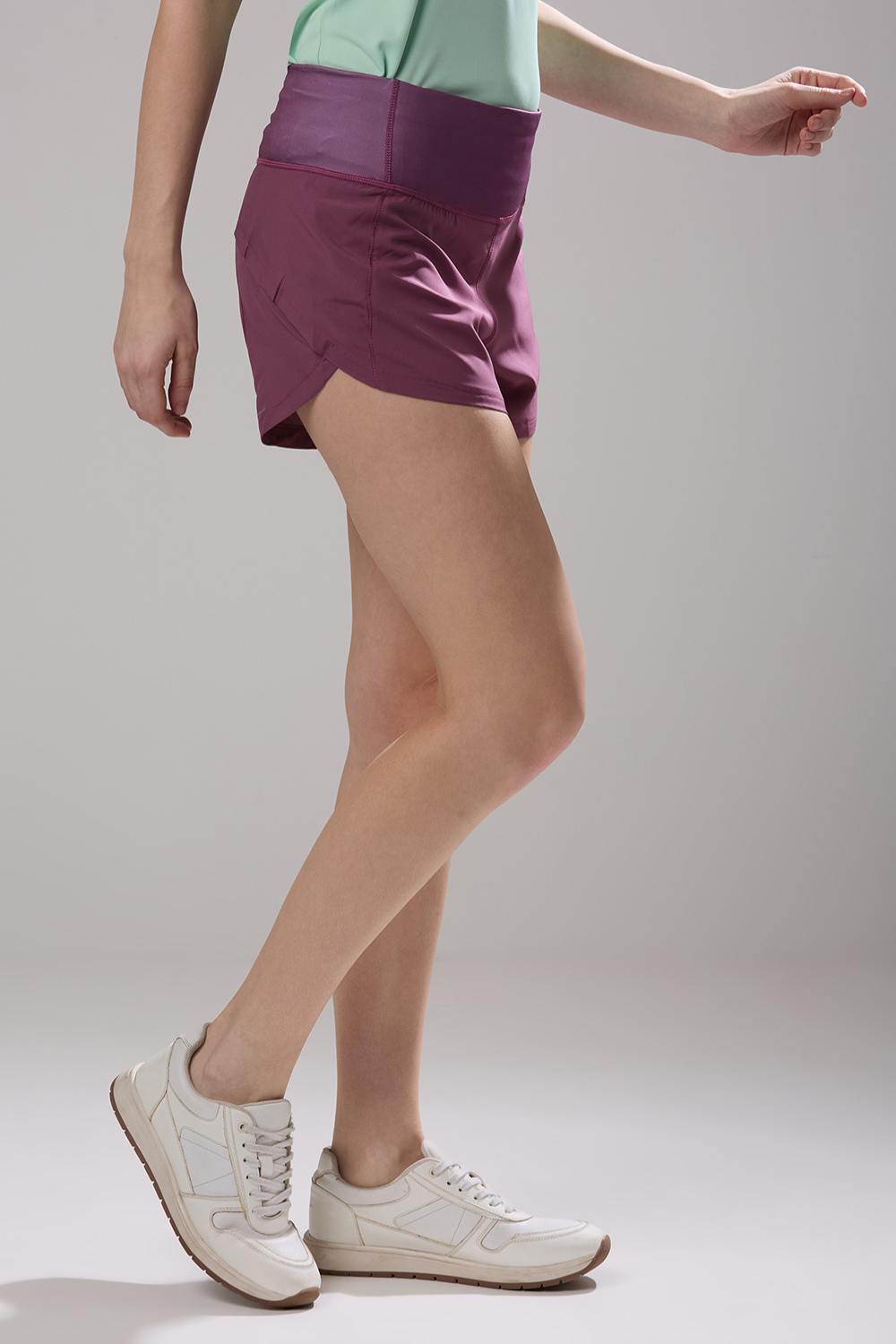
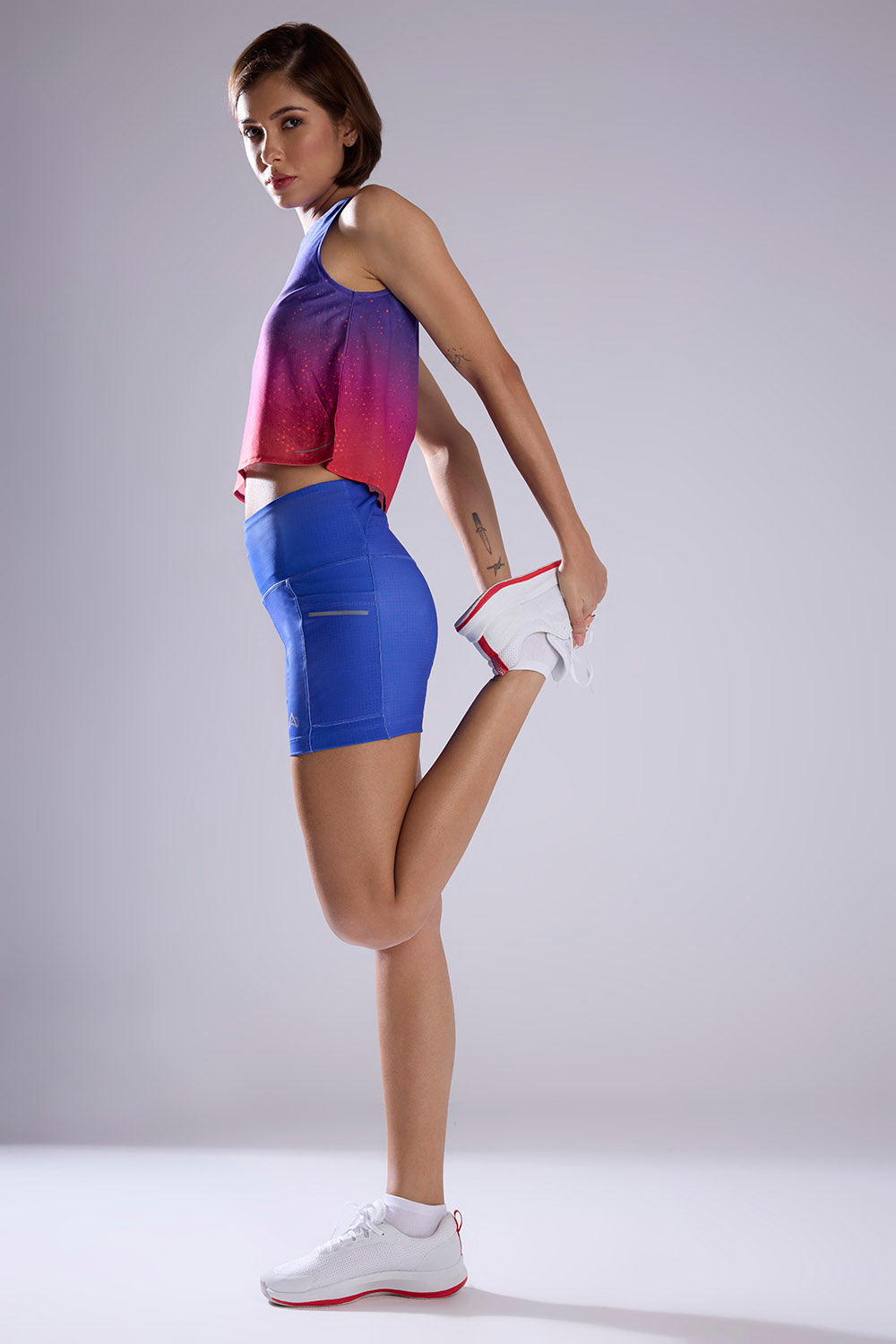
Performance garments are often designed around movement patterns rather than everyday wear. Features such as stretch, garment length, seam placement, and panel construction can influence whether clothing stays comfortable throughout a run.
- Does the garment allow natural movement without restriction?
- Does the fit remain comfortable when the body is moving repeatedly?
- Do seams, edges, or materials create possible irritation points?
- Does the clothing maintain its shape during activity?
Fit preferences can vary between runners. Some may prefer a closer fit that reduces excess movement, while others may prefer more airflow through a relaxed design. The important factor is choosing apparel that supports the runner's movement style and intended use.
Look Closely at Functional Running Apparel Features
Running apparel features often determine whether clothing becomes a reliable part of a runner's routine or a distraction during training. Small design choices can have a significant impact when a runner spends extended time outdoors or increases training distance.
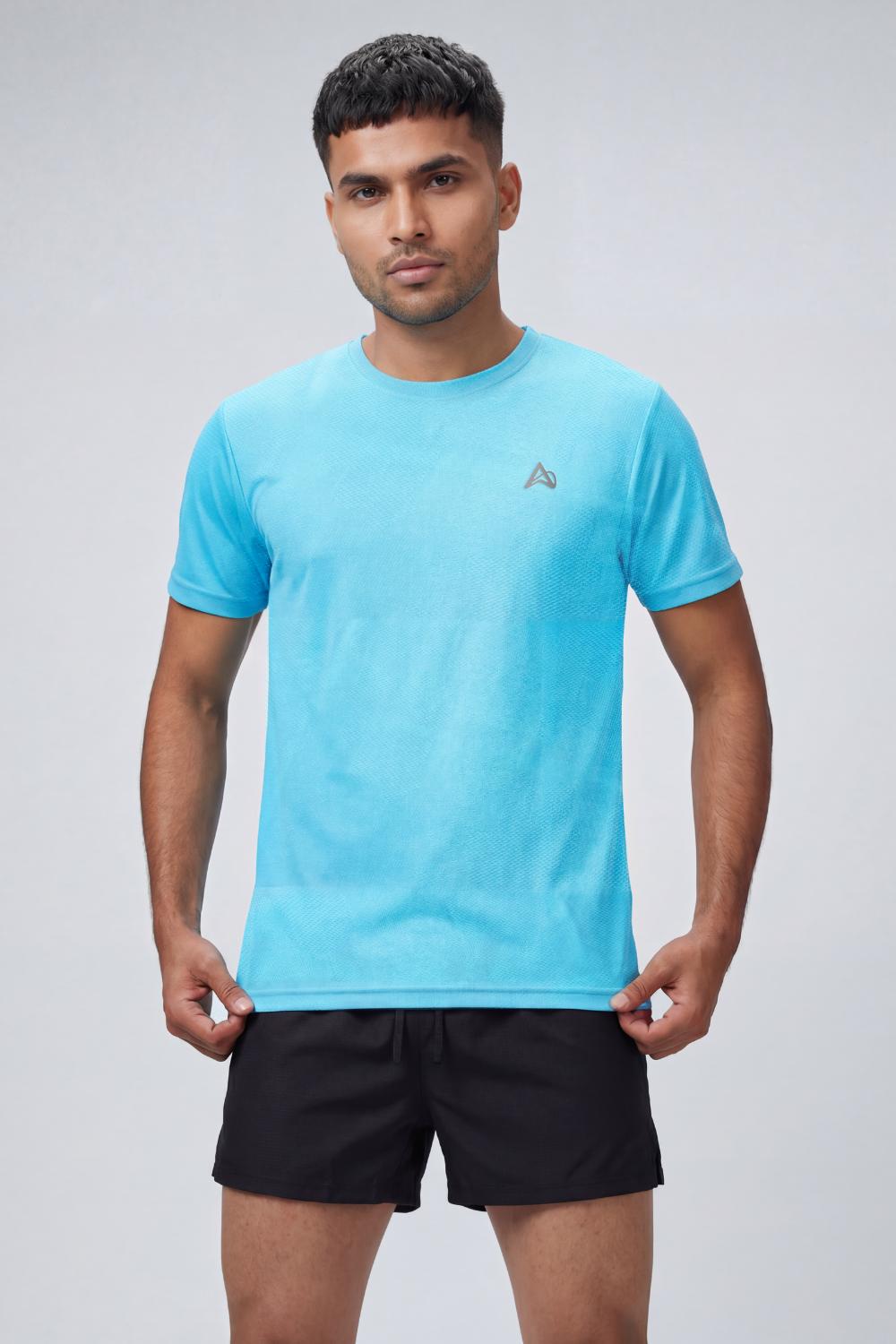
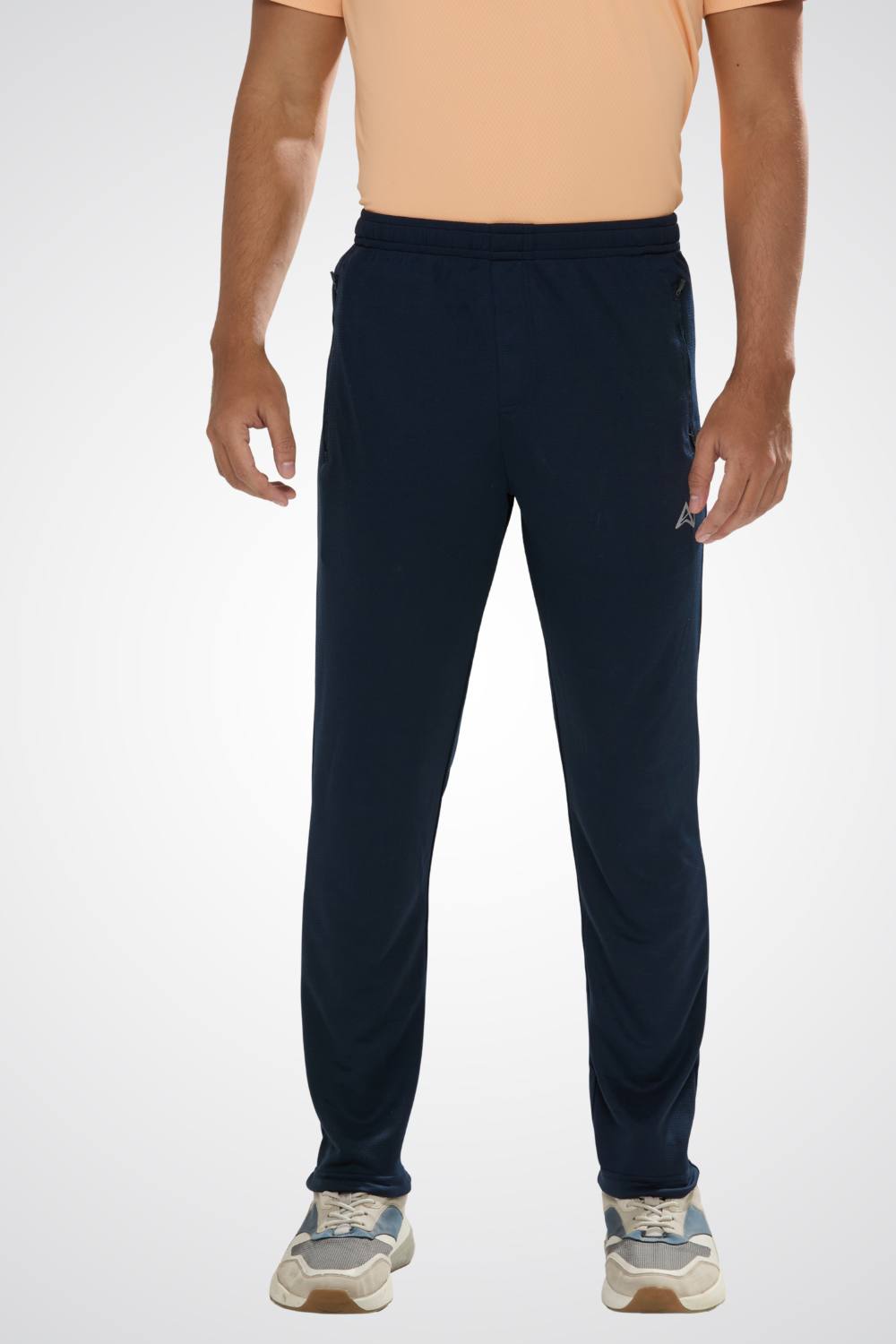
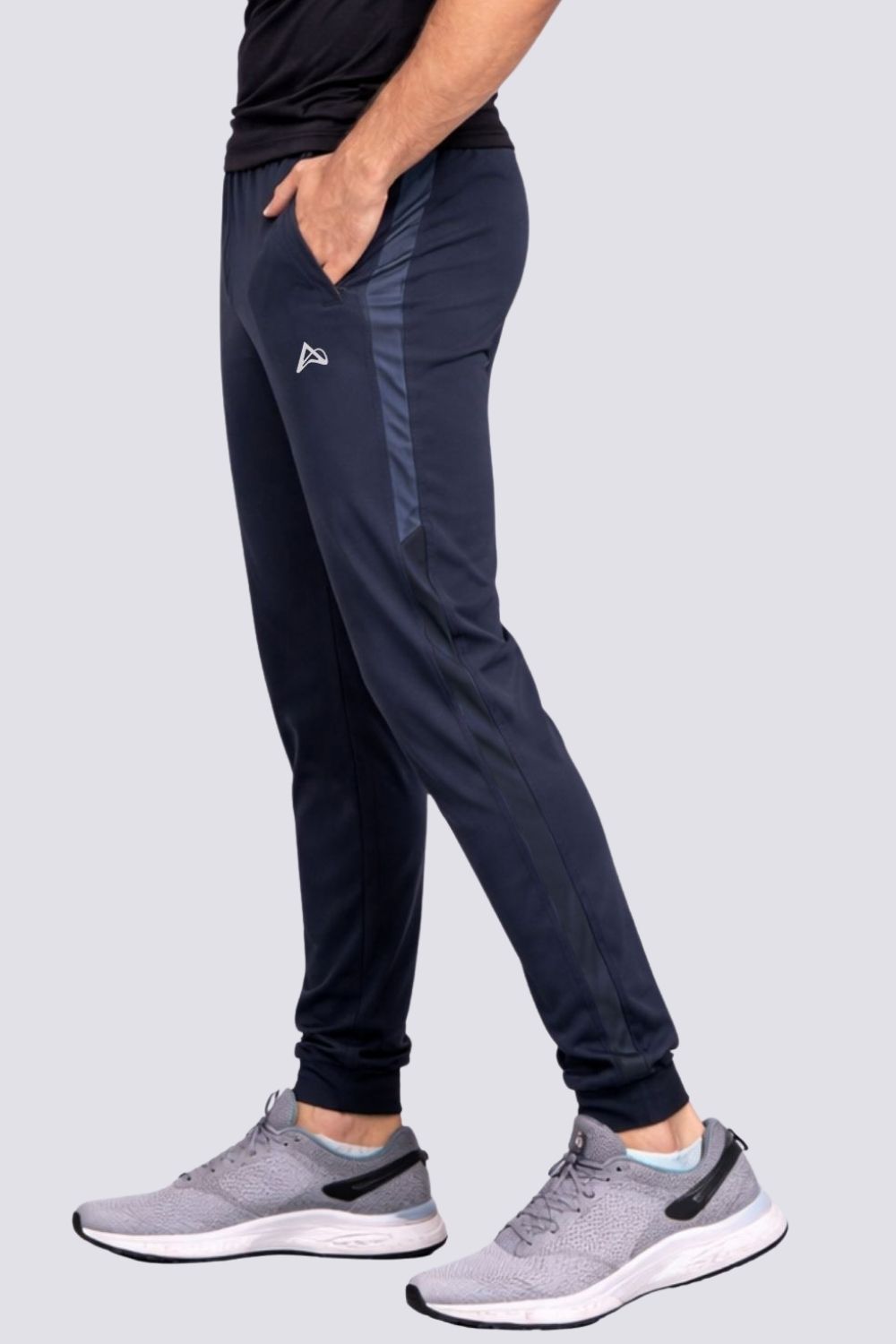
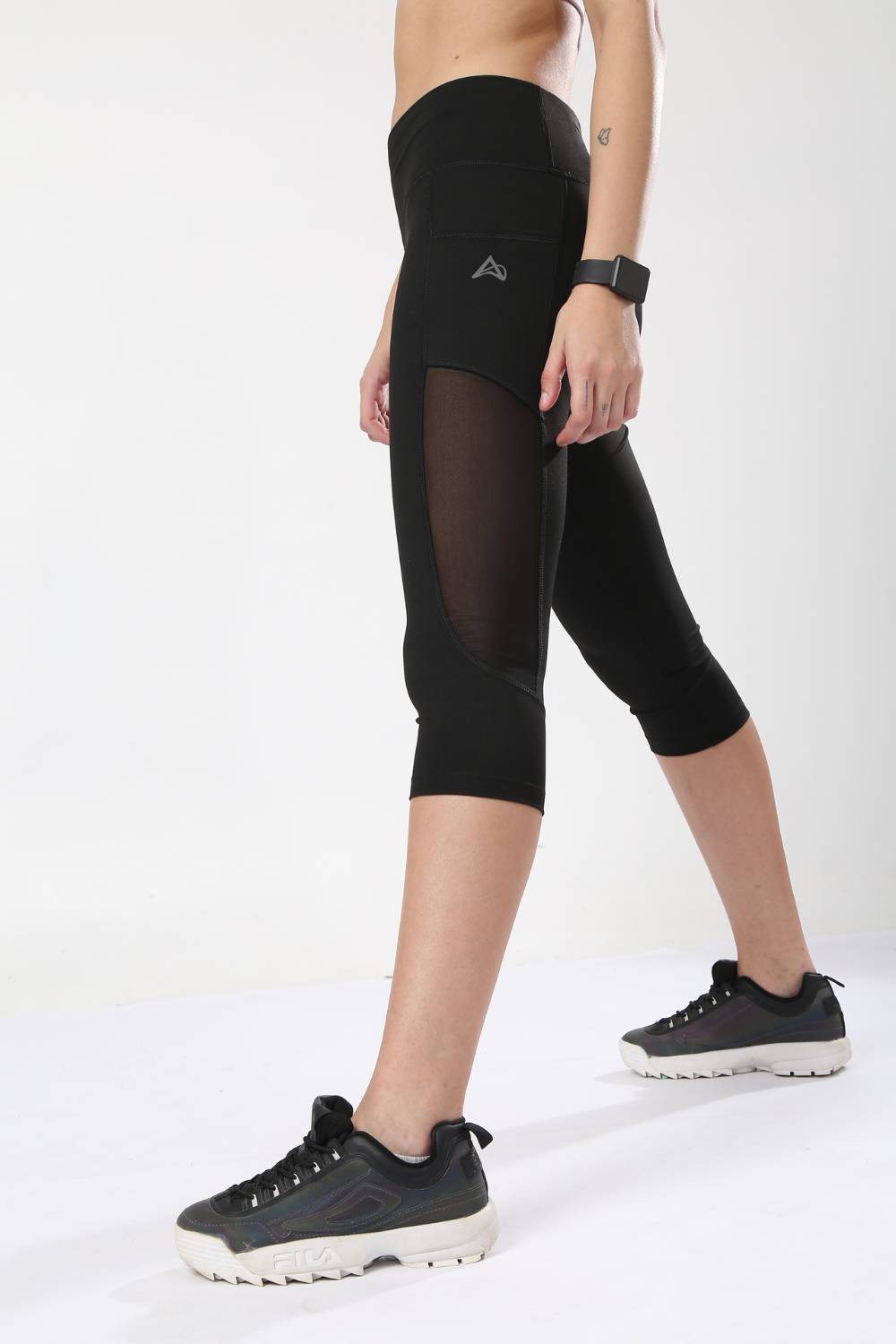
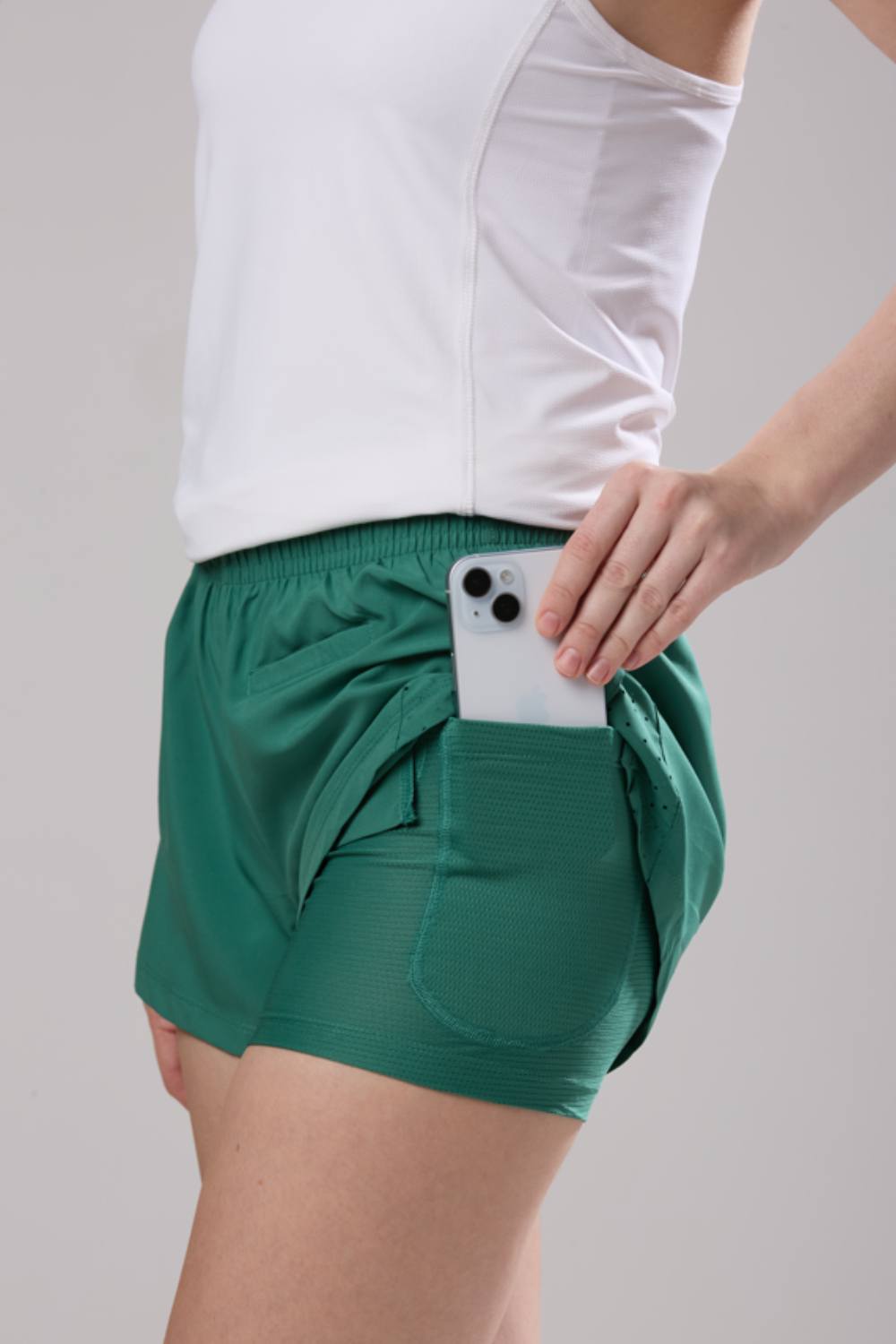
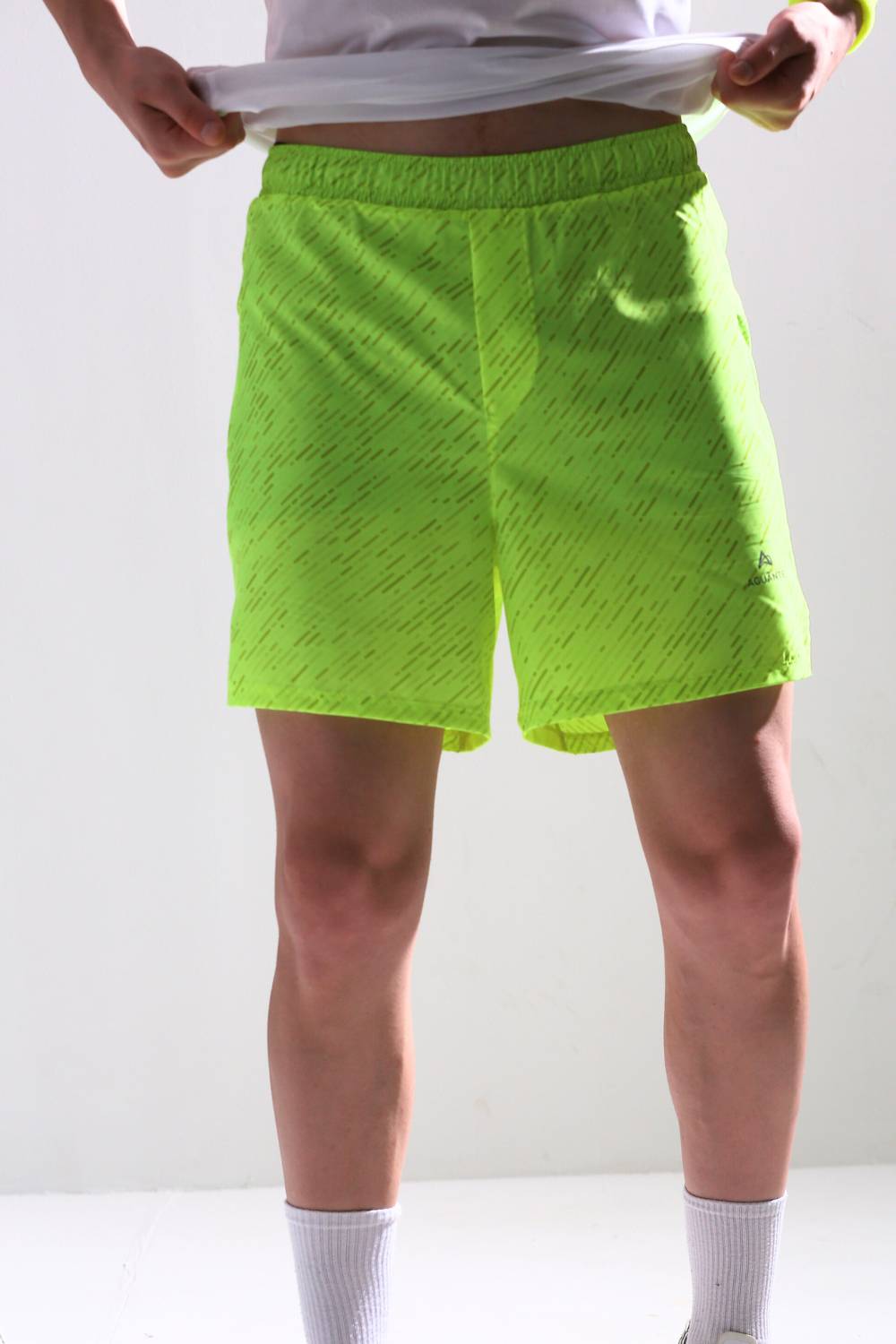
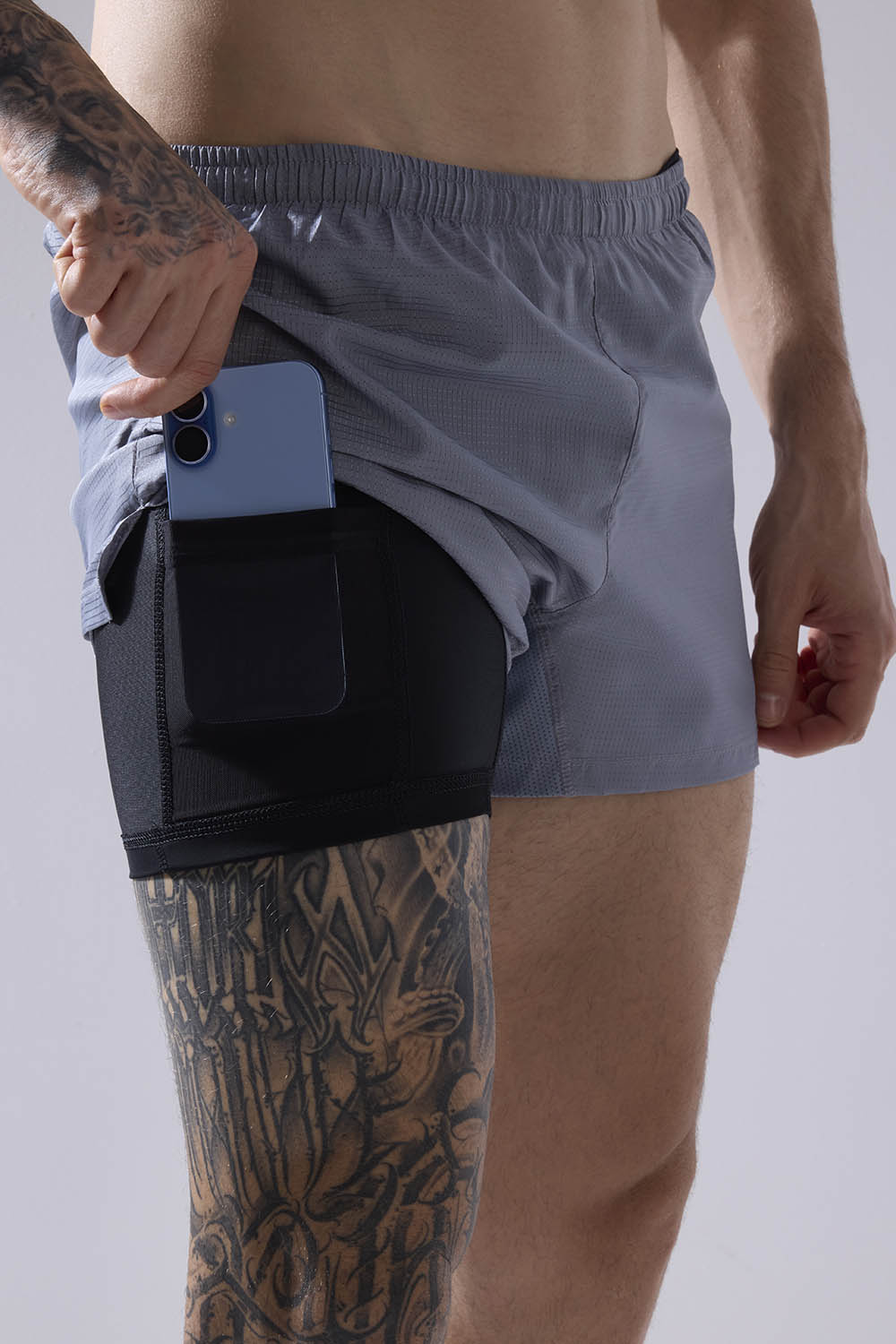
Useful features to review include storage options, ventilation zones, reflective elements, and construction details that improve everyday usability. Runners who carry essentials such as phones, keys, or nutrition items may benefit from thoughtfully placed pockets that do not interfere with movement.
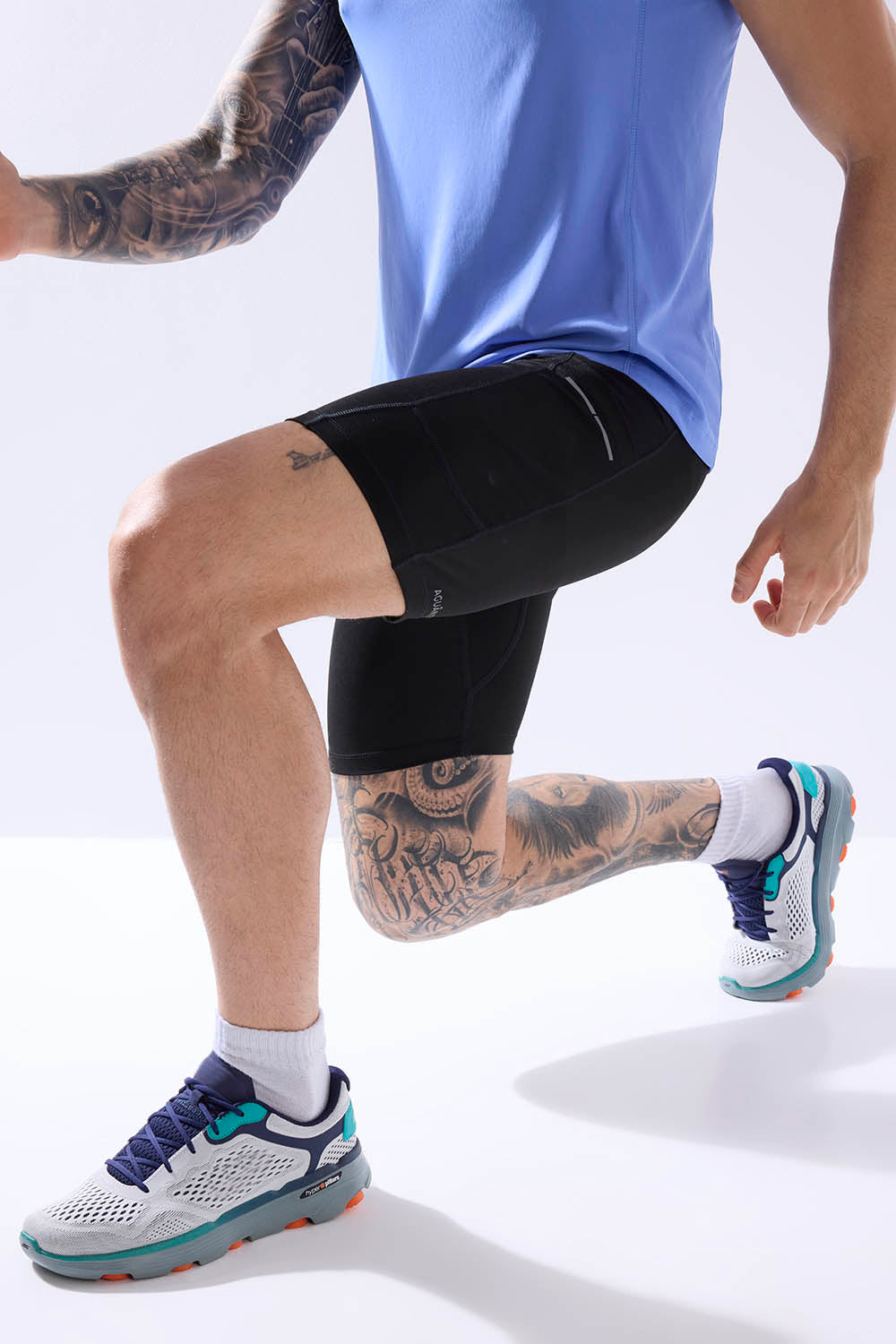
Reflective details can also be valuable for runners who train in lower-light conditions. Rather than selecting clothing based only on style, runners should consider the practical situations in which the garment will be worn.
The development of performance clothing often involves athlete feedback, wear testing, and design refinement. How running apparel is tested highlights how factors such as mobility, weight, moisture management, seam placement, and comfort influence whether a garment performs well during real runs.
Consider Comfort Over Short-term Appeal
Comfort is one of the most important factors when selecting performance clothing because runners often wear the same garments repeatedly during training cycles. A piece of apparel that feels comfortable for a few minutes should also remain practical after extended movement.
Comfortable running clothes for long distance should help runners focus on their effort rather than adjusting their clothing throughout a session. Fabric feel, ventilation, fit consistency, and friction management all contribute to the overall experience.
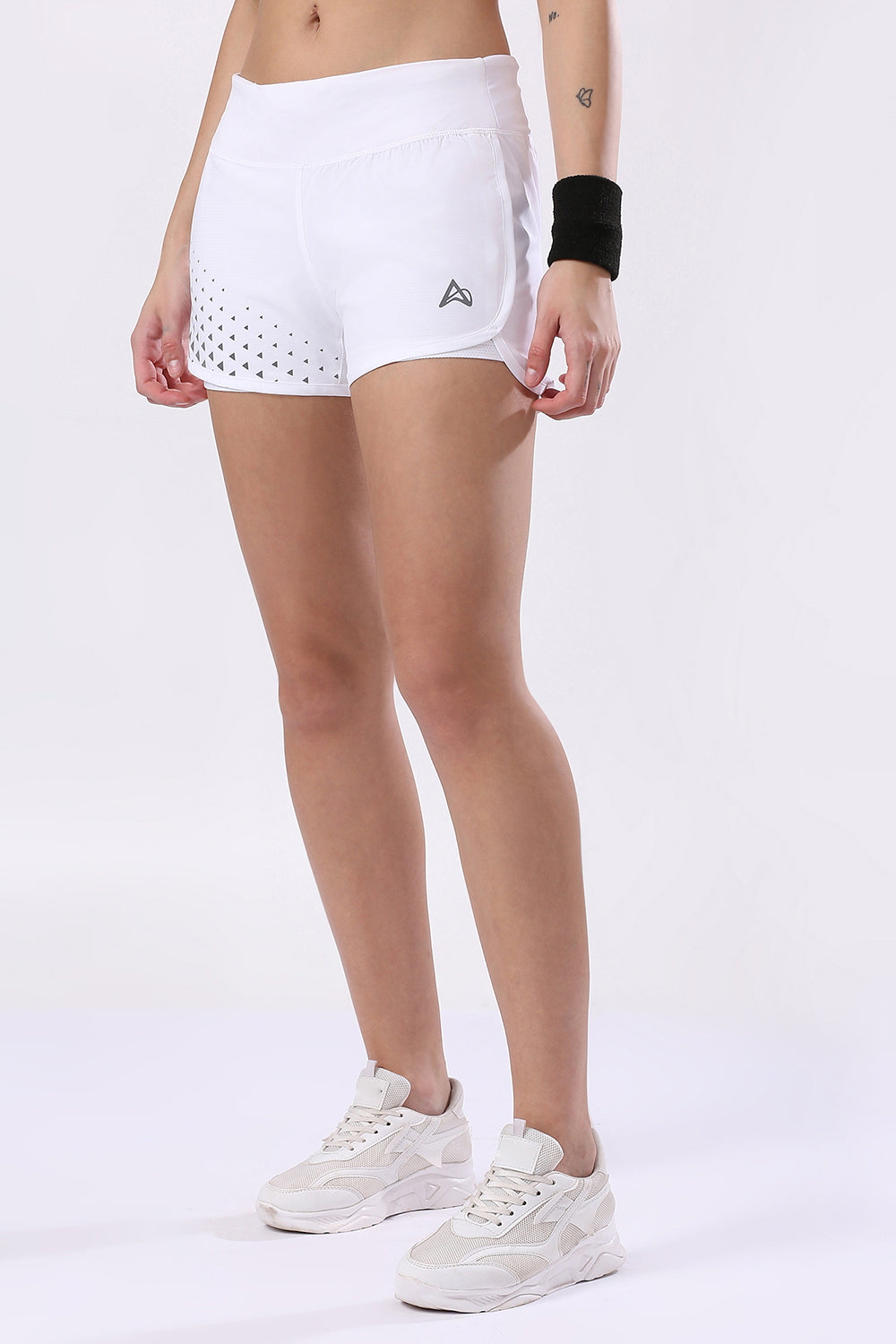
Chafing is a common concern for runners because repeated movement can create discomfort when clothing does not sit correctly against the body. Design elements such as smoother seams, appropriate fabric stretch, and well-planned construction can help reduce potential distractions.
For runners building a regular training wardrobe, durability also matters. A garment should maintain its performance characteristics after repeated washing and frequent use. Reviewing care instructions and construction quality can help runners understand whether apparel is suited for long-term training needs.
Match Clothing Choices with Running Conditions
The ideal performance clothing choice depends heavily on the conditions in which it will be used. A runner preparing for outdoor sessions should think about temperature, humidity, distance, pace, and training intensity before selecting apparel.
Hot and humid conditions place greater importance on ventilation and sweat management. Cooler conditions may require layering strategies that allow runners to regulate comfort as their body temperature changes during exercise.
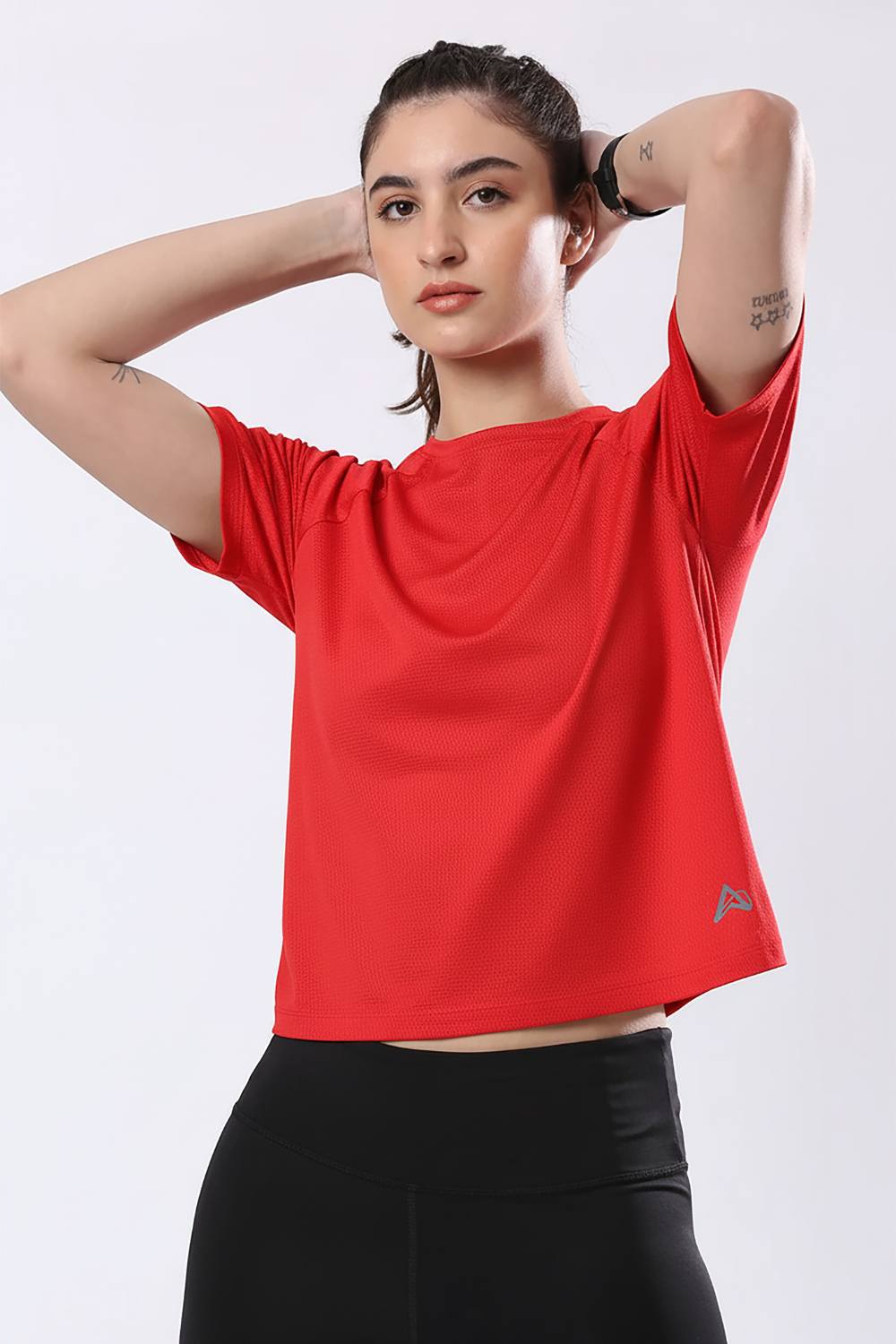
Colour and design details may also influence comfort during outdoor activity. Lighter colours can reduce heat absorption from sunlight, while reflective elements can improve visibility in appropriate situations. These considerations are especially relevant for runners who train at different times of day.
Rather than searching for a single universal option, runners should build their clothing choices around their own routines. A marathon trainee, a weekend runner, and someone completing short fitness runs may all require different combinations of features.
Review Value Through Performance, Not Marketing Claims
When comparing performance clothing, runners should focus on how a product solves practical problems. Technical terms can help describe apparel features, but the most important question is whether those features improve the running experience.
- The fabric's ability to handle sweat and changing conditions
- The garment's comfort during repeated movement
- The usefulness of storage and visibility features
- The durability of materials and construction
- The suitability of the design for the runner's goals
This approach helps runners make informed decisions instead of choosing clothing based only on appearance or isolated product claims. Performance apparel should support the runner's routine, whether that means daily training, race preparation, or recreational exercise.
Choosing Performance Clothing with Confidence
Selecting the right running apparel requires a balance between comfort, functionality, and personal preference. Runners should review fabric behaviour, fit, construction details, and practical features before making a decision.
For those comparing performance clothing for runners, the best choice is usually the garment that works naturally with their movement and training environment. Thoughtfully designed apparel can help remove unnecessary distractions, allowing runners to focus on consistency, progress, and enjoyment.
Aguante's focus on runner-oriented activewear aligns with this evaluation process by creating apparel designed around the needs runners consider when selecting their training gear. By understanding what to look for in running apparel, athletes can make more informed choices and build a wardrobe that supports their running journey.
Frequently Asked Questions
How do I choose running clothes that improve comfort and performance?
To choose running clothes, review factors such as fabric performance, moisture management, fit, ventilation, and durability. The right performance clothing for runners should support movement, help manage sweat, and remain comfortable throughout different training sessions.
What should I look for in running apparel before buying it?
When selecting running apparel, consider features such as breathable materials, ergonomic fit, storage options, reflective details, and seam construction. These running apparel features can help determine whether a garment is suitable for regular training and long-distance use.
What is the best fabric for running clothes?
The best fabric for running clothes depends on the runner's activity level, climate, and personal comfort preferences. Materials that support moisture management, airflow, and quick drying can help runners stay comfortable during workouts and longer runs.
Disclaimer: The above helpful resources content contains personal opinions and experiences. The information provided is for general knowledge and does not constitute professional advice.
You may also be interested in: Women's Anti-chafing Shorts: The Complete Guide for Indian Runners
Tired of gear that slows you down? Chafing, soggy fabrics, and missing pockets kill your run's momentum. At Aguante, we're runners who get it. Our high-performance activewear features moisture-wicking fabrics, ergonomic designs, and smart storage to keep you focused. Shop Now!
Powered by flareAI.co