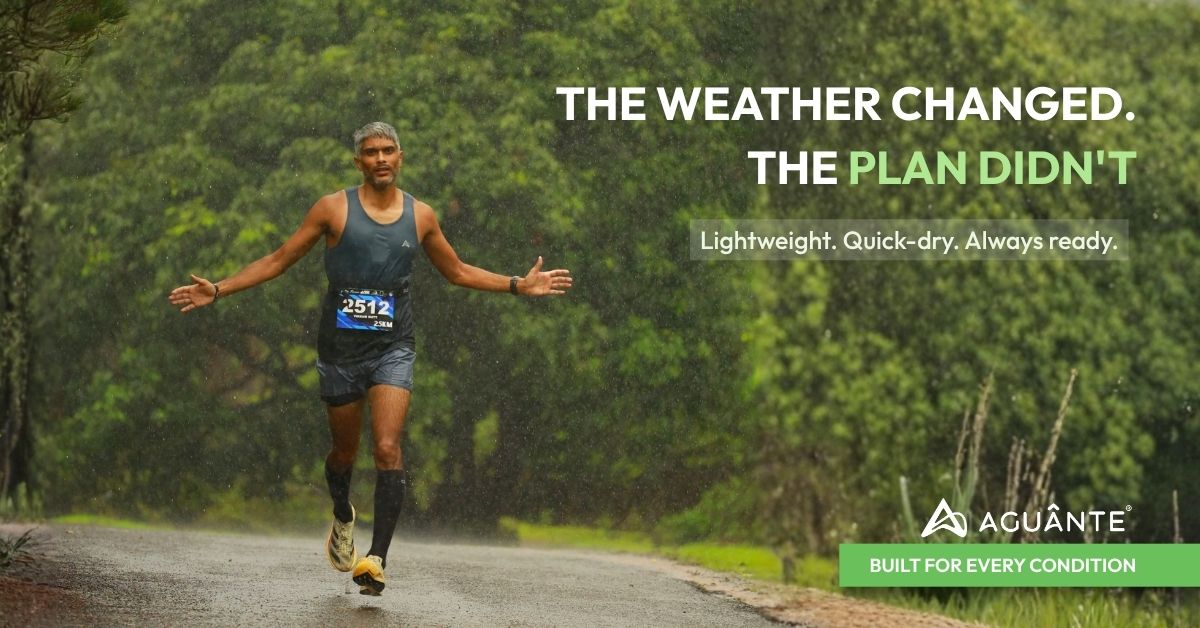




Running in the rain can be refreshing, but the wrong clothing can quickly turn a comfortable workout into a wet, heavy, uncomfortable experience. The best activewear for running in the rain should be lightweight, breathable, quick-drying, moisture-wicking, and designed to reduce chafing.
For Indian runners, this becomes even more important because monsoon conditions often combine rainfall with warm temperatures and high humidity. Instead of simply choosing waterproof clothing, runners should focus on activewear that manages sweat and rain while allowing heat to escape.
What Is the Best Activewear for Running in the Rain?
There is no single outfit that works for every runner or every type of rain. However, a practical rain-running setup usually includes:
- Lightweight moisture-wicking running T-shirt or singlet
- Quick-drying running shorts or half tights
- Moisture-wicking running socks
- Running shoes with suitable traction and drainage
- Reflective details for low visibility
- Secure pockets for phone, keys, and nutrition
- Lightweight rain jacket when conditions require additional protection
Technical fabrics such as polyester and nylon are commonly used for running apparel because they wick moisture and dry relatively quickly.
1. Choose Quick-Dry Running Tops
Your running top is one of the first pieces of clothing affected by rain and sweat.
Avoid heavy cotton T-shirts. Once cotton becomes wet, it can stay damp against the skin and increase discomfort and friction.
Instead, look for:
- Lightweight polyester or nylon fabric
- Moisture-wicking construction
- Breathable panels or mesh
- Quick-drying performance
- Comfortable athletic fit
- Reflective details
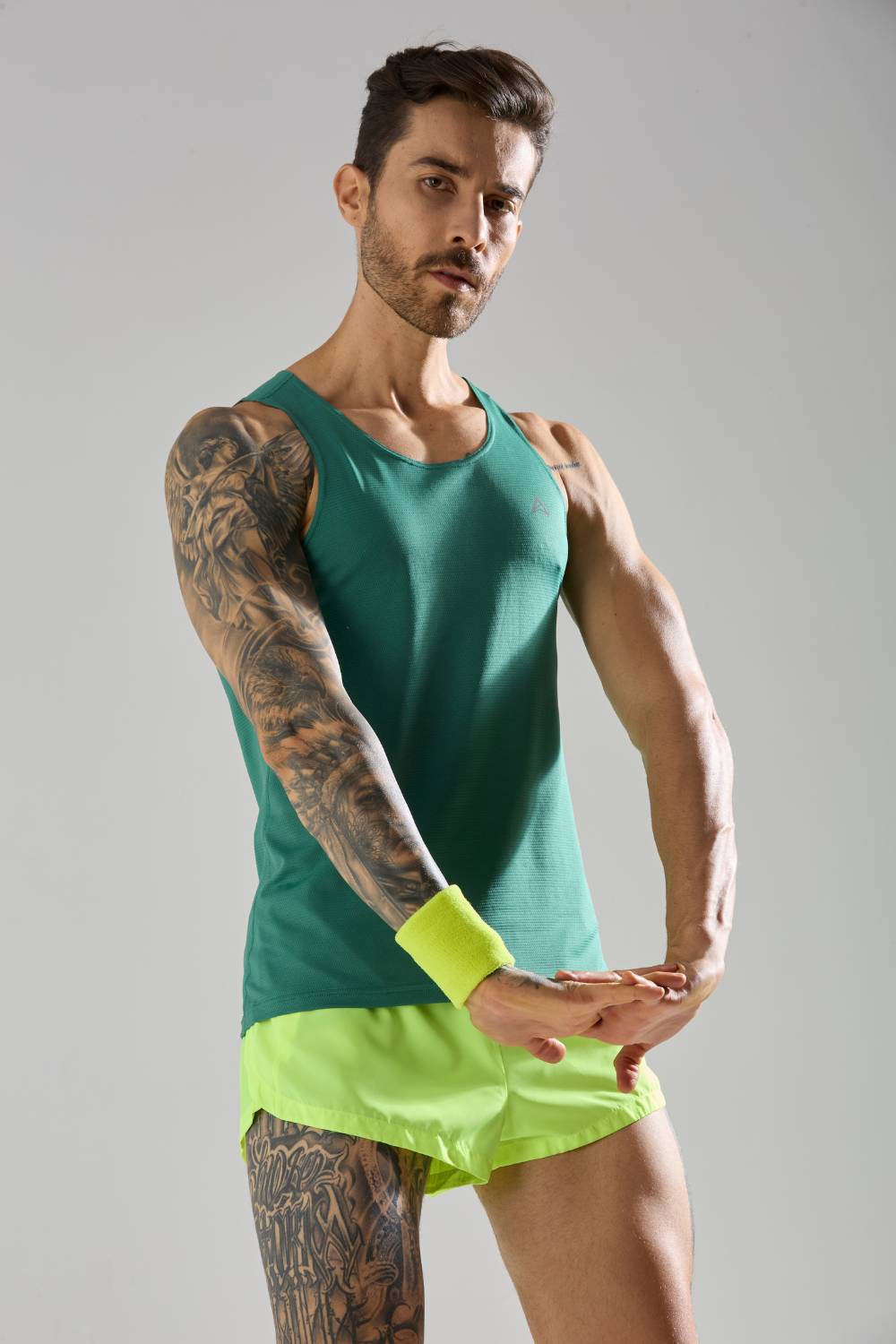
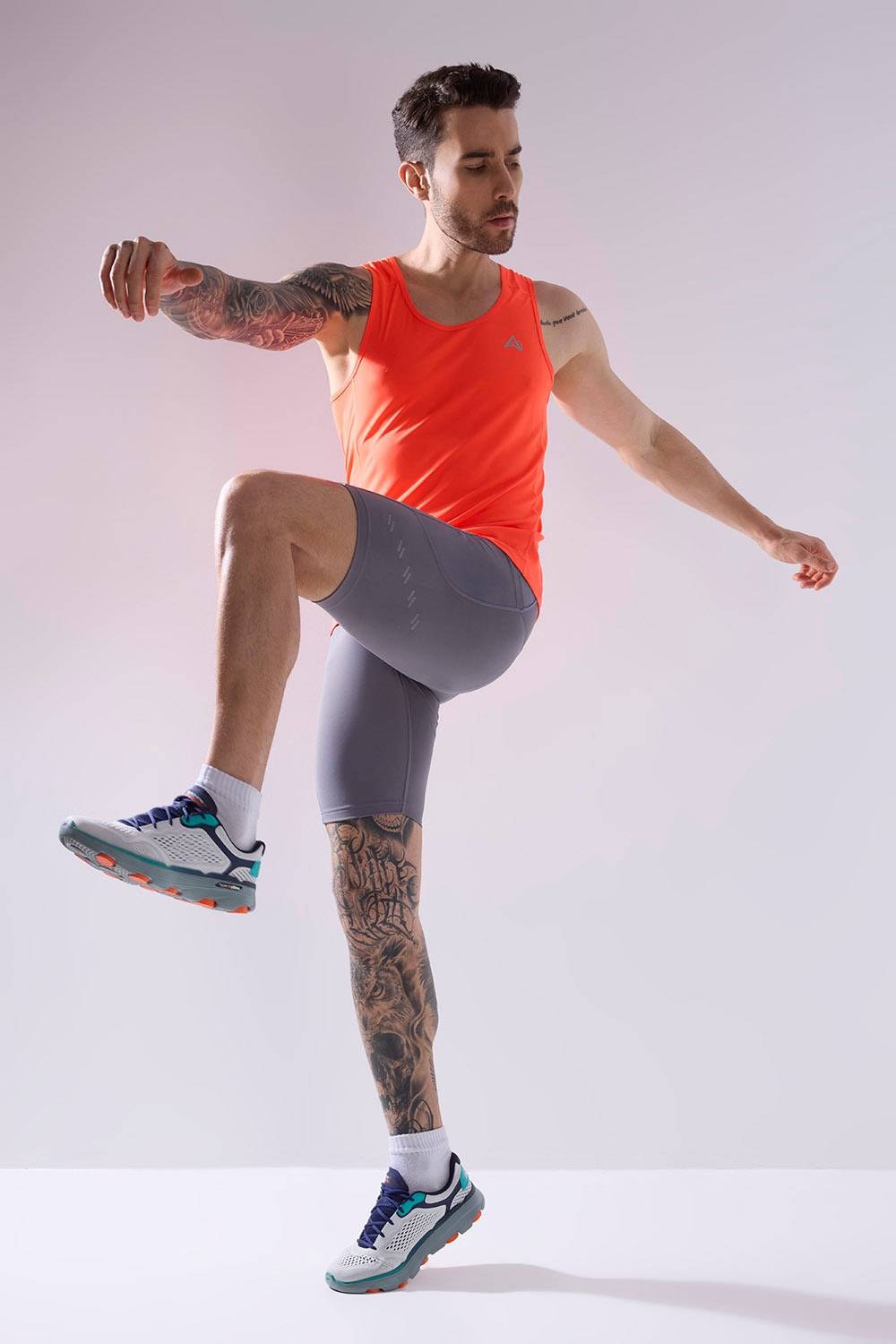
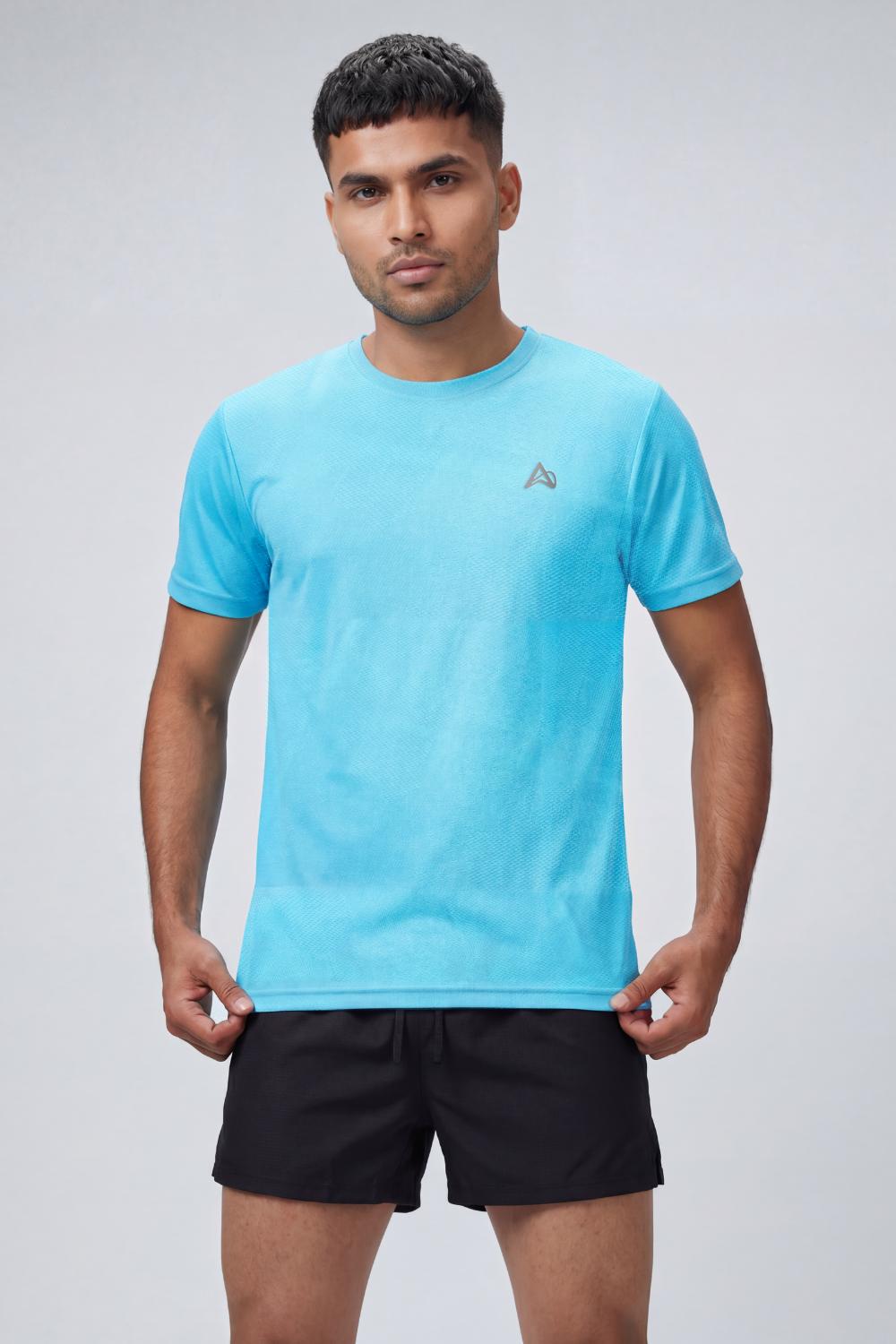
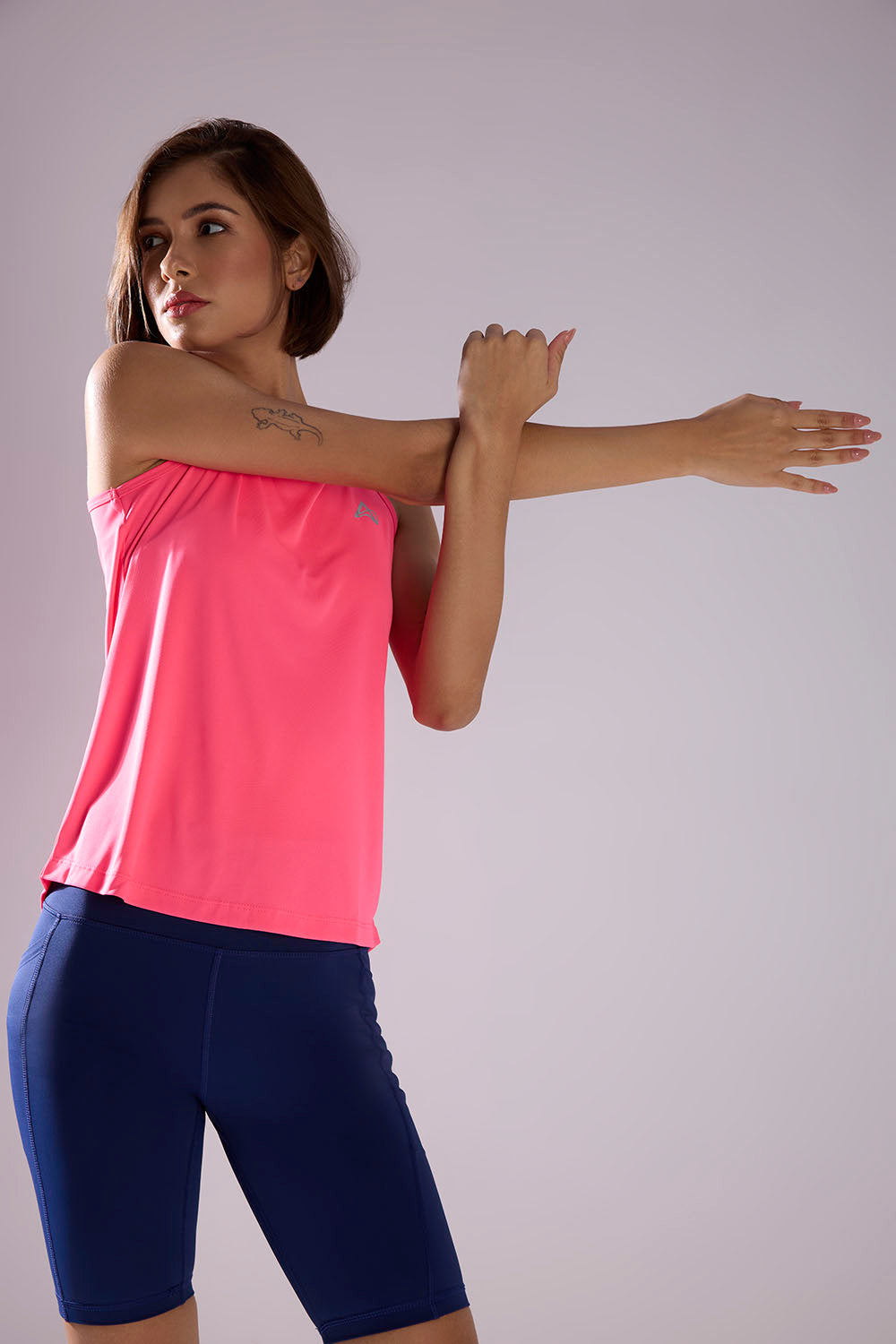
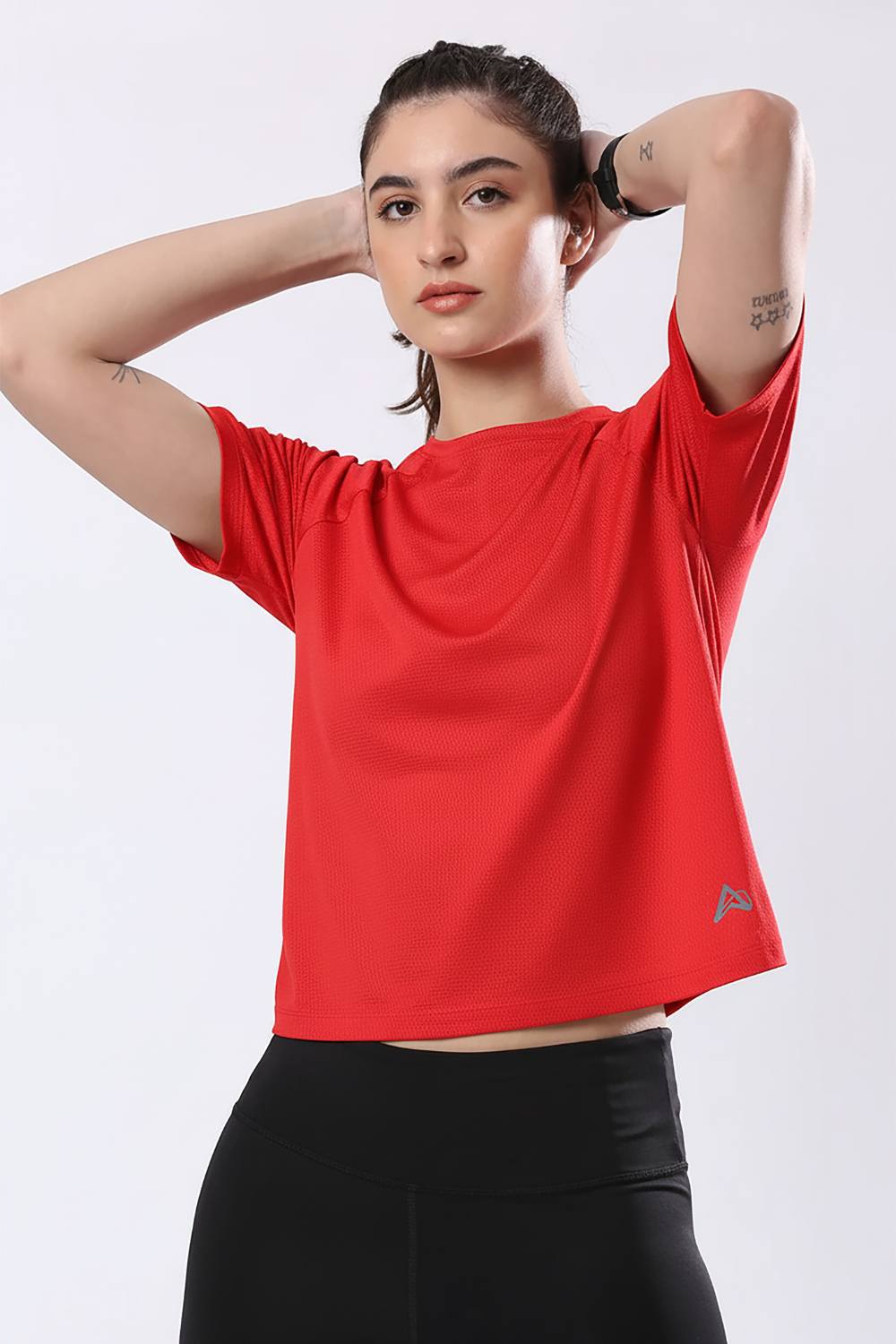
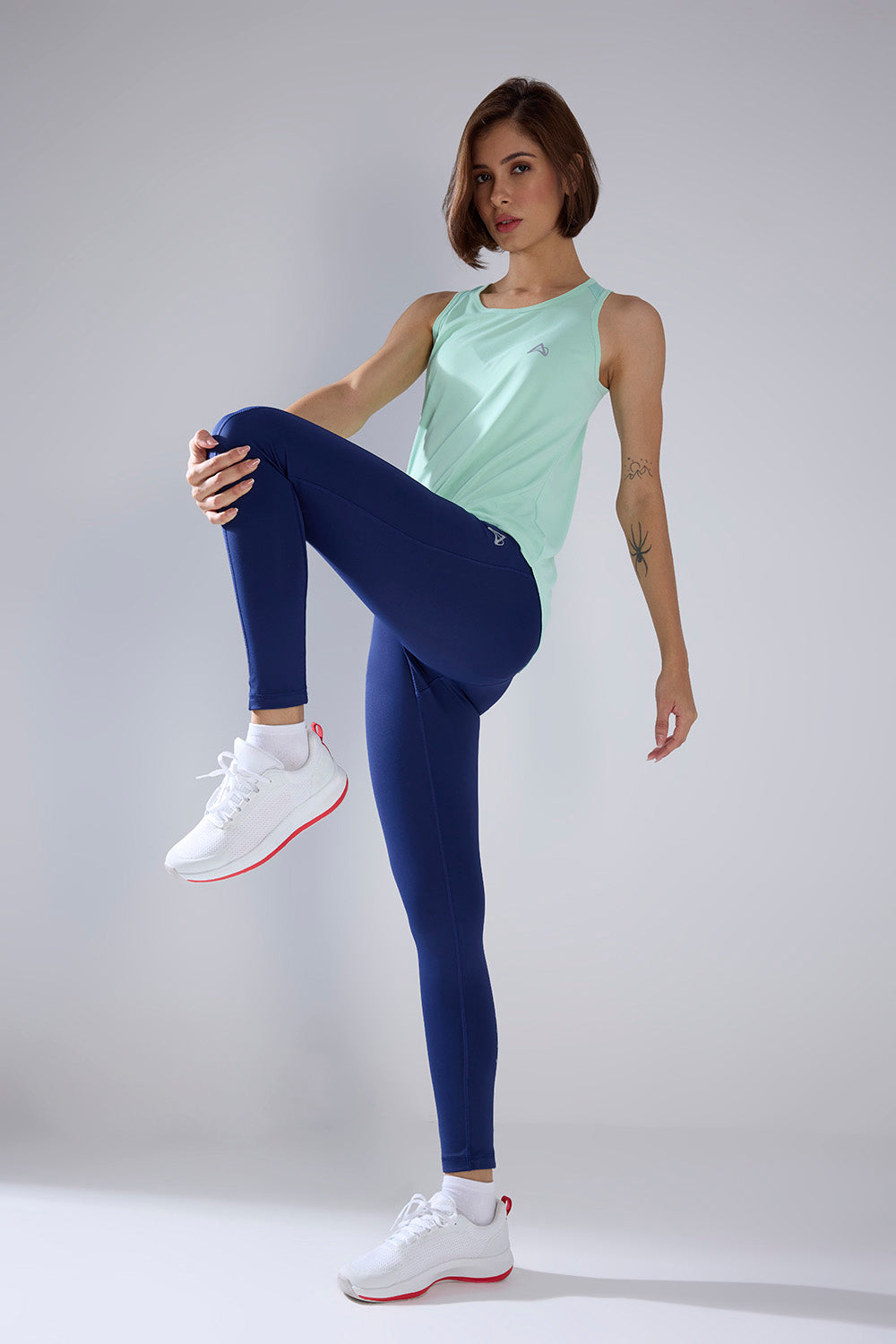
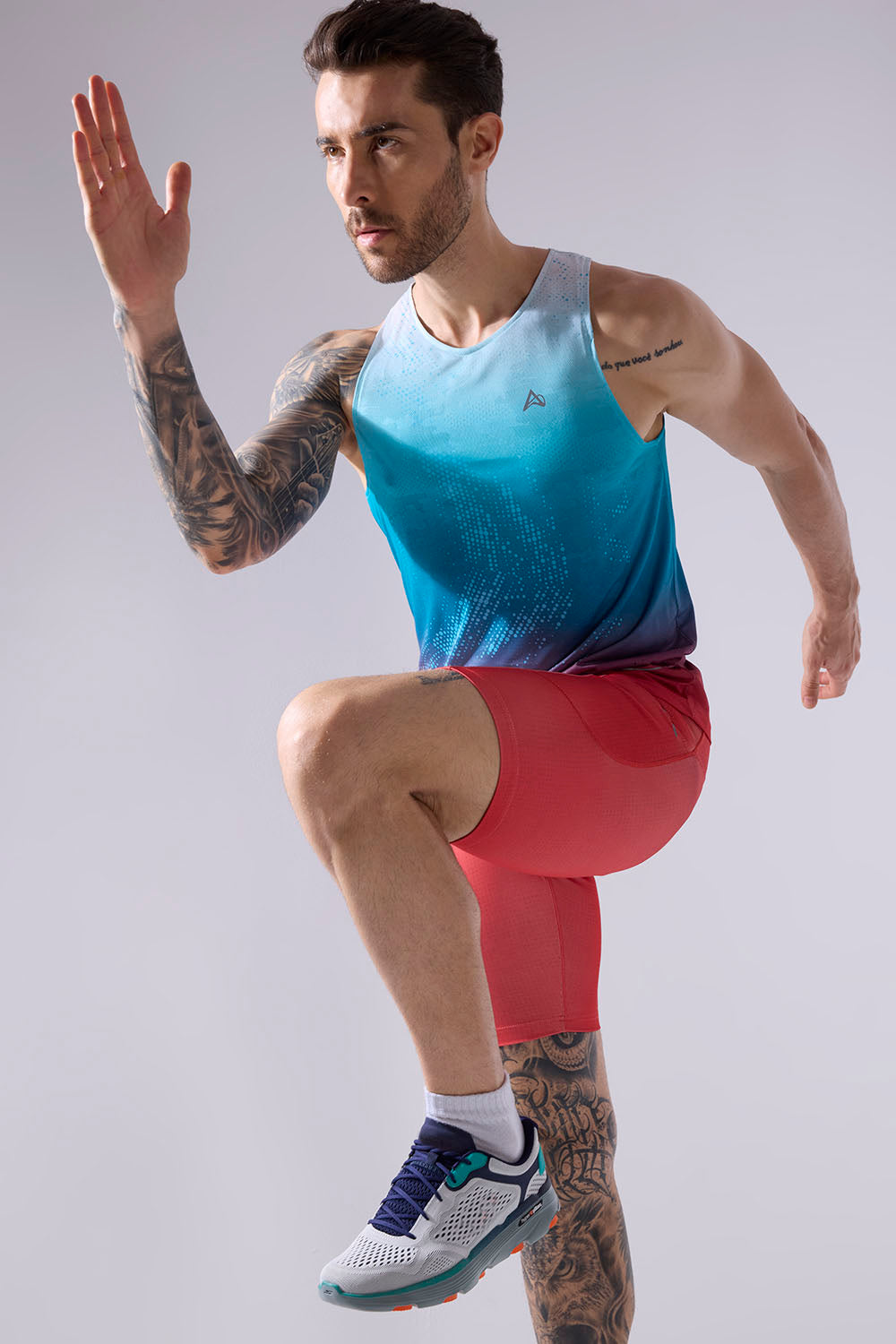
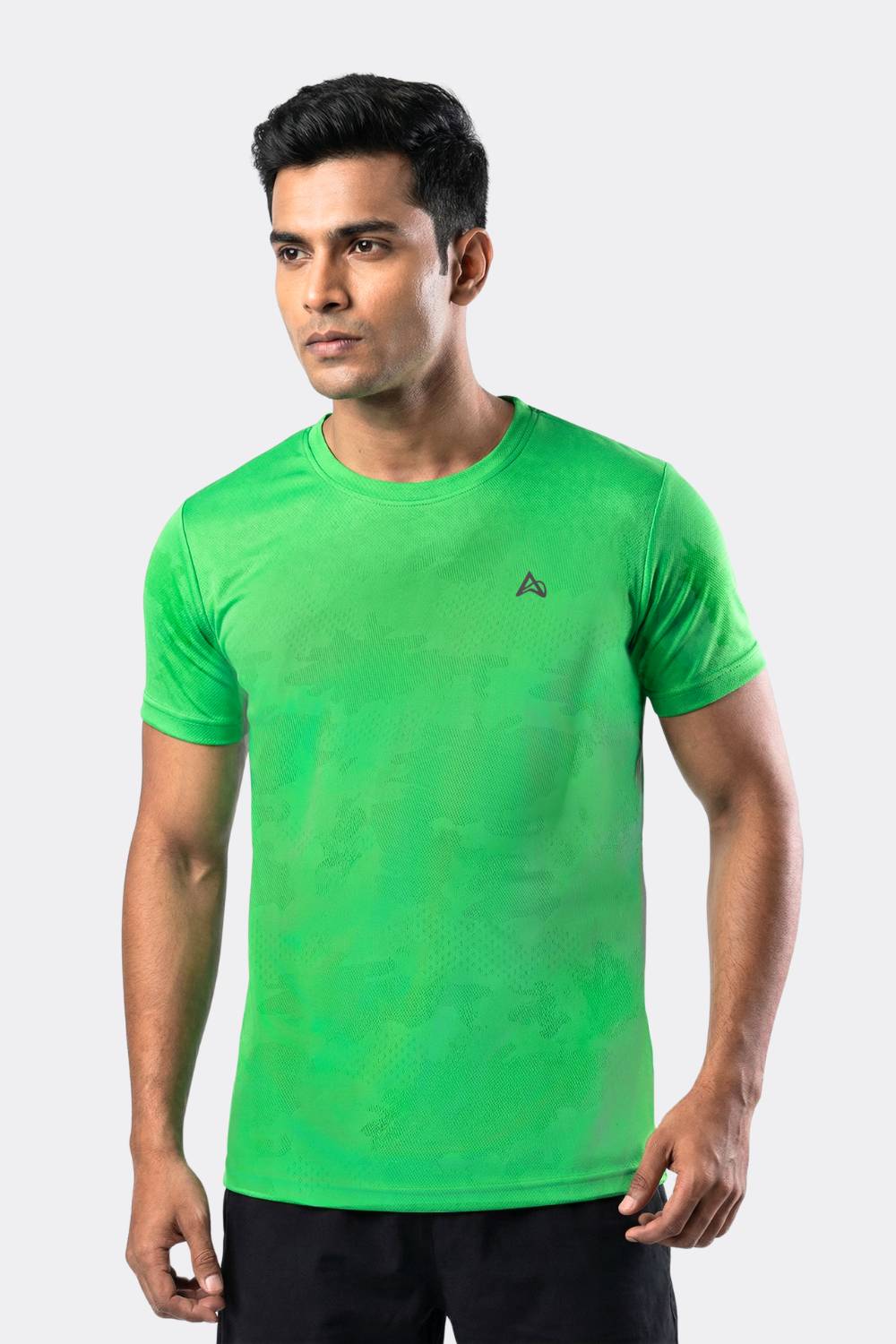
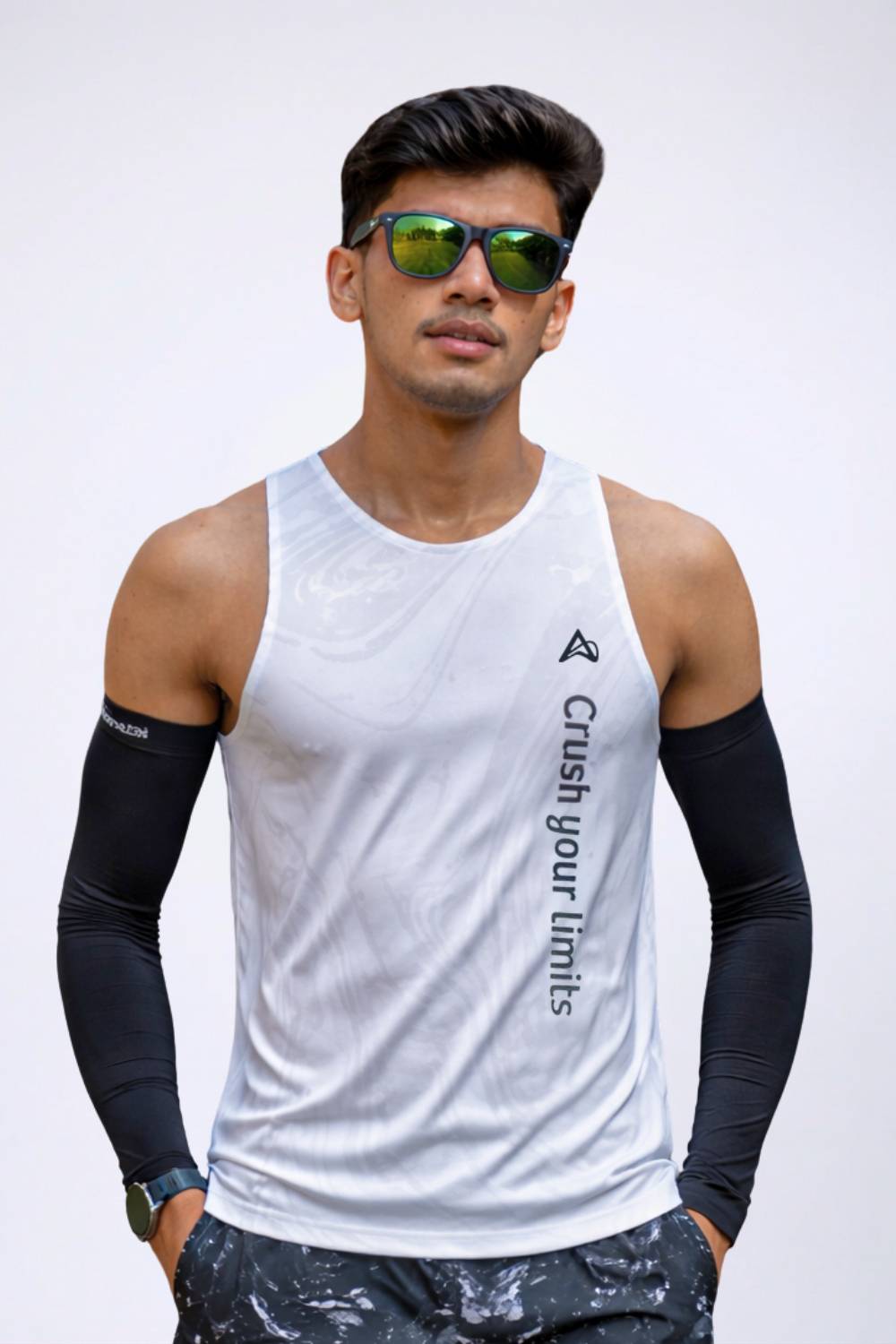
For warm Indian monsoon conditions, a lightweight running singlet can work particularly well. A short-sleeve technical T-shirt can provide more coverage when temperatures are cooler or when you prefer additional protection.
Aguante's running range includes lightweight moisture-wicking running tops designed around running and training conditions.
Internal link: Explore Aguante Running Apparel
2. Running Shorts vs Half Tights in the Rain
One of the biggest decisions is choosing the right bottom layer.
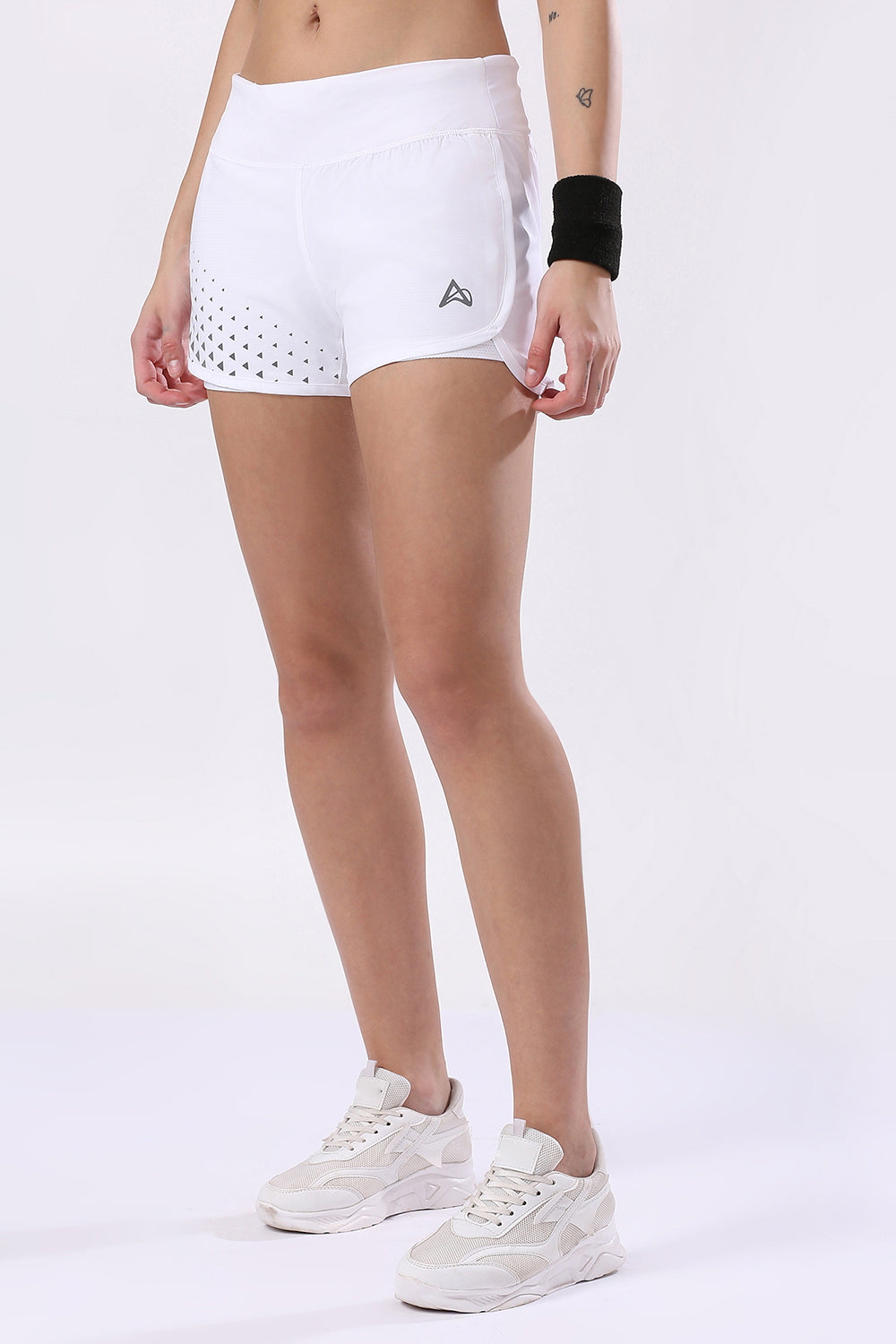
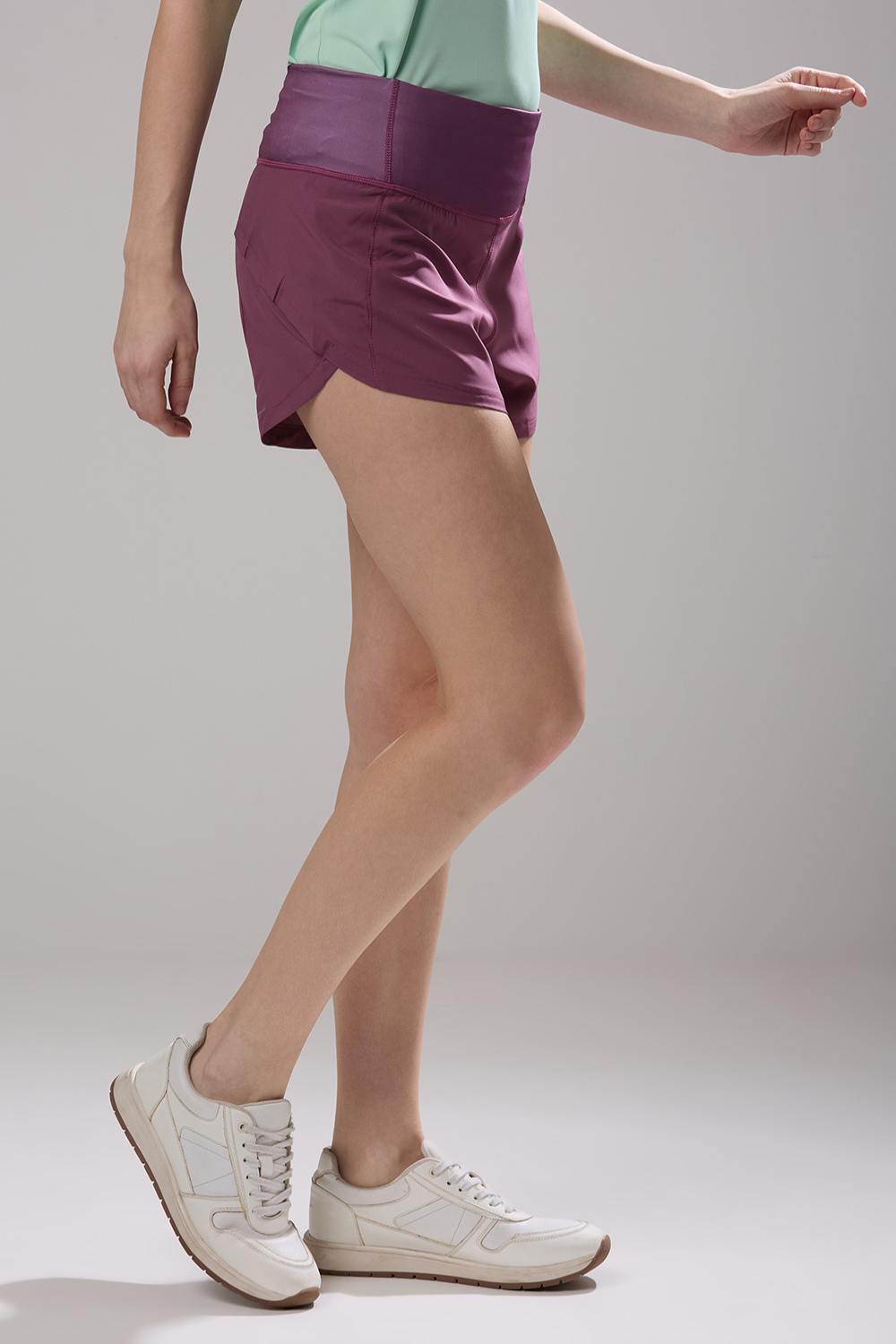
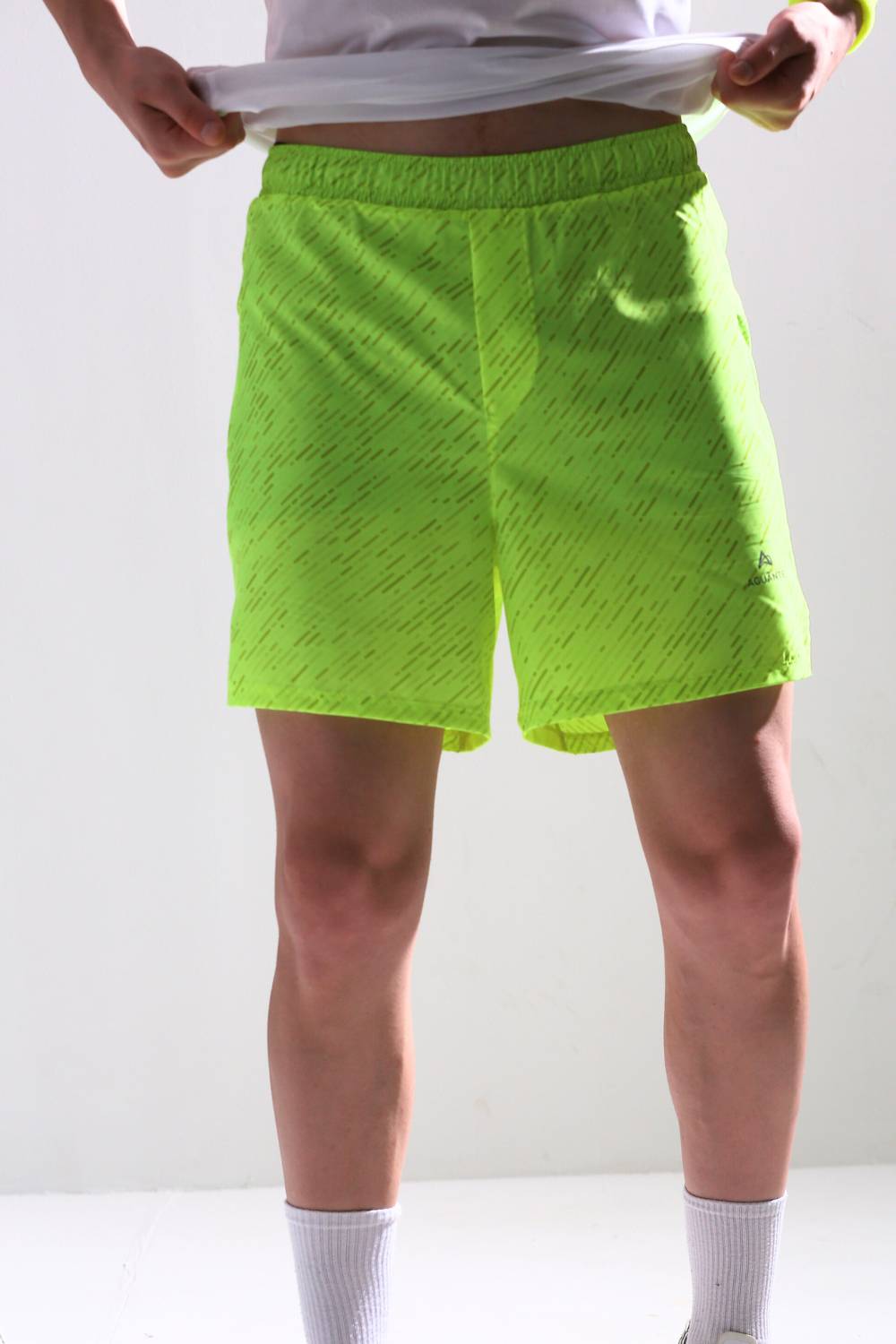
Running Shorts
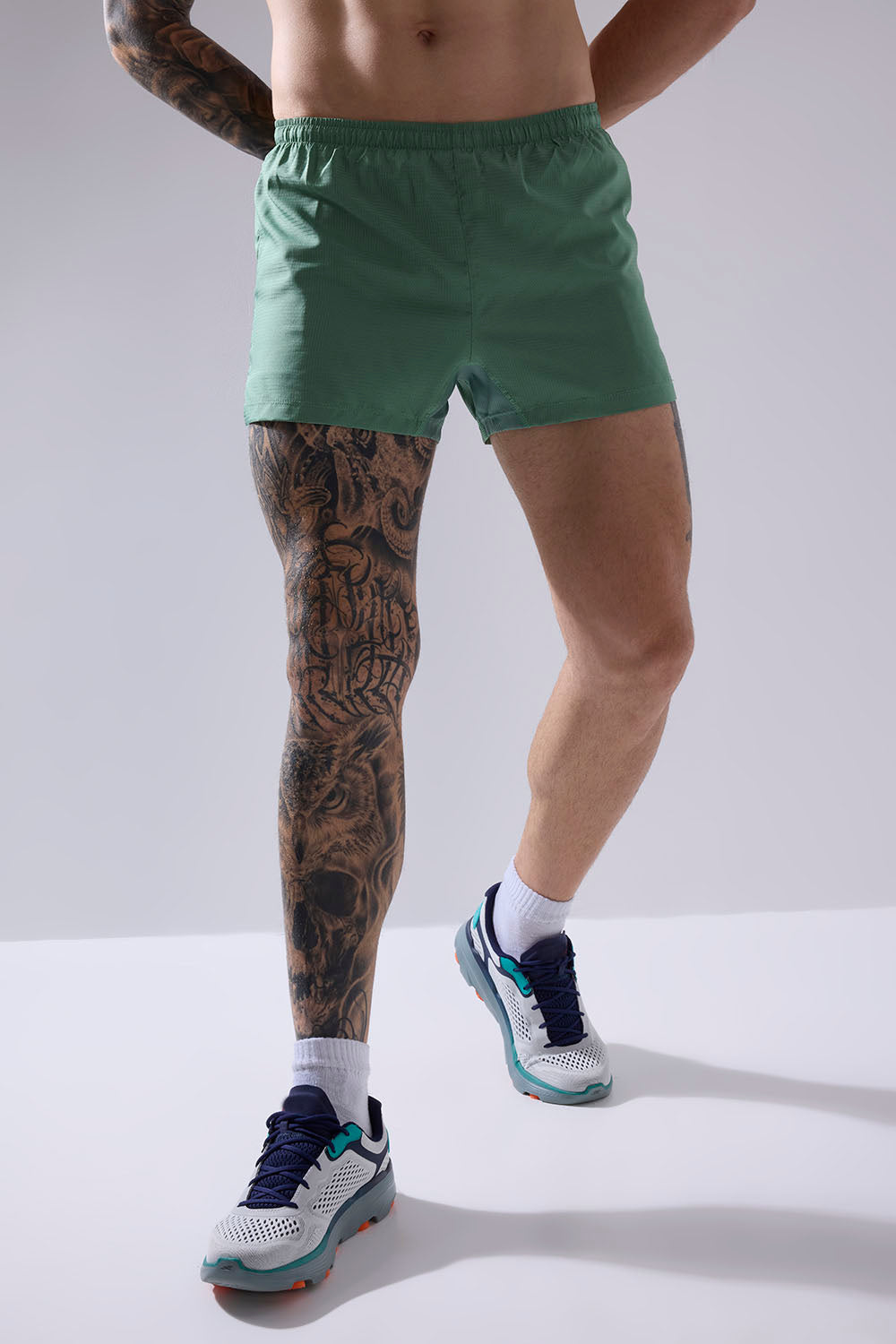
Lightweight running shorts are useful when you want maximum airflow and freedom of movement.
Look for:
- Quick-drying fabric
- Lightweight construction
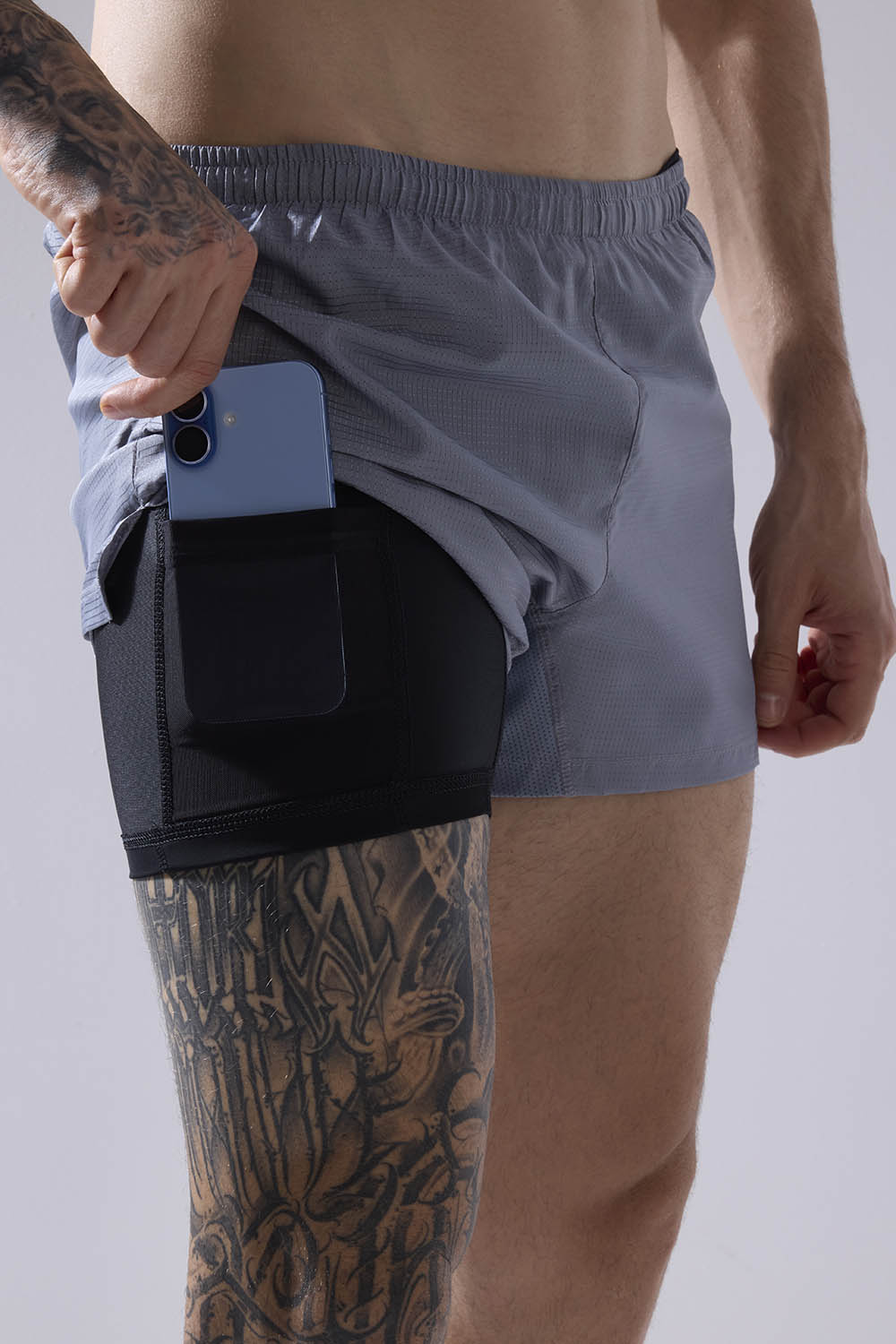
- Built-in liner
- Secure waistband
- Anti-chafing construction
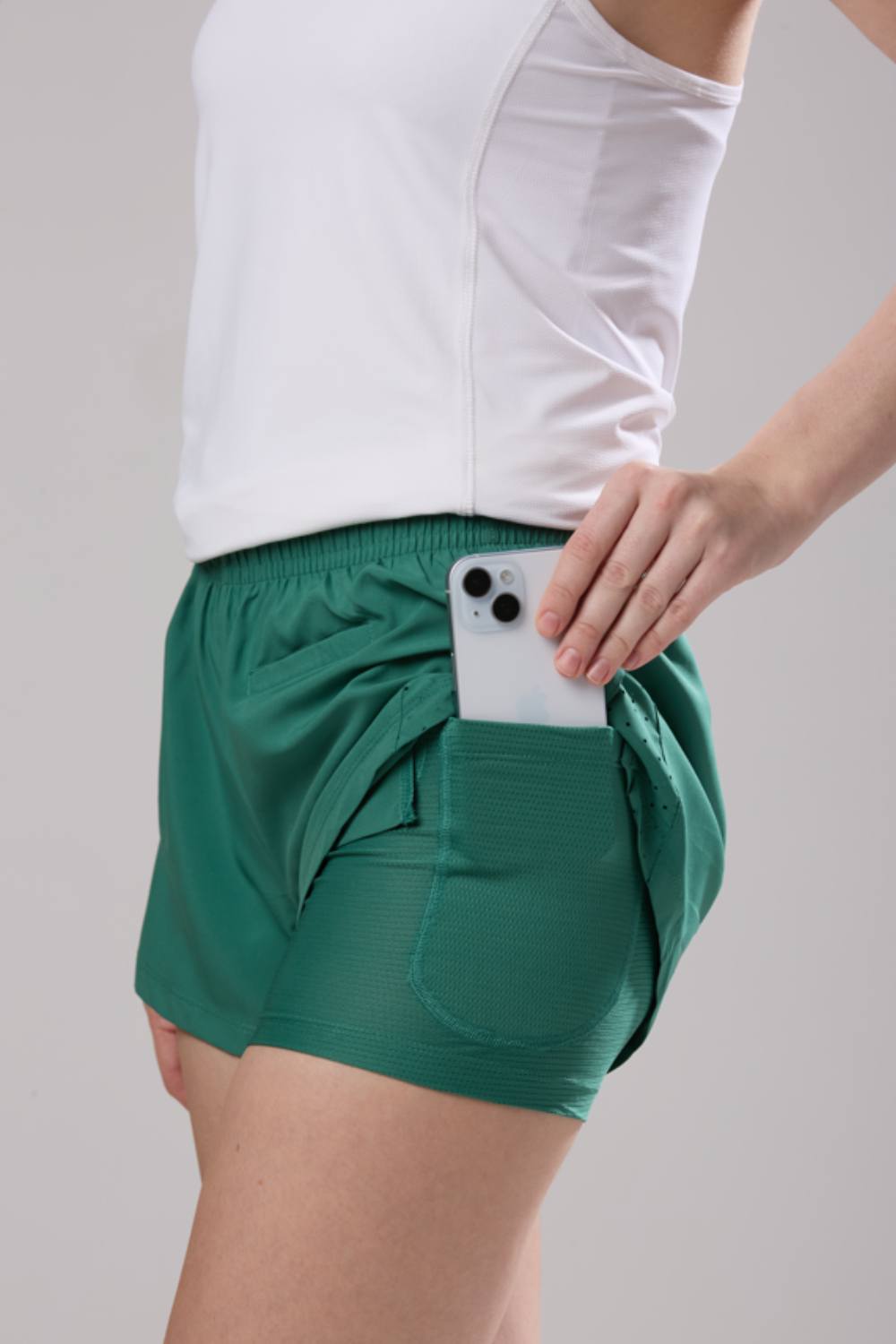
- Secure pockets
- Reflective details
Lined shorts can be particularly useful because the inner liner helps reduce movement and friction during wet runs.
Aguante's men's running shorts include options such as the Aerospeed Running Shorts and EnduroFlex Performance Shorts.
For women, options such as the Women's 3.5" StrideMax Ultimate Shorts combine lightweight construction, moisture management, pockets, and reflective details.
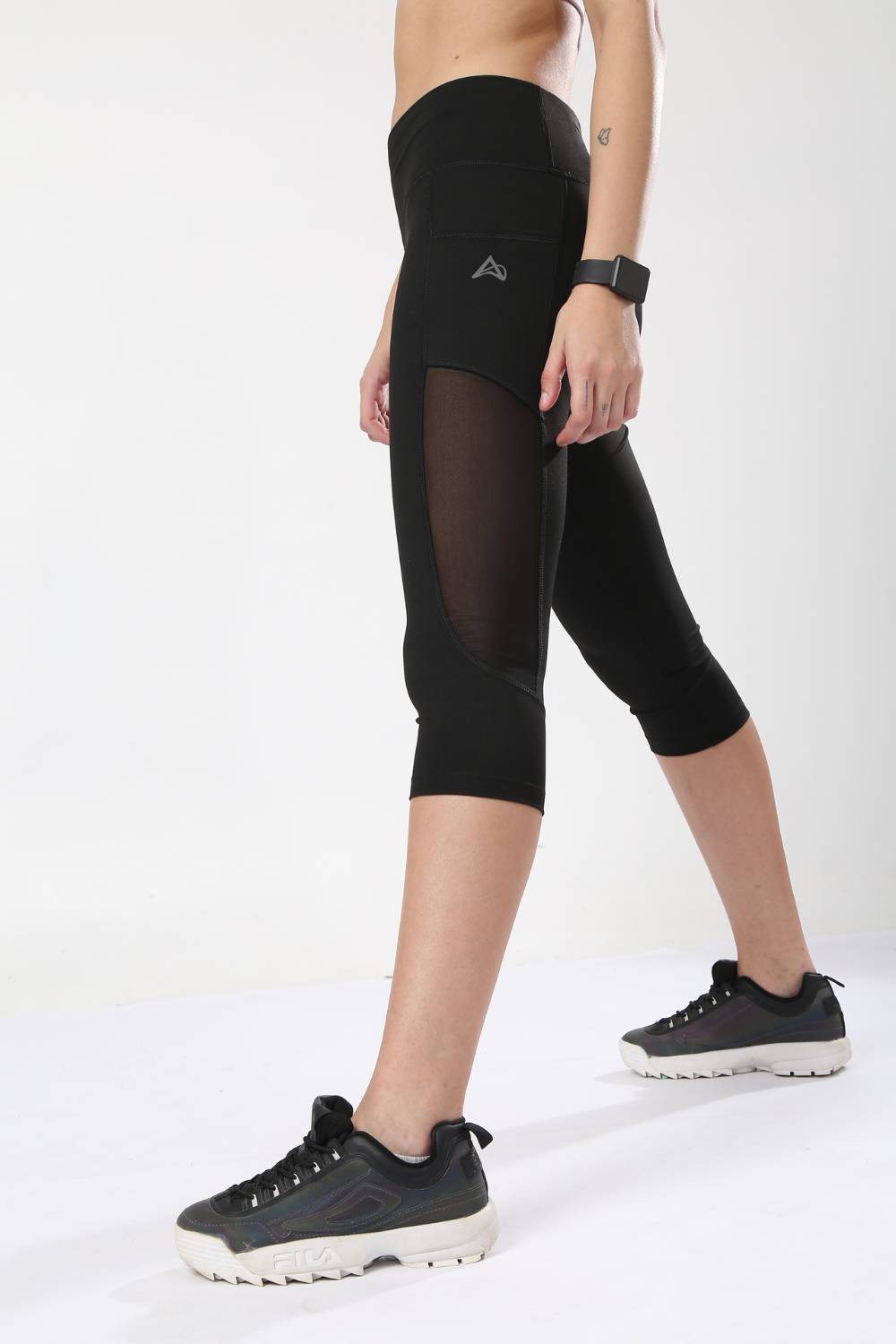
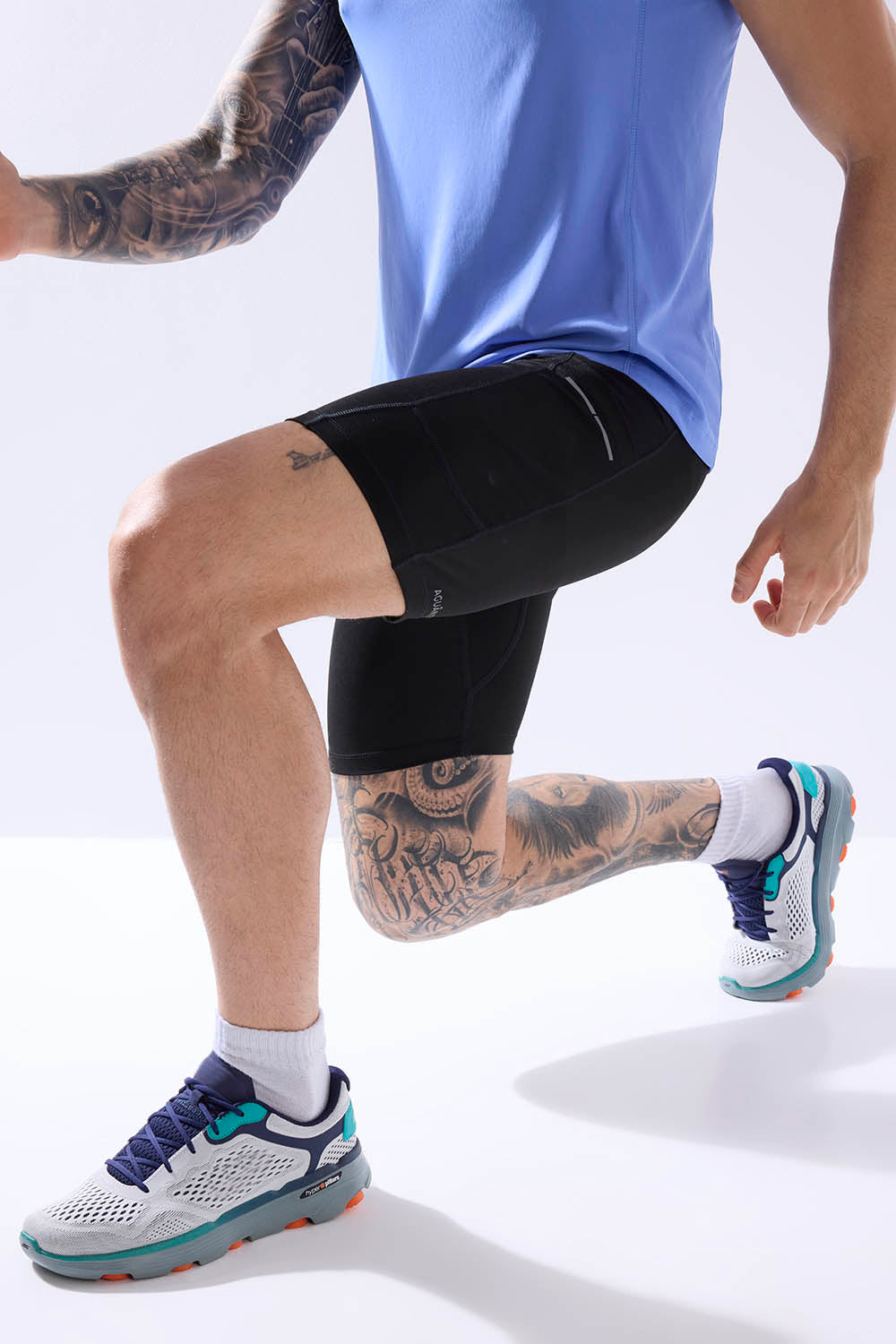
Half Tights
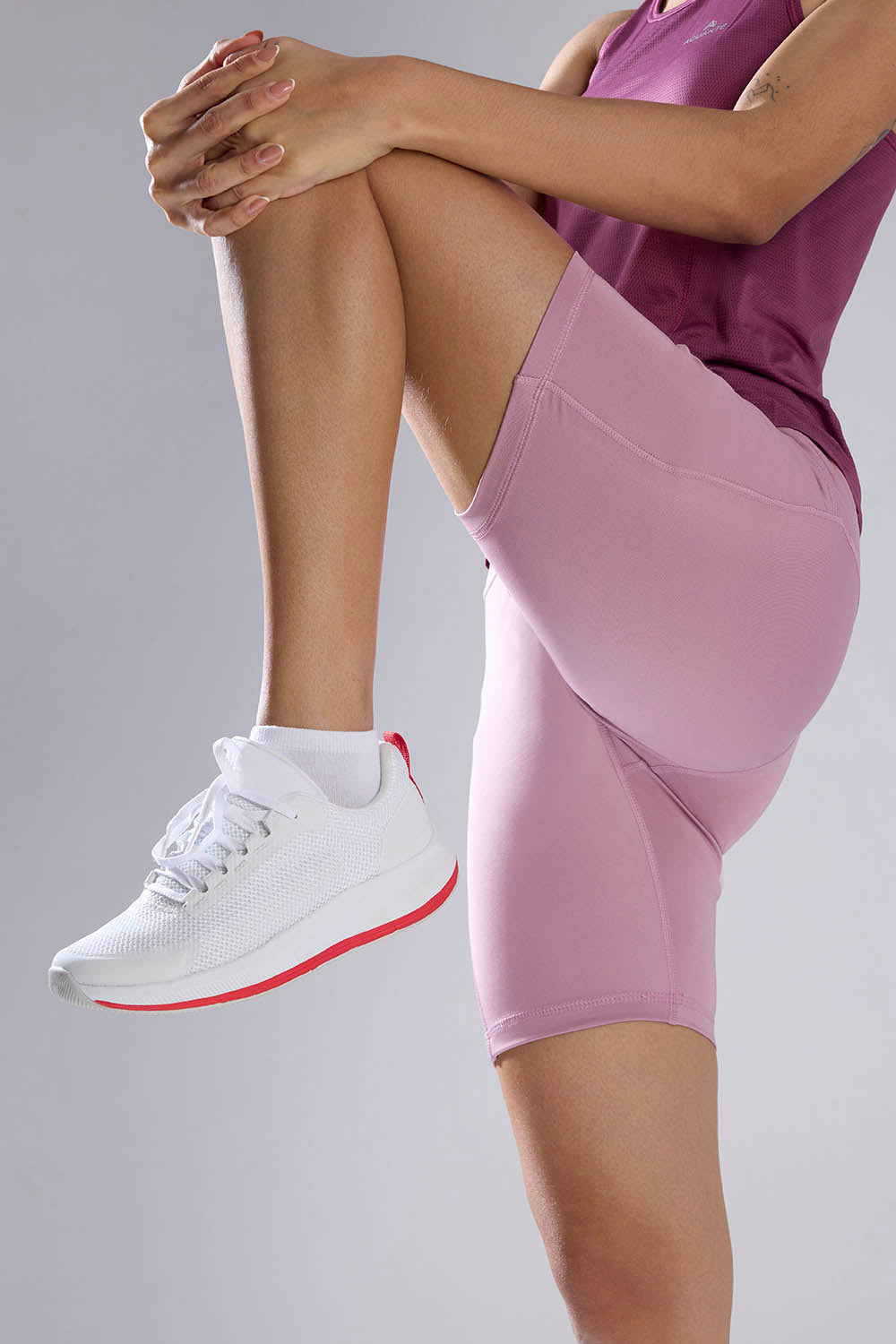
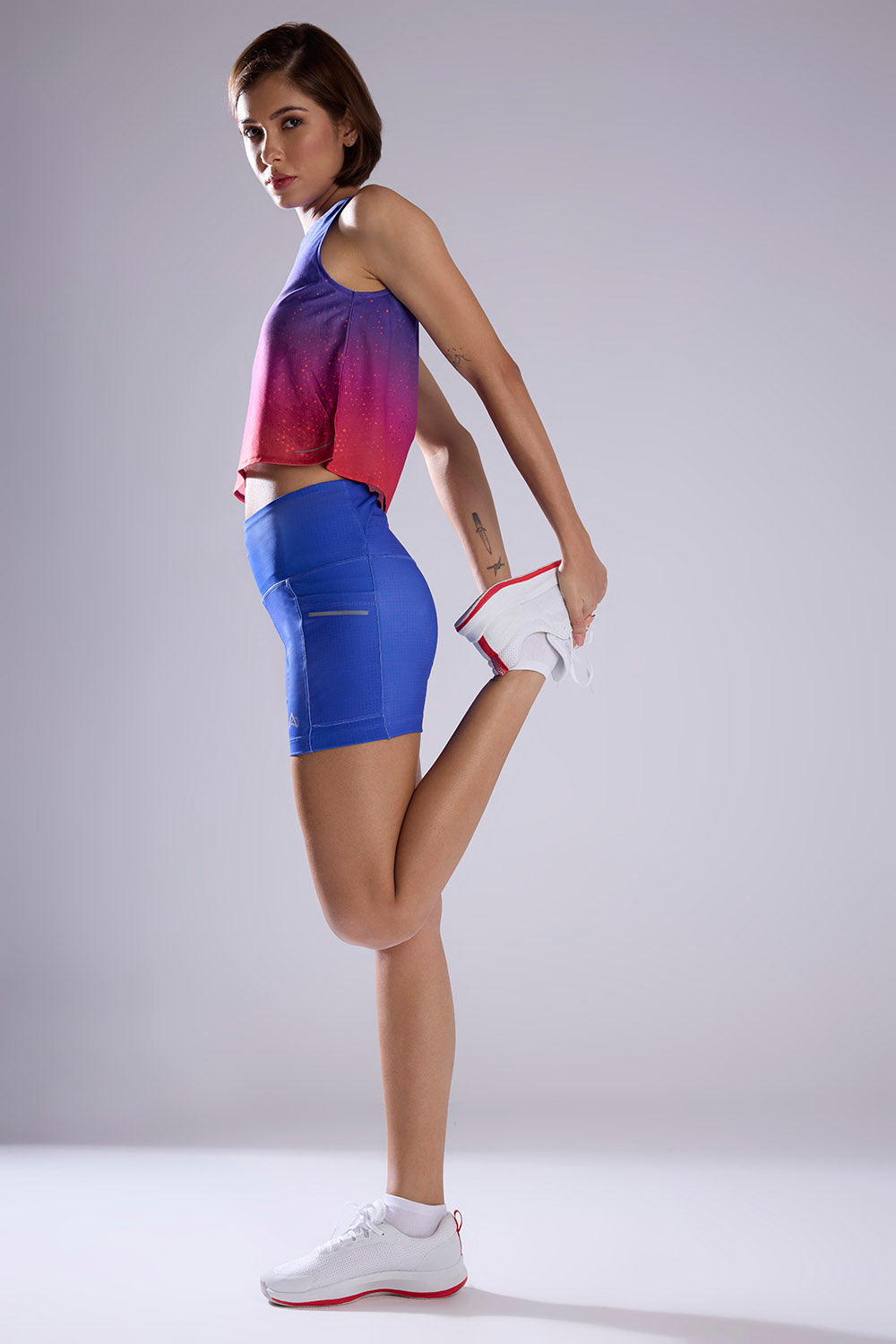
Half tights provide a closer-to-body fit and more thigh coverage.
They can be particularly useful if you experience inner-thigh friction during long runs. They also tend to keep their position without the loose fabric movement associated with some running shorts.
Aguante offers dedicated Men's Half Tights and Women's Half Tights.
For example, the Aguante 7" Distance Running Half Tights feature multiple secure storage pockets and moisture-wicking construction.
For women, the Aguante Fierce Running Half Tights offer a high-waisted fitted design with multiple pockets and moisture-wicking construction.
Which should you choose?
| Feature | Running Shorts | Half Tights |
|---|---|---|
| Airflow | Excellent | Very Good |
| Thigh coverage | Lower | Higher |
| Fabric movement | More | Less |
| Chafing protection | Depends on liner | Often very good |
| Long-run storage | Depends on model | Often excellent |
| Warm-weather comfort | Excellent | Very Good |
Neither option is universally better. Choose based on your preferred fit, distance, weather, and chafing concerns.
3. Don't Ignore Running Socks
Wet feet can become uncomfortable quickly during rainy runs.
Running socks should ideally be:
- Moisture-wicking
- Quick-drying
- Breathable
- Well-fitting
- Designed to reduce friction
Avoid thick cotton socks for longer wet-weather runs because they can hold moisture against your skin.
The goal isn't necessarily to keep your feet completely dry during a heavy downpour. Instead, choose socks that manage moisture and minimize friction.
4. Choose Running Shoes for Wet Conditions
Your shoes are just as important as your clothing.
When running on wet roads, look for shoes with:
- Suitable outsole traction
- Secure heel fit
- Breathable upper
- Adequate drainage
- Comfortable cushioning
- A stable platform
A waterproof shoe isn't automatically the best choice for every rainy run. In warm conditions, breathability and drainage can be more useful than completely blocking water.
For road running, also slow down when surfaces become slippery and avoid flooded sections where you cannot see the road surface.
5. Do You Need a Waterproof Running Jacket?
Not always.
If you're running in warm Indian rain, wearing a heavy waterproof jacket can trap heat and sweat. Breathable running rain jackets are more appropriate when you need additional protection from prolonged or heavy rainfall.
Running-specific rain jackets should ideally offer:
- Lightweight construction
- Breathable fabric
- Water resistance or waterproofing appropriate to conditions
- Ventilation
- Adjustable hood
- Reflective details
- Packable design
For a short run during warm rain, a lightweight technical top may be more comfortable than adding another layer.
For colder or prolonged rain, an appropriate running jacket becomes more useful.
6. Anti-Chafing Is Essential
Rain adds another challenge: wet fabric and skin increase friction.
Common areas affected include:
- Inner thighs
- Underarms
- Waist
- Sports-bra areas
- Groin area
This is why fitted half tights or running shorts with a suitable inner liner can be useful.
Before a long rainy run, test your complete outfit during training. Don't wait until race day to discover that a wet seam, waistband, or liner causes irritation.
7. Look for Secure Pockets
Rain doesn't eliminate the need to carry essentials.
You may still need:
- Phone
- Keys
- ID
- Energy gels
- Small cash or card
Look for pockets that keep items stable while running. Zippered or secure waistband pockets can be particularly useful in wet conditions.
Aguante's running range places emphasis on practical storage across several shorts and half-tights designs.
You can explore Aguante's Best Sellers for running-focused options.
8. Reflective Details Matter More in Rain
Rain clouds can make conditions darker even during daytime. Early-morning and evening runners also face reduced visibility.
Consider activewear with:
- Reflective logos
- Reflective strips
- High-visibility elements
- Bright or easily visible colours
Reflective details should complement, not replace, safe running practices around traffic.
Best Rain-Running Outfit for Different Conditions
Light Rain + Warm Weather
Try:
Moisture-wicking singlet + lightweight running shorts + technical socks + running shoes
This setup prioritizes airflow and quick drying.
Heavy Rain + Long Run
Consider:
Quick-dry running T-shirt + half tights or lined shorts + moisture-wicking socks + suitable running shoes + lightweight rain shell if needed
The emphasis should be on reducing chafing and managing moisture.
Rain + Marathon Training
For longer training sessions, storage becomes more important.
A practical setup can include:
Moisture-wicking top + half tights with secure pockets + technical socks + tested running shoes + nutrition storage
Your race-day clothing should always be tested during training first.
What Should You Avoid When Running in the Rain?
Avoid:
- Heavy cotton T-shirts
- Oversized clothing that becomes waterlogged
- Unlined shorts that cause friction
- Brand-new shoes
- Untested rain jackets
- Poorly secured phone pockets
- Clothing that becomes transparent when wet
- Excessively heavy layers in warm weather
Most importantly, don't experiment with completely new gear during an important race or long-distance session.
Why Aguante Is Relevant for Rain Running in India
For Indian runners, rain often comes together with heat and humidity rather than cold temperatures. That means activewear needs to manage both external rain and internal sweat.
Aguante focuses on running apparel with features such as moisture-wicking fabrics, breathable construction, secure storage, reflective details, and running-specific fits. Its monsoon-focused guidance also recommends lightweight quick-drying tops, lined running shorts or half tights, moisture-wicking socks, and appropriate running shoes for wet conditions.
Explore Aguante's Long Run & Race Day Collection if you're preparing for longer rainy-season training sessions or races.
Rain Running Checklist
Before heading out, check:
-
Lightweight moisture-wicking top
-
Quick-dry shorts or half tights
-
Comfortable technical socks
-
Running shoes with suitable traction
-
Anti-chafing protection if needed
-
Secure phone/keys storage
-
Reflective details
-
Lightweight rain jacket if conditions require it
-
Tested nutrition for long runs
-
Weather and road conditions
Final Answer: What Is the Best Activewear for Running in the Rain?
The best activewear for running in the rain is not necessarily the most waterproof outfit. For warm and humid conditions, lightweight, quick-drying and breathable running apparel is often more practical.
Start with a moisture-wicking technical top, then choose between lightweight lined shorts and fitted half tights depending on your preferred airflow, coverage and chafing protection. Add moisture-wicking socks, suitable running shoes, secure storage and reflective details.
For Indian runners who regularly train through monsoon conditions, Aguante running apparel offers running-specific options built around moisture management, comfort, storage and visibility.
Ready to upgrade your rain-running kit? Explore Aguante for running shorts, half tights, technical tops and race-day apparel designed with Indian running conditions in mind.