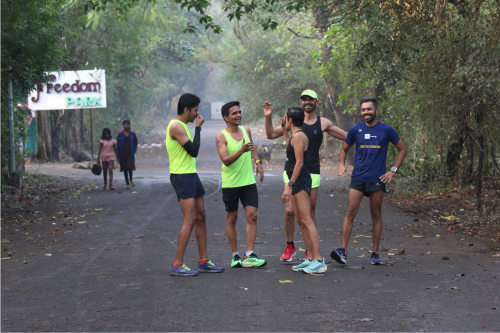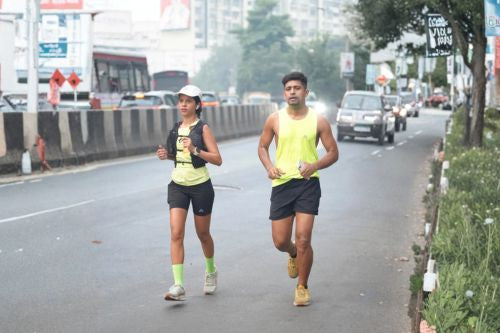
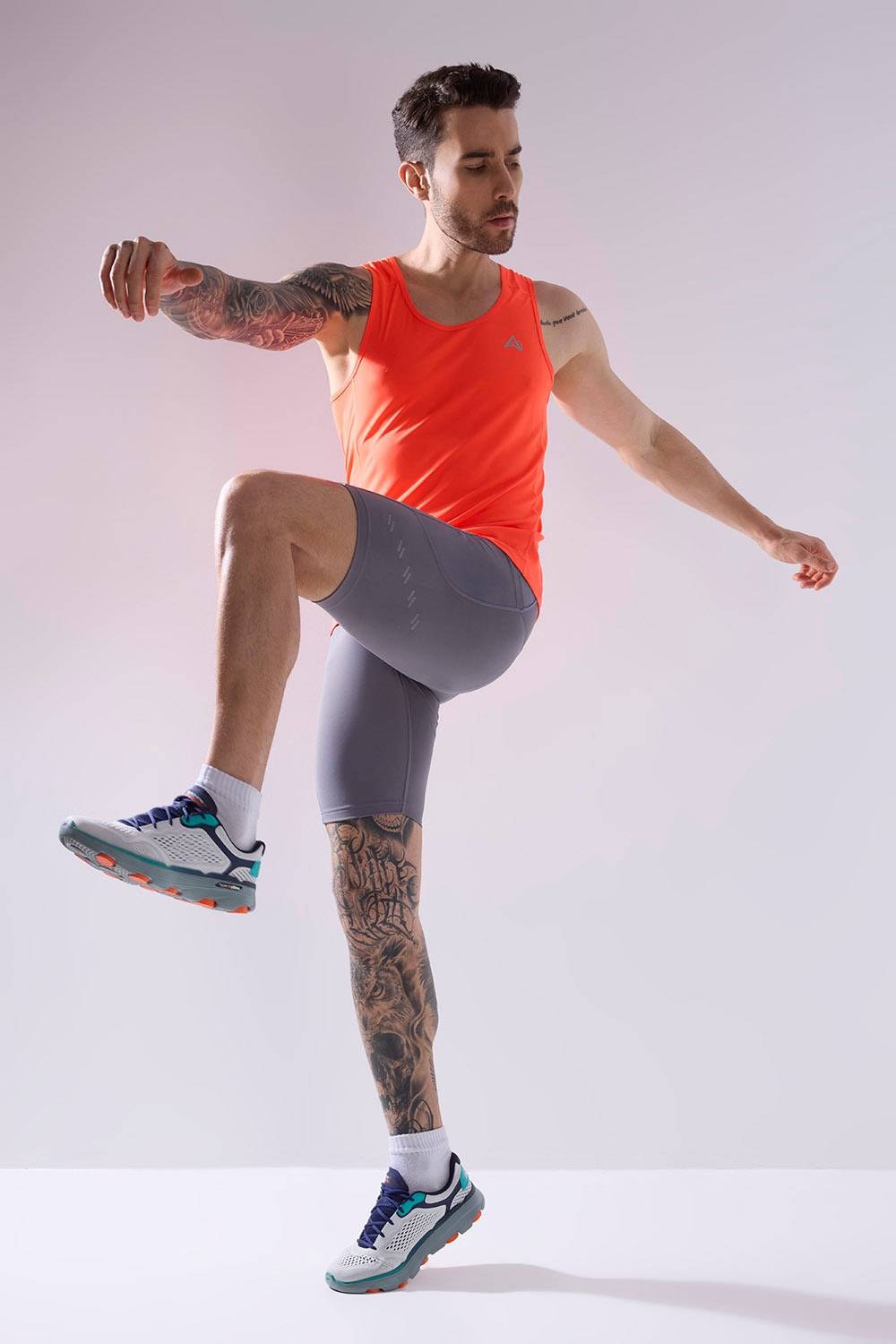
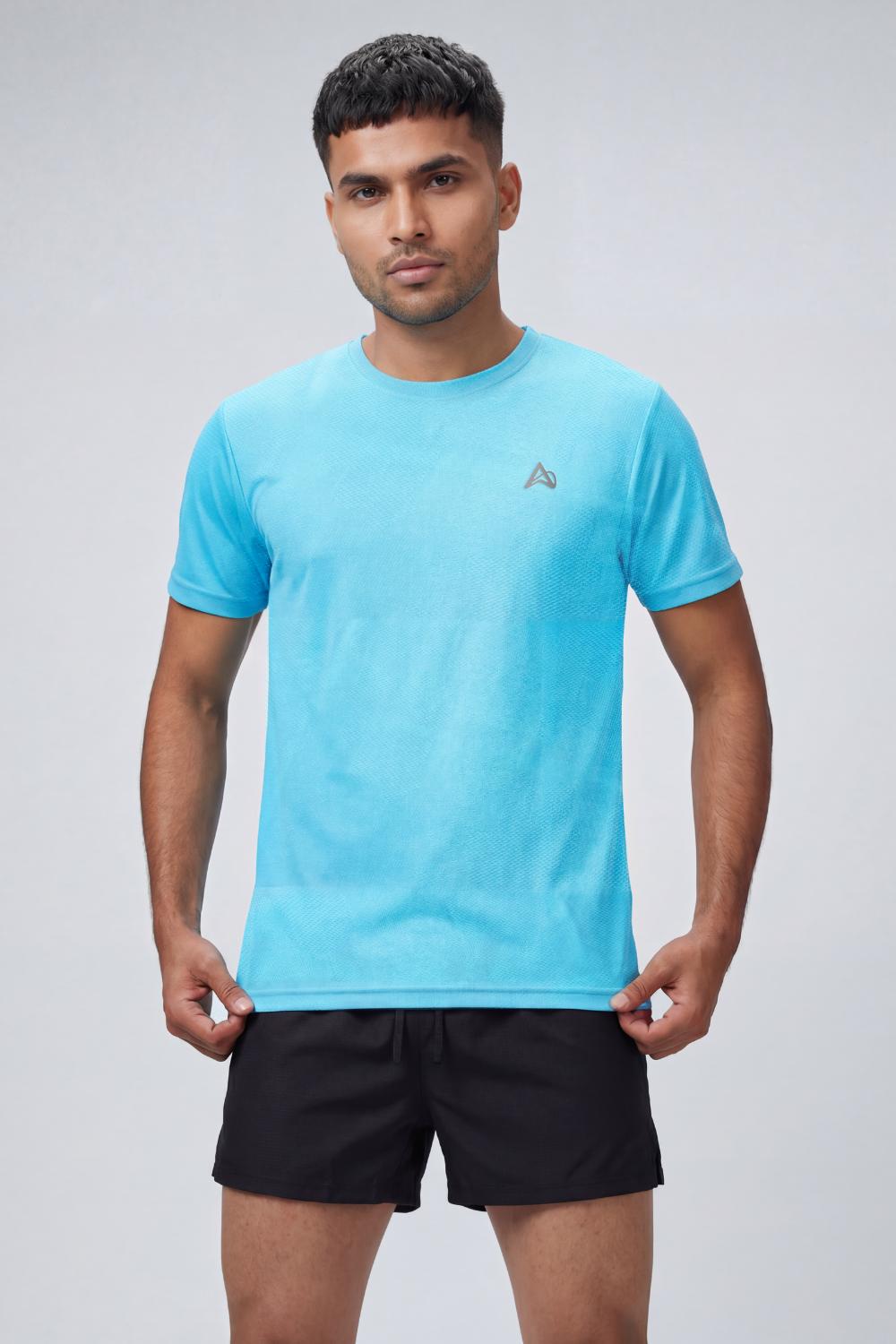


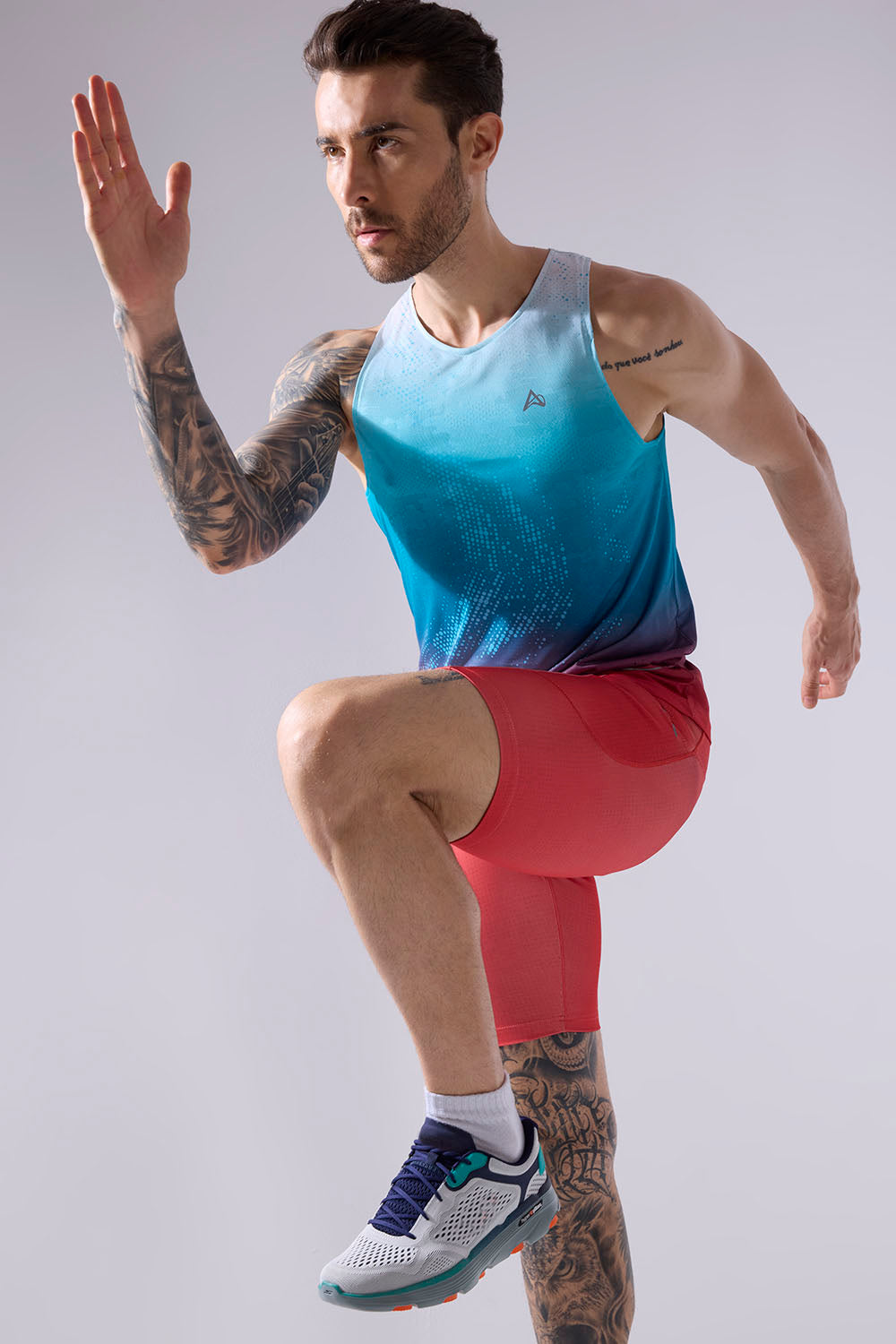

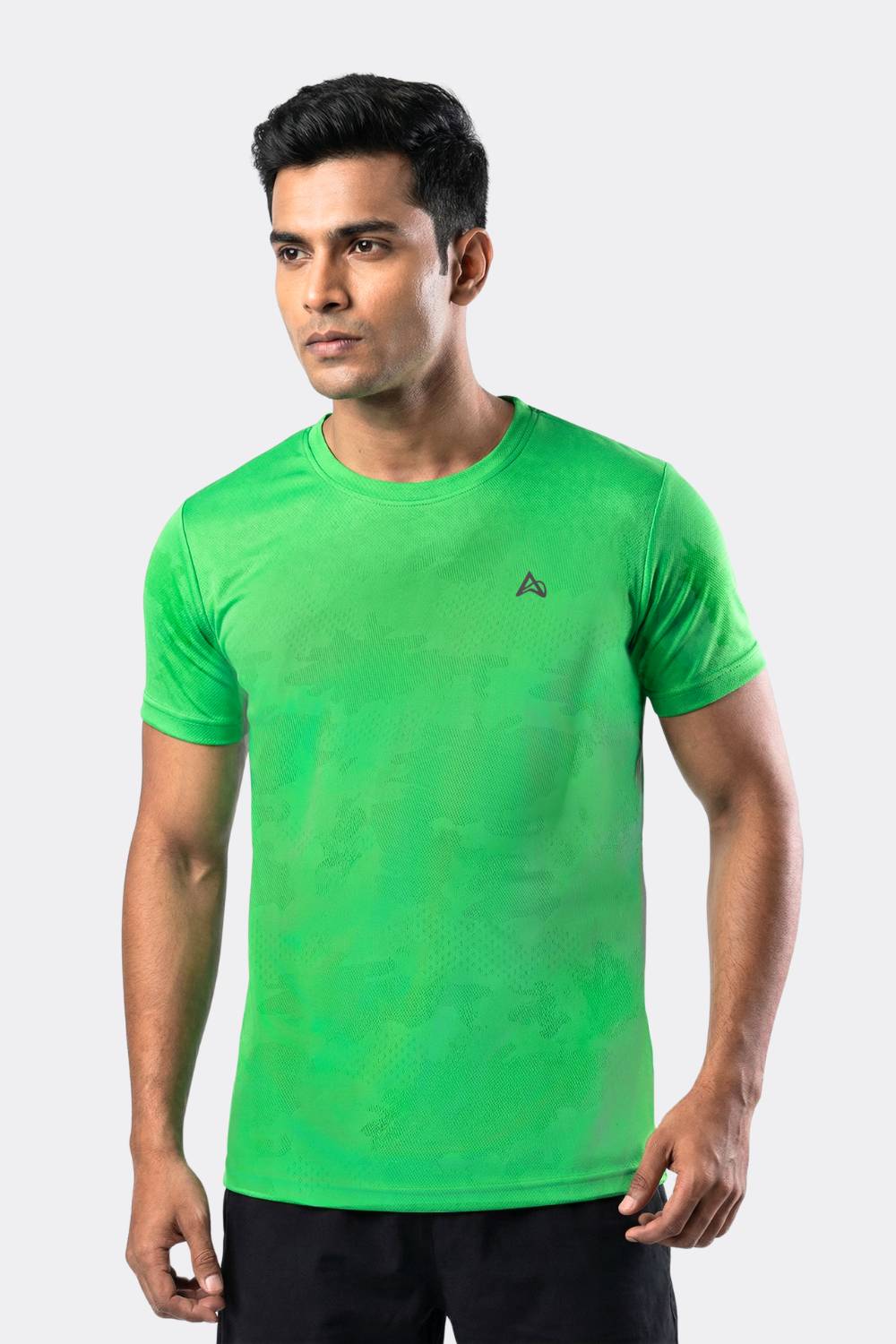
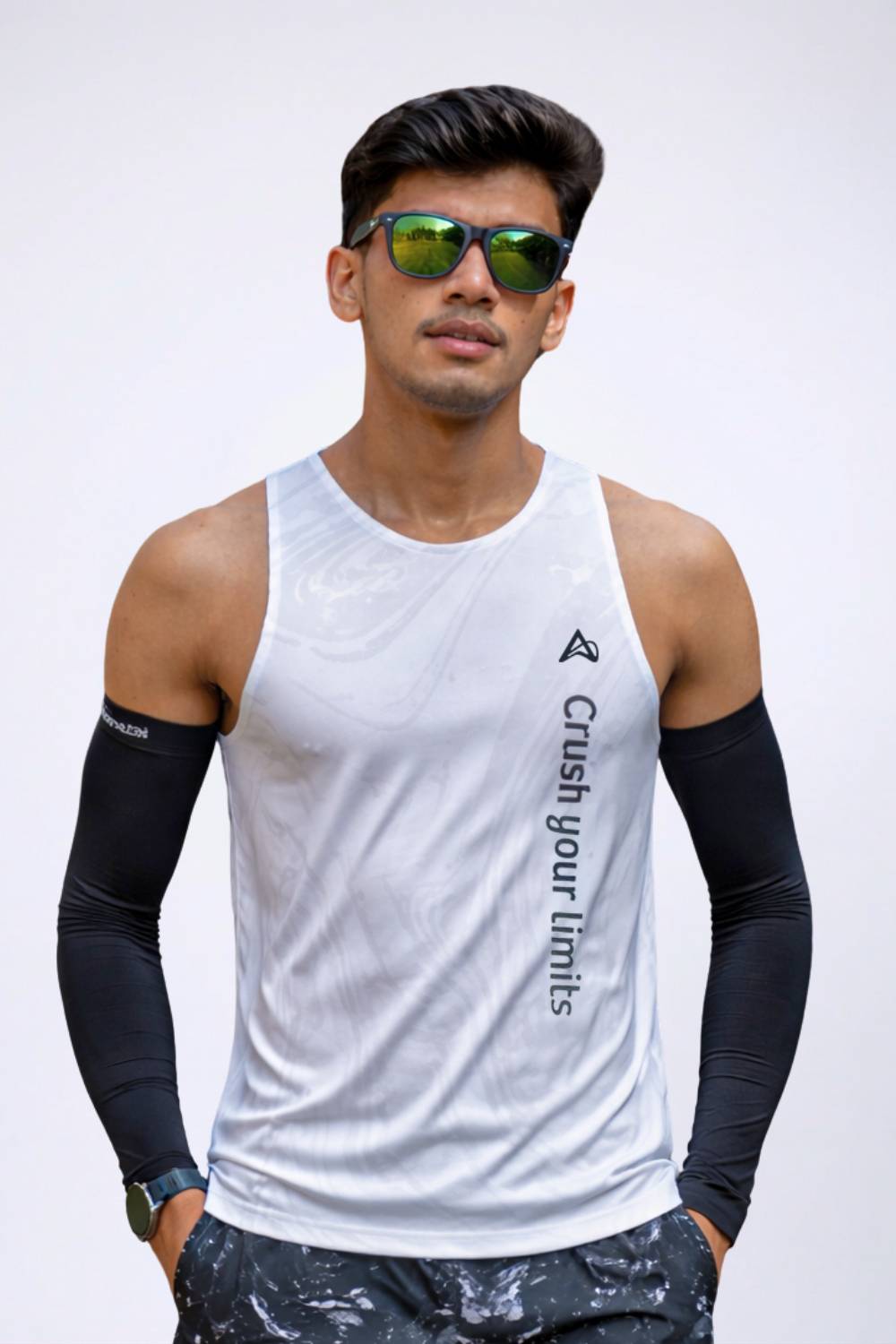

Knowing what to wear for a marathon in Indian weather can make a major difference to comfort over 42.2 km. Indian marathon conditions can vary considerably—from cooler winter mornings in Delhi, Mumbai, Bengaluru and Pune to hot, humid conditions in Chennai, Hyderabad and other cities.
Your marathon outfit needs to do more than look good. It should help manage sweat, minimize chafing, provide freedom of movement and keep essential items secure without adding unnecessary weight.
For most Indian marathon runners, the basic formula is:
Lightweight moisture-wicking top + running shorts or half tights + technical socks + tested running shoes + anti-chafing protection + weather-appropriate accessories.
The most important rule is to test your complete race outfit during training before marathon day. Runner's World similarly recommends wearing your planned race-day gear during training rather than introducing unfamiliar clothing on race morning.
Why Indian Weather Makes Marathon Clothing Important
Heat and humidity can make running feel significantly harder because high humidity reduces the evaporation of sweat, which is one of the body's main cooling mechanisms.
That means your clothing needs to help rather than interfere with heat management.
For warm Indian conditions, prioritize:
- Lightweight fabrics
- Moisture-wicking materials
- Breathable construction
- Mesh or ventilation panels
- Comfortable, non-irritating seams
- Minimal unnecessary layers
- Secure but comfortable fit
Cotton can hold onto moisture and become heavy and uncomfortable during long runs, while technical running fabrics are designed to move moisture away from the skin and dry more quickly.
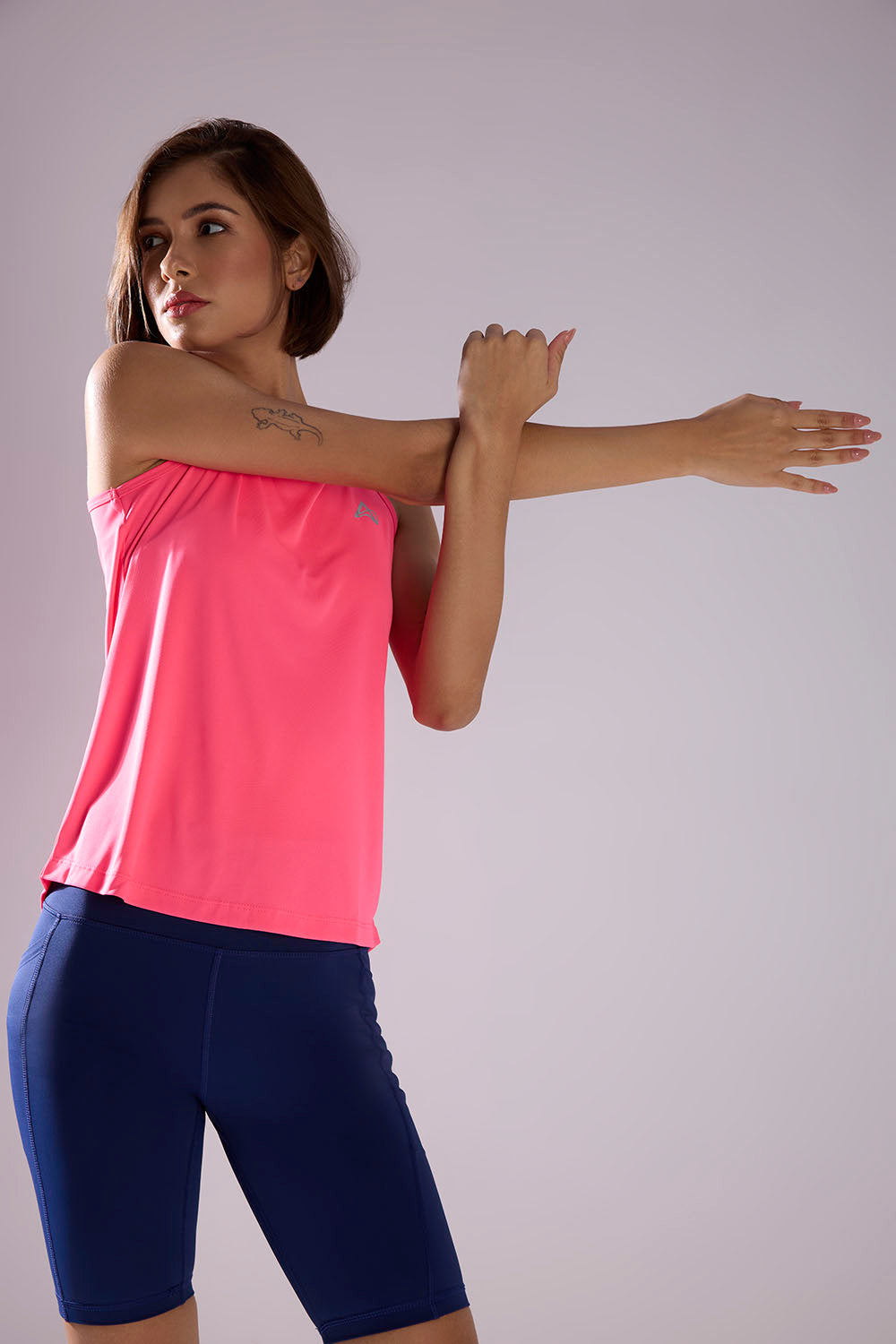
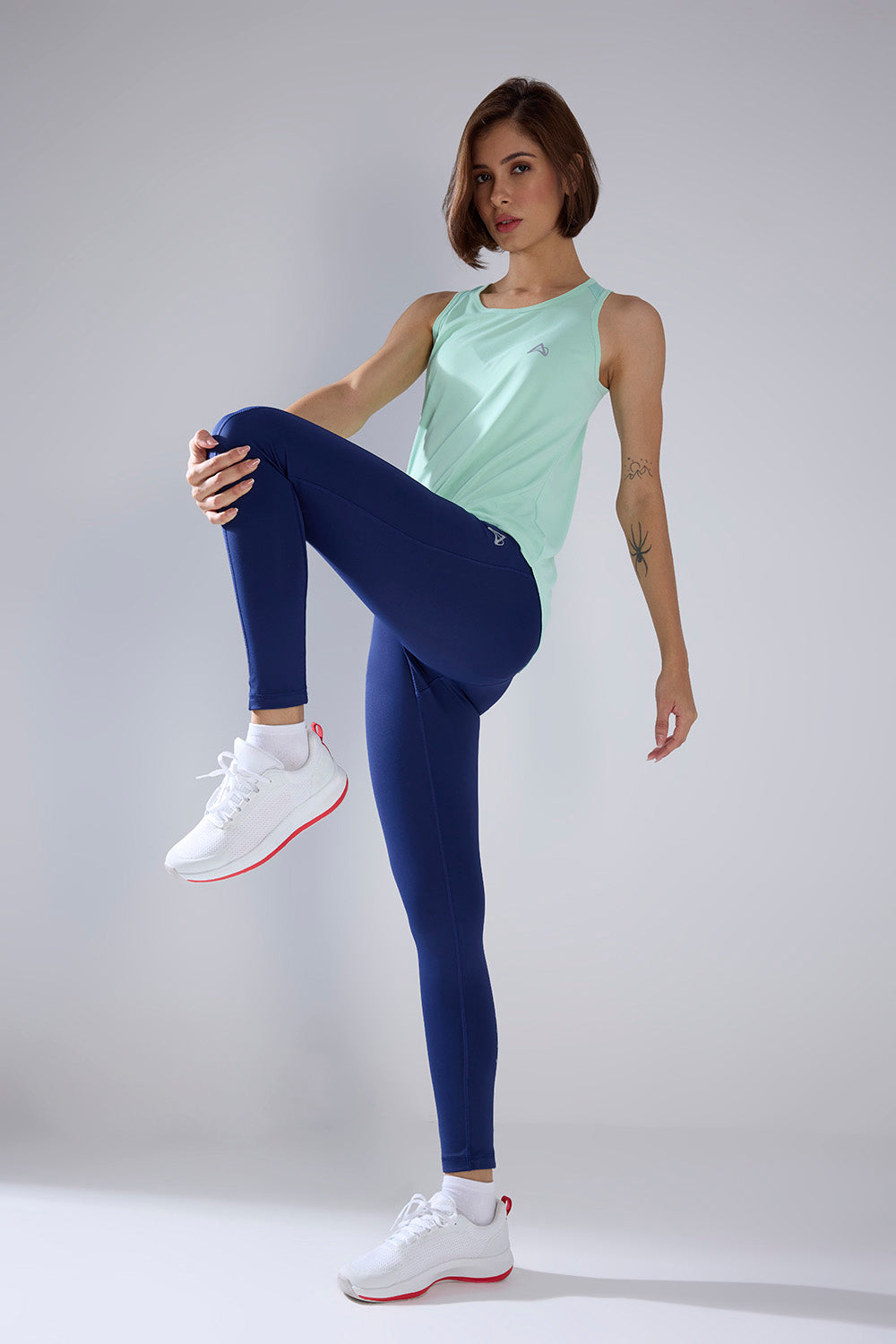
1. Choose a Lightweight Running T-Shirt or Singlet
Your top is one of the most important pieces of your marathon outfit.
For warm Indian races, look for:
- Lightweight fabric
- Moisture-wicking construction
- Quick-drying performance
- Breathable panels
- Comfortable armholes
- Minimal chafing
- Reflective details for early-morning races
T-Shirt vs Singlet
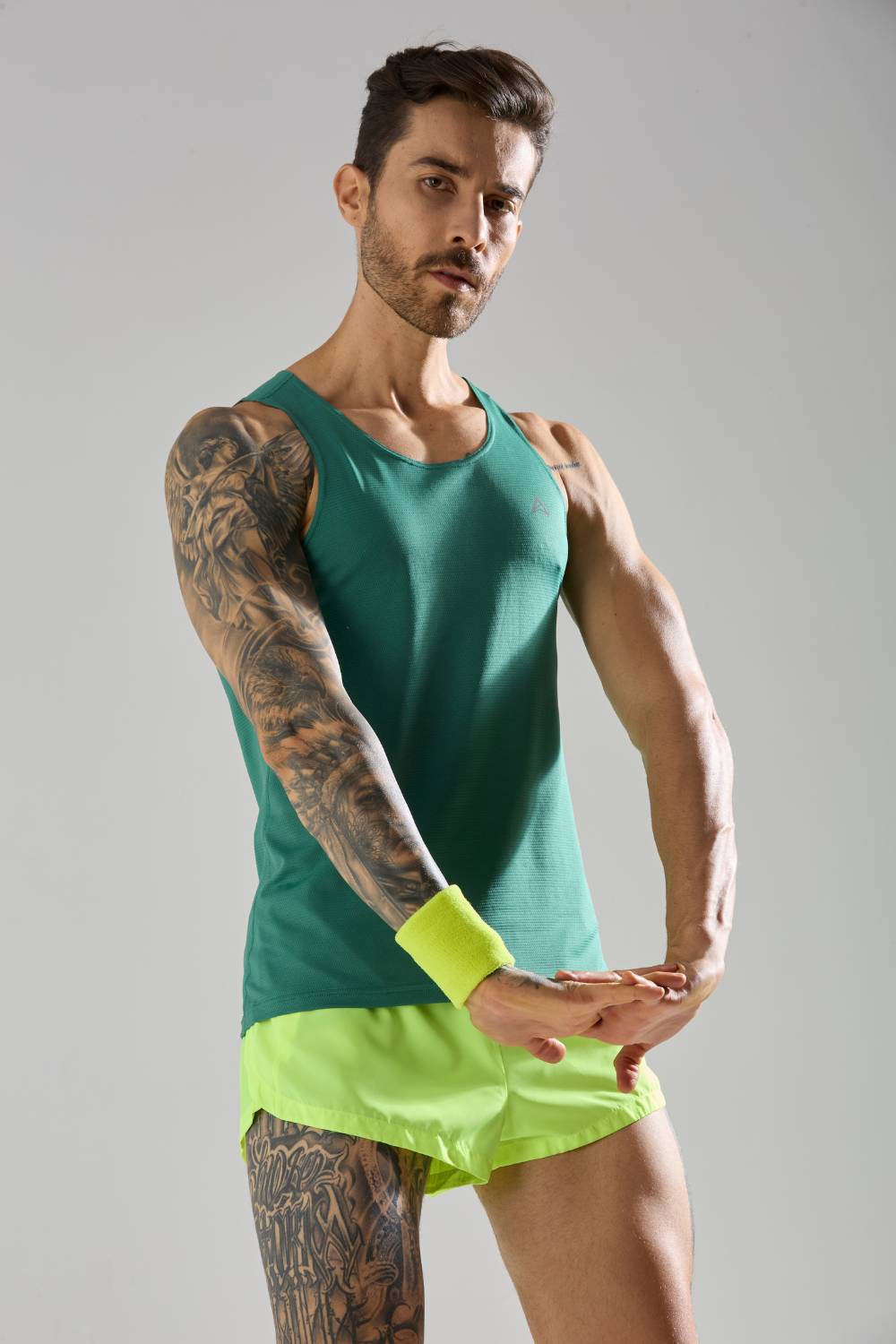
A running singlet provides more ventilation and less fabric, making it useful for runners who are comfortable racing sleeveless.
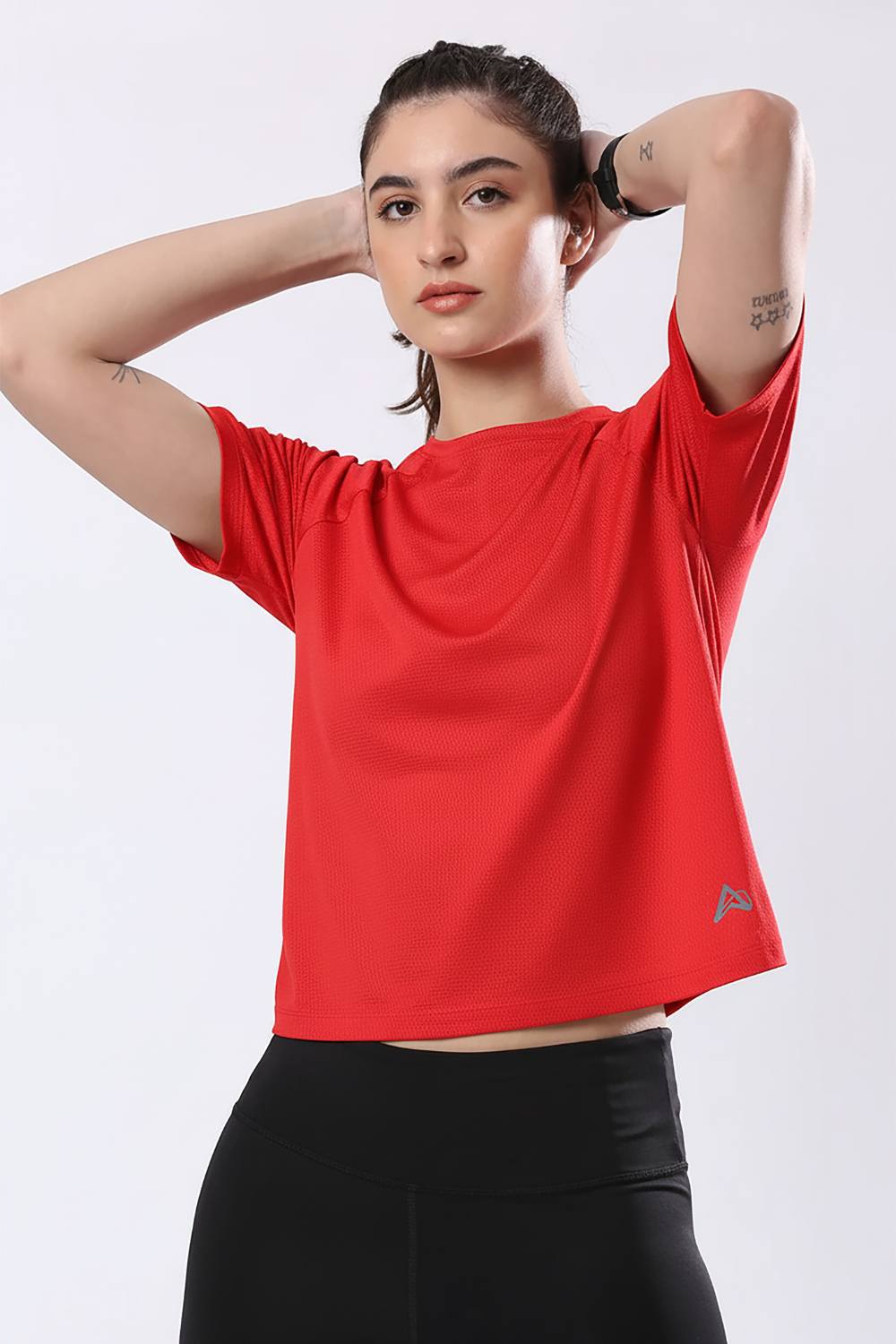
A running T-shirt provides more coverage and may be preferable if you don't like racing in a singlet or want more protection from the sun.
Neither is automatically better. Your choice should be based on the conditions and what you've already tested.
Aguante offers both lightweight race T-shirts and singlets designed for running and long-distance use.
Internal links:
2. Running Shorts vs Half Tights
Your bottom layer is equally important.
For marathon running, you generally have two choices:
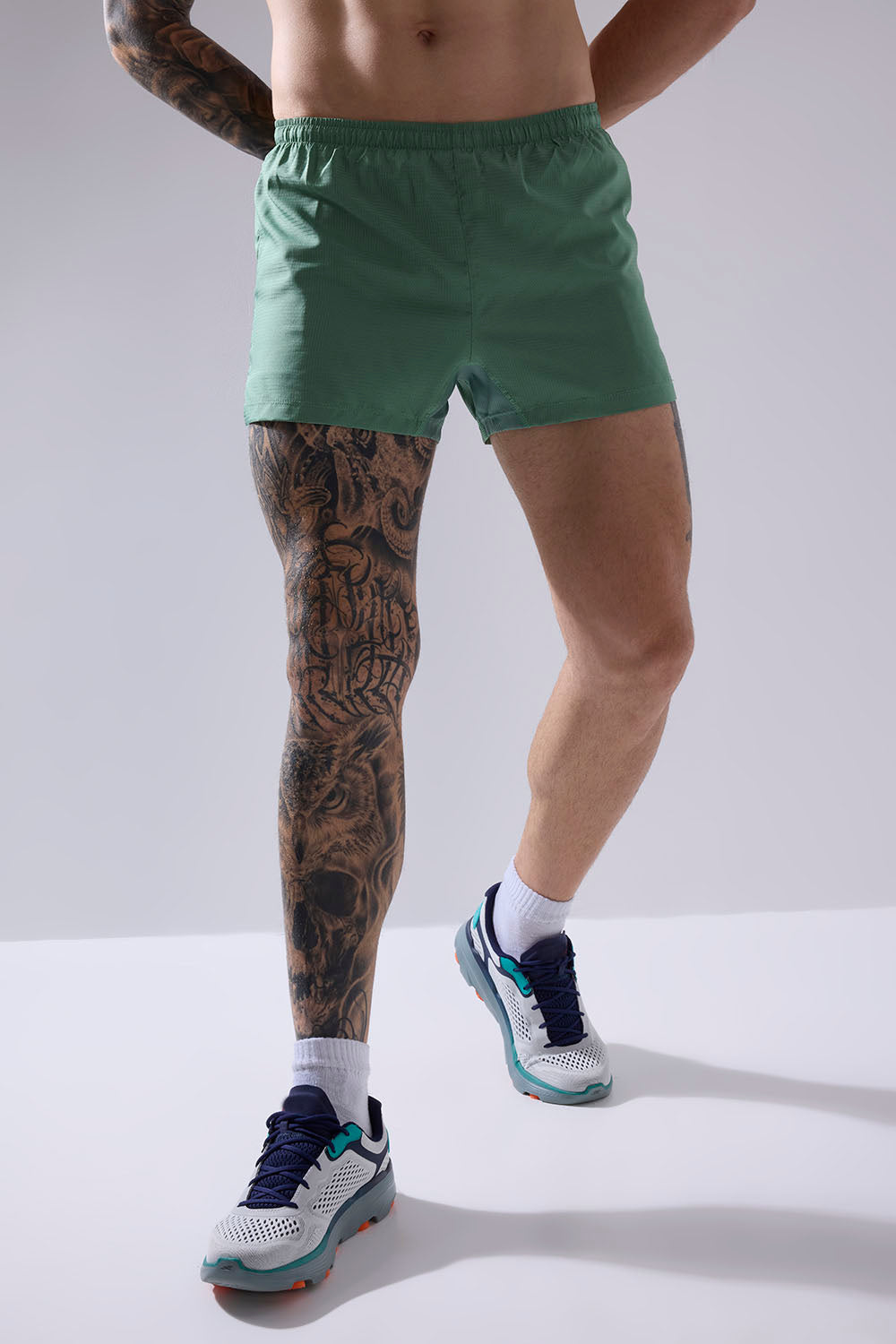
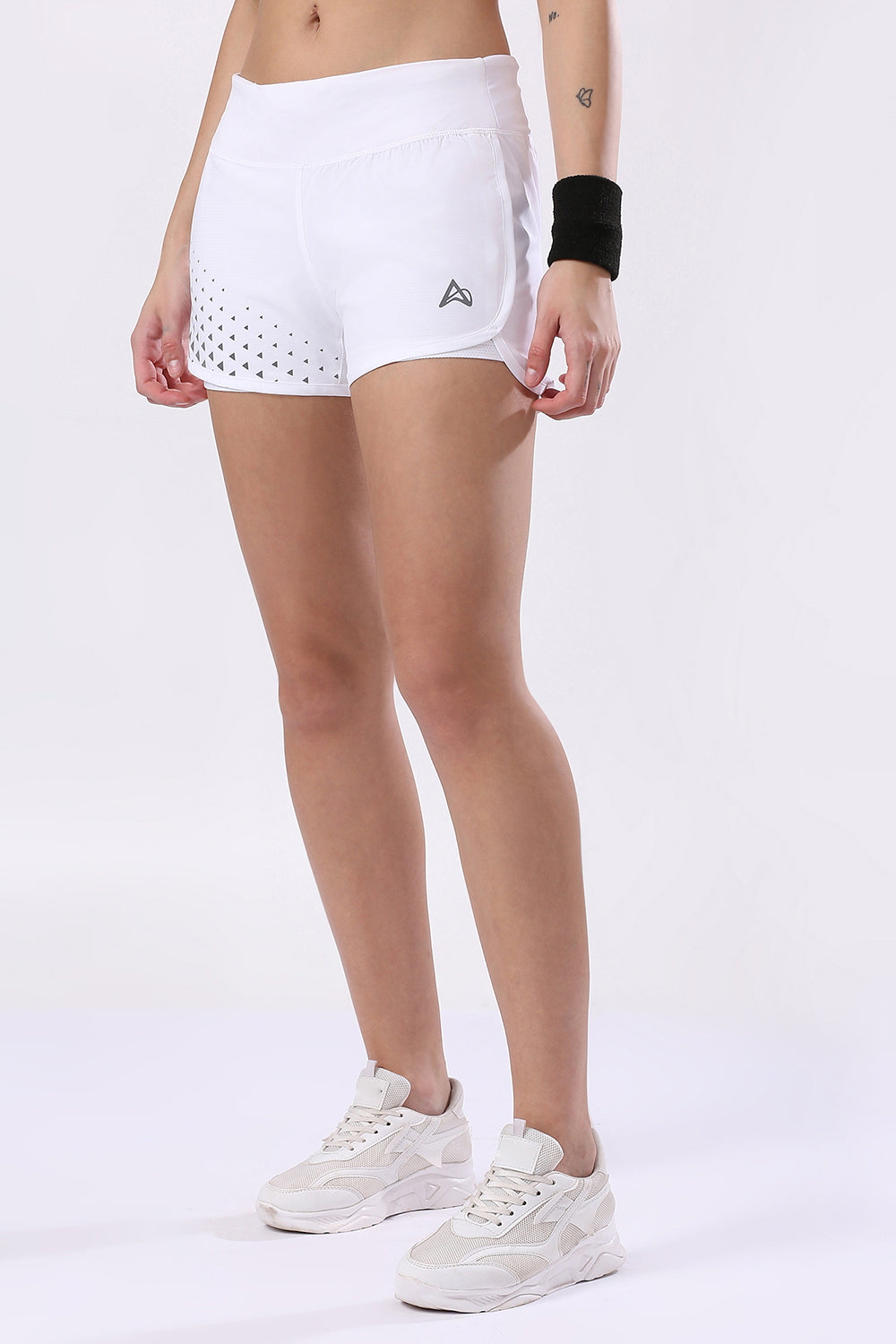
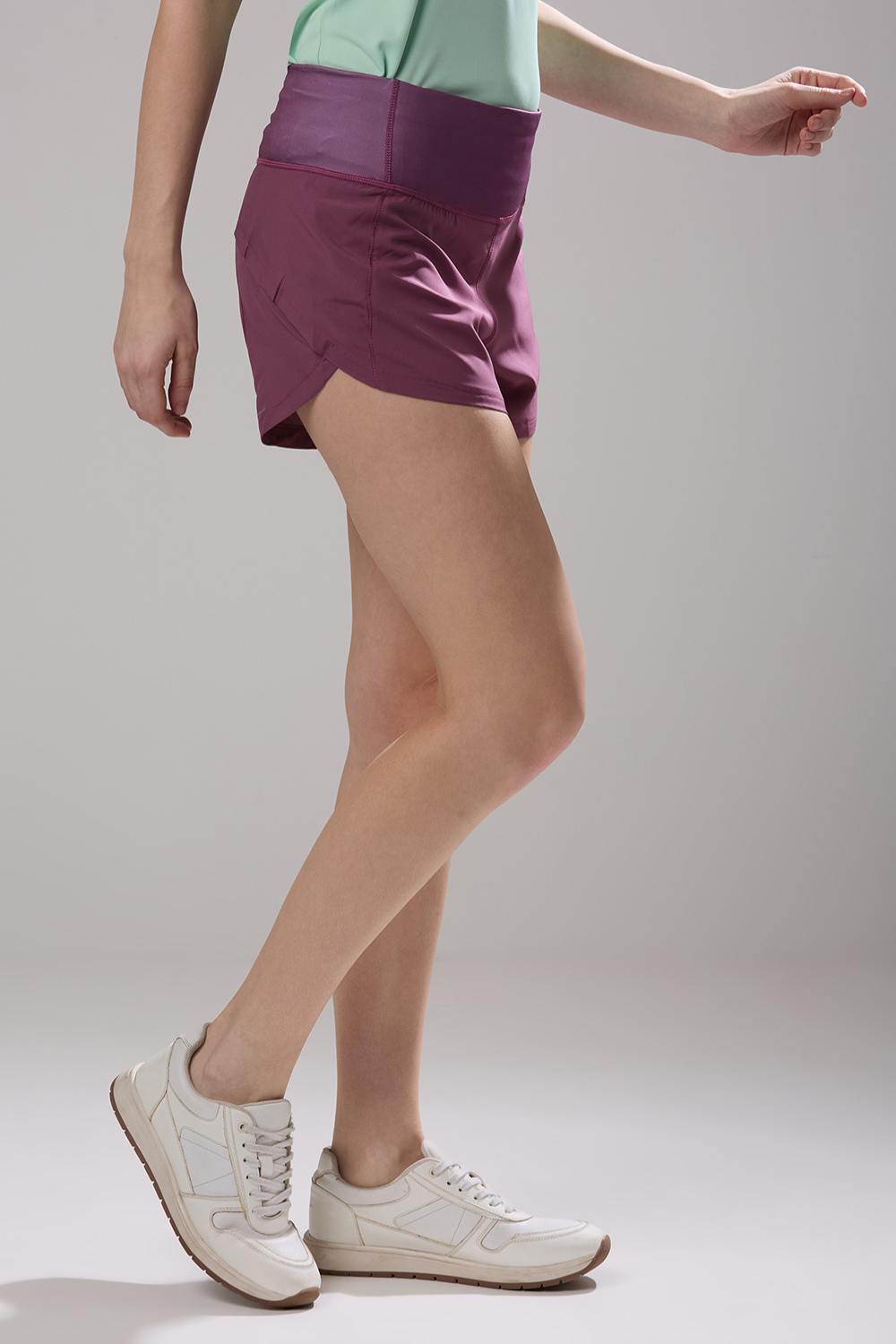
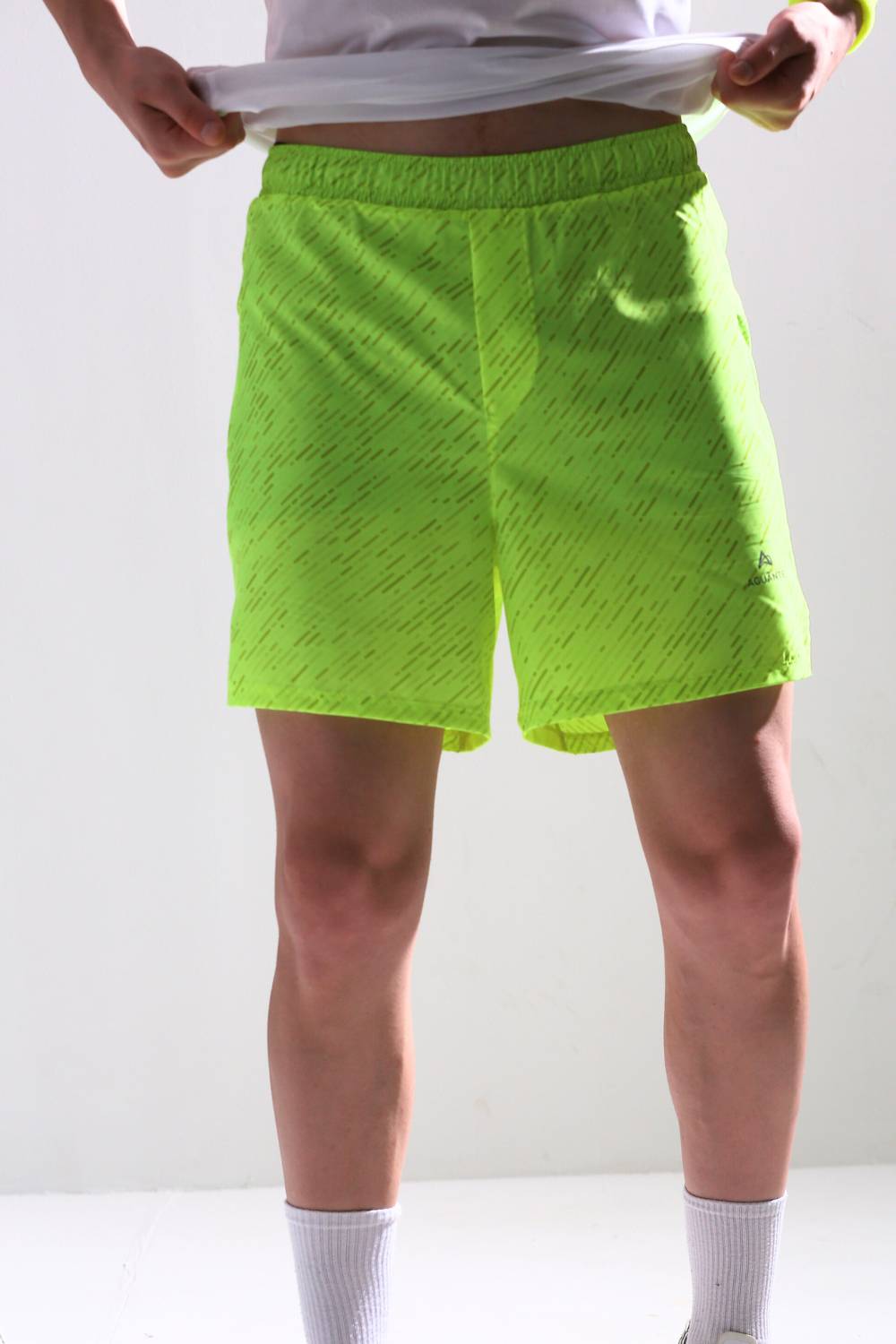
Running Shorts
Running shorts can provide:
- Maximum airflow
- Lightweight feel
- Freedom of movement
- Less fabric around the thighs
They are particularly popular in warmer conditions.
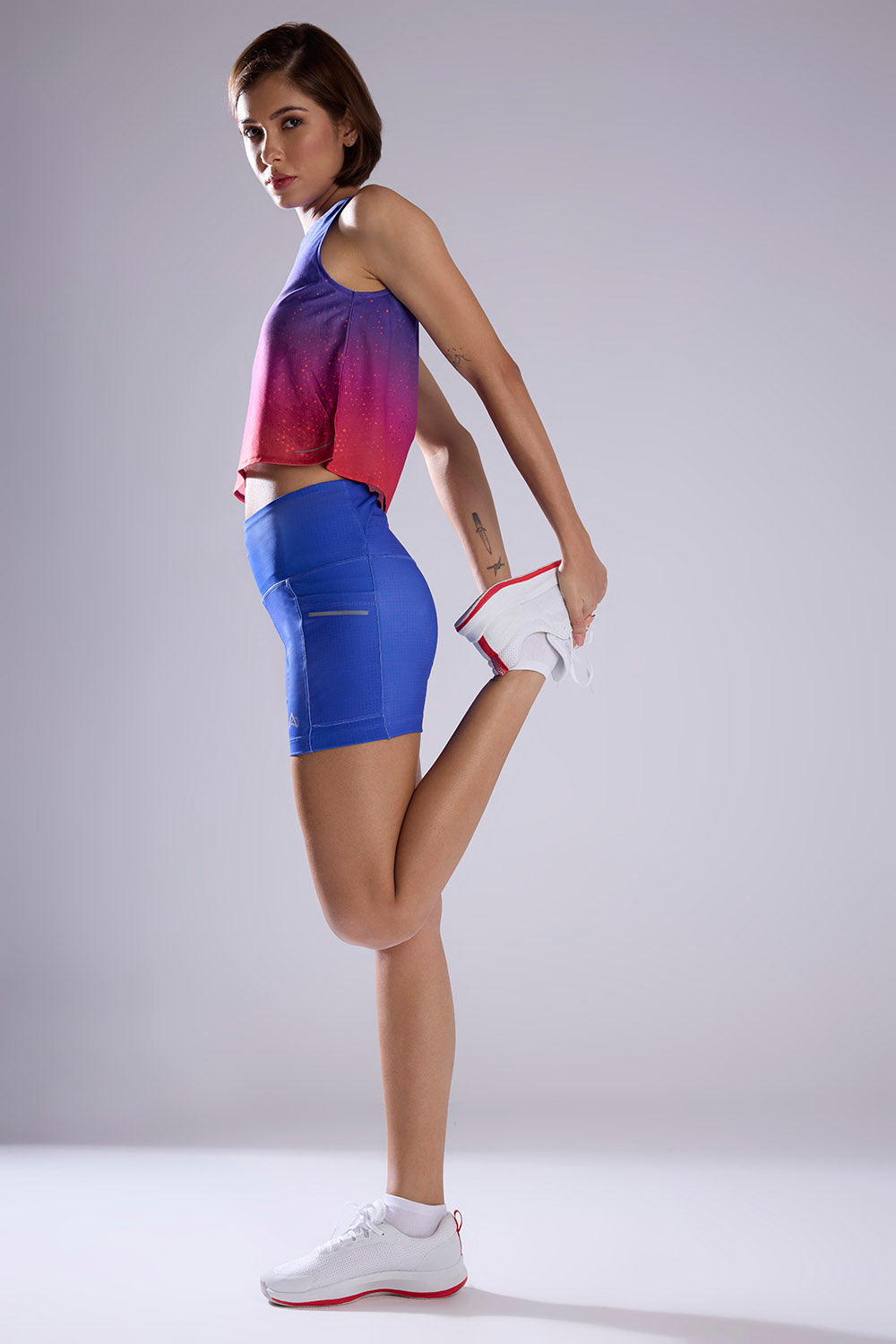
Half Tights
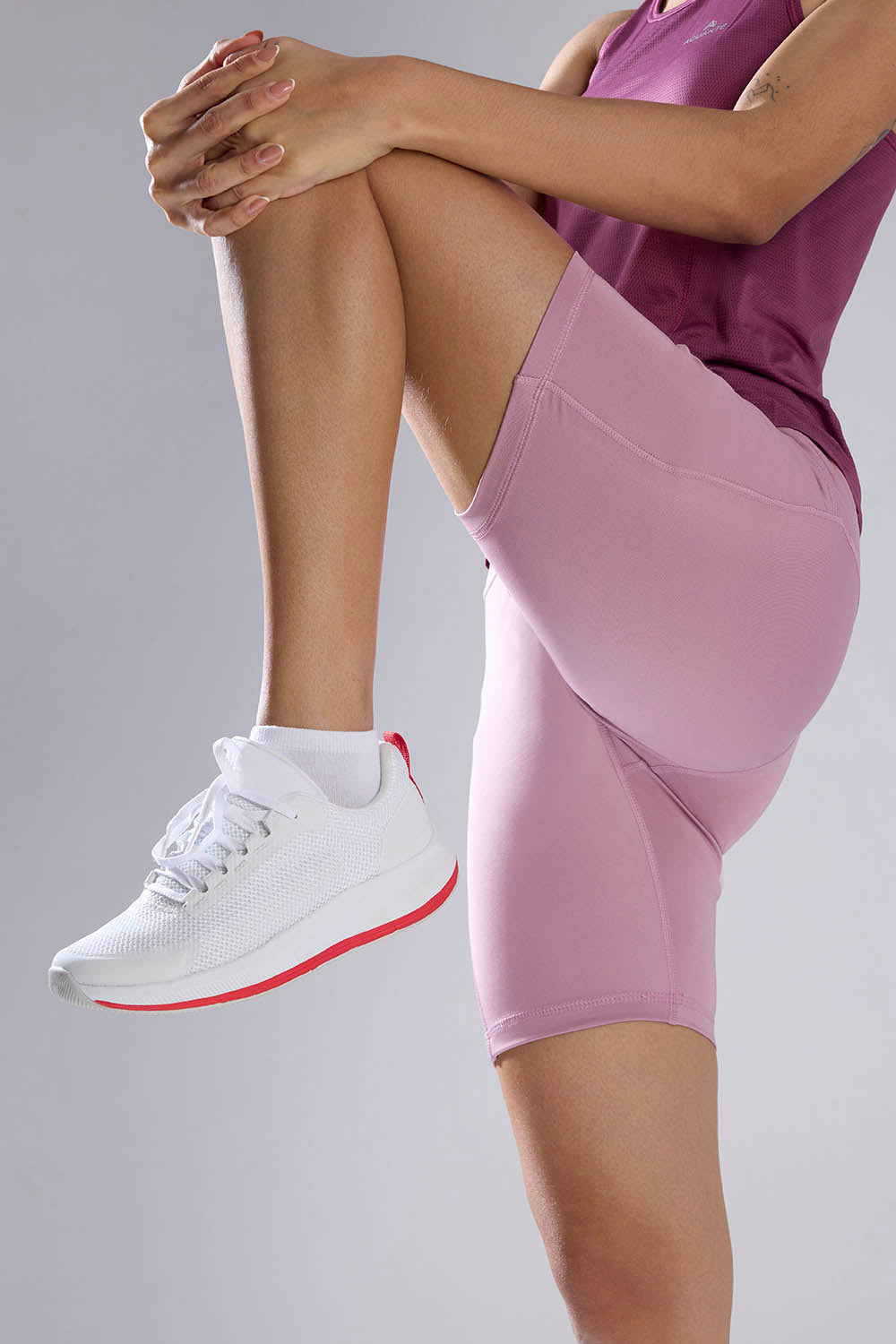
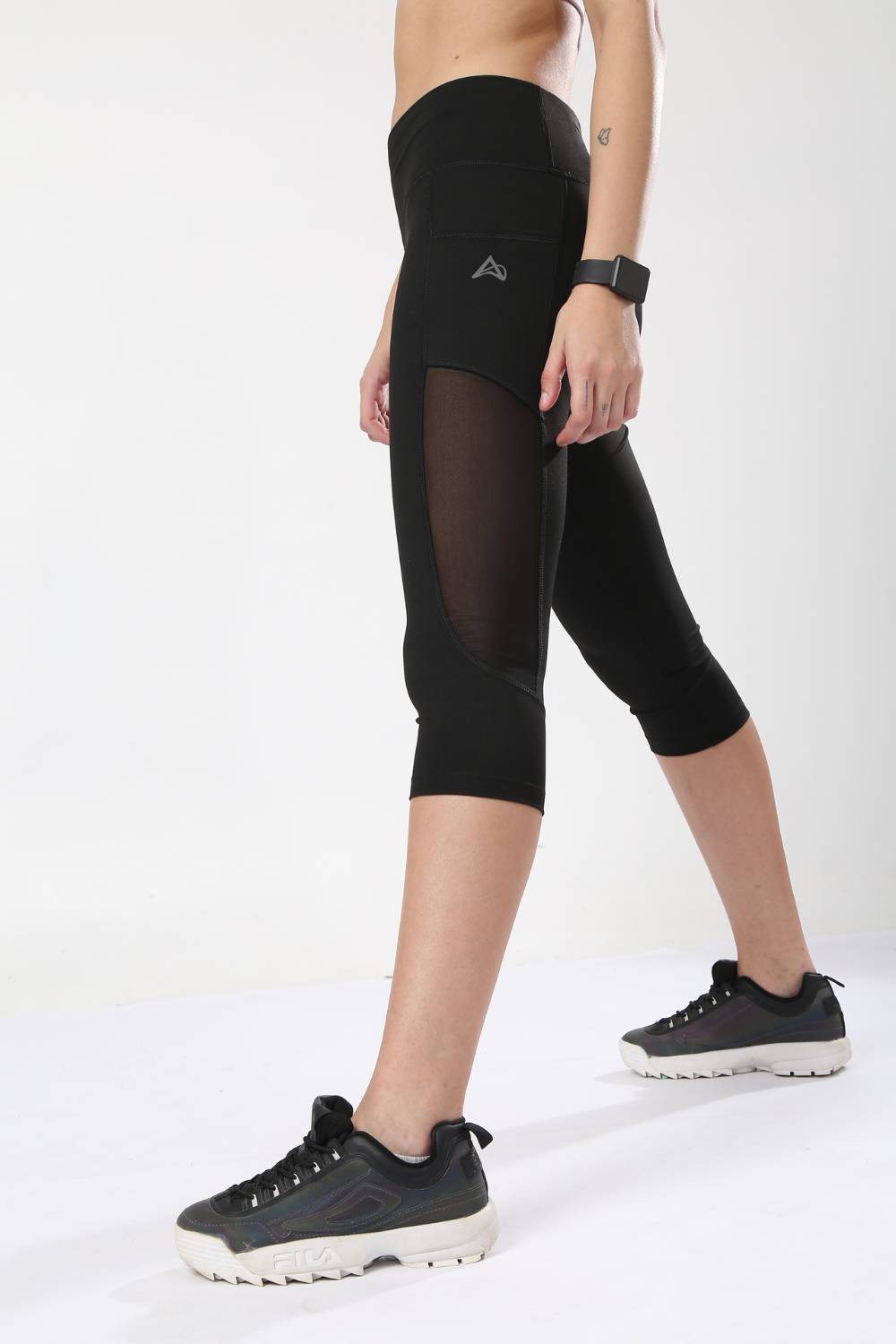
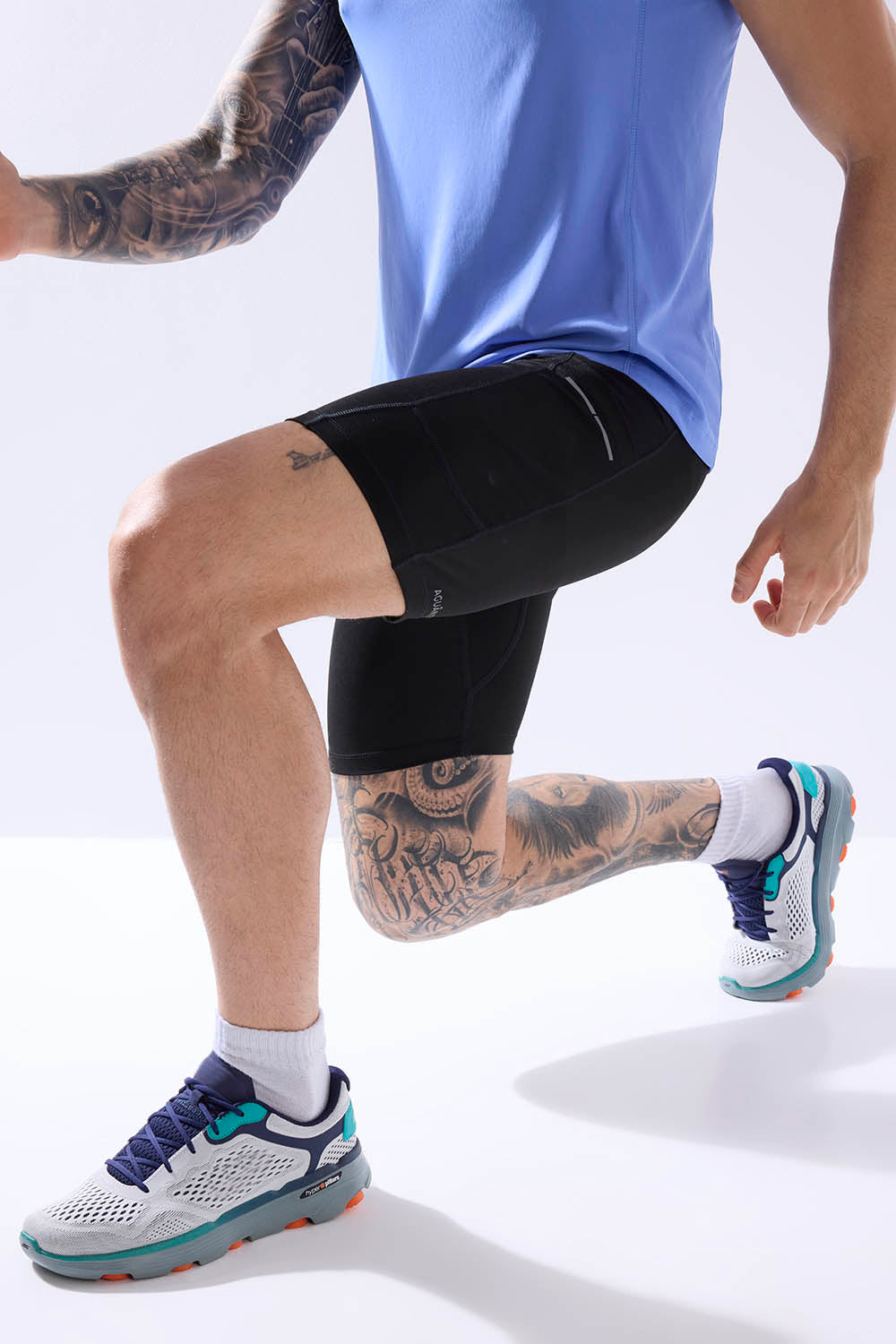
Half tights can provide:
- Greater thigh coverage
- A close-to-body fit
- Reduced fabric movement
- Additional storage on some designs
- An alternative for runners who experience thigh friction
If you regularly experience inner-thigh chafing, half tights may be worth testing during long runs.
What Should You Choose?
| Feature | Running Shorts | Half Tights |
|---|---|---|
| Airflow | Excellent | Very Good |
| Thigh coverage | Low–Moderate | High |
| Freedom of movement | Excellent | Excellent |
| Chafing protection | Depends on design | Often higher coverage |
| Storage | Varies | Often extensive |
| Hot-weather feel | Very light | Can feel warmer |
| Race-day suitability | Yes | Yes |
The right choice is the one that remains comfortable throughout your longest training runs.
Internal links:
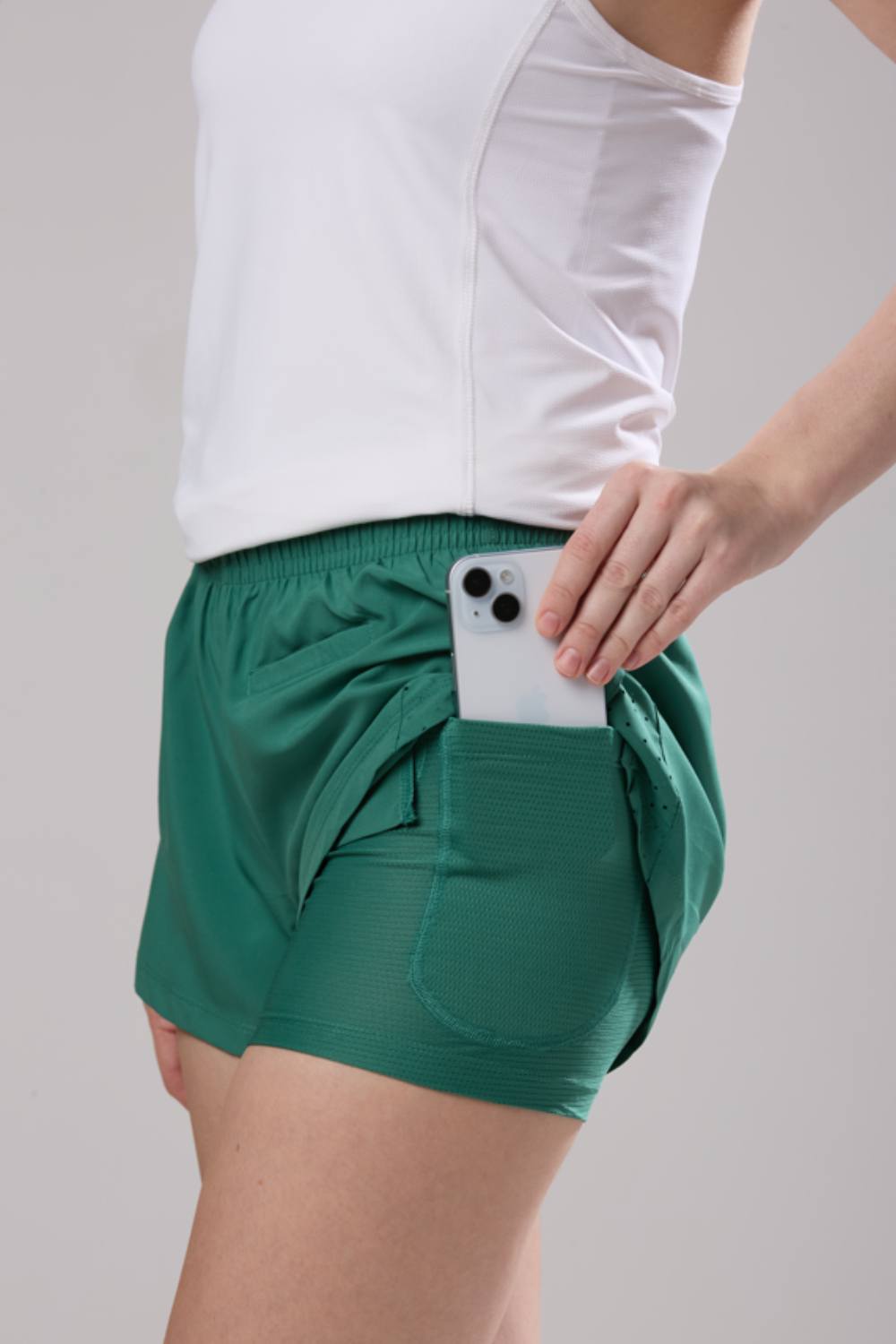
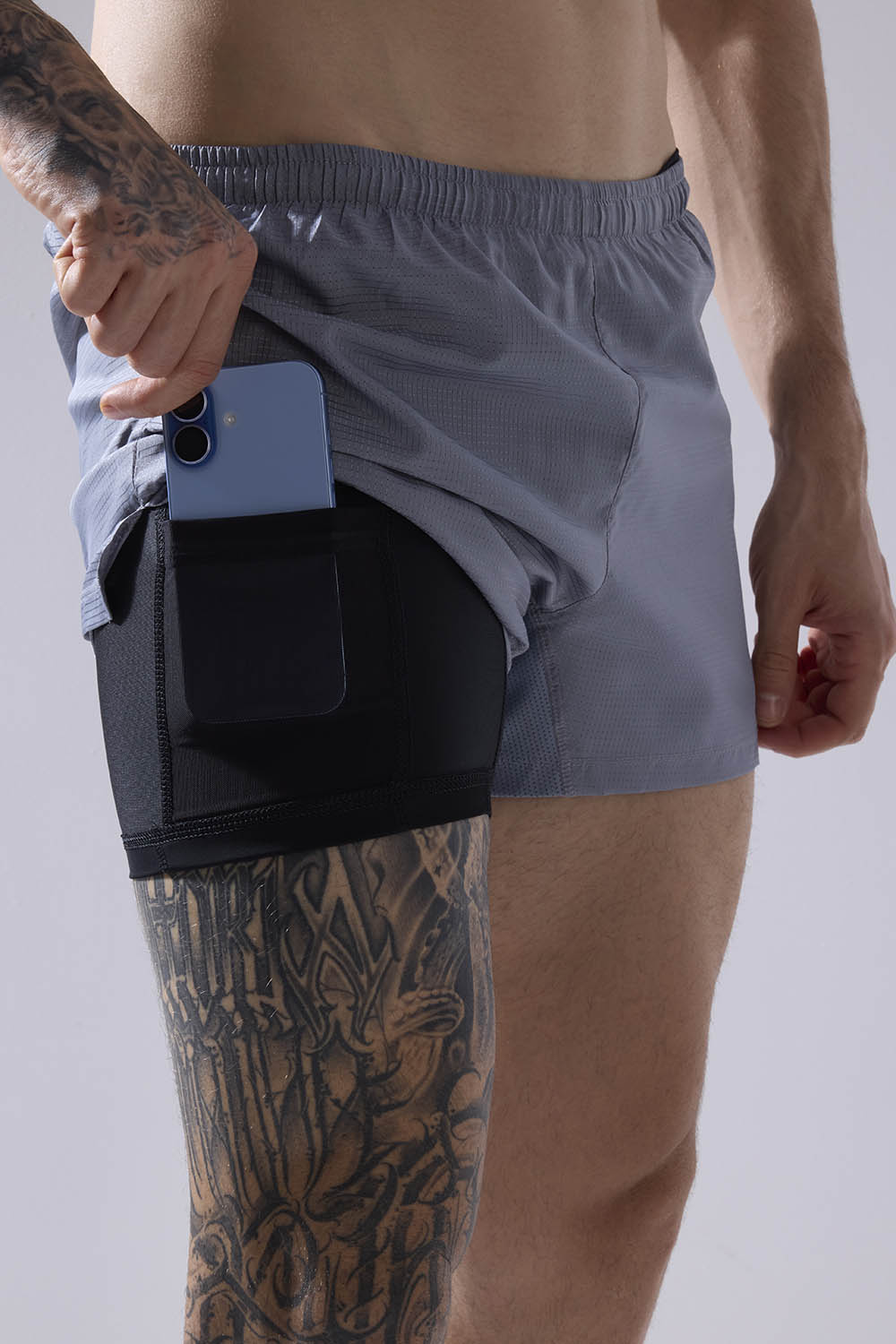
3. Choose Marathon Shorts With Secure Storage
If you plan to carry gels, a phone, keys or other small essentials, storage becomes particularly important.
Look for:
- Deep pockets
- Secure pockets
- Zippered pockets where appropriate
- Waistband pockets
- Minimal bouncing
- Enough space for your actual race-day essentials
Don't assume that more pockets automatically means better shorts. A pocket should keep your items secure without creating excessive movement.
Aguante's running range includes shorts designed with multiple pockets for runners who need race-day storage.
For example, the Aguante Aerospeed Running Shorts are listed with four secure pockets, an adjustable waistband, lightweight construction and an anti-chafe inner liner.
Shop Aguante Aerospeed Running Shorts
4. Don't Ignore the Inner Liner
A built-in liner can make a major difference during a marathon.
A good liner can provide:
- Support
- Moisture management
- Additional coverage
- Reduced skin-on-skin friction
- Better comfort
However, a liner should never be judged after a five-minute try-on.
Run in it.
Walk in it.
Wear it for a long run.
Check whether it rides up, creates pressure points or causes irritation.
For marathon day, familiarity matters more than features on the product description.
5. Wear Technical Running Socks
Your socks may look like a small part of the outfit, but your feet will be working for several hours.
Choose socks that are:
- Moisture-wicking
- Breathable
- Comfortable around the toes
- Secure around the heel
- Suitable for your running shoes
- Tested over long distances
Avoid wearing brand-new socks for your marathon.
Your socks should already be part of your proven long-run setup.
6. Choose the Right Running Shoes
Your marathon shoes should be one of the first things you test during training.
The right pair should provide:
- Comfortable fit
- Appropriate cushioning
- Reliable lockdown
- Sufficient room for your toes
- A feel you already know
Don't buy a completely new pair just before race day and expect them to work perfectly.
The same principle applies to shoes as it does to clothing:
Train in your race setup before racing in it.
7. Use Anti-Chafing Protection
Chafing is one of the most common problems during long-distance running.
In Indian heat and humidity, sweat can increase the problem.
Common areas include:
- Inner thighs
- Underarms
- Waist
- Bra line
- Groin
- Nipples
Runner's World recommends moisture-wicking, comfortable clothing and testing an outfit during longer training sessions to identify potential chafing points.
Use an anti-chafing balm or lubricant in areas where you know you experience friction.
Most importantly, don't wait until race day to discover where you chafe.
8. What Should Women Wear for a Marathon in India?
A practical women's marathon outfit can be:
Sports bra + lightweight running T-shirt or singlet + running shorts/half tights + technical socks + running shoes.
The sports bra should provide comfortable support without excessive pressure or rubbing.
For the bottoms, choose based on your experience:
Choose Running Shorts If:
- You prefer maximum airflow
- You don't normally experience thigh chafing
- You like a lightweight feel
Choose Half Tights If:
- Your thighs rub during long runs
- You prefer more coverage
- You want a close-fitting option
- You need additional storage
Aguante's women's running range includes race singlets, running shorts and multiple half-tights.
Explore Aguante Women's Running
9. What Should Men Wear for a Marathon in India?
A simple men's marathon outfit is:
Lightweight running T-shirt or singlet + running shorts or half tights + technical socks + tested running shoes.
For hot conditions, a lightweight singlet and shorts can reduce the amount of fabric you're wearing.
For runners who prefer more coverage or storage, half tights are another option.
Aguante's men's range includes race singlets, race T-shirts, running shorts and half tights.
Explore Aguante Men's Running Gear
10. What to Wear in Hot and Humid Indian Weather
This is particularly important for races in cities and seasons where humidity is high.
Humidity makes sweat evaporation less effective, so runners can feel hotter and experience greater effort at the same pace.
For hot and humid races:
Wear:
- Lightweight technical top
- Shorts or lightweight half tights
- Moisture-wicking socks
- Lightweight running shoes
- Breathable cap or visor
- Sunglasses if needed
Avoid:
- Cotton T-shirts
- Heavy fabrics
- Multiple unnecessary layers
- Clothing that holds sweat
- Uncomfortable compression
- Untested gear
Runner's World recommends lightweight, breathable, moisture-wicking clothing for hot-weather running and notes that mesh and ventilation can help with airflow.
11. What to Wear for a Cooler Indian Marathon?
Not every Indian marathon is hot.
Winter races can begin in relatively cool conditions, especially before sunrise.
For a cooler race, consider:
- Lightweight long-sleeve layer
- Arm sleeves
- Lightweight running jacket
- Shorts or tights depending on preference
- Gloves if genuinely needed
Don't overdress simply because you're standing at the start line.
Your body temperature will rise once you begin running. Runner's World suggests accounting for this when choosing race layers and recommends having your race outfit tested in training.
12. What About Monsoon Marathons?
If rain is possible, your clothing strategy needs to change slightly.
Prioritize:
- Quick-drying apparel
- Secure pockets
- Anti-chafing protection
- Technical socks
- Shoes you've already tested in wet conditions
Avoid heavy clothing that becomes saturated with water.
If rain is expected, don't suddenly experiment with a new waterproof layer on race morning.
Test your rain strategy beforehand.
13. Don't Forget Your Head
A lightweight cap or visor can be useful when the sun becomes stronger during the race.
For hot conditions, Runner's World recommends breathable headwear and notes that visors can provide ventilation while shielding the face from the sun.
A good option is:
Lightweight cap/visor + sunglasses + sunscreen
The exact combination depends on the race conditions and your personal preference.
14. Your Marathon Outfit Should Work With Your Fueling Strategy
Your clothing and nutrition strategy should work together.
If you're carrying energy gels, make sure your shorts, half tights or running belt can hold them securely.
A simple setup might be:
Pocket 1: Gels
Pocket 2: Phone
Pocket 3: ID/card
Pocket 4: Additional nutrition
Don't fill every available pocket simply because you can.
Extra weight can become annoying over 42.2 km.
Also follow the race's official hydration and aid-station information rather than assuming you need to carry all your fluids yourself.
15. Your Indian Marathon Outfit by Weather
| Weather | Top | Bottom | Accessories |
|---|---|---|---|
| Cool morning | T-shirt/singlet + optional layer | Shorts/tights | Arm sleeves if needed |
| Warm | Lightweight T-shirt/singlet | Shorts | Cap + sunglasses |
| Hot & humid | Very lightweight breathable top | Lightweight shorts | Visor + anti-chafe |
| Rainy | Quick-dry technical top | Quick-dry shorts/half tights | Rain strategy tested beforehand |
| Sunny | Moisture-wicking top | Shorts/half tights | Cap, sunglasses, sunscreen |
16. The Most Important Rule: Nothing New on Race Day
This is perhaps the most important marathon clothing rule.
Don't introduce:
- New shoes
- New shorts
- New socks
- New sports bra
- New singlet
- New anti-chafing product
- New hydration pack
- New accessories
on marathon morning.
Runner's World specifically recommends having your race-day outfit established through training.
Your longest training runs are the perfect opportunity to test your complete setup.
Wear the same:
Shoes + socks + shorts + top + sports bra + nutrition storage + accessories
you expect to use on race day.
17. Aguante Race-Day Apparel for Indian Runners
For runners looking for India-focused performance apparel, Aguante offers running-specific options across shorts, half tights, singlets and T-shirts.
For example:
Race Singlets
Aguante's men's and women's race singlets are designed around lightweight construction, moisture management and breathable/perforated areas.
Running Shorts
Aguante's running-short range includes different inseam lengths and storage configurations for runners who prefer shorts.
Explore Aguante Running Shorts
Half Tights
For runners who prefer more coverage or storage, Aguante offers half tights for both men and women.
Race-Day Collection
For runners building a dedicated race outfit, Aguante's long-run and race-day collection brings together running-focused apparel designed for longer efforts.
Explore Aguante Long Run & Race Day Collection
Complete Indian Marathon Race-Day Checklist
Before leaving for the start line, check:
- ✅ Tested running shoes
- ✅ Technical running socks
- ✅ Moisture-wicking T-shirt or singlet
- ✅ Running shorts or half tights
- ✅ Sports bra if required
- ✅ Anti-chafing balm
- ✅ Energy gels/nutrition
- ✅ GPS watch
- ✅ Cap or visor
- ✅ Sunglasses
- ✅ Sunscreen
- ✅ Phone/ID
- ✅ Race bib
- ✅ Safety pins
- ✅ Post-race change of clothes
Runner's World's marathon checklist similarly recommends planning the complete race-day outfit—including clothing, shoes, watch, hat and sunglasses—and testing the gear during training.
What Should You Wear for a Marathon in Indian Weather? Quick Answer
If you want the simplest possible answer:
For a hot Indian marathon:
Lightweight moisture-wicking singlet/T-shirt + breathable running shorts or half tights + technical socks + tested running shoes + cap/visor + sunglasses + anti-chafing protection.
For a cool Indian marathon:
Technical T-shirt/singlet + shorts or tights + optional lightweight layer + technical socks + tested running shoes.
For a humid marathon:
Choose the lightest comfortable, breathable, moisture-wicking outfit you have already tested on long runs.
And remember: the best marathon outfit is the one that you forget you're wearing after the first few kilometres.
Conclusion
Knowing what to wear for a marathon in Indian weather starts with understanding the conditions you'll actually face on race day.
In hot or humid conditions, prioritize lightweight, breathable and moisture-wicking apparel. In cooler weather, use light layers that can be removed if necessary. For long-distance comfort, pay particular attention to your shorts or half tights, socks, shoes, storage and anti-chafing protection.
Aguante's running range gives Indian runners options across race singlets, technical T-shirts, running shorts and half tights, allowing you to build a race-day outfit around the weather and your preferred fit.
Most importantly, test everything before race day.
Your marathon is 42.2 km. Your clothing should be one less thing you have to think about.
Train in it. Test it. Race in it.
FAQs
What is the best clothing for a marathon in India?
A lightweight, breathable, moisture-wicking top paired with running shorts or half tights is a practical starting point. The exact combination should depend on the race temperature, humidity and your personal experience.
Should I wear shorts or half tights for an Indian marathon?
Both can work. Shorts generally provide more airflow, while half tights offer more thigh coverage and can provide additional storage. Test both during long runs before deciding.
Should I wear a cotton T-shirt for a marathon?
Technical running apparel is generally preferable for long-distance running. Cotton can retain moisture, while moisture-wicking technical fabrics are designed to manage sweat and dry more quickly.
What should women wear for a marathon in India?
A common setup is a supportive sports bra, lightweight technical T-shirt or singlet, running shorts or half tights, technical socks and tested running shoes. Anti-chafing protection can also be useful.
What should men wear for a marathon in India?
A lightweight running T-shirt or singlet, running shorts or half tights, technical socks and tested running shoes make a practical race-day combination.
How should I dress for a hot and humid marathon?
Choose lightweight, breathable and moisture-wicking apparel, minimize unnecessary layers and consider a breathable cap or visor. High humidity reduces sweat evaporation, so clothing that allows airflow and manages moisture can improve comfort.
Should I wear new running clothes on marathon day?
No. Test your complete race outfit during training, ideally on long runs. This gives you an opportunity to identify chafing, bouncing pockets, uncomfortable seams or shoe problems before race day.