



Choosing the best running shorts for a full marathon is about much more than finding a lightweight pair that looks good. During 42.2 km, small problems such as thigh chafing, a waistband that moves, an uncomfortable liner, or bouncing gels can become major distractions.
For marathon runners, the ideal shorts should combine lightweight construction, breathability, moisture management, comfortable fit, secure storage and reliable support. The right inseam and liner are equally important, particularly if you experience thigh rubbing during long runs.
For runners in India, where marathon conditions can range from cool winter mornings to hot and humid race environments, choosing the right running shorts can make a significant difference to race-day comfort.
What Makes Running Shorts Good for a Full Marathon?
A pair of marathon running shorts should perform well for several hours rather than just for a short workout.
Look for:
- Lightweight fabric
- Moisture-wicking construction
- Breathable panels
- Comfortable waistband
- Secure fit
- Anti-chafing liner
- Sufficient inseam for your preference
- Secure pockets
- Space for energy gels
- Reflective details for early-morning running
- A drawcord or adjustable waistband
Current running-short testing from Runner's World highlights comfort, chafing, storage and adjustability as important considerations, while REI specifically recommends looking at liners, chafe-free seams, reflectivity and pockets for runners.
1. Lightweight Running Shorts
For marathon racing, lightweight shorts can help reduce unnecessary bulk and allow greater freedom of movement.
However, lighter does not automatically mean better.
A marathon pair should still provide:
- Adequate coverage
- A secure waistband
- Comfortable seams
- Appropriate storage
- A liner that doesn't irritate your skin
The goal is to find shorts that become almost unnoticeable once you start running.
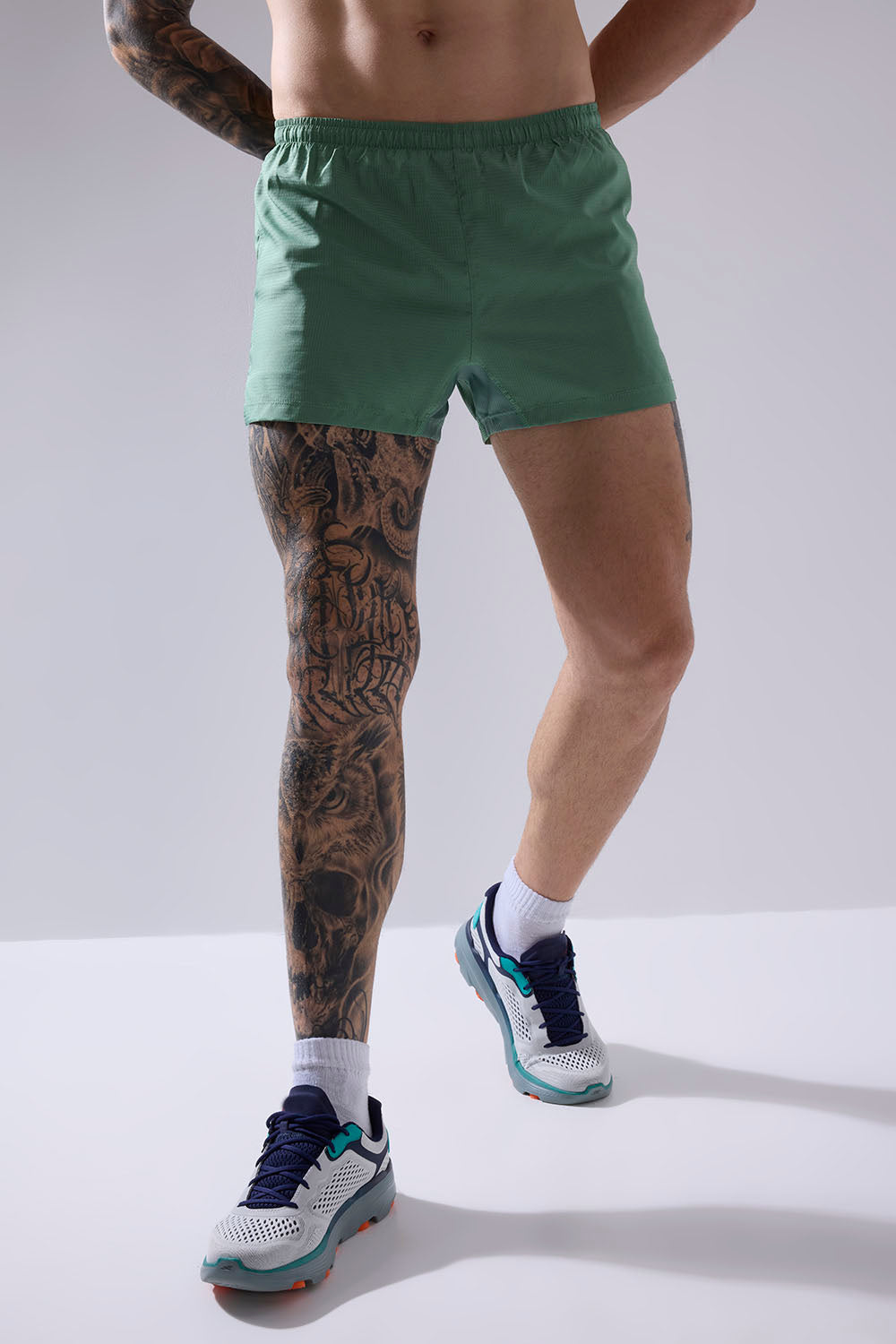
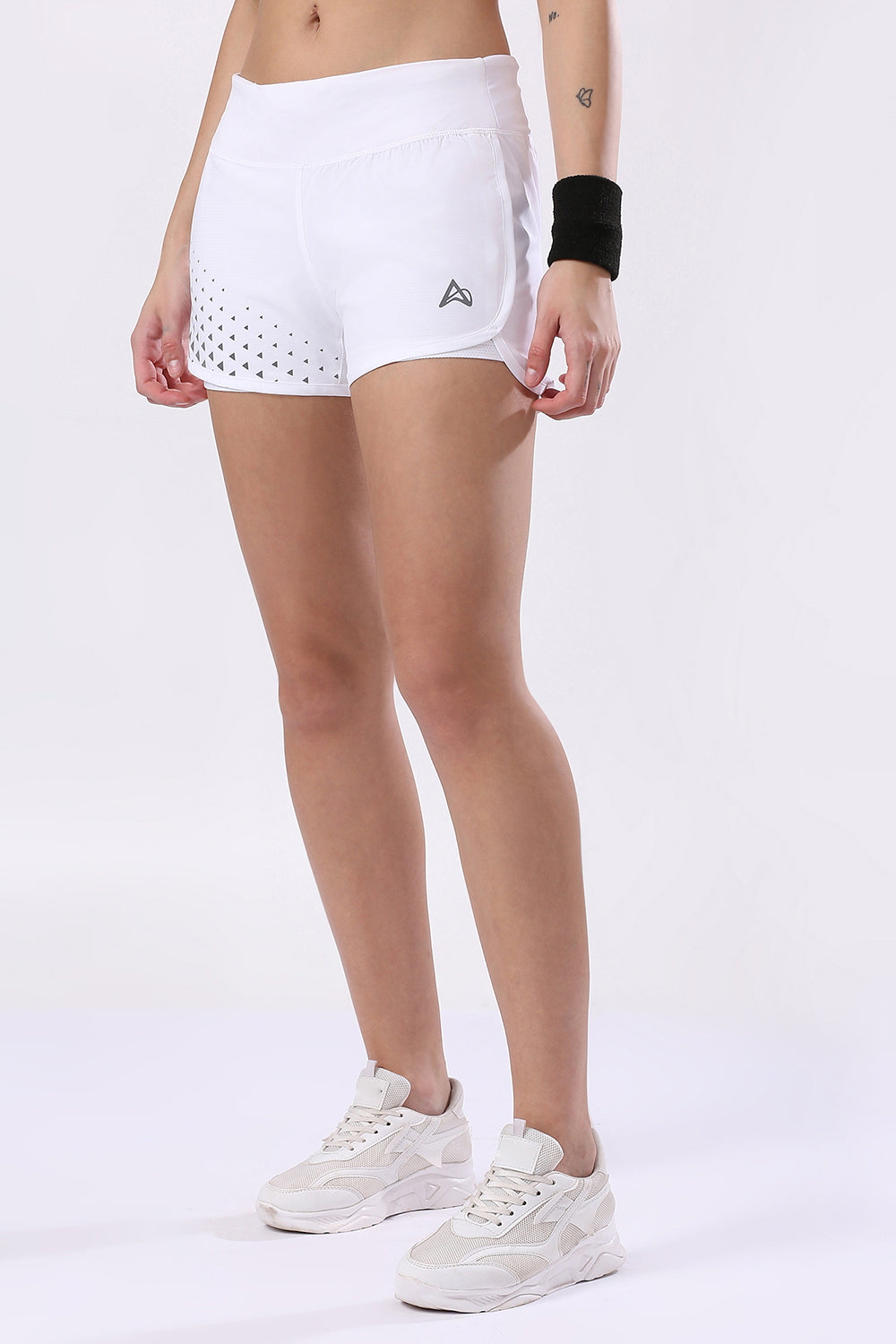
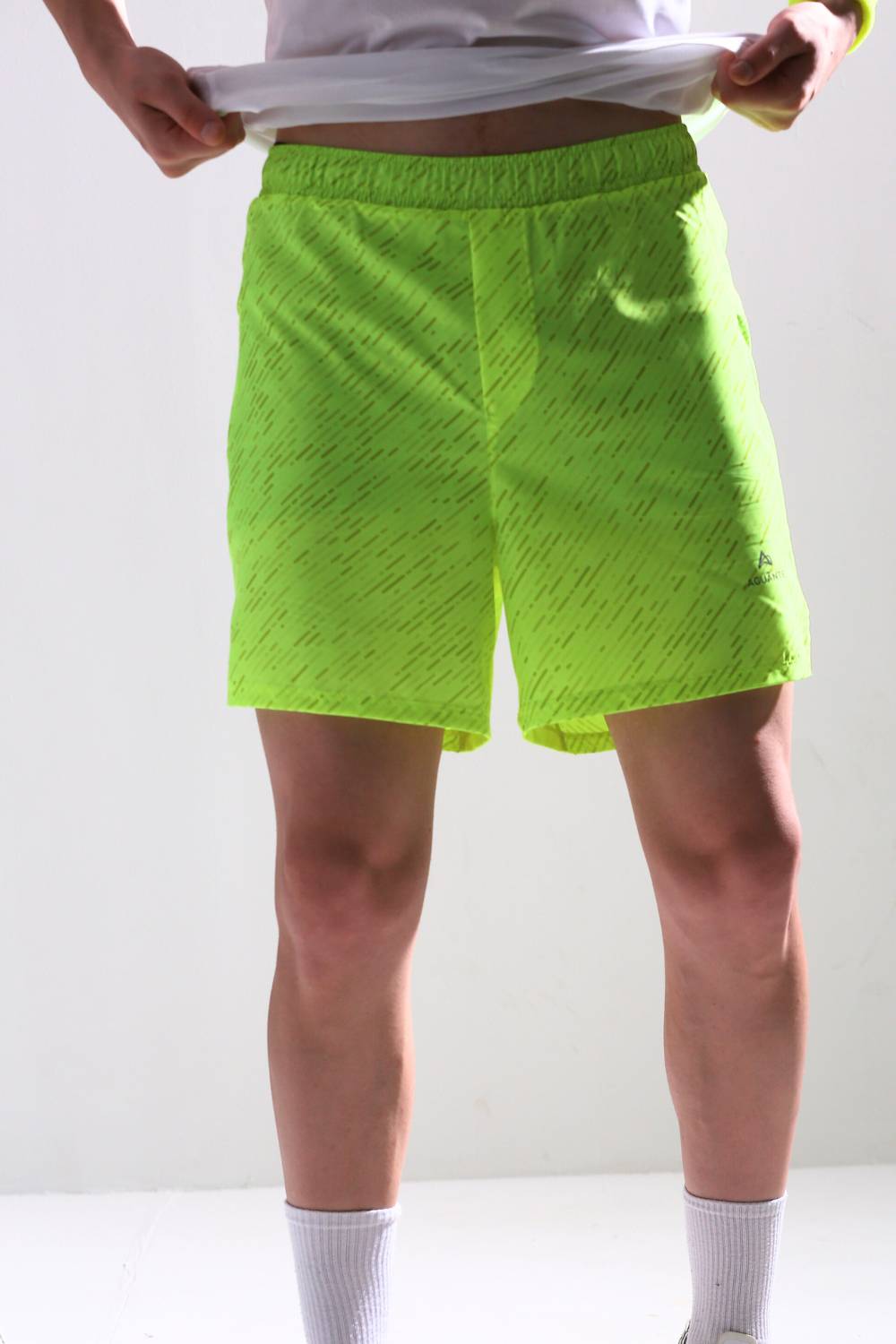
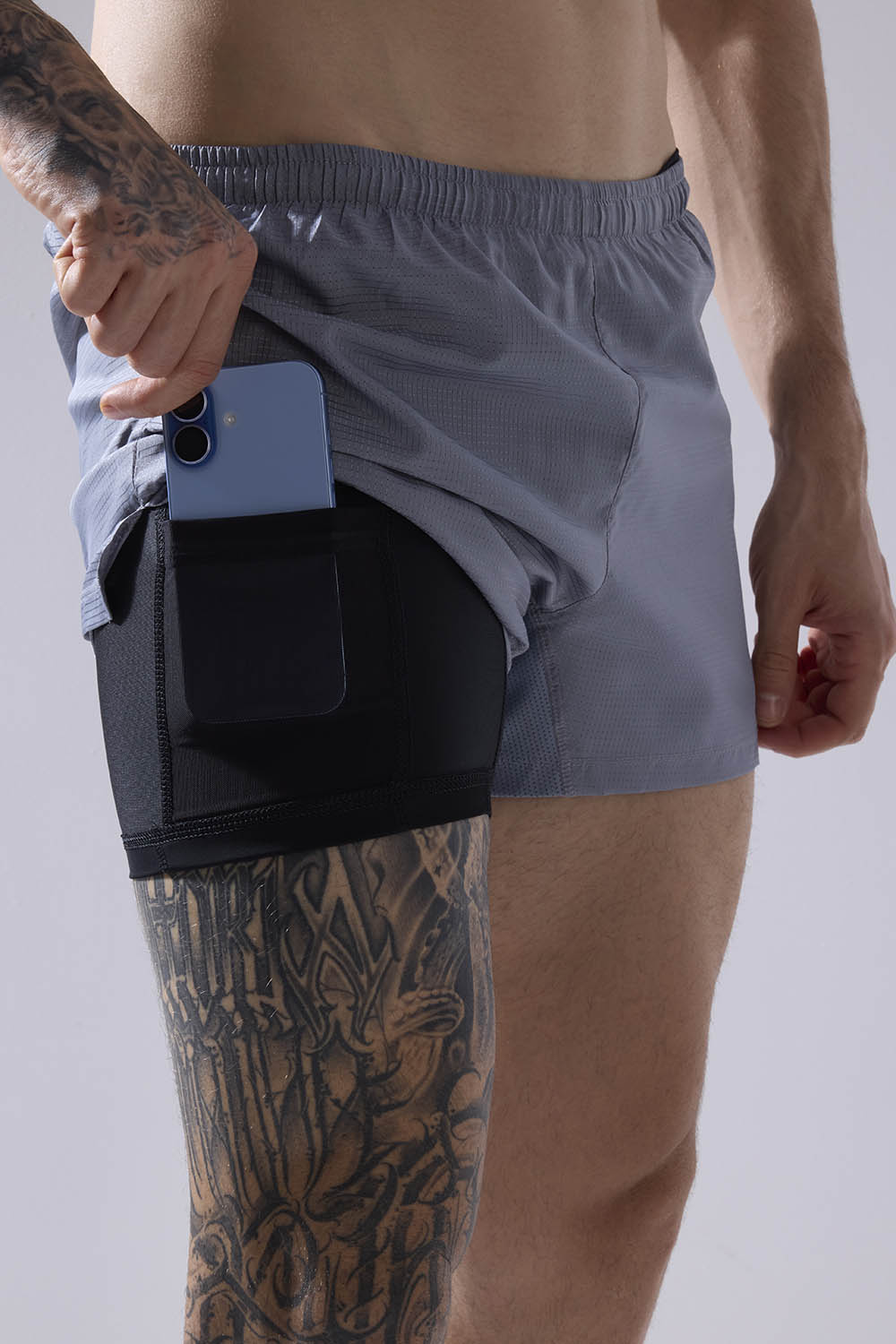
Aguante's 3.5" Aerospeed Running Shorts, for example, are listed at 120 g in size S and feature a lightweight breathable construction, moisture-wicking Aero-Dry technology, an anti-chafe inner liner, four secure pockets and an adjustable waistband. The product is specifically positioned for training, long runs and race day.
Internal link: Aguante Aerospeed Running Shorts
2. Choose the Right Inseam
Inseam length is one of the most personal decisions when choosing marathon shorts.
2–3 Inch Shorts
Shorter inseams provide:
- Maximum airflow
- Minimal fabric
- Greater freedom of movement
- A traditional racing feel
They can work particularly well for runners who don't experience thigh chafing.
4–5 Inch Shorts
This is a versatile middle ground.
They provide:
- More coverage
- Good freedom of movement
- Moderate thigh protection
- A balance between airflow and coverage
6–7 Inch Shorts
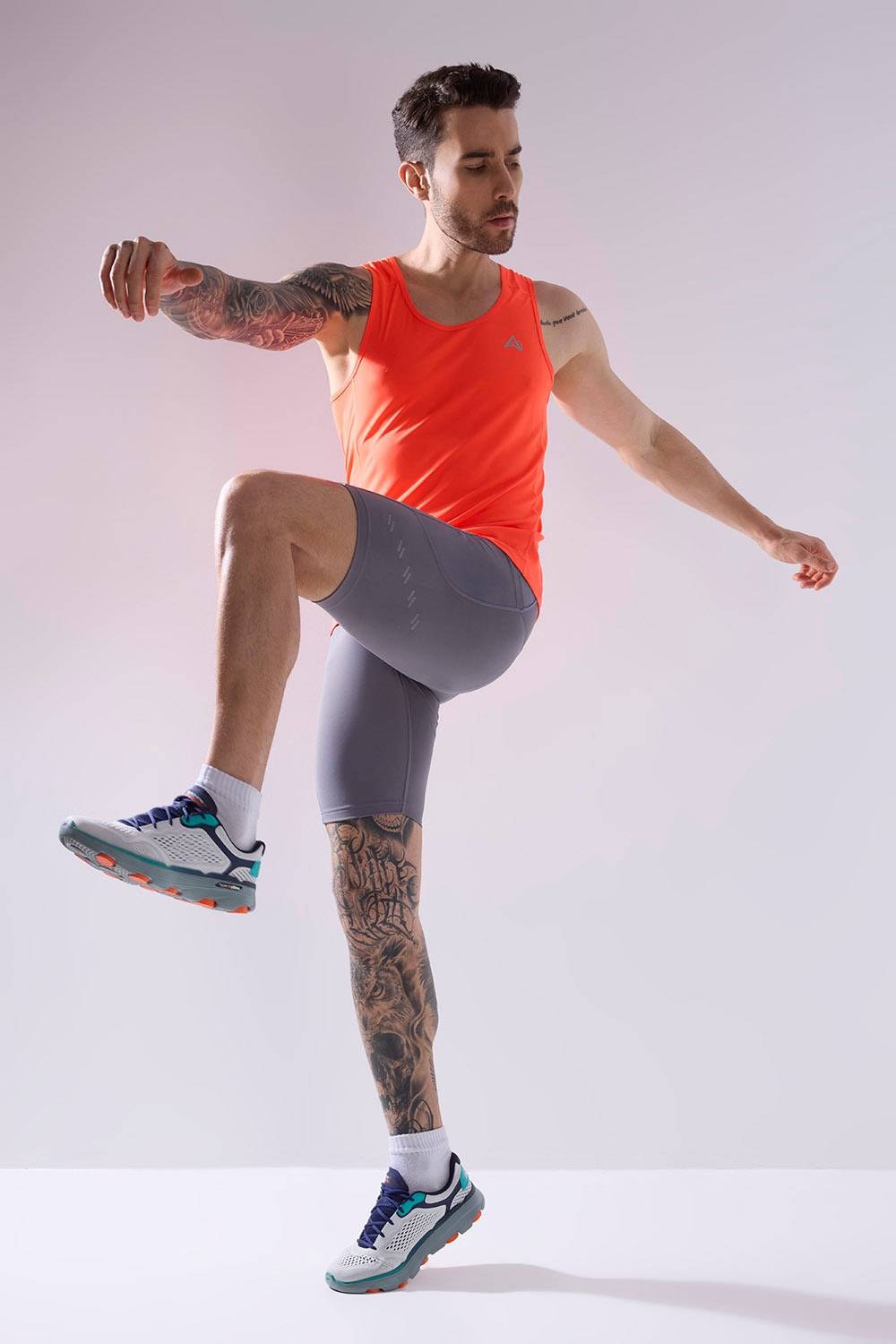
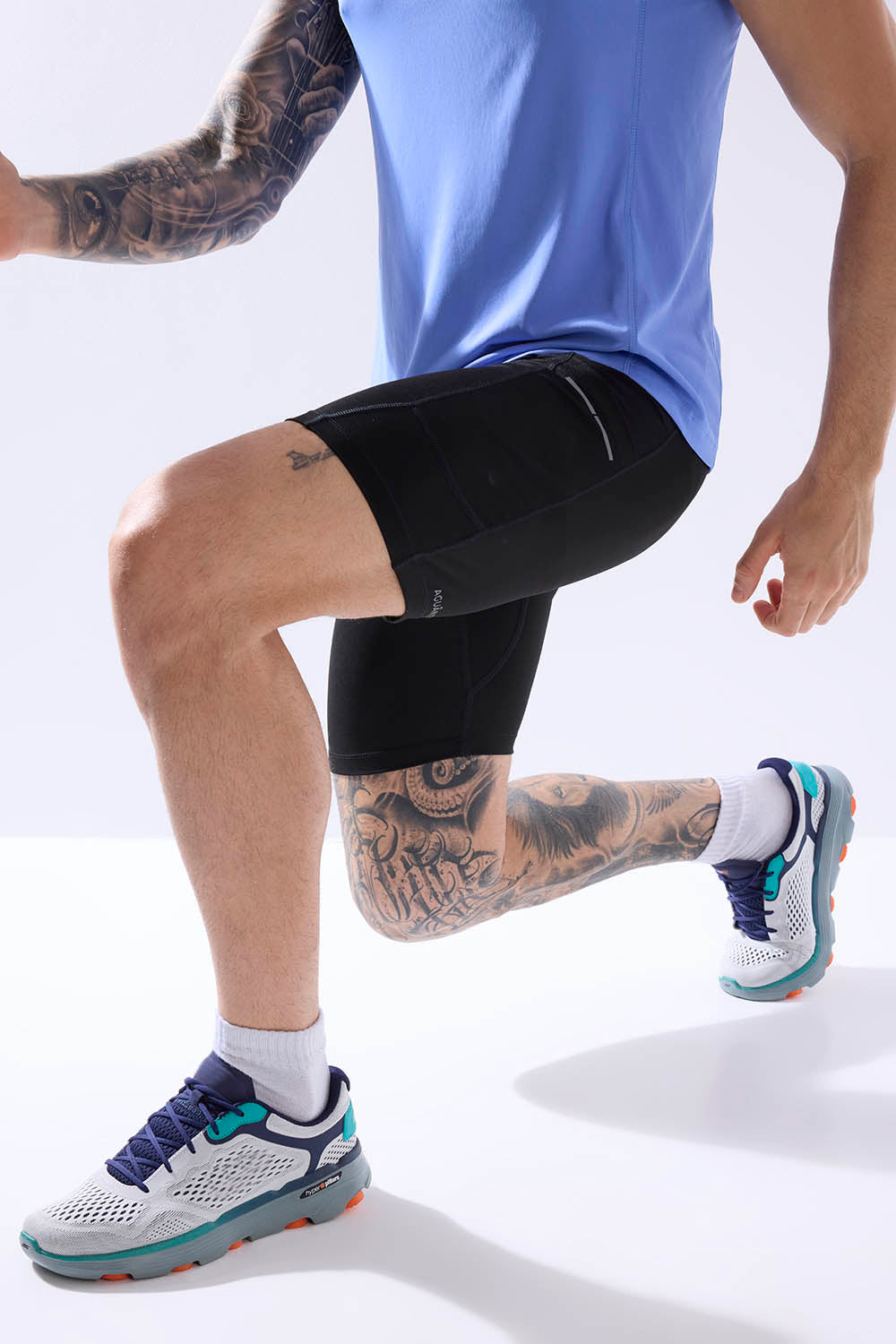
Longer shorts or half-tights can be useful for runners who experience thigh rubbing.
Runner's World notes that runners prone to chafing may benefit from longer inseams, while REI similarly highlights longer, close-fitting options for reducing friction.
There is no universally correct inseam for a marathon. Your long-run experience should determine the choice.
3. Don't Ignore the Inner Liner
A good liner can make a significant difference during a full marathon.
A liner can provide:
- Additional support
- Moisture management
- Reduced skin-on-skin friction
- Better comfort
- A more secure fit
But liners aren't automatically comfortable just because they are included.
The liner should:
- Stay in position
- Avoid excessive seams
- Not ride up
- Not create pressure points
- Dry reasonably quickly
REI recommends looking for moisture-wicking liners and seams positioned away from high-friction areas.
Always test the liner during a long run before using it for your marathon.
4. Pockets Are Extremely Important for Marathon Shorts
This is where marathon shorts differ from basic gym shorts.
During 42.2 km, you may need to carry:
- Energy gels
- Phone
- Keys
- ID
- Cards
- Small nutrition items
A single tiny pocket may not be enough.
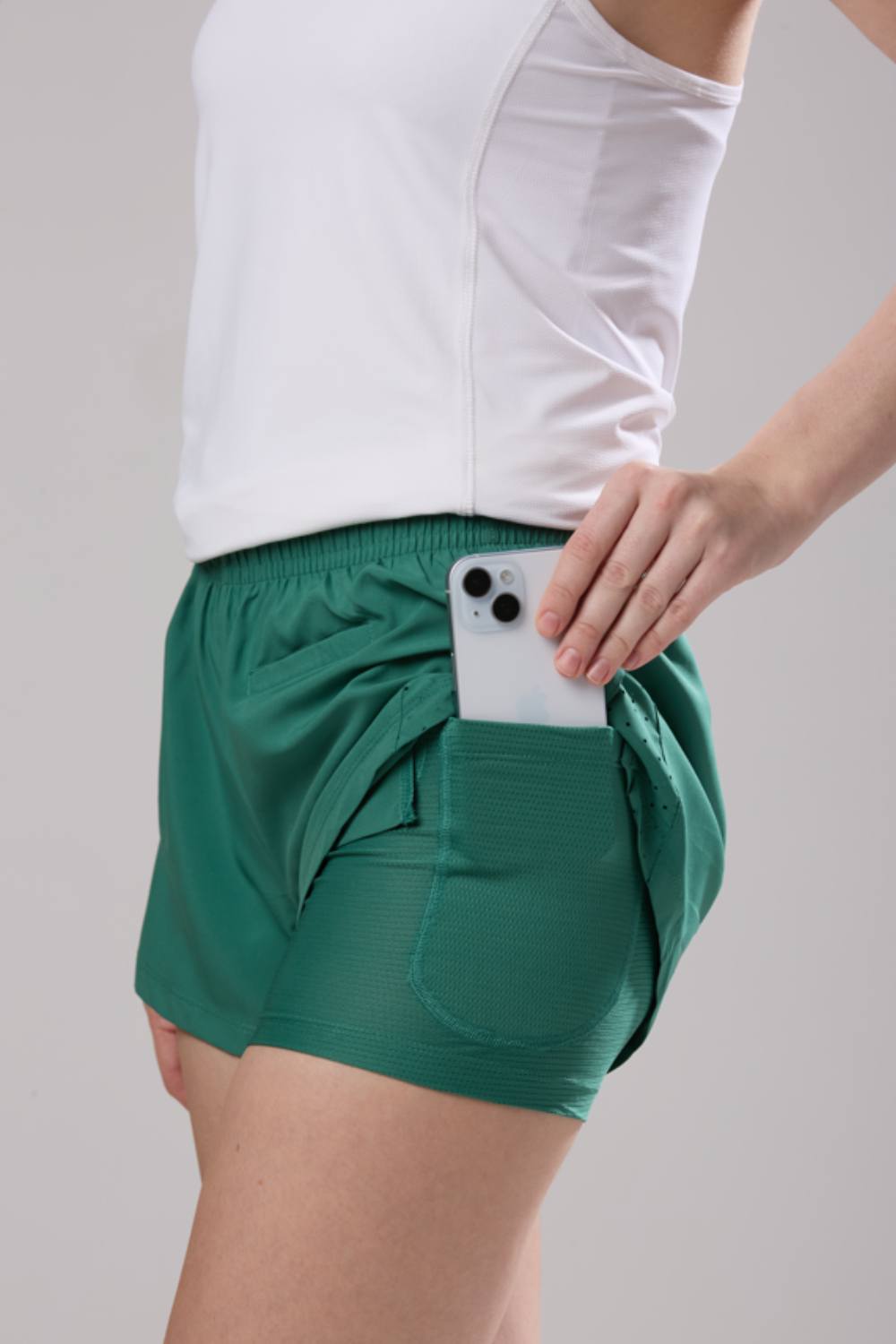
Runner's World specifically highlights pocket size, location and security as important considerations for long-distance running. Storage should keep items close to your body so they don't bounce excessively.
What Should Marathon Shorts Pockets Look Like?
Look for:
Deep pockets:
Useful for gels and larger essentials.
Secure pockets:
Important for keys, cards and other valuables.
Waistband pockets:
Useful for distributing multiple gels.
Phone-compatible pockets:
Important if you run with your smartphone.
Multiple pockets:
Useful when you don't want all your nutrition stored together.
Aguante's Aerospeed shorts currently list four secure pockets, including two key pockets and two inner-side pockets.
5. Marathon Shorts Should Manage Sweat
India's running conditions can make sweat management particularly important.
Look for materials designed to:
- Move moisture away from the skin
- Dry quickly
- Allow airflow
- Remain comfortable when wet
- Reduce the feeling of heavy, saturated fabric
Avoid heavy cotton shorts for marathon racing.
Technical polyester, nylon and stretch-performance fabrics are commonly used in running apparel because they can combine lightweight construction, moisture management and flexibility.
6. Look for a Secure Waistband
A waistband that constantly moves can become extremely annoying during a marathon.
Look for:
- Elastic construction
- Internal or external drawcord
- Comfortable width
- Secure fit
- Enough stretch for movement
The waistband should remain secure without feeling excessively tight.
Aguante's Aerospeed Running Shorts use an adjustable waistband with a drawcord.
7. Anti-Chafing Features Matter More at 42.2 km
Chafing that is barely noticeable at 5 km can become painful by 25 or 30 km.
Common problem areas include:
- Inner thighs
- Groin
- Waist
- Buttocks
- Areas where the liner contacts the skin
Moisture can make friction worse, so sweat management and proper fit both matter.
Look for:
- Smooth or carefully positioned seams
- Comfortable liners
- Appropriate inseam
- Secure leg openings
- Moisture-wicking fabric
You can also use an anti-chafing balm on areas where you know you experience friction.
8. Should You Choose Split Shorts or Regular Running Shorts?
Both can work for marathon racing.
Split Running Shorts
Best suited to runners who prioritize:
- Minimal weight
- Maximum freedom
- Airflow
- Traditional race styling
Standard Running Shorts
Better suited to runners who want:
- More coverage
- More storage
- A conventional fit
- Additional liner support
The choice ultimately comes down to what you have successfully used during long-distance training.
9. What About 2-in-1 Running Shorts?
2-in-1 shorts combine an outer short with a closer-fitting inner layer.
They can offer:
- Additional thigh coverage
- Reduced movement
- Support
- More storage
- Greater confidence for runners concerned about chafing
The potential downside is that additional fabric can feel warmer, particularly in humid conditions.
For Indian marathons, test 2-in-1 shorts in similar weather before race day.
10. Best Running Shorts for a Full Marathon in India
If you're shopping for marathon running shorts in India, consider the conditions you'll actually race in.
For Hot and Humid Conditions
Prioritize:
- Lightweight construction
- Breathable fabric
- Quick-drying materials
- Minimal unnecessary layers
- Good ventilation
For Long Training Runs
Prioritize:
- Multiple secure pockets
- Comfortable liner
- Durable construction
- Reliable waistband
- Storage for gels and phone
For Race Day
Prioritize:
- Lowest-friction fit
- Tested liner
- Tested pockets
- Comfortable inseam
- Lightweight construction
The important distinction is that your marathon shorts don't necessarily need to be the same shorts you use for every training run. But they should be tested extensively before race day.
Aguante Running Shorts for Marathon Training and Racing
Aguante offers several running-short designs that can suit different marathon preferences.
Aguante 3.5" Aerospeed Running Shorts
The Aerospeed is designed around lightweight race and long-run use.
Features include:
- 120 g weight in size S
- Breathable construction
- Soft anti-chafe inner liner
- Aero-Dry moisture-wicking technology
- Four secure pockets
- Adjustable waistband
- Reflective details
The current product page lists an MRP of ₹1,999.
Shop Aguante Aerospeed Running Shorts
Aguante 5" EnduroFlex Performance Shorts
For runners who prefer a little more coverage, the 5" EnduroFlex Performance Shorts provide a different balance between coverage and mobility.
The current Aguante listing shows a 5-inch design priced at ₹2,299 MRP.
Shop Aguante EnduroFlex Performance Shorts
Aguante 4" Surge Performance Shorts
The Surge Performance Shorts are another option for runners looking for a shorter race-oriented design with extensive storage. The current Aguante listing describes the shorts as a 4-inch performance model.
Shop Aguante Surge Performance Shorts
Internal link: Explore Aguante Running Shorts
Running Shorts vs Half Tights for a Full Marathon
Not every marathon runner prefers traditional shorts.
| Feature | Running Shorts | Half Tights |
|---|---|---|
| Airflow | Excellent | Very Good |
| Thigh coverage | Low–Moderate | High |
| Chafing protection | Depends on liner/inseam | Generally higher coverage |
| Freedom of movement | Excellent | Excellent |
| Storage | Varies | Often excellent |
| Compression | Usually minimal | Usually higher |
| Hot-weather feel | Very light | Can feel warmer |
| Race-day preference | Popular | Popular with runners wanting coverage |
If you regularly experience inner-thigh chafing, half tights may be worth testing. If you prioritize maximum airflow and minimal fabric, running shorts may be more suitable.
How to Test Marathon Shorts Before Race Day
Don't wait until race week.
Test your shorts during:
10 km Run
Check:
- Waistband
- Liner
- Leg movement
- Pockets
15–20 km Run
Check:
- Chafing
- Sweat management
- Pocket bounce
- Liner comfort
Longest Training Run
This is the most important test.
Wear the shorts with the same:
- Underwear/no-underwear setup
- Phone
- Energy gels
- Hydration setup
- Running top
you expect to use on race day.
If the shorts cause problems after 25–30 km, you want to discover that during training—not at kilometre 30 of your marathon.
What Should You Carry in Your Marathon Shorts?
A practical setup might include:
Pocket 1: Energy gels
Pocket 2: Additional gels
Pocket 3: Phone
Pocket 4: Keys/ID/card
Don't overload the shorts simply because they have many pockets.
More storage is useful only when the pockets can keep your belongings secure without excessive bouncing.
Common Mistakes When Buying Marathon Shorts
Buying Based Only on Price
A cheap pair isn't necessarily a poor choice, and an expensive pair isn't automatically better.
Fit and long-run performance matter more.
Choosing an Inseam Without Testing It
A short inseam may feel fantastic at 5 km but cause thigh rubbing at 30 km.
Ignoring the Liner
A liner can make or break your marathon experience.
Carrying a Heavy Phone in a Loose Pocket
The movement can become increasingly irritating over a long race.
Buying New Shorts the Week Before the Marathon
This is one of the biggest mistakes.
Your race-day shorts should be proven gear.
Marathon Running Shorts Checklist
Before buying, ask:
- Does the waistband stay in place?
- Is the fabric lightweight?
- Does it dry quickly?
- Is the liner comfortable?
- Does the liner ride up?
- Are the seams comfortable?
- Is the inseam suitable for my thighs?
- Can I carry my gels?
- Can I securely carry my phone?
- Do the pockets bounce?
- Does the short work in my race climate?
- Have I tested it for at least one long run?
If you can answer yes to these questions, you've found a much more suitable marathon short.
Final Thoughts
The best running shorts for a full marathon are not necessarily the shortest, lightest or most expensive pair. They are the shorts that remain comfortable after hours of running.
For most marathon runners, the priorities should be:
Comfort → Chafing prevention → Secure fit → Storage → Breathability → Weight.
If you're running a marathon in India, also consider the local climate. Hot and humid conditions make breathable, moisture-wicking apparel particularly useful, while runners who experience thigh friction may prefer longer inseams or half tights.
Aguante offers marathon-oriented running shorts ranging from lightweight 3.5-inch Aerospeed shorts to 5-inch EnduroFlex and other performance designs, giving runners different options for fit, coverage and storage.
The most important rule remains simple:
Never make race day the first time you wear your marathon shorts.
Test them. Run long in them. Carry your gels in them. Check for chafing. Then race in them.
Explore Aguante Running Shorts
FAQs
What length of running shorts is best for a marathon?
There is no single ideal length. Shorter 2–3 inch shorts provide more airflow, while 4–5 inch shorts offer a balance of coverage and mobility. Runners prone to thigh chafing may prefer longer shorts or half tights.
Should marathon running shorts have a liner?
A liner can provide support, moisture management and additional protection against skin-on-skin friction. However, the liner needs to be comfortable and tested before race day.
How many pockets should marathon shorts have?
There is no required number. What matters is whether the pockets can securely hold the items you actually need, such as gels, phone, ID and keys, without excessive bouncing.
Are half tights better than running shorts for a marathon?
It depends on the runner. Half tights can provide more thigh coverage and storage, while traditional running shorts may provide greater airflow and a lighter feel. Test both during long runs before deciding.
Are Aguante running shorts suitable for marathon training?
Aguante currently positions several of its running shorts for long runs and race use. The Aerospeed, for example, is listed with a lightweight construction, anti-chafe liner, moisture-wicking technology, four secure pockets and race-day use.