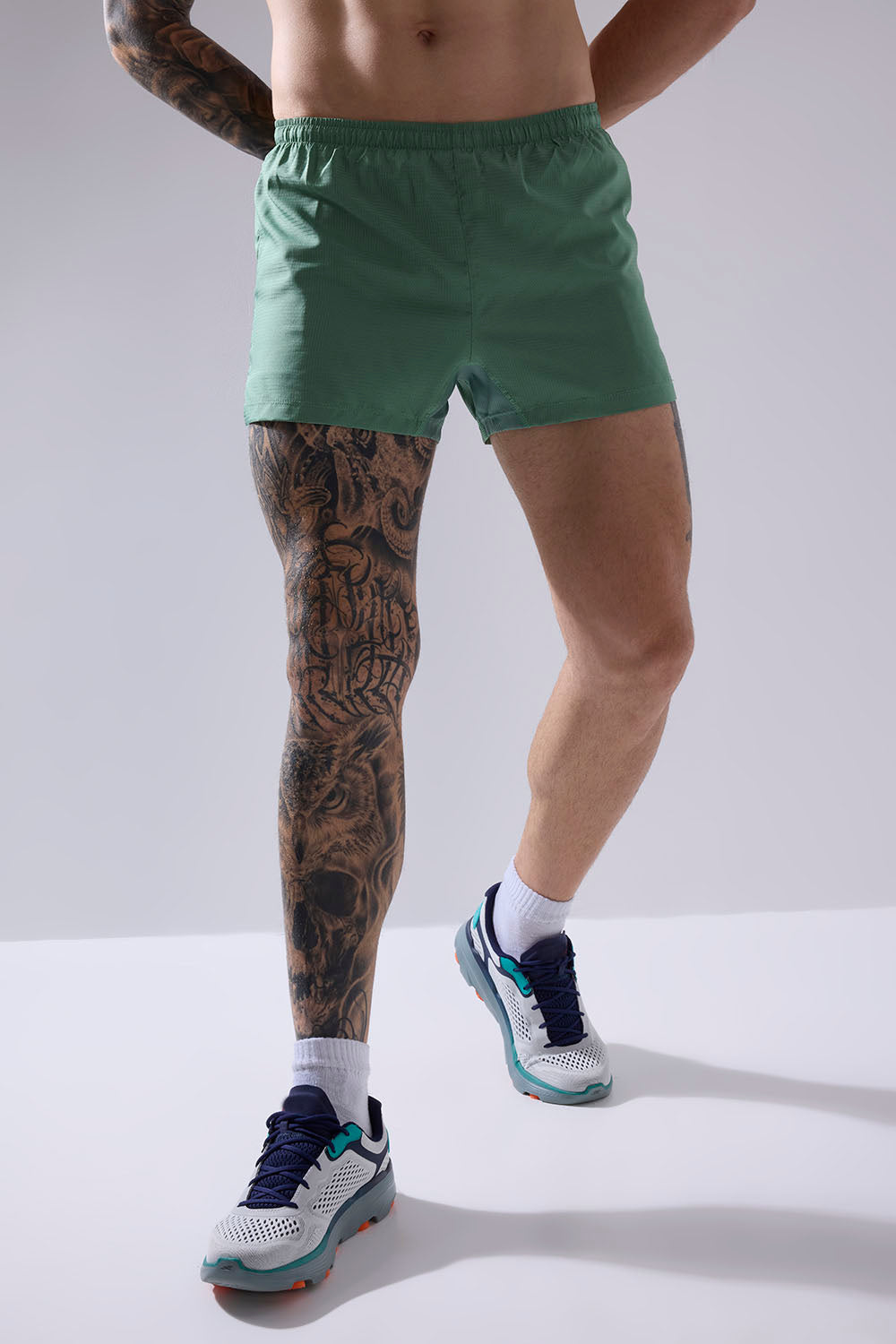
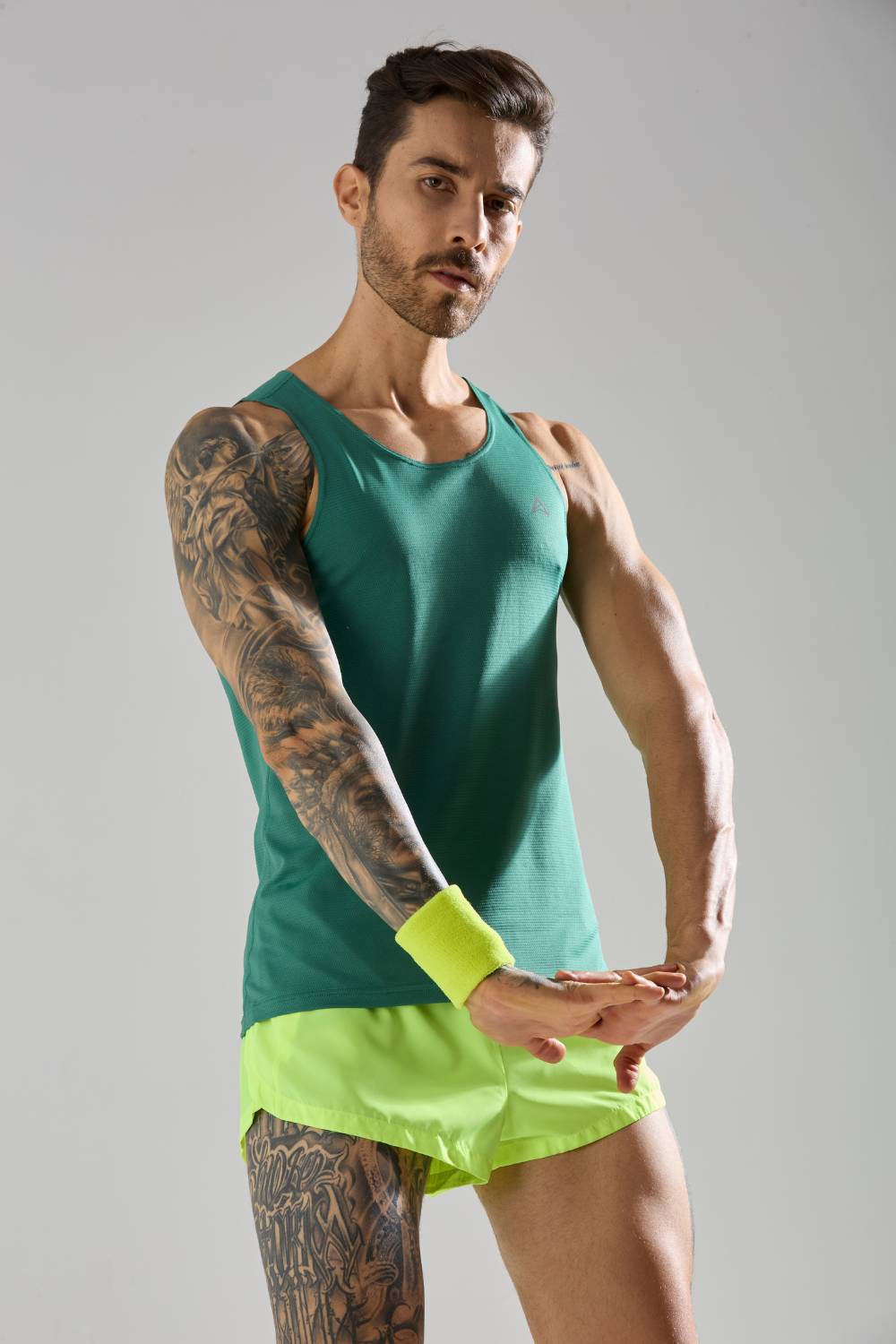
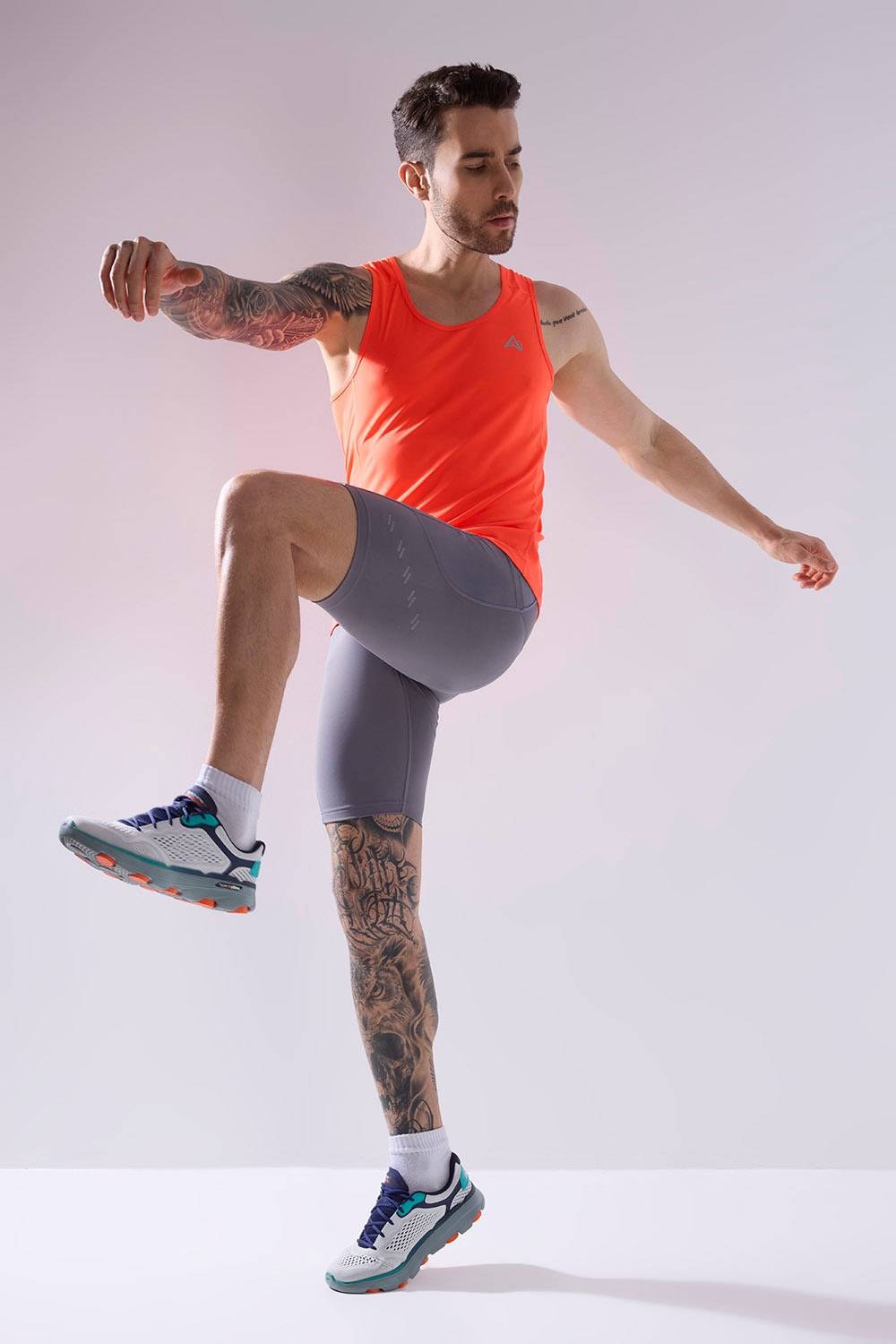
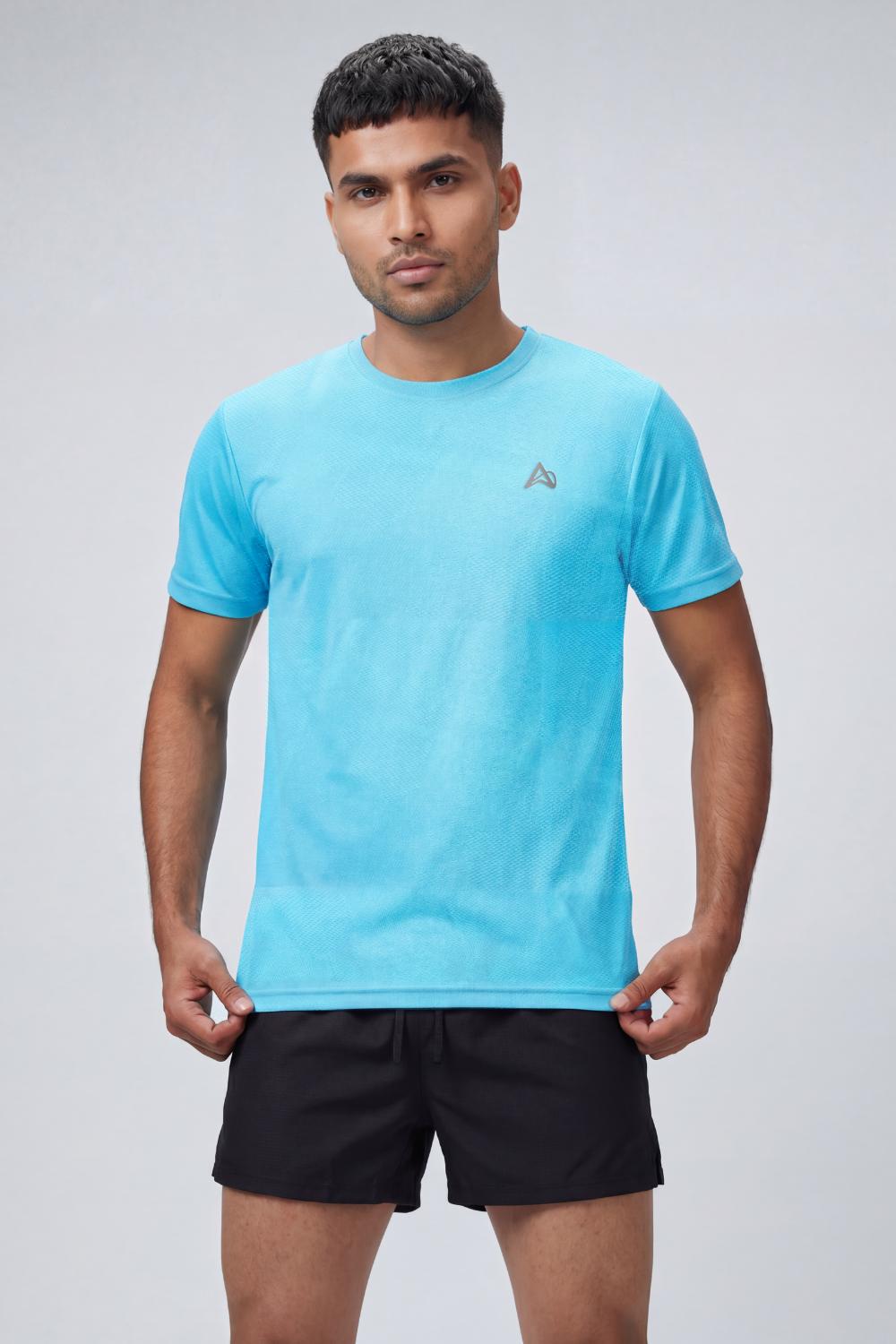
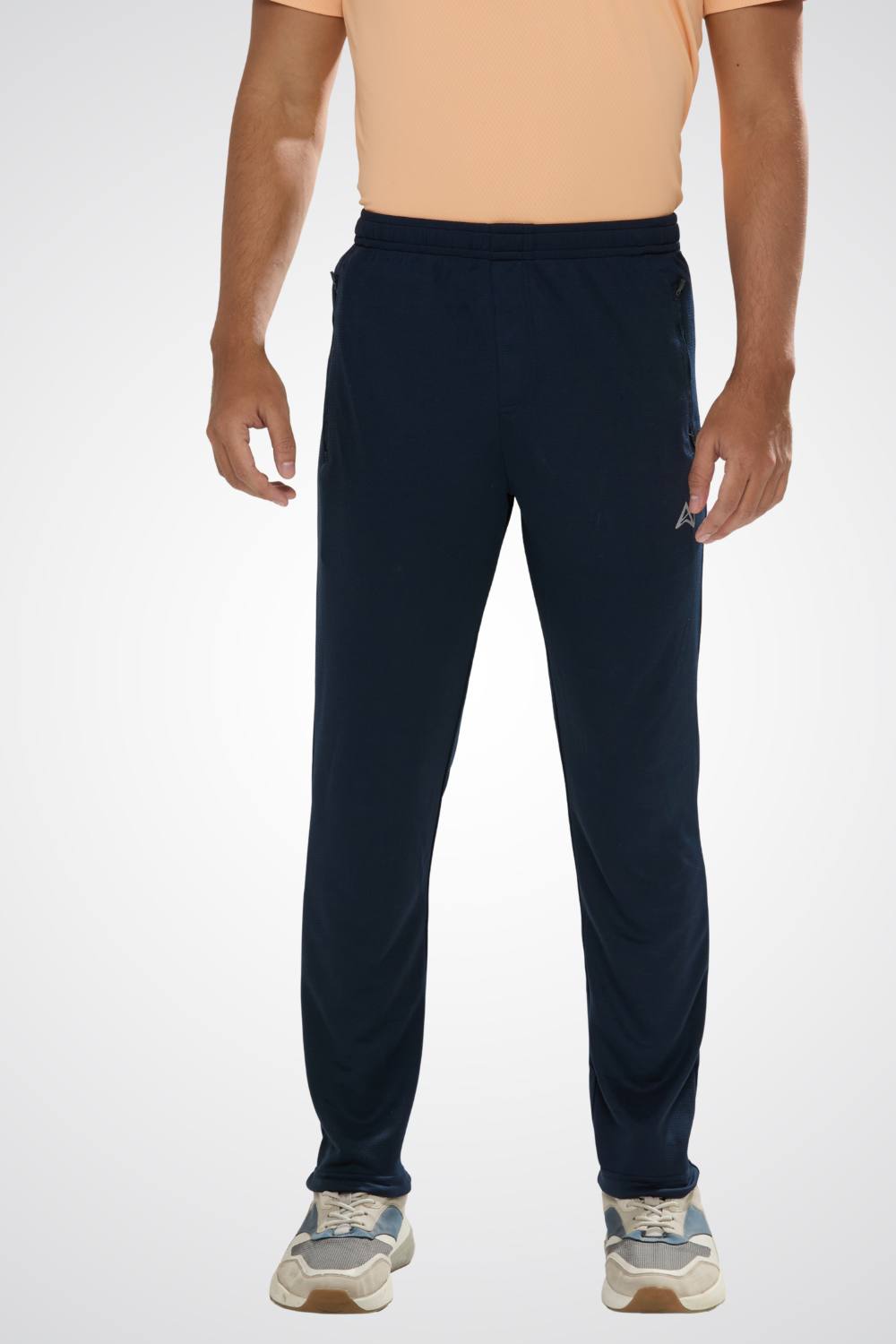
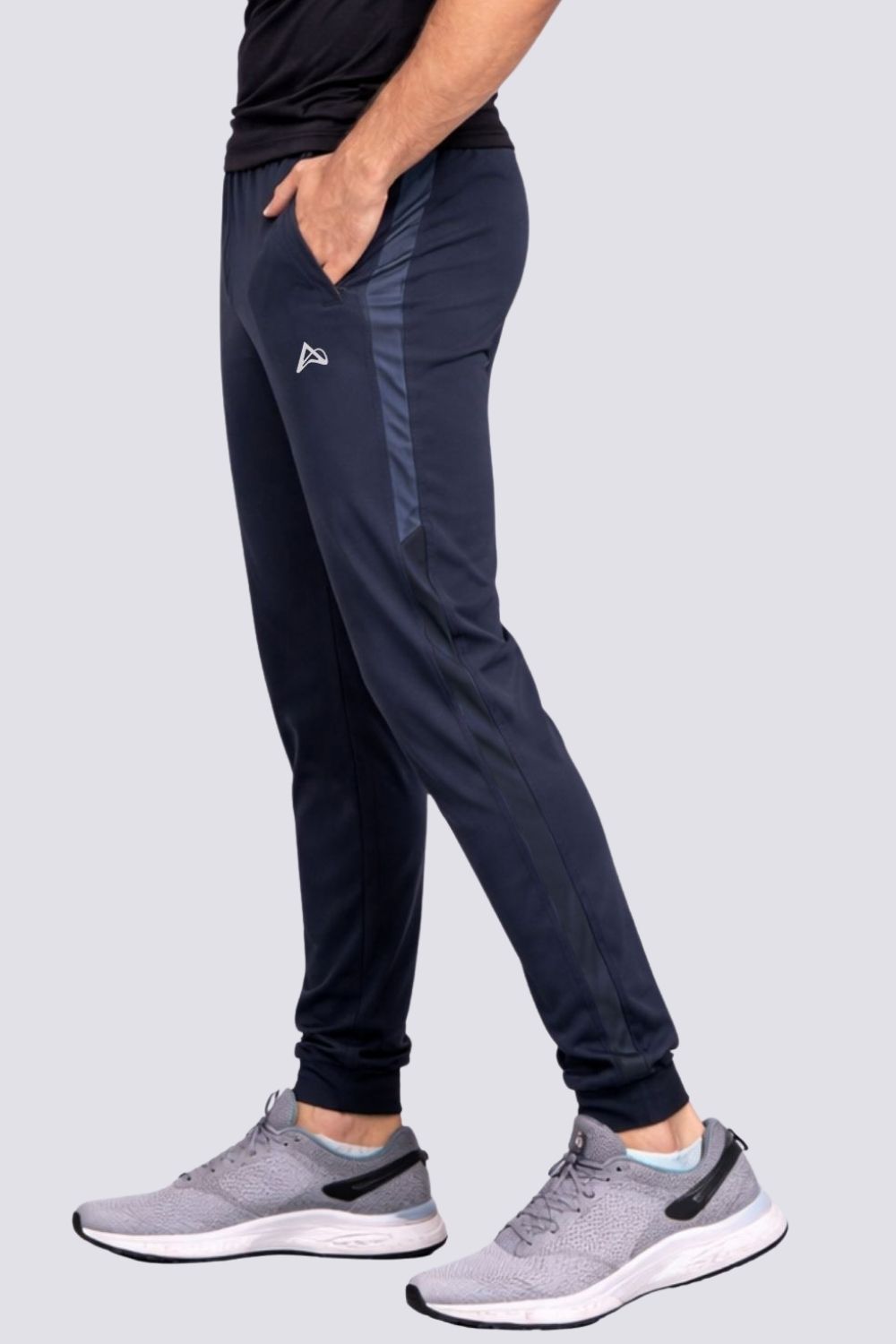
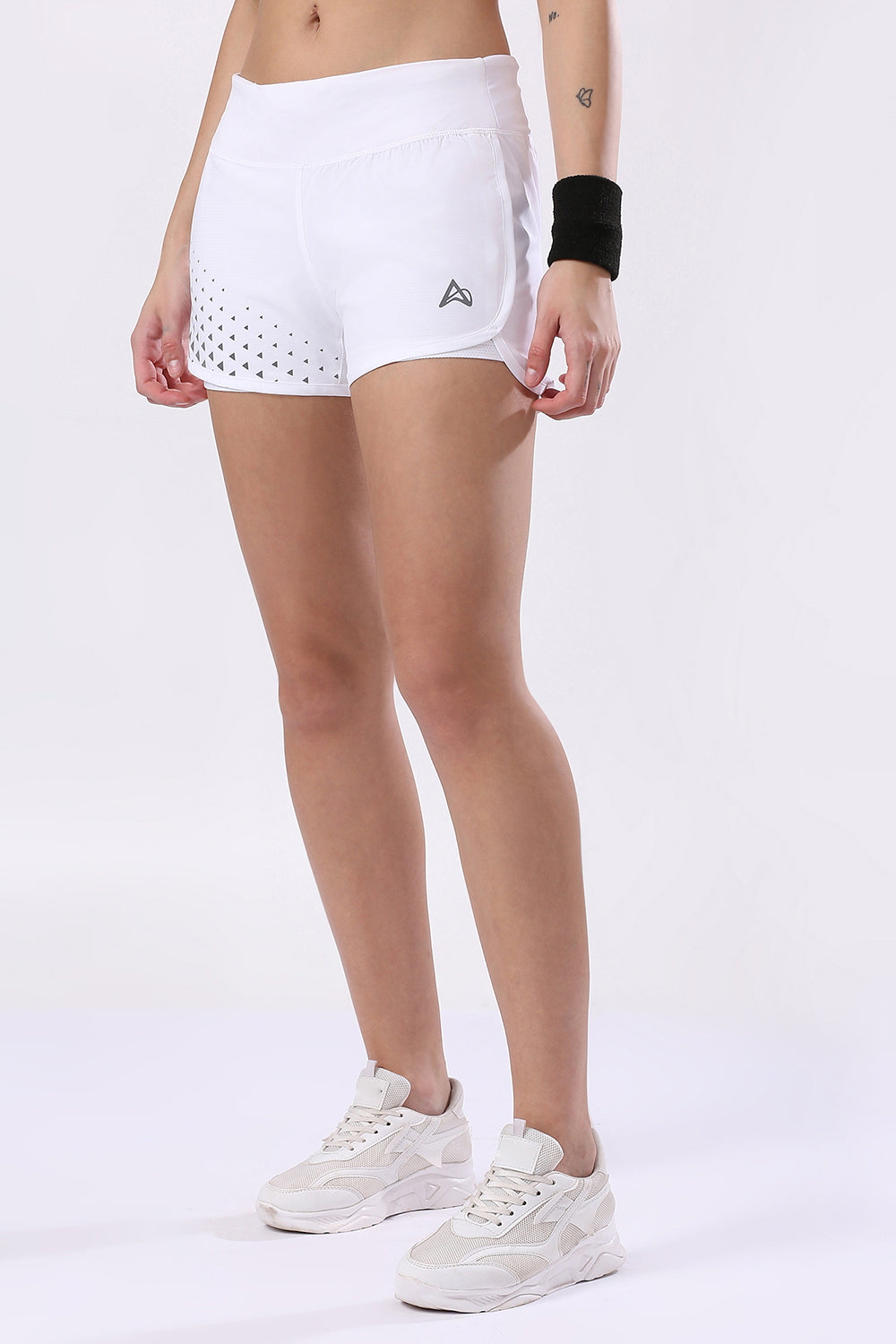
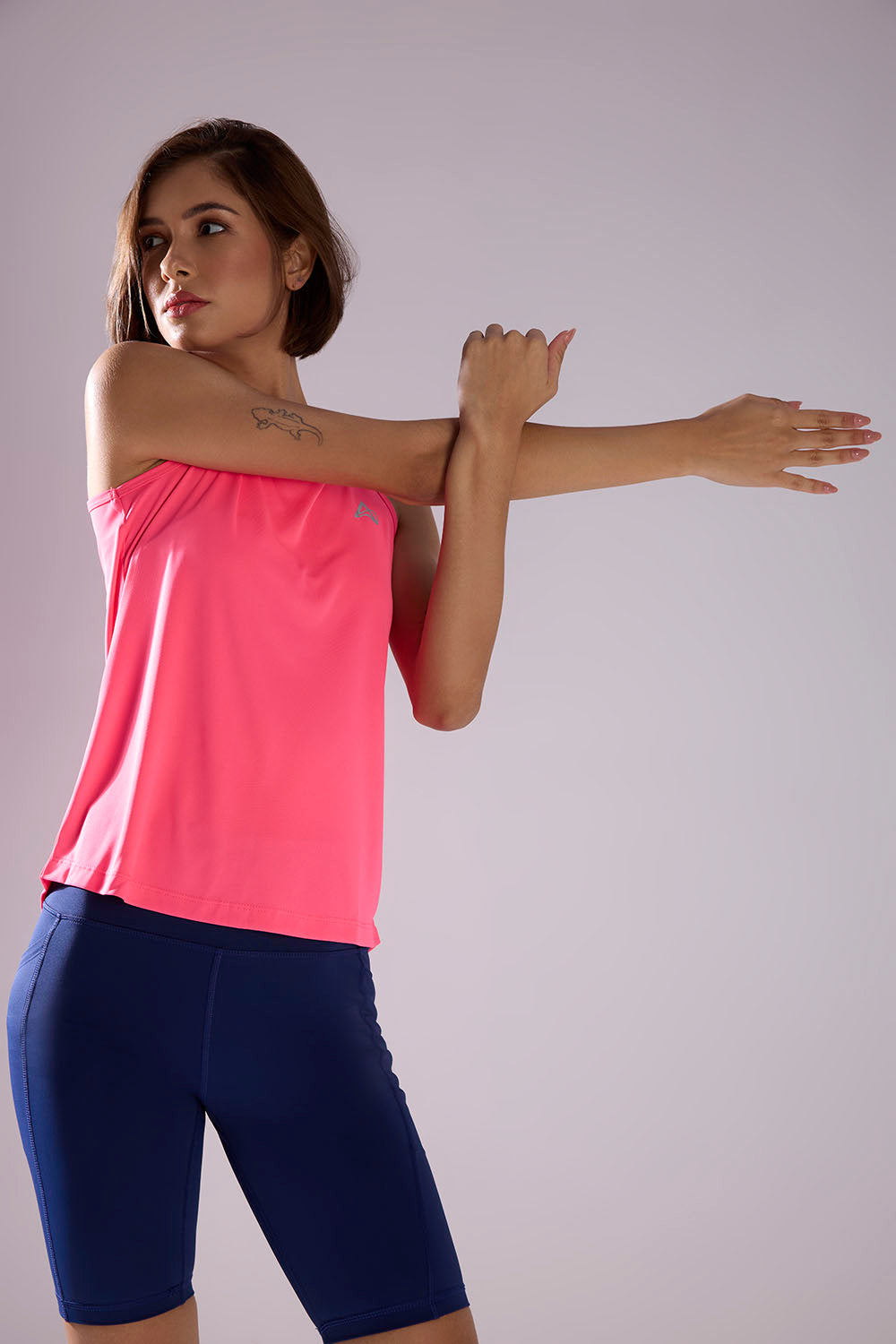
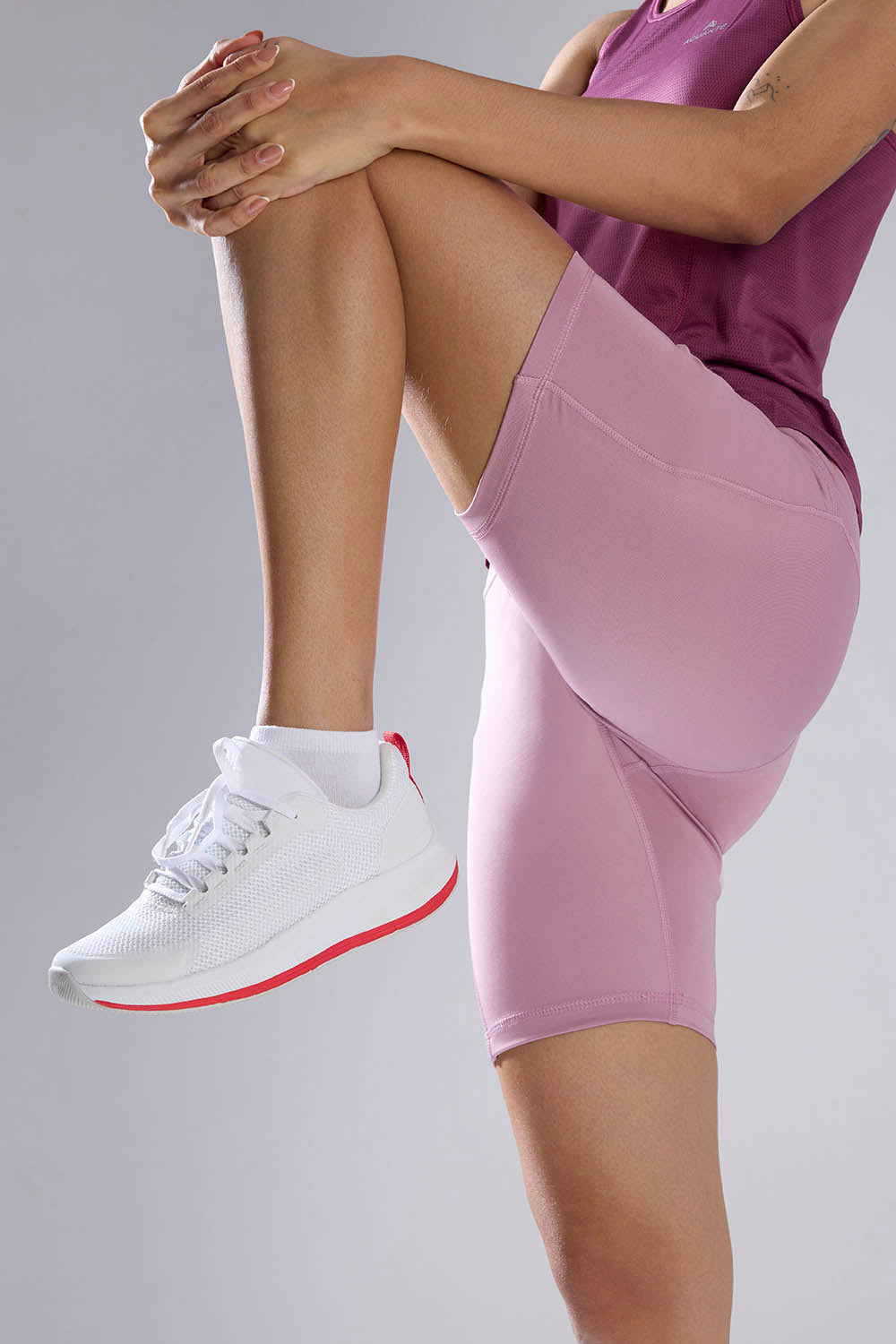
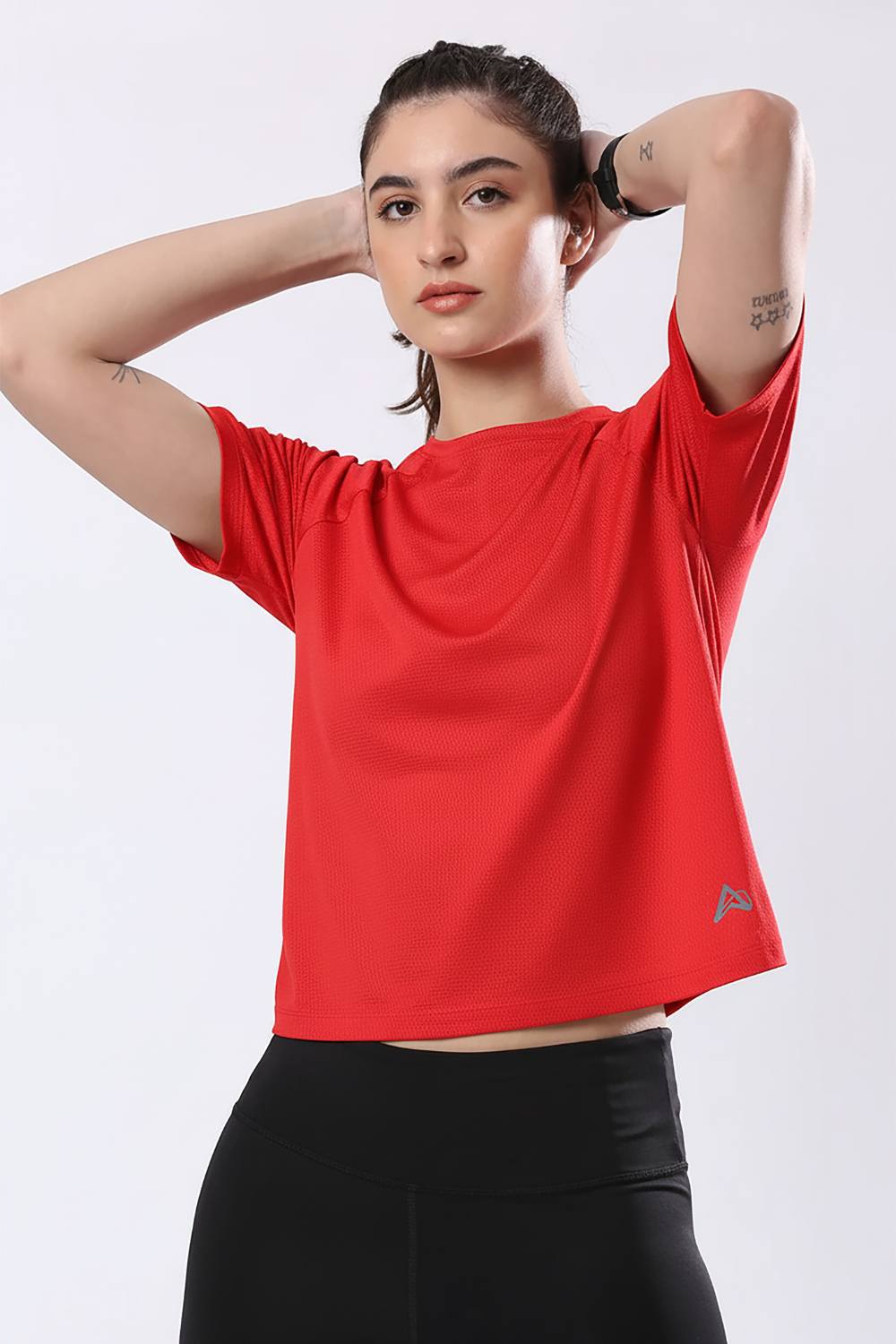
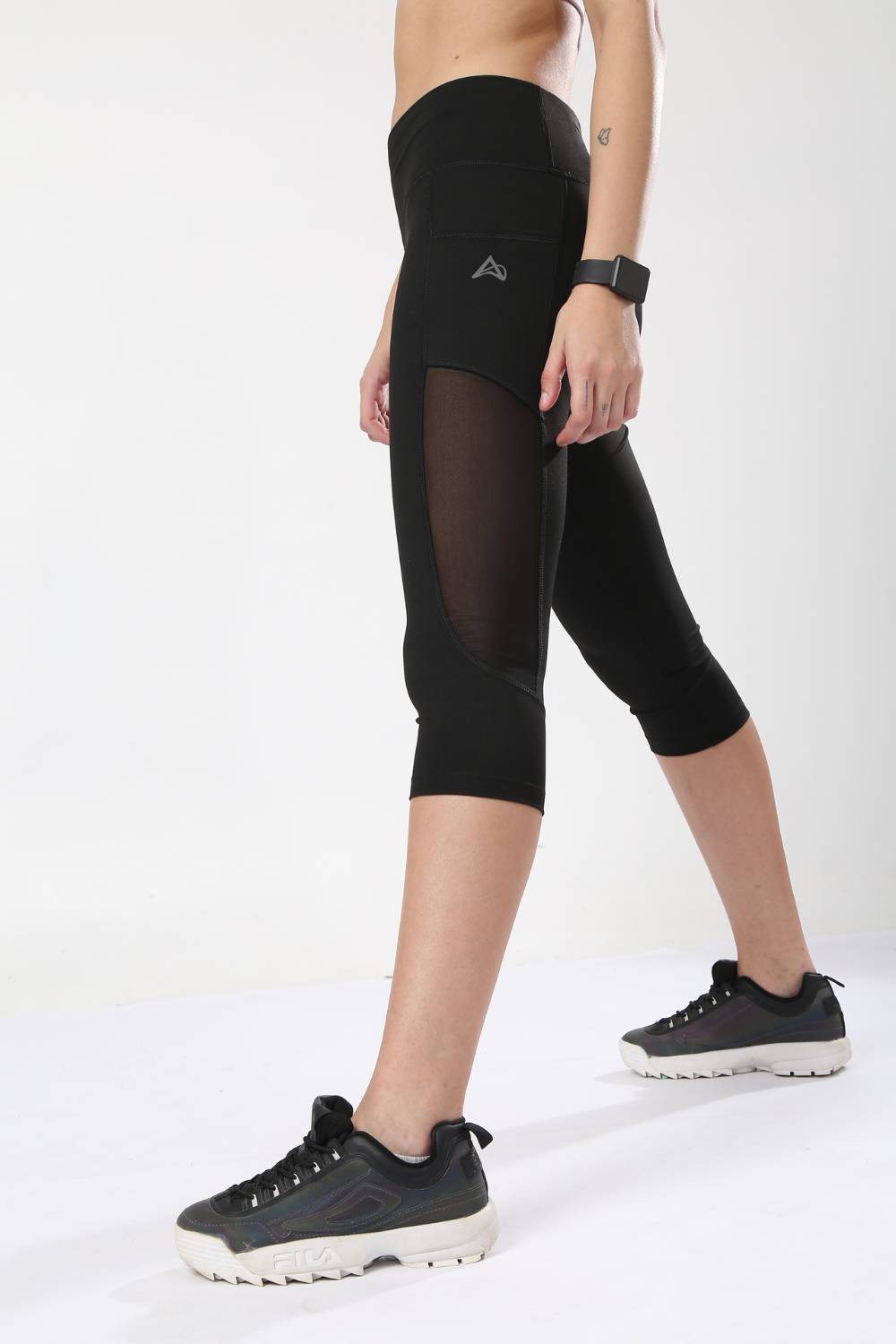
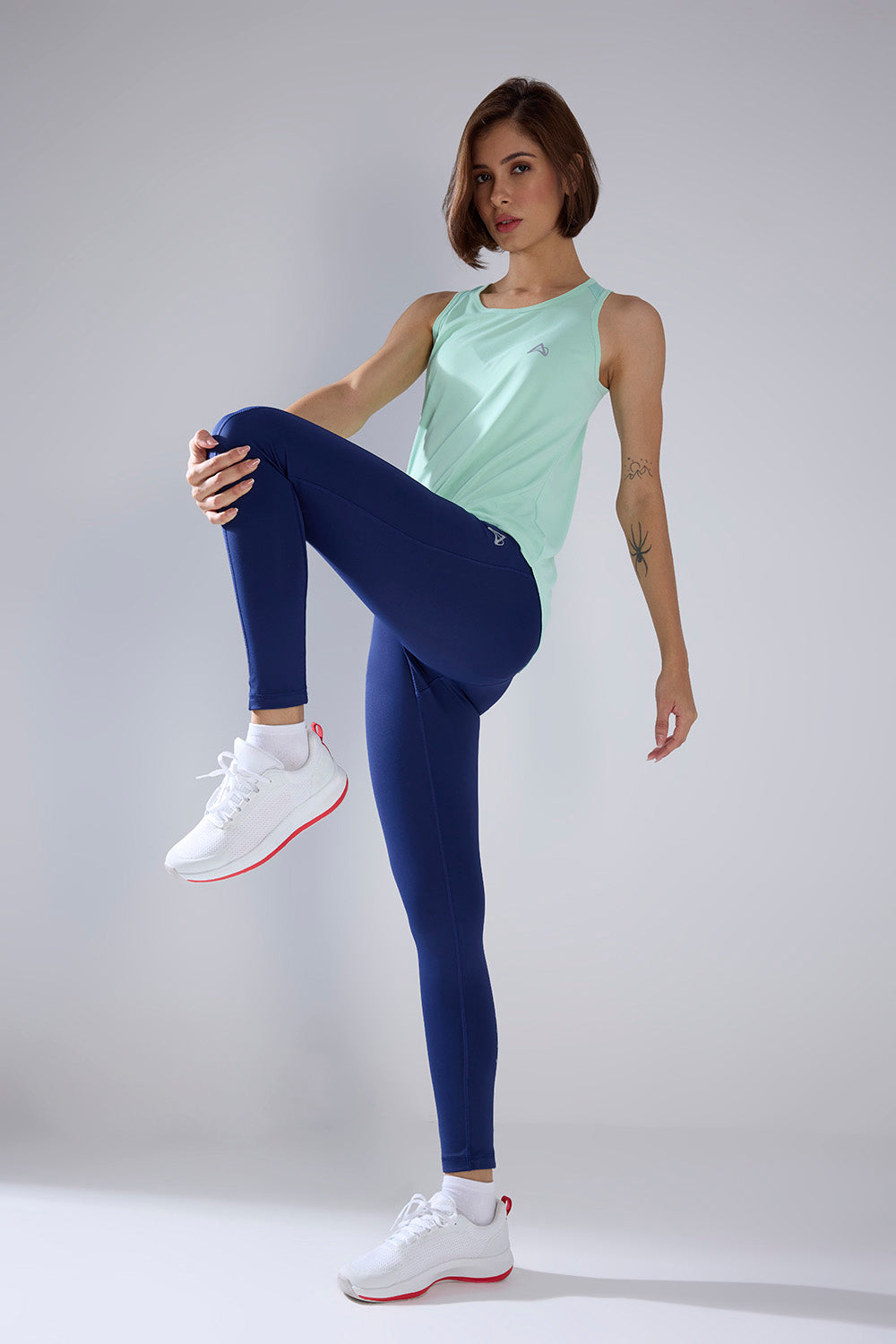

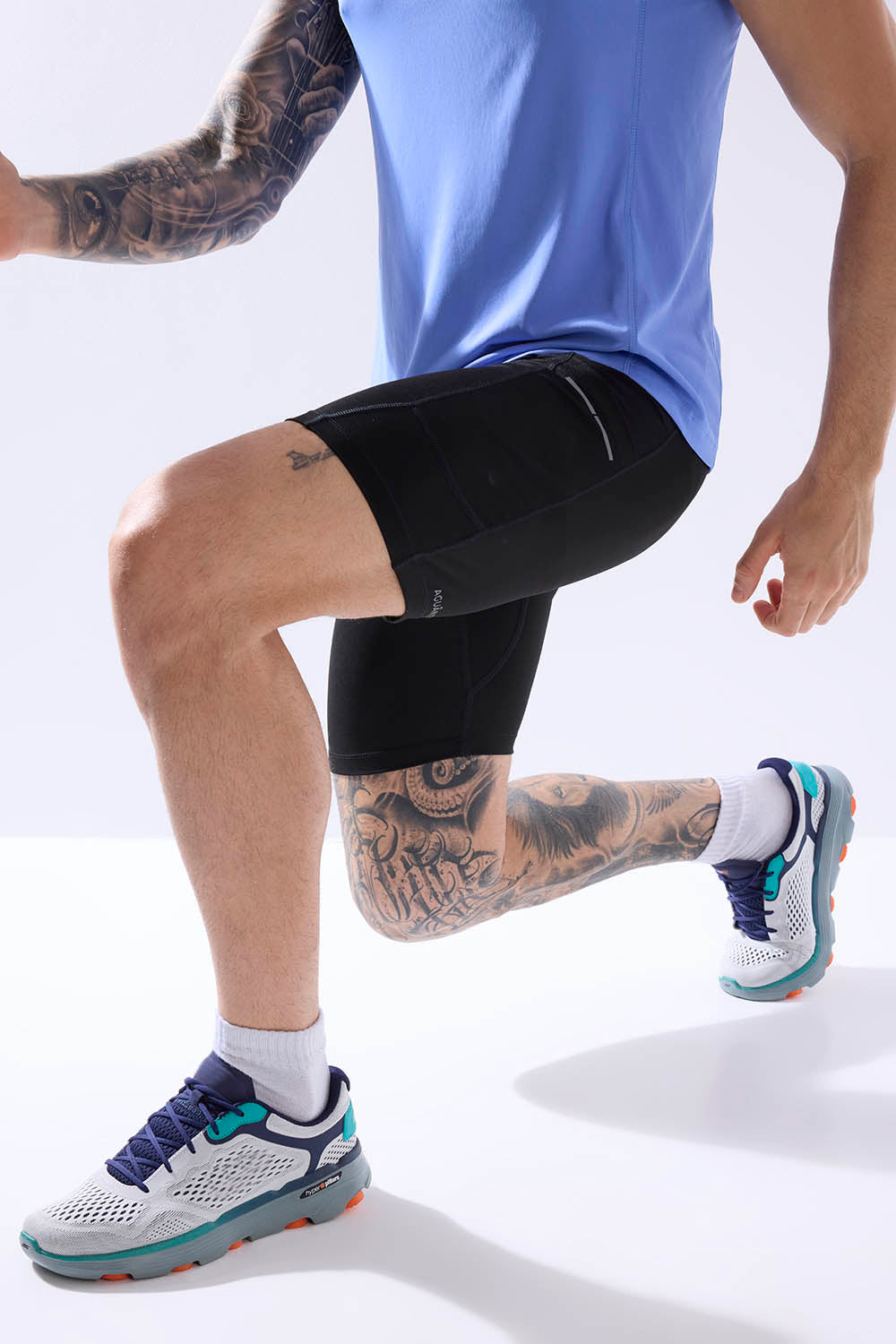
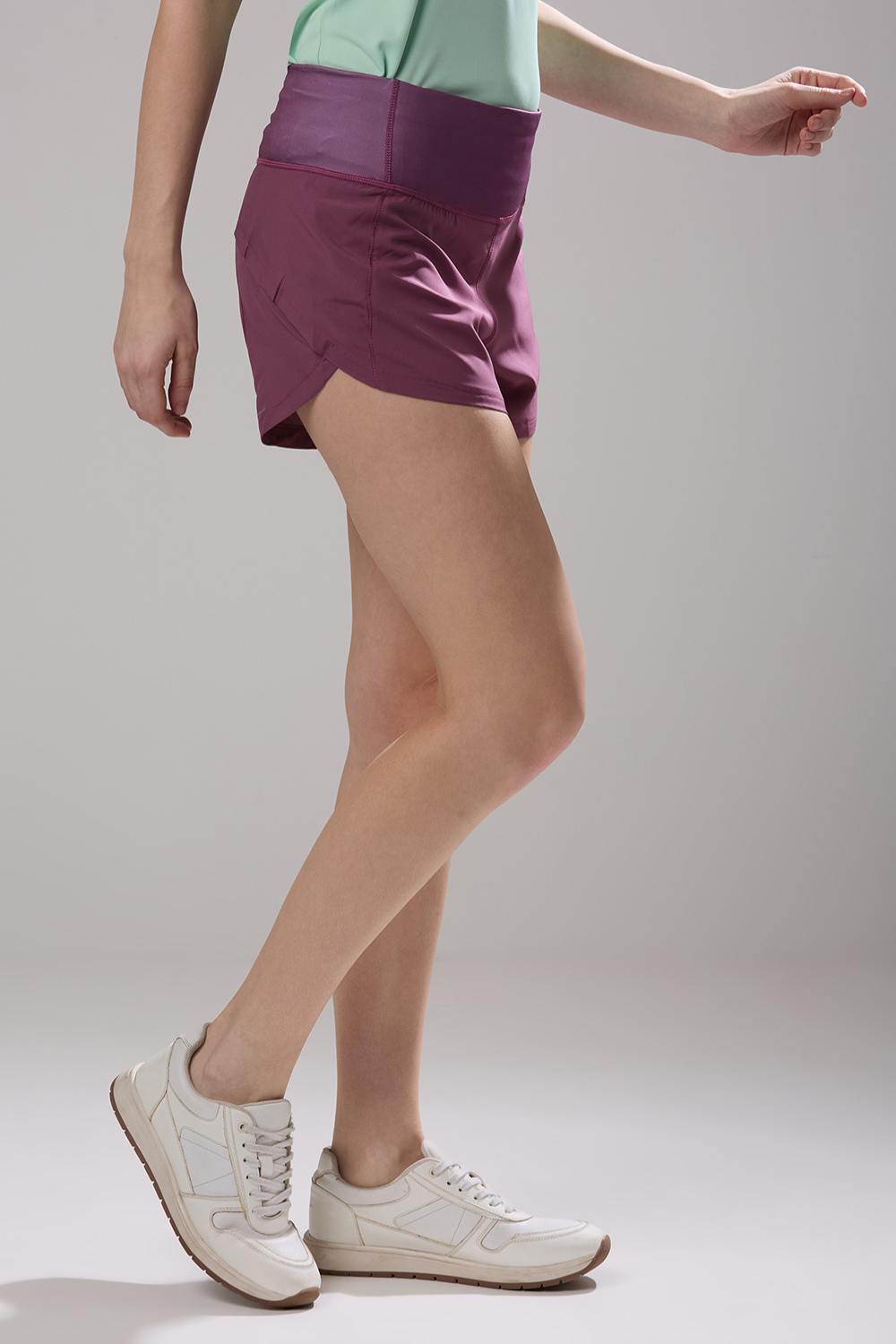
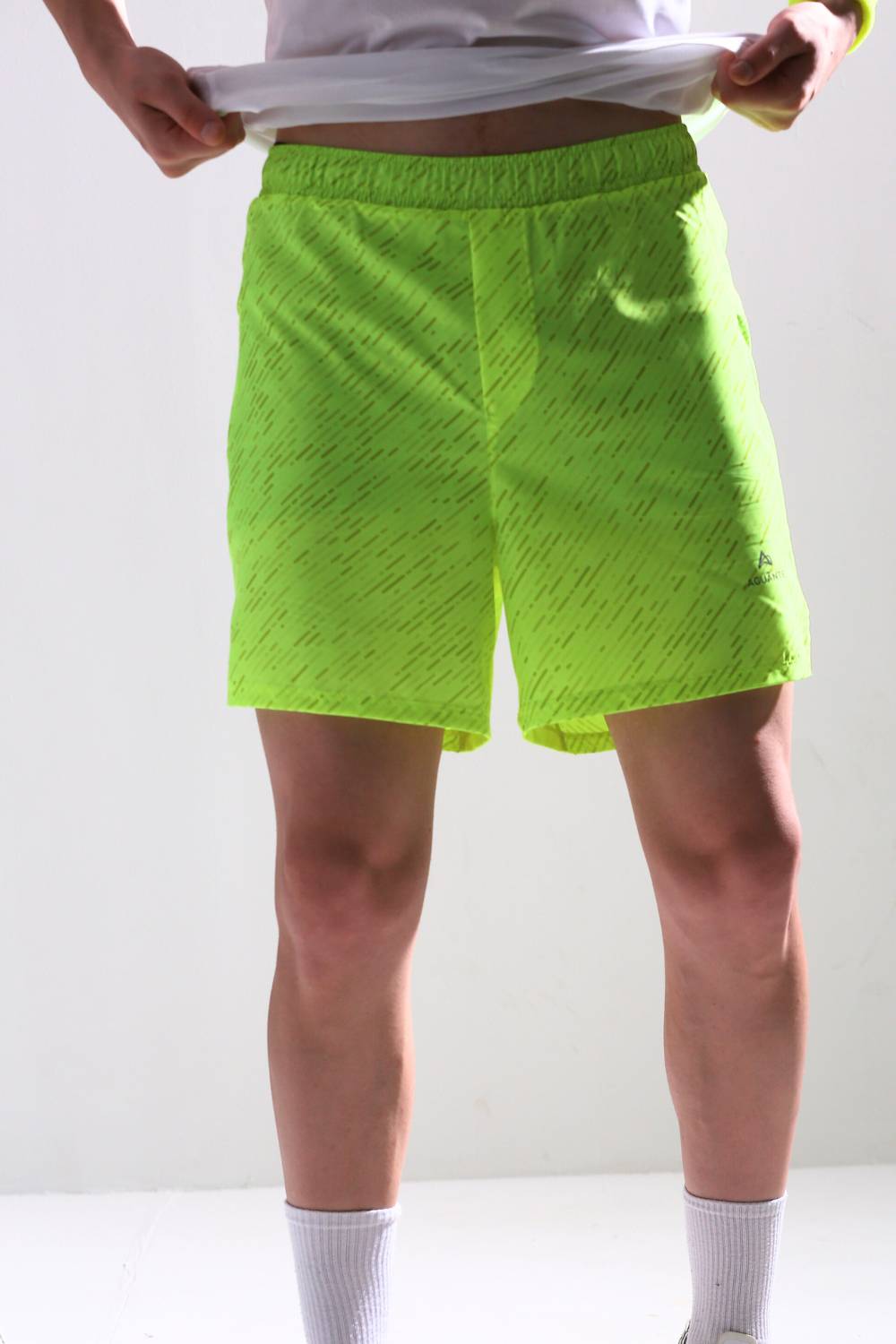

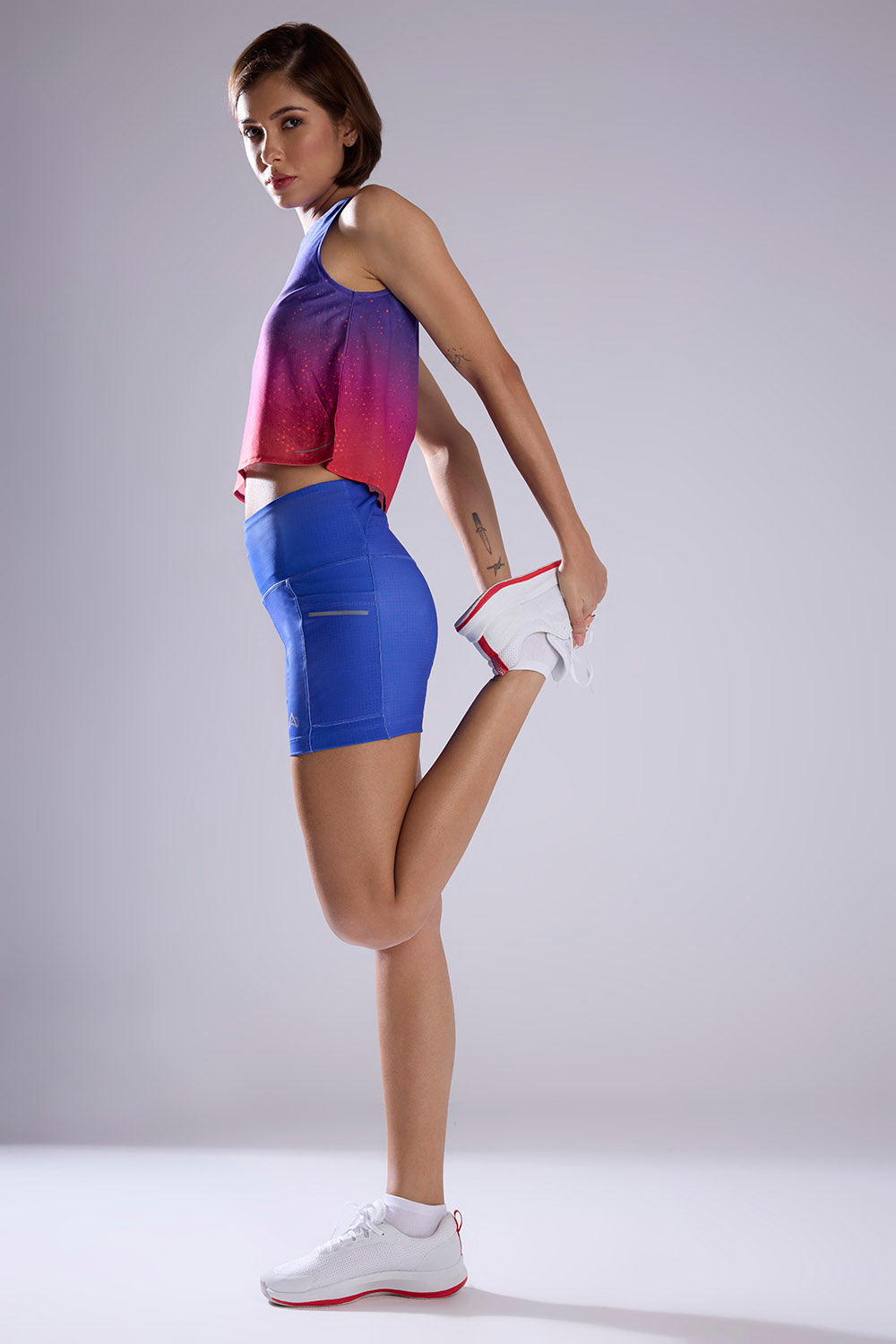
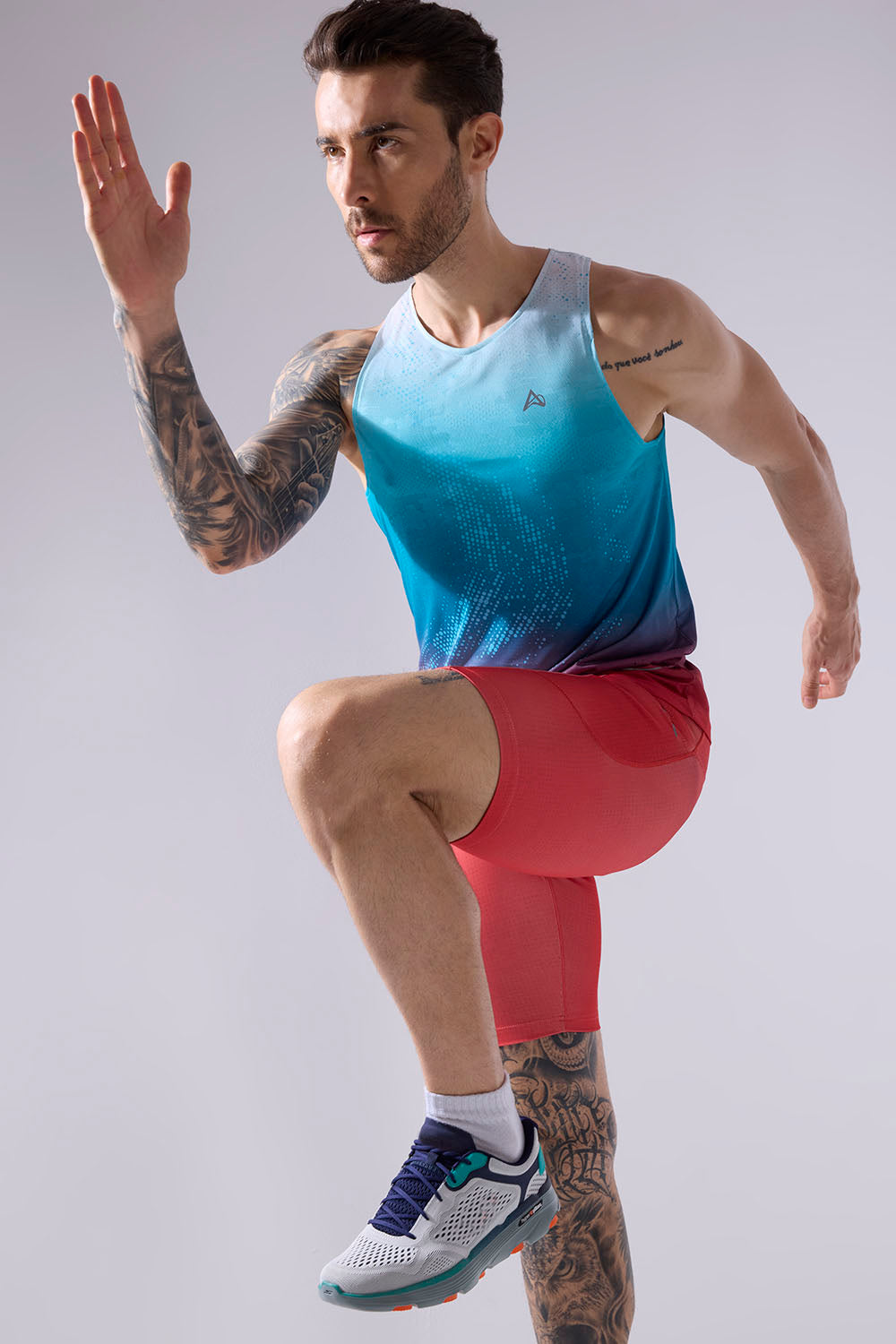

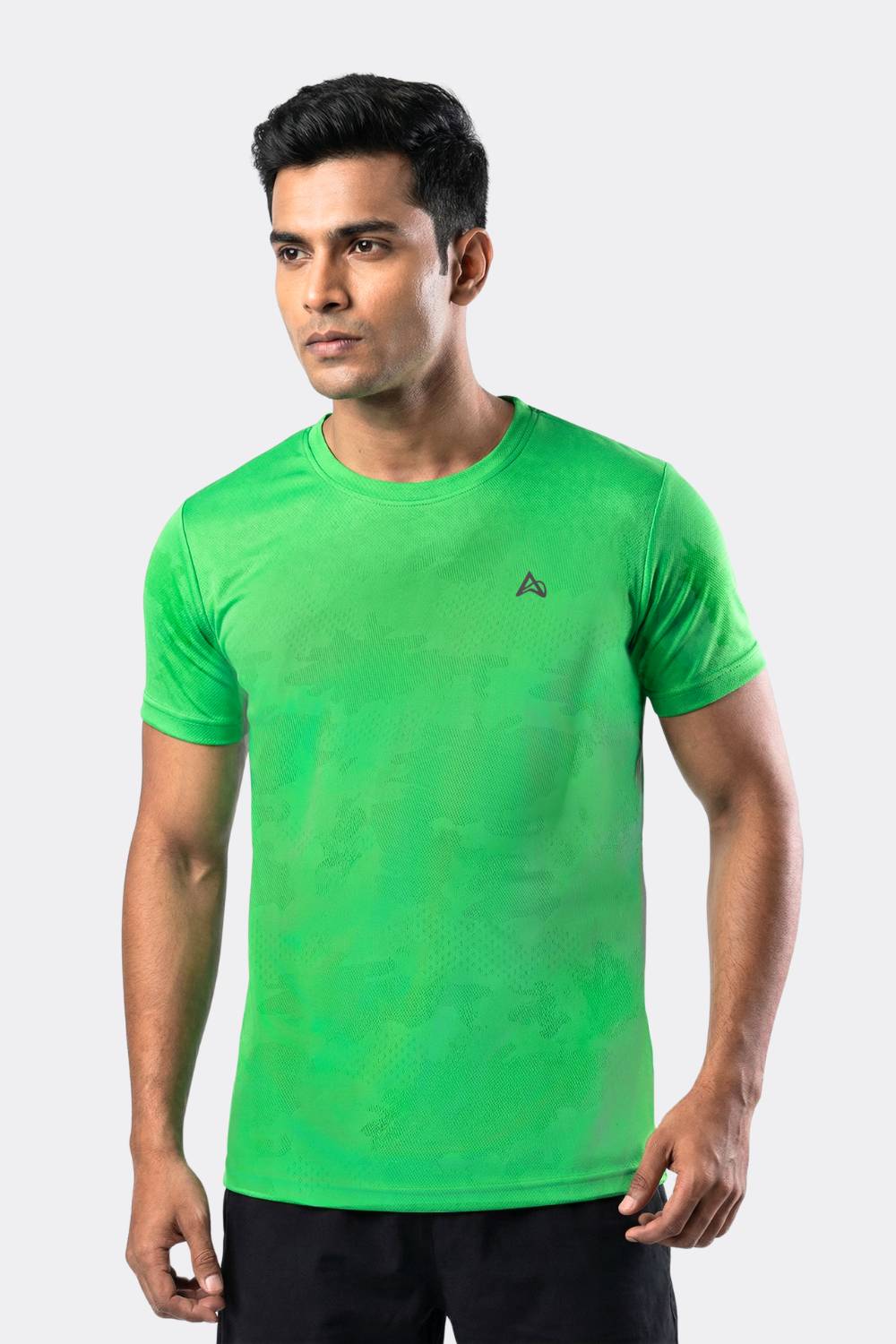
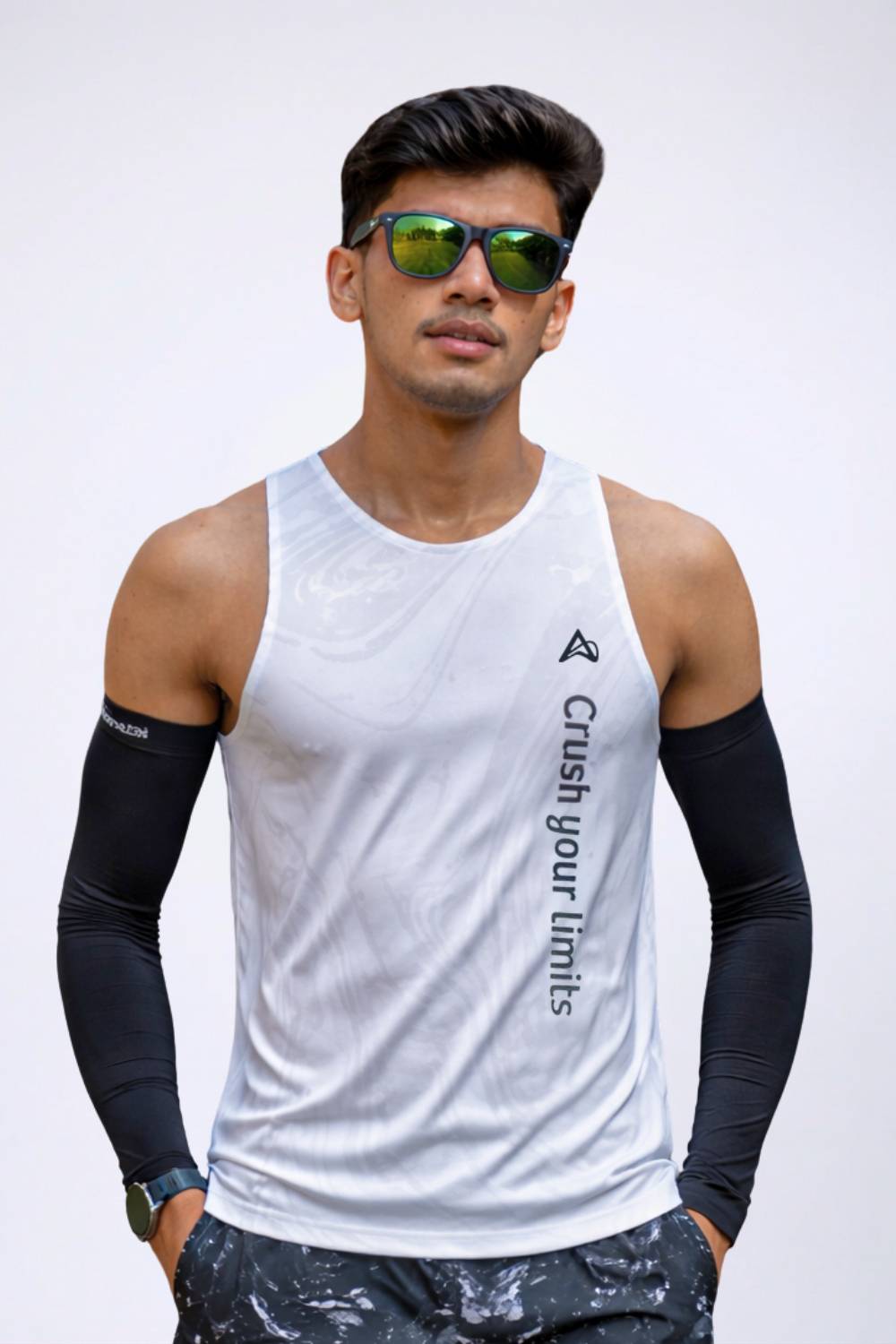

Technical running apparel is designed around a simple question: how can clothing support the demands of movement, heat, sweat, and endurance better than everyday garments? For runners, the difference is not only about wearing lighter fabrics or choosing a more athletic look. It is about selecting apparel built with specific functions that help manage comfort, mobility, and consistency during training sessions and races. As more people take running seriously as part of their fitness routines, understanding the role of fabric technology, garment construction, and performance features can help them make more informed choices.
Tired of gear that slows you down? Chafing, soggy fabrics, and missing pockets kill your run's momentum. At Aguante, we're runners who get it. Our high-performance activewear features moisture-wicking fabrics, ergonomic designs, and smart storage to keep you focused. Shop Now!
Why Technical Running Apparel Goes Beyond Regular Sportswear
Traditional clothing can feel comfortable during low-intensity activities, but running creates different challenges. Continuous movement generates heat, sweat, and friction, which means runners need garments that can respond to changing conditions. Technical running apparel is created with performance requirements in mind, using materials and designs that support active movement rather than simply covering the body.
The value of technical clothing comes from how different elements work together. Fabric composition, ventilation areas, garment structure, and fit all influence the overall running experience. A well-designed running top or pair of shorts is not only lightweight; it is engineered to reduce distractions and help athletes stay focused on their training.
For runners evaluating new gear, the important consideration is not whether a garment appears advanced but whether its design features match their running habits. Someone training for long distances may prioritise sweat management and comfort over extended periods, while a runner completing shorter sessions may focus more on flexibility and freedom of movement.
The Role of Fabric Technology in Running Comfort
One of the biggest differences between everyday clothing and technical running apparel is the way fabrics handle moisture and heat. During a run, sweat management becomes essential because fabric that absorbs moisture without allowing it to evaporate efficiently can become uncomfortable and restrictive.
Modern performance materials are designed to improve air movement, support faster drying, and help regulate temperature during physical activity. According to performance fabric insights, technical apparel development focuses on how fabrics respond to heat, sweat, and movement rather than simply making garments lighter.
This approach helps explain why moisture wicking running apparel has become an important consideration for athletes. The goal is not just to remove sweat but to create a more comfortable environment for the body during repeated movement. For runners training outdoors or in warm conditions, fabric performance can influence how enjoyable and sustainable their workouts feel.
Key Features That Make Performance Running Apparel Worth Considering
Moisture Management and Breathability
Sweat control is one of the most recognised benefits of technical running clothes. Fabrics designed for active use help move moisture away from the skin and encourage evaporation, which can make longer sessions feel more manageable.
Functional Fit and Freedom of Movement
Running involves repeated motion across the shoulders, hips, and legs. A garment that restricts movement or shifts constantly can become a distraction. Technical apparel often uses ergonomic construction principles to create a fit that works with the runner's movement patterns.
Lightweight Construction and Durability
Runners need clothing that feels comfortable across repeated training sessions. Lightweight materials can reduce unnecessary bulk, while durable construction helps garments maintain their shape and performance through regular use.
Practical Design Details
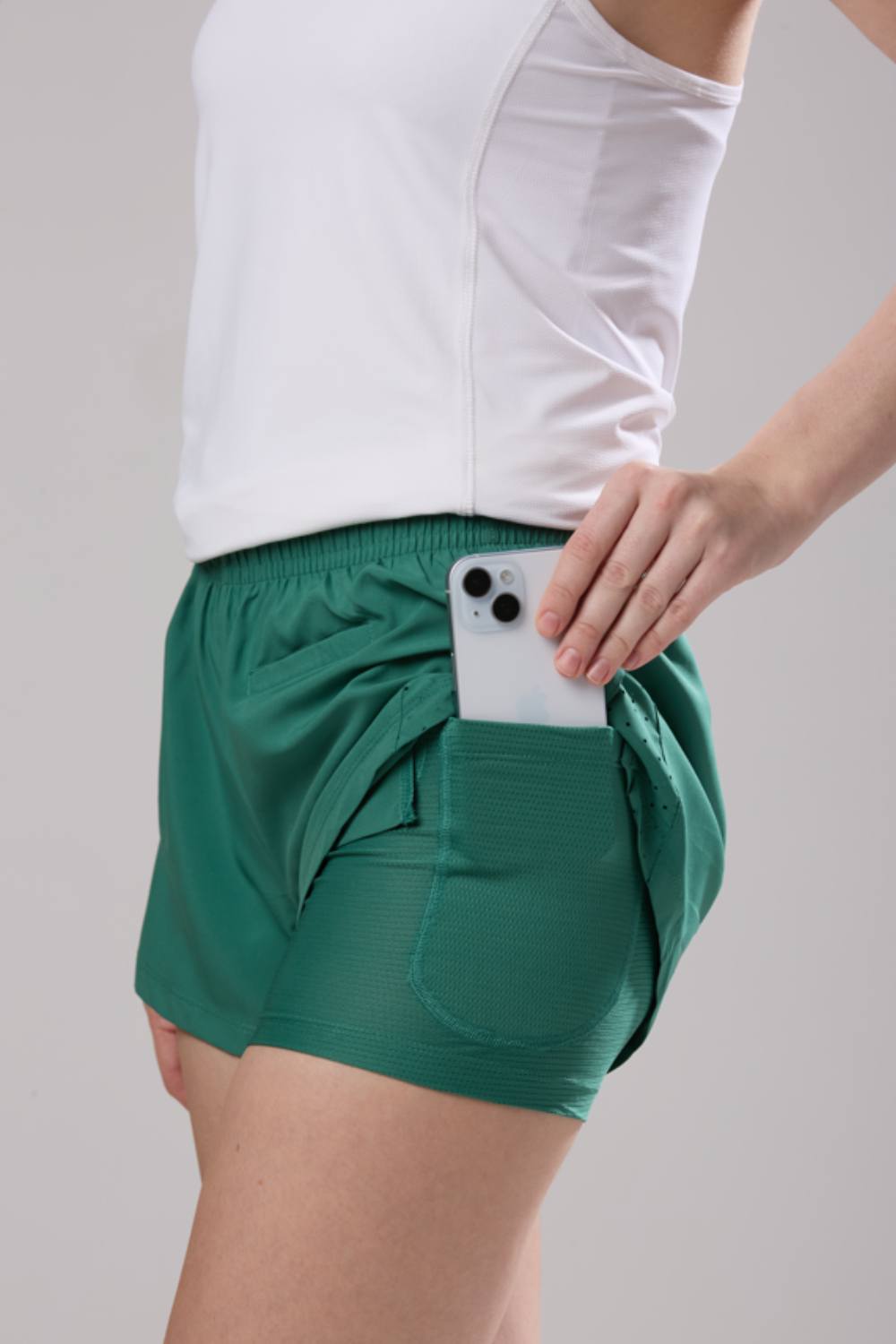
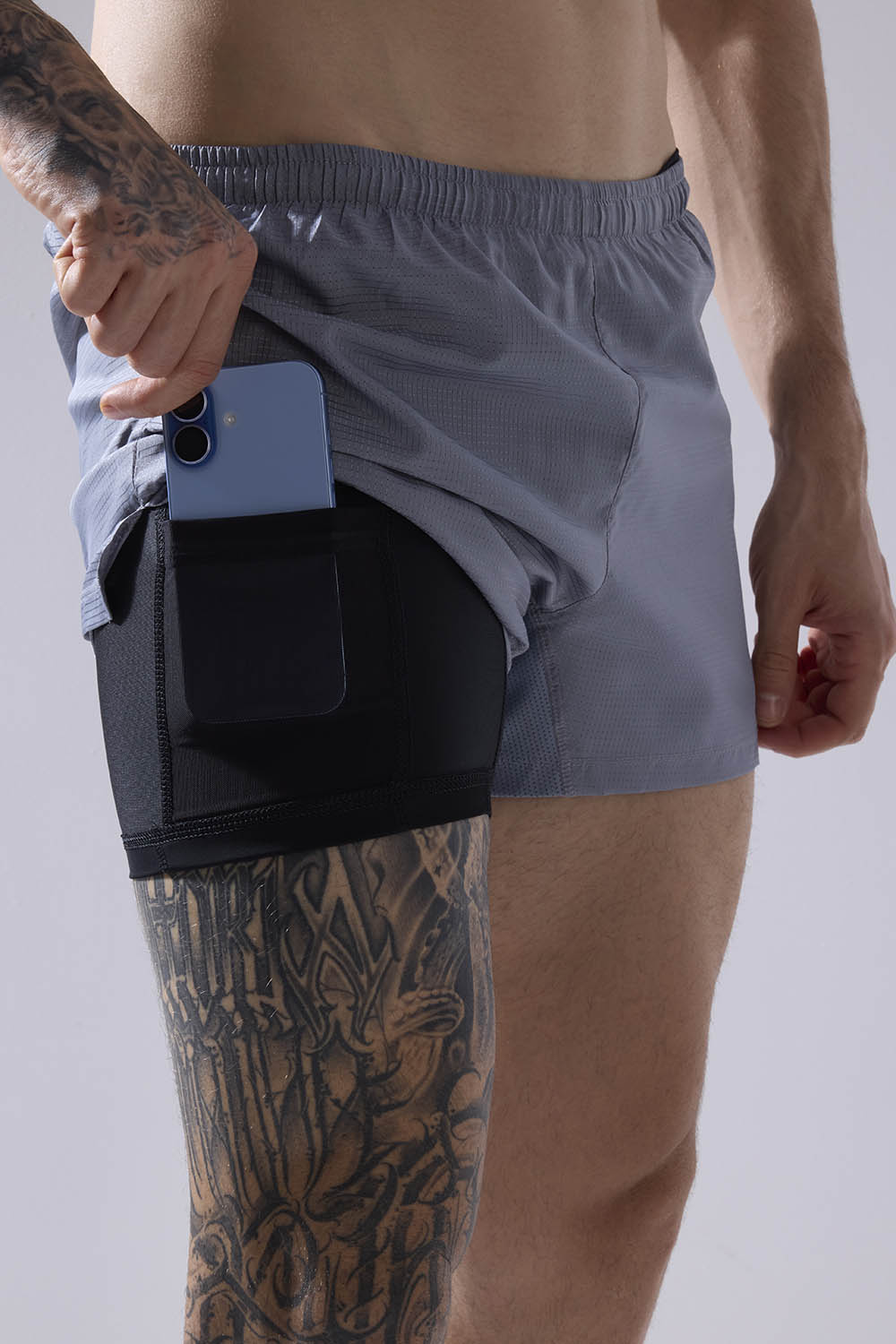
Small design choices can have a significant impact during a run. Features such as secure storage options, reflective elements, and strategically placed ventilation can improve convenience and confidence, especially when runners train in different environments or at different times of day.
These features show why technical sportswear is not defined by one single innovation. Instead, it combines multiple design decisions to create clothing that better supports athletic activity.
Choosing Running Apparel Based on Training Needs
Finding the right running clothing starts with understanding personal requirements. The best running clothes for long distance running may differ from apparel chosen for short recreational workouts because endurance activities place different demands on comfort and performance.
- Training duration: Longer runs often require stronger moisture management and comfort features.
- Weather conditions: Breathable fabrics and suitable layering choices can make training more comfortable in changing climates.
- Movement requirements: Stretch, fit, and construction affect how naturally the garment moves with the body.
- Personal preferences: Storage, design, and feel can influence whether a runner enjoys using the apparel regularly.
Understanding how to choose running clothes is less about following trends and more about matching apparel features with individual goals. A runner who trains consistently can benefit from clothing designed specifically for repeated performance use.
Why Technical Apparel Matters for Runners Training in Different Conditions
Running environments can vary significantly, from humid city routes to warmer outdoor conditions and structured training sessions. Clothing that works well in one situation may not provide the same experience in another, making .
Running apparel for Indian weather often requires attention to breathability, sweat management, and comfort during warm conditions. Technical garments can help address these challenges by focusing on airflow, moisture control, and lightweight construction.
The development of performance apparel also reflects a broader shift in activewear expectations. Consumers increasingly look for clothing that combines comfort with practical benefits rather than choosing products based only on appearance. Industry coverage of high-performance apparel development highlights how brands are creating garments around specific athletic needs such as quick drying, flexibility, and improved support during movement.
The Growing Importance of Purpose-built Activewear Design
Technical running apparel represents a shift from general-purpose clothing toward activity-specific design. Runners are increasingly interested in understanding why a garment performs well, what materials are used, and how design choices influence everyday training.
This focus on purpose-built clothing also changes how people evaluate value. A higher level of functionality can make apparel more useful over time because the garment is designed around the demands of regular activity. Instead of viewing running clothing as a simple purchase, many athletes now consider it part of their overall training approach.
For brands creating performance apparel, the challenge is balancing technical features with accessibility. Good design should solve real runner problems while remaining practical for different types of athletes. The most effective products are those that translate fabric innovation and construction expertise into noticeable everyday benefits.
How Technical Running Apparel Supports Better Training Experiences
Clothing cannot replace training, preparation, or consistency, but the right apparel can remove unnecessary barriers. When runners are comfortable, able to move freely, and less distracted by clothing-related issues, they can focus more effectively on their goals.
Technical running apparel is worth considering because it reflects a deeper understanding of what athletes experience during activity. The combination of moisture control, breathable materials, functional design, and thoughtful construction creates clothing that is better aligned with the realities of running.
For runners deciding whether to invest in performance gear, the key question is simple: does the apparel support the way they train? Evaluating features based on personal needs can help individuals choose comfortable running gear for athletes that fits their routine and supports long-term participation in the sport.
Smart Features for Better Runs
Technical running apparel is not just about advanced fabrics or specialised designs; it is about creating a better connection between clothing and movement. By understanding features such as moisture management, fit, breathability, and durability, runners can make more informed decisions about what they wear during training. As performance-focused activewear continues to develop, the most valuable innovations will remain those that solve practical problems and help runners enjoy a more comfortable, consistent experience.
Frequently Asked Questions
What are the benefits of technical running apparel compared with regular sportswear?
Technical running apparel is designed to support runners through features such as moisture management, breathability, lightweight construction, and improved comfort during movement. Unlike regular clothing, it is built to handle sweat, heat, and repeated activity, helping runners stay focused during training sessions.
How does moisture wicking running apparel improve the running experience?
Moisture wicking running apparel helps move sweat away from the skin and supports faster evaporation, which can make runs more comfortable. This is especially useful for runners who train for longer distances or in warmer conditions where fabric performance can affect overall comfort.
How should runners choose the right performance running apparel for their needs?
Choosing performance running apparel depends on factors such as training duration, weather conditions, fit, movement requirements, and personal preferences. Runners should look for features that match their routine, whether they need better breathability, flexibility, storage options, or long-term comfort.
Disclaimer: The above helpful resources content contains personal opinions and experiences. The information provided is for general knowledge and does not constitute professional advice.
You may also be interested in: The Connection Between Quality Running Apparel and Consistent Training Habits
Tired of gear that slows you down? Chafing, soggy fabrics, and missing pockets kill your run's momentum. At Aguante, we're runners who get it. Our high-performance activewear features moisture-wicking fabrics, ergonomic designs, and smart storage to keep you focused. Shop Now!
Powered by flareAI.co