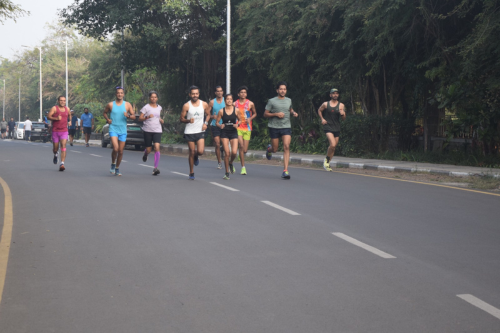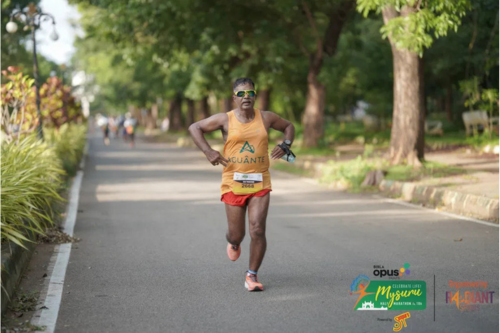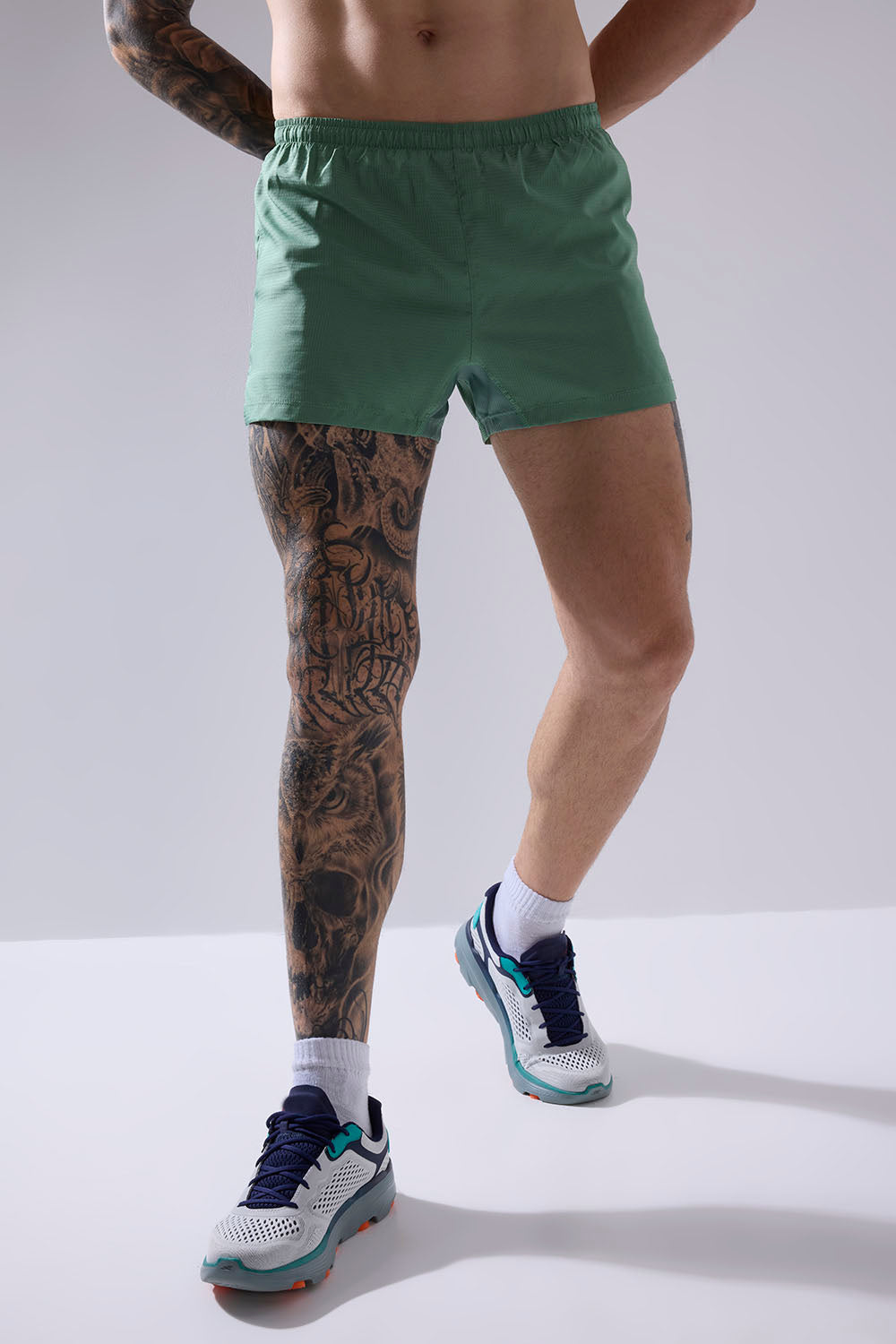
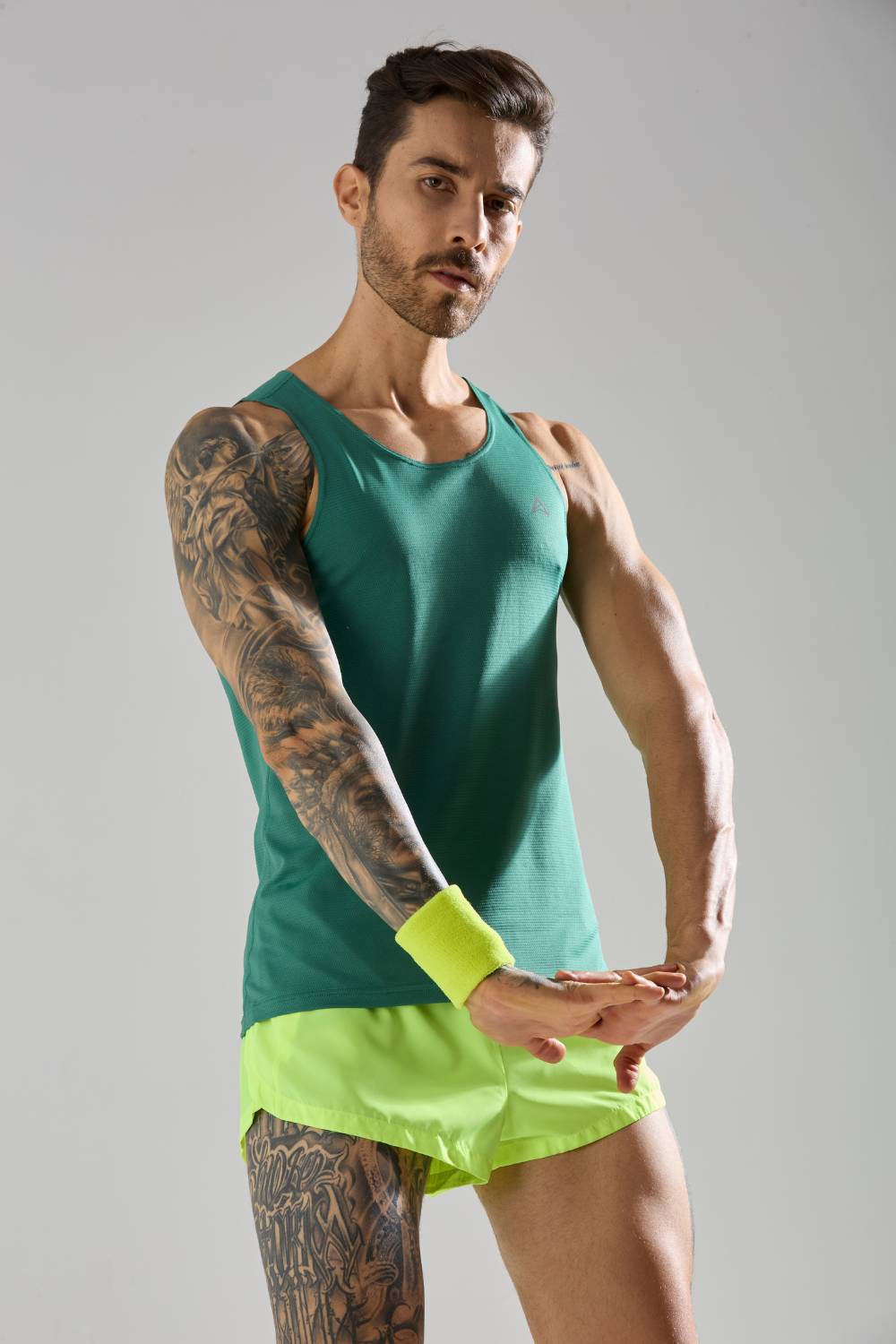
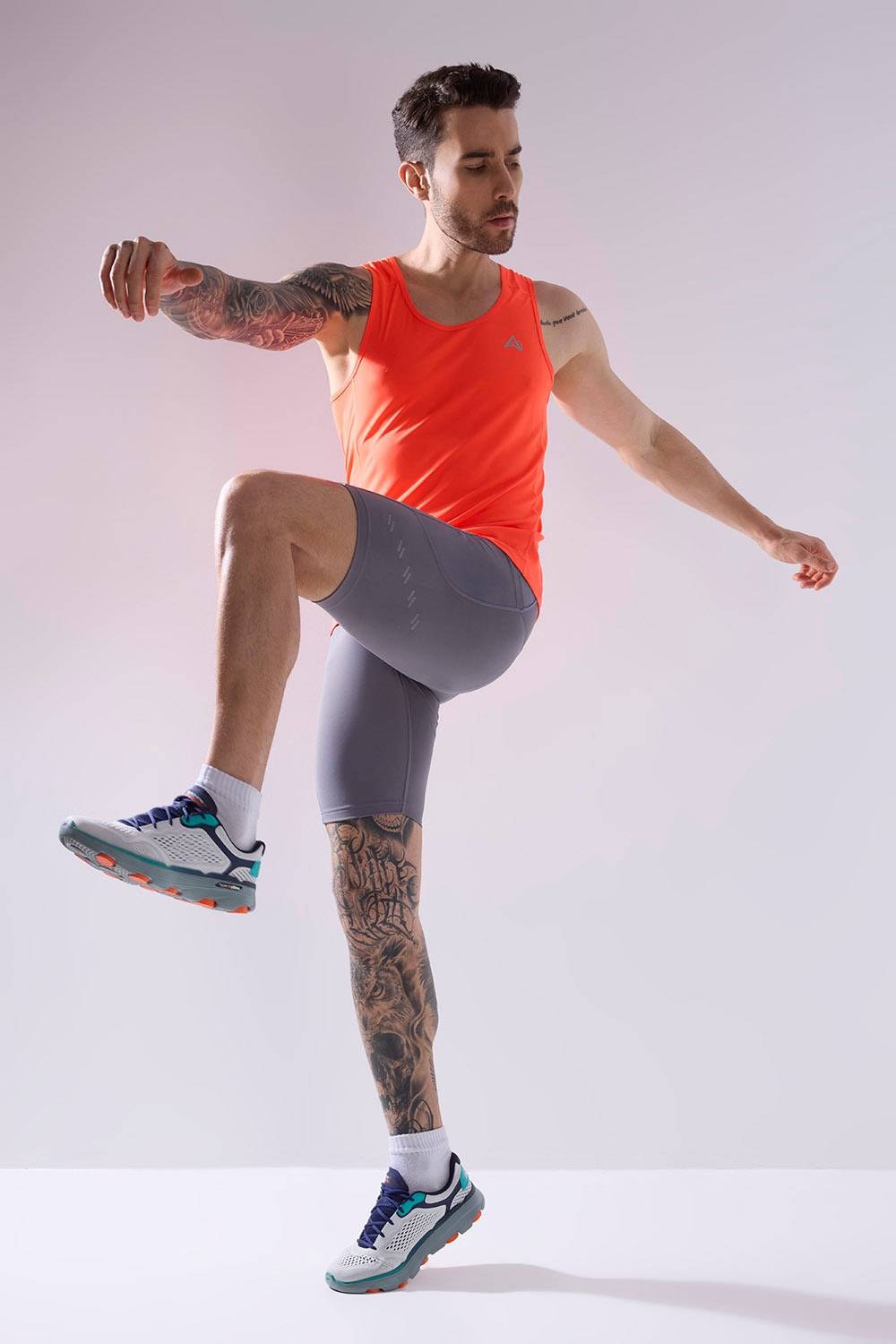
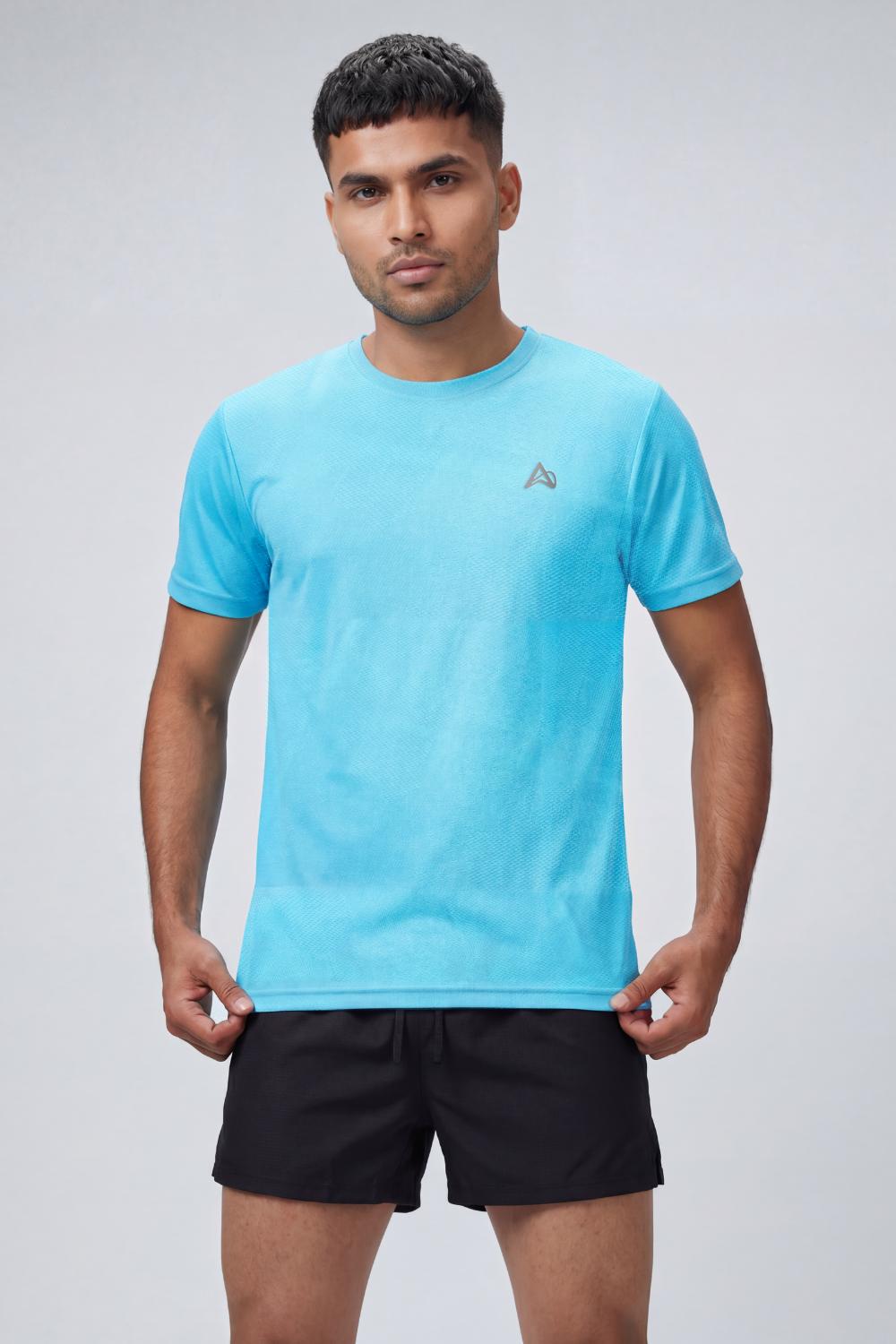
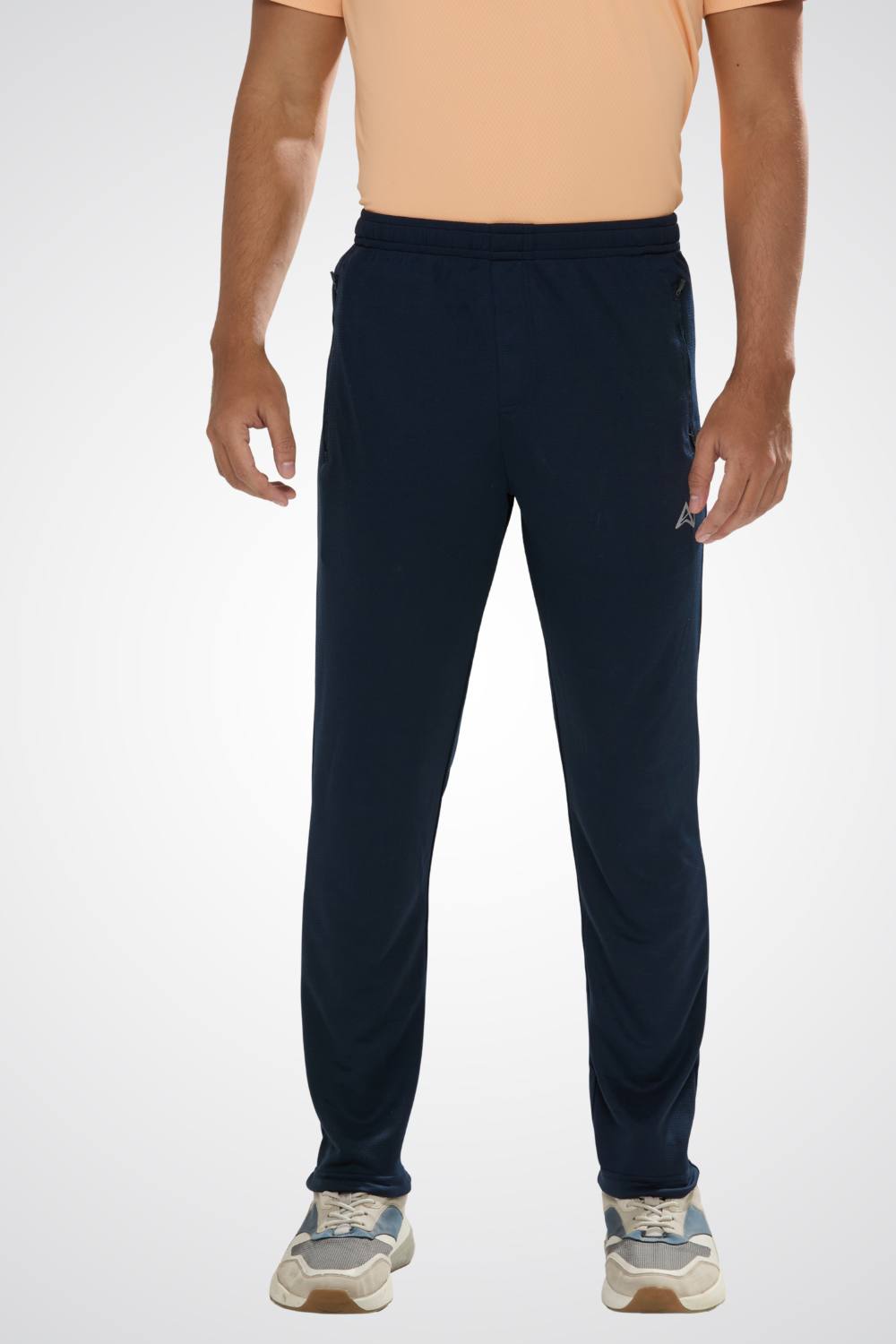
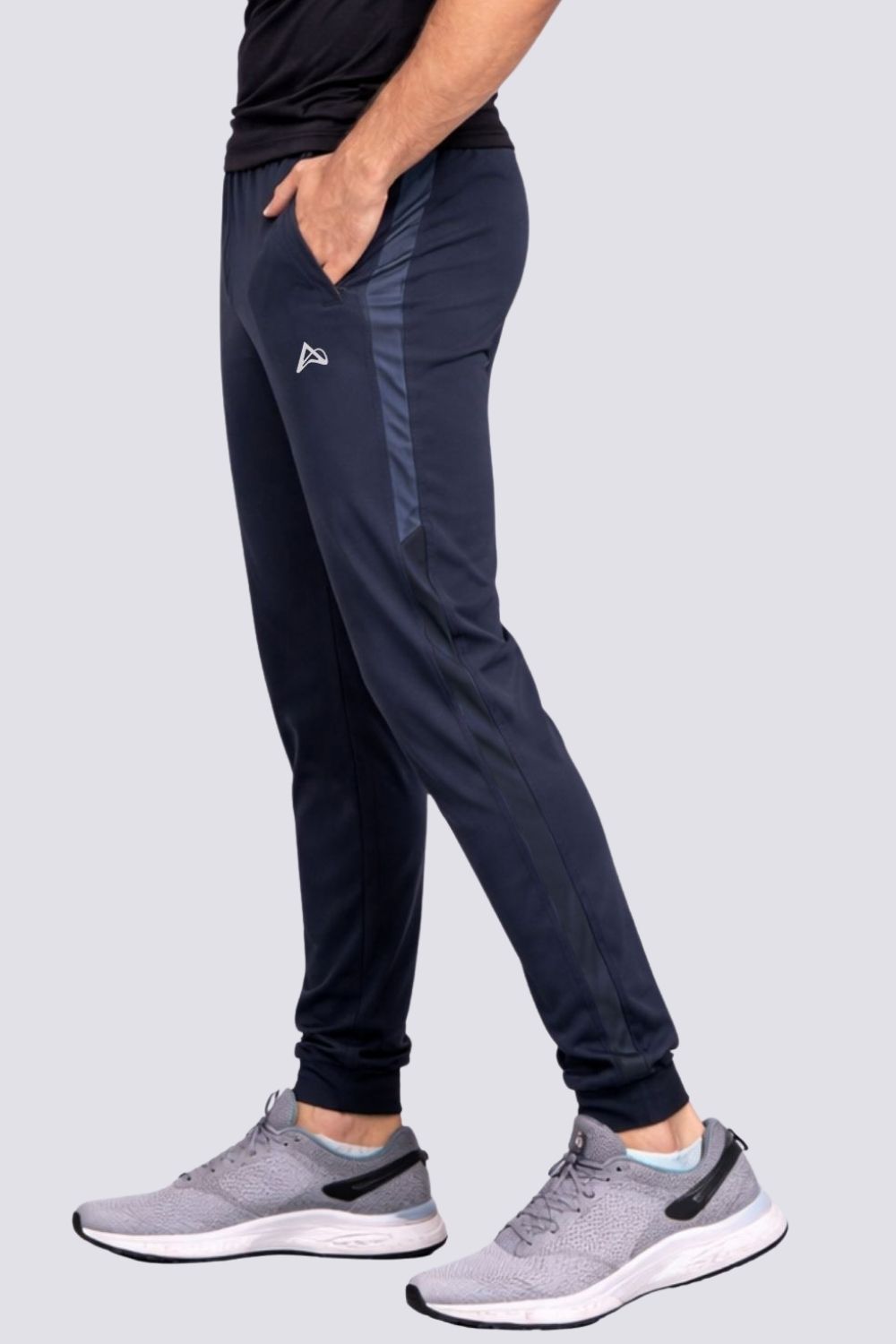
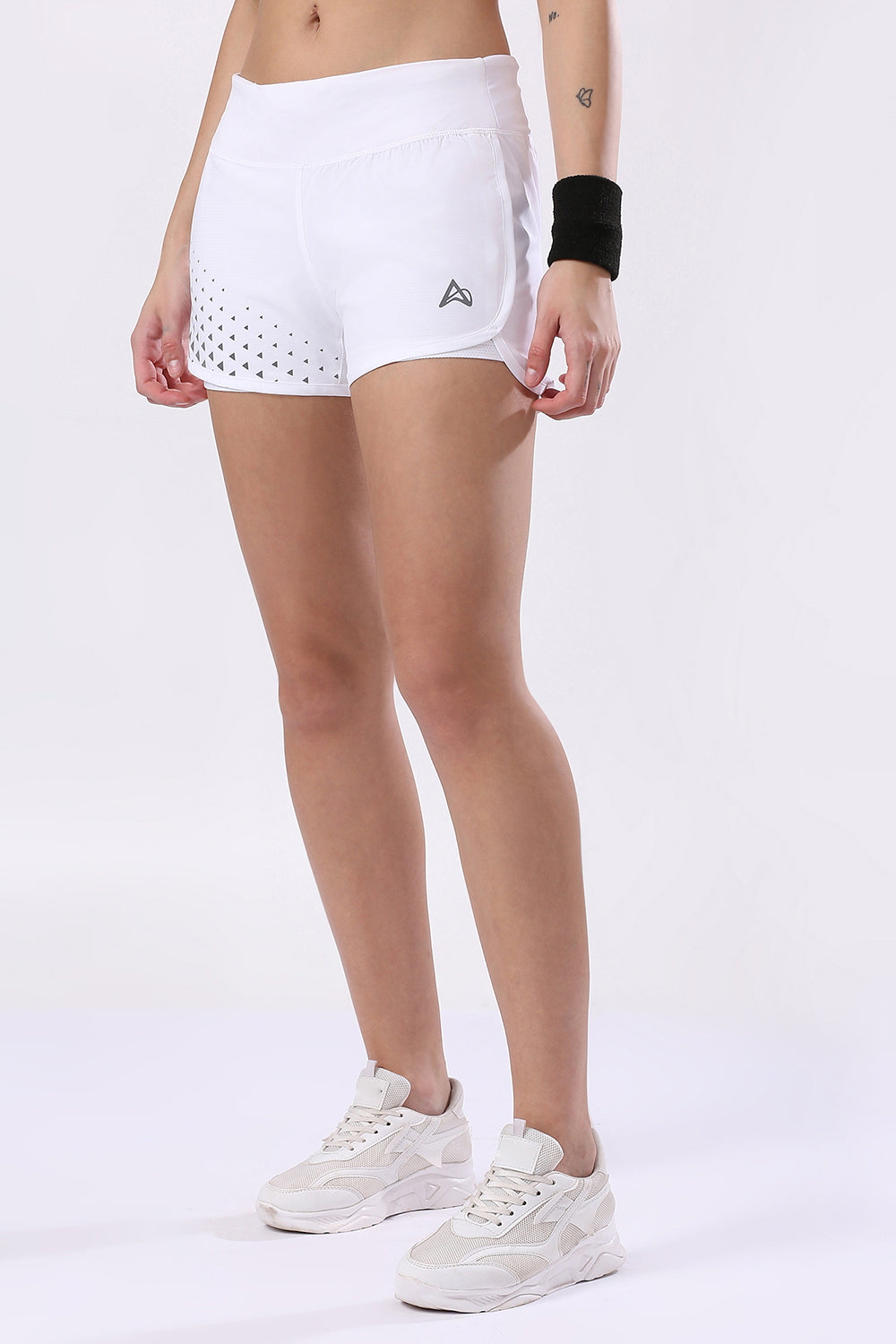
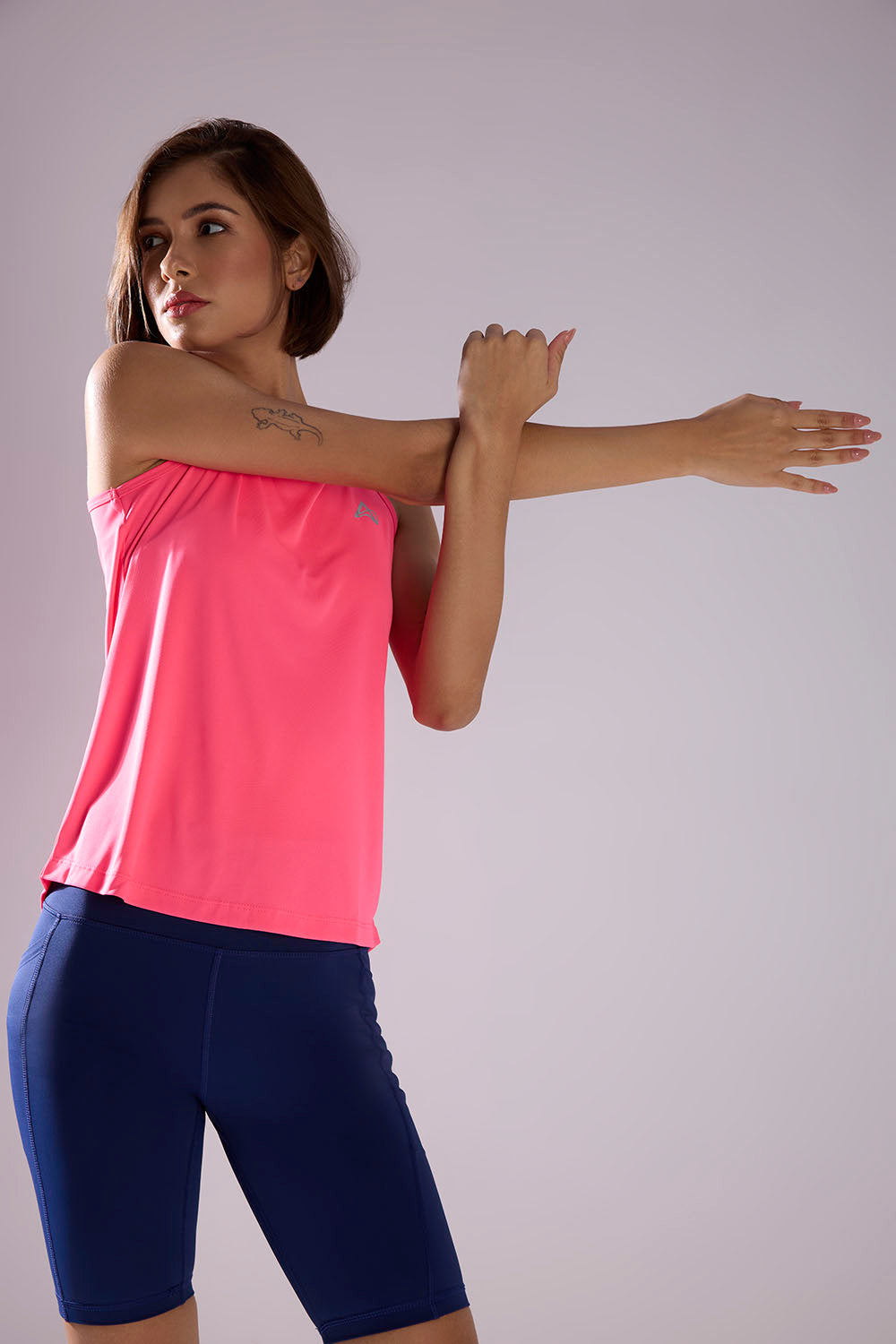
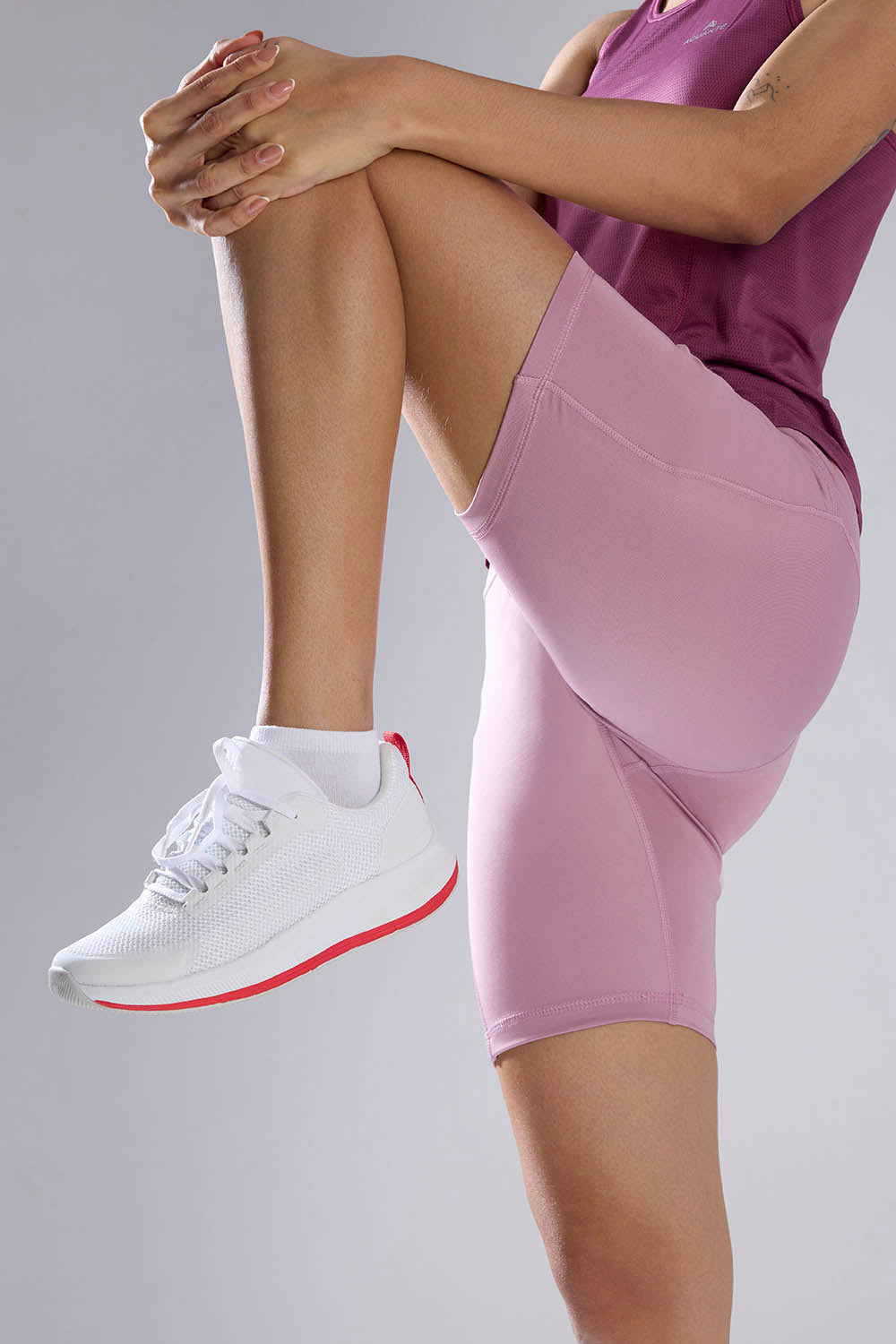
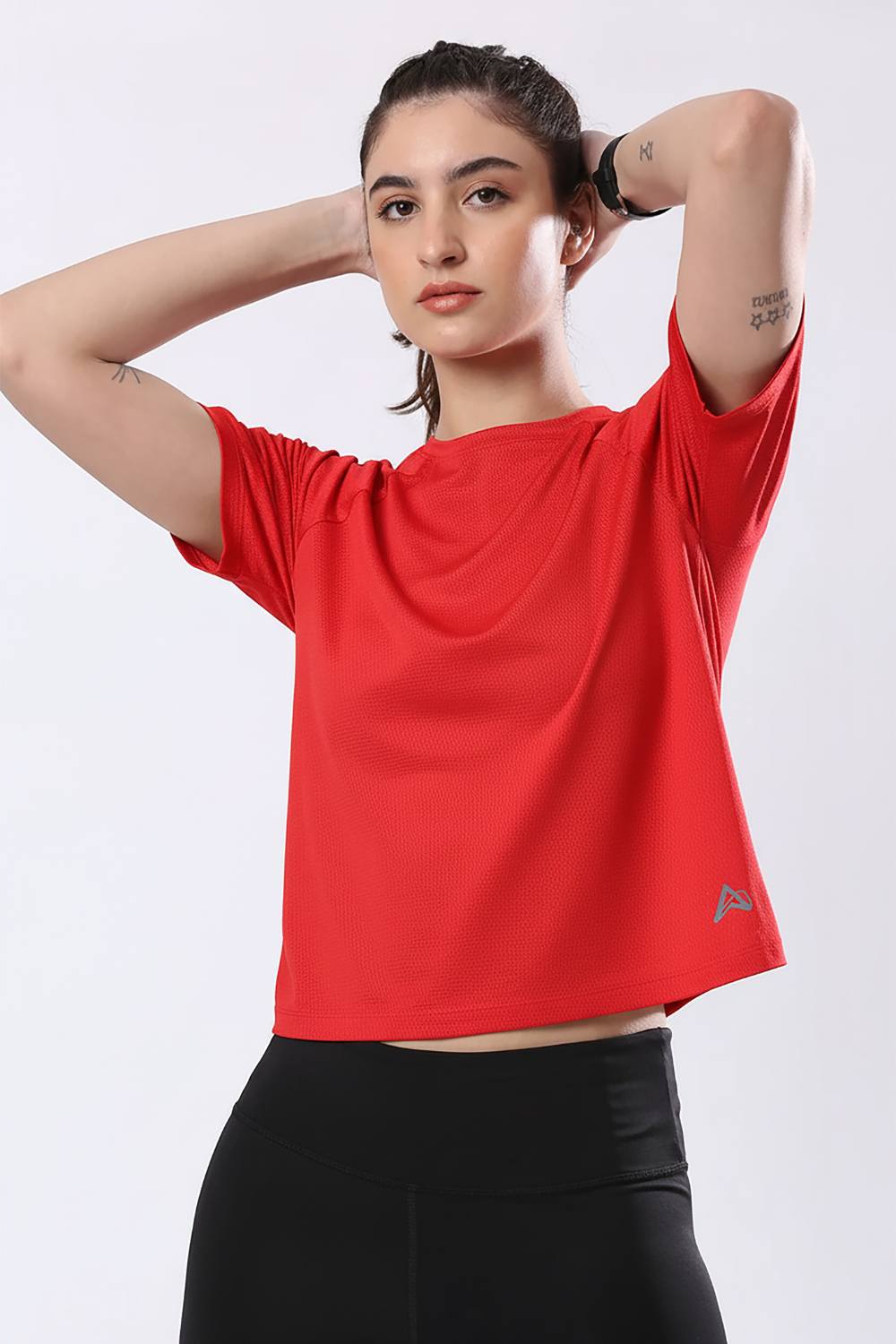


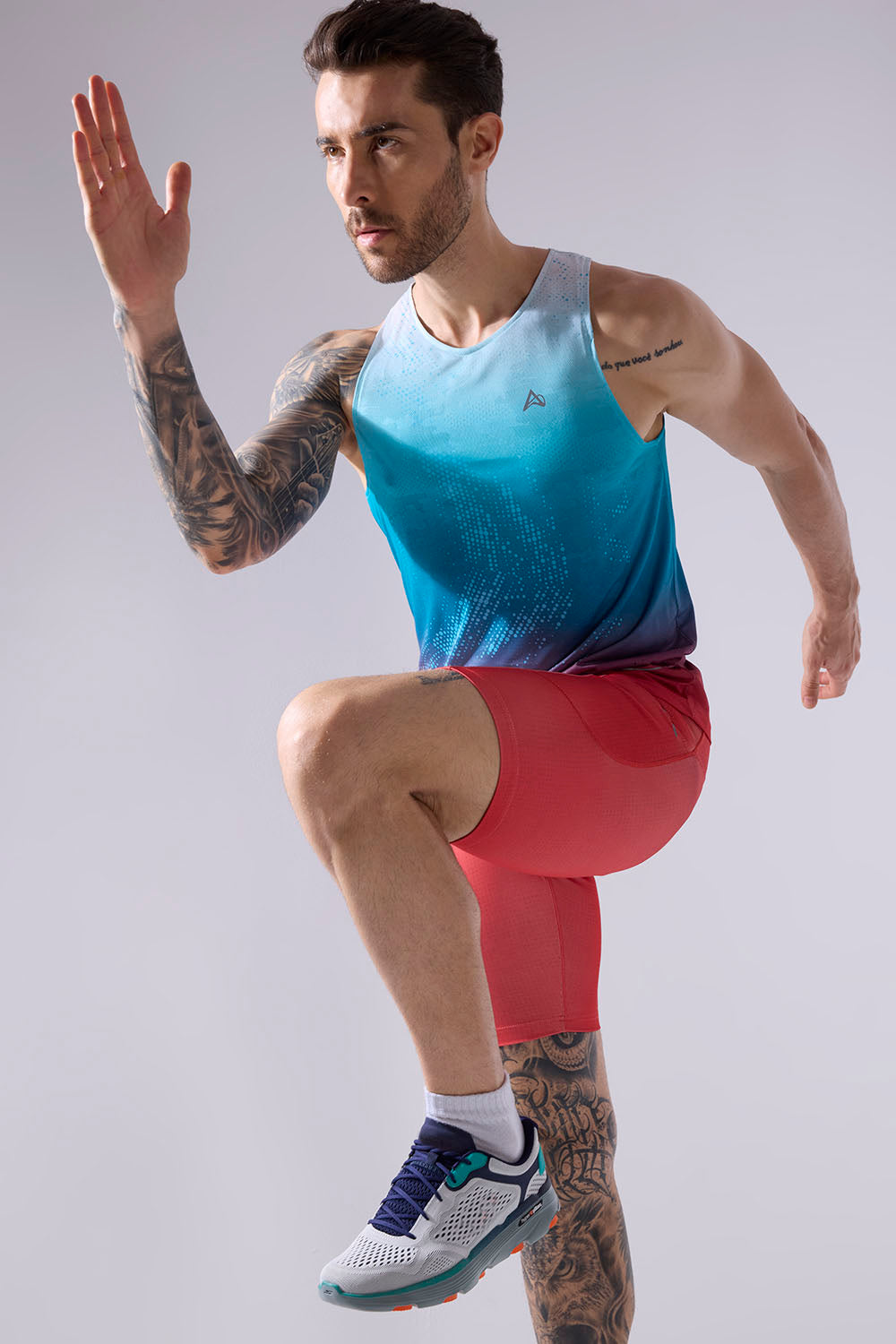

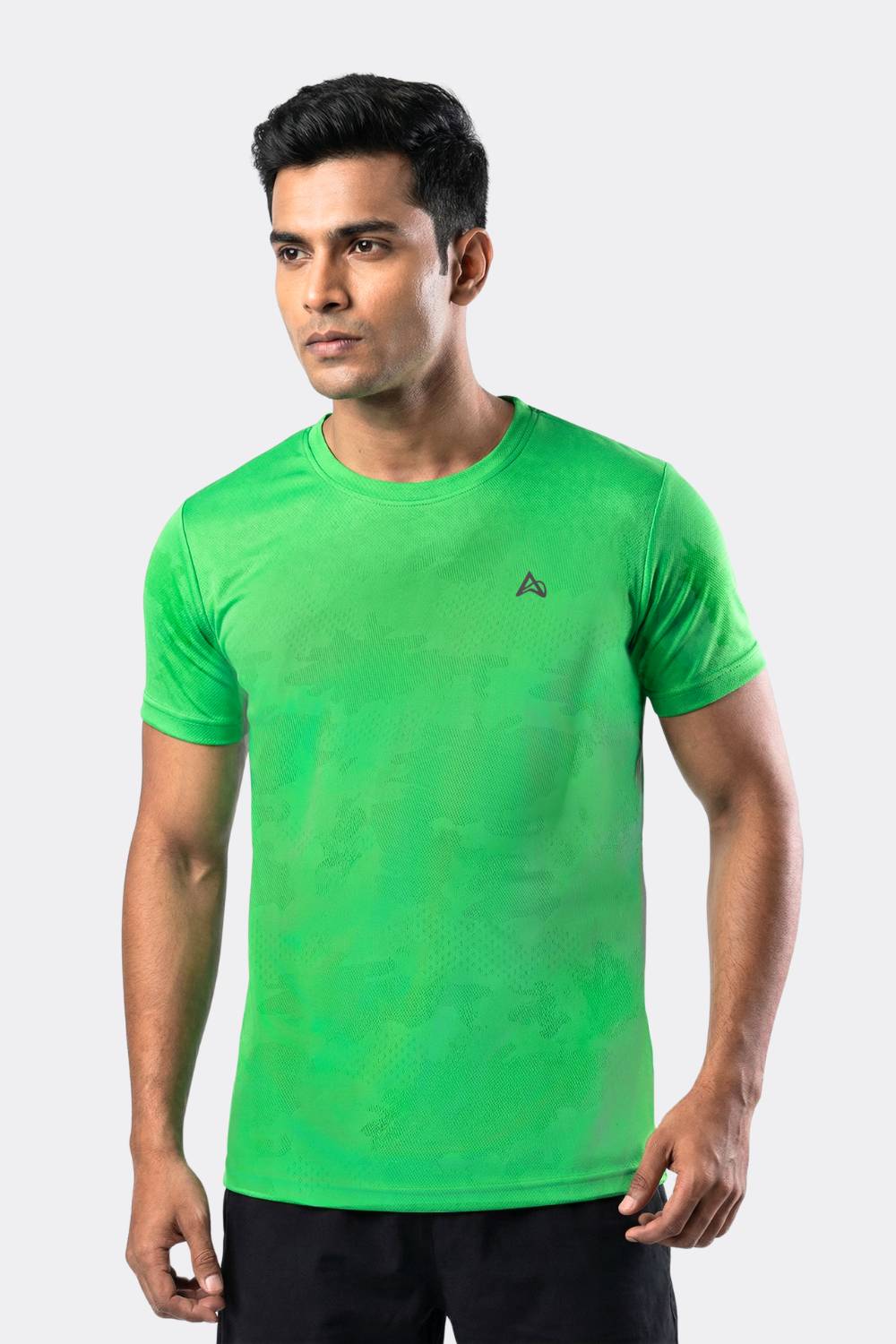
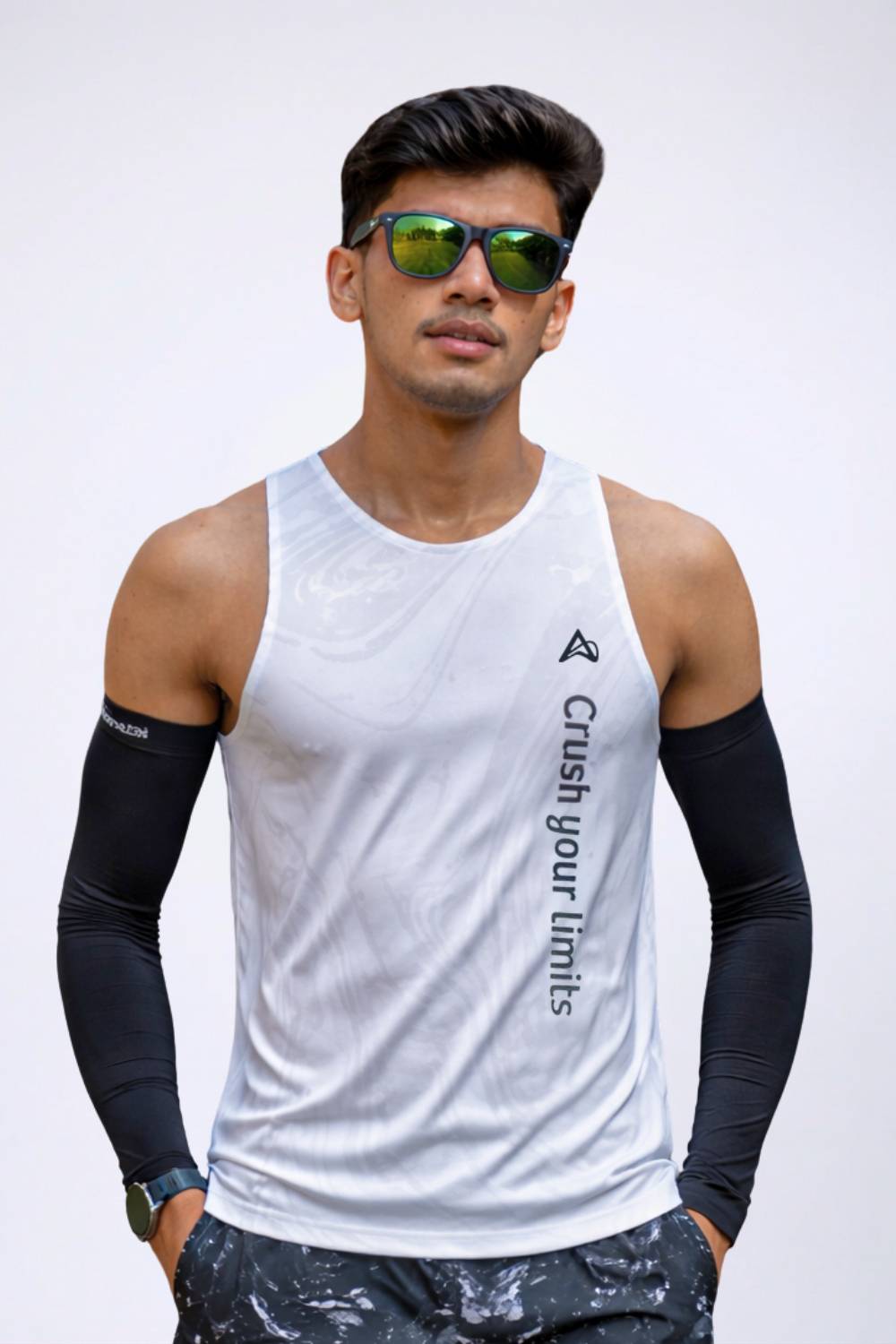

Running in hot and humid conditions changes what athletes should expect from their gear. A shirt, pair of shorts, or layer that feels comfortable in mild weather may behave differently when temperatures rise, sweat increases, and airflow becomes more important. Choosing the right equipment is not only about finding lightweight materials; it is about understanding how fabric, fit, construction, and design features work together during demanding outdoor runs.
For runners comparing options, the key question is not simply which product feels good at the start of a workout. The better question is whether the gear can continue supporting comfort and movement after several kilometers in challenging weather. This guide explains how to compare running gear for hot and humid conditions, what features matter most, and how to make smarter decisions when selecting apparel for warm climates.
Tired of gear that slows you down? Chafing, soggy fabrics, and missing pockets kill your run's momentum. At Aguante, we're runners who get it. Our high-performance activewear features moisture-wicking fabrics, ergonomic designs, and smart storage to keep you focused. Shop Now!
Look Beyond Lightweight Labels and Evaluate Fabric Performance
Many runners begin their search by looking for lightweight running clothes, but weight alone does not determine performance. In humid environments, clothing needs to manage moisture effectively because sweat must move away from the skin and evaporate to support the body's natural cooling process.
Heat-ready fabric insights show why material selection matters when comparing summer running apparel. Fabric structure, fiber type, treatments, and weaving methods all influence how well clothing handles airflow, sweat movement, and drying speed.
- Moisture management: Does the fabric help move sweat away from the skin during longer sessions?
- Drying ability: Does the material become uncomfortable once it absorbs moisture?
- Breathability: Does the construction allow air movement during activity?
- Feel against the skin: Does the fabric remain comfortable when worn for extended periods?
A material that feels soft and comfortable before a run may not deliver the same experience once it becomes saturated with sweat. The best choices are usually those designed around the full workout experience rather than the first few minutes of wear.
Compare Fit and Movement for Real Running Conditions
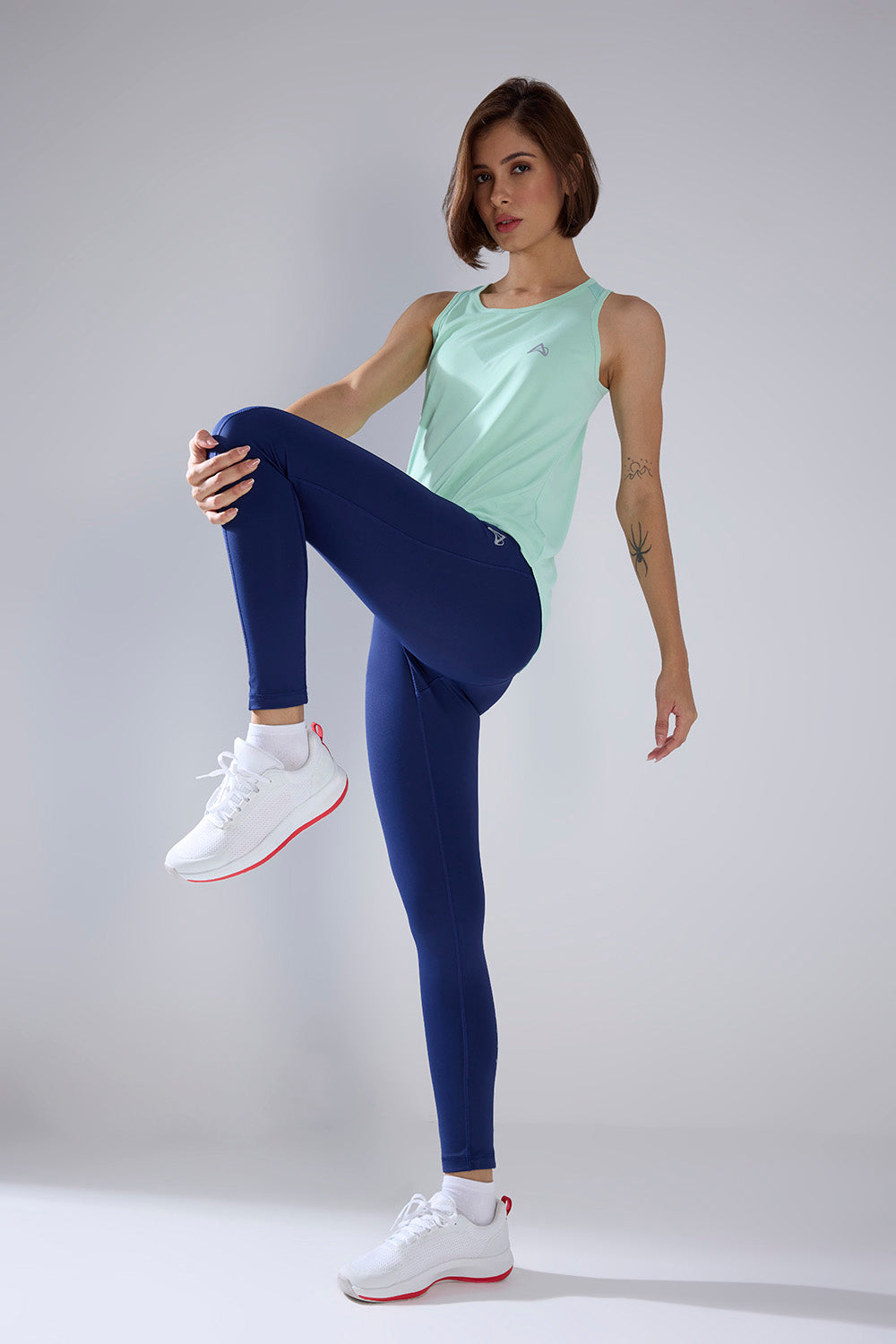
Fit plays a major role in how running apparel performs. A garment that restricts movement can become distracting during training, while clothing that moves naturally with the body can make longer runs feel more manageable.
When comparing running clothes for Indian weather, runners should look at how different fits affect comfort in warm conditions. Loose designs may improve airflow, while more fitted options can help reduce unnecessary movement and friction. The right choice depends on personal preference, running style, and workout duration.
Consider Friction, Mobility, and Long-distance Comfort
Hot weather often increases the importance of small comfort details. Seams, waistbands, and garment edges that feel acceptable during a short session may become noticeable during longer efforts.
- Construction that allows unrestricted arm and leg movement.
- Comfortable placement of seams to reduce irritation.
- Secure but flexible fits that support different running styles.
- Design features that remain comfortable after extended wear.
For runners comparing gear, the goal is not simply a tighter or looser fit. It is finding apparel that supports natural movement while maintaining comfort throughout the run.
Understand How Humidity Changes Your Gear Requirements
Humidity creates a unique challenge because sweat does not always evaporate efficiently. This means runners often feel hotter even when their body is actively producing sweat to cool down.
When learning how to choose running gear for humid weather, it helps to think about clothing as part of a broader heat-management approach. Apparel cannot remove environmental stress, but thoughtful design can support comfort by improving moisture movement and reducing the feeling of excessive heat.
Extreme heat performance risks highlight why heat management has become an important consideration for endurance athletes. Clothing decisions work alongside other preparation strategies, including pacing, hydration, recovery, and understanding personal limits.
For everyday runners, this means selecting gear based on actual training conditions instead of ideal indoor environments. A running top that performs well in a controlled setting may not provide the same experience during a humid outdoor session.
Evaluate Complete Gear Systems Instead of Individual Items
Running comfort depends on more than one clothing item. A complete setup includes tops, shorts, socks, and accessories that work together. Choosing each piece separately without considering the full system can lead to mismatched performance.
A runner comparing lightweight running gear for heat should think about how different elements interact:
- Tops: Should support ventilation and moisture control during movement.
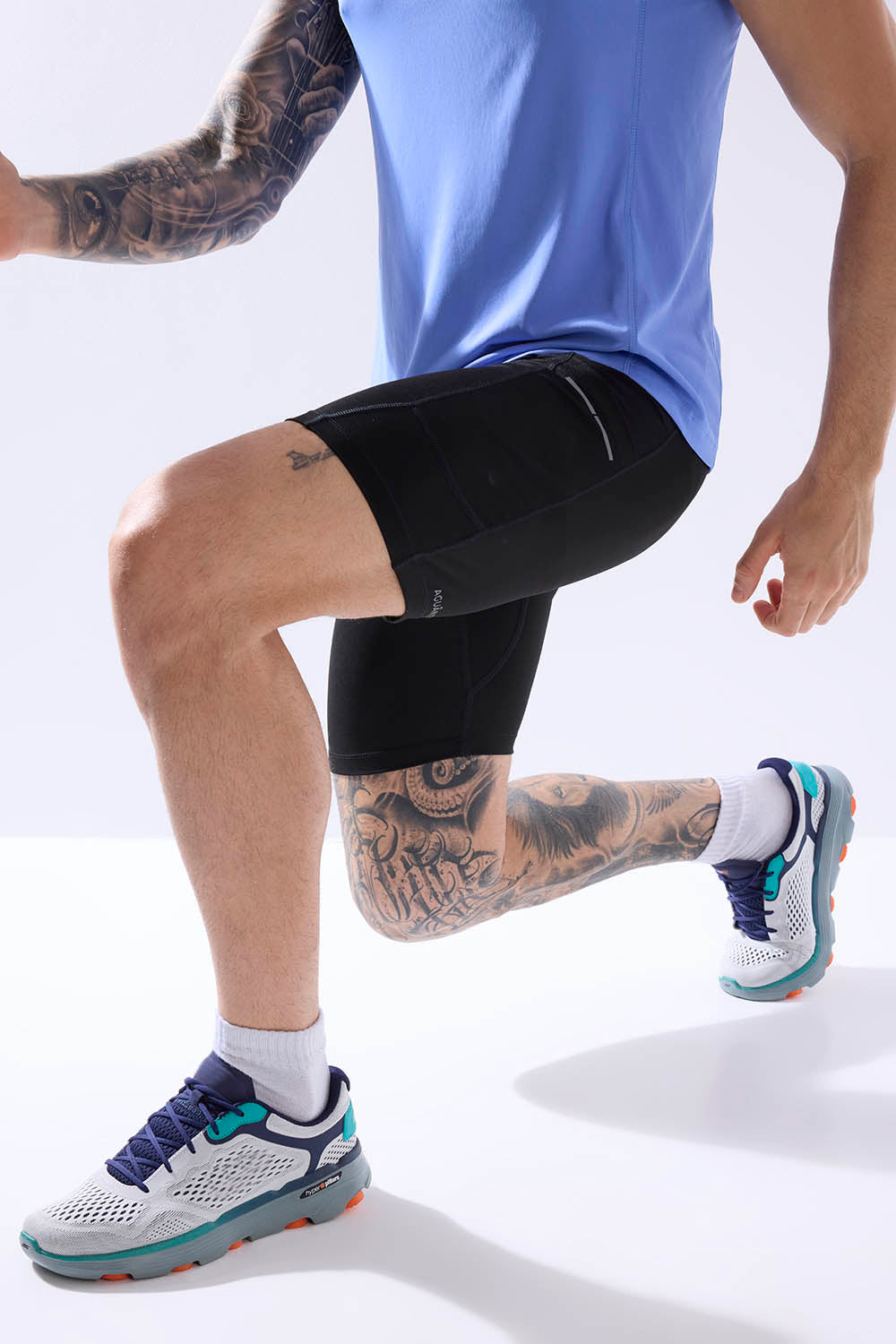
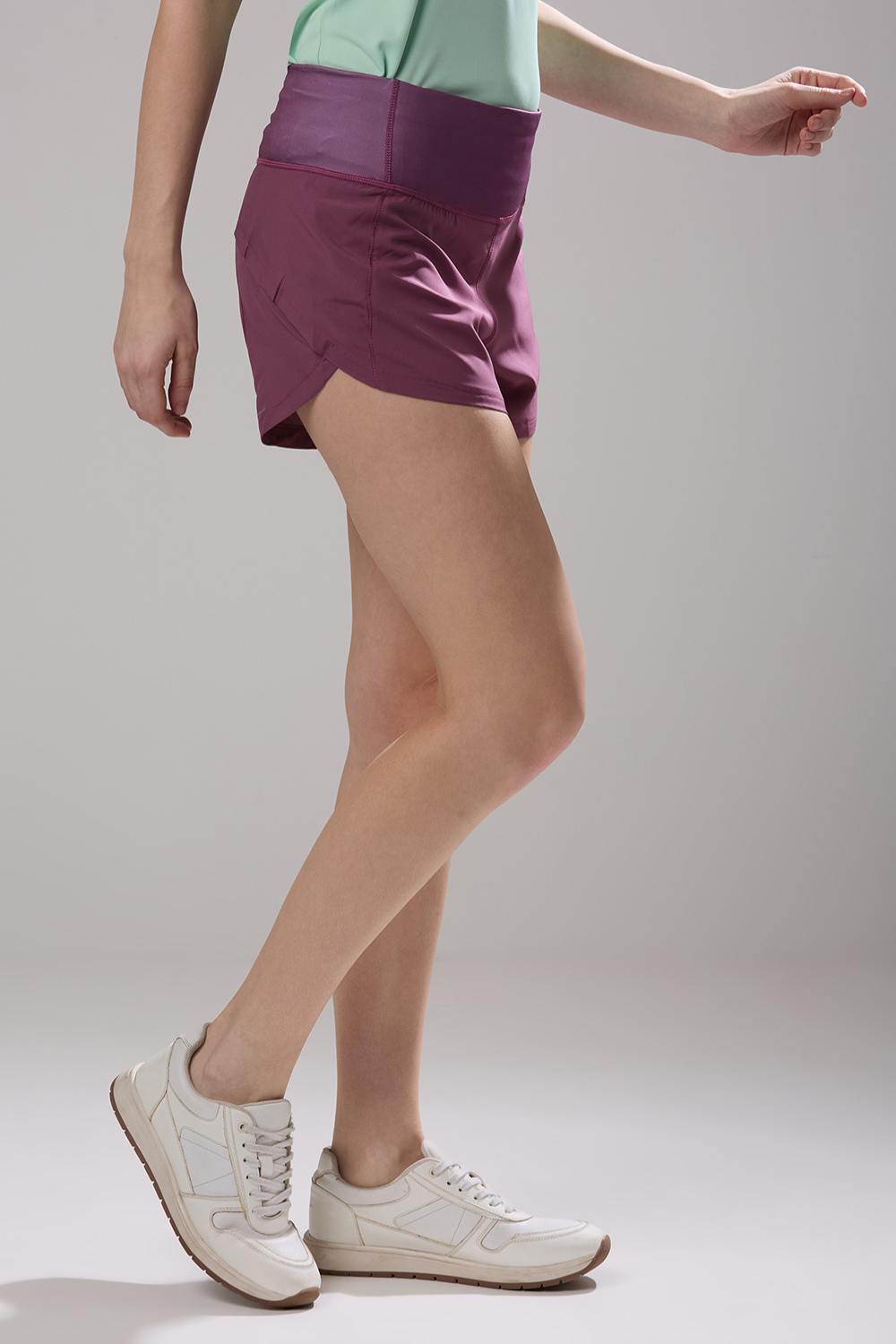
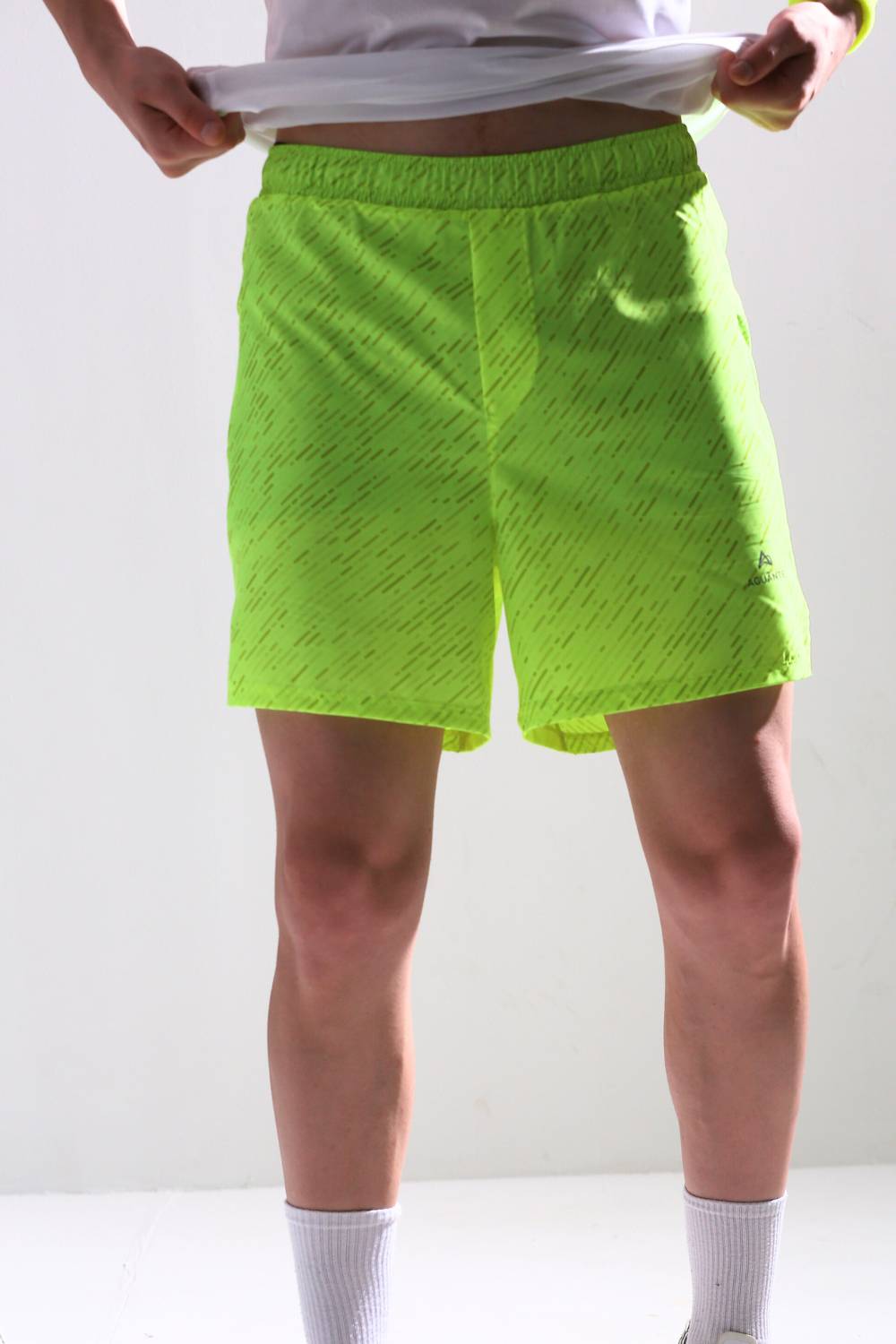
- Shorts: Should allow comfortable stride mechanics without unnecessary restriction.
- Socks: Should help manage moisture and maintain comfort during repeated foot impact.
- Accessories: Should support protection and comfort based on exposure conditions.
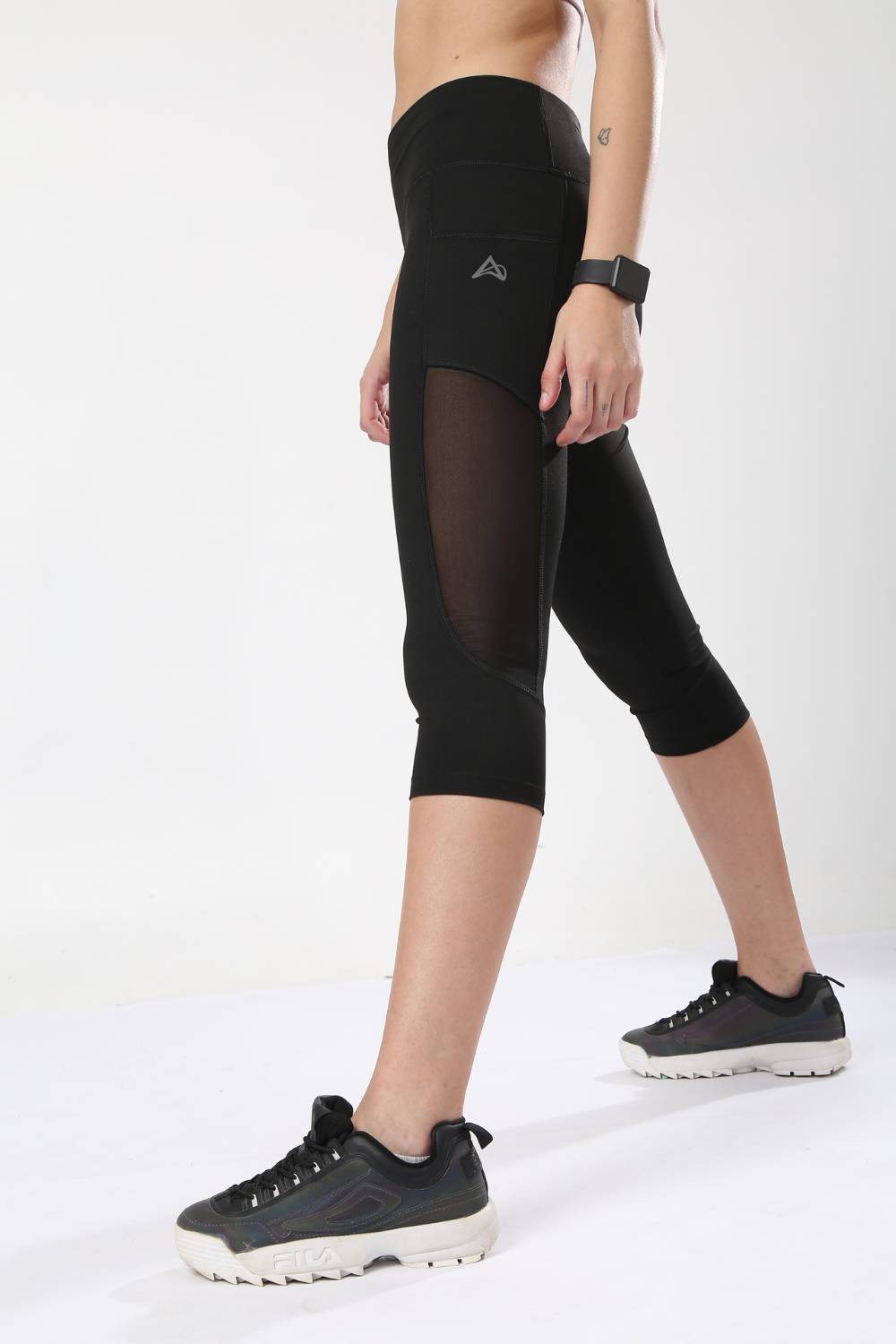
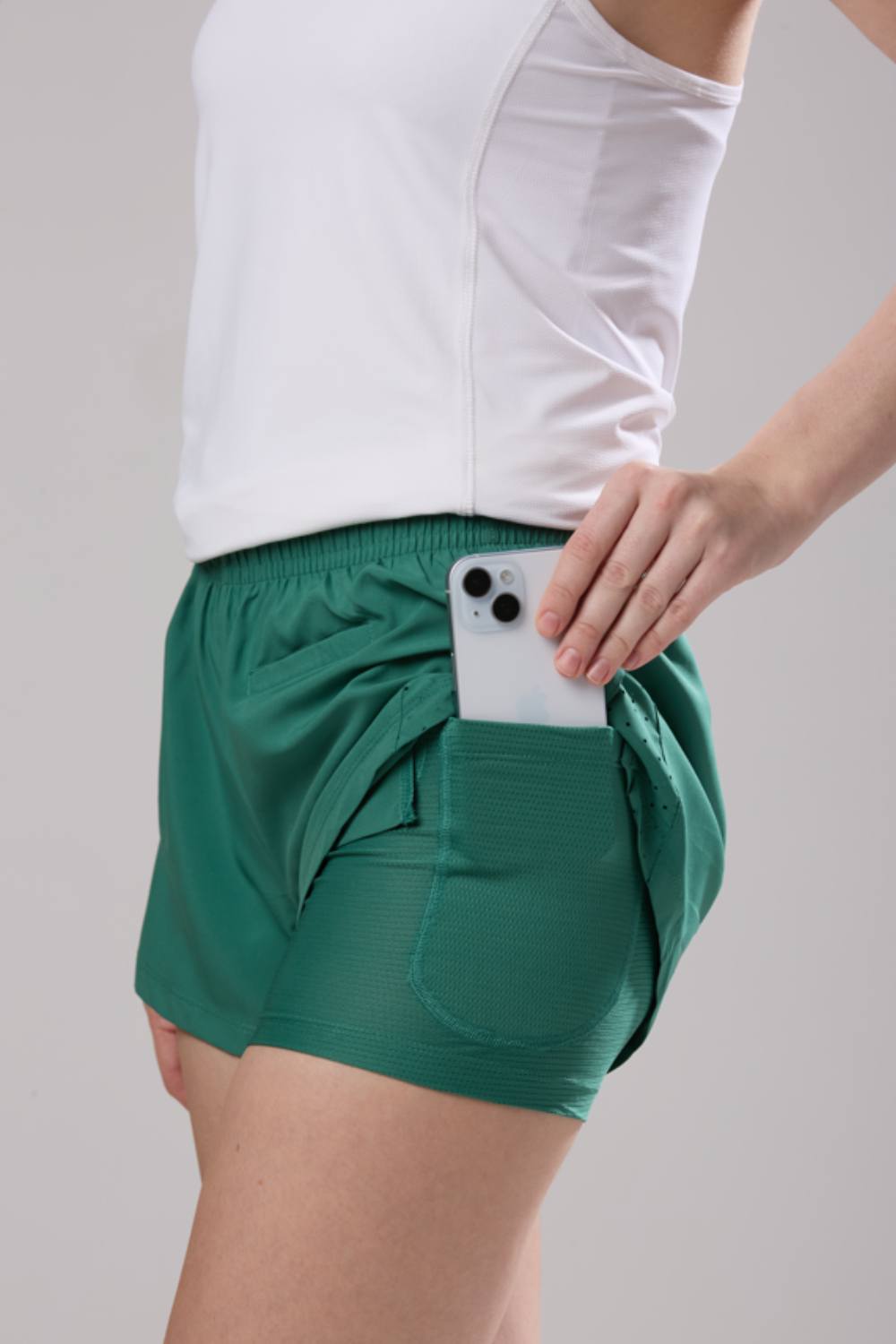
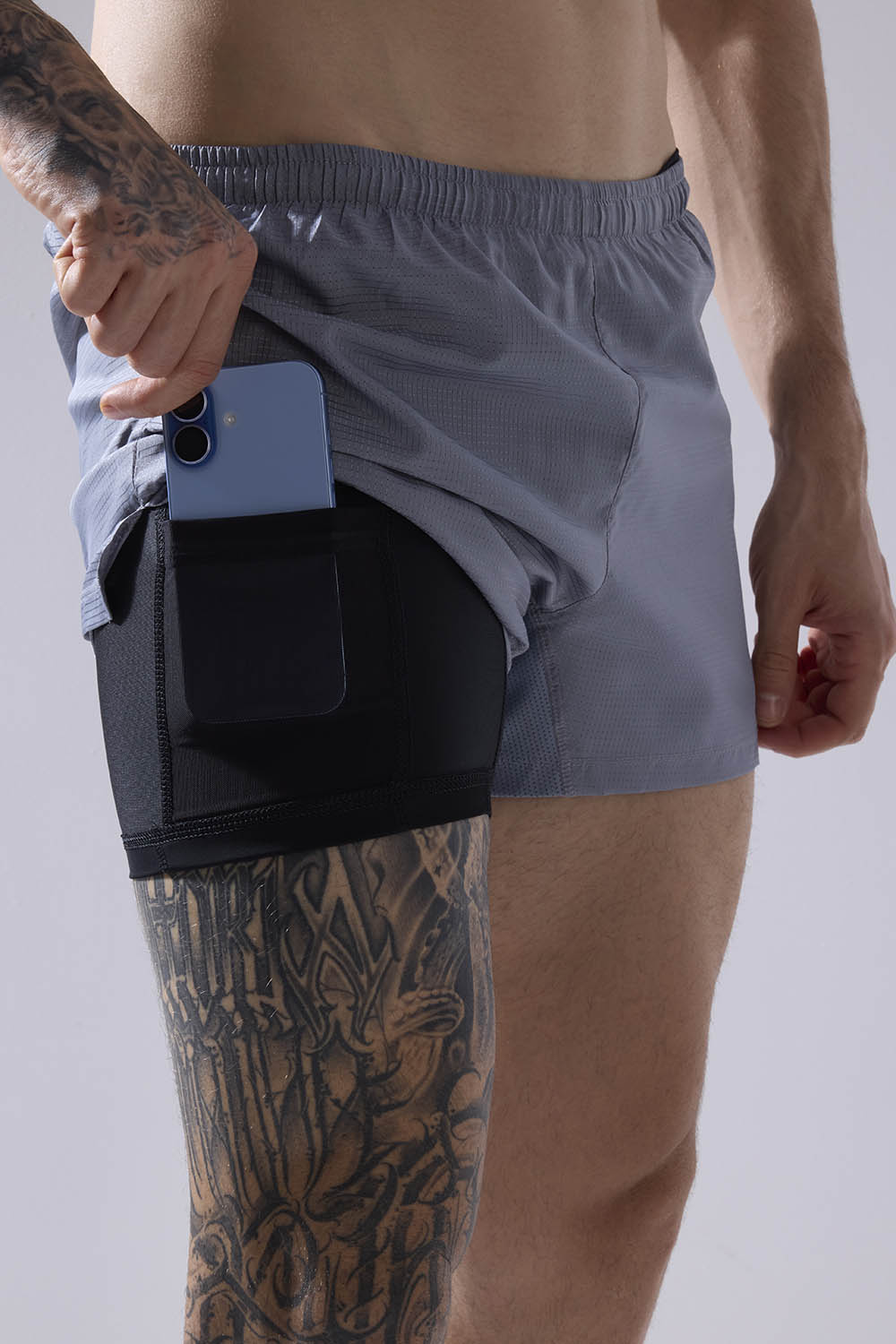
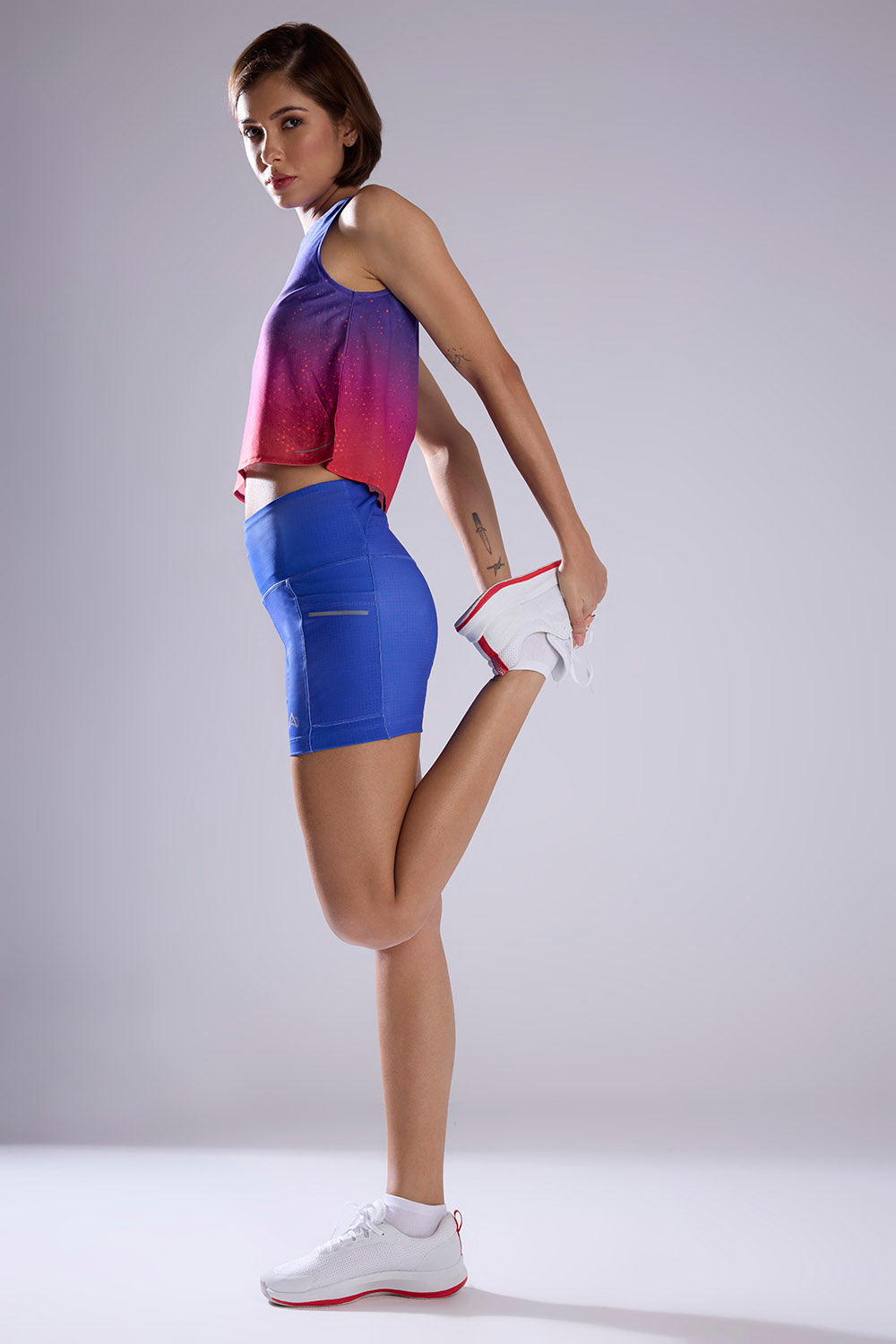
Small details can influence the overall experience. Pocket placement, reflective elements, garment construction, and storage options may become increasingly valuable for runners who train regularly or spend more time outdoors.
Focus on Practical Features That Match Your Training Style
The right running gear depends on how and where a person runs. A short morning jog, a long-distance training session, and a competitive event may require different priorities.
- How long typical runs last.
- Whether training happens during peak heat or early mornings.
- How much the runner sweats during activity.
- Whether comfort, durability, storage, or weather protection is the main priority.
Someone preparing for longer distances may value dependable moisture control and comfort over time. A runner focused on shorter workouts may prioritize lightweight construction and freedom of movement. There is no single solution that works for every athlete, which makes personal evaluation an important part of choosing gear.
Balance Performance Features with Everyday Usability
High-performance apparel is most useful when it fits into real training routines. Features should support the runner's needs rather than simply add complexity.
For many athletes, practical elements such as comfortable storage, reliable construction, and easy-care materials can be just as important as technical fabric features. The best gear choices combine performance benefits with everyday convenience.
Use a Comparison Checklist Before Buying Running Apparel
Comparing running gear becomes easier when decisions are based on specific criteria rather than appearance alone. A simple checklist can help runners identify whether a product matches their requirements for hot and humid conditions.
- Does the fabric support sweat management during longer runs?
- Will the fit allow comfortable movement throughout the workout?
- Does the construction reduce potential irritation points?
- Are the features useful for the runner's actual training environment?
- Does the apparel balance comfort, durability, and performance?
This approach helps runners compare options more effectively and avoid choosing gear based only on marketing descriptions. Performance clothing works best when its features solve real problems faced during training.
Choosing Better Running Gear Starts with Understanding Your Conditions
Selecting hot weather running apparel is ultimately about matching clothing performance with the demands of the environment and the runner's personal needs. Heat, humidity, distance, and training habits all influence what makes gear comfortable and effective.
The most reliable approach is to compare materials, fit, construction, and practical features together. Instead of searching for one perfect fabric or one universal design, runners can make better choices by understanding how different elements contribute to comfort and performance.
For athletes training in challenging weather, thoughtful gear selection can make each run feel more manageable. By focusing on breathability, moisture control, mobility, and long-term comfort, runners can build a setup that supports consistent training through warm and humid conditions.
Frequently Asked Questions
What should I look for when choosing running gear for hot and humid conditions?
When choosing running gear for hot and humid conditions, focus on breathable fabrics, moisture management, quick-drying materials, and a comfortable fit. The best gear should help manage sweat, support airflow, and remain comfortable during longer outdoor runs.
What are the best running clothes for hot weather?
The best running clothes for hot weather are lightweight, breathable, and designed to handle sweat during activity. Look for features such as moisture-wicking fabrics, flexible construction, and designs that reduce discomfort caused by heat and humidity.
How do I compare running gear for humid weather before buying?
Compare running gear for humid weather by evaluating fabric performance, fit, durability, and practical features such as storage and comfort. Consider your running distance, training environment, and personal sweat levels to choose apparel that matches your needs.
Disclaimer: The above helpful resources content contains personal opinions and experiences. The information provided is for general knowledge and does not constitute professional advice.
You may also be interested in: How Proper Running Shorts Can Reduce Chafing During Summer Runs
Tired of gear that slows you down? Chafing, soggy fabrics, and missing pockets kill your run's momentum. At Aguante, we're runners who get it. Our high-performance activewear features moisture-wicking fabrics, ergonomic designs, and smart storage to keep you focused. Shop Now!
Powered by flareAI.co