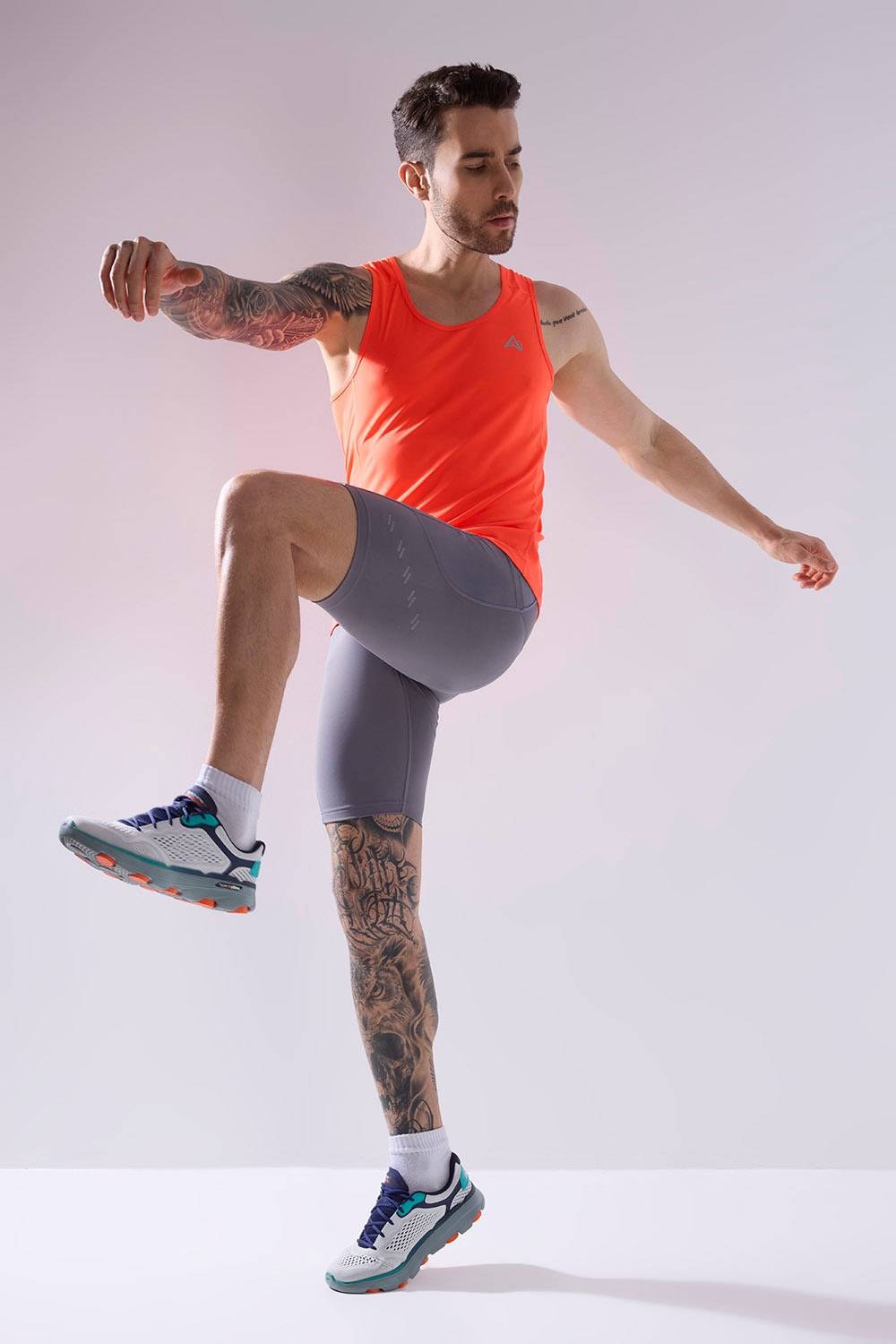
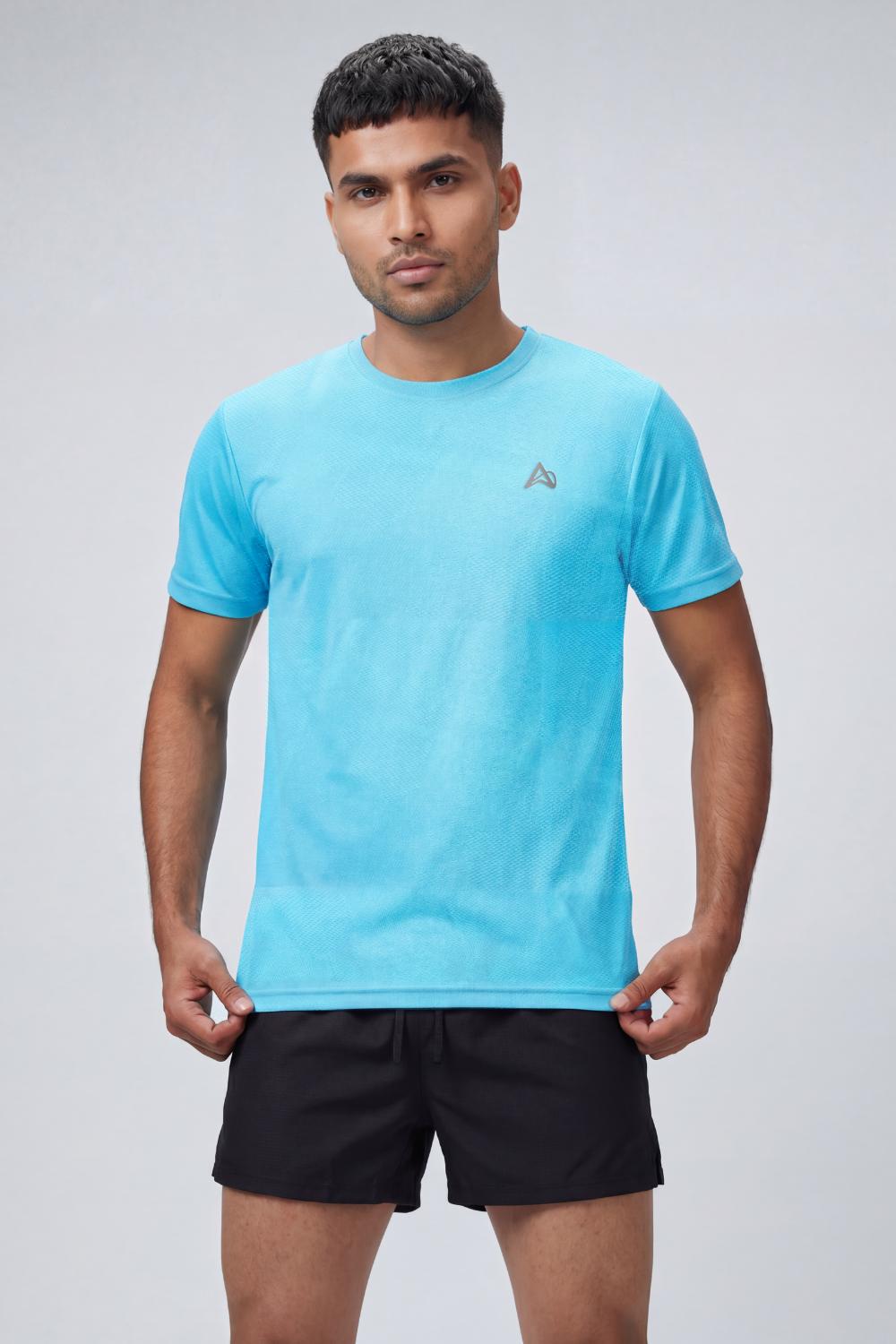
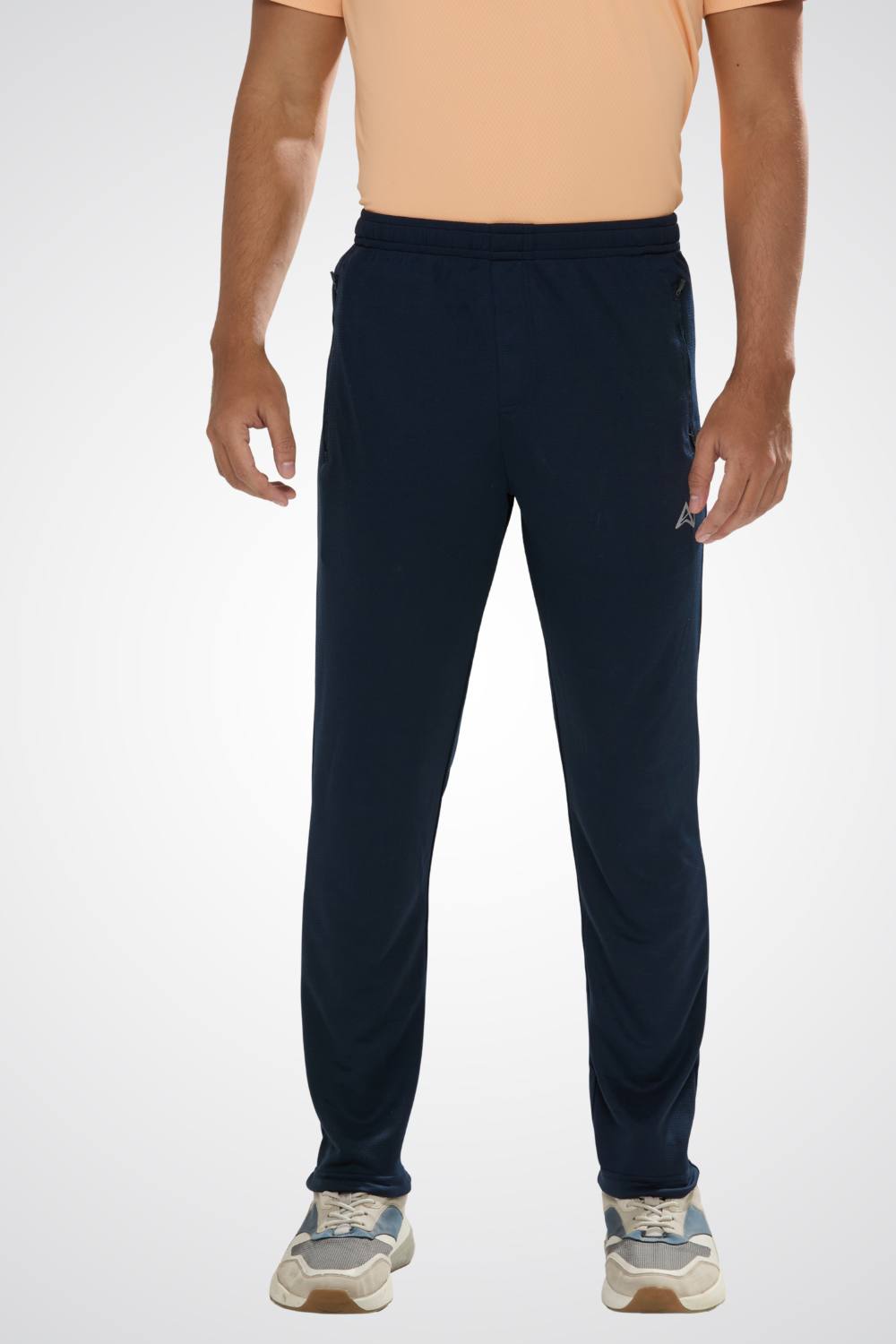
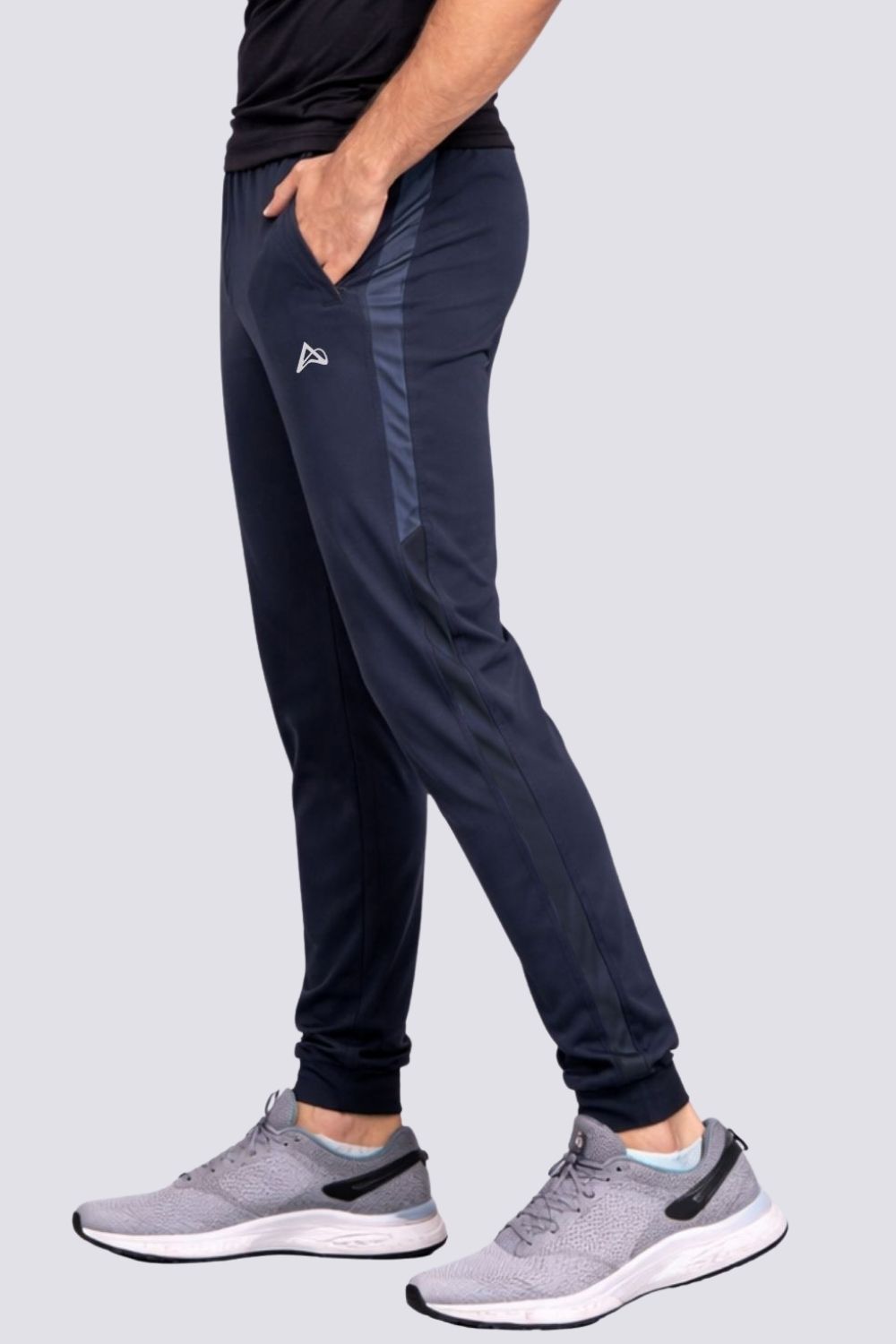
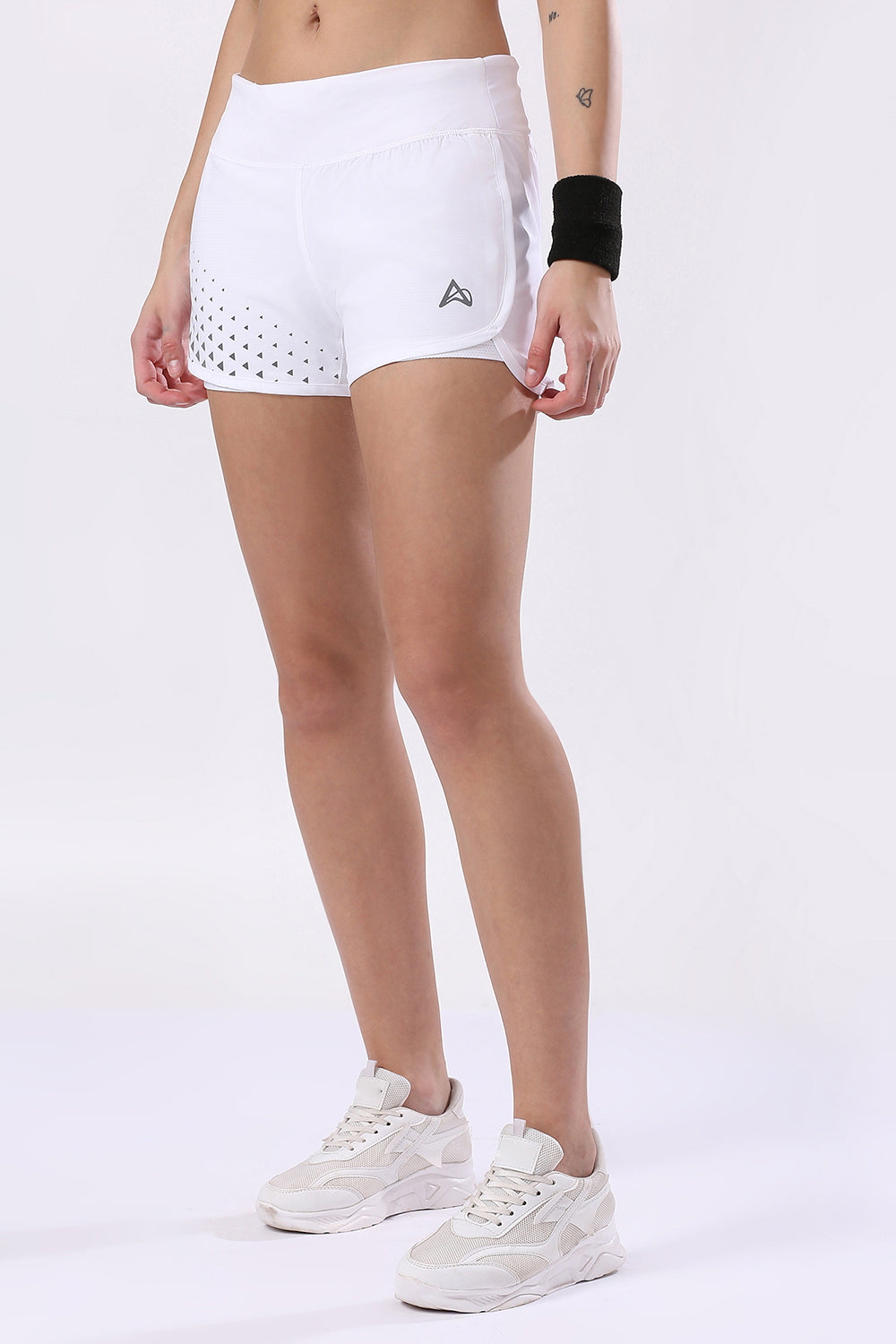
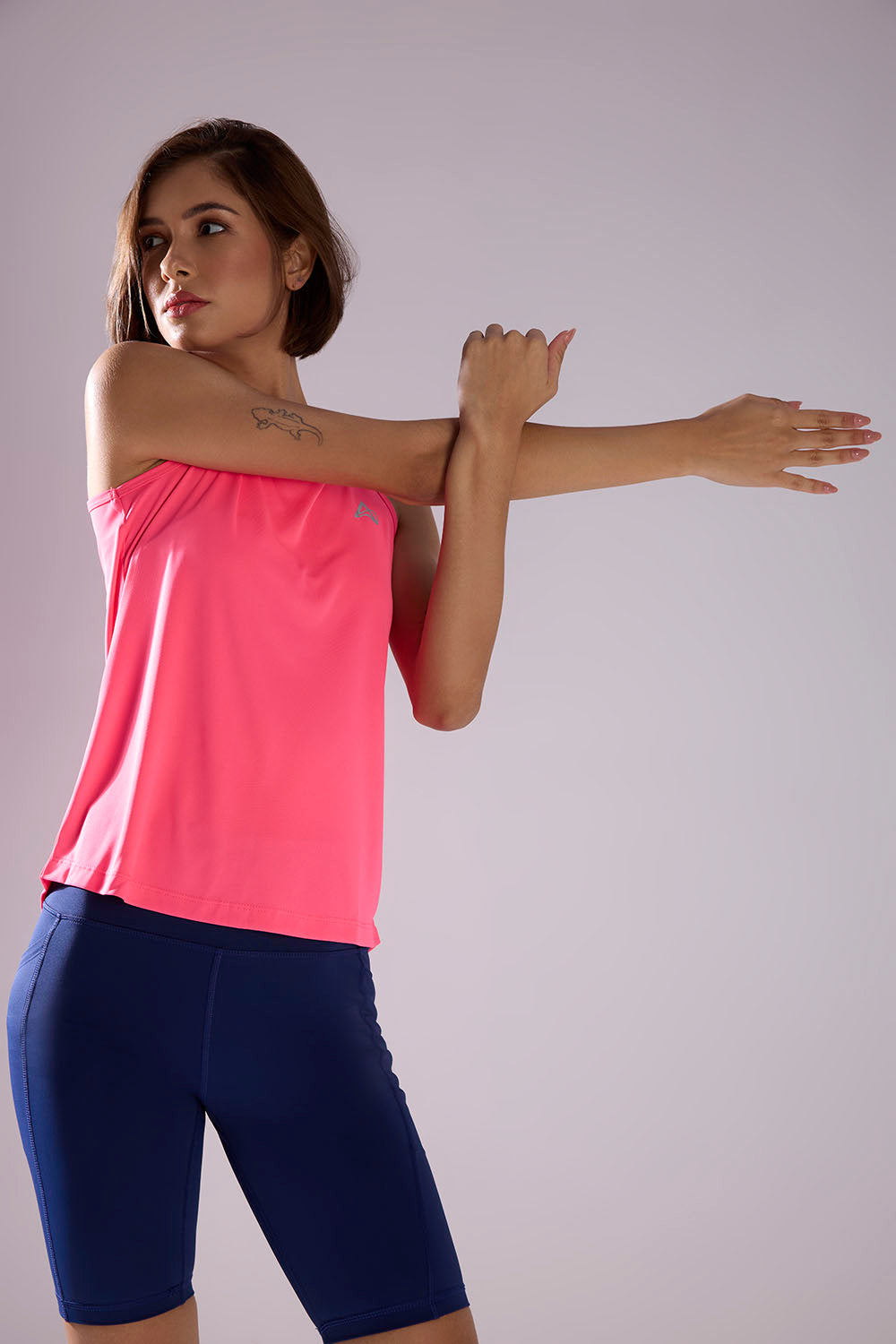
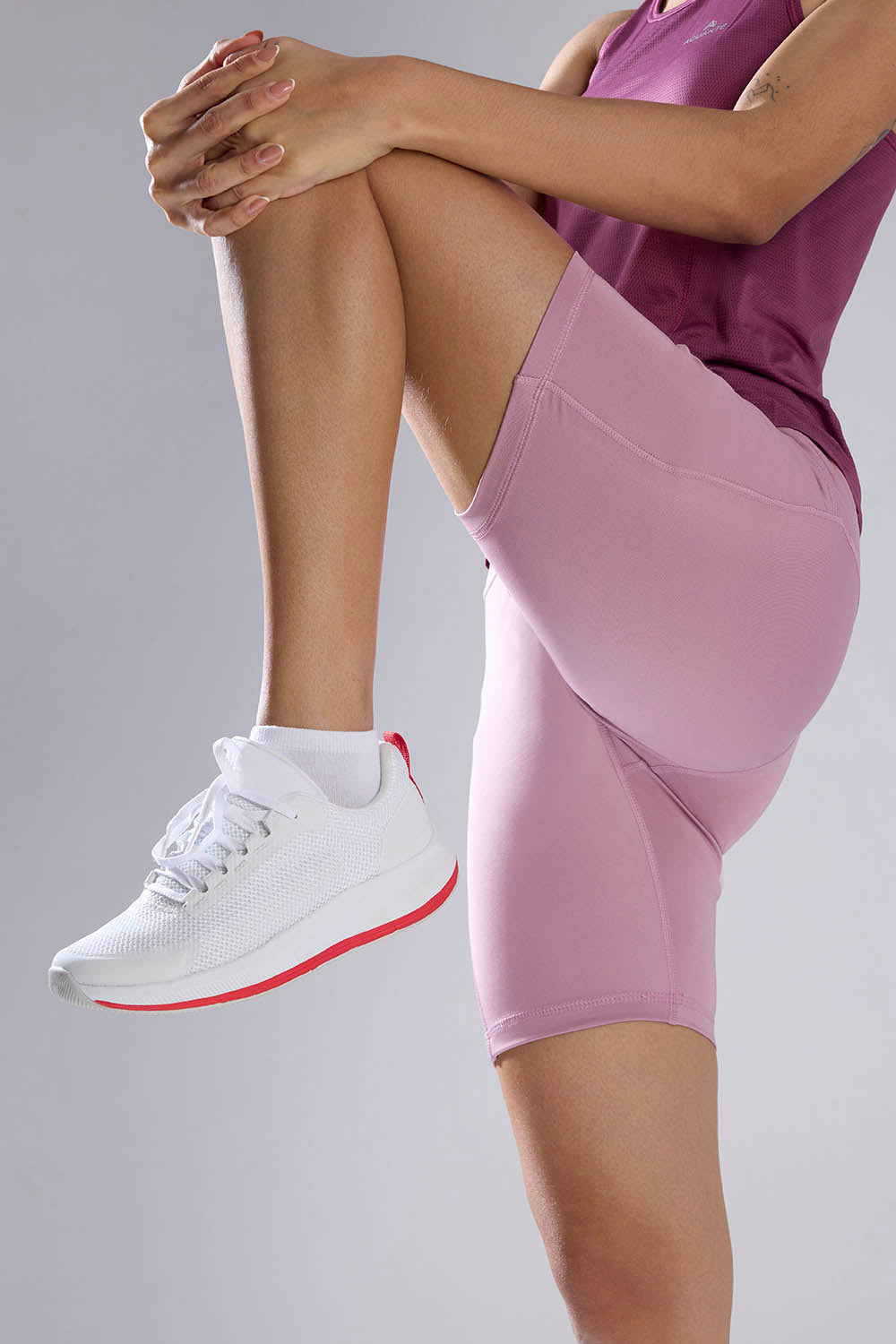
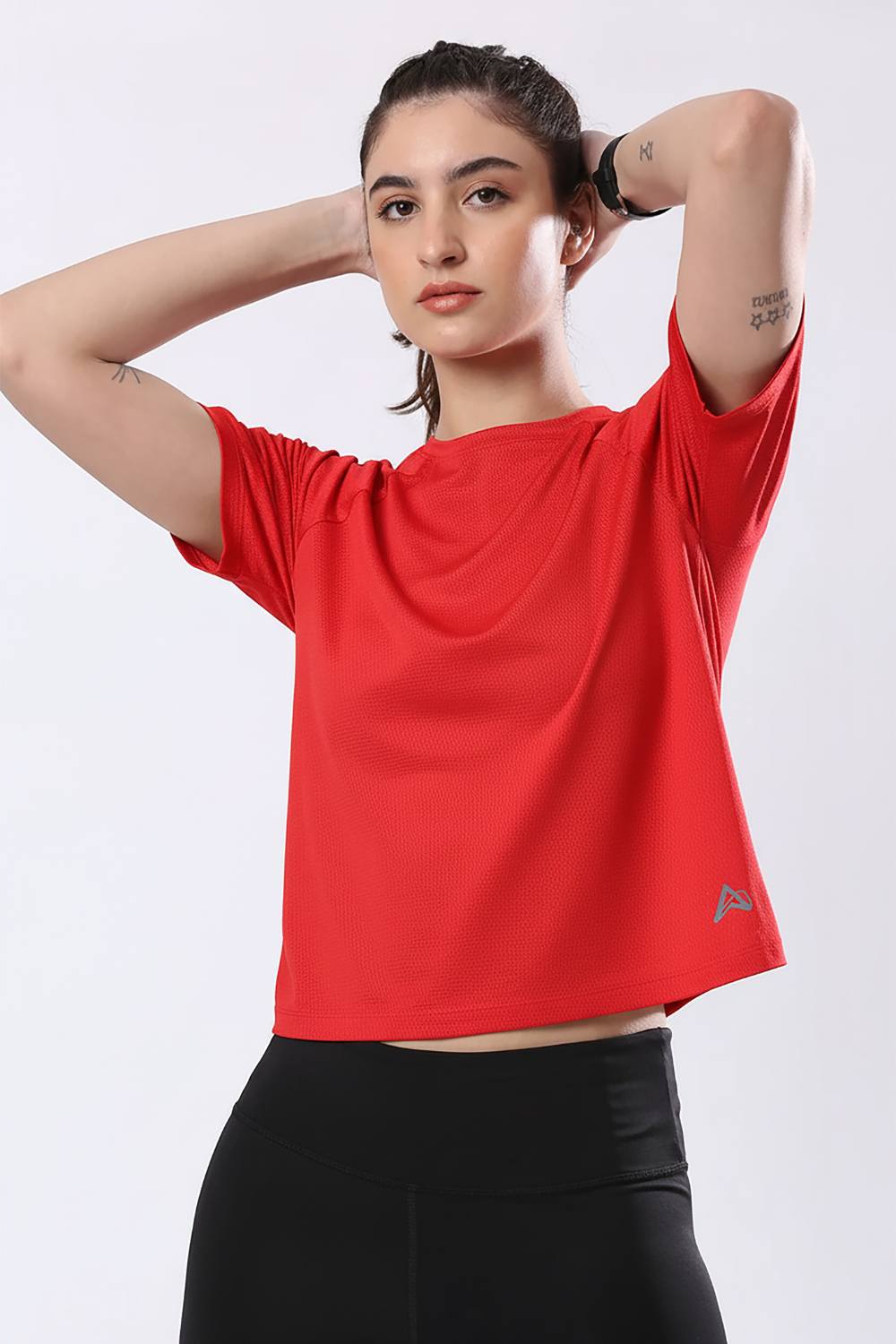

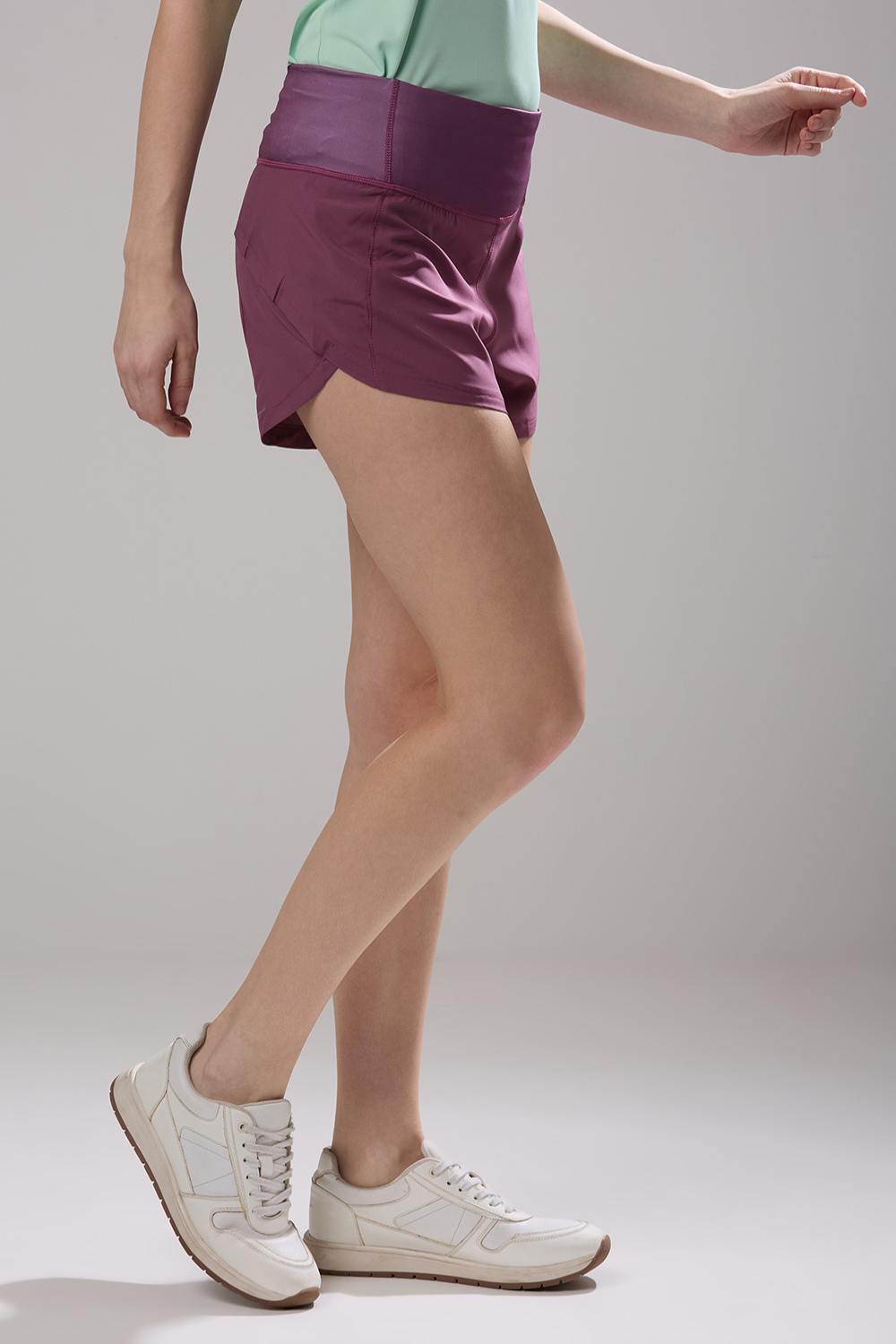
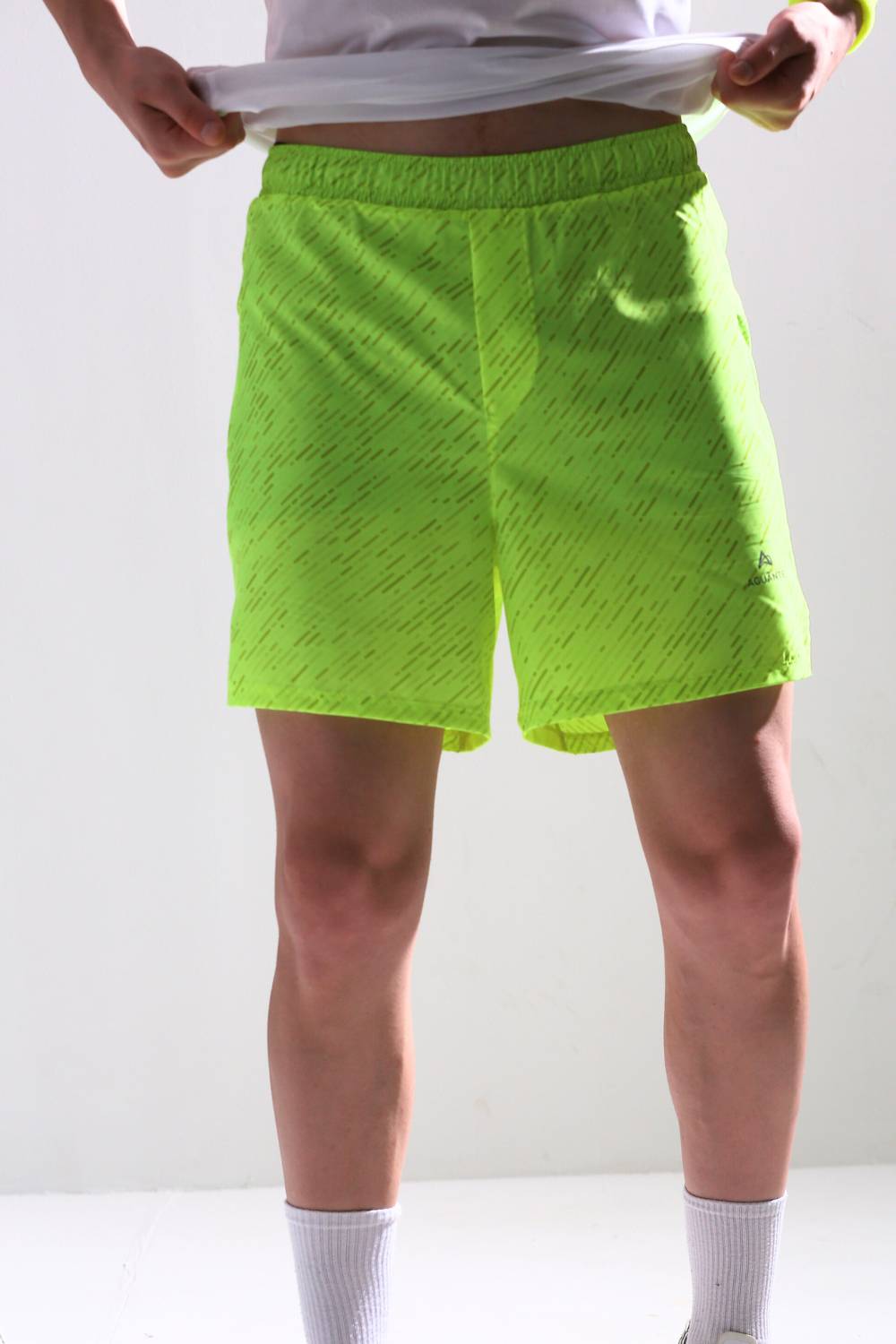
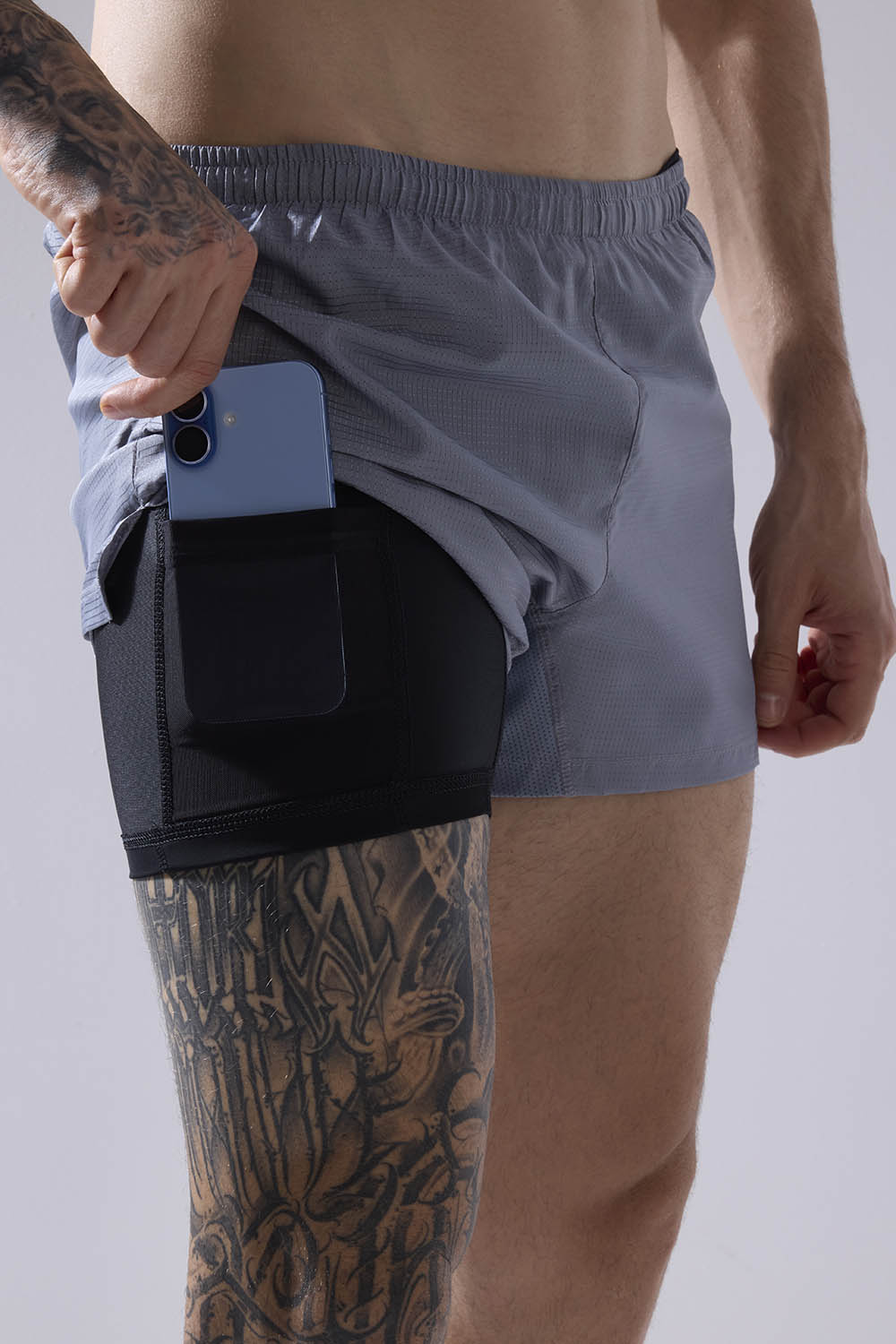

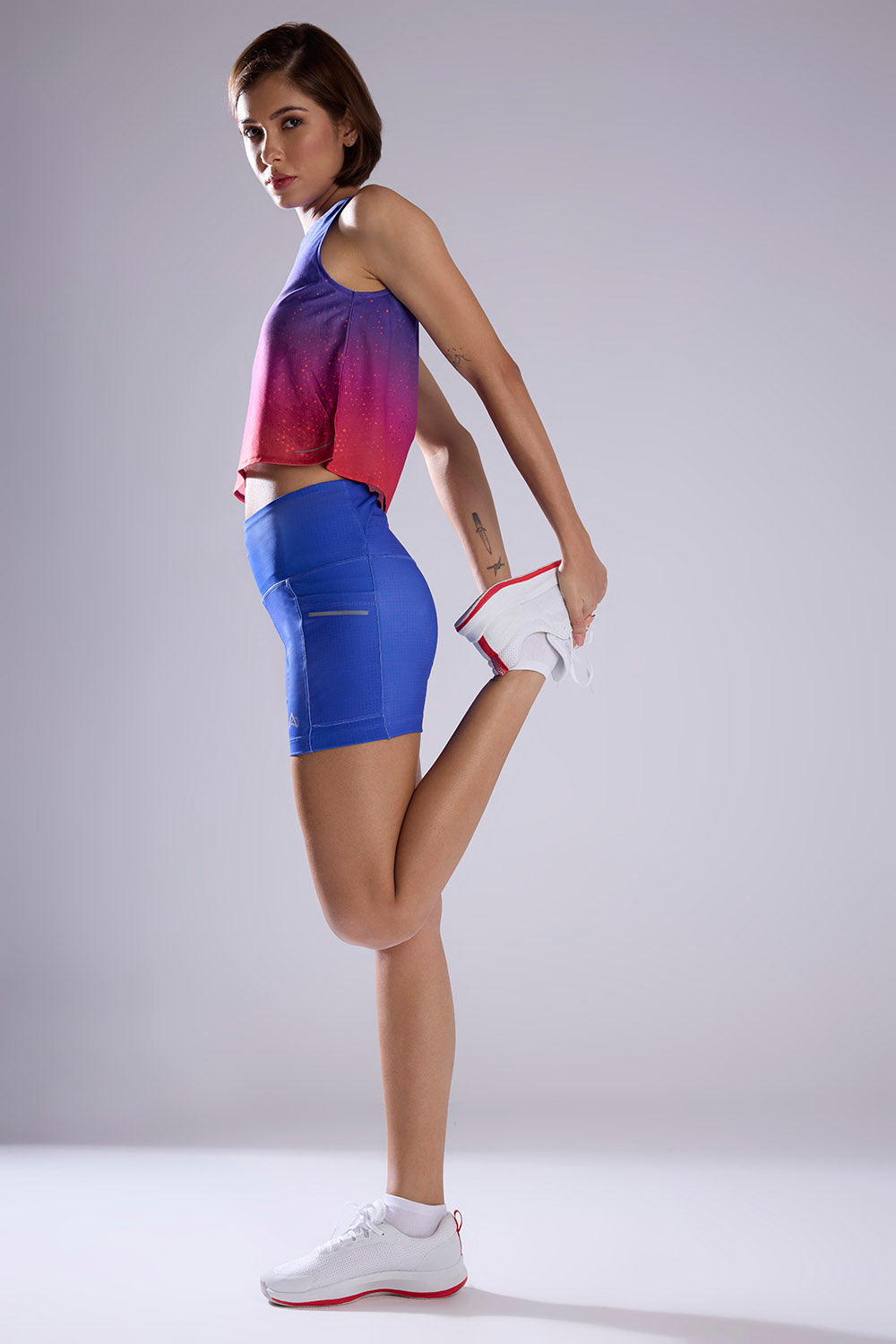
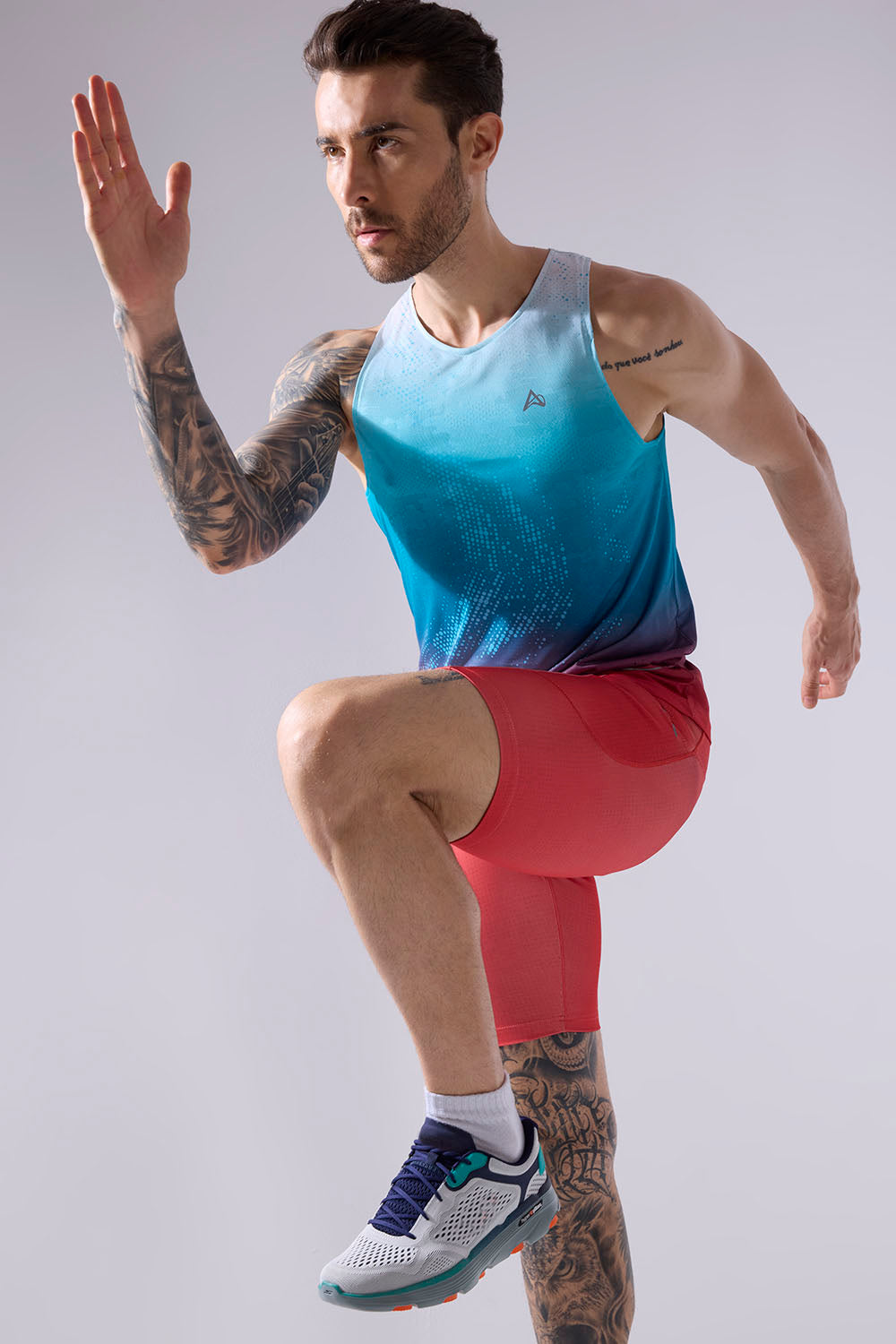

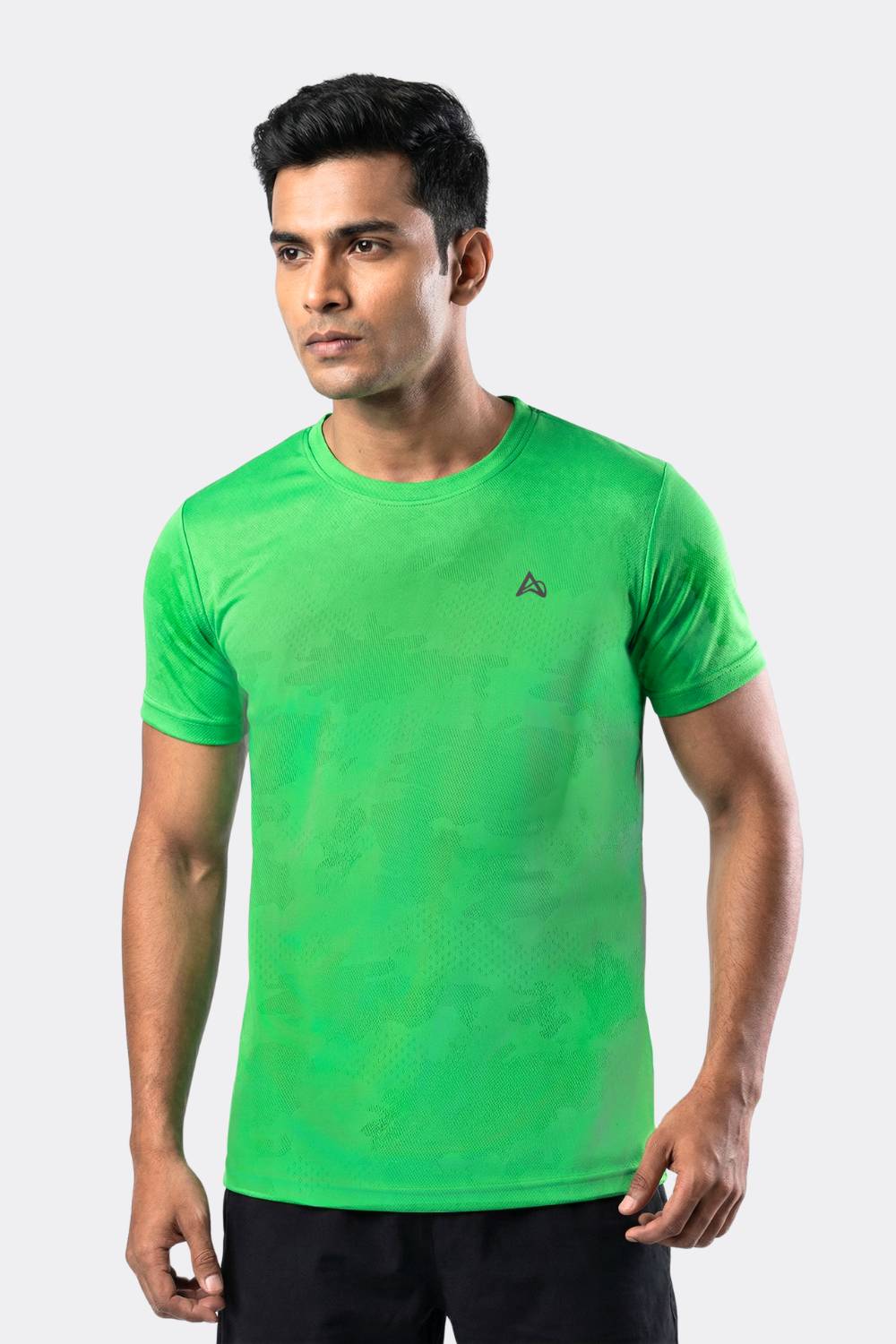
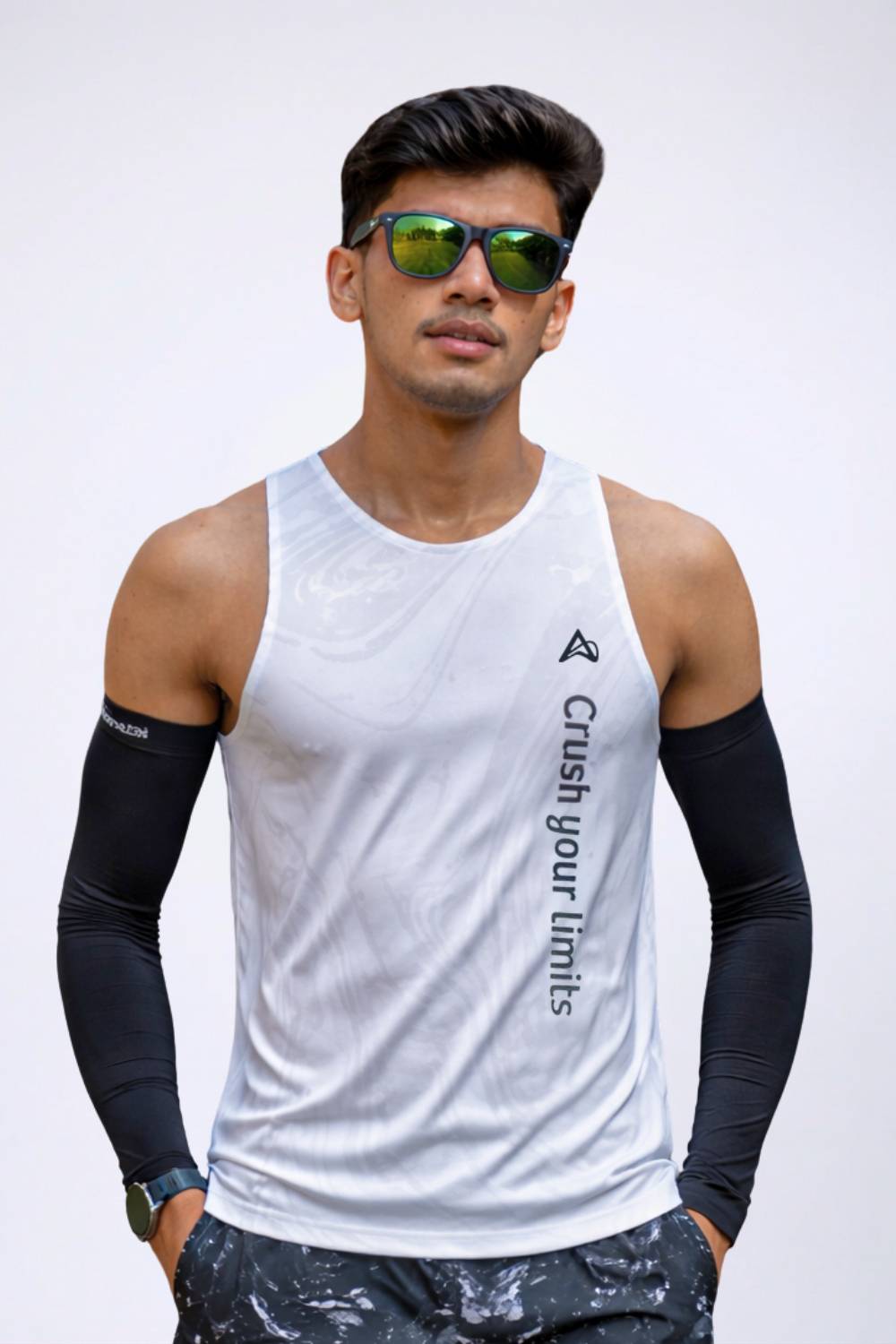

Breathability is one of the most important factors to consider when choosing running apparel, but it is also one of the easiest features to misunderstand. A lightweight shirt does not automatically provide better airflow, and a thin fabric does not always deliver comfort during longer runs. Runners need clothing that can manage heat, sweat, movement, and changing effort levels together. Comparing running apparel based on breathability requires looking beyond fabric labels and understanding how materials, construction, fit, and ventilation features work during actual training conditions.
Tired of gear that slows you down? Chafing, soggy fabrics, and missing pockets kill your run's momentum. At Aguante, we're runners who get it. Our high-performance activewear features moisture-wicking fabrics, ergonomic designs, and smart storage to keep you focused. Shop Now!
Why Breathability Matters in Running Apparel
During a run, the body produces heat and moisture as intensity increases. Clothing that traps warmth or holds sweat close to the skin can affect comfort and make a session feel more difficult. Breathable running apparel is designed to help manage this experience by allowing air movement, supporting moisture evaporation, and maintaining a comfortable feel throughout activity.
For runners, breathability is not only about staying cool. It influences how a garment feels after several kilometres, whether the fabric becomes heavy when damp, and whether the runner can maintain focus without constant adjustments. A shirt that feels comfortable during the first few minutes of a run may perform differently once sweat builds up and movement continues.
This is why comparing running clothes requires considering the complete wearing experience. The most suitable option depends on factors such as training duration, running intensity, climate, and personal comfort preferences.
Look Beyond Fabric Type When Comparing Breathable Running Clothes
Many runners begin their search by checking the fabric composition of a garment. While materials play an important role, breathability depends on more than the fibre itself. The way a garment is designed can significantly influence how air moves and how moisture is managed.
Fabric Construction Affects Airflow
The structure of a fabric can determine whether heat and moisture escape effectively. Open textures, lightweight materials, and strategically designed ventilation areas can improve airflow compared with tightly constructed fabrics that restrict movement of air.
When evaluating the best fabric for breathable running shirts, runners should consider how the material behaves during activity rather than focusing only on how it feels when touched. A fabric that feels soft and light at rest may not provide the same comfort when exposed to sweat and repeated movement.
Moisture Management Influences Perceived Breathability
Breathability and moisture control are closely connected. When sweat remains trapped against the body, a garment can feel warmer and less comfortable even if the material itself is lightweight. Moisture wicking running clothes are designed to help move sweat away from the skin, supporting a more comfortable experience during training.
For runners comparing apparel options, it is useful to assess how quickly a garment dries, how it feels after extended use, and whether the material maintains comfort throughout a complete session.
Evaluate Ventilation Features and Garment Design
Breathability is also shaped by where and how ventilation is built into a garment. Two running shirts made from similar materials can feel different because their designs handle airflow differently.
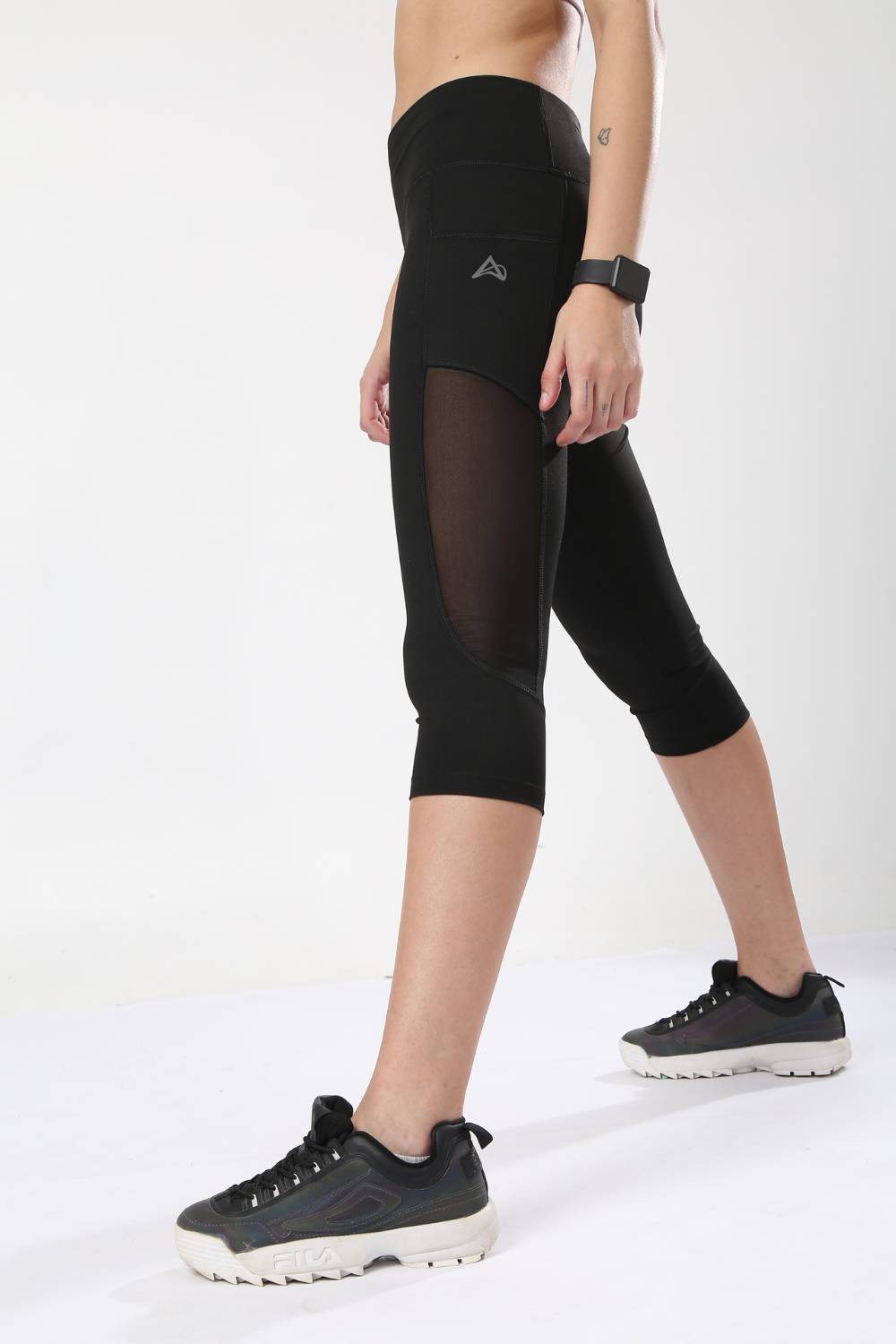
Features such as mesh sections, perforated areas, and strategically placed panels can support ventilation in areas where runners commonly experience heat and perspiration. This approach shows why breathability should be viewed as a design feature rather than simply a fabric characteristic.
Research into adaptive apparel technology also highlights this shift toward smarter ventilation approaches. For example, adaptive ventilation in apparel demonstrates how garment construction can respond to changing conditions during exercise. The example reinforces an important point for runners: effective breathability depends on how clothing manages airflow and moisture during movement, not just whether a material is described as lightweight.
When comparing lightweight running apparel for hot weather, runners should examine where ventilation zones are located and whether they match the areas where heat tends to build during activity.
Consider Fit, Movement, and Long-run Comfort
A breathable garment also needs to work well with the body's movement. Fit affects how air circulates around the body, how fabric sits against the skin, and how comfortable the runner feels over distance.
A garment that is too tight may reduce airflow and cause fabric to cling as sweat accumulates. A garment that is too loose may create unnecessary movement or distraction during faster sessions. The right balance allows freedom of movement while maintaining enough structure for comfort.
Real-world testing of running apparel often focuses on practical elements such as airflow, fit, stretch, drying behaviour, and comfort over repeated miles. Real-world running apparel testing provides useful insight into why runners should evaluate clothing under actual conditions rather than relying only on technical descriptions.
- Does the fabric remain comfortable after extended sweating?
- Does the garment maintain its shape during movement?
- Does it feel restrictive during faster or longer efforts?
- Does ventilation remain effective while running?
Match Breathability with Running Conditions
The ideal level of breathability depends on when and where the apparel will be used. A runner training in warm or humid conditions may prioritise airflow and quick moisture management, while someone running in cooler conditions may need a balance between ventilation and protection.
Running clothes for humid weather should help manage the challenges created by heat and moisture without becoming uncomfortable during movement. However, maximum airflow is not always the only goal. Apparel designed for changing conditions may need to balance ventilation with other practical requirements.
Runners should consider their typical environment, training schedule, and preferred running intensity before choosing apparel. A shirt designed for short high-intensity sessions may have different priorities compared with clothing intended for longer endurance runs.
A Practical Checklist for Comparing Running Apparel Breathability
Before selecting running apparel, runners can use a simple evaluation approach to compare different options more effectively:
- Check airflow: Look for construction features that support ventilation, such as breathable panels or open fabric structures.
- Assess moisture handling: Consider whether the garment can manage sweat comfortably during longer sessions.
- Test the fit: Ensure the apparel supports natural movement without feeling restrictive.
- Think about conditions: Choose features that match the climate and type of running you regularly do.
- Focus on real use: Consider how the garment performs after repeated training rather than only how it feels when new.
This approach helps runners move beyond simple product descriptions and make decisions based on how apparel supports their actual running experience.
Why Breathability Should Be Part of a Bigger Performance Apparel Decision
Breathability is an important consideration, but it works together with other elements of running apparel design. Comfort, mobility, durability, storage options, and overall construction all influence whether a garment supports consistent training.
For runners exploring performance clothing, understanding breathability creates a stronger foundation for choosing apparel that matches their needs. Instead of looking for the thinnest or lightest option, runners can focus on garments designed to manage airflow, moisture, and movement together.
Brands focused on runner-specific apparel, such as Aguante, can use this type of education to help athletes better understand the features that matter when selecting running clothing. Explaining how breathability works allows runners to make more informed choices and connect technical design features with real training benefits.
Comparing running apparel based on breathability is ultimately about understanding performance beyond specifications. The best choice is the one that continues to feel comfortable, supportive, and functional throughout the runs that matter most.
Frequently Asked Questions
How do I compare running apparel based on breathability?
Compare running apparel by looking at fabric construction, airflow, moisture management, ventilation features, and overall comfort during movement. A breathable garment should help manage heat and sweat while maintaining comfort throughout different running conditions.
What makes running clothes more breathable for hot and humid weather?
Running clothes for humid weather are designed to support airflow and moisture control through features such as lightweight materials, ventilation panels, and moisture-wicking fabrics. The best options balance cooling, comfort, and performance rather than simply using the thinnest fabric.
Is fabric type the most important factor when choosing breathable running apparel?
Fabric type matters, but breathability also depends on garment design, fit, ventilation placement, and how the material performs during activity. Runners should evaluate how the apparel feels after sweating and over longer distances instead of relying only on fabric descriptions.
Disclaimer: The above helpful resources content contains personal opinions and experiences. The information provided is for general knowledge and does not constitute professional advice.
You may also be interested in: How Proper Activewear Can Reduce Chafing and Discomfort on Long Runs
Tired of gear that slows you down? Chafing, soggy fabrics, and missing pockets kill your run's momentum. At Aguante, we're runners who get it. Our high-performance activewear features moisture-wicking fabrics, ergonomic designs, and smart storage to keep you focused. Shop Now!
Powered by flareAI.co