



Quick Listen:
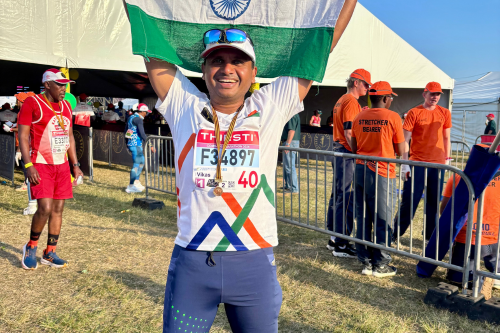
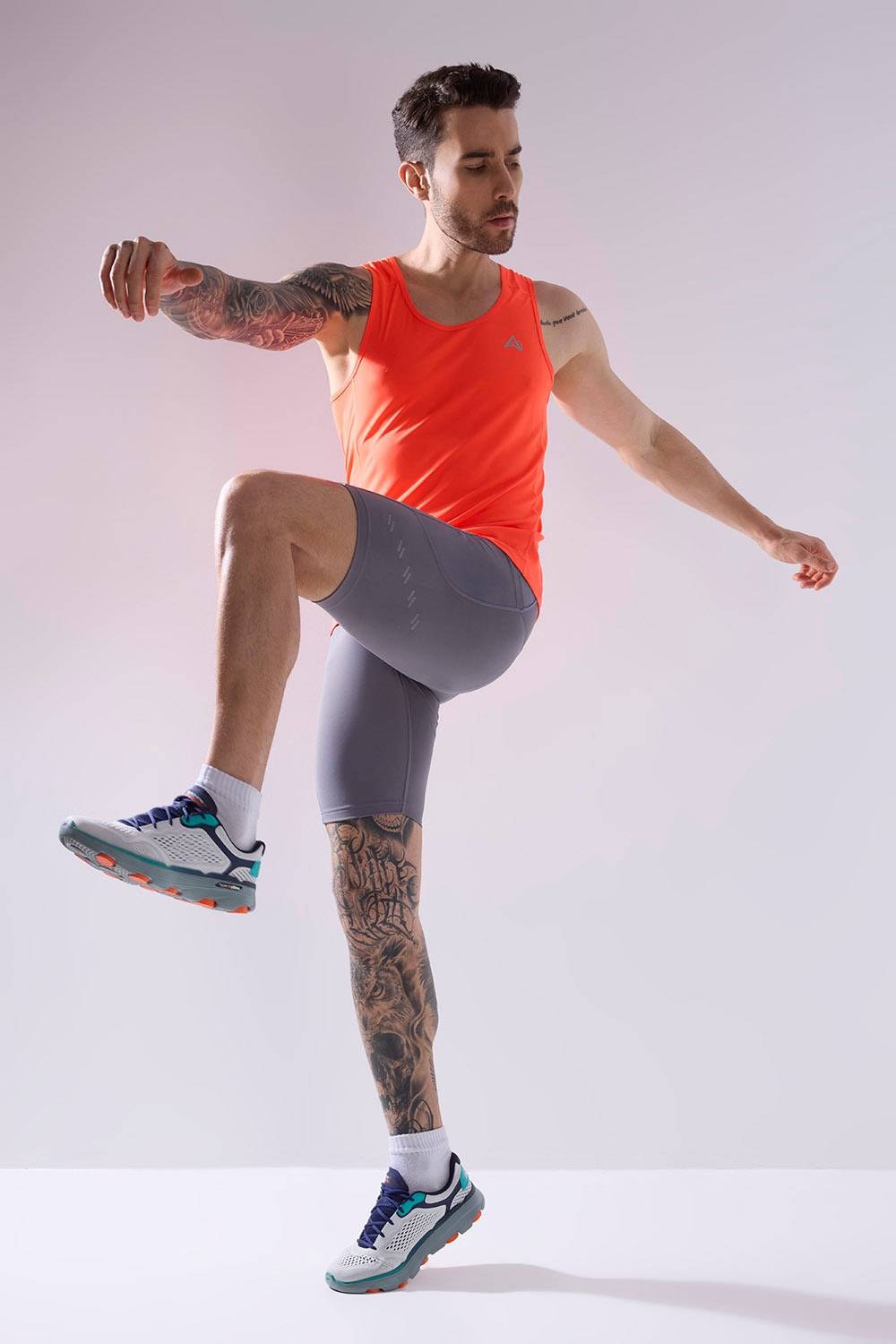
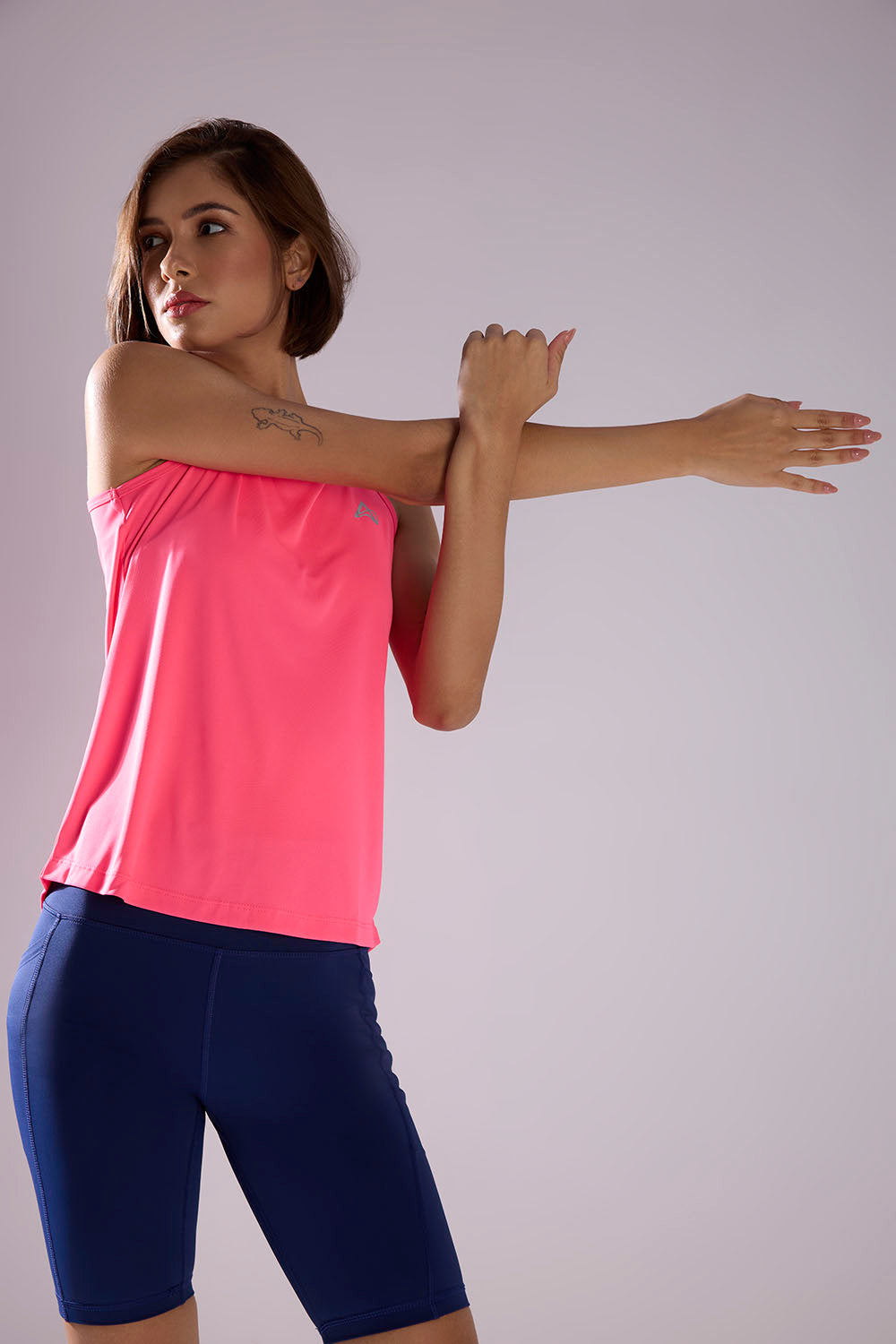
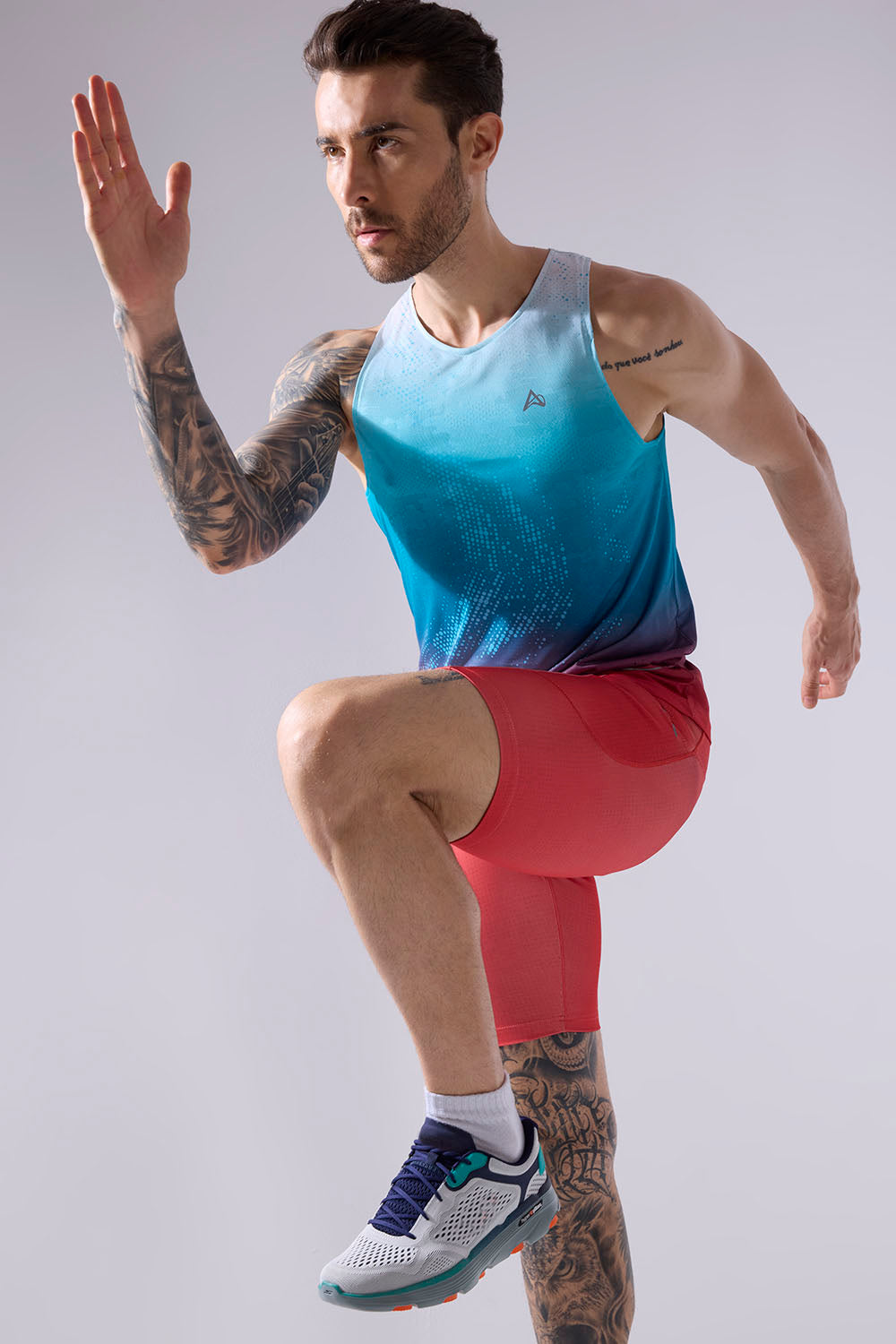
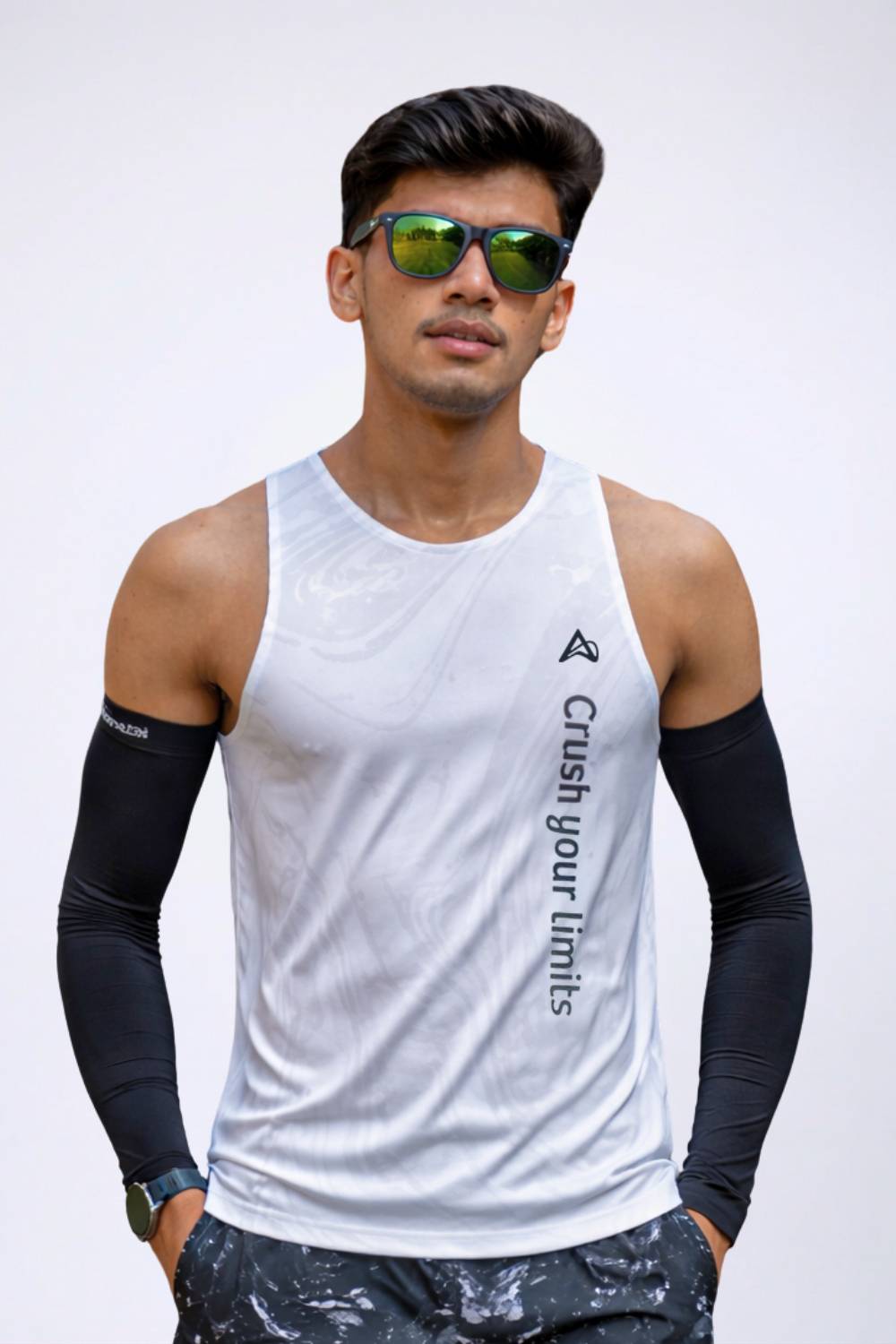
What Makes Running Singlets Suitable for Race Day comes down to one central idea: race apparel should help runners stay focused on performance rather than managing discomfort. For athletes preparing for a marathon, road race, or endurance event, clothing choices can influence how they experience every kilometre. A running singlet is designed around the specific demands of running, offering a combination of lightweight construction, ventilation, and freedom of movement that many runners look for when choosing race-day clothing.
Unlike everyday athletic tops, running singlets are created with the repetitive motion, heat buildup, and extended effort of running in mind. Their sleeveless design reduces fabric around the shoulders and arms, allowing runners to move naturally while maintaining comfort during demanding efforts. For those evaluating the best race day running apparel, understanding the purpose behind a singlet's design can help them make a more informed decision.
Tired of gear that slows you down? Chafing, soggy fabrics, and missing pockets kill your run's momentum. At Aguante, we're runners who get it. Our high-performance activewear features moisture-wicking fabrics, ergonomic designs, and smart storage to keep you focused. Shop Now!
Why Running Singlets Are Designed for Race Conditions
Race day places different demands on clothing compared with regular training sessions. During a competitive run, athletes often maintain a consistent pace for a prolonged period, making comfort, temperature management, and mobility important considerations. A garment that feels acceptable during a short workout may become distracting when worn through an entire event.
Running singlets address these needs through a simple but effective design approach. With less fabric covering the upper body, they allow greater airflow around the torso and reduce the feeling of restriction around the arms and shoulders. This makes them a popular choice among runners who want apparel that supports movement without unnecessary layers.
The value of a singlet is not only about having fewer materials. A well-designed running singlet considers how fabric interacts with the body during repeated movement. Features such as breathable construction, lightweight materials, and a stable fit are intended to help runners maintain focus throughout a race rather than constantly adjust their clothing.
How Breathability Supports Race-day Comfort
Heat management is one of the biggest considerations when selecting race-day clothing. During outdoor races, temperature, humidity, sunlight, and race duration can all affect how comfortable a runner feels. A lightweight singlet can support a race-day clothing strategy by reducing insulation around the upper body and allowing more air circulation.
Research and reporting on race conditions highlight how rising temperatures can create additional challenges for runners. Heat on race day can influence how events are managed and how athletes approach preparation. While clothing cannot replace hydration, pacing strategies, or heat acclimatisation, choosing breathable apparel can be one part of preparing for outdoor competition.
For runners comparing lightweight running tops for races, the key consideration is how the garment performs during actual movement. Breathability is most valuable when it works alongside comfort and fit, helping athletes avoid unnecessary distractions during a demanding effort.
The Role of Fit and Freedom of Movement
A race-day singlet needs to support natural running mechanics. Every runner has a unique stride, arm movement pattern, and body shape, so fit plays an important role in whether apparel feels comfortable over long distances.
A suitable running singlet should provide enough room around the shoulders and chest to allow unrestricted movement while staying secure during activity. A loose garment may create distractions, while an overly tight fit may limit comfort during extended efforts. The goal is a balanced fit that allows runners to move naturally without needing constant adjustments.
Reducing Distractions During Long-distance Events
Long-distance running requires attention to pacing, energy management, and race strategy. Small discomforts that seem minor early in an event can become more noticeable over time. Clothing that stays comfortable throughout the race allows runners to direct more attention towards their performance goals.
This is one reason many experienced runners test their race-day clothing during training. Trying apparel before an event helps runners understand how the material behaves with sweat, movement, and longer periods of use. Introducing new clothing on race morning can create unnecessary uncertainty.
Understanding the Benefits of Running Singlets
The benefits of running singlets extend beyond their appearance. Their design reflects the practical needs of runners who want efficient, functional clothing for competition and endurance activities.
- Lightweight construction: A reduced amount of fabric can help runners feel less restricted during fast-paced efforts.
- Improved airflow: Sleeveless designs can encourage ventilation around the upper body.
- Enhanced mobility: Open shoulder areas allow natural arm movement while running.
- Race-focused comfort: Purpose-built designs help reduce distractions during longer events.
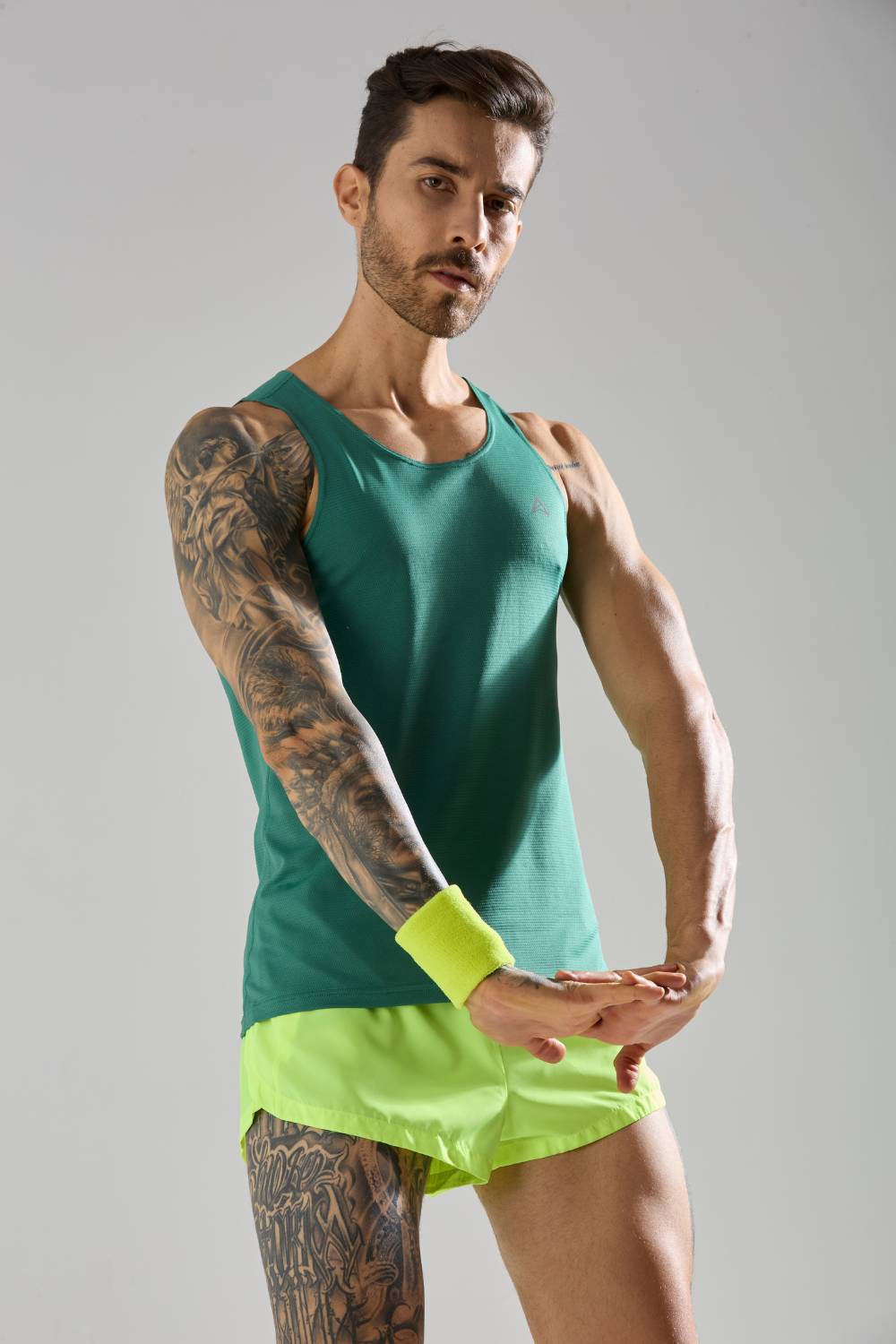
Modern running singlets are developed with factors such as mobility, breathability, and comfort in mind. Running singlet design has evolved beyond simply removing sleeves from a traditional shirt, with attention given to how runners move and where heat can accumulate during effort.
For athletes deciding what to wear on race day, these features explain why singlets remain a common choice. They are not selected only because they look like competition apparel; they are selected because their design aligns with the physical requirements of running.
What Features Should Runners Look for in Race-day Apparel?
Choosing the right race-day clothing involves more than selecting a lightweight top. Runners should consider how different features match their personal preferences, running style, and event conditions.
- Fabric performance: The material should feel comfortable during movement and support effective moisture management.
- Fit consistency: The singlet should remain comfortable without shifting excessively during activity.
- Movement support: The design should allow natural shoulder and arm movement.
- Training compatibility: The apparel should be tested before race day to ensure it performs as expected.
Runners should also consider the conditions they expect during the event. A singlet that works well during a warm race may feel different in cooler conditions. Personal comfort, weather, race distance, and individual preferences all influence what becomes the right choice for an athlete.
Why Race-day Clothing Decisions Matter for Endurance Runners
Race-day preparation involves many decisions, from pacing strategy to nutrition planning. Clothing may appear like a small detail, but it directly affects how comfortable runners feel throughout the event.
For endurance runners, comfortable running gear for long distance is about reliability. The right apparel should perform consistently from the starting line through the final stretch. A garment that supports movement and feels comfortable can become part of a runner's routine and confidence before competition.
This is particularly relevant for runners who participate in repeated events throughout the year. Instead of treating race apparel as a one-time purchase, many athletes evaluate clothing based on durability, comfort, and suitability for different training and competition environments.
How Running Singlets Fit Into a Runner's Race-day Strategy
A running singlet is one component of a broader race-day approach. Successful preparation usually involves combining suitable apparel with training consistency, pacing awareness, recovery habits, and attention to environmental conditions.
For runners exploring marathon running singlet benefits, the main takeaway is that apparel should support the athlete rather than compete for attention. A well-chosen singlet provides a practical balance of coverage, ventilation, and mobility, helping runners approach race day with fewer clothing-related concerns.
Brands focused on performance running apparel can support this decision-making process by helping athletes understand why specific design choices matter. For a runner evaluating race-day clothing, learning about fabric, fit, and functional details makes it easier to choose apparel that matches their needs.
Aguante's focus on running-focused activewear connects naturally with this conversation because runners often look for apparel designed around the realities of training and competition. Understanding why a running singlet works on race day helps athletes make more informed choices when selecting performance clothing for their next event.
Final Thoughts: Choosing a Running Singlet for Race Day
Running singlets remain a popular race-day choice because they combine practical design features with the specific demands of endurance running. Their lightweight structure, ventilation, and freedom of movement make them suitable for runners who want clothing that supports comfort throughout an event.
The best race-day apparel decision is not based only on appearance. It comes from understanding how a garment performs during real running conditions and whether it helps the athlete stay comfortable, focused, and confident. By considering fit, fabric, and personal preferences before race morning, runners can choose clothing that supports their performance from start to finish.
Frequently Asked Questions
Why are running singlets suitable for race day?
Running singlets are suitable for race day because they are designed to support comfort, mobility, and ventilation during demanding runs. Their lightweight construction and sleeveless design help reduce restriction around the shoulders and allow runners to move naturally throughout an event.
What are the benefits of running singlets for marathon and long-distance races?
The benefits of running singlets include improved airflow, reduced fabric weight, and greater freedom of movement during long-distance efforts. They can help runners stay comfortable and focused by reducing clothing-related distractions during extended races.
What features should runners look for in race day running apparel?
Runners should look for race day running apparel with breathable fabric, a comfortable fit, moisture management, and designs that support natural movement. Testing the clothing during training before an event can help ensure it performs well during race conditions.
Disclaimer: The above helpful resources content contains personal opinions and experiences. The information provided is for general knowledge and does not constitute professional advice.
You may also be interested in: Women's Marathon Shorts India: A Complete Guide for Long-distance Runners
Tired of gear that slows you down? Chafing, soggy fabrics, and missing pockets kill your run's momentum. At Aguante, we're runners who get it. Our high-performance activewear features moisture-wicking fabrics, ergonomic designs, and smart storage to keep you focused. Shop Now!
Powered by flareAI.co