



Quick Listen:
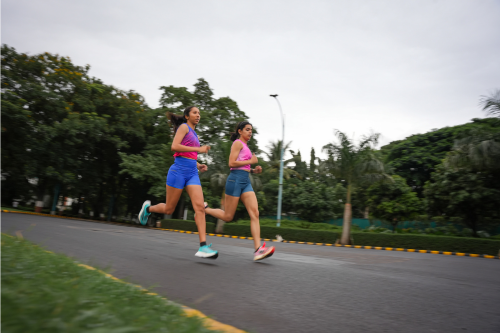
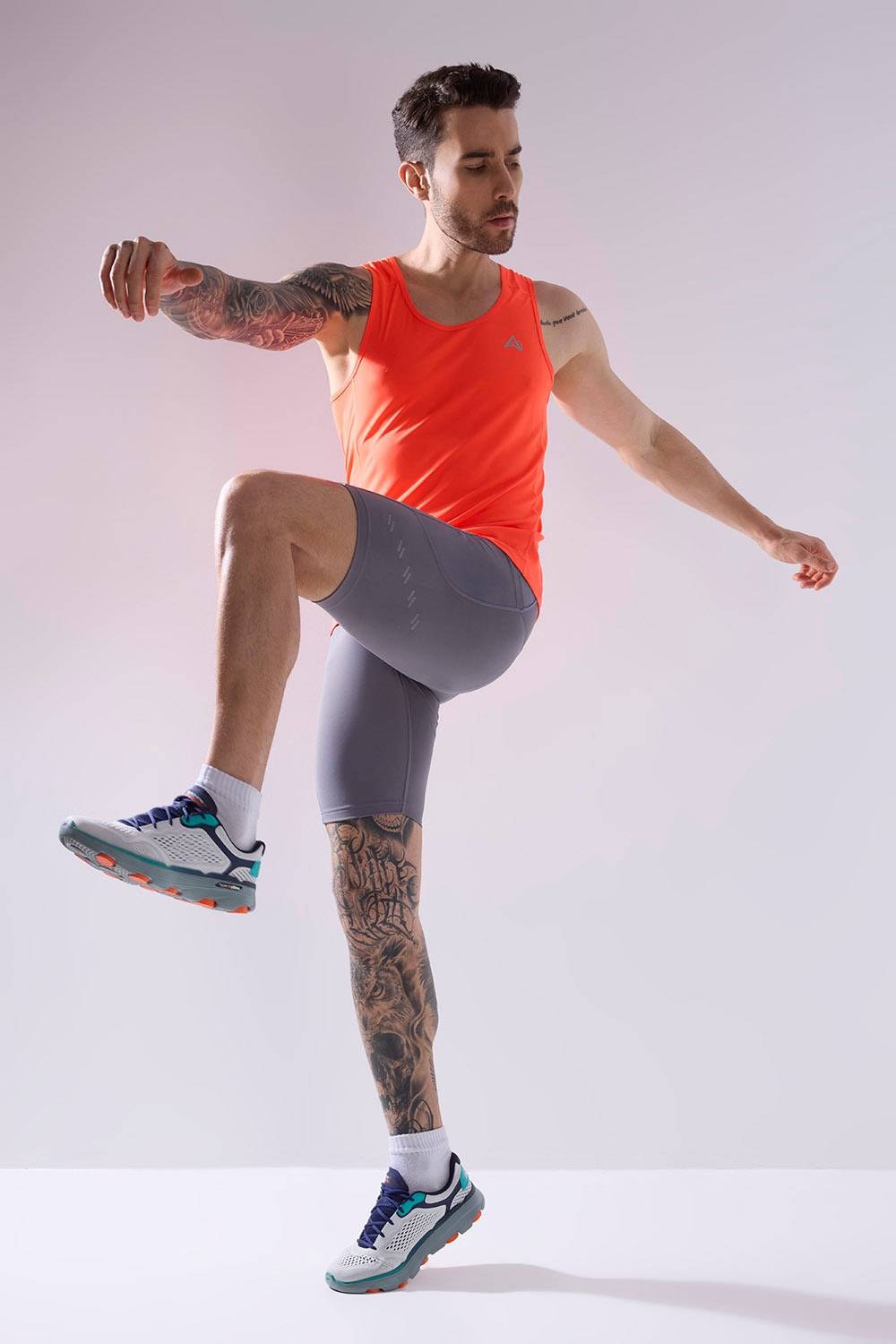
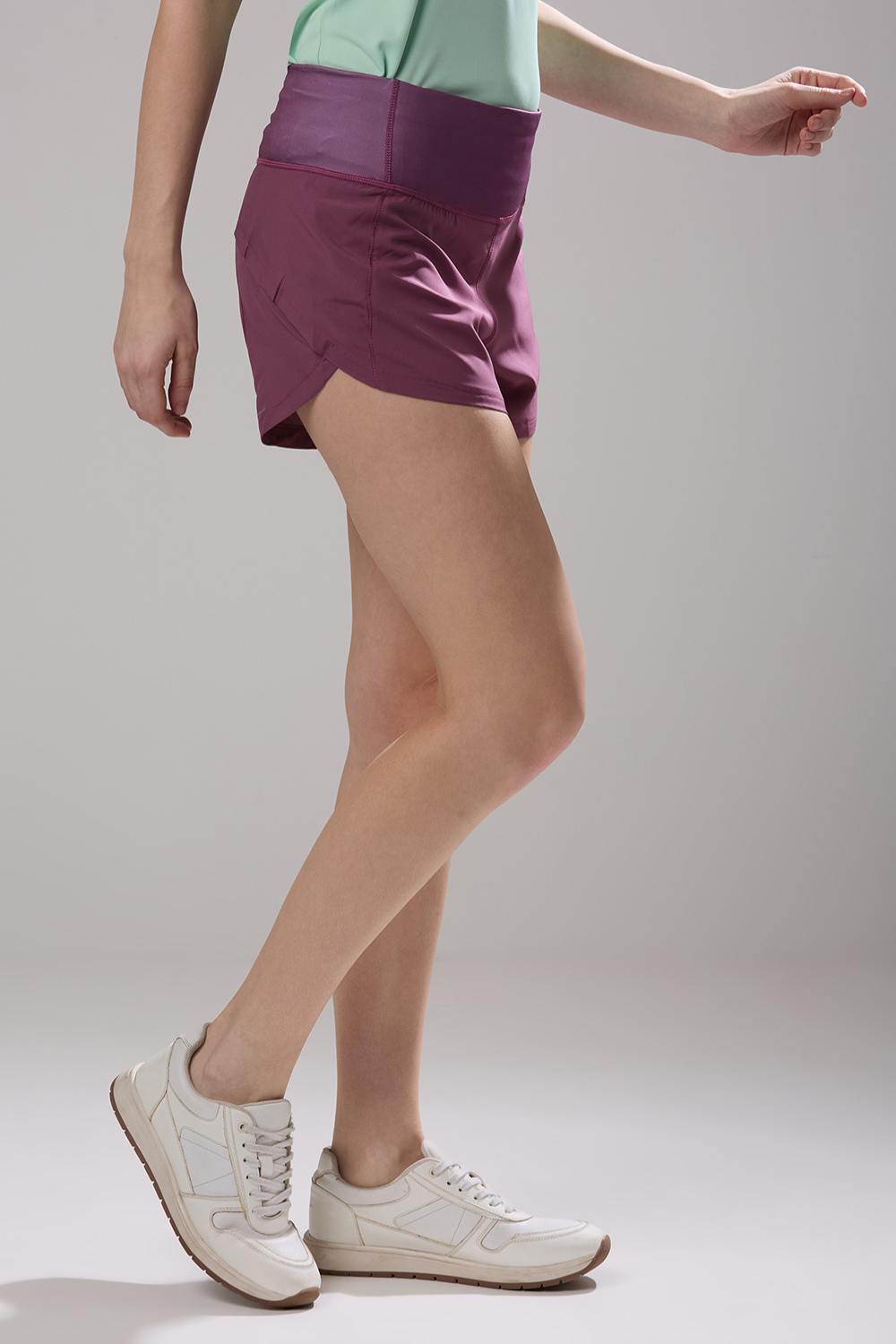
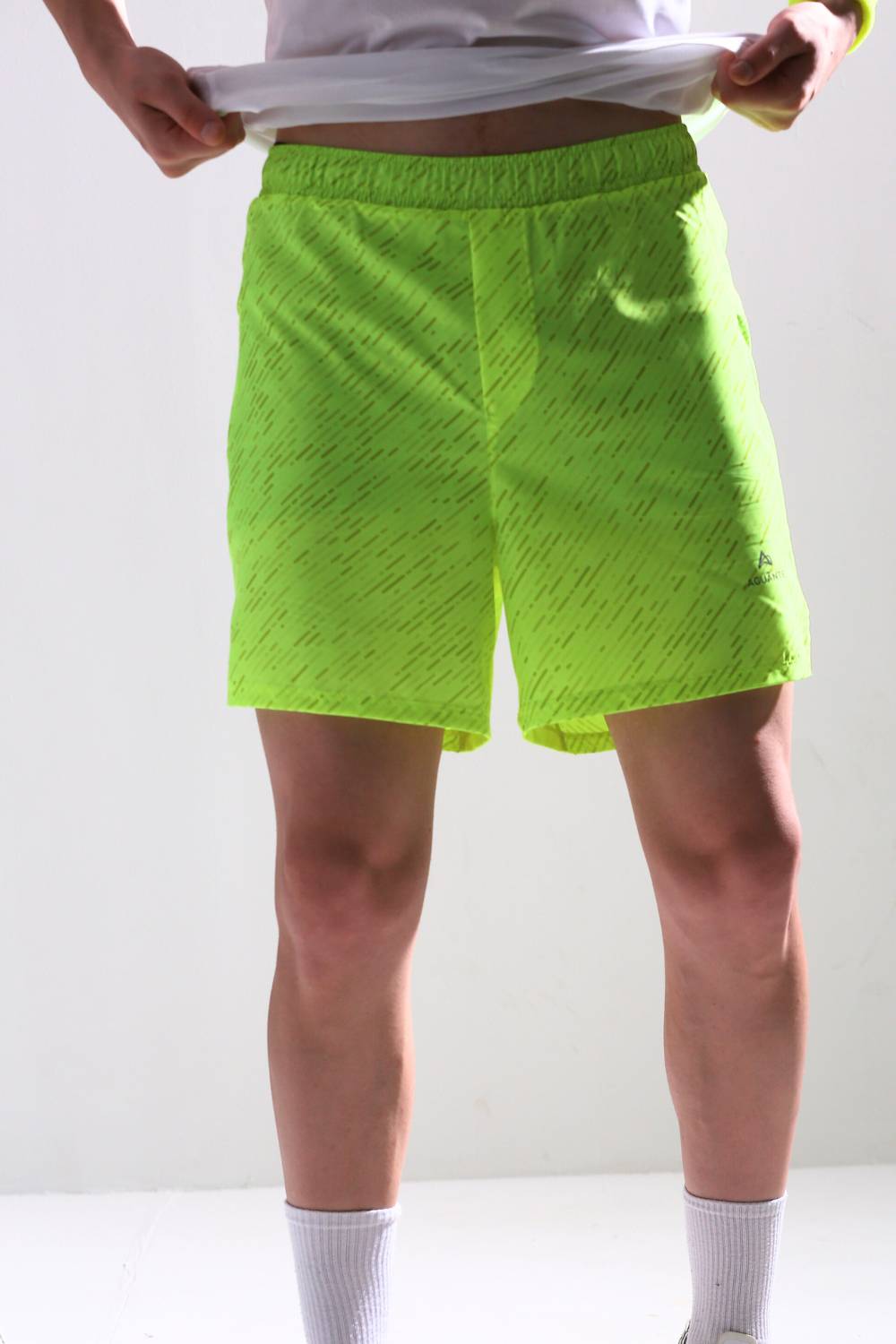
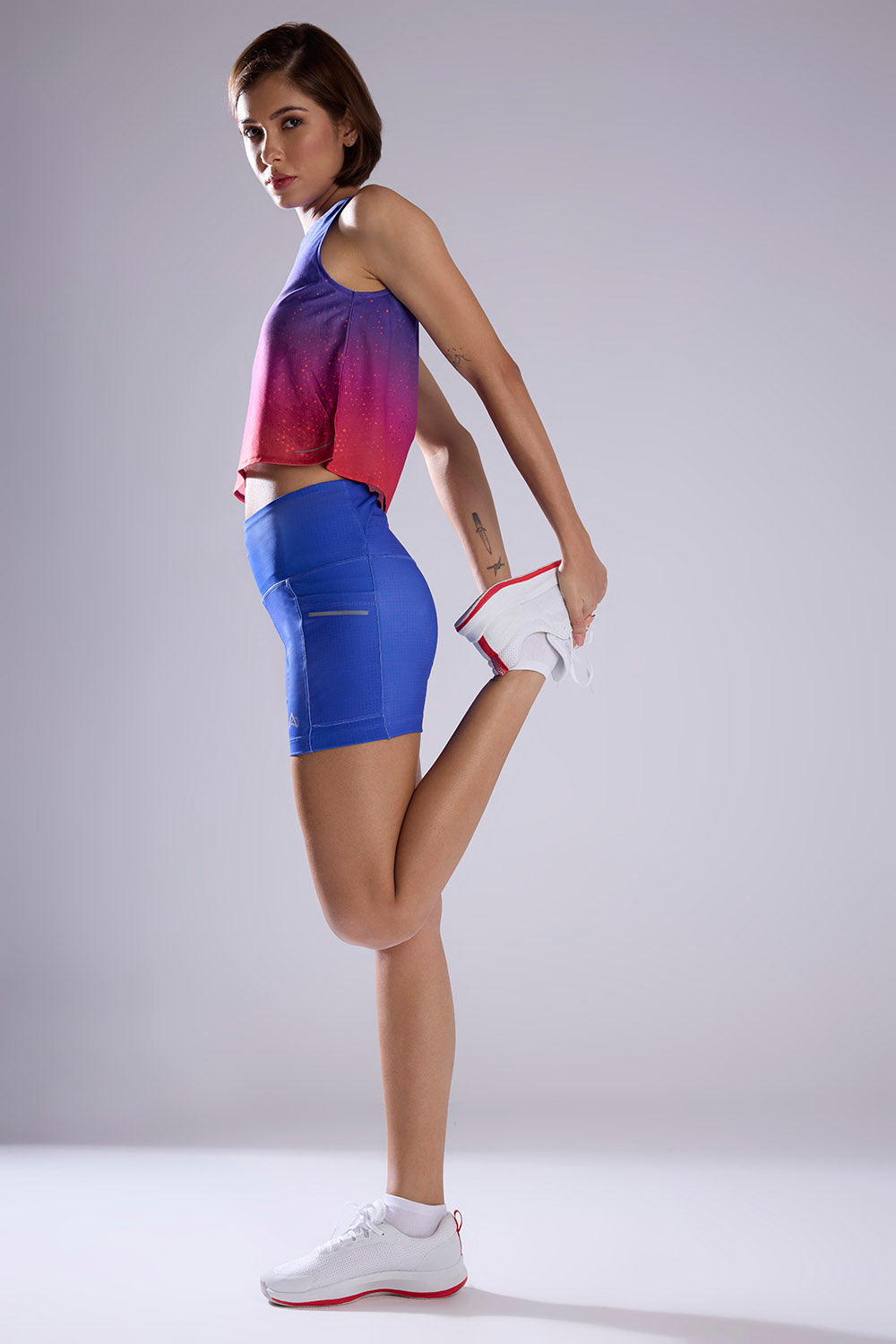
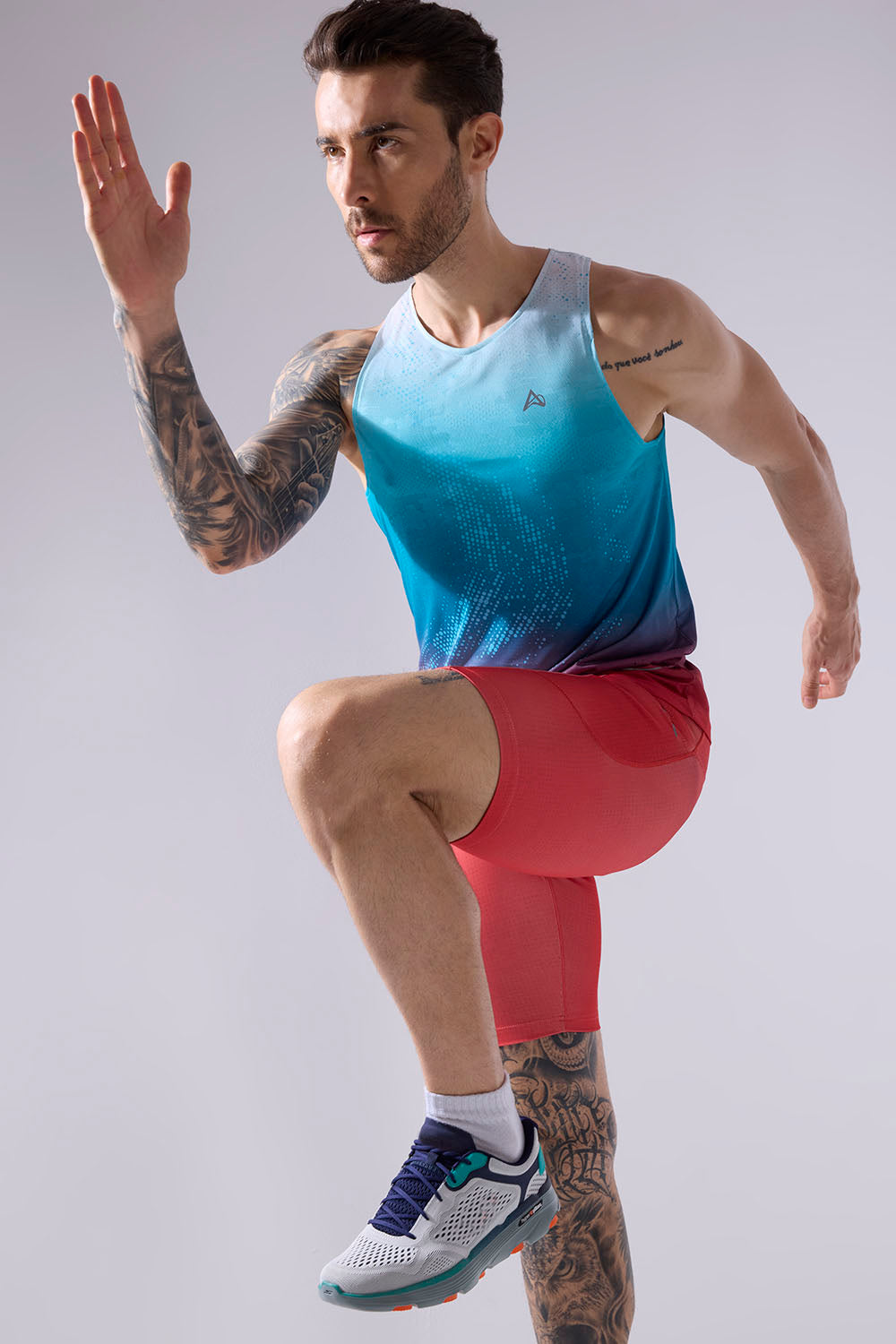
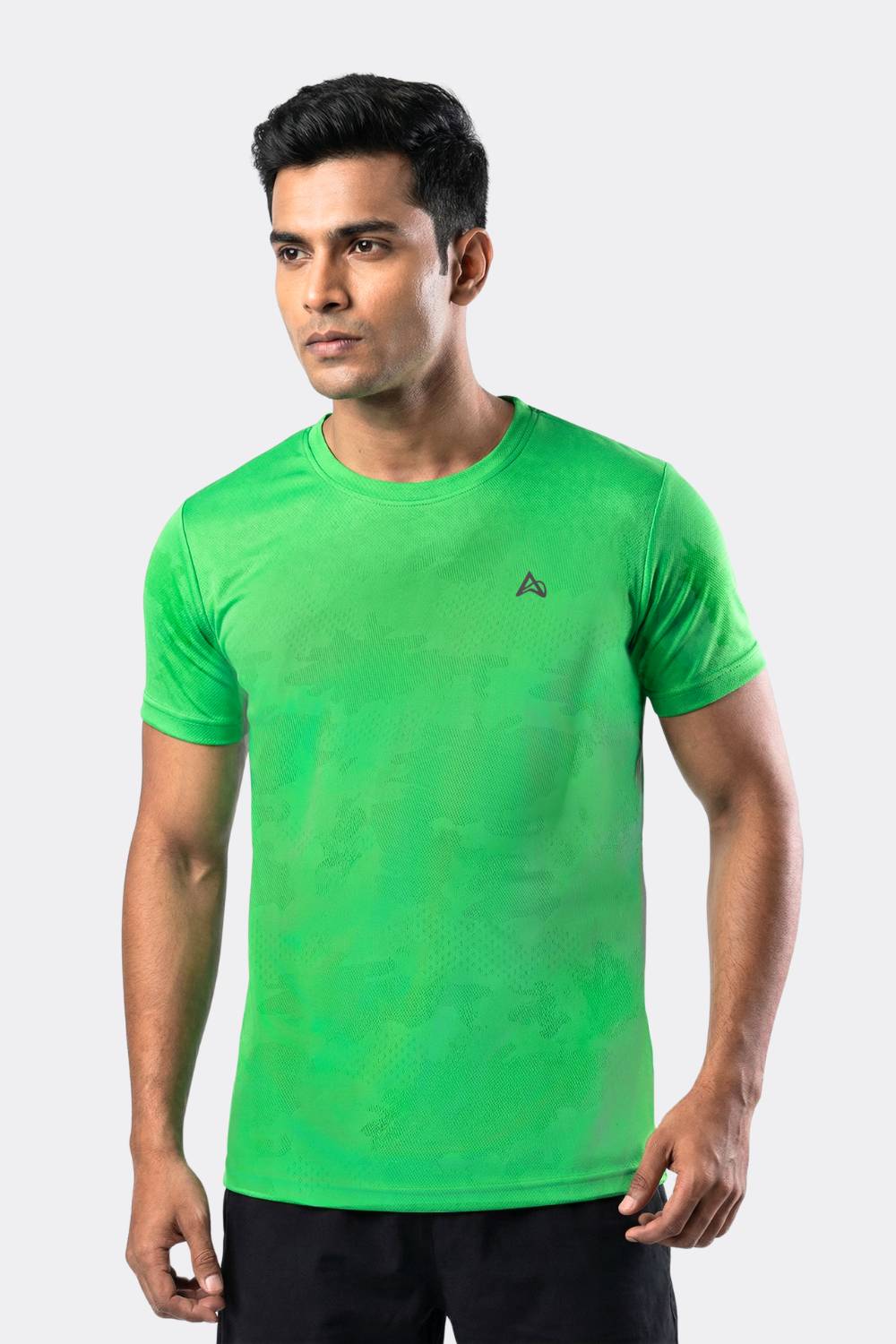
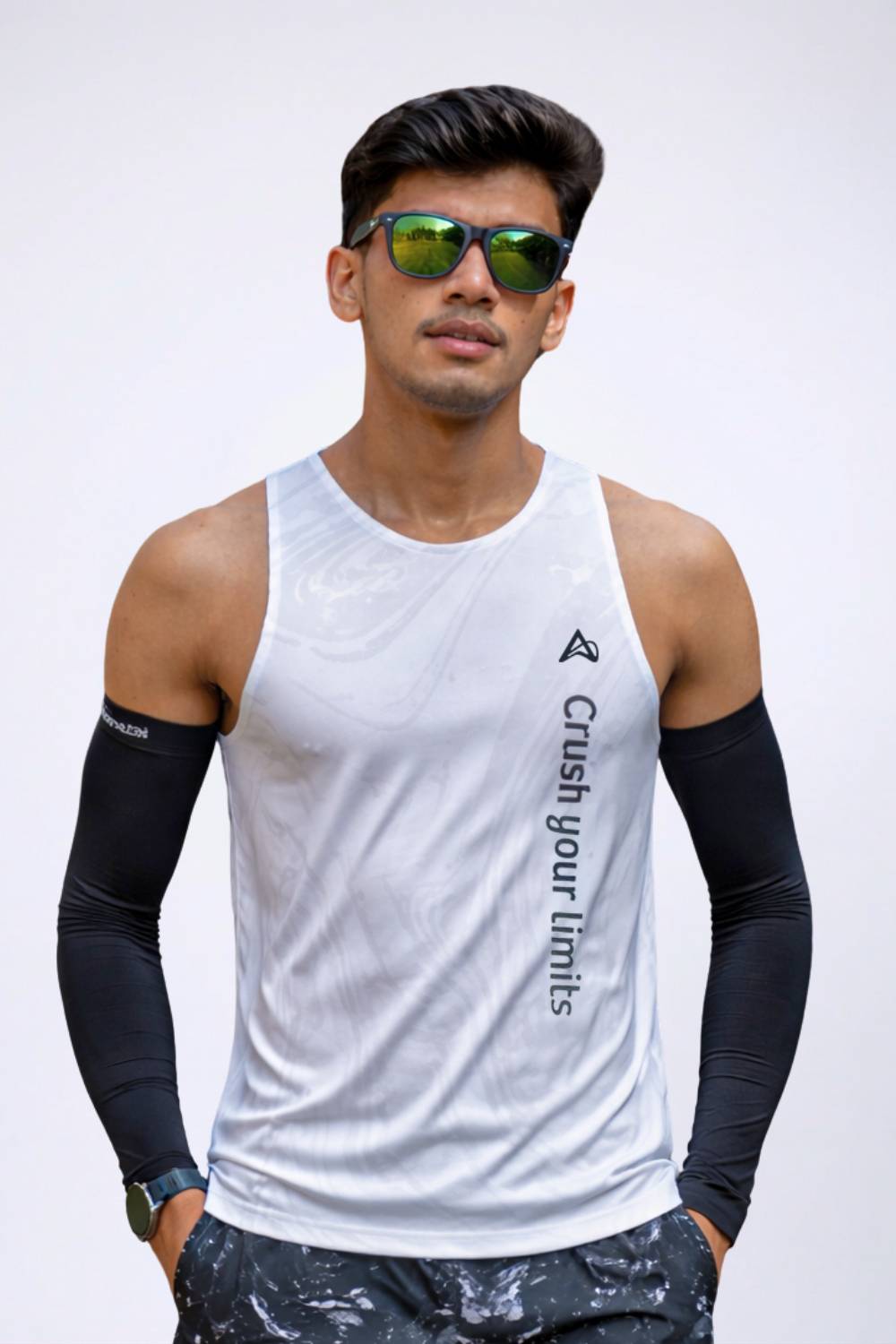
Endurance training is shaped by many variables, from pacing strategies and recovery routines to nutrition and equipment choices. Clothing is often overlooked, yet the right running apparel can influence comfort, movement, and the ability to maintain consistent effort over longer distances. Lightweight running apparel helps runners manage the physical demands of training by reducing unnecessary weight, supporting airflow, and allowing the body to regulate temperature more effectively.
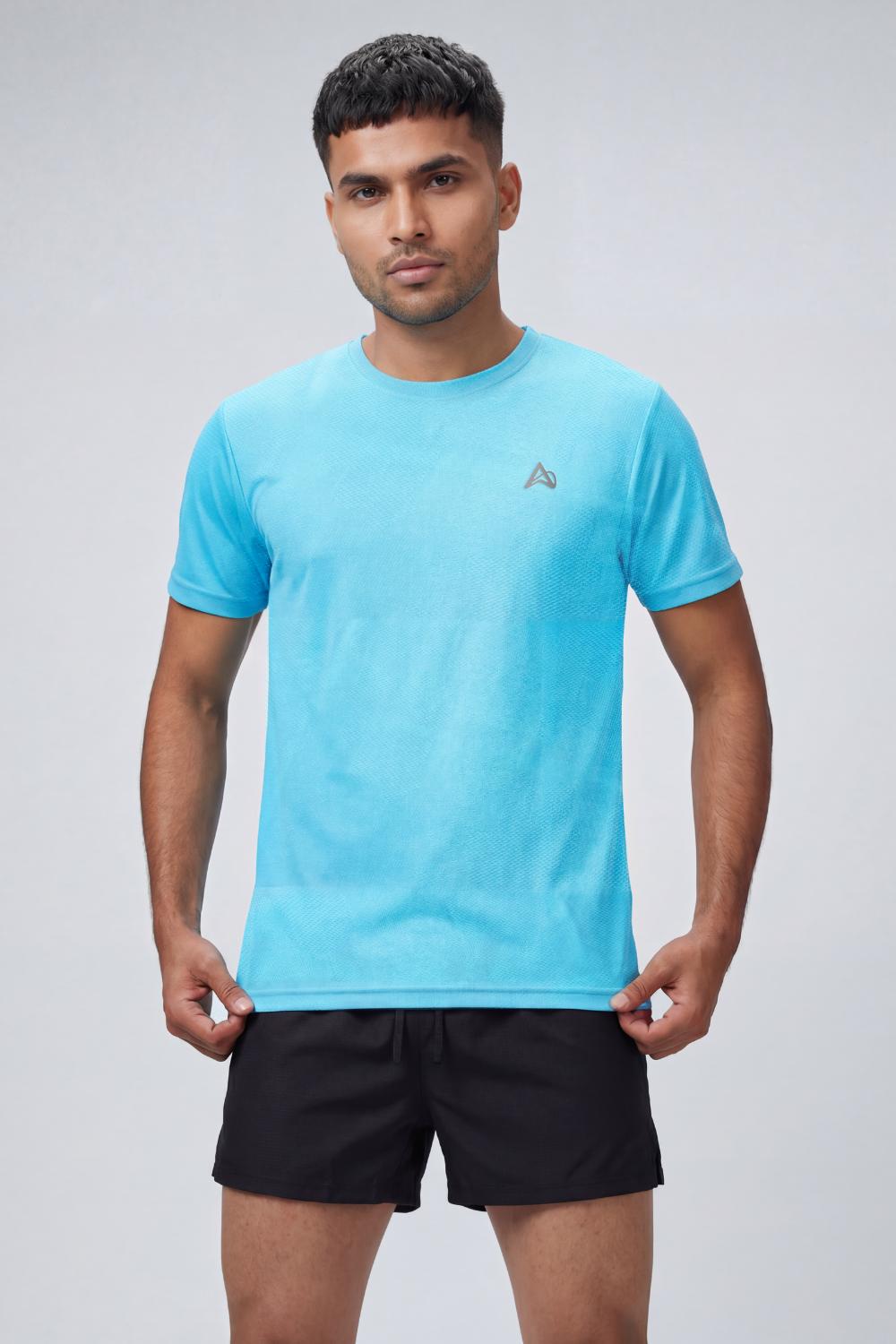
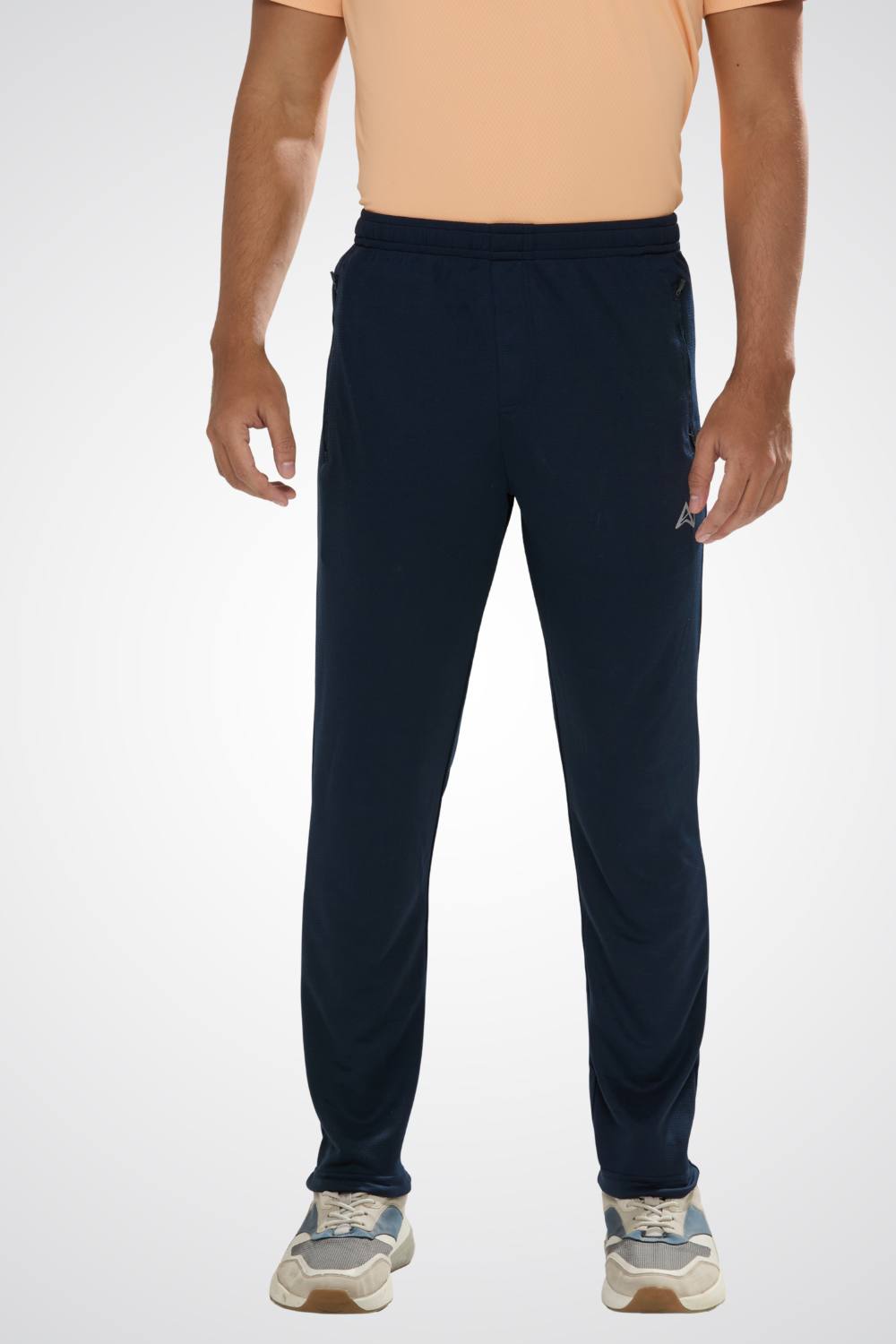
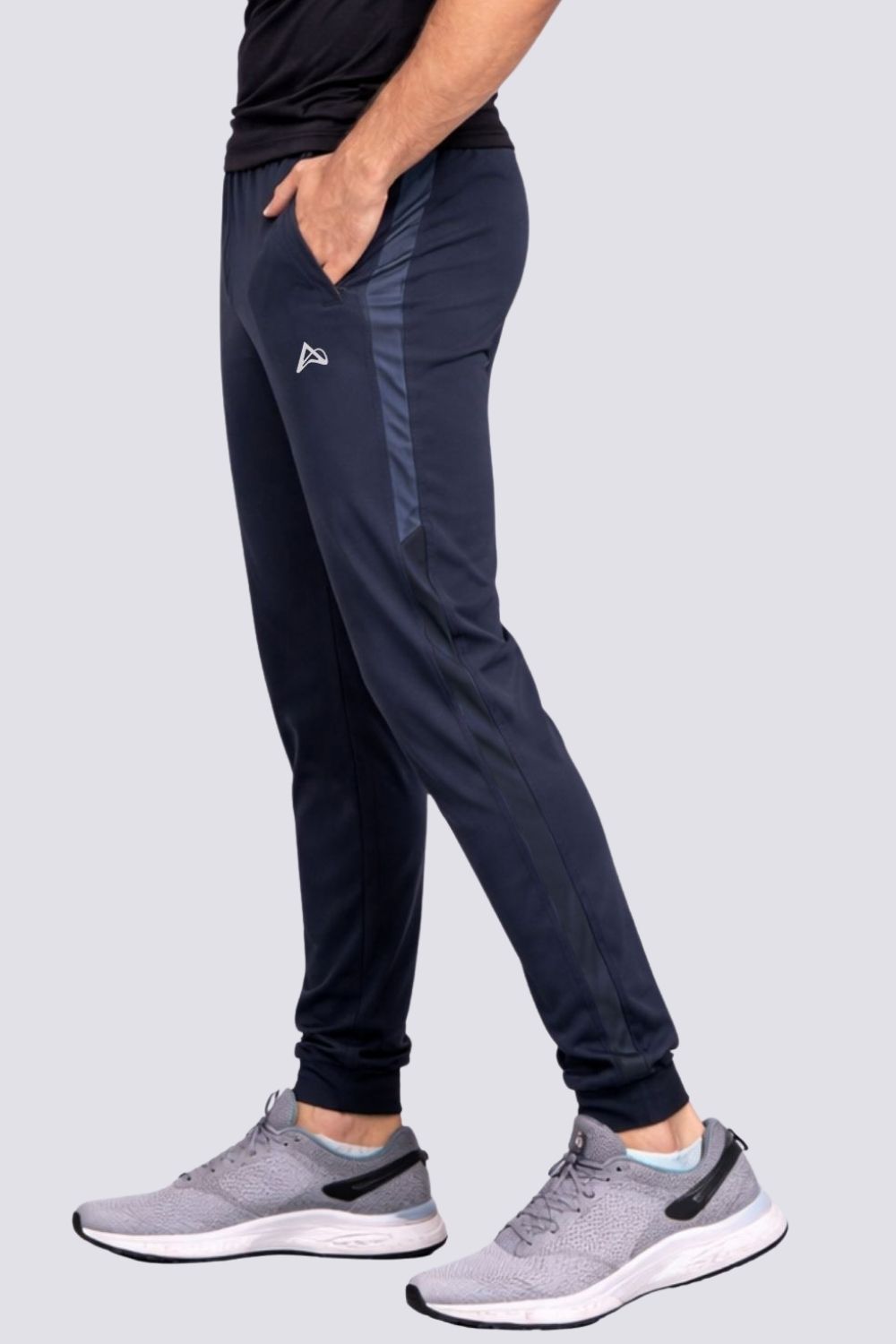
Tired of gear that slows you down? Chafing, soggy fabrics, and missing pockets kill your run's momentum. At Aguante, we're runners who get it. Our high-performance activewear features moisture-wicking fabrics, ergonomic designs, and smart storage to keep you focused. Shop Now!
Why Clothing Choice Matters During Endurance Training
Long-distance running places continuous demands on the body. As training sessions extend in duration, small sources of discomfort can become significant distractions. Fabric that feels heavy, absorbs sweat, restricts movement, or traps heat can affect how a runner experiences a workout.
The purpose of performance clothing is not simply to make an athlete feel comfortable at the start of a run. It is designed to support the body throughout the session by working with natural movement patterns and changing conditions. For endurance athletes, this means selecting apparel that helps maintain focus when fatigue begins to appear.
Lightweight designs are particularly valuable because they reduce the sensation of carrying additional material during repetitive movement. Over the course of a long run, even minor improvements in comfort can influence how easily an athlete maintains their training routine.
How Lightweight Running Apparel Supports Better Movement
Running involves thousands of repeated movements, making freedom of motion an important consideration. Clothing that fits well and moves naturally with the body allows runners to maintain their stride without unnecessary resistance.
Lightweight running apparel is typically designed around the needs of active movement. Materials, construction techniques, and garment shapes are selected to provide flexibility while maintaining enough structure for everyday training use. This balance helps runners avoid the feeling of being restricted by their clothing.
For marathon trainees and endurance athletes, comfortable movement becomes increasingly important during longer sessions. When apparel supports natural motion, runners can focus more on their training goals rather than adjusting uncomfortable layers or dealing with distracting fabric movement.
The Role of Breathability and Moisture Management in Long Runs
Temperature regulation is one of the biggest challenges during endurance exercise. As the body produces heat and sweat, clothing needs to support the evaporation process rather than create additional discomfort.
Heat management strategies have become increasingly important for endurance athletes, especially when training in warm and humid conditions. Clothing that limits sweat evaporation can make it harder for the body to release heat effectively, while breathable garments can help support more comfortable training sessions.
Moisture wicking running apparel is designed to move sweat away from the skin and help it spread across the fabric surface, where it can dry more efficiently. This can reduce the uncomfortable feeling of wearing saturated clothing during extended workouts.
However, effective running apparel is not defined by one feature alone. A lightweight fabric should also provide suitable airflow, appropriate fit, and comfort for the type of activity being performed. A thin garment that does not manage moisture effectively may not deliver the experience a runner needs during endurance training.
What Makes Performance Clothing Suitable for Endurance Athletes
Choosing performance clothing for runners requires looking beyond appearance. Endurance-focused apparel is built around practical training requirements, including comfort over distance, reliable movement, and the ability to handle changing conditions.
Fabric Performance
The material used in running apparel influences how the garment feels during exercise. Fabrics that dry quickly and support moisture movement can help runners stay more comfortable during longer sessions.
Fit and Mobility
A suitable fit should allow unrestricted movement while avoiding unnecessary bulk. Runners often need clothing that feels secure without creating pressure points or limiting their stride.
Weight and Comfort
The benefits of lightweight running clothes become more noticeable as training duration increases. Reducing excess fabric weight can help prevent clothing from becoming a distraction, particularly when sweat accumulation makes heavier garments feel more noticeable.
Research shared through lightweight breathable clothing discussions highlights that garment weight, airflow, construction, fit, and moisture management all contribute to how clothing performs during endurance activity.
How Lightweight Apparel Can Improve the Training Experience
Endurance training is built on consistency. A runner who can complete planned sessions comfortably is more likely to maintain a structured routine over time. Apparel choices can support this consistency by reducing avoidable sources of discomfort.
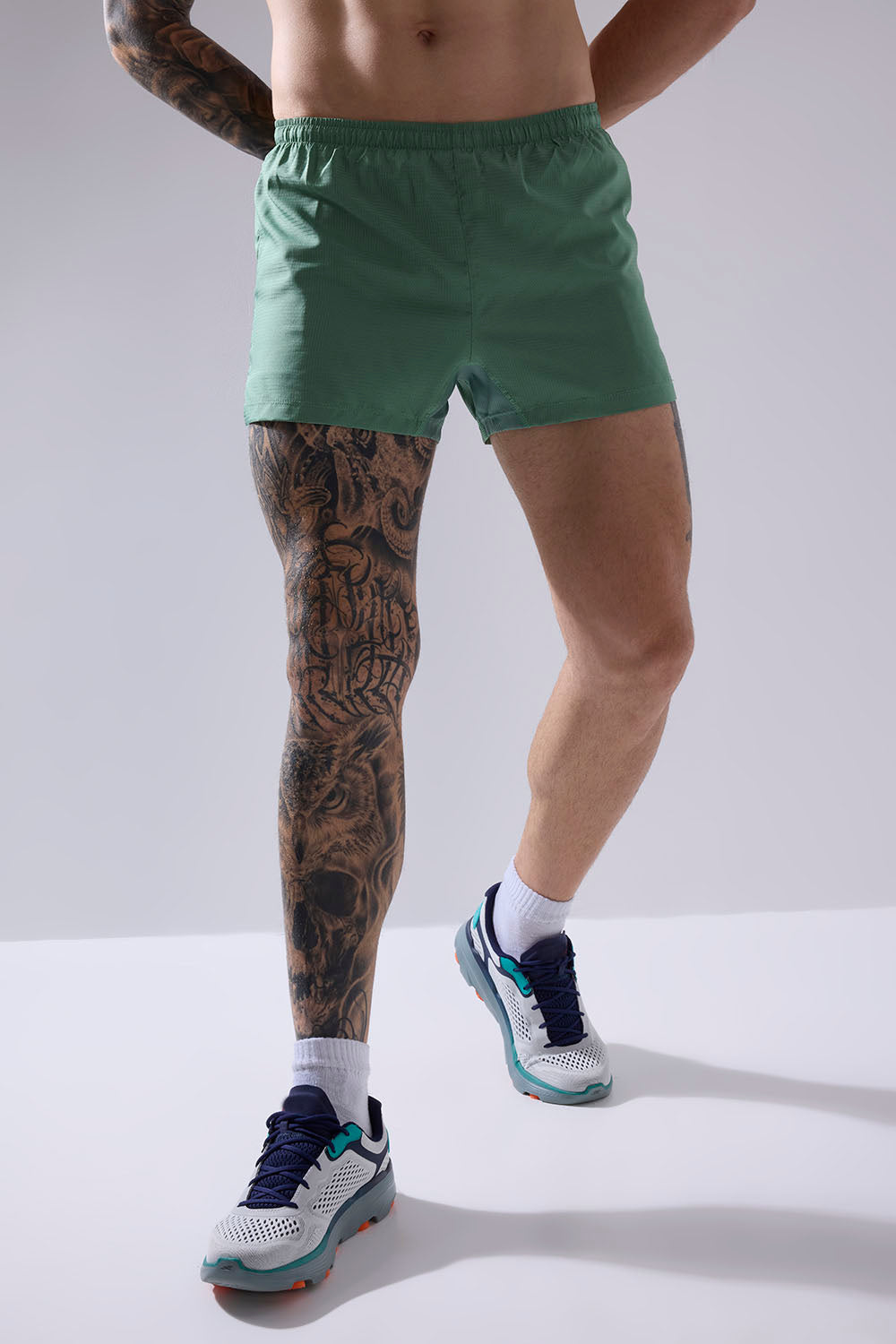
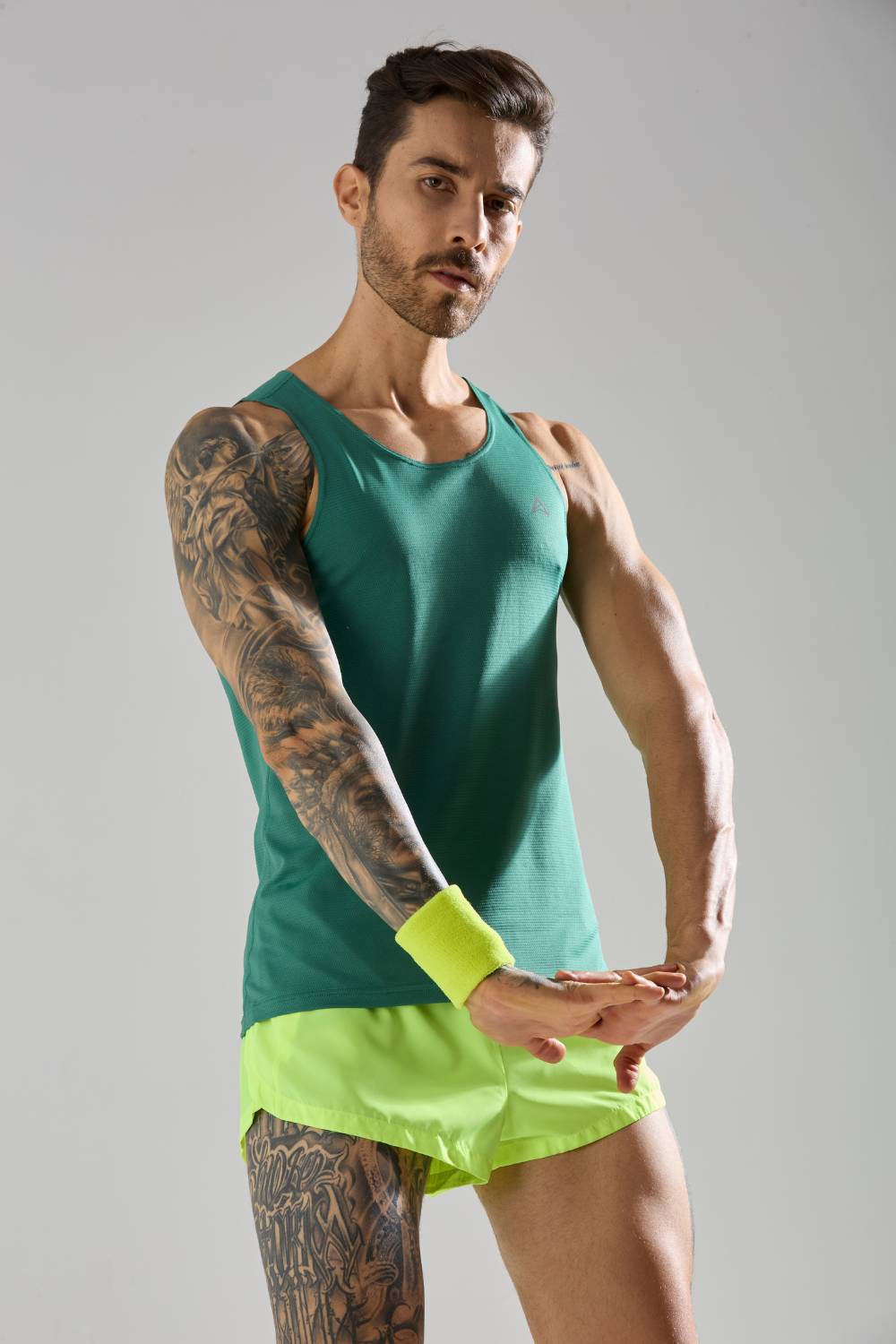
For runners preparing for longer distances, comfortable running gear for marathon training can make workouts feel more manageable. Lightweight tops, shorts, and other training essentials can help athletes adapt to longer sessions where heat, sweat, and repeated movement become important factors.
The connection between clothing and endurance is not about creating a shortcut to better performance. Running apparel cannot replace training discipline, recovery, hydration, or preparation. Instead, it acts as a supporting element that helps runners create better conditions for consistent effort.
This is why many endurance athletes evaluate apparel as part of their overall training system. The right clothing allows them to focus on pacing, technique, and personal goals without unnecessary distractions.
Selecting the Right Running Apparel for Long-distance Training
Finding the best running clothes for long distance training depends on individual preferences, training environment, and workout goals. A runner preparing for regular long runs may prioritise different features compared with someone completing shorter, faster sessions.
- Consider fabric behaviour: Look for materials that support airflow and moisture management during extended activity.
- Prioritise comfortable movement: Choose designs that allow natural stride patterns and reduce restriction.
- Match apparel to conditions: Training environments with heat or humidity may require greater attention to breathability.
- Focus on long-term comfort: A garment should remain comfortable throughout the entire session, not only at the beginning.
For endurance athletes, the ideal clothing choice is one that becomes almost unnoticeable during a run. When apparel performs its role effectively, the athlete can direct attention toward training rather than managing discomfort.
Why Lightweight Running Apparel Is Becoming an Important Part of Training
Runners increasingly view apparel as a functional training tool rather than simply an item of sportswear. The demand for practical features such as breathable fabrics, ergonomic designs, and moisture management reflects a broader shift toward performance-focused equipment.
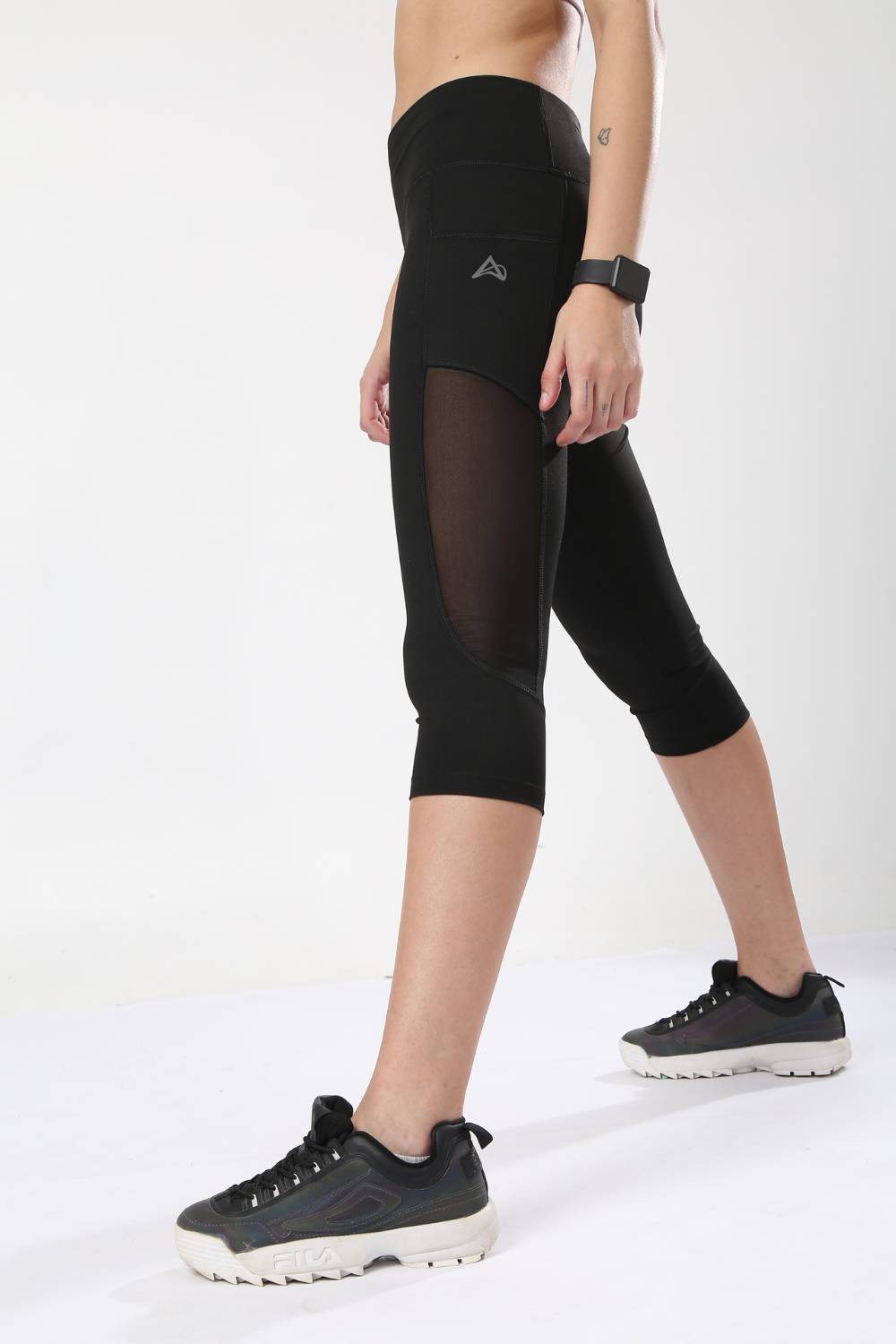
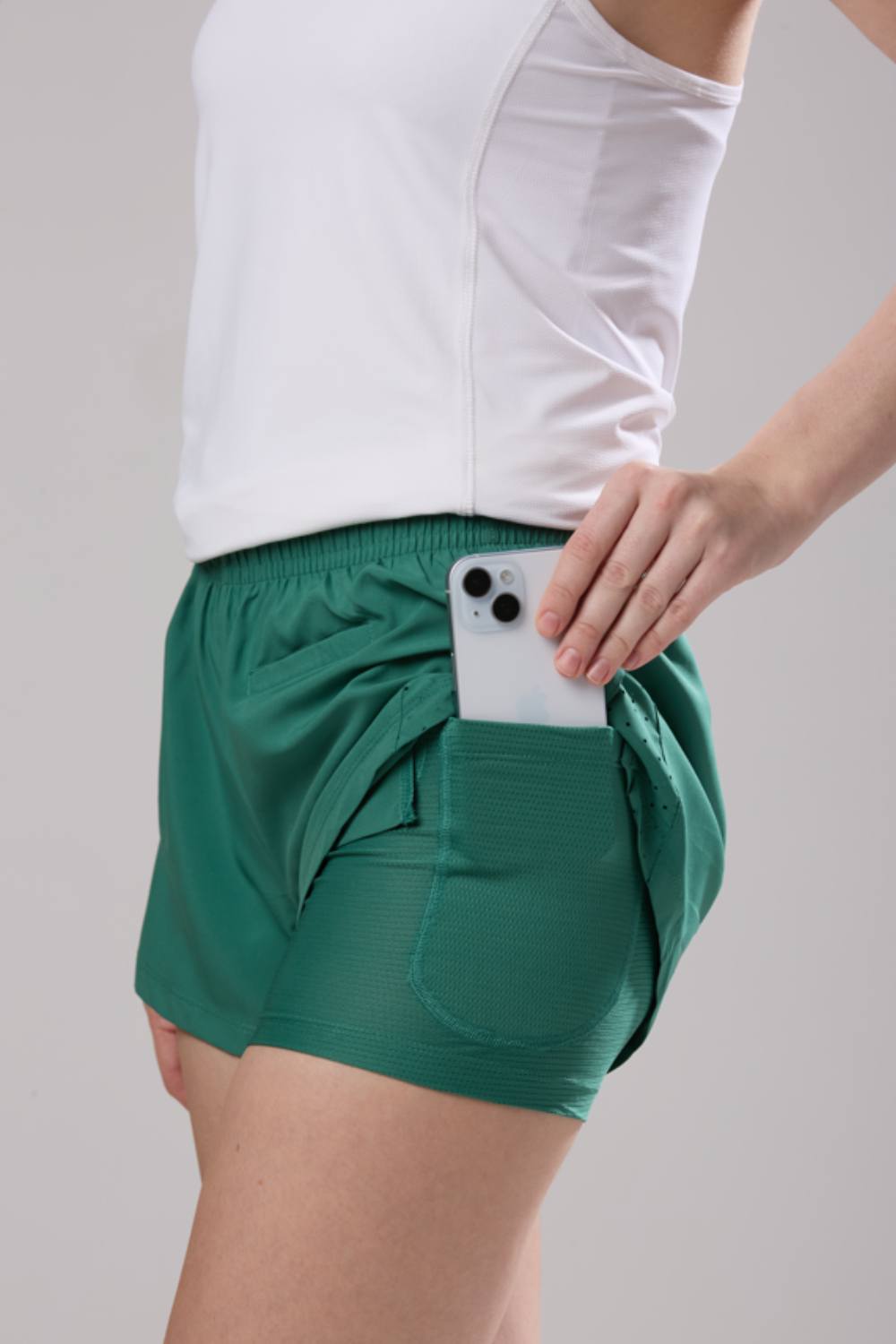
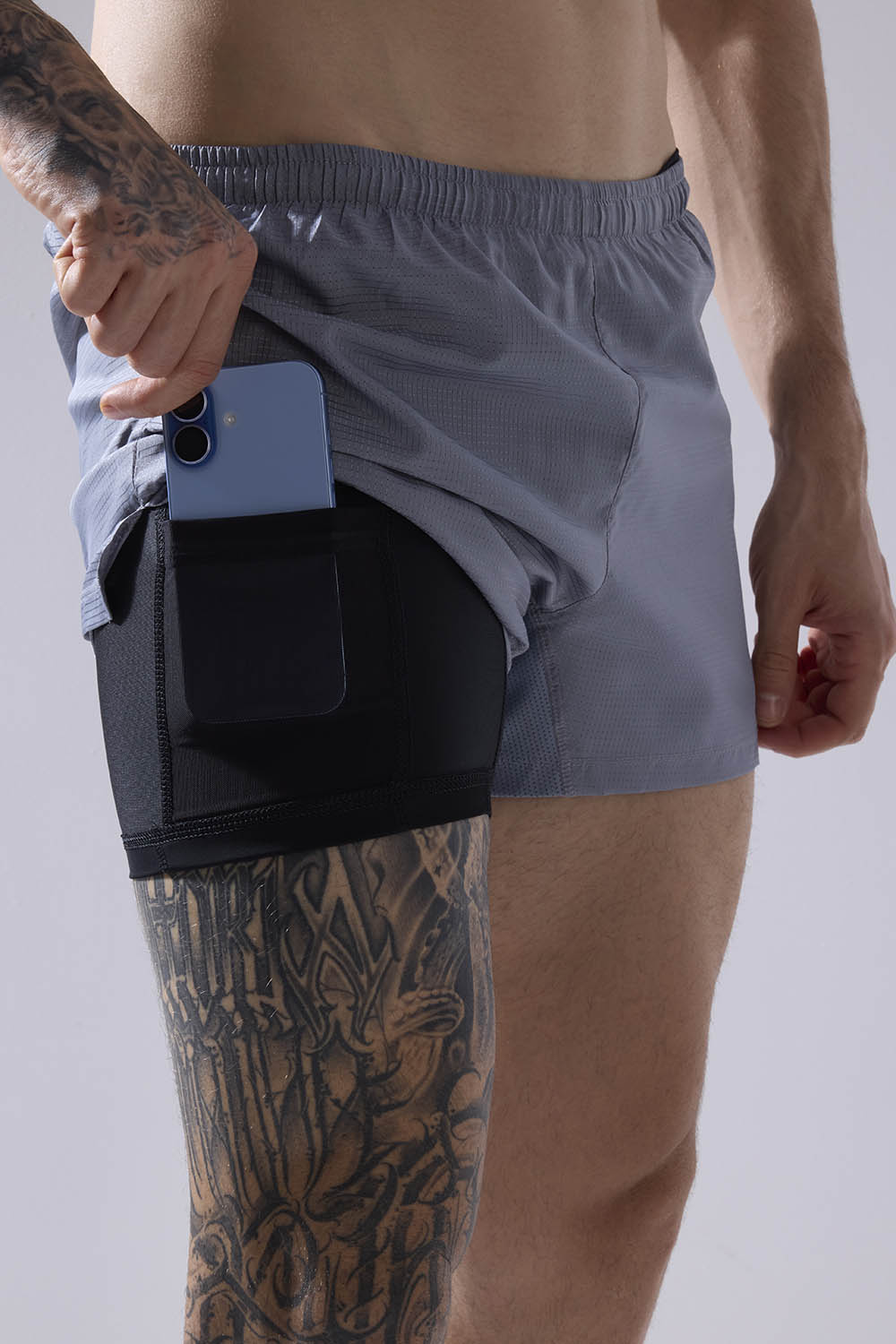
Brands creating running apparel for endurance training are responding to the needs of athletes who want clothing that supports real training conditions. Features such as lightweight construction, useful storage, and movement-friendly designs are becoming more relevant as more runners take structured approaches to fitness.
Aguante's focus on runner-oriented performance apparel connects naturally with this approach. By designing clothing around the practical needs of runners, the brand aligns with athletes who value comfort, functionality, and thoughtful design during training.
Building Better Runs Through Smarter Apparel Choices
Lightweight running apparel can play an important role in endurance training by supporting comfort, movement, and temperature management during long sessions. While clothing alone does not determine performance, the right apparel can remove unnecessary barriers and help runners maintain focus throughout their training journey.
For athletes preparing for longer distances, choosing breathable, lightweight, and functional clothing is a practical step toward creating a better running experience. When every element of training works together, apparel becomes more than something worn during a run it becomes part of the preparation that helps athletes keep moving forward.
Frequently Asked Questions
How does lightweight running apparel improve endurance training?
Lightweight running apparel helps endurance athletes by reducing unnecessary fabric weight, supporting freedom of movement, and improving comfort during longer training sessions. It can also help manage heat and sweat by allowing better airflow and moisture control, helping runners stay focused on their workouts.
What features should I look for in running apparel for long-distance training?
The best running apparel for long-distance training should provide breathability, moisture management, comfortable fit, and unrestricted movement. Features such as lightweight construction and fabrics that dry quickly can help reduce discomfort during extended runs.
Can moisture-wicking running apparel help improve marathon training comfort?
Moisture-wicking running apparel can help move sweat away from the skin and support faster drying during endurance workouts. While it does not replace proper training, hydration, or recovery, it can make long runs more comfortable by reducing the impact of sweat buildup and heavy clothing.
Disclaimer: The above helpful resources content contains personal opinions and experiences. The information provided is for general knowledge and does not constitute professional advice.
You may also be interested in: Lightweight Women's Running Apparel: A Complete Guide for Indian Runners
Tired of gear that slows you down? Chafing, soggy fabrics, and missing pockets kill your run's momentum. At Aguante, we're runners who get it. Our high-performance activewear features moisture-wicking fabrics, ergonomic designs, and smart storage to keep you focused. Shop Now!
Powered by flareAI.co