



Quick Listen:
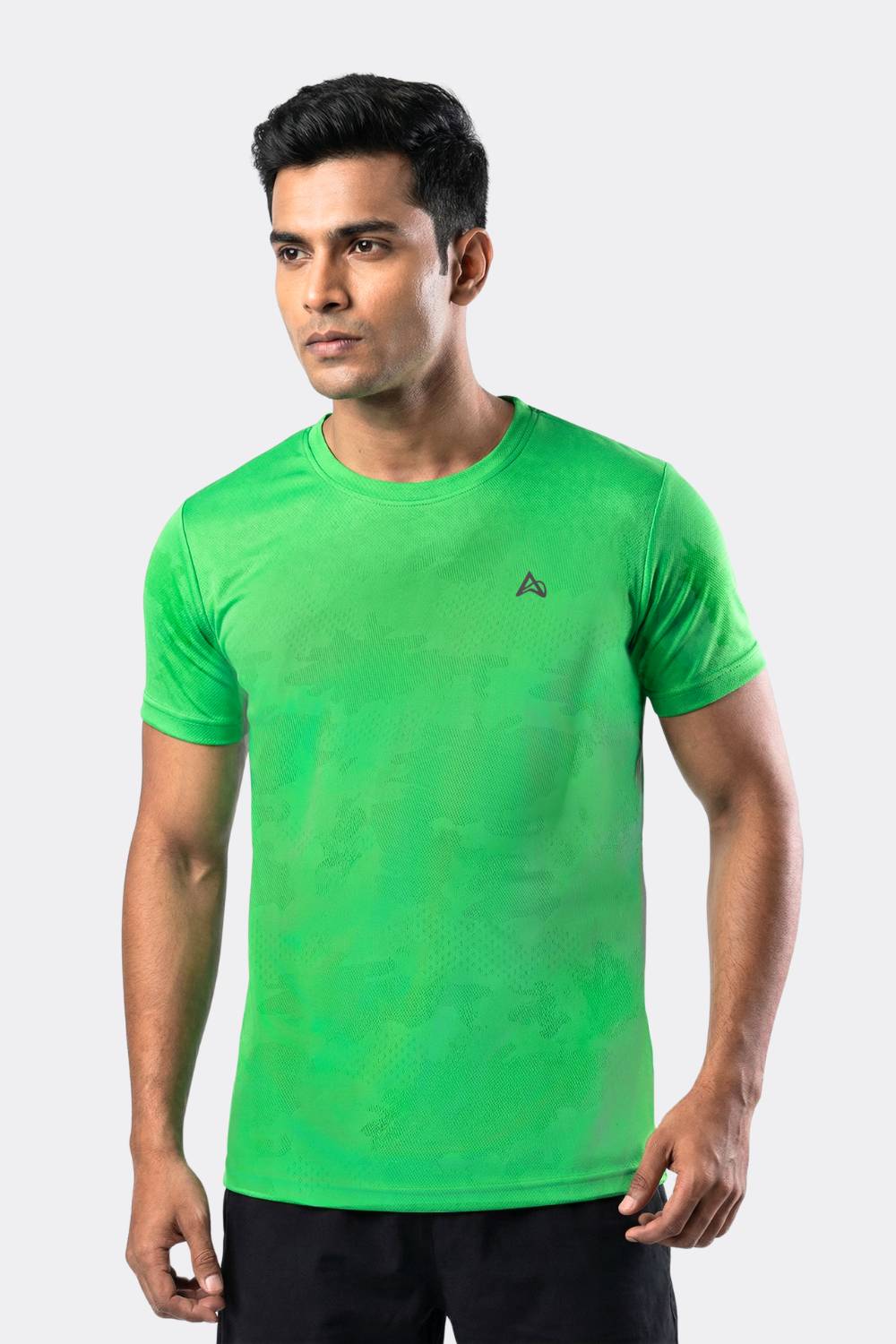
Performance running apparel must do more than look technical. In sustained outdoor sessions, clothing either supports the body's ability to shed heat or works against it. Runners training through heat and humidity quickly learn that fabric weight, construction, air movement, moisture handling, fit, and color form a single system. When that system is engineered well, sweat evaporates efficiently, air reaches the skin, and the garment stays functional rather than clinging and trapping heat. When it is not, even short efforts become harder than necessary.
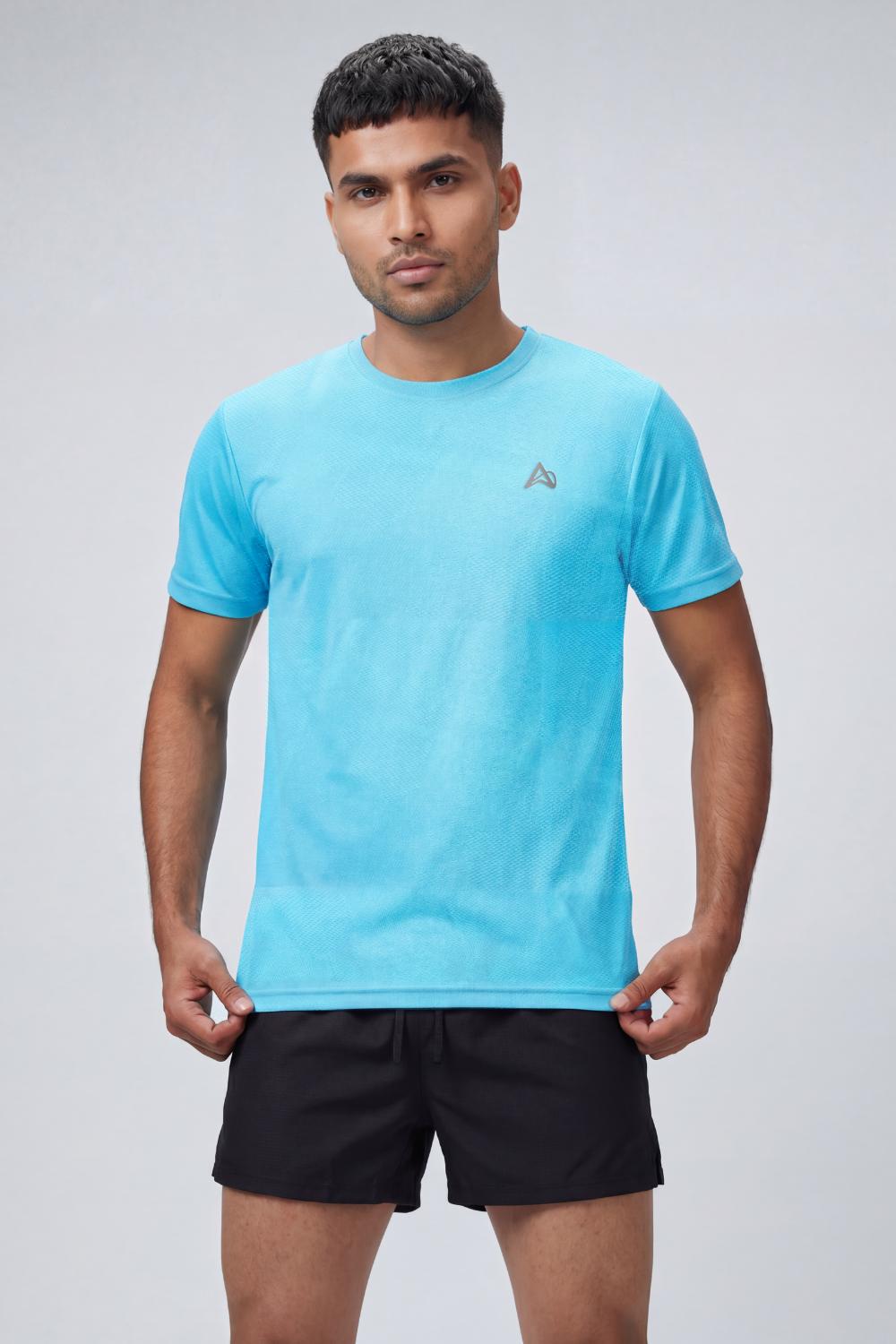
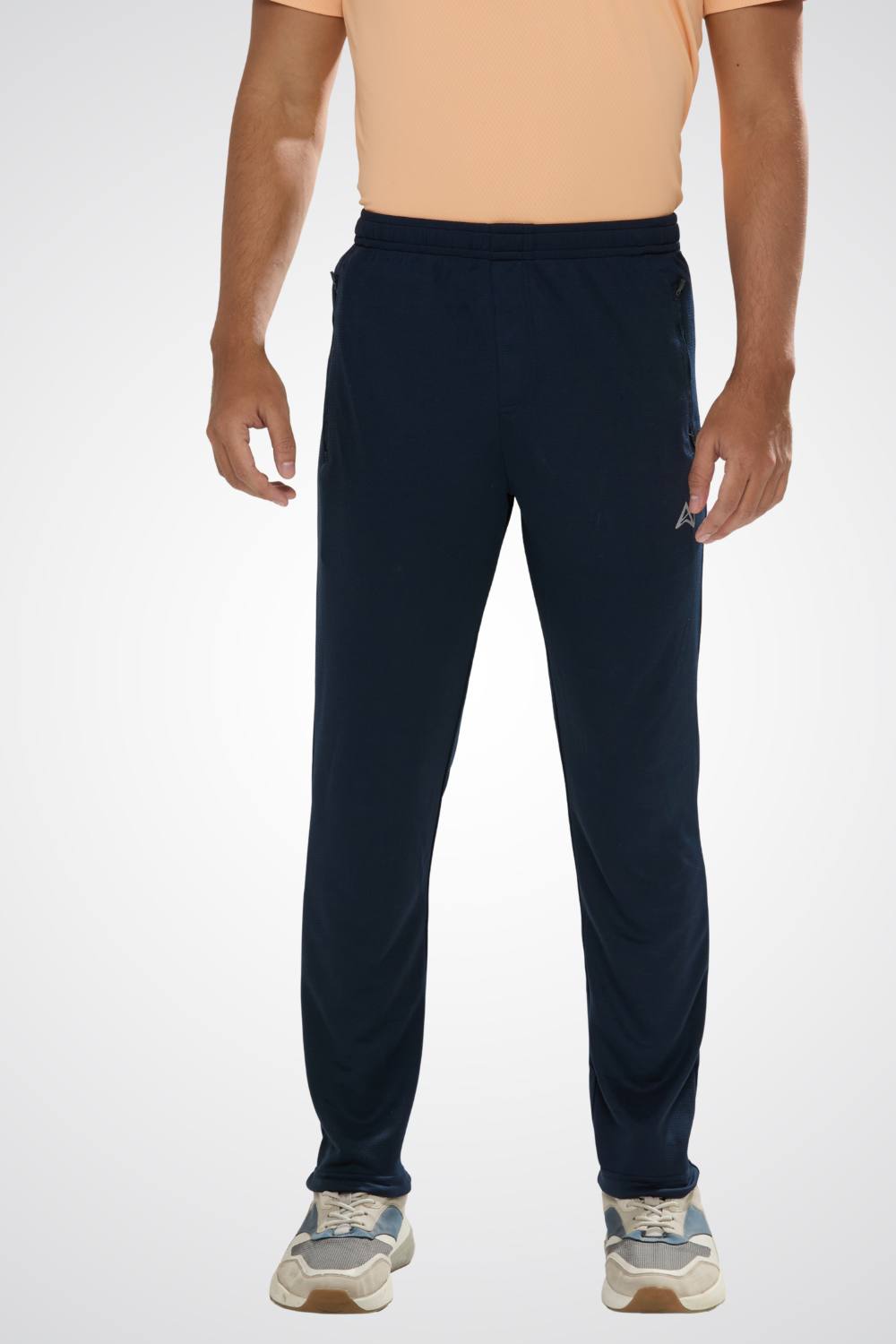
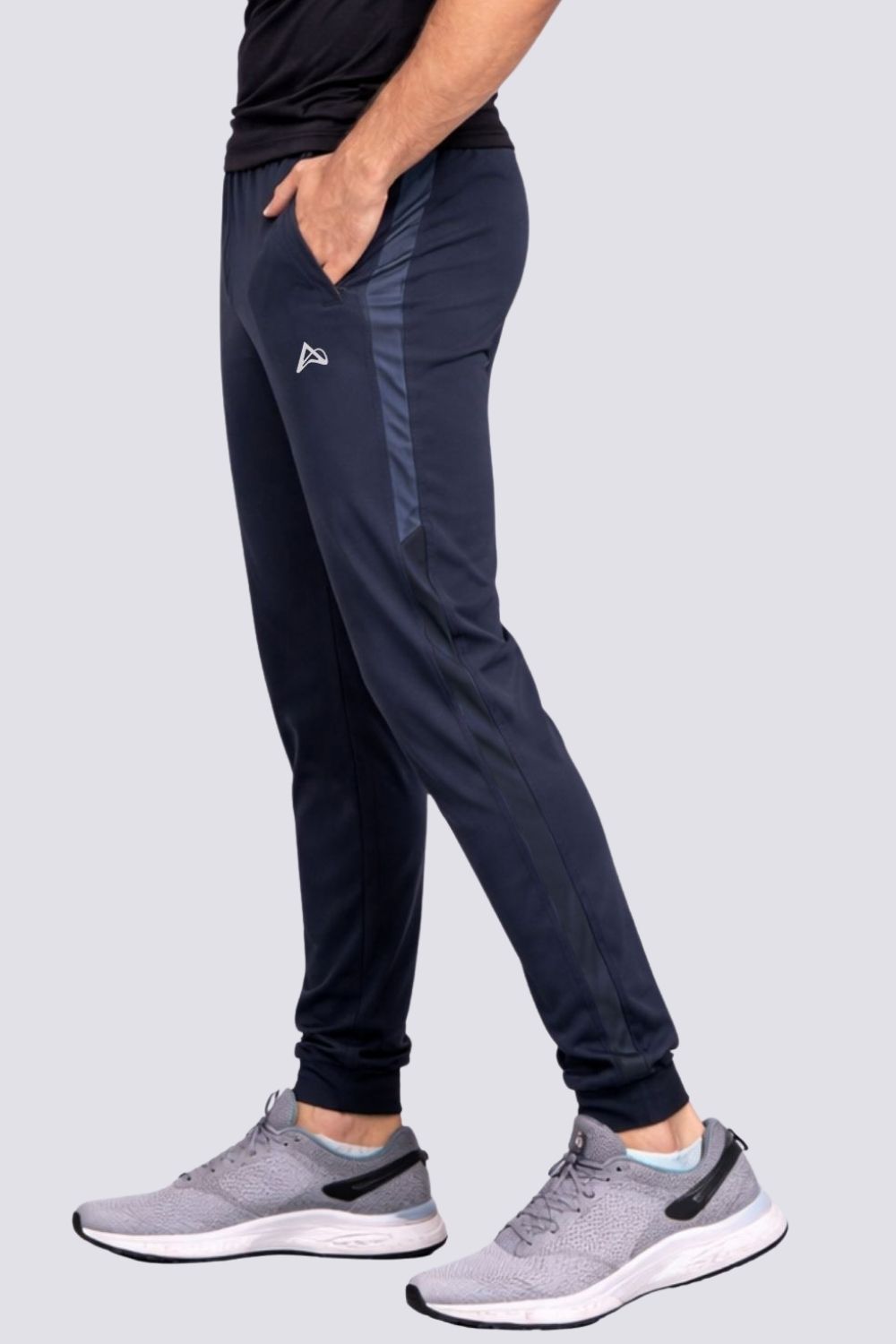
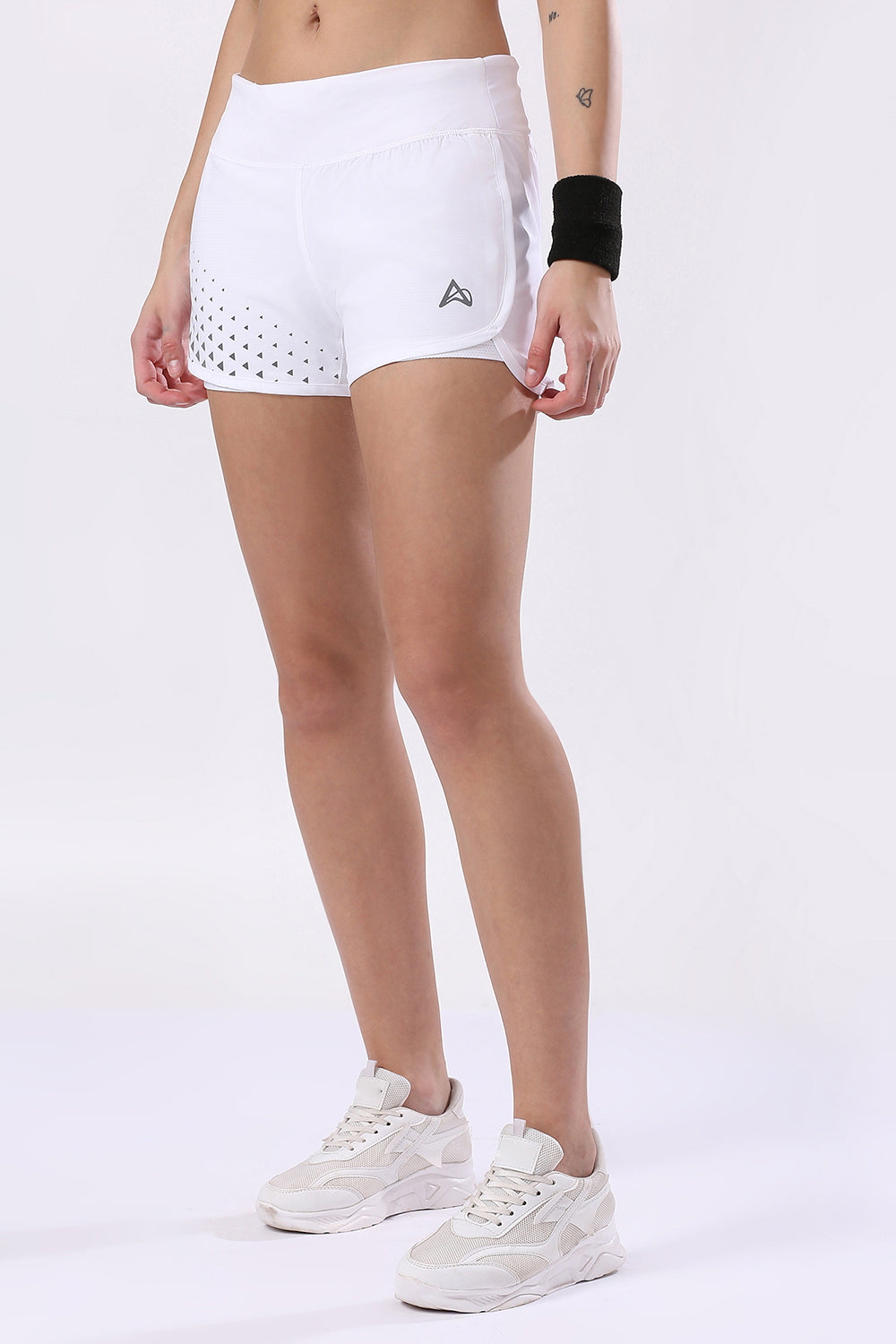
Tired of gear that slows you down? Chafing, soggy fabrics, and missing pockets kill your run's momentum. At Aguante, we're runners who get it. Our high-performance activewear features moisture-wicking fabrics, ergonomic designs, and smart storage to keep you focused. Shop Now!
Why Heat and Humidity Change the Demands on Running Gear
During prolonged running the body produces large amounts of heat that must leave through radiation, convection, and, most critically in humid conditions, evaporation of sweat. Clothing sits between the skin and the surrounding air, so every design choice either assists or obstructs those pathways. In environments where moisture already saturates the air, evaporation slows and the risk of overheating rises. Apparel that simply claims to be lightweight or moisture-wicking is not enough; the full combination of textile properties determines whether the runner stays cooler and drier.
Research into fabric performance under extreme heat shows that air permeability, the rate at which moisture moves away from the skin, and the garment's behavior once wet all influence thermoregulation. Natural fibers such as cotton may feel comfortable at the start of a run, yet once saturated they hold moisture and reduce evaporative cooling. Engineered synthetics can be constructed to pull sweat outward and allow faster drying, but results vary widely according to weave, yarn, and any applied treatments. The practical difference appears only after the runner has been working hard for some time.
Moisture Management as the Core Function
Sweat is the body's primary cooling tool during endurance effort. Apparel that keeps that moisture close to the skin or fails to release it into the air interferes with the process. Effective moisture-wicking apparel for hot weather moves liquid away from the body surface so evaporation can occur. The speed of that movement, the volume the fabric can handle, and how the textile feels once damp all matter.
Performance fabrics achieve this through capillary action within the yarn structure and through surface treatments that encourage liquid to spread and escape. Yet not every synthetic performs equally. Weave density, fiber cross-section, and finishing processes determine whether moisture is transported efficiently or simply sits in the material. Runners evaluating how running clothes handle humidity should look past marketing language and consider whether the garment is designed as a complete moisture system rather than a single feature.
Field observations from elite sport illustrate the same principle. As training and competition environments grow hotter and more humid, development efforts have shifted toward textiles that actively support airflow and sweat management instead of relying on traditional polyester constructions alone. One approach combines material innovation with recycled content while still targeting the cooling needs of athletes under demanding conditions. The takeaway for everyday runners is that specific mechanisms how air moves, how sweat is directed, and how the fabric behaves when wet matter more than broad labels such as “technical” or “performance.”
Airflow, Fit, and the Role of Ventilation
Moisture transport alone cannot compensate for stagnant air trapped against the skin. Air movement through and around a garment carries heat away and supports evaporation. Looser cuts can increase ventilation in some situations, while closer-fitting performance pieces rely on engineered textiles that remain permeable even when the silhouette is streamlined. The correct choice depends on the intensity and duration of the session as well as personal preference.
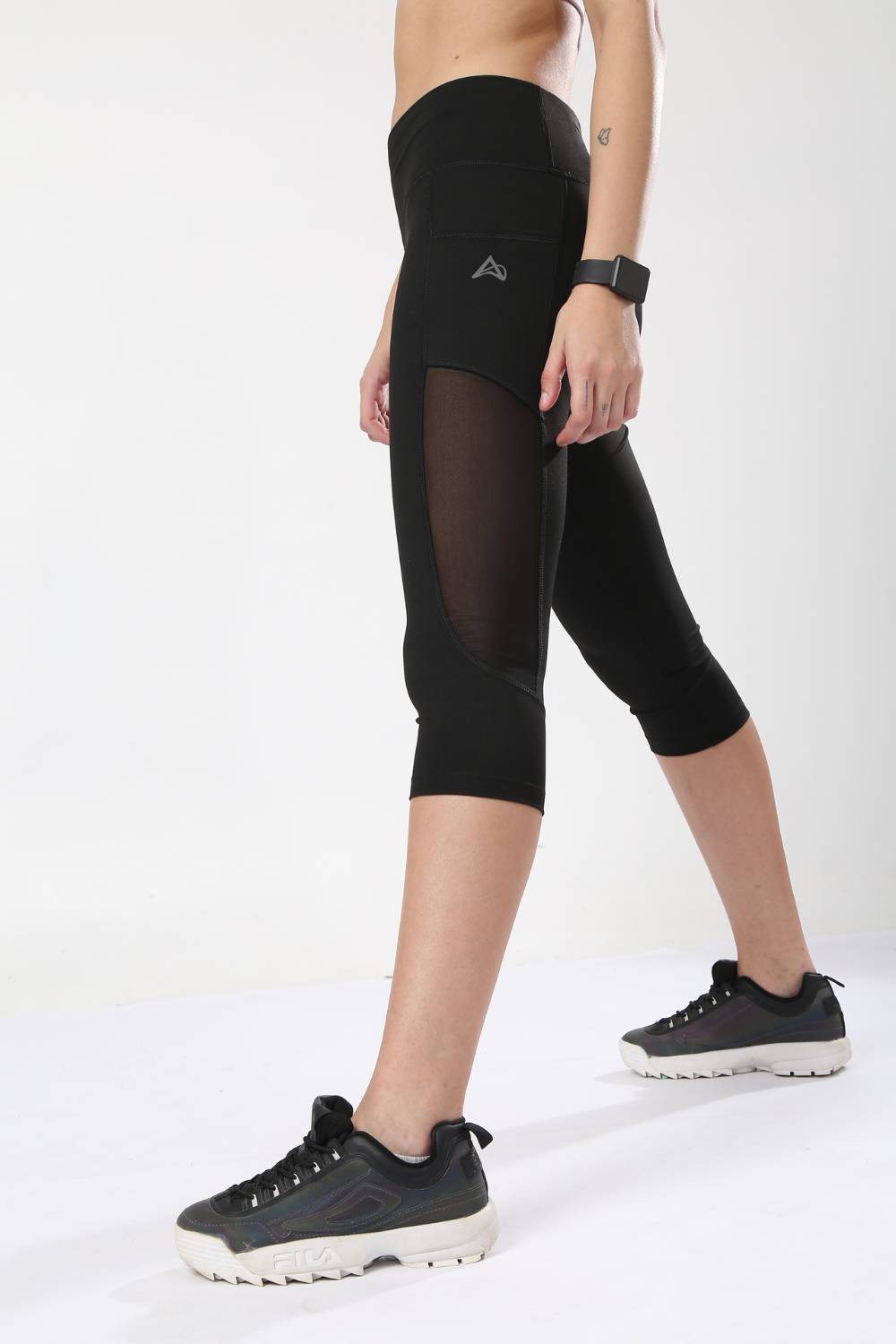
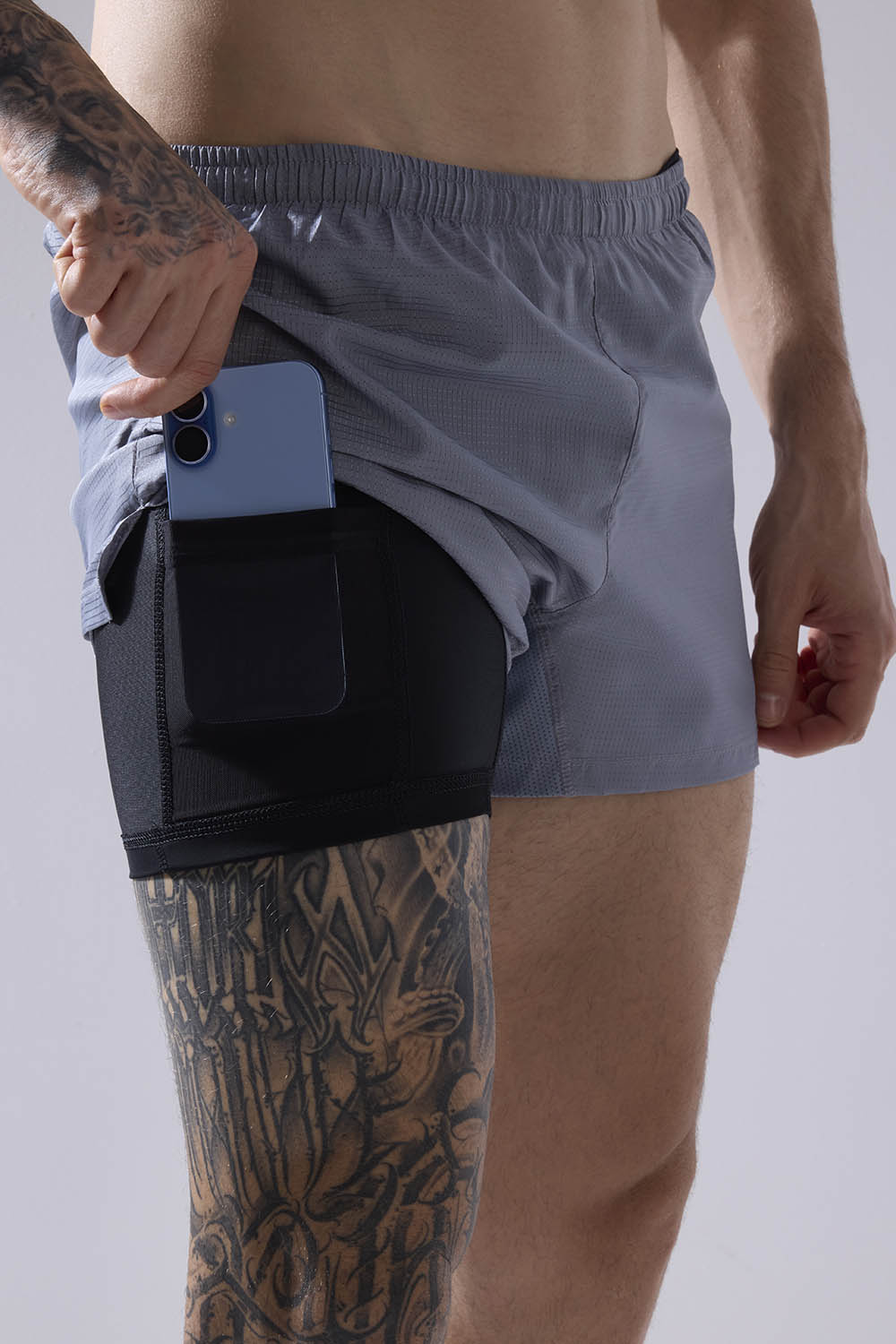
According to fabric science for extreme heat, air permeability is a measurable property influencing both comfort and cooling. Garments that restrict airflow force the body to work harder to maintain temperature. Conversely, designs that allow controlled movement of air help the runner stay within a more sustainable thermal range. Mesh panels, strategic open weaves, and articulated patterning are common methods for introducing ventilation without sacrificing support or coverage.
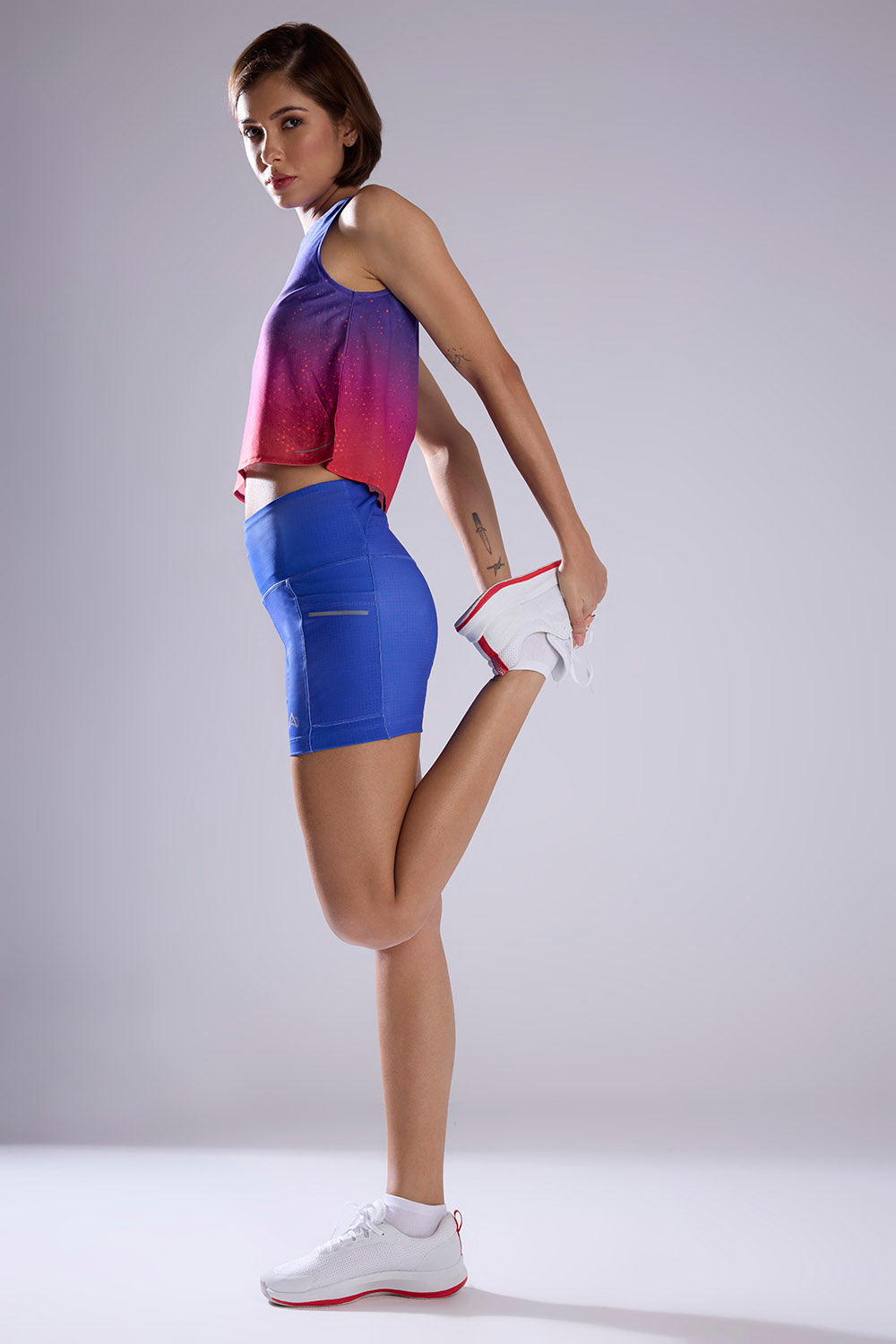
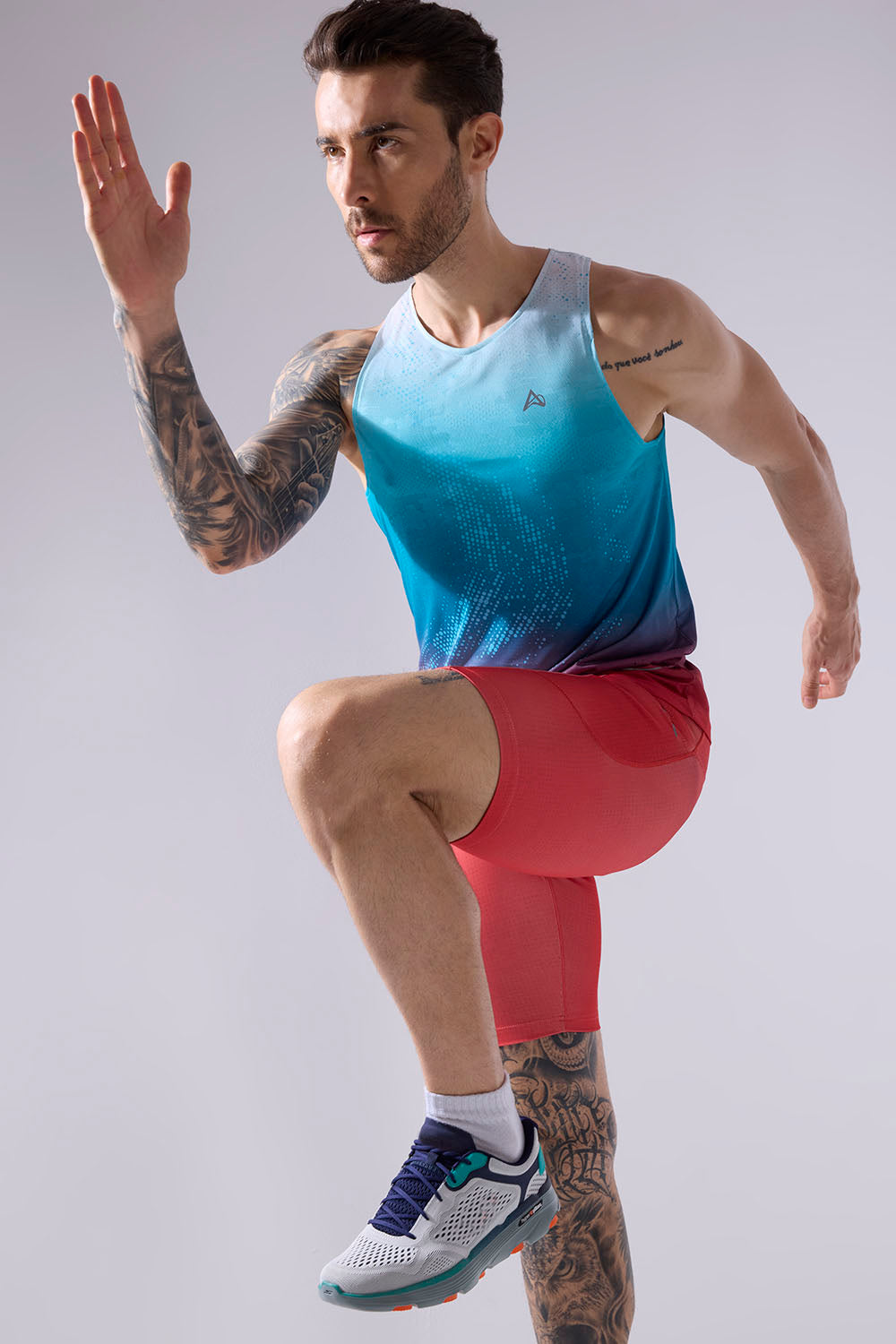
Fit also interacts with sweat management. A garment that clings when wet can reduce the surface area available for evaporation and create local hot spots. Performance running apparel engineered for hot climates therefore balances closeness to the body with enough freedom for air exchange. The result is clothing that moves with the runner rather than against the body's natural cooling processes.
Color, Weight, and Exposure to Sunlight
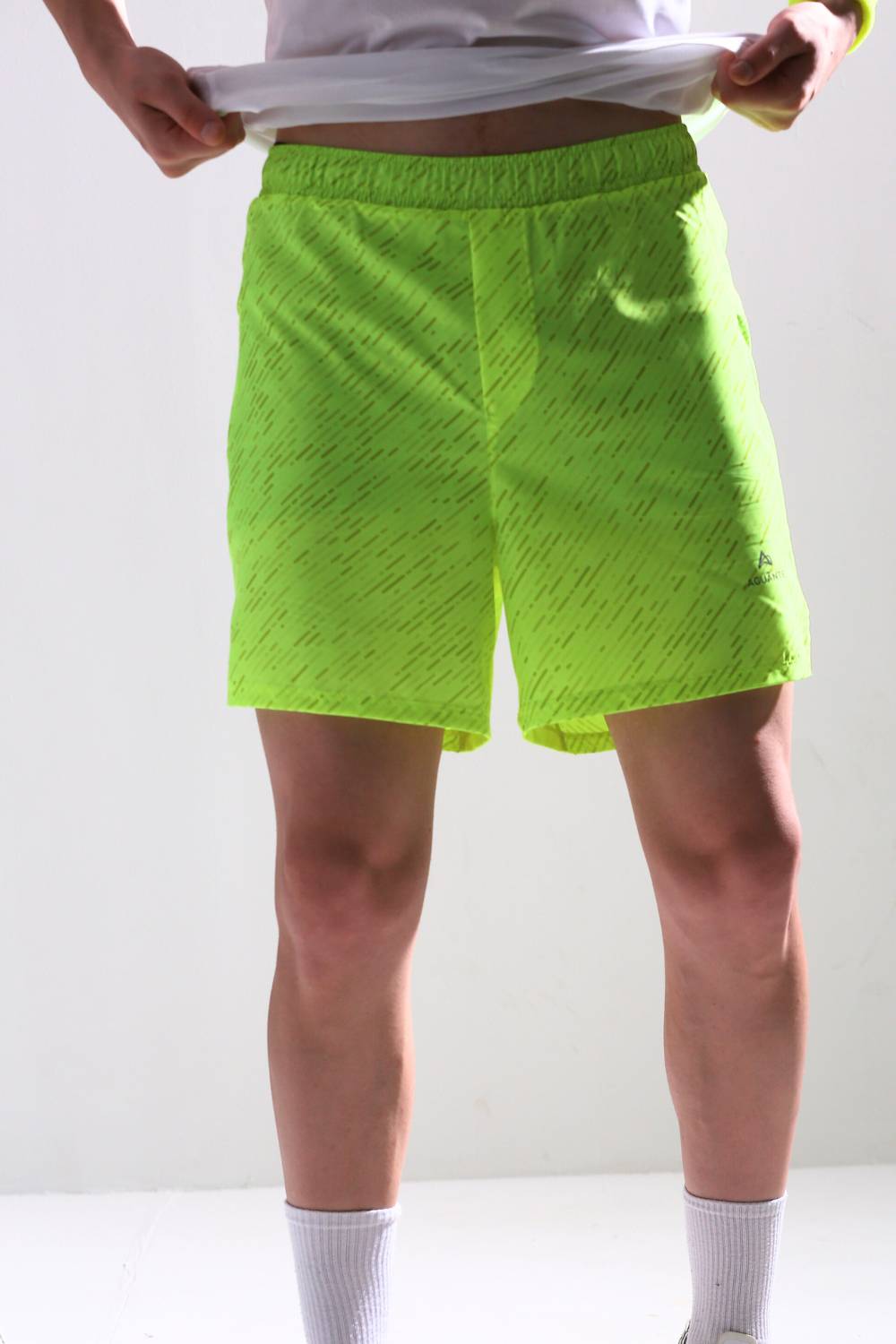
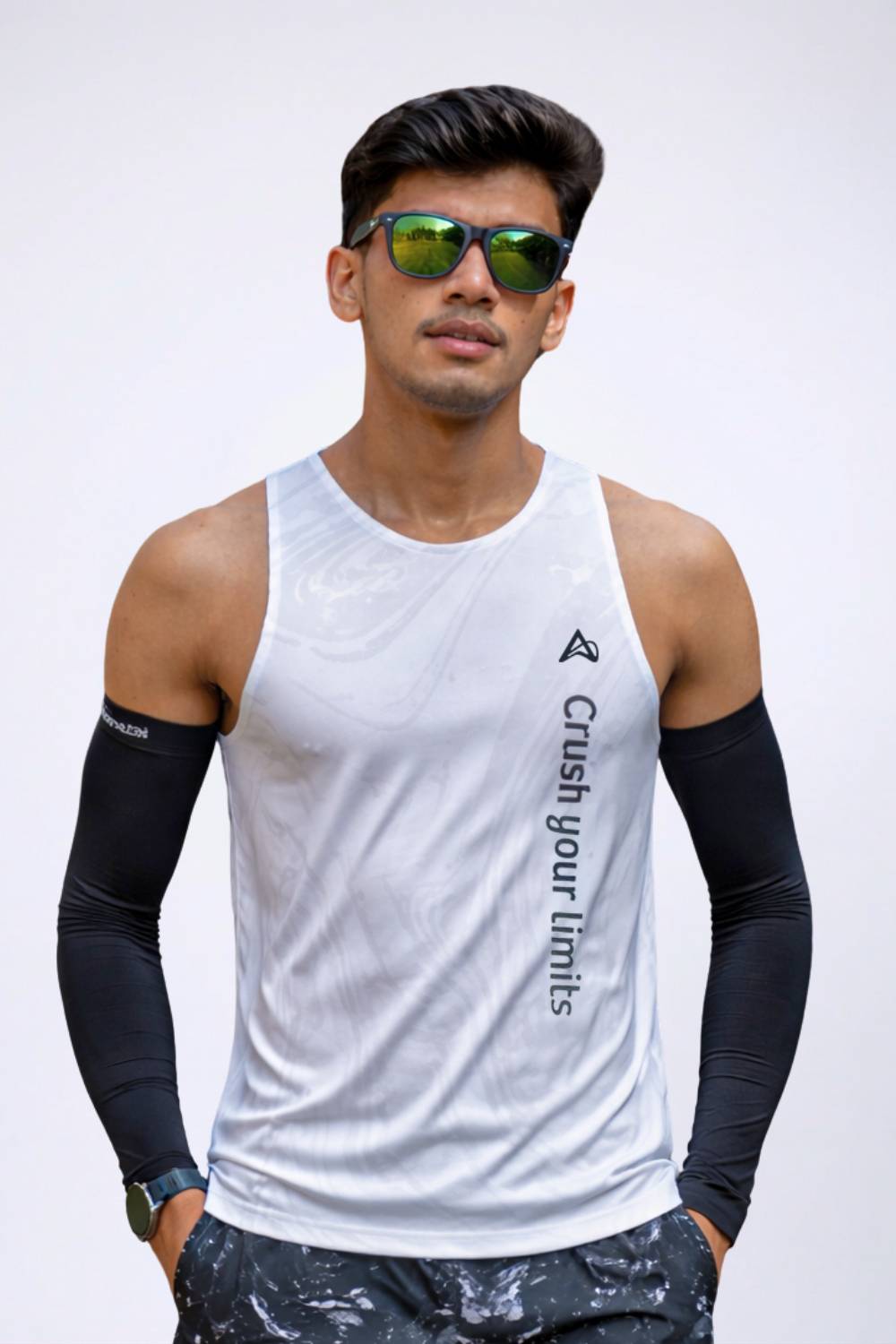
Solar radiation adds another layer of heat load. Darker colors absorb more energy, raising the temperature of the fabric itself and transferring additional warmth to the wearer. Lighter or reflective materials absorb less, which can make a measurable difference during long outdoor efforts under strong sun. Weight plays a related role: heavier fabrics retain more heat and take longer to dry once wet, while carefully chosen lighter constructions reduce the thermal burden without sacrificing durability.
These factors do not operate in isolation. A light-colored, low-weight garment that still traps moisture or blocks airflow will underperform. The most effective pieces treat color, mass, moisture handling, and permeability as interdependent design decisions. Runners seeking breathable running apparel for hot climates benefit from evaluating the complete package rather than any single attribute.
How Advanced Cooling Fabrics Are Evolving
Innovation in sports textiles increasingly responds to the reality of hotter training conditions. Development work has moved beyond conventional polyester toward constructions that combine airflow, moisture control, and material science. In some cases the same fabrics incorporate recycled content, such as a performance fabric developed around the 2026 World Cup that uses textile waste as its raw material, demonstrating that performance and reduced environmental impact can be pursued together rather than as opposing goals, as described in coverage of .
Field testing under realistic heat and humidity has become part of the development cycle for elite-level gear. Athletes report differences in comfort and perceived cooling when garments are designed to support evaporation and air movement rather than merely looking technical. These insights are beginning to shape expectations across the broader performance-running market. Consumers can apply the same criteria: examine how a fabric manages sweat, how air reaches the skin, and how the garment behaves after prolonged effort instead of relying on general claims.
Cooling technology for hotter conditions therefore focuses on measurable mechanisms. Airflow pathways, rapid moisture transport, and textiles that retain their functional properties when wet form the practical foundation. As outdoor temperatures continue to challenge endurance athletes, these features are likely to become standard expectations rather than premium differentiators.
Evaluating Apparel for Real-world Hot-weather Running
Decision-stage runners looking for anti-humidity running wear features should treat each garment as a system. Start with the intended use: short tempo sessions, long endurance runs, or mixed training. Consider how the fabric handles high sweat volumes, whether ventilation zones align with high-heat areas of the body, and how the piece feels after it has been damp for an extended period. Quick-dry performance activewear that still restricts airflow or becomes heavy once wet will not deliver the expected benefit.
Practical checks include examining the interior surface for signs of engineered moisture channels, assessing the openness of the knit or weave, and noting the color and overall mass of the garment. Fit should allow free arm and torso movement while still providing the support expected from performance pieces. Because individual physiology and local climate vary, the same fabric may perform differently for different runners; the goal is to match the design principles to the conditions most often encountered.
Sustainability considerations can also factor into the choice. Fabrics developed with recycled inputs while still meeting cooling requirements show that environmental and performance objectives need not conflict. Runners who prioritize both attributes now have more options that address heat management without relying solely on virgin materials.
Putting the Principles Into Practice
Effective performance running apparel for heat and humidity rests on a clear set of priorities. Moisture must move away from the skin so evaporation can occur. Air must reach the body surface to carry heat and vapor outward.
Fabric weight, color, and construction must not add unnecessary thermal load. Fit must support both movement and ventilation. When these elements work together, clothing becomes an aid rather than an obstacle to thermoregulation.
The same principles apply whether the runner is preparing for a race, logging weekday training miles, or simply seeking greater comfort on hot days. Evaluating gear through the lens of fabric science and real-world cooling mechanisms leads to more reliable choices than relying on isolated marketing claims. As conditions grow more demanding, the ability of apparel to support the body's natural heat-loss processes will remain the decisive factor for sustained outdoor performance.
Runners who understand how performance gear manages sweat, airflow, and solar load can select pieces that keep them cooler, drier, and more comfortable across long sessions. The most useful apparel treats every design decision as part of a coherent system for heat and humidity, giving athletes a practical advantage when the environment is least forgiving.
Frequently Asked Questions
How does performance running apparel help runners stay cool in heat and humidity?
Performance running apparel helps manage heat and humidity by improving moisture wicking, airflow, and evaporation. Technical fabrics move sweat away from the skin while breathable constructions allow heat and moisture vapor to escape. This helps runners maintain comfort during long outdoor sessions in hot conditions.
What features should I look for in breathable running apparel for hot weather?
For hot weather running, look for lightweight fabrics, high air permeability, quick-drying materials, ventilation zones, and a fit that allows airflow. Moisture management, fabric construction, and the garment's ability to stay functional when wet are more important than simple labels like “technical” or “performance.”
Does the color and weight of running clothes affect heat management?
Yes, running apparel color and weight can influence how much heat a garment absorbs and retains. Lighter colors generally reduce solar heat absorption, while lightweight fabrics dry faster and create less thermal load. The best hot-weather running gear combines low weight, effective moisture control, and good ventilation.
Disclaimer: The above helpful resources content contains personal opinions and experiences. The information provided is for general knowledge and does not constitute professional advice.
You may also be interested in: Women's Running Tights with Pockets: The Complete Guide for Indian Runners
Tired of gear that slows you down? Chafing, soggy fabrics, and missing pockets kill your run's momentum. At Aguante, we're runners who get it. Our high-performance activewear features moisture-wicking fabrics, ergonomic designs, and smart storage to keep you focused. Shop Now!
Powered by flareAI.co