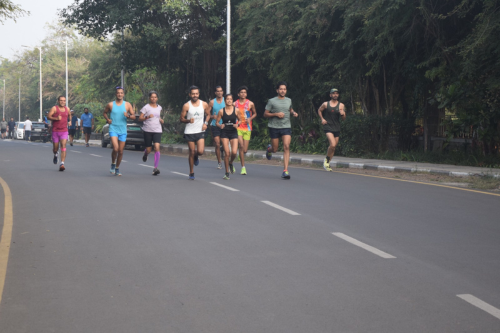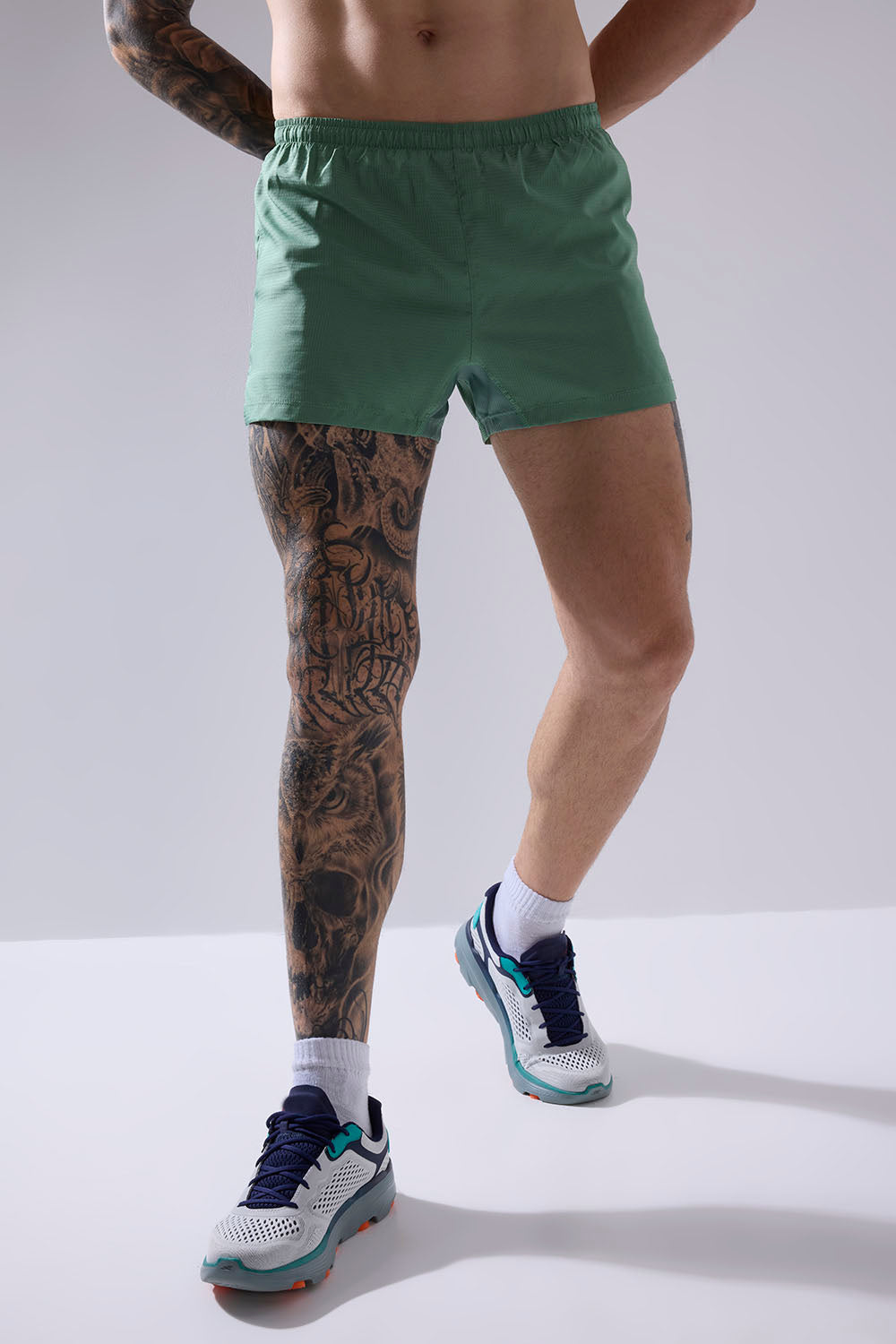
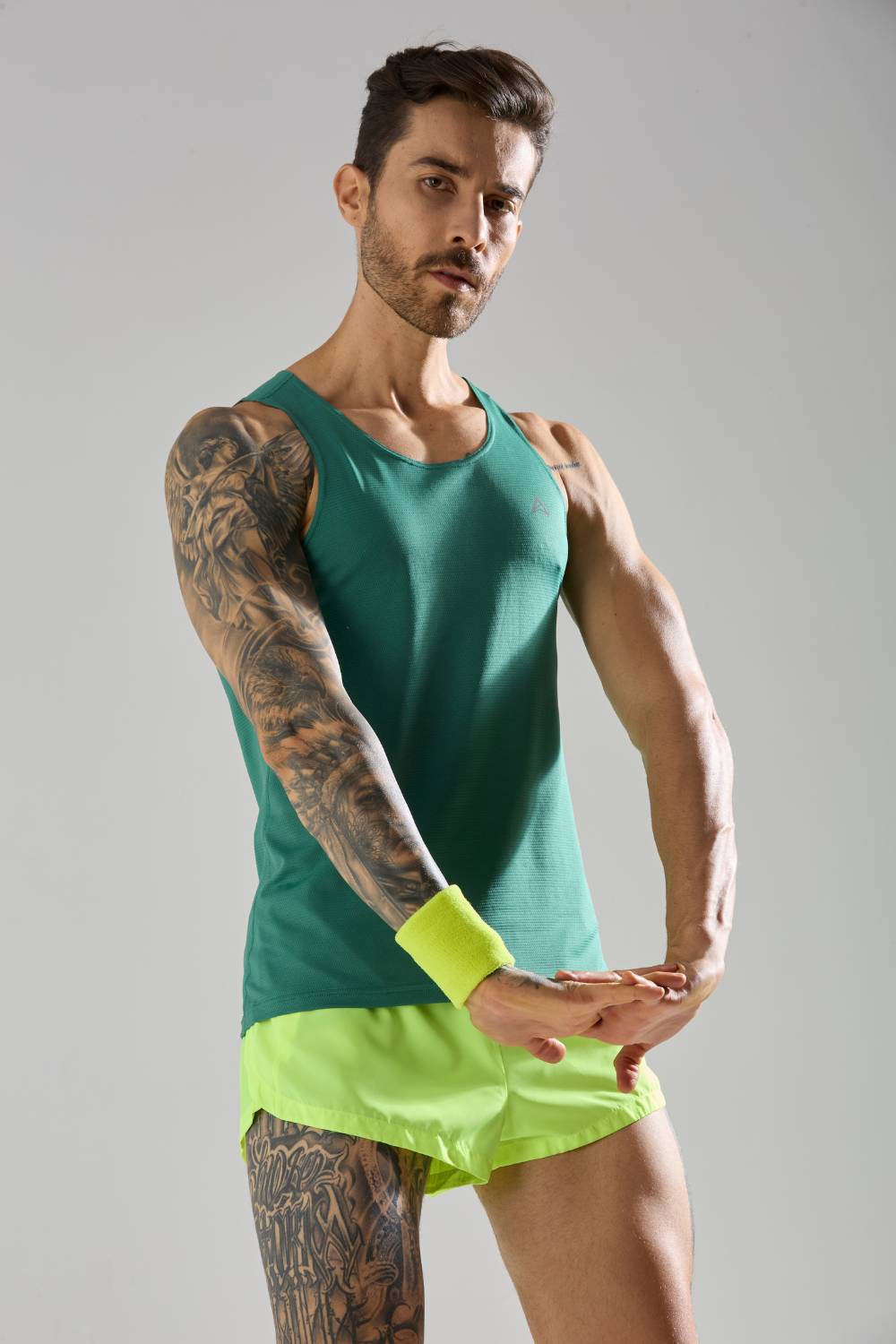
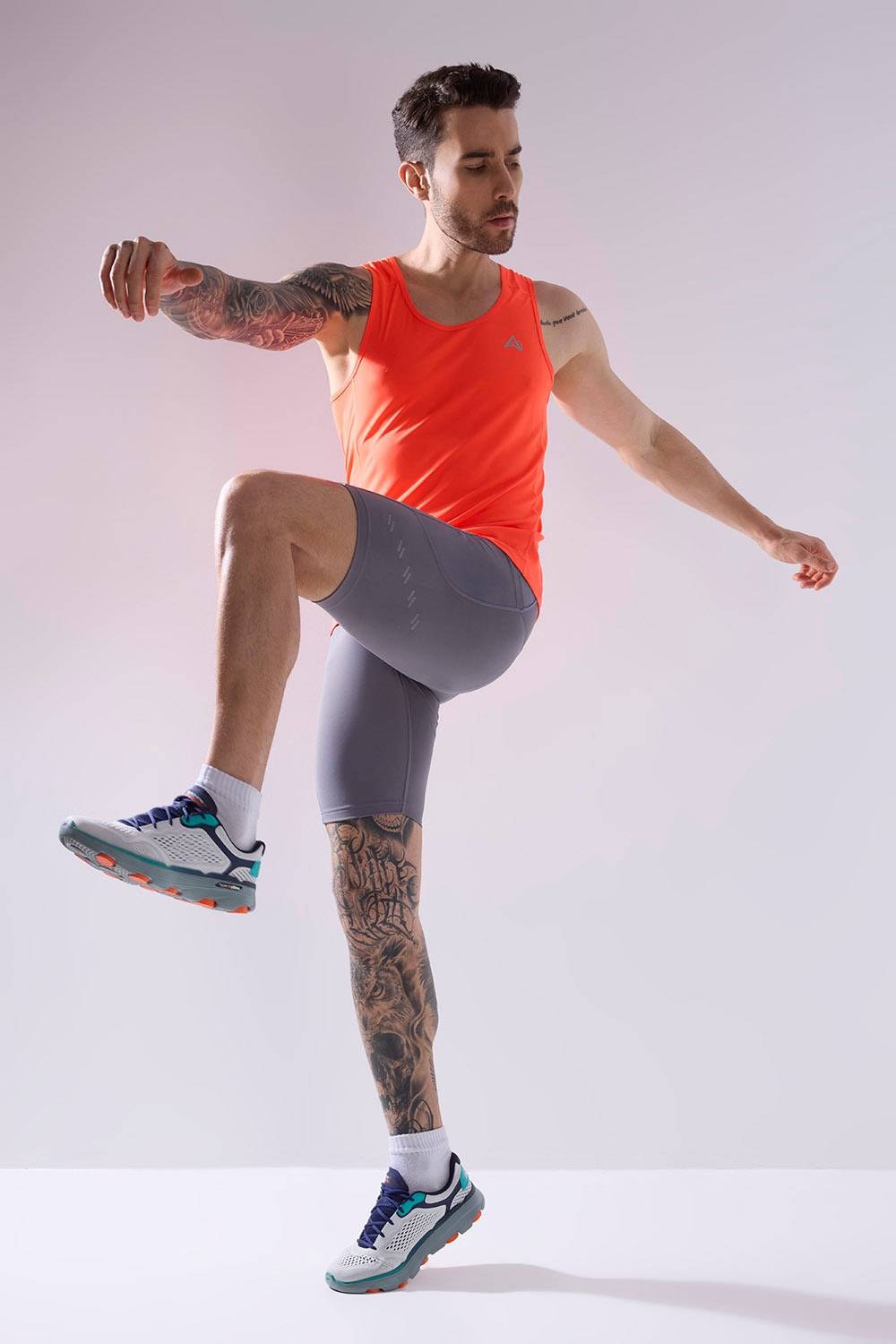
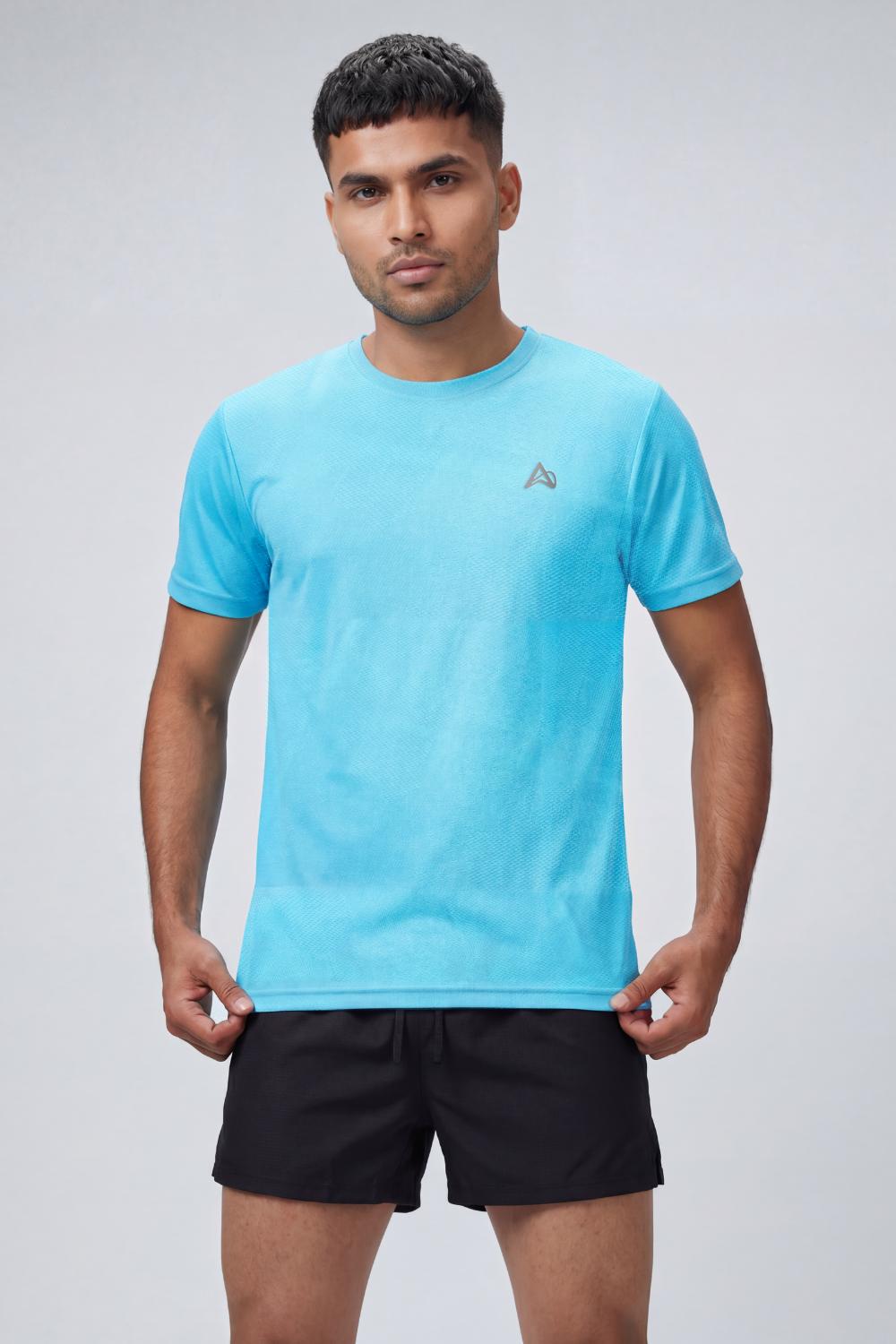
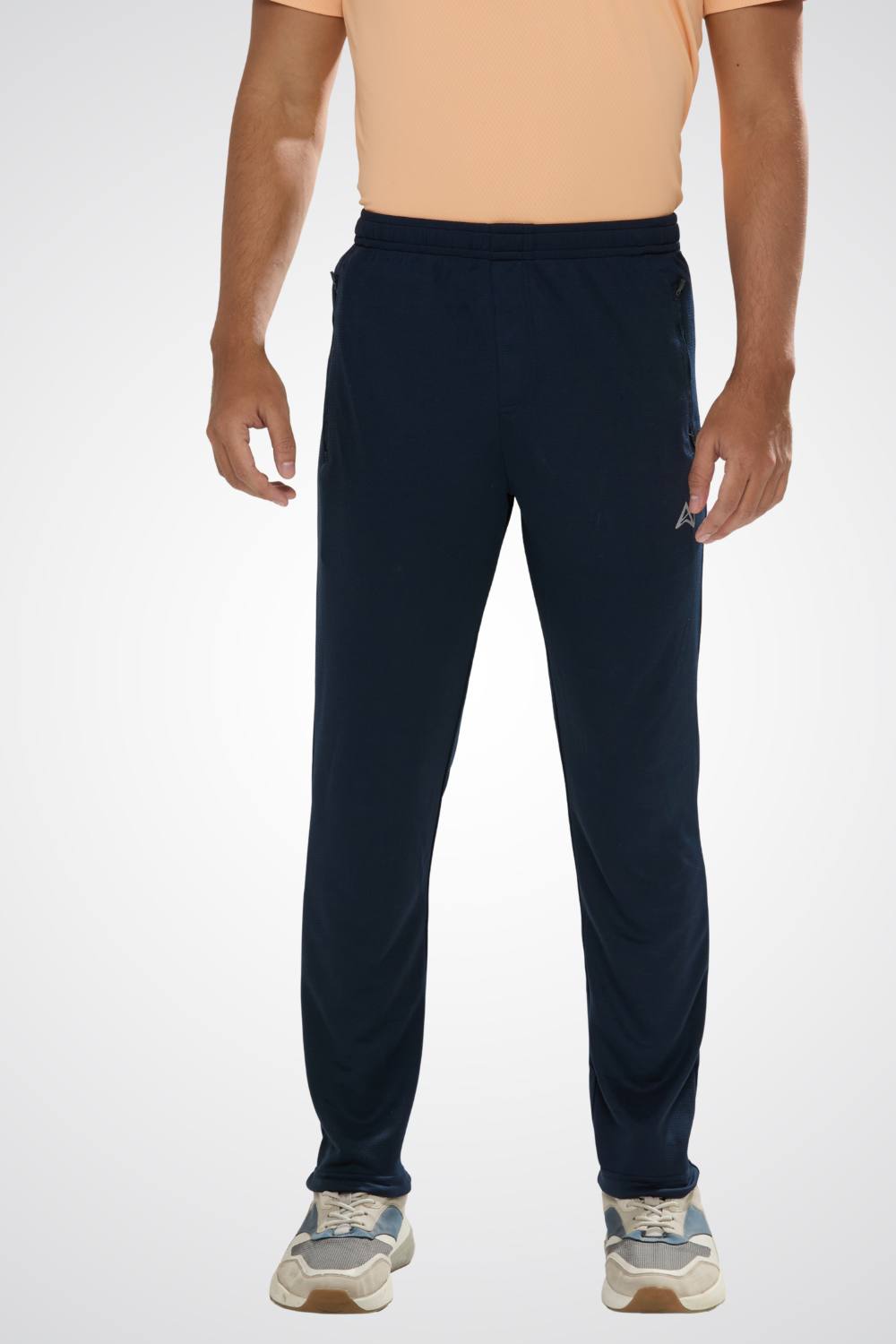
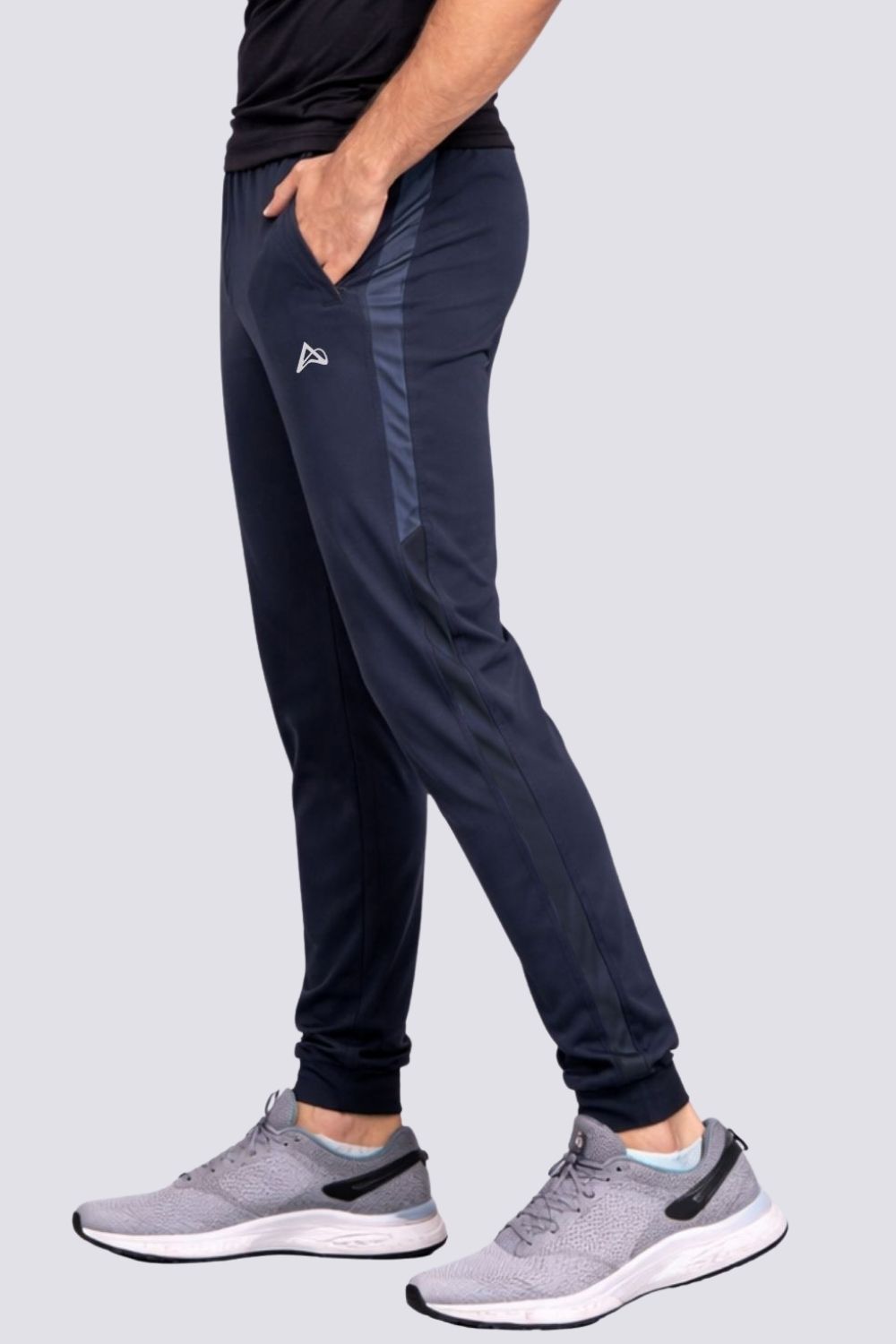
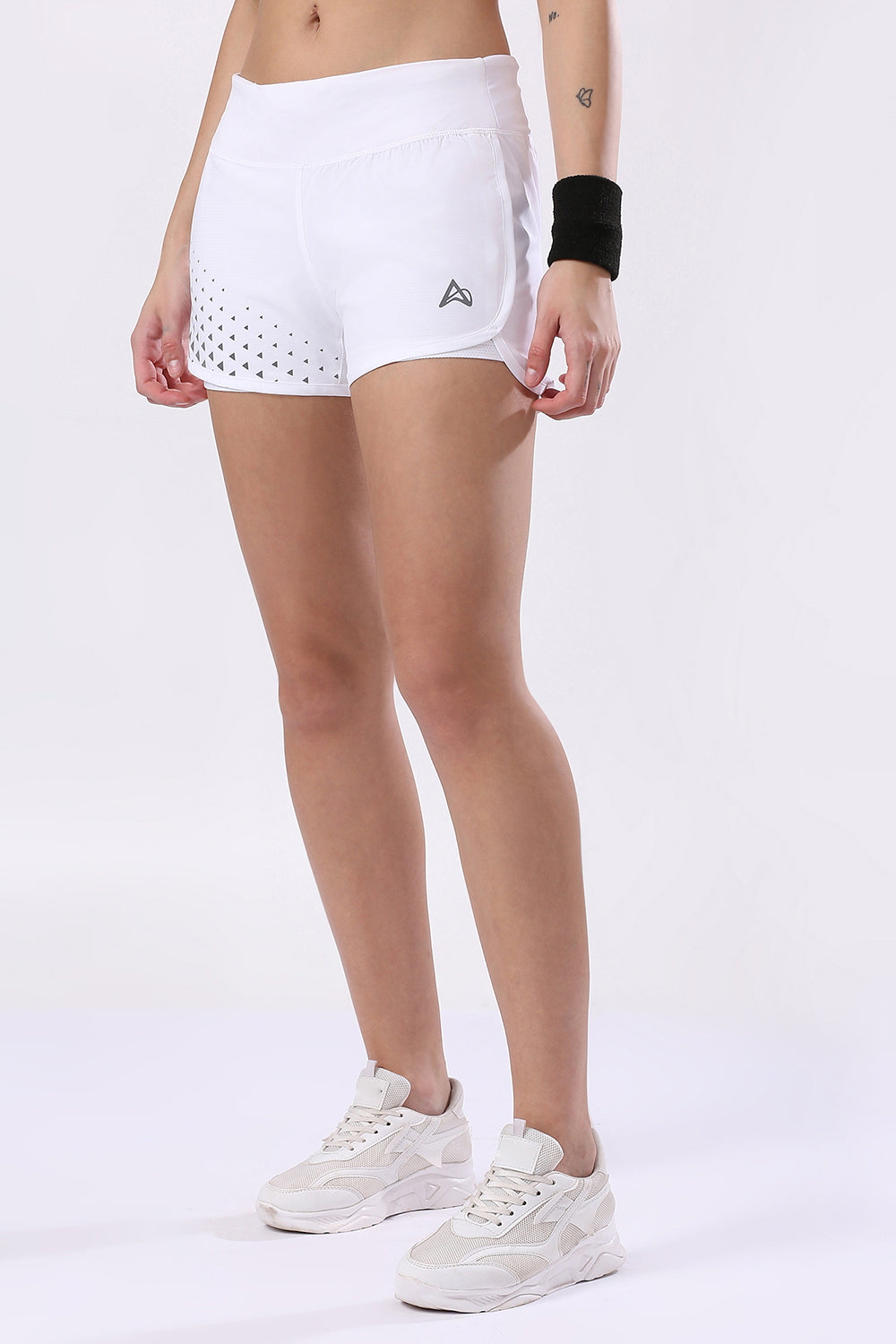
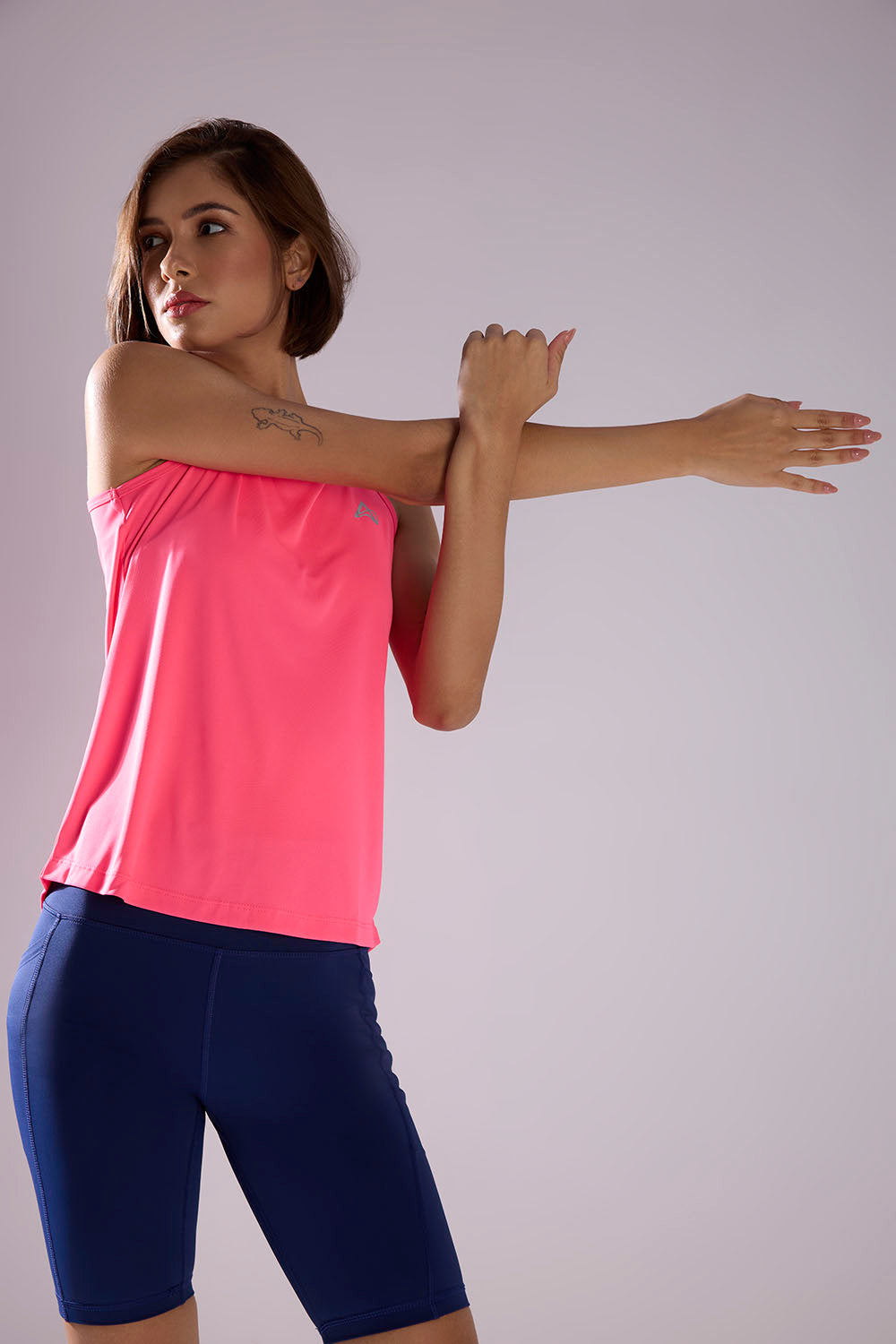
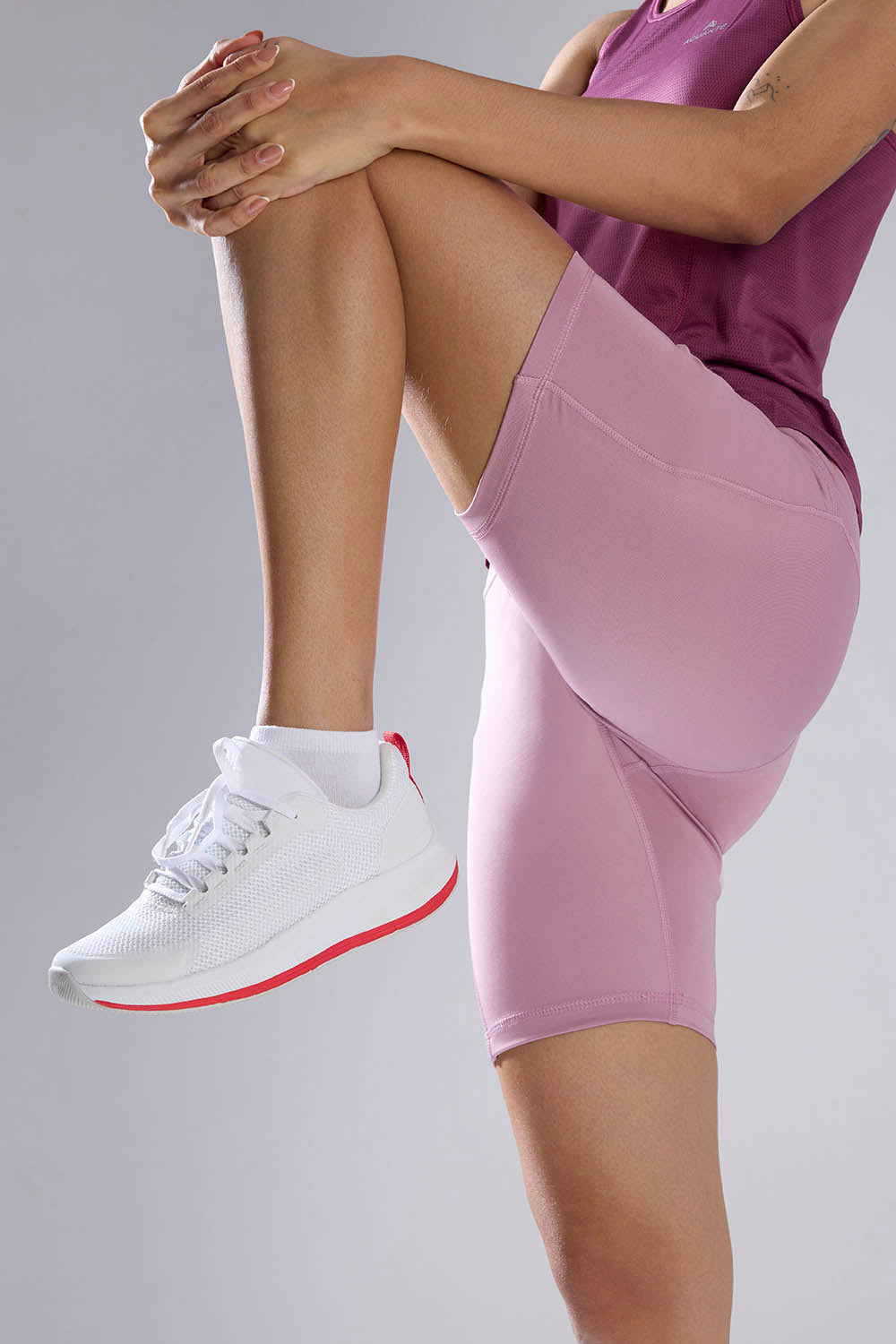
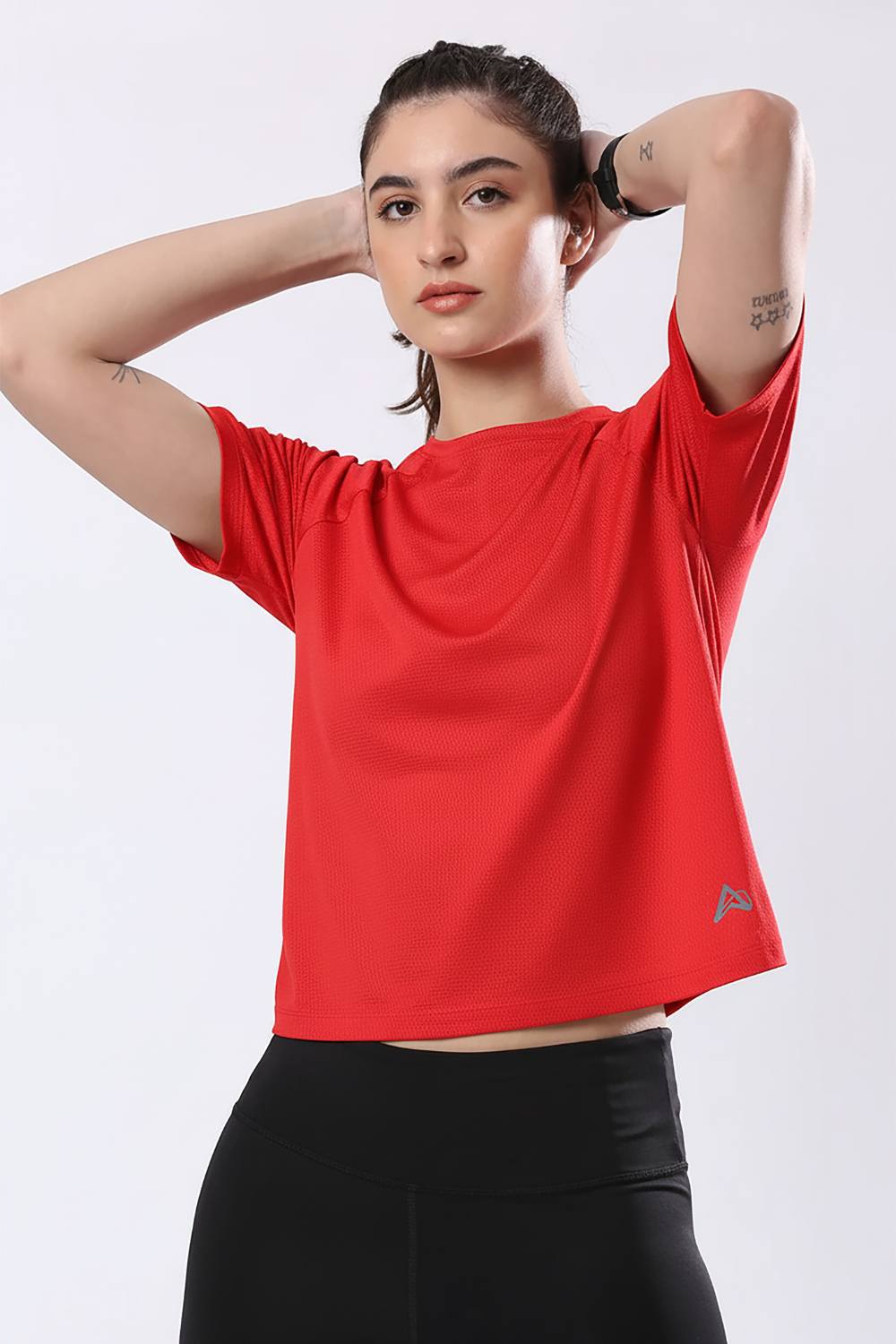
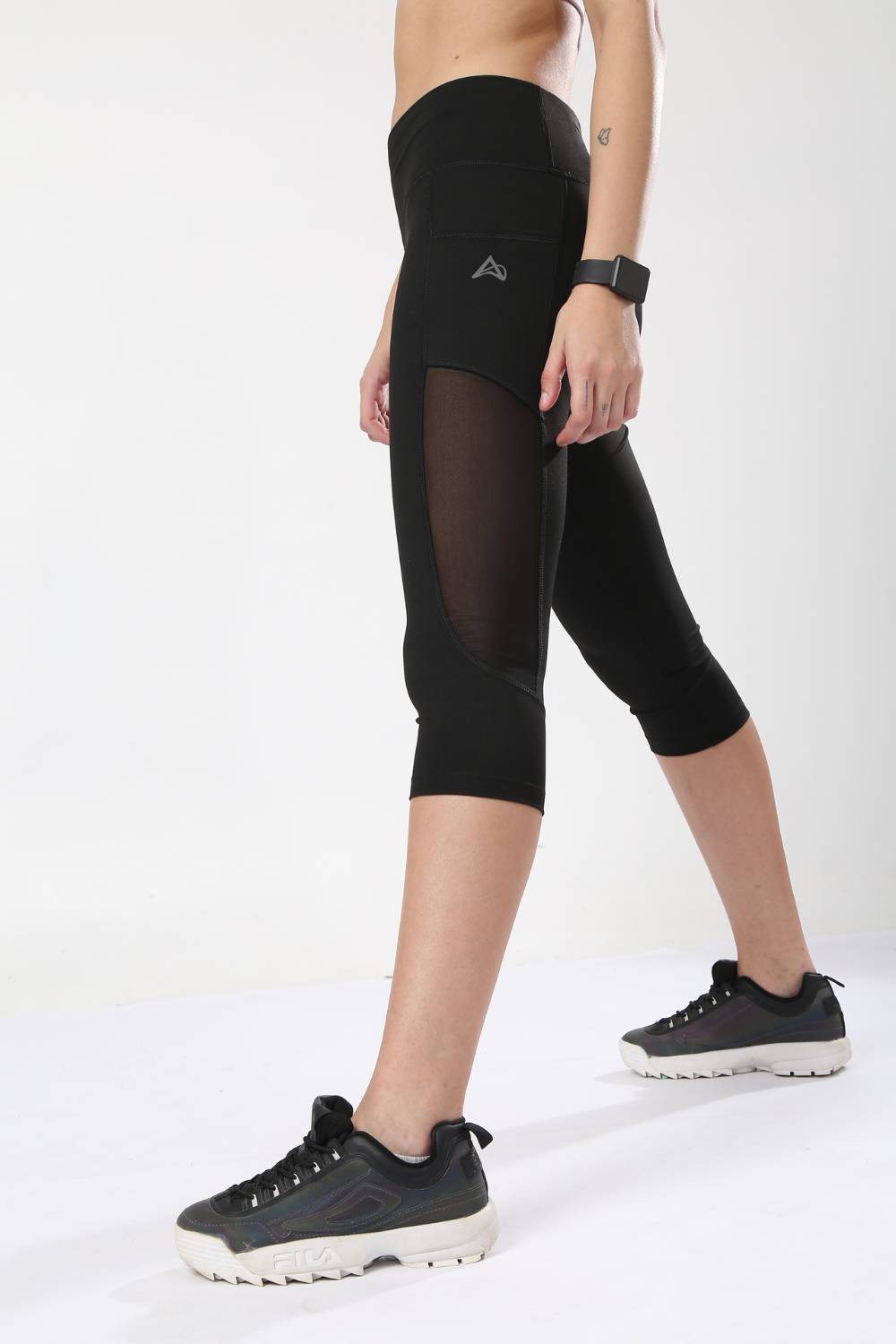

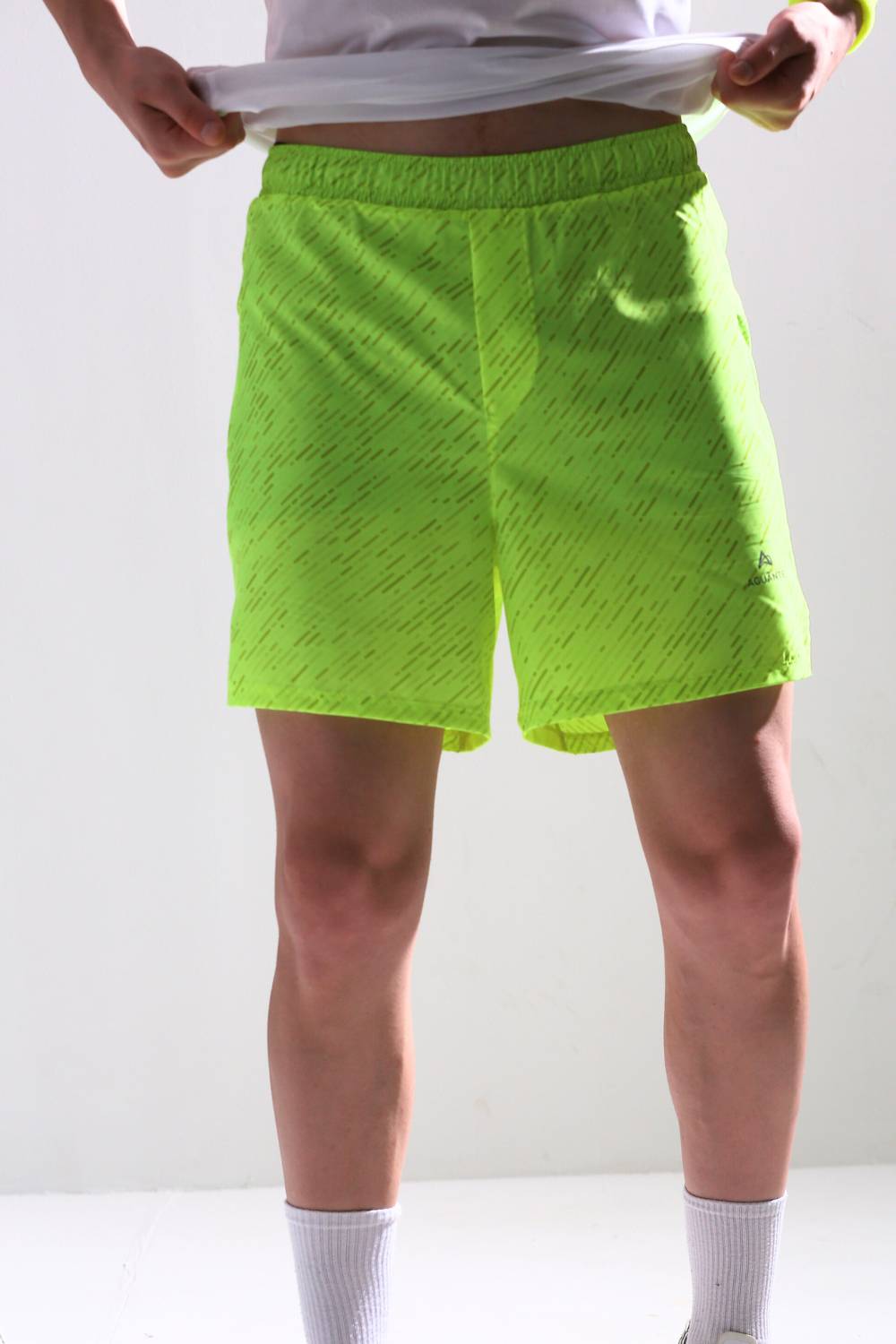

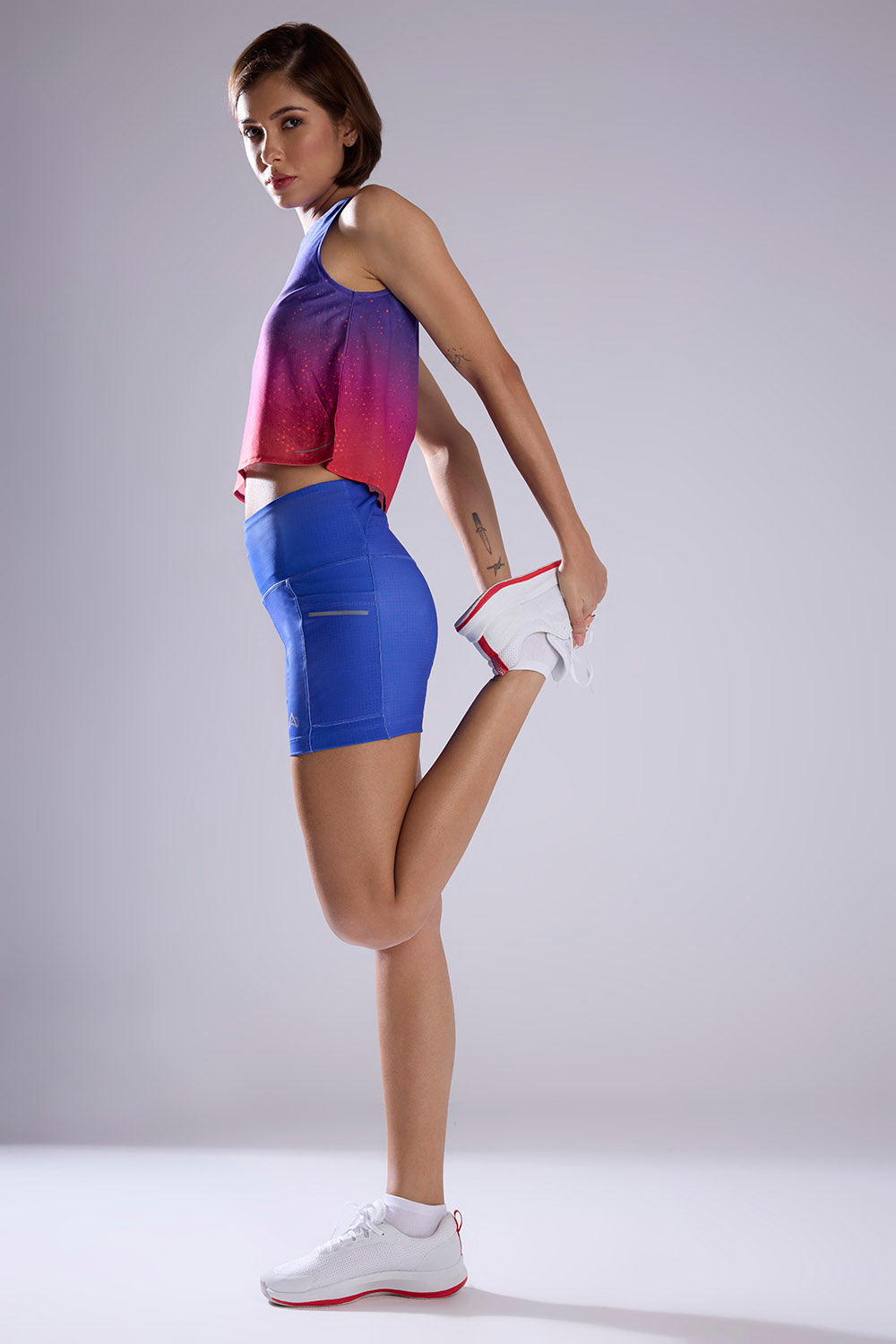
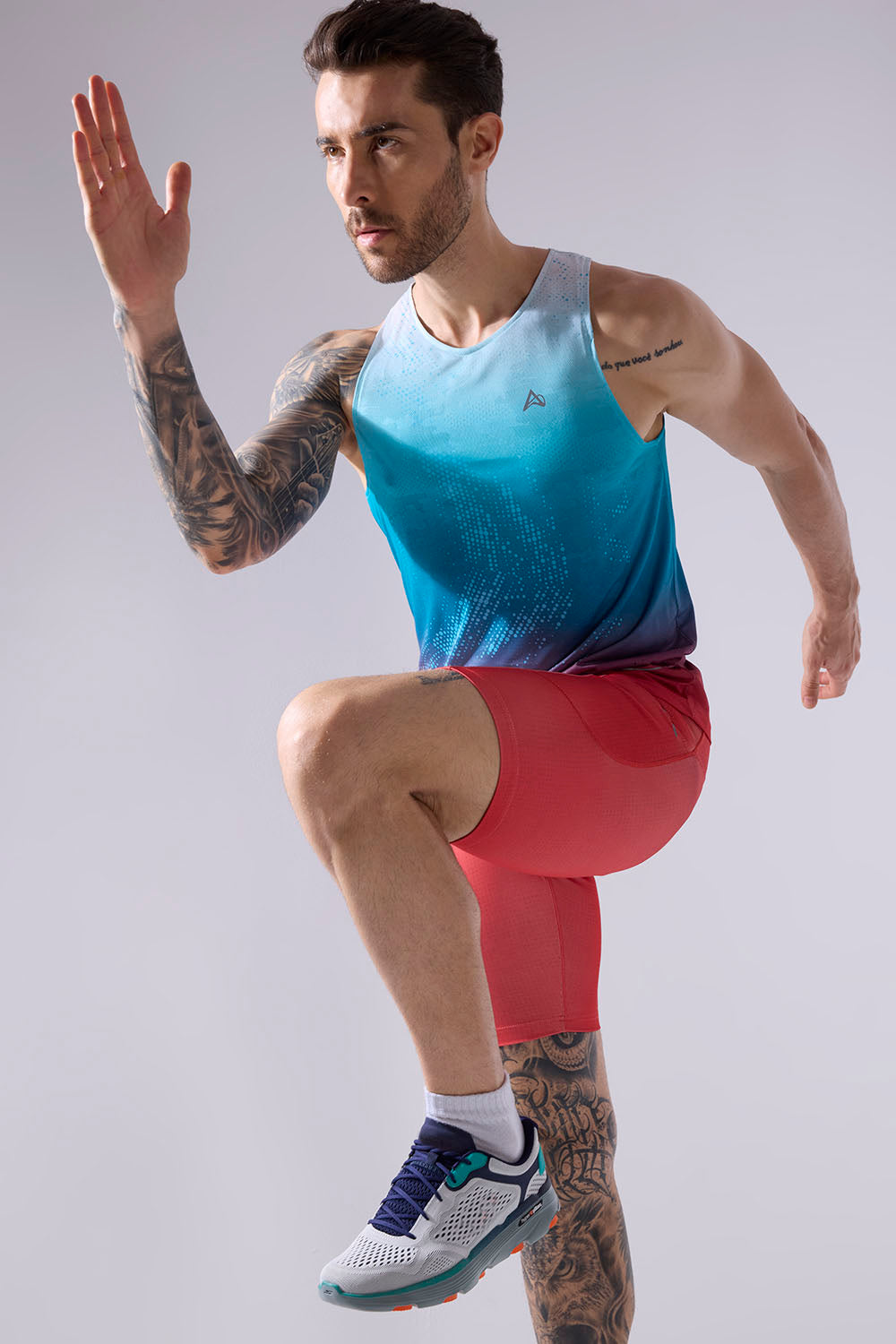

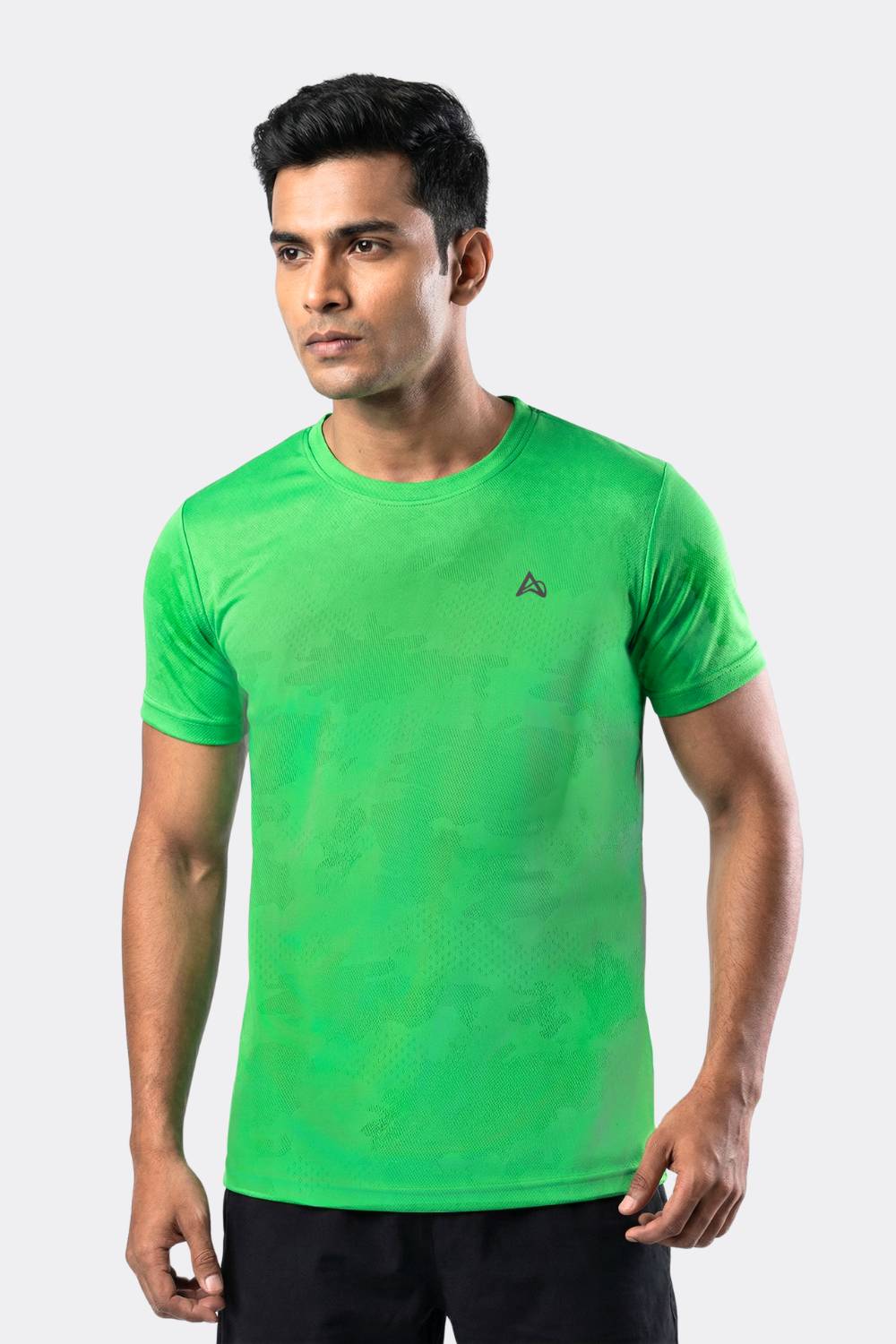
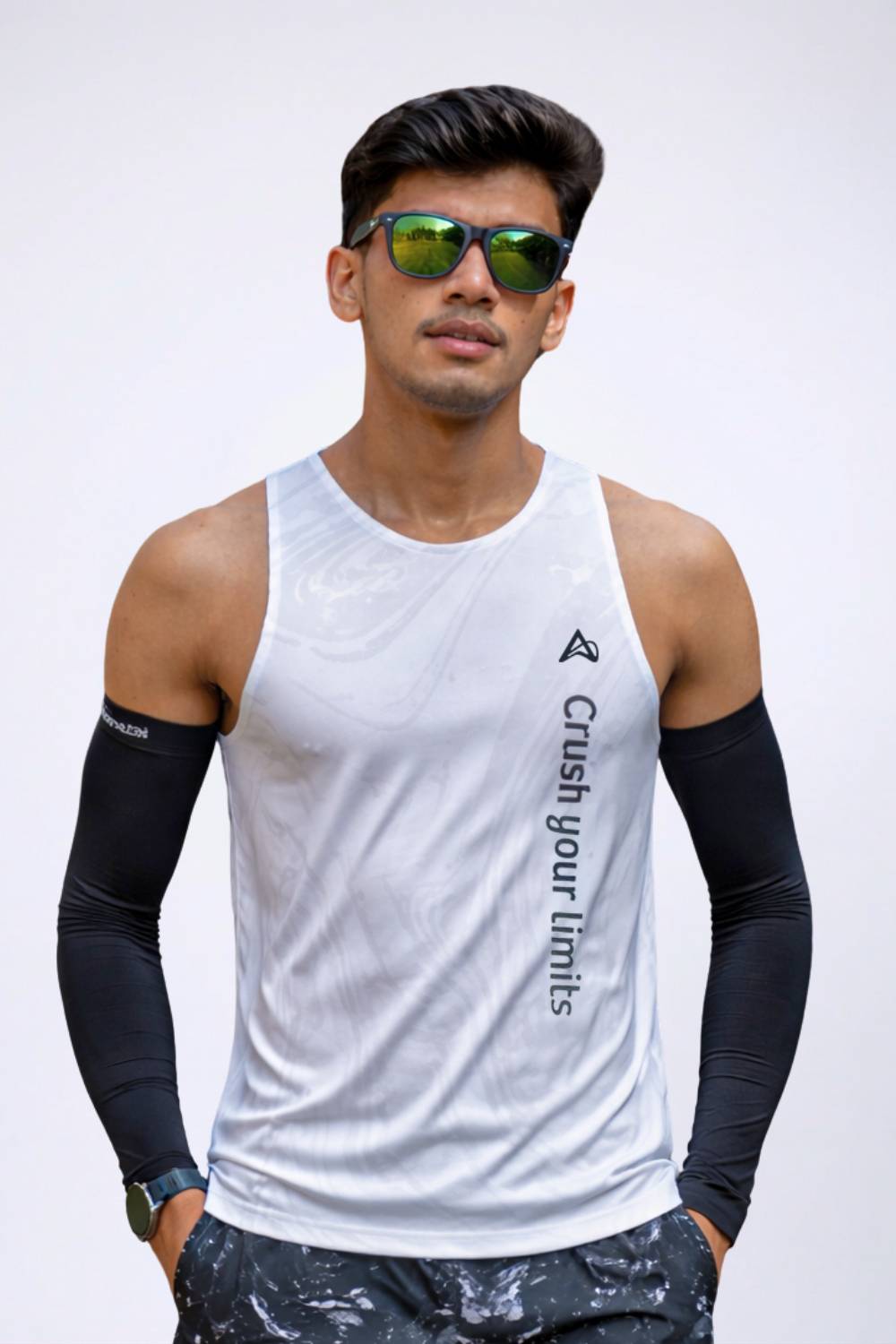

Choosing what to wear for exercise often starts with a simple question: can one outfit work for every activity? While many gym clothes and running clothes look similar, they are designed around different movement patterns, environments, and performance needs. A strength workout, a group fitness class, and a long-distance run place different demands on the body and on the clothing supporting it. Understanding the difference between running apparel and gym wear helps fitness enthusiasts choose garments that match their activity instead of relying only on appearance or general comfort.
The main difference between running apparel and gym wear comes down to purpose. Gym wear is usually designed to support a broad range of indoor activities, including weight training, mobility exercises, functional workouts, and fitness classes. It often prioritizes flexibility, comfort, and unrestricted movement.
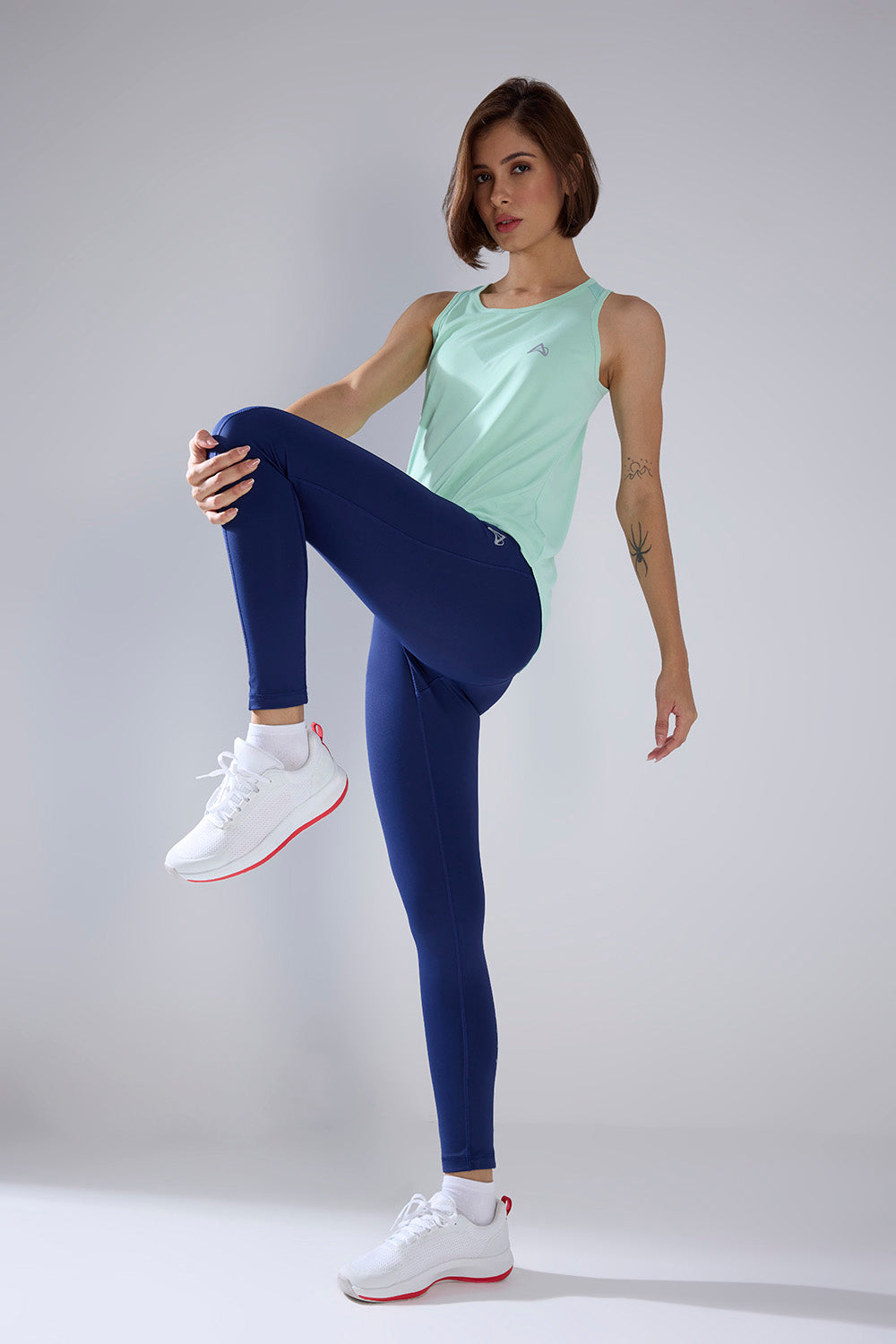
Running apparel is created around the specific challenges of continuous movement. A runner may spend a longer period repeating the same motion, managing sweat, dealing with changing outdoor conditions, and maintaining comfort over distance. Because of this, dedicated running clothing often focuses on moisture control, lightweight construction, ventilation, fit stability, and features that reduce distractions during movement.
Research into sportswear and running comfort highlights how performance garments are developed to influence factors such as moisture movement, perceived cooling, and comfort during prolonged exercise. The difference is not that one category is better than the other; it is that each category is built around different user needs.
Tired of gear that slows you down? Chafing, soggy fabrics, and missing pockets kill your run's momentum. At Aguante, we're runners who get it. Our high-performance activewear features moisture-wicking fabrics, ergonomic designs, and smart storage to keep you focused. Shop Now!
Fabric Technology: Managing Sweat During Different Activities
Fabric choice is one of the clearest differences between running apparel and general gym wear. During exercise, the body generates heat and sweat as it works. Clothing that holds moisture close to the skin can become uncomfortable, especially when activity continues for an extended period.
Running clothes are commonly designed with moisture management in mind. Lightweight fabrics help move sweat away from the body and support faster drying, helping runners maintain a more comfortable experience during longer sessions. Breathability and airflow also become important because outdoor running can involve changing temperatures and exposure to weather conditions.
Gym wear also benefits from breathable materials, but its priorities may differ depending on the workout. Someone performing short strength-training sessions may value stretch, durability, and flexibility more than long-duration sweat management. A runner covering several kilometres may place greater importance on how fabric performs over time.
Understanding these differences helps explain why moisture wicking running apparel is not simply a marketing term. It represents a design approach focused on keeping runners comfortable when sweat, movement, and duration become significant factors.
Fit and Movement: Why Running Clothes Are Built Differently
Movement requirements influence how clothing is designed. Running involves repeated forward motion, with thousands of similar movements during a single session. Clothing that shifts, restricts movement, or creates friction can become a distraction.
Running apparel typically uses an ergonomic approach to fit. The design considers how fabric sits during stride movement, how seams interact with the body, and how the garment maintains comfort while the runner is active. The goal is not simply a close fit or a loose fit, but a balance that supports natural movement.
Gym wear often needs to accommodate a wider variety of exercises. Squats, stretches, lifting movements, and floor exercises require flexibility across different directions. Because of this, gym clothing may be designed for versatility rather than the repeated motion patterns associated with distance running.
For people deciding how to choose running clothes, the activity itself should guide the decision. A runner preparing for regular outdoor sessions may benefit from clothing designed around endurance movement, while someone focused mainly on gym workouts may prefer apparel built for multiple training styles.
Performance Features That Matter for Runners
Specialized running apparel often includes details that may appear unnecessary during casual workouts but become valuable during longer runs. These features are designed around practical challenges faced by runners.
Moisture Management and Ventilation
Managing sweat is one of the biggest priorities for runners. Ventilation zones, lightweight materials, and fabric structures that encourage airflow can help reduce discomfort when activity continues for a longer period.
Storage and Convenience
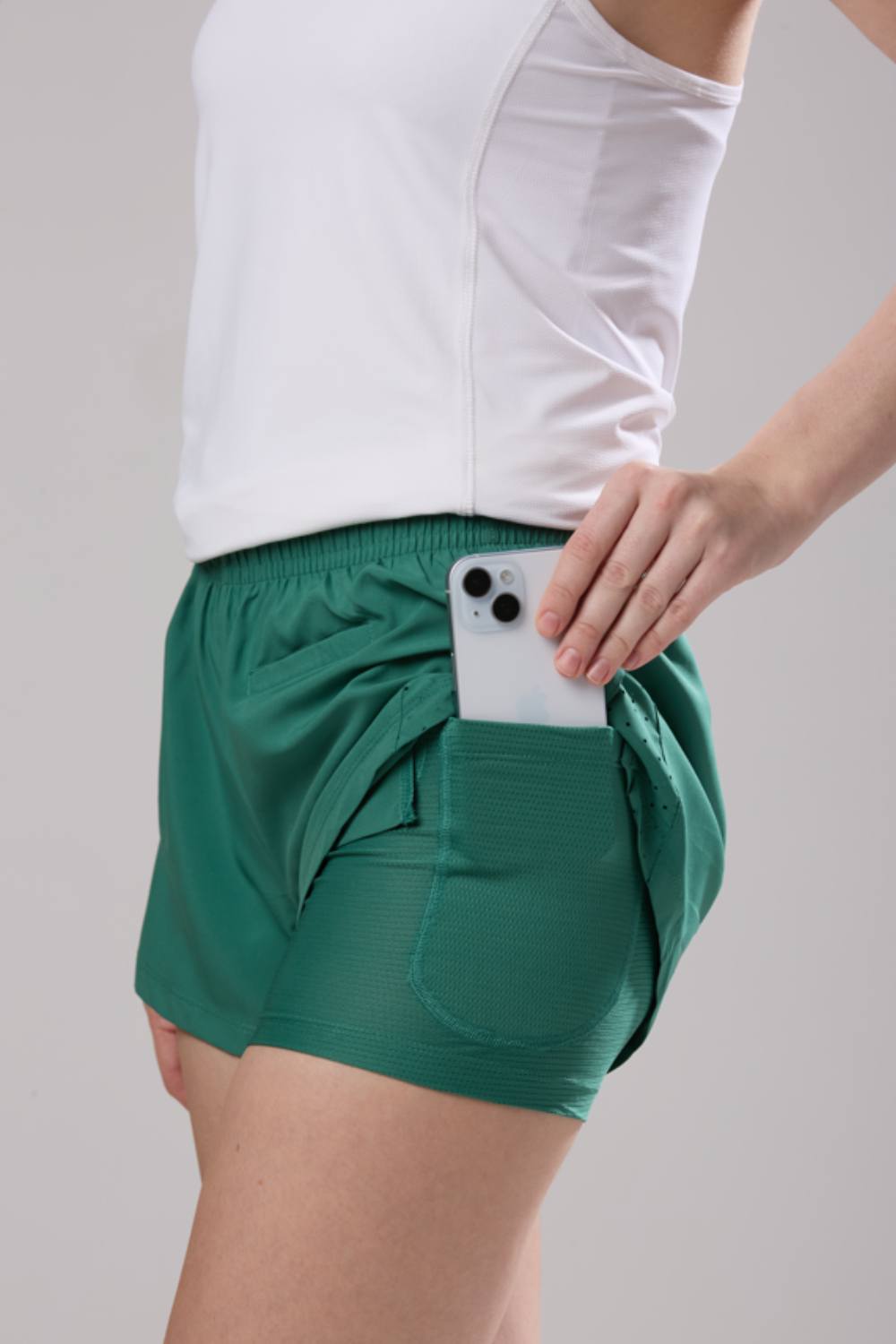
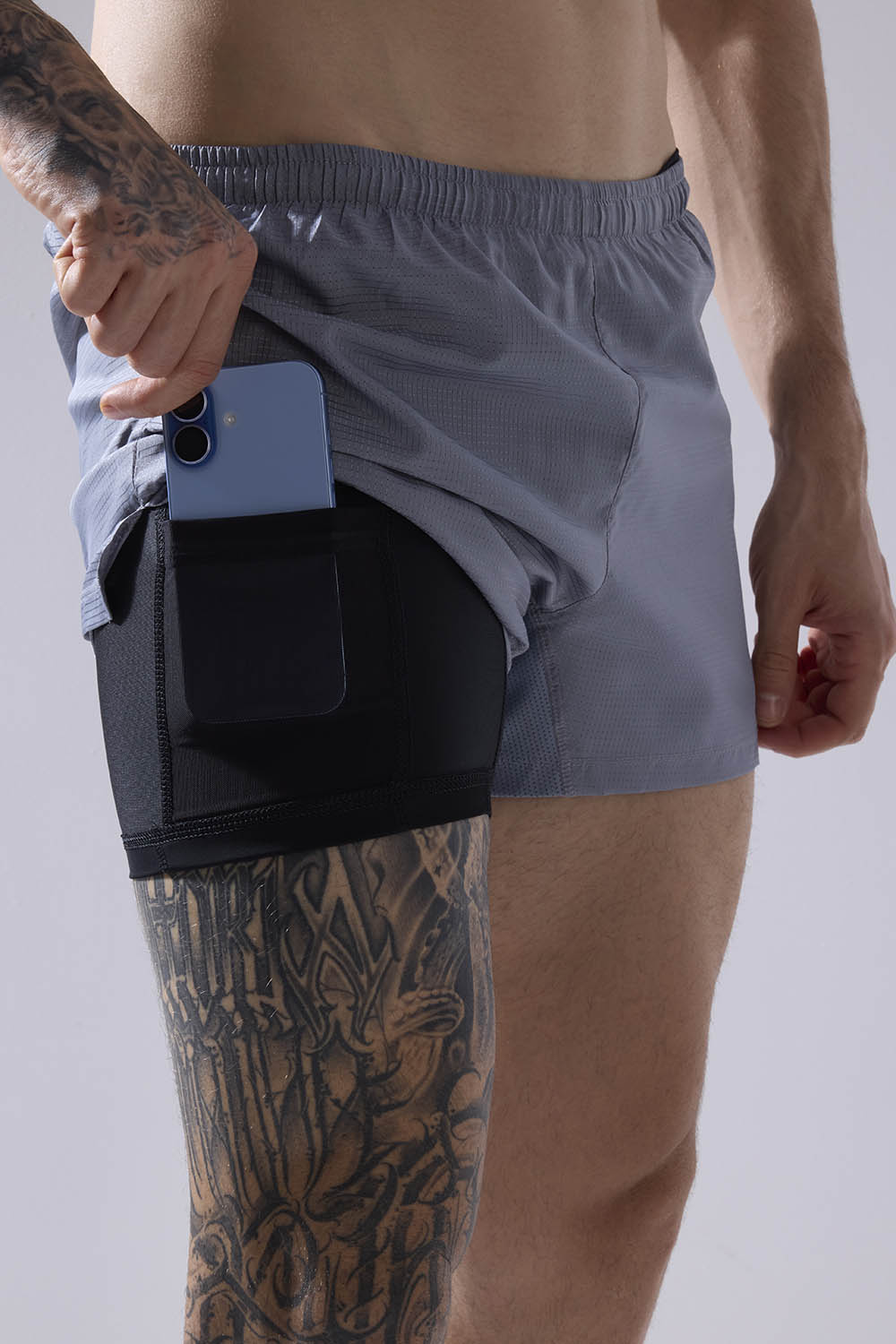
Running often takes place away from traditional workout spaces, which creates different practical needs. Runners may need to carry small essentials such as keys, cards, or personal items. Apparel designed for running may include thoughtful storage .
Visibility and Outdoor Considerations
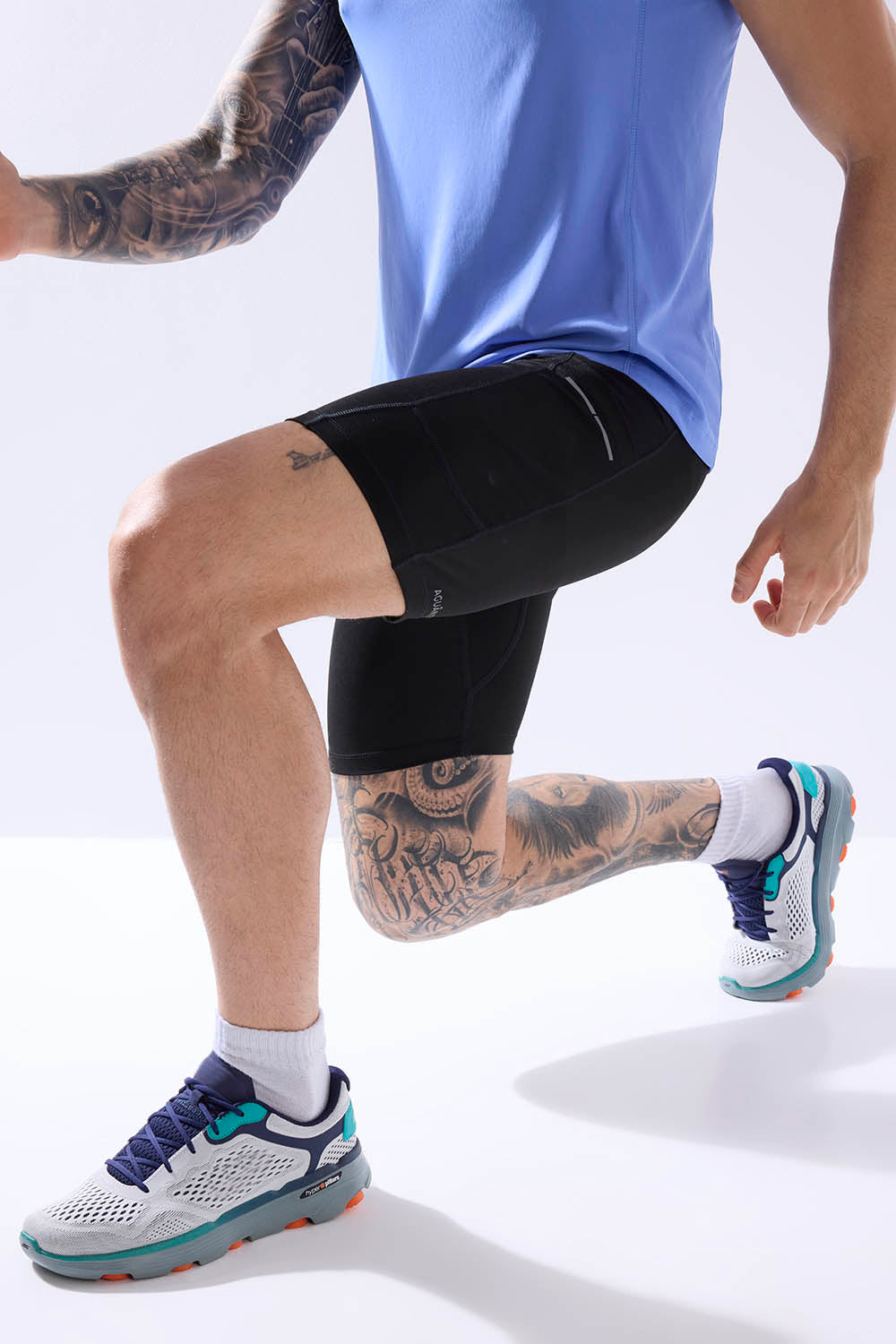
Outdoor activity introduces factors that are less relevant in many indoor gym environments. Features such as reflective elements can support visibility in lower-light conditions, making them useful considerations for people who run early in the morning or later in the evening.
These details show why performance clothing for runners is developed around the complete running experience rather than only the visual style of athletic clothing.
Gym Wear vs Running Wear: Choosing Based on Your Workout
The choice between gym wear and running wear should begin with understanding how the clothing will be used. There is no single activewear option that perfectly fits every type of exercise because different activities create different demands.
- For running: Look for lightweight construction, sweat management, comfortable fit, and features that support repeated movement over distance.
- For gym workouts: Prioritize flexibility, durability, and comfort across different exercises and movement patterns.
- For mixed training: Consider which activity makes up most of your routine and choose apparel that supports your primary goal.
This approach helps avoid a common mistake: selecting workout clothing only because it looks athletic. Performance apparel works best when its design matches the activity it is intended for.
Why Activity-specific Apparel Matters for Modern Runners
Fitness communities increasingly recognize that clothing is part of the overall training experience. Apparel does not replace preparation, technique, or consistency, but it can influence comfort and confidence during exercise.
For runners, small sources of discomfort can become more noticeable over longer distances. Fabric that feels acceptable during a short session may not provide the same experience during extended activity. This is why many runners look beyond basic sports clothing and consider features that support their specific routines.
The distinction between running apparel and gym wear reflects a broader shift toward more purposeful activewear. Instead of treating all sports clothing as interchangeable, consumers are becoming more aware of how design choices affect performance, comfort, and usability.
Technical sports garments are developed around practical needs such as moisture movement, airflow, and reducing discomfort caused by wet fabric during exercise. This understanding of fabric performance helps explain why dedicated running apparel is engineered differently from general workout clothing, as described in .
How Aguante Connects with the Needs of Runners
For brands focused on running apparel, educating consumers about these differences is an important part of helping people make better choices. Understanding why certain features exist allows runners to evaluate clothing based on function rather than appearance alone.
Aguante's focus on performance apparel aligns naturally with this conversation. Running-specific clothing is designed around the needs of people who spend time training, building endurance, and looking for comfort during movement. By helping runners understand the role of fabric, fit, and practical features, educational content can support more informed decisions about activewear.
The difference between running apparel and gym wear ultimately comes down to the relationship between clothing and activity. The right garment supports the way the body moves, the environment around it, and the goals of the person wearing it.
Final Thoughts: Choosing the Right Apparel for Your Training
Running clothes and gym clothes may share a similar athletic appearance, but their design priorities are different. Running apparel focuses on endurance, sweat management, repeated motion, and outdoor performance, while gym wear often emphasizes versatility across a wider range of exercises.
For anyone building a fitness routine, understanding these differences makes it easier to choose clothing that supports the activity rather than simply matching a style preference. Whether preparing for a first run or maintaining a regular training schedule, selecting apparel designed for the intended purpose can make every workout feel more comfortable and effective.
Frequently Asked Questions
What is the difference between running apparel and gym wear?
Running apparel is designed for endurance activities with features that support moisture management, lightweight movement, ventilation, and long-duration comfort. Gym wear is generally built for versatility across workouts like strength training, mobility exercises, and fitness classes where flexibility and durability are often key priorities.
Why is moisture-wicking running apparel important for runners?
Moisture-wicking running apparel helps move sweat away from the skin and supports a more comfortable experience during longer runs. These fabrics are especially useful for runners who need better airflow, faster drying, and improved comfort during continuous movement.
How do I choose between running clothes and gym clothes for workouts?
The right choice depends on the type of activity you perform most often. Choose running clothes when you need support for repeated movement, endurance, and outdoor conditions, while gym clothes may be more suitable for varied exercises that require flexibility across different movements.
Disclaimer: The above helpful resources content contains personal opinions and experiences. The information provided is for general knowledge and does not constitute professional advice.
You may also be interested in: Running Compression Shorts India: A Complete Guide for Runners
Tired of gear that slows you down? Chafing, soggy fabrics, and missing pockets kill your run's momentum. At Aguante, we're runners who get it. Our high-performance activewear features moisture-wicking fabrics, ergonomic designs, and smart storage to keep you focused. Shop Now!
Powered by flareAI.co